WESTMINSTER WINTER PARK
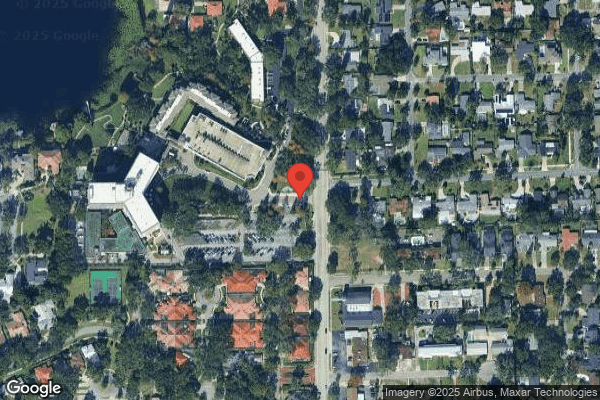

1111 S LAKEMONT AVE, WINTER PARK, FL 32792 (407) 647-4083
Non profit - Church related 80 Beds WESTMINSTER COMMUNITIES OF FLORIDA Data: November 2025 2 Immediate Jeopardy citations
Trust Grade
26/100
#307 of 690 in FL
Last Inspection: October 2024

Within standard 12-15 month inspection cycle. Federal law requires annual inspections.

Overview

Westminster Winter Park has received a Trust Grade of F, indicating significant concerns about the facility's care and management. With a state rank of #307 out of 690, they are in the top half of Florida facilities, but their county rank of #12 out of 37 shows that there are local options that may be better. The facility is improving, as issues have decreased from 7 in 2024 to just 1 in 2025. Staffing is a strong point, with a perfect score of 5/5 stars and a turnover rate of 32%, which is lower than the state average, indicating that staff tend to stay and know the residents well. However, the facility has troubling fines totaling $89,924, which is higher than 91% of Florida facilities, suggesting ongoing compliance issues. Specific incidents include a critical failure to provide CPR for a resident who had requested life-saving measures, as staff did not follow the physician's orders. Additionally, two residents developed serious pressure injuries due to inadequate care, with one resident suffering severe complications that led to hospitalization and death. While there are strengths in staffing and recent improvements, these serious incidents raise significant red flags for families considering this nursing home.

Trust Score
F
26/100
In Florida
#307/690
Top 44%
Safety Record
High Risk
Review needed
Inspections
Getting Better
7 → 1 violations
Staff Stability
○ Average
32% turnover. Near Florida's 48% average. Typical for the industry.
Penalties
○ Average
$89,924 in fines. Higher than 72% of Florida facilities. Some compliance issues.
Skilled Nurses
✓ Good
Each resident gets 61 minutes of Registered Nurse (RN) attention daily — more than 97% of Florida nursing homes. RNs are the most trained staff who catch health problems before they become serious.
Violations
⚠ Watch
22 deficiencies on record. Higher than average. Multiple issues found across inspections.
★★★★☆
4.0
Overall Rating
★★★★★
5.0
Staff Levels
★★★★★
5.0
Care Quality
★★☆☆☆
2.0
Inspection Score
Stable
2024: 7 issues
2025: 1 issues

The Good

  • 5-Star Staffing Rating · Excellent nurse staffing levels
  • 5-Star Quality Measures · Strong clinical quality outcomes
  • Full Sprinkler Coverage · Fire safety systems throughout facility
  • No fines on record
  • Staff turnover below average (32%)

    16 points below Florida average of 48%

Facility shows strength in staffing levels, quality measures, fire safety.

The Bad

Staff Turnover: 32%

14pts below Florida avg (46%)

Typical for the industry

Federal Fines: $89,924

Well above median ($33,413)

Moderate penalties - review what triggered them

Chain: WESTMINSTER COMMUNITIES OF FLORIDA

Part of a multi-facility chain

Ask about local staffing decisions and management

The Ugly 22 deficiencies on record

2 life-threatening 2 actual harm
Aug 2025 1 deficiency
CONCERN (D) 📢 Someone Reported This

A family member, employee, or ombudsman was alarmed enough to file a formal complaint

Potential for Harm - no one hurt, but risky conditions existed

Respiratory Care (Tag F0695)

Could have caused harm · This affected 1 resident

**NOTE- TERMS IN BRACKETS HAVE BEEN EDITED TO PROTECT CONFIDENTIALITY** Based on observation, interview, and record review, the facility failed to administer Oxygen (O2) therapy as ordered by the phys...

Read full inspector narrative →
**NOTE- TERMS IN BRACKETS HAVE BEEN EDITED TO PROTECT CONFIDENTIALITY** Based on observation, interview, and record review, the facility failed to administer Oxygen (O2) therapy as ordered by the physician for 2 of 4 residents reviewed for respiratory care, of a total sample of 4 residents, (#3 and #4).1. Resident #3 was admitted to the facility on [DATE] with diagnoses of pneumonia, acute respiratory failure, chronic obstructive pulmonary disease (COPD), and congestive heart failure (CHF).Review of resident #3's medical record revealed a care plan revised on 8/07/25 which indicated the resident's oxygen to be applied, as ordered by physician, for respiratory complications related to CHF, COPD, and pneumonia.Supplemental oxygen therapy helps people with COPD, COVID-19, emphysema, sleep apnea and other breathing problems get enough oxygen to function and stay well. Low blood oxygen levels (hypoxemia) can damage organs and be life-threatening, (retrieved on 8/15/25 from www.myclevelandclinic.org).Resident #3's Order Summary Report showed an active physician's order dated 8/4/25 for oxygen at 1 liter per minute (LPM) via NC (nasal cannula) and an order for nurses to check the oxygen delivery rate every shift.On 8/12/25 at 9:35 AM, resident #3 was observed sitting up in bed with O2 delivered through a NC. The O2 tubing was connected to a concentrator set to deliver 3.5 LPM of oxygen. Resident #3 was alert and oriented to person, place and time, and denied adjusting her O2 concentrator settings herself. Later that day on 8/12/25 at 12:45 PM, resident #3 was in her room with O2 administered through the nasal cannula. The oxygen tubing was connected to an O2 concentrator still set at 3.5 LPM. On 8/12/25 at 12:50 PM, Registered Nurse (RN) A checked resident #3's medical record physician order and verified the oxygen was ordered by the physician for 1 LPM. The nurse confirmed she did not check the resident's oxygen settings today and said she should check every time she went in the room to ensure the resident was getting rate that was ordered by the physician. On 8/12/25 at 12:53 PM, the Assistant Director of Nursing (ADON) observed and acknowledged resident #3 was not getting her oxygen as ordered by the physician. The ADON confirmed the oxygen flow rate was ordered by the physician for 1 LPM. 2. Resident #4 was readmitted to the facility on [DATE] with diagnoses of cerebral infarction (stroke), hemiplegia (paralysis on side of the body), CHF, adult failure to thrive and quadriplegia (paralysis that affects all a person's limbs and body from the neck down). Review of resident #4's medical record revealed a care plan revised on 5/02/24 which indicated a resident focus for Respiratory Complications related to CHF and history of pneumonia which included an intervention to apply oxygen therapy as ordered with the goal that she would not have symptoms of respiratory distress. Resident #4's current active physician order dated 5/01/24 was for oxygen at 2 LPM continuously via nasal cannula. On 8/12/25 at 9:45 AM, resident #4 was lying in bed asleep with O2 administered through a NC. The O2 tubing was connected to an oxygen concentrator set at 1.5 LPM. Later that day on 8/12/25 at 1:00 PM, resident #4 was lying in bed asleep with oxygen administered through a nasal cannula. The oxygen tubing was connected to an O2 concentrator set at 1.5 LPM. On 8/12/25 at 1:05 PM, Licensed Practical Nurse (LPN) B explained she was assigned to resident #4 and verified the physician order for oxygen was for 2 LPM continuous. LPN B confirmed she did not check the resident concentrator yet today to ensure resident was getting the prescribed rate. LPN B went to resident #4's room and verified the resident was getting 1.5 LPM of oxygen via the setting on the concentrator. The nurse was observed standing over the oxygen concentrator trying to read the flow rate from above instead of at eye level.On 8/12/25 at 1:18 PM, the Director of Nursing (DON) said nurses were supposed to check oxygen liter flow rate at eye level at least every shift. The DON verbalized the expectation that nurses should check the physician's order and administer what was ordered. The DON added, good nursing practice was to check every time the nurse rounded on their residents to ensure they were receiving what was ordered by the physician. Review of the facility's Oxygen Administration policy revised May 2025 indicated, Oxygen is administered to residents who need it, consistent with professional standards of practice, the comprehensive person-centered care plan. Oxygen is administered under orders of a physician.
Oct 2024 3 deficiencies
CONCERN (D)

Potential for Harm - no one hurt, but risky conditions existed

Deficiency F0561 (Tag F0561)

Could have caused harm · This affected 1 resident

**NOTE- TERMS IN BRACKETS HAVE BEEN EDITED TO PROTECT CONFIDENTIALITY** Based on interview, and record review, the facility failed to honor residents' rights to choose their preferred bathing preferen...

Read full inspector narrative →
**NOTE- TERMS IN BRACKETS HAVE BEEN EDITED TO PROTECT CONFIDENTIALITY** Based on interview, and record review, the facility failed to honor residents' rights to choose their preferred bathing preferences for 1 of 2 residents reviewed for choices, of a total sample of 29 residents, (#55). Findings: Review of the medical record revealed resident #55 was admitted to the facility on [DATE] from the hospital. His diagnosis included Parkinson's disease, osteoarthritis, right hip pain, and bilateral inguinal hernia. Resident #55's admission Minimum Data Set with an assessment reference date of 10/16/24 revealed the resident scored 14 out of 15 on the Brief Interview for Mental Status, indicating he had no cognitive impairment. The MDS assessment also indicated resident #55 was dependent on bathing; it was somewhat important for him to choose between a shower and bed bath, and he participated in the assessment and goal setting. The assessment also revealed the resident did not exhibit behavior symptoms or rejection of care necessary to achieve the resident's goals for health and well-being. Resident #55's Resident Preferences Evaluation dated 10/11/24 noted the resident prefers showering. A review of resident 55's Certified Nursing Assistant (CNA) [NAME] with an admission date of 10/10/24 noted the resident preferred a shower on Tuesdays, Thursdays, and Saturdays in the evening. The bathing task report indicated resident #55 received no showers from 10/10/24 to 10/30/24. The report noted that the resident received bed baths on 5 of the 22 days since admission. On 10/28/24 at 10:41 AM, resident #55 stated he was only given bed baths but preferred showers. He said he told the staff he preferred showers, but they only gave him bed baths which was not his preference. On 10/28/24 at 2:07 PM, resident #55 explained had not had a shower in over a month until earlier that day when he had a shower with therapy. On 10/30/24 at 1:59 PM, Registered Nurse (RN) B stated it was a lot for the resident to shower, so staff offered him a bed bath which he accepted. RN B explained after two weeks, resident #55 started to say he had not had a shower. The nurse did not recall writing a note about it. On 10/30/24 at 4:46 PM, CNA A explained that they looked in the computer and checked to see who had showers scheduled that day. The CNA said if the resident refused to shower, it was reported to the nurse and would let the nurse know if the resident requested a bed bath instead of the scheduled shower. On 10/31/24 at 12:47 PM, the Director of Nursing (DON) confirmed the [NAME] and Preference Evaluation indicated the resident's bathing preference was for showers on Tuesdays, Thursdays, and Saturdays. The DON confirmed the bathing task report indicated the resident had not received showers. The DON expressed that the resident's choices were not honored and confirmed that resident #55 should have received showers instead of bed baths. She acknowledged the importance of ensuring the resident received his preferred means of bathing, as it was the resident's right. The facility's Activities of Daily Living policy dated 6/2023 indicated the facility would, ensure a resident's abilities in Activities of Daily Living did not deteriorate unless deterioration was unavoidable, based on the resident's comprehensive assessment and consistent with the resident's needs and choices,. Care and services would be provided for the following activities of daily living: bathing, dressing, grooming, and oral care . ________________________________________________________________________________________________
CONCERN (D)

Potential for Harm - no one hurt, but risky conditions existed

Deficiency F0655 (Tag F0655)

Could have caused harm · This affected 1 resident

**NOTE- TERMS IN BRACKETS HAVE BEEN EDITED TO PROTECT CONFIDENTIALITY** Based on interview, and record review, the facility failed to provide a written summary of the Baseline Care Plan as required fo...

Read full inspector narrative →
**NOTE- TERMS IN BRACKETS HAVE BEEN EDITED TO PROTECT CONFIDENTIALITY** Based on interview, and record review, the facility failed to provide a written summary of the Baseline Care Plan as required for 1 of 2 residents reviewed for Care Planning, of a total sample of 29 residents, (#869). Findings: Resident #869, an [AGE] year-old female was admitted to the facility on [DATE]. Her diagnoses included sepsis, atrial fibrillation, hypertension, generalized muscle weakness, hyperlipidemia, and a personal history of pneumonia. On 10/28/24 at 12:20 PM, resident #869 stated she was admitted to the facility for therapy, had been at the facility since 10/24/24, had not had any therapy, and did not know about or have a copy of her care plan. The resident said she did not think she signed anything regarding her plan of care. Review of the resident's clinical records revealed a Baseline Care Plan which indicated resident #869's admission date was 10/24/24. The summary and signatures areas, revealed the document was not signed until 10/28/24 by the resident and the Unit Manager . On 10/29/24 at 3:04 PM, the Registered Nurse Minimum Data Set (MDS) Coordinator stated baseline care plans were initiated on admission, or on the day following a resident's admission. He explained that all the disciplines completed their sections, the baseline care plan was then printed, reviewed with the resident, signed, a copy would be given to the resident, then scanned into the resident's electronic medical record. He stated the goal was for the process to be completed within 48 hours. Resident #869's baseline care plan was reviewed with the MDS Coordinator. He acknowledged the resident was admitted on [DATE], the baseline care plan was initiated on 10/24/24, but the signatures to indicate the baseline care plan was reviewed, and a copy provided to the resident was not until 10/28/24. He said this was not within guidelines. On 10/29/24 at 3:31 PM, the Assistant Director of Nursing/Unit Manager (ADON/UM) for Birch and Gibbion Units, stated a baseline care plan initiated on admission by the admission nurse, was to be completed within 48 hours, and the resident/family signed and received a copy. The resident's baseline care plan was reviewed with the ADON/UM. She acknowledged the resident was admitted on [DATE], and documentation indicated the baseline care plan was reviewed with the resident, signature obtained, and a copy provided to the resident on 10/28/24. On 10/29/24 at 3:48 PM, the Director of Nursing (DON) stated that in lieu of the baseline care plan, a comprehensive care plan was completed for resident #869 on 10/25/24. She confirmed a written summary would be provided to the resident, but the DON could not verbalize the process at the facility. She acknowledged that a written summary of the resident's baseline care plan was not signed, and a copy was not provided to the resident until 10/28/24, three days after completion of the comprehensive care plan. The facility's policy, Baseline Care Plans reviewed/revised 7/2023 indicated, The baseline care plan will: Be developed within 48 hours of a resident's admission . A written summary of the baseline care plan shall be provided to the resident and representative .The person providing the written summary of the baseline care plan shall obtain a signature from the resident/representative to verify that the summary was provided.
CONCERN (D)

Potential for Harm - no one hurt, but risky conditions existed

Deficiency F0657 (Tag F0657)

Could have caused harm · This affected 1 resident

**NOTE- TERMS IN BRACKETS HAVE BEEN EDITED TO PROTECT CONFIDENTIALITY** Based on interview, and record review, the facility failed to ensure resident and/or their representative were invited/involved ...

Read full inspector narrative →
**NOTE- TERMS IN BRACKETS HAVE BEEN EDITED TO PROTECT CONFIDENTIALITY** Based on interview, and record review, the facility failed to ensure resident and/or their representative were invited/involved in the development of their care plan for 1 of 2 residents reviewed for care planning, of a total sample of 29 residents, (#38). Findings: Resident #38, an [AGE] year-old female was admitted to the facility on [DATE]. Her diagnoses included malignant neoplasm of unspecified left bronchus or lung, dementia, diabetes type II, chronic diastolic (congestive) heart failure, chronic atrial fibrillation, hypertension, anxiety disorder and cardiomegaly. Review of the resident's quarterly Minimum Data Set (MDS) assessment dated [DATE], revealed the resident's cognition was intact, with a Brief Interview For Mental Status score of 15 out of 15. Section F for preference of the resident's annual MDS dated [DATE] revealed it was very important for the resident to have family/close friend involved in discussion about her care. On 10/28/24 at 4:42 PM, resident #38 stated she had not attended any care plan meetings. When asked who goes, she said probably my son because she certainly has not, but, would like to know what was going on. On 10/29/24 at 3:22 PM, the Registered Nurse MDS Coordinator, explained that the Social Services Director invited residents/family members to their care plan meetings, via telephone. He stated that a care conference sheet was completed and signed by all the persons in attendance at the care plan meeting. The document would then be placed in the resident's physical chart. On 10/29/24 at 3:37 PM, the Assistant Director of Nursing/Unit Manager (ADON/UM) for the Birch and Gibbion Units stated the Social Services Director arranged care plan meetings through a combination of letters, telephone calls, or emails. The ADON/UM said residents were invited to their care plan meetings and were reminded on the day of the meeting. She stated an Interdisciplinary Care Conference Summary would be completed with the signatures of all persons in attendance, including the resident/family, and placed in the resident's physical chart. The resident's physical chart was reviewed with the ADON/UM and revealed two Care Conference Summaries. One summary dated 8/08/23 had signatures for the Director of Nursing (DON), and the Social Services Director. There was no documentation/ signature to indicate the resident, or her family/representative were in attendance. The second summary was dated 5/07/24 and revealed the resident's name written in at the top, and signatures for members of the Interdisciplinary Team in attendance. The ADON stated the most recent care plan meeting for the resident was on 8/06/24, and the resident or her family was not in attendance. She could not say if the resident was invited and verbalized that the Social Services Director was responsible to invite residents/families to their care plan meetings. The ADON said the resident's son did not attend the care plan meetings, stating it was hard to get a hold off him. She explained that care plan meetings were held to review the overall plan of care for the resident(s), so the residents/families could discuss the resident's status, review the plan of care, to ensure care plans were resident centered, and the resident's preferences were honored. When asked how care plans could be developed as resident centered if the resident/representative were not involved in the decision, the ADON had no response. There was no other documentation to indicate resident #38 or her representative were invited or participated in her care plan meetings. This was acknowledged by the ADON. On 10/29/24 at 4:32 PM, in a telephone call to the resident's family member initiated by the Administrator, the family member stated he attended a care plan meeting via telephone about one week ago. However, there was no documentation in the medical record regarding this. The last care plan meeting held for the resident was on 8/06/24, and there was no documentation to indicate the resident/family member attended the care plan meeting. The facility's policy Care Planning-Resident Participation revised 7/2023 read, the facility supports the resident's right to be informed of, and participate in, his or her care planning and treatment .The facility will encourage and assist the resident and/or resident representative to participate in choosing care and treatment options .The facility will honor the resident's choice in individuals to be included in the care planning process If the participation of the resident and /or resident representative is determined not practicable for the development of the resident's care plan, an explanation will be documented in the resident's medical record.
Jun 2024 4 deficiencies 1 Harm
SERIOUS (G) 📢 Someone Reported This

A family member, employee, or ombudsman was alarmed enough to file a formal complaint

Actual Harm - a resident was hurt due to facility failures

Pressure Ulcer Prevention (Tag F0686)

A resident was harmed · This affected 1 resident

**NOTE- TERMS IN BRACKETS HAVE BEEN EDITED TO PROTECT CONFIDENTIALITY** Based on observation, interview, and record review, the facility failed to provide care and services, according to professional ...

Read full inspector narrative →
**NOTE- TERMS IN BRACKETS HAVE BEEN EDITED TO PROTECT CONFIDENTIALITY** Based on observation, interview, and record review, the facility failed to provide care and services, according to professional standards of practice, to promote skin integrity and prevent the development and worsening of pressure injuries for 2 of 4 residents reviewed for pressure injuries, out of a total sample of 27 residents, (#5 and #7). The facility's failure to implement preventative interventions and ensure timely and adequate care and treatments for pressure injuries resulted in actual harm, for two dependent residents who were deemed at risk for development of wounds. Resident #5 acquired a pressure injury that was not thoroughly assessed when identified, to determine appropriate approaches to prevent the wound from worsening. Resident #7 developed two pressure injuries, suffered severe wound and bone infections that required hospitalization, and subsequently died on hospice services. Findings: 1. Review of the medical record revealed resident #7, an [AGE] year-old female, was admitted to the facility on [DATE] and re-admitted from the hospital on [DATE]. The Resident Information form listed her diagnoses including heart disease, osteoporosis, chronic pain, type 2 diabetes with a foot ulcer, and a Stage III sacral pressure ulcer. The document indicated resident #7 was discharged to an acute care hospital on [DATE]. The National Pressure Injury Advisory Panel (NPIAP) defines a pressure injury or pressure ulcer as localized damage to the skin and underlying soft tissue usually over a bony prominence. The injury is caused by prolonged pressure and can present as either intact skin or an open ulcer, usually at the site of bony prominences such as heels, hips, sacrum, and coccyx or tailbone. According to NPIAP, a stage I pressure injury is a localized area of non-blanchable redness on intact skin. However, blanchable redness may precede visual changes. Stage II pressure injuries show partial-thickness skin loss with an exposed pink or red wound bed. A Stage III pressure injury shows full-thickness skin loss with visible fat and/or granulation tissue. Slough and eschar (types of dead tissue) may be present but does not obscure the depth of tissue loss. A stage IV pressure injury involves full-thickness loss of skin and tissue that leaves muscle or bone exposed. A deep tissue pressure injury (DTI) is a persistent non-blanchable deep red, maroon or purple discoloration or a blood-filled blister that is covered with intact or non-intact skin. An unstageable pressure injury involves full-thickness skin and tissue loss in which the extent of tissue damage within the ulcer cannot be confirmed as it is hidden by dead tissue (retrieved on [DATE] from https://cdn.ymaws.com/npiap.com/resource/resmgr/NPIAP-Staging-Poster.pdf). Review of the Minimum Data Set (MDS) Discharge Return Anticipated assessment with assessment reference date (ARD) of [DATE] revealed resident #7 had modified independence with cognitive skills for daily decision-making. The document indicated she did not exhibit any behavioral symptoms or reject evaluation or care necessary to achieve her goals for health and well-being. Resident #7 was totally dependent on staff for bathing, toileting hygiene, personal hygiene, bed mobility, and transfers. She was always incontinent of bowel movements. The MDS assessment showed resident #7 had one unhealed Stage III pressure ulcer not present on admission to the facility. Resident #7 had a care plan for bowel incontinence, initiated on [DATE]. The approaches indicated the resident used disposable briefs. The document instructed licensed nurses and Certified Nursing Assistants (CNAs) to check and change the resident as required after episodes of bowel incontinence. A care plan for diabetes, initiated on [DATE], instructed nursing staff to check the resident for breaks in skin integrity, treat promptly per physician orders, inspect her feet daily for open sores, pressure areas, or redness, and report any signs and symptoms of infections to open areas. A care plan for the potential for additional skin breakdown was initiated on [DATE]. The goals were resident #7 would show signs of healing and not develop skin infection. The interventions included an air mattress, heel protector pads to both feet when in bed, offloading boots, assist with bed mobility and repositioning on rounds during care and as needed, clean promptly after incontinence episodes, and treatment to right heel diabetic wound and non-pressure ulcer to the sacrum. A care plan for the potential for additional pressure ulcers, initiated on [DATE], instructed nurses to assist resident #7 with toileting tasks and incontinence care, observe skin during routine care, observe for signs and symptoms of infection, apply treatment to her pressure ulcer on the coccyx, and follow recommendations of the wound physician. Resident #7 had a care plan for antibiotic therapy for a wound infection, initiated on [DATE]. The goal was the resident's wound infection would resolve without complications. The interventions included give antibiotic therapy as ordered, obtain and monitor lab and diagnostic work as ordered, report the results to the physician, and follow up as needed. A care plan for activities of daily living (ADL) self-care performance deficit, initiated on [DATE], indicated resident #7 required assistance from two staff for transfers with a mechanical lift, assistance from one to two staff for bed mobility, and assistance of one staff for personal hygiene. The care plan instructed nursing staff to encourage the resident to use the call bell to call for assistance. In telephone interviews and conference calls on [DATE] at 10:32 AM, [DATE] at 11:05 AM, and [DATE] at 1:10 PM, resident #7's family explained she developed wounds on her heel and bottom while in the facility, which they believed were treated with only the bare minimum of care. The family stated staff did not provide necessary ADL care, such as regular turning and repositioning or prompt incontinence care to prevent development and worsening of their mother's wounds. During the months preceding their mother's transfer to the hospital, they recalled multiple conversations with the 1st Floor Unit Manager, Assistant Director of Nursing (ADON) F, during which they requested bloodwork, additional testing, and intravenous (IV) antibiotics. The family explained they were all in agreement regarding aggressive treatment of the wounds, but lab work was never ordered, and they were told wound culture samples were either lost, improperly tested, contaminated, or inaccurate. They said, We asked [name of ADON F] to get a [Computed Tomography (CT)] scan and they kept on saying they were treating her adequately in the facility. They never suggested hospitalization. The family stated the wounds on their mother's right heel and tailbone gradually worsened and the right heel wound became infected. They explained the facility finally arranged for an Infectious Disease specialist to assess her on [DATE] as different antibiotics and treatments were not effective. However, later that day, the family became more concerned about their mother's declining status and called 911 themselves. According to the family, their mother was diagnosed with right heel osteomyelitis (a bone infection), in the hospital and the physicians who treated her confirmed her wounds were avoidable and preventable if proper measures had been in place. They shared that diagnostic testing performed in the hospital showed her wounds were not caused by circulatory issues. The family members stated they attended a care plan meeting with the facility via telephone on Monday [DATE], while their mother was in the hospital. They informed the Director of Nursing (DON) and ADON F their mother had osteomyelitis and discussed how her care would be handled if she returned to the facility on IV antibiotics. The family recalled they informed the DON and ADON F of concerns related to their mother not being turned, repositioned, and cleaned adequately to prevent and heal her wounds. They stated they mentioned staff often ignored their mother or did not respond to the call light in a timely manner when she needed care. During the care plan meeting, the family complained that on two occasions a nurse who was in the room to do their mother's wound dressing refused to provide incontinence care as it was not her job. As a result, their mother had to wait for over an hour for the bowel movement to be cleaned from her skin. The family explained despite receiving IV antibiotics in the hospital, their mother's infection was so severe that she never recovered. They stated their mother died on hospice services two weeks later, on [DATE]. Review of an Order Summary Report revealed resident #7 had physician orders for three courses of oral antibiotics to treat her right heel wound infection. She received Doxycycline 100 milligrams (mg) twice daily from [DATE] to [DATE], and the drug was re-ordered from [DATE] to [DATE]. The physician then ordered Clindamycin HCl 300 mg every eight hours from [DATE] to [DATE]. The medical record showed no bloodwork was ordered between [DATE] and [DATE]. Review of the medical record revealed Wound Evaluation & Management Summary notes documented by the wound physician regarding his weekly visit assessment findings, treatment orders, and recommendations. A note dated [DATE] revealed resident #7 had a diabetic wound of the right heel of greater than a 106-day duration, that measured 1.0-centimeter (cm) x 0.9 cm x 0.7 cm. The area around the wound was red and there was a moderate amount of clear, watery drainage. The document indicated 15% of the wound tissue was slough. The wound physician wrote treatment orders and his recommendations included float heels in bed, off-load wound, reposition per facility protocol, turn from side to side in bed every one to two hours if able, offloading heel elevator cushion, and the oral antibiotic Doxycycline for ten days. The document indicated the resident's Stage III pressure wound on her coccyx, of duration greater than eight days, was resolved. A note by the wound physician dated [DATE] revealed resident #7's right heel wound had increased in size and measured 1.1 cm x 1.1 cm x 0.7 cm, continued with peri wound redness, and had light purulent drainage or pus. The slough tissue was increased to 20% and the wound progress was not at goal. The wound physician obtained a sample of tissue and/or fluid from the heel wound for wound culture lab testing, to determine if there was an infection, to identify the causative organism, and to select the most effective antibiotic therapy if indicated. The wound physician's recommendations emphasized the importance of off-loading pressure to the wound. A wound progress note dated [DATE] revealed the size of the right heel wound had decreased slightly, but purulent drainage and slough was unchanged although she had completed ten days of oral Doxycycline. The wound physician wrote, Lab performed only aerobic culture, will send anaerobic culture. Aerobic bacteria are usually found in superficial wounds and anaerobic bacteria are usually found in deeper wounds and abscesses. A wound culture order is only for aerobic bacteria, and an anaerobic culture order must be requested separately (retrieved on [DATE] from www.biologyonline.com/dictionary). Review of a Health Status Note effective [DATE] revealed the facility called the lab to request an anaerobic culture as only an aerobic culture was requested. A wound progress note dated [DATE] read, Lab only performed aerobic culture again. Will send another culture for anaerobes; patient has moderate growth of skin flora from aerobic culture, will start Doxycycline. A wound progress note dated [DATE] revealed resident #7's wound measured 0.7 cm x 0.5 cm x 0.5 cm but was not at goal. The wound still had light purulent drainage, peri wound redness, and 20% slough tissue. The wound physician noted there was no growth in the wound culture, but due to the presence of pus and redness he would submit yet another culture for anaerobes and aerobes. The plan of care indicated resident #7 remained on oral Doxycycline 100 mg twice daily. Review of a Health Status Note dated [DATE] revealed resident #7 had an open area on her coccyx. The note indicated the assigned nurse called the hospice agency for treatment orders, and the area was cleansed, and a dry dressing applied. Review of the medical record revealed a treatment order was initiated two days later on [DATE]. A wound progress note dated [DATE] showed over the previous seven days, resident #7's wound increased in size to 1.1 cm x 1.4 cm x 0.9 cm. The surface area of the wound increased from 0.35 cm squared to 1.54 cm squared and the wound care physician noted moderate purulent drainage, peri wound redness, and that slough tissue increased from 20% to 40%. The note read, Wound progress exacerbated due to infection.Lab has lost cultures again; will send cultures for anaerobes and aerobes again. The physician ordered another oral antibiotic, Clindamycin 300 mg three times daily. The progress note indicated lab work related to the resident's blood sugar control over the previous months was pending as of [DATE], but review of the medical record revealed the test was never ordered. During the visit, the wound physician noted resident #7 developed a stage III pressure wound on her coccyx that measured 3.7 cm x 5.1 cm x 0.3 cm, with a surface area of 18.87 cm squared. The wound had a moderate amount or clear drainage, the edges were macerated, and it had 30% slough tissue. The physician noted resident #7 had an open area of moisture-associated skin damage on her sacrum, above the coccyx wound, that measured 4.7 cm x 6.5 cm x 0.1 cm. A wound progress note dated [DATE] revealed resident #7's right heel wound had significantly increased in size to 1.4 cm x 4.5 cm x 1.2 cm. During the week since the wound was last assessed by the wound physician, the wound's surface area increased from 1.54 cm squared to 6.3 cm squared. The peri wound redness remained, and the wound now had heavy purulent drainage, 40% thick necrotic tissue, and 20% slough. The note indicated the wound progress was exacerbated due to infection. The wound physician noted the facility's lab provided a culture result of moderate growth of normal skin flora with no specific organisms or antibiotic sensitivities. As a result, he decided to test the validity of the result by sending a culture to another lab as the condition of the wound continued to deteriorate. The wound physician obtained a sample by debriding the membrane that covered the heel bone and removed dead tissue. The note revealed he recommended a consultation with an Infectious Disease specialist for initiation of IV antibiotics. The document indicated over the previous week, resident #7's Stage III pressure ulcer on her coccyx had also increased in size to 4.5 cm x 6.5 cm x 0.3 cm, with a surface area that changed from 18.87 cm squared to 29.25 cm squared. Review of nursing progress notes from [DATE] to [DATE] revealed no documentation by facility nurses that reflected awareness of the worsening conditions of resident #7's wounds. There was no evidence nurses who completed daily wound care notified ADON F, the DON, the attending physician, the hospice physician, the hospice nurse, or the wound physician when the wound drainage changed from clear to light purulent and then moderate purulent during the 6-week period preceding the resident's hospitalization. The progress notes showed no evidence of cohesive and comprehensive care planning discussions that involved all stakeholders including the resident, hospice staff, family members, facility staff, and the physicians, to determine the goals and extent of treatment, as the status of the infected heel wound worsened. On [DATE] at 4:49 PM, ADON F stated resident #7 had a pressure ulcer on her coccyx and a diabetic ulcer on her right heel. She recalled on [DATE], the resident's heel wound was deteriorating and had quite a lot of purulent drainage. ADON F stated the wound physician recommended a more aggressive approach, an Infectious Disease consult and IV antibiotics. She added, There was always a conflict with hospice. ADON F stated the resident was sent to the hospital on [DATE], at the family's request, and on [DATE], the family informed the facility that resident #7 had right heel osteomyelitis. On [DATE] at 10:24 AM, in a telephone interview, the wound physician explained heel wounds were usually caused by either trauma or pressure. He stated resident #7's diabetic right heel wound was actually secondary to pressure, but the terminology indicated her diabetes diagnosis affected wound healing. The wound physician stated the primary preventative measure for these types of wounds was to alleviate pressure on bony prominences. He stated he placed a strong emphasis both in his documented recommendations and verbal discussions with staff regarding the importance of offloading and skin care in preventing and healing pressure ulcers. The wound physician acknowledged resident #7's heel wound started to decline in [DATE] and worsened significantly after brewing for weeks. When asked about his assessment and treatment of the resident's wound, he said, The problem I had with escalating things was that her family had her on hospice, and families are not always aware of how that affects care and services. The feeling I got from the facility was that she was on hospice so aggressive treatment was not the goal. The wound physician acknowledged he only visited the facility once a week, but the attending physician(s) should be made aware of any significant decline between his visits. He explained for concerns related to osteomyelitis, he would usually order additional testing, but he was always told that hospice needed to approve aggressive care. The wound physician said, I would have ordered much more if she was not on hospice. If Infectious Disease was engaged, she would have been on IV broad-spectrum antibiotics. In the last two weeks, hospice was the huge reason for delay in care. The wound physician added he had significant concerns regarding the facility's lab provider, as the entity lost numerous samples for multiple residents and provided possibly inaccurate results over the last eight to twelve months. He stated he reported his concerns to the Administrator and DON. When the wound physician was informed resident #7 was diagnosed with osteomyelitis in the hospital, he said, I am not surprised at all. You only have so much soft tissue between skin and [the heel bone]. On [DATE] at 11:00 AM and 4:57 PM, ADON F stated she rounded weekly with the wound doctor and always reminded him if residents received hospice services. She explained under those circumstances, she would have to notify the hospice agency if the wound physician wanted to consult other specialists or proceed with aggressive treatments. ADON F stated she spoke to the hospice nurse about IV antibiotics for resident #7, but she could not recall the date of the conversation. ADON F stated during rounds, the wound physician described the wounds and discussed treatments with her. She explained after he left, she reviewed the sections of his notes that pertained to new orders, the treatment plan, and wound measurements. ADON F was informed the wound physician's progress notes repeatedly indicated he did not receive requested lab results in a timely manner and/or was not confident the results were accurate. She acknowledged the lab did not initially perform anaerobic wound cultures as the physician was not specific, and she requested only aerobic cultures. ADON F stated to her knowledge, the lab provided the results requested from later samples. She said, I don't look at the entire note or read anything else. I did not know that he was writing that he did not have the culture results. ADON F could not explain why she was unaware of the wound physician's concerns related to wound cultures if she rounded with him weekly and participated in discussions specific to the status of each resident's wound(s). On [DATE] at 11:34 AM, the DON stated she did not recall any conversations with the wound physician regarding his dissatisfaction with the lab provider's services. She stated accuracy of the wound culture was outside the facility's scope and they trusted the lab to do its testing properly. The DON explained the facility continued to treat resident #7 with oral antibiotics while awaiting culture and sensitivity results from the lab. She acknowledged five weeks was a long time to wait for lab results while a wound infection worsened despite antibiotic therapy. The DON confirmed there was an interdisciplinary team process and the facility could have arranged a meeting with hospice staff, the resident's children and invited the wound physician to participate in discussions regarding approaches to wound treatment. She verified there was no documentation in the resident's medical record prior to [DATE] that showed consideration of transfer to the hospital for advanced testing and/or IV antibiotic therapy. In a telephone interview on [DATE] at 9:22 AM, in response to a telephone call made on [DATE] at 2:50 PM, resident #7's hospice Registered Nurse Case Manager (CM) stated she visited the facility regularly to assess the resident and ensure her comfort related to pain and anxiety. The CM reviewed the hospice medical record and stated hospice nurses visited the resident on [DATE], [DATE], [DATE], [DATE], and [DATE]. She stated the progress notes for those dates did not include documentation of discussions with or requests by the facility regarding more aggressive wound treatment such as an Infectious Disease physician consult, IV antibiotics, diagnostic testing, or hospitalization. The hospice agency's Executive Director (ED) explained the process was that recommendations by the facility's wound physician or Infectious Disease physician would be reviewed by the hospice's medical officer. She confirmed hospice authorized administration of IV antibiotics on a case-by-case basis. The CM and ED verified the facility never informed them of the possible need for IV antibiotics or advanced testing for resident #7's wound infection. On [DATE] at 1:46 PM, in a return telephone call received from the wound physician, he reiterated the facility was aware of his concerns about their lab provider as he had mentioned the issues to, several people, more than once. He confirmed his progress notes reflected the information he had regarding the cultures at the time the documents were completed. The wound physician checked resident #7's lab results in the facility's electronic medical record and stated the samples collected on [DATE] and [DATE] were processed for aerobic cultures only. He explained a culture collected on [DATE] showed no anaerobes were isolated, but due to the purulent wound drainage, he sent another sample for a repeat culture. The wound physician stated the sample collected on [DATE] showed an anaerobic organism, streptococcus intermedius. He read from the document, Susceptibilities are not routinely performed on this organism and explained that antibiotic sensitivities should have been determined by the lab. The wound physician indicated the next sample, collected on [DATE], showed no anaerobes were isolated. He explained he decided to seek confirmation from an outside lab as resident #7's wound continued to exhibit signs of infection although she remained on oral antibiotics. Resident #7's hospital record revealed she was admitted to the hospital with right heel and sacral pressure ulcers. Lab work done in the Emergency Department on [DATE] showed an elevated white blood cell count of 15.79 (normal range 4.4 to 10.5), which confirmed she had an infection, and she was started on IV antibiotics. A Wound/Ostomy Care Consult Note dated [DATE] revealed resident #7 had a sacral pressure ulcer that was present on admission to the hospital. The wound was described as an evolving DTI with slough. The provider noted the resident's right heel pressure ulcer was also present on admission to the hospital, the heel wound was described as unstageable, with mostly yellow slough, and redness to the peri wound area. A CT scan of the right foot with IV contrast, done on [DATE], revealed the resident had soft tissue swelling in the ankle and foot, an open wound, and osteomyelitis. The hospital record showed a wound culture was collected on [DATE] and resulted on [DATE]. The document indicated the organism Streptococcus intermedius was present in resident #7's heel wound, as noted in the lab culture collected in the facility on [DATE]. However, in contrast to the report from the facility's lab, the document included recommendations for antibiotics to which the organism was susceptible. The lab report indicated the organism was resistant to Clindamycin, the oral antibiotic that had been prescribed for resident #7 in the facility, thereby making the drug ineffective in treating the wound infection. A Podiatry Consult dated [DATE] revealed resident #7 was not a candidate for surgical intervention and would require IV antibiotics for six weeks. The hospital record showed the resident's infection progressed and she developed sepsis, a life-threatening complication of the body's extreme response to an infection (retrieved on [DATE] from ww.cdc.gov/sepsis/index.html). The Discharge Summary revealed resident #7 was transferred to an inpatient hospice unit on [DATE]. 2. Review of the medical record revealed resident #5, a [AGE] year-old female, was admitted to the facility on [DATE] and re-admitted on [DATE]. Her diagnoses included metabolic encephalopathy (brain disorder), altered mental status, non-traumatic bleeding inside the brain, right carotid artery occlusion, left side weakness and paralysis, and generalized muscle weakness. The Resident Information sheet had been updated to show the resident acquired a Stage III pressure ulcer during her stay in the facility. Review of the MDS admission assessment with ARD of [DATE] revealed resident #5 had severely impaired cognitive skills for daily decision-making. The document indicated she had no behavioral symptoms and did not reject evaluation or care that was necessary to achieve her goals for health and well-being. Resident #5 had functional limitation in range of motion related to impairments of one arm and both legs, and she used a wheelchair for mobility. The resident was totally dependent on staff for toileting hygiene, bathing, dressing, and personal hygiene. She required substantial to maximal assistance for bed mobility and was dependent for transfers between the bed and wheelchair. The MDS assessment revealed resident #5 had an indwelling urinary catheter and was always incontinent of bowel movements. The resident was determined to be at risk for developing pressure ulcers, but the document showed she had no wounds, ulcers, or other skin problems on the date of the assessment. Review of the medical record revealed resident #5 had a care plan for bowel incontinence, initiated on [DATE]. The interventions instructed CNAs to provide peri care after each incontinence episode. A care plan for potential for impairment to skin integrity related to impaired mobility, incontinence, weakness, and protein-calorie malnutrition was initiated on [DATE]. The goals were resident #5 would show signs of healing and be free from skin infection. The interventions included assist with repositioning on rounds and as needed, follow facility protocols for treatment of injury, keep skin clean and dry, ensure placement of offloading boot on both feet when in bed. The document was updated on [DATE] to reflect application of a skin treatment to her sacral/coccyx open area. A care plan for risk for pressure ulcers was initiated on [DATE]. The goal was resident #5 would not develop any pressure ulcers. The interventions included apply topical preventative treatment if ordered, assist with bed mobility and repositioning on rounds and as needed, provide incontinence care promptly, observe the resident's skin condition during care, report any new findings, and perform skin assessments as indicated. Review of a Scale for Predicting Pressure Sore Risk form dated [DATE] revealed resident #5 had a score of 16. The legend indicated scores between 15 and 18 deemed residents at risk for developing pressure ulcers. Review of a Weekly Skin Inspection form dated [DATE] revealed resident #5's skin was intact. A form dated [DATE] indicated the resident's skin was not intact, due to a new area of skin breakdown. A Skin/Wound Note dated [DATE] at 11:34 PM, read, Resident was observed to have [an] open wound on her coccyx found by CNA. I cleansed with normal saline, applied skin protectant and bordered gauze. The document indicated the note was added to the facility's Shift Report and the 24-Hour Report. Review of the Order Summary Report for [DATE] revealed a physician order dated [DATE] to cleanse the open area with normal saline, pat dry, apply a Hydrocolloid, and cover with a border dressing twice daily. A Hydrocolloid dressing is usually used for superficial wounds with minimal drainage and is changed about every three days (retrieved on [DATE] from www.woundsource.com/blog/what-hydrocolloid-dressing). The order was discontinued on [DATE]. A new physician order dated [DATE] instructed nurses to apply Collagenase ointment 250 units per gram to the wound twice daily for slough, then apply collagen powder, Calcium Alginate, and cover with a dry dressing. Collagenase is used to treat skin ulcers by removing dead skin tissue from wounds to promote healing (retrieved on [DATE] from www.drugs.com/mtm/collagenase-topical.html). Alginate dressings are very absorbent and are often used in wounds with heavy drainage (retrieved on [DATE] from www.woundsource.com/blog/what-alginate-dressing). The Order Summary Report included physician orders dated [DATE] for a wound physician consult and an air mattress to promote wound healing. Review of the Initial Wound Evaluation & Management Summary dated [DATE] revealed the wound physician assessed resident #5 and discovered a Stage III pressure ulcer on her coccyx. The wound measured 4.0 cm x 1.0 cm x 0.3 cm and had a moderate amount of clear drainage. He noted 40% of the wound was nonviable tissue, which he removed surgically. The plan of care included recommendations to .Limit sitting to 60 minutes; Off-Load Wound; Reposition per facility protocol; Turn side to side in bed every 1 - 2 hours if able.Upgrade offloading chair cushion; Gel cushion. The note indicated the wound physician discussed the plan of care with nursing staff. Review of Progress Notes from [DATE] to [DATE] revealed no documentation regarding the size, characteristics, or stage of resident #5's wound either when it was identified or during the 7-day period prior to the wound physician's assessment. Changes in the types of treatments ordered indicated within four days, the wound worsened from an open area that required only a skin protectant cream to a pressure ulcer with slough and drainage. The medical record did not reflect follow up by nursing management on [DATE], although the new wound was documented on the Shift Report and the 24-Hour Report, to thoroughly assess the wound and ensure appropriate treatments and interventions were initiated in a timely manner. On [DATE] at 10:13 AM, resident #5 was seated upright in a high-back wheelchair in the 1st floor common area. The resident's body was centered in the chair and there were no positioning devices noted on either side of her body. On [DATE] at 1:39 PM, after the lunch meal, the resident remained seated upright in the wheelchair in the common area. She was still centered in the wheelchair, with her buttocks flat on the seat cushion, and there were no positioning devices beside or under[TRUNCATED]
CONCERN (D) 📢 Someone Reported This

A family member, employee, or ombudsman was alarmed enough to file a formal complaint

Potential for Harm - no one hurt, but risky conditions existed

Notification of Changes (Tag F0580)

Could have caused harm · This affected 1 resident

**NOTE- TERMS IN BRACKETS HAVE BEEN EDITED TO PROTECT CONFIDENTIALITY** Based on interview and record review, the facility failed to notify the physician and/or resident representatives of changes in ...

Read full inspector narrative →
**NOTE- TERMS IN BRACKETS HAVE BEEN EDITED TO PROTECT CONFIDENTIALITY** Based on interview and record review, the facility failed to notify the physician and/or resident representatives of changes in condition related to development of a pressure ulcer and performance of a surgical procedure for 1 of 4 residents reviewed for pressure injuries, of a total sample of 27 residents, (#5). Findings: Review of the medical record revealed resident #5, a [AGE] year-old female, was admitted to the facility on [DATE] and re-admitted on [DATE]. Her diagnoses included metabolic encephalopathy (brain disorder), altered mental status, non-traumatic bleeding inside the brain, right carotid artery occlusion, left side weakness and paralysis, and generalized muscle weakness. The Resident Information sheet was updated to show the resident acquired a Stage III pressure ulcer during her stay in the facility. The document indicated resident #5's husband was Power of Attorney (POA) for health care and her daughters were emergency contacts #1 and #2. The National Pressure Injury Advisory Panel (NPIAP) defines a pressure injury or pressure ulcer as, localized damage to the skin and underlying soft tissue usually over a bony prominence. The injury is caused by prolonged pressure and can present as either intact skin or an open ulcer (retrieved on 6/05/24 from https://cdn.ymaws.com/npiap.com/resource/resmgr/NPIAP-Staging-Poster.pdf). Review of the Minimum Data Set admission (MDS) assessment with assessment reference date of 5/02/24 revealed resident #5 had severely impaired cognitive skills for daily decision-making. The document indicated it was very important for the resident to have family or a close friend involved in discussions about her care. The resident was determined to be at risk for developing pressure ulcers, but the document showed she had no wounds, ulcers, or other skin problems on the date of the assessment. The document revealed a family member, not the resident, was the active participant in the MDS assessment process. A Skin/Wound Note dated 5/09/24 at 11:34 PM, read, Resident was observed to have [an] open wound on her coccyx found by CNA (Certified Nursing Assistant). I cleansed with normal saline, applied skin protectant and bordered gauze. Review of resident #5's medical record revealed no change in condition form or associated progress note to indicate resident #5's physician, representatives, or emergency contacts were informed of the newly identified wound. On 5/16/24 at 4:36 PM, Assistant Director of Nursing (ADON) F reviewed resident #5's medical record and confirmed there was no evidence the nurse who identified the open wound on 5/09/24 notified the physician or family as required. ADON F acknowledged she became aware of the wound on 5/13/24, but as of the present day, she still had not notified the family. Review of the Initial Wound Evaluation & Management Summary dated 5/16/24 revealed the wound physician assessed resident #5 and discovered a pressure ulcer on her coccyx. The progress note indicated the wound physician performed a surgical excisional debridement procedure to remove the nonviable tissue from the wound. The document read, Treatment options-risks-benefits and the possible need for subsequent additional procedures on this wound were explained on 5/16/24 to the health care surrogate; [name of husband] . who agreed to the procedure. On 5/17/24 at 8:06 AM and 12:40 PM, in telephone interviews, resident #5's daughter stated she visited the facility on 5/15/24 and noted a new mattress on her mother's bed so she assumed there was a skin concern. The resident's daughter stated she was never informed her mother had a Stage III pressure ulcer with full-thickness skin loss. She stated she had no idea the wound was surgically debrided by a wound physician yesterday. She emphasized, I was never told. The daughter was informed that her mother's medical record showed the husband/POA was told about the procedure. The daughter explained the husband lived out-of-state and she was joint POA and emergency contact #1. She stated she usually spoke to or texted with the husband daily and neither of them had knowledge of the wound, a wound consult, or a surgical procedure. On 5/17/24 at 4:54 PM, ADON F stated residents' attending physicians usually had standing orders for specialist consults as indicated. She said, Usually, I do notify the family of wound consult and findings. I never notified this family. When asked about failure to obtain consent for resident #5's surgical procedure, ADON F explained on admission to the facility, all residents signed a Consent to Treat form. She asked, Isn't that enough? The facility's policy and procedure for Notification of Changes, dated August 2023, read, The purpose of this policy is to ensure the facility promptly informs the resident, consults the resident's physician; and notifies, consistent with his or her authority, the resident's representative when there is a change requiring notification. The document listed the circumstances that required notification to include changes in status such as clinical complications, and the need to initiate a new treatment. The policy revealed if a resident was not capable of making decisions, the representative would make decisions.
CONCERN (E) 📢 Someone Reported This

A family member, employee, or ombudsman was alarmed enough to file a formal complaint

Potential for Harm - no one hurt, but risky conditions existed

Deficiency F0725 (Tag F0725)

Could have caused harm · This affected multiple residents

**NOTE- TERMS IN BRACKETS HAVE BEEN EDITED TO PROTECT CONFIDENTIALITY** Based on observation, interview, and record review, the facility failed to provide sufficient licensed nurses on the 7:00 AM to ...

Read full inspector narrative →
**NOTE- TERMS IN BRACKETS HAVE BEEN EDITED TO PROTECT CONFIDENTIALITY** Based on observation, interview, and record review, the facility failed to provide sufficient licensed nurses on the 7:00 AM to 3:00 PM shift to meet medication administration needs, according to plans of care for residents on 2 of 2 floors (1st and 2nd floors); and failed to ensure sufficient Certified Nursing Assistants (CNAs) to meet person-centered needs for repositioning and incontinence care for 3 of 4 residents reviewed for activities of daily living (ADLs), out of a total sample of 27 residents, (#2, #5, and #7). Findings: 1. On 5/16/24 at 10:27 AM, Registered Nurse (RN) E explained she was administering scheduled 8:00 AM and 9:00 AM medications and still had twelve other residents on her assignment who had not yet received morning medications. She stated her assignment was split between two hallways and the other 1st floor nurse, Licensed Practical Nurse (LPN) C, had additional residents on the 2nd floor. She explained there were three nurses for both floors. When asked if split assignments across units and floors was normal, RN E stated it had been for a while. She said, They told us it was because of the census. RN E verified it was difficult enough to monitor residents on two different hallways, much less residents on two floors. On 5/16/24 at 10:51 AM, LPN C stated six of her assigned residents had not yet received their 8:00 AM and 9:00 AM medications. When asked if it was challenging to have residents on both floors, LPN C said, That is the assignment I have. They told us it is done by the census. She explained she was a new nurse, since March 2024, and supervisors were aware that when there were three nurses, it was difficult to complete the morning medication pass on time. Review of the Medication Administration Audit Report dated 5/16/24, revealed RN E and LPN C did not complete the administration of scheduled 8:00 AM and 9:00 AM medications until approximately 12:00 PM. On 5/16/24 at 1:55 PM, the Director of Nursing (DON) was informed of late medication administration and concerns related to one nurse with assigned residents on both floors. She explained late medication administration could possibly be a result of poor time management or incidents that required the nurses to pause medication pass. She stated she was not aware of any problems related to split assignments when the facility was staffed with three nurses instead of four. The DON stated there was an Assistant Director of Nursing (ADON) on each floor, so if the assigned nurse was on another floor, there was a nurse available to monitor the residents. The DON acknowledged the ADONs did not take a medication cart to ensure medication was administered on time. The DON explained, We have three nurses as the census is only 72. At 76 residents we can do four nurses. When asked if the facility's census was the driver for staffing, the DON verified the acuity of residents and assignments were considered. On 5/16/24 at 2:59 PM, RN D confirmed the afternoon shift was often staffed with three nurses, so one nurse had a split assignment between the 1st and 2nd floors. She explained the census decreased approximately four to five months ago, and said, It is driven by the census. She recalled she discussed the issue with the Evening Shift Nursing Supervisor, and he told her that the staffing ratio met State minimum requirements. On 5/17/24 at 12:43 PM, the Staffing Manager stated she based the facility's daily nursing staff ratios and hours on the census and resident acuity, with input from the Administrator, DON, and Admissions staff. She explained for a census of 73 residents, she would assign four nurses on the day shift, three nurses on the evening shift, and two nurses on the night shift. The Staffing Manager stated there were ADONs in the facility during the day shift, and one supervisor on the evening and night shifts. She acknowledged, Since the census plummeted about two months ago, we have been staffing the day shift with three nurses if the census is 72 residents or below. She denied knowledge of any concerns related to difficulty handling split assignments or inability to administer medications on time. The Staffing Manager said, The nurses I have are senior nurses and nobody has expressed to me that it is hard. She acknowledged that LPN C, who had the split assignment yesterday, was a new nurse with approximately two months experience. 2. Review of the medical record revealed resident #5, a [AGE] year-old female, was admitted to the facility on [DATE] and re-admitted on [DATE]. Her diagnoses included bleeding inside the brain, left side weakness and paralysis, generalized muscle weakness, and a pressure ulcer on the coccyx. Review of the Minimum Data Set (MDS) admission assessment with assessment reference date (ARD) of 5/02/24 revealed resident #5 had no behavioral symptoms and did not reject evaluation or care that was necessary to achieve her goals for health and well-being. Resident #5 had functional limitation in range of motion related to impairments of one arm and both legs, and she used a wheelchair for mobility. The resident was totally dependent on staff for toileting hygiene, bathing, dressing, and personal hygiene. She required substantial to maximal assistance for bed mobility and was dependent for transfers between the bed and wheelchair. The MDS assessment revealed she was always incontinent of bowel movements and was at risk for developing pressure ulcers Review of the medical record revealed resident #5 had a care plan for bowel incontinence, initiated on 3/28/24. The interventions instructed CNAs to provide peri care after each incontinence episode. A care plan for potential for impairment to skin integrity related to impaired mobility and incontinence was initiated on 3/28/24. The interventions included assist with repositioning on rounds and as needed and keep skin clean and dry. On 5/16/24 at 10:13 AM, 1:39 PM, and 2:59 PM, resident #5 was in the 1st floor common area. She was seated upright in her wheelchair, with no positioning devices at her sides or under legs to off-load her coccyx wound. On 5/16/24 at 3:09 PM, CNA A confirmed she did not return resident #5 to bed for incontinence care or off-loading of her wound since she got the resident up into her wheelchair at about 10:00 AM that morning. CNA A explained it required two staff members to transfer resident #2 as they had to use a mechanical lift. She recalled she checked the resident's brief before lunch, while she was seated in the wheelchair, and it was clean. On 5/16/24 at 3:25 PM, CNAs A and B transferred resident #2 back to bed with the mechanical lift. When CNA A removed the resident's brief, she discovered an extra-large bowel movement with loose and pasty stool on the resident's buttocks, gluteal folds, upper thighs, and groin. On 5/17/24 at 8:06 AM, in a telephone interview with resident #5's daughter, she shared concerns related to her mother's ADL care specifically timely incontinence care. She recalled on the evening of 5/01/24, she visited her mother before dinner time and found her seated in the wheelchair, with her brief full of diarrhea. She sated she asked CNAs to help with incontinence care before dinner, but the staff said they were busy. The daughter said, I couldn't find anyone to change her, so I took her to dinner. She stated her mother remained in the soiled brief for the dinner meal. The resident's daughter recalled she asked for assistance with incontinence care once again after dinner, but all CNAs were still too busy. She explained she waited for a while, eventually transferred her mother back to bed by herself, and cleaned up a significant amount of stool from her skin over the next hour. The daughter stated family members used to transfer her mother back to bed while they were there, to change her brief and allow her to lie down and rest, but the facility instructed them to discontinue that practice. The resident's daughter explained she would sometimes wait until 8:00 PM and her mother still be in her wheelchair from after breakfast, through lunchtime, until someone put her to bed for the night. She confirmed staffing appeared to be an issue, especially on the weekends as when she stood in the hallway looking for CNAs, there was nobody available. 3. Review of the medical record revealed resident #2, an [AGE] year-old female, was admitted to the facility on [DATE] and re-admitted on [DATE]. Her diagnoses included left lung CA, type 2 diabetes, congestive heart failure, and chronic pain. Review of the MDS Annual assessment with ARD of 5/02/24 revealed resident #2 had a Brief Interview for Mental Status score of 14 which indicated she was cognitively intact. The document revealed the resident did not exhibit behavioral symptoms nor reject evaluation or care that was necessary to achieve her goals for health and well-being. The MDS assessment revealed resident #2 used a wheelchair and required substantial to maximal assistance for bathing and partial to moderate assistance for toileting hygiene. The resident was always incontinent of bowel and bladder and deemed to be at risk for developing pressure ulcers. Resident #2 had a care plan for skin breakdown with risk factors including total incontinence and the need for assistance with bed mobility and repositioning, initiated on 6/06/23. An intervention instructed CNAs to clean her promptly after incontinence episodes. Care plans for bladder incontinence of bladder, initiated on 6/06/23, and bowel incontinence, initiated on 8/31/23, also instructed CNAs to clean the resident promptly. Review of a care plan for ADL self-care performance deficit, initiated on 6/06/23, revealed resident #2 required assistance from two staff for transfers with a mechanical lift. On 5/16/24 at 10:16 AM, resident #2 stated she had concerns related to call light response. She explained her roommate, resident #7, who was now in the hospital, also had the same issue. Resident #2 said, They do not always respond and come in here like they should. It can take hours. It's the same thing every day. It was the same for my roommate. The resident stated she also had concerns with timely incontinence care. She explained CNAs usually provided care at about 11:00 AM and got her out of bed at about 11:30 AM, in time for lunch in the dining area. The resident stated that would be the only and last time they changed her until bedtime. Resident #2 said, The last time I was changed was on the overnight shift at about 6:00 AM. The night shift changes me before they go home and now I'm soaked. She confirmed her assigned CNA had not yet offered to change her or provide incontinence care this morning. The resident explained it took a while to get her into or out of bed as the mechanical lift required two CNAs to be available at the same time. On 5/16/24 at 11:32 AM, CNAs A and B transferred resident #2 into her wheelchair with the mechanical lift. CNA B confirmed she had just completed incontinence care for the resident for the first time on the 7:00 AM to 3:00 PM shift. On 5/16/24 at 2:54 PM, almost four hours after providing incontinence care for resident #2, CNA B verified she was to check, change, and reposition her assigned residents every two hours. She went to the dining room and brought resident #2 back to her room. The resident had a surprised facial expression when CNA B informed her they planned to transfer her to bed to provide incontinence care. 4. Review of the medical record revealed resident #7, an [AGE] year-old female, was admitted to the facility on [DATE] and re-admitted from the hospital on 3/14/24. Her diagnoses included heart disease, osteoporosis, chronic pain, type 2 diabetes with a foot ulcer, and a sacral pressure ulcer. Review of the MDS Discharge Return Anticipated assessment with ARD of 5/10/24 revealed resident #7 did not exhibit any behavioral symptoms or reject evaluation or care that was necessary to achieve her goals for health and well-being. Resident #7 was totally dependent on staff for toileting hygiene, personal hygiene, bed mobility, and transfers, and was always incontinent of bowel movements. Resident #7 had a care plan for bowel incontinence, initiated on 6/01/23. The approaches indicated the resident used disposable briefs. The document instructed licensed nurses and CNAs to check and change the resident as required after episodes of bowel incontinence. A care plan for the potential for additional skin breakdown was initiated on 8/24/23. The interventions included assist with bed mobility and repositioning on rounds during care and as needed, and clean promptly after incontinence episodes. A care plan for the potential for additional pressure ulcers, initiated on 12/26/22, instructed nurses to assist resident #7 with toileting tasks and incontinence care. A care plan for ADL self-care performance deficit, initiated on 2/20/23, indicated resident #7 required assistance from two staff for transfers with a mechanical lift, assistance from one to two staff for bed mobility, and assistance of one staff for personal hygiene. The care plan instructed nursing staff to encourage the resident to use the call bell to call for assistance. Review of the facility's Grievance Log from February to May 2024 revealed on 5/13/24 resident #7's family members made a complaint regarding her care. The grievance was investigated by the Director of Nursing (DON). On 5/17/24 at 11:34 AM, the DON explained the grievance made by resident #7's family was about a care issue related to one specific nurse. In telephone interviews and conference calls on 5/16/24 at 10:32 AM, 6/03/24 at 11:05 AM, and 6/05/24 at 1:10 PM, resident #7's family explained she developed wounds on her heel and bottom while in the facility. The family explained they felt a significant contributing factor was the failure of nursing staff to provide necessary ADL care, such as regular turning and repositioning or prompt incontinence care. The resident's family recalled during a meeting on 5/13/24, they informed the DON of concerns related to their mother not being turned, repositioned, and cleaned adequately to prevent and heal her wounds. They stated they mentioned staff often ignored their mother or did not respond to the call light in a timely manner when she needed care. During the care plan meeting, the family complained that on two occasions a nurse who was in the room to do their mother's wound dressing refused to provide incontinence care as it was not her job. As a result, their mother had to wait for over an hour for the bowel movement to be cleaned from her skin. The family explained it was very common for their mother to wait for long periods to get her brief changed when there were not enough CNAs available, particularly on the evening shift after dinner and on the weekends. Review of the Facility Assessment, dated January 2024, revealed the facility could provide general care and services related to ADLs, mobility, bowel and bladder incontinence, and skin integrity. The document indicated the facility would determine CNA staffing assignments based on the number of residents and/or the level of acuity for CNA care needed such as ADL needs. The Facility Assessment read, For Nursing Assignments: The assignments are based on Professional Nursing care needed by the number of residents and/or resident acuity. to include consideration of the number of residents with higher acuity needs such as feeding tubes and dressing changes.
CONCERN (E) 📢 Someone Reported This

A family member, employee, or ombudsman was alarmed enough to file a formal complaint

Potential for Harm - no one hurt, but risky conditions existed

Pharmacy Services (Tag F0755)

Could have caused harm · This affected multiple residents

Based on observation, interview, and record review, the facility failed to provide pharmaceutical services to ensure timely medication administration in accordance with its policies, procedures and ac...

Read full inspector narrative →
Based on observation, interview, and record review, the facility failed to provide pharmaceutical services to ensure timely medication administration in accordance with its policies, procedures and accepted standards of practice for 25 residents reviewed for medication administration, out of a total sample of 27 residents, (#3, #4, #5, #6, #7, #8, #9, #10, #11, #12, #13, #14, #15, #16, #17, #18, #19, #20, #21, #22, #23, #24, #25, #26, and #27). Findings: On 5/16/24 at 10:27 AM, Registered Nurse (RN) E stood at her medication cart on the 1st floor. Her computer screen displayed several residents' profiles in red and she explained the color indicated their scheduled morning medications were now late. RN E stated she had four residents left on one hallway and eight on the back hallways. She confirmed the twelve residents left all had medications scheduled for 8:00 AM and/or 9:00 AM. RN E explained her assignment was split between two hallways and the other 1st floor nurse, Licensed Practical Nurse (LPN) C's assignment was split between the 1st and 2nd floors. RN E verified late administration of medications was not isolated or recent but had been ongoing for a while. She stated the Unit Managers/Assistant Directors of Nursing (ADONs) did not take medication carts to assist with the morning medication administration task. On 5/16/24 at 10:51 AM, LPN C stood at her medication cart on the 2nd floor. She confirmed her assignment included residents on both floors. LPN C stated to her knowledge, she completed medication administration for all her assigned residents on the 1st floor. She counted the residents' profiles displayed on the computer screen in red and verified she still had six residents left, one of whom took medication via a feeding tube. LPN C stated when she completed the 2nd floor medications she would have to hurry to the 1st floor to complete pre-lunch blood glucose checks for three residents. When asked if she ever told any member of nursing management that she could not complete medication administration within the required timeframe of one hour before and one hour after the scheduled time, LPN C said, They know that. They just say I have to finish on time. On 5/16/24 at 10:59 AM, LPN C was observed as she administered resident #3's morning medication via feeding tube, two hours after the scheduled time. She crushed eight pills, one at a time, and placed them in individual cups and prepared one liquid medication. LPN C dissolved the medications and administered them with a water flush in between to clear the tube. When LPN C completed the time-consuming procedure, she continued down the hallway to the next resident's room. On 5/16/24 at 11:44 AM, RN E was at her medication cart on the 1st floor back hallway. She stated she was still administering scheduled morning medications. RN E showed a cup with numerous tablets and said, This one and the next have a lot of pills. When asked what time she would finish morning medication pass, RN E explained she still had two more residents, one of whom had a feeding tube. On 5/16/24 at 1:55 PM, the Director of Nursing (DON) was informed RN E and LPN C were observed administering scheduled 8:00 AM and 9:00 AM medications at almost 12:00 PM. She stated she was not aware nurses were having problems with medication administration within the required timeframe. On 5/16/24 at 2:44 PM, the 1st floor Assistant Director of Nursing (ADON) F stated she did not know the 1st floor nurses were sometimes unable to complete morning medication pass in the required timeframe. ADON F acknowledged if medications were given outside the accepted 2-hour window, the physicians who ordered the medications should be notified. The facility's policy and procedure for Medication Errors, dated June 2023, revealed observations of nurses would be conducted to evaluate medication administration practices. The document indicated nurses would verify information including the right times of administration to prevent medication errors and ensure safe administration. Review of the Medication Administration Audit Report for the day shift, 7:00 AM to 3:00 PM, on 5/16/24 revealed the following residents did not receive scheduled medications within the required timeframe: Resident #3 received eleven scheduled 9:00 AM medications between 11:02 AM and 11:34 AM. Resident #4 received six scheduled 8:00 AM and 9:00 AM medications between 12:00 PM and 12:02 PM. The medications included Nystatin suspension 5 milliliters scheduled for 9:00 AM and 1:00 PM. The doses were given at 12:02 PM and 2:00 PM, two hours apart. Resident #5 received one scheduled 7:30 AM dose of insulin at 8:44 AM, and ten scheduled 8:00 AM and 9:00 AM medications between 11:35 AM and 11:36 AM. Resident #6 received six scheduled 7:30 AM, 8:00 AM, and 9:00 AM medications between 10:13 AM and 10:16 AM. The medications included Ferrous Sulfate 325 milligrams (mg) which was scheduled at 7:30 AM and 12:00 PM. The doses were administered at 10:13 AM and 1:04 PM, less than three hours later. Resident #8 received one scheduled 9:00 AM medication at 11:38 AM. Resident #9 received thirteen scheduled 8:00 AM and 9:00 AM medications between 11:56 AM and 12:00 PM. The medications included Gabapentin 400 mg which was scheduled for 9:00 AM and 1:00 PM. Resident #9 received the first dose at 11:56 AM and the second dose approximately two hours later at 1:51 PM. Resident #10 received ten scheduled 8:00 AM and 9:00 AM medications between 11:45 AM and 11:47 AM. Resident #11 received four scheduled 8:00 AM and 9:00 AM medications at 12:00 PM. Resident #12 received eight scheduled 8:00 AM and 9:00 AM medications between 10:49 AM and 10:51 AM. The medications included Midodrine HCl 10 mg which was scheduled for 9:00 AM and 1:00 PM. Resident #12 received the first dose at 10:51 AM and the second dose approximately three hours later at 2:04 PM. Resident #13 received sixteen scheduled 8:00 AM and 9:00 AM medications between 10:38 AM and 10:42 AM. The medications included Carbidopa-Levodopa 25-100 mg which was scheduled for 8:00 AM and 2:00 PM. Resident #13 received the first dose at 10:38 AM and the second dose less than three hours later at 1:11 PM. Resident #14 received a scheduled 7:30 AM pre-breakfast dose of insulin at 9:52 AM. Her five scheduled 8:00 AM medications were administered at 9:55 AM. Her scheduled 11:30 AM pre-lunch dose of insulin was given at 12:42 PM, and the doses of Buspirone 10 mg scheduled at 8:00 AM and 2:00 PM were administered at 9:54 AM and 1:01 PM, approximately three hours apart. Resident #15 received five scheduled 9:00 AM medications between 11:41 AM and 11:44 AM. Resident #16 received sixteen scheduled 8:00 AM and 9:00 AM medications between 11:54 AM and 12:12 PM. Resident #17 received eleven scheduled 8:00 AM and 9:00 AM medications between 11:36 AM and 11:38 AM. Resident #18 received thirteen scheduled 8:00 AM and 9:00 AM medications between 9:43 AM and 10:13 AM. Resident #19 received six scheduled 8:00 AM and 9:00 AM medications between 10:23 AM and 10:27 AM. Resident #20 received six scheduled 8:00 AM and 9:00 AM medications between 11:19 AM and 11:23 AM. Resident #21 received eight scheduled 9:00 AM medications between 12:14 PM and 12:15 PM. Resident #22 received two scheduled 8:00 AM medications at 9:24 AM. Resident #23 received twelve scheduled 8:00 AM and 9:00 AM medications between 11:41 AM and 11:50 AM. Resident #24 received one scheduled 9:00 AM medication at 11:24 AM. Resident #25 received fourteen scheduled 8:00 AM and 9:00 AM medications between 11:27 AM and 11:32 AM. She received the scheduled 8:00 AM and 2:00 PM doses of Carbidopa-Levodopa 10-100 mg at 11:27 AM and 1:47 PM, less than three hours apart. Her scheduled 9:00 AM and 1:00 PM doses of Midodrine HCl 10 mg were given at 11:28 AM and 1:57 PM, less than two hours apart. Review of the Medication Administration Audit Report for all shifts on 3/23/24 revealed the following residents did not receive scheduled medications within the required timeframe: Resident #7 received thirteen scheduled 8:00 AM and 9:00 AM medications between 10:32 AM and 10:35 AM Resident #26 received six scheduled 8:00 AM and 9:00 AM medications at 11:27 AM. Resident #27 received six scheduled 8:00 AM and 9:00 AM medications at 11:32 AM. Review of the facility's policy and procedure for Medication Administration, dated July 2023, revealed medications would be administered by licensed nurses as ordered by the physician, according to professional standards of practice. The document read, Administer within 60 minutes prior to or after scheduled time unless otherwise ordered by the physician. The Facility Assessment, dated January 2024, revealed the facility would provide general care for residents to include medication administration.
May 2023 2 deficiencies 2 IJ
CRITICAL (J) 📢 Someone Reported This

A family member, employee, or ombudsman was alarmed enough to file a formal complaint

Immediate Jeopardy (IJ) - the most serious Medicare violation

Free from Abuse/Neglect (Tag F0600)

Someone could have died · This affected 1 resident

**NOTE- TERMS IN BRACKETS HAVE BEEN EDITED TO PROTECT CONFIDENTIALITY** Based on interview, and record review, the facility failed to protect the resident's right to be free from neglect, in that they...

Read full inspector narrative →
**NOTE- TERMS IN BRACKETS HAVE BEEN EDITED TO PROTECT CONFIDENTIALITY** Based on interview, and record review, the facility failed to protect the resident's right to be free from neglect, in that they failed to honor resident's wishes for life saving measures, failed to follow physician's order for full code and failed to initiate Cardiopulmonary Resuscitation (CPR) for 1 of 6 residents reviewed for advanced directives, (#1). On [DATE] at approximately 4:40 AM, resident #1 was found unresponsive in bed with no vital signs by Certified Nursing Assistant (CNA) C. The CNA notified Licensed Practical Nurse (LPN) A who evaluated the resident with no vital signs. LPN A informed the Registered Nurse (RN) Supervisor B as the resident had physician's order for Full Code or full resuscitation status. The RN Supervisor disregarded the Full Code order, instructed LPN A not to do anything and called Emergency Medical Services (911). The facility's failure to provide CPR per the resident's advanced directives, and physician's orders, resulted in Immediate Jeopardy beginning on [DATE]. On [DATE] there were 14 residents with full code orders. The Immediate Jeopardy was removed on [DATE] and the scope and severity of the deficiency was decreased to D, no actual harm with potential for more than minimal harm that is not Immediate Jeopardy. Findings: Cross reference F678 Resident #1, a [AGE] year-old long-term care resident was admitted to the facility on [DATE]. Her diagnoses included Dementia, Peripheral Vascular Disease (PVD), Cancer of Rectum, Chronic Obstructive Pulmonary Disease (COPD), Congestive Heart Failure (CHF), Atrial Fibrillation (irregular heartbeat), Chronic Kidney Disease Stage 3, Pain, and Osteoarthritis. Review of resident #1's medical record revealed a physician's order dated [DATE] for Full Code status. The significant change Minimum Data Set assessment with assessment reference date of [DATE] noted the resident had severe cognitive impairment and required extensive assistance with her Activities of Daily Living (ADLs). Review of the resident's care plan for Advanced Directive read, The resident is a Full Code per family with the goal the resident's advanced directives wishes will be known. Review of the facility's Abuse, Neglect and Exploitation Policy, revised 04/22, read, It is the policy of this facility to provide protections for the health, welfare and rights of each resident . that prohibit and prevent . neglect . Definitions: . Neglect means failure of the facility, its employees . to provide goods and services to a resident that are necessary to prevent physical harm . Review of the Health Status Note dated [DATE] at 4:46 AM by LPN A read, At 4:46 AM, called to resident's room by CNA, observed resident to be unresponsive and assessed resident, blood pressure, heart rate, and respirations. At 4:47 AM, notified Supervisor resident was unresponsive. At 4:49 AM, checked resident chart for code status, resident is a full code. At 4:51 AM, notified Supervisor of resident's status is full code. At 4:54 AM, went for crash cart on the [NAME] unit. At 4:55 AM, was stopped in the hallway by the Supervisor with the crash cart. Per Supervisor, She is already gone. Law Enforcement and Emergency Medical Services (EMS). EMS implemented CPR. Review of a Health Status Note dated [DATE] at 9 AM, by RN Supervisor B read, At 4:46 AM, the CNA called LPN A to the resident's room. The resident was unresponsive. I was called by LPN A to the room. I called 911 at about 4:50 AM. The EMT's arrived but were not able to revive the resident. Law Enforcement was also on the unit. The Advanced Registered Nurse Practitioner (ARNP) was notified about the above issue. The ARNP also spoke to Law Enforcement over the phone to review the case. Attempted to reach both of resident #1's family members - no answer. Left messages on both contacts' voicemails. The Director of Nursing (DON) and Administrator were notified. On [DATE] at 11:50 AM, an interview was conducted with the Administrator and DON. The DON explained she was made aware of this incident on [DATE]. She acknowledged the resident with full code orders was found unresponsive without vital signs and CPR was not provided by the two nurses, LPN A and RN B. This is not in compliance with the facility's Abuse, Neglect and Exploitation Policy. The DON explained as part of the facility's investigation, statements were obtained and interviews were conducted with LPN A, RN Supervisor B, and CNA C. A timeline of events presented by the DON revealed that on [DATE] at approximately 4:40 AM, resident #1's assigned CNA C found the resident unresponsive. At 4:46 AM, CNA C notified the assigned LPN A. At 4:47 AM, LPN A assessed that the resident was unresponsive with no heart rate and no respirations. At 4:49 AM, LPN A checked resident #1's medical record and identified she had an order for Full Code. At 4:51 AM, LPN A notified the RN Supervisor B of resident #1's status. At 4:54 AM, LPN A retrieved the crash cart to bring to resident #1's room. At 4:55 AM, the LPN was stopped by RN Supervisor B while attempting to bring the crash cart into the resident's room and told the resident was already gone. At 5:06 AM, LPN A again notified RN Supervisor B the resident was a Full Code and CPR needed to be started. RN Supervisor B told the LPN, the resident was gone. At 5:26 AM, the Assistant Director of Nursing, (ADON) D was called by phone by LPN A and was instructed to over-ride RN Supervisor B and to begin CPR. According to the facility's timeline, life saving efforts (CPR) had not been provided to resident #1 for approximately 50 minutes and resident #1 died. The DON and Administrator stated the route cause analysis had determined the incident occurred because both nurses had not provided CPR in accordance with resident's wishes, physician's order and the facility's abuse and neglect policy. On [DATE] at 11:50 AM, during a telephone interview, the Advance Practice Registered Nurse (APRN) E recalled she was covering for resident #1's physician on [DATE] when she received a call from the facility at about 5:10 AM. She said she was informed by a nurse whose name she could not recall that resident #1 had died and was not provided CPR per her Full Code order. NP E explained that advanced directive had been discussed with resident #1's family and they made the decision for Full Code. NP E stated, It was a poor decision for the nurses not to provide CPR to a resident who was a Full Code. She should have had CPR performed when she was found unresponsive. On [DATE] at 11:30 AM, during a telephone interview, the facility's Medical Director stated he was made aware of that resident #1 had not received CPR despite orders for full code. He added, resident #1 should have received CPR when she was found unresponsive. On [DATE] at 12 PM, during a telephone interview, LPN A revealed she was assigned to resident #1 on [DATE] on the 11:00 PM-7:00 AM shift. She recalled at approximately 4:40 AM, she returned from break and CNA C informed her the resident was not responding. LPN A said she immediately went to the resident's room and checked her blood pressure, heart rate and respirations which were absent. She remembered she yelled out for help then obtained resident #1's medical record that noted she was a Full Code. She said, this meant you are to perform CPR. She indicated she told the RN Supervisor B that resident #1 was unresponsive and she was a Full Code. She stated she retrieved the crash cart and as she neared the resident's room, RN Supervisor B stopped her and said, she is already gone. LPN A said she again told the RN Supervisor B the resident was a full code and they needed to do CPR. She recalled RN B was standing in the doorway to the resident's room, put her hand up as if to stop her from entering the room and again stated, she is already gone. LPN A said she called the Assistant Director of Nursing (ADON) by phone to explain the situation and was told me to override the RN Supervisor B and start CPR. When I returned to the room I saw Law Enforcement in the room and it was too late for me to start CPR. LPN A said she knew the resident was a full code and CPR should have been started but as an LPN, she took directions from the RN. I should have started CPR and I didn't. On [DATE] at 12:35 PM, during a telephone interview, RN Supervisor B revealed she was the Nursing Supervisor working on the 11:00 PM-7:00 AM shift on [DATE]. She recalled on [DATE], she covered for LPN A when she went on break. She said as LPN A returned to the unit, CNA C informed the LPN that resident #1 was unresponsive. She remembered LPN A immediately went to the resident's room and informed her the resident was unresponsive and was a Full Code. I was at the unit nurses station at the time and checked the medical record and verified that CPR was to be initiated. I went to the resident's room and the resident did not have pulse or respirations. I then left the room, called 911 and remained at the nurses station to get the paperwork ready for the resident's transfer to the hospital. Law Enforcement and EMS arrived at the facility and were in the resident's room but I did not know if she could be revived. I know I should have been in the room doing CPR or instructed LPN A to begin CPR but I did not do it. RN Supervisor B spoke about why she did not initiate CPR as she should have. She said she did not want the resident to die but she knew how much she had been suffering. She used to be a feisty lady. She said she knew they would have to do chest compressions and possibly fracture some ribs. The RN Supervisor said she had not participated in a CPR drill while working at the facility. On [DATE] at 8:30 PM, during a telephone interview with resident #1's family, the son-in-law stated that Law Enforcement came to their home and gave them a telephone number to call. He said when he called the facility he spoke to the ADON and was told that his mother in law had died on [DATE] at 4:56 AM. I was told the RN had found her dead and EMS was in the facility to pronounce her death. The son-in-law explained that even though she was [AGE] years old, they wanted her to be resuscitated. We wanted everything done like CPR and being sent to the hospital. The facility never explained to us what actually happened on [DATE]. We are very upset about her death. Review of LPN A's employment record revealed she had completed Basic Life Support (BLS) training through the American Heart Association on [DATE]. Review of the facility's computerized education tracking program revealed completion of Advance Directive training on [DATE], [DATE], [DATE], [DATE], [DATE], [DATE], [DATE], [DATE], and [DATE], Recognizing/Reporting and Preventing Abuse most recently on [DATE] and Protecting Resident's Rights on [DATE]. An RN/LPN Competency Exam-was completed on [DATE] and included Palliative Care and Advanced Directives, Abuse/Neglect/Misappropriation and Resident's Rights and Responsibilities. Review of RN Supervisor B's employment record revealed she had completed BLS training through the American Heart Association on [DATE]. Review of the facility's computerized education tracking program revealed completion of Advance Directives on [DATE], [DATE], [DATE], [DATE], [DATE], and [DATE], and [DATE], Preventing/Recognizing and Reporting Resident Abuse most recently on [DATE] and Residents' Rights most recently on [DATE]. An RN/LPN Competency Exam-was completed on [DATE] and included Palliative Care and Advanced Directives, Abuse/Neglect/Misappropriation and Resident's Rights and Responsibilities. Review of the Facility Assessment, dated [DATE], revealed the facility's provided care and services based on residents' needs and on-going training to ensure nursing staff were competent to identify changes in condition and problems in need of medical interventions. Education and training focuses on residents' rights and responsibility of the facility to properly care for the residents. Person centered care includes care planning and documentation of resident treatment preferences, end-of-life care, and advanced care planning. Review of the immediate actions to remove the Immediate Jeopardy implemented by the facility as stated in their accepted Immediate Jeopardy Removal Plan revealed the following, which were verified by the surveyor: An audits of all residents' paper chart and electronic medical record (EMR) was completed to ensure physician order for advance directives were correct with 100% compliance. All 7 Assistant Directors of Nursing (ADON) and Nursing Supervisors were immediately educated and conducted a hands on tabletop exercise on performing CPR, advanced directives, code status and responding to a code. Education sign in forms reviewed with 100%of licensed nurses signatures. All licensed nurses had current CPR Certification. As of [DATE], 22 of the 23 licensed nurses had completed education per review of sign in forms on CPR, Code Status and Response, and Abuse/Neglect Policy and Procedure. 1 licensed nurse was out of the state and will be educated prior to working her shift. As of [DATE], 19 of the 23 working licensed nurses had completed the ongoing mock code drills on all 3 shifts per review of signatures on the forms. 1 nurse scheduled on the 11:00 PM-7:00 AM shift will participate in the mock code drill prior to working her shift and 1 licensed nurse was out of the state and will participate in a mock code drill prior to working her shift. Review of the CPR and Advanced Directive Policy's revealed they had been reviewed by the Administrator and DON with no changes required. On [DATE], [DATE] and [DATE], Ad Hoc Quality Assessment and Performance Improvement (QAPI) meetings were conducted with the Administrator, DON, Regional Health Services Director and Medical Director to review the facility's investigation and action plans. The Medical Director was in agreement with the facility's plan with no recommendations. Staff interviews conducted on [DATE]-[DATE] with 7 licensed staff (5 RNs and 2 LPNs) revealed all 7 nurses were knowledgeable regarding the facility's Advanced Directive Policy, CPR Policy and all 7 nurses had participated in mock code drills. All 7 nurses had current CPR Certification.
CRITICAL (J) 📢 Someone Reported This

A family member, employee, or ombudsman was alarmed enough to file a formal complaint

Immediate Jeopardy (IJ) - the most serious Medicare violation

Deficiency F0678 (Tag F0678)

Someone could have died · This affected 1 resident

**NOTE- TERMS IN BRACKETS HAVE BEEN EDITED TO PROTECT CONFIDENTIALITY** Based on interview, and record review, the facility failed to honor resident's wishes and follow the physician's order to provid...

Read full inspector narrative →
**NOTE- TERMS IN BRACKETS HAVE BEEN EDITED TO PROTECT CONFIDENTIALITY** Based on interview, and record review, the facility failed to honor resident's wishes and follow the physician's order to provide basic life support and initiate Cardiopulmonary Resuscitation (CPR) for 1 of 6 residents reviewed for advanced directives (#1). On [DATE] at approximately 4:40 AM, resident #1 was found unresponsive in bed with no vital signs by Certified Nursing Assistant (CNA) C. The CNA notified Licensed Practical Nurse (LPN) A who evaluated the resident with no vital signs. LPN A informed the Registered Nurse (RN) Supervisor B as the resident had physician's order for Full Code or full resuscitation status. The RN Supervisor disregarded the Full Code order, instructed LPN A not to do anything and called Emergency Medical Services (911). The facility's failure to ensure staff followed the resident's wishes and physician's order to initiate CPR resulted in Immediate Jeopardy starting on [DATE]. The Immediate Jeopardy was removed on [DATE] and the scope and severity of the deficiencies were decreased to D, no actual harm with potential for more than minimal harm that is not Immediate Jeopardy. Findings: Cross Reference F600 Resident #1, a [AGE] year-old long-term care resident was admitted to the facility on [DATE]. Her diagnoses included Dementia, Peripheral Vascular Disease (PVD), Cancer of Rectum, Nutritional Anemia, Chronic Obstructive Pulmonary Disease (COPD), Protein-Calorie Malnutrition, Congestive Heart Failure (CHF), Atrial Fibrillation (irregular heartbeat), Major Depressive Disorder, Chronic Kidney Disease Stage 3, Pain, and Osteoarthritis. Review of resident #1's medical record revealed a physician's order dated [DATE] for Full Code. The significant change Minimum Data Set assessment with assessment reference date of [DATE] noted she had severe cognitive impairment and required extensive assistance with her Activities of Daily Living (ADLs). Review of the resident's care plan for Advanced Directive read, The resident is a Full Code per family with the goal the resident's advanced directives wishes will be known. Review of the facility's Resident' Rights Regarding Treatment and Advanced Directives Policy and Procedure, dated 04/22, read, It is the policy of this facility to support and facilitate a resident's right to request, refuse and/or discontinue medical or surgical treatment and to formulate an advanced directive. 9. Any decision making regarding the resident's choices will be documented in the resident's medical record and communicated to the interdisciplinary team and staff responsible for the resident's care . Review of the facility's Cardiopulmonary Resuscitation (CPR) Policy and Procedure, dated 04/22, read, It is the policy of this facility to adhere to residents' right to formulate advance directives. In accordance to these rights, this facility will implement guidelines regarding cardiopulmonary resuscitation (CPR). Policy Explanation and Compliance Guidelines: . 2. If a resident experiences a cardiac arrest, facility staff will provide basic life support, including CPR, prior to the arrival of emergency medical services, and : a. In accordance with the resident's advanced directive . 3. CPR certified staff will be available at all times. 4. Staff will maintain current CPR certification for healthcare providers . Review of the Health Status Note dated [DATE] at 4:46 AM by LPN A read, At 4:46 AM, called to residents room by CNA, observed resident to be unresponsive and assessed resident, blood pressure, heart rate, and respirations. At 4:47 AM, notified Supervisor resident was unresponsive. At 4:49 AM, checked resident chart for code status, resident is a full code. At 4:51 AM, notified Supervisor of resident's status is Full Code. At 4:54 AM, went for crash cart on the [NAME] unit. At 4:55 AM, was stopped in the hallway by the Supervisor with the crash cart. Per Supervisor, She is already gone. Law Enforcement and Emergency Medical Services (EMS). EMS implemented CPR. Review of a Health Status Note dated [DATE] at 9 AM, by RN Supervisor B read, At 4:46 AM, the CNA called LPN A to the resident's room. The resident was unresponsive. I was called by LPN A to the room. I called 911 at about 4:50 AM. The EMT's arrived but were not able to revive the resident. Law Enforcement was also on the unit. The Advanced Registered Nurse Practitioner (ARNP) was notified about the above issue. The ARNP also spoke to Law Enforcement over the phone to review the case. Attempted to reach both of resident #1's family members - no answer. Left messages on both contacts voicemail's. The Director of Nursing (DON) and Administrator were notified. Review of the facility's Licensed Practical Nurse Job Description, revised 05/12, read, . Job Summary: Provide direct nursing care to the residents and supervise day-to-day nursing activities performed by nursing assistants in accordance with state and federal standards . Essential Job Functions: . 2. Implement resident care based on physician orders, evaluate care and communicate with doctors for updates of orders . Essential Qualifications: Education: . Must be CPR Certified . Review of the facility's RN Supervisor Job Description, revised 12/18, read, . Provide direct nursing care to the residents and supervise day-to-day nursing activities performed by nursing assistants and staff nurse in accordance with state and federal standards. This supervision may be required by the DON to ensure that the highest degree of quality care is maintained at all times . Role/Responsibility Supervisor - Nights, Daily Duties: Oversee care of all residents and intervene appropriately . Essential Qualifications: Education: . Must be CPR Certified . On [DATE] at 11:50 AM, an interview was conducted with the Administrator and DON. The DON explained she was made aware of this incident on [DATE]. She acknowledged the resident with full code orders was found unresponsive without vital signs and CPR was not provided by the two nurses, LPN A and RN B. She stated, this is not in compliance with the facility's Resident's Rights Policy, Advanced Directive Policy, and CPR Policy. The DON explained as part of the facility's investigation, statements were obtained and interviews were conducted with LPN A, RN Supervisor B, and CNA C. A timeline of events presented by the DON revealed that on [DATE] at approximately 4:40 AM, resident #1's assigned CNA C found the resident unresponsive. At 4:46 AM, CNA C notified the assigned LPN A. At 4:47 AM, LPN A assessed that the resident was unresponsive with no heart rate and no respirations. At 4:49 AM, LPN A checked resident #1's medical record and identified she had an order for Full Code. At 4:51 AM, LPN A notified the RN Supervisor B of resident #1's status. At 4:54 AM, LPN A retrieved the crash cart to bring to resident #1's room. At 4:55 AM, the LPN was stopped by RN Supervisor B while attempting to bring the crash cart into the resident's room and told the resident was already gone. At 5:06 AM, LPN A again notified RN Supervisor B the resident was a Full Code and CPR needed to be started. RN Supervisor B told the LPN, the resident was gone. At 5:26 AM, the Assistant Director of Nursing (ADON) D was called by phone by LPN A and was instructed to over-ride RN Supervisor B and to begin CPR. According to the facility's timeline, life saving efforts (CPR) had not been provided to resident #1 for approximately 50 minutes and resident #1 died. The DON and Administrator stated the route cause analysis had determined the incident occurred because both nurses had not provided CPR in accordance with resident's wishes and physician order for full code. On [DATE] at 11:50 AM, during a telephone interview, the Advance Practice Registered Nurse (APRN) E recalled she was covering for resident #1's physician on [DATE] when she received a call from the facility at about 5:10 AM. She said she was informed by a nurse whose name she could not recall that resident #1 had died and was not provided CPR per her Full Code order. NP E explained that advanced directive had been discussed with resident #1's family and they made the decision for Full Code. NP E stated, It was a poor decision for the nurses not to provide CPR to a resident who was a Full Code. She should have had CPR performed when she was found unresponsive. On [DATE] at 11:30 AM, during a telephone interview, the facility's Medical Director stated he was made aware of that resident #1 had not received CPR despite orders for full code. He added, resident #1 should have received CPR when she was found unresponsive. On [DATE] at 12:00 PM, during a telephone interview, LPN A revealed she was assigned to resident #1 on [DATE] on the 11:00 PM-7:00 AM shift. She recalled at approximately 4:40 AM, she returned from break and CNA C informed her the resident was not responding. LPN A said she immediately went to the resident's room and checked her blood pressure, heart rate and respirations which were absent. She remembered she yelled out for help then obtained resident #1's medical record that noted she was a Full Code. She said, this meant you are to perform CPR. She indicated she told the RN Supervisor B that resident #1 was unresponsive and she was a Full Code. She stated she retrieved the crash cart and as she neared the resident's room, RN Supervisor B stopped her and said, she is already gone. LPN A said she again told the RN Supervisor B the resident was a full code and they needed to do CPR. She recalled RN B was standing in the doorway to the resident's room, put her hand up as if to stop her from entering the room and again stated, she is already gone. LPN A said she called the Assistant Director of Nursing (ADON) by phone to explain the situation and was told me to override the RN Supervisor B and start CPR. When I returned to the room I saw Law Enforcement in the room and it was too late for me to start CPR. LPN A said she knew the resident was a full code and CPR should have been started but as an LPN, she took directions from the RN. I should have started CPR and I didn't. On [DATE] at 12:35 PM, during a telephone interview, RN Supervisor B revealed she was the Nursing Supervisor working on the 11:00 PM-7:00 AM shift on [DATE]. She recalled on [DATE], she covered for LPN A when she went on break. She said as LPN A returned to the unit, CNA C informed the LPN that resident #1 was unresponsive. She remembered LPN A immediately went to the resident's room and informed her the resident was unresponsive and was a Full Code. I was at the unit nurses station at the time and checked the medical record and verified that CPR was to be initiated. I went to the resident's room and the resident did not have pulse or respirations. I then left the room, called 911 and remained at the nurses station to get the paperwork ready for the resident's transfer to the hospital. Law Enforcement and EMS arrived at the facility and were in the resident's room but I did not know if she could be revived. I know I should have been in the room doing CPR or instructed LPN A to begin CPR but I did not do it. RN Supervisor B spoke about why she did not initiate CPR as she should have. She said she did not want the resident to die but she knew how much she had been suffering. She used to be a feisty lady. She said she knew they would have to do chest compressions and possibly fracture some ribs. The RN Supervisor said she had not participated in a CPR drill while working at the facility. Review of LPN A's employment record revealed she had completed Basic Life Support (BLS) training through the American Heart Association on [DATE]. Review of the facility's computerized education tracking program revealed completion of Advance Directive training on [DATE], [DATE], [DATE], [DATE], [DATE], [DATE], [DATE], [DATE], and [DATE], Recognizing/Reporting and Preventing Abuse most recently on [DATE] and Protecting Resident's Rights on [DATE]. An RN/LPN Competency Exam-was completed on [DATE] and included Palliative Care and Advanced Directives, Abuse/Neglect/Misappropriation and Resident's Rights and Responsibilities. The Exam had not been graded. Review of RN Supervisor B's employment record revealed she had completed BLS training through the American Heart Association on [DATE]. Review of the facility's computerized education tracking program revealed completion of Advance Directives on [DATE], [DATE], [DATE], [DATE], [DATE], and [DATE], and [DATE], Preventing/Recognizing and Reporting Resident Abuse most recently on [DATE] and Residents' Rights most recently on [DATE]. An RN/LPN Competency Exam-was completed on [DATE] and included Palliative Care and Advanced Directives, Abuse/Neglect/Misappropriation and Resident's Rights and Responsibilities. The Exam had not been graded. On [DATE] at 2:10 PM, the ADON recalled LPN A had telephoned her on [DATE] at approximately 5:30 AM to inform that resident #1 had died and she was Full Code. I asked her if she initiated CPR and she said, no. I told her she should have initiated CPR and she said RN Supervisor B told her no because she was already gone. I told her to override RN Supervisor B and to initiate CPR. The ADON explained the LPN told her she knew she should have started CPR but when she went back to the resident's room, Law Enforcement were already there. She explained that if a resident was found unresponsive, the staff person should call for help, check their code status and start CPR if the resident was a full code. You delegate someone to call 911 and you do not stop CPR until EMS arrives and takes over. She added, LPN A should have started CPR for resident #1. On [DATE] at 8:30 PM, during a telephone interview with resident #1's family, the son-in-law stated that Law Enforcement came to their home and gave them a telephone number to call. He said when he called the facility he spoke to the ADON and was told that his mother in law had died on [DATE] at 4:56 AM. I was told the RN had found her dead and EMS was in the facility to pronounce her death. The son-in-law explained that even though she was [AGE] years old, they wanted her to be resuscitated. We wanted everything done like CPR and being sent to the hospital. The facility never explained to us what actually happened on [DATE]. We are very upset about her death. Review of the Facility Assessment, dated [DATE], revealed the facility's provided care and services based on residents' needs and on-going training to ensure nursing staff were competent to identify changes in condition and problems in need of medical interventions. Education and training focuses on residents' rights and responsibility of the facility to properly care for the residents. Person centered care includes care planning and documentation of resident treatment preferences, end-of-life care, and advanced care planning. Review of the immediate actions to remove the Immediate Jeopardy implemented by the facility as stated in their accepted Immediate Jeopardy Removal Plan revealed the following, which were verified by the surveyor: An audits of all residents' paper chart and electronic medical record (EMR) was completed to ensure physician order for advance directives were correct with 100% compliance. All 7 Assistant Directors of Nursing (ADON) and Nursing Supervisors were immediately educated and conducted a hands on tabletop exercise on performing CPR, advanced directives, code status and responding to a code. Education sign in forms reviewed with 100%of licensed nurses signatures. All licensed nurses had current CPR Certification. As of [DATE], 22 of the 23 licensed nurses had completed education per review of sign in forms on CPR, Code Status and Response, and Abuse/Neglect Policy and Procedure. 1 licensed nurse was out of the state and will be educated prior to working her shift. As of [DATE], 19 of the 23 working licensed nurses had completed the ongoing mock code drills on all 3 shifts per review of signatures on the forms. 1 nurse scheduled on the 11:00 PM-7:00 AM shift will participate in the mock code drill prior to working her shift and 1 licensed nurse was out of the state and will participate in a mock code drill prior to working her shift. Review of the CPR and Advanced Directive Policy's revealed they had been reviewed by the Administrator and DON with no changes required. On [DATE], [DATE] and [DATE], Ad Hoc Quality Assessment and Performance Improvement (QAPI) meetings were conducted with the Administrator, DON, Regional Health Services Director and Medical Director to review the facility's investigation and action plans. The Medical Director was in agreement with the facility's plan with no recommendations. Staff interviews conducted on [DATE]-[DATE] with 7 licensed staff (5 RNs and 2 LPNs) revealed all 7 nurses were knowledgeable regarding the facility's Advanced Directive Policy, CPR Policy and all 7 nurses had participated in mock code drills. All 7 nurses had current CPR Certification.
Mar 2023 6 deficiencies
CONCERN (D)

Potential for Harm - no one hurt, but risky conditions existed

Comprehensive Care Plan (Tag F0656)

Could have caused harm · This affected 1 resident

**NOTE- TERMS IN BRACKETS HAVE BEEN EDITED TO PROTECT CONFIDENTIALITY** Based on closed record review and interview, the facility failed to develop a comprehensive care plan for one of one resident, (...

Read full inspector narrative →
**NOTE- TERMS IN BRACKETS HAVE BEEN EDITED TO PROTECT CONFIDENTIALITY** Based on closed record review and interview, the facility failed to develop a comprehensive care plan for one of one resident, (#82) reviewed for death in the facility. Resident #82 had an identified swallowing problem and the Speech-Language Pathologist had recommended compensatory strategies which were not included in the resident's comprehensive care plan. The resident had a choking incident on 2/10/23, and despite the facility staff and Emergency Medical Services emergency efforts, the resident died. Findings: According to the medical record of Resident #82, he was originally admitted to the facility on [DATE] and most recently readmitted on [DATE]. The resident died on 2/10/23. Resident #82 had multiple medical diagnoses, including Parkinson's disease; oropharyngeal phase dysphagia (swallowing problem involving the throat and pharynx); elevated blood cholesterol, high blood pressure, hypothyroidism, atherosclerotic heart disease of the native coronary artery without angina pectoris (heart disease in which plaque builds up in the arteries, causing them to narrow and reducing blood flow without causing pain); heart failure; pulmonary hypertension (a type of high blood pressure that affects the arteries in the lungs and the right side of the heart); other seizures, major depressive disorder, recurrent, mild, unspecified; colostomy status; enterocolitis due to Clostridioides difficile (a bacterium that causes an infection and inflammation of the intestines); mild protein-calorie malnutrition; and chronic pulmonary obstructive disease (chronic inflammatory lung disease that causes obstructed airflow from the lungs). Resident #82 had a physician's order dated 10/12/22 Regular texture. Regular/thin liquids consistency (diet/thin liquids finger food for independent dining). On 10/13/22, the diet order was changed to Regular texture, nectar thick liquids (Diet/nectar thick liquids finger foods for independent dining). On 10/26/22, there was a diet order for Regular texture. Regular/thin liquids consistency, finger foods for independent dining. The most recent diet order was 11/04/22 which was the same as previous. On 10/13/22, there was an order for speech therapy to provide skilled dysphagia treatment (R13.12) 5 times a week for 4 weeks to analyze/modify diet/liquids levels as tolerated, establish safe swallowing protocol with compensatory safe swallowing strategies and patient/caregiver education as needed. The most recent comprehensive assessment for Resident #82 was a Significant Change reassessment Minimum Data Set (MDS), with an Assessment Review Date (ARD) of 10/17/22. This assessment found that the resident had a Brief Interview for Mental Status (BIMS) score of 15, which indicated the resident had no cognitive impairment. The resident also had no signs of delirium. The Significant Change reassessment coded Resident #82 as requiring supervision with eating with set up only and identified that the resident had coughing or choking during meals or when swallowing medications. His height was 75, and he weighed 221 lbs and he had no weight loss or gain or it was unknown. The most recent MDS assessment for Resident #82 was a Quarterly assessment ARD of 1/12/23. This assessment found that the resident had a BIMS score of 15, which indicated the resident had no cognitive impairment. The resident also had no signs of delirium. The Quarterly MDS coded Resident #82 as requiring supervision with eating with set up only and no swallowing problems. His height was 75, and he weighed 214 lbs and he had no weight loss or gain or it was unknown. Although there was a nutrition care plan and a care plan for the functional abilities for Resident #82, there was no information included in the comprehensive care plan to address the resident's swallowing problems, except for the resident's diet. According to the print medical record for Resident #82, the resident had a fiberoptic endoscopic evaluation of swallowing (FEES) on 10/26/22. The Speech Language Pathologist (SLP) recommended thin liquids via cup edge and avoid drinking straws. Continue Speech Therapy services to address weak tongue base retraction during swallowing of foods. The recommendation to avoid drinking straws was not included in the resident's comprehensive care plan. Resident #82 had Speech Therapy from 10/13/22 to 12/6/22. The SLP's discharge recommendations were Regular diet, thin liquids; compensatory strategies/position - to facility safety and efficiency, it is recommended the patient use the following strategies during oral intake: bolus size modifications and hard throat clear/reswallow, along with upright posture during meals. These recommendations were not included in the resident's comprehensive care plan. Interview with the first floor Assistant Director of Nursing (ADON) on 3/30/23 at 10:55 AM revealed that Resident #82 was on a regular diet. She stated she was not sure the resident had a swallowing problem, but stated he did have dysphagia as a diagnosis. The ADON stated that the resident received speech therapy, but was not able to access the speech therapy notes in the electronic record at that time. She recalled that Resident #82 was seated in his wheelchair at a 90 degree angle. Interview with Registered Nurse, Staff A, on 3/30/23 at 11:06 AM, who was the first nurse to respond to the resident when he had his choking incident on 2/101/23, revealed that she did not remember the resident's diet but knew he had Parkinson's and was followed by speech therapy. She said she was not aware of the resident's compensatory strategies for swallowing, as she did not work on the unit that resident live on. Interview on 03/30/23 at 11:15 AM with RN Staff B, who worked on the unit that Resident #82 lived on, revealed that she knew that resident #82 had a Regular diet, thin liquids. She did not observe any swallowing problems with the resident. She didn't observe any coughing when he swallowed. He took his meds whole and had no problems with swallowing meds. He took the meds with a cup and drank with a straw. RN Staff B did not remember Resident #82 having speech therapy. She said that Resident #82 had stiffness or rigidity with his Parkinson's disease rather than tremors. Interview with the Therapy Manager on 3/30/23 at 11:22 AM revealed that therapy was working with Resident #82 using a slow flow cup, but he refused to use it. He would have used the slow flow cup instead of using straws. She stated that he should not have used straws to drink with. The Therapy Manager stated Resident #82 had rigidity with his Parkinson's disease and they kept him on restorative physical therapy for mobility. When asked how therapy communicated their recommendations to other staff and how these recommendations are included in the care plan, she replied that they write a diet order and a care plan to give MDS staff. Therapy also inservices the staff on their recommendations. She said that Resident #82 was excellent with consistent staff support. The Therapy Manager stated she would try to find documentation for the staff training for Resident #82. The facility did not provide this documentation during the remainder of the survey. A Health Status note written by the first floor ADON on 2/10/23 documented the following: At approximately 12:20 p.m., nursing staff called writer to the dining room. Observed resident sitting upright at 90 degrees in his high back wheelchair and appeared to be choking. Resident was awake, moving arms, noted face was a gray color. Nursing staff [RN and CNA] was in process of performing Heimlich, thrusts from the front. Writer attempted Heimlich thrust from behind res. Nursing quickly moved resident into hallway; instructed RN to call 911. Nursing continued with thrusts from front and behind resident. [The Medical Director] was present and guided nursing during the process. Writer went to retrieve crash cart, suctioning setup and floor RN initiated. Resident was able to expel 2 small food particles. Pulse was checked and faint. Res eventually lost consciousness during the procedure. Thrusts continued until EMS arrived - resident unable to recover and expired at 12:28 PM as pronounced by [Medical Director]. Writer made several attempts to call wife and eventually reach her at approximately 1:25 PM. Resident's [wife] did not have any questions . Medical examiner picked up res remains at approximately 2:20 PM. On 3/30/23 at 10:44 AM, during discussion of the facility's investigation of the choking incident, the Administration was informed about the resident's comprehensive care plan lacking the resident dysphagia interventions as recommended by the SLP.
CONCERN (D)

Potential for Harm - no one hurt, but risky conditions existed

Deficiency F0675 (Tag F0675)

Could have caused harm · This affected 1 resident

n observation and interview, the facility failed to ensure 3 residents (#6, #30, and #38) out of 11 to 17 residents eating in the first floor dining room during three different meals, were positioned ...

Read full inspector narrative →
n observation and interview, the facility failed to ensure 3 residents (#6, #30, and #38) out of 11 to 17 residents eating in the first floor dining room during three different meals, were positioned to maximize eating abilities. Findings: On 3/27/23 at 11:52 AM in the first floor main dining room during the lunch meal, Resident #6 was sitting in a wheelchair at a table and the table was too high. The table top was level with her neck. She was sitting at a table that was lined up with two other tables. On 3/27/23 at 11:53 AM, Resident #30, who was sitting in a wheelchair, was also seated at a table table that was too high for her. The table top was level to her neck. During the breakfast meal observation on 3/28/23 at 8:13 AM in the first floor dining room, Resident #6 was observed sitting at a table that was too high for her. She was sitting in a wheelchair and the table top was level with neck. She was sitting at a table lined up with two other tables. Resident #30 was also sitting at a table too high for her. She was sitting in a wheelchair and the table top was level with neck. Resident #30 was sitting at a different table diagonally across from Resident #6. A written policy on dining room meal service was requested; however the facility did not provide a policy regarding resident positioning during meals. During the lunch observation on 3/29/23 at 11:49 AM, in the first floor dining room, Resident #38 was sitting at a table that was too high for her. She was seated in a wheelchair and the table top was level to her upper chest. Resident #38 was sitting at a long table with five other female residents and she faced the north east side of the building. On 3/30/23 at 12:38 PM, during a discussion with the Dining Services Director, he was informed about the residents who were seated at tables that were too high for them. He stated that he did not think the height of the tables was adjustable and that he would find out. This information was not provided during the remainder of the survey.
CONCERN (E)

Potential for Harm - no one hurt, but risky conditions existed

Safe Environment (Tag F0584)

Could have caused harm · This affected multiple residents

Based on observation and interview, the facility failed to provide a homelike environment for all the residents who ate their meals in the first floor dining room (ranging from 11 to 17 residents) at ...

Read full inspector narrative →
Based on observation and interview, the facility failed to provide a homelike environment for all the residents who ate their meals in the first floor dining room (ranging from 11 to 17 residents) at three different meals, by serving the resident's meals on serving trays at the table in an institutional manner. Findings: On 3/27/23 at 11:44 AM, in the first floor main dining room, residents were served from a satellite kitchen with a hot food holding line. When staff assembled the residents' trays, they placed their plates, bowls, cups and eating ware on serving trays. The staff brought the serving trays to the residents' tables and placed them in front of the residents. The staff did not remove the resident's plate and other eating ware from the tray. There were at least 17 residents who had their plates on the serving trays at their tables. During the breakfast meal observation in the first floor dining room on 3/28/23 from 7:39 AM to 8:23 AM, staff served 11 residents their breakfast meals on serving trays and their plates and eating ware were not removed from the trays at the table. A written policy on dining room service was requested; however the facility did not provide a policy specific to dining service. During the lunch meal observation in the first floor dining room on 3/29/23 at 11:49 AM, all the residents in the dining room who were eating at the time had their plates and eating ware on the serving trays at their tables. On 3/30/23 at 12:38 PM, during a discussion with the Dining Services Director, he stated that the staff should remove the plates and eating ware from the serving tray for residents in the dining room. He stated further that the only place that they leave a tray is in the room, but not in the dining room. During the exit conference on 3/30/23 at approximately 6:05 PM, the Administrator stated that some residents were care planned for requesting that the serving trays be kept at the table during meal service. The facility provided the resident care plans after the survey on 4/3/23 for residents who ate in the first floor dining room; however, none of the care plans had a specific intervention included that the residents wanted the serving tray to remain on the table during meals.
CONCERN (E)

Potential for Harm - no one hurt, but risky conditions existed

Infection Control (Tag F0880)

Could have caused harm · This affected multiple residents

Based on observation, interview, and record review, staff failed to perform proper hand hygiene during two meals observed in the first floor dining area. Staff failure to do proper hand hygiene has a ...

Read full inspector narrative →
Based on observation, interview, and record review, staff failed to perform proper hand hygiene during two meals observed in the first floor dining area. Staff failure to do proper hand hygiene has a potential to spread infection to the 11 to 17 residents who ate meals in the first floor dining area. Findings: During the lunch observation on 3/27/23 from 11:44 AM to 12:07 PM, none of the five staff assisting with the meal service performed hand hygiene during that time. These staff were involved with serving resident's food, removing soiled trays, and assisting with feeding residents. During a follow-up meal observation on 3/28/23 at 7:39 AM at breakfast, there were initially three staff who were serving meals and none of them performed hand hygiene. They served trays and one of the staff used a pen to write a resident's menu selection. At 3/28/23 at 7:58 AM, one staff got a banana for a resident and did not perform hand hygiene before or after this task. At 3/28/23 at 7:59 AM, CNA, Staff C fed a resident and left to serve another meal tray. There is a stand hand sanitizer dispenser near one of the entrances located near the serving line and a hand washing sink located at the northeast part of the dining room. Physical Therapist Assistant, Staff D served resident #16 at 8:03 AM and did not perform hand hygiene before or after serving. Dining Services Supervisor washed her hands in the satellite kitchen sink after assisting with the serving line and trays. Also at this time, CNA, Staff C sat down to feed Resident #18, and did not perform hand hygiene before and after. On 03/28/23 at 8:08 AM, all 11 residents who were eating in the dining room had their plates on the serving trays. CNA Staff C finished feeding resident #18 at 8:09 AM and then bused his plate. She did not perform any hand hygiene after that or before next task touching packaged food and assembling trays. None of the 4 staff present in the dining room performed hand hygiene. At 8:17 AM, there were 4 staff in the process of assembling meal trays and none of them performed hand hygiene. At 8:23 AM CNA, Staff C left the dining room with tray cart. She did not perform any hand hygiene. On 03/30/23 at 12:38 PM, these findings were discussed with the Dining Services Director. The Dining Service Director provided Nursing Care Quality Dining Review audits dated 12/19/22, 1/17/23, and 2/22/23 of the first floor kitchen/dining room, which included, indicators for frequent hand washing observed per standards and team washing/sanitizing between resident contact. These indicators received a satisfactory score except for frequent hand washing observed per standards during the 1/17/23 and 2/22/23 audits, in which this was scored unsatisfactory and needs improvement. On 3/30/23 at 4:06 PM, the Administrator discussed if hand hygiene was addressed in Quality Assurance and Performance Improvement program and he stated the Director of Nursing does hand hygiene audits in general, but not specific to dining, and the staff have been doing hand hygiene. The surveyor discussed the staff hand hygiene findings with the Administrator.
CONCERN (F)

Potential for Harm - no one hurt, but risky conditions existed

Food Safety (Tag F0812)

Could have caused harm · This affected most or all residents

Based on observations, interviews, and policy and quality assurance audits, the facility failed to store, prepare, distribute and serve food in accordance with professional standards for food service ...

Read full inspector narrative →
Based on observations, interviews, and policy and quality assurance audits, the facility failed to store, prepare, distribute and serve food in accordance with professional standards for food service safety, based on the following: - Clean equipment was not stored in a manner to protect it from contamination. - The dish machine hot water pressure gauge was not reaching 20 PSI (Pounds per Square Inch) pressure, as required, to ensure multi-use equipment was properly washed and sanitized. - Bulk ready-to eat, non-Time/Temperature Control for Safety (TCS) food was not properly labeled to its identity. - Employees were using beverage containers in the kitchen that were not designed to be handled to prevent contamination of the employee's hands and container. - Cold and hot TCS foods were not held at proper temperatures (41 degrees Fahrenheit or less/135 degrees Fahrenheit or more, respectively). - Refrigerated ready-to eat TCS food was not date-marked to indicate when the date the food must be consumed or discarded. These practices have a potential to affect 77 out of 79 resident who consume the facility's meals. Findings: During a follow-up visit observation to the main food production kitchen on 3/29/23 at 10:14 AM with the Dining Service Director, the facility Registered Dietitian, and the Clinical Nutrition Supervisor, the black wall mounted circular fan in the dish room had dust buildup on the cage. The Clinical Nutrition Supervisor said it was cleaned every Tuesday (3/28/23). Photographic evidence obtained. At 10:27 AM, the high temperature dish machine hot water pressure gauge only reached 10 PSI (Pounds per Square Inch), not 20 PSI, according to the dish machine data plate. The Dining Service Director tried to see if the digital console on the dish machine displayed the water pressure, but he could not determine that. At 10:41 AM, there was a 22 quart container that had approximately 10 quarts of white powder and the container was not labeled to its identity. The Dining Service Director found out from one of the Food and Nutrition Services staff that the white powder was corn starch. The Dining Service Director applied a new label to the container. Photographic evidence obtained. At 10:50 AM, there were 3 water beverage containers of water bottles with lids stored on the bottom shelf next to the clean cutting boards in a rack. These bottles were not closed beverage containers designed to be handled to prevent contamination of the employee's hands and container. Photographic evidence obtained. On 3/29/23 at 11:43 AM, the meal tray service was in progress for the first floor satellite kitchen. The surveyor took the holding temperatures of cold ready-to-eat desserts with the facility's digital thermometer and found an individual slice of custard pie was 48.5 degrees Fahrenheit and individual slice of coconut cream pies was 49.6 degrees Fahrenheit. None of the individual portions of coconut pie and custard pie were held on a cooling device or ice. Photographic evidence obtained. At 11:46 PM, a 5 pound opened container of cottage cheese stored in the reach-in refrigerator unit in the first floor satellite kitchen, that was about half full was not date-marked with the date it must be used by. Photographic evidence obtained. The Dining Services Supervisor was present at the time and was informed of the temperatures and the lack of date-marking on the cottage cheese. She removed the cottage cheese. On 3/29/23 at 12:02 PM, the meal tray service was in progress for the second floor satellite kitchen. The surveyor took the holding temperatures of cold ready-to-eat dessert with the facility's digital thermometer and found an individual slice of custard pie was 49.5 degrees Fahrenheit. None of the individual portions of custard pie were held on a cooling device or ice. Photographic evidence obtained. At 12:07 PM, the surveyor took the holding temperature of the fish fillets that were held on the heat source with the facility's digital thermometer and found the fish to be 116.4 degrees Fahrenheit. The fish fillets were piled up on each other. Photographic evidence obtained. The Dining Services Supervisor and facility Registered Dietitian were present at the time and were informed of the food holding temperatures. On 3/30/2023 at 9:41, the Dining Services Director brought documentation of an inservice dated 3/29/23 on proper temps for cold food and proper procedures for cooking cold food, labeling and dating foods. Nine staff attended the training. He was asked if they had done any staff training prior to the survey and he said he would bring this information . He was asked if he did any sanitation audits and meal quality audits. He said they do an audit once a month and this is reported to the quality committee. If there is a tag or score under 90 on the audit they would do a remedial plan . On 3/30/23 at 12:08 PM, an interview with the Dining Services Director revealed the cleaning schedule for dish area was every Tuesday, but the wall fan was not included on it. The cleaning schedule showed that a Dining Tech II cleaned the fan on Wednesday, 03/29/23. The Dining Service Director provided documentation of past staff inservices - one on 2/1/23 regarding temperatures. Thirteen staff attended this inservice who were the Dining Techs that served in the Health Center. There was a staff inservice on 1/18/23 on Handwashing, Hairnets, Labeling and Dating. Twelve Health Center Dining Techs attended this inservice. The Dining Services Director provided documentation of a resident tray assessment done on 1/24/23 at lunch for regular diet on first floor. He provided monthly Nursing Care Quality Dining Reviews (audits) completed on 12/19/22, 1/17/23, 2/22/23 for the first floor and second floor satellite kitchens. This review included old F tag numbers (for nursing home regulations). These audits included hot food held at minimum 135 F and cold food held at minimum 41 F; food once opened is sealed/labeled. No issues were found in these areas. On 3/30/23 at 12:24 PM, the surveyor discussed the food safety concerns with the Dining Services Director. The Dining Services Director stated that he put a service call into the service repair company for the dish machine pressure gauge. The Dining Services Director provided Kitchen Sanitation Review audits (main food production kitchen) completed 12/19/22, 11/22/22, 01/17/23; and 2/22/23. These audits did not address the hot water pressure gauge and other issues identified in the kitchen. On 3/30/23 at 4:20 PM, the Dining Services Director stated he called the company responsible for servicing the dish machine and they will come out tomorrow (3/31/23) to replace the pressure gauge. He also said the digital console on the dish machine did not display the water pressure. The facility policy titled, Dish Machine & Pot Machine Procedures and Training, initiated 11/06, revised 02/09 did not include any information about hot water pressure gauge. The facility policy on Labeling Foods - Cover, Label and Date Food; Cold/Hot Food Holding without Temperature control; dented cans and returnables & Manufacture code dates; take out food and room service . safe food labeling, created 6/05, revised 6/07; 3/09; and 9/14, included the following: Opened food items are required to be covered, labeled, and dated with the date of opening and expiration after opening and person's initials. Cold food can be held without temperature control for up to 2 hours if: it was held at 41 degrees F [Fahrenheit] or lower prior to removing it from refrigeration and you can prove it though documentation. Hot food can be held without temperature control for up to 2 hours if: IT was at 140 F or higher prior to removing it from temperature control and you can prove it through documentation. K. Labels or sheets should contain the minimum information: How to store leftovers, label with a use-by time and/or use-by date, and reheating and service instructions, hot holding and cold holding temps. Consider providing food safety guidelines and warnings regarding the mishandling of food for presidents, guests, and employees.
CONCERN (F)

Potential for Harm - no one hurt, but risky conditions existed

Garbage Disposal (Tag F0814)

Could have caused harm · This affected most or all residents

Based on observation and interview, the facility failed to dispose of the garbage properly in the facility compactor. The facility compactor was used for the entire campus. Findings: A follow up visit...

Read full inspector narrative →
Based on observation and interview, the facility failed to dispose of the garbage properly in the facility compactor. The facility compactor was used for the entire campus. Findings: A follow up visit to the kitchen was done on 3/29/23 at 10:55 AM with the Dining Service Director, the facility Registered Dietitian, and the Clinical Nutrition Supervisor. A pile of bagged garbage was noted in the dumpster in front of the compactor (transport bin) and the garbage storage bin was not closed or covered. Additionally, there was an open bin of the compactor that had a pile of bagged garbage that was not covered. The surveyor asked the Dining Service Director how often the compactor was operated and he did not know. There were flies flying around the compactor. Photos taken. On 03/29/23 at 10:57 AM, a letter-sized paper between the compactor and the attached dumpster was observed. The paper appeared to be a resident list. Photographic evidence taken. On 03/30/23 at 12:24 PM, the Dining Service Director stated that he talked to maintenance and the employees were supposed to use the compactor as soon as they put trash in it and he did an inservice to the staff about this. He also said they turned the dumpster (transport bin) in front of the compactor around so now the lids were closed.
Jan 2023 2 deficiencies 1 Harm
SERIOUS (G) 📢 Someone Reported This

A family member, employee, or ombudsman was alarmed enough to file a formal complaint

Actual Harm - a resident was hurt due to facility failures

Safe Transfer (Tag F0626)

A resident was harmed · This affected 1 resident

**NOTE- TERMS IN BRACKETS HAVE BEEN EDITED TO PROTECT CONFIDENTIALITY** Based on interview, and record review, the facility failed to permit a resident to return to the facility after being transferre...

Read full inspector narrative →
**NOTE- TERMS IN BRACKETS HAVE BEEN EDITED TO PROTECT CONFIDENTIALITY** Based on interview, and record review, the facility failed to permit a resident to return to the facility after being transferred to the emergency room for 1 of 3 residents reviewed for discharge of a total sample of 4 residents, (#1). Findings: Resident #1's medical record revealed he was admitted to the facility for long term care on 10/06/22 with diagnoses of Corona Virus Disease 2019 (COVID-19), atrial fibrillation, and schizoaffective disorder. The resident was discharged to the hospital on [DATE]. The resident's physician orders included Tramadol for pain, Depakote for mood and behavior, and Seroquel for schizoaffective disorder. Resident #1's admission Minimum Data Set (MDS) assessment with an assessment reference date (ARD) of 10/11/22 indicated his Brief Interview for Mental Status (BIMS) score was 14 out of 15 indicating intact cognition. The assessment reflected he required extensive assistance of one person for bed mobility, walking, dressing, toilet use and hygiene. He required extensive assistance of 2 persons for transfers. On 1/30/23 at 8:38 AM, during a telephone interview, resident #1's sister stated the resident had been in the hospital for a month because the facility refused to take him back. She stated the Admissions Director told her the facility gave his bed away on 12/27/22 and they were unsure when the facility would have a bed available. On 1/30/22 at 3:40 PM, the Unit Manager stated resident #1 was very different after he contracted COVID-19. She said prior to COVID-19, he was friendly, laughed and joked. He was friendly with a group of residents who he socialized and ate his meals with. He always checked on this group of residents to see how they were doing. The Unit Manager stated after COVID-19, he completely changed. He stopped eating with his little group, he did not interact with the other residents. He would not look you in the eyes when he spoke. He was just different. On 1/30/23 at 5:15 PM, the Director of Nursing (DON) stated when resident #1 was admitted to the facility he adapted very well, was active in activities and seemed to make friends. The DON recalled the resident contracted COVID 19,and was placed on isolation precautions. The resident went into isolation acting like himself but when he came out of isolation, he was different. He did not make eye contact, he wandered in his wheelchair, and he could not be redirected immediately. The DON stated the resident raced up and down the halls in his wheelchair and got on elevators. He became difficult to redirect and became very agitated. The DON explained he was sent to the hospital for evaluation and possible adjustment of medications. We wanted the hospital to evaluate him, regulate his medications and send him back. A progress note sent from the hospital Case Manager dated 12/27/22 at 3:52 PM read, Per the family the patient was on the unlocked side of the facility and tried to go down the elevator by himself. Due to this, the nursing home sees patient as a risk for elopement. However, currently, patient has been calm and unrestrained chemically or physically in the hospital bed. He has not tried to elope. Pt. (patient) has a Pre-admission Assessment and Resident Review (PASRR) PASRR II that was started over the weekend, but since the pt has been hydrated, had antibiotics, and stabilized he is not a threat to self or others. Psych assessed and cleared the resident and no holds are being placed on the patient. Case Management to follow as patient is long term care at Winter Park. Addendum 5:28 PM, The Manager for the Case Management Department spoke to supervisors at Winter Park who confirmed and agreed that patient will be accepted back and there will be a resolution by 10 AM tomorrow. Family is aware. A PASRR is a federally mandated evaluation process per the Nursing Home Reform Act . A Level I Pre-admission Screening is required for all applicants to Medicaid certified nursing facilities, regardless of payor. A Level II Evaluation and Determination must be completed prior to admission if a serious mental illness and /or intellectual disability or related condition is identified through the Level I screening. A Level II evaluation must also be completed when there is a significant change in the resident's physical or mental condition. (Retrieved from Myflfamilies.com). On 1/31/23 at 9:40 AM, during a telephone interview, the hospital Case Worker stated at first the facility stated they needed a PASRR Level II before the resident could return to the nursing home. She said, They requested that we complete the form because their Social Worker did not have a master's degree and that is required for the PASRR II. We had the PASRR II completed. Then we got an email stating the resident could come back on 1/03/23. When we tried to send him back, the Admissions Director told me the facility would not be taking the resident back because the family called AHCA (Agency for Health Care Administration). She stated she spoke to him about discharge regulations and he stated he would talk their corporate office. The Case Worker said, I did not hear back from the Admissions Director, so I called their corporate office myself and I received an email stating the facility would not be taking the resident back because the facility had vulnerable population. While the resident was in the hospital the Case Worker stated she spoke with the family almost every day. She stated the hospital had a difficult time finding a bed and at one point they found a facility that was about three hours away. She said the resident's family was horrified because they would not be able to visit him frequently. The Case Worker said, The resident was very sad and could not understand why he was not going back to Westminster Winter Park. On 1/31/23 at 12:16 PM, during a telephone interview, the Ombudsman's Assistant stated she received a phone call from resident #1's sister who said she was waiting to hear if Westminster Winter Park was going to allow the resident to return to the facility. She stated the facility did not want to take him back after they sent him to the hospital for behaviors. The Assistant recalled she spoke to the Administrator of Westminster who confirmed the facility would not be taking the resident back. She said she suggested the facility allow the resident to return and give a 30-day discharge notice if needed. The Administrator seemed confused about the 30-day discharge notice. She stated he told her this was his first time for this situation and thanked her for the information. She said she explained to him that even if a resident was transferred to the hospital on [NAME] Act, you need to take them back and give the 30-day discharge notice. On 1/31/23 at 2:00 PM, the Administrator acknowledged he was aware their corporate office sent a letter informing the hospital the facility would not allow the resident to come back to the facility. He also acknowledged he spoke to the Ombudsman's Assistant regarding resident #1. On 1/31/23 at 10:04 AM, during a telephone conversation, resident #1's sister said, It has been like a nightmare since my brother was transferred to the hospital. He was very sad in the hospital because he missed his friends from Westminster Winter Park. He could not understand why he couldn't go back there to his home. He was worried and sad about where he would go. She said when the facility refused to take him back, the hospital had a hard time finding a facility with available beds. She said they found a few facilities but they were hours drive away and that would have made it difficult for the family to visit. When my brother was in the hospital, I would wake up at 4:00 AM worrying about where he was going to be placed . I could not eat or sleep properly. She explained their [AGE] year old mother was traumatized because she did not know where he would be placed. She talked about it every day and was very upset because he was not going back to Westminster. She stated the hospital finally found a bed in a local facility on 1/16/23 but her brother did not like the facility as much as he did Westminster. She said he told her the food was not as good and he couldn't choose his meals from a menu like he used to do at Westminster Winter Park. She explained he told her most people at this facility ate their meals in their rooms and he had a group of friends he used to eat with at Westminster. She noted her brother told her he missed his friends and talked about them all the time. She said he keeps telling her he wants to back to Westminster Winter Park.
CONCERN (D) 📢 Someone Reported This

A family member, employee, or ombudsman was alarmed enough to file a formal complaint

Potential for Harm - no one hurt, but risky conditions existed

Deficiency F0625 (Tag F0625)

Could have caused harm · This affected 1 resident

**NOTE- TERMS IN BRACKETS HAVE BEEN EDITED TO PROTECT CONFIDENTIALITY** Based on interview and record review, the facility failed to provide bed hold notice to the resident or their representative upo...

Read full inspector narrative →
**NOTE- TERMS IN BRACKETS HAVE BEEN EDITED TO PROTECT CONFIDENTIALITY** Based on interview and record review, the facility failed to provide bed hold notice to the resident or their representative upon transfer to the hospital for 1 of 1 resident sampled for hospitalization, (#1). Findings: Resident #1's medical record revealed he was admitted to the facility for long term care on 10/06/22 with diagnoses of Corona Virus Disease 2019 (COVID-19), atrial fibrillation, and schizoaffective disorder. The resident was discharged to the hospital on [DATE]. Resident #1's admission Minimum Data Set (MDS) assessment with an assessment reference date (ARD) of 10/11/22 indicated his Brief Interview for Mental Status (BIMS) score was 14 out of 15 indicating intact cognition. The assessment reflected he required extensive assistance of one person for bed mobility, walking, dressing, toilet use and hygiene. He required extensive assistance of 2 persons for transfers. On 1/30/23 at 5:15 PM, the DON stated resident #1's sister and sister-in-law requested a meeting. She recalled the Administrator was away so she and the Admissions Director met with them. She stated she did not have any documentation regarding the meeting and could not recall the date of the meeting. The DON stated the family was not present at the time of the resident's transfer, so the paperwork was sent to the hospital. She said nurses would have sent the bed hold notice with all the other paperwork. She acknowledged the hospital was not given a directive to give the transfer form and bed hold notice to the family. She stated the facility called the family and made them aware that the resident was being transferred to the hospital. When asked if the facility followed up with the family to ensure they received the bed hold notice, the DON did not respond. On 1/30/23 at 8:38 AM, during a telephone interview, resident #1's sister stated the resident was in the hospital for a month because the facility refused to take him back. She said the Admissions Director told her the facility gave his bed away on 12/27/22. She explained, I did not receive any transfer or bed hold notification. I don't even know what that is. I had an in-person meeting with the DON (Director of Nursing), the Admissions Director and on another day with the Administrator. There was no mention of a bed hold notice at either meeting. During a follow up telephone interview, the resident's sister stated she received a bed hold notice via courier service on 02/02/23 dated 12/23/22. She said the form noted the resident was unable to sign on the resident signature section. She explained nothing about a bed hold notice was mentioned during the conversations she had with different facility staff and said, I am not sure why I received the bed hold notice six weeks after he was sent to the hospital. Review of a letter sent to the hospital Case Manager from the facility's corporate office dated 01/05/2023 read, Good evening . I just wanted to circle back with you related to the resident that previously resided at Westminster Winter Park that was sent to the ER (Emergency Room) after escalated behaviors where he verbalized homicidal ideations. I know that there was a lot of back and forth related to bed availability and bed hold. I also know this resident has not yet been placed in a new community/facility . We are of the opinion that based on his mental health diagnoses, history and recent behavior, that a geri-psych environment would be most appropriate. We communicated this upon transfer but do understand that it was not conveyed properly along the way by our Admissions Team when we were contacted in regard to a potential return. Thank you for your understanding. We have provided education to our team in regard to appropriate communication related to admissions, discharges, transfers and the bed hold policy although we don't believe this necessarily applied in this situation given the events leading up to discharge/transfer. Bed Hold Notice Upon Transfer policy, revised 4/22, read, At the time of transfer for hospitalization or therapeutic leave, the facility will provide to the resident and/or the resident representative written notice which specifies the duration of the bed-hold policy and addresses information explaining the return of the resident to the next available bed. Bed-Hold means the holding or reserving a resident's bed while the resident is absent from the facility for therapeutic leave or hospitalization. In the event of an emergency transfer of a resident, the facility will provide within 24 hours written notice of the facility's bed-hold policies, as stipulated in the State's plan. Transfer and Discharge policy, revised date 4/22, read, Emergency Transfers/Discharges-initiated by facility . Provide a notice of the resident's bed hold policy to the resident and representative at the time of transfer, as possible, but no later than 24 hours of transfer.
May 2021 4 deficiencies
CONCERN (D)

Potential for Harm - no one hurt, but risky conditions existed

Safe Environment (Tag F0584)

Could have caused harm · This affected 1 resident

**NOTE- TERMS IN BRACKETS HAVE BEEN EDITED TO PROTECT CONFIDENTIALITY** Based on observation and interview, the facility failed to ensure walls and carpets in resident rooms were maintained in a clean...

Read full inspector narrative →
**NOTE- TERMS IN BRACKETS HAVE BEEN EDITED TO PROTECT CONFIDENTIALITY** Based on observation and interview, the facility failed to ensure walls and carpets in resident rooms were maintained in a clean, homelike manner for 3 of 44 resident rooms, (183, 165, 125). Findings: On 5/17/21 at 9:57 AM, and on 5/18/21 at 10:02 AM, the walls behind the bed in rooms [ROOM NUMBERS] were noted with deep gashes. On 05/17/21 at 10:55 AM, the carpet near the door and near B bed in room [ROOM NUMBER] was noted with multiple red stains. On 5/20/21 at 9:57 AM, observations of the rooms were conducted with the of Director of Maintenance. The Director of Maintenance said he was not informed of the wall damage in rooms [ROOM NUMBERS] or the carpet stains in room [ROOM NUMBER]. He explained that his assistants reviewed the work books daily and these areas were not identified to be repaired. He said he had carpet squares available to replace the stained areas. On 5/20/21 at 10:22 AM, Housekeeper D said, We have tried to clean the carpet but the stain did not come out. Housekeeper D recalled the Housekeeping Director was informed but the issue was not reported to maintenance or entered in the work book. The workbooks for maintenance were reviewed with the Director of Maintenance on 5/20/21 at 11 AM. The books did not identify the wall damage in rooms 165 or 125 or the stained carpet in room [ROOM NUMBER]. On 5/20/21 at 11:23 AM, the Housekeeping Director explained the carpet in room [ROOM NUMBER] was cleaned last week but the stain did not come out. The carpet was again cleaned on 5/19/21 and staff reported the stains did not come out. He said he did not inform maintenance of the stained carpet.
CONCERN (D)

Potential for Harm - no one hurt, but risky conditions existed

Pharmacy Services (Tag F0755)

Could have caused harm · This affected 1 resident

**NOTE- TERMS IN BRACKETS HAVE BEEN EDITED TO PROTECT CONFIDENTIALITY** Based on observation, interview and record review, the facility failed to remove an expired medication from 1 of 4 medication ca...

Read full inspector narrative →
**NOTE- TERMS IN BRACKETS HAVE BEEN EDITED TO PROTECT CONFIDENTIALITY** Based on observation, interview and record review, the facility failed to remove an expired medication from 1 of 4 medication carts reviewed during medication storage observation. Findings: On [DATE] at 5:05 PM, during review of the [NAME] Unit Cart #1, a package of Tramadol 50 milligrams (mg) containing 19 pills noted expired on [DATE]. A second package of the same medication, containing 29 pills, showed expired on [DATE]. Both packages belonged to resident #18. Registered Nurse (RN) C said she usually let the supervisor know when there were expired controlled medications but explained she had not realized the Tramadol had expired. Resident #18 was admitted to the facility on [DATE] with diagnoses that included malignant neoplasm of the brain and polyneuropathy. Tramadol was first prescribed on [DATE] and was last given in [DATE]. The order read, Tramadol 50 milligrams every 8 hours as needed (PRN) for pain. The facility did not ensure resident #18 had Tramadol ready to be used in the event it was needed to treat the resident's pain. On [DATE] at 11:15 AM, the Director of Nursing (DON) said expiration dates should be checked. The DON explained that multiple checks were in place that included the pharmacy technician and nurses before a medication was given to a resident. The DON did not explain why the 2 packets of expired Tramadol were still in the medication cart. On [DATE] at 1:00 PM, the Pharmacy Consultant explained her responsibility included reviewing residents' medications for correct doses, indications, appropriate utilization, interactions, duplications, and duration of times. The Pharmacist Consultant added she evaluated PRN medications for duration of time and appropriateness. She said the nurse should check the expiration dates before giving the medication. The facility's policy and procedure titled, Medication Administration, revised on 7/20, included, Identify expiration date. If expired, notify nurse manager.
CONCERN (E)

Potential for Harm - no one hurt, but risky conditions existed

Food Safety (Tag F0812)

Could have caused harm · This affected multiple residents

Based on observation, interview and record review, the facility failed to monitor the temperatures for cold preparation room refrigeration, failed to maintain the walk-in freezer in good repair to pre...

Read full inspector narrative →
Based on observation, interview and record review, the facility failed to monitor the temperatures for cold preparation room refrigeration, failed to maintain the walk-in freezer in good repair to prevent food contamination, failed to maintain cleanliness of the 1st floor ice machine and the 2nd floor ice chest and failed to have a functioning pressure gauge and monitor pressures for high temperature dish washing machine. Findings: 1. On 5/17/21 at 9:29 AM, the cold preparation kitchen was observed with the Dining Services Director (DSD). The produce refrigeration temperature was observed by the surveyor at 50 °F (degrees Fahrenheit). Review of the temperature log revealed the last documented temperature of the refrigeration was the morning of 5/15/21. The DSD said the refrigerator temperatures should be monitored twice daily to ensure safe storage temperature of food. He acknowledged he had not looked at the temperature logs today and was not aware the refrigeration temperatures had not been completed on the weekend. He explained, without monitoring the refrigeration daily you cannot ensure the food was safe. 2. On 5/17/21 at 9:56 AM, the walk-in refrigerator and freezer were located outside on the dock area. The entry to the freezer was inside the walk-in refrigerator. The freezer door was completely closed but it did not seal properly. The freezer door had condensation and ice build-up around the bottom corners of the door. The Chef stated the last time he looked at the freezer, it was in the same condition. Upon opening the door, there was ice build-up around the entire inner frame of the door. The freezer evaporator fans were blocked by boxes of food items stored on the shelf in front of the fan. The ceiling of the freezer had multiple icicles approximately 1 inch long hanging down over boxes of food items. The shelf under the fan had a tray filled with ice from water that had dripped from the fan. The Chef said it was a recurring problem. The Chef and the DSD acknowledged the observation of ice around the inner seal of the freezer door and the condition of the freezer. They said they did not know how long the freezer door had been in this condition. They said they had not had any recent service calls for the repair of the walk-in freezer. 3. On 5/17/21 at 3:16 PM, observation of the 1st floor pantry had an ice machine used to provide ice to the residents. The ice machine drain rack had a white chalky build- up. The ice chute also had the white build-up and black biofilm substance where the ice was dispensed. The last maintenance date of the machine was illegible. On 5/17/21 at 3:28 PM, observation of the 2nd floor pantry revealed the ice machine was out of order. An ice chest was filled with ice to be served to the residents. The interior rim of the chest had a pink biofilm substance present. Review of the refrigeration service company's quarterly preventative maintenance of the ice maker and water filters noted the last service for the 1st floor machine was 2/05/21. The 2nd floor ice maker preventative maintenance report noted that it was completed on 5/13/21. It was not functioning on 5/17/21. On 5/18/21 at 10 AM, the DSD said he was not sure who was responsible for monitoring the daily cleaning of the ice machines and ice chest. 4. On 5/18/21 at 4:30 PM, observation was conducted of the high temperature dishwashing machine. The Dining Services Technician read the water temperatures during operation of the machine. The pre-wash temperature was 148 °F, wash temperature was 160 °F, and the final rinse temperature was 185°F. The pressure gauge of the high temperature dish machine was broken, and pressure of the final rinse was not readable or functioning. The Dining Technician said he did not know anything about the pressure gauge or that it was required for monitoring of sanitization of the dishware. Review of dish washing machine monitoring log documented temperatures of the wash and rinse cycles. The last column of the log indicated sanitizer should be monitored. The machine was a high temperature machine that did not require sanitizer. The final rinse pressure should have been monitored to ensure thorough sanitation of the dishware. Interview with the Dining Services Director on 5/18/21 at 4:40 PM, revealed he was not aware the pressure of the final rinse needed to be monitored to ensure proper sanitization of dishware. Review of the manufacturer's specification sheet noted operating temperature should be wash 160°F, rinse 180°F, and water flow pressure 15-25 pounds per square inch (PSI). Review of Food and Drug Administration Food Code 2017 Chapter 4-501.113 Mechanical Ware washing Equipment, Sanitization Pressure. The flow pressure of the fresh hot water sanitizing rinse in a warewashing machine, as measured in the water line immediately downstream or upstream from the fresh hot water sanitizing rinse control value, shall be within the range specified on the machine manufacturer's data plate and may not be less than 35 kilopascals (5 PSI) or more than 200 kilopascals (30 PSI).
MINOR (C)

Minor Issue - procedural, no safety impact

Staffing Information (Tag F0732)

Minor procedural issue · This affected most or all residents

Based on observation, interview and record review, the facility failed to post the daily nurse staffing hours. Findings: On 5/19/21 at 11:25 AM, the Required Staffing in 24 Hour Period form was posted...

Read full inspector narrative →
Based on observation, interview and record review, the facility failed to post the daily nurse staffing hours. Findings: On 5/19/21 at 11:25 AM, the Required Staffing in 24 Hour Period form was posted at the main entrance desk. The form was dated 5/18/21. The Director of Nursing (DON) acknowledged the date on the form was not current. On 5/19/21 at 11:33 AM, the DON said the Staffing Coordinator was responsible for posting the required form daily. She noted the Staffing Coordinator came to work late that morning and I forgot to change the form. On 05/19/21 at 5:03 PM, the Staffing Coordinator indicated she had the form with the nursing hours ready last night. She said she failed to remind the DON she was coming later that day so the DON could change the nursing staffing hours form. The facility's policy and procedure titled Nurse Staffing Posting Information, revised on 7/20, included, The facility will post the nurse staffing data at the beginning of each shift.
Understanding Severity Codes (click to expand)
Life-Threatening (Immediate Jeopardy)
J - Isolated K - Pattern L - Widespread
Actual Harm
G - Isolated H - Pattern I - Widespread
Potential for Harm
D - Isolated E - Pattern F - Widespread
No Harm (Minor)
A - Isolated B - Pattern C - Widespread

Questions to Ask on Your Visit

  • "What changes have you made since the serious inspection findings?"
  • "Can I speak with families of current residents?"
  • "What's your RN coverage like on weekends and overnight?"

Our Honest Assessment

Strengths
  • • 32% turnover. Below Florida's 48% average. Good staff retention means consistent care.
Concerns
  • • Multiple safety concerns identified: 2 life-threatening violation(s), 2 harm violation(s), $89,924 in fines. Review inspection reports carefully.
  • • 22 deficiencies on record, including 2 critical (life-threatening) violations. These warrant careful review before choosing this facility.
  • • $89,924 in fines. Extremely high, among the most fined facilities in Florida. Major compliance failures.
  • • Grade F (26/100). Below average facility with significant concerns.
Bottom line: Trust Score of 26/100 indicates significant concerns. Thoroughly evaluate alternatives.

About This Facility

What is Westminster Winter Park's CMS Rating?

CMS assigns WESTMINSTER WINTER PARK an overall rating of 4 out of 5 stars, which is considered above average nationally. Within Florida, this rating places the facility higher than 99% of the state's 100 nursing homes. This rating reflects solid performance across the metrics CMS uses to evaluate nursing home quality.

How is Westminster Winter Park Staffed?

CMS rates WESTMINSTER WINTER PARK's staffing level at 5 out of 5 stars, which is much above average compared to other nursing homes. Staff turnover is 32%, compared to the Florida average of 46%. This relatively stable workforce can support continuity of care.

What Have Inspectors Found at Westminster Winter Park?

State health inspectors documented 22 deficiencies at WESTMINSTER WINTER PARK during 2021 to 2025. These included: 2 Immediate Jeopardy (the most serious level, indicating potential for serious harm or death), 2 that caused actual resident harm, 17 with potential for harm, and 1 minor or isolated issues. Immediate Jeopardy findings are rare and represent the most serious regulatory concerns. They require immediate corrective action.

Who Owns and Operates Westminster Winter Park?

WESTMINSTER WINTER PARK is owned by a non-profit organization. Non-profit facilities reinvest revenue into operations rather than distributing to shareholders. The facility is operated by WESTMINSTER COMMUNITIES OF FLORIDA, a chain that manages multiple nursing homes. With 80 certified beds and approximately 74 residents (about 92% occupancy), it is a smaller facility located in WINTER PARK, Florida.

How Does Westminster Winter Park Compare to Other Florida Nursing Homes?

Compared to the 100 nursing homes in Florida, WESTMINSTER WINTER PARK's overall rating (4 stars) is above the state average of 3.2, staff turnover (32%) is significantly lower than the state average of 46%, and health inspection rating (2 stars) is below the national benchmark.

What Should Families Ask When Visiting Westminster Winter Park?

Based on this facility's data, families visiting should ask: "What changes have been made since the serious inspection findings, and how are you preventing similar issues?" "Can I visit during a mealtime to observe dining assistance and food quality?" "How do you handle medical emergencies, and what is your hospital transfer rate?" "Can I speak with family members of current residents about their experience?" These questions are particularly relevant given the facility's Immediate Jeopardy citations.

Is Westminster Winter Park Safe?

Based on CMS inspection data, WESTMINSTER WINTER PARK has documented safety concerns. Inspectors have issued 2 Immediate Jeopardy citations (the most serious violation level indicating risk of serious injury or death). The facility has a 4-star overall rating and ranks #1 of 100 nursing homes in Florida. Families considering this facility should ask detailed questions about what corrective actions have been taken since these incidents.

Do Nurses at Westminster Winter Park Stick Around?

WESTMINSTER WINTER PARK has a staff turnover rate of 32%, which is about average for Florida nursing homes (state average: 46%). Moderate turnover is common in nursing homes, but families should still ask about staff tenure and how the facility maintains care continuity when employees leave.

Was Westminster Winter Park Ever Fined?

WESTMINSTER WINTER PARK has been fined $89,924 across 4 penalty actions. This is above the Florida average of $33,978. Fines in this range indicate compliance issues significant enough for CMS to impose meaningful financial consequences. Common causes include delayed correction of deficiencies, repeat violations, or care failures affecting resident safety. Families should ask facility leadership what changes have been made since these penalties.

Is Westminster Winter Park on Any Federal Watch List?

WESTMINSTER WINTER PARK is not on any federal watch list. The most significant is the Special Focus Facility (SFF) program, which identifies the bottom 1% of nursing homes nationally based on persistent, serious quality problems. Not being on this list means the facility has avoided the pattern of deficiencies that triggers enhanced federal oversight. This is a positive indicator, though families should still review the facility's inspection history directly.