WINTER PARK CARE AND REHABILITATION
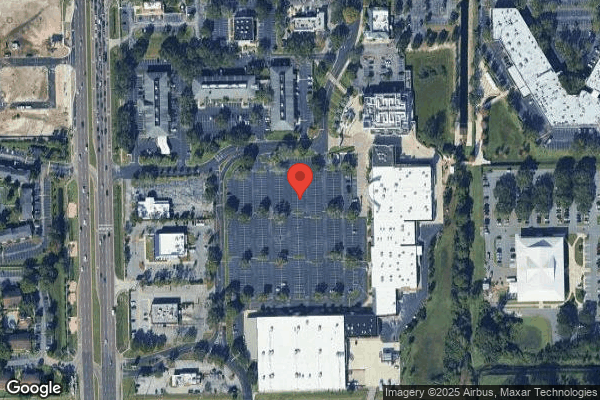

2970 SCARLETT RD, WINTER PARK, FL 32792 (407) 671-8030
For profit - Limited Liability company 103 Beds SIMCHA HYMAN & NAFTALI ZANZIPER Data: November 2025 6 Immediate Jeopardy citations
Trust Grade
0/100
#689 of 690 in FL
Last Inspection: July 2025

Inspected within the last 6 months. Data reflects current conditions.

Overview

Winter Park Care and Rehabilitation has received a Trust Grade of F, indicating significant concerns with the quality of care provided. It ranks #689 out of 690 in Florida and #37 out of 37 in Orange County, placing it in the bottom tier for both state and county facilities. While the trend is improving, with issues decreasing from 18 in 2024 to 4 in 2025, the facility still faces serious challenges, having accumulated $132,556 in fines, which is concerning and higher than 92% of Florida facilities. Staffing is a positive aspect, with a 0% turnover rate, suggesting that staff members are committed and familiar with the residents. However, there have been critical incidents, including a resident suffering a fractured clavicle due to improper transfer procedures, and another resident was allowed to leave the facility unsupervised, putting them at risk for serious harm. Overall, families should weigh these strengths and weaknesses carefully when considering this facility for their loved ones.

Trust Score
F
0/100
In Florida
#689/690
Bottom 1%
Safety Record
High Risk
Review needed
Inspections
Getting Better
18 → 4 violations
Staff Stability
○ Average
Turnover data not reported for this facility.
Penalties
✓ Good
$132,556 in fines. Lower than most Florida facilities. Relatively clean record.
Skilled Nurses
○ Average
Each resident gets 31 minutes of Registered Nurse (RN) attention daily — about average for Florida. RNs are the most trained staff who monitor for health changes.
Violations
⚠ Watch
42 deficiencies on record. Higher than average. Multiple issues found across inspections.
★☆☆☆☆
1.0
Overall Rating
★☆☆☆☆
1.0
Staff Levels
★★★☆☆
3.0
Care Quality
★☆☆☆☆
1.0
Inspection Score
Stable
2024: 18 issues
2025: 4 issues

The Good

  • Full Sprinkler Coverage · Fire safety systems throughout facility
  • No fines on record

Facility shows strength in fire safety.

The Bad

1-Star Overall Rating

Below Florida average (3.2)

Significant quality concerns identified by CMS

Federal Fines: $132,556

Well above median ($33,413)

Significant penalties indicating serious issues

Chain: SIMCHA HYMAN & NAFTALI ZANZIPER

Part of a multi-facility chain

Ask about local staffing decisions and management

The Ugly 42 deficiencies on record

6 life-threatening
Jul 2025 4 deficiencies
CONCERN (D)

Potential for Harm - no one hurt, but risky conditions existed

Deficiency F0558 (Tag F0558)

Could have caused harm · This affected 1 resident

**NOTE- TERMS IN BRACKETS HAVE BEEN EDITED TO PROTECT CONFIDENTIALITY** Based on observation, interview, and record review, the facility failed to ensure an appropriate wheelchair was provided to acco...

Read full inspector narrative →
**NOTE- TERMS IN BRACKETS HAVE BEEN EDITED TO PROTECT CONFIDENTIALITY** Based on observation, interview, and record review, the facility failed to ensure an appropriate wheelchair was provided to accommodate the needs and preference of 1 of 1 resident reviewed for resident rights, of a total sample of 30 residents, (#82). Findings:Resident #82 was admitted to the facility from an acute care hospital on 2/24/25 with diagnoses that included wedge compression fracture, history of falls, muscle wasting with atrophy, and need for assistance with personal care. Review of the Quarterly Minimum Data Set (MDS) assessment dated [DATE], revealed resident #82 had a Brief Interview of Mental Status (BIMS) of 15/15 which indicated she was cognitively intact and able to make her needs known. She had no upper or lower limitations in range of motion and utilized a wheelchair for mobility.On 7/07/25 at 11:45 AM, resident #82 was observed in her room sitting up in a transport wheelchair watching television. She stated she was a private person and preferred to do activities in her room but sometimes wanted to move around the room or go out into the hallway. She continued that she was unable to do those things because she did not have an appropriate wheelchair. Resident #82 said she had asked staff for a different wheelchair but was told she could not have it, and she did not know why. According to the National Association of Senior Fitness, a standard wheelchair is a chair with oversized rear wheels and rotating handrails that were designed to help individuals with mobility issues to steer themselves unaided. In contrast, a transport chair was compact and required a second person to push the user from behind. Furthermore, a standard wheelchair had padded seats and hand/leg rests which allowed for all day use, but a transport chair was not recommended for all day use due to lack of comfort, (retrieved on 7/11/25 from www.seniorfitness.net).Review of resident #82's Physical Therapy (PT) progress report for dates of service 3/28/25-4/10/25, revealed she was weight bearing as tolerated, utilized a walker and wheelchair for mobility, and her mobility function score was 11 out of 12, with 12 being the highest function. On 7/09/25 at 10:24 AM, the Therapy Director said resident #82 was on the restorative program because she had reached a plateau for PT. She stated she was unaware that resident #82 had been provided with a transport wheelchair for daily use and not aware the resident wanted a standard wheelchair. She said resident #82 liked staying in her room and did not express a desire to leave the room. She believed it was not abnormal for a resident to receive a transfer wheelchair and explained the facility did not assign wheelchairs to residents unless they needed a specialized chair. She explained that all staff had the ability to obtain a wheelchair for a resident from where they were stored. The Therapy Director confirmed that resident #82 had not received a standard wheelchair until yesterday, almost five months since she was admitted . She acknowledged that residents were unable to independently maneuver a transport wheelchair, which limited their independence. On 7/09/25 at 2:22 PM, Licensed Practical Nurse (LPN) B explained that on admission the nurse would review the State Agency transfer form 3008, which included the resident's mobility status. The nurse said if the resident was weight bearing, the facility could provide a wheelchair for independent mobility but if the mobility status was not provided, the resident would need to be evaluated by PT before a wheelchair could be provided. She confirmed all staff had access to the storage room where wheelchairs were kept. Review of the State Agency transfer form 3008, dated 2/24/25, revealed that resident #82 required assistance with ambulation but was full weight-bearing. On 7/09/25 at 2:41 PM, resident #82 explained she had been at another long-term care facility prior to being hospitalized and while there had a wheelchair for independent mobility. She said when she was admitted to the current facility she was given the transport chair which limited her ability to independently move around the facility. Review of resident #82's care plan with revision date 3/27/25, revealed she had potential for pain related to compression fractures, and impaired mobility. The goal was to prevent decline in overall function and one intervention was to encourage mobility and physical activity as tolerated. There was no care plan to show the family wanted the resident in a transport chair. On 7/09/25 at 04:18 PM, the Director of Nursing (DON) stated she was aware of the difference between a transport wheelchair and a regular wheelchair. She said a transport wheelchair was inappropriate for a resident to use daily, especially if they were able to move around independently. She said she was unaware resident #82 was given a transport wheelchair because she was new to the facility and the resident had been admitted prior to her hire date. The DON explained she was informed that the resident did not receive the correct wheelchair until 7/08/25 after the resident had asked for it again, and the survey was in process. She agreed that providing an inappropriate wheelchair to a resident that could independently ambulate limited their right to independence and could potentially cause a decline in their ADL function.
CONCERN (D)

Potential for Harm - no one hurt, but risky conditions existed

Assessment Accuracy (Tag F0641)

Could have caused harm · This affected 1 resident

**NOTE- TERMS IN BRACKETS HAVE BEEN EDITED TO PROTECT CONFIDENTIALITY** Based on interview, and record review, the facility failed to ensure the Minimum Data Set (MDS) assessment was accurate for nutr...

Read full inspector narrative →
**NOTE- TERMS IN BRACKETS HAVE BEEN EDITED TO PROTECT CONFIDENTIALITY** Based on interview, and record review, the facility failed to ensure the Minimum Data Set (MDS) assessment was accurate for nutritional approaches for 1 of 3 residents reviewed for nutrition, of a total sample of 30 residents, (#84).Findings:Resident #84 was initially admitted to the facility on [DATE] for strengthening following a hospital stay and a new lymphoma diagnosis. Resident #84 was discharged home with family and hospice services on 6/02/25. On 6/12/25 the resident was readmitted to the facility with generalized weakness and edema. The resident's diagnoses included diffuse large B-cell lymphoma (cancer), muscle wasting and atrophy, urinary tract infection, and stage 2 chronic kidney disease. Review of the admission MDS assessment with Assessment Reference Date of 6/19/25 revealed resident #84's nutritional approaches included parenteral or intravenous (IV) feeding while a resident and a mechanically altered diet which required a change in texture of food or liquids on admission. Under the section listed percent intake by artificial route the resident's proportion of total calories received through parenteral, or tube feed was documented as 25% or less while a resident and during the entire seven day look back. The resident was also documented as having received an average fluid intake per day by IV or tube feeding documented as 500 cubic centimeters (cc) /day or less while a resident and during the entire seven days. Under the section special treatment procedures and programs, the resident was documented as having no IVs. Parenteral nutrition is defined as feeding intravenously or through a vein. Parenteral nutrition bypasses your entire digestive system, from mouth to anus. It may include different amounts of essential nutrients such as water, carbohydrates, proteins, fats, vitamins and minerals, (retrieved from https://my.clevelandclinic.org on 7/11/25).Review of the resident's current diet order revealed regular/no added salt (NAS) diet with regular texture and thin consistency. The order indicated the resident was on an 1800 milliliter (ml) fluid restriction and fortified food with all meals. Review of all diet orders since initial admission on [DATE] revealed at no time was the resident on a parenteral, IV feeding or mechanically altered diet. On 7/09/25 at 12:32 PM, the Dietitian confirmed the resident's diet was a regular diet with regular textures and thin liquids. After reviewing the resident's medical record, he confirmed that at no time were there physician orders for a mechanically altered diet during either of her stays at the facility. He stated she never received nutrition from an IV feeding or tube feed. On 7/09/25 at 1:58 PM, the Certified Dietary Manager (CDM) revealed she was responsible for parts of the swallowing and nutritional status section of the MDS assessment. She confirmed that on the resident's admission MDS dated [DATE] she incorrectly coded the resident as having a mechanically altered diet. The CDM acknowledged the resident requiring a mechanically altered diet was a miscoding of the assessment. She stated the resident wasn't on a mechanically altered diet and hadn't been since admission. On 7/09/25 at 12:40 PM, the MDS Coordinator indicated the resident's current diet order was a regular diet with regular consistency. She confirmed that at no point during the resident's stay at the facility was she on a mechanically altered diet. She confirmed the admission MDS dated [DATE] listed the resident as having a mechanically altered diet. The MDS Coordinator then confirmed the resident was coded on the same assessment as having received parenteral or IV feeding. She acknowledged the resident has had no parenteral or IV feeding upon admission nor while a resident at the facility. The MDS Coordinator was unable to explain how she determined the proportion of total calories the resident received thru parenteral or tube feeding as 25% or less and the resident's intake was 500cc/day or less. The facility's job description dated August 2021 for MDS Coordinator under the section Essential Duties and Responsibilities indicated the MDS Coordinator was responsible for reviewing MDS assessments prior to closing and transmitting to ensure all sections were complete and accurate according to Federal Regulations. The facility policy and procedure titled Resident Assessment - Resident Assessment Instrument (RAI) (n date) states that it's the policy of the facility to adhere to the following procedures related to the proper documentation and utilization of a resident's Minimum Data Set (MDS)to ensure a comprehensive and accurate assessment of residents.
CONCERN (D)

Potential for Harm - no one hurt, but risky conditions existed

Deficiency F0694 (Tag F0694)

Could have caused harm · This affected 1 resident

**NOTE- TERMS IN BRACKETS HAVE BEEN EDITED TO PROTECT CONFIDENTIALITY** Based on observation, interview, and record review, the facility failed to ensure the intravenous (IV) catheter dressing was cha...

Read full inspector narrative →
**NOTE- TERMS IN BRACKETS HAVE BEEN EDITED TO PROTECT CONFIDENTIALITY** Based on observation, interview, and record review, the facility failed to ensure the intravenous (IV) catheter dressing was changed every seven days per physician order for 1 of 1 resident reviewed for IV therapy, of a total sample of 30 residents, (#142).Findings:Resident #142 was admitted to the facility on [DATE] with diagnoses including fracture of neck, intraspinal abscess and spinal stenosis-cervical region. Review of resident #142's electronic medical record (EMR) revealed a Brief Interview for Mental Status (BIMS) assessment dated [DATE]. The assessment indicated he had a BIMs score of 15/15 which meant he was cognitively intact.A care plan initiated 7/07/25 indicated resident #142 received IV therapy related to antibiotic therapy administration. Interventions included, Observe dressing. Change dressing and record observations of site.Review of resident #142's EMR revealed physician orders were added on 7/07/25 for the care of the IV insertion site. The orders included directions to observe the site every shift, before/after medication administration and with dressing changes for redness, swelling, warmth and/or loosening or soiled dressing every shift and to change the site dressing as needed. An additional order dated 7/07/25 gave instructions to change the site dressing every week with transparent dressing on the night shift every Sunday and was scheduled to begin on 7/13/25. Review of the Medication Administration Record (MAR) for July 2025 revealed four nurses documented they had observed the IV site between 7/07/25 and 7/09/25. There was no documentation on the MAR or progress notes to indicate any licensed staff member had changed the dressing. On 7/07/25 at 10:58 AM, resident #142 was observed in bed with head of bed elevated watching television. An IV pole was observed next to the bed, but no medications were present. Resident #142 stated he received an antibiotic due to an infection from a recent surgery. The IV insertion site was not visible and resident #142 did not wish to show it at that time.On 7/08/25 at 8:55 AM, resident #142 was observed in bed. He allowed a Registered Nurse surveyor to observe the IV dressing which was located on his right upper arm. The IV dressing was dated 7/01/25. On 7/09/25 at 3:24 PM, Licensed Practical Nurse (LPN) B went to administer IV medications to resident #142. She observed the transparent IV dressing and verified it was dated 7/01/25, eight days prior. LPN B continued with her task of administering medication. LPN B did not express why the IV dressing was not changed for over a week, nor did she attempt to change the dressing.On 7/09/25 at 3:41 PM, LPN A reviewed the physician orders for resident #142. She verified she entered the orders for care of the IV site and dressing on 7/07/25. LPN A reviewed the IV dressing change order and confirmed the IV dressing was scheduled to be changed on Sunday, 7/13/25. She explained a transparent IV dressing should be changed every seven days. LPN A stated the dressing should have been changed when resident #142 was admitted and then every seven days thereafter. She was informed the date on the dressing was 7/01/25 which was verified by LPN B. LPN A acknowledged 7/13/25 would be almost two weeks since the dressing was changed. She stated she should have looked at the dressing prior to entering the order and scheduling the initial date for it to be changed. LPN A acknowledged the dressing change was missed and had not been done for over a week. On 7/09/25 at 4:16 PM, the Director of Nursing (DON) acknowledged the date on resident #142's IV dressing, that the dressing had not been changed and that it was not scheduled to be changed until 7/13/25. The DON stated the IV dressing should have been changed within seven days of the date on the dressing. She was not sure why it had not been changed or why the order was initiated for change on 7/13/25 instead of seven days from the date on the IV dressing. The DON acknowledged the order was wrong and that the dressing change was missed.The facility's policy and procedure for Guidelines for Preventing Intravenous Catheter-Related Infection revised August 20014 indicated the purpose was to reduce the risk of infection associated with indwelling intravenous catheters. The policy clarified that transparent semipermeable membrane dressings should be changed every five to seven days and as needed if damp, loosened or visibly soiled.
CONCERN (E)

Potential for Harm - no one hurt, but risky conditions existed

QAPI Program (Tag F0867)

Could have caused harm · This affected multiple residents

Based on interview, and record review, the facility failed to ensure the Quality Assessment & Assurance (QAA) / Quality Assurance and Performance Improvement (QAPI) committee conducted performance imp...

Read full inspector narrative →
Based on interview, and record review, the facility failed to ensure the Quality Assessment & Assurance (QAA) / Quality Assurance and Performance Improvement (QAPI) committee conducted performance improvement activities to ensure prior improvement measures were sustained. Findings: Review of the facility's QAPI Plan revealed the facility must take actions aimed at performance improvement and measure its success and track performance to ensure that improvements were realized and sustained. The facility would develop and implement policies addressing how the facility would monitor the effectiveness of its performance improvement activities to ensure that improvements were sustained. The facility had deficiency cited at F641 during the previous recertification survey conducted 2/12/24 to 2/17/24 for accuracy of assessments. During this survey, the facility was found to again be in noncompliance with F641 for accuracy of assessments regarding Minimum Data Set (MDS) assessments. As a result of the repeat deficiency, it was identified there was insufficient auditing and oversight to prevent the citation.On 7/10/25 at 11:53 AM, the Administrator stated that with the transition between new employees in management roles, as well as the MDS role, maintaining accuracy of documentation must have fallen thru the cracks.
Oct 2024 1 deficiency
CONCERN (D) 📢 Someone Reported This

A family member, employee, or ombudsman was alarmed enough to file a formal complaint

Potential for Harm - no one hurt, but risky conditions existed

Medical Records (Tag F0842)

Could have caused harm · This affected 1 resident

**NOTE- TERMS IN BRACKETS HAVE BEEN EDITED TO PROTECT CONFIDENTIALITY** Based on interview, and record review, the facility failed to ensure 1 of 3 residents reviewed for administration had an accurat...

Read full inspector narrative →
**NOTE- TERMS IN BRACKETS HAVE BEEN EDITED TO PROTECT CONFIDENTIALITY** Based on interview, and record review, the facility failed to ensure 1 of 3 residents reviewed for administration had an accurate medical record, of a total sample of 3 residents, (#1). Findings: Review of the medical record revealed resident #1, an [AGE] year old female was admitted to the facility for respite care from home on 5/23/24, 6/07/24, 7/08/24, 8/23/24, and 9/16/24. The resident discharged home on [DATE], and most recently re-admitted on [DATE]. The resident's diagnoses included: cerebral arteriosclerosis, encounter for palliative care, holiday relief care, Alzheimer's Disease, vascular dementia with behavioral disturbance, gastrostomy (feeding tube), type 2 diabetes mellitus, major depressive disorder, anxiety disorder, hypertension, hyperlipidemia, and insomnia. The most recent comprehensive Minimum Data Set admission assessment with assessment reference date 10/01/24 noted resident #1 was unable to complete the Brief Interview for Mental Status and assessed by staff with severely impaired cognitive skills for daily decision making. No behavioral symptoms or rejections of evaluation or care was noted. The Functional Abilities assessment showed the resident used a wheelchair and was dependent on staff for mobility and to complete activities of daily living. No ulcers, wounds, or skin problems were noted on the assessment. The Comprehensive Care Plan included focus areas for fall with injury risks, impaired mobility, impaired self-care abilities, need for staff assistance, and impaired cognition. Review of the Agency for Health Care Administration (AHCA) Form 5000-3008 dated 9/23/24 revealed the skin care and body map section noted resident #1 did not have any areas of skin impairment or bruises. The nursing Admit/Readmit Screener evaluation completed by Licensed Practical Nurse (LPN) B on 9/24/24 at 1:35 PM, documented a complete skin assessment was conducted and revealed resident #1's skin integrity was normal with no areas of breakdown. A nurse's Progress Note completed by LPN B on 9/24/24 noted the resident #1's skin condition and read, . does have some spotty discoloration to bilateral legs and G tube (feeding tube) present to upper abdomen . On 10/29/24 at 10:39 AM, LPN B explained she completed skin checks for residents who were newly admitted or re-admitted to the facility. The LPN said nurses were required to document any bruises, injuries, wounds, or impairments on the electronic Admit/Readmit Screener form. The LPN recalled she was the only nurse who completed resident #1's re-admission evaluations on 9/24/24, and she did not remember any bruises. She stated, I would have put an old bruise if I saw one. In a telephone interview on 10/29/24 at 11:41 AM, resident #1's hospice Registered Nurse (RN) explained she completed head to toe skin assessments on residents, and any bruises or scratches were noted on the medical records. The RN said she knew resident #1 well, and checked the medical records for 9/23/24 and 9/30/24. She said there were no notations resident #1 had any bruises. The nurse recalled the resident fell on [DATE] and she completed reports after the incident. She checked the records and said on 10/01/24, after the fall the documentation showed bruising to her face was noted in the hospice nurses progress notes. Review of the hospice Plan of Care Review completed by the hospice RN dated 9/25/24, after resident #1 was re-admitted to the facility nurses documented the resident's skin was intact with no wounds. A nurses Progress Note written by LPN C on 10/01/24 documented resident #1 fell to the floor in the dining room at 3:40 PM. The note read, . bruising to right forehead, right knee front small scrape/skin tear . On 10/29/24 at 10:17 AM, LPN C recalled resident #1 was included in her assignment the day she fell on [DATE]. The LPN explained the resident sustained a bruise to her forehead and a minor injury to her right knee. The nurse could not recall a bruise on resident #1's forehead prior to the fall. Review of a nurse's progress note written by the RN [NAME] Unit Manager on 10/02/24 at 9:35 AM read, . bruise to resident was from admission, not the fall . On 10/28/24 at 2:45 PM, the RN [NAME] Unit Manager said she knew resident #1 well as she frequently came to the facility for hospice respite services. The RN recalled on 9/16/24, the resident was re-admitted to the facility and stated, I did her head to toe assessment from her admission. She already had a bruise on her head; it was green. Review of resident #1's medical record did not include a head to toe skin assessment completed by the RN [NAME] Unit Manager. The nurse's Weekly Skin Evaluation dated 9/30/24 completed by LPN D, after the resident was admitted and before she fell on [DATE] documented the resident's skin was intact, and she did not have any bruises. On 10/29/24 at 1:19 PM, LPN D said resident #1 was often included in her assignments, and she knew her well. The LPN explained nurses documented any areas of skin discoloration or bruises on the Weekly Skin Evaluation form. The nurse stated, If it's on the forehead I would see it. It wasn't there, (on 9/30/24) or I would have noted it on the record. On 10/29/24 at 12:53, resident #1's daughter explained she was upset after the [NAME] RN Unit Manager told her the resident's forehead bruise occurred during transportation for readmission to the facility on 9/16/24. She recalled she was with her mother when she arrived to the facility that day, and she was certain her mother did not have a bruise on her forehead and stated, I would have noticed and I would have said something; my sister and brother saw her too and there was no bruise; she had nothing on her face before the 1st of October. On 10/29/24 at 10:44 AM, the Director of Nursing (DON) explained she expected nurses to make notations of any bruises on admission, progress notes, and/or weekly skin evaluations. She said the RN [NAME] Unit Manager was aware of the expectations for documentation and that it was imperative to document bruises to track any injuries of unknown origin. The DON explained, she expected nurses to document skin assessments completely and correctly. She said she was on leave between 9/16/24 and 10/02/24 and could not explain why the RN [NAME] Unit Manager's notes and recollections would conflict with other nurses. The facility's undated standards and guidelines titled Medical Records read, . The facility will maintain clinical records on each resident in accordance with accepted professional standards and practices that are complete, accurately documented, readily accessible, . includes: Medical and general health status; . The facility's undated job description for RN Unit Manager read, . Ensures completion of assessments of residents at admission, discharge, as necessary and required.Ensures nursing policies and procedures are implemented and followed .
Feb 2024 17 deficiencies 2 IJ
CRITICAL (J)

Immediate Jeopardy (IJ) - the most serious Medicare violation

Free from Abuse/Neglect (Tag F0600)

Someone could have died · This affected 1 resident

**NOTE- TERMS IN BRACKETS HAVE BEEN EDITED TO PROTECT CONFIDENTIALITY** Based on record review, and interview, the facility neglected to provide appropriate care and services to prevent a fall with ma...

Read full inspector narrative →
**NOTE- TERMS IN BRACKETS HAVE BEEN EDITED TO PROTECT CONFIDENTIALITY** Based on record review, and interview, the facility neglected to provide appropriate care and services to prevent a fall with major injury for a vulnerable and physically impaired resident, during a transfer with a mechanical lift and failed to complete a thorough investigation after a fall with major injury for 1 of 6 residents sampled for falls, (#197). On 2/08/24 at approximately 6:00 PM, the facility failed to prevent a fall with major injury during a transfer with a mechanical lift. The facility failed to utilize the appropriate type of mechanical lift and failed to follow policy requiring two staff for mechanical lift transfers. While Certified Nursing Assistant (CNA) G transferred resident #197 by herself from chair to bed using the wrong mechanical lift, the resident became unstable and was manually lowered to the floor. The resident complained of pain and x-rays done at the facility identified a fractured left clavicle, (A clavicle fracture-collarbone, is diagnosed through physical examination and x-rays. Symptoms of a broken collarbone include severe pain and swelling at the site of the fracture with visible deformity in some cases. Because of the critical location of the clavicle, any severe force on the shoulder such as falling directly on the shoulder or falling on an outstretched arm transfers force to the clavicle . retrieved from www. hopkinsmedicine.org on 2/20/24). She was transferred to the hospital on 2/09/24 for further scans and returned the same day with confirmed fractured left clavicle. The facility's failure to provide safe and appropriate care when using mechanical lifts placed all 41 residents who required a mechanical lift for transfers at risk for serious injury/impairment/death and resulted in Immediate Jeopardy starting on 2/08/24. The facility's Administrator, Director of Nursing (DON), and Corporate Clinical Nurse were notified of the Immediate Jeopardy on 2/15/24 at 3:17 PM and provided the IJ templates. The Immediate Jeopardy was determined to be removed on 2/16/24 after verification of the immediate actions implemented by the facility. The scope and severity of the deficiencies was decreased to a D, no actual harm, with potential for more than minimal harm, that is not Immediate Jeopardy Findings: Cross reference to F689 Resident #197, a [AGE] year-old female, was admitted to the facility on [DATE]. Her diagnoses included congestive heart failure, asthma, atrial fibrillation, chronic obstructive pulmonary disease, diabetes, obstructive sleep apnea, obesity, and muscle weakness. On 2/09/24, unspecified left clavicle fracture was added to her diagnosis. The resident's admission Minimum Data Set (MDS) assessment with Assessment Reference Date 2/05/24 revealed the resident's cognition was intact, with a Brief Interview for Mental Status score of 15 out of 15. The assessment noted resident #197 had adequate hearing, clear speech, understood, was understood, and had adequate vision. The assessment indicated the resident was independent for eating, oral hygiene, and personal hygiene, but required partial/moderate assistance for showers and upper body dressing, substantial/maximal assistance with rolling left to right, sit to lying, lying to sitting on the side of the bed, sit to stand, chair to bed/bed to chair, and dependent for toileting hygiene, and lower body dressing. The assessment also revealed the resident had no impairment to upper or lower extremity range of motion and used a wheelchair for mobility. The assessment indicated resident #197 had no behaviors toward herself or others. On 2/12/24 at 5:17 PM, resident #197 spoke about the incident that occurred on 2/8/24 at 6:00 PM. She stated Certified Nursing Assistant (CNA) G was putting her back to bed from her wheelchair using the sit to stand mechanical lift. The resident said CNA G was attempting the transfer alone and she told the CNA she needed two staff to transfer with the lift. The resident recalled CNA G told her, Don't tell me how to do my job. The resident explained she knew it had to be two staff to use the lift because the physical therapist had instructed another CNA on day shift with the sit to stand mechanical lift and told her it always had to be two staff. That is why I told the CNA it should be 2 people. Resident #197 continued, When I was in the lift, I told the CNA something did not feel right but she walked around to the side of the lift and the next thing I remember, I was on the floor looking up at my nurse. She stated she had pain in her left shoulder now and explained she had to stay in the facility longer as she was not able to do therapy because of the fracture. On 2/13/23 at 10:47 AM, in a telephone interview, Registered Nurse (RN) E stated CNA G was with resident #197 when she called out to him for help. He said when he went in the room, the resident was in the sit to stand mechanical lift sliding down and falling towards the floor. He recalled he tried to help CNA G but resident #197 was too heavy for two staff to lift. He said he called CNA F to come to the room to assist. RN E said the three of them managed to put her on the floor . He stated after the resident was on the floor, CNA F and G went to get the full body mechanical lift and the two CNA's transferred the resident back to her bed. RN E reiterated CNA G was in the room transferring the resident by herself when she called out to him for help. Review of nursing progress note dated 2/09/24 at 12:02 AM, by RN E read, At the time of the incident CNA would call me for help since she was using the stand lift, and the resident was in an unstable position and was kneeling towards the floor. I never crash to the ground. We had to put her on the floor for her safety. We lift her in the 'full body mechanical' lift and transfer her to the bed. On 2/13/24 at 11:13 AM, in a telephone interview, CNA G stated when she went in resident #197's room she was seated in her wheelchair. In conflict with resident #197's and RN E's statements, CNA G stated she and CNA F used the sit to stand mechanical lift to put resident #197 back to bed. CNA G then described resident #197 moved her hands from the hand bar so she called the nurse for assistance. CNA G stated the three staff (herself, RN E and CNA F) took resident #197 off the sit to stand mechanical lift and put her on the floor. CNA G added that she went to get the full body mechanical lift after the nurse, RN E came to the room and she and CNA F transferred the resident back into bed. On 2/14/24 at 9:30 AM, in contradiction to resident #197 and RN E's statements, CNA F stated she was in the room with CNA G to help transfer resident #197 back to bed. She explained, we went in to transfer her from the chair to the bed. CNA F stated she put the sling behind resident #197's back and was hooked the sling to the sit to stand mechanical lift when the resident moved her arm. CNA F stated the resident started to slide down and she and CNA G put her on the floor. CNA F said, The resident was already down on the floor when we called RN E. She stated the RN E came to the room and was told the resident was placed on the floor from the lift. She noted RN E checked the resident for injuries and then she and CNA G transferred the resident to bed using the full mechanical lift. Review of the x-ray done at the facility on 2/08/24 at 7:00 PM, showed the results were reported to the facility at 8:14 PM, with findings of a new non-displaced clavicle fracture. Review of the medical record indicated resident #197 was sent to the hospital on 2/09/24 due to continued pain in her shoulder. The results of the x-ray taken at the hospital on 2/09/24 at 12:46 PM indicated resident#197 had an angulated, nondisplaced fracture of the distal left clavicle. On 2/14/24 at 1:53 PM, Physical Therapy Assistant (PTA) I stated resident #197 was motivated on the first week of therapy because she wanted to go home. He explained that due to the fracture, the resident had pain and could not use her left arm so her therapy had to be extended. PTA I said resident #197 previously required moderate assistance for bed mobility but now required maximum to total assistance due to pain. He stated resident #197 told him there was only one person using the lift with her and she knew it was supposed to be two people. PTA I said, I also heard that it was one person using the mechanical lift with resident #197. Review of the care plan and [NAME] revealed resident #197 was assessed to require two-person assist for transfers. There was no indication on either the care plan or the [NAME] as to the type of device needed to transfer the resident until 02/08/24, when the care plan was revised to indicate the resident required use of a full body mechanical lift for transfers. On 2/15/24 at 12:15 PM, the Corporate Nurse explained a two-person transfer, required two staff to be involved in the process of the transfer. She stated this indicated the number of staff required to safely transfer a resident but did not describe what type of lift was to be used. The Corporate Nurse explained the care plan did not detail the type of lift needed to transfer resident #197 until 2/08/24. On 2/13/24 at 8:40 AM, resident #197 stated police officers came to see her last night. The resident stated she was not sure why they were there. She stated they said they were here to see how she was doing but didn't really say much more than that. On 2/13/24 at 10:00 AM, the Administrator stated he called the police and Department of Children and Family (DCF) because resident #197 alleged neglect concerning her fall on 2/8/24. He stated he had not reported the incident to the State Agency as he was still investigating. On 02/15/24 at 5:33 PM, resident #197 stated someone came to her room today and told me she had spoken to me before. The resident explained this person did not introduce themselves when they came to her room. She said this person recounted incorrect information about the incident on 2/08/24. The resident said, this person told me that I had said I had pulled myself up in bed, heard a pop, and that caused the fracture in my shoulder. The resident was visibly upset and noted, I told her I have never said that to you. I don't know where you got that from. On 2/16/24 at 1:50 PM, CNA M spoke about resident #197's transfer needs. I personally would not feel comfortable using a sit to stand with her because she is very dependent on help with any movement. When I took care of her before and after the incident, she was not able to pull herself up in bed. I went into the room at least two to three times during my shift to pull her up in bed and it always took two people. On 2/15/24 at 12:15 PM, an interview was conducted with the Regional Nurse Consultant, the Director of Nursing (DON) and the Administrator. The Nurse Consultant explained that two person assist with transfers meant that two staff should be present to do the transfer. She described it could be for a standing lift or full mechanical lift transfers. She stated two person assist only indicated the number of staff, not the type of mechanical lift to be used. She acknowledged the type of mechanical lift was not reflected on resident #197's care plan until 2/08/24. The Administrator added, in the morning meeting, the Minimum Data Set Nurse inputs any changes to the care plans and [NAME]. He explained after the meeting, any changes would be communicated to the CNAs verbally. He said the type of lift to be used for resident #197 should have been in the electronic system as a task but explained it did not get written in the [NAME] until 2/8/24. He did not clarify if the specific lift was added prior to the incident or after the incident. The Administrator reported the wrong mechanical lift was used for the resident as she did not like the full body mechanical lift and the CNA said she had used the sit to stand mechanical lift previously with the resident. When asked if CNAs determined the type of lift to use to transfer residents, the Administrator did not provide an answer. They were asked to clarify the inconsistencies in statements from the both the resident and RN E who stated only one CNA transferred the resident and CNAs G and F's statements that it was 2 CNAs. The Administrator replied he was told two CNAs transferred the resident. The Abuse, Neglect and Exploitation policy most recently revised 11/16/23 read, Neglect means failure of the facility, it's employees, or service providers to provide goods and services to a resident that are necessary to avoid physical harm, pain, mental anguish, or emotional distress. The facility policy, Safe Resident Handling/Transfers implemented 11/03/2020 and revised 11/29/22 read, It is the policy of this facility to ensure that residents are handled and transferred safely to prevent or minimize risks for injury and provide and promote a safe, secure, and comfortable experience for the resident. Two staff members must be utilized when transferring residents with a mechanical lift. Review of the CNA job description included duties to ambulate and transfer residents utilizing appropriate assistive devices and body mechanics. The resident sample was expanded to include five additional residents who were identified as requiring a mechanical lift for transfers. Review of immediate actions to remove the Immediate Jeopardy implemented by the facility revealed the following, which were verified by the survey team: * On 2-09-24, staff members involved were given 1:1 education by the Staff Development Coordinator on the proper use of mechanical lifts. * On 2-09-24 through 2-15-24 current nursing staff and therapy staff were educated on the transfer of residents and the use of the mechanical lifts by the Director of Nursing, Staff Development Coordinator and Nurse managers. Twenty five nursing staff members were educated on 2-09-24, 8 nursing staff members were educated on 2-12-24, 5 nursing staff were educated on 2-13-24, 1 nursing staff was educated on 2-14-24, 50 staff members were educated on 2-15-24. Newly hired staff members and agency staff will be educated during the orientation process. Staff members that are on vacation will receive education prior to the start of their next shift. * On 2-12-24 through 2-15-24 current staff were educated on ANME (Abuse, Neglect, Misappropriation, Exploitation) by Staff Development Coordinator, Nurse Managers and Department Heads. On 2-12-24, 18 facility staff members were educated, on 2-13-24, 17 facility staff members were educated, and on 2-15-24, 89 staff were educated. Newly hired staff members and agency staff will be educated during the orientation process. Staff members that are on vacation or FMLA will receive education prior to the start of their next shift. * On 2/16/24, out of 88 Total nursing and therapy employees-77 nursing and therapy employees received education on the use of the mechanical lifts. * On 2/16/24, out of 124 Total facility employees, 103 Facility staff received education on ANME. * Ad Hoc Quality Assurance and Performance Improvement (QAPI) meeting was held on 2-16-24 with Medical Director, Administrator, DON, Staff Development Coordinator, Therapy Director, and Unit Manager to discuss transfer status, mechanical lift use and root cause analysis. Interviews conducted from 2/17/24 with 13 facility staff including licensed nurses and CNAs revealed they were knowledgeable about the facility's transfer policy, and the need to review the care plan and [NAME] to identify number of persons and mode of transfer or which mechanical lift for resident transfers. They verified a return demonstration was completed after the education. They confirmed they received Abuse/Neglect education followed by a post test.
CRITICAL (J)

Immediate Jeopardy (IJ) - the most serious Medicare violation

Accident Prevention (Tag F0689)

Someone could have died · This affected 1 resident

**NOTE- TERMS IN BRACKETS HAVE BEEN EDITED TO PROTECT CONFIDENTIALITY** Based on interview, and record review, the facility failed to prevent a fall with major injury for a vulnerable, physically, imp...

Read full inspector narrative →
**NOTE- TERMS IN BRACKETS HAVE BEEN EDITED TO PROTECT CONFIDENTIALITY** Based on interview, and record review, the facility failed to prevent a fall with major injury for a vulnerable, physically, impaired resident, and failed to ensure the correct procedure was followed when using a mechanical lift to transfer residents for 1 of 6 residents sampled for falls, out of a total sample of 45 residents, (#197). On 2/08/24 at approximately 6:00 PM, the facility failed to prevent a fall with major injury during a transfer with a mechanical lift. The facility failed to utilize the appropriate type of mechanical lift and failed to follow policy requiring two staff for mechanical lift transfers. While Certified Nursing Assistant (CNA) G transferred resident #197 by herself from chair to bed using the wrong mechanical lift, the resident became unstable and was manually lowered to the floor. The resident complained of pain and x-rays done at the facility identified a fractured left clavicle, (A clavicle fracture-collarbone, is diagnosed through physical examination and x-rays. Symptoms of a broken collarbone include severe pain and swelling at the site of the fracture with visible deformity in some cases. Because of the critical location of the clavicle, any severe force on the shoulder such as falling directly on the shoulder or falling on an outstretched arm transfers force to the clavicle . retrieved from www. hopkinsmedicine.org on 2/20/24). She was transferred to the hospital on 2/09/24 for further scans and returned the same day with confirmed fractured left clavicle. The facility's failure to provide safe and appropriate care when using mechanical lifts placed all 41 residents who required mechanical lift for transfers at risk for serious injury/impairment/death and resulted in Immediate Jeopardy starting on 2/08/24. The facility's Administrator and Director of Nursing, and Corporate Clinical Nurse were notified of the Immediate Jeopardy on 2/15/24 at 3:17 PM, and provided the IJ templates. The Immediate Jeopardy was determined to be removed on 2/16/24 after verification of the immediate actions implemented by the facility. The scope and severity of the deficiencies was decreased to D, no actual harm, with potential for more than minimal harm, that is not Immediate Jeopardy. The census at the start of the survey was 93. Findings: Cross reference to F600 Resident #197, a [AGE] year-old female, was admitted to the facility on [DATE]. Her diagnoses included congestive heart failure, asthma, atrial fibrillation, chronic obstructive pulmonary disease, diabetes, obstructive sleep apnea, obesity, and muscle weakness. On 2/09/24, the diagnosis of fractured left clavicle was added. The resident's admission Minimum Data Set (MDS) assessment with Assessment Reference Date (ARD) 2/05/24 revealed the resident's cognition was intact, with a Brief Interview for Mental Status (BIMS) score of 15 out of 15. The assessment noted resident #197 had adequate hearing, clear speech, understands, was understood, and had adequate vision. The assessment indicated resident #197 was independent for eating, oral hygiene, and personal hygiene. She required partial/moderate assistance for showers and upper body dressing, substantial/maximal assistance with rolling left to right, sit to lying, lying to sitting on the side of the bed, sit to stand, chair to bed/bed to chair, and was dependent for toileting hygiene and lower body dressing. The assessment also revealed resident #197 had no impairment to her upper or lower extremities and used a wheelchair for mobility. The assessment indicated the resident had no behaviors towards herself or others. On 2/12/24 at 5:17 PM, resident #197 stated CNA G had put her back to bed from her wheelchair using the sit to stand mechanical lift on 2/08/24. The resident explained CNA G was in the room getting ready to transfer her by herself and she told the CNA she needed another person to help. Resident #197 said CNA G's response was Don't tell me how to do my job. The resident recalled, When I was in the mechanical lift, I told CNA G something did not feel right but she walked around to the side of the lift and the next thing I remember was being on the floor looking up at my nurse. A sling was observed on the resident's overbed table. She stated she had pain in her left shoulder now and explained she had to stay in the facility longer as she was not able to do therapy because of the fracture. She stated the fractured shoulder had set her back in her progress with therapy and delayed her discharge to home. Review of the x-ray done at the facility on 2/08/24 at 7:00 PM, showed the results were reported to the facility at 8:14 PM, with findings of a new non-displaced clavicle fracture. Review of the medical record indicated resident #197 was sent to the hospital on 2/09/24 due to continued pain in her shoulder. The results of the x-ray taken at the hospital on 2/09/24 at 12:46 PM indicated resident#197 had an angulated, nondisplaced fracture of the distal left clavicle. On 2/13/23 at 10:47 AM, during a telephone interview, Registered Nurse (RN) E stated CNA G was providing care to resident #197 and called out to him for help. The RN stated when he went in the room, CNA G was in the room alone. He recalled the resident was in the sit to stand mechanical lift in what looked like an unsafe position. He described the resident's knees were going toward the floor like she was going to fall. He said he called CNA F to the room to assist and they held the resident and lowered her to the floor. He reiterated only one CNA, CNA G was in the room when he was called to the resident's room. On 2/13/24 at 11:13 AM, in a telephone interview, CNA G stated when she went in resident #197's room, she was seated in her wheelchair. In conflict with resident #197's and RN E's statements, CNA G stated she and CNA F used the sit to stand mechanical lift to put resident #197 back to bed. CNA G then described that resident #197 moved her hands from the hand bar, became unstable, so she called RN E for assistance. CNA G stated the three of them, herself, RN E and CNA F took resident #197 off the sit to stand mechanical lift and held her to put her on the floor. CNA G added, she went to get the full body mechanical lift after RN E came to the room and she and CNA F transferred the resident back into bed. On 2/14/24 at 9:30 AM, during an interview, CNA F stated she was in the room with CNA G to help transfer resident #197 back to bed. She explained she put the sit to stand lift sling behind resident #197's back and hooked the sling to the lift machine when the resident moved her arm. She reported the resident became unstable and started to slide down and the two of us put her on the floor. CNA F stated she was sure the resident was already down on the floor when we called RN E. CNA F stated it was herself and CNA G that put the resident on the floor after she started to slide from the lift. She repeated the nurse, RN E was called to the room after they had lowered her to the floor. On 2/15/24 at 12:15 PM, the Corporate Nurse explained a two-person transfer, required two staff to be involved in the process of the transfer. She stated this indicated the number of staff required to safely transfer a resident but did not describe what type of lift was to be used. The Corporate Nurse explained the care plan did not detail the type of lift needed to transfer resident #197 until 2/08/24. Review of the resident's care plan and [NAME] revealed resident #197 was assessed to require two-person assist for transfers. There was no indication on either the care plan or the [NAME] as to the type of device needed to transfer the resident until 02/08/24, when the care plan was revised to indicate the resident required use of a full body mechanical lift for transfers. On 2/14/24 at 1:53 PM, Physical Therapy Assistant (PTA) I stated resident #197 was motivated on the first week of therapy because she wanted to go home. He explained that due to the fracture, the resident had pain and could not use her left arm so her therapy had to be extended. PTA I said resident #197 previously required moderate assistance for bed mobility but now required maximum to total assistance due to pain. He stated resident #197 told him there was only one person using the lift with her and she knew it was supposed to be two people. PTA I said, I also heard that it was one person using the mechanical lift with resident #197. Review of the written statement provided by the Administrator noted only one CNA was in the room when RN E was called to assist. The statement from RN E dated 2/8/24 at 6:00 PM, read, At the time of the incident CNA called me for help since she was using stand hoyer lift and she resident was in a unstable position and was kneeling towards the floor. She never crash to the ground. We had to put her on the floor for her safety. On 2/14/24 at 1:33 PM, the facility Administrator stated he came to the facility on 2/9/24 to interview staff after he was made aware of resident #197's x-ray results. He said resident #197 had been interviewed by the [NAME] Wing Unit Manager (UM) prior. The Administrator stated after his interviews, it was determined the root cause of the incident was resident #197 had become weak and a little dizzy during the transfer. He explained the two CNAs lowered her to the ground, then went to get the nurse. The Administrator stated resident #197 said she blacked out and could not recall the details. When asked if he had interviewed the resident, he said he had not interviewed the resident, but the UM did. When informed of the inconsistent statements from the two CNAs indicating whether RN E was present when the resident was placed on the floor from the lift, the Administrator did not provide an answer. On 2/15/24 at 12:15 PM, an interview was conducted with the Regional Nurse Consultant, the Director of Nursing (DON) and the Administrator. The Nurse Consultant explained that two person assist with transfers meant that two staff should be present to do the transfer. She described it could be for a standing lift or full mechanical lift transfers. She stated two person assist only indicated the number of staff, not the type of mechanical lift to be used. She acknowledged the type of mechanical lift was not reflected on resident #197's care plan until 2/08/24. The DON reported that CNAs would know the type of lift to be used with the resident as, It would be on the care plan and on the task. We manually add directions to the task. The Administrator added, in the morning meeting, the Minimum Data Set Nurse inputs any changes to the care plans and [NAME]. He explained after the meeting, any changes would be communicated to the CNAs verbally. He said the type of lift to be used for resident #197 should have been in the electronic system as a task but explained it did not get written in the [NAME] until 2/8/24. He did not clarify if the specific lift was added prior to the incident or after the incident. The Administrator reported the wrong mechanical lift was used for the resident as she did not like the full body mechanical lift and the CNA said she had used the sit to stand mechanical lift previously with the resident. When asked if CNAs determined the type of lift to use to transfer residents, the Administrator did not provide an answer. They were asked to clarify the inconsistencies in statements from the both the resident and RN E who stated only one CNA transferred the resident and CNAs G and F's statements that it was 2 CNAs. The Administrator replied he was told two CNAs transferred the resident. Review of CNA G's completed training included CNA Transfer/Lifting Competency Test completed one year ago, on 2/09/23. The facility policy, Safe Resident Handling/Transfers implemented 11/03/2020 and revised 11/29/22 read: It is the policy of this facility to ensure that residents are handled and transferred safely to prevent or minimize risks for injury and provide and promote a safe, secure, and comfortable experience for the resident. Two staff members must be utilized when transferring residents with a mechanical lift. Review of the CNA job description included duties to ambulate and transfer residents utilizing appropriate assistive devices and body mechanics. The resident sample was expanded to include five additional residents who were identified as requiring a mechanical lift for transfers. Review of immediate actions to remove the Immediate Jeopardy implemented by the facility revealed the following, which were verified by the survey team: * On 2-09-24, staff members involved were given 1:1 education by the Staff Development Coordinator on the proper use of mechanical lifts. * On 2-09-24 through 2-15-24 current nursing staff and therapy staff were educated on the transfer of residents and the use of the mechanical lifts by the Director of Nursing, Staff Development Coordinator and Nurse managers. Twenty five nursing staff members were educated on 2-09-24, 8 nursing staff members were educated on 2-12-24, 5 nursing staff were educated on 2-13-24, 1 nursing staff was educated on 2-14-24, 50 staff members were educated on 2-15-24. Newly hired staff members and agency staff will be educated during the orientation process. Staff members that are on vacation will receive education prior to the start of their next shift. * On 2-12-24 through 2-15-24 current staff were educated on ANME (Abuse, Neglect, Misappropriation, Exploitation) by Staff Development Coordinator, Nurse Managers and Department Heads. On 2-12-24, 18 facility staff members were educated, on 2-13-24, 17 facility staff members were educated, and on 2-15-24, 89 staff were educated. Newly hired staff members and agency staff will be educated during the orientation process. Staff members that are on vacation or FMLA will receive education prior to the start of their next shift. * On 2/16/24, out of 88 Total nursing and therapy employees-77 nursing and therapy employees received education on the use of the mechanical lifts. * On 2/16/24, out of 124 Total facility employees, 103 Facility staff received education on ANME. * Ad Hoc Quality Assurance and Performance Improvement (QAPI) meeting was held on 2-16-24 with Medical Director, Administrator, DON, Staff Development Coordinator, Therapy Director, and Unit Manager to discuss transfer status, mechanical lift use and root cause analysis. Interviews conducted from 2/17/24 with 13 facility staff including licensed nurses and CNAs revealed they were knowledgeable about the facility's transfer policy, and the need to review the care plan and [NAME] to identify number of persons and mode of transfer or which mechanical lift for resident transfers. They verified a return demonstration was completed after the education. They confirmed they received Abuse/Neglect education followed by a post test.
CONCERN (D)

Potential for Harm - no one hurt, but risky conditions existed

Resident Rights (Tag F0550)

Could have caused harm · This affected 1 resident

**NOTE- TERMS IN BRACKETS HAVE BEEN EDITED TO PROTECT CONFIDENTIALITY** Based on observation and interview, the facility failed to ensure residents' dignity was maintained, by failing to knock on door...

Read full inspector narrative →
**NOTE- TERMS IN BRACKETS HAVE BEEN EDITED TO PROTECT CONFIDENTIALITY** Based on observation and interview, the facility failed to ensure residents' dignity was maintained, by failing to knock on doors prior to entry during dining observation on 1 of 2 wings, (East Wing). Findings: On 2/12/24 at 12:08 PM, during dining observation on the East Wing, Certified Nursing Assistant (CNA) D was observed serving meal trays. CNA D entered rooms 101, 104, 105, 106, and room [ROOM NUMBER], and did not knock on the doors, or announced herself prior to entry. On 2/12/24 at 12:15 PM, CNA D donned appropriate Personal Protective Equipment (PPE), for Transmission Based Precaution (TBP) to deliver meal trays to residents in room [ROOM NUMBER]. The CNA did not knock on the door prior to entry and used her foot to push the door open. On 2/12/24 at 12:33 PM, CNA D acknowledged she did not knock on the residents' doors prior to entering rooms to serve meal trays. The CNA stated that normally she did not knock on the doors, but just went in and dropped off the trays. On 2/17/24 at 9:08 AM, resident #83 in room [ROOM NUMBER], stated her preference was for staff to knock on her door prior to entry. On 2/17/24 at 1:08 PM, the Director of Nursing (DON) stated that knocking on doors prior to entry was common practice, as the facility was the residents' home. She explained the practice showed respect for resident's dignity. She stated education regarding dignity was done when staff were hired and annually. The facility's policy Promoting/Maintaining Resident Dignity implemented on 11/03/2021, and revised/reviewed on 1/2024, read, The resident's .personal choices will be considered when providing care and services to meet the resident's needs and preferences.
CONCERN (D)

Potential for Harm - no one hurt, but risky conditions existed

Report Alleged Abuse (Tag F0609)

Could have caused harm · This affected 1 resident

**NOTE- TERMS IN BRACKETS HAVE BEEN EDITED TO PROTECT CONFIDENTIALITY** Based on interview, and record review, the facility failed to thoroughly investigate an incident involving neglect and failed to...

Read full inspector narrative →
**NOTE- TERMS IN BRACKETS HAVE BEEN EDITED TO PROTECT CONFIDENTIALITY** Based on interview, and record review, the facility failed to thoroughly investigate an incident involving neglect and failed to report the results of the investigation to the State Survey Agency related to an avoidable fall with major injury for 1 of 6 residents sampled for falls, of a total sample of 45 residents, (#197). Findings: Resident #197, a [AGE] year-old female, was admitted to the facility on [DATE]. Her diagnoses included congestive heart failure, asthma, atrial fibrillation, chronic obstructive pulmonary disease, diabetes, obstructive sleep apnea, obesity, muscle weakness. On 2/09/24, a diagnosis fracture of unspecified part of left clavicle was added. The resident's admission Minimum Data Set (MDS) assessment with Assessment Reference Date (ARD) of 2/05/24 revealed the resident's cognition was intact, with a Brief Interview for Mental Status (BIMS) score of 15/15. The assessment noted resident #197 had adequate hearing, had clear speech, was understood, and understands, and had adequate vision. The assessment indicated the resident was independent for eating, oral hygiene, and personal hygiene, required partial/moderate assistance for showering and upper body dressing, substantial/maximal assistance with rolling left to right, sit to lying, lying to sitting on the side of the bed, sit to stand, chair to bed/bed to chair, and dependent for toileting hygiene, lower body dressing and putting on/taking off footwear. The assessment also revealed the resident had no impairment to upper extremity( shoulder, elbow, wrist, hand), lower extremity (hip, knee, ankle, foot), and used a wheelchair for mobile device. The assessment indicated the resident had no behaviors. On 2/12/24 at 5:17 PM, resident #197 recalled she was being transferred from her wheelchair to the bed by one Certified Nursing Assistant (CNA) using a sit to stand mechanical lift. She explained CNA G picked her up with the sit to stand mechanical lift and she told CNA G there needed to be two people to use the mechanical lift. The resident said CNA G commented, Don't tell me how to do my job. Resident #197 noted CNA G put her feet in the lift and she told CNA G that something did not feel right. She stated CNA G proceeded to lift her up using the machine and then walked to the back of the machine. She said the next thing she knew, she was on the floor and Registered Nurse (RN) E was sitting next to her. On 2/13/24 at 8:40 AM, the resident stated the police came here last night to see me. On 2/13/24 at 9:44 AM, the Administrator explained on 2/8/23, CNA F and another CNA said while resident #197 was in the sit to stand lift, she moved her hands from the lift and they lowered her to the floor. CNA G said they called RN E to assist them. The Administrator stated he did not report the incident, because there was nothing to report. When asked why the police came to see resident #197 last night, he replied the resident alleged neglect with the mechanical lift incident. The Director of Nursing (DON) stated Department of Children and Families was called but did not accept the report. The Administrator stated he was still investigating and was still within the time frame for reporting the incident. On 2/14/24 at 1:33 PM, the Administrator explained the morning after the incident he interviewed CNA F, CNA G and RN E by telephone as it was priority. He stated he had them describe what happened when they transferred the resident with the sit to stand lift. The Administrator said he was aware of x-ray results when he did interviews. The Administrator was informed that interviews obtained yesterday with the three staff involved were different. Each CNA had a different story and the nurse reported there was only one CNA in the room when he was called to help. CNA G stated resident #197 was in the lift when she called the nurse and the three of them put the resident on the floor. CNA F stated resident #197 was already on the floor when the nurse was called to the room. The Administrator replied, they all told him there were two people doing the transfer. He did not provide any documentation of his telephone conversations with the staff. Review of the resident's record revealed an x-ray was completed at the facility post incident on 2/08/24 at 7:00 PM. The report showed the resident had nondisplaced distal clavicle fracture, new. (Clavicle fracture-collarbone, is diagnosed through physical examination and x-rays. Symptoms of a broken collarbone include severe pain and swelling at the site of the fracture and with visible deformity in some cases. Because of the critical location of the clavicle, any severe force on the shoulder such as falling directly on the shoulder or falling on an outstretched arm transfers force to the clavicle . retrieved from https: www. hopkinsmedicine.org on 2/20/24). The record revealed on 2/09/24, resident #197 was transported to the hospital for follow up x-rays which confirmed the left clavicle fracture. Review of the care plan and [NAME] revealed the resident required two person assist for transfers, using a full body mechanical lift. Resident #197 was transferred by one person using a sit to stand mechanical lift and sustained a fracture during the intended transfer. Review of the facilities Compliance with Reporting Allegations of Abuse/Neglect/Exploitation implemented 11/2020 and revised 8/15/22 read: It is the policy of this facility to report all allegations of abuse/neglect/exploitation or mistreatment.are reported immediately to the Administrator of the facility and to other appropriate agencies in accordance with current state and federal regulations within prescribed timeframes. Neglect: failure of the facility, its employees or service providers to provide goods and services to a resident that are necessary to avoid physical harm, pain, mental anguish, or emotional distress. The facility will report all alleged violations and all substantiated incidents to the state agency and to all other agencies as required and take all necessary corrective actions depending on the results of the investigation . The Administrator or designee will: Notify the appropriate agencies immediately: as soon as possible, but no later than 24 hours after discovery of the incident. In the case of a serious bodily injury, no later than 2 hours after discovery or forming the suspicion.
CONCERN (D)

Potential for Harm - no one hurt, but risky conditions existed

Investigate Abuse (Tag F0610)

Could have caused harm · This affected 1 resident

**NOTE- TERMS IN BRACKETS HAVE BEEN EDITED TO PROTECT CONFIDENTIALITY** Based on interview, and record review, the facility failed to ensure a thorough investigation was conducted for a fall with frac...

Read full inspector narrative →
**NOTE- TERMS IN BRACKETS HAVE BEEN EDITED TO PROTECT CONFIDENTIALITY** Based on interview, and record review, the facility failed to ensure a thorough investigation was conducted for a fall with fracture for 1 of 6 residents reviewed for falls of a total sample of 45 residents, (#197). Findings: Resident #197, a [AGE] year-old female, was admitted to the facility on [DATE]. Her diagnoses included congestive heart failure, asthma, atrial fibrillation, chronic obstructive pulmonary disease, diabetes, obstructive sleep apnea, obesity, and muscle weakness. On 2/09/24, the diagnosis, fracture of unspecified part of left clavicle was added. The resident's admission Minimum Data Set (MDS) assessment with Assessment Reference Date (ARD) of 2/05/24 revealed the resident's cognition was intact, with a Brief Interview for Mental Status (BIMS) score of 15/15. The assessment noted resident #197 had adequate hearing, clear speech, was understood, and understands, and had adequate vision. The assessment indicated the resident was independent for eating, oral hygiene, and personal hygiene, required partial/moderate assistance for showering and upper body dressing, substantial/maximal assistance with rolling left to right, sit to lying, lying to sitting on the side of the bed, sit to stand, chair to bed/bed to chair, and dependent for toileting hygiene, lower body dressing and putting on/taking off footwear. The assessment also revealed the resident had no impairment to upper extremity( shoulder, elbow, wrist, hand), lower extremity(hip, knee, ankle, foot), and used a wheelchair for mobile device. The assessment indicated the resident had no behaviors. On 2/12/24 at 5:17 PM, resident #197 explained Certified Nursing Assistant (CNA) G put her back to bed from her wheelchair using the sit to stand mechanical lift by herself on 2/8/24. She said she told the CNA there should be two staff when transferring her with the lift and the CNA responded, Don't tell me how to do my job. The resident said she told the CNA that something did not feel right but the CNA continued to move me in the lift. The resident said the next thing she remembered was being on the floor looking up at a nurse. 02/13/24 08:40 AM, the resident stated, the police came here last night to see me. She said she was not sure why they came but they said they were here to see how she was doing. They didn't really say much more and they left. On 2/13/24 at 10:00 AM, the Administrator stated he called the police as the resident alleged neglect with the mechanical lift incident. He explained he was still investigating the 2/8/24 incident. On 2/13/23 at 10:47 AM, during a telephone interview, Registered Nurse (RN) E recalled CNA G was with resident #197 and called out to him for help. The RN stated when he went in the room the resident was in the sit to stand mechanical lift in what looked like an unsafe position. When I entered the room, CNA G was with resident #197 by herself. I called CNA F to come and help us. On 2/13/24 at 11:13 AM, during a telephone interview, CNA G stated she was with CNA F when they transferred resident #197 back to bed. CNA G explained the resident took her hands off the lift, became unstable and she called for the nurse, RN E. She said the three of them lowered the resident to the floor. On 2/14/24 9:30 AM, during a telephone interview, CNA F stated she was in the room with CNA G to help with the transfer from the wheelchair to the bed. She said resident #197 took her hands off the sit to stand lift and started to slide down and the two CNAs lowered the resident to the floor. In a conflicting statement, CNA F stated resident #197 was on the floor when the nurse came into the room. Review of the care plan and [NAME] revealed the resident was assessed to require assistance from two staff persons for transfers with a full body mechanical lift, not the sit to stand mechanical lift which was being used at the time of the incident. On 2/14/24 at 1:33 PM, the Administrator recalled he interviewed the 2 CNAs and the nurse by telephone. He said the Unit Manager interviewed the resident. He stated he was aware the resident had a fractured clavicle and he was told the CNA's had her on the ground before they called the nurse. The Administrator explained the root cause of the accident was the resident got weak and felt a little dizzy and that is when they lowered her to the ground. In response to the discrepancies in the interviews with the CNAs and the RN, he explained he was told there were two people doing the transfer and the resident was on the floor when the nurse went in the room. He did not provide any written documentation of his interviews. Review of the Unit Manager's written statement noted she spoke to the resident about her shoulder pain after the incident with the lift. She wrote the resident told her she had torn rotator cuffs in both shoulders and her left shoulder started hurting after she pulled herself up in bed. The statement also noted resident #197 stated the mechanical lift was used incorrectly when she was transferred. The statement documented the Unit Manager asked the resident about the placement of the mechanical lift sling and informed the resident it was applied appropriately. On 02/16/24 at 12:26 PM, resident #197 stated she was not physically capable of pulling herself up in bed and never told anyone that she hurt her shoulder by pulling herself up in bed. She explained she was told about 25-30 years ago that she had a torn rotator cuff but she did not have pain. On 2/17/24 at 8:30 AM, the Administrator said he did not report the incident to the State agency as he there was nothing to report. He said the staff involved told him the transfer was completed with two staff in attendance. He did not explain the inconsistent statements from RN E and the resident who noted only one CNA transferred the resident. He did not provide an explanation as to why a sit to stand lift was used when the resident was assessed to require a full mechanical lift. He said he only interviewed the staff by telephone and did not request a demonstration of how the resident was transferred and how she sustained a fractured clavicle.
CONCERN (D)

Potential for Harm - no one hurt, but risky conditions existed

Assessment Accuracy (Tag F0641)

Could have caused harm · This affected 1 resident

**NOTE- TERMS IN BRACKETS HAVE BEEN EDITED TO PROTECT CONFIDENTIALITY** Based on interview, and record review, the facility failed to ensure Minimum Data Set (MDS) assessment accurately reflected heal...

Read full inspector narrative →
**NOTE- TERMS IN BRACKETS HAVE BEEN EDITED TO PROTECT CONFIDENTIALITY** Based on interview, and record review, the facility failed to ensure Minimum Data Set (MDS) assessment accurately reflected health conditions regarding bladder and bowel for 1 of 1 resident reviewed for urinary catheter, of a total sample of 45 residents, (#20). Findings: Record review revealed resident #20 was a 52- year-old-male admitted to the facility on [DATE], with his most recent readmission on [DATE]. His diagnoses included hydronephrosis with ureteral stricture, spinal muscular atrophies, paranoid schizophrenia, malignant neoplasm of prostate, paraplegia, and anoxic brain damage. Review of the resident's Medical Certification For Medicaid Long-term Care Services And Patient Transfer Form (3008) dated 3/01/22 revealed the resident had a colostomy, and a right Urostomy/nephrostomy. A colostomy is surgery to create an opening called a stoma. The opening creates a passage from the large intestines to the outside of your body . so that solid stool and gas can leave the body through the stoma instead of passing through the rectum. (retrieved on 2/21/24 from cancer. net) A Urostomy is a surgically created opening in the abdominal wall through which urine passes. A urostomy may be performed when the bladder is either not functioning or has to be removed. (retrieved on 2/21/24 from ostomy.org) A nephrostomy is a procedure to drain urine from your kidney using a catheter (tube) (retrieved on 2/21/24 from healthdirect.gov.au). The resident's physician orders dated 9/02/22 read, colostomy and urostomy care every shift. Review of a Provider progress note dated 10/05/23, showed documentation that read, History of prostate cancer/obstructive uropathy-s/p (status/post) urostomy-s/p colostomy Review of the quarterly MDS assessment dated [DATE], revealed Section H: Bladder and Bowel question H0100 titled Appliances, indwelling catheter (including suprapubic catheter and nephrostomy tube) was checked, Ostomy (including urostomy, ileostomy, and colostomy) was not checked. Question H0300, urinary continence was coded with the number 3, indicating the resident was always incontinent. Question H0400 bowel continence was also coded with the number 3, indicating the resident was always incontinent of bowel. On 2/13/24 at 4:59 PM, and on 2/15/24 at 11:11 AM, the resident's primary nurses, Registered Nurse (RN) E, and Licensed Practical Nurse (LPN) B stated resident #20 had a colostomy, and a urostomy, that were monitored as per physician's orders. On 2/16/24 at 9:30 AM, the MDS Coordinator stated MDS assessments were completed doing a seven day look back, and included review of the resident's clinical records, a bedside assessment of the resident, interview of the resident if the resident's cognition was intact, and if not, an interview would be conducted with the family/responsible party, interview of the resident's primary nurse, rehab, and the resident's Certified Nursing Assistants (CNA) as needed. The MDS Coordinator stated a care plan would be initiated and implemented based on the resident's comorbidities, and diagnoses. Resident # 20's quarterly MDS assessment dated [DATE] was reviewed with the MDS Coordinator. He confirmed the resident had a colostomy, and urostomy, and explained he completed the assessment, and section H was not accurate. For H0100 ostomy should have been checked and for H0300, and H0400 the number 9 should have been coded, for not rated, since the resident had a urostomy, and a colostomy. The facility's policy MDS 3.0 Completion implemented on 11/03/20, and reviewed/revised on 9/19/22, read, According to federal regulations, the facility conducts initially and periodically a comprehensive, accurate and standardized assessment of each resident's functional capacity.
CONCERN (D)

Potential for Harm - no one hurt, but risky conditions existed

Deficiency F0655 (Tag F0655)

Could have caused harm · This affected 1 resident

**NOTE- TERMS IN BRACKETS HAVE BEEN EDITED TO PROTECT CONFIDENTIALITY** Based on interview and record review, the facility failed to develop a Baseline Care Plan timely for 2 of 2 residents of a total...

Read full inspector narrative →
**NOTE- TERMS IN BRACKETS HAVE BEEN EDITED TO PROTECT CONFIDENTIALITY** Based on interview and record review, the facility failed to develop a Baseline Care Plan timely for 2 of 2 residents of a total sample of 45 residents, (#25, #82). Findings: 1. Review of the medical record revealed resident #25, a [AGE] year old female was admitted to the facility on [DATE] from an acute care hospital with diagnoses that included Alzheimer's Disease, malnutrition, diabetes, failure to thrive, and need for assistance with personal care. The Baseline Care Plan scanned to the Electronic Health Record (EHR) noted the nurse signed the plan of care was developed on 10/15/23. The document did not indicate any notations or signatures that indicated the resident or resident's representative was included. On 2/16/24 at 9:30 AM, the MDS Coordinator explained development of the Baseline Care Plan was included in the initial admissions process that staff nurses on the units completed. He said immediate treatment plans were important and the resident or resident representative needed to be involved as, it enhances their recovery and treatment. 2. Review of the medical record revealed resident #82, an [AGE] year old female was admitted to the facility on [DATE] from an acute care hospital with diagnoses that included Addisonian crisis (low cortisol levels), dementia, and gastrostomy (feeding tube) status. The Baseline Care Plan scanned to the Electronic Health Record (EHR) noted the nurse signed the plan of care was developed on 12/21/23. The document showed the resident signed the form and dated the review on 12/28/39. There was an illegible handwritten line added and crossed over the number 28. On 2/16/24 at 1:47 PM, the Director of Nursing (DON) stated her expectation was for Baseline Care Plans to be completed by the nurse who admitted the resident within 24 to 72 hours. She said she was not aware of any problems that nurses had not completed them timely. Review of the facility's standards and guidelines titled Baseline Care Plan dated 9/18/23 read, . The facility will develop and implement a baseline care plan of reach resident that includes the instructions needed to provide effective and person-centered care of the resident that meets professional standards of care. The baseline care plan will: a. be developed within 48 hours of a resident's admission. A supervising nurse shall verify within 48 hours that a baseline care plan has been developed.
CONCERN (D)

Potential for Harm - no one hurt, but risky conditions existed

Comprehensive Care Plan (Tag F0656)

Could have caused harm · This affected 1 resident

**NOTE- TERMS IN BRACKETS HAVE BEEN EDITED TO PROTECT CONFIDENTIALITY** Based on interview, and record review, the facility failed to accurately assess a resident's vision and failed to initiate a com...

Read full inspector narrative →
**NOTE- TERMS IN BRACKETS HAVE BEEN EDITED TO PROTECT CONFIDENTIALITY** Based on interview, and record review, the facility failed to accurately assess a resident's vision and failed to initiate a comprehensive care plan for impaired vision for 1 of 2 residents reviewed for vision/hearing of a total sample of 45 residents, (#197). Findings: Resident #197, a [AGE] year-old female, was admitted to the facility on [DATE]. Her diagnoses included congestive heart failure, atrial fibrillation, diabetes, and fracture of left clavicle. The resident's admission Minimum Data Set (MDS) assessment with Assessment Reference Date (ARD) of 2/05/24 revealed the resident's cognition was intact, with a Brief Interview for Mental Status (BIMS) score of 15/15. The assessment noted resident #197 had adequate vision and was independent with eating. On 2/13/24 at 8:40 AM, Certified Nursing Assistant, (CNA) Q explained to resident #197 where the food was situated on her plate. The CNA stated the resident did not see very well so we always make sure she knows where the food and drinks are situated on her plate. The resident stated she was legally blind and could only see shadows. On 2/17/24 at 10:57 AM, the MDS Coordinator said he was not aware resident #197 was visually impaired. He acknowledged the resident did not have a care plan for impaired vision and added that while MDS did most of the care plans, other staff could add a care plan and stated it was an interdisciplinary responsibility. On 2/17/24 at 1:34 PM, the Director of Nursing (DON) stated care plans were reviewed at care plan meetings. She stated her expectation was that anyone who cared for the resident should contribute to their care plan to address the resident's needs. Review of the Comprehensive Care Plans policy implemented 11/2020 and revised 7/27/2022 read: The comprehensive care plan will be developed within 7 days after the completion of the comprehensive MDS assessment. Other factors identified by the interdisciplinary team, or in accordance with the resident's preferences , will also be addressed. The comprehensive care plan will describe, at a minimum, the following: Resident specific interventions that reflect the resident's needs. The comprehensive care plan will be prepared by an interdisciplinary team, that includes, but is not limited to: A registered nurse with responsibility for the resident A nurse aide with responsibility for the resident
CONCERN (D)

Potential for Harm - no one hurt, but risky conditions existed

Deficiency F0657 (Tag F0657)

Could have caused harm · This affected 1 resident

**NOTE- TERMS IN BRACKETS HAVE BEEN EDITED TO PROTECT CONFIDENTIALITY** Based on interview and record review, the facility failed to ensure 2 residents/representatives were provided the opportunity to...

Read full inspector narrative →
**NOTE- TERMS IN BRACKETS HAVE BEEN EDITED TO PROTECT CONFIDENTIALITY** Based on interview and record review, the facility failed to ensure 2 residents/representatives were provided the opportunity to participate in their care plan reviews, (#33, #58); and failed to ensure 2 residents/representatives were invited and participated in the development of care plans, (#80, #83), of a total sample of 45 residents. Findings: 1. Review of the medical record revealed resident #33, a [AGE] year old female was admitted to the facility on [DATE] and readmitted from an acute care hospital on 2/07/23. Her diagnoses included thoracic vertebra (mid-spine) fractures, heart failure, pulmonary (lung) hypertension, atrial fibrillation (heart rhythm dysfunction), Chronic Obstructive Pulmonary Disease (COPD) with acute exacerbation, malnutrition and, type 2 diabetes mellitus with kidney disease. The most recent Minimum Data Set (MDS) Quarterly Assessment with Assessment Reference Date (ARD) of 2/01/24 noted the resident scored 13 out of 15 on the Brief Interview for Mental Status (BIMS) that indicated the resident was cognitively intact. Functional Abilities and Goals noted the resident had functional range of motion limitations in both legs, required moderate to substantial assistance from staff for mobility in bed, to transfer, and to complete Activities of Daily Living (ADLs), was incontinent of bladder and bowel functions, was at risk for pressure ulcers, received pain medications as needed, and received routine high risk insulin, anti-anxiety, anti-coagulant (blood thinner), and diuretic (fluid removing) medications during the look back period. Participation in Assessment and Goal Setting indicated the resident was an active participant in setting her goals with a discharge plan to return to the community. The Comprehensive Care Plan initiated 9/07/22 and revised 3/07/23 included interventions and goals for diabetes, risk for falls/injury, adverse medication effects, impaired mobility, incontinence, pain, psychosocial well-being, preferred activities, behaviors, malnutrition, risk for skin impairment, ADL self-care performance deficits, and discharge plans to remain in the facility for long-term care services. The Order Summary Report revealed resident #33's active physician's ordered medications included Tylenol 650 milligrams (MG) as needed for pain, Alendronate Sodium 35 MG for osteoporosis, Apixaban (blood thinner) 5 MG for atrial fibrillation, Atorvastatin 40 MG for high cholesterol, Guaifenesin as needed for cough, Furosemide (water pill) 20 MG for heart failure, Jardiance 25 MG for heart failure and diabetes, Lactulose as needed for constipation, Lantus insulin injection for diabetes, Meclizine as needed for dizziness, Metoprolol Tartrate 50 MG for elevated heart rate, Novolog insulin injection for diabetes, Nystatin cream for rash, Ondansetron HCI 4 MG as needed for nausea/vomiting, Protonix 40 MG for Gastroesophageal Reflux Disease (GERD), Senna 17.2 MG for constipation, Sertraline 100 MG for depression, Trulicity 0.75 MG injection for diabetes and neuropathy (nerve pain), and Triamcinolone Acetonide Cream 0.5% for rash. On 2/13/24 at 10:20 AM, resident #33 said staff had not offered her the opportunity to participate in Interdisciplinary Team (IDT) discussions or meetings about her plan of care. Review of resident #33's Electronic Health Record (EHR) revealed the last Care Plan Meeting Invitation to the resident was dated almost one year ago on, 2/27/23 for a 3/09/23 scheduled meeting. The EHR did not include additional invitations or Care Plan Conference Summary documents to show the resident or resident representative participated in subsequent plan of care reviews. In an interview on 2/16/24 at 9:30 AM, the MDS Coordinator stated the former Business Office Manager was responsible for the completion of residents/representative care plan meeting invitations. He explained, he had taken over the duties for approximately two weeks and they had been, behind schedule. He said it was important for residents and their families to be involved in their care planning because, they do better. 2. Review of the medical record revealed resident #58, an [AGE] year old female was admitted to the facility on [DATE] and readmitted from an acute care hospital on 8/31/23 with diagnoses of Parkinson's Disease, stroke, neuro-cognitive disorder, diabetes, malnutrition, dementia, hypertension, depression, spondylosis (small crack between two spinal bones), lumbar (lower back) stenosis (narrowing of spinal canal), and history of falls. The most recent MDS Quarterly Assessment with an ARD of 11/24/23 noted the resident scored 2 out of 15 on the BIMS that indicated the resident was severely cognitively impaired. Functional Abilities and Goals noted the resident had functional range of motion limitations in both legs, required substantial/maximum assistance to dependence from staff for mobility in bed, to transfer, and to complete ADLs, was incontinent of bladder and bowel functions, had 1 fall, received pain medications as needed, and routine high risk insulin, anti-depressant, and anti-biotic medications during the look back period. Participation in Assessment and Goal Setting indicated the resident was an active participant in setting her goals and there were no discharge plans to return to the community. The Comprehensive Care Plan included interventions and goals for history of falls and risk for falls/injury, adverse medication effects, diabetes, impaired mobility, incontinence, risk for gastrointestinal complications, anemia, impaired cognition, dementia, depression, insomnia, pain, psychosocial well-being, preferred activities, refusals of care, nutrition and weight loss, risk for skin impairment, ADL self-care performance deficits, advanced directives, and discharge plans to remain in the facility for long-term care services. The Order Summary Report revealed resident #58's active physician's ordered medications included Tylenol 650 MG as needed for pain, Amlodipine 5 MG for high blood pressure, Bisacodyl EC 5 MG as needed for constipation, Escitalopram 10 MG for depression, Melatonin 3 MG for insomnia, Memantine HCI 5 MG for Alzheimer's, Novolin 70/30 insulin injection for diabetes, Rytary ER 36.5-145 MG for Parkinson's disease, and Trazodone HCL 50 MG for insomnia, On 2/16/24 at 9:30 AM, the MDS Coordinator explained residents' Comprehensive Care Plans were reviewed routinely by the IDT according to the MDS schedule, after admission, quarterly, annually, and for significant changes. Review of the EHR Care Plan Review History revealed quarterly reviews were completed 11/11/23 and 2/09/24. The Care Plan Conference Summary scanned in the record noted the last IDT review with the resident's representative was held 8/17/23. On 2/17/24 at 10:33 AM, the Social Services Director explained that she was part of the IDT and attended care plan meetings where she discussed advanced directives and ensured they were up to date to reflect the correct choice. She said a record of meetings was kept on Care Plan Conference Summary forms that were signed by participants. She said it was important for residents and their representatives to be informed of their care reviews and advanced directives on record. She stated the meetings and discussions were important, and the process affected overall health and treatment outcomes. She explained, the goal in social services was, to reduce anxiety and depression so they can make decisions in their care. Review of the facility's standards and guidelines titled Comprehensive Care Plans dated 7/27/22 read, . Person-centered care means to focus on the resident as the locus of control and support the resident in making their own choices and having control over their daily lives., and . 4. The comprehensive care plan will be prepared by an interdisciplinary team, that includes, but is not limited to: . e. The resident and the resident's representative . 3. Resident #80 was an 89- year-old female admitted to the facility on [DATE] with diagnoses which included displaced fracture of anterior wall left acetabulum, history of falls, generalized muscle weakness, and cognitive communication deficit. Review of the resident's quarterly MDS assessment dated [DATE], revealed the resident's cognition was severely impaired with a BIMS score of 03 out of 15. On 2/12/24 at 12:41 PM, resident #80's daughter stated she had not been invited or approached regarding any care plan meeting for the resident. On 2/14/24 at 11:28 AM, in an interview with the Registered Nurse (RN) MDS Coordinator, and the Licensed Practical Nurse (LPN) MDS, they stated that previously, invitation letters for care plan meetings were sent out by the prior receptionist, and two weeks ago MDS took over the task. The LPN MDS explained that a schedule of the monthly care plan meetings due were pulled, and invitation letters, were given and/or mailed to the resident and /or the resident's Power of Attorney (POA)/responsible party. She stated the POA/responsible party would also be called to inform them that the invitation letter was mailed out. A care plan meeting would be scheduled as confirmed by the resident/POA/responsible party, and the meeting could be held via telephone, in person, or in the resident's room. She stated a copy of the invitation letter was placed in a drive in the facility's electronic record. The RN MDS Coordinator stated resident #80's last care plan meeting was held on 1/12/24. He stated he tried to contact the resident's family, since no one was sending invitation letters out, but never received a response. However, there was no documentation to indicate an attempt was made to contact the resident's family. On 2/16/24 at 9:30 AM, the RN MDS Coordinator stated it was important to get the family involved in the resident's care plan meeting, because the family could participate, be updated about the resident's care, which would benefit the resident, and help to guide the residents' care. The resident's Care Plan Conference Summary dated 1/12/24, was reviewed with the RN MDS Coordinator. There was no documentation to indicate any involvement of the family /resident in the care plan meeting. The only signature for attendees documented on the form was the RN MDS Coordinator. This was confirmed by the RN MDS Coordinator. He stated no other Care Plan Conference Summary could be identified for the resident. He explained that if a summary was not in place, it indicated that a care plan meeting had not been conducted. 4. Resident # 83, a [AGE] year-old female was admitted to the facility on [DATE] and readmitted on [DATE]. Her diagnoses included diabetes type II, asthma, gastrostomy, heart failure, hyperlipidemia, hypertension, and major depressive disorder. Review of the resident's quarterly MDS dated [DATE], revealed the resident's cognition was intact with a BIMS of 15 out of 15. On 2/13/24 at 1:24 PM, resident #83 stated she had not attended any care plan meeting, did not know if the facility had care planning meetings, and would have attended the meeting if she was made aware. On 2/14/24 at 11:28 AM, the RN MDS Coordinator stated resident #83's last care plan meeting was held on 12/01/23, and the resident was not present. He stated an invitation letter was to be provided to the resident, however no documentation could be identified to indicate the resident was informed or invited to her care plan meeting. On 2/14/24 at 11:32 AM, the Regional MDS Coordinator said when a care plan meeting was held, a signature sheet/summary sheet would have documentation of all persons in attendance. Review of the resident's Care Plan Conference Summary dated 9/14/23, and 11/16/23 revealed no documentation to indicate the resident was invited or participated in her care plan meeting. On 2/16/24 at 9:30 AM, the RN MDS Coordinator stated at first he was not aware of all he had to do in his role. He said he could not identify any additional Care Plan Conference Summary for the resident, apart from the ones mentioned, and acknowledged the resident with intact cognition was not involved in her care plan meetings. The facility's policy Care Planning-Resident Participation implemented on 11/03/20, and reviewed/revised on 1/2024 read, This facility supports the resident's right to be informed of, and participate in, his or her care planning and treatment . The facility will make an effort to schedule the conference at the best time of the day for the resident/resident's representative. The facility will obtain a signature from the resident and/or resident representative after discussion or viewing of the care plan.
CONCERN (D)

Potential for Harm - no one hurt, but risky conditions existed

ADL Care (Tag F0677)

Could have caused harm · This affected 1 resident

**NOTE- TERMS IN BRACKETS HAVE BEEN EDITED TO PROTECT CONFIDENTIALITY** Based on observation, interview, and record review, the facility failed to provide mouth care for 1 of 5 residents observed for ...

Read full inspector narrative →
**NOTE- TERMS IN BRACKETS HAVE BEEN EDITED TO PROTECT CONFIDENTIALITY** Based on observation, interview, and record review, the facility failed to provide mouth care for 1 of 5 residents observed for Activities of Daily Living (ADL) care of a total sample of 45 residents, (#72). Findings: Resident #72 was admitted to the facility on [DATE] with diagnoses to include stroke, difficulty swallowing, aphasia, and need for assistance with personal care. The resident's 5-day Minimum Data Set (MDS) assessment with Assessment Reference Date (ARD) of 1/13/24 revealed the resident's cognition was severely impaired. The assessment noted his speech was unclear and he required maximum assistance for oral hygiene. The assessment noted the resident did not have any behaviors. On 2/13/24 at 3:14 PM, the resident was observed lying in bed with his eyes closed. He had his mouth open and his tongue and teeth were coated with a thick white substance. On 2/14/24 at 10:43 AM, the resident was observed lying in bed awake looking at the television. His tongue and teeth were coated with a thick white substance. On 2/14/24 at 3:10 PM, the resident was observed lying in bed and his tongue and teeth were covered with a thick white substance. At 3:15 PM, Licensed Practical Nurse (LPN) C observed the residents mouth and acknowledged the resident needed mouth care. The LPN explained mouth care should be done at least every shift and as needed. LPN C directed Certified Nursing Assistant (CNA) O to provide mouth care to the resident. The CNA stated she tried to clean resident #72's mouth earlier and he would not let her. She stated he kept closing his mouth. She proceeded to use the mouth care swabs and the resident remained still, with his mouth open to allow her to clean it. Review of resident #72's Order Summary Report revealed an active order that read, complete oral care every shift. Resident #72's Care Plan for enteral feeding had an intervention that read, mouth care every shift and prn (as needed), initiated 11/17/23. The Activities of Daily Living (ADL'S) policy implemented on 11/03/2020 and revised on 11/29/22 read: Care and services will be provided for the following activities of daily living: Bathing, dressing, grooming, and oral care. A resident who is unable to carry out activities of daily living will receive the necessary services to maintain good nutrition, grooming, and personal and oral hygiene.
CONCERN (D)

Potential for Harm - no one hurt, but risky conditions existed

Tube Feeding (Tag F0693)

Could have caused harm · This affected 1 resident

**NOTE- TERMS IN BRACKETS HAVE BEEN EDITED TO PROTECT CONFIDENTIALITY** Based on observation, interview, and record review, the facility failed to ensure enteral feeding was infused as prescribed by t...

Read full inspector narrative →
**NOTE- TERMS IN BRACKETS HAVE BEEN EDITED TO PROTECT CONFIDENTIALITY** Based on observation, interview, and record review, the facility failed to ensure enteral feeding was infused as prescribed by the physician for 1 of 2 residents reviewed for tube feeding, of a total sample of 45 residents, (#83). Enteral feeding refers to intake of food via the gastrointestinal (GI) tract. (Retrieved from https//www.healthline.com 2/27/24). Findings: Resident #83, a [AGE] year-old female was admitted to the facility on [DATE] and readmitted on [DATE]. Her diagnoses included diabetes type II, asthma, gastrostomy, heart failure, hyperlipidemia, hypertension, and major depressive disorder. Review of the resident's quarterly Minimum Data Set (MDS) assessment dated [DATE], revealed the resident's cognition was intact with a Brief Interview for Mental status (BIMS) of 15 out of 15. The assessment revealed the resident had a feeding tube, and received a mechanically altered, and therapeutic diet. The resident's physician's order dated 9/16/23 noted Glucerna 1.5 continuous at 65 milliliters (ml) per hour for twenty (20) hours per day, off at 8:00 AM to 12:00 PM. The Nutrition Risk Screen dated 12/06/23 revealed the resident's tube feeding was Glucerna 1.5 at 65 ml/hour for 20 hours. On 2/13/24 at 1:33 PM, resident #83 was observed with enteral feed Glucerna 1.5 connected to a feeding pump and infusing at 75 ml/hour. The bottle was dated 2/13/24, no time was documented, and 750 ml of the formula remained in the bottle. On 2/14/24 at 11:59 AM, resident #83 was observed lying in bed on her back, with the head of the bed elevated at approximately 45 degrees. The resident's eyes were closed, and there was no response when spoken to. Glucerna 1.5 bottle dated 2/13/24 was noted at the feeding pump, and infused at 75 ml per hour. On 2/14/24 at 2:41 PM, observation showed enteral feed Glucerna via feeding pump infused at 75 ml per hour, with 200 milliliters remaining in the bottle. On 2/14/24 at 2:43 PM, Licensed Practical Nurse (LPN) B stated resident #83 was on enteral feed, Glucerna 1.5 at 75 ml per hour, off at 8 AM, and back on at 12 PM. Review of the resident's physician orders conducted with the LPN showed order for Glucerna 1.5 at 65 ml/hour. On 2/14/24 at 2:56 PM, observation of the resident's enteral feed was conducted with LPN B. Glucerna 1.5 bottle dated 2/13 9 PM, labeled with rate 75 ml, was hanging, and infusing via a feeding pump at 75 ml/hour. LPN B stated she usually checked, but when she received report at the beginning of her shift, she was told a bottle was already hanging, and running, and she did not check the rate. She verbalized the enteral feed should be infusing at 65 ml/ hour. On 2/14/24 at 3:01 PM, the Director of Nursing (DON) stated the expectation was that nurses would check physician orders, to ensure enteral feed was infusing as ordered. The resident's care plan At risk for Malnutrition related to diabetes . gastrostomy status .enteral feeding .was initiated on 8/31/23, with revision on 10/12/23. A goal was to maintain nutritional status, and interventions included, Provide enteral feeding as ordered. The facility's policy Care and Treatment of Feeding Tubes implemented on 11/03/20, and reviewed/revised on 1/2024 read, Feeding tubes will be utilized according to physician orders, which typically include: the kind of feeding and its caloric value, volume, duration, mechanism of administration, and frequency of flush. The document directed staff to provide Periodic evaluation of the amount of feeding being administered for consistency with practitioner's orders.
CONCERN (D)

Potential for Harm - no one hurt, but risky conditions existed

Respiratory Care (Tag F0695)

Could have caused harm · This affected 1 resident

**NOTE- TERMS IN BRACKETS HAVE BEEN EDITED TO PROTECT CONFIDENTIALITY** Based on observation, interview, and record review, the facility failed to ensure Oxygen (O2) therapy was administered at the co...

Read full inspector narrative →
**NOTE- TERMS IN BRACKETS HAVE BEEN EDITED TO PROTECT CONFIDENTIALITY** Based on observation, interview, and record review, the facility failed to ensure Oxygen (O2) therapy was administered at the correct flow rate as per the physician's order and care plan intervention for 1 of 1 resident, reviewed for O2 therapy, of a total sample of 45 residents, (#2). Findings: Review of the clinical record revealed resident #2, a [AGE] year-old female was admitted to the facility on [DATE]. Her diagnoses included diabetes type II, Chronic Obstructive Pulmonary Disease (COPD), heart disease, psychosis, dementia, blindness of her right and left eye, anxiety disorder, and cognitive communication deficit. The resident's quarterly Minimum Data Set (MDS) assessment dated [DATE], revealed the resident's cognition was severely impaired with a Brief Interview For Mental Status (BIMS) score of 3 out of 15. The assessment revealed the resident was dependent on staff assistance for eating, toileting hygiene, and personal hygiene, and indicated the resident received O2 therapy. The resident's physician order dated 7/26/21 noted O2 at 2 Liters per minute (LPM) continuous via nasal cannula (NC) every shift, related to shortness of breath. On 2/13/24 at 1:45 PM, observation showed resident #2 resting in bed, O2 via NC, was infusing at 3 LPM. On 02/13/24 at 1:50 PM, the East Wing Unit Manager (UM) stated the resident was on O2 at 2 LPM, per physician orders. On 2/13/24 at 1:52 PM, observation of O2 settings for resident #2 was conducted with the UM. She confirmed O2 therapy was being administered at 3 LPM, not 2 LPM as ordered by the physician. The UM stated nurses should review physician orders and ensure O2 was on the correct setting. On 2/13/24 at 2:02 PM, the resident's primary nurse, Licensed Practical Nurse (LPN) B, stated O2 setting would be reported on during shift report, and a review of the physician order would be conducted. She said usually she checked O2 therapy in the morning, and again before her shift ended. She verbalized O2 therapy was a physician order and should be followed as ordered. On 2/13/24 at 4:55 PM, the Director of Nursing (DON) stated the expectation was that nurses should ensure O2 was administered as ordered by the physician. A review of the resident's care plan for COPD and at risk for respiratory complications initiated 3/03/23 directed staff to administer nebulizer treatments and oxygen therapy as ordered. The facility's policy Oxygen Administration implemented on 11/2020, and reviewed/revised on 5/04/22 read, Oxygen is administered under orders of a physician.
CONCERN (D)

Potential for Harm - no one hurt, but risky conditions existed

Deficiency F0757 (Tag F0757)

Could have caused harm · This affected 1 resident

**NOTE- TERMS IN BRACKETS HAVE BEEN EDITED TO PROTECT CONFIDENTIALITY** Based on record review, and interview, the facility failed to follow physician orders for 1 of 5 residents reviewed for unnecess...

Read full inspector narrative →
**NOTE- TERMS IN BRACKETS HAVE BEEN EDITED TO PROTECT CONFIDENTIALITY** Based on record review, and interview, the facility failed to follow physician orders for 1 of 5 residents reviewed for unnecessary medications of a total sample of 45 residents, (#57). Resident #57 was admitted to the facility on [DATE] with diagnoses to include diabetes, hypertension, dementia, and depression. Review of the physician orders indicated the resident received Glimepiride, Januvia, Metformin, and Novolog insulin by sliding scale for diabetes. Review of the Medication Regimen Review for January 2024 indicated a recommendation to change Glimepiride 4 milligrams (mg) (long-acting agent) to a short acting agent ( Glipizide). The review noted the physician agreed with the recommendation and on 1/05/24 ordered Glipizide 2 mg. daily. Review of the order in resident #57's medical record read, Glimepiride 2 mg and not Glipizide 2 mg which was ordered. On 2/17/24 at 2:58 PM, the Director of Nursing (DON) stated her expectation was to have the pharmacy recommendations completed within 72 hours. She stated her process was to hand the recommendation to the physician and request the physician to complete the form and hand it back to her. The DON said when the recommendation form was returned to her, she transcribed the orders into the electronic health record. The DON said, I completed all the recommendations in one day, on January 5, 2024. She acknowledged she entered the medication order incorrectly and stated it was probably because she completed all the orders in one day.
CONCERN (E)

Potential for Harm - no one hurt, but risky conditions existed

Deficiency F0554 (Tag F0554)

Could have caused harm · This affected multiple residents

**NOTE- TERMS IN BRACKETS HAVE BEEN EDITED TO PROTECT CONFIDENTIALITY** Based on observation, interview, and record review, the facility failed to ensure 1 of 1 resident was assessed to be clinically ...

Read full inspector narrative →
**NOTE- TERMS IN BRACKETS HAVE BEEN EDITED TO PROTECT CONFIDENTIALITY** Based on observation, interview, and record review, the facility failed to ensure 1 of 1 resident was assessed to be clinically appropriate to self-administer medication of a total sample of 45 residents, (#18). Findings: Resident #18, a [AGE] year-old female was admitted to the facility on [DATE], with diagnoses that included mechanical complication of internal fixation device of left femur, asthma, atrial fibrillation, and major depressive disorder. The resident's admission Minimum Data Set (MDS) assessment with Assessment Reference Date of 1/10/24, revealed the resident's cognition was intact, with a Brief Interview of Mental Status (BIMS) score of 13 out of 15. On 2/12/24 at 11:48 AM, resident #18 was lying in bed, awake, alert, and oriented. Observation showed a handheld inhaler of Albuterol on the resident's tray table. She stated she administered it herself approximately every eight hours. On 2/12/24 at 4:45 PM, resident #18 was sitting up in her bed, working on a cross word puzzle. The Albuterol inhaler was in her bag, which she took out and showed to the surveyor. The resident stated the Albuterol was prescribed by her Primary Care Physician (PCP) and said the facility was aware she had the Albuterol, because she told them about it when she was admitted to the facility. On 2/12/24 at 4:47 PM, observation of the Albuterol inhaler at the resident's bedside was conducted with Licensed Practical Nurse (LPN) A. The resident shared with the LPN, that she used the inhaler approximately every eight hours. Resident #18 said when she had a cold, she had a terrible time and used the Albuterol inhaler more often. Review of the resident's physician orders with the LPN revealed no physician order for the Albuterol inhaler, and no order for self-administration of medication for resident #18. A self-administration evaluation was also not identified. On 2/12/24 at 4:51 PM, the Director of Nursing (DON) said if a resident was to self-administer medications, an assessment for self-administration of medication had to be completed, a physician order for self-administration obtained, and a lock box provided for the resident to store the medication safely at bedside. However, observation, interview, and record review revealed that this was not done for resident #18. The facility's policy Resident Self-Administration of Medication implemented on 11/2020, read, A resident may only self-administer medications after the facility's interdisciplinary team has determined which medications may be self-administered safely The results of the interdisciplinary team assessment are recorded on the Self-Administration of Medication Evaluation, which is located in the resident's medical record.
CONCERN (E)

Potential for Harm - no one hurt, but risky conditions existed

Safe Environment (Tag F0584)

Could have caused harm · This affected multiple residents

Based on observation, and interview, the facility failed to provide a homelike environment for all residents who ate their meals in the main dining room, by serving the resident's meals on serving tra...

Read full inspector narrative →
Based on observation, and interview, the facility failed to provide a homelike environment for all residents who ate their meals in the main dining room, by serving the resident's meals on serving trays at the table in an institutional manner. Findings: On 2/13/24 at 12:30 PM, during meal observation in the main dining room,13 residents were observed seated at the tables in the dining room. Each resident was noted to have a serving tray on the table in front of them which contained the lunch meal. The plates, cups, bowls and eating ware remained on the tray and were not removed from the trays at the table. On 2/13/24 at 4:46 PM, during meal observation, 12 residents were observed seated in the main dining room. Each resident had a serving tray in front of them with their meal, dinnerware and eating utensils on the tray. On 2/13/24 at 4:50 PM, Certified Nursing Assistant (CNA) P was in the dining room. She acknowledged she was the only staff person in the dining room and had served meals to all 12 residents. CNA P stated the meals were always served on trays in the dining room. On 2/13/24 at 4:56 PM, the Administrator, Director of Nursing (DON) and Regional Nurse Consultant observed the meal trays in front of residents in the dining room. The Administrator and DON acknowledged the dining room should be a home-like environment and resident meals should be removed from meal trays. On 2/16/24 at 10:23 AM, the Administrator explained it was his expectation that staff provide a home-like environment for residents eating in the main dining room. The Administrator explained he was not aware staff were leaving meals on serving trays. The facility's policy and procedure for Safe and Homelike Environment revised 4/11/23 listed under General Considerations, Eliminate the use of meal trays during dining service, unless otherwise requested by the resident.
CONCERN (E)

Potential for Harm - no one hurt, but risky conditions existed

Deficiency F0679 (Tag F0679)

Could have caused harm · This affected multiple residents

**NOTE- TERMS IN BRACKETS HAVE BEEN EDITED TO PROTECT CONFIDENTIALITY** 2. Resident #79 was admitted to the facility on [DATE] with diagnoses to include stroke, gastrostomy status(feeding tube), encep...

Read full inspector narrative →
**NOTE- TERMS IN BRACKETS HAVE BEEN EDITED TO PROTECT CONFIDENTIALITY** 2. Resident #79 was admitted to the facility on [DATE] with diagnoses to include stroke, gastrostomy status(feeding tube), encephalopathy, and difficulty swallowing. The resident's quarterly MDS assessment with Assessment Reference Date (ARD) of 12/02/23 revealed the resident's cognition was severely impaired with a Brief Interview for Mental Status (BIMS) of rarely/never understood. Review of resident #79's activity care plan revealed an intervention to provide 1:1 visits three times weekly. Review of the Activities- Initial - Review dated 6/08/23 at 2:09 PM read: resident #79 enjoys spending time in room and in hallway for social interaction. She enjoys music socials and morning visits. Friendly and 1:1 visits offered daily. On 2/12/23 at 4:30 PM, resident #79 was observed lying in bed with her eyes open. On 2/13/24 at 9:15 AM, resident #79 was observed lying in bed with her eyes closed. The resident's daughter was at the bedside and stated her mother did not go out of the room and she had never seen anyone from activities in the room with her mother. On 2/13/24 at 5:14 PM, resident #79 was observed lying in bed on her left side, eyes closed and head of bed elevated. On 2/14/24 at 10:49 AM, resident #79 was observed lying in bed facing the window, with her eyes open. On 2/16/24 at 3:01 PM, the Activity Director stated resident #79 used to come out of her room every day for activities but she chose not to come out anymore. She stated someone from the activity team went to her room several times per week to visit and read to her. The Activity Director explained all visits with residents were documented in the medical record. She reviewed the resident's medical record and was unable to locate any documentation for room visits. She stated, I am not sure why the documentation is not showing up. We do visit resident #79 in her room. She noted she did not know how to pull up the notes and would try to ask someone how to retrieve the notes. The Activity Director did not provide any documentation for one to one room visits for resident #79. Review of the Activities- Initial - Review dated 6/08/23 at 2:09 PM read: resident #79 enjoys spending time in room and in hallway for social interaction. She enjoys music socials and morning visits. Friendly and 1:1 visits offered daily. The facility's policy Activities implemented on 11/2020, and reviewed/revised on 1/2024 read, It is the policy of this facility to provide an ongoing program to support residents in their choice of activities based on their comprehensive assessments, care plan, and preferences . activities will be designed to meet the interests of each resident, as well as support their physical, mental, and psychosocial well-being . Special considerations will be made for developing meaningful activities for residents with dementia and /or special needs. Based on observation, interview, and record review the facility failed to provide an on-going individualized program of activities for 2 of 2 residents reviewed for activities of a total sample of 45 residents, (#2, #79). Findings: Record review revealed resident #2, a [AGE] year-old female was admitted to the facility on [DATE]. Her diagnoses included diabetes type II, Chronic Obstructive Pulmonary Disease (COPD), heart disease, psychosis, dementia, blindness of her right and left eye, anxiety disorder, and cognitive communication deficit The annual Minimum Data Set (MDS) assessment, with assessment reference date of 2/24/23 revealed resident #2 had a Brief Interview of Mental Status score of 7 which indicated the resident had severe cognitive impairment. Section F- Preferences for customary routine and activities revealed code 1 was documented, indicating it was very important to the resident for the following activities: listen to music she liked, be around animals such as pets, do things with groups of people, do favorite activities, go outside to get fresh air when the weather is good, and participate in religious services or practices. The assessment indicated the resident was the primary respondent for the daily and activity preferences. The assessment noted resident #2 was totally dependent on staff for transfers and required extensive assistance with bed mobility. The resident's quarterly MDS assessment dated [DATE], revealed the resident's BIMS score was 3, indicating worsening cognitive impairment from the assessment done on 2/24/23. A care plan for activities initiated 6/23/23 and revised on 2/15/24, indicated resident #2's previous recreational interests/patterns included group activities, leisure time outside, and listening to music. The goal was for her to participate in activities of choice and participate in one-on-one visits at least 2 times per week. Interventions included activity staff to provide one-on-one visits, provide a program of activities that was of interest, and to provide room activities that included healthy hands, conversing, snack delivery, prayer, and visits with family and friends. A 30 day look back of the resident's POC (Point Of Care) Response History for the period 1/14/24 to 2/15/24 revealed no data for one-to-one activities, activity participation, self-directed/independent activities, or group activities. An Activity Participation Note dated 5/23/21 read, She spends most of her time in her room with little participation in limited group programs Friendly activities are offered 2-3 x week for social stimulation and support. Room activities include healthy hands, putting lotion on resident's hands, music (tablet), singing, prayer, daily word, conversing, snack facetime with volunteers and assisting with TV/headset operation. Leisure time is spent listening to music. On 2/12/24 at 10:02 AM, on 2/13/24 at 1:45 PM, resident #2 was observed lying in bed on her back, the television was not on, and the radio on her bedside table was not on. On 2/15/24 at 11:11 AM, Licensed Practical Nurse (LPN) B stated the resident was confused, and they tried to get the resident out of bed one to two times weekly, and one-on-one activities was done by the activities department. On 2/15/24 at 3:43 PM, resident #2 was observed lying in bed on her back. Her eyes were closed, but the resident responded when her name was called. The radio on her bedside table was off, and the television was not on. When asked if she liked music, the resident said yes ma'am I do. On 2/15/24 at 3:51 PM, the Activities Director stated residents were assessed for activities depending on their level of independence. She explained they had three levels of assessment, and level II was for residents with impaired cognition, and the assessment would be completed by conducting interviews with the resident's family, responsible party, or staff, and review of the admission nursing assessment. She stated bedside activities were provided, along with friendly visits. If the resident was bed ridden, room visits would be provided three times weekly, and documented in the facility's electronic medical record under the POC screen. Review of the resident's medical records with the Activities Director revealed no documentation regarding room visits, one-on-one visits, or any other activities provided for the resident. The Activities Director shared that she had not documented activities for the day and did not know how to review the history for documentation. She stated she would review the resident's activity progress notes that were documented when a care plan was initiated. Review of the resident's care plan for activities revealed it was initiated on 6/23/23, and the last documented Activity Note identified was dated 5/23/21. This was confirmed by the Activities Director. On 2/15/24 at 4:00 PM, observation with the Activities Director, showed resident #2 lying in bed on her back with no television or radio on. The Activities Director acknowledged neither the radio was playing nor the television was on. On 2/15/24 at 4:52 PM, and on 2/16/24 at 11:44 AM, the Activities Director, stated she called the Activity Assistant who documented room visits. The Activities Director identified there was not any documentation history for the resident from 2023. She verbalized the Activity Assistant did not visit with resident # 2, and the resident was not seen on 12/14/24 for activities. She confirmed that no documentation electronic or otherwise could be identified to indicate the resident was provided with activities as indicated in her care plan.
CONCERN (E)

Potential for Harm - no one hurt, but risky conditions existed

QAPI Program (Tag F0867)

Could have caused harm · This affected multiple residents

Based on interview, and record review, the facility failed to ensure the Quality Assurance and Performance Improvement (QAPI) committee implemented effective Performance Improvement Plans (PIPs) to co...

Read full inspector narrative →
Based on interview, and record review, the facility failed to ensure the Quality Assurance and Performance Improvement (QAPI) committee implemented effective Performance Improvement Plans (PIPs) to correct and monitor identified deficiencies, and ensure sustained improvements. Findings: In a joint interview with the Nursing Home Administrator (NHA) and Director of Nursing (DON) on 2/17/24 at 3:51 PM, the NHA stated the facility's QAPI committee implemented PIPs to address regulatory noncompliance identified during surveys, and as needed. The DON provided a document dated 6/09/23 that she identified as a PIP for falls. She explained the Regional Director of Operations had re-implemented the plan on 2/16/24. She noted they intended to identify opportunities for improvement related to fall occurrences that included investigations and identification of the root causes and stated, so we can put a true intervention in place. The NHA said regulatory compliance was discussed when any entity visited the facility whether it was a State Agency, Department, or the Ombudsman. He stated there was an Ad Hoc meeting held in December after a complaint survey for falls, and there were none in January 2024. He explained, any identified problems were discussed in morning meetings and regular QAPI meetings. He stated PIPs were discussed monthly for monitoring, improvement tracking, and revision. He said if the problems improved, they were tracked quarterly until they were removed. The NHA explained that in August 2024, the facility developed a Resident Engagement Program to provide increased supervision for residents with a high fall risk. He said he wasn't sure if the facility had monitored their PIPs with documentation and /or audits. The DON said she was not aware of any documentation. The NHA stated, I guess we don't have them; I don't know where they could be. The NHA provided copies of signature pages from QAPI meetings from the previous year. He provided an additional document dated 1/05/24 that he identified as a PIP for improvement in the timeliness of processed applications. He explained, the PIP included plans to have all documentation within 72 hours, and the former Business Office Manager was supposed to update him weekly on the status of all open applications. He said the Business Office Manager had not completed the interventions or met the standards and stated, it didn't work out that well, so we are going to be starting over. On 2/17/24 at 8:30 AM, the NHA said he investigated a resident's fall in the facility that occurred on 2/08/24 and resulted in a fracture. He explained he interviewed the staff involved over the telephone. He said he had not interviewed the resident, and his investigation had not included a staff return demonstration of the incident. He explained his investigation concluded a Facility Related Incident report was not required. He said he was not aware the staff involved provided inconsistent recollections to surveyors during their interviews. Review of the facility's regulatory compliance history revealed the nursing home had repeat deficiencies at F609 and F610 identified during the 2 prior complaint surveys on 11/15/23, and 5/9/23. The facility had a prior Immediate Jeopardy at F689 one year ago, on 2/17/23 and on 4/13/2021. The facility's policies and procedures titled Quality Assurance and Performance Improvement (QAPI) dated 8/08/22 read, .Adverse Event is an untoward, undesirable and usually unanticipated event that causes death or serious injury, or the risk thereof, including near misses. High Risk refers to care or service areas associated with significant risk for the health or safety of residents . Performance Improvement (PI) is the continuous study and improvement of processes with the intent to improve services or outcomes, and prevent or decrease the likelihood of problems, by identifying opportunities for improvement, and testing new approaches to fix underlying causes of persistent/systemic problems or barriers to improvement. Quality Assurance (QA) is the specification of (1) standards for quality of care, service and outcomes, and (2) systems throughout the facility for assuring that care is maintained at acceptable levels in relation to those standards. QAPI is the coordinated application of two mutually reinforcing aspects of a quality management system: (QA) and Performance Improvement (PI). 4. The facility will maintain documentation and demonstrate evidence of its ongoing QAPI program. Documentation may include . b. Systems and reports demonstrating systematic identification, reporting, investigation analysis, and prevention of adverse events. c. Documentation demonstrating the development, implementation, and evaluation of corrective actions or performance improvement activities. 5. The plan and supporting documentation will be presented to the State Agency or Federal surveyor at each annual recertification survey and upon request. 3. Program Feedback, Data Systems, and Monitoring -- a. The facility maintains procedures for feedback, data collection systems, and monitoring including adverse event monitoring. The Facility Assessment Executive Summary read, Date of Assessment/Update: 9/19/2023 . Date Assessment Reviewed with the Quality Committee: 9/20/2023 . 3.2b Staffing Plan . quality assurance . 3.4 Policies and Procedures for Provisions of Care . QAPI will evaluate what policies and procedures may be required in the provision of care, and how you ensure those meet current professional standards of practice, include, our process to determine if new or updated policies are needed, and how they are developed or updated. Examples of policies and procedures include . fall prevention . 3.5a Expectations . QAPI committee will meet quarterly to discuss standard, protocols and help develop the best quality of care for residents. This will include working medical professionals, MD [Medical Doctor], physician, ARNP [Advanced Registered Nurse Practitioner], etc. to develop, adjust or implement process and protocols .
Nov 2023 4 deficiencies
CONCERN (D) 📢 Someone Reported This

A family member, employee, or ombudsman was alarmed enough to file a formal complaint

Potential for Harm - no one hurt, but risky conditions existed

Report Alleged Abuse (Tag F0609)

Could have caused harm · This affected 1 resident

**NOTE- TERMS IN BRACKETS HAVE BEEN EDITED TO PROTECT CONFIDENTIALITY** Based on interview and record review, the facility failed to report an injury of unknown origin to the relevant State Regulatory...

Read full inspector narrative →
**NOTE- TERMS IN BRACKETS HAVE BEEN EDITED TO PROTECT CONFIDENTIALITY** Based on interview and record review, the facility failed to report an injury of unknown origin to the relevant State Regulatory Agency within the specified timeframe for 1 of 5 residents of a total sample of 5 residents, (#1). Findings: Resident #1, an [AGE] year-old female, was admitted to the facility on [DATE], and readmitted on [DATE]. Her diagnoses included metabolic encephalopathy, dementia, diabetes type II, anxiety disorder, mood (affective) disorder, and nondisplaced fracture of the base of neck of the right femur, and chronic pain. Review of the incident log for the period March 2023 to current revealed an entry on 11/12/23, indicating the resident had bruises. Review of the eInteract change in condition form dated 11/12/23, revealed the resident had uncontrolled pain, bruise to her right eye and forehead, right shoulder pain, and indicated the physician was notified on 11/12/23 at 8:40 AM, and recommended x-rays, three views. The resident's physician order dated 11/12/23, was for x-ray, two views of the resident's right shoulder and facial bone. On 11/13/23 at 10:49 AM, resident #1's Power of Attorney (POA) stated the resident had discoloration around her right eye, and a bruise to her forehead. Pictures of the bruises were shared with the surveyor. The POA stated she requested that the resident be transferred to the hospital, and added the resident was supposed to be on twenty-four-hour safety watch, and she did not know what caused the bruises. On 11/14/23 at 3:25 PM, Registered Nurse (RN) A confirmed that resident #1 was on her assignment. She recalled on 11/12/23, the resident's assigned CNA called her to observe the resident. RN A said the observation showed a bruise to the side of the resident's right eye, and right forehead approximately the size of a penny. She notified the supervisor at approximately 8 AM to 8:30 AM, notified the physician, and recommendation was for X-ray 3 views of the shoulder. RN A recalled that around 1 PM to 1:30 PM she checked the resident again, and her right eye was swollen shut. On 11/15/23 at 12:44 PM, the entry on the incident log regarding resident #1 was discussed with the Director of Nursing (DON), and the Assistant DON. The DON and ADON stated an incident report was opened on 11/12/23 at 8 AM regarding the bruises, and shoulder pain, and was currently under investigation. The ADON stated the incident was being investigated as an injury of unknown origin and the facility was gathering documents and obtaining statements from nurses and Certified Nursing Assistants who worked 11/11/23 to 11/12/23 on the 11 PM to 7 AM shifts, and on the 7 AM to 3 PM shifts. The ADON was unable to say when the Department for Children and Family (DCF) was notified, or if the Immediate Federal Report regarding the injury of unknown origin was submitted to the Agency For Health Care Administration (AHCA). On 11/15/23 at 12:51 PM, the Administrator stated he was made aware of redness to the residents' right eye and forehead on 11/12/23 around 8 AM. He explained that DCF visited the facility on 11/14/23 between 1:00 PM, and 1:30 PM, and informed the facility that someone had called and reported an allegation of abuse regarding resident #1. He stated he obtained statements from staff on 11/12/23, because there was an incident, and the resident had some swelling, redness, and shoulder pain. He said the investigation was opened on 11/12/23 as an injury of unknown origin, and the Agency For Health Care Administration (AHCA) immediate Federal report was submitted on 11/14/23 at 3:00 PM. This was approximately 55 hours after the facility was made aware, and an initial investigation regarding injury of unknown origin was initiated. The facility's policy Abuse, Neglect and Exploitation implemented on 11/03/20, and revised 7/2023, read, Reporting of all alleged violations to the Administrator, state agency, adult protective services and to all other required agencies .within specified timeframes: a. Immediately, but no later than 2 hours after the allegation is made, if the events that cause the allegation involve abuse or result in serious bodily injury, or b. Not later than 24 hours if the events that cause the allegation do not involve abuse and do not result in serious bodily injury.
CONCERN (D) 📢 Someone Reported This

A family member, employee, or ombudsman was alarmed enough to file a formal complaint

Potential for Harm - no one hurt, but risky conditions existed

Investigate Abuse (Tag F0610)

Could have caused harm · This affected 1 resident

**NOTE- TERMS IN BRACKETS HAVE BEEN EDITED TO PROTECT CONFIDENTIALITY** Based on interview and record review, the facility failed to thoroughly investigate a potential fall for 1 dependent resident of...

Read full inspector narrative →
**NOTE- TERMS IN BRACKETS HAVE BEEN EDITED TO PROTECT CONFIDENTIALITY** Based on interview and record review, the facility failed to thoroughly investigate a potential fall for 1 dependent resident of a total sample of 5 residents, (#19). Findings: Resident #19, a [AGE] year-old male was admitted to the facility on [DATE] and readmitted on [DATE]. His diagnoses included diabetes type II, pain in leg, left artificial hip joint, left knee contracture, bipolar disorder, dementia, and on 11/01/23 displaced fracture of lower epiphysis (separation) of left femur was added. Review of the facility's Incident Log showed entry for resident #19 of an unwitnessed fall on 10/26/23 at 10:55PM. Review of the resident's hospital's history and physical dated 10/27/23 revealed the resident presented to the Emergency Department for a ground-level fall, and read, Patient found to have a left leg deformity. Unknown mechanism of fall because of dementia .Ortho following plans for OR (operating room) for fixation today. Documentation revealed the resident's principal problem was a, closed displaced fracture of distal epiphysis of left femur. The resident's annual Minimum Data Set (MDS) assessment with Assessment Reference Date (ARD) of 11/02/23 revealed the resident had impairment in functional limitation in range of motion to one side of his upper and lower extremities and had one fall with major injury. On 11/13/23 at 2:29 PM, Licensed Practical Nurse (LPN) /Interim Unit Manager (UM) for the East Wing recalled she heard that resident #19 had a fall. She explained she was not at the facility when the incident happened, but the incident report revealed the resident had a fall during the 11PM-7AM shift on 10/25/23. On 11/13/23 at 4:30 PM, Licensed Practical Nurse (LPN) B recalled she was at work on 10/26/23 when resident #19 was sent out to the hospital. She verbalized she was not the resident's primary nurse, but was one of the nurses, along with the Evening Supervisor, and Registered Nurse (RN) C who went in to assess the resident. LPN B stated RN C spoke Spanish, the resident's primary language, and the resident told RN C that he was on the floor, and two persons put him back to the bed. LPN B recalled the supervisor interviewed Certified Nursing Assistant (CNA) D that worked on the 11PM-7AM shift 10/24/23-10/25/23, and CNA D confirmed with the Supervisor that the resident was on the floor, and she and RN E placed him back in bed. LPN B said there were no notes documented regarding the fall and stated the Assistant Director of Nursing (ADON), and the Administrator did not interview her, or obtain a statement from her. On 11/14/23 at 9:49 AM, the incident was discussed with the Administrator, and the ADON. The Administrator stated the facility started an investigation on 10/27/23 at 3PM, he recalled CNA D reported that resident #19 may have had a fall, and she notified RN E. However, RN E reported that the resident did not have a fall. The Administrator and ADON shared that they reviewed the resident's clinical records, and interview with the resident's CNA of 10/26/23 revealed that at around 10:30 PM CNA F went to provide care for the resident, he started making indications of pain, and the physician, and the resident's guardian were contacted. Physician' s order was to send the resident to the hospital. The Administrator stated the investigation was started after the facility received a report from the hospital that the resident had a fracture. He stated statements were obtained from staff, including RN E, CNA F, CNA D, and RN C. He confirmed that a statement was not obtained from LPN B, and that he interviewed the resident's roommate, but did not document the interview. On 11/15/23 at 8:06 AM, in a telephone interview, CNA D stated she worked on the 11PM-7AM shift and confirmed that resident #19 was a part of her assignment. The CNA stated the last time she worked with the resident, she could not recall the date, at approximately 5 AM she went into the resident's room, and found the resident on the floor. The CNA stated she reported her observation to the resident's nurse RN E, and the RN told her to assist her to get the resident back in bed. CNA D stated they assisted the resident back to bed, and she provided care for the resident, and left for the day. The CNA stated she wrote a statement for the ADON, and Administrator, and documented her observation. Review of documented statement obtained from RN C dated 10/26/23 read, Resident state he fell last night from bed. CNA D's statement dated 10/26/23 read, (Resident #19's name) fall reported to (RN E's name) @5am. Record review showed discrepancy between the incident log, statements obtained from staff, and review of the resident's clinical records as to the cause of the resident's left femur fracture. The Administrator said the facility could not determine 100% that there was a fall, and the root cause analysis showed the fracture was caused from stretching, and application of a left leg brace which was being applied since 4/12/22. He stated the facility ended up calling it an injury of unknown origin, and said, there was an injury, there was a fracture. The facility's policy Abuse, Neglect and Exploitation implemented on 11/03/20, and revised 7/2023, read, Possible indicators of abuse include, but are not limited to : physical injury of a resident, of unknown source .An immediate investigation is warranted when suspicion of abuse, neglect or exploitation, or reports of abuse, neglect or exploitation occurs. Written procedures for investigations include: Identifying and interviewing all involved persons, including the alleged victim .witnesses, and others who might have knowledge of the allegations; Focusing the investigation on determining if abuse, neglect, exploitation, and/or mistreatment has occurred, the extent, and cause; and Providing complete and through documentation of the investigation.
CONCERN (D) 📢 Someone Reported This

A family member, employee, or ombudsman was alarmed enough to file a formal complaint

Potential for Harm - no one hurt, but risky conditions existed

Deficiency F0635 (Tag F0635)

Could have caused harm · This affected 1 resident

**NOTE- TERMS IN BRACKETS HAVE BEEN EDITED TO PROTECT CONFIDENTIALITY** Based on interview, and record review, the facility failed to ensure the hospital discharge instructions for a surgical wound, a...

Read full inspector narrative →
**NOTE- TERMS IN BRACKETS HAVE BEEN EDITED TO PROTECT CONFIDENTIALITY** Based on interview, and record review, the facility failed to ensure the hospital discharge instructions for a surgical wound, and a wound management system were transcribed to the resident's electronic medical record, to ensure appropriate monitoring by nurses for 1 resident, of a total sample of 5 residents, (#19). Findings: Resident #19, a [AGE] year-old male was admitted to the facility on [DATE] and readmitted on [DATE]. His diagnoses included diabetes type II, pain in leg, left artificial hip joint, left knee contracture, bipolar disorder, dementia, and on 11/01/23 displaced fracture of lower epiphysis (separation) of left femur was added. Review of the hospital Discharge summary dated [DATE], revealed the resident's admission and discharged diagnosis was a closed displaced fracture of the distal epiphysis of the left femur. Documentation read, brought by EMS (Emergency Medical Services) . d/t (due to) left leg deformity after a fall. He was found to have left Vancouver C distal femur fracture and orthopedic surgery (Dr's name) took pt (patient) for fixation left femur 10/28. PREVENA incisional management system to surgical incision Wound Care: PREVENA 7-DAY or PREVENA 14 -day incisional management system Charge machine daily Dressing should last 14 days .Once therapy is complete, remove PREVENA dressing and begin daily dry dressing changes with gauze and tape until first post-operative appointment. 'Prevena . is a wound management system that is placed over a closed surgical incision. The device applies continuous negative pressure. This helps promote healing .The device is single use and can stay in place for up to 7 days. (Retrieved from NICE (National Institute for Health and Care Excellence). org.uk 11/20/2023.) Review of the resident's physician orders showed no order in place to address the wound management system, or for monitoring of the surgical site. A progress note dated 11/02/23 at 3:40 PM, documented by the wound care nurse read, Call placed to orthopedic Dr. (name) inquired about orders for wound vac. This nurse was informed, to leave wound vac in place until the battery no longer functions, at that time replace dressing with dry dressing daily, and prn (as needed). On 11/13/23 at 2:29 PM, Licensed Practical Nurse (LPN) /Interim Unit Manager (UM) for the East Wing stated resident #19 did not have a wound vac in place. Review of the resident' active and discontinued physician orders, conducted with LPN/Interim UM did not identify an order for the wound management system, or for monitoring of the resident's surgical site. Observation of resident #19 conducted with LPN/Interim UM showed a wound management system to the resident's surgical site to his left femur. The LPN/Interim UM verbalized she had wound care experience, and stated the battery for the system was dead. She said an order should be in place for the system, the machine should be checked every shift to ensure it was working properly, and if not, the company needed to be informed. The LPN/ interim UM explained that the wound management system was placed by the surgeon status post, surgery, and would remain in place between 7- 14 days depending on the physician orders. The LPN/Interim UM said the facility had no orders to go by. She again reviewed the resident's clinical records and verbalized that an order addressing the wound management system, and monitoring of the resident's surgical site could not be identified. On 11/13/23 at 3:20 PM, the Assistant Director of Nursing (ADON) stated she was the interim DON from 10/19/23 until 11/12/23. She stated the resident returned to the facility from an acute care hospital on [DATE]. She explained that he was readmitted on the 3PM-11PM shift, and the process included a review of the resident's hospital discharge orders with the resident's Primary Care Physician. After confirmation/reconciliation of the orders, they would then be placed in the resident's Electronic Medical Record (EMR), and a head-to-toe assessment of the resident would be conducted by the admitting nurse, and the wound care nurse would be involved if there was a wound. The ADON stated the wound care nurse contacted the resident's surgeon for clarification regarding discontinuation of the wound vac. She stated the wound care nurse monitored the resident's wound vac, but she did not know where documentation would be. She could not say when/ who monitored the wound management system, and the resident's surgical site. Review of the resident's physician orders conducted with the ADON revealed orders dated 11/13/23 with start date of 11/14/23, for daily wound care, with dry dressing daily and PRN, and to discontinue wound vac when battery depletes. Record review revealed the orders were entered by the ADON on 11/13/23 at 3:07 PM, after surveyor conducted an interview with the LPN/Interim UM. On 11/13/23 at 4:21 PM, Registered Nurse (RN) A, resident #19's primary nurse, stated there were no physician orders in place to monitor the resident's wound management system. She verbalized she was told by the wound care nurse not to touch the vac. On 11/14/23 at 10:40 AM the ADON reiterated that on admission, hospital discharged instructions would be reviewed by the admitting nurse. Orders would be reviewed with the physician, then placed in the residents' EMR. She stated that in the clinical morning meetings, all new admissions/readmissions, plan of care, outcome of their care, physician's orders are reviewed, and the hospital discharge summary would also be reviewed, to ensure carry over of orders, and treatments were done. The ADON stated instruction from resident #19's hospital discharge summary regarding the wound management system should have been carried over to the facility's EMR, for it to populate on the Treatment Administration Record (TAR), so nurses could be aware, and monitor the system as per the hospital discharge summary. On 11/14/23 at 10:59 AM, the wound care nurse stated that on 10/31/23 resident #19 was admitted with no orders for wound vac dressing changes. She stated she called the hospital several times with no response, until 11/02/23. At that time, she was told to leave the wound vac in place until the battery discharged , then replace it with dry dressing. She stated that she rounded on the resident daily except on Saturday and Sunday, and it was her responsibility to check on the wound vac. She verbalized she did not document any note regarding checking/ monitoring of the wound vac. When asked how nurses were made aware of the need to monitor the wound management system, the wound care nurse said nurses should check on the wound management system on the weekend, and information should be given in the shift-to-shift report. The wound care nurse said it would probably have been more appropriate to have the order populate on the resident's TAR. She verbalized that review of the hospital discharge summary was done, to guide care of the resident. However, the wound care nurse said she did not recall seeing orders/directions for the wound management system/wound care in the discharge summary. The wound care nurse recalled the resident's surgery was done on 10/28/23, and as per discharge instructions should be discontinued in 14 days, which would have been 11/11/23. The facility's policy Wound Treatment Management implemented 11/03/20, and reviewed/revised on 11/23/22, indicated that the facility would promote wound healing of various types of wounds, and read, wound treatments will be provided in accordance with physician orders .In the absence of treatment orders, the licensed nurse will notify physician to obtain treatment orders .Treatments will be documented on the Treatment Administration Record or in the electronic health record.
CONCERN (D) 📢 Someone Reported This

A family member, employee, or ombudsman was alarmed enough to file a formal complaint

Potential for Harm - no one hurt, but risky conditions existed

Deficiency F0776 (Tag F0776)

Could have caused harm · This affected 1 resident

**NOTE- TERMS IN BRACKETS HAVE BEEN EDITED TO PROTECT CONFIDENTIALITY** Based on interview and record review, the facility failed to ensure physician orders for stat x-rays were obtained in a timely m...

Read full inspector narrative →
**NOTE- TERMS IN BRACKETS HAVE BEEN EDITED TO PROTECT CONFIDENTIALITY** Based on interview and record review, the facility failed to ensure physician orders for stat x-rays were obtained in a timely manner for 1 resident of a total sample of 5 residents, (#1). Findings: Resident #1, an [AGE] year-old female, was admitted to the facility on [DATE], and readmitted on [DATE]. Her diagnoses included metabolic encephalopathy, dementia, diabetes type II, anxiety disorder, mood (affective) disorder, nondisplaced fracture of the base of neck of the right femur, and chronic pain. Review of the resident's eInteract change in condition form dated 11/12/23, revealed the resident experienced uncontrolled pain, had bruises to her right eye and right forehead, and pain to her right shoulder. The document indicated the physician was notified on 11/12/23 at 8:40 AM, and recommended x-rays 3 views. Review of the resident's physician orders, revealed order dated 11/12/23 for two view x-rays of the right shoulder and facial bone. A progress note documented on 11/12/23 at 10:06 PM by the weekend Supervisor read, (name of company) called X 2 regarding stat x-ray to be done. Spoke with [name] regarding eta (expected time of arrival). Stated that they are closed, and the x-ray will be done in the morning. Call placed to MD. ARNP (Advance Registered Nurse Practitioner) made aware of same. Res (resident) granddaughter notified. Requested resident be transferred to the hospital. ARNP [name] notified of same .Ecchymotic area and swelling to right Eye. Prn (as needed) (medication) given for c/o (complaint off) pain to right shoulder. On 11/15/23 at 1:33 PM, the weekend Supervisor recalled that on 11/12/23, resident #19's primary nurse on the 7 AM-3 PM shift reported to her that the resident's CNA told her the resident had a bruise on her head, had a bump to her right forehead, and a bruise to the side of her right eye. The Weekend Supervisor recalled she advised the nurse to assess the resident, and notify the physician, and family. She verbalized the physician gave order for stat x-ray, and when she noticed that the x-ray company had not shown up, she called back, and placed a second stat order at approximately 2:00 PM. She stated that as the evening progressed, the Radiology company still had not shown up, and after about two hours she called again, and was advised by the company they were not coming out that day and would be at the facility in the morning 11/13/23. The Weekend Supervisor stated she notified the physician, and notified the family, who wanted the resident sent out to the hospital. She said the resident was transferred to the hospital on [DATE] at approximately 11:45 PM. The Weekend Supervisor stated that when an order was stat it indicated it should be done now, and usually the company would call and say what time they would be coming in to do the x-ray. She said they showed up on 11/13/23. On 11/15/23 at 2:22 PM, the resident's Primary Care Physician (PCP) stated, stat for her means the order/treatment should be done within 2 to 4 hours. On 11/14/23 at 3:25 PM, RN A recalled that on 11/12/23, the resident's assigned CNA called her to observe the resident. Observation showed a bruise to the side of the resident's right eye, and right forehead approximately the size of a penny. RN A stated she notified the Supervisor around 8 AM- 8:30 AM, called the physician, and received recommendation for X-ray of the shoulder. RN A verbalized the resident was in the dining room during the day for the fall program, and at around 1 PM-1:30 PM she checked, and the resident's right eye was swollen shut. She stated the resident was sent out to the hospital on the 3 PM-11 PM shift. Review of the physician's orders for resident #19 conducted with RN A revealed an order dated 11/12/23 at 2:01 PM for X-ray 3 views. RN A reported the X-ray was completed on 11/13/23 at 7:15 AM, and the result showed shoulder low grade AC joint separation. The facility's policy Radiology and other Diagnostic Services and Reporting implemented 11/2020, and reviewed/revised 11/29/22, read, The facility must provide or obtain radiology and other diagnostic services when ordered by a physician, physician assistant, nurse practitioner or clinical nurse specialist in accordance with state law.
May 2023 4 deficiencies
CONCERN (D) 📢 Someone Reported This

A family member, employee, or ombudsman was alarmed enough to file a formal complaint

Potential for Harm - no one hurt, but risky conditions existed

Notification of Changes (Tag F0580)

Could have caused harm · This affected 1 resident

**NOTE- TERMS IN BRACKETS HAVE BEEN EDITED TO PROTECT CONFIDENTIALITY** Based on interview and record review, the facility failed to ensure the responsible party was notified of a change in condition ...

Read full inspector narrative →
**NOTE- TERMS IN BRACKETS HAVE BEEN EDITED TO PROTECT CONFIDENTIALITY** Based on interview and record review, the facility failed to ensure the responsible party was notified of a change in condition pertaining to falls for 1 of 4 residents reviewed for falls, of a total sample of 10 residents (#1). Findings: Resident #1, an [AGE] year-old female, was admitted to the facility on [DATE], and readmitted on [DATE]. Her diagnoses included metabolic encephalopathy, dementia, diabetes type II, anxiety disorder, and mood (affective) disorder. On 4/29/23, the diagnosis non-displaced fracture of base of neck of right femur was added. The resident's admission Minimum Data Set (MDS) assessment with Assessment Reference Date of 4/12/23 revealed the resident's cognition was severely impaired, with a Brief Interview for Mental Status (BIMS) score of 03 out of 15. The assessment noted resident #1 required extensive assistance of two staff persons for bed mobility, transfers, dressing, and personal hygiene. Her balance during transitions and walking for moving from seated to standing position, and surface-to-surface transfer was not steady, and the resident was only able to stabilize with staff assistance. Review of the facility's incident log for the period March 2023 to current revealed resident #1 had the following falls in the facility. On 4/23/23 at 1:38 PM, the resident was observed getting out of her wheelchair and putting herself on her buttock in the hallway. On 5/04/23 at 9 PM, the resident was observed sitting on the floor in the hallway. On 5/10/23 at 3:47 PM, resident #1 was found on the floor beside her bed on the floor mat, and approximately seventeen minutes later at 4:04 PM, resident #1 fell forward from her wheelchair to the floor in her room. On 5/17/23 at 1:06 PM, resident #1 sat in her wheelchair in the main dining room. Her head was bowed, her eyes closed, and she did not respond when spoken to. The resident's granddaughter was visiting, and stated she visited the resident at the facility every other day. She confirmed she would be the one to be notified of any changes in the resident's condition. The resident's granddaughter recalled that a week ago on 5/11/23, she came to the facility for a care plan meeting and noted the resident was lethargic. She asked the staff what happened and was told she had two falls in two days. The granddaughter stated the facility did not call her. She did not have any missed calls on her phone, and no messages from the facility. She stated she did not get any explanation about the falls, got upset, and wanted to know why she was not called. The granddaughter recalled she told the facility that they should have sent her grandmother to the emergency room (ER) immediately and requested she be sent out to the ER that day. Review of the SBAR (Situation, Background, Assessment, Recommendation) Communication Form and Progress Note for RNs/LPN/LVNs (Registered Nurse/Licensed Practical Nurse/Licensed Vocational Nurse) dated 5/04/23 read, Resident found on floor . sitting on floor mats on her knees. Documentation indicated the resident's Primary Care Provider (PCP) was notified of the fall on 5/04/23 at 7:30 AM and read, Sent to hospital for additional Eval (evaluation). Documentation indicated the resident's family/Health Care Agent was notified of this 5/04/23 fall on 5/11/23 at 2 PM, 6 days after the incident. The incident log revealed resident #1 was observed sitting on the floor in the hallway on 5/04/23 at 9 PM. This indicated the resident sustained a fall earlier that day that was not entered on the incident log. On 5/10/23, the form read, Pain in R (right) hip . confused, and indicated the PCP was notified on 5/10/23 at 9 AM, and the resident's family/Health Care Agent was notified on 5/11/23 at 2 PM, 1 day after the incident. However, review of the incident log and discussion with the Director of Nursing (DON) revealed falls on 5/10/23 were at 3:47 PM and 4:04 PM. On 5/17/23 at 2:59 PM, the incident log, the SBAR communication forms, and the process for notification of family were discussed with the DON. She stated there was miscommunication between the resident's nurse and the East Wing Unit Manager (UM), verbalizing they thought each of them had contacted the resident's granddaughter. On 5/17/23 at 3:17 PM, the Assistant DON/East Wing UM confirmed the resident's granddaughter was the contact person for any change in the resident's condition. The incident log was reviewed with the ADON/UM, and she confirmed the resident had two separates falls on 5/10/23. When asked about notification to the responsible party, the ADON/UM stated an Agency nurse worked on the East Wing on 5/10/23, and the nurse assumed the ADON/UM notified the responsible party about the resident's falls, and she assumed the Agency nurse had called the family. She confirmed the resident's family/responsible party was not made aware of the two falls that occurred on 5/10/23 until 5/11/23. On 5/17/23 at 4:32 PM, the Social Service Director (SSD) stated resident #1's granddaughter came to the facility on 5/11/23 for a care plan meeting and informed the granddaughter her grandmother was not acting the same. The SSD recalled she observed the resident and told the granddaughter, You know she had a fall. The granddaughter said she knew nothing about the fall. The SSD indicated she notified the ADON/East Wing UM. The SSD noted the resident's falls were discussed at the care plan meeting and the granddaughter requested her grandmother be sent to the hospital to be assessed. The SSD confirmed resident #1's granddaughter was not made aware of the resident's falls that occurred on 5/10/23, until 5/11/23. The facility's policy Notification of Changes, implemented 11/2020, read, The facility must inform the resident, consult with the resident's physician and/or notify the resident's family member or legal representative when there is a change requiring such notification.
CONCERN (D) 📢 Someone Reported This

A family member, employee, or ombudsman was alarmed enough to file a formal complaint

Potential for Harm - no one hurt, but risky conditions existed

Report Alleged Abuse (Tag F0609)

Could have caused harm · This affected 1 resident

**NOTE- TERMS IN BRACKETS HAVE BEEN EDITED TO PROTECT CONFIDENTIALITY** Based on interview and record review, the facility failed to report falls resulting in major injuries and transfer to the hospit...

Read full inspector narrative →
**NOTE- TERMS IN BRACKETS HAVE BEEN EDITED TO PROTECT CONFIDENTIALITY** Based on interview and record review, the facility failed to report falls resulting in major injuries and transfer to the hospital to the relevant regulatory agencies for 2 of 3 residents reviewed for falls with major injuries, of a total sample of 10 residents (#1 & #2). Findings: 1. Resident #1, an [AGE] year-old female, was admitted to the facility on [DATE], and readmitted on [DATE]. Her diagnoses included metabolic encephalopathy, dementia, diabetes type II, anxiety disorder, and mood (affective) disorder. On 4/29/23, the diagnosis non-displaced fracture of base of neck of right femur was added. The resident's admission Minimum Data Set (MDS) assessment with Assessment Reference Date (ARD) of 4/12/23 revealed the resident's cognition was severely impaired, with a Brief Interview for Mental Status (BIMS) score of 03 out of 15. The assessment noted resident #1 required extensive assistance of two staff persons for bed mobility, transfers, dressing, and personal hygiene. Her balance during walking, transfers, moving from seated to standing position was not steady and the resident was only able to stabilize with staff assistance. Review of the facility's incident log from March 2023 to current revealed that on 4/23/23 at 1:38 PM, resident #1 had a fall. Discussion with the Director of Nursing revealed the resident was observed getting out of her wheelchair and putting herself on her buttock in the East Wing hallway. Review of the eInteract change in condition form dated 4/24/23 read, Patient had a fall on 4/23. Patient continues to have pain to R (right) leg. X-ray to R hip and R leg ordered. X-ray done today on 4/24. Results show fx (fracture) to R hip and R femur. The document indicated the physician was notified of the X-ray results, and the resident was transferred to the hospital for evaluation and treatment. The hospital's history and physical, dated 4/25/23, revealed her chief complaint was fall. The document read, Presented to the ER (Emergency Room) s/p (status/post) fall. History is fairly limited due to patient's advanced dementia . According to the ER physician, apparently she had an unwitnessed fall on Sunday and evaluation by imaging revealed acute nondisplaced subcapital right femoral neck fracture. The document noted the resident had limited range of motion to her right lower extremity, and was oriented to herself, but not oriented to place, and time. Computed Tomography (CT) scan of the abdomen and pelvis, X-rays of the left hip, right hip, and femur, completed at the hospital, indicated the resident had an acute right femur subcapital neck fracture with mild impaction and external rotation. The plan included inpatient admission, and nothing by mouth for surgery. The surgical procedure Open Reduction Internal Fixation (ORIF) of the resident's right femoral neck fracture was done on 4/26/23. Open reduction internal fixation (ORIF) is a surgery to fix severely broken bones. It's only used for serious fractures that cannot be treated with a cast or splint. (Retrieved on 5/24/23 from healthline.com). The Florida Agency for Health Care Administration 5000-3008 Medical Certification for Medicaid Long-Term Care Services and Patient Transfer Form (3008), dated 4/28/23, revealed resident #1's primary diagnosis was closed fracture of neck of right femur and indicated the resident was alert, disoriented, but can follow simple instructions. A nurse's progress note dated 4/23/23 at 9:40 PM revealed the resident was observed getting up from her wheelchair while sitting in the East Wing hallway and placing herself on the floor on her buttocks. A progress note on 4/24/23 at 8 PM read, Abnormal X-ray report called in . reports a R (right) hip fx (fracture) and R femur fx. Documentation indicated the provider was notified, and orders were obtained to send the resident to the ER via emergency transport. On 5/17/23 at 1:06 PM, resident #1 sat in her wheelchair in the main dining room. Her head was bowed, her eyes closed, and she did not respond when spoken to. The resident's granddaughter was visiting, and stated she visited the resident at the facility every other day. The granddaughter recalled that on 4/24/23, she received a call from the facility, and was told the resident fell. She said she did not know how the fall occurred, assumed it was from her bed, and was told her grandmother was okay. The granddaughter stated she received a call the next morning from a nurse who told her an Xray was done, showed the resident had a broken hip, and resident #1 was sent to the ER. On 5/18/23 at 5:02 PM, the resident's fall with fracture was discussed with the Director of Nursing (DON), Administrator, and the Regional Director of Operations. They confirmed the resident had a fall on 4/23/23, and X-rays done on 4/24/23 revealed the resident sustained a fracture of her right femur and was transferred to the hospital for evaluation and treatment. The DON stated the facility did not do an Immediate or 5-day AHCA report for the incident. The Regional Director of Operations stated the resident's fall was discussed and did not meet criteria for a reportable or adverse incident, because the facility followed the resident's care plan that was in place, and the fall was witnessed. The Regional Director of Operations, and the DON stated the facility's assumption was that the fracture was caused from the resident sitting on the floor, the resident has bone mineralization, and the fracture was not considered an injury of unknown origin. They stated the fall with subsequent fracture was not within the control of the facility, and stated a nurse was with the resident at the time of the fall and had direct eye contact on her. The resident's baseline care plan for falls dated 4/07/23 was reviewed with the DON. The interventions noted were, Complete Fall Risk Screen on admission, quarterly and PRN (as needed), place call bell within easy reach, and cue for safety awareness. The DON acknowledged no other interventions were included on the baseline care plan. On 5/19/23 at 10:49 AM, the DON stated the facility determined the resident's fracture was sustained from her fall on 4/23/23. She said the resident was sent out to the hospital on 4/24/23, after complaining of pain during her interaction with therapy. The Regional Nurse Consultant stated she was involved in the team discussion/decision regarding the resident's fall with fracture, and in review, it was decided the incident did not meet the criteria for an adverse/reportable incident. She stated the fall was witnessed, the facility was following the resident's care plan of redirecting her from another resident's room, and they could not anticipate the resident would suddenly stand up and plop herself down on the floor. 2. Resident #2, an 84 -year-old male, was admitted to the facility on [DATE]. His diagnoses included diffuse traumatic brain injury, fracture nasal bones, chronic obstructive pulmonary disease, generalized muscle weakness, difficulty walking, and repeated falls. The resident's Medicare 5-day Minimum Data Set (MDS) assessment with ARD of 4/03/23 revealed the resident's cognition was severely impaired with a BIMS score of 06/15. The assessment noted resident #2 required extensive assistance of two staff persons for bed mobility, transfers, dressing, toilet use, and personal hygiene. His balance during transitions and walking, moving from seated to standing position, and surface- to-surface transfer was not steady and the resident was only able to stabilize with staff assistance. The Emergency Department Physician Note dated 4/10/23 read, Patient . fell when trying to get up . Hit his face, nose with the floor . Head and facial trauma . His diagnosis was Closed fracture of nasal bone, blunt head trauma. CT scan of the facial bones revealed Acute nondisplaced fractures involving the bilateral nasal bones. On 5/18/23 6:19 PM, the DON stated she spoke with the Regional Nurse Consultant and was advised the facility was following the resident's care plan, so they did not have to do an adverse/reportable incident for the fall causing fracture of the resident's nose. She stated the fall was unwitnessed, the facility did not know how it happened, and the resident could not tell what happened. She stated an investigation was done, but she was not sure what the root cause was. She confirmed the resident had an unwitnessed fall, sustained a fracture, and was sent out to a higher level of care, but the team decided the incident did not meet criteria for an adverse incident. On 5/19/23 at 11:05 AM, the Regional Nurse Consultant stated the incident was discussed, and resident #2's fall with fracture did not meet criteria for an adverse/reportable incident. She stated the facility was following the resident's care plan. The facility did not have a policy for Adverse/Reportable incidents. The DON and Regional Nurse Consultant stated the facility followed the State's regulations. The Florida Statutes 429.23 Internal risk management and quality assurance program; adverse incidents and reporting requirements read, Adverse incident means An event over which facility personnel could exercise control rather than as a result of the resident's condition and results in . Fracture or dislocation of bones or joints . Any condition that requires the transfer of the resident from the facility to a unit providing more acute care due to the incident rather than the resident's condition before the incident.
CONCERN (D) 📢 Someone Reported This

A family member, employee, or ombudsman was alarmed enough to file a formal complaint

Potential for Harm - no one hurt, but risky conditions existed

Investigate Abuse (Tag F0610)

Could have caused harm · This affected 1 resident

**NOTE- TERMS IN BRACKETS HAVE BEEN EDITED TO PROTECT CONFIDENTIALITY** Based on interview and record review, the facility failed to thoroughly investigate falls resulting in major injuries for 2 of 4...

Read full inspector narrative →
**NOTE- TERMS IN BRACKETS HAVE BEEN EDITED TO PROTECT CONFIDENTIALITY** Based on interview and record review, the facility failed to thoroughly investigate falls resulting in major injuries for 2 of 4 residents reviewed for falls of a total sample of 10 residents (#1 & #2). Findings: 1. Resident #1, an [AGE] year-old female, was admitted to the facility on [DATE], and readmitted on [DATE]. Her diagnoses included metabolic encephalopathy, dementia, diabetes type II, anxiety disorder, and mood (affective) disorder. On 4/29/23, the diagnosis non-displaced fracture of base of neck of right femur was added. The resident's admission Minimum Data Set (MDS) assessment with Assessment Reference Date (ARD) of 4/12/23 revealed the resident's cognition was severely impaired, with a Brief Interview for Mental Status (BIMS) score of 03/15. The assessment noted resident #1 required extensive assistance of two staff persons for bed mobility, transfer, dressing, and personal hygiene. Her balance during transitions and walking for moving from seated to standing position, and surface-to-surface transfer- was not steady, and the resident was only able to stabilize with staff assistance. Progress Note written on 4/23/23 at 9:40 PM revealed the resident was observed getting up from her wheelchair while sitting in the East Wing hallway and placing herself on the floor on her buttocks. Progress Note on 4/24/23 at 8 PM read, Abnormal x-ray report called in . reports a R (right) hip fx (fracture) and R femur fx. Documentation indicated the provider was notified, and orders were obtained to send the resident to the ER via emergency transport. On 5/18/23 at 5:02 PM, the resident's fall with fracture was discussed with the DON, Administrator, and the Regional Director of Operations. They confirmed that the resident had a fall on 4/23/23, and X-rays done on 4/24/23 revealed the resident sustained a fracture of her right femur and was transferred to the hospital for evaluation and treatment. On 5/18/23 at 5:02 PM, the DON stated that on 4/23/23 information obtained via telephone from the resident's Primary Nurse, Licensed Practical Nurse (LPN) B, who was an Agency nurse, revealed she was watching the resident but had to give medications, and Registered Nurse (RN) A said she would watch the resident. LPN B reported RN A observed the resident getting up from her wheelchair in another resident's room. She explained RN A was trying to get the resident out of the room, and the resident was getting upset and did not want to sit in her wheelchair, so she placed herself on the floor. The DON stated the resident was assisted from the floor to her chair and back to bed by the two nurses. She stated that to her understanding, Certified Nursing Assistants (CNAs) were providing care. However, she verbalized that statements were not obtained from any of the CNAs on duty at that time, and investigation was not done to ascertain when care was last provided for resident #1. She was unable to provide a root cause for the fall, and the Regional Nurse Consultant (RNC) and DON stated the assumption was that the resident's right hip fracture was caused from her sitting on the floor. However, record review revealed X-rays were not done until the following day, 5/11/23. This was confirmed by the DON. 2. Resident #2, an 84 -year-old male was admitted to the facility on [DATE]. His diagnoses included diffuse traumatic brain injury, fracture nasal bones, chronic obstructive pulmonary disease, generalized muscle weakness, difficulty walking, and repeated falls. The resident's Medicare 5-day Minimum Data Set (MDS) assessment with ARD of 4/03/23 revealed the resident's cognition was severely impaired with a BIMS score of 06/15. The assessment noted resident #2 required extensive assistance of two staff persons for bed mobility, transfer, dressing, toilet use, and personal hygiene. His balance during transitions and walking for, moving from seated to standing position, and surface- to-surface transfer was not steady and the resident was only able to stabilize with staff assistance. The Emergency Department Physician Note, dated 4/10/23, read, Patient . fell when trying to get up . Hit his face, nose with the floor . Head and facial trauma. His diagnosis was Closed fracture of nasal bone, blunt head trauma. Computed Tomography (CT) scan of the facial bones revealed Acute nondisplaced fractures involving the bilateral nasal bones. On 5/18/23 at 6:19 PM, the DON stated resident #2 has unsteady gait, was confused, had impaired judgement, and poor safety awareness. She stated the resident was trying to get up and walk around his room. He also uses oxygen which would put him at a higher risk for falls, and she was told he was in his room close to his chest of drawers. She said probably that was when he fractured his nose. She stated she obtained a written statement from the resident's direct care nurse, Registered Nurse (RN) C, who reported he was notified by Staffing Coordinator/CNA D that the resident was on the floor. On 5/18/23 at 6:38 PM, RN C stated resident #2 was very confused, had dementia, sometimes was agitated. He stated the resident tried to do things by himself and would try to get out of his chair three to four times in an hour. RN C confirmed resident #2 was in his assignment on 4/10/23, and recalled he was passing medication when CNA D notified him that the resident was on the floor. RN C stated he went to the resident's room and assessed him. The resident had an open area on the bridge of his nose, and his nose was bleeding. He verbalized he called the physician and obtained order to send the resident to the Emergency Room. He was unable to say what the resident was doing prior to his fall. On 5/19/23 at 10:05 AM, in a telephone interview, Staffing Coordinator/CNA D recalled that on 4/10/23, she was in her office, when she heard a CNA scream. The Staffing Coordinator/CNA could not recall who the CNA was, but recalled she informed RN C. She said usually in those situations, she would sometimes assist, or would sit at the nurses' station to direct Emergency Medical Services when they came in, but she could not recall what she did that day; she stated she never saw the resident on the floor. On 5/19/23 at 11:09 AM, the incident was again discussed with the DON. She stated she interviewed RN C regarding the incident, but did not interview the resident's assigned CNA, or any other staff on duty at the time, and verbalized the resident could not voice what happened. The DON confirmed that a thorough investigation of the incident was not done. The facility's policy Fall Prevention Program implemented on 11/01/20, and reviewed/revised on 10/18/22 read, When any resident experiences a fall, the facility will . complete a fall investigation which may include obtaining statements from the resident and/or witnesses. Review of the facility's policy Abuse, Neglect and Exploitation, with copyright date of 2021, revealed that investigation included, Identifying and interviewing all involved persons, including .witnesses, and others who might have knowledge of the allegations . Providing complete and through documentation of the investigation.
CONCERN (D) 📢 Someone Reported This

A family member, employee, or ombudsman was alarmed enough to file a formal complaint

Potential for Harm - no one hurt, but risky conditions existed

Accident Prevention (Tag F0689)

Could have caused harm · This affected 1 resident

**NOTE- TERMS IN BRACKETS HAVE BEEN EDITED TO PROTECT CONFIDENTIALITY** Based on interview and record review, the facility failed to provide adequate supervision to prevent fall with major injury, and...

Read full inspector narrative →
**NOTE- TERMS IN BRACKETS HAVE BEEN EDITED TO PROTECT CONFIDENTIALITY** Based on interview and record review, the facility failed to provide adequate supervision to prevent fall with major injury, and subsequent falls for 1 of 4 residents reviewed for accidents, of a total sample of 10 residents (#1). Findings: Resident #1, an [AGE] year-old female, was admitted to the facility on [DATE], and readmitted on [DATE]. Her diagnoses included metabolic encephalopathy, dementia, diabetes type II, anxiety disorder, and mood (affective) disorder. On 4/29/23, the diagnosis nondisplaced fracture of base of neck of right femur was added. The resident's admission Minimum Data Set (MDS) assessment with Assessment Reference Date (ARD) of 4/12/23 revealed the resident's cognition was severely impaired, with a Brief Interview for Mental Status (BIMS) score of 03/15. The assessment noted resident #1 required extensive assistance of two staff persons for bed mobility, transfer, dressing, and personal hygiene. Her balance during transitions and walking for moving from seated to standing position, and surface-to-surface transfer was not steady, and the resident was only able to stabilize with staff assistance. Review of the resident's Morse Fall Risk evaluation dated 4/06/23 indicated the resident was at risk for falls, with a score of 13.0. On 4/23/23, and 5/10/23, her fall risk score was 75.0, indicating the resident was at high risk for falling. The document read, Morse Fall scoring: High Risk 45 and higher, Moderate risk 25-44, low risk 0-24. Review of the facility's incident log for the period March 2023 to current revealed resident #1 had the following falls. On 4/23/23 at 1:38 PM, resident #1 was observed getting out of her wheelchair and putting herself on her buttock in the hallway of the East Wing. On 5/04/23 at 9:00 PM, the resident was observed sitting on the floor in the hallway on the East Wing. On 5/10/23 at 3:47 PM, resident #1 was found on the floor in her room next to her bed on the floor mat. On 5/10/23 at 4:04 PM, the resident fell forward on to the floor in her room, from her wheelchair. The resident's SBAR Communication Form dated 5/04/23 revealed the resident was found on the floor, and the document indicated the primary care clinician was notified on 5/04/23 at 7:30 AM. However, the incident log showed that at 9 PM, the resident was observed sitting on the floor, indicating a second fall occurred on 5/04/23. An incident note with effective date 5/10/23 at 7:30 AM revealed the resident was found sitting on the floor at the foot of her bed. The resident had three falls on 5/10/23, at 3:47 PM, 4:04 PM, and the fall at 7:30 AM, which was not listed on the facility's incident log. On 5/17/23 2:41 PM, the resident's falls were discussed with the Director of Nursing (DON). She stated she was informed by staff that resident #1 tends to get up from her wheelchair if her brief is wet and stated that on 4/23/23, status post the resident's fall, range of motion (ROM) was done, and the resident had no complaint of pain. Care plan interventions in place, were to anticipate needs, and provide prompt assistance. The DON stated that on 4/24/23, the resident complained of pain in her right hip, an X-ray was done, and revealed the resident sustained a right hip fracture, and she was sent out to the hospital where surgery was performed on her right hip. The resident returned to the facility on 4/29/23. On 5/04/23, the resident got up from her wheelchair and fell, ROM was done, and the resident was unable to bend her right leg, and orders were obtained to send the resident to the ER. Resident #1 returned to the facility on 5/05/23 and sustained additional falls on 5/10/23. An explanation for the discrepancy between the incident log and documentation on other documents could not be given. On 5/17/23 at 1:06 PM, resident #1 sat in her wheelchair in the main dining room. Her head was bowed, her eyes closed, and she did not respond when spoken to. The resident's granddaughter was visiting, and stated she visited the resident at the facility every other day. The granddaughter recalled that on 4/24/23, she received a call from the facility, and was told the resident fell. She verbalized she did not know how the fall occurred and assumed it was from her bed. She was told that the resident was OK. The granddaughter stated she received a call the next morning from a nurse who told her an X-ray was done, and showed the resident had a broken hip, and she was sent to the ER. The resident's granddaughter recalled that a week ago on 5/11/23, she came into the facility for a care plan meeting and noted the resident was lethargic. She asked the staff what happened to the resident and was told she had two falls in two days. The granddaughter stated the facility did not call her, she had no missed call on her phone, and no messages from the facility. She stated she did not get any explanation about the falls, and got upset, and wanted to know why she was not called. The granddaughter recalled she told the facility, that they should have sent the resident to the emergency room (ER) immediately and requested that the resident be sent out to the ER that day. She stated that since the resident sustained the fall with fracture, she was not responding as she used to. She explained that normally the resident was talkative, but all that changed since she fractured her hip. The granddaughter stated she had been at the facility for about an hour, and the resident had not opened her eyes, talked to her, or lifted her head. On 5/18/23 at 11:52 AM, CNA E stated resident #1 could not express her needs. She said the resident tries to get up out of her wheelchair if her brief was wet or soiled. CNA E said that prior to the resident's fracture, safety was a team effort, as the resident continuously tried to get out of her wheelchair all day. She stated the Unit Manager (UM) was aware, and all CNAs, and nurses were to keep eyes on her. On 5/18/23 at 1:33 PM, the Occupational Therapist (OT) stated that on admission, resident #1 had poor safety awareness. Therapy was working with transfer, safety, ambulation, ADLs, resident was able to ambulate holding on to side rails, and verbalized the resident's gait was not steady. The OT stated that on 4/24/23 when she saw the resident, she noticed the resident groaned and rub her right thigh. Immediately she notified the nurse and asked if she had a fall recently, and asked if X-rays were done She was told no, because the resident was not complaining, and there was no change in her condition. The resident was transferred to the hospital, and surgery was performed. The OT stated that currently, the resident required more help with ambulation, and still had poor safety awareness, diagnosis of dementia, and had poor carry over of safety techniques taught to her. On 5/18/23 at 5:02 PM, the DON stated interventions on the resident's Baseline Care Plan dated 4/07/23 for at risk for falls and fall related injuries were: complete fall risk screen, place call bell within easy reach, and cue for safety awareness. She confirmed that the Morse Fall Scale for the resident completed on 4/06/23 indicated the resident was at risk for falls, and the only interventions implemented for the resident were the three listed on the Baseline care plan. When asked what level of supervision was required for the resident, the Regional Director of Operations stated, That question was not answered specifically. Review of the resident's baseline care plan dated 4/29/23, status post her right hip fracture, revealed the same three interventions listed on the baseline care plan dated 4/07/23. No additional interventions were documented to help to mitigate the resident's risk for falls and/or fall, related injuries. This was confirmed by the DON. On 5/19/23 at 10:25 AM, in a telephone interview, RN A stated resident #1 attempted to get up all the time from her wheelchair and walk. She stated her gait was not steady, and staff had to keep her close to their medication cart to keep an eye on her. On 5/19/23 at 12:04 PM, the East Wing RN/Unit Manger stated that on admission the resident was assessed at high risk for falls. She verbalized the resident would try to stand repeatedly if she was incontinent, and instead of keeping her in her room, the resident would be placed in view of both hallways. However, this intervention was not initiated/implemented on the resident's care plan. On 5/19/23 at 1:15 PM, CNA F stated that prior to the resident's fall on 4/23/23, resident #1 was confused, and tried to get up out of her wheelchair frequently. She said the nurses would watch the resident, and when the nurses went on break, the CNAs would watch her. There was no specific assignment regarding supervision for the resident. On 5/19/23 at 3:21 PM, the DON stated the resident received supervision, stating that when a resident had a fall, it was the standard to complete neurological checks, where the resident would be observed and assessed on a regular basis. She stated the resident was placed on elopement risk on 4/29/23, and a care plan was implemented on 5/04/23 that addressed supervision. The resident's care plan for at risk for falls and fall related injury related to impaired mobility dated 4/24/23 was reviewed with the DON. An intervention initiated on 5/10/23 was every 15-minute checks. This was after three falls on 5/10/23, no interventions to address supervision were identified on the risk for fall care plan. The resident's care plan for at risk for elopement/exit seeking initiated on 5/04/23 read, provide direct staff supervision for resident when attending an out-of-facility activity interventions did not address falls, this was confirmed by the DON. Review of the facility's policy Fall Prevention Program, implemented on 11/1/2020 and reviewed/revised on 10/18/22, revealed that each resident would be assessed for fall risk and would Receive care and services in accordance with their individualized level of risk to minimize the likelihood of falls. The document indicated that protocols for Low/moderate Risk included implementation of patient centered interventions that would decrease the risk of the resident falling, and included routine rounding, and high-risk protocols included increased frequency of rounds. The resident's care plan for falls and fall related injury did not address protocols regarding rounding/supervision. Review of the Facility Assessment, reviewed on 3/27/2023, read, Services and care offered based on resident's needs included, Mobility and fall prevention.
Feb 2023 5 deficiencies 4 IJ
CRITICAL (J) 📢 Someone Reported This

A family member, employee, or ombudsman was alarmed enough to file a formal complaint

Immediate Jeopardy (IJ) - the most serious Medicare violation

Free from Abuse/Neglect (Tag F0600)

Someone could have died · This affected 1 resident

**NOTE- TERMS IN BRACKETS HAVE BEEN EDITED TO PROTECT CONFIDENTIALITY** Based on observation, interview and record review, the facility neglected to implement policies and procedures and follow standa...

Read full inspector narrative →
**NOTE- TERMS IN BRACKETS HAVE BEEN EDITED TO PROTECT CONFIDENTIALITY** Based on observation, interview and record review, the facility neglected to implement policies and procedures and follow standards of practice related to care of a fracture with a brace for 1 of 6 residents reviewed for braces, (#1); and failed to provide the care and services to ensure the safety of a resident who was at risk for elopement for 1 of 6 residents reviewed for elopement, (#1), out of a total sample of 12 residents. These failures contributed to resident #1's hospitalization and elopement and placed him at risk for serious infection/injury/impairment/death. While resident #1 was out of the facility unsupervised, there was likelihood he could have fallen, been accosted by unknown persons, become lost, drowned, or been hit by a car. On 8/22/22, resident #1 was admitted to the facility with a brace in place for a left wrist fracture. Facility staff did not obtain orders for necessary care and services, the device was never removed for skin evaluation, and the resident's left hand and arm were not assessed regularly. Resident #1 developed a wound and a skin infection under the brace and was transferred to the hospital on 9/10/22 for treatment. He required wound care, intravenous antibiotics, and consultation with an orthopedic specialist during his hospitalization. On 9/13/22, the resident was readmitted to the facility with a new splint. Nursing staff did not follow hospital discharge orders for follow up with the orthopedic specialist within two weeks. Over the next five months, resident #1's plan of care was not updated to reflect the frequency and duration of use of the device, and therapy orders were not obtained and implemented to promote optimal functional status. On 2/09/23 at approximately 1:00 PM, resident #1 left his room and walked towards the facility's front lobby unnoticed by staff. When the receptionist opened the front doors for incoming transportation personnel, she did not maintain focus on the doors and resident #1 left the building simultaneously. Nursing staff did not conduct rounds at the change of shift, and resident #1's assigned nurse did not notice he was missing until approximately 4:00 PM. On 2/12/23 at approximately 4:00 AM, a concerned citizen contacted law enforcement regarding the well-being of a man loitering at a gas station over three miles away from the facility. Law enforcement responded, identified the man as resident #1, and arranged medical transport to the hospital. The facility was unaware of resident #1's whereabouts for three days until law enforcement notified the Administrator he was found. The facility's failure to implement policies and procedures to prevent neglect and implement a plan of care that reflected necessary care and services placed all residents who had braces and/or were at risk for elopement at risk for serious infection/injury/impairment/death. This failure resulted in Immediate Jeopardy starting on 8/22/22. The Immediate Jeopardy was removed on 2/17/23. The scope and severity of the deficiency was decreased to D, no actual harm, with potential for more than minimal harm, that is not Immediate Jeopardy after verification of the facility's immediate corrective actions. Findings: Cross reference F607, F684, F689, and F835. Review of the medical record revealed resident #1, a [AGE] year-old male, was admitted to the facility from the hospital on 8/22/22. His diagnoses included stroke, adult failure to thrive, alcohol abuse with alcohol-induced mood disorder, and altered mental status. The resident was readmitted to the facility on [DATE] and his demographic sheet was updated to reflect new diagnoses of left forearm fracture, local skin infection, and cellulitis of the left finger and left arm. On 2/14/23 at 5:02 PM, and 2/15/23 at 2:38 PM, in telephone interviews, resident #1's sister explained in August 2022 her brother was admitted to the facility from the hospital with a brace on his left arm for a wrist fracture. She said, When he was transferred to the facility there was a mix-up. They did not check the brace, change it, or take it off and he ended up with pressure sores under there. He needed antibiotics to treat that infection. They never took it off or cleaned it and he went back to the hospital for treatment. The resident's sister stated the facility notified her on the past Thursday, 2/09/23, that security cameras showed her brother left the facility unaccompanied at about 1:00 PM. She explained she was concerned about her brother's safety due to his impaired cognitive and physical status, and she was relieved when law enforcement found him. Resident #1's sister verified she was legally his healthcare surrogate. She explained her brother was an alcoholic who lived a transient lifestyle on the streets and been homeless for approximately ten years. The sister stated facility staff did not contact her when her brother was admitted or readmitted to obtain information about him. She said, Nobody asked me about previous behaviors or wandering. I think he would be at risk to leave the building because when he gets bothered about something, that's what he would do, get up and leave. Review of the medical record revealed there were no admission physician orders or care plans related to resident #1's fracture, brace, and no instructions to ensure nursing staff conducted thorough evaluations of his left arm to prevent complications from the device. On 2/15/23 at 11:07 AM, the Director of Nursing (DON) and the Regional Nurse Consultant (RNC) were informed resident #1's medical record showed no admission orders in August 2022 related to his left wrist fracture or monitoring of his brace, and no evidence that a follow-up appointment was scheduled after re-admission from the hospital in September 2022. The DON stated she started work at the facility on 11/28/22 and was not aware resident #1 had a splint and suffered an injury as a result of appropriate care not being provided. She stated since the resident's elopement, she still had not reviewed his chart thoroughly. On 2/15/23 at 1:40 PM, the RNC stated she spoke with the Assistant DON and the previous DON who informed her resident #1 refused to have the brace removed for skin checks. The RNC acknowledged the resident's refusals should have been addressed with appropriate interventions. She confirmed the medical record contained no evidence alternate approaches were used to conduct skin evaluations and no instructions to nursing staff for monitoring his left hand. The RNC explained the admission nurse did not identify that resident #1 had a brace. She acknowledged the admission nurse, assigned nurses, and nursing management staff did not contact the hospital to clarify orders for the fracture and brace and/or notify the attending physician. The RNC confirmed the orthopedic consult was never arranged in the five months since readmission and resident #1's plan of care did not reflect instructions for use of the brace. She stated these issues were ultimately the responsibility of the nursing department. On 2/14/23 at 5:25, and 2/16/23 at 3:30 PM, the Director of Rehab confirmed resident #1 was admitted to the facility in August 2022 for therapy services. She recalled he was admitted with a left wrist fracture and ended up returning to the hospital three weeks later due to increased pain of the left arm and was readmitted on [DATE] and resumed therapy. She reviewed his chart and noted on initial admission and readmission, the resident was on Occupational Therapy caseload to work on tasks including dressing and activities of daily living. The Director of Rehab stated the therapist who did his initial evaluation in August 2022, Occupational Therapist (OT) E, noted the resident had a left wrist brace in place. The Director of Rehab stated the Nursing department would normally follow up to obtain orders for orthopedic consults and instructions for the brace. She acknowledged there was a lapse in communication and said, Therapists could have pushed a little more as they saw him five times weekly. The Director of Rehab stated she attended multiple interdisciplinary team (IDT) meetings including daily clinical meetings and did not recall any discussion regarding clarification of orders or revision of the plan of care for resident #1's fracture and brace. She validated every meeting over the past six months was a missed opportunity to exchange and discuss information and concerns about care and services for resident #1's left wrist fracture and brace. On 2/16/23 at 3:41 PM, OT E recalled resident #1 had a brace on admission and was readmitted from the hospital with a different type of removable device. She confirmed there were never any specific physician orders for therapy interventions such as passive range of motion exercises, but on readmission there was an order for follow up with an orthopedic specialist in one to two weeks. OT E reviewed resident #1's chart and confirmed he was last discharged from Occupational Therapy services on 10/12/22, approximately four weeks after readmission. When asked how she selected appropriate treatments for resident #1 despite no orders for either admission, OT E said, I kept doing what was done in the hospital. During the time he was on caseload, I recall asking nursing staff at least once a week at a minimum regarding [orthopedic] follow up. I spoke directly to the DON, possibly twice, and she stated she would follow up. OT E explained she received a physician's order today and evaluated resident #1's left wrist for the first time. She stated his pain level with left wrist movement was eight on a zero to ten scale. OT E confirmed the resident was left-hand dominant and now compensated by doing activities of daily living (ADLs) including eating with right non-dominant hand. Review of the admission Elopement Evaluation dated 8/22/23 revealed an elopement risk score of NA or not applicable. The document indicated scores of ten or above deemed a resident to be at risk for elopement. The evaluation incorrectly showed resident #1 was dependent for ADLs or could not move without assistance. Questions related to the resident's mental status, mobility, speech patterns, history of wandering, and contributing diagnoses including cognitive impairment were left blank. There was no associated nursing documentation to show the admission nurse or any member of nursing management contacted the resident's sister, his healthcare surrogate, to obtain accurate information regarding his medical and social history. On 2/16/23 at 10:49 AM, the RNC explained the score of NA on admission elopement evaluation resulted from the admission nurse's selection that inaccurately deemed resident #1 dependent for ADLs or not able to move independently. She acknowledged that response conflicted with information on the hospital transfer form. The RNC validated there was no evidence in the medical record that resident #1's healthcare surrogate was contacted to ensure admission evaluation form were completed correctly. On 2/14/23 at 5:44 PM, the Administrator, DON and RNC discussed the facility's elopement incident investigation. The Administrator explained resident #1 walked through the front lobby doors unnoticed by staff when the receptionist unlocked and opened the doors for transportation personnel who arrived to pick up another resident. He confirmed the receptionist was not able to see the door from her desk, and she did not look at the security camera monitors to ensure there was no unauthorized egress from the facility. The DON explained nursing staff did not notice the resident was missing until after 4:00 PM as none of the assigned staff conducted walking rounds at change of shift. The DON stated the investigation showed Certified Nursing Assistant (CNA) B who was assigned to the resident during the 7:00 AM to 3:00 PM shift was on break after the residents' lunch meals were completed. The DON discovered at change of shift, CNA C, who was assigned to the resident on the 3:00 PM to 11:00 PM felt rounding was unnecessary as she had worked on the opposite hallway and saw CNA B's residents periodically throughout the day shift. The Administrator stated on Sunday 2/12/23 at 4:32 AM, three days after the resident walked out of the facility, a police officer called to notify him resident #1 was at a gas station in another city. The Administrator recalled the police officer described resident #1 as looking cold and hungry when he was found. The Administrator stated resident #1 had no injuries but complained of mild back pain so he was transported from that location to the hospital for evaluation. On 2/16/22 at 12:09 AM, in a telephone interview, the convenience store employee explained he called the police when he became concerned about a man who had been outside the location at night for two to three days. He said, Something was off about him. I did not see where he slept but I assume he slept at the tables. The employee stated one of the regular homeless people who spent the nights outside the convenience store brought concerns about the man's condition to his attention. The regular homeless person told the convenience store employee the man seemed to be defecating on the benches and said, This new guy has been all over my corner. He made a mess of it. The convenience store employee stated the regular homeless person told him customers had bought food for him but he barely touched it. The convenience store employee said, He seemed like a wounded animal, just laying there in his own filth and refusing to eat anything. On 2/15/23 at 11:07 AM, the DON stated when resident #1 returned to the facility, she assessed him and noted his feet were macerated and he had blisters on both feet. She recalled it had been raining for several days and confirmed it was probable the resident's feet had been wet for an extended period of time. The DON stated resident #1 was currently being seen by a Wound Care specialist physician. On 2/15/23 at 12:41 PM, the Wound Care physician reviewed his notes and stated he assessed and treated resident #1 after he was hospitalized for a left hand wound and cellulitis. He explained it was a professional standard of practice for nursing staff to conduct regular checks of all areas under any device to ensure no skin breakdown such as pressure or friction occurred. He stated complications could be avoided if nursing staff monitored an extremity with a brace for signs of swelling, redness, and compromised circulation every shift. The Wound Care physician emphasized it was essential to promptly report any issues to the attending physician. He stated he was in the facility today to evaluate and treat blisters on resident #1's feet. The Wound Care physician was aware the resident was missing for three days, and the total distance he walked was unknown. He explained the blisters were probably a result of friction from his shoes. Review of a Wound Care Consult note dated 2/15/23 revealed resident #1 had lesions to both feet. The document indicated blisters on the right foot measured 2.0 centimeters (cm) x 2.0 cm, and 3.0 cm x 3.0 cm. The blisters on the left foot measured 2.5 cm x 1.5 cm, and 0.6 cm x 0.7 cm. The Wound Care physician noted the etiology of all lesions was trauma and friction. On 2/17/23 at 9:43 AM, CNA G stated she was assigned to care for resident #1 when he was returned to the facility. She recalled he wore the same clothing he was last seen in three days before and said, He was very dirty. His hair was long and all over the place. He had a full beard, and it was dirty. He smelled like urine. It was strong.He had blisters on both feet, bubbled skin. CNA G stated resident #1 was unsteady and weak when she transferred him to a wheelchair. On 2/17/23 at 4:06 PM, the DON explained professional nursing standards would guide nurses to note the resident's brace, identify potential issues, contact the attending physician for orders, and if no records were included in admission paperwork, contact the hospital. The DON stated her expectation was nurses would communicate with authorized representatives if residents were unable to provide reliable information. She acknowledged the IDT was responsible for reviewing the medical records of newly admitted , readmitted , and current residents to ensure the completion and accuracy of documentation including admission assessments and elopement evaluations. The DON validated although there was interdepartmental communication and IDT meetings, somehow resident #1's splint went unnoticed and untreated, and his risk for elopement was never identified. She confirmed information regarding necessary care and services to meet his needs was not entered into his plan of care. Review of the job description for Registered Nurse dated April 2020 revealed essential duties included consult with the resident's physician in providing the resident's care, treatment [and] rehabilitation. Registered Nurses were expected to review residents' care plans daily to verify they received appropriate care and services. Review of the job description for Licensed Practical Nurse dated July 2021 revealed essential duties included working with physicians to review treatment plans and making rounds to ensure that care and services were being provided appropriately, and also to evaluate resident status. The facility's policy and procedure for Abuse, Neglect and Exploitation revised 7/13/22, defined Neglect as .failure of the facility, its employees, or service providers to provide goods and services to a resident that are necessary to avoid physical harm, pain, mental anguish, or emotional distress. Review of the immediate actions to remove the Immediate Jeopardy implemented by the facility revealed the following, which were verified by the survey team: *On 10/05/22, resident #1's wound was noted to be healed by the Wound Care physician. *On 2/09/23 at 4:09 PM, a complete headcount by nursing staff confirmed all residents of facility were present, except resident #1. *On 2/09/23, the nursing management team completed elopement risk evaluations on all residents and no new residents were identified as at risk. The elopement risk binders were reviewed by the DON to validate that each resident at risk for elopement had demographic information in the binder. *On 2/09/23, the DON reviewed clinical records of residents identified to be at risk for elopement to confirm elopement risk care plans were in place. Residents were confirmed to have orders in place for increased monitoring, behavior monitoring for exit seeking, interventions attempted for exit seeking and outcome of those interventions. *On 2/09/23, the Staff Development Coordinator (SDC) initiated all staff education on the facility's policy for prevention of Abuse, Neglect and Exploitation, with an emphasis on Neglect, to include reporting requirements, elopement standard and guidelines, responding to door alarms and proper actions to take upon responding, and maintaining visual observation of all persons entering and exiting the facility. A post-test was used to validate comprehension of education received. The facility achieved 100% compliance on 2/16/23. *On 2/09/23, the button that allowed staff to open the front lobby doors remotely, without direct supervision of the doors, was removed by the Maintenance Director. The front desk staff were educated by the Administrator on only opening the front lobby doors at the keypad next to door. *On 2/09/23, the Maintenance Director relocated the receptionist's desk to an area that allows direct supervision of the door. *On 2/10/23, the facility held an Ad Hoc Quality Assurance and Performance Improvement (QAPI) committee meeting. Attendees included the Medical Director. The committee reviewed QAPI minutes and accepted the Performance Improvement Plan. *On 2/10/23 at 5:30 AM, the Maintenance Director checked egress doors for alarms and function with no issues identified. *On 2/10/23, the Receptionist job description was revised by the Administrator to include maintaining visual observation of persons entering and exiting the front door. *On 2/10/23, elopement drills were initiated on the 11:00 PM to 7:00 AM shift and conducted every shift until the 11:00 PM to 7:00 AM on 2/16/23. Elopement drills will be ongoing, conducted weekly on alternating shifts until it is determined by the QAPI committee that it is appropriate to decrease the frequency to monthly on alternating shifts. *On 2/12/23, resident #1 was found by law enforcement, transported to the hospital for evaluation, and returned to the care of the facility at approximately 11:20 AM. The DON completed a head-to-toe assessment of resident #1 and noted blisters to both feet and scabbed areas to his right hand and right arm. *On 2/12/23, resident #1 was assessed for elopement risk and identified as high risk. His photo and demographic information were placed in the Elopement Risk Binder. The resident was placed on one-to-one supervision immediately and will remain with that level of supervision until otherwise determined by the interdisciplinary team. *On 2/12/23, the RNC and members of the facility's management team reviewed and revised the facility's Elopement Evaluation form to include additional risk factors of history of homelessness and substance abuse. All current residents were re-evaluated for elopement risk by the nursing administrative team and one new resident was identified as at risk. *On 2/14/23, Elopement Binder Quality Monitoring (QM) reviews were completed. A Quality Review re: elopement process was completed. * On 2/15/2023, the Restorative nurse was educated on care plans, tasks, and management of splints to ensure the provision of care. *On 2/16/23, resident #1 had an x-ray that showed a healed distal radial fracture. *On 2/16/23, the clinical management team completed skin assessments of 100% of current residents and no new skin alterations were identified. *On 2/16/23, active nursing staff were educated on completion of weekly skin observations, documentation, and notification. The facility achieved 94% compliance. The facility utilized a scenario of Neglect related to not providing appropriate clinical care and identification of Neglect. Any nurse that has not received the education will be educated prior to next scheduled shift. *On 2/16/23, a Splint binder was created. Current splints have a task assigned in the plan of care that includes skin integrity check before and after placement. *On 2/16/23, current new admissions/re-admission charts were reviewed for appointments. Any concerns identified were corrected at this time. A review of follow up appointments for future appointments revealed no concerns. *On 2/16/23, Nurse Managers were educated on reviewing new admissions/re-admissions and follow up appointments for new orders. They were educated on the creation of a transportation binder that is communicated daily in morning clinical meetings and updated with transportation pick up time, location of appointment, escort, and then follow up information from the appointment. (i.e., new orders, future appointments, referrals etc.) *On 2/16/23, the facility achieved 100% with education provided by the SDC for nursing staff on rounding during and between shifts. Agency staff and newly hired staff will be educated during the orientation process or prior to starting their next shift. *On 2/17/23, an Ad Hoc QAPI committee meeting was completed with the Medical Director to review current QAPI Performance Improvement Plans to determine the need for further changes. Results of elopement drills were reviewed by the QAPI committee to determine any need for systematic change. All plans were agreed upon and accepted. Review of in-service attendance records revealed staff signatures to reflect participation in education on topics listed above. On 2/17/23, interviews were conducted with five Registered Nurses, four Licensed Practical Nurses, nine CNAs, one Occupational Therapist, the Activity Director, and one laundry staff. All verbalized understanding of the education provided. The resident sample was expanded to include five additional residents who wore braces and five additional residents who were at risk for elopement. Observations, interviews, and record reviews revealed no concerns for residents, #2, #3, #4, #5, #6, #7, #9, #10, #11, and #12 related to the provision of necessary care and services to prevent Neglect.
CRITICAL (J) 📢 Someone Reported This

A family member, employee, or ombudsman was alarmed enough to file a formal complaint

Immediate Jeopardy (IJ) - the most serious Medicare violation

Quality of Care (Tag F0684)

Someone could have died · This affected 1 resident

**NOTE- TERMS IN BRACKETS HAVE BEEN EDITED TO PROTECT CONFIDENTIALITY** Based on observation, interview and record review, the facility failed to obtain physician orders and implement nursing interven...

Read full inspector narrative →
**NOTE- TERMS IN BRACKETS HAVE BEEN EDITED TO PROTECT CONFIDENTIALITY** Based on observation, interview and record review, the facility failed to obtain physician orders and implement nursing interventions to promote healing of a fracture and prevent skin injury related to use of a brace; and failed to arrange a required orthopedic consultation and update the plan of care with approaches for management of a brace for 1 of 6 residents reviewed for braces of a total sample of 12 residents, (#1). These failures contributed to resident #1's hospitalization and placed him at risk for decreased mobility and serious infection/injury/impairment/death. On 8/22/22, resident #1 was admitted to the facility with a brace in place for a left wrist fracture. Facility staff did not obtain orders for necessary care and services, the device was never removed for skin evaluation, and the resident's left hand and arm were not assessed regularly. Resident #1 developed a wound and a skin infection under the brace and was transferred to the hospital on 9/10/22 for treatment. He required wound care, intravenous antibiotics, and consultation with an orthopedic specialist during his hospitalization. On 9/13/22, the resident was readmitted to the facility with a new brace. Nursing staff did not follow hospital discharge orders for follow up with the orthopedic specialist within two weeks. Over the next five months, resident #1's plan of care was not updated to reflect the frequency and duration of use of the device, and therapy orders were not obtained and implemented to promote optimal functional status. The facility's failure to provide appropriate care and services for a resident with a brace, and failure to obtain a follow up orthopedic appointment placed all residents with fractures and/or braces at risk for alteration in healing, decreased mobility, development of preventable wounds and infections, and at risk for serious injury/impairment/death. These failures resulted in Immediate Jeopardy which began on 8/22/22 and was removed on 2/17/23. Findings: Cross reference F600, F607, and F835. Review of the medical record revealed resident #1, a [AGE] year-old male, was admitted to the facility from the hospital on 8/22/22. His diagnoses included stroke, adult failure to thrive, alcohol abuse with alcohol-induced mood disorder, and altered mental status. The Florida Agency for Health Care Administration 5000-3008 Medical Certification for Medicaid Long-Term Care Services and Patient Transfer Form dated 8/22/22 revealed resident #1's primary diagnosis in the hospital was altered mental status. The document indicated he required a surrogate to make healthcare decisions and was alert and disoriented but could follow simple instructions. The form revealed resident #1's rehabilitation potential was fair, and he was to be evaluated and treated by Physical Therapy five times weekly. On 2/14/23 at 5:02 PM, in a telephone interview, resident #1's sister explained in August 2022 her brother was admitted to the facility from the hospital with a brace on his left arm for a wrist fracture. She said, When he was transferred to the facility there was a mix-up. They did not check the brace, change it, or take it off and he ended up with pressure sores under there. He needed antibiotics to treat that infection. They never took it off or cleaned it and he went back to the hospital for treatment. Review of the admission nurse's Skilled Evaluation dated 8/22/22 revealed resident #1's skin was warm and dry, and he was able to move all extremities. The evaluation showed he had no impairment of the upper extremity (shoulder, elbow, wrist, hand). The section of the document designated for details of notifications made to the provider and responsible party was left blank, and there was no narrative note regarding any additional findings such as a left hand brace or of attempts to obtain information from the hospital or representative. The Minimum Data Set (MDS) Version 1.17.1 admission assessment with assessment reference date of 8/26/22 revealed resident #1 displayed no behavioral symptoms and did not reject evaluation or care .that is necessary to achieve the resident's goals for health and well-being. The document showed he had no impairment of his upper extremity, received Physical and Occupational Therapy services, and did not have restorative nursing services that included brace or brace assistance. The MDS assessment revealed staff were unable to determine if the resident had a fracture related to a fall in the previous six months. Resident #1's Occupational Therapy evaluation dated 8/23/22 revealed documentation of a left wrist brace in place for an unknown injury. Occupational Therapist (OT) E noted the hospital record did not provide information on the injury and resident #1 was unable to offer clarification. She was unable to test the strength of his left arm due to presence of the brace. The OT plan of treatment recommended light right arm exercises as tolerated. Review of Occupational Therapy Treatment Encounter Notes from 8/23/22 to 9/09/22 revealed no documentation of additional information or clarification regarding resident #1's unknown injury or plan of care related to his left arm. On 8/30/22, OT E noted resident #1 complained of left arm pain while applying slight pressure on the walker. She collaborated with physical therapy staff regarding trial of an alternate device but there was no evidence OT E communicated with the resident's assigned nurse about his left arm pain and the brace. An Occupational Therapy Discharge Summary dated 9/12/22 revealed resident #1 had progressed with rehab services but was discharged to the hospital for evaluation of his left wrist which remained in a device for an unknown purpose. Review of the medical record revealed there were no admission physician orders or care plans related to resident #1's fracture, brace, and no instructions to ensure nursing staff conducted thorough evaluations of his left arm to prevent complications from the device. The facility's policy and procedure admission Orders revised on 1/06/23 revealed the facility would obtain written or verbal physician or practitioner orders for residents' immediate care needs. The document read, The orders should allow facility staff to provide essential care to the resident consistent with the resident's mental and physical status on admission. The orders should provide information to maintain or improve the resident's functional abilities. The facility's Pressure Injury Prevention Guidelines revised on 1/06/23, individualized preventative interventions in accordance with physician orders. In the absence of prevention orders, the licensed nurse will utilize nursing judgement in accordance with pressure injury prevention guidelines to provide care, and will notify physician to obtain orders. A Medical Professional Progress Note dated 8/24/22 revealed Advanced Practice Registered Nurse (APRN) F assessed resident #1 and wrote, Extremities normal, no edema. APRN F's note did not reflect the presence of a left arm brace or a request for additional information about the injury or the device, and her plan of care did not include orders for monitoring the resident's arm and brace to prevent complications. A Late Entry Medical Professional Progress Note dated 8/25/22 revealed the attending physician assessed resident #1 and wrote, It was found he had a left forearm fracture due to a trauma. The note read, Plan of care discussed with nursing staff. However, the document did not include findings or orders related to a treatment plan of the resident's fracture and use of the brace. Another Late Entry progress note by the attending physician was dated 9/01/22 and indicated resident #1 had color changes and pain to his left arm. The note read, X ray was ordered and a fracture was discovered. [Patient]will probably be sent to the hospital. However, review of the medical record revealed inconsistency with the date of the attending physician's note. A Radiology Report indicated the x-ray of resident #1's left forearm that showed a fracture was done on 9/10/22, nine days after the Late Entry note. On 2/16/23 at 11:08 AM, in a telephone interview, APRN F recalled resident #1 was admitted to the facility with the brace, and no record of orthopedic orders. She explained resident #1 was not a good historian and could not provide information. APRN F recalled on the day she conducted her initial assessment, nursing staff were checking for the orders related to the brace. APRN F acknowledged she did not document the device on her initial assessment note, nor give orders and recommendations for monitoring and treatment. APRN F said, I would think the nurse would have mentioned a device to the admitting physician, especially if there are no orders from the hospital. I would expect the nurse to follow up with the hospital and possibly request an [orthopedic] consult if no orders were found. Resident #1's medical record revealed a physician order dated 8/23/22 for weekly skin evaluations every Monday during the evening shift. Review of Progress Notes revealed resident #1 had a complete nursing skin assessment on 8/24/22 that showed Overall skin intact. The nurse's note did not indicate there was a brace on his left arm. A Weekly Skin Evaluation with an effective date of Monday 8/29/22 but signed a week later on 9/05/22 read, Resident refused skin evaluation. Areas that were seen included discoloration to bilateral upper extremities. There was a brace on left lower arm. In a Late Entry Narrative Note dated 9/08/22, the Assistant Director of Nursing (ADON) noted she spoke with resident #1 and his sister about the left arm brace and then updated the physician who ordered an x-ray based on her concerns. The ADON did not document the condition of the resident's brace or skin, or any alternative approaches used to conduct a thorough skin assessment. On 2/15/23 at 2:10 PM, the ADON stated she had never been assigned to care for resident #1, and she could not remember why she assessed his left hand. She said, I'm assuming it was because someone said something about a brace.I remember that he would not allow me to see it. I would assume a nurse or [Certified Nursing Assistant] CNA noticed something wrong. She acknowledged her nursing note was a Late Entry note and did not describe her assessment findings. Resident #1's medical record revealed a SBAR [Situation, Background, Appearance, Review and Notify] Communication Form dated 9/10/22. The form indicated the resident had swelling, pain and an abrasion to his left thumb and forearm. A SNF/NF [Skilled Nursing Facility / Nursing Facility] Transfer Form dated 9/10/22 at 10:45 PM, revealed resident #1 had a pressure ulcer or injury associated with a brace on his left forearm. The document indicated he was noncompliant with activities of daily living (ADL) care and his left forearm was not assessed. Review of the hospital record from 9/10/22 to 9/13/22 revealed resident #1 arrived in the Emergency Department on 9/10/22 at 11:35 PM, for treatment of a thumb wound caused by a Velcro wrist strap on an orthotic device that became embedded in his thumb after not being removed for over ten days. His left hand was extremely swollen, and he had limited range of motion of his fingers. The hospital record described the wound as a medical device related pressure injury that was painful, bleeding, draining, with a foul, pungent odor. Diagnostic testing done on 9/11/22 revealed resident #1 had a healing wrist fracture, a foul-smelling wound, and evidence of cellulitis or a skin infection. Resident #1 was assessed by an Infectious Disease specialist physician who ordered two intravenous (IV) antibiotics, Cefepime 2 grams and Vancomycin 1500 milligrams (mg) to treat his left hand tendon infection. The hospital Discharge Summary dated 9/13/22 revealed the orthopedic specialist physician .evaluated patient and placed Velcro wrist brace with padding underneath, follow-up in 1-2 weeks as an outpatient. Wound care recommended to be continued. The document included instructions to follow up with specialists as directed. Resident #1 was readmitted to the facility on [DATE] and his demographic sheet was updated to reflect new diagnoses of left forearm fracture, local skin infection, and cellulitis of the left finger and left arm. The Order Summary Report showed on readmission, resident #1 had a wound treatment order dated 9/14/22 to cleanse the wound at the base of his left thumb with normal saline and apply calcium alginate to absorb drainage daily and as needed. The resident also had medication orders dated 9/14/22 for oral antibiotic medications for cellulitis, Doxycycline Hyclate 100 mg twice daily for seven days and Levaquin 500 mg once daily until 9/19/22. The report reflected orders dated 9/14/22 for a Wound Care specialist physician consult and follow-up with an Orthopedic specialist physician in one to two weeks. An order dated 9/14/22 read, Monitor capillary refill for nail beds to left hand. May remove brace for skin assessment. A Wound Care Consult note dated 9/14/22 revealed resident #1 was seen post-hospitalization for left hand swelling, drainage, and abscess. The assessment described a wound at the base of the resident's left thumb with etiologies of abscess [and] surgical that measured 0.4 x 3.0 x 0.3 centimeters (cm). The Wound Care physician noted resident #1 wore the left forearm brace. On 2/15/23 at 12:41 PM, the Wound Care specialist physician confirmed he was consulted to assess and treat resident #1 after he was hospitalized for left arm cellulitis and a left thumb wound in September 2022. He reviewed his notes and stated the resident wore a left forearm brace during his initial evaluation on 9/14/22. He explained it was a professional standard of practice for clinical staff to conduct regular skin checks of all areas under any removable device regularly to ensure there was no skin breakdown caused by pressure or friction. The Wound Care physician stated nursing staff should check any extremity with a device for swelling, redness, skin condition, and evidence of compromised circulation every shift. He stated he would expect nurses to promptly report any issues observed on an extremity with a device. The medical record did not contain progress notes or orders related to an orthopedic consultant follow-up after readmission. In addition, there was no documentation regarding protocols for donning and doffing the brace, duration of use, and specific therapeutic exercises to promote healing of the fracture and improve the resident's mobility. Review of the policy and procedure Skin Assessment revised on 1/06/23 revealed performance of a full body assessment was an integral approach to preventing pressure injuries. The document indicated the assessment would be conducted on admission, readmission and then weekly. The procedure directed nurses to remove any devices if not ordered to remain in place. Review of resident #1's skin evaluations from September 2022 to February 2023 revealed his brace was in place from 9/14/22 to 10/20/22. From 10/27/22 to 2/08/23, Weekly Skin Evaluation forms did not reflect use of a brace. The skin checks were not done as ordered over this period, with six of eighteen evaluations missed. The medical record did not indicate when, if, why, or by whom resident #1's brace was discontinued. Although the Medication Administration Record for February 2023 showed nurses' initials to validate resident #1's left hand was checked every shift, there was no documentation to show whether or not he still wore the brace. On 2/14/23 at 4:32 PM, resident #1 was observed in bed with no brace on his left arm. On 2/15/23 at 10:26 AM, he still did not wear a brace and a blue device was noted on the bedside table, partially covered by a backpack. On 2/15/23 at 4:40 PM, the facility's Appointment Scheduler stated she had never been asked to make an outside physician appointment or arrange transport for resident #1. She provided her log and reviewed all residents' appointments made from August 2022 to February 2023. The log showed no documentation of an appointment for an outpatient orthopedic consultation. On 2/15/23 at 1:40 PM, 2/15/23 at 4:46 PM and 2/16/23 at 1:07 PM, the Regional Nurse Consultant (RNC) stated she reviewed resident #1's chart and saw no evidence that his follow-up orthopedic consult was ever arranged. She explained if resident #1 required brace application, he should either have been on the facility's Restorative Nursing Program or had the task added to the Treatment Administration Record. The RNC confirmed resident #1's medical record did not show adequate instructions and appropriate orders for care of his left arm fracture and brace. The RNC acknowledged staff did not evaluate and monitor resident #1's left hand according to facility protocols. She explained on admission and readmission, nurses were to conduct a full assessment and identify and document that a brace was in place. The RNC stated if there were no orders for follow up of a fracture and monitoring the extremity with a brace, her expectation was nurses would contact the hospital and mention the brace to the attending physician at the time other admission orders were obtained. The RNC verified clarification of resident #1's orders related to his fracture and brace was ultimately the responsibility of the nursing department. On 2/15/23 at 10:33 AM, and 2/16/23 at 3:41 PM, OT E stated on his initial admission assessment, resident #1 had a brace. She recalled the hospital record did not indicate he had a left wrist injury. OT E said, I probably discussed with his assigned nurse on that hall. It was my understanding that nursing would follow up. She stated resident #1 was hospitalized for issues related to his brace and readmitted with another device. She explained there were no therapy readmission orders such as passive range of motion for his left hand. OT E said, We were waiting for guidance. I do know about the follow-up being ordered. I read it in the hospital notes when he came back. OT E confirmed resident #1 was on therapy caseload from 9/15/22 to 10/12/22, and during the four week period no clarification was received regarding treatment for the resident's fracture and use of the brace. OT E explained she was directed to evaluate the resident today and found he had a pain level of eight on a zero to ten scale with movement of his left wrist. She stated the resident had limited range of motion of the left wrist which currently impacted him as it was his dominant hand. OT E stated resident #1 now compensated by using his right hand for eating and other ADLs. On 2/17/23 at 1:30 PM, the Director of Rehab stated the normal process for residents admitted with fractures involved a follow-up with the treating orthopedic physician. She explained most orthopedic specialists were very particular about their orders, such as range of motion exercises with specified measurements in degrees and maximum weight limits. The Director of Rehab stated those types of restrictions were necessary to promote the healing process. She acknowledged that if a resident did not receive appropriate rehab services, negative outcomes could include decreased range of motion, weakness, stiffness, pain, and difficulty with tasks that required fine motor movement. Review of the facility's policy and procedure for Restorative Nursing Programs revised on 1/06/23, revealed the facility would provide services to maintain or improve a resident's abilities, to include assistance with braces and passive or active range of motion exercises. Review of the Facility Assessment dated 3/10/22 revealed the facility could provide care for residents with musculoskeletal conditions including fractures. Services included assistance with ADLs, wound care, and rehabilitation. Review of the immediate actions to remove the Immediate Jeopardy implemented by the facility revealed the following, which were verified by the survey team: *On 10/05/22, resident #1's wound was noted to be healed by the Wound Care physician. *On 2/15/23, the physician's order to monitor capillary refill for the resident's nail beds to left hand was discontinued. *On 2/15/23, the Restorative Nurse received education related to care plans, tasks and management of splints. *On 2/16/23, resident #1 had an x-ray that showed a healed distal radial fracture. *On 2/16/23, the clinical management team completed skin assessments of 100% of current residents and no new skin alterations were identified. *On 2/16/23, the Restorative Nurse completed an audit of the facility's restorative splint programs. Any required corrections were made at that time. *On 2/16/23, the facility achieved 94% compliance with education provided to active nursing staff related to the completion of weekly skin observations, documentation, and notification. Any nurse who has not received the education will be educated prior to the next scheduled shift. *On 2/16/23, a splint binder was created, and residents who currently use splints have a task assigned in the plan of care that includes skin integrity check before and after placement. *On 2/16/23, current new admissions/re-admission charts were reviewed for appointments. Any concerns identified were corrected at this time. Follow up appointments for future appointments were reviewed with no concerns noted. *On 2/16/23, education was provided for Nurse Managers regarding reviewing new admissions/re-admissions and follow up appointments for new orders. Education included creation of a transportation binder that is communicated daily in morning clinical meetings and updated with transportation pick up time, location of appointment, escort, and then follow up information from the appointment. (i.e., new orders, future appointments, referrals etc.) *On 2/17/23, the facility held an Ad Hoc Quality Assurance and Performance Improvement (QAPI) committee meeting with the Medical Director in attendance. All plans were agreed upon and accepted. Review of in-service attendance sheets revealed staff signatures to reflect participation in education on topics listed above. On 2/17/23, interviews were conducted with four Registered Nurses, four Licensed Practical Nurses, and one Occupational Therapist. All verbalized understanding of the education provided. The resident sample was expanded to include five additional residents who wore braces. Observations, interviews, and record reviews revealed no concerns for residents #7, #9, #10, #11, and #12 related to obtaining and following physician orders, and developing and implementing appropriate nursing interventions for braces.
CRITICAL (J) 📢 Someone Reported This

A family member, employee, or ombudsman was alarmed enough to file a formal complaint

Immediate Jeopardy (IJ) - the most serious Medicare violation

Accident Prevention (Tag F0689)

Someone could have died · This affected 1 resident

**NOTE- TERMS IN BRACKETS HAVE BEEN EDITED TO PROTECT CONFIDENTIALITY** Based on observation, interview, and record review, the facility failed to provide adequate supervision and monitoring for a phy...

Read full inspector narrative →
**NOTE- TERMS IN BRACKETS HAVE BEEN EDITED TO PROTECT CONFIDENTIALITY** Based on observation, interview, and record review, the facility failed to provide adequate supervision and monitoring for a physically and cognitively impaired vulnerable resident to prevent unsupervised exit from the facility through the front lobby doors for 1 of 6 residents reviewed for elopement, out of a total sample of 12 residents, (#1). This failure contributed to the elopement of resident #1 and placed him at risk for serious injury/impairment/death. While resident #1 was out of the facility unsupervised, there was likelihood he could have fallen, been accosted by unknown persons, become lost, drowned, or been hit by a car. On 2/09/23 at approximately 1:00 PM, resident #1 left his room and walked towards the facility's front lobby unnoticed by staff. When the receptionist opened the front doors for incoming transportation personnel, she did not maintain focus on the doors and resident #1 left the building simultaneously. Nursing staff did not conduct rounds at the change of shift, and resident #1's assigned nurse did not notice he was missing until approximately 4:00 PM. On 2/12/23 at approximately 4:00 AM, a concerned citizen contacted law enforcement regarding the well-being of a man loitering at a gas station over three miles away from the facility. Law enforcement responded, identified the man as resident #1, and arranged medical transport to the hospital. The facility was unaware of resident #1's whereabouts for three days until law enforcement notified the Administrator he was found. The facility's failure to accurately identify elopement risk factors, provide the appropriate level of supervision, and maintain a secure environment contributed to resident #1's elopement and placed all residents who wandered at risk for serious injury/impairment/death. These failures resulted in Immediate Jeopardy which began on 2/09/23 and was removed on 2/17/23. The scope and severity of the deficiency was decreased to D, no actual harm, with potential for more than minimal harm, that is not Immediate Jeopardy after verification of the facility's immediate corrective actions. Findings: Cross reference F600 and F835. Review of the medical record revealed resident #1, a [AGE] year-old male, was admitted to the facility from the hospital on 8/22/22. His diagnoses included stroke, adult failure to thrive, hypertension, major depressive disorder, homelessness, alcohol abuse with alcohol-induced mood disorder, altered mental status, and metabolic encephalopathy. Metabolic encephalopathy is defined as a syndrome of temporary or permanent disturbance of brain functions that occurs in different diseases. Resulting psychiatric and neurological symptoms range from mild mental disorders to coma and death (retrieved on 2/22/23 from https://pubmed.ncbi.nlm.nih.gov/28084256/). The Florida Agency for Health Care Administration 5000-3008 Medical Certification for Medicaid Long-Term Care Services and Patient Transfer Form dated 8/22/22 revealed resident #1's primary diagnosis in the hospital was altered mental status. The document indicated he required a surrogate to make healthcare decisions and was alert and disoriented but could follow simple instructions. The form revealed he had risk alerts for falls, difficulty swallowing, and seizures. Resident #1 walked and transferred with assistance, was fully weight-bearing, and used a walker. Review of the admission nurse's Skilled Evaluation dated 8/22/22 revealed on page one that resident #1's clinical evaluation showed he was not alert and oriented, did not have clear speech, and he exhibited comprehension issues. However, in conflicting information on page two, the admission nurse noted the resident was alert and oriented to person, place, and time with no cognitive impairment. The evaluation did not reflect safety precautions for seizures as noted on the hospital transfer form. The resident's gait was documented as unsteady with poor balance, but he was able to reposition himself and move all extremities. The evaluation form indicated resident #1 did not wander at night, but the source of that information was not evident as there was no documentation of contact with his healthcare surrogate. Review of the admission Elopement Evaluation dated 8/22/23 revealed an elopement risk score of NA or not applicable. The document indicated scores of ten or above deemed a resident to be at risk for elopement. The evaluation incorrectly showed resident #1 was dependent for activities of daily living (ADLs) or could not move without assistance. Questions related to the resident's mental status, mobility, speech patterns, history of wandering, and contributing diagnoses including cognitive impairment were left blank. Review of resident #1's medical record revealed the facility did not initiate a care plan for elopement risk on admission. The Florida Agency for Health Care Administration 5000-3008 Medical Certification for Medicaid Long-Term Care Services and Patient Transfer Form dated 9/13/22 revealed resident #1 was hospitalized for treatment of left hand cellulitis and a healing fracture. The form indicated he was at risk for falls, independently ambulatory, did not require a mobility device, and remained alert and disoriented. Review of hospital Discharge Summary Case Management discharge planning documentation in the hospital record revealed the resident .would like to return to rehab but not the rehab he was previously at. However, the hospital transfer form indicated resident #1 returned to the facility. Review of the readmission Elopement Evaluation dated 9/13/22 revealed resident #1's elopement risk score was four, which deemed him not to be at risk for elopement. The evaluation incorrectly showed he had no diagnosis of dementia or cognitive impairment and noted no history of wandering. The Quarterly Minimum Data Set (MDS), Version 1.17.1 assessment with assessment reference date of 11/26/22 revealed resident #1 had a Brief Interview for Mental Status score of 10 out of 15 which indicated moderate cognitive impairment. The MDS assessment indicated the resident was independent for transfers, walking, and eating. He required limited assistance with bed mobility, extensive assistance for toilet use and personal hygiene, and physical help with bathing. The resident's balance was unsteady, but he was able to stabilize himself without staff assistance. The document revealed he was frequently incontinent of urine, and experienced shortness of breath when lying flat. Resident #1's family did not participate the assessment. Review of the readmission Elopement Evaluation dated 12/13/22 revealed resident #1's elopement risk score remained four, and still showed he had no diagnosis of dementia or cognitive impairment. A Late Entry nursing Narrative Note dated 2/09/23 at 4:10 PM revealed resident #1's nurse noted he was not in his room during rounds and a search was initiated. Staff were unable to find him, and notifications were made to the physician, family, State agency, and law enforcement. On 2/14/23 at 4:32 PM, resident #1 was in his room with Certified Nursing Assistant (CNA) G seated at the doorway. CNA G explained she was assigned to provide one-on-one supervision for resident #1 as he had recently eloped. Resident #1 was alert to self only and was not able to name his current city of residence. He verified he recently left the facility, and when asked why, the resident said, I was just looking for something better. Resident #1 explained he had memory issues and could not recall details of his time outside the facility but thought he slept somewhere like a [name of a large 24-hour gas station / convenience store]. On 2/14/23 at 5:02 PM, in a telephone interview, resident #1's sister stated her brother had lived a transient lifestyle on the streets and been homeless for approximately ten years. She explained he was an alcoholic and his condition had worsened in the last two years. The sister stated in the past, he would normally go to a relative's home or to a homeless shelter when he needed a place to sleep or needed food, but recently he rarely did this due to his mental decline. She stated he also began to have significant balance issues that resulted in several falls from his bicycle. The resident's sister stated he usually stayed in his room and was a loner who did not like confrontation. She recalled on the past Thursday, the facility called her at about 4:00 PM to ask if she or anyone else had taken her brother out of the building. She stated the facility called again at about 4:45 PM to inform her the security cameras showed her brother got out of the facility at about 1:00 PM, and they had notified law enforcement. Resident #1's sister stated her brother did not have a cell phone, credit cards, or cash, and the weather forecast indicated rain and cool temperatures. She explained law enforcement did not find her brother on Thursday or Friday, so after work on Friday and again during the day on Saturday she drove around searching for him unsuccessfully. She said, I would think there were dangers out there for him although he does have some street smarts. We thought we were going to get a call that he froze to death. Resident #1's sister recalled on Sunday morning at about 7:30 AM, the facility notified her that her brother had been found at a gas station in another city. On 2/15/23 at 10:41 AM, the receptionist stated her desk was located in the mail room on the right side of the lobby, and there was a frosted sliding glass window that faced the opposite wall. She explained the front lobby doors were to the left of her office, but she could not see them when seated at her desk. She stated there was a monitor on her desk that showed different views of the lobby area and she used buttons under the desk to remotely unlock and open front doors. The receptionist recalled on the day resident #1 eloped, she was standing in the doorway of her office shortly after 1:00 PM, when she saw resident #8's transportation personnel approaching the front doors. The receptionist said, I took my eyes off the door when I leaned in to push the button. She stated she neither saw resident #1 in the lobby area, nor noticed him leave through the doors. The receptionist stated she was not aware resident #1 was gone until someone called her at about 4:00 PM during her break. On 2/15/23 at 12:51 PM, videotape recording from the security camera system was reviewed with the Administrator. The footage showed the events occurred on 2/09/23. At 1:05 PM, resident #8 was seated in her wheelchair in the lobby facing the front doors, awaiting transportation personnel for an appointment. At 1:09 PM, the footage showed transportation personnel rang the doorbell as resident #1 was observed walking through the lobby. The resident was approximately eight feet from the front doors when the bell rang. At 1:09 PM, as the double doors swung open to allow the transportation personnel to enter, resident #1 simultaneously exited and left the building. The resident followed the walkway and was quickly out of camera range. Review of a law enforcement Event Report dated 2/12/23 at 4:09 AM, revealed officers were dispatched to a large gas station and convenience store in response to an employee's call about a man in dirty clothing who was seated on the sidewalk and appears to look like he hasn't eaten in days. The document indicated officers arrived at the location at 4:16 AM, and then notified the facility that resident #1 was found and would be transferred to the hospital to be evaluated for complaints of back and knee pain. On 2/15/23 at 7:32 PM, in a telephone interview, the responding police officer recalled on arrival at the gas station, resident #1 could not tell her where he was from, but he eventually provided his name. She stated the resident looked dirty and seemed very disoriented. She stated she was told resident #1 went into the convenience store to get food and someone might have given him a sandwich because she noticed a wrapper beside him. The police officer recalled it had been raining intermittently all night and the resident looked like he was cold. She said, He was definitely in an unsafe situation. The Fire Department transported him to [name of a hospital], but if they hadn't, we would have taken him. In that state, we would not have left him behind. She stated the area around the convenience store was not necessarily a high-crime area, but there were frequent motor vehicle accidents at that intersection, and the main thoroughfare was very busy. On 2/16/22 at 12:09 AM, in a telephone interview, the convenience store employee explained he called the police when he became concerned about a man who had been outside the location at night for two to three days. He said, Something was off about him. I did not see where he slept but I assume he slept at the tables. The facility is located on a moderately to heavily trafficked two-lane road, across from an elementary school. It is approximately 400 feet away from a large, heavily trafficked major intersection of two 7-lane divided highways. The area around the facility was densely populated with a mix of commercial and residential properties and a university. Resident #1 would likely have walked along the major thoroughfare and crossed multiple busy intersections, side streets, driveways, and parking lots before he arrived at the convenience store almost four miles away. It is unknown if resident #1 crossed the major road where there was a large lake (retrieved on 2/24/23 from www.googlemaps.com). The temperatures during the period resident #1 was away from the facility, 2/09/23 to 2/12/23, ranged from 60 to 84 degrees Fahrenheit. On 2/09/23 between 10:00 PM and 12:00 AM, there was rain and thunderstorms. On 2/10/23 at approximately 4:00 PM, and on 2/12/22 between 1:00 AM and 3:30 AM there was rain (retrieved on 2/16/23 from www.timeanddate.com). On 2/14/23 at 8:13 PM, resident #8 stated on the day resident #1 eloped, she was seated in the lobby waiting for transportation to an appointment. She explained she dozed off and was awakened when her driver arrived. Resident #8 recalled the driver pushed her wheelchair through the front doors and when they arrived at the gate that led to the parking lot they encountered a man who appeared to be having difficulty opening the latch and he seemed a little confused. She stated the driver opened the latch and the man held the gate open for them. Resident #8 stated the driver thanked him, and she did not see where the man went afterward. On 2/14/23 at 7:00 PM, CNA C stated she was assigned to resident #1 on the 3:00 PM to 11:00 PM shift on the day he eloped. She explained earlier that day, on the 7:00 AM to 3:00 PM shift, she was assigned to residents on the opposite side of the hallway from resident #1's room. CNA C stated her hall partner CNA B was assigned to resident #1's room for the day shift. She recalled she took over CNA B's side of the hallway as her new assignment at 3:00 PM but did not do change of shift walking rounds with CNA B. CNA C stated the last time she saw resident #1 was at lunchtime while she was distributing meal trays. She said, I had to get up another resident at family request. I did not take report from her that day because we were working together and I saw her residents through the day shift.When you get busy you don't always have the time. CNA C recalled she was in a room with a resident when the nurse asked if she had seen resident #1. After completing that task, she went to look for resident #1 and noted he was not in bed or the bathroom. She stated someone used the overhead paging system to announce a Code Green to alert all staff to a missing resident situation. On 2/15/22 at 12:08 PM, CNA A stated she was regularly assigned to care for resident #1 on the 7:00 AM to 3:00 PM shift. She explained he usually stayed in his room except for the days when he went to the shower room. She recalled on the day he eloped, he was dressed in red shorts, a black short-sleeved shirt, and socks when she went in to remove his lunch tray at about 12:45 PM. CNA A stated all residents were to be checked at least every 2 hours, and every 30 to 60 minutes if at risk for wandering or elopement. She acknowledged CNAs were expected to walking rounds during change of shift report, but she did not follow protocol and do this with CNA C that day. CNA A said, Some staff will do it and others won't. On 2/14/23 at 8:17 PM, Registered Nurse (RN) A stated he was assigned to resident #1 on the 3:00 PM to 11:00 PM shift on 2/09/23. He explained he arrived at 3:00 PM but did not get report until 3:45 PM as the day shift nurse, RN D was still busy with residents. RN A stated he noticed resident #1 was not in his room when he went to administer medication to the roommate. RN A stated the roommate informed him resident #1 was dressed in regular clothing as if he were going out with his family. RN A said, I went to check the appointment list and didn't see his name. Then I realized there was a problem. On 2/17/23 at 11:20 AM, RN D stated on 2/09/23 she was resident #1's assigned nurse for the 7:00 AM to 3:00 PM shift. She recalled the resident was in his room eating lunch at about 12:30 PM when she administered medications to the roommate. She explained there was no specified frequency for rounds, but she checked on resident as her heavy workload allowed. RN D stated at the end of her shift, she gave report to the oncoming nurse, RN A, and left the facility. She confirmed she did not conduct walking rounds with RN A to verify the status or location of their residents during change of shift report. Review of the facility's policy and procedure for Elopements revised on 7/13/22 read, This facility ensures that residents who are at risk for elopement receive adequate supervision to prevent accidents and receive care in accordance with their person-centered plan of care addressing the unique factors contributing to their elopement risk. Adequate supervision will be provided to help prevent accidents or elopements. The document indicated residents would be assessed for elopement risk on admission and regularly throughout their stay in the facility, and the interdisciplinary team would develop care plan approaches that addressed unique risk factors for each resident. On 2/14/23 at 5:44 PM, the Administrator, Director of Nursing (DON) and Regional Nurse Consultant (RNC) discussed the facility's elopement incident investigation. The facility determined the root causes of resident #1's elopement included visual observation of door was not done and his past lifestyle was not considered in determining his risk for elopement. However, the root cause analysis did not show nursing staff failed to offer the minimum level of supervision required by monitoring the resident's whereabouts at least every two hours. The Administrator explained the facility did not have an electronic system that alarmed when residents who wore wander monitoring devices approached exterior doors. He said, We rely on staff supervision and monitoring of residents. Alarms can lull you into a false sense of security. The DON verified assigned CNAs and nurses did not do change of shift walking rounds at 3:00 PM, and no staff noticed the resident was missing for three hours. The Administrator acknowledged by the time law enforcement was notified and a K-9 officer arrived with a dog, the resident had been missing for approximately four hours. He stated the K-9 officer retrieved the resident's pillowcase to obtain his scent but the dog only tracked the resident for a short distance headed south along the major thoroughfare before losing his scent. On 2/14/23 at 6:30 PM, the Staff Development Coordinator (SDC) stated she participated in the root cause analysis conducted by the Quality Assurance and Performance Improvement committee. The SDC stated she was aware there were issues with change of shift rounding not being completed as required. She said, Staff might be in a hurry or have to leave early. The SDC acknowledged education regarding nursing change of shift rounds to verify the location and status of residents and to ensure rooms were free of clutter and hazards, began only within the past 30 minutes. Review of the Facility Assessment dated 3/10/22 revealed the facility could provide care for residents with psychiatric, mood and neurological conditions including anxiety, depression, and dementia. Available services included mental health and behavior management. Review of the immediate actions to remove the Immediate Jeopardy implemented by the facility revealed the following, which were verified by the survey team: *On 2/09/23 at 4:09 PM, a complete head-count by nursing staff confirmed all residents of facility were present, except resident #1. *On 2/09/23, the nursing management team completed elopement risk evaluations on all residents and no new residents were identified as at risk. The elopement risk binders were reviewed by the DON to validate that each resident at risk for elopement had demographic information in the binder. *On 2/09/23, the Staff Development Coordinator (SDC) initiated all staff education the facility's policy for prevention of Abuse, Neglect and Exploitation, with an emphasis on Neglect, to include reporting requirements, elopement standard and guidelines, responding to door alarms and proper actions to take upon responding, and maintaining visual observation of all persons entering and exiting the facility. A post-test was used to validate comprehension of education received. The facility achieved 100% compliance on 2/16/23. *On 2/09/23, the DON reviewed clinical records of residents identified to be at risk for elopement to confirm elopement risk care plans were in place. Residents were confirmed to have orders in place for increased monitoring, behavior monitoring for exit seeking, interventions attempted for exit seeking and outcome of those interventions. *On 2/09/23, the button that allowed staff to open the front lobby doors remotely, without direct supervision of the doors, was removed by the Maintenance Director. The front desk staff were educated by the Administrator on only opening the front lobby doors at the keypad next to door. *On 2/09/23, the Maintenance Director relocated the receptionist's desk to an area that allows direct supervision of the door. *On 2/10/23, the Receptionist job description was revised by the Administrator to include maintaining visual observation of persons entering and exiting the front door. *On 2/10/23 at 5:30 AM, the Maintenance Director checked egress doors for alarms and function with no issues identified. *On 2/10/23, elopement drills were initiated on the 11:00 PM to 7:00 AM shift and conducted every shift until the 11:00 PM to 7:00 AM on 2/16/23. Elopement drills will be ongoing, conducted weekly on alternating shifts until it is determined by the QAPI committee that it is appropriate to decrease the frequency to monthly on alternating shifts. *On 2/10/23, the facility held an Ad Hoc Quality Assurance and Performance Improvement (QAPI) committee meeting. Attendees included the Medical Director. The committee reviewed QAPI minutes and accepted the Performance Improvement Plan. *On 2/12//23, resident #1 was found by law enforcement, transported to the hospital for evaluation, and returned to the care of the facility at approximately 11:20 AM. The DON completed a head-to-toe assessment of resident #1 and noted blisters to both feet and scabbed areas to his right hand and right arm. *On 2/12/23, resident #1 was assessed for elopement risk and identified as high risk. His photo and demographic information were placed in the Elopement Risk Binder. The resident was placed on one-to-one supervision immediately, and will remain with that level of supervision until otherwise determined by the interdisciplinary team. *On 2/12/23, the RNC and members of the facility's management team reviewed and revised the facility's Elopement Evaluation form to include additional risk factors of history of homelessness and substance abuse. All current residents were re-evaluated for elopement risk by the nursing administrative team and one new resident was identified as at risk. *On 2/14/23, Elopement Binder Quality Monitoring (QM) reviews were completed. A Quality Review re: elopement process was completed. *On 2/16/23, the facility achieved 100% with education provided by the SDC for nursing staff on rounding during and between shifts. Agency staff and newly hired staff will be educated during the orientation process or prior to starting their next shift. *On 2/17/23, the QAPI committee reviewed results of elopement drills to determine any need for systematic change. Staff elopement education validation QM and staff rounding QM tool were completed. *On 2/17/23, the facility held an Ad Hoc QAPI committee meeting to review current QAPI Performance Improvement Plans to determine the need for further changes. Review of in-service attendance sheets revealed staff signatures to reflect participation in education on topics listed above. On 2/17/23, interviews were conducted with 20 agency and facility staff representing all shifts. The Activities Director, one laundry staff, five RNs, four LPNs, and nine CNAs verbalized understanding of the education provided. The resident sample was expanded to include five additional residents who were at risk for elopement. Observations, interviews, and record reviews revealed no concerns for residents #2, #3, #4, #5, and #6 related to accuracy of elopement evaluations and appropriateness of person-centered care plan interventions.
CRITICAL (J) 📢 Someone Reported This

A family member, employee, or ombudsman was alarmed enough to file a formal complaint

Immediate Jeopardy (IJ) - the most serious Medicare violation

Administration (Tag F0835)

Someone could have died · This affected 1 resident

Based on observation, interview, and record review, the facility's administration failed to effectively utilize its resources to oversee the implementation of policies and procedures and interdiscipli...

Read full inspector narrative →
Based on observation, interview, and record review, the facility's administration failed to effectively utilize its resources to oversee the implementation of policies and procedures and interdisciplinary team (IDT) processes to meet the safety and care needs of 1 of 11 residents reviewed for braces and elopement, (#1); and failed to identify and mitigate vulnerabilities in security of the front lobby and all exterior exit doors to prohibit unauthorized egress of 1 of 6 residents reviewed for elopement, (#1), of a total sample of 12 residents. These failures contributed to preventable complications related to brace use, and the elopement of resident #1, and placed him at risk for serious infection/injury/impairment/death. While resident #1 was out of the facility unsupervised, there was a likelihood he could have fallen, been accosted by unknown persons, become lost, drowned, or been hit by a car. On 8/22/22, resident #1 was admitted to the facility with a brace in place for a left wrist fracture. Facility staff did not obtain orders for necessary care and services, the device was never removed for skin evaluation, and the resident's left hand and arm were not assessed regularly. Resident #1 developed a wound and a skin infection under the brace and was transferred to the hospital on 9/10/22 for treatment. He required wound care, intravenous antibiotics, and consultation with an orthopedic specialist during his hospitalization. On 9/13/22, the resident was readmitted to the facility with a new brace. Nursing staff did not follow hospital discharge orders for follow up with the orthopedic specialist within two weeks. Over the next five months, resident #1's plan of care was not updated to reflect the frequency and duration of use of the device, and therapy orders were not obtained and implemented to promote optimal functional status. On 2/09/23 at approximately 1:00 PM, resident #1 left his room and walked towards the facility's front lobby unnoticed by staff. When the receptionist opened the front doors for incoming transportation personnel, she did not maintain focus on the doors and resident #1 left the building simultaneously. Nursing staff did not conduct rounds at the change of shift, and resident #1's assigned nurse did not notice he was missing until approximately 4:00 PM. On 2/12/23 at approximately 4:00 AM, a concerned citizen contacted law enforcement regarding the well-being of a man loitering at a gas station over three miles away from the facility. Law enforcement responded, identified the man as resident #1, and arranged medical transport to the hospital. The facility was unaware of resident #1's whereabouts for three days until law enforcement notified the Administrator he was found. The facility's failure to implement policies and procedures to develop appropriate plans of care and prevent neglect; and failure to maintain a safe and secure environment placed all residents who had braces and/or wandered at risk. These failures resulted in Immediate Jeopardy starting on 8/22/22. The Immediate Jeopardy was removed on 2/17/23. The scope and severity of the deficiency was decreased to D, no actual harm, with potential for more than minimal harm, that is not Immediate Jeopardy after verification of the facility's immediate corrective actions. Findings: Cross reference F600, F607, F684, and F689. On 2/17/23 at 4:06 PM, the Administrator stated he had been on staff for approximately six weeks, and the Director of Nursing (DON) stated was hired about 10 weeks ago. He explained the issue with resident #1's splint occurred prior to their tenure. The Administrator acknowledged the facility's nursing management and the IDT were expected to function effectively and smoothly to implement all policies and procedures despite changes in staff. He explained the facility's administrative and management teams had scheduled meetings with defined content, purposes, and formats. The Administrator stated the daily Morning Meeting lasted about 30 minutes and was attended by all department heads and support staff. He explained department managers were expected to focus on issues related to the primary responsibilities of each department. The DON stated the Morning Meeting was followed by the clinical team meeting, which was attended by the Minimum Data Set nurse, nursing management including herself, the Director of Rehab, and the Administrator. The Administrator and DON validated the factors that contributed to resident #1's wound, skin infection, hospitalization, lack of orthopedic follow up, and elopement were not identified during daily meetings from August 2022 to February 2023. On 2/17/23 at 9:29 AM, the Director of Maintenance was asked to clarify the log posted to the left of the front lobby doors that indicated the doors were not checked on the weekends. He stated he checked the function of locks and alarms on all exterior egress doors daily, Monday through Friday. He acknowledged if the task was not done on Saturdays and Sundays it was a weakness in the facility's security. The Director of Maintenance said, I don't think the Administrator is aware doors are not being checked on the weekend. I planned to tell him. I will speak with him. On 2/17/23 at 9:34 AM, during observation of the front lobby doors and review of the door log with the Director of Maintenance, the Administrator approached. He was shown the log with blank boxes in the columns designated for Saturday and Sunday. He stated he was not aware the facility's exterior exit doors were not being checked on the weekends. The Maintenance Director told the Administrator he had been planning to tell him. The Administrator confirmed the issue was never brought to his attention in daily meetings and he never noticed the blank spaces on the log which was prominently post beneath the keypad. Review of the Facility Assessment dated 2/10/22 revealed the facility could care for residents with common diagnoses including depression, stroke, dementia, and fractures. Based on residents' needs, services and care included daily activities of daily living care, mental health and behavioral support for dementia and wandering. The document indicated the facility provided rehabilitation services such as Occupational Therapy to assist with recovery from illness or injury and maintain skills for daily life. The Facility Assessment revealed the Medical Director would oversee the quality of medical care, attending physicians were responsible for all aspects of residents' medical care, and Advanced Practice Nurse Practitioners would assess residents and develop treatment plans. The document showed the facility's training program included the topics of effective communication, resident rights and special needs, prevention of Abuse and Neglect, dementia management, and caring for the cognitively impaired. The job description for Director of Nursing dated August 2021 revealed she was responsible for management of the overall operations of the Nursing Department. The DON's responsibilities included participating in meetings and directing the delivery of nursing services. The job description for Administrator dated December 2018 revealed he would lead and direct the overall operations of the facility.with focus on maintaining excellent care for the residents. His essential duties and responsibilities included monitor each department's activities, communicate policies, evaluate performance. The Administrator was expected to consult with department managers to address concerns and/or improve services. Review of the immediate actions to remove the Immediate Jeopardy implemented by the facility revealed the following, which were verified by the survey team: *On 2/10/23, the receptionist's desk was temporarily relocated to the entry way, so he/she has a direct line of vision and is better able to monitor the front door. The button to open up the door has been deactivated and a staff member now needs to manually put in code at door site. This is a temporary solution until a permanent alternative is put in place. *On 2/10/23, the RNC educated the DON related to morning Clinical Meetings and the identification of device orders for new admissions/re-admissions, and current residents. *On 2/16/23, the Regional Director of Operations (RDO) reviewed the Administrator's job description, including understanding of allocating staff appropriately and efficiently to safely care for all residents. The RDO educated the Administrator on eliciting additional support services through regional team members and how to use resources effectively. The Administrator verbalized understanding. *On 2/16/23, the Regional Nurse Consultant (RNC) reviewed the Director of Nursing's job description, including understanding of allocating staff appropriately and efficiently to safely care for all residents. The Director of Nursing verbalized understanding. *As of 2/16/23, staffing is being reviewed daily by the Administrator and DON/or designee to ensure appropriate levels. Staffing will be adjusted as needed. *On 2/16/23, the RNC educated the Administrator and DON on the Quality Assurance and Performance Improvement process, and how to perform data analysis from the audits conducted to evaluate if performance improvement plans are effective or need to be redefined. Interviews conducted with the Administrator and DON on 2/17/23 revealed they received education on the above topics.
CONCERN (D) 📢 Someone Reported This

A family member, employee, or ombudsman was alarmed enough to file a formal complaint

Potential for Harm - no one hurt, but risky conditions existed

Abuse Prevention Policies (Tag F0607)

Could have caused harm · This affected 1 resident

**NOTE- TERMS IN BRACKETS HAVE BEEN EDITED TO PROTECT CONFIDENTIALITY** Based on interview, and record review, the facility failed to implement policies and procedures to identify and prevent neglect ...

Read full inspector narrative →
**NOTE- TERMS IN BRACKETS HAVE BEEN EDITED TO PROTECT CONFIDENTIALITY** Based on interview, and record review, the facility failed to implement policies and procedures to identify and prevent neglect by investigating and reporting development of a preventable wound and skin infection for 1 of 6 residents reviewed for braces, of a total sample of 12 residents, (#1). Findings: Cross reference F600, F684, and F835. Review of the medical record revealed resident #1, a [AGE] year-old male, was admitted to the facility from the hospital on 8/22/22. His diagnoses included stroke, adult failure to thrive, alcohol abuse with alcohol-induced mood disorder, and altered mental status. The resident was readmitted to the facility on [DATE] and his demographic sheet was updated to reflect new diagnoses of left forearm fracture, local skin infection, and cellulitis of the left finger and left arm. On 2/14/23 at 5:02 PM, in a telephone interview, resident #1's sister explained in August 2022 her brother was admitted to the facility from the hospital with a brace on his left arm for a wrist fracture. She said, When he was transferred to the facility there was a mix-up. They did not check the brace, change it, or take it off and he ended up with pressure sores under there. He needed antibiotics to treat that infection. They never took it off or cleaned it and he went back to the hospital for treatment. Resident #1's medical record revealed a SBAR [Situation, Background, Appearance, Review and Notify] Communication Form dated 9/10/22. The form indicated the resident had swelling, pain and an abrasion to his left thumb and forearm. A SNF/NF [Skilled Nursing Facility / Nursing Facility] Transfer Form dated 9/10/22 at 10:45 PM, revealed resident #1 had a pressure ulcer or injury associated with a brace on his left forearm. Review of the hospital record from 9/10/22 to 9/13/22 revealed resident #1 was hospitalized for treatment of a thumb wound caused by a Velcro wrist strap on an orthotic device that became embedded in his thumb after not being removed for over ten days. The hospital record described the wound as a medical device related pressure injury that was painful, bleeding, draining, with a foul, pungent odor. Diagnostic testing done on 9/11/22 revealed signs of cellulitis or a skin infection. Review of the facility's incident log from August 2022 to February 2023 revealed no documentation of resident #1's acquired wound or hospitalization for cellulitis. On 2/15/23 at 1:40 PM, and 2/16/23 at 2:56 PM, the Regional Nurse Consultant (RNC) confirmed the previous Director of Nursing (DON) and Administrator did not document or investigate the concerns related to resident #1's transfer to a high level of care. She explained there were no Federal or State reports filed for the incident. The RNC acknowledged the purpose of an investigation was to determine if there was abuse or neglect and to identify the best approaches to prevent that situation from occurring again. The RNC stated she spoke to the previous DON who confirmed an incident investigation was never completed. On 2/17/23 at 4:06 PM, the Administrator confirmed as the facility's Risk Manager, he was ultimately responsible for incident investigations and reporting if indicated. He surmised that the previous Administrator / Risk Manager might not have received appropriate clinical information regarding resident #1's brace and resulting injuries, which might have affected the decision to investigate or report the incident. The Administrator confirmed at the very least the incident should have been listed on the log. Review of the facility's policy and procedure for Incidents and Accidents revised on 1/06/23 revealed facility staff would report, investigate, and review any accidents or incidents that occurred or allegedly occurred. The document indicated the purpose of incident reporting included assuring that appropriate and immediate interventions are implemented and corrective actions are taken to prevent recurrences and improve management of resident care. The policy noted the importance of root cause analyses to identify causative factors, and meet regulatory reporting requirements.
Apr 2022 7 deficiencies
CONCERN (D)

Potential for Harm - no one hurt, but risky conditions existed

Resident Rights (Tag F0550)

Could have caused harm · This affected 1 resident

**NOTE- TERMS IN BRACKETS HAVE BEEN EDITED TO PROTECT CONFIDENTIALITY** 2. Resident #27 was admitted to the facility on [DATE] with diagnoses that included multiple sclerosis, diabetes mellitus, quadr...

Read full inspector narrative →
**NOTE- TERMS IN BRACKETS HAVE BEEN EDITED TO PROTECT CONFIDENTIALITY** 2. Resident #27 was admitted to the facility on [DATE] with diagnoses that included multiple sclerosis, diabetes mellitus, quadriplegia, and muscular dystrophy. The MDS Quarterly Assessment with reference date 1/6/22, revealed resident #27 had a Brief Interview for Mental Status score of 15, which indicated he was cognitively intact. The assessment showed the resident needed extensive assistance from one staff for eating. Review of the medical record revealed resident #27 had a care plan for nutritional risk related to dependence on staff at meals and deficits in his activity of daily living (ADL) self-care performance. Planned interventions included staff to assist as needed with meals. On 4/10/22 at 12:31 PM, CNA B stood on the right side of resident #27's bed assisting the resident. with his meal. The resident's head was at the level of CNA B's abdomen while the CNA assisted with his meal. On 4/13/22 at 12:02 PM, CNA E stated resident #27 required total assistance from staff to eat. She explained, You have to sit down, position the resident to make sure they are comfortable, so they won't choke. She said, If you sit down, you can see them better, and continued to explain, It can be intimidating for the residents if you stand. 3. Resident #52 was re-admitted to the facility on [DATE] with diagnoses including advanced chronic kidney disease, muscle weakness, dysphagia, need for assistance with personal care and Alzheimer's disease. The Significant Change Assessment MDS dated [DATE] revealed resident #52 had memory problems and severely impaired cognitive skills for daily decision making. The assessment indicated resident #52 required extensive assistance from one staff member for eating. Review of the medical record revealed resident #52 had a care plan for ADL self-care deficit related to recent decline in participation in ADLs, weakness and health issues. Planned interventions included, Resident is totally dependent on staff for eating, and Provide and serve diet as ordered. On 4/10/22 at 12:20 PM, CNA G was observed standing between the privacy curtain and the right side of resident #52's bed. She was standing up looking toward resident #52's television while assisting the resident with eating lunch. On 4/10/22 at 12:37 PM, CNA G stated she worked for an agency but knew she was supposed to be seated while assisting residents to eat their meals. She was unable to provide a reason why she had been standing while she assisted resident #52 with lunch. On 4/13/22 at 2:53 PM, Registered Nurse (RN) C stated resident #52 had declined and was unable to feed herself any longer. She explained staff fed resident #52 her meals as she needed total care from the staff for her ADLs. 4. Resident #54 was admitted to the facility on [DATE] with diagnoses that included diabetes mellitus, chronic lung disease, heart disease, dementia, blindness in the right eye and difficulty swallowing-oral phase. The MDS Annual assessment with reference date 2/23/22 revealed resident #54 had moderate cognitive impairment, had severely impaired vision and required extensive assistance from one staff member for eating. The Hospital Medical Certification for Medicaid Long Term Care Services and Patient Transfer Form dated 3/21/19 indicated resident #54 had a regular diet and required assistance with eating. Review of the medical record revealed a care plan for risk for impaired cognitive function related to dementia, memory problems and decision-making problem. The planned goal was for needs to be met and dignity maintained through the review date. Planned interventions included staff to face resident when speaking and maintain eye contact. A care plan for ADL self-care performance deficit related to blindness and other diagnoses. A planned intervention for eating included, Resident requires assistance by staff to eat related to blindness. On 4/10/22 at 12:20 PM, RN H stood on the left side of resident #54's bed as she assisted the resident to eat her lunch. Resident #54's head was approximately at the nurse's abdomen level while the RN looked down while she assisted the resident to eat. On 4/10/22 at 12:41 PM, RN H stated she usually helped with residents who needed assistance to eat. She explained in order to maintain eye level with the residents she was supposed to be seated when she assisted them to eat. She stated she was standing to feed resident #54 because there was no chair in the room. On 4/10/22 at 12:24 PM, the East Wing Unit Manager (UM) confirmed CNA G and RN H stood while they assisted with residents #52 and #54 with eating on either side of the curtain. The East Wing UM stated she was not sure of the facility's policy and was not sure if staff should stand or sit while they fed the residents. On 4/10/22 at 12:34 PM, the East Wing UM stated agency staff were provided education of the facility's policies and procedures on assisting residents to eat meals. She stated staff should sit at eye level with the resident and added it was a dignity issue for staff to sit and not stand over the resident while feeding them. On 4/13/22 at 12:13 PM, the Director of Nursing stated, My expectation is the staff will always have the dignity of the resident in mind when they are providing any kind of care. Review of the Job Description, Certified Nursing Assistant dated 4/20 revealed CNAs should, Assist with promoting a compassionate physical and psychosocial environment for the residents. Review of the Job Description, Registered Nurse dated 4/20 revealed essential duties included nurses ensured all nursing personnel assigned to them, comply with written policies and procedures established by the facility. Based on observation, interview and record review, the facility failed to maintain resident's dignity during dining for 4 of 15 residents assessed for dining of a total sample of 43 residents, (#37, #27, #52 & #54). Findings: 1. Resident # 37 was admitted to the facility on [DATE] with diagnoses to include Alzheimer's Disease, dementia, and type 2 diabetes. The Minimum Data Set (MDS) Quarterly assessment dated [DATE] indicated resident #37 had severe cognitive impairment and was totally dependent on staff for eating. Review of the resident [NAME] used by Certified Nursing Assistants (CNA) to guide the care of the resident, indicated the resident was totally dependent on one staff for eating. Review of the medical record revealed an Activity of Daily Living (ADL) care plan dated, 12/08/21 which indicated the resident required total assistance of one person for feeding. On 04/10/22 at 1:02 PM, CNA H was observed standing at the left side of resident #37's bed. The CNA was watching television that was on the wall to her left above the roommate's bed. She had her left arm on her hip, feeding resident with right hand while she watched television. The right side of her body was turned toward the resident. At this time, CNA H stated she had received education in the past about the proper way to assist residents with meals. CNA H remained standing and after a brief pause looked at the chair that was on the other side of the bed, but continued feeding the resident in a standing position. She explained she could not lift the chair over the footboard of the bed and demonstrated that she could not move the bed as it was too heavy to push. She said she was aware how to unlock the wheels on the bed but returned to the left side of resident's bed and continued to stand while assisting the resident with his meal. Her left hand remained on her hip and her face was turned towards the TV. The resident's mouth was at the level of her waist/lower chest. She stated, I have received education on being seated while feeding residents as she continued to stand. On 04/10/22 at 1:07 PM, the Minimum Data Set (MDS) Registered Nurse (RN) entered the room and informed CNA she should be sitting. The nurse had to repeat the direction twice to the CNA before he left the room. He commented the CNA was from an agency.
CONCERN (D)

Potential for Harm - no one hurt, but risky conditions existed

ADL Care (Tag F0677)

Could have caused harm · This affected 1 resident

**NOTE- TERMS IN BRACKETS HAVE BEEN EDITED TO PROTECT CONFIDENTIALITY** Based on observation, interview, and record review, the facility failed to provide personal hygiene care for a resident dependen...

Read full inspector narrative →
**NOTE- TERMS IN BRACKETS HAVE BEEN EDITED TO PROTECT CONFIDENTIALITY** Based on observation, interview, and record review, the facility failed to provide personal hygiene care for a resident dependent on staff for activities of daily living (ADLs) for 1 of 4 residents reviewed for ADL care in a total sample of 43 residents, (#93). Findings: Resident #93 was admitted to the facility on [DATE]. Her diagnoses included dementia, cerebral vascular accident (CVA), dysphasia, hemiparesis of the left dominant side, and impaired visual function. She started hospice services on 11/2/21 post Coronavirus Disease 2019 diagnosis. Resident #93's quarterly Minimum Data Set (MDS) assessment with assessment reference date (ARD) of 3/17/22 noted the resident had a Brief Interview for Mental Status (BIMS) Score of 3 out of 15 which indicated severe cognitive deficit. Review of Section G related to Functional Status revealed the resident required supervision of one staff person to eat, and was totally dependent on one staff person for personal hygiene and bath care needs. Resident #93's ADL Care Plan initiated 11/10/21 noted ADL self-care performance deficit related to cerebral vascular accident, dementia, and heart failure. The ADL care plan indicated the resident required supervision of one staff person to eat, was totally dependent on one staff for personal hygiene. Review of resident #93's Certified Nursing Assistant [NAME] revealed she was totally dependent on staff for personal hygiene and bathing needs. Interventions included Adjust ADLs to compensate for resident's changing abilities. On 4/10/22 at 12:14 PM, resident #93 was observed sitting in her bed with an empty plate of food in front of her on the overbed table. She had creamy colored food residue on the left side of her face from her lips to her upper left cheek and on the top front of her gown. At 12:35 PM, the creamy colored food residue remained on her face and gown. At about 4:15 PM, the resident was in bed with most of the food residue removed from her left cheek but her gown had not been changed. On 4/11/22 at 10:15 AM, resident #93 had dried whitish colored residue to the left side of her face and cheek. At 11:10 AM, Certified Nursing Assistant (CNA) A was observed walking out of the resident's room. The resident's face had not been cleaned and she had residue on her face. At 11:13 AM, CNA A acknowledged that resident #93 usually fed herself and had left sided weakness. CNA A acknowledged the dried residue on the resident's face and stated she was responsible to wash the resident's face following meals. She did not provide an answer as to why she had not done it. On 4/11/22 at 12:13 PM, Licensed Practical Nurse (LPN) D noted resident #93 required assistance to clean herself up after meals. She stated the resident had left sided weakness from a stroke, drooled and could not clean herself. On 4/11/22 at 3:45 PM with the Director of Nursing (DON) verbalized the CNA would be expected to provide personal hygiene care for a resident who was dependent on staff. She indicated that washing a resident's face when needed would be included in personal hygiene needs. The facility's ADL Policy and Procedure read, A resident who is unable to carry out activities of daily living will receive the necessary services to maintain good nutrition, grooming, and personal and oral hygiene.
CONCERN (D)

Potential for Harm - no one hurt, but risky conditions existed

Quality of Care (Tag F0684)

Could have caused harm · This affected 1 resident

**NOTE- TERMS IN BRACKETS HAVE BEEN EDITED TO PROTECT CONFIDENTIALITY** Based on observation, interview, and record review, the facility failed to identify and provide wound care services for 1 of 1 r...

Read full inspector narrative →
**NOTE- TERMS IN BRACKETS HAVE BEEN EDITED TO PROTECT CONFIDENTIALITY** Based on observation, interview, and record review, the facility failed to identify and provide wound care services for 1 of 1 resident reviewed with a reoccurring left heel wound in a total sample of 43 residents, (#53). Findings: Resident #53 was admitted to the facility on [DATE] with diagnoses that included history of sacral pressure ulcers and a reoccurring left heel wound. She had multiple co-morbidities that included heart failure, obesity, bilateral artificial knee joints, rheumatoid arthritis, fibromyalgia, limited mobility, muscle spasms, seizures, and chronic pain syndrome. Review of the resident's quarterly Minimum Data Set (MDS) assessment with assessment reference date (ARD) of 2/22/22 showed the resident was cognitively intact with a Brief Interview for Mental Status (BIMS) score of 13. The assessment indicated she did not have any wounds at that time. On 4/10/22 at 12:17 PM, resident #53 was observed sitting up in bed. She had a low-loss air mattress and a large positioning bolster on the bed. The resident stated her left foot hurt. She said nursing staff were supposed to put her feet up on a pillow, but had not. Her lower body was covered with bed linen and not visible at this time. On 4/10/22 at 12:45 PM, observation of resident #53's left foot was conducted with the resident's nurse, Registered Nurse (RN) A. The nurse removed the bed covers from her feet which were hanging off the left side of the bed. The resident said it made her left heel feel better because it hurt. The resident's left heel was dry, scaly and had a dark purplish brown area, the size of a dime. The resident told the nurse that a pillow was supposed to be under her legs to keep her heels off the mattress. RN A reported she was not aware of the left heel wound until now and did not know of any order for pillows underneath the resident's legs. RN A said the the resident had a left heel wound in the past that looked similar to this, but it had healed. RN A could not recall when the previous heel wound occurred or if the wound was classified as a pressure ulcer or other type of wound. She stated the Wound Care Physician determined the classification of the wounds. Review of the Wound Care Physician's notes dated 2/9/22 revealed the previous left heel wound was an intact, flat clear blister that measured 1 centimeter (cm) in length by 1 cm in width. The left heel wound was noted as friction wound. Treatment orders included to cleanse the wound with normal saline, apply skin prep, and apply a foam dressing every other day. A follow-up note dated 2/16/22 revealed the left heel blister was resolved. On 2/16/22, orders included to discontinue wound care. On 2/24/22, an order for Waffle Boots to be worn in bed every shift were resumed. There were no orders for the resident's feet to be offloaded with pillows as indicated by the resident. During the above observations of resident #53, Waffle Boots were not observed on the resident while she was in bed. A review of the resident's weekly skin assessments from 2/22/22 to date showed they were done on 2/22/22, 3/1/22, 3/9/22, 3/15/22, 3/30/22, and 4/10/22. There were two weekly skin assessments not done on 3/22/22 and 4/5/22. On 4/13/22 at 11:10 AM, the Unit Manager (UM) acknowledged two weekly skin assessments were not done on 3/22/22 and 4/5/22. She was not aware they had not been completed and did not know the reason why. She indicated it was the expectation for nurses to do them on a weekly basis. On 4/13/22 at 1:15 PM, observation of resident #53's left heel was conducted with the facility's Wound Care Nurse (WCN) and Unit Manager (UM). The resident's feet were observed off-loaded with a pillow. The WCN provided skin prep to the resident's left heel which was an order obtained after surveyor brought it to the facility's attention on 4/10/22. The WCN measured the left heel wound which was 1 cm by 1 cm. The area was dark purple in color, flat, not open and without any drainage. The WCN reported the Wound Care Physician had conducted a telehealth visit by phone on 4/10/22 and indicated it was a blood blister. She said he wanted to assess it more closely in person and will visit on 4/14/22. At this time, the resident said, They gave me pillows for my feet again. The WCN and UM stated the resident refused the Waffle Boots, so the order was discontinued and an order for pillows to offload both feet was obtained on 4/10/22. The WCN recalled the resident had a left heel wound in the same place in the past, but it had healed after treatment. The resident said the left heel blister appeared when her feet slip on the bed as she pushes with them to position herself up in bed. Review of resident #53's care plan for skin issues and the Certified Nursing Assistant's (CNAs) electronic [NAME] care plan initiated on 8/29/21 identified the resident was at risk for skin breakdown related to decreased mobility, fibromyalgia, muscle spasms, seizures, obesity, anxiety and depression. Interventions by nursing staff included to complete weekly skin assessments, monitor and inspect skin during bathing and daily, especially over bony prominences and report abnormalities to the nurse. Review of a facility Wound Prevention and Management Policy and Procedure included that care and services were to be provided to residents to prevent and promote healing of existing injuries. It included that weekly skin assessments were to be conducted, interventions were to be put into place, and orders were to be obtained to prevent and promote wound healing.
CONCERN (D)

Potential for Harm - no one hurt, but risky conditions existed

Incontinence Care (Tag F0690)

Could have caused harm · This affected 1 resident

**NOTE- TERMS IN BRACKETS HAVE BEEN EDITED TO PROTECT CONFIDENTIALITY** Based on observation, interview, and record review, the facility failed to provide appropriate suprapubic catheter care and serv...

Read full inspector narrative →
**NOTE- TERMS IN BRACKETS HAVE BEEN EDITED TO PROTECT CONFIDENTIALITY** Based on observation, interview, and record review, the facility failed to provide appropriate suprapubic catheter care and services to reduce the risk of potential bladder infections for 1 of 2 residents (#53) reviewed in a total of 6 residents with indwelling or external urinary catheters. Findings: Resident #53 was admitted to the facility on [DATE]. Her diagnoses included heart failure, obesity, obstructive and reflux uropathy, and use of a suprapubic urinary catheter. On 4/10/22 at 12:17 PM, resident #53 in bed and her suprapubic urinary catheter bag was secured to the bedframe. The catheter tubing was noted with cloudy, amber urine with multiple thick clumps and strands of milky colored sediment. The resident indicated the Certified Nursing Assistants (CNAs) emptied her catheter bag every day but the nurses had not flushed the catheter in a while. A review of resident #53's most recent Quarterly Minimum Data Set Assessment with an assessment reference date (ARD) of 2/22/22 noted she was cognitively intact with a Brief Interview for Mental Status (BIMS) score of 13. On 4/10/22 at 12:45 PM, Registered Nurse (RN) C acknowledged the cloudy amber urine with the thick sediment. She could not remember whether or not the resident was currently being treated for a urinary tract infection (UTI). RN C said she could not recall the last time the catheter tubing was flushed or the catheter bag changed. A review of resident #53's medical record revealed she was transferred to the emergency room (ER) on 2/23/22 for a cough. The resident returned to the facility on the following day, 2/2422. A review of the January 2022 and February 2022 Treatment Administration Record (TARs) orders revealed that prior to the resident going to the ER, there were multiple orders for care and services of the catheter that included, monitor the suprapubic catheter for signs and symptoms of infection, irrigate the catheter as needed for blockage or sluggishness, change the catheter bag as needed, and clean the suprapubic site every shift. After the resident's return from the ER on [DATE] through 4/10/22, for a total of 45 days, there was no documented evidence she received the above catheter care. There was only one order on the monthly TARs to check the catheter tubing for patency every shift. On 4/10/22 at 2:45 PM, the Director of Nursing (DON) observed the resident's catheter tubing and stated it needed to be flushed and the catheter bag changed. She indicated the doctor should be notified of the cloudy urine and sediment which could potentially indicate an infection. The suprapubic insertion site was inspected with the DON. It was not covered with a dressing. The skin surrounding the suprapubic catheter was reddened and a slight musty odor was noted. The resident said the nurses had not recently cleaned it, but that she did. The DON verbalized the suprapubic site needed to be cleaned with normal saline. On 4/10/2022 at 4:15 PM, the resident's physician orders were reviewed with the DON and Unit Manager (UM). They acknowledged the resident's medical records did not include treatment and care orders for the suprapubic catheter other than monitoring for patency since 2/24/22, 45 days earlier. The DON explained the suprapubic care and treatment orders must have been deleted from the electronic medical record after the resident went to the ER and were not reinstated when she returned. The DON indicated the nurses and the nursing management team should have identified the omission and re-obtained the orders. She added, We missed it. Review of resident #53's written care plan for suprapubic catheter initiated on 8/29/21 included catheter care would be provided every shift and as needed. The care plan noted urine would be monitored for sediment, cloud, odor, blood and amount, and that it would be monitored for signs and symptoms of infection and report to physician. The facility's Suprapubic Care Policy included: It is the policy of this facility to ensure that residents with suprapubic catheters receive appropriate catheter care catheter care will be performed every shift and as needed by licensed nursing personnel wash around the suprapubic site with soap and water empty drainage bags when bag is half-full or every 3-6 hours empty observe for redness, swelling, and signs and symptoms of infection
CONCERN (D)

Potential for Harm - no one hurt, but risky conditions existed

Deficiency F0804 (Tag F0804)

Could have caused harm · This affected 1 resident

**NOTE- TERMS IN BRACKETS HAVE BEEN EDITED TO PROTECT CONFIDENTIALITY** Based on observation, interview, and record review, the facility failed to provide palatable meals for 1 of 4 residents reviewed...

Read full inspector narrative →
**NOTE- TERMS IN BRACKETS HAVE BEEN EDITED TO PROTECT CONFIDENTIALITY** Based on observation, interview, and record review, the facility failed to provide palatable meals for 1 of 4 residents reviewed for food of a total sample of 43 residents, (#51). Findings: Resident #51 was admitted to the facility on [DATE] with diagnoses to include heart disease, diabetes mellitus, hypertension, hyperlipidemia, and depression. Review of the physician orders reflected the resident's diet was consistent carbohydrates, no added salt and mechanical soft consistency. The Minimum Data Set (MDS) 5-day Medicare assessment, dated, 3/22/21 revealed the resident was alert and oriented, had a Brief Interview for Mental Status score of 15 which indicated he was cognitively intact, and he required supervision with his meals. On 4/10/22 at 11:48 AM, resident #51 complained his food was usually cold by the time it was delivered to his room. On 4/11/22 at 9:49 AM, the resident stated he was not able to eat his breakfast that morning as his toast was cold. On 4/11/22 at 12:37 PM, resident #51's lunch tray included a tortilla folded in half with finely grated cheese on the plate around it. The resident opened the folded tortilla and showed the grated cheese inside was not heated or melted. The tortilla was cold to touch and resident #51 emphasized he would never eat that meal. On 4/11/22 at 12:44 PM, the Certified Dietary Manager (CDM) checked the resident's lunch tray and confirmed the meal ticket read, Cheese Quesadilla. She verified the item on his plate was not a quesadilla, instead it was an uncooked tortilla with cheese. She stated she would not eat that meal. On 4/11/22 at 4:34 PM, the CDM stated she returned resident #51's lunch to the kitchen and interviewed the cook regarding the cold tortilla and cheese. She reported, The cook did not know she was supposed to cook the quesadilla.
CONCERN (D)

Potential for Harm - no one hurt, but risky conditions existed

Deficiency F0806 (Tag F0806)

Could have caused harm · This affected 1 resident

**NOTE- TERMS IN BRACKETS HAVE BEEN EDITED TO PROTECT CONFIDENTIALITY** Based on observation, interview, and record review, the facility failed to update and honor food preferences for 1 of 4 resident...

Read full inspector narrative →
**NOTE- TERMS IN BRACKETS HAVE BEEN EDITED TO PROTECT CONFIDENTIALITY** Based on observation, interview, and record review, the facility failed to update and honor food preferences for 1 of 4 residents reviewed for food of a total sample of 43 residents, (#51). Findings: Resident #51 was admitted to the facility on [DATE] with diagnoses to include heart disease, diabetes mellitus, hypertension, hyperlipidemia, and depression. Review of the physician orders reflected the resident's diet was consistent carbohydrates, no added salt and mechanical soft consistency. The Minimum Data Set (MDS) 5-day assessment, dated, 3/22/21 revealed the resident had a Brief Interview for Mental Status score of 15 which indicated he was cognitively intact, and noted he required supervision with eating. On 04/10/22 at 11:48 AM, resident #51 stated he rarely received a food tray that reflected the items listed on his meal ticket. He said, They always lie. I never get what's written there. On 04/10/22 at 12:58 PM, the resident's lunch tray revealed apple juice, green peas, carrots, mashed potatoes, apple pie, and a roll. Review of the resident's meal ticket read his lunch meal should have included hot chocolate and broccoli instead of green peas. Resident #51's carrots were untouched, and he explained he disliked this vegetable. He stated he informed dietary staff many times that he did not like carrots, but he continued to receive them. The resident said he preferred not to eat much meat and had often informed dietary and nursing staff but still could not say what they planned to provide as a meat substitute. On 04/11/22 at 12:37 PM, resident #51's lunch meal ticket read, Lettuce salad with ranch dressing, Mandarin oranges, mashed potatoes and apple juice. Observation of the resident's tray indicated he received lettuce salad and Mandarin oranges, but not the mashed potatoes nor apple juice as listed on the meal ticket. On 04/11/22 at 12:44 PM, the Certified Dietary Manager (CDM) was informed of the resident's concerns about repeated inaccuracies of his meal tickets and frequent provision of items he disliked. She observed the resident's lunch tray and confirmed he did not receive the items he should have. She stated she frequently spoke with residents regarding their meals and did weekly random tray checks at different mealtimes to ensure accuracy but was not aware of the resident's concerns. On 04/11/22 at 4:34 PM, the CDM explained she spoke to residents regarding their likes and dislikes at least every quarter and spoke to resident #51 one to two times every week. She verified the resident communicated his preferences to her including his dislike of carrots and some meats. The CDM acknowledged although she was aware the resident disliked some meat products, she had not identified an acceptable substitute for him. The CDM, I am supposed to go into the system and change his likes and dislikes. I did not update the dislike for carrots.
MINOR (C)

Minor Issue - procedural, no safety impact

Staffing Information (Tag F0732)

Minor procedural issue · This affected most or all residents

Based on observation, interview, and record review, the facility failed to post their licensed and unlicensed nursing staff data on a daily basis and/or in a timely manner for three consecutive days (...

Read full inspector narrative →
Based on observation, interview, and record review, the facility failed to post their licensed and unlicensed nursing staff data on a daily basis and/or in a timely manner for three consecutive days (4/8/22, 4/9/22, and 4/10/22). Findings: On Sunday 4/10/22 at 10:05 AM, the nursing staff data form was observed posted in the front lobby by the receptionist's window. The form was dated three days earlier, 4/7/22. The nursing staff form did not include the resident census. On 4/10/22 at 10:10 AM, the weekend Receptionist F explained she was responsible to complete and post the daily nursing staff data forms on Saturdays and Sundays. She said that from Monday through Friday, the Staffing Coordinator completed and posted the form. She reported her shift started at 8 AM and that she had been busy and had not yet completed the 4/10/22 nursing staff form. She acknowledged nursing staff started their day shift at 7 AM, three hours earlier. The Receptionist conveyed she was unsure why the daily nursing staff data forms had not been posted on Friday 4/8/22 and Saturday 4/9/22. On 4/13/22 at 1:15 PM, the Staffing Coordinator acknowledged she was responsible to complete and post the daily nurse staffing information form on Mondays through Fridays. She acknowledged the resident census was required to be added to the form. The Staffing Coordinator indicated that on Friday 4/8/22, she had arrived early to the facility, then had to leave quickly due to family responsibilities, and forgot to complete it. At 1:20 PM, the Administrator said the nursing staff information form was to be completed and posted on a daily basis. She was not aware the daily staffing form had not been posted on 4/8/22 and 4/9/22. The Administrator indicated the the front desk receptionist would typically be the person responsible to back up the Staffing Coordinator on weekdays.
Understanding Severity Codes (click to expand)
Life-Threatening (Immediate Jeopardy)
J - Isolated K - Pattern L - Widespread
Actual Harm
G - Isolated H - Pattern I - Widespread
Potential for Harm
D - Isolated E - Pattern F - Widespread
No Harm (Minor)
A - Isolated B - Pattern C - Widespread

Questions to Ask on Your Visit

  • "What changes have you made since the serious inspection findings?"
  • "Can I speak with families of current residents?"
  • "What's your RN coverage like on weekends and overnight?"

Our Honest Assessment

Strengths
  • • Licensed and certified facility. Meets minimum state requirements.
Concerns
  • • Multiple safety concerns identified: 6 life-threatening violation(s), $132,556 in fines. Review inspection reports carefully.
  • • 42 deficiencies on record, including 6 critical (life-threatening) violations. These warrant careful review before choosing this facility.
  • • $132,556 in fines. Extremely high, among the most fined facilities in Florida. Major compliance failures.
  • • Grade F (0/100). Below average facility with significant concerns.
Bottom line: This facility has 6 Immediate Jeopardy findings. Serious concerns require careful evaluation.

About This Facility

What is Winter Park Care And Rehabilitation's CMS Rating?

CMS assigns WINTER PARK CARE AND REHABILITATION an overall rating of 1 out of 5 stars, which is considered much below average nationally. Within Florida, this rating places the facility higher than 0% of the state's 100 nursing homes. A rating at this level reflects concerns identified through health inspections, staffing assessments, or quality measures that families should carefully consider.
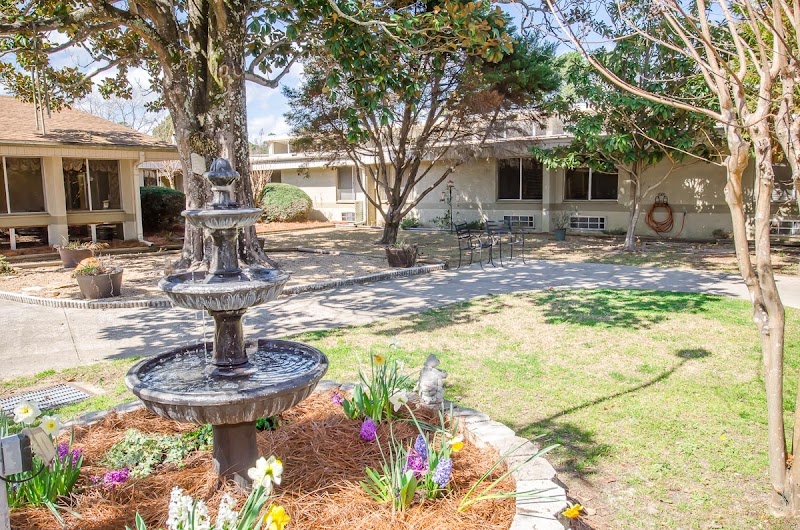
How is Winter Park Care And Rehabilitation Staffed?

CMS rates WINTER PARK CARE AND REHABILITATION's staffing level at 1 out of 5 stars, which is much below average compared to other nursing homes.

What Have Inspectors Found at Winter Park Care And Rehabilitation?

State health inspectors documented 42 deficiencies at WINTER PARK CARE AND REHABILITATION during 2022 to 2025. These included: 6 Immediate Jeopardy (the most serious level, indicating potential for serious harm or death), 35 with potential for harm, and 1 minor or isolated issues. Immediate Jeopardy findings are rare and represent the most serious regulatory concerns. They require immediate corrective action.
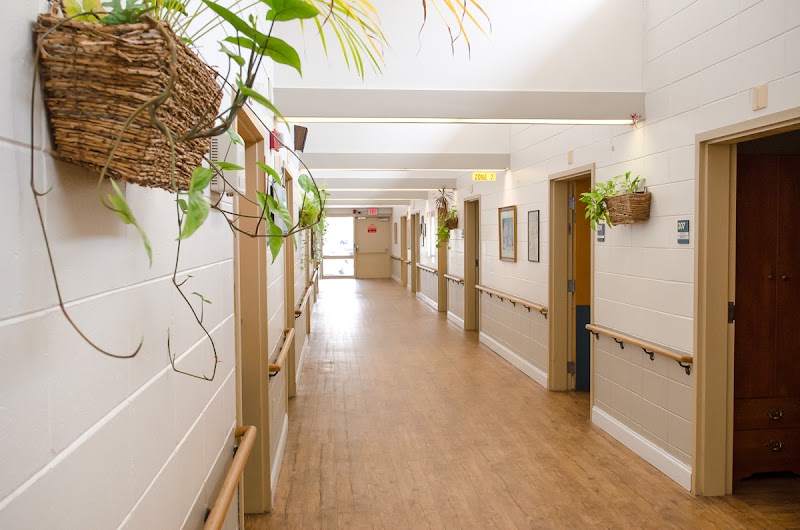
Who Owns and Operates Winter Park Care And Rehabilitation?

WINTER PARK CARE AND REHABILITATION is owned by a for-profit company. For-profit facilities operate as businesses with obligations to shareholders or private owners. The facility is operated by SIMCHA HYMAN & NAFTALI ZANZIPER, a chain that manages multiple nursing homes. With 103 certified beds and approximately 91 residents (about 88% occupancy), it is a mid-sized facility located in WINTER PARK, Florida.

How Does Winter Park Care And Rehabilitation Compare to Other Florida Nursing Homes?

Compared to the 100 nursing homes in Florida, WINTER PARK CARE AND REHABILITATION's overall rating (1 stars) is below the state average of 3.2 and health inspection rating (1 stars) is much below the national benchmark.

What Should Families Ask When Visiting Winter Park Care And Rehabilitation?

Based on this facility's data, families visiting should ask: "What changes have been made since the serious inspection findings, and how are you preventing similar issues?" "Can you walk me through typical staffing levels on day, evening, and night shifts?" "Can I visit during a mealtime to observe dining assistance and food quality?" "How do you handle medical emergencies, and what is your hospital transfer rate?" These questions are particularly relevant given the facility's Immediate Jeopardy citations and the below-average staffing rating.

Is Winter Park Care And Rehabilitation Safe?

Based on CMS inspection data, WINTER PARK CARE AND REHABILITATION has documented safety concerns. Inspectors have issued 6 Immediate Jeopardy citations (the most serious violation level indicating risk of serious injury or death). The facility has a 1-star overall rating and ranks #100 of 100 nursing homes in Florida. Families considering this facility should ask detailed questions about what corrective actions have been taken since these incidents.

Do Nurses at Winter Park Care And Rehabilitation Stick Around?

WINTER PARK CARE AND REHABILITATION has not reported staff turnover data to CMS. Staff turnover matters because consistent caregivers learn residents' individual needs, medications, and preferences. When staff frequently change, this institutional knowledge is lost. Families should ask the facility directly about their staff retention rates and average employee tenure.

Was Winter Park Care And Rehabilitation Ever Fined?

WINTER PARK CARE AND REHABILITATION has been fined $132,556 across 2 penalty actions. This is 3.9x the Florida average of $34,404. Fines at this level are uncommon and typically indicate a pattern of serious deficiencies, repeated violations, or failure to correct problems promptly. CMS reserves penalties of this magnitude for facilities that pose significant, documented risk to resident health or safety. Families should request specific documentation of what issues led to these fines and what systemic changes have been implemented.

Is Winter Park Care And Rehabilitation on Any Federal Watch List?

WINTER PARK CARE AND REHABILITATION is not on any federal watch list. The most significant is the Special Focus Facility (SFF) program, which identifies the bottom 1% of nursing homes nationally based on persistent, serious quality problems. Not being on this list means the facility has avoided the pattern of deficiencies that triggers enhanced federal oversight. This is a positive indicator, though families should still review the facility's inspection history directly.