GLEN EAGLE HEALTHCARE AND REHAB
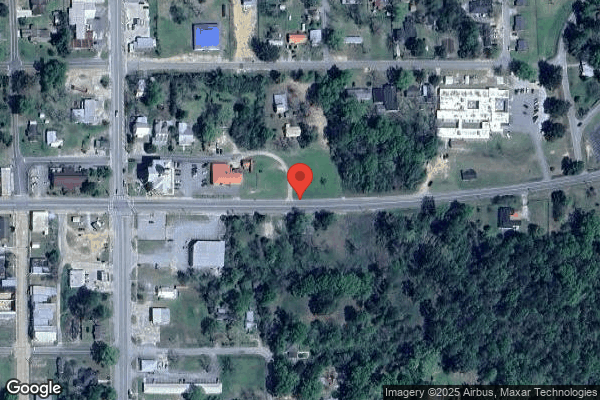
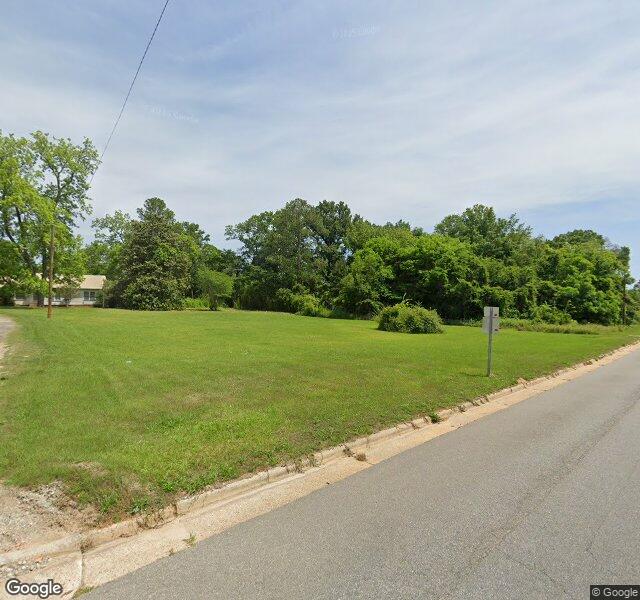
206 MAIN STREET EAST, ABBEVILLE, GA 31001 (229) 635-4085
For profit - Corporation 101 Beds GLOBAL HEALTHCARE REIT Data: November 2025 4 Immediate Jeopardy citations
Trust Grade
0/100
#193 of 353 in GA
Last Inspection: January 2023

Over 2 years since last inspection. Current conditions may differ from available data.

Overview

Glen Eagle Healthcare and Rehab has received a Trust Grade of F, indicating significant concerns and poor performance compared to other facilities. It ranks #193 out of 353 nursing homes in Georgia, placing it in the bottom half, but it is the top facility in Wilcox County with only one other option available. Unfortunately, the facility is worsening, with issues increasing from three in 2024 to five in 2025. Staffing is noted as a weakness with a rating of 1 out of 5 stars and less RN coverage than 85% of state facilities, which means there may not be enough registered nurses to catch potential problems. Additionally, the facility has faced $153,843 in fines, which is higher than 98% of Georgia facilities, suggesting ongoing compliance issues. There have been severe incidents reported, including failures to accurately assess and monitor residents' behaviors, which could lead to serious harm. For example, staff did not develop adequate care plans to prevent a resident from leaving the facility unsupervised, and there were insufficient safety measures around potentially hazardous areas, such as a kitchen that was left unlocked. These findings highlight both critical and serious deficiencies that families should consider when evaluating this nursing home.

Trust Score
F
0/100
In Georgia
#193/353
Bottom 46%
Safety Record
High Risk
Review needed
Inspections
Getting Worse
3 → 5 violations
Staff Stability
○ Average
38% turnover. Near Georgia's 48% average. Typical for the industry.
Penalties
⚠ Watch
$153,843 in fines. Higher than 97% of Georgia facilities. Major compliance failures.
Skilled Nurses
⚠ Watch
Each resident gets only 15 minutes of Registered Nurse (RN) attention daily — below average for Georgia. Fewer RN minutes means fewer trained eyes watching for problems.
Violations
⚠ Watch
27 deficiencies on record. Higher than average. Multiple issues found across inspections.
★★☆☆☆
2.0
Overall Rating
★☆☆☆☆
1.0
Staff Levels
★★★★★
5.0
Care Quality
★☆☆☆☆
1.0
Inspection Score
Stable
2024: 3 issues
2025: 5 issues

The Good

  • 5-Star Quality Measures · Strong clinical quality outcomes
  • Full Sprinkler Coverage · Fire safety systems throughout facility
  • No fines on record
  • Staff turnover below average (38%)

    10 points below Georgia average of 48%

Facility shows strength in quality measures, fire safety.

The Bad

2-Star Overall Rating

Below Georgia average (2.6)

Below average - review inspection findings carefully

Staff Turnover: 38%

Near Georgia avg (46%)

Typical for the industry

Federal Fines: $153,843

Well above median ($33,413)

Significant penalties indicating serious issues

Chain: GLOBAL HEALTHCARE REIT

Part of a multi-facility chain

Ask about local staffing decisions and management

The Ugly 27 deficiencies on record

4 life-threatening 2 actual harm
Jun 2025 1 deficiency 1 Harm
SERIOUS (G) 📢 Someone Reported This

A family member, employee, or ombudsman was alarmed enough to file a formal complaint

Actual Harm - a resident was hurt due to facility failures

Accident Prevention (Tag F0689)

A resident was harmed · This affected 1 resident

**NOTE- TERMS IN BRACKETS HAVE BEEN EDITED TO PROTECT CONFIDENTIALITY** Based on observation, interview, record review, and review of facility policy, the facility failed to provide supervision to pre...

Read full inspector narrative →
**NOTE- TERMS IN BRACKETS HAVE BEEN EDITED TO PROTECT CONFIDENTIALITY** Based on observation, interview, record review, and review of facility policy, the facility failed to provide supervision to prevent accidents for one of one resident (Resident (R) 47) reviewed for accidents out of a total sample of 18. This failure caused actual harm on 06/9/25 when Certified Nursing Assistant (CNA) 3 gave R47 a bowl of hot ramen noodles and allowed him to go down the hallway with them on his lap to his room, which was on the other hallway. R47 had not been assessed to be able to safely handle hot liquids. R47 spilled the hot noodles on his leg and sustained a burn that resulted in a blister to his upper left thigh. Findings include: Review of a facility policy titled, Use and storage of food brought in by family or visitors, with a copyright date of 2025, revealed, . Foods may be reheated in a microwave and should be stirred during the reheating process and reheated to at least 165 F (Fahrenheit). 5. Ensure that reheated foods are cooled enough to a palatable temperature prior to consuming to prevent burns . Review of a facility policy titled, Incidents and Accidents, dated 01/09/25, revealed, . 'Accident' refers to any unexpected or unintentional incident, which results or may result in injury or illness to a resident . Review of R47's admission Record, located under the Profile tab of the electronic medical record (EMR), revealed R47 was admitted to the facility on [DATE] with diagnoses that included bipolar disorder, difficulty in walking, weakness, and need for assistance with personal care. Review of R47's quarterly Minimum Data Set (MDS), with an Assessment Reference Date (ARD) of 05/01/25 and located in the Aspen MDS Viewer, revealed R47 had a Brief Interview for Mental Status (BIMS) score of 10 out of 15, which indicated the resident was moderately cognitively impaired. It was recorded that R47 had no bilateral upper body impairments and required supervision/touch assistance with activities of daily living. During an observation and interview on 06/09/25 at 2:56 PM, R47 approached the surveyor and Registered Nurse (RN) 1 and raised his left pant leg. R47 exposed a burn to his upper left thigh and stated the burn was caused by soup that he had last night. Review of R47's Progress Note, dated 06/09/25 at 4:43 PM and located under the Progress Notes tab of the EMR, indicated RN1 documented R47 stated he had burned himself with ramen noodles last night and did not report the incident to anyone. It was recorded that R47 stated he spilled soup onto his left upper leg. The resident was identified with a blister to the upper left thigh. It was documented that the blister was 1.8 long by 1.0 wide, but the unit of measure was not indicated. It was documented the skin was reddened around the blister. It was recorded that the area was cleansed with normal saline and triple-antibiotic ointment (TAO) applied to area. It was recorded that the Nurse Practitioner (NP) was notified and staff was to continue to monitor. Review of R47's entire clinical record failed to indicate an assessment to determine the resident's ability to handle hot liquids had been completed for the resident prior to 06/09/25. During an interview on 06/10/25 at 1:20 PM, R47 stated he had received a package of [NAME] noodles from another resident on 06/08/25 and had asked a staff member to cook them for him. During an interview on 06/10/25 at 2:05 PM, Licensed Practical Nurse (LPN) 1 stated food was being re-heated in the microwave located at the main desk prior to 06/09/25. LPN1 confirmed she had not received training on the reheating of food in a microwave prior to 06/09/25. During an interview on 06/10/25 at 2:14 PM, Infection Preventionist (IP) confirmed she had not received training on taking the temperature of food that was reheated. During an interview on 06/10/25 at 2:25 PM, Registered Nurse (RN) 1 confirmed she had not received training on taking the temperature of food that was reheated. During an interview on 06/10/25 at 3:15 PM, Certified Nurse Aide (CNA) 2 confirmed she had not received training on taking the temperature of food that was reheated. During an interview on 06/10/25 at 3:25 PM, CNA1 confirmed she had not received training on taking the temperature of food that was reheated. During an interview on 06/10/25 at 3:52 PM, the Administrator stated she had been in her position for the past month, and the staff had not been provided with any training on temping water for ramen noodles. The Administrator stated she was not aware of any electronic record assessment used to determine a resident's ability to safely handle hot liquids. During an interview on 06/10/25 at 5:11 PM, CNA3 confirmed she had not received training on taking the temperature of food that was reheated. CNA3 stated she took a bowl of ramen noodles from R47 and entered the nutrition room with the bowl of ramen noodles. CNA3 stated she filled a Styrofoam cup partially with water and placed it in the microwave to heat for 2.5 minutes. CNA3 stated she then exited the nutritional room while waiting for the water to heat. CNA3 stated that she let the water cool off prior to taking the bowl of ramen to R47. CNA3 stated the water was not hot to touch. CNA3 stated she placed the bowl of ramen inside a dome cover used to cover a plated meal. CNA3 confirmed she did not take the temperature of the ramen noodles prior to giving them to the resident. During an interview on 06/10/25 at 1:35 PM, the Administrator provided a policy titled, Hot Liquid Safety Policy, with a revision date of 2025, that read, . All residents are assessed for their ability to handle containers and consume hot liquids. Resident with difficulties will be individualized and noted on the resident's plan of care . Attached to this policy was an in-service/training sheet, dated 06/09/25 and documented as presented by the Assistant Director of Nursing (ADON), with the objectives, . 1. Hot liquid/food (heating) 2. Purple Ther. [thermometer] at microwave to temp food or liquids 3. 140 (degrees mark) is too hot to give to resident . During an interview on 06/11/25 at 2:10 PM, the Assistant Director of Nursing (ADON) confirmed the facility had not assessed all residents who handled hot liquids for safety prior to the incident. The DON stated as of 06/10/25, all residents had been assessed for safety with hot liquids and care plans had been developed. During an interview on 06/11/25 at 2:43 PM, the Dietary Manager (DM) confirmed that the residents had not been assessed for safety with hot liquids before 06/10/25. The DM confirmed all residents had been assessed as of 06/10/25.
Mar 2025 4 deficiencies 4 IJ
CRITICAL (J) 📢 Someone Reported This

A family member, employee, or ombudsman was alarmed enough to file a formal complaint

Immediate Jeopardy (IJ) - the most serious Medicare violation

Assessment Accuracy (Tag F0641)

Someone could have died · This affected 1 resident

**NOTE- TERMS IN BRACKETS HAVE BEEN EDITED TO PROTECT CONFIDENTIALITY** Based on record review, staff interview and review of the facility policy titled Conducting and Accurate Resident Assessment, th...

Read full inspector narrative →
**NOTE- TERMS IN BRACKETS HAVE BEEN EDITED TO PROTECT CONFIDENTIALITY** Based on record review, staff interview and review of the facility policy titled Conducting and Accurate Resident Assessment, the facility failed to accurately assess and code behavior symptoms on the Minimum Data Set (MDS) for three residents (R) (R1, R4 and R10) from a sample of 14 residents. On [DATE], a determination was made that a situation in which the facility's noncompliance with one or more requirements of participation had caused or had the likelihood to cause serious injury, harm, impairment or death to residents. The facility's Administrator and Assistant Director of Nursing were informed of the Immediate Jeopardy on [DATE], at 11:47 am. The noncompliance related to the Immediate Jeopardy (IJ) was identified to have existed on [DATE]. An Acceptable IJ Removal Plan was received on [DATE]. Based on observation, record reviews, review of facility policies as outlined in the Removal Plan, and staff interviews, it was validated that the corrective plans and the immediacy of the deficient practice was removed on [DATE]. Findings include: Review of the facility's policy titled Conducting an Accurate Resident Assessment with a revision date of [DATE] revealed the purpose of the policy is to assure that all residents receive an accurate assessment, reflective of the resident's status at the time of the assessment, by staff qualified to assess relevant care areas. The appropriate, qualified health professional will correctly document the resident's medical, functional, and psychosocial problems and identifies resident strengths to maintain or improve medical status, functional abilities, and psychosocial status. 1. Review of the progress notes for R1 revealed the resident exhibited behavioral symptoms on [DATE], [DATE], [DATE], and on [DATE]. A [DATE] Behavior Note documented the resident continued to wander, enter other resident rooms, became agitated when staff attempted to redirect, regularly placed all belongings in a trash bag and asked How do I leave this place?. A [DATE] Health Status Note documented the resident continued to wander and enter other resident rooms. A [DATE] at 1:56 am Behavior Note documented the resident was observed taking off his pants and shoes in hallway, then laying the pants out flat on floor. He then lowered himself to the floor laying down on top of his pants. The writer attempted several times to redirect with no success. A [DATE] at 11:43 am documented the resident was refusing to leave the dining room eating off of resident's plates and undressing in the hallway. At 12:33 pm staff documented the resident was urinating on the dining room floor refusing to allow the Certified Nursing Assistant (CNA) to help change into clean clothes. A [DATE] Skilled Nurses Note documented the resident wanders in and out of other resident rooms, resists redirection and becomes aggressive when staff redirected. However, the physical and wandering behaviors were not coded in section E on the quarterly Minimum Data Set (MDS) assessment with an Assessment Reference Date of [DATE]. 2. A review of R4's progress notes in the electronic clinical record revealed that the resident exhibited behavioral symptoms on [DATE], [DATE], and [DATE]. A behavior note on [DATE] documented that R4 smeared fecal matter, urinated in the hallway, intentionally spilled a soda, and exhibited wandering behavior. A [DATE] behavior note documented that R4 had taken a pair of his roommate's pants, went outside to the courtyard, put the pants on over his clothes and began to yell out very loudly and periodically. A [DATE] incident note documented that R4 was observed with an abrasion to the left wrist and stated that he had cut himself and expressed that he wanted to hurt himself. However, the physical and verbal behavioral symptoms directed at others and the behavioral symptoms not directed towards others were not coded, in section E, on the quarterly Minimum Data Set (MDS) assessment, with an Assessment Reference Date (ARD) of [DATE]. 3. A review of R10's progress notes in the electronic clinical record revealed that the resident exhibited combative behavior during the provision of incontinence care and dressing. However, the physical behaviors were not coded, in section E, on the annual MDS assessment, with an ARD of [DATE]. During an interview on [DATE] at 3:30 pm, the Social Services Director was questioned about how she obtains information on residents' behaviors to code on the MDS assessments. The SSD responded that she obtained information from staff meetings, verbal reports from nurses and Certified Nursing Assistants (CNA's), and information from the 24-hour report brought up by the Director of Nursing (DON) and Assistant Director of Nursing (ADON). When the Social Services Director was asked if she reviewed resident progress notes (from the clinical record), her response was no. The facility implemented the following actions to remove the IJ: 1. Res. #1 eloped from the facility on [DATE] and was found deceased later in the day on [DATE]. 2. All residents that display wandering behavior could be affected. MDS Nurse completed an audit on all residents with wandering behaviors to ensure most recent MDS assessment is accurately coded to reflect documented behaviors of each resident. One MDS assessment was found to be mis-coded and was resubmitted by MDS Nurse and verified by DON for any errors identified to reflect accurate coding on [DATE]. 3. Administrator educated 1 MDS nurse and 1 Director of Nursing, on [DATE], on the need to accurately code MDS Assessments, utilizing documentation of residents that occurred during the assessment period. 4. MDS Policy, Conducting an Accurate Resident Assessment was reviewed by QAPI Committee on [DATE], no changes were made. Those is attendance will be Administrator, Director of Nursing, Medical Director and other members of the QA Committee. 5. All corrective actions were completed on [DATE]. The facility alleges that the IJ is removed on [DATE]. The facility implemented the following actions to remove the IJ: 1. Verified via review of the Coroner's Report dated [DATE] that documented R1 date and time of pronounced death as [DATE] at 12:50 pm. 2. Verified via review of a list titled, Residents at risk for elopement/Wandering which included nine residents and a statement that an audit was completed for MDS accuracy on [DATE]. The statement was signed by the DON and the ADON/MDS nurse. The nine residents identified with wandering behaviors were R3, R4, R5, R6, R8, R9, R10, R11, and R14. The resident identified as having a mis-coded MDS assessment was R4. The ADON/MDS nurse documented and signed, on a printed out copy of R4's electronic MDS list, that the [DATE] MDS assessment was modified for inaccurate coding in section E related to wandering behaviors. The printed out MDS list showed a [DATE] Quarterly MDS assessment and a [DATE] Modification of Quarterly MDS assessment that verified the correction had been completed. Review of the modification revealed that section E was changed to include wandering behavior exhibited 1-3 days. The coding change was completed on [DATE]. During an interview on [DATE] at 3:33 pm the ADON/MDS nurse confirmed that an audit was completed on all residents with wandering behaviors to ensure MDS accuracy, and R4 was identified with a mis-coded MDS which was corrected and resubmitted. 3. Verified via review of the Staff Development Education Sign In form, dated [DATE] and the accompanying education materials. The topic was MDS Coding Assessments and included signatures of the ADON/MDS nurse, DON, Social Services Director (SSD), and Activity Director. During an interview on [DATE] at 10:28 am, the SSD confirmed that she completes section E (Behaviors) of the MDS and had received re-education on accurate coding of the MDS assessments. During an interview on [DATE] at 3:33 pm, the ADON and DON confirmed they received education on MDS coding accuracy. During an interview on [DATE] at 4:07 pm the Administrator confirmed providing in-service education on accurate coding of the MDS. 4. Verified via review of the Conducting an Accurate Resident Assessment policy. Interviews on [DATE] at 3:33 pm with the ADON and DON and at 4:07 pm with the Administrator confirmed that the policy was reviewed on [DATE] by the QAPI committee with no changes made. 5. All corrective actions were completed on [DATE]. The facility alleges that the IJ was removed on [DATE].
CRITICAL (J) 📢 Someone Reported This

A family member, employee, or ombudsman was alarmed enough to file a formal complaint

Immediate Jeopardy (IJ) - the most serious Medicare violation

Comprehensive Care Plan (Tag F0656)

Someone could have died · This affected 1 resident

**NOTE- TERMS IN BRACKETS HAVE BEEN EDITED TO PROTECT CONFIDENTIALITY** Based on record review, staff interviews and review of the facility policy's titled Comprehensive Care Plans and Elopements and ...

Read full inspector narrative →
**NOTE- TERMS IN BRACKETS HAVE BEEN EDITED TO PROTECT CONFIDENTIALITY** Based on record review, staff interviews and review of the facility policy's titled Comprehensive Care Plans and Elopements and Wandering Residents, the facility failed to develop interventions in resident (R1) care plan to include supervision/monitoring and management of the resident's risk for elopement from a sample of 14 residents. On [DATE], a determination was made that a situation in which the facility's noncompliance with one or more requirements of participation had caused or had the likelihood to cause serious injury, harm, impairment or death to residents. The facility's Administrator and Assistant Director of Nursing were informed of the Immediate Jeopardy on [DATE], at 11:47 am. The noncompliance related to the Immediate Jeopardy (IJ) was identified to have existed on [DATE]. An Acceptable IJ Removal Plan was received on [DATE]. Based on observation, record reviews, review of facility policies as outlined in the Removal Plan, and staff interviews, it was validated that the corrective plans and the immediacy of the deficient practice was removed on [DATE]. Findings include: Review of the facility policy titled, Comprehensive Care Plans with a revision date of [DATE] revealed the following: It is the policy of this facility to develop and implement a comprehensive person-centered care plan for each resident, consistent with resident rights, that includes measurable objectives and timeframes to meet a resident's medical, nursing, and mental psychosocial needs and ALL services that are identified in the resident's comprehensive assessment and meet professional standards of quality. The policy documented the following definition of Professional standards of quality means that care and all services are provided according to accepted standards of clinical practice. Standards may apply to care provided by a particular clinical discipline or in a specific situation or setting. The policy noted the care planning process will include an assessment of the resident's strengths and needs and will incorporate the resident's personal and cultural preferences in developing goals of care. All services provided or arranged by the facility, as outlined by the comprehensive care plan, must meet professional standards of quality. The services that are to be furnished to attain or maintain the resident's highest practicable physical, mental, and psychosocial well-being. Review of an undated policy titled Elopements and Wandering Residents revealed the following regarding Monitoring and Managing Residents at Risk for Elopement and Unsafe Wandering: The interdisciplinary team will evaluate the unique factors contributing to risk in order to develop a person-centered care plan; and Interventions to increase staff awareness of the resident's risk, modify the resident's behavior, or to minimize risks associated with hazards will be added to the resident's care plan and communicated to appropriate staff. R1 was admitted to the facility on [DATE] with the following but not limited to diagnoses: anemia, glaucoma, mild neurocognitive disorder due to physiological condition with behavioral disturbance, Alzheimer's disease, and psychotic disorder with delusions. The resident had a Quarterly Minimum Data Set assessment completed on [DATE] indicating a Brief Interview for Mental Status (BIMS) of 5 indicating the resident had severely impaired cognition, having no behaviors or wandering behavior and required supervision with transfers and ambulation. Although the resident had a care plan since [DATE] for being at risk for elopement, the only interventions in place was to redirect resident as needed and picture added to Elopement book. The resident had an Elopement Evaluation completed on [DATE] with a score of 5 indicating the resident was at risk for elopement. Review of the Health Status Note dated [DATE] at 4:15 am documented that upon rounds noted resident not in his room. Staff immediately began search of facility. Resident was not found. The Administrator was notified, then the Director of Nursing (DON) and the local Police Department. Staff made another sweep of the facility with no results. The police arrived and was made aware of situation. The resident's sister was called and made aware of situation. The [DATE] at 4:36 pm Health Status Note documented that at 12:50 pm, the Chief of Police informed the facility the resident had been found at the base of the bridge near the facility deceased at 12:20 pm. During an interview with the Director of Nursing (DON) on [DATE] at 2:25 pm, she confirmed the only interventions in the resident's care plan for being at risk for elopement was picture added to Elopement book and redirect resident as needed. She stated the staff knew the resident and would give him things to do. She then stated she knew if it was not documented it wasn't done. Cross Reference to F689 The facility implemented the following actions to remove the IJ: 1. Res. #1 eloped from the facility on [DATE] and was found deceased later in the day on [DATE]. 2. 9 residents that have been identified as being at risk for elopement and have the potential to be affected by this. Nurse managers reviewed care plans for all 9 residents at risk for elopement to ensure their care plans are updated with individualized interventions. This audit will be completed on [DATE]. The Director of Nursing verified these care plans are in place. New admissions identified as elopement risk will be reviewed by the Director of Nursing to ensure that care plans are in place with appropriate interventions. 3. The administrator will educate 4 of 4 nurse managers, on [DATE], on the need to ensure residents that are at risk for elopement have care plan in place with individualized interventions to prevent elopement. 4. The Director of Nursing provided education to 46 of 46 Nursing Staff including 4 Registered Nurses, 16 Licensed Practical Nurses and 26 Certified Nursing Assistants regarding accessing care plans and interventions to provide care for residents on [DATE]. 5. Comprehensive Care Plan Policy was reviewed during QAPI meeting on [DATE], no changes were made to the policy. Those is attendance were the Administrator, Director of Nursing, Medical Director and other members of the QA Committee. 6. All corrective actions were completed on [DATE]. The facility alleges that the IJ is removed on [DATE]. The facility implemented the following actions to remove the IJ: 1. Verified via review of the Coroner's Report dated [DATE] that documented R1 date and time of pronounced death as [DATE] at 12:50 pm. 2. Verified via review of a list titled Residents at risk for elopement/Wandering which included nine residents and review of the nine residents' elopement-risk care plans with accompanying interventions. The nine residents identified with wandering behaviors/at risk for elopement were R3, R4, R5, R6, R8, R9, R10, R11, and R14. Review of the Elopement Risk Audit tool revealed that audits all nine residents were completed by [DATE]. During an interview on [DATE] at 3:33 pm, the DON and ADON confirmed that nine residents were identified as being at risk for elopement, their care plans had been updated, and audits completed. The DON stated there had not been any new resident admissions identified as an elopement risk, since [DATE]. 3. Verified via review of the [DATE] Staff Development Education Sign In form with topic, Care Plan Risk Assessments and accompanying education information. The in-service materials included information on elopement risk/exit seeking care plans, directions on completing elopement evaluation, and the Comprehensive Care Plans policy. The sign-in form included signatures for the DON, ADON, LPN unit manager UU, and LPN/Infection Preventionist XX. Interviews on [DATE] at 11:00 am with LPN UU, at 3:33 pm with the DON and ADON, at 4:07 pm with the Administrator and at 4:22 pm with LPN XX confirmed that the Administrator educated the four nurse managers on the need to ensure care plans are in place with individualized interventions for residents at work for elopement. 4. Verified via review of the in-service education sign-in forms with topics of Care Plans - [NAME] Access, dated [DATE], and review of the Comprehensive Care Plans policy. The sign-in forms were cross referenced with a master list of staff and confirmed that 46 nursing staff received the education regarding accessing care plans via text or in-person. During an interview on [DATE] at 2:45 pm the DON confirmed providing education to nursing staff and confirmed that they have access to residents' care plans, including those at risk for elopement. During an interview on [DATE] at 3:33 pm the ADON stated that care plan information on residents at risk for elopement also carries over to the [NAME] (which the CNAs access for resident care information). Interviews on [DATE] at 10:43 am with Certified Nursing Assistant (CNA) PP, at 10:45 am with CNA QQ, at 10:49 am with Licensed Practical Nurse (LPN) RR, at 10:53 am with Registered Nurse (RN) SS, at 10:56 am with LPN TT, at 11:00 am with LPN UU, at 11:20 am with CNA WW, at 11:22 am with LPN XX, at 11:28 am with CNA NNN, at 11:30 am with CNA OOO, at 11:33 am, at 11:35 am with CNA YY, at 11:38 am with LPN ZZ, at 11:48 am with LPN AAA, at 11:50 am with LPN BBB, at 12:07 pm with CNA CCC, at 12:13 pm with CNA DDD, at 12:15 pm with CNA CC, at 12:27 pm with CNA HH, at 12:36 pm with CNA EEE, at 12:39 pm with CNA FFF, at 12:43 pm with CNA GGG, at 1:15 pm with CNA HHH, and at 2:35 pm with RN LLL confirmed they had received education on accessing care plans and interventions to provide care for residents on [DATE]. 5. Verified via review of the QAPI meeting agenda and minutes, dated [DATE] and titled Ad hoc QAPI For Elopement Event and the Comprehensive Care Plans policy. The QAPI meeting information includes that the Medical Director joined the meeting by phone. Interviews conducted on [DATE] at 3:33 pm with the DON and ADON, at 4:07 pm with the Administrator, and at 4:22 pm with LPN Infection Preventionist XX confirmed that the QAPI meeting was held on [DATE] and the comprehensive care plan policy was reviewed with no changes. 6. All corrective actions were completed on [DATE]. The facility alleges that the IJ was removed on [DATE].
CRITICAL (J) 📢 Someone Reported This

A family member, employee, or ombudsman was alarmed enough to file a formal complaint

Immediate Jeopardy (IJ) - the most serious Medicare violation

Accident Prevention (Tag F0689)

Someone could have died · This affected 1 resident

**NOTE- TERMS IN BRACKETS HAVE BEEN EDITED TO PROTECT CONFIDENTIALITY** Based on interviews, record review and review of the facility policy titled, Elopements and Wandering Residents, the facility to...

Read full inspector narrative →
**NOTE- TERMS IN BRACKETS HAVE BEEN EDITED TO PROTECT CONFIDENTIALITY** Based on interviews, record review and review of the facility policy titled, Elopements and Wandering Residents, the facility to provide adequate supervision and frequent monitoring of resident (R1) and failed to ensure a kitchen door was locked to prevent the elopement of R1. The facility also failed to provide adequate supervision of the steam table that was turned on and left unsupervised in the dining room. The sample was 14 residents. On [DATE], a determination was made that a situation in which the facility's noncompliance with one or more requirements of participation had caused or had the likelihood to cause serious injury, harm, impairment or death to residents. The facility's Administrator and Assistant Director of Nursing were informed of the Immediate Jeopardy on [DATE], at 11:47 am. The noncompliance related to the Immediate Jeopardy (IJ) was identified to have existed on [DATE]. An Acceptable IJ Removal Plan was received on [DATE]. Based on observation, record reviews, review of facility policies as outlined in the Removal Plan, and staff interviews, it was validated that the corrective plans and the immediacy of the deficient practice was removed on [DATE]. Findings include: Review of an undated policy titled, Elopements and Wandering Residents revealed the following: This facility ensures that residents who exhibit wandering behavior and/or are at risk for elopement receive adequate supervision to prevent accidents, and receive care in accordance with their person-centered plan of care addressing the unique factors contributing to wandering or elopement risk; the facility is equipped with door locks/alarms to help avoid elopements; The facility shall establish and utilize a systematic approach to monitoring and managing residents at risk for elopement or unsafe wandering, including identification and assessment of risk, evaluation and analysis of hazards and risks, implementing interventions to reduce hazards and risks, and monitoring for effectiveness and modifying interventions when necessary; Adequate supervision will be provided to help prevent accidents or elopements. R1 was admitted to the facility on [DATE] with the following but not limited to diagnoses: anemia, glaucoma, mild neurocognitive disorder due to physiological condition with behavioral disturbance, Alzheimer's disease, and psychotic disorder with delusions. The resident had a Quarterly Minimum Data Set assessment completed on [DATE] indicating a Brief Interview for Mental Status (BIMS) of 5 indicating the resident had severely impaired cognition, having no behaviors or wandering behavior and required supervision with transfers and ambulation. Although the resident had a care plan since [DATE] for being at risk for elopement, the only interventions in place was to redirect resident as needed and picture added to Elopement book. The resident had an Elopement Evaluation completed on [DATE] with a score of 5 indicating the resident was at risk for elopement. Review of the Health Status Note dated [DATE] at 4:15 am documented that upon rounds noted resident not in his room. Staff immediately began search of facility. Resident was not found. The Administrator was notified, then the Director of Nursing (DON) and the Abbeville Police Department. Staff made another sweep of the facility with no results. The police arrived and was made aware of situation. The resident's sister was called and made aware of situation. The [DATE] at 4:36 pm Health Status Note documented that at 12:50 pm, the Chief of Police informed the facility the resident was found at the base of the bridge near the facility deceased at 12:20 pm. It also noted an autopsy would be performed. Review of the [DATE] neighboring county Sheriff's Office Incident Report/Narrative indicated the resident had been found under the HWY 280 bridge. A time was not specified in the report. The investigator noted he proceeded to the location of the subject and found an older black male lying flat on his back, arms partially extended in a boxing type position, extended. There were two minor scrapes on his forehead, eyes partially open. Subject was cold to the touch. After the Coroner completed getting photos the body was turned over to look for any marks consistent with being hit by a vehicle. No marks were visible on his back or chest and stomach area. No visible were noted. It appeared the subject had fallen over the edge of the bridge landing at the location he was positioned at. The fall was approximately 19 feet 3 inches. Looking at the bottom of the subjects shoes showed absolutely no dirt or mud even though the whole area was muddy, no shoe impressions were found matching the shoes he was wearing. The subject was directly in line with the bridge above as falling over the side. The investigator had made contact with the Sheriff, Chief of local Fire Department, Coroner and local Police department and was advised that the resident had left the facility through the kitchen door that leads outside, then left through kitchen door to outside kitchen that was not locked. The resident was seen on security cameras leaving the grounds at 12:05 am. The Sheriff advised him that 911 dispatch had received a call that a black male matching the resident's description was seen on the Ga HWY 30 bridge outside of the city at approximately 12:49 am of a male walking into traffic on US HWY 280 (also known as GA HWY 30) at the neighboring counties bridge and the description matches the resident. Review of the [DATE] Coroner's Report documented the date and time of pronounced death as [DATE] 12:50 pm. The Coroner's description of incident leading to death indicated the resident exited through the kitchen door with video review showing he left at 12:05 am walking down the drive to the highway. At 12:45 am 911 received a call of an unknown person walking east on the bridge. The resident was located at 12:21 pm by Department of Natural Resources and a neighboring county firefighter. The resident was found lying flat on his back. There seemed to have been no movement where he was lying. There was no mud or dirt on his shoes. The drop was 19 feet from the bottom of the bridge. He was transported on [DATE] for an autopsy. During an interview with the Administrator and the Director of Nursing on [DATE] at 11:45 am, they stated that on [DATE] at 6:45 pm, the last dietary staff person who left for the day, left the door unlocked that lead into the kitchen. The resident walked into the kitchen from the dining room because that door was left unlocked then walked out the second door which led him outside. The resident was last seen by CNA HH on [DATE] at 11:45 pm while she was clocking out. The Administrator stated some CNAs stated they last saw the resident at 1:30 am when they had to get him out of another resident's room. He stated he did not agree with those CNAs because the cameras caught the resident leaving on [DATE] at 12:05 pm. He then stated staff discovered the resident missing between 4:00 am and 4:30 am. The nurse and the CNA who were assigned to the resident that night have been suspended as well as the dietary staff person who did not lock the door. He stated the dietary staff is now supposed to report to nursing when they are leaving and must exit through the main doors at the time clock. Stated they think the dietary staff did not lock the kitchen door from the dining room. That lock has since been replaced. Review of the video surveillance revealed the following timeline: 1. [DATE] at 6:44 pm- two dietary staff observed entering the kitchen from the dining room. Dietary staff DD let the door slam but did not lock the door. At 6:45 pm the two dietary staff exit the building through the back kitchen door. 2. [DATE] at 10:20 pm R1 walks into the dining room talking to himself, looks in the tray carts, walks around the steamtable several times and picks up a plastic cutlery set. At 10:24 pm he opens the kitchen door and enters the kitchen. 3. [DATE] at 10:24 pm, although the resident was out of view, sounds could be heard of the resident humming, feet shuffling and could hear sounds of paper or plastic being moved around. At 10:27 the resident comes into view of the camera and is observed opening the chemical supply closet, looks in the closet for a few seconds, then closes the door closet door and walks out of view of the camera. Although the resident is out of view of the camera sounds could still be heard of the resident humming, shuffling footsteps and what sounded like metal cookware or metal cabinet doors slamming. At 10:35 the resident comes back in view and is seen turning on the lights in the kitchen next to the exit door then walks out of view. There were no more sounds heard in the kitchen after 10:36 pm. He is then seen on the dining room camera leaving the kitchen into the dining room and leaves the dining room. 4. [DATE] at 11:45 pm, CNA HH is seen leaving through the front main double doors at the time clock with the resident in view of camera. 5. [DATE] at 12:05 am, the resident is observed leaving the building through the kitchen exit door stepping outside onto the loading dock area. He then steps down off the loading dock and starts walking the driveway towards the highway. 6. [DATE] at 12:06 to 12:07 am- Front Patio Camera captures the resident briefly walking from the kitchen loading dock area down the driveway. The camera then briefly captures the resident walking east on the highway. During the time the resident was in the kitchen on [DATE] from 10:24 pm to 10:36 pm, the resident had turned on the oven and the oven timer. From review of the video surveillance the oven timer alarm started alarming on [DATE] at 11:05 pm and continued to alarm until [DATE] at 4:32 when staff entered the kitchen looking for the resident. During an interview with the Dietary Manager on [DATE] at 2:55 pm, she stated for the oven timer to alarm, the oven must be turned on. This confirmed the oven was left on and unsupervised from [DATE] at approximately 11:05 pm to [DATE] at 4:32 am when staff turned the alarm off. During an interview with Dietary staff DD on [DATE] at 1:41 pm she confirmed she did not lock the kitchen door. She stated she was rushing to get to her second job. She stated they had been instructed to lock the kitchen door when they were leaving which is usually at 7:00 pm. During an interview with CNA BB on [DATE] at 4:04 pm, she confirmed she was assigned to R1 on [DATE]. She stated she was not sure of the last time she saw the resident but guessed around 1:30 am when he was in another resident's room. When the surveyor asked her if she made rounds on the resident every two hours, she refused to answer the question and stated she was not sure how it all happened. She stated that night the resident was going door to door trying to pull the doors open. Two attempts were made on [DATE] at 1:20 pm and on [DATE] at 4:00 pm to call Licensed Practical Nurse AA who was assigned to R1 on [DATE] but was unsuccessful. During an interview with the Director of Nursing (DON) on [DATE] at 2:25 pm, she stated she expects the nurses and the CNAs to make rounds on the residents at least every two hours. Review of the LPN nurse job description noted the general purpose was to provide direct nursing care to the residents and supervise the day to day nursing activities performed by nursing assistants. Such supervision must be in accordance with current Federal, State, and Local standards, guidelines, and regulations that govern our facility, and as may be required by the Director of Nursing to maintain the highest degree of quality care at all times. It also listed the following administrative functions: Direct the day to day functions of the nursing assistants in accordance with rules, regulations, and guidelines that govern the longterm care industry. Nursing Care Functions: Deliver and maintain optimum resident care and comfort by demonstrating knowledge and skills of current nursing practices, Make periodic checks to confirm that prescribed treatments are being properly administered by CNAs and to evaluate the resident's physical and emotional status, review care plans daily to confirm that appropriate care is being rendered, confirm that CNAs are aware of the resident care plans. Other Duties: Protect residents from neglect, mistreatment, and abuse. Review of the Certified Nursing Assistant job description noted the general purpose was to perform direct resident care duties under the supervision of licensed nursing personnel. Assist with promoting a compassionate physical and psychosocial environment for the residents. Essential Job Functions: Provide personal care of residents daily, Observe residents carefully and report changes in condition to Charge Nurse, promptly answer call lights and other resident needs, Protect residents from neglect, mistreatment and abuse, Others as directed by the supervisor or administrator. 2. A review of scheduled mealtimes for the residents' dining room revealed that breakfast started at 7:15 am, lunch started at 12:15 pm and dinner started at 5:15 pm. During an observation on [DATE] at 1:54 pm, the steam table that is located in the residents' dining room, had approximately an inch of water in four uncovered wells, with steam rising off the water. The dining room doors were open and the steam table was unsupervised and accessible to residents. During a check of the steam table water temperatures on [DATE] at 1:55 pm with dietary aide FF, the water temperatures in the wells of the steam table were 160 degrees, 156 degrees, 147 degrees, and 110 degrees Fahrenheit. Dietary aide FF confirmed that the steam table was turned on and reached down on the lower portion of the table and turned the knobs to turn it off. During the observations on [DATE] at 1:54 pm and 1:55 pm, two residents were observed in the dining room. During an interview on [DATE] at 4:00 pm, dietary aide FF was asked who is responsible for turning off the steam table. Dietary aide FF responded that it is the last person on the (steam table) line and indicated that dietary cook EE was the last person on the line for the previous lunch service. During an interview on [DATE] at 11:13 am, the Dietary Manager stated that the cook is supposed to turn off the steam table at the end of the meal service. The facility implemented the following actions to remove the IJ: 1. Res. #1 eloped from the facility on [DATE] and was found deceased later in the day on [DATE]. 2. Licensed Practical Nurse AA was suspended pending investigation on [DATE] and terminated on [DATE]. 3. Certified Nursing Assistant BB was suspended pending investigation on [DATE] and terminated on [DATE]. 4. Dietary Assistant was suspended pending investigation on [DATE] and terminated on [DATE]. 5. The facility conducted a house-wide head count to ensure all other residents were accounted for on [DATE]. 6. Law enforcement notified on [DATE] by Administrator. 7. State Agency was notified [DATE] by Administrator. 8. The resident's responsible party was notified on [DATE] by both the staff nurse and the Director of Nursing. 9. Administrator notified the Ombudsman on [DATE]. 10. Ad HOC QAPI held [DATE]. Reviewed incident and Elopement and Wandering Resident Policy during this meeting, no change were made to the policy. In attendance were the Administrator, Director of Nursing, Medical Director and QA Committee. During this meeting the committee determined the root cause of R1 eloping from the facility was related to the dietary staff not ensuring the kitchen was locked, nursing staff not conducting rounds every two hours on this resident and not providing redirection when resident displayed increase in wandering behaviors. 11. Camera footage of event reviewed and secured [DATE]. 12. Facility obtained statements from staff present during the event on [DATE]. 13. All residents re-assessed for elopement risk and had care plans updated to reflect risk on [DATE], by nurse managers. 14. Maintenance Director checked to ensure kitchen door lock is functioning properly on [DATE], it was functioning properly. 15. Maintenance Director checked to ensure doors throughout the facility were functioning properly on [DATE], all doors were functioning properly. 16. 100% Staff education on Elopement Protocol, Risk and Prevention, Abuse and Neglect and placing a work order when equipment fails and that if equipment is essential for resident safety, a phone call should be placed to Maintenance Director and Administrator to develop a plan to keep residents and staff safe, started [DATE] and completed on [DATE]. 82 of 82 staff educated: 1 Administrator, 1 Human Resources Director, 1 Social Services Director, 3 Activity Personnel, 1 Medical Records Coordinator, 1 Transportation Aide, 13 Therapy Personnel, 7 Dietary Personnel, 8 Housekeeping Staff, 4 Registered Nurses, 16 Licensed Practical Nurses, 26 Certified Nursing Assistants. All staff who have not been in-serviced will be in-serviced prior to their next shift. 17. 100% Nursing staff educated on Rounding every two hours on all residents and more frequently during periods of time which residents may require it started on [DATE] and completed by [DATE]. 46 of 46 educated: 4 Registered Nurses, 16 Licensed Practical Nurses and 26 Certified Nursing Assistants. 18. The kitchen front entrance door keypad door lock was replaced with upgraded locking device on [DATE]. 19. The facility ordered a double-sided keypad door lock for exterior kitchen door, installed on [DATE]. 20. The keypad lock installed on one dining room door on [DATE]. The dining room will be locked at 7:00pm by dietary staff daily. Then checked by nursing staff and logged into the door check log. 21. On [DATE], the steam table was left on after lunch service, with 1 resident present in dining room, when the cook realized the steam table was on, the steam table was turned off. 22. No residents identified as being harmed by steam table. 23. The administrator educated all 7 dietary staff on [DATE] on turning off the steam table after meals and staying with the steam table when hot and residents have access. 24. Ad HOC QAPI held [DATE] with Administrator, Director of Nursing, Medical Director and QA Committee to discuss findings of this investigation, survey and plan of action to address identified concerns. 25. All corrective actions were completed on [DATE]. The facility alleges that the IJ is removed on [DATE]. The facility implemented the following actions to remove the IJ: 1. Verified via review of the Coroner's Report dated [DATE] that documented R1 date and time of pronounced death as [DATE] at 12:50 pm. 2. Verified via review of the Status/Payroll Change Report, dated [DATE], that documented LPN AA was out pending investigation. Review of the Separation Notice, dated [DATE], revealed LPN AA's employment period was [DATE] through [DATE] with reason for separation documented as poor job performance. 3. Verified via review of the Status/Payroll Change Report, dated [DATE], that documented CNA BB was suspended due to investigation. Review of the Separation Notice, dated [DATE], revealed CNA BB's employment period was [DATE] through [DATE] with reason for separation documented as poor job performance. 4. Verified via review of the Status/Payroll Change Report, dated [DATE], that documented Dietary Assistant DD was suspended due to investigation. Review of the Separation Notice, dated [DATE], revealed that Dietary Assistant DD's employment period was from [DATE] through [DATE] with reason for separation documented as not following company procedures and poor job performance. 5. Verified via review of a [DATE] untitled document by the DON who documented that upon arrival to the facility, repeat head count performed with all other residents accounted for. 6. Verified via review of R1's clinical record that included a [DATE] Health Status progress note that the local police department was notified of R1's elopement. 7. Validated through review of the Facility Reported Incident (FRI) form dated [DATE] which reported R1 was missing. The FRI indicated the date and time of incident was [DATE] at 4:30 am. 8. Validated via review of the [DATE] at 4:15 am Health Status Note which documented the resident's sister was called and made aware of the situation. 9. Validated through interview with the Ombudsman on [DATE] at 2:05 pm, who stated the facility had notified her of R1's elopement. Review of the [DATE] Social Services note documented she spoke with the Ombudsman at 12:40 pm to inform her of R1's elopement. 10. During an interview on [DATE] at 4:07 pm the Administrator confirmed that an Ad Hoc QAPI meeting was held on [DATE] following R1's elopement and the Elopement and Wandering Resident Policy was reviewed with no changes. During an interview on [DATE] at 3:33 pm the DON and ADON also confirmed attending the Ad Hoc QAPI meeting on [DATE]. Review of the QAPI form with initial date of [DATE], confirmed the facility identified the root cause of R1's elopement from the facility. The [DATE] QAPI form included a problem statement of: A resident eloped the facility and had a negative outcome. The root causes included that the kitchen door was not locked prior to dietary staff leaving for the day and nursing staff were not rounding every two hours. 11. Confirmed by surveyor review of camera footage of event. 12. Verified via review of staff's written statements concerning the events on [DATE]. 13. Verified via review of the tnd1vIdual elopement evaluations, dated 315/2025, that were completed on all residents. A review of the assessments confirmed that nine residents were identified as at risk for elopement. The nine residents were R3, R4, RS, R6, RB, R9. R10, R11, and R14. Reviews of the clinical records for the nine residents identified at being at risk for elopement revealed that the resident care plans had been updated to include the risk with accompanying interventions. During an interview on [DATE] at 3:33 pm the DON and ADON confirmed that all residents were reassessed for elopement risk on 315/2025 14. Review of the typed statement dated [DATE] by the Maintenance Director noted he inspected the dining room to the kitchen door and that the deadbolt lock was in working order. 15. Validated via review of the [DATE] Daily Door Checks form which documented all exit doors, side dining room door, front kitchen door and the back kitchen door were functioning properly 16. Interviews on [DATE] at 10:10 am with Dietary [NAME] GG and Dietary Aide II, at 10:19 am with Houskeeper(HK) JJ, at 10:23 am with HK KK, at 10:25 am with HK LL, at 10:28 am with HK Supervisor MM, at 10:31 am with Activity Director NN, at 10:34 am with the Social Worker, at 10:37 am with Medical Records/Scheduler OO, at 10:40 with Human Resources/Payroll Manager, at 10:43 am with Certified Nursing Assistant (CNA) PP, at 10:45 am with CNA QQ, at 10:49 am with Licensed Practical Nurse (LPN) RR, at 10:53 am with Registered Nurse (RN) SS, at 10:56 am with LPN TT, at 11:00 am with LPN UU, at 11:10 am with the Maintenance Director, at 11:15 am with Director of Rehab, at 11:20 am with CNA WW, at 11:22 am with LPN XX, at 11:25 am with Activity Assistant MMM, at 11:28 am with CNA NNN, at 11:30 am with CNA OOO, at 11:33 am with Marketing/Admissions, at 11:35 am with CNA YY, at 11:38 am with LPN ZZ, at 11:48 am with LPN AAA, at 11:50 am with LPN BBB, at 12:07 pm with CNA CCC, at 12:13 pm with CNA DDD, at 12:15 pm with CNA CC, at 12:27 pm with CNA HH, at 12:36 pm with CNA EEE, at 12:39 pm with CNA FFF, at 12:43 pm with CNA GGG, at 1:15 pm with CNA HHH, at 1:27 pm with Laundry Aide III, at 1:35 pm with the Dietary Manager, at 1:41 pm with Dietary Aide JJJ, at 1:47 pm with Transportation Aide KKK, at 2:35 pm with RN LLL and at 3:33 pm with the Administrator and the DON confirmed they had received education on Elopement Protocol, Risk and Prevention, Abuse and Neglect, placing a work order when equipment fails and if the equipment is essential for resident safety and a phone call should be placed to the Maintenance Director and the Administrator to develop a plan to keep residents and staff safe. During an interview on [DATE] at 4:22 pm LPN Infection Preventionist XX clarified that housekeeping and dietary staff do not have access to the electronic system used for placing work orders, but their supervisors do have access. They were educated on notifying their supervisors immediately so that an (electronic) work order can be completed by the supervisor. LPN XX also stated that education with newly hired staff had also been completed. Verified via review of the in-service education sign-in forms with topics of elopement and two-hour rounding with sign-off forms and the accompanying education information. The sign-in forms were cross referenced with a master list of staff and confirmed that 46 nursing staff received the education regarding rounding every two hours on all residents. During an interview on [DATE] at 3:33 pm the DON and ADON confirmed education to nursing staff had been provided regarding two-hour rounding. Interviews on 3121/2025 at 10:43 am with Certtf1ed Nursing Assistant (CNAJ PP. at 10:45 am with CNA QQ, at 10:49 am with Licensed Practical Nurse (LPN) RR, at 10:53 am with Registered Nurse (RN) SS, at 10:56 am with LPN TT. at 11:00 am with LPN uu.at 11:20 am With CNA WW. at 11:22 am With LPN XX, at 11:28 am with CNA NNN, at 11:30 am with CNA 000. at 11:33 am. at 11:35 am With CNA YY. at 11:38 am with LPN zz.at 11:48 am With LPN AAA, at 11:50 am with LPN BBB, at 12:07 pm with CNA CCC, at 12:13 pm with CNA DD, at 12:15 pm with CNA CC, at 12:27 pm with CNA HH, at 12:36 pm with CNA EEE, at 12:39 pm with CNA FFF. at 12:43 pm with CNA GGG, at 1:15 pm with CNA HHH, and at 2:35 pm with RN LLL confirmed they had received education on accessing care plans and interventions to provide care for residents on [DATE]. A review of completed Rounds Sheets, from [DATE] through [DATE], tor all three halls (100, 200, and 300 halls with resident rooms, revealed that staff signed off as completing rounding on residents every two hours starting on [DATE] The form included instructions for nurses to document on even hours and CNAs document on odd hours. 17. Verified via observation on [DATE] at 1:50 pm with the Administrator and the Maintenance Director of the new keypad with a deadbolt lock on the kitchen front entrance door. The new lock was noted to be functioning properly. 18. Verified via review of the invoice dated [DATE] where the facility had ordered a new upgrade double sided keypad door lock. Also verified via observation on [DATE] at 12:10 pm of the new lock installed on the exterior kitchen door that was functioning properly. The facility had also installed an Exit Stopper Multifunction Door Alarm on the exterior kitchen door. 19. Verified via observation with the Administrator on [DATE] at 10:45 am of the new keypad lock on the main dining room door. The keypad lock was observed to be functioning properly. Also verified via review of documentation on the Daily Door Checks log dated [DATE] through [DATE] of staff checking all exit doors and the main dining room door in the morning and the afternoon. 20. This was observed by surveyor on [DATE]. 21. Per surveyor observation no resident was identified as being harmed. 22. Verified via review of in-service education document dated [DATE] with the topic of: steam table safety and shutdown procedures. The signatures on the form were cross-referenced with a master list of staff and confirmed that all seven dietary staff received the education. During an interview on [DATE] at 4:07 pm, the Administrator confirmed providing the education to dietary staff. The Administrator stated that the staff were receptive to the education and understood the importance of it. He stated that staff would remain in the dining room with the steamtable, while it cooled down. Interviews on [DATE] at 10:10 am with Dietary [NAME] GG and Dietary Aide II, at 1:35 pm with the Dietary Manager, at 1:41 pm with Dietary Aide JJJ, at 1:47 pm confirmed they had received education on steam table safety and shutdown procedures. During an observation on [DATE] at 10:15 am, the dining room was open with a few residents seated at tables, watching tv on the large screen. The steam table was roped off with a staff person seated, in front of it, within the roped off area. 23. Verified via review of the QAPI meeting agenda and minutes, dated [DATE] and titled Ad hoc QAPI For Elopement Event''. The QAPI meeting information includes that the Medical Director joined the meeting by phone. Interviews conducted on [DATE] at 3:33 pm with the DON and ADON, at 4:07 pm with the Administrator, and at 4:22 pm with LPN Infection Preventionist XX confirmed that the QAPI meeting was held on 3/ 19/2025. 24. All corrective actions were completed on [DATE]. The facility alleges that the IJ was removed on [DATE].
CRITICAL (J) 📢 Someone Reported This

A family member, employee, or ombudsman was alarmed enough to file a formal complaint

Immediate Jeopardy (IJ) - the most serious Medicare violation

Administration (Tag F0835)

Someone could have died · This affected 1 resident

**NOTE- TERMS IN BRACKETS HAVE BEEN EDITED TO PROTECT CONFIDENTIALITY** Based on interviews, record reviews, and review of the job descriptions for the Executive Director and the Director of Nursing (...

Read full inspector narrative →
**NOTE- TERMS IN BRACKETS HAVE BEEN EDITED TO PROTECT CONFIDENTIALITY** Based on interviews, record reviews, and review of the job descriptions for the Executive Director and the Director of Nursing (DON), the facility Administration failed to provide frequent monitoring and protective oversight of the facility environment to prevent the elopement of resident (R1) and prevent resident access to potentially hazardous kitchen equipment. On [DATE], a determination was made that a situation in which the facility's noncompliance with one or more requirements of participation had caused or had the likelihood to cause serious injury, harm, impairment or death to residents. The facility's Administrator and Assistant Director of Nursing were informed of the Immediate Jeopardy on [DATE], at 11:47 am. The noncompliance related to the Immediate Jeopardy (IJ) was identified to have existed on [DATE]. An Acceptable IJ Removal Plan was received on [DATE]. Based on observation, record reviews, review of facility policies as outlined in the Removal Plan, and staff interviews, it was validated that the corrective plans and the immediacy of the deficient practice was removed on [DATE]. Findings include: A review of the Executive Director's job description revealed General Purpose: To lead and direct the overall operations of the facility in accordance with customer needs, government regulations and company policies, with focus on maintaining excellent care for the residents while achieving the facility's business objectives. Section Facility Management: Monitor each department's activities, communicate policies, evaluate performance, provide feedback and assist, observe, coach, and discipline as needed. Oversee regular rounds to monitor delivery of nursing care, operation of support departments, cleanliness and appearance of facility; morale of the staff; and ensure resident needs are being addressed. Verify that the building and grounds are maintained appropriately and that equipment and work areas are clean, safe and orderly, and any hazardous conditions are addressed. A review of the DON's job description revealed General Purpose: To manage the overall operations of the Nursing Department in accordance with Company policies, standards od nursing practices and government regulations so as to maintain excellent care of all residents' needs. Section Administrative Functions: Plan, develop, organize, implement, evaluate and direct the nursing services department, as well as its programs and activities, in accordance with current rules, regulations, and guidelines that govern the long-term facility. Assume administrative authority, responsibility and accountability for all functions, activities, and training of the nursing department. Organize, develop, and direct the administration and resident care of the nursing service department. Section Personnel Functions: Delegate to nursing service supervisory personnel the administrative authority, responsibility, and accountability necessary to perform their assigned duties. Make daily rounds of the nursing department to verify that all nursing service personnel are performing their work assignments in accordance with acceptable nursing standards. Section Nursing Care Functions: Schedule daily rounds to observe residents and to determine if nursing needs are being met in accordance with resident's request. Regularly inspect the facility and nursing practices for compliance with federal, state and local standards and regulations. Section Safety and Sanitation: Assure residents a comfortable, clean, orderly and safe environment. Section Care Plan and Assessment Functions, Documentation: Verify that medical and nursing care is administered in accordance with the resident's wishes. Assist with development of and approve final version of the Interdisciplinary Plan of Care for each resident in coordination with the physician, Medical Director, nursing staff, and outside consultants (i.e., nursing, dietary, pharmacy, therapists, etc.) and in accordance with corporate , state and federal guidelines. Confirm accurate completion of forms/reports for the admission, transfer and/or discharge of each resident including, but not limited to, the nursing portion of [NAME], Initial Nursing Assessment, Minimum Data Set (MDS), Resident Care Plan and the Annual MDS. R1 was admitted to the facility on [DATE] with the following but not limited to diagnoses: anemia, glaucoma, mild neurocognitive disorder due to physiological condition with behavioral disturbance, Alzheimer's disease, and psychotic disorder with delusions. The resident had an Elopement Evaluation completed on [DATE] with a score of 5 indicating the resident was at risk for elopement. Review of the Health Status Note dated [DATE] at 4:15 am documented that upon rounds noted resident not in his room. Staff immediately began search of facility. Resident was not found. The Administrator was notified, then the Director of Nursing (DON) and the Abbeville Police Department. Staff made another sweep of the facility with no results. The police arrived and was made aware of situation. The resident's sister was called and made aware of situation. The [DATE] at 4:36 pm Health Status Note documented that at 12:50 pm, the Chief of Police informed the facility the resident was found at the base of the bridge near the facility deceased at 12:20 pm. During an interview with the Administrator and the Director of Nursing on [DATE] at 11:45 am, they stated that on [DATE] at 6:45 pm, the last dietary staff person who left for the day, left the door unlocked that lead into the kitchen. The resident walked into the kitchen from the dining room because that door was left unlocked then walked out the second door which led him outside. The resident was last seen by CNA HH on [DATE] at 11:45 pm while she was clocking out. The Administrator stated some CNAs stated they last saw the resident at 1:30 am when they had to get him out of another resident's room. He stated he did not agree with those CNAs because the cameras caught the resident leaving on [DATE] at 12:05 am. He then stated staff discovered the resident missing between 4:00 am and 4:30 am. The nurse and the CNA who were assigned to the resident that night have been suspended as well as the dietary staff person who did not lock the door. He stated the dietary staff is now supposed to report to nursing when they are leaving and must exit through the main doors at the time clock. It was further reported that they think the dietary staff did not lock the kitchen door from the dining room. During an interview with the Director of Nursing on [DATE] at 2:25 pm, she stated she expected the nurses and the CNAs to make rounds on the residents at least every two hours. Cross Refer to F641, F656, and F689. The facility implemented the following actions to remove the IJ: 1. Res. #1 eloped from the facility on [DATE] and was found deceased later in the day on [DATE]. 2. Administration failed to provide monitoring and protective oversight of the facility environment to prevent elopement of R1. Specifically, the facility administration failed to ensure the kitchen entry door was locked, failed to accurately assess and code R1's wandering behavior on the Minimum Data Set, and failed to develop interventions in the care plan to include management/supervision to address the resident's risk of elopement. 3. On [DATE], The Administrator and Director of Nursing were re-educated on the job description by the Human Resources Director. 4. On [DATE], The Administrator and Director of Nursing were educated by [NAME] President of Clinical Services on Elopement Prevention. 5. The Director of Nursing verified that all 9 residents identified as being at risk for elopement have been properly assessed for elopement risk, MDS's are that have been submitted are accurately coded and that residents have care plans in place with appropriate interventions. 6. Beginning [DATE], the Administrator has conducted rounds daily on all exit doors to ensure they are functioning appropriately Monday through Friday. On the weekends these same rounds are completed by the Nurse Supervisor and reviewed on Monday morning by the Director of Nursing. If issues or concerns are identified they are addressed immediately. The Administrator and/or Director of Nursing are available by phone to address any concerns 24/7 when not in the facility. 7. Beginning [DATE], The Administrator and Director of Nursing will conduct rounds over the phone with nurse supervisors during night shift to inquire about residents with wandering behaviors, what interventions are being utilized to deter the behavior, ensuring all doors are secure including the kitchen door, and to ensure residents don't have access to hazardous equipment. Nurse supervisor completes an audit form nightly, and the Director of Nursing is reviewing the following day. If issues or concerns are identified they are addressed immediately. The Administrator and/or Director of Nursing are available by phone to address any concerns 24/7 when not in the facility. 8. Elopement and Wandering Resident Policy was reviewed during QAPI meeting held [DATE] with the Administrator, Director of Nursing, Medical Director and QA Committee. No changes were made to this policy. The root cause of the events were discussed and plan put into place to address identified concerns. 9. All corrective actions were completed on [DATE]. The facility alleges that the IJ is removed on [DATE]. The facility implemented the following actions to remove the IJ: 1.Verified via review of the Coroner's Report dated [DATE] that documented R1 date and time of pronounced death as [DATE] at 12:50 pm. 2. This was confirmed as evidenced by R1 eloping from the facility on [DATE] and not being missed for at least four hours after he eloped. 3. This was verified via review of the Job Descriptions for the Executive Director (Administrator) and the Director of Nursing with their corresponding signatures and dated [DATE]. Also verified through interview with the Human Resources Director on [DATE] at 10:40 am who confirmed she had educated the Executive Director and the DON regarding their job descriptions. 4. Verified via review of the Inservice Sign In Sheet titled Elopement Prevention Procedures dated [DATE] by the [NAME] President of Clinical Services. Also verified via interview with The [NAME] President of Clinical Services on [DATE] at 3:23 pm who confirmed she provided the education to the Administrator and the DON. 5. Verified via review of a list titled, Residents at risk for elopement/Wandering which included nine residents and a statement that an audit was completed for MDS accuracy on [DATE]. The statement was signed by the DON and the ADON/MDS nurse. The nine residents identified with wandering behaviors were R3, R4, R5, R6, R8, R9, R10, R11, and R14. During an interview on [DATE] at 3:33 pm the ADON/MDS nurse confirmed that an audit was completed on all residents with wandering behaviors to ensure MDS accuracy. Verified via review of a list titled Residents at risk for elopement/Wandering which included nine residents and review of the nine residents' elopement-risk care plans with accompanying interventions. The nine residents identified with wandering behaviors/at risk for elopement were R3, R4, R5, R6, R8, R9, R10, R11, and R14. During an interview on [DATE] at 3:33 pm, the DON and ADON confirmed that nine residents were identified as being at risk for elopement, their care plans had been updated, and audits completed. The DON stated there had not been any new resident admissions identified as an elopement risk, since [DATE]. 6. Beginning [DATE], the Administrator has conducted rounds daily on all exit doors to ensure they are functioning appropriately Monday through Friday. On the weekends these same rounds are completed by the Nurse Supervisor and reviewed on Monday morning by the Director of Nursing. If issues or concerns are identified they are addressed immediately. The Administrator and/or Director of Nursing are available by phone to address any concerns 24/7 when not in the facility. This was verified via review of the daily Room Rounds Sheet that included all of the exit doors dated [DATE] through [DATE] Monday through Friday. Also, verified via review of the Daily Door Checks sheet that was done twice a day from [DATE] through [DATE]. The checks included all of the exit doors, front kitchen door, back kitchen door and the dining room second entrance. Also verified through interview with the Administrator and the DON on [DATE] at 3:33 pm that daily door checks were done and documented. 7. Verified through review of the Call Audit to Facility Off Shift form with documentation of audits from [DATE] through [DATE]. There was documentation from [DATE] through [DATE] of rounds conducted with nurse supervisors over the telephone with the DON's signature each day for review. During an interview with the DON on [DATE] at 3:33 pm she stated the nurses have been calling her every night to discuss any behaviors, securing all doors including the kitchen doors. 8. Verified via review of the [DATE] Ad Hoc QAPI meeting minutes that included the signatures of the Administrator, DON, Infection Preventionist, ADON, Unit Manager, Social Services, Housekeeping Supervisor, and the Activity Director. The Medical Director attended by Teams Meeting. Also verified through interviews with the Activity Director on [DATE] at 10:31 am, with the Social Worker on [DATE] at 10:34 am, at 11:22 am with LPN XX, with the Administrator and the DON on [DATE] at 3:33 pm, who all stated they were in attendance of the [DATE] Ad Hoc QAPI meeting and there were no changes made to the Elopement and Wandering Resident Policy. They also stated the root cause of the events were discussed and a plan was put in place. 9. All corrective actions were completed on [DATE]. The facility alleges that the IJ is removed on [DATE].
Feb 2024 3 deficiencies
CONCERN (D) 📢 Someone Reported This

A family member, employee, or ombudsman was alarmed enough to file a formal complaint

Potential for Harm - no one hurt, but risky conditions existed

Free from Abuse/Neglect (Tag F0600)

Could have caused harm · This affected 1 resident

**NOTE- TERMS IN BRACKETS HAVE BEEN EDITED TO PROTECT CONFIDENTIALITY** Based on observations, interviews, record reviews and review of the policy titled Abuse and Neglect - Clinical Protocol, the fac...

Read full inspector narrative →
**NOTE- TERMS IN BRACKETS HAVE BEEN EDITED TO PROTECT CONFIDENTIALITY** Based on observations, interviews, record reviews and review of the policy titled Abuse and Neglect - Clinical Protocol, the facility failed to protect the resident's right to be free from verbal abuse by Certified Nursing Assistant (CNA) JJ for one resident (R) (A) of 10 sampled residents. Findings include: The facility had an Abuse and Neglect - Clinical Protocol, with revision date of March 2018. The protocol included a definition of abuse. Abuse was defined as the willful infliction of injury, unreasonable confinement, intimidation, or punishment with resulting physical harm, pain or mental anguish. Abuse included the deprivation by an individual, including a caretaker, of goods or services that are necessary to attain or maintain physical, mental, and psychosocial well-being. Abuse was defined as including verbal abuse, sexual abuse, physical abuse, and mental abuse. Review of RA's clinical record revealed that she was admitted to the facility on [DATE] and had diagnoses that included, but were not limited to, Friedreich ataxia, cerebral palsy, seizures, and scoliosis. Review of the 2/2/2024 Quarterly Minimum Data Set (MDS) assessment revealed that RA was assessed as being cognitively intact with a Brief Interview of Mental Status (BIMS) score of 15 out of 15. She was also assessed on the MDS assessment as being dependent on staff for Activities of Daily Living (ADL) care. RA was also assessed as being incontinent of bowel and bladder. A review of facility reported incidents revealed a Facility Incident Report Form, dated 2/11/2024, that documented an allegation of staff-to-resident abuse that had occurred on 2/11/2024 at 4:15 pm. The form included that Certified Nursing Assistant (CNA) JJ verbalized she was not going to change RA again. Further review of the form revealed that CNA JJ was suspended. The police department, physician and responsible party were notified. Abuse inservice education would be initiated and emotional support provided to RA. Review of the accompanying investigation information that included clinical record information, personnel file information, a video recording of the incident and a follow-up summary revealed evidence that the allegation had occurred. The investigation revealed that CNA JJ verbally abused RA on 2/11/2024, while in her room to provide ADL care. CNA JJ was terminated from employment. Review of RA's clinical record revealed a 2/11/2024 incident note, made by Licensed Practical Nurse (LPN) II, that documented she was contacted by RA's family member concerning a video the family member had received containing verbal abuse by the CNA. LPN II documented that she received a copy of the video from RA's family member, and it was forwarded to the Director of Nursing (DON). Further review of the incident note revealed that the DON, Administrator, Assistant Director of Nursing (ADON), police, and physician were notified, and the CNA was sent home pending further investigation. During an interview on 2/12/2024 at 11:10 am, Administrator BB confirmed that she had received video of CNA JJ's interaction with RA from 2/11/2024. The video recording was viewed on 2/13/2024 at 3:46 pm. In the video, CNA JJ can be seen in RA's room holding an adult brief and talking to RA, who is in bed. CNA JJ tells RA that she is not coming to work tomorrow because the resident wants to be changed. CNA JJ complains of not being able to rest because the resident is on the call light. CNA JJ tells RA that she can ring (the call light) again because after she (CNA JJ) changes RA this time, she is not coming back. During an interview on 2/13/2024 at 3:50 pm, Administrator BB stated that when she spoke with RA about the incident, RA told her that CNA JJ was always mean to her. The Administrator also stated that during interviews, RA's roommate also said CNA JJ was mean. During an interview on 2/15/2024 at 4:10 pm, RA stated that CNA JJ had been mean to her every day. Review of the facility's five-day follow up summary, dated 2/14/2024, revealed that CNA JJ was terminated from employment as of 2/13/2024. Review of the Separation Notice, dated 2/11/2024, revealed that CNA JJ's employment period ended on 2/11/2024. The reason for separation was listed as a violation of abuse policy.
CONCERN (D) 📢 Someone Reported This

A family member, employee, or ombudsman was alarmed enough to file a formal complaint

Potential for Harm - no one hurt, but risky conditions existed

Report Alleged Abuse (Tag F0609)

Could have caused harm · This affected 1 resident

**NOTE- TERMS IN BRACKETS HAVE BEEN EDITED TO PROTECT CONFIDENTIALITY** Based on interviews, record reviews, and review of the Abuse and Neglect - Clinical Protocol and Abuse Investigation and Reporti...

Read full inspector narrative →
**NOTE- TERMS IN BRACKETS HAVE BEEN EDITED TO PROTECT CONFIDENTIALITY** Based on interviews, record reviews, and review of the Abuse and Neglect - Clinical Protocol and Abuse Investigation and Reporting policies, the facility failed to ensure that allegations of abuse were reported to the State Survey Agency in a timely manner for one resident (R) (A), from a total sample of 10 residents. Findings include: The facility had an Abuse and Neglect - Clinical Protocol, with revision date of March 2018. The protocol included a definition of abuse. Abuse was defined as the willful infliction of injury, unreasonable confinement, intimidation, or punishment with resulting physical harm, pain or mental anguish. Abuse was defined as including verbal abuse, sexual abuse, physical abuse, and mental abuse. The facility had an Abuse Investigation and Reporting policy, with a revision date of July 2017. The policy statement documented that all reports of resident abuse, neglect, exploitation, misappropriation of resident property, mistreatment and/or injuries of unknown source shall be promptly reported to local, state, and federal agencies. The Reporting section of the policy included the State licensing/certification agency responsible for surveying/licensing the facility as one of the agencies the facility would report alleged violations to. The Reporting section also specified that an alleged violation of abuse, neglect, exploitation, or mistreatment would be reported immediately, but not later than two hours if the alleged violation involves abuse or has resulted in serious bodily injury. 1. Review of RA's clinical record revealed that she was admitted to the facility on [DATE] and had diagnoses that included, but were not limited to, Friedreich ataxia, cerebral palsy, seizures, and scoliosis. Review of the 2/2/2024 Quarterly Minimum Data Set (MDS) assessment revealed that RA was assessed as being cognitively intact with a Brief Interview of Mental Status (BIMS) score of 15 out of 15. She was also assessed on the MDS assessment as being dependent on staff for Activities of Daily Living (ADL) care. Review of R10's clinical record revealed that he was admitted to the facility on [DATE] and had diagnoses that included, but were not limited to, schizoaffective disorder and bipolar disorder. Review of the 2/1/2024 annual MDS assessment revealed that R10 was assessed as having some cognitive impairment with a BIMS score of 11 out of 15. He was also assessed as having no functional limitations in range of motion and as using a wheelchair. Further review of RA's clinical record revealed an 8/21/2023 incident note, made by Licensed Practical Nurse (LPN) FF, that documented RA was placed outside in the hallway to enjoy the weather and to interact with other residents. A male resident approached her and proceeded to grab the upper and lower parts of her body. The supervisor, Director of Nursing (DON), and Administrator were made aware of the situation. Further review of the incident note revealed that RA was moved to the nursing station for monitoring and to protect her from unwanted contact. Review of an 8/21/2023 health status note, made by the Assistant Director of Nursing (ADON), documented that the ADON, DON, and Administrator spoke with RA about the male resident touching her. The note included that RA said that the male resident grabbed her hand and kissed it, and he was rubbing on her arms and touched her chest. She pushed his hands away and asked him to stop. During an interview on 2/12/2024 at 4:45 pm, Administrator BB clarified that she was not at the facility on 8/21/2023, but a member of the facility's corporate staff was at the facility. During an interview on 2/12/2024 at 5:00 pm, corporate staff person HH confirmed that she was made aware of the incident involving RA when she came to the facility on 8/21/2023, and she talked to RA about it. She stated that the male resident who touched RA was R10. Further review of R10's clinical record revealed an 8/21/2023 incident note, documented by LPN FF, that R10 was observed by a staff member touching a female resident in the upper and lower parts of the body and proceeding to smell his hand. The incident note further documented that R10 was asked not to do that again and was placed on safety checks. Review of Resident Safety Check forms, dated 8/21/2023, revealed that R10 was placed on safety checks every 15 minutes for sexual behaviors from 8/21/2023 11:15 am through 8/22/2023 11:15 am. Review of census information for R10 revealed that he was also moved to a room on a different hall, on 8/22/2023, further away from RA. However, there was no evidence that the sexual abuse incident that involved RA and R10 that occurred on 8/21/2023 was reported to the State Survey Agency. During the interview on 2/12/24 at 5:00 pm with corporate staff person HH, she would have been responsible for reporting the incident (to the State Survey Agency) but that she did not. During an interview on 2/15/2024 at 4:10 pm, RA confirmed that R10 had touched her and stated that he touched her breasts. 2. Review of R1's clinical record revealed that he was admitted to the facility on [DATE] and had diagnoses that included, but were not limited to, paraplegia, neuromuscular dysfunction of the bladder, and hypertension. Review of the 12/4/2023 Quarterly MDS assessment revealed that R1 was assessed as being cognitively intact with a BIMS score of 15 out of 15. He was also assessed as having bilateral limitations in the upper and lower extremities and as using an (electric) wheelchair. Further review of R1's clinical record revealed a 12/31/2023 behavior note, made by LPN II, that a Certified Nursing Assistant (CNA) reported to her that RA said that R1 had made a sexual advance towards her. R1 is documented as telling RA he wanted her to slide her pants down so he could see her private area. The note included that staff would monitor the resident and notify the Administrator and Director of Nursing. Review of RA's clinical record revealed a 12/31/2023 health status note, made by LPN II, that R1 made a sexual advance towards RA and wanted her pants slid down so he could see her private area. The health status note further documents that RA told R1 no and that she did not want him in her room. Review of One on One Documentation for Resident Supervision/24 hours forms, dated 12/31/2023, revealed that RA was monitored for her safety from 12/31/2023 at 2:00 pm through 1/1/2024 at 6:00 pm. During an interview on 2/12/24 at 2:30 pm, LPN FF clarified that staff were not one on one with RA, but that she was monitored frequently. During an interview on 2/13/2024 at 10:05 am Administrator BB stated that she was not made aware of the 12/31/2023 incident involving RA and R1 until 1/1/2024. Review of the Facility Incident Report Form submitted to the State Survey Agency revealed that it was not submitted until 1/1/2024. During an interview on 2/15/2024 at 11:02 am, LPN II clarified that when RA reported the incident involving R1 on 12/31/2023, RA said that it had happened the day prior, on 12/30/2023, but that the resident did not say anything until 12/31/2023. LPN II stated that when RA told her what R1 said to her, the LPN put RA on frequent checks and never saw R1 back in her room. When questioned if she reported the allegation of the sexual advance to the Administrator or DON on 12/31/2023, LPN II stated that she thought she had called them that day, but she could not remember.
CONCERN (E) 📢 Someone Reported This

A family member, employee, or ombudsman was alarmed enough to file a formal complaint

Potential for Harm - no one hurt, but risky conditions existed

Deficiency F0602 (Tag F0602)

Could have caused harm · This affected multiple residents

**NOTE- TERMS IN BRACKETS HAVE BEEN EDITED TO PROTECT CONFIDENTIALITY** Based on interviews, record reviews and policy titled Resident Trust Fund Account, the facility failed to ensure that four resid...

Read full inspector narrative →
**NOTE- TERMS IN BRACKETS HAVE BEEN EDITED TO PROTECT CONFIDENTIALITY** Based on interviews, record reviews and policy titled Resident Trust Fund Account, the facility failed to ensure that four residents (R) (R5, R6, R7, and R8) were free from misappropriation of their resident trust account money, from a total sample of 10 residents. Findings include: 1. Review of R5's clinical record revealed that he was admitted to the facility on [DATE] and had diagnoses that included, but were not limited to, schizophrenia, generalized anxiety disorder, and major depressive disorder. Review of the 1/22/2024 Quarterly Minimum Data Set (MDS) assessment revealed that R5 was assessed as having cognitive impairment, with a Brief Interview for Mental Status (BIMS) score of 0 out of 15. Further review of R5's clinical record revealed that, despite his severe cognitive impairment, R5 was listed as his own responsible party. Review of the Resident Fund Management Service form, dated 5/25/2021, revealed that R5 had a non-transferring resident fund account set up with the facility. Review of progress notes revealed a 2/1/2023 social service note, made by former Social Services employee LL, that the Business Office Manager (BOM) and a witness spoke with R5 regarding his interment on 1/26/2023. The BOM and witness asked R5 if he would allow the community to assist with preparing his final interment. R5 said yes. The BOM then reached out to a local interment vendor to meet with her on 2/1/2023 to discuss and finalize his interment. Review of the Statement of Funeral Goods and Services Selected form and pre-need funeral contract form revealed that a contract agreement was made with a funeral home on 2/1/2023 for $9853.00. Review of R5's resident fund account activity revealed that $9853 was deducted from his account for burial on 2/2/2023. Review of R6's clinical record revealed that he was admitted to the facility on [DATE] and had diagnoses that included, but were not limited to, hemiplegia following cerebral infarction, dysphagia, schizophrenia, and dementia. Review of the 12/18/2023 Quarterly MDS assessment revealed that R6 was assessed as having cognitive impairment, with a BIMS score of 7 out of 15. Further review of MDS assessments revealed that on the previous 12/17/2022 Quarterly MDS assessment, he had a BIMS score of 9 out of 15. Review of the Attachment G - Resident Fund Management Service Authorization and Agreement To Handle Resident Funds form, dated 11/12/2021, revealed that R6 had a transferring resident fund account set up with the facility. Review of the Statement of Funeral Goods and Services Selected form and pre-need funeral contract form revealed that a contract agreement was made with the funeral home on 2/1/2023 for $5000. Review of R6's resident fund account activity revealed that $5000 was deducted from his account for burial on 2/2/2023. Review of R7's clinical record revealed that he was admitted to the facility on [DATE] and had diagnoses that included, but were not limited to, chronic obstructive pulmonary disease, dementia, bipolar disorder and schizoaffective disorder. Review of the 12/21/2023 Quarterly MDS assessment revealed that R7 was assessed as having cognitive impairment, with a BIMS score of 5 out of 15. Review of the Resident Fund Management Service Authorization And Agreement To Handle Resident Funds form, dated 10/2/2019, revealed that R7 had a non-transferring resident fund account set up with the facility. Review of an insurance company letter for R7, dated 9/3/2020, revealed that R7 had a paid-in-full funeral plan. However, review of a Statement of Funeral Goods and Services Selected form and pre-need funeral contract forms revealed that the facility set up another funeral plan, with a different funeral home, for R7 on 2/1/2023 in the amount of $9200. Review of R7's resident fund activity revealed that $9200 was deducted from his account for burial on 2/2/2023. Review of check documentation revealed that a check for the contracted funeral services for R5, R6, and R7 was issued to the funeral home in the amount of $24,053.00. Review of facility reported incidents revealed a Facility Incident Report Form, dated 2/2/2024, that documented an allegation of exploitation/misappropriation of resident funds that had occurred a year prior, on 2/2/2023. The form included that money was deducted from R5, R6, and R7's resident fund accounts for a preneed burial account and given to a funeral home. However, the money was alleged to have been refunded back to former facility Administrator EE in cash, and the funds were never deposited back into the residents' accounts. In addition to former Administrator EE. Further review of the form revealed that the police department was notified, and auditing of burial preneed accounts and resident fund accounts were initiated. Review of the accompanying investigation information that included clinical record documentation, resident fund account information, funeral home documentation, staff statements, the police report, and the facility's follow-up summary revealed evidence that the allegation of misappropriation of residents' money had occurred. During an interview on 2/8/2024 at 1:30 pm, current Administrator BB stated the concern with R5, R6, and R7's burial accounts was discovered when she and current BOM DD were going over resident accounts. Administrator BB stated that she called the funeral home involved and the funeral home director told her that after he received the money (a $24,053 check) from the facility, former Administrator EE called and asked for a refund of the money in cash. Former Dietary Manager AA went and picked up the cash from the funeral home. Administrator BB stated that an audit was completed, and no other residents were affected. Review of the written statement dated 2/5/2024, from current BOM DD, revealed that on 1/30/2024, she reached out to the funeral home director and asked to schedule a time to go over R5, R6 and R7's burial accounts. The concern was that although withdrawals were made and a check issued, which the funeral home deposited on 2/3/2023, the contracts had no money amount applied to the balance. Further review of the statement revealed that on 2/1/2024, during a meeting with the funeral home director, he initially stated that he was given payment, but it wasn't any good and he never received a second payment from the facility. The statement documented that during a second interaction with the funeral home director on 2/1/2024, he stated that after speaking with another funeral home employee he recalled that former Administrator EE had given them a check for $24,053 on 2/2/2023 and a week later said there was a misprint on the check and she needed a refund. She requested the refund in cash. Current BOM DD further documented in her statement that the funeral home director stated that on 2/12/2023 former Dietary Manager AA arrived at the funeral home and had former Administrator EE on the phone during the exchange, and former Dietary Manager AA collected $24,000 cash as a refund. A receipt was typed up and signed by the former Dietary Manager and funeral home employee on behalf of the funeral home director. During interviews on 2/12/2024 at 3:15 pm and 4:05 pm, the current BOM DD confirmed that R7 already had a burial account set up with a different funeral home that was still valid, prior to the account being set up on 2/1/23, therefore he did not need one. She stated that when she spoke with the funeral home director on 2/1/2024 he told her that former Administrator EE said there was a misprint on the check and wanted the money back in cash because she was concerned with that amount of money clearing from the funeral home. Review of the printed Payment Receipt document, dated 2/12/2023, provided by the funeral home, revealed that the recipient was listed as former Administrator EE in the amount of $24,000 for full refund for funeral contracts at the facility. The typed document also included a written note that mother was on the phone when she (former Dietary Manager AA) came to get payment. The form includes two handwritten signatures and the printed name of former Dietary Manager AA. During an interview on 2/13/2024 at 2:57 pm, former Dietary Manager AA confirmed she was related to former Administrator EE but denied going to the funeral home to pick up money. During an interview on 2/13/2024 at 4:03 pm, former Administrator EE denied asking the funeral home for a refund of the $24,053 check issued for resident burial accounts. She denied sending Dietary Manager AA to the funeral home to pick up the refunded money in cash. 2. The facility had a Resident Trust Fund Account policy, with a revision date of 1/9/2022. The Withdrawal section of the policy included the use of receipts and when writing a check. R8 was admitted to the facility on [DATE] and had diagnoses that included, but were not limited to, traumatic brain injury, major depressive disorder and mood disorder. Review of the 12/12/2023 Quarterly MDS assessment revealed that R8 was assessed as being cognitively impaired with a BIMS score of 3 out of 15. Review of resident fund account information revealed that R8 had a resident fund account with the facility. Review of her account activity revealed that $163.24 was deducted from her account for Outfit Valentines on 2/2/2023. Further review of resident fund account information revealed that three other residents had money deducted from their accounts for Outfit Valentines. R5, R6, and R7 each had $214.90 deducted from their accounts on 2/2/2023. During an interview on 2/12/2024 at 3:15 pm, current BOM DD stated that four residents (R5, R6, R7 and R8) were charged for Valentine's Day outfits and a check had been written to an individual. Current BOM DD stated that she did not have a receipt to confirm what the money was for. She stated that she was told by staff that the individual was brought in by former Administrator EE for Valentine's Day outfit rentals. Review of check documentation revealed that a check for Valentine's Day outfits for R5, R6, R7 and R8 was issued to individual KK in the amount $807.94 on 2/3/2023. In addition to there being no receipt for confirmation of the charges that were deducted from R5, R6, R7 and R8's resident accounts, there was no evidence that the residents or their responsible parties were notified or consented to money being deducted from their accounts for the outfits. During interviews on 2/19/2024 at 2:18 pm and 2:41 pm, current Administrator BB stated she had looked in R5, R6, R7 and R8's closets and R5 had a suit in his closet and R8 had a dress in her closet. Administrator BB stated that she had spoken with R6 and R7 (who did not have an outfit or suit in their closet) and both stated that they did not tell anyone to buy a suit for them. She further stated that the facility would be replacing the funds that had been withdrawn from the resident accounts for the Valentine's outfits. During additional interviews on 2/19/2024 at 3:06 pm and 5:33 pm, current Administrator BB stated that she had contacted the responsible parties for R6 and R7 and both stated that they had not given permission to anyone to buy suits.
Apr 2023 1 deficiency
CONCERN (D) 📢 Someone Reported This

A family member, employee, or ombudsman was alarmed enough to file a formal complaint

Potential for Harm - no one hurt, but risky conditions existed

Free from Abuse/Neglect (Tag F0600)

Could have caused harm · This affected 1 resident

**NOTE- TERMS IN BRACKETS HAVE BEEN EDITED TO PROTECT CONFIDENTIALITY** Based on resident and staff interviews, record review and review of the facility policy titled, Abuse Prevention Policy and Proc...

Read full inspector narrative →
**NOTE- TERMS IN BRACKETS HAVE BEEN EDITED TO PROTECT CONFIDENTIALITY** Based on resident and staff interviews, record review and review of the facility policy titled, Abuse Prevention Policy and Procedure the facility failed to ensure that one of three sampled residents (R)(RAA) was free from abuse by a Temporary Nurse Aide (TNA). Findings include: Review of the facility policy titled Abuse Prevention Policy and Procedure with a revision date of 2/26/2019 revealed the following policy statement, This facility shall not condone any acts of resident mistreatment, neglect, verbal, sexual, physical and/or mental abuse, corporal punishment, involuntary seclusion or misappropriation of resident property by any facility staff member, other residents, consultants, volunteers, staff of other agencies serving the resident, family members, legal guardians, friends, or other individuals. Though it cannot guarantee that such occurrences will not occur at this facility, preventative steps will be taken to reduce the potential for such occurrences Definitions: . Abuse- A basic definition describes abuse as the harmful treatment of people, ranging from rough handling to the use of insulting or coarse language. A more substantive definition of abuse is as follows: the willful infliction of injury, unreasonable confinement, intimidation or punishment with resulting physical harm or goods and mental anguish, or deprivation by an individual, including caretaker, of goods and services that are necessary to attain or maintain physical, mental, and psychosocial well-being. This presumes that instances of abuse of all residents, even those in coma, cause physical harm, or pain and mental anguish. Physical abuse- the infliction of physical pain or injury, includes but is not limited to : slapping, pinching, hitting, kicking, or shoving. It also includes behavior through corporal punishment. A review of the Facility Incident Report Form dated 3/23/23 documented staff to resident abuse involving R AA and Temporary Nurse Aide (TNA) A. Further review of the form revealed RAA called the charge nurse to his room and reported TNA A hit him on his stump (resident is an amputee). Assessment revealed no injuries, the police were notified, and the resident was sent to the emergency room (ER) for assessment. A review of the accompanying investigation that included staff witness statements and a statement from Resident AA and the five-day summary conclusion revealed that the allegation of abuse occurred, and TNA A was terminated on 3/23/23. Review of the TNA A personnel file revealed an employment date of 1/11/23 and was terminated on 3/23/23 for abuse policy violation. Further review of the personnel file revealed the TNA had attended an in-service January 2023 for Abuse/Abuse Prevention. R AA was admitted to the facility on [DATE] with the following, but not limited to, diagnoses: orthopedic aftercare following surgical amputation, abnormal posture, weakness, right above the knee amputation, left above the knee amputation, muscle weakness, lack of coordination, insomnia, atrial fibrillation, morbid obesity, bipolar disorder, hypertension, manic episode severe with psychotic symptoms, pyogenic arthritis, and post-traumatic stress disorder. Review of the Minimum Data Set (MDS) with an assessment date of 2/3/23 revealed the resident had a Brief Interview for Mental Status (BIMS) score of 15 indicating the resident had intact cognition with no behaviors, required extensive assistance of two staff person for bed mobility and hygiene, required total dependence from staff for toilet use, and was incontinent of bladder and bowel. Review of the 3/23/23 ER Clinical Report - Physicians/Mid level report had a clinical impression of acute traumatic pain in right lower extremity (thigh, about the knee amputation stump) and physical assault by bodily force. Morphine 2 milligrams (mg) intramuscular (IM) was administered while in ER. During an interview with R AA on 4/10/23 at 1:30 p.m., he stated the incident occurred on 3/23/23 around 7:48 p.m. He called for assistance to use the bathroom and after about 30 minutes TNA A came in his room and said, What do you want? He told the TNA he needed to use the bedpan and requested for his fan to be turned off before she removed his blanket because he was cold. He stated she went ahead and removed his blanket before turning his fan off as requested. He told her No, don't move that but she continued to remove the blanket. He stated they exchanged some words and when she turned him to his right side, she hit his right stump with an open hand. He stated it was a deliberate act and after she hit him, he said Are you crazy, you just hit me! The TNA then told him he could just shit on himself and wipe it off with his hand and left the room. The nurse then came in the room and helped on the bedpan. He stated after the TNA hit his stump it felt like electrical shocks going through his leg. The facility sent him to the emergency room and while he was there, he received an injection of Morphine and was finally able to relax. During an interview with the resident's roommate RBB on 3/29/23 at 1:35 p.m., he stated although he did not see anything, he did hear a smack sound and stated the TNA hit his roommate. He stated she didn't do his roommate right and she abused him. After he heard the smacking sound, his roommate and the TNA had an exchange of words but could not remember what was said. During an interview with the Administrator on 4/11/23 at 1:30 p.m., she confirmed that through their investigation it was determined the TNA had hit RAA on his stump and was terminated on 3/23/23.
Jan 2023 3 deficiencies
CONCERN (D)

Potential for Harm - no one hurt, but risky conditions existed

Deficiency F0569 (Tag F0569)

Could have caused harm · This affected 1 resident

Based on resident and staff interviews, record review and review of the facility policy titled, Resident Trust Account Medicaid Over $2000 the facility failed to ensure four out of 54 resident's perso...

Read full inspector narrative →
Based on resident and staff interviews, record review and review of the facility policy titled, Resident Trust Account Medicaid Over $2000 the facility failed to ensure four out of 54 resident's personal fund accounts were under the $2000.00 limit to maintain eligibility for Medicaid services. Findings include: Review of the facility undated policy titled, Resident Trust Account Medicaid Over $2000 states According to Medicaid regulations, residents receiving Medicaid may not have more than $2000 in this account. Any Medicaid account over $2000 is to be spent down. Review of Advanced Developers Hands On Conference (ADHOC) Quality Assurance (QA) Financial Meeting on 12/14/2022 and the Trial Balance report dated 1/25/2023 indicates there are four residents (R) who have more than $2000.00 in their personal funds account. R#30 $13,285.71 R#24 $10,701.62 R#34 $16,066.67 R#31 $6,814.66 During an interview on 1/25/2023 at 11:05 a.m. with the Business Office Manager, she stated that all four resident funds would be used on a burial plot. Enough money would be used to get them down to a little below $2,000.00. The person who takes care of the burial fund is on vacation and everything should be completed probably by Friday, January 27, 2023 of this week. During an interview on 1/26/2023 at 9:30 a.m. with the Business Office Manager revealed the four residents' personal funds had been over $2000.00 since November 2022 when one resident's funds increased to $40,000.00. That increase in personal funds caused the total bank account to increase. During an interview on 1/26/2023 at 10:00 a.m. with the Administrator revealed if personal funds exceed $2000.00 someone from the facility will speak with the resident or responsible party to see if the resident has a burial fund or some other way to spend the money down. If the facility representative can't speak to the resident someone will speak to the resident representative.
CONCERN (D) 📢 Someone Reported This

A family member, employee, or ombudsman was alarmed enough to file a formal complaint

Potential for Harm - no one hurt, but risky conditions existed

Safe Environment (Tag F0584)

Could have caused harm · This affected 1 resident

**NOTE- TERMS IN BRACKETS HAVE BEEN EDITED TO PROTECT CONFIDENTIALITY** Based on observations, staff interviews, review of facility policy titled, Cycle Cleaning, and review of facility job descriptio...

Read full inspector narrative →
**NOTE- TERMS IN BRACKETS HAVE BEEN EDITED TO PROTECT CONFIDENTIALITY** Based on observations, staff interviews, review of facility policy titled, Cycle Cleaning, and review of facility job description titled, Maintenance Supervisor the facility failed to maintain a safe, clean, sanitary environment related to a heavy build-up of dust on vent covers in three of three adjoining bathrooms, 102/104, 106/108, 110/112, and bathroom [ROOM NUMBER] and 101 on the 100 Hall. The deficient practice had the potential to affect 17 residents residing in nine rooms on the 100 hall. Findings include: Review of undated facility policy titled, Cycle Cleaning, under policy explanation and compliance guidelines revealed, 1. Routine cleaning of environmental surfaces and non-critical resident care items shall be performed according to a predetermined schedule and shall be sufficient enough to keep surfaces clean and dust free. 7. The Environmental Services Manager is responsible to ensure that cycle cleaning is maintained. Observations on 1/24/2023 at 10:00 a.m. during initial tour and screening of residents, and additional observations on 1/25/2023 and 1/26/2023, revealed a heavy build-up of dust on the ceiling vent covers in resident bathrooms on the 100 hall as follows: Observation at 10:02 a.m. of dusty ceiling vent cover in private bathroom [ROOM NUMBER]. Observation at 10:10 a.m. of dusty ceiling vent cover in private bathroom [ROOM NUMBER]. Observation at 10:18 a.m. of very dusty vent cover in adjoining bathroom [ROOM NUMBER]/104. Observation at 10:35 a.m. of very dusty vent cover in adjoining bathroom [ROOM NUMBER]/108. Observation at 10:40 a.m. of dusty vent cover in adjoining bathroom [ROOM NUMBER]/112. Interview on 1/25/2023 at 8:15 a.m. with the floor tech revealed he was not sure who was responsible for cleaning vents. Interview on 1/25/2023 at 8:30 a.m. with Housekeeping (HK) aide DD revealed he had worked here four months, confirmed he had orientation specific for his HK duties. He revealed his duties were to spray the bathroom using disinfectant spay that had a ten-minute dwell time, then clean the room while it sits, take out trash, clean behind and under bed, wipe off the bedside tables, then clean the bathroom, sweep, and mop last. He revealed they change mop heads and water every three rooms. He did not know who was responsible for cleaning vent covers. Interview on 1/26/2023 at 11:20 a.m., HK aide CC revealed he had worked here about a year and a half, he revealed his job duties were to clean resident's rooms and hallways. HK sprays the bathroom and let's it sit while he cleaned the room, wait at least five minutes for sanitizing solution, and ten minutes for disinfectants to sit before wiping. He dusts, wipes down table, bed frame, knobs, empty trash, clean bathroom, sweep and mop. He did not know who responsible for cleaning ceiling vents. He confirmed having orientation when he started. During a walk-through on 1/26/2023 starting at 11:50 a.m. with the Maintenance Director, ceiling vent covers were confirmed to be dirty with a heavy build-up of dust in resident bathrooms. He revealed he thought housekeeping (HK) was responsible for cleaning the ceiling vents, then said, maybe maintenance and HK, he was not certain who was responsible. The maintenance supervisor revealed they were exhaust fan vents, and confirmed the following: Dusty vent cover in bathroom [ROOM NUMBER] at 11:52 a.m. Dusty vent cover in adjoining bathroom [ROOM NUMBER]/104 at 11:55 a.m. Dusty vent cover in adjoining bathroom [ROOM NUMBER]/108 at 11:56 a.m. Dusty vent cover in adjoining bathroom [ROOM NUMBER]/112 at 11:57 a.m. Dusty vent cover in bathroom [ROOM NUMBER] at 11:59 a.m. Review of facility job description titled, Maintenance Supervisor revised date of 6/2006 revealed under General Purpose: Maintain the building (s), equipment and utilities in good working order and facility grounds are properly maintained in accordance with facility policies and state and federal regulations. Essential Job Functions: Maintain the building in good repair and keep free of hazards such as those caused by electrical, plumbing, heating and cooling systems. Interview on 1/26/2023 at 12:32 p.m., the Administrator confirmed awareness of the dirty vent covers, with a heavy build-up of dust in resident bathrooms. She revealed her expectation was that the dirty vents shall be cleaned before staff left for home that day, that the facility be a clean and sanitary home for the residents, and be a home environment like we would want our family to be in.
CONCERN (D) 📢 Someone Reported This

A family member, employee, or ombudsman was alarmed enough to file a formal complaint

Potential for Harm - no one hurt, but risky conditions existed

Quality of Care (Tag F0684)

Could have caused harm · This affected 1 resident

**NOTE- TERMS IN BRACKETS HAVE BEEN EDITED TO PROTECT CONFIDENTIALITY** Based on observation, resident and staff interviews, and record review, the facility failed to apply a topical medication for ps...

Read full inspector narrative →
**NOTE- TERMS IN BRACKETS HAVE BEEN EDITED TO PROTECT CONFIDENTIALITY** Based on observation, resident and staff interviews, and record review, the facility failed to apply a topical medication for psoriasis (a chronic disease of the skin marked by red patches covered with white scales) twice per day as ordered by the physician for one resident (R) (#49) of 25 sampled residents. The deficient practice had the potential to increase the progression of residents' current skin condition by not applying topical medication as ordered by the physician. Findings include: Review of the medical record revealed R#49 was admitted to the facility with a diagnosis of psoriasis. The Annual Minimum Data Set (MDS) assessment dated [DATE] revealed R#49 had a Brief Interview of Mental Status (BIMS) score of 15 indicating cognitively intact. Review of the current January 2023 Physician Orders revealed an order for Psorcon Cream 0.05 % (Diflorasone Diacetate): apply to bilateral legs and elbows topically two times a day for rash. Review of the Treatment Administration Record (TAR) for December 2022 and January 2023 revealed the following treatments were blank and not signed off on the evening shift for the Psorcon Cream: 12/1, 12/5, 12/6, 12/8 - 12/11, 12/13 - 12/15, 12/19, 12/20, 12/23 - 12/25, 12/28 - 12/29, 1/2, 1/3, 1/6 - 1/9, 1/11, 1/12, 1/15 - 1/17, 1/20 - 1/22, and 1/24 - 1/25. Observation on 1/24/2023 at 10:39 a.m. revealed R#49 had a large area of psoriasis to left lower leg. Interview on 1/26/2023 at 9:00 a.m. with R#49 revealed that staff only apply the cream once per day, and that the rash had gotten worse. Observation on 1/26/2023 at 9:42 a.m. revealed the treatment nurse, Registered Nurse (RN) AA, applied the Psorcon Cream 0.05 % to both legs. The right leg had minimal psoriasis noted. The left leg had a large scabbed thick area of psoriasis covering the entire front, left side of the calf and up the leg. RN AA and R#49 discussed that the psoriasis was improving. Interview on 1/26/2023 at 9:42 a.m. with RN AA revealed the topical medication is ordered once per day on her shift. She was unaware the resident had a physician's order to receive the topical medication twice per day.
Nov 2022 5 deficiencies 1 Harm
SERIOUS (G) 📢 Someone Reported This

A family member, employee, or ombudsman was alarmed enough to file a formal complaint

Actual Harm - a resident was hurt due to facility failures

Quality of Care (Tag F0684)

A resident was harmed · This affected 1 resident

**NOTE- TERMS IN BRACKETS HAVE BEEN EDITED TO PROTECT CONFIDENTIALITY** Based on record review and staff interview, the facility failed to routinely assess one resident's ((R) R#6) skin to identify a ...

Read full inspector narrative →
**NOTE- TERMS IN BRACKETS HAVE BEEN EDITED TO PROTECT CONFIDENTIALITY** Based on record review and staff interview, the facility failed to routinely assess one resident's ((R) R#6) skin to identify a stasis ulcer. This failure resulted in actual harm that resulted in a sock embedded in the skin of the left foot and hospitalization of R#6. The facility also failed to follow physician's orders to irrigate a surgical wound for R#7 from a sample of eight residents. Findings include: 1. R#6 was admitted to the facility on [DATE] with the following diagnoses: chronic peripheral vascular disease (PVD), unspecified dementia without behavioral disturbance, major depressive disorder, bipolar disorder and hypertension. The resident had a quarterly Minimum Data Set (MDS) assessment completed on 6/17/22 which indicated the resident had a Brief Interview for mental Status (BIMS) score of 14 indicating the resident had intact cognition, no behaviors, required supervision with setup help for dressing and personal hygiene and was independent with setup help only for bathing. The resident had a care plan for activities of daily living (ADL) self-care performance deficit with interventions to assist with ADL's as needed, staff to assist resident as needed to ensure that resident has a neat clean appearance. The resident also had a care plan for being resistive to care with an intervention if resident resists with ADL's, reassure resident, leave and return five to ten minutes later and try again. A care plan for the resident having peripheral vascular disease with interventions to observe the extremities for signs and symptoms of injury, infection or ulcers, observe, document, report as needed any signs and symptoms of skin problems related to PVD: redness, edema, blistering, itching, burning, bruises, cuts, or other lesions. Review of the record revealed the resident had been treated for stasis ulcers to the left and right lower legs from 12/14/21 to 7/1/22. Further review of the record revealed resident had a history of refusing staff to complete skin assessments. Review of the 7/25/22 Nursing Progress Notes indicated the Certified Nursing Assistant (CNA) reported the resident's foot was swollen that morning. The treatment nurse entered the resident's room and resident had his left shoe off with his sock showing. The treatment nurse attempted to remove the sock but was unsuccessful as the sock seemed to be embedded into his foot. The treatment nurse then soaked the resident's foot in a basin pan and was able to cut majority of the sock off. The sock continued to be embedded into the resident's foot under his toes. The physician was notified and agreed to send the resident to the emergency room (ER) for an evaluation. Review of the 7/25/22 emergency room physician's note revealed the resident presented with a swollen, infected left foot with offensive odor. The ER physician noted the clinical impression of infected left foot and was admitted to the hospital. Review of the Radiology Report dated 7/25/2022 revealed irregularity of the soft tissues of the distal 4th digit possibly due to overlying material. The 7/26/22 hospital physician's progress noted the resident was admitted with swelling of lower extremity pain in lower extremity and was found to have an adherent sock to his skin which peeled on removal and thus diagnosed with cellulitis of the foot. It further stated that resident was to continue on current antibiotics. The 7/27/22 hospital physician's progress notes documented the resident appears to have mental illness. He lives in a group home with possible neglect due to observed ulcer on his left foot which was not adequately taken care of. Patient did complain that he does not have sensation in his legs, so he did not complain about it. Review of the July 2022 Documentation Survey Report form revealed the resident was scheduled to receive a bath/shower on Tuesday, Thursday and Saturday. However, there was no documentation the resident either received, refused or was offered a shower from 7/1/22 through 7/25/22. During an interview with CNA CC on 10/31/22 at 2:30 p.m., he stated that the resident was scheduled to receive a shower on nightshift. He stated although the resident was able to dress himself and shower himself, staff are supposed to stay in the shower with the resident for safety and assistance. He stated staff also help the residents change clothes and make sure they put on clean socks and clothes. He stated apparently the nightshift was not bathing the resident. He stated if a resident refuses a shower, you leave and come back later with a different approach. You don't just say OK and give up. He stated the resident was never violent and was cooperative with him. On 7/25/22 he noticed the resident was walking slower and his leg was swollen. He also noticed there was an odor from the resident's leg and foot and reported it to the nurse. During an interview with Licensed Practical Nurse BB on 10/31/22 at 2:00 p.m., she stated that on 7/25/22 the CNA came and got her to look at the resident's foot. Stated the toes of the resident's sock and been cut off and the sock was embedded in the foot on the side of the left foot. She stated she thought the resident got his showers on the nightshift. During an interview with the Administrator on 11/3/22 at 12:20 p.m., she stated that if the resident continuously refused showers, she would expect the staff to do something because the resident would need a bath. They could also call the family and ask them to come and talk to the resident. Review of the facility policy titled Bath, Shower/Tub dated February 2018 indicated staff were to document if the resident refused the shower/tub bath, the reason(s), notify the supervisor if the resident refuses the shower/tub bath and notify the physician of any skin areas that may need to be treated. The policy also indicated staff were to document the date and time the shower/tub bath was performed, the name and title of the individual(s) who assisted the resident with the shower/tub bath, document all assessment data (e.g., any reddened areas, sores, etc., on the resident's skin) obtained during the shower/tub bath. 2. R#7 was admitted to the facility on [DATE] with the following but not limited to diagnoses: hemiplegia and hemiparesis following cerebral infarct, diabetes mellitus, pressure ulcer sacral region stage 4, hypertensive chronic kidney disease, cognitive communication deficit. Review of the 8/31/22 hospital Endoscopy Report documented the resident developed an abscess of the back which started at her sacral decubitus ulcer. Description of the procedure noted that additional debridement was performed, and two new Jackson Pratt drains were inserted. The 8/31/22 Discharge Instructions noted to change the dressing daily with wet/dry using sterile normal saline. Irrigate each drain with 20 milliters hydrogen peroxide twice a day for one week. Then discontinue hydrogen peroxide and start using saline twice a day. There were further instructions to call the Physician's office for any questions. Review of the nursing progress notes dated 9/1/22 at 1:39 p.m., writer received a call back the Physician's office regarding clarification of orders received from the hospital. The order is to irrigate the drain two times a day with hydrogen peroxide for one week then discontinue hydrogen peroxide and start using saline two times a day. When asking for clarification on where to irrigate as there is only one port, she was unable to clarify. Director of Nursing (DON) aware. Review of notes revealed on 9/1/22 at 2:13 p.m. the writer and the DON went to resident's room to assess drainage sites after phone call from doctor's office. Writer along with DON assessed drain and drain unable to be irrigated. Placed a phone call to doctor's office and left two messages for return call. Also placed a called to the hospital surgical department for further instruction. Review of notes revealed on 9/2/22 at 9:45 a.m., writer spoke with nurse at doctor's office this morning regarding clarification orders for irrigation and reported to nurse that one of the drains is not holding suction. Nurse stated that the doctor would be out of the office until Wednesday, but she would get in touch with him and give call back. Writer gave nurse personal cell phone number for return call and requested call back ASAP. Review of notes dated 9/2/22 at 12:02 p.m., revealed the resident continues to cry with pain, resident to be sent to the ER for evaluation of surgical site from 8/31/22. MD onsite and aware, 911 contacted and report called to ER. The resident returned to the facility on 9/2/22 at 4:31 p.m. Review of notes dated 9/2/22 ER physician documentation noted the JP drains are under pressure and the bulb appears to be completely compressed appears as if the JP drain is very functional, will send patient back to the nursing home for follow-up with surgery on an outpatient basis. The discharge instructions indicated Jackson Pratt drain care. The nursing progress note dated 9/9/22 at 12:19 p.m., documented that on 9/2/22 spoke at length with the Physician who explained in detail the procedure for flushing JP drain. Procedure performed as instructed without complication. Review of the September 2022 Treatment Record revealed there was no documentation the JP drains were flushed as ordered until 9/9/22. During an interview with the Administrator on 11/3/22 at 12:25 p.m., she stated she would expect the staff to contact the Medical Director for further instructions if they were not able to get intact with the surgeon. She stated that is why she terminated the previous DON.
CONCERN (D) 📢 Someone Reported This

A family member, employee, or ombudsman was alarmed enough to file a formal complaint

Potential for Harm - no one hurt, but risky conditions existed

Deficiency F0583 (Tag F0583)

Could have caused harm · This affected 1 resident

**NOTE- TERMS IN BRACKETS HAVE BEEN EDITED TO PROTECT CONFIDENTIALITY** Based on observation and staff and resident interview, the facility failed to ensure one resident ((R)#4) of eight sampled resid...

Read full inspector narrative →
**NOTE- TERMS IN BRACKETS HAVE BEEN EDITED TO PROTECT CONFIDENTIALITY** Based on observation and staff and resident interview, the facility failed to ensure one resident ((R)#4) of eight sampled residents was afforded personal privacy during incontinence care. Findings include: Review of the policy titled, Quality of Life-Dignity with a revision date of August 2009 indicated staff shall promote, maintain and protect resident privacy, including bodily privacy during assistance with personal care and during treatment procedures. Resident #4 was admitted to the facility on [DATE] with the following but not limited to diagnoses: recurrent depressive disorders, anxiety, major depressive disorder, and legal blindness. The resident had a Quarterly Minimum Data Set (MDS) completed on 10/8/22 which indicated the resident had a Brief Interview for Mental Status (BIMS) of 11 indicating the resident had moderately impaired cognition, required extensive assistance of one staff person for personal hygiene and was incontinent of bowel and bladder. During an observation of incontinence care for the resident on 10/25/22 at 10:45 a.m., the resident was observed with bowel incontinence which had leaked around the incontinence brief and onto the sheet. While the Certified Nursing Assistant (CNA) was providing incontinence care to the resident, the CNA failed to pull the privacy curtain around the resident to ensure privacy while providing care. The resident was naked from the waist down and was exposed to her while care was being provided. During an interview with the Administrator and the Director of Nursing on 11/33/22 at 1:30 p.m., they stated the resident's privacy curtain should have been pulled around the resident to provide privacy and dignity during care.
CONCERN (D) 📢 Someone Reported This

A family member, employee, or ombudsman was alarmed enough to file a formal complaint

Potential for Harm - no one hurt, but risky conditions existed

Comprehensive Care Plan (Tag F0656)

Could have caused harm · This affected 1 resident

**NOTE- TERMS IN BRACKETS HAVE BEEN EDITED TO PROTECT CONFIDENTIALITY** Based on observations, record review and resident and staff interviews, the facility failed to develop a care plan for two resid...

Read full inspector narrative →
**NOTE- TERMS IN BRACKETS HAVE BEEN EDITED TO PROTECT CONFIDENTIALITY** Based on observations, record review and resident and staff interviews, the facility failed to develop a care plan for two residents ((R)#3 and R#4 related to foot care) and failed to implement care plan for one resident (R#8 related to referring for foot care) from a sample of eight residents. Findings include: 1. R#3 was admitted to the facility on [DATE] with the following but not limited to diagnoses: cerebral palsy, non-pressure chronic ulcer of lower left and right leg, morbid obesity, major depressive disorder, lymphedema and adult neglect or abandonment. The resident had a care plan intervention since 4/10/22 to assist the resident with all activities of daily living as needed but there was no care plan related to foot care. During an observation of the resident's feet on 10/25/22 at 10:00 a.m., the resident's toenails were observed to be long and curved. 2. R#4 was admitted to the facility on [DATE] with the following but not limited to diagnoses: end stage renal disease, major depressive disorder, difficulty walking, reduced mobility, anxiety disorder, weakness, polyneuropathy, and legal blindness. The resident had a care plan intervention since 6/7/22 to assist resident with hygiene but there was no care plan related to foot care. During an observation of the resident on 10/25/22 at 10:45 a.m., the resident's toenails were observed to long and started to curve over the tip of the toes. 3. R#8 was admitted to the facility on [DATE] with the following but not limited to diagnoses: chronic lymphocytic leukemia of B cell, diabetes mellitus type two, major depressive disorder, heart failure, idiopathic peripheral autonomic neuropathy, osteomyelitis of right ankle and foot, dementia, and venous insufficiency. The resident had a care plan intervention since 4/10/22 to refer to Podiatrist/foot care nurse to monitor/document foot care needs and to cut long nails. During an observation of the resident's toenails with the DON on 11/2/22 at 4:15 p.m., she confirmed the resident's toenails needed to be cut. The resident stated at that time that he would like for his toenails to be cut. Cross refer to F687
CONCERN (D) 📢 Someone Reported This

A family member, employee, or ombudsman was alarmed enough to file a formal complaint

Potential for Harm - no one hurt, but risky conditions existed

Deficiency F0687 (Tag F0687)

Could have caused harm · This affected 1 resident

**NOTE- TERMS IN BRACKETS HAVE BEEN EDITED TO PROTECT CONFIDENTIALITY** Based on observation, record review and resident and staff interviews, the facility failed to ensure three residents ((R) R#3, R...

Read full inspector narrative →
**NOTE- TERMS IN BRACKETS HAVE BEEN EDITED TO PROTECT CONFIDENTIALITY** Based on observation, record review and resident and staff interviews, the facility failed to ensure three residents ((R) R#3, R#4 and R#8) toenails were trimmed from a sample of eight residents. Findings include: Review of the facility policy titled Fingernails/Toenails, Care of, with a revision date of February 2018, indicated the purposes of this procedure are to clean the nail bed, to keep nails trimmed, and to prevent infections. 1. R#3 was admitted to the facility on [DATE] with the following but not limited to diagnoses: cerebral palsy, non-pressure chronic ulcer of lower left and right leg, morbid obesity, major depressive disorder, lymphedema and adult neglect or abandonment. The resident had a Quarterly Minimum Data Set (MDS) completed on 8/23/22 which indicated a Brief Interview for Mental Status (BIMS) score of 14 which indicated intact cognition, no behaviors, and required extensive assistance of two staff persons. The resident had a care plan intervention since 4/10/22 to assist the resident with all activities of daily living as needed. During an observation of the resident's feet on 10/25/22 at 10:00 a.m., the resident's toenails were observed to be long and curved. The resident stated at that time her toenails needed to be cut and they had not been trimmed since April 2022. 2. R#4 was admitted to the facility on [DATE] with the following but not limited to diagnoses: end stage renal disease, major depressive disorder, difficulty walking, reduced mobility, anxiety disorder, weakness, polyneuropathy, and legal blindness. The resident had a Quarterly Minimum Data Set (MDS) completed on 10/8/22 which indicated the resident had a Brief Interview for Mental Status (BIMS) of 11 indicating the resident had moderately impaired cognition and required extensive assistance of one staff person for personal hygiene. The resident had a care plan intervention since 6/7/22 to assist resident with hygiene. During an observation of the resident on 10/25/22 at 10:45 a.m., the resident's toenails were observed to long and started to curve over the tip of the toes. The resident stated at that time she could not wear shoes because her toenails were so long. She stated her toenails had not been cut since she had been in the facility. 3. R#8 was admitted to the facility on [DATE] with the following but not limited to diagnoses: chronic lymphocytic leukemia of B cell, diabetes mellitus type two, major depressive disorder, heart failure, idiopathic peripheral autonomic neuropathy, osteomyelitis of right ankle and foot, dementia, and venous insufficiency. The resident had a Quarterly MDS completed on 9/17/22 which indicated the resident had a BIMS score of 11 indicating the resident had moderately impaired cognition, no behaviors and required extensive assistance of two staff for personal hygiene. The resident had a care plan intervention since 4/10/22 to refer to Podiatrist/foot care nurse to monitor/document foot care needs and to cut long nails. During an observation of the resident's toenails with the DON on 11/2/22 at 4:15 p.m., she confirmed the resident's toenails needed to be cut. The resident stated at that time that he would like for his toenails to be cut.
CONCERN (E) 📢 Someone Reported This

A family member, employee, or ombudsman was alarmed enough to file a formal complaint

Potential for Harm - no one hurt, but risky conditions existed

Administration (Tag F0835)

Could have caused harm · This affected multiple residents

Based on record review and staff interviews, the facility administration failed to ensure the gas bill was paid and up to date to ensure there was not a disruption in service which affected the hot wa...

Read full inspector narrative →
Based on record review and staff interviews, the facility administration failed to ensure the gas bill was paid and up to date to ensure there was not a disruption in service which affected the hot water in the facility. Findings include: During an interview with the Administrator on 10/26/22 at 1:05 p.m., she stated last Monday evening the gas was out. She stated they were on the phone with the gas company for hours trying to get gas delivered to the facility. She stated the gas was delivered on Wednesday, 10/19/22. In her research she discovered that the person at corporate who did the billing had quit and the gas bill was not paid because it was not set up as an automatic payment. She stated that is why every two-week gas service was interrupted because the bill was not paid. She stated she had just started as the Administrator that week. Review of the invoice from the gas supplier revealed the facility had received automatic gas refill every two weeks since May 2022 up until 9/20/22. The invoice revealed one of two gas tanks had been last filled on 9/20/22. According to the invoice, a partial payment had been made on 8/19/22 leaving a balance of $1,015.96. Bills were issued from the gas supplier on 8/19/22, 9/7/22, 9/10/22, and 9/20/22 which brought the invoice total to $3,171.39 which included a late fee that was issued on 10/5/22. On 10/18/22 full payment was issued, and the gas was delivered on 10/19/22.
Aug 2021 9 deficiencies
CONCERN (D)

Potential for Harm - no one hurt, but risky conditions existed

Deficiency F0561 (Tag F0561)

Could have caused harm · This affected 1 resident

**NOTE- TERMS IN BRACKETS HAVE BEEN EDITED TO PROTECT CONFIDENTIALITY** Based on record reviews and interviews, the facility failed to promote and facilitate a resident's right to make choices about s...

Read full inspector narrative →
**NOTE- TERMS IN BRACKETS HAVE BEEN EDITED TO PROTECT CONFIDENTIALITY** Based on record reviews and interviews, the facility failed to promote and facilitate a resident's right to make choices about showers. This affected one of 16 sampled residents (R) #21). The findings include: A review of Resident R#21's medical record revealed he was admitted to the facility on [DATE] with diagnoses including but not limited to paraplegia and unspecified injury at C3 level of the cervical spinal cord. Review of R#21's Quarterly Minimum Data Set (MDS) dated [DATE] revealed that R#21 had a Brief Interview for Mental Status (BIMS) of 15, indicating the resident had an intact cognitive response and was totally dependent on bathing and required two-person physical assistance. During an interview on 8/17/21 at 10:16 a.m. R#21 stated that he does not get to choose if he gets a shower or a bath. R#21 stated that he had one shower in the past month but had received bed baths. R#21 stated he prefers showers over baths, but they had always given him a bed bath even when he requested a shower. A review of R#21 activities of daily living (ADL) bathing sheet revealed that R#21 was scheduled for bathing on Tuesdays, Thursdays, and Saturdays. During an interview on 8/20/21 at 9:24 a.m. Certified Nursing Assistant (CNA) #KK stated that she gave R#21 a bed bath yesterday. CNA #KK stated that R#21 requested a shower, but CNA #LL was assisting her and refused to help bring the Resident to the shower. Without a second person to help her, she cannot provide R#21 with a shower since he is a two-person assist. CNA #KK stated that R#21 usually requests a shower over a bed bath, but she has been providing him with a bed bath due to not having a second CNA willing to help her. During an interview on 8/20/21 at 10:30 a.m. R#21 stated that he received a bed bath on 8/19/21. R#21 stated that he requested a shower but was told by CNA LL that today wasn't the day he was going to receive a shower. Review of the facility Concern/Comment Report [used as a grievance report] dated 5/2/2021 submitted by R21 revealed under concern/comment On 05/02/2021 Resident reported that the last time he received a bath was last Monday (referring to April 26) and that it was a bed bath. Resident stated that he wants to take showers not bed baths. Under investigation findings and actions taken to resolve/respond to concern revealed Discussed with Resident about only having bed bath on the 26th. Resident prefers day shift showers. Discussed with Resident that staff will supply him with shower according to schedule. Staff notified to shower Resident. During an interview on 8/20/21 at 10:45 a.m. with the Director of Nursing (DON), she stated that it is her expectation that staff honor the residents' choice for a shower versus a bath. The DON stated that the facility has a bathing schedule, but residents can receive a bath or a shower when they request one. Multiple attempts were made to contact CNA LL and were unsuccessful. A facility policy for Resident rights and/or choices was requested and not provided.
CONCERN (D)

Potential for Harm - no one hurt, but risky conditions existed

Deficiency F0685 (Tag F0685)

Could have caused harm · This affected 1 resident

**NOTE- TERMS IN BRACKETS HAVE BEEN EDITED TO PROTECT CONFIDENTIALITY** Based on record review and interview, the facility failed to ensure that a resident received proper treatment to maintain vision...

Read full inspector narrative →
**NOTE- TERMS IN BRACKETS HAVE BEEN EDITED TO PROTECT CONFIDENTIALITY** Based on record review and interview, the facility failed to ensure that a resident received proper treatment to maintain vision. This affected one of 16 sampled residents (R)#37). The findings include: A review of Resident R#37's medical record revealed that he was admitted to the facility on [DATE] with diagnoses including but not limited to type 2 diabetes mellitus without complications and glaucoma. Review of R#37's Quarterly Minimum Data Set (MDS) dated [DATE] revealed that R#37 had a Brief Interview for Mental Status (BIMS) of 14, indicating the resident had an intact cognition. During an interview on 8/17/21 at 10:30 a.m. R#37 stated that he had cataracts and glaucoma that the facility has not helped him take care of. R#37 stated he went to an optometry appointment in March 2021 and was supposed to be scheduled for a 3-month follow-up appointment and he reported that the facility failed to schedule the follow-up appointment. Review of R#37's Optometry Note dated 3/3/2021 revealed, This is a [AGE] year-old male who is following up for Primary Open Angle Glaucoma ([NAME]) OU [both eyes]. He was seen on October 6, 2020, at which time the patient was counseled, the following items were planned: The patient should be scheduled for the following in 3 [three] months; and he was prescribed Latanporst 0.05% eye drops (1 [one] drop OU qhs [every night]. Plan: F/U [follow up] for next visit Glaucoma. The Patient should be scheduled for the follow up in 3 [three] months Plan: Prescription latanoprost 0.005% eye drops 1 [one] drop OU ghs. Under Plan: Counselling - [NAME] I counseled the patient regarding the following: Eye care: Glaucoma is usually treated with eye drops to lower the eye pressure. Expectations: Primary Open Angle Glaucoma is usually a disease of high pressure in the eye that damages the optic nerve and causes loss of peripheral vision and possibly even blindness. Glaucoma treatment with various combinations of eye drops will usually help to lower the eye pressure and prevent further damage. In advance or poorly controlled cases, laser treatment or conventional glaucoma surgery may be necessary. A review of R#37's medical record revealed no orders for Latanporst 0.05% eye drops (1 drop OU qhs. On 8/18/21 at 12:15 p.m., Licensed Practical Nurse (LPN) CC verified that R#37 was not prescribed by the facility Latanporst 0.05% eye drops per the Ophthalmologist orders.
CONCERN (D)

Potential for Harm - no one hurt, but risky conditions existed

Pressure Ulcer Prevention (Tag F0686)

Could have caused harm · This affected 1 resident

**NOTE- TERMS IN BRACKETS HAVE BEEN EDITED TO PROTECT CONFIDENTIALITY** Based on observation, interview, record review, and review of the facility's policy titled, Pressure Injury Management and Preve...

Read full inspector narrative →
**NOTE- TERMS IN BRACKETS HAVE BEEN EDITED TO PROTECT CONFIDENTIALITY** Based on observation, interview, record review, and review of the facility's policy titled, Pressure Injury Management and Prevention the facility failed to perform weekly skin assessments to identify the development of a pressure ulcer in accordance with professional standard of quality for one of seven residents (R) #11) with pressure ulcers. Findings: Review of the facility's policy titled Pressure Injury Management and Prevention (dated 2020), revealed the facility is committed to prevent avoidable pressure and promote healing of existing pressures. The policy defines an avoidable pressure as the facility fail to 1. evaluate the resident's risk factors/clinical condition. 2. Implement interventions that are consistent with the resident's needs, goals, and professional standards of practice. 3. Monitor and evaluate and or revise the interventions appropriately. The policy compliance guidelines revealed the facility will establish and utilize a systematic approach for pressure prevention and management, to include prompt assessment and treatment. The licensed nurse will conduct a full body skin assessment admission/readmission then weekly. Nursing assistance will inspect skin during bath and will report any concerns to the resident's nurse immediately after the task completed. R #11 was readmitted to the facility on [DATE] with diagnoses to include edema, limitation of activities due to disability, dementia without behavioral, carpal tunnel syndrome, left upper limb, osteoarthritis left hip, Alzheimer's Disease and delusional disorder. Review of R #11's Significant Change Comprehensive Minimum Data Set (MDS) Assessment, dated 3/3/21 revealed the resident had a Brief Interview for Mental Status (BIMS) and scored eight, indicating moderate cognitive impairment. The resident was assessed to have no mood or behaviors. Extensive assist of two persons was required with bed mobility, toilet use, and personal hygiene. The resident did not ambulate on or off the unit. R #11 was incontinent of bowel and bladder. The resident was assessed to have unhealed stage 3 pressure ulcers that were hospital acquired. The facility ulcer treatment interventions included nutrition/hydration, pressure reducing devices for chair and bed. Review of R #11's most recent Quarterly Minimum Data Set (MDS) dated [DATE] revealed the resident had a BIMS of two indicating severe cognitive impairment. The resident has been assessed to have no mood or behaviors. The resident has no rejection of care or wandering. The resident functional status was totally dependent on two-person physical assist with bed mobility, transfers, dressing, toilet use, personal hygiene, and bathing. The resident did not ambulate on or off the unit. R #11 moved on or off the unit occasionally (once or twice) with two-person assistance. The resident was incontinent of bowel and bladder. The facility assessed the resident to have an unhealed stage 4 pressure ulcer. Review of R #11's pressure care plan original date 1/29/21 revealed the focus was the resident had skin impairment related to decreased mobility and being incontinent of bowel/bladder. The goal was to have no complications related to pressure injuries. Interventions were 1. Encourage good nutrition and hydration in order to promote healthier skin. 2. Float feet and bilateral heel. 3. Observe resident during care for skin integrity changes. 4. Observe, document location, size, and treatment of skin injury. Report abnormalities to Medical Director, failure to heal, signs/symptoms of infection, and maceration. 5. Pressure relieving mattress. 6. Weekly treatment and documentation to include measurement of each area of skin breakdown's width, length, depth, type of tissue and exudate and any other notable changes or observations. 7. Weekly visits by wound MD. Interview with the License Practical Nurse (LPN) AA on 8/18/21 at 12:45 p.m. revealed being knowledgeable of R#11's care needs. She revealed the facility trained the CNAs to report any skin concerns to the license nurse immediately. In addition, the facility monitors resident's skin weekly for sign and symptoms of skin breakdown by having the license nursing staff preform head to toe skin assessments. She revealed at times the weekly skin assessments are not documented but the skin assessments were completed. The LPN verbalized being unaware of R#11's 3rd digit pressure ulcer. Interview conducted with Certified Nursing Assistant (CNA) Supervisor DD on 8/19/21 at 8:40 a.m., revealed being employed for two years and was knowledgeable of R#11's care needs. The CNA Supervisor DD revealed being trained to assess residents' skin when care needs are provided. She revealed any skin changes are reported to the license nursing staff immediately. CNA Supervisor DD revealed the resident at times will not allow you to float heel or apply heel boots. urther stated being unaware of the right toe pressure. Interview with Wound Nurse LPN EE on 8/19/21 at 9:20 a.m., revealed being employed on 8/2/21. She revealed on the first day of employment, a facility skin weep was completed. LPN EE stated R #11 skin sweep revealed a stage 2 to the left elbow, which resolved on 8/5/21. In addition, the resident was assessed to have a right 3rd toe pressure. The toe was assessed to be purple in color, unable to determine depth. LPN EE voiced the facility has been without a Wound Nurse for over six months. She revealed the facility has failed to consistently complete weekly skin assessments. She revealed R#11 had no July documented skin assessments. On 8/19/21 at 10:45 a.m., observation was made of Wound Care Physician and Wound Nurse assessing R #11 right 3rd toe wound. The Wound Team assessed R#11 for pain, which the resident denied. The doctor removed the dressing, measurements 0.5x6 with no depth. Wound bed dark purple, no drainage noted. Wound nurse cleaned wound bed with wound cleanser, skin prep, Medi-honey and dry gauze dressing. Interview with Wound Physician on 8/19/21 at11:00 a.m., revealed being in the facility weekly to assess wounds/pressures. He verbalized being unsure of how R#11 developed the pressure. He revealed the resident's pressure could have developed from a shoe or the way the resident the foot was positioned in the wheelchair. The physician stated R#11's 3rd toe wound was identified as a pressure because the resident has strong doppler pulses and has no history of vascular disease. In addition, the wound being over a bony prominence and is ocular in shape. The physician concluded that R#11 pressure is healing well. Interview with Director of Nursing (DON) on 8/20/21 at 9:35 a.m. revealed being newly in the position. The DON revealed the facility had identified pressures as an area of concern. She verbalized the wound nurse has implemented staff training on repositioning, and weekly skin assessments. It was further reported that the Wound Nurse would be responsible for monitoring for compliance by performing daily rounds.
CONCERN (D)

Potential for Harm - no one hurt, but risky conditions existed

Pharmacy Services (Tag F0755)

Could have caused harm · This affected 1 resident

**NOTE- TERMS IN BRACKETS HAVE BEEN EDITED TO PROTECT CONFIDENTIALITY** Based on observations, interviews, and review of facility policy titled, Ordering Non-controlled Medications, the facility faile...

Read full inspector narrative →
**NOTE- TERMS IN BRACKETS HAVE BEEN EDITED TO PROTECT CONFIDENTIALITY** Based on observations, interviews, and review of facility policy titled, Ordering Non-controlled Medications, the facility failed to order medications timely for one of 16 residents (R)#14) sampled. Findings include: Review of the facility policy titled, Ordering Non-controlled Medications (dated September 2010) revealed: Medications and related products are received from provider pharmacy on a timely basis. The nursing care center maintains accurate records of medication order and receipt. Record review revealed R #14 was admitted to the facility on [DATE] with the diagnoses that included but not limited to chronic obstructive pulmonary disease (COPD), emphysema, schizoaffective disorder, bipolar type, anxiety disorder, and major depressive disorder (MDD). Review of R #14's most recent admission Minimum Data Set (MDS) dated [DATE] revealed that resident had a Brief Interview for Mental Status (BIMS) score of 12, indicating the resident had a moderate cognitive impairment. Review of R #14's Care Plan, dated 6/22/21, revealed that the resident was care planned for the following: Episodes of displaying manipulating behaviors, refusing care, verbally aggressive behaviors towards others and falsehoods. He presents frequent complaints and concerns. Can be demanding of staff and threatens to call state and ombudsman to get them fired. Resident has the following diagnoses: impaired cognitive function/dementia or impaired thought processes r/t disease process schizoaffective, anxiety, MDD, COPD, and emphysema; terminal prognosis r/t COPD (on hospice and oxygen therapy). Approaches included: Give medications as ordered by physician and monitoring/documentation of side effects and effectiveness. Review of the Medication Ordering document from the pharmacy indicated to order refills according to the REFILLAFTER date on the label. Refill orders received before 3:00 p.m. will be processed the same day. Refill orders received after 3 p.m. will be delivered the next pharmacy business day. The document also revealed that the pharmacy could be called for any emergency requests outside of scheduled deliveries. Review of R #14's record and physician orders revealed the resident was prescribed the following: budesonide suspension for chronic obstructive pulmonary disease, allegra for allergies, alprazolam for anxiety, escitalopram oxalate for depression and brovana nebulization solution for chronic obstructive pulmonary disease. Review of R #14's record and progress notes revealed documentation indicating that certain medications were not available on occasion from 6/17/21 thru 8/11/21. The following medications were noted to be on order, not on hand, med on order, med is out, waiting for delivery and not available to indicate that the medication was not available to be administered. 1. 6/17/2021 05:25, Note Text: Cyclobenzaprine Hydrogen chloride (HCl) Tablet 10 milligram (mg); Give 10 mg by mouth four times a day for spasms, on order. 2. 6/17/2021 05:27 Note Text: Geodon Capsule 20 mg, Give 20 mg by mouth two times a day for bipolar disorder (D/O), on order. 3. 6/17/2021 05:28, Note Text: Xanax Tablet 0.5 mg, Give 1 mg by mouth four times a day for anxiety d/o, on order. 4. 6/17/2021 05:28, Note Text: Tylenol Extra Strength Tablet 500 mg, give 1000 mg by mouth every 8 hours for pain, on order. 5. 6/17/2021 10:51, Note Text: Morphine Sulfate Tablet 15 mg, give 15 mg by mouth one time a day for Pain and swelling in right shoulder. Not on hand. 6. 6/18/2021 12:11, Note Text: Morphine Sulfate Tablet 15 mg, give 15 mg by mouth one time a day for pain and swelling in right shoulder. Med on order. 7. 7/22/2021 21:12, Orders - Administration Note Text: Brovana Nebulization Solution 15 micrograms (MCG)/2 milliliters (ML), 1 vial inhale orally every 12 hours related to chronic obstructive pulmonary disease, unspecified. Med is out. 8. 7/22/2021 21:12, Orders - Administration Note Text: Escitalopram Oxalate Tablet 10 mg, give 10 mg by mouth at bedtime for Major Depressive Disorder, med is out. 9. 7/27/2021 21:37, Orders - Administration Note Text: Brovana Nebulization Solution 15 MCG/2ML 1 vial inhale orally every 12 hours related to chronic obstructive pulmonary disease, unspecified. Med is out 10. 8/5/2021 Orders - Administration Note: Escitalopram Oxalate Tablet 10 mg, give 10 mg by mouth at bedtime for Major Depressive d/o (MDD), not available, reordered 8-4-21. 11. 8/8/2021 Orders - Administration Note: Allegra Allergy Tablet 180 mg, Give 180 mg by mouth one time a day for allergy. Waiting for delivery from pharmacy. Medical Doctor (MD) notified. No new orders. 12. 8/11/2021 Orders - Administration Note Text: Brovana Nebulization Solution 15 MCG/2ML, 1 vial inhale orally every 12 hours related to chronic obstructive pulmonary disease, unspecified. Waiting for delivery from pharmacy. MD notified. No new orders. 13. 8/11/2021 Orders - Administration Note Text: Brovana Nebulization Solution 15 MCG/2ML, 1 vial inhale orally every 12 hours related to chronic obstructive pulmonary disease, unspecified. Waiting for delivery from pharmacy. MD notified. No new orders. An interview was conducted with R #14 on 8/17/2021 at approximately 11:22 a.m. in the resident's room. The resident confirmed that the facility runs out of his medications for his nebulizer. R #14 stated when medications get low, the facility should get a refill ahead of time, but they run out. An interview was conducted with the Director of Nursing (DON) and Assistant Director of Nursing (ADON) on 8/18/21 at approximately 1:55 p.m. It was reported that the facility has placed the medication issues in the facility's Quality Assurance (QA) and Performance Improvement (PI) (QAPI) program. An interview was conducted with the DON, Licensed Practical Nurse (LPN) AA and LPN CC on 8/19/21 at approximately 9:50 a.m. It was reported that problems arise when staff try to reorder medications too early. The reorder gets kicked out of the system and the medication doesn't get refilled. Staff noted that nurse/unit manager should document what is not filled and call the pharmacy to find out what is going on. The DON noted that she was conducting in-services with staff regarding the medication reorders.
CONCERN (D)

Potential for Harm - no one hurt, but risky conditions existed

Garbage Disposal (Tag F0814)

Could have caused harm · This affected 1 resident

Based on observations and interview, the facility failed to dispose of garbage and refuse properly as evidenced by overflowing garbage bins for two of four days of the survey period. Findings include...

Read full inspector narrative →
Based on observations and interview, the facility failed to dispose of garbage and refuse properly as evidenced by overflowing garbage bins for two of four days of the survey period. Findings include: During the initial tour of the kitchen on 8/17/21 at 11:45 a.m. an observation of the garbage bins revealed two large garbage dumpsters with the lids open and bags of garbage piled over the top and spilling onto the ground. Garbage was observed strewn over the surrounding area. There was a foul smell and flying insects covering the bags. A second observation of the garbage bins was made on 8/19/21 at 9:15 a.m. garbage bags were observed piled over the top of the bins. The garbage was not contained within the bins and strewn over the surrounding area. There was a foul smell and flying insects covering the bags. In an interview with the Dietary Manager on 8/19/21 at 9:15 a.m. she stated that she was not sure but thought the garbage was collected twice a week on Mondays and Wednesday. She stated that she did not make the schedule for garbage collection. In an interview with the Administrator on 8/19/21 at 2:10 p.m. he stated that the garbage was collected twice a week, but he thought the staff was not placing the garbage in the bins correctly. He agreed that it was not sanitary to have exposed garbage and overflowing bins.
CONCERN (D)

Potential for Harm - no one hurt, but risky conditions existed

Antibiotic Stewardship (Tag F0881)

Could have caused harm · This affected 1 resident

Based on record reviews, interviews, and review of facility policies, the facility failed to implement an antibiotic stewardship program that included antibiotic use protocols and a system to monitor ...

Read full inspector narrative →
Based on record reviews, interviews, and review of facility policies, the facility failed to implement an antibiotic stewardship program that included antibiotic use protocols and a system to monitor antibiotic use. The facility census was 64. The findings include: Review of the facility policy titled Antibiotic Stewardship Program dated 1/1/19 revealed, It is the policy of this facility to implement an antibiotic stewardship program as part of the facility's overall infection prevention and control program. The purpose of the program is to optimize the treatment of infections while reducing the adverse events associated with antibiotic use. The Infection Preventionist, with oversight from the Director of Nursing, serves as the leader of the Antibiotic Stewardship Program and receives support from the Administrator and other governing officials of the facility. 1. Infection Preventionist - coordinates all antibiotic stewardship activities, maintains documentation, and serves as a resource for all clinical staff. 2. Director of Nursing - serves as backup coordinator for antibiotic stewardship activities, provides support and oversight, and ensures adequate resources for carrying out the program. 3. Administrator - provides adequate resources for carrying out the program and ensure review of antibiotic use and resistance data at QAPI [Quality Assurance and Performance Improvement] meetings. 4. The program includes antibiotic use protocols and a system to monitor antibiotic use. a. Antibiotic use protocols: i. Nursing staff shall assess residents who are suspected to have an infection. ii. Laboratory testing shall be in accordance with current standards of practice . iv. The Leob Minimum Criteria are used to determine whether to treat an infection with antibiotics . vi. Reassessment of empiric antibiotics is conducted after 2-3 [two - three] days for appropriateness and necessity, factoring in results of diagnostic tests, laboratory reports, and/or changes in the clinical status of the resident. b. Monitoring antibiotic use: i. Antibiotic orders obtained upon admission, whether new admission or readmission, to the facility, shall be reviewed for appropriateness. ii. Antibiotic orders obtained from consulting, specialty, or emergency providers shall be reviewed for appropriateness. iii. Antibiotic use shall be measured by (monthly prevalence, antibiotic starts, and/or antibiotic days of therapy). iv. At least one outcome measure associated with antibiotic use will be tracked monthly, as prioritized from the facility's infection control risk assessment and other infection surveillance data. Examples include tracking C. [Clostridioides] difficile infections, antibiotic resistance, adverse drug events related to antibiotic use, or costs related to antibiotic use. v. A review of the facility's antibiogram will be performed every 18-24 months to guide development or revision of antibiotic use protocols or prescribing practices. 9. Documentation related to the program is maintained by the Infection Preventionist, including, but not limited to: 1. Action plans and/or work plans associated with the program. 2. Assessment forms. 3. Antibiotic use protocols/algorithms. 4. Data collection forms for antibiotic use, process, and outcome measures. 5. Antibiotic stewardship meeting minutes. 6. Feedback reports. 7. Records related to education of physicians, staff, residents, and families, 8. Annual reports. A review of the monthly Infection Log for June 2021 revealed seven residents listed on the log. Under criteria met, it was blank for all seven residents listed with antibiotics as treatment. Under Culture Results/Date (Pathogen), five residents had N/A, and two were blank. Review of the Physician Report Cart dated June 2021 revealed eight residents listed with Antibiotic Ordered under Antibiotic Warranted Y/N [yes/no] was blank. The report card stated, This Physician Report Card represents antibiotics ordered for the past month in this facility by you. This form is part of this facility's antibiotic stewardship program, a government initiative. The purpose of the initiative it (sic) to reduce the number of antibiotics ordered that is deemed unnecessary. Over-use of antibiotics leads to multi-resistant organisms. To provide better care and services for out residents, this facility will provide the physician report card for your review to better assist you in the ordering of antibiotics. Your full attention to this matter is appreciated. Thank you and see you at the Quality Assurance and Performance Improvement Meeting! A review of the Antibiotic Resistance Tracking Form and the Adverse Drug Event Tracking Form - Antibiotic Use revealed no documentation. Further review revealed the Infection Prevention and Control Committee/QAPI Meeting Minutes was blank. A review of the Monthly Infection Log for July 2021 revealed nine (9) residents listed on the log. Under criteria met, it was blank for all nine (9) residents listed with antibiotics as treatment. Under Culture Results/Date (Pathogen), eight (8) residents had blanks, and one (1) resident had Klebsiella Pneumonia listed. There was no Physician Report Cart for July 2021. A review of the Antibiotic Resistance Tracking Form and the Adverse Drug Event Tracking Form - Antibiotic Use revealed no documentation. Further review revealed the Infection Prevention and Control Committee/QAPI Meeting Minutes was blank. A review of the Monthly Infection Log for August 2021 revealed thirteen residents listed on the log. Under criteria met, it was blank for all thirteen residents listed with antibiotics as treatment. Under Culture Results/Date (Pathogen), ten residents had blanks, and three residents had covid + [positive] listed. There was no Physician Report Cart for August 2021. A review of the Antibiotic Resistance Tracking Form and the Adverse Drug Event Tracking Form - Antibiotic Use revealed no documentation. Further review revealed the Infection Prevention and Control Committee/QAPI Meeting Minutes was blank. During an interview on 8/19/21 at 10:02 a.m. with Licensed Practical Nurse (LPN) MM, who is the facility Infection Preventionist, stated that she had been the infection preventionist since March 2021. LPN MM stated that she does not track laboratory data for residents on antibiotics and does not use the Loeb Minimum Criteria per the facility policy for initiation of antibiotics and to ensure residents are prescribed the appropriate antibiotic. LPN MM stated that she does not ensure the providers are filling out the Physician Report Card and does not document the monthly antibiotic meetings. During an interview on 8/20/21 at 10:45 a.m. with the Director of Nursing (DON) it was reported that she had not provided oversight for the Antibiotic Stewardship Program. The DON further stated that laboratory data for antibiotic use had not been discussed during the QAPI meetings. Multiple attempts were made to contact the Medical Director and were unsuccessful.
CONCERN (F)

Potential for Harm - no one hurt, but risky conditions existed

Deficiency F0801 (Tag F0801)

Could have caused harm · This affected most or all residents

Based on record review and interview the facility failed to ensure a Certified Dietary Manager with appropriate credentials was employed. This deficient practice had the potential to effect 60 of 64 r...

Read full inspector narrative →
Based on record review and interview the facility failed to ensure a Certified Dietary Manager with appropriate credentials was employed. This deficient practice had the potential to effect 60 of 64 residents who received meals in the facility. Findings include: Review of untitled and undated document revealed: General Purpose: Manage the operation of the Dietary Department to include staffing, food ordering, and preparation, food delivery and clean-up in accordance with the facility policies, Physician's orders, resident care plans and appropriate regulations. Minimum Qualifications: Registered Dietician, Certified Dietary Manager, Diet Technician, or previous Dietary Manager, meeting the requirements established by the State Regulatory Agency. During the initial tour of the kitchen on 7/20/21 at 11:45 a.m. the Dietary Manager (DM) was asked to provide her credentials for serving as the DM. She stated that she did not have the credentials yet but was enrolled in the course and expected to finish in June of 2022. She stated she had been employed in her position since January of 2021. DM also stated that the Registered Dietitian (RD) was not full-time and came to the facility once a month. In an interview with the Administrator on 8/19/21 at 2:20 p.m. he stated that he was aware the DM was not certified. He stated that they were willing to pay for her training and certification course.
CONCERN (F)

Potential for Harm - no one hurt, but risky conditions existed

Food Safety (Tag F0812)

Could have caused harm · This affected most or all residents

Based on observation, interview, and review of policy titled, Food Receiving and Storage, the facility failed to store, prepare, and serve food under sanitary conditions as evidenced by uncovered and ...

Read full inspector narrative →
Based on observation, interview, and review of policy titled, Food Receiving and Storage, the facility failed to store, prepare, and serve food under sanitary conditions as evidenced by uncovered and undated items in the refrigerator, mold on food, no expiration dates on prepared food, thawing of chicken at room temperature, and unclean storage. This had the potential to affect 60 of 64 residents who received oral nutrition. Findings include: Review of facility policy titled, Food Receiving and Storage (Revised October 2017) Policy and Implementation revealed: 1. Food Services, or other designated staff, will maintain clean food storage areas at all times. 8. All foods stored in the refrigerator or freezer will be covered, labeled and dated (use by date). 13. Uncooked and raw animal products and fish will be stored separately in drip-proof containers and below fruits, vegetables, and other ready-to eat foods. During the initial inspection of the kitchen on 8/17/21 from 11:45 a.m. to 12:50 p.m. the following observations were made: 1. There were no paper towels available to dry hands at the handwashing sink. 2. There were 20 raw chicken breasts thawing in the prep sink at room temperature. 3. In the four-door reach-in refrigerator there were two quarts of thicken dairy drink that were opened and undated. The manufacturer instructions for use documented that the product was to be discarded four days after opening. 4. In the four-door reach-in refrigerator there was an opened jar of kosher pickles, an opened bag of flour tortillas, and an opened bag of sliced deli roast beef with no dates of when opened. 5. In the four-door reach-in refrigerator there was a jar of homemade jam with no label or date. 6. In the four-door reach-in refrigerator there was a quart of fresh blueberries with visible mold. 7. In the four-door reach-in refrigerator and a large plastic container labeled Mandarin Coleslaw which had a prep date of 8/6/21 and no expiration date. 8. The refrigerator seal was black with visible mold and had dried debris and rust imbedded in the edges and bottom of the refrigerator. 9. In the walk-in refrigerator there was a five-gallon plastic container labeled Buttered Noodles with a prep date of 8/10/21 and a three-gallon container of noodles dated 8/2/21 with neither item having a use by date. A follow-up inspection of the kitchen in the presence of the Dietary Manager (DM), on 8/19/21 at 9:45 a.m. revealed the items observed in the reach-in and walk-in refrigerators during the inspection on 8/17/21 had not been discarded or corrected. In an interview with the DM on 8/19/21 at 9:45 a.m. she stated that she does not have a posted cleaning scheduled and was not aware of any policy for sanitation. She stated that she instructed her staff on what needed to be cleaned. She stated that each employee was supposed to clean up whatever they were working on and was certain they knew they were supposed to label and date items that were put into the refrigerator. She stated that she never kept food longer than seven days and did not know the chicken was thawing at room temperature. She stated that she does not have any training or in-services for the staff but was constantly watching and telling them what needed to be done and how to do it. The DM stated the Registered Dietitian (RD) visits the facility once a month but was not involved in the running of the kitchen.
CONCERN (F)

Potential for Harm - no one hurt, but risky conditions existed

Deficiency F0882 (Tag F0882)

Could have caused harm · This affected most or all residents

Based on record reviews, interviews, and review of facility polices titled Infection Prevention and Control Program and Antibiotic Stewardship Program, the facility failed to ensure that the person in...

Read full inspector narrative →
Based on record reviews, interviews, and review of facility polices titled Infection Prevention and Control Program and Antibiotic Stewardship Program, the facility failed to ensure that the person in the role of Infection Preventionist completed specialized training in infection prevention and control. This failure created the potential for an ineffective infection control program that placed residents at risk for the potential transmission of infections and communicable diseases. The facility census was 64. The findings include: Review of the facility Infection Prevention and Control Program (revised October 2018) revealed no requirements regarding specialized training for the Infection Preventionist. The Infection Preventionist job description was requested and not provided. Review of the facility policy titled Antibiotic Stewardship Program (dated 1/1/19) revealed The Infection Preventionist, with oversight from the Director of Nursing, serves as the leader of the Antibiotic Stewardship Program and receives support from the Administrator and other governing officials of the facility. a. Infection Preventionist - coordinates all antibiotic stewardship activities, maintains documentation, and serves as a resource for all clinical staff. b. Director of Nursing - serves as back up coordinator for antibiotic stewardship activities, provides support and oversight, and ensures adequate resources for carrying out the program . During an interview on 8/19/21 at 10:02 a.m. with Licensed Practical Nurse (LPN) MM, who is the facility Infection Preventionist, stated that she has been the Infection Preventionist since March 2021. LPN MM stated that she had not completed specialized training in infection prevention and control. LPN MM further stated that she started the Center for Disease and Control (CDC) training for infection control but never finished. Review of the facility monthly infection logs revealed no laboratory data tracking for antibiotic use. LPN MM stated that she was not tracking laboratory data and was not aware that she was supposed to. LPN MM stated that she really needs to finish her training, so she knows what to do. During an interview on 8/20/21 at 10:45 a.m. with the Director of Nursing (DON) who stated that she was unaware that the Infection Preventionist did not complete specialized training in Infection Control and does not monitor the program. Multiple attempts were made to contact the Medical Director and were unsuccessful.
Sept 2018 1 deficiency
CONCERN (D)

Potential for Harm - no one hurt, but risky conditions existed

Deficiency F0661 (Tag F0661)

Could have caused harm · This affected 1 resident

**NOTE- TERMS IN BRACKETS HAVE BEEN EDITED TO PROTECT CONFIDENTIALITY** Based on record review, staff interview and review of facility policy titled Transfer or Discharge, Preparing a Resident for, th...

Read full inspector narrative →
**NOTE- TERMS IN BRACKETS HAVE BEEN EDITED TO PROTECT CONFIDENTIALITY** Based on record review, staff interview and review of facility policy titled Transfer or Discharge, Preparing a Resident for, the facility failed to develop a discharge summary and a recapitulation of the residents stay for one resident (R) (R#155) who was discharged to the community. The sample size was five residents. Finding include: Review of the clinical records for resident (R) #155 revealed she was admitted with a diagnoses of degenerative joint disease, status post left hip arthroplasty, low back pain, hypertension, myocardial infarction, cerebrovascular disease, vitamin B12 deficiency anemia, atherosclerotic heart disease, unspecified dementia without behavioral disturbance, hyperlipidemia, osteoarthritis, and gastro-esophageal reflux disease (GERD), Further review of the clinical records revealed the resident was discharged from the facility on 8/31/18. Review of the Discharge Planning for Actual Discharge assessment dated [DATE] under section Reason for discharge #3. Recap of the resident's stay revealed that the only information documented was Resident was admitted to the facility on . During an interview on 9/27/18 at 9:50 a.m. with the Social Services Director revealed that she is responsible for initiating the Discharge Planning for Actual Discharge form in the computer. Continued interview revealed that she did not know that a discharge summary or recapitulation of stay had to completed for a resident when they discharge from the facility. During an interview on 9/27/18 at 9:54 a.m. with LPN AA revealed that nursing enters some of the information on the Discharge Planning for Actual Discharge form. Continued interview revealed that LPN AA acknowledged that there was not a recapitulation of the resident's stay or discharge summary completed for R#155. Further interview revealed that LPN AA stated that she was not aware that a recapitulation or discharge summary had to be completed when a resident discharges from the facility.
Understanding Severity Codes (click to expand)
Life-Threatening (Immediate Jeopardy)
J - Isolated K - Pattern L - Widespread
Actual Harm
G - Isolated H - Pattern I - Widespread
Potential for Harm
D - Isolated E - Pattern F - Widespread
No Harm (Minor)
A - Isolated B - Pattern C - Widespread

Questions to Ask on Your Visit

  • "What changes have you made since the serious inspection findings?"
  • "Can I speak with families of current residents?"
  • "What's your RN coverage like on weekends and overnight?"

Our Honest Assessment

Strengths
  • • 38% turnover. Below Georgia's 48% average. Good staff retention means consistent care.
Concerns
  • • Multiple safety concerns identified: 4 life-threatening violation(s), 2 harm violation(s), $153,843 in fines, Payment denial on record. Review inspection reports carefully.
  • • 27 deficiencies on record, including 4 critical (life-threatening) violations. These warrant careful review before choosing this facility.
  • • $153,843 in fines. Extremely high, among the most fined facilities in Georgia. Major compliance failures.
  • • Grade F (0/100). Below average facility with significant concerns.
Bottom line: This facility has 4 Immediate Jeopardy findings. Serious concerns require careful evaluation.

About This Facility

What is Glen Eagle Healthcare And Rehab's CMS Rating?

CMS assigns GLEN EAGLE HEALTHCARE AND REHAB an overall rating of 2 out of 5 stars, which is considered below average nationally. Within Georgia, this rating places the facility higher than 0% of the state's 100 nursing homes. A rating at this level reflects concerns identified through health inspections, staffing assessments, or quality measures that families should carefully consider.

How is Glen Eagle Healthcare And Rehab Staffed?

CMS rates GLEN EAGLE HEALTHCARE AND REHAB's staffing level at 1 out of 5 stars, which is much below average compared to other nursing homes. Staff turnover is 38%, compared to the Georgia average of 46%. This relatively stable workforce can support continuity of care.

What Have Inspectors Found at Glen Eagle Healthcare And Rehab?

State health inspectors documented 27 deficiencies at GLEN EAGLE HEALTHCARE AND REHAB during 2018 to 2025. These included: 4 Immediate Jeopardy (the most serious level, indicating potential for serious harm or death), 2 that caused actual resident harm, and 21 with potential for harm. Immediate Jeopardy findings are rare and represent the most serious regulatory concerns. They require immediate corrective action.

Who Owns and Operates Glen Eagle Healthcare And Rehab?

GLEN EAGLE HEALTHCARE AND REHAB is owned by a for-profit company. For-profit facilities operate as businesses with obligations to shareholders or private owners. The facility is operated by GLOBAL HEALTHCARE REIT, a chain that manages multiple nursing homes. With 101 certified beds and approximately 60 residents (about 59% occupancy), it is a mid-sized facility located in ABBEVILLE, Georgia.

How Does Glen Eagle Healthcare And Rehab Compare to Other Georgia Nursing Homes?

Compared to the 100 nursing homes in Georgia, GLEN EAGLE HEALTHCARE AND REHAB's overall rating (2 stars) is below the state average of 2.6, staff turnover (38%) is near the state average of 46%, and health inspection rating (1 stars) is much below the national benchmark.

What Should Families Ask When Visiting Glen Eagle Healthcare And Rehab?

Based on this facility's data, families visiting should ask: "What changes have been made since the serious inspection findings, and how are you preventing similar issues?" "Can you walk me through typical staffing levels on day, evening, and night shifts?" "Can I visit during a mealtime to observe dining assistance and food quality?" "How do you handle medical emergencies, and what is your hospital transfer rate?" These questions are particularly relevant given the facility's Immediate Jeopardy citations and the below-average staffing rating.

Is Glen Eagle Healthcare And Rehab Safe?

Based on CMS inspection data, GLEN EAGLE HEALTHCARE AND REHAB has documented safety concerns. Inspectors have issued 4 Immediate Jeopardy citations (the most serious violation level indicating risk of serious injury or death). The facility has a 2-star overall rating and ranks #100 of 100 nursing homes in Georgia. Families considering this facility should ask detailed questions about what corrective actions have been taken since these incidents.

Do Nurses at Glen Eagle Healthcare And Rehab Stick Around?

GLEN EAGLE HEALTHCARE AND REHAB has a staff turnover rate of 38%, which is about average for Georgia nursing homes (state average: 46%). Moderate turnover is common in nursing homes, but families should still ask about staff tenure and how the facility maintains care continuity when employees leave.

Was Glen Eagle Healthcare And Rehab Ever Fined?

GLEN EAGLE HEALTHCARE AND REHAB has been fined $153,843 across 2 penalty actions. This is 4.4x the Georgia average of $34,617. Fines at this level are uncommon and typically indicate a pattern of serious deficiencies, repeated violations, or failure to correct problems promptly. CMS reserves penalties of this magnitude for facilities that pose significant, documented risk to resident health or safety. Families should request specific documentation of what issues led to these fines and what systemic changes have been implemented.

Is Glen Eagle Healthcare And Rehab on Any Federal Watch List?

GLEN EAGLE HEALTHCARE AND REHAB is not on any federal watch list. The most significant is the Special Focus Facility (SFF) program, which identifies the bottom 1% of nursing homes nationally based on persistent, serious quality problems. Not being on this list means the facility has avoided the pattern of deficiencies that triggers enhanced federal oversight. This is a positive indicator, though families should still review the facility's inspection history directly.