SCOTT HEALTH & REHABILITATION
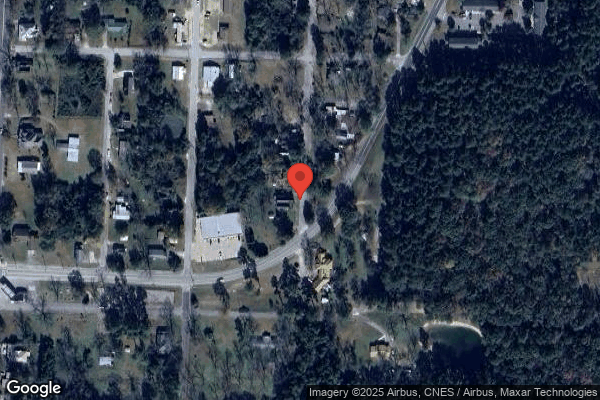
12 SMITH LANE, ADRIAN, GA 31002 (478) 668-3225
Non profit - Corporation 59 Beds CLINICAL SERVICES, INC. Data: November 2025
Trust Grade
90/100
#35 of 353 in GA
Last Inspection: February 2024

Within standard 12-15 month inspection cycle. Federal law requires annual inspections.

Overview

Scott Health & Rehabilitation in Adrian, Georgia has received an excellent Trust Grade of A, indicating a high level of quality care and service. It ranks #35 out of 353 nursing homes in Georgia, placing it comfortably in the top half of facilities in the state, and it is the best option among the two homes in Johnson County. The facility is on an improving trend, having reduced its number of issues from three in 2022 to none in 2024, and it boasts a strong staffing rating with 4 out of 5 stars and a turnover rate of 46%, which is slightly below the state average. While there have been no fines, which is a positive sign, some concerns were noted during inspections, such as unclean kitchen conditions that could potentially affect residents and accessibility issues for some residents’ personal items and call lights. Overall, while Scott Health & Rehabilitation has many strengths, such as excellent RN coverage and a strong commitment to improvement, families should also be aware of the areas that need attention.

Trust Score
A
90/100
In Georgia
#35/353
Top 9%
Safety Record
Low Risk
No red flags
Inspections
Getting Better
3 → 0 violations
Staff Stability
⚠ Watch
46% turnover. Above average. Higher turnover means staff may not know residents' routines.
Penalties
✓ Good
No fines on record. Clean compliance history, better than most Georgia facilities.
Skilled Nurses
✓ Good
Each resident gets 46 minutes of Registered Nurse (RN) attention daily — more than average for Georgia. RNs are trained to catch health problems early.
Violations
✓ Good
Only 3 deficiencies on record. Cleaner than most facilities. Minor issues only.
★★★★★
5.0
Overall Rating
★★★★☆
4.0
Staff Levels
★★★★☆
4.0
Care Quality
★★★★★
5.0
Inspection Score
Stable
2022: 3 issues
2024: 0 issues

The Good

  • 4-Star Staffing Rating · Above-average nurse staffing levels
  • 4-Star Quality Measures · Strong clinical quality outcomes
  • Full Sprinkler Coverage · Fire safety systems throughout facility
  • No fines on record

Facility shows strength in staffing levels, quality measures, fire safety.

The Bad

Staff Turnover: 46%

Near Georgia avg (46%)

Higher turnover may affect care consistency

Chain: CLINICAL SERVICES, INC.

Part of a multi-facility chain

Ask about local staffing decisions and management

The Ugly 3 deficiencies on record

Aug 2022 3 deficiencies
CONCERN (D)

Potential for Harm - no one hurt, but risky conditions existed

Deficiency F0558 (Tag F0558)

Could have caused harm · This affected 1 resident

**NOTE- TERMS IN BRACKETS HAVE BEEN EDITED TO PROTECT CONFIDENTIALITY** Based on observations, interviews and record review, the facility failed to accommodate the needs of two of 23 sampled residents...

Read full inspector narrative →
**NOTE- TERMS IN BRACKETS HAVE BEEN EDITED TO PROTECT CONFIDENTIALITY** Based on observations, interviews and record review, the facility failed to accommodate the needs of two of 23 sampled residents (R) (R#13, R#39) by not ensuring the over the bed table (with personal items) was pulled within reach for R#13, and not ensuring the call light was accessible for R#13 and R#39. Findings include: 1. A review of R#13's Quarterly Minimum Data Set (MDS) dated [DATE] revealed a Brief Interview of Mental Status (BIMS) score of 12, indicating moderately impaired cognition. A review of R#13's Care Plan last updated 8/17/22 revealed resident is at risk for falls and to keep personal items within reach. On 8/27/22 at 9:30 a.m. R#13 was observed in bed. There was a cup of water and snacks on his bedside table, but the table was near the window and the resident could not reach it if he wanted it. On 8/27/22 at 11:10 a.m. R#13 was observed in bed. The call light was clipped to the upper right side of bed. Resident stated he could not reach it and asked if I could get it for him. He confirmed that he could not reach items on his bedside table because it was still placed near the window and not next to the bed. On 8/27/22 at 11:13 a.m. an interview was conducted with Certified Nursing Assistant (CNA) HH. She stated that the call light was supposed to be attached near R#13's hands so that he could use it. She confirmed that he could not reach up to get it where it was located at this time. She was observed to place the call light cord near the resident's hand. When asked about the bedside table, she stated that he could get to his personal items himself if the table was pulled over to him. She was observed to place it within his reach. 2. A review of R#39's Annual MDS dated [DATE] revealed a BIMS score of 14, indicating intact cognition and one-person extensive assist with toileting. A review of the Care Plan last updated 8/16/22 noted that R#39 is at risk for falls with intervention to keep call light in reach. Observation and interview on 8/27/22 at 1:57 p.m. revealed R#39 sitting in a Broda Chair. The call light was on the bed, not within her reach. She stated that she needed to go to the bathroom and was trying to get someone to come into her room to help her, but she couldn't find her call light button. Observation and interview on 8/27/22 at 1:59 p.m., Licensed Practical Nurse (LPN) DD walked in the room and stated that she would assist the resident to the bathroom. She confirmed that the call light was not within reach. She stated that the staff are supposed to put it on the chair when R#39 is up in the chair so that she can call for assistance as needed.
CONCERN (D)

Potential for Harm - no one hurt, but risky conditions existed

Comprehensive Care Plan (Tag F0656)

Could have caused harm · This affected 1 resident

**NOTE- TERMS IN BRACKETS HAVE BEEN EDITED TO PROTECT CONFIDENTIALITY** Based on observations, record review, and interviews, the facility failed to implement the care plan for two of 23 sampled resid...

Read full inspector narrative →
**NOTE- TERMS IN BRACKETS HAVE BEEN EDITED TO PROTECT CONFIDENTIALITY** Based on observations, record review, and interviews, the facility failed to implement the care plan for two of 23 sampled residents (R) (R#13, R#39) related to ensuring that the over the bed table (with personal items) was pulled within reach for R#13 and ensuring the call light was accessible for R#13 and R#39. Further, the facility failed to develop a care plan for one of 23 sampled residents (R#11) related to contractures. Findings include: 1. A review of R#13's Quarterly Minimum Data Set (MDS) dated [DATE] revealed a Brief Interview of Mental Status (BIMS) score of 12, indicating moderately impaired cognition. A review of R#13's Care Plan last updated 8/17/22 revealed resident is at risk for falls and to keep personal items within reach. Observation on 8/27/22 at 9:30 a.m. R#13 was observed in bed. There was a cup of water and snacks on his bedside table, but the table was near the window and the resident could not reach it if he wanted it. Observation on 8/27/22 at 11:10 a.m. R#13 was observed in bed. The call light was clipped to the upper right side of bed. Resident stated he could not reach it and asked for assistance with placing it within his reach. He confirmed at this time that he could not reach items on his bedside table because it was placed near the window and not next to his bed. Observation and interview on 8/27/22 at 11:13 a.m. Certified Nursing Assistant (CNA) HH stated that the call light was supposed to be attached near R#13's hands so that he could use it when needed. She confirmed that he could not reach up to get it where it was located at this time. She was observed to place the call light cord near the resident's hand. When asked about the bedside table, she stated that he could get to his personal items himself if the table was pulled over to him. She was observed to place the bedside table within his reach. 2. A review of R#39's Annual MDS dated [DATE] revealed a BIMS score of 14, indicating intact cognition and one-person extensive assist with toileting. A review of the Care Plan last updated 8/16/22 noted that R#39 is at risk for falls with intervention to keep call light in reach. Observation and interview on 8/27/22 at 1:57 p.m. revealed R#39 sitting in a Broda Chair. The call light was on the bed, not within her reach. She stated that she needed to go to the bathroom and was trying to get someone to come into her room to help her, but she couldn't find her call light button. 3. Review of R#11's diagnoses included but not limited to chronic obstructive pulmonary disease (COPD), hemiplegia and hemiparesis following cerebral infarction affecting left non-dominant side, and dementia with behavioral disturbance. Review of R#11's quarterly MDS dated [DATE] revealed Section C-Cognition: BIMS score of five (5) indicating poor cognition; Section G-Functional Status: resident was totally dependent for all activities of daily living (ADL's). The MDS did not indicate the resident was receiving therapy or restorative nursing. Review of R#11's Care Plan revealed a plan in place for self-care deficit and needs assistance using utensils and bringing food/liquids to mouth. Further review of the care plan revealed no care plan in place for the use of bilateral palm protectors or for the bilateral hand contractures. Review of R#11's Physician Orders (PO) revealed an order for: One time per day wipe both hands to ensure they are clean and apply bilateral palm protectors for diagnosis of contracture of muscle, put on resident at 6:00 p.m. Continued review revealed order for one time per day wipe both hands to ensure they are clean and apply bilateral palm protectors for diagnosis of contracture of muscle, remove from resident at 6:00 a.m. Observation on 8/26/22 at 11:47 a.m. revealed R#11 had bilateral contractures of hands and wrists. There were no splints noted on/in hands, wrists, or arms. Observation on 8/27/22 at 12:18 p.m. revealed R#11 in her bed, feet elevated on heel block, and no splints noted on hands. R#11 was able to open her hands and she was able to open them halfway. She indicated she doesn't wear hand splints. No palm protectors noted in either hand. Observation and interview on 8/28/22 at 8:39 a.m. revealed R#11 sitting up in bed being fed by CNA CC. There were no splits noted on hands. CNA CC revealed she cleans R#11's hands during ADL care and sometimes she puts wash cloths in her hands. An interview held on 8/28/22 at 8:46 a.m. with Licensed Practical Nurse (LPN) AA revealed when she works at night, she cleans the R#11's hands and puts a rolled-up wash cloth in the residents' hands. An observation and interview held on 8/28/22 at 9:00 a.m. the Director of Nursing (DON) revealed that both of R#11's hands were clean with no redness or odor noted from palms of hands. She indicated the splints are put on her hands at night and removed in the morning. A phone interview held on 8/28/22 at 9:33 a.m. with the MDS Coordinator BB, who is also the Restorative Nurse, revealed the resident is not on restorative services at this time. She indicated residents are reevaluated for the need for restorative during the period around completing a comprehensive assessment. If the DON indicates a decline in function or a new concern, she will reevaluate the need for restorative services. She indicated the resident has a current order for splints, and she would expect her to have a care plan for it.
CONCERN (E)

Potential for Harm - no one hurt, but risky conditions existed

Food Safety (Tag F0812)

Could have caused harm · This affected multiple residents

Based on observations, interviews, and record review, the facility failed to maintain sanitary conditions in the kitchen related to unclean refrigerator and failed to properly use the dish machine and...

Read full inspector narrative →
Based on observations, interviews, and record review, the facility failed to maintain sanitary conditions in the kitchen related to unclean refrigerator and failed to properly use the dish machine and the 3-compartment sink correctly to prevent food borne illness. This deficient practice had the potential to effect 44 residents receiving an oral diet. Findings include: On 8/26/22 at 7:44 a.m. an initial tour of the kitchen was conducted. The following was observed: * [NAME] stand-up refrigerator/freezer on the back porch was observed with seven dead flies in the bottom of the refrigerator; under the vegetable bins, multiple dead flies observed; and vegetable bins unclean, sticky with food crumbs. * Dish machine was observed being used by the Assistant Dietary Manager. She was observed to cycle three loads of dishes and put them away. First load wash cycle temperature reached 80 degrees Fahrenheit (F) and the rinse cycle reached 90 degrees F; The second load wash cycle reached 86 degrees F and the rinse cycle reached 104 degrees F. On the third load, the Assistant Dietary Manager was asked to confirm the temperatures. She confirmed that the temperature for the wash cycle reached 95 degrees F and the rinse cycle reached 110 degrees. She stated that about a month ago, they had concerns with the water temperatures not reaching the required 120 degrees F in the dish washer and the facility purchased a new water heater. She stated they had to go to paper products temporarily until the water temps were corrected. She confirmed that the temperatures were not reaching the 120 degrees F today and that she would call maintenance and rewash all the dishes once the temperature was corrected. She stated that they are to check the temperature multiple times when washing dishes, but she had not checked the temperature today because she just started washing dishes. At that time, the Assistant Dietary Manager was asked to check the sanitizer in the three-compartment sink. She checked with multiple strips which revealed there was no sanitizer agent in the water. Assistant Dietary Manager was observed to let the water out and stated she was going to call maintenance. * Above the air-conditioning unit on the wall in the kitchen, a build-up on black dust was observed on the ceiling. This was directly over the dish machine where clean dishes were coming out and were stored. * Dirt and dust build-up was observed on the box of one fire extinguisher and on top of a second fire extinguisher. Both were directly over open, exposed napkins. On 8/27/22 at 9:10 a.m. Certified Dietary Manager (CDM) was observed using the dishwasher. Observation with the CDM and the Maintenance Director revealed the temp was 102 degrees F for the wash cycle and 120 degrees F for the rinse cycle. The CDM stated that if the dishwasher wasn't in use for a while, they had to run it twice to get the temperature back up. She was observed to wash the same dishes in a second cycle. That second cycle temps were 122 degrees F for the wash and 134 degrees F for the rinse. She stated that the kitchen staff are supposed to know the process of running the dish machine multiple times until the temperature is over 120 degrees F. At that time, the Maintenance Director stated that the dust build-up on the ceiling was last cleaned last summer. He stated that he hadn't even seen the build-up and that he would have to come during the night shift to clean it. During this observation with the CDM, she confirmed an observation of flies in the double door reach-in refrigerator and in the white stand-up refrigerator on the back porch. The CDM stated that they clean the refrigerator once a week and stated they had not been having any issue with flies. On 8/27/22 at 9:40 a.m. the Maintenance Director stated that he will suggest to the CDM that they run a cycle first before doing any dishes so that the temp can get up to the correct temperature. During a comprehensive tour of the Kitchen on 8/27/22 at 2:07 p.m. the CDM confirmed dirt/dust build up on ceiling and on two fire extinguishers. She stated that she had cleaned the flies out of the refrigerators; however she confirmed during this observation, there was another fly on the bottom of the white stand-up refrigerator and there was still debris/crumbs under and in the vegetable bins. On 8/27/22 at 2:26 p.m. during an interview with the Administrator, she stated that she was not sure about the processes of kitchen cleaning and who was responsible for the dust build-up on the ceiling in the kitchen. She was asked to provide any process or policy related to cleaning in the kitchen. She stated that she was not aware of a concern related to flies in the refrigerators on the back porch but that she would address it.
Understanding Severity Codes (click to expand)
Life-Threatening (Immediate Jeopardy)
J - Isolated K - Pattern L - Widespread
Actual Harm
G - Isolated H - Pattern I - Widespread
Potential for Harm
D - Isolated E - Pattern F - Widespread
No Harm (Minor)
A - Isolated B - Pattern C - Widespread

Questions to Ask on Your Visit

  • "Can I speak with families of current residents?"
  • "What's your RN coverage like on weekends and overnight?"

Our Honest Assessment

Strengths
  • • Grade A (90/100). Above average facility, better than most options in Georgia.
  • • No major safety red flags. No abuse findings, life-threatening violations, or SFF status.
  • • No fines on record. Clean compliance history, better than most Georgia facilities.
  • • Only 3 deficiencies on record. Cleaner than most facilities. Minor issues only.
Concerns
  • • No significant concerns identified. This facility shows no red flags across CMS ratings, staff turnover, or federal penalties.
Bottom line: Generally positive indicators. Standard due diligence and a personal visit recommended.

About This Facility

What is Scott Health & Rehabilitation's CMS Rating?

CMS assigns SCOTT HEALTH & REHABILITATION an overall rating of 5 out of 5 stars, which is considered much above average nationally. Within Georgia, this rating places the facility higher than 99% of the state's 100 nursing homes. This rating reflects solid performance across the metrics CMS uses to evaluate nursing home quality.

How is Scott Health & Rehabilitation Staffed?

CMS rates SCOTT HEALTH & REHABILITATION's staffing level at 4 out of 5 stars, which is above average compared to other nursing homes. Staff turnover is 46%, compared to the Georgia average of 46%.

What Have Inspectors Found at Scott Health & Rehabilitation?

State health inspectors documented 3 deficiencies at SCOTT HEALTH & REHABILITATION during 2022. These included: 3 with potential for harm.

Who Owns and Operates Scott Health & Rehabilitation?

SCOTT HEALTH & REHABILITATION is owned by a non-profit organization. Non-profit facilities reinvest revenue into operations rather than distributing to shareholders. The facility is operated by CLINICAL SERVICES, INC., a chain that manages multiple nursing homes. With 59 certified beds and approximately 56 residents (about 95% occupancy), it is a smaller facility located in ADRIAN, Georgia.

How Does Scott Health & Rehabilitation Compare to Other Georgia Nursing Homes?

Compared to the 100 nursing homes in Georgia, SCOTT HEALTH & REHABILITATION's overall rating (5 stars) is above the state average of 2.6, staff turnover (46%) is near the state average of 46%, and health inspection rating (5 stars) is much above the national benchmark.

What Should Families Ask When Visiting Scott Health & Rehabilitation?

Based on this facility's data, families visiting should ask: "Can I visit during a mealtime to observe dining assistance and food quality?" "How do you handle medical emergencies, and what is your hospital transfer rate?" "Can I speak with family members of current residents about their experience?"

Is Scott Health & Rehabilitation Safe?

Based on CMS inspection data, SCOTT HEALTH & REHABILITATION has a clean safety record: no substantiated abuse findings (meaning no confirmed cases of resident harm), no Immediate Jeopardy citations (the most serious violation level indicating risk of serious injury or death), and is not on the Special Focus Facility watch list (a federal program monitoring the lowest-performing 1% of nursing homes). The facility has a 5-star overall rating and ranks #1 of 100 nursing homes in Georgia. While no facility is perfect, families should still ask about staff-to-resident ratios and recent inspection results during their visit.

Do Nurses at Scott Health & Rehabilitation Stick Around?

SCOTT HEALTH & REHABILITATION has a staff turnover rate of 46%, which is about average for Georgia nursing homes (state average: 46%). Moderate turnover is common in nursing homes, but families should still ask about staff tenure and how the facility maintains care continuity when employees leave.

Was Scott Health & Rehabilitation Ever Fined?

SCOTT HEALTH & REHABILITATION has no federal fines on record. CMS issues fines when nursing homes fail to meet care standards or don't correct problems found during inspections. The absence of fines suggests the facility has either maintained compliance or corrected any issues before penalties were assessed. This is a positive indicator, though families should still review recent inspection reports for the full picture.

Is Scott Health & Rehabilitation on Any Federal Watch List?

SCOTT HEALTH & REHABILITATION is not on any federal watch list. The most significant is the Special Focus Facility (SFF) program, which identifies the bottom 1% of nursing homes nationally based on persistent, serious quality problems. Not being on this list means the facility has avoided the pattern of deficiencies that triggers enhanced federal oversight. This is a positive indicator, though families should still review the facility's inspection history directly.