PRUITTHEALTH - PALMYRA
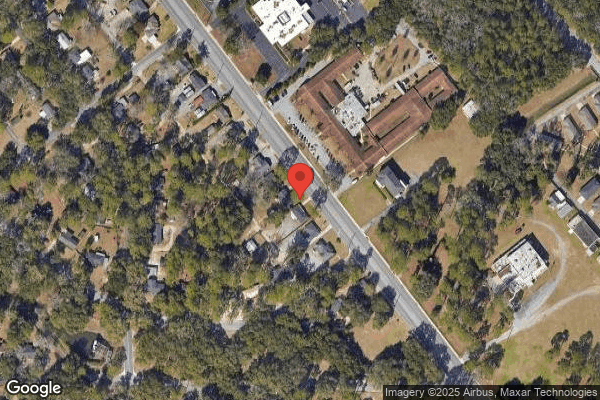
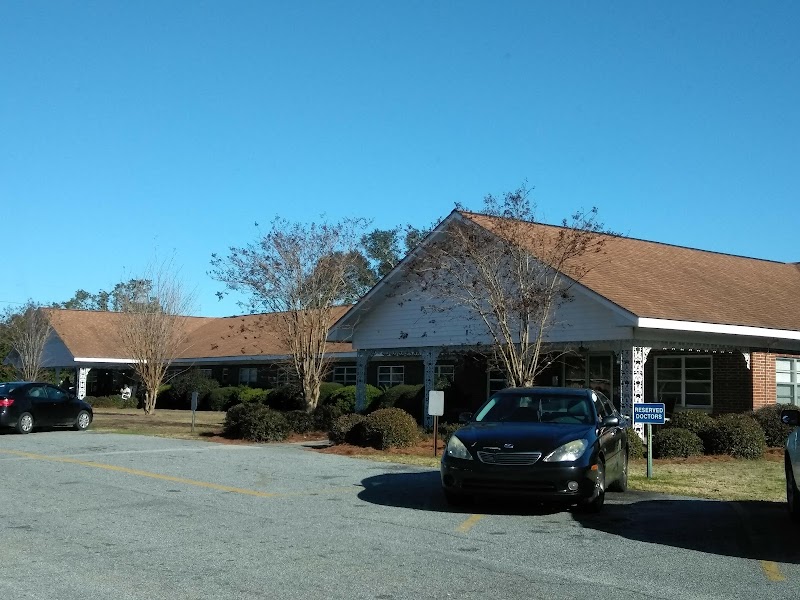
1904 PALMYRA ROAD, ALBANY, GA 31702 (229) 883-0500
For profit - Limited Liability company 250 Beds PRUITTHEALTH Data: November 2025 4 Immediate Jeopardy citations
Trust Grade
0/100
#319 of 353 in GA
Last Inspection: February 2024

Within standard 12-15 month inspection cycle. Federal law requires annual inspections.

Overview

PruittHealth - Palmyra has received an F grade for trust, indicating significant concerns about the quality of care provided. Ranking #319 out of 353 facilities in Georgia places it in the bottom half, and it is the second of only two nursing homes in Dougherty County, meaning there is only one better option locally. The facility's situation is worsening, with issues increasing from 11 in 2024 to 12 in 2025. Staffing is a concern, rated at just 1 out of 5 stars, with a turnover rate of 49%, which is about average for Georgia but suggests instability. While there have been no fines recorded, recent inspections revealed critical failures in performing necessary skin assessments and treatments for residents at risk of skin breakdown, which could lead to serious harm. Overall, families should weigh these significant weaknesses against the lack of fines and average RN coverage when considering this facility.

Trust Score
F
0/100
In Georgia
#319/353
Bottom 10%
Safety Record
High Risk
Review needed
Inspections
Getting Worse
11 → 12 violations
Staff Stability
⚠ Watch
49% turnover. Above average. Higher turnover means staff may not know residents' routines.
Penalties
✓ Good
No fines on record. Clean compliance history, better than most Georgia facilities.
Skilled Nurses
⚠ Watch
Each resident gets only 22 minutes of Registered Nurse (RN) attention daily — below average for Georgia. Fewer RN minutes means fewer trained eyes watching for problems.
Violations
⚠ Watch
30 deficiencies on record. Higher than average. Multiple issues found across inspections.
★☆☆☆☆
1.0
Overall Rating
★☆☆☆☆
1.0
Staff Levels
★★★☆☆
3.0
Care Quality
★☆☆☆☆
1.0
Inspection Score
Stable
2024: 11 issues
2025: 12 issues

The Good

  • Full Sprinkler Coverage · Fire safety systems throughout facility
  • No fines on record

Facility shows strength in fire safety.

The Bad

1-Star Overall Rating

Below Georgia average (2.6)

Significant quality concerns identified by CMS

Staff Turnover: 49%

Near Georgia avg (46%)

Higher turnover may affect care consistency

Chain: PRUITTHEALTH

Part of a multi-facility chain

Ask about local staffing decisions and management

The Ugly 30 deficiencies on record

4 life-threatening
May 2025 12 deficiencies 4 IJ (4 affecting multiple)
CRITICAL (K) 📢 Someone Reported This

A family member, employee, or ombudsman was alarmed enough to file a formal complaint

Immediate Jeopardy (IJ) - the most serious Medicare violation

Comprehensive Care Plan (Tag F0656)

Someone could have died · This affected multiple residents

**NOTE- TERMS IN BRACKETS HAVE BEEN EDITED TO PROTECT CONFIDENTIALITY** Based on observation, record review, the facility failed to implement the care plan for weekly skin inspections for two resident...

Read full inspector narrative →
**NOTE- TERMS IN BRACKETS HAVE BEEN EDITED TO PROTECT CONFIDENTIALITY** Based on observation, record review, the facility failed to implement the care plan for weekly skin inspections for two residents (R)(R9 and R12) and failed to develop care plan interventions for routine weekly skin assessments for residents (R1, R3, R8 and R11) who were at risk for skin breakdown from a sample of eight residents with pressure ulcers. On May 20, 2025, a determination was made that a situation in which the facility's noncompliance with one or more requirements of participation had caused or had the likelihood to cause serious injury, harm, impairment or death to residents. The facility's Administrator, Nurse Consultant and the Area [NAME] President were informed of the Immediate Jeopardy on May 20, 2025, at 2:49 pm. The noncompliance related to the Immediate Jeopardy was identified to have existed on December 24, 2024. The survey team validated the implementation of the removal plan through observations, staff interviews, and review of resident records. The immediacy of IJ was removed on May 23, 2025. Findings include: Review of the facility policy and procedure titled Care Plans with a revision date of 7/23/2023 revealed the following policy statement: It is the policy of the health care center for each resident to have a person-centered baseline care plan followed by a comprehensive care plan developed following completion of the Minimum Data Set (MDS) and Care Area Assessment (CAA) portions of the comprehensive assessment according to the Resident Instrument Manual and the resident choice. The policy also noted the comprehensive person-centered care plan is developed to include measurable goals and timeframes to meet a resident's medical, nursing and psychosocial needs, the services that are to be furnished to attain or maintain the resident's highest practical physical, mental and psychosocial needs that are identified in the comprehensive assessment. It further noted care plans will be updated by nurses, Case Mix Directors, or any other interdisciplinary team member so that the care plan will reflect the resident's needs at any given moment. 1. R1 was admitted to the facility on [DATE] with the following but not limited to diagnoses: end stage renal disease, dependence on renal dialysis, neuropathy, pressure ulcer sacral region Stage 4, chronic ischemic heart disease, iron deficiency anemia, diabetes, peripheral vascular angioplasty and morbid obesity. Review of the Braden Scale (a tool used to assess a resident's risk of developing a pressure ulcer) form dated 4/15/2025 revealed the resident had a pressure ulcer risk score of 15 indicating the resident was at risk for skin breakdown. Review of the resident's care plan with a review/revision date of 8/30/2024 revealed the resident was at risk for skin breakdown related to physical limitations and disease process with a goal the resident's skin would remain intact until next review. Interventions for nursing staff included keep skin clean and dry as possible, pressure relieving device to bed, provide incontinence care and report any signs of skin breakdown (sore, tender, red, or broken areas). Although the resident had a care plan in place for being at risk for skin breakdown, there were no interventions in place to perform routine weekly skin assessments to identify skin breakdown timely per facility policy. Review of the Skin Notes in the resident's electronic record revealed that no weekly skin assessments were done for the month of January 2025, skin assessments were done three out of four weeks in February 2025, and although the resident was in the hospital from [DATE] to 3/25/2025, there was no documentation a skin assessment was performed on 3/25/2025 when she returned from the hospital. Further review of the record revealed there were no skin assessments in April 2025 until 4/16/2025 when a staff identified a Stage II to the right thigh and a re-opened Stage IV to the sacrum. 2. R3 (closed record) was admitted to the facility on [DATE] with the following but not limited to diagnoses: malignant neoplasm of the prostate, multiple myeloma, iron deficiency anemia, moderate protein calorie malnutrition, polyneuropathy, paraplegia, Stage IV pressure ulcers. Review of the resident's 12/31/2024 Quarterly Minimum Data Set revealed the resident's Brief Interview of Mental Status (BIMS) score was a 4 indicating severe cognitive impairment, required partial/moderate assistance with bed mobility, non-ambulatory, had three Stage III and two Stage IV pressure ulcers that were present on admit. The resident had a Braden Scale assessment completed on 9/25/2024 that indicated the resident had a pressure ulcer risk score of 9 indicating the resident was at very high risk for developing pressure ulcers. Review of the resident's care plan with a reviewed/revised date of 10/1/2024 revealed the resident was at risk for skin breakdown related to resident has multiple pressure ulcers with interventions to keep skin clean and dry as possible, minimize skin exposure to moisture, pressure relieving device to bed, provide incontinence care and report any signs of skin breakdown (sore, tender, red, or broken areas). Although the resident had a care plan in place for being at risk for skin breakdown, there were no interventions in place to perform routine weekly skin assessments to identify skin breakdown timely per facility policy. Review of the Skin Notes in the resident's electronic record revealed that weekly skin assessments were only done on 12/21/2024 and 1/18/2025. 3. R8 was admitted to the facility on [DATE] with the following but not limited to diagnoses: muscle weakness, heart failure, pulmonary hypertension, bullous pemphigoid, acute kidney failure, iron deficiency anemia, gout and diarrhea. Review of the resident's 3/21/2025 Significant Change MDS revealed he had BIMS score of 15 indicating he was cognitively intact and was at risk of developing pressure ulcers. Review of the Braden Scale form dated 2/8/2025 revealed the resident had a pressure ulcer risk score of 16 indicating the resident was at risk for skin breakdown. Review of the resident's 2/4/2025 care plan revealed the resident was at risk for impaired skin integrity with an approach to see skin risk analysis for interventions. During an interview with the DHS on 4/22/2025 at 3:07 pm, when asked to clarify the intervention to see skin risk analysis for interventions, she stated that was the Braden Scale. However, review of the Braden scale revealed there were no interventions in that assessment. Although the resident was at risk of developing pressure ulcers, the resident had one skin assessment on 3/22/2025 and there were no skin assessments in April 2025 until 4/16/2025 when the staff identified an unstageable pressure ulcer to the left heel. Review of the Wound Management Detail Report dated 4/17/2025 documented the date the wound to the left heel was identified as 4/17/2025. It further noted the resident had an unstageable pressure ulcer to the left heel measuring 2.5 cm x 5 cm with eschar noted, light serous drainage, no odor noted, and edges attached. 4. R9 was admitted to the facility on [DATE] with the following but not limited to diagnoses: anemia, chronic kidney disease, contractures to the right hand, left hand and left elbow, unspecified dementia with anxiety, heart failure, chronic obstructive pulmonary disease and abnormal posture. Review of the Braden Scale form dated 4/16/25 revealed the resident had a pressure ulcer risk score of 12 indicating the resident was at high risk for skin breakdown. Review of the 3/30/2025 Quarterly MDS revealed the resident had severely impaired cognition, was dependent on staff for activities of daily living (ADL) and bed mobility and was at risk of developing pressure ulcers. Review of the resident's care plan revealed the resident was at risk for additional pressure ulcers related to disease process, incontinence, impaired mobility and admitted with pressure ulcer to the sacrum. There was an approach for nursing staff to conduct systematic skin inspection weekly and report signs of further breakdown. Review of the Skin Notes in the Electronic Health Record revealed skin assessments were done 1/16/2025, 1/30/2025, 2/13/2025 and 2/27/2025. There were no skin assessments documented as done in March 2025 and none in April 2025 until 4/16/2025 during the facility wide skin sweep when staff identified an unstageable pressure ulcer to the resident's left elbow. Review of the 4/17/2025 Nursing Notes revealed documentation that as of 4/16/2025 nurse performing skin assessment to gather information and observed concern to the left elbow. Cleansed and dressing applied. Provider made aware. The 4/18/2025 Nursing Note documented the resident had an unstageable to the left elbow measuring 1.5 cm x 0.8 cm with slough noted. 5. R11 was admitted to the facility on [DATE] with the following but not limited to diagnoses: cognitive communication deficit, abnormal posture, anemia, muscle weakness, severe protein calorie malnutrition, intellectual disabilities and unspecified dementia. Review of the Braden Scale form dated 3/7/2025 revealed the resident had a pressure ulcer risk score of 14 indicating the resident was at moderate risk for skin breakdown. Review of the 3/25/2025 Annual MDS revealed the resident had cognitive impairment, dependent on staff for activities of daily living, dependent for bed mobility, at risk for developing pressure ulcers and had one Stage III pressure ulcer present on admit. Review of the resident's care plan revealed the resident had impaired skin integrity which noted an open area to the coccyx. There was an approach to see skin risk analysis for interventions, report any signs of skin breakdown (sore, tender, red, or broken areas). Review of the Skin Notes in the EHR revealed weekly skin assessments had not been done in March 2025 and April 2025 until 4/16/2025 during a facility wide skin sweep and identified a Stage III pressure ulcer to the resident's coccyx. However, review of the EHR revealed the resident has had this pressure ulcer since 9/17/2024. Review of the 9/17/2024 Wound Observation History form indicated the resident had a Stage III to the coccyx that measured 0.7 cm x 0.7 cm x 0.3 cm with granulation tissue. There was also a 4/14/2025 progress note from the wound care NP who noted the Stage III pressure ulcer to the coccyx continued to improve. It further noted the wound measured 0.6 cm x 0.6 cm x 0.2 cm with 5% yellow necrotic tissue, 50% granulation tissue and 45% intact. The plan was to continue current treatment of calcium alginate with silver 6. R12 was admitted to the facility on [DATE] with the following but not limited to diagnoses: chronic obstructive pulmonary disease, contracture left and right knee, cognitive communication deficit, abnormal posture, polyneuropathy, morbid obesity, stress incontinence, and iron deficiency anemia. Review of the Braden Scale form dated 4/15/2025 revealed the resident had a pressure ulcer risk score of 13 indicating the resident was at moderate risk for skin breakdown. Review of the 3/21/2025 Quarterly MDS revealed the resident had severely impaired cognitive skills, she was dependent on staff for ADL's, and at risk for developing pressure ulcers. Review of the resident's 10/23/2021 care plan revealed the resident was at risk for pressure ulcers related to disease process, incontinence and impaired mobility with an approach to conduct a systematic skin inspection (weekly, daily, etc). Pay particular attention to the bony prominences. Review of the weekly Skin Notes revealed a skin assessment was done 2/8/2025 and no skin assessments were done in March 2025 and April 2025 until 4/16/25 during a facility wide skin sweep when two unstageable pressure ulcers were identified to the sacrum and left knee. Review of the 4/17/2025 Wound Management Report revealed a 1.3 cm x 1.0 cm unstageable sacral wound with slough noted to the wound bed, attached reddened edges and a 9 cm x 3 cm unstageable left knee pressure ulcer with black necrotic tissue present. During a post survey interview with the Administrator on 6/24/2025 at 5:24 pm it was stated that any nurse could complete or update a care plan. It was reported that the care plans identified as missing for the residents was an oversight. She explained that nursing staff educated about being able to create and revise care plans during their orientation. She also reported that residents with wounds are followed in the Patients At Risk (PAR) meetings and care plans are reviewed at that time as well. Cross Refer to F686
CRITICAL (K) 📢 Someone Reported This

A family member, employee, or ombudsman was alarmed enough to file a formal complaint

Immediate Jeopardy (IJ) - the most serious Medicare violation

Pressure Ulcer Prevention (Tag F0686)

Someone could have died · This affected multiple residents

**NOTE- TERMS IN BRACKETS HAVE BEEN EDITED TO PROTECT CONFIDENTIALITY** Based on observations, record review and staff interviews, and review of facility policy titled Documentation of Skin and Wound ...

Read full inspector narrative →
**NOTE- TERMS IN BRACKETS HAVE BEEN EDITED TO PROTECT CONFIDENTIALITY** Based on observations, record review and staff interviews, and review of facility policy titled Documentation of Skin and Wound Care, the facility failed to perform consistent weekly skin assessments for residents at high risk for skin breakdown in order to identify breakdown timely for six residents (R) (R1, R3, R8, R9, R11 and R12) and failed to perform treatments as ordered by the physician and/or recommended by the Wound Care Nurse Practitioner for three residents (R3, R11 and R12) of seven residents reviewed for pressure ulcers. The total sample size was 27. On May 20, 2025, a determination was made that a situation in which the facility's noncompliance with one or more requirements of participation had caused or had the likelihood to cause serious injury, harm, impairment or death to residents. The facility's Administrator, Nurse Consultant and the Area [NAME] President were informed of the Immediate Jeopardy on May 20, 2025, at 2:49 pm. The noncompliance related to the Immediate Jeopardy was identified to have existed on December 24, 2024. The survey team validated the implementation of the removal plan through observations, staff interviews, and review of resident records. The immediacy of IJ was removed on May 23, 2025. Findings include: Review of the facility policy and procedure titled Documentation of Skin and Wound Care (revised 6/14/24), revealed the following Policy Statement: It is the policy of the Healthcare center to complete documentation that reflects the current resident status as related to skin/wound care. Documentation will provide current and timely documentation on resident's condition related to skin/wound care, accurate information on resident's status as it pertains to skin/wound care, record care rendered and interventions in place and provide a detailed history of the wound assessments that have occurred in the healthcare center. The procedure noted documentation regarding wound observations and care should be completed on pressure ulcers weekly and as needed, per clinical judgement. Daily documentation of treatments is done by signing the ETAR that the dressing was completed. Weekly documentation of treatments will be completed on Wound Manager in the Electronic Health Record (EHR) and Focus Observation to include Skin observation. Further review of the policy revealed as an integral part of the pressure ulcer prevention program, an audit of all residents will be completed on admission and readmission, prior to any discharge or transfer and a minimum of every week. It further noted the Director of Health Service (DHS) or RN supervisor will develop a schedule of when each resident is to have the skin audit completed by the assigned charge nurse each week. This procedure is in addition to the responsibility of each partner to notify the Skin Integrity Coordinator (SIC) or designee when an area of altered skin integrity is identified. Wound assessment and documentation are completed weekly and when there is a significant change using the Documentation of Wound Observation and Assessment form. Wound assessments are completed weekly by the SIC RN. During an interview with the Regional Nurse Consultant OOOOOO on 4/17/2025 at 9:45 am, he stated the staff conducted a facility wide skin sweep on all the residents due to concerns identified with R1 on 4/16/2025. He provided a list of residents with new wounds found from the skin sweep on 4/16/2025. The list identified five residents with previously unidentified wounds. Three residents (R8, R9 and R12) were identified with unstageable pressure ulcers, one resident (R11) was identified with a Stage III pressure ulcer and one resident (R27) had a Stage I pressure ulcer. 1. R1 was admitted to the facility on [DATE] with the following but not limited to diagnoses: end stage renal disease, dependence on renal dialysis, neuropathy, pressure ulcer sacral region Stage 4, chronic ischemic heart disease, iron deficiency anemia, diabetes, peripheral vascular angioplasty and morbid obesity. Review of the resident's Quarterly Minimum Data Set, dated [DATE] revealed she had Brief Interview for Mental Status (BIMS) score of 15 indicating she was cognitively intact, required partial to moderate assistance with hygiene and bathing, independent with bed mobility, she was non-ambulatory and had one Stage IV present on admit. Review of the Braden Scale (a tool used to assess a resident's risk of developing a pressure ulcer) form dated 4/15/2025 revealed the resident had a pressure ulcer risk score of 15 indicating the resident was at risk for skin breakdown. Review of the 1/15/2025 wound care provider Progress Note indicated the resident had Stage IV pressure ulcer to the sacrum since 6/7/2023. This progress note further indicated the sacral ulcer appeared to be healed at that time. Review of the Skin Notes in the resident's electronic record revealed that no weekly skin assessments were done for the month of January 2025, skin assessments were done three out of four weeks in February 2025, and although the resident was in the hospital from [DATE] to 3/25/2025, there was no documentation a skin assessment was performed on 3/25/2025 when she returned from the hospital. Further review of the record revealed there were no skin assessments in April 2025 until 4/16/2025 when a staff identified a Stage II to the right thigh and a re-opened Stage IV to the sacrum. During an interview with the resident on 4/16/2025 at 9:10 am, she complained of her bottom hurting. She also stated that she had complained of her bottom hurting to her daughter the other day and made her look at it but she did not know if she saw anything. During an observation of wound care on 4/16/2025 at 11:45 am with the Nurse Practitioner (NP), DHS and the Skin Integrity Nurse FFF, the resident had dressing to the sacrum and right thigh dated 4/15/25. The resident's right thigh was a Stage II that measured 1.5 centimeters (cm) x 1.4 cm x 0.1 cm. The sacrum measured 1.5 cm x 1.2 cm x 0.3 cm. The NP stated at that time the sacrum was a Stage III and the right thigh was a Stage II. During an interview with Licensed Practical Nurse Unit Manager IIII on 4/16/2025 at 10:35 am, she stated the resident does complain of her bottom hurting, so the other day she did a skin assessment on the resident and did not see any open areas, only old scar tissue. She stated they went ahead and placed a dressing on it to provide some cushion. During an interview with the Regional Nurse Consultant OOOOOO on 4/16/2025 at 4:15 pm, he stated he was only able to find skin assessments for February 2025. He stated since the surveyor was looking at the resident and after the areas were found on the resident on 4/16/2025, they looked at the resident's documentation and knew they had a problem. He stated they knew they had a problem with wounds but not to this extent. He further stated as of 4/16/2025 they started doing a 100% skin sweep on all the residents that would be completed that night and have started educating the staff. 2. R3 (closed record) was admitted to the facility on [DATE] with the following but not limited to diagnoses: malignant neoplasm of the prostate, multiple myeloma, iron deficiency anemia, moderate protein calorie malnutrition, polyneuropathy, paraplegia, Stage IV pressure ulcers. Review of the resident's 12/31/2024 Quarterly Minimum Data Set revealed the resident's BIMS score was a 4 indicating severe cognitive impairment, required partial/moderate assistance with bed mobility, non-ambulatory, had three Stage III and two Stage IV pressure ulcers that were present on admission. The resident had a Braden Scale assessment completed on 9/25/2024 that indicated the resident had a pressure ulcer risk score of 9 indicating the resident was at very high risk for developing pressure ulcers. Review of the physician's orders revealed the following wound care order with a start date of 12/3/2024 and end date of 2/7/2025 to pack lower back at 10 O'clock- 12 O' Clock with Opticell AG, cover wound bed with calcium alginate, finish with adhesive foam dressing once a day on Monday, Wednesday and Friday. Review of the January 2025 Medication Administration Record revealed the following missing treatments to the lower back on 1/17/2025, 1/20/2025, 1/24/25 and 1/27/2025 as indicated with no initials. Review of the Skin Notes in the resident's electronic record revealed that weekly skin assessments were only done on 12/21/2024 and 1/18/2025. 3. R8 was admitted to the facility on [DATE] with the following but not limited to diagnoses: muscle weakness, heart failure, pulmonary hypertension, bullous pemphigoid, acute kidney failure, iron deficiency anemia, gout and diarrhea. Review of the resident's 3/21/2025 Significant Change MDS revealed he had BIMS score of 15 indicating he was cognitively intact and was at risk of developing pressure ulcers. Review of the Braden Scale form dated 2/8/2025 revealed the resident had a pressure ulcer risk score of 16 indicating the resident was at risk for skin breakdown. Although the resident was at risk of developing pressure ulcers, the resident had one skin assessment on 3/22/2025 and there were no skin assessments in April 2025 until 4/16/2025 when the staff identified an unstageable pressure ulcer to the left heel. Review of the 4/17/2025 Nursing note indicated on 4/16/2025, nurse performing skin assessment and noted area of concern to resident's left heel. Wound care made aware and Hospice representative, dressing applied and heel boot in place. Review of the Wound Management Detail Report dated 4/17/2025 documented the date the wound to the left heel was identified as 4/17/2025. It further noted the resident had an unstageable pressure ulcer to the left heel measuring 2.5 cm x 5 cm with eschar noted, light serous drainage, no odor noted, and edges attached. Although the unstageable pressure ulcer was initially identified on 4/16/2025, a physician's order for treatment was not obtained until 4/18/2025 to cleanse the left heel with wound cleanser, apt dry, apply Betadine-soaked gauze and dry 4x4 gauze and protective dressing every Monday, Wednesday and Friday. Review of the April 2025 Medication Administration Record (MAR) revealed the treatment to the left heel was not started until 4/18/2025. The resident was evaluated by the wound care NP on 4/21/2025 who noted the resident had an unstageable pressure ulcer to the left heel that measured 8 cm x 8 cm with 100% black necrotic tissue. During an observation of the resident's left heel on 4/23/2025 at 11:18 am with the DHS and Skin Integrity RN FFF, the resident had an unstageable pressure ulcer to the left heel. The wound had approximately 60% black eschar and 40% pink granulation. 4. R9 was admitted to the facility on [DATE] with the following but not limited to diagnoses: anemia, chronic kidney disease, contractures to the right hand, left hand and left elbow, unspecified dementia with anxiety, heart failure, chronic obstructive pulmonary disease and abnormal posture. Review of the Braden Scale form dated 4/16/2025 revealed the resident had a pressure ulcer risk score of 12 indicating the resident was at high risk for skin breakdown. Further review of the record revealed the 4/16/2025 Braden Scale was the only Braden Scale done in 2025 and there were no Braden Scale assessments completed in 2024. Review of the 3/30/2025 Quarterly MDS revealed the resident had severely impaired cognition, was dependent on staff for activities of daily living (ADL) and bed mobility and was at risk of developing pressure ulcers. Review of the Skin Notes in the Electronic Health Record revealed skin assessments were done 1/16/2025, 1/30/2025, 2/13/2025 and 2/27/2025. There were no skin assessments documented as done in March 2025 and none in April 2025 until 4/16/2025 during the facility wide skin sweep when staff identified an unstageable pressure ulcer to the resident's left elbow. Review of the 4/17/2025 Nursing Notes revealed that as of 4/16/2025 there was documentation of nurse performing skin assessment to gather information and observed concern to the left elbow. Cleansed and dressing applied. Provider made aware. The 4/18/2025 Nursing Note documented the resident had an unstageable to the left elbow measuring 1.5 cm x 0.8 cm with slough noted. Review of the 4/2025 MAR revealed treatment was started on 4/16/2025 with cleansing the left elbow with normal saline, pat dry, apply calcium alginate and Medihoney with 4x4 gauze and cover with dressing every Tuesday, Thursday and Saturday. The resident was evaluated by the wound care NP on 4/21/2025 who noted the left elbow was a recurrent Stage IV pressure wound that as of 4/21/2025 the area was scabbed with no drainage and no open area. The area measured 2 cm x 2 cm. The NP noted the plan was to use Skin Prep and bordered foam dressing. Review of the Physician's orders revealed a new order on 4/22/2025 to cleanse the left elbow with normal saline, pat dry and apply Skin Prep every Tuesday, Thursday and Saturday. During an observation on 4/23/2025 at 11:02 am with the DHS and the Skin Integrity RN FFF, the resident was observed with two small, scabbed areas to the left elbow. 5. R11 was admitted to the facility on [DATE] with the following but not limited to diagnoses: cognitive communication deficit, abnormal posture, anemia, muscle weakness, severe protein calorie malnutrition, intellectual disabilities and unspecified dementia. Review of the Braden Scale form dated 3/7/2025 revealed the resident had a pressure ulcer risk score of 14 indicating the resident was at moderate risk for skin breakdown. Review of the 3/25/2025 Annual MDS revealed the resident had cognitive impairment, dependent on staff for activities of daily living, dependent for bed mobility, at risk for developing pressure ulcers and had one Stage III pressure ulcer present on admit. Review of the Skin Notes in the EHR revealed weekly skin assessments had not been done in March 2025 and April 2025 until 4/16/2025 during a facility wide skin sweep and identified a Stage III pressure ulcer to the resident's coccyx. During an observation of the resident on 4/23/2025 at 10:25 am with the DHS and the Skin Integrity RN FFF, the resident was observed to have a Stage III to the coccyx with 100% pink granulation tissue. However, review of the EHR revealed the resident has had this pressure ulcer since 9/17/2024. Review of the 9/17/2024 Wound Observation History form indicated the resident had a Stage III to the coccyx that measured 0.7 cm x 0.7 cm x 0.3 cm with granulation tissue. There was also a 4/14/2025 progress note from the wound care NP who noted the Stage III pressure ulcer to the coccyx continued to improve. It further noted the wound measured 0.6 cm x 0.6 cm x 0.2 cm with 5% yellow necrotic tissue, 50% granulation tissue and 45% intact. The plan was to continue current treatment of calcium alginate with silver. Review of the Physician's Orders revealed there was an order dated 10/28/2024 through 3/4/2025 to cleanse the sacral area(coccyx) with sterile normal saline, pat dry, pack wound with iodoform and cover with adhesive dressing every Monday, Wednesday and Friday. However, review of the MARs for March 2025 and April 2025, there was no documentation the treatment had been done as ordered until 4/18/2025 when a physician's order was obtained to cleanse the coccyx with normal saline, apply purachol and 4x4 gauze covered with adhesive dressing every Monday, Wednesday and Friday. During an interview and review of the EHR with the DHS on 4/23/2025 at 3:45 pm, she confirmed the resident was in the hospital from [DATE]-[DATE]. When the resident returned to the facility on 3/7/2025, the wound care orders were not restarted, and wound care was not done from 3/7/2025 through 4/17/2025. After they did the facility skin sweep on 4/16/2025 and identified the resident's Stage III pressure ulcer, physician orders were obtained for treatment on 4/16/2025. 6. R12 was admitted to the facility on [DATE] with the following but not limited to diagnoses: chronic obstructive pulmonary disease, contracture left and right knee, cognitive communication deficit, abnormal posture, polyneuropathy, morbid obesity, stress incontinence, and iron deficiency anemia. Review of the Braden Scale form dated 4/15/2025 revealed the resident had a pressure ulcer risk score of 13 indicating the resident was at moderate risk for skin breakdown. Review of the 3/21/2025 Quarterly MDS revealed the resident had severely impaired cognitive skills, she was dependent on staff for ADL's, and at risk for developing pressure ulcers. Review of the weekly Skin Notes revealed a skin assessment was done 2/8/2025 and no skin assessments were done in March 2025 and April 2025 until 4/16/2025 during a facility wide skin sweep when two unstageable pressure ulcers were identified to the sacrum and left knee. Review of the 4/17/2025 Wound Management Report revealed a 1.3 cm x 1.0 cm unstageable sacral wound with slough noted to the wound bed, attached reddened edges and a 9 cm x 3 cm unstageable left knee pressure ulcer with black necrotic tissue present. The wound care NP noted on 4/14/2025 a new unstageable pressure ulcer to the left knee measuring 3 cm x 3 cm x 1 cm with 100% black necrotic tissue. The NP noted a primary dressing of Betadine and a dry protective dressing three times a week. The 4/18/2025 Nursing Progress Note documented a 1.3 cm x 1.0 cm unstageable sacral wound with slough noted to wound bed and a 9 cm x 3 cm left knee pressure ulcer with black necrotic tissue. The 4/21/2025 wound care NP progress note documented the pressure ulcer to the sacrum as unstageable, measuring 1.2 cm x 1.2 cm x 1.0 cm with 100% yellow necrotic tissue with orders to apply honey, dry protective dressing three times a week. Review of the April 2025 MAR revealed a 4/14/2025 physician's order to cleanse wound to left knee with wound cleanser, paint wound with Betadine to wound bed and secure with dry protective dressing every Monday, Wednesday and Friday. However, further review of the April 2025 MAR indicated the wound care was only provided on 4/21/2025 and 4/25/2025. During an interview with the DHS on 4/29/2025 at 12:15 pm, she stated the nurses on the floor are responsible for doing the weekly skin assessments on all of the residents. Each unit has a schedule to go by and if new areas are identified they are reported to the wound nurse. During an interview with Unit Manager DDDD on 4/30/2025 at 12:40 pm, she stated the charge nurses were responsible for doing the weekly focused skin assessments on everybody each week and they have a schedule to go by. During an interview with the Administrator and the DHS on 5/6/2025 at 9:45 am, they stated from August 2024 to April 2025 they have had a total five treatment nurses. Stated there was one treatment nurse until a Registered Nurse was hired on 3/26/2025 and a third nurse was hired on 5/7/2025. They stated that at one time there was only one treatment nurse, and it was hard for them to document on wounds, such as weekly documentation and there were holes in the MAR's. Stated residents with wounds get a weekly Braden scale and those residents who don't have wounds get quarterly Braden scales, but they were not being done. When asked who was responsible for monitoring the skin integrity program, they stated the wounds would be discussed in weekly meetings. During an interview with Unit Manager IIII on 5/7/2025 at 10:15 am, she stated the charge nurses were responsible for doing the weekly skin assessments, but they were not doing them. Stated she did not know why they were not doing them. She stated those nurses have since resigned. When surveyor asked if she reported this to management, she stated that everybody knew about it. During an interview with the Wound Care NP on 5/20/2025 at 9:37 am, she stated the biggest issue was keeping a consistent wound care nurse. She stated that RN YY was good about calling her anytime and would give RN YY recommendations at that time until she could see the resident during her next visit which is weekly. Stated when she visits, she gives orders for the resident's wounds and leaves a copy of the order to both of the Skin Integrity Nurses and the DHS. She also confirmed that necrotic tissue does not develop overnight.
CRITICAL (K) 📢 Someone Reported This

A family member, employee, or ombudsman was alarmed enough to file a formal complaint

Immediate Jeopardy (IJ) - the most serious Medicare violation

Administration (Tag F0835)

Someone could have died · This affected multiple residents

Based on record review, staff interviews and review of the Administrator Job Description and the Director of Health Services Position Description, administration failed to ensure staff were performing...

Read full inspector narrative →
Based on record review, staff interviews and review of the Administrator Job Description and the Director of Health Services Position Description, administration failed to ensure staff were performing weekly skin assessments and wound treatments as ordered and failed to provide oversight and monitoring of the skin integrity program. This deficient practice impacted six residents (R) (R1, R3, R8, R9, R11 and R12) of 29 sampled residents. On May 20, 2025, a determination was made that a situation in which the facility's noncompliance with one or more requirements of participation had caused or had the likelihood to cause serious injury, harm, impairment or death to residents. The facility's Administrator, Nurse Consultant and the Area [NAME] President were informed of the Immediate Jeopardy (IJ) on May 20, 2025, at 2:49 pm. The noncompliance related to the Immediate Jeopardy was identified to have existed on December 24, 2024. The survey team validated the implementation of the removal plan through observations, staff interviews, and review of resident records. The immediacy of IJ was removed on May 23, 2025. Findings include: Review of the facility Administrator Position Description revealed: Directs the day-to-day functions of the nursing center in accordance with federal, state, and local regulations that govern long-term care centers, and as may be directed by the Area [NAME] President, to provide appropriate care for our patients/residents. Key responsibilities: -Current knowledge of state and federal laws governing the operation of nursing facilities. -Knowledge of licensing and payment programs, general business practices, nursing practice, psychology of resident care, personal care and social services, therapeutic and supportive long term care and services, and environmental health and safety relevant to nursing facility operations. -Ability to apply standards of professional practice to operations of nursing facility and to establish criteria to assure that care provided meets established standards of quality. -Ability to develop and implement administrative policies and procedures that reflect the center's philosophy and mission in compliance with federal and state laws and regulations. -Carries out all duties in accord with the center's mission and philosophy. Review of the Director of Health Services Position Description revealed: Job purpose to plan, organizes, develops and directs the overall operation of our Nursing Services Department in accordance with current federal, state, and local regulations governing our nursing center, and as may be directed by the Administrator and the Medical Director, to provide appropriate care. Key Responsibilities: -Maintain knowledge of documentation procedures including appropriate use of forms, timelines, and Medicare documentation etc. -Maintain working knowledge of current licensure standards and the survey process. -Perform other related duties as necessary and as directed by supervisor. The facility failed to provide effective oversight and monitoring of the Skin Management Program. Specifically, failed to ensure weekly skin assessments were routinely completed by licensed nurses on residents who were at risk of altered skin integrity and treatment orders were documented and completed as ordered. 1. Administration failed to ensure the implementation of the plan of care for weekly skin inspections for two residents (R9 and R12),and failed to develop interventions for routine weekly skin assessments for residents (R1, R3, R8 and R11) who were at risk for skin breakdown. Cross refer to F656. 2. Administration failed to ensure licensed nursing staff performed routine weekly skin assessments to identify skin breakdown timely for six residents (R1, R3, R8, R9, R11 and R12) at risk for skin breakdown, and failed to document treatment orders carried out for three residents (R3, R11 and R12). Cross Refer to F686. 3. Administration failed to ensure an effective Quality Assurance and Performance Improvement process was utilized to identify concerns related to the identification, care and management of the Wound Management System. There was no indication a Performance Improvement Plan (PIP) was developed as recommended by the Regional Nurse Consultant on 2/12/25 after he identified problems with the Skin Management Program. Cross Refer to F867 During an interview with the Administrator and the DHS on 5/6/2025 at 9:45 am, they stated from August 2024 to April 2025 they have had a total five treatment nurses. It was stated that at one time there was only one treatment nurse and it was hard for them to document on wounds. It was reported that wounds were discussed in weekly meetings.
CRITICAL (K) 📢 Someone Reported This

A family member, employee, or ombudsman was alarmed enough to file a formal complaint

Immediate Jeopardy (IJ) - the most serious Medicare violation

QAPI Program (Tag F0867)

Someone could have died · This affected multiple residents

Based on staff interviews, record review and review of the Quality Assurance and Performance Improvement policy, the facility failed to have a Quality Assurance and Performance Improvement committee t...

Read full inspector narrative →
Based on staff interviews, record review and review of the Quality Assurance and Performance Improvement policy, the facility failed to have a Quality Assurance and Performance Improvement committee that effectively provided oversight and monitoring to ensure staff were performing weekly skin assessments to ensure timely identification and treatment of pressure ulcers. On May 20, 2025, a determination was made that a situation in which the facility's noncompliance with one or more requirements of participation had caused or had the likelihood to cause serious injury, harm, impairment or death to residents. The facility's Administrator, Nurse Consultant and the Area [NAME] President were informed of the Immediate Jeopardy on May 20, 2025, at 2:49 pm. The noncompliance related to the Immediate Jeopardy was identified to have existed on December 24, 2024. The survey team validated the implementation of the removal plan through observations, staff interviews, and review of resident records. The immediacy of IJ was removed on May 23, 2025. Findings include: Review of the facility policy titled Quality Assurance and Performance Improvement Policy (QAPI) with a revision date of 12/1/2017 documented the following: The purpose of QAPI program at (Facility Name) is to continually take a proactive approach to assure and improve the way we provide care and engage with our patients, partners, and other stakeholders so that we may fully realize our vision, mission, and commitment to caring pledge. Process: All (Facility Name) partners and contracted staff are responsible for the quality of care and services within their respective departments and are expected to participate in the (Facility Name) QAPI Program. Each center must develop, implement, and maintain an effective, comprehensive, data driven QAPI program that focuses on indicators of the outcomes of care, quality of life, and resident choice. It is the expectation of the (Facility Name) QAPI program that each location will follow the established QAPI process to guide and direct the operations of that location. The executive leadership of (Facility Name) sets the expectation and provides the resources for implementation. Each SNF establishes a QAPI committee which has overall responsibility to develop and modify their respective QAPI plan, review information, and set priorities for performance improvement projects (PIP). Performance Improvement Projects: As part of its QAPI program, each (Facility Name) develops, implements, and evaluates PIP's. PIP's must include at least annually a project that focuses on high risk, high volume or problem-prone areas for improvement identified through the data collection and analysis based on: Feedback and input from stakeholders, Data/metrics reported monthly from all departments, Adverse event monitoring and investigation/analysis. The center must set priorities for PIP's based on the results of quality monitoring that consider the incidence, prevalence, and severity of problems in those areas; and affect health outcomes, resident safety, resident autonomy, resident choice, and quality of care. Review of the Quality Assessment and Assurance/QAPI Committee Meetings and the corresponding Agenda Items for 1/14/25, 3/11/25 revealed there was no indication the QAPI committee identified the staff's failure to perform weekly skin assessments to ensure timely identification and treatment of pressure ulcers. During an interview with the Regional Nurse Consultant on 5/7/25 at 10:00 am, he stated on 2/11/25 he completed an Annual Risk checklist which identified problems with wound care. He recommended the facility do a Performance Improvement Plan (PIP) and put a plan in place. Stated he did not know why the facility decided not to do a PIP. If a facility decides not to do a PIP then the DHS will do a system checklist monthly that includes audits of all residents with wounds. He stated these were not done. During a post survey interview with the Administrator on 6/24/2025 at 5:24 pm who acknowledged that the facility did not implement a Performance Improvement Plan (PIP) until April after the survey team entered the facility. She explained that she felt they were working on correcting issues through staff education, morning clinical meetings, and Patient At Risk (PAR) meetings. However, some things were missed due to the some of the ongoing changes in leadership. Cross Refer to F656, F686 and F835
CONCERN (D) 📢 Someone Reported This

A family member, employee, or ombudsman was alarmed enough to file a formal complaint

Potential for Harm - no one hurt, but risky conditions existed

Resident Rights (Tag F0550)

Could have caused harm · This affected 1 resident

Based on resident interviews and staff interviews, the facility failed to ensure that three residents (R) (R14, R28, R29) of six residents who wanted to vote were assisted with obtaining absentee ball...

Read full inspector narrative →
Based on resident interviews and staff interviews, the facility failed to ensure that three residents (R) (R14, R28, R29) of six residents who wanted to vote were assisted with obtaining absentee ballots or was registered to vote in the November 2024 election. Findings include 1. Review of the medical record revealed Resident 14 was admitted to the facility with the following diagnoses that include but are not limited to absence of right and left leg above the knee, malignant neoplasm of the prostate and generalized weakness and a Brief Interview Mental Status score (BIMS) of 14 which indicated intact cognition. An interview on 5/19/2025 at 2:37 pm with R14 revealed he wanted to vote in November 2024 election and needed help to renew his state identification card and no one assisted him. 2. Review of the medical record revealed R28 was admitted to the facility with the following diagnoses that include but are not limited to hemiplegia and hemiparesis following cerebral infarction affecting left non-dominant side, atherosclerotic heart disease of native coronary artery and seasonal allergic rhinitis and BIMS score was 15 indicating intact cognition. An interview on 5/19/2025 at 3:00 pm, with R28 revealed that she has her identification to vote, but no one assisted her nor provided her an absentee ballot to vote. She reported that she wanted to vote and would have voted if she had assistance. 3. Review of the medical record revealed R29 was admitted to the facility with the following diagnoses that include but are not limited to syncope, gastro-esophageal reflux, epilepticus, anxiety disorder and hypoglycemia. Interview on 5/19/2025 at 2:58 pm, R29 revealed that he is a registered voter but did not receive an absentee ballot to vote. He continued to state that he wanted to vote. A telephone interview on 5/19/2025 at 1:12 pm, with the County voter registers revealed that the facility can reference the informative links on the county's voter's registers and elections web page to assist with voter enrollment requirements and verify if residents are a registered vote. An interview on 5/19/2025 at 3:32 pm, the Social Worker Master of Social Work (MSW) revealed she will do a survey with residents who have a BIMS greater than 10 to see if they want to vote. She continued to state that she will follow up to make sure residents have a valid state identification card if needed. She further reported that she was not employed in the facility during November 2024 election. An interview on 5/22/2025 at 11:13 am, Social Worker Bachelor of Social Work (BSW) revealed that a group of voter registrars had come to the facility for residents who wanted to vote but he did not assist or follow up on nor did he know which residents wanted to vote in the November 2024 election.
CONCERN (D) 📢 Someone Reported This

A family member, employee, or ombudsman was alarmed enough to file a formal complaint

Potential for Harm - no one hurt, but risky conditions existed

Notification of Changes (Tag F0580)

Could have caused harm · This affected 1 resident

**NOTE- TERMS IN BRACKETS HAVE BEEN EDITED TO PROTECT CONFIDENTIALITY** Based on record review and staff interviews, the facility failed to ensure the physician was notified of abnormal vital signs fo...

Read full inspector narrative →
**NOTE- TERMS IN BRACKETS HAVE BEEN EDITED TO PROTECT CONFIDENTIALITY** Based on record review and staff interviews, the facility failed to ensure the physician was notified of abnormal vital signs for one resident (R)(R5) and failed to notify the responsible party of diagnostic test results and impaired skin for R17 of 29 sampled residents. Findings include: Review of the policy provided by the facility titled Changes in a Resident's Condition, with a revision date of 8/18/23 noted the following policy: In case of an accident or sudden adverse change in a resident's condition or adjustment, a center will immediately take actions appropriate to the specific circumstances to meet the resident's needs, including notification of the resident's authorized representative or legal surrogate and the resident's physician. R5 was admitted to the facility on [DATE] with the following but not limited to diagnoses: atherosclerotic heart disease, hypertension, unsteadiness on feet, atrial fibrillation, abdominal aortic aneurysm, difficulty walking, hypotension, iron deficiency anemia and muscle weakness. Review of the 11/20/2024 Physical Therapy Treatment Encounter Note revealed the resident's blood pressure (BP) was assessed while in the supine position and was documented as 103/48 millimeters of mercury (mmHg). When the resident was transferred from supine to the sitting position the BP was 68/46 mmHg. The resident was returned to the supine position to perform therapeutic exercises. The 11/21/2024 Physical Therapy Treatment Encounter Note documented the resident was in bed and supine BP was 115/53 mmHg, heart rate 50, the sitting BP was 88/57 mmHg, and the heart rate was 52. The documentation further noted when the resident stood, staff was unable to get a BP, just stated Low and resident partially passed out. After three minutes in supine position the BP was 138/61 mmHg. The resident was then transferred to the wheelchair was unable to get a BP and the resident completely passed out. The resident was placed back in the bed and BP was 107/58 mmHg. The nurse was informed of all the BP's. The Certified Medication Aide (CMA) reported the resident had his BP medication this morning. The Physical Therapist asked if the physician could be contacted for parameters for BP and medication regimen. Review of the 11/21/2024 Occupational Therapy Treatment Encounter Note documented the resident's BP in supine position was 115/53 mmHg. The resident's BP sitting was 88/57 mmHg. The resident's standing BP was Lo and resident became faint. The therapist lowered the resident to the bed and returned to supine position. Resident's BP in supine was 92/46 and then approximately three minutes later the BP was 138/68. The resident was then assisted with transfer to the wheelchair. The resident passed out in the wheelchair and was unable to tolerate sitting. The resident was returned to supine with bilateral lower extremities elevated and was alert and oriented immediately after laying back down. Nurse notified of orthostatic hypotension. Review of the clinical record revealed there was no documentation the physician or the Nurse Practitioner (NP) was notified of the low BP until 11/25/2024. Review of the 11/25/24 Nursing Progress Note revealed new orders were obtained from the NP to discontinue the atenolol (blood pressure medication), monitor BP twice a day for five days then daily. During an interview with the Administrator on 4/16/2025 at 4:00 pm, she confirmed staff did not notify the NP of the resident's low blood pressure until 11/25/24. Review of the medical records revealed R17 was admitted with the following diagnoses that include but not limited to dementia, type 2 diabetes mellitus, gastrostomy status, abnormal posture, and hypertension. Review of the progress notes dated 4/18/2025 through 5/15/2025 revealed entry dated 4/28/2025 that R17 had a diagnostic procedure for verification placement of gastrostomy. There was no evidence that the responsible party was notified. Review of the diagnostic test dated 4/28/2025 revealed gastrostomy tube tip in stomach. An interview on 5/14/2025 at 10:11 am, the family member revealed visiting R17 on 5/7/2025 saw vomit on her gown and had the nurse to assess the resident. Family member reported being told that R17 was going to have a diagnostic test and the family member would be called with the results. The family member further reported seeing a pink dressing on R17's lower right leg and denied being made aware of any skin issue on R17's leg. R17's family member reported no followup communication related to being informed of the diagnostic test results or the reason for the dressing on R17's leg. An observation on 5/15/2025 at 2:06 pm with Registered Nurse (RN) YY skin integrity nurse, RN FFFFF skin integrity nurse and Certified Nursing Assistant (CNA) ZZ who provided a body audit for R17. This observation confirmed that there is a pink dressing without a date on the right leg. An interview on 5/15/2025 at 3:02 pm, RN YY skin integrity nurse revealed that the wound on the right lower leg was new, and she was unaware of the wound before today's observation. RN YY further reported that the person who placed the dressing on the opened area should have gotten orders.
CONCERN (D) 📢 Someone Reported This

A family member, employee, or ombudsman was alarmed enough to file a formal complaint

Potential for Harm - no one hurt, but risky conditions existed

Incontinence Care (Tag F0690)

Could have caused harm · This affected 1 resident

**NOTE- TERMS IN BRACKETS HAVE BEEN EDITED TO PROTECT CONFIDENTIALITY** Based on record review, staff interview, and review of policy titled Procedure: Indwelling Urinary Catheter the facility failed ...

Read full inspector narrative →
**NOTE- TERMS IN BRACKETS HAVE BEEN EDITED TO PROTECT CONFIDENTIALITY** Based on record review, staff interview, and review of policy titled Procedure: Indwelling Urinary Catheter the facility failed to obtain a physician's order to continue an indwelling catheter for one resident (R) (R3) who was admitted from the hospital with an indwelling urinary catheter from a sample of 29 residents. Findings include: Review a procedure provided by the facility titled Procedure: Indwelling Urinary Catheter dated 2019 revealed under the section titled Procedure step 2 was to verify orders. R3 was admitted to the facility on [DATE] with the following but not limited diagnoses: malignant neoplasm of prostate, Stage IV pressure ulcer, multiple myeloma not achieving remission, paraplegia and colostomy. Review of the 9/24/2024 admission orders from the hospital and all orders up to 2/7/2025 lacked a physician's order for an indwelling urinary catheter. Review of the 9/24/2024 admission Nursing Progress Note indicated the resident arrived to the facility from (Hospital Name) with a Foley catheter intact. The 10/8/2024 Nursing Progress note documented a 24 French Foley catheter was removed with 250 cubic centimeters (cc) of urine in bag. Inserted a new 24 French Foley catheter using sterile technique. Review of the 12/31/2024 Quarterly Minimum Data Set revealed the resident had the presence of an indwelling catheter. During an interview with Unit Manager DDDD on 4/30/2025 at 12:40 pm, she confirmed R3 had a Foley catheter. During an interview with Regional Nurse Consultant OOOOOO on 5/21/25 at 12:35 pm, he confirmed there was not a physician's order for the Foley catheter for R3.
CONCERN (D) 📢 Someone Reported This

A family member, employee, or ombudsman was alarmed enough to file a formal complaint

Potential for Harm - no one hurt, but risky conditions existed

Menu Adequacy (Tag F0803)

Could have caused harm · This affected 1 resident

**NOTE- TERMS IN BRACKETS HAVE BEEN EDITED TO PROTECT CONFIDENTIALITY** Based on observation, resident interview and policy Nutritional Screening and Assessments/Food Preferences, the facility failed ...

Read full inspector narrative →
**NOTE- TERMS IN BRACKETS HAVE BEEN EDITED TO PROTECT CONFIDENTIALITY** Based on observation, resident interview and policy Nutritional Screening and Assessments/Food Preferences, the facility failed to ensure food preference was honored for one resident (R14) of three sample residents. Findings include Review of the policy titled, Nutritional Screening and Assessments/Food Preferences (revised date of 3/28/2024): Procedure: 4. Patient/resident food preferences and choices will be honored within reason according to the patient/resident's diet order and menu selections available. Review medical record revealed R14 had a Minimum Data Set (MDS) Quarterly assessment dated [DATE] which indicated R14 had a Brief Interview Mental Status (BMIS) score of 14 which indicated intact cognition. Review of the Diet Review/Food & Beverage Preference List revealed R14 has a dislike for broccoli. An observation and interview on 5/5/2025 at 2:55 pm, of R14's lunch meal tray had the following food items: rice, broccoli, pear slices, carrots, dinner roll, fruit, and a glass of water. R14 revealed that he is never asked what he wants off the menu and they always serve him things that he does not like such as the broccoli. An interview on 5/22/2025 at 3:38 pm, the Administrator revealed that the plan is to print the menu and have the residents to let us know what they want to eat.
CONCERN (E) 📢 Someone Reported This

A family member, employee, or ombudsman was alarmed enough to file a formal complaint

Potential for Harm - no one hurt, but risky conditions existed

Grievances (Tag F0585)

Could have caused harm · This affected multiple residents

Based on record review, and the facility policy Grievances: Healthcare Centers, the facility failed to ensure the grievances from resident council meetings were addressed with resolutions for four of ...

Read full inspector narrative →
Based on record review, and the facility policy Grievances: Healthcare Centers, the facility failed to ensure the grievances from resident council meetings were addressed with resolutions for four of seven months reviewed. Findings include Review of the facility policy Grievances: Healthcare Center Policy Statement: The Administrator of each healthcare center serves as its grievance official and is responsible for the following: overseeing the grievance proves; receiving and tracking grievances through to the conclusion; leading necessary investigations; maintaining confidentiality of all information associated with grievances (for example, the identity of the patient for those grievances submitted anonymously); issuing written grievance decisions to the person who filed the grievance (if known); and coordinating with state and federal agencies as necessary in light specific allegations. Procedures: 1. If the patient or family member requires assistance with writing the grievance, the staff person receiving the information will assist with completing the appropriated section of the Grievance/Complaint Form: Healthcare Centers. 2. The Administrator will be responsible for overseeing the grievance process: The Administrator or designee will track the grievance on the Greivance/Complaint Log Form: Healthcare Centers. This will provide a central place for all grievances. 5. The Grievance/Complaint should be resolved withing three business days. 1. Review of the Patient/Resident Council Minutes/Report Form dated 11/18/2024 revealed no tea, late meals; form dated 1/20/2025 multiple issues with meals to include not being able to eat in dining room on weekends due to time and timing of evening meals; form dated 2/17/2025 revealed no coffee in the building; form dated 3/17/2025 revealed kitchen coffee pot is broken and food is still cold. There was no evidence that resolutions to grievances were put in place or addressed. An interview on 5/22/2025 at 10:59 am, with the Activity Director who revealed that she writes residents' complaints voiced during the resident council meeting and the concerns are then given to the department head related to the concern. It was further reported that there is a food committee with dietary, but the Activity Director acknowledged that she does not follow back up with the residents related to follow up on the grievances that they have filed. An interview on 5/22/2025 at 11:13 am, with Social Worker, Bachelor of Social Work (BSW) who acknowledged that the Activity Director would bring the grievances to the morning meetings and the grievances were discussed and addressed to the department head of those concerns. Social Worker BSW reported that he was not a part of the process for getting resolutions or addressing the concerns. An interview on 5/22/2025 at 11:17 am, Social Worker, Master of Social Work (MSW) revealed that she had never reviewed any grievances from the Patient/Resident Council Minutes/Report Form because the forms were not given to her but moving forward, she will begin to keep a record of them. An interview on 5/22/2025 at 3:38 pm, with the Administrator revealed that staff should be educated on completing a grievance form and anyone (staff) in the facility can write a grievance. The Social worker is to get the forms, then the form goes to the department head that related to the concerns.
CONCERN (E) 📢 Someone Reported This

A family member, employee, or ombudsman was alarmed enough to file a formal complaint

Potential for Harm - no one hurt, but risky conditions existed

Deficiency F0809 (Tag F0809)

Could have caused harm · This affected multiple residents

Based on observations, staff interview, and record review, the facility failed to ensure that resident meals were served in a timely manner. This deficient practice had the potential to affect 184 of ...

Read full inspector narrative →
Based on observations, staff interview, and record review, the facility failed to ensure that resident meals were served in a timely manner. This deficient practice had the potential to affect 184 of 203 residents that received an oral diet. Findings include: The following was observed during kitchen visits: 1. On 5/1/2025 at 11:37 am, the dishwasher area had breakfast dishes in the sink. 2. On 5/3/2025 at 11:21 am, five carts of dirty breakfast dishes at entry of the dishwasher door waiting to be place in the dishwasher. 3. On 5/5/2025 at 11:52 am, observed a backlog of breakfast dishes waiting to wash. Observation on 5/5/2025 at 2:38 pm, of Licensed Practical Nurse (LPN) OOOO on 600 Hall assisting with the delivery of the lunch meal trays. An interview on 5/5/2025 at 2:55 pm with R14 revealed that his dinner is always late with dinner arriving between 6:30 pm to 8 pm. Observation of lunch trays being delivered to 600 hall on 5/13/2025 at 2:01 pm revealed the lunch was being served in Styrofoam containers. CNA UUUU confirmed that the meal trays had just been delivered for lunch. Observation of 500 hall revealed lunch meal trays being delivered on 5/15/2025 at 1:35 pm. Review of posted mealtimes for residents revealed breakfast is served at 7:00 am, lunch is served at 11:15 am, and supper is served at 4:30 pm. During an in interview with the Dietary Supervisor on 5/19/2025 at 12:34 pm revealed his responsibility is staffing assignment, ensuring that the kitchen is cleaned, making sure food is palatable, and making sure residents' meals are on time. Dietary Supervisor reported that the facility has purchased an additional 121 dinner plates. However, meals have been late because of the dishwasher and plates being wet for the next meal.
CONCERN (F) 📢 Someone Reported This

A family member, employee, or ombudsman was alarmed enough to file a formal complaint

Potential for Harm - no one hurt, but risky conditions existed

Deficiency F0801 (Tag F0801)

Could have caused harm · This affected most or all residents

Based on observation, staff interviews, and review of the job description titled Position Description Dietary Manager, the facility failed to ensure the kitchen had a Certified Dietary Manager to over...

Read full inspector narrative →
Based on observation, staff interviews, and review of the job description titled Position Description Dietary Manager, the facility failed to ensure the kitchen had a Certified Dietary Manager to oversee the duties and responsibilities of the kitchen staff; and failed to ensure the Dietitian assumed responsibility and accountable for the Dietary Services Department. The facility has 184 of 203 resident that receive oral meals. Findings include: Review of the facility Position Description Dietitian Job Purpose: Responsible for assuming professional responsibility and accountability for the Dietary Services Department in; the provision of nourishing, palatable, well-balanced diets to meet the daily nutritional and special dietary needs of each resident. Key Responsibilities: 12. Conducts regular meal observations, record reviews, and resident interviews for adherence to prescribed diet orders and nutrition interventions. 13. Conducts quality assurance functions that include regular compliance rounds of the Dietary Department's food preparation and storage areas for adherence to regulator guidelines. 14. Directs staff in improving the quality of foods served and the dining experience. Review of the facility Position Description Dietary Manager: Job Purpose: Plans, organizes, develops, and directs the overall operation of the Dietary Department in accordance with current federal, state and local regulations governing the center and as directed by the Administrator. Responsible for maintaining the Dietary Department in a clean, safe, and sanitary manner and prove nutritionally adequal meals in accordance with regulatory guidelines. Key Responsibilities: 8. Maintains the proper storage, preparation, distribution and serving of food under sanitary conditions in accordance with regulatory guidelines. 10. Follows procedures for serving partner meals to comply with company policies and procedures. 11. Supervises proper procedures for cleaning all kitchen equipment to include but not limited do carts, tables, counters, ice machine, buckets, blender, mixer, mat slicer, freezer, refrigerator, stove, oven steamer, garbage disposal, dish machine, coffee/tee maker, and steam table. 12. Supervises the operation of all major equipment to include but not limited to the dish machine, garbage disposal, blender, mixer steamer, meat slicer, fry, steamer, oven and coffee/tee maker. An observation on 5/1/2025 at 11:26 am, upon entrance into the kitchen, observed and met with Dietary Supervisor/Cook as there was no Certified Dietary Manager (CDM) available. An observation on 5/13/2025 at 2:09 pm, observed a Certified Dietary Manager (CDM) from an affiliated facility overseeing the duties and responsibilities of the kitchen. Review of the separation notice revealed the former CDM last day was 3/31/2025. Review of the List of Key Personnel provided by the facility revealed that the facility has a Registered Dietitian AA, Dietary Manager DDD and a Dietary Supervisor BB. However, the Dietary Manager DDD was responsible for other duties in the facility. Review of the kitchen staff dated 5/14/2025 that was provided by the facility revealed no CDM on the staff list. An interview on 5/15/2025 at 4:13 pm, Registered Dietitian AA revealed she was working with the former CDM about the cleanliness of the kitchen which was a concern. Registered Dietitian AA reported that she did help the dietary supervisor as much as possible. An interview on 5/19/2025 at 12:34 pm Dietary Supervisor BB revealed that the former CDM was the person to make cleaning schedules and duty assignments for each person. Dietary Supervisor BB acknowledged that she had not made any schedules. Further reporting that the kitchen staff were winging it meaning if they saw something that needed to be cleaned, they cleaned it. There were no assigned names for the kitchen duties. An interview with the Administrator on 5/19/2025 at 3:38 pm, revealed the former Certified Dietary Manager's (CDM) last workday was 3/31/2025.
CONCERN (F) 📢 Someone Reported This

A family member, employee, or ombudsman was alarmed enough to file a formal complaint

Potential for Harm - no one hurt, but risky conditions existed

Food Safety (Tag F0812)

Could have caused harm · This affected most or all residents

Based on observations and staff interviews the facility failed to ensure that the ice machine was free from black and pink substances; failed to ensure the dishwasher maintained proper water temperatu...

Read full inspector narrative →
Based on observations and staff interviews the facility failed to ensure that the ice machine was free from black and pink substances; failed to ensure the dishwasher maintained proper water temperature; failed to follow manufactures recommendations regarding sanitation of pots and pans in the three compartment sink; failed to ensure food on steam table maintained food temperature; failed to ensure opened food items were properly dated, labeled, and stored; failed to ensure cleanliness of the kitchen floors; failed to ensure a no touch trash can was near the sink and failed to ensure clean dishes were stored on a clean surface. This deficient practice had the potential to increase the spread of food borne illness for 184 of 203 residents that received an oral diet. Findings include: Observation 5/1/2025 at 11:26 am, revealed there is no touchless trash can near the sink. The staff were observed using a 50-gallon trash with a lid and several staff seen sliding the lid over with a paper towel or dropping the used paper towel in a narrow opening. Observation on 5/1/2025 at 11:28 observed on the stainless counter next to the coffee pot and a plastic container, two rolls of plastic trash bag and a can of uncapped stainless stain cleaner on the stainless stain counter next to the meat and vegetable sink. Observation on 5/1/2025 at 11:33 am, observed the inside of the ice machine inside on a white plastic chute black substance on the right and on the left side of the chute is a pinkish slime substance. The ice bin was full of ice and the ice door chute was open to air. The outside of the ice bin had debris and needed cleaning. Observation on 5/1/2025 at 11:35 am, of Supervisor [NAME] BB wiping the ice machine chute with a white towel and the cloth having a visible black and pinkish substance from the ice machine. An observation on 5/1/2025 at 11:37 am, observed in the dishwasher area breakfast dishes in the sink. On the floor on the right as standing facing the dishwasher area. There is a white wet blanket on the floor. There is also another white wet blanket with black substances on it. And on the left side of the floor near the drain on the floor is another white wet blanket. The floor in this area has food debris. In the rinse sink prior to the dishwasher there are multiple food covers and small glasses from the breakfast meal. On the wall above the water sprayer there is black substance on the wall. The kitchen floor has multiple areas throughout the kitchen with food particles, dirt and dried spills. An observation on 5/1/2025 at 11:51 am, observed on near the steam table a pile of stacked white plates. On the top plate, there is dried food particles. An observation on 5/1/2025 at 11:53 am, observed in storage room the floor bin has the scoop without a bag on top with scattered floor on the lid of the bin. The cornmeal bin and sugar bin have the scoops inside of the bin. An observation of Dietary Aide (DA) EE on 5/1/2025 at 2:19 pm, revealed him at the three compartment sink washing pots and pans. The first sink had soap and water below the water line, there was no rinse water in the second sink, and there was no sanitizer solution in the third sink. Each sink had instructional posters for operational use of each sink which included the title label of each sink and a measurement line drawing of the water level (to show the water filled line for each sink). The first sink was labeled wash sink and displayed waterline. The second sink was labeled rinse sink and displayed the waterline level. The display for the third sink (sanitizer step) indicated to merge items in the water for at least 30 seconds to allow complete sanitizing. DA EE was observed rinsing the pot under running water using the water faucet and missing the sanitizer step. During an observation and interview on 5/1/2025 at 2:23 pm with Dietary Supervisor the dish washer revealed the wash cycle hot water temperature was 117 degrees F and the rinse temperature was 142 degrees F. It was reported that the dishwasher had chlorine for sanitation. An observation on 5/1/2025 at 2:31 pm, observed the dishwasher pre-rinse sink sprayer, being used and water is sprayed on the ceiling, running on the floor onto the white dirty blanket under the sink. There is black substance on the wall behind the water knobs. An observation on 5/3/2025 at 11:20 am, observed the three-compartment sink with cookware below water line with pots in the sink. The first sink with soap and water below the water line, there is no rinse water in the second sink; and there is no sanitizer solution in the third sink. DA EE was observed rinsing the pot under a running water using the water faucet and missing the sanitizer step. He was observed drying a pan with cloth towel instead of allowing the pan to air dry. An observation on 5/3/2025 at 11:51 am, observed with Dietary Aide EE in the walk-in refrigerator. There was a package of turkey breast slices wrapped in clear plastic, a five-pound bag of cheddar wrapped in clear plastic, and a bag of liquid egg that did not have an open date. There was also cornbread wrapped in clear plastic, and it did not have a preparation date or a use by date. During an observation on 5/3/2025 at 12:02 pm, [NAME] DD obtained food temperatures from the steam table and the following items had a holding temperature below 135 degrees Fahrenheit (F): green beans 119.2 degrees F, onion rings 105.5 degrees F, and cheeseburger 113.5 degrees F. An observation on 5/5/2025 at 12:43 pm, observed with the Territory Representative for (named company) the high temperature dishwasher which was modified temporarily to a chlorine sanitizer on 4/21/2025. The first cycle of dishes washed reveal the wash water temperature was 128 degrees F and the rinse cycle 165 degrees F. The second cycle of dishes washed the water temperature was 120 degrees F and rinse cycle was 145 degrees F. The third cycle of dishes washed the wash water was 115 degrees F and rinse cycle was 138 degrees F. The fourth cycle of dishes washed the water temperature was 118 degrees F and rinse cycle was 130 degrees F. The fifth cycle of dishes washed the wash temperature was 115 degrees F and rinse cycle was 145 degrees F. An observation on 5/5/2025 at 12:57 pm, with the (named company) Territory Representative the first sink of the three-compartment sink with a pot and a pan in the first sink water. The Territory Representative obtained water temperatures for the sink and the water temperature was 106 degrees F and was below the recommended 110 degrees F. During an interview on 5/7/2025 at 1:55 pm, with Central Supplies staff it was revealed that he has never ordered the cleaning solution for the ice machine and that the Maintenance Director may be the one who orders the solution to clean the ice machine. An interview on 5/7/2025 at 2:16 pm, with the Maintenance Director revealed that to his knowledge the ice machine has never been sanitized using the cleaning solution because the facility has never had the cleaning solution. Lastly, it was reported that ice machine was purchased August 2023. A telephone interview on 5/5/2025 at 11:52 am with Territory Representative revealed that the dishwasher needs to be replaced because it is the smallest dishwasher. He continued to say that on 4/21/2025 that he came to the facility and temporarily converted the high temperature dishwasher to a chlorine sanitizer until the facility could get their hot water issue resolved. The hot water after continuous cycling water, the water temperatures is 130-135 degrees F. The chlorine wash is 120 F. During a subsequence interview at 1:04 pm, the Territory Representative revealed that the facility must get the hot water issues resolved before the high temperature dishwasher can be used as a regular high temperature dishwasher. An interview on 5/15/2025 at 11:43 am, Dietary Aide III revealed the dishwasher has had problems and that sometimes they can wash five loads and other days they can barely wash three loads. It was reported that hot water is taken away when the laundry department is washing the residents' laundry, and the kitchen then has to wait for the water to heat again. An interview on 5/19/2025 at 1:00 pm, Dietary Aide NNN revealed that the sprayer for the dishwasher area was always leaking water and blankets were on the floor. An interview on 5/15/2025 at 10:39 am, with Dietary Aide EE revealed that the 3 Compartment Sink in the first sink is the wash sink with water and soap, the second sink is the rinse water, and the third sink is for sanitizing. Dietary EE reported that line on the outside of the sink is for the water level in the sinks. It was further reported that the second sink is the rinse sink and when the sink is empty, he just rinses the pots from the faucet because he is close to getting off work. He reported the third sink's (sanitizer) purpose is to keep the bacteria off the dishes the pots are supposed to air dry. Dietary Aide EE denied using the cloth to dry a flat pan. During an interview with the Dietary Supervisor on 5/19/2025 at 12:34 pm he revealed his responsibilities are to make staffing assignments, ensure the kitchen is cleaned, palatability of food, and to ensure resident food is delivered on time. He continued to state that the dietary aides are to make sure that they put dates on the opened food items. The Dietary Supervisor reported that it could be lack of education or lack of knowledge as to why there was no dates placed on the food items. It was also confirmed that the scoops should be bagged when not in use and stored in a scoop holder on the wall. During an interview on 5/19/2025 at 3:38 pm, the Administrator revealed that the ice machine has been contracted out for services for 90 days and then the kitchen staff will clean twice a week. The contracted company will educate the Maintenance Director on how to perform the maintenance for the ice machine. The kitchen staff are to make sure the water line is met and that all three sinks are properly filled when cleaning cookware in the three-compartment sink. The Administrator further confirmed that no scoops should be stored in the dry goods bins. It was reported that any opened food items are to be dated and those that are not dated must be discarded. The dirty kitchen floors should be mopped, and the Administrator did not have an answer for why this was not done. It was further reported that dietary staff should not have been using the 55-gallown trashcan and blankets should not have been placed on the floor when the dish sprayer was not working appropriately.
Sept 2024 4 deficiencies
CONCERN (D) 📢 Someone Reported This

A family member, employee, or ombudsman was alarmed enough to file a formal complaint

Potential for Harm - no one hurt, but risky conditions existed

Pressure Ulcer Prevention (Tag F0686)

Could have caused harm · This affected 1 resident

**NOTE- TERMS IN BRACKETS HAVE BEEN EDITED TO PROTECT CONFIDENTIALITY** Based on staff interview, record review and review of the facility's policy titled, Wound Observation and Assessment Documentati...

Read full inspector narrative →
**NOTE- TERMS IN BRACKETS HAVE BEEN EDITED TO PROTECT CONFIDENTIALITY** Based on staff interview, record review and review of the facility's policy titled, Wound Observation and Assessment Documentation, the facility failed to thoroughly and consistently assess pressure ulcers for one resident (R) (R2) from a sample of 24 residents. Findings include: Review of the facility's policy titled Wound Observation and Assessment Documentation with a revised date of 6/14/2024 revealed: Policy Statement: (Facility name) Wound Observations are documented weekly in the Electronic Health record. Procedure included: Determine the type of ulcer and the staging, measure wound in centimeters to determine length, width and depth, document wound measurement, tunneling and/or undermining in the narrative, describe the wound margins, describe the type of tissue in the wound bed, describe the wound exudate/drainage as light, moderate or heavy, describe the surrounding tissue. At least every seven days a comprehensive nursing assessment is completed by a Registered Nurse (RN) that included a review of the current plan, current wound status (based on assessment and review of all documentation), and response to treatment plan. Wound measurements are completed weekly and when there is significant change in wound status by the SIC (skin integrity coordinator) RN. Record review revealed R2 was admitted to the facility on [DATE] with the following but not limited to diagnoses: hemiplegia and hemiparesis following cerebral infarction, muscle weakness, contracture of left hand and left elbow, vascular dementia, heart failure, chronic obstructive pulmonary disease, and protein calorie malnutrition. Review of the Annual Minimum Data Set (MDS) assessment dated [DATE] indicated R2 was dependent on staff for all activities of daily living. Review of the care plan included but not limited to, Problem: risk for pressure injuries, start date 11/6/2021. Approach/interventions included conduct a systemic skin inspection (weekly, daily). Pay particular attention to the bony prominences, reviewed/revised on 6/21/2024, 5/9/2024, 1/19/2024, 8/14/2023. Review of the Wound Management Detail Report revealed on 6/21/2024 a Stage 2 pressure ulcer was identified on R2's sacrum that measured 2.5 centimeters (cm) x 3.5 cm x 0 depth. Measurements are in L x W x D (length by width by depth). There were no further wound assessments or measurements until 7/24/2024 when R2 was evaluated by a local wound care clinic. Review of the physician's orders, and physician notes from the 7/24/2024 wound evaluation noted R2 had a Stage 2 pressure ulcer to the sacrum measuring 2 cm x 0.2 cm x 0.3 cm. Further review of the clinical record revealed there were no further assessments of the sacral pressure ulcer. The resident was discharged to the hospital on 8/7/2024. Interview on 9/5/2024 at 12:30 pm with the Director of Health Services (DHS), she confirmed there was no weekly descriptive documentation of the resident's pressure ulcer.
CONCERN (D) 📢 Someone Reported This

A family member, employee, or ombudsman was alarmed enough to file a formal complaint

Potential for Harm - no one hurt, but risky conditions existed

Accident Prevention (Tag F0689)

Could have caused harm · This affected 1 resident

**NOTE- TERMS IN BRACKETS HAVE BEEN EDITED TO PROTECT CONFIDENTIALITY** Based on staff interview, record review, and review of the facility's policy titled, Occurrences the facility failed to ensure o...

Read full inspector narrative →
**NOTE- TERMS IN BRACKETS HAVE BEEN EDITED TO PROTECT CONFIDENTIALITY** Based on staff interview, record review, and review of the facility's policy titled, Occurrences the facility failed to ensure one of 19 residents (R) R7 was free from a slip and fall related to a water leak from the ceiling on the Memory Care Unit. Findings include: Review of the policy titled Occurrences with a revised date of 1/11/2024 revealed, Occurrence hazards are physical features in the healthcare center environment which may pose a risk to a patient/resident's safety, including but not limited to: Any event, accident or incident, on or off healthcare center property which results in an injury or has the potential for injury. Observation on 9/9/2024 at 11:47 am on the memory unit, revealed two trash cans on the floor, mid-way in the sitting area, and placed under two areas where the ceiling was leaking water from the rain. A trash can was also placed on a table near the window on the left side collecting water dripping from the ceiling. Observation on 9/9/2024 at 2:55 pm revealed the [NAME] area was opened on the memory care unit and the Maintenance Director was in the [NAME]. Review of a closed record revealed that on 5/17/2024 R7 was ambulating in the dayroom, and he slipped and fell from water that was leaking from the ceiling onto the floor. There was no documented evidence that R7 had any injuries. Review of R7's care plan revealed an approach (intervention) dated 5/17/2024 to repair the leak in the ceiling. Review of an invoice dated 9/18/2023 revealed the roof leak repair on shingle roof, and refastening of loose shingles would cost $1,175.00 dollars. Review of an invoice dated 3/20/2024 revealed that the roof repair, cost of repair, or to replace loose or missing shingles would cost $1,295.00 dollars. However, neither invoice specified the section of the building roof that required repairing. Review of Proposal dated 9/9/2024 revealed a quote of $7,995.00 dollars to remove shingles on Courtyard side of connector from valley-to-valley area, and to install architectural shingle system to match existing roof as close as possible. Interview on 9/9/2024 at 11:27 am, Licensed Practical Nurse (LPN) AA revealed that R7 could walk and was confused at times. R7 walked with his personal cane, his gait was unsteady, and he could walk a short distance without his cane. LPN AA revealed that on 5/17/2024 R7 slipped down in water leaking from the ceiling in the day room. Interview on 9/9/2024 at 12:11 pm, the Maintenance Director revealed that the roof had tar applied on the area where the water was leaking from. A roofer had given a quote to repair the roof but there had not been any repairs on the roof for 2024. A second interview on 9/10/2024 at 9:28 am, the Maintenance Director revealed that the roof had leaked on and off for years. The roof on the Memory Care unit only leaked when there was a heavy rain. Interview further revealed the roof had tar applied in the area that leaked, but the problem was the roof valley, which is where two sections meet to allow water to flow down the roof and are a common cause of leaks.
CONCERN (D) 📢 Someone Reported This

A family member, employee, or ombudsman was alarmed enough to file a formal complaint

Potential for Harm - no one hurt, but risky conditions existed

Deficiency F0692 (Tag F0692)

Could have caused harm · This affected 1 resident

**NOTE- TERMS IN BRACKETS HAVE BEEN EDITED TO PROTECT CONFIDENTIALITY** Based on staff interview, record review, and review of the facility's policy titled, Weight Monitoring Program, the facility fai...

Read full inspector narrative →
**NOTE- TERMS IN BRACKETS HAVE BEEN EDITED TO PROTECT CONFIDENTIALITY** Based on staff interview, record review, and review of the facility's policy titled, Weight Monitoring Program, the facility failed to ensure that one of three resident's (R) (R3) was monitored for excessive weight loss. Specifically, the facility failed to ensure R3's weights were monitored, and the resident was referred to Speech Therapy (ST) services for further evaluation after excessive weight loss was identified. Findings include: Review of the facility's policy titled Weight Monitoring Program with a revised date of 6/2/2023 indicated the following: Significant weight loss will be weighed weekly and reviewed weekly for a minimum of four weeks until weight is stable or increasing, Re-weights must be obtained on all weights (daily, weekly, or monthly) that shows a weight loss/gain of three pounds or more for weekly weights and five pounds or more for monthly weights. Reweighs must be obtained and documented within 24 hours of prior weight. A significant weight change is defined as: five percent weight loss or gain in one month, 7.5 percent weight loss or gain in three months and 10 percent weight loss or gain in six months. For unplanned/unanticipated significant weight loss: Complete Weight Loss/Gain Checklist, add to weekly weights, Weight Team will document in the medical record, Update food preferences, Update Care Plan and interventions will be added as needed. Record review revealed R3 was admitted to the facility on [DATE] with the following but not limited to diagnoses: hemiplegia and hemiparesis following cerebral infarction affecting nondominant side, dysphagia, dysarthria, muscle weakness, diabetes, delusional, major depressive disorder. Review of the facility Weights/Vitals results for R3 revealed the following weights in pounds: 3/8/2024-207 pounds (lbs.), 4/8/2024-190 lbs., 5/16/2024-175 lbs., 6/10/2024-173 lbs., 7/10/2024-163 lbs., 8/9/2024-159 lbs., and 9/6/2024-158 lbs. Results indicated R3 had 8.2% significant weight loss in one month from 207 lbs. on 3/8/2024 to 190 lbs. on 4/8/2024, a 16.4% significant weight loss in three months from 207 lbs. on 3/8/2024 to 173 lbs. on 6/10/2024; and a 23.6% significant weight loss in six months from 207 lbs. on 3/8/2024 to 158 lbs. on 9/6/2024. Record review revealed that although R3 had significant weight loss on 4/8/2024, there was no evidence the facility re-weighed the resident according to the facility policy and no evidence the Registered Dietician was consulted until 8/2/2024, who noted a significant weight loss and recommended to add Glucerna supplement which was ordered on 8/2/2024. It was further noted that despite an ongoing significant weight loss, the resident was not placed on weekly weights according to the facility policy. Review of the Nurse Practitioner (NP) Progress Note dated 8/1/2024 revealed R3 reported coughing/choking with eating and was ordered a ST evaluation. Review of the electronic medical record revealed a ST evaluation was not ordered until after the state surveyor's inquiry on 9/5/2024. Interview on 9/5/2024 at 3:00 pm with the Director of Health Services (DHS) revealed that R3 should have been re-weighed on 4/8/2024, and the Registered Dietician should have been notified. She also confirmed the order from the NP for an ST evaluation was not done until 9/5/2024.
CONCERN (D) 📢 Someone Reported This

A family member, employee, or ombudsman was alarmed enough to file a formal complaint

Potential for Harm - no one hurt, but risky conditions existed

Deficiency F0761 (Tag F0761)

Could have caused harm · This affected 1 resident

**NOTE- TERMS IN BRACKETS HAVE BEEN EDITED TO PROTECT CONFIDENTIALITY** Based on staff interviews and record review, the facility failed to ensure Kesimpta (injectable medication used to treat multipl...

Read full inspector narrative →
**NOTE- TERMS IN BRACKETS HAVE BEEN EDITED TO PROTECT CONFIDENTIALITY** Based on staff interviews and record review, the facility failed to ensure Kesimpta (injectable medication used to treat multiple sclerosis) was ordered timely for one of two residents (R) (R10). Findings include: Observation on 8/29/2024 at 10:37 am revealed, this surveyor observed with Licensed Practical Nurse (LPN) CC a box of medication containing Kesimpta pen injection dated 8/9/2024, in the refrigerator for R10. Observation on 9/10/2024 at 3:14 pm, this surveyor observed with LPN DD that there was no Kesimpta pen in the refrigerator for the next monthly dose for R10. Review of the Resident Face Sheet revealed R10 was admitted to the facility on [DATE], with a readmit on 6/11/2024 with the following diagnoses that include but not limited to multiple sclerosis, cognitive communication deficit, seizures, and hypertension. Review of Physician Order Report, an order dated 3/14/2024 with an end date of 6/7/2024 for Kesimpta Pen (ofatumumab) pen injector 20 mg/0.4 mg milliliters (ml) amount 20 mg subcutaneous (SQ) once a day on the 25th of the Month at 9:00 am. Review of a second order dated 6/7/2024 with an open-end date for Kesimpta Pen (ofatumumab) pen injector 20 mg/0.4 ml amount 20 mg SQ once a day on the 7th of the month at 10:00 am. Review of the Administration History dated 4/1/2024 through 4/30/2024, 5/1/2024 through 5/31/2024 and 7/1/2024 through 7/31/2024 revealed no evidence that Kesimpta was administered and notated as drug/item unavailable or waiting for delivery. Review of the (named) pharmacy history of delivery dated 1/1/2023 through 8/29/2024 revealed three late deliveries of medication for Kesimpta on 4/26/2024, and 5/30/2024, which were due on 25th of each month, and the delivery on 7/11/2024 was due on the 7th of the month. There was no evidence that the Kesimpta was delivered in June 2024. There was no evidence that R10 received the medication for three months, April, May and July 2024, when the pharmacy made late deliveries after the ordered due date, or that R10 received the medication during the month of June 2024 when there was no evidence that the medication was delivered at all. Interview on 9/3/2024 at 4:22 pm, LPN BB revealed that she did not administer the Kesimpta for April 2024 and July 2024 because it was not available on the date it was due. LPN BB also revealed that if she signed that a medication was not administered, it was because it was not available. Interview on 9/10/2024 at 5:15 pm, the Director of Health Services (DHS) revealed that residents with specialty medications that are due monthly, the medication should be ordered prior to the injection due date.
Feb 2024 7 deficiencies
CONCERN (D) 📢 Someone Reported This

A family member, employee, or ombudsman was alarmed enough to file a formal complaint

Potential for Harm - no one hurt, but risky conditions existed

Resident Rights (Tag F0550)

Could have caused harm · This affected 1 resident

**NOTE- TERMS IN BRACKETS HAVE BEEN EDITED TO PROTECT CONFIDENTIALITY** Based on observations, resident interview, staff interviews, record review, and review the facility policy titled, Patient/Resid...

Read full inspector narrative →
**NOTE- TERMS IN BRACKETS HAVE BEEN EDITED TO PROTECT CONFIDENTIALITY** Based on observations, resident interview, staff interviews, record review, and review the facility policy titled, Patient/Resident [NAME] of Rights, the facility failed to ensure one of six residents (R) R45 was provided privacy while receiving a care in the resident community shower on Hall 3. The facility also failed to ensure privacy was maintained for one of six residents R94 that utilized an indwelling catheter. Specifically, the facility failed to ensure privacy was provided for R45 while receiving care in the facility shower room on Hall three, the facility also failed to ensure R94 catheter was placed in a privacy bag and the contents were not visible to other residents and visitors. Findings include: Review of the facility policy titled, Patient /Resident [NAME] of Rights revise date 2/27/2018 under Policy 6. You have the right to have one's property and person treated with respect, consideration and recognition of patient /resident dignity and individuality. 1.R45 was admitted to the facility with diagnoses that included but not limited to unspecified intellectual disabilities and age-related osteoporosis. Review of the most recent Quarterly Minimum Data Set (MDS) dated [DATE] revealed a Brief Interview for Mental Status (BIMS) of 3 indicating severe cognitive impairment. Further review revealed R45 had no behaviors, required extensive assistance with two-person physical assistance for dressing, and required two-person physical assistance for hygiene. Observation on 2/27/2024 at 11:00 AM, of Hall three shower room revealed an absence of a privacy curtain to provide full visual privacy in the bath area. The surveyor asked random certified nursing assistant (CNA) if the shower room was being used. They all confirmed that baths are provided in the shower room on Hall three and would be given to the scheduled residents tomorrow morning. Observation on 2/28/2024 at 10:31 AM revealed R45 in the shower room being assisted with a bath by CNA LL and CNA MM. Once the surveyor opened the door (door opened outwards to the hallway) and entered the shower room, the surveyor was able to observe the absence of privacy curtains to provide full visual privacy. The resident was observed lying on the shower bed naked (completely uncovered). Interviews were conducted with both CNA's that reported being unaware a curtain should be in place. They agreed that due to the door opening out into the hall a curtain should be in place to provide privacy for the resident receiving a bath. Continued observation on 2/28/2024 at 10:36 AM revealed an unidentified nurse entering the shower room from the hallway. When the door opened from the hallway, the surveyor was able to have a clear view of the resident lying naked on the shower stretcher uncovered with no privacy provided by staff. Observation and interview on 2/28/2024 at 10:43 AM with the Director of Nursing (DON) confirmed the absence of a privacy curtain to provide full privacy to residents who received baths in the resident shower room on Hall three. During the interview DON revealed that she was unaware of the missing curtain, and it was a privacy and dignity issue for the residents. She further stated that by not providing a shower curtain other residents and visitors would be able to observe residents while care is being provided. She stated that she will bring this issue will be addressed. 2. R94 was admitted to facility with diagnoses that included but not limited to Suprapubic Catheter and chronic kidney disease. Review of the most recent Annual MDS dated [DATE] listed a BIMS score of 10 which indicated moderate cognitive impairment. The MDS also documented that R94 had no behaviors, was utilizing an indwelling catheter which included a suprapubic catheter, required extensive assistance with toileting hygiene, always incontinent of bowel, and urinary continence was not rated due to resident had an indwelling catheter. Observation on 2/28/2024 at 12:12 PM revealed R94 lying in bed (room door opened) with a catheter drainage bag that could be viewed from the hallway. Continued observation revealed the dignity bag was not positioned to provide full and complete privacy and catheter drainage bag contents were viewable from residents room door. Observation on 2/29/2024 at 8:30AM to 9:36AM revealed R94 dignity bag was not positioned to provide full complete privacy exposing urine in the catheter drainage bag. At the time of the observation, an interview was conducted with R94. The resident stated that he prefers for the bag to be covered because it is his business. Observation on 2/29/2024 at 9:15 AM, CNA KK was observed entering R94's room and exited the room without adjusting the dignity bag. Continued observation at 9:17 AM, CNA KK reentered the room to bring R94 's his breakfast tray, provided tray setup, and exited the room without adjusting the dignity bag. Observation and interview on 2/29/2024 at 9:36 AM, CNA NN entered the resident room and adjusted the dignity bag to ensure full coverage. She confirmed receiving education on purpose of the dignity bag and confirmed the dignity bag was not positioned to provide full privacy. Interview on 2/29/2024 at 4:52 PM, the DON reported that her expectations are that her nursing staff empty all catheter bags and provide proper covering (utilizing the dignity) at all times.
CONCERN (D) 📢 Someone Reported This

A family member, employee, or ombudsman was alarmed enough to file a formal complaint

Potential for Harm - no one hurt, but risky conditions existed

Deficiency F0554 (Tag F0554)

Could have caused harm · This affected 1 resident

**NOTE- TERMS IN BRACKETS HAVE BEEN EDITED TO PROTECT CONFIDENTIALITY** Based on observations, resident and staff interviews, record review, and review of the facility policy titled, Self -Administrat...

Read full inspector narrative →
**NOTE- TERMS IN BRACKETS HAVE BEEN EDITED TO PROTECT CONFIDENTIALITY** Based on observations, resident and staff interviews, record review, and review of the facility policy titled, Self -Administration of Medication by Patients/Residents the facility failed to ensure Unauthorized medications were not stored at the bedside for four of 57 residents (R) (R158, R18, R50, and R71). The deficient practice increased the potential for other residents and visitors to have unauthorized access to the unsecured medications that were stored at the residents bedside. Finding include: Review of the facility Policy titled, Self -Administration of Medication by Patients/Residents dated 1/12/2024 under Policy Statement: Each patient /resident who desires to self -administer medication is permitted to do so if the healthcare center 's Licensed Nurse and physician have determined that the practice would be safe for the patient /resident and other patients' residents of the healthcare center. Mediation self -administration also applies to family members who wish to administer medications. Under procedure number 6. All nurses and aides are required to report to the Charge Nurse on duty any medications found at the bedside not authorized for bedside storage and to give unauthorized medications to the Charge Nurse for return to the family or responsible party. Families or responsible parties are reminded of the procedure when necessary. Record review for R158 revealed the following diagnoses but not limited to dementia, unspecified severity, with agitation, chronic obstructive pulmonary disease, allergic rhinitis, and hypertension. The Quarterly Minimum Data Set (MDS) dated [DATE] assessed a Brief Interview for Mental Status (BIMS) of 14 indicating intact cognition. The following medications were prescribed and on the nurse med cart: Ventolin HFA (albuterol sulfate) HFA aerosol inhaler; 90 mcg/actuation; amt: 1 puff; inhalation. Wixela Inhub (fluticasone propion -salmeterol) blister with device; 250-50 mcg/dose; amt: 1 puff; inhalation, and guaifenesin liquid; 100 mg/5 mL; amt: 20 ml. Review of Self Administration of Medication form dated 1/12/2024 for R158 revealed resident was assessed as not eligible for self-administering medications. Observation on 2/27/2024 at 12:51 PM revealed OTC (over the counter) fluticasone spray bottle on R158 's bedside table unattended. At the time of observation, the resident was not in the room. Observation and interview on 2/27/2024 at 1:10 PM of medication in R158's room, the Director of Nursing (DON) confirmed the medications in the room and removed them. R158 was present in the room and reported purchasing the medication from a local store and uses it as needed. Record review for R18 revealed the following diagnoses but not limited to chronic pulmonary heart disease, diabetes, and unspecified reflux disease without esophagitis. Review of the Quarterly MDS dated [DATE] revealed a BIMS of 13 indicating little to no cognitive impairment. The following medications were prescribed and on the nurse med cart: furosemide 80 mg daily, Milk of Magnesia (magnesium hydroxide); 400 mg/5 mL; amt: 30ml, and Senna Plus (sennosides-docusate sodium) tablet; 8.6-50 mg; amt: 1 tab (tablet). Review of Self Administration of Medication form dated 3/3/2023 for R18 revealed residents was assessed as not eligible for self-administering medications. Observation on 2/272024 at 12:29 PM revealed OTC (over the counter) medications Soothe Pep Bismal 45 mg (milligram) bottle and a container of Dragon pain numbing cream 27 oz (ounce) on R18 's overbed table. At the time of observation, the resident was in the room. Interview with the resident at the time of observation revealed that the resident takes the medications unsupervised by a nurse and family brings the medications into the facility. R18 reported taking the medication for stomach pain and body aches. Interview on 2/27/2024 at 1:10 PM with DON she confirmed the medications at the residents bed side and acknowledged that medication should not be in the residents room. The DON encouraged the resident to inform the nurse of any pain or discomfort and removed the medication from the residents' room. Record review for R50 revealed the following diagnoses but not limited to cognitive communication deficit, anxiety disorder, and end stage renal disease. The Quarterly MDS dated [DATE] revealed a BIMS of 15 indicating intact cognition. The following medications were prescribed and on the nurse med cart: lidocaine-prilocaine kit; 2.5-2.5 %; amt: dime sized; topical. Special Instructions: apply to left upper arm and cover area with saran wrap dialysis to provide medication. Review of the Self Administration of Medication form dated 7/15/2023 for R50 revealed resident was assessed as not eligible for self-administering medications. Observation on 2/27/2024 at 12:21 PM in R50 's room revealed a small tube of prescription medication cream (lidocaine-prilocaine) on resident bedside table. The resident was not in his room at the time of observation. Interview on 2/27/2024 at 1:10 PM, the DON confirmed the medication in the room. She stated that nurses should monitor the room for medications. The DON removed the medication from the room. Interview on 2/28/2024 at10:15 AM, R50 reported obtaining the medication from the nurse at the dialysis clinic. R50 reported using the ointment around his dialysis site without supervision from the facility nurse. Record review for R71 revealed the following diagnoses but not limited to undifferentiated schizophrenia, type 2 diabetes mellitus with hyperglycemia, pain, and cellulitis of right toe. Quarterly MDS dated [DATE] assessed a BIMS of 14 indicating little to no cognitive impairment. R71's Physician Order Form (POF) dated February 2024 listed order for, mupirocin ointment; 2 %; amt: 2%; topical Special Instructions: apply to right great toenail once a day. Review of the Self Administration of Medication form dated 7/31/2023 for R71 revealed resident was assessed as not eligible for self-administering medications. Observation on 2/272024 at 11:51 PM revealed a bottle of rubbing alcohol on R71's bedside table within view. At the time of observation, the resident was not in the room. Interview on 2/27/2024 at 1:20PM, Licensed Nurse Practical Nurse (LPN) FF reported being unaware of meds in the residents' room and did not notice the medications. She reported that she felt R18's family members brought in the medications. She reported that R50 had to have received the ointment from the dialysis center. Interview on 2/28/2024 at10:52 AM, R71 reported purchasing from a local store. He reported using the rubbing alcohol on a sore on his right foot.
CONCERN (D) 📢 Someone Reported This

A family member, employee, or ombudsman was alarmed enough to file a formal complaint

Potential for Harm - no one hurt, but risky conditions existed

Deficiency F0604 (Tag F0604)

Could have caused harm · This affected 1 resident

**NOTE- TERMS IN BRACKETS HAVE BEEN EDITED TO PROTECT CONFIDENTIALITY** Based on staff interviews, record review, and review of the facility policy titled, Restraint Use, the facility failed to ensure...

Read full inspector narrative →
**NOTE- TERMS IN BRACKETS HAVE BEEN EDITED TO PROTECT CONFIDENTIALITY** Based on staff interviews, record review, and review of the facility policy titled, Restraint Use, the facility failed to ensure that one of 57 residents (R) R78 was free from physical restraints while in the facility. The deficient practice had the potential to prevent R78 from attaining and maintaining their highest practicable well-being and ensuring that their dignity and quality life was maintained. Findings include; Review of the policy titled, Restraint Use, revised 6/7/2021 under Policy Statement: It is the policy of [NAME] Health when a nursing staff member uses restraint on a resident, the staff member must have adequate documentation justifying the need for restraint, a description of the attempts to use alternatives to restraint to address the signs or symptoms or behavior and a description of the specific conditions under which restraint was used. Staff members must monitor any use of restraint to ensure correct use. Resident was admitted to the facility with diagnoses of Schizoaffective disorder, Unspecified injury of head, due to fall, Alzheimer's disease with late onset, Unspecified dementia with behavioral disturbance, Bipolar disorder, Psychotic disorder with delusions, Disruptive mood dysregulation disorder, Conduct disorder, intellectual disabilities, Major depressive disorder, Anxiety disorder, Catatonic disorder due to known physiological condition, Delusional disorders, and Schizophrenia. Review of the most recent Quarterly Minimum Data Set (MDS) dated [DATE] revealed in Section C (Cognitive Patterns) C0500 a Brief Interview for Mental Status (BIMS) of 99, indicating the Resident chose not to participate or gave a nonsensical response. Section E (Behavior) E0200 indicated that resident did not have behavioral symptoms directed towards self and others during look back period of the assessment. Review of the Facility Reportable Incident (FRI) #202313639, Allegation: On 12/20/2023 Resident was observed lying in the bed with a sheet wrapped around her torso and tightened down to the bedframe to prevent her from moving. During an interview on 2/29/2024 at 1:11 pm with the Director of Nursing (DON) it was revealed; during walking rounds, one of the staff stopped the DON and said something needs to be done about R78 and she needs medicine for her behavior; at that time the DON went in to assess the resident. A CNA was sitting with her. It was warm in the room, so the DON pulled the cover back and saw another sheet that was across the resident and tucked under the mattress down to the bed frame. The CNA in the room and the nurse states they were not aware of the sheet being tucked under the mattress. On further investigation it was revealed one of the CNAs recommended tucking the sheet; the CNA that was sitting with R78 admitted to tucking the sheet under the mattress down to the bed frame. The involved staff was suspended during the investigation. Psychiatric group was in the building, and they assessed the Resident. The family and physician were notified. During an interview on 2/29/2024 at 1:30 pm with the Administrator it was revealed, the Administrator discussed her expectation of staff when the resident is agitated; this facility is restraint free; the staff are educated during orientation and the skills fair on restraint free environment. Nurses should have an order from the doctor to place a resident in restraints. Further interview revealed the Administrator did acknowledge the sheet that was used on R78 was considered a restraint. During the investigation the staff involved in this incident were suspended. After the investigation was over, two aides were disciplined, and two CNAs were terminated, the one that gave the instructions on how to apply the restraint and the CNA who applied the restraint. During an interview on 2/29/2024 at 3:57 pm with CNA BB; she worked with this Resident; the Resident would get out of bed and move around. One of her co-workers came in and said they could use a sheet to put across the Resident's legs. The CNA and her co-worker put a sheet across the Resident's leg. After the sheet was put on her legs she calmed down some.
CONCERN (D) 📢 Someone Reported This

A family member, employee, or ombudsman was alarmed enough to file a formal complaint

Potential for Harm - no one hurt, but risky conditions existed

Comprehensive Care Plan (Tag F0656)

Could have caused harm · This affected 1 resident

**NOTE- TERMS IN BRACKETS HAVE BEEN EDITED TO PROTECT CONFIDENTIALITY** Based on resident and staff interviews, record review, and review of the facility policy titled, Care Plans, the facility failed...

Read full inspector narrative →
**NOTE- TERMS IN BRACKETS HAVE BEEN EDITED TO PROTECT CONFIDENTIALITY** Based on resident and staff interviews, record review, and review of the facility policy titled, Care Plans, the facility failed to develop and implement a care plan for one of five Residents (R48) with documented psychotropic drug use. The deficient practice had the potential to potential to prevent R48 from receiving care according to the residents care needs. Findings include: Review of the facility's policy titled, Care Plans date 7/27/2023 under Policy Statement: It is the policy of the health care center for each patient/resident to have a person-centered baseline care plan followed by comprehensive care plan developed following completion of the Minimum Data Set (MDS) and Care Area Assessment (CAA) portions of the comprehensive assessment according to the Resident Assessment Instrument (RAI) Manual and the patient /resident choice. documented under procedure number 2: The baseline care plan will be updated to reflect changes to approaches, as necessary, that result from significant changes in condition or needs occurring prior to the development of a comprehensive care plan. Number 3. The baseline care plan should be updated to reflect changes since baseline care plan implementation. R48 was admitted to the facility on [DATE] with diagnoses that included but not limited to major depressive disorder and anxiety disorder. Review of the most recent Quarterly Minimum Data Set (MDS) dated [DATE] documented R48 had a Brief Interview for Mental Status (BIMS) of 15 indicating resident was cognitively intact. Further review of physician order revealed R48 was prescribed escitalopram oxalate (medication used to treat depression and anxiety disorder) 20 mg tablet Once a day on 9/8/2023. Review of care plan for R48 revealed there was no care plan developed for psychotropic medication use. Interview on 2/29 /2024 at 11:24 am with MDS coordinator regarding the care plan process she revealed that the nurses on the floor are responsible for the baseline care plan upon a resident's admission. She revealed that the MDS coordinator completes the comprehensive assessment care plan and that the nurses on the floor are responsible for updating any changes in care plan. R48 care plan was reviewed with the MDS Coordinator and acknowledged that that there was no care plan for psychotropic medication use for R48 and acknowledged the order was dated 9/8/2023. Interview on 2/29 /2024 at 12:00 pm with Director revealed that all nurses can update care plans and that whichever nurse receives the physician order is responsible for updating the care plans. Continued interview also revealed her expectation is team effort, checks and balances and to back each other making sure the resident care plan is updated upon receipt of the physician order. DON confirmed R48 care plan was not updated to address the psychotropic drug use and acknowledged that R48 received a physician order for psychotropic medication on 9/8/2023.
CONCERN (D) 📢 Someone Reported This

A family member, employee, or ombudsman was alarmed enough to file a formal complaint

Potential for Harm - no one hurt, but risky conditions existed

Respiratory Care (Tag F0695)

Could have caused harm · This affected 1 resident

**NOTE- TERMS IN BRACKETS HAVE BEEN EDITED TO PROTECT CONFIDENTIALITY** Based on observations, staff interviews, record review, and review of the facility policy titled, Oxygen Administration, the fac...

Read full inspector narrative →
**NOTE- TERMS IN BRACKETS HAVE BEEN EDITED TO PROTECT CONFIDENTIALITY** Based on observations, staff interviews, record review, and review of the facility policy titled, Oxygen Administration, the facility failed to obtain an order for oxygen therapy for two of 42 Residents (R) (R361 and R349) that were receiving oxygen therapy. The deficient practice had the potential to increase the probability of R361 and R349 to encounter respiratory difficulties. Findings include. Review of the policy titled, Oxygen Administration, revised 8/2/2023 under the Policy Statement, It is the policy of [NAME] Health Hospice and Healthcare Center/Veteran Homes to provide oxygen safely and accurately to appropriate patients/residents. Under the Procedure section it is stated; Oxygen will be administered by licensed personnel only when ordered by the physician, PA, or NP. Review of the medical record for R361 includes Minimum Data Set (MDS) Section C, the Brief Interview for Mental Status (BIMS) was 15, indicating intact cognitive response. Pertinent Diagnosis include Heart Failure, Obstructive Sleep Apnea, Chronic Respiratory Failure, and cough. Observation on 2/27/2024 at 10:30 am R361 was sitting up in bed oxygen on at 2 (L/M) nasal via cannula. During an observation on 2/28/2024 at 8:45 am R361 was sitting up in bed, O2 on at 2 (L/M) via nasal cannula; states she uses oxygen at home 24hours a day. Review of the medical record for R349 indicates the MDS, Section C, the BIMS score was 4. The Pertinent diagnoses include, Chronic Obstructive Pulmonary Disease, Acute Respiratory Failure with Hypoxia, Muscle Weakness (generalized), Hemiplegia and hemiparesis following cerebral infarction affecting right dominant side. Observation on 2/27/2024 at 9:30 am R349 was lying in bed oxygen (O2) on at 2 liters per minute (L/M) via nasal cannula. During an observation on 2/28/2024 at 8:53 am R349 was lying in bed O2 on at 2 (L/M) via nasal cannula. Observation and interview on 2/29/2024 at 8:37 am with R349 revealed the Resident was sitting up in bed eating breakfast; oxygen on at 2 (L/M) via nasal cannula; he states that he does not have to use the oxygen all the time and he can get up and out of the room without having to have the oxygen on. Interview on 2/29/2024 at 8:45 am with Licensed Practical Nurse (LPN) DD revealed the nurses take care of managing oxygen therapy, they maintain the flow rate and change it as needed and they change the tubing; she confirmed R349 had oxygen on at 2 (L/M) via nasal cannula and there was no order for the oxygen. LPN DD stated she will contact the provider to get an order for the oxygen. Observation and interview on 2/29/2024 at 8:53 am with LPN DD revealed R361 was lying in bed talking with oxygen on at 2 (L/M) via nasal cannula. LPN DD confirmed oxygen level was at 2 (L/M) nasal cannula. The nurse reviewed orders and confirmed there was no order for the oxygen. LPN DD stated she will contact the provider to get an order for the oxygen. Interview on 2/29/2024 at 1:51 pm with the Director of Nursing (DON) her expectations include anyone receiving treatments that need an order and there is not one the nurse should contact the doctor. The nursing staff manage oxygen therapy. The facility does not have a Respiratory Therapist on staff.
CONCERN (D) 📢 Someone Reported This

A family member, employee, or ombudsman was alarmed enough to file a formal complaint

Potential for Harm - no one hurt, but risky conditions existed

Deficiency F0809 (Tag F0809)

Could have caused harm · This affected 1 resident

Based on observations, staff interview, and record review, the facility failed to ensure that resident meals were served in a timely manner. This deficient practice had the potential to affect 187of 2...

Read full inspector narrative →
Based on observations, staff interview, and record review, the facility failed to ensure that resident meals were served in a timely manner. This deficient practice had the potential to affect 187of 204 residents that received an oral diet. Findings include: Observation 2/28/2024 at 10:45 AM of Hall 3. lunch trays revealed an unidentified dietary staff pushing the breakfast cart to the hall. Observation on 2/28/2024 at 1:38 PM of Hall 3 lunch trays revealed an unidentified dietary staff pushing the lunch cart to the hall. Review of the facility meal serving form titled Facility Form Dining Times for Residents listed the following schedule: Breakfast Service 7:00 am Start MSU Cart for Hall, 7:15 am Serve Carts for Remaining Hall,8:00 am Sanitize tables, sweep floors tidy after breakfast. Lunch Service 11:15 am Start MSU (Memory Sensory Care Unit) Carts to send down. 12:00 -12:45 Serve Carts for Remaining Hall **Food held online in deep hot water will stay hot during the entire meal service. Be sure not to start serving food any earlier than the times listed, unless there is a special request for a tray from Speech Therapy for a dialysis resident **1:00pm Sanitize tables, sweep floors, tidy after lunch. Interview with random residents in the dining room and residents who received meals in their room revealed that trays are late. Some of the residents stated that they are usually too full because the meals are served too close. Interview on 2/28/2024 at 10:54 AM certified nursing assistant (CNA) CNA JJ and CNA KK reported that trays are always late. This occurs almost every day for breakfast and lunch. Interview on 2/28/2024 at 1:55 PM Dietary Manager confirmed that the meals were served late and that the process will be much better tomorrow. She stated that there were problems earlier in the kitchen but no problems with tray being served on the hall. The Dietary Manager reported that they usually time stamped the carts before they leave the hall and this time today, she did not time stamp the carts. Interview on 2/28/2024 at1:54 PM, the Dietary Supervisor reported that most of his staff are new and still learning the job. He is working on resident trays being served faster. He stated that this has never been a problem for quite a while with his new staff. During an interview with the Dietary Manager (DM) on 2/29/2024 at 1: 26 PM, the DM reported that breakfast trays are sent out for the hall at 7:30AM. The last tray for the last hall (Hall 3) is no later than 9:30 AM. No trays should be sent out after that time frame. The surveyor confirmed with the DM that breakfast trays were observed being delivered to Hall 3 at 10:45 AM on 2/28/2024. The DM confirmed that this was late serving for breakfast. DM stated that all lunch trays should be completed by 12:45PM on the last hall (Hall 3). The DM confirmed that lunch trays arrived on Hall 3 at 1:38 PM on 2/28/2024. She confirmed that would be considered to be late. Continuing interview with the DM, the DM confirmed that the deficient practice can have an adverse effect on the resident diet. This may result in a lot of meal refusals. She reported meeting with the facility administrative staff to discuss a resolution, the new approach was to time stamp the trays leaving the kitchen. The time stamp procedure for the tray cart leaving the kitchen were put in place. Interview on 2/29/2024 at 5:00 PM, the Director of Nursing (DON) reported being aware of staff and residents complaining about the meals being served late prior to the surveyor week. She reported most of the complaints were from her certified nursing assistant staff. The DON reported that the adverse effect on the latest of the meals will most likely affect the resident intake for their next meals. She was aware of staff complaining and not residents. She was never aware of the meal being an hour late during the survey. She had observed meals being late in the past. A policy was requested and not provided.
CONCERN (F) 📢 Someone Reported This

A family member, employee, or ombudsman was alarmed enough to file a formal complaint

Potential for Harm - no one hurt, but risky conditions existed

Food Safety (Tag F0812)

Could have caused harm · This affected most or all residents

Based on observations and staff interviews, the facility failed to follow the 3 Compartment Sink manufacture recommendations regarding sanitation of pots and pans. This deficient practice had the pote...

Read full inspector narrative →
Based on observations and staff interviews, the facility failed to follow the 3 Compartment Sink manufacture recommendations regarding sanitation of pots and pans. This deficient practice had the potential to increase the spread of food borne illness for 187 of 204 residents that received an oral diet. Findings include: Observation on 2/29/2024 at 11:29 AM revealed Dietary Aide (DA) JJ washing cookware (pots and pans) in the kitchen at the 3 Compartment Sink. Continued observation revealed a three sinks attachment. Each sink had instructional posters for operational use of each sink which included the title label of each sink and a measurement line drawing of the water level (to show the water filled line for each sink). The first sink (labeled wash sink and displayed waterline) was filled with water and liquid detergent products. The detergent could be seen flowing from the pump as DA JJ washed the cookware (pots and pans), The second sink (labeled rinse sink and displayed the waterline level) was completely emptied without water. DA JJ was observed failing to submerge the cookware in the water to ensure total rinse. The third sink (labeled the sanitizer and displayed the waterline level) was completely empty of water and sanitizer, DA JJ was observed rinsing the cookware under running water using the water faucet and missing the sanitizer step. The sanitizer step (for the third sink) was to merge in the water for at least 30 seconds to allow complete sanitizing. During the interview DA reported that this was her first-time washing pots and pans. She was not familiar with the instructional procedures. Interview on 2/29/2024 at 11: 30 AM, the Dietary Manger (DM) reported being unaware that DA JJ was not following the manufacture instruction. She did not have a copy of the manufacturing procedure. She was aware of the operational procedure of using the sanitizer chemicals' DM reported that DA JJ should have filled all the sinks to the water level line, rinse the pots and pans by submerging them in water, use the sanitizer attachment for the third sink and ensure the sanitizer chemical was in the third sink. She stated that all the cookware should be rewashed. She confirmed that this was a new staff working in the kitchen. DA JJ was not familiar with the operational procedure 3 Compartment Sink'. During an interview and observation of the washed cookware resting on the counter on 2/29/2024 at 11:32 AM with the DA Supervisor, the DA Supervisor was asked to do a test sample of the sanitation of the cookware using the Hydrion test strip. The test strip registered zero instead of 200 parts per million to show the effect of chemical sanitizer. The DA Supervisor reported that in-services will do with his staff. A policy was requested but not provided.
Dec 2022 2 deficiencies
CONCERN (D) 📢 Someone Reported This

A family member, employee, or ombudsman was alarmed enough to file a formal complaint

Potential for Harm - no one hurt, but risky conditions existed

Deficiency F0557 (Tag F0557)

Could have caused harm · This affected 1 resident

**NOTE- TERMS IN BRACKETS HAVE BEEN EDITED TO PROTECT CONFIDENTIALITY** Based on observation, record review, resident and staff interviews, and review of facility policy titled, Resident [NAME] of Rig...

Read full inspector narrative →
**NOTE- TERMS IN BRACKETS HAVE BEEN EDITED TO PROTECT CONFIDENTIALITY** Based on observation, record review, resident and staff interviews, and review of facility policy titled, Resident [NAME] of Rights. The facility failed to ensure incontinence care was provided timely for one of nine residents, Resident M. Specifically, the facility failed to ensure that Resident M received incontinence care as evidence by resident remained in a heavily soiled brief throughout one whole shift. Findings include: Review of the Resident [NAME] of Rights policy revised 6/2/2017 under Policy Statement: At a minimum, the following rights shall be guaranteed and cannot be waived by the resident or the resident's representative or legal surrogate, if any. 1. Each resident shall receive care and services which shall be adequate, appropriate, and in compliance with applicable federal and state law and regulations, without discrimination in the quality of service based on age, gender, race, physical or mental disability, religion, sexual orientation, national origin, marital status, or the source of payment for the service. Review of the Resident Face Sheet revealed that Resident M was admitted to the facility with the following diagnoses that include but not limited to multiple sclerosis, hypertension, left elbow contracture, contracture right hand and contracture right left hand and abnormal posture. Review of the care plan for Resident M dated 3/28/2022 revealed resident is incontinent of bowel and bladder function related to impaired mobility. The approach is to provide incontinence care after each incontinent episode and apply moisture barrier to skin. Review of the Quarterly Minimum Data Set (MDS) dated [DATE] revealed that Resident M had a Brief Interview for Mental Status (BIMS) score of 15 indicating that she was alert and oriented. She required extensive assistance for toileting and personal hygiene by one staff. Resident has impairment to her upper extremities on both sides. An observation on 12/15/2022 at 3:14 p.m. with permission from Resident M for perineal care revealed Certified Nurse Aide (CNA) FF remove the fastener on the brief. The brief was heavily saturated with urine. The resident's sacral and buttock had an extreme wetness with skin having a wrinkle appearance. The Resident asked for extra barrier cream to be applied to her skin. Interview on 12/15/2022 at 3:14 p.m. with CNA FF revealed that residents are to be checked and changed every two hours and sometimes more often depending on the residents' needs. Further interview with CNA FF also confirmed that Resident M had not received ADL care this shift due to CNA taking care of other residents. Review of four random grievance revealed that two of four grievance was related to residents being soiled and not changed. The 3rd grievance was related to resident being sent to an appointment with food crumbs on his clothes and no shoes. An interview on 12/29/2022 at 2:41 p.m. with Resident M revealed that she was upset and felt bothered that her brief was not changed. She felt her skin burning and stated this was the reason she had asked for extra barrier cream. Resident M continued to state that she has worked for over 31 years and did not expect to receive this type of care for her money. An interview on 12/29/22 at 5:52 p.m. with the Administrator revealed that residents are to be checked every two hours for incontinence.
CONCERN (D) 📢 Someone Reported This

A family member, employee, or ombudsman was alarmed enough to file a formal complaint

Potential for Harm - no one hurt, but risky conditions existed

ADL Care (Tag F0677)

Could have caused harm · This affected 1 resident

**NOTE- TERMS IN BRACKETS HAVE BEEN EDITED TO PROTECT CONFIDENTIALITY** Based on observation, record review, and resident and staff interviews the facility failed to provide incontinence care for one ...

Read full inspector narrative →
**NOTE- TERMS IN BRACKETS HAVE BEEN EDITED TO PROTECT CONFIDENTIALITY** Based on observation, record review, and resident and staff interviews the facility failed to provide incontinence care for one of nine residents (Resident M) that was dependent on staff for Activity of Daily Living (ADL) care. Specifically, the facility failed to provide ADL care for Resident M resulting in resident being left soiled in urine for a whole shift. Findings include: Review the Resident Face Sheet revealed that Resident M was admitted to the facility with the following diagnoses that include but not limited to multiple sclerosis, hypertensive, left elbow contracture, contracture right hand and contracture right left hand and abnormal posture. Review of the Quarterly Minimum Data Set (MDS) dated [DATE] revealed that Resident M had a Brief Interview for Mental Status (BIMS) score of 15 indicating that she was alert and oriented. She required extensive assistance for toileting and personal hygiene by one staff. Resident has impairment to her upper extremities on both sides. Review of the care plan dated 3/15/2022 revealed ADL functional/rehabilitation. Resident M has an ADL decline related to multiple sclerosis and is at risk for further decline related to disease process. The resident needs set up assistance for ADL care due to contractures to bilateral hands. Care plan dated 3/28/2022 revealed resident is incontinent of bowel and bladder function related to impaired mobility. The approach is to provide incontinence care after each incontinent episode and apply moisture barrier to skin. An interview on 12/15/2022 at 10:51 a.m. with Resident M revealed that she had not been changed all morning and that the last time she was changed, was at 5:00 a.m. this morning. An observation on 12/15/2022 at 3:14 p.m. with Resident M permission for observation of perineal care revealed Certified Nurse Aide (CNA) FF removed the fastener on the brief. The brief was heavily saturated with urine. The resident's sacral and buttock had an extreme wetness with skin having a wrinkle appearance. Her right buttock had an old scar with two areas that were pink in color and scar tissue was noted on the sacral area as well. There were no open areas observed on the buttocks or sacrum at time of observation. The Resident asked for extra barrier cream to be applied to her skin. Interview on 12/15/2022 at 3:14 p.m. with CNA FF revealed that residents are to be checked and changed every two hours and sometimes more often depending on the residents' needs. Further interview with CNA FF also confirmed that Resident M had not received ADL care this shift due to CNA taking care of other residents. Review of the Point of Care ADL Category Report dated 11/25/2022 through 12/28/2022 revealed resident was total dependent on staff for toileting. And that she was incontinent of bladder and bowel. There was missing documentation for toileting and personal hygiene on the following dates 12/2/2022, 12/7/2022, 12/12/2022, 12/17/2022, 12/20/2022,12/24/2022, and 12/26/2022. An interview on 12/29/2022 at 5:28 p.m. with the Director of Nursing (DON) revealed that residents are to be checked and changed as needed regardless of every two hours checks.
Apr 2022 3 deficiencies
CONCERN (D)

Potential for Harm - no one hurt, but risky conditions existed

ADL Care (Tag F0677)

Could have caused harm · This affected 1 resident

**NOTE- TERMS IN BRACKETS HAVE BEEN EDITED TO PROTECT CONFIDENTIALITY** Based on observations, interviews, record review, and review of a procedural document titled Nail Care, the facility failed to p...

Read full inspector narrative →
**NOTE- TERMS IN BRACKETS HAVE BEEN EDITED TO PROTECT CONFIDENTIALITY** Based on observations, interviews, record review, and review of a procedural document titled Nail Care, the facility failed to provide nail care for two of seven residents (R) #60 and R#251, reviewed for activities of daily living (ADL) care provided for dependent residents. Findings include: A review of an undated Nail Care procedural document revealed, 1. Identify resident. 7. Clean under nails using orangewood stick. 8. Clip nails straight across, if permitted. Do not cut below the tips of the fingers. 9. File nails as needed with emery board. 1. A review of a Resident Face Sheet revealed the facility admitted R#60 to the facility with diagnosis including cerebral infarction, memory deficit following cerebral infarction, hemiplegia, and hemiparesis following cerebral infarction affecting left non-dominant side. A review of a quarterly Minimum Data Set (MDS) dated [DATE] for R#60 revealed a Brief Interview for Mental Status (BIMS) score of eight, indicating moderate cognitive impairment. Per the MDS, R#60 was totally dependent on one-person physical assistance with personal hygiene during the MDS lookback period. A review of R#60's Care Plan, last reviewed/revised on 4/5/2022, revealed the resident had an ADL functional issue regarding nail care with a problem start date of 9/24/2019. The care plan contained a goal to Keep nails cleaned and groomed with a long-term goal target date of 7/31/2022 and an approach start date of 9/24/2019 for nail care to be provided by activities, Certified Nursing Assistant (CNA), and nursing staff as needed. An observation on 4/5/2022 at 9:19 AM revealed R#60 was in the resident's room sitting up in bed. The resident's nails were noted to be long. An observation on 4/6/2022 at 3:29 PM revealed R#60 was in the resident's room in bed. The resident's nails were noted to be long. At that time, R#60 stated staff failed to cut the resident's nails. An observation on 4/7/2022 at 9:19 AM revealed R#60 was in the resident's room in bed. The resident's nails were noted to be long. An observation on 4/7/2022 at 2:51 PM revealed R#60 was in the resident's room in bed. The resident's nails were noted to be long. During an interview on 4/7/2022 at 2:52 PM, Training Nurse Assistant (TNA) MM stated a TNA could do everything a CNA did. She stated the facility provided training to complete certain tasks. TNA MM explained she was able to complete bed baths, dressing, changing of adult incontinence briefs, nail care, shaving, and hair care, as well as provide transferring assistance using a mechanical lift with other staff assistance. TNA MM stated nail care was provided to residents weekly. She added that she did not complete nail care for residents who were diabetic, noting she let a nurse perform nail care for diabetic residents as she feared a resident would bleed out if she cut them the wrong way. TNA MM stated she documented ADL care in Care Assist (part of the electronic medical record) when she was assigned to work. TNA MM stated she thought R#60 was diabetic, and that the resident refused nail care earlier and asked TNA MM to come back after lunch. She stated R#60 refused nail care if he/she did not want to be bothered. TNA MM stated she told someone about R#60 refusing nail care but could not recall who she told or when she told them. She stated she remembered talking to another aide about R#60's nails being long. TNA MM stated she could not do anything about R#60's refusals because R#60 was diabetic. TNA MM stated the expectation was for daily hygiene to be completed for residents, which included a bath and nail care if staff were able to do it. During an interview on 4/7/2022 at 3:26 PM, Registered Nurse (RN) NN stated a TNA could check on a resident and change their incontinence briefs if needed, assist with transfers, and provide ADL care. RN NN stated nail care was included with ADL care, noting nurses sometimes did nail care for diabetic and non-diabetic residents when requested. RN NN stated the CNAs and TNAs were supposed to check nails on residents' shower days, which occurred twice a week. She stated some nails grew faster than others, noting staff were supposed to check residents' nails daily, cut them if needed, and document resident care. During the interview, RN NN made an observation of R#60, noting the resident's nails are really long. RN NN identified that R#60's left hand was contracted and that long nails on that hand could cause an infection control problem. She stated she asked a CNA about R#60's nails and was told that R#60 refused nail care, noting she asked about R#60's nails that morning because she wanted to go around and trim nails that day. RN NN reviewed R#60's diagnoses and stated the resident was not diabetic, noting anyone could cut or trim R#60's nails. RN NN's described that her expectation for nail care was for a resident's nails to be trimmed, cleaned, and filed down unless they refused. She stated some of the female residents wanted their nails long. RN NN stated if a resident refused nail care repeatedly, then the issue should be care planned. RN NN stated residents' nails should be neatly trimmed and clean. 2. A review of a Resident Face Sheet revealed the facility admitted R#251 to the facility with diagnoses including encounter for orthopedic aftercare following surgical amputation, acquired absence of left leg above the knee, osteoarthritis, and generalized muscle weakness. A review of R#251's entry tracking record Minimum Data Set (MDS), with an entry date of 3/31/2022, revealed the resident was admitted from an acute hospital. A review of R#251's Care Plan, last reviewed/revised on 4/6/2022, revealed the resident had a decline in ADLs with a problem start date of 3/31/2022. The approaches identified were to encourage the resident to do as much as possible and provide set up for ADLs with approach start dates of 3/31/2022. During a tour of the Level 2 COVID-19 Observation unit on 4/5/2022 beginning at 1:57 PM, R#251 appeared disheveled with long nails. R#251 expressed a desire to have nails cut. On 4/7/2022 at 11:49 AM, observation from the Level 2 COVID-19 hallway revealed R#251 was in room in bed. The resident waved to the surveyor. While R#251's hair was combed, the resident's nails were still long. A review of Resident Progress Notes from 3/31/2022 through 4/7/2022 revealed documentation that, on 4/1/2022 at 7:12 PM, R#251 refused care throughout the day. There was no other documentation of care refusals by R#251. During an interview on 4/7/2022 at 1:15 PM, CNA DD stated ADL care included nail care, noting she looked at residents' hands every day. She stated she notified a nurse when a resident refused care, re-approached the resident and, if the resident continued to refuse care, informed the nurse again. CNA DD stated she had the ability to document resident care refusals, including the number of refusals. CNA DD stated R#251 would not let me do anything, which she reported to a nurse, noting the resident, at times, did not even want staff in the room. CNA DD stated if R#251 allowed it, she would cut the resident's nails. CNA DD stated she knew R#251's nails were long but had not asked R#251 if she could cut them, noting she did not have a reason for not asking. During an interview on 4/7/2022 at 4:14 PM with Licensed Practical Nurse (LPN) AA, she stated ADL care included nail care. She stated front line workers provided ADL care seven days a week, noting any staff member could do nail care unless a resident was diabetic, which she noted a nurse must cut. She stated if a resident refused care, staff would reapproach a resident to offer care as many times as possible and document the efforts in progress notes. LPN AA stated she was unsure if CNAs documented when nail care was done but stated she had documented conducting nail care on some residents. LPN AA stated she offered to cut Resident #251's nails that morning and the resident agreed to the provision of nail care after lunch, which was when she provided nail care. LPN AA stated she noticed the resident's nails were long on Monday (4/4/2022) and asked the resident then if she could cut them, with the resident stating they would let her know. LPN AA stated she once again asked R#251 if she could cut his/her nails on Wednesday (4/6/2022) and the resident told her he/she would think about it overnight and get back to her. LPN AA stated she did not document these conversations about nail care with the resident and could go back and document them in the progress notes. LPN AA stated she had not been made aware by CNAs that R#251 had been refusing nail care. During an interview on 4/8/2022 at 4:15 PM, the Director of Nursing (DON) stated CNAs were responsible to complete ADLs, which included nail care. She stated if a resident was diabetic, a CNA or nurse conducted nail care and a podiatrist completed toenail cuttings monthly. The DON stated it was important to keep nails trimmed because dirt under the nails and/or long nails could cause skin tears and infections. The DON stated it was her desire for staff to keep residents' nails clean, nice, and groomed. During an interview on 4/8/2022 at 4:26 PM, the Administrator stated CNAs should complete nail care as part of ADLs. He stated a resident had the right to refuse care, noting the facility had had instances when a resident refused care. The Administrator reported his expectation was for CNAs to perform nail care as part of ADLs. He stated nail care was important because nails could carry infections, noting he wanted to keep residents safe. The Administrator stated if a resident's nails were long and hard, the resident's nails could injure someone.
CONCERN (D)

Potential for Harm - no one hurt, but risky conditions existed

Deficiency F0804 (Tag F0804)

Could have caused harm · This affected 1 resident

Based on observations, staff and resident interviews, document review of the Patient/Resident Council Minutes/Report Form, and review of the facility policy, Food Temperature, the facility failed to p...

Read full inspector narrative →
Based on observations, staff and resident interviews, document review of the Patient/Resident Council Minutes/Report Form, and review of the facility policy, Food Temperature, the facility failed to provide food and beverages that were palatable for four residents (Resident (R) #33, R#38, R#46 and R#129) of 22 sampled residents. Specifically, the facility served beverages that were watered down by melted ice, and the lids of the insulated containers for the dishware did not close completely to cover the hot food that was served. The residents were served in Styrofoam take-out containers on the first day of the survey. The residents were served glass dishware with insulated tops that did not fit resulting in the food being cold when served the remainder of the survey. Residents that were served food that was not palatable could cause the lack of consumption of adequate amounts of food to meet their nutritional needs. Findings include: A review of the facility's policy, Food Temperature, revised 3/24/2021, indicated, 1. All hot foods will be served from the steam table must be held at or above 135 degrees [Fahrenheit (F)]. 2. All potentially hazardous cold foods must be held at 41 degrees [F] or less. 13. Food will be served at palatable temperatures. During the initial tour on 4/5/2022 at 8:48 AM, the survey team observed a food cart on the 100 Hall that contained empty Styrofoam take-out containers. The tops did not completely close, allowing air to enter the container. The containers were used to serve all residents in the facility. An interview was conducted on 4/5/2022 at 9:08 AM with Dietary Manager (DM) JJ to determine why they used Styrofoam take-out containers. DM stated it was because they were short-staffed. She said the facility would be using regular dishes on 4/6/2022 because they had hired two new staff members to work in the kitchen, and they believed that they could use regular dishware. A review was conducted of the Patient/Resident Council Minutes/Report Form, dated 1/17/2022, after permission was given by the Resident Council President (RCP). The comment written for the attending residents was, CNA's [sic] take to [sic] long to pass tray's [sic] because it sits on the hall to [sic] long. During an interview with R#46 on 4/5/2022 at 11:00 AM, the resident indicated the food tasted bad because it did not have any flavor. On 4/5/2022 at 12:21 PM, lunch was delivered to R#33's room. The ice had melted in the beverage, and the food was served in a Styrofoam container. The resident stated, I prefer tea, but they always give me the red juice that has no flavor. On 4/5/2022 at 12:27 PM, the food trays were observed to be delivered on an uncovered cart. There was no hot box. All food items were served on a tray in a disposable take out container. The drinks were served in regular glasses or mugs. During an interview on 4/5/2022 at 12:29 PM with R#33, the resident indicated that the food was cold when received, stating it sometimes tasted good, sometimes it didn't. The resident further stated that sometimes they did not want anything to do with it because it was cold. R#33 stated it would take too long to get staff to reheat it or bring another tray. The food was delivered in Styrofoam containers. An interview and observation were conducted with R#129 on 4/6/2022 at 8:50 AM, in the resident's room as they sat on the side of the bed. R#129 said they were waiting for their breakfast tray. The tray was served as the interview began. The resident was served scrambled eggs, two sausage links, one pancake but no syrup, whole milk, and grits. The grits were congealed; the resident pushed them aside and said, I can't eat that; they're cold. Breakfast should have been served in that hall around 8:15 AM per the mealtimes provided by the facility. Observations were conducted in the kitchen on 4/6/2022 at 4:05 PM. Dietary Aide LL placed ice into the glasses of tea and fruit punch. Dietary Manager JJ was interviewed on 4/6/2022 at 4:10 PM regarding the method used to make the tea and fruit punch. The instructions on the package of fruit punch were reviewed. It was determined that the instructions were followed. It was explained that residents complained beverages were watered down from the ice melting in the glasses when they reached residents on the hall. A test tray was requested at the end of the service to the residents in the dining room on 4/6/2022 at 5:25 PM. The top of the container could not close all the way. There was about 1/2 inch of space/opening between the top and the bottom of the container. A regular meal tray was ordered. The food temperatures were acceptable, except the sliced ham was 98 degrees Fahrenheit (F). The sliced ham and a roll were on the plate and spinach and green peas were in bowls. When the bowls were on the plate, they caused space between the top and the bottom of the plate which allowed the air to enter the plate to cool down any of the food. The beverages that were served were fruit punch and tea. The temperature of the fruit punch was 42 degrees F. The ice had melted in the fruit punch and tea and created a layer of water approximately one-half inch at the top of both beverages. An interview with DM JJ on 4/6/2022 at 5:38 PM revealed the facility had been using Styrofoam containers since she was employed at the facility in March 2022. The tray was taken into the kitchen and the fruit punch was tasted by DM JJ and the surveyor on 4/6/2022 at 5:44 PM. The fruit punch tasted watered down according to DM JJ. The was a one-half inch level of water at the top of the glass that reflected the melted ice. On 4/6/2022 at 5:58 PM, the Administrator came to the kitchen for an observation of the fruit punch and tea. He stated he could see the separation of the water at the top of the glass of tea. DM JJ explained the fruit punch tasted watered down. He stated he was able to see the problem with the bowls of spinach and green peas that were placed in the container preventing the lid of the Styrofoam container from closing. The Administrator indicated that he would contact the food service provider to see if there were lids available for the bowls that the green peas and spinach were in. He stated he would talk to the team about what to do about the beverages that had ice in them. He was reminded that the Resident Council had mentioned a problem on 01/17/2022 concerning the food temperatures when they were served to them. The Patient/Resident Council Minutes/Report Form date of meeting 1/17/2022, was shared with Nurse Consultant II on 4/6/2022 at 6:25 PM. She indicated that staff were working on the problem of not delivering the trays to the residents timely. During an observation and interview with R#38 on 4/7/2022 at 8:25 AM, who indicated, Sometimes the tea is sweet and sometimes it's not because the ice has melted. Today the grits are warm but sometimes it's cold. The resident was served one pancake, syrup, and milk. R#38 stated they did not like the coffee, stating, I told them, but I got it anyway. The resident stated reported liking coffee, but it was usually cold, so the resident did not want it. On 4/7/2022 at 8:49 AM, an interview was conducted with the RCP. The RCP indicated the ice was melted in the tea and fruit punch when they got it, noting they asked staff to bring them a separate cup of ice sometimes. The RCP further stated that sometimes the tea and the fruit punch tasted more like water than tea or fruit punch. On 4/8/2022 at 1:30 PM, during an interview with the Administrator, Registered Dietitian HH, and Nurse Consultant II, they discussed the timeline for the use of the disposable containers, noting the use of disposal dinnerware was due to low staffing and had occurred from 1/1/2022 through 4/5/2022.
CONCERN (E)

Potential for Harm - no one hurt, but risky conditions existed

Infection Control (Tag F0880)

Could have caused harm · This affected multiple residents

**NOTE- TERMS IN BRACKETS HAVE BEEN EDITED TO PROTECT CONFIDENTIALITY** Based on observations, interviews, review of the facility policies COVID-19 Isolation and Cohorting Process and Visitation Durin...

Read full inspector narrative →
**NOTE- TERMS IN BRACKETS HAVE BEEN EDITED TO PROTECT CONFIDENTIALITY** Based on observations, interviews, review of the facility policies COVID-19 Isolation and Cohorting Process and Visitation During COVID-19, and review of a procedural document regarding the donning and doffing of personal protective equipment (PPE), the facility failed to ensure PPE was properly worn by staff and visitors in one (Level II COVID-19 Observation Unit) out of four units to help prevent the spread of infection. Findings include: A review of an undated Donning (putting on the gear) and Doffing (taking off the gear) procedural document from www.cdc.gov/coronavirus indicated, [Donning]: 1. Identify and gather the proper PPE to don .2. Perform hand hygiene using hand sanitizer. 3. Put on isolation gown. Tie all of the ties on the gown .4. Put on NIOSH [National Institute for Occupational Safety and Health]-approved N95 filtering facepiece respirator .5. Put on face shield or goggles. 6. Perform hand hygiene before putting on gloves. 7. HCP [healthcare professional] may now enter patient room. [Doffing]: 1. Remove gloves. Ensure glove removal does not cause additional contamination of hands .2. Remove gown .3. HCP may now exit patient room. 4. Perform hand hygiene. 5. Remove face shield or goggles .6. Remove and discard respirator .7. Perform hand hygiene after removing the respirator. A review of a facility policy titled COVID-19 Isolation and Cohorting Process, last revised on 2/9/2022, indicated, Level II Person Under Investigation (PUI) Isolation Unit .2. PPE [personal protective equipment] to be used by all partners on the unit to include: Gloves; Gowns (disposal [sic] or reusable); Eye protection (face shields, goggles, etc); N95 mask in conventional capacity .3. To enter the Level II unit, partners will already have donned mask and eye protection before entering .Gown and gloves are donned at the doorway of the resident room where care will be provided. 4. Gown and gloves will be changed between residents. Gloves should never be worn in the hallway and removed before exiting the resident room. Extended reuse of gowns is not allowed on Level II. A review of a facility policy titled Visitation During COVID-19, last revised on 3/14/2022, indicated, II. Indoor Visitation .9. Visitation with residents on Transmission-based Requirements: Before visiting residents, who are on TBP [transmission-based precautions] or quarantine, visitors should be made aware of the potential risk of visiting and precautions necessary to visit the resident. Visitors should adhere to the core principles of infection prevention. Facilities may offer well-fitting facemasks or other appropriate PPE, if available. On 4/5/2022 at 12:02 PM, the double doors on the Level II observation unit had the following signs posted: You are entering Level 2, and WARNING: Isolation/quarantine unit; High risk of COVID-19 transmission; Appropriate PPE required for entrance. The sign contained pictures of a mask, gloves, gown, and face shield. There was also an Airborne Infection Isolation Precautions sign containing stop sign symbols that directed visitors to report to the nursing station before entering and to see a nurse for instruction on the proper use of an N95 respirator. The sign also directed anyone entering the unit to perform hand hygiene before entering and before leaving a resident room, to wear an N95 respirator when entering a resident room, and to keep the door closed. The sign noted that dietary staff may not enter. Another sign was titled Protect yourself and your loved ones .Six Steps to wearing the N95 MASK. 1. Wash your hands before putting on the mask. 2. Select a suitable N95 mask that fits well. 3. Hold the mask with a cupped hand and place it firmly over your nose mouth and chin. 4. Stretch and position top band high on the back of head. Stretch and position bottom band under the ears. 5. Press the thin metal wire along the upper edge gently against the bridge of your nose so that the mask fits nicely on your face. 6. Perform a fit check by inhaling and exhaling. During exhalation check for air leakage around face. On 4/5/2022 at 12:02 PM, Licensed Practical Nurse (LPN) AA stated Rooms 206 to 215 were isolation rooms in the unit. She stated staff had to wear gowns, face shields, and N95 masks, but made no mention of gloves. LPN AA stated staff had to change their gown, face shield, and N95 mask when going from each resident room. She stated PPE were in carts, which noted to be in a clean linen cart. On 4/5/2022 at 12:37 PM, Certified Nurse Aide (CNA) BB entered the Level 2 COVID-19 Observation Unit wearing an N95 mask and pushed a food cart with lunch trays into the unit. She retrieved a tray and took it into room [ROOM NUMBER]. She did not sanitize her hands or wear PPE other than the N95 mask. CNA BB then donned a gown and gloves and, without sanitizing her hands, retrieved a lunch tray and took it to room [ROOM NUMBER]. She then retrieved another tray and took it to room [ROOM NUMBER]. She did not change PPE or perform hand hygiene when she exited room [ROOM NUMBER] and went into room [ROOM NUMBER]. She did not remove the gown prior to exiting room [ROOM NUMBER]. She went to the nurse medication cart and sanitized her hands after leaving room [ROOM NUMBER]. On 4/5/2022 at 12:37 PM, two visitors entered the observation unit. LPN AA followed the visitors in and explained that they had to wear PPE. She handed them N95 masks and gowns and assisted by tying one visitor's gown. She offered a shield to one visitor, but not the other. LPN AA did not offer gloves or instruct the visitors to perform hand hygiene. One visitor asked LPN AA why they had to do this when they did not have to during their last visit. LPN AA stated, Because state [surveying team] came. During a continuous observation on 4/6/2022 from 4:39 PM to 6:09 PM of the COVID-19 Level 2 Observation Unit, the following was noted: -At 4:39 PM, CNA AA entered the COVID-19 Observation Unit. She sanitized her hands at the medication cart and was preparing to pass medication. -At 4:47 PM, CNA AA went to the infection control cart and donned an N95 mask, face shield, and shoe protectors. She returned to the medication cart as she was donning the gown. While at the medication cart, she donned gloves, prepared medications, and removed the gloves. -At 4:52 PM, CNA AA sanitized her hands and went to room [ROOM NUMBER] with medications and closed the door. She did not don gloves prior to entering the room per policy and procedure. -At 4:55 PM, CNA AA exited room [ROOM NUMBER] wearing the N95 mask. She sanitized her hands at the medication cart and walked out of the COVID-19 Observation Unit. -At 5:03 PM, CNA AA returned to the COVID-19 Observation Unit and sanitized her hands at the medication cart. -At 5:04 PM, CNA AA walked to an infection control cart. She donned a gown and N95 mask and retrieved a face shield. She donned the face shield at the medication cart. She retrieved gloves and entered room [ROOM NUMBER] prior to donning the gloves. -At 5:11 PM, CNA AA exited room [ROOM NUMBER] while wearing the N95 mask and face shield. -At 5:14 PM, CNA AA went to the infection control cart, retrieved shoe protectors, a gown, and a glucometer prior to entering room [ROOM NUMBER]. She had on no gloves and wore the same N95 mask and face shield as she had when she entered room [ROOM NUMBER]. -At 5:22 PM, CNA AA exited room [ROOM NUMBER] with a glucometer on a paper towel and went to the medication cart. She still had donned the N95 mask and face shield. -At 5:24 PM, CNA AA donned gloves to sanitize the glucometer, but did not sanitize her hands prior to donning the gloves. She then doffed the gloves and sanitized her hands. -At 5:25 PM, CNA DD entered the COVID-19 Observation Unit with a mechanical lift. She had on an N95 mask and stopped to talk to a nurse at the medication cart. -At 5:27 PM, CNA EE was back in the hall. She had on an N95 mask under a surgical mask. -At 5:39 PM, CNA EE exited room [ROOM NUMBER], sanitized her hands, and exited the door to the closed unit, wing two. -At 5:52 PM, CNA DD exited room [ROOM NUMBER], walked to the double doors, and peeked out. She had on a face shield and an N95 mask. She turned back into the hall and walked to the infection control cart and retrieved a gown and shoe protectors. She did not retrieve gloves and re-entered room [ROOM NUMBER]. -At 5:57 PM, LPN AA entered the unit with a resident's family member. The LPN guided the visitor to the infection control cart. CNA DD retrieved an N-95 mask, gown, shoe protectors, face shield, and gloves for the visitor. She did not offer or provide education for the visitor to sanitize their hands. -At 6:01 PM, an unidentified staff person entered the unit, retrieved an N95 from her pocket, and placed it over her surgical mask. She walked to the infection control cart, retrieved and donned shoe protectors, and then donned a gown and bonnet for her head. CNA DD was in the hall with a face shield and N-95 donned. During a continuous observation on 4/7/2022 from 11:44 AM to 12:53 PM of the COVID-19 Level 2 Observation Unit the following was noted: -At 11:44 AM, LPN AA stated staff did not have to don PPE unless they were going into a resident's room because they were not close to the resident. -At 11:44 AM, LPN AA entered the COVID-19 Observation Unit, sanitized her hands, walked to the infection control cart, retrieved and donned a face shield and N95 mask, threw the plastic from the face shield in the trash can in the hallway, and then donned shoe protectors and a gown. She walked to room [ROOM NUMBER], looked in the room, and then walked to the medication cart for gloves. She then walked back to room [ROOM NUMBER] and entered the room with the gloves in her hand. -At 11:57 AM, a housekeeping staff member entered the COVID-19 Observation Unit from the closed wing two. She retrieved an N95 mask from a box on the infection control cart and donned it under a surgical mask she already had on and walked through the hall and into wing one. -At 11:58 AM, CNA AA exited room [ROOM NUMBER], walked to the medication cart, and sanitized her hands. She did not doff her mask or face shield in order to don a clean N95 mask. -At 12:00 PM, CNA AA walked back to the infection control cart. She retrieved and donned shoe covers and then a gown, which she failed to tie. She walked to the medication cart and tied the gown before retrieving a cup and water from the top of the medication cart and keys from a pocket in her scrub pants, which also contained a phone. She unlocked the cart with the keys and retrieved a medication box and wrote on it. CNA AA then walked to room [ROOM NUMBER]. She did not sanitize her hands and did not don gloves upon entering room [ROOM NUMBER]. -At 12:05 PM, a visitor entered the COVID-19 Observation Unit. Staff told the visitor to don PPE. The visitor asked, Why do I have to do this? I didn't have to do this before. A CNA assisting the visitor provided a gown, N95 mask, and face shield, but did not offer hand sanitizer. The visitor said, Oh my goodness, has [the resident's] health changed any? The visitor then entered room [ROOM NUMBER] with an untied gown and no gloves, which staff did not offer. -At 12:11 PM, two visitors entered the COVID-19 Observation Unit. CNA DD provided a gown and a face shield to one visitor and offered a gown to the other. Both visitors retrieved N95 masks from a box on the infection control cart. One visitor retrieved a face shield from the box on the infection control cart. The visitors then entered room [ROOM NUMBER]. CNA DD then told CNA AA the visitors needed shoe covers. Neither CNA DD nor CNA AA offered gloves or hand sanitizer to the visitors prior to entry into the resident's room. -At 12:13 PM, an unidentified CNA donned gloves and walked to an ice cart, put ice in a cup, and took it to room [ROOM NUMBER]. She handed the cup to one of the visitors. She doffed her gloves and sat down in a chair with the gloves in her hand. She did not dispose of the gloves and did not sanitize her hands before donning or doffing the gloves. -At 12:18 PM, CNA AA entered the COVID-19 Observation Unit and went to the medication cart. She donned gloves to sanitize a glucometer, then doffed the gloves. She did not sanitize her hands before or after wearing the gloves. -At 12:23 PM, lunch trays were delivered to the COVID-19 Observation Unit. CNA DD pulled the cart into the unit, sanitized her hands, and tore the plastic to uncover the cart. -At 12:28 PM, CNA DD exited room [ROOM NUMBER] and sanitized her hands. She had a mask on and went to the infection control cart, changed the N95 mask, donned a gown, tied the gown but did not fully wrap the gown and did not tie it around her neck. She donned foot coverings, tied the gown around her neck, and then donned gloves. She did not don a face shield. CNA DD returned to the food cart, retrieved a tray, and entered room [ROOM NUMBER]. CNA DD doffed PPE in the resident's room and washed her hands. She exited the room and returned to the infection control cart. She retrieved a gown, donned an N95 mask, and went to the nurses' medication cart for gloves. CNA DD went back to the infection control cart, donned shoe coverings, a face shield, and gloves, and moved the food cart near room [ROOM NUMBER]. She knocked on the door, announced she had lunch, and entered the room with one tray for bed A. She set up the tray for the resident and went to the sink to wet a paper towel for the resident in bed A. She then doffed her PPE except the N95 mask. -At 12:39 PM, CNA CC came in from Unit Two to room [ROOM NUMBER] and placed a bag in the room. She then sanitized her hands and donned gloves and a gown. She retrieved a tray from the food cart and entered room [ROOM NUMBER]. She did not don a clean N95 mask or face shield. The observations revealed the facility failed to ensure staff and visitors in the COVID-19 Observation Unit failed to don PPE as outlined in the facility policies, procedures, and postings on the double doors entering the unit. Observations also revealed the COVID-19 Observation Unit had no gloves on the three infection control carts. Instead, gloves were observed in the linen cart and on top of the medication cart in the unit. On 4/7/2022 at 12:53 PM, the visitor for Resident (R) A was interviewed. The visitor stated they visited daily and was instructed to wear a mask during previous visits, but had never had to don a gown, N95 mask, or face shield and did not keep on a mask while in the resident's room during previous visits. Today, the visitor reported they kept a mask on during the visit today in the resident's room but removed the face shield. The visitor was unable to recall seeing the signage on the double doors of the unit previously and was unaware if the resident being visited had COVID-19. The visitor stated it was important to keep people safe and they planned to follow the guidance during the next visit. An interview was conducted on 4/7/2022 at 1:04 PM with CNA DD. She stated work assignments and hall rotations changed daily. She stated to work in the COVID-19 Observation Unit staff had to gown up, discard the PPE in the trash in the resident's room, wash hands, and change the mask every time they entered a different room. CNA DD stated PPE was not required in the hallway because the hallway was considered a clean area. She described that the process for donning PPE involved donning a gown first, then an N95 mask, face shield, shoe protectors, and gloves. She stated they had to sanitize their hands before donning PPE. CNA DD stated staff were to either wash or use hand sanitizer before entering a resident room, when exiting a resident room, before and after patient care, and when the hands were soiled. She stated she washed her hands for at least 20 seconds and rubbed hand sanitizer in her hands until they were dry. CNA DD stated the signage had been on the doors since COVID-19 started. She explained the COVID-19 Observation Unit opened a couple of weeks prior, noting the unit was in a different wing previously and was moved because of the doors and exits. She stated she provided care to all residents on the 200 Hall, which included the COVID-19 Observation Unit resident as well as residents not on the COVID-19 Observation Unit. She stated she completed training classes every month for infection control. CNA DD stated the protocol was for visitors to wear all PPE prior to entering a resident room, which was to stay on during a visit. She stated the visitor in room [ROOM NUMBER] did not have on all PPE when she delivered the resident's lunch, noting she did not say anything to the visitor, but told LPN AA. CNA DD stated the visitor was leaving by the time she told the nurse, noting she was not in the unit when the visitor arrived but was sure the individual had visited before and knew to wear PPE. An interview was conducted on 4/8/2022 at 2:22 PM with LPN AA. She explained the procedure for the COVID-19 Observation Unit, describing that staff had to gel in and gel out (sanitize hands with hand gel or wash with soap and water). LPN AA noted that appropriate PPE included goggles, a face shield, a gown, and shoe protectors. She stated she wore two sets of covers in case they went in and out of a resident room, noting staff had to be completely dressed and don gloves after entering a resident room and before providing care. She stated that, once she finished an initial care procedure, she washed her hands or used hand sanitizing gel and donned another pair of gloves. LPN AA stated she received continuing education monthly, quarterly, annually, and as needed, which included return demonstrations of procedures such as hand washing as well as spot checks of procedures being conducted. LPN AA stated she provided education and PPE to visitors/family members when they entered the Level Two COVID-19 Observation Unit to safeguard the visitors and residents. She stated she assisted visitors with donning PPE if needed, instructed visitors to discard PPE in the box (trash) in the resident's room before exiting, to wash their hands after throwing the PPE away, and then to sanitize their hands once out of the room. LPN AA stated she first met the visitor for R A that day, who she reported voiced an understanding of PPE requirements. LPN AA stated the correct order for donning PPE was shoe covers, gown, mask, face shield, and gloves, sanitizing between each donning of items to stay clean. She confirmed that gloves were not on the cart with the rest of the PPE, noting gloves were on her medication cart and in resident rooms. LPN AA stated it was important to wear PPE correctly because it cut down on the spread of infection from resident to resident. She stated she did not want to spread germs into the community or her home, noting it took ongoing education to help reduce the spread of germs. On 4/8/2022 at 10:11 AM, the interim Infection Control Nurse was interviewed. She said she was hired seven days prior and was not aware of all the policies and procedures for the COVID-19 Observation Unit. On 4/8/2022 at 3:41 PM, the Director of Nursing (DON) was interviewed with Nurse Consultant II and Nurse Consultant XX present. The DON stated she expected anyone entering a resident room in the Level Two COVID-19 Observation Unit to wear PPE, including an N95 mask, noting shoe covers were not mandatory. She reviewed a handout regarding the proper order to don PPE, which was described as face mask/N95, gown, goggles or face shield, and gloves. She stated gloves were to be changed between each resident with hand hygiene conducted. The DON explained the procedure for doffing PPE as removing gloves and gown, performing hand hygiene, removing face shield or goggles and mask, and performing hand hygiene. She stated the facility had enough PPE in the building. She stated staff did not have to change masks in between each resident but would review the policy to make sure that was correct for the Level Two COVID-19 Observation Unit. The DON stated visitors were screened upon entry and provided information about Level Two guidelines. She stated visitors did not need to wear gloves when visiting. The DON stated staff education was provided with postings on doors, in-services, computer-based communication, the COVID-19 update book, and a facility public website. The DON stated she expected staff to follow all associated policies, noting it was important to decrease the chance of transmission of the COVID-19 virus. On 4/8/2022 at 4:26 PM, an interview with the Administrator revealed he expected staff to wear proper PPE when entering resident rooms. He stated the staff had been told when they entered the Level Two unit to wear an N95 mask, face shield, gown, and gloves. He stated his expectation was that, when in the Level Two-unit, staff donned and doffed properly and performed hand hygiene prior to donning and after doffing gloves. The Administrator stated using PPE and sanitizing properly was important to prevent the spread of infection, noting staff had to follow infection control protocol to help prevent the spread of disease. The Administrator stated he had answered questions from and had conversations with families about PPE, noting the facility had a lot of re-education to do.
Dec 2018 2 deficiencies
CONCERN (D)

Potential for Harm - no one hurt, but risky conditions existed

Comprehensive Care Plan (Tag F0656)

Could have caused harm · This affected 1 resident

**NOTE- TERMS IN BRACKETS HAVE BEEN EDITED TO PROTECT CONFIDENTIALITY** 2. The current Minimum Data Set (MDS) Quarterly Assessment documented R#73 with a diagnosis of unspecified dementia without beha...

Read full inspector narrative →
**NOTE- TERMS IN BRACKETS HAVE BEEN EDITED TO PROTECT CONFIDENTIALITY** 2. The current Minimum Data Set (MDS) Quarterly Assessment documented R#73 with a diagnosis of unspecified dementia without behavioral disturbance, (Brief Interview Mental Status) BIMS score of 99 and required extensive assistance for personal hygiene and activities of daily living, which included nail care. Review of the care plan last revised on 1/16/18 revealed R#73 had a self-care deficit for activities of daily living (ADL) related to poor cognition and impaired mobility. R#73 required total assistance with ADL's. Interventions included nail care as needed. Observations on 12/3/18 at 10:43 a.m., and 12/4/18 at 8:40 a.m., 10:27 a.m., and 2:47 p.m., revealed R#73's fingernails were approximately one quarter of an inch long with a brown substance under the nails. During an interview and observation on 12/06/18 at 9:10 a.m., the Assistant Director of Health Services (ADHS) confirmed R#73's fingernails were somewhat cleaner, but still long and had a brown substance under them. The ADHS confirmed that it was the responsibility of the CNA's to monitor resident's fingernails, but the nurses could also check and trim nails. Residents nails were supposed to be checked daily and when they got a bath, cleaned and trimmed if needed. Interview with the Director of Nursing (DON) on 12/6/18 at 12:45 p.m. revealed that care plan information is in the kiosk and is available for the CNA's to see what they are supposed to be doing for each resident. The DON stated she expected CNA's to check the kiosk, know what was on the care plan, and follow it. Review of the care plan policy last reviewed on 10/25/18 revealed: The care plan approach serves as instructions for the patient/resident care and provides continuity of care for all partners. Review of policy further revealed care plans would be updated by members of the interdisciplinary team member so that the care plan would reflect the resident's needs at any given moment. 3. The current Minimum Data Set (MDS) Quarterly Assessment documented R#74 with a diagnosis of unspecified dementia without behavioral disturbance, and depression; (Brief Interview Mental Status) BIMS score of 08 and required extensive assistance for personal hygiene and activities of daily living, which included nail care. Review of the care plan last updated on 4/6/18 revealed R#74 has a self-care deficit for activities of daily living (ADL) related to poor cognition and physical status. Resident required total assistance with ADL's. Interventions included nail care as needed. Observations on 12/4/18 at 3:01 p.m. and 4:24 p.m., and 12/5/18 at 8:48 a.m. and 10:30 a.m. revealed R#74's fingernails were approximately one half of an inch long with a dark, brown substance under the nails. During an interview on 12/6/18 at 9:28 a.m., R#74 revealed she did not like her nails so long, would like them trimmed but could not get staff to trim them, and she was not able to do it herself. During an interview and observation on 12/06/18 at 9:10 a.m., the Assistant Director of Health Services (ADHS) confirmed R#74's fingernails were long. The ADHS confirmed that it was the responsibility of the CNA's to monitor resident's fingernails daily, but the nurses could also check and trim nails. Residents nails were supposed to be checked daily and when they got a bath, cleaned and trimmed if needed. Interview with the Director of Nursing (DON) on 12/6/18 at 12:45 p.m. revealed that care plan information is in the kiosk and is available for the CNA's to see what they are supposed to be doing for each resident. The DON stated she expected CNA's to check the kiosk, know what was on the care plan, and follow it. Review of the care plan policy last reviewed on 10/25/18 revealed: The care plan approach serves as instructions for the patient/resident care and provides continuity of care for all partners. Review of policy further revealed care plans would be updated by members of the interdisciplinary team member so that the care plan would reflect the resident's needs at any given moment. Cross Refer F677 Based on interview, observation, record review, and review of the policy titled Care Plans, the facility failed to follow the care plan related to nail care for three residents (R) (#39, #73, and #74) out of 59 sampled residents. Findings include: 1. The Minimum Data Set (MDS) Quarterly assessment dated [DATE] documented R#39 with a diagnosis of intellectual disability; and requires one person extensive assistance with personal hygiene. Review of the care plan last revised on 9/24/18 revealed R#39 has a self-care deficit for activities of daily living (ADL) related to poor cognition and physical status. Resident requires total assistance with ADL's. Interventions included nail care as needed. Observations on 12/3/18 at 12:10 p.m., 12/4/18 at 9:15 a.m., and 12/5/18 at 9:00 a.m. revealed R#39's fingernails were approximately one half of a centimeter long with a yellow and black substance under the nails. During an interview on 12/5/18 at 9:00 a.m., R#39 stated no, not really when asked if staff clean and trim his nails. During an interview and observation on 12/06/18 at 9:05 a.m. Certified Nursing Assistant (CNA) AA revealed R#39's fingernails were long and somewhat cleaner with a black substance still under several nails. CNA AA confirmed that it is the responsibility of the CNA's to clean and trim the resident's fingernails. Residents nails are checked during morning care and cleaned/trimmed if needed. Interview with the Director of Nursing (DON) on 12/6/18 at 12:45 p.m. revealed that care plan information is in the kiosk and is available for the CNA's to see what they are supposed to be doing for each resident. DON stated she expects CNA's to check the kiosk and know what is on the care plan. Review of the facility policy titled Care Plans last reviewed on 10/25/18 revealed: The care plan approach serves as instructions for the patient/resident care and provides continuity of care for all partners. Cross Refer F677
CONCERN (D)

Potential for Harm - no one hurt, but risky conditions existed

ADL Care (Tag F0677)

Could have caused harm · This affected 1 resident

**NOTE- TERMS IN BRACKETS HAVE BEEN EDITED TO PROTECT CONFIDENTIALITY** 2. An observation on 12/3/18 at 10:43 a.m. during initial rounds revealed Resident (R) #73 eating with her fingers, fingernails ...

Read full inspector narrative →
**NOTE- TERMS IN BRACKETS HAVE BEEN EDITED TO PROTECT CONFIDENTIALITY** 2. An observation on 12/3/18 at 10:43 a.m. during initial rounds revealed Resident (R) #73 eating with her fingers, fingernails were long and had brown looking substance under the nails of both hands. An observation on 12/4/18 at 8:40 a.m. revealed R#73 eating with her fingers, fingernails appeared approximately one quarter inch (1/4) long with brown looking substance under the nails of both hands. An observation at 10:27 a.m. revealed R#73 dressed and sitting in a wheelchair beside her bed, the bed was stripped down to the mattress, her fingernails were long and had a brown looking substance underneath. An observation at 2:47 p.m. revealed R#73 sitting in a wheelchair in her room, the over-the-bed table was positioned close to her with a Ensure Plus carton, a water cup, and glass of tea on it. It appeared she had been eating a snack, crumbs were observed on her top and on her pants lap. R#73's fingernails were long & had a dark substance under them. Review of the bath book revealed R#73 was scheduled for a bath 12/4/18 on the 3rd shift. Record review revealed active diagnoses included, but not limited to, generalized muscle weakness; unspecified dementia without behavioral disturbance; major depressive disorder single episode unspecified; essential primary hypertension; type 2 diabetes mellitus without complications; gastro-esophageal reflux disease (GERD) without esophagitis; other specified arthritis of left shoulder. Review of the most current Quarterly Minimum Data Set (MDS) assessment revealed a BIMS (Brief Interview Mental Status) score of 99 which indicated severe cognitive impairment. It showed the need for extensive assistance for personal hygiene and activities of daily living (ADL), which included nail care. There were no behaviors of refusal, or rejection of care, observed, documented or care planned. Review of Care Plan last updated on 1/16/18 revealed: Problem-Self Care Deficit related to cognition and impaired mobility. Goal-Resident will have all needs met and will remain clean, comfortable and odor free through next review. Approaches-Included, but not limited to, nail care as needed. There were no care plan problem, goal or approach that indicated R#73 refused or rejected care. Review of policy revealed care plans would be updated by members of the interdisciplinary team member so that the care plan will reflect the resident's needs at any given moment. Interview on 12/6/18 at 8:50 a.m. with certified nursing assistant (CNA) CC revealed they didn't have a bath team, CNS's bathed their own residents, and the aide or family did nail care if the resident wanted it. Interview further revealed if a resident could not ask for nail care because of decreased cognition, staff should observe their residents' nails, and clean and trim as needed (PRN). The CNA's followed a bath schedule, each resident was scheduled on a certain day and shift, and schedules were in the bath book at the nurse's station. Interview on 12/6/18 at 9:00 a.m. with Registered Nurse (RN) DD revealed the CNA's worked eight hour shifts, baths were divided over the three shifts, some residents received their bath first (1st) shift, some second (2nd) shift, and some third (3rd) shift, the bath schedule indicated which day and shift, and the schedule book was kept at the nurses station. RN DD further revealed the CNA was responsible for the resident's bath, cleaning and trimming fingernails were done as needed or when requested by the resident, but nurses could do it too, and staff should observe and perform PRN. When asked how they kept track of resident grooming and nail care, RN DD revealed all activities of daily living (ADL) were documented on the kiosk. RN DD confirmed it was not acceptable for a resident to be eating with her fingers, with dirty fingernails. Interview on 12/06/18 at 9:10 a.m. with the Assist Director of Health Services (ADHS) confirmed R#73's fingernails were long with a brown substance under them, and revealed CNA's were educated to clean hands before and after meals. The ADHS also revealed CNA's or nurses could clean and trim nails, CNA's were responsible for resident baths, they had [NAME] boards and manicure sticks for nail care but was not sure about brushes, and ADL care was documented on the kiosk. Interview on 12/6/18 at 12:29 p.m. with the Registered Nurse (RN) Consultant BB revealed they did not have a policy for nail care. Interview on 12/6/18 at 12:45 p.m. with RN BB, with the Administrator present, revealed they were not aware of a nail care problem. Their expectation was that nail care be provided for all residents and nails were kept clean and trimmed. Interview on 12/6/18 at 12:50 p.m. with the Director of Nursing (DON) revealed she expected staff to monitor nails daily and every time the resident got a bath, and to make sure all residents nails were clean and properly trimmed. She further revealed she was not aware of a nail care problem and the care plan was on the kiosk, she expected staff to know what it said and to follow it. --End-- 3. Observations on 12/4/18 at 3:01 p.m. and 4:24 p.m., and on 12/5/18 at 8:48 a.m. and 10:30 a.m., revealed Resident (R) # 74 was very pleasant, alert and oriented to person, place, and situation, and answered all surveyor questions appropriately with short, direct answers. Observations revealed resident's fingernails were approximately one-half inch (1/2) long, some were so long they were curving forward, appeared thin and sharp, and a few had jagged edges. Review of the most current Quarterly Minimum Data Set (MDS) assessment documented a BIMS (Brief Interview Mental Status) score of 08 which indicated some impairment in memory and cognition. It also showed R#74 needed assistance with all care including, but not limited to, mobility, personal hygiene and activities of daily living (ADL), which included nail care. There were no behaviors of refusal, or rejection of care, observed, documented, or care planned. Review of Care Plan updated 4/6/18 revealed: Problem-self-care deficit for activities of daily living (ADL) related to poor cognitive and physical status, and resident requires extensive assistance with ADL's. Goal-ADL needs are met as indicated and dignity is maintained through the review period. Approaches-included, but not limited to, nail care/shampoo as needed. Interview on 12/6/18 at 9:28 a.m. with R#74 revealed she felt her nails were too long, she didn't like them that long, and she would like for them to be trimmed. R#74 also revealed staff would not trim them and indicated they didn't have clippers big enough to trim them because they were too big and tough, but could cut the small ones. Interview with R#74 further revealed her nails only got trimmed and cleaned when somebody would take the time to do it and she indicated that was not often and said she could not cut them herself. Interview on 12/6/18 at 8:50 a.m. with CNA CC revealed aides bathed their residents, and the aide or family did nail care if the resident wanted it. Interview on 12/6/18 at 9:00 a.m. with RN DD revealed the CNA's did baths, trimming fingernails were the responsibility of the CNA's but nurses could do it too, and it was done as needed, or when requested by the resident. Interview on 12/6/18 at 12:29 p.m. with Nurse Consultant BB revealed they did not have a policy for nail care. Interview on 12/6/18 at 12:45 p.m. with the Registered Nurse BB, with the Administrator present, revealed they were not aware of a nail care problem, and their expectation that nail care be provided for all residents and nails were kept clean and trimmed. Interview on 12/6/18 at 12:50 p.m. with the Director of Nursing (DON) revealed she expected staff to monitor nail care daily and every time residents got a bath, and to make sure all residents nails were clean and properly trimmed. She further revealed she was not aware of a nail care problem, the Care Plan was on the kiosk system and she expected staff to know what it said and to follow it. Based on interview, observation, and record review, the facility failed to ensure that resident nails were clean and trimmed for three residents (R) (#39, #73, and #74) out of 59 sampled residents. Findings include: 1. Observations on 12/3/18 at 12:10 p.m., 12/4/18 at 9:15 a.m., and 12/5/18 at 9:00 a.m. revealed R#39's fingernails were approximately one half of a centimeter long with a yellow and black substance under the nails. During an interview on 12/5/18 at 9:00 a.m., R#39 stated no, not really when asked if staff clean and trim his nails. The Minimum Data Set (MDS) Quarterly assessment dated [DATE] documented R#39 with a diagnosis of intellectual disability; and requires one person extensive assistance with personal hygiene. Review of the care plan last revised on 9/24/18 revealed R#39 has a self-care deficit for activities of daily living (ADL) related to poor cognition and physical status. Resident requires total assistance with ADL's. Interventions included nail care as needed. During an interview and observation on 12/06/18 at 9:05 a.m. Certified Nursing Assistant (CNA) AA revealed R#39's fingernails were long and somewhat cleaner with a black substance still under several nails. CNA AA confirmed that it is the responsibility of the CNA's to clean and trim the resident's fingernails. Residents nails are checked during morning care and cleaned/trimmed if needed. Interview with the Director of Nursing (DON) on 12/6/18 at 12:45 p.m. revealed that she expects staff to provide nail care; check for obvious signs daily and whenever they have a bath. Interview with Registered Nurse (RN) consultant BB on 12/6/18 at 12:28 p.m. revealed that the facility does not have a nail care policy.
Understanding Severity Codes (click to expand)
Life-Threatening (Immediate Jeopardy)
J - Isolated K - Pattern L - Widespread
Actual Harm
G - Isolated H - Pattern I - Widespread
Potential for Harm
D - Isolated E - Pattern F - Widespread
No Harm (Minor)
A - Isolated B - Pattern C - Widespread

Questions to Ask on Your Visit

  • "What changes have you made since the serious inspection findings?"
  • "Can I speak with families of current residents?"
  • "What's your RN coverage like on weekends and overnight?"

Our Honest Assessment

Strengths
  • • No fines on record. Clean compliance history, better than most Georgia facilities.
Concerns
  • • Multiple safety concerns identified: 4 life-threatening violation(s), Special Focus Facility. Review inspection reports carefully.
  • • 30 deficiencies on record, including 4 critical (life-threatening) violations. These warrant careful review before choosing this facility.
  • • Grade F (0/100). Below average facility with significant concerns.
Bottom line: This facility is on CMS's Special Focus list for poor performance. Consider alternatives strongly.

About This Facility

What is Pruitthealth - Palmyra's CMS Rating?

CMS assigns PRUITTHEALTH - PALMYRA an overall rating of 1 out of 5 stars, which is considered much below average nationally. Within Georgia, this rating places the facility higher than 0% of the state's 100 nursing homes. A rating at this level reflects concerns identified through health inspections, staffing assessments, or quality measures that families should carefully consider.
How is Pruitthealth - Palmyra Staffed?

CMS rates PRUITTHEALTH - PALMYRA's staffing level at 1 out of 5 stars, which is much below average compared to other nursing homes. Staff turnover is 49%, compared to the Georgia average of 46%.

What Have Inspectors Found at Pruitthealth - Palmyra?

State health inspectors documented 30 deficiencies at PRUITTHEALTH - PALMYRA during 2018 to 2025. These included: 4 Immediate Jeopardy (the most serious level, indicating potential for serious harm or death) and 26 with potential for harm. Immediate Jeopardy findings are rare and represent the most serious regulatory concerns. They require immediate corrective action.
Who Owns and Operates Pruitthealth - Palmyra?

PRUITTHEALTH - PALMYRA is owned by a for-profit company. For-profit facilities operate as businesses with obligations to shareholders or private owners. The facility is operated by PRUITTHEALTH, a chain that manages multiple nursing homes. With 250 certified beds and approximately 204 residents (about 82% occupancy), it is a large facility located in ALBANY, Georgia.

How Does Pruitthealth - Palmyra Compare to Other Georgia Nursing Homes?

Compared to the 100 nursing homes in Georgia, PRUITTHEALTH - PALMYRA's overall rating (1 stars) is below the state average of 2.6, staff turnover (49%) is near the state average of 46%, and health inspection rating (1 stars) is much below the national benchmark.

What Should Families Ask When Visiting Pruitthealth - Palmyra?

Based on this facility's data, families visiting should ask: "What changes have been made since the serious inspection findings, and how are you preventing similar issues?" "Can you walk me through typical staffing levels on day, evening, and night shifts?" "Can I visit during a mealtime to observe dining assistance and food quality?" "How do you handle medical emergencies, and what is your hospital transfer rate?" These questions are particularly relevant given the facility's Immediate Jeopardy citations and the below-average staffing rating.

Is Pruitthealth - Palmyra Safe?

Based on CMS inspection data, PRUITTHEALTH - PALMYRA has documented safety concerns. Inspectors have issued 4 Immediate Jeopardy citations (the most serious violation level indicating risk of serious injury or death). The facility is currently on the Special Focus Facility watch list (a federal program monitoring the lowest-performing 1% of nursing homes nationwide). The facility has a 1-star overall rating and ranks #100 of 100 nursing homes in Georgia. Families considering this facility should ask detailed questions about what corrective actions have been taken since these incidents.

Do Nurses at Pruitthealth - Palmyra Stick Around?

PRUITTHEALTH - PALMYRA has a staff turnover rate of 49%, which is about average for Georgia nursing homes (state average: 46%). Moderate turnover is common in nursing homes, but families should still ask about staff tenure and how the facility maintains care continuity when employees leave.

Was Pruitthealth - Palmyra Ever Fined?

PRUITTHEALTH - PALMYRA has no federal fines on record. CMS issues fines when nursing homes fail to meet care standards or don't correct problems found during inspections. The absence of fines suggests the facility has either maintained compliance or corrected any issues before penalties were assessed. This is a positive indicator, though families should still review recent inspection reports for the full picture.

Is Pruitthealth - Palmyra on Any Federal Watch List?

PRUITTHEALTH - PALMYRA is currently an SFF Candidate, meaning CMS has identified it as potentially qualifying for the Special Focus Facility watch list. SFF Candidates have a history of serious deficiencies but haven't yet reached the threshold for full SFF designation. The facility is being monitored more closely — if problems continue, it may be added to the official watch list. Families should ask what the facility is doing to address the issues that led to this status.