WYNFIELD PARK HEALTH AND REHABILITATION
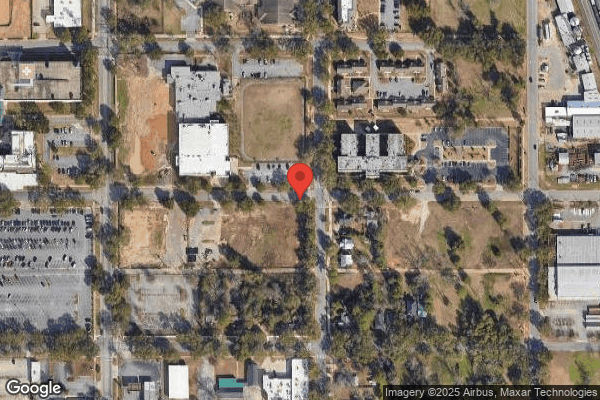
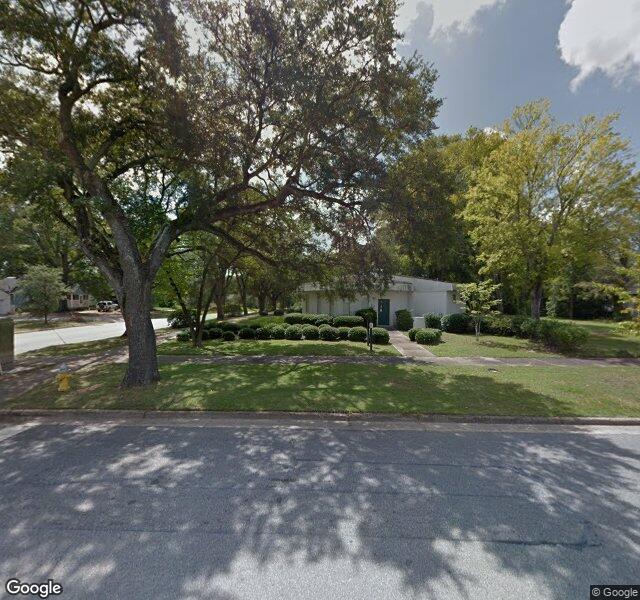
223 W.THIRD AVENUE, ALBANY, GA 31701 (229) 435-0741
Non profit - Other 186 Beds CLINICAL SERVICES, INC. Data: November 2025
Trust Grade
55/100
#239 of 353 in GA
Last Inspection: June 2025

Inspected within the last 6 months. Data reflects current conditions.

Overview

Wynfield Park Health and Rehabilitation has a Trust Grade of C, which means it is average and falls in the middle of the pack among nursing homes. In Georgia, it ranks #239 out of 353 facilities, placing it in the bottom half, but it holds the top spot in Dougherty County, where there are only two options. Unfortunately, the facility's trend is worsening, with reported issues increasing from 2 in 2024 to 11 in 2025, indicating a decline in care quality. Staffing is rated at 3 out of 5 stars, with a turnover rate of 51%, which is around the state average, while they have better RN coverage than 85% of Georgia facilities, suggesting a commitment to quality oversight. However, specific incidents of concern include a staff member failing to provide a dignified dining experience for a resident, not ensuring the safety of several residents from a known individual with inappropriate behaviors, and improperly using physical restraints on a resident, highlighting significant areas needing improvement despite the absence of fines.

Trust Score
C
55/100
In Georgia
#239/353
Bottom 33%
Safety Record
Low Risk
No red flags
Inspections
Getting Worse
2 → 11 violations
Staff Stability
⚠ Watch
51% turnover. Above average. Higher turnover means staff may not know residents' routines.
Penalties
✓ Good
No fines on record. Clean compliance history, better than most Georgia facilities.
Skilled Nurses
○ Average
Each resident gets 40 minutes of Registered Nurse (RN) attention daily — about average for Georgia. RNs are the most trained staff who monitor for health changes.
Violations
⚠ Watch
14 deficiencies on record. Higher than average. Multiple issues found across inspections.
★★☆☆☆
2.0
Overall Rating
★★★☆☆
3.0
Staff Levels
★☆☆☆☆
1.0
Care Quality
★★★☆☆
3.0
Inspection Score
Stable
2024: 2 issues
2025: 11 issues

The Good

  • Full Sprinkler Coverage · Fire safety systems throughout facility
  • No fines on record

Facility shows strength in fire safety.

The Bad

2-Star Overall Rating

Below Georgia average (2.6)

Below average - review inspection findings carefully

Staff Turnover: 51%

Near Georgia avg (46%)

Higher turnover may affect care consistency

Chain: CLINICAL SERVICES, INC.

Part of a multi-facility chain

Ask about local staffing decisions and management

The Ugly 14 deficiencies on record

Jun 2025 11 deficiencies
CONCERN (D)

Potential for Harm - no one hurt, but risky conditions existed

Resident Rights (Tag F0550)

Could have caused harm · This affected 1 resident

Based on observation, interview, record review, and review of the facility policy titled, Meal Service, the facility failed to provide a dignified dining experience for one of five residents (R)(R45) ...

Read full inspector narrative →
Based on observation, interview, record review, and review of the facility policy titled, Meal Service, the facility failed to provide a dignified dining experience for one of five residents (R)(R45) by standing instead of sitting next to the resident while assisting him during a meal. This failure had the potential to have a negative impact on the quality of life and self-esteem for the affected resident. Findings include: A review of the facility policy titled, Meal Service dated 12/27/24 indicated Associates should promote and maintain patients' dignity and respect during meal service. During a meal observation on 06/17/25 at 12:50 PM, Registered Nurse (RN) 7 was observed standing next to R45 while assisting him with the meal. RN 7 was observed to be watching other activities in the dining room and not interacting with R45. During an interview on 06/17/25 at 1:17 PM, RN 7 stated she had not received any training in dining room protocol. RN7 stated she knew she should be sitting down and interacting with R45 while assisting him, but she did not like to sit. RN 7agreed that sitting with a resident while assisting them was more dignified and respectful. During an interview on 06/19/25 at 10:27 AM, the Assistant Dietary Manager (ADM) stated that all staff should know that they should sit next to a resident while assisting them. The ADM agreed that standing above a resident while assisting them is not dignified and sitting next to a resident and encouraging them and interacting with them during the meal is the correct way to assist during mealtime. During an interview on 06/20/25 at 10:27 AM, the Dietary Manager (DM) stated that he expected staff to provide a calm and dignified dining experience. The DM stated that standing while assisting a resident was not appropriate and staff should sit at eye level and interact with the resident on a dignified and personal level.
CONCERN (D) 📢 Someone Reported This

A family member, employee, or ombudsman was alarmed enough to file a formal complaint

Potential for Harm - no one hurt, but risky conditions existed

Free from Abuse/Neglect (Tag F0600)

Could have caused harm · This affected 1 resident

**NOTE- TERMS IN BRACKETS HAVE BEEN EDITED TO PROTECT CONFIDENTIALITY** Based on staff interviews and record review, the facility failed to protect four of four male residents (R) (R127, R12, R105, an...

Read full inspector narrative →
**NOTE- TERMS IN BRACKETS HAVE BEEN EDITED TO PROTECT CONFIDENTIALITY** Based on staff interviews and record review, the facility failed to protect four of four male residents (R) (R127, R12, R105, and R106) right to be free from sexual abuse by R147. Specifically, the facility failed to protect R127, R12, R105, and R106 from R147s' known inappropriate hypersexual behaviors. Findings include: Review of R147's electronic medical record (EMR), Face Sheet tab, revealed she was admitted on [DATE] with diagnosis that included Encephalopathy, Restlessness and agitation, Disorientation, Delayed milestone in childhood, Unspecified disorder of psychological development, and anxiety disorder. Review of R147's EMR, Social Services tab, revealed a Resident Social Assessment, dated 03/24/25, documented R147's Family Member (FM)1 reported R147 had a known history of sexually inappropriate behaviors towards men. Review of R147's EMR, Minimum Data Set (MDS) tab, admission MDS with an Assessment Reference Date (ARD) of 03/24/25, indicated R147 had a Brief Interview for Mental Status (BIMS) score of 10 of 15 indicating moderately impaired cognition. Review of 147's EMR, Care Plan tab, revealed an initial care plan meeting dated 03/24/25, where during the initial care plan conference for R147 FM1 informed the staff that R147 had a history of inappropriate sexual impulses, did not want R147 to be allowed to enter the rooms of male residents, and requested male staff did not provide her care. No care plan was developed to alert staff to her hypersexual behaviors. Review of the EMR, Nursing Progress Notes tab, revealed Registered Nurse (RN)1 documented on 03/31/25 that a staff member (name unknown) observed R147 in the room of R127, lying on top of R127 in his bed, kissing him, and touching his face. R147 was removed from R127's room and placed on 15-minute monitoring checks for 24 hours following the incident. The incident was reported and investigated within the time frames to the State Agency. Review of the EMR, MDS tab revealed MDS an ARD of 04/02/25, that indicated R127 had a BIMS score of four of 15 indicating severe cognitive impairment. Review of the EMR, Scanned Documents tab revealed a Psychiatric Diagnostic Evaluation completed by Medical Doctor (MD)1 on 04/21/25 documented R147 had a baseline impulsive behavior closely monitored by FM1 over many years as reported to the facility upon admission as being flirtatious and impulsive. The evaluation documented that Early on in the nursing home, she was found to be having sexual relationships with men, and poor boundaries. MD1 recommended a personal care home with extensive redirection and training while in the nursing facility. MD1 initiated the administration of Depakote for sexually inappropriate behavior. Review of the EMR, Nursing Progress Notes tab, progress notes, on 05/28/25 a staff member (name unknown) on the third floor of the facility reported to Licensed Practical Nurse (LPN)1 that R147 was observed slapping R12 on the thigh/groin area of the leg. At the time of the incident, R12 had a BIMS of four indicating severe cognitive impairment. The incident was investigated and reported to the State Agency within two hours. R147 was immediately transferred to the fourth floor in the facility and 15-minute monitoring was initiated for R147. Review of the EMR, Nursing Progress Notes tab, progress notes dated 05/28/25, RN2 documented that within 30 minutes of R147's placement on the fourth floor, she was observed in the room of R106 and sitting in his lap stroking his face. R106 had a BIMS of three of 15, indicating moderate cognitive impairment. R147 was redirected out of R106's room and was then observed in the room of R105, stroking and rubbing his face. R105 had a BIMS of seven of 15 indicating moderate cognitive impairment. Documentation indicated R147 was redirected out of the resident's room. Review of the EMR, Scanned Documents tab, revealed a Psychiatric consult conducted on 05/30/25, documented that due to her [R147] known hypersexual behavior (which can escalate her physical aggressiveness, the MD1 supported the intervention of maintaining physical separation of R147 from the male residents. During an interview on 06/17/25 at 3:30 PM, the Administrator stated the two incidents that occurred on the fourth floor on 05/28/25 were not investigated or reported to the state agency because the incidents indicated no harm, that the behavior was consensual, and that R106 and R105 were not bothered by the behavior of R147. The Administrator was asked how the men were assessed to determine that the behavior was consensual and caused no harm. The Administrator replied she had no rationale other than she was told by a staff member that it was consensual. During an interview on 06/18/25 at 9:20 AM, Certified Nursing Assistant (CNA)1, stated she had not been informed of the sexual behaviors of R147 and had not been provided education on any interventions to prevent the behaviors or to provide increased supervision for R147. CNA1 said she would consider R147's behaviors to be sexual abuse and would immediately report the incident to the Administrator/Abuse Coordinator. She stated that she provided care for R105 and that he was soft spoken and would be bothered if/when R147 stroked or rubbed his face but that he would not report his concern to anyone. During an interview with CNA2 on 06/18/25 at 9:30 AM, she stated she had not been informed of the sexual behaviors and had not been provided education on any interventions to prevent or to provide increased supervision for R147. She said she would consider R147's behaviors to be sexual abuse and would immediately report the incident to the Administrator/Abuse Coordinator She stated that she provided care for R105 and that he would be bothered if/when R147 stroked or rubbed him but was very soft spoken and would not report his concern to anyone. During an interview on 06/18/25 at 9:45 AM, the Social Services Director (SSD)1 stated she had not been informed about the hypersexual behaviors or the inappropriate behaviors of R147 that occurred on 05/28/25 on the fourth floor. During an interview by phone on 06/18/25 at 2:30 PM with RN2, revealed she did not recognize the 05/28/25 fourth floor incident as abuse. She stated it did not seem to her at the time that sitting in a residents' lap or stroking another resident's face was sexual abuse in nature and did not think of interviewing the residents to determine if it was consensual or if any harm had occurred. She said she did not witness the incident, and she could not remember the staff member that reported the observations to her. RN2 said she documented the incident in the progress notes in case something came up about it later. She said she had not been informed that R147 had a history of inappropriate sexual behaviors.
CONCERN (D)

Potential for Harm - no one hurt, but risky conditions existed

Deficiency F0604 (Tag F0604)

Could have caused harm · This affected 1 resident

**NOTE- TERMS IN BRACKETS HAVE BEEN EDITED TO PROTECT CONFIDENTIALITY** Based on observation, interview, record review, and review of the facility policy titled, Restraints, the facility failed to ens...

Read full inspector narrative →
**NOTE- TERMS IN BRACKETS HAVE BEEN EDITED TO PROTECT CONFIDENTIALITY** Based on observation, interview, record review, and review of the facility policy titled, Restraints, the facility failed to ensure one of one Resident (R) (R102) reviewed for physical restraints was not physically restrained by being in bed with a Geri-chair and a regular chair placed up against her bed, blocking her ability to get out of her bed on one side. Findings include: Review of the facility policy titled, Restraints dated 12/27/24 indicated .It is the intent of this center that patients have the right to be free from any physical or chemical restraints imposed for purposes of discipline or convenience, and not required to treat the patient's medical symptoms.Prior to use of a restraint, the following should be completed.Patient's need for restraint assessed.Restraint consent. Review of R102's electronic medical record (EMR) titled Face Sheet located under the Resident file tab indicated the resident was admitted to the facility on [DATE]. Review of R102's EMR titled quarterly Minimum Data Set (MDS) with an Assessment Reference Date (ARD) of 05/09/25 located under the survey shell, indicated the resident had a Brief Interview for Mental Status (BIMS) score of two out of 15 which revealed the resident was severely cognitively impaired. The assessment indicated the resident had an impairment on one side of her lower extremity. The assessment indicated R102 required substantial to maximum assistance from a caregiver to do activities of daily living. The assessment revealed the resident had one fall since her most recent admission. Review of a document provided by the facility titled Care Plan for R102 dated 01/27/25 indicated R102 had poor decision making. There was no evidence in the care plan that indicated the resident required the use of a potential restraint. An observation conducted on 06/17/25 at 7:35 AM, revealed R102 in bed. Facing the resident's bed from the entry to her room, a Geri-chair and a regular chair were observed next to her bed which blocked her ability to get out of bed. The resident was observed again in the same place on 06/17/25 at 7:49 AM. During an interview on 06/17/25 at 7:58 AM, Registered Nurse (RN)1 who was also the second floor's wound nurse stated that she considered the placement of the Geri-chair and regular chair a potential restraint since the resident was blocked in. During an interview on 06/17/25 at 8:00 AM, Certified Nurse Aide (CNA) 1 stated that the CNAs use the Geri -chair and regular chair pushed up against R102's bed to prevent the resident from climbing out of bed and did not report it as a potential restraint. During an interview on 06/17/25 at 8:04 AM, CNA 2 confirmed the observation of R102's Geri-chair and regular chair pushed up against the side of her bed. CNA2 stated R102 was a fall risk and stated this was what she observed when she arrives in the morning. During an interview on 06/17/25 at 8:06 AM, the Administrator confirmed the observation of the Geri -chair, and the regular chair pushed against R102's bed. The Administrator moved the regular chair and Geri -chair to the front of the resident's room. During an interview on 06/17/25 at 2:13 PM, the Health Information Manager (HIM) confirmed she enters R102's room, every week or two, to ensure R102's room was clean and to make sure things were in place. The HIM stated she had previously moved the resident's Geri -chair, away from R102's side of her bed, since it blocked one side of the resident's bed and the resident was unable to reach her water. The HIM stated she had this observation a few times and remined the clinical staff, during the morning meetings, to remove the Geri -chair from the resident's side of her bed. When asked if she considered the Geri -chair pushed up against the resident's bed a potential restraint, the HIM stated it was odd. During an interview on 06/17/25 at 3:01 PM, CNA3 confirmed she had observed R102's Geri -chair pushed up against the resident's bed. CNA3 stated she considered the Geri -chair pushed up against the resident's bed a potential restraint. During an interview on 06/18/25 at 3:39 PM, the Director of Nursing (DON) stated that she has never seen the Geri-chair pushed up against R102's bed and her expectation was for the CNAs to alert the nurses on duty of this observation.
CONCERN (D) 📢 Someone Reported This

A family member, employee, or ombudsman was alarmed enough to file a formal complaint

Potential for Harm - no one hurt, but risky conditions existed

Report Alleged Abuse (Tag F0609)

Could have caused harm · This affected 1 resident

**NOTE- TERMS IN BRACKETS HAVE BEEN EDITED TO PROTECT CONFIDENTIALITY** Based on staff interviews, record review, and review of the facility policy titled, Abuse Prohibition-Reporting and Investigatin...

Read full inspector narrative →
**NOTE- TERMS IN BRACKETS HAVE BEEN EDITED TO PROTECT CONFIDENTIALITY** Based on staff interviews, record review, and review of the facility policy titled, Abuse Prohibition-Reporting and Investigating, the facility failed to report allegations of sexual abuse for two of four male residents (R) (R106, and R107) reviewed for abuse related to R147's inappropriate hypersexual behaviors. Findings include: Review of the facility's policy titled, Abuse Prohibition-Reporting and Investigating, dated 12/27/24, revealed All allegations of abuse or allegations involving serious bodily injury must be reported immediately but no later than 2 hours. Review of R147's electronic medical record (EMR), Face Sheet tab, revealed she was admitted on [DATE] with diagnosis that included encephalopathy, restlessness and agitation, disorientation, delayed milestone in childhood, unspecified disorder of psychological development, and anxiety disorder. Review of R147's EMR, Social Services tab, revealed a Resident Social Assessment, dated 03/24/25, documented R147's Family Member (FM)1 reported R147 had a known history of sexually inappropriate behaviors towards men. Review of R147's EMR, Minimum Data Set (MDS) tab, admission MDS with an Assessment Reference Date (ARD) of 03/24/25, indicated R147 had a Brief Interview for Mental Status (BIMS) score of 10 of 15 indicating moderately impaired cognition. Review of the EMR, MDS tab revealed an MDS an ARD of 04/02/25, that indicated R127 had a BIMS score of four of 15 indicating severe cognitive impairment. Review of R106's MDS with an ARD of 4/14/25, revealed he had a BIMS score of three out of 15 which indicated he was severely cognitively impaired and unable to consent. Review of R105's MDS with an ARD of 4/7/25, revealed he had a BIMS score of seven out of 15 which indicated he was severely cognitively impaired and unable to consent. During an interview on 06/17/25 at 3:30 PM, the Administrator stated the 05/28/25 incidents were reported to her by RN2 but was not reported to the State Agency because the incident was not recognized as sexual abuse, indicated no harm, that it was consensual, and that R106 and R105 were not bothered by the behavior of R147. The Administrator was asked how the men were assessed to determine that the behavior was consensual; she had no rationale other than she was told by staff that it was consensual. She did not know the name of the staff member that observed the incidents.
CONCERN (D) 📢 Someone Reported This

A family member, employee, or ombudsman was alarmed enough to file a formal complaint

Potential for Harm - no one hurt, but risky conditions existed

Investigate Abuse (Tag F0610)

Could have caused harm · This affected 1 resident

**NOTE- TERMS IN BRACKETS HAVE BEEN EDITED TO PROTECT CONFIDENTIALITY** Based on staff interviews and record review, and review of the facility's policy titled, Abuse Prohibition-Reporting and Investi...

Read full inspector narrative →
**NOTE- TERMS IN BRACKETS HAVE BEEN EDITED TO PROTECT CONFIDENTIALITY** Based on staff interviews and record review, and review of the facility's policy titled, Abuse Prohibition-Reporting and Investigating, the facility failed to investigate allegations of abuse for two of four male residents (R) (R106, and R107) related to R147's known inappropriate hypersexual behaviors. The facility failed to identify and investigate allegations of resident-to-resident sexual abuse after resident R147 was observed in R106's room and sitting on R106's lap and then stroking and rubbing R105's face. This failure had the potential for additional male residents to be sexually abused by R147. Findings include: Review of the facility's policy titled, Abuse Prohibition-Reporting and Investigating, dated 12/27/24, revealed . Center will respond immediately to protect the alleged victim and integrity of the investigation. Examining the alleged victim for any sign of injury, including a physical examination or psychosocial assessment if needed. Increased supervision of the alleged victim and residents. Review of R147's electronic medical record (EMR) revealed she was admitted on [DATE] with diagnosis that included encephalopathy, restlessness and agitation, disorientation, delayed milestone in childhood, unspecified disorder of psychological development, anxiety disorder. Review of R147's EMR, Social Services tab, revealed a Resident Social Assessment, dated 03/24/25, that documented R147 had a known history of sexually inappropriate behaviors towards men per the Family Member (FM) 1. Review of R147's 5-day Minimum Data Set (MDS) with an Assessment Reference Date (ARD) of 03/27/25 revealed a Brief Interview for Mental Status (BIMS) score of ten out of 15 which indicated moderate cognitive impairment. Review of the EMR, Nursing Progress Notes tab, revealed progress notes dated 05/28/25, that RN2 documented that within 30 minutes of R147's placement on the fourth floor, she was observed in the room of R106 and sitting in his lap. R147 was redirected out of R106's room and was then observed in R105's room stroking and rubbing his face. Documentation indicated she was redirected out of the resident room. Review of R106's MDS with an ARD of 4/14/25, revealed he had a BIMS score of three out of 15 which indicated he was severely cognitively impaired and unable to consent. Review of R105's MDS with an ARD of 4/7/25, revealed he had a BIMS score of seven out of 15 which indicated he was severely cognitively impaired and unable to consent. During an interview on 06/17/25 at 3:30 PM, h the Administrator stated the 05/28/25 incidents were not investigated because the incident indicated no harm, that it was consensual, and that R106 and R105 were not bothered by the behavior of R147. The Administrator was asked how the men were assessed to determine that the behavior was consensual, but she had no rationale other than she was told by staff that it was consensual. During an interview on 06/18/25 at 2:30 PM with Registered Nurse (RN)2, she did not recognize the incident as abuse. She stated it did not seem to her at the time that sitting in a resident's lap or stroking another resident's face was sexual abuse in nature and did not think of interviewing the residents to determine if it was consensual or if any harm had occurred. RN2 said she only documented the incident in the progress notes in case something came up about it later.
CONCERN (D)

Potential for Harm - no one hurt, but risky conditions existed

Deficiency F0657 (Tag F0657)

Could have caused harm · This affected 1 resident

**NOTE- TERMS IN BRACKETS HAVE BEEN EDITED TO PROTECT CONFIDENTIALITY** Based on staff interviews, record review, and review of the facility policy titled, Patient's Plan of Care, the facility failed ...

Read full inspector narrative →
**NOTE- TERMS IN BRACKETS HAVE BEEN EDITED TO PROTECT CONFIDENTIALITY** Based on staff interviews, record review, and review of the facility policy titled, Patient's Plan of Care, the facility failed to develop a comprehensive care plan directing measurable goals and interventions for one of 36 residents Resident(R) (R1). This failure placed R1 at risk for unmet care needs and the inability to meet their maximum practicable level of functioning. Findings include: Review of the facility's policy titled Patient's Plan of Care, reviewed date 12/27/24, revealed Intent: To promote person-centered patient care through a comprehensive care plan .Each patient will have a person-centered comprehensive care plan developed and implemented to address the patients' medical, physical, mental, and psychosocial needs while also honoring their preferences and goals. Review of R1's undated Face Sheet located in the electronic medical record (EMR) under the Face Sheet tab indicated the resident was admitted to the facility on [DATE] with diagnoses including quadriplegia, aphasia following nontraumatic intracranial hemorrhage, and dysphagia following cerebrovascular disease. Review of R1's quarterly Minimum Data Set (MDS), with an Assessment Reference Date of 05/21/25, located in the EMR under the MDS tab, Staff Assessment for Mental Status revealed R1 is severely cognitively impaired, and was receiving restorative nursing for splint or brace assistance. Review of R1's Care Plan dated 03/28/24, located in the EMR under the Care Plan tab revealed Range of motion limited-at risk for/actual contractures related to neck flexion contracture, as evidenced by contractures, with interventions including assistance with activities of daily living (ADLs) as needed, provide appropriate level of assistance to promote safety of the resident. There was no documentation related to the neck pillow in the R1's care plan. During an interview with the Director of Nursing on 06/18/25 at 11:36 AM, DON was questioned concerning R1's neck pillow and what was expected from the staff. DON replied that unless the resident refuses, she would expect the staff to follow the orders and care plan, and to document if the resident refuses. DON additionally confirmed that the resident had been care planned for his contracted neck, but the interventions did not include the use of the neck pillow/support as ordered.
CONCERN (D)

Potential for Harm - no one hurt, but risky conditions existed

Deficiency F0688 (Tag F0688)

Could have caused harm · This affected 1 resident

**NOTE- TERMS IN BRACKETS HAVE BEEN EDITED TO PROTECT CONFIDENTIALITY** Based on observations, interviews, and document review, the facility failed to ensure one of eight Resident(R) (R1) reviewed for...

Read full inspector narrative →
**NOTE- TERMS IN BRACKETS HAVE BEEN EDITED TO PROTECT CONFIDENTIALITY** Based on observations, interviews, and document review, the facility failed to ensure one of eight Resident(R) (R1) reviewed for range of motion (ROM) received the equipment to prevent further decrease of motion. This has the potential to cause further decreases in motion and discomfort. Findings include: Policies were requested but not provided by facility. Review of R1's undated Face Sheet located in the electronic medical record (EMR) under the Face Sheet tab indicated the resident was admitted to the facility on [DATE] with diagnoses including quadriplegia, aphasia following nontraumatic intracranial hemorrhage, and dysphagia following cerebrovascular disease. Review of R1's Quarterly Minimum Data Set (MDS), with an Assessment Reference Date of 05/21/25, located in the EMR under the MDS tab, Staff Assessment for Mental Status revealed R1 is severely cognitively impaired, and was receiving restorative nursing for splint or brace assistance. Review of R1's Physician Orders dated 03/03/25, located in the EMR under the Orders tab revealed an order to apply neck pillow for head support. Review of R1's Care Plan dated 03/28/24, located in the EMR under the Care Plan tab revealed Range of motion limited-at risk for/actual contractures related to neck flexion contracture, as evidenced by contractures, with interventions including assistance with activities of daily living (ADLs) as needed, provide appropriate level of assistance to promote safety of the resident. There was no documentation related to the neck pillow in the R1's care plan. During observations conducted on 06/17/25 at 8:15 AM, 11:00 AM, 4:00 PM, and on 06/18/25 at 9:05 AM, R1 was observed without the neck pillow in place. R1's neck was contracted and tilted to his right-side. During an observation conducted on 06/18/25 at 9:05AM of R1's room, there was no neck pillow located in the resident's room. During an interview on 06/18/25 at 11:33 AM, Registered Nurse (RN)9, was asked if R1 uses a support for his contracted neck. RN9 replied, Yes, he is supposed to have a neck pillow for support. During an interview with the Assistant Director of Nursing (ADON) on 06/18/25 11:34 AM, the ADON was asked what the expectations are related to R1's neck pillow/brace. ADON replied, I would expect the staff to follow the physician orders and care. During an interview with the Director of Nursing on 06/18/25 at 11:36AM, DON was questioned concerning R1's neck pillow and what is expected from the staff. DON replied that unless the resident refuses, she would expect the staff to follow the orders and care plan, and to document if the resident refuses.
CONCERN (D) 📢 Someone Reported This

A family member, employee, or ombudsman was alarmed enough to file a formal complaint

Potential for Harm - no one hurt, but risky conditions existed

Accident Prevention (Tag F0689)

Could have caused harm · This affected 1 resident

**NOTE- TERMS IN BRACKETS HAVE BEEN EDITED TO PROTECT CONFIDENTIALITY** Based on observations, record review, staff interviews, and review of the facility policy titled, Fall Management, the facility ...

Read full inspector narrative →
**NOTE- TERMS IN BRACKETS HAVE BEEN EDITED TO PROTECT CONFIDENTIALITY** Based on observations, record review, staff interviews, and review of the facility policy titled, Fall Management, the facility failed to properly assess one of four Residents (R) (R45) for the use of a Geri-chair. The use of a Geri-chair without a proper therapy assessment created the potential for R45 to sustain falls with potential injuries. Findings include: Review of a facility policy titled, Fall Management dated 12/27/24 indicated .Each patient is assisted in attaining/maintaining his or her highest practicable level of function by providing the patient adequate supervision, assistive devices and/or functional programs as appropriate to minimize the risk for falls. Each patient's risk for falls is evaluated on admission, readmission, quarterly, annually, with a significant change in condition, and as indicated.A plan of care is developed and implemented based on this evaluation with ongoing review. If a fall occurs, an evaluation is completed to ensure appropriate measures are in place to minimize the risk of future falls. The IDT is responsible for coordination of an interdisciplinary approach to managing the processes for prediction, risk assessment, treatment, evaluation, monitoring, and calculation of patient falls. Review of a document provided by the facility for R45 titled, Face Sheet indicated the resident was admitted to the facility on [DATE] with a diagnosis of Myasthenia gravis (an autoimmune disease which affects a person's neurological system). Review of R45's quarterly Minimum Data Set (MDS) with an Assessment Reference Date (ARD) of 01/09/25 located in the survey shell indicated the resident had a Brief Interview for Mental Status (BIMS) score of 11 out of 15 which revealed the resident was moderately cognitively impaired. The assessment indicated the resident had no bi-lateral upper and lower body impairments. The assessment indicated R45 required partial to moderate assistance from sitting to standing. Review of a document provided by the facility titled Comprehensive Nursing Assessment dated 10/09/24 indicated the functional status of the resident was identified with an unsteady gait, required assistance from moving from sitting to lying position, and the same from standing to sitting. This document was provided upon request for a fall risk assessment. Review of a document provided by the facility titled, Comprehensive Nursing Assessment dated 11/16/24 indicated the functional status of the resident was the resident was identified with an unsteady gait, required assistance from moving from sitting to lying position, and the same from standing to sitting. This document was provided upon request for a fall risk assessment. Review of a document provided by the facility titled, Comprehensive Nursing Assessment dated 04/17/25 indicated the functional status of the resident was the resident was identified with an unsteady gait, required assistance from moving from sitting to lying position, and the same from standing to sitting. This document was provided upon request for a fall risk assessment. Review of a document provided by the facility titled, Care Plan dated 06/03/25 indicated the resident had a diagnosis of Myasthenia gravis and was at higher risk for falls. Specifically, the resident continued to be independent, but the range of motion was unsteady. There was no evidence in the care plan that identified the residents' use of a Geri-chair as a fall prevention measure. During an interview on 06/16/25 at 9:59 AM, R45's Family Member (FM)2 stated the resident falls almost daily. FM2 stated the resident had a diagnosis of Myasthenia gravis, and he was aware that the resident would continue to fall and to decline as a result. The resident was sitting in a Geri-chair during this interview. Fm2 stated he was unaware how long the resident used a Geri-chair. During this interview, the resident attempted to get out of the Geri-chair but FM2 was able to redirect back. At 10:49 AM, R45 was in the main television room, across from the nursing station. The resident did not attempt to get up from the Geri-chair. At 11:44 AM the resident was sitting in a regular wheelchair. During an interview on 06/17/25 at 8:23 AM, Certified Nurse Aide (CNA) 12 stated that she observed R45 in a Geri -chair on 06/16/25 and stated the resident was sitting in the Geri-chair when she arrived for work and stated the resident was a fall risk. During an interview on 06/17/25 at 8:02 AM CNA1 stated she observed R45 sitting in the Geri -chair on 06/16/25 and has seen the resident sitting in his Geri-chair for the past week. During an interview on 06/18/25 at 11:34 AM, the Director of Rehabilitation (DOR) stated it was anticipated that R45 would decline. The DOR stated she has been involved in his care to assist him with strength. The DOR stated that therapy will assess the resident for the use of a Geri -chair and the resident would only be placed in a Geri-chair for positioning and stated it might be a potential accident hazard. The DOR stated the resident does stand and she would not recommend a Geri-chair for a resident who stands. During an interview on 06/18/25 at 11:53 AM, Registered Nurse (RN)4 who was also the second-floor supervisor stated that therapy normally takes the lead in assessing the resident for a Geri-chair. RN4 stated R45 was in the Geri-chair on 06/16/25 when she arrived for work. RN4 stated that R45 was a high risk for falls and the use of a Geri-chair would place the resident at risk of injury. During an interview on 06/18/25 at 12:53 PM, the Administrator stated that therapy must assess a resident first prior to the use of a Geri-chair. During an interview on 06/18/25 at 3:45 PM, the Director of Nursing (DON) was asked if there was a therapy assessment. The DON stated it was a judgment call from the nurse to determine if R45 needed to be placed in the Geri-chair for comfort. The DON stated she believed that R45 transferred himself.
CONCERN (D) 📢 Someone Reported This

A family member, employee, or ombudsman was alarmed enough to file a formal complaint

Potential for Harm - no one hurt, but risky conditions existed

Laboratory Services (Tag F0770)

Could have caused harm · This affected 1 resident

**NOTE- TERMS IN BRACKETS HAVE BEEN EDITED TO PROTECT CONFIDENTIALITY** Based on interviews and document review, the facility failed to ensure one of one Resident (R) (R1) urinalysis was completed tim...

Read full inspector narrative →
**NOTE- TERMS IN BRACKETS HAVE BEEN EDITED TO PROTECT CONFIDENTIALITY** Based on interviews and document review, the facility failed to ensure one of one Resident (R) (R1) urinalysis was completed timely. This had the potential to delay the resident's treatment of abnormal laboratory results. Findings include: Policies were requested but not provided by the facility. Review of R71's undated Face Sheet located in the electronic medical record (EMR) under the Face Sheet tab, indicated the resident was admitted to the facility on [DATE], and discharged [DATE] with diagnoses including dementia with other behavioral disturbance. Review of the R71's Grievance dated 05/07/25, provided by the facility, revealed During 5/8 follow-up discussion the following additional concerns were voiced-Registered Nurse [(RN)6] received an order for urinalysis (UA), but did not follow through .Actions taken: RN6 confirmed she received the UA order but failed to enter .Order was entered 05/08/25 and taken to the hospital for stat processing. Results received were negative for findings. Interview with nurse is not able to determine details around who told her and when. Review of the facility's document titled Corrective Action Improvement Plan dated 05/08/25, revealed RN6 discussed with family getting a UA. Reached out to Nurse Practitioner (NP), who gave orders, however, RN6 did not enter order. This resulted in non-compliance with physician orders. During an interview on 06/17/25 at 1:17 PM the Administrator was asked if she had a grievance related to R71's UA not being ordered and completed. The Administrator stated yes, it was investigated and confirmed that RN6 had not ordered the UA. The administrator was asked what her expectations were for staff following physician orders. The Administrator responded, I expect the staff to enter the physician orders and implement them. During an interview on 06/19/25 at 8:40 AM, the Nurse Practitioner (NP) was asked if she recalled the incident with the UA not being ordered. NP stated that she did not recall this incident but would have expected the staff to put the order in and to follow it.
CONCERN (D)

Potential for Harm - no one hurt, but risky conditions existed

Food Safety (Tag F0812)

Could have caused harm · This affected 1 resident

Based on observation, interview, and review of facility policies titled, Personal Hygiene, the facility failed to properly don (put on) a hair restraint while working in one of three kitchenettes (an ...

Read full inspector narrative →
Based on observation, interview, and review of facility policies titled, Personal Hygiene, the facility failed to properly don (put on) a hair restraint while working in one of three kitchenettes (an area in which the food was served). This had the potential to increase the risk of foodborne illnesses that would affect 54 residents receiving an oral diet. Findings include: Review of a facility policy titled, Personal Hygiene dated 12/27/24 indicated .It is the intent of this center to establish guidelines for dining and nutritional services associates that promote personal hygiene and infection control prevention measures.A hairnet and/or beard restraint should be worn while in the food prep, production, and serving areas. An observation was conducted on 06/16/25 at 12:29 PM of the second-floor dining room. Kitchen Aide (KA)1 was observed serving the noon meal from the kitchenette. This observation continued until 1:06 PM when KA1 was interviewed. KA1 stated that she just forgot to don (put on) a hair net. During an interview on 06/17/25 at 12:54 PM, the Dietary Manager (DM) stated staff were to don a hair restraint whether that was a cap or hair net to keep the potential of hair follicles from contaminating the food served to the residents.
CONCERN (D)

Potential for Harm - no one hurt, but risky conditions existed

Infection Control (Tag F0880)

Could have caused harm · This affected 1 resident

**NOTE- TERMS IN BRACKETS HAVE BEEN EDITED TO PROTECT CONFIDENTIALITY** Based on observations, interviews, record review, review of the facility policy titled, Transmission-Based Precautions, and Cent...

Read full inspector narrative →
**NOTE- TERMS IN BRACKETS HAVE BEEN EDITED TO PROTECT CONFIDENTIALITY** Based on observations, interviews, record review, review of the facility policy titled, Transmission-Based Precautions, and Centers for Disease Control (CDC) guidance, the facility failed to adhere to infection control practices and policies for one of two residents Resident (R) (R130). Specifically, the facility failed to ensure staff wore a gown for a resident on Enhanced Barrier Precautions while bathing and during wound care. The deficient practice increased the risk for cross contamination and infections. Findings include: Review of the facility's policy titled, Transmission-Based Precautions, dated 12/27/24, provided by the facility indicated, Enhanced Barrier Precautions are indicated for patients with any of the following: . wounds and indwelling medical devices even if the patient is not known to be infected or colonized with MDRO. Enhanced Barrier Precautions expand the use of PPE and refer to the use of gown and gloves during high-contact activities that provide opportunities for transfer of multi-drug resistant organisms (MDROs) to staff hands and clothing. MDROs may indirectly transfer from patient-to-patient during high contact activities. The use of gown and gloves for high-contact patient care activities is indicated, when Contact Precautions do not apply, for nursing home patients with wounds and/or indwelling medical devices regardless of MDRO colonization . Examples of high contact care activities requiring gown and glove use for Enhanced Barrier Precautions include: Dressing, Bathing/showering, Transferring, Providing hygiene, Changing linens, Changing briefs or assisting with toileting, and Device care or use: central line, urinary catheter, feeding tube, tracheostomy/ventilator, and Wound care. During an observation of R130's wound care on 06/18/25 at 8:55 AM, Registered Nurse (RN8) entered R130's room to perform wound care. Certified Nursing Assistant (CNA) 11 was already in the room giving R130 a bed bath. CNA11 was not wearing a gown. RN8 sanitized hands, donned (put on) a gown and gloves and completed wound care. CNA11 assisted with positioning resident and was still not wearing a gown. R130 also had an indwelling feeding tube and foley catheter. An EBP sign was posted on R130's bedroom door. The EBP sign stated Providers and staff must also: wear gloves and a gown for the following high-contact resident care activities: dressing, bathing/showering, transferring, changing linens, providing hygiene, changing briefs, or assisting with toileting, and device/wound care. Review of R130's Face Sheet located under the Resident Summary tab of the electronic medical record (EMR) revealed R130 was admitted to the facility on [DATE] with diagnoses of gastrostomy, Alzheimer's disease, pressure ulcer of sacral region stage 4, retention of urine, and pressure ulcer of unspecified site stage 2. Review of the quarterly Minimum Data Set (MDS) located under the MDS tab of the EMR, with an Assessment Reference Date (ARD) of 04/15/25 showed documentation that staff assessed R130 had severe cognitive impairment. The MDS also documented that R130 had a indwelling urinary catheter and a feeding tube. Review of R130's Care Plan located under the Care Plan tab in the EMR revealed no documentation of Enhanced Barrier Precautions on the care plan. Review of R130's Resident's Consolidated Order under the Orders tab of the EMR revealed no order for Enhanced Barrier Precautions. During an interview on 06/18/25 at 9:38 AM, CNA11 stated, EBP includes wearing gown and gloves during bathing, catheter, and wound care. I didn't wear a gown and just didn't think about it. CNA11 verified the sign was on the door. During an interview on 06/19/25 at 2:06 PM, the Director of Nursing (DON) stated, The infection prevention nurse keeps up with tracking residents on EBP on a list and does frequent rounds to ensure all signs are on resident doors and residents are discussed during shift meetings. I would not expect to see EBP on the care plan and would not expect to see an order for EBP. I would expect staff to follow the EBP signs on the resident's door.
Nov 2024 1 deficiency
CONCERN (D) 📢 Someone Reported This

A family member, employee, or ombudsman was alarmed enough to file a formal complaint

Potential for Harm - no one hurt, but risky conditions existed

Laboratory Services (Tag F0770)

Could have caused harm · This affected 1 resident

Based on interview, record review, and review of the facility's policy titled, Laboratory, Radiological, and other Diagnostic Services, the facility failed to ensure that laboratory tests were obtaine...

Read full inspector narrative →
Based on interview, record review, and review of the facility's policy titled, Laboratory, Radiological, and other Diagnostic Services, the facility failed to ensure that laboratory tests were obtained as ordered by the physician, for one of 13 sampled residents (R) (R1). Findings included: Review of the facility's policy Laboratory, Radiological and other Diagnostic Services, with review date 12/29/2023, under Procedure documented, Orders for laboratory, radiological and other diagnostic services should be provided as instructed by the physician's order. Review of the medical record revealed R1 resided at the facility from 7/30/2024 through 8/17/2024. R1 admitted with diagnoses of but not limited to, CKD (chronic kidney disease) stage 3-4, hypertension, atrial fibrillation, chronic right hip pain, gout, and OA (Osteoarthritis) right knee. Review of physician's orders dated 7/30/2024 included laboratory tests for, Vitamin D Panel every six months for a diagnosis of pain in the right hip; Complete Blood Count (CBC) and Comprehensive Metabolic Panel (CMP) every six months for a diagnosis of hypertension; Uric Acid level every six months for a diagnosis of gout. Further review of the physician orders revealed a start date of 7/31/2024 for the laboratory tests. Review of the Nurse Practitioner note dated 7/31/2024, revealed that the admission laboratory tests were pending. However, there was no evidence in the clinical record that blood samples for the laboratory tests were obtained from R1 as ordered. Interview on 11/4/2024 at 12:40 pm, the Administrator confirmed that the laboratory tests were not obtained. She revealed that the laboratory service did not draw the samples, and the facility did not follow-up to ensure the laboratory tests were completed.
Jul 2024 1 deficiency
CONCERN (D) 📢 Someone Reported This

A family member, employee, or ombudsman was alarmed enough to file a formal complaint

Potential for Harm - no one hurt, but risky conditions existed

Pressure Ulcer Prevention (Tag F0686)

Could have caused harm · This affected 1 resident

**NOTE- TERMS IN BRACKETS HAVE BEEN EDITED TO PROTECT CONFIDENTIALITY** Based on observation, interview, record review, and review of the facility's Wound Care manual, the facility failed to ensure th...

Read full inspector narrative →
**NOTE- TERMS IN BRACKETS HAVE BEEN EDITED TO PROTECT CONFIDENTIALITY** Based on observation, interview, record review, and review of the facility's Wound Care manual, the facility failed to ensure that pressure ulcers were thoroughly and routinely assessed for two of 10 residents (R) (R8 and R9). Findings include: Review of the facility's Wound Care manual, with an April 2021 release date, Section Two of the manual Assessments of Wounds included the category of Pressure Ulcers/Injuries. A stage 2 pressure ulcer was described as a partial thickness loss of dermis presenting as a shallow open ulcer with a red-pink wound bed, without slough. A Stage 2 pressure ulcer may also present as an intact or open/ruptured blister. A Deep Tissue Injury (DTI) was described as a purple or maroon area of discolored intact skin due to damage of underlying soft tissue. Section Three of the manual Treatment of Wounds included the treatment of pressure ulcers/injuries. The assessment section of the treatment of pressure ulcers included a pressure ulcer assessment is completed on admission, readmission, weekly, and with any major change. 1. R8 admitted to the facility 2/22/2024, most recent reentry was 5/15/2024, diagnoses included but were not limited to, type 2 diabetes mellitus, chronic kidney disease, flaccid neuropathic bladder, and spinal stenosis. Review of the clinical record revealed a nurse's note with entry date 3/30/2024 that documented R8's family member called the nurse to the room, and a blister was noted on R8's heel with a purple discoloration to the area. The nurse's note further documented that a skin prep treatment was applied to the blister and the on-call physician was notified. An Initial COC (change of condition) Report to MD form was also completed on 3/30/2024 and review of the Assessment or Appearance section of the form documented the problem may be a new or worsened pressure ulcer. On 4/1/2024, Treatment Nurse BB documented in a nurse's note that R8 was noted to have a blood blister to the right heel. The Nurse Practitioner was notified, and an order was received, to apply skin prep to the area three times a week until resolved. Review of the April 2024 Treatment Administration Record (TAR) revealed an order dated 4/1/2024 to cleanse the area to the right heel with normal saline, pat dry, apply no sting skin protectant, and allow 30 seconds to dry, three times per week on Monday, Wednesday, and Friday. Review of the initial assessments dated 3/30/2024 and 4/1/2024, of the ulcer to R8's right heel, did not include measurements or staging of the ulcer. In addition, after 4/1/2024, there was no further assessment of the ulcer until 4/19/2024. Review of the clinical record revealed a nurses note dated 4/19/2024 by Treatment Nurse BB who documented the area to the right heel was no longer fluid filled and was now a DTI. The Nurse Practitioner was notified. The note further documented that the treatment would remain the same until resolved. Review of an entry on 4/19/2024 of the Weekly Wound section of R8's clinical record documented the right heel area was a pressure ulcer and described as a DTI. Review of a nurse's note, and weekly wound note, both dated 4/19/2024 did not include a measurement of the DTI to the right heel. In addition, after 4/19/2024, there was no further assessments of the right heel DTI. Review of the April 2024 and May 2024 Treatment Administration Record (TAR) revealed that treatment to the right heel pressure ulcer continued until R8 was hospitalized on [DATE]. Review of the hospital history and physical form dated 5/16/2024, revealed a skin exam that documented bogginess of the right heel without wound. Interview on 7/10/2024 at 2:10 pm, Regional Nurse Consultant FF stated there was no additional wound tracking documentation for the right heel pressure ulcer. She stated that when treatment nurse BB was questioned about assessments of the right heel wound, Treatment Nurse BB said she did not think she had to measure it weekly because it was not a pressure ulcer. Interview on 7/10/2024 at 4:10 pm, Treatment Nurse BB confirmed she was the person who measured and assessed wounds weekly. She further stated that there were two places she could document the wound assessments in the clinical record, in the nurse's notes and weekly wound section. When questioned about when R8's right heel pressure ulcer healed, treatment nurse BB responded that it went away when R8 went to the hospital. She stated that he came back with dry skin in the same area that peeled off. 2. Review of the clinical record for R9 revealed he was admitted to the facility on [DATE] and had diagnoses that included paraplegia, Type 2 diabetes mellitus, and hypertension. A nurse note entry after admission dated 5/17/2024 documented R9 was admitted to the facility and had a wound to the left ankle. Review of a nurse's note dated 5/20/2024 Treatment Nurse BB documented that a skin assessment was completed and included R9 had a wound to the left lateral foot. The Nurse Practitioner was notified, orders were documented and verified. Review of the Weekly Wound section of R9's clinical record documented an assessment dated [DATE] of the left lateral ankle wound. The wound was assessed as a stage 2 pressure ulcer, measured 1.5 centimeters (cm) x 1.5 cm x 0.1 cm, with a granulation wound base, intact wound margins, and macerated surrounding skin. Review of physician's orders, and the May 2024 TAR, revealed an order dated 5/20/2024 to cleanse the left lateral ankle with normal saline, pat dry, apply no sting skin protectant to the peri wound, allow 30 seconds to dry, apply calcium alginate to the wound bed, and cover with Coban adhesive dressing three times per week on Monday, Wednesday, and Friday. Further review of the Weekly Wound report for R9 revealed after 5/20/2024, the stage 2 left lateral pressure ulcer was assessed on 5/31/2024, 6/7/2024, 6/14/2024, and 6/21/2024. There were no further assessments of the pressure ulcer after 6/21/2024. However, review of the June 2024 and July 2024 TARs revealed that treatment to the left lateral ankle pressure ulcer continued. Interview on 7/10/2024 at 4:10 pm, Treatment Nurse BB stated that R9 had a wound to the left lateral ankle and described the wound as a soft, open area that R9 was admitted with. Observation of wound care on 7/10/2024 at 4:30 pm, with Treatment Nurse BB, R9 was observed to have a stage 2 pressure ulcer to the left lateral ankle with a granulation wound base, intact wound margins, and small amount of bloody drainage. Interview on 7/11/2024 at 1:45 pm, Regional Nurse Consultant FF stated there were no further assessments of the left lateral ankle pressure ulcer after 6/21/2024.
Aug 2023 1 deficiency
CONCERN (D)

Potential for Harm - no one hurt, but risky conditions existed

Infection Control (Tag F0880)

Could have caused harm · This affected 1 resident

Based on observations, record review, staff interviews, and review of facility policies titled, Skilled Nursing Services Handwashing and Pharmacy Services Oral Inhalation and Nebulizer Administration,...

Read full inspector narrative →
Based on observations, record review, staff interviews, and review of facility policies titled, Skilled Nursing Services Handwashing and Pharmacy Services Oral Inhalation and Nebulizer Administration, the facility failed to maintain infection control standard precautions by not performing proper hand hygiene during administration of eye drops, not cleaning the mouthpiece of inhalers after administration, and not properly disinfecting a basket used for medication administration. The deficient practice had the probability to increase the potential for residents to contract an infectious disease. Findings include: Review of facility's policy titled Skilled Nursing Services Handwashing reviewed 12/30/2022 revealed: It is the intent of the facility to promote and facilitate appropriate hand washing as set forth by the guidance of CDC. Purpose: Handwashing is the single most important means of preventing the spread of infection. The use of gloves does not replace hand washing. Guideline: Associate handwashing and hand Hygiene - Hands must be washed thoroughly with soap and water when visibly soiled. Hand hygiene may be accomplished with alcohol-based handrub (if hands are not visibly soiled) before and after patient contact. After contact with a source of microorganism (body fluids and substances, mucous membranes, non-intact skin, inmate objects that are likely to be contaminated). After removing gloves. Other Aspects of Hand Care and Protection - Glove Use - Gloves should be used for hand-contaminating activities. Gloves should be removed, and hands washed when such activity is completed, when the integrity of the gloves is in doubt, and between patients. Gloves may need to be changed during the care of a single patient, for example when moving from one procedure to another. Review of facility's undated policy titled: Pharmacy Services Oral Inhalation and Nebulizer Administration revealed Guidelines - Administer oral inhalers as follows: Keep inhalers clean and dry. Clean with warm water and allow to air dry prior to use. Store with cap on mouthpiece. 2. During medication observation on 8/9/2023 at 8:08 a.m. with Certified Medication Aide (CMA) AA revealed CMA AA prepared medications for administration for R#109 and placed in a purple basket. CMA AA donned gloves entered R#109's room and placed the purple basket directly onto the overbed table, administered medications by mouth, with gloved hands received the mediation cup back from resident and discarded the medication cup in the trash can. While wearing the same gloves CMA AA administered Brinzolamide 1% eye solution (eye drop that treats high pressure in the eye, glaucoma) 1 drop into both eyes, obtained the purple basket and placed the basket directly on the medication cart. While wearing the same gloves, CMA AA opened the medication cart, retrieved a sanitizing wipe, cleaned the purple basket, and placed back onto the medication cart, then removed gloves and sanitized her hands with an alcohol rub. During an interview on 8/9/2023 at 8:14 a.m. with CMA AA, she stated that she should have changed her gloves prior to administering the eye drops and after leaving resident room but she was just nervous. CMA AA further stated that she was told that she had to disinfect the basket between resident use but was never informed to place a barrier down prior to placing in resident's area or on top of the medication cart. 3. During medication observation on 8/9/2023 at 8:33 a.m. with CMA CC revealed CMA CC prepared medications for R#89, donned gloves, administered by mouth medications, administered the Albuterol Sulfate HFA 8.5 Gm/90 mcg (Medication used to treat and prevent wheezing and shortness of breath) 3 puffs by mouth, followed by Fluticasone Propionate -Salmeterol 250-50 mcg (Medication used to control symptoms of hay fever and allergies) 1 puff by mouth. CMA CC handed R#389 a cup of water instructed resident to rinse and spit then placed the cup of used water onto resident breakfast tray (resident had not finished eating). CMA CC placed the caps on the inhalers and placed back into the box and into the medication cart. During an interview on 8/9/2023 at 8:42 a.m. with CMA CC, she stated she should not have placed the used water cup onto R#89's breakfast tray, and she should have cleaned the mouthpieces of the inhalers before and after use. CMA CC further stated that she was aware that the mouthpieces of the inhalers should be cleaned after use, and she was nervous and forgot to do it. 4. During Medication observation on 8/9/2023 at 8:51 a.m. with CMA DD revealed she gathered and prepared medications for R#25, sanitized and applied gloves entered resident's room. CMA DD administered po (by mouth) medications and then administered Breo Ellipta 250 mcg/25 mcg Inhaler (Medication used to treat asthma and chronic obstructive pulmonary disease (COPD). 2 puffs by mouth and placed the inhaler back into the box without cleaning the mouthpiece. During an interview on 8/9/2023 at 9:01 a.m. with CMA DD, she stated that she usually cleans the mouthpiece after use but today she just forgot to do it. 5. During medication observation on 8/9/2023 at 9:12 a.m. with CMA DD revealed CMA DD gathered supplies, sanitized hands, applied gloves and entered resident's room. CMA DD administered the po medications, took the used medication cup from resident, placed in trash, then administered Refresh Eye Lubricant 1 drop into each eye. CMA DD did not change gloves and sanitized hands in between the po meds and administering the eye drops after handling the contaminated medication cup. During an interview on 8/9/2023 at 9:24 a.m. with CMA DD, she acknowledged that she did not change gloves or sanitize her hands prior to administering the eye lubricant. CMA DD stated that she just forgot the gloves after handling the contaminated medication cup. During an interview on 8/9/2023 at 2:15 p.m. with the Regional Nurse Consultant, she stated hand hygiene during medication administration should be performed. She further stated that gloves during medication administration is not mandatory but not prohibited, but if used hand hygiene before and after application should be performed. She furthers stated that if CMAs touched used medication cups, then the gloves probably should have been changed prior to administering eye drops. She also stated that the mouthpiece of inhalers should be cleaned per the manufactures recommendations and the facility's policy after use. During an interview with the DON on 8/10/2023 at 11:47 a.m. she stated that staff administering medications should practice proper hand hygiene and changed gloves prior to administering eye drops and clean the mouthpiece of the inhaler prior to and after use.
Understanding Severity Codes (click to expand)
Life-Threatening (Immediate Jeopardy)
J - Isolated K - Pattern L - Widespread
Actual Harm
G - Isolated H - Pattern I - Widespread
Potential for Harm
D - Isolated E - Pattern F - Widespread
No Harm (Minor)
A - Isolated B - Pattern C - Widespread

Questions to Ask on Your Visit

  • "Can I speak with families of current residents?"
  • "What's your RN coverage like on weekends and overnight?"

Our Honest Assessment

Strengths
  • • No major safety red flags. No abuse findings, life-threatening violations, or SFF status.
  • • No fines on record. Clean compliance history, better than most Georgia facilities.
Concerns
  • • 14 deficiencies on record. Higher than average. Multiple issues found across inspections.
  • • Grade C (55/100). Below average facility with significant concerns.
Bottom line: Mixed indicators with Trust Score of 55/100. Visit in person and ask pointed questions.

About This Facility

What is Wynfield Park's CMS Rating?

CMS assigns WYNFIELD PARK HEALTH AND REHABILITATION an overall rating of 2 out of 5 stars, which is considered below average nationally. Within Georgia, this rating places the facility higher than 0% of the state's 100 nursing homes. A rating at this level reflects concerns identified through health inspections, staffing assessments, or quality measures that families should carefully consider.

How is Wynfield Park Staffed?

CMS rates WYNFIELD PARK HEALTH AND REHABILITATION's staffing level at 3 out of 5 stars, which is average compared to other nursing homes. Staff turnover is 51%, compared to the Georgia average of 46%. RN turnover specifically is 56%, which is notably high. RNs provide skilled clinical oversight, so turnover in this role can affect medical care quality.

What Have Inspectors Found at Wynfield Park?

State health inspectors documented 14 deficiencies at WYNFIELD PARK HEALTH AND REHABILITATION during 2023 to 2025. These included: 14 with potential for harm.

Who Owns and Operates Wynfield Park?

WYNFIELD PARK HEALTH AND REHABILITATION is owned by a non-profit organization. Non-profit facilities reinvest revenue into operations rather than distributing to shareholders. The facility is operated by CLINICAL SERVICES, INC., a chain that manages multiple nursing homes. With 186 certified beds and approximately 156 residents (about 84% occupancy), it is a mid-sized facility located in ALBANY, Georgia.

How Does Wynfield Park Compare to Other Georgia Nursing Homes?

Compared to the 100 nursing homes in Georgia, WYNFIELD PARK HEALTH AND REHABILITATION's overall rating (2 stars) is below the state average of 2.6, staff turnover (51%) is near the state average of 46%, and health inspection rating (3 stars) is at the national benchmark.

What Should Families Ask When Visiting Wynfield Park?

Based on this facility's data, families visiting should ask: "Can I visit during a mealtime to observe dining assistance and food quality?" "How do you handle medical emergencies, and what is your hospital transfer rate?" "Can I speak with family members of current residents about their experience?"

Is Wynfield Park Safe?

Based on CMS inspection data, WYNFIELD PARK HEALTH AND REHABILITATION has a clean safety record: no substantiated abuse findings (meaning no confirmed cases of resident harm), no Immediate Jeopardy citations (the most serious violation level indicating risk of serious injury or death), and is not on the Special Focus Facility watch list (a federal program monitoring the lowest-performing 1% of nursing homes). The facility has a 2-star overall rating and ranks #100 of 100 nursing homes in Georgia. While no facility is perfect, families should still ask about staff-to-resident ratios and recent inspection results during their visit.

Do Nurses at Wynfield Park Stick Around?

WYNFIELD PARK HEALTH AND REHABILITATION has a staff turnover rate of 51%, which is 5 percentage points above the Georgia average of 46%. Moderate turnover is common in nursing homes, but families should still ask about staff tenure and how the facility maintains care continuity when employees leave.

Was Wynfield Park Ever Fined?

WYNFIELD PARK HEALTH AND REHABILITATION has no federal fines on record. CMS issues fines when nursing homes fail to meet care standards or don't correct problems found during inspections. The absence of fines suggests the facility has either maintained compliance or corrected any issues before penalties were assessed. This is a positive indicator, though families should still review recent inspection reports for the full picture.

Is Wynfield Park on Any Federal Watch List?

WYNFIELD PARK HEALTH AND REHABILITATION is not on any federal watch list. The most significant is the Special Focus Facility (SFF) program, which identifies the bottom 1% of nursing homes nationally based on persistent, serious quality problems. Not being on this list means the facility has avoided the pattern of deficiencies that triggers enhanced federal oversight. This is a positive indicator, though families should still review the facility's inspection history directly.