MAGNOLIA MANOR METHODIST NSG C
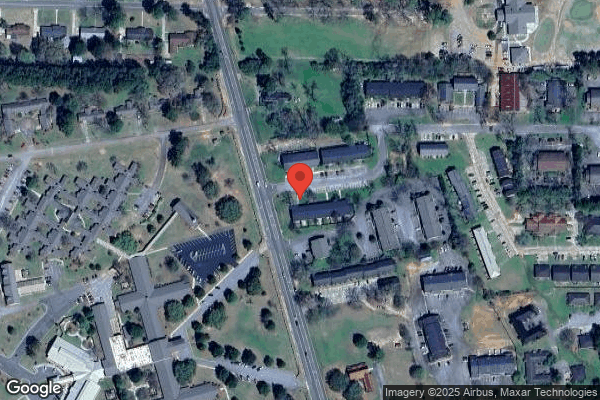

2001 SOUTH LEE STREET, AMERICUS, GA 31709 (229) 924-9352
Non profit - Corporation 238 Beds MAGNOLIA MANOR SENIOR LIVING Data: November 2025
Trust Grade
80/100
#73 of 353 in GA
Last Inspection: March 2025

Within standard 12-15 month inspection cycle. Federal law requires annual inspections.

Overview

Magnolia Manor Methodist Nursing Center has a trust grade of B+, indicating it's above average and recommended for families. It ranks #73 out of 353 facilities in Georgia, placing it in the top half of the state, and is the best option among the two nursing homes in Sumter County. The facility is currently improving, reducing its issues from five in 2023 to three in 2025. Staffing is a moderate strength with a 3 out of 5 rating and a turnover rate of 40%, which is better than the state average. There have been no fines reported, which is a positive sign. However, there are some concerns regarding food safety and medication storage. For instance, the kitchen was found not maintaining proper food safety protocols, including allowing raw chicken to sit unrefrigerated, and the medication room was left unsecured, potentially exposing medications to unauthorized access. Additionally, there was a failure to refer a resident for a necessary mental health evaluation when required. Families should weigh these strengths and weaknesses while considering Magnolia Manor for their loved ones.

Trust Score
B+
80/100
In Georgia
#73/353
Top 20%
Safety Record
Low Risk
No red flags
Inspections
Getting Better
5 → 3 violations
Staff Stability
○ Average
40% turnover. Near Georgia's 48% average. Typical for the industry.
Penalties
✓ Good
No fines on record. Clean compliance history, better than most Georgia facilities.
Skilled Nurses
⚠ Watch
Each resident gets only 29 minutes of Registered Nurse (RN) attention daily — below average for Georgia. Fewer RN minutes means fewer trained eyes watching for problems.
Violations
○ Average
8 deficiencies on record. Average for a facility this size. Mostly minor or procedural issues.
★★★★☆
4.0
Overall Rating
★★★☆☆
3.0
Staff Levels
★★☆☆☆
2.0
Care Quality
★★★★☆
4.0
Inspection Score
Stable
2023: 5 issues
2025: 3 issues

The Good

  • Full Sprinkler Coverage · Fire safety systems throughout facility
  • No fines on record
  • Staff turnover below average (40%)

    8 points below Georgia average of 48%

Facility shows strength in fire safety.

The Bad

Staff Turnover: 40%

Near Georgia avg (46%)

Typical for the industry

Chain: MAGNOLIA MANOR SENIOR LIVING

Part of a multi-facility chain

Ask about local staffing decisions and management

The Ugly 8 deficiencies on record

Mar 2025 3 deficiencies
CONCERN (D)

Potential for Harm - no one hurt, but risky conditions existed

PASARR Coordination (Tag F0644)

Could have caused harm · This affected 1 resident

**NOTE- TERMS IN BRACKETS HAVE BEEN EDITED TO PROTECT CONFIDENTIALITY** Based on observation, interview and record review, the facility failed to refer residents with a newly identified mental disorde...

Read full inspector narrative →
**NOTE- TERMS IN BRACKETS HAVE BEEN EDITED TO PROTECT CONFIDENTIALITY** Based on observation, interview and record review, the facility failed to refer residents with a newly identified mental disorder or condition to the appropriate state agency for a Preadmission Screening and Resident Review (PASARR) Level II evaluation. This affected one (1) of 2 residents reviewed for PASARR Level II, Resident (R) #22. Review of the facility's policy titled Assessment of Resident Minimum Data Set/Resident Assessment Instrument (MDS/RAI), reviewed and updated October 2016, revealed: Intent - It is the intent of Magnolia Manor facilities that the MDS/RAI be completed per MDS/RAI and regulatory guidelines . Procedural Guidelines . 4. Assessments should be coordinated with the PASARR program. This includes incorporating the recommendations from the PASARR Level II determination and the PASARR evaluation into the assessment, care plan and transitions of care. Any significant change in resident's physical or mental condition should be reported to the state mental health authority or state intellectual disability authority so that a resident review can be conducted . 1.Review of the clinical record for R#22, revealed he was admitted to the facility on [DATE] with diagnoses including cerebral infarction, heart disease, hypertension, mood disorder, anxiety disorder, major depressive disorder, bipolar disorder, chronic obstructive pulmonary disease, acute kidney failure and muscle weakness. Further review of the clinical record revealed a Continuity of Care Document (CCD), which detailed the effective dates of conditions diagnosed after R #22's initial admission on [DATE]. Among these were unspecified mood [affective] disorder, with an effective date of 4/6/18; major depressive disorder, with an effective date of 12/14/16; anxiety disorder, with an effective date of 8/20/2020; and bipolar disorder, with an effective date of 8/4/21. Three (3) of the conditions, which qualified as a possible serious mental disorder, intellectual disability, or a related condition as listed on the PASARR Level I, required a Level II review. In an interview and record review, on 3/13/25 at 4:30 p.m., the Administrator acknowledged R#22's post admission diagnoses of depressive disorder, bipolar disorder and anxiety disorder, and reported that she intended to research if any additional referrals were made. In an interview, on 3/14/25 at 8:30 a.m., the Administrator provided documentation of R#22's original PASARR Level I screen but did not locate any referrals for a Level II screening related to the subsequent diagnoses.
CONCERN (D)

Potential for Harm - no one hurt, but risky conditions existed

Accident Prevention (Tag F0689)

Could have caused harm · This affected 1 resident

**NOTE- TERMS IN BRACKETS HAVE BEEN EDITED TO PROTECT CONFIDENTIALITY** Based on observations, interviews, record review, and facility policy, staff failed to complete the assessments intended to iden...

Read full inspector narrative →
**NOTE- TERMS IN BRACKETS HAVE BEEN EDITED TO PROTECT CONFIDENTIALITY** Based on observations, interviews, record review, and facility policy, staff failed to complete the assessments intended to identify deficits in ability to smoke safely for Resident (R) #22. This affected one (1) of three (3) residents sampled for smoking. The findings include: Review of facility policy entitled, Resident Smoking Guidelines, revealed: Intent - Magnolia Manor realizes the threat that smoking presents to the health and safety of the residents in our facilities . All residents who wish to smoke will be allowed to do so only in designated areas of the facility . Procedural Guidelines . 2.Resident Smoking Assessment List: A. The SSD and/or Care Plan Team Representative will assess each smoker initially, annually, with significant change and quarterly with OBRA MDS schedule to determine the amount of assistance needed and appropriately complete and/or revise the Resident Smoking Assessment List. SSD should document in the social services progress note that the assessment was completed and refer to the care plan for interventions. B. Employees responsible for the supervision of residents who smoke are responsible to inform the Care Plan Team of any changes in the level of assistance needed . Review of the clinical record revealed R #22 was admitted to the facility on [DATE] with diagnoses including cerebral infarction, heart disease, hypertension, mood disorder, anxiety disorder, major depressive disorder, bipolar disorder, chronic obstructive pulmonary disease, acute kidney failure and muscle weakness. A list of residents who smoke was provided by the facility and included R#22 as one (1) of three (3) residents that smoke. A review of the clinical record for R#22, revealed an Annual Minimum Data Set (MDS) assessment, dated 1/31/25, which revealed R#22 with a Brief Interview for Mental Status (BIMS) score of 15, an indication of being cognitively intact. No smoking assessment from the associated evaluation period was found in the clinical record. In an interview, on 3/13/25 2:48 p.m., Social Services Assistant (SSA) AA and SSA BB reported they had not completed smoking assessments for R#22, according to the facility Smoking Policy, Social Services was responsible for the task. In an interview, on 3/13/25 at 3:18 p.m., the MDS Coordinator and MDS VV reported they did not do the smoking assessment and if one was not completed by the responsible facility staff, they would not have one. The MDS Coordinator stated she was aware R#22 smoked and added the care area to the care plan without an assessment. Both acknowledged it was not possible to know if R#22 continued to be safe to smoke without updated assessments. On 03/13/25 at 4:30 p.m., the Administrator reported only being able to locate annual smoking assessments dated 1/12/23 and 1/12/24. No quarterly smoking assessments were completed and no assessment for safe smoking was completed for the annual assessment dated [DATE]. The Administrator provided documentation of in-service training provided to the Social Services department in November 2024 which identified completion of Smoking Assessments as its responsibility. .
CONCERN (F)

Potential for Harm - no one hurt, but risky conditions existed

Food Safety (Tag F0812)

Could have caused harm · This affected most or all residents

Based on observations, interviews, record review, and facility policy review, the facility failed to ensure food safety, sanitary conditions and the prevention of foodborne illness were maintained. Th...

Read full inspector narrative →
Based on observations, interviews, record review, and facility policy review, the facility failed to ensure food safety, sanitary conditions and the prevention of foodborne illness were maintained. This was evidenced by one of one walk-in freezer temperature gauges that displayed multiple temperatures greater than 20 degrees Fahrenheit (F) by three internal thermometers, which lead to food thawing. Additional failures included a large quantity of raw chicken pieces allowed to sit, unrefrigerated, in the frying area of the kitchen for more than four hours before placing the remaining unused portions into the same freezer with elevated temperature for storage. The facility staff failed to ensure meals served from the steam table were served under sanitary conditions by failing to change gloves, perform hand hygiene when staff changed job duties, ensuring hairnet and beard guards were used, and failed ensure steam table pan covers and food were protected from chemical contamination. This deficient practice impacted 131 of 139 residents that received an oral diet. The findings include: A review of the facility policy titled, Food Storage, not dated, revealed, Procedures .17. Freezer Temperatures: a. Temperatures for freezers should be 0 [zero] degrees or below and must be recorded daily. b. Frozen foods must be received frozen. Do not accept frozen foods which have begun to thaw. c. Holding temperatures for frozen foods is 0 [zero] degrees or below. Frozen meat must be defrosted in a refrigerator on a tray on a lower shelf. Defrosting time will depend on the size of the product. d. Every freezer must be equipped with an internal thermometer, even if equipped with an external thermometer. e. Rewrap packages of frozen food which have been opened. This prevents freezer burns and spoilage. f. Do not refreeze food which has been thawed. g. To freeze leftover food, package in small airtight units for quick freezing, label and date. h. Do do not crowd food. Proper air circulation ensures a more uniform temperature and prevents spoilage. A review of the facility policy titled, Sanitation/Infection Control, not dated, revealed, 1. Effective sanitary practices include, but are not limited to, the following: a. The Dietary Manager is responsible for supervising all sanitation and housekeeping procedures within the Dietary Department. b. The Dietary Manager and consultant dietitian develop a cleaning schedule and the Dietary Service. c. The Dietary Manager is responsible for supervising and training all personnel in proper sanitation procedures for storing, preparing and serving foods. [sic] A review of the facility policy titled, Handwashing/Hand Hygiene, with a revised date of August 2019, revealed, Policy Statement - This facility considers hand hygiene the primary means to prevent the spread of infection. Policy Interpretation and Implementation: 1. All personnel shall be trained and regularly in-serviced on the importance of hand hygiene in preventing the transmission of healthcare-associated infections. 2. All personnel shall follow the handwashing/hand hygiene procedures to help prevent the spread of infections to other personnel, residents and visitors . 8. Hand Hygiene is the final step after removing and disposing of personal protective equipment. 9. The use of gloves does not replace hand washing/hand hygiene. Integration of glove use along with routine hand hygiene is recognized as the best practice for preventing healthcare-associated infections. A review of the facility policy titled, Personal Hygiene, not dated, revealed the key to a safe and sanitary Dietary Department is healthy employees, properly trained in safe food handling, who practice good personal hygiene. Many cases of food poisoning are traced to human contamination of food. Constant training and supervision of Dietary Department personnel should stress good work habits, good health, and a clean, neat personal appearance. Head covering worn: If hair is long and not covered properly with a cap, a hair net must be worn. Hair spray is not an authorized substitute for hair nets. The head covering must be clean. A review of the facility policy titled, Dishwashing, not dated, revealed Procedure for washing pots and pans, revealed pots and pans are washed any time during or after meal preparation. The sinks are filled as needed. 1. Fill first sink with hot detergent water. 2. Fill the second sink with hot rinse water. 3. The third sink sanitizes the items by: a. Use of a chemical sanitizer added to water; or fill the sink with water kept at 180 degrees F and submerging the items for at least one minute. A review of the facility training records titled, 2024 Annual Skills Fair, dated 10/29/24 to 10/31/24 revealed the topics covered included Infection Control, Hand Hygiene: Understanding When to Wash with Soap & Water Vs Using Hand Sanitizer. All dietary staff signed the record of attendance during this training. A review of the facility's Safety Data Sheet, dated 2/13/15 revealed Magic Germicide that was observed used at the three-compartment sink was used for sanitation of the pots and pans. SECTION 2: HAZARD(S) IDENTIFCATION revealed the Globally Harmonized System (GHS), had a GHS Signal Word: DANGER, which indicated a chemical with more severe or significant hazards. GHS Hazard Phrases: H290 - May be corrosive to metals. H302 - Harmful if swallowed. IF SWALLOWED: Immediately call a POISON CENTER or physician. Rinse mouth. Do not induce vomiting. H314 - Causes severe skin burns and eye damage. H318 - Causes serious eye damage. On 3/11/25 at 10:56 a.m., an observation was made of the walk-in freezer that was equipped with three internal thermometers all reading 20 degrees F. There was food to include ice cream cups that were soft liquid, shortcake desserts thawed and had discolored patches and a shriveled appearance, hamburger patties were opened to the air and had a dull, gray-brown appearance, and a leathery appearing texture, French toast that was open and exposed to the air and had turned a brown color. These items were located throughout the freezer. Observation and interview on 3/11/25 at approximately 10:58 a.m. revealed the facility's walk-in freezer temperature log revealed no temperatures were documented from 3/1/25 to 3/3/25. The freezer temperature logs from 3/4/25 to 3/10/25 revealed temperatures ranged from 20 degrees Fahrenheit (F) to 30 degrees F. The Dietary Manager (DM) asked the dietary staff on the current shift if they were knowledgeable of the temperatures being out of range and were documented as such. The reply of three dietary staff stated they did not know who had recorded those temperatures. The DM was asked to read the temperature of three thermometers located in the rear of the freezer and was not able to accurately read the temperatures. The DM further stated the freezer's 20 degree F temperature may be up from the staff holding the freezer door open for an extended amount of time and that it would go back down. The DM stated that she expected the temperature inside the freezer to hold at zero degrees F to -10 degrees F. At 11:20 a.m., when rechecking the temperature of the walk-in freezer, the DM agreed the temperature remained at 20 degrees F but took no action. On 3/11/25 at 11:20 a.m. during a tray line observation, [NAME] LL was observed moving eight metal cooking pans with foil covers from the warmer to the steam table. She removed the foil and collected pan covers from the clean storage area under the steam table. One at a time she left the serving line, rapidly dipped the covers into the three-compartment sink beginning with the wash compartment (which contained soapy water) that was murky soiled water, dipped the pan covers into rinse water then dipped the covers into the sanitation solution then immediately removed each and placed the covers directly over the prepared pans of food. [NAME] LL failed to allow any drying time of the sanitation solution before she covered each pan. On 3/11/25 at approximately 11:24 a.m., a second observation was made with the Dietary Manager of the walk-in freezer temperature which read at 26 degrees F on each of the three thermometers located in the interior of the freezer. On 3/11/25 at 11:35 a.m., [NAME] LL was observed removing the pan covers from the steam table pans. There was a substantial amount of sanitation solution that had collected under the handles of each of the eight pan covers. [NAME] LL was observed to remove the covers, placed each in a vertical position and allowed the sanitation solution, which had collected on the top side of the pan covers, to drain into each container of food. It was at this point the surveyor stopped the serving line and asked [NAME] LL if she needed to do anything different which he/she replied no and continued to prepare for serving. She was again stopped from serving by the surveyor and again asked if she needed to change anything and she stated no and began to plate the first tray. The surveyor stopped the meal service and recommended the staff stop the tray line due to the cross contamination of the improper pan cover washing and the sanitation chemical that drained into the food. [NAME] LL left the tray line to seek advice from the DM, who was in his office. When [NAME] LL returned, she informed the dietary staff the DM had stated continue serving and don't worry about it. The serving line began without any correction. The total serving time was one hour and 10 minutes. On 3/11/25 at 1:47 p.m., an interview with the Director of Quality Assurance and Infection Control (QA/IC) stated the findings of the failure of the walk-in freezer to maintain proper holding temperature was a significant risk for foodborne illness and for residents to become sick. She also stated she expected all staff throughout the facility to use proper hand hygiene to prevent the spread of infections and germs and they should follow facility policy on hand hygiene. The Director of QA/IC stated there was a heightened risk of the spread of infection and cross contamination if staff failed to perform hand hygiene. She stated the sanitation solution should never contact food. This chemical exposure could be poisonous to the residents and the exposure could cause serious adverse reactions for certain types of medications and potentially be fatal. The Director of QA/IC stated all the findings mentioned to be extremely concerning. On 3/11/25 at 2:24 p.m., an interview with the Administrator was conducted to discuss the findings in the Dietary Department. She stated that she was not aware of any of the concerns related to the failure of the dietary staff to perform hand hygiene, to prevent cross contamination, the failure to properly maintain a properly operating freezer or the exposure of the sanitation chemicals in the food. The Administrator stated she should be made aware of any issues throughout the facility. She stated the facility had performed mock surveys prior to this date and she did not see any evidence of these issues. She stated the DM had only discussed the documentation of the freezer temperatures. The Administrator stated she took these findings very seriously and would address the concerns immediately. On 3/13/25 at 11:50 a.m., an observation was made of [NAME] MM who entered the tray line with a pair of gloves on, a hair net in place but failed to don a beard cover. An observation of [NAME] MM left the tray line seven times and returned without a glove change or performing hand hygiene. He was observed to handle four unwrapped slices of bread with the same pair of gloves in place. The bread was served onto four separate residents' meal trays. On 3/13/25 at 2:10 p.m., an observation was made of the walk-in freezer thermometer which read 20 degrees F. Upon inspection of the contents, there were 12 boxes of dairy products to include ice cream and ice cream sandwiches that were soft and had thawed to a liquid substance. There was a large black trash bag that sat inside a cardboard box stacked on two cardboard boxes. The bag was draining a white cloudy and red slimy liquid onto the floor of the freezer. The bag was open to the environment of the freezer. Inside of the bag were approximately 150 pieces of thawed chicken that had a measured internal temperature of 55 degrees F. In the bottom of the bag was the same white cloudy and red liquid that in appearance was slimy. In addition, there were boxes of thawed sausage patties, thawed hamburger patties, a box of 216 count of southern style biscuits that was thawed and had a brownish appearance and was exposed to the freezer elements, a bag that contained waffles was opened and undated. There were three freezer air circulating fans located on the front of the freezer cooling unit that were not turning. There was a buildup of ice collected under the freezing cooling unit that was dripping liquid to the floor. The DM was observed to open the box of chicken and told the utility worker to take the bag out of the freezer and to clean up the floor. The bag of chicken was observed to be placed on a utility cart while the staff cleaned the freezer floor with soap and water. On 3/13/25 at approximately 2:15 p.m., an interview with the DM was conducted and she stated the chicken was left over from the noon meal and was to be served as fried chicken. When asked how long the chicken had been left out, she stated approximately four hours, but was not clear on the exact time. She stated she expected the chicken to be placed back into the freezer if there were pieces that had not been cooked so the chicken would not spoil. When asked if she was concerned over the chicken being allowed to sit in the heated area of the deep fryer area of the kitchen for an undetermined amount of time, she stated if it was placed in the freezer, the chicken should be alright to serve for a future meal. She stated she had no concerns over the chicken being placed back in the freezer after it had been out of range for four or more hours. The DM stated she did not believe the three thermometers in the freezer were working properly and she did not think the temperature was out of range. The DM stated that she had not reported the temperature readings to maintenance for repairs. On 3/13/25 at 3:30 p.m., another observation was made of the freezer with an internal temperature of 20 degrees F. The large black bag of chicken pieces had been returned to the freezer and continued to drain a cloudy white and red liquid onto the floor of the freezer. On 3/13/25 at 4:04 p.m., a third observation was made of the large black bag inside a cardboard box that contained the thawed pieces of chicken and was noted to continue to drain the white cloudy and red liquid onto the floor of the freezer. The internal freezer temperature gauge continued to read 20 degrees F. On 3/13/25 at 4:05 p.m., the DM and Assistant Dietary Manager (ADM) were instructed by the surveyor to stop food service that utilized any contents from that freezer. The evening meal had been prepared with food items such as hamburger patties and were going to be served at the evening meal. On 3/14/25 at 9:15 a.m., an interview with the Administrator revealed she was not made aware of the concerns related to the findings of the freezer in the Dietary Department. She stated this would take priority to ensure these issues were resolved and the education of the staff would start immediately. She stated there had been some kitchen staffing changes made to address the concerns. She stated her serious concern remained of the improper workings of the freezer unit due to the risk of leading to a foodborne illness outbreak. She concluded that the single most important method of preventing illness was hand hygiene and this will be her top priority along with the improperly functioning freezer. On 3/14/25 at 10:58 a.m., an interview with the Maintenance Director II revealed he had been notified on 3/13/25 that the freezer was not working properly, and the temperature readings of the thermometers were reading out of range. He stated they had notified the Heating, Ventilation and Air Conditioning (HVAC) contractor on 3/13/25. The service technician had made a service call in the evening of 3/13/25 and determined the freezer was out of range and not in compliance with the required temperature to sustain frozen foods properly. A review of an invoice issued by the facility's air conditioning and heating vendor, dated 3/14/25 revealed the walk-in freezer was noted to have a dirty condenser coil, freezing unit was low in charge so they added refrigerant to the system, and the freezing setting was set too warm. The description noted a dirty condenser coil limits airflow and led to cleaning with special chemicals to restore proper function. On 3/14/25 at 11:10 a.m., an interview with the HVAC technician revealed their findings on 3/13/25 during a service call were that the kitchen freezer was not working properly. He stated the condenser coil was closed off with debris and was improperly circulating the coolant which kept the temperature within a set range. He stated additionally the coolant charge was low which would affect the function of the freezer's cooling system.
Dec 2023 5 deficiencies
CONCERN (D) 📢 Someone Reported This

A family member, employee, or ombudsman was alarmed enough to file a formal complaint

Potential for Harm - no one hurt, but risky conditions existed

Resident Rights (Tag F0550)

Could have caused harm · This affected 1 resident

**NOTE- TERMS IN BRACKETS HAVE BEEN EDITED TO PROTECT CONFIDENTIALITY** 2.Findings include: During multiple observations on 12/5/2023 at 10:45 am and 4:05 pm, on 12/6/2023 at 9:20 am, Resident (R)280'...

Read full inspector narrative →
**NOTE- TERMS IN BRACKETS HAVE BEEN EDITED TO PROTECT CONFIDENTIALITY** 2.Findings include: During multiple observations on 12/5/2023 at 10:45 am and 4:05 pm, on 12/6/2023 at 9:20 am, Resident (R)280's catheter bag was hooked onto the side of his bed with no privacy cover. A review of the electronic medical record (EMR) revealed R280 a male who was admitted to the facility on [DATE] with diagnoses of, but was not limited to, retention of urine, orthopedic aftercare, and hypertension. A review of R280 admission Minimum Data Set (MDS) assessment dated [DATE] revealed a Brief Interview for Mental Status (BIMS) of 15, which indicates R280 was cognitively intact; Section GG, function status revealed R280 is independent for upper body activity and requires supervision/touching assistance for lower body activity. Interview on 12/06/2023 at 10:25 am with Certified Nursing Assistant (CNA) BB stated catheter bag should be always covered in privacy bag. Interview on 12/7/2023 at 3:30 pm with Licensed Practical Nurse (LPN) AA revealed residents with a urinary catheter should have a privacy cover on the bag. Based on observations, interviews, and review of the facility policy titled, Resident Rights, the facility failed to maintain the dignity and privacy of three of nine residents (R), R26, R45, and R280, by leaving their urinary catheter bags uncovered and visible from the doorways of their rooms. Findings include: Review of the facility policy titled Resident Rights review date October 2016 revealed under Facility Responsibilities: The facility Must: 1. Treat residents with respect and dignity and provide care and services for the residents in a manner and in an environment that promotes maintenance or enhancement of the resident's quality of life and protect and promote the resident's rights. 1.Review of the electronic medical record (EMR) for R26 revealed a [AGE] year-old male admitted to the facility with diagnoses to include Alzheimer's disease, dementia with behavioral disturbance, and acute failure, and retention of urine. Review of the quarterly Minimum Data Set (MDS) assessment dated [DATE] documented a Brief Interview for Mental Status (BIMS) score of 11, indicating moderate cognitive impairment, and no behaviors. In addition, R26 was documented as always incontinent of bladder and bowel. The Care Plan for R26, dated 10/13/2023, revealed a Foley catheter was placed related to urinary retention. The list of interventions did not include covering and placement of the urinary catheter to protect the dignity of residents. Review of the Physician Orders dated 10/16/2023 revealed an order for Foley catheter related to urinary retention. Observations of R26 on 12/5/2023 at 2:14 pm, 12/6/2023 at 9:55 am, and 12/6/2023 at 10:25 am, revealed R26 had a urinary catheter with an uncovered drainage bag which was visible from the doorway. Review of the EMR for R45 revealed an [AGE] year-old female admitted to the facility with diagnoses to include fracture of unspecified part of neck of right femur, edema, and pressure-induced deep tissue damage of sacral region. Review of the annual MDS assessment dated [DATE] documented a BIMS score of 99, indicating the score could not be calculated due to severely impaired cognition, a Mood score of 0, indicating no depression, and no behaviors. In addition, she had an indwelling urinary catheter and was always incontinent of bowel. Review of the Care Plan for R45, dated 9/1/2023, revealed a Foley catheter was placed related to wound healing and high risk for urinary tract infection. Review of the interventions did not include covering and placement of the urinary catheter bag for the protection of the resident's dignity. Review of the Physician's Orders for R45 revealed an order for a urinary catheter dated 8/24/2023. Observations of R45 on 12/5/2023 at 2:03 pm, 12/6/2023 at 9:54 am, and 12/6/2023 at 10:25 am, revealed the urinary catheter drainage bag was uncovered and visible from the doorway. In an interview with 12/6/2023 at 10:25 am, with Certified Nursing Assistant (CNA) GG stated the urinary catheter drainage bag should be covered with privacy bag at all times. In an observation/interview on 12/6/2023 at 10:30 am, with CNA HH and CNA JJ they each stated the urinary catheter drainage bags should be covered by privacy bags and positioned where they are not visible from the doorway. Each CNA confirmed the catheter for R26 and R45 were uncovered and exposed to the doorway. In an observation/interview on 12/06/23 at 10:45 am, with Licensed Practical Nurse (LPN) II she confirmed the catheter drainage bags for R26 and R45 were uncovered and exposed to the doorway. She stated they don't usually place a privacy bag unless the resident gets out of bed, especially if the door is closed and the curtain is pulled.
CONCERN (D) 📢 Someone Reported This

A family member, employee, or ombudsman was alarmed enough to file a formal complaint

Potential for Harm - no one hurt, but risky conditions existed

Deficiency F0712 (Tag F0712)

Could have caused harm · This affected 1 resident

**NOTE- TERMS IN BRACKETS HAVE BEEN EDITED TO PROTECT CONFIDENTIALITY** Based on staff and physician interviews, record review, review of the facility documents and procedural guidelines titled, Medic...

Read full inspector narrative →
**NOTE- TERMS IN BRACKETS HAVE BEEN EDITED TO PROTECT CONFIDENTIALITY** Based on staff and physician interviews, record review, review of the facility documents and procedural guidelines titled, Medical Director Employment Agreement, Physician Services - The Medical Director's Role and Responsibilities, and Professional Staff Application - Staff Responsibilities, the facility failed to follow the current Centers for Medicare and Medicaid Services (CMS) regulations in regard to the frequency of physician visits for residents in nursing homes for one of 124 residents (R118). The deficient practice had the potential to prevent R118 from receiving the required level of care delivered by the facility. Finding include: Review of the facility's procedural guidelines titled Physician Services the Medical Director's Role and Responsibilities under Intent:15. Assist the facility in the assurance that physician services are in compliance with current rules, regulations, and long-term guidelines. Review of facility documents titled, Medical Director Employment Agreement signed by Doctor (Dr FF), on 4/27/2015 to begin on 5/1/2015 revealed on page three 8. The Physician agrees to comply and provide all necessary documentation on completion of the medical records within acceptable time limits. Review of the facility document titled, Professional Staff Application - Staff Responsibilities signed by Dr. FF revealed under Staff Responsibilities: The professional agrees to; 7. As attending physician, visit residents, in accordance with state and federal regulations, at least once every thirty (30) days for skilled residents and for intermediate care residents thereafter. During each visit, the Staff Physician will: a.) Personally visit and review the resident's total program of care, including medications and treatments. On 12/7/2023 at 6:52 pm. Dr. FF hand delivered two history and physical documents for R118's admissions to the facility on 8/31/2023 and 9/8/2023. He revealed he had not seen or written any other notations on R118's since her admission on [DATE]. Interview On 12/7/2023 at 6:52 pm. with Dr. FF revealed he had been the Medical Director of the facility for many years and is the primary physician for all residents in the facility. He revealed he has never routinely rounded on residents or documented a progress note on them. He stated that he completes and documents the history and physical on new resident admissions and assesses residents when needed, which is rare. Dr. FF revealed the Nurse Practitioner (NP) does all the rounding and documentation on the residents in the facility after the initial history and physical is completed by him. Continued interview revealed that when he agreed to be the Medical Director for the facility, he was assured that he would only need to see residents upon admission, and that his NP would be able round on all residents the remainder of their stay unless something came up the NP needed assistance, or in emergency situations. Further interview also revealed that he was not familiar with the federal regulation that required the physician to assess and document residents every thirty days for the first 90 days after admission and then at least once every 60 days thereafter. He stated that he had never been told that and wasn't aware of this regulation. On 12/7/2023 at 7:09 pm. the administrator presented the surveyor a letter from the Georgia Department of Health titled RE: Physician Delegation in Nursing Homes dated 3/1/2012, and a copy of a memorandum from the Centers for Medicare and Medicaid Services dated 11/13/2003 with the subject line Physician Delegation of Tasks in Skilled Nursing Facilities (SNFs) and Nursing Facilities (NF). The Administrator shared that they were under the impression that these waivers exempted them from the current physician frequency visits listed in the CMS guidelines for long term facilities.
CONCERN (D)

Potential for Harm - no one hurt, but risky conditions existed

Medical Records (Tag F0842)

Could have caused harm · This affected 1 resident

**NOTE- TERMS IN BRACKETS HAVE BEEN EDITED TO PROTECT CONFIDENTIALITY** Based on staff and physician interviews, record review, review of facility documentation, and a review of the facility procedura...

Read full inspector narrative →
**NOTE- TERMS IN BRACKETS HAVE BEEN EDITED TO PROTECT CONFIDENTIALITY** Based on staff and physician interviews, record review, review of facility documentation, and a review of the facility procedural guidance titled, Credentialing of Professional Staff, the facility failed to ensure one of 124 residents (R118) had complete access to the resident's medical record which is necessary to care for residents in a safe effective manner. The deficient practice had the potential to hinder the ability of all staff to deliver unfragmented resident care. Findings include: Review of the facility's procedural guidelines titled, Credentialing of Professional Staff last revised on December 2012 revealed under Staff Responsibilities: The Professional Agrees to 10. Write, sign and date progress notes descriptive on the resident's condition in a timely manner. Under Facility Responsibilities: The Facility shall be responsible for: 1. Assuring that the Staff Professional has complete access to all records and supplies within the Facility necessary for the performance of his/her duties. Under Charting Intent: It is the intent of Magnolia Manor facilities that all services provided to the resident or any changes I the resident's condition is recorded in the resident's medical records. Procedural Guidelines: 1. Pertinent observations, medications given, services performed, etc., should be recorded in the resident's chart. 2. All incidents, accidents, or changes in the resident's condition should be recorded. Under Progress Notes -Procedural Guidelines: 2. Progress notes reflect the resident's current status and response to his/her care plan, medications, diet, etc. 4. Progress notes address significant change in resident condition (physical or behavioral/emotional) and response to programs. Under Charting and Documentation: 2. Incidents accidents or changes in the resident's condition shall be recorded. Interview on 12/7/2023 at 6:38 pm with the Administrator revealed that neither the physician or midlevel associated with the physician documented in the electronic medical record used by the facility, all notes are written on paper. R118 was admitted to the facility's Memory Care Unit on 9/8/2023 but she could not locate the history and physical or any progress notes, on paper or electronic form since admission. She revealed Dr FF's handwritten progress notes are not made available to the facility until billing is submitted for the visit and are then forwarded to the facility to be scanned into the medical record. The Administrator revealed they do not have access to a copy of Dr. FF's or Nurse Practitioner's (NP) documentation for reference until the paper documents are forwarded to the facility for scanning. Interview on 12/7/2023 at 6:52 pm. with Doctor (Dr FF) revealed he had been the Medical Director of the facility for many years and is the primary physician for all residents in the facility. Dr. FF revealed he does not use electronic medical records and handwrites everything. He stated that after documenting, he takes his notes with him for billing, and then returns the documents to the facility for scanning into medical record. On 12/8/2023, the Administrator e-mailed surveyor the NP's progress notes unavailable at time of survey for R118 since her 9/8/2023 admission to the facility. These notes were dated 10/26/2023 and 11/27/2023 and handwritten on paper. Record review of Nursing Progress Notes revealed that on 11/16/2023 at 1:10 pm, the NP was notified of a change in R118's status, a fingerstick blood glucose level was obtained with a result of HI, indicating the blood sugar was higher than the glucometer could read. The NP then ordered to send R118 to the emergency room for evaluation and was subsequently admitted to the hospital. R118 was hospitalized [DATE] through 11/20/2023. No provider documentation regarding this specific significant change in status was present in the medical record or mentioned in the subsequent NP progress note dated 11/27/2023 except the notation hospital returned.
CONCERN (D) 📢 Someone Reported This

A family member, employee, or ombudsman was alarmed enough to file a formal complaint

Potential for Harm - no one hurt, but risky conditions existed

Infection Control (Tag F0880)

Could have caused harm · This affected 1 resident

**NOTE- TERMS IN BRACKETS HAVE BEEN EDITED TO PROTECT CONFIDENTIALITY** 2.Findings include: Record review for R112 revealed resident was admitted to the facility with a diagnosis including but not li...

Read full inspector narrative →
**NOTE- TERMS IN BRACKETS HAVE BEEN EDITED TO PROTECT CONFIDENTIALITY** 2.Findings include: Record review for R112 revealed resident was admitted to the facility with a diagnosis including but not limited to sleep apnea. Review of Physician Orders List revealed R112 had been ordered to apply her Continuous Positive Airway Pressure (CPAP) machine at bedtime. A review of the Electronic Medication Administration Record (EMAR) revealed a nursing measure for staff to apply R112's CPAP at bedtime and was timed for 8:00 pm each evening. Observation on 12/05/23 at 10:30am, R112 was found to not be present in her room. The CPAP machine with tubing and nasal cushions was observed lying on the bedside table, not in use, and not in a protective covering. Observation on 12/6/2023 at 9:11 am. revealed R112 lying supine in bed with eyes closed. The CPAP tubing and nasal cushions were observed lying on the bedside table, not in use, and not covered. Based on observations, staff interviews, record reviews, and a review of the facility's policy titled, Infection Prevention and Control, the facility failed to maintain infection control standard precautions by, not keeping a nebulizer mask and Continuous Positive Airway Pressure (CPAP) nasal cushions enclosed inside a bag when not in use for two of 18 Residents (R) R99 and R112. Findings Include: 1. Review of the facility policy titled, Infection Prevention and Control last revised and approved February 2020 revealed, the intent of Magnolia Manor facilities is to establish and maintain an Infection Prevention and Control Program designed to provide a safe, sanitary, and comfortable environment and prevent the development and transmission of disease and infection. Observations on 12/5/2023 at10:25 am, 12/6/2023 at 9:15 am, and 12/7/2023 at 11:45 am R99's nebulizer machine is sitting on the bed-side table with the reusable mask lying on top of the machine, not secured in a dated and labeled bag. Record review revealed resident was admitted to the facility with a diagnosis including but not limited to Cerebral Infarction and hypertension. Review of R99 five-day Minimum Data Set (MDS) dated [DATE] revealed a Brief Interview for Mental Status (BIMS) score of four, which indicates severe cognitive impairment. Section GG (functional status) revealed she is dependent on others for all Activities of Daily Living (ADLS) and physical activity. Review of R99's Physician Orders List revealed R99 has been ordered breathing treatments of Ipratropium four times per day as needed for shortness of breath. A review of the Electronic Medication Administration Record (EMAR) revealed she received breathing treatments four times a day from November 15th through the 30th and one time at 8:00 am on December 1, 2023. Interview on 12/6/2023 at 4:00 pm with Certified Nursing Assistant (CNA) BB revealed respiratory equipment not being used should be kept in a dated bag. Interview on 12/7/2023 at 3:30 pm with Licensed Practical Nurse (LPN) AA revealed nebulizer mask should be in a bag with the resident's name and a date, when not in use. Interview on 12/07/2023 at 9:46 am with the Director of Nursing (DON) revealed, that they do not have respiratory therapists on staff, nursing sets up, administers, and maintains all respiratory treatments and equipment. She also confirmed that all oxygen equipment such as nasal cannulas, CPAP masks and nasal cushions and nebulizer mask/equipment must be covered when not in use.
CONCERN (E) 📢 Someone Reported This

A family member, employee, or ombudsman was alarmed enough to file a formal complaint

Potential for Harm - no one hurt, but risky conditions existed

Deficiency F0761 (Tag F0761)

Could have caused harm · This affected multiple residents

Based on observations, staff interviews, and review of facility policy titled, Medication Storage in the Care Center, the facility failed to safely store and secure medications in one of four medicati...

Read full inspector narrative →
Based on observations, staff interviews, and review of facility policy titled, Medication Storage in the Care Center, the facility failed to safely store and secure medications in one of four medication rooms by leaving the medication room door unsecure and open ajar approximately three inches located in the Memory Care Unit. The deficient practice had the potential to allow unauthorized access by residents and visitors to medical equipment and medications stored in medication storage room. Findings include: Review of facility policy titled, Medication Storage in the Care Center last reviewed and updated April 2016 revealed under Procedural Guidelines: 2. Only licensed nurses, the consultant pharmacist, and those lawfully authorized to administer medications are allowed access to medications. Medication rooms, carts and medication supplies are locked or attended by persons with authorized access. Observation on 12/6/2023 at 2:46 pm on Unit 4, the Memory Care Unit, revealed the medication room on that unit is located adjacent to the nurse's station and in close proximity to the resident day room. Several residents were noted to be sitting in the day room, and no less than four residents were wandering in the hallways and entering or attempting to enter closed room doors near the medication room. The medication room door lock was found to be activated but was observed to be gapped open approximately three inches from the door frame with no staff in the vicinity of the door or in the medication room. The surveyor was able enter the medication room freely without staff interference. Unsecured cabinets with stock floor supply of over-the-counter medications were easily accessible. An observation on 12/6/2023 at 2:49 pm by Registered Nurse (RN) EE revealed, RN EE visualized the surveyor exiting the unsecured medication room and confirmed the medication room door should remain locked and secured when authorized staff are not in the room. Interview on 12/7/2023 at 10:10 am with the Director of Nursing (DON) revealed all medications, including floor stock medications, are to be secured on the medication carts and in the medication rooms. The medication carts and medication rooms must remain locked and secured at all times.
Understanding Severity Codes (click to expand)
Life-Threatening (Immediate Jeopardy)
J - Isolated K - Pattern L - Widespread
Actual Harm
G - Isolated H - Pattern I - Widespread
Potential for Harm
D - Isolated E - Pattern F - Widespread
No Harm (Minor)
A - Isolated B - Pattern C - Widespread

Questions to Ask on Your Visit

  • "Can I speak with families of current residents?"
  • "What's your RN coverage like on weekends and overnight?"

Our Honest Assessment

Strengths
  • • Grade B+ (80/100). Above average facility, better than most options in Georgia.
  • • No major safety red flags. No abuse findings, life-threatening violations, or SFF status.
  • • No fines on record. Clean compliance history, better than most Georgia facilities.
  • • 40% turnover. Below Georgia's 48% average. Good staff retention means consistent care.
Concerns
  • • No significant concerns identified. This facility shows no red flags across CMS ratings, staff turnover, or federal penalties.
Bottom line: Generally positive indicators. Standard due diligence and a personal visit recommended.

About This Facility

What is Magnolia Manor Methodist Nsg C's CMS Rating?

CMS assigns MAGNOLIA MANOR METHODIST NSG C an overall rating of 4 out of 5 stars, which is considered above average nationally. Within Georgia, this rating places the facility higher than 99% of the state's 100 nursing homes. This rating reflects solid performance across the metrics CMS uses to evaluate nursing home quality.

How is Magnolia Manor Methodist Nsg C Staffed?

CMS rates MAGNOLIA MANOR METHODIST NSG C's staffing level at 3 out of 5 stars, which is average compared to other nursing homes. Staff turnover is 40%, compared to the Georgia average of 46%. This relatively stable workforce can support continuity of care.

What Have Inspectors Found at Magnolia Manor Methodist Nsg C?

State health inspectors documented 8 deficiencies at MAGNOLIA MANOR METHODIST NSG C during 2023 to 2025. These included: 8 with potential for harm.
Who Owns and Operates Magnolia Manor Methodist Nsg C?

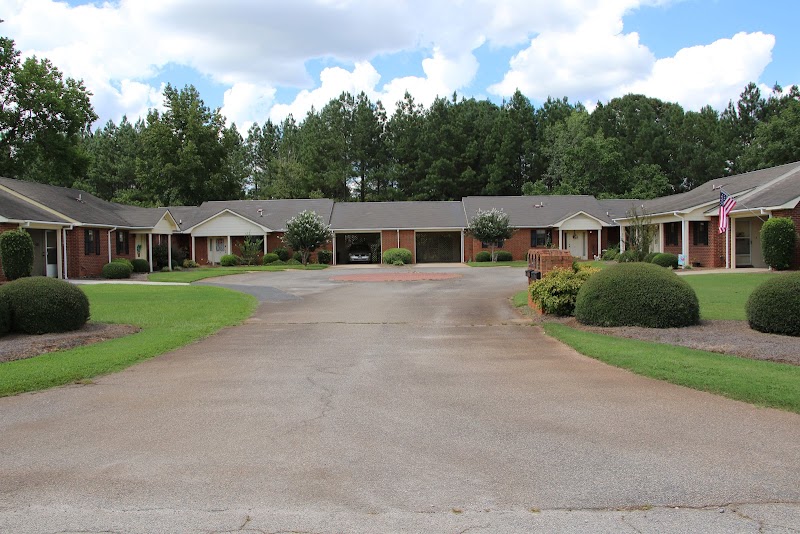
MAGNOLIA MANOR METHODIST NSG C is owned by a non-profit organization. Non-profit facilities reinvest revenue into operations rather than distributing to shareholders. The facility is operated by MAGNOLIA MANOR SENIOR LIVING, a chain that manages multiple nursing homes. With 238 certified beds and approximately 143 residents (about 60% occupancy), it is a large facility located in AMERICUS, Georgia.

How Does Magnolia Manor Methodist Nsg C Compare to Other Georgia Nursing Homes?

Compared to the 100 nursing homes in Georgia, MAGNOLIA MANOR METHODIST NSG C's overall rating (4 stars) is above the state average of 2.6, staff turnover (40%) is near the state average of 46%, and health inspection rating (4 stars) is above the national benchmark.

What Should Families Ask When Visiting Magnolia Manor Methodist Nsg C?

Based on this facility's data, families visiting should ask: "Can I visit during a mealtime to observe dining assistance and food quality?" "How do you handle medical emergencies, and what is your hospital transfer rate?" "Can I speak with family members of current residents about their experience?"

Is Magnolia Manor Methodist Nsg C Safe?

Based on CMS inspection data, MAGNOLIA MANOR METHODIST NSG C has a clean safety record: no substantiated abuse findings (meaning no confirmed cases of resident harm), no Immediate Jeopardy citations (the most serious violation level indicating risk of serious injury or death), and is not on the Special Focus Facility watch list (a federal program monitoring the lowest-performing 1% of nursing homes). The facility has a 4-star overall rating and ranks #1 of 100 nursing homes in Georgia. While no facility is perfect, families should still ask about staff-to-resident ratios and recent inspection results during their visit.

Do Nurses at Magnolia Manor Methodist Nsg C Stick Around?

MAGNOLIA MANOR METHODIST NSG C has a staff turnover rate of 40%, which is about average for Georgia nursing homes (state average: 46%). Moderate turnover is common in nursing homes, but families should still ask about staff tenure and how the facility maintains care continuity when employees leave.

Was Magnolia Manor Methodist Nsg C Ever Fined?

MAGNOLIA MANOR METHODIST NSG C has no federal fines on record. CMS issues fines when nursing homes fail to meet care standards or don't correct problems found during inspections. The absence of fines suggests the facility has either maintained compliance or corrected any issues before penalties were assessed. This is a positive indicator, though families should still review recent inspection reports for the full picture.

Is Magnolia Manor Methodist Nsg C on Any Federal Watch List?

MAGNOLIA MANOR METHODIST NSG C is not on any federal watch list. The most significant is the Special Focus Facility (SFF) program, which identifies the bottom 1% of nursing homes nationally based on persistent, serious quality problems. Not being on this list means the facility has avoided the pattern of deficiencies that triggers enhanced federal oversight. This is a positive indicator, though families should still review the facility's inspection history directly.