LAKE CROSSING HEALTH CENTER PAC LLC
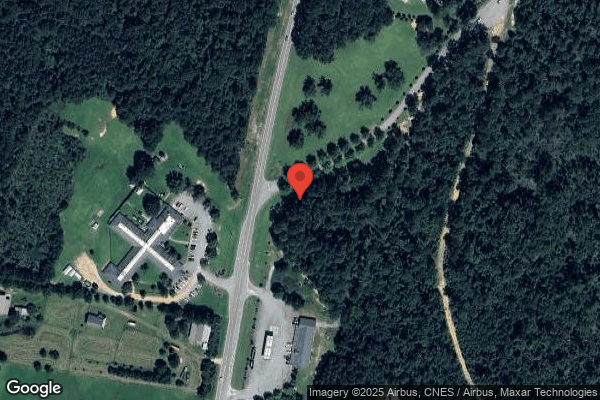

6698 WASHINGTON ROAD, APPLING, GA 30802 (706) 541-0462
For profit - Limited Liability company 100 Beds Independent Data: November 2025
Trust Grade
38/100
#292 of 353 in GA
Last Inspection: April 2024

Within standard 12-15 month inspection cycle. Federal law requires annual inspections.

Overview

Lake Crossing Health Center in Appling, Georgia, has a Trust Grade of F, indicating significant concerns about the quality of care and management at the facility. They rank #292 out of 353 nursing homes in Georgia, placing them in the bottom half of all facilities, and #3 out of 3 in Columbia County, meaning there are no better local options available. While the facility is reportedly improving, having reduced their issues from 11 in 2024 to just 1 in 2025, it still has serious weaknesses, such as a staffing rating of 1 out of 5 stars, which reflects poor staffing levels and a 53% turnover rate, close to the state average. The facility has also incurred $19,321 in fines, which is concerning as it is higher than 81% of Georgia facilities, indicating repeated compliance problems. Specific incidents noted include the failure to maintain the dietary ice machine, which could risk foodborne illness for residents, and not providing required Medicare notices to residents after their services ended. Additionally, the facility has less RN coverage than 95% of other state facilities, which is a critical concern because Registered Nurses play a vital role in monitoring patient health. Overall, while there are some signs of improvement, families should weigh these serious issues carefully.

Trust Score
F
38/100
In Georgia
#292/353
Bottom 18%
Safety Record
Low Risk
No red flags
Inspections
Getting Better
11 → 1 violations
Staff Stability
⚠ Watch
53% turnover. Above average. Higher turnover means staff may not know residents' routines.
Penalties
✓ Good
$19,321 in fines. Lower than most Georgia facilities. Relatively clean record.
Skilled Nurses
⚠ Watch
Each resident gets only 12 minutes of Registered Nurse (RN) attention daily — below average for Georgia. Fewer RN minutes means fewer trained eyes watching for problems.
Violations
⚠ Watch
22 deficiencies on record. Higher than average. Multiple issues found across inspections.
★☆☆☆☆
1.0
Overall Rating
★☆☆☆☆
1.0
Staff Levels
★☆☆☆☆
1.0
Care Quality
★★☆☆☆
2.0
Inspection Score
Stable
2024: 11 issues
2025: 1 issues

The Good

  • Full Sprinkler Coverage · Fire safety systems throughout facility
  • No fines on record

Facility shows strength in fire safety.

The Bad

1-Star Overall Rating

Below Georgia average (2.6)

Significant quality concerns identified by CMS

Staff Turnover: 53%

Near Georgia avg (46%)

Higher turnover may affect care consistency

Federal Fines: $19,321

Below median ($33,413)

Minor penalties assessed

The Ugly 22 deficiencies on record

Aug 2025 1 deficiency
CONCERN (F) 📢 Someone Reported This

A family member, employee, or ombudsman was alarmed enough to file a formal complaint

Potential for Harm - no one hurt, but risky conditions existed

Food Safety (Tag F0812)

Could have caused harm · This affected most or all residents

Based on observations, staff interviews, and review of the facility's policy titled Ice Machines and Portable Ice Carts, the facility failed to ensure the dietary ice machine was free from buildup. Th...

Read full inspector narrative →
Based on observations, staff interviews, and review of the facility's policy titled Ice Machines and Portable Ice Carts, the facility failed to ensure the dietary ice machine was free from buildup. This deficient practice had the potential to place the 76 residents receiving nutrition or hydration from the kitchen at risk of foodborne illness. Findings include: Review of facility policy titled Ice Machines and Portable Ice Carts, revised April 2025, revealed the Policy section stated, It is the policy of this facility to ensure that ice machine machines/carts are working in proper order, cleaned, and maintained as per Federal, State, local or facility guidance, according to manufacturer's instructions and current standards of practice. The Compliance Guidelines section included, 1. Ice machines will be cleaned at a frequency specified by the manufacturer or, if manufacturer specifications are absent, at a frequency necessary to preclude accumulation of soil or mold. 3. The maintenance director or other designee is responsible for cleaning and maintaining the ice machine at the facility. Observation and interview on 8/25/2025 10:09 am in the kitchen area with the Dietary Manager (DM) revealed that the interior of the ice machine contained dark brown and black buildup. The DM confirmed the dark brown and black buildup was inside the ice machine. The DM revealed that she and the kitchen staff had made attempts to remove the dark brown and black buildup, but it would not go away. In an interview on 8/27/2025 at 1:05 pm, the DM revealed that the Maintenance Director was responsible for cleaning the ice machine, and cleaned it monthly. The DM stated that the kitchen staff attempts to clean the ice machine at times. The DM confirmed the ice machine needed to be cleaned due to the dark brown substance found inside the ice machine. In an interview on 8/27/2025 at 1:41 pm, the Maintenance Director revealed he cleaned the ice machine monthly, and confirmed he was responsible for ensuring the ice machine was cleaned. The Maintenance Director confirmed there was dark brown buildup inside the ice machine, and he was unaware of the buildup prior to the interview. In an interview on 8/27/2025 at 1:50 pm, the Administrator confirmed the inside of the ice machine contained dark brown buildup. The Administrator stated she expects the Maintenance Director and kitchen staff to clean the ice machine regularly and thoroughly during each cleaning.
Apr 2024 11 deficiencies
CONCERN (D) 📢 Someone Reported This

A family member, employee, or ombudsman was alarmed enough to file a formal complaint

Potential for Harm - no one hurt, but risky conditions existed

Resident Rights (Tag F0550)

Could have caused harm · This affected 1 resident

**NOTE- TERMS IN BRACKETS HAVE BEEN EDITED TO PROTECT CONFIDENTIALITY** Based on observations, record review, resident and staff interviews, and review of the policy titled Promoting/Maintaining Resid...

Read full inspector narrative →
**NOTE- TERMS IN BRACKETS HAVE BEEN EDITED TO PROTECT CONFIDENTIALITY** Based on observations, record review, resident and staff interviews, and review of the policy titled Promoting/Maintaining Resident Dignity, the facility failed to ensure residents rights were not violated, and dignity was maintained for two residents (R) (R53 and R71). Specifically, the facility posted notification in front lobby prohibiting visitation for R53 and failed to maintain the privacy and dignity during the provision of incontinent care for R71. The sample size was 46. Findings include: Review of the policy titled Promoting/Maintaining Resident Dignity, dated 12/1/2022, documented the policy is to protect and promote resident rights and treat each resident with respect and dignity as well as care for each resident in a manner and in an environment, that maintains or enhances resident's quality of life by recognizing each residents individuality. Compliance Guidelines: Number 1. All staff members are involved in providing care to residents to promote and maintain resident dignity and respect residents rights. Number 4. The resident's former lifestyle and personal choices will be considered when providing care and services to meet the resident's needs and preferences. Number 12. Maintain resident privacy. 1. Observation on 4/5/2024 at 7:35 am, 4/6/2024 at 8:00 am, and 4/7/2024 at 8:00 am, upon entrance into the front lobby, revealed a sign posted near the visitors sign-in book visible to others, prohibiting visitation by indicating R53 is not to have any visitors other than a certain family member. If any visitors show up, please call family member immediately. revealed prohibited visitation instructional sign remained posted in the same location visual to others. Review of the clinical record revealed R53 was admitted to the facility on [DATE] with diagnoses including but not limited to cerebrovascular disease, diabetes mellitus, and hypertension. The residents most recent quarterly Minimum Data Set (MDS) assessment dated [DATE] revealed a Brief Interview for Mental Status (BIMS) score of eight, indicating moderate cognitive impairment. Interview on 4/6/2024 at 3.00 pm, R53 revealed that he loves to have visitors and stated he was unaware of the notice posted in the lobby indicating there were visitation limitations for him. During continued interview, he reported that he only received visits from one family member, the family member who directed facility to prohibit R53's visitation rights. R53 reported he wanted visits from former friends. Interview on 4/6/2024 at 2:10 pm, the Social Service Director (SSD) and Assistant Director of Nursing (ADON) both confirmed using the front entrance daily but reported being unaware of the notice posted in the front lobby prohibiting visitation for R53. They confirmed this was a dignity issue and could not explain why the notice was posted in view of everyone who entered the facility. The ADON removed the sign from the lobby. Interview on 4/6/2024 at 2:14 pm, Receptionist UU stated the notice regarding R53 visitation has been posted at the desk for approximately two to three months. She was unaware of which staff posted the sign. Interview on 4/6/2024 at 4:14 pm, Regional Nurse Consultant confirmed that she placed the notice in the front lobby indicating restricted visitation for R53 based on the family members request. She stated that she should have placed the sign on the nurse's med cart. She confirmed that this was a dignity issue. 2. Observation on 4/5/2024 at 9:42 am, Certified Nursing Assistant (CNA) MM provided perineal care to R71, residing in B bed, without the privacy curtains being completely pulled and the window blinds were open, not providing full visual privacy. The residents roommate was in the room during the care. Review of the clinical record revealed R71 was admitted to the facility on [DATE] with diagnoses including but not limited to metabolic encephalopathy, pulmonary embolism (PE), vascular dementia, chronic obstructive pulmonary disease (COPD), and hypertension. The residents most recent quarterly MDS assessment dated [DATE] revealed a BIMS score of three, indicating severe cognitive impairment. Interview on 4/7/2021 at 1:59 pm, CNA MM revealed being unaware that privacy curtains should be completely pulled around the bed. He stated that he didn't notice the window blinds were open. He confirmed that he received training on resident dignity. Interview on 4/7/2924 at 10:15 am, the Director of Nursing (DON) reported that her expectations are that staff protect the resident rights at all times, including dignity during the provision of care. During further interview, she reported being unaware of staff posting R53's visitation restrictions in the front lobby of the facility. She stated staff will be educated regarding residents rights and dignity and providing privacy during care.
CONCERN (D) 📢 Someone Reported This

A family member, employee, or ombudsman was alarmed enough to file a formal complaint

Potential for Harm - no one hurt, but risky conditions existed

Deficiency F0553 (Tag F0553)

Could have caused harm · This affected 1 resident

**NOTE- TERMS IN BRACKETS HAVE BEEN EDITED TO PROTECT CONFIDENTIALITY** Based on record review, interviews, and review of the policy titled Care Planning-Resident Participation, the facility failed to...

Read full inspector narrative →
**NOTE- TERMS IN BRACKETS HAVE BEEN EDITED TO PROTECT CONFIDENTIALITY** Based on record review, interviews, and review of the policy titled Care Planning-Resident Participation, the facility failed to conduct care plan meetings and ensure that residents and/or their families were invited to participate in care planning for one of 46 sampled residents (R) R5. Findings include: Review of the policy titled Care Planning-Resident Participation dated 12/1/2022 revealed the policy is the facility supports the resident's right to be informed of and participate in his or her care planning and treatment. Policy Explanation and Compliance Guidelines: 1. The facility will inform the resident in a language he or she can understand of their rights regarding planning and implementing care, including the right to be informed of their health status. 7. The facility will honor the residents choice in individuals to be included in the care planning process. 10. The facility will discuss the plan of care with the resident and/or representative at regularly scheduled care plan conferences, and allow them to see the care plan . The facility will obtain a signature from the resident and/or resident representative after discussion or reviewing of the care plan. Review of the clinical record revealed R5 was admitted to the facility on [DATE] with diagnoses including but not limited to adult failure to thrive, heart failure, Alzheimer's disease, dementia, mood disturbance and anxiety. The most recent quarterly Minimum Data Set (MDS) assessment dated [DATE] revealed a Brief Interview for Mental Status (BIMS) score of two, indicating very poor cognition. Review of R5's electronic medical record progress notes revealed there was no documentation indicating R5's family had been invited to the resident's care plan meetings or that a care plan meeting was held. Further review revealed no signatures of resident representative participation in care plan meetings. Interview on 4/6/2024 at 4:06 pm, the MDS Coordinator stated she works remotely and does the MDS's for this facility as well as another facility. She stated comes to the facility on occasion. She stated they have not been having care plan meetings with each department or with families. Interview on 4/6/2024 at 4:10 pm, the Regional Nurse Consultant (RNC) revealed the facility has gone through multiple MDS Coordinators in the last year. She confirmed that care plan meetings have not been taking place. Interview on 4/7/2024 at 11:51 am, R5's Power of Attorney (POA) revealed he has no concerns related to his mother's care. He indicated he used to be called for the care plan meetings but has not been contacted in a long time. He stated he doesn't recall the last time he attended a meeting. Cross Refer F657
CONCERN (D) 📢 Someone Reported This

A family member, employee, or ombudsman was alarmed enough to file a formal complaint

Potential for Harm - no one hurt, but risky conditions existed

PASARR Coordination (Tag F0644)

Could have caused harm · This affected 1 resident

**NOTE- TERMS IN BRACKETS HAVE BEEN EDITED TO PROTECT CONFIDENTIALITY** Based on record review, staff interviews, and review of the policy titled Resident Assessment-Coordination with PASRR Programs, ...

Read full inspector narrative →
**NOTE- TERMS IN BRACKETS HAVE BEEN EDITED TO PROTECT CONFIDENTIALITY** Based on record review, staff interviews, and review of the policy titled Resident Assessment-Coordination with PASRR Programs, the facility failed to ensure that two residents (R) (R29 and R85) were assessed for Level II Pre-admission Screening/Resident Review (PASRR) and coordinate services, if warranted. The sample size was 46. Findings include: 1. Review of the clinical record revealed R29 was admitted to the facility on [DATE] with diagnoses including but not limited to schizoaffective disorder and Moderate Intellectual Disabilities (ID). Review of R29's admission Minimum Data Set (MDS) assessment dated [DATE] revealed a Brief Interview for Mental Status (BIMS) was coded as two, which indicated severe cognitive impairment. Section I indicated diagnosis of schizophrenia. The PASRR section of the MDS (Item A 1500) indicated there was no PASRR Level II completed. Review of Psychiatric Diagnostic Evaluation dated 3/13/2024 listed diagnoses and assessed resident for the following mental illness schizoaffective disorder and bipolar disorder. Review of PASSR Level 1 Assessment for R29 dated 1/9/2024, revealed that Level 1 documentation indicated yes for bipolar disorder, no for schizoaffective disorder, and no for resident has ID or developmental disability prior to age [AGE]. There was no evidence that Level II PASRR assessment was completed and in the medical record for reference. Further review of the screening instrument revealed If the nursing facility admits the applicant and discovers information that was not disclosed to the PASRR screeners, the nursing facility is required to contact the [screening authority] immediately. 2. Review of the clinical record revealed R85 was admitted to the facility on [DATE] with diagnoses including but not limited to schizoaffective disorder-bipolar type and anxiety disorder. Review of R85's admission Minimum Data Set (MDS) assessment dated [DATE] revealed a BIMS score of 15, indicating no cognitive impairment. Section I indicated diagnosis of schizophrenia. Section N indicated psychotic medications were received routinely. The PASRR section of the MDS (Item A 1500) indicated there was no PASRR Level II completed. Review of PASSR Level 1 Assessment for R85 dated 3/4/2024, revealed that Level 1 documentation indicated no for bipolar disorder, no for schizoaffective disorder, and no for resident has ID or developmental disability prior to age [AGE]. There was no evidence that Level II PASRR assessment was completed and in the medical record for reference. Further review of the screening instrument revealed If the nursing facility admits the applicant and discovers information that was not disclosed to the PASRR screeners, the nursing facility is required to contact the [screening authority] immediately. Interview on 4/6/2024 at 1:58 pm, the Social Service Director (SSD) confirmed that R29 and R85 did not have a PASRR Level II. She reported inability to submit the forms for both residents due to lack of access to the GAMMIS website.
CONCERN (D) 📢 Someone Reported This

A family member, employee, or ombudsman was alarmed enough to file a formal complaint

Potential for Harm - no one hurt, but risky conditions existed

Deficiency F0657 (Tag F0657)

Could have caused harm · This affected 1 resident

**NOTE- TERMS IN BRACKETS HAVE BEEN EDITED TO PROTECT CONFIDENTIALITY** Based on record review, interviews, and review of the policy titled Comprehensive Care Plans the facility failed to revise the c...

Read full inspector narrative →
**NOTE- TERMS IN BRACKETS HAVE BEEN EDITED TO PROTECT CONFIDENTIALITY** Based on record review, interviews, and review of the policy titled Comprehensive Care Plans the facility failed to revise the care plan to reflect current code status for one resident (R) R5. The sample size was 46. Findings include: Review of the policy titled Comprehensive Care Plans dated 12/1/2022 revealed the policy is the facility will develop and implement a comprehensive person-centered care plan for each resident, consistent with resident rights, that includes measurable objectives ad timeframes to meet a residents medical, nursing, and mental and psychosocial needs that are identified in the resident's comprehensive assessments. Policy Explanation and Compliance Guidelines: 5. The comprehensive care plan will be reviewed and revised by the interdisciplinary team after each comprehensive and quarterly MDS assessment. Review of R5's clinical record revealed an admission date of 8/10/2022. Diagnoses include but not limited to adult failure to thrive, heart failure, Alzheimer's disease, dementia, mood disturbance and anxiety. The quarterly Minimum Data Set (MDS) assessment dated [DATE] documented R5 had an annual comprehensive care plan that was last updated on 7/3/2023. Review of the care plan initiated 8/12/2022 and revised 2/4/2024 documented resident Code status to be honored by staff per resident/family specifications. Interventions to care include Full Code status to be followed per resident/family request during review period. Review of R5's advanced directive form titled Physician Orders for Life Sustaining Treatment (POLST) signed on 6/28/2023 indicated resident was a Do Not Resuscitate (DNR). Review of R5's Physician orders revealed an order dated 6/30/2023 for a DNR. Interview on 4/6/2024 at 4:06 pm, the MDS Coordinator stated she works remotely and does the MDS's for this facility as well as another facility. She stated she comes to the facility on occasion. During further interview, she stated she has not been updating the residents' care plans. She verified the care plan did not reflect R5's current status of DNR. Interview on 4/6/2024 at 4:10 pm, the Regional Nurse Consultant (RNC) revealed the facility has gone through multiple MDS Coordinators in the last year. She indicated the care plan should reflect the current DNR status and should have been updated. She stated it is unacceptable and replied, staff should look at the Physician's orders for correct code status. During further interview, she indicated the care plan should have been updated during the last MDS update. Interview on 4/7/2024 at 11:51 am, R5's Power of Attorney (POA) revealed he has no concerns related to his mother's care. He confirmed that R5 is to be a DNR.
CONCERN (D) 📢 Someone Reported This

A family member, employee, or ombudsman was alarmed enough to file a formal complaint

Potential for Harm - no one hurt, but risky conditions existed

Deficiency F0887 (Tag F0887)

Could have caused harm · This affected 1 resident

**NOTE- TERMS IN BRACKETS HAVE BEEN EDITED TO PROTECT CONFIDENTIALITY** Based on record review, interviews, and review of policy titled COVID-19 Prevention, Response, and Reporting, the facility faile...

Read full inspector narrative →
**NOTE- TERMS IN BRACKETS HAVE BEEN EDITED TO PROTECT CONFIDENTIALITY** Based on record review, interviews, and review of policy titled COVID-19 Prevention, Response, and Reporting, the facility failed to ensure documentation was available regarding the education, offering, and administering the COVID-19 vaccine for one of five sampled residents (R) (R) R29. Findings include: Review of undated policy titled COVID -19 Prevention, Response and Reporting documented the policy is to ensure that appropriate interventions are implemented to prevent the spread of COVID-19 and promptly respond to any suspected or confirmed COVID-19 infections. Policy Explanation and Compliance Guidelines: Number 3. The facility should offer resources and counseling to healthcare personnel, residents, and visitors on the importance of receiving COVID-19 vaccinee and staying up to date with all recommended COVID -19 vaccine doses. Number 28. The Infection Preventionist, or designee, will monitor and track COVID -19 related information to include but not limited to: c. Staff and resident vaccination status. Review of the clinical record revealed R29 was admitted to the facility on [DATE] with diagnoses including but not limited to metabolic encephalopathy, epilepsy. schizoaffective disorder and Moderate Intellectual Disabilities (ID). Resident has a State appointed legal guardian who has power of attorney for healthcare. Review of R29's admission Minimum Data Set (MDS) assessment dated [DATE] revealed a Brief Interview for Mental Status (BIMS) was coded as two, which indicated severe cognitive impairment. Review of R29's immunization record revealed no historical evidence that any COVID-19 vaccinations had been administered to resident, and no evidence documenting that the facility staff educated, offered, or administered the COVID-19 vaccine to resident since admission to the facility. Interview on 4/7/2024 at 10:15 am, the Infection Control Preventionist (ICP) confirmed that R29 tested positive for Covid 19 on February 22, 2024, during her stay in the facility. Interview on 4/7/2024 at 12:20 pm, the ICP stated she looked through R29's electronic medical record (EMR) and was unable locate any documentation regarding the COVID-19 vaccine was offered or given to resident. She reported that she does not have access to the Georgia Immunization Registry (GRITS) to search for immunization records for residents. During further interview, she stated the Social Service Director (SSD) is responsible for obtaining consent forms for all vaccines on admission to the facility. Once the family or resident consents to receiving the vaccine, she would administer the vaccine to the resident. Interview on 4/7/2024 at 1:15 pm, the SSD reported that R29 had a legal guardian, and the legal guardian never submitted the consent forms to allow the facility to proceed with vaccinations for Covid 19, Influenza, and pneumoccal vaccines. The process is to include the immunizations consent forms in the resident 's admission Package. The consent forms would be uploaded in the system for IPC access. Interview on 4/7/2024 at 2:30 pm, the Director of Nursing (DON) stated that the SSD is responsible for getting the consent forms for vaccinations at the time of resident's admission to the facility. She stated that the ICP is responsible for making sure that residents have consent forms and receive vaccinations they consented for. She stated she was unaware that R29 was not given the COVID-19 vaccine after admission.
CONCERN (E) 📢 Someone Reported This

A family member, employee, or ombudsman was alarmed enough to file a formal complaint

Potential for Harm - no one hurt, but risky conditions existed

Deficiency F0558 (Tag F0558)

Could have caused harm · This affected multiple residents

**NOTE- TERMS IN BRACKETS HAVE BEEN EDITED TO PROTECT CONFIDENTIALITY** Based on observations, record review, interviews, and review of the policy titled Call Lights: Accessibility and Timely Response...

Read full inspector narrative →
**NOTE- TERMS IN BRACKETS HAVE BEEN EDITED TO PROTECT CONFIDENTIALITY** Based on observations, record review, interviews, and review of the policy titled Call Lights: Accessibility and Timely Response, the facility failed to ensure two residents (R) (R15 and R20) had their call light placed within their reach when they were in bed, creating the potential for their needs to not be addressed timely. Findings Include: Review of the policy titled Call Lights: Accessibility and Timely Response dated 12/1/2022 indicated the policy is to assure the facility is adequately equipped with a call light at each resident's bedside, toilet, and bathing to allow residents to call for assistance. Policy Explanation and Compliance Guidelines: Number 5. Staff will ensure the call light is within reach of the resident and secured, as needed. Number 6. The call system will be accessible to residents while in their bed or other sleeping accommodation within the resident's room. 1. R20 was admitted to the facility on [DATE] with diagnoses of but not limited to dementia, anxiety, and mood disturbance. Review of the annual Minimum Data Set (MDS) assessment dated [DATE] for R20 documented a Brief Interview for Mental Status (BIMS) score of three, indicating poor cognition. Review of the care plan for R20 revised on 3/5/2024 revealed resident has the potential for falls due to unsteady gait at times and will ambulate about the facility. Interventions to care include answer call light promptly, encourage to ask for assistance, and keep call light within reach. Observation on 4/5/2024 at 8:37 am and 1:48 pm, revealed R20 lying in the bed, with the call light on floor and not within reach of the resident. 2. R15 was admitted to the facility on [DATE] with diagnoses of but not limited to dementia, mood disturbance, and muscle weakness. Review of the admission MDS assessment dated [DATE] documented a BIMS score of 10 indicating moderate cognitive impairment. Review of the care plan for R15 revised 3/15/2024 revealed resident is at risk for falls related to dementia and encephalopathy. Interventions to care include answer call light promptly and encourage to call for assistance. Observation on 4/5/2024 at 9:03 am and 1:50 pm, revealed R15 lying in the bed, with the call light on floor and not within reach of the resident. Interview on 4/7/2024 at 9:23 am, the Administrator revealed she would expect all call lights to be in reach of the residents at all times.
CONCERN (E) 📢 Someone Reported This

A family member, employee, or ombudsman was alarmed enough to file a formal complaint

Potential for Harm - no one hurt, but risky conditions existed

Safe Environment (Tag F0584)

Could have caused harm · This affected multiple residents

Based on observations, interviews, and review of the facility policy titled Preventive Maintenance Program, the facility failed to ensure that it was maintained in a safe, clean, and comfortable home-...

Read full inspector narrative →
Based on observations, interviews, and review of the facility policy titled Preventive Maintenance Program, the facility failed to ensure that it was maintained in a safe, clean, and comfortable home-like environment in seven resident rooms on three of three halls (A10, B6, B7, B8, B13, C17, and C18) including dirty floors and walls, dirty privacy curtains, and scuffed walls, chipped paint, and peeling wallpaper. The census was 89. Findings: Review of the policy titled Preventive Maintenance Program, dated 12/1/2022 indicated the policy is that a Preventive Maintenance Program shall be developed and implemented to ensure the provision of a safe, functional, sanitary, and comfortable environment for residents, staff, and the public. Policy Explanation and Compliance Guidelines: Number 2. The Maintenance Director shall assess all aspects of the physical plant to determine if preventative Maintenance (PM) is required. Required PM may be determined from manufacturer's recommendations, maintenance requests, ground rounds, life safety requirements, or experience. Number 3. If preventative maintenance is required, the Maintenance Director shall decide what tasks need to be completed and how often to complete them. Observation on 4/5/2024 at 8:37 am and at 1:48 pm, in room A10 revealed a dark dried substance on the bathroom floor that appeared to be human waste (feces). This condition has been present in the bathroom for approximately five hours. Observation on 4/5/2024 at 8:58 am, in room C18 revealed water holding in the bathroom sink. Interview on 4/5/2024 at 9:00 am, R62 reported that water holding in the sink has been an issue since his admission. R62 reported the sink issue was reported to an unidentified nurse weeks ago. Observation on 4/5/2024 at 9:16 am, in room B6 revealed black marks on the wall leading into the bathroom, a hole in the wall by the bathroom, food particles on the floor at the bedside, a urinal half filled with urine on a bedside dresser, hole in the wall under the television, black marks and a brown stain in the middle and the outer rim of the privacy curtain between the A bed and B bed. Observation on 4/5/2024 at 9:18 am, in room C17 revealed wall near A bed with dark black scuff marks and dark black scuff marks on the bathroom door. Observation on 4/5/2024 at 9:39 am, in room B7 revealed the corner of the wall by the bathroom paint is missing and the wall has black marks, the wallpaper on the wall is peeling at the base board (under the T.V), black scuff marks on the wall between A bed and B bed, and behind B bed. Observation on 4/5/2024 at 9:54 am, in room B8 revealed a hole in the wall at the baseboard under the television. Observation on 4/5/2024 at 10:17 am, in room B13 revealed the baseboard strip coming off the wall by A bed, missing paint and black scuff marks on the wall, wheelchair for resident in A bed had thick layer of dust and debris noted all over wheelchair. Interview on 4/5/2024 at 2:05 pm, Housekeeper DD revealed housekeepers are to clean the resident's rooms daily, and the bathrooms in the morning and in the afternoon. She verified the dried substance (feces) on the bathroom floor. She indicated it should not still be there if it was there during the morning hours. Interview on 4/5/2024 at 2:10 pm, with Environmental Account Manager CC revealed the Certified Nursing Assistant (CNA) or the nurse on the hall should have cleaned the feces up when it happened. She stated the housekeeping staff can clean and mop the floors after the feces is gotten up. Confirmation rounds conducted on 4/7/2024 at 9:30 am, the Administrator, Account Manager for Environmental Services, and the Maintenance Director, confirmed identified concerns noted during all three days of survey. Interview on 4/7/2024 at 9:45 am, Account Manager for Environmental Services revealed the housekeeping staff clean resident rooms in the morning and again in the afternoon before leaving for the day. During further interview, Account Manager revealed there is not a policy for cleaning, but stated there was a five step and seven step process that is followed. Housekeeper DD confirmed that the privacy curtains were stained with a brown substance and would be removed for cleaning. Interview on 4/7/2024 at 10:00 am, the Maintenance Director revealed he and his assistant make rounds every morning to see what repairs need to be completed for the day. He stated there is a hanging basket on the maintenance door for work order sheets for the staff to complete for any repairs needed. During further interview, the Maintenance Director stated the concerns identified during the survey would be placed on a list to be completed. Interview on 4/7/2024 at 10:10 am, the Administrator stated that she expects the facility to be always maintained in a clean and homelike environment for the residents that reside in the facility. She stated that repairs to be done when identified.
CONCERN (E) 📢 Someone Reported This

A family member, employee, or ombudsman was alarmed enough to file a formal complaint

Potential for Harm - no one hurt, but risky conditions existed

Deficiency F0658 (Tag F0658)

Could have caused harm · This affected multiple residents

Based on record review, staff interviews, and review of the facility document titled, Instructions for Completing the Medication Administration Clinical Skills Checklist, the facility failed to ensure...

Read full inspector narrative →
Based on record review, staff interviews, and review of the facility document titled, Instructions for Completing the Medication Administration Clinical Skills Checklist, the facility failed to ensure that care and services were provided according to accepted standards of practice. Specifically, the facility failed to complete Medication Administration Clinical Skills Checklist for 11 of 12 certified Medication Aides employed at the facility. Findings: Review of the undated facility document titled Instructions for Completing the Medication Administration Clinical Skills Checklist indicated the licensed healthcare professional who administers the medication aide training program must personally validate the unlicensed staff's competency for tasks or skills associated with administering certain medications in the facility. Prior to allowing unlicensed staff to administer medications, the unlicensed staff is also required to successfully pass a computerized written, competency test approved by the Department of Community Health. Review of the facility employee records for the Certified Medication Aides revealed no evidence the Medication Administration Clinical Skills Checklist were completed for 11 of the 12 CMA's currently employed in the facility. Interview on 4/7/2024 at 9:00 am, the Business Office Manager (BOM) revealed she is responsible for ensuring that the employee files are kept up to date and have all required information. She confirmed the CMA competency checklists were not in any of the requested employees files and she was unable to locate them. During further interview, the BOM revealed that the Regional Nurse Consultant (RNC) instructed her to disclose to the survey team that the CMA competencies were completed 12/15/2023, and she would look for the checklists for the employees requested. Interview on 4/7/2024 at 9:40 am, the Director of Nursing (DON) revealed that all the facility CMA's were already in place when she started in December 2023. She stated that she has had little experience with the process of the CMA certification and was not aware of the competencies that were required. During further interview, revealed that she was unable to locate the CMA's competency checklist and did not know where they were stored. She stated going forward there will be skills check offs completed for all CMA's quarterly. Interview on 4/7/2024 at 9:45 am, the Administrator stated that the CMA skills competencies were kept in the DON's office, but she is unable to locate them at this time. She stated the process for the CMA competency check-off is for the Pharmacy Consultant, the DON, or another Registered Nurse will ensure CMA's are competent in medication administration by utilizing a check off tool and demonstration during medication pass, to be completed quarterly. During further interview, she stated all competencies and skill check-off lists will be part of each employee file, so they are readily available.
CONCERN (E) 📢 Someone Reported This

A family member, employee, or ombudsman was alarmed enough to file a formal complaint

Potential for Harm - no one hurt, but risky conditions existed

Deficiency F0883 (Tag F0883)

Could have caused harm · This affected multiple residents

**NOTE- TERMS IN BRACKETS HAVE BEEN EDITED TO PROTECT CONFIDENTIALITY** Based on record review, interviews, and review of policy titled Pneumococcal Vaccine, the facility failed to provide education, ...

Read full inspector narrative →
**NOTE- TERMS IN BRACKETS HAVE BEEN EDITED TO PROTECT CONFIDENTIALITY** Based on record review, interviews, and review of policy titled Pneumococcal Vaccine, the facility failed to provide education, offer, or administer pneumonia vaccinations for three of five residents (R) (R29, R71, R68) reviewed for pneumonia vaccinations. Findings include: Review of policy titled Pneumococcal Vaccine dated 12/1/2022 documented the policy is to offer residents and staff immunization against pneumococcal disease in accordance with current Centers for Disease Control (CDC) guideline and recommendation. Policy Explanation and Compliance Guidelines: Number 1. Each resident will be assessed for pneumococcal immunization upon admission, Self -report of immunization shall be accepted. Any additional efforts to obtain information shall be documented, including efforts to determine date of immunization or type of vaccine received. Number 2. Each resident will be offered a pneumococcal immunization unless it is medically contraindicated, or the resident has already been immunized. 3. Prior to offering the pneumococcal immunization, each resident or the resident's representative will receive education regarding the benefits and potential side effects of the immunization with the education documented in the clinical record. 1. Review of the clinical record revealed R29 was admitted to the facility on [DATE] with diagnoses including but not limited to metabolic encephalopathy, epilepsy. schizoaffective disorder and Moderate Intellectual Disabilities (ID). Resident has a State appointed legal guardian who has power of attorney for healthcare. Review of R29's admission Minimum Data Set (MDS) assessment dated [DATE] revealed a Brief Interview for Mental Status (BIMS) was coded as two, which indicated severe cognitive impairment. Review of the immunization tab in the electronic medical record (EMR) for R29 revealed there was no evidence that the pneumonia or influenza vaccines were administered. Consent form in the EMR was blank with no signatures. Review of the Medication Administration Records (MAR) January 2024 through April 2024 revealed no documentation that R29 was offered or administered received the pneumonia/influenza vaccine. 2. Review of the clinical record revealed R71 was admitted to the facility on [DATE] with diagnoses including but not limited to Alzheimer's disease and chronic obstructive pulmonary disease (COPD). Resident had a designated responsible party as emergency contact. The residents most recent quarterly MDS assessment dated [DATE] revealed a BIMS score of three, indicating severe cognitive impairment. Review of the immunization tab in the EMR for R71 revealed there was no evidence that the pneumonia vaccine was administered to R71. Residents responsible party signed consent for the pneumonia vaccine dated 5/23/2023. Review of the May 2023 MAR revealed no documentation that the pneumonia vaccine was administered to R71. 3. Review of the clinical record revealed R68 was admitted to the facility on [DATE] with diagnoses including but not limited to cerebral vascular accident and depression. Resident had a designated responsible party as emergency contact. Review of the quarterly MDS assessment dated [DATE] revealed that R68 had a BIMS score of 15 indicating that the resident was able to complete the assessment. Review of the immunization tab in the EMR for R68 revealed there was no evidence that the pneumonia or influenza vaccines were administered. There was no evidence of a signed consent form. Review of May 2023 MAR revealed no documentation that the received the pneumonia/influenza vaccines. Interview on 4/7/2024 at 11:55 am, the Assistant Director of Nursing (ADON) stated that she reviewed the resident's EMR and was unable to locate any documentation to verify that R29, R71, and R68 had received a pneumonia vaccine since admission to the facility or prior to the resident's admission.
CONCERN (F) 📢 Someone Reported This

A family member, employee, or ombudsman was alarmed enough to file a formal complaint

Potential for Harm - no one hurt, but risky conditions existed

Deficiency F0582 (Tag F0582)

Could have caused harm · This affected most or all residents

Based on record review, staff interviews, and review of the policy titled Advanced Beneficiary Notices, the facility failed to provide a Notice of Medicare Noncoverage (NOMNC) Centers for Medicare and...

Read full inspector narrative →
Based on record review, staff interviews, and review of the policy titled Advanced Beneficiary Notices, the facility failed to provide a Notice of Medicare Noncoverage (NOMNC) Centers for Medicare and Medicaid Services (CMS) form 10123 and Skilled Nursing Facility Advanced Beneficiary Notice (SNFABN) CMS form 10055 for three of three residents (R) (R340, R341, R342) who were reviewed after being discharged from Medicare Part A Services. Findings: Review of the policy titled Advanced Beneficiary Notices dated 12/1/2022 revealed the policy of the facility is to provide notices regarding Medicare eligibility and Coverage. Policy Explanation and Compliance Guidelines: number 5. c) A notice of Medicare Non-Coverage (NOMNC), form CMS-10123, shall be issued to the resident/representative when Medicare covered service(s) are ending, no matter if the resident is leaving the facility or remaining in the facility. This informs the resident on how to request an appeal or expedited determination from their Quality Improvement Organization (QIO). i. This notice is used when all covered services end for coverage reasons. Review of the facility-completed worksheet titled Beneficiary Notice-Residents discharged Within the Last Six Months, revealed there was a total of 10 residents discharged from Medicare Part A services and all were discharged from the facility. R340, R341, and R342 were selected for review for Beneficiary Notices. Review of R340 clinical record indicated that Medicare Part A services were initiated on 8/18/2023 for rehab services for multiple rib fractures and dislocation of L1-L2 lumbar vertebrae. Review of the Beneficiary Notices revealed that neither the NOMNC form CMS-10123 or the SNFABN form CMS-10055, were provided to the resident or the residents representative before discharge from the facility on 8/30/2023. Review of R341 clinical record indicated that Medicare Part A services were initiated on 8/29/2023 for skilled services for generalized muscle weakness, and gastronomy status. Review of the Beneficiary Notices revealed that neither the NOMNC form CMS-10123 or the SNFABN form CMS-10055, were provided to the resident or the residents representative before discharge from the facility on 9/8/2023. Review of R342 clinical record indicated that Medicare Part A services were initiated on 11/21/2023 for rehab services for displaced intertrochanteric fracture of right femur and muscle wasting and atrophy. Review of the Beneficiary Notices revealed that neither the NOMNC form CMS-10123 or the SNFABN form CMS-10055 were provided to the resident or the residents representative before discharge from the facility on 12/14/2023. Interview on 4/7/2024 at 8:18 am, the Social Services Director (SSD) revealed there were not any residents who received notification of their Medicare Part A benefits ending, or conversation with the residents or responsible party about their right to appeal the decision for the termination of benefits. During further interview, the SSD stated she was directed by the Regional Nurse Manager to call the residents that were listed on the Beneficiary Notice list after the surveyor inquired about the notification. Interview on 4/7/2024 at 9:30 am, the Administrator revealed she was unaware the residents and resident representatives were not receiving notice of Medicare Part A benefits were ending. She stated the Regional Nurse Manager will educate the SSD on the process of the issuing the Beneficiary Notices to residents and their responsible parties, including the appeal process.
CONCERN (F) 📢 Someone Reported This

A family member, employee, or ombudsman was alarmed enough to file a formal complaint

Potential for Harm - no one hurt, but risky conditions existed

Staffing Data (Tag F0851)

Could have caused harm · This affected most or all residents

Based on record review, staff interviews, and review of the Payroll Based Journal (PBJ) [NAME] Report for the first quarter (Q1) of Fiscal Year 2024, the facility failed to accurately report direct ca...

Read full inspector narrative →
Based on record review, staff interviews, and review of the Payroll Based Journal (PBJ) [NAME] Report for the first quarter (Q1) of Fiscal Year 2024, the facility failed to accurately report direct care staffing data to the Centers for Medicare and Medicaid (CMS). The facility census was 89 residents. Findings include: Review of the PBJ [NAME] Report for October 1 through December 31, indicated as Q1, documented the following triggered metrics: One-Star Staffing Rating Excessively Low Weekend Staffing Failed to have Licensed Nursing Coverage 24 Hours/Day for 10/10/2023, 11/21/2023, 12/5/2023, 12/6/2023, 12/23/2023, and 12/26/2023 Interview on 4/7/2024 at 9:50 am, the Administrator revealed the Director of Finance submits the staffing data that is retrieved from the time clock system. She stated salaried employees do not always clock in and out and that Agency staff were not clocking in and out through the facility time clock until January of this year. She stated if the Director of Finance was missing Registered Nurse (RN) hours he would email the Administrator and ask for those hours. She stated she would respond back in an email with the information he requested by reviewing her nursing schedule sheets. During further interview, she stated she did not think to give him the agency staffing hours, which include RNs, Licensed Practical Nurses (LPNs), and Certified Nursing Assistants (CNAs). She stated the invoices from the staffing agency come to the facility and the facility forwards the invoices to the Accounts Payable Department. She stated that is where the Director of Finance would get the agency nursing hours to include in the PBJ Report. Telephone interview on 4/7/2024 at 11:28 am, the Director of Finance confirmed he is responsible for reporting the data for PBJ report. He stated he generates a report from the time clock system, and that is how he gets the staffing hours to report. He stated when he has questions about the hours from the report, he sends the Administrator an e-mail asking for the staffing hours. He stated he looks at the invoices for agency staff, if they are available at the time he submits the PBJ data. Review of the Administrators Nursing Hours Sheets from October 2023 to April 2024 revealed that the facility has had licensed nurses in the facility 24 hours a day and there has been no excessively low weekend staffing. This information was verified with the Administrator comparing the schedules, time sheets of agency staff, and time clock punches from the system for October 1, 2023, through December 31, 2023. Administrator provided copies of the Staffing Agency to confirm the facility had weekend staff, including licensed nursing coverage in the facility 24 hours a day.
May 2022 5 deficiencies
CONCERN (D)

Potential for Harm - no one hurt, but risky conditions existed

Transfer Notice (Tag F0623)

Could have caused harm · This affected 1 resident

**NOTE- TERMS IN BRACKETS HAVE BEEN EDITED TO PROTECT CONFIDENTIALITY** Based on record review, staff interviews, and review of the facility's policy titled, Transfer or Discharge Notice, the facility...

Read full inspector narrative →
**NOTE- TERMS IN BRACKETS HAVE BEEN EDITED TO PROTECT CONFIDENTIALITY** Based on record review, staff interviews, and review of the facility's policy titled, Transfer or Discharge Notice, the facility failed to provide written notification of a transfer to the hospital and failed to send a copy of the discharge notice to a representative of the Office of the State Long-Term Care Ombudsman for one resident, (R) R#33, of three residents reviewed for hospitalization. Findings include: Review of the facility's policy titled Transfer or Discharge Notice dated March 2021, revealed Under the following circumstances, the notice is given as soon as it is practicable but before the transfer or discharge . An immediate transfer or discharge is required by the resident's urgent medical needs . The resident and representative are notified in writing of the following information: a. The specific reason for the transfer or discharge; b. The effective date of the transfer or discharge; c. The location to which the resident is being transferred or discharged ; d. An explanation of the resident's rights to appeal the transfer or discharge to the state; . e. The facility bed-hold policy; f. The name, address, and telephone number of the Office of the State Long-term Care Ombudsman . The name, address, and telephone number of the state health department agency that has been designated to handle appeals of transfers and discharge notices. A copy of the notice is sent to the Office of the State Long-Term Care Ombudsman at the same time the notice is provided to the resident and representative. Review of the Electronic Medical Record (EMR) for R#33 revealed that the resident was admitted on [DATE] with a diagnosis of cancer. Review of the admission Minimum Data Set (MDS) dated [DATE], documented R#33 had a Brief Interview for Mental Status (BIMS) score of nine out of 15, which indicated moderately impaired cognition. Review of the Incident Note dated 4/21/22, revealed that R#33 had fallen and hit her head. Upon observation, it was noted that the resident had a large hematoma on the left back side of her head. The facility called the resident's responsible party, hospice, and physician to notify them of the fall with injury, and transfer to the hospital for further evaluation and treatment. Review of the Change in Condition Assessment dated 4/21/22, revealed details of the fall and assessment of R#33's functioning. The assessment indicated R#33's physician was notified but did not contain any information regarding representative or Ombudsman notification. Review of the Medication Administration Note dated 4/22/22, revealed that R#33 refused treatment in the hospital and was re-admitted to the facility. Review of the EMR for R#33 revealed no evidence of written notification of the hospitalization to the resident's representative or notification of the hospitalization to the Ombudsman. Interview on 5/13/22 at 1:30 p.m., the Director of Nursing (DON) stated she was unable to find the discharge form for R#33 that the facility used to notify the resident or representative in writing of a transfer or discharge. The DON stated the Ombudsman had not been notified of R#33's discharge to the hospital, and added, We were unaware the Ombudsman needed notification of transfers to the hospital, and our ombudsman never said anything to us. The DON further stated that in the case of R#33, the Change of Condition Assessment was completed and sent to the hospital with the resident; however, the discharge form was not completed. During the Exit Conference on 5/13/22 at 3:30 p.m., the facility owner stated the discharge form should have been completed, which would contain written notification to the resident's representative. The DON stated the form was not completed in this instance.
CONCERN (D)

Potential for Harm - no one hurt, but risky conditions existed

Deficiency F0625 (Tag F0625)

Could have caused harm · This affected 1 resident

**NOTE- TERMS IN BRACKETS HAVE BEEN EDITED TO PROTECT CONFIDENTIALITY** Based on record review, staff interviews, and review of the facility policy titled, Transfer or Discharge Notice, the facility f...

Read full inspector narrative →
**NOTE- TERMS IN BRACKETS HAVE BEEN EDITED TO PROTECT CONFIDENTIALITY** Based on record review, staff interviews, and review of the facility policy titled, Transfer or Discharge Notice, the facility failed to provide written notification of the facility's bed-hold policy upon discharge to the hospital for one resident, (R) R#33, of three residents reviewed for hospitalization. This failure had the potential to contribute to possible denial of re-admission following a hospitalization for residents discharged emergently to the hospital. Findings include: Review of the facility's policy titled, Transfer or Discharge Notice, dated March 2021, revealed, Under the following circumstances, the notice is given as soon as it is practicable but before the transfer or discharge . An immediate transfer or discharge is required by the resident's urgent medical needs . The resident and representative are notified in writing of the following information: . The facility bed-hold policy. Review of R#33's Electronic Medical Record (EMR) revealed an admission date of 2/23/22 with an admission diagnosis of cancer. Review of the admission Minimum Data Set (MDS) dated [DATE], documented R#33 had a Brief Interview for Mental Status (BIMS) score of nine out of 15, which indicated moderately impaired cognition. Review of the Incident Note dated 4/21/22, revealed that R#33 hit her head as a result of a fall. During the observation of R#33, it was noted that the resident had a large hematoma on the left back side of her head. The facility contacted the resident's responsible party, hospice, and physician to notify them of the fall with injury. R#33 was transferred to the hospital for further evaluation and treatment. Review of the EMR for R#33, revealed no evidence of written notification to the resident or resident's representative regarding the facility's bed hold policy or duration of the bed-hold. Interview on 5/13/22 at 1:30 p.m., the Director of Nursing (DON) informed the surveyor that she could not locate the form that the facility used to notify the resident or representative in writing of the bed-hold policy. The DON stated the Change of Condition Assessment was completed and sent to the hospital with the resident; however, the discharge form was not completed. During the Exit Conference on 5/13/22 at 3:30 p.m., the facility owner stated the discharge form, which contained written notification of the facility's bed-hold policy, should have been completed, but in this instance, it was not.
CONCERN (D)

Potential for Harm - no one hurt, but risky conditions existed

Quality of Care (Tag F0684)

Could have caused harm · This affected 1 resident

**NOTE- TERMS IN BRACKETS HAVE BEEN EDITED TO PROTECT CONFIDENTIALITY** Based on record review, observations, staff interviews, and policy review, the facility failed to ensure one resident (R) R#33 o...

Read full inspector narrative →
**NOTE- TERMS IN BRACKETS HAVE BEEN EDITED TO PROTECT CONFIDENTIALITY** Based on record review, observations, staff interviews, and policy review, the facility failed to ensure one resident (R) R#33 of three sampled residents, received wound treatment in accordance with professional standards of practice, physician orders, and the comprehensive person-centered care plan. Findings include: Review of the facility policy titled, Medication and Treatment Orders, dated July 2016, revealed, Medications shall be administered only upon the written order of a person duly licensed and authorized to prescribe such medications in this state. According to the Georgia Standards of Practice for Licensed Practical Nurses (LPN), accessed at https://rules.sos.ga.gov/[NAME], the LPN is responsible to implement treatments ordered by the directing physician. Review of the Electronic Medical Record (EMR) for R#33 revealed that the resident was admitted on [DATE] with a diagnosis of cancer. Review of the admission Minimum Data Set (MDS) dated [DATE], documented R#33 had a Brief Interview for Mental Status (BIMS) score of nine out of 15, which indicated moderately impaired cognition. R#33 required extensive assistance with dressing and personal hygiene, and limited assistance with bed mobility, locomotion, and transfers. The resident had an open lesion that was not pressure related. Review of R#33's care plan dated 3/4/22, revealed My skin integrity is impaired, actual mass to sternum area. The care plan included the interventions: Cleanse sternum area with [normal saline], blot dry, apply border gauze . two times a day for sternum area related to malignant neoplasm and to provide treatment per MD (physician)orders. Review of R#33's physician orders, revealed an order on 4/1/22 that stated: Cleanse sternum area with [normal saline], blot dry, [and] apply border gauze two times a day to the sternum area related to malignant neoplasm (cancer). Review of the May 2022 Treatment Administration Record (TAR), revealed the sternum treatment was ordered to be done twice daily. The TAR showed the treatment was only done once, during the day shift, on six of the 11 days reviewed, no refusals of care or documented reasons why treatment wasn't done. The section to initial completion of the treatment during the night shift was left blank. Review of the April 2022 TAR revealed the treatment was not initialed as completed on the night shift, though it was ordered twice daily, on 12 of the 30 days reviewed, there were no refusals of care or documented reasons why treatment wasn't done. During concurrent observation and interview on 5/10/22 at 11:30 a.m., R#33 was lying in bed with a large bandage dated 5/10/22 on her sternum. The resident stated her sternum was hurting but was unable to state what the bandage was covering or how often it was changed. Observation on 5/12/22 at 9:30 a.m., R#33 was observed lying in bed with a large bandage dated 5/12/22 on her sternum. The resident stated her sternum was hurting but was unable to state what the bandage was covering or how often it was changed. R#33 began picking at the bandage on her sternum with her fingers. During an interview on 5/12/22 at 4:21 p.m., Licensed Practical Nurse (LPN) EE stated the nurses worked 12-hour shifts, from 7:00 a.m. to 7:00 p.m., and 7:00 p.m. to 7:00 a.m LPN EE further stated the treatment nurse (LPN BB) completed the treatment early in the day for R#33, and the night shift nurse was responsible for the second treatment of the day. During an interview on 5/13/22 at 11:07 a.m., the treatment nurse, LPN BB, stated she typically completed R#33's treatment early in the shift because there was so much drainage on the dressing in the mornings. She stated R#33 would pick at the area if it was not covered, and she often picked at the dressing as well, causing drainage and bleeding. LPN BB further stated, The dressing is usually saturated when I change it . I do the day shift treatment . the second one is done on night shift. LPN BB further stated she had not noticed any holes in the documentation on the TAR, indicating the treatment had not been done on night shift, but then went on to state she did not know how to look up the entire TAR--only the day shift administration order. When the holes in documentation on the TAR were shown to LPN BB , she stated, It's done; when I come in the next day there is a new dressing on it. She probably just didn't sign the TAR . The resident wouldn't let it stay on that long because of picking at it, so it would have to be done [on the night shift]. During a telephone interview on 5/13/22 at 11:40 a.m., LPN CC, the night shift nurse, stated, I try my best to do the dressing change, but I'm going to be 100% honest, whenever I try to do it, with utmost respect to the resident, I find myself gagging and retching with her wound . I think it is disrespectful to do that over the resident and it's very hard to do it and not throw up or gag . Sometimes if I start it, I can't finish it because of the gagging and retching. LPN CC stated she reported this concern to the treatment nurse, LPN BB, but no changes were made at the time. LPN CC stated she occasionally asked other nurses on shift to do the dressing change, but usually tried to fight through it every day on her own to not inconvenience others. LPN CC also stated she tried to do the dressing change daily, but some days she just could not do it. LPN CC went on to state she did not know how to document in the chart when the treatment was not done as she was new to the system. LPN CC stated some days, she may have done the treatment but forgotten to initial the TAR. During an interview on 5/13/22 at 11:46 a.m. LPN BB revealed that LPN CC may have said something about not being able to complete the dressing change, but the dressing change is normally completed, therefore the issue was not addressed. During an interview on 5/13/22 at 11:50 a.m., the Director of Nursing (DON) revealed that she was unaware that LPN CC was unable to consistently complete the dressing change for the resident. She stated, it has never been reported to me . This is something we can easily address using another nurse or a level-two CNA who can do the dressing change. The DON revealed that LPN BB and LPN CC should have communicated this concern to management sooner, as it could easily have been addressed.
CONCERN (D)

Potential for Harm - no one hurt, but risky conditions existed

Accident Prevention (Tag F0689)

Could have caused harm · This affected 1 resident

**NOTE- TERMS IN BRACKETS HAVE BEEN EDITED TO PROTECT CONFIDENTIALITY** Based on observations, interviews, and record review, the facility failed to ensure residents remained free of accidents and haz...

Read full inspector narrative →
**NOTE- TERMS IN BRACKETS HAVE BEEN EDITED TO PROTECT CONFIDENTIALITY** Based on observations, interviews, and record review, the facility failed to ensure residents remained free of accidents and hazards for one resident , (R) R#26, of 20 sampled residents. R#26 was not assessed for the use of a Broda Chair and sustained multiple falls from the chair. This failure had the potential to cause R#26 harm. Findings include: Review of R#26's Electronic Medical Record (EMR) revealed R#26 was admitted on [DATE]. The EMR revealed diagnoses which included unspecified dementia without behavioral disturbance, repeated falls, abnormal posture, and unsteadiness on feet. Review of R#26's quarterly Minimum Data Set (MDS) dated [DATE], indicated R#26 was assessed to require total assistance of two staff for transfers, had no range of motion impairment, and did not have and any mobile devices such as a wheelchair. Review of R#26's comprehensive care plan, revealed a goal of expects to continue to have falls due to cognitive disability and being unaware of physical limitations. An intervention dated 10/1/20 was Broda Chair [a chair with wheels that reclines or tilts]. Review of R#26's Occupational Therapy Notes date 9/22/20, revealed R#26 could not self-propel her wheelchair and required a transition back to the Broda Chair. The notes did not indicate an assessment for the use of a Broda Chair was completed to ensure R#26 could safely and appropriately use a Broda Chair. Review of R#26's Progress Notes revealed the following series of falls and accidents associated with the Broda Chair: On 9/7/21 at 1:55 p.m. Writer was walking down the hall when I found pt [patient] laying on floor, pt was sitting in chair [Broda Chair] and it flipped backwards. Head of chair was on ground and leg rest was up in the air. Pt head was on floor, and she was wiggling her was out of chair completely. Pt denies pain. Pt was transferred back to chair x3. On 10/10/21 at 1:15 p.m. Resident was observed sitting on the floor on her buttocks, with both legs extended in front of her Broda chair. No shoes on feet at the time of the incident. Resident was assessed for injuries, none noted. Further investigation revealed the resident slid off the end of her Broda chair onto the floor. She fidgets in the chair moving her arms and kicking her legs up in the air repeatedly throughout the shift. Instructed to place in hallway for closer observation. On 11/8/21 at 6:40 p.m. CNA [Certified Nursing Assistant] alerted that the resident had fallen in her room. Resident noted to be sitting on the floor on her buttocks. Both legs were bent at the knee and one hand on the floor and the other hand on her head. Resident assessed with hematoma noted to right side of forehead with skin tear. Blood noted on floor. Resident assisted back up into her Broda chair. Resident was reminded to call for assistance before trying to ambulate and moved into hallway for observance. The assessment noted that the R#26 was confused with impaired memory. Resident has history of falls due to freely and drastically moves body in chair. The cause is that resident attempted to get out of chair and slid down and off the side and hit head on bed frame. Call was made to physician and order was given to send resident to hospital for eval/tx [evaluation/treatment]. Resident left facility via stretcher in EMS at 7:15 p.m On 11/9/21 at 6:35 a.m. the resident had new order for abt [antibiotic] UTI. CT scan no fractures or stiches needed. On 11/13/21 at 2:30 p.m. CNA alerted writer to the hallway where resident was lying on the floor Rt [right] lateral propping head up with hand and elbow on floor as if posing. Resident stated, 'well hi, what are we doing.' Broda chair was in front of resident facing end of hall, residents [sic] feet near Broda and head in the direction toward end of hallway. Appeared that resident had gotten up and fell forward. The fall assessment noted the resident was confused and incontinent and no injuries were noted. On 12/14/21 at 6:30 p.m. Nurse observed resident sitting on floor on her bottom in front of her Broda chair with both legs extended talking to herself and laughing. Assessed and no injuries noted .Transferred to Geri Chair and placed at nurses [sic] station for closer observation. On 12/22/21 at 5:30 p.m. Nurse heard a thump, turned around and saw resident sitting on her bottom with both legs extended, resident was behind her Broda chair which was laid on the floor. As staff attempted to transfer resident back into her Broda chair, during transfer resident grabbed on to safety rails in the hallway to prevent being placed back into chair. Resident is very anxious and moves around a lot in the Broda chair constantly during shift, sitting with legs on the side and even sitting on the edge of the chair leading to multiple falls. Resident must be constantly redirected and repositioned in her Broda chair. No injuries noted. On 4/21/22 at 6:15 p.m. Observed resident sitting on floor between beds. Sitting on buttocks with legs in front of body and Broda chair behind her. Pants off and lying on floor next to her. No injuries noted on evaluation. Pants put back on and assisted 2x back into chair. Observation on 5/10/22 at 11:30 a.m. revealed R#26 was in the hallway sitting in a Broda Chair with the chair in a reclined position. Observation on 5/11/22 at 2:50 p.m. revealed R#26 was in the corridor of the unit sitting in a Broda Chair, in a reclined position, with her eyes closed. Observation on 5/12/22 at 9:32 a.m. revealed R#26 was sitting in the corridor of the unit in her Broda Chair, fully reclined, with her eyes open, fidgeting in the Broda Chair. Observation on 5/12/22 at 12:50 p.m. revealed R#26 was sitting in the Broda Chair in the corridor pulling on the Broda Chair's arm rest, rocking back and forth, and yelling at staff. Observation on 5/12/22 at 4:30 p.m. revealed R#26 was in the Broda Chair fully reclined, and her eyes were closed. Observation on 5/13/22 at 11:20 a.m. revealed R#26 was in the Broda Chair located in the corridor with her eyes closed, fully reclined. During an interview on 5/12/22 at 5:00 p.m., the Director of Nursing (DON) revealed when the facility has a resident with a lot of falls, nursing refers to the therapy department for an assessment. The DON stated after therapy completed the assessment, the resident would then be assigned a Broda Chair. Interview on 5/13/22 at 9:40 a.m. with the Therapy Director (TD) stated, when deciding on the Broda Chair, we (therapy) look at functioning levels and try to preserve the residents' current status. The TD further stated that if someone falls asleep in the Broda, they won't fall out of the chair, however R#26 still falls out of her Broda Chair.
MINOR (C)

Minor Issue - procedural, no safety impact

Deficiency F0570 (Tag F0570)

Minor procedural issue · This affected most or all residents

Based on record review, staff interview, and review of the facility's Surety Bond Policy, the facility failed to maintain a surety bond sufficient to cover the current total funds in the resident trus...

Read full inspector narrative →
Based on record review, staff interview, and review of the facility's Surety Bond Policy, the facility failed to maintain a surety bond sufficient to cover the current total funds in the resident trust account. The deficient practice had the potential to affect 68 residents with trust fund accounts managed by the facility. Findings include: Review of the facility's Surety Bond Policy with a revision date of March 2021 revealed that 3. All funds (including refundable deposits) entrusted to the facility for a resident are covered by the surety bond. Review of the undated (name) Surety Bond Transaction Report revealed a surety bond in the amount of $50,000 with an effective date of 1/31/21 and expiration date of 1/31/22. Review of the Resident Trust Fund Account statement of 11/30/21 revealed a balance of totaling to $57,370.08. Review of the Resident Trust Fund Account statement of 12/31/21 revealed a balance of totaling to $59,297.42. Review of the Resident Trust Fund Account statement of 1/31/22 revealed a balance of totaling to $57, 422.98. Review of the undated (name) Surety Bond Transaction Report revealed a surety in the amount of $50,000 with an effective date of 1/31/22 and an expiration date 1/31/23. During a post survey phone interview with the Business Office Manager (BOM) on 6/2/22 at 10:33 a.m., she confirmed the surety bond amount for the current policy effective 1/31/22 is $50,000, and the surety bond amount for the previous policy effective 1/31/21 was $50,000 as well. She also confirmed the amounts of the resident fund account statement for 11/30/21 totaled $57, 370.08, for 12/31/21 totaled $59, 297.42, and 1/31/22 totaled $57, 422.98. She revealed that the amounts for those months were caused by stimulus checks. She explained that when the resident account fund is over the amount of the surety bond, she calls the family or speaks with the resident regarding how to spend the additional funds. She stated that if something occurred while the resident fund account was higher than the surety bond and the resident were to receive refunds, the facility would pull the additional funds needed to cover the balance from the facility's operational fund.
Feb 2019 5 deficiencies
CONCERN (D)

Potential for Harm - no one hurt, but risky conditions existed

Safe Environment (Tag F0584)

Could have caused harm · This affected 1 resident

Based on observation and interviews, the facility failed to ensure that it was maintained in a safe, clean and comfortable home-like environment related to dusty bathroom ventilation vents in eight re...

Read full inspector narrative →
Based on observation and interviews, the facility failed to ensure that it was maintained in a safe, clean and comfortable home-like environment related to dusty bathroom ventilation vents in eight resident rooms (rooms B2, B4, B5, B7, B13, C6, C10 and C12) on two of three halls. Findings include: 1. Observations on 2/27/19 from 9:12 a.m. through 10:18 a.m., of the B hall bathrooms revealed a heavy build up of dust on the bathroom ceiling vents in rooms B-2, B-4, B-5, B-7 and B-13. Interview on 2/28/19 at 11:21 a.m. with Housekeeping aide BB revealed housekeeping staff didn't clean the same hall all the time, the housekeeping supervisor made the schedule for two weeks and switched it up so they were not always on the same hall. BB revealed housekeeping staff had different cleaning jobs they were responsible for, she didn't have a specific list of things to clean each day, she just knew what was required and did it. Daily cleaning included sweeping, emptying trash, mopping, wiping down and dusting. BB revealed they deep cleaned daily which included pulling furniture from walls and cleaning behind it, cleaning the bed frame and springs, wiping down and dusting everything in the resident room and bathroom. BB specified they wiped down the light that was over the bed, the mirrors, and dusted vents, and revealed the ceiling vents were supposed to be cleaned twice a week, but could be done daily. Interview with BB further revealed housekeeping staff only worked 7:00 a.m. to 3:00 p.m. and if something needed cleaning after 3:00 p.m. laundry services were responsible, until 9:00 p.m. BB further revealed if everything didn't get cleaned by 3:00 p.m., they picked up the next morning, where they left off. If they were on a different hall the next day, they would notify the supervisor of what didn't get completed. BB showed the dusting tool they used to clean vents. It was a hand held duster with a long handle and what appeared to be a microfiber cloth on the distal end. The cloth appeared approximately 18 inches long x 2 1/2 inches wide and flat. There was nothing on it that could get into the grate where the dust was, and appeared to be for surface cleaning. Interview on 2/28/19 at 11:47 a.m. with the Housekeeping Supervisor revealed they are responsible for keeping the vents clean, they had 11 staff in the housekeeping department, and housekeeping cleaned the vents with a dry duster every two weeks, and maintenance cleaned behind them with a vacuum. On 2/28/19 at 11:50 a.m., a tour of the B hall with the Housekeeping Supervisor confirmed the bathroom ceiling vent grates in resident rooms B-2, B-4, B-5, B-7, and B-13 were dirty with a heavy built-up of dust. Interview on 2/28/19 at 12:05 p.m. with the maintenance supervisor revealed the maintenance department cleaned vents once a month by suctioning with a Shop Vac. If vents were extremely dirty, they took the face grill (grate) off and cleaned them. Further interview revealed he did not have a cleaning schedule, or documentation of maintenance cleaning vents. He could not provide documentation and said he just did it to help out housekeeping. On 2/28/19 at 5:05 p.m., the Housekeeping Supervisor provided documentation titled Healthcare Services Group, Inc. Quality Control Inspection-Housekeeping. Interview at that time revealed it was the form they used when inspecting resident rooms and bathrooms, and the findings. Review of the documentation, and further interview with the housekeeping supervisor, according to documentation. On 1/7 to 1/8 rooms B4 and B5 had been inspected and the vent in B4 was identified as unclean, as indicated by a U. Vents were cleaned by maintenance on 1/28/19. Interview on 2/28/19 at 5:39 p.m., with the Administrator revealed housekeeping, laundry and kitchen employees were contracted. Housekeeping was contracted by Healthcare Services and she expected them to answer for their contract people. Her expectation was that the facility was clean. 2. Observation on 2/25/19 at 12:52 p.m., revealed in room C-12, the bathroom vent in the ceiling had a thick gray layer of dust build-up on the grate covering. Observation on 2/25/19 at 1:57 p.m., revealed in room C-10, the bathroom vent in the ceiling had a thick gray layer of dust build-up on the grate covering. Observation on 2/25/19 at 2:18 p.m., revealed in room C-6, the bathroom vent in the ceiling had a thick gray layer of dust build-up on the grate covering. Review of Complete Room Clean Schedule for Housekeepers for month of November 2018, revealed rooms C-6 A and B had a complete room clean on 12/18/18. As indicated on the Quality Control Inspection-Housekeeping checklist, bathroom vents are to be cleaned with each complete room clean Monday through Friday. Review of Complete Room Clean Schedule for Housekeepers for month of January 2019, revealed rooms C-12 had a complete room clean on 2/27/19. As indicated on the Quality Control Inspection-Housekeeping checklist, bathroom vents are to be cleaned with each complete room clean Monday through Friday. Review of Quality Control Inspection-Housekeeping checklist, room C-12 had a complete room clean on 11/5/18, and the column in the line item for vents is marked as U for unsatisfactorily. Interview on 2/28/19 at 9:01 a.m. with Maintenance Supervisor, stated he does random room checks throughout the work week, but staff send him written work orders for items needing immediate repair. He stated that the housekeeping staff are responsible for cleaning the bathroom vents, but he does help them by using the suction shop vacuum to do a more thorough cleaning, at least once per month. He verified the concerns identified during the survey. Interview on 2/28/19 at 11:50 a.m. with Housekeeping Supervisor, stated she rotates the housekeeping staff around, so that they all work on every hall. She stated that the housekeeping staff are supposed to be cleaning the ceiling vents in the resident bathrooms at least every other week. She further stated that she has a checklist that she uses as a audit tool for inspecting the resident rooms on deep clean days. She verified the concerns with the heavily dusty bathroom ceiling vents identified during the survey. Interview on 2/28/19 at 2:23 p.m. with District Housekeeping Manager for Healthcare Services, stated that rooms are deep cleaned every two weeks, and part of the deep cleaning process is to clean the ceiling vents in the resident bathrooms. He further stated the Supervisor uses a Quality Control Inspection checklist to inspect the rooms after deep clean days. He stated that room C-12 had a deep clean on 11/5/18 and had an Unsatisfactorily grade for the bathroom vent.
CONCERN (D)

Potential for Harm - no one hurt, but risky conditions existed

Comprehensive Care Plan (Tag F0656)

Could have caused harm · This affected 1 resident

Based on observation, record review, and staff interview, the facility failed to follow the care plan for one resident (R) R#65, to receive the appropriate diet at meal times as prescribed by the phys...

Read full inspector narrative →
Based on observation, record review, and staff interview, the facility failed to follow the care plan for one resident (R) R#65, to receive the appropriate diet at meal times as prescribed by the physician. The sample was 37 residents. Findings include: Resident (R) R#65 had a care plan for risk for significant weight fluctuation related to poor appetite with an intervention for diet per Medical Doctor (MD) orders. Review of the physician's order for R#65 revealed an order dated 11/13/18, No Added Salt (NAD) diet, Mechanical Soft texture Magic Cup With Meals -- Double Portions. Observation on 2/25/19 at 12:30 p.m. revealed R#65 did not receive double portions with the lunch meal. Observation on 2/26/19 at 12:40 p.m. revealed R#65 did not receive double portions with the lunch meal. Interview conducted on 2/26/19 at 4:00 p.m. with the Food Service Supervisor, revealed R#65 did not receive double portions for his lunch meal. She stated the top of his meal ticket says large portion and the bottom breaks each food item in portions and R#65 portions on the meal ticket do not reflect double portions but regular portions. Interview on 2/28/19 at 4:00 p.m. with the Administrator, she stated her expectation is that R#65 will receive double portions with meals as ordered by the physician. Cross reference F806
CONCERN (D)

Potential for Harm - no one hurt, but risky conditions existed

Deficiency F0806 (Tag F0806)

Could have caused harm · This affected 1 resident

**NOTE- TERMS IN BRACKETS HAVE BEEN EDITED TO PROTECT CONFIDENTIALITY** Based on observation, staff interview, record review, review of the resident's meal ticket, and review of the facility's Week-At...

Read full inspector narrative →
**NOTE- TERMS IN BRACKETS HAVE BEEN EDITED TO PROTECT CONFIDENTIALITY** Based on observation, staff interview, record review, review of the resident's meal ticket, and review of the facility's Week-At-A-Glance food report, it was determined that the facility failed to provide double portions during lunch meals which was ordered by the physician for one resident (R) R#65. This was observed during two of three lunch meals served during the 4 day survey. Findings include: Review of resident #65's clinical record revealed an admission date of 11/8/18 with diagnosis of hypertension, renal failure, hyperlipidemia, malnutrition, anxiety disorder. Review of the physician's order for R#65 revealed an order dated 11/13/18, No Added Salt (NAD) diet, Mechanical Soft texture Magic Cup With Meals -- Double Portions. Review of R#65's quarterly Minimum Data Set (MDS) assessment dated [DATE] revealed a Brief Interview for Mental Status (BIMS) of 15, revealing the resident is cognitively intact. The MDS further revealed the resident required extensive assistance with eating. Review of the care plan initiated 11/13/18 revealed: At risk for significant weight fluctuation related to poor appetite. The intervention included diet per physician's order. Review of the Dietary Notes dated 12/6/18 to 2/7/19 revealed no documentation for R#65 to receive double portions with meals. Observation on 2/25/19 at 12:30 p.m. revealed staff served the resident's noon meal in the resident's room. The meal consisted of Ground Country Fried Steak with cream gravy-two oz., Mashed Potatoes-1/2 cup, Herbed [NAME] Beans-1/2 cup, Dinner Roll-1 each, Ground Deluxe Fruit salad-1/2 cup, Tea-1 cup, Water-8 oz and one magic cup-four oz. R#65 consumed 100% of the meal. During this meal time R#65 stated he was supposed to get double portions for every meal but does not get double portions. Observation on 2/26/19 at 12:40 p.m. of the meal ticket for R#65 revealed Ground Chicken A La King- 8 oz., Steamed [NAME] ½ cup, sliced Broccoli and Cauliflower-1/2 cup, dinner roll-1 each, Cinnamon Baked Apples - 1/2 cup, Tea-1 cup, Water - 8 oz, Magic cup- 4 oz. Review of the facility's Week at A Glance meal report revealed that R#65 received regular portions sizes. The Facility's Week at glance menu indicates the appropriate portion sizes. Interview on 2/26/2019 at 3p.m. with Food Service Supervisor. She stated R#65 gets large portions on meal trays due to weight loss when he was readmitted to facility. The Food Service Supervisor stated she gets the physician orders through point click care and it is prepared as ordered. Interview on 2/26/2019 at 4 p.m. with Food Service Supervisor, and she revealed R#65 did not receive double portion for his lunch meal. She stated the top of his meal ticket says large portion and the bottom breaks each food item in portions and his portions on the meal ticket do not reflect double portions but regular portions. Interview on 2/28/19 at 5 p.m. with Licensed Practical Nurse (LPN) AA revealed R#65 was discharged from the facility and returned to the facility after six months with a weight loss. She stated she wanted to start him on a supplement but R#65 refused so she starred him on a magic cup and he agreed. She continued to state it was the end of December or beginning on January when staff reported R#65 was requesting for a second meal tray after finishing the first tray. Staff stated R#65 was eating 100 % of the first meal tray and second meal tray. The physician was informed and that is why double portion was added for his meals. Interview conducted with the Administrator on 2/28/19 at 4 p.m. revealed R#65 has not reported anything related to his meals. She stated this is the first-time hearing about R#65 not receiving double portions of his meals as ordered and stated her expectation is that this is corrected now as going forward. Stated this information has not always been in computer and that the dietary service computer system is different but now all is corrected for R#65 to have double portions as ordered and to have it corrected on his meal ticket. Done Cross reference F656
CONCERN (D)

Potential for Harm - no one hurt, but risky conditions existed

Medical Records (Tag F0842)

Could have caused harm · This affected 1 resident

**NOTE- TERMS IN BRACKETS HAVE BEEN EDITED TO PROTECT CONFIDENTIALITY** Based on record review, resident and staff interview, the facility failed to maintain accurate medical records related to advanc...

Read full inspector narrative →
**NOTE- TERMS IN BRACKETS HAVE BEEN EDITED TO PROTECT CONFIDENTIALITY** Based on record review, resident and staff interview, the facility failed to maintain accurate medical records related to advance directives and resuscitation status for two residents (R)(R#24 and R#96). The sample size was 37 residents. Findings include: 1. Review of R#24's Quarterly Minimum Data Set (MDS) dated [DATE] revealed that she was admitted to the facility on [DATE], and had a Brief Interview for Mental Status (BIMS) score of 10 (a BIMS score of 8 to 12 indicates moderately-impaired cognition). Review of an Advance Directives Checklist dated [DATE] revealed that R#24 had not executed an advance directive and did not wish to discuss advance directives further at that time, and it was signed by the resident's responsible party. Review of R#24's Georgia Advance Directive for Health Care dated [DATE] revealed that the resident wanted to allow her natural death to occur, without medications, machines or other medical procedures that could keep her alive but not cure her. Further review of this Advance Directive revealed that it did not specify whether or not she wanted CPR (cardiopulmonary resuscitation) in the event her heart stopped beating. Review of an undated Advance Directives Face Sheet revealed that R#24 was a Full Code (indicating that she wished to have CPR performed in the event her heart stopped), and had a Health Care Agent (for making healthcare decisions for her in the event she was unable to make these decisions). Review of the electronic health record revealed that R#24 was listed as a Full Code, and there was a Physician Order for the resident to be a Full Code. Review of R#24's code status to be honored by staff per resident/family specifications care plan initiated [DATE] and revised on [DATE] revealed that she was a full code, with no advance directives executed at this time. Review of R#24's electronic Social Services progress notes revealed the following: [DATE]: The resident remains DNR. [DATE]: The resident remains DNR. [DATE]: The resident remains full code. [DATE]: The resident remains DNR. Review of a Care Plan Conference Summary dated [DATE] revealed that the Social Services/Code Status section listed R#24 as being a full code. On [DATE] at 3:24 p.m., the Administrator and Director of Nursing (DON) spoke with R#24 to clarify her advance directive wishes, and the resident clearly indicated that she wanted CPR in the event that her heart stopped, but did not want to be put on a machine such as a ventilator. During interview with the DON on [DATE] at 9:59 a.m., she stated that either the Care Plan Coordinator or the Social Services Director (SSD) was responsible for updating the care plan if an advance directive was formulated or if there was a change in the advance directive, and that this should be done immediately. The DON verified that R#24 has had an advance directive since 2014, yet the care plan contained an intervention that no advance directive had been executed. The DON further verified that the SSD progress notes had conflicting code statuses listed since [DATE], and did not know where she was getting her information from. Review of the facility's Advance Directives Policy reviewed on [DATE] revealed: Document in the resident's medical record whether or not the individual has executed an advance directive. 2. Review of R#96's admission Record revealed that he was admitted to the facility on [DATE]. Review of R#96's Physician Orders revealed an order to refer and admit to hospice services on [DATE]. Review of Nurse's Notes revealed that on [DATE] at 9:20 a.m. the staff was unable to obtain any vital signs, and the hospice nurse was there to pronounce R#96 deceased . Review of an Advance Care Plan document dated [DATE] revealed that R#96 did not want CPR. Review of a facility Advance Directives Face Sheet revealed that R#96 had a Health Care Agent, and a Do Not Resuscitate Order. Review of a Do Not Resuscitate Order for Resident Without Decision Making Capacity revealed that it was signed by R#96's health care agent on [DATE], by one physician on [DATE], and a concurring physician on [DATE]. Review of a Do Not Resuscitate Order for Resident Without Decision Making Capacity revealed that R#96 was a person for whom CPR would be medically futile, and it was signed by the physician and the health care agent on [DATE]. Review of R#96's Physician Orders revealed that there was a DNR order, and the electronic health record had him listed as a DNR. Review of an Advance Care Planning Tracking Form dated [DATE] revealed that R#96 was a DNR. Review of Care Plan Conference Summary forms dated [DATE] and [DATE] revealed that the Social Services/Code Status section had R#96 listed as a full code. However, review of the Advance Care Planning Tracking Form with the same dates had him listed as a DNR. Review of a Care Plan Conference Summary form dated [DATE] revealed that the Social Services/Code Status section had R#96 listed as a DNR. Review of R#96's advanced directives to be honored by staff per resident/family specifications care plan initiated on [DATE] revealed an intervention that he was a full code. Review of a code status to be honored by staff per resident/family specifications .Hospice care plan revealed that it was revised on [DATE], but still had an intervention for R#96 to be a full code. Review of R#96's electronic Social Services progress notes revealed the following: [DATE]: The resident remains full code. [DATE]: The resident is listed as a full code. [DATE]: The resident remains DNR. [DATE]: The resident remains DNR. During interview with the DON on [DATE] at 10:19 a.m., she verified that R#96 had documents designating him as a DNR since admission, yet the Care Plan Conference Summary forms dated [DATE] and [DATE] had him designated as a full code. The DON further verified that the Advance Care Planning Tracking Forms completed on the same days as the Care Plan Conference Summary forms had R#96 listed as a DNR, and did not know why there was this conflicting information. Further interview with the DON revealed that she verified that all of R#96's advance directives/code status care plans had an intervention that he was a full code. Continued interview with the DON revealed that the SSD was out of town this week, and she did not know why the SSD had listed R#96 as a full code in her progress notes on [DATE] and [DATE]. During interview with the MDS Director on [DATE] at 11:39 a.m., she verified that all of R#96's advance directives care plans had him listed as a full code, despite him being a DNR. She further stated that she filled out the Social Services/Code Status section on the Care Plan Conference Summary and that someone else on the care plan team would fill out the Advance Directive section on the Advance Care Planning Tracking form, and that it must have been an error that she listed R#96 as a full code on the Care Plan Conference Summary forms.
CONCERN (F)

Potential for Harm - no one hurt, but risky conditions existed

Food Safety (Tag F0812)

Could have caused harm · This affected most or all residents

**NOTE- TERMS IN BRACKETS HAVE BEEN EDITED TO PROTECT CONFIDENTIALITY** Based on observation, policy review and staff interview, the facility failed to ensure opened food items in the dry storage area...

Read full inspector narrative →
**NOTE- TERMS IN BRACKETS HAVE BEEN EDITED TO PROTECT CONFIDENTIALITY** Based on observation, policy review and staff interview, the facility failed to ensure opened food items in the dry storage area and coolers were labeled and dated and failed to discard food items by expiration date. In addition, the facility failed to maintain sanitary conditions by stacking wet cookware and failed to maintain sanitary conditions in the resident dietary kitchen on one of one units. This has the potential to affect 93 residents who receive an oral diet in the facility. Findings include: 1. During observation on 2/25/19 at 10:25 a.m., of the reach in cooler revealed one opened 24 ounce (oz) jar of Gray Poupon mustard with expiration date of 2/13/19 and two opened 32 ounce jars of chopped garlic with no open or use by date indicated; Also, in the walk-in cooler revealed a box of eggs with two cracked eggs with yoke spilling out in the carton tray. In the dry storage area, there was a 160 ounce bag of elbow pasta that was opened, but did not have an open date or use by date on it. Review of the policy titled Food Storage: Dry Goods revised 9/2017, revealed policy statement: All dry goods will be appropriately stored in accordance with the Food and Drug Administration (FDA) code. Procedure 6. Storage areas will be neat, arranged for easy identification, and date marked as appropriate. Review of the policy titled Food Storage: Cold Foods revised 4/2018, revealed policy statement: All Time/Temperature Control for safety (TCS) foods, will be appropriately stored in accordance with guidelines of the Food and Drug Administration (FDA) Food Code. Procedure 5. All foods will be stored wrapped or in covered containers, labeled and dated, and arranged in a manner to prevent cross contamination. 2. During observation on 2/25/19 at 10:37 a.m., revealed on a three shelf storage rack in back of the kitchen, stacked stainless steel cookware that had wet moisture between the cookware items; the top rack had two large flat cake pans with wet moisture between the two pans stacked together; three 12 x 20 x 6 stainless steel pans with wet moisture between them were stacked on top of each other; RoboCoupe food processor on the back table beside the 3 compartment sink observed to have wet moisture inside the bowl of the processor as well as on the inside of the lid of the processor. Review of the facility policy titled Manual Warewashing revised 9/2017, revealed the policy statement: All cookware, dishware, and serviceware that is not processed through the dish machine be be manually washed and sanitized. Procedure 3. All serviceware and cookware will be air dried prior to storage. 3. During observation of the resident dietary kitchen on 2/28/19 at 8:00 a.m., revealed four frozen popsicles and one ice-cream sandwich in the freezer with no resident name on them; Also in the freezer was an eight count package of hotdog's, with ice crystals built-up on them, without a resident name. In the refrigerator revealed one 7.5 once can of ravioli with a resident name on it; a four ounce (oz) glass of thickened liquid without a lid covering and no date on it; two opened 128 oz. jugs of [NAME] Sweet Tea, with no resident name or open date on either of the two jugs; one small fresh fruit cup with no resident name or date on it. Also noted in the refrigerator was one 24 oz. bottle of [NAME] Vinaigrette dressing with ice crystals built-up around the bottle, causing the bottle to be stuck to the back of the refrigerator wall. There was ice accumulation on the back wall of the refrigerator. Interview on 2/25/19 at 10:52 a.m. with Dietary Manager, verified above identified concerns and stated staff know better, they talk about food storage all the time. She further stated that they know the dishes need to air dry before stacking them and she does not know who stacked them before they were completely dry. Interview on 2/28/19 at 8:15 a.m. with Resident Care Coordinator (RCC), stated that housekeeping department is responsible for keeping the diet pantry clean and refrigerator cleaned. Interview on 2/28/19 at 8:20 a.m. with Housekeeping Supervisor, stated that housekeeping staff clean the resident pantry every day, including the inside of the refrigerator. She stated that she was not aware that the food items needed to be labeled with residents name and date. She further stated that the staff do look at expiration dates on the items and throw away if expired, but not aware of dating and placing resident names on them.
Understanding Severity Codes (click to expand)
Life-Threatening (Immediate Jeopardy)
J - Isolated K - Pattern L - Widespread
Actual Harm
G - Isolated H - Pattern I - Widespread
Potential for Harm
D - Isolated E - Pattern F - Widespread
No Harm (Minor)
A - Isolated B - Pattern C - Widespread

Questions to Ask on Your Visit

  • "Can I speak with families of current residents?"
  • "What's your RN coverage like on weekends and overnight?"

Our Honest Assessment

Strengths
  • • No major safety red flags. No abuse findings, life-threatening violations, or SFF status.
Concerns
  • • 22 deficiencies on record. Higher than average. Multiple issues found across inspections.
  • • $19,321 in fines. Above average for Georgia. Some compliance problems on record.
  • • Grade F (38/100). Below average facility with significant concerns.
Bottom line: Trust Score of 38/100 indicates significant concerns. Thoroughly evaluate alternatives.

About This Facility

What is Lake Crossing Pac Llc's CMS Rating?

CMS assigns LAKE CROSSING HEALTH CENTER PAC LLC an overall rating of 1 out of 5 stars, which is considered much below average nationally. Within Georgia, this rating places the facility higher than 0% of the state's 100 nursing homes. A rating at this level reflects concerns identified through health inspections, staffing assessments, or quality measures that families should carefully consider.

How is Lake Crossing Pac Llc Staffed?

CMS rates LAKE CROSSING HEALTH CENTER PAC LLC's staffing level at 1 out of 5 stars, which is much below average compared to other nursing homes. Staff turnover is 53%, compared to the Georgia average of 46%. RN turnover specifically is 83%, which is notably high. RNs provide skilled clinical oversight, so turnover in this role can affect medical care quality.

What Have Inspectors Found at Lake Crossing Pac Llc?

State health inspectors documented 22 deficiencies at LAKE CROSSING HEALTH CENTER PAC LLC during 2019 to 2025. These included: 21 with potential for harm and 1 minor or isolated issues.

Who Owns and Operates Lake Crossing Pac Llc?

LAKE CROSSING HEALTH CENTER PAC LLC is owned by a for-profit company. For-profit facilities operate as businesses with obligations to shareholders or private owners. The facility operates independently rather than as part of a larger chain. With 100 certified beds and approximately 87 residents (about 87% occupancy), it is a mid-sized facility located in APPLING, Georgia.

How Does Lake Crossing Pac Llc Compare to Other Georgia Nursing Homes?

Compared to the 100 nursing homes in Georgia, LAKE CROSSING HEALTH CENTER PAC LLC's overall rating (1 stars) is below the state average of 2.6, staff turnover (53%) is near the state average of 46%, and health inspection rating (2 stars) is below the national benchmark.

What Should Families Ask When Visiting Lake Crossing Pac Llc?

Based on this facility's data, families visiting should ask: "Can you walk me through typical staffing levels on day, evening, and night shifts?" "Can I visit during a mealtime to observe dining assistance and food quality?" "How do you handle medical emergencies, and what is your hospital transfer rate?" "Can I speak with family members of current residents about their experience?" These questions are particularly relevant given the below-average staffing rating.

Is Lake Crossing Pac Llc Safe?

Based on CMS inspection data, LAKE CROSSING HEALTH CENTER PAC LLC has a clean safety record: no substantiated abuse findings (meaning no confirmed cases of resident harm), no Immediate Jeopardy citations (the most serious violation level indicating risk of serious injury or death), and is not on the Special Focus Facility watch list (a federal program monitoring the lowest-performing 1% of nursing homes). The facility has a 1-star overall rating and ranks #100 of 100 nursing homes in Georgia. While no facility is perfect, families should still ask about staff-to-resident ratios and recent inspection results during their visit.

Do Nurses at Lake Crossing Pac Llc Stick Around?

LAKE CROSSING HEALTH CENTER PAC LLC has a staff turnover rate of 53%, which is 7 percentage points above the Georgia average of 46%. Moderate turnover is common in nursing homes, but families should still ask about staff tenure and how the facility maintains care continuity when employees leave.

Was Lake Crossing Pac Llc Ever Fined?

LAKE CROSSING HEALTH CENTER PAC LLC has been fined $19,321 across 5 penalty actions. This is below the Georgia average of $33,272. While any fine indicates a compliance issue, fines under $50,000 are relatively common and typically reflect isolated problems that were subsequently corrected. Families should ask what specific issues led to these fines and confirm they've been resolved.

Is Lake Crossing Pac Llc on Any Federal Watch List?

LAKE CROSSING HEALTH CENTER PAC LLC is not on any federal watch list. The most significant is the Special Focus Facility (SFF) program, which identifies the bottom 1% of nursing homes nationally based on persistent, serious quality problems. Not being on this list means the facility has avoided the pattern of deficiencies that triggers enhanced federal oversight. This is a positive indicator, though families should still review the facility's inspection history directly.