PRESBYTERIAN VILLAGE - ATHENS
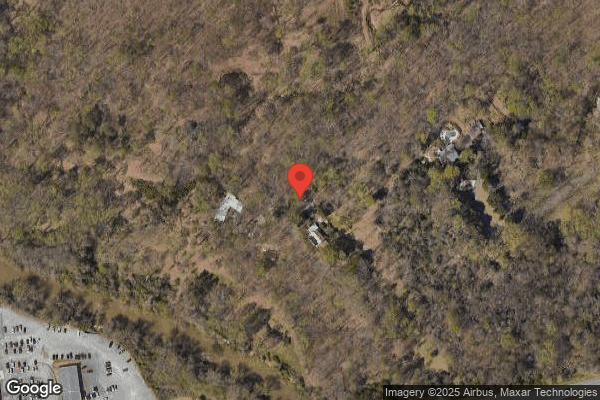
1400 LIVE OAK LN BLDG 100, ATHENS, GA 30606 (706) 739-7690
Non profit - Corporation 40 Beds Independent Data: November 2025
Trust Grade
33/100
#212 of 353 in GA
Last Inspection: July 2024

Within standard 12-15 month inspection cycle. Federal law requires annual inspections.

Overview

Presbyterian Village in Athens, Georgia, has received a Trust Grade of F, indicating poor quality and significant concerns regarding care. Ranked #212 out of 353 in Georgia means they are in the bottom half of facilities statewide, and they stand at #2 out of 2 in Oconee County, with only one other option available. The facility is worsening, with the number of issues increasing from 14 in 2023 to 15 in 2024. Staffing is a relative strength with a 3 out of 5 rating and an impressive 0% turnover, suggesting that staff remain long-term; however, they face concerning fines totaling $18,545, which are higher than 91% of Georgia facilities. Notable incidents include a resident not receiving proper pain management during a procedure, and another resident receiving an incorrect dosage of medication for 13 days, leading to a serious seizure. Families should weigh these serious issues against the facility's strengths before making a decision.

Trust Score
F
33/100
In Georgia
#212/353
Bottom 40%
Safety Record
High Risk
Review needed
Inspections
Getting Worse
14 → 15 violations
Staff Stability
○ Average
Turnover data not reported for this facility.
Penalties
⚠ Watch
$18,545 in fines. Higher than 99% of Georgia facilities. Major compliance failures.
Skilled Nurses
○ Average
Each resident gets 33 minutes of Registered Nurse (RN) attention daily — about average for Georgia. RNs are the most trained staff who monitor for health changes.
Violations
⚠ Watch
29 deficiencies on record. Higher than average. Multiple issues found across inspections.
★★☆☆☆
2.0
Overall Rating
★★★☆☆
3.0
Staff Levels
★★★★★
5.0
Care Quality
★☆☆☆☆
1.0
Inspection Score
Stable
2023: 14 issues
2024: 15 issues

The Good

  • 5-Star Quality Measures · Strong clinical quality outcomes
  • Full Sprinkler Coverage · Fire safety systems throughout facility
  • No fines on record

Facility shows strength in quality measures, fire safety.

The Bad

2-Star Overall Rating

Below Georgia average (2.6)

Below average - review inspection findings carefully

Federal Fines: $18,545

Below median ($33,413)

Minor penalties assessed

The Ugly 29 deficiencies on record

3 actual harm
Sept 2024 8 deficiencies 1 Harm
SERIOUS (G) 📢 Someone Reported This

A family member, employee, or ombudsman was alarmed enough to file a formal complaint

Actual Harm - a resident was hurt due to facility failures

Deficiency F0697 (Tag F0697)

A resident was harmed · This affected 1 resident

**NOTE- TERMS IN BRACKETS HAVE BEEN EDITED TO PROTECT CONFIDENTIALITY** Based on observations, interviews, and record review, the facility failed to ensure that pain management was provided to residen...

Read full inspector narrative →
**NOTE- TERMS IN BRACKETS HAVE BEEN EDITED TO PROTECT CONFIDENTIALITY** Based on observations, interviews, and record review, the facility failed to ensure that pain management was provided to residents who require such services, consistent with professional standards of practice and the comprehensive person-centered care plan, for one resident (R) (R4) reviewed for pain management. Actual Harm was identified on 9/16/2024 when Podiatrist GG failed to stop and assess R4 yelling out in pain while receiving Podiatry care and treatment. The sample size was 9. Findings included: Review of the electronic medical record (EMR) revealed that R4 was admitted to the facility with diagnoses that include but not limited to non-displaced fracture of sacrum, hypertension, mild dementia, anxiety, and depression. Review of the admission Minimum Data Set (MDS) dated [DATE], documented R4 had a Brief Interview for Mental Status (BIMS) score of 11 out of 15, which indicated moderate impaired cognition. Observation on 9/16/2024 at 10:18 am, while touring the facility, yelling was noted to be coming from down a hallway. Surveyor walked towards the yelling, to find R4 sitting in a geriatric chair in the Fireside Room common area. Sitting on the floor at R4's feet, Podiatrist GG was observed performing care and services, in the open sitting area. R4 continued to yell out in pain as Podiatrist GG proceeded to work on cutting his toenails, and digging under R4's left great toe, to debride a subungual hematoma. The Podiatrist did not stop the procedure to assess residents level of pain, but stated to the resident we have to get this infection out of your toe and continued digging until the toe started to bleed. There was no facility staff in the Fireside Room at this time, only two assistants to Podiatry GG, and three other residents. R4 continued to yell out in pain during the procedure, until the Director of Nursing (DON) asked Podiatrist GG to take the resident to his room to complete the care. Review of the care plan revised on 8/23/2024 revealed R4 has acute/chronic pain related to dementia, anxiety, depression, sacral fracture, and osteoporosis. Interventions to care include administer analgesia as per orders. Give before treatments or care when possible; anticipate the residents need for pain relief and respond immediately to any complaint of pain; provide the resident with reassurance that pain is time limited, try to encourage different pain-relieving methods. Review of the September 2024 Physician's Order (PO) revealed an order for hydrocodone-acetaminophen 10-325 milligrams (mg) one tablet by mouth every four hours as needed (PRN) for pain, with a start date of 8/6/2024. Review of the September 2024 Medication Administration Record (MAR) revealed that R4 had been receiving regular doses of hydrocodone-acetaminophen for pain daily. There is no evidence that the resident was medicated for pain prior to or after the podiatry procedure. Interview on 9/16/2024 at 12:30 pm, R4 observed sitting in the restorative dining room, neat and clean. He stated he is not currently having any pain. Resident was asked about the visit by the foot doctor earlier today, and he stated that he had his toenails cut and that it hurt him. During further interview, R4 stated that he was not given any pain medicine before or after the procedure. Interview on 9/16/2024 at 1:00 pm, Certified Nursing Assistant (CNA) II stated that when residents complain of pain, she would immediately report it to the nurse. She was questioned how she would identify if a resident was experiencing pain, if the resident was not able to state that they were in pain? She stated that she would watch for signs of pain, such as facial expressions, crying, and yelling when being moved or transferred. She stated that R4 does yell out when staff provide care for him. Interview on 9/17/2024 at 4:45 pm, the DON stated that her expectation is that if residents are experiencing any pain, the staff should do an assessment to determine the cause of the pain and provide medication, if they have an order. She stated that if the residents do not have an active order for pain medications, then the nurse should call the physician, to obtain an order for something for pain. Two separate attempts to contact Podiatrist GG for an interview during the survey were unsuccessful.
CONCERN (D) 📢 Someone Reported This

A family member, employee, or ombudsman was alarmed enough to file a formal complaint

Potential for Harm - no one hurt, but risky conditions existed

Deficiency F0557 (Tag F0557)

Could have caused harm · This affected 1 resident

**NOTE- TERMS IN BRACKETS HAVE BEEN EDITED TO PROTECT CONFIDENTIALITY** Based on observation, record review, interview, and review of the policy titled Skilled Nursing Facility Resident Rights and Pod...

Read full inspector narrative →
**NOTE- TERMS IN BRACKETS HAVE BEEN EDITED TO PROTECT CONFIDENTIALITY** Based on observation, record review, interview, and review of the policy titled Skilled Nursing Facility Resident Rights and Podiatry Policy, the facility failed to ensure the Podiatrist provided care in a dignified manner for one resident (R) (R4), while providing foot care, including cutting toenails and evacuation of left great toe subungual hematoma (collection of blood and clot between the nail bed and the nail plate in the fingers or toes), in a common day area with other residents in the common area. The sample size was 9. Findings include: Review of the undated policy titled Skilled Nursing Facility Resident Rights revealed the policy outlines the rights and protections afforded to residents of the skilled nursing facility in accordance with the federal and state laws. It aims to promote a safe, respectful, and supportive environment for all residents. Respect and Dignity: Residents have the right to be treated with dignity and respect. Conclusion: This policy is designed to protect the rights and well being of all residents in the facility. It shall serve as a guide for staff to ensure that residents receive respectful, dignified, and compassionate care at all times. Review of the undated policy titled Podiatry Policy revealed Policy Interpretation and Implementation: Number 1. Residents will be provided with foot care and treatment in accordance with professional standards of practice. Number 4. Residents with foot disorders or medical conditions associated with foot complications will be referred to qualified professionals. Review of the electronic medical record (EMR) revealed that R4 was admitted to the facility with diagnoses that include but not limited to non-displaced fracture of sacrum, hypertension, mild dementia, anxiety, and depression. Review of the admission Minimum Data Set (MDS) dated [DATE], documented R4 had a Brief Interview for Mental Status (BIMS) score of 11 out of 15, which indicated moderate impaired cognition. Observation on 9/16/2024 at 10:18 am, R4 was sitting in a geri-chair in the Fireside Room common area. Podiatrist GG was sitting on the floor at the foot of R4's geri-chair, performing a procedure of cutting residents elongated toenails and debriding a subungual hematoma from left great toe. Resident was observed yelling out in pain, as Podiatrist GG continued to debride area from residents left great toe, to the point it started to bleed. There was no facility staff noted in the area, while Podiatrist GG was performing procedure. Resident continued yelling and moaning out in pain as the Podiatrist continued with the procedure. After approximately five minutes, the Director of Nursing (DON) walked by the common area as resident continued to yell out in pain. She asked Podiatrist GG to take resident to his room to complete the procedure. Interview on 9/16/2024 at 1:17 pm, the DON stated that when the Podiatrist visits resident in the facility, he usually will see residents in the clinic, located just outside the unit. She stated that when the clinic was being used, the Podiatrist would normally see the residents in their rooms. During further interview, the DON she was not sure why the Podiatrist didn't take the resident to his room to provide care and services for R4. She stated that cutting a residents toenails in the common sitting room was not treating the resident with respect and dignity. Two separate attempts to contact Podiatrist GG for an interview during the survey were unsuccessful.
CONCERN (D) 📢 Someone Reported This

A family member, employee, or ombudsman was alarmed enough to file a formal complaint

Potential for Harm - no one hurt, but risky conditions existed

Investigate Abuse (Tag F0610)

Could have caused harm · This affected 1 resident

**NOTE- TERMS IN BRACKETS HAVE BEEN EDITED TO PROTECT CONFIDENTIALITY** Based on record review, interviews, and review of the facility's policy titled Reporting Resident Abuse, Neglect, and Exploitati...

Read full inspector narrative →
**NOTE- TERMS IN BRACKETS HAVE BEEN EDITED TO PROTECT CONFIDENTIALITY** Based on record review, interviews, and review of the facility's policy titled Reporting Resident Abuse, Neglect, and Exploitation, the facility failed to provide a complete and thorough investigation of an allegation of abuse for one resident (R) (R13) reviewed for abuse. The sample size was nine. Findings include: Review of the policy titled Reporting Resident Abuse, Neglect and Exploitation, dated June 2021 Procedure 31-8-83 Investigations: a. The department shall immediately initiate an investigation after the receipt of any report. The department shall direct and conduct all investigations. b. The investigation shall determine the nature, cause, and extent of the reported abuse or exploitation, an assessment of the current condition of the resident, and an assessment of needed action and services. Review of the Electronic Medical Record (EMR) revealed that R13 was admitted to the facility on [DATE] with diagnoses including intestinal obstruction, compression fracture lumbar vertebra, kidney failure, and atherosclerotic heart disease. Review of R13's quarterly Minimum Data Set (MDS) assessment dated [DATE] revealed a Brief Interview for Mental Status (BIMS) score of 13 indicating no cognitive impairment. Review of the Grievance/Complaint Form dated 8/26/2024 revealed that the Social Worker (SW) was asked to speak with R13 regarding a concern about a Certified Nursing Assistant (CNA). R13 reported that she was being put to bed, and her CNA had to get someone to help her. She reported that they picked her up and shoved her into the bed. She said in that process, one of the CNA's elbows hit her in the left rib. She reported that her ribs are still sore from this process, as it occurred this past Monday. She reported that she did not want the CNA to work with her anymore as the resident felt that she was mean. Review of the Facility Reported incident (FRI) for R13 revealed the five-day follow up report indicated that witness statements and interviews were noted to have been conducted; however, no written statements or interview notes, from any involved parties, were included in the report, except for a written statement from CNA EE, the alleged perpetrator. Review of the handwritten statement dated 8/29/2024, written by CNA EE, documented putting R13 to bed with the assistance of the floor nurse. She documented that she needed assistance and that she and the nurse on the floor lifted resident under her arms and that the transfer was fast and quick. Interview on 9/17/2024 at 6:04 pm, the Director of Nursing (DON) was asked for the written statements and interview notes related to R13's grievance and allegation about CNA EE, being rough when putting her in the bed. She stated that she could not find any interview notes from other residents or other staff members related to this incident. She stated the Facility Incident Report Form, the summary of facility findings, and a written statement from CNA EE was all that they had.
CONCERN (D) 📢 Someone Reported This

A family member, employee, or ombudsman was alarmed enough to file a formal complaint

Potential for Harm - no one hurt, but risky conditions existed

Deficiency F0625 (Tag F0625)

Could have caused harm · This affected 1 resident

**NOTE- TERMS IN BRACKETS HAVE BEEN EDITED TO PROTECT CONFIDENTIALITY** Based on record review, review of the Plan of Correction (POC), interviews, and review of the document titled Bed Hold Letter, t...

Read full inspector narrative →
**NOTE- TERMS IN BRACKETS HAVE BEEN EDITED TO PROTECT CONFIDENTIALITY** Based on record review, review of the Plan of Correction (POC), interviews, and review of the document titled Bed Hold Letter, the facility failed to provide evidence that notice of the bed-hold policy and return was provided to the resident or residents' representative, upon transfer to the hospital for one of three sampled residents (R) (R6). This failure had the potential to contribute to possible denial of re-admission following a hospitalization for residents discharged emergently to the hospital. Findings include: Review of an undated document provided by the facility titled Bed Hold Letter, revealed that Medicare and private insurance companies will not pay to hold the bed at the nursing facility while the resident is hospitalized . The family may hold the bed by paying the private room rate. If you decide not to hold the bed, the facility will assign the bed to a new resident. Upon discharge from the hospital, the resident can be readmitted if a bed is available. Review of the electronic medical record (EMR) revealed R6 was admitted to the facility on [DATE] with diagnoses including hemiplegia and hemiparesis following cerebral infarction, mixed receptive-expressive language disorders, hypertension (HTN), dementia, and depression. Review of the quarterly Minimum Data Set (MDS) dated [DATE], documented that R6 had a Brief Interview for Mental Status (BIMS) score of six out of 15, which indicated severely impaired cognition. Review of the Progress Note dated 8/29/2024 at 5:44 pm, documented resident developed difficulty eating dinner, with visible mouth droop with some drooling. The resident was able to squeeze the staff members hand, and able to stick her tongue out; however, when asked to smile, the resident's mouth was noted to be extremely asymmetrical. Spouse at bedside and requested resident be transported to hospital emergency room (ER). Husband followed in car. Review of the EMR for R6 revealed no evidence of written notification to the resident or resident's representative regarding the facility's bed hold policy or duration of the bed-hold. Interview on 9/17/2024 at 10:40 am, the Social Services Director (SSD) revealed that bed-hold notification was still a new process for the facility. She stated the Bed-hold Letter is included in the hospital transfer packet that is sent with the resident to the hospital. She stated she was not sure who was responsible for communicating with the resident or residents representative about the bed-hold policy. During further interview, she stated currently all bed-hold letters are filed in a binder that is kept in her office. Follow-up interview on 9/17/2024 at 11:15 am, the SSD confirmed that the facility does not have signed copies of Bed-Hold Letters, indicating that the resident or residents representative was presented with written notification regarding the facility's Bed-Hold process. She stated that they are still trying to figure out the process to ensure that the Bed-Hold Letter is signed by the resident or the residents' representative. Interview on 9/17/2024 at 1:25 pm, the Director of Nursing (DON) revealed that it is the Social Services Director's responsibility to ensure that all Bed-Hold Letters are completed and signed by the resident or residents' representative. The DON confirmed that the Bed-Hold Letter for R6's 8/29/2024 transfer to the hospital was not completed with a signature from the resident or residents' representative.
CONCERN (D) 📢 Someone Reported This

A family member, employee, or ombudsman was alarmed enough to file a formal complaint

Potential for Harm - no one hurt, but risky conditions existed

Quality of Care (Tag F0684)

Could have caused harm · This affected 1 resident

**NOTE- TERMS IN BRACKETS HAVE BEEN EDITED TO PROTECT CONFIDENTIALITY** Based on record review and staff interviews, the facility failed to follow the Physician Orders to offer snacks between meals, f...

Read full inspector narrative →
**NOTE- TERMS IN BRACKETS HAVE BEEN EDITED TO PROTECT CONFIDENTIALITY** Based on record review and staff interviews, the facility failed to follow the Physician Orders to offer snacks between meals, for one of three sampled residents (R) (R1). Findings include: Review of the electronic medical record (EMR) revealed that R1 was admitted to the facility on [DATE] with diagnoses including Alzheimer's disease, dementia, major depressive disorder, gastroesophageal reflux disease (GERD), and chronic pain syndrome. Review of the quarterly Minimum Data Set (MDS) dated [DATE] documented a Brief Interview for Mental Status (BIMS) of 99, which indicated resident was not able to complete the assessment. Review of September 2024 Order Summary Report revealed an active order dated 8/29/2024 to offer snacks between meals. Review of the Nutrition/Dietary Note dated 8/6/2024 revealed that R1 requires setup and assistance with eating, intake remains poor, 25-50% of meals. Numerous supplements are offered daily to compensate for intake; however, overall consumption is not adequate to stabilize weight. Resident has 12% of weight loss in 180 days. Review of the snack intake form revealed that no documentation was available for snack intake for dates from 8/29/2024 to 9/2/2024; two snacks documented on 9/3/2024; no documentation for 9/4/2024; three snacks documented on 9/5/202; one snack documented on 9/6/2024; one snack documented on 9/12/2024. No other snacks documented for September 2024. Interview on 9/16/2024 at 4:30 pm, the Dietary Manager (DM) revealed that the facility has a variety of snacks available to provide to residents between meals, including potato chips, crackers, bananas, fruit salad, puddings, apple sauce, Jello, and ice cream. She stated that after the kitchen closes, the Certified Nursing Assistants (CNAs) have access to the small refrigerator, the small freezer, and baskets of shelf stable snacks. Interview on 9/17/2024 at 4:15 pm, the Assistant of Director of Nursing (ADON) revealed that the Activity Director is responsible for offering snacks to residents in afternoon. She stated that the Activity Director was out today, and nobody was offering snacks to residents today. When asked about snacks on the weekends, the ADON stated that weekends are different, in that snacks are provided by families. Interviews on 9/17/2024 at 6:30 pm, with CNA CC and CNA DD revealed that they pass snacks when the Activity Director is not at the facility. They stated snacks are offered between each meal by going from to room, and letting residents choose what snack they would like. During further interview, they stated that many residents don't want snacks, because they already have snacks provided by their families.
CONCERN (D) 📢 Someone Reported This

A family member, employee, or ombudsman was alarmed enough to file a formal complaint

Potential for Harm - no one hurt, but risky conditions existed

Unnecessary Medications (Tag F0759)

Could have caused harm · This affected 1 resident

**NOTE- TERMS IN BRACKETS HAVE BEEN EDITED TO PROTECT CONFIDENTIALITY** Based on observations, record review, staff interviews, and review of the policy titled Medication Management, the facility fail...

Read full inspector narrative →
**NOTE- TERMS IN BRACKETS HAVE BEEN EDITED TO PROTECT CONFIDENTIALITY** Based on observations, record review, staff interviews, and review of the policy titled Medication Management, the facility failed to ensure that it was free of a medication error rate greater than five percent by not ensuring medications are given as ordered by the physician. A total of 25 medication opportunities were observed, with two errors, for two of six residents (R) R5 and R16, for a medication error rate of 8%. Findings include: Review of the policy titled Medication Management dated June 2021 revealed the policy is to establish protocol for medication management. Medications are administered by licensed staff including Registered Nurses (RN), Licensed Practical Nurses (LPN), and Certified Medication Assistants (CMA). Procedure Number 10: Orders required for all medications: facility staff will not allow its staff to assist with, provide supervision of self-administered medications, or administer any medications, including over the counter medications, unless there is a physician's order specifying clear instructions for its use on file for the resident. 1. Review of R5's electronic medical record (EMR) revealed resident was admitted to the facility on [DATE] with diagnoses including fracture of right lower leg, atrial fibrillation, dementia, and neuropathy. Observation of medication administration on 9/17/2024 at 7:45 am with Licensed Practical Nurse (LPN) FF, revealed she administered multiple medications to R5. The following observations were made: Certavite (a multivitamin and iron product used to treat or prevent vitamin deficiency) one tablet; Calcium with Vitamin D3 (a medication used to prevent or treat low blood calcium levels) one tablet; B-12 (helps break down food into energy) 1000 microgram (mcg) one tablet; Duloxetine a medication used to treat depression and anxiety) 30 milligrams (mg); Flonase (a medication used to treat Asthma) 50 mcg two sprays each nostril; Memantine (a medication used to treat moderate to severe dementia) 10 mg one tablet; Metoprolol (a medication used to treat high blood pressure) 25 mg take half tablet. During reconciliation with review of the September 2024 Medication Administration Record (MAR) revealed the following orders: Metoprolol Tartrate 25 mg, give 0.5 tablet by mouth every morning and at bedtime for hypertension. Further review of the MAR revealed residents blood pressure and pulse were to be obtained prior to administering the medication. LPN FF was not observed to check R5's pulse rate or obtain her blood pressure prior to administering her the metoprolol medication. Interview on 9/17/2024 at 11:30 am, LPN FF was asked about the protocol for checking vital signs prior to administering medications that have effects on blood pressure and heart rate. She stated that she was supposed to check R5's blood pressure before she gave her the medication. She stated she was nervous and forgot to check her vital signs. 2. Review of R16's EMR revealed resident was admitted to the facility on [DATE] with diagnoses including chronic diastolic heart failure, hypertension, and cardiomegaly. Observation of medication administration on 9/17/2024 at 8:15 am with Licensed Practical Nurse (LPN) FF, revealed she administered multiple medications to R16. The following observations were made: Senna (medication used to relieve occasional constipation) one tablet; Eliquis (anticoagulant medication used to treat and prevent blood clots and to prevent stroke in people with nonvalvular atrial fibrillation ) 5 mg one tablet daily; Lasix (medication used to treats fluid retention (edema) in people with congestive heart failure) 20 mg one tablet; Renavite (multivitamin specifically designed for dialysis patients) one tablet; Sodium Chloride (medication used to prevent and treat low levels of sodium) one gram (gm); Polyethylene Glycol (medication used in the management and treatment of constipation) 17 gm, mix with four - eight ounces of water daily. During reconciliation with review of the September 2024 MAR revealed the following orders: Polyethylene Glycol 3350 Powder, give 17 gm by mouth daily at 9:00 am, for constipation. LPN FF was not observed to retrieve the container of Polyethylene Glycol from the medication cart, measure out the prescribed dosage, or mix with the recommended four - eight ounces of water. LPN FF was asked before administering the above prepared medications to R16, if there were any other medications resident was to receive at this time, and LPN FF responded no. Interview on 9/17/2024 at 11:30 am, LPN FF stated that during the preparation of R16's medications, she noticed that there wasn't any Polyethylene Glycol in the cart. During further interview, LPN FF stated that she thought she told the surveyor that she would have to administer the Polyethylene Glycol at a later time, due to the medication not on the med cart. Interview on 9/17/2024 at 5:45 pm, the Director of Nursing (DON) stated that her expectation is that medications are administered to the residents as ordered by the physician. She stated that LPN FF was a new nurse and that this was her first survey, and that she was nervous being observed by the surveyor.
CONCERN (D) 📢 Someone Reported This

A family member, employee, or ombudsman was alarmed enough to file a formal complaint

Potential for Harm - no one hurt, but risky conditions existed

Infection Control (Tag F0880)

Could have caused harm · This affected 1 resident

**NOTE- TERMS IN BRACKETS HAVE BEEN EDITED TO PROTECT CONFIDENTIALITY** Based on observation, staff interviews, and review of the policy titled Infection Prevention and Control Program, the facility f...

Read full inspector narrative →
**NOTE- TERMS IN BRACKETS HAVE BEEN EDITED TO PROTECT CONFIDENTIALITY** Based on observation, staff interviews, and review of the policy titled Infection Prevention and Control Program, the facility failed to ensure staff one of two nurses observed practiced acceptable infection control practices to prevent possible cross-contamination as evidenced by not performing hand hygiene during medication administration for three of six residents (R) (R5, R3 and R16). The deficient practice had the potential to increase the possibility of cross contamination. Findings include: Review of the undated policy titled, Infection Prevention and Control Program, revealed the Infection Prevention and Control Program includes a system for prevention, identification, investigation, and controlling infections and communicable diseases for all residents, staff, volunteers, visitors, and other individuals. Hand Hygiene: cleanse hands to prevent the spread of potentially deadly infections. Hand Hygiene is the single most important prevention measure healthcare workers can do to prevent infections. Observation on 9/17/2024 at 7:45 am, during morning medication pass, Licensed Practical Nurse (LPN) FF failed to wash her hands or use antibacterial hand rub (ABHR), prior to preparing medications for R5. She retrieved medication [NAME]'s from medication drawer, punched the meds into a small cup, and replaced the [NAME] back in the drawer. She removed a couple of over-the-counter medications from the cart, and placed the prescribed meds into the cup. LPN FF then locked the medication cart, prepared a cup of water for the resident, and proceeded to residents room, to administer the medications. LPN FF exited R5's room without performing hand hygiene prior to leaving the room. Observation on 9/17/2024 at 7:59 am, after returning to the medication cart, LPN FF unlocked the medication cart and logged into the laptop computer to move onto the next resident preparing R3's medication. LPN FF did not wash her hands or use ABHR prior to preparing medications for R3. She locked the med cart and closed laptop and proceeded to R3's room to administer the prepared medications. LPN FF disposed of the medication cup and water glass and exited the room without performing hand hygiene prior to leaving the room. Observation on 9/17/2024 at 8:15 am, LPN FF returned to the medication cart, unlocked the cart and logged into the laptop computer to move onto next resident, preparing medications for R16. LPN FF did not wash her hands or use ABHR prior to preparing medications. She locked the med cart and closed laptop and proceeded to R16's room to administer the prepared medications. LPN FF disposed of the medication cup and water glass and exited the room without performing hand hygiene prior to leaving the room. Interview on 9/17/2024 at 8:30 am, LPN FF was questioned regarding the processes during the administration of medications to residents. She was asked specifically about hand hygiene, and she pointed to a bottle of hand sanitizer on top of the medication cart, and stated that she used the sanitizer after each residents medication administration. Surveyor informed LPN FF that she was followed and observed for three resident medication administrations, and was not observed to perform hand hygiene before or after preparing and administering each resident's medications. Interview on 9/17/2024 at 5:45 pm, the Director of Nursing (DON) stated that staff are expected to use hand sanitizer or wash their hands before and after providing care to a resident. She stated that LPN FF was a new nurse and that this was her first survey, and that she was nervous about being observed by the surveyor.
CONCERN (E) 📢 Someone Reported This

A family member, employee, or ombudsman was alarmed enough to file a formal complaint

Potential for Harm - no one hurt, but risky conditions existed

Comprehensive Care Plan (Tag F0656)

Could have caused harm · This affected multiple residents

**NOTE- TERMS IN BRACKETS HAVE BEEN EDITED TO PROTECT CONFIDENTIALITY** Based on record review, review of the Plan of Correction (POC), staff interviews, and review of the policy titled Care Plans - C...

Read full inspector narrative →
**NOTE- TERMS IN BRACKETS HAVE BEEN EDITED TO PROTECT CONFIDENTIALITY** Based on record review, review of the Plan of Correction (POC), staff interviews, and review of the policy titled Care Plans - Comprehensive, the facility failed to follow the plan of care for three of three sampled residents (R) (R1, R2, and R22) related to monitoring and recording meal intake. Findings include: Review of the undated policy titled Care Plans-Comprehensive revealed the policy is to establish guidelines for providing individualized patient care that is multidisciplinary, consistent, coordinated, high quality, and cost effective; to provide guidelines for initiating, customizing, and following a goal-directed plan of care based on best practice. Policy: Number 1. An individualized comprehensive care plan that includes measurable objectives and timetables to meet the residents medical, nursing, mental and psychological needs is developed for each resident. Number 2. The facility's care planning/Interdisciplinary team, in coordination with the resident, his/her family or representative, develops and maintains a comprehensive care plan for each resident that identifies the highest level of functioning the resident may be expected to attain. Number 6. Care plan interventions are designed after careful consideration of the relationship between the resident's problem areas and their causes. When possible, interventions address the underlying source(s) of the problem area(s), rather than addressing only symptoms or triggers. It is recognized that care planning individual symptoms or Care Area Triggers in isolation may have little, if any, benefit for the resident. Number 8. Assessments of residents are ongoing, and care plans are revised as information about the resident and the residents condition change. 1. Review of the clinical record revealed R1was admitted to the facility on [DATE] with diagnoses including dementia, major depressive disorder, and cognitive communication deficit. The residents most recent quarterly Minimum Data Set (MDS) dated [DATE] documented a Brief Interview for Mental Status (BIMS) of 99, which indicated resident was not able to complete the assessment. Review of the care plan revised on 7/2/2024 revealed the resident has nutritional problem or potential nutritional problem related to history of unplanned weight loss, receives puree consistency and thin liquids, and requires extensive assistance with eating. Interventions to care include monitor/record/report to Physician signs and symptoms (s/sx) of malnutrition including emaciation, muscle wasting, significant weight loss of three pounds in one week, five percent (%) in one month, 7.5 % in three months, or 10% in six months; provide, serve diet as ordered and monitor intake and record every meal; Registered Dietician to evaluate and make diet change recommendations as needed (PRN). Review of the August and September 2024 Nutritional Task-Amount Eaten in the EMR documented R1 consumed between 51-75 % of meals. Continued review revealed there is no documentation for intake percentages from 8/29/2024 to 9/2/2024, and 9/4/2024 to 9/15/2024. Review of the August and September 2024 Nutritional Task-Snacks Given in the EMR revealed there is no documented evidence that R1 was given a snack between meals (as ordered on 8/29/2024) from 8/29/2024 - 9/2/2024, 9/4/2024, 9/13/2024 and 9/17/2024. For the dates 9/10/2024 - 9/11/2024, and 9/16/2024 documented Not Applicable. There is no documentation as to what Not Applicable is related to. 2. Review of the clinical record revealed R2 was admitted to the facility on [DATE] with diagnoses including Alzheimer's disease, dementia, and major depressive disorder. The residents most recent quarterly Minimum Data Set (MDS) dated [DATE] documented a BIMS of four, which indicated severe cognitive impairment. Review of the care plan revised 7/9/2024 revealed the resident has nutrition risk related to diagnoses of Lupus and is ordered a regular diet with chopped meat and thin liquids as ordered. Interventions to care include monitor/record/report to Physician signs and symptoms (s/sx) of malnutrition including emaciation, muscle wasting, significant weight loss of three pounds in one week, five percent (%) in one month, 7.5 % in three months, or 10% in six months; provide, serve diet as ordered and monitor intake and record every meal. Review of the September 2024 Nutritional Task-Amount Eaten in the EMR documented R2 consumed between 51-75% of meals. Continued review revealed there is no documentation for intake percentages from 9/1/2024 - 9/4/2024, 9/6/2024, 9/13/2024, and 9/17/2024. Review of the August and September 2024 Nutritional Task-Snacks Given in the EMR revealed there is no documented evidence that R2 was given a snack from 8/20/2024 - 8/26/2024, 8/29/2024 - 9/4/2024, 9/6/2024, 9/13/2024 and 9/17/2024. For the dates 9/10/2024 - 9/11/2024 and 9/16/2024 documented Not Applicable. There is no documentation as to what Not Applicable is related to. 3. Review of the clinical record revealed R22 was admitted to the facility on [DATE] with diagnoses including traumatic hemorrhage of cerebrum, metabolic encephalopathy, dysphagia, hypertension, and Alzheimer's disease. The residents most recent quarterly Minimum Data Set (MDS) dated [DATE] revealed a BIMS score was not documented, which indicated resident was not able to complete the assessment. Review of the care plan revised 7/26/2024 revealed the resident has nutrition risk related to diagnoses of history of cerebral vascular accident (CVA), Alzheimer's disease, and hypertension and is ordered a mechanical soft diet with ground meat and thin liquids as ordered, history of unplanned weight loss and requires set-up with extensive assistance with eating. Interventions to care include monitor/record/report to Physician signs and symptoms (s/sx) of malnutrition including emaciation, muscle wasting, significant weight loss of three pounds in one week, five percent (%) in one month, 7.5 % in three months, or 10% in six months; provide, serve diet as ordered and monitor intake and record every meal; Registered Dietician to evaluate and make diet change recommendations as needed (PRN). Review of the September 2024 Nutritional Task-Amount Eaten in the EMR documented R22 consumed between 51-75% of meals. Continued review revealed there is no documentation for intake percentages from 8/15/2024 - 8/16/2024, 8/20/24 - 8/21/2024, 8/23/2024 - 8/26/2024, 8/29/2024 - 8/30/2024, 9/1/2024, 9/4/2024, 9/13/2024, and 9/17/2024. Review of the August and September 2024 Nutritional Task-Snacks Given in the EMR revealed there is no documented evidence that R22 was given a snack from 8/20/2024 - 8/26/2024, 8/29/2024 - 8/30/2024, 9/1/2024, 9/4/2024, 9/13/2024 and 9/17/2024. For the dates 9/10/2024 - 9/11/2024 and 9/16/2024 documented Not Applicable. There is no documentation as to what Not Applicable is related to. Interview on 9/17/2024 at 4:15 pm, the Assistant Director of Nursing (ADON) revealed that CNAs are responsible for entering percentage of each meal intake in the electronic system. The ADON was asked about days in the system that do not have intake percentages documented, and she stated that the missing data could be the result of agency CNAs working, and they did not know how to use the facility electronic system. During continued interview, surveyor observed two CNAs sitting at the nurses station, working on the computers, and the ADON stated they were entering information from residents' meal tickets into the electronic system. Interview on 9/17/2024 at 5:10 pm, the Director of Nursing (DON) revealed that CNAs are responsible for documenting the percentage of meal intakes after each meal for each resident. after . She stated that the CNAs write the intake percentage consumed of each meal on the residents tray ticket and enter information that information in the electronic system when they are ready to do their charting. The DON stated it is her expectation that all staff should be following each resident's plan of care. Cross Refer F684
Jul 2024 7 deficiencies 2 Harm
SERIOUS (G) 📢 Someone Reported This

A family member, employee, or ombudsman was alarmed enough to file a formal complaint

Actual Harm - a resident was hurt due to facility failures

Pharmacy Services (Tag F0755)

A resident was harmed · This affected 1 resident

**NOTE- TERMS IN BRACKETS HAVE BEEN EDITED TO PROTECT CONFIDENTIALITY** Based on record review, staff interviews, review of the policy titled Pharmacy Policy & Procedure Guide for Care Centers, and re...

Read full inspector narrative →
**NOTE- TERMS IN BRACKETS HAVE BEEN EDITED TO PROTECT CONFIDENTIALITY** Based on record review, staff interviews, review of the policy titled Pharmacy Policy & Procedure Guide for Care Centers, and review of job descriptions, the facility failed to provide pharmaceutical services that dispensed the correct dosage of physician ordered medication for one of twenty sampled residents (R) (R77). R77 was administered an incorrect dosage of lamotrigine (medication for seizures) for 13 days before a medication error was recognized. Harm was identified to have occurred on 7/15/2024 when R77 experienced a grand mal seizure due to receiving a subtherapeutic dose of lamotrigine. Findings include: Review of the policy titled Pharmacy Policy & Procedure Guide for Care Centers, with a review date of 10/5/2021, revealed the Purpose, Objective, and Goals. Purpose: Number 1. To strive to protect the safety and welfare of patients receiving medications while residing in a nursing center. These guidelines are consistent with all State and Federal laws and generally accepted principles of pharmacy and nursing practices. Objective: Number 3. To strive to promote the rational, safe and economic dispensing of medications to nursing center patients. Goal: Number 1. To strive to provide patients with the needed medications, in a timely manner (as ordered by the patient's prescriber) and in a manner consistent with high professional standards. General Guidelines for Medication Administration Intent: Medications are administered as prescribed, in accordance with good nursing principles. Procedural Guidelines: The joint responsibility of the nursing center and the pharmacy is to ensure accurate medication administration. Review of the Pharmacy Director job description, dated 7/22/2024 revealed Purpose Summary: The Director is responsible for developing, coordinating, and supervising of all pharmaceutical services of the facility. Responsibilities: Number 6. Submit a Quarterly Report of Pharmacy Services to the Executive Director and Quality Assurance Committee. Number 29. Interpret physicians' orders and dispense all pharmaceuticals incoming from the facility's pharmacy, or directly supervises this task being done by a pharmacy technician. Number 30. Other functions as necessary to insure safe and efficient use of pharmaceuticals in the facility. Review of the Director of Health Services job description dated 12/17/1998 revealed Responsibilities/Duties: Number 1. Directs, supervises and coordinates the functions and activities of the Health Services Department to include nursing, pharmacy, rehab, medical records, social services and Physician services. Number 2. Creates and maintains an atmosphere of warmth and personal interest ensuring a positive, calm environment throughout the facility. Number 3. Ensures that each resident receives the necessary nursing, medical and psychological services to attain and maintain the highest possible mental and physical functional status. Review of the admission Record revealed R77 was admitted to the facility on [DATE] with a diagnosis of seizures. Review of the Order Summary Report dated 7/2/2024 revealed lamotrigine ER 250 mg. Give one tablet by mouth in the morning related to other seizures, with start date of 7/3/2024. Review of R77's medication card (bubble pack) filled by the facility's pharmacist on 7/2/2024 revealed Lamotrigine 25 mg tablet. Review of a Nursing Alert Note dated 7/15/2024 at 11:00 am documented resident suddenly screamed out with her hands wide and proceeded to have what appeared to be a grand mal seizure. Her back was arched, feet turned downward, and eyes rolled upwards. She had a clenched jaw, head was extended back and exhibited difficulty in breathing due to airway issue. Seizure activity lasted approximately five to ten minutes, followed by 10 - 15-minute post-ictal {sic} state. Nurse Practitioner (NP) present during post-ictal {sic} phase and Physician arrived shortly thereafter. Interview on 7/20/2024 at 1:50 pm, the Director of Nursing (DON) stated R77 was admitted to the facility on [DATE]. She confirmed the discharge medications included lamotrigine 250 mg ER on ce a day for a diagnosis of seizures. She stated the pharmacy dispensed lamotrigine 25 mg tablets, instead of the 250 mg tablets, and R77 received the lamotrigine 25 mg for 13 days, instead of the prescribed 250 mg ER. She stated the medication error was identified after the resident had a grand mal seizure on 7/15/2024. Interview on 7/21/2024 at 12:10 pm, the Director of Health Services (DHS) also known as the Administrator, stated the Pharmacy Nurse Consultant and the Pharmacist check medication carts as well as performing medication observations with the licensed nursing staff. During further interview, the DHS revealed that the Nurse Consultant and Pharmacy reports are internal audit tools used for quality assurance and that he would not provide them to the survey team, and that they are not subject to regulatory oversight. Interview on 7/22/2024 at 8:43 am, Pharmacy Director BB stated the Pharmacy Technician inputs resident medication orders and the Pharmacist fills the orders and label's the bubble pack. The medication is then checked against a delivery manifest and the medication and delivery manifest are delivered to the unit and checked again with the nurse receiving the medication. During further interview, the Pharmacy Director BB stated the incident with R77 happened because the checks and balances were not followed. She stated the previous Pharmacy Director was inputting the orders, filling the orders, and packaging the medication. A phone interview on 7/22/2024 at 10:35 am, previous Pharmacy Director AA revealed she worked approximately three weeks at the facility, through a staffing agency, until a full-time pharmacist was hired. The Pharmacy Director stated once the medication orders were received, they were entered by the pharmacy technician. The pharmacist was responsible for filling the medications and generating the delivery manifest. She stated no one from the facility called her to inform her of the medication error for R77. Interview on 7/22/2024 at 12:30 pm, Pharmacist CC reviewed the lamotrigine medication bubble pack card, and confirmed that the initials on the card were hers and the medication was filled based on what was entered by the pharmacy technician. Interview on 7/22/2024 at 3:55 pm, the Executive Director stated the facility utilizes Nurse Consultant Services for medication cart audits, resident medication audits, and medication pass observation. He stated that information is available for the survey team, and he will ensure the information is provided. The facility did not provide the medication cart audit, resident medication audit, or medication pass observation to the survey team. Cross refer F760
SERIOUS (G) 📢 Someone Reported This

A family member, employee, or ombudsman was alarmed enough to file a formal complaint

Actual Harm - a resident was hurt due to facility failures

Deficiency F0760 (Tag F0760)

A resident was harmed · This affected 1 resident

**NOTE- TERMS IN BRACKETS HAVE BEEN EDITED TO PROTECT CONFIDENTIALITY** Based on record review, staff interviews, review of the policy titled Pharmacy Policy & Procedure Guide for Care Centers, and re...

Read full inspector narrative →
**NOTE- TERMS IN BRACKETS HAVE BEEN EDITED TO PROTECT CONFIDENTIALITY** Based on record review, staff interviews, review of the policy titled Pharmacy Policy & Procedure Guide for Care Centers, and review of employee job descriptions, the facility failed to ensure one of 20 sampled residents (R) (R77) was free from a significant medication error related to not administering medications according to the physician orders. Specifically, R77 was ordered lamotrigine (a medication used to treat seizures) 250 milligrams (mg) extended release (ER) daily, but was only administered 25 mg per day, due to a pharmacy dispensing error. Actual harm was identified to have occurred on [DATE] when R77 suffered a grand mal seizure, as a result of a subtherapeutic dose of lamotrigine for 13 days. Findings include: Review of the policy titled Pharmacy Policy & Procedure Guide for Care Centers with a review date of [DATE] documented Purpose, Objective, and Goals. Purpose: Number 1. To strive to protect the safety and welfare of patients receiving medications while residing in a nursing center. Number 3. To strive to provide medical care team members with written guidelines, for instructional, as well as standardizing purposes, which govern all aspects of medication handling, storage, documentation, and administration. These guidelines are consistent with all State and Federal laws and generally accepted principles of pharmacy and nursing practices. Objective: Number 2. To strive to educate all concerned personnel about medications and their proper administration to patients in a nursing center. Number 3. To strive to promote the rational, safe and economic dispensing of medications to nursing center patients. Goal: Number 1. To strive to provide patients with the needed medications, in a timely manner (as ordered by the patient's prescriber) and in a manner consistent with high professional standards. General Guidelines for Medication Administration Intent: Medications are administered as prescribed, in accordance with good nursing principles. Procedural Guidelines: The joint responsibility of the nursing center and the pharmacy is to ensure accurate medication administration. The RIGHT medication must be given to the RIGHT patient in the RIGHT dose at the RIGHT time, using the RIGHT method of administration and the RIGHT method of documentation. Review of the undated Director of Nursing job description documented the Job Summary: The Director of Nursing is a registered Nurse who is responsible for the organization and implementation of nursing care in the Health Services Center. She initiates implements and evaluates nursing care to assure holistic, restorative and rehabilitative care in accordance with accepted standards. Responsibilities/Duties: Number 3. Provides direct supervision to all HSC Registered Nurse Supervisors, Nurse Managers, as well as Team Leaders, Certified Nursing Assistants and the Activity Program Coordinator on the Special Care Unit. Implements and enforces all nursing policies and procedures. Number 12. Assess residents' response to medication and make appropriate recommendations for nursing action to be implemented. Number 26. Responsible for knowledge regarding Federal, State and local nursing home rules and regulations. Review of the undated Staff Nurse/Team Leader job description revealed the Job Summary: The Charge Nurse is a registered nurse or a licensed practical nurse that is responsible for the organization and implementation of nursing and program care on a specified unit. She/ he initiates, implements, and evaluates nursing care to assure holistic, restorative and rehabilitative care in accordance with accepted standards. Responsibilities/Duties: Number 4. Administers medications and treatments according to established policies and procedures. Observation on [DATE] at 9:06 am, R77 was in the sitting area neatly dressed in street clothes and wearing a Thoracic Lumbar Sacral Orthosis (TLSO) and a right arm brace. Review of the admission Record revealed R77 was admitted to the facility on [DATE] with diagnoses including seizures, displaced comminuted fracture of right radius, wedge compression fracture of fourth lumbar vertebra, and of unspecified thoracic vertebra. Review of the Medicare - 5 Day Minimum Data Set (MDS) assessment dated [DATE] revealed the assessment was in progress. Review of the care plan initiated [DATE] revealed resident is at risk for seizure activity related to diagnosis of seizure disorder. Interventions to be implemented included administer medications as ordered and implement seizure precautions per facility guidelines. Review of the hospital discharge order dated [DATE], revealed an order for lamotrigine 250 mg Tr24 (time release 24 hours) one tablet in the morning. Review of the Order Summary Report dated [DATE] revealed Lamotrigine ER 250 mg. Give one tablet by mouth in the morning related to other seizures, with start date of [DATE]. Review of the Order Summary Report dated [DATE] revealed Lamotrigine ER 250 mg Give one tablet by mouth in the morning related to other seizures, with a start date of [DATE]. Review of the Order Summary Report dated [DATE] revealed lamotrigine ER 250 mg give one tablet by mouth in the morning related to other seizures with a start date of [DATE]. Review of a photographic image of R77's medication card (bubble pack) revealed the prescription for lamotrigine 25 mg tablets was filled by the facility's pharmacy on [DATE]. Further review revealed instructions on the card were to administer per the instructions on the MAR (medication administration record). Review of a Nursing Alert Note dated [DATE] at 11:00 am documented this writer was in [sic] assisting Certified Nursing Assistant (CNA) in getting resident up and readied [sic] for lunch. The resident at baseline for behavior and expression (verbal and facial). She was smiling and responding well with markedly less resistance to cares than other times. After getting resident into wheelchair, she suddenly scream out with hands wide and proceeded to have what this writer would assess, as a grand mal seizure. He [sic] back arched, feet turned downward, and eyes rolled upwards. Clenched her jaw, head was extended back and exhibited difficulty in breathing due to airway issue. This writer and a CNA placed resident on her side in bed, which alleviated enough distress to return to baseline oxygen saturation (O2 sat) and skin color pink. Seizure lasted from 5-10 mins with postictal state at 10-15 mins. Blood Pressure 140/92, pulse106, and O2 sat 95 precent room air. Nurse practitioner present during postictal time. Physician arrive to assess shortly thereafter. Pupils at 2 millimeters (mm), unreactive, returning to 3-4 mm and reactive after postictal state resolved. Interview on [DATE] at 1:50 pm, the Director of Nursing (DON) stated R77 was admitted to the facility on [DATE] from [name] Hospital. She confirmed R77's discharge medications included lamotrigine 250 mg ER on ce a day for a diagnosis of seizures. During further interview, she stated the pharmacy dispensed lamotrigine 25 mg tablets, instead of the 250 mg tablets, reflecting that R77 received the lamotrigine 25 mg for 13 days, instead of the prescribed 250 mg ER. She stated the medication error was identified after the resident had a grand mal seizure on [DATE]. She stated the nursing staff has been in serviced on medication administration - five rights, and the medications must be checked before placing them on the cart. Interview on [DATE] at 7:59 am, Registered Nurse (RN) DD stated that she was working on [DATE] when R77 had the grand mal seizure. She stated after the seizure, she herself, the Physician, and the Nurse Practitioner checked the hospital discharge orders against the order put in the residents' EMR and confirmed that both orders were for lamotrigine ER 250 mg. RN DD stated she then checked the bubble pack of lamotrigine medication, which revealed the bubble pack was filled with lamotrigine 25 mg tablets. RN DD stated that residents are often times given low dosages of lamotrigine to treat behaviors, and because R77 did exhibit behaviors at times, she didn't think anything about her taking 25 mg instead of 250 mg. The RN DD confirmed that she did not follow the five rights of medication administration. During further interview, RN DD stated that she received education on medication administration and reading the MAR and the bubble pack to make sure they match. She stated discrepancies should be reported to the charge nurse before administering the medication. Interview on [DATE] at 8:40 am, the Director of Nursing (DON) revealed the policy Medication Management-Certified Medication Assistant was the only policy the facility had on medication administration. She stated she is aware that the policy references Certified Medication Aides, but stated only license nurses are allowed to pass medications to the residents. Interview on [DATE] at 8:43 am, Pharmacy Director BB stated the nursing staff should be following the policy for medication administration found in the Pharmacy Policy & Procedure Guide for Care Centers. She stated the manual should be at each nursing station. Interview on [DATE] at 9:30 am, Licensed Practical Nurse (LPN) FF stated she is aware of the incident regarding R77's medication. LPN FF stated she has not been provided any education on medication administration and stated no one in the facility has observed medication pass with her. Interview on [DATE] at 11:30 am, LPN EE stated she is familiar with the care that R77 required. She revealed on the days she administered R77 her medications, she did not check the bubble pack with the MAR to ensure she was administering the correct dose of medication. She stated the Nurse Educator provided education on medication administration, reading the MAR, and the bubble pack to make sure everything matched.
CONCERN (D) 📢 Someone Reported This

A family member, employee, or ombudsman was alarmed enough to file a formal complaint

Potential for Harm - no one hurt, but risky conditions existed

Employment Screening (Tag F0606)

Could have caused harm · This affected 1 resident

Based on record review, interview, and review of the facility policy titled Abuse/Neglect Prevention Program, the facility failed to ensure employee screening including a criminal background check was...

Read full inspector narrative →
Based on record review, interview, and review of the facility policy titled Abuse/Neglect Prevention Program, the facility failed to ensure employee screening including a criminal background check was received prior to hiring one of 11 employees (Dietary Manager) reviewed for background screening requirements. Findings included: A review of the Abuse/Neglect Prevention Program dated 9/29/2023 revealed that an aggressive abuse prevention program will be implemented in order to identify potential persons capable of abusive behavior prior to hiring. Hiring Practices/Screening: A. This facility will conduct thorough investigation histories of individuals being considered for hire . We will check references and perform criminal background checks. Review of the employee file for the Dietary Manager indicated the date of hire was 1/28/2021. The Georgia Criminal History Check System (GCHEXS) background screening was received by the facility on 5/18/2021. During an interview on 7/21/2024 at 11:35 am, the Director of Human Resources (DHR) confirmed that there are some employees that have a hire date prior to receiving their GCHEXS background screening. She stated that as long as the facility completes a local background screening, they can be hired before receiving the GCHEX Satisfaction Letter.
CONCERN (D) 📢 Someone Reported This

A family member, employee, or ombudsman was alarmed enough to file a formal complaint

Potential for Harm - no one hurt, but risky conditions existed

Deficiency F0625 (Tag F0625)

Could have caused harm · This affected 1 resident

**NOTE- TERMS IN BRACKETS HAVE BEEN EDITED TO PROTECT CONFIDENTIALITY** Based on record review, interviews, and review of the facility's document titled Bed Hold Letter, the facility failed to ensure ...

Read full inspector narrative →
**NOTE- TERMS IN BRACKETS HAVE BEEN EDITED TO PROTECT CONFIDENTIALITY** Based on record review, interviews, and review of the facility's document titled Bed Hold Letter, the facility failed to ensure written notice of the bed-hold was provided to the resident or residents' representative upon transfer to the hospital for one of two residents (R) (R20) reviewed for hospitalization. This failure had the potential to contribute to possible denial of re-admission following hospitalization for residents discharged emergently to the hospital. Findings include: Review of an undated document provided by the facility, titled Bed Hold Letter revealed that Medicare and private insurance companies will not pay to hold the bed at the nursing facility while the resident is hospitalized . The family may hold the bed by paying the private room rate. If you decide not to hold the bed, the facility will assign the bed to a new resident. Upon discharge from the hospital, the resident can be readmitted if a bed is available. Review of the medical record revealed R20 was admitted to the facility on [DATE] with diagnoses including intracranial hemorrhage, hypertension (HTN), Alzheimer's disease, metabolic encephalopathy, and stage 3 chronic kidney disease. He was transferred to the hospital on 2/3/2024, with return anticipated. There was no evidence in the medical record that resident or his representative was provided with information regarding the facility's process for bed hold. The resident returned to the facility on 2/5/2024. Interview on 7/22/2024 at 3:12 pm, the Social Services Director (SSD) stated she wasn't sure who prepared the Bed Hold Letter and sent it to the resident or his/her representative. She stated she had not been keeping a log or other means to ensure this requirement was met. During further interview, the SSD stated the facility does not have an in-house business office manager, and she had been informed that it would be her responsibility or the responsibility of the admissions coordinator to implement the bed-hold policy going forward.
CONCERN (D) 📢 Someone Reported This

A family member, employee, or ombudsman was alarmed enough to file a formal complaint

Potential for Harm - no one hurt, but risky conditions existed

ADL Care (Tag F0677)

Could have caused harm · This affected 1 resident

**NOTE- TERMS IN BRACKETS HAVE BEEN EDITED TO PROTECT CONFIDENTIALITY** Based on observations, record review, and interviews, the facility failed to ensure that activities of daily living (ADL) care w...

Read full inspector narrative →
**NOTE- TERMS IN BRACKETS HAVE BEEN EDITED TO PROTECT CONFIDENTIALITY** Based on observations, record review, and interviews, the facility failed to ensure that activities of daily living (ADL) care was provided for two of five dependent residents (R) (R5 and R15). Findings included: 1. A review of the electronic medical record (EMR) revealed that R5 was admitted to the facility on [DATE] with diagnoses including orthostatic hypotension, muscle weakness, and depression. A review of the annual Minimum Data Set (MDS) assessment with an Assessment Reference Date (ARD) date of 7/4/2024, revealed that R5 presented with a Brief Interview for Mental Status (BIMS) score of 14, indicating that she was cognitively intact. Review of the Care Area Assessment (CAA) revealed that R5 triggered for functional abilities (self-care and mobility). Observation on 7/20/2024 at 9:14 am, revealed that R5 was pleasant and alert, with ¼ inch length of chin hair. During an interview at this time, R5 stated that she would like to have the chin hair removed, but sometimes she does not notice it. She stated that the hairdresser assisted her with trimming the hair on her face when she had her hair done but she isn't at the facility every day. She stated that she does not want to go out with hair on her face so she would like for the staff to remind her and help her shave it. Observation on 7/21/2024 at 11:40 am, R5 was in the dining room and observed with facial hair on her chin. Observation on 7/22/2024 at 11:30 am, R5 was sitting in the dining room. She still had not been assisted with removing the facial hair from her chin. During an interview on 7/22/2024 at 1:29 pm, Certified Nursing Assistant (CNA) MM stated that she is an agency staff but she has worked at this facility multiple times. She confirmed that she assists R5 with her ADL care, but stated she did not notice that R5 had facial hair that needed to be shaved. During further interview, she stated that residents are shaved on their shower day. During an interview on 7/22/2024 at 4:09 pm, the Director of Nursing (DON) stated that residents have three baths/showers per week and the direct care staff should be performing the task of shaving the residents. She confirmed that R5's shower day was Saturday evening and that her facial hair should have been trimmed. During further interview, she stated that sometimes the hairdresser will cut the residents chin hairs, but could not comment on why it was not completed for R5. 2. A review of the EMR revealed that R15 was admitted to the facility on [DATE] with a diagnosis of dementia. A review of the quarterly MDS assessment dated [DATE] revealed that R15 presented with a BIMS of three, indicating that the resident presents with severe cognitive impairment. The CAAS indicated the resident triggered for cognitive loss/dementia, communication, and functional abilities (self-care and mobility). Observation on 7/22/2024 at 11:45 am, R15 was alert with confusion. She was observed with chin whiskers. She was asked about her facial hair, and she placed her fingers on her chin and stated, Oh, my. I need to get that off. During an interview on 7/22/2024 at 11:33 am, CNA NN stated R15 is gotten up by the night shift staff. When she was asked if the resident required ADL care assistance, she confirmed that the resident did, but stated she has had not tended to the resident today. She was asked why she had not tended to the resident, and the CNA changed her statement and stated that she had checked on the resident earlier, but she did not need ADL assistance. She was asked if she checked with the resident whether she wanted her facial hair trimmed or shaved and she stated, No I didn't ask. During an interview with the DON on 7/22/2024 at 4:15 pm, the DON confirmed that R15's shower day was Friday and Monday mornings and that she should have had her facial hair shaved.
CONCERN (E) 📢 Someone Reported This

A family member, employee, or ombudsman was alarmed enough to file a formal complaint

Potential for Harm - no one hurt, but risky conditions existed

Comprehensive Care Plan (Tag F0656)

Could have caused harm · This affected multiple residents

**NOTE- TERMS IN BRACKETS HAVE BEEN EDITED TO PROTECT CONFIDENTIALITY** 5. Review of the clinical record revealed R12 was admitted to the facility on [DATE] with diagnoses including major depressive d...

Read full inspector narrative →
**NOTE- TERMS IN BRACKETS HAVE BEEN EDITED TO PROTECT CONFIDENTIALITY** 5. Review of the clinical record revealed R12 was admitted to the facility on [DATE] with diagnoses including major depressive disorder, type 2 diabetes, anxiety disorder and Alzheimer's Disease. A review of the quarterly MDS assessment dated [DATE] revealed that R12 had a BIMS score of 12, indicating moderate cognitive impairment. A review of the CAAs revealed R12 triggered for cognitive loss/dementia, functional abilities (self-care and mobility), and psychotropic drug use. Section I revealed a diagnosis of Alzheimer's. Review of the July 2024 MAR revealed R12 had an order for Quetiapine (a medication used to treat mental health conditions) 25 mg half tablet by mouth daily at bedtime, with a start date of 6/25/2024. A review of the care plan initiated on 5/21/2024 for R12 revealed no comprehensive plan of care developed to address R12's diagnosis of Alzheimer's dementia. Interview on 7/20/2024 at 9:32 am, the MDS Coordinator stated it was expected to have the Alzheimer/Dementia diagnosis captured in the updated care plan. The MDS confirmed she was not able to locate the care plan for R12 addressing her diagnoses of Alzheimer's/Dementia. She stated it may be in their previous EMAR system. During further interview, the ADON could not explain why the Alzheimer's/Dementia care was not captured on the updated care plan completed 5/21/2024. Based on record review, interviews, and review of the policy titled Care Plans - Comprehensive, the facility failed to develop and/or implement a person-centered care plan for five of 20 sampled residents (R) (R5, R15, R19, R20, and R12). Specifically, the facility failed to develop a comprehensive care plan for R5 related to pressure ulcer/injury, psychotropic drug use, activities of daily living (ADL) care, and urinary incontinence; R15 related to cognitive loss/dementia, communication, ADL care, urinary incontinence, and risk of pressure ulcer/injury; R19 related to anticoagulant therapy, pain, psychotropic drug use, risk for pressure ulcer, hospice, behavioral symptoms, ADL care, dementia, or delirium; R20 related to the diagnosis of delirium, cognitive loss/dementia, ADL care, urinary incontinence, pressure ulcer/injury, and psychotropic drug use; and R12 related to diagnosis of Alzheimer's and dementia. This deficient practice placed the residents at risk for unmet care needs. Findings include: A review of the undated policy titled Care Plans-Comprehensive revealed the Policy: Number 1. An individualized comprehensive care plan that includes measurable objectives and timetables to meet the residents medical, nursing, mental and psychological needs is developed for each resident. Number 2. The facility's care planning/Interdisciplinary team, in coordination with the resident, his/her family or representative, develops and maintains a comprehensive care plan for each resident that identifies the highest level of functioning the resident me be expected to attain. Number 3. The comprehensive care plan is based on a thorough assessment that includes but is not limited to, the Minimum Data Set (MDS) assessment. Number 4. Each resident's comprehensive care plan is designed to: a. Incorporate identified problem areas; b. Incorporate risk factors associated with identified problems; c. Build on the resident's strengths; d. Reflect the resident's expressed wishes regarding care and treatment goals; e. Reflect treatment goals, timetables and objectives in measurable outcomes; f. Identify the professional services that are responsible for each element of care; g. Aid in preventing or reducing declines in the resident's functional status and/or functional levels; h. Enhance the optimal functioning of the resident by focusing on a rehabilitative program; i. Reflect currently recognized standards of practice for problem areas and conditions. Number 6. Care plan interventions are designed after careful consideration of the relationship between the resident's problem areas and their causes. When possible, interventions address the underlying source(s) of the problem area(s), rather than addressing only symptoms or triggers. It is recognized that care planning individual symptoms or Care Area Triggers in isolation may have little, if any, benefit for the resident. Number 8. Assessments of residents are ongoing and care plans are revised as information about the resident and the residents condition change. 1. A review of the electronic medical record (EMR) revealed that R5 was admitted to the facility on [DATE] with diagnoses including neuropathic bladder, orthostatic hypotension, gastroesophageal reflux disease (GERD), muscle weakness, and depression. A review of the Annual Minmum Data Set (MDS) assessment dated [DATE] revealed that R5 presented with a Brief Interview for Mental Status (BIMS) of 14, indicating no cognitive impairment. A review of the Care Area Assessment (CAA) revealed R5 triggered for functional abilities (self-care and mobility), urinary incontinence and indwelling catheter, falls, nutritional status, pressure ulcer/injury, and psychotropic drug use. A review of the July 2024 Order Summary Report revealed that R5 was ordered to receive escitalopram 10 mg tablet one time a day related to depression, with start date of 4/3/2024. A review of the care plan for R5 dated 4/8/2024 revealed no focus area for risk of pressure ulcer/injury, psychotropic drug use, functional abilities (self-care and mobility), or urinary incontinence. 2. A review of the EMR revealed that R15 was admitted to the facility on [DATE] with diagnoses including chronic obstructive pulmonary disease (COPD), dysphagia, cognitive communication deficit, chronic diastolic (congestive) heart failure, hypertension, irritable bowel syndrome (IBS), hemiplegia and hemiparesis following nontraumatic subarachnoid hemorrhage, and acute embolism and thrombosis of other specified deep vein of unspecified lower extremity. A review of the Quarterly MDS assessment dated [DATE] revealed that R15 presented with a BIMS of three, indicating severe cognitive impairment. A review of the CAAs revealed that R15 triggered for cognitive loss/dementia, communication, functional abilities (self-care and mobility), urinary incontinence and indwelling catheter, and risk of pressure ulcer/injury. A review of the care plan initiated on 6/11/2024 for R15 revealed no care plan for cognitive loss/dementia, communication, functional abilities (self-care and mobility), urinary incontinence and indwelling catheter, and risk of pressure ulcer/injury. 3. A review of the EMR revealed that R19 was admitted to the facility on [DATE] with diagnoses including hypertensive heart disease, chronic diastolic (congestive) heart failure, atrial fibrillation, hypertension (HTN), acute embolism and thrombosis of the lower extremity, pulmonary embolism, dementia with behavioral disturbance, and diabetes. A review of the quarterly MDS assessment dated [DATE] revealed that R19 received antidepressant, anticoagulant, diuretic, opioid, and hypoglycemic medications during the look back period. A review of the CAAs revealed that R19 triggered for delirium, cognitive loss/dementia, functional abilities (self-care and mobility), behavioral symptoms, pressure ulcer/injury, psychotropic drug use, and pain. A review of the July 2024 Order Summary Report revealed that R19 was ordered to receive lorazepam (medication to treat anxiety) 0.5 mg tablet one tablet by mouth every two hours as needed (PRN) for anxiety/agitation; morphine sulfate (medication to treat pain) oral solution 100 mg/5ml - give 1 ml (milliliter) by mouth every hour PRN for pain (7-10), 0.5 ml by mouth every hour PRN for pain (4-6), 0.25 ml by mouth every hour PRN for pain (0-3); mirtazapine (medication to treat depression) 7.5 mg tablet at bedtime; oxycodone (medication to treat pain) 5 mg tablet one tablet every eight hours PRN; and Eliquis (medication to treat blood clots) 5 mg tablet two times a day for pulmonary embolism. A Review of the Hospice IDG Comprehensive Assessment and Plan of Care Update Report dated 6/27/2024 documented a start of care for Hospice services as 1/10/2024, with period of coverage for 4/9/2024 to 7/7/2024. A review of the care plan initiated 4/16/2024 for R19 revealed there is no care plan focus area addressing R19's anticoagulant use, pain, psychotropic drug use, pressure ulcer (risk of), behavioral symptoms, functional abilities, dementia, delirium or Hospice. Interview on 7/21/2024 at 5:50 pm, the MDS Coordinator confirmed the resident did not have a care plan addressing the psychotropic drug use, anticoagulant use, or that the resident was on Hospice. During further interview, she confirmed that the care plans did not carry over to the new EMR system. 4. A review of the EMR revealed that R20 was admitted to the facility on [DATE] with diagnoses including intracranial hemorrhage, hypertension (HTN), Alzheimer's disease, metabolic encephalopathy, and stage 3 chronic kidney disease. A review of the July 2024 Medication Administration Record (MAR) revealed that R20 was ordered to receive olanzapine (medication to treat schizophrenia) 2.5 mg tablet one tablet every 24 hours PRN for delirium. A review of the quarterly MDS assessment dated [DATE], revealed that R20 CAAs triggered delirium, cognitive loss/dementia, functional abilities (self-care and mobility), pressure ulcer/injury, psychotropic drug use, urinary incontinence and indwelling catheter. A review of the care plan initiated 7/2/2024 for R20 revealed there is no care plan focus area addressing R20's psychotropic drug use, functional abilities, pressure ulcer risk, urinary incontinence, or delirium. Interview on 7/21/2024 at 5:25 pm, the MDS Coordinator stated that as she completes new MDS assessments after 4/1/2024, all the are plans should be carried over into the new system. She was asked why the resident's care plans had not been carried over into the new system even after they received a comprehensive MDS assessment after 4/1/2024, and she stated that she did not know why. She confirmed that R20 did not have a care plan addressing psychotropic drug use, functional abilities, pressure ulcer risk, urinary incontinence, or delirium on the current care plan. Interview on 7/22/2024 at 10:50 am, the Assistant Director of Nursing (ADON) stated that she does not do anything with the MDS. She stated the facility did not have all the residents medical records downloaded into the new EMR system because the electronic migration has not taken place. She stated if residents had a new MDS assessment after 4/1/2024, the care plans should be in the new EMR system. Interview on 7/22/2024 at 2:29 pm, Licensed Practical Nurse (LPN) FF stated she was hired in April 2024 and confirmed that she does not have access to the old EMR system to see what the resident care plans documented for resident care. Interview on 7/22/2024 at 3:40 pm with the administrator and DON, revealed that the facility went from using one EMR system to another EMR system. The DON stated many of the resident care plans and other information are in the prior EMR system. She stated that not all of the nursing staff has access to the old EMR system or the older care plans. She stated that the previous system would only have resident information before 4/1/2024. The administrator stated the facility had a Quality Assurance Process Improvement (QAPI) plan in place before the implementation date of the new EMR. He stated it consisted of months of planning and in that planning, the facility had Process Improvement Plan (PIP) that was completed on 4/1/2024.
CONCERN (F) 📢 Someone Reported This

A family member, employee, or ombudsman was alarmed enough to file a formal complaint

Potential for Harm - no one hurt, but risky conditions existed

Deficiency F0801 (Tag F0801)

Could have caused harm · This affected most or all residents

Based on record review, review of the Certifying Board of Dietary Managers and interviews, the facility failed to ensure that the dietary department had a designated staff as director of food and nutr...

Read full inspector narrative →
Based on record review, review of the Certifying Board of Dietary Managers and interviews, the facility failed to ensure that the dietary department had a designated staff as director of food and nutrition services, was a certified dietary or food service manager, or had a similar food service management or degree to provide the daily functions/duties of a Dietary Manager. This deficient practice had the potential to affect 25 of 25 residents who received meals in the facility. Findings include: Review of the document titled Certifying Board of Dietary Managers dated 4/2023 revealed States Recognizing the CDM, CFPP Credential reads all 50 states must follow the CMS federal guidelines as outlined in rule $483.60 Food and Nutrition Services and have adopted state-level regulations that meet or exceed the federal standards. Review of the employee file for the Dietary Manager (DM) revealed a hire date of 1/29/2021. The DM employee file revealed no certification or education degree in culinary art or any other food service management degree. Interview on 7/22/2024 at 10:27 am, during the initial tour of the kitchen, the DM was asked to provide her certification as the DM. She stated that she did not have the certification yet, but would soon be enrolling in a course, to become certified. She stated she had been employed in her position since April 2024. She stated that the Registered Dietitian was not full-time and came to the facility once a week. Interview on 7/22/2024 at 3:55 pm, the Executive Director stated that he was aware the DM was not certified. He stated that the DM did not need to be certified now, according to the Certified Board for Dietary Managers. He also stated that the Director of Dining Services was working on getting his CDM, but he had not completed his coursework.
Apr 2023 14 deficiencies
CONCERN (D)

Potential for Harm - no one hurt, but risky conditions existed

Deficiency F0553 (Tag F0553)

Could have caused harm · This affected 1 resident

**NOTE- TERMS IN BRACKETS HAVE BEEN EDITED TO PROTECT CONFIDENTIALITY** Based on record review and interviews, the facility failed to ensure that residents and their representatives were included and ...

Read full inspector narrative →
**NOTE- TERMS IN BRACKETS HAVE BEEN EDITED TO PROTECT CONFIDENTIALITY** Based on record review and interviews, the facility failed to ensure that residents and their representatives were included and able to participate in the planning process for three of 14 sampled residents (R) (R#9, R#19, and R#16). Findings included: 1. A review of the clinical record revealed that R#9 was admitted to the facility on [DATE]. Her son is her Power of Attorney (POA). The family attended the care plan meeting on 2/23/22 and 5/27/22. There was no additional documentation in the clinical record to indicate that there were any additional care plan meetings after 5/27/22. A review of the Minimum Data Set (MDS) assessments (admission assessment dated [DATE], Quarterly assessment dated [DATE], Quarterly assessment dated [DATE], Quarterly assessment dated [DATE], and Annual assessment dated [DATE]) revealed that R#9 was assessed to present with a Brief Interview Mental Status (BIMS) of 10, indicating moderate cognitive impairment. 2. A review of the clinical record revealed that R#19 was admitted to the facility on [DATE]. The family attended the care plan meeting on 2/21/22 and 6/2/22. There was no additional documentation in the clinical record to indicate that there were any additional care plan meetings after 6/2/22. A review of the MDS assessments (admission assessment dated [DATE], Quarterly assessment dated [DATE], Quarterly assessment dated [DATE], Quarterly assessment dated [DATE], and Annual assessment dated [DATE]) was reviewed as conducted timely. On the most recent Annual assessment dated [DATE], the BIMS assessment was not conducted for R#19, indicating that the resident was rarely or never understood. 3. A review of the clinical record revealed that R#16 was last admitted to the facility on [DATE]. The family attended the care plan meeting via phone on 6/3/22 and 7/13/22. There was no documentation in the clinical record to indicate that there were any care plan meetings after 7/13/22. One of the residents family members is listed at their emergency contact. A review of the MDS assessment (Annual assessment dated [DATE], Quarterly assessment dated [DATE], and Quarterly assessment dated [DATE]) revealed that R#16 was assessed to present with a BIMS of 6, indicating severe cognitive impairment. During an interview with the Social Worker on 4/16/23 at 9:32 a.m., she stated that R#9 has not had a care plan meeting since 5/27/22, R#19 has not had a care plan meeting since 6/2/22, and R#16 has not had a care plan meeting since 7/13/22. This has been her responsibility for the two years that she has been employees at the facility. She stated that ideally, the residents would have quarterly care plan meetings, but she has been wearing many hats and has not had time to coordinate meetings. She stated that the admission Coordinator should be setting up the initial care plan meeting and the MDS should be setting up the quarterly and annual meetings, but the responsibility fell on her due to not having an MDS person in the building prior to a month ago. She stated that the prior MDS person lived out of state and worked remotely. During an interview with the MDS Coordinator on 4/16/23 at 10:53 a.m. via phone, she stated that they have not been having the quarterly care plan meeting due to her not being employed at the facility for very long. She stated that her first day of orientation was 1/6/23 and due to call outs, she had to work as a floor nurse. She stated, We have to take care of our patients first, so she just has not had time to coordinate with the Social Worker to get care plan meeting planned. That is something she and the Social Worker will be getting together soon to discuss.
CONCERN (D)

Potential for Harm - no one hurt, but risky conditions existed

Deficiency F0655 (Tag F0655)

Could have caused harm · This affected 1 resident

**NOTE- TERMS IN BRACKETS HAVE BEEN EDITED TO PROTECT CONFIDENTIALITY** Based on record review, interviews, and review of the policy titled Baseline Care Plan Policy, the facility failed to develop a ...

Read full inspector narrative →
**NOTE- TERMS IN BRACKETS HAVE BEEN EDITED TO PROTECT CONFIDENTIALITY** Based on record review, interviews, and review of the policy titled Baseline Care Plan Policy, the facility failed to develop a baseline care plan for one of 14 sampled residents (R) (R#28), that included goals and interventions to meet the immediate care needs present upon admission. Findings include: Review of the undated policy titled Baseline Care Plan Policy, revealed the objective of the baseline care plan is intended to promote continuity of care and communication among nursing home staff, increase safety, and safeguard against adverse events, and inform the resident and/or representative of the initial plan for delivery of care and services by receiving a written summary of the baseline care plan. PROCEDURE: 2. Information for the baseline care plan will be based upon admission orders, information from the transferring provider and discussion with the resident and representative. 3. The care plan will include at minimum the following: a. Initial goals based on admission orders b. Physician orders c. Dietary orders d. Therapy services e. Social services f. PASRR recommendations g. Instructions needed to provide effective and person-centered care that meets professional standards of quality h. Address resident health and safety concerns to prevent decline or injury i. Identify needs for supervision, behavioral interventions, and assistance with ADL's as necessary. 4. The care plan will reflect the resident's stated goals and objectives and include interventions that address his/her current needs. 5. The baseline care plan will include conditions and risks affecting the resident's health and safety. Review of the clinical record for R#28 revealed he was admitted to the facility on [DATE] with diagnoses including but not limited to orthopedic aftercare for Lumbar Spine Decompression L3-L5, spinal stenosis, polyarthritis, and depression. The resident's admission Minimum Data Set (MDS) dated [DATE] revealed a Brief Interview for Mental Status (BIMS) of 15, indicating no cognitive impairment. Section G revealed resident required limited assistance with all care. Section M did not indicate that the resident had a surgical wound. Review of the baseline care plan dated 1/8/2023 revealed there was not a completed plan of care that included the goals and interventions needed to provide effective and person-centered care to address aftercare for spinal surgery. The only problem area identified was that the resident was admitted for respite. Interview on 4/16/2023 at 1:34 p.m. with Minimum Data Set (MDS) Coordinator revealed the Interdisciplinary Team (IDT) within 48 hours of admission. She stated there is not a specific form that is used for the baseline care plan, she uses the comprehensive care plan, and makes sure she completes it within 48 hours. She stated the baseline care plan should include residents basic information for the staff to know what care to provide for the resident. During further interview, shen stated R#28 was admitted for respite care, and still should have had a care plan addressing what care he required during his stay at the facility. Interview on 4/16/2023 at 2:05 p.m., Director of Nursing (DON) stated that it is her expectation that all residents baseline care be person-centered and have information needed to care for the residents during their stay at the facility, even if the stay is short term respite care.
CONCERN (D) 📢 Someone Reported This

A family member, employee, or ombudsman was alarmed enough to file a formal complaint

Potential for Harm - no one hurt, but risky conditions existed

Deficiency F0657 (Tag F0657)

Could have caused harm · This affected 1 resident

**NOTE- TERMS IN BRACKETS HAVE BEEN EDITED TO PROTECT CONFIDENTIALITY** Based on record review, staff interview, and review of facility policies titled, Written Care Plan and Care Planning Procedures,...

Read full inspector narrative →
**NOTE- TERMS IN BRACKETS HAVE BEEN EDITED TO PROTECT CONFIDENTIALITY** Based on record review, staff interview, and review of facility policies titled, Written Care Plan and Care Planning Procedures, facility failed to ensure the care plan for one resident (R) (R#4) was revised after a fall. Findings include: Review of facility policy Written Care Plan dated 6/2021 revealed: 'Policy Statement- To develop a plan of care for staff to use as a guide for the delivery of care and services to the residents. Review of facility undated policy Care Planning Procedures, revealed Assessments of residents are ongoing and care plans are revised as information about the residents and the residents condition changes. The Care Planning/Interdisciplinary Team is responsible for reviewing and updating of care plans: when there has been a significant change in the resident's condition, when the desired outcome is not met, when the resident has been readmitted to the facility from a hospital stay; and at least quarterly. Resident #4 was admitted to the facility 2/3/2023 with diagnoses of but not limited to, repeated falls, unspecified trochanteric fracture of right femur, restless leg syndrome, other abnormalities of gait and mobility, unspecified dementia mild with other behavioral disturbances, cognitive communication deficit. Review of the admission Minimum Data Set (MDS) dated [DATE] revealed a Brief Interview for Mental Status (BIMS) was not coded, indicating cognitive severe impairment. Section G indicated resident required extensive assistance total of two-persons for transfers and bed mobility. She had limitations in range of motion - Lower extremity - Impairment on one side. Mobility Device include wheelchair. Balance moving from seated to standing and surface to surface - Not steady only able to stabilize with human assistance. Review of Progress Note dated 4/5/2023 revealed resident observed on the fall at approximately 9:20 a.m. when staff went in to pick up breakfast tray. Resident was sitting on the floor with leg extended underneath bed holding on the siderails. Resident assessed by nurse on duty and assisted off floor into to wheelchair by nurse and CNA. Nurse noted skin tear to left posterior arm. Review of R#4's care plan did not reveal any updates to care plan following fall with injury on 4/5/2023. During interview on 4/15/2023 at 11:38 a.m. with Director of Nursing revealed the care plan should have been updated following resident's fall with new interventions put into place. Confirmed the care plan an intervention had not been put into place. Stated residents' care plan should have reflected the fall. During a telephone interview on 4/16/2023 at 9:35 a.m. with MDS/Care Plan Coordinator revealed that she is responsible for updating care plans in the facility. She stated that usually the DON conducts a daily clinical meeting at 9:30 a.m. which she attends. During the clinical meeting, the events from the previous day are reviewed. She stated in addition, there is a Risk meeting on Mondays where falls, skin and antibiotics and things such as that are discussed. MDS/Care Plan Coordinator stated that she takes the information from the meetings and update care plans as warranted. She further stated that R#4 has had multiple falls and she probable missed updating the care plan due to having to work on the floor to care for the residents.
CONCERN (D)

Potential for Harm - no one hurt, but risky conditions existed

Deficiency F0660 (Tag F0660)

Could have caused harm · This affected 1 resident

**NOTE- TERMS IN BRACKETS HAVE BEEN EDITED TO PROTECT CONFIDENTIALITY** Based on record review and interviews, the facility failed to ensure a discharge plan was developed and documented by the interd...

Read full inspector narrative →
**NOTE- TERMS IN BRACKETS HAVE BEEN EDITED TO PROTECT CONFIDENTIALITY** Based on record review and interviews, the facility failed to ensure a discharge plan was developed and documented by the interdisciplinary team based on residents needs for one of 14 sampled residents (R) (R#28). Findings include: A review of the undated policy titled, Transfer and Discharge, provided no information regarding the facility policy and procedure for discharge planning for residents admitted for short term stay. Review of the clinical record revealed R#28 was admitted to the facility on [DATE] with diagnoses including but not limited to orthopedic aftercare for Lumbar Spine Decompression L3-L5. He was discharged to the community on 1/15/2023. The resident's Discharge Minimum Data Set (MDS) dated [DATE] documented a Brief Interview for Mental Status (BIMS) of 15, indicating no cognitive impairment. Section A revealed the resident had a planned discharge to the community. Review of the Care Plan, dated 1/8/2023, revealed no evidence of documentation related to discharge planning. Continued review of R#28 medical record had no evidence of documentation of a discharge care plan or documented discussions with the resident and/or his representative, containing details of discharge planning and arrangements for post-discharge care. There were no Social Service entries in electronic medical record (EMR). Interview on 4/16/2023 at 11:22 a.m. with the Director of Nursing (DON), stated discharge planning should be started on admission. She was unable to find any documentation regarding discharge planning in R#28's EMR. Interview on 4/16/2023 at 12:10 p.m. with Social Services Director (SSD), stated she has been employed at facility since it's opening in 2021. She stated she would normally write a discharge note in the EMR about discharge planning, but R#28 was a private pay respite resident, so she did not believe she needed to document anything regarding discharge planning. She stated she completed the NONMC and arranged home health services, but did not document anything in his medical record. During continued interview, she stated she kept all her notes in a binder but was unable to locate any notes for R#28 discharge from the facility. Interview on 4/16/2023 at 2:00 p.m. Administrator stated discharge planning is started at the time resident is admitted , if the resident plans to return to the community. He confirmed there was no evidence that discharge planning had been documented in residents' electronic medical record.
CONCERN (D)

Potential for Harm - no one hurt, but risky conditions existed

Deficiency F0661 (Tag F0661)

Could have caused harm · This affected 1 resident

**NOTE- TERMS IN BRACKETS HAVE BEEN EDITED TO PROTECT CONFIDENTIALITY** Based on record review, staff interviews, and review of policy titled Transfer and Discharge Policy, the facility failed to comp...

Read full inspector narrative →
**NOTE- TERMS IN BRACKETS HAVE BEEN EDITED TO PROTECT CONFIDENTIALITY** Based on record review, staff interviews, and review of policy titled Transfer and Discharge Policy, the facility failed to complete a discharge summary that included a recapitulation of the resident's stay, a post discharge plan of care, or a final summary of the resident's status for one resident (R) (R#28). The sample size was 14 residents. Findings include: Review of the undated policy titled Transfer and Discharge Policy, revealed Presbyterian Home will provide sufficient preparation and orientation to residents to ensure safe and orderly discharge. Review of the clinical record for R#28 revealed he was admitted to the facility on [DATE] with diagnoses including but not limited to orthopedic aftercare for Lumbar Spine Decompression L3-L5, spinal stenosis, polyarthritis, and depression. The resident's Discharge Minimum Data Set (MDS) dated [DATE] documented a Brief Interview for Mental Status (BIMS) of 15, indicating no cognitive impairment. Section A revealed the resident had a planned discharge to the community. Review of the Care Plan, dated 1/8/2023, revealed no evidence of documentation related to discharge planning. Review of the January 2023 Physician's Order revealed an order to discharge from facility-Presbyterian Village [NAME] on 1/15/2023 with outpatient therapy for continued therapy (PT/OT) for strength. Review of Nurse's Note dated 1/15/2023 at 2:12 p.m. revealed resident was discharged home per daughter and son-in-law. Continued record review revealed there was no discharge summary recapitulating R#28's stay and/or documentation of the physician's assessment of R#28's condition at time of discharge. Interview on 4/16/2023 at 11:22 a.m. with the Director of Nursing (DON), stated that Social Services (SS) and MDS do the discharge of resident, and bring the discharge form around to other disciplines to complete. She stated discharge planning should be started on admission. She was unable to find a discharge summary or recapitulation of stay. Interview on 4/16/2023 at 12:10 p.m. with Social Services Director, stated she has been employed at facility since it's opening in 2021. She stated she would normally write a discharge note in the medical record about discharge planning, but R#28 was a private pay respite resident, so she did not believe she needed to document anything regarding discharge. She stated she did the NONMC and arranged his home health care but did not document anything in his medical record. During continued interview, she stated she kept all her notes in a binder but was unable to locate any notes for R#28 discharge from the facility. Interview on 4/16/2023 at 2:00 p.m. Administrator stated residents should have a discharge summary completed that summarizes the care received in the facility. He confirmed there was no discharge summary in residents electronic medical record.
CONCERN (D)

Potential for Harm - no one hurt, but risky conditions existed

Quality of Care (Tag F0684)

Could have caused harm · This affected 1 resident

**NOTE- TERMS IN BRACKETS HAVE BEEN EDITED TO PROTECT CONFIDENTIALITY** Based on observation, interview and record review, the facility failed to follow physician orders related to a treatment for a s...

Read full inspector narrative →
**NOTE- TERMS IN BRACKETS HAVE BEEN EDITED TO PROTECT CONFIDENTIALITY** Based on observation, interview and record review, the facility failed to follow physician orders related to a treatment for a skin tear for one of 14 sampled residents (R) (R#27). Findings include: A review of the clinical record revealed that R#27 is a [AGE] year-old male admitted to the facility on [DATE]. Interdisciplinary note dated 3/21/23 revealed, wound to left forearm area, cleansed with wound cleaner, area pat dry and soft OptiForm dressing applied for protection. Original Treatment Order dated 3/21/23 noted Generic dressing change daily; cleanse skin tear to left lower anterior forearm area with wound cleanser, pat dry and apply soft optifoam dressing daily until health. Updated order on 4/16/23 to reflect cleanse skin tear to right lower anterior forearm area with wound cleanser, pat dry and apply soft optifoam dressing daily until health. On 4/16/23 at 12:20 p.m. R#27 was observed in bed. He was pleasant but confused. His upper right arm was observed with a large, discolored area and a scabbed over wound. There was no dressing or treatment on the wound or on the discolored area. On 4/16/23 at 12:55 p.m. an interview was conducted with Licensed Practical Nurse (LPN) HH. She stated that last week R#27's wife reported that the resident received a skin tear when she bumped his arm. She stated that an order was received to care for the skin tear and that there should be a dressing on the area. At 1:01 p.m. the area was observed with LPN HH and she confirmed that there was no treatment on the wound. It was red and purple on his upper arm with a scabbed over wound. She stated that the LPN FF was in charge of wound care today and she did not know why it did not have a bandage. On 4/16/23 at 1:15 p.m. interview and observation with the Director of Nursing (DON), she stated that they have no system in place to track wounds and treatments. Sometimes the wound doctor will pick up the resident but in the case of this resident he was not picked up. She stated that they don't have a running list or treatments or wound care. Whoever is doing wound care has to look up each individual residents chart to determine if wound care or treatment is due. Usually, the nurse assigned to the resident does the treatments but today, LPN FF is doing treatments. The treatment was not done. When we observed the resident, the treatment was on the residents right arm. At this time, LPN HH confirmed that she had just did the treatment of the residents. The DON told LPN HH to have the order corrected to reflect the correct arm. On 4/16/23 at 1:43 p.m. LPN FF stated that sometimes the staff will but wound care treatments on the treatment administrator record but she has to look at each individual electronic medical record in order to know what treatments are due or if a resident has any new treatment. She stated that she had a list today, but someone must have thrown it away. She stated that she must have missed the treatment for R#27. She was observed looking in the electronic medical record and stated, Oh boy, it was way down there. She stated that the reason it was missed was because it was all the way down on the list of his treatments.
CONCERN (D) 📢 Someone Reported This

A family member, employee, or ombudsman was alarmed enough to file a formal complaint

Potential for Harm - no one hurt, but risky conditions existed

Accident Prevention (Tag F0689)

Could have caused harm · This affected 1 resident

**NOTE- TERMS IN BRACKETS HAVE BEEN EDITED TO PROTECT CONFIDENTIALITY** Based on observations, record reviews, interviews, and review of the facility policy titled Fall Prevention Assessment and Manag...

Read full inspector narrative →
**NOTE- TERMS IN BRACKETS HAVE BEEN EDITED TO PROTECT CONFIDENTIALITY** Based on observations, record reviews, interviews, and review of the facility policy titled Fall Prevention Assessment and Management Guidelines , the facility failed to assure the safety of one resident (R#4) with a history of falls, by not applying a bed alarm while resident was asleep in bed and a chair alarm while she was up in the wheelchair and complete documentation of neuro-checks post fall. The sample size is 14. Findings include: Review of the policy undated titled Fall Assessment and Management Guidelines , indicates residents who have sustained at least one fall are at risk of future falls. After a fall: Follow-up with an assessment log/intervention care plan with Interdisciplinary Team (IDT). Review of the clinical record revealed resident was admitted to the facility on [DATE] with diagnoses of but not limited to, repeated falls, unspecified trochanteric fracture of right femur, restless leg syndrome, other abnormalities of gait and mobility, unspecified dementia mild with other behavioral disturbances, cognitive communication deficit. Review of the admission Minimum Data Set (MDS) dated [DATE] revealed a Brief Interview for Mental Status (BIMS) was not coded, indicating cognitive severe impairment. Section G indicated resident required extensive assistance total of two- persons for transfers and bed mobility. She had limitations in range of motion - Lower extremity - Impairment on one side. Mobility Device include wheelchair. Balance moving from seated to standing and surface to surface - Not steady only able to stabilize with human assistance. Review of the care plan updated 2/6/2023 indicated resident is at risk for falls related to history of falls and new fractured hip as evidenced by frequently tries to get out of bed without supervision. Dementia is a barrier for remembering to ask for assistance with transfers/ambulation. The interventions listed includes assist as needed with transfers, frequent checks for safety, low bed, check for incontinence, keep call light within reach, frequent rounds to monitor for attempts to get out of bed. Review of R#4's current physicians orders revealed an order with a start date of 4/13/2023 for bed and chair alarm continuous. Review of the Progress Note dated 4/5/2023 at 10:56 a.m. that revealed Resident observed on the floor at approximately 9:20 a.m. when staff went in to pick up breakfast tray. Resident was sitting on the floor with leg extended underneath bed holding on the siderails. Resident assessed by nurse on duty and assisted off floor into to wheelchair by nurse and CNA. Nurse noted skin tear to left posterior arm. Daughter notified and stated that she will be arriving at the facility in approximately 10-15 minutes. Review of the Progress Note dated 4/12/2023 at 7:32 a.m. that revealed Patient found on floor in her room with a pillow underneath her head. Patient stated she was attempting to get out of bed to go to the bathroom an sustained and unwitnessed fall to the floor. Patient had removed her bed alarm. Call light was within reach and side rails x2 were up. Vital signs 97.9 80 18 128/62. Patient complained of hitting the right side of her head but no complaint of pain and no evidence of redness or bruising. Patient assisted back to bed by staff. Neuro checks initiated with no change in condition. Dr Bueno and daughter notified. MD returning call and voicemail message left for daughter. Observation and interview on 4/15/23 at 8:56 a.m. with R#4's daughter revealed resident out of bed to wheelchair in the bathroom at the sink brushing her teeth. The chair alarm is not on the resident's chair at the time of this observation. R#4's daughter told surveyor that resident has a long history of falls. Daughter stated that resident is very impulsive and had fallen several times since admission to the facility. Daughter stated resident does not remember from one minute to next, which puts her at risk for continues falls. Observation on 4/15/23 at 11:10 a.m. revealed resident lying in bed resting with both eyes closed. The bed is in low position. There are fall mats along both sides of the bed. The bed alarm is on the bed side table not attached to the resident. Resident's daughter is also in the room in a chair with both eyes closed at this time. Observation on 4/16/23 at 8:22 a.m. revealed R#4 sitting in the wheelchair in the dining room eating breakfast. Chair alarm is not on the wheelchair or attached to resident at the time of this observation. During an interview on 4/15/23 at 10:15 a.m. with CNA DD revealed that she has worked at the facility through Agency off and on since the facility opened in 2021. She further stated that she has not received any training through the facility regarding how to care for residents who has had a fall. She did state that she received training on falls in other facility which she has worked but not this facility. C NA DD stated if she sees a resident on the floor, she will not move the resident but get the nurse to assess the resident. During an interview with on 4/15/23 at 10:24 a.m. with LPN EE revealed when there is a resident fall, the resident is assessed, the physician, DON and responsible party are informed, an incident report is completed, neuro checks started, vital signs obtained, and an interventions for the fall is document on the incident report and the nurses note. LPN EE further stated the MDS nurse updates the care plans with the new interventions. During an interview and observation on 4/15/23 at 11:18 a.m. with LPN FF revealed that she is assigned to R#4. LPN FF reviewed resident's current physicians order and resident is supposed to have the bed and chair alarm on at all times except when she showers. She stated resident will unhook the alarm from her clothes at times. LPN FF stated resident usually has a sitter with her, but resident should still have the alarm on. LPN FF walked with surveyor and verified that both R#4 and residents' daughter were resting with both eyes closed and the bed alarm was not attached and on the dresser. LPN FF stated that all staff is responsible for assuring that the alarm is in place and that if it is not attached then to reapply. LPN FF confirmed R#4 is at risk for further falls if the bed and chair alarms are not in use as ordered. During an interview on 4/15/23 at 11:38 a.m. with the DON, she stated the nurse should document daily on residents on a fall prevention program. DON stated if there is an unwitnessed fall, the nurses should conduct and document an assessment and start neuro checks. DON reviewed the record and indicated the 4/5/23 neuro checks were incomplete, and she would have to assume that it was not completed, unless in the nurse's notes. DON searched the record and was unable to locate that neuro checks on 4/5/23 were complete. DON further stated that it is just me and she does not have anyone to followup to ensure that nurses are following up on falls. DON stated that falls and interventions are mentioned in the morning clinical meeting, but documentation and monitoring is not being checked. DON stated that it is her expectation that the staff applies the bed and chair alarm and reattach the alarms if resident removes the alarm. DON stated that she did not check to see if resident had the bed alarm on this morning.
CONCERN (E) 📢 Someone Reported This

A family member, employee, or ombudsman was alarmed enough to file a formal complaint

Potential for Harm - no one hurt, but risky conditions existed

Deficiency F0725 (Tag F0725)

Could have caused harm · This affected multiple residents

**NOTE- TERMS IN BRACKETS HAVE BEEN EDITED TO PROTECT CONFIDENTIALITY** 4. Investigation of the Infection Control facility task during the recertification survey, revealed that the current Director of...

Read full inspector narrative →
**NOTE- TERMS IN BRACKETS HAVE BEEN EDITED TO PROTECT CONFIDENTIALITY** 4. Investigation of the Infection Control facility task during the recertification survey, revealed that the current Director of Nursing (DON) was unable to locate any of the Infection Control Surveillance data for the past year, the immunizations records for the sampled residents, or data tracking for the antibiotic stewardship program. Interview on 4/15/2023 at 11:00 a.m., Administrator revealed the previous Director of Nursing (DON) left in March 2023. He revealed the current DON was the Nursing Supervisor before being promoted as the DON. During further interview, he stated that the DON is also the Interim Infection Control Preventionist, but does not currently have the certification required for the position. Interview on 4/16/2023 at 11:25 a.m., Administrator revealed the facility has had 11 DONs since the facility was opened in 2021. During further interview, he stated that he hopes to be able to hire a nurse for the Infection Control Preventionist, who will also do staff development. He stated he is the second Administrator since opening in 2021. Based on observation, interviews and record review, the facility failed to ensure sufficient nurse staffing on a 24-hour bases to care for residents needs related to (1) ensuring that residents and their representatives were included and able to participate in the planning process for three of 14 sampled residents (R) (R#9, R#19, and R#16); (2) the facility did not have a Registered Nurse (RN) for at least 8 consecutive hours a day for 7 days a week; (3) facility failed to follow physician orders related to a treatment for a skin tear for one of 14 sampled residents (R) (R#27). Findings include: 1. A review of the clinical record revealed that R#9 was admitted to the facility on [DATE]. Her son is her POA. The family attended the care plan meeting on 2/23/22 and 5/27/22. There was no additional documentation in the clinical record to indicate that there were any additional care plan meetings after 5/27/22. A review of the Minimum Data Set (MDS) assessments (admission assessment dated [DATE], Quarterly assessment dated [DATE], Quarterly assessment dated [DATE], Quarterly assessment dated [DATE], and Annual assessment dated [DATE]) revealed that R#9 was assessed to present with a Brief Interview Mental Status (BIMS) of 10, indicating moderate cognitive impairment. A review of the clinical record revealed that R#19 was admitted to the facility on [DATE]. The family attended the care plan meeting on 2/21/22 and 6/2/22. There was no additional documentation in the clinical record to indicate that there were any additional care plan meetings after 6/2/22. A review of the MDS assessments (admission assessment dated [DATE], Quarterly assessment dated [DATE], Quarterly assessment dated [DATE], Quarterly assessment dated [DATE], and Annual assessment dated [DATE]) was reviewed as conducted timely. On the most recent Annual assessment dated [DATE], the BIMS assessment was not conducted for R#19, indicating that the resident was rarely or never understood. A review of the clinical record revealed that R#16 was last admitted to the facility on [DATE]. The family attended the care plan meeting via phone on 6/3/22 and 7/13/22. There was no documentation in the clinical record to indicate that there were any care plan meetings after 7/13/22. One of the residents family members is listed at their emergency contact. A review of the MDS assessment (Annual assessment dated [DATE], Quarterly assessment dated [DATE], and Quarterly assessment dated [DATE]) revealed that R#16 was assessed to present with a BIMS of 6, indicating severe cognitive impairment. During an interview with the Social Worker on 4/16/23 at 9:32 a.m., she stated that R#9 has not had a care plan meeting since 5/27/22, R#19 has not had a care plan meeting since 6/2/22, and R#16 has not had a care plan meeting since 7/13/22. This has been her responsibility for the two years that she has been employees at the facility. She stated that ideally, the residents would have quarterly care plan meetings, but she has been wearing many hats and has not had time to coordinate meetings. She stated that the admission Coordinator should be setting up the initial care plan meeting and the MDS should be setting up the quarterly and annual meetings, but the responsibility fell on her due to not having an MDS person in the building prior to a month ago. She stated that the prior MDS person lived out of state and worked remotely. During an interview with the MDS Coordinator on 4/16/23 at 10:53 a.m. via phone, she stated that they have not been having the quarterly care plan meeting due to her not being employed at the facility for very long. She stated that her first day of orientation was 1/6/23 and due to call outs, she had to work as a floor nurse. She stated, We have to take care of our patients first, so she just has not had time to coordinate with the Social Worker to get care plan meeting planned. That is something she and the Social Worker will be getting together soon to discuss. 2. A review of the Payroll Based journal (PBJ) staffing data revealed the following: No RN hours for at least 8 consecutive hours a day on 10/16/22, 11/6/22, 11/7/22, 11/8/22, and 11/20/22. On 4/15/23 at 1:17 p.m. Human Resources Staff II confirmed that she reports the PBJ data. She was asked for the information from October 2022 and November 2022. She stated that she has been employed at the facility since 2020. On 4/16/23 at 10:03 a.m. during an interview with Human Resources Staff II, she recanted her earlier statement and stated that she does not do the reporting to PBJ. She stated that the administrator and corporate staff reports the PBJ data. On 4/16/23 at 11:27 a.m. in an interview with the Administrator, he stated that the three units (Skilled Nursing, Assisted Living, and Memory Care) are all in the same building and share staff. He brought in documentation that there was RN coverage in the building on other units serving Memory Care Residents, Assisted Living Residents, and Skilled Nursing Home residents. He stated that there were only three days that there was no RN Coverage in the entire building for all three units. The registered nursing staff and Director of Nursing are shared for all three units. After reviewing the documentation brought, it was verified that there were three days that there was no RN coverage for the entire building (10/16/22, 11/6/22, and 11/20/22). On 4/16/23 at 11:55 a.m., the Administrator stated that the expectation was to have RN coverage. He stated there have been staffing shortages and that the Director of Nursing (DON) at that time did not live far away so the expectation is that if there was a shortage, she should have come in. They use two - three agencies and along with the in-house staff and sometimes there isn't anyone available. This situation was most likely not communicated with the DON because the expectation is that she would have come in if she was made aware. They do have a rotation of Manager on duty so someone in leadership should have been notified. The DON at that time no longer works for the company. 3. A review of the clinical record revealed that R#27 is a [AGE] year-old male admitted to the facility on [DATE]. Interdisciplinary note dated 3/21/23 revealed, wound to left forearm area, cleansed with wound cleaner, area pat dry and soft OptiForm dressing applied for protection. Original Treatment Order dated 3/21/23 noted Generic dressing change daily; cleanse skin tear to left lower anterior forearm area with wound cleanser, pat dry and apply soft optifoam dressing daily until health. Updated order on 4/16/23 to reflect cleanse skin tear to right lower anterior forearm area with wound cleanser, pat dry and apply soft optifoam dressing daily until health. On 4/16/23 at 12:20 p.m. R#27 was observed in bed. He was pleasant but confused. His upper right arm was observed with a large, discolored area and a scabbed over wound. There was no dressing or treatment on the wound or on the discolored area. On 4/16/23 at 12:55 p.m. an interview was conducted with Licensed Practical Nurse (LPN) HH. She stated that last week R#27's wife reported that the resident received a skin tear when she bumped his arm. She stated that an order was received to care for the skin tear and that there should be a dressing on the area. At 1:01 p.m. the area was observed with LPN HH and she confirmed that there was no treatment on the wound. It was red and purple on his upper arm with a scabbed over wound. She stated that the LPN FF was in charge of wound care today and she did not know why it did not have a bandage. On 4/16/23 at 1:15 p.m. interview and observation with the Director of Nursing (DON), she stated that they have no system in place to track wounds and treatments. She confirmed that they do not have a full-time wound care nurse and usually the nursing staff has to do their own treatments. She stated that they don't have a running list or treatments or wound care. Whoever is doing wound care has to look up each individual residents chart to determine if wound care or treatment is due. Usually, the nurse assigned to the resident does the treatments but today, LPN FF is doing treatments. The treatment was not done. On 4/16/23 at 1:43 p.m. LPN FF stated that sometimes the staff will put wound care treatments on the treatment administrator record but when she is assigned to do the treatments, she has to look at each individual electronic medical record in order to know what treatments are due or if a resident has any new treatment. She stated that she had a list today, but someone must have thrown it away. She stated that she must have missed the treatment for R#27. She was observed looking in the electronic medical record and stated, Oh boy, it was way down there. She stated that the reason it was missed was because it was all the way down on the list of his treatments.
CONCERN (E) 📢 Someone Reported This

A family member, employee, or ombudsman was alarmed enough to file a formal complaint

Potential for Harm - no one hurt, but risky conditions existed

Deficiency F0727 (Tag F0727)

Could have caused harm · This affected multiple residents

Based on interviews and record review, the facility did not have a Registered Nurse (RN) for at least 8 consecutive hours a day for 7 days a week. Findings include: A review of the Payroll Based journ...

Read full inspector narrative →
Based on interviews and record review, the facility did not have a Registered Nurse (RN) for at least 8 consecutive hours a day for 7 days a week. Findings include: A review of the Payroll Based journal (PBJ) staffing data revealed the following: No RN hours for at least 8 consecutive hours a day on 10/16/22, 11/6/22, 11/7/22, 11/8/22, and 11/20/22. On 4/15/23 at 1:17 p.m. Human Resources Staff II confirmed that she reports the PBJ data. She was asked for the information from October 2022 and November 2022. She stated that she has been employed at the facility since 2020. On 4/16/23 at 10:03 a.m. during an interview with Human Resources Staff II, she recanted her earlier statement and stated that she does not do the reporting to PBJ. She stated that the administrator and corporate staff reports the PBJ data. On 4/16/23 at 11:27 a.m. in an interview with the Administrator, he stated that the three units (Skilled Nursing, Assisted Living, and Memory Care) are all in the same building and share staff. He brought in documentation that there was RN coverage in the building on other units serving Memory Care Residents, Assisted Living Residents, and Skilled Nursing Home residents. He stated that there were only three days that there was no RN Coverage in the entire building for all three units. The registered nursing staff and Director of Nursing are shared for all three units. After reviewing the documentation brought, it was verified that there were three days that there was no RN coverage for the entire building (10/16/22, 11/6/22, and 11/20/22). On 4/16/23 at 11:55 a.m., the Administrator stated that the expectation was to have RN coverage. He stated there have been staffing shortages and that the Director of Nursing (DON) at that time did not live far away so the expectation is that if there was a shortage, she should have come in. They use two - three agencies and along with the in-house staff and sometimes there isn't anyone available. This situation was most likely not communicated with the DON because the expectation is that she would have come in if she was made aware. They do have a rotation of Manager on duty so someone in leadership should have been notified. The DON at that time no longer works for the company.
CONCERN (E)

Potential for Harm - no one hurt, but risky conditions existed

Deficiency F0883 (Tag F0883)

Could have caused harm · This affected multiple residents

**NOTE- TERMS IN BRACKETS HAVE BEEN EDITED TO PROTECT CONFIDENTIALITY** Based on record review, interviews, and review of the policy titled Influenza Vaccine Program, the facility failed to offer and/...

Read full inspector narrative →
**NOTE- TERMS IN BRACKETS HAVE BEEN EDITED TO PROTECT CONFIDENTIALITY** Based on record review, interviews, and review of the policy titled Influenza Vaccine Program, the facility failed to offer and/or administer the pneumonia and influenza vaccine to four residents (R) (R#9, R#13, R#16, and R#19) of five residents reviewed for the vaccines. Findings include: Review of policy titled Influenza Vaccine Program dated May 18, 2021, revealed it is the policy of this facility that annually residents are offered immunization against influenza. Residents are offered an influenza vaccine October 1 through March 31 annually unless the immunization is medically contraindicated, already immunized, or the resident/representative chooses to refuse. PROCEDURE: 3. All new admissions will be screened and given the influenza vaccine unless specifically ordered otherwise by the Primary Physician on admission orders. 4. Every admission is screened using the criteria contained within the standing protocol and given the vaccine, if indicated, after receiving education regarding the vaccine. 5. Licensed nursing staff performs the screening and vaccine administration. 6. A record of vaccination will be placed in the resident's medical record and their vaccination record. 1. Review of the clinical record for R#9 revealed resident was admitted to the facility on [DATE] with diagnoses including but not limited to Multiple Sclerosis (MS), hyperlipidemia, vitamin D deficiency, and muscle weakness. There was no evidence that the pneumonia or influenza vaccine was offered or administered to the resident. 2. Review of the clinical record for R#13 revealed resident was admitted to the facility on [DATE] with diagnoses including but not limited to Parkinson's disease, hypertension, dementia, and depression. There was no evidence that the pneumonia or influenza vaccine was offered or administered to the resident. 3. Review of the medical record for R#16 revealed the resident was admitted to the facility on [DATE] with diagnoses including but not limited to dementia, depression. Resident signed consent form for the influenza and pneumococcal vaccines on 5/31/2022. There was no evidence that the pneumonia or influenza vaccine was offered or administered to the resident. 4. Review of the medical record for R#19 revealed the resident was admitted to the facility on [DATE] with diagnoses including but not limited to Parkinson's disease, Lewy Body dementia, hypertension, and depression. R#19 received the influenza vaccine on 10/7/2022. The record does not provide evidence that pneumonia vaccine was offered or administered to the resident. Interview on 4/15/2023 at 2:48 p.m., the Director of Nursing (DON) stated that they administer influenza vaccines September through January. She stated they only administer the influenza vaccine if the physician orders for the resident to receive. She stated they do not do any type of campaign or educating residents to be vaccinated for influenza and pneumonia, or COVID. She stated that if the physician ordered for a vaccine for the resident, the Charge Nurse would be the one to administer it. During further interview, she stated that if there are not any scanned documents for the influenza or pneumonia vaccinations in the medical records, then they don't have any. She stated she is six weeks in the role of DON, and she has not been able to locate any documents or records from the previous DON. Interview on 4/16/2023 at 10:25 a.m., Licensed Practical Nurse (LPN) EE, stated that the nurses do not administer vaccines to residents. She stated if the physician ordered vaccines to be administered to residents, the pharmacy would fill the order and administer the vaccine. During further interview, she stated that the DON would document in the medical record after the pharmacist administered the vaccines. Interview on 4/16/2023 at 2:00 p.m., Administrator stated the DON is responsible for educating and administering the residents and family representatives about the influenza and pneumococcal vaccines. He stated he attributes the problems with the infection control program because of the high turnover rate and inconsistency with the DON position. During further interview, he stated the DON is also ultimately responsible for ensuring that the consents or refusals of vaccines are documented and administered as deemed necessary.
CONCERN (F)

Potential for Harm - no one hurt, but risky conditions existed

Food Safety (Tag F0812)

Could have caused harm · This affected most or all residents

**NOTE- TERMS IN BRACKETS HAVE BEEN EDITED TO PROTECT CONFIDENTIALITY** Based on observations, staff interviews, and review of facility policies titled, Personnel, Foods Brought in by Family, and Food...

Read full inspector narrative →
**NOTE- TERMS IN BRACKETS HAVE BEEN EDITED TO PROTECT CONFIDENTIALITY** Based on observations, staff interviews, and review of facility policies titled, Personnel, Foods Brought in by Family, and Food Production, the facility failed to ensure that food items were properly dated and labeled, and that staff wore proper hair restraints while in food service area. The deficient practice had the potential to affect the 26 residents on the skilled nursing unit that were receiving an oral diet. Findings include: Review of facility undated policy titled, Personnel dated 5/10/2013 revealed under procedure: 6. Employees preparing, handling, and serving food will use effective hair restraints to control loose hair. Review of the facility policy titled, Foods Brought in by Family dated 10/31/2018 revealed under Policy Interpretation and Implementation: All foods brought in must be properly labeled with the resident's name, current date and time, foods brought in will be discarded after 48 hours if not consumed by the resident. Observation on 4/14/2023 at 8:10 a.m. revealed dietary staff preparing banana pudding with no hair net or head covering. Interview on 4/14/2023 at 8:10 a.m. with Head Hot cook BB revealed that she acknowledges that she did not have on a hair net and should have while in the food prep area. During interview it was disclosed that staff members hair was caught in the zipper of the food cart cover and that she had no time to replace the hair net because there were not any available in the kitchen for use. Observation on 4/14/2023 at 8:12 a.m. revealed dietary aide was observed plating salads in the back of the kitchen with the hair net covering only the crown of the head and the rest of the staff members hair was exposed. The chef instructed staff to affix head covering at time of observation. Observation on 4/14/2023 at 8:15 a.m. revealed dish washer CC was not wearing a head covering while in the main kitchen area. Interview with staff member revealed that he usually wears a cap on his head while in the kitchen but had not had time to put it on. Observation on 4/14/2023 at 8:15 a.m. of reach in cooler located in the back of the kitchen by the cooler revealed a four-quart container of prunes with a discard date of 3/15/2023, four quart container of sliced apples with use by date of 3/15/2023. Continued observation also revealed in the walk-in cooler the following foods were not properly labeled or date. Four-quart container of sliced apples with no use by date, four-quart container of cock tail sauce with discard date of 4/7/2023, chopped green peppers in one quart container with discard date of 4/8/2023, chopped white onions in one quart container that was not labeled or dated. Observation on 4/14/2023 at 10:00 a.m. of dried food pantry revealed 10-pound bag of opened spaghetti with no open or use by date, ten pound bag of macaroni noodles not labeled or dated, four quart dry container of dried [NAME] with use by date of 3/11/2023. All observations were confirmed by the facility Chef at the time of the observation. Interview on 4/14/2023 at 10:15 a.m. with the Head Chef revealed that the staff is to ensure that all foods are labeled and date as well as discarded by the use by date. Continued interview also revealed that all staff should be wearing a hair net or head covering when in the food prep area. During the interview it was revealed that there not any hair nets available for dietary staff to use and that the hair nets were being retrieved from the supply room. Observation on 4/16/2023 at 9:18 a.m. of the Skilled Unit Pantry located behind the main nursing station revealed the following items in the upright refrigerator were not labeled or dated properly; one 46-ounce bottle of V8 vegetable juice, one two quart bottle of V8 Vegetable juice, three 8 ounce bottles of opened lime juice, 1.5 ounce opened bottle of Tonic water, [NAME] Bloody [NAME] Mix 32 ounce bottle. Continued observation of the freezer portion of the refrigerator revealed a zip lock bag containing five round unidentified balls with ice crystals attached. all observations were verified by the Administrator at time of observation. Interview on 4/16/2023 at 9:30 a.m. with the Administrator revealed that all food items should be labeled and dated when stored in the pantry refrigerator or in the main kitchen area. The Dietary Department is responsible for ensuring that those items are checked weekly. The staff should be wearing hair nets or head coverings while in the food prep area and when food is being transported it should always be covered. Further interview also revealed that it is his expectation that the dietary staff prepare and store food in a safe and sanitary manner.
CONCERN (F)

Potential for Harm - no one hurt, but risky conditions existed

Infection Control (Tag F0880)

Could have caused harm · This affected most or all residents

**NOTE- TERMS IN BRACKETS HAVE BEEN EDITED TO PROTECT CONFIDENTIALITY** Based on observation, record review, interviews and review of the policy titled Infection Control/Returning to Work/Epidemic Sur...

Read full inspector narrative →
**NOTE- TERMS IN BRACKETS HAVE BEEN EDITED TO PROTECT CONFIDENTIALITY** Based on observation, record review, interviews and review of the policy titled Infection Control/Returning to Work/Epidemic Surveillance Plan, the facility failed to maintain an effective infection prevention and control program that demonstrated ongoing surveillance, recognition, investigation, and control of infection to prevent the onset and spread of infections. The census was 26. Findings include: Review of the policy titled Infection Control/Returning to Work/Epidemic Surveillance Plan dated 6/2021, indicated the purpose of this policy is to establish the Infection Control Program for Presbyterian Village [NAME] (PVA). PROCEDURE: 1. PVA will provide at general orientation: a. Training provided to staff on effective measures for minimizing the spread of infections. b. Responding to disease outbreaks appropriately and participating in infection control investigations. c. Staff demonstrating their understanding and use of proper infection control practices in their delivery of care to the residents to include thorough hand washing before and after all resident care. Use gloves if there is a possibility of contact with blood or body fluids. SURVEILLANCE PROCESS: Presbyterian Village conducts surveillance daily by reviewing laboratory orders and results, antibiotic orders, admission/discharge/transfer records, and medical records. Cases or individuals meeting surveillance criteria for infection are identified using McGreer 2012 surveillance criteria for long-term care and/or National Healthcare Safety Network (NHSN) criteria for long-term care. Data is documented in files and stratified according to short-stay and long-stay residents and by unit as needed. Data reports are provided to Quality Assurance Performance Improvement (QAPI) committee members quarterly. Focus areas for surveillance include but not limited to multi-drug resistant organisms (MDRO), influenza, pneumonia, COVID-19/SARS, C. difficile, and other gastroenteritis infections, skin, wound, and soft tissue infections, urinary tract infections (with or without catheters) On 4/15/2023 at 10:03 a.m., a request for the facility's Infection Control policies and data tracking was requested from the Director of Nursing (DON). Interview on 4/15/2023 at 2:37 p.m., DON stated she has only been in the role of the DON for six weeks. She stated she has not been able to find any infection control surveillance data for the facility for the past 12 months, from the previous DON. Interview on 4/16/2023 at 11:04 a.m., DON stated at this time, she is unable to locate any documents for the Infection Control Program for surveillance data for the past 12 months. Interview on 4/16/2023 at 2:00 p.m., Administrator stated the previous DON did not leave any documents relating to the Infection Control Program. He stated because of the high turnover rate in the DON position, he feels that is the reason for lack of evidence for the Infection Control Program, including the infection control surveillance data.
CONCERN (F)

Potential for Harm - no one hurt, but risky conditions existed

Antibiotic Stewardship (Tag F0881)

Could have caused harm · This affected most or all residents

Based on record review, interviews, and review of the policy titled Guidelines for Handling Multidrug-Resistant Organisms (MDRO) Management in LTCF, the facility failed to develop and implement an Ant...

Read full inspector narrative →
Based on record review, interviews, and review of the policy titled Guidelines for Handling Multidrug-Resistant Organisms (MDRO) Management in LTCF, the facility failed to develop and implement an Antibiotic Stewardship Program (ASP) to include antibiotic use protocols and a system to monitor antibiotic usage for the past 12 months. The census was 26. Findings include: Review of the policy titled Guidelines for Handling Multidrug-Resistant Organisms (MDRO) Management in LTCF, dated 5/28/2021, revealed: PROCEDURE: 1. Administrative measures: Prevention and control is an organizational patient safety priority and requires administrative support and the assistance of a trained infection preventionist to assist with the coordination of a prevention and control measures. 9. Antibiotic Use and Stewardship: Monitor and control the use of antibiotics. The stewardship committee consists of the Medical Director, Nursing Staff, Director of Nursing (DON), Infection Preventionist, and the Administrator. DURING AN OUTBREAK: 6. Review antibiotic use to determine if it has a role in MDRO outbreak. 7. Surveillance: Develop a line list of all colonized and infected residents included in an outbreak On 4/15/2023 at 10:03 a.m., a request for the Antibiotic Stewardship policy and data tracking was requested from the Director of Nursing (DON). Review of the Infection Control Program (ICP) documents revealed there was no documentation of an Antibiotic Stewardship Program, that antibiotic use was being tracked, resistance to antibiotics was being communicated to relevant clinicians and nursing staff, or of any education on antibiotic use. Interview on 4/15/2023 at 2:37 p.m., DON stated she has not been able to find any infection control data for the Antibiotic Stewardship program, from the previous DON. Interview on 4/16/2023 at 11:04 a.m., DON stated at this time, she is unable to locate any documents for the Antibiotic Stewardship program. Interview on 4/16/2023 at 2:00 p.m., Administrator stated the previous DON did not leave any documents relating to the Antibiotic Stewardship program. He stated because of the high turnover rate in the DON position, he feels that is the reason for lack of evidence for the Infection Control Program, including the Antibiotic Stewardship program.
CONCERN (F)

Potential for Harm - no one hurt, but risky conditions existed

Deficiency F0882 (Tag F0882)

Could have caused harm · This affected most or all residents

Based on document review, staff interviews, and review of the policy titled Infection Prevention and Control Program, the facility failed to designate at least one qualified individual as the Infectio...

Read full inspector narrative →
Based on document review, staff interviews, and review of the policy titled Infection Prevention and Control Program, the facility failed to designate at least one qualified individual as the Infection Control Preventionist (ICP) who had completed specialized training in infection prevention and is responsible for the facility's infection prevention and control program (IPCP). This failure placed all residents at risk for the potential transmission of infections and communicable diseases. The facility census is 26 residents. Findings include: Review of the undated policy titled Infection Prevention and Control Program revealed the policy of this facility's Infection Prevention and Control Program (IPCP), that based upon information from the Facility Assessment and national standards and guidelines to prevent, recognize and control the onset and spread of infection whenever possible. The facility was unable to provide documentation of an effective Infection Control program, as the primary responsibility of the ICP. Interview on 4/15/2023 at 11:00 a.m. with Administrator, stated the previous Director of Nursing (DON) who also was the facility's ICP left in March. He stated the previous Nursing Supervisor has been promoted to the DON position, and is Interim ICP. During continued interview, he confirmed that the current DON does not have the required certification or training as an Infection Preventionist. Interview on 4/15/2023 at 11:10 a.m. with DON, stated her previous position was the Nursing Supervisor, but was promoted as the DON six weeks ago. She revealed that she does not have the certification as an Infection Control Preventionist and confirmed that she has not started the certification training course yet. Interview on 4/16/2023 at 2:00 p.m., the Administrator confirmed the current DON will need to take the Infection Preventionist training course, as the Interim ICPC. He stated the goal was to hire a nurse for the ICP position, separate from DON.
Understanding Severity Codes (click to expand)
Life-Threatening (Immediate Jeopardy)
J - Isolated K - Pattern L - Widespread
Actual Harm
G - Isolated H - Pattern I - Widespread
Potential for Harm
D - Isolated E - Pattern F - Widespread
No Harm (Minor)
A - Isolated B - Pattern C - Widespread

Questions to Ask on Your Visit

  • "Can I speak with families of current residents?"
  • "What's your RN coverage like on weekends and overnight?"

Our Honest Assessment

Strengths
  • • Licensed and certified facility. Meets minimum state requirements.
Concerns
  • • Multiple safety concerns identified: 3 harm violation(s), Payment denial on record. Review inspection reports carefully.
  • • 29 deficiencies on record, including 3 serious (caused harm) violations. Ask about corrective actions taken.
  • • $18,545 in fines. Above average for Georgia. Some compliance problems on record.
  • • Grade F (33/100). Below average facility with significant concerns.
Bottom line: Trust Score of 33/100 indicates significant concerns. Thoroughly evaluate alternatives.

About This Facility

What is Presbyterian Village - Athens's CMS Rating?

CMS assigns PRESBYTERIAN VILLAGE - ATHENS an overall rating of 2 out of 5 stars, which is considered below average nationally. Within Georgia, this rating places the facility higher than 0% of the state's 100 nursing homes. A rating at this level reflects concerns identified through health inspections, staffing assessments, or quality measures that families should carefully consider.

How is Presbyterian Village - Athens Staffed?

CMS rates PRESBYTERIAN VILLAGE - ATHENS's staffing level at 3 out of 5 stars, which is average compared to other nursing homes.

What Have Inspectors Found at Presbyterian Village - Athens?

State health inspectors documented 29 deficiencies at PRESBYTERIAN VILLAGE - ATHENS during 2023 to 2024. These included: 3 that caused actual resident harm and 26 with potential for harm. Deficiencies causing actual harm indicate documented cases where residents experienced negative health consequences.

Who Owns and Operates Presbyterian Village - Athens?

PRESBYTERIAN VILLAGE - ATHENS is owned by a non-profit organization. Non-profit facilities reinvest revenue into operations rather than distributing to shareholders. The facility operates independently rather than as part of a larger chain. With 40 certified beds and approximately 32 residents (about 80% occupancy), it is a smaller facility located in ATHENS, Georgia.

How Does Presbyterian Village - Athens Compare to Other Georgia Nursing Homes?

Compared to the 100 nursing homes in Georgia, PRESBYTERIAN VILLAGE - ATHENS's overall rating (2 stars) is below the state average of 2.6 and health inspection rating (1 stars) is much below the national benchmark.

What Should Families Ask When Visiting Presbyterian Village - Athens?

Based on this facility's data, families visiting should ask: "Can I visit during a mealtime to observe dining assistance and food quality?" "How do you handle medical emergencies, and what is your hospital transfer rate?" "Can I speak with family members of current residents about their experience?"

Is Presbyterian Village - Athens Safe?

Based on CMS inspection data, PRESBYTERIAN VILLAGE - ATHENS has a clean safety record: no substantiated abuse findings (meaning no confirmed cases of resident harm), no Immediate Jeopardy citations (the most serious violation level indicating risk of serious injury or death), and is not on the Special Focus Facility watch list (a federal program monitoring the lowest-performing 1% of nursing homes). The facility has a 2-star overall rating and ranks #100 of 100 nursing homes in Georgia. While no facility is perfect, families should still ask about staff-to-resident ratios and recent inspection results during their visit.

Do Nurses at Presbyterian Village - Athens Stick Around?

PRESBYTERIAN VILLAGE - ATHENS has not reported staff turnover data to CMS. Staff turnover matters because consistent caregivers learn residents' individual needs, medications, and preferences. When staff frequently change, this institutional knowledge is lost. Families should ask the facility directly about their staff retention rates and average employee tenure.

Was Presbyterian Village - Athens Ever Fined?

PRESBYTERIAN VILLAGE - ATHENS has been fined $18,545 across 3 penalty actions. This is below the Georgia average of $33,264. While any fine indicates a compliance issue, fines under $50,000 are relatively common and typically reflect isolated problems that were subsequently corrected. Families should ask what specific issues led to these fines and confirm they've been resolved.

Is Presbyterian Village - Athens on Any Federal Watch List?

PRESBYTERIAN VILLAGE - ATHENS is not on any federal watch list. The most significant is the Special Focus Facility (SFF) program, which identifies the bottom 1% of nursing homes nationally based on persistent, serious quality problems. Not being on this list means the facility has avoided the pattern of deficiencies that triggers enhanced federal oversight. This is a positive indicator, though families should still review the facility's inspection history directly.