A.G. RHODES HOME WESLEY WOODS
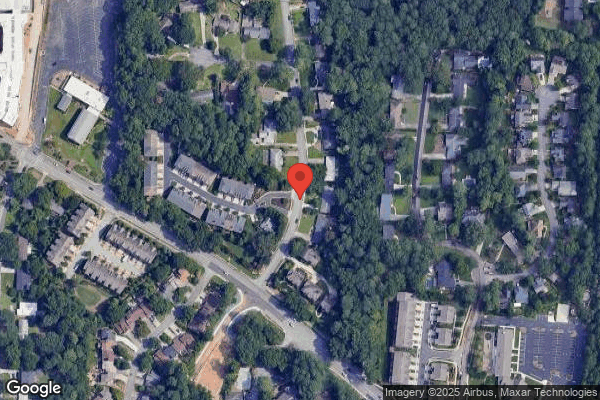
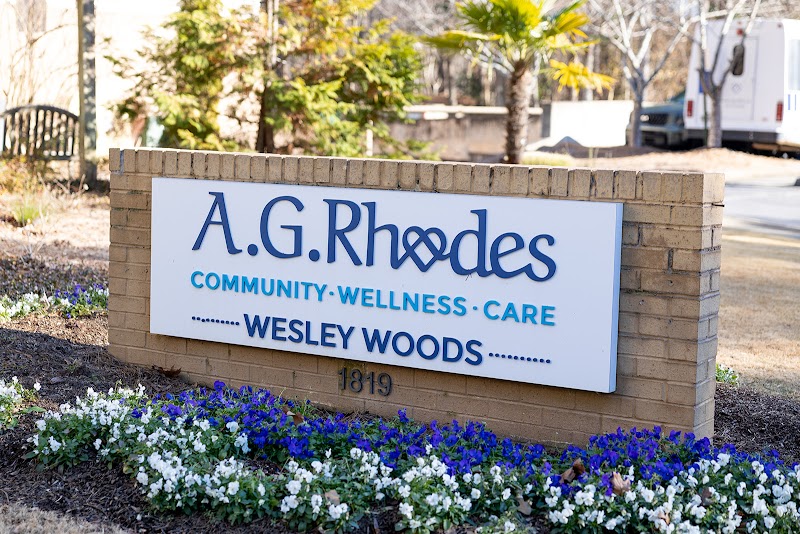
1819 CLIFTON ROAD, N.E., ATLANTA, GA 30329 (404) 315-0900
Non profit - Corporation 150 Beds Independent Data: November 2025
Trust Grade
53/100
#45 of 353 in GA
Last Inspection: April 2024

Within standard 12-15 month inspection cycle. Federal law requires annual inspections.

Overview

A.G. Rhodes Home Wesley Woods has received a Trust Grade of C, indicating that it is average and ranks in the middle of the pack among nursing homes. In Georgia, it ranks #45 out of 353 facilities, placing it in the top half, and is #2 out of 18 in DeKalb County, meaning only one local option is better. The facility's performance trend is stable, with four issues reported in both 2022 and 2024. Staffing is a concern, with an 82% turnover rate, significantly higher than the state average of 47%, which may affect the quality of care. However, the facility does provide more RN coverage than many others, which is beneficial, as RNs can identify issues that CNAs might miss. Specific incidents of concern include a serious fall that resulted in a resident sustaining rib fractures due to improper use of a mechanical lift during a transfer, and another instance where a resident fell from bed while unattended during a bath, leading to a cervical vertebral fracture. While the facility has strengths, such as good quality measures and RN coverage, these serious incidents highlight weaknesses in adhering to safety protocols and care plans, which families should consider when researching this nursing home.

Trust Score
C
53/100
In Georgia
#45/353
Top 12%
Safety Record
High Risk
Review needed
Inspections
Holding Steady
4 → 4 violations
Staff Stability
⚠ Watch
82% turnover. Very high, 34 points above average. Constant new faces learning your loved one's needs.
Penalties
✓ Good
$8,018 in fines. Lower than most Georgia facilities. Relatively clean record.
Skilled Nurses
○ Average
Each resident gets 31 minutes of Registered Nurse (RN) attention daily — about average for Georgia. RNs are the most trained staff who monitor for health changes.
Violations
⚠ Watch
12 deficiencies on record. Higher than average. Multiple issues found across inspections.
★★★★☆
4.0
Overall Rating
★★★☆☆
3.0
Staff Levels
★★★★★
5.0
Care Quality
★★★☆☆
3.0
Inspection Score
Stable
2022: 4 issues
2024: 4 issues

The Good

  • 5-Star Quality Measures · Strong clinical quality outcomes
  • Full Sprinkler Coverage · Fire safety systems throughout facility
  • No fines on record

Facility shows strength in quality measures, fire safety.

The Bad

Staff Turnover: 82%

36pts above Georgia avg (46%)

Frequent staff changes - ask about care continuity

Federal Fines: $8,018

Below median ($33,413)

Minor penalties assessed

Staff turnover is very high (82%)

34 points above Georgia average of 48%

The Ugly 12 deficiencies on record

3 actual harm
Apr 2024 4 deficiencies 1 Harm
SERIOUS (G)

Actual Harm - a resident was hurt due to facility failures

Accident Prevention (Tag F0689)

A resident was harmed · This affected 1 resident

**NOTE- TERMS IN BRACKETS HAVE BEEN EDITED TO PROTECT CONFIDENTIALITY** Based on record review, interviews, and review of the policy titled Safe Elder Handling-Transfers, the facility failed to ensure...

Read full inspector narrative →
**NOTE- TERMS IN BRACKETS HAVE BEEN EDITED TO PROTECT CONFIDENTIALITY** Based on record review, interviews, and review of the policy titled Safe Elder Handling-Transfers, the facility failed to ensure that one of 25 residents (R) (R100) was safely transferred using a mechanical lift. Actual harm occurred on 1/20/2024, when R100 fell from a mechanical lift during transfer from bed to chair and sustained one left rib fracture and two right rib fractures. There were 25 residents that required transfer assistance with a mechanical lift. Findings included: Review of the facility policy titled Safe Elder Handling-Transfer, revised 8/28/2023 documented the policy is to ensure elders are handled and transferred safely to prevent risk for injury and provide a safe, secure, and comfortable environment. Policy Explanation: All elders require safe handling when transferred to prevent or minimize the risk for injury to themselves and the employees that assist them. Compliance Guidelines: Number 3. Mechanical lifting equipment or other approved transferring aids will be used based on the elders' needs to prevent manual lifting except in medical emergencies. Review of the clinical record revealed R100 was admitted to the facility on [DATE]. Diagnoses included cerebral vascular accident (CVA) with left hemiplegia, aphasia, diabetes, dementia, obesity, and depression. Review of the Significant Change Minimum Data Set (MDS) assessment dated [DATE] revealed a Brief Interview for Mental Status (BIMS) score of 13, indicating no cognitive impairment. Section GG revealed R100 had impairment in bother upper and lower extremities and was dependent on staff for all transfers. Review of the Progress Note dated 1/20/2024 at12:29 pm documented Nurse at Nurses Station was alerted that resident was lying on floor in bedroom beside the mechanical lift. The nurse went into residents' room and observed resident lying on floor with a complaint of pain to right side of the head, neck, and hip areas. Review of the Progress Note dated 1/20/2024 at 1:06 pm documented the Nurse at the desk was alerted that resident was on floor post mechanical transfer with two CNA's. Resident complained of back and right hip pain. Review of the Progress Note dated 1/20/2024 at 1:57 pm revealed resident was transferred to a local hospital related to post fall observation and treatment. The facility staff updated the responsible party. Review of the hospital medical records dated 1/20/2024 revealed multiple radiologic studies were completed status post polytrauma, blunt trauma from fall; Computerized Tomography (CT) of left elbow, CT of the chest/abdomen/pelvis; CT of the brain and spine; and two views (internal and external) x-ray of right shoulder. All testing revealed no injuries. Review of the Progress Note dated 1/25/2024 at 3:51 pm documented a new order from the Physician for right lateral rib series due to pain to rule out fracture. Review of the Progress Note dated 1/25/2024 at 5:56 pm documented that an x-ray was ordered for R100, and the results revealed that R100 was positive for a fracture to the eighth and nineth rib. It was further documented that the Physician Assistant (PA) and spouse were notified. Review of the Radiology Results Report dated 1/25/2024 revealed a test of the right ribs noted acute fractures of the eighth and nineth lateral ribs. Review of the Radiology Results Report dated 1/26/2024 revealed a test of the left ribs noted non-displaced fracture of the 11th rib. Interview on 4/5/2024 at 9:22 am, R100 stated that two staff members were helping him transfer to a chair using a mechanical lift, and he fell out of the sling and landed on the floor. He stated he immediately felt pain after the fall and was transferred to a local emergency room (ER), where he had several tests to see if he had any injuries. He stated the ER doctor told him he had not sustained any fractures or injuries. Further interview revealed over the next few days post fall, R100 experienced abdominal pain, and additional testing was ordered. He stated the results revealed he had some fractured ribs. Interview on 4/5/2024 at 10:38 am, the Director of Nursing (DON) confirmed that R100 had a fall on 1/20/2024, while being transferred with the mechanical lift. She stated that the mechanical lift had silver hooks to which the mechanical sling connects. Upon investigation, it was determined that Certified Nursing Assistant (CNA) CNA BB did not properly attach the sling to the mechanical lift, causing R100 to fall from the sling, when lifted. She stated the resident was sent to ER for evaluation and all tests were negative for fractures. During further interview, the DON stated on 1/25/2024, R100 complained of pain in the abdomen, and additional diagnostic testing was completed. The results from the 1/25/2024 tests revealed R100 had fractured the eighth and nineth right ribs and the 11th left rib. The DON revealed that CNA BB resigned without notice on 1/22/2024. Interview on 4/6/2024 at 9:07 am, CNA AA stated she had received training on the use of mechanical lifts as part of her annual training in-services throughout the year. CNA AA confirmed she work on 1/20/2024 and stated R100 required assistance transferring from the bed to a chair for his lunch meal. She stated she asked CNA BB to help her, as two staff were required for all mechanical lifts. She stated she secured the mechanical sling on her side, and CNA BB secured her side of the sling to the hooks on the lift. CNA AA stated she lifted R100 up with the lift and began the transfer. She stated as resident was lifted from the bed and moving towards the chair, the sling became disconnected from the hook on the side of the lift CNA BB was on, causing the resident to fall to the floor. She stated the incident happened so fast that she could not break the residents fall. During further interview, she stated she stayed with R100, while CNA BB went to get the nurse. Resident was transferred to the ER for evaluation. After the incident, the mechanical lift and the sling were inspected, and there were no indications the mechanical lift malfunctioned.
CONCERN (D)

Potential for Harm - no one hurt, but risky conditions existed

Deficiency F0645 (Tag F0645)

Could have caused harm · This affected 1 resident

**NOTE- TERMS IN BRACKETS HAVE BEEN EDITED TO PROTECT CONFIDENTIALITY** Based on record review, staff interviews, and review of the policy titled PASRR Program Policy, the facility failed to submit an...

Read full inspector narrative →
**NOTE- TERMS IN BRACKETS HAVE BEEN EDITED TO PROTECT CONFIDENTIALITY** Based on record review, staff interviews, and review of the policy titled PASRR Program Policy, the facility failed to submit an application for Level II Preadmission Screening and Resident Review (PASRR) for evaluation and determination of specialized services for two of three residents (R) R65, and R116 reviewed for PASRR. R65 was admitted to the facility with diagnoses of post-traumatic stress disorder (PTSD), psychotic disturbance, mood disturbance, anxiety, and major depressive disorder. R116 was admitted with diagnoses of PTSD, schizophrenia, depression, and anxiety disorder. Findings include: Review of the policy titled PASRR Program Policy revised 6/8/2023, revealed the policy states the facility coordinates assessments with the preadmission screening and resident review (PASRR) program to ensure that individuals with a mental disorder, intellectual disability, or a related condition receives care and services in the most integrated setting appropriate to their needs. Policy Explanation and Compliance Guidelines: Number 1. b. PASRR Level 2 - a comprehensive evaluation by the appropriate state-designated authority that determines whether the individual has MD, ID, or related conditions, determines the appropriate setting for the individual, and recommends any specialized services and/or rehabilitative services the individual needs. Number 6. The Social Services Director shall be responsible for keeping track of each resident's PASRR screening status and referring to the appropriate authority. 1. Review of the clinical record revealed R65 was admitted to the facility on [DATE] with diagnoses including psychotic disorder, mood disturbance, anxiety, somatization disorder, major depressive disorder with psychotic features, and post-traumatic stress disorder. Review of R65's DMA-6 (Physician's Recommendation Concerning Nursing Facility Care or Intermediate Care for Mentally Retarded) form dated 10/21/2020 with diagnosis not checked, however admission diagnosis of Post-Traumatic Stress Disorder. Review of the PASARR Level One Application Resident Identification Screening Instrument, dated 4/18/2011 for R65, revealed the resident had no primary diagnosis of dementia, serious mental illness, or mental disorder. Further review of the screening instrument revealed If the nursing facility admits the applicant and discovers information that was not disclosed to the PASRR screeners, the nursing facility is required to contact the [screening authority] immediately. Review of the Quarterly Minimum Data Set (MDS) assessment dated [DATE], revealed R65 had a Brief Interview for Mental Status (BIMS) score of 15, indicating intact cognition, active diagnoses include depression and post-traumatic stress disorder, and received antidepressant medication seven days of the look back period. Review of the Physician Order's (PO) revealed R65 was currently receiving Zoloft (a medication to treat depression, PTSD, obsessive compulsive disorder (OCD) and anxiety) 100 milligrams (mg) by mouth one time a day. 2. Review of the clinical record revealed R116 was admitted to the facility on [DATE]with diagnoses including schizophrenia, depression, anxiety, and PTSD. Review of R116's DMA-6 form dated 7/24/2023 revealed no diagnoses were checked, however admission diagnosis of post-traumatic stress disorder and schizophrenia. Review of the PASARR Level One Application Resident Identification Screening Instrument, dated 7/24/2023 for R116, revealed the resident had no primary diagnosis of dementia, serious mental illness, or mental disorder. Further review of the screening instrument revealed If the nursing facility admits the applicant and discovers information that was not disclosed to the PASRR screeners, the nursing facility is required to contact the [screening authority] immediately. Review of the Quarterly MDS assessment dated [DATE] for R116 revealed a BIMS score of 15, indicating intact cognition, active diagnoses include anxiety, depression (other than bipolar), schizophrenia, and post-traumatic stress disorder (PTSD), and received antidepressant medication seven days of the look back period. Review of the PO revealed R116 was currently receiving Zoloft (a medication to treat depression, PTSD, and anxiety)150 mg by mouth one time a day. Interview on 4/5/2024 at 10:06 am, the Director of Nursing (DON) confirmed R65 does not have a level II PASRR. The DON stated that she checked with the front office staff, where PASRRs are kept, and verified R65 does not have a [NAME] II. During continued interview with the DON, revealed she is not sure about the PASRR level II process and would get the Social Service Director (SSD) to come speak with the surveyor. Interview on 4/6/2024 at 11:04 am, the Social Service Director (SSD) CC revealed there are no residents in the facility with a level II PASRR. She stated the process for a level II PASRR is that the resident must have something that's mental or an intellectual disability. She stated that residents with diagnoses of PTSD are seen by psych services every four to six weeks unless there is a change in medications or a change in behaviors. During further interview, SSD CC stated R65 does not have any behaviors. Interview on 4/6/2024 at 11:47 am, the SSD DD revealed her responsibilities include care plan scheduling, working with hospice referrals, referrals for psychiatrist, and shopping for the residents. She stated that the Admissions Director (AD) or the admissions nurse reviews the PASRR level I's on admission. She stated she submits records for PASRR level II evaluations within a year based on the admission diagnoses. She stated that residents with a diagnosis of PTSD are provided psych services, and stated the psychiatrist comes in twice monthly. Interview on 4/6/2024 at 2:50 pm, the Administrator revealed there are currently no residents in the facility with a level II PASRR. She stated that she would have the SSD talk to the surveyor about the level II PASRR. The Administrator stated that R65 and R116 should have a level II PASRR completed.
CONCERN (D)

Potential for Harm - no one hurt, but risky conditions existed

Deficiency F0804 (Tag F0804)

Could have caused harm · This affected 1 resident

Based on observations, review of facility recipes, and staff interviews, the facility failed to ensure that dietary staff followed recipes for preparing puree food items to avoid compromising the nutr...

Read full inspector narrative →
Based on observations, review of facility recipes, and staff interviews, the facility failed to ensure that dietary staff followed recipes for preparing puree food items to avoid compromising the nutritive value and flavor. This affected 14 residents receiving a pureed diet. Findings include: Review of the undated recipe titled P. Chicken BBQ Quarter revealed the ingredients listed included with amount for serving of 20: Chicken BBQ Quarter 5 pounds, Chicken Broth 2 1/8 cup, and thickener 1 1/3 cup. Review of the undated recipe titled P. [NAME] White revealed the ingredients listed included amount for 48 servings: prepared white rice, vegetable broth, and thickener. During the preparation of puree food items on 4/6/2024 at 11:35 am, Dietary [NAME] FF was observed preparing puree BBQ chicken. He placed an unmeasured amount of steamed diced chicken into a standard blender bowl, then added an unmeasured amount of chicken broth and began to puree. Dietary [NAME] FF stopped the blender and added an unmeasured amount of BBQ sauce, two different times, and continued the puree process. Dietary cook FF then added an unmeasured scoop of food thickener and continued to puree. Once the puree BBQ chicken was at desired consistency, Dietary [NAME] FF placed it in a steam table pan and put it into the oven. During the preparation of puree rice on 4/6/2024 at 11:40 am, Dietary [NAME] FF was observed placing 10 heaping spoonsful of cooked rice into a standard blender bowl. He then added an unmeasured amount of hot water, the hot water added filled the blender bowl to the top. Dietary [NAME] FF then added an unmeasured amount of melted butter and then began to puree the rice. Once the proper consistency was achieved, he placed the rice into a steam table pan. Interview on 4/6/2024 at 11:45 am, Dietary [NAME] FF confirmed that he did not measure any of the food items in order to prepare the BBQ chicken or rice. Dietary [NAME] FF revealed that he knew how much of the ingredients to add from his experience. The cook stated that recipes for puree food items are printed with the days production sheets and available for review. The dietary cook reviewed the recipe for BBQ chicken and confirmed the ingredient amounts listed were not followed. Interview on 4/6/2024 at 11:45 am, the Dietary Manager (DM) revealed the expectation of the dietary cooks is to follow recipes for pureed food items and expects the cooks to measure the ingredients added.
CONCERN (F)

Potential for Harm - no one hurt, but risky conditions existed

Food Safety (Tag F0812)

Could have caused harm · This affected most or all residents

Based on observations, staff interviews, and review of the facility policies, the facility failed to document receive dates on food items in the dry storage area; failed to ensure dietary staff washed...

Read full inspector narrative →
Based on observations, staff interviews, and review of the facility policies, the facility failed to document receive dates on food items in the dry storage area; failed to ensure dietary staff washed hands after entering the kitchen and between touching dirty/clean dishes; failed to discard food items past the best by date; and failed to ensure dietary staff properly sanitized dishware to prevent cross contamination. There were 134 residents consuming an oral diet. Findings include: 1. Review of the policy titled Production, Purchasing, Storage - Food and Supply Storage revised 1/2024, revealed foods past the use by, sell by, best by, best by, or enjoy by date should be discarded. Date and rotate items; first in, first out and discard food past the use by or expiration date. Observation on 4/5/2024 at 9:15 am, the dry storage area revealed a shelf containing four, 32-ounce containers of Dijon mustard, two one-gallon containers of mayonnaise, one gallon container of balsamic dressing, one gallon container of BBQ sauce, and an eight-pound container of salsa all with no receive date. Continued observation revealed approximately 30 cans in the can rack all with no receive date. Interview on 4/5/2024 at 9:15 am, the Dietary Manager (DM) stated that they do not put receive dates on the dry storage food items when received. The DM stated that she did not realize that a receive date was needed and stated the dietary staff have been using the expiration date or use by date indicated on the food items. 2. Review of the policy titled Safety & Sanitation - Hand Washing revised 9/2013, revealed one of the methods to prevent food borne illness is ensuring that all team members practice good personal hygiene by washing their hands throughout the course of their workday, after using a restroom, smoking, and after handling dirty equipment or raw food products. Observation on 4/6/2024 at 8:55 am, Dietary Aide EE entered the kitchen wearing an outdoor coat. The dietary aide placed his coat in the Dietary Managers office then walked over to the dish room and started unloading clean dishes from dish rack. Dietary Aide EE did not wash his hands after entering the kitchen and before touching clean dishes. Continued observation revealed he was loading dirty dishware in dish racks, placed in the dish machine, then unloading the clean dishware, no hand washing was performed from touching dirty dishware to touching clean dishware. Interview on 4/6/2024 at 9:15 am, Dietary Aide EE confirmed that he did not wash his hands after entering the kitchen and before going into the dish room to unload clean dishes. Dietary Aide EE stated that he often works in healthcare facilities and knows that he should wash his hands after entering the kitchen. Dietary Aide EE confirmed that he touched dirty dishware and did not wash his hands before touching the clean dishes. He stated that he wanted to get started washing the dishes and overlooked washing his hands. Interview on 4/6/2024 at 9:15 am, the DM stated that she expects dietary staff to wash their hands upon entering the kitchen and before starting any task. She revealed that she expects dietary staff to wash hands after touching dirty dishes and before unloading clean dishes. 3. Review of the policy titled Emergency and Disaster Procedures revised March 2016, documented to rotate emergency foods into the menu every six months. Review of the facility policy titled Production, Purchasing, Storage - Food and Supply Storage revised January 2024, revealed foods past the use by, sell by, best by, or enjoy by date should be discarded. The policy stated to date and rotate items; first in, first out. Discard food past the use by or expiration date. Observation on 4/6/2024 at 9:20 am, of the emergency food supplies revealed a case containing six large cans of Chili Con Carne, each can state a best by date of 4/2021. Continued observation revealed on the outside cardboard case of Chili Con Carne was the date 3/19/2020. Interview on 4/6/2024 at 9:20 am, the DM revealed that the emergency food supplies are rotated by the expiration date on the actual food products. The DM confirmed that the date on the outside case of the Chili Con Carne case stated 3/19/2020 and confirmed the best by date stated 4/2021 on the cans. The DM revealed that she overlooked this case of emergency food, and it should have been discarded and new case ordered to replace. 4. Review of the facility policy titled Sanitation and Infection Prevention/Control - Cleaning of Food and Non-Food Contact Surfaces revised 1/2024 - Food Contact Surfaces indicated to prevent cross-contamination, kitchenware and food contact surfaces of equipment shall be washed, rinsed, and sanitized after each use and following any interruption of operations during which time contamination may have occurred. Equipment and utensils are used for the preparation of potentially hazardous foods on a continuous or production line basis, utensils and the food contact surfaces of equipment shall be washed, rinsed, and sanitized before and after each use with potentially hazardous food at any time contamination is suspected. Observation on 4/6/2024 at 11:42 am, Dietary [NAME] FF after pureeing the BBQ chicken, washed the blender bowl, blade, and lid, he rinsed the items in the food prep sink and then took the items to the three-compartment sink and rinsed the items again with water using the spray hose. Dietary [NAME] FF then placed the blender bowl on the blender machine base and began to prepare additional puree food items. Dietary [NAME] FF did not sanitize the blender bowl, blade, or lid after preparing a food item and before preparing the next item. Interview on 4/6/2024 at 11:50 am, Dietary [NAME] FF confirmed that he rinsed the blender bowl, blade, and lid with water only, and did not sanitize the items. He revealed that he usually washes the dishware items in the three-compartment sink and did not do so because he was in a rush. Interview on 4/6/2024 at 11:50 am, the DM revealed that she expects dietary staff to properly wash the blender bowl, blade, and lid between food preparation usage, so the items are probably sanitized. The DM requested the dietary cook to discard the puree rice and properly wash the blender bowl and items.
May 2022 4 deficiencies
CONCERN (D)

Potential for Harm - no one hurt, but risky conditions existed

Deficiency F0554 (Tag F0554)

Could have caused harm · This affected 1 resident

**NOTE- TERMS IN BRACKETS HAVE BEEN EDITED TO PROTECT CONFIDENTIALITY** Based on observation, record review, interviews, and policy review titled, Medication Administration: General Guidelines, the fa...

Read full inspector narrative →
**NOTE- TERMS IN BRACKETS HAVE BEEN EDITED TO PROTECT CONFIDENTIALITY** Based on observation, record review, interviews, and policy review titled, Medication Administration: General Guidelines, the facility failed to assess two residents (R) R#35 and R#79 for the ability to safely self-administer medications, before leaving mediations at bedside for residents to self-administer. Findings include: Review of the facility policy titled, Medication Administration: General Guidelines, revised 4/10/19 revealed procedure 3. Patients/residents are allowed to self-administer medications when specifically authorized by the attending physician and in accordance with procedures for self-administration of medications. Procedure 4. Medications are administered at the time they are prepared. Medications are not pre-poured/pre-set/pre-crushed. Only one patient/resident's medications are prepared and administered at a time. 1. Observation on 5/17/22 at 10:36 a.m. during initial tour/screening with R#35, surveyor observed a bottle of saline nasal spray on R#35's bedside table. R#35 informed surveyor that the nurse left it there for her to use this morning. A review of the clinical record for R#35 revealed resident was admitted to the facility on [DATE] with diagnoses of but not limited to hypertensive heart disease, hypo-osmolality with hyponatremia, Alzheimer's, anxiety, and irritable bowel syndrome (IBS). The resident's quarterly Minimum Data Set (MDS), dated [DATE], revealed a Brief Interview for Mental Status (BIMS) was coded as 13, which indicated no cognitive impairment. Review of R#35's record revealed there is no evidence that an assessment for self-administration of medication was completed. Review of the resident's current care plan revealed there was no evidence that resident had a care plan to self-administer medications or keep medications at bedside. Review of the May 2022 Medication Summary Report for R#35 revealed there was not an order for resident to have medications at bedside for self-administration. 2. Observation on 5/17/22 at 10:49 a.m. during initial tour/screening with R#79, surveyor observed a green liquid in a clear medication cup on R#79's bedside table. R#79 stated the green liquid was Lactulose and her nurse left it there. She further stated she did not take it because today is Tuesday, and she does not take Lactulose on Tuesday's. A review of the clinical record for R#79 revealed resident was admitted to the facility on [DATE] with diagnoses of but not limited to Parkinson's disease, dysphagia, depression, anxiety, and sarcopenia. The resident's quarterly MDS, dated [DATE], revealed a BIMS was coded as 13, which indicated no cognitive impairment. Review of R#79's record revealed there is no evidence that an assessment for self-administration of medication was completed. Review of the resident's current care plan revealed there was no evidence that resident had a care plan to self-administer medications or keep medications at bedside. Review of record revealed that resident has a medication order for Lactulose Solution 10 GM/15 ml. Give 30 ml by mouth one time a day every Monday, Wednesday, Friday. There was no order for resident to have medications at bedside for self-administration. Interview on 5/18/22 at 2:03 p.m. with LPN DD, revealed she is never to leave medications at a resident's bedside to self-administer. She stated that as a nurse it is her responsibility to make sure that the resident has swallowed the medications before she leaves the room. Interview on 5/18/22 at 2:31 p.m. with LPN II, stated medications are never supposed to be left at the resident's bedside. Interview on 5/18/22 at 2:57 p.m. with DON stated that R#79 and R# 35 are not able to self-administer their own medications. DON stated that it is not standard practice or the facility's policy to leave medications at a resident's bedside.
CONCERN (D)

Potential for Harm - no one hurt, but risky conditions existed

Deficiency F0658 (Tag F0658)

Could have caused harm · This affected 1 resident

Based on record review, policy review, interviews, and Rule 410-10-.02 Standards of Practice for Licensed Practical Nurses, the facility failed to maintain professional nursing standards of quality as...

Read full inspector narrative →
Based on record review, policy review, interviews, and Rule 410-10-.02 Standards of Practice for Licensed Practical Nurses, the facility failed to maintain professional nursing standards of quality as evidenced by one of four Licensed Practical Nurse's (LPN) observed during facility medication administration task by presetting medications; also failed to practice infection control guidelines during medication administration and during point of care testing for two of two nurses observed. Findings include: 1. Review of the facility policy titled, Medication Administration: General Guidelines, revised 4/10/19, revealed policy statement as medications are administered as prescribed, in accordance with the good nursing principles and practices. Procedure 4. Medications are administered at the time they are prepared. Medications are not pre-poured/pre-set/pre-crushed. 10. Medications are administered within 60 minutes before or after scheduled time, except for medications ordered to be taken with food and before or after meals, which are administered precisely as ordered. Unless otherwise specified by the physician, routine medications are administered according to the established medication administration schedule for the healthcare center. 23. If breaking tablets is necessary to administer the proper dose, hands are washed with soap and water or alcohol gel prior to handling tablets (preferable gloves should be worn). Review of facility policy titled Medication Administration: Hand Hygiene revised 12/13/21, revealed the policy is that partners will use appropriate hand hygiene during medication administration. Appropriate hand hygiene reduces the spread of germs and decreases the spread of infections. Hand hygiene is defined as cleansing of hands by using the organization-approved, alcohol-based hand sanitizer or by washing hands with soap and water. Procedure 4. Wear gloves during medication administration while opening capsules during medication preparation and before donning or doffing gloves. Review of the Georgia Rule 410-10-.02 - Standards of Practice for Licensed Practical Nurses revealed that: The practice of licensed practical nursing means the provision of care for compensation, under the supervision of a physician practicing medicine, a dentist practicing dentistry, a podiatrist practicing podiatry, or a registered nurse practicing nursing in accordance with applicable provisions of law. Such care shall relate to the promotion of health, the prevention of illness and injury, and the restoration and maintenance of physical and mental health through acts authorized by the board, which shall include, but not be limited to the following: (a) Participating in patient assessment activities and the planning, implementation, and evaluation of the delivery of health care services and other specialized tasks when appropriately educated and consistent with board rules and regulations. (b) Providing direct personal patient observation, care, and assistance in hospitals, clinics, nursing homes, or emergency treatment facilities, or other health care facilities in areas of practice including, but not limited to coronary care, intensive care, emergency treatment, surgical care and recovery, obstetrics, pediatrics, outpatient services, dialysis, specialty labs, home health care, or other such areas of practice. (c) Performing comfort and safety measures. (d) Administering treatments and medications by various routes. Observation on 5/18/22 at 9:04 a.m. during medication administration with LPN CC revealed she opened the medication cart and pulled out a clear plastic medication cup already preset with medications. Surveyor questioned the nurse about the preset medications in the cup and she stated the medicine was for R#105. There was no name or room number on the cup. LPN CC was asked to count the number of medications in the prefilled cup and compare it to the EMAR. She counted 21 medications preset in the cup. Surveyor and LPN CC reviewed the EMAR together at medications scheduled for R#105 during the 9:00 a.m. medication pass. There were 19 medications scheduled to be administered at 9:00 a.m. LPN CC stated I don't know what the other two are because I did not put anything else in the cup. She further stated, I will deal with that later. Continued observation on 5/18/22 medication pass with LPN CC revealed she pulled another clear plastic cup of medications from the medication cart that were preset. LPN CC stated these preset medications were for R#88. There was no name or room number on the cup. She was asked to count the preset medications in the cup. LPN CC counted nine medications in the cup. She stated that she preset R#88's 1:00 p.m. Tylenol and Protonix to give with the 9:00 a.m. medications because R#88 reported that her stomach was hurting. Review of the EMAR revealed that there were four medications scheduled for 9 a.m. LPN CC reiterated that she was giving the two Tylenol and one Protonix that was scheduled for 1:00 p.m. at this time. Surveyor asked LPN CC if she was aware that resident had received two Tylenol with the 6:00 a.m. medication pass and had a scheduled dose of Protonix for 9:00 a.m., LPN CC responded Yes. Surveyor asked LPN CC about the other two medications in the cup, and LPN CC stated she did not know what the other two medications were. She stated that she presets the medication according to the EMAR. After the observations of the preset medications for R#105 and R#88, LPN CC was asked to open each drawer of the medication cart. There were four additional clear plastic cups of preset medications in the medication cart, that had not been given yet. There was no name or room number on any of the cups. LPN CC stated that the other medications were preset earlier, but she had already administered them. Interview on 5/18/22 at 9:04 a.m. with LPN CC stated, I pull all my residents' medications every morning and place the cup in the drawers before I go down the hall to administer the medications to my residents because it is more efficient for me to do it that way. When asked about the five rights of medication administration process indicated in the electronic medication administration record (EMAR), LPN CC responded, I know what's in the cup because I put the medications in the cups myself. Interview on 5/18/22 at 2:03 p.m. with LPN DD revealed that she pulls her medications and places them in the medication cup for administration at the time she is going to administer the medication and that presetting medications is not allowed. Interview on 5/18/22 at 2:31 p.m. with LPN II, revealed that nurses are not allowed to preset medications at the facility. That is not a practice the facility uses. During further interview, she stated the facility utilizes the five rights of medication administration when administering medications. Interview on 5/18/22 at 2:57 p.m. with the Director of Nursing (DON) revealed that all nurses should administer medication using the five rights of medication administration. The DON stated that she incorporated the five rights of medication administration on the electronic medication administration for the nurses to review while administering medications. During further interview, the DON stated that it is not standard practice or the facility's policy to preset medications. Interview on 5/19/22 at 10:28 a.m. with facility's Physician revealed that the medications should be administered as ordered by the physician. He stated that R#88 is being followed by Gastroenterologist due to the colon/rectal cancer. He further stated that the Protonix should not have a negative impact if the dose was doubled and administered short term. He stated that long term use of double dosing could potentially restrict the absorption of vitamin B12 or cause clostridium difficile (C-diff). 2. Review of the facility policy titled Glucometer Cleaning and Disinfecting, revised 4/28/21, policy statement revealed if one device must be used to monitor several residents, it must be cleaned and disinfected after every use following the manufactures' instructions to prevent carryover of blood and infectious agents. Procedure 1. Clean and disinfect glucose meter before and after each patient use. 4. Clean and disinfect meter by using approved Germicidal and Disinfectant Wipes. Observation on 5/18/22 at 8:13 a.m. during medication administration, LPN AA was observed to remove a glucometer (a device used to test blood sugar levels) from the medication cart. LPN AA placed the glucometer and testing supplies on a metal tray and proceeded to R#29's room. After asking permission to perform finger stick blood sugar (FSBS) check, LPN AA donned gloves, without washing his hands. He cleansed R#29's left index finger with alcohol pad and proceeded to prick her finger. After the test was completed, LPN AA went back to medication cart, placed the metal tray on medication cart, removed contents, cleaned the inside of the metal tray with an alcohol wipe, then removed the same pair of gloves used to during the testing. He loaded the metal tray with additional blood sugar supplies to include the same glucometer (without cleaning or disinfecting it), applied gloves (without washing his hands or using hand sanitizer) and proceeded to R#100's room to obtain FSBS. Just as LPN AA was about to stick resident's finger, surveyor intervened. Interview on 5/18/22 at 8:13 a.m. with LPN AA, he was asked if he was aware that the glucometer should be cleaned and disinfected between each resident use and that hand washing/sanitizing of hands after he dons and after he removes his gloves is required? LPN AA stated that he was aware that he should perform hand hygiene after removing gloves and that the glucometer should be cleaned between each resident use. During further interview, he stated he was just trying to get through the day because he had medications to administer, breakfast trays were coming to the hall, and he needed to get the blood sugars completed. He stated, I forgot. LPN AA confirmed to the surveyor that he had already checked FSBS on four other residents before surveyor arrived to observe. He acknowledged that he did not clean the glucometer between any of the residents. LPN AA confirmed with surveyor that that there was only one glucometer on the medication cart. Review of LPN AA's personnel file revealed that he had received training and successfully completed a Blood Glucose Monitoring Written Competency Test on 2/14/22 and a Blood Glucose Monitoring Observation Competency on 2/16/22.
CONCERN (D)

Potential for Harm - no one hurt, but risky conditions existed

Unnecessary Medications (Tag F0759)

Could have caused harm · This affected 1 resident

Based on observations, record review, and staff interview, the facility failed to ensure the medication error rate was less than five percent (5%). A total number of 26 medication opportunities were o...

Read full inspector narrative →
Based on observations, record review, and staff interview, the facility failed to ensure the medication error rate was less than five percent (5%). A total number of 26 medication opportunities were observed. There were three errors for one of five residents (R), R#12, by one of three nurses observed during medication pass, for a medication error rate of 11.54%. Findings include: Observation of medication administration on 5/18/22 at 9:04 a.m., with Licensed Practical Nurse (LPN) CC revealed she pulled a clear medicine cup containing multiple medications from the medication cart for R#12. LPN CC stated that she pre-set the medications earlier on her shift, to save time. Surveyor asked LPN CC to count the number of pills in the cup and she confirmed that was all the medications resident was to receive at that time. She then placed all the medications from the clear plastic cup in the pill crush sleeve and crushed the medications together and opened the three capsules. She combined all the crushed medications in a plastic cup with applesauce. She then prepared the liquid medications for administration. Nurse CC entered resident's room and administered the medications. During reconciliation review of the May 2022 electronic medication administration record (EMAR) with LPN CC revealed the following medications scheduled for 9:00 a.m. administration: Amiodarone (a medication to treat atrial fib) 200 milligrams (mg) one tablet, calcium 500 +D (a supplement) 500-200 mg one tablet, Lasix (a medication to treat edema) 20 mg one tablet, Metoprolol succinate Extended Release (ER) (a medication for hypertension) 100 mg one tablet, multivitamin (supplement) one tablet, potassium chloride ER (supplement for hypokalemia) 20 milliequivelent (MEQ) 2 capsules, vitamin D3 (supplement) 125 micrograms (mcg) one tablet, Apixibian (medication for atrial fibrillation) 2.5 mg one tablet, Famotidine (medication for gastroesophageal reflux disease) 20 mg one tablet. Further review of medical record reveled resident did not have a physician's order to crush medications. Interview on 5/18/22 at 9:12 a.m. with LPN CC, she stated that she prepared R#12's morning medications at the beginning of the shift, to save time. She stated that all the medications that she prepared earlier were all the medications that R#12 received for that time of day. She verified that the potassium chloride and Metoprolol orders were extended-release medications and should not be opened or crushed. Review of the May 2022 electronic medication record revealed that R#12 was to receive the Metoprolol succinate Extended Release (ER) 24 Hour 100 mg and the potassium chloride ER 10 MEQ capsule as follows: 2 capsules by mouth one time a day for hypokalemia. Review of record also revealed that resident did not have a physician's order to crush medications.
CONCERN (D)

Potential for Harm - no one hurt, but risky conditions existed

Infection Control (Tag F0880)

Could have caused harm · This affected 1 resident

Based on observations, staff interviews, and review of facility policies, the facility failed to maintain an effective Infection Control Program (ICP) to prevent the spread of infections by not disinf...

Read full inspector narrative →
Based on observations, staff interviews, and review of facility policies, the facility failed to maintain an effective Infection Control Program (ICP) to prevent the spread of infections by not disinfecting a multi-use blood glucometer (a device used to test blood sugar levels) between residents for one of two nurses observed; also failed to ensure nursing staff performed hand hygiene during medication pass for one of four nurses observed. Findings Include: 1. Review of the facility policy titled Glucometer Policy Glucometer Cleaning and Disinfecting, revised 4/28/21 policy statement revealed if one device must be used to monitor several residents, it must be cleaned and disinfected after every use following the manufactures' instructions to prevent carryover of blood and infectious agents. Procedure 1. Clean and disinfect glucose meter before and after each patient use. 4. Clean and disinfect meter by using approved Germicidal and Disinfectant Wipes. Observation on 5/18/22 at 8:13 a.m. with Licensed Practical Nurse (LPN) AA, was observed to remove a glucometer from the medication cart. LPN AA placed the glucometer, alcohol pad, lancet, and a bottle of glucose test strips on a metal tray and proceeded to R#29's room. After asking permission to perform finger stick blood sugar (FSBS) check, LPN AA donned gloves, without washing his hands. He cleansed R#29's left index finger with alcohol pad and proceeded to prick her finger. Nurse wiped for blood sample away and proceeded to apply second sample on test strip. Nurse went back to medication cart, placed the metal tray on medication cart, removed contents, cleaned the inside of the metal tray with an alcohol wipe, removed gloves he used to perform test, loaded the metal tray with blood sugar supplies to include the same glucometer (without being disinfected/cleaned), applied gloves and proceeded to check R# 100's room to perform FSBS. Surveyor intervened just as nurse was about to stick resident's finger. Interview on 5/18/22 at 8:13 a.m. with LPN AA, he was asked if he was aware that he is required to wash/sanitize his hands after he removes his gloves and if he was aware that the glucometer should be cleaned/disinfected between resident use. LPN AA stated that he is aware that he should perform hand hygiene after removing gloves and that the glucometer should be cleaned between resident use. He further stated that he was just trying to get through the day because he has medications to administer, the breakfast trays were coming on the hall, and he needed to get the blood sugars completed. He stated, I forgot. During further interview, LPN AA confirmed that he had checked blood sugars on four other residents before surveyor arrived to observe. He acknowledged that he did not clean the glucometer between the residents. LPN AA confirmed with surveyor that there was only one glucometer on the medication cart. 2. Review of facility policy titled Medication Administration: Hand Hygiene revised 12/13/21, revealed the policy is that partners will use appropriate hand hygiene during medication administration. Appropriate hand hygiene reduces the spread of germs and decreases the spread of infections. Hand hygiene is defined as cleansing of hands by using the organization-approved, alcohol-based hand sanitizer or by washing hands with soap and water. Procedure 4. Wear gloves during medication administration while opening capsules during medication preparation and before donning or doffing gloves. During a medication observation on 5/18/22 at 9:04 a.m. with LPN CC, revealed that nurse had preset medications for R#105 prior to administering. LPN CC was asked to count the number of medications in the cup to compare the number of pills in the cup to the number of scheduled 9 a.m. medications. Nurse poured the medications in the cup on a paper towel and began to count them with her bare hands and placing each one back into the cup. LPN CC did not wash or sanitize hands or don gloves prior to touching the medications. LPN CC, then pulled another plastic medication cup from medication cart containing preset pills for R#88. LPC CC again poured the medications onto a paper towel and used her bare hands to count the medications in the cup. She did not perform hand hygiene or wear gloves while handling these medications. Interview on 5/18/22 at 9:04 a.m. with LPN CC, regarding performing hand hygiene prior to handling medications and during medication administration, and LPN CC did not provide a response to surveyor's questions. Interview 5/18/22 at 2:29 p.m. with Director of Nursing (DON) revealed that it is her expectation that nurses use proper hand hygiene when handling medications, adhere to all infection control guidelines to ensure the safety of the residents, and follow the 5 rights of medication administration when administering medications.
Feb 2019 4 deficiencies 2 Harm
SERIOUS (G)

Actual Harm - a resident was hurt due to facility failures

Comprehensive Care Plan (Tag F0656)

A resident was harmed · This affected 1 resident

**NOTE- TERMS IN BRACKETS HAVE BEEN EDITED TO PROTECT CONFIDENTIALITY** Based on observations, interviews, record reviews and review of the facility policy titled, Care Planning - Interdisciplinary Te...

Read full inspector narrative →
**NOTE- TERMS IN BRACKETS HAVE BEEN EDITED TO PROTECT CONFIDENTIALITY** Based on observations, interviews, record reviews and review of the facility policy titled, Care Planning - Interdisciplinary Team the facility failed to follow the care plan for one resident (R), #49. Actual harm was identified when R#49 suffered a midline laceration to the forehead and a fracture of the C1 (Cervical) vertebral body requiring the use of a C-spine collar when she fell from her bed after being left unattended during a bed bath on 12/15/18. Additionally, the facility failed to develop a care plan for one Resident (R#94) for the use of a travel pillow for neck positioning. The sample size was 26 residents. Findings include: Review of the facility's policy titled Care Planning - Interdisciplinary Team reviewed on 3/1/18 noted: 1. A comprehensive care plan for each resident is developed within seven (7) days of completion of the resident assessment (MDS [Minimum Date Set]); 2. The care plan is based on the resident's comprehensive assessment and is developed by a care planning/interdisciplinary team. The policy did not include additional information regarding the development and implementation of resident care plans. 1. Review of the clinical record for R#49 revealed that the resident had the following diagnoses of atrial fibrillation, heart failure, hypertension, hyperlipidemia, Alzheimer's disease, non-Alzheimer's dementia, blindness (left eye) and depression. Review of the Annual MDS, for R#49, dated 9/5/18 and review of the Quarterly MDS dated [DATE] revealed that the resident was assessed to be severely cognitively impaired, had physical and verbal behaviors directed towards others for one to three days during the assessment period. Review of Section G of this MDS documented that during this assessment period the resident was assessed to be dependent on staff for bathing requiring two plus person assist for bathing. R#49 had no impairment of the upper or lower extremities. Continued review revealed during this assessment period the resident had no falls and did not utilize any restraints or alarms. Review of the Fall care plan for R#49 last reviewed on 1/24/19 revealed the resident was a fall risk and required extensive to total assistance for Activities of Daily Living (ADLs). Pertinent interventions in place at the time of the resident's fall on 12/15/18 included the following: to assist with all ADLs, total transfer assist with Hoyer lift, floor mat at bedside, assist rails x 2; Broda chair when out of bed for comfort and positioning; and to keep bed in low position. Review of the Behavior care plan for R#49 last reviewed on 1/24/19 revealed that R#49 had behaviors - at risk for complications/side effects r/t (related to) use of antipsychotic and other mood stabilizing medication use. The interventions documented that if resistive/combative behavior was noted, leave R#49 alone and return when safe to do so/provide additional assist as needed. Review of a handwritten statement dated 12/21/18 written by CNA FF documented the following: On 12/15/18 at 10:45 a.m., I (CNA FF) entered room [ROOM NUMBER]. I began washing R#49's upper body and during the process she was fighting. She was yanking on the face towel and shirt. She punch at me and hit the right bedrail. I let her head down and lifted the right bedrail up and begin peri care. I turned her (R#49) to her left side to clean her bottom. She continue swinging her right arm backward towards me and pushing back. I felt that I could not clean her well, so I place her on her back. I went to pull right bedrail back down (meaning put the siderail in place) and R#49 grabbed it and begin shaking and punching it. I left it up (meaning that the siderail was not in place) and walked to the doorway and called for help. While I was standing in the doorway I heard a bang and when I turned around R#49 was laying on her back on the floor. I went towards her and yelled for the nurse. Signed by CNA FF. (sic) During an interview at the nurses' station on 1/30/19 at 11:55 a.m. with Registered Nurse Charge Nurse AA on 12/15/18, revealed that CNA FF told Registered Nurse AA that R#49 was combative so she (CNA FF) went to the resident's door to ask for help and when she turned back around the resident was on the floor. CN AA said that even if CNA FF felt like she had to go get someone, she should have made sure the bed was lowered as indicated in R#49's plan of care. During an interview at the nurses' station on 1/30/19 at 3:20 p.m. with CNA EE, CNA EE revealed that it usually required two staff to care for R#49. When asked about steps to take when the resident became combative during care, CNA EE said staff were supposed to wait until she calms down and then try to give care later. Telephone interview on 1/30/19 at 4:43 p.m. with CNA FF revealed on 12/15/18 the CNA FF was providing care to R#49 when the resident became aggressive. CNA FF said the resident and she played tug of war with the face towel while CNA FF washed the resident's upper extremities. According CNA FF, R#49 was striking out at the CNA FF and also punched the side rail with her right fist. Continued interview with CNA FF revealed that she did not re-approach the resident as indicated in her care plan and did not use the call light to seek help from other staff. During a follow-up interview at the nurses' station on 1/31/19 at 9:58 a.m. with Registered Nurse Charge Nurse AA revealed that the she thinks the resident's care plan called for one person for receiving care in bed and two people if resident is combative. Cross Reference F689 2. Review of the clinical record for R#94 revealed an admission date of 5/5/10 with diagnoses of arthritis, depression and non-Alzheimer's dementia. Review of the Annual Minimum Data Set (MDS) assessment for R#94 dated 1/8/19 revealed R#94 was severely cognitively impaired and required extensive to total assistance of one to two staff persons for all activities of daily living (ADLs). During this assessment period, R#94 received occupational therapy (OT), passive range of motion (PROM), and splint/brace assistance. Review of the Task tab printed from the electronic record for R#94 on 1/31/19 revealed Restorative staff was to provide R#94 with Passive Range of Motion (PROM) to the left hand six times per week for 15 minutes for each treatment and was to apply a splint/brace to her left hand for up to six hours - six times per week. The Task tab did not list the use of a travel neck pillow to be used for proper head positioning. Review of the comprehensive care plans for R#94 last reviewed on 1/12/19 revealed that there was not a plan of care developed to address proper neck/head positioning. Review of the Occupational Therapy (OT) Discharge Summary for R#94 dated 1/11/19 revealed one of the discharge recommendations was to continue to use cervical travel pillow when in bed and in Broda chair. Review of an Interdisciplinary Communication Memo for R#94 dated 1/11/19 completed by OT BB documented the following: Continue to use cervical travel pillow when in bed and Broda chair to maintain appropriate head positioning. Observation of R#94 in her room on 1/28/19 at 10:55 a.m. revealed that R#94 was lying in her bed with the head of the bed (HOB) elevated approximately 30 degrees. R#94 had a travel neck pillow around the back of her neck and the resident's head was bent forward and to the right near her shoulder with the resident's chin touching her chest as she slept. Interview at the nurses' station on 1/30/19 at 12:06 p.m. with Registered Nurse Charge Nurse AA revealed that R#94 used the travel neck pillow for positioning and for comfort. Interview on 1/30/19 at 3:50 p.m. with the Director of Nursing (DON) and Minimum Data Set (MDS) Coordinator revealed that R#94 had used the travel neck pillow for quite some time (over a year) at the daughter's request because she felt her mother was comfortable with its use. The MDS Coordinator confirmed that a care plan should have been developed to address the use of the resident's travel neck pillow. Cross Reference F688
SERIOUS (G)

Actual Harm - a resident was hurt due to facility failures

Accident Prevention (Tag F0689)

A resident was harmed · This affected 1 resident

**NOTE- TERMS IN BRACKETS HAVE BEEN EDITED TO PROTECT CONFIDENTIALITY** Based on observations, interviews, record reviews and review of the facility policy titled, Fall Policy the facility failed to p...

Read full inspector narrative →
**NOTE- TERMS IN BRACKETS HAVE BEEN EDITED TO PROTECT CONFIDENTIALITY** Based on observations, interviews, record reviews and review of the facility policy titled, Fall Policy the facility failed to provide supervision during a bed bath to prevent an avoidable fall for one Resident (R), #49. Actual harm was identified when R#49 suffered a midline laceration to the forehead and a fracture of the C1 (Cervical) vertebral body requiring the use of a C-spine collar when she fell from her bed after being left unattended during a bed bath on 12/15/18. The sample size was 26 residents. Findings include: Review of the facility's policy titled, Fall Policy reviewed 3/1/18 revealed The facility will identify each resident who is at risk for falls and will plan appropriate care and implement interventions to assist in fall prevention. The facility will attempt to decrease falls with injury by providing an environment that is free from potential hazards. Review of the clinical record for R#49 revealed an admission date of 1/13/17 with diagnoses that included, but not limited to, atrial fibrillation, heart failure, hypertension, Alzheimer's disease, non-Alzheimer's dementia and depression. Review of the Annual Minimum Data Set (MDS), for R#49, dated 9/5/18 and review of the Quarterly MDS dated [DATE] revealed that the resident was assessed to be severely cognitively impaired, had physical and verbal behaviors directed towards others for one to three days during the assessment period. Review of Section G of this MDS documented that during this assessment period the resident was assessed to be dependent on staff for bathing and required two plus person assist for bathing. R#49 had no impairment of the upper or lower extremities. Continued review revealed during this assessment period the resident had no falls and did not utilize any restraints or alarms. Review of a handwritten statement dated 12/21/18 written by Certified Nursing Assistant (CNA) FF documented the following: On 12/15/18 at 10:45 a.m., I (CNA FF) entered room [ROOM NUMBER]. I began washing R#49's upper body and during the process she was fighting. She was yanking on the face towel and shirt. She punch at me and hit the right bedrail. I let her head down and lifted the right bedrail up and begin peri care. I turned her (R#49) to her left side to clean her bottom. She continue swinging her right arm backward towards me and pushing back. I felt that I could not clean her well, so I place her on her back. I went to pull right bedrail back down (meaning put the siderail in place) and R#49 grabbed it and begin shaking and punching it. I left it up (meaning that the siderail was not in place) and walked to the doorway and called for help. While I was standing in the doorway I heard a bang and when I turned around R#49 was laying on her back on the floor. I went towards her and yelled for the nurse. Signed by CNA FF. (sic) Review of a Fall Report dated 12/15/18 completed by Registered Nurse Charge Nurse (CN) AA documented the following: CN AA (Registered Nurse Charge Nurse AA) was summoned to R#49's room and that the resident was noted lying on the floor on the right side of her bed .range of motion done, patient assessed and placed back on the bed. According to the report, the fall resulted in a laceration to the top of the resident's scalp. There were no other injuries noted. Predisposing Physiological Factors affecting the fall were noted as confused, drowsy, incontinent, recent change in condition, impaired memory and recent change in medications/New. Review of the section titled Witnesses revealed there were No Witnesses found. According to the report, the resident's Physician and family were notified of the fall. There was no other information included in the report. Record review of the Health Status Notes for R#49 dated 12/15/18 documented by Registered Nurse Charge Nurse AA revealed the following documentation in pertinent part: summoned to resident's room by caregiver, resident noted lying on the floor with a laceration to forehead extending to top of head with a small amount of bleeding. Patient assessed, and range of motion done and placed back to bed. Vital signs stable. Small amount of bleeding noted, able to control the bleeding. Neuro checks completed and intact .spoke to Nurse Practitioner who gave orders to send to ER (Emergency room). Spoke with patient's son and niece who agreed for her (R#49) to be sent out. Review of a History and Physical (H&P) Hospital Final Report from the acute care hospital dated 12/15/18 documented that R#49 was a [AGE] year old female with severe dementia, who presents from nursing home after ground level fall (do not know many details of how fall happened, attempting to contact nursing home and family) .Non-contrast head CT (computed tomography) scan revealed left parietal and occipital hemorrhage which appeared to be hemorrhagic conversion of ischemic stroke given fairly localized to PCA territory (neurosurgery in agreement). Patient also found to have a C1 fracture for which she was placed in a C-spine collar. Further review of this H&P revealed that the Assessment/Plan documents . found to have a left parietal and occipital ICH (intracranial hemorrhage) which appears to stay fairly confined to the left PCA territory, suggesting hemorrhagic conversion of an ischemic stroke rather than traumatic ICH. She (R#49) was also found to have a C1 fracture which will require stabilization. On exam, she moves all extremities equally and spontaneously. Review of R#49's Task List Report (a list of tasks to be completed by the Certified Nursing Assistants (CNAs) printed on 1/31/19 revealed the tasks of completing personal hygiene, bathing, and bed mobility were initiated on 1/13/17 (the resident's date of admission). According to the report, R#49 required the total assistance of one-two persons for personal hygiene; she required the extensive assistance of one person for bathing; and she required the extensive assistance of one person for bed mobility. According to the Task Report, the resident's level of assistance during ADLs had not changed since the tasks were initiated on 1/13/17. Observation in the resident's room on 1/30/19 at 11:09 a.m. revealed the resident was in her bed sleeping and the head of bed (HOB) was elevated approximately 30-45 degrees. The bed was in a low position. R#49 wore a neck collar, and the floor mat was on the floor to the left side of the bed. Continued observations revealed a healed vertical scar down the middle of the resident's forehead spanning from the middle of her forehead and into her hairline. During an interview at the nurses' station on 1/30/19 at 11:55 a.m. with Registered Nurse CN AA revealed that on 12/15/18, when the nurse entered the resident's room after the fall, R#49 was on the floor and had a laceration to her forehead that was deep. R#49 was sent out to the emergency room for the laceration and once at the hospital, it was found that her injuries were more than that. Registered Nurse CN AA said she remembered CNA FF was in the resident's room providing care. CNA FF told Registered Nurse CN AA that R#49 was combative, so she came to the door to ask for help and when she turned back around the resident was on the floor. Registered Nurse CN AA said staff were trained to use the call light if a resident became combative. The nurse said staff should get help to come to the room because at that point they (residents) can't be left unsupervised. Registered Nurse CN AA continued that even if (CNA FF) felt like she had to go get someone, she should have made sure the bed was lowered. Interview at the nurses' station on 1/30/19 at 3:20 p.m. with CNA EE revealed that CNA EE did not usually work with R#49, but that she had assisted other CNA's who had were assigned to assist the resident. CNA EE said it usually required two staff to care for the resident because, she (R#49) fights. Continued interview with CNA EE revealed that when residents become combative staff were supposed to wait until she (the resident) calms down and then try to give care later. Go in with two people once she calms down. Telephone interview on 1/30/19 at 4:43 p.m. with CNA FF revealed on the day of the resident's fall, she entered the resident's room to provide care (bed bath). The resident was sitting in bed with the head of the bed (HOB) elevated approximately 60 degrees. CNA FF said she raised the bed in order to provide care and left the resident with the HOB elevated and in a sitting position in order to wash the resident's face and upper extremities. CNA FF said the bilateral side rails were lowered (meaning that they were in place). When CNA FF began to wash the resident's face, the resident became combative and was grabbing at the towel. CNA FF said they were playing tug of war with the towel. CNA FF said she was able to complete washing the resident's upper extremities and then began to put on the resident's shirt. At this point, CNA FF said the resident began to swing at her which prevented the CNA FF from being able to put the resident's arms in her shirt. CNA FF stated that at one point in an attempt to hit CNA FF, that R#49 punched the side rail. Once CNA FF completed the resident's upper body, she lowered the HOB and lifted the side rail towards the HOB (meaning that the side rails were not in place), so she could complete peri care for the resident. CNA FF stated she raised the side rail to complete peri care because it was easier to reach the resident with the side rail raised (meaning that the side rail was not in place). CNA FF turned the resident over on her left side while the resident was still being combative, and the resident was using her right hand to swing back at CNA FF and grabbing the towel. CNA FF said she continued to take the towel out of the resident's hand. Once on her left side, CNA FF realized that the resident had been incontinent of bowel. The resident continued to be combative and striking and CNA FF realized she needed help to complete the resident's care. At this point, CNA FF said she attempted to put the side rail back in place and attempted to lower the bed. Due to the resident's physical aggression, she was unable to do so, but CNA FF stated she believed the bed did lower some. CNA FF then went to the doorway of the resident's room to call for assistance from another staff member. CNA FF said she called for help three times and then heard a loud thump and turned around and saw the resident's feet on the floor. CNA FF went to the resident's side of the room and found the resident on the floor on her back with her head near the dividing wall between the resident's and her roommate's beds. R#49's legs were near the foot of her bed. CNA FF said she screamed out for help. Continued interview with CNA FF revealed that sometimes it required one and two staff members to provide care for R#49. When asked about methods of caring for residents who are exhibiting combative/resistive behaviors, CNA FF said options were: 1) re-approaching, 2) pushing call light, and 3) calling for help. CNA FF said she did not re-approach the resident and did not use the call light to seek help from other staff. CNA FF said the resident required a Hoyer lift for transfers and required staff assistance for bed mobility. According to CNA FF, R#49's level of assistance in bed mobility sometimes varied. Interview on 1/31/19 at 9:33 a.m. with CNA GG revealed R#49 usually required two person assist, but sometimes, it depends. CNA GG worked on 12/15/18, the day the resident fell from bed. CNA GG said she was on the other hall when the fall occurred but was told by CNA FF that the resident fell out of bed. CNA FF told CNA GG that she went to the resident's doorway to call her for assistance because the resident was being combative and fighting and while at the door CNA FF heard a thump and turned around and realized the resident fell out of bed. CNA GG said that when caring for combative residents, it was the staff's responsibility to make sure they (the residents) are safe before leaving their side to get help, or that staff should push call light to get assistance. During a follow-up interview on 1/31/19 at 9:58 a.m. with Registered Nurse CN AA, the nurse was asked what she saw when she walked into the resident's room. Registered Nurse CN AA said R#49 was face down on the floor and she could see a little blood on the floor. At that time, she turned the resident over and saw the laceration in the middle of her forehead. Registered Nurse CN AA said she thinks the bed was still in a high position and the side rail was up towards the HOB. Registered Nurse CN AA continued by stating she thinks that the resident's care plan called for one person for receiving care in bed and two people if resident is combative. Interview on 1/31/19 at 10:18 a.m. with Licensed Practical Nurse (LPN) HH revealed she was present along with Registered Nurse CN AA in R#49's room on 12/15/18, immediately after the fall. LPN HH said R#49's bed was in a high position and that the side rail was up towards the head of the bed (meaning the side rail was not in place). LPN HH revealed that she did not work on R#49's hall so she was not familiar with the kind of assistance the resident required; however, LPN HH said that when providing care for a combative resident that sometimes you need to get someone else or re-approach. Make sure the resident is safe and then ring call bell for assistance. An interview on 1/31/19 at 10:20 a.m. with the facility's Associate Medical Director (AMD) and the facility's Director of Nursing (DON) confirmed R#49's fall resulted in a C1 fracture. The AMD acknowledged that he was aware of the resident's combative behaviors and said the resident was very strong. During the interview, the DON said that when dealing with combative residents there should be two staff, and if a CNA realizes more assistance is needed, then they should get more help. The DON said it would have been a better choice for CNA FF to use the call light to ask for assistance, or to have lowered the bed and then seek help. She said that for R#49, one-two staff were required for care while in bed, it was at the CNA's discretion depending on the resident's behavior. Post survey telephone interview on 2/14/19 at 5:15 p.m., with the Administrator and Director of Nursing (DON) revealed that the Task List is a mini care plan that lists out Activities of Daily Living for CNA's for care planned individualized approaches. The DON revealed that if a resident has been assessed (such as for MDS) to require two plus person assist for baths then a two plus person assist bath should be provided. Further interview, at this same time, with the DON and Administrator revealed that during the facility's investigation of the fall they determined that CNA FF had left the bed in a high position and that the side rail was in the up position (meaning that the side rail was not in place at the time the resident fell out of bed). Continued interview with the DON revealed that what should have happened that did not happen was that CNA FF should have gotten additional assistance by using the call light or by yelling out, the CNA should have lowered the bed before leaving the resident, and that CNA FF should have ensured the safety of the resident. Post survey telephone interview on 2/14/19 at 6:25 p.m., with CNA FF clarified that that she was familiar with working with R#49, and that R#49 had exhibited behaviors like this before when she had provided care previously. CNA FF stated that previously she had been able to talk to the resident and redirect her but on 12/15/19 she was not able to re-direct the resident. CNA FF further revealed that she should have let the side rail down (put the side rail in place), and that she should have used the call button to call for help or even used her cell phone to call for help and that she should not have walked away from the resident.
CONCERN (D)

Potential for Harm - no one hurt, but risky conditions existed

Deficiency F0688 (Tag F0688)

Could have caused harm · This affected 1 resident

**NOTE- TERMS IN BRACKETS HAVE BEEN EDITED TO PROTECT CONFIDENTIALITY** Based on observations, interviews, record reviews and review of the facility policy titled, Resident Mobility and Range of Motio...

Read full inspector narrative →
**NOTE- TERMS IN BRACKETS HAVE BEEN EDITED TO PROTECT CONFIDENTIALITY** Based on observations, interviews, record reviews and review of the facility policy titled, Resident Mobility and Range of Motion the facility failed to assess and provide treatment for one Resident (R), (R#94) for neck positioning. The sample size was 26 residents. Findings include: Review of the facility's policy titled Resident Mobility and Range of Motion reviewed on 2/1/18 revealed 3. Residents with limited range of motion will receive treatment and services to increase and/or prevent further decrease in range of motion; 4. Residents with limited mobility will receive appropriate services, equipment and assistance to maintain or improve mobility unless reduction in mobility is unavoidable .5. Therapy will evaluate/reevaluate the resident's mobility on a routine basis to determine the need for range of motion exercises. Review of the clinical record for R#94 revealed an Annual Minimum Data Set (MDS) assessment dated [DATE] with documented diagnoses of arthritis and non-Alzheimer's dementia. Continued review of the MDS revealed R#94 was severely cognitively impaired and exhibited no behaviors during the assessment period. The resident required extensive to total assistance of one to two staff persons for all Activities of Daily Living (ADLs). During this assessment period, R#94 received Occupational Therapy (OT), passive range of motion (ROM), and splint/brace assistance. Review of the Task tab for R#94 printed from the electronic record on 1/31/19 revealed the resident required total assistance for eating; required two-person total dependence for bathing, bed mobility, and dressing. These tasks were to be completed by the Certified Nursing Assistants (CNAs). Further review revealed Restorative staff was to provide the resident with passive ROM to the left hand six times per week for 15 minutes for each treatment and was to apply a splint/brace to her left hand for up to six hours - six times per week. The Task tab did not list the use of a travel neck pillow to be used for proper head positioning. Review of the comprehensive care plans for R#94 last reviewed on 1/12/19 revealed the plan did not list appropriate head positioning as a focus area requiring interventions. Review of Therapy Screening Forms for R#94 dated 4/26/18, 7/31/18, 9/25/18 and 12/17/18 revealed a section with instructions to Indicate all areas reflecting a change in condition or an area with a deficit that may warrant therapy. For each screening form, the items in this section were left blank and unaddressed. Some of the items included in this section were: Poor positioning/body alignment, swallowing difficulties, choking/coughing with meals/meds. The 12/17/18 screening form recommended an OT evaluation. Review of the OT Discharge Summary for R#94 dated 1/11/19 revealed R#94 received OT services from 12/18/18 through 1/11/19. R#94 received OT services for the following reasons: 1) increase trunk strength; 2) increase sitting balance during ADLs; 3) to achieve normal anatomical alignment of the right hand for three hours using a hand roll; 4) to exhibit a decrease in pain at rest in the left hand to improve functional use of upper extremities during ADLs; and 5) to safely wear finger extension splint on left fingers for up to five hours. R#94 was discharged from OT services on 1/11/19 due to achieving the highest practical level of functioning. One of the discharge recommendations was to continue to use cervical travel pillow when in bed and in Broda chair. Review of an Interdisciplinary Communication Memo for R#94 dated 1/11/19 completed by OT BB documented the following: to Continue to use cervical travel pillow when in bed and Broda chair to maintain appropriate head positioning. Observation in the resident's room on 1/28/19 at 10:55 a.m. revealed R#94 was lying in her bed with the head of the bed (HOB) elevated approximately 30 degrees. R#94 had a travel neck pillow around the back of her neck and the resident's head was bent forward and to the right near her shoulder with the resident's chin touching her chest as she slept. Observation in the resident's room on 1/30/19 at 11:35 a.m. revealed R#94 was lying in her bed and positioned slightly on her right side. The resident had the travel neck pillow around her neck, and her chin rested on her chest near her right shoulder. Interview at the nurses' station on 1/30/19 at 12:06 p.m. with Registered Nurse Charge Nurse (CN) AA revealed that R#94 used the travel neck pillow for positioning and for comfort. Registered Nurse CN AA confirmed, at this time, that the resident's head alignment was chin-to-chest, and stated that it had been that way for at least several months. Observation in the day room of the secured unit on 1/30/19 at 2:35 p.m. with OT BB present revealed R#94 was sitting in a padded Broda chair with her travel neck pillow behind her neck. The resident's chin was resting on her chest and leaning towards her right shoulder. During an interview at this time with OT BB in the day room of the secured unit, the therapist confirmed R#94 did not have appropriate neck positioning. OT BB revealed the travel neck pillow was something the family wanted the resident to have to address the resident's right lateral lean of her head towards her right shoulder that began over a year ago. OT BB stated that it was possible the travel neck pillow was contributing to the resident's chin sitting on her chest and therefore, OT BB felt she needed to screen the resident regarding neck flexion and the possible use of a neck collar. Interview on 1/30/19 at 3:50 p.m. with the Director of Nursing (DON) and MDS Coordinator revealed R#94's daughter encouraged and provided the use of the travel neck pillow. The DON said the pillow was brought in by the daughter over a year ago because the daughter felt her mother was comfortable with its use. Observation of R#94 in the day room of the secured unit with the DON present on 1/30/19 at 4:10 p.m. revealed the resident had the travel neck pillow around her neck and the resident's chin was resting on her chest. During an interview at this time in the day room of the secured unit with the DON, the DON stated she had not seen the resident's head/neck in that position before and felt that it (chin-to-chest position) was something that had recently happened. Interview on 1/31/19 at 8:55 a.m. with the DON revealed the DON had spoken with OT BB and that the therapist informed her that the intended purpose was for the travel neck pillow to be used as a preventative intervention for hyper-extension of the resident's neck (going backwards) but after looking again, the OT BB felt the travel neck pillow may be causing flexion of the neck muscle (going forward). Interview on 1/31/19 at 10:38 a.m. with the DON revealed OT BB assessed R#94 (on the morning of 1/31/19), and OT BB was going to call the residents daughter to discuss discontinuing the use of the travel neck pillow. Follow-up interview with the DON on 1/31/19 at 11:46 a.m. revealed that the DON spoke with the resident's daughter and that the daughter explained that the initial reason for getting the travel neck pillow was to keep the resident's head from leaning to the right side. She said the daughter realized that the resident's head was now moving forward in the chin-to-chest position and the daughter agreed with discontinuing the use of the travel neck pillow. Interview on 1/31/19 at 12:46 p.m. with OT BB revealed the therapist completed the resident's screening and the resident was going to be picked up for therapy to do some neck exercises and stretching and to determine if a soft collar should be utilized. OT BB said the daughter was in agreement of discontinuing the use of the travel neck pillow. Follow-up interview on 1/31/19 at 2:05 p.m. with OT BB revealed when asked about the resident's quarterly therapy screens not addressing the resident's neck posture, OT BB said that when she evaluated the resident earlier in January 2019, she looked at her mostly for her hand splint. OT BB said she didn't realize until today (1/31/19) how thick and heavy the travel neck pillow was and said, gravity and the pillow are causing it [the resident's neck] to move forward and thrust her chin against her chest. The therapist stated the travel neck pillow needs to be discontinued.
CONCERN (D)

Potential for Harm - no one hurt, but risky conditions existed

Infection Control (Tag F0880)

Could have caused harm · This affected 1 resident

**NOTE- TERMS IN BRACKETS HAVE BEEN EDITED TO PROTECT CONFIDENTIALITY** Based on observation, interviews and review of facility policy titled, Handwashing/Hand Hygiene the facility failed to ensure fo...

Read full inspector narrative →
**NOTE- TERMS IN BRACKETS HAVE BEEN EDITED TO PROTECT CONFIDENTIALITY** Based on observation, interviews and review of facility policy titled, Handwashing/Hand Hygiene the facility failed to ensure food was served in a sanitary manner for six of 41 residents (R), R#63 and five unsampled resident) residing on the secured unit. Findings include: Review of the facility's document entitled Handwashing/Hand Hygiene policy (undated) noted the following: 6. Wash hands with soap and water for the following situations: a. When hands are visibly soiled; b. After contact with a resident with infectious diarrhea .7. Use an alcohol-based hand rub containing at least 62% alcohol; or, alternatively, soap and water for the following situations: a. Before and after coming on duty; b. Before and after direct contact with residents; .i. After contact with a resident's intact skin; .l. After contact with objects in the immediate vicinity of the resident; .o. Before and after eating or handling food; p. Before and after assisting a resident with meals. Review of the clinical record for R#63 revealed the resident was admitted on [DATE] with diagnoses of hyponatremia and non-Alzheimer's dementia. Review of the resident's Quarterly MDS dated [DATE] revealed the resident required the limited assistance of one staff person for eating and required the extensive assistance of one staff person for personal hygiene. During the lunch meal observation in the north dining room of the facility's secured unit on 1/28/19 at 1:07 p.m. an unsampled resident was seated at a dining table waiting to be served her lunch meal. The resident's left shoe was off of her foot and the resident was having difficulty putting her shoe back on. At this time, the Activity Director (AD) was passing out utensils wrapped in cloth napkins to all of the resident in the dining room and when the AD approached this unsampled resident, the AD set the tray of utensils down on the table and then assisted the resident by putting her shoe on for her. After the resident's shoe was on, the AD picked up the tray and passed out the remaining two cloth wrapped utensils that were on the tray. The AD did not perform hand hygiene before passing the utensils to the two other unsampled residents. Upon completion of passing out the utensils, still having performed no hand hygiene, the AD then served and provided meal set-up for three other unsampled residents. Continued observation of this meal service at 1:15 p.m., revealed the AD left the dining room area and went to R#63's room to escort the resident to the dining room for lunch. The AD was observed to brush R#63's hair as the resident was sitting on her bed. After brushing the resident's hair, the AD prompted the resident to stand up and then escorted R#63 to the dining room by using side by side assistance while holding the resident's hand. Once in the dining room, the AD assisted the resident in sitting down at the table. Without performing any hand hygiene, the AD served the resident her meal tray and then provided meal set-up. Interview with the AD in the north hallway of the secured unit on 1/28/19 at 1:25 p.m. revealed when the AD was asked what she should have done after assisting the unsampled resident with her shoe, the AD paused and then said, My hands! The AD continued and said that because she was multi-tasking, she over-looked the step of washing her hands or using hand sanitizer after assisting the resident with her shoe and after brushing R#63's hair. The AD said she missed that step. Interview at 1:30 p.m. at the nurses' station with Registered Nurse Charge Nurse (CN) AA revealed that the AD was also a CNA (Certified Nursing Assistant) and that she assisted the other CNA's with meal service on the unit at least once or twice each week. Registered Nurse CN AA confirmed that the AD should have performed hand hygiene after assisting the residents with their dressing and hygiene tasks. In addition, Registered Nurse CN AA said hand hygiene should be conducted between each resident's meal set-up.
Understanding Severity Codes (click to expand)
Life-Threatening (Immediate Jeopardy)
J - Isolated K - Pattern L - Widespread
Actual Harm
G - Isolated H - Pattern I - Widespread
Potential for Harm
D - Isolated E - Pattern F - Widespread
No Harm (Minor)
A - Isolated B - Pattern C - Widespread

Questions to Ask on Your Visit

  • "Why is there high staff turnover? How do you retain staff?"
  • "Can I speak with families of current residents?"
  • "What's your RN coverage like on weekends and overnight?"

Our Honest Assessment

Strengths
  • • Licensed and certified facility. Meets minimum state requirements.
Concerns
  • • Multiple safety concerns identified: 3 harm violation(s), Payment denial on record. Review inspection reports carefully.
  • • 12 deficiencies on record, including 3 serious (caused harm) violations. Ask about corrective actions taken.
  • • Grade C (53/100). Below average facility with significant concerns.
  • • 82% turnover. Very high, 34 points above average. Constant new faces learning your loved one's needs.
Bottom line: Mixed indicators with Trust Score of 53/100. Visit in person and ask pointed questions.

About This Facility

What is A.G. Rhodes Home Wesley Woods's CMS Rating?

CMS assigns A.G. RHODES HOME WESLEY WOODS an overall rating of 4 out of 5 stars, which is considered above average nationally. Within Georgia, this rating places the facility higher than 99% of the state's 100 nursing homes. This rating reflects solid performance across the metrics CMS uses to evaluate nursing home quality.
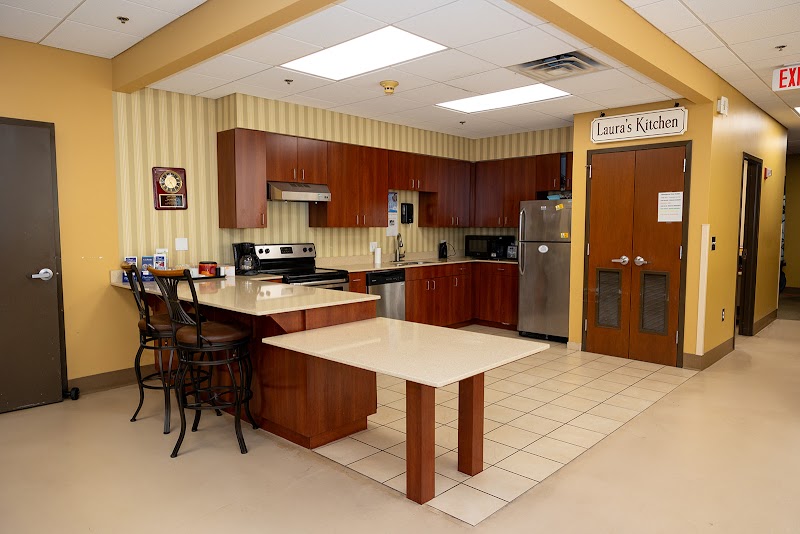
How is A.G. Rhodes Home Wesley Woods Staffed?

CMS rates A.G. RHODES HOME WESLEY WOODS's staffing level at 3 out of 5 stars, which is average compared to other nursing homes. Staff turnover is 82%, which is 36 percentage points above the Georgia average of 46%. High turnover can affect care consistency as new staff learn residents' individual needs. RN turnover specifically is 68%, which is notably high. RNs provide skilled clinical oversight, so turnover in this role can affect medical care quality.

What Have Inspectors Found at A.G. Rhodes Home Wesley Woods?

State health inspectors documented 12 deficiencies at A.G. RHODES HOME WESLEY WOODS during 2019 to 2024. These included: 3 that caused actual resident harm and 9 with potential for harm. Deficiencies causing actual harm indicate documented cases where residents experienced negative health consequences.
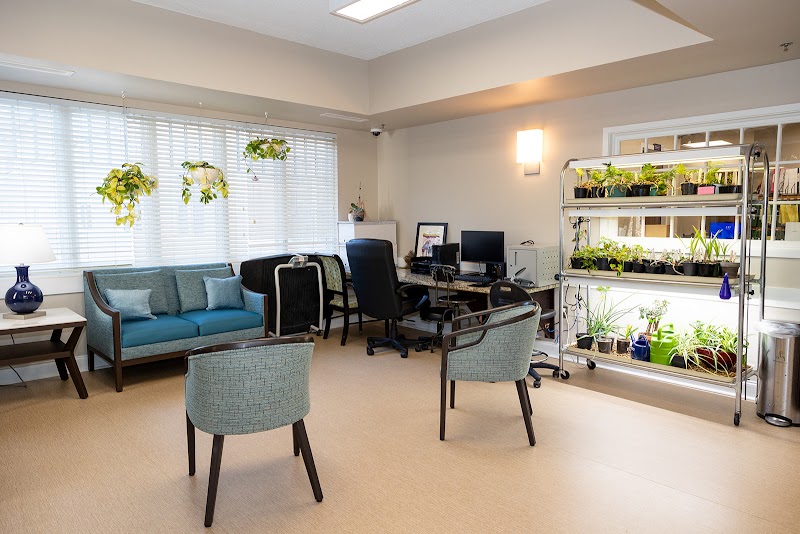
Who Owns and Operates A.G. Rhodes Home Wesley Woods?

A.G. RHODES HOME WESLEY WOODS is owned by a non-profit organization. Non-profit facilities reinvest revenue into operations rather than distributing to shareholders. The facility operates independently rather than as part of a larger chain. With 150 certified beds and approximately 131 residents (about 87% occupancy), it is a mid-sized facility located in ATLANTA, Georgia.
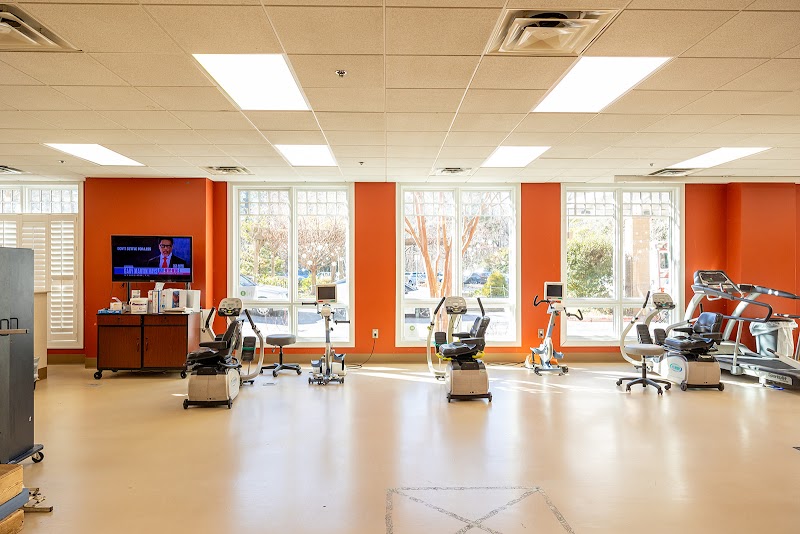
How Does A.G. Rhodes Home Wesley Woods Compare to Other Georgia Nursing Homes?

Compared to the 100 nursing homes in Georgia, A.G. RHODES HOME WESLEY WOODS's overall rating (4 stars) is above the state average of 2.6, staff turnover (82%) is significantly higher than the state average of 46%, and health inspection rating (3 stars) is at the national benchmark.

What Should Families Ask When Visiting A.G. Rhodes Home Wesley Woods?

Based on this facility's data, families visiting should ask: "How do you ensure continuity of care given staff turnover, and what is your staff retention strategy?" "Can I visit during a mealtime to observe dining assistance and food quality?" "How do you handle medical emergencies, and what is your hospital transfer rate?" "Can I speak with family members of current residents about their experience?" These questions are particularly relevant given the facility's high staff turnover rate.

Is A.G. Rhodes Home Wesley Woods Safe?

Based on CMS inspection data, A.G. RHODES HOME WESLEY WOODS has a clean safety record: no substantiated abuse findings (meaning no confirmed cases of resident harm), no Immediate Jeopardy citations (the most serious violation level indicating risk of serious injury or death), and is not on the Special Focus Facility watch list (a federal program monitoring the lowest-performing 1% of nursing homes). The facility has a 4-star overall rating and ranks #1 of 100 nursing homes in Georgia. While no facility is perfect, families should still ask about staff-to-resident ratios and recent inspection results during their visit.

Do Nurses at A.G. Rhodes Home Wesley Woods Stick Around?

Staff turnover at A.G. RHODES HOME WESLEY WOODS is high. At 82%, the facility is 36 percentage points above the Georgia average of 46%. Registered Nurse turnover is particularly concerning at 68%. RNs handle complex medical decisions and coordinate care — frequent RN changes can directly impact care quality. High turnover means new staff may not know residents' individual needs, medications, or preferences. It can also be disorienting for residents, especially those with dementia who rely on familiar faces. Families should ask: What is causing the turnover? What retention programs are in place? How do you ensure care continuity during staff transitions?

Was A.G. Rhodes Home Wesley Woods Ever Fined?

A.G. RHODES HOME WESLEY WOODS has been fined $8,018 across 1 penalty action. This is below the Georgia average of $33,159. While any fine indicates a compliance issue, fines under $50,000 are relatively common and typically reflect isolated problems that were subsequently corrected. Families should ask what specific issues led to these fines and confirm they've been resolved.

Is A.G. Rhodes Home Wesley Woods on Any Federal Watch List?

A.G. RHODES HOME WESLEY WOODS is not on any federal watch list. The most significant is the Special Focus Facility (SFF) program, which identifies the bottom 1% of nursing homes nationally based on persistent, serious quality problems. Not being on this list means the facility has avoided the pattern of deficiencies that triggers enhanced federal oversight. This is a positive indicator, though families should still review the facility's inspection history directly.