FOUNTAINVIEW CTR FOR ALZHEIMER
2631 NORTH DRUID HILLS ROAD N E, ATLANTA, GA 30329 (404) 325-7994
For profit - Individual 120 Beds Independent Data: November 2025 3 Immediate Jeopardy citations
Trust Grade
0/100
#276 of 353 in GA
Last Inspection: May 2025

Inspected within the last 6 months. Data reflects current conditions.

Overview

Fountainview Center for Alzheimer in Atlanta has a Trust Grade of F, indicating significant concerns with care quality. Ranked #276 out of 353 facilities in Georgia and #14 out of 18 in DeKalb County, it falls within the bottom half of options available. The facility's situation is worsening, with the number of reported issues increasing from 6 in 2024 to 8 in 2025. Staffing is below average at 2 out of 5 stars, with a troubling turnover rate of 58%, which is higher than the state average. Notably, there have been serious incidents of resident abuse that the facility failed to adequately address, including a resident exhibiting inappropriate sexual behavior towards others and a lack of proper investigation into these incidents, which raises significant safety concerns.

Trust Score
F
0/100
In Georgia
#276/353
Bottom 22%
Safety Record
High Risk
Review needed
Inspections
Getting Worse
6 → 8 violations
Staff Stability
⚠ Watch
58% turnover. Above average. Higher turnover means staff may not know residents' routines.
Penalties
⚠ Watch
$12,035 in fines. Higher than 88% of Georgia facilities, suggesting repeated compliance issues.
Skilled Nurses
⚠ Watch
Each resident gets only 20 minutes of Registered Nurse (RN) attention daily — below average for Georgia. Fewer RN minutes means fewer trained eyes watching for problems.
Violations
⚠ Watch
14 deficiencies on record. Higher than average. Multiple issues found across inspections.
★☆☆☆☆
1.0
Overall Rating
★★☆☆☆
2.0
Staff Levels
★★★★☆
4.0
Care Quality
★☆☆☆☆
1.0
Inspection Score
Stable
2024: 6 issues
2025: 8 issues

The Good

  • 4-Star Quality Measures · Strong clinical quality outcomes
  • Full Sprinkler Coverage · Fire safety systems throughout facility
  • No fines on record

Facility shows strength in quality measures, fire safety.

The Bad

1-Star Overall Rating

Below Georgia average (2.6)

Significant quality concerns identified by CMS

Staff Turnover: 58%

12pts above Georgia avg (46%)

Frequent staff changes - ask about care continuity

Federal Fines: $12,035

Below median ($33,413)

Minor penalties assessed

Staff turnover is elevated (58%)

10 points above Georgia average of 48%

The Ugly 14 deficiencies on record

3 life-threatening 1 actual harm
Aug 2025 3 deficiencies 3 IJ
CRITICAL (J) 📢 Someone Reported This

A family member, employee, or ombudsman was alarmed enough to file a formal complaint

Immediate Jeopardy (IJ) - the most serious Medicare violation

Free from Abuse/Neglect (Tag F0600)

Someone could have died · This affected 1 resident

**NOTE- TERMS IN BRACKETS HAVE BEEN EDITED TO PROTECT CONFIDENTIALITY** Based on interview, record review, and review of the facility policy titled, Abuse, Neglect, and Exploitation, the facility fail...

Read full inspector narrative →
**NOTE- TERMS IN BRACKETS HAVE BEEN EDITED TO PROTECT CONFIDENTIALITY** Based on interview, record review, and review of the facility policy titled, Abuse, Neglect, and Exploitation, the facility failed to ensure residents were free from sexual abuse for three of six residents reviewed for abuse (Resident (R) 2, R3, and R6). Specifically, R1 displayed inappropriate sexual behaviors towards others on 6/20/2025 when she grabbed a male housekeeper's private area (groin) and buttocks. The resident's inappropriate sexual behavior towards staff members progressed to resident's on the South Pavillion unit sustaining sexual abuse. Even though the facility was aware of R1's inappropriate sexual behavior and her abuse of other residents, the facility failed to implement any interventions to protect the residents who resided on the unit. The facility's failure to ensure residents were free from abuse had caused or was likely to cause serious injury, harm, impairment, or death to a resident. An Immediate Jeopardy was identified on 8/15/2025 and was determined to exist on 6/20/2025. The Administrator and the Director of Nursing (DON) were notified of the Immediate Jeopardy on 8/15/2025 at 9:00 am. The facility was notified that an acceptable plan of removal had been accepted on 8/16/2025 at 4:11 pm. The Surveyor validated the full implementation of the facility's removal plan, and the Administrator was notified on 8/17/2025 at 9:31 am that the Immediacy had been removed.Findings include:Review of the facility's policy titled, Abuse, Neglect, and Exploitation, revised 1/23/2023 revealed the definition of sexual abuse as non-consensual sexual contact of any type with a resident. The policy also revealed Employee Training.C. Training topics will include: .2. Identifying what constitutes abuse.III. Prevention of Abuse, Neglect and Exploitation. The facility will implement policies and procedure to prevent and prohibit all types of abuse.A. Establishing a safe environment that supports, to the extent possible, a resident's consensual sexual relationship and by establishing policies and protocols for preventing sexual abuse, such as the identify when, how, and by whom determinations of capacity to consent to sexual contact will be made and where this documentation will be recorded.The facility will have written procedures to assist staff in identifying the different types of abuse.sexual abuse.Review of R1's undated admission Record, located in the resident's electronic medical record (EMR) under the Profile tab revealed the resident was admitted to the facility on [DATE] with diagnoses which included schizoaffective disorder, bipolar type, unspecified dementia, and delusional disorders.Review of R1's admission Minimum Data Set (MDS), with an Assessment Reference Date (ARD) of 6/18/2025 revealed the facility assessed the resident to have a Brief Interview for Mental Status (BIMS) score of two out of 15 which indicated the resident was severely cognitively impaired. The MDS also indicated the resident was assessed to have exhibited other behavioral symptoms directed towards others (e.g., physical symptoms such as.public sexual acts, disrobing in public, and verbal/vocal symptoms. and also assessed that the behaviors significantly impacted others care or living environment during the assessment period.Review of R1's Nursing Progress Note, dated 6/20/2025 and located in the resident's EMR under the Progress Notes tab revealed .At approximately 11:30 am a male housekeeper was observed running away from the resident, with the resident chasing after him. The housekeeper reported that the resident had just grabbed his private area and touched him on his buttocks. The resident had to be redirected several times in order to stop her from chasing after the male housekeeper.Review of R1's Nursing Progress Note, dated 6/24/2025 and located in the resident's EMR under the Progress Notes tab revealed Resident inappropriately fondled narrator. When passing in hall Narrator attempted to say good morning to resident in which she said, Hello to you too and grabbed narrators vagina.Review of R1's Nursing Progress Note, dated 6/25/2025 and located in the resident's EMR under the Progress Notes tab revealed .CNA reported to this nurse that client [resident] walked towards her rolling her hips and thrusting her pelvis toward sher [sic] .then client reached out and started rubbing CNA's right breast.when CNA asked client not ot touch her like that, client responded 'you do not like doing that' .Review of R1's Nursing Progress Note, dated 6/25/2025 and located in the resident's EMR under the Progress Notes tab revealed Resident observed attempting to take male resident into another resident's room stating, 'Want to do it?' Narrator was informed by a visitor that was on site visiting another resident. Both residents separated and easily redirected without issues.Review of R1's Nursing Progress Note, dated 6/28/2025 and located in the resident's EMR under the Progress Notes tab revealed The resident was observed following a particular male resident throughout the shift. She held his hands and attempted to sit in his lap on several occasions. The resident required frequent redirections. Staff continued to intervene, attempted to separate this resident from the male resident, and distract her with games and activities. This resident would get upset when redirected. She continued to follow this male resident.Review of R1's Nursing Progress Note, dated 6/29/2025 and located in the resident's EMR under the Progress Notes tab revealed Patient [resident] observed walking in the POD [unit] rubbing on her breast this morning asking CNA to feel on her breast.1. Review of R2's undated admission Record, located in the resident's EMR under the Profile tab revealed the resident was admitted to the facility on [DATE] with diagnoses which included Alzheimer's Disease, and dementia.Review of R2's quarterly MDS with an ARD of 8/13/2025 and located in the resident's EMR under the MDS tab revealed the facility assessed the resident to have a BIMS score of five out of 15 which indicated the resident was severely cognitively impaired.Review of R1's Nursing Progress Note, dated 6/29/2025 and located in the resident's EMR under the Progress Notes tab revealed .This morning during morning care the CNA [CNA3] assigned to resident reported the resident had taken her pants off and 'spread eagle' on her bed, with her legs wide apart telling her to, 'come and get it.' The CNA also reported that resident had grabbed her breast and proceeded to shake them at the CNA, while inviting the CNA to feel them. Shortly after leaving her room, the resident then went to one of the dining room [sic], lift up her blouse and then bared her breast to the residents and staff in the dining room. The resident was later observed chasing after a male resident [R2] who was trying to get away from her as he yelled for staff to help him. Staff members were able to redirect her away from the resident. The resident was later observed baring her breast and pushing her breasts in a female resident's face telling her to suck on them.Review of R1's Nursing Progress Note, dated 6/30/2025 and located in the resident's EMR under the Progress Notes tab revealed Resident continues to exhibit sexual behaviors throughout shift to staff and other residents.Review of R1's Nursing Progress Note, dated 7/1/2025 and located in the resident's EMR under the Progress Notes tab revealed Spoke with RP [Resident Representative] in regards to change in Depakote order due to increased sexual behaviors.Review of R1's Nursing Progress Note, dated 7/2/2025 and located in the resident's EMR under the Progress Notes tab revealed Called to room by CNA to observed resident exposing her breast and attempting to touch another resident .Review of R1's Nursing Progress Note, dated 7/2/2025 and located in the resident's EMR under the Progress Notes tab revealed Resident was observed walking in front of another [resident] and starting to pull her blouse up stating she want someone to touch her beast. Staff intervened and redirected her.Review of R1's Nursing Progress Note, dated 7/2/2025 and located in the resident's EMR under the Progress Notes tab revealed Resident continues to be sexually inappropriate throughout the shift wanting to sit on other's [sic] [residents] lap, pulling her blouse up and exposing herself, making sexual gestures and comments. She was consistently redirected throughout the shift.Review of R1's Nursing Progress Note, dated 7/3/2025 and located in the resident's EMR under the Progress Notes tab revealed Resident continues to wander in other residents [sic] rooms and exhibiting hypersexual behaviors.Review of R1's Nursing Progress Note, dated 7/4/2025 and located in the resident's EMR under the Progress Notes tab revealed Resident in stable condition, wandering around exhibiting sexual behavior with others [sic] resident.Review of R1's Nursing Progress Note, dated 7/6/2025 and located in the resident's EMR under the Progress Notes tab revealed Resident noted following staff and other res [resident] rubbing on breast.2. Review of R6's undated admission Record, located in the resident's EMR under the Profile tab revealed the resident was admitted to the facility on [DATE] with diagnoses which included Alzheimer's disease and dementia.Review of R6's quarterly MDS with an ARD of 8/11/2025 and located in the resident's EMR under the MDS tab revealed the facility assessed the resident to have a BIMS score of three out of 15 which indicated the resident was severely cognitively impaired.Review of R1's Nursing Progress Note, dated 7/6/2025 and located in the resident's EMR under the Progress Notes tab revealed The resident was observed @ [at] 9:30 am gyrating on a [AGE] year-old male resident [R6] in program room [ROOM NUMBER]. She was redirected by staff members to which she pulled up her blouse and bared her breasts in public.Review of R1's Nursing Progress Note, dated 7/7/2025 and located in the resident's EMR under the Progress Notes tab revealed MD [medical doctor] increased resident's Seroquel.due to the excessive continuous sexual behaviors.Review of R1's Nursing Progress Note, dated 7/22/2025 and located in the resident's EMR under the Progress Notes tab revealed IDT [interdisciplinary team] psychotropic/mood monitoring meeting.Resident has behaviors of wandering into other residents [sic] room at times also noted making inappropriate sexual comments and disrobing in common areas.Review of R1's Nursing Progress Note, dated 7/26/2025 and located in the resident's EMR under the Progress Notes tab revealed Resident noted this shift aggressively seeking male residents out trying to get them to suck on her breast. Resident was redirected to stay away from male residents and strongly encouraged her to not do any negative behaviors to others.Review of R1's Nursing Progress Note, dated 7/29/2025 and located in the resident's EMR under the Progress Notes tab revealed Nurse-saw resident on top of another resident [R2] (in someone else [sic] room. (Female resident [R1] had shirt off). Male had all his clothes on. Did not have sex. Was redirected by Nurse to leave room.Review of R1's Nursing Progress Note, dated 7/31/2025 and located in the resident's EMR under the Progress Notes tab and completed by the Director of Nursing (DON) revealed .spoke with resident's [R1] daughter related to behaviors.suggested a private sitter.3. Review of R3's undated admission Record, located in the resident's EMR under the Profile tab revealed the resident was admitted to the facility on [DATE] with diagnoses which included Alzheimer's disease and dementia.Review of R3's quarterly MDS with an ARD of 8/13/2025 and located in the resident's EMR under the MDS tab revealed the facility assessed the resident to have a BIMS score of zero out of 15 which indicated the resident was severely cognitively impaired.Review of R1's Nursing Progress Note, dated 7/31/2025 and located in the resident's EMR under the Progress Notes tab revealed At 4:45 pm while performing rounds the nursing staff noted resident in room with another male resident with her pants down. Male resident noted to be fondling resident, both residents were immediate separated and assessed with no acute injuries noted.During an interview on 8/13/2025 at 3:00 pm, the Administrator stated if there was no contact made by R1 to another resident when she was having inappropriate sexual behaviors, then it was not abuse just the resident's behavior.During an interview on 8/13/2025 at 3:50 pm, the Director of Education (DOE) stated she was responsible for providing staff abuse training. When asked about the above documented progress notes, the DOE stated only the incidents on 7/29/2025 and 7/31/2025 met the definition of abuse. The DOE also stated it was not sexual abuse if the other resident was not physically touched by R1.During an interview on 8/13/2025 at 4:25 pm, the Registered Nurse Supervisor (RNS) stated in her opinion, if a cognitively impaired resident pulled her top up in front of residents and staff, that was not abuse, but a behavior. If the other resident would have been touched by R1, then it would have been possible abuse.During an interview on 8/14/2025 at 9:35 am, Certified Nurse Aide (CNA) 1 stated she works on the South Pavillion unit and was familiar with R1. The CNA stated R1 was very sexual and could be redirected; however, she would then just go to a different resident and do inappropriate sexual behaviors to them. CNA1 stated R1 engaged in inappropriate sexual behaviors almost daily and multiple times a day. CNA1 also stated the only thing that could have prevented R1 from bothering other residents would have been to place the resident on one-to-one supervision. The CNA stated sexual abuse was any unwanted sexual behaviors towards another person or resident.During an interview on 8/14/2025 at 10:38 am, Licensed Practical Nurse (LPN) 1 stated a CNA observed R1 and R3 in R1's room. The LPN stated the CNA told her to go look in R1's room. LPN1 stated when she walked into the room, R3 was standing up beside R1's bed with his pants and brief off, and his penis was fully erect. The LPN stated R1 had her shirt pulled behind her head, her breast fully exposed with a blanket covering the rest of the resident's body. The LPN stated when she pulled the blanket off R1, R3 was using his finger to digitally penetrate R1's vagina.During an interview on 8/14/2025 at 11:52 am, the Director of Nursing (DON) stated there were no assessments for residents' capacity to consent for sexual contact completed by the facility. The DON also stated sexual abuse was if a resident received any unwanted sexual behaviors from R1 that involved contact. When asked if a resident had to touch another resident before he considered it as abuse, the DON stated, Yes. The DON stated a resident just exposing her breast to another resident even if the resident also stated something verbally during the exposing of her breast, that was a behavior and not sexual abuse.During an interview on 08/14/25 at 12:18 PM, the Administrator stated R1 was not the normal nursing home resident as her disease manifested the way it did, and she has not filter and that is why she has inappropriate sexual behaviors. The Administrator stated that without physical contact, he would not consider it abuse.
CRITICAL (J) 📢 Someone Reported This

A family member, employee, or ombudsman was alarmed enough to file a formal complaint

Immediate Jeopardy (IJ) - the most serious Medicare violation

Investigate Abuse (Tag F0610)

Someone could have died · This affected 1 resident

**NOTE- TERMS IN BRACKETS HAVE BEEN EDITED TO PROTECT CONFIDENTIALITY** Based on interview, record review, and review of the facility policy titled, Abuse, Neglect, and Exploitation, the facility fail...

Read full inspector narrative →
**NOTE- TERMS IN BRACKETS HAVE BEEN EDITED TO PROTECT CONFIDENTIALITY** Based on interview, record review, and review of the facility policy titled, Abuse, Neglect, and Exploitation, the facility failed to complete a thorough investigation which included interviewing and/or assessing other residents who resided on the South Pavillion unit and interviewing staff who worked on the unit for two of two abuse investigations involving residents (Resident (R) 1, R2, and R3). Also, during the facility's investigation, the Administrator who was the Abuse Coordinator failed to thoroughly investigate and identify Certified Nurse Aide (CNA) 2's failure to protect R3 when she discovered R3 in R1's room with his pants off; instead of intervening, the CNA left the resident's room and reported her observations to the nurse. Additionally, the facility failed to protect all residents who resided on the unit when R1's level of supervision (LOS) was not assessed or increased when R1 started engaging in inappropriate sexual behaviors towards other residents which was determined to be sexual abuse. These failures led to the continued abuse of the vulnerable residents who resided on the South Pavillion unit. (Cross reference F600 Free from Abuse and Neglect and F657 Care Plan Timing and Revision)The facility's failure to implement their abuse policy and procedures to complete thorough abuse investigations and the failure of implementing interventions to protect all residents of the unit from sustaining abuse from R1 was likely to cause serious injury, harm, impairment, or death to a resident. An Immediate Jeopardy was identified on 8/15/2025 and was determined to exist on 6/20/2025. R1 attempted to take an unidentified male resident to a room to engage in sexual activity. The Administrator and the Director of Nursing (DON) were notified of the Immediate Jeopardy on 8/15/2025 at 9:00 am. The facility was notified that a plan of removal had been accepted on 8/16/2025 at 4:11 pm. The Surveyor validated the implementation of the facility's removal plan, and the Administrator was notified on 8/17/2025 at 9:31 am that the Immediacy had been removed. Findings include:Review of the facility's policy titled, Abuse, Neglect, and Exploitation, revised 1/23/2023 revealed .Policy Explanation and Compliance Guidelines: 1. The facility will develop and implement written policies and procedures that: .b. Establish policies and procedures to investigate any such allegations.The components of the facility abuse prohibition plan are discussed herein: .B. Prospective residents will be screened to determine whether the facility has the capability and capacity to provide the necessary care and services for each resident admitted to the facility. 1. An assessment of the individuals mood/behavioral status, medical acuity, and special needs will be reviewed prior to admission. 2. The facility will make individual determinations in consideration of current staffing patterns, staff qualifications, competency and knowledge, clinical resources, physical environment, and equipment.III. Prevention of Abuse, Neglect and Exploitation. The facility will implement policies and procedures to prevent and prohibit all types of abuse.A. Establishing a safe environment that supports, to the extent possible, a resident's consensual sexual relationship and by establishing policies and protocols for preventing sexual abuse, such as the identify when, how, and by whom determinations of capacity to consent to sexual contact will be made and where this documentation will be recorded.B. Identifying, correcting and intervening in situations in which abuse.is more likely to occur with the deployment of trained and qualified, registered, licensed, and certified staff on each shift in sufficient numbers to meet the needs of the residents.V. Investigation of Alleged Abuse, Neglect, and Exploitation. A. An immediate investigation is warranted when suspicion of abuse, neglect, or exploitation, or reports of abuse.occur.4. Identifying and interviewing all involved persons, including the alleged victim, alleged perpetrator, witnesses, and others who might have knowledge of the allegations.6. Providing complete and thorough documentation of the investigation.VI. Protection of Resident. The facility will make efforts to ensure all residents are protected from physical and psychosocial harm during and after the investigation. Examples include but are not limited to: A. Responding immediately to protect the alleged victim and integrity of the investigation.C. Increased supervision of the alleged victim and residents.Review of R1's undated admission Record, located in the resident's electronic medical record (EMR) under the Profile tab revealed the resident was admitted to the facility on [DATE] with diagnoses which included schizoaffective disorder, bipolar type, unspecified dementia, and delusional disorders.Review of R1's admission Minimum Data Set (MDS), with an Assessment Reference Date (ARD) of 6/18/2025 revealed the facility assessed the resident to have a Brief Interview for Mental Status (BIMS) score of two out of 15 which indicated the resident was severely cognitively impaired. The MDS also indicated the resident was assessed to have exhibited other behavioral symptoms directed towards others (e.g., physical symptoms such as.public sexual acts, disrobing in public, and verbal/vocal symptoms. and also assessed that the behaviors significantly impacted others care or living environment during the assessment period.Review of R2's undated admission Record, located in the resident's EMR under the Profile tab revealed the resident was admitted to the facility on [DATE] with diagnoses which included Alzheimer's Disease, and dementia.Review of R2's quarterly MDS with an ARD of 8/13/2025 and located in the resident's EMR under the MDS tab revealed the facility assessed the resident to have a BIMS score of five out of 15 which indicated the resident was severely cognitively impaired.Review of R1's Nursing Progress Note, dated 7/29/2025 and located in the resident's EMR under the Progress Notes tab revealed Nurse-saw resident on top of another resident [R2] (in someone else [sic] room. (Female resident [R1] had shirt off). Male had all his clothes on. Did not have sex. Was redirected by Nurse to leave room.Review of R3's undated admission Record, located in the resident's EMR under the Profile tab revealed the resident was admitted to the facility on [DATE] with diagnoses which included Alzheimer's disease and dementia.Review of R3's quarterly MDS with an ARD of 8/13/2025 and located in the resident's EMR under the MDS tab revealed the facility assessed the resident to have a BIMS score of zero out of 15 which indicated the resident was severely cognitively impaired.Review of R1's Nursing Progress Note, dated 7/31/2025 and located in the resident's EMR under the Progress Notes tab revealed At 4:45 pm while performing rounds the nursing staff noted resident in room with another male resident with her pants down. Male resident noted to be fondling resident, both residents were immediate separated and assessed with no acute injuries noted.During an interview on 8/14/2025 at 10:38 am, Licensed Practical Nurse (LPN) 1 stated on 7/31/2025 at approximately 4:45 pm, CNA2 approached her at the medication cart and told her to go look in R1's room. LPN1 stated when she entered R1's room, R3 was standing beside R1's bed with his pants and brief completely off. LPN1 also stated R3's penis was fully erect and his had was under the blanket covering R1's lower extremity. Continued interview revealed R1 was lying in her bed with the head of bed elevated approximately 90 degrees, her shirt was pull up over her head with her breast exposed, and her lower extremity was covered with a blanket. LPN1 stated when she pulled the blanket back from R1's lower extremities, she looked down and R3 was digitally penetrating R1's vagina. LPN1 stated R3 may have wandered into R1's room and she saw the opportunity; however, she was not sure how or when R3 entered R1's room. LPN1 further stated R1 had been engaging in inappropriate sexual behaviors since her admission and progressed from the sexual inappropriate behaviors being isolated to just R1 herself, to male and female staff persons, and then to male and female residents. LPN1 stated R1's care plan was never updated with interventions for sexual behaviors nor has she been provided any education about R1's sexual behaviors. When asked what could have been implemented to protect the residents of the South Pavillion unit from abuse, the LPN stated the only way would have been placing R1 on a one-to-one level of supervision at all time.During an interview on 8/14/2025 at 12:18 pm, when asked if he interviewed other residents on the unit or if nursing completed any type of skin or body assessments on the other residents of the unit for the reported abuse incidents on 7/29/2025 and 7/31/2025, the Administrator stated he only interviewed R1, R2, and R3. The Administrator stated he did not interview any of the other residents on the unit because the other residents would not be able to articulate anything useful. The Administrator also stated there were no assessments of any kind completed on the other residents of the unit by nursing or social services after the incidents because it did not affect any other residents. Continued interview revealed that the Administrator did not have staff write out any statements and just verbally spoke to the nurses who documented the two incidents; however, he did not document the interview or have the nurses write out any statements. When asked did his investigation determine that R1 was penetrated digitally, the Administrator stated he only determined R3 was touching R1 in the pubic area. When asked during his investigation, if he was able to determine how LPN1 discovered R1 and R3's sexual encounter, the Administrator stated he believed the LPN was making rounds and walked in on it. When asked if he was aware a CNA observed the sexual encounter between R1 and R3 first, did not intervene, and left the residents alone to go report the incident to the nurse, the Administrator stated he was not aware of that. The Administrator stated it was his expectation CNA2 would have intervened and separated the residents before reporting to the nurse.
CRITICAL (J) 📢 Someone Reported This

A family member, employee, or ombudsman was alarmed enough to file a formal complaint

Immediate Jeopardy (IJ) - the most serious Medicare violation

Deficiency F0657 (Tag F0657)

Someone could have died · This affected 1 resident

**NOTE- TERMS IN BRACKETS HAVE BEEN EDITED TO PROTECT CONFIDENTIALITY** Based on interview, record review, and review of the facility policy titled, Comprehensive Care Plans, the facility failed to re...

Read full inspector narrative →
**NOTE- TERMS IN BRACKETS HAVE BEEN EDITED TO PROTECT CONFIDENTIALITY** Based on interview, record review, and review of the facility policy titled, Comprehensive Care Plans, the facility failed to revise the resident's care plan with nonpharmacological interventions for inappropriate sexual behavior for one of nine sampled residents (Resident (R) 1). This failure led to multiple residents on the South Pavillion unit being victims of sexual abuse by R1. Cross Reference: F600 Free from Abuse and Neglect.The facility's failure to ensure R1's care plan was revised with interventions protecting residents from sexual abuse had caused or was likely to cause serious injury, harm, impairment, or death to a resident. An Immediate Jeopardy was identified on 8/15/2025 and was determined to exist on 6/20/2025. R1's care plan focus was revised to identify the problem of the resident engaging in inappropriate sexual behavior; however, there were no revisions to the interventions for R1's inappropriate sexual behavior. The Administrator and the Director of Nursing (DON) were notified of the Immediate Jeopardy on 8/15/2025 at 9:00 am. The facility was notified that an acceptable plan of removal had been accepted on 8/16/2025 at 4:11 pm. The Surveyor validated implementation of the facility's removal plan, and the Administrator was notified on 8/17/2025 at 9:31 am that the Immediacy had been removed.Findings include:Review of the facility's policy titled, Comprehensive Care Plans, dated 9/1/2023 revealed Policy: It is the policy of [Facility's Name] to develop and implement a comprehensive person-centered care plan for each resident, consistent with resident rights, that includes measurable objectives and timeframes to meet a resident's medical, nursing, and mental and psychosocial needs that are identified in the resident's comprehensive assessment.Policy Explanation and Compliance Guidelines: 1. The care planning process will include an assessment of the resident's strengths and needs, and will incorporate the resident's personal and cultural preferences in developing goals of care.3. The comprehensive care plan will describe, at a minimum, the following: a. The services that are to be furnished to attain or maintain the resident's highest practicable physical, mental, and psychosocial well-being.5. The comprehensive care plan will be reviewed and revised by the interdisciplinary team after each comprehensive and quarterly MDS assessment. 6. The comprehensive care plan will include measurable objectives and time frames to meet the resident's needs as identified in the resident's comprehensive assessment.Alternative interventions will be documented as needed.The policy did not entail a process related to revision of care plans outside of the comprehensive and quarterly MDS assessment.Review of R1's undated admission Record, located in the resident's electronic medical record (EMR) under the Profile tab revealed the resident was admitted to the facility on [DATE] with diagnoses which included schizoaffective disorder, bipolar type, unspecified dementia, and delusional disorders.Review of R1's admission Minimum Data Set (MDS), with an Assessment Reference Date (ARD) of 6/18/2025 revealed the facility assessed the resident to have a Brief Interview for Mental Status (BIMS) score of two out of 15 which indicated the resident was severely cognitively impaired. The MDS also indicated the resident was assessed to have exhibited other behavioral symptoms directed towards others (e.g., physical symptoms such as.public sexual acts, disrobing in public, and verbal/vocal symptoms. and also assessed that the behaviors significantly impacted others care or living environment during the assessment period.Review of R1's Care Plan, initiated on 6/13/2025 and located in the resident's EMR under the Care Plan tab revealed a Focus of Resident exhibits behavioral episodes as evidenced by wandering. The Care Plan interventions for the Focus included Administer behavior medications as ordered, Allow opportunity to make choices and participate in care if able, Allow resident to calm and reapproach as needed, Approach from the front in a calm, unhurried manner, Assess for signs/symptoms of infection, constipation, or pain that may be causing delirium or increased behavioral episodes, Assist to quiet area with less distractions if behaviors observed and difficult to redirect, Elicit family input for best approach(es) to resident, Ensure safety of resident and others, Make sure resident can see you before you touch or move them, monitor for side effects of medications, provide diversional activities as indicated, Provide small group activities to decrease distraction, and Talk in calm voice when behavior is disruptive. Review of R1's Nursing Progress Note, dated 6/20/2025 and located in the resident's EMR under the Progress Notes tab revealed .At approximately 11:30 am a male housekeeper was observed running away from the resident, with the resident chasing after him. The housekeeper reported that the resident had just grabbed his private area and touched him on his buttocks. The resident had to be redirected several times in order to stop her from chasing after the male housekeeper.Review of R1's Care Plan, revised 6/20/2025 and located in the resident's EMR under the Care Plan tab revealed the resident's focus area was revised to [R1's Name] exhibits behavioral episodes as evidenced by wandering, inappropriate sexual behavior directed toward male staff. Review of the Interventions for the Focus area revealed there were no revisions to the interventions after the revised Focus of the resident exhibiting inappropriate sexual behavior directed toward male staff.Review of R1's Nursing Progress Note, dated 6/24/2025 and located in the resident's EMR under Progress Notes tab revealed Resident inappropriately fondled narrator. When passing in hall Narrator attempted to say good morning to resident in which she said, Hello to you too and grabbed narrators vagina.Review of R1's Care Plan, revised 6/24/2025 and located in the resident's EMR under the Care Plan tab revealed the resident's focus area was revised to [R1's Name] exhibits behavioral episodes as evidenced by wandering, inappropriate sexual behavior directed toward male and female staff members. Review of the Interventions for the Focus area revealed there were no revisions to the interventions after the revised Focus of the resident exhibiting inappropriate sexual behavior directed toward male and female staff members.Review of R1's Nursing Progress Note, dated 6/25/2025 and located in the resident's EMR under the Progress Notes tab revealed Resident observed attempting to take male resident into another resident's room stating, 'Want to do it?' Narrator was informed by a visitor that was on site visiting another resident. Both residents separated and easily redirected without issues.Review of R1's Care Plan, revised 6/26/2025 and located in the resident's EMR under the Care Plan tab revealed the resident's focus area was revised to [R1's Name] exhibits behavioral episodes as evidenced by wandering, inappropriate sexual behavior directed toward staff members and other residents. Review of the Interventions for the Focus area revealed there were no revisions to the interventions after the revised Focus of the resident exhibiting inappropriate sexual behavior directed toward staff members and other residents.During an interview on 8/13/2025 at 2:00 pm, the Minimum Data Set Coordinator (MDSC) stated she developed and initiated R1's care plan on 6/13/2025. The MDSC stated when the care plan was initiated the resident was care planned for wandering behaviors. The MDSC stated she revised R1's care plan on 6/20/2025 when the resident engaged in inappropriate sexual behavior toward a male staff member. Continued interview revealed the MDSC revised R'1s care plan again on 6/24/2025 when the resident engaged in inappropriate sexual behavior towards a female staff member and then revised it again on 6/26/2025 when the resident engaged in inappropriate sexual behavior towards a resident. When asked if there were any revisions to the resident's interventions for the inappropriate sexual behaviors, the MDSC stated, there were no intervention revisions to address R1's inappropriate sexual behavior towards staff and residents.During an interview on 8/13/2025 at 3:00 pm, with the Administrator revealed when asked about what his expectations were related to the resident's care plan interventions not being revised, the Administrator stated with R1, it was hard to predict when she was going to have these behaviors and really the only thing staff could do was keep her involved in activities as much as possible.During an interview on 8/14/2025 at 10:38am, Licensed Practical Nurse (LPN) 1 stated R1's care plan should have been updated with interventions specific to her inappropriate sexual behavior; however, she was not responsible for revising care plans. Stated she would document the behaviors in nursing notes and during shift report.
May 2025 5 deficiencies
CONCERN (D)

Potential for Harm - no one hurt, but risky conditions existed

Deficiency F0605 (Tag F0605)

Could have caused harm · This affected 1 resident

**NOTE- TERMS IN BRACKETS HAVE BEEN EDITED TO PROTECT CONFIDENTIALITY** Based on record review, staff interviews, and facility policy review, the facility failed to ensure targeted behaviors and poten...

Read full inspector narrative →
**NOTE- TERMS IN BRACKETS HAVE BEEN EDITED TO PROTECT CONFIDENTIALITY** Based on record review, staff interviews, and facility policy review, the facility failed to ensure targeted behaviors and potential side effects were monitored for administered psychotropic medications for one of five residents (Resident (R) 82) reviewed for unnecessary medications out of 24 sampled residents. This had the potential for unwarranted medication use and for adverse reactions due to potentially unnecessary medications. Findings include: Review of the facility's policy titled Behavior Tracking last revised 02/05/04 revealed, Each resident must receive and the facility must provide the necessary care and services to attain or maintain the highest practicable physical, mental, and psychosocial wellbeing, in accordance with the comprehensive assessment and plan of care. Purpose: the purpose of behavior tracking is to provide insight into the behavioral symptoms of our residents by tracking all behavioral occurrences during a determined period. Review of the facility's policy titled, Behavior/Intervention Monthly Flow Record last revised 12/22/02 revealed . Purpose: In an effort to assess the efficacy of pharmacological and non-pharmacological interventions used to manage resident behaviors, the (facility name) utilizes a monthly Behavior flow Record (BFR). The monthly flow record tracks . any medication side effects This tracking allows the staff to analyze the effectiveness of approaches in order to develop an appropriate individualized plan of care for residents .If at any time a new antipsychotic medication is added to a resident's drug regimen, the LPN [Licensed Practical Nurse] taking off the order is responsible for initiating a BFR. Review of the facility policy titled, Unnecessary Drugs-without adequate indication for use last revised 02/01/23 revealed, It is the facility's policy that each resident's drug regimen in managed and monitored to promote or maintain the resident's highest practicable mental, physical and psychosocial well-being free from unnecessary drugs .Definitions: Adverse consequence is a broad term referring to unwanted uncomfortable, or dangerous effects that a drug may have, such as impairment or decline in an individual's mental or physical conditions or functional or psychosocial status. Review of R82's admission Record located in the electronic medical record (EMR) under the Profile tab revealed the resident was admitted to the facility on [DATE] with diagnoses including bipolar disorder, vascular dementia with mood disturbance, and major depressive disorder. Review of R82's admission Minimum Data Set (MDS) with an assessment reference date (ARD) of 09/16/24 located in the EMR under the MDS tab revealed a Brief Interview for Mental Status (BIMS) score of zero out of 15 indicating severe impaired cognition. The resident was noted with no signs of delirium, mood, and no behaviors were present. Review of R82's significant change MDS with an ARD of 12/06/24 located in the EMR under the MDS tab revealed the resident did experience delusions and had no behaviors present. Review of R82's quarterly MDS with an ARD of 05/02/25 located in the EMR under the MDS tab revealed the resident had no behaviors present. Review of R82's Care Plan located in the EMR under the Care Plan tab with a date initiated of 08/29/24 revealed the resident was at risk for side effects related to anti-depressant medication use. Interventions included to monitor for adverse side effects and notify the physician as needed. Review of R82's Care Plan located in the EMR under the Care Plan tab with a date initiated of 08/29/24 revealed the resident was at risk of exhibiting signs of depression related to her diagnoses of depression and bipolar disorder. Interventions included to monitor for changes in the resident's mood. Review of R82's Care Plan located in the EMR under the Care Plan tab with a date initiated of 05/06/25 revealed the resident was a risk for side effects related to antipsychotic medication use. She is reported having visual hallucinations. The goal was to ensure the resident would have no adverse consequences related to antipsychotic medication use. Interventions include to monitor for adverse side effects, tardive dyskinesia, and to monitor targeted behaviors. Review of R82's physician Orders located in the EMR under the Orders tab revealed the resident was ordered and administered the following medications: Abilify (anti-psychotic) 5 milligrams (mg) one time a day for bipolar disorder with a start date of 03/11/25 and a discontinued date of 04/11/25. Lamotrigine (mood stabilizer) 100 mg one time a day for bipolar disorder with a start date of 03/25/25 and a discontinued date of 05/05/25. Seroquel (anti-psychotic) 25 mg one time a day at bedtime for visual hallucinations with a start date of 11/14/24 and a discontinued date of 03/10/25. Zoloft (anti-depressant) 125 mg one time a day with a start date of 09/12/24 and a discontinued date of 03/10/25. Vraylar (anti-psychotic) 1.5 mg one time a day related to bipolar disorder with a start date of 04/12/25 and a discontinued date of 04/29/25. Sertraline (anti-depressant) 75 mg one time a day with a start date of 03/11/25. Zyprexa (anti-psychotic) 5 mg at bedtime for bipolar disorder with a start date of 05/05/25. Lamotrigine 100 mg, two tablets one time a day for bipolar disorder with a start date of 05/06/25. Review of R82's Medication Administration Records (MARs) for March 2025, April 2025, and May 2025 revealed the resident received the above medications as ordered. Review of R82's Acknowledgement of Psychoactive Medications for the use of Sertraline dated 08/30/24 and provided by the facility revealed there was a risk of an allergic reaction to the drug like rash, hives, itching, red, swollen, blistered, or peeling skin with or without fever, signs of low sodium like headache, memory problems, feeling confused, weakness, seizures, or change in balance, not able to control bladder, a big weight gain or loss, and abnormal heart beat. If you are 65 or older, use this drug with care. You could have more side effects. Review of R82's Acknowledgement of Psychoactive Medications for the use of lamotrigine dated 05/08/25 and provided by the facility revealed risks included, drowsiness, mental confusion, abnormal eye, facial, tongue or jaw movements, changes in posture or gait and loss of balance with falls, involuntary movements of hands, fingers, feet or toes, physical restlessness or tremors, Parkinsons like tremors, loss of independent mobility, allergic reactions, and severe skin reactions may happen with this drug. Sometimes, body organs may also be affected. These reactions can be deadly. Most cases of skin reactions have happened within two to eight weeks of starting this drug, but some show up after longer treatment like six months. Review of R82's Acknowledgement of Psychoactive Medications for the use of Zyprexa dated 05/08/25 and provided by the facility revealed there was a risk of dizziness, sleepiness, and feeling less stable which may lead to falling. A severe and sometimes deadly reaction has happened with signs of fever, rash, or swollen glands with problems in body organs. There is a higher chance of death in older adults who take this drug for mental problems cause by dementia. Review of R82's Subsequent Medication Evaluation dated 05/05/25 and provided by the facility revealed the resident's diagnoses included bipolar disorder, current episode mixed, severe, with psychotic features of visual hallucinations and vascular dementia, mild, with mood disturbance. Presenting problems and history included agitation, restlessness, and on the edge of a manic episode. Visual hallucinations were reported. Recommendations included to increase Lamictal (lamotrigine) to 200 mg daily for mood and start Zyprexa 5 mg every day for visual hallucinations. Follow up as needed or requested by the nursing facility. Review of R82's EMR revealed nothing to indicate specific behaviors had been identified or were being monitored related to administration of any of her ordered psychotropic medications. There was nothing to indicate any monitoring had been completed for potential side effects of the medications being administered. During an interview on 05/15/25 at 3:00 PM and review of R82's EMR with the Director of Nursing (DON), the DON confirmed there had been no monitoring of the resident's targeted behaviors or any monitoring of side effects of the psychotropic medications the resident has been administered for any of the psychotropic medications listed above. During an interview on 05/16/25 at 3:00 PM with Licensed Practical Nurse (LPN) 5, the LPN revealed they were often assigned to the care of R82 and had not seen or heard of her having delusions or hallucinations. The LPN confirmed that side effects, adverse reactions and targeted behaviors should be on the MARs and/or Treatment Administration Records (TARs) so that staff would know what to look for when administering her medications, especially since her psychotropic medications changed so frequently.
CONCERN (D)

Potential for Harm - no one hurt, but risky conditions existed

Pressure Ulcer Prevention (Tag F0686)

Could have caused harm · This affected 1 resident

**NOTE- TERMS IN BRACKETS HAVE BEEN EDITED TO PROTECT CONFIDENTIALITY** Based on observations, resident family and staff interviews, record review, and policy review, the facility failed to prevent an...

Read full inspector narrative →
**NOTE- TERMS IN BRACKETS HAVE BEEN EDITED TO PROTECT CONFIDENTIALITY** Based on observations, resident family and staff interviews, record review, and policy review, the facility failed to prevent and provide treatment for one resident (Resident (R) 91) of three sampled residents reviewed for pressures ulcers out of 24 sampled residents. This failure had the potential for R91's sacrum wound to delay healing and/or worsen. Findings include: Review of the facility's policy titled, Pressure Injury Prevention and Management, dated 04/04/22 revealed .c. Evidence-based interventions for prevention will be implemented for all residents who are assessed at risk or who have a pressure injury present. Basic or routine care interventions could include but are not limited to: . iii. Provide appropriate, pressure-redistributing, support surfaces; . Review of the facility's policy titled, Turning & Repositioning, dated 01/30/05 revealed 1. A resident that is identified either by a staff member or through the assessment process as having mobility limitations will be assisted, turned and/or repositioned at least every 2-3 hours or as scheduled in the care plan. This includes residents that are in bed, Geri chairs, wheelchairs, and restraints. Review of R91's significant change in status Minimum Data Set (MDS) with an Assessment Reference Date (ARD) date of 04/11/25 and located in the resident's electronic medical record (EMR) under the MDS tab revealed an admission date of 08/14/24. The MDS revealed the facility assessed R91 to have a Brief Interview for Mental Status (BIMS) score of one out of 15, which indicated the resident was severely cognitively impaired. The MDS also revealed was dependent on a helper for chair/bed-to-chair transfer, and had diagnoses Alzheimer's disease, arthritis, and a wound infection. Review of R91's Nursing Progress Note, dated 04/21/25 and located in the EMR under the Progress Note tab revealed Resident noted with stage 2 pressure injury sacrum measures 1.0 x 1.0 x 0.0 cm [centimeter] with exposed dermis and scanty amount of odorless serous drainage. Resident exhibits no s/s [sign/symptoms] of discomfort/pain. Dr.[name] aware of above with new order rec'd. [received], treatment rendered as ordered. Resident RP [responsible party name] called and she was informed of above and POC [plan of care]., POC. Continue. Review of R91's Care Plan, revised 04/28/25, located in the EMR under the Care Plan tab revealed R91 has a stage II pressure ulcer to her sacrum. 4/28/2025: Reclassified as stage III by Wound MD [physician]. Interventions included Pressure-relieving cushion to chair, Provide assistance to turn and reposition at regular intervals, and Encourage/assist to weight shift while sitting up in chair. Review of R91's Wound Evaluation, dated 05/12/25 and located in the EMR under the Miscellaneous tab revealed Stage 3 pressure wound sacrum, size (L [length] x W [width] x D [depth]): 1.2 x 0.5 x 0.2 cm, exudate: light serous, thick adherent devitalized necrotic tissue: 20 % [percent]. Recommendations: off-load wound, reposition per facility protocol, turn side-to-side in bed. Review of R91's Physician's Order, dated 05/14/25 and located in the EMR under the Orders tab revealed Cleanse wound sacrum with wound cleanser or equiv.[equivalent], blot dry, skin prep peri-wound, apply collagen sheet (cut to size), cover with hydrocolloid dressing & secure. every day shift every Mon [Monday], Wed [Wednesday], Fri [Friday]. Review of R91's ADL [activities of daily living] transferring, dated 05/15/25, located in the EMR under the Task tab revealed no documentation R91 was transferred. During an observation on 05/14/25 at 12:24 PM, R91 was in the dining room sitting at a table while in her high back wheelchair waiting to be served lunch. During an observation on 05/14/25 at 1:31 PM, R91 was in the dining room sitting in her high back wheelchair. During an observation on 05/14/25 at 3:32 PM, R91 was sitting in her high back wheelchair in the unit lobby. The total time that lapsed was over three hours when R91 was sitting in her wheelchair on 05/14/25. During an observation on 05/15/25 at 11:08 AM, R91 was in her high back wheelchair in her room. During an observation on 05/15/25 at 11:11 AM, R91 was being wheeled out of her room in her high back wheelchair into the music activity. During an observation on 05/15/25 at 12:11 PM, R91 was in the dining room waiting for lunch while in her high back wheelchair. During an observation on 05/15/25 at 1:40 PM, R91 was still in the dining room finishing her lunch while in her high back wheelchair. During an observation on 05/15/25 at 2:41 PM, R91 was in an activity and having her nails trimmed while in her high back wheelchair. During an observation and interview on 05/15/25 at 4:19 PM, Certified Nurse Aide (CNA) 1 was leaving R91's room with a mechanical lift. CNA1 stated R91 was being placed in bed. CNA2 then walked out of R91's room. CNA2 was asked if he just placed R91 in bed. CNA2 stated, Yes, a few days ago the hospice nurse wanted R91 in bed earlier. The total time that lapsed was over five hours when R91 was sitting in her wheelchair. During an interview on 05/16/25 at 10:02 AM, CNA1 was asked about R91's routine on 05/15/25. CNA1 stated R91 was put back in bed after 3:00 PM but more near 4:00 PM by CNA2. CNA1 stated the hospice nurse wanted R91 in bed in the afternoon. During an interview on 05/16/25 at 10:08 AM, Licensed Practical Nurse (LPN) 1 was asked about R91 being up until 4:00 PM on 05/15/25. LPN1 confirmed R91 was in her wheelchair after breakfast and was not in bed until the afternoon. LPN1 went on to say the wound nurse [LPN3] only wants residents with pressure sores to be up two to three hours at a time and R91 had a pressure sore. LPN1 was asked if R91 could be repositioned in her wheelchair and LPN1 stated, No because R91 is a Hoyer [mechanical lift]. During an observation on 05/16/25 at 12:39 PM, R91 was sitting in her high back wheelchair wearing protective boots, a pillow under her head, and guards on both sides of her hips. R91 was sitting on the cushion the chair came with as the material matched the rest of the chair. No additional seat cushion was in place and the wheelchair cushion was noted to be flat. During an interview on 05/16/25 at 12:41 PM, the Director of Nurses (DON) was on the unit. The DON was asked about R91's seat cushion. The DON observed the seat and confirmed it was not a specialized cushion. The DON was asked if R91 was supposed to have a specialized cushion as R91 had a pressure sore. The DON stated no because this cushion was pressure reducing. The DON was asked for the manufacture requirements for R91's wheelchair and the DON stated, No that's alright, I'll get her an elevated cushion. During an interview on 05/16/25 at 12:50 PM, LPN3, who was the facility's wound nurse, was asked if R91 should have had a specialized seat cushion in her wheelchair as the one she had, came with the chair. LPN3 stated, Yes, but she would need to check with therapy as some cushions could cause R91 to slip out. LPN3 stated the cushion in R91's wheelchair did provide some relief but LPN3 stated the duration R91 should be in her wheelchair would be two to three hours at a time. LPN3 confirmed the sacrum wound was facility acquired. During an interview on 05/16/25 at 1:00 PM, LPN3 came back to say that therapy stated it was a nursing decision to add a wheelchair cushion and not the therapy department. During an interview on 05/16/25 at 1:22 PM, the DON stated he just asked R91's daughter and learned R91's daughter had bought the wheelchair, and the cushion came with the wheelchair. The DON reviewed on-line the brand name high back wheelchairs and what he thought might be R91's wheelchair. The feature tab revealed Reduces the risk of pressure injuries and pressure sore. However, no specifics were provided on the website, and the DON was unable to confirm it was the exact chair. The DON confirmed that R91 was not on hospice, it was R91's daughter who wanted R91 in bed in the afternoon.
CONCERN (D)

Potential for Harm - no one hurt, but risky conditions existed

Deficiency F0697 (Tag F0697)

Could have caused harm · This affected 1 resident

Based on observations, staff interview, and record review, the facility failed to ensure nonpharmacological interventions were implemented for one of 24 sampled residents (Resident (R) 5). This failur...

Read full inspector narrative →
Based on observations, staff interview, and record review, the facility failed to ensure nonpharmacological interventions were implemented for one of 24 sampled residents (Resident (R) 5). This failure placed the resident at risk for unmanaged pain and at risk for unnecessary medication use. Findings include: Review of R5's undated admission Record, located in the resident's electronic medical record (EMR) under the Profile tab revealed the facility admitted R5 on 05/18/21 with diagnoses including dementia, and chronic pain. Review of R5's quarterly Minimum Data Set (MDS) with an assessment reference date (ARD) of 04/15/25, documented R5 was severely cognitively impaired and was on opioid medication. R5 did not receive nonpharmacological interventions for pain. Review of R5's Care Plan for, initiated 04/29/25 and located in the resident's EMR under the Care Plan tab revealed [R5] pain related to OA [osteoarthritis] right shoulder, chronic pain, radicular pain right arm, peripheral neuropathy, rheumatoid arthritis. The Care Plan interventions included Administer medications as ordered and provide non-pharmacological measures as indicated: massage, relaxation, activities of choice, distraction. Review of R5's Medication Administration Report (MAR) located in the resident's EMR under the Orders tab documented R5 was received hydrocodone (an opiate pain medication) 5-325 MG (milligrams) one tablet every six hours for pain. The ordered hydrocodone was started on 06/22/23. During an observation in R5's room on 05/13/25 at 11:36 PM, R5 was sleeping. When asked, Licensed Practical Nurse (LPN) 2 stated R5 was experiencing pain in her arm and back. When asked about what nonpharmacological interventions were implemented for pain, LPN2 stated she did not provide any nonpharmacological interventions. A review of R5's record revealed no documentation that the staff offered non-pharmacological interventions for pain. During policy request on 05/14/25 at 4:50 PM, the Administrator stated the facility did not have specific care policies, including pain management, opioid medication use. During an interview on 05/15/25 at 12:30 PM, the Director of Nursing (DON) stated that the facility should have offered non-pharmacological interventions for pain as indicated in R5's care plan.
CONCERN (D)

Potential for Harm - no one hurt, but risky conditions existed

Antibiotic Stewardship (Tag F0881)

Could have caused harm · This affected 1 resident

**NOTE- TERMS IN BRACKETS HAVE BEEN EDITED TO PROTECT CONFIDENTIALITY** Based on record review, staff interviews, facility policy review, review of the Centers for Disease Control and Prevention (CDC)...

Read full inspector narrative →
**NOTE- TERMS IN BRACKETS HAVE BEEN EDITED TO PROTECT CONFIDENTIALITY** Based on record review, staff interviews, facility policy review, review of the Centers for Disease Control and Prevention (CDC) guidance, and review of the McGreer criteria for antibiotic use for urinary tract infections (UTIs), the facility failed to maintain a functional Antibiotic Stewardship Program that ensured an antibiotic prescribed and administered met the McGreer criteria and CDC guidance for one of two residents (Resident (R) 95) residents reviewed for antibiotic stewardship out of a total sample of 24 residents. This had the potential for the development of antibiotic-resistant organisms. Findings include: Review of the facility's policy titled Infection Prevention and Control Program dated 01/09/25 revealed . 4. Antibiotic Stewardship, a. Culture reports, sensitivity data, and antibiotic usage reviews are included in surveillance activities. b. Medical criteria and standardized definitions of infections are used to help recognize and manage infections. c. Antibiotic usage is evaluated and practitioners are provided feedback on reviews. Review of an undated, untitled CDC document located at https://www.cdc.gov/antibiotic-use/hcp/core-elements/nursing-homes-antibiotic-stewardship.html revealed, The Core Elements of Antibiotic Stewardship for Nursing Homes indicated . Improving the use of antibiotics in healthcare to protect patients and reduce the threat of antibiotic resistance is a national priority . Antibiotic stewardship refers to a set of commitments and actions designed to 'optimize the treatment of infections while reducing the adverse events associated with antibiotic use. Review of the McGreer criteria located at https://hqin.org/resource/revised-mcgeer-criteria-for-infection-surveillance-checklist/ the criteria for prescribing an antibiotic for a UTI without an indwelling catheter revealed at least one of the following signs or symptoms must be met, acute dysuria (discomfort when urinating), fever or leukocytosis (high level of white blood cells indicating infection), suprapubic pain, gross hematuria (blood in the urine), new or marked increase in incontinence, new or marked increase in urgency, new or marked increase in frequency. If no fever or leukocytosis, then two of the following must be met, suprapubic pain, gross hematuria, new or marked increase in incontinence, new or marked increase in urgency, new or marked increase in frequency and at least one of the following, microbiologic criteria greater than 105 cfu/mL (colony-forming units per milliliter/a common threshold used to indicate the presence of a significant bacterial infection), of no more than two species of organisms in a voided urine sample, or greater than 102 cfu/mL of any organism(s) in a specimen collected. Review of R95's admission Record located in the electronic medical record (EMR) under the Profile tab revealed the resident was admitted to the facility on [DATE] with the following diagnoses, fracture of the right femur and Alzheimer's disease. The resident did not have a history of UTIs as a diagnosis. Review of R95's Nursing Progress Note dated 12/20/24 and located in the EMR under the Progress Note tab revealed R95 was jittery, shaky, and seemed to be leaning on the side of her chair. She was noted to hardly be able to stay awake for breakfast. The resident's temperature was 98.7 degrees Fahrenheit (F). The physician was notified and an order was received for Levaquin (antibiotic) 500 milligrams (mg) daily for three days, as well as an order for a urinary analysis (UA) to be completed on 12/23/24. Review of R95's Nursing Progress Note dated 12/21/24 and located in the EMR under the Progress Note tab revealed the resident was on Levaquin prophylactically (to prevent an infection) for three days. The resident remained afebrile (no fever), and no discomfort was noted. Review of R95's Nursing Progress Note dated 12/22/24 and located in the EMR under the Progress Note tab revealed the resident continued to be on Levaquin with no distress to indicate pain. The resident's temperature was noted to be 97.6 degrees F. Review of R95's Urinalysis with Reflect to Culture results and provide by the facility revealed a urine sample was collected on 12/23/24 and the results were reported on 12/24/24 and were negative for a UTI. Review of R95's Medication Administration Record (MAR) for December 2024 revealed Levaquin was administered for three days as ordered. During an interview on 05/15/25 at 2:18 PM with the Director of Nursing (DON) and Infection Preventionist (IP), they both confirmed the facility used the McGreer criteria when prescribing an antibiotic for a UTI and R95 did not meet the criteria for a UTI. The DON confirmed the resident was ordered and administered Levaquin for three days for an infection prophylactically. The DON confirmed the UA came back negative for a UTI and the resident had not had a UTI since being admitted to the facility. During an interview on 05/16/25 at 10:15 AM with the Medical Director, he confirmed he prescribed the antibiotic prophetically for R95 when the nurse called him and said the resident was jittery on 12/20/24. He confirmed the resident did not meet the McGreer criteria for a UTI. He stated the facility sometimes had problems with their lab company and it could take a few days to get the results back and he erred on the side of caution as he did not want to risk sepsis and a possible hospitalization.
MINOR (C)

Minor Issue - procedural, no safety impact

Staffing Information (Tag F0732)

Minor procedural issue · This affected most or all residents

Based on observations, staff interviews, record review, and review of the facility's policy, the facility failed to ensure daily nursing staffing data was posted and reflected the current staffing hou...

Read full inspector narrative →
Based on observations, staff interviews, record review, and review of the facility's policy, the facility failed to ensure daily nursing staffing data was posted and reflected the current staffing hours for three of four days of the survey. This deficient practice had the potential to adversely affect all residents and/or resident representatives by not being able to view the facility staffing levels. Findings include: Review of the facility's policy titled Nurse Staffing Posting Information, revised 07/21/22 revealed 1. The Daily Staffing Sheet will be posted on a daily basis and will contain the following information: .d. The total number and the actual hours worked by the following categories of licensed and unlicensed staff directly responsible for resident care per shift: i. Registered Nurses ii. Licensed Practical Nurses/Licensed Vocational Nurses iii. Certified Nurse Aides 3. The information posted will be: a. Presented in a clear and readable format. b. ln a prominent place readily accessible to residents and visitors . During an interview on 05/15/25 at 4:50 PM, the Director of Nurses (DON) was asked where the nurse staffing information was posted. The DON stated it was in a binder. The DON then picked up an unlabeled binder on the front lobby table. The binder contained the 05/16/25 staffing sheet with the different nursing staff disciplines and the numbers for each shift as well as total hours worked. The DON stated the nurses worked 12-hour shifts and the Certified Nurse Aides (CNA) worked eight-hour shifts. However, the staff sheet reflected three eight-hour shifts for all disciplines. Review of the Nurse Staffing Information dated 05/13/25 and provided by the facility revealed when compared to the nursing schedules, it did not reflect the correct numbers and/or hours. The Nurse Staffing Information indicated 13 Licensed Practical Nurses (LPN) worked eight-hour shifts with a total of 104 hours and 29 CNAs worked eight-hour shifts with a total of 217.5 hours. Review of the nursing schedule dated 05/13/25 revealed ten LPNs worked 12-hour shifts which would total 120 hours, and 29 CNAs worked eight-hour shifts which would have total 230 hours (one CNA worked 5:00 PM to 11:00 PM). Review of the Nurse Staffing Information dated 05/14/25 revealed 15 LPNs worked eight-hour shifts with a total of 120 hours and 34 CNAs worked eight-hour shifts with a total of 255 hours. Review of the nursing schedule dated 05/13/25 revealed nine LPNs worked 12-hour shifts which would total 108 hours, and 34 CNAs worked eight-hour shifts which would total 270 hours (one CNA worked 5:00 PM to 11:00 PM). Review of the Nurse Staffing Information dated 05/15/25 revealed 15 LPNs worked eight-hour shifts with a total of 120 hours and 31 CNAs worked eight-hour shifts with a total of 232.5 hours. Review of the nursing schedule dated 05/15/25 revealed nine LPNs worked 12-hour shifts which would total 108 hours, and 34 CNAs eight-hour shifts worked which would have total 270 hours (one CNA worked 5:00 PM to 11:00 PM). During an interview on 05/15/25 at 5:15 PM, the Staffing Coordinator (SC) was asked if she completed the Nurse Staffing Information sheets in the front binder. The SC stated, Yes. The SC was asked why the numbers didn't add up for the LPNs. The SC stated because the LPNs work 12-hour shifts. The SC confirmed the numbers didn't add up correctly for the LPNs due to three eight-hour shifts being used on the sheets. The SC was asked if she was aware the Nurse Staffing Information was required to be posted and not in an unlabeled binder. The SC stated, No. During an interview on 05/16/25 at 1:55 PM, the DON confirmed the numbers were incorrect for the LPNs as they scheduled six LPNs from 7:00 AM to 7:00 PM and three LPNs on the 7:00 PM to 7:00 AM shift, and not three LPNs on the 11:00 PM-7:00 AM, six on the 7:00 AM to 3:00 PM shift, and six on the 3:00 PM to 11:00 PM shift as the Nurse Staffing Information reflected on 05/15/25. The DON stated they only started the 12-hour shifts for the nurses about eight months ago, but they have been using the same staffing sheets forever.
Jan 2024 6 deficiencies 1 Harm
SERIOUS (G)

Actual Harm - a resident was hurt due to facility failures

Pressure Ulcer Prevention (Tag F0686)

A resident was harmed · This affected 1 resident

**NOTE- TERMS IN BRACKETS HAVE BEEN EDITED TO PROTECT CONFIDENTIALITY** Based on observations, interviews, record review, and review of the policy titled Pressure Injury Prevention and Management, the...

Read full inspector narrative →
**NOTE- TERMS IN BRACKETS HAVE BEEN EDITED TO PROTECT CONFIDENTIALITY** Based on observations, interviews, record review, and review of the policy titled Pressure Injury Prevention and Management, the facility failed to implement pressure injury interventions to prevent the development of unstageable pressure ulcers for two of five sampled residents (R) (R37 and R98) reviewed for pressure ulcers; failed to conduct weekly skin assessments of R98's left hip DTI (deep tissue injury) and document treatments to R98's left hip for 10 days. Harm was identified to occur on 9/6/2023 for R37 when an unstageable DTI developed on the right heel, and then increased to a Stage 3 pressure ulcer. In addition, harm was identified to occur on 1/1/2024 when the facility failed to transcribe wound care orders for R98, resulting in the development of a DTI to the left hip, which after debridement developed into a Stage 4 pressure ulcer. Findings include: Review of the policy titled Pressure Injury Prevention and Management, dated 4/4/2022, revealed the policy indicates the facility is committed to the prevention of avoidable pressure injuries and the promotion of healing of existing pressure injuries. Policy Explanation and Compliance Guidelines: Number 3. Assessment of Pressure Injury Risk. c. Licensed nurses will conduct a full body skin assessment on all residents upon admission/re-admission, weekly, and after any newly identified pressure injury. Findings will be documented in the medical record . Number 4. Interventions for Prevention and to Promote Healing a. After completing a thorough assessment/evaluation, the interdisciplinary team shall develop a relevant care plan that includes measurable goals for prevention and management of pressure injuries with appropriate interventions. b. Interventions will be based on specific factors identified in the risk assessment, skin assessment, and any pressure injury assessment (e.g., moisture management, impaired mobility, nutritional deficit, staging, and wound characteristics). c. Evidence-based interventions for prevention will be implemented for all residents who are assessed at risk or who have a pressure injury present. Basic or routine care interventions could include but are not limited to: i. Redistribute pressure (such as repositioning, protecting and/or offloading heels, etc.); ii. Minimize exposure to moisture and keep skin clean, especially of fecal contamination; iii. Provide appropriate, pressure-redistributing. Support surfaces; iv. Maintain or improve nutrition and hydration status, where feasible. d. Evidence-based treatments in accordance with current standards of practice will be provided for all residents who have a pressure injury present . 5. Monitoring a. The RN Unit Manager, or designee will review all relevant documentation regarding skin assessments. pressure injury risks, progression towards healing, and compliance at least weekly, and document a summary of findings in the medical record 1. Review of R37's undated admission Record revealed R37 was admitted to the facility on [DATE] with diagnoses that included unspecified dementia, senile degeneration of the brain, congestive heart failure (CHF), and contracture of left and right ankle. Review of R37's annual Minimum Data Set (MDS) assessment dated [DATE], revealed a Brief Interview for Mental Status (BIMS) score of three out of 15, which indicated she was severely cognitively impaired. The MDS indicated R37 required supervision or touching assistance with rolling from left to right, and partial/moderate assistance with sit to lying, lying to sitting on side of the bed, and sit to stand as well as used a wheelchair. The MDS revealed she did not have any pressure ulcers, was at risk for developing pressure ulcers, had a pressure reducing device for the bed and the chair, and was on a turning and repositioning program. Review of R37's Braden Observation, dated 7/10/2023 revealed a score of 15 which indicated at risk for pressure ulcers. Review of R37's care plan dated 7/24/2023 indicated that the resident is at risk for skin breakdown related to impaired mobility, incontinence, and fragile skin with interventions to provide assistance to turn and reposition at regular intervals, check for incontinence at regular intervals, and pressure relieving-mattress to bed. However, there were no interventions developed to address relieving pressure to the heels when in the wheelchair and to float heels when in the bed. Review of R37's significant change MDS dated [DATE], revealed a BIMS score of one out of 15 which indicated she was severely cognitively impaired. The MDS indicated R37 was dependent on staff for rolling in bed, sit to lying, lying to sitting on the side of the bed and used a Broda chair. The MDS also indicated she did not have any pressure ulcers, was at risk for developing pressure ulcers, had a pressure reducing device for the bed and the chair, and was on a turning and repositioning program. Review of R37's Medication Administration Record (MAR) dated August 2023 revealed there was no documented evidence that R37 was turned and repositioned, and a pressure relieving mattress was on the bed. Review of R37's Physician's Orders, dated 9/6/2023 revealed an order for Heel protectors when in bed as tolerated. Review of R37's Rapid Skin Inspection, dated 9/6/2023 revealed skin was not intact. New skin issue. There was no documented evidence in the resident's EMR Progress Notes or MAR that R37's heels were offloaded while in the chair and in the bed. Review of R37's care plan dated 9/7/2023 revealed R37 is at risk for skin breakdown related to impaired mobility, incontinence, and fragile skin and has a DTI to her right heel. Interventions to care include pressure-relieving mattress to bed, float heels as tolerated .provide assistance to turn and reposition at regular intervals, pressure-relieving mattress to bed, encourage/assist to weight shift while sitting up in chair, float heels as tolerated, and heel boots as tolerated. Review of R37's Physician's Order dated 9/7/2023 revealed an order to cleanse right heel with wound cleanser. Pat dry. Wipe right heel with skin prep and leave open to air twice daily every day and evening shift for wound to right heel. Review of R37's Wound Weekly Observation Tool, dated 9/27/2023 revealed A. Communication 3. Special Equipment/Preventative measures: Blank B. Observations/Data 1. Location: Right Heel 2b. Date acquired: 8/6/2023. [sic] (date acquired was 9/6/2023) 3a. Type: Pressure 4. Pressure Ulcer Stage: SDTI [suspected deep tissue injury]. 5. Visible Tissue: 5a. Overall impression: b. improving. 5e. Necrotic tissue present. Wound Measurements: 8a. Length (cm) [centimeters] 3 8b. Width (cm) 3.5 C. Treatment 2. Current treatment plan: continue with skin prep daily. Review of R37's Wound Weekly Observation Tool, dated 10/4/2023 revealed A. Communication 3. Special Equipment/Preventative measures: Air loss mattress, heels up cushion, multipodus boots B. Observations/Data 1. Location: Right Heel 2b. Date acquired: 9/8/2023. [sic] (date acquired was 9/6/2023) 3a. Type: Pressure 4. Pressure Ulcer Stage: SDTI. 5. Visible Tissue: 5a. Overall impression: b. improving. 5e. Necrotic tissue present. Wound Measurements: 8a. Length (cm), 2.6 8b. Width (cm) 2.4 C. Treatment 2. Current treatment plan: Skin-prep. Review of R37's Initial Wound Evaluation & Management Summary dated 11/6/2023 revealed Focused Wound Exam (Site 1) Stage 3 Pressure Wound on the right heel full thickness Etiology (quality) Pressure MDS 3.0 Stage 3 Wound Size (L x W x D): 0.5 x 0.6 x 0.2 cm Surface Area: 0.30 cm Exudate: Light Serous Thick adherent devitalized necrotic tissue: 60% Granulation tissue: 40%. Plan of care reviewed and addressed. Recommendations - float heels in bed; off-load wound; reposition per facility protocol. Review of R37's Physician's Order dated 11/7/2023 revealed an order for Medihoney [is wound and burn gel made from 100% Leptospermum (Manuka) honey. Manuka honey is unique in that it has antibacterial and bacterial resistant properties, meaning it prevents bacteria from building a tolerance to its beneficial effects] wound and burn dressing apply to right heel topically every day shift for wound cleanse right heel with wound cleanser. Pat dry. Apply Medihoney and dry dressing daily. Review of R37's Initial Wound Evaluation & Management Summary, dated 11/13/2023 revealed Focused Wound Exam (Site 1) Stage 3 Pressure Wound on the right heel full thickness Etiology (quality) Pressure MDS 3.0 Stage 3 Wound Size (L x W x D): 0.3 x 0.5 x 0.2 cm Surface Area: 0.15 cm Exudate: Light Serous Thick adherent devitalized necrotic tissue: 30% Granulation tissue: 70%. Wound progress: Improved evidenced by decreased surface area. Plan of care reviewed and addressed. Recommendations - float heels in bed; off-load wound; reposition per facility protocol. Review of R37's Initial Wound Evaluation & Management Summary, dated 11/20/2023, revealed Focused Wound Exam (Site 1) Stage 3 Pressure Wound on the right heel full thickness Etiology (quality) Pressure MDS 3.0 Stage 3 Wound Size (L x W x D): 0.2 x 0.3 x 0.2 cm Surface Area: 0.06 cm Exudate: Light Serous Granulation tissue: 100%. Wound progress: Improved evidenced by decreased surface area. Plan of care reviewed and addressed Recommendations - Float heels in bed; off-load wound; reposition per facility protocol. Review of R37's Initial Wound Evaluation & Management Summary, dated 11/27/2023 revealed Focused Wound Exam (Site 1) Stage 3 Pressure Wound on the right heel full thickness Etiology (quality) Pressure MDS 3.0 Stage 3 Wound progress: Resolved. Review of R37's Braden Observation, dated 12/2/2023 revealed a score of 12 which indicated high risk for pressure ulcers. Observation on 1/15/2024 at 10:15 am, 4:29 pm, and 1/16/2024 at 3:30 pm revealed R37 was lying in bed in a supine position (lying horizontally with the face and torso facing up) with heel protectors on, and a pillow under her lower legs and ankles which floated the heels. Observation on 1/17/2024 9:34 am and 1/17/2024 at 9:52 am, revealed R37 was seated in a [name of chair] (specialized chair providing pressure redistribution and air flow for increased sitting comfort and support) with socks on and a pillow under her lower legs and ankles which floated the heels. During an interview on 1/17/2024 at 9:55 am, the Director of Nursing (DON) stated R37 was moved to the [NAME] Unit in August 2023 due to the progression of her dementia and was in a wheelchair prior to moving to this unit. The DON stated R37 began using a [name of chair] in August 2023, so her legs could be elevated in the chair. The DON acknowledged R37 developed a pressure ulcer because her health condition deteriorated, and she had contractures to her feet, so her heels were digging into the mattress when she was in bed. During an interview on 1/18/2024 at 2:45 pm, Certified Nursing Assistant (CNA) 4 stated R37 was in a wheelchair, was more mobile, and required less assistance with ADLs prior to moving to this unit. CNA 4 confirmed she turned R37 from side to side in bed but did not place a pillow under her lower legs to keep them off the lower part of the [name of chair], did not apply heel protectors, and did not place a pillow under her legs and ankles in the bed prior to the development of the DTI to the right heel. During an interview on 1/18/2024 at 3:24 pm, the Medical Director stated R37 had an overall health decline, was not ambulatory, and was placed on hospice in August 2023. The Medical Director stated R37 was high risk for skin breakdown due to her decline, heel protectors were not added until after the pressure ulcer developed, and the wound was due to pressure on her heel. During an interview on 1/18/2024 at 3:33 pm, Licensed Practical Nurse (LPN) 1 stated R37's health declined in August 2023, and she was in bed more and placed in a specialized chair. LPN 1 verified when R37 developed a pressure ulcer to her right heel, heel protectors were applied when in bed, pillow was placed under her legs when in bed and in the specialized chair, and a pressure relieving device was applied to the bed; however, these interventions were not in place prior to the development of the wound in September 2023. 2. Review of R98's admission Record revealed the resident was admitted to the facility on [DATE] and readmitted to the facility on [DATE] after an acute hospital stay with diagnoses that included dementia, chronic kidney disease (stage three), hypernatremia, and heart failure. Review of R98's care plan dated 9/28/2023 indicated resident was at risk for skin breakdown related to impaired mobility, incontinence, and fragile skin with interventions to assist with turning and repositioning at regular intervals, pressure relieving mattress to bed, pressure relieving cushion to chair, and observation of skin during routine daily care for redness, rashes or open areas. Review of the Progress Note dated 1/1/2024 documented the following written by LPN 1: Noted DTI Lt. [left] Hip, surrounding skin intact . skin - prep BID [two times per day] daily. Interview on 1/17/2024 at 11:04 am, LPN 1 revealed that the physician gave a verbal order for treatment to R98's left hip DTI with 'Skin Prep' two times per day. However, she confirmed that she failed to transcribe the physician's verbal order for treatment to R98's left hip pressure ulcer to the Treatment Administration Record (TAR). Review of the January 2024 TAR revealed that the treatment ordered on 1/1/2024 to apply 'Skin Prep' two times a day to R98's left hip pressure ulcer was not transcribed to the TAR, and there was no documentation on the TAR that the treatment was administered to the resident's left hip pressure ulcer as ordered 1/1/2024 through 1/9/2024. Review of the Rapid Skin Inspection dated 1/2/2024 revealed skin not intact, existing skin issue. Review of the Physician's Progress Notes dated 1/2/2024 revealed that the Medical Director, who was R98's attending physician, documented the following, Wound/DTI, Lt. hip, Air mattress, add Prostat & [name of wound consultant company] . Review of the paper chart revealed that the Medical Director wrote the following Physician Orders dated 1/2/2024, . Prostat 30 cc [cubic centimeters] po [by mouth] bid, Vit [vitamin] C 500 mg [milligrams] po bid, [Name of wound consultant company] consult, Air mattress . Review of the Rapid Skin Inspection dated 1/9/2024 revealed skin not intact, existing skin issue. Review of the January 2024 TAR revealed that on 1/10/2024 a treatment was ordered to cleanse R98's left hip wound with wound cleanser, pat dry, apply Medi Honey directly on wound only, cover with non-stick dressing and border dressing every day until healed. Review of R98's EMR revealed that there was no documentation a Skin & Wound Evaluation of the resident's left hip pressure ulcer after 1/2/2024 through 1/15/2024. Review of the Wound consult dated 1/15/2024 revealed that R98's left hip pressure ulcer was assessed with 100% thick adherent black necrotic tissue (eschar). The wound was debrided and assessed as a stage IV pressure ulcer. Observation on 1/17/2024 at 11:54 am during a dressing change for R98, the pressure ulcer on the left hip wound bed contained slough and necrotic tissue. Interview on 1/17/2024 at 10:59 am, the Director of Nursing (DON) confirmed that LPN 1 failed to transcribe the physician's verbal order on 1/1/2024 to the EMR physician orders and to the TAR for treatment to R98's left hip pressure ulcer. The DON confirmed that there was no documentation that a treatment was administered to the resident's left hip pressure ulcer as ordered from 1/1/2024 through 1/9/2024. The DON further confirmed that there was not a Skin and Wound Evaluation of the resident's left hip wound after 1/2/2024 through 1/15/2024. The DON confirmed that there was a delay of assessment by the Wound consult. The DON stated the Wound consult was in the facility on 1/8/2024; however, was not asked to assess R98's left hip pressure ulcer. The DON stated that it was his expectation that nurses complete the Rapid Skin Assessment weekly, and if a resident's skin is not intact, the nurse is expected to complete a Skin and Wound Evaluation. Interview on 1/17/2024 at 11:04 am, LPN 1 stated when R98's left hip pressure ulcer opened on 1/10/2024, the physician gave an order for a new treatment to the resident's wound, however a Skin and Wound Evaluation was not completed for the resident's left hip pressure ulcer on 1/10/2024. Interview on 1/17/2024 at 11:50 am, Hospice Registered Nurse (RN) 1 revealed that she assessed R98 on 1/3/2024. She recalled that the resident's left hip pressure ulcer was open to air and was about half the size it is now. She stated the left hip pressure ulcer on 1/3/2024 was more of a skin tear that had scabbed over. Interview on 1/18/2024 at 2:25 pm, Medical Director/attending physician for R98 revealed that the resident was totally dependent on care and was bed bound. The Medical Director stated that when he assessed the resident's left hip pressure ulcer on 1/2/2024, it was a dark, reddened area. The Medical Director stated that the resident was in an end stage condition and was not eating or drinking well due to dysphagia. The resident's responsible party consented to hospice services, at which time an order was given for a hospice consult and hospice services starting on 1/2/2024.
CONCERN (D)

Potential for Harm - no one hurt, but risky conditions existed

Deficiency F0582 (Tag F0582)

Could have caused harm · This affected 1 resident

**NOTE- TERMS IN BRACKETS HAVE BEEN EDITED TO PROTECT CONFIDENTIALITY** Based on record review, staff interview, review of Medicare Advanced Beneficiary Notice (ABN) instructions, and policy review, t...

Read full inspector narrative →
**NOTE- TERMS IN BRACKETS HAVE BEEN EDITED TO PROTECT CONFIDENTIALITY** Based on record review, staff interview, review of Medicare Advanced Beneficiary Notice (ABN) instructions, and policy review, the facility failed to ensure each resident receiving skilled services under Medicare Part A whose services were being terminated received the appropriate form, Skilled Nursing Facility Advance Beneficiary Notice of Non-coverage (SNFABN) Medicare Form 10055, indicating termination date and appeal options for two of three residents (R) R86 and R20, reviewed for Beneficiary Notices. Findings include: Review of the facility's policy titled, Advance Beneficiary Notices, dated 2/1/2018, revealed it is the policy of the [name] center to provide timely notices regarding Medicare eligibility and coverage. Policy Explanation and Compliance Guidelines: Number 4. The facility shall inform Medicare beneficiaries of his or her potential liability for payment. A liability notice shall be issued to Medicare beneficiaries upon admission or during a resident's stay, before the facility provides: Number 5. The current CMS (Centers for Medicare and Medicaid Services) - approved version of the forms shall be used at the time of issuance to the beneficiary (resident or resident representative). Contents of the form shall comply with related instructions and regulations regarding the use of the form. a. For Part A items and services. the facility shall use the Skilled Nursing Facility Advance Beneficiary Notice (SNFABN). Form CMS-10055. b. For Part B items and services, the facility shall use the Advance Beneficiary Notice of Noncoverage (ABN) Form CMSR-131. c. A Notice of Medicare Non-Coverage (NOMNC), Form CMS-10123, shall be issued to the resident/representative when Medicare covered service(s) are ending. no matter resident is leaving the facility or remaining in the facility. This informs the resident on how to request an appeal or expedited determination from their Quality Improvement Organization (QIO). i. This notice is used when all covered services end for coverage reasons. ii. An exhaustion of benefits is not considered a termination for coverage reasons . 6. To ensure that the resident, or representative. has enough time to make a decision whether or not to receive the services in question and assume financial responsibility. the notice shall be provided at least two days before the end of a Medicare covered Part A stay or when all of Part B therapies are ending. Review of the Form Instructions: Advance Beneficiary Notice of Non-coverage (ABN) OMB Approval Number: 0938-0566 documented Medicare inpatient hospitals and skilled nursing facilities (SNFs) use other approved notices for Part A items and services when notice is required in order to shift potential financial liability to the beneficiary. However, these facilities must use the ABN for Part B items and services. 1. Review of the undated admission Record located in the electronic medical record (EMR) under the profile tab for R86 revealed admission to the facility on 8/25/2023. R86 had Medicare Part A benefits and was discontinued from skilled therapy services on 11/6/2023 per the information provided by the facility. R86 had not exhausted his Medicare benefit days. Review of the SNF Beneficiary Protection Notification Review, the facility documented the form CMS-10055 was issued. The facility failed to issue the correct form regarding the ending of Medicare payment coverage for Part A services. The facility issued form CMS-R-131 which was to be use for Part B services. The resident remained in the facility. Further review of the EMR revealed no documentation that form CMS-10055 was issued to R86 and/or R86's representative. 2. Review of the undated admission Record located in the EMR under the profile tab for R20 revealed admission to the facility on 7/22/2023. R20 had Medicare Part A benefits and when she was discontinued from skilled therapy services on 8/30/2023 per the document provided by the facility, R20 had not exhausted her Medicare benefit days. Review of the SNF Beneficiary Protection Notification Review, the facility documented the form CMS-10055 was issued. They failed to issue the correct form regarding the ending of Medicare payment coverage for Part A services. The facility issued form CMS-R-131 which is to be used for Part B services. The resident remained in the facility. Further review of the EMR revealed no documentation of the form CMS-10055 being issued to R20 and/or R20's representative. During an interview on 1/16/2024 at 1:35 pm, the Social Services Director (SSD) stated, I used the form CMS-R-131 to notify them of the end of their benefits. I should have used form CMS 10055. I've been using the wrong form.
CONCERN (D)

Potential for Harm - no one hurt, but risky conditions existed

Comprehensive Care Plan (Tag F0656)

Could have caused harm · This affected 1 resident

**NOTE- TERMS IN BRACKETS HAVE BEEN EDITED TO PROTECT CONFIDENTIALITY** Based on observations, interviews, record review, and review of the policy titled Comprehensive Care Plans, the facility failed ...

Read full inspector narrative →
**NOTE- TERMS IN BRACKETS HAVE BEEN EDITED TO PROTECT CONFIDENTIALITY** Based on observations, interviews, record review, and review of the policy titled Comprehensive Care Plans, the facility failed to implement the comprehensive person-centered plan of care for one two residents (R) (R53) reviewed for restorative rehabilitation services. The facility's failure to apply a hand splint to R53's contracted left hand as directed in the resident's plan of care placed the resident at risk of development of worsening contractures. Findings include: Review of the policy titled Comprehensive Care Plans, dated 9/1/2023, documented the policy of [name of facility] is to develop and implement a comprehensive person-centered care plan for each resident, consistent with resident rights, that includes measurable objectives and timeframes to meet a resident's medical, nursing, and mental, and psychological needs that are identified in the resident's comprehensive assessment. Review of the clinical record revealed R53 was admitted to the facility on [DATE] with diagnoses that included hemiplegia and hemiparesis following cerebral infarction affecting left dominant side, and contracture of muscle of left hand. Review of the quarterly Minimum Data Set (MDS) assessment dated [DATE] indicated R53 had functional limitation in range of motion impairment on one side of his upper extremities. Review of the Clinical Physician Orders dated January 2024, revealed the following physician order: Wear comfort splint on left hand for four hours and off for for{sic} hours every day. This physician's order had a start date of 10/7/2023 and a revised date of 10/9/2023. Review of the care plan reviewed on 12/14/2023 revealed resident may have resting hand splint to left hand up to four hours daily as tolerated. Skin and circulation checks while in use. The care plan indicated the staff responsible for implementing the resident's left-hand splint included, Licensed Practical Nurse (LPN), Registered Nurse (RN), Certified Nursing Assistant (CNA), and Restorative Nursing Assistant (RNA). Interview on 1/18/2024 at 9:07 am, LPN 2, who cared for R53, stated she had not seen R53's left hand splint for a while and did not know where the resident's left-hand splint could be located. Interview on 1/18/2024 at 3:00 pm, the MDS Coordinator (MDSC) stated the physician's order for R53's left hand splint was originally written on 10/7/2023. The MDSC explained on 10/9/2023 the intervention for the daily use of the left-hand splint was placed on R53's plan of care and had remained as an on-going intervention on his care plan. The MDSC verified the resident's care plan listed the CNA, RNA, LPN, and RN staff as being responsible for applying the resident's left-hand splint each day. Cross Refer F688
CONCERN (D)

Potential for Harm - no one hurt, but risky conditions existed

Deficiency F0688 (Tag F0688)

Could have caused harm · This affected 1 resident

**NOTE- TERMS IN BRACKETS HAVE BEEN EDITED TO PROTECT CONFIDENTIALITY** Based on observations, interviews, record review, and review of the policy titled Range of Motion, the facility failed to apply ...

Read full inspector narrative →
**NOTE- TERMS IN BRACKETS HAVE BEEN EDITED TO PROTECT CONFIDENTIALITY** Based on observations, interviews, record review, and review of the policy titled Range of Motion, the facility failed to apply a left-hand splint to prevent further contractures, as ordered for one of two residents (R) (R53) reviewed for limited range of motion and contractures. This failure had the potential to cause R53's contractures to worsen. Findings include: Review of the facility's policy titled Range of Motion, dated 9/15/2004, indicated Purpose: [name of facility] is committed to ensuring that each resident reaches and maintains his or her highest level of range of motion and to preventing avoidable decline in range of motion (ROM). Implementation of this program is to maintain joint mobility and muscle strength, minimize contractures, increase strength and activity tolerance, reduce pain and minimize complications of mobility. Adequate preventive care may include and the application of splints and braces when appropriate. Review of the clinical record revealed R53 was admitted to the facility on [DATE] with diagnoses that included hemiplegia and hemiparesis following cerebral infarction, affecting left dominant side, and contracture of muscle of left hand. Review of Occupational Therapy (OT) Discharge Summary dated 10/23/2023, provided by the Therapy Director (TD), indicated Restorative Programs . Splint and Brace Program Established/Trained Application of L (Left) wrist/hand splint for four (4) hours on and (4) hours off. Review of the quarterly Minimum Data Set (MDS) assessment dated [DATE] revealed a Brief Interview of Mental Status (BIMS) score of six out of 15, which indicated severely impaired cognition, had functional limitation in range of motion - impairment on one side of his upper extremities, and required substantial/maximal assistance with upper body dressing. Review of the care plan reviewed on 12/14/2023 revealed resident may have resting hand splint to left hand up to four hours daily as tolerated. Skin and circulation checks while in use. The care plan indicated the staff responsible for implementing the resident's left-hand splint included, Licensed Practical Nurse (LPN), Registered Nurse (RN), Certified Nursing Assistant (CNA), and Restorative Nursing Assistant (RNA). Review of the Clinical Physician Orders dated 1/2024, revealed the order: Wear comfort splint on left hand for four hours and off for for{sic} hours every day. This physician's order had a start date of 10/7/2023 and a revised date of 10/9/2023. Observation on 1/17/2024 at 9:22 am, CNA 2 rolled R53 in his wheelchair from his room into the hallway. Observation of R53's left hand revealed it was contracted with all fingers tightly fisted together. No splint or other device was observed in R53's contracted left hand. Additional observations on 1/17/2024 at 9:50 am, 10:35 am, 11:50 am, 1:28 pm, 2:20 pm, and 3:32 pm, revealed R53 did not have a splint or other device in his contracted left hand. Interview on 1/18/2024 at 9:04 am, CNA 2 stated she regularly cared for R53 and that she did not recall when she last applied R53's hand splint and stated she did not know where the resident's left-hand splint could be located. Interview on 1/18/2024 at 9:07 am, LPN 2 stated she had not seen R53's left hand splint for a while and did not know where the resident's left-hand splint could be located. Interview on 1/18/2024 at 10:35 am, the Therapy Director (TD) stated the CNAs were responsible for applying R53's left hand splint daily, since there was no Restorative Aides (RAs) on the hall R53 resides on. Interview on 1/18/2024 at 10:55 am, LPN 2 stated she located R53's left hand splint. She stated she found the left-hand splint in his room on a shelf behind some of the resident's personal items. Interview on 1/18/2024 at 3:00 pm, the MDS Coordinator (MDSC) stated the physician's order for R53's left hand splint was originally written on 10/7/2023. The MDSC explained on 10/9/2023 the intervention for the daily use of the left-hand splint was placed on R53's plan of care and had remained as an intervention on the care plan from 10/9/2023 to 1/18/2024. The MDSC verified the resident's care plan listed the CNA, RNA, LPN, and RN staff as being responsible for applying the resident's left-hand splint each day.
CONCERN (F)

Potential for Harm - no one hurt, but risky conditions existed

Food Safety (Tag F0812)

Could have caused harm · This affected most or all residents

Based on observations, interviews, manufacturer instruction review, and review of facility policies, the facility failed to discard containers of buttermilk with expired manufacturer's expiration date...

Read full inspector narrative →
Based on observations, interviews, manufacturer instruction review, and review of facility policies, the facility failed to discard containers of buttermilk with expired manufacturer's expiration dates, failed to date nutritional supplements when removed from freezer storage and when opened, and failed to clean drawers that contained food products. These failures had the potential to affect all 114 residents who resided in the facility. Findings included: Review of the policy titled, Storage, dated March 2018, indicated Refrigerated Storage 1. Store perishable food in refrigerator and/or foods marked 'Keep Refrigerated' by the manufacturer . 3. Use FIFO [first in first out] when stocking and rotating shelves. Review of the policy titled, Routine Cleaning Programming Rooms, dated 6/1/2016, indicated the policy of (the facility) is to ensure the provision of routine cleaning in order to provide a safe environment in all Programming Rooms . 3. Routine surface cleaning will be conducted with detailed focus on visibly soiled surface and high touch areas to include, but not limited to: . g. Drawers as needed. 1. During the initial kitchen inspection, an observation on 1/15/2024 at 8:35 am revealed two half gallon containers of buttermilk (one opened and one unopened) with expired manufacturer's expiration dates of 1/1/2024, in the facility's walk-in refrigerator. Interview on 1/15/2024 at 8:35 am, [NAME] (C) 1 confirmed the two half gallon containers of buttermilk had an expired manufacturer's expiration date of 1/1/2024. 2. During the initial kitchen inspection, an observation on 1/15/2024 at 8:35 am revealed three thawed and undated four-ounce cartons of nutritional supplements stored in the kitchen's walk-in refrigerator. During a second observation on 1/15/2024 at 9:40 am, the three thawed and undated four-ounce cartons of nutritional supplements remained stored in the kitchen's walk-in refrigerator. Interview on 1/15/2024 at 9:40 am, the Dietary Manager (DM) confirmed the three thawed four-ounce cartons of nutritional supplements stored in the walk-in refrigerator were not dated. The DM stated staff should date the cartons of nutritional supplements when they are removed from the freezer and placed in the refrigerator to thaw. The DM stated she was unable to determine when the three thawed cartons of nutritional supplements should be discarded because they were not dated. Interview on 1/16/2024 at 1:25 pm and review of the manufacturer's information, provided by the (DM), it was confirmed that the nutritional supplements had a 14-day shelf life when thawed and refrigerated. 3. On 1/15/2024 at 9:50 am, an observation with the DM was conducted of the 200-Hall Programming Room (which was utilized as a resident dining room). This observation revealed an opened and undated 33.8-ounce container of an oral nutritional supplement was stored on a countertop. Approximately 12 ounces of the supplement were left in the undated container. Also, a drawer in the 200-Hall Programming Room which contained pepper packets, salt packets, jelly packets, and margarine packets had a heavy accumulation of a sticky substance, which appeared to be syrup, in the bottom of the drawer. Pepper packets, salt packets and margarine packets stored in the drawer were observed stuck in the sticky substance. Interview on 1/15/2024 at 9:50 am, the DM confirmed the opened 33.8-ounce container of oral nutritional supplement was not dated and stored on the counter, and the drawer in the Programming Room was not clean. The DM stated staff should date containers of nutritional supplements when opened, and store opened containers of supplements in a refrigerator. The DM also stated staff should keep the drawers in the Programming Room clean. 4. On 1/15/2024 at 9:55 am, an observation with the DM was conducted of the 300-Hall Programming Room (which was utilized as a resident dining room). This observation revealed a drawer which contained pepper packets, salt packets, jelly packets, and opened and unopened margarine packets had a heavy accumulation of a sticky substance, which appeared to be syrup, in the bottom of the drawer. Pepper packets, salt packets, margarine packets, and a music compact disc stored in the drawer were observed covered in and stuck in the sticky substance. Interview on 1/15/2024 at 9:55 am, the DM confirmed the drawer in the 300-Hall Programming Room was not clean, and that opened margarine packets were stored inside this drawer. The DM stated staff should keep the drawers in the Programming Room clean and discard opened packages of margarine. 5. On 1/15/2024 at 10:00 am, an observation with the DM was conducted of the 100-Hall Programming Room (which was utilized as a resident dining room). This observation revealed an opened and undated 33.8-ounce container of an oral nutritional supplement was stored in the room's refrigerator. Approximately 12 ounces of supplement remained in the undated container. Interview on 1/15/2024 at 10:00 am, the DM confirmed the opened container of nutritional supplement was not dated in the 100-Hall Programming Room refrigerator. The DM stated staff should date containers of nutritional supplements when they are opened.
CONCERN (F)

Potential for Harm - no one hurt, but risky conditions existed

Infection Control (Tag F0880)

Could have caused harm · This affected most or all residents

Based on documentation review and staff interviews, the facility failed to have a documented water management program that included measures to monitor and prevent the growth of opportunistic water-bo...

Read full inspector narrative →
Based on documentation review and staff interviews, the facility failed to have a documented water management program that included measures to monitor and prevent the growth of opportunistic water-borne pathogens. This had the potential to affect all 114 of 114 residents that resided at the facility. Findings included: Review of facility documents provided by the Administrator revealed a lack of a water management program to monitor and prevent the growth of opportunistic water-borne pathogens. Interview on 1/18/2024 at 11:39 am, the Maintenance Director confirmed the facility did not have a documented water management system in place to prevent the growth of Legionella in the facility. The Maintenance Director stated Legionella was a bacterium that grew in water, and he was aware of the areas in the building that needed to be checked for Legionella, such as showers and sinks not in use in resident rooms. The Maintenance Director indicated he was running water in the vacant resident room showers monthly but did not document it in his electronic maintenance software program. Interview on 1/18/2024 at 11:59 am, the Administrator verified that he was not aware that the facility had to have a water management program in place for the prevention, monitoring and outbreak of Legionella and other water-borne pathogens.
Understanding Severity Codes (click to expand)
Life-Threatening (Immediate Jeopardy)
J - Isolated K - Pattern L - Widespread
Actual Harm
G - Isolated H - Pattern I - Widespread
Potential for Harm
D - Isolated E - Pattern F - Widespread
No Harm (Minor)
A - Isolated B - Pattern C - Widespread

Questions to Ask on Your Visit

  • "What changes have you made since the serious inspection findings?"
  • "What safeguards are in place to prevent abuse and neglect?"
  • "Why is there high staff turnover? How do you retain staff?"
  • "Can I speak with families of current residents?"
  • "What's your RN coverage like on weekends and overnight?"

Our Honest Assessment

Strengths
  • • Licensed and certified facility. Meets minimum state requirements.
Concerns
  • • Multiple safety concerns identified: Federal abuse finding, 3 life-threatening violation(s), 1 harm violation(s), Payment denial on record. Review inspection reports carefully.
  • • 14 deficiencies on record, including 3 critical (life-threatening) violations. These warrant careful review before choosing this facility.
  • • $12,035 in fines. Above average for Georgia. Some compliance problems on record.
  • • Grade F (0/100). Below average facility with significant concerns.
Bottom line: This facility has a substantiated abuse finding. Extreme caution advised. Explore alternatives.

About This Facility

What is Fountainview Ctr For Alzheimer's CMS Rating?

CMS assigns FOUNTAINVIEW CTR FOR ALZHEIMER an overall rating of 1 out of 5 stars, which is considered much below average nationally. Within Georgia, this rating places the facility higher than 0% of the state's 100 nursing homes. A rating at this level reflects concerns identified through health inspections, staffing assessments, or quality measures that families should carefully consider.
How is Fountainview Ctr For Alzheimer Staffed?

CMS rates FOUNTAINVIEW CTR FOR ALZHEIMER's staffing level at 2 out of 5 stars, which is below average compared to other nursing homes. Staff turnover is 58%, which is 12 percentage points above the Georgia average of 46%. High turnover can affect care consistency as new staff learn residents' individual needs. RN turnover specifically is 62%, which is notably high. RNs provide skilled clinical oversight, so turnover in this role can affect medical care quality.

What Have Inspectors Found at Fountainview Ctr For Alzheimer?

State health inspectors documented 14 deficiencies at FOUNTAINVIEW CTR FOR ALZHEIMER during 2024 to 2025. These included: 3 Immediate Jeopardy (the most serious level, indicating potential for serious harm or death), 1 that caused actual resident harm, 9 with potential for harm, and 1 minor or isolated issues. Immediate Jeopardy findings are rare and represent the most serious regulatory concerns. They require immediate corrective action.
Who Owns and Operates Fountainview Ctr For Alzheimer?

FOUNTAINVIEW CTR FOR ALZHEIMER is owned by a for-profit company. For-profit facilities operate as businesses with obligations to shareholders or private owners. The facility operates independently rather than as part of a larger chain. With 120 certified beds and approximately 103 residents (about 86% occupancy), it is a mid-sized facility located in ATLANTA, Georgia.
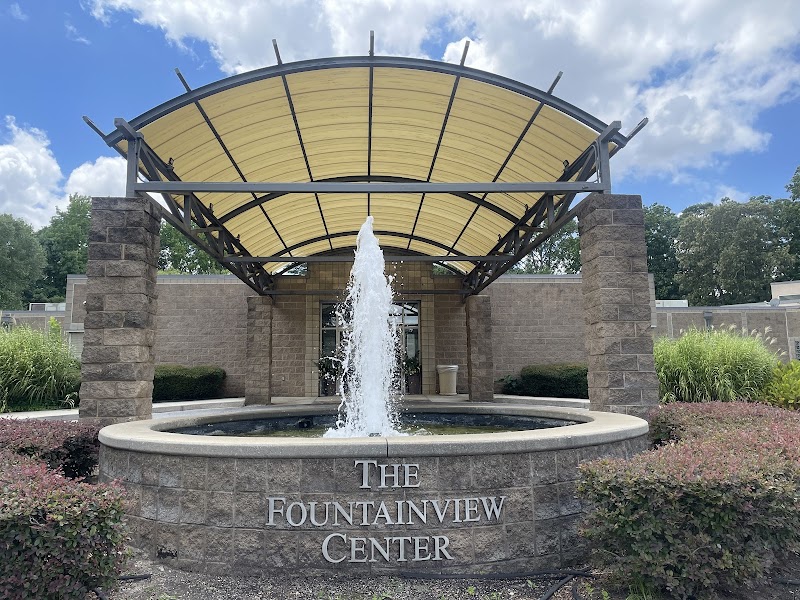
How Does Fountainview Ctr For Alzheimer Compare to Other Georgia Nursing Homes?

Compared to the 100 nursing homes in Georgia, FOUNTAINVIEW CTR FOR ALZHEIMER's overall rating (1 stars) is below the state average of 2.6, staff turnover (58%) is significantly higher than the state average of 46%, and health inspection rating (1 stars) is much below the national benchmark.

What Should Families Ask When Visiting Fountainview Ctr For Alzheimer?

Based on this facility's data, families visiting should ask: "What changes have been made since the serious inspection findings, and how are you preventing similar issues?" "What safeguards and monitoring systems are in place to protect residents from abuse or neglect?" "How do you ensure continuity of care given staff turnover, and what is your staff retention strategy?" "Can you walk me through typical staffing levels on day, evening, and night shifts?" These questions are particularly relevant given the facility's Immediate Jeopardy citations, the substantiated abuse finding on record, the facility's high staff turnover rate, and the below-average staffing rating.

Is Fountainview Ctr For Alzheimer Safe?

Based on CMS inspection data, FOUNTAINVIEW CTR FOR ALZHEIMER has documented safety concerns. The facility has 1 substantiated abuse finding (meaning confirmed case of resident harm by staff or other residents). Inspectors have issued 3 Immediate Jeopardy citations (the most serious violation level indicating risk of serious injury or death). The facility has a 1-star overall rating and ranks #100 of 100 nursing homes in Georgia. Families considering this facility should ask detailed questions about what corrective actions have been taken since these incidents.

Do Nurses at Fountainview Ctr For Alzheimer Stick Around?

Staff turnover at FOUNTAINVIEW CTR FOR ALZHEIMER is high. At 58%, the facility is 12 percentage points above the Georgia average of 46%. Registered Nurse turnover is particularly concerning at 62%. RNs handle complex medical decisions and coordinate care — frequent RN changes can directly impact care quality. High turnover means new staff may not know residents' individual needs, medications, or preferences. It can also be disorienting for residents, especially those with dementia who rely on familiar faces. Families should ask: What is causing the turnover? What retention programs are in place? How do you ensure care continuity during staff transitions?

Was Fountainview Ctr For Alzheimer Ever Fined?

FOUNTAINVIEW CTR FOR ALZHEIMER has been fined $12,035 across 2 penalty actions. This is below the Georgia average of $33,199. While any fine indicates a compliance issue, fines under $50,000 are relatively common and typically reflect isolated problems that were subsequently corrected. Families should ask what specific issues led to these fines and confirm they've been resolved.

Is Fountainview Ctr For Alzheimer on Any Federal Watch List?

FOUNTAINVIEW CTR FOR ALZHEIMER is not on any federal watch list. The most significant is the Special Focus Facility (SFF) program, which identifies the bottom 1% of nursing homes nationally based on persistent, serious quality problems. Not being on this list means the facility has avoided the pattern of deficiencies that triggers enhanced federal oversight. This is a positive indicator, though families should still review the facility's inspection history directly.