PRUITTHEALTH - VIRGINIA PARK
1000 BRIARCLIFF ROAD NE, ATLANTA, GA 30306 (404) 875-6456
For profit - Limited Liability company 128 Beds PRUITTHEALTH Data: November 2025 2 Immediate Jeopardy citations
Trust Grade
41/100
#100 of 353 in GA
Last Inspection: June 2025

Inspected within the last 6 months. Data reflects current conditions.

Overview

PruittHealth - Virginia Park has a Trust Grade of D, which means it is below average and has some concerning issues. Ranked #100 out of 353 facilities in Georgia, it is still in the top half, and locally, it ranks #4 out of 18 in DeKalb County, indicating only three options nearby are better. The facility is improving, having reduced its issues from six in 2024 to five in 2025. However, staffing is a concern, rated at 2 out of 5 stars, with a turnover rate of 42%, which is better than the state average but still indicates staff instability. While there have been no fines, which is a positive sign, there have been critical incidents, including a failure to maintain safe temperatures, which posed a risk of serious harm to residents, and a lack of proper wound care planning that led to a pressure ulcer for one resident. Overall, while there are strengths in cleanliness and a good quality score, the facility has significant weaknesses that families should consider.

Trust Score
D
41/100
In Georgia
#100/353
Top 28%
Safety Record
High Risk
Review needed
Inspections
Getting Better
6 → 5 violations
Staff Stability
○ Average
42% turnover. Near Georgia's 48% average. Typical for the industry.
Penalties
✓ Good
No fines on record. Clean compliance history, better than most Georgia facilities.
Skilled Nurses
⚠ Watch
Each resident gets only 28 minutes of Registered Nurse (RN) attention daily — below average for Georgia. Fewer RN minutes means fewer trained eyes watching for problems.
Violations
⚠ Watch
19 deficiencies on record. Higher than average. Multiple issues found across inspections.
★★★★☆
4.0
Overall Rating
★★☆☆☆
2.0
Staff Levels
★★★★★
5.0
Care Quality
★★★☆☆
3.0
Inspection Score
Stable
2024: 6 issues
2025: 5 issues

The Good

  • 5-Star Quality Measures · Strong clinical quality outcomes
  • Full Sprinkler Coverage · Fire safety systems throughout facility
  • No fines on record
  • Staff turnover below average (42%)

    6 points below Georgia average of 48%

Facility shows strength in quality measures, fire safety.

The Bad

Staff Turnover: 42%

Near Georgia avg (46%)

Typical for the industry

Chain: PRUITTHEALTH

Part of a multi-facility chain

Ask about local staffing decisions and management

The Ugly 19 deficiencies on record

2 life-threatening 2 actual harm
Jun 2025 5 deficiencies 2 Harm
SERIOUS (G) 📢 Someone Reported This

A family member, employee, or ombudsman was alarmed enough to file a formal complaint

Actual Harm - a resident was hurt due to facility failures

Comprehensive Care Plan (Tag F0656)

A resident was harmed · This affected 1 resident

**NOTE- TERMS IN BRACKETS HAVE BEEN EDITED TO PROTECT CONFIDENTIALITY** Based on observations, staff interviews, record review, and a review of the facility's policy titled, Care Plans, the facility f...

Read full inspector narrative →
**NOTE- TERMS IN BRACKETS HAVE BEEN EDITED TO PROTECT CONFIDENTIALITY** Based on observations, staff interviews, record review, and a review of the facility's policy titled, Care Plans, the facility failed to develop a care plan for one resident(R) (R51) related to wound care for one of 31 sampled residents. Actual Harm was identified on March 21, 2025, when R51 sustained a pressure ulcer to the left ankle due to the facility not conducting routine skin checks while wearing a wander guard. Findings included: Review of the policies titled, Care Plans, revised 7/27/2023, indicated under section, admission Comprehensive Plan of Care - 3. The comprehensive person -centered care plan is developed to include measurable goals and time frames to meet a patient/resident's medical, nursing and psychosocial needs the services that are to be furnished to attain or maintain the resident's highest practicable physical, mental and psychosocial needs that are identified in the comprehensive assessment . Review of the admission Minimum Data Set (MDS) dated [DATE], revealed that the resident had a Brief Interview for Mental Status (BIMS) score of 5, indicating he had severe cognitive impairment. Record review of the physician's orders revealed R51 with a start date of 6/10/2021 to check wander guard placement and function. Orders start date on 10/11/2021 to check wander guard placement on left leg. Orders start date of 7/29/2022 to check wander guard to left leg for placement, swelling, redness and pain every shift. Orders start date on 4/23/2025 of arterial injury to cleanse left ankle with normal saline and paint with betadine and cover with rolled gauze and tape as needed. Interview on 6/12/2025 at 1:33 pm with Director of Nursing (DON) confirmed she requires each staff that is responsible for that care area to update the care plan and not the MDS Coordinator. She stated that Licensed Practical Nurse (LPN) II is the wound care nurse; therefore, she is responsible for communicating to the restorative department and MDS Coordinator to update the care plan for the equipment's functioning. She confirmed and stated, the resident's care plan only covers the working and functioning of the wandering alarm device's equipment but not any monitoring of the resident's skin for at risk breakdowns while utilizing the device. Cross-refer to F686 The facility implemented the following: 1. Root Cause Analysis on 4/22/2025 - with root cause determined to be a performance related issue related to the experienced nurse that discovered the wound not following procedures. Antiquated wander guard system needed to be replaced due to required bands having an edge than can cause skin injury. Solution: Staff education, a Performance improvement Plan for monitoring skin integrity program, and push approval for a new wander guard system installation with soft bands that resemble a smart watch. 2. Body Audits on residents completed 4/23/2025 - 4/27/2025 3. Skin assessment for resident dated 4/23/2025 indicating wound to ankle 4. 4/23/2025 Skin Observation; focus observation, shower sheets to include every nurse is responsible for doing skin assessments weekly. 5. Beginning 4/23/2025 audits began by the skin integrity nurse on a weekly basis for 5 residents per week related to weekly skin note completion, care plans are updated, and RP notification of identification/progress of skin integrity issues. 6. 4/24/2025 Record of Partner Corrective Action Form dated 4/24/2025 indicating on 3/21/2025 employee observed an open area on resident but did not address or assess for treatment. Staff involved was suspended for three days. 7. 4/30/2025 Ad Hoc QAPI meeting regarding wound system/pressure wounds and will be followed in QAPI monthly for three months. 8. New wander guard system installed on 5/1/2025 and soft wristband transmitters were placed on residents on 5/5/2025. 9. Education provided on 5/6/2025 and 5/26/2025 - 5/28/2025 education related to abuse(neglect), specialty mattress and floating heels, skin moisturizer, shower sheets, Stop and Watch and reporting wounds 10. Wound Audit dated 5/29/2025 indicating date wound identified, site of the wound, treatment orders in place match the site, documentation of doctor and responsible part, care plan updated with interventions, wound assessment completed every seven days.
SERIOUS (G) 📢 Someone Reported This

A family member, employee, or ombudsman was alarmed enough to file a formal complaint

Actual Harm - a resident was hurt due to facility failures

Pressure Ulcer Prevention (Tag F0686)

A resident was harmed · This affected 1 resident

**NOTE- TERMS IN BRACKETS HAVE BEEN EDITED TO PROTECT CONFIDENTIALITY** Based on observations, staff interviews, record reviews, and review of the facility policy titled, Wound Observation and Assessm...

Read full inspector narrative →
**NOTE- TERMS IN BRACKETS HAVE BEEN EDITED TO PROTECT CONFIDENTIALITY** Based on observations, staff interviews, record reviews, and review of the facility policy titled, Wound Observation and Assessment Documentation, the facility failed to perform consistent weekly skin assessments and failed to follow up on identified skin issues for one resident (R) (R51) of thirteen residents. Actual Harm was identified to have occurred on March 21, 2025, when R51 sustained a pressure ulcer to the left ankle due to the facility not conducting routine skin checks while wearing a wander guard. Findings include: A review of the policies titled, Wound Observation and Assessment Documentation, revised 06/14/2024, revealed under section, 13. Documentation Form - Document wound assessment/observation utilizing the wound management system/events/observations using the Electronic Health Record. Daily documentation is required unless a change is noted then documentation will be completed in the womb manager dot room assessment and documentation is completed weekly and when there is significant change was in the documentation of womb observation and assessment form dot wall measurements are completed weekly and when there is significant change in room status by the SIC RN. Licensed Practical Nurses may be allowed to document if allowed by State Board . Under section, 14. Weekly Body Audits: as an integral part of the pressure ulcer prevention program, and audit of all residents will be completed on admission and readmission, prior to any discharge or transfer unless the residents clinical condition prohibits the audits such as with an emergency transport and a minimum of every week the Director of Health Services (DHS) or RN Supervisor will develop a schedule of when each resident is to have the scan audit completed by the assigned charge nurse each week. This procedure is in addition to the responsibility of each partner to notify the Skin Integrity Coordinator (SIC) or designee when an area of altered skin integrity is identified . Review of the clinical electronic record for R51 revealed she was admitted to the facility on [DATE] with diagnoses that included but not limited to type 2 diabetes mellitus without complications, urinary tract infection, vascular dementia, unspecified severity, without behavioral disturbance, psychotic disturbance, mood disturbance, and anxiety. Review of the admission Minimum Data Set (MDS) dated [DATE], revealed that the resident had a Brief Interview for Mental Status (BIMS) score of 5, indicating he had severe cognitive impairment. Record review of the physician's orders revealed R51 with a start date of 6/10/2021 to check wander guard placement and function. Orders start date on 10/11/2021 to check wander guard placement on left leg. Orders start date of 7/29/2022 to check wander guard to left leg for placement, swelling, redness and pain every shift. Orders start date on 4/23/2025 of arterial injury to cleanse left ankle with normal saline and paint with betadine and cover with rolled gauze and tape as needed. Record review of the care plan dated 4/22/2025 for R51 with a problem of resident having an arterial ulcer to the anterior lower ankle and resident having diagnosis of diabetes. Goals of resident's ulcer will not increase in size, will not exhibit signs of infection, and ulcers will heal without complications. Interventions approaches are assessing circulation, motion and sensation of both lower extremities daily, report discoloration, swelling and pain upon daily assessments. Record review of Braden Scale for predicting pressure sore risk dated 11/25/2024 revealed R51 at ten (10) points indicating a high risk for developing pressure sores. Interview on 6/11/2025 at 1:43 pm with Director of Health Services (DHS) stated the facility has two wound nurses but the main one is Licensed Practical Nurse (LPN) II. She stated once a staff that does direct care identifies a wound, they are required to report it immediately to the nurse. She stated they begin a Stop-and-Watch process so it can be given to the wound nurse for observation to start treatment, check computer for interact notes, complete a Sbar documentation, contact wound doctor or Nurse Practitioner (NP), and notify the residents' family representative. She stated R51 currently has a wound that was found in March and is being treated for it by the wound nurse. Interview on 6/11/2025 at 2:10 pm with LPN II Wound Care Nurse mentioned she treats R51's wound and it has almost completely healed. She stated she does weekly measurements. She confirmed from her knowledge that R51 developed the wounds from an old wandering alarm guard device that was located on her ankle. She stated, since the time the wound was discovered, the facility changed the style of the device to be placed on our residents' wrist area instead. Interview on 6/12/2025 at 1:33 pm with DHS and LPN II both confirmed they believe the wound came from the old wandering guard ankle bracelet. DHS stated the Certified Nursing Assistant (CNA) who originally found the wound a month before discovering it again while she was assisting resident in bathroom and giving her a shower and noticed it on her ankle. DON stated CNA LL immediately reported it to LPN KK, who was the nurse assigned to the resident's hall. She stated, Here is a written statement of the nurse explaining the wound was found a month prior to reporting it the second time but failed to do a Stop and Watch process to properly notify the Wound Care Nurse so she could immediately assess the wound on the resident. DON stated, a whole month later our Restorative Nurse noticed it while during a door alarm testing of the ankle device. LPN II stated, we changed our skin audit forms to be more detailed after the incident happened with R51. DON stated, I have no answer as to why LPN KK did what she did and why it took so long for her to report it, but I can say that maybe because she did not have a unit nurse manager during that period, and we just got one at the beginning of June. Interview on 6/12/2025 at 1:51 pm with CNA JJ who reported she noticed the wound and reported it immediately to the charge nurse. She stated they are now doing daily testing and weekly audits on the devices to ensure its effectiveness. She stated she logs the information in a binder and the nurse puts it in the residents' electronic medical records. CNA JJ reported they currently have a total of thirteen residents on wandering alarm guard devices. She stated, I am glad about the new style device because the other one had sharp rough edges around the band that could easily irritate or rub against the skin. Interview on 6/12/2025 at 4:00 pm with DHS revealed her expectation for her nursing staff is to always follow their standard procedures on reporting once a concern is identified. She confirmed that everyone should be looking and doing a skin check assessment especially when the residents have their weekly showers and bed baths. She confirmed that R51 received physician's orders of a start date of 6/3/2021 to receive the wandering alarm device on her ankle. She stated after the incident of her developing a pressure ulcer, the facility changed the device style and her physician's orders were changed effective on 4/22/2025. She stated, I stress to my staff all the time that we have a process and protocol we must follow at all times. When it was brought to my attention a month later that a resident developed a pressure ulcer, but it was not properly reported, I reacted with our facility-wide immediate jeopardy process. The facility implemented the following: 1. Root Cause Analysis on 4/22/2025 - with root cause determined to be a performance related issue related to the experienced nurse that discovered the wound not following procedures. Antiquated wander guard system needed to be replaced due to required bands having an edge than can cause skin injury. Solution: Staff education, a Performance improvement Plan for monitoring skin integrity program, and push approval for a new wander guard system installation with soft bands that resemble a smart watch. 2. Body Audits on residents completed 4/23/2025 - 4/27/2025 3. Skin assessment for resident dated 4/23/2025 indicating wound to ankle 4. 4/23/2025 Skin Observation; focus observation, shower sheets to include every nurse is responsible for doing skin assessments weekly. 5. Beginning 4/23/2025 audits began by the skin integrity nurse on a weekly basis for 5 residents per week related to weekly skin note completion, care plans are updated, and RP notification of identification/progress of skin integrity issues. 6. 4/24/2025 Record of Partner Corrective Action Form dated 4/24/2025 indicating on 3/21/2025 employee observed an open area on resident but did not address or assess for treatment. Staff involved was suspended for three days. 7. 4/30/2025 Ad Hoc QAPI meeting regarding wound system/pressure wounds and will be followed in QAPI monthly for three months. 8. New wander guard system installed on 5/1/2025 and soft wristband transmitters were placed on residents on 5/5/2025. 9. Education provided on 5/6/2025 and 5/26/2025 - 5/28/2025 education related to abuse(neglect), specialty mattress and floating heels, skin moisturizer, shower sheets, Stop and Watch and reporting wounds 10. Wound Audit dated 5/29/2025 indicating date wound identified, site of the wound, treatment orders in place match the site, documentation of doctor and responsible part, care plan updated with interventions, wound assessment completed every seven days. Cross-refer to F-656
CONCERN (D) 📢 Someone Reported This

A family member, employee, or ombudsman was alarmed enough to file a formal complaint

Potential for Harm - no one hurt, but risky conditions existed

Deficiency F0554 (Tag F0554)

Could have caused harm · This affected 1 resident

**NOTE- TERMS IN BRACKETS HAVE BEEN EDITED TO PROTECT CONFIDENTIALITY** Based on observations, staff interviews, record review, and review of the facility's policy titled, Medication Administration: G...

Read full inspector narrative →
**NOTE- TERMS IN BRACKETS HAVE BEEN EDITED TO PROTECT CONFIDENTIALITY** Based on observations, staff interviews, record review, and review of the facility's policy titled, Medication Administration: General Guidelines, the facility failed to adequately assess one of 31 Residents (R) (R269) for self-administration of medication. Findings include: Review of the facility's policy titled, Medication Administration: General Guidelines with a revised date of 4/10/2019 documented Under the section Procedure: (3) Patients/residents are allowed to self-administration medications when specifically authorized by the attending physician and in accordance with procedures for self-administration of medications. 1. R269 was admitted to the facility on [DATE] with a diagnosis of but not limited to vascular dementia with agitation, cognitive communication deficit, and depression. Review of R269 Quarterly Minimum Data Set (MDS) assessment dated [DATE] revealed a Brief Interview for Mental Status (BIMS) of 10 indicating moderate cognitive impairments. Review of the care plan revealed R269 was not documented for self-administration of medication. Review of Physician's Orders for R269 revealed no orders were found for eye drops (lubricant and redness reliever). Review of R269's clinical record revealed there was no self-administration for medication assessment. During an observation on 6/10/2025 at 10:19 a.m. revealed R269 had two 0.5 fl. Oz (Fluid Ounces) bottles of lubricating eye drops on her bedside table. During a walk-through observation and interview on 6/10/2025 at 11:14 am with Licensed Practical Nurse (LPN) AA, LPN BB, and the Nurse Navigator confirmed the two bottles of lubricating eye drops sitting on R269 bedside table. During the observation LPN AA confirmed that R269 had not been assessed for self-administration of medication. During an interview on 6/11/2025 at 2:04 pm with the Director of Nursing (DON) revealed that medications should not be at any resident's bedside. She stated the residents must be assessed and approved for self-administration of medication. If a resident is approved then medications should be locked, care planned, and residents assessed on a quarterly basis. DON continued to state she expects the rounds to be conducted properly to ensure there are not any unauthorized medications at the residents' bedside.
CONCERN (D) 📢 Someone Reported This

A family member, employee, or ombudsman was alarmed enough to file a formal complaint

Potential for Harm - no one hurt, but risky conditions existed

Safe Environment (Tag F0584)

Could have caused harm · This affected 1 resident

**NOTE- TERMS IN BRACKETS HAVE BEEN EDITED TO PROTECT CONFIDENTIALITY** Based on observations, interviews, and review of the facility policy titled, Infection Control-Housekeeping Services the facilit...

Read full inspector narrative →
**NOTE- TERMS IN BRACKETS HAVE BEEN EDITED TO PROTECT CONFIDENTIALITY** Based on observations, interviews, and review of the facility policy titled, Infection Control-Housekeeping Services the facility failed to ensure three of 18 rooms (Rm 306, 307, and 308) on the 300 Hall Packaged Terminal Air Conditioner (PTAC) units air filters were free or dirt and debris. The deficient practice had the probability of diminishing the air quality for the residents residing in rooms 306, 307 and 308. Findings include: Review of the facility policy titled, Infection Control-Housekeeping Services revised date 10/16/2023 revealed under Policy Statement: It is the policy of this facility to ensure housekeeping services will be performed on a routine and consistent basis to ensure an orderly, sanitary, and comfortable environment. Observation on 6/10/2025 at 11:57 am in room [ROOM NUMBER]B revealed the PTAC unit had brownish material with debris and dark colored build up noted on the control board, the vent filters were covered with brownish and black substances. Observation on 6/10/2025 at 12:10 pm in room [ROOM NUMBER]B revealed the PTAC unit filter was covered with black and brownish debris and a gray-like substance. Observation on 6/10/2025 at 12:20 pm in room [ROOM NUMBER]A revealed the PTAC unit filter was covered with black and brownish substance and was not attached to the unit but laying in the floor underneath. Interview on 6/12/2025 at 7:13 am with the Administrator in room [ROOM NUMBER]B confirmed the vents, air filter and PTAC unit being covered with debris and dirt like substance. During the interview the Administrator revealed that Maintenance was responsible for the filters and housekeeping was responsible for the cleaning of the units. Observation and interview on 6/12/2025 at 11:05 am with the Maintenance Director, Housekeeping Supervisor, and Administrator confirmed all observations during confirmation rounds. Interview on 6/12/2025 at 1:45 pm with the Housekeeping Supervisor revealed that the PTAC units are wiped down on the outside by housekeepers and maintenance is responsible for ensuring the filters are cleaned. Interview on 6/12/2025 at 1:45 pm with the Maintenance Director revealed he is responsible for cleaning the PTAC filters. The Maintenance Director revealed the PTAC filters are paper filters, and he replaces them with new filters when needed.
CONCERN (D) 📢 Someone Reported This

A family member, employee, or ombudsman was alarmed enough to file a formal complaint

Potential for Harm - no one hurt, but risky conditions existed

Infection Control (Tag F0880)

Could have caused harm · This affected 1 resident

**NOTE- TERMS IN BRACKETS HAVE BEEN EDITED TO PROTECT CONFIDENTIALITY** Based on observations, staff interviews, and record reviews, the facility failed to ensure the bilevel positive airway pressure,...

Read full inspector narrative →
**NOTE- TERMS IN BRACKETS HAVE BEEN EDITED TO PROTECT CONFIDENTIALITY** Based on observations, staff interviews, and record reviews, the facility failed to ensure the bilevel positive airway pressure, (BiPAP) was properly stored in a manner to prevent contamination for one of 19 residents (R) (R54). The deficient practice had the potential to increase the risk of respiratory infection. Findings include: Review of the medical record for R54 revealed the resident was admitted to the facility with a diagnosis of but not limited to sleep apnea (sleep disorder characterized by repeated pauses in breathing), shortness of breath, and acute upper respiratory infection. Review of the most recent Quarterly Minimum Data Set (MDS) dated [DATE] revealed R54 had a Brief Interview for Mental Status (BIMS) of 14 indicating little to no cognitive impairment. Further review in Section O (Special Treatments, Procedures, and Programs) stated R54 is on respiratory therapy. Review of care plan documented R54 has a diagnosis of sleep apnea and uses a BiPAP machine. Review of the Physician's Orders documented BiPAP every night at bedtime and PRN (as needed) with sleep. Observations on 6/10/2025 at 10:51 am and 6/10/2025 at 4:33 pm revealed R54 BiPAP mask was lying on his bed uncovered. Observation and interview on 6/11/2025 at 10:42 am with License Practical Nurse (LPN) BB and Nurse Navigator confirmed R54 BiPAP mask was not properly stored and stated the staff should come behind R54 to store the mask in the bag attached to the concentrator. Interview on 6/11/2025 at 2:04 pm with the Director of Nursing (DON) stated there should be a bag to place the mask for the BiPap materials.
Jan 2024 6 deficiencies
CONCERN (D) 📢 Someone Reported This

A family member, employee, or ombudsman was alarmed enough to file a formal complaint

Potential for Harm - no one hurt, but risky conditions existed

Deficiency F0554 (Tag F0554)

Could have caused harm · This affected 1 resident

**NOTE- TERMS IN BRACKETS HAVE BEEN EDITED TO PROTECT CONFIDENTIALITY** Based on observations, resident and staff interviews, record review, and review of the facility's policy titled, Self-Administra...

Read full inspector narrative →
**NOTE- TERMS IN BRACKETS HAVE BEEN EDITED TO PROTECT CONFIDENTIALITY** Based on observations, resident and staff interviews, record review, and review of the facility's policy titled, Self-Administration of Medications by Patients/Residents, the facility failed to assess and obtain a physician order for one of 29 sampled Residents (R) (R75) to safely self-administer and store nebulizer treatments at bedside. This failure had the potential for medication error and to alter the effectiveness of the medication. Findings include: Review of the facility's policy titled, Self-Administration of Medications by Patients/Residents dated 12/2/2022 under the Policy Statement revealed, Each patient/resident who desires to self-administer medication is permitted to do so if the healthcare center's Licensed Nurse and Physician have determined that the practice would be safe for that patient/resident and other patients/residents of the healthcare center. Under the section titled Procedure revealed, 1. The opportunity to self-administer medications is reviewed during the routine assessment by the healthcare center's interdisciplinary team utilizing the Electronic Health Record Observation tool, Medication Self-Administration Observation. 2. If a resident or family member desires to self-administer medications, an assessment is conducted by the licensed nurse to assess the individual's cognitive, physical, and visual ability to carry out this responsibility. Also, the resident or family member in conjunction with the facility nurse should utilize the Electronic Health Record Observation tool, Medication Self-Administration Observation to complete the administration of the medication. 3. If the Licensed nurse determines the patient/resident or family member to be capable of self-administration of medications the attending physician must write an order to that effect that includes the specific medications based off the self-administration medication observation 5. Bedside Storage of Medications is permitted only when it does not present a risk to confused patients/residents who wander into rooms of, or room with, patients/residents who self-administer. The following conditions are met for bedside storage to occur: The manner of storage prevents access by other patients or residents. Locking drawers or cabinets are required only if unlocked storage is ineffective. The medication provided to the patient or resident for bedside storage are kept in the package as dispensed by the provider pharmacy. The Electronic Health Record Medication Administration record form is printed and maintained at the bedside and is reviewed on each nursing shift, and the administration information is transferred to the electronic medical medication record. Notation of each dose is made using licensed nurse initials in the appropriate space and note in the nursing comments resident/patient self-administered medication(s). Only one signature per shift is required by the nurse documenting the patient/resident's report of self-administration. Attending physician enters an order on the electronic health record for bedside. Observation and interview on 1/2/2024 at 2:34 pm with R75 revealed, nebulizer medication vials in a Styrofoam cup located on R75's overbed table. R75 stated, she administered her own DuoNeb nebulizer treatments every 12 hours and albuterol nebulizer treatments as needed every four hours. Observation and interview with R75 on 1/2/2024 at 3:40 pm revealed multiple nebulizer medication vials (clear colored vials and saline vials (pink colored vials) in a small Styrofoam cup located on the R75's overbed table. R75 stated, she used saline to assist with coughing up and clearing phlegm from her tracheostomy. Observation on 1/3/2024 at 12:17 pm revealed nebulizer medication vials and saline vials inside a Styrofoam cup located on R75's over bed table. Review of R75's Electronic Medical Record (EMR) revealed she was re-admitted to the facility with diagnoses that included acute respiratory failure. Review of R75's admission Minimum Data Set (MDS) assessment dated [DATE] revealed a Brief Interview for Mental Status (BIMS) of 12, which indicated moderate cognitive impairment. Review of R75's Self-Administration of Medication dated 12/29/2023 at 1:33 pm under subsection, Self-Determination revealed, the resident did not want to self-administer medications. Under subsection, Evaluation revealed, it was not appropriate for the resident to self-administer medications and resident prefers nursing staff to administer medications. Review of R75's Physician Orders with start date of 12/28/2023 included but was not limited to ipratropium-albuterol solution for nebulization; 0.5 milligrams (mg)-3 mg (2.5 mg base)/3 milliliters (ml); one vial - inhalation twice a day; ipratropium-albuterol solution for nebulization; 0.5 mg-3 mg (2.5 mg base)/3 ml; one vial, inhalation every six hours as needed. Interview conducted on 1/3/2024 at 12:01 pm with Licensed Practical Nurse (LPN) JJ revealed that the proper procedure to follow when a resident wants to self-administer medication, would be for the nurse to notify the physician to obtain an order and assess the resident which would include an assessment of memory, vision, comprehension, and observation of medication self-administration. She stated the medication would not be left at the bedside, but it would be located on the nurse's medication cart. Interview conducted on 1/3/2024 at 12:39 pm with Respiratory Therapist (RT) FF revealed that she was aware that R75 self-administered her nebulizer treatments and performed self-tracheostomy care. She stated that she had given R75's nebulizer medication vials each day and that they were kept at her bedside for her to self-administer nebulizer treatments. She stated R75 had been self-administering nebulizer treatments for a long time and was uncertain of the exact time frame she began. She confirmed and verified the care plan on the EHR indicated R75 would self-administer her nebulizer treatments. She confirmed and verified the assessment dated [DATE] titled Self-Administration of Medications assessment indicated R75 would not be self-administering medications. She confirmed and verified there was no physician order for R75 to self-administer nebulizer treatments or perform self-tracheostomy care. An interview conducted on 1/3/2024 at 1:02 pm with the Director of Nursing (DON) revealed that she was not aware of any resident in the facility who was self-administered any medications. She stated she expected staff to notify her of a resident's desire to self-administer medications so that she could verify all policies and protocols were properly followed to allow for this. She confirmed and verified the nursing assessment Self-Administering of Medications indicated that R75 would not be self-administering any medication, she confirmed and verified there was not physician order for R75 to self-administer nebulizer treatments. Interview conducted on 1/3/2024 at 5:45 pm with the Senior Nurse Consultant confirmed and verified the assessment completed on 12/29/2023 indicated R75 would not be self-administering medications. She confirmed and verified there was not a physician order for R75 to self-administer nebulizer treatments. Cross Reference F657
CONCERN (D) 📢 Someone Reported This

A family member, employee, or ombudsman was alarmed enough to file a formal complaint

Potential for Harm - no one hurt, but risky conditions existed

Transfer Requirements (Tag F0622)

Could have caused harm · This affected 1 resident

**NOTE- TERMS IN BRACKETS HAVE BEEN EDITED TO PROTECT CONFIDENTIALITY** Based on staff interviews, record review, and review of facility's policy titled, Refusal of Care Against Medical Advice, the fa...

Read full inspector narrative →
**NOTE- TERMS IN BRACKETS HAVE BEEN EDITED TO PROTECT CONFIDENTIALITY** Based on staff interviews, record review, and review of facility's policy titled, Refusal of Care Against Medical Advice, the facility failed to document the risks and benefits of remaining at the facility, and notification of the physician at the time of discharge for one of 29 sampled Residents (R) (R116) that discharged from the facility Against Medical Advice (AMA). Findings included: Review of the facility's policy titled Refusal of Care Against Medical Advice dated 11/29/2022 revealed, in Section Five (5) Determine Capacity the following: (a) In the event a resident refuses treatment, medication, or services that may maintain, save, prolong, or terminate his/her life, an assessment of decision-making capacity shall be performed. (b) A physician must personally examine the resident to determine if they lack sufficient capacity to make significant decisions regarding their medical treatment or the ability to communicate by any means such decisions. (c) . The physician's findings must be documented using the Assessment of Decision-Making Capacity Form, which shall become a permanent part of the resident's medical record. Section 6 Documentation: (a) The attending physician, with assistance from the healthcare center staff, shall inform the resident of the benefits, risks, and possible negative consequences of the refusal of care. The physician will document the contents of the communication in the physician notes. (b) The Refusal of Care Against Medical Advice Form shall be completed and signed by the attending physician, the patient or the patient's legal representative, and a witness. (c) The Refusal of Care Against Medical Advice Form shall become a permanent part of the patient's medical record. Review of R116's medical record revealed she was admitted with a primary diagnosis of pathological hip fracture and fall on same level from slipping, tripping, and stumbling. R116 's medical history revealed the resident had a history of hemiplegia and hemiparesis following cerebrovascular disease affecting left dominant side, generalized muscle weakness, repeated falls, need assistance with personal care, difficulty walking, and hypertension. Further review of medical records revealed, R116 left the facility AMA on 10/11/2023. Review of R116's Discharge Minimum Data Set (MDS) assessment dated [DATE] revealed, Section C-Cognitive Patterns indicated the resident's cognitive skills for daily decision making was severely impaired; Section GG-Functional Abilities and Goals indicated resident required partial/moderate assistance with toileting and personal hygiene and substantial/maximal assistance with lower body dressing. Review of R116's progress note dated 10/11/2023 at 2:12 am revealed, the Family of R116 came to the facility to discharge resident. Three nurses advised the family against being discharged . The Family of R116 insisted on getting her out of the facility. A family member was allowed to enter hallway because one of the other family members began making threats and using vulgar language. A family member transported the resident against medical advice and was given the resident's personal belongings upon discharge. Two additional family members assisted in the car transfer at approximately 1:45 a.m. Review of R116's medical record revealed there was no evidence that the risks, benefits, and possible negative consequences of the AMA were documented on the Refusal of Care Form. The record lacked documentation that the physician was notified of the AMA. In addition, there was no evidence in the medical records to indicate discharge instructions and medications were given to R116 or the resident's representative at the time of the discharge. Review of medical records under the Social Services Progress Notes revealed no documentation related to the AMA discharge. Review of medical records revealed there was no evidence of documentation made by the physician regarding the AMA Discharge. Interview conducted on 1/3/2024 at 9:42 am with the Social Service Director (SSD) revealed she was made aware R116 discharged from the facility AMA. SSD verified she did not follow up on the resident after the discharge. SSD further stated that the Nurse Navigator usually followed up with residents post discharge, but that position was vacant. SSD verified that there was no documentation in the record related to discharge instructions, AMA form, or disposition of medications upon discharge. SSD stated that she was responsible for ensuring that the AMA's are in the closed record. Interview conducted on 1/3/2024 at 10:06 am with the Director of Health Services (DHS) revealed that when a resident discharged AMA, the staff would determine the reason for discharge, notify the physician and State Agency, and document the communication between all parties involved. DHS stated the discharge instructions and medications are provided at the time of discharge for residents and/or residents family including a resident who left AMA. DHS stated that the SSD was responsible for making sure the AMA was signed. DHS stated that she usually checked the progress notes to see if the physician was notified but did not remember if she had checked R116's record. DHS verified there was not any documentation in the record related to the physician being informed of the AMA or a signed AMA form in the record. DHS stated that the Nurse Navigator usually followed up after a discharge to check on the resident and would make sure documentation was in the record related to AMA discharge. Interview conducted on 1/3/2024 at 10:37 am with the Medical Records Clerk revealed that all documents were scanned into the R116's medical record and that there was not an overflow of paper records in the facility. She further stated that R116's closed record was complete and there were not any additional documents related to her care in the facility. Interview conducted on 1/3/2024 at 11:31 am with the Administrator revealed it was his expectation that the process should be followed to include getting the form signed if there was time to get it done, notify the physician, notify the Nurse Navigator for documenting and following up post discharge. The Administrator stated the Nurse Navigator that worked at the facility during that time is no longer employed at the facility.
CONCERN (D) 📢 Someone Reported This

A family member, employee, or ombudsman was alarmed enough to file a formal complaint

Potential for Harm - no one hurt, but risky conditions existed

Comprehensive Care Plan (Tag F0656)

Could have caused harm · This affected 1 resident

**NOTE- TERMS IN BRACKETS HAVE BEEN EDITED TO PROTECT CONFIDENTIALITY** Based on staff interviews, record review, and review of the facility's policy titled, Care Plan, the facility failed to ensure t...

Read full inspector narrative →
**NOTE- TERMS IN BRACKETS HAVE BEEN EDITED TO PROTECT CONFIDENTIALITY** Based on staff interviews, record review, and review of the facility's policy titled, Care Plan, the facility failed to ensure that a care plan was developed for one of 29 sampled Residents (R) (R568) reviewed for limitation in range of motion and Activities of Daily Living (ADL) deficits. This failure had the potential for the resident not to receive treatment and care according to her needs. Findings include: Review of the facility's policy titled Care Plan dated 7/27/2023 Policy Statement revealed, It is the policy of the health care center for each patient/resident to have a person-centered baseline care plan followed by a comprehensive care plan developed following completion of the Minimum Data Set (MDS) and Care Area Assessment (CAA) portions of the comprehensive assessment according to the Resident Assessment Instrument (RAI) Manual and the patient/resident choice. Under section titled, admission Comprehensive Plan of Care revealed, .3. The comprehensive person-centered care plan is developed to include measurable goals and timeframes to meet patient/resident's medical, nursing, psychological needs, the services that are to be furnished to attain or maintain the resident's highest practicable physical, mental, and psychological needs that are identified in the comprehensive assessment. Review of R568's medical records revealed she admitted with diagnoses that included cerebral infarction, muscle spasms, and generalized muscle weakness. Review of R568's Quarterly Minimum Data Set (MDS) dated [DATE] revealed she was dependent for all Activities of Daily Living (ADLs) and had limited range of motion on one side in the upper and lower extremities. Review of R568's care plans with last review/revised date of 1/2/2024 revealed, there was not a care plan to address resident's bilateral hand contractures with interventions to reduce the progression of the contracture or a care plan related to resident being dependent on staff for ADL care. During an interview on 1/3/2024 at 1:23 pm with Licensed Practical Nurse (LPN) AA revealed R568 was not receiving range of motion exercises to reduce the risks of contractures. LPN AA stated R568 was total care and required assistance from staff for any functional movement. During an interview on 1/4/2024 at 8:35 am with Registered Nurse (RN), MDS Director revealed that R568 was dependent on staff for ADLs and had hand contractures. RN MDS Director verified that the resident did not have a care plan related to ADL deficits and limitations in ROM. RN MDS Director stated resident was total care, had limitations in ROM in upper and lower extremities. RN MDS Director acknowledged there should be a care plan. RN MDS Director stated the care plan was not developed because it was overlooked. During an interview on 1/4/2024 at 8:48 am with the Director of Health Services revealed that her expectations for all residents with contractures and required assistance with ADLs should have a care plan with interventions for their plan of care. DHS verified R568 did not have care plans developed. Cross Reference F688
CONCERN (D) 📢 Someone Reported This

A family member, employee, or ombudsman was alarmed enough to file a formal complaint

Potential for Harm - no one hurt, but risky conditions existed

Deficiency F0657 (Tag F0657)

Could have caused harm · This affected 1 resident

**NOTE- TERMS IN BRACKETS HAVE BEEN EDITED TO PROTECT CONFIDENTIALITY** Based on observations, resident and staff interviews, record review, and review of the facility's policy titled Care Plans, the ...

Read full inspector narrative →
**NOTE- TERMS IN BRACKETS HAVE BEEN EDITED TO PROTECT CONFIDENTIALITY** Based on observations, resident and staff interviews, record review, and review of the facility's policy titled Care Plans, the facility failed to revise the comprehensive care plan as needed related to self-administration of nebulizer treatments for one of 29 sampled Residents (R) (R75) following a hospital stay. This failure had the potential for the resident not to receive treatment and care according to her needs. Findings include: A review of the facility's policy titled Care Plans, dated 7/27/2023 under section titled, Care Plan Review and Update revealed, 1. Comprehensive care plans should be reviewed not less than quarterly according to the OBRA MDS schedule, following the completion of the assessment. Care plan updates/reviews will be performed within 7 days of each quarterly assessment, each acute change in condition, and as needed following each hospital stay 4. Care plans will be updated by nurses, Case Mix Directors (CMD), or any other interdisciplinary team member so that the care plan will reflect the patient/resident's needs at any given moment. A review of the Electronic Medical Record (EMR) revealed R75 re-admitted to the facility on [DATE] with diagnoses listed but not limited to acute respiratory failure. A review of R75's admission Minimum Data Set (MDS) assessment dated [DATE] revealed a Brief Interview for Mental Status (BIMS) of 12, which indicated R75 was cognitively intact. A review of R75's care plan dated 5/24/2023 indicated Resident to self-administer albuterol nebulizer treatment as ordered. Goals included but not limited to maintain patient air way. Interventions included but not limited to nebulizer treatments to be kept at bedside and replenished as needed. A review of R75's Self-Administration of Medication dated 12/29/2023 at 1:33 pm under subsection, Self-Determination revealed, the resident did not want to self-administer medications. Under subsection, Evaluation revealed, it was not appropriate for the resident to self-administer medications and resident prefers nursing staff to administer medications. A review of the EMR revealed Physician's Orders for R75 that included but not limited to ipratropium-albuterol solution for nebulization; 0.5 milligrams (mg)-3 mg (2.5 mg base)/3 milliliter (ml); one vial - inhalation twice a day; ipratropium-albuterol solution for nebulization; 0.5 mg-3mg (2.5 mg base)/3 ml; one vial, inhalation every six hours as needed. An observation and interview conducted on 1/2/2024 at 2:34 pm with resident R75 of nebulizer medication vials located on R75's overbed table was observed in a Styrofoam cup. R75 stated she administered her own nebulizer treatments of duo-nebs every 12 hours and albuterol nebulizer treatments as needed every four hours. An observation and interview conducted with R75 on 1/2/2023 at 3:40 pm revealed a small Styrofoam cup located on the R75's overbed table contained multiple nebulizer medication vials and saline vials. R75 stated she used saline to assist with coughing up and clearing phlegm from her tracheostomy. An observation conducted on 1/3/2024 at 12:17 pm revealed a Styrofoam cup located on R75 over bed table had nebulizer medication vials (clear colored vials) and saline vials (pink colored vials) inside the cup. An interview conducted on 1/3/2024 at 1:02 pm with the Director of Nursing (DON) revealed that she was not aware of any resident in the facility who was self-administered any medications. She stated she expected staff to notify her of a resident's desire to self-administer medications so that she could verify all policies and protocols were properly followed to allow for this. She confirmed and verified the nursing assessment Self-Administering of Medications indicated that R75 would not be self-administering any medication, she confirmed and verified there was not physician order for R75 to self-administer nebulizer treatments. An Interview conducted on 1/3/2024 at 1:15 pm with the Registered Nurse (RN) MDS Director EE revealed that when updating care plans it was the care plan coordinators responsibility to review the care plans and all supporting documents to verify that care plans were correct. She verified this was not done for R75 upon readmission to the facility from the hospital. She confirmed and verified on 12/29/2023 a Self-Administration of Medication Assessment was completed and indicated that R75 would not be self-administering medications. She confirmed and verified that there was not a physician order for the resident to self-administer nebulizer treatments and care plan was not revised. Cross Reference F554
CONCERN (D) 📢 Someone Reported This

A family member, employee, or ombudsman was alarmed enough to file a formal complaint

Potential for Harm - no one hurt, but risky conditions existed

Deficiency F0688 (Tag F0688)

Could have caused harm · This affected 1 resident

**NOTE- TERMS IN BRACKETS HAVE BEEN EDITED TO PROTECT CONFIDENTIALITY** Based on observations, interviews, and record review, the facility failed to ensure one of 29 sampled Residents (R) (R568) revie...

Read full inspector narrative →
**NOTE- TERMS IN BRACKETS HAVE BEEN EDITED TO PROTECT CONFIDENTIALITY** Based on observations, interviews, and record review, the facility failed to ensure one of 29 sampled Residents (R) (R568) reviewed for limited range of motion received passive range of motion exercises as needed to address limited range of motion in her bilateral upper extremities. This failure created a potential for worsening contracture (fixed resistance to passive stretch), pain, or skin breakdown. Findings include: During an observation and interview on 1/2/2024 at 11:28 am revealed Family of R568 performed Passive Range of Motion (PROM) exercises to R568's bilateral arms and hands, then placed a rolled washcloth into both hands. The Family of R568 stated after R568's stroke, the staff at the hospital expressed how important it was for her to receive exercises to prevent her arms and hands from contracture. Further interview with the Family of R568 revealed the facility staff did not provide exercises. During an observation on 1/3/2024 at 11:55 am revealed, R568 lying in bed with a hand roll intact to her left hand and the right hand closed. During an observation and interview on 1/4/2024 at 9:59 am revealed Certified Nursing Assistant (CNA) CC providing Activities of Daily Living (ADL) care for R568. CNA CC opened R568's hands and placed a rolled washcloth in each hand. CNA CC stated that both of R568's hands were contracted, and she would only apply washcloths to them. Further interview with CNA CC revealed, she did not perform any type of stretching to her hands or arms. Review of R568's Electronic Medical Record (EMR) revealed a diagnosis including cerebral infarction. Review of R568's most recent Quarterly Minimum Data Set (MDS) dated [DATE] revealed she was dependent for all ADLs and had limited range of motion on one side in the upper and lower extremities. Review of R568 's active Physician's Orders, located in the Orders tab of the EMR, revealed there was not an order for passive range of motion. Review of R568's Occupational Therapy Progress and Discharge summary dated [DATE] revealed, Long-Term Goals were made for caregiver: Home Exercise Program as of 6/28/2023 - Caregiver will be able to assist patient to complete home exercise program for Bilateral Upper Extremity Passive Range of Motion (PROM) with maximum assistance (76-99%). Review of R568's Activities of Daily Living (ADL) Tracker for November 1, 2023, through January 3, 2024, revealed there was no evidence of any documentation related to the staff performing Range of Motion (ROM) exercises for R568. During an interview on 1/3/2024 at 1:23 pm with Licensed Practical Nurse (LPN) AA revealed R568 was not receiving ROM exercises to reduce the risks of contractures. LPN AA stated R568 was total care and required assistance from the staff for any functional movement. LPN AA further stated that it was the responsibility of the therapy department to provide residents with exercises. LPN AA also stated that staff did not perform exercises for R568, but he had witnessed the resident's family performing exercises for her. During an interview on 1/3/2024 at 2:01 pm with Therapy Manager revealed that R568 had been on the caseload for Occupational Therapy and the last end of care was 6/28/2023. Therapy Manager further stated R568 had severe hypertonicity and increased tone of bilateral upper extremities and no splinting was recommended at that time of discharge. Therapy Manager also stated that resident was discharged from skilled therapy to a Caregiver Functional Exercise Program for PROM to her upper extremities. During an interview on 1/3/2024 at 2:18 pm with Restorative Aide (RA) DD revealed that she performed range of motion and splinting for residents in the facility. RA DD further stated R568 was not on her caseload and in some cases residents would be referred to floor maintenance (CNAs on the floor) for exercises. RA DD also stated that if R568 was placed on a Functional ROM Program, that care should be documented in the ADLs record. RA DD confirmed R568 did not have anything on the ADL sheet to indicate resident was receiving ROM exercises by the floor CNAs. During an interview on 1/3/2024 at 2:33 pm with CNA CC revealed that she would often work with R568. CNA CC stated she made sure she placed a rolled washcloth in R568 hands each day to keep her hands from closing. CNA CC stated that she did not exercise R568 hands and arms because she had not been informed it was her responsibility. During an interview on 1/3/2024 at 2:49 pm with Director of Health Services (DHS) revealed that if a resident was on a Functional Range of Motion program, the CNAs assigned to that resident completed ROM during ADL care. DHS further stated the ROM exercises should be documented on the ADL Plan of Care. DHS verified that there was not any documentation in R568's record related to passive range of motion being performed. DHS further stated that no one communicated to her that R568 should be on a Functional Range of motion Program. During a follow-up interview with the DHS on 1/4/2024 at 8:48 am revealed Therapy did not inform the nursing department that R568 should be placed on a Functional PROM program from the therapy department. DHS stated there was a breakdown in communication and her expectations were that all care be provided as deemed necessary for each resident in the facility. A copy of the Facility's Range of Motion and Functional Range of Motion Program guidelines/Policy was requested during the survey but was not provided prior to exit. The Regional Nurse Consultant informed the Surveyor that the facility did not have a policy for range of motion, and only had a step-by-step guide of how to perform the exercises. Cross Reference F656
CONCERN (F) 📢 Someone Reported This

A family member, employee, or ombudsman was alarmed enough to file a formal complaint

Potential for Harm - no one hurt, but risky conditions existed

Infection Control (Tag F0880)

Could have caused harm · This affected most or all residents

**NOTE- TERMS IN BRACKETS HAVE BEEN EDITED TO PROTECT CONFIDENTIALITY** Based on observations, staff interviews, record reviews, review of the facility's policy titled, Covid-19 Isolation and Cohortin...

Read full inspector narrative →
**NOTE- TERMS IN BRACKETS HAVE BEEN EDITED TO PROTECT CONFIDENTIALITY** Based on observations, staff interviews, record reviews, review of the facility's policy titled, Covid-19 Isolation and Cohorting Process, and review of the Centers for Disease Control and Prevention (CDC) Interim Infection Prevention and Control Recommendations for Healthcare Personnel During the Coronavirus Disease 2019 (COVID-19) Pandemic the facility failed to follow droplet transmission-based precautions procedures prior to entering and exiting Covid positive resident rooms on one of four halls. Findings include: Review of the facility's policy titled Covid-19 Isolation and Cohorting Process dated 11/13/2023 under the section titled, Entering or Exiting Confirmed Positive or Suspected of COVID-19 Infection room revealed 6) N95 Masks and eye protection must be changed to appropriate mask (and eye protection), if indicated, after exiting a room on Transmission-Based Precautions. Review of the Centers for Disease Control and Prevention (CDC) Interim Infection Prevention and Control Recommendations for Healthcare Personnel During the Coronavirus Disease 2019 (COVID-19) Pandemic, dated May 8, 2023 revealed, If masks are used during the care of patient for which a NIOSH Approved respirator or facemask is indicated for personal protective equipment (PPE) (e.g., NIOSH Approved particulate respirators with N95 filters or higher during the care of a patient with SARS-CoV-2 infection, facemask during a surgical procedure or during care of a patient on Droplet Precautions), they should be removed and discarded after the patient care encounter and a new one should be donned. Observation on 1/2/2024 at 11:45 am of Licensed Practical Nurse (LPN) II entering a Droplet Transmission Based Precaution (TBP), Covid positive room, 113. She donned gown and gloves. LPN II already had on an N-95 mask and was wearing a pair of glasses that did not have side protection and she did not put on a face shield. Observation on 1/2/2024 at 11:55 am of LPN II exiting room [ROOM NUMBER] revealed she did not remove her N-95 mask and put on a new mask. Observation on 1/2/2024 at 12:02 pm of Respiratory Therapist (RT) FF and Certified Nursing Assistant (CNA) HH donned gown and gloves. Both already had on an N-95 mask and the RT was wearing glasses with no side protection, and neither put on a face shield or goggles upon entering TBP room [ROOM NUMBER]. Observation on 1/2/2024 at 12:07 pm of RT FF exit room [ROOM NUMBER] and did not remove her N-95 mask and put on a new mask. RT FF walked down to the nurse station and into her office. She was observed to take her bare hand and pull her mask down and pick up a cup and drink from it. Observation on 1/2/2024 at 12:20 pm of Phlebotomist GG don gown, gloves, and face shield. She was wearing an N-95 mask and entered a Droplet TBP, Covid positive room, 111. Observation on 1/2/2024 at 12:28 pm of Phlebotomist GG exit room [ROOM NUMBER]. Still wearing her face shield and N-95 mask, she walked down the hall and into the Lab Room behind the nurse station and discarded the face shield into the trash can. She pulled her mask down using her bare hand. During this time an interview was conducted with Phlebotomist GG and she revealed it was ok for her to discard her face shield in the trash in the lab room and to wear her N-95 mask after being in the Covid positive TBP room. Observation on 1/2/2024 at 12:32 pm of CNA HH opened the door of room [ROOM NUMBER]. She was wearing gloves but did not have her gown on. CNA HH reached and pulled the dirty linen cart to the doorway of room [ROOM NUMBER] and shut the door. She opened the door back up and had linens in her gloved left hand. As she used her gloved right hand to open the top of the dirty linen cart, she rubbed the linens in her hand up against her ungowned clothing as she was placing the linens inside the dirty linen cart and then shut the top of the linen cart. Interview on 1/2/2024 at 12:40 pm with CNA HH revealed the linens she was disposing of were not wet but were linens from the residents bedding and were considered dirty linen. Interview on 1/2/2024 at 12:50 pm with the Assistant Director of Nursing (ADON), and acting Infection Control Preventionist (ICP) in the facility, revealed when a resident is on Droplet Precautions, she expects staff to wash or sanitize their hands, don gown, gloves, mask, and face shield. She revealed if the staff member has glasses on without side protection, she expects them to put on the face shield and stated that there must be side protection for the eyes and that regular glasses would not suffice, and a face shield must be worn as well. She revealed that upon exiting the TBP room she expects the Personal Protective Equipment (PPE) to be removed while in the resident room and the staff members should wash or sanitize their hands and don a new mask after exiting the room. ADON revealed if the staff do not doff the PPE there was a potential to put others at risk. Interview on 1/4/2024 at 1:00 pm with the facility Regional [NAME] President of Operations revealed the video from the facility cameras were viewed and education was provided to those staff who did not practice proper infection control practices as identified on the 100 hall on 1/2/2024.
Jun 2022 8 deficiencies 2 IJ (2 facility-wide)
CRITICAL (L)

Immediate Jeopardy (IJ) - the most serious Medicare violation

Safe Environment (Tag F0584)

Someone could have died · This affected most or all residents

⚠️ Facility-wide issue

**NOTE- TERMS IN BRACKETS HAVE BEEN EDITED TO PROTECT CONFIDENTIALITY** Based on observations and interviews, the facility failed to maintain the facility at a safe temperature range of 71 to 81 degre...

Read full inspector narrative →
**NOTE- TERMS IN BRACKETS HAVE BEEN EDITED TO PROTECT CONFIDENTIALITY** Based on observations and interviews, the facility failed to maintain the facility at a safe temperature range of 71 to 81 degrees Fahrenheit (F) on four of four hallways, during four out of five survey days. Additionally, the facility failed to maintain a homelike environment for 24 of 63 rooms in the facility. On 6/16/2022, a determination was made that a situation in which the facility's noncompliance with one or more requirements of participation had caused or had the likelihood to cause, serious injury, harm, impairment, or death to residents. The facility's Administrator and Director of Health Services (DHS) were informed of the Immediate Jeopardy (IJ) on 6/16/2022 at 4:53 p.m. The noncompliance related to the immediate jeopardy was identified to have existed on 6/13/2022. The IJ is outlined as follows: The facility failed to maintain the facility at a safe temperature range of 71 to 81°F for 116 residents. Specifically, on 6/13/2022 at 3:30 p.m., the facility's hall temperatures were noted to be 84 degrees Fahrenheit (F). On 6/13/2022 at 6:13 p.m., ten portable air conditioning arrived at the facility and installed throughout the hallways; however, this intervention failed and did not cool the facility to a safe temperature range. On 6/14/2022 at 4:54 p.m., the facility's hall temperature was noted to be 88 degrees F at the highest; the highest resident room temperature was 88 degrees F. On 6/15/2022 at 6:34 p.m., the facility's hall temperature was noted to be 89 degrees F at the highest; the highest resident room temperature was 91 degrees F. Observation of on 6/13/2022 of a resident who was in a vegetative state and who has a tracheostomy revealed the resident was flush and warm to touch. The resident's room temperature was 83.1 degrees F. Observation on 6/15/2022 revealed a resident who was observed to be flush. The resident's temperature was taken by a facility nurse and revealed a body temperature of 100.6 degrees F. The facility's QAPI committee identified the need for interventions for the facility to maintain safe temperatures when an ongoing issue with the facility's HVAC system was identified. However, there was no documented evidence provided to show interventions identified in the facility's QAPI plan were implemented. Specifically, the plan identified that the facility would access the temperatures of the facility and any identified temperatures above 81 degrees F would be acted on; however, the survey team was not provided with any documented temperatures. Furthermore, when the facility implemented their plan of portable air conditioners, the facility's temperatures continued to exceed the safe operating temperature range which placed all residents of the facility at harm or death. The IJ was related to the facility's noncompliance with the program requirements, as follows: F584: 483.10(i)(6)- Comfortable and safe temperature levels (Scope/Severity[S/S]: L.) F867: 483.75(g)(2)(ii) - Qapi/qaa Improvement Activities (Scope/Severity[S/S]: L.) The IJ situation was ongoing at the time of exit on 6/16/2022. Additionally. Substandard Quality of Care was identified with the requirements at 42 C.F.R. 483.10(i)(6) -- Comfortable and safe temperature levels (F584, Scope/Severity: L). Findings include: 1. Observation on 6/13/22 at 2:45 p.m. the survey team became aware of the increasing temperatures in the facility and contacted the Maintenance Director. On 6/13/22 at 3:30 p.m., the Maintenance Director performed a temperature check of the 300 Hallway, which revealed it was 84 degrees Fahrenheit (F). The Maintenance Director stated, We have a weak system and because of the heat outside, it is not cooling appropriately. He stated the resident rooms have their own cooling system. Interview on 6/13/22 at 3:32 p.m. with the Administrator, stated he was informed of the current facility temperature of 84 degrees F by the Maintenance Director. He stated he has been dealing with air conditioner issues for three years. The Administrator stated last year the facility ordered portable air conditioning units right before 7/2/21 and the year before the portable air conditioning units were ordered right before August 2020. He stated he has ordered portable air conditioning units now to keep the facility cool and expects the units to arrive soon. Interview on 6/13/22 at 4:10 p.m. with resident (R) (R#47) stated her room was hot. She checked her air conditioning (AC) unit and stated, It's on high fan but doesn't feel like anything is coming out. I don't think it's working; it's not blowing cold air. Interview on 6/13/22 at 4:11 p.m., R#113 stated that it was hot in the hallways. He stated, This is how it has been in the summers. Last year they had air conditioners (AC) brought in and put them throughout the facility. Observation on 6/13/22 at 4:12 p.m., R#69 who was a resident with a tracheostomy and in a vegetative state, was observed with flushed skin and warm to touch. The Director of Health Services (DHS) and the Maintenance Director verified R#69's room temperature above the head of bed was 83.1 degrees F. The Maintenance Director checked air conditioner in the room and noticed the air vent was covered with plants. He removed the plants. Interview on 6/13/22 at 4:13 p.m., R#18 stated, It is hot out in the hallways, but I have my AC in my room to get cool. Observation and interview on 6/13/22 at 4:14 p.m., R#58 was observed seated in his wheelchair on the 400 Hallway with sweat on his forehead and face. He stated, It was hot in the hallway. Observation and interview on 6/13/22 at 4:15 p.m., in R#99's room, she stated, I'm burning up. The AC unit was observed with fan set to maximum, the temperature was set to maximum cool and minimal output of air was observed. Interview on 6/13/22 at 4:15 p.m. R#61 stated, I feel hot. Feels like no air is coming out of the air conditioning unit. Interview on 6/13/22 at 4:19 p.m. with Licensed Practical Nurse (LPN) FF while passing medications on the 400 Hallway, stated, It is so hot, I can't think. She stated the facility had been hot in the last week but today has been the hottest day so far. Interview on 6/13/22 at 4:20 p.m., R#12 was observed seated in his wheelchair on the 400 hallway and to have flushed skin and sweating on his face. R#12 stated the facility felt hot and was like this last year. Interview on 6/13/22 at 4:27 p.m. with LPN DD stated, Today is the hottest day so far. It has been hot before, but not this hot. A facility walk-through to assess temperatures throughout the facility was conducted on 6/13/22 from 4:30 p.m. until 4:43 p.m. with the Maintenance Director. The temperatures were as follows: 300 hallway near room [ROOM NUMBER] - 90 degrees F; 400 hallway near room [ROOM NUMBER] - 86 degrees F; room [ROOM NUMBER] - 85 degrees (AC not on in resident's room at this time per resident's preference); 200 hallway near room [ROOM NUMBER] - 86 degrees F; room [ROOM NUMBER] - 86 degrees F; 100 hallway near room [ROOM NUMBER] - 82 degrees F; 300 hallway near room [ROOM NUMBER] - 82 degrees F; 300 hallway near room [ROOM NUMBER] - 81 degrees F; 400 hallway near nurses' station - 84 degrees F; 400 hallway near room [ROOM NUMBER] - 86 degrees F; and room [ROOM NUMBER] - 87 degrees F (ac not on in room and the window was open). Interview on 6/13/22 at 4:44 p.m. with the Maintenance Director, revealed the Administrator ordered the portable AC units after the discussion regarding the air temperature in the hallway. Review of weather in Atlanta, GA on 6/13/22 at 5:01 p.m. indicated the current temperature per Accuweather.com: 96 degrees F; feels like 102 degrees. Interview on 6/13/22 at 6:12 p.m. with Certified Nursing Assistant (CNA) EE, stated ten portable AC units had arrived and staff members began putting the AC units together. Review of the facility procedure entitled, Code Purple: Severe Hot Weather with Loss of Cooling which indicated, Utilize the following procedure to prevent hyperpyrexia (abnormally high body temperature). If there is a loss of cooling function during hot weather when the facility's temperature reaches 81 degrees F and remains so for four (4) hours. Move patients/residents to another air-conditioned part of the facility, if available Encourage patients/residents to take in more fluids and keep hydrated .Monitor body temperature .Monitor environmental temperatures A facility walk-through was conducted on 6/14/22 at 4:44 p.m. until 5:13 p.m. with the Maintenance Director, to assess temperatures throughout the facility. The walk-through was completed while the ten portable AC units were in place throughout the facility. The temperatures were as follows: 300 hallway near room [ROOM NUMBER] - 90 degrees F; room [ROOM NUMBER] - 87 degrees F; 300 hallway near nurses station - 85 degrees F; 300 hallway near room [ROOM NUMBER] - 84 degrees F; room [ROOM NUMBER] - 86 degrees F (R#47 stated, I'm hot in here); 300 hallway near room [ROOM NUMBER] - 84 degrees F; room [ROOM NUMBER] - 88 degrees F (window open); 400 hallway near day area - 88 degrees F; 400 hallway near room [ROOM NUMBER] - 82 degrees F; room [ROOM NUMBER] - 82 degrees F (AC not on in room); 400 hallway near room [ROOM NUMBER] - 84 degrees F; room [ROOM NUMBER] - 82 degrees F; 400 hallway near room [ROOM NUMBER] - 84 degrees F; room [ROOM NUMBER] - 83 degrees F; 200 hallway near room [ROOM NUMBER] - 82 degrees F; room [ROOM NUMBER] - 85 degrees F (AC on; window open); 200 hallway near room [ROOM NUMBER]- 83 degrees F; 100 hallway near room [ROOM NUMBER] - 83 degrees F; 100 hallway near room [ROOM NUMBER] - 82 degrees F; and 100 hallway return air at ceiling 102 degrees F. This observation verified the portable AC units were not sufficiently cooling the building. Observation and interview on 6/15/22 at 10:54 a.m., R#111's room was observed to be warm, and window was open. R#111 stated the AC unit had never worked and the AC was observed to not be in working order. The Maintenance Director was notified. A facility walk-through was conducted on 6/15/22 at 4:18 p.m. until 5:02 p.m. with the Maintenance Director. The walk-through was completed while the ten portable AC units were in place throughout the facility. The temperatures were as follows: 300 hallway near room [ROOM NUMBER] - 85 degrees F; 300 hallway near room [ROOM NUMBER] - 83 degrees; room [ROOM NUMBER] - 85 degrees F (R#47 complained of being hot at this time); room [ROOM NUMBER] - 83 degrees F; 100 hallway near room [ROOM NUMBER] - 82 degrees F; room [ROOM NUMBER] - 85 degrees F (R#120 complained of being hot); room [ROOM NUMBER] - 86 degrees F; room [ROOM NUMBER] - 85 degrees F; room [ROOM NUMBER] - 82 degrees F; room [ROOM NUMBER] - 82 degrees F; room [ROOM NUMBER] - 82 degrees F; room [ROOM NUMBER] - 83 degrees F; room [ROOM NUMBER] - 85 degrees F (R#67 appeared flushed. LPN GG assessed R#67's body temperature to be 100.6). This observation verified the portable AC units were not sufficiently cooling the building. A follow-up facility walk-through was conducted on 6/15/22 at 6:34 p.m. with the Maintenance Director and the DHS. The walk-through was completed while the ten portable AC units were in place throughout the facility. The temperatures were as follows: room [ROOM NUMBER] - 88 degrees F; room [ROOM NUMBER] - 89 degrees F; room [ROOM NUMBER] - 83 degrees F; 100 hallway near room [ROOM NUMBER] - 88 degrees F; 200 hallway near room [ROOM NUMBER] - 83 degrees F; 200 hallway near room [ROOM NUMBER] - 88 degrees F; room [ROOM NUMBER] - 89 degrees F; 300 hallway near room [ROOM NUMBER] - 89 degrees F; room [ROOM NUMBER] - 91 degrees F; room [ROOM NUMBER] - 84 degrees F (R#61 complained of being warm); room [ROOM NUMBER] - 88 degrees F; room [ROOM NUMBER] - 85 degrees F; 400 hallway near room [ROOM NUMBER] - 83 degrees F; room [ROOM NUMBER] - 84 degrees F; room [ROOM NUMBER] - 85 degrees F; room [ROOM NUMBER] - 82 degrees F. This observation verified the portable AC units were not sufficiently cooling the building. 2. Observation on 6/13/22 at 2:05 p.m., a walk-through of the rooms on the 400 Hallway revealed the following: room [ROOM NUMBER] - wall scuffed around the perimeter of the room; hole in the wall behind bed A; peeling plaster behind bed A and B; bathroom vinyl peeling near toilet. room [ROOM NUMBER] - peeling plaster on walls near bed A and B; scraping along walls. room [ROOM NUMBER] - scraping along walls and peeling plaster on walls behind both beds. room [ROOM NUMBER] - scraping along walls and behind both beds; peeling vinyl on floor and a hole in wall on left side of toilet; cracked caulking around sink; scraping and scuffing along the perimeter of the bathroom. room [ROOM NUMBER] - rusted and molded AC unit with condensation on top; peeling plaster behind both beds; peeling wood on bathroom door; peeling vinyl at entry of bathroom door; peeling wall behind toilet; cracked caulking around sink; ceiling tile above bed B coming down. room [ROOM NUMBER] - rusted AC unit with condensation on top with black substance; walls splattered with brown liquid substance. room [ROOM NUMBER] - scuffing and peeling along walls and behind bed A and B; holes behind bed B; peeling vinyl in bathroom and near toilet. room [ROOM NUMBER] - scuffing and peeling along walls; caulking peeling around bathroom sink. room [ROOM NUMBER] - AC unit leaking onto the floor with a sheet laid over the water, scuffing and peeling along walls. caulking cracking around sink in the bathroom. room [ROOM NUMBER] - AC leaking under flooring; holes in wall near D bed. faucet constantly running and making shrill sound; hole in wall behind toilet. Observation and interview on 6/16/22 from 9:10 a.m. through 11:00 a.m., a facility walk-through with the Maintenance Director on the 400 Hall was conducted. He stated he does rounds daily. He stated he picks two hallways per week and fixes the issues in order of priority. During further interview, the Maintenance Director stated he was constantly being pulled away in the middle of one project to start a different project. The Maintenance Director verified the concerns needed for the following rooms: room [ROOM NUMBER] - the AC unit drain is clogged. The water is coming inside the room instead of draining out and draining under the floor. room [ROOM NUMBER] - the AC is leaking; room needs painting throughout and caulking bathroom sink. room [ROOM NUMBER] - needs paint throughout; caulking needed around sink. room [ROOM NUMBER] - needs painting throughout and patching of holes; molding is down but not putting back up cause constantly coming down in the rooms when staff raise the bed. vinyl needs repair in the bathroom and sink needs caulking. room [ROOM NUMBER] - needs painting throughout. room [ROOM NUMBER] - need blinds; painting and patching of holes; vinyl repair in bathroom and caulking around the toilet. room [ROOM NUMBER] - needs painting throughout, vinyl repair in bathroom and patching of holes in the bathroom. room [ROOM NUMBER] - painting and patching of holes; caulking needed in bathroom; ceiling tiles in bathroom need repair. room [ROOM NUMBER] - ceiling tile needs repair; painting throughout room; caulking in bathroom. room [ROOM NUMBER] - needs painting and patching of holes in room and in bathroom. room [ROOM NUMBER] - needs stripping and caulking in the bathroom. room [ROOM NUMBER] - needs painting throughout. ceiling tile repair. toilet needs to be re-caulked and vinyl repair around the toilet room [ROOM NUMBER] - light fixture needs to be replaced above bed b. painting throughout. room [ROOM NUMBER] - ceiling tiles above bed B need repair. painting throughout. room [ROOM NUMBER] - painting throughout; walls need mud and paint. 4 holes in bathroom wall needs painting and patching. vent in ceiling above toilet is loose and needs repair. room [ROOM NUMBER] - light not working in bathroom; needs painting throughout. room [ROOM NUMBER] - needs blinds, painting throughout, bathroom needs caulking and painting. room [ROOM NUMBER] - caulking, painting, sheetrock repair around the molding. room [ROOM NUMBER] - sheetrock and vinyl repair in bathroom; vinyl peeling at threshold. room [ROOM NUMBER] - painting throughout. ceiling tile repair above bed B. need strip in threshold of bathroom. room [ROOM NUMBER] - ceiling tile above bed C needs to be replaced, sheetrock repair in bathroom along with molding behind toilet. room [ROOM NUMBER] - painting throughout. room [ROOM NUMBER] - bathroom needs painting; wallpaper in disrepair; needs sheetrock room [ROOM NUMBER] - painting needed near bed B; sheetrock repair at molding; 2 holes in ceiling tiles in bathroom; caulking needed around bathroom sink. Interview on 6/16/22 at 11:20 a.m. with the Administrator, stated that it is his expectation for the maintenance director to do rounds and address issues as they come about. The Administrator stated the facility did not have a policy on preventative maintenance.
CRITICAL (L)

Immediate Jeopardy (IJ) - the most serious Medicare violation

QAPI Program (Tag F0867)

Someone could have died · This affected most or all residents

⚠️ Facility-wide issue

**NOTE- TERMS IN BRACKETS HAVE BEEN EDITED TO PROTECT CONFIDENTIALITY** Based on observations, record review, interviews, and review of the policy titled Quality Assurance and Performance Improvement ...

Read full inspector narrative →
**NOTE- TERMS IN BRACKETS HAVE BEEN EDITED TO PROTECT CONFIDENTIALITY** Based on observations, record review, interviews, and review of the policy titled Quality Assurance and Performance Improvement (QAPI) Plan, the facility failed to have an effective Quality Assurance process to implement action plans for identified systemic quality deficiencies. Specifically, the facility failed to maintain a safe temperature range of 71 to 81°F, during four out of five survey days. The census was 116. On 6/16/2022, a determination was made that a situation in which the facility's noncompliance with one or more requirements of participation had caused or had the likelihood to cause, serious injury, harm, impairment, or death to residents. The facility's Administrator and Director of Health Services (DHS) were informed of the Immediate Jeopardy (IJ) on 6/16/2022 at 4:53 p.m. The noncompliance related to the immediate jeopardy was identified to have existed on 6/13/2022. The IJ is outlined as follows: The facility failed to maintain the facility at a safe temperature range of 71 to 81°F for 116 residents. Specifically, on 6/13/2022 at 3:30 p.m., the facility's hall temperatures were noted to be 84 degrees Fahrenheit (F). On 6/13/2022 at 6:13 p.m., ten portable air conditioning arrived at the facility and installed throughout the hallways; however, this intervention failed and did not cool the facility to a safe temperature range. On 6/14/2022 at 4:54 p.m., the facility's hall temperature was noted to be 88 degrees F at the highest; the highest resident room temperature was 88 degrees F. On 6/15/2022 at 6:34 p.m., the facility's hall temperature was noted to be 89 degrees F at the highest; the highest resident room temperature was 91 degrees F. Observation of on 6/13/2022 of a resident who was in a vegetative state and who has a tracheostomy revealed the resident was flush and warm to touch. The resident's room temperature was 83.1 degrees F. Observation on 6/15/2022 revealed a resident who was observed to be flush. The resident's temperature was taken by a facility nurse and revealed a body temperature of 100.6 degrees F. The facility's QAPI committee identified the need for interventions for the facility to maintain safe temperatures when an ongoing issue with the facility's HVAC system was identified. However, there was no documented evidence provided to show interventions identified in the facility's QAPI plan were implemented. Specifically, the plan identified that the facility would access the temperatures of the facility and any identified temperatures above 81 degrees F would be acted on; however, the survey team was not provided with any documented temperatures. Furthermore, when the facility implemented their plan of portable air conditioners, the facility's temperatures continued to exceed the safe operating temperature range which placed all residents of the facility at harm or death. The IJ was related to the facility's noncompliance with the program requirements, as follows: F584: 483.10(i)(6)- Comfortable and safe temperature levels (Scope/Severity[S/S]: L.) F867: 483.75(g)(2)(ii) - Qapi/qaa Improvement Activities (Scope/Severity[S/S]: L.) The IJ situation was ongoing at the time of exit on 6/16/2022. Findings include: Review of facility policy titled, Quality Assurance and Performance Improvement Plan, revised 7/6/16 revealed the activities of QAPI involve members at all levels of the organization to: Identify opportunities for improvement; Address gaps in systems or processes; Develop and implement an improvement or corrective plan; Continuously monitor effectiveness of interventions. Observation on 6/13/22 at 2:45 p.m. the survey team became aware of the increasing temperatures in the facility and contacted the Maintenance Director. On 6/13/22 at 3:30 p.m., the Maintenance Director performed a temperature check of the 300 Hallway, which revealed it was 84 degrees Fahrenheit (F). The Maintenance Director stated, We have a weak system and because of the heat outside, it is not cooling appropriately. The resident rooms have their own cooling system. Interview on 6/13/22 at 3:32 p.m. with the Administrator stated he was informed of the current facility temperature of 84 degrees F by the Maintenance Director. He stated he has been dealing with this issue for three years. The Administrator stated last year the facility ordered the portable air conditioning units right before 7/2/21 and the year before the portable air conditioning units were ordered right before August 2020. He stated he has ordered portable air conditioning units now to keep the facility cool and expects the units to arrive soon. Interview on 6/13/22 at 4:11 p.m. with R#113 stated that it is hot in the hallways. R#113 stated, This is how it has been in the summers. Last year they had air conditioners (AC) brought in and put them throughout the facility. Interview on 6/13/22 at 4:20 p.m. R#12 was observed seated in his wheelchair on the 400 hallway and to have flushed skin and sweating on his face. R#12 stated the facility felt hot and was like this last year. Interview on 6/13/22 at 4:27 p.m. with Licensed Practical Nurse (LPN) DD stated Today is the hottest day so far. It has been hot before, but not this hot. Interview on 6/13/22 at 4:44 p.m. with the Maintenance Director, revealed the Administrator ordered the portable AC units after the discussion regarding the air temperature in the hallway. Interview on 6/13/22 at 6:12 p.m. with Certified Nursing Assistant (CNA) EE, stated ten portable AC units had arrived and staff members began putting the AC units together. Observations on 6/14/22 from 4:44 p.m. through 5:13 p.m. during a walk through of the facility with the Maintenance Director revealed temperatures were elevated as follows: 100 hallway near room [ROOM NUMBER] - 82 degrees F; and 100 hallway return air at ceiling 102 degrees F; 200 hallway near room [ROOM NUMBER] - 82 degrees F; room [ROOM NUMBER] - 85 degrees F (AC on; window open); 200 hallway near room [ROOM NUMBER]- 83 degrees F; 300 hallway near room [ROOM NUMBER] - 86 degrees F; room [ROOM NUMBER] - 87 degrees F; 300 hallway near nurses station - 85 degrees F; 300 hallway near room [ROOM NUMBER] - 84 degrees F; room [ROOM NUMBER] - 86 degrees F (R#47 stated, I'm hot in here); 300 hallway near room [ROOM NUMBER] - 84 degrees F; room [ROOM NUMBER] - 88 degrees F (window open); 400 hallway near day area - 88 degrees F; 400 hallway near room [ROOM NUMBER] - 82 degrees F; room [ROOM NUMBER] - 82 degrees F (AC not on in room); 400 hallway near room [ROOM NUMBER] - 84 degrees F; room [ROOM NUMBER] - 82 degrees F; 400 hallway near room [ROOM NUMBER] - 84 degrees F; room [ROOM NUMBER] - 83 degrees F. Even though the facility implemented the intervention of portable air conditioners, the facility's temperatures continued to remain at unsafe levels. Interview on 6/15/22 at 8:25 p.m. with the Administrator, revealed he had a plan of care (QAPI plan) in place for the temperature concerns, but stated he did not expect the survey team to enter the facility on a Sunday. During further interview, the Administrator stated the plan included a quote to have the heating, ventilation, and air conditioning (HVAC) system in the lobby replaced and the chillers in the basement replaced. He stated the HVAC system in the lobby was on a separate system that is just for the lobby area. The Administrator stated, when the chillers are repaired in the basement, that would fix the temperature issues in the remainder of the facility and resident rooms. The Administrator further stated the chiller in the basement stopped working in 2018 or 2019. He was unable to provide an answer why the HVAC system had not been previously repaired. Review of the facility's performance improvement plan (PIP) titled, Construction POC [plan of care] with a target end date of 7/31/22, included the HVAC system in the overall goal. Per the plan, a temperature audit was completed on 6/13/22 with temperature of 83 degrees F and revealed the Administrator implemented the heat plan. Under the Interventions section of the POC, there was a start date listed as 6/13/22 but the following intervention was listed on 5/23/22, Asses [sic] hallway temps, room temp, pass ice water, pass cold towels, order portal AC unit and Assess resident body temperature [sic] for heat exhaustion. Assess residents as needed. The heat plan was implemented after the survey team identified the rising temperature levels; however, the plan failed as the temperatures remained at unsafe levels. Review of the facility's Change Order Proposal, dated 5/23/22 revealed the quote indicated the following: Description of work: Lobby HVAC repair. Per request of [facility name], an investigation of the HVAC problems in the main lobby and in the basement was completed. The investigation revealed the lobby HVAC had a bad coil, and the basement needs a new compressor for the pneumatic controls. Further review of the quote revealed once these two items are addressed, all HVAC problems experienced in the lobby will be correct. Cross Refer F584
CONCERN (D)

Potential for Harm - no one hurt, but risky conditions existed

Deficiency F0554 (Tag F0554)

Could have caused harm · This affected 1 resident

**NOTE- TERMS IN BRACKETS HAVE BEEN EDITED TO PROTECT CONFIDENTIALITY** Based on observations, record review, interviews, and policy review titled Resident Independent Self-Administration and Medicati...

Read full inspector narrative →
**NOTE- TERMS IN BRACKETS HAVE BEEN EDITED TO PROTECT CONFIDENTIALITY** Based on observations, record review, interviews, and policy review titled Resident Independent Self-Administration and Medication Assistance of Medication, the facility failed to ensure one of 41 sampled residents (R) (R#96) had a physician's order for self-administration of respiratory medications prior to nebulizer medications being kept at bedside and self-administered by resident. Findings include: Review of facility policy titled, Resident Independent Self-Administration and Medication Assistance of Medication, dated 8/1/12, revealed self-administering of medications by a resident is permitted only: upon specific written orders of the physician or other authorized healthcare provider, obtained on a semi-annual basis. A review of the clinical record for R#96 revealed resident was admitted to the facility on [DATE] with diagnoses of but not limited to congestive heart failure (CHF), respiratory disease, hypertension (HTN), and chronic obstructive pulmonary disease (COPD). Observation and interview on 6/12/22 at 10:55 a.m., R#96 was observed to have a nebulizer and Albuterol (ten vials) on top of his bedside table. He stated that he did his own nebulizer treatments. During further interview, he stated, When I run out of my medicine, the nurses bring me some more. Observation on 6/13/22 at 6:00 p.m., R#96 was in his room performing his nebulizer treatment. There were no staff members present during this observation. Review of June 2022 Physician Order (PO) revealed an order for Albuterol Sulfate 2.5 milligrams/three milliliters (mg/ml) 0.083% nebulizer solution: one vial via nebulizer every four hours as needed for wheezing. There was no evidence that resident had an order to self-administer this medication. Review of Self-Administration of Medication, dated 2/16/22 and 5/19/22, revealed List medications resident would like to self-administer. Inhalers. Interview on 6/14/22 at 10:25 a.m., Licensed Practical Nurse (LPN) HH stated that R#96 self-administers his inhalers and nebulizer treatment. He stated resident keeps his nebulizer and medication on top of his bedside table for convenience. During further interview, LPN HH confirmed R#96 did not have a physician's order for self-administration of his nebulizer medications. Interview on 6/14/22 at 10:31 a.m., LPN II stated there was no physician's order for R#96 to self-administer his medications. Interview on 6/14/22 at 10:36 a.m., with the Director of Health Services (DHS), stated that there should be an assessment to deem the resident competent to self-administer medications and there should be a physician's order identifying which medications the resident can self-administer. The DHS confirmed that R#96 did not have a physician's order for self-administration of medication. Interview on 6/14/22 at 10:37 a.m., the Corporate Nurse Consultant reviewed R#96's electronic medical record (EMR) and confirmed the absence of a physician order for self-administration of medication. The Corporate Nurse Consultant stated any resident that self-administers any medications should have a physician's order. During a follow-up interview on 6/14/22 at 10:43 a.m., the DHS stated she reviewed the Self-Administration of Medication assessment and revealed R#96 was assessed for self-administration of his inhalers. She stated the assessment should have also addressed the resident's nebulizer treatments. Interview on 6/14/22 at 10:59 a.m., LPN DD stated she assessed R#96 for his inhalers. When asked about an assessment for self-administration of the nebulizer treatment, she stated she should have included the nebulizer but overlooked it. During further interview, LPN DD stated she informed R#96 to keep his nebulizer and medication on top of his bedside table.
CONCERN (D)

Potential for Harm - no one hurt, but risky conditions existed

Assessment Accuracy (Tag F0641)

Could have caused harm · This affected 1 resident

**NOTE- TERMS IN BRACKETS HAVE BEEN EDITED TO PROTECT CONFIDENTIALITY** Based on record review, interviews, and review of the Resident Assessment Instrument (RAI,) the facility failed to ensure the Mi...

Read full inspector narrative →
**NOTE- TERMS IN BRACKETS HAVE BEEN EDITED TO PROTECT CONFIDENTIALITY** Based on record review, interviews, and review of the Resident Assessment Instrument (RAI,) the facility failed to ensure the Minimum Data Set (MDS) assessment accurately reflected the resident's status for two of 41 sampled residents (R) (R#46 and R#64). Findings include: 1. Review of the Resident Assessment Instrument (RAI) section J1800 revealed code one, yes: if the resident has fallen since the last assessment, proceed to section J1900. A review of the clinical record for R#46 revealed resident was admitted to the facility on [DATE] with diagnoses of but not limited to chronic systolic heart failure, ventricular tachycardia, cerebral vascular accident (CVA) with left hemiparesis, diabetes, and chronic kidney disease. Review of R#46's quarterly Minimum Data Set (MDS) with an Assessment Reference Date (ARD) of 4/11/22 revealed R#46 had a Brief Interview for Mental Status (BIMS) score of 12 out of 15, indicating the resident had moderate cognitive impairment. Further review under section J1800, indicated the resident had not had a fall since admission or prior assessment .whichever is more recent. Review of R#46's care plan updated 4/18/22 included risk for falls with interventions. Review of R#46's Event documentation dated 3/22/22, revealed the resident had an unwitnessed fall on 3/22/22. Review of R#46's Progress Notes dated 3/22/22 indicated the resident had a unwitnessed fall on 3/22/22. Review of R#46's Occurrence Reduction Program Documentation dated 3/22/22 stated the resident sustained a fall on 3/22/22 and interventions implemented included fall mat at bedside, low bed, locked wheels, and referred to the rehabilitation department. Interview on 6/12/22 at 1:53 p.m. with R#46 stated she fell a few months ago but was not able to give the exact date. She stated she thought she had a sore on her buttocks due to the fall. Interview on 6/14/22 at 11:40 a.m. with the Director of Health Services (DHS), stated when residents have a fall, the nurse does an assessment, enters a progress note, and does a post fall report. If the fall was unwitnessed, she stated neuro-checks are performed, and follow-up is done for six weeks in the facility's morning meetings. During further interview, she stated any falls should also be included in the quarterly or annual Minimum Data Set (MDS) per the Resident Assessment Instrument (RAI) Manual. Interview on 6/14/22 04:19 p.m. with the Minimum Data Set Coordinator (MDSC), confirmed R#46's fall on 3/22/22 was not on the quarterly MDS dated [DATE], but stated it should have been. 2. Review of the Resident Assessment Instrument (RAI) section O0100C, O0100D and O0100E, indicated to check all treatments, procedures and programs the resident received in the last 14 days. A review of the clinical record for R#64 revealed resident was admitted to the facility on [DATE] with diagnoses of but not limited to subarachnoid hemorrhage, acute respiratory failure, sepsis, and cardiac arrest. Review of R#64's quarterly Minimum Data Set (MDS) with an Assessment Reference Date (ARD) of 4/26/22 revealed R#64 was not assessed as having respiratory treatments- oxygen therapy, suctioning, and tracheostomy care. Review of R#64's Physician Orders revealed an order dated for 12/1/21, that was open-ended including: Tracheostomy Care daily and as needed, Tracheostomy Care: Change Respiratory Supplies as needed, Trach Care: Check pulse oximetry every shift, Trach Care: Suction as needed, and Trach Care-Humidified Trach Collar at 2-liter flow, keep oxygen saturations greater than 92%. Interview on 6/14/22 at 10:27 a.m. with the MDSC, confirmed that R#64's MDS should had reflected the resident's need for oxygen, suctioning, and tracheostomy care.
CONCERN (D)

Potential for Harm - no one hurt, but risky conditions existed

Quality of Care (Tag F0684)

Could have caused harm · This affected 1 resident

**NOTE- TERMS IN BRACKETS HAVE BEEN EDITED TO PROTECT CONFIDENTIALITY** Based on observations, interviews, record reviews, and policy review, the facility failed to ensure medications were administere...

Read full inspector narrative →
**NOTE- TERMS IN BRACKETS HAVE BEEN EDITED TO PROTECT CONFIDENTIALITY** Based on observations, interviews, record reviews, and policy review, the facility failed to ensure medications were administered as ordered for one of 41 sampled residents (R) (R#323). Findings include: Review of the facility's policy titled Medication and Treatment Administration Guidelines dated 3/18 revealed medications and treatments administered immediately following administration or per state specific standards .medications not administered according to medical practitioner's orders are reported to the attending medical practitioner and documented in the clinical record including the name and dose of the medication and reason the medication was not administered .The licensed nurse is responsible for validating documentation is completed for any medication administered during the shift .vital signs are taken and recorded prior to the administration of vital sign dependent medications in accordance with medical practitioner's orders . A review of the clinical record for R#323 revealed resident was admitted to the facility on [DATE] with diagnoses of but not limited to heart failure, depression, anxiety, and hypertension (HTN). Review of R#323's Medication Administration Record (MAR) for the months of February 2022, March 2022 April 2022 under Behavior Monitoring revealed she had not refused medications/treatments. The resident's Quarterly Minimum Data Set (MDS), dated [DATE], revealed a Brief Interview for Mental Status (BIMS) was coded as 15, which indicated no cognitive impairment. Review of a Grievance/Complaint dated 2/28/22 included complaints that the resident was not receiving all her medications. Review of June 2022 Physician Orders, revealed orders for the following medications: 1. clopidogrel tab 75 milligrams (mg) - give one tablet by mouth once daily for blood clot prevention, ordered 2/22/22. 2. furosemide 20 mg - give one tablet by mouth once a day at 9:00 a.m., ordered 2/22/22; give 20 mg tablet at 2:00 p.m. for congestive heart failure, ordered 3/7/22. 3. furosemide 40 mg - give one tablet by mouth once daily at 1:00 p.m., ordered 3/9/22. 4. furosemide 80 mg - give one tablet by mouth once daily 7:00 a.m. - 7:00 p.m., ordered 3/9/22. 5. gabapentin 100 mg - give one capsule by mouth three times per day for neuropathy, ordered 2/22/22. 6. metoprolol tartrate 100 mg - give one tablet by mouth three times per day for hypertension, ordered 2/22/22. 7. metoprolol tartrate 25 mg - give one tablet by mouth three times per day for hypertension, ordered 2/22/22. 8. miconazole-3 200 mg - give one suppository vaginally at bedtime for candida vulvovaginitis, ordered 2/25/22- 2/28/22. 9. miralax 17 gram (gm) - give 17 gm/dose by mouth once daily, ordered 2/22/22 - 2/25/22. 10. mirtazapine 30 mg - give one tablet by mouth at bedtime for depression, ordered 2/22/22. 11. nifedipine 30 mg - give one tablet by mouth once daily for hypertension, ordered 2/22/22. 12. oxycodone 20 mg - give one tablet by mouth twice daily, ordered 2/23/22. 13. pantoprazole 40mg- 14. potassium chloride 10 milli-equivalent (meq) take one tablet by mouth twice a day for GERD (gastroesophageal reflux disease) ordered 2/22/22. 15. potassium chloride 20 meq - give one tablet by mouth twice daily, ordered 3/9/22. 16. pravastatin 80 mg - give one tablet by mouth at bedtime for hyperlipidemia, ordered 2/24/22. 17. probiotic formula 1 billion -250 Interview cell-mg- give one capsule by mouth once daily as probiotic supplement, ordered 2/22/22. 18. senna-s 8.6-50 mg - take two tablets by mouth once daily for constipation, ordered 2/22/22. 19. Xarelto 20 mg - give one tablet by mouth once daily for blood clot prevention, ordered 2/22/22. 20. Eszopiclone 2 mg - give one tablet by mouth at bedtime, ordered 4/14/22. Review of R#323's February 2022, March 2022, and April 2022 Medication Administration Record (MAR) revealed there was no documented evidence the resident received the following medications on the following dates: 1. clopidogrel 75 mg on 2/23/22, 3/12/22, 3/13/22, 3/27/22, and 4/9/22 2. furosemide 20 mg on 2/23/22 3. furosemide 40 mg on 3/12/22, 3/13/22, and 4/10/22 4. furosemide 80 mg on 3/9/22, 3/12/22, and 3/13/22 5. gabapentin 100 mg on 2/23/22, 3/12/22,03/13/22, 3/15/22, 3/27/22, 4/9/22, 4/10/22, and 4/12/22 6. metoprolol tartrate 100 mg on 2/23/22, 3/07/22, 3/12/22, 3/13/22,3/15/22, 3/27/22, 4/09/22, 4/10/22, and 4/12/22 7. metoprolol tartrate 25 mg on 2/23/22, 3/07/22, 3/12/22, 3/13/22, 3/15/22, 4/09/22, 4/10/22, and 4/12/22 8. miconazole-3 200 mg on 2/28/22 9. miralalax 17 gram on 2/23/22 10. mirtazapine 30 mg on 3/12/22, 3/15/22, and 4/12/22 11. nifedipine 30 mg on 2/23/22, 3/12/22, 3/13/22, 3/27/22, and 4/09/22 12. oxycodone 20 mg on 2/23/22, 3/12/22, and 3/13/22 13. pantoprazole 40 mg on 2/23/22, 3/12/22, 3/13/22, 3/27/22, 4/09/22, and 4/12/22 14. potassium chloride 10 meq on 3/12/22, 3/13/22, 3/27/22, 4/09/22, and 4/10/22 15. potassium chloride 20 meq on 3/09/22 16. pravastatin 80 mg 3/12/22, 3/15/22, and 4/12/22 17. probiotic formula 1 billion-250 cell-mg on 3/12/22, 3/13/22, 3/27/22, and 4/09/22 18. senna-s 8.6-50 mg on 3/12/22, 3/13/22, 3/27/22, 4/09/22 19. Xarelto 20 mg on 3/12/22, 3/15/22, 4/12/22 20. Eszopiclone 2 mg 4/13/22 Interview on 6/15/22 at 8:51 p.m. with Licensed Practical Nurse (LPN) CC, confirmed that there were no signatures for medications being refused by R#323. LPN CC stated she was not sure why the medications were not administered or why documentation would not have been completed. She further stated that the resident would always take her pain medications and gabapentin; at times she would refuse her stool softener. Interview on 6/16/22 at 10:00 a.m. with the Director of Health Services (DHS), confirmed if a nurse doesn't document that a medication was administered, then it wasn't done; DHS confirmed there was no documentation of R#323 refusing medications.
CONCERN (D)

Potential for Harm - no one hurt, but risky conditions existed

Respiratory Care (Tag F0695)

Could have caused harm · This affected 1 resident

**NOTE- TERMS IN BRACKETS HAVE BEEN EDITED TO PROTECT CONFIDENTIALITY** Based on observations, interviews, record reviews, and facility policy review, the facility failed to ensure that three resident...

Read full inspector narrative →
**NOTE- TERMS IN BRACKETS HAVE BEEN EDITED TO PROTECT CONFIDENTIALITY** Based on observations, interviews, record reviews, and facility policy review, the facility failed to ensure that three residents (R) (R#64, R#69, and R#100) of 11 residents that had tracheostomies with oxygen masks, received the correct physician ordered oxygen concentration. Findings Include: Review of the facility's policy titled Oxygen Administration dated 11/22/21, revealed the policy of [facility name] is to provide oxygen safely and accurately to appropriate patients .Oxygen will be administered by licensed personnel only when ordered by the physician, physician assistant (PA), or Nurse Practitioner (NP). 1. A review of the clinical record for R#64 revealed resident was admitted to the facility on [DATE] with diagnoses of but not limited to subarachnoid hemorrhage, acute respiratory failure, sepsis, and cardiac arrest. Review of R#64's quarterly Minimum Data Set (MDS) with an Assessment Reference Date (ARD) of 4/26/22 revealed the residents Brief Interview for Mental Status (BIMS) was not completed due to resident is rarely/never understood. Respiratory treatments- oxygen therapy, suctioning, tracheostomy care was not checked. Review of R#64's Physician Orders dated 12/1/21 revealed an order for Trach care-humidified trach collar at two-liter flow. Special instructions: keep oxygen saturation (SPO2) greater than 92%. Review of R#64's care plan dated 12/6/21 and revised 6/13/21 during the survey, revealed R#64 required oxygen therapy with her tracheostomy. Interventions to care include instruct staff to administer O2 [oxygen] as ordered, change respiratory supplies as ordered/needed, monitor lung sounds as needed, monitor oxygen saturation via pulse oximetry as needed, and monitor and report signs of hypoxia. Review of R#64's Respiratory Care Observation dated 6/12/22 at 1:58 p.m. revealed R#64's oxygen saturations was 96% and the resident's oxygen was set on 2 liters/minute (LPM). There was no documentation of the resident being in respiratory distress. Review of R#64's Respiratory Care Observation dated 6/13/22 at 10:00 a.m. revealed R#64's oxygen saturations was 96% on 2 LPM. There was no documentation of the resident being in respiratory distress. Observation on 6/12/22 at 2:08 p.m. revealed R#64's oxygen was set at three LPM per trach collar. Observation on 6/13/22 at 11:15 a.m. revealed R#64's oxygen was set at 1.5 LPM per trach collar. 2. A review of the clinical record for R#69 revealed resident was admitted to the facility on [DATE] with diagnoses of but not limited to chronic respiratory failure with hypoxia, pneumonia, and tracheostomy. Review of R#69's quarterly MDS with an ARD of 4/19/22 revealed the resident did not have a BIMS completed due to the resident was rarely/never understood. Respiratory treatments- oxygen therapy, suctioning, tracheostomy care was checked. Review of R#69's Physician Orders dated 5/8/22 revealed Oxygen at two LPM via nasal cannula N/C, continuous. Review of R#69's care plan revised 5/3/22 revealed resident uses oxygen related to respiratory failure and the use of a tracheostomy. Interventions to care include instructing staff to administer oxygen as ordered, and oxygen saturations as ordered. Further review revealed R#69 is at risk for impaired gas exchange related to diagnoses and tracheostomy status. Staff is instructed to administer oxygen as ordered. Observe oxygen precautions .monitor oxygen saturation via pulse oximetry every shift. Review of R#69's Respiratory Care Observation dated 6/12/22 at 9:10 a.m. revealed R#69's oxygen saturation was 95% and the resident's oxygen was set on two LPM. There was no documentation of the resident being in respiratory distress. Review of R#69's Respiratory Care Observation dated 6/13/22 at 9:15 a.m. revealed R#69's oxygen saturation was 99% and the resident's oxygen was set on two LPM. There was no documentation of the resident being in respiratory distress. Observation on 6/12/22 at 2:08 p.m. revealed R#69's oxygen flow, was set at three LPM per trach collar. Observation on 6/13/22 at 11:42 a.m. revealed R#69's oxygen flow, was set at 1.5 LPM, per trach collar. 3. A review of the clinical record for R#100 revealed resident was admitted to the facility on [DATE] with diagnoses of but not limited to acute respiratory failure with hypoxia, pulmonary embolism, and tracheostomy status. Review of R#100's quarterly MDS with an ARD of 5/16/22 revealed the resident's BIMS score was not completed due to the resident was rarely/never understood. Respiratory treatments- oxygen therapy, suctioning, tracheostomy care was checked. Review of R#100's Physician's Orders dated 2/11/22 revealed an open-ended order for Trach Care-Humidified Trach Collar at two-liter flow: Special instructions to keep SPO2 greater than 92%. Review of R#100's care plan, dated 2/11/22 and revised 6/13/22 during the survey, revealed resident has the potential for complications related to tracheostomy/use of oxygen. Interventions to care include provide oxygen as ordered, monitor and report signs of hypoxia, monitor and report signs of respiratory distress. Review of R#100's Respiratory Care Observation dated 6/12/22 at 12:53 p.m. revealed R#100's oxygen saturation was 98% on two LPM oxygen flow. There was no documentation of the resident being in distress. Review of R#100's Respiratory Care Observation dated 6/13/22 at 8:45 a.m. revealed R#100's oxygen saturations was 97% on one LPM oxygen flow. This observation note was documented on 6/13/22 at 12:51 p.m., after surveyor brought it to attention of the Respiratory Therapy Director (RTD). There was no documentation of the resident being in distress. Observation on 6/12/22 at 1:51 p.m. and 6/13/22 at 11:26 a.m. revealed R#100's oxygen setting was 1.5 LPM via trach. The resident was not in any respiratory stress. Interview on 6/12/22 at 1:51 PM with the Respiratory Therapist (RT) and the RTD, confirmed with observations that the oxygen flow rate for R#64, R#69, and R#100's was set incorrectly for the three residents. The RT stated that R#64 was in respiratory distress on Sunday morning and, he had titrated R#64's oxygen. There was no documentation to support this. Interview on 6/13/22 11:15 a.m. with Licensed Practical Nurse (LPN) AA, confirmed with observations of R#64, R#69, and R#100's oxygen flow rate settings were wrong and provided the resident's correct oxygen flow rate per physician's orders.
CONCERN (D)

Potential for Harm - no one hurt, but risky conditions existed

Medical Records (Tag F0842)

Could have caused harm · This affected 1 resident

**NOTE- TERMS IN BRACKETS HAVE BEEN EDITED TO PROTECT CONFIDENTIALITY** Based on record review and interview, the facility failed to maintain complete and accurately documented medical records for thr...

Read full inspector narrative →
**NOTE- TERMS IN BRACKETS HAVE BEEN EDITED TO PROTECT CONFIDENTIALITY** Based on record review and interview, the facility failed to maintain complete and accurately documented medical records for three of six residents (R) (R#87, R#26, R#47) records reviewed related to advance directives. Specifically, R#87 and R#26's code status levels were listed as Do Not Resuscitate (DNR); however, the physician orders indicated Full Code and R#47's code status was listed as Full Code and the physician orders indicated DNR. Findings include: 1. Review of the clinical record for R#87 revealed she was admitted to the facility on [DATE] with diagnoses including end stage renal disease (ESRD), diabetes, heart failure, hypertension (HTN) and cerebral vascular accident (CVA) with left side hemiparesis. Further review of the clinical record revealed R#87 is currently listed as a do not resuscitate (DNR). Review of R#87's General Order dated [DATE] revealed under other description her Code Status listed as full code. Review of R#87's care plan dated [DATE] revealed category Advanced Directives Code Status as DNR. Review of R#87's POLST (physician orders for life-sustaining treatment), dated [DATE] revealed under section A: Code Status revealed allow natural death (AND) Do Not Attempt Resuscitation. Interview on [DATE] at 2:21 p.m. with the Corporate Nurse Consultant stated if a resident was found unresponsive, the staff would check the banner of the electronic medical record (EMR) face sheet for the code status. The Corporate Nurse Consultant confirmed if the banner code status does not match the Physician Orders in the record, it is considered an inaccurate medical record. A request was made for a facility policy regarding the accuracy of medical records. The Administrator stated the facility had no such policy. 2. Review of the clinical record for R#26 revealed she was admitted to the facility on [DATE] with diagnoses including acute respiratory failure with hypoxia, septic pulmonary embolism, and dissection of thoracic aorta. Further review of the clinical record revealed R#26 is currently listed as a do not resuscitate (DNR). Review of R#26's General Order revealed an order dated [DATE], revealed under other description her Code Status listed as full code. Review of R#26's care plan dated [DATE] revealed category Advanced Directives indicated Allow Natural Death. Interview on [DATE] at 11:26 a.m. with Licensed Practical Nurse (LPN) AA was asked how would the staff know if R#26 was a DNR or a Full Code, if resident is found unresponsive? She stated, I look at my computer and verify what code status they are. LPN AA was asked to look up R#26's code status. She looked R#26's code status and stated, she is a DNR per her face sheet and the medication administration record (MAR) banner. Interview on [DATE] at 11:45 a.m. with the Respiratory Therapy Director was asked where she would locate the resident's code status? She stated, it's on her MAR and face sheet. She proceeded to verify R#26's code status as a DNR, per the EMR. Interview on [DATE] at 4:03 p.m. with Director of Health Services (DHS) was asked where would you expect to see the resident's code status? The DHS stated, I would refer to the face sheet and banner. The DHS was asked if the banner should reflect the physician orders? The DHS stated, yes, the physician orders should be the same as the face sheet. The DHS confirmed that R#26 current physician orders revealed an order for Full Code. 3. Review of the clinical record for R#47 revealed she was admitted to the facility on [DATE] with diagnoses including dementia without behavioral disturbance, cerebrovascular disease, hypertension (HTN), and diabetes. Further review of the clinical record revealed R#47 is currently listed as Full Code status. Review of R#47's Physician's Order (PO) dated [DATE] revealed an order listed as do not resuscitate (DNR). Continued review of R#47's clinical record revealed her admission Packet dated [DATE] indicated patient/resident is unable to comprehend what advance directive are, but this was explained to the family as part of our community education effort. Review of R#47's care plan dated [DATE] revealed category Advanced Directives indicated Attempt Resuscitation [full code]. Interview on [DATE] at 4:00 p.m. with the DHS, stated if a resident were to stop breathing or had no pulse, the nurse would need to check the doctor's order to verify the resident's code status. During further interview, she stated the nurse could also check the face sheet to determine code status. The DHS stated she was not aware of discrepancy in code status for R#47. Interview on [DATE] at 6:50 p.m. with the Social Services Director (SSD), stated R#47's Advance Directives status is to be resuscitated [full code]. Interview on [DATE] at 1:18 p.m. with LPN BB, confirmed that R#47's PO was a DNR. LPN BB stated that in an emergency, she would go by the PO to determine advance directive; if the resident was found with no pulse or respirations, cardiopulmonary resuscitation would not be performed due to DNR status. Interview on [DATE] at 1:44 p.m. with LPN CC stated that the nurse that transcribed the PO for Do Not Resuscitate no longer works at the facility. She confirmed that R#47's current Advance Directive order in the EMR was for DNR. During further interview, LPN CC stated that the nurse could check the POLST, if the resident had one. She confirmed that R#47 did not have a POLST on file. Interview on [DATE] at 2:20 p.m. with the Corporate Nurse Consultant, stated that if a resident were to be found with no pulse or respirations, the nurse should check the EMR banner. The Corporate Nurse Consultant confirmed that R#47's PO and documented code status were not the same. Interview on [DATE] at 5:23 p.m. with R#47 confirmed that in the event her heart was to stop, or she had no respirations, her wishes are for the staff to perform CPR (cardiopulmonary resuscitation).
CONCERN (E)

Potential for Harm - no one hurt, but risky conditions existed

Comprehensive Care Plan (Tag F0656)

Could have caused harm · This affected multiple residents

**NOTE- TERMS IN BRACKETS HAVE BEEN EDITED TO PROTECT CONFIDENTIALITY** Based on observations, interviews, record review, and policy review, the facility failed to implement/develop care plans for fou...

Read full inspector narrative →
**NOTE- TERMS IN BRACKETS HAVE BEEN EDITED TO PROTECT CONFIDENTIALITY** Based on observations, interviews, record review, and policy review, the facility failed to implement/develop care plans for four residents (R) (R#64, R#69, R#96, and R#100) of 41 sampled residents. Specifically, not implementing care plan related to oxygen administration for R#64, R#69, and R#100; and not developing care plan for R#96 for self-administration of medications. Findings include: Review of facility policy titled, Care Plans, revised 7/21/21, revealed the comprehensive person-centered care plan is developed to include measurable goals and timeframe's to meet a patient/resident's medical, nursing, and psychosocial needs, the services that are to be furnished to attain or maintain the resident's highest practicable physical, mental and psychosocial needs that are identified in the comprehensive assessment. 1. A review of the clinical record for R#64 revealed resident was admitted to the facility on [DATE] with diagnoses of but not limited to subarachnoid hemorrhage, acute respiratory failure, sepsis, and cardiac arrest. Review of R#64's care plan dated 12/6/21 and revised 6/13/21 during the survey, revealed R#64 required oxygen therapy with her tracheostomy. Interventions to care include instruct staff to administer O2 [oxygen] as ordered. During observations conducted on 6/12/22 at 2:00 p.m. revealed R#64's oxygen was set at three liters/per minute (LPM) and on 6/13/22 at 11:15 a.m., her oxygen was set at 1.5 LPM respectively, per trach collar. This was confirmed by Licensed Practical Nurse (LPN) AA, Respiratory Therapist (RT), and Respiratory Therapy Director (RTD). Review of R#64's Physician Orders dated 12/1/21 revealed an order for Trach care-humidified trach collar at two-liter flow. Special instructions: keep oxygen saturation (SPO2) greater than 92%. 2. A review of the clinical record for R#69 revealed resident was admitted to the facility on [DATE] with diagnoses of but not limited to chronic respiratory failure with hypoxia, pneumonia, and tracheostomy. Review of R#69's care plan revised 5/3/22 revealed resident uses oxygen related to respiratory failure and the use of a tracheostomy. Interventions to care include instructing staff to administer oxygen as ordered, and oxygen saturations as ordered. Further review revealed R#69 is at risk for impaired gas exchange related to diagnoses and tracheostomy status. Staff is instructed to administer oxygen as ordered. During observations conducted on 6/12/22 at 2:08 p.m. revealed R#69's oxygen flow rate was set three LPM and on 6/13/22 at 11:42 a.m., her oxygen flow rate was set 1.5 LPM, respectively, per trach collar. This was confirmed by LPN AA, RT, and RTD. Review of R#69's Physician Orders revealed an order dated 5/8/22 for the use of oxygen at two LPM per nasal cannula continuous. 3. A review of the clinical record for R#100 revealed resident was admitted to the facility on [DATE] with diagnoses of but not limited to acute respiratory failure with hypoxia, pulmonary embolism, and tracheostomy status. Review of R#100's care plan, dated 2/11/22 and revised 6/13/22 during the survey, revealed resident has the potential for complications related to tracheostomy/use of oxygen. Interventions to care include provide oxygen as ordered. Observation on 6/12/22 at 1:51 p.m. and 6/13/22 at 11:26 a.m. revealed R#100's oxygen setting was 1.5 LPM via trach. This was confirmed by LPN AA, RT, and RTD. Review of R#100's Physician's Orders dated 2/11/22 revealed an order for trach care-humidified trach collar at two LPM flow with special instructions to keep SPO2 greater than 92%. Interview on 6/13/22 at 4:03 p.m. with Director of Health Services (DHS), stated her expectation is for staff to follow physician orders and the resident's care plans for all care. The DHS confirmed the staff had not followed the care plan related to oxygen administration. During further interview, she stated there are some communication challenges between respiratory therapy and nursing staff. 4. A review of the clinical record for R#96 revealed resident was admitted to the facility on [DATE] with diagnoses of but not limited to congestive heart failure (CHF), respiratory disease, hypertension (HTN), and chronic obstructive pulmonary disease (COPD). Observation and interview on 6/12/22 at 10:55 a.m., R#96 was observed to have a nebulizer and ten vials of Albuterol inhalation on top of his bedside table. He stated that he did his own nebulizer treatments. Observation on 6/13/22 at 6:00 p.m., R#96 was in his room performing his nebulizer treatment. There were no staff members present during this observation. Review of Physician Order dated 11/6/21 revealed an order for Albuterol Sulfate 2.5 milligrams/three milliliters (mg/ml) 0.083% Nebulization solution, one vial via nebulizer every four hours as needed for wheezing. Review of R#96's care plan, dated 5/11/22, revealed no evidence the resident was assessed for self-administration of medications or had physician order to self-administer medications. Interview on 6/14/22 at 10:25 a.m. with LPN HH, reviewed R#96's medical record and confirmed he did not have a care plan for self-administration of medication. Interview on 6/14/22 at 10:36 a.m., the DHS reviewed R#96's electronic medical record and confirmed that R#96 did not have a care plan for self-administration of medication. Interview on 6/14/22 at 10:37 a.m. with the Corporate Nurse Consultant confirmed the absence of a care plan for self-administration of medication for R#96. The Corporate Nurse Consultant stated any resident that self-administers medication should have a care plan. Interview on 6/14/22 10:45 a.m. with the Minimum Data Set Coordinator (MDSC) reviewed R#96's care plan and confirmed he did not have a care plan to self-administer medications. During further interview, the MDSC stated that any resident that self-administers medication should have a care plan with goals and interventions Cross Refer F695 and F684
Understanding Severity Codes (click to expand)
Life-Threatening (Immediate Jeopardy)
J - Isolated K - Pattern L - Widespread
Actual Harm
G - Isolated H - Pattern I - Widespread
Potential for Harm
D - Isolated E - Pattern F - Widespread
No Harm (Minor)
A - Isolated B - Pattern C - Widespread

Questions to Ask on Your Visit

  • "What changes have you made since the serious inspection findings?"
  • "Can I speak with families of current residents?"
  • "What's your RN coverage like on weekends and overnight?"

Our Honest Assessment

Strengths
  • • No fines on record. Clean compliance history, better than most Georgia facilities.
  • • 42% turnover. Below Georgia's 48% average. Good staff retention means consistent care.
Concerns
  • • Multiple safety concerns identified: 2 life-threatening violation(s), 2 harm violation(s). Review inspection reports carefully.
  • • 19 deficiencies on record, including 2 critical (life-threatening) violations. These warrant careful review before choosing this facility.
  • • Grade D (41/100). Below average facility with significant concerns.
Bottom line: Trust Score of 41/100 indicates significant concerns. Thoroughly evaluate alternatives.

About This Facility

What is Pruitthealth - Virginia Park's CMS Rating?

CMS assigns PRUITTHEALTH - VIRGINIA PARK an overall rating of 4 out of 5 stars, which is considered above average nationally. Within Georgia, this rating places the facility higher than 99% of the state's 100 nursing homes. This rating reflects solid performance across the metrics CMS uses to evaluate nursing home quality.
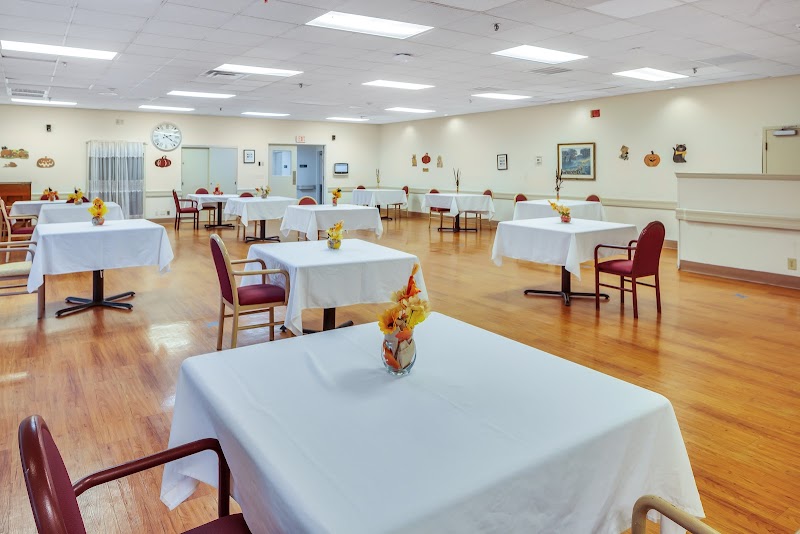
How is Pruitthealth - Virginia Park Staffed?

CMS rates PRUITTHEALTH - VIRGINIA PARK's staffing level at 2 out of 5 stars, which is below average compared to other nursing homes. Staff turnover is 42%, compared to the Georgia average of 46%. This relatively stable workforce can support continuity of care.

What Have Inspectors Found at Pruitthealth - Virginia Park?

State health inspectors documented 19 deficiencies at PRUITTHEALTH - VIRGINIA PARK during 2022 to 2025. These included: 2 Immediate Jeopardy (the most serious level, indicating potential for serious harm or death), 2 that caused actual resident harm, and 15 with potential for harm. Immediate Jeopardy findings are rare and represent the most serious regulatory concerns. They require immediate corrective action.
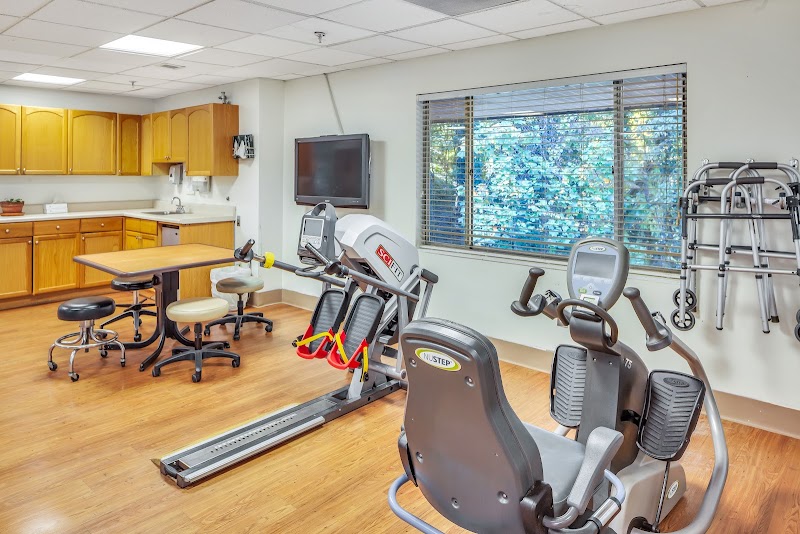
Who Owns and Operates Pruitthealth - Virginia Park?

PRUITTHEALTH - VIRGINIA PARK is owned by a for-profit company. For-profit facilities operate as businesses with obligations to shareholders or private owners. The facility is operated by PRUITTHEALTH, a chain that manages multiple nursing homes. With 128 certified beds and approximately 112 residents (about 88% occupancy), it is a mid-sized facility located in ATLANTA, Georgia.
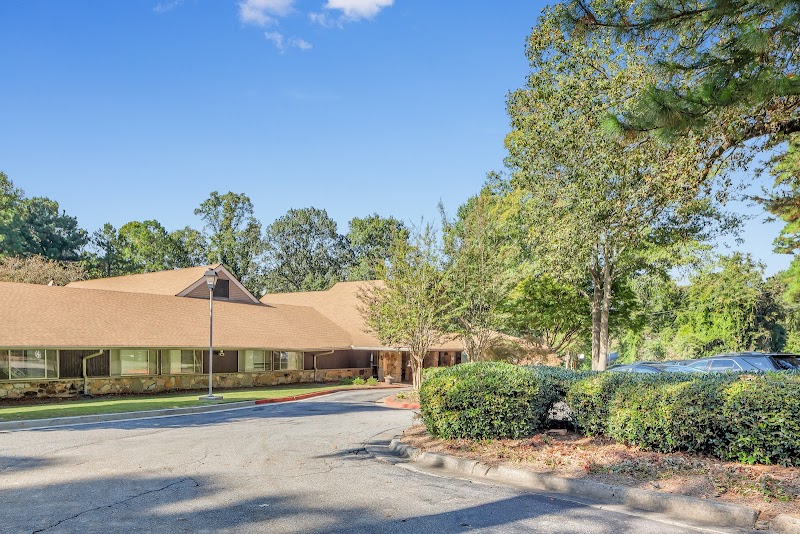
How Does Pruitthealth - Virginia Park Compare to Other Georgia Nursing Homes?

Compared to the 100 nursing homes in Georgia, PRUITTHEALTH - VIRGINIA PARK's overall rating (4 stars) is above the state average of 2.6, staff turnover (42%) is near the state average of 46%, and health inspection rating (3 stars) is at the national benchmark.

What Should Families Ask When Visiting Pruitthealth - Virginia Park?

Based on this facility's data, families visiting should ask: "What changes have been made since the serious inspection findings, and how are you preventing similar issues?" "Can you walk me through typical staffing levels on day, evening, and night shifts?" "Can I visit during a mealtime to observe dining assistance and food quality?" "How do you handle medical emergencies, and what is your hospital transfer rate?" These questions are particularly relevant given the facility's Immediate Jeopardy citations and the below-average staffing rating.

Is Pruitthealth - Virginia Park Safe?

Based on CMS inspection data, PRUITTHEALTH - VIRGINIA PARK has documented safety concerns. Inspectors have issued 2 Immediate Jeopardy citations (the most serious violation level indicating risk of serious injury or death). The facility has a 4-star overall rating and ranks #1 of 100 nursing homes in Georgia. Families considering this facility should ask detailed questions about what corrective actions have been taken since these incidents.

Do Nurses at Pruitthealth - Virginia Park Stick Around?

PRUITTHEALTH - VIRGINIA PARK has a staff turnover rate of 42%, which is about average for Georgia nursing homes (state average: 46%). Moderate turnover is common in nursing homes, but families should still ask about staff tenure and how the facility maintains care continuity when employees leave.

Was Pruitthealth - Virginia Park Ever Fined?

PRUITTHEALTH - VIRGINIA PARK has no federal fines on record. CMS issues fines when nursing homes fail to meet care standards or don't correct problems found during inspections. The absence of fines suggests the facility has either maintained compliance or corrected any issues before penalties were assessed. This is a positive indicator, though families should still review recent inspection reports for the full picture.

Is Pruitthealth - Virginia Park on Any Federal Watch List?

PRUITTHEALTH - VIRGINIA PARK is not on any federal watch list. The most significant is the Special Focus Facility (SFF) program, which identifies the bottom 1% of nursing homes nationally based on persistent, serious quality problems. Not being on this list means the facility has avoided the pattern of deficiencies that triggers enhanced federal oversight. This is a positive indicator, though families should still review the facility's inspection history directly.