ANDERSON MILL CENTER FOR NURSING AND HEALING LLC
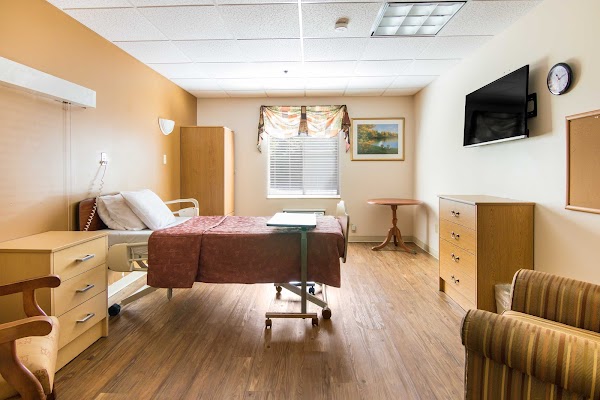
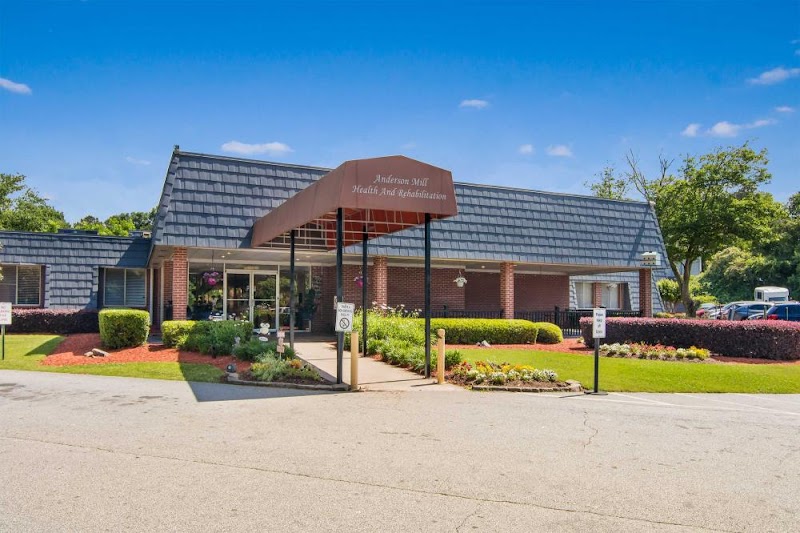
2130 ANDERSON MILL RD, AUSTELL, GA 30106 (770) 941-8813
For profit - Limited Liability company 170 Beds EMPIRE CARE CENTERS Data: November 2025
Trust Grade
80/100
#46 of 353 in GA
Last Inspection: May 2025

Inspected within the last 6 months. Data reflects current conditions.

Overview

Anderson Mill Center for Nursing and Healing LLC in Austell, Georgia has a Trust Grade of B+, which means it is above average and recommended for families seeking care. It ranks #46 out of 353 nursing homes in Georgia, placing it in the top half of facilities in the state, and #2 out of 13 in Cobb County, indicating that only one local option is better. The facility is trending positively, having reduced issues from 8 in 2023 to 3 in 2025. However, staffing is a concern with a rating of 2 out of 5 stars and a turnover rate of 55%, which is higher than average for Georgia. On a positive note, there are no fines on record, which is a good sign, and the facility offers more RN coverage than 84% of Georgia nursing homes, ensuring better oversight of resident care. However, recent inspections revealed some serious concerns, such as improper medication storage on multiple medication carts, which could lead to safety risks, and a failure to follow infection control practices for over 17 residents, including not cleaning equipment properly or performing hand hygiene during care. While there are strengths in staffing and oversight, these findings highlight areas that need attention to ensure resident safety and care quality.

Trust Score
B+
80/100
In Georgia
#46/353
Top 13%
Safety Record
Low Risk
No red flags
Inspections
Getting Better
8 → 3 violations
Staff Stability
⚠ Watch
55% turnover. Above average. Higher turnover means staff may not know residents' routines.
Penalties
✓ Good
No fines on record. Clean compliance history, better than most Georgia facilities.
Skilled Nurses
○ Average
Each resident gets 38 minutes of Registered Nurse (RN) attention daily — about average for Georgia. RNs are the most trained staff who monitor for health changes.
Violations
⚠ Watch
11 deficiencies on record. Higher than average. Multiple issues found across inspections.
★★★★☆
4.0
Overall Rating
★★☆☆☆
2.0
Staff Levels
★★★★☆
4.0
Care Quality
★★★★☆
4.0
Inspection Score
Stable
2023: 8 issues
2025: 3 issues

The Good

  • 4-Star Quality Measures · Strong clinical quality outcomes
  • Full Sprinkler Coverage · Fire safety systems throughout facility
  • No fines on record

Facility shows strength in quality measures, fire safety.

The Bad

Staff Turnover: 55%

Near Georgia avg (46%)

Higher turnover may affect care consistency

Chain: EMPIRE CARE CENTERS

Part of a multi-facility chain

Ask about local staffing decisions and management

The Ugly 11 deficiencies on record

May 2025 3 deficiencies
CONCERN (D)

Potential for Harm - no one hurt, but risky conditions existed

Pharmacy Services (Tag F0755)

Could have caused harm · This affected 1 resident

Based on observations, record review, review of facility policy, and interview with facility staff, the facility failed to provide routine drugs or obtain them under an agreement for one of 32 sampled...

Read full inspector narrative →
Based on observations, record review, review of facility policy, and interview with facility staff, the facility failed to provide routine drugs or obtain them under an agreement for one of 32 sampled residents (R) R#119. Additionally, the facility's Pharmacy failed to notify nursing of the need for additional information in order to supply a schedule IV-controlled substance. Findings include: Review of facility's policy titled, Pharmacy Services, dated June 2023, revealed the Compliance Guidelines noted: 1. The facility will provide pharmaceutical services to include procedures that assure the accurate acquiring, receiving, dispensing, and administering of all routine and emergency drugs and biologicals to meet the needs of each resident, are consistent with state and federal requirements, and reflect current standards of practice.7. The pharmacist is responsible for helping the facility obtain and maintain timely and appropriate pharmaceutical services that support residents' healthcare needs, goals, and quality of life that are consistent with current standards of practice and meet state and federal requirements. Review of the medical record for Resident (R)#119 revealed an admission date of 4/13/25. Diagnoses included diabetes mellitus type two, asthma, weakness, difficulty in walking, syncope, obesity, glaucoma, narcolepsy, and adrenocortical insufficiency. Review of Physician's Orders for R#119 revealed an order for Modafinil oral tablet 200 milligrams (mg) (Modafinil)-give one tablet by mouth one time a day for narcolepsy with a start date of 4/15/25 at 9:00 a.m.; and multiple other medications. On 4/30/25 at 9:35 am, Licensed Practical Nurse (LPN) DD was observed to administer medications to R#119. LPN DD did not administer the morning dose of Modafinil as prescribed by the physician. On 4/30/25 at 9:45 a.m., during an interview with LPN DD, she stated she was not able to administer the ordered dose of Modafinil because it was not available and had not been delivered from pharmacy. When asked how long it had not been available, LPN DD said it had never been delivered by pharmacy and had not been available for administration since it was ordered on 4/15/25. On 4/30/25 at 11:00 a.m., during an interview with the Registered Nurse (RN) Unit Manager EE, she stated she did not know why the medication was not available but would investigate and provide an update. At 2:00 p.m., RN EE stated pharmacy had not delivered the medication because it was a schedule IV-controlled substance, and they needed a prescription from the physician and not just the order in Point Click Care (PCC-electronic medical records system). She stated the pharmacy had not contacted the facility to let them know they needed a prescription in order to fill the medication. She also confirmed that nursing staff had not contacted the pharmacy to see why it had not been delivered but had continued to document it as not available. She acknowledged that the documentation on 4/19/25 and 4/23/25 that noted the morning dose of Modafinil had been administered was incorrect documentation and was probably an honest mistake because it was not available for administration on 4/19/25 and 4/23/25.
CONCERN (D)

Potential for Harm - no one hurt, but risky conditions existed

Unnecessary Medications (Tag F0759)

Could have caused harm · This affected 1 resident

Based on observations, record review, review of facility policy, and interviews with facility staff, the facility failed to ensure the medication error rate was not five percent or greater for one of ...

Read full inspector narrative →
Based on observations, record review, review of facility policy, and interviews with facility staff, the facility failed to ensure the medication error rate was not five percent or greater for one of three residents (R) #119. There were two medications errors in 29 opportunities during observation of medication administration to three residents for a medication error rate of 6.89% (percent). The findings include: Review of facility's policy titled Medication Administration, dated January 2023, noted the Policy Explanation and Compliance Guidelines noted: .10. Review Medication Administration Record (MAR) to identify medication to be administered; 11. Compare medication source (bubble pack, vial, etc. [etcetera) with MAR to verify resident name medication name, form, dose, route, and time. Review of the medical record for Resident (R)#119 revealed an admission date of 4/13/25. Diagnoses included diabetes mellitus type two, asthma, weakness, difficulty in walking, syncope, obesity, glaucoma, and adrenocortical insufficiency. Review of Physician's Orders for R#119 revealed orders for Hydrocortisone Oral Tablet 20 milligrams (mg) (Hydrocortisone)-Give one tablet by mouth in the morning for Inflammation with a start date of 4/19/25 at 9:00 a.m.; Hydrocortisone oral tablet 10 mg (Hydrocortisone)-Give one tablet by mouth in the afternoon for Inflammation with at start date of 4/19/25 at 12:00 p.m.; Modafinil oral tablet 200 mg (Modafinil)-give one tablet by mouth one time a day for narcolepsy with a start date of 4/15/25 at 9:00 a.m.; and multiple other medications. On 4/30/25 at 9:35 am, Licensed Practical Nurse (LPN) DD was observed to administer medications to R#119. LPN DD was observed to administer hydrocortisone 10 mg, one tablet in addition to other medications to R#119. LPN DD administered the noon dose instead of the morning dose as ordered by the physician. Additionally, LPN DD did not administer the morning dose of Modafinil as prescribed by the physician. On 4/30/25 at 9:45 a.m. during an interview with LPN DD, she stated she must have grabbed the incorrect card that had 10 mg tablets of hydrocortisone instead of the card containing hydrocortisone 20 mg tablets. LPN DD stated she was not able to administer the ordered dose of Modafinil because it was not available and had not been delivered from pharmacy. When asked how long it had not been available, LPN DD said it had never been delivered by pharmacy and had not been available for administration since it was ordered on 4/15/25. On 4/30/25 at 11:00 a.m. during an interview with the Registered Nurse (RN) Unit Manager EE, she stated she did not know why the medication was not available but would investigate and provide an update. At 2:00 p.m., RN EE stated the pharmacy had not delivered the medication because it was a schedule IV-controlled substance, and they needed a prescription from the physician and not just the order in Point Click Care (PCC). She stated the pharmacy had not contacted the facility to let them know they needed a prescription in order to fill the medication. She also confirmed that nursing staff had not contacted the pharmacy to see why it had not been delivered but had continued to document it as not available. She acknowledged that the documentation on 4/19/25 and 4/23/25 that noted the morning dose of Modafinil had been administered was incorrect documentation was probably an honest mistake.
CONCERN (D)

Potential for Harm - no one hurt, but risky conditions existed

Infection Control (Tag F0880)

Could have caused harm · This affected 1 resident

Based on observations, staff interviews, and review of the facility's policy, the facility failed to establish an infection prevention and control program (IPCP) that included preventing and controlli...

Read full inspector narrative →
Based on observations, staff interviews, and review of the facility's policy, the facility failed to establish an infection prevention and control program (IPCP) that included preventing and controlling infections and communicable disease for all residents, staff and other individuals by not utilizing proper personal protective equipment (PPE) and hand sanitization during administration of medications for two of three residents during observation of medication administration to Resident (R)#119 and R#53. Findings include: Review of facility's policy titled Enhanced Barrier Precaution and dated March 2024, noted: 3. b. PPE for enhanced barrier precautions is only necessary when performing high-contact care activities and may not need to be donned prior to entering the resident's room.4. High-contact resident care activities include: .g. Device care or use: central lines, urinary catheters, feeding tubes, tracheostomy/ventilator tubes.9. Enhanced barrier precautions should be used for the duration of the affected resident's stay in the facility or until resolution of the wound or discontinuation of the indwelling medical device that placed them at higher risk. Review of an undated facility's policy titled Handwashing/Hand Hygiene noted: .Policy Interpretation and Implementation .7. Use an alcohol-based hand rub containing at least 62% [percent] alcohol; or, alternatively, soap (antimicrobial or non-antimicrobial) and water for the following situations: .c. Before preparing or handling medications; .i. After contact with a resident's intact skin; .m. After removing gloves; 8. Hand hygiene is the final step after removing and disposing of personal protective equipment. 9. The use of gloves does not replace hand washing/hand hygiene. Integration of glove use along with routine hand hygiene is recognized as the best practice for preventing healthcare-associated infections. The Procedure .Applying and Removing Gloves instructs staff as follows: 1. Perform hand hygiene before applying non-sterile gloves. 2. When applying, remove one glove from the dispensing box at a time, touching only the top of the cuff. 3. When removing gloves, pinch the glove at the wrist and peel away from the hand, turning the glove inside out. 4. Hold the removed glove in the gloved hand and remove the other glove by rolling it down the hand and folding it into the first glove. 5. Perform hand hygiene. On 4/30 25 at 8:50 a.m. during observation of medication administration to R#53, Licensed Practical Nurse (LPN) CC was observed to prepare medications at the medication storage cart to be administered via the percutaneous endoscopic gastrostomy (PEG) feeding tube. R#53 was observed to have an enhanced barrier precautions sign on the door to his room that instructed staff to use PPE and which PPE to don when providing personal care. Each medication was prepared in a separate cup, the overbed table was cleaned and a barrier was placed. LPN CC entered the room, washed her hands and donned a pair of non-sterile gloves, approached R#53, draped the resident to prepare for administering medications via the PEG tube. LPN CC lifted the tube with her left hand and held the tubing connected to the bottle of formula in her right hand and the PEG tube came out with the balloon deflated. LPN CC did not don (put on) a gown, mask or eye protection when providing high-contact care that included a procedure involving a PEG feeding tube. On 4/30/25 at 9:35 a.m. during observation of medication administration to R#119, LPN DD was observed to prepare medications to be administered to R#119 that included oral medications, latanoprost 0.005% eye drops an Azelastine Nasal Spray 0.1%. LPN DD entered the room of R#119 and identified the resident. LPN DD then administered the oral medications to R#119 and provided water to drink. LPN DD then put on non-sterile gloves, administered the nasal spray-one spray to each nostril, removed the gloves, put on a new pair of non-sterile gloves, administered the eye drops-one drop in each eye, removed the gloves and left the room. LPN DD did not perform hand hygiene before donning gloves, after doffing gloves and between administering nasal spray and eye drop medications to R#119. On 4/30/25 at 8:55 a.m., LPN CC stated she just forgot to put on the PPE because she was nervous about having the surveyor observe her administering medications. On 4/30/25 at approximately 9:45 a.m. LPN DD confirmed she did not perform hand hygiene before and after donning and doffing gloves while administering medications to R#119.
Oct 2023 1 deficiency
CONCERN (D) 📢 Someone Reported This

A family member, employee, or ombudsman was alarmed enough to file a formal complaint

Potential for Harm - no one hurt, but risky conditions existed

Incontinence Care (Tag F0690)

Could have caused harm · This affected 1 resident

**NOTE- TERMS IN BRACKETS HAVE BEEN EDITED TO PROTECT CONFIDENTIALITY** Based on observations, staff interviews, record review, and review of the facility policy titled, Incontinence, the facility fai...

Read full inspector narrative →
**NOTE- TERMS IN BRACKETS HAVE BEEN EDITED TO PROTECT CONFIDENTIALITY** Based on observations, staff interviews, record review, and review of the facility policy titled, Incontinence, the facility failed to provide timely and appropriate incontinence care for one of four residents (R) (R7) reviewed for incontinence care. The deficient practice had the potential to promote infection. Findings include: Review of the facility policy titled, Incontinence, dated 1/1/2019 documented: Policy Explanation and Compliance Guidelines: .4. Residents that are incontinent of bladder or bowel will receive appropriate treatment to prevent infections. Review of R7's clinical record revealed diagnoses including nontraumatic subarachnoid hemorrhage, dysphasia following cerebrovascular disease, tracheostomy status, and stage four sacral pressure ulcer. Review of R7's quarterly Minimum Data Set (MDS), dated [DATE], documented the resident's Brief Interview for Mental Status (BIMS) score could not be completed; the resident was rarely/never understood, had short and long - term memory problems, and had severely impaired decision-making skills. The resident required total assistance of two people for bed mobility and total assistance of one person for toileting. The MDS documented the resident was always incontinent of bowel and bladder. Review of R7's care plan, dated 7/19/2023, for Activities of Daily Living (ADL) documented the resident did not use the restroom and was totally dependent on one to two staff for toilet use, peri care, and changing her brief. Observation of R7 during pressure ulcer (PU) care, on 10/12/2023, which began at 11:14 am, revealed the resident was having a bowel movement. The Wound Care Nurse (WCN) and Consultant Wound Nurse (CWN) provided PU care to the sacral wound without first removing the stool from R7's peri area (genital area). At the end of the PU treatment, the WCN asked the CWN to ask the Certified Nursing Assistant (CNA) to come to the room because She is having a BM [bowel movement], and I don't want it to get on the dressing. A CNA did not immediately come, so the WCN took part of the incontinence pad that was not under the resident and wiped off some of the stool and then rolled up that part of the incontinence pad and placed it under the resident. The WCN covered up the resident, gathered her supplies, and left the room. The WCN and the CWN came back to the room at 11:33 am and said they were going to clean the resident up. The WCN and CWN turned R7 to her right side, then used wet wipes to clean the left buttock where there was stool, and between the buttocks. The staff then placed a new incontinence brief on R7 without providing any frontal incontinence care. Interview on 10/12/2023 at 11:39 am with the WCN, she stated the staff would provide frontal incontinence care when they provided peri care, and she did not provide frontal care because the resident Just had a bowel movement. Interview on 10/13/2023 at 10:55 am with the Director of Nursing (DON), she stated the staff should provide incontinence care by cleaning front to back, and if the resident had stool present, the staff should also provide frontal care.
Mar 2023 7 deficiencies
CONCERN (D) 📢 Someone Reported This

A family member, employee, or ombudsman was alarmed enough to file a formal complaint

Potential for Harm - no one hurt, but risky conditions existed

Resident Rights (Tag F0550)

Could have caused harm · This affected 1 resident

**NOTE- TERMS IN BRACKETS HAVE BEEN EDITED TO PROTECT CONFIDENTIALITY** Based on observations, interviews, record review, and policy review, the facility failed to ensure resident right to dignity and...

Read full inspector narrative →
**NOTE- TERMS IN BRACKETS HAVE BEEN EDITED TO PROTECT CONFIDENTIALITY** Based on observations, interviews, record review, and policy review, the facility failed to ensure resident right to dignity and respect was honored related for 19 of 64 sampled residents (R#44, R#90, R#336, R#337, R#87, R#83, R#45, R#1, R#338, R#6, R#10, R#86, R#89, R#61, R#60, R#77, R#21, R#28, and R#65) related (1) ensuring that the catheter was placed in a privacy bag for R#44; (2) ensuring staff knocked on resident doors before entering for R#90, R#336, R#337, R#87, R#83, R#45, R#1, R#338, R#6, R#10, R#86, R#89, R#61, R#60, R#77, R#21, R#28, and R#65. Findings included: A Review of the policy titled Quality of life - Dignity dated December 2022 revealed the policy statement to be: Each resident shall be cared for in a manner that promotes and enhances quality of dignity, respect, and individuality. 1. A review of the clinical record for R#44 revealed that the resident was initially admitted to the facility on [DATE]. A Review of the resident's most recently quarterly Minimum Data Set (MDS) assessment dated [DATE], revealed that the resident had a Brief Interview for Mental Status (BIMS) score of fifteen. The resident was also coded as having a suprapubic catheter and requiring extensive assistance for bed mobility, transfers, toileting. During multiple observations of R#44 on 3/7/23 at 11:30 a.m., on 3/8/23 at 10:10 a.m., and on 3/9/23 at 8:35 a.m., the resident was observed to be lying in bed, the privacy curtain was half open. The resident was observed to have a suprapubic catheter bag and tubing hanging from the bed without covering. During an interview on 3/9/23 at 8:40 a.m. with Licensed Practical Nurse (LPN) QQ regarding the care of Catheter and policy issues, LPN QQ revealed that facility practice is that all catheter bags should be placed in a privacy bag. He confirmed that R#44 catheter was not in a privacy bag and that it should have been. 2. Review of the policy titled Quality of Life - Dignity updated December 2022 revealed: Each resident shall be cared for in a manner that promotes and enhances quality of life, dignity, respect, and individuality. Policy Interpretation and Implementation line numbered 6: Residents' private space and property shall be respected at all times: a. Staff will knock and request permission before entering residents' rooms. On 3/9/23 at 8:30 a.m. to 8:45 a.m. observation on the 500 Hall of Certified Nursing Aide (CNA) II revealed her to enter rooms of R#90, R#336, R#337, R#87, R#83, R#45, R#1, R#338, R#6, R#28, and R#65 without knocking on the doors, announcing her presence, or asking permission to enter prior to entering the rooms. On 3/9/23 at 8:48 a.m. an interview with CNA II verified she did not knock on resident doors, announce her presence, and she did not request permission to enter the rooms prior to entering the rooms. She revealed she was rushed and did not think to knock on the doors. She revealed she should knock on resident doors, announce her presence, and request permission to enter prior to entering resident rooms. On 3/9/23 at 3:55 pm an interview with the Director of Nursing (DON) revealed her expectation was for all staff to knock on resident doors, announce their presence and request permission to enter prior to entering the room. She revealed staff had been educated to knock on resident doors prior to entering and she planned to re-educate staff on the topic. On 3/10/23 at 1:40 p.m. to 1:55 p.m. an observation on the 500 Hall of CNA JJ revealed her to enter resident rooms R#90, R#336, R#337, R#87, R#83, R#45, R#1, R#338, R#6, R#10, R#86, R#89, R#61, R#60, R#77, and R#21 without knocking on the doors, announcing her presence, and without requesting permission to enter prior to entering the rooms. On 3/10/23 at 1:56 p.m. an interview with CNA JJ verified that she did not knock on resident doors, announce her presence, or request permission to enter prior to entering the rooms and revealed she was not thinking and just forgot to knock on the doors. She revealed she should knock on resident doors, announce her presence and request permission to enter prior to entering resident rooms.
CONCERN (D) 📢 Someone Reported This

A family member, employee, or ombudsman was alarmed enough to file a formal complaint

Potential for Harm - no one hurt, but risky conditions existed

Deficiency F0554 (Tag F0554)

Could have caused harm · This affected 1 resident

**NOTE- TERMS IN BRACKETS HAVE BEEN EDITED TO PROTECT CONFIDENTIALITY** Based on observations, interviews, record review and review of the policy titled Medication: Self Administration, the facility f...

Read full inspector narrative →
**NOTE- TERMS IN BRACKETS HAVE BEEN EDITED TO PROTECT CONFIDENTIALITY** Based on observations, interviews, record review and review of the policy titled Medication: Self Administration, the facility failed to ensure one of 64 sampled residents (R) (#97) was assessed to self-administer medications. Findings included: A review of the policy titled Medication: Self Administration dated December 2021, revealed the policy was for patients who request to self-administer medications will be assessed for capability. The policy revealed a physician's order is required, self-administration must be care planned, patient must be provided with a secure and locked area to maintain medications, patient must be instructed in self-administration, periodic evaluation of capability must be performed. A review of the clinical record revealed R#97 was an [AGE] year-old female admitted on [DATE] with diagnosis including chronic obstructive pulmonary disease (COPD), prediabetes, morbid obesity, muscle weakness. A review of the quarterly minimum data set (MDS) assessment dated [DATE] revealed a Brief Interview for Mental Status (BIMS) of 14 (indicating cognitively intact), required set-up and supervision with activities of daily living (ADLS), did not receive respiratory therapies or oxygen. A review of the physician's orders revealed an order for Trelegy Ellipta Aerosol 100/62.5/25 micrograms (mcg) per inhalation, one inhalation orally one time a day for COPD. There was not a physician's order for nebulizer treatments or for self-administration of medications. A review of the care plan revealed a focus area of resident has COPD, a goal of the resident will display optimal breathing patterns daily and interventions to include assess for shortness of breath or trouble breathing every shift, give aerosol or bronchodilators as ordered. There was not a care plan for self-administration of medications. An observation and interview of R#97 on 3/7/23 at 10:30 a.m. revealed one open box sitting on the floor next to a cabinet and containing eight boxes of ipratropium bromide 0.5 milligram (mg)/ albuterol 2.5 mg per 3 milliliters (ml) inhalations solution with an expiration date of 7/22, five boxes of ipratropium bromide 0.5 mg/albuterol 2.5 mg per 3 ml inhalations solution with an expiration date of 11/22, and two Trelegy Ellipta Aerosol 100/62.5/25 mcg per inhalation inhalers within expiration date. Observation revealed a nebulizer machine with tubing sitting on a shelf close to the bed. R#97 revealed her granddaughter had brought the medications and nebulizer machine for her to use and revealed she was capable of taking nebulizer treatments but was unsure if she had used one since admission to the facility. On 3/8/23 at 9:30 a.m. an observation revealed the open box containing the inhalers and inhalant medication sitting in the same location in R#97's room. On 3/8/23 at 4:00 p.m. an observation with Licensed Practical Nurse (LPN) MM verified the open box of medications sitting in R#97's room. LPN MM revealed the medications should not be in a resident's room and offered an explanation to R#97 and removed the medications from the room. On 3/11/23 at 10:40 am an interview with LPN NN revealed she worked through an agency. She revealed she was unaware of residents self-administering medications. She further revealed if medication was discovered in a resident room she would educate the resident about self-administration of medications, remove the medication, check the physician's order to verify if the medication was ordered and notify the unit manager. On 3/11/23 at 10:45 a.m. an interview with LPN OO revealed she worked through an agency. She revealed if she saw medications at the bedside, she would discuss with the resident, remove the medications, check the physician orders, notify the unit manager. On 3/11/23 at 11:00 a.m. an interview with LPN PP revealed she worked full time at the facility. She revealed she was unaware of residents having medications at bedside. She revealed if she discovered medications in a resident's room, she would educate the resident and remove the medication, check the physician's orders, and notify the unit nurse manager. On 3/11/23 at 11:25 a.m. an interview with the Director of Nursing (DON) revealed her expectations for resident self-administration of medication was for the resident to have a physician's order for self-administration of medication, a self-administration of medication assessment and determined to be clinically appropriate, and for the resident to be educated on and agree to the policy for self-administration of medications. She revealed there were no current residents determined clinically appropriate for self-administration of medications. She revealed she expected medications to be removed from resident rooms if discovered and the physician notified if a resident was self-administering a medication not ordered.
CONCERN (D) 📢 Someone Reported This

A family member, employee, or ombudsman was alarmed enough to file a formal complaint

Potential for Harm - no one hurt, but risky conditions existed

Safe Environment (Tag F0584)

Could have caused harm · This affected 1 resident

**NOTE- TERMS IN BRACKETS HAVE BEEN EDITED TO PROTECT CONFIDENTIALITY** Based on observations, staff interviews, and review of facility documents, the facility failed to maintain a safe, clean, sanita...

Read full inspector narrative →
**NOTE- TERMS IN BRACKETS HAVE BEEN EDITED TO PROTECT CONFIDENTIALITY** Based on observations, staff interviews, and review of facility documents, the facility failed to maintain a safe, clean, sanitary environment in 13 of 76 resident rooms (310, 306, 501, 502, 503, 504, 505, 506, 507, 508, 510, 512, and 514). Specifically, observations revealed buildup of brown fuzzy material on the heating and cooling units located in resident rooms on the 500 Hall (rooms 501,502, 504, 506, 508); buildup of white fuzzy material on ceiling ventilation covers in resident restrooms on the 500 Hall (rooms 501/503 (shared), 502/504 (shared), 506/508 (shared), 510/512 (shared), 505, 507, 514); black substance surrounding the base of the toilets in resident restrooms on the 500 Hall (rooms 501/503 (shared), 510/512 (shared), 505); one heating and cooling unit cover lying on the floor in room [ROOM NUMBER]; and reddish-brown colored splatter dried on wall behind the headboard of 306A. Findings included: 1. A review of the document titled Deep Clean Check Off List revealed a check off list that included line items of: A/C cleaned, Toilet cleaned front/back and included a line for staff signature and date. A review of the document titled Inspect exhaust fans for proper operation and clean if necessary revealed exhaust fans were to be checked every month. The section titled Instructions revealed line numbered 4. Clean vents using vacuum and air compressor, when needed to remove all dust. The facility did not provide a housekeeping or environmental services policy. Observations on 3/7/23 from 9:30 a.m. to 1:40 p.m. during initial resident screenings on the 500 Hall revealed the heating and cooling units located underneath the windows on the exterior walls in room [ROOM NUMBER], 502, 504, 506, and 508 to have a buildup of brown, fuzzy material in the ventilation areas. Observations on 3/7/23 from 9:30 a.m. to 1:40 p.m. during initial resident screenings on the 500 Hall revealed the restroom ceiling ventilation units in room rooms 501/503 (shared), 502/504 (shared), 506/508 (shared), 510/512 (shared), 505, 507, 514 to have a buildup of white, fuzzy material on the ceiling ventilation covers. Observations on 3/7/23 from 9:30 a.m. to1:40 p.m. during initial resident screenings on the 500 Hall revealed black substance surrounding the base of the toilets in rooms 501/503 (shared), 510/512 (shared), and 505. On 3/8/23 at 11:55 a.m. an interview with Housekeeping AA revealed she was aware of the ceiling vents having white fuzzy material in restrooms on 500 Hall, that some of the heating/cooling units had light brown fuzzy material on the vents, and that some of the toilets on 500 Hall had black substance surrounding the toilet at the floor. She further revealed maintenance was responsible for cleaning the ceiling vents, heating/cooling units, and maintenance of the toilets. She revealed she did not clean the ceiling vents, heating/cooling units, or base of the toilets. On 3/8/23 at 1:20 p.m. a walking tour of the 500 Hall resident rooms with the Maintenance Director verified resident restroom ceiling vents with white fuzzy material; heating/cooling units with brown fuzzy material on the vents; and toilets with black substance surrounding the base at the floor. He revealed housekeeping should check and clean the bathroom ceiling vents routinely and report concerns to the Director of Housekeeping. He revealed he was unsure why the identified concerns with the toilets and heating/cooling units had not been reported to the Maintenance Department. On 3/9/23 at 10:40 a.m. an interview with the Director of Housekeeping revealed housekeeping staff perform a high touch cleaning of resident rooms daily and a deep clean once a month and as needed. A housekeeping staff schedule for daily high touch cleaning and monthly deep cleaning was verified. He revealed that daily high touch cleaning included cleaning of surfaces, floors, and exterior ventilation units. He revealed the maintenance department is responsible for cleaning the ventilation units, the heating and cooling units, and the area at the base of the toilet. A review of the cleaning schedules revealed completed logs with staff signatures indicating schedules had been followed. The housekeeping schedules did not contain ceiling vents, heating/cooling units, or toilet maintenance. On 3/10/23 at 11:30 a.m. in an interview with the Director of Housekeeping, he revealed housekeeping staff can verbally report concerns to the supervisor or a nurse. He revealed the nurse may report a concern through an electronic system titled TELS and the maintenance department received the report. He revealed he was unsure if housekeeping had reported ceiling vents, heating/cooling units or toilets to anyone and was unsure if concerns had been reported to the maintenance department in the last three months. On 3/10/23 at 2:15 p.m. an interview with the Administrator revealed his expectations were for resident rooms and restrooms to be maintained in a clean and orderly fashion. He revealed that the maintenance department was responsible for cleaning the ceiling vents in resident restrooms and maintaining caulking around the toilets in the restrooms and the housekeeping department was responsible for cleaning the heating/cooling units, floors, and general surface areas. He further revealed work orders are communicated through electronic communication and by verbal communication. He revealed he planned to provide education to housekeeping and maintenance staff to ensure resident rooms and restrooms were maintained in a safe and clean manner.
CONCERN (D) 📢 Someone Reported This

A family member, employee, or ombudsman was alarmed enough to file a formal complaint

Potential for Harm - no one hurt, but risky conditions existed

Deficiency F0645 (Tag F0645)

Could have caused harm · This affected 1 resident

**NOTE- TERMS IN BRACKETS HAVE BEEN EDITED TO PROTECT CONFIDENTIALITY** Based on observations, record review, staff interviews, and review of the undated policy titled Resident Assessment - Coordinati...

Read full inspector narrative →
**NOTE- TERMS IN BRACKETS HAVE BEEN EDITED TO PROTECT CONFIDENTIALITY** Based on observations, record review, staff interviews, and review of the undated policy titled Resident Assessment - Coordination with PASARR Program the facility failed to submit an application for PASARR Level II (Preadmission Screening and Resident Review) screening for evaluation and determination of specialized services for two of 64 sampled residents (R) (R#102 and R#61). Findings Included: A review of the undated policy titled Resident Assessment - Coordination with PASARR Program revealed a policy of: This facility coordinates assessments with the preadmission screening and resident review (PASARR) program under Medicaid to ensure that individuals with a mental disorder, intellectual disability, or a related condition receives services in the most integrated setting appropriate to their needs. The policy explanation and compliance guidelines sections line numbered 9 revealed: 9. Any resident who exhibits a newly evident or possible serious mental disorder, intellectual disability, or related condition will be referred promptly to the state mental health or intellectual disability authority for a level II resident review. Examples include: b. A resident whose intellectual disability or related condition was not previously identified and evaluated through PASARR. 1. A review of the quarterly MDS (Minimum Data Set) assessment dated [DATE] revealed that R#102 had a Brief Interview for Mental Status (BIMS) score of 13, indicating cognitively intact; no behaviors exhibited; Depression and Schizophrenia; ordered and receiving antipsychotic medication seven days a week. A review of the Physician's orders revealed Quetiapine Fumarate Tablet 100 MG (milligram) ordered one tablet by mouth two times a day for increased psychosis/agitation related to schizophrenia and antipsychotic medication, Seroquel ordered 300 mg orally at bedtime for psychosis related to schizophrenia. A review of R#102 diagnoses/conditions revealed the following but not limited to Schizophrenia, major depressive disorder, hypertension, and cocaine abuse. A review of the care plan dated 9/23/22 revealed that R#102 has a behavior problem such as: yelling at staff and exercises his right to not have his blood sugar taken, has been delusional at times; if reasonable, discuss the behavior with R#102. Explain/reinforce why behavior is inappropriate and/or unacceptable to the resident. Praise any indication of the resident's progress/improvement in behavior. The resident is resistive to care related to Schizophrenia diagnosis. The resident will cooperate with care through next review date R#102 will participate in care by allowing staff to weigh him through next review date. During an interview on 3/8/23 at 1:25 p.m. with Director of Social Services revealed a list of residents with PASARR Level II and stated that she would check for a PASARR Level II for R#102. During an interview on 3/8/23 at 3:30 p.m. with the Director of Social services confirmed that she still could not find any evidence that a PASARR Level II screening was conducted for R#102. During an interview on 3/11/23 at 1:40 p.m. Director of Social Services produced a copy of Medicaid portal showing PASARR Level II application entered on 3/11/23 for R#102. She stated that she did not know why a PASARR Level II wasn't entered sooner for R#102. 2. A review of the clinical record revealed R#61 was admitted on [DATE] with diagnosis including but not limited to major depressive disorder and spinal stenosis. On 6/29/21 a diagnosis of bipolar disorder was added. A review of the quarterly MDS dated [DATE] revealed a BIMS was coded as 15, indicating no cognitive impairment. Section A indicated there was not a PASARR Level I or PASARR Level II documented. Section E indicated exhibited verbal behavioral symptoms directed towards others one to three days and rejection of care four to six days. Section I indicated active diagnoses including depression, bi-polar disorder, psychotic disorder. Sections N indicated resident received antidepressant for seven of seven days, opioid one of seven days. Section O indicated the resident did not received psychological therapy. A review of the care plan revealed a focus area of resident had a mood problem related to bipolar diagnosis, with a goal of resident will have improved mood. Interventions included to observe for signs of mania or hypomania or euphoria. A review of physician visits revealed quarterly or monthly visits from a psychiatrist dated 11/3/19 to 1/26/23. On 3/8/23 at 1:25 p.m. an interview with the Director of Social Services revealed R#61 was admitted with a PASARR Level I and did not have a PASARR Level II and she was unsure why a PASARR Level II had not been completed. On 3/8/23 at 2:40 p.m. an interview with the Director of Nursing (DON) revealed she was unsure if R#61 needed a PASARR Level II due to a diagnosis of bipolar disorder and major depressive disorder. She revealed the Director of Social Services was responsible for ensuring residents with appropriate diagnosis have a PASARR Level II completed. On 3/9/23 at 9:00 a.m. an interview with the Director of Social Services verified R#61 had a diagnosis of bipolar and depression revealed a diagnosis of bipolar did not indicate the need for a PASARR Level II and R#61 did not have a PASARR Level II.
CONCERN (D) 📢 Someone Reported This

A family member, employee, or ombudsman was alarmed enough to file a formal complaint

Potential for Harm - no one hurt, but risky conditions existed

Respiratory Care (Tag F0695)

Could have caused harm · This affected 1 resident

**NOTE- TERMS IN BRACKETS HAVE BEEN EDITED TO PROTECT CONFIDENTIALITY** Based on observations, record review, review of policy titled Oxygen Administration dated December 2022 and staff interview, the...

Read full inspector narrative →
**NOTE- TERMS IN BRACKETS HAVE BEEN EDITED TO PROTECT CONFIDENTIALITY** Based on observations, record review, review of policy titled Oxygen Administration dated December 2022 and staff interview, the facility failed to ensure that one of 64 sampled residents (R) (R#49) were administered oxygen therapy in accordance with the physician orders and failed to date and label oxygen tubing. Findings included: A review of the policy titled Oxygen Administration dated December 2022 revealed under section Policy explanation and compliance guidelines number 5. B. states Change oxygen tubing, mask/cannula weekly and as needed if it becomes soiled or contaminated. During multiple observations on 3/7/23 at 10:15 a.m., on 3/8/23 at 10:41 a.m., and on 3/9/23 at 2:00 p.m. revealed R# 49 was receiving five Liters per minute (LPM) of oxygen therapy via nasal canula (NC) and the oxygen tubing was not dated. A review of Quarterly Minimum Data Set (MDS) assessment dated [DATE] revealed R#49 presented with a Brief Interview for Mental Status (BIMS) score 11, indicating moderate cognitive impairment, had a history of Shortness of breath (SOB) (always), and received oxygen therapy. A review of Physician's orders revealed that R#49 was ordered Oxygen at 3 liters via NC continuous, Albuterol 90 mcg (microgram) 2 puffs every 6 hours PRN (as needed), Ipratropium-albuterol 0.5/2.5 milligram (mg) every six hours PRN. A review of R#49 diagnoses revealed the following but not limited to emphysema, chronic obstructive pulmonary disease (COPD), hemiplegia, hypertension, muscle weakness, and intracerebral hemorrhage. A review of care plan dated 12/23/22 revealed R#49 to have altered respiratory status/difficulty breathing related to COPD, shortness of breath at rest, when lying flat and on exertion. The resident will have no complications related to SOB though the review date. Administer medication/puffers as ordered. Monitor for effectiveness and side effects. Monitor /document changes in orientation, increased restlessness, anxiety, and air hunger. Monitor for signs and symptoms of respiratory distress and report to doctor. Pace and scheduled activities provide adequate rest periods. Position resident with proper body alignment for optimal breathing pattern. An observation with Director of Nursing (DON) on 3/9/23 at 2:15 p.m., it was verified that R#49 oxygen setting was at five LPM and oxygen tubing was unlabeled and without date. An interview on 3/8/23 at 10:45 a.m. with R#49 revealed she does not touch the settings on her oxygen concentrator, and no one has changed the tubing that she has seen in a while. An interview on 3/9/23 at 2:15 p.m. with DON revealed R#49 should only be on 3 LPM per doctor order and tubing should be dated.
CONCERN (E) 📢 Someone Reported This

A family member, employee, or ombudsman was alarmed enough to file a formal complaint

Potential for Harm - no one hurt, but risky conditions existed

Deficiency F0761 (Tag F0761)

Could have caused harm · This affected multiple residents

**NOTE- TERMS IN BRACKETS HAVE BEEN EDITED TO PROTECT CONFIDENTIALITY** Based on observations, interviews and review of policies titled Medication Storage, Administration of Eye Drops or Ointments, do...

Read full inspector narrative →
**NOTE- TERMS IN BRACKETS HAVE BEEN EDITED TO PROTECT CONFIDENTIALITY** Based on observations, interviews and review of policies titled Medication Storage, Administration of Eye Drops or Ointments, document provided by the facility titled Insulin Storage and Dispensing Info, and manufacturer's recommendations, the facility failed to ensure medication was stored properly on 3 of 6 medication carts (300 Hall Medication Cart, 500 Hall Medication Cart, and 600 Hall Medication Cart). Specifically the facility failed to ensure that the 500 Hall and 600 Hall medication cart were locked and secured when out of the sight of a nurse; failed to ensure eight containers of ophthalmic solutions were labeled when opened; failed to ensure three oral inhaled medication were labeled when opened; failed to ensure one nasal spray was labeled when opened; failed to ensure three multi-dose vials of Insulin and one multi-dose Insulin pen were labeled when opened; failed to ensure one container of nitroglycerin sl (sublingual) 0.4mg (milligrams) 25 count container was labeled when opened; failed to discard expired medications from the medication cart; failed to properly store one unopened latanoprost 0.005% ophthalmic solution container; and failed to properly dispose of expired medication. Findings included: A review of the undated policy titled Medication Storage: revealed: Policy: It is the policy of this facility to ensure all medications housed on our premises will be stored in the pharmacy and /or medication rooms according to the manufacturer's recommendations and sufficient to ensure proper sanitation, temperature, light, ventilation, moisture control, segregation, and security. Policy Explanation and Compliance Guidelines numbered 1. General Guidelines: a. All drugs and biologicals will be stored in locked compartments (i.e., medication carts, cabinets, drawers, refrigerators, medication rooms) under proper temperature controls. b. Only authorized personnel will have access to the keys to locked compartments. c. During medication pass, medications must be under the direct observation of the person administering medications or locked in the medication storage area/cart. A review of the undated policy titled Administration of Eye Drops or Ointments revealed: Policy explanation and compliance guidelines: 1.d. Label new bottle with date opened and follow facility policy or manufacturer's instructions for when to discard and replace. A review of the manufacturer's recommendations for storage of latanoprost 0.005% ophthalmic solution revealed recommended storage: Store unopened bottle(s) under refrigeration at 2° to 8°C (Celsius) (36° to 46°F (Fahrenheit)). Once a bottle is opened for use, it may be stored at room temperature up to 25°C (77°F) for six weeks. A review of the document titled Insulin Storage and Dispensing Info dated 2021 revealed expiration dates when opened: Levemir flex touch pen 100units/ml (milliliter) expired after 42 days once opened. Humalog 70/30 100units/ml 3ml vial expired after 28 days once opened. lispro 100units/ml 10ml vial expired after 28 days once opened. Novolog 100units/ml 10ml vial expired after 42 days. On 3/7/23 at 10:16 a.m. observation of one unlocked and unattended medication cart on the 500 Hall. At 10:19 a.m. an interview with Licensed Practical Nurse (LPN) HH confirmed the cart was left unlocked and unattended and she locked it. She revealed she was not the nurse working the cart. On 3/7/23 at 4:32 p.m. to 4:42 p.m. observation of one unlocked and unattended medication cart on the 600 Hall. Registered Nurse (RN) GG was observed approaching the cart two times and leaving without locking the cart. At 4:43 p.m. during an interview with RN GG she revealed the cart should be locked and secured when left unattended and she verified the cart was not locked and left unattended and out of her site. On 3/8/23 at 9:05 a.m. observation of a medication cart located on 500 Hall with LPN BB. The following medications were observed and verified by LPN BB: 1 brimonidine 0.2% 5ml ophthalmic solution with open date of 9/14. 1 Breo-Ellipta 100 mcg (microgram)/25 mcg oral inhaler - open and without an open date. 1 Tylenol ES (Extra Strength) 500mg gel caps 225 count container with expiration date of February 2023. LPN BB was observed to discard the contents of the Tylenol ES 500mg gel caps into a sharps container located on the wall located in resident room [ROOM NUMBER]. LPN BB revealed he thought it was allowed to discard medications in any sharps container regardless of location. On 3/8/23 at 9:25 a.m. observation of a medication cart located on 600 Hall with Medication Technician CC and LPN FF. The following medications were observed and verified by Medication Technician CC and LPN FF: 1 triqumeg 600-50-300mg 30 count container containing 11 tablets - expiration date 1/31/23. 1 alfuzosin hydrochloride 10mg 30 count container containing 21 tablets - expiration date 3/5/23. 1 Rocklatan ophthalmic solution 0.02-0.005% 2.5ml container - open and without an open date. 1 brimonidine 0.2% ophthalmic solution 5ml container - open and without an open date. 2 latanoprost 0.005% ophthalmic solution 2.5ml containers - open and without an open date. 1 latanoprost 0.005% ophthalmic solution 2.5ml container - not opened and stored in the medication cart and not under refrigeration. 1 tobramycin 0.3% ophthalmic solution 2.5ml container - open and without an open date. 1 timolol maleate 0.5% ophthalmic solution 5ml container - open and without an open date. 1 brimonidine tartrate/timolol maleate 0.2%/0.5% ophthalmic solution 5ml - open and without an open date. 1 nitroglycerin SL 0.4mg 25 count container - open and without an open date. 1 Levemir FlexTouch 100units/ml - open and without an open date. 1 Humalog Insulin 100units/ml 3ml vial - open and without an open date. 1 lispro Insulin 100units/ml 10ml vial - open and without an open date. 1 Novolog 100units.ml 10ml vial - open and without an open date. 1 Trelegy Ellipta 100mcg/62.3mcg/25mcg inhaler - open and without an open date. 1 Advair 115mcg/21mcg inhaler - open and without an open date. On 3/8/23 at 10:00 a.m. observation of a medication cart located on 100 Hall with LPN DD. The following medications were observed and verified by LPN DD: 1 Symbicort 160/4.5 mcg inhaler - open and without an open date. 1 calcitonin salmon nasal spray 30 dose container - open and without an open date. On 3/8/23 at 4:45 p.m. an interview with the Director of Nursing (DON) revealed her expectations were for expired medications to be discarded into the provided container, which was a gray plastic bag, labeled, and placed into the discarded medication container in the medication storage room. She revealed medications should never be discarded into any container in a resident room. She revealed her expectations were for medications to be labeled with an open date according to the facility policy, pharmacy guidelines and the manufacturers guidelines. She further revealed all Insulin products should be labeled with an open date when opened. She further revealed her expectation was for medication carts to be locked and secured when out of view of the nurse. She revealed nurses had received education on 3/10/23 to ensure medication carts were locked and secured when out of view of the nurse. She revealed she planned to re-educate nursing staff about locking and securing medication carts, disposal of expired medications, proper storage of medications, specifically ophthalmic solutions, and labeling and dating of medications when opened.
CONCERN (E) 📢 Someone Reported This

A family member, employee, or ombudsman was alarmed enough to file a formal complaint

Potential for Harm - no one hurt, but risky conditions existed

Infection Control (Tag F0880)

Could have caused harm · This affected multiple residents

Based on observations, interviews, record reviews and policy reviews, the facility failed to ensure appropriate infection control practices for 17 of 64 sampled residents (R#90, R#336, R#337, R#87, R#...

Read full inspector narrative →
Based on observations, interviews, record reviews and policy reviews, the facility failed to ensure appropriate infection control practices for 17 of 64 sampled residents (R#90, R#336, R#337, R#87, R#83, R#45, R#1, R#338, R#6, R#28, R#65, R#7, R#96, R#101, R#8, R#41, and R#119). Specifically staff failed to clean or disinfect reusable resident equipment (a blood pressure cuff) between R#90, R#336, R#337, R#87, R#83, R#45, R#1, R#338, R#6, R#28, R#65; failed to ensure a clean surface area for equipment use (failed to use a barrier or clean resident's table tops or medication cart surface before placing glucometer and supplies on them) between R#7, R#96, R#101, and R#8; failed to use appropriate hand hygiene between performing glucometer checks for R#7, R#96, R#101, and R#8; failed to use appropriate hand hygiene during wound care for R#41; failed to use appropriate hand hygiene during tracheostomy care for R#119. Findings included: 1. a. Review of the policy titled Cleaning and Disinfection of Resident-Care Items and Equipment updated 12/2022 revealed: Resident-care equipment, including reusable items and durable medical equipment will be cleaned and disinfected according to current (Centers for Disease Control and Prevention) CDC recommendations for disinfection and the Occupational Safety and Health Administration (OSHA) Bloodborne Pathogens Standard. Policy Interpretation and Implementation numbered 1.c. Noncritical items are those that come in contact with intact skin but not mucous membranes. (1) Noncritical resident-care items include bedpan, blood pressure cuffs, crutches, and computers. b. Review of the CDC guidelines titled Disinfection and Sterilization revealed section numbered 4.c. Ensure that, at a minimum, noncritical patient-care devices are disinfected when visibly soiled and on a regular basis (such as after use on each patient or once daily or once weekly). URL:https://www.cdc.gov/infectioncontrol/guidelines/disinfection/index.html#:~:text=Disinfect%20noncritical%20medical%20devices%20(e.g.,contact%20time%20of%2010%20minutes. c. Review of document titled EDAN User Manual URL: https://dentaled.com/wp-content/uploads/EDAN-User-Manual.pdf, page 152 Section 25.2 Cleaning: If the device or accessory has been in contact with the patient, then cleaning and disinfection is required after every use. If there has been no patient contact and there is no visible contamination, then daily cleaning and disinfection is appropriate. d. Review of the undated policy titled Handwashing/Hand Hygiene revealed: The facility considers hand hygiene the primary means to prevent the spread of infections. Policy Interpretations and Implementation numbered 7. Use an alcohol-based hand rub containing at least 62% alcohol; or alternatively, soap and water for the following situations: 7.b. Before and after direct contact with residents, 7.i. After contact with a resident's intact skin. On 3/9/23 from 8:30 a.m. to 8:45 a.m. observation on the 500 Hall of Certified Nursing Assistant (CNA) II revealed her to roll an automatic Edan blood pressure machine into and out of rooms 501,502, 504, 505 and check each resident's blood pressure without cleaning the blood pressure cuff or equipment and without performing hand hygiene. The residents were R#90, R#336, R#337, R#87, R#83, R#45, R#1, R#338, R#6, R#28, R#65. On 3/9/23 at 8:48 a.m. an interview with CNA II revealed she had documented blood pressure results written on a piece of paper and she verified she had checked blood pressures of R#90, R#336, R#337, R#87, R#83, R#45, R#1, R#338, R#6, R#28, R#65 without cleaning the blood pressure cuff and without performing hand hygiene between the residents. She revealed there were no sanitizing wipes available to clean the blood pressure cuff and revealed she was aware she could ask the nurse for some. She revealed she was rushed and forgot to perform hand hygiene. She further revealed she used the hand sanitizer available from the hallway dispensers when she thought to. She revealed she does not wash her hands often. On 3/9/23 at 3:55 p.m. an interview with the Director of Nursing (DON) revealed her expectation was for equipment that was used for more than one resident to be cleaned with a sanitizing wipe between each resident. She revealed this included blood pressure cuffs. She revealed sanitizing wipes were available to all staff and located in the supply room and that staff were given the door code to access the room. She further revealed CNAs should ask the nurse if they were unable to access the supply room or needed supplies. She revealed staff should perform hand hygiene between before and after resident contact. She revealed she planned to re-educate resident care staff on cleaning noncritical equipment and hand hygiene. 2. Review of the undated policy titled Handwashing/Hand Hygiene revealed: The facility considers hand hygiene the primary means to prevent the spread of infections. Policy Interpretations and Implementation numbered 7. Use an alcohol-based hand rub containing at least 62% alcohol; or alternatively, soap and water for the following situations: 7.b. Before and after direct contact with residents; 7.d. Before performing any non-surgical invasive procedure. After removing gloves. The use of gloves does not replace handwashing/hygiene. Integration of glove use along with routine hand hygiene is recognized as the best practice for preventing healthcare-associated infections. Review of the undated policy titled Blood Glucose Monitoring revealed: Procedure section numbered 3. Perform hand hygiene and don gloves. Remove and discard gloves and perform hand hygiene. On 3/8/23 from 12:05 p.m. to 12:20 p.m. glucometer use observation of Licensed Practical Nurse (LPN) DD revealed her to perform fingerstick blood sugar checks on R#7, R#96, R#101, and R#8 without performing hand hygiene between residents or before donning or after doffing gloves and without cleaning the resident tabletops or medication cart surface or using a barrier on resident tabletops and medication cart surface or prior to placing the glucometer and supplies on the surfaces. On 3/8/23 at 12:25 p.m. an interview with LPN DD verified she did not perform hand hygiene before donning gloves or after doffing gloves or between resident care while performing fingerstick blood sugar checks for R#7, R#96, R#101, R#8. She verified she did not place barriers on the resident tabletops or the medication cart surface and did not clean the surfaces prior to placing glucometer, test strips container, and fingerstick device on them. She revealed she should have cleaned or placed a barrier on the medication cart and on the resident tables prior to placing supplies on them. She revealed she should have performed hand hygiene with alcohol-based sanitizer or washed hands with soap and water between resident care and before and after donning and doffing gloves. She revealed she wasn't thinking. On 3/8/23 at 2:45 p.m. an interview with the DON revealed her expectations were for hand hygiene to be performed before and after resident care in addition to the use of gloves. She revealed staff should use hand sanitizer or wash hands with soap and water even when using gloves and hand hygiene should be performed before donning and after doffing gloves. She revealed her expectations were for nurses to use a barrier or to clean surfaces of the medication cart and tabletops in resident rooms prior to placing supplies that are taken from the room and used for other residents, such as glucometers. She revealed she planned to re-educate nursing staff on hand hygiene and infection control related to cleaning surfaces and using barriers to prevent cross contamination while using equipment that is shared between residents.
Understanding Severity Codes (click to expand)
Life-Threatening (Immediate Jeopardy)
J - Isolated K - Pattern L - Widespread
Actual Harm
G - Isolated H - Pattern I - Widespread
Potential for Harm
D - Isolated E - Pattern F - Widespread
No Harm (Minor)
A - Isolated B - Pattern C - Widespread

Questions to Ask on Your Visit

  • "Can I speak with families of current residents?"
  • "What's your RN coverage like on weekends and overnight?"

Our Honest Assessment

Strengths
  • • Grade B+ (80/100). Above average facility, better than most options in Georgia.
  • • No major safety red flags. No abuse findings, life-threatening violations, or SFF status.
  • • No fines on record. Clean compliance history, better than most Georgia facilities.
Concerns
  • • 11 deficiencies on record. Higher than average. Multiple issues found across inspections.
Bottom line: Generally positive indicators. Standard due diligence and a personal visit recommended.

About This Facility

What is Anderson Mill Center For Nursing And Healing Llc's CMS Rating?

CMS assigns ANDERSON MILL CENTER FOR NURSING AND HEALING LLC an overall rating of 4 out of 5 stars, which is considered above average nationally. Within Georgia, this rating places the facility higher than 99% of the state's 100 nursing homes. This rating reflects solid performance across the metrics CMS uses to evaluate nursing home quality.
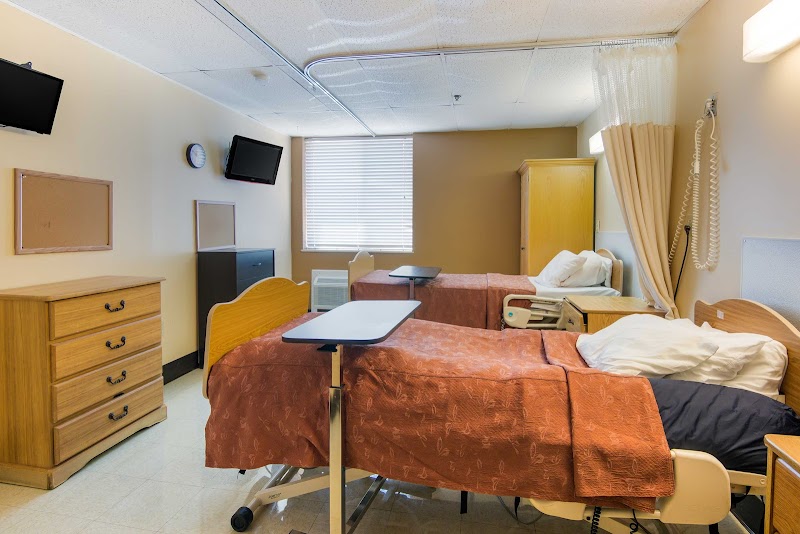
How is Anderson Mill Center For Nursing And Healing Llc Staffed?

CMS rates ANDERSON MILL CENTER FOR NURSING AND HEALING LLC's staffing level at 2 out of 5 stars, which is below average compared to other nursing homes. Staff turnover is 55%, compared to the Georgia average of 46%. RN turnover specifically is 57%, which is notably high. RNs provide skilled clinical oversight, so turnover in this role can affect medical care quality.

What Have Inspectors Found at Anderson Mill Center For Nursing And Healing Llc?

State health inspectors documented 11 deficiencies at ANDERSON MILL CENTER FOR NURSING AND HEALING LLC during 2023 to 2025. These included: 11 with potential for harm.
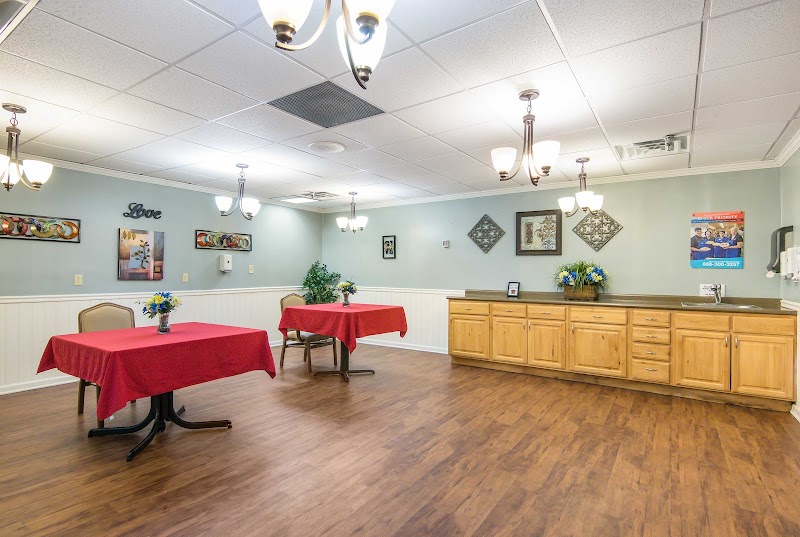
Who Owns and Operates Anderson Mill Center For Nursing And Healing Llc?

ANDERSON MILL CENTER FOR NURSING AND HEALING LLC is owned by a for-profit company. For-profit facilities operate as businesses with obligations to shareholders or private owners. The facility is operated by EMPIRE CARE CENTERS, a chain that manages multiple nursing homes. With 170 certified beds and approximately 123 residents (about 72% occupancy), it is a mid-sized facility located in AUSTELL, Georgia.
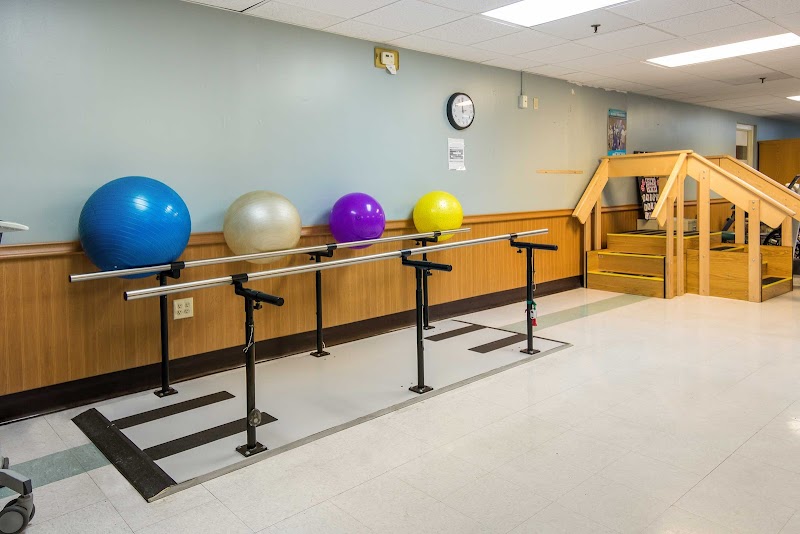
How Does Anderson Mill Center For Nursing And Healing Llc Compare to Other Georgia Nursing Homes?

Compared to the 100 nursing homes in Georgia, ANDERSON MILL CENTER FOR NURSING AND HEALING LLC's overall rating (4 stars) is above the state average of 2.6, staff turnover (55%) is near the state average of 46%, and health inspection rating (4 stars) is above the national benchmark.

What Should Families Ask When Visiting Anderson Mill Center For Nursing And Healing Llc?

Based on this facility's data, families visiting should ask: "Can you walk me through typical staffing levels on day, evening, and night shifts?" "Can I visit during a mealtime to observe dining assistance and food quality?" "How do you handle medical emergencies, and what is your hospital transfer rate?" "Can I speak with family members of current residents about their experience?" These questions are particularly relevant given the below-average staffing rating.

Is Anderson Mill Center For Nursing And Healing Llc Safe?

Based on CMS inspection data, ANDERSON MILL CENTER FOR NURSING AND HEALING LLC has a clean safety record: no substantiated abuse findings (meaning no confirmed cases of resident harm), no Immediate Jeopardy citations (the most serious violation level indicating risk of serious injury or death), and is not on the Special Focus Facility watch list (a federal program monitoring the lowest-performing 1% of nursing homes). The facility has a 4-star overall rating and ranks #1 of 100 nursing homes in Georgia. While no facility is perfect, families should still ask about staff-to-resident ratios and recent inspection results during their visit.

Do Nurses at Anderson Mill Center For Nursing And Healing Llc Stick Around?

ANDERSON MILL CENTER FOR NURSING AND HEALING LLC has a staff turnover rate of 55%, which is 9 percentage points above the Georgia average of 46%. Moderate turnover is common in nursing homes, but families should still ask about staff tenure and how the facility maintains care continuity when employees leave.

Was Anderson Mill Center For Nursing And Healing Llc Ever Fined?

ANDERSON MILL CENTER FOR NURSING AND HEALING LLC has no federal fines on record. CMS issues fines when nursing homes fail to meet care standards or don't correct problems found during inspections. The absence of fines suggests the facility has either maintained compliance or corrected any issues before penalties were assessed. This is a positive indicator, though families should still review recent inspection reports for the full picture.

Is Anderson Mill Center For Nursing And Healing Llc on Any Federal Watch List?

ANDERSON MILL CENTER FOR NURSING AND HEALING LLC is not on any federal watch list. The most significant is the Special Focus Facility (SFF) program, which identifies the bottom 1% of nursing homes nationally based on persistent, serious quality problems. Not being on this list means the facility has avoided the pattern of deficiencies that triggers enhanced federal oversight. This is a positive indicator, though families should still review the facility's inspection history directly.