MEMORIAL MANOR NURSING HOME

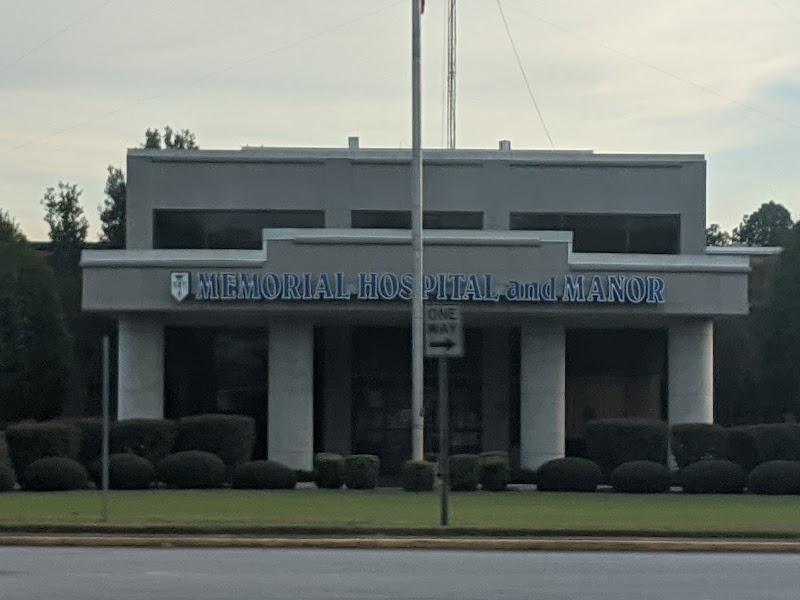
1500 EAST SHOTWELL STREET, BAINBRIDGE, GA 39819 (229) 246-3500
Government - Hospital district 107 Beds Independent Data: November 2025
Trust Grade
55/100
#205 of 353 in GA
Last Inspection: May 2025

Inspected within the last 6 months. Data reflects current conditions.

Overview

Memorial Manor Nursing Home in Bainbridge, Georgia has a Trust Grade of C, which means it is average and ranks in the middle of the pack for nursing homes. It is ranked #205 out of 353 facilities in Georgia, placing it in the bottom half, and is the second-best option out of two in Decatur County. The facility is currently worsening, with issues increasing from 1 in 2024 to 7 in 2025. Staffing is a concern with a low rating of 1 out of 5 stars, but the turnover rate is commendably at 0%, significantly lower than the state average of 47%, indicating staff stability. Although there have been no fines, which is a positive sign, several incidents were noted, including failing to ensure proper food safety practices that could affect many residents and using plastic utensils that were difficult for some residents to handle, impacting their dignity during meals. Overall, while there are commendable aspects like stable staffing and no fines, the facility faces significant challenges in care quality and compliance that families should consider.

Trust Score
C
55/100
In Georgia
#205/353
Bottom 42%
Safety Record
Low Risk
No red flags
Inspections
Getting Worse
1 → 7 violations
Staff Stability
○ Average
Turnover data not reported for this facility.
Penalties
✓ Good
No fines on record. Clean compliance history, better than most Georgia facilities.
Skilled Nurses
○ Average
RN staffing data not reported for this facility.
Violations
⚠ Watch
19 deficiencies on record. Higher than average. Multiple issues found across inspections.
★★☆☆☆
2.0
Overall Rating
★☆☆☆☆
1.0
Staff Levels
★★☆☆☆
2.0
Care Quality
★★★☆☆
3.0
Inspection Score
Stable
2024: 1 issues
2025: 7 issues

The Good

  • Full Sprinkler Coverage · Fire safety systems throughout facility
  • No fines on record

Facility shows strength in fire safety.

The Bad

2-Star Overall Rating

Below Georgia average (2.6)

Below average - review inspection findings carefully

The Ugly 19 deficiencies on record

May 2025 7 deficiencies
CONCERN (D)

Potential for Harm - no one hurt, but risky conditions existed

Report Alleged Abuse (Tag F0609)

Could have caused harm · This affected 1 resident

Based on staff interviews, record review, and review of the facility's policy titled Abuse Prohibition Policies and Procedures, the facility failed to report an alleged staff to-resident verbal abuse ...

Read full inspector narrative →
Based on staff interviews, record review, and review of the facility's policy titled Abuse Prohibition Policies and Procedures, the facility failed to report an alleged staff to-resident verbal abuse to the State Agency (SA) within the required time frame for one of one resident reviewed for abuse. Specifically, an allegation of verbal abuse by Licensed Practical Nurse (LPN) 1 to a resident. The deficient practice had the potential for continued episodes of unreported abuse, which posed potential for intimidation or mental anguish for the victimized residents. Findings include: Review of the facility's policy titled, Abuse Prohibition Policies and Procedures, revised 4/1/2015, indicated The Director of Nursing and/or designee shall ensure that the Compliant Center is notified immediately, or as soon as practical, of all allegations which appear to a reasonable person to be related to patient abuse,. Review of the facility's staff abuse education packet titled, The Many Forms of Resident Abuse and Neglect, indicated There are multiple types of abuse, including: Physical Abuse, Mental Abuse, Verbal Abuse, Sexual Abuse, Deprivation of goods and services, Misappropriation of funds, and Exploitation. Review of the intake form received from the SA revealed the SA received the report of the allegation of employee-to-resident verbal abuse on 3/19/2025 from an anonymous source. During an interview on 4/29/2025 at 1:30 pm, the Administrator and Director of Nursing (DON) were notified of the allegation of alleged verbal abuse for a resident by License Practical Nurse (LPN) 1. During an interview on 4/30/2025 at 11:29 am, the Administrator stated, The allegation of verbal abuse was reported to the SA on 4/29/2025 at 4:57 pm. When asked about the required time frame for reporting verbal abuse to the SA, the Administrator stated, Allegations of physical abuse with harm are reported within two hours. If there is no physical harm, then we have longer to report but I'm not sure. Review of the email confirmation for the submission of the allegation to the SA, revealed the facility reported the allegation of verbal abuse to the SA on 4/29/2025 at 4:57 pm. During an interview on 4/30/2025 at 12:46 pm, the Administrator stated, I'm used to allegations coming from staff, residents, or family members. I'm not used to being notified of allegations coming from the survey team. When I have been notified of allegations from the state in the past, they have handled all of the investigations. I didn't have to do any of the investigation. The state investigated the allegation and reported the findings to me. I didn't know I needed to follow all of the process.
CONCERN (D)

Potential for Harm - no one hurt, but risky conditions existed

Investigate Abuse (Tag F0610)

Could have caused harm · This affected 1 resident

Based on observation, interview, record review, and review of the facility's policy titled Abuse Prohibition Policies and Procedures, the facility failed to protect residents during an active investig...

Read full inspector narrative →
Based on observation, interview, record review, and review of the facility's policy titled Abuse Prohibition Policies and Procedures, the facility failed to protect residents during an active investigation of alleged staff to resident verbal abuse by Licensed Practical Nurse (LPN) 1, who was permitted to work while the facility's Administrator conducted an active investigation for one of one abuse investigation reviewed. The deficient practice had the potential for continued episodes of staff-to-resident verbal abuse and the potential for victimized residents to suffer from intimidation or mental anguish. Findings include: Review of the facility's policy titled Abuse Prohibition Policies and Procedures dated 4/11/2025 indicated, Protection of resident(s) during investigation: The safety of the resident(s) will be immediately secured by the first facility employee aware of the alleged abuse. Review of the intake form received from the State Agency (SA) revealed an allegation dated 3/19/2025 in which Licensed Practical Nurse (LPN) 1 verbally abused a resident from an anonymous source. During an interview on 4/29/2025 at 1:30 pm, the Administrator and Director of Nursing (DON) were notified of the allegation of staff-to-resident verbal abuse by LPN1 to a resident. LPN1 was not working on 4/29/2025 but was scheduled to work on 4/30/2025. On 4/30/2025 at 9:30 am, the facility provided a copy of the staffing sheet for 4/30/2025. LPN 1 was on the staffing sheet, scheduled to work 7:00-7:00 pm. Observation on 4/30/2025 at 9:45 am, LPN1 was at the medication cart outside residents' rooms. During an interview on 4/30/2025 at 9:45 am, the DON stated, We have talked with [LPN1]. The Administrator is in the process of talking with residents. The DON was asked, Are you still in an active investigation The DON replied, Yes. The DON stated, She can't be here. Observation on 4/30/2025 at 10:08 am, LPN1 exited the Administrator's office and left the building. During an interview on 4/30/2025 at 12:46 pm, the Administrator stated I was not sure that I needed to follow the same process of investigating an allegation of verbal abuse that came from a survey team instead of a resident, other employee, or family member. I did not know the staff member still needed to be suspended. The Administrator stated, normally, the employee is notified of the allegation and suspended pending the results of the investigation and not permitted to return to work until the investigation is completed. In the past, if notified of an allegation of abuse from the SA, the SA would investigate the complaint and notify us of the results. To protect residents during an investigation, we ensure no residents are harmed, the employee is not allowed in the building.
CONCERN (D)

Potential for Harm - no one hurt, but risky conditions existed

Quality of Care (Tag F0684)

Could have caused harm · This affected 1 resident

Based on observation, interview and record review, the facility failed to assist one out of 34 sampled Residents (R) (R44) with turning and repositioning. The deficient practice has the potential to c...

Read full inspector narrative →
Based on observation, interview and record review, the facility failed to assist one out of 34 sampled Residents (R) (R44) with turning and repositioning. The deficient practice has the potential to cause the resident skin breakdown. Findings Include: Review of R44's Electronic Medical Record (EMR) revealed R44 admitted to the facility with diagnoses that include but not limited to of venous insufficiency, diabetes, and peripheral vascular disease. Review of R44's admission Minimum Data Set (MDS) with Assessment Reference Date (ARD) of 4/5/2025 in the EMR under the MDS tab for Section C (Cognitive Patterns) revealed a Brief Interview for Mental Status (BIMS) score of 14 out of 15 which indicated R44 was cognitively intact; Section GG (Functional Abilities and Goals) revealed, resident was dependent with rolling left to right, sit to lying, lying to sitting and sitting to standing position. Observation on 4/29/2025 at 10:21 am, R44 was in bed lying on her back with feet elevated in boots to off load heals. Observation on 4/29/2025 at 11:00 am, R44 remains lying on her back in bed. Interview at this time, when asked if she has been turned by staff, R44 stated, NO. Observation on 4/29/2025 at 11:27 am to 12:31 pm, R44 remains on lying on her back in bed. Observation on 4/29/2025 at 12:47 pm, R44 was served her lunch tray, and staff pulled her up in bed, to be able to eat her lunch. R44's legs remained flat. Observation on 4/29/2025 at 1:17 pm, Certified Nurse Aide (CNA) 5 came in and removed her tray. CNA5 did not turn or reposition R44 to her side. Interview on 4/29/2025 at 1:25 pm, the Director of Nursing (DON) stated that R44 refused to get out of bed. The DON stated R44 can move her upper body but does not want to be moved. Observation on 4/29/2025 at 2:31 PM, R44 remained in bed lying on her back Interview on 4/29/2025 at 2:35 pm, Licensed Practical Nurse (LPN) 2 stated that R44 refused care and does not want to be moved. She will not get out of bed into a wheelchair or even up to take a shower. Staff give her a bed bath. Interviewed on 4/29/2025 at 2:45 pm, CNA 5 stated that R44 does not like to be bothered. I don't go in unless she calls me. R44 is incontinent of urine and stool. I just check her when I get time. It should be every two to three hours.
CONCERN (D)

Potential for Harm - no one hurt, but risky conditions existed

Incontinence Care (Tag F0690)

Could have caused harm · This affected 1 resident

Based on observation, interview, and record review, the facility failed to provide timely and complete incontinent care for two out of 34 Residents (R) (R44 and R45) reviewed for incontinent care. Thi...

Read full inspector narrative →
Based on observation, interview, and record review, the facility failed to provide timely and complete incontinent care for two out of 34 Residents (R) (R44 and R45) reviewed for incontinent care. This failure placed the residents at risk for skin breakdown and/or risk for transmission of infection to the urinary tract. Findings include: Review of the facility's Nursing Assistant Clinical Skills Checklist and Competency Evaluation dated 11/7/2024 for CNA5, dated 11/11/2024 for CNA7, and dated 11/12/2024 for CNA 3 indicated, .11. If heavy soiling is present, wear gloves and use tissues or wipes to remove soiling prior to perineal care. If necessary, use additional clean washcloths, towels, Iinen, basins, water, and gloves. Remove and discard gloves and wash hands. Review of the Nursing Procedure Guide for Long-Term Care on Perineal Care provided by the Clinical Care Coordinator (CCC), documented, .11. If heavy soiling is present, wear gloves and use tissues or wipes to remove soiling prior to perineal care. If necessary, use additional clean washcloths, towels, Iinen, basins, water, and gloves. Remove and discard gloves and wash hands. 1.Review of R44's Quarterly Minimum Data Set (MDS) with an Assessment Reference Date (ARD) of 4/5/2025 for Section C (Cognitive Patterns) revealed, a Brief Interview for Mental Status (BIMS) score of 15 which indicated R44 was cognitively intact; Section GG (Functional Abilities and Goals) revealed, R44 was dependent on staff for toileting; Section H (Bowel and Bladder) revealed, R44 was always incontinent of both bowel and bladder. During an interview on 4/28/2025 at 2:45 pm R44 was asked if anyone had been in the room and had provided incontinent care. She stated, not since this morning before breakfast. Observation on 4/30/2025 at 2:45 pm revealed, Certified Nurse Aide (CNA) 5 entered R44's room to perform peri care. CNA 5 donned gloves and unfastened R44's incontinent brief. Using one wet, wash cloth with no soap, CNA 5 made several wipes up and down across R44's vaginal area. There was no washing the meatus, moving in only one direction, away from the meatus and not using a clean area of the washcloth for each stroke. The area was not dried. R44 was having a bowel movement at this time. CNA5 wiped R44 rectal area with a wet wash cloth with no soap several times. CNA 5 took the second washcloth and used it in the same manner to wipe the stool from R44's rectum. Folding the washcloth over she then washed the buttocks on both sides and did not dry any of the buttocks. R44 continued to have more stool coming from the rectum. CAN 5 placed a clean incontinent protector on R44, pulling the soiled incontinent protector out from under R44. Then CNA5 went over to R44's bedside table, touched it and the nightstand looking for barrier cream to place on R44 buttocks while wearing the same soiled gloves. CNA 5 adjusted R44's nasal cannula on her face and then collected up the trash and solid incontinent protector, washcloths and other trash and tied the bag wearing the same soiled gloves. CNA 5 pulled the privacy curtain back while wearing the same soiled gloves, touched the doorknob and door and exited the room. CNA 5 went down the hallway wearing the same soiled gloves opening the soiled utility room door and disposing the trash. CNA 5 went to the nurses' desk and walked over to hand sanitizer and sanitized her hands. 2. Review of R45's Quarterly Minimum Data Set (MDS) with an Assessment Reference Date (ARD) of 2/7/2025 for Section C (Cognitive Patterns) revealed, R45 was rarely/never understood; Section GG (Functional Abilities and Goals) revealed, R45 required substantial/maximal assistance with toileting hygiene; Section H (Bowel and Bladder) revealed, R45 was always incontinent of both bowel and bladder. Observation on 5/1/2025 at 10:20 am revealed, CNA 3 and CNA 7 donned gloves and were going to provided R45's peri care. R45 was in the bathroom and his incontinent brief was wet. CNA 3 removed his incontinent brief while he was standing in front of the toilet. After voiding in the toilet R45 stood up and peri care was performed. CNA 3 was in bathroom with R45 and washed his penis and scrotum and groin area. The penis foreskin was not retracted and cleaned. During an interview on 5/1/2025 at 10:40 am, CNA 3 confirmed that she did not pull R45's foreskin back and clean the area. CNA 3 and CNA 7 both stated the foreskin should have been pulled back and area cleaned. Interview on 5/1/2025 at 9:25 am, the CCC stated, I would expect all staff to follow the Nursing Assistant Clinical Skilled Check list and Competency Evaluation. Staff should be washing their hands, not touching items around the room and going down the hallway wearing soiled gloves.
CONCERN (D)

Potential for Harm - no one hurt, but risky conditions existed

Deficiency F0698 (Tag F0698)

Could have caused harm · This affected 1 resident

**NOTE- TERMS IN BRACKETS HAVE BEEN EDITED TO PROTECT CONFIDENTIALITY** Based on interviews and record review, the facility failed to have a system in place to ensure ongoing assessments of the reside...

Read full inspector narrative →
**NOTE- TERMS IN BRACKETS HAVE BEEN EDITED TO PROTECT CONFIDENTIALITY** Based on interviews and record review, the facility failed to have a system in place to ensure ongoing assessments of the resident's condition and monitoring for complications before and after dialysis treatments for one of one Resident (R) (R47) receiving dialysis treatments. The failure created the potential for the resident's quality of care to be compromised. Findings include: Review of the admission Record located under the Profile tab in the Electronic Medical Record (EMR) noted R47 was readmitted on [DATE] with diagnoses that included end stage renal disease and dependence on renal dialysis. Review of Physician's Orders dated April 2025 located in the EMR under the Orders tab, revealed, R47 received dialysis on Monday, Wednesday, and Friday each week. Review of R47's Progress Notes located in the EMR under the Progress Notes tab revealed, there was no documented communication between the facility and dialysis center pre and post treatments to include an assessment of the residents' health status. Interview on 4/29/2025 at 3:05 pm, with the Unit Clerk revealed there was no specific Dialysis Communication Book. The communication was documented in the Hard Chart located at the nurses' station. Review of R47's Hard Chart failed to reveal communication between the facility and dialysis center pre and post treatments. Interview on 4/29/2025 at 3:10 pm, with the Infection Preventionist (IP) revealed, the information was in the Hard Chart. Upon inspection of the Hard Chart, the IP was unable to locate information between the facility and the dialysis center. Interview on 4/29/2025 at 3:15 pm, with the Director of Nurses (DON) revealed, We document in the Progress Notes when there is a concern noted. When asked where that information was located, the DON was unable to locate the information. A policy and procedure for communication between the facility and dialysis center was requested of the DON. A Dialysis Communication procedure was provided on 5/1/2025 at 11:08 am from the DON. The form was dated 5/1/2025. Interview on 5/1/2025 at 11:08 am, with the Administrator revealed, We have a procedure now.
CONCERN (D)

Potential for Harm - no one hurt, but risky conditions existed

Infection Control (Tag F0880)

Could have caused harm · This affected 1 resident

Based on observation, interview, and record review, the facility failed to adhere to infection control practices during peri care related to the staff failing to change gloves and perform hand hygiene...

Read full inspector narrative →
Based on observation, interview, and record review, the facility failed to adhere to infection control practices during peri care related to the staff failing to change gloves and perform hand hygiene for three out 34 sampled residents (R44, R45, R308). Findings include: Review of the facility's Nursing Assistant Clinical Skills Checklist and Competency Evaluation dated 11/7/2024 for CNA5, dated 11/11/2024 for CNA7, and dated 11/12/2024 for CNA 3 indicated, .11. If heavy soiling is present, wear gloves and use tissues or wipes to remove soiling prior to perineal care. If necessary, use additional clean washcloths, towels, Iinen, basins, water, and gloves. Remove and discard gloves and wash hands. Review of the Nursing Procedure Guide for Long-Term Care on Perineal Care provided by the Clinical Care Coordinator (CCC), documented, .11. If heavy soiling is present, wear gloves and use tissues or wipes to remove soiling prior to perineal care. If necessary, use additional clean washcloths, towels, Iinen, basins, water, and gloves. Remove and discard gloves and wash hands. 1. Observation on 4/30/2025 at 2:45 pm revealed, Certified Nurse Aide (CNA) 5 entered R44's room to perform peri care. CNA 5 donned gloves and unfastened R44's incontinent brief. Using one wet, wash cloth with no soap, CNA 5 made several wipes up and down across R44's vaginal area. There was no washing the meatus, moving in only one direction, away from the meatus and not using a clean area of the washcloth for each stroke. The area was not dried. R44 was having a bowel movement at this time. CNA5 wiped R44 rectal area with a wet wash cloth with no soap several times. CNA 5 took the second washcloth and used it in the same manner to wipe the stool from R44's rectum. Folding the washcloth over she then washed the buttocks on both sides and did not dry any of the buttocks. R44 continued to have more stool coming from the rectum. CAN 5 placed a clean incontinent protector on R44, pulling the soiled incontinent protector out from under R44. Then CNA5 went over to R44's bedside table, touched it and the nightstand looking for barrier cream to place on R44 buttocks while wearing the same soiled gloves. CNA 5 adjusted R44's nasal cannula on her face and then collected up the trash and solid incontinent protector, washcloths and other trash and tied the bag wearing the same soiled gloves. CNA 5 pulled the privacy curtain back while wearing the same soiled gloves, touched the doorknob and door and exited the room. CNA 5 went down the hallway wearing the same soiled gloves opening the soiled utility room door and disposing the trash. CNA 5 went to the nurses' desk and walked over to hand sanitizer and sanitized her hands. 2. Observation on 5/1/2025 at 9:25 am revealed, CNA3 and CNA7 entered R308's room to provide peri care. CNA3 and CNA7 donned gloves and performed R308's peri care. While wearing the same soiled gloves, CNA3 and CNA7 pulled R308's shorts up. Then CNA7 proceeded to pull R308's blanket up around his neck while wearing the same gloves. CNA3 took the trash that was collected from the room and then touched the bathroom doorknob, the room knob and exited the room in the hallway. CNA3 removed her left glove, keeping the soiled right glove on. She then went to the soiled utility room and disposed of the trash. 3. Observation on 5/1/2025 at 10:20 am revealed, CNA 3 and CNA7 provided R45 peri care. CNA3 then placed a clean incontinence brief on R45 while wearing the same soiled gloves. CNA3 assisted R45 with his pants and then straightened his shirt. CNA3 moved R45's walker over near the resident wearing the same soiled gloves. CNA3 took dirty linens in bag and exited the bathroom touching the doorknob. CNA3 removed the right glove and did not perform hand hygiene to the right hand, exited the room, and preceded to the soiled utility room by the nurses' desk. CNA3 doffed the right glove and performed hand hygiene. Interview on 5/1/2025 at 10:40 am with CNA3 and CNA7 both stated that they realized that they had touched both R308 and R45's clothes without removing their soiled gloves. CNA3 voiced that she should not have touched items with gloved hand that were soiled and should not have gone up the hallway wearing soiled gloves to the soiled utility room touching the doorknobs and spreading germs. Interview on 5/1/2025 at 9:25 am, the CCC stated, I would expect all staff to follow the Nursing Assistant Clinical Skilled Check list and Competency Evaluation. Staff should be washing their hands, not touching items around the room and going down the hallway wearing soiled gloves.
CONCERN (E)

Potential for Harm - no one hurt, but risky conditions existed

Resident Rights (Tag F0550)

Could have caused harm · This affected multiple residents

**NOTE- TERMS IN BRACKETS HAVE BEEN EDITED TO PROTECT CONFIDENTIALITY** Based on observation, staff and resident interviews, record review, and review of the facility's policy titled Dignity, the faci...

Read full inspector narrative →
**NOTE- TERMS IN BRACKETS HAVE BEEN EDITED TO PROTECT CONFIDENTIALITY** Based on observation, staff and resident interviews, record review, and review of the facility's policy titled Dignity, the facility failed to ensure residents ate in a dignified manor in that the facility supplied plastic utensils during meal service affecting three of 34 sampled Residents (R) (R3, R21, and R35). The plastic utensils were difficult for some of the residents to grip and carry food to their mouth for residents with certain disease processes. Findings include: Review of the facility's undated policy titled Dignity revealed, All Residents are to be treated with dignity, respect, consideration, and in a manner that recognizes their individuality. 1. During an interview on 4/28/2025 at 12:57 pm, R21 stated that she ate all meals in her room. When asked why she had plastic utensils, R21 said that was what always came with the trays. Review of the admission Record located under the Profile tab in the Electronic Medical Record (EMR) revealed R21 was admitted on [DATE]. Review of the Quarterly Minimum Data Set (MDS) with an assessment reference date (ARD) of 2/13/2025 for Section C (Cognitive Patterns) revealed a Brief Interview for Mental Status (BIMS) score of 12 out of 15 which indicated R21 was cognitively intact; Section GG (Functional Abilities and Goals) revealed, R21 was independent with eating. 2. During an observation and interview on 4/28/2025 at 12:03 pm, R3 was served lunch in her room. The tray had a sealed packet containing plastic utensils. R3 described an injury to her right arm which made eating difficult. When asked how the resident used the plastic utensils to cut the chicken and large broccoli spears, R3 said Oh, I just get through it, this [plastic utensils] is what we always have. Review of the admission Record located under the Profile tab in the EMR revealed R3 was admitted on [DATE]. Review of the admission MDS with an ARD of 3/28/2025 for Section C (Cognitive Patterns) revealed a BIMS score of 12 out of 15 which indicated R3 was cognitively intact. 3. During an observation on 4/28/2025 at 12:30 pm, room trays were passed to residents with plastic utensils. During an interview on 4/28/2025 at 12:35 pm, R35 was observed with plastic utensils and was eating with his hands. R35 was asked if he could use the utensils. R35 stated, I hate using these things. R35 was asked why plastic utensils were provided. R35 stated, I do not know. These are all I ever get to use. Review of the Resident Council meeting minutes dated 8/27/2024 revealed a note where the residents wanted regular silverware. Review of R35's EMR revealed an undated admission Record located under the Profile tab that revealed an admission date of 1/21/2021. During an observation on 4/29/2025 at 12:36 pm and on 4/30/2025 at 12:40 pm, R35 received a meal tray with plastic utensils. During an interview on 4/30/2025 at 12:48 pm, Certified Nurse's Aide (CNA) 4 was asked if she knew why R35 received plastic utensils. CAN 4 stated, It is because of an upper respiratory infection. He drools. In a group meeting on 4/30/2025 at 10:30 am, five residents (R6, R19, R30, R38, and R51) selected by the facility as interviewable and attended monthly Resident Council Meetings on a regular basis stated that they had always received plastic utensils with each meal. R6 stated, I shake, and the plastic fork makes it hard to keep food on it. Review of the admission MDS with an ARD of 2/17/2025 for Section C (Cognitive Patterns) revealed a BIMS score of 15 out of 15 which indicated R6 was cognitively intact. Review of the Quarterly MDS with an ARD of 1/25/2025 for Section C (Cognitive Patterns) revealed a BIMS score of 15 out of 15 which indicated R19 was cognitively intact. Review of the Quarterly MDS with an ARD of 2/1/2025 for Section C (Cognitive Patterns) revealed a BIMS score of nine out of 15 which indicated R30 was moderately cognitively impaired. Review of the admission MDS with an ARD of 2/24/2025 for Section C (Cognitive Patterns) revealed a BIMS score of 13 out of 15 which indicated R38 was cognitively intact. Review of the Annual MDS with an ARD of 2/5/2025 for Section C (Cognitive Patterns) revealed a BIMS score of 15 out of 15 which indicated R51 was cognitively intact. Interview on 5/1/2025 at 9:00 am, the Dietician stated that silverware had not been utilized because it always goes missing, it gets thrown away. The Dietician was asked if she had considered the difficulty in using plastic utensils to cut food or keep food on a fork or if plastic utensils were undignified. The Dietician's reply was that she would order more silverware. During an interview on 4/30/2025 at 3:08 pm, the Social Worker (SW) was asked if it had been brought to her attention that R35 has been given plastic utensils to eat with. The SW stated it has been an ongoing problem that the Administrator has been trying to work out with the dietician. The SW stated, They can't eat with those. During an interview on 5/1/2025 at 10:06 am, the Administrator was asked about the residents getting plastic utensils rather than silverware. The Administrator stated, It is a dignity issue that we have been trying to get resolved for some time. The most recent reason is the staff are throwing the utensils away. In the past it has been because the dish machine is not working.
Oct 2024 1 deficiency
CONCERN (E) 📢 Someone Reported This

A family member, employee, or ombudsman was alarmed enough to file a formal complaint

Potential for Harm - no one hurt, but risky conditions existed

Incontinence Care (Tag F0690)

Could have caused harm · This affected multiple residents

Based on observations, staff interviews and review of the facility's policy titled, Care of the Resident with a urinary catheter, the facility failed to ensure that four of six residents (R) (R2, R3, ...

Read full inspector narrative →
Based on observations, staff interviews and review of the facility's policy titled, Care of the Resident with a urinary catheter, the facility failed to ensure that four of six residents (R) (R2, R3, R9, R10) with indwelling catheters were secured and stored properly. Specifically, the facility failed to ensure that R2, R3, and R10's catheter tubing was secured with catheter straps, and R9's catheter drainage bag was not stored on the floor. Findings included: Review of the facility's policy Care of the Resident with a Urinary Catheter with revised date of 10/2014, revealed under Procedure: 5. Maintain tension free catheter by taping securely but still allowing movement. Never allow bag to touch the floor. 1. Review of the admission record revealed R2 was admitted to the facility with diagnoses that included but not limited to hemiplegia and hemiparesis, vascular dementia, urogenital implants, hypertension, neuromuscular dysfunction of bladder, and dysphagia. Review of the Order Summary Report as of 10/22/2024 revealed an order for, catheter to bedside drainage bag. Review of Documentation Survey Report v2 dated Oct-2024 revealed no evidence of catheter care as indicated by blank boxes for 10/3/2024 dayshift, 10/7/2024 night shift, 10/12/2024 day and night shift, 10/15/2024 night shift, 10/18/2024 night shift, and 10/21/2024 night shift. Observation on 10/22/2024 at 10:31 am revealed R2 was lying in bed. Certified Nursing Assistant (CNA) CC, being assisted by CNA AA, were providing catheter care to R2. There was no evidence of a catheter strap or device to secure the catheter tubing. During catheter care, CNA CC turned R2 toward CNA AA, and the catheter tubing was caught on the bed frame pulling on the catheter tubing. R2 was rolled onto his back and CNA CC loosened the catheter tubing from the bed frame. CNA CC took the catheter drainage bag, with a dignity covering, and placed it on the bed next to the resident. R2 was again rolled facing the window. The catheter drainage bag with the dignity cover remained on the bed through the last phase of the perineal/catheter care. R2 was then turned on his back, the catheter drainage bag with the dignity cover was placed on the right side of the bed. During an interview on 10/23/2023 at 11:58 am, CNA AA confirmed that R2 did not have a catheter strap to secure the catheter tubing. After an observation and interview with the surveyor, CNA AA and CNA CC placed a strap and secured the catheter tubing on R2. 2. Review of the admission record revealed R3 was admitted to the facility with diagnoses that included but not limited to systolic congestive heart failure, retention of urine, chronic kidney disease, ileostomy, atrial fibrillation, hypertensive heart disease, type 2 diabetes mellitus and dysphagia. Observation on 10/22/2024 at 10:20 am, CNA DD and Licensed Practical Nurse (LPN) BB were in R3's room. R3 was observed without a catheter strap to secure his catheter tubing. The dignity bag was on the left side of bed. R3 was lying in bed. LPN BB stated that she does not assist and left the room. CNA DD informed the resident that he was going to perform perineal/catheter care. Review of documentation survey report v2 dated Oct-24 revealed no evidence of catheter care as indicated by the absence of task on the form. Interview on 10/23/2024 at 12:16 pm, Licensed Practical Nurse (LPN) BB confirmed that R3 didn't have a catheter strap when she pulled back R3's cover and saw him. She then went back and put catheter straps on all residents that had a catheter, because no one had a catheter tubing secure strap. 3. Review of the admission Record revealed R9 was admitted to the facility with diagnoses that included but not limited to epilepsy, hypertension, atrial fibrillation, heart failure, hemiplegia and hemiparesis following cerebral infarction affecting left non-dominant side, alcoholic hepatitis with ascites and chronic kidney disease. Observation on 10/23/2024 at 10:09 am revealed R9's catheter drainage bag lying under the bed on the floor. There was no dignity bag. Interview on 10/23/2024 at 11:20 am, CNA HH revealed that she saw the catheter drainage bag on the floor and placed the drainage bag on the bed frame. CNA HH also revealed if a resident does not have a catheter strap, she will put on a catheter strap. She continued to state that she could not remember the last time she had an inservice on catheter care. 4. Review of the admission Record R10 was admitted to the facility with diagnoses that included but not limited to retention of urine, hypertension and transient ischemic attack. Observation on 10/22/2024 at 10:46 am revealed R10 was lying in his bed. R10 had an indwelling catheter, and a StatLock to secure his catheter tubing was not securely fastened and was peeling away from R10's left thigh. Observation on 10/23/2024 at 10:44 am R10 revealed in the presence of the Director of Nursing (DON) that the StatLock was peeling off and not securely attached to his thigh Interview on 10/23/2024 at 11:58 am, CNA AA revealed that she reported to the nurse that R10's catheter secure strap was coming off. Interview on 10/24/2024 at 10:13 am, the DON revealed that if a resident was missing a catheter secure strap, the CNAs should report it to the nurse. The nurses are to place the catheter strap on the resident.
Feb 2023 3 deficiencies
CONCERN (D)

Potential for Harm - no one hurt, but risky conditions existed

Notification of Changes (Tag F0580)

Could have caused harm · This affected 1 resident

Based on staff interview, family interview, and review of the facility policy titled, Change in Condition Notification, the facility failed to notify the designated resident representative or family m...

Read full inspector narrative →
Based on staff interview, family interview, and review of the facility policy titled, Change in Condition Notification, the facility failed to notify the designated resident representative or family member of significant changes for one of five Residents (R) R#22. Specifically, the facility failed to notify the responsible party (R/P) for R#22 of the transfer to the Acute hospital from the dialysis clinic on January 11, 2023. Findings: Review of the facility undated policy titled, Change in Condition Notification under Procedure: revealed the facility must inform the resident, consult with the resident's physician and/ or notify the resident's family member or legal representative when there is a change requiring such notification. (Situations Requiring Notification include:) 2. A significant change in the resident's physical, mental, or psychosocial status that is, a deterioration in health, mental, or psychosocial status in either life-threatening conditions or clinical complications. 4. A decision to transfer or discharge the resident from the facility. A review of the progress notes revealed R#22 was transported from the dialysis clinic to the hospital on January 11, 2023. Progress notes revealed the Dialysis nurse called to inform the facility that residents' blood was low and was sending them to the hospital for blood infusion per Medical Doctor (Md). Progress notes do not indicate that the facility contacted the responsible party for R#22 on the day of hospitalization. A review of the Physician's Orders revealed R#22 was to receive dialysis treatment three days per week. Review of the Care plan revealed R#22 was on dialysis Related to (r/t) End Stage Renal Disease (ESRD) and is at risk for fluid overload\dehydration. An interview conducted on 2/9/2023 at 10:27 a.m. with family member of R#22 revealed she was not notified of residents transfer from the dialysis clinic to the hospital on 1/11/2023. An interview with the DON on 2/9/2023 at 12:15 p.m. revealed she was aware of R# 22 being transported to the hospital on 1/11/2023 from the dialysis clinic, but she was not aware the responsible party of R# 22 was not notified by the facility staff. The DON revealed this is not the common practice of this facility and the responsible party of R# 22 should have been notified and the notification should have been documented in the progress notes. It is her expectation that all staff members document the notification of responsible parties and all other necessary information as it relates to changes in a resident's status. An interview on 2/9/2023 at 12:30 p.m. with the Administrator revealed she was not aware of the responsible party for R# 22 not being notified of a change in the status or transport of resident to the hospital from the dialysis clinic on January 11, 2023. The Administrator agrees this event should have been documented and the responsible party of R# 22 should have been notified by this facility staff.
CONCERN (D)

Potential for Harm - no one hurt, but risky conditions existed

Comprehensive Care Plan (Tag F0656)

Could have caused harm · This affected 1 resident

**NOTE- TERMS IN BRACKETS HAVE BEEN EDITED TO PROTECT CONFIDENTIALITY** Based on observations, record review, staff interview, and review of the facility policy titled, Nursing Care Plan the facility ...

Read full inspector narrative →
**NOTE- TERMS IN BRACKETS HAVE BEEN EDITED TO PROTECT CONFIDENTIALITY** Based on observations, record review, staff interview, and review of the facility policy titled, Nursing Care Plan the facility failed to develop a care plan which addressed the podiatric and diabetic care needs for one Resident (R) #29. The deficient practice had the potential to affect the residents' care regimen by not ensure all care needs were addressed in the person-centered Plan of Care for R#29. Findings: Review of the facility policy titled, Nursing Care Plan dated 10/2014 under purpose, revealed the following information: The plan shows what the nurse should know about the resident and includes: 1. Name, date of admission, diagnosis, and age. 2. Basic needs: A. Nutrition D. Safety G. ADL's B. Fluids E. Activity C. Vital signs F. Emotional status Information concerning basic needs is obtained from coordinated effort of all personnel caring for the resident, through observation, interviewing, inspection and MDS CAA's. Review of the admission Minimum Data Set (MDS) dated [DATE] revealed that R#29 was a diabetic patient therefore requiring podiatric care to be conducted or guided by a podiatrist (Physician specializing in foot care). Review of the care plan for R#29 revealed that there was no evidence of the care plan addressing the resident's podiatric or diabetic needs. An interview conducted on 2/9/2023 at 11:37 a.m. with the Director of Nursing (DON) revealed that all residents care needs should be addressed in the residents plan of care. Further interview also revealed that she was not aware that R#29 did not have a plan of care that addressed his diabetic and podiatric care needs. During interview it was also revealed that the MDS Coordinator is responsible for ensuring that all the residents' care needs are addressed on the residents' plan of care and that it was her expectation that the needs of the residents are met and that the plan of care reflected each residents' care needs. DON also confirmed that R#29 care plan did not address his diabetic or podiatric needs. An interview conducted on 2/9/2023 at 11:50 a.m. with the Administrator revealed that the residents care plan should reflect the care provided and or the care the resident requires. Further interview also revealed that it is the responsibility of the MDS Coordinator to ensure that the residents' Plan of care is completed and reflects the residents' care regimen, and the DON is responsible for ensuring that the residents' plan of care is updated and have all information that is needed to provide care the resident. Interview on 2/9/2023 at 2:06 p.m. with the MDS Coordinator revealed that it is her responsibility to update the residents plan of care. Further interview also revealed that she was not aware that R#29 did not have a plan of care that addressed his diabetic and podiatric care needs. Continued interview also confirmed that plan of care for R#29 did not address residents diabetic and podiatric needs and were not available for review.
CONCERN (E)

Potential for Harm - no one hurt, but risky conditions existed

ADL Care (Tag F0677)

Could have caused harm · This affected multiple residents

**NOTE- TERMS IN BRACKETS HAVE BEEN EDITED TO PROTECT CONFIDENTIALITY** Based on observations, interviews, record reviews, and review of the facility policy titled, Activities of Daily Living (ADLs)/ ...

Read full inspector narrative →
**NOTE- TERMS IN BRACKETS HAVE BEEN EDITED TO PROTECT CONFIDENTIALITY** Based on observations, interviews, record reviews, and review of the facility policy titled, Activities of Daily Living (ADLs)/ Maintain Abilities the facility failed to provide ADL Care for three of three Residents (R) (R# 6, R#29, and R#49). Specificall, the facility failed to ensure nail care was provided for R#6 and R#49. The facility also failed to ensure that R#29 received foot care from podiatrist ( Physician that specialises in foot care)on a regular basis. Findings include : Review of the facility undated policy titled, Activities of Daily Living (ADLs)/ Maintain Abilities Procedure: #1 revealed the following information: 1.Based on the comprehensive assessment of a resident and consistent with the resident's needs and choices, the facility will provide the necessary care and services to ensure that a resident's abilities in activities of daily living do not diminish unless circumstances of the individual's clinical condition demonstrate that such diminution was unavoidable. 1.Review of the admission Minimum Data Set (MDS) dated [DATE] revealed that R# 29 was a diabetic patient therefore required care to be guided by a podiatrist. Review of the care plan for R#29, revealed no evidence of documentation that addressed the resident's podiatric needs. An observation on 2/7/2023 at 01:52 p.m. revealed R # 29's toenails appear to be thick with a yellowish color and they are jagged in appearance. An observation conducted on 2/8/2023 at 9:46 a.m. revealed R # 29's toenails were still jagged and with a yellowish appearance. An interview conducted on 2/9/2023 11:24 a.m. with certified Nurse Aide (CNA)AA revealed she was familiar with the R#29's care. As it relates to R # 29's toenails, they are cut when I receive instructions to cut them from the nurse, but she would not be the one to cut them because he is a diabetic resident therefore the podiatrist would have to cut his toenails. An interview conducted on 2/9/2023 11:24 a.m. with Licensed Practical Nurse (LPN) BB revealed she is familiar with the resident's care. As it relates to R # 29's toenails, the nurse revealed when she receives instructions from the podiatrist, she will cut them. At this time, the podiatrist has not seen R# 29. An interview conducted on 2/9/2023 11:37 a.m. with the Director of Nursing (DON) revealed she was aware of Resident # 29's toenails and was in the process of requesting a consult from the podiatrist. The DON also revealed that she noticed R# 29's toenails on yesterday but did not call the podiatrist until the Administrator brought it to her attention on today. An interview conducted on 2/9/2023 11:50 a.m. with the Administrator revealed she is aware of R# 29's toenails, but she is awaiting a consult from the podiatrist before any action is taken. At this time, no consult has been scheduled with the podiatrist. It is her expectation that all necessary consults and ADLs be conducted on all residents in a timely manner. An interview conducted on 2/9/2023 at 2:06 p.m. with the MDS LPN revealed that it was their responsibility to create the podiatric care plan once triggered on the MDS. 2. A record review of the clinical record for R#49 revealed a 70-year-male admitted to the facility with principal admitting diagnoses (Dx) chronic obstructive pulmonary disease (COPD) unspecified, Parkinson's disease, essential (primary) hypertension, paroxysmal atrial fibrillation, type 2 diabetes mellitus, personal history of transient ischemic attack, cerebral infarction, and cervical degeneration. Review of the most recent Minimum Data Set (MDS) quarterly assessment dated [DATE], revealed a Brief Interview for Mental Status (BIMS) score 10, which indicated mild cognitive impairment. Section G (Functional Status) revealed resident required oversight, encouragement, or cueing for personal hygiene, that included oral care, limited assistance with toileting and dressing, and one-person physical assist for full body bath/shower which included nail monitoring and care. Review of the comprehensive care plan included but not limited to, recent return/readmit and requires assist with activities of daily living (ADL); has unsteady balance and gait related to (r\t) Parkinson's, right hand is lobster claw, alert and forgetful but able to make needs known- Dx. dementia, history of CVA, COPD\emphysema, Chronic Pain; impaired cognition/ communication deficit-Dx. dementia, Parkinson's disease, schizoaffective bipolar type, history of cerebrovascular accident (CVA). Review of the CNA Tasks included ADL's-bathing on Tuesday and Friday; personal hygiene days and evenings; and skin observation every shift. Review of task list report revealed bathing, personal hygiene, and skin observations were initiated on 1/21/2021 at reentry. The task list care record revealed bathing was done twice a week, personal hygiene daily, and skin assessments twice a day each shift. Observation on 2/7/2023 at 10:09 a.m., 2/8/2023 at 8:54 a.m., and on 2/9/2023 at 12:30 p.m. revealed R#49 had long fingernails on both hands. Interview on 2/9/2023 at 12:30 p.m. with R # 49 confirmed his fingernails were long on both hands. He revealed toenails are trimmed regularly, when a young girl from the podiatrist office comes in and checks toenails, she comes about every three months. He revealed he takes a shower instead of bed bath, his scheduled bath/shower days were Tuesday and Friday, nails should be checked and cleaned when he showers but was not being done. 3. A record review of the clinical record for R#6 revealed resident was admitted to the facility with principal admitting diagnosis chronic obstructive pulmonary disease, tremor unspecified, transient cerebral ischemic (TIA) attack, diabetes mellitus due to underlying condition with diabetic neuropathy and chronic kidney disease, peripheral vascular disease, essential primary hypertension, hyperlipidemia. Review of the most recent Minimum Data Set (MDS) annual assessment dated [DATE], revealed a BIMS score 15 indicating intact cognition. Section G revealed resident required supervision for hygiene, and one-person physical help in part for bathing activity. Review of the comprehensive care plan revealed R#6 has an ADL self-care performance deficit related to TIA, is alert and able to make needs known. Interventions included, encourage resident to participate in his care, staff to provide assist with bathing, toileting, dressing, personal hygiene, and transfers as needed, date initiated: 12/15/2020. Review of the CNA Tasks included ADL's-bathing on Wednesday and Saturday night; personal hygiene days and evenings; and skin observation every shift. Review of task list report revealed bathing, personal hygiene, skin observation, and dressing were initiated on 12/21/2020. The task list care record documented bathing was done twice a week on Wednesday and Saturday night, personal hygiene every shift and prn, skin assessments every shift, and dressing every shift and prn. Observation on 2/9/2023 at 12:09 p.m., and interview at that time with R#6, confirmed his fingernails were long, staff had trimmed his nails before but do not very often, and he would like them to be trimmed regularly. Interview also revealed his shower days were Wednesday and Saturday, staff did not regularly help him with his shower or getting dressed and did not clean or trim his fingernails or toenails. He revealed CNA staff are supposed to assist him to the shower, should always be in the shower with him, but sometimes he goes to the shower alone and does the best he can. Staff told him they could not trim his nails because he was diabetic but had asked before and they had trimmed them. He could not recall who the person was. He confirmed he was diabetic, and the facility had not offered to send him to anyone who could provide nail care.
Feb 2020 8 deficiencies
CONCERN (D)

Potential for Harm - no one hurt, but risky conditions existed

Assessment Accuracy (Tag F0641)

Could have caused harm · This affected 1 resident

**NOTE- TERMS IN BRACKETS HAVE BEEN EDITED TO PROTECT CONFIDENTIALITY** 2. Review of the admission Record revealed R#27 was admitted to the facility on [DATE] with diagnoses including dependence on re...

Read full inspector narrative →
**NOTE- TERMS IN BRACKETS HAVE BEEN EDITED TO PROTECT CONFIDENTIALITY** 2. Review of the admission Record revealed R#27 was admitted to the facility on [DATE] with diagnoses including dependence on renal dialysis, anemia in chronic kidney disease, and end stage renal disease. Review of the Physician Order with a start date of 6/24/16 revealed R#27 is to have Dialysis on Monday, Wednesday, and Friday. Review of MDS Quarterly assessment dated [DATE] indicated no dialysis while or while not a resident in the last 14 days. Review of Progress Note dated 11/15/19 revealed Resident #27 goes out to dialysis on Monday, Wednesday and Friday of every week. Interview on 2/5/2020 at 1:00 p.m. with Prospective Payment System (PPS) Coordinator revealed R#27 was on dialysis at the time of her last assessment of 11/17/19. She confirmed it was coded incorrectly and stated it was done in error. During an interview on 2/5/2020 at 1:26 p.m., the Administrator stated she expects both the MDS and PPS Coordinators to complete assessments and care plans accurately based on Resident Assessment Instrument (RAI) guidelines and once an error has been identified, corrections are to be made based on RAI guidelines manual. Based on observation, record review, and staff interview, the facility failed to ensure the Minimum Data Set (MDS) was coded correctly for one resident (R) (#51) related to the use of restraints and for one resident (R#27) related to receiving dialysis services of 44 sampled residents. Findings include: 1. A review of the MDS indicator for R#51 revealed the use of a restraint. An observation on 2/4/2020 at 8:11 a.m. revealed the resident was in bed unrestrained. A review of the Quarterly MDS dated [DATE] documented that the resident utilized a chair that prevented rising. An observation on 2/5/2020 at 8:58 a.m. revealed the resident was sitting up in a wheelchair in the activity area with no sign of a seat belt, lap buddy or cushion that would restrain the resident. An observation on 2/5/2020 at 4:49 p.m., and on 2/6/2020 at 8:44 a.m. revealed the resident was in bed unrestrained. An interview on 2/6/2020 at 9:55 a.m. with the Registered Nurse (RN)/MDS Coordinator FF revealed she thought that staff had used the Geri-chair with the resident at times because of increased weakness in her trunk. Further interview on 2/6/2020 at 11:09 a.m. with the RN/MDS Coordinator FF revealed that she was unable to locate documentation to show that the resident used a Geri-chair at times. During an interview with Licensed Practical Nurse (LPN)/MDS Nurse EE at this time revealed that the Quarterly MDS dated [DATE] was coded wrong related to the resident using a chair that prevents rising. She confirmed that the resident does not use a restraint and that she coded it wrong.
CONCERN (D)

Potential for Harm - no one hurt, but risky conditions existed

Comprehensive Care Plan (Tag F0656)

Could have caused harm · This affected 1 resident

Based on observation, record review, and staff interviews the facility failed to follow the care plan related to oxygen therapy for one of 44 residents (R) (#75) reviewed for care plans. Findings inc...

Read full inspector narrative →
Based on observation, record review, and staff interviews the facility failed to follow the care plan related to oxygen therapy for one of 44 residents (R) (#75) reviewed for care plans. Findings include: Review of the medical record for R#75 revealed a diagnosis of respiratory failure, unspecified with hypoxia and hypoxemia. Review of the Physician Orders revealed an order for oxygen at 2 liters per minute (LPM) continuously per nasal cannula with a start date of 1/1/2020. Further review of the medical record revealed a care plan date 12/31/19 indicating that resident had returned from a hospital stay for aspiration pneumonia and hypoxia with an intervention of oxygen at 2 LPM via nasal cannula continuously initiated on 1/1/2020. Observations on 2/4/2020 at 1:23 p.m., 2/5/2020 at 7:56 a.m., and 2/6/2020 at 7:15 a.m. revealed R#75 receiving oxygen therapy via nasal cannula ranging from 3 and/or 3.5 LPM. During an interview and observation on 2/6/2020 at 9:32 a.m., the Director of Nursing (DON) confirmed that R#75 was receiving oxygen at 3 LPM. However, when the order was checked by Licensed Practical Nurse (LPN) II, it was revealed that R#75's oxygen should be at 2 LPM. The DON reported that it is the charge nurse's responsibility to assure that oxygen is given as ordered. Cross Refer F695.
CONCERN (D)

Potential for Harm - no one hurt, but risky conditions existed

Deficiency F0688 (Tag F0688)

Could have caused harm · This affected 1 resident

**NOTE- TERMS IN BRACKETS HAVE BEEN EDITED TO PROTECT CONFIDENTIALITY** Based on observation, interview, and record review it was determined that the facility failed to ensure appropriate services and...

Read full inspector narrative →
**NOTE- TERMS IN BRACKETS HAVE BEEN EDITED TO PROTECT CONFIDENTIALITY** Based on observation, interview, and record review it was determined that the facility failed to ensure appropriate services and assistance were provided to maintain or improve mobility when the residents demonstrated a limited mobility for one of 44 sampled residents (R) (#142). Findings include: Record review revealed that R#142 admitted to the facility on [DATE] with diagnosis of but not limited to hemiplegia and hemiparesis following cerebral infarction affecting left non-dominant side. During interview on 2/4/2020 at 1:20 p.m. R#142 was observed in bed leaning towards the left side. R#142 denied receiving any therapy services at this time. During an interview with the Physical Therapy (PT) Director on 2/5/2020 at 2:16 p.m. it was reported that a therapy referral is not automatic for new admissions. PT director went on to report that the therapy department does not screen everyone that is admitted into the facility. The PT Director reported that nursing has to refer residents to be seen by therapy. During an interview on 2/6/2020 at 10:33 a.m. Licensed Practical Nurse (LPN) II confirmed that R#142 has not received a therapy referral at this time. LPN II indicated that this had not been done due to R#142's payor source. LPN II reported that a referral for restorative services could be done but confirmed that a referral to restorative services has not been completed. During an interview on 2/6/2020 at 10:41 a.m., Registered Nurse (RN) Minimum Data Set (MDS) Coordinator FF revealed payment source is a factor related to R#142 being referred to therapy services but referrals are typically made within the first 21 days of a resident's admission into the facility. During an interview with the Director of Nursing (DON) on 2/6/2020 at 2:02 p.m. she confirmed that residents who are admitted with Range of Motion (ROM) limitations can be referred to therapy or to restorative services if therapy is not available. DON reviewed orders for R#142 and validated that there were no orders or referrals for restorative services. DON reported that R#142 should have been referred for restorative services and nursing staff was responsible for sending the referral. During a further interview on 2/6/2020 2:23 p.m. with the DON she again confirmed that there were no orders for therapy or restorative services. DON further reported that R#142 should have been referred to the therapy department even if they were not able to provide services and referral to restorative would have been done. DON reported that it should not have taken a week for the referral to be initiated.
CONCERN (D)

Potential for Harm - no one hurt, but risky conditions existed

Respiratory Care (Tag F0695)

Could have caused harm · This affected 1 resident

Based on observation, record review, staff interviews, and review of the facility policy titled Monitoring Oxygen Therapy the facility failed to follow the Physician's Order for one resident (R) (#75)...

Read full inspector narrative →
Based on observation, record review, staff interviews, and review of the facility policy titled Monitoring Oxygen Therapy the facility failed to follow the Physician's Order for one resident (R) (#75) of 20 residents receiving oxygen. Findings include: Review of the policy titled Monitoring Oxygen Therapy dated with a revision date of 1/31/2019 revealed to review the patient's chart for current oxygen therapy order and to check equipment for liter flow. Review of the medical record for R#75 revealed a diagnosis of respiratory failure, unspecified with hypoxia and hypoxemia. Review of the Physician Orders revealed an order for oxygen at 2 liters per minute (LPM) continuously per nasal cannula with a start date of 1/1/2020. Observations on 2/4/2020 at 1:23 p.m., 2/5/2020 at 7:56 a.m., and 2/6/2020 at 7:15 a.m. revealed R#75 receiving oxygen therapy via nasal cannula ranging from 3 and/or 3.5 LPM. During an interview and observation on 2/6/2020 at 9:32 a.m., the Director of Nursing (DON) confirmed that R#75 was receiving oxygen at 3 LPM. However, when the order was checked by Licensed Practical Nurse (LPN) II, it was revealed that R#75's oxygen should be at 2 LPM. The DON reported that it is the charge nurse's responsibility to assure that oxygen is given as ordered.
CONCERN (D)

Potential for Harm - no one hurt, but risky conditions existed

Infection Control (Tag F0880)

Could have caused harm · This affected 1 resident

**NOTE- TERMS IN BRACKETS HAVE BEEN EDITED TO PROTECT CONFIDENTIALITY** 2. During an observation and interview with the Housekeeping Department Manager on 2/6/2020 at 11:33 a.m. in the clean folding a...

Read full inspector narrative →
**NOTE- TERMS IN BRACKETS HAVE BEEN EDITED TO PROTECT CONFIDENTIALITY** 2. During an observation and interview with the Housekeeping Department Manager on 2/6/2020 at 11:33 a.m. in the clean folding area there was a sandwich and chips sitting on clean towels. Laundry Aide HH was also observed in the clean fold room eating cake and drinking a drink. The Housekeeping Department Manager reported that the towels would have to be rewashed due to the sandwich and chips being on them. The Housekeeping Department Manager also reported that laundry staff typically eat their lunch in the clean folding area. During a follow up interview with the Housekeeping Department Manager on 2/6/2020 at 1:10 p.m. it was reported that laundry staff should not be eating in the clean folding room. Review of the policy titled Laundry Process with a revision date of 2/6/2020 revealed this process must be followed to ensure the safe handling of laundry and eliminate cross contamination. 3. During an observation on 2/5/2020 at 11:18 a.m. in the men's shower room on East hall there were unbagged towels on shower chairs, on the sink, and on the floor. During an observation and interview with the Administrator and the Director of Nursing on 2/6/2020 at 09:31 a.m. in the men's shower room they confirmed towels on the floor and unbagged towels on a shower chair. The DON reported that it is her expectation that staff should only bring the necessary towels needed when coming to the shower room and that the bathroom should be cleaned after each use. Based on observation, record review and staff interview, the facility failed to administer eye drops in a sanitary manner for one resident (R) (#65) of two residents observed, failed to ensure that one resident room of 56 resident rooms had sanitizer available for staff usage, failed to ensure clean linen was not contaminated in the laundry area, and failed to ensure that one of three shower rooms was maintained in a sanitary manner to prevent the spread of disease. Findings include: 1. An observation on 2/5/2020 at 12:17 p.m. revealed that the sanitizer was out in room [ROOM NUMBER] and was verbally reported by Licensed Practical Nurse (LPN) GG to the housekeeping staff. An interview with the LPN revealed that she had verbally reported to housekeeping over several days that the sanitizer was empty. An observation on 2/5/2020 at 2:58 p.m. revealed that LPN GG administered eye drops to R#65 without putting a barrier down on the medication cart while preparing the resident's oral medication or in the resident's room on the bedside table that she sat the eye drops on while administering the resident's other medication. The observation revealed that she wore the same gloves to instill the eye drops that she wore when she handed the resident her cup of water and pill cup. The observation also revealed that there was no sanitizer in room [ROOM NUMBER] and the nurse did not wash her hands or use sanitizer prior to instilling the eye drops. An observation on 2/5/2020 at 3:00 p.m. revealed that there was still no sanitizer in room [ROOM NUMBER]. An interview on 2/5/2020 at 3:04 p.m. with LPN GG confirmed that she placed the eye drops on the resident's table without a barrier and handled the cup of water and pill cup with the same gloves on that she had on when she instilled the eye drops. An interview on 2/6/2020 at 1:16 p.m. with the Director of Nursing (DON) revealed that her expectation was for a barrier to be put down on the medicine cart and in the resident's room if eye drops were sat down. She stated that she also expected the nurses to either sanitize their hands or wash their hands prior to donning gloves to instill eye drops and after touching other items. She stated that her expectation, as far as housekeeping, was that when the room was cleaned daily that the sanitizer was to be checked and refilled if needed. She stated that a problem had been identified with keeping the dispensers filled and tabs had been added to the dispensers to flag housekeeping staff when sanitizer was getting low.
CONCERN (E)

Potential for Harm - no one hurt, but risky conditions existed

Deficiency F0582 (Tag F0582)

Could have caused harm · This affected multiple residents

Based on record review and staff interview the facility failed to provide a Notice of Medicare Non-coverage (NOMNC) to two of three residents (R) (#17 and #58) who were reviewed after being discharged...

Read full inspector narrative →
Based on record review and staff interview the facility failed to provide a Notice of Medicare Non-coverage (NOMNC) to two of three residents (R) (#17 and #58) who were reviewed after being discharged from Medicare Part A Services and remained in the facility. Findings include: Review of records for R#17 indicated that services were initiated on 11/1/19 with services ending 11/27/19. The resident remained in the facility. The was no evidence that the Notice of Medicare Non-coverage (NOMNC) was provided to the resident. Review of records for R#58 indicated that services were initiated on 9/19/19 with services ending 10/23/19. The resident remained in the facility. The was no evidence that the Notice of Medicare Non-coverage (NOMNC) was provided to the resident. During an interview on 2/6/2020 at 10:25 a.m. with Registered Nurse (RN) Minimum Data Set (MDS) Coordinator FF it was reported that she has never given the NOMNC to residents remaining in the facility unless the insurance company provided it. RN MDS Coordinator FF reported that she was not aware that the NOMNC was required and denied that the facility had a policy about sending out notices when residents are discharged from Medicare Part A services.
CONCERN (E)

Potential for Harm - no one hurt, but risky conditions existed

Deficiency F0655 (Tag F0655)

Could have caused harm · This affected multiple residents

**NOTE- TERMS IN BRACKETS HAVE BEEN EDITED TO PROTECT CONFIDENTIALITY** 2. R#83 had a BIMS score of 11, indicating moderate cognitive impairment. She was admitted to the facility with principal diagno...

Read full inspector narrative →
**NOTE- TERMS IN BRACKETS HAVE BEEN EDITED TO PROTECT CONFIDENTIALITY** 2. R#83 had a BIMS score of 11, indicating moderate cognitive impairment. She was admitted to the facility with principal diagnosis of Parkinson disease, and other diagnoses including hypokalemia, unspecified Escherichia coli, unspecified dementia without behavioral disturbance, hypertension, other spondylosis lumbar region, urinary tract infection, full incontinence of feces, unspecified urinary incontinence, disorientation unspecified, altered mental status, limitation of activities due to disability. Review of the clinical record, facility documentation, and MDS Assessment at entry revealed R#83 was admitted to the facility on [DATE]. Review of the Interim Care Plan dated 1/13/2020 in the electronic record for R#83 revealed the assessment was a questionnaire with yes, no, unable to determine (UTD), or check all that apply options for the answer. The nurse was instructed to answer questions with information provided by resident, transfer papers, friends, and family, at admission or readmission. There was no problem/focus, goals, interventions, or place to write a narrative. Further, there was no place for a signature, and no documentation, that indicated the resident or representative was provided a summary of the baseline care plan that included the minimal information required. Based on staff interview and record review, the facility failed to develop a baseline care plan for three residents (R), (#53, #83, and #142) of 44 sampled residents. Findings include: 1. R#53 admitted to the facility with principal diagnosis of iron deficiency anemia, and other diagnoses included peripheral vascular disease, muscle spasms, malignant neoplasm of prostrate, hemiplegia and hemiparesis following cerebral infarction affecting left non-dominant side, contracture of left knee, white matter disease, unspecified, and limitation of activities due to disability. R#53 was initially admitted for short term rehabilitation for knee contracture. Review of the clinical electronic record, facility documentation, and Minimum Data Set (MDS) Assessment at entry, 5-day, 14-day, and 30-day, revealed R#54 was admitted to the facility on [DATE]. He had a Brief Interview for Mental Status (BIMS) score of 15, indicating cognition intact. Review of the Interim Care Plan (ICP) dated 12/5/18 revealed there was no interventions or instructional care specific for his diagnoses or immediate needs. The ICP was an assessment questionnaire, with yes, no, unable to determine (UTD), or check all that apply options for answers. Further review revealed there was no place to write a narrative, signature, or documentation that indicated the resident or representative was provided a summary of the baseline care plan that included the minimal information required. Interview on 2/06/2020 at 12:42 p.m., with the MDS Registered Nurse (RN) FF, and the MDS Licensed Practical Nurse (LPN) EE, confirmed the interim care plan was their baseline care plan, and it was completed by the nurse when the resident arrived. The nurse answered questions with information provided by resident, transfer papers, friends, and family, at admission or readmission and anything acute that came up afterwards. The information was entered by MDS staff. Interview further revealed they do not have a Baseline Care Plan policy and they take their direction from the Resident Assessment Instrument (RAI) manual. 3. Record review revealed that R#142 admitted to the facility on [DATE] with diagnoses of but not limited to pulmonary embolism, hemiplegia and hemiparesis following cerebral infarction affecting left non-dominant side. Further review of the medical record revealed a document titled ICP-Interim Care Plan. Upon review of the interim care plan the instructions suggested the following: navigate to the care plan, click view, then triggered items and add the triggers from this assessment to start building the interim care plan. There is no evidence that an interim care plan was completed based on the triggered areas. During an interview on 2/6/2020 at 10:41 a.m. with the Registered Nurse (RN) Minimum Data Set (MDS) Coordinator FF it was reported that the initial care plan is completed within the first 48 hours by the nursing staff and MDS staff are responsible for completing comprehensive care plan within 21 days. During an interview with the Director of Nursing (DON) on 2/6/2020 at 1:27 p.m. she confirmed that that interim care plan is being used as the baseline care plan. She further confirmed that there are no goals listed nor does it address physician's orders, dietary issues, or therapy issues for R#142. During a follow up interview with the DON on 2/6/2020 at 2:02 p.m. she confirmed that none of the interim care plans will have the necessary requirements for the baseline care plan. Cross refer to F688.
CONCERN (F)

Potential for Harm - no one hurt, but risky conditions existed

Food Safety (Tag F0812)

Could have caused harm · This affected most or all residents

Based on observation, staff interview, review of facility documentation, and review of the policies titled, Food Storage and Food Contamination, the facility failed to monitor dishwasher temperature (...

Read full inspector narrative →
Based on observation, staff interview, review of facility documentation, and review of the policies titled, Food Storage and Food Contamination, the facility failed to monitor dishwasher temperature (temp) daily to ensure proper wash and rinse temps were in a safe range; failed to discard expired foods in the dry storage area; failed to ensure opened food items in the walk-in cooler were properly labeled and dated; failed to ensure opened food in the walk-in freezer were securely wrapped, labeled and dated; and failed to maintain sanitary conditions of the two-compartment sink. This had the potential to affect 88 of 95 residents receiving an oral diet. Findings include: Review of the facility policies titled, Food Storage, and Food Contamination dated 1/20/2020 revealed: 1.) Food items should be stored, thawed, and prepared in accordance with good sanitary practice. 2.) All products should be dated upon receipt and when they are prepared, use by dates are put on products, leftovers should be dated according to policy. 3.) Food to be frozen should be stored in airtight containers or wrapped in heavy-duty aluminum foil or special laminated papers. Label and date all food items. 4.) Raw fruits and vegetables will be washed before serving. 5.) All opened containers must be properly marked and covered, dated, and rotated. 6.) Water temperatures for washing dishes must be 140-160 degrees Fahrenheit, the rinse water must be 180-200 degrees Fahrenheit, if temperatures fall outside of acceptable range, maintenance department must be notified. Initial tour and observation of the kitchen on 2/3/2020 between 11:35 a.m. and 12:20 p.m., with the Dietary Manager (DM), revealed the following concerns: 1. Observation at 11:40 a.m., during review of the dishwasher (temp) log, revealed there were no temp checks documented for February 2020, additionally, there were 33 missed checks during January 2020, and 32 missed checks during December 2019. 2. Observation at 11:50 a.m. of the dry food storage area revealed the following items were identified: a. One opened box containing six large tea bags with expiration (exp) date 10/11/2019. b. Thirteen individual packets of Italian dressing with exp date 11/19/19. c. Four large containers of dry pasta removed from the original box and placed in large containers, no label to know the received, opened, use-by, or expiration date. 3. Observation at 12:01 p.m. in the walk-in cooler, with the DM, revealed a sign posted on the door of the walk-in cooler reminding staff that everything was supposed to be labeled and dated. The DM revealed the sign had been there a long time. The following items were identified and confirmed by the DM: a. One large opened bottle of garlic with no open or use-by date. b. One opened bag of whipped topping, not sealed, no open or use-by date. c. One large opened container of Caesar dressing, no open or use by date. 4. Observation at 12:07 p.m. in the walk-in freezer, with the DM, the following items were identified and confirmed by the DM: a. One opened box of chicken breast cutlet with no open or use by date, the plastic bag inside containing the cutlets was not properly closed, exposing contents to air. b. Another opened box of chicken breast cutlet with no open or use by date, the plastic bag inside containing the cutlets was tore, exposing contents to air. c. One opened box of cheese omelets with no open or use by date, the plastic bag inside containing the omelets was tore, exposing contents to air. During an interview on 2/3/2020 at 12:10 a.m., the DM, confirmed food items should be labeled, dated and stored properly, and expired food should be discarded, to prevent food contamination. Interview further revealed, per their policy, once an item was opened, it should be discarded after three days. DM confirmed they had missed several temp checks for the dishwasher, and it should have been checked three times a day following each meal. During observation on 2/05/2020 at 10:00 a.m., and an interview at that time with the kitchen supervisor BB, a dietary aide poured grease down the left side of the two-compartment sink that was specified only for cleaning vegetables/produce. Kitchen supervisor (BB) verified she saw the aide pour the grease down the sink, and that she should not have done it. During a later interview at 10:15 a.m., the DM revealed the left side of the two-compartment sink was supposed to be used only for cleaning produce, the right side for thawing meat, and grease should be discarded in the grease container outside. Interview with the Administrator on 2/6/2020 at 1:45 p.m., revealed she was not aware of any concerns in the dietary department. Her expectation was that food items should be labeled and dated so they know the received, opened, expired or the past use date. Further, she expected expired food be discarded, food be properly stored, closed and dated, and all areas of the kitchen, and equipment, be monitored and kept in a clean and sanitary working condition.
Understanding Severity Codes (click to expand)
Life-Threatening (Immediate Jeopardy)
J - Isolated K - Pattern L - Widespread
Actual Harm
G - Isolated H - Pattern I - Widespread
Potential for Harm
D - Isolated E - Pattern F - Widespread
No Harm (Minor)
A - Isolated B - Pattern C - Widespread

Questions to Ask on Your Visit

  • "Can I speak with families of current residents?"
  • "What's your RN coverage like on weekends and overnight?"

Our Honest Assessment

Strengths
  • • No major safety red flags. No abuse findings, life-threatening violations, or SFF status.
  • • No fines on record. Clean compliance history, better than most Georgia facilities.
Concerns
  • • 19 deficiencies on record. Higher than average. Multiple issues found across inspections.
  • • Grade C (55/100). Below average facility with significant concerns.
Bottom line: Mixed indicators with Trust Score of 55/100. Visit in person and ask pointed questions.

About This Facility

What is Memorial Manor's CMS Rating?

CMS assigns MEMORIAL MANOR NURSING HOME an overall rating of 2 out of 5 stars, which is considered below average nationally. Within Georgia, this rating places the facility higher than 0% of the state's 100 nursing homes. A rating at this level reflects concerns identified through health inspections, staffing assessments, or quality measures that families should carefully consider.
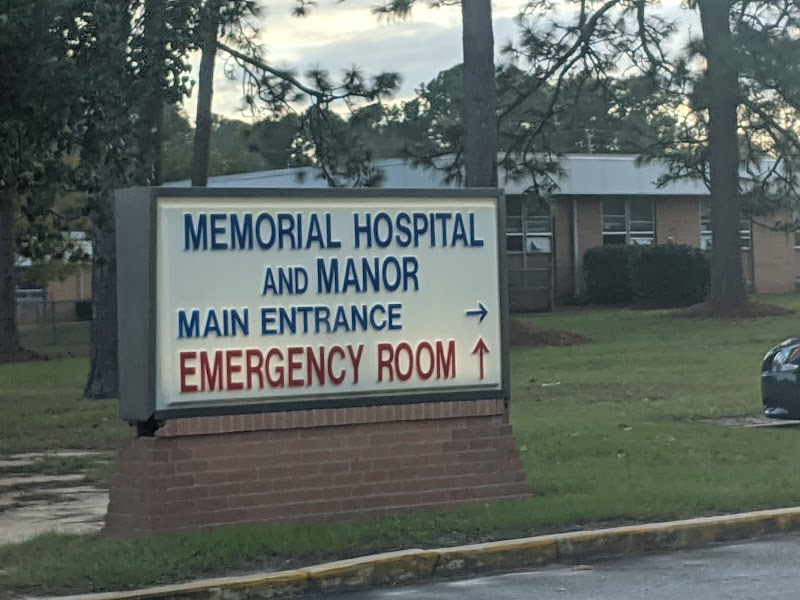
How is Memorial Manor Staffed?

CMS rates MEMORIAL MANOR NURSING HOME's staffing level at 1 out of 5 stars, which is much below average compared to other nursing homes.

What Have Inspectors Found at Memorial Manor?

State health inspectors documented 19 deficiencies at MEMORIAL MANOR NURSING HOME during 2020 to 2025. These included: 19 with potential for harm.
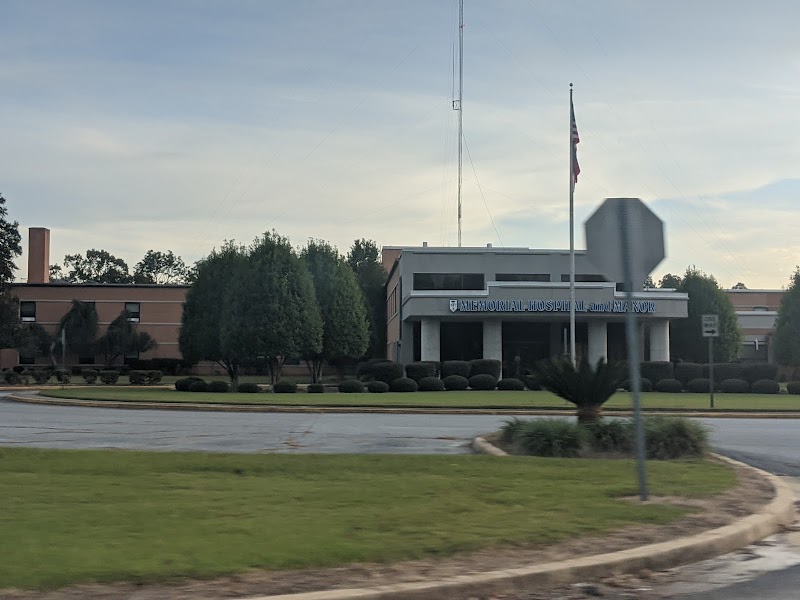
Who Owns and Operates Memorial Manor?

MEMORIAL MANOR NURSING HOME is owned by a government entity. Government-operated facilities are typically run by state, county, or municipal agencies. The facility operates independently rather than as part of a larger chain. With 107 certified beds and approximately 55 residents (about 51% occupancy), it is a mid-sized facility located in BAINBRIDGE, Georgia.

How Does Memorial Manor Compare to Other Georgia Nursing Homes?

Compared to the 100 nursing homes in Georgia, MEMORIAL MANOR NURSING HOME's overall rating (2 stars) is below the state average of 2.6 and health inspection rating (3 stars) is at the national benchmark.

What Should Families Ask When Visiting Memorial Manor?

Based on this facility's data, families visiting should ask: "Can you walk me through typical staffing levels on day, evening, and night shifts?" "Can I visit during a mealtime to observe dining assistance and food quality?" "How do you handle medical emergencies, and what is your hospital transfer rate?" "Can I speak with family members of current residents about their experience?" These questions are particularly relevant given the below-average staffing rating.

Is Memorial Manor Safe?

Based on CMS inspection data, MEMORIAL MANOR NURSING HOME has a clean safety record: no substantiated abuse findings (meaning no confirmed cases of resident harm), no Immediate Jeopardy citations (the most serious violation level indicating risk of serious injury or death), and is not on the Special Focus Facility watch list (a federal program monitoring the lowest-performing 1% of nursing homes). The facility has a 2-star overall rating and ranks #100 of 100 nursing homes in Georgia. While no facility is perfect, families should still ask about staff-to-resident ratios and recent inspection results during their visit.

Do Nurses at Memorial Manor Stick Around?

MEMORIAL MANOR NURSING HOME has not reported staff turnover data to CMS. Staff turnover matters because consistent caregivers learn residents' individual needs, medications, and preferences. When staff frequently change, this institutional knowledge is lost. Families should ask the facility directly about their staff retention rates and average employee tenure.

Was Memorial Manor Ever Fined?

MEMORIAL MANOR NURSING HOME has no federal fines on record. CMS issues fines when nursing homes fail to meet care standards or don't correct problems found during inspections. The absence of fines suggests the facility has either maintained compliance or corrected any issues before penalties were assessed. This is a positive indicator, though families should still review recent inspection reports for the full picture.

Is Memorial Manor on Any Federal Watch List?

MEMORIAL MANOR NURSING HOME is not on any federal watch list. The most significant is the Special Focus Facility (SFF) program, which identifies the bottom 1% of nursing homes nationally based on persistent, serious quality problems. Not being on this list means the facility has avoided the pattern of deficiencies that triggers enhanced federal oversight. This is a positive indicator, though families should still review the facility's inspection history directly.