HERITAGE INN OF BARNESVILLE HEALTH AND REHAB
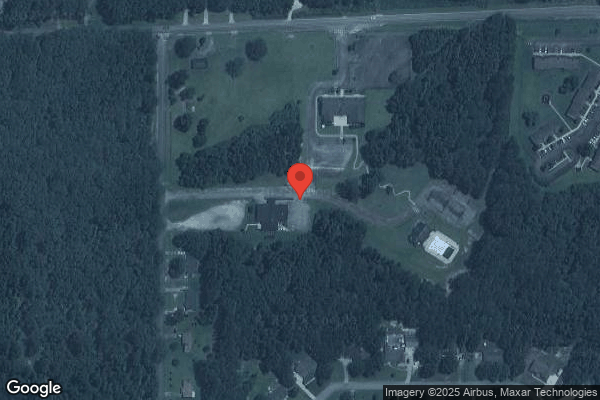
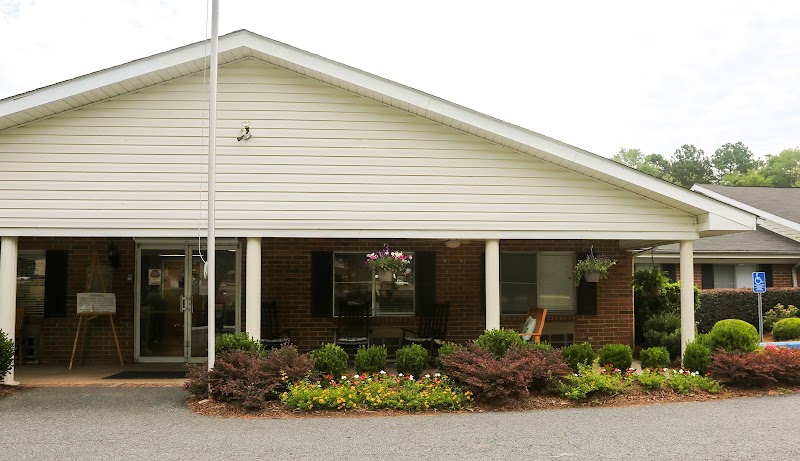
946 VETERANS PARKWAY, BARNESVILLE, GA 30204 (770) 358-2485
Non profit - Other 117 Beds CLINICAL SERVICES, INC. Data: November 2025
Trust Grade
50/100
#197 of 353 in GA
Last Inspection: April 2025

Within standard 12-15 month inspection cycle. Federal law requires annual inspections.

Overview

Heritage Inn of Barnesville Health and Rehab has a Trust Grade of C, which means it is average and falls in the middle of the pack among nursing homes. In Georgia, it ranks #197 out of 353 facilities, placing it in the bottom half, but it is the only option in Lamar County. The facility is improving, having reduced its issues from five in 2024 to two in 2025, although it still has serious concerns with staffing, receiving only a 1/5 star rating and a high turnover rate of 60%. There have been no fines, which is positive, but RN coverage is less than 97% of state facilities, which raises concerns about adequate medical oversight. Specific incidents noted include failures to properly clean kitchen equipment, resulting in potential foodborne illness risks, and a medication error rate above acceptable levels, which could lead to serious health complications for residents. While the facility has strengths, such as no fines and an improving trend, families should be aware of the staffing challenges and specific care deficiencies.

Trust Score
C
50/100
In Georgia
#197/353
Bottom 45%
Safety Record
Low Risk
No red flags
Inspections
Getting Better
5 → 2 violations
Staff Stability
⚠ Watch
60% turnover. Above average. Higher turnover means staff may not know residents' routines.
Penalties
✓ Good
No fines on record. Clean compliance history, better than most Georgia facilities.
Skilled Nurses
⚠ Watch
Each resident gets only 8 minutes of Registered Nurse (RN) attention daily — below average for Georgia. Fewer RN minutes means fewer trained eyes watching for problems.
Violations
⚠ Watch
14 deficiencies on record. Higher than average. Multiple issues found across inspections.
★★☆☆☆
2.0
Overall Rating
★☆☆☆☆
1.0
Staff Levels
★☆☆☆☆
1.0
Care Quality
★★★★☆
4.0
Inspection Score
Stable
2024: 5 issues
2025: 2 issues

The Good

  • Full Sprinkler Coverage · Fire safety systems throughout facility
  • No fines on record

Facility shows strength in fire safety.

The Bad

2-Star Overall Rating

Below Georgia average (2.6)

Below average - review inspection findings carefully

Staff Turnover: 60%

13pts above Georgia avg (46%)

Frequent staff changes - ask about care continuity

Chain: CLINICAL SERVICES, INC.

Part of a multi-facility chain

Ask about local staffing decisions and management

Staff turnover is elevated (60%)

12 points above Georgia average of 48%

The Ugly 14 deficiencies on record

Apr 2025 2 deficiencies
CONCERN (D) 📢 Someone Reported This

A family member, employee, or ombudsman was alarmed enough to file a formal complaint

Potential for Harm - no one hurt, but risky conditions existed

Unnecessary Medications (Tag F0759)

Could have caused harm · This affected 1 resident

Based on observations, staff interviews, record review, and review of the facility's policy titled, Medication Administration-General, the facility failed to ensure the medication error rate was less ...

Read full inspector narrative →
Based on observations, staff interviews, record review, and review of the facility's policy titled, Medication Administration-General, the facility failed to ensure the medication error rate was less than five percent. There were two errors with 26 opportunities for two of five residents (R) (R33 and R28) observed for a medication error rate of 7.69 percent. This deficient practice had the potential to place R33 and R28 at risk of avoidable medical complications due to not receiving medications as prescribed by the physician. Findings Include: Review of the facility's undated policy titled, Medication Administration- General, revealed the Intent section stated, To facilitate that medications are administered as prescribed, in accordance with good nursing principles. 1. Review of R33's Consolidated Orders revealed diagnoses included, but were not limited to, chronic obstructive pulmonary disease (COPD). Observation on 4/9/2025 at 8:15 am revealed Certified Medication Assistant (CMA) AA administering morning medications to R33. The medications included citalopram 20 milligrams (mg) one tablet, aspirin 325 mg one tablet, Jardiance 25 mg one tablet, lisinopril 5 mg one tablet, and Certavite with antioxidants (multivitamin) one tablet. Review of R33's medication administration records (MAR) revealed that R33 was also to receive a fluticasone 100 microgram (mcg)-salmeterol 50 mcg inhaler for COPD at 8:00 am. In an interview on 4/9/2025 at 8:35 am, CMA AA revealed that she did not administer the fluticasone inhaler because she was unaware of its location. CMA AA stated the inhaler was not in the medication cart. CMA AA further stated that she would inform the nurse and have her reorder it from the pharmacy immediately. 2. Review of R33's Consolidated Orders revealed diagnoses included, but were not limited to, shortness of breath. Observation on 4/9/2025 at 8:40 am revealed CMA AA administering morning medications to R28. The medications included aspirin 81 milligrams delayed release one tablet, citalopram 20mg one tablet, diclofenac 1 percent topical gel 2 grams (gm), ezetimibe 10mg one tablet, folic acid 400 mcg one tablet, hydrochlorothiazide 25mg one tablet, Linzess 145 mcg one capsule, methocarbamol 500mg one tablet, potassium citrate extended release (ER)10 milliequivalent (mEq), and multivitamin with minerals one tablet. Review of R28's MARs revealed that R28 was also due to have Nasacort 55 mcg nasal spray for seasonal allergic rhinitis administered at 9:00 am, but it was not administered. In an interview on 4/9/2025 at 8:55 am, CMA AA revealed that the medication Nasacort was not in the medication cart. CMA AA confirmed the medication was to be administered with the 9:00 am medications, but it was not in the medication cart. CMA AA stated that she will document this and have the nurse reorder this medication. In an interview on 4/9/2025 at 9:00 am, Licensed Practical Nurse (LPN) BB revealed that the CMA usually informs her when a resident runs out of medication, and she checks to see if it is in the overstock before reordering from the pharmacy. LPN BB stated that if it was not in the overstock, she would inform the provider and reorder it. LPN BB stated that when a medication was not given as ordered, it would be a medication error. In an interview on 4/9/2025 at 11:06 am, the Director of Nursing (DON) revealed that her expectation was for the nurses to reorder medication before it was completely out and, if the medication was unavailable, the provider should be informed, the event should be documented, and the resident should be monitored.
CONCERN (F) 📢 Someone Reported This

A family member, employee, or ombudsman was alarmed enough to file a formal complaint

Potential for Harm - no one hurt, but risky conditions existed

Food Safety (Tag F0812)

Could have caused harm · This affected most or all residents

Based on observations, staff interviews, and review of the facility's policy titled Skilled Nursing Services: Cleaning and Sanitizing, the facility failed to ensure the kitchen workplace and equipment...

Read full inspector narrative →
Based on observations, staff interviews, and review of the facility's policy titled Skilled Nursing Services: Cleaning and Sanitizing, the facility failed to ensure the kitchen workplace and equipment were clean and sanitized to reduce the risk of foodborne illnesses. This deficient practice had the potential to place the residents who received an oral diet from the kitchen at risk of foodborne illness. Findings Include: Review of the facility's policy titled, Skilled Nursing Services: Cleaning and Sanitizing, dated 12/27/2024, revealed the Intent section included, It is the intent of this center to clean and sanitize utensils, dishware, pots and pans, workspace, and equipment to minimize the risk of food-borne illnesses. The Guideline section included, . Work surfaces and equipment should be cleaned and sanitized as needed. Fixed equipment: Items should be cleaned and sanitized appropriately. Removable parts may be cleaned and sanitized separately. Items should air dry as needed. Stationary equipment should be covered when fully cleaned and sanitized. Observation on 4/9/2025 at 9:20 am revealed the following: 1. The back of the prepping table and the back of the food scale had a buildup of a dark substance with fuzzy particles. 2. The food warmer and the cart the warmer was sitting on had a buildup of fuzzy particles. 3. The bottom of the steam table had a buildup of a dark substance. 4. The power switch on the wall above the stove had a buildup of a dark substance with fuzzy particles. 5. The oven doors had a buildup of a dark substance. 6. The bottom of the interior of the oven had a buildup of dark substance with a fuzzy, white buildup. During a concurrent observation and interview on 4/9/2025 at 9:40 am, the Dietary Manager (DM) confirmed the findings. She stated that the white substance inside the oven was a cleaner. The DM further stated that dietary staff cleaned the kitchen on a rotating basis.
Feb 2024 5 deficiencies
CONCERN (D) 📢 Someone Reported This

A family member, employee, or ombudsman was alarmed enough to file a formal complaint

Potential for Harm - no one hurt, but risky conditions existed

Notification of Changes (Tag F0580)

Could have caused harm · This affected 1 resident

**NOTE- TERMS IN BRACKETS HAVE BEEN EDITED TO PROTECT CONFIDENTIALITY** Based on staff interviews, record reviews, and a review of the facility policies titled Change in a Patient's Condition, and Fal...

Read full inspector narrative →
**NOTE- TERMS IN BRACKETS HAVE BEEN EDITED TO PROTECT CONFIDENTIALITY** Based on staff interviews, record reviews, and a review of the facility policies titled Change in a Patient's Condition, and Fall Management, the facility failed to notify the physician and family of a change in condition for three residents (R) (R1, R3, and R9) of 11 sampled residents reviewed for notification of a change in condition. Specifically, when R1 refused dialysis treatment, and when R3 and R9 sustained falls. Findings include: Review of the policy titled Change in a Patient's Condition, with a review date of 12/30/2022, indicated the Intent section stated: It is the intent of this center to notify the patient, his/her attending physician, and responsible party/patient representative of changes in the patient's condition and/or status. The Guideline section stated: Nursing services is responsible for notifying the patient's attending physician when: Deemed necessary or appropriate in the best interest of the patient. Nursing services is responsible for notifying the patient, his/her next-of-kin, or responsible party/patient representative, as each case may apply, when: The patient is involved in any accident or incident. Changes to patient's plan of care or treatment plan. Changes in the patient's medical condition should be promptly recorded in the patient's medical record, including notifications to whom, by which staff, and when. Review of the policy titled Fall Management, with a review date of 12/30/2022 indicated the Practice Guidelines section of Fall Event stated: When a fall occurs: Conduct a head-to-toe assessment to identify injuries or changes in condition. Notify the attending physician and the patient's family/responsible party of the fall and document notification. 1. Review of R1's Electronic Medical Record (EMR) Face Sheet revealed she was admitted to the facility on [DATE] with diagnoses of, but not limited to, dependence on renal dialysis, and end-stage renal disease. Review of R1's most recent Minimum Data Set (MDS) quarterly assessment dated [DATE] revealed a Brief Interview for Mental Status (BIMS) was assessed as 11 (which indicated moderate cognitive impairment). Section O (Special Treatments, Procedures, and Programs) documented that R1 was assessed as receiving dialysis. Review of the updated care plan dated 1/3/2024 revealed that R1 received dialysis related to end-stage renal disease. Intervention to be implemented included staff to encourage the resident to go to dialysis treatment. An observation and interview on 1/31/2024 at 3:22 pm revealed R1 lying in bed, neatly dressed in street clothes. The resident stated she had just returned from dialysis. The resident stated she goes out of the facility on Monday-Wednesday-Friday for dialysis treatment. Review of the Physician Order dated 9/19/2023 revealed R1 had dialysis on Monday-Wednesday-Friday at an off-site dialysis facility. Review of the Nurse Note dated 11/3/2023 revealed: Aide tried to get resident ready for dialysis. R1 stated, I am tired of dialysis. There was no documentation that the Physician/Nurse Practitioner (NP) or family/responsible party (RP) was notified that R1 did not go to dialysis. Review of the Nurse Note dated 12/4/2023 revealed: Resident refused dialysis treatment this morning. Dialysis center and family notified. There was no documentation that the Physician and/or NP were notified that R1 did not go to dialysis. Review of the Nurse Note dated 12/8/2023 revealed: Resident refused dialysis treatment today. The family notified. There was no documentation that the Physician and/or NP was notified that R1 did not go to dialysis. Review of the Nurse Note dated 12/27/2023 revealed: Resident refused dialysis treatment this morning. Dialysis center and family notified. There was no documentation that the physician and/or NP was notified that R1 did not go to dialysis. Review of the Nurse Note dated 2/2/2024 revealed: Resident refused dialysis treatment today. Family notified. There was no documentation that the physician and/or NP was notified that R1 did not go to dialysis. In an interview on 2/9/2024 at 10:15 am, Unit Manager (UM) EE stated that R1 has a history of refusing dialysis. UM EE stated she expects the staff to document and notify the NP, family, and dialysis clinic when R1 refuses to go to dialysis. She stated the staff should explain the importance of going to dialysis as well as the risk of not going to dialysis to R1. In addition, the staff should document R1's refusal and the education provided to the resident. In an interview on 2/9/2024 at 10:30 am, the Interim Director of Nursing (DON) BB confirmed that there was no documentation that the Physician/NP or family had been notified that R1 had refused dialysis on 11/3/2023. She also confirmed there was no documentation that the Physician/NP was notified that R1 refused dialysis on 12/4/2023, 12/8/2023, 12/27/2023, and 2/2/2024. In an interview on 2/15/2024 at 11:49 am, NP FF stated the facility does not call every time there is a change in condition in a resident. The NP stated she became aware that R1 was missing appointments by reading the nursing notes. She stated she was never notified by the nursing staff that the resident was refusing dialysis treatment. The NP stated had she been notified she would have given an order to explain the risk and outcomes to R1 of not going to dialysis treatments. She would have also given an order to check for fluid overload, edema (swelling in feet, ankles, face, etc.), and to assess lungs for wheezing. 2. Review of R3's EMR Face Sheet revealed he was readmitted to the facility on [DATE] with diagnoses of, but not limited to, hypertension, need for assistance with personal care, and urinary tract infection. A Family member was listed on the face sheet as the primary contact. Review of R3's most recent MDS Obra admission assessment dated [DATE] revealed a BIMS was assessed as 9 (which indicated moderate cognitive impairment). Section GG (Functional Abilities and Goals) documented that R3 was dependent on staff for transfers, toileting, and personal hygiene. Section J (Health Conditions) documented that R3 was assessed as having one fall with a minor injury. Falls were triggered as an area of concern on the Care Area Assessment Summary (CAAS). Review of the care plan updated 2/25/2023 revealed that R3 is at risk for falls. Interventions to be implemented included needs assistance with toileting and hygiene. Review of the Event-Initial Note, dated 2/25/2023 revealed: Resident (R3) observed lying on his right side on the floor beside his bed. Apparently confused regarding his ability to transfer, stating that he was attempting to transfer to the restroom. There was no documentation that the primary contact listed on the face sheet was notified. Review of a Nursing Note dated 2/27/2023 revealed: The family reported to the nursing staff that the resident hit his head when he fell on 2/25/2023. An assessment of the head and scalp reveals tenderness to the left mid-crown area as well as a slightly raised area. The physician was notified. In a telephone interview on 2/8/2024 at 1:04 pm, the family of R3 stated that on 2/26/2023 family members came to visit R3. The family stated they noticed a raised knot in the middle of their dad's head. The family asked R3 what happened, and the resident informed the family that he (R3) had fallen the night before and hit his head. The family stated they were never notified of the fall. In an interview on 2/9/2024 at 10:30 am, the Interim DON BB confirmed the name of the primary contact on the face sheet. The Interim DON BB also confirmed that the primary contact listed was not notified of the fall on 2/25/2023. 3. Review of R9's EMR Face Sheet revealed she was readmitted to the facility on [DATE] with diagnoses of, but not limited to, frontotemporal neurocognitive disorder and bilateral primary osteoarthritis of the hip. A Family member was listed on the face sheet as the primary contact. There was another family member listed as the primary financial contact who lived in another state. Review of R9's most recent MDS annual assessment dated [DATE] revealed a BIMS interview was not conducted and documented that the resident rarely/never understood. Section G (Functional Status) documented that R9 required substantial/maximal assistance for transfers and was dependent on staff for toilet use and personal hygiene. Falls were triggered as an area of concern on the CAAS. Review of the care plan updated 2/27/2023 revealed that R9 was at risk for falls. Interventions to be implemented included staff to make sure the resident is not wrapped in covers on rounds and as needed. Review of the Event-Initial Note dated 10/28/2023 revealed: Resident wrapped in covers, lying on the floor on the left side with no shoes on. Observed blood on the left foot. A voice message was left to a family member listed on the face sheet. There was no documentation that the facility attempted to notify the primary contact listed on the face sheet. In an interview on 2/9/2024 at 10:30 am, the Interim DON BB stated there was a family member listed as the primary contact, but the family member listed as the financial contact was the person who was called. The Interim DON BB confirmed that several attempts were made to the financial contact on various occasions who never answered the phone. She stated she would expect the staff to notify the primary contact.
CONCERN (D) 📢 Someone Reported This

A family member, employee, or ombudsman was alarmed enough to file a formal complaint

Potential for Harm - no one hurt, but risky conditions existed

Free from Abuse/Neglect (Tag F0600)

Could have caused harm · This affected 1 resident

**NOTE- TERMS IN BRACKETS HAVE BEEN EDITED TO PROTECT CONFIDENTIALITY** Based on resident and family interviews, staff interviews, record review, and review of the policies titled Abuse Prohibition, a...

Read full inspector narrative →
**NOTE- TERMS IN BRACKETS HAVE BEEN EDITED TO PROTECT CONFIDENTIALITY** Based on resident and family interviews, staff interviews, record review, and review of the policies titled Abuse Prohibition, and A Comprehensive Patients' Rights Program, the facility failed to protect two residents' (R) (R3 and R10) right to be free from verbal abuse and neglect by staff. Specifically, the facility failed to protect R10's right to be free from verbal abuse when she asked for assistance with removing her clothes and staff called the resident lazy and failed to protect R3's right to be free from neglect when he requested staff to assist him to the bathroom and the staff refused. As a result of R3 attempting to go to the bathroom by himself, he fell and sustained an injury to the head. The sample size was 11 residents. Findings include: Review of the facility policy titled Abuse Prohibition, with a review date of 12/30/2022, revealed the section titled Intent stated: It is the intent of this center to actively preserve each patient's right to be free from mistreatment, neglect, abuse, or misappropriation of patient property. We believe that each patient has the right to be free from verbal, sexual, physical, and mental abuse, corporal punishment, and involuntary seclusion. The purpose of these identified procedures is to assure that we are doing all that is within our control to create a standard of intolerance and to prevent any occurrences of any form of mistreatment, neglect, abuse, or misappropriation of any patient and/or their property. The procedures herein establish standards of practice for protection of patients and for identification and prevention of abuse. The Guideline Definitions section stated: For the purpose of this policy, the following definitions apply: Verbal abuse is defined as any use of oral, written, or gestured language that willfully includes disparaging and derogatory terms to patients or their families, or within their hearing distance, regardless of their age, ability to comprehend, or disability. Neglect means (A) absence or omission of essential services to the degree that it harms or threatens with harm the physical or emotional health of a disabled adult or elder person (OCGA 30-5-3(10)); (B) failure to provide goods and services necessary to avoid physical harm, mental anguish, or mental illness (42 CFR 488.301). Review of the facility policy titled A Comprehensive Patients' Rights Program, with a review date of 12/30/2022 revealed the section titled Intent stated: This intent of this center to have an effective Patients' Rights program that recognizes that meaningful support of Patient's Rights. We believe that all staff should understand the importance of treating patients with care and respect, and honoring patients' rights to make personal choices. We also believe that such a program should include patient, family, and all Associates of the nursing home. The Guideline section stated: A Comprehensive Patient's Rights program includes: Dignity and respect. 1. In an interview on 2/1/2024 at 10:21 am, R10 stated that on 1/31/2024 two staff members were assisting her to remove her clothes. The resident stated she could feel that her blood sugar was dropping. She stated she asked Licensed Practical Nurse (LPN) GG to help remove the right arm from her (R10) shirt. She stated as the LPN began to assist her the Certified Nursing Assistant (CNA) HH told the nurse she (R10) did not need help. She further stated the CNA told the nurse she (R10) could take her clothes off and she (R10) was being lazy. The resident stated she asked the CNA to leave her room. The resident stated the Administrator happened to be walking by the door and she called him to her room and reported the incident to the Administrator. Review of R10's Electronic Medical Record (EMR) Face Sheet revealed she was admitted to the facility on [DATE] with diagnoses of, but not limited to, end-stage renal disease and type II diabetes mellitus. Review of R10's most recent Minimum Data Set (MDS) quarterly assessment dated [DATE] revealed a Brief Interview for Mental Status (BIMS) was assessed as 15 (which indicated intact cognition). Section GG (Functional Abilities and Goals) documented that R10 was assessed as needing supervision or touching assistance with upper body dressing and was dependent on the staff for lower body dressing. Review of the updated care plan dated 10/19/2023 revealed that R10 has a self-care deficit. Interventions to be implemented include assisting the resident with activities of daily living. In an interview on 2/1/2024 at 4:45 pm, LPN GG stated on 1/31/2024 late in the evening she observed CNA HH enter R10's room and she went to the room for assistance with R10's dressing change. She stated she entered R10's room and went to the right side of the bed to assist her with getting her pants off to complete the dressing change to her lower extremities. She stated that R10 asked her to assist in pulling her (R10) right arm out of the shirt. She stated CNA HH was on the left side and said R10 could remove her shirt. She stated the resident asked the CNA to leave the room. She stated the resident's blood sugar was obtained and was low (67). In an interview on 2/14/2024 at 11:30 am, CNA HH stated that R10 was very mean to the staff and did not like to do things for herself. She stated that R10 is independent with dressing her upper body. She stated when R10 asked the nurse for assistance, she (CNA HH) told the nurse that R10 could remove and take off her clothes from the upper body. She stated the resident told her to hush. The CNA stated she left R10's room on her own. The CNA stated she did not use the word lazy. 2. In a telephone interview on 2/8/2024 at 1:04 pm, the family of R3 stated on 2/25/2023 at 6:44 pm they received a voicemail from R3 that they listened to later that night. The family stated their dad was begging them to go to the restroom. The family stated they could hear a female telling their dad, No I told you I am not taking you to the bathroom. The family stated the female told their dad to go to sleep. The family stated it was heartbreaking to listen to how their dad was being treated. The family stated that on 2/26/2023 they visited R3 and noticed a raised knot in the middle of their dad's head. The family stated they asked R3 what happened, and the resident informed the family that he (R3) had fallen the night before while trying to go to the bathroom unassisted and hit his head. The family stated on 2/27/2023 they attended a care plan meeting and expressed concerns regarding their father asking for help and not receiving assistance, and that the voice message was played for the care plan team. The family stated the Administrator, the Social Service Director, and one more person were present when the voice message was played. Review of R3's EMR Face Sheet revealed he was readmitted to the facility on [DATE] with diagnoses of, but not limited to, hypertension, need for assistance with personal care, and urinary tract infection. Review of R3's MDS Obra admission assessment dated [DATE] revealed a BIMS was assessed as 9 (indicating moderate cognitive impairment). Section GG (Functional Abilities and Goals) documented that R3 was dependent on staff with toileting and hygiene. Section H (Bladder and Bowel) documented that R3 was always incontinent of bladder and bowel). Section J (Health Conditions) documented that R3 had a history of falls in the month prior to admission and had falls since admission. Review of the care plan updated 2/25/2023 revealed that R3 had a self-care deficit. Needs assistance with toileting hygiene. Interventions to be implemented included needs assistance with toileting and hygiene. Review of the Event-Initial Note dated 2/25/2023 revealed: Resident observed lying on his right side on the floor beside his bed. Apparently confused regarding his ability to transfer, stating that he was attempting to transfer to the restroom. Review of the Nursing Note dated 2/27/2023 revealed: The family reported to the nursing staff that the resident hit his head when he fell on 2/25/2023. An assessment of the head and scalp reveals tenderness to the left mid-crown area as well as a slightly raised area. The physician was notified. In an interview on 2/15/2024 at 4:30 pm, the Administrator stated when R10 reported the incident to him, the resident never mentioned the word lazy. The Administrator was asked about R3's family playing a voice message with staff refusing to assist R3, and the Administrator did not answer the question that was asked. The Interim Director of Nursing and the Corporate Registered Nurse were present at the interview.
CONCERN (D) 📢 Someone Reported This

A family member, employee, or ombudsman was alarmed enough to file a formal complaint

Potential for Harm - no one hurt, but risky conditions existed

Medical Records (Tag F0842)

Could have caused harm · This affected 1 resident

Based on record review and staff interviews the facility failed to maintain medical records accurately on six out of eleven resident (R) records reviewed (R3, R6, R7, R8, R9, R11). Findings include: ...

Read full inspector narrative →
Based on record review and staff interviews the facility failed to maintain medical records accurately on six out of eleven resident (R) records reviewed (R3, R6, R7, R8, R9, R11). Findings include: 1. Review of R3's Electronic Health Record (EMR) Face Sheet revealed a discharge date of 3/24/2023. Review of the resident's Minimum Data Set (MDS) discharge assessment revealed a date of 3/20/2023. Further review of R3 EMR Nurses Note dated 3/20/2023 revealed the resident was sent to the hospital. There was no documentation that R3 returned to the facility. 2. Review of R6's EMR Face Sheet revealed a discharge date of 2/23/2023. Review of the resident's MDS discharge assessment revealed a date of 2/23/2023. Further review of R6 EMR Nurses Note dated 2/22/2023 revealed the resident was sent to the hospital. There was no documentation that R6 returned to the facility. 3. Review of R7's EMR Face Sheet revealed a discharge date of 6/29/2023. Review of the resident's MDS death in the facility assessment revealed a date of 6/28/2023. Further review of R7's EMR Nurses Note dated 6/28/2023 at 5:15 pm revealed that R7 was assessed by the charge nurse, R7 did not have active breathing or a pulse. The Funeral home arrived at 8:05 pm and picked up R7's body. 4. Review of R8's Skilled Nursing Facility (SNF) Beneficiary Protection Notification Review revealed skilled services (occupational therapy and speech therapy) began on 6/21/2023 and continued through 7/26/2023. Review of the Therapy discharge notes revealed that R8 was not discharged from therapy services until 8/9/2023. 5. Review of R9's EMR Face Sheet revealed a discharge date of 11/6/2023. Review of the resident's MDS discharge assessment revealed a date of 11/1/2023. Further review of R9's EMR Nurses Note dated 11/1/2023 revealed the resident was sent to the hospital. There was no documentation that R9 returned to the facility. 6. Review of R11's EMR Face Sheet revealed a discharge date of 3/9/2023. The resident's MDS discharge assessment was dated 3/1/2023. Further review of R11's EMR Nurses Note dated 3/1/2023 revealed the resident was sent to the hospital. There was no documentation that R11 returned to the facility. In an interview on 2/7/2024 at 1:27 pm, the Director of Rehabilitation (DOR) stated every day during the morning management meeting she reviews the residents who are receiving services. The DOR stated that R8 was receiving occupational and speech therapy last year (6/6/2023). The DOR stated the R8 remained on therapy until 8/9/2023. She stated the discharge date was communicated during the morning management meeting. The DOR stated she was unaware that R8's beneficiary's representative was provided and signed the Notice of Non-Medicare Coverage ending 7/26/2023. In an interview on 2/7/2024 at 2:20 pm with the Administrator regarding the inconsistency of therapy dates, Notice of Non-Medicare Coverage dates, face sheet discharge date s, and discharge MDS assessment dates, the Administrator confirmed that the dates were inconsistent. He stated he was not sure who in the facility was responsible for inputting the correct information on the resident's Face Sheet. He stated he understands inaccuracy of resident records affects various aspects of the resident's medical record including the correct date for MDS assessments. The Administrator stated he would place the accuracy of medical records in Quality Assurance and Performance Improvement (QAPI).
MINOR (B) 📢 Someone Reported This

A family member, employee, or ombudsman was alarmed enough to file a formal complaint

Minor Issue - procedural, no safety impact

Deficiency F0637 (Tag F0637)

Minor procedural issue · This affected multiple residents

**NOTE- TERMS IN BRACKETS HAVE BEEN EDITED TO PROTECT CONFIDENTIALITY** Based on staff interviews and record review the facility failed to complete a significant change Minimum Data Set (MDS) assessme...

Read full inspector narrative →
**NOTE- TERMS IN BRACKETS HAVE BEEN EDITED TO PROTECT CONFIDENTIALITY** Based on staff interviews and record review the facility failed to complete a significant change Minimum Data Set (MDS) assessment, within fourteen days of the significant change, for one resident (R) (R11), who was discharged from hospice service, out of 11 resident records reviewed. Findings included: Review of R11's Electronic Medical Record (EMR) revealed an admission date of 3/22/2022 with diagnoses of, but not limited to, chronic obstructive pulmonary disease, neurocognitive disorder with Lewy bodies disease, and Parkinson's disease. Review of R11's MDS significant change assessment dated [DATE] revealed Section documented the resident was assessed as receiving hospice services while a resident at the facility. Review of the physician orders dated 5/27/2022 revealed an order to admit to hospice services. Review of the physician order dated 1/26/2023 revealed an order to discharge from hospice services. Record review revealed a quarterly MDS assessment was completed on 1/30/2023. In an interview on 2/14/2024 at 12:30 pm, MDS Coordinator DD stated that a significant change MDS assessment should be completed within 14 days of a resident being discharged from hospice services. She confirmed that R11 had a quarterly MDS assessment on 1/30/2023 and stated it should have been a significant change MDS assessment. The MDS coordinator stated she would make the necessary changes.
MINOR (B) 📢 Someone Reported This

A family member, employee, or ombudsman was alarmed enough to file a formal complaint

Minor Issue - procedural, no safety impact

Assessment Accuracy (Tag F0641)

Minor procedural issue · This affected multiple residents

**NOTE- TERMS IN BRACKETS HAVE BEEN EDITED TO PROTECT CONFIDENTIALITY** Based on record review and staff interview, the facility failed to accurately reflect the fall status on the Minimum Data Sets (...

Read full inspector narrative →
**NOTE- TERMS IN BRACKETS HAVE BEEN EDITED TO PROTECT CONFIDENTIALITY** Based on record review and staff interview, the facility failed to accurately reflect the fall status on the Minimum Data Sets (MDS) assessments for two residents (R) (R9 and R11) out of seven resident records reviewed for falls. Findings include: 1. Review of R9's Electronic Medical Record (EMR) revealed an admission date of 3/5/2021 with diagnoses including, but not limited to, frontotemporal neurocognitive disorder and bilateral primary osteoarthritis of the hip. Record review revealed the MDS quarterly assessment dated [DATE] documented a Brief Interview for Mental Status (BIMS) was not conducted and that the resident rarely/never understood. Section J (Health Conditions) revealed the resident was assessed as having no falls. Review of R9's Event-Initial Note dated 2/3/2023 revealed: Resident noted to be sitting on the floor leaning to her right side with her head lying against the wheelchair. The resident was assessed with noted redness to her right shoulder, but no pain noted upon assessment. Interventions included neuro checks and an x-ray of the right shoulder. The Nurse Practitioner and a family member were notified. Review of R9's Event-Initial Note dated 2/27/2023 revealed: Resident observed on floor with head underneath the wheelchair, and back against the bedside table rail at 1:30 pm. A bruise/discoloration to the lower back. The physician and a family member were notified. 2. Review of R11's EMR revealed an admission date of 3/22/2022 with diagnoses of, but not limited to, chronic obstructive pulmonary disease, neurocognitive disorder with Lewy bodies disease, and Parkinson's disease. Review of R11's MDS quarterly assessment dated [DATE] revealed a BIMS of 3 (indicating the resident was severely cognitively impaired). Section J (Health Conditions) revealed the resident was assessed as having two falls, one with no injury and one with minor injury. Review of R11's Event-Initial Note dated 11/9/2022 revealed: Resident was sitting in a wheelchair then stood up to ambulate without assistance and lost her balance. No apparent injuries observed. Resident able to move all extremities. The physician, family, and hospice were notified. Review of R11's Event-Initial Note dated 1/21/2023 revealed: Resident witnessed leaning against wall and sliding down wall. Resident with no complaints of pain. A skin tear to left elbow. Interventions put in place first aid, place at the nursing station. The physician, family, and hospice were notified. Review of R11's Event-Initial Note dated 1/30/2023 revealed: Resident was in bed, stood up beside bed and fell on the fall mat. No apparent injuries observed. The physician and family were notified. In an interview on 2/14/2024 at 12:30 pm, MDS Coordinator DD confirmed that the MDS Section J falls were not accurately coded for R9 and R11. The MDS Coordinator stated she would speak with the corporate MDS Coordinator and make the necessary corrections. In an interview on 2/14/2023 at 3:30 pm with the Administrator regarding the inaccuracy of the MDS assessments, the Administrator stated that the facility previously had a different person in that role, and the facility hired a new person in that role to ensure that the residents receive an accurate assessment.
Feb 2023 6 deficiencies
CONCERN (D)

Potential for Harm - no one hurt, but risky conditions existed

Notification of Changes (Tag F0580)

Could have caused harm · This affected 1 resident

**NOTE- TERMS IN BRACKETS HAVE BEEN EDITED TO PROTECT CONFIDENTIALITY** Based on observations, staff and resident representative (RR) interviews, record review, and review of the facility policy title...

Read full inspector narrative →
**NOTE- TERMS IN BRACKETS HAVE BEEN EDITED TO PROTECT CONFIDENTIALITY** Based on observations, staff and resident representative (RR) interviews, record review, and review of the facility policy titled, Skilled Inpatient Services, Pain Assessment, the facility failed to notify the physician of a resident's pain for one of two residents (R) (R#283) reviewed for pain management. Specifically, the pain reliever for R#283 was not working, they experienced frequent pain, and the physician was not notified. This failure had the potential to delay or prevent treatment for R#283. Findings include: Review of the facility policy titled, Skilled Inpatient Services, Pain Assessment, dated 12/04/2021, revealed there was no information in the policy regarding notifying the physician about a resident's uncontrolled pain. A review of the Face Sheet for R#283 indicated diagnoses that included sepsis following a procedure, muscle weakness (generalized), pain in left leg, pain in left knee, effusion in left knee, need for assistance with personal care, dementia, psychotic disturbance, mood disturbance, and anxiety. Review of the admission Minimum Data Set (MDS) dated [DATE], which was still in progress, revealed R#283 had a Brief Interview for Mental Status (BIMS) score of 5, which indicated the resident had severe cognitive impairment. The MDS section for the assessment of pain was blank and was incomplete, due to the facility still working to complete the MDS. Review of the Care Plan for R#283, initiated 2/17/2023, revealed R#283 had pain in the left foot and knee. Interventions included to administer pain medications as ordered and assess characteristics (location, severity) of pain on a scale of 1-10. The care plan was revised on 2/22/2023 to indicate the family and resident did not want narcotic pain medication and preferred only Tylenol and the interventions was for Arthritis Tylenol started on 2/17/2023. Review of the History and Physical for R#283, completed by the nurse practitioner (NP) on 2/17/2023, revealed R#283 had sepsis following a procedure on the left knee and R#283 complained of pain in the left knee that was worse with movement. Observation on 2/20/2023 at 11:37 a.m. revealed R#283 was observed lying in the bed moaning and rubbing their left knee. The resident representative for R#283 indicated they only knew of Tylenol being given for pain and they were waiting on the doctor to see if R#283 could get anything stronger for pain. Observation on 2/21/2023 at 10:43 a.m. revealed during wound care, R#283 yelled out loudly in pain each time Certified Nursing Assistant (CNA) #7 touched or moved the left leg to position for wound care of the left lateral ankle. The treatment took approximately five to six minutes to complete and R#283 yelled in pain throughout much of the duration of the treatment. Observation on 2/21/2023 at 1:23 p.m. revealed CNA #7, CNA #3, and Licensed Practical Nurse (LPN) #8 were observed entering R#283's room to obtain R#283's weight. R#283 was yelling out in pain and begging staff not to touch the left leg. Interview on 2/21/2023 at 1:43 p.m. with CNA #7, she stated the facility's process for residents experiencing pain was to try and keep them calm and let the charge nurse know so they could be assessed and given something for pain. CNA #7 recalled R#283 having a lot of pain with their left leg and back since admission. Interview on 2/21/2023 at 1:43 p.m. with CNA #3, she stated the process for residents that were experiencing pain was to report it to the charge nurse. CNA #3 stated it was her first time dealing with turning R#283 but was aware of R#283 being in pain since admission. Interview on 2/21/2023 at 2:08 p.m. with LPN #8, the charge nurse, she stated that for residents experiencing pain, staff would check to see what the medication orders were and administer accordingly. If the pain reliever was not working, the charge nurse would contact the physician. LPN #8 said her knowledge of R#283's pain was that it had been consistent since admission. She said that any time an attempt was made to reposition for care, R#283 would yell out in pain. LPN #8 indicated the Resident Care Coordinator (RCC) would be contacting the doctor and they were currently waiting to hear back on what to do for pain and constipation. LPN #8 indicated some of the pain experienced by R#283 was from constipation. A review of the medical record for R#283, including progress notes from the date of admission through 2/21/2023, revealed there was no documentation R#283's physician was notified of R#283 yelling out in pain and that the current pain reliever was not working. Interview on 2/22/2023 at 11:10 a.m. with LPN #8 confirmed R#283's physician was not notified of pain because the physician was already aware of R#283's pain on admission. Interview on 2/22/2023 at 11:11 a.m. with the RCC, they stated R#283 and their RR requested that no narcotics be given due to the resident having difficulty with becoming delusional. Observation on 2/22/2023 at 11:31 a.m., R#283 was observed sitting up in bed and was alert. R#283 stated they were feeling better. The RR was present and confirmed the preference for R#283 not to be administered narcotics due to the side effects of drowsiness and delirium. The RR also indicated they spoke with the NP and the plan was to have an order written for a type of cortisone cream. Interview on 2/22/2023 at 12:55 p.m. with the NP, she stated she assessed R#283 earlier in the day, two days after R#283 and their RR were waiting to see the physician. The NP indicated R#283 had minimal pain and only complained of pain with movement. R#283 had been experiencing complications relative to congestive heart failure since admission, and the NP's focus had been on getting R#283 stabilized. The NP said she had not been made aware of R#283 calling out with pain during care. The NP stated the expectation would be for the nurse to assess the pain and notify her that current medications were not working. Interview on 2/22/2023 at 2:22 p.m. with the DON and the RCC, the RCC indicated she had not provided hands-on care to R#283 but was aware that R#283 yelled out in pain when care was given. The RCC stated the expectation was for there to be an assessment done at the time there was pain. The DON confirmed the expectation was for an assessment to be done and the physician notified, if necessary, when a resident was experiencing pain. Interview on 2/23/2023 at 8:16 a.m. with the Wound Care Coordinator (WCC) indicated if a resident was experiencing pain, they would stop the treatment and if the resident had a pain medication prescribed, it would be administered. The WCC indicated if the resident did not have anything prescribed, the physician would be notified. The WCC indicated R#283 had pain mostly in the left leg, so a team of two to three people was used to stabilize the leg prior to wound treatment. The WCC stated R#283 did not want narcotic pain medication, so they tried to be as gentle as possible and allow R#283 to indicate when it was okay to touch or move the leg. Interview on 2/23/2023 at 8:42 a.m. with the DON indicated her expectation was for the CNA's to report any pain to the charge nurse and then the nurse would do their own assessment of the resident and see if there were any current orders for medication. The DON indicated if there were no current orders, then the expectation was to notify the doctor. The DON stated staff should document when they made notifications to the physician. The DON confirmed there was not a separate policy for notifications to the physician.
CONCERN (D)

Potential for Harm - no one hurt, but risky conditions existed

Deficiency F0582 (Tag F0582)

Could have caused harm · This affected 1 resident

**NOTE- TERMS IN BRACKETS HAVE BEEN EDITED TO PROTECT CONFIDENTIALITY** Based on record review and staff interviews, the facility failed to provide a Skilled Nursing Facility Advance Beneficiary Notic...

Read full inspector narrative →
**NOTE- TERMS IN BRACKETS HAVE BEEN EDITED TO PROTECT CONFIDENTIALITY** Based on record review and staff interviews, the facility failed to provide a Skilled Nursing Facility Advance Beneficiary Notice of Non-Coverage (SNF ABN) for one of three residents (R) (R#24) who were being discharged from Medicare Part A services. Specifically, the facility failed to provide a SNF ABN for R#24 when they were discharged from therapy services and remained in the facility. Findings include: A copy of the Notice of Medicare Non-Coverage (NOMNC) and SNF ABN notifications were requested from the Administrator on 2/20/2023 for three residents who were required to have notifications. No SNF ABN notification was located for R#24. A review of the Face Sheet for R#24 revealed diagnoses that included Parkinson's disease, compression fracture of lumbar vertebrae, polyneuropathy, and unsteadiness on feet. A review of the admission Minimum Data Set (MDS) dated [DATE] indicated the assessment was a 5-day Prospective Payment System (PPS) scheduled assessment for a Medicare Part A stay. The MDS indicated R#24 had been admitted to the facility following an acute hospital stay. A review of the NOMNC for R#24 revealed Medicare Part A services ended on 12/03/2022. There was no evidence the SNF ABN notification was provided to R#24. Interview on 2/21/2023 at 4:27 p.m. with the Social Services Director (SSD), revealed she completed the NOMNC notifications when residents were discharged from Medicare Part A services. The SSD stated she was not aware of the SNF ABN form so had not been completing it. The SSD then logged into her computer to review her list of required forms. The SNF ABN form was listed among the required forms. Interview on 2/22/2023 at 3:21 p.m. with the Director of Nursing (DON) stated that when the facility was notified a resident's Medicare Part A services were ending, the facility was required to notify the family or resident 48 hours in advance of services ending. The DON stated she was not familiar with the SNF ABN form or when it was required. Interview on 2/22/2023 at 3:25 p.m. with the Administrator revealed the facility discussed residents on skilled services every morning in a meeting so they could prepare for when the residents were coming off Medicare Part A services. The Administrator stated he was unaware that the SNF ABN forms were not being completed but expected them to be completed as required. Interview on 2/23/2023 at 9:39 a.m. with the Administrator revealed they did not have a specific policy related to NOMNC or SNF ABN notifications.
CONCERN (D)

Potential for Harm - no one hurt, but risky conditions existed

Abuse Prevention Policies (Tag F0607)

Could have caused harm · This affected 1 resident

Based on record review, resident and staff interviews, and review of the facility policy titled, Abuse Prohibition, the facility failed to implement their abuse policy related to reporting and investi...

Read full inspector narrative →
Based on record review, resident and staff interviews, and review of the facility policy titled, Abuse Prohibition, the facility failed to implement their abuse policy related to reporting and investigating an allegation of abuse and protecting the resident during the investigation for one of four residents (R) (R#24) reviewed with allegations of abuse. Specifically, these failures created the potential for continued abuse toward R#24 and other facility residents. Findings included: A review of the facility policy titled, Abuse Prohibition dated 2020, indicated in the section titled, Investigation and Follow Up, the policy indicated, After an allegation/incident has been reported to the state, incident should be investigated including but not limited to the following: Description of the event to include any identified injuries. Additional excerpts from this section of the policy included, Interviews will be conducted of pertinent parties. Written statements from any involved parties will be obtained if possible or a witnessed, signed interview would be an appropriate alternative. Information regarding the event will be gathered from the suspect, person making accusations, patient involved, reliable patients who may have witnessed the incident, and any other persons who may have credible, pertinent information. Identify and possible conflicts between witnesses. This section further revealed, A follow up report detailing the findings of the investigation should be submitted to the Long Term Care Complaint Investigation unit within 5 business days. This may include but not limited to: - Details of the incident and injury if applicable. - Summary of statements gathered from any witnesses or any other pertinent interviews conducted during the investigation. - Action taken by center - safeguarding the patient(s) and preventing a reoccurrence. Any other police or ombudsman reports related to the investigation. - For investigations when the alleged person is a CNA [Certified Nursing Assistant] or a licensed staff person, additional information may be requested by the state agency or licensure/certification board. - All investigative information will be kept on file in a secured location. All information gathered is confidential in nature. In the section titled, Protection, the policy indicated, The following procedures will be followed to protect the patient from harm during the investigation: - Center will respond immediately to protect the alleged victim and integrity of the investigation. - Examining the alleged victim for any sign of injury, including a physical examination or psychosocial assessment if needed. - Increased supervision of the alleged victim and residents. - During an active investigation of abuse, when there is substantial evidence that the abuse occurred, the suspected employee may be suspended without pay pending investigation. If allegations are unsubstantiated, the employee will be reimbursed for time lost. - At the discretion of the Administrative staff, room or staffing changes may be implemented, if necessary, to protect the resident(s) from the alleged perpetrator. Interview on 2/23/2023 at 8:11 a.m. with the DON, revealed the facility's abuse policy had not been followed to report the allegation of abuse to proper authorities, to conduct a thorough investigation, and/or to protect the resident from the alleged perpetrator pending outcome of a thorough investigation because the allegation was not initially considered to be an allegation of abuse. Interview on 2/23/2023 at 8:26 a.m. with the Administrator revealed the allegation had not been reported to appropriate agencies on 2/13/2023 because they treated it as psychosis, not abuse. He stated a thorough investigation had not been conducted because they did not consider the allegations to be abuse.
CONCERN (D)

Potential for Harm - no one hurt, but risky conditions existed

Report Alleged Abuse (Tag F0609)

Could have caused harm · This affected 1 resident

Based on record review, resident and staff interview, and review of the facility policy titled, Abuse Prohibition, the facility failed to report an allegation of abuse to the Administrator and to othe...

Read full inspector narrative →
Based on record review, resident and staff interview, and review of the facility policy titled, Abuse Prohibition, the facility failed to report an allegation of abuse to the Administrator and to other appropriate agencies for one of four residents (R) (R#24) with allegations of abuse reviewed. Findings include: A review of the facility's Abuse Prohibition policy, dated 2020, indicated in the section titled, Reporting that It will be the responsibility of any department leader receiving the complaint of alleged abuse, corporal punishment, involuntary seclusion, neglect, mistreatment of patient property, or exploitation should inform the Administrator or designee immediately. All allegations of abuse or allegations involving serious bodily injury must be reported immediately but no later than 2 hours. Allegations that do not involve abuse or allegations with serious bodily injury must be reported immediately but no later than 24 hours. The policy also indicated, The administrator or designee will notify the Complaint Investigation Intake and Referral Unit and the legal representative and/or responsible party of the incident and pending investigation. The Ombudsman will also be notified as appropriate. The Administrator or designee will direct the investigation. Guidance in this section indicated, The initial report of incident will be reported to the appropriate agency in accordance with timelines provided above. During an interview on 2/20/2023 at 11:18 a.m., R#24's allegations were reported to the Administrator. He stated he had not heard anything about the allegation involving CNA #8. During an interview on 2/20/2023 at 1:05 p.m., the ADON stated R#24 had delusions. She stated R#24 reported the allegation regarding CNA #8 to her on 2/13/2023. She stated the allegation was not reported to the appropriate authorities. During an interview on 2/20/2023 at 4:13 p.m., the ADON stated she and the DON had decided R#24's allegation of abuse was not reportable. She stated the Administrator was the facility's contact person for abuse and she did not know when he was notified of R#24's allegation of abuse. During an interview on 2/23/2023 at 8:11 a.m., the DON stated she had been notified about R#24's allegation of abuse on 2/17/2023. She stated she had worked that week but had other business to do in the facility. She stated the Administrator had been informed of the allegation of abuse by CNA #8 on 2/20/2023 when the surveyor reported it to him. She stated she did not consider the allegation to be abuse at the time. When asked at what point the Administrator was informed about the entirety of the allegations of abuse, she again stated he was not informed at all until 2/20/2023, when the surveyor told him. She stated the facility had not reported the allegations to appropriate agencies. During an interview on 2/23/2023 at 8:26 a.m., the Administrator stated he had been informed of the allegation of abuse of R#24 by CNA #8 on 2/13/2023, and the DON was also present at that meeting. The Administrator stated the allegation had not been reported to appropriate agencies on 2/13/2023 because they treated the allegation as psychosis, not abuse.
CONCERN (D)

Potential for Harm - no one hurt, but risky conditions existed

Investigate Abuse (Tag F0610)

Could have caused harm · This affected 1 resident

**NOTE- TERMS IN BRACKETS HAVE BEEN EDITED TO PROTECT CONFIDENTIALITY** Based on record review, resident and staff interviews, and review of the facility policy titled, Abuse Prohibition, the facility...

Read full inspector narrative →
**NOTE- TERMS IN BRACKETS HAVE BEEN EDITED TO PROTECT CONFIDENTIALITY** Based on record review, resident and staff interviews, and review of the facility policy titled, Abuse Prohibition, the facility failed to thoroughly investigate an allegation of abuse and to protect the resident during the investigation for one of four residents (R) (R#24) reviewed for allegations of abuse. Findings included: A review of the facility's Abuse Prohibition policy, dated 2020, indicated the following in the section titled, Investigation and Follow Up: After an allegation/incident has been reported to the state, incident should be investigated including but not limited to the following: Description of the event to include any identified injuries. Physical assessment of the patient may be required based on the nature of the allegation. Additional excerpts from this section of the policy included, Interviews will be conducted of pertinent parties. Written statements from any involved parties will be obtained if possible or a witnessed, signed interview would be an appropriate alternative. Information regarding the event will be gathered from the suspect, person making accusations, patient involved, reliable patients who may have witnessed the incident, and any other persons who may have credible, pertinent information. Identify and possible conflicts between witnesses. This section further revealed, A follow up report detailing the findings of the investigation should be submitted to the Long Term Care Complaint Investigation unit within 5 business days. This may include but not [be] limited to: - Details of the incident and injury if applicable. - Summary of statements gathered from any witnesses or any other pertinent interviews conducted during the investigation. - Action taken by center - safeguarding the patient(s) and preventing a reoccurrence. Any other police or ombudsman reports related to the investigation. - For investigations when the alleged person is a CNA or a licensed staff person, additional information may be requested by the state agency or licensure/certification board. - All investigative information will be kept on file in a secured location. All information gathered is confidential in nature. In the section titled, Protection, the policy indicated, The following procedures will be followed to protect the patient from harm during the investigation: - Center will respond immediately to protect the alleged victim and integrity of the investigation. - Examining the alleged victim for any sign of injury, including a physical examination or psychosocial assessment if needed. - Increased supervision of the alleged victim and residents. - During an active investigation of abuse, when there is substantial evidence that the abuse occurred, the suspected employee may be suspended without pay pending investigation. If allegations are unsubstantiated, the employee will be reimbursed for time lost. - At the discretion of the Administrative staff, room or staffing changes may be implemented, if necessary, to protect the resident(s) from the alleged perpetrator. A review of the Face Sheet for R#24 indicated diagnoses that included Parkinson's disease. Review of the quarterly Minimum Data Set, dated [DATE], revealed R#24 had a Brief Interview for Mental Status score of 15, which indicated R#24 was cognitively intact. The MDS indicated R#24 exhibited no indicators of psychosis, including delusions and/or hallucinations during the seven days prior to the assessment date. Per the MDS, R#24 required limited to extensive assistance for most activities of daily living (ADLs) and was always incontinent of urine and bowel. Review of the Care Plan for R#24 revealed no mention of a problem related to paranoid/delusional behavior until it was updated on 2/20/2023 following the inquiry by the surveyor. The update indicated R#24's problems included behaviors (updated 2/20/2023) related to psychosocial factors (1/10/2023 onset), exhibiting paranoid/delusional behavior (2/13/2023 onset), continues to exhibit paranoid/delusional type behavior revolving around patient care (2/20/2023 onset), reliving closed events (2/20/2023 onset), and Parkinson's delusions 02/20/2023 onset). Interventions included: - Have two staff members in the resident's room when providing ADL/incontinent care. - Analyze key times, places, circumstances, triggers, and what de-escalates behavior. - Be an active listener, allow for expression of feelings without censure. - Continue to adjust staff as per resident request and as staffing allows. - Follow reporting protocols. - Follow-up with physician regarding ongoing verbalizations. Review of a handwritten note, dated 2/13/2023, and written by the Assistant Director of Nursing (ADON), revealed R#24 reported that Certified Nursing Assistant (CNA) #8 took the draw sheet off R#24's bed, twirled it around, then made it into a circle, taped the sheet over R#24's rectum, then taped her vagina shut. R#24 then reported CNA #8 removed R#24's clothing and left her on a cold exam table. There was no documentation to indicate that a thorough investigation was conducted/documented. Interview on 2/20/2023 at 10:31 a.m. with R#24 revealed that on 2/11/2023 at about 9:25 a.m., she used her call light to get assistance because she thought she had been incontinent. R#24 stated CNA #8 came into the resident's room and lowered the bed linen. Resident #24 stated CNA #8 instructed her to roll to her right side, removed R#24's unsoiled adult brief, twisted a sheet, and placed it in R#24's vaginal and rectal areas, taped it in a circular fashion, and left R#24 on their right side with their backside exposed for an hour. R#24 stated the incident was reported to the ADON on 2/13/2023. R#24 stated that after she told the ADON about the allegation, the ADON stated CNA #8 would not be allowed to provide care for the resident. Interview on 2/20/2023 at 1:05 p.m. with the ADON, the ADON revealed that R#24 had delusions. The ADON stated R#24 reported the allegation regarding CNA #8 to her on 2/13/2023 and a thorough investigation was conducted in three to four hours and the alleged perpetrator, CNA #8, was removed from R#24's care but not suspended. The only documentation of an investigation provided by the ADON was the handwritten note dated 2/13/2023 describing the allegation. There was no evidence that staff and residents were interviewed, and no evidence witness statements were obtained. On 2/22/2023 at 2:04 p.m., the Director of Nursing (DON) provided documentation indicating that CNA #8 worked 12-hour shifts on 2/13/2023, 2/16/2023, 2/17/2023, and 2/21/2023. CNA #8 did not provide care for R#24; however, CNA #8 provided care for other residents on the hall where R#24 resided and delivered and retrieved meal trays from R#24's room. Interview on 2/23/2023 at 8:11 a.m. with the DON, she stated a thorough investigation had not been completed because, We did not move in the direction of abuse because we didn't consider it abuse. The DON stated that the alleged perpetrator, CNA #8, was allowed to provide care to residents without a thorough investigation of the allegation of abuse being completed. Interview on 2/23/2023 at 8:26 a.m. with the Administrator, they revealed that a thorough investigation had not been conducted because they did not consider the allegations to be abuse. The Administrator stated CNA #8 was allowed to continue to provide care to residents because they believed R#24 had a clinical situation, not valid abuse allegations. When asked if the facility's Abuse Prohibition policy had been followed to conduct a thorough investigation, and/or to protect residents from the alleged perpetrator pending outcome of a thorough investigation, the Administrator stated, We are following it now. In hindsight, we would have done things differently.
CONCERN (D)

Potential for Harm - no one hurt, but risky conditions existed

Deficiency F0697 (Tag F0697)

Could have caused harm · This affected 1 resident

**NOTE- TERMS IN BRACKETS HAVE BEEN EDITED TO PROTECT CONFIDENTIALITY** Based on observations, staff interviews, record review, and a review of the facility's policy titled, Skilled Inpatient Services...

Read full inspector narrative →
**NOTE- TERMS IN BRACKETS HAVE BEEN EDITED TO PROTECT CONFIDENTIALITY** Based on observations, staff interviews, record review, and a review of the facility's policy titled, Skilled Inpatient Services, Pain Assessment, the facility failed to ensure pain management was provided for 1 of 2 residents (R) (#283) reviewed for pain management. Observations revealed that R#283 experienced pain during a procedure and during care and the facility staff failed to assess the pain and provide pain management. Findings included: A review of a facility policy titled, Skilled Inpatient Services, Pain Assessment, dated 12/04/2021, specified, Upon admission, patients will be evaluated for pain utilizing the Pain Risk Assessment. Patients should be evaluated for pain, using the Pain Risk Assessment, quarterly, annually, and with a significant change of condition such as illness, decline in function or change in mood or cognition. Observation for the recognition of pain using the 0-10 pain scale should be completed every 8 hours and before and after the administration of PRN [as needed] analgesic medication. Results should be documented on the Medication Administration Record. Pain evaluation utilizing the 0-10 pain scale should be completed and documented on the Treatment Administration Record prior to any treatment. Pain evaluations and patient's desired goals should be used by the Interdisciplinary team to decide appropriate therapeutic intervention, which may include pharmacological and non-pharmacological techniques. Upon completion of the pain evaluation, the physician should be notified of increased/unrelieved pain and new orders implemented, as indicated. Patient and/or family representative should be notified of medication changes or changes in pain management orders. Each patient identified with pain should have a care plan addressing pain management. The care plan should have individualized interventions related to that patient's individual control of pain management. The care plan should consider both pharmacological and non-pharmacological pain management interventions. The licensed nurse should communicate a new onset of patient pain or change in patient pain to the receiving nurse at shift change. Provide necessary communication to others as needed. The Interdisciplinary team should discuss patients with new, increased or unrelieved pain at the morning meeting as needed. Patients with increased or unrelieved pain should be considered for review at the Patient at Risk Meeting or the Utilization Review Meeting. Patients pain outcomes should be evaluated using the QAPI [Quality Assurance Performance Improvement] process to identify areas of opportunity or needed improvement. A review of a Face Sheet indicated the facility admitted R#283 on 02/17/2023 with diagnoses that included sepsis following a procedure, pain in left leg, pain in left knee, effusion in left knee. A review of the History and Physical completed by the nurse practitioner (NP) on 02/17/2023 revealed R#283 had sepsis following a procedure on the left knee, and the resident complained of pain in the left knee that was worse with movement. Review of the admission Minimum Data Set (MDS, dated [DATE], which was still in progress, revealed R#283 had a Brief Interview for Mental Status (BIMS) score of 5, which indicated the resident had severe cognitive impairment. The MDS section for the pain assessment was blank and incomplete, due to the facility still working to complete the MDS. Review of R#283's Care Plan, initiated 02/17/2023, revealed the resident had pain in the left foot and knee. Interventions included to administer pain medications as ordered and assess characteristics (location, severity) of pain on a scale of 1-10. The care plan was revised on 02/22/2023 to indicate the family and resident did not want narcotic pain medication and preferred only Tylenol and the intervention was for Arthritis Tylenol started on 02/17/2023. A review of the MedAid MAR [Medication Administration Record] for February 2023 revealed Arthritis Pain Relief Tylenol was administered twice daily at 8:00 a.m. and 8:00 p.m. starting on 02/17/2023. There was no evidence on the MAR that the resident's pain was assessed every eight hours or prior to treatments being administered. On 02/20/2023 at 11:37 a.m., R#283 was observed lying in the bed moaning and rubbing the left knee. R#283's representative indicated they only knew of Tylenol being given and they were waiting on the doctor to see if the resident could get anything stronger for pain. On 02/21/2023 at 9:58 a.m., R#283 was observed resting in bed. The resident was alert, and pleasant, and confirmed no current pain. On 02/21/2023 at 10:43 a.m., during observation of wound care for R#283, the resident yelled out loudly in pain each time Certified Nursing Assistant (CNA) #7 touched or moved the left leg to position for wound care for the left lateral ankle. The treatment took approximately five to six minutes to complete, and the resident yelled in pain throughout much of the duration of the treatment. On 02/21/2023 at 1:23 p.m., CNA #7, CNA #3, and LPN #8 were observed entering R#283's room to obtain the resident's weight. The resident was yelling out in pain and begging staff to not touch the left leg. Interview on 02/21/2023 at 1:43 p.m., CNA #7 stated the facility's process for residents experiencing pain was to try and keep them calm and let the charge nurse know so they could be assessed and given something for pain. CNA #7 recalled Resident #283 having a lot of pain with their left leg and back since admission. Interview on 02/21/2023 at 1:43 p.m., CNA #3 stated that the process for residents that were experiencing pain was to report it to the charge nurse. Documentation was made by the CNAs of all activities of daily living (ADL) care, and pain assessments were documented by the charge nurse. CNA #3 stated it was their first time dealing with turning R#283 but was aware of the resident being in pain since admission. Interview on 02/21/2023 at 2:08 p.m. with Licensed Practical Nurse (LPN) #8, the charge nurse, indicated that for residents experiencing pain, they would check to see what the medication orders were and administer accordingly. If there was not a narcotic ordered, they were allowed to give acetaminophen (pain reliever) if the resident was not allergic. If the pain reliever was not working, the charge nurse would contact the physician. LPN #8 indicated R#283 had consistent pain since admission, and any time an attempt was made to reposition the resident for care, R#283 would yell out in pain. Interview on 02/22/2023 at 11:11 a.m. with the Resident Care Coordinator (RCC) stated R#283 and the resident representative (RR) requested that no narcotics be given due to the resident having difficulty when taking them and becoming delusional. On 02/22/2023 at 11:31 a.m., R#283 was observed sitting up in bed and was alert. The resident stated they were feeling better. The RR was present and confirmed the preference for the resident to not be administered narcotics due to the side effects of drowsiness and delirium. Interview on 02/22/2023 at 12:55 p.m. with the NP stated they assessed R#283 earlier in the day. The NP indicated that the resident had minimal pain and only complained of pain with movement. The resident had been experiencing complications related to congestive heart failure since admission, and the NP's focus had been on getting the resident stabilized. The NP stated she had not been made aware of the resident calling out with pain during care. The NP stated the expectation would be for the nurse to assess the pain and notify her that the current medications were not working. During an interview on 02/22/2023 at 2:22 p.m. with the Director of Nursing (DON) and RCC, the RCC indicated she had not provided hands-on care to Resident #283 but was aware that the resident yelled out in pain when care was given. The RCC stated the expectation was for there to be an assessment done at the time there was pain. The DON confirmed the expectation was for an assessment to be done and the physician notified, if necessary, when a resident was experiencing pain. During an interview on 02/23/2023 at 8:16 AM, the Wound Care Coordinator (WCC) indicated if a resident were experiencing pain, they would stop the treatment and if the resident had a pain medication prescribed, it would be administered. The WCC indicated if the resident did not have anything prescribed, the physician would be notified. The WCC indicated Resident #283 had pain mostly in the left leg, so a team of two to three people was used to stabilize the leg prior to wound treatment. The WCC stated that the resident did not want pain medication, so they tried to be as gentle as possible and allow the resident to indicate when it was okay to touch or move the leg. Interview on 02/23/2023 at 8:42 a.m. with the DON indicated the expectation was for the CNAs to report any pain to the charge nurse and then the nurse would do their own assessment of the resident and see if there were any current orders for medication. The DON indicated that if there were not any current orders, then the expectation was to notify the doctor. The DON stated that staff should document when they did an assessment and notified the physician. The DON clarified that when the nurse conducted an assessment for pain, they could only go by what the resident said at that moment. Interview on 02/23/2023 at 9:25 a.m., the Administrator stated the situation with R#283 was different due to the preference for no narcotics, but in general, the expectation was for staff to do a pain assessment when a resident was experiencing pain. The Administrator further stated that depending on what the resident verbalized, the expectation was for the nurse to give medication and also follow the physician's order.
Sept 2021 1 deficiency
CONCERN (D)

Potential for Harm - no one hurt, but risky conditions existed

Incontinence Care (Tag F0690)

Could have caused harm · This affected 1 resident

**NOTE- TERMS IN BRACKETS HAVE BEEN EDITED TO PROTECT CONFIDENTIALITY** Based on observation, record review, facility policy review titled Hand Hygiene-Center for Disease Control and Prevention (CDC) ...

Read full inspector narrative →
**NOTE- TERMS IN BRACKETS HAVE BEEN EDITED TO PROTECT CONFIDENTIALITY** Based on observation, record review, facility policy review titled Hand Hygiene-Center for Disease Control and Prevention (CDC) Guidelines, and staff interviews, the facility failed to ensure that catheter care was performed in a way to prevent cross-contamination by changing gloves when going from dirty to clean for one resident (R) (R#44), who has a history of urinary tract infections (UTI), from a total sample of 32 residents. Findings include: Review of facility policy titled Hand Hygiene-CDC Guidelines dated 1/12/18 revealed that staff are to change gloves when moving from a contaminated body site to a clean body site on the same patient. R#44 was admitted to the facility on [DATE] with diagnoses including but not limited to neuromuscular dysfunction of the bladder. During observation of catheter care with Certified Nursing Assistant (CNA) AA and CNA BB, on 9/2/21 at 9:15 a.m., CNA AA laid out all necessary supplies (one pair of purple gloves, package of wipes, clean diaper, and plastic bag) on a covered overbed table. Both staff washed their hands, and donned gloves prior to care. CNA AA unfastened R#44's diaper, which there was no wetness and/or feces present and tucked the diaper between resident's legs with gloved hands. CNA AA obtained a wipe from the package, wiped downwards in the vagina area, discarded the wipe in the plastic bag, obtained another wipe and wiped downwards in the vagina area, and discarded the wipe in the plastic bag. Continued observation revealed with the same gloved hands, CNA AA obtained another wipe and wiped downwards on the catheter tubing, discarded that wipe while obtaining another wipe, and wiped downwards on the catheter tubing, discarding wipe in the plastic bag. R#44 was turned over to her left side with assistance of CNA BB. After turning resident over to her side, CNA AA pushed diaper further between resident's legs, obtained a wipe and wiped upwards (away from the vagina area), and discarded the wipe. This was repeated again before removing diaper from between resident's legs. With the same gloves, CNA AA obtained cream from the overbed table and began to place cream on R#44's bottom with her right gloved hand. After placing cream on R#44's bottom, CNA AA obtained a clean diaper from the overbed table, proceeding to place on resident, as CNA BB told CNA AA to change her gloves, which she did at that point. After donning another pair of gloves from the overbed table, CNA AA finished placing R#44's clean diaper on her. After adjusting R#44 in the bed, the staff took off their gloves, and washed their hands. However, the staff did not change gloves when going from dirty area to a clean area. Review of R#44's medical record, including Clinical laboratory services culture dated 2/27/21 revealed positive pseudomonas aeruginosa and positive staphylococcus xylosus. This shows the importance of R#44 having a history of UTI's. Review of the Clinical laboratory services urine culture dated 5/2/21 revealed Escherichia coli (E. Coli). During interview with CNA AA on 9/2/21 at 2:30 p.m., she stated that she needs to change her gloves when they are visibly soiled, when going from front to back, and when putting cream on a resident after cleaning them. Continued interview revealed that she did not change gloves when going from front to back and prior to applying cream to resident's bottom. She is unsure when the last in-service was held. During interview with the Director of Nursing (DON) on 9/2/21 at 3:41 p.m., she stated that staff should change gloves when visibly dirty and when going from a dirty area to a clean area. Continued interview revealed that she would expect staff to change gloves after cleaning a resident prior to applying cream. She said that the last in-service for catheter care/peri-care was the first part of August 2021. Review of the Center Education Summary In-Service Education dated 8/19/21 revealed that an in-service was held for wound care nurse presentation on pressure ulcers and peri-care. Continued review revealed that CNA AA attended this in-service. The education method was lecture and hand out; however, no evidence of learning evaluation. Review of the Nurse Aide Trainee Competency Checklist Perineal Care for Female Patients revealed to put on gloves, explain to the resident the procedure, and assist resident onto her side. Continued review revealed to maintain dignity only exposing area needed. Then to wash the pubic area first, moving from the pubic area to the anal area. Separate the labia and wash downward on each side of the labia using different sections of the washcloth with each downward stroke. Wash downward in the middle over the urethra and vaginal openings. Always wash downward toward the anus to prevent infections. Further review revealed to wash the soap off with clean water with same procedure as cleaning, if soap was used. Apply barrier ointment/cream as directed by the care plan. Review of the Nurse Aide Trainee Competency Checklist Catheter Care revealed to gather supplies, knock on the door and introduce self to resident, explain the procedure to the resident, then wash hands/hand hygiene, and apply gloves. Continued review revealed to expose the catheter while providing as much dignity as possible. Wash the catheter with soap and wash cloth, away from the resident. Further review revealed to secure the catheter to drainage bag, secure the catheter with a leg strap, and position the catheter drainage bag below the bladder. Review of the Center Education Summary In-service Education dated 8/26/20 revealed perineal care and catheter care was the topic, and that CNA AA attended this in-service. Continued review revealed that the educational method was lecture and demo, and learning evaluation was verbal response. However, there was no evidence of training materials present with this in-service. During interview with the Licensed Practical Nurse (LPN)/Education Coordinator CC on 9/3/21 at 8:40 a.m., revealed that she has been in the position of education coordinator since March 2021, and stated that since her coming into this role, she has not had any in-services on peri-care and/or catheter care. Continued interview revealed that the in-service from 8/19/21 was completed by the wound nurse during a CNA meeting. Explained that the wound nurse talked about repositioning, checking residents on time, correct way to do catheter care, and monitoring for any new skin issues. Said that when staff are completing catheter care she would expect staff to use at least four to five pairs of gloves during care, and to change gloves anytime the gloves are visibly soiled. Also, confirmed that she would expect staff to change gloves when going from dirty to clean. During interview with LPN/Wound nurse DD on 9/3/21 at 9:53 a.m., she revealed that she has been in her role since April 2021 and completed the in-service on 8/19/21 during a CNA meeting. Continued interview revealed that during this meeting, she spoke with the CNA's about recognizing any new skin issues while completing resident care and turning and repositioning. Also, during this meeting, she went over catheter care; however, unsure if she instructed staff when to change gloves. Confirmed that she went over the nurse aide trainee competency checklist catheter care and perineal care for female patients but did not do any return demonstrations.
Understanding Severity Codes (click to expand)
Life-Threatening (Immediate Jeopardy)
J - Isolated K - Pattern L - Widespread
Actual Harm
G - Isolated H - Pattern I - Widespread
Potential for Harm
D - Isolated E - Pattern F - Widespread
No Harm (Minor)
A - Isolated B - Pattern C - Widespread

Questions to Ask on Your Visit

  • "Why is there high staff turnover? How do you retain staff?"
  • "Can I speak with families of current residents?"
  • "What's your RN coverage like on weekends and overnight?"

Our Honest Assessment

Strengths
  • • No major safety red flags. No abuse findings, life-threatening violations, or SFF status.
  • • No fines on record. Clean compliance history, better than most Georgia facilities.
Concerns
  • • 14 deficiencies on record. Higher than average. Multiple issues found across inspections.
  • • Grade C (50/100). Below average facility with significant concerns.
  • • 60% turnover. Above average. Higher turnover means staff may not know residents' routines.
Bottom line: Mixed indicators with Trust Score of 50/100. Visit in person and ask pointed questions.

About This Facility

What is Heritage Inn Of Barnesville Health And Rehab's CMS Rating?

CMS assigns HERITAGE INN OF BARNESVILLE HEALTH AND REHAB an overall rating of 2 out of 5 stars, which is considered below average nationally. Within Georgia, this rating places the facility higher than 0% of the state's 100 nursing homes. A rating at this level reflects concerns identified through health inspections, staffing assessments, or quality measures that families should carefully consider.
How is Heritage Inn Of Barnesville Health And Rehab Staffed?

CMS rates HERITAGE INN OF BARNESVILLE HEALTH AND REHAB's staffing level at 1 out of 5 stars, which is much below average compared to other nursing homes. Staff turnover is 60%, which is 13 percentage points above the Georgia average of 46%. High turnover can affect care consistency as new staff learn residents' individual needs. RN turnover specifically is 57%, which is notably high. RNs provide skilled clinical oversight, so turnover in this role can affect medical care quality.

What Have Inspectors Found at Heritage Inn Of Barnesville Health And Rehab?

State health inspectors documented 14 deficiencies at HERITAGE INN OF BARNESVILLE HEALTH AND REHAB during 2021 to 2025. These included: 12 with potential for harm and 2 minor or isolated issues.
Who Owns and Operates Heritage Inn Of Barnesville Health And Rehab?

HERITAGE INN OF BARNESVILLE HEALTH AND REHAB is owned by a non-profit organization. Non-profit facilities reinvest revenue into operations rather than distributing to shareholders. The facility is operated by CLINICAL SERVICES, INC., a chain that manages multiple nursing homes. With 117 certified beds and approximately 106 residents (about 91% occupancy), it is a mid-sized facility located in BARNESVILLE, Georgia.
How Does Heritage Inn Of Barnesville Health And Rehab Compare to Other Georgia Nursing Homes?

Compared to the 100 nursing homes in Georgia, HERITAGE INN OF BARNESVILLE HEALTH AND REHAB's overall rating (2 stars) is below the state average of 2.6, staff turnover (60%) is significantly higher than the state average of 46%, and health inspection rating (4 stars) is above the national benchmark.

What Should Families Ask When Visiting Heritage Inn Of Barnesville Health And Rehab?

Based on this facility's data, families visiting should ask: "How do you ensure continuity of care given staff turnover, and what is your staff retention strategy?" "Can you walk me through typical staffing levels on day, evening, and night shifts?" "Can I visit during a mealtime to observe dining assistance and food quality?" "How do you handle medical emergencies, and what is your hospital transfer rate?" These questions are particularly relevant given the facility's high staff turnover rate and the below-average staffing rating.

Is Heritage Inn Of Barnesville Health And Rehab Safe?

Based on CMS inspection data, HERITAGE INN OF BARNESVILLE HEALTH AND REHAB has a clean safety record: no substantiated abuse findings (meaning no confirmed cases of resident harm), no Immediate Jeopardy citations (the most serious violation level indicating risk of serious injury or death), and is not on the Special Focus Facility watch list (a federal program monitoring the lowest-performing 1% of nursing homes). The facility has a 2-star overall rating and ranks #100 of 100 nursing homes in Georgia. While no facility is perfect, families should still ask about staff-to-resident ratios and recent inspection results during their visit.

Do Nurses at Heritage Inn Of Barnesville Health And Rehab Stick Around?

Staff turnover at HERITAGE INN OF BARNESVILLE HEALTH AND REHAB is high. At 60%, the facility is 13 percentage points above the Georgia average of 46%. Registered Nurse turnover is particularly concerning at 57%. RNs handle complex medical decisions and coordinate care — frequent RN changes can directly impact care quality. High turnover means new staff may not know residents' individual needs, medications, or preferences. It can also be disorienting for residents, especially those with dementia who rely on familiar faces. Families should ask: What is causing the turnover? What retention programs are in place? How do you ensure care continuity during staff transitions?

Was Heritage Inn Of Barnesville Health And Rehab Ever Fined?

HERITAGE INN OF BARNESVILLE HEALTH AND REHAB has no federal fines on record. CMS issues fines when nursing homes fail to meet care standards or don't correct problems found during inspections. The absence of fines suggests the facility has either maintained compliance or corrected any issues before penalties were assessed. This is a positive indicator, though families should still review recent inspection reports for the full picture.

Is Heritage Inn Of Barnesville Health And Rehab on Any Federal Watch List?

HERITAGE INN OF BARNESVILLE HEALTH AND REHAB is not on any federal watch list. The most significant is the Special Focus Facility (SFF) program, which identifies the bottom 1% of nursing homes nationally based on persistent, serious quality problems. Not being on this list means the facility has avoided the pattern of deficiencies that triggers enhanced federal oversight. This is a positive indicator, though families should still review the facility's inspection history directly.