SENIOR CARE CENTER - BRUNSWICK
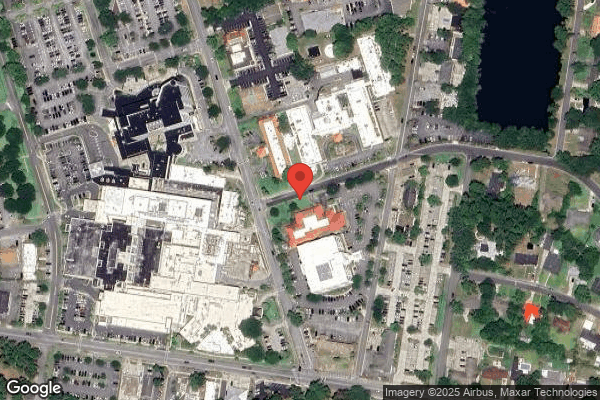
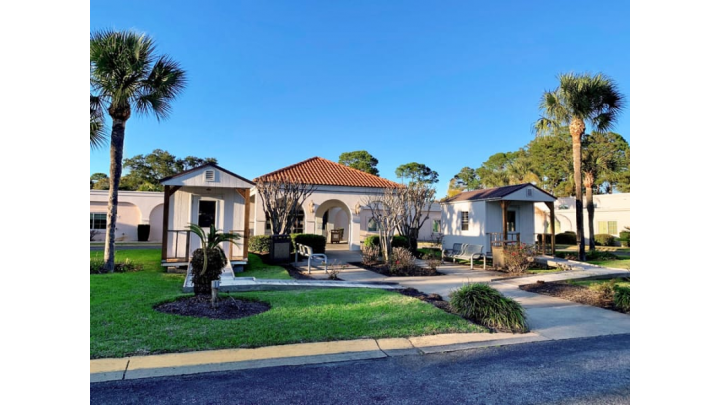
2611 WILDWOOD DRIVE, BRUNSWICK, GA 31520 (912) 265-8528
For profit - Limited Liability company 200 Beds Independent Data: November 2025 4 Immediate Jeopardy citations
Trust Grade
0/100
#334 of 353 in GA
Last Inspection: July 2025

Inspected within the last 6 months. Data reflects current conditions.

Overview

Senior Care Center in Brunswick, Georgia, has received a Trust Grade of F, indicating significant concerns and poor overall quality. It ranks #334 out of 353 facilities in Georgia, placing it in the bottom half of all nursing homes in the state, and #5 out of 5 in Glynn County, meaning there are no better local options. The facility's performance is worsening, with issues increasing from 13 in 2024 to 15 in 2025, reflecting a decline in care quality. Staffing is particularly concerning, with a 1/5 star rating and a turnover rate of 78%, much higher than the state average, indicating instability in care. Notably, the facility has faced serious incidents, including a staff member using verbal and physical aggression towards a resident and failing to properly investigate allegations of abuse, which raises significant safety concerns for potential residents. While there is some average RN coverage, the overall picture suggests that families should carefully consider these issues when evaluating this facility.

Trust Score
F
0/100
In Georgia
#334/353
Bottom 6%
Safety Record
High Risk
Review needed
Inspections
Getting Worse
13 → 15 violations
Staff Stability
⚠ Watch
78% turnover. Very high, 30 points above average. Constant new faces learning your loved one's needs.
Penalties
⚠ Watch
$16,801 in fines. Higher than 94% of Georgia facilities. Major compliance failures.
Skilled Nurses
⚠ Watch
Each resident gets only 21 minutes of Registered Nurse (RN) attention daily — below average for Georgia. Fewer RN minutes means fewer trained eyes watching for problems.
Violations
⚠ Watch
38 deficiencies on record. Higher than average. Multiple issues found across inspections.
★☆☆☆☆
1.0
Overall Rating
★☆☆☆☆
1.0
Staff Levels
★★☆☆☆
2.0
Care Quality
★☆☆☆☆
1.0
Inspection Score
Stable
2024: 13 issues
2025: 15 issues

The Good

  • Full Sprinkler Coverage · Fire safety systems throughout facility
  • No fines on record

Facility shows strength in fire safety.

The Bad

1-Star Overall Rating

Below Georgia average (2.6)

Significant quality concerns identified by CMS

Staff Turnover: 78%

32pts above Georgia avg (46%)

Frequent staff changes - ask about care continuity

Federal Fines: $16,801

Below median ($33,413)

Minor penalties assessed

Staff turnover is very high (78%)

30 points above Georgia average of 48%

The Ugly 38 deficiencies on record

4 life-threatening 2 actual harm
Jul 2025 12 deficiencies
CONCERN (D)

Potential for Harm - no one hurt, but risky conditions existed

Deficiency F0569 (Tag F0569)

Could have caused harm · This affected 1 resident

**NOTE- TERMS IN BRACKETS HAVE BEEN EDITED TO PROTECT CONFIDENTIALITY** Based on staff and residents' representative interviews, record review, and review of the facility's policy titled, Resident Tru...

Read full inspector narrative →
**NOTE- TERMS IN BRACKETS HAVE BEEN EDITED TO PROTECT CONFIDENTIALITY** Based on staff and residents' representative interviews, record review, and review of the facility's policy titled, Resident Trust Funds, the facility failed to ensure two out of three residents (R) (R135 and R139) accounts reviewed, that the resident or residents' representative received a final refund within 30 days of expiration or discharge. Findings include:Review of the policy titled Resident Trust Fund revised date [DATE] revealed, when a patient whose funds are held and managed by the facility in the Patient Trust Fund expires or is permanently discharged , the Business Office will ensure that the balance of the account is refunded, and a full accounting is provided, within 30 days of expiration or discharge (or as required by state law) to the: patient or legal representative. 1. Review of the admission record revealed R135 admitted on [DATE] and expired on [DATE].Review of R135's resident statement landscape dated [DATE] revealed the resident had a credit balance of $25.01.Interview on [DATE] at 1:28 pm with the Administrator confirmed the facility owed R135's representative $25.01. The Administrator stated that the financial services person was terminated for not issuing money back to residents and or their representatives in a timely manner. The Administrator stated that the corporate office was going to issue $25.01 back to the resident's representative. 2. Review of the admission record revealed R139 was admitted on [DATE] and discharged on [DATE].An interview on [DATE] at 11:03 am with R139's representative revealed he had not received the balance of funds from R139's trust account. He revealed it was less than $100 but that the facility kept giving him the run around to get it. Review of R139's resident statement landscape dated [DATE] revealed the resident had a credit balance of $57.66.Interview on [DATE] at 10:30 am with the Administrator confirmed the facility owed R139's representative $57.66. The Administrator stated that her financial services person was terminated for not issuing money back to residents and or their representatives in a timely manner. The Administrator stated that the corporate office was going to issue $57.66 back to the resident's representative.
CONCERN (D)

Potential for Harm - no one hurt, but risky conditions existed

Safe Environment (Tag F0584)

Could have caused harm · This affected 1 resident

**NOTE- TERMS IN BRACKETS HAVE BEEN EDITED TO PROTECT CONFIDENTIALITY** Based on observations, resident and staff interviews, the facility failed to ensure a safe, clean, comfortable, home-like enviro...

Read full inspector narrative →
**NOTE- TERMS IN BRACKETS HAVE BEEN EDITED TO PROTECT CONFIDENTIALITY** Based on observations, resident and staff interviews, the facility failed to ensure a safe, clean, comfortable, home-like environment for one out of 29 rooms (room [ROOM NUMBER] B) located on the 200 hall. Specifically, clean bed linens were not provided for the resident in room [ROOM NUMBER] B.Findings include:An interview on 7/21/2025 at 12:48 pm with the resident in room [ROOM NUMBER] B revealed that his sheets had not been changed in a month. He showed the surveyor where he placed his initials on the underside of the sheet to track if his sheets were being changed. Observation of room [ROOM NUMBER] B's bed linens on 7/21/2025 at 12:48 pm, 7/22/2025 at 12:55 pm, and 7/23/2025 at 1:00 pm revealed the resident's initials on the underside of his sheets indicating they had not been changed.Interview on 7/22/2025 at 12:15 pm with Certified Nurse Assistant (CNA) HH working on the 200 Hall, confirmed the sheets on resident's beds did not get changed as often as they should. She revealed the resident's sheets should be changed on bath days or as needed. She stated that CNAs were too busy doing other tasks and couldn't get to the resident's rooms to change bed linens. She revealed she did not change the resident's linens and did not know when the last time they were changed.Interview on 7/23/2025 at 12:50 pm with CNA KK working on the 200 Hall revealed bed linens should be changed on bath days or as needed. She stated CNA's were responsible for changing linens. She confirmed that the resident in room [ROOM NUMBER] B had a bath sometime that morning, but she did not change his sheets and had no idea when the last time his sheets were changed. An interview on 7/23/2025 at 1:40 pm with the Assistant Director of Nursing (ADON) revealed CNA's were to ensure bed linens were changed on shower days or as needed. Observation and interview on 7/23/2025 at 1:50 pm with the Director of Nursing (DON) confirmed that the bed sheets needed to be changed and saw the resident's initials. She said she would think best practice would be for linens to be changed daily but at least on bath days or as needed. She looked at the resident's initials and stated that his sheets not being changed for a month was unacceptable. She stated that she was going to get them changed.
CONCERN (D)

Potential for Harm - no one hurt, but risky conditions existed

Comprehensive Care Plan (Tag F0656)

Could have caused harm · This affected 1 resident

**NOTE- TERMS IN BRACKETS HAVE BEEN EDITED TO PROTECT CONFIDENTIALITY** Based on observations, staff interviews, record review and review of the facility's policies Care Plans and Smoke Free Policy, t...

Read full inspector narrative →
**NOTE- TERMS IN BRACKETS HAVE BEEN EDITED TO PROTECT CONFIDENTIALITY** Based on observations, staff interviews, record review and review of the facility's policies Care Plans and Smoke Free Policy, the facility failed to develop and implement care plan interventions for four out of 49 sampled residents (R) (R120, R10, R16, and R26). Specifically, care plans addressing the following were not developed and implemented for R10 and R120 related to elopement, R16 related to smoking, and R26 related to diet orders. This failure had the potential to cause the residents not to receive treatment and/or care according to their needs. Findings include: Review of the facility's policy titled, Care Plan, dated 7/27/2023 under the “Policy Statement” revealed, “It is the policy of the health care center for each patient/resident to have a person-centered baseline care plan followed by a comprehensive care plan developed following completion of the Minimum Data Set (MDS) and Care Area Assessment (CAA) portions of the comprehensive assessment according to the Resident Assessment Instrument (RAI) Manual and the patient/resident choice”. Under the section titled, “Procedure: New admission Baseline Plan of Care “revealed, “2. the baseline care plan will be updated to reflect changes to approaches, as necessary, that result from significant changes in condition or needs occurring prior to the development of a comprehensive care plan. Within the first few days of admission, a Post admission Care Conference (PACC) will be held for update and review of the baseline care plan.” Under the section titled admission Comprehensive Plan of Care revealed, 2. A comprehensive person-centered care plan will be developed by the interdisciplinary team for each patient /resident within seven days after the completion of the comprehensive assessments. The patient/resident and/or the patient/resident’s representative will participate to the extent practicable in the care planning process. An explanation must be included in a patient/resident's medical record if the participation of the patient/ resident and their patient/ resident’s representative is determined not practicable for the development of the patient/ resident’s care plan. 3. The comprehensive person-centered care plan is developed to include measurable goals and timeframes to meet a patient/resident's medical, nursing, and psychosocial needs. These services are to be furnished to attain or maintain the Resident's highest practicable physical, mental, and psychosocial needs that are identified in the comprehensive assessment… 5. The comprehensive care plans will be developed electronically, printed and filed in the medical record for manual updates. For MatrixCare users, care plans are maintained and updated electronically. Review of the facility’s policy titled, “Smoke Free Policy” with a revised date 7/30/2024 under the section titled “Grandfathered in Patients/Residents: Assessment & Care Planning” revealed, (2). Grandfathered patients/resident(s) will be assessed, utilizing the Smoking Observation Form in the Electronic Health Record, by a Licensed Nurse upon admissions, re-admission, and/or with a significant change. A re-admission Smoking Care Plan shall be developed by the Licensed Nurse on the admission Interim Care Plan Form, or electronically. 1. Review of clinical records for R120 revealed diagnoses that included but not limited to dementia, with severity of other behavioral disturbances, type 2 diabetes, and major depressive disorder. Review of progress note dated 2/21/2025 for R120 revealed that R120 rolled out the front doors behind Emergency Medical Services (EMS); the resident was seen by housekeeping and was brought back inside but never left facility grounds. The resident was asked where she was going and stated she was going home. Review of progress note dated 4/24/2025 revealed that R120 was found sitting on the floor in her room beside a large black bag full of her belongings. The resident had packed all of her items and stated she was going home. Further review of the progress note documented that the resident did this from time to time and that this was not an abnormal occurrence for this resident. Review of R120’s Quarterly Minimum Data Set (MDS) assessment dated [DATE] revealed, Section C (Cognitive Patterns), a Brief Interview for Mental Status (BIMS) score of nine which indicated moderate impairment. Section E (Behavior) revealed the presence of wandering behaviors one to three days during the assessment period. Section I (Active Diagnosis) revealed, diagnoses of Dementia, Cerebrovascular Accident, Depression, and Psychotic disorder. Review of the incident report for R120's elopement on 6/29/2025 revealed that R120 was observed outside the facility by Housekeeper TT who was dumping out water from her bucket. She looked up and saw R120 rolling down the alley road with her shower bag, headed towards [NAME] Avenue at 3:20 pm. The housekeeper alerted all the floors that R120 was getting away down the road. It was reported that staff observed R120 attempting to exit through the Turtle Cove unit's doors, but she was unable to do so because the doors were locked. Housekeeper TT was unsure how she had exited, but later discovered it was through the smoking door. After this incident, R120 was moved to the memory unit. Review of R120’s care plans revealed “ELOPEMENT: Requires admission to the specially designed secure unit R/T (related to) elopement, dementia, intermittent confusion, exit seek behavior.” with a problem start date of 7/2/2025. There was no evidence that an elopement risk care plan had been developed prior to 7/2/2025. 2. Review of clinical records for R10 revealed diagnoses that included but not limited to autistic disorder, bipolar disorder, current episode mixed, severe, with psychotic features, and depression. Review of R10’s admission MDS assessment dated [DATE] revealed Section C (Cognitive Patterns), a BIMS score of 3 which indicated severe cognitive impairment. Review of clinical records revealed, an “Elopement Risk Observation Form” was completed on 6/30/2025 which indicated R10 was a high risk for elopement, with a score of 12. Review of the Care Plan for R10 with last reviewed/revised date of 7/22/2025 revealed that an Elopement Risk care plan had not been developed for the resident. During an interview on 7/24/2025 at 1:02 pm, the Administrator revealed she was unsure about the care plan being updated after the assessment, and that she would have to look at the clinical records. During an interview on 7/24/2025 at 1:16 pm, the Nurse Consultant stated that there should be an assessment completed after each attempt, and a care plan should be in place for elopement risk. She further noted that their process involves assessing residents on admission, readmission, quarterly, and after a significant change of event. Interview on 7/24/2025 at 4:15 pm with the MDS Coordinator revealed that the Elopement Assessment was implemented for all staff once they answered the interview questions. Residents with high-risk scores are 11 and above, low-risk scores are 0-4, and moderate scores are 5-10. The MDS Coordinator revealed that CAA care assessments activate the care plan, that allows MDS to review progress notes, plan of care (POC), and the chart within a 7-day look back window. If it is missed within the seven days, she cannot code it in MDS, and it should be discussed in morning meetings. The care plan and interventions should be implemented for elopement. MDS confirmed that the Interdisciplinary team (IDT) reviews charts daily to gather reports on behaviors and that the nursing department should document information to ensure that elopement behaviors are appropriately recorded. Further interview revealed that once assessments are completed, a care plan should be updated/developed if the elopement scores are high risk or moderate. 3. Review of medical records for R16 revealed diagnoses that included but not limited to, other sequelae of other cerebrovascular disease, spastic hemiplegia affecting left nondominant side; type 2 diabetes mellitus with unspecified complications, borderline personality disorder, nicotine dependence, cigarettes, uncomplicated; and generalized anxiety disorder. Review of R16’s Annual MDS dated [DATE] for Section C (Cognitive Patterns) revealed, a BIMS of 15 which indicated the resident was cognitively intact. Review of the smoking list revealed R16 was identified as a tobacco user. Review of R16’s clinical record on 7/21/2025 revealed there was no “Smoking Observation Form “completed. Review of R16’s care plan on 7/21/2025 revealed she did not have a care plan related to smoking. Further review of clinical records revealed the care plan and the “Smoking Observation Form” was completed on 7/22/2025. Observation and interview on 7/21/2025 at 1:00 pm with Certified Nursing Assistant (CNA) LL entering R16’s room to find out if R16 to find out if she was ready to get dressed to go outside to smoke. She stated that R16’s smoke break was 2:00 pm when asked. Observation on 7/22/2025 at 2:10 pm of smoke break revealed R16 sitting outside in the designated smoke area smoking a cigarette with staff supervision. During an interview on 7/28/2025 at 3:20 pm with Unit Manager/LPN AA, revealed that the facility became a smoke-free facility after (Name of Facility) took over. She stated that R16 was smoking before she started working at the facility. She confirmed that R16 smoked and stating that R16 had been Grandfathered in. During an interview on 7/29/2025 at 1:05 pm with MDS coordinator revealed, there should have been a care plan and assessment completed for R16. She confirmed that there was not a care plan nor an assessment in the Electronic Health Record (EHR) before 7/22/2025. She stated that everything was electronic in February 2025 and that there should have been something in the EHR. She stated that she had been going through trying to update information on the care plan; however, she was the only MDS person and there was no one in the position for several months before she was hired. 4. Review of the medical records revealed R26 had diagnoses that included but not limited to hemiplegia and hemiparesis following cerebral infarction affecting left non-dominant side, need for assistance with personal care, and dysphasia following cerebral infarction. Review of R26’s physician order dated 1/10/2025 listed a dietary order for no added salt, mechanical soft. Review of R26 's care plan with a start date of 9/30/2024 and last revised on 7/22/2025 revealed resident requires a mechanically altered and therapeutic diet related to dysphagia and hemiplegia. Interventions included Diet: mechanical soft diet. Record review revealed a progress note dated 5/21/2025 that revealed the resident had a choking incident. The note revealed the resident is on a mechanical soft diet that requires meat to be grounded and was mistakenly given a hamburger for lunch. Interview on 7/28/2025 at 2:06 pm with the Registered Dietician revealed mechanical soft meats are considered ground meats. A hamburger patty is not considered mechanical soft. Interview on 7/28/2025 with Licensed Practical Nurse (LPN) FF revealed she was the author of the progress note dated 5/21/2025. She confirmed R26 was given a meal tray that did not adhere to his prescribed diet. She revealed staff should know each residents diet because it is listed numerous places such as the resident's profile and the care plan. Interview on 7/29/2025 at 1:03 pm with the MDS Coordinator revealed the facility uses an IDT approach. Anybody can enter a care plan. They are done quarterly, annually, admission, and anytime there is a significant change. It is the supervisor’s responsibility to ensure their staff familiarize themselves with the care plan and interventions. All staff must follow the resident’s care plan. Interview on 7/29/2025 at 1:15 pm with the Director of Nursing (DON) and the Administrator revealed that care plans are implemented to provide the best care for each resident including providing and implementing interventions. The Administrator confirmed that the staff did not follow the resident’s care plan and provided a meal that was not mechanical soft.
CONCERN (D)

Potential for Harm - no one hurt, but risky conditions existed

Quality of Care (Tag F0684)

Could have caused harm · This affected 1 resident

**NOTE- TERMS IN BRACKETS HAVE BEEN EDITED TO PROTECT CONFIDENTIALITY** Number of residents sampled: Number of residents cited: Based on observation, resident and staff interviews, record reviews, and...

Read full inspector narrative →
**NOTE- TERMS IN BRACKETS HAVE BEEN EDITED TO PROTECT CONFIDENTIALITY** Number of residents sampled: Number of residents cited: Based on observation, resident and staff interviews, record reviews, and reviews of the facility's policy titled, Medication Administration: General Guidelines the facility failed to follow the physician's orders as recommended for one resident (R) (R94) of 49 sampled residents. Findings include: Review of the facility's policy titled, Medication Administration: General Guidelines with a revision date of 4/10/2019 documented in the section Policy Statement: Medications are administered as prescribed, in accordance with food nursing principles and practice an only by persons legally authorized to do so. Personnel authorized to administer medication do so only after they have familiarized themselves with the medication. In section Procedure: (2) Medication is administered in accordance with written orders of the attending physician. If a dose seems excessive considering the patient/resident's age and condition, or a medication order seems to be unrelated to the patient/resident's current diagnosis or condition, the physician is contact for clarification prior to the administration of the medication. This interaction with the physician is documented in the nursing notes and elsewhere in the medical record as appropriate. R94 was admitted to the facility on [DATE] with a diagnosis of but not limited to presence of coronary angioplasty implant and graft (main blood vessel supplying the heart). Review of the quarterly Minimum Data Set (MDS) dated [DATE] revealed R94 had a Brief Interview of Mental Status (BIMS) score of 7 indicating moderate cognitive impairment. Further review of the MDS in section (N) Medications documented he is on an antiplatelet (reducing the formation of blood clots) medication. Review of the care plan documented R94 is at risk for skin breakdown and pressure ulcers related to impaired bed mobility, fragile skin, and right-hand skin tears.Review of the Physician's order documented clean skin tear to the top of right hand with wound cleaner pat dry then apply calcium alginate (absorb wound fluid) cover with drying dressing once a day (QD). During an observation on 7/21/2025 at 12:48 pm and 7/22/2025 at 1:56 pm revealed R94 had a bandage on his right hand dated 7/18/2025.During an observation and interview on 7/23/2025 at 11:25 am with R94 stated the staff changed their bandage that morning and they change his dress every six days. During an interview on 7/23/2025 at 1:56 pm with Licensed Practical Nurse (LPN) PP confirmed she changed R94 bandage this morning because it was falling off of his hand. LPN PP continued to state the Wound Care Nurse (WCN) has been on vacation and she would be responsible for ensuring those dressings are changed based on the physician's order. She further revealed R94 dressing should be changed on Mondays, Wednesday, and Fridays or as needed. However, she was unaware R94 physicians' orders were to be cleaned and changed once a day. During an interview on 7/23/2025 at 2:04 pm with the Direct Health Service (DHS), stated the nurses on the unit are responsible for conducting treatments if the WCN is not in the facility, and they should be following the physicians' orders.
CONCERN (D)

Potential for Harm - no one hurt, but risky conditions existed

Accident Prevention (Tag F0689)

Could have caused harm · This affected 1 resident

**NOTE- TERMS IN BRACKETS HAVE BEEN EDITED TO PROTECT CONFIDENTIALITY** Based on observations, staff interviews, record review, and review of the facility's policies titled Occurrences and Smoke Free ...

Read full inspector narrative →
**NOTE- TERMS IN BRACKETS HAVE BEEN EDITED TO PROTECT CONFIDENTIALITY** Based on observations, staff interviews, record review, and review of the facility's policies titled Occurrences and Smoke Free Policy, the facility failed to ensure the environment was free of accident hazards for one of 15 sampled residents (R) (120) reviewed for elopement and one of two residents (R16) reviewed for smoking. Specifically, the facility failed to complete an elopement assessment for R120 after an occurrence and failed to complete a smoking assessment for R16 with known tobacco use. The deficient practice created a potential risk to the safety and well-being of R120 and R16.Findings include: Review of the facility’s policy titled Occurrences revised date 1/11/2024 The health center recognizes that due to the frailty of the patients/ residents served, there is an increased risk of occurrences that may result in injury to the patient/resident and/or others. To prevent occurrences, each patient/resident will be observed and assessed for risks. Appropriate, realistic interventions will be implemented by their plan of care. Occurrence hazards are physical features in the health care center environment which may pose a risk to a patient/resident's safety, including but not limited to: Elopement from healthcare center property, regardless of weather, there was an injury associated with elopement. Review of the facility’s policy titled, “Smoke Free Policy” with a revised date 7/30/2024 documented under the section Grandfathered in Patients/Residents: (1). Patients/residents who are grandfathered in will be assessed for risk/hazards prior to smoking in designated areas and shall be supervised as necessary based on the Smoking Observation Form located in the Electronic Health Record. Under the section “Assessment & Care Planning”: (3). An assessment utilizing The Smoking Observation Form in the Electronic Health Record is completed at lease quarterly thereafter only if the answer to either of the first (2) questions indicates the resident either smokes or has a history of smoking. After completion of the assessment, the care planning team shall review and utilize the assessment when developing the resident’s care plan. 1. Review of clinical records for R120 revealed diagnoses that included but not limited to dementia, with severity of other behavioral disturbances, type 2 diabetes, and major depressive disorder. Review of R120’s Quarterly Minimum Data Set (MDS) assessment dated [DATE] revealed, Section C (Cognitive Patterns), a Brief Interview for Mental Status (BIMS) score of nine which indicated moderate impairment. Section E (Behavior) revealed the presence of wandering behaviors one to three days during the assessment period. Section I (Active Diagnosis) revealed, diagnoses of Dementia, Cerebrovascular Accident, Depression, and Psychotic disorder. Review of progress note dated 2/21/2025 for R120 revealed that R120 rolled out the front doors behind Emergency Medical Services (EMS); the resident was seen by housekeeping and was brought back inside but never left facility grounds. The resident was asked where she was going and stated she was going home. Review of R120 clinical records under “Observation History” revealed an elopement risk observation form was not completed after the occurrence on 2/21/2025. Review of progress note dated 4/24/2025 revealed that R120 was found sitting on the floor in her room beside a large black bag full of her belongings. The resident had packed all of her items and stated she was going home. Further review of the progress note documented that the resident did this from time to time and that this was not an abnormal occurrence for this resident. Review of the incident report for R120's elopement on 6/29/2025 revealed that R120 was observed outside the facility by Housekeeper TT who was dumping out water from her bucket. She looked up and saw R120 rolling down the alley road with her shower bag, headed towards [NAME] Avenue at 3:20 pm. The housekeeper alerted all the floors that R120 was getting away down the road. It was reported that staff observed R120 attempting to exit through the Turtle Cove unit's doors, but she was unable to do so because the doors were locked. Housekeeper TT was unsure how she had exited, but later discovered it was through the smoking door. After this incident, R120 was moved to the memory unit. Review of R120 clinical records under “Observation History” revealed an elopement risk observation form was completed until after the second occurrence on 6/29/2025. Interview on 7/23/2025 at 1:00 pm with Licensed Practical Nurse (LPN) CC revealed that R120 behaviors were not alarming to her because she packs her things every evening between the hours of 3:00 pm and 5:00 pm, and she attempts to exit the building; however, the doors are usually locked. She stated that she felt that resident R120 should have been on the memory lock unit, This is not the first elopement attempt. She revealed that R120 would have a bag with gowns, briefs, and other belongings and walked up and down the hall with her walker, checking exit doors, including the front exit door, attempting to elope. LPN stated that she heard a CNA on the other hall had propped the door open during a smoke break, which is how R120 exited. Interview on 7/23/2025 at 1:15 pm with Housekeeping TT revealed that she was the one who saw R120 off the facility property in the alley, by the doctor's office on 6/29/2025. She revealed she was not looking for the resident. She was outside dumping her mop bucket when she happened to see her with a bag of clothes in her hand. She explained that upon seeing her, she ran to her as quickly as possible and called for help. She stated that it was such a scary moment because she could have walked across the street, where traffic was hectic, due to the hospital directly across the facility on the opposite side of the road. During an interview on 7/24/2025 at 11:00 am, the Administrator revealed that elopement refers to a situation where a resident is in an unsafe and unsupervised area. She continued to state that when an elopement is identified, they call a code. The Administrator revealed, it is expected that the team members will respond, leave the floor safely, conduct a room and facility check, and then move to the outside of the facility with the radios and continue the search. Continued with the interview, the Administrator stated that if exit-seeking behaviors are present, such as physically going to the door wanting to open it or shaking and pushing at the door handle, the staff should intervene and get them back to the unit. She continued to state that when a resident elopes, and shows elopement behaviors, the clinical team should conduct an elopement assessment, create a care plan for them, and put interventions in place. The Administrator stated she is familiar with R120 and the elopement event on 2/21/2025. She noted that the February elopement is not her first attempt and has had historical behaviors of wandering and eloping for years. She stated that she is aware of the 6/29/2025 elopement event, and an elopement assessment, care plan, and interventions were implemented. However, regarding the attempt on 2/21/2025, they did not consider this to be an elopement risk. Therefore, no elopement assessment was implemented, nor was a care plan with interventions. Nevertheless, she believes interventions should have been implemented after the 2/21/2025 incident. During an interview on 7/24/2025 at 1:16 pm, the Nurse Consultant stated that there should be an assessment done after an attempt, and a care plan should be in place. She further stated that their process for when a resident should be assessed was on admission, readmission, quarterly, and a significant change of event. 2. Review of medical records for R16 revealed diagnoses that included but not limited to, other sequelae of other cerebrovascular disease, spastic hemiplegia affecting left nondominant side; type 2 diabetes mellitus with unspecified complications, borderline personality disorder, nicotine dependence, cigarettes, uncomplicated; and generalized anxiety disorder. Review of R16’s Annual MDS dated [DATE] for Section C (Cognitive Patterns) revealed, a BIMS of 15 which indicated the resident was cognitively intact. Review of the smoking list revealed R16 was identified as a tobacco user. Review of R16’s clinical record on 7/21/2025 revealed there was no “Smoking Observation Form “completed. Review of R16’s care plan on 7/21/2025 revealed she did not have a care plan related to smoking. Further review of clinical records revealed the care plan and the “Smoking Observation Form” was completed on 7/22/2025. Observation on 7/22/2025 at 2:10 pm of smoke break revealed R16 sitting outside in the designated smoke area smoking a cigarette with staff supervision. During an interview on 7/28/2025 at 3:20 pm with Unit Manager/LPN AA, revealed that the facility became a smoke-free facility after (Name of Facility) took over. She stated that R16 was smoking before she started working at the facility. She confirmed that R16 smoked and stating that R16 had been Grandfathered in. During an interview on 7/29/2025 at 1:05 pm with MDS coordinator revealed, there should have been a care plan and assessment completed for R16. She confirmed that there was not a care plan nor an assessment in the Electronic Health Record (EHR) before 7/22/2025. She stated that everything was electronic in February 2025 and that there should have been something in the EHR. She stated that she had been going through trying to update information on the care plan; however, she was the only MDS person and there was no one in the position for several months before she was hired.
CONCERN (D)

Potential for Harm - no one hurt, but risky conditions existed

Deficiency F0805 (Tag F0805)

Could have caused harm · This affected 1 resident

**NOTE- TERMS IN BRACKETS HAVE BEEN EDITED TO PROTECT CONFIDENTIALITY** Based on record review and staff interviews, the facility failed to ensure mechanical soft - chopped meats were prepared properl...

Read full inspector narrative →
**NOTE- TERMS IN BRACKETS HAVE BEEN EDITED TO PROTECT CONFIDENTIALITY** Based on record review and staff interviews, the facility failed to ensure mechanical soft - chopped meats were prepared properly for one out of 36 residents resident (R) (R26) reviewed on a mechanical soft diet.Findings include:Review of the medical records revealed R26 had diagnoses that included but not limited to hemiplegia and hemiparesis following cerebral infarction affecting left non-dominant side, need for assistance with personal care, dysphasia following cerebral infarction. Review of the Minimum Data Set (MDS) Annual assessment dated [DATE] revealed Section C (Cognitive Patterns), a Brief Interview of Mental Status (BIMS) score of nine, indicating moderate cognition impairment and Section K (Swallowing/Nutritional status) revealed, the holding of food in mouth/cheeks or residual food in mouth after meals, and received a mechanical altered diet/therapeutic dietReview of R26's physician order dated 1/10/2025 listed a dietary order for no added salt, mechanical soft.Review of R26 's care plan with a start date of 9/30/2024 and last revised on 7/22/2025 revealed resident required a mechanically altered and therapeutic diet related to dysphagia and hemiplegia. Interventions included Diet: mechanical soft diet.Record review revealed a progress note dated 5/21/2025 that revealed the resident had a choking incident. The note revealed the resident was on a mechanically soft diet that required meat to be grounded and was mistakenly given a hamburger for lunch.Interview on 7/28/2025 at 2:06 pm with the Registered Dietician (RD) revealed mechanical soft meats were considered ground meats and that a hamburger patty was not considered mechanical soft. The RD revealed that staff passing trays should be checking the resident's diet which was listed on the resident's profile, care plan, and meal ticket to the actual tray being served to the resident. Interview on 7/28/2025 at 2:44 pm with the Dietary Manager confirmed the R26 did receive a diet that was not mechanically soft. He revealed when the incident occurred, he went to the resident's room and saw that the resident had received his roommate's tray.
CONCERN (D)

Potential for Harm - no one hurt, but risky conditions existed

Infection Control (Tag F0880)

Could have caused harm · This affected 1 resident

**NOTE- TERMS IN BRACKETS HAVE BEEN EDITED TO PROTECT CONFIDENTIALITY** Based on observations, staff interviews, and review of the facility's policy titled, Standard Precautions, the facility failed t...

Read full inspector narrative →
**NOTE- TERMS IN BRACKETS HAVE BEEN EDITED TO PROTECT CONFIDENTIALITY** Based on observations, staff interviews, and review of the facility's policy titled, Standard Precautions, the facility failed to ensure resident personal care items were stored in a manner to prevent cross-contamination in three of 12 bathrooms shared between rooms (216 and 218, 215 and 217, 205 and 207) on the 200 Hall. The deficient practice had the potential to expose residents to infections due to cross-contamination. Findings include:A review of the policy titled Standard Precautions last reviewed on 12/4/2023, revealed 7. Patient Care Equipment and Instrument/Devices. Handle equipment soiled with blood, body fluids, secretions, and excretions in a manner that prevents skin and mucous membrane exposures, contamination of clothing, and transfer of pathogens to other patients or the environment.Observations on 7/21/2025 at 12:48 pm, 7/22/2025 at 1:01 pm, and 7/23/2025 at 12:38 pm of the bathroom shared between rooms [ROOM NUMBERS] revealed a bed pan and a bath basin not bagged or labeled. Observation on 7/21/2025 at 1:11 pm, 7/22/2025 at 1:00 pm, and 7/23/2025 at 12:59 pm of the bathroom shared between rooms [ROOM NUMBERS] revealed two urinals not bagged or labeled. Observation on 7/21/2025 at 1:14 pm, 7/22/2025 at 1:05 pm, and 7/23/2025 at 1:05 pm of the bathroom shared between rooms [ROOM NUMBERS] revealed five bath basins not bagged or labeled.Interview on 7/23/2025 at 2:50 pm with Certified Nurse Assistant (CNA) KK revealed bath basins and urinals should be cleaned, bagged, and labeled with resident's name and room number. An interview on 7/23/2025 at 1:40 pm with Assistant Director of Nursing (ADON) revealed that all urinals and bath basins should be bagged and labeled. Observation and interview on 7/23/2025 at 1:50 pm with the Director of Nursing (DON) confirmed that all urinals and bath basins should be labeled and bagged to ensure no spread of disease or contamination. She confirmed the bathroom shared between rooms [ROOM NUMBERS] contained a bed pan and a bath basin not bagged or labeled, the bathroom shared between rooms [ROOM NUMBERS] contained two urinals not bagged or labeled, and the bathroom shared between rooms [ROOM NUMBERS] contained five bath basins not bagged or labeled.
CONCERN (D)

Potential for Harm - no one hurt, but risky conditions existed

Deficiency F0914 (Tag F0914)

Could have caused harm · This affected 1 resident

**NOTE- TERMS IN BRACKETS HAVE BEEN EDITED TO PROTECT CONFIDENTIALITY** Based on observations, interviews, and review of the facility's policy titled Patient/Resident Rights, Accommodation of Needs, t...

Read full inspector narrative →
**NOTE- TERMS IN BRACKETS HAVE BEEN EDITED TO PROTECT CONFIDENTIALITY** Based on observations, interviews, and review of the facility's policy titled Patient/Resident Rights, Accommodation of Needs, the facility failed to ensure privacy for two out of 29 resident rooms observed (room [ROOM NUMBER] A and 218 B) had privacy curtains. Findings include:Review of the facility's policy titled Patient/Resident Rights, Accommodation of Needs, revised 12/1/2023 revealed B. Privacy: 1. Patients/residents will be provided full visual privacy during routine care and treatments by means of privacy curtains and closed doors.Observation on 7/21/2025 at 1:11 pm during an initial tour shared rooms 217 A and 218 B revealed that the privacy curtains were missing. Further observations on 7/22/2025 at 11:55 am and 7/23/2025 at 12:39 pm revealed both 217 A and 218 B were still missing their privacy curtains.Interview on 7/23/2025 at 12:50 pm with Certified Nurse Assistant (CNA) KK revealed that all residents in a double room should have a privacy curtain. Interview and rounding on 7/23/2025 at 1:45 pm with the Director of Nursing (DON) revealed the facility prioritizes resident's privacy and dignity. The DON confirmed revealed that all shared rooms should have a privacy curtain for each bed. She confirmed that 217 A and 218 B did not have a privacy curtain. She stated she was going to get maintenance to hang both curtains.
CONCERN (E)

Potential for Harm - no one hurt, but risky conditions existed

Deficiency F0658 (Tag F0658)

Could have caused harm · This affected multiple residents

**NOTE- TERMS IN BRACKETS HAVE BEEN EDITED TO PROTECT CONFIDENTIALITY** Based on observations, staff interviews, record reviews and review of the facility's policy titled, Medication Administration: G...

Read full inspector narrative →
**NOTE- TERMS IN BRACKETS HAVE BEEN EDITED TO PROTECT CONFIDENTIALITY** Based on observations, staff interviews, record reviews and review of the facility's policy titled, Medication Administration: General Guidelines, the facility failed to follow professional standards of quality care for two of six residents (R) (R89 and R51). Specifically, the facility failed to ensure all medications ordered were administered and documented according to professional standards of clinical practice. Findings include: A review of the facility's policy titled, Medication Administration: General Guidelines, reviewed 7/22/2024 stated that, Medications are administered as prescribed, in accordance with good nursing principles and practices and only by persons legally authorized to do so. At the end of each medication pass, the person administering the medications reviews the paper Medication Administration Record (MAR) or the electronic version of e-MAR to ascertain that all necessary doses were administered and all administered doses were documented. In no case should the individual who administered the medications report off duty without first recording the administration of any medications. If a dose of regularly scheduled medication is withheld, refused, or given at other than the scheduled time (e.g. patient/ resident not in healthcare center at scheduled dose time, initial dose of antibiotics), the space provided on the front of the paper MAR for that dosage administration is initialed and circled and for facilities utilizing the e-MAR system the NOT ADMINISTERED button will be utilized with the appropriate reason given for not administering medication at scheduled time. 1. A review of the facility's admission records for R89 revealed that the resident admitted with diagnoses that included but not limited to chronic obstructive pulmonary disease (COPD) with acute exacerbation, proximal atrial fibrillation (A-Fib), muscle weakness, pulmonary fibrosis, vascular dementia, rheumatoid arthritis without rheumatoid factor, depression, chronic kidney disease and moderate protein calorie malnutrition. A review of R89 admission Minimum Data Set (MDS) dated [DATE] revealed Section C (Cognitive Patterns) a Brief Interview of Mental Status (BIMS) score of 13 which indicated minimal cognitive impairment; Section N (Medications)indicated the use of antipsychotics, antianxiety, antidepressants, anticoagulant, diuretic, antiplatelet, and anticonvulsants.A review of R89's active physician's orders included acetaminophen tablet 325 milligrams (MG) two tablets (start date 7/1/2025), ascorbic acid tablet 500 MG two tablets (start date 7/2/2025) , azelastine hydrochlorothiazide 0.137 milligrams metered dose nasal spray, two sprays in each nostril (start date 7/8/2025), and cholecalciferol 1.25 MG one tablet (start date 7/1/2025). During a medication pass on 7/22/2025 at 8:35 am on Live Oak hall with Licensed Practical Nurse (LPN) CC revealed her administering medications to R89. Azelastine hydrochlorothiazide 0.137 milligrams metered dose nasal spray, one sprays in each nostril, ascorbic acid tablet 500 MG one tablet were all administered however, cholecalciferol 1.25 milligrams one tablet was not administered.Review of the MAR for R89 on 7/22/2025 at 8:45 am revealed LPN CC documented administration of all medications as administered without indicating any omissions or errors. During an interview on 7/22/2025 at 9:00 am with LPN CC, she admitted to not administering the correct dosage of azelastine hydrochlorothiazide nasal spray and ascorbic acid 500 milligrams. LPN CC admitted she only administered one spray of nasal spray in each nostril and only one ascorbic acid tablet. She also admitted to omitting one tablet of cholecalciferol 1.25 milligrams stating that she was nervous and it was an oversight. LPN CC stated that she will go back and administer the missed medications in the correct dosage of the medications given in error. 2. During a record review of R51 admission records revealed the resident was admitted to the facility with diagnosis that included but not limited to quadriplegia, peripheral vascular disease, incomplete lesion at unspecified level of cervical spinal cord, seizures, vitamin D deficiency, major depressive disorder, chronic idiopathic constipation and polyneuropathy. During a record review of R51's Quarterly MDS dated [DATE] revealed Section C (Cognitive Patterns) a BIMS score of 15 indicating no cognitive impairment and Section N (Medications) indicated the use of inside depressants, anticoagulants, opioids and anticonvulsants.A review of the active physicians orders for R51 revealed docusate sodium 100 mg oral capsule [Colace] two caps two times daily (start date 10/10/2024), vitamin b-12 1tablet daily (start date 10/10/2024), polyethylene glycol 3350 17000 mg powder for oral solution [MiraLax] 30 ml (milliliter) by mouth every three days (start date 10/10/2024), sertraline 50 mg oral tablet one tablet once a day (start date 12/20/2024), carbamazepine 200 mg extended-release oral tablet one tablet, (start date 10/10/2024) , famotidine tablet 20 mg one tablet (start date 10/10/2024) , phenytoin sodium extended capsule; 100 mg three capsules daily (start date 10/10/2024), tramadol tablet 50 mg one tab two times daily (start date 10/31/2024), apixaban five mg oral tablet; one tablet (start date 9/20/2024), baclofen 10mg oral tablet; one tablet (start date 10/10/2024) and Lactulose 10MG/15 milliliters (ML), amount 30ML(start date 10/10/2024). During a medication pass on 7/22/2025 at 9:30 am with LPN EE on Turtle Cove hall revealed her administering medications to R51. LPN EE was observed administering docusate sodium 100 mg oral capsule [Colace] one capsule, apixaban 5mg oral tablet one tablet, baclofen 10mg oral tablet one tablet, carbamazepine 200 mg extended-release oral tablet one tablet, famotidine 20 mg oral tablet one tablet, phenytoin 100 mg capsules three capsules and tramadol hydrochloride 50 mg extended-release oral tablet one tablet. A review of the MAR for R51 revealed LPN EE administered docusate sodium 100 MG capsule one capsule and did not administer vitamin B12 one tablet, Lactulose 10MG/15ML 30ML, polyethylene glycol 3350 17000 milligram powder 17grams nor sertraline 50MG one tablet. There was no documentation on the MAR indicating the administration of carbamazepine tablet; 200 mg one tablet two times daily, famotidine tablet 20 mg one tablet, phenytoin sodium extended capsule; 100 mg three capsules daily and tramadol - schedule IV tablet 50 mg one tab two times daily. During an interview on 7/22/2025 at 10:00 am with LPN EE revealed that not only was she new to the facility, but she was also new to using the current electronic medical records (EMR) system. She denied seeing the medications omitted on the MAR during her administration and acknowledged to not signing off the MAR after completing the medication administration. During an interview on 7/22/2025 at 2:00 pm with LPN DD, she confirmed the missing signatures on the EMR and stated that she could not explain why the medications omitted by LPN EE was not showing up on her EMR screen. She acknowledged the missing signatures on the EMR for the medications omitted by LPN EE stating she will look into it. During an interview on 7/29/2025 at 3:30 pm with the Director of Nursing (DON) she confirmed the missing signatures on the EMR reiterating that if it is not documented then it wasn't done. She also revealed that it is my expectation that the nurses are administering medications according to physician orders. If they are unsure about an order they are to contact the doctor or Nurse Practitioner (NP) for clarification and to document the reason for not giving the medication. She also stated that the nurses are to notify the doctor and document in the residence records according to the instructions given to them by the medical doctor (MD). The DON stated that if there was an omission or an error made during a medication pass that the nurse should document the error and/ or the omission. The resident should be notified as well as the responsible party (RP) and the resident should be monitored due to the omission and reported to the medical doctor (MD) of any findings.
CONCERN (E)

Potential for Harm - no one hurt, but risky conditions existed

Unnecessary Medications (Tag F0759)

Could have caused harm · This affected multiple residents

Based on observations, residents and staff interviews, record review, and review of the facility's policy titled, Medication Administration: General Guidelines, the facility failed to ensure the medic...

Read full inspector narrative →
Based on observations, residents and staff interviews, record review, and review of the facility's policy titled, Medication Administration: General Guidelines, the facility failed to ensure the medication error rate was less than five percent. There were nine errors with 56 opportunities for three of six residents (R) (R51, R89 and R92) observed for a medication administration with an error rate of 16.07 percent. This deficient practice had the potential to place all residents at risk of avoidable medical complications due to not receiving medications or receiving an incorrect dose of medication other than that prescribed by the physician. Findings include: During a review of the facility's policy titled, Medication Administration: General Guidelines, dated 7/22/2024, revealed under heading Procedure: Medications are administered in accordance with written orders of the attending physician. If a dose seems excessive considering the patient/ resident's age and condition, or a medication order seems to be related to the patient/ resident's current diagnosis or condition, the physician is contacted for clarification prior to the administration of the medication. This interaction with the physician is documented in the nursing notes and elsewhere in the medical record as appropriate. If a dose of regularly scheduled medication is withheld, refused, or given at other than the scheduled time (e.g. patient/ resident not in healthcare center at scheduled dose time, initial dose of antibiotic), The space provided on the front of the paper Medication Administration Record (MAR) for that dose administration is initialed and circled and for facilities utilizing the e-MAR system the NOT ADMINISTERED button will be utilized with the appropriate reason given for not administering medication at scheduled time period an explanatory note is entered on the reverse side of the record provided for as needed (PRN) indication and general medication notes and for EMR the note can be typed in the appropriate space provided within the electronic system. If more than two consecutive doses of a vital medication or refuse, the physician is notified. 1. Review of R51 admission records revealed the resident was admitted to the facility with diagnosis that included but not limited to quadriplegia, peripheral vascular disease, incomplete lesion at unspecified level of cervical spinal cord, seizures, vitamin D deficiency, major depressive disorder, chronic idiopathic constipation and polyneuropathy.A review of the active physicians orders for R51 revealed docusate sodium 100 milligram (MG) oral capsule [Colace] two caps two times daily, vitamin b-12 1tablet daily, polyethylene glycol 3350 17000 mg powder for oral solution [MiraLax] 30 ml (milliliter) by mouth every three days, sertraline 50 mg oral tablet one tablet once a day, carbamazepine tablet; 200 mg one tablet two times daily, famotidine tablet 20 mg one tablet, phenytoin sodium extended capsule; 100 mg three capsules daily, tramadol tablet 50 mg one tab two times daily, apixaban 5 mg oral tablet; one tablet, baclofen 10mg oral tablet; one tablet, and 12 HR (hour) carbamazepine 200 mg extended-release oral tablet; one tablet. During a medication pass on 7/22/2025 at 9:30 am with LPN EE on Turtle Cove hall revealed her administering medications to R51. LPN EE was observed administering docusate sodium 100 mg oral capsule [Colace] one capsule (instead of two), apixaban 5 mg oral tablet one tablet, baclofen 10 mg oral tablet one tablet, 12 HR carbamazepine 200 mg extended-release oral tablet one tablet, famotidine 20 mg oral tablet one tablet, phenytoin 100 mg capsules three capsules and tramadol hydrochloride 50 mg extended-release oral tablet one tablet. Vitamin B12 one tablet, Lactulose 10mg/15ml-30ml, polyethylene glycol 3350 17000 milligram powder 17grams nor sertraline 50 mg one tablet was administered. A review of the MAR for R51 revealed LPN EE administered the docusate sodium 100 mg capsule one cap and did not administer vitamin B12 one tablet, Lactulose 10mg/15ml-30ml, polyethylene glycol 3350 17000 milligram powder 17grams nor sertraline 50 mg one tablet. During an interview on 7/22/2025 at 10:00 am with LPN EE revealed that not only was she new to the facility, but she was also new using the current electronic medical records (EMR) system. She denied seeing the medications omitted on the MAR during her administration and acknowledged to not signing off the MAR after completing the medication administration. 2. A review of the facility's admission records for R89 revealed that the resident admitted with diagnoses that included but not limited to chronic obstructive pulmonary disease (COPD) with acute exacerbation, proximal atrial fibrillation (A-Fib), muscle weakness, pulmonary fibrosis, vascular dementia, rheumatoid arthritis without rheumatoid factor, depression, chronic kidney disease and moderate protein calorie malnutrition.A review of R89's active physician's orders included acetaminophen tablet 325 milligrams (MG) two tablets, ascorbic acid tablet 500 MG two tablets, azelastine hydrochlorothiazide 0.137 milligrams metered dose nasal spray, two sprays in each nostril, and cholecalciferol 1.25 MG one tablet. During a medication pass on 7/22/2025 at 8:35 am on Live Oak hall with Licensed Practical Nurse (LPN) CC revealed her administering medications to R89. Azelastine hydrochlorothiazide 0.137 milligrams metered dose nasal spray, one sprays in each nostril, ascorbic acid tablet 500 MG one tablet were all administered however, cholecalciferol 1.25 milligrams one tablet was not administered. During an interview on 7/22/2025 at 9:00 am with LPN CC, she confirmed she did not administer the correct dosage of azelastine hydrochlorothiazide nasal spray and ascorbic acid 500 milligrams. LPN CC admitted she only administered one spray of nasal spray in each nostril and only one ascorbic acid tablet. She also admitted to omitting one tablet of cholecalciferol 1.25 milligrams stating that she was nervous and that it was an oversight. 3. Review of clinical records for R92 revealed that she was admitted to the facility with diagnoses that included but not limited to atherosclerotic heart disease of native coronary artery with unstable angina pectoris, vascular dementia, cerebrovascular disease, major depressive disorder, recurrent, here with psychotic symptoms, general anxiety disorder, seizures cognitive communication deficit and impacted cerumen. Review of the active physician's orders revealed folic acid 1 mg one tablet, isosorbide dinitrate 20 mg oral tablet one tablet, colchicine 0.6 mg oral capsule one capsule, Lacri- Lube opth application to both eyes, clopidogrel 75 mg oral tablet one tablet, nystatin 100000 unit/ml oral suspension 5 ml, lactulose 10 mg/15 ml oral solution 30 ml, aspirin 81 mg chewable tablet one tablet daily, amlodipine 2.5mg one tablet daily, acetaminophen 325 mg / oxycodone hydrochloride 5 mg oral tablet [Percocet], aripiprazole tablet 5 mg 0.5 tablet, Debrox (carbamide peroxide) drops 6.5 % 8 drops each ear; otic (ear) twice a day, divalproex capsule, delayed release sprinkle 125 mg three caps and escitalopram oxalate tablet 5 mg three tablets. During a medication pass on 7/23/2025 at 9:00 am with LPN AA revealed her administering medications to R92. LPN AA was observed administering Debrox (carbamide peroxide) drops 6.5 % into R92 ears. She administered two drops to each ear and inserted balls of cotton into both ears before leaving the room. During an interview on 7/23/2025 at 9:34 am with LPN AA, she confirmed she only administered two drops of Debrox to each ear before inserting the cotton ball. LPN AA then verified the medication order and stated, I forgot. She added that she was familiar with the residents but not with their medications. She stated that she checked the medication orders prior to getting ready for the administration but simply forgot the amount of drops to be given. During an interview on 7 29/2/25 at 3:30 pm with the Director of Nursing (DON) she confirmed the missing signatures on the EMR reiterating that if it was not documented then it wasn't done. She also revealed that it is my expectation that the nurses are administering medications according to physician orders. If they are unsure about an order they are to contact the doctor or Nurse Practitioner (NP) for clarification and to document the reason for not giving the medication. She also stated that the nurses are to notify the doctor and document in the residence records according to the instructions given to them by the medical doctor (MD). The DON stated that if there was an omission or an error made during a medication pass that the nurse should document the error and/ or the omission. The resident should be notified as well as the responsible party (RP) and the resident should be monitored due to the omission and report to MD any findings.
CONCERN (E)

Potential for Harm - no one hurt, but risky conditions existed

Deficiency F0761 (Tag F0761)

Could have caused harm · This affected multiple residents

Based on observations, staff interviews and review of the facility's policy titled, Medication Storage in the Healthcare Center, the facility failed to ensure that all drugs and biologicals were disca...

Read full inspector narrative →
Based on observations, staff interviews and review of the facility's policy titled, Medication Storage in the Healthcare Center, the facility failed to ensure that all drugs and biologicals were discarded prior to the expiration date on one of nine medication carts (Harbor Side) and two of six medication rooms (Central Supply and Ocean Breeze). This deficient practice had the potential to place residents at risk for medical complications and delayed treatment. The facility census was 126 residents.Findings include: Review of the facility's policy titled, Medication Storage in the Healthcare Center, revised 6/20/2025, under the section titled, Procedure revealed, number three, Nurses and medication aides are required to check all medications for deterioration and expiration before administration. And medication aides are also required to inspect medication storage facilities, including medication cards, routinely. Medication storage areas are to be kept clean, well lit, and free of clutter. Nursing staff and medication aides who administer medications are responsible for the cleaning and organization of medication carts and storage areas.Number12 revealed, Outdated, or deteriorated medications and those in containers, soiled, or without secure closures are immediately removed from stock, disposed of according to procedures for medication destruction, and reordered from the pharmacy, if a current order exists. During an observation on 7/22/2025 at 12:43 pm of the medication cart on Harbor Side, revealed a bottle of Allergy Relief with expiration date January 2025 in the medication cart. During an observation on 7/22/2025 at 1:04 pm of the central supplies medication storage area revealed two bottles of aspirin 325 milligrams (mg) with expiration date June 2025. During an observation on 7/22/2025 at 2:16 pm of the medication room on Ocean Breeze, revealed two boxes of COVID-19 antigen rapid tests with a used by date 4/30/2025.During an observation on 7/22/2025 at 12:45 pm with Licensed Practical Nurse (LPN) FF revealed that she did not normally work on Harbor Side Hall and that her regular hall was Live Oak. LPN FF also revealed that did not normally administer these medications and therefore did not check the expiration date. She confirmed that she knew to check the medication cart and to remove any expired medications but, she did not do so. During an interview on 7/23/2025 at 9:54 am with LPN GG revealed that when you can't tell the expiration date you're to discard the medication and replace it. She confirmed that she did not check the medication cart for expired medications when she returned to work after her scheduled days off. During an interview on 7/28/2025 12:05 pm with LPN AA revealed that the nurses on the cart were responsible for checking and removing expired medications from the cart. LPN AA stated that the cart should be checked weekly for expired medications. She also stated that I did an inventory about four weeks ago of both the medication cart and the medication storage room and removed all expired medications. LPN AA stated that all nurses were responsible for checking all medications for expiration date before administering the medication. She also stated that It was also an oversight on my part as well. LPN AA stated that the central supply person is generally responsible for the central supply medication closet. During an interview on 7/29/2025 at 10:04 am with the Central supply manager/ Transporter revealed she was responsible for stacking and auditing supplies in the nursing supply closet in the central supply room. She stated that I order as needed with a specific amount kept in the closet, I rotate the stuff according to what's going out first meaning what's expiring sooner gets pulled to the front. I check weekly for expired medications and if expired then I pull it and dispose of it. I'm not sure if the nurses placed extra stuff found in their carts back in my storage and that's why I had expired stuff in my closet. During an interview on 7/28/2025 at 3:38 pm with the Director of Nursing (DON) and the Assistant Director of Nursing (ADON) revealed that all nurses were responsible for disposing expired medications immediately if it was expired. The DON stated that if it is a continuous medication then the nurse should reorder it or replace it if it is an over-the-counter medication. She also stated that the pharmacy comes monthly and checks everything including expired medications. The DON revealed that nurses should be checking the expiration date before administering medications as well as the managers, just as an extra set of eyes. I think it's a team effort.
CONCERN (F)

Potential for Harm - no one hurt, but risky conditions existed

Garbage Disposal (Tag F0814)

Could have caused harm · This affected most or all residents

Based on observations and staff interviews, the facility failed to ensure that the dumpster area was free of debris and maintained in sanitary conditions. In addition, the facility failed to ensure th...

Read full inspector narrative →
Based on observations and staff interviews, the facility failed to ensure that the dumpster area was free of debris and maintained in sanitary conditions. In addition, the facility failed to ensure the dumpsters lids for three of the four dumpsters had a secure fit and closed properly. The deficient practice had the potential to promote the harboring of pests, insects, and other organisms and create the potential for disease transmission by pest and rodents. The census was 126 residents. Findings include:During the initial tour of the outside area on 7/21/2025 at 9:30 am revealed the dumpster area had garbage and litter on the ground. Further observation revealed that the dumpsters lids for three of the four dumpsters were not secured and opened. Observation and interview on 7/23/2025 at 3:25 pm of the facility's dumpster with Dietary Kitchen Manager (DKM) revealed the dumpsters lids for three of the four dumpsters were not secured and opened. One of the four dumpster's lid was damaged, allowing it not to close properly causing the lid to lift, not having a secure fit and preventing the trash from being securely contained. Debris and used nitrile exam gloves were thrown on the ground around the dumpsters; boxes and litter were thrown behind the dumpsters. The DKM confirmed the condition of the dumpsters lids, the debris, and litter on the ground. He reported that the lids should be always closed to contain the trash. He verified that the trash should not be on the ground, nor thrown behind the dumpsters. He stated that he did not know that it was the kitchen staff's responsibility to maintain the garbage and refuse; however, all staff should take responsibility. The DKM reported being unaware of the dumpster condition. The DKM stated that he would organize a cleanup day for them to clean the dumpster area. Observation on 7/24/2025 at 11:55 am of the facility dumpster area revealed no changes in the condition of the dumpster area from the previous day.
Apr 2025 3 deficiencies 1 Harm
SERIOUS (G) 📢 Someone Reported This

A family member, employee, or ombudsman was alarmed enough to file a formal complaint

Actual Harm - a resident was hurt due to facility failures

Accident Prevention (Tag F0689)

A resident was harmed · This affected 1 resident

**NOTE- TERMS IN BRACKETS HAVE BEEN EDITED TO PROTECT CONFIDENTIALITY** Based on record review and staff interviews, the facility failed to protect one of three residents (R) (R4) sampled for falls du...

Read full inspector narrative →
**NOTE- TERMS IN BRACKETS HAVE BEEN EDITED TO PROTECT CONFIDENTIALITY** Based on record review and staff interviews, the facility failed to protect one of three residents (R) (R4) sampled for falls during transfer. Harm was identified to have occurred on 2/19/2025 when R4 fell while being transferred from a chair to the bed by staff, resulting in a mid-shaft radius fracture. Findings include: Review of the Electronic Medical Records (EMR) revealed an admission date of 2/26/2024 with a diagnosis of unspecified dementia, unspecified severity, without behavioral disturbance, psychotic disturbance, mood disturbance, and anxiety, Muscle weakness (generalized), Atherosclerotic heart disease of native coronary artery without angina pectoris, Alzheimer's disease, unspecified. Record review of the most recent quarterly Minimum Data Set (MDS) for R4 dated 12/20/2024 revealed there was no Brief Interview for Mental Status (BIMS) score listed. Section GG (Functional Abilities and Goals) documented that R1 was dependent on staff for self-care and mobility requires two persons assistance for ADL care. The helper does all of the effort. The resident does none of the effort to complete the activity. A review of the progress notes for R4 dated 2/19/2025 at 6:02 pm revealed Resident was being transferred to bed by staff the Hoyer lift pad strap broke causing a fall. Resident have a small skin tear to left lower arm. cleansed with NSS, padded dry, applied Steri-strips, Allevyn dressing and secured with gauze. Notified Nurse Practitioner (NP) orders to send to E/R to be evaluated and treated. A review of the hospital Discharge Plan dated 2/20/2025 revealed an x-ray of right forearm revealed a nondisplaced transverse fracture of the mid-shaft of the right ulna. No radius fracture is identified. In the ED splint was placed on right arm, Ibuprofen ordered and referral to the orthopedic specialist. She returned to the facility in stable condition. A review of the facility's investigation documentation dated 6/1/23 revealed on 2/19/2025 the resident fell from a lift secondary to the strap breaking. Resident was transferred to the ER for evaluation. She returned to the facility the following morning with x-ray results showing a right radius break. Interview with the Administrator on 3/6/2025 at 11:48 am revealed she got a call from the Director of Health Services (DHS) nurse that R4 fell from the Hoyer lift as CNA FF was transferring her from the chair to the bed. The administrator stated that the CNA FF was using the wrong lift pad. She stated that the seams in the lift pad broke and R4 fell to the floor. The administrator stated that CNA GG was in the room but left the room and when he ame back into the room R4 was on the floor as CNA FF attempted to transfer her without assistance. CNA FF was not available by phone for interview. Review of CNA FF written statement dated 2/20/2025 revealed On 2/19/2025 as we were transferring resident to bed with the Hoyer lift the sling that was used to get the resident up that morning popped causing the resident to fall when the resident fell her left side fell on the legs of the Hoyer lift we then notified the nurse who came in and began her assessment, I collected her vitals the resident was transferred to bed as I was helping the nurse rotate the resident to look for any visible injuries the nurse came upon a skin tear on her left arm the nurse cleaned the wound and notified the nurse practitioner and called residents family and we prepared the resident to be sent out to the emergency room. CNA GG was not available by phone for interview. Review of CNA GG statement per text conversation with administrator from CNA GG dated 2/25/2025 revealed The other CNA asked me to help her secured the Hoyer pad to the Hoyer lift once attached to the Hoyer lift the resident was transported into the room the Hoyer pad somehow became unmatched, and the resident fell down. I just want it to be clear that I was not in the room at the time of the incident I just helped her attached the Hoyer pad to the lift I was in the middle of throwing away a solid brief when I was asked to help put the pad on the lift. Review of LPN HH written statement dated 2/25/2025 revealed On 2/19/2025 I was informed a resident had fell in room [ROOM NUMBER] at 6:00 pm. Resident had fell due to a sling strap had popped causing her to fall to the floor. Resident was assessed, received a skin tear to left lower arm. Resident was assessed and placed in bed. Left lower arm treated with Steri-strips, Allevyn pad, gauze, and secured with tape. Notified on call staff for doctor spoke to NP RN, orders to send to E/R to be evaluated and treated. Notified son via telephone. called EMS at 6:18 pm EMS arrived at 6:50 pm departed via stretcher at 7:05 pm. Resident was transferred to the emergency room for evaluation. On 2/20/2025 Maintenance inspected the lift and was satisfied the lift is in working order. The Annual PM on this lift is scheduled for 5/2025. On 2/20/2025 the Interim Director of Health Services (IDHS) instructed all lift pads resembling the one in question be collected from the units. The task was completed by supervisors. Both CNAs who were involved were suspended prior to their next shift. The Administrator, Director of Health Service (DHS), and the Clinical Competency Coordinator (CCC) provided a Hoyer Lift in-service to all nursing staff on 2/20/2025. (Reviewed) The Administrator, Director of Health Service (DHS), and the Clinical Competency Coordinator (CCC) provided abuse education to all staff 2/20/2025 through 2/27/2025. (Reviewed) The Social Service Director (SSD) completed an audit of residents who use lift and asked if they felt safe during lift transfer 2/24/2025. (Reviewed) The Administrator implemented the Lift Use Audits to include the proper number of staff, proper sling used, and sling used correctly 3/2/2025. Audits to be completed two times daily for three weeks, two times weekly for four weeks, four monthly for three months. Review of Separation Notice dated 2/27/2025 revealed CNA FF terminated 2/27/2025. Review of Separation Notice dated 3/3/2025 revealed CNA GG resigned without notice 3/3/2025.
CONCERN (D) 📢 Someone Reported This

A family member, employee, or ombudsman was alarmed enough to file a formal complaint

Potential for Harm - no one hurt, but risky conditions existed

ADL Care (Tag F0677)

Could have caused harm · This affected 1 resident

**NOTE- TERMS IN BRACKETS HAVE BEEN EDITED TO PROTECT CONFIDENTIALITY** Based on observation, record review and staff and resident interviews, the facility failed to ensure three residents (R2, R3, an...

Read full inspector narrative →
**NOTE- TERMS IN BRACKETS HAVE BEEN EDITED TO PROTECT CONFIDENTIALITY** Based on observation, record review and staff and resident interviews, the facility failed to ensure three residents (R2, R3, and R 6) were given showers as scheduled from a sample of six residents. Findings include: 1. R2 was admitted to the facility on [DATE] with the following but not limited to diagnoses: Paroxysmal atrial fibrillation, Chronic obstructive pulmonary disease with (acute) exacerbation, Unsteadiness on feet, Parkinsonism, unspecified, and Muscle weakness. The 3/17/2025 admission Minimum Data Set indicated the resident had a Brief Interview for Mental Status (BIMS) of 15 indicating the resident had intact cognition, Partial/moderate assistance - Helper does less than half the effort. Helper lifts, holds, or supports trunk or limbs, but provides less than half the effort. During an interview with R2 on 3/31/2025 at 3:30 pm, R2 stated that she has been at the facility for 20 days. She stated that she only had three showers since her admission to the facility. Review of Point of Care History Sheets revealed the R2 received four showers in 20 days. 2. R3 was admitted to the facility on [DATE] with the following but not limited to diagnoses: Cerebral infarction, unspecified, History of falling, Muscle weakness (generalized, Other symptoms and signs involving the musculoskeletal system, Hemiplegia and hemiparesis following cerebral infarction affecting right dominant side, Localized swelling, mass and lump, unspecified, Personal history of transient ischemic attack (TIA), and cerebral infarction without residual deficits, Pain in lower leg, vertigo, mild intermittent asthma, anxiety disorder, and osteoarthritis. The 12/25/2024 Quarterly Minimum Data Set indicated the resident had a Brief Interview for Mental Status (BIMS) of 13 indicating the resident had intact cognition, Shower/bathe self: Supervision or touching assistance. During an interview with the R3 on 3/26/2025 at 12:18 pm, he stated that he last showered on 3/21/2025. R3 stated his showers were scheduled on the 3-11 shift on Monday, Wednesday and Friday. 3. R6 was admitted to the facility on [DATE] with the following but not limited to diagnoses: Chronic respiratory failure with hypercapnia, Chronic respiratory failure with hypoxia, Chronic obstructive pulmonary disease, unspecified, Chronic pulmonary edema, Complete traumatic amputation of two or more left lesser toes, subsequent encounter, other abnormalities of gait and mobility, Muscle weakness (generalized). The 1/30/2025 Annual Minimum Data Set indicated the resident had a Brief Interview for Mental Status (BIMS) of 14 indicating the resident had intact cognition, Partial/moderate assistance - Helper does less than half the effort. Helper lifts, holds, or supports trunk or limbs, but provides less than half the effort. During an interview with R6 on 3/26/2025 at 2:28 pm he stated that his last shower was 3/21/2025. He stated that he is supposed to get showers on Tuesdays, Thursdays, and Saturdays but that does not happen because there is no staff. Interview with the Director of Health Services (DHS) on 3/26/2025 at 3:47 pm revealed she stated there needs to be more CNAs. The DHS stated that the residents are not getting showers. She stated that they had complaints from residents and families about not getting showers, and they provided education to the CNAs and Nurses telling them to make sure the residents get their showers. Interview with Certified Nursing Assistant (CNA AA) on 3/31/2025 at 1:03 pm revealed CNA AA stated that she give showers as much as she can. She stated that they are always short staffed, and she cannot give showers especially when she is the only CNA on the floor. Interview with Certified Nursing Assistant (CNA CC) on 3/31/2025 at 1:55 pm revealed CNA CC stated that the facility is short staffed. She stated that sometimes she cannot give the residents a shower because there are not enough staff. She stated that residents are supposed to get showers three times a week but sometimes that is not possible. She stated that if she cannot give the residents a shower on their shower days, she will give them a shower on a Sunday and explain to them why she cannot give them a shower on their shower day.
CONCERN (F) 📢 Someone Reported This

A family member, employee, or ombudsman was alarmed enough to file a formal complaint

Potential for Harm - no one hurt, but risky conditions existed

Deficiency F0725 (Tag F0725)

Could have caused harm · This affected most or all residents

**NOTE- TERMS IN BRACKETS HAVE BEEN EDITED TO PROTECT CONFIDENTIALITY** Based on record review, resident, family, and staff interviews, and review of facility document titled, Facility Assessment , th...

Read full inspector narrative →
**NOTE- TERMS IN BRACKETS HAVE BEEN EDITED TO PROTECT CONFIDENTIALITY** Based on record review, resident, family, and staff interviews, and review of facility document titled, Facility Assessment , the facility failed to ensure there was sufficient staffing to provide the assistance residents needed with activities of daily living (ADLs). This deficient practice had the potential to affect the care provided to the 118 residents that resided in the facility. Findings include: Review of The Facility Assessment revealed: Staffing plan (c) Must provide a minimum of 3.48 hours per resident day (HPRD) of total nurse staffing care, which must include 0.55 HPRD or registered nurse (RN) care and 2.45 HPRD of nurse aide (NA) care. Must provide onsite RN coverage 24/7.Flexibility is allowed to choose nursing staff, including LPN/LVNs already on staff or newly hired to meet the remaining 0.48 HPRD. Review of R2's admission Minimum Data Set (MDS) dated [DATE] revealed a BIMS score of 15 out of 15, indicating intact cognition. During an interview with R2 on 3/31/2025 at 3:30 pm, R2 stated that she has been at the facility for 20 days. She stated that she only had three showers since her admission to the facility. She stated that it was because of lack of staff. Review of R3's Quarterly Minimum Data Set (MDS) dated [DATE] revealed a BIMS score of 13 out of 15, indicating intact cognition. During an interview with the R3 on 3/26/2025 at 12:18 pm, he stated that he last shower was on 3/21/2025. He stated that there is not enough staff at the facility. He stated his was scheduled for showers on the 3-11 shift on Monday, Wednesday and Friday but he does not get them as scheduled due to no staff. Review of R6's Annual Minimum Data Set (MDS) dated [DATE] revealed a BIMS score of 14 out of 15, indicating intact cognition. During an interview with R6 on 3/26/2025 at 2:28 pm he stated that his last shower was 3/21/2025. He stated that he is supposed to get showers on Tuesdays, Thursdays, and Saturdays but that does not happen because there is no staff. Interview with Licensed Practical Nurse (LPN DD) on 3/26/2025 at 2:37 pm revealed there are two nurses today but normally there is only one nurse. She stated that it varies with the CNAs. LPN DD stated that there are residents that are listed on the Electronic Medication Record (EMAR) that should be up by 10:00 am for therapy or restorative but sometimes they are short staffed, and the residents are not up. She stated that sometimes therapy will help get them up. LPN DD stated that sometimes restorative CNAs are pulled to the floor. Interview with Certified Nursing Assistant (CNA BB) on 3/26/2025 at 3:00 pm revealed CNA BB stated that the facility is short staffed. She stated that sometimes she is working by herself after 3:00 pm. Interview with the Director of Health Services (DHS) on 3/26/2025 at 3:47 pm revealed she stated there needs to be more CNAs. The DHS stated that the residents are not getting showers. She stated that they had complaints from residents and families about not getting showers, and they provided education to the CNAs and Nurses telling them to make sure the residents get their showers. The DHS stated that she works the med cart as needed because of staffing. She stated that they hired some nurses and CNAs and thy are going to be in orientation this week. Interview with the Senior Nurse Consultant (RN EE) on 3/27/2025 at 1:33 pm revealed staffing is based on staff in the building and staff at facility. She stated it is based on how much staff you have and the acuity, caseload for therapy and type of residents. RN EE stated if there are 120 residents they have 6-8 staff. She stated that there is a plan in place reference to staffing. RN EE stated that they have quick hire interviews, sign on bonus for CNAs and nursing. She stated that they have seven CNAs starting in April, two nurses starting, five more CNAs hired and two LPNs with backgrounds pending. She stated they are working with CNAs and other staff to make sure showers are done, offered extra money to get staff in , and offered incentive of extra money. She stated that the DHS and therapy gave showers to help out. Interview with Certified Nursing Assistant (CNA AA) on 3/31/2025 at 1:03 pm revealed CNA AA stated that she give showers as much as she can. She stated that they are always short staffed, and she cannot give showers especially when she is the only CNA on the floor. She stated that she worked by herself one day and she had 38 residents. Interview with Certified Nursing Assistant (CNA CC) on 3/31/2025 at 1:55 pm revealed CNA CC stated that the facility is short staffed. She stated that sometimes she cannot give the residents a shower because there is not enough staff. She stated that residents are supposed to get showers three times a week but sometimes that is not possible. She stated that if she cannot give the residents a shower on their shower days, she will give them a shower on a Sunday and explain to them why she cannot give them a shower on their shower day. Interview with the Administrator on 3/31/2025 at 10:00 am revealed they are trying to get more staff in. She stated that they have walk in Wednesdays, sign on bonuses for nurses and CNAs, and they offer incentive bonuses. She stated that they make calls to try and get staff to come in earlier and sometimes some of the staff will stay over and help out. The Administrator stated that they had to close a wing down in December 2024 due to lack of staff. She stated that initially it was supposed to be for a couple of weeks. She stated that the wing remains closed due to lack of staff.
May 2024 13 deficiencies 4 IJ
CRITICAL (J)

Immediate Jeopardy (IJ) - the most serious Medicare violation

Free from Abuse/Neglect (Tag F0600)

Someone could have died · This affected 1 resident

**NOTE- TERMS IN BRACKETS HAVE BEEN EDITED TO PROTECT CONFIDENTIALITY** 2. Record review revealed that R14 had a diagnosis that included but was not limited to dementia, alert with confusion. A revie...

Read full inspector narrative →
**NOTE- TERMS IN BRACKETS HAVE BEEN EDITED TO PROTECT CONFIDENTIALITY** 2. Record review revealed that R14 had a diagnosis that included but was not limited to dementia, alert with confusion. A review of the facility documents revealed the following: Incident: R14 was lying in a bed in the early morning hours of June 8, 2023. CNA AA walked into the room and attempted to get the resident out of a bed that was not his own bed. The resident was alone in bed. CNA AA hit the resident on the arm three times in an attempt to get his attention. It was witnessed by two staff. The staff in the room stated that CNA AA was rough when attempting to get R14 attention to get out of bed. After CNA, AA removed R14 from the bed and stated, Get your ass out of this room, while walking out of the room with the resident. R14 was unaware of the statement and did not respond to her/him. The investigation was unsubstantiated, and CNA AA was given a written reprimand and final warning. Documents revealed staff and residents have described CNA AA to be verbally abusive. Interview on 5/23/2024 at 11:51am with NP XX revealed that residents should have an evaluation even if non-verbal. NP XX reported that he was not informed of any abuse towards R14. During an interview on 5/23/2024 at 2:28 pm with the former DON BBB confirmed the alleged verbal and physical abuse from CNA AA to R14 occurred on 6/7/2023. DON BBB stated that the incident was reported to local law enforcement and to the State Agency (SA) on 6/8/2023. DON BBB stated that she made the report once she was notified of the incident. Interview on 5/29/2024 at 9:35 am with RN Supervisor LL confirmed that she had written a statement regarding the concerns of CNA AA snatching the covers off R14 and returning to assist the resident. The RN Supervisor LL stated that she tried to discuss the issue with CNA AA, but she was uncooperative. RN Supervisor LL revealed that this occurred on the night shift. RN Supervisor LL expressed that once abuse is found, it should be reported to the DON, called law enforcement, and then called the family. Telephone contact with CNA AA was attempted but unsuccessful due to the phone number being disconnected. Interview on 5/29/2024 at 12:02 pm with Social Services (SS) WW revealed R14 could ambulate and move around and was not considered a target for abuse. SS WW further reported that CNA AA is no longer employed at the facility. Based on observations, staff interviews, record review, and a review of the facility policy titled Abuse Prohibition, the facility failed to protect the resident's right to be free from sexual abuse by a resident and physical and verbal abuse by staff. Specifically, R84 was sexually abused by R41, and R14 was physically and verbally abused by a Certified Nursing Assistant (CNA) AA. There were five residents reviewed for abuse. On 5/28/2024, a determination was made that a situation in which the facility's noncompliance with one or more requirements of participation had the likelihood to cause serious injury, harm, impairment, or death to residents. Facility Administrator DDD and Director of Nursing (DON) FFF, were informed of the Immediate Jeopardy (IJ) on 5/28/2024 at 1:45 pm. The noncompliance related to the Immediate Jeopardy was identified to have existed on 3/21/2023. At the time of exit on 5/31/2024, an acceptable Immediate Jeopardy Removal Plan had not been received therefore the Immediate Jeopardy remained ongoing. Findings include: Record review of facility policy titled Abuse Prohibition (last reviewed 6/16/2022) revealed It is the policy .the resident has the right to be free from abuse, neglect, misappropriation of resident property, and exploitation as defined in this policy. Allegations of abuse means a report complainant, grievance incident or other facts that reasonable person would understand mean that abuse (as defined in this policy is occurring, has occurred or might realistically have occurred. Immediately means as soon as possibility, but not later than 2 hours after the allegation is made, if the events that causes the allegation involve abuse or result in serious bodily injury, or not later 24 hours if the event that cause the allegation do not involve abuse and do not result in serious bodily injury. Procedure Guidelines A. Upon identification of alleged abuse, the employee will take measures to ensure resident safety and then report the alleged incident to the Abuse Coordinator or designee immediately. Investigation A. 5. Observation of the physical environment pertinent to the allegation, and interaction between the resident and other residents and/or staff. 1.Record review of R84's Electronic Medical Record (EMR) record revealed the following diagnoses but not limited to unspecified dementia, unspecified severe, unspecified psychosis, hypertensive heart disease, and acute chronic-combined systolic. The Quarterly Minimum Data Set (MDS) dated [DATE] revealed for Section C (Cognitive Pattern) a Brief Interview Score (BIMS) of 4, which indicated severe cognitive impairment, Section GG (Functional Abilities and Goals) required supervision and set up with most Activities of Daily Living (ADL) skills and was ambulatory with supervision/safety requirements. A record review of R84's nurse note dated 3/22/2023 at 1:16 am revealed that R84 was in bed while his roommate was rubbing his genitals, legs, and feet. The notes revealed staff intervened and the nursing supervisor was notified. R84 was moved to another room for safety. The incident was verified to have occurred on 3/21/2023 at 11:00 pm from the facility Investigation final report dated 3/24/2023. Record review of R84's Nurses Note dated 3/23/2023 at 5:27 am documented change in mental status, describing R84 as seeming more confused, depressed, and jumpy. Record review of nurses' note dated 3/24/2023 at 6:29 pm revealed that R84 was redirected several times during the day as to where his room is located. R84 talked about the situation concerning the incident that occurred on 3/21/2023. The resident stated that a man in his past attempted to do the same thing, Monkey Ball him, and he did have protection on him then. Staff reassured R84 that he was safe and okay. A record review of the census dated 3/22/2023 documented that R84 was moved to a different room away from R41's room. R84 's room is directly across from the nurse station. Review of R41's care plan initiated 3/16/2022 indicated a problem related to resident exhibiting inappropriate sexual behaviors and having a history of touching other residents in a sexual manner with/without consent. A review of the Nurses Progress Note dated 3/22/2023 at 1:10 am for R41 in the electronic medical record (EMR) revealed upon making rounds, R41 was observed sitting on the roommate's bed (R84) rubbing his genitals as well as his legs and feet. Staff heard R41 ask R84, Does that feel okay? Record review of R41's EMR record revealed the following diagnoses but not limited to Alzheimer's, dementia with severe behavioral disturbances, and anxiety disorders. The Annual MDS assessment dated [DATE] R41 revealed for Section C (Cognitive Pattern) a Brief Interview Score (BIMS) of 6, a score of 6 out of 15 indicated cognitive impairment. Section D (Mood) resident had no mood behavior, Section E (Behavior) resident had no behaviors, Sect GG (Functional Abilities and Goals) required set up and partial assistance with set up with most Activities of Daily Living (ADL) skills and was ambulatory with supervision/safety requirements. Interview on 5/23/2024 at 3:10 pm with Licensed Practical Nurse (LPN) DD reported that she was unable to recall the names of the Certified Nursing Assistant (CNA) that night and the actual time of the incident involving R84 and R41. She could not recall if she wrote a written statement. LPN DD stated that if she had written a statement, then she would have dated the form and signed her name. She recalled two incidents of sexually inappropriate behaviors of R41 with other residents prior to the incident with R84. She reported that she separated both residents. R84 was taken to another hall that night. (Record review revealed that R84 remained on the hall but in a different room). She noticed that R84 and R41 were on the bed. She did not document a skin check assessment on the sheet, but she did check the residents 's vitals. She doesn't recall seeing anything wrong with the resident or changes in condition with R84 before he left the hall. Both residents seem okay, just kind of caught off guard that they were caught. She recalls speaking only with the RN Supervisor that was on duty night but cannot remember the name. The Administrator and DON, at that time, did not ask her any questions that she recalled. She was not instructed to assess all the residents in the hall. R41 was seen by the Nurse Practitioner (NP) QQQ the next day. NP QQQ note dated 3/22/2023 revealed LTC male seen secondary to behavior rubbing roommate genitals, legs, feet, and making sexual statements x1 on 7 pm-7 am shift. Nursing staff redirected resident. Family decided to make room private. Today no reports of behaviors. The resident doesn't recall events of last night due to dementia. An interview on NP QQQ on 5/31/2024 at 2:20 pm confirmed that on 3/22/2023, according to her progress note, her recommendation was for the R41 to be placed in a private room and referred for psych services. Interview with Social Services (SS) WW on 5/23/2024 at 12:38 stated that she doesn't remember a lot about the incident between R84 and R41 and that both residents had advanced dementia. SS WW reported that she visits her memory care unit at least once a day. SS WW further revealed that if there are any behavior concerns or reports of sexual abuse in the unit, staff will address it with the nurse and then report it to Social Services. A report is filed for all abuse/ sexual abuse incidents. She reported that a floor monitor has been placed on the unit to ensure the safety of the residents. R41 and R84 have been assigned to private rooms. SS WW feels that the sexual abuse risk has been reduced by evidence of R84 and R41 having private rooms, and a monitor is now in the hall. It was further reported that their MD was aware of the incident. SS WW then reported that the residents were referred to receive psychiatric services, but she's not sure who made that referral. Interview on 5/23/2024 at 11:35 am with Psychiatric NP reported that he is the only Psychiatric NP on duty and that he does evaluations, medication adjustments, and assessments. He initially reported that R41 was not a patient; however, he recalled after reviewing his note and verifying that R41 was a patient of his a few years ago. R41 was last seen in 2022. The Psychiatric NP reported being unaware of R41's last incident of sexually aggressive behavior towards R84. Psychiatric NP reported that if he was called about residents with inappropriate sexual behaviors, he would have prescribed a medication to decrease the libido. He reported that R84 was not referred for services. He has seen other residents in the facility. He reported any resident who is admitted with psychotropic meds needs to be evaluated. The Psychiatric NP stated that he visits the facility once a month and, if needed, will do a virtual visit. Interview on 5/28/24 at 7:33 pm with CNA AAA, who reported that she has been employed at the MCU since August 2023. She was aware of incidents of abuse for residents R84 and R41. She reported that she was unaware of monitoring sexual abuse for any residents on the unit. She has received training on abuse and has not been assigned or given specific instructions to monitor R84 or R41. She has been working in the MCU with both residents and has not observed any behaviors of sexual abuse or any type of abuse. If she observed, then she will report to the supervisor. Interview on 5/28/24 at 7:45 pm with Patient Companion GGG, she reported that her job as a patient companion is to watch the residents in the MCU and give them snacks and water, and sit close to one particular resident who may fall. She stated that she is not a CNA and is not really required to go into the resident's room unless to give snacks. She stated that the nurse and CNA provide patient care. She was never told to watch out for sexual abuse from any residents. She was unaware of incidents of sexual abuse occurring between residents. She did receive training on abuse during her orientation. She has been working only for a month and a half. She works 12 hours shift. Interview on 5/31/2024 at 12:31 pm with Administrator DDD reported that once the incident had been discovered between R41 and R84, the physician and psychiatric services should have been contacted for an evaluation. She stated that education would be provided to teach the staff how to redirect and, if appropriate, allow him privacy to satisfy his sexual tendencies with himself (masturbating). Administrator DDD further revealed the family should have been notified, possibly medication adjustment, and witness/resident statements. She stated that law enforcement would also be notified.
CRITICAL (J)

Immediate Jeopardy (IJ) - the most serious Medicare violation

Investigate Abuse (Tag F0610)

Someone could have died · This affected 1 resident

Based on interviews, record review, and review of the facility's policy titled, Abuse Prohibition, the facility failed to complete a thorough investigation for two of five sampled Residents (R) (R84 a...

Read full inspector narrative →
Based on interviews, record review, and review of the facility's policy titled, Abuse Prohibition, the facility failed to complete a thorough investigation for two of five sampled Residents (R) (R84 and R41) reviewed for abuse. Specifically, there was no evidence the facility interviewed R84 the victim, other staff, or residents regarding the allegations of potential sexual abuse as a part of the facility's investigations. On 5/28/2024, a determination was made that a situation in which the facility's noncompliance with one or more requirements of participation had the likelihood to cause serious injury, harm, impairment, or death to residents. Facility Administrator DDD and Director of Nursing (DON) FFF, were informed of the Immediate Jeopardy (IJ) on 5/28/2024 at 1:45 pm. The noncompliance related to the Immediate Jeopardy was identified to have existed on 3/21/2023. At the time of exit on 5/31/2024, an acceptable Immediate Jeopardy Removal Plan had not been received therefore the Immediate Jeopardy remained ongoing. Findings include: Record review of facility policy titled Abuse Prohibition (last reviewed 6/16/2022) revealed It is the policy .the resident has the right to be free from abuse, neglect, misappropriation of resident property, and exploitation as defined in this policy. Allegations of abuse means a report complainant, grievance incident or other facts that reasonable person would understand mean that abuse (as defined in this policy is occurring, has occurred or might realistically have occurred. Immediately means as soon as possibility, but not later than 2 hours after the allegation is made, if the events that causes the allegation involve abuse or result in serious bodily injury, or not later 24 hours if the event that cause the allegation do not involve abuse and do not result in serious bodily injury. Procedure Guidelines A. Upon identification of alleged abuse, the employee will take measures to ensure resident safety and then report the alleged incident to the Abuse Coordinator or designee immediately. Investigation A. 5. Observation of the physical environment pertinent to the allegation, and interaction between the resident and other residents and/or staff. 1. A review of an undated document provided by the facility titled, Face Sheet indicated R84 was admitted with a diagnosis of dementia with behavior disturbances, psychosis not due to a substance or known physiological condition, and major depressive disorder Review of Annual Minimum Data Set (MDS) with an Assessment Reference Date (ARD) of 2/8/2024, indicated R84 had a Brief Interview for Mental Status (BIMS) score of three out of 15 indicating severely impaired cognition. The assessment indicated the resident transferred independently with use of a walker. Further review revealed R84 had no impairments of bilateral upper and lower extremities. 2. Review of an undated document provided by the facility titled, Face Sheet indicated R41 was admitted with a diagnosis of Alzheimer's disease with late onset, dementia with behavioral disturbances, altered mental status, major depressive disorder with severe psych symptom, mood disorder due to known physiological condition, other impulse disorders, restlessness and agitation onset, and anxiety disorder. Review of Annual MDS assessment with ARD of 2/16/2023, indicated R41 had a Brief Interview for Mental Status (BIMS) score of six of 15 indicating severe cognitive impairment. Section E indicated R41 did not display any behaviors. Resident required assistance from staff with Activities of Daily Living (ADLs). This assessment was completed prior to the incident which occurred 3/21/2023. Review of R41's care plan initiated 3/16/2022 indicated a problem related to resident exhibiting inappropriate sexual behaviors and having a history of touching other residents in a sexual manner with/without consent. Approaches: included: Set limits and discuss appropriate vs inappropriate behaviors, if resident tries to touch in appropriate, place your hands over his and gently but firmly push it away; intervene and redirect resident when any inappropriate behavior is observed, intervene while helping him maintain a sense of dignity, in a potentially embarrassing situation, and referral for Behavior Health as indicated. Review of R41's physician orders revealed an order to monitor for inappropriate sexual behavior. Review of Nurses Progress Note dated 3/22/2023 at 1:10 am in the electronic medical record (EMR) revealed upon making rounds, R41 was observed sitting on roommate's bed (R84) rubbing his genitals as well as his legs and feet. Staff heard R41 ask R84, does that feel okay? Nurse supervisor was called to the unit made aware and observed the situation. As staff began to intervene and ask R41 questions, he denied the actions and stated, I don't know. R41 was observed making his way over to his own bed to lie down. R84 was moved to another room for safety. R84 had no visible injuries or bruises noted. Protocol followed. Review of a file provided by the facility (referred to as the facility's investigation of a 3/21/2023 incident). There were only two sheets of paper in the file for the alleged abuse investigation. One of the papers was on facility letterhead, dated 3/24/2023, and addressed to the State Agency. The second paper was an undated, unsigned handwritten statement. There was no evidence the facility interviewed other staff regarding the incident of potential sexual abuse. In addition, there was no evidence R84 (the victim), or other residents residing on the unit were interviewed as part of the facility's investigation. There was no evidence a documented assessment was completed for R84 or R41 at the time of the incident, the physician and local police were notified at the time of the alleged incident, residents involved in incident were referred for psychiatric evaluation, the facility obtained written statements from witnesses pertaining to the incident, or other residents on the unit were interviewed to see if that had been affected by the same type of abuse. The record indicated R41 was moved to another room on the unit, even though R41 ambulated independently. There was no evidence the facility interviewed other staff regarding the allegations of potential sexual abuse. In addition, there was no evidence R84, the victim, or other residents residing on the unit were interviewed as part of the facility's investigation. Review of R84's and R41's electronic and paper clinical records revealed there were no staff witness statements documented for the incident dated 3/21/2023. Interview 5/21/2024 at 1:10 pm with Administrator DDD revealed she had only worked at the facility for 2 weeks. She further stated that she brought in all the Facility Reportable Incidents and investigations that she was able to locate in the office. She further stated she was learning that things were everywhere, and it was hard to locate any files from previous Administrator CCC. Adminstarator DDD looked at the red folder and verified there were only 2 sheets of paper in the folder pertaining to the allegation of sexual abuse. Administrator DDD responded That's what it is, that's all I got. Interview 5/23/2024 at 3:10 pm with Licensed Practical Nurse (LPN) DD revealed she was the nurse working when the incident occurred. She further stated she was not able to recall the names of the Certified Nursing Assistants (CNAs) working with her the night the incident occurred, the actual time of the incident, or if she wrote a statement detailing the incident. LPN DD stated that if she had written a statement, it would have been dated and signed. LPN DD further stated she recalled the incident with R41 and R84 and she separated the two residents. She further stated she did not document a skin assessment or any other type of assessment for the two residents. She also stated both residents seemed okay, just kind of caught off guard due to being caught in a sexual act. LPN DD stated she reported the incident to the Nurse Supervisor and DON EEE or Administrator CCC did not ask her any questions related to the incident. LPN DD further stated she was not asked to interview or assess any other residents on the unit. Interview on 5/24/2024 at1:38 pm with Social Services (SS) WW who reported she was never informed to monitor R41and R84 for any negative effects from abuse related to any mental status changes depression or behavior problems. She stated that her position was always limited when it came to investigating and following up on abuse allegations. SS WW further stated the former Administrator CCC never informed her to become involved in the abuse incident between the two residents. SSW WW stated she took directives from Administrator CCC. A follow-up interview on 5/28/2024 at 11:12 am with Administrator DDD revealed she was not able to locate any other documents pertaining to the resident-to-resident sexual incident between R41 and R84 which occurred 3/21/2023. Interview on 5/28/2024 at 2:41 pm with the Director of Nursing (DON) FFF reported that she started the position in April 2024 and prior to that she was a contract RN Supervisor at the facility. DON FFF further stated she was not made aware of the incident with R41 and R84 until it was brought to her attention during this survey. She confirmed that she had completed her search and there were no additional documents pertaining to the incident found in the facility. A follow-up interview on 5/28/2024 at 3:14 pm with DON FFF verified the one handwritten statement in the investigation file did not contain a date or signature of who provided the statement. Final interview on 5/31/2024 at 12:31 PM with Administrator DDD revealed she could not locate any evidence the previous Administrator completed a thorough investigation after receiving knowledge of the allegation of abuse with R41 and R84. She further states she could not speak on behalf of him, but the investigation should have consisted of the physician and psychiatric service provider being contacted to evaluate and possible adjust medications for the residents involved, police notified, written statements from all staff members who had knowledge of the incident, each residents care plans should have been updated and the staff should have received education related to the incident. Administrator DDD stated due to the lack of evidence, she believed proper channels of investigating the incident were not followed.
CRITICAL (J)

Immediate Jeopardy (IJ) - the most serious Medicare violation

Comprehensive Care Plan (Tag F0656)

Someone could have died · This affected 1 resident

**NOTE- TERMS IN BRACKETS HAVE BEEN EDITED TO PROTECT CONFIDENTIALITY** Based on staff interviews, record review, and the facility policy titled Nursing Care Plan, the facility failed to develop a car...

Read full inspector narrative →
**NOTE- TERMS IN BRACKETS HAVE BEEN EDITED TO PROTECT CONFIDENTIALITY** Based on staff interviews, record review, and the facility policy titled Nursing Care Plan, the facility failed to develop a care plan for two residents, R84 for sexual abuse from another resident and R14 for verbal and physical abuse by staff. In addition, the facility failed to ensure a care plan was created for elopement and safety concerns for R115. There were 52 residents sampled. This deficient practice had the potential to have an adverse effect for the residents. On 5/28/2024, a determination was made that a situation in which the facility's noncompliance with one or more requirements of participation had the likelihood to cause serious injury, harm, impairment, or death to residents. Facility Administrator DDD and Director of Nursing (DON) FFF, were informed of the Immediate Jeopardy (IJ) on 5/28/2024 at 1:45 pm. The noncompliance related to the Immediate Jeopardy was identified to have existed on 3/21/2023. At the time of exit on 5/31/2024, an acceptable Immediate Jeopardy Removal Plan had not been received therefore the Immediate Jeopardy remained ongoing. Findings include: Record review of the facility policy titled Nursing Care Planning review dated 9/6/2023 stated It is the policy of facility that a framework for Nursing Care Plans for those patients in inpatient hospital settings in order to ensure the highest quality patient care, from admission to discharge. Nursing Care Plans are based on nursing diagnoses derived from detailed assessment findings and encompass the nursing process, including assessment, diagnosis, planning, implementation, and evaluation. Procedure: (1) Initiation (a). A Nursing Care Plan is to be started for each patient within 24 hours of admission and is initiated by a Register Nurse. (2). Components of Care Plans (a). The Nursing care Plan is comprised of three main components: i. Goals or Expected Outcomes: List the behaviors or results to be achieved within a specified timeframe. ii. Nursing Actions or Interventions: List appropriate actions necessary to meet the established goals. iii. Evaluations of Established Goals: Documentation of the progress made towards the set goals. (4). Updating and Revision. (a). The care plan is updated and revised throughout the patient's stay, based on their response to the nursing intervention. 1.Record review of R84's Electronic Medical Record (EMR) revealed that resident had the following diagnoses but not limited to unspecified dementia unspecified severe and unspecified psychosis. The Minimum Data Set (MDS) revealed that R84 had a Brief Mental Status Score (BIMS) of 3 (which indicated severe cognitive impairment). The Facility Self Reportable documented submitted to the State Agency (SA) documented that on 3/21/2023 at 11:00 pm, R84 was sexually abused by R41. Record review of R84's progress note dated 3/22/2023 provided detailed evidence of the abuse incidents describing inappropriate touching of the resident arms, legs, and genital areas. The nurse note dated described the traumatic experience that led to nurse describing the resident as becoming more confused, depressed, and reliving a past similar sexual life experience that he referred to as someone in the past monkey balling him. There was no care plan or interventions in place to address the abuse of R84 by R41. Interview with the Social Services (SS) WW on 5/24/2024 at 1:38 pm, who reported that she was never informed to develop a care plan for abuse. She was also never informed to follow up with the nursing staff and monitor residents for any negative effects from abuse relating to any mental status changes depression or behavior problems. 2. Record review revealed that R14 was admitted to the facility on [DATE]. R14 had diagnosis that included but was not limited to dementia, neoplasm, prostate, kidney failure. alert with confusion. Record review revealed alleged verbal and physical abuse towards R14 from Certified Nursing Assistant (CNA) AA on 6/7/2023 as evidenced by CNA AA using profanity and hitting R14 on the arm when trying to get him out of another resident's bed. There was no evidence that an abuse care plan had been created for R14. Interview on 5/29/2024 at 12:02 pm with SS WW who revealed R14 could ambulate and move around and was not considered a target for abuse. Therefore, abuse was not added to his care plan. 3. Record review of R115 's EMR revealed that resident has the following diagnoses but not limited to dementia severe and anxiety disorder. The Quarterly MDS assessment dated [DATE] (BIMS 10 and Quarterly MDS 4/19/2024 (BIMS score of 9) assessed both resident for moderate cognitive impairment and disorganized thinking. Both MDS assessment assessed resident for Section E (Behavior) for psychoses with delusion and wandering behaviors occurring at least 1 to 3 days. Record review revealed the resident was placed on Memory Care secure unit to prevent further elopement from the building. Record review of a Facility Self Reportable dated 2/3/2024 documented an elopement from the facility that occurred on 2/2/2024 at 6:16 pm. Record review of R115's Elopement Risk Assessment for dates of 12/4/2023, 1/10/2024, and 2/2/2024, and revealed that resident was assessed for Moderate Risk for wandering/elopement behavior. Record review of the resident care plan revealed no care plan for elopement to address safety precautions to prevent future elopement. Interview with Register Nurse (RN) Supervisor LL on 5/30/2024 at 2:10 pm, who reported that resident was found by her, outside the facility. The resident was observed standing outside the exit door. The physician had just left the resident's room, and the resident left the room. She reported that the resident did not leave the grounds of the facility. Interview with the Administrator DDD on 5/31/2024 at 1:55 pm, who reported being unaware that care plans were not created for R84 and R115. She reported that a care plan for a resident who was abused should have been created. The social worker or any nursing staff would have been the designated staff to put the abuse care plan into the system. She reported being unaware that the R115 's care plan was not created for elopement. She reported that her expectation that an elopement care plan should be done for residents who are at risk for elopement.
CRITICAL (J)

Immediate Jeopardy (IJ) - the most serious Medicare violation

Administration (Tag F0835)

Someone could have died · This affected 1 resident

Based on interviews, record reviews, and review of the job summaries for the Administrator and Director of Nursing (DON), the facility Administration failed to effectively oversee an abuse prevention ...

Read full inspector narrative →
Based on interviews, record reviews, and review of the job summaries for the Administrator and Director of Nursing (DON), the facility Administration failed to effectively oversee an abuse prevention program to promote, foster, and maintain an abuse-free environment. The facility census was 149. On 5/28/2024, a determination was made that a situation in which the facility's noncompliance with one or more requirements of participation had the likelihood to cause serious injury, harm, impairment, or death to residents. Facility Administrator DDD and Director of Nursing (DON) FFF, were informed of the Immediate Jeopardy (IJ) on 5/28/2024 at 1:45 pm. The noncompliance related to the Immediate Jeopardy was identified to have existed on 3/21/2023. At the time of exit on 5/31/2024, an acceptable Immediate Jeopardy Removal Plan had not been received therefore the Immediate Jeopardy remained ongoing. Findings include: Review of job summary for the Administrator revealed, plans, develops, organizes, implements, evaluates, and directs the programs and activities of the Long-Term Care Facility, ensuring the delivery of competent and age-appropriate care that encompasses the physiological and psychological needs of the resident. Promote a culture of safety, follow established policies, and adhere to all stated and federal regulatory requirements, Joint commission requirements, and national patient safety standards. The description included job duties and responsibilities: Ensuring that appropriate standards of resident care and practice are developed, consistent with current nursing and other research findings, as well as state and nationally recognized professional standards, develops and maintains written policies and procedures that govern the operations of the facility, assist department supervisors in the development and use of departmental policies and procedures, and reviews the policies and procedures annually to assure continues appropriateness and compliance with current regulations, interprets the facility's policies and procedures to team members, residents, families, visitors, and others as necessary. Acts as a liaison between the facility and the residents and families, maintains open communication with the medical director and other members of the medical staff, complies with all state and federal regulatory agencies and requirements, and consults with departmental supervisors to assist in correcting/elimination problem areas, or improving services. Review of job summary for Director of Nursing revealed, direct and supervises the work of nursing service team members on a designated patient/resident care unit. Is responsible for assignments, scheduling, orientation, supervision, guidance, and evaluation of nursing personnel on the unit so as to ensure and maintain a high quality of patient care. The description included job duties and responsibilities for: Accountable for the provisions of patient care on assigned unit 24 hours/day, 7 days/week, confers with supervisory personnel in other departments as the need arises, encouraging and maintaining good intra and inter departmental relationships and communication, initiates and maintains comprehensive and appropriate records and reports required for the effective functioning of the unit, maintains a high quality for patient care and patient teaching and assisting staff in ideas and implementation pf patient education and teaching, works and communicates with all individuals at the appropriate age, level of education, maturity, and understanding, works with physicians and physician extenders in a collegial manner for the resolution of patient/resident care problems, and contributes to team building by maintaining a positive, motivational attitude and a holistic approach toward nursing management 1.The Administration failed to protect resident (R) 84's right to be free from sexual abuse by not monitoring, supervising, and effectively addressing the sexual aggressive behavior of R41, (a resident with a known history of displaying sexually aggressive behaviors toward residents). This deficient practice resulted in R84 being sexually abused and experiencing psychosocial trauma. In addition, the facility failed to protect R14 from verbal abuse from staff. Cross-reference: F600 2. Administration failed to investigate, correct, and prevent allegations of abuse by resident to resident for one of seven residents (R) (R41) reviewed for sexual abuse. Specifically, the facility did not complete a thorough investigation of a facility reportable incident related to sexual abuse of a resident. Cross-reference: F610 3.Administration failed to develop and implement person-centered comprehensive care plans related to abuse for resident R84. In addition, the facility failed to implement a care plan for one resident R115 related to elopement risks and safety concerns. Cross-reference: F656 Interview on 5/24/2024 at 1:32 pm with Minimum Data Set (MDS) Coordinator VV revealed she was unaware that R84 as the victim of abuse needed to have a care plan, and this was an oversight on her part. She further stated the importance lie with monitoring residents for safety. MDS Coordinator further stated Social Services WW was responsible for ensuring that the care plan was implemented. Interview on 5/24/2024 at 1:38 pm with (Social Services) SS WW who revealed she was aware of the abuse incident with R84 but was not ever informed to develop an abuse care plan for R84. She further stated also was not informed to follow-up with nursing or to monitor R84 for any negative effects stemming from the sexual abuse incident. Interview on 5/31/2024 at 1:55 pm with Administrator DDD revealed she was unaware that R115's care plan was not developed for identified elopement risks or R84 had not been care planned for abuse. She stated the care plans should have been developed by social services or nursing staff. Interview on 5/31/2024 at 12:31 pm with Administrator DDD revealed she could not locate any evidence the previous Administrator CCC completed a thorough investigation after receiving knowledge of the allegation of abuse with R41 and R84. She further states she could not speak on behalf of him, but the investigation should have consisted of the physician and psych service provider being contacted to evaluate and possible adjust medications for the residents involved, police notified, written statements from all staff members who had knowledge of the incident, each residents care plans should have been updated and the staff should have received education related to the incident.
SERIOUS (G)

Actual Harm - a resident was hurt due to facility failures

Deficiency F0757 (Tag F0757)

A resident was harmed · This affected 1 resident

Based on staff interviews, record review, and review of the facility's policies titled Abuse Prohibition and General Medication Preparation and Administration, the facility failed to ensure that two r...

Read full inspector narrative →
Based on staff interviews, record review, and review of the facility's policies titled Abuse Prohibition and General Medication Preparation and Administration, the facility failed to ensure that two residents (R) (R136 and R302) of 52 sampled residents were given medication without having a physician's order. Actual harm was identified on 1/23/2024 when LPN I2 administered her personal Melatonin to R136 and R302, which resulted in the residents becoming lethargic. Findings include: Review of the facility's policy titled Abuse Prohibition revised 3/1/2021 revealed residents have the right to be free from abuse, neglect, misappropriation of resident property, and exploitation as defined in this policy. This includes, but not limited to freedom from corporal punishment, involuntary seclusion and any physical or chemical restraint not required to treat resident's medical condition. Review of the facility's policy titled General Medication Preparation and Administration, review dated January 2021, it is the policy of the facility to assure medication preparation and administration is safe and cause no harm to residents. 3. Prior to administration of medication licensed staff should: a. Perform 5 rights - i. verify correct dose, ii. verify correct route, iii. verify correct medication, iv. verify correct time, v. and verify correct resident. Review of the facility's reportable incident file revealed the facility filed an initial Facility Incident Report Form (FRI) on 1/23/2024. This report indicated staff to resident abuse for R136 and R302 related to staff reported to Director of Nursing and Administrator a staff nurse was administering melatonin tablets and/or spray to residents on the Memory Care Unit without a physician's order. Review of the facility's 5 Day follow up report to the State Agency (SA) revealed the facility conducted a thorough investigation related to the incident that involved Licensed Practical Nurse (LPN) I2 administering Melatonin (pills and spray) to memory care residents without a physician order. The investigation concluded the allegation was substantiated. Further review of the file revealed staff witnessed a bottle of over-the-counter Melatonin pills and spray on the LPN I2 medication cart. Staff witnessed LPN I2 spraying melatonin spray around R302. Staff members in the memory care unit reported resident R136 had increased lethargy. Staff member witnessed Melatonin pills that were not on the facilities over the counter stock being poured into medication cups and taken into residents' rooms. LPN I2 admitted to having Melatonin pills on her medication cart and stated the medication was her personal melatonin, as she had difficulty sleeping. She denied having Melatonin spray. LPN I2 left her backpack in a resident's room after LPN I2 had clocked out. Upon searching for the backpack, the facility staff found an empty bottle of Melatonin. Based on investigations findings, the facility had strong reason to believe the LPN I2 was administering Melatonin to residents without a physician order. The facility's response upon knowledge of the alleged use of Melatonin by LPN I2 included: 1. Responsible parties for R136 and R302 were notified of the incident. 2. The physician was notified of the incident related to R136 and R302. 3. The Medical Director (MD) evaluated all residents of the Memory Care Unit (MCU) on 1/22/2024, with no negative outcomes or ongoing changes in resident conditions. 4. Staff questionnaires were completed to determine if they had worked on the MCU, identified anything unusual with staff, and who it was reported to. 5.Written statements by staff were also received. 6. On 1/21/2024, 1/23/2024, and 1/28/2024, licensed nurse staff were re-educated on the abuse policy, following MD orders, reporting chemical restraints, and having personal items stored at the facility. 7. The pharmacy was contacted, and it was determined that the Melatonin was not from the contracted pharmacy. No contraindication was identified. 8. LPN I2 was suspended and later terminated on 2/13/2024. 9. LPN I2 was reported to the nursing board. 1.Record review revealed R136 was admitted with diagnosis that included but not limited to dementia, major depressive disorder, delusional disorder, altered mental status, adult failure to thrive and metabolic encephalopathy. Record review of the most recent Quarterly Minimum Data Set (MDS) for R136, dated 2/20/2024, revealed a Brief Interview for Mental Status (BIMS) score of 4 (a BIMS score between 0 and 7 indicated severe cognitive impairment). Record review revealed R136 had a care plan initiated 11/20/2023 that indicated resident had the right to have personal preferences/choices for bathing, bedtime and awakening honored. Interventions included: resident will be assisted with bedtime routine as near to preferred time as possible, as resident will allow. Record review revealed R136's Physicians Orders for January 2024 did not have a physician order for melatonin tablets or spray. Record review of the January 2024 electronic Medication Administration Record (eMAR) for R136 revealed melatonin was not documented as administered. 2. Record review revealed R302 was admitted with diagnosis that included but not limited to dementia severe with agitation, weakness, other toxic encephalopathy, and altered mental status Record review of the most recent admission Minimum Data Set (MDS) for R302, dated 12/03/2024, revealed a Brief Interview for Mental Status (BIMS) score of 8 (a BIMS score between 8 and 12 indicated moderate cognitive impairment). Record review revealed R302 had a care plan initiated 12/01/2023 that indicated resident exhibited changing awareness of environment related to medication interaction or toxicity. Record review revealed R302's Physicians Orders for January 2024 did not have a physician order for melatonin spray. Record review of the January 2024 electronic Medication Administration Record (eMAR) for R136 revealed melatonin was not documented as administered. Telephone interview on 5/23/2024 2:39 pm with former Director of Nursing (DON) BBB revealed a Certified Nursing Assistant (CNA) reported that LPN I2 was spraying Melatonin spray around residents and administering Melatonin tablets to residents on Memory Care Unit (MCU). She stated it was also reported that the nurse in questioned verbally told the other staff members she was medicating the residents. DON BBB revealed R136 was sleepy the next day after being medicated with melatonin. DON BBB stated she believed the LPN I2 was administering melatonin to all residents on MCU without a current physician's order. DON BBB further stated even though it was believed all residents on the MCU were dosed with melatonin, she was only able to prove 2 residents were dosed without an order. Interview on 5/29/2024 at 2:10 pm with DON FFF revealed she had worked at the facility for a short time and was not aware of the allegation/incident at this time. Interview on 5/29/2024 at 4:48 pm with Registered Nurse (RN) LL Nurse Supervisor revealed the nurse who witnessed LPN I2 with the melatonin, medicating residents on the MCU no longer worked at the facility. She further stated, the day nurse reported to her and RN MM that the nurse was medicating residents on the unit with Melatonin without a physician's order. RN LL stated she reported the allegation to DON BBB. A telephone interview on 5/30/2024 at 6:16 am with RN MM revealed the day nurse who reported the allegation of nurse having melatonin on the medication cart to administer to resident on the MCU no longer worked at the facility. RN MM stated after the allegation was reported to her, she went to the MCU and witnessed the bottle of Melatonin on the medication cart. She stated the LPN I2 stated the medication was hers and she brought the medication in to show her co-workers what she took to help her sleep. She stated another empty bottle of Melatonin was also discovered in the LPN's personal bag. Telephone Interview 5/30/2024 at 9:44 am with LPN KK revealed that LPN I2 relieved her from her duties on two separate occasions. LPN KK further stated she witnessed the nurse place a large container of Melatonin tablets and Melatonin spray on the medication cart after retrieving them from her personal belongings. LPN KK stated the nurse informed her that she was going to medicate the residents with melatonin to help them sleep better. LPN KK also stated she noticed residents on the unit were sedated and sleepy the next day but didn't think much of it because she did not routinely work the unit to know their normal behavior. Telephone interview 5/30/2024 at 9:54 am with former Administrator CCC revealed he was involved in the investigation related to the allegation. He further stated LPN I2 did not own up to the medications, but an empty Melatonin bottle was found in her personal bag which was left on the unit. He stated the nurse was seen on video surveillance spraying something around R302. Administrator CCC stated there was enough evidence through staff interviews to substantiate the allegation. Interview on 5/30/2024 at 11:46 am with Administrator DDD who revealed she was aware of the incident that occurred prior to her being employed at the facility. She stated that she expected that medications would not be administered to any resident in the facility unless a physician has ordered it. Interview 5/31/2024 at 10:47 am with CNA NN revealed in the evening the residents on the MCU started to sundown and have increased behaviors. She stated she observed LPN I2 pulled out a bottle of melatonin, began putting the melatonin into medication cups on the medication cart and stated, I am finna fix them up, I got something for them. CNA NN stated the nurse began to administer the melatonin to the resident and she reported this incident to the former DON BBB who was on the MCU at the time. CNA NN further stated on a different occasion she witnessed LPN I2 spray melatonin spray around R302. She stated she knew it was melatonin spray because she saw the label on the bottle.
CONCERN (D)

Potential for Harm - no one hurt, but risky conditions existed

Deficiency F0554 (Tag F0554)

Could have caused harm · This affected 1 resident

**NOTE- TERMS IN BRACKETS HAVE BEEN EDITED TO PROTECT CONFIDENTIALITY** Based on observations, staff interviews, record review, and a review of the facility policy titled Self-Administration Program, ...

Read full inspector narrative →
**NOTE- TERMS IN BRACKETS HAVE BEEN EDITED TO PROTECT CONFIDENTIALITY** Based on observations, staff interviews, record review, and a review of the facility policy titled Self-Administration Program, the facility failed to ensure that one of 34 residents (R115) did not have unsecured unauthorized medications stored at the bedside in the facility's secure Memory Care Unit. This deficient practice had the potential to allow unauthorized access to medications to other residents and visitors in the facility. Finding include: Review of the facility policy titled, Self-Administration, last reviewed dated 6/2/2023, stated . The right to self-administer his/her own medication is explained to the patient by the nurse on admission. Procedure: (A). A request to self -medicate is documented on the Signature Acknowledgement form. (B). The attending physician, in conjunction with the Interdisciplinary Team determines if it is safe for the patient to self-administer drugs prior to the commencement of a self -medication program. (C). The Interdisciplinary Team determines if it is safe for the patient to self -administer medication by assessing the patient's cognitive, physical and visual ability to carry out this responsibility. The result of the team's assessment is documented using a self-medication assessment form or in the progress note. (D). A physician order is written for the patient to self-administer/her medication. (E). If a patient is approved for the self-medication program, the team decides and notes. 1. Where the medication will be stored. 2. Who is responsible for storage 3. How to secure and safeguard the medication 4. Method of documentation 5. Determination of success of medication delivery. (F). The decision to self -medicate will be noted in the M.A.R. (G). The Director of Nursing or designee supervises implementation and continued progress of all self-medication. (H). The need to self-medicate is care planned. Progress /results are reviewed at the Interdisciplinary Team meeting. Record review of R115's clinical record revealed the following diagnoses but not limited to dementia unspecified severity and anxiety. Review of the Quarterly Minimum Data Set (MDS) assessment dated [DATE] indicated a Brief Interview for Mental Status Score (BIMS) of nine indicating moderate cognitive impairment. R115 was also assessed for wandering behaviors. Observation on 5/28/2024 at 7:25 pm in R115' s room revealed a prescription bottle of medication labeled Nyamyc (an antifungal powder) sitting on the sink counter in R115 's bathroom within visual view. A closer observation of the medication label revealed that the prescription medication belonged to another resident on the Memory Care Unit (MCU). An observation was conducted on 5/28/2024 at 7:25 pm with Licensed Practical Nurse (LPN) LLL who confirmed that there were no residents in the MCU who had been assessed to self-administer medications. LPN LLL confirmed that the medication belonged to another resident and the medication should not have been in the R115's room. She could not provide an explanation for the medication being in the resident room. LPN LLL reported that she had been in the room earlier but had not entered the bathroom. She then removed the medication from the bathroom. Interview on 5/31/2024 at 11:46 am, with Director of Nursing (DON) FFF who reported that nurses should conduct rounds of the residents' rooms to monitor for medications. During an interview with Administrator DDD on 5/31/2024 at 1:55 pm, it was reported that per her knowledge, the facility does not have any residents who have been assessed to self -administer medications. She reported that the MCU nurses and all nurses should monitor residents' rooms for medications. Administrator DDD acknowledged that the medications should not have been left out.
CONCERN (D)

Potential for Harm - no one hurt, but risky conditions existed

Report Alleged Abuse (Tag F0609)

Could have caused harm · This affected 1 resident

Based on interview, record review, and review of the facility policy titled Abuse Prohibition, the facility failed to ensure that allegations of abuse were reported to the State Agency (SA) in a timel...

Read full inspector narrative →
Based on interview, record review, and review of the facility policy titled Abuse Prohibition, the facility failed to ensure that allegations of abuse were reported to the State Agency (SA) in a timely manner for one resident (R14) from a total sample of five residents. Findings include: A review of the facility's Policy titled Abuse Prohibition, last reviewed 6/16/2022. Procedure Guidelines: D. The Abuse Coordinator (AC) or designee with notify the State Survey Agency (Department of Community Health (DCH),Healthcare Facility Regulations Division( HFRD), immediately , but not longer than two hours after the allegation is made ,if the events that cause the allegation involved abuse or result in serious bodily injury, or not later than 24 hours if the event that cause the allegations do not involve abuse and do not result in serious bodily injury. Review of the Facility Incident Form submitted to the State Agency (SA)was dated 6/13/2023 and indicated staff to resident abuse. The details of the abuse indicated that Certified Nursing Assistant (CNA) AA was physically abusive to a resident. The alleged incident was reported to take place on 6/7/2023. Review of the final report that was submitted to the SA indicated that two CNA students observed CNA AA hit R14 on the arm and was rough when trying to get the resident's attention to get him out of another resident's bed. CNA AA was also heard using profanity as she walked R14 out of the room. During an interview on 5/23/2024 at 2:28 pm with the former Director of Nursing (DON) BBB, she confirmed the alleged verbal and physical abuse from CNA AA to R14 occurred on 6/7/2023. She went on to explain that the incident was reported to local law enforcement and to the SA on 6/8/2023. DON BBB stated that she made the report once she was notified. It is noted that there is no evidence to support that the SA was notified of the alleged verbal and physical abuse before 6/13/2023. Interview on 5/31/2024 at 8:50 am with Administrator DDD, who confirmed that the incident between CNA AA and R14 occurred on 6/7/2023 and was reported late.
CONCERN (D)

Potential for Harm - no one hurt, but risky conditions existed

Deficiency F0660 (Tag F0660)

Could have caused harm · This affected 1 resident

**NOTE- TERMS IN BRACKETS HAVE BEEN EDITED TO PROTECT CONFIDENTIALITY** Based on record reviews, staff interviews, and the facility polices titled Discharge Planning Policy and Nursing Care Planning, ...

Read full inspector narrative →
**NOTE- TERMS IN BRACKETS HAVE BEEN EDITED TO PROTECT CONFIDENTIALITY** Based on record reviews, staff interviews, and the facility polices titled Discharge Planning Policy and Nursing Care Planning, the facility failed to develop a discharge plan of care for seven residents (R78, R81, R84, R98, R115, R104, and R454) 52 sampled residents. Findings include: Record review of the facility policy titled Discharge Planning Policy (undated), the policy stated .The facility discharge and the patient 's transition from the acute care setting, initial discharge planning is completed by a Resource Management case manager assigned to the patient at the time of admission. Procedure: To the extent possible throughout the inpatient stay, discharge planning actively includes the patient and/or the patient's representative as not only a source of information required for the assessment of self-care, but also to incorporate the patient's goals and preferences. Record review of the facility policy titled Nursing Care Planning (last reviewed 9/6/2023) stated .Nursing Care Plans are based on nursing diagnoses derived from detailed assessment findings and encompass the nursing process including assessment, diagnosis, planning, implementation, and evaluation. A Nursing Care Plan is to be started for each patient within 24 hours of admission and is initiated by a Register Nurse. 1.Record review of R78's Electronic Medical Record (EMR) revealed that resident was admitted to the facility on [DATE] with the following diagnoses but not limited to cerebral palsy unspecified and functional quadriplegia. However, a further review of the records revealed no actual discharge plan or discharge care plan documented for R78. Review of Minimum Data Set (MDS) admission assessment dated [DATE] and Quarterly assessment dated [DATE], Section Q, Participation in Assessment and Goal Setting, revealed R78 had participated in discharge planning and expected to remain in this facility. Interview on 5/20/2024 at 12:33 pm, with R78's legal Guardian documented that R78's immediate family had passed away years ago and decision was for resident to remain the facility. 2.Record review of R81's EMR revealed that the resident was admitted to the facility on [DATE] with the following diagnoses but not limited to dementia with severe psych moods, psychoses, and cerebral infarction due to embolism of cerebral artery. However, a further review of the records revealed no actual discharge plan or discharge care plan documented for R81. Review of MDS admission assessment dated [DATE] and Quarterly assessment dated [DATE], Section Q, Participation in Assessment and Goal Setting, revealed R81 had participated in discharge planning and expected to remain in this facility. 3.Record review of R84's EMR revealed that the resident was admitted to the facility on [DATE] with the following diagnoses but not limited to dementia severe, acute chronic disorder-combined systolic, hypertensive heart disease, and major depressive disorder. However, a further review of the records revealed no actual discharge plan or discharge care plan documented for R84. Review of MDS admission assessment dated [DATE] and Quarterly assessment dated [DATE], Section Q, Participation in Assessment and Goal Setting, revealed R84 had participated in discharge planning and expected to remain in this facility. 4.Record review of R98's EMR revealed that the resident was admitted to the facility on [DATE] with the following diagnoses but not limited to respiratory failure with hypercapnia, acute chronic respiratory failure with hypoxia, unspecified diastolic heart failure and bipolar disorder. However, a further review of the records revealed no actual discharge plan or discharge care plan documented for R98. Review of MDS admission assessment dated [DATE] and 5-Day assessment dated [DATE], Section Q, Participation in Assessment and Goal Setting, revealed R98 had participated in discharge planning and expected to remain in this facility. 5.Record review of R104 's EMR revealed that the resident was admitted to the facility on [DATE] with the following diagnoses but not limited to insomnia, encounter for surgical aftercare following surgery on the nervous system, hypertension, and signs/symptoms involving the musculoskeletal system. However, a further review of the records revealed no actual discharge plan or discharge care plan documented for R104. Review of MDS admission assessment dated [DATE] and Quarterly assessment dated [DATE], Section Q, Participation in Assessment and Goal Setting, revealed R104 had participated in discharge planning and expected to remain in this facility. 6.Record review of R115 's EMR revealed that the resident was admitted to the facility on [DATE] with the following diagnoses but not limited to dementia severe, anxiety disorder, and peripheral vascular disease. However, a further review of the records revealed no actual discharge plan or discharge care plan documented for R115. Review of MDS admission assessment dated [DATE] and Quarterly assessment dated [DATE], Section Q, Participation in Assessment and Goal Setting, revealed R115 had participated in discharge planning and expected to remain in this facility. 7.Record review of R454 's Electronic Medical Record (EMR) revealed that the resident was admitted to the facility on [DATE] with the following diagnoses but not limited to dementia severe, anxiety disorder, and peripheral vascular disease. However, a further review of the records revealed no actual discharge plan or discharge care plan documented for R454. Review of Minimum Data Set (MDS) admission assessment dated [DATE]., Section Q, Participation in Assessment and Goal Setting, revealed R454 had participated in discharge planning and expected to discharge to the community facility. Interview with Social Services (SS) WW on 5/31/2024 at 11:03 am reported that this was an omission for leaving out the discharge care plan. She stated that usually the discharge care plan is completed by her. She confirmed that the care plan for the following residents were not in the EMR record for resident R81, R84, R115, R78, R104, R98, and R454. She also confirmed that R454's discharge summary was not done. She reported that she was not responsible for doing this. She stated that discharge care plan is usually completed by her after the resident admission to the facility. She was not really sure about who completed the discharge summary. Interview with Administrator DDD on 5/31/2024 at 1:55 pm, who reported that discharge summary and discharge care plan should be completed by the nursing staff or social worker. It was further explained that the discharge summary should be completed, and all medications signed by the discharge nurse.
CONCERN (D) 📢 Someone Reported This

A family member, employee, or ombudsman was alarmed enough to file a formal complaint

Potential for Harm - no one hurt, but risky conditions existed

Deficiency F0661 (Tag F0661)

Could have caused harm · This affected 1 resident

Based on record review and staff interview the facility failed to provide a completed discharge summary with a recapitulation of the resident's stay for one of one discharged resident (R) 454. Finding...

Read full inspector narrative →
Based on record review and staff interview the facility failed to provide a completed discharge summary with a recapitulation of the resident's stay for one of one discharged resident (R) 454. Findings include: Record review of R454 's (Electronic Medical Record) EMR record revealed an admission date of 10/11/2023 with diagnosis that included fracture hip (femur) and Stage 2 Pressure Ulcer. R454 discharged from the facility on 10/13/2023. Review of document titled, Physician's Discharge Summary dated 10/13/2023 revealed a discharge summary that R454 was to discharge to home with all meds, home health, physical therapy, occupational therapy, and nursing for evaluation and treatment. R454 was to also follow up with a primary care physician within 10 days and to follow up with the orthopedic doctor. Lastly, evaluate and treat left buttock and heal wound. However, there is no evidence that a medication list was provided to the resident at discharge. There was also no evidence of a post-discharge plan of care being developed. Interview on 5/30/2024 at 1:39 pm with the Financial Counselor MMM who confirmed that a fully completed discharge summary was not in R454's hard copy record (overflow) nor the EMR for R454. During an interview and record review with Registered Nurse (RN) Supervisor LL and the MDS Coordinator UU on 5/20/2024 at 1:44 pm, both staff confirmed the omission of a discharge summary with recapitulation in R454's record. RN Supervisor LL confirmed that she was the nurse who discharged R454 on 10/13/2023. RN Supervisor LL also reported being unaware of the requirement at discharge to complete a form to reconcile the medication with the resident/family. She was also unaware of the process to complete a discharge summary. MDS Coordinator UU explained that the discharge form should have been completed at the time of discharge. The MDS Coordinator stated that the form was easily accessible in the EMR system. Interview with Administrator DDD on 5/31/2024 at 1:55 pm, who confirmed that the nursing staff or social worker should complete discharge summary and the post discharge plan of care. It was further explained that the discharge summary should be completed, and all medications signed off by the discharge nurse with the family.
CONCERN (D)

Potential for Harm - no one hurt, but risky conditions existed

Deficiency F0688 (Tag F0688)

Could have caused harm · This affected 1 resident

Based on observations, staff and resident interviews, and record review, the facility failed to ensure one of 52 sampled residents (R) R78 reviewed for limited range of motion (ROM) received passive r...

Read full inspector narrative →
Based on observations, staff and resident interviews, and record review, the facility failed to ensure one of 52 sampled residents (R) R78 reviewed for limited range of motion (ROM) received passive range of motion (PROM) treatment as needed to address limited ROM in his right upper extremity (right hand). This failure had the potential to decrease the residents' quality of life. Findings include: Record review of R78's Electronic Medical Record (EMR) revealed that R78 was admitted to the facility with the following diagnoses but not limited cerebral palsy unspecified and functional quadriplegia. A record review of the therapy form titled Initial Treatment Plan for Rehabilitation dated 5/22/2024 revealed that R78 was referred to skilled occupational therapy services by nursing due to increased stiffness in R hand. Further review revealed recommendations for R78 to demonstrate tolerance to R hand PROM (Passive Range of Motion)/AAROM (Active-Assisted Range of Motion) to prepare for splint wear application. Interview on 5/29/2024 at 1:39 pm with Occupational Therapist (OT) JJJ revealed she performed an evaluation on R78's right hand on 5/22/2024 (after receiving a referral). She stated her findings were that R78 needs a splint on the right hand due to stiffness near the MCP -metal carpal phalangeal joints (-the four fingers at the knuckles). The evaluation shows stiffness, but with therapy with a range of motion, the fingers can fully extend. R78 can straighten his hands with assistance once therapy intervention is established. She has ordered a wrist hand splint for trial. The splint was ordered last Friday, 5/24/2024. She is currently working with the resident and doing some hand stretching exercises. R78 is receptive and okay with therapy. OT JJJ reported that once a resident is discharged from therapy, restorative services should begin. The therapy department is reported as providing training specific to resident care services to the certified nursing assistant (CNA). Interview on 5/30/2024 at 9:49 am with CNA III who reported that working as a Restorative CNA and as a CNA on the floor. She has been working for the facility for almost ten years. She was assigned to assist in restorative as a CNA and worked in this position for the past six months. The assigned restorative position does not include all restorative services; her position requires assisting the resident with ambulation. She provided ambulation assistance to a total of three residents and only provided range of motion to one resident. The majority of her job requires weighing all the residents in the entire facility and providing weekly weights to some residents. She stated that the facility really does not have a Restorative Program. This is just her assignment. The staff who trained her is out of the building on leave at this time. Today, she is working on the floor as a regular CNA. This happens often. Interview on 5/31/2024 at 11:43 am, with the Director of Nursing (DON) FFF who reported that her expectation is that residents receive therapy services for contractures. She reported that any staff can make a referral. She reported that Range Motion on all residents should be done during resident baths and during positioning /turning. Interview on 5/30/2024 at 5:40 pm OT Director reported that he was unaware that restorative program was closed. He meets with the facility staff nursing staff including the DON, Administrator and all other departments once a week to discuss residents who are receiving therapy service. He confirmed that based on his conversation with his therapy staff, R78 appeared to have had a decline in the right hand. He reported that therapeutic interventions could have prevented further contractures of the right hand. Staff should have performed ROM (Range of Motion) and notified therapy. This resident was not addressed in the morning meetings.
CONCERN (D)

Potential for Harm - no one hurt, but risky conditions existed

Respiratory Care (Tag F0695)

Could have caused harm · This affected 1 resident

Based on observations, staff interviews, record review, and review of the facility's policy titled, Non-invasive long-term Ventilation Support, and Cleaning and Disinfecting Respiratory Therapy Equipm...

Read full inspector narrative →
Based on observations, staff interviews, record review, and review of the facility's policy titled, Non-invasive long-term Ventilation Support, and Cleaning and Disinfecting Respiratory Therapy Equipment, the facility failed to ensure respiratory equipment was properly stored while not in use for two of five Residents (R)30 and (R49) receiving respiratory treatment. The facility also failed to ensure that nebulizer equipment was dated and properly stored for one of 21 residents, R49. The deficient practice had the potential to increase the probability of respiratory complications for the residents receiving respiratory care and treatment. Findings include: Review of facility's undated policy titled, Non-Invasive Long-term Ventilation Support revealed the use of the long-term non-invasive ventilator type support is to reduce the rising carbon dioxide levels in the lungs, reduce the episodes of respiratory distress for individuals with diagnoses of COPD, emphysema, and other chronic respiratory insufficiencies of the lungs.7. The mask and the tubing will not be removed from the machine but stored in a clear plastic bag when not in use. Review of the facility's undated policy titled, Cleaning and Disinfecting Respiratory Therapy Equipment, indicated the purpose of this policy is to prevent the transmission of infectious organism with respiratory therapy equipment. The facility will maintain appropriate infection control practices when caring for residents requiring oxygen therapy, medication nebulizer/continuous aerosol, suction equipment, and manual ventilation bags. Medication Nebulizer/Continuous Aerosol:13. After each nebulizer treatment, the licensed nurse will: Between uses, store circuit in a plastic bag. 1.Review of the clinical record for R30 revealed admitting diagnosis included, but not limited to, obstructive sleep apnea, insomnia, quadriplegia, and muscle weakness. Record review of the Physician Orders for May 2024 for R30 revealed an order dated 7/18/2023 for Oxygen (O2) at four liters per minute (LPM) via nasal cannula every shift and an order dated 4/1/2020 for Autopap with mask settings are preset. Apply at bedtime. Observation on 5/20/2024 at 11:32 am of R30's room revealed a AutoPap (breathing machine) on the bedside dresser with the mask lying on the table not properly bagged while not in use. Observations and interview 5/21/2024 at 9:49 am with R30 revealed resident lying in bed working on his laptop. R30 stated he uses the Autopap machine each night as he is supposed to do. Observations revealed the Autopap mask on the bedside dresser was not properly stored while not in use. In addition, there was a half-filled gallon jug of distilled water along beside the machine without an open date. Further observations at 2:23 pm revealed the Autopap remained on the dresser and was not properly stored. Interview on 5/21/2024 at 2:29 pm with Certified Nurse Aide (CNA) SS, revealed that R30 asks for the Autopap mask to be applied when he desires it, but he does wear it. CNA SS further stated that she does not do anything with the Autopap because the nurses are responsible for maintaining respiratory supplies. Interview and walking rounds 5/21/2024 at 2:32 pm with Licensed Practical Nurse (LPN) QQ revealed the Autopap mask should be stored in a plastic bag while not in use. LPN QQ also stated the container of distilled water staff attempted to put the CPAP on while in bed. LPN FF further stated that should be labeled with an open date when it was first opened. LPN QQ verified the Autopap mask was not properly stored, and the distilled water was not properly labeled. 2. Review of the clinical record for R49 revealed admitting diagnosis included, but not limited to, muscle weakness, bradycardia, acute pulmonary edema, ischemic cardiomyopathy, thrombocytopenia, obstructive sleep apnea, altered mental status, dependence on supplemental oxygen, chronic obstructive pulmonary disease, acute and chronic respiratory failure with hypercapnia, shortness of breath, and bradycardia. Review of R49's current care plans initiated 4/12/2024 revealed resident has a potential for impaired gas exchange due to chronic respiratory failure. On oxygen and BIPAP (Breathing machine) - Resident is not complaint with use of BIPAP. Intervention: Trilogy BIPAP per MD orders. Current care plan initiated 4/12/2024 indicated R49 consistent refusal of medical treatment. Resident refuses to wear Trilogy BIPAP per MD orders. Interventions: Allow resident to make choices and participate in care. Record review of the Physician Orders for May 2024 for R49 revealed an order dated 5/15/2024 for Albuterol Sulfate 2.5 milligram (MG). Use one dose in nebulizer every eight hours and an order dated 5/7/2024 for Trilogy on at 16 setting every night at bedtime and off in the AM. Record review of R49's electronic Medication Administration Record (eMAR) for April 2024 revealed the Trilogy machine was documented as applied on 4/9/2024, 4/10/2024 - 4/13/2024, 4/19/2024, 4/24/2024, 4/26/2024 and 4/27/2024. Review of the eMAR for May 2024 revealed the albuterol nebulizer treatment was documented as administered as ordered by the physician. Further review of the EMAR revealed the Trilogy was documented as applied at night on 5/2/2024, 5/4/2024, 5/9/2024, 5/10/2024 indicating resident does wear the Trilogy at times as desired. Observation on 5/20/2024 at 12:30 pm of R49's room revealed resident lying in bed with both eyes closed. Further observation revealed the nebulizer and Trilogy masks were lying on the bedside dresser not properly stored while not in use. Observations 5/21/2024 at 10:22 am and 2:39 PM revealed R49 lying in bed with oxygen via nasal cannula intact. The Trilogy and nebulizer masks were still lying on the bedside dresser not properly stored while not in use. Interview 5/21/2024 at 2:41 pm with R49, resident stated she receives the nebulizer treatment in the middle of the day to help with her breathing. R49 further stated that she does not always use the Trilogy machine at night but there are times she does use it. Interview 5/21/2024 at 2:44 PM with CNA OO revealed she was aware that the nebulizer and Trilogy mask needed to be placed in a plastic bag while not in use. She further stated the Trilogy mask is usually in Ziplock bag. CNA OO also stated she saw the two respiratory machines in a chair in R49s room but was not aware resident used the machines or if the equipment was in working order. Interview 5/21/2024 at 2:48 pm with LPN PP revealed he did not notice that the Trilogy mask was not in a plastic bag, because the night shift staff are responsible for ensuring that it is stored after use. LPN PP further stated, I know that was not a good answer. LPN PP also stated he did not notice the nebulizer mask was not stored in a plastic bag earlier today, but when he went in to administer R49s 2 pm nebulizer treatment, the resident was not ready to receive the medication. Because he had already placed the medication into the nebulizer, he placed the nebulizer on the machine to not waste the medication. LPN PP walked with surveyor to R49s room and verified the Trilogy and nebulizer masks were not properly stored while not in use. LPN PP also stated this deficient practice could cause a microbe to get on the respiratory masks and cause a respiratory infection. Interview 5/21/2024 at 3:04 pm with Director of Nursing (DON) stated that her expectation is that the supplies are properly stored and that nurses follow the regulations. DON also stated the distilled water was supposed to be labeled and dated when opened. DON also stated that all nurses are responsible for ensuring respiratory supplies are properly stored while not in use.
CONCERN (D)

Potential for Harm - no one hurt, but risky conditions existed

Medication Errors (Tag F0758)

Could have caused harm · This affected 1 resident

**NOTE- TERMS IN BRACKETS HAVE BEEN EDITED TO PROTECT CONFIDENTIALITY** Based on record review, interviews, and the facility's policy's titled Automatic Stop orders and Psychoactive Medications, the f...

Read full inspector narrative →
**NOTE- TERMS IN BRACKETS HAVE BEEN EDITED TO PROTECT CONFIDENTIALITY** Based on record review, interviews, and the facility's policy's titled Automatic Stop orders and Psychoactive Medications, the facility failed to ensure an antipsychotic medication was not ordered as needed (PRN) beyond 14 days and failed to document the rationale in the resident's medical record and indicate the duration for the PRN order for one of six sampled residents (R) R111. Findings include: Review of facility's undated policy titled Automatic Stop Orders indicated the purpose of the policy was to promote safe and effective resident medication regimen. 1. An Automatic stop order is a statement limiting the duration of therapy by drug class in the absence of a specific physician's order. A medication discontinuation order will be obtained to indicate the medication was discontinued as a result of an automatic stop. 3. The following classes of medications are stopped automatically after the indicated number of days, unless the prescriber specifies a different number of doses or duration of the therapy to be administered. Drug - Psychoactive Automatic Stop Date - 14 days. 10. Any remaining medication is removed from the resident's supply and disposed of appropriately. Review of the facility's policy titled Psychoactive Medications dated of 5/21/2008 indicated a systematic method is established to ensure that if a patient requires psychoactive agents, they are appropriately dosed and monitored so as to not receive unnecessary drugs. The definition of an unnecessary drug is any drug when used: 2. For excessive duration and 4. Without adequate indications for its use. Review of the clinical record for R111 revealed resident was admitted to the facility on [DATE] with diagnoses of but not limited to dementia unspecified severity with behavioral disturbances, psychotic disorder with delusions due to known physiological condition. Review of the medical records revealed that R111 was readmitted to the hospital on [DATE] and returned on 5/6/2024. He returned from the hospital to the facility with a medication order that included the prn Ativan. Review of the prescription sent from the hospital revealed the dispense/supply: 24 tablets. Review of the Physician Orders for R111 for May 2024 revealed the following medication: Ativan 1 milligram (mg) give 1 tablet via G tube every eight hours as needed for anxiety, with an order date of 5/06/2024 and no stop date indicated. Review of the electronic Medication Administration Record (eMAR) for May 2024 revealed R111 received the PRN Ativan on 5/21/2024 at 12:10 pm, 5/24/2024 at 9:46 am, 5/25/2024 at 10:22 am, 5/26/2024 at 9:56 am, 5/27/2024 at 10:22 am. Review of R111's electronic and paper record revealed no evidence that that Physician or Nurse Practitioner had been contacted to address continuation of the PRN Ativan or a rationale for the continued use beyond the 14 days. Observation of the medication cart 5/28/2024 at 12:24 pm with Licensed Practical Nurse (LPN) JJ revealed a card of lorazepam (Ativan) on the medication cart currently in use for R111. Review of the Controlled Drug Record revealed the medication was currently being utilized to sign out/document use of the controlled substance (Lorazepam). Interview 5/28/2024 at 12:03 pm with LPN JJ revealed R111 is currently on hospice Service. She further stated the Hospice nurse was in the facility earlier this morning and did not make any changes to resident orders. LPN JJ stated resident occasionally has inappropriate behaviors where he would las out at staff during care, but since last hospital return, she had not noticed any behaviors. Interview 5/28/2024 at 12:12 pm with Director of Nursing (DON) and Assistant Director of Nursing (ADON) both verified the current Ativan PRN order did not have a stop date. Both the DON and ADON stated they were not aware that PRN psychotropic medications had to have a stop date and/or needed to be re-evaluated or reassessed by a provider to be continued or with a duration and rationale for continued use beyond 14 days. They reviewed R111's paper chart and electronic record and verified that the provider was not contacted to address the PRN Ativan order. DON further stated the pharmacy consultant would usually give a recommendation for the physician to address and the nurse who received the order on admission should have called the provider and received further orders. DON further stated she was not sure if all nurses were aware of the regulations related to PRN psych medications. DON and ADON reviewed the May 2024 pharmacy recommendations in a book in the nursing office and confirmed R111 did not have any recommendations related to the PRN Ativan usage. Interview 5/28/2024 at 12:36 pm with Registered Nurse (RN) Supervisor II revealed that she is fairly new to the facility. She further stated that usually the pharmacy consultant and the DON are responsible for ensuring PRN psychotropic medications are followed up on and are in compliance. She further stated she was not certain but believed PRN psychotropic medications should be discontinued or followed up on at the 14-day mark. Telephone interview on 5/28/2024 at 1:10 pm with the Pharmacist HH revealed the pharmacy received the order for the Ativan on 5/6/2024 and sent it out to the facility on 5/6/2024. Pharmacist HH also stated the medication was filled with an order from the hospital for an eight-day supply. She verified no additional orders for Ativan had been received for R111. Telephone interview on 5/28/2024 at 2:07 pm with Pharmacy Consultant (PC) GG revealed R111 was a readmit from the hospital, so resident's medication regimen was reviewed on 5/7/2024 and again with the monthly review on 5/16/2024. PC GG further stated recommendations to address the PRN Ativan usage were provided to the facility's DON at this time on both of the beforementioned dates. Follow-up interview 5/28/2024 at 2:21 pm with DON, DON entered room with surveyor with a pharmacy recommendation for R111. The consult appears to be the recommendation from 5/16/2024 that contained a physician date and signature for 5/16/2024 indicating to continue PRN use of Ativan for 180 days, as the benefit outweighs the risk. Further review of the record revealed the recommendation was not addressed in the progress notes, there was not a new order written and/or stop dated added to current order, there was not a documented rationale in the medical record for continued use. Verified again by DON. DON further stated the RN Supervisor II had the signed recommendation in her possession. Follow-up interview on 5/28/2024 at 2:28 pm with RN supervisor II revealed she received the second recommendation on 5/16/2024. She further stated the physician was in the facility and handed the recommendations to her. She further stated she placed the recommendations on a clip board and placed in DON's office because she was working the medication cart. RN Supervisor II further stated she was responsible for following up on pharmacy recommendations but had not had the opportunity to do so, because of her scheduled off days and working on the medication cart. RN Supervisor II also verified she did not write a progress note, a new order to continue the medication, or add a stop date to the order. She also stated she did not receive a recommendation on 5/8/2024 for R111.
CONCERN (E)

Potential for Harm - no one hurt, but risky conditions existed

Infection Control (Tag F0880)

Could have caused harm · This affected multiple residents

**NOTE- TERMS IN BRACKETS HAVE BEEN EDITED TO PROTECT CONFIDENTIALITY** Based on observations and staff interviews, the facility failed to ensure infection control standard practices were performed to...

Read full inspector narrative →
**NOTE- TERMS IN BRACKETS HAVE BEEN EDITED TO PROTECT CONFIDENTIALITY** Based on observations and staff interviews, the facility failed to ensure infection control standard practices were performed to prevent cross contamination of linens and to prevent cross-contamination of resident equipment for resident (R43). The deficient practice had the potential to increase the probability of the spread of infection on two of four halls. Findings include: 1. Observation of Hall OB on 5/20/2024 from the time of 10:13 am to 1:13 pm, revealed a dirty linen cart and a clean linen cart positioned side by side near room [ROOM NUMBER]. During the observation, Certified Nursing Assistant (CNA) HHH was seen on several occasions removing linen items from the clean cart and putting items in the dirty linen cart. Observation on 5/28/2024 at 7:44 pm of Hall OB of clean linen cart and dirty linen cart side by side positioned near room [ROOM NUMBER]. 2. Observations of Turtle Cove Hall on 5/20/2024 at 1:15 pm, 5/21/2024 at 2:00 pm, and 5/29/2024 at 1:30 pm revealed a standup lift with a dark greyish substance build up on the footrest and on the frame of the standup lift. On 5/29/2024 at 1:44 pm, an unidentified CNA was observed using the lift to help transfer R43 to the bathroom. Observation of Turtle Dove Hall on 5/29/224 at 2:00 pm to 3:40 pm revealed a clean linen cart position in between two tall plastic trash cans (facility was using as dirty resident/dirty linen clothing barrels and a trash barrel). Closer observation revealed that to the right of linen cart was a three trash can barrel. The first trash can barrel contained dirty clothing items and lid was labeled resident dirty, second bin labeled resident clothes, and the third bin was labeled trash. The third bin was observed to be open with trash noted piled high to the top. On the opposite side (left side) of the linen cart was a trash can (barrel) exactly in front of the shower room containing dirty linen. All of the barrels contained dirty items. During an observation and interview on 5/29/2024 at 3:04 pm of the trash barrel with Housekeeping Tech, (HK Tech) NNN reported that he was the Trash Tech. He confirmed that the trash barrel was positioned next to the linen cart. HK Tech NNN reported being unaware to separate the trash can barrel from the clean linen cart. He reported that he has been working at the facility for four months. An observation was made with Director of Nursing (DON) FFF on 5/29/2024 at 3:05 pm who confirmed the buildup on the standup lift. She also confirmed that the location of the linen cart, dirty trash barrels, and trash piled up presented an issue with cross contamination for infection. DON FFF reported that staff should follow infection control procedures. DON FFF then explained to the unidentified CNA and HK Tech NNN the importance of following standard practices. 3. Observation on Turtle Dove Hall on 5/29/2024 between the hours of 2:00 pm to 3:45 pm revealed a bath shower bed positioned next to one tall trash can (being used as a dirty linen barrel) labeled dirty. The barrel contained dirty linen items and resident clothing items. Interview 5/29/2024 at 3:21 pm, with CNA PPP who reported being unaware of positioning of the carts (linen cart next to dirty trash barrel) on the opposite side of the hall. He confirmed receiving in-service training on infection control and cross contamination. CNA PPP reported being so busy with patient care that failed to notice this issue. He reported had he noticed, he would have separated the carts and shower bath bed. Interview with Licensed Practical Nurse (LPN) OOO on 5/29/2024 at 3:37 pm, who reported being unaware of the positioning of the dirty linen cart and shower bath bed. She confirmed receiving training on cross contamination. She reported that the shower bath bed and dirty linen cart should have been separated. During an interview and observation with Administrator DDD on 5/29/2024 at 3:45 pm, the Administrator was able to observe the positioning of linen carts, dirty linen carts, and shower bed baths on Turtle Cove Hall. The Administrator was shown the photos on OB Hall of the clean linen cart positioned by the dirty linen cart. Administrator DDD stated that this is very concerning, and this is cross contamination. She reported that infection control and cross contamination training was provided to staff a few days ago prior to the surveyor observations. A policy related to these identified concerns was requested but was not provided during the survey.
Sept 2022 10 deficiencies
CONCERN (D)

Potential for Harm - no one hurt, but risky conditions existed

MDS Data Transmission (Tag F0640)

Could have caused harm · This affected 1 resident

Based on record review and staff interview, the facility failed to ensure that Minimum Data Set (MDS) assessments were transmitted within 14 days of completion to CMS's (Centers for Medicare and Medic...

Read full inspector narrative →
Based on record review and staff interview, the facility failed to ensure that Minimum Data Set (MDS) assessments were transmitted within 14 days of completion to CMS's (Centers for Medicare and Medicaid Services) Quality Improvement Evaluation System (QIES) Assessment Submission and Processing (ASAP) system for five residents (R) R#1, R#2, R#3, R#4, R#5. The facility census was 146. Findings include: 1. R#1 admitted to facility on 3/28/22 and discharged on 4/4/22. The last assessment transmitted was an admission assessment there was no evidence of a discharge assessment being completed for resident. 2. R#2 was admitted to facility on 11/22/17 and discharged on 5/1/22. The last assessment transmitted was a quarterly 5-day assessment. There was no evidence of a discharge assessment being completed for resident. 3. R#3 was admitted to facility on 1/23/09 and discharged on 5/31/22. The last assessment transmitted was a quarterly assessment. There was no evidence of a discharge assessment being completed for resident. 4. R#4 was admitted to facility on 5/3/22 and discharged on 7/18/22. The last assessment transmitted was an admission 5-day assessment. There was no evidence of a discharge assessment being completed for resident. 5. R#5 was admitted to facility on 5/5/22 and discharged on 7/2/22 last assessment transmitted was an admission 5- day. There was no evidence of a discharge assessment being completed for resident. Interview on 9/22/22 at 11:52 a.m. with Minimum Data Set (MDS) Coordinator revealed that she has been working at the facility as a contract MDS Coordinator since April of 2022. Further interview also revealed that there are no policies for MDS that the RAI manual is followed. During interview it was confirmed that R#1, R#2, R#3, R#4, R#5 discharge assessments had not been transmitted after discharge from the facility. Interview on 9/22/22 at 11:59 a.m. with Administrator revealed that the expectation is that all resident assessments should be completed and transmitted in a timely manner. Further interview also revealed that there have been issues with transmitting the data for months and IT (information technology) has had to come to facility and assist with the transmittal due to the technical issues.
CONCERN (D)

Potential for Harm - no one hurt, but risky conditions existed

PASARR Coordination (Tag F0644)

Could have caused harm · This affected 1 resident

**NOTE- TERMS IN BRACKETS HAVE BEEN EDITED TO PROTECT CONFIDENTIALITY** Based on observation, interviews, and clinical record reviews, it was determined that the facility failed to coordinate Preadmis...

Read full inspector narrative →
**NOTE- TERMS IN BRACKETS HAVE BEEN EDITED TO PROTECT CONFIDENTIALITY** Based on observation, interviews, and clinical record reviews, it was determined that the facility failed to coordinate Preadmission Screening, and Resident Review (PASRR) Level II services for one resident (R) #93 to address known behaviors of 54 sampled residents. The findings included: Record review revealed R#93 was admitted to the facility 6/24/22 with diagnoses including but not limited to major depressive disorder, psychosis, and anxiety. Review of the Quarterly Minimum Data Set, dated [DATE] revealed a Brief Interview for Mental Status score (BIMS) of 6 out of 15, indicating severe cognitive impairment. Section D-Mood revealed resident was feeling down, depressed, or hopeless; trouble falling asleep or staying asleep, or sleeping too much; feeling tired or having little energy. Section E-Behaviors revealed behavioral symptoms not directed toward others. Section N-Medications revealed R#93 received antipsychotic and antidepressant medications. Review of R#93's care plan revealed the following problems and interventions: Level II-Resident diagnosed with MDD, anxiety, unspecified psychosis, and senile degeneration of brain. Interventions include but not limited to behavioral health assessment/service plan development, crisis services as needed, and diagnostic/ongoing psychiatric care as needed. Depressive symptoms: sadness, poor concentration and problems sleeping. Interventions include but not limited to make referral to the psychiatrist for evaluation and treatment recommendations as indicated. Review of PASRR Level II dated 4/8/22 revealed 'Skilled nursing facility (SNF) approval, appropriate for SNF level of care; has serious mental illness (SMI), needs specialized services for SMI. Review of R#93's medical record revealed resident had not received behavioral health services since admission. During interview on 9/22/22 at 11:35 a.m. with Social Services Worker (SSW), SSW CC, SSW DD, and SSW EE revealed they are responsible to have residents seen by Behavioral Health Services. States they keep the documentation for residents seen by Behavioral Health Services in a binder in their office. Further revealed they were not aware resident had a PASARR level 2 until recently. Stated they submitted information for residents' level 2 and received it back in August. It was reported that R#93 was seen by behavioral health services in August. However, documentation was not provided by Social Service Workers related to an updated PASRR Level II or documentation that R#93 had seen by behavioral health services since admission. During follow-up interview on 9/22/22 at 1:20 p.m. with SSW DD it was confirmed that R#93 had not been seen by behavioral health services.
CONCERN (D)

Potential for Harm - no one hurt, but risky conditions existed

Comprehensive Care Plan (Tag F0656)

Could have caused harm · This affected 1 resident

**NOTE- TERMS IN BRACKETS HAVE BEEN EDITED TO PROTECT CONFIDENTIALITY** Based on record review, staff interview, and the facility policy 'Person-Centered Care Planning', the facility failed to develop...

Read full inspector narrative →
**NOTE- TERMS IN BRACKETS HAVE BEEN EDITED TO PROTECT CONFIDENTIALITY** Based on record review, staff interview, and the facility policy 'Person-Centered Care Planning', the facility failed to develop a care plan for two residents ((R) #14 related to hospice and R#46 related to code status), failed to implement care plan interventions for one resident (R#93) related to behavioral health and one resident (R#129) related to nutrition/hydration and dialysis needs. The sample size was 54. Findings include: Review of facility policy titled 'Person-Centered Care Planning' (not dated) revealed Policy: work to ensure that the Interdisciplinary Treatment Team, in conjunction with resident, family, significant other, and/or concerned other(s) develops a comprehensive care plan that includes measurable objectives and timetables to meet the resident's medical, nursing, rehabilitation, mental and psychosocial needs. 1. R#14 was admitted to the facility 1/3/19 with diagnoses including but not limited to progressive neurological conditions, Alzheimer's Disease, renal insufficiency, bradycardia, and seizure disorder. Review of Annual Minimum Data Set (MDS) dated [DATE] revealed under section O-Special Treatment and Programs resident receiving hospice services. Review of R#14's medical record revealed documentation resident was seen by hospice three times per week and as needed. Review of R#14's care plan did not reveal a care plan to address resident's hospice service needs. During interview on 9/22/22 at 1:58 p.m. with MDS coordinator confirmed resident did not have a care plan for hospice and she stated that R#14 should have an individualized care plan for hospice. Follow-up review of the care plan revealed a comprehensive care plan was implemented after interview with MDS coordinator. 2. R#93 was admitted to the facility 6/24/22 with diagnoses including but not limited to major depressive disorder, psychosis, and anxiety. Review of the Quarterly Minimum Data Set, dated [DATE] revealed a Brief Interview for Mental Status score (BIMS) of 6 out of 15, indicating severe cognitive decline. Section D-Mood revealed resident was feeling down, depressed, or hopeless; trouble falling asleep or staying asleep, or sleeping too much; feeling tired or having little energy. Section E-Behaviors revealed behavioral symptoms not directed toward others. Section N-Medications revealed R#93 received antipsychotic and antidepressant medications. Review of R#93's care plan revealed the following problems and interventions: Level II-Resident diagnosed with MDD, anxiety, unspecified psychosis, and senile degeneration of brain. Interventions include but not limited to behavioral health assessment/service plan development, crisis services as needed, and diagnostic/ongoing psychiatric care as needed. Depressive symptoms: sadness, poor concentration and problems sleeping. Interventions include but not limited to make referral to the psychiatrist for evaluation and treatment recommendations as indicated. Review of R#93's medical record revealed resident had not received behavioral health services since admission. During interview on 9/22/22 at 11:35 a.m. with Social Services Worker (SSW), SSW 'CC', SSW 'DD', and SSW 'EE' revealed they are responsible to have residents seen by Behavioral Health Services. States they keep the documentation for residents seen by Behavioral Health Services in a binder in their office. Further revealed they were not aware resident had a PASARR level 2 until recently. During follow-up interview on 9/22/22 at 1:20 p.m. with SSW DD it was confirmed that R#93 had not been seen by behavioral health services since admission. 3. R#129 was admitted to the facility 5/16/22 with diagnoses including but not limited to end stage renal disease, hypertension, and diabetes mellitus. Quarterly MDS dated [DATE] revealed section O-Special Treatment and Programs resident receives dialysis. Review of R#129 medical record revealed resident receives dialysis services three times per week at outside facility. Review of comprehensive care plan revealed the following problems and interventions: Resident requires hemodialysis related to right chest port catheter goes to (name of facility) on Monday, Wednesday, Friday. Interventions include but not limited to assess access site for signs and symptoms of infection to Medical Doctor and others as directed by Medical Doctor and assess for signs and symptoms of fluid volume excess; Non-compliance with fluid restriction diet. Interventions include but not limited to document intake and report concerns to Medical Doctor and dietician. Review of R#129's medical record revealed resident has a restriction of 1500 cc (cubic centimeters) per 24 hours. There is not documentation of how much fluid resident is consuming each day. During interview on 9/22/22 at 9:20 a.m. with RN 'GG' confirmed there is no documentation of amount of fluid resident takes in each day. During interview on 9/22/22 at 9:44 a.m. with Director of Nursing (DON) revealed her expectation is for the nursing staff to document amount of fluid resident is consuming each day. Confirmed staff are not tracking amount of fluid resident is receiving daily. Further revealed it is her expectation that staff follow the residents care plan. 4. Record review revealed R# 46 was admitted [DATE] and had a Brief Interview of Mental Status (BIMS) score of 04 indicating severe cognitive decline, primary admitting diagnosis Alzheimer's disease, other diagnoses included but not limited to, depression, heart failure, vascular dementia with behavioral disturbance, and uterine prolapse. RR revealed physician orders included but not limited to resident is do not resuscitate (DNR), Oxygen at 2 liters per minute (Lpm) for oxygen saturation (O2 Sat) 90% or less. An order dated 6/22/22 documented, declined surgery, family request hospice, consult palliative care. Further review of the clinical records revealed the resident was readmitted to the facility under hospice after a brief hospital stay. A Significant change assessment dated [DATE] section A - reentry from acute care hospital on 6/10/22, section C - cognitive patterns documented BIMS score 04, and section O - special treatment and programs listed Hospice care. Record review of the plan of care for hospice services included problem set-has elected hospice care/care and comfort dated 6/24/22, goal-will have pain controlled thru next review 9/24/22, and interventions-maintain contact with hospice as needed, give meds as ordered, notify MD/hospice if pain not controlled. No care plan for advanced directive and/or code status. Interview on 9/22/22 at 10:20 a.m. with the Minimum Data Set (MDS) coordinator/director revealed MDS, DON, RN supervisor, and the interdisciplinary team (IDT) team can update care plans, all direct care and monitoring by staff should be care planned. Interview further revealed a hospice resident should have an individualized care plan for hospice services that included advanced directive and/or code status. She confirmed R#46 had a care plan for hospice, but not for advanced directive/code status. Interview on 9/22/22 at 3:00 p.m. with the Director of Nursing (DON) confirmed R#46 was on Hospice/palliative services, there was no care plan for code status, and it should be included. The DON did not have an explanation why there was no care plan for the code status.
CONCERN (D)

Potential for Harm - no one hurt, but risky conditions existed

Deficiency F0657 (Tag F0657)

Could have caused harm · This affected 1 resident

**NOTE- TERMS IN BRACKETS HAVE BEEN EDITED TO PROTECT CONFIDENTIALITY** Based on staff interview, review of documentation, and review of the policy titled, Person-Centered Care Planning, the facility ...

Read full inspector narrative →
**NOTE- TERMS IN BRACKETS HAVE BEEN EDITED TO PROTECT CONFIDENTIALITY** Based on staff interview, review of documentation, and review of the policy titled, Person-Centered Care Planning, the facility failed to update the care plan for one resident (R) R # 7 related to a fall with major injury. The sample size was 54 residents. Findings include: Review of the policy titled, Person-Centered Care Planning, revealed a comprehensive care plan would be developed and implemented within seven days of resident's admission, include measurable objectives and timeframes to meet the resident's medical, nursing, psychosocial needs that are identified, identifies efforts to educate resident or representative, address the identified risks or need, and is reviewed and revised by the interdisciplinary team (IDT) every 90 days, or as needed based on changes in condition. R # 7 most recent admit/reentry was on 6/1/22, Brief Interview of Mental Status (BIMS) score 06 indicating severe cognitive decline. Diagnoses included but not limited to, displaced fracture of greater trochanter of femur (primary readmitting diagnosis). Other diagnoses, abrasion unspecified upper leg, age-related osteoporosis w/o current pathological fracture, abrasion unspecified lower leg, difficulty walking, dementia with behavioral disturbance, depression, encephalopathy. Review of Physician's Orders (not all-inclusive list) included, physical therapy/occupational therapy (PT/OT) to evaluate and treat for diagnosis left hip fracture (Fx). Review of the most current quarterly Minimum Data Set (MDS) assessment dated [DATE] revealed section J - Health Conditions- two or more falls since admission, one fall no injury and one fall with fracture. Record review of the care plan revealed R#7 had a risk for falls related to (R/T) muscle weakness and decreased mobility, fall with skin tear to left elbow-onset 3/3/22. Interventions added 6/20/22-frequent rounding with toileting as tolerated, and 6/30/22-encourage wearing nonskid socks. Goal and target date-will have no significant injury from fall thru next review 6/15/22. The care plan did not include R#7's fall on 5/29/22, no new interventions added, no updated goal, no documentation to indicate the care plan was reviewed/updated/revised after the fall with hip fracture on 5/29/22. Interview on 9/22/22 at 10:20 a.m. with the MDS Coordinator/Director revealed MDS is responsible to enter information on the care plan. She revealed they get information from the system, hospital records, charts, clinical meetings, by reviewing orders, and verbal report from staff. She also revealed MDS, Director of Nursing (DON), Registered Nurse (RN) Supervisor, and the interdisciplinary team (IDT) team can update care plans. A resident with risk for falls should be care planned, it should be reviewed/revised after any fall, and a fall with fracture should be included on the plan of care. Review of the care plan and interview with the RN/Unit Manager on 9/22/22 at 2:30 p.m., who confirmed R#7 had a fall and the care plan was not updated to include the fall with hip fracture on 5/29/22. Interview further revealed anything new is discussed in the morning meeting, including falls, and fall with major injury, and MDS attends. The DON did not want them updating the care plans, but staff should notify MDS or the DON and inform them of changes needed to the care plan.
CONCERN (D)

Potential for Harm - no one hurt, but risky conditions existed

Quality of Care (Tag F0684)

Could have caused harm · This affected 1 resident

**NOTE- TERMS IN BRACKETS HAVE BEEN EDITED TO PROTECT CONFIDENTIALITY** Based on staff interview and record review, the facility failed to ensure quality care and services in accordance with professio...

Read full inspector narrative →
**NOTE- TERMS IN BRACKETS HAVE BEEN EDITED TO PROTECT CONFIDENTIALITY** Based on staff interview and record review, the facility failed to ensure quality care and services in accordance with professional standards for one resident ((R) R # 404) for the provision of care related to an insulin pump. The sample size was 54 residents. Findings included: Record review (RR) revealed R#404 was a [AGE] year-old male admitted [DATE], alert and oriented to person with memory problems, Brief Interview of Mental Status (BIMS) score 05 indicating severe cognitive decline, full code status, and discharged home on 6/4/22. Review of medical record revealed diagnoses that included but not limited to, Diabetes Mellitus due to underlying condition with diabetic nephropathy (nephro), acute ischemic heart disease-(primary admitting diagnosis), hyperlipidemia, essential primary hypertension, vascular dementia without behavioral disorder, diseases of the circulatory system, neoplasm of prostrate, cerebral infarction, and Parkinson's disease. Physician orders (not all-inclusive list) included blood sugar checks four times daily for glucose monitoring, notify provider if blood glucose results less than 70 or greater than 400 in a 24-hour period and/or change in condition, no added sugar (NAS) diet/pureed texture/double portions, assess pain level every (q) shift, Glucerna three times a day (tid). RR revealed Minimum Data Set (MDS) discharge assessment dated [DATE] reported Section C-BIMS score 05, G-extensive assist for all care except limited assist for eating, total dependence for bathing, I-active diagnoses included Type 2 Diabetes Mellitus, stroke, cancer, Parkinson's disease, vascular dementia, cerebral infarction, K-weight 128.0 lbs. N-medications (meds) received insulin injection one of seven (1/7) days and received diuretic 7/7 days in the look back period. Section O-received physical, occupational, speech therapy (PT/OT/ST), received intravenous (IV) meds. No documentation on the MDS assessment that R#404 had an insulin pump. Record review of nurse notes confirmed R#404 had an insulin pump as evidenced by: admission nurse note dated 5/11/22 at 3:39 p.m. documented, insulin pump intact to RLQ. Nurse note dated 5/15/22 at 2:20 a.m. documented, Resident insulin pump intact and functional. Last reading recorded 112 @ 0150. Signed by LPN HH. Review of the nurses notes revealed R#404's wife present was called to the facility to adjust the insulin pump due to it alarming on 5/16/22 at 3:47 a.m. and 5/17/22 at 3:50 a.m. Further review of nurse notes revealed the following: Nurse note dated 5/17/22 at 3:50 a.m. documented, insulin pump beeping earlier this shift, daughter notified and educated writer to check for insulin delivery. Successful. Daughter stated that insulin pump was turned off and readings over 250 signals pump to beep. Wife notified via daughter and wife came to facility. Wife presently at bedside. Signed by LPN HH. Nurse note dated 5/20/22 at 3:40 a.m. documented, wife was home at the time and later returned to facility to reassure resident. Insulin pump functioning with no issue noted. Resident on insulin pump wife monitors/manages, provider aware. Signed by LPN HH. Nurse note dated 5/24/22 at 2:05 a.m. documented, wife at bedside resting in reclining chair. Insulin pump in place. Insulin pump is managed by wife. Reading checked at intervals throughout the shift. Signed by LPN HH. Nurse note dated 5/25/22 at 2:07 a.m. documented, wife at bedside with resident. Signed by LPN HH. Review of the Grievance log for May 2022 confirmed a complaint was filed by R#404's daughter related to lack of care and staff not knowing how to use insulin pump, investigated 5/18/22. The resolution per the documentation was staff were to be scheduled for insulin pump education and the complainant notified 5/31/22. Review of the full grievance report revealed no education done on insulin pump. The education/training inservice records for the past six months was requested for review. After review of education/training records, an interview was held on 9/21/22 at 2:30 p.m. with the Director of Nursing (DON) who confirmed there was no training/education related to insulin pumps. Interview on 9/22/22 at 8:19 a.m. with LPN HH revealed she had been a nurse about 2 ½ years, had worked here a little over a year, and she did not have any education or training on insulin pumps. She revealed R#404 had an insulin pump, it was a small device attached on the right side of his body and covered by a Tegaderm. LPN HH reported that the nurses had to check the number on the pump twice a shift and record the reading, sometimes the pump would start beeping and need to be reprogramed, and confirmed she called the wife to come to the facility to check the pump whenever it was beeping and needed to be reprogramed. LPN HH reported that sometimes the insulin pump had to be reprogramed every few hours, and R#404's wife would always come to the facility when called. LPN HH confirmed she had called the wife in the middle of the night, and the wife had come to the facility at three in the morning. LPN HH revealed she reported her concerns to the Registered (RN) Supervisor that she had never worked with an insulin pump, she was not familiar with the pump, and did not feel comfortable about it. It was reported that the RN Supervisor did not know about it either and needed to get information on it, but no one ever got back with her. LPN HH felt she should have been educated/trained on the insulin pump before she was required to provide care for this resident but confirmed that no education was received. Interview on 9/22/22 at 9:45 a.m. with the DON confirmed Resident # 404 had an insulin pump, and he was here about a day when the nurse supervisor made her aware he had an insulin pump. A nurse supervisor asked her to make certain staff were trained on the pump but did not recall who, denied it was R#404's family, and confirmed R#404's daughter filed a grievance. Interview confirmed the nurse called the wife in the middle of the night and the wife came to the facility to see about the insulin pump. She revealed that was not appropriate and she hoped staff would call her before calling the wife. The DON revealed she was not familiar with the insulin pump and would need to look up the manufacturer information. DON revealed her expectation was that staff be properly educated, provided information, knowledge, be prepared to care for residents with special equipment, and demonstrate competency before the resident arrives, or they should not admit them. Follow-up interview on 9/22/22 at 3:15 p.m. with the DON revealed no education/training was done on the insulin pump prior to R#404's discharge to home.
CONCERN (D)

Potential for Harm - no one hurt, but risky conditions existed

Respiratory Care (Tag F0695)

Could have caused harm · This affected 1 resident

**NOTE- TERMS IN BRACKETS HAVE BEEN EDITED TO PROTECT CONFIDENTIALITY** Based on observations, interviews, record reviews, and review of facility policy titled Special needs: Tracheostomy Care and Suc...

Read full inspector narrative →
**NOTE- TERMS IN BRACKETS HAVE BEEN EDITED TO PROTECT CONFIDENTIALITY** Based on observations, interviews, record reviews, and review of facility policy titled Special needs: Tracheostomy Care and Suctioning. the facility failed to ensure that an emergency trach kit was available at the nedside for use for one resident (R) R#153, the facility also failed to ensure that orders were written for oxygen use for R#153. The deficit practice had the potential to affect one of one resident in the facility that had a tracheostomy. Findings include: Review of facility policy titled Special needs: Tracheostomy Care and Suctioning (dated March 13, 2008) revealed Procedure 3. Respiratory Care practitioners and/or Nursing monitors, documents and takes action to ensure. E. Extra tracheostomy tubes and cannula of the correct sizes are easily accessible if needed in emergency; and emergency ambu bag with trach adapter at bedside. Review of R#153 medical record revealed resident was admitted to the facility on [DATE] with diagnoses of Malignant neoplasm of tongue, gastrostomy status, hypothyroidism, chronic obstructive pulmonary disease, atrial fibrillation, essential hypertension, tracheostomy status, Dysphagia, chronic respiratory failure. Review of Medical Data Set (MDS) admission 5-day assessment dated [DATE] revealed in Section C (Cognitive Pattern) C0500 a Brief Interview for Mental Status (BIMS) score of 15 indicating intact cognition. Review of Section O (Special Treatments, Procedures, and programs) indicated oxygen use, radiation treatment, and Tracheostomy care. Observation on 9/20/22 at 11:40 a.m. revealed R#153 was lying in bed with trach mask and oxygen flowing at 3 liters per minute (L/M) per trach mask. There was no emergency tracheostomy kit noted at time of observation. Observation on 9/21/22 at 7:34 a.m. R#153 resting quietly in bed resident is nonverbal due to trach placement there was no observation of emergency supplies in residents' room. Resident was receiving oxygen at 3 L/M per trach collar. Interview on 9/21/22 at 7:51 a.m. with Licensed Practical Nurse (LPN) AA revealed there is a respiratory therapist at the hospital and will come over if needed. There has not been any training provided by facility that she has attended. Further interview also revealed that R#153 does have an emergency kit at bed side. Observation with LPN AA revealed there was a trach kit in the residents' bedside table with one trach size 7.5, one Yankauer suction tip, one suction tubing, and two trach care kits. Nurse confirmed there was not an Ambu bag available, and only one trach for replacement at resident bed side. Continued interview also revealed that there had not been an Ambu bag at residents' bed side since resident had been at facility but in the case of an emergency there was an Ambu bag on the emergency crash cart that was stored inside the nursing station. Interview on 9/21/22 at 8:09 a.m. with LPN BB revealed that the crash cart is kept at the nursing station and is checked every night by the night nurse to ensure that all items are on the cart and ready for use. Further interview also revealed that if there is any item that used from the cart the item is replaced immediately by the nurse. Interview on 09/21/22 at 8:55 a.m. with Director of Nursing (DON) revealed that resident usually suction herself with a Yankauer and is on oxygen only as needed. Review of residents' physician orders did not reveal a written order for oxygen use. DON confirmed that there was not a written order for oxygen use in residents' medical record. During the interview it was also revealed that R#153 inner cannula is cleaned daily and as needed by nursing staff. Continued interview also revealed that as a standard practice the Ambu bag is usually kept on the crash cart and not in the residents' room, DON stated the policy will have to reviewed for accuracy on any supplies that are to be kept at the residents' bed side other than an extra trach and suction supplies. Further interview also revealed that the respiratory therapist from the hospital did come to the facility before the resident was admitted for trach training with nurses. There is not a respiratory therapist assigned to facility to take care of residents with a trach at this time.
CONCERN (D)

Potential for Harm - no one hurt, but risky conditions existed

Deficiency F0698 (Tag F0698)

Could have caused harm · This affected 1 resident

**NOTE- TERMS IN BRACKETS HAVE BEEN EDITED TO PROTECT CONFIDENTIALITY** Based on observations, record review, and staff interviews, the facility failed to have orders for dialysis treatment and servic...

Read full inspector narrative →
**NOTE- TERMS IN BRACKETS HAVE BEEN EDITED TO PROTECT CONFIDENTIALITY** Based on observations, record review, and staff interviews, the facility failed to have orders for dialysis treatment and services and failed to maintain consistent communication with completed forms with the dialysis center to coordinate care for one resident (R) #129 of seven residents receiving dialysis. Findings include: R#129 was admitted to the facility 5/16/22 with diagnoses including but not limited to end stage renal disease, hypertension, and diabetes mellitus. Quarterly MDS dated [DATE] revealed a Brief Interview for Mental Status score of 11, indicating mild cognitive decline. Section O-Special Treatment and Programs resident receives dialysis. Review of R#129 medical record revealed resident receives dialysis services three times per week at an outside facility. Review of comprehensive care plan revealed the following problems and interventions: Resident requires hemodialysis related to right chest port catheter goes to (name of facility) on Monday, Wednesday, Friday. Interventions include but not limited to assess access site for signs and symptoms of infection to Medical Doctor and others as directed by Medical Doctor and assess for signs and symptoms of fluid volume excess; Non-compliance with fluid restriction diet. Interventions include but not limited to document intake and report concerns to Medical Doctor and dietician. Review of R#129's Physician Orders did not reveal orders to assess dialysis port site. Review of dialysis communication forms revealed inconsistent communication between facility and dialysis center. For the month of September there were communication forms for 2nd, 5th, 7th, 12th, 14th, and 21st. The form was not completed by the dialysis center on 9/7/22. The forms dated September 2nd, 7th, and 12th did not have R#129's name indicated. During interview on 9/21/22 at 3:00 p.m. with RN GG revealed resident has a dialysis book that she takes to dialysis with her each dialysis day, and it is returned with her. Stated the nurse on duty is responsible to fill out the top portion of the form prior to resident leaving facility. It was further reported that the dialysis center was responsible to fill out the bottom of the form and return it with the resident after dialysis. The book is then stored at the nurse's station. RN GG reported the nurse on duty is expected to ensure the form has been filled out correctly upon return from dialysis. RN GG reviewed the forms and confirmed the forms have not been filled out completely and consistently. During interview on 9/22/22 at 8:28 a.m. with LPN FF and RN GG it was confirmed that there was no order to assess dialysis port site. It was reported that R#129 should have an order for the nurse to assess the port site. During interview on 9/22/22 at 10:13 a.m. with the Director of Nursing (DON) revealed it is her expectation for nursing staff to ensure the 'Dialysis Communication Form' is filled out before and after dialysis. DON confirmed the form is not being consistently filled out.
CONCERN (E)

Potential for Harm - no one hurt, but risky conditions existed

Deficiency F0849 (Tag F0849)

Could have caused harm · This affected multiple residents

**NOTE- TERMS IN BRACKETS HAVE BEEN EDITED TO PROTECT CONFIDENTIALITY** 2. R#14 was admitted to the facility 1/3/19 with diagnoses including but not limited to progressive neurological conditions, Alz...

Read full inspector narrative →
**NOTE- TERMS IN BRACKETS HAVE BEEN EDITED TO PROTECT CONFIDENTIALITY** 2. R#14 was admitted to the facility 1/3/19 with diagnoses including but not limited to progressive neurological conditions, Alzheimer's Disease, renal insufficiency, bradycardia, and seizure disorder. Review of Annual Minimum Data Set (MDS) dated [DATE] revealed under section O-Special Treatment and Programs resident receiving hospice services. Review of R#14's medical record revealed documentation resident was seen by hospice three times per week and as needed. During interview on 9/22/22 at 1:54 p.m. with the DON it was revealed that nursing staff should write the order for residents to be admitted to hospice. DON confirmed R#14 did not have an order for hospice. Based on staff interview and record review, the facility failed to obtain a physician's order for two of four resident(s) ((R) R# 46 and R#14), receiving hospice services. Findings included: 1. Record review revealed R# 46 was admitted [DATE] and had a Brief Interview of Mental Status (BIMS) score of 04 indicating severe cognitive decline, primary admitting diagnosis Alzheimer's disease, other diagnoses included but not limited to, depression, heart failure, vascular dementia with behavioral disturbance, and uterine prolapse. Review of an order dated 6/22/22 documented, declined surgery, family request hospice, consult palliative care. However, there was no order for Hospice or palliative care. Further review of the clinical records revealed the resident was readmitted to the facility under hospice after a brief hospital stay. A Significant change assessment dated [DATE] revealed section A - reentry from acute care hospital on 6/10/22, section C - cognitive patterns documented BIMS score 04, and section O - special treatment and programs listed Hospice care. Revies of the comprehensive care plan for R#46 revealed plan of care for hospice services that included, problem set-has elected hospice care/care and comfort dated 6/24/22, goal-will have pain controlled thru next review 9/24/22, and interventions-maintain contact with hospice as needed, give meds as ordered, notify MD/hospice if pain not controlled. Interview on 9/22/22 at 2:30 p.m. with the Registered Nurse (RN) Unit Manager confirmed R#46 was on hospice related to a prolapse uterus and pain, confirmed there was no order for Hospice, and there should be. She revealed whenever there is a change or decline in condition they notify the doctor, the doctor talks with the family, if wanted the resident is put on hospice, or if resident goes to hospital and comes back on hospice, there should be an order. Interview on 9/22/22 at 3:00 p.m. with the Director of Nursing (DON) who revealed the order should be under physician orders and confirmed there was no order for hospice or palliative care. Interview revealed her expectation was that nursing staff would write an order to be admitted to hospice, and any resident on hospice would have an order for hospice services. Follow up interview on 9/22/22 at 3:19 p.m. with the Registered Nurse (RN) Unit Manager revealed resident was put on Hospice per family request related to prolapsed uterus and pain. She thought the prolapsed uterus had gone back up and R#46 was currently no longer on Hospice but was not certain because she could not find an order to start or discontinue Hospice.
CONCERN (F)

Potential for Harm - no one hurt, but risky conditions existed

Administration (Tag F0835)

Could have caused harm · This affected most or all residents

Based on staff interview, record review, review of Administrator, Assistant Administrator, and Director of Nursing job descriptions, the facility administration failed to ensure timely Minimum Data Se...

Read full inspector narrative →
Based on staff interview, record review, review of Administrator, Assistant Administrator, and Director of Nursing job descriptions, the facility administration failed to ensure timely Minimum Data Set (MDS) coding and transmissions, the development of policies and procedures for the care and services for dialysis residents according to the Census and condition that were receiving dialysis treatment, and adequate management and monitoring of Quality Assurance Improvement (QAPI). The facility census was 146 residents. Findings include: The job description for the Administrator included plans, develops, organizes, implements, evaluates, and directs the programs and activities of the Long-Term Care Facility, ensuring the delivery of competent and age-appropriate care that encompasses the physiological and psychological needs of the resident. Collaborates with the other leaders in designing and providing resident care and organization wide services. Works and communicates with all individuals at the appropriate age/level of education/maturity/understanding. All team members of (named company) will promote a culture of safety, follow established polices, and adhere to all state and federal regulatory requirements, joint Commission requirements, and national patient safety standards. 1. Administration failed to ensure processes in place for timely MDS submissions. Cross refer F644 2.Administration failed to ensure development of policies and procedures for the care and services for dialysis residents. Cross refer F849 3.Administration failed to ensure adequate management and monitoring of QAPI. Cross refer F867 Interview on 9/22/22 at 8:31 a.m. with Administrator revealed that the QAPI team meets monthly, and he acknowledged that no issues had been identified as a need to be followed in the meeting each monthly. The Administrator further acknowledged that the facility does not have any written policies or procedures related to dialysis residents in the facility. During the interview he revealed that as the Administrator it was his responsibility to make sure that systems, processes, and polices are in place and functioning.
CONCERN (F)

Potential for Harm - no one hurt, but risky conditions existed

QAPI Program (Tag F0867)

Could have caused harm · This affected most or all residents

Based on record review, staff interviews, and review of the facility policy titled, Quality Assurance/Risk/Performance Improvement, the facility failed to implement corrective action plans that effect...

Read full inspector narrative →
Based on record review, staff interviews, and review of the facility policy titled, Quality Assurance/Risk/Performance Improvement, the facility failed to implement corrective action plans that effectively addressed concerns with the monitoring and documenting residents monthly and weekly weights and Minimum Data Set (MDS) transmission. The facility also failed to ensure policies and procedures were implemented for residents receiving dialysis services. The facility census was 146 residents. Findings include: Review of facility Quality Assurance and Performance Improvement (QAPI) policy (dated 5/2022) revealed: Program objectives: A. Focus primarily on opportunities to improve outcomes, including direct care, management, and support services. B. Understand and improve outcomes in the delivery of care. C. identify trends, potential problems, and actual problems in providing quality care in the Senior Care Center through data collection regarding indicators, performance measures, survey, reports, etc. D. Address processes that have important direct or indirect effects on resident outcomes. E. Monitor the appropriateness, timeliness, and effectiveness of process improvement or problem resolution Duties and responsibilities: D. Identifies key functions or indicators that have the greatest effect on the quality of care the resident ultimately receives while at the facility and adds then to the monitoring system as needed. H. Identifies the functions and processes involved in the activity for specific threshold to be evaluated that has been triggered. Additional exploration may need to occur for other potential problems/improvement items issues if the decision is made to further evaluate. Interview on 9/22/22 at 8:31 a.m. with Administrator who revealed that there is an QAPI meeting monthly. The meeting consists of the Administrator, Medical Director, Director of Nursing, Pharmacy consultant, Dietary, Infection Prevention/Educator, Wound Care Nurse, Therapy, Activities Director, Maintenance Director, Social Services, finance, admission Director. The Administrator reported that each team member brings focus areas to QAPI and the areas are looked at for trends in rather they are increasing or declining. Once an item is brought to QAPI he reported that it remains in QAPI until they meet the benchmark for improvement. The Administrator acknowledged that there are no written policy or procedures for dialysis residents that are in the facility. The Administrator acknowledged that he was aware of issues pertaining to residents' weights not being recorded in the electronic record or the paper charts since July 2022, but the issue had not been followed up in QAPI. Lastly, the Administrator reported that none of the above stated issues had been identified and followed in QAPI as there are currently no issues in QAPI. During an interview on 9/22/22 at 8:37 a.m. with Director of Nursing (DON) it was revealed that the concern with the weights not being documented started in July 2022. DON then reported that the issue from July was scheduled to be placed in QAPI this month once a team was put in place to address the weight loss and the Medical Director approved the process. Further interview confirmed that monitoring and documenting residents' weights is an essential part of resident care and should have been addressed as soon as possible. Interview on 9/22/22 at 11:59 a.m. with Administrator who acknowledged an awareness of the problems with MDS assessments being submitted timely for an undisclosed number of months. Despite having knowledge of this this matter was not being followed in QAPI. During an interview on 9/22/2022 at 2:36 p.m. with the Assistant Administrator it was revealed that the primary role is to oversee pieces of the QAPI, Maintenance, Kitchen, environmental services, and medical records. It was further revealed that the Assistant Administrator was aware that the QAPI system was not being utilized appropriately and the Assistant Administrator acknowledged being aware that they were specifically aware of the concern with residents' weights not being documented.
Understanding Severity Codes (click to expand)
Life-Threatening (Immediate Jeopardy)
J - Isolated K - Pattern L - Widespread
Actual Harm
G - Isolated H - Pattern I - Widespread
Potential for Harm
D - Isolated E - Pattern F - Widespread
No Harm (Minor)
A - Isolated B - Pattern C - Widespread

Questions to Ask on Your Visit

  • "What changes have you made since the serious inspection findings?"
  • "Why is there high staff turnover? How do you retain staff?"
  • "Can I speak with families of current residents?"
  • "What's your RN coverage like on weekends and overnight?"

Our Honest Assessment

Strengths
  • • Licensed and certified facility. Meets minimum state requirements.
Concerns
  • • Multiple safety concerns identified: 4 life-threatening violation(s), 2 harm violation(s), Payment denial on record. Review inspection reports carefully.
  • • 38 deficiencies on record, including 4 critical (life-threatening) violations. These warrant careful review before choosing this facility.
  • • $16,801 in fines. Above average for Georgia. Some compliance problems on record.
  • • Grade F (0/100). Below average facility with significant concerns.
Bottom line: This facility has 4 Immediate Jeopardy findings. Serious concerns require careful evaluation.

About This Facility

What is Senior - Brunswick's CMS Rating?

CMS assigns SENIOR CARE CENTER - BRUNSWICK an overall rating of 1 out of 5 stars, which is considered much below average nationally. Within Georgia, this rating places the facility higher than 0% of the state's 100 nursing homes. A rating at this level reflects concerns identified through health inspections, staffing assessments, or quality measures that families should carefully consider.
How is Senior - Brunswick Staffed?

CMS rates SENIOR CARE CENTER - BRUNSWICK's staffing level at 1 out of 5 stars, which is much below average compared to other nursing homes. Staff turnover is 78%, which is 32 percentage points above the Georgia average of 46%. High turnover can affect care consistency as new staff learn residents' individual needs. RN turnover specifically is 90%, which is notably high. RNs provide skilled clinical oversight, so turnover in this role can affect medical care quality.

What Have Inspectors Found at Senior - Brunswick?

State health inspectors documented 38 deficiencies at SENIOR CARE CENTER - BRUNSWICK during 2022 to 2025. These included: 4 Immediate Jeopardy (the most serious level, indicating potential for serious harm or death), 2 that caused actual resident harm, and 32 with potential for harm. Immediate Jeopardy findings are rare and represent the most serious regulatory concerns. They require immediate corrective action.
Who Owns and Operates Senior - Brunswick?

SENIOR CARE CENTER - BRUNSWICK is owned by a for-profit company. For-profit facilities operate as businesses with obligations to shareholders or private owners. The facility operates independently rather than as part of a larger chain. With 200 certified beds and approximately 115 residents (about 57% occupancy), it is a large facility located in BRUNSWICK, Georgia.
How Does Senior - Brunswick Compare to Other Georgia Nursing Homes?

Compared to the 100 nursing homes in Georgia, SENIOR CARE CENTER - BRUNSWICK's overall rating (1 stars) is below the state average of 2.6, staff turnover (78%) is significantly higher than the state average of 46%, and health inspection rating (1 stars) is much below the national benchmark.

What Should Families Ask When Visiting Senior - Brunswick?

Based on this facility's data, families visiting should ask: "What changes have been made since the serious inspection findings, and how are you preventing similar issues?" "How do you ensure continuity of care given staff turnover, and what is your staff retention strategy?" "Can you walk me through typical staffing levels on day, evening, and night shifts?" "Can I visit during a mealtime to observe dining assistance and food quality?" These questions are particularly relevant given the facility's Immediate Jeopardy citations, the facility's high staff turnover rate, and the below-average staffing rating.

Is Senior - Brunswick Safe?

Based on CMS inspection data, SENIOR CARE CENTER - BRUNSWICK has documented safety concerns. Inspectors have issued 4 Immediate Jeopardy citations (the most serious violation level indicating risk of serious injury or death). The facility has a 1-star overall rating and ranks #100 of 100 nursing homes in Georgia. Families considering this facility should ask detailed questions about what corrective actions have been taken since these incidents.

Do Nurses at Senior - Brunswick Stick Around?

Staff turnover at SENIOR CARE CENTER - BRUNSWICK is high. At 78%, the facility is 32 percentage points above the Georgia average of 46%. Registered Nurse turnover is particularly concerning at 90%. RNs handle complex medical decisions and coordinate care — frequent RN changes can directly impact care quality. High turnover means new staff may not know residents' individual needs, medications, or preferences. It can also be disorienting for residents, especially those with dementia who rely on familiar faces. Families should ask: What is causing the turnover? What retention programs are in place? How do you ensure care continuity during staff transitions?

Was Senior - Brunswick Ever Fined?

SENIOR CARE CENTER - BRUNSWICK has been fined $16,801 across 2 penalty actions. This is below the Georgia average of $33,247. While any fine indicates a compliance issue, fines under $50,000 are relatively common and typically reflect isolated problems that were subsequently corrected. Families should ask what specific issues led to these fines and confirm they've been resolved.

Is Senior - Brunswick on Any Federal Watch List?

SENIOR CARE CENTER - BRUNSWICK is not on any federal watch list. The most significant is the Special Focus Facility (SFF) program, which identifies the bottom 1% of nursing homes nationally based on persistent, serious quality problems. Not being on this list means the facility has avoided the pattern of deficiencies that triggers enhanced federal oversight. This is a positive indicator, though families should still review the facility's inspection history directly.