BUCHANAN HEALTHCARE CENTER
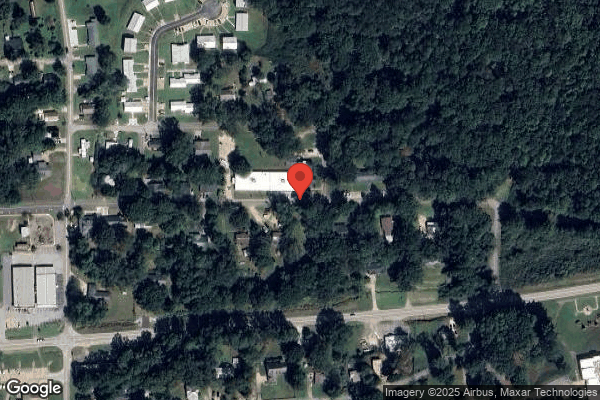
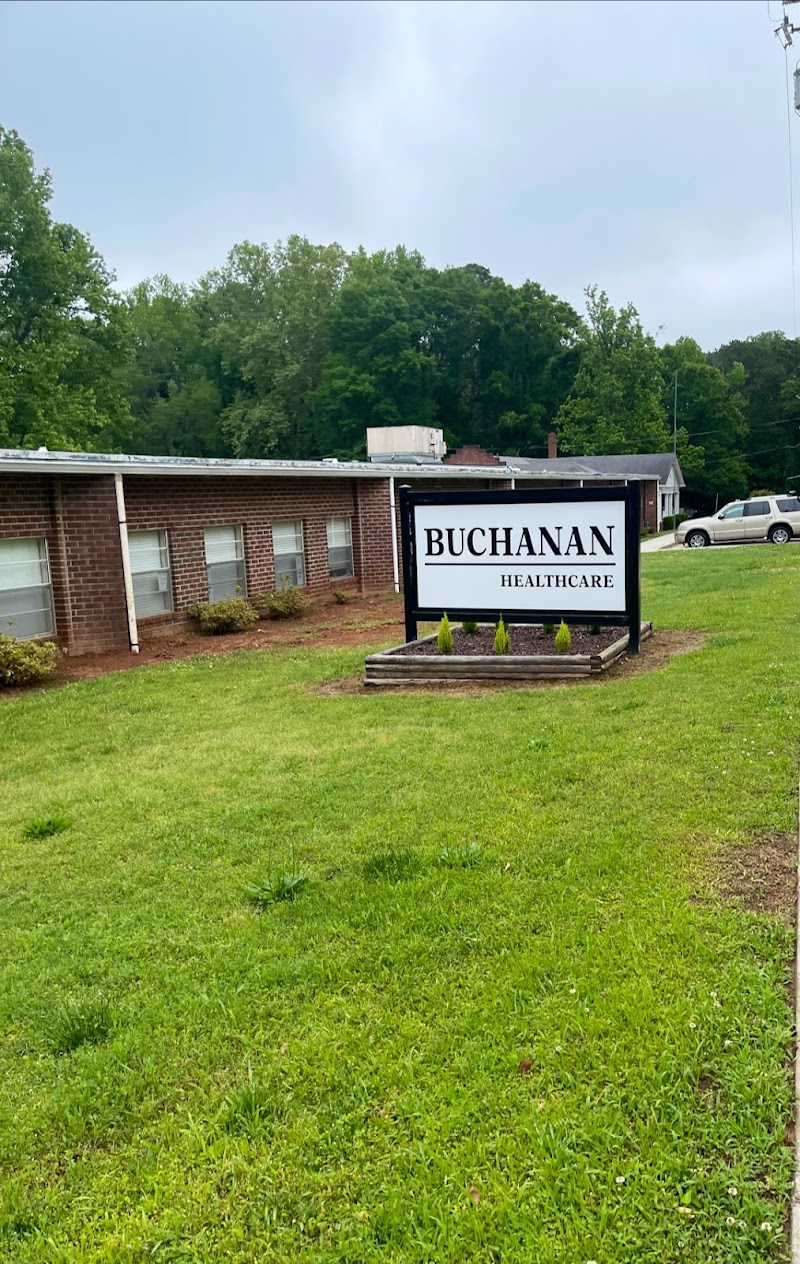
144 DEPOT STREET, BUCHANAN, GA 30113 (770) 646-5512
For profit - Corporation 60 Beds BLUE RIDGE HEALTHCARE Data: November 2025
Trust Grade
40/100
#252 of 353 in GA
Last Inspection: March 2025

Within standard 12-15 month inspection cycle. Federal law requires annual inspections.

Overview

Buchanan Healthcare Center has a Trust Grade of D, indicating below-average performance with some concerning issues. It ranks #252 out of 353 nursing homes in Georgia, placing it in the bottom half of facilities statewide, but it is the top-ranked option among three facilities in Haralson County. The facility is showing improvement, with the number of identified issues decreasing from 12 in 2024 to 3 in 2025. However, staffing is a significant weakness, receiving a poor rating of 1 out of 5 stars, with a concerning turnover rate of 67%, which is well above the state average. While the center has not incurred any fines, it has less RN coverage than 87% of other facilities in Georgia, which raises concerns about the quality of care. Specific incidents highlight some ongoing issues: there have been failures to ensure adequate nursing staff for the residents, affecting care quality, and the meals served have been described as unappetizing and poorly prepared, with bland flavors and safety concerns in food handling practices. Overall, while there are some promising trends in improvement, families should weigh these strengths and weaknesses carefully when considering Buchanan Healthcare Center.

Trust Score
D
40/100
In Georgia
#252/353
Bottom 29%
Safety Record
Low Risk
No red flags
Inspections
Getting Better
12 → 3 violations
Staff Stability
⚠ Watch
67% turnover. Above average. Higher turnover means staff may not know residents' routines.
Penalties
✓ Good
No fines on record. Clean compliance history, better than most Georgia facilities.
Skilled Nurses
⚠ Watch
Each resident gets only 14 minutes of Registered Nurse (RN) attention daily — below average for Georgia. Fewer RN minutes means fewer trained eyes watching for problems.
Violations
⚠ Watch
15 deficiencies on record. Higher than average. Multiple issues found across inspections.
★☆☆☆☆
1.0
Overall Rating
★☆☆☆☆
1.0
Staff Levels
★☆☆☆☆
1.0
Care Quality
★★★☆☆
3.0
Inspection Score
Stable
2024: 12 issues
2025: 3 issues

The Good

  • Full Sprinkler Coverage · Fire safety systems throughout facility
  • No fines on record

Facility shows strength in fire safety.

The Bad

1-Star Overall Rating

Below Georgia average (2.6)

Significant quality concerns identified by CMS

Staff Turnover: 67%

20pts above Georgia avg (46%)

Frequent staff changes - ask about care continuity

Chain: BLUE RIDGE HEALTHCARE

Part of a multi-facility chain

Ask about local staffing decisions and management

Staff turnover is elevated (67%)

19 points above Georgia average of 48%

The Ugly 15 deficiencies on record

Mar 2025 3 deficiencies
CONCERN (D)

Potential for Harm - no one hurt, but risky conditions existed

Safe Environment (Tag F0584)

Could have caused harm · This affected 1 resident

**NOTE- TERMS IN BRACKETS HAVE BEEN EDITED TO PROTECT CONFIDENTIALITY** Based on observations, staff interviews, and review of the facility policy titled, Wheelchair Cleaning and Maintenance Policy, t...

Read full inspector narrative →
**NOTE- TERMS IN BRACKETS HAVE BEEN EDITED TO PROTECT CONFIDENTIALITY** Based on observations, staff interviews, and review of the facility policy titled, Wheelchair Cleaning and Maintenance Policy, the facility failed to ensure one resident's (R) (R18) wheelchair was maintained in a sanitary manner from 32 wheelchairs actively used by residents. Findings include: Review of the facility policy titled Wheelchair Cleaning and Maintenance Policy revealed under Purpose: to ensure resident wheelchairs are maintained in a clean and safe condition, in alignment with the facility's infection prevention and safety practices. Policy statement revealed: The facility is committed to ensuring all resident wheelchairs are clean, functional, and appropriate for continued use. Cleaning and maintenance practices are based on resident need, equipment condition, and clinical indication. Procedure revealed: General Cleaning - wheelchairs are cleaned as needed to address visible soiling or based on clinical observation. Review of R18's quarterly Minimum Data Set (MDS) assessment dated [DATE] revealed a Brief Interview for Mental Status (BIMS) score was 12, indicating her cognition was moderately compromised. The MDS also revealed that R18 used a manual wheelchair while in the facility. During visits with R18, she was alert, orientated, and able to make her needs known. Observation on 3/28/2025 at 9:20 am of R18 revealed she was sitting in her wheelchair in her room finishing her breakfast meal. Observation of R18's wheelchair revealed that there was a build-up of dirt and debris on the metal frame as well as on the wheel spokes. Interview on 3/28/2025 at 9:20 am with R18 revealed that she does not recall if her wheelchair has ever been cleaned since she had been in the building. R18 revealed that about a month ago both arm rests were replaced due to the material being cracked and having holes. Observation on 3/29/2025 at 2:15 pm of R18's wheelchair revealed the dirt and debris on the metal frame remained. Further observation revealed a thick layer of hair wrapped around the [NAME] of the wheelchair wheels. Interview on 3/30/2025 at 10:25 am with the Maintenance Director (MD), she confirmed that R18's wheelchair had a significant build-up of dirt and debris on the frame. The MD revealed that the night nurse staff were responsible for wiping down and cleaning all resident wheelchairs. The MD stated that she was responsible for the overall maintenance and condition of resident wheelchairs such as the brakes, seat cushion, and arm rests. The MD confirmed that the arm rests to R18's wheelchair had been replaced about a month ago and while working on the wheelchair she did not inspect the cleanliness. The MD revealed that if she had seen the dirt and debris at that time, she would have cleaned it. The MD revealed that nursing staff clean resident wheelchairs by using bleach wipes. The MD revealed she monitored each wheelchair monthly, checked the condition, and maintained a log for each wheelchair. The MD revealed that the facility had 32 active/working wheelchairs but had 63 wheelchairs in total in the facility. During an interview on 3/30/2025 at 10:45 am, the Director of Nursing (DON) revealed that all staff were responsible for ensuring resident wheelchairs were clean. She stated that cleaning resident's wheelchairs was not a scheduled task for nursing staff to complete. The DON revealed that the facility had a Guardian Angel program, and members of the leadership team were assigned resident rooms to review/round and the DON stated that observing resident wheelchairs should be a part of those rounds. Review of the untitled form used during Guardian Angel rounds revealed a question is the wheelchair clean. The forms dated 3/28/2025, 3/21/2025, 3/14/2025, 3/7/2025, 2/28/2025, 2/21/2025, 2/14/2025, and 2/7/2025, all indicated no issues with R18's wheelchair. Review of the maintenance documentation titled Wheelchair Audit revealed 32 wheelchairs reviewed for the condition of wheelchair pad, wheels, arm rails, and footrest.
CONCERN (D)

Potential for Harm - no one hurt, but risky conditions existed

Deficiency F0637 (Tag F0637)

Could have caused harm · This affected 1 resident

**NOTE- TERMS IN BRACKETS HAVE BEEN EDITED TO PROTECT CONFIDENTIALITY** Based on record review and staff interview, the facility failed to complete a Significant Change Assessment for two of eight res...

Read full inspector narrative →
**NOTE- TERMS IN BRACKETS HAVE BEEN EDITED TO PROTECT CONFIDENTIALITY** Based on record review and staff interview, the facility failed to complete a Significant Change Assessment for two of eight residents (R) (R5 and R29) receiving hospice services after electing hospice services. The sample size was 21 residents. Findings include: 1. Record review revealed R5 was admitted to the facility on [DATE]. Review of the Quarterly Minimum Data Set (MDS) assessment dated [DATE] documented R5 was receiving hospice services. Further review of the MDS revealed no Significant Change Assessment. Review of the Physician Orders revealed R5 was admitted to hospice services on 11/30/2024. 2. Record review revealed R29 was admitted to the facility on [DATE]. Review of the MDS revealed no Significant Change Assessment was completed for R29. Review of the Physician's Orders revealed R29 was admitted to hospice services on 3/1/2025. Interview with MDS Coordinator BB on 3/30/2025 at 10:02 am revealed she did not complete a Significant Change Assessment for residents that were placed on hospice services. She stated she had never completed a Significant Change Assessment for hospice residents in the past. Review of the facility matrix revealed eight residents were receiving hospice services within the facility.
CONCERN (D)

Potential for Harm - no one hurt, but risky conditions existed

Tube Feeding (Tag F0693)

Could have caused harm · This affected 1 resident

Based on observations, staff interviews, record review, and review of the facility policies titled, Administering Medications through an Enteral Tube and 'facility name' Healthcare Policy, the facilit...

Read full inspector narrative →
Based on observations, staff interviews, record review, and review of the facility policies titled, Administering Medications through an Enteral Tube and 'facility name' Healthcare Policy, the facility failed to ensure that one of one resident (R) (R29) sampled received adequate hydration via the gastrostomy tube (G-tube-feeding tube). Findings include: Review of the facility policy titled Administering Medications through an Enteral Tube, revised November 2018 revealed under Preparation revealed: .1. Verify that there is a physician's medication order for this procedure. A further review revealed under Equipment and Supplies: .12. Administer medication by gravity flow. Review of the facility policy titled 'facility name' Healthcare Policy dated 2/18/2025 revealed: 'name of facility' will follow CMS (Centers for Medicare and Medicaid Services) Regulations and Nursing Standards of Practice for Wound Care/Care Plans/Accidents/Physician Orders/Restraints/Siderails/Oxygen Care and Administration/Medication Administration/Enteral Feeding (nutrition through tube inserted into abdomen into gastrointestinal tract)/Catheter Care and Maintenance. A review of the physician's orders dated 2/18/2025 revealed an order to administer 100 cc (milliliters) of water via R29's G-tube with 100 cc before and after each bolus feeding, five times per day. An observation on 3/29/2025 at 9:48 am of R29's bolus feeding revealed that Licensed Practical Nurse (LPN) AA collected the ordered Jevity (enteral feeding) 1.5 (1) carton, a 60-cc syringe, and a cup of water. LPN AA obtained the resident's permission to enter the room and administer the bolus (all at once) feeding/fluids. LPN AA auscultated (listened) for bowel sounds using a stethoscope, and LPN AA verified G-tube placement via assessment of residuals (tube feeding left in stomach). No residuals were noted. Using the syringe and plunger, LPN AA drew 30 cc of water into the 60-cc syringe. She then administered 30 cc of water utilizing the plunger, clamped the tubing, and removed the syringe. LPN AA removed the plunger from the syringe and reattached the syringe to the end of the tubing, unclamped the tubing, and administered one carton of Jevity 1.5 via gravity. LPN AA then clamped the tubing, removed the syringe from the tubing, and reattached the plunger. LPN AA then drew another 30 cc of water into the 60-cc syringe using the plunger. She unclamped the tubing, administered 30 cc of water utilizing the plunger, clamped the tubing, and removed the syringe. During an interview with LPN AA on 3/29/2025 at 2:15 pm, she stated she looked at the physician's order before administering R29's feeding bolus, but she did not check to see how much water she was supposed to administer to R29. LPN AA acknowledged she gave 30 cc of water before and after R29's bolus instead of the ordered 100 cc of water. During an interview with the Director of Nursing (DON) on 3/29/2025 at 2:25 pm, she confirmed that LPN AA administered R29 30 cc of water instead of the 100 cc of water ordered by the physician. The DON added she expected the nursing staff to verify and administer all orders per physician orders.
Apr 2024 12 deficiencies
CONCERN (D)

Potential for Harm - no one hurt, but risky conditions existed

PASARR Coordination (Tag F0644)

Could have caused harm · This affected 1 resident

**NOTE- TERMS IN BRACKETS HAVE BEEN EDITED TO PROTECT CONFIDENTIALITY** Based on record review and staff interviews, the facility failed to ensure level II (two) Preadmission Screening and Resident Re...

Read full inspector narrative →
**NOTE- TERMS IN BRACKETS HAVE BEEN EDITED TO PROTECT CONFIDENTIALITY** Based on record review and staff interviews, the facility failed to ensure level II (two) Preadmission Screening and Resident Reviews (PASRR) were completed for two of 18 (R) (R31 and R19) sampled residents. The deficient practice had the potential for R31 and R19 not to receive needed services. Findings include: 1. Review of the electronic medical record (EMR) for R31 revealed diagnoses including but not limited to bipolar disorder, anxiety disorder, personality disorder, vascular dementia, and cognitive communication deficit. Review of the most recent Minimum Data Set (MDS) dated [DATE] revealed a Brief Interview for Mental Status (BIMS) score coded as 11, which indicates moderate cognitive impairment. Review of the PASRR Level I (one) Assessment for R31 dated 9/6/2021 revealed that level one documentation was negative for Mental Illness. There was no evidence that a Level II PASRR assessment was completed and in her medical record for reference. Interview on 4/4/2024 at 10:10 am with the Social Services Director (SSD) revealed that when residents are admitted from a hospital with a PASRR Level I (one), the facility does not re-evaluate those residents. The SSD was not sure if residents with a primary diagnosis of dementia would possibly qualify for a PASRR Level II. The SSD confirmed that R31 does not have PASRR Level II. This resident was admitted from the hospital. 2. Review of the EMR for R19 revealed diagnoses including but not limited to diabetes mellitus type 2, seizure disorder, metabolic encephalopathy, depression, bipolar, paranoid schizophrenia, vascular dementia, and hypertension. Interview on 4/4/2024 at 11:13 am with the SSD revealed R19's diagnosis of bipolar disorder, paranoid schizophrenia, and vascular dementia was discovered following a behavioral health consult. She indicated she had not completed a new application for a PASRR Level II with the updated mental health diagnoses for R19. Interview on 4/4/2024 at 11:29 am with the Administrator revealed her expectation for PASRRs was for the SSD to ensure correct coding was completed on the PASRR form. She further indicated the SSD should have submitted the information in the Georgia Medicaid Management Information System (GAMISS) timely. The Administrator revealed the facility did not have a PASRR policy.
CONCERN (D)

Potential for Harm - no one hurt, but risky conditions existed

Comprehensive Care Plan (Tag F0656)

Could have caused harm · This affected 1 resident

Based on record review and staff interviews, the facility failed to develop a care plan for one of 18 sampled residents (R) (R43) related to wound care and failed to follow a care plan for one of 18 s...

Read full inspector narrative →
Based on record review and staff interviews, the facility failed to develop a care plan for one of 18 sampled residents (R) (R43) related to wound care and failed to follow a care plan for one of 18 sampled residents (R) (R18) related to oxygen (O2) therapy. The deficient practice had the potential to cause R43 and R18 to not receive treatment and/or care according to their needs. Findings include: Review of R43's Face Sheet located in the electronic medical record (EMR) under the Face Sheet tab, indicated R43 was admitted to the facility with diagnoses but not limited to unspecified protein-calorie malnutrition, open wound right foot, open wound left wound. Review of R43's most recent Minimum Data Set (MDS), located in the EMR with an Assessment Reference Date (ARD) of 1/27/2024 revealed R43's Brief Interview of Mental Status (BIMS) score was 4 out of 15, indicating that R43 was severely cognitively impaired, and resident had a pressure ulcer/injury and received care. Review of the care plan dated 4/2/2024 for R43 revealed a care plan indicating resident was at risk for skin breakdown and injury. Further review of the record revealed a care plan was not developed related to the pressure ulcers R43 had on bilateral (both) heels. Treatment as ordered. Interview on 4/3/2024 at 3:19 pm with the MDS/Care Plan Coordinator revealed she was responsible for developing care plans. She verified the care plan for R43 and stated she should have also developed a care plan for an actual pressure wound to the bilateral heels. She stated R43 was admitted to the facility with the wounds. Review of the active physician orders in the EMR for R18 include oxygen (O2) at 2 liters per minute (LPM) via nasal cannula (NC) PRN (as needed) for SOB (shortness of breath) or O2 saturation less than 90 percent (%). Check each shift to determine need as needed. The order start date was 3/22/2024. Review of the care plan dated 4/2/2024 revealed R18 was at risk for shortness of breath and poor oxygenation due to COPD (chronic obstructive pulmonary disease). Interventions included: administer 02 at 2 LPM per nasal cannula PRN for oxygen saturation less than 94% per MD orders. Review of the EMR revealed there was no documentation related to R18's O2 saturation being checked every shift to determine the need for PRN O2 therapy. Review of the recorded O2 saturation checks in the EMR revealed since the initiation of the O2 order, O2 saturations were only documented on 3/22/2024 at 12:11 am and 3/27/2024 at 4:32 am. Further review revealed there were no nursing progress notes in the EMR since the O2 order was initiated on 3/22/2024. Interview on 4/3/2024 at 9:16 am with Licensed Practical Nurse (LPN) Nurse Supervisor EE revealed she verified the O2 saturations were not being checked twice daily as ordered by the physician. She looked at the care plan and verified the care plan was not being followed as it relates to the current O2 order. Interview on 4/3/2024 at 10:11 am with MDS/Care Plan Coordinator revealed that the Director of Nursing (DON) had made her aware of resident's care plans not being followed today and she had updated the care plans. The MDS/ Care Plan Coordinator stated that the physician order was not being followed and the care plan was not being followed. She further stated the nurses do have access to the care plan. Interview on 4/3/2024 at 10:19 am with the Registered Nurse (RN) MDS Coordinator revealed R42's wound care plan was updated 10/9/2023. The RN MDS Coordinator verified that if the staff were not abiding by the physician's orders for wound care, the plan of care was not being followed.
CONCERN (D)

Potential for Harm - no one hurt, but risky conditions existed

Pressure Ulcer Prevention (Tag F0686)

Could have caused harm · This affected 1 resident

Based on observations, staff interviews, record review, and review of the facility policy titled, Wound Treatment Management, the facility failed to follow the doctor's order for one of 18 sampled res...

Read full inspector narrative →
Based on observations, staff interviews, record review, and review of the facility policy titled, Wound Treatment Management, the facility failed to follow the doctor's order for one of 18 sampled residents (R) (R 43) reviewed for pressure ulcers. Specifically, the facility failed to consistently apply boots to the heels of R43 to relieve pressure to a stage four and deep tissue pressure ulcer. Findings include: Review of the facility policy titled Wound Treatment Management provided by the facility and revised December 5, 2022, revealed under Policy: Policy Explanation and Compliance Guidelines: Wound treatments will be provided in accordance with physician orders, including the cleansing method, type of dressing, and frequency of dressing change. Review of R43's Face Sheet located in the electronic medical record (EMR) under the Face Sheet tab, indicated R43 was admitted with the following diagnoses but not limited to unspecified protein-calorie malnutrition, open wound right foot, open wound left wound. Review of R43's Minimum Data Set (MDS), located in the EMR with an Assessment Reference Date (ARD) of 1/27/2024, revealed R43's Brief Interview of Mental Status (BIMS) score was a 4 out of 15, indicating that R43 was severely cognitively impaired. Review of an assessment by the wound physician for the Initial Wound Evaluation dated 1/29/2024 revealed R43 had pressure wounds on his left and right heels. Stage 4 Pressure Ulcer to Left Heel: Etiology [cause] Pressure MDS 3.0 Stage 4 Duration > [over] 15 days Objective Healing/Maintain Healing Wound Size (L x W x D): 3.3 x 5.3 x 0.3 cm [centimeter] Surface Area: 17.49 cm² [centimeters squared] Exudate [fluid made up of cells, proteins, and solid materials]: Moderate Serous [bloody] thick adherent devitalized [softened] necrotic [dead] tissue: 25 % [percent] Granulation [forming granules] tissue: 15 % Other viable tissues: 60 %. Recommendations Off-Load [relieve pressure] Wound. UNSTAGEABLE (DUE TO NECROSIS) OF THE RIGHT HEEL FULL THICKNESS Etiology Pressure MDS 3.0 Stage Unstageable Necrosis Duration > 15 days Objective Healing/Maintain Healing Wound Size (L x W x D): 4.5 x 4.8 x Not Measurable cm Depth is unmeasurable due to presence of nonviable tissue and necrosis. Surface Area: 21.60 cm² Exudate: None Thick adherent devitalized necrotic tissue: 90 % Other viable tissues: 10 %. Recommendations Off-Load Wound. Review of current physician orders, located in the EMR under the Orders tab and dated 2/28/2024 revealed, Patient is to wear the bilateral heel boots while in bed. Observation on 4/2/2024 at 2:36 pm, R43 was observed in his room, lying in bed. R43 was groomed and dressed appropriately, and it was noted that R43 was not wearing his heel boots (boots designed to offer relief from pressure ulcers). Observations 4/3/2024 at 8:17 am and at 2:38 pm revealed R43 lying in bed. Resident was observed with socks on both feet. R43 was not wearing heel boots to off-load heels from the bed. Interview on 4/3/2024 at 1:17 pm with Licensed Practical Nurse (LPN) 1, she stated, The resident heels should be floated to prevent further skin damage. I expect her heels to float in bed or while sitting in the geri chair. LPN1 further stated, The resident's right heel is healed, and the left heel is at stage three. LPN1 continued to share that wearing the boots ordered by the doctor would prevent further damage to the pressure ulcer. Interview on 4/3/2024 at 2:14 pm with the Director of Nursing (DON), the DON stated, I expect that doctor's orders are followed. The purpose of applying boots to R43's heels is to prevent further wound damage. Interview on 4/3/2024 at 3:01 pm with LPN Nurse Supervisor EE, she acknowledged R43 should be wearing heel boots while in bed to offload the pressure from his heels. She verified R43 did not have the heel boots on and stated she was not sure who was responsible for ensuring R43 had them on as ordered by the physician. LPN EE further stated that the wound doctor comes to the facility weekly to assess, measure, classify, and stage wounds. She further stated the Nurse Managers, and the Charge Nurses are responsible for wound care in the facility. LPN Nurse Supervisor EE verified the order for the Heel protectors on the orders. Interview on 4/3/2023 at 3:09 pm with Certified Nursing Assistant (CNA) AA revealed she was assigned to care for R43. She stated she performed R43's activities of daily living (ADL) care and acknowledged resident had socks on both feet. CNA AA further stated she was not aware R43 needed to have heel boots. Interview on 4/3/2024 at 3:14 pm with LPN BB revealed she was aware R43 had wounds on his heels and was supposed to have heel boots on while in bed. LPB BB stated she was sure R43 had them on at the beginning of shift and the therapist probably removed the heel boots during R43's therapy treatment. Telephone interview on 4/3/2024 at 3:26 pm with Certified Occupation Therapy Assistant (COTA) DD revealed she treated R43 in the therapy room today. COTA DD further stated R43 did not have heel boots on during the therapy session. She further stated R43 had a puffy area to his right foot, like maybe he had a bandage underneath the sock. Interview on 4/3/2024 at 3:32 pm with the DON and Assistant Director of Nursing (ADON) revealed R43 used the heel protectors to both heels for pressure reduction and relief. The ADON stated the heel boots should be intact while in bed, and the charge nurse was responsible for making sure R43 had the heel boots on. The ADON stated that the wound doctor makes recommendations for devices, and they should be followed to promote wound healing.
CONCERN (D)

Potential for Harm - no one hurt, but risky conditions existed

Respiratory Care (Tag F0695)

Could have caused harm · This affected 1 resident

Based on observations, staff interviews, record review, and a review of the facility policy titled, Physicians/Practitioner Orders, the facility failed to provide necessary respiratory care consistent...

Read full inspector narrative →
Based on observations, staff interviews, record review, and a review of the facility policy titled, Physicians/Practitioner Orders, the facility failed to provide necessary respiratory care consistent with professional standards of practice for one of six residents (R) (R18) receiving oxygen therapy. Specifically, oxygen (O2) saturations were not checked as ordered by the physician to determine if PRN (as needed) O2 therapy was indicated. In addition, the facility failed to properly store O2 tubing while not in use. The deficient practice had the potential to cause respiratory distress and respiratory infection. Findings include: Review of the facility's undated policy titled Physician/Practitioner Orders revealed under Policy: The attending physician shall authenticate orders for the care and treatment of assigned residents. Review of the electronic medical record (EMR) revealed R18's diagnoses included but not limited to chronic obstructive pulmonary disease (COPD) with acute exacerbation and chronic bronchitis. Review of the active physician orders for R18 include Oxygen at 2 LPM (liters per minute) via nasal cannula (nasal cannula) PRN (as needed) for SOB (shortness of breath) or O2 saturation less than 90 (percent) %. Check each shift to determine need as needed. The order start date was 3/22/2024. Review of R18's care plan dated 4/2/2024 revealed R18 was at risk for shortness of breath and poor oxygenation due to COPD. Interventions included: administer 02 at 2 LPM per nasal cannula PRN for oxygen saturation less than 94% per MD orders. Review of the EMR revealed there was not any documentation related to R18's O2 saturation being checked every shift to determine the need for PRN O2 therapy. Review of the recorded O2 saturations in the EMR revealed that since the initiation of the oxygen order, O2 saturations were only documented on 3/22/2024 at 12:11 am and 3/27/24 at 4:32 am. Further review of the record revealed there were not any nursing progress notes in the record since the O2 order was initiated on 3/22/2024. This was verified by Licensed Practical Nurse (LPN) Nurse Supervisor EE. Observation on 4/2/2023 at 9:32 am and at 2:33 pm revealed R18 lying in bed. The O2 tubing and NC were observed lying on the floor along the left side of the bed. Observation on 4/3/2024 at 9:10 am in R18's room revealed O2 tubing/NC lying on the floor, not properly stored while not in use. The O2 concentrator (machine that dispenses oxygen) was on at the time of this observation. Interview and walking rounds on 4/3/2024 at 9:16 am with LPN Nurse Supervisor EE revealed she verified that the O2 tubing/NC was not properly stored while not in use. She stated that residents sometimes remove the NC. She stated that the NC should be stored in a plastic bag while not in use. LPN Supervisor EE verified that the O2 concentrator humidifier was dry and did not have water, and the NC was connected to the humidifier. She further stated that there should be water in the humidifier if it is attached to the concentrator. LPN EE stated she does not make compliance rounds and the nursing staff were responsible for ensuring that the tubing was properly stored while not in use. She verified that R18's physician order states that the O2 saturations should be checked twice daily to see if he required the use of the PRN O2. She verified that the O2 saturations were not being checked twice daily as ordered by the physician. Interview on 4/3/2024 at 9:26 am with Certified Nursing Assistant (CNA) AA revealed she had reported to the nurses that R18 removes the NC. CNA AA further stated when caring for R18, if she saw that resident had the NC off, she reapplied it, but did not change the tubing. CNA AA stated she was not aware that the NC should be stored in a plastic bag while not in use. She also stated that if the humidifier was empty, she refilled the humidifier, but she did not do it today because the water was not in the room to refill it. Interview on 4/3/2024 at 9:32 am with LPN BB revealed she had not checked in on R18 today. She stated she did not check R18's O2 saturations every day because there was not an order that populates on the electronic medication administration record (MAR) to do it. LPN BB further stated she did check R18's O2 saturation during the medication pass, if he was experiencing any abnormal issues. LPN BB also stated she was aware the respiratory tubing should be in a plastic bag when not in use. Interview on 4/3/2024 at 9:41 am with the Director of Nursing (DON), she verified the order was not being followed if the O2 saturations are not documented every shift as ordered. She stated that the order to check O2 saturations twice daily should have been a separate order, so it was not populating for the staff to check the level twice daily as ordered, because it was listed as PRN. The DON stated all nursing staff were responsible for checking the respiratory tubing while in the room to ensure that it was properly stored while not in use. Interview on 4/3/2024 at 1:03 pm with the Regional Consultant FF revealed the facility does not have a policy related to O2. She further stated that all nurses received training related to O2 administration during their schooling and they follow the standards of practice related to O2 administration and O2 safety.
CONCERN (D)

Potential for Harm - no one hurt, but risky conditions existed

Deficiency F0700 (Tag F0700)

Could have caused harm · This affected 1 resident

**NOTE- TERMS IN BRACKETS HAVE BEEN EDITED TO PROTECT CONFIDENTIALITY** Based on observations, staff interviews, and record review, the facility failed to ensure accurate assessment for the use of bed...

Read full inspector narrative →
**NOTE- TERMS IN BRACKETS HAVE BEEN EDITED TO PROTECT CONFIDENTIALITY** Based on observations, staff interviews, and record review, the facility failed to ensure accurate assessment for the use of bed side rails for one of 18 sampled residents (R) (R42). Findings include: Observation on 4/2/2024 at 9:21 am and 2:46 pm revealed R42 was lying in bed with two quarter bedrails in the up position. R42 had bilateral hand contractures. Both hands were clenched closed. Observation on 4/3/2024 at 8:59 am revealed R42 was lying in bed with two quarter bedrails in the up position. R43 had rolled gauze in both hands at the time of this observation. Observation on 4/3/2024 at 4:20 pm revealed R42 was lying in bed with two quarter bedrails in the up position. Both hands were closed and contained rolled white gauze for contracture management. Further observations revealed that both bedrails were up with pillows between the resident and the bedrails on both sides. A review of R42's electronic medical record (EMR) diagnoses to include but not limited to cerebral infarction, contracture of hand, and hemiplegia affecting left dominant side. A review of R42's EMR revealed an active physician order for bilateral quarter upper side rails as enablers to promote participating in bed mobility and leveraging during transfers. Review of the quarterly Minimum Data Set (MDS) assessment dated [DATE] indicated R42's Brief Interview for Mental Status (BIMS) score should not be conducted because resident is rarely/never understood. In addition, the MDS revealed R42 requires total staff assistance of two staff for bed mobility and roll left to right. Further review revealed R42 had impairments of the upper and lower extremities on both sides. Review of the care plan (last review date 3/06/2024) for R42 revealed resident required (max assistance) in ADLs related to current DX [diagnosis] and cognition. The goal established included R43's care needs will be met and maintain current function through next review period. Intervention included to provide max [maximum] assistance for (repositioning, transfers, bathing, grooming) as needed. Review of R42's EMR revealed R42 had been assessed for the use of side rails on 11/24/2023 indicating side rails are indicated for transporting in bed, potential for falling out of bed due to immobilization and unresponsiveness, and safety while providing care that requires turning/moving immobilized resident. Further review of the record revealed a Side Rails assessment completed 2/8/2024 which did not indicate a medical symptom requiring the use of side rail. The reason for side rail usage - Bed mobility (assist with turning Side-to-side). Types of rails to be used - Top half two sides. Review of the record revealed a therapy screening dated 2/28/2024 which revealed R42 is nonverbal and doesn't follow commands. Review of the EMR revealed an Occupational Therapy Discharge summary dated [DATE] that revealed upon discharge from skilled services resident was totally dependent for care. Analysis of Goal Progress: Resident maintains need for total assistance. Maximum assistance for all participation and mobility. Goal Patient will safely perform bed mobility tasks with Substantial/Maximal Assistance and 75% [percent] verbal cues and visual cues and 75% tactile cues for use of log rolling technique and for proper sequencing in order to decrease the risk for skin breakdown. Upon discharge from skilled therapy on 12/28/2024 resident remained dependent for bed mobility. Interview on 4/23/2024 at 4:27 pm with Certified Nursing Assistant (CNA) AA revealed R42 requires total care with activities of daily living (ADL). She further stated two persons are required to provide care for the resident. CNA AA stated R42 does not assist with care and was not able to utilize the side rails for positioning or bed mobility during care. She also stated R42 did not move unless she was moved by the staff. CNA AA further stated she was unsure of the reasoning R42 had the side rails on her bed. Interview on 4/3/2024 at 4:32 pm with Licensed Practical Nurse (LPN) BB revealed R42 did not roll or assist with turning. LPN BB further stated R42 cannot use the side rails for bed mobility and the staff did all the moving for her. Interview on 4/3/2024 at 4:41 pm with LPN Nurse Supervisor EE revealed R42 was weak when admitted to the facility. She further stated R42 required two persons to assist with care and was dependent on the staff for all care to include repositioning while in bed. Interview on 4/3/2024 at 4:49 pm with Director of Nursing (DON) revealed she verified the order in the EMR for bilateral, quarter, upper side rails as enablers to promote participating in bed mobility and leverage during transfers. The DON stated she did not know why R42 had the side rails and she did not know what to tell the surveyor regarding that order. The DON further stated according to the order, R42 should be able to use the side rails, but she did not think she could. Interview on 4/3/2024 at 4:52 pm with the Assistant Director of Nursing (ADON) revealed R42 was not able to assist with bed mobility. The ADON stated she thinks the side rail order was an admission populated order in the electronic system which cannot be modified at this time. Interview on 4/4/2024 at 9:22 am with the Administrator revealed R42 had the side rails for safety related to seizure precautions. She stated the physician orders and care plan should reflect that as the indication for the side rail usage. Interview on 4/4/2024 at 9:28 am with the DON revealed the facility does not have a side rail policy that she was aware of. She further stated that they just completed the assessments to determine the use of side rails in the facility for residents and that process probably needs to change.
CONCERN (E)

Potential for Harm - no one hurt, but risky conditions existed

Safe Environment (Tag F0584)

Could have caused harm · This affected multiple residents

**NOTE- TERMS IN BRACKETS HAVE BEEN EDITED TO PROTECT CONFIDENTIALITY** 3. Observation on 4/2/2024 at 9:22 am in room [ROOM NUMBER] revealed that the bottom of the door frame was damaged and had a rus...

Read full inspector narrative →
**NOTE- TERMS IN BRACKETS HAVE BEEN EDITED TO PROTECT CONFIDENTIALITY** 3. Observation on 4/2/2024 at 9:22 am in room [ROOM NUMBER] revealed that the bottom of the door frame was damaged and had a rusted piece of metal sticking out leading to the shared bathroom. The area was rusted and the paint was chipped away. It was also noted that the adjoining door to the bathroom had a hole in it and the wood was chipped in several areas. Observation and Interview on 4/2/2024 at 2:55 pm with the Administrator and Maintenance Director, they were notified of the findings and were taken to room [ROOM NUMBER] to show them what was noted earlier. Both acknowledged the metal piece and broken area to door frame and the hole and chipped wood to the adjoining door. The Maintenance Director stated that this type of damage occurs with wheelchairs constantly hitting this area of the door frame. She also revealed that repairs had been done on the other door frame about a month ago. She was asked why she was not aware of this area since it was in the same bathroom, just the opposite door frame. She stated that the area was not there when repairs were done to the other door frame a month ago. There were obvious signs of repairs done to the door frame that she referred to. The Maintenance Director stated that she would take care of the repairs right away. The Maintenance Director was asked about how work orders are placed and how often were resident's rooms inspected. She stated that work orders were put into the computer via the maintenance system and that she checked them daily. She was asked if there was a way to show the work orders that had been placed. She stated that she was not quite sure how to print them out. Observation 4/3/2024 at 8:13 am of the room [ROOM NUMBER] toilet room door frame revealed that the area of concern had been repaired. The area was closed and painted over. However, the adjoining door had not been repaired and the hole in the door along with the chipped wood remained. Observations on 4/4/2024 9:52 am with the Administrator and the Maintenance Director during rounds on the East and [NAME] halls revealed all residents' doors to the hallway (20 rooms) inside and out were noted to be chipped, scuffed, rough to the touch, and missing paint or stain. Door frames were noted to be chipped, scuffed, rough to the touch, and have missing paint. On both hallways, in multiple areas, loose vinyl baseboards were noted. The Administrator and the Maintenance Director revealed they have a plan in place to paint all the residents' rooms and bathrooms. They also plan on sanding and painting all the handrails. The Administrator indicated the concern related to the sharp metal observed on the bathroom door should have been reported in the computer maintenance system or to the Maintenance Director. She further indicated they do not have a policy or actual plan in place for the maintenance concerns. 2. Observation on 4/2/2024 at 10:15 am of resident rooms revealed that the door frame of the shared bathroom between room [ROOM NUMBER] and room [ROOM NUMBER] had damaged, rough wood on the bottom. Observation on 4/3/2024 at 12:45 pm revealed that the shared bathroom door frame between room [ROOM NUMBER] and room [ROOM NUMBER] was repaired and repainted by the Maintenance Director. Based on observations, staff interview, and record review, the facility failed to provide a safe, clean, comfortable, homelike environment in 20 of 20 resident rooms on the East and [NAME] halls. Specifically, door frames were chipped and scuffed, one with rusted metal sticking out, and the doors had holes and peeling paint with chipped, rough wood exposed. Loose vinyl baseboards were also observed in several rooms. Findings include: 1. Observation on 4/2/2024 at 9:36 am of resident room doors in Rooms 17, 18, 19, and 20 revealed the room doors were painted brown and had chipped, scuffed paint. The doors also had chipped rough wood on the doors. Further observations revealed each doorframe to have scuffed and peeling paint. During an interview 4/4/2024 at 2:12 pm with Administrator revealed the facility did not have a policy related to maintenance concerns or safe, clean, comfortable, homelike environment.
CONCERN (E)

Potential for Harm - no one hurt, but risky conditions existed

Accident Prevention (Tag F0689)

Could have caused harm · This affected multiple residents

**NOTE- TERMS IN BRACKETS HAVE BEEN EDITED TO PROTECT CONFIDENTIALITY** 3. Observation on 4/2/2024 at 9:22 am of R249's room/bathroom, it was noticed that the bottom of the door frame leading to the s...

Read full inspector narrative →
**NOTE- TERMS IN BRACKETS HAVE BEEN EDITED TO PROTECT CONFIDENTIALITY** 3. Observation on 4/2/2024 at 9:22 am of R249's room/bathroom, it was noticed that the bottom of the door frame leading to the shared bathroom was damaged and had a rusted piece of metal sticking out. The area was rusted, and the paint was chipped away. It was also noted that the adjoining door to the bathroom had a hole in it and the wood was chipped in several areas. On 4/2/2024 at 2:55 pm, the Administrator and MD were notified of the findings and were taken to R249's room to show them what was noted. Both acknowledged the metal piece and broken area to the door frame and the hole and chipped wood to the adjoining door. The MD stated that this type of damage occurs with wheelchairs constantly hitting this area of the door frame. She also revealed that repairs had been done on the other door frame about a month ago. She was asked if she was aware of this area since it was in the same toilet room just the opposite door frame. She stated that the area was not there when repairs were done to the other door frame a month ago. There were obvious signs of repair done to the door frame that she referred to. The MD stated that she would take care of the repairs right away. The MD was asked about how work orders are placed and how often are resident's rooms inspected. She stated that work orders are put into the computer via the maintenance platform system and that she checked them daily. The MD was asked if there was a way to show the work orders that had been placed. She stated that she was not quite sure how to print them out. Observation on 4/3/2024 at 8:13 am of the toilet room door frame revealed that the area of concern had been repaired. The area was closed and painted over. However, the adjoining door had not been repaired and the hole in the door along with the chipped wood remained. Based on observations, staff interview, and record review, the facility failed to keep the residents free of accident hazards as evidenced by water temperatures below 110 degrees Fahrenheit (F) in 10 of 20 resident rooms on two of two halls, and one doorway with a rusted piece of metal sticking out from the bottom of the door. The deficient practices had the potential to cause injury to residents residing in these rooms. Findings include: Observation on 4/2/2024 beginning at 9:30 am through 10:10 am, during the screening process, unsafe hot water temperatures were obtained using the Maintenance Director's (MD) digital thermometer ranging from 112.3 degrees F to 115.6 degrees F. Interview on 4/2/2024 at 10:30 am with MD revealed that after checking the hot water temperatures this morning, some adjustments were made to the thermostat. She stated that she regularly checks the water temperatures in the following rooms: shower room, kitchen, laundry, mechanical room, soiled utility room, and therapy room. She also stated that she was educated to check water temperature this way when she was hired over three years ago. She confirmed that she does not check water temperatures in resident's rooms. Interview on 4/2/2024 at 10:50 am with the Administrator revealed that the MD receives guidance from the Corporate Maintenance Director. The last visit from the Corporate Maintenance Director was about one year ago. The facility follows a building management platform designed for senior living for entering maintenance issues into a computer program. The management platform included instructions and guidelines. Review of printed instructions from the building management platform revealed: For burn prevention, federal guidelines advise that you keep domestic water temperatures below 120 degrees Fahrenheit, although this temperature can still cause burns if exposure reaches five minutes. Many states have even stricter standards that set maximum temperatures lower than 120 degrees Fahrenheit, although 100 degrees Fahrenheit is considered a safe water temperature for bathing. Walking rounds on 4/2/2024 from 3:15 pm to 3:35 pm, the unsafe water temperatures were confirmed by the Administrator and the MD, using the facility's digital thermometer. A total of 10 out of 20 resident's rooms were tested, in two out of two halls, with temperatures over 110 degrees F. Observation on 4/2/2024 at 12:50 pm, the hot water in the sink located in R298's bedroom, room [ROOM NUMBER], was observed to be very hot to the touch.
CONCERN (F)

Potential for Harm - no one hurt, but risky conditions existed

Deficiency F0725 (Tag F0725)

Could have caused harm · This affected most or all residents

Based on staff and family interviews, and review of facility documents titled, Facility Assessment Tool 2024 and the PBJ (payroll-based journal) Staffing Data Report Quarter 1 2024 (October 1, 2023, t...

Read full inspector narrative →
Based on staff and family interviews, and review of facility documents titled, Facility Assessment Tool 2024 and the PBJ (payroll-based journal) Staffing Data Report Quarter 1 2024 (October 1, 2023, through December 31, 2023), the facility failed to ensure that the facility had adequate nursing staff. The deficient practice had the potential to affect the care provided to the 49 residents that resided in the facility. Findings include: Review of The Facility Assessment Tool 2024 revealed the average daily census in the facility was 49 to 55 residents. The staffing plan included six to nine licensed nurses providing direct care, 10-16 nurses' aides, and two to four certified medication aides. Review of the PBJ Staffing Data Report Quarter 1 2024 (October 1, 2023, through December 31, 2023) revealed based on the data submitted, the facility triggered for a One-Star Staffing Rating (Failure to submit PBJ data by the deadline, more than 4 days in the quarter without RN (Registered Nurse) Staffing hours, failure to respond to, submit documentation for, or failure to pass a CMS audit designed to discover discrepancies in PBJ data). Interview on 4/3/2024 at 2:40 pm with the Administrator and the Minimum Data Set (MDS) Coordinator revealed they were both aware of the one-star staffing rating the facility received for the first quarter of 2024. The Administrator further stated that it was due to the facility having a high turnover rate and the previous Director of Nursing (DON) leaving. The Administrator also stated the Assistant Director of Nursing (ADON) had left as well, so the facility did not have RN coverage for the required 8 hours. The Administrator stated losing the two RNs contributed to the low staff rating. The DON stated that the facility worked diligently to hire nurses, particularly RNs. The Administrator stated because the facility was located in a rural area, staffing had been a challenge. The MDS Coordinator stated that staffing was based off the PPD (patient per day). She further stated that the facility utilizes staffing agencies for Certified Nursing Assistants and Certified Medication Aides. Interview on 4/3/2024 at 3:00 pm with the Regional Staffing Consultant revealed the facility had only three RNs on staff during the first quarter of 2023, which she attributed to the high staff turnover rate. She stated that the facility was currently in compliance with RN coverage and staffing. She acknowledged the one-star staffing rating and said that everyone was working hard to get staff into the facility.
CONCERN (F)

Potential for Harm - no one hurt, but risky conditions existed

Deficiency F0804 (Tag F0804)

Could have caused harm · This affected most or all residents

Based on observations and resident and staff interviews, the facility failed to serve meals that were palatable and attractive for one of 48 residents (R) (R248) who receive a regular diet from the ki...

Read full inspector narrative →
Based on observations and resident and staff interviews, the facility failed to serve meals that were palatable and attractive for one of 48 residents (R) (R248) who receive a regular diet from the kitchen. The facility census was 49 residents. Findings include: Meal test tray observation on 4/3/2024 at 12:38 p.m., the Activities Director (AD) was asked to perform a taste test on the lunch menu items. She stated the mashed potatoes were warm enough to eat but were bland without the gravy. She stated the collard greens tasted bland and were not seasoned. The AD reported the chicken did not look done, and she did not want to sample it. She stated because the chicken was pink inside, it indicated to her residents would not eat it. The greens had no real flavor, and the chicken was not appetizing to look at. The AD was not sure if it tasted good because it was not done; the collard greens had no flavor; and the mashed potatoes tasted like they came from the box with no seasoning added. Observation and Interview on 4/3/2024 at 1:15 pm revealed R248 was not able to continue eating one piece of her chicken because it was pink in the middle, so she decided not to eat the second piece of chicken. R248 revealed she did not eat the oven fried chicken because after one bite she noticed the chicken was still pink in the middle. Further review of R248's second piece of oven fried chicken revealed the chicken was still pink inside. R248 reported her lunch was not good, and she did not eat the chicken because it was still pink inside, and the collard greens were not seasoned. Further observation of the oven fried chicken revealed multiple pink and red indicating the chicken was not fully cooked. Interview on 4/3/2024 at 1:30 pm with the Administrator and Certified Dietary Manager (CDM), they were shown the findings of the oven fried chicken on the test tray and from R248's lunch tray. The Administrator confirmed she would not eat the oven fried chicken because it did not look like it was done. The CDM reported the oven fried chicken was done because it comes pre-fried, and they put it in the oven and warm it up to a temperature of 165 degrees (F). The CDM confirmed she warmed the collard greens in the microwave, put them in a metal pan, and placed them on the steam table. The CDM revealed she does not use seasoning in the foods that come pre-cooked. Salt and pepper are placed on the table for resident use.
CONCERN (F)

Potential for Harm - no one hurt, but risky conditions existed

Food Safety (Tag F0812)

Could have caused harm · This affected most or all residents

Based on observations, staff interviews, record review, and review of the facility policy titled, Safe Food Handling, the facility failed to store, prepare, distribute and serve food in accordance wit...

Read full inspector narrative →
Based on observations, staff interviews, record review, and review of the facility policy titled, Safe Food Handling, the facility failed to store, prepare, distribute and serve food in accordance with professional standards for food service safety. Specifically, kitchen shelves were not clean and sanitary; kitchen staff failed to discard food in the reach-in refrigerators and freezer by the use by date to include leftovers; kitchen staff failed to label/date opened food items in the reach-in refrigerator/freezer and dry storage area; kitchen staff failed to discard rotting vegetables in the dry storage area; dishwasher water was not reaching required temperatures; and kitchen staff failed to use a recipe when preparing pureed foods. The deficient practices had the potential to affect 48 of 49 residents receiving an oral diet. Findings include: Review of the facility policy titled Safe Food Handling with an effective date of 9/8/2021 revealed under Policy: To ensure food is safe. 8. Make sure all refrigerated items are labeled, dated, and covered with a use by date. Review of facility undated procedure posted in the kitchen titled Dating and Labeling Procedures revealed All items must have a receive date. All food items made in house is [sic] to be dated for 3 days. All food prepackaged such as cheese is to be labeled for 7 days. All food must have a beginning date and ending date and name of food on label with employee initials. Food in dry Storage will get labeled with open date. Observations and interview during a tour of the kitchen on 4/2/2024 from 9:30 am to 10:05 am revealed in refrigerator number three, 4 large, unlabeled/undated bags filled with a yellow liquid on the bottom shelf of the refrigerator, in two white buckets. The Certified Dietary Manager (CDM) revealed the 4 large bags were liquid eggs, unlabeled and undated. Continued observations revealed in refrigerator number two, one large plastic container of open cherries with no open date, one pack of leftover cooked bacon dated 1/2/2024 with a discard date of 1/4/2024. The CDM confirmed the cherries did not have an open date but there was a received date of 11/28 (no year provided), she revealed the cherries were used recently for a dessert. She stated the bacon was recently taken out of the freezer and placed in the refrigerator. Further observations and interview revealed freezer number one contained three family sized packs of vegan rice and vegetable dinner and three ready to bake peach pies with no receive date, one bag of hot dog buns out of the original packaging, unlabeled/undated. The CDM confirmed the receive dates were not on the food items, and she was not aware how long they had been in the freezer. Continued observations and interview revealed a large plastic jug of molasses on the top of a wooden shelf with black ants crawling around the top of the jug, along the shelf, and on the molasses. The CDM confirmed black ants were crawling on the shelf and other dry goods. Further observations revealed a large box of baking potatoes with several potatoes sprouting (growing additional bad areas on the potato), one medium box with six cabbages exposed to the elements of the atmosphere causing them to turn dark colors on different areas, and the fresh vegetables were sitting on the wooden shelf with the dry goods. Observation on 4/3/2024 at 9:37 am of the dishwasher temperatures revealed a water temperature of 118 degrees Fahrenheit (F) during the first wash. The second temperature check revealed a water temperature of 111 degrees F. The third water temperature check revealed a water temperature of 111 degrees F. Interview on 4/3/2024 at 9:45 am with [NAME] KK, she revealed that if the water temperature does not reach 120 degrees F, they wait and run a dish cycle again. Interview on 4/3/2024 at 9:46 am with the CDM, she reported there were issues with the plumbing and a plumber was coming out. The CDM confirmed that the dishwasher water temperature had not reached 120 degrees F. She stated if the water temperature of 120 degrees F or higher was not reached, they would have to wash, rinse, sanitize, and dry the dishes. Observation and interview on 4/3/2024 at 11:04 am revealed [NAME] KK reported she measured out seven scoops of 3 ounces (oz) of peach cobbler prior to the observation. [NAME] KK added two 1/2 pints of whole vitamin D milk to the peach cobbler to start the blending process. At 11:08 am the cook KK added one more 1/2 pint of whole vitamin D milk to the pureed peach cobbler mixture to achieve a pudding consistency. [NAME] KK revealed the dessert should be a hot food item, but they cannot serve it hot because it will melt the plastic containers. [NAME] KK revealed the peach cobbler was ordered pre-made. [NAME] KK stated she measured seven 2 oz scoops of seasoned breadcrumbs to the puree as a substitute for the cornbread on the regular meal menu. [NAME] KK added two 1/2 pints of vitamin D milk to begin the blending process. She added one more 1/2 pint of vitamin D milk to gain the desired pudding consistency. [NAME] KK placed the bread crumb puree in a non-oiled metal pan and placed it on the steam table. [NAME] KK revealed she goes by her own recipe that her family member used. She stated does not use the recipe that the facility provided. [NAME] KK indicated there was a recipe book to follow for pureeing foods. A request to see the recipe book was made but the recipe book was not received. Interview on 4/3/2024 at 3:09 pm with the Administrator and the CDM revealed the facility did not have a policy on food puree, food storage, dishwasher water temperatures, or dating/labeling food items. The CDM revealed the dietary staff have procedures they follow. .
CONCERN (F)

Potential for Harm - no one hurt, but risky conditions existed

Garbage Disposal (Tag F0814)

Could have caused harm · This affected most or all residents

Based on observations and staff interviews, the facility failed to ensure the dumpster area was properly maintained and free from debris. The deficient practice had the potential to attract pests and ...

Read full inspector narrative →
Based on observations and staff interviews, the facility failed to ensure the dumpster area was properly maintained and free from debris. The deficient practice had the potential to attract pests and transfer microorganisms. Findings include: Observation on 4/4/2024 at 8:37 am revealed the dumpster, located outside the back entrance of the kitchen, contained trash bags filled to the top which prevented the lids from closing, food particles on the ground around the dumpster, and a stray cat wondering around the dumpster in search of food. Interview on 4/4/2024 at 8:45 am with the Certified Dietary Manager (CDM) revealed the Maintenance Director (MD) maintained the dumpster area. The CDM revealed the dumpster was blocked by a vehicle on 4/3/2024, when it was due to be emptied. It was confirmed by the CDM that the dumpster was full of trash bags and the lids would not close.
CONCERN (F)

Potential for Harm - no one hurt, but risky conditions existed

Deficiency F0925 (Tag F0925)

Could have caused harm · This affected most or all residents

Based on observations, staff interviews, and record review, the facility failed to maintain effective pest control in the kitchen and in one of two food pantries. The deficient practice had the potent...

Read full inspector narrative →
Based on observations, staff interviews, and record review, the facility failed to maintain effective pest control in the kitchen and in one of two food pantries. The deficient practice had the potential to affect all 48 residents receiving oral feedings. The facility census was 49 residents. Findings include: Observation and interview on 4/2/2024 at 10:05 am revealed a large plastic jug of molasses was observed on the top of a wooden shelf with black ants crawling around the top of the jug, along the shelf, and on the molasses. The Certified Dietary Manager (CDM) confirmed black ants were crawling on the shelf and other dry goods. Review of the Pest Control Contract revealed one visit in December 2023 on 12/28/2023. No recommendations. (Noted contract for biweekly regular service on statement.) January 2024 revealed two visits, on 1/25/2024 and 1/11/2024. No recommendations. February 2024 revealed one visit on 2/12/2024. No recommendations. (Noted contract for biweekly regular service on statement.) March 2024 revealed one visit on 3/26/2024. No recommendations. (Noted contract for biweekly regular service on statement.) The pest control contract states that pest treatment to the building will be conducted monthly June 17, 2017. Statement states biweekly service. No updated contract was noted. Interview on 4/2/2024 at 10:08 am with the CDM revealed she would have the Administrator contact the Pest Control company. .
Understanding Severity Codes (click to expand)
Life-Threatening (Immediate Jeopardy)
J - Isolated K - Pattern L - Widespread
Actual Harm
G - Isolated H - Pattern I - Widespread
Potential for Harm
D - Isolated E - Pattern F - Widespread
No Harm (Minor)
A - Isolated B - Pattern C - Widespread

Questions to Ask on Your Visit

  • "Why is there high staff turnover? How do you retain staff?"
  • "Can I speak with families of current residents?"
  • "What's your RN coverage like on weekends and overnight?"

Our Honest Assessment

Strengths
  • • No major safety red flags. No abuse findings, life-threatening violations, or SFF status.
  • • No fines on record. Clean compliance history, better than most Georgia facilities.
Concerns
  • • 15 deficiencies on record. Higher than average. Multiple issues found across inspections.
  • • Grade D (40/100). Below average facility with significant concerns.
  • • 67% turnover. Above average. Higher turnover means staff may not know residents' routines.
Bottom line: Trust Score of 40/100 indicates significant concerns. Thoroughly evaluate alternatives.

About This Facility

What is Buchanan Healthcare Center's CMS Rating?

CMS assigns BUCHANAN HEALTHCARE CENTER an overall rating of 1 out of 5 stars, which is considered much below average nationally. Within Georgia, this rating places the facility higher than 0% of the state's 100 nursing homes. A rating at this level reflects concerns identified through health inspections, staffing assessments, or quality measures that families should carefully consider.

How is Buchanan Healthcare Center Staffed?

CMS rates BUCHANAN HEALTHCARE CENTER's staffing level at 1 out of 5 stars, which is much below average compared to other nursing homes. Staff turnover is 67%, which is 20 percentage points above the Georgia average of 46%. High turnover can affect care consistency as new staff learn residents' individual needs.

What Have Inspectors Found at Buchanan Healthcare Center?

State health inspectors documented 15 deficiencies at BUCHANAN HEALTHCARE CENTER during 2024 to 2025. These included: 15 with potential for harm.

Who Owns and Operates Buchanan Healthcare Center?

BUCHANAN HEALTHCARE CENTER is owned by a for-profit company. For-profit facilities operate as businesses with obligations to shareholders or private owners. The facility is operated by BLUE RIDGE HEALTHCARE, a chain that manages multiple nursing homes. With 60 certified beds and approximately 44 residents (about 73% occupancy), it is a smaller facility located in BUCHANAN, Georgia.

How Does Buchanan Healthcare Center Compare to Other Georgia Nursing Homes?

Compared to the 100 nursing homes in Georgia, BUCHANAN HEALTHCARE CENTER's overall rating (1 stars) is below the state average of 2.6, staff turnover (67%) is significantly higher than the state average of 46%, and health inspection rating (3 stars) is at the national benchmark.

What Should Families Ask When Visiting Buchanan Healthcare Center?

Based on this facility's data, families visiting should ask: "How do you ensure continuity of care given staff turnover, and what is your staff retention strategy?" "Can you walk me through typical staffing levels on day, evening, and night shifts?" "Can I visit during a mealtime to observe dining assistance and food quality?" "How do you handle medical emergencies, and what is your hospital transfer rate?" These questions are particularly relevant given the facility's high staff turnover rate and the below-average staffing rating.

Is Buchanan Healthcare Center Safe?

Based on CMS inspection data, BUCHANAN HEALTHCARE CENTER has a clean safety record: no substantiated abuse findings (meaning no confirmed cases of resident harm), no Immediate Jeopardy citations (the most serious violation level indicating risk of serious injury or death), and is not on the Special Focus Facility watch list (a federal program monitoring the lowest-performing 1% of nursing homes). The facility has a 1-star overall rating and ranks #100 of 100 nursing homes in Georgia. While no facility is perfect, families should still ask about staff-to-resident ratios and recent inspection results during their visit.

Do Nurses at Buchanan Healthcare Center Stick Around?

Staff turnover at BUCHANAN HEALTHCARE CENTER is high. At 67%, the facility is 20 percentage points above the Georgia average of 46%. High turnover means new staff may not know residents' individual needs, medications, or preferences. It can also be disorienting for residents, especially those with dementia who rely on familiar faces. Families should ask: What is causing the turnover? What retention programs are in place? How do you ensure care continuity during staff transitions?

Was Buchanan Healthcare Center Ever Fined?

BUCHANAN HEALTHCARE CENTER has no federal fines on record. CMS issues fines when nursing homes fail to meet care standards or don't correct problems found during inspections. The absence of fines suggests the facility has either maintained compliance or corrected any issues before penalties were assessed. This is a positive indicator, though families should still review recent inspection reports for the full picture.

Is Buchanan Healthcare Center on Any Federal Watch List?

BUCHANAN HEALTHCARE CENTER is not on any federal watch list. The most significant is the Special Focus Facility (SFF) program, which identifies the bottom 1% of nursing homes nationally based on persistent, serious quality problems. Not being on this list means the facility has avoided the pattern of deficiencies that triggers enhanced federal oversight. This is a positive indicator, though families should still review the facility's inspection history directly.