MAGNOLIA MANOR OF MARION COUNTY
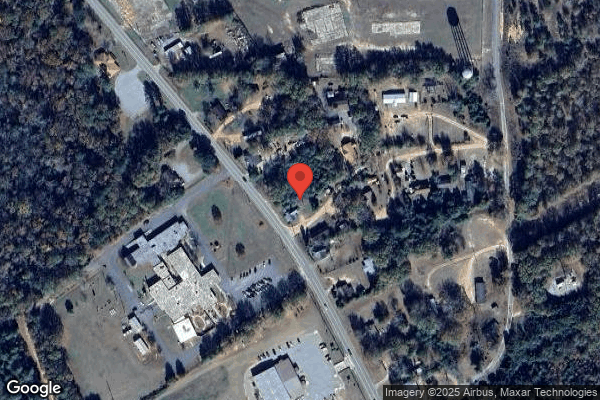
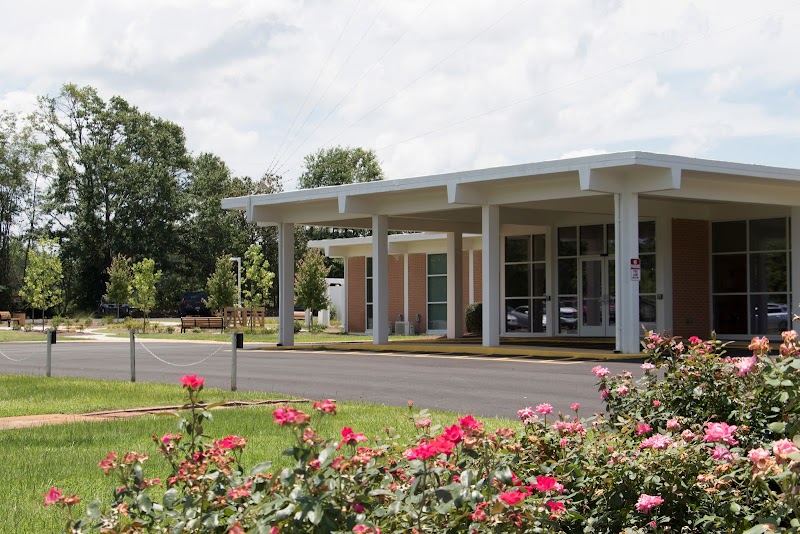
349 GENEVA ROAD, BUENA VISTA, GA 31803 (229) 649-7100
Non profit - Corporation 70 Beds MAGNOLIA MANOR SENIOR LIVING Data: November 2025
Trust Grade
65/100
#135 of 353 in GA
Last Inspection: January 2025

Within standard 12-15 month inspection cycle. Federal law requires annual inspections.

Overview

Magnolia Manor of Marion County has a Trust Grade of C+, indicating it is slightly above average compared to other facilities, but not without its issues. It ranks #135 out of 353 nursing homes in Georgia, placing it in the top half, and is the only option in Marion County. The facility's performance has been stable, with 12 issues identified in recent inspections, including concerns about food preparation and medication storage that could potentially affect residents' health. Staffing is average with a turnover rate of 57%, which is not ideal but aligns with state averages, and the facility has not incurred any fines, which is a positive sign. Specific incidents include failures to ensure nutritional value in pureed diets and improper labeling of food items, highlighting areas needing improvement alongside its strengths.

Trust Score
C+
65/100
In Georgia
#135/353
Top 38%
Safety Record
Low Risk
No red flags
Inspections
Holding Steady
5 → 5 violations
Staff Stability
⚠ Watch
57% turnover. Above average. Higher turnover means staff may not know residents' routines.
Penalties
✓ Good
No fines on record. Clean compliance history, better than most Georgia facilities.
Skilled Nurses
○ Average
Each resident gets 30 minutes of Registered Nurse (RN) attention daily — about average for Georgia. RNs are the most trained staff who monitor for health changes.
Violations
⚠ Watch
12 deficiencies on record. Higher than average. Multiple issues found across inspections.
★★★☆☆
3.0
Overall Rating
★★★☆☆
3.0
Staff Levels
★★★☆☆
3.0
Care Quality
★★★☆☆
3.0
Inspection Score
Stable
2023: 5 issues
2025: 5 issues

The Good

  • Full Sprinkler Coverage · Fire safety systems throughout facility
  • No fines on record

Facility shows strength in fire safety.

The Bad

3-Star Overall Rating

Near Georgia average (2.6)

Meets federal standards, typical of most facilities

Staff Turnover: 57%

11pts above Georgia avg (46%)

Frequent staff changes - ask about care continuity

Chain: MAGNOLIA MANOR SENIOR LIVING

Part of a multi-facility chain

Ask about local staffing decisions and management

Staff turnover is elevated (57%)

9 points above Georgia average of 48%

The Ugly 12 deficiencies on record

Jan 2025 5 deficiencies
CONCERN (D) 📢 Someone Reported This

A family member, employee, or ombudsman was alarmed enough to file a formal complaint

Potential for Harm - no one hurt, but risky conditions existed

Safe Environment (Tag F0584)

Could have caused harm · This affected 1 resident

**NOTE- TERMS IN BRACKETS HAVE BEEN EDITED TO PROTECT CONFIDENTIALITY** Based on observations, staff interviews, and review of the facility's policy titled, Residents Rights/ Facility Responsibilities...

Read full inspector narrative →
**NOTE- TERMS IN BRACKETS HAVE BEEN EDITED TO PROTECT CONFIDENTIALITY** Based on observations, staff interviews, and review of the facility's policy titled, Residents Rights/ Facility Responsibilities, the facility failed to provide a safe/clean/comfortable/homelike environment for six rooms of (49) rooms (Rm) (Rm 112, RM [ROOM NUMBER], RM [ROOM NUMBER], RM [ROOM NUMBER], RM [ROOM NUMBER]b, and RM [ROOM NUMBER]). Specifically, RM [ROOM NUMBER], RM [ROOM NUMBER] and RM [ROOM NUMBER] all had leaking faucets, RM [ROOM NUMBER]b had a broken bed side dresser, RM [ROOM NUMBER] had a blown light bulb in the room, and RM [ROOM NUMBER] had dirty blinds, and the air conditioning unit was discolored with a brown tent. Findings include: 1. Review of the facility's policy titled Residents Rights/ Facility Responsibilities with a revised date of 12/18/2023 revealed, Intent -It is the intent of [named facility] to ensure each resident is treated with respect and dignity and care, in a manner and in an environment that promotes maintenance or enhancement of his or her quality of life. We believe that such a program should include resident, family, and all employees of the nursing home. Resident Rights: The resident has the right to: 6. A safe, clean, comfortable, home-like environment and to receive treatment safely. An observation during screening on 1/14/2025 at 9:30 am; rooms [ROOM NUMBER]. All three rooms had a leaking faucet in the bathroom on the hot water side. Water was pooling on the top of the sink. An observation on 1/14/2025 at 9:33 am, on 1/15/2025 at 9:51 am, and on 1/16/2025 at 11:15 am revealed in RM [ROOM NUMBER]b a broken bedside dresser. An observation on 1/14/2025 at 9:42 am, on 1/15/2025 at 10:05 am, and on 1/16/2025 at 11:20 am revealed in the RM [ROOM NUMBER], dirty blinds and air condition unit. An observation and interview during walking rounds on 1/16/2025 at 11:45 am with the Maintenance Director (MD) confirmed the leaking faucet in RM [ROOM NUMBER], RM [ROOM NUMBER] and RM [ROOM NUMBER]. Confirmed a broken bedside dresser in RM [ROOM NUMBER]b, a blown out light bulb in RM [ROOM NUMBER], and confirmed dirty blinds and rusty/discolored air condition unit in RM [ROOM NUMBER]. The MD revealed the facility used TEL's system, he was not aware of the identified concerns needing repair. An interview on 1/16/2025 at 1:58 pm with the Administrator revealed he has been working at the facility since December 2023, all staff have access to the TELS system (electronic system used to monitor maintenance tasks) and he excepts staff to report all needed repairs in the TELS system. The system will alert the Administrator, and the Maintenance Director of repairs needed in the facility.
CONCERN (D) 📢 Someone Reported This

A family member, employee, or ombudsman was alarmed enough to file a formal complaint

Potential for Harm - no one hurt, but risky conditions existed

Quality of Care (Tag F0684)

Could have caused harm · This affected 1 resident

**NOTE- TERMS IN BRACKETS HAVE BEEN EDITED TO PROTECT CONFIDENTIALITY** Based on observations, interviews, record review, and review of the facility's policy titled, Restorative Nursing, the facility ...

Read full inspector narrative →
**NOTE- TERMS IN BRACKETS HAVE BEEN EDITED TO PROTECT CONFIDENTIALITY** Based on observations, interviews, record review, and review of the facility's policy titled, Restorative Nursing, the facility failed to obtain a physician order for one of five residents (R) (R3) with known contractures. The deficient practice had the potential to increase the progression of contractures for R3. Findings included: Review of the facility's policy titled, Restorative Nursing, reviewed and updated March 2014, under the Procedural Guidelines section revealed, The facility's rehabilitative/restorative nursing care program is designed to assist each resident to maintain their highest level of functioning. Review of the electronic medical record revealed R3 had diagnoses of but not limited to, intellectual disabilities, feeding difficulties, cerebral palsy, and anxiety disorder. Review of the Annual Minimum Data Set (MDS) assessment dated [DATE] Section C- cognitive patterns, revealed a Brief Interview for Mental Status (BIMS) score of 9 which indicated moderate cognitive impairment; Section GG-functional condition revealed upper and lower extremity impairment on both sides, uses wheelchair; is dependent on staff to assist with eating, oral hygiene, toileting hygiene, and shower/bathe. Review of Physician's orders dated 9/5/2024 included Restorative: eating and swallowing and passive range of motion. There was no specific order for the splints until 1/16/2025 (during the survey). Continued record review revealed an order dated 1/16/2025 for Restorative: Splints to be applied to bilateral hands daily for 3-4 hours as tolerated by the resident. Review of the care plan dated 9/5/2024 revealed R3 requires assistance with activities of daily living (ADL), and the level of staff assistance may vary. Risk for pain related to diagnoses of cerebral palsy; anxiety; lack of muscle control; spasms; and risk of contractures (has splints & braces). Review of the Restorative Documentation revealed that from 12/16/2024 to 1/16/2025, the splint was applied nine out of 32 days, on 12/23/2024, 12/27/2024, 12/30/2024, 12/31/2024, 1/2/2025, 1/6/2025, 1/7/2025, 1/10/2025, 1/11/2025, for 240 minutes. There was no documentation that R3 refused the splints or refused care. Observation and interview on 1/14/2025 at 11:15 am with R3 revealed he was sitting up in wheelchair, both hands were contracted, and he could open them slightly. Observation and interview on 1/15/2025 at 9:30 am with R3 sitting up in wheelchair in the hallway revealed he is alright, both hands were contracted, there were no hand splints noted during observation. Observation on 1/15/2025 at 12:46 pm of R3 sitting up in dining room, there were no hand splints noted during observation. Observation on 1/16/2025 at 9:12 am of R3 sitting up in chair, hand splints to both hands. Interview on 1/16/2025 at 9:20 am with Certified Medication Aide (CMA) DD revealed R3 required total assistance by staff for all his care needs and resident did have hand splints that the Restorative aide was responsible for applying. Further interview also revealed that R3 only wore the splints a couple of hours a day. Interview on 1/16/2025 at 11:35 am with Restorative CNA FF revealed R3 was ordered to wear splint daily for 240 minutes. Documentation was reviewed with CNA FF for the period from 12/11/2024 to 1/16/2025. During the interview CNA FF confirmed the splint was not worn during this time frame due to no times were documented on the form, and if it was not documented then R3 did not get the splint applied that day. Interview on 1/16/2025 at 1:50 pm with the Rehabilitation Director revealed the Restorative staff is responsible for ensuring that R3 splints are applied daily, and R3 will refuse to wear the hand splints at times.
CONCERN (D) 📢 Someone Reported This

A family member, employee, or ombudsman was alarmed enough to file a formal complaint

Potential for Harm - no one hurt, but risky conditions existed

Unnecessary Medications (Tag F0759)

Could have caused harm · This affected 1 resident

Based on observation, staff interviews, record review, and review of the facility's policy titled, Medication Administration-General, the facility failed to ensure a medication error rate of less than...

Read full inspector narrative →
Based on observation, staff interviews, record review, and review of the facility's policy titled, Medication Administration-General, the facility failed to ensure a medication error rate of less than five percent (5%) during medication administration for one of three residents (R) (R14). There were 26 opportunities observed and two medication errors for a medication error rate of 7.69%. This deficient practice had the potential to cause adverse drug reactions for R14. Findings included: Review of the facility's undated policy titled, Medication Administration-General, under the Guidelines section it was revealed, Prior to medication administration: The nurse should always identify the patient and verify the patient is available for medication administration. The nurse should read the administration directions on the MAR (Medication Administration Record) and verify correct medication, dose, and directions for use. Review of the electronic medical record for R14 revealed pertinent diagnoses of but not limited to hypertensive chronic kidney disease, essential primary hypertension, and morbid obesity. Review of Physician orders for R14 included Furosemide 40 mg (milligram) once a day by mouth, hold for SBP (systolic blood pressure) (the first, or top number of the blood pressure reading) less than 110, and losartan 100 mg 1 tablet by mouth daily, special instructions: hold for SBP less than 110. Review of vital signs for R14 revealed: 1/15/2025 8:20 am Blood Pressure: 108/68 mmHg (millimeters of mercury) (a unit of measurement for pressure used to measure blood pressure). The blood pressure (B/P) was taken before the medication was given. The time indicated when the B/P was documented. Medication administration observation on 1/15/2025 at 8:13 am with LPN CC revealed Certified Nurse Aide (CNA BB) reported R14's blood pressure level as 108/68 to the nurse before the medication was administered. The nurse administered the following medications to R14 during the medication administration observation; acetaminophen 325 mg - 2 tablets, losartan 100 mg - 1 tablet, fluoxetine HCL (hydrochloride) 10 mg - 1 capsule, furosemide 40 mg - 1 tablet, and potassium chloride 10 meq (milliequivalent) - 1 tablet. During an interview on 1/15/2025 at 12:00 pm with LPN CC, revealed that the nurse confirmed that the B/P for R14 was 108/68 which indicated the residents medications, furosemide 40 mg and losartan 100 mg should not have been given according to the parameters set by the physicians order, however LPN CC denied that she gave the medication. During an interview on 1/15/2025 at 12:30 pm with Assistant Director of Nursing (ADON), she was informed of two medication errors that occurred during the medication administration observation which included the nurse administering losartan 100 mg - 1 tablet and furosemide 40 mg - 1 tablet after having knowledge of R14s' SBP below 110. The ADON reviewed the Medication Administration Record which confirmed that the furosemide and the losartan were not to be given if the SBP was below 110. LPN CC confirmed to the ADON that she did give R14 the medication to the resident after knowing the systolic blood pressure was below 110.
CONCERN (D) 📢 Someone Reported This

A family member, employee, or ombudsman was alarmed enough to file a formal complaint

Potential for Harm - no one hurt, but risky conditions existed

Infection Control (Tag F0880)

Could have caused harm · This affected 1 resident

Based on observations, staff interviews, record reviews, and review of the facility's policies titled, Capillary Blood Sampling (Finger Stick Blood Sugar), Cleaning and Disinfection of Resident-Care I...

Read full inspector narrative →
Based on observations, staff interviews, record reviews, and review of the facility's policies titled, Capillary Blood Sampling (Finger Stick Blood Sugar), Cleaning and Disinfection of Resident-Care Items and Equipment, and Infection Prevention and Control, the facility failed to ensure infection control practices were followed for four of 39 residents (R) (R44, R20, R14, and R33). Specifically, the facility failed to ensure the glucometer was cleaned per the user instruction manual for R44; failed to ensure shared resident equipment was sanitized between uses and failed to ensure staff followed Enhanced Barrier Precaution (EBP) guidelines during wound care for R33. Findings included: Review of facility's policy titled, Capillary Blood Sampling (Fingerstick Blood Sugar), reviewed and updated March 2014, revealed under Procedural Guidelines, Our facility follows the manufacturers recommended guidelines in using their machine for FSBS. Follow current standards of care regulations related to handling potentially infectious materials including but not limited to standard precautions, use of personal protective equipment, hand washing and hand hygiene for capillary blood sampling and care of resident care equipment. Review of facility's policy titled, Cleaning and Disinfection of Resident-Care Items and Equipment, revised October 2018, revealed under Policy Statement, Resident-care equipment, including reusable items and durable medical equipment will be cleaned and disinfected according to current CDC recommendations for disinfection and the OSHA (Occupational Safety and Health Administration) Bloodborne Pathogens Standard. Under the section Policy Interpretation and Implementation, Reusable resident care equipment will be decontaminated and/or sterilized between residents according to manufacturers' instructions. Review of facility's undated policy titled, Infection Prevention and Control, under Section 3 subtitled Enhanced Barrier Precautions revealed, (the policy) expands the use of PPE (personal protective equipment) beyond situations in which exposure to blood and body fluids is anticipated, refers to the use of gown and gloves during high contact resident care activities that provide opportunities for transfer of MDROs (multi-drug resistant organism) to staff hands and clothing. Review of the electronic medical record for R44 revealed a diagnosis of Type 2 Diabetes Mellitus. Review of physician orders included Lantus Solostar U (unit)-100 Insulin (insulin glargine) 100 units/ml (units per milliliter) -24 units once daily, sliding scale insulin Novolog Flex Pen, fingerstick blood sugar before meals and at bedtime. Observation on 1/16/2025 at 11:25 am of fingerstick blood sugar procedure for R44 with Licensed Practical Nurse (LPN) EE revealed the nurse sanitized her hands, gathered equipment and put the equipment in a plastic cup. Once the procedure was completed LPN EE took off one glove and held the glucometer in her ungloved hand. The nurse put the used glucometer on the medication cart without a barrier then cleaned the glucometer with an alcohol swab. LPN EE revealed she was told it was okay to use an alcohol swab to clean the glucometer. During an interview on 1/16/2025 at 11:40 am with the Administrator, the policy on Capillary Blood Sampling (Fingerstick Blood Sugar) was reviewed and verified that the policy referred staff to the manufacturer guidelines for cleaning the glucometer. Review of the Assure Prism Blood Glucose Monitoring System - User Instruction Manual revealed under Cleaning and Disinfecting: .We have validated Clorox Healthcare Bleach Germicidal Wipes, Dispatch Hospital Cleaner Disinfectant Towels with Bleach, CaviWipes1 and PDI Super Sani-Cloth Germicidal Disposable Wipe for disinfecting the meter. Observation on 1/15/2025 at 8:45 am, Certified Nursing Assistant (CNA) BB was taking vital signs and was observed using the blood pressure cuff on one resident, she sanitized her hands and proceeded to take the blood pressure of another resident. She did not sanitize the equipment between residents The two residents for blood pressure monitoring were R20 and R14. Interview on 1/16/2025 at 11:52 am with the Infection Control Nurse (ICN) revealed the glucometer could be cleaned using an alcohol swab. Interview on 1/16/2025 at 1:00 pm with CNA BB revealed she was asked if she cleaned the blood pressure equipment between residents and she revealed she does not and she cannot have the Sani wipes on the machine. Review of the physician orders revealed R4 was on Enhanced Barrier Precautions (EBP) due to his wound. Wound care observation on 1/16/2025 at 10:00 am for R4 revealed LPN GG did not don the appropriate PPE (personal protective equipment) (gloves and gown) before performing wound care for R4. LPN GG only donned gloves before performing wound care. Interview on 1/16/ 2025 at 10:15 am with LPN GG confirmed that she knew R4 was previously on EBP but was told by the corporate nurse that when R4's wound was downgraded from a stage 2 that it was her understanding that R4 no longer had to be on EBP. Interview on 1/16/2025 at 11:00 am with the DON (Director of Nursing) confirmed her understanding from CDC (Centers for Disease Control and Prevention) that states any wound that requires a dressing must be on Enhanced Precautions. DON revealed that she would ensure all staff know that R4 is on EBPs and any care in which bodily fluid may be exposed, staff must wear appropriate PPE before performing task.
CONCERN (F) 📢 Someone Reported This

A family member, employee, or ombudsman was alarmed enough to file a formal complaint

Potential for Harm - no one hurt, but risky conditions existed

Deficiency F0804 (Tag F0804)

Could have caused harm · This affected most or all residents

Based on observations, staff interviews and review of the facility's policy titled, Pureed Food Preparation, the facility failed to ensure the nutritional value of meat during the pureed process. Spec...

Read full inspector narrative →
Based on observations, staff interviews and review of the facility's policy titled, Pureed Food Preparation, the facility failed to ensure the nutritional value of meat during the pureed process. Specifically, the facility failed to follow the recipe by not measuring all ingredients while pureeing meat. The deficit practice had potential to place 16 of 16 residents who received a pureed diet at risk of decreased nutritional intake. Finding included: Review of the facility's undated policy titled, Pureed Food Preparation revealed, Facility will prepare pureed foods in a manner that sustains nutritional value and taste. The foods will be pureed to assure the desired consistency. Procedure: Pureed foods will be made from regular menu items to assure similar taste and nutritional quality. Recipes for regular menu items will be followed during production. Puree procedures are as follows: 7. Please follow manufacturer's directions when adding thickeners to foods to assure proper consistency. An interview and observation on 1/15/2025 at 10:15 am with [NAME] AA revealed that she prepares pureed food for 16 residents. [NAME] AA did not follow the correct instructions per recipe as evidenced by pouring chicken base from the container without measuring it. [NAME] AA confirmed that she was supposed to follow instructions according to the recipe when preparing pureed food. An interview on 1/15/2025 at 10:35 am with the Certified Food Manager (CFM) confirmed that staff should follow recipe instructions when preparing pureed food for residents. An interview on 1/16/2025 at 9:48 am with the Register Dietitian (RD) revealed the cook should follow a recipe when preparing pureed food and if the recipe is not followed it could affect the nutritional value of the food. An interview on 1/16/2025 at 1:58 pm with the Administrator revealed he excepts the facility cooks to follow policy and procedure and follow the recipe for preparing pureed food.
Jul 2023 5 deficiencies
CONCERN (D) 📢 Someone Reported This

A family member, employee, or ombudsman was alarmed enough to file a formal complaint

Potential for Harm - no one hurt, but risky conditions existed

Report Alleged Abuse (Tag F0609)

Could have caused harm · This affected 1 resident

Based on interviews, record review, and review of the facility policy titled, Abuse Prevention Program, the facility failed to report an allegation of abuse for one resident (R #50) of 13 residents on...

Read full inspector narrative →
Based on interviews, record review, and review of the facility policy titled, Abuse Prevention Program, the facility failed to report an allegation of abuse for one resident (R #50) of 13 residents on the Memory Care Unit. Findings include: Review of the policy titled Abuse Prevention Program, last reviewed and updated October 2016, revealed the following: D. Reporting: 1) Once a complaint or situation is identified involving alleged mistreatment, neglect, or abuse including injuries of unknow source/origin and misappropriation of resident property the incident will be immediately reported. a. The Administrator or designee will immediately notify HFR Complaint Investigation Intake and Referral Unit and resident representative of the incident and the pending investigation. The Ombudsman will also be notified as appropriate. The Administrator or designee will direct the investigation. c. The initial report of the incident will be faxed or emailed immediately but no more than 2 hours of abuse or an incident that results in serious injury or within 24 hours where there is no abuse or serious injury to the HFR Complaint Investigation Intake and Referral Unit. Review of Complaint Form dated 6/22/2023 indicated Certified Medication Aide (CMA) ZZ took the report from R#50's family member. Per written statement by CMA ZZ R# 50's family member asked to speak with charge nurse but was informed she was away. Based on the typed document R#50 confirmed what her daughter reported about someone coming into her room the week before trying to take her fork and stabbing her with it. R#50 reportedly told a nurse but could not remember who she told. Further review of the documentation indicated that CMA ZZ notified the Registered Nurse (RN) over her of this situation and the RN told her to make a report the next morning. The document does not indicate what date this incident took place on, but the document was signed by CMA ZZ on 6/22/2023. The Complaint Form indicated the complaint was referred to the appropriate department on 6/23/2023. The skin assessment that was completed at the time of assessment of R#50 was dated 6/23/2023. During interview on 7/22/2023 at 3:37 p.m. with the Social Services Director (SSD) and Interim SSD it was reported that SSD was aware of an allegation of R#50 being stabbed with a fork by another resident, but it was not reported to her. SSD then called the Director of Nursing (DON) for clarification on the allegation. SSD then reported that the DON informed her that she assessed R#50 but there were not any marks and R#50 denied being stabbed at that time. SSD reported that an allegation of a resident being stabbed by another resident should be reported to the Administrator. Interim SSD reported that the Administrator in this facility is responsible for reporting allegations of abuse to the State. During an interview on 7/22/2023 at 4:14 p.m. with the Administrator and the [NAME] President of Operations (VPO). The Administrator acknowledged that she was made aware of the allegation of abuse related to R#50 being stabbed with a fork by another resident. The Administrator reported that R#50 was immediately assessed as a result and R#50 did not have any marks to indicate that she had been stabbed. The Administrator also reported that since the resident was now denying that it happened she did not follow up with submitting the report. Administrator and VPO both acknowledge that policy does not suggest you get a finding before making a report related to an allegation of abuse.
CONCERN (D)

Potential for Harm - no one hurt, but risky conditions existed

Pharmacy Services (Tag F0755)

Could have caused harm · This affected 1 resident

Based on staff interviews, record reviews, and review of the facility policy titled, Controlled Drug Accountability and Reconciliation the facility failed to maintain accurate records on controlled su...

Read full inspector narrative →
Based on staff interviews, record reviews, and review of the facility policy titled, Controlled Drug Accountability and Reconciliation the facility failed to maintain accurate records on controlled substances on one of three medication carts (A Wing cart). Findings include: Review of the policy titled, Controlled Drug Accountability and Reconciliation dated October 2017 revealed the intent was to establish a method for accountability and reconciliation of controlled medications. Controlled medications should be tracked form the time they are received in the center through administration, discontinuation, discharge, or destruction. The Procedural Guidelines section lines numbered 2: During the next shift change, both the on-coming and off-going nurses should check the delivery sheet and verify that each controlled medication delivered has been placed in the appropriate place on the medication cart and documented on the Controlled Medication Audit (CMA) form. 4: Audits should be performed weekly, ideally by the Director of Nursing (DON), Assistant Director of Nursing (ADON), Nurse Manager, or supervision. Observation on 7/22/2023 at 10:18 a.m. with Licensed Practical Nurse (LPN) CC of the A Wing controlled medication book revealed the Narcotic Shift Count document was missing 25 signatures of 86 required signatures used to verify the controlled medication count was correct at each shift change. Interview at 10:20 a.m. with LPN CC verified the missing signatures and she revealed she was unsure why there were missing signatures. She revealed each nurse was responsible to sign the document when the controlled medications were counted at each shift change to verify the controlled medications count was accurate. She revealed shift count of controlled medications was important to ensure there was no unauthorized use of the controlled medications. Interview at on 7/22/2023 at 11:15 a.m. with the Director of Nursing (DON) revealed her expectation was for nurses to count the controlled medications at each shift change and sign on the Narcotic Shift Count document to verify the medication count was correct. She revealed there had been no reported missing controlled medications since she began working at the facility four months ago. She further revealed if the nurses did not sign the form to verify the count of the controlled medications, there was no way to know if the medications were counted and revealed counting controlled medications at each shift change helped to ensure there was no unauthorized use of the controlled medications. She revealed the facility used some agency nurses, and agency nurses normally work on a medication cart for two weeks alongside another nurse to ensure competencies were met, but occasionally the agency sent a nurse to cover a shift that was unfamiliar with the facility. She revealed the facility normally placed agency nurses on the A Wing. Observation on 7/22/2023 at 11:20 a.m. of controlled medication count by the DON and LPN CC on A Wing medication cart revealed the controlled medication counts were correct. Review of the documents titled Narcotic Shift Count revealed: May 2023 A Wing was missing 29 of 128 required signatures used to verify the controlled medication count was correct at each shift change. June 2023 A Wing was missing 19 of 120 required signatures used to verify the controlled medication count was correct at each shift change. July 2023 (through 7/22/2023) A Wing was missing 25 of 86 required signatures used to verify the controlled medication count was correct at each shift change. Interview on 7/23/2023 at 12:05 p.m. with the Administrator revealed her expectations were for nursing staff to follow the policies and procedures of the facility for controlled medication storage and reconciliation. Interview on 7/23/2023 a 12:15 p.m. with the DON revealed her expectations were for the controlled medications to be counted at each shift change by the off-going and on-coming nurses and for the nurse's signatures to be documented to verify the count as correct, indicating no controlled medications missing. She revealed nurses working the medication carts were responsible for ensuring controlled medications were counted, verifying the count to be correct and providing their signature on the shift count form. She further revealed if the nurses did not sign the form to verify the count of the controlled medications, there was no way to know if the medications were counted and revealed counting controlled medications at each shift change helped to ensure there was no unauthorized use of the controlled medications. She revealed she (as the DON) was ultimately responsible for ensuring the controlled medications were verified to be correct, the shift change forms to be completed and she should have been providing an audit of the shift change count forms.
CONCERN (D)

Potential for Harm - no one hurt, but risky conditions existed

Medication Errors (Tag F0758)

Could have caused harm · This affected 1 resident

2. Review of the electronic medical record (EMR) for R# 50 revealed diagnosis that included generalized anxiety disorder and Alzheimer's disease. Further review of the medical record revealed the foll...

Read full inspector narrative →
2. Review of the electronic medical record (EMR) for R# 50 revealed diagnosis that included generalized anxiety disorder and Alzheimer's disease. Further review of the medical record revealed the following order: lorazepam 0.5 mg tablet: take 1 tablet(s) oral every 6 hrs PRN as needed (PRN) for anxiety /agitation. Start date of 6/23/2023. There was no end date indicated for this PRN order. Review of the EMR revealed that R#50 last took this medication on 7/20/2023. During an interview on 7/22/2023 at 2:27 p.m. with the Director of Nursing (DON) it was who confirmed that the lorazepam 0.5 mg PRN order for R#50 did not have a stop date. DON further reported that R#50 is on hospice and hospice writes orders, but the facility does not know what they are sometimes. It was reported that the Pharmacist reviews the orders monthly and if an issue is identified as a result of the pharmacy review it is reported to the Physician. It is the Unit Manager's responsibility to make sure that recommendations are followed up on. DON reviewed Pharmacy Note to Attending Physician dated 7/6/2023 of which lorazepam 0.5mg q6hr PRN should have been discontinued per the Physician's request on 7/10/2023. Review of the electronic medication administration record (eMar) showed that the medication was received on 7/20/2023 and DON confirmed that the order should have been discontinued. Based on record review, staff interview, and review of the facility policy titled, Automatic Stop Orders, the facility failed to ensure a stop date was implemented, not to exceed 14 days for psychotropic medications for two residents (R) (R#9, R#50) of six residents reviewed for unnecessary medications. Specifically, the facility failed to ensure a stop date was implemented for antianxiety medication ordered as needed (PRN) for R#9 and R#50. 1.Findings are: A review of the facility policy Automatic Stop Orders, updated 10/2017, revealed as needed (PRN) psychotropics had a 14-day stop date. Additionally, the prescribed may specify a duration longer than 14 days for PRN psychotropic medications, but the prescriber must include a clinical rationale in the permanent medical record. PRN antipsychotics could not be renewed for longer than 14 days without a direct evaluation of the patient by the prescriber. A review of the physician (MD) orders revealed R#9 was prescribed one Xanax 0.5 Milligram (mg) tablet by mouth every 6 hours as needed (PRN) on 5/30/2023. The order had no end date. A review of the Medication Administration Record (MAR) revealed staff administered R#9 Xanax 0.5 mg PRN on the following dates and times: 6/15/2023 at 9:14 a.m., 6/16/2023 at 10:14 a.m., 6/18/2023 at 7:12 a.m., 6/20/2023 at 8:07 a.m., 6/23/2023 at 10:18 a.m., 6/28/2023 at 11:02 a.m., 7/1/2023 at 9:38 a.m., 7/7/2023 at 8:32 a.m., 7/8/2023 at 8:46 a.m., 7/12/2023 at 10:50 a.m., 7/13/2023 at 9:02 a.m., 7/17/2023 at 12:00 p.m., 7/18/2023 at 12:01 p.m., and 7/21/2023 at 8:36 a.m. Interview on 7/22/2023 at 9:13 a.m. with the Director of Nursing (DON) revealed the DON acknowledged R#9 did not have a stop date for the as-needed (PRN) Xanax 0.5 mg order. The DON explained that the pharmacy consultant would typically inform the Medical Doctor (MD) or staff that a stop date was missing for required medications. The DON added she and the Unit Managers would audit the charts to ensure the consultant reviewed them. She acknowledged this order was overlooked and would be corrected immediately.
CONCERN (E)

Potential for Harm - no one hurt, but risky conditions existed

Deficiency F0761 (Tag F0761)

Could have caused harm · This affected multiple residents

Based on observations, staff interviews, review of pharmacy guidelines, review of latanoprost ophthalmic solutions manufacturer packet insert, review of the Trelegy Ellipta oral inhalant manufacturer ...

Read full inspector narrative →
Based on observations, staff interviews, review of pharmacy guidelines, review of latanoprost ophthalmic solutions manufacturer packet insert, review of the Trelegy Ellipta oral inhalant manufacturer packet insert; and review of the facility policies title, Medication Storage in the Care Center, and Metered Dose Inhalers (MDI), the facility failed to ensure drugs and biologicals used in the facility were labeled and stored properly and in accordance with manufacturer's recommendations on two of three medication carts (A Wing cart and B Wing cart). Findings include: Review of the policy titled, Medication Storage in the Care Center dated October 2017 revealed the intent of medications and biologicals are stored safely, securely, and properly following manufacturer's recommendations or those of the supplier. The Procedural Guidelines section line numbered 13 revealed medications requiring refrigeration or temperature between 2 degrees Celsius (C) (36 degrees Fahrenheit (F)) and 8 degrees C (46 degrees F) are kept in a refrigerator with a thermometer to allow temperature monitoring. Review of the undated policy titled Metered Dose Inhalers (MDI) revealed the intent of to properly administer metered dose inhalers on timing of administration and appropriate use. The Procedural Guidelines section line numbered 1 revealed to reference to the manufacturer's instructions for usage of inhalers. Review of the document titled, Multi-dose Packages of Medications Storage Conditions and Expiration Dates dated October 2017 indicated Lantus vial and pen insulin and Novolog vial and pen insulin had a shelf life of 28 days after the first use (indicating once opened, the medication should be discarded after 28 days). Review of the manufacturer's packet insert for latanoprost ophthalmic solutions revealed storage instructions was to protect the solution from light and store unopened bottle(s) under refrigeration at 2 degrees to 8 degrees Celsius (C) (36 degrees to 46 degrees Fahrenheit (F)). Once a bottle is opened for use, it may be stored at room temperature up to 25°C (77°F) for 6 weeks. Review of the manufacture's packet insert for Trelegy Ellipta oral inhalant instructions numbered 16 and on page 33 revealed: Discard Trelegy Ellipta 6 weeks after opening the foil tray or when the counter reads 0 (after all blisters have been used), whichever comes first. Observation on 7/22/2023 at 8:50 a.m. of B Wing medication cart with Registered Nurse (RN) BB revealed one Trelegy Ellipta 100 microgram (mcg)/62.5 mcg/25 mcg oral inhalation discus 30 dose unit (a medication used to treat chronic obstructive pulmonary obstruction) stored on the medication cart opened without an opened date and with a count of 20 doses remaining on the counter. Interview on 7/22/2023 at 8:51 a.m. with RN BB verified there was not an open date label on the Trelegy Ellipta 100 mcg/62.5 mcg/25 mcg oral inhalation. She revealed there should have been a label indicating the opened date on the Trelegy Ellipta 100 mcg/62.5 mcg/25 mcg oral inhalation and further revealed without an opened date label there was no way to determine the discard date. Observation on 7/22/2023 at 10:10 a.m. of A Wing medication cart with Licensed Practical Nurse (LPN) CC revealed: one container of Latanoprost 0.0005% ophthalmic solution 2.5 milliliter (ml) (a medication used to treat glaucoma and ocular hypertension) stored on the medication cart, unopened and with a red label stating to store under refrigeration until opened. one Novolog Flex Pen 100 units/ml 3ml prefilled insulin pen (a medication used to treat diabetes mellitus) with an open date of 6/22/2023. one Lantus 100 units/ml 3ml prefilled insulin pen (a medication used to treat diabetes mellitus) with an open date of 6/22/2023. LPN CC verified the container of Latanoprost ophthalmic solution was not stored under the proper temperature on the cart and the Novolog and Lantus insulin pens were beyond the discard date and remained on the medication cart. Interview on 7/22/2023 at 10:14 a.m. with LPN CC revealed the night shift nurse was responsible for stocking the medication cart and ensuring medications were stocked according to manufacturer recommendations. She further revealed all nurses that pass medications should check each medication prior to administering to ensure it was within discard date. She revealed insulin pens should be discarded according to manufacturer's recommendations and further revealed there was a potential for the insulin to be less effective if given past the discard date. Interview on 7/23/2023 at 12:00 p.m. with the [NAME] President of Operations revealed her expectations were for nursing staff to follow the guidelines on the document titled Multi-dose Packages of Medications Storage Conditions & Expiration Dates for storage of medications. She revealed the document was located at each nursing unit and the nurses had access to reference it. She further revealed a Pharmacy Consultant performed an on-site quarterly audit of the medication storage and administration and provided education as needed to the nurses. Interview on 7/23/2023 at 12:05 p.m. with the Administrator revealed her expectations were for nursing staff to follow the policies and procedures of the facility for medication storage. She further revealed her expectations were for nursing staff to contact the consulting pharmacy for questions or concerns. Interview on 7/23/2023 a 12:15 p.m. with the Director of Nursing (DON) revealed her expectations were for insulin to be dated when opened and discarded on the discard date according to manufacturer recommendations and pharmacy guidelines, for ophthalmic medications to be stored according to manufacturer's recommendations, and for oral inhalant medications to be labeled and discarded according to manufacturer recommendations. She revealed her expectations were for nurses to check the medication cart each shift to ensure there were no medications being administered beyond their discard date, ensure medications that should be labeled were labeled correctly, and that medications were stored according to manufacturer's recommendations. She revealed insulin, ophthalmic medications, and oral inhalants could become less effective if used past their discard date and could provide less effective control of symptoms being treated. She revealed insulin could be less effective at controlling diabetes if given past the discard date.
CONCERN (F)

Potential for Harm - no one hurt, but risky conditions existed

Food Safety (Tag F0812)

Could have caused harm · This affected most or all residents

Based on observation, staff interviews, and review of the facility policy titled, Food Receiving and Storage, the facility failed to label, and date opened food items in the dry storage area and faile...

Read full inspector narrative →
Based on observation, staff interviews, and review of the facility policy titled, Food Receiving and Storage, the facility failed to label, and date opened food items in the dry storage area and failed to date opened bulk food items. The facility census was 62 and all residents consumed an oral diet. Findings include: Review of the facility policy titled Food Receiving and Storage revealed dry foods that are stored in bins will be removed from original packaging, labeled, and dated (use by date). All food stored in the refrigerator or freezer will be covered, labeled, and dated (use by date). Observation on 7/21/2023 at 9:00 a.m. of the dry storage area revealed a large clear plastic rectangle bin that contained a large open bag of Egg Noodles with no label or date also in this bin was an open bag of 10-inchch tortilla shells had no open date. No unattached food labels were noted loose on the bottom of bin. In separate large clear plastic rectangle bin was an open bag of Devil Food Cake Mix with no date. No unattached food labels were noted loose on the bottom of the bin. During an interview on 7/21/2023 at 9:00 a.m. dietary aide AA confirmed that the bag of egg noodles, tortilla shells and Devil Food Cake Mix all were opened with no label or date. The dietary aide stated that the labels likely fell off. The dietary aide stated that staff are to label and date any food item opened. Observation on 7/21/2023 at 9:18 a.m. of the shelf under the food preparation table revealed eight, 18 quart round clear plastic containers. The containers were labeled potato flakes, food thickener, flour, grits, and rice. The containers did not have a date when the food items were taken out of original package and placed in the containers. During an interview on 7/21/2023 at 9:18 a.m. the Certified Dietary Manager (CDM) confirmed that none of the round clear plastic containers with the bulk food items had a date of when the food products were placed in the containers. The CDM stated that they use most of the items quickly and replenish frequently. The CDM stated that she did not know it was necessary to date the food container.
Dec 2021 2 deficiencies
CONCERN (D)

Potential for Harm - no one hurt, but risky conditions existed

Accident Prevention (Tag F0689)

Could have caused harm · This affected 1 resident

**NOTE- TERMS IN BRACKETS HAVE BEEN EDITED TO PROTECT CONFIDENTIALITY** Based on observations, staff interviews, and review of the facility policy titled, Work Orders the facility failed to ensure the...

Read full inspector narrative →
**NOTE- TERMS IN BRACKETS HAVE BEEN EDITED TO PROTECT CONFIDENTIALITY** Based on observations, staff interviews, and review of the facility policy titled, Work Orders the facility failed to ensure the environment was free from potential hazards by not ensuring that three sinks on one of three Wings (on the A Wing in the bathrooms for rooms: 132, 133, 134) were securely fastened to the wall and the facility failed to ensure that one electrical outlet on one of three wings (on the A Wing in room [ROOM NUMBER]) was not pulled loose from the wall. Findings include: Review of a facility policy titled, Work Orders, dated December 2012 documented the intent of the facility, that maintenance work orders be completed in order to establish a priority of maintenance service. Procedural guidelines documented in order to establish a priority of maintenance service, work orders should be filled out and forwarded to the plant operations/Maintenance Manager, and emergency repairs should be given priority in making necessary repairs. Observation on 12/14/21 at 9:11 a.m. in room [ROOM NUMBER], revealed a loose sink in the bathroom. Additional observations on 12/15/21 at 9:32 a.m. and on 12/16/21 at 9:29 a.m. revealed the sink in the bathroom of room [ROOM NUMBER] remained loose. Observation on 12/14/21 at 9:14 a.m. in room [ROOM NUMBER], revealed a loose sink in the bathroom. Additional observations on 12/15/21 at 9:33 a.m. and 12/16/21 at 9:30 a.m. revealed the sink in the bathroom of room [ROOM NUMBER] remained loose. Observation on 12/14/21 at 9:17 a.m. in room [ROOM NUMBER], revealed a loose sink in the bathroom. Additional observations on 12/15/21 at 9:34 a.m. and on 12/16/21 at 9:31 a.m., revealed the sink in the bathroom of room [ROOM NUMBER]remained loose. Observation on 12/15/21 at 8:54 a.m., at 11:20 a.m., and at 3:34 p.m., and on 12/16/21 at 8:11 a.m. revealed an electrical outlet pulled out of the wall by the head of the bed, on the side by the window, in room [ROOM NUMBER]. Interview on 12/16/21 at 8:05 a.m. with LPN AA revealed if staff see any maintenance or repair concerns, they are supposed to report to the Maintenance Supervisor by filling out a work order. Interview on 12/16/21 at 9:48 a.m. with the Maintenance Supervisor revealed they have a corporate policy on repairs and anyone who sees needed maintenance or repairs are supposed to fill out a work order form that is readily accessible on each wing. He revealed he utilized TELS, an Equipment Life Cycle System, that tracks weekly and monthly tasks, keeps up with preventive type maintenance task, and environmental maintenance checks. He said he does rounds once a month by schedule, he does a weekly walk through for observation of life safety issues and general repairs, each morning does a walk through check, and picks up work orders. During a walkthrough of the A wing on 12/16/21 with the Maintenance Supervisor the following concerns were identified and confirmed: On 12/16/21 at 9:56 a.m. confirmed an electrical outlet pulled out of wall and wire molding was loose in room [ROOM NUMBER]. On 12/16/21 at 10:00 a.m. confirmed the sink was loose in the bathroom for room [ROOM NUMBER]. On 12/16/21 at 10:03 a.m. confirmed the sink was loose in the bathroom for room [ROOM NUMBER]. On 12/16/21 at 10:05 a.m. confirmed the sink was loose in the bathroom for room [ROOM NUMBER]. Interview during the walk through on 12/16/21 at 10:06 a.m., with the Maintenance Supervisor revealed no one had reported the electrical outlet or loose sinks. The Maintenance Supervisor confirmed electrical outlets should not be pulled out of the wall and that sinks should not be loose, and the expectation was that the outlet be reattached to the wall and sinks be re-caulked immediately. The Corporate Administrator walked by, at this time, and was made aware of these maintenance/repair concerns. The Corporate Administrator stated her expectation was that repairs be made timely for a safe environment. Follow-up interview on 12/16/21 at 3:00 p.m. with the Maintenance Supervisor revealed reporting maintenance and repair concerns is covered during generation orientation with all staff, and anyone that sees a maintenance repair issue should report it by completing a work order.
MINOR (C)

Minor Issue - procedural, no safety impact

Staffing Information (Tag F0732)

Minor procedural issue · This affected most or all residents

Based on observations and staff interview, the facility failed to post the daily nurse staffing information in a prominent place readily accessible to residents and visitors during the three-day surve...

Read full inspector narrative →
Based on observations and staff interview, the facility failed to post the daily nurse staffing information in a prominent place readily accessible to residents and visitors during the three-day survey. The facility census was 59 residents. Findings include: Observation of the nurse staffing information on 12/14/2021 at 2:24 p.m., 12/15/2021 at 1:45 p.m., and 12/16/2021 at 12:26 p.m., revealed it was posted in a display box on the hallway of the B-Wing. In an interview with the Director of Nursing (DON) on 12/16/2021 at 12:35 p.m., revealed the nurse staffing information is always posted on the B-Wing which she confirmed is not readily accessible to residents and visitors unless they reside on or are visiting on the B-Wing.
Understanding Severity Codes (click to expand)
Life-Threatening (Immediate Jeopardy)
J - Isolated K - Pattern L - Widespread
Actual Harm
G - Isolated H - Pattern I - Widespread
Potential for Harm
D - Isolated E - Pattern F - Widespread
No Harm (Minor)
A - Isolated B - Pattern C - Widespread

Questions to Ask on Your Visit

  • "Why is there high staff turnover? How do you retain staff?"
  • "Can I speak with families of current residents?"
  • "What's your RN coverage like on weekends and overnight?"

Our Honest Assessment

Strengths
  • • No major safety red flags. No abuse findings, life-threatening violations, or SFF status.
  • • No fines on record. Clean compliance history, better than most Georgia facilities.
Concerns
  • • 12 deficiencies on record. Higher than average. Multiple issues found across inspections.
  • • 57% turnover. Above average. Higher turnover means staff may not know residents' routines.
Bottom line: Mixed indicators with Trust Score of 65/100. Visit in person and ask pointed questions.

About This Facility

What is Magnolia Manor Of Marion County's CMS Rating?

CMS assigns MAGNOLIA MANOR OF MARION COUNTY an overall rating of 3 out of 5 stars, which is considered average nationally. Within Georgia, this rating places the facility higher than 99% of the state's 100 nursing homes. This mid-range rating indicates the facility meets federal standards but may have areas for improvement.
How is Magnolia Manor Of Marion County Staffed?

CMS rates MAGNOLIA MANOR OF MARION COUNTY's staffing level at 3 out of 5 stars, which is average compared to other nursing homes. Staff turnover is 57%, which is 11 percentage points above the Georgia average of 46%. High turnover can affect care consistency as new staff learn residents' individual needs.

What Have Inspectors Found at Magnolia Manor Of Marion County?

State health inspectors documented 12 deficiencies at MAGNOLIA MANOR OF MARION COUNTY during 2021 to 2025. These included: 11 with potential for harm and 1 minor or isolated issues.

Who Owns and Operates Magnolia Manor Of Marion County?

MAGNOLIA MANOR OF MARION COUNTY is owned by a non-profit organization. Non-profit facilities reinvest revenue into operations rather than distributing to shareholders. The facility is operated by MAGNOLIA MANOR SENIOR LIVING, a chain that manages multiple nursing homes. With 70 certified beds and approximately 64 residents (about 91% occupancy), it is a smaller facility located in BUENA VISTA, Georgia.

How Does Magnolia Manor Of Marion County Compare to Other Georgia Nursing Homes?

Compared to the 100 nursing homes in Georgia, MAGNOLIA MANOR OF MARION COUNTY's overall rating (3 stars) is above the state average of 2.6, staff turnover (57%) is significantly higher than the state average of 46%, and health inspection rating (3 stars) is at the national benchmark.

What Should Families Ask When Visiting Magnolia Manor Of Marion County?

Based on this facility's data, families visiting should ask: "How do you ensure continuity of care given staff turnover, and what is your staff retention strategy?" "Can I visit during a mealtime to observe dining assistance and food quality?" "How do you handle medical emergencies, and what is your hospital transfer rate?" "Can I speak with family members of current residents about their experience?" These questions are particularly relevant given the facility's high staff turnover rate.

Is Magnolia Manor Of Marion County Safe?

Based on CMS inspection data, MAGNOLIA MANOR OF MARION COUNTY has a clean safety record: no substantiated abuse findings (meaning no confirmed cases of resident harm), no Immediate Jeopardy citations (the most serious violation level indicating risk of serious injury or death), and is not on the Special Focus Facility watch list (a federal program monitoring the lowest-performing 1% of nursing homes). The facility has a 3-star overall rating and ranks #1 of 100 nursing homes in Georgia. While no facility is perfect, families should still ask about staff-to-resident ratios and recent inspection results during their visit.

Do Nurses at Magnolia Manor Of Marion County Stick Around?

Staff turnover at MAGNOLIA MANOR OF MARION COUNTY is high. At 57%, the facility is 11 percentage points above the Georgia average of 46%. High turnover means new staff may not know residents' individual needs, medications, or preferences. It can also be disorienting for residents, especially those with dementia who rely on familiar faces. Families should ask: What is causing the turnover? What retention programs are in place? How do you ensure care continuity during staff transitions?

Was Magnolia Manor Of Marion County Ever Fined?

MAGNOLIA MANOR OF MARION COUNTY has no federal fines on record. CMS issues fines when nursing homes fail to meet care standards or don't correct problems found during inspections. The absence of fines suggests the facility has either maintained compliance or corrected any issues before penalties were assessed. This is a positive indicator, though families should still review recent inspection reports for the full picture.

Is Magnolia Manor Of Marion County on Any Federal Watch List?

MAGNOLIA MANOR OF MARION COUNTY is not on any federal watch list. The most significant is the Special Focus Facility (SFF) program, which identifies the bottom 1% of nursing homes nationally based on persistent, serious quality problems. Not being on this list means the facility has avoided the pattern of deficiencies that triggers enhanced federal oversight. This is a positive indicator, though families should still review the facility's inspection history directly.