TAYLOR COUNTY HEALTH AND REHABILITATION
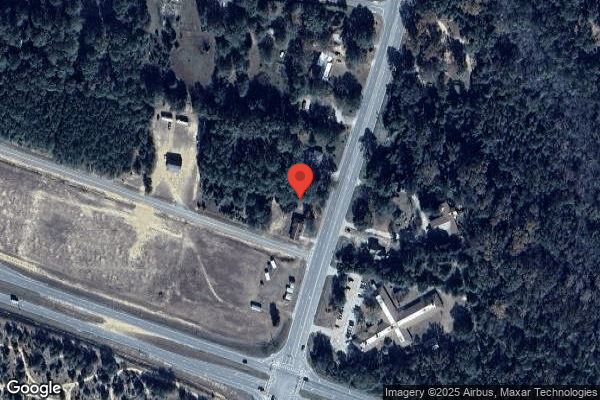
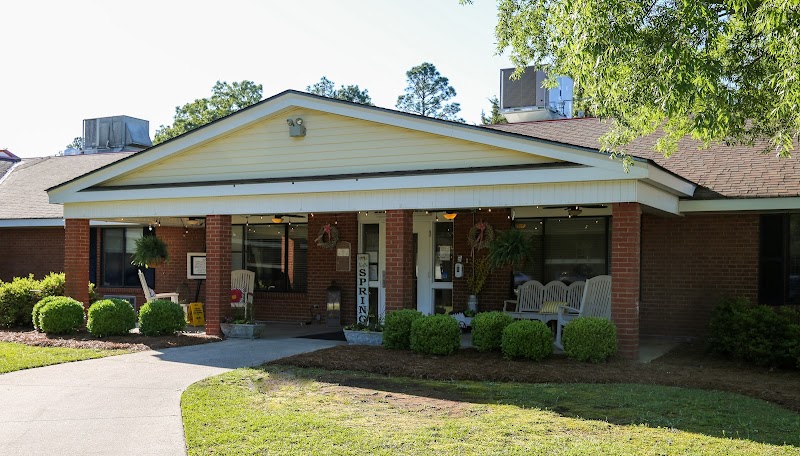
165 SOUTH BROAD STREET, BUTLER, GA 31006 (478) 862-2220
Non profit - Other 78 Beds CLINICAL SERVICES, INC. Data: November 2025
Trust Grade
43/100
#232 of 353 in GA
Last Inspection: August 2024

Within standard 12-15 month inspection cycle. Federal law requires annual inspections.

Overview

Taylor County Health and Rehabilitation has a Trust Grade of D, which means it is below average and has some concerning issues. It ranks #232 out of 353 facilities in Georgia, placing it in the bottom half, but it is the only option in Taylor County. The facility is worsening, with the number of reported issues increasing from 3 in 2023 to 7 in 2024. Staffing is a relative strength, with a turnover rate of 35%, which is better than the state average of 47%. However, there are some troubling incidents, such as a resident who required two staff members for bathing but was only assisted by one, leading to a fall and injury, and issues with food safety practices. While the nursing home does have some good points, families should be aware of these significant weaknesses.

Trust Score
D
43/100
In Georgia
#232/353
Bottom 35%
Safety Record
Moderate
Needs review
Inspections
Getting Worse
3 → 7 violations
Staff Stability
○ Average
35% turnover. Near Georgia's 48% average. Typical for the industry.
Penalties
✓ Good
$8,512 in fines. Lower than most Georgia facilities. Relatively clean record.
Skilled Nurses
⚠ Watch
Each resident gets only 20 minutes of Registered Nurse (RN) attention daily — below average for Georgia. Fewer RN minutes means fewer trained eyes watching for problems.
Violations
⚠ Watch
13 deficiencies on record. Higher than average. Multiple issues found across inspections.
★★☆☆☆
2.0
Overall Rating
★★☆☆☆
2.0
Staff Levels
★★★★☆
4.0
Care Quality
★★☆☆☆
2.0
Inspection Score
Stable
2023: 3 issues
2024: 7 issues

The Good

  • 4-Star Quality Measures · Strong clinical quality outcomes
  • Full Sprinkler Coverage · Fire safety systems throughout facility
  • No fines on record
  • Staff turnover below average (35%)

    13 points below Georgia average of 48%

Facility shows strength in quality measures, fire safety.

The Bad

2-Star Overall Rating

Below Georgia average (2.6)

Below average - review inspection findings carefully

Staff Turnover: 35%

11pts below Georgia avg (46%)

Typical for the industry

Federal Fines: $8,512

Below median ($33,413)

Minor penalties assessed

Chain: CLINICAL SERVICES, INC.

Part of a multi-facility chain

Ask about local staffing decisions and management

The Ugly 13 deficiencies on record

2 actual harm
Aug 2024 3 deficiencies 2 Harm
SERIOUS (G)

Actual Harm - a resident was hurt due to facility failures

Comprehensive Care Plan (Tag F0656)

A resident was harmed · This affected 1 resident

**NOTE- TERMS IN BRACKETS HAVE BEEN EDITED TO PROTECT CONFIDENTIALITY** Based on interview, record review, and facility policy review titled Patient's Plan of Care, the facility failed to ensure the d...

Read full inspector narrative →
**NOTE- TERMS IN BRACKETS HAVE BEEN EDITED TO PROTECT CONFIDENTIALITY** Based on interview, record review, and facility policy review titled Patient's Plan of Care, the facility failed to ensure the development of care plans were person centered and detailed the care assistance residents needed for Activities of Daily Living (ADLs) for one of three residents (R) (52) reviewed for accidents and hazards. R52's care plan failed to indicate the amount of assistance needed to prevent falls. The facility assessed R52 to require the assistance of two staff persons for bathing; however, the resident's care plan did not indicate the number of staff the resident needed for bathing assistance. During a bed bath, R52 was only assisted by one staff person, even though the facility assessed the resident to need two staff persons. This failure caused actual harm to the resident, when the resident fell out of bed during the bed bath and sustained a closed head injury and a laceration. Findings include: Review of the facility's policy titled, Patient's Plan of Care dated 12/29/2023, revealed the facility's intent to promote person-centered patient care through a comprehensive care plan. Each patient will have a person-centered comprehensive care plan developed and implemented to meet his or her other preferences and goals, and address the patient's medical, physical, and mental and psychosocial needs. Review of R52's undated Face Sheet located in electronic medical record (EMR), under the Face Sheet tab, indicated the resident was admitted to the facility on [DATE], with diagnoses which included hemiplegia and hemiparesis following cerebral infarction affecting left non-dominant side, abnormalities of gait and mobility, and muscle weakness. Review of R52's Care Plan located in the EMR under the Care Plan tab, revealed the resident was a Fall risk, reviewed, and continued on 7/23/2024, as evidenced by always incontinent (urine) [dated 6/28/2023], transfer: total dependance, problem with balance, interventions included, but not limited to provide appropriate level of assistance to promote safety of resident. Review of R52's Comprehensive Nursing Assessment dated 4/17/2024, provided by the facility as evidence of a Fall Assessment prior to resident's fall revealed Functional Status: . Does the patient need assistance moving from sitting to lying position in bed? Yes. If the patient has difficulty from sit-lying [sic] in bed, answer the following. Staff completes all of the tasks .If the patient need assistance moving from lying to sitting position on the side of the bed, answer the following. Staff completes all of the tasks. If the patient needs assistance with toileting hygiene, answer the following. Staff completes all of the tasks .Care Plan consideration- all items checked below will trigger to care plan. Activities of Daily Living (ADLs): Two people assist with transfers. During an interview on 8/27/2024 at 10:10 am Certified Nursing Assistant CNA1 she normally gave R52 her bath without any other staff's assistance; however, she should have had another person to help. CNA1 further stated she was just trying to get the resident's bath done. During an interview on 8/27/2024 at 1:41 am, R52 stated she remembered falling out of the bed. When asked how many staff members normally assisted her with her bed bath, R52 stated, they always use two nurse aides to give me a bed bath. During an interview on 8/27/2024 at 2:23 pm when asked if she was familiar with R52, CNA2 stated, Yes. When asked how many staff members it took to provide care for R52, CNA2 responded we usually use two staff members for turning, and repositioning, and for her bed baths, because she [R52] has no use of her left arm, and her right arm is weak. During an interview on 8/27/2024 at 2:30 pm, the Director of Nursing (DON), confirmed the resident had been assessed as being an extensive assistance of two persons for bathing, per the resident's care plan. During an interview on 8/27/2024 at 2:40 pm, the Administrator stated she would have expected the staff to follow the plan of care in providing resident care. The Administrator also stated if R52 was assessed as needing two people to assist with bathing, then she should have had two staff members giving her the bath. Cross reference F689
SERIOUS (G)

Actual Harm - a resident was hurt due to facility failures

Accident Prevention (Tag F0689)

A resident was harmed · This affected 1 resident

**NOTE- TERMS IN BRACKETS HAVE BEEN EDITED TO PROTECT CONFIDENTIALITY** Based on interview, record review, and review of the facility's policy titled Fall Management, the facility failed to ensure res...

Read full inspector narrative →
**NOTE- TERMS IN BRACKETS HAVE BEEN EDITED TO PROTECT CONFIDENTIALITY** Based on interview, record review, and review of the facility's policy titled Fall Management, the facility failed to ensure residents were free from accidents and hazards as possible for one of three residents (R) (52) reviewed for accidents out of 21 sampled residents. Specifically, the facility assessed R52 required the assistance of two- staff persons for bathing; however, the resident was only assisted by one staff person when the resident fell from her bed. This failure caused R52 to sustain actual harm of a closed head injury with a laceration. Findings include: Review of the facility's policy titled, Fall Management review date of 12/29/2023, revealed each patient is assisted in attaining/maintaining his or her highest practicable level of function by providing the patient adequate supervision, assistive devices, and/or functional programs as appropriate to minimize the risk for falls. Each patient's risk for falls is evaluated by the interdisciplinary team (IDT). A plan of care is developed and implemented based on this evaluation with ongoing review. Review of R52's undated Face Sheet located in electronic medical record (EMR), under the Face Sheet tab, indicated the resident was admitted to the facility on [DATE], with diagnoses including hemiplegia and hemiparesis following cerebral infarction affecting left non-dominant side, abnormalities of gait and mobility, and muscle weakness. Review of R52's annual Minimum Data Set (MDS), located in the EMR, under the MDS tab, with an Assessment Reference Date (ARD) of 4/17/2024, revealed the facility assessed the resident to have a Brief Interview of Mental Status (BIMS) score of nine out of 15, which indicated the resident was moderately cognitively impaired. Additionally, R52 was assessed as being dependent (2-person assist) on staff for toileting hygiene, shower/bathe, upper/lower body dressing, putting on/taking off footwear, and required extensive/substantial assistance for all personal care. There were no falls noted prior to admission or after admission during this assessment. Review of R52's Comprehensive Nursing Assessment dated 4/17/2024, provided by the facility as evidence of a Fall Assessment prior to resident's fall revealed Functional Status: . Does the patient need assistance moving from sitting to lying position in bed? Yes. If the patient has difficulty from sit-lying [sic] in bed, answer the following. Staff completes all of the tasks .If the patient need assistance moving from lying to sitting position on the side of the bed, answer the following. Staff completes all of the tasks. If the patient needs assistance with toileting hygiene, answer the following. Staff completes all of the tasks .Care Plan consideration- all items checked below will trigger to care plan. Activities of Daily Living [ADLs]: Two people assist with transfers. Review of the Event Quality Assessment Performance Improvement (QAPI) Tool, dated 4/28/2024 and provided by the facility revealed Description of event: summoned to room per nursing assistant to assist with resident who had fallen off bed during bed bath. Entered room and noted resident lying on right side between bed and heating/cooling unit. Head to toe assessment revealed a one inch cut to right side forehead with moderate amount of bleeding noted. Pressure applied to control bleeding. Resident assisted off floor and onto bed. PERRL [pupils equal, round, reactive to light]. Alert and oriented times three. Resident stated that she got dizzy when she rolled during bath and resulted in fall. Review of the Emergency Department Record, dated 4/28/2024, located in the EMR under the Scanned Documents tab, revealed Clinical Impression: closed head injury, forehead laceration. During an interview on 8/27/2024 at 10:10 am, Certified Nursing Assistant CNA 1 was asked to describe the incident with R52. CNA1 stated she was giving her [R52] a bed bath, turned her towards the window, [R52] was holding onto the bottom of mattress, there were no fall mats, or siderails on the bed. CNA1 added R52 stated she couldn't hold onto the mattress any longer and rolled out of bed. When CNA1 was asked if she should have had additional assistance, CNA1 stated she normally gave R52 her bath herself, but she should have had another person to help. CNA1 further stated she was just trying to get done. During an interview on 8/27/2024 at 1:41 am, R52 was asked if she recalled falling out of bed? R52 stated Yes. Continued interview revealed the nurse's aide was giving her a bed bath, she became dizzy and fell out of bed and hit her head on the air conditioner. R52 also stated it did not help that there was no sheet on her bed, and the mattress was slippery without it (It should be noted resident is not on a specialized mattress). When asked how many staff members usually completed her bed bath, R52 stated, they always use two nurse aides to give me a bed bath. During an interview conducted on 8/27/2024 at 2:23 pm, stated she was familiar with R52. When asked how many staff members was needed to provide care for R52, CNA2 stated, we usually use two staff members for turning, and repositioning, and for her bed baths, because she [R52] has no use of her left arm, and her right arm is weak. During an interview on 8/27/2024 at 2:30 pm, the Director of Nursing (DON) confirmed R52 had been assessed as being an extensive assistance of two persons, per R52's MDS. The DON stated she would have expected two staff members would have given R52's bed bath based on the comprehensive assessments, and care plans. The DON agreed that CNA1 made a bad judgement call while giving R52's bed bath that resulted in the resident falling and sustaining an injury. During an interview on 8/27/2024 at 2:40 pm, the Administrator stated it was her expectation if R52 was assessed as needing two-person assistance, then she would expect that two staff members would give her the bath.
CONCERN (D)

Potential for Harm - no one hurt, but risky conditions existed

Infection Control (Tag F0880)

Could have caused harm · This affected 1 resident

Based on observation, interview, record review, and review of the facility's policy titled Skilled Nursing Services, Hand Hygiene, the facility failed to ensure an effective infection control and prev...

Read full inspector narrative →
Based on observation, interview, record review, and review of the facility's policy titled Skilled Nursing Services, Hand Hygiene, the facility failed to ensure an effective infection control and prevention program was implemented during medication pass for four of 11 residents (R) (43, 38, 17, and 57) reviewed for medication administration. Specifically, the nurse failed to ensure proper hand hygiene practices were implemented dur the administration of medication. This failure could promote the spread of multi drug resistant organisms (MDROs) throughout the facility. Findings include: Review of the facility's policy titled, Skilled Nursing Services, Hand Hygiene, revised on 12/29/2023, indicated, under the section Intent: It is the intent of this facility to promote and facilitate appropriate hand washing .GUIDELINE .Associates should use alcohol based hand rub or wash hands with soap and water for the following indications: Immediately before touching a patient. Before performing an aseptic task (e.g., placing an indwelling device or handling indwelling devices). Before moving from a soiled body site to a clean body site on the same patient. After touching a patient or the patient's immediate environment. After contact with blood, body fluids or contaminated surfaces. Immediately after glove removal, unless hands are visibly soiled, an alcohol-based hand rub is preferred over soap and water in most clinical situations due to evidence of better compliance compared to soap and water. Hand rubs are generally less irritating to hands and, in absence of a sink, are an effective method of cleaning hands. Wash hands with soap and water when visibly soiled. After caring for someone with known or suspected diarrhea. After known or suspected exposure to spores (e.g. B. anthracis, C difficile). Gloves should not be used as a substitute for hand hygiene. lf your task requires gloves, perform hand hygiene prior to donning gloves, before touching the patient or the patient environment. Perform hand hygiene immediately after removing gloves Review of the facility training document titled, Hand Hygiene Competency Validation, used revealed staff was evaluated monthly on the three areas of hand hygiene opportunities, performing hand hygiene with soap and water, and performing hand hygiene with alcohol-based hand rub (ABHR). Review of the facility training document titled, Hand Hygiene Observation Tool, revealed it was used to record the staff's skill check off performing hand hygiene using ABHR and washing hands with soap and water 1.Review of R43's quarterly Minimum Data Set (MDS) with an Assessment Reference Date (ARD) of 7/11/2024, located in the EMR under the MDS tab, revealed the facility assessed the resident to have a Brief Interview for Mental Status (BIMS) score of zero out of 15 which indicated R43 was severely cognitively impaired. During an observation on 8/26/2024 at 1:20 pm in R43's room, Licensed Practical Nurse LPN1 performed hand hygiene, donned gloves, administered Eye Drops, one drop to each of R43's eyes. LPN1 doffed the gloves, disposed of the gloves into R43's bathroom trash can, and left R43's room without performing hand hygiene prior to leaving room. Continued observation revealed LPN1 unlocked the medication cart, put R43's eye drops back into the cart, and logged into the laptop EMR to move onto the next resident preparing her medication. 2. During an observation on 8/26/2024 at 1:26 pm, LPN1 obtained one tramadol [medication used to treat pain] 50 milligram (mg) tablet from the narcotic box in med cart and poured a cup of water without performing hand hygiene first. LPN1 then knocked on R38's door, entered her room, and administered R38 her tramadol medication with the cup of water. R38 poured the medicine cup containing tablet into her mouth and took a drink of water. R38 gave an empty medicine cup and the cup with remaining water back to LPN1. LPN1 set the water cup down on R38's bedside table next to her, tossed the medicine cup in trash, and left R38's room without performing hand hygiene prior to leaving room. LPN1 was observed unlocking the medication cart and logging into laptop to move onto next resident preparing his medication. 3. During an observation on 8/26/2024 at 1:32 pm, LPN1 obtained a Sodium Bicarbonate (antacid that neutralizes stomach acid and relieves heartburn and indigestion) 650 mg tablet from the medication cart, crushed and mixed the medication with vanilla pudding in a medicine cup, and poured a cup of water without performing hand hygiene first. Continued observation revealed LPN1 knocked on R17's door, entered his room, administered R17 his mixture of medicine and pudding from a wooden depressor/spoon, and gave R17 a drink of water. LPN1 collected an empty cup from R17's bedside table, went to the bathroom, tossed the empty medicine cup and two water cups in the trash. LPN1 left R17's room without performing hand hygiene prior to leaving room. LPN1 was observed unlocking the medication cart and logging into laptop to move onto next resident preparing his medication. 4. During an observation on 8/26/2024 at 1:41 pm, R57 was lying in her bed. Continued observation revealed LPN1 obtained one hydrocodone (narcotic pain medication) 10 mg/acetaminophen 325 mg tablet from the narcotic box in medication cart and poured a cup of water without performing hand hygiene first. LPN1 then knocked on R57's door, entered her room and administered R57 her medicine in a medicine cup with the cup of water. R57 poured the medicine cup containing the tablet into her mouth and took drink of water. R57 gave an empty medicine cup and the cup with the remaining water back to LPN1. LPN1 removed a partially full water cup from her bedside table and tossed them all into the bathroom trash. LPN1 left R57's room without performing hand hygiene prior to leaving room. LPN1 was observed unlocking the medication cart and logging onto the laptop to move onto the next resident preparing his medication. During an interview on 8/26/2024 at 1:45 pm, when asked what step he forgot to do in between each resident, LPN1 stated, Oh I forgot to wash my hands. LPN1 also stated, And I always remember to do hand hygiene any other time. During an interview on 8/26/2024 at 2:35 pm, the Director of Nursing (DON) stated, Staff are expected to use hand sanitizer or wash their hands anytime they touch something dirty, before and after providing care of a resident, and when they don and doff gloves. I expect them to use soap and water after every third time unless they're visibly soiled or wet. During an interview on 8/26/2024 2:40 pm, the Infection Control Preventionist (ICP) stated, My expectation is that staff perform hand hygiene prior to care and every time they leave a resident's room from doing care. I expect them to use soap and water when their hands are visibly dirty, before and after eating and after using the restroom. I also train them to use soap and water after using hand sanitizer three times. During an interview on 8/27/2024 10:55 pm, the Administrator stated, The expectation is that staff use hand sanitizer or wash their hands between every resident and whenever providing care. They need to wash their hands after every third time using hand sanitizer or if they're visibly dirty.
Mar 2024 4 deficiencies
CONCERN (D) 📢 Someone Reported This

A family member, employee, or ombudsman was alarmed enough to file a formal complaint

Potential for Harm - no one hurt, but risky conditions existed

Incontinence Care (Tag F0690)

Could have caused harm · This affected 1 resident

Based on observation, resident and staff interviews, record review, and review of the facility policy titled Suprapubic Catheter Care, the facility failed to ensure that nursing staff provided routine...

Read full inspector narrative →
Based on observation, resident and staff interviews, record review, and review of the facility policy titled Suprapubic Catheter Care, the facility failed to ensure that nursing staff provided routine indwelling urinary catheter care for one resident (R) (R15), from a sample of 16 residents. This deficient practice had the potential to increase R15's risk of urinary tract infection. Findings include: A review of the policy titled Suprapubic Catheter Care, with a review date of 12/29/2023, revealed the intent of the policy was to provide guidelines for the care of new and established suprapubic catheters. The Guideline section included a line that stated: Clean the insertion site and catheter daily with soap and water. A review of R15's clinical record revealed that she had diagnoses that included but were not limited to, neurogenic bladder, and quadriplegia. A review of the 12/8/2023 Quarterly Minimum Data Set (MDS) assessment revealed that R15 was assessed with a Brief Interview for Mental Status (BIMS) of 11 (indicating moderate cognitive impairment) and having an indwelling urinary catheter. A review of the care plan revealed a care area of a suprapubic catheter, with an intervention dated 10/6/2022 to monitor and clean skin under and around the external catheter and check for redness/skin breakdown. The intervention was assigned to the Nurse and Certified Nursing Assistant (CNA). A review of physician's orders revealed orders to change the suprapubic catheter every month on the 28th day and as needed when it was clogged. A review of the February 2024 Medication Administration Records (MAR) and February 2024 Treatment Administration Records (TAR) revealed that the suprapubic catheter was most recently changed as ordered on 2/28/2024. However, there was no evidence in the clinical record that daily catheter care was provided. During an interview on 3/5/2024 at 10:30 am, when R15 was asked if anyone cleaned her urinary catheter tubing, she stated no, but that it was changed once a month. During an observation of Activities of Daily Living (ADL) care on 3/5/2024 at 1:55 pm, CNA CC and CNA DD assisted R15 with personal hygiene tasks, emptying of the suprapubic catheter drainage bag, dressing, bowel incontinence care, and a transfer out of bed to the wheelchair. However, catheter care was not provided. During the observation, when questioned about who cleans RA's urinary catheter tubing, CNA CC stated that the nurses do and that he only empties the catheter bag. During an interview on 3/5/2024 at 3:40 pm, when questioned about when the suprapubic catheter was cleaned, the Director of Nursing (DON) stated that it was cleaned with perineal care. When asked if it was the Nurse's or CNA's responsibility, the DON stated it was the CNA's. During an interview on 3/5/2024 at 3:45 pm when RA's nurse, Licensed Practical Nurse (LPN) EE, was asked who cleans R15's urinary catheter tubing, she stated she was unsure.
CONCERN (D) 📢 Someone Reported This

A family member, employee, or ombudsman was alarmed enough to file a formal complaint

Potential for Harm - no one hurt, but risky conditions existed

Infection Control (Tag F0880)

Could have caused harm · This affected 1 resident

Based on observation, staff interviews, record review, and review of an instructional document titled Enhanced Barrier Precautions, published by the Center for Disease Control and Prevention (CDC), th...

Read full inspector narrative →
Based on observation, staff interviews, record review, and review of an instructional document titled Enhanced Barrier Precautions, published by the Center for Disease Control and Prevention (CDC), the facility failed to ensure that nursing staff wore Personal Protective Equipment (PPE) following recommended practice and failed to ensure Activities of Daily Living (ADL) care was provided in a sanitary manner for one resident (R) (R15), from a sample of 16 residents. These deficient practices had the potential to increase R15's risk of infection. Findings include: A review of R15's clinical record revealed diagnoses included but were not limited to, neurogenic bladder and quadriplegia. A review of the 12/8/2023 Quarterly Minimum Data Set (MDS) assessment revealed that R15 was assessed as having an indwelling urinary catheter and being incontinent of bowel. A review of the care plan revealed a care area of a self-care deficit and needed assistance from staff with ADL care. Interventions assigned to the Certified Nursing Assistant (CNA) and Nurse included PPE when providing care. The care plan also revealed that R15 had a suprapubic catheter. During an observation of ADL care on 3/5/2024 at 1:55 pm, an instructional sign titled Enhanced Barrier Precautions, published by the CDC was posted on the door to R15's room. The directions on the sign included that everyone must clean their hands, including before entering and when leaving the room. The sign also alerted providers and staff to wear gloves and a gown for the following high-contact resident care activities: dressing, bathing/showering, transferring, changing linens, providing hygiene, changing briefs, or assisting with toileting, device care or use (central line, urinary catheter, feeding tube, tracheostomy), and wound care. During the 3/5/2024 1:55 pm observation, CNA DD donned a gown and gloves upon entering the resident's room. CNA CC did not put on a gown. When CNA DD asked CNA CC if he was going to put a gown on, he stated no, that he thought that was just for wound care. Both CNAs then assisted R15 with personal hygiene tasks, emptying the suprapubic catheter drainage bag, dressing, bowel incontinence care, and a transfer out of bed to the wheelchair. In addition, during the provision of bowel incontinence care, CNA CC removed old barrier cream and feces from R15's buttocks with disposable wipes. However, he failed to change his soiled gloves before picking up a clean adult brief, picking up the tube of barrier cream from a shelf, and applying a new coat of barrier cream to R15's buttocks. During an interview on 3/5/2024 at 3:40 pm, the Director of Nursing (DON) stated that R15 was on enhanced barrier precautions because of her suprapubic catheter. During an interview on 3/5/2024 at 4:02 pm, the DON stated she would address the infection control concerns.
CONCERN (E) 📢 Someone Reported This

A family member, employee, or ombudsman was alarmed enough to file a formal complaint

Potential for Harm - no one hurt, but risky conditions existed

Deficiency F0692 (Tag F0692)

Could have caused harm · This affected multiple residents

Based on observations, staff interviews, and review of the facility policy titled Hydration, the facility failed to offer additional fluids to residents on one of three units, the secure unit, during ...

Read full inspector narrative →
Based on observations, staff interviews, and review of the facility policy titled Hydration, the facility failed to offer additional fluids to residents on one of three units, the secure unit, during two of three lunch meals observed. The deficient practice had the potential to prevent the maintenance of adequate hydration status of the 11 residents residing in the secure unit. Findings include: A review of the policy titled Hydration, with a review date of 12/29/2023, stated the policy Intent was: It is the intent of this center to provide patients with adequate hydration to assist in maintaining proper hydration and health, while honoring preferences. The Guideline section included: Hydration will be served on all meal trays and available throughout the day. Hydration will be consistent with the patient's needs and desires. A variety of items will be available to meet hydration needs and patient preferences. Nursing will provide ice water each shift, unless contraindicated. During an observation of the lunch meal served on the secure unit on 2/21/2024 from 12:43 pm to 1:30 pm, eight residents were observed eating lunch in the two designated dining areas on the secure unit and three residents ate in their rooms. The residents were only served one glass of tea with the meal. Nine of the residents had consumed all their tea and were observed attempting to drink more tea from the empty glasses. The residents were not offered refills of tea or additional fluids before removing the trays. During a subsequent observation of the secure unit on 2/26/2024 at 12:45 pm, four residents were eating in the secure unit while the remaining seven residents ate lunch in the main dining room of the facility. The four residents eating lunch in the secure unit were served one glass of tea. Three of the residents had consumed all their tea and were observed attempting to drink more from the empty glass. No refills or additional liquids were offered before the trays were removed. During observations of all the resident rooms on the secure unit on 2/21/2024 at 1:30 pm, 2/22/2024 at 12:35 pm, and 2/26/2024 at 12:45 pm, there were no cups or pitchers of water in the resident rooms. During an interview with Certified Nursing Assistant (CNA) AA on 2/26/2024 at 3:55 pm, she stated that the residents did not have water in their rooms because there were two residents in the secure unit who went into the rooms and took the cups of water and drink them all. During an interview with the Director of Nursing on 3/5/2024 at 1:40 pm, she stated they don't keep cups of water in the secure unit anymore due to infection control concerns. She stated there are residents in the unit who will take the cups of water out of resident rooms and drink them. She stated the staff should make sure the residents have water during the hydration rounds.
CONCERN (E) 📢 Someone Reported This

A family member, employee, or ombudsman was alarmed enough to file a formal complaint

Potential for Harm - no one hurt, but risky conditions existed

Deficiency F0725 (Tag F0725)

Could have caused harm · This affected multiple residents

Based on observations, staff interviews, and a review of the facility policy titled Allocation of Human Resources Nursing Staff, the facility failed to have sufficient nursing staff in the secure unit...

Read full inspector narrative →
Based on observations, staff interviews, and a review of the facility policy titled Allocation of Human Resources Nursing Staff, the facility failed to have sufficient nursing staff in the secure unit during meals to ensure a resident (R) (R5) was not taking other residents' food or beverages and to ensure there was adequate staff to provide the residents with beverage refills. There were 11 residents residing in the secure unit. The deficient practice had the potential to place the residents at risk for unmet care needs. Findings include: A review of the policy titled Allocation of Human Resources Nursing Staff, with a review date of 12/29/2023, revealed the Intent stated: It is the intent of this center to allocate nursing staff to meet nursing needs of patients. During the lunch observation on the secure unit on 2/21/2024 at 12:43 pm, there was one Certified Nursing Assistant (CNA) supervising 11 residents who resided on the unit. There were two rooms across the hall from each other that were designated for dining. The CNA was in one room feeding a resident which also had five additional residents, and three residents were eating in the room across the hall. R5 was observed taking a cup of coffee from R3 and drinking from the cup as he left the room. The CNA had to stop feeding a resident to take the cup of coffee from R5 and open the door to the main portion of the building to request a cup of coffee for R3. At 1:15 pm, R5 once again took the second cup of coffee from R3. The CNA had to stop feeding the same resident to take the cup from R5 and place the cup on the tray cart. After the CNA sat down to start feeding the resident again, R5 took the dirty cup from the cart and walked down the hall. During the same observation, the residents were served one glass of tea with their meal. Nine of the residents consumed all their tea and were not offered refills. During the lunch observation on 2/22/2024 at 12:35 pm, four residents were eating in the secure unit. The Director of Nursing (DON) was observed feeding one resident and one CNA was assisting other residents. Three of the residents drank all their tea. The CNA left the secure unit, returned with a pitcher of tea, and refilled the resident's glasses. During an interview with CNA AA on 2/26/2024 at 3:55 pm, she stated since the DON was assisting with the lunch meal on 2/22/2024 she was able to leave the unit to get a pitcher of tea to refill the resident's glasses. During the lunch observation on 2/26/2024 at 12:45 pm, there was only one CNA in the secure unit supervising four residents in the dining area while feeding one of the residents. Three of the residents had consumed all their tea, but no refills were offered before the trays were removed. During an interview with CNA FF on 2/21/2024 at 1:20 pm, she stated that she used to work in the secure unit and that it was hard to keep eyes on all the residents because only one staff person was working on the unit. She stated when she would be feeding a resident, she would have to stop to prevent R5 and another resident from taking food and drinks off other resident's trays. During an interview with CNA AA on 2/21/2024 at 1:30 pm, she stated there was usually just one person working in the secure unit. She stated there used to be two staff in the unit but for the past few years, there had only been one person in the unit. She stated during meals it was just her, and she had to watch R5 and another resident because they took other resident's drinks and food from their trays. She further stated while she provided showers for the residents, there was no other staff to monitor the other residents in the secure unit. During an interview with the DON on 3/5/2024 at 1:40 pm, she stated for years they had two people working in the secure unit, but they have had problems with staffing for several months. She stated ideally, she would assign two staff in the unit.
Jan 2023 3 deficiencies
CONCERN (E) 📢 Someone Reported This

A family member, employee, or ombudsman was alarmed enough to file a formal complaint

Potential for Harm - no one hurt, but risky conditions existed

Unnecessary Medications (Tag F0759)

Could have caused harm · This affected multiple residents

Based on observation, record review, staff interview, and review of facility policy titled, Medication Administration - General and Enteral Tube Medication Administration, the facility failed to ensur...

Read full inspector narrative →
Based on observation, record review, staff interview, and review of facility policy titled, Medication Administration - General and Enteral Tube Medication Administration, the facility failed to ensure the medication error rate was less than five percent (5%). A total number of 28 medication opportunities were observed, and there were six errors for one of five residents (R) (R #5), for an error rate of 21.43%. Findings include: Review of the facility policy titled Medication Administration - General dated 2019 revealed the intent of the policy is to ensure medications are administered as prescribed, in accordance with good nursing principle. Medications are administered in accordance with a valid prescriber order. Prior to medication administration: the nurse should read the administration directions on the MAR (medication administration record) and verify correct medication, dose, and directions for use. Review of the facility policy titled Enteral Tube Medication Administration dated 2019 revealed it is recommended that crushed medications not be combined and given all at once via feeding tube in order to avoid obstructing the tube and to ensure the complete delivery of each medication. On 1/28/2023 at 8:15 a.m., Licensed Practical Nurse (LPN) CC was observed giving R#5 their 9 a.m. medications which included Baclofen 10 milligrams (mg) 1 tab (tablet), amlodipine 10 mg 1 tab, carvedilol 25 mg 1 tab, famotidine 20 mg 1 tab, and Eliquis 5 mg 1 tab given via gastrostomy tube (g-tube). LPN CC crushed each medication separately and then combined in a cup. LPN CC also prepared Lactulose 30 milliliters (ml) (10 gram/15 ml) and combined in the same cup. Further observation revealed LPN CC disconnected the g-tube from the water flush, poured the mixture of medications in the tube, then reconnected the water flush. Record review of R#5's January 2023 Physician Orders revealed the following orders: Baclofen 10 mg 1 tablet g-tube every 4 hours; amlodipine 10 mg 1 tablet g-tube one time per day; carvedilol 25 mg 1 tablet g-tube two times per day; famotidine 20 mg 1 tablet g-tube two times per day; Eliquis 5 mg 1 tablet g-tube two times per day (DO NOT CRUSH, MAY DISSOLVE IN 60 ML OF WATER); and lactulose 10 gram/ 15 ml 30 grams g-tube one time per day. LPN CC failed to administer the crushed medications separately, failed to administer the correct dose of lactulose, and failed to follow the instructions for dissolving the Eliquis in water. Interview on 1/28/2023 at 8:45 a.m. with LPN CC, revealed she is an agency nurse. She stated she does not receive education through the facility but through her agency. She revealed the facility does have them sign off on policies. She stated she has always crushed the medications separately but administers them all together as one through the g-tube. Interview on 1/29/2023 at 11:40 a.m. with the Director of Nursing (DON), revealed the nurse administering the medications is responsible for giving the medications appropriately and verifying the physician orders.
CONCERN (F)

Potential for Harm - no one hurt, but risky conditions existed

Food Safety (Tag F0812)

Could have caused harm · This affected most or all residents

Based on observations, staff interviews, and a review of the facility policies titled, Storage Areas and Cleaning and Sanitizing, the facility failed to securely close open food items in the dry stora...

Read full inspector narrative →
Based on observations, staff interviews, and a review of the facility policies titled, Storage Areas and Cleaning and Sanitizing, the facility failed to securely close open food items in the dry storage; remove dented cans from potential use; and demonstrate proper sanitizing practices with the three-compartment sink for 54 of 57 residents consuming an oral diet. Findings include: Review of the policy titled Storage Areas revealed that items should be covered, sealed, labeled, and dated appropriately. Dry storage and dented cans should be stored separately in a clearly labeled area. Review of the policy titled Cleaning and Sanitizing revealed that three-compartment sink items should be fully submerged in the sanitizer solution according to the manufacturers' guidelines. Observation on 1/27/2023 at 8:55 a.m. of the dry storage area revealed an opened 22-ounce bag of orange beverage drink mix that was not securely closed. Continued observation revealed a plastic bin with dried pasta, this bin contained an open bag of elbow macaroni and two bags of spaghetti noodles that were opened and were not securely closed or wrapped. Further observation of the dry storage area revealed two large cans of diced green chiles with large dents on the side. Both cans were located on a shelf with other canned food items. Interview on 1/27/2023 at 9:08 a.m. with the Dietary Manager (DM) confirmed that the orange drink mix, elbow macaroni, and two bags of spaghetti noodles were all opened and not securely closed/wrapped. The DM revealed she expects staff to properly close opened items before storing. The DM also confirmed that the two large cans of diced green chilies were dented on the shelf. The DM stated that staff should have placed the dented cans in a separate bin and away from the other food cans. Review of the Manufactures' product specification for multi-Quat Sanitizer revealed: expose all surfaces to the sanitizing solution for a period of not less than 1 minute. Observation on 1/28/2023 at 10:45 a.m. of [NAME] BB using the three-compartment sink revealed she washed dishware items with soapy water, rinsed with running water, then submerged in sanitizing solution for ten seconds and placed them on a surface to air dry. Interview on 1/28/2023 at 10:45 a.m. with [NAME] BB confirmed that she only had the dishware in the sanitizing solution for ten seconds. [NAME] BB revealed that she usually has the dishes in the sanitizing solution longer. Interview on 1/28/2023 at 10:45 a.m. with DM confirmed that the facility uses a quaternary sanitizing solution in the three-compartment sink. In addition, the DM revealed that she expects staff to leave dishware items in the sanitizing solution for at least 60 seconds for proper sanitizing.
CONCERN (F)

Potential for Harm - no one hurt, but risky conditions existed

Medical Records (Tag F0842)

Could have caused harm · This affected most or all residents

Based on observation, staff interviews, and a review of the facility policy titled, Information Technology - Safeguarding and Storage of Protected Health Information (PHI), the facility failed to ensu...

Read full inspector narrative →
Based on observation, staff interviews, and a review of the facility policy titled, Information Technology - Safeguarding and Storage of Protected Health Information (PHI), the facility failed to ensure resident medical records for disposal were kept securely for 57 residents. Findings include: A review of the facility policy, Information Technology - Safeguarding and Storage of Protected Health Information (PHI), policy number HIPAA 164.530, dated 2021, revealed the facility was to maintain PHI in a safe and secure location that is easily accessible for authorized use, limit unauthorized access, and safeguard against loss and tampering of PHI. A further review revealed that records/PHI would not be kept in public areas, and when unattended, PHI would be stored in a locked office or storage. A review of the facility's shredding service invoice, ticket number 450221, revealed that the company picked up documents from the facility on 1/16/2023 at 10:05 a.m. and was scheduled to service the facility again on 4/10/2023. An observation of the document disposal containers on 1/29/2023 at 8:49 a.m. revealed four large blue containers stored outside the facility's rear entrance. All four containers were labeled with the name of the company that provided shredding service to the facility. All four containers were open and without a locking mechanism. Inside the containers were copious amounts of resident medical record information and medication labels with names, dates of birth, and medical record numbers. A further observation of the area revealed an approximately four-foot-tall chain link fence surrounded the back of the facility property, with housing noted beyond the fence. Interview on 1/29/2023 at 8:51 a.m. with the Assistant Director of Nursing (ADON), she stated that FT AA would come by weekly and pick up any documents from all the offices and dispose of them into the shredding containers, which were stored outside. Interview on 1/29/2023 at 8:55 a.m. with the Maintenance Supervisor (MS), he acknowledged that all four document containers were unlocked and stated they were supposed to be locked. He noted that the shredding service would come to the facility every three months and remove the documents from the shredding containers and ensure the containers were locked after removing the documents. The MS stated he should have checked the containers to ensure they were secured, and he just assumed they were locked. He explained that FT AA collected the documents from individual bins in each office and deposited them into the shredding containers, which were stored outside. Interview on 1/29/2023 at 9:10 a.m. with the Administrator, he stated the document containers were supposed to be locked and acknowledged the containers were not locked. The Administrator explained that FT AA and the Maintenance Supervisor picked up any documents from each office every week and then deposited the documents into the shredding containers outside.
May 2021 3 deficiencies
CONCERN (D)

Potential for Harm - no one hurt, but risky conditions existed

Deficiency F0625 (Tag F0625)

Could have caused harm · This affected 1 resident

**NOTE- TERMS IN BRACKETS HAVE BEEN EDITED TO PROTECT CONFIDENTIALITY** Based on record review, staff interviews, and review of the facility document titled, Bed Hold During Hospital Stays and Therape...

Read full inspector narrative →
**NOTE- TERMS IN BRACKETS HAVE BEEN EDITED TO PROTECT CONFIDENTIALITY** Based on record review, staff interviews, and review of the facility document titled, Bed Hold During Hospital Stays and Therapeutic Leaves, the facility failed to ensure a bed hold notice was provided at the time of transfer to a hospital for one of three residents (R) (R#16) reviewed for hospitalization. Findings include: Review of the facility document titled Bed Hold During Hospital Stays and Therapeutic Leaves dated 2020 revealed that it is the intent of this nursing center to offer all patients . the choice of either paying the appropriate amount to hold the bed when the patient goes to the hospital .or releasing the bed and being readmitted to the first appropriate available bed . A letter must be mailed to the patient and/or responsible party within 24 hours of the patient's admission to the hospital . Record review for R#16 revealed no evidence of a bed-hold notice for this resident when she was hospitalized on [DATE] through 3/25/21. During an interview on 5/20/21 at 10:51 a.m., R#16 revealed that the facility did not notify her of the Bed Hold policy when she was admitted to the hospital on [DATE]. She stated the facility did call her family to let them know that she was going out to the hospital. The 4/29/21 Quarterly Minimum Data Set Assessment revealed R#16 had a Brief Interview of Mental Status (BIMS) score of 15, indicating cognition intact. Interview with the Social Service Director on 5/20/21 at 9:30 a.m. revealed nursing is responsible for sending out Bed Hold policies with residents upon transfer to the hospital. Interview with the Financial Controller on 5/20/21 at 10:00 a.m. revealed nursing is responsible for filling out the Bed Hold form and sending it with the residents when they are sent to the hospital. Further interview with Financial Controller revealed she fills out a Bed Hold During Hospital Stays and Therapeutic Leaves form after seven days of the resident being in the hospital. She stated the bed hold policy is in the admission packet and residents and/or representative signs it on admission. Interview with Licensed Practical Nurse (LPN) GG on 5/20/21 at 11:00 a.m. revealed a Bed Hold policy should be sent out with each resident upon transfer to the hospital, and it is part of the transfer paperwork. Interview with the Administrator on 5/20/21 at 11:25 a.m. revealed that most of the time residents go out to the hospital and return but even if they do not return, they do not give their beds away. During an interview on 5/20/21 at 11:33 a.m., the Regional [NAME] President confirmed that the Bed Hold policy should have been sent with the resident to the hospital. She stated the Bed Hold policy is in the admission packet and is signed by resident/representative on admission.
CONCERN (D)

Potential for Harm - no one hurt, but risky conditions existed

Deficiency F0657 (Tag F0657)

Could have caused harm · This affected 1 resident

**NOTE- TERMS IN BRACKETS HAVE BEEN EDITED TO PROTECT CONFIDENTIALITY** Based on record review and staff interview, the facility failed to update care plan interventions to include a nutritional suppl...

Read full inspector narrative →
**NOTE- TERMS IN BRACKETS HAVE BEEN EDITED TO PROTECT CONFIDENTIALITY** Based on record review and staff interview, the facility failed to update care plan interventions to include a nutritional supplement to address weight loss for one resident (R) (R#45) of 10 residents receiving a dietary supplement. Findings include: Record review revealed R#45 was admitted to the facility on [DATE] with diagnoses that included but not limited to anxiety disorder, dementia without behavioral disturbance, gastro-esophageal reflux disease, and congestive heart failure. Review of the Quarterly Minimum Data Set (MDS) dated [DATE] revealed R#45 had a Brief Interview of Mental Status (BIMS) score of 4 indicating severe cognitive impairment. Section G-Functional Status documented the resident required one person supervision with eating. Section K- Swallowing and Nutritional Status revealed no significant weight loss. Review of the May 2021 Physician Orders for R#45 revealed an order dated 2/18/2021 for House Supplement 90 milliliter (ml) by mouth three times per day. Review of the care plan for R#45 last reviewed on 4/13/2021 revealed the resident has altered nutritional status related to fair appetite, medications, and history of COVID-19. The care plan was initiated on 1/27/2021 with interventions including to allow to eat at own pace, allow extra time during meals, monitor weight, observe for dehydration, observe oral intake of food, provide daily multivitamin with minerals as ordered, provide diet as prescribed, provide favorite foods and beverages, provide necessary assistance with food and fluids, and update patient's food preferences. The care plan was updated on 4/10/2021 to include the need for a mechanically altered diet. There were no other updates to the care plan and no evidence that the care plan was updated to include the use of a House Supplement. During an interview on 5/20/2021 at 9:04 a.m., the Interim Director of Nursing (DON) and the Assistant Director of Nursing (ADON) revealed that interventions for weight loss, including dietary supplements, should be addressed on the resident's care plan. An interview on 5/20/2021 at 11:10 a.m. with the MDS Coordinator revealed she conducts MDS Assessments and updates the care plans as needed. If a problem arises, she will update the care plan as needed. She attends the daily clinical meetings and gets information she may need to update the care plan. She confirmed that the supplement to address weight loss was not added to the care plan for R#45. Cross refer to F692.
CONCERN (D)

Potential for Harm - no one hurt, but risky conditions existed

Deficiency F0692 (Tag F0692)

Could have caused harm · This affected 1 resident

**NOTE- TERMS IN BRACKETS HAVE BEEN EDITED TO PROTECT CONFIDENTIALITY** Based on observation, record review, staff interview, and review of the facility policy titled Nutrition Screening, Assessment, ...

Read full inspector narrative →
**NOTE- TERMS IN BRACKETS HAVE BEEN EDITED TO PROTECT CONFIDENTIALITY** Based on observation, record review, staff interview, and review of the facility policy titled Nutrition Screening, Assessment, and Monitoring the facility failed to ensure the Registered Dietician's (RD) recommendations were implemented for one resident (R) (R#45) of 10 residents receiving a dietary supplement. Findings include: Review of the undated facility policy titled Nutrition Screening, Assessment, and Monitoring revealed: 2. The Registered Dietician will complete a nutritional assessment after admission, annually, and as determined by the patient's needs and plan of care. b. The Registered Dietitian will make nutritional recommendations to the attending Physician. Record review revealed R#45 was admitted to the facility on [DATE] with diagnoses that included but not limited to anxiety disorder, dementia without behavioral disturbance, gastro-esophageal reflux disease, and congestive heart failure. Review of the Quarterly Minimum Data Set (MDS) dated [DATE] revealed R#45 had a Brief Interview of Mental Status (BIMS) score of 4 indicating severe cognitive impairment. Section G-Functional Status documented the resident required one person supervision with eating. Section K- Swallowing and Nutritional Status revealed no significant weight loss. Review of the weights for R#45 revealed the following: 1/8/2021 (on admission) - 115.4 pounds (lbs.) February 2021 - resident refused weight. 3/2/2021 - 105 lbs. 4/1/2021 - 103 lbs. May 2021 - resident refused weight. Review of the medical record for R#45 revealed multiple Nurses Notes related to refusing medications, refusing meals, and refusing to put in hearing aids. An RD Note dated 4/19/2021 revealed notes including but not limited to the following: a significant change; mechanical soft diet with ground meats; House Supplement 90 milliliters (ml) by mouth three times per day; appetite fair (25% - 50%) to poor (less than 25%); resident has low body mass index (BMI) of 20, current weight of 103 lbs., resident with trending weight loss. Recommendation was to increase House Supplement to 150 ml three times per day. Review of the Physician Orders for May 2021 for R#45 revealed: multivitamin with minerals tablet take one tablet by mouth one time per day for supplement; Remeron 15 milligrams (mg) tablet half tablet by mouth daily, take half tab (7.5 mg) for appetite stimulant; House Supplement 90 ml by mouth three times per day. There was no evidence that the RD recommendation to increase the House Supplement to 150 ml three times per day on 4/19/2021 was communicated to the Physician. Review an RD Note for R#45 dated 5/19/2021 (during the survey) revealed notes including but not limited to the following: a significant change; mechanical soft diet with ground meats; supplement order; multivitamin with minerals tablet one tablet by mouth daily, House Supplement 90 ml by mouth three times per day; appetite fair (25% - 50%) to poor (less than 25%); resident has low BMI of 20, weight 103 lbs., trending weight loss, stable for 120 days. Recommendations included to increase House Supplement to 120 ml (now 120 instead of the original recommendation of 150) three times per day. An observation of R#45 on 5/20/2021 at 8:00 a.m. revealed resident in bed and had refused her breakfast tray. An interview on 5/20/2021 at 8:35 a.m. with Certified Nursing Assistant (CNA) AA revealed R#45 usually does not eat any breakfast. An interview held on 5/20/2021 at 8:37 a.m. with Licensed Practical Nurse (LPN) BB revealed R#45 usually accepts her supplements if she is awake. If she is asleep, she will offer it to her later. She loves anything sweet and has snacks brought in by her family. Three of her grandchildren work at the facility and bring her food to eat that she likes. An interview was conducted on 5/20/2021 at 9:04 a.m. with the Interim Director of Nursing (DON) and the Assistant Director of Nursing (ADON). The DON stated her expectations were that any recommendations the RD makes should be brought to the Physician's attention and orders written if needed. The ADON revealed she was aware of the resident weight loss. She indicated the resident has had weight loss, refuses food, and has refused to be weighed. She usually prints the RD notes and looks for recommendations, informs the Physician and family and writes orders as needed. She verified the RD recommendation to increase the supplement dated in April 2021 were not ordered. She noted the recommendation from RD visit on 5/19/2021 and had a note to go over with the Physician or Nurse Practitioner (NP). She indicated the resident had the initial weight loss after admission but has stayed stable. The resident has refused to be weighed at times. She was started on a multivitamin and was put on 90 ml supplement three times per day after admission.
Understanding Severity Codes (click to expand)
Life-Threatening (Immediate Jeopardy)
J - Isolated K - Pattern L - Widespread
Actual Harm
G - Isolated H - Pattern I - Widespread
Potential for Harm
D - Isolated E - Pattern F - Widespread
No Harm (Minor)
A - Isolated B - Pattern C - Widespread

Questions to Ask on Your Visit

  • "Can I speak with families of current residents?"
  • "What's your RN coverage like on weekends and overnight?"

Our Honest Assessment

Strengths
  • • 35% turnover. Below Georgia's 48% average. Good staff retention means consistent care.
Concerns
  • • Multiple safety concerns identified: 2 harm violation(s), Payment denial on record. Review inspection reports carefully.
  • • 13 deficiencies on record, including 2 serious (caused harm) violations. Ask about corrective actions taken.
  • • Grade D (43/100). Below average facility with significant concerns.
Bottom line: Trust Score of 43/100 indicates significant concerns. Thoroughly evaluate alternatives.

About This Facility

What is Taylor County's CMS Rating?

CMS assigns TAYLOR COUNTY HEALTH AND REHABILITATION an overall rating of 2 out of 5 stars, which is considered below average nationally. Within Georgia, this rating places the facility higher than 0% of the state's 100 nursing homes. A rating at this level reflects concerns identified through health inspections, staffing assessments, or quality measures that families should carefully consider.

How is Taylor County Staffed?

CMS rates TAYLOR COUNTY HEALTH AND REHABILITATION's staffing level at 2 out of 5 stars, which is below average compared to other nursing homes. Staff turnover is 35%, compared to the Georgia average of 46%. This relatively stable workforce can support continuity of care.

What Have Inspectors Found at Taylor County?

State health inspectors documented 13 deficiencies at TAYLOR COUNTY HEALTH AND REHABILITATION during 2021 to 2024. These included: 2 that caused actual resident harm and 11 with potential for harm. Deficiencies causing actual harm indicate documented cases where residents experienced negative health consequences.
Who Owns and Operates Taylor County?

TAYLOR COUNTY HEALTH AND REHABILITATION is owned by a non-profit organization. Non-profit facilities reinvest revenue into operations rather than distributing to shareholders. The facility is operated by CLINICAL SERVICES, INC., a chain that manages multiple nursing homes. With 78 certified beds and approximately 68 residents (about 87% occupancy), it is a smaller facility located in BUTLER, Georgia.

How Does Taylor County Compare to Other Georgia Nursing Homes?

Compared to the 100 nursing homes in Georgia, TAYLOR COUNTY HEALTH AND REHABILITATION's overall rating (2 stars) is below the state average of 2.6, staff turnover (35%) is significantly lower than the state average of 46%, and health inspection rating (2 stars) is below the national benchmark.

What Should Families Ask When Visiting Taylor County?

Based on this facility's data, families visiting should ask: "Can you walk me through typical staffing levels on day, evening, and night shifts?" "Can I visit during a mealtime to observe dining assistance and food quality?" "How do you handle medical emergencies, and what is your hospital transfer rate?" "Can I speak with family members of current residents about their experience?" These questions are particularly relevant given the below-average staffing rating.

Is Taylor County Safe?

Based on CMS inspection data, TAYLOR COUNTY HEALTH AND REHABILITATION has a clean safety record: no substantiated abuse findings (meaning no confirmed cases of resident harm), no Immediate Jeopardy citations (the most serious violation level indicating risk of serious injury or death), and is not on the Special Focus Facility watch list (a federal program monitoring the lowest-performing 1% of nursing homes). The facility has a 2-star overall rating and ranks #100 of 100 nursing homes in Georgia. While no facility is perfect, families should still ask about staff-to-resident ratios and recent inspection results during their visit.

Do Nurses at Taylor County Stick Around?

TAYLOR COUNTY HEALTH AND REHABILITATION has a staff turnover rate of 35%, which is about average for Georgia nursing homes (state average: 46%). Moderate turnover is common in nursing homes, but families should still ask about staff tenure and how the facility maintains care continuity when employees leave.

Was Taylor County Ever Fined?

TAYLOR COUNTY HEALTH AND REHABILITATION has been fined $8,512 across 2 penalty actions. This is below the Georgia average of $33,164. While any fine indicates a compliance issue, fines under $50,000 are relatively common and typically reflect isolated problems that were subsequently corrected. Families should ask what specific issues led to these fines and confirm they've been resolved.

Is Taylor County on Any Federal Watch List?

TAYLOR COUNTY HEALTH AND REHABILITATION is not on any federal watch list. The most significant is the Special Focus Facility (SFF) program, which identifies the bottom 1% of nursing homes nationally based on persistent, serious quality problems. Not being on this list means the facility has avoided the pattern of deficiencies that triggers enhanced federal oversight. This is a positive indicator, though families should still review the facility's inspection history directly.