CALHOUN CROSSING OF JOURNEY LLC
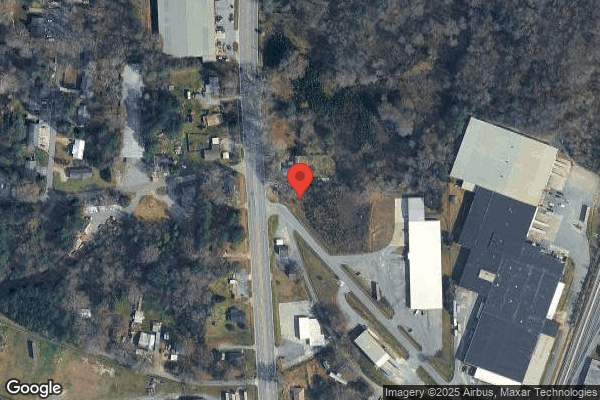

1387 HIGHWAY 41 NORTH, CALHOUN, GA 30701 (706) 629-1289
For profit - Corporation 100 Beds JOURNEY HEALTHCARE Data: November 2025
Trust Grade
5/100
#255 of 353 in GA
Last Inspection: August 2024

Within standard 12-15 month inspection cycle. Federal law requires annual inspections.

Overview

Calhoun Crossing of Journey LLC has received a Trust Grade of F, indicating significant concerns and a poor overall performance. They rank #255 out of 353 nursing homes in Georgia, placing them in the bottom half, and are the second option in Gordon County, with only one facility rated higher. The facility's trend is worsening, with issues increasing from 16 in 2023 to 17 in 2024. Staffing is a notable strength, with a low turnover rate of 0%, which is much better than the Georgia average of 47%. However, the facility has concerning fines totaling $135,668, higher than 97% of Georgia facilities, and has less RN coverage than 98% of them, which could hinder the quality of care. Specific incidents include a failure to implement a comprehensive care plan for a resident that led to their emotional distress regarding their independence needs and a lack of appropriate adaptive equipment recommended by physical therapy. Additionally, another resident suffered harm from a fall after staff did not follow the care plan requiring assistance during incontinence care. While the facility has some staffing stability, these serious issues highlight significant weaknesses that families should carefully consider.

Trust Score
F
5/100
In Georgia
#255/353
Bottom 28%
Safety Record
High Risk
Review needed
Inspections
Getting Worse
16 → 17 violations
Staff Stability
○ Average
Turnover data not reported for this facility.
Penalties
✓ Good
$135,668 in fines. Lower than most Georgia facilities. Relatively clean record.
Skilled Nurses
⚠ Watch
Each resident gets only 9 minutes of Registered Nurse (RN) attention daily — below average for Georgia. Fewer RN minutes means fewer trained eyes watching for problems.
Violations
⚠ Watch
37 deficiencies on record. Higher than average. Multiple issues found across inspections.
★☆☆☆☆
1.0
Overall Rating
★☆☆☆☆
1.0
Staff Levels
★☆☆☆☆
1.0
Care Quality
★☆☆☆☆
1.0
Inspection Score
Stable
2023: 16 issues
2024: 17 issues

The Good

  • Full Sprinkler Coverage · Fire safety systems throughout facility
  • No fines on record

Facility shows strength in fire safety.

The Bad

1-Star Overall Rating

Below Georgia average (2.6)

Significant quality concerns identified by CMS

Federal Fines: $135,668

Well above median ($33,413)

Significant penalties indicating serious issues

Chain: JOURNEY HEALTHCARE

Part of a multi-facility chain

Ask about local staffing decisions and management

The Ugly 37 deficiencies on record

4 actual harm
Aug 2024 17 deficiencies 3 Harm
SERIOUS (G) 📢 Someone Reported This

A family member, employee, or ombudsman was alarmed enough to file a formal complaint

Actual Harm - a resident was hurt due to facility failures

Comprehensive Care Plan (Tag F0656)

A resident was harmed · This affected 1 resident

**NOTE- TERMS IN BRACKETS HAVE BEEN EDITED TO PROTECT CONFIDENTIALITY** Based on observation, record review, interview, and review of the facility policy, the facility failed to implement a person-cen...

Read full inspector narrative →
**NOTE- TERMS IN BRACKETS HAVE BEEN EDITED TO PROTECT CONFIDENTIALITY** Based on observation, record review, interview, and review of the facility policy, the facility failed to implement a person-centered comprehensive plan of care with measurable goals and plans related to fall prevention for three of 22 sampled residents (R31, R47, and R10). Harm was identified to have occurred on 07/18/24 when the facility failed to develop and implement a care plan for R31 that addressed his desire for more independence with ambulation and his desire for bilateral prostheses. (Cross reference F657, F689 and F688) Findings included: Review of facility policy titled Comprehensive Care Plans undated indicated . It is the policy of this facility to develop and implement a comprehensive person-centered care plan for each resident, consistent with resident rights, that includes measurable objectives and timeframes to meet a resident's medical, nursing, and mental and psychosocial needs that are identified in the resident's comprehensive assessment. The comprehensive care plan will describe, at a minimum, the following.The services that are to be furnished to attain or maintain the resident's highest practicable physical, mental, and psychosocial well-being. 1. During an interview on 08/25/24 at 8:33 AM, R31 stated he was evaluated for bilateral prostheses and a man came out about one month ago. R31 stated his goal was to get his prostheses and return home. A review of R31's electronic medical records (EMR) titled admission Record located under the Profile tab indicated the resident was admitted to the facility on [DATE]. A review of R31's EMR titled Care Plans located under the Care Plan tab dated 08/29/23 indicated the resident had bilateral above-the-knee amputations. The care plan indicated the resident was to be assessed and treated by physical therapy. The goal was for the resident to exhibit adequate coping skills for the loss of his lower limbs. The care plan failed to address the resident's desire to have bilateral prostheses. During an interview on 08/28/24 at 9:02 AM, the Administrator stated R31's wishes to have bilateral prostheses and a goal to return home would be appropriately integrated into his individualized care plan. 2. A review of R47's Face Sheet, dated 08/27/24 and found in the EMR under the Profile tab, indicated the resident was admitted to the facility on [DATE] with diagnoses including Alzheimer's Disease. A review of R47's annual Minimum Data Set (MDS) Assessment, with an Assessment Reference Date (ARD) of 07/01/24 and found in the EMR under the MDS Tab, revealed a Brief Interview for Mental Status (BIMS) score of two out of 15, which indicated the resident was severely cognitively impaired. The assessment indicated the resident required partial to moderate assistance from staff to transfer in and out of her bed and indicated the resident had not experienced any recent falls as of the date of the assessment. A review of R47's Falls Care Plan, dated 01/25/24 and found in the EMR under the Care Plan tab, indicated the resident was at risk for falls related to her diagnoses of dementia, balance problems, and lack of awareness of safety needs. Interventions included Staff to ensure the bed is in the lowest position. Observations of R47 on 08/26/24 at 10:31 AM, 11:47 AM, 12:52 PM, 2:57 PM, and 4:12 PM, and on 08/27/24 at 9:05 AM, 10:26 AM, and 2:31 PM revealed the resident laying in her bed. The resident's bed was not observed to be in a low position during any of the observations. The bed was positioned at its regular height. During an interview with the Administrator and Director of Nursing (DON) on 08/28/24 at 9:11 AM, both stated their expectation was each resident's care plan be followed. They stated if an intervention, such as a low bed, was in place for a resident the intervention was expected to be implemented. 3. A review of R10's undated admission Record located in the Profile tab of EMR revealed R10 was admitted to the facility on [DATE] with diagnoses that included hemiplegia and hemiparesis following cerebral infarction affecting the right dominant side, and morbid obesity due to excess calories. A review of R10's annual MDS located in the MDS tab of the EMR with an ARD of 02/14/24, indicated a BIMS score of 10 out of 15 which indicated R10 was moderately cognitively impaired. The MDS recorded R10 had impairment on one side of the upper and lower extremities and required the assistance of two staff (dependent) for toileting hygiene (The ability to maintain perineal hygiene and adjust clothes before and after voiding or having a bowel movement). A review of R10's comprehensive Care Plan, dated 08/25/24, located in the Care Plan tab of the EMR, indicated ADLs [activities of daily living]: Resident has an ADL self-care performance deficit and is at risk for not having their needs met in a timely manner. [R10] requires assistance with ADLs, the amount of assistance needed varies provide her with what assistance is needed. A review of R10's CNA [NAME], dated 02/14/24, located in the Tasks of the EMR, revealed the focus area of bladder/bowel (B&B) B&B bladder incontinence - she is incontinent, depends on 2 [two] staff for cleaning and changing . B&B bowel movements she is incontinent of bowel. She depends on two staff to change and clean her During an interview on 08/26/24 at 8:49 AM, R10 stated a nurse aide was changing her briefs in the bed then she rolled out of the bed onto the floor. R10 also stated she broke her pinky finger when she fell out of bed. R10 indicated she was provided a wider bed and side rails were added to it to help with positioning. During an interview on 08/27/24 at 7:44 PM, Certified Nurse Aide (CNA) 4 stated she rolled R10 on her left side and while providing peri-care, R10 reached to place a bib on the bedside table, then rolled off the bed onto the floor. CNA4 also stated she was not aware R10 was a two-person assist with incontinence care until the Director of Nursing (DON) and Assistant DON informed her during an interview after the fall. CNA4 confirmed she did not review R10's CNA [NAME] and was not informed in a report by other staff that R10 required two-person assistance. CNA4 acknowledged she rolled R10 away from her, not towards her, because she was not trained to do so. During an interview on 08/28/24 at 9:43 AM, the DON stated she investigated R10's fall out of the bed on 03/06/24. The DON acknowledged she determined the root cause of the fall was due to CNA4 not following the care plan which stated R10 required two staff to provide care for bladder and bowel incontinence care. During an interview on 08/28/24 at 12:02 PM, the Minimum Data Set Coordinator (MDSC) confirmed the CNA [NAME] dated 02/14/24 stated R10 required two staff to perform incontinence care. The MDSC stated the CNA [NAME] was in POC and all CNAs had access to it on the tablets.
SERIOUS (G) 📢 Someone Reported This

A family member, employee, or ombudsman was alarmed enough to file a formal complaint

Actual Harm - a resident was hurt due to facility failures

Quality of Care (Tag F0684)

A resident was harmed · This affected 1 resident

**NOTE- TERMS IN BRACKETS HAVE BEEN EDITED TO PROTECT CONFIDENTIALITY** Based on record review, staff interviews, and facility policy review, the facility failed to provide appropriate adaptive equipm...

Read full inspector narrative →
**NOTE- TERMS IN BRACKETS HAVE BEEN EDITED TO PROTECT CONFIDENTIALITY** Based on record review, staff interviews, and facility policy review, the facility failed to provide appropriate adaptive equipment as directed by Physical Therapy recommendation for one of 22 sampled residents (R) (R31) related to a bi-lateral prosthesis to prevent further potential decline in muscle strength, joint mobility, and an ability to ambulate independently. Psychosocial harm was determined to exist on 7/18/24 due to R31's emotional state when he repeatedly expressed his need for the prosthesis to promote his independence. (Cross Reference F656) Findings included: A review of a facility's policy titled Reporting of Therapy Services dated 02/12/22 indicated . Specialized rehabilitative services (physical therapy, occupational therapy, speech-language pathology services) are provided as indicated to ensure the needs of the residents are met in accordance with their comprehensive plan of care. This policy addresses how the facility reports what rehabilitative services were provided. A review of R31's electronic medical records (EMR) titled admission Record located under the Profile tab indicated the resident was admitted to the facility on [DATE] with diagnoses that included above-the-knee bilateral amputation and diabetes. A review of a facility document titled Physical Therapy (PT) Evaluation & Plan of Treatment, dated 08/01/23, indicated the resident was admitted from the hospital for abdominal pain, nausea, and diarrhea. A review of R31's EMR titled admission Minimum Data Set (MDS) with an Assessment Reference Date (ARD) of 08/07/23 indicated the resident had a Brief Interview for Mental Status (BIMS) score of 12 out of 15 which indicated the resident was cognitively intact. The assessment indicated the resident required supervision for bed mobility and transfers from staff. A review of a document provided by the facility for R31 titled Physical Therapy (PT) Therapy Progress Report, dated 08/15/23, indicated the resident required skilled services to assess his functional abilities to increase coordination and increase his lower extremities' range of motion. A review of a document for R31 titled, Clinical Summary from Hanger Clinic, dated 08/24/23, indicated the resident was evaluated by the clinic for the use of bilateral prostheses. The clinic note revealed the resident was seen from the facility. The document indicated the resident had started the process for bilateral lower leg prostheses before while he lived in the community. The note revealed the resident was able to transfer himself since the resident was unable to transfer independently. The note continued to state his upper body had adequate strength for him to use prostheses. Finally, the note stated the resident required physical therapy to work on his hip flexion since his hips at the time of the evaluation had 30-degree contractures and the goal was to work to reduce the resident's hip contractures to 15 degrees before he could be fitted with the prostheses. A review of R31's EMR titled Care Plan located under the Care Plan tab, dated 08/29/23, indicated the resident had bilateral above-the-knee amputations. The goal was for the resident to exhibit adequate coping skills for the loss of his lower limbs. A review of a document provided by the facility for R31 titled Physical Therapy Discharge Summary, dated 10/06/23, the resident made consistent progress in PT and the resident had little or no deficits with skilled therapy. There was no evidence the resident received a referral from the facility's skilled therapist to the community Hanger clinic for an evaluation for bilateral above-the-knee prostheses. A review of R31's EMR indicated the resident received restorative nursing as an intervention after his discharge from skilled services. A review of R31's EMR titled health status note written by Nurse Practitioner (NP) 2 located under the Prog (Progress) Notes, dated 11/06/23, indicated the resident voiced to NP2 asked about the status of his prostheses. There was no clinical evidence that NP2 made a referral to the community clinic. A review of R31's EMR titled Health status note written by NP2 located under the Prog Notes dated 01/03/24 indicated the resident asked for his prostheses. A review of a document provided by the facility dated 03/14/24 indicated R31 was seen by a Certified Prosthetist/ Certified Orthotic Assistant (CP/COA). The CP/COA stated in her notes the resident had acquired bi-lateral above the knees amputation and equipment was ordered for the resident's bi-lateral prostheses. The evaluation revealed the resident had improved outcomes from physical therapy and was highly motivated. The evaluation indicated the resident had improvement in his hip flexion and a decrease in his hip's tightness and was ready to proceed with stubbies (shortened prostheses used after initial ambulatory rehabilitation). Attached to this evaluation was a fax cover sheet, dated 04/16/24, which revealed the clinic requested that the facility provide a follow-up appointment for R31 to fit him with bi-lateral stubbies. There was no evidence in the clinical record which showed that the resident had a follow-up appointment made. A review of R31's EMR titled Health status note written by NP2 located under the Prog Notes, dated 05/13/24, indicated the resident requested the status of his prostheses. There was no documentation addressing the resident's request. A review of R31's EMR titled Health status note written by NP2 located under the Prog Notes tab, dated 05/15/24, indicated the resident again requested his prostheses. There was no documentation addressing the resident's request. A review of a document provided by the facility titled Order Details, dated 07/02/24 indicated NP1 wrote an order for R31 to be seen and evaluated above the knee bilateral prostheses. A review of R31's EMR titled Health status note written by NP2 located under the Prog Notes tab, dated 07/18/24, indicated the resident was crying and asking about his prostheses. A review of a document provided by the facility titled Restorative Health Services Group dated 07/25/24, indicated R31 was seen by Certified Prosthetists Orthotist (CPO). The CPO evaluated the resident for bilateral prostheses and indicated the resident would be appropriate since the resident wanted to return home and be ambulatory. During an interview on 08/25/24 at 8:33 AM, R31 was emotionally distraught and stated he was evaluated for bilateral prostheses and a man came out about one month ago. R31 stated getting his prostheses would help him to be independent and that his goal was to get his prostheses and return home. During an interview on 08/26/24 at 12:11 PM, Certified Nurse Aide (CNA) 1 and CNA 2 both stated that R31 gets upset and occasionally cries because he wants to have bilateral prostheses legs. During an interview on 08/26/24 at 12:32 PM, the Director of Rehabilitation (DOR) stated she was new in her position, and stated she reviewed the skilled therapy notes for R31. The DOR stated based on her review, that the resident would be appropriate for the use of bi-lateral prostheses. The DOR stated the resident was able to stand for five to six minutes on his stumps on the mat table. During an interview with R31 on 08/26/24 at 4:20 PM, R31 allowed the DOR to screen his hips. During this observation, the DOR explained the process to the resident and lowered the head of the bed. The DOR donned (put on) personal protective equipment. The DOR slightly pushed on both stumps and confirmed the resident did not have bilateral hip contractures. During an interview on 08/27/24 at 1:09 PM, NP1 stated she was aware of R31's goal to have bilateral prostheses. NP1 stated the resident was very emotional and did not want to give him a false impression that he could function with the bilateral prostheses. NP1 confirmed she was the NP who ordered the evaluation on 07/02/24. During an interview on 08/27/24 at 1:37 PM, CNA2 confirmed she worked with R31 with restorative nursing and confirmed the resident had good trunk control and was able to sit up on the side of the bed himself. During an interview on 08/27/24 at 2:09 PM, the Director of Nursing (DON), MDS Coordinator (MDSC), and the Wound Nurse were present. The MDSC stated it was the responsibility of the facility scheduler/transportation person to arrange the residents' community appointments. According to the MDSC that staff member was on leave and unable to be interviewed. During an interview on 08/27/24 at 2:12 PM with CP/COA she confirmed she was the one who evaluated R31 on 03/14/24. The CP/COA stated when she saw R31, he had made progress, and she was pleased with how well he had done with therapy. The CP/COA stated her company had reached out to the facility but never received a follow-up appointment to measure the resident for prostheses. During an interview on 08/28/24 at 9:23 AM, Physical Therapy Assistant (PTA) 1 stated she initially worked with R31 during his initial skilled services. PT 1 stated initially the resident did not state he wanted bilateral legs but after a month of skilled therapy he began to discuss his desire to have bilateral prostheses. The clinical document, dated 03/14/24, was presented to PTA1. PTA1 stated she never saw the evaluation of R31 and the recommendation for bilateral prostheses and would have been happy to have picked him up under skilled services again.
SERIOUS (G) 📢 Someone Reported This

A family member, employee, or ombudsman was alarmed enough to file a formal complaint

Actual Harm - a resident was hurt due to facility failures

Accident Prevention (Tag F0689)

A resident was harmed · This affected 1 resident

**NOTE- TERMS IN BRACKETS HAVE BEEN EDITED TO PROTECT CONFIDENTIALITY** Based on observations, interviews, record review, and facility policy review, the facility failed to prevent a fall for two of t...

Read full inspector narrative →
**NOTE- TERMS IN BRACKETS HAVE BEEN EDITED TO PROTECT CONFIDENTIALITY** Based on observations, interviews, record review, and facility policy review, the facility failed to prevent a fall for two of three residents (R) (R10 and R47) reviewed for falls. This failure resulted in harm to R10 when the nursing assistant failed to provide incontinence care with the assistance of another staff member per the care plan; R10 fell off the bed and suffered a closed head injury, laceration to the forehead, and fracture of the fifth finger on the right hand. Findings included: 1. A review of R10's undated admission Record located in the Profile tab of the electronic medical record (EMR) revealed R10 was admitted to the facility on [DATE] with diagnoses that included hemiplegia and hemiparesis following cerebral infarction affecting right dominant side, and morbid obesity due to excess calories. A review of R10's annual Minimum Data Set (MDS) located in the MDS tab of the EMR with an Assessment Reference Date (ARD) of 02/14/24, indicated a Brief Interview for Mental Status (BIMS) score of 10 out of 15 which indicated R10 was moderately cognitively impaired. The MDS recorded R10 had an impairment on one side of the upper and lower extremities and required the assistance of two staff (dependent) for toileting hygiene (the ability to maintain perineal hygiene, adjust clothes before and after voiding, or having a bowel movement). A review of R10's comprehensive Care Plan, dated 08/25/24, located in the Care Plan tab of the EMR, indicated ADLs [activities of daily living]: Resident has an ADL self-care performance deficit and is at risk for not having their needs met in a timely manner. [R10] requires assistance with ADLs, the amount of assistance needed varies provide her with what assistance is needed. A review of R10's CNA (Certified Nursing Assistant) [NAME], dated 02/14/24, located in the Tasks of the EMR, revealed the focus area of bladder/bowel (B&B) B&B bladder incontinence - she is incontinent, depends on 2 [two] staff for cleaning and changing . B&B bowel movements she is incontinent of bowel. She depends on two staff to change and clean her A review of R10's Progress Notes, dated 03/06/24, located in the EMR in the Prog [Progress] Note tab, revealed Date/Time of Fall: 03/06/24 at 9:45 PM Fall was witnessed. Who witnessed the fall: A Certified Nurse Aide (CNA) fall occurred in the resident's room. Activity at the time of the fall: pt [patient] was rolling over to get a brief put on. The reason for the fall was evident. Reason for Fall: rolled over too far on the left side. Did an injury occur as the result of the fall: Yes. Injury details: lac [laceration] to the forehead. Knot to right temporal area, swollen right pinky, wound to the top of the right foot and left foot on the bottom. Did the fall result in an ER [emergency room] visit/hospitalization: Yes. ER [Emergency Room] Visit/Hospitalization Details: transported to the emergency room via EMS [emergency medical services] During an observation and interview on 08/26/24 at 8:49 AM, R10 was lying in a bariatric bed with two grab bars on both sides of the bed. R10 stated on 03/06/24 a nurse aide was changing her briefs in the bed then she rolled out of the bed onto the floor. R10 also stated she went to the hospital and returned to the facility with a broken pinky finger and a cut on her head. R10 indicated she was provided a wider bed and side rails were added to the bed to help with positioning in the bed. During an interview on 08/28/24 at 11:19 AM, Family (F) 1 stated Licensed Practical Nurse (LPN) 3 informed her that R10 fell after she rolled out of the left side of the bed and hit her head on the nightstand while a nurse aide was changing her brief on 03/06/24. F1 also stated she went to the hospital with R10; R10 was discharged with a laceration on her forehead, a fracture to her pinky finger on her right hand, and a head injury. F1 indicated two staff were supposed to provide R10 incontinence care and the injuries occurred due to one CNA providing care to her. During an interview on 08/27/24 at 7:44 PM, CNA 4 stated she rolled R10 on her left side and while providing peri-care, R10 reached to place a bib on the bedside table, then rolled off the bed onto the floor. CNA4 also stated she was not aware R10 was a two-person assistant with incontinence care until the DON and Assistant DON informed her during an interview after the fall. CNA4 confirmed she did not review R10's CNA [NAME] and was not informed in a report by other staff that R10 required two-person assistance. CNA4 acknowledged she rolled R10 away from her, not towards her, because she was not trained to do so; however, it would have prevented her from falling out of bed. During an interview on 08/28/24 at 9:43 AM, the DON stated she investigated R10's fall out of the bed on 03/06/24. The DON acknowledged and determined the root cause of the fall was due to CNA4 not following the care plan which stated R10 required two staff to provide bladder and bowel incontinence care and CNA4 not facing R10 towards her while performing peri-care. The DON indicated R10 was sent to the hospital, suffered a closed head injury, and had a fractured finger because of the fall. The DON indicated CNA4 was not assigned to R10 any longer and all staff were in-serviced on safe resident handling and transfers on 03/07/24. During an interview on 08/28/24 at 11:47 AM, the Administrator stated she reviewed R10's fall investigation and CNA4 was finished with incontinence care when R10 reached to put something on the bedside table and then rolled off the bed onto the floor. The Administrator also stated R10 required two staff to provide incontinence care, however, CNA4 provided it without the assistance of another staff member. During an interview on 08/28/24 at 12:02 PM, the Minimum Data Set Coordinator (MDSC) confirmed that CNA [NAME], dated 02/14/24, stated R10 required two staff to perform incontinence care. The MDSC stated the CNA [NAME] was in POC and all CNAs had access to it on the tablets. During an interview on 08/28/24 at 10:49 AM, the Medical Director stated all falls were presented at the quality assurance (QA) meetings, and all staff were trained in peri-care and proper positioning of residents to prevent falls. The Medical Director also stated that the facility had to rely on the staff's adherence to the policies because they couldn't watch staff 24 hours a day, but the supervisors should monitor the CNAs for compliance with the policies. A review of the facility's policy titled Fall Prevention Program, dated 02/12/22, provided by the facility, revealed Policy: Each resident will be assessed for fall risk and will receive care and services in accordance with their individualized level of risk to minimize the likelihood of falls. Policy Explanation and Compliance Guidelines: . 8. Each resident's risk factors and environmental hazards will be evaluated when developing the resident's comprehensive plan of care. a. Interventions will be monitored for effectiveness. b. The plan of care will be revised as needed 2. A review of R47's Face Sheet, dated 08/27/24 and found in the EMR under the Profile tab, indicated the resident was admitted to the facility on [DATE] with diagnoses including Alzheimer's Disease. A review of R47's annual MDS Assessment, with an ARD of 07/01/24 and found in the EMR under the MDS tab, revealed a BIMS score of two out of 15, which indicated the resident was severely cognitively impaired. The assessment indicated the resident required partial to moderate assistance from staff to transfer in and out of her bed and indicated the resident had not experienced any recent falls as of the date of the assessment. A review of R47's Falls Care Plan, most recently dated 01/25/24 and found in the EMR under the Care Plan tab, indicated the resident was at risk for falls related to her diagnoses of dementia, balance problems, and lack of awareness of safety needs. Interventions included Staff to ensure the bed is in the lowest position. A review of R47's Progress Note, dated 08/25/24 and found in the EMR under the Notes tab, indicated, Unwitnessed fall without injury. [R47] was trying to transfer from bed to W/c [wheelchair] and slid onto the floor. The resident has dementia and is unable to follow commands. Observations of R47 on 08/26/24 at 10:31 AM, 11:47 AM, 12:52 PM, 2:57 PM, and 4:12 PM, and on 08/27/24 at 9:05 AM, 10:26 AM, and 2:31 PM revealed the resident laying in her bed. The resident's bed was not observed to be in a low position during any of the observations. The bed was positioned at its regular height. During an observation of R47 with Certified Nursing Assistant (CNA7) and CNA8 on 08/27/24 at 4:54 PM, both staff members confirmed they were familiar with R47 and confirmed the resident's bed was not in the lowered position per her plan of care. Both CNAs stated the resident sometimes positioned her bed into the regular position after it had been lowered by staff. CNA7 stated to ensure her bed remained in the lowest position. She stated there was usually a sign at the resident's bedside to remind staff the bed was supposed to be in a low position. Both staff members confirmed there was no such sign at the resident's bedside at the time of the observation/interview. CNA7 stated she would make a new sign and hang it at the resident's bedside. During an interview with the Administrator and DON on 08/28/24 at 9:11 AM, both stated their expectation was each resident's care plan be followed to prevent future falls. They stated if an intervention, such as a low bed, was in place for a resident the intervention was expected to be implemented.
CONCERN (D) 📢 Someone Reported This

A family member, employee, or ombudsman was alarmed enough to file a formal complaint

Potential for Harm - no one hurt, but risky conditions existed

Deficiency F0567 (Tag F0567)

Could have caused harm · This affected 1 resident

**NOTE- TERMS IN BRACKETS HAVE BEEN EDITED TO PROTECT CONFIDENTIALITY** Based on record review and staff and resident interviews, the facility failed to ensure the timely availability of personal resi...

Read full inspector narrative →
**NOTE- TERMS IN BRACKETS HAVE BEEN EDITED TO PROTECT CONFIDENTIALITY** Based on record review and staff and resident interviews, the facility failed to ensure the timely availability of personal resident funds for three of eight residents (R) (R3, R31, and R37) reviewed for access to their funds. The facility's banking hours were limited to Monday through Friday from 9:00 AM to 3:00 PM and residents did not have access to their money outside of these hours. Findings included: The facility's banking hours, posted on the Business Office Door at the facility entrance, indicated the facility's banking hours were Monday through Friday from 9:00 AM to 3:00 PM. The sign indicated there were no banking hours on the weekend. 1. A review of R3's admission Record, dated 08/27/24 and found in the electronic medical record (EMR) under the Profile Tab, revealed R3 was admitted to the facility on [DATE] with diagnoses including heart failure and end-stage renal disease (ESRD). A review of R3's annual Minimum Data Set (MDS) with an Assessment Reference Date (ARD) of 05/22/24 and found in the EMR under the MDS Tab, indicated a Brief Interview for Mental Status (BIMS) score of 10 out of 15 (which indicated the resident was moderately cognitively impaired). During an interview with R3 on 08/28/24 at 11:36 AM, she confirmed the money in her Personal Needs Account (PNA) was only available during banking hours (Monday through Friday from 9:00 AM to 3:00 PM). She stated residents had been able to access their money on weekends in the past, but the facility was no longer doing that. She stated she would like to have access to her money every day, including on weekends. 2. Review of R31's admission Record, dated 08/27/24 and found in the EMR under the Profile Tab, revealed R3 was admitted to the facility on [DATE] with diagnoses including type 2 diabetes and dependence on renal dialysis. A review of R31's annual MDS with an ARD of 07/11/24, indicated a BIMS) a score of 15 out of 15 (indicating the resident was cognitively intact). During an interview with R31 on 08/28/24 at 11:31 AM, he stated he would like to get ten dollars per day out of his PNA. He stated he was able to access his money every day except Saturday and Sunday because the facility's bank was closed on the weekends. He stated he would like to have access to his money on the weekends. 3. A review of R37's admission Record, dated 08/28/24 and found in the EMR under the Profile Tab, revealed R37 was admitted to the facility on [DATE] with diagnoses including Parkinson's Disease. R37's quarterly MDS with an ARD of 07/17/24, indicated a BIMS score of 12 out of 15 (indicating the resident was mildly cognitively impaired). During an interview with R37 on 08/28/24 at 11:28 AM, she stated residents did not have access to the money in their Personal Needs Accounts after 3:00 PM during the week or on weekends. She stated her son usually came to visit her on Sundays, and she would like to be able to access her money on Sundays so she could give her son money to purchase items for her when he visited. She stated, It would be good for the (facility) bank to be open on the weekends. During an interview with the Medical Record Director on 08/27/24 at 2:48 PM, she confirmed she was in charge of resident PN Accounts and stated residents were not able to access money from their personal needs accounts on the weekends or in the evening after 3:00 PM. She stated there was no one in the facility to access resident funds during those times. During an interview with the Business Office Manager (BOM) and the Administrator together on 08/27/24 at 3:43 PM, the BOM confirmed the Medical Records Director was in charge of resident PNAs. She confirmed residents did not have access to their personal funds outside of the posted banking hours. During an interview with the Administrator on 08/28/24 at 10:51 AM, she stated her expectation was residents would have reasonable access to their personal funds.
CONCERN (D) 📢 Someone Reported This

A family member, employee, or ombudsman was alarmed enough to file a formal complaint

Potential for Harm - no one hurt, but risky conditions existed

Deficiency F0568 (Tag F0568)

Could have caused harm · This affected 1 resident

**NOTE- TERMS IN BRACKETS HAVE BEEN EDITED TO PROTECT CONFIDENTIALITY** Based on facility policy, interviews, and record review, the facility failed to ensure accurate financial accounting and record ...

Read full inspector narrative →
**NOTE- TERMS IN BRACKETS HAVE BEEN EDITED TO PROTECT CONFIDENTIALITY** Based on facility policy, interviews, and record review, the facility failed to ensure accurate financial accounting and record retention for two of eight residents (R) (R31 and R37) reviewed for resident funds. Findings included: A review of the facility's policy titled, Resident Trust Policy updated on 08/27/24, indicated, Calhoun Health Care maintains a resident trust that is available, free of charge, for any long-or-short-term resident. The facility will hold, safeguard, manage, and account for the personal trust account; and 4. The resident shall have reasonable access, upon request, to their transaction records and shall receive an itemized quarterly statement of his/her accounts.? 1. A review of R31's admission Record, dated 08/27/24 and found in the electronic medical record (EMR) under the Profile Tab, revealed R31 was admitted to the facility on [DATE] with diagnoses including type 2 diabetes and dependence on renal dialysis. A review of R31's annual Minimum Data Set (MDS) with an Assessment Reference Date (ARD) of 07/11/24, indicated a Brief Interview for Mental Status (BIMS) score of 15 out of 15 (indicating the resident was cognitively intact). During an interview with R31 on 08/25/24 at 8:37 AM, he confirmed the facility kept his money in a Personal Needs Account managed by the facility. He stated he had more than 50 dollars in his account but did not receive a quarterly statement related to his account. 2. A review of R37's admission Record, dated 08/28/24 and found in the EMR under the Profile Tab, revealed R37 was admitted to the facility on [DATE] with diagnoses including Parkinson's Disease. A review of R37's quarterly MDS with an ARD of 07/17/24, indicated a BIMS score of 12 out of 15 (indicating the resident was mildly cognitively impaired). During an interview with R37 on 08/25/24 at 8:30 AM, she confirmed the facility managed her money per a Personal Needs Account and stated she did not remember receiving quarterly statements related to her Personal Needs Account held by the facility. During an interview with the Medical Records Director on 08/27/24 at 4:10 PM, she confirmed the facility was managing funds for R31 and R37 and confirmed neither resident was receiving quarterly Personal Needs Account Statements. She stated she had been sending the quarterly statements to the Resident Representative listed in each resident's record. The Medical Records Director further stated it was her process to send quarterly statements to the listed resident representative for any resident in the facility who had a representative listed in the record, regardless of the resident's ability to understand and manage their affairs. During an interview with the Administrator on 08/28/24 at 10:51 AM, she stated her expectation was cognitively intact residents capable of understanding their finances were to be provided with their quarterly personal needs account statement each quarter.
CONCERN (D) 📢 Someone Reported This

A family member, employee, or ombudsman was alarmed enough to file a formal complaint

Potential for Harm - no one hurt, but risky conditions existed

Deficiency F0569 (Tag F0569)

Could have caused harm · This affected 1 resident

**NOTE- TERMS IN BRACKETS HAVE BEEN EDITED TO PROTECT CONFIDENTIALITY** Based on staff interviews and record review, the facility failed to ensure resident funds managed by the facility in a Personal ...

Read full inspector narrative →
**NOTE- TERMS IN BRACKETS HAVE BEEN EDITED TO PROTECT CONFIDENTIALITY** Based on staff interviews and record review, the facility failed to ensure resident funds managed by the facility in a Personal Needs (PN) Account were released to the resident or resident's Responsible Party (RP) within 30 days of discharge for three of eight residents (R) (R195, R197, and R199) reviewed for personal funds. Findings included: 1. A review of R195's admission Record, dated 08/27/24 and found in the electronic medical record (EMR) under the Profile Tab, revealed R195 was admitted to the facility on [DATE] with diagnoses including Alzheimer's Disease and acute and chronic respiratory failure. The record indicated the resident passed away in the facility on 07/21/23. A review of R195's Resident Fund Statement, dated 08/28/24 and provided by the facility, indicated the resident still had an active PN Account as of that date (more than 13 months after the resident's discharge from the facility). The document revealed a total balance of $4882.92 was still in the resident's PN account as of 08/28/24. 2. A review of R197's admission Record, dated 08/2724 and found in the EMR under the Profile Tab, revealed R1975 was admitted to the facility on [DATE] with diagnoses including type 2 diabetes. The record indicated the resident passed away in the facility on 04/21/24. A review of R197's Resident Fund Statement, dated 08/28/24 and provided by the facility, indicated the resident still had an active PN Account as of that date (more than four months after the resident's discharge from the facility). The document revealed a total balance of $233.00 was in the resident's PN account as of 08/28/24. 3. A review of R199's admission Record, dated 08/27/24 and found in the electronic medical record (EMR) under the Profile Tab, revealed R199 was admitted to the facility on [DATE] with diagnoses including liver and colon cancers. The record indicated the resident passed away in the facility on 01/30/24. A review of R199's Resident Fund Statement, dated 08/28/24 and provided directly to the survey team, indicated the resident still had an active PN Account as of that date (almost seven months after the resident's discharge from the facility). The document revealed a total balance of $170.00 was in the resident's account as of 08/28/24. During an interview with the Medical Records Director on 08/27/24 at 4:10 PM, she confirmed in the facility and confirmed the balances remaining in R195, R197, and R199's PN Accounts. She stated she was unsure of why the residents' funds had not been returned to each resident's RP. During an interview with the Administrator on 08/28/24 at 10:51 AM, she confirmed the balances remaining in facility PN Accounts for R195, R197, and R199. She stated her expectation was funds held by the facility in resident PN Accounts were expected to be returned to the resident or the resident's RP within 30 days after discharge from the facility per Federal Regulation.
CONCERN (D) 📢 Someone Reported This

A family member, employee, or ombudsman was alarmed enough to file a formal complaint

Potential for Harm - no one hurt, but risky conditions existed

Deficiency F0625 (Tag F0625)

Could have caused harm · This affected 1 resident

**NOTE- TERMS IN BRACKETS HAVE BEEN EDITED TO PROTECT CONFIDENTIALITY** Based on record review, staff interviews, and facility policy, the facility failed to ensure the facility's Bed Hold Policy was ...

Read full inspector narrative →
**NOTE- TERMS IN BRACKETS HAVE BEEN EDITED TO PROTECT CONFIDENTIALITY** Based on record review, staff interviews, and facility policy, the facility failed to ensure the facility's Bed Hold Policy was provided in writing to three of three residents (R) (R64, R70, and R94) reviewed for hospitalization. This failure created the potential for the residents to be uninformed about their rights related to the facility's bedhold procedures. Findings included: A review of the facility's policy titled, Bed Hold Prior to Transfer Policy dated 2023, indicated, It is the policy of this facility to provide written information to the resident and/or the resident representative regarding bed hold policies prior to transferring a resident to the hospital or the resident goes on therapeutic leave; and The facility will provide written information about these policies to residents and/or resident representatives prior to and upon transfer for such absences. 1. A review of R64's admission Record, dated 08/27/24 and found in the electronic medical record (EMR) under the Profile tab, revealed the resident was admitted to the facility on [DATE] with diagnoses including type 2 diabetes and history of heart attack. The record indicated the resident's spouse was his Resident Representative (RP). A review of R64's Quarterly Minimum Data Set (MDS) with an Assessment Reference Date (ARD) of 07/19/24, revealed the resident had a Brief Interview for Mental Status (BIMS) score of seven out of 15, which indicated the resident was severely cognitively impaired. A review of R64's Census Records, dated 08/27/24 and found in the EMR under the Census tab, indicated the resident was out of the facility and admitted to the local hospital between 06/04/24 and 06/11/24 and again between 06/24/24 and 06/26/24. A review of R64's Progress Notes, dated 06/04/24 and found in the EMR under the Notes tab, indicated the resident was sent to the local hospital on that date related to hematuria (blood in the urine). A review of R64's Progress Notes, dated 06/24/24 and found in the EMR under the Notes tab, indicated the resident was sent to the local hospital, again, on that date related to blood clots in his urine. A review of R64's comprehensive medical record revealed nothing to indicate the facility's Bed Hold Policy had been provided to the resident's RP, in writing, related to either of his transfers to the hospital. During an interview with the Administrator on 08/27/24 at 5:15 PM, she confirmed she had not been able to locate anything in R64's record to show the facility's Bed Hold Policy had been provided, in writing, to the resident's RP related to either of his transfers to the hospital. 2. A review of R70's undated ''admission Record,'' located in the EMR under the ''Profile'' tab, revealed R70 was admitted to the facility on [DATE]. A review of R70's ''Nursing Progress Note, dated 01/15/24, located in the EMR under the ''Prog Note'' tab, revealed that Resident presents with the recent decline in intake, pocketing meds [medications] and food with intermittent dysphagia. This nurse observed the resident having a difficult time sitting up in a wheelchair. Skin dry, pale, and ashen. Hypotensive, disoriented, and altered mental state. The resident not verbally responding per her norm. Supplemental O2 [oxygen] via nc [nasal cannula] was started on the resident. Still unable to obtain O2 sat [saturation] reading. BP [blood pressure] 88/40. Consulted with MD [physician] in-house and he gave a verbal order to send to ER [emergency room] r/t [related to] AMS [altered mental status]. The resident left at approx [approximately] 10:15 AM with EMS [emergency medical services] via stretcher '' A review of R70's ''Health Status Note, dated 04/12/24, located in the EMR under the ''Prog Note'' tab, revealed ''Noted with lethargy . seen for f/u [follow up], noted lethargic, sitting in w/c [wheelchair] but unable to hold the head up, confused, with poor appetite, noted with dry lips and mucus membrane, attempts to hydrate inhouse failed due to pulling the IV [intravenous] access out, called RP, and discussed the resident's status states it's okay to send to ER for evaluation, No s/s [signs and symptoms] of distress .'' A review of R70's EMR under the ''Misc'' tab revealed there was no documented evidence that notice of bed holds was provided before/upon transfer to the hospital to R70's Responsible Party (RP) on 01/15/24 or 04/12/24. 3. A review of R94's undated ''admission Record,'' located in the EMR under the ''Profile'' tab, revealed R94 was admitted to the facility on [DATE]. A review of R94's ''Progress Note, dated 06/02/24, located in the EMR under the ''Prog Note'' tab, revealed that ''11:00 PM during shift change another nurse staff took vitals and pulse dropped down to 40-60 BPM [beats per minute] and O2 80. She then called on call and received an order to send the resident to the ER for eval [evaluation] . CNA mentioned to the nurse that during peri care she noticed a bulged knot coming from her incision . Resident paperwork was printed and sent with EMT [emergency medical technicians] workers for the hospital.'' A review of R94's EMR under the ''Misc'' tab revealed there was no documented evidence that a bed hold notice was provided before/upon transfer to the hospital to R70 on 06/02/24. During a follow-up interview with the Administrator on 08/28/24 at 9:25 AM, she stated her expectation was the facility's Bed Hold Policy was to be provided to the resident or resident's RP, in writing, each transfer to the hospital.
CONCERN (D) 📢 Someone Reported This

A family member, employee, or ombudsman was alarmed enough to file a formal complaint

Potential for Harm - no one hurt, but risky conditions existed

PASARR Coordination (Tag F0644)

Could have caused harm · This affected 1 resident

**NOTE- TERMS IN BRACKETS HAVE BEEN EDITED TO PROTECT CONFIDENTIALITY** Based on interview, record review, and policy review, the facility failed to make a referral for a Level II Preadmission admissi...

Read full inspector narrative →
**NOTE- TERMS IN BRACKETS HAVE BEEN EDITED TO PROTECT CONFIDENTIALITY** Based on interview, record review, and policy review, the facility failed to make a referral for a Level II Preadmission admission Screening and Resident Review (PASARR) evaluation for one of three sampled residents (R) (R31) reviewed for PASARR Level II evaluations. Findings included: A review of a facility document titled Resident Assessment-Coordination with PASARR Program dated 02/12/22 indicated .Any resident who exhibits a newly evident or possible serious mental disorder .or related condition will be referred promptly to the state mental health.authority for a level II resident review. Examples include.A resident who exhibits behavioral, psychiatric, or mood-related symptoms suggesting the presence of a mental disorder (where dementia is not the primary diagnosis). A review of a document provided by the facility titled PASARR Level I dated 05/05/23, indicated R31 did not have a diagnosis of major depressive disorder. A review of R31's EMR titled admission Record indicated the resident was admitted to the facility on [DATE]. A review of R31's EMR titled admission Minimum Data Set (MDS) with an Assessment Reference Date (ARD) of 08/07/23 indicated the resident had a Brief Interview for Mental Status (BIMS) score of 12 out of 15 which revealed the resident was cognitively intact. The assessment did not identify the resident with a depression diagnosis. A review of a document provided by the facility titled, Psychiatric Diagnostic Evaluation dated 01/04/24, indicated the psychiatric provider diagnosed R31 with major depressive disorder. A review of R31's EMR titled Care Plan located under the Care Plan tab, dated 05/13/24, indicated the resident took antidepressant medication to treat his diagnosis of depression. A review of R31's EMR failed to contain evidence the facility submitted a PASARR Level II with his new diagnosis of major depressive disorder. During an interview on 08/28/24 at 9:02 AM, the Administrator stated the expectation was for social services to submit a new PASARR when there has been a new mental health diagnosis identified.
CONCERN (D) 📢 Someone Reported This

A family member, employee, or ombudsman was alarmed enough to file a formal complaint

Potential for Harm - no one hurt, but risky conditions existed

Deficiency F0658 (Tag F0658)

Could have caused harm · This affected 1 resident

**NOTE- TERMS IN BRACKETS HAVE BEEN EDITED TO PROTECT CONFIDENTIALITY** Based on observation, interview, record review, and policy review, the facility failed to label the enteral feeding bag in accor...

Read full inspector narrative →
**NOTE- TERMS IN BRACKETS HAVE BEEN EDITED TO PROTECT CONFIDENTIALITY** Based on observation, interview, record review, and policy review, the facility failed to label the enteral feeding bag in accordance with professional standards of practice for enteral feeding tube administration for one of 22 sampled residents (R) (R69). This failure had the potential to result in the incorrect amount of feeding administered to the resident. Findings included: A review of R69's undated admission Record located in the electronic medical record (EMR) revealed R69 was admitted to the facility on [DATE] with diagnoses of dysphagia following cerebral infarction, other artificial openings of gastrointestinal tract status and gastroparesis. Review of R69's Physician's Order, dated 01/03/24, located in the EMR under the Orders tab, revealed order to in the morning for PEG related to dysphagia following cerebral infarction . stop cont [continuous] feeding @ [at] 6[:00] AM/ Enteral Nutrition via Nutren 2.0 at 45/ml [milliliters] per hour for 20 hours via pump per PEG [percutaneous endoscopic gastrostomy] tube. Start infusion at 12[:00] PM and continue until 8:00 AM . and in the afternoon for PEG . stop cont Feeding @ 8[:00] AM/ Enteral Nutrition via Nutren 2.0 Cal 2.0 at 45/ml per hour for 20 hours via pump per PEG tube. Start infusion at 12[:00] PM and continue until 8[:00] AM. A review of R69's Medication Administration Record (MAR), dated August 2024, located in the EMR under the Orders tab, revealed R69 was started on the enteral feeding on 08/24/24 at 12:00 PM by Licensed Practical Nurse (LPN) 5. A review of R69's quarterly Minimum Data Set (MDS), dated 07/03/24, located in the EMR under the MDS tab revealed a Brief Interview for Mental Status (BIMS) score of eight out of 15 which indicated R69 was moderately impaired in cognition. Observation on 08/25/24 at 9:02 AM in R69's room revealed the resident was lying in bed with the head of the bed elevated 30 degrees, and the Nutren 2.0 enteral feeding bag was hanging on the pole with no date, time started, resident's name or initials. During an interview on 08/25/24 at 9:05 AM, R69 stated LPN5 hung the bag on 08/24/24, the previous day. Observation on 08/25/24 at 9:11 AM, LPN5 verified R69's enteral feeding bag label was not completed. LPN5 stated she did not hang the bag; the night shift nurse hung it and should have completed the label when it was hung. LPN5 also stated it was important to label the feeding bag with the start date and time to determine if the resident received the correct amount of enteral feeding. During an interview on 08/26/24 at 2:57 PM, LPN4 stated she worked from 08/24/24 at 11:00 PM to 08/25/24 at 7:00 AM and was assigned to R69 but did not start or stop R69's tube feeding. LPN4 also stated she was not aware the label on the bag was not completed but she should have checked it. LPN4 indicated the rationale for completing the label on the bag was so nursing staff would know how much tube feeding was received daily. During an interview on 08/28/24 at 9:03 AM, the Director of Nursing (DON) stated it was a standard of practice for nursing staff to ensure the tube feeding labels were completed with the name of the resident, date and time started, and initials. The DON also stated completion of the label was done for the safety of the resident for the enteral feeding was only good for 24 hours. During an interview on 08/28/24 at 9:05 AM, the Administrator stated the DON had been employed at the facility for a couple of months and was in the process of completing competencies including correct medication administration for the nursing staff and would be training nursing staff on proper medication administration procedures. A review of the facility-provided nursing competency document titled Medication and Feeding Administration Enteral Feeding Tube, undated, revealed, . Labels Bottle with Date, Time Initials, And Pt [patient] Name, Dates, Initials and Puts Time on Tubing A review of the facility-provided policy titled Care and Treatment of Feeding Tubes, dated 02/12/22, revealed Policy: It is a policy of this facility to utilize feeding tubes in accordance with current clinical standards of practice, with interventions to prevent complications to the extent possible. Policy Explanation and Compliance Guidelines: Feeding tubes will be utilized according to physician orders, which typically include: the kind of feeding and its caloric value, volume, duration, mechanism of administration, and frequency of flush
CONCERN (D) 📢 Someone Reported This

A family member, employee, or ombudsman was alarmed enough to file a formal complaint

Potential for Harm - no one hurt, but risky conditions existed

Unnecessary Medications (Tag F0759)

Could have caused harm · This affected 1 resident

**NOTE- TERMS IN BRACKETS HAVE BEEN EDITED TO PROTECT CONFIDENTIALITY** Based on record review, observations, staff interviews, and policy review, the facility failed to ensure a medication error rate...

Read full inspector narrative →
**NOTE- TERMS IN BRACKETS HAVE BEEN EDITED TO PROTECT CONFIDENTIALITY** Based on record review, observations, staff interviews, and policy review, the facility failed to ensure a medication error rate of less than 5% for two of six residents (R) (R54 and R79) reviewed for medication administration. Two errors were made with a total of 33 opportunities for error, resulting in a 6.06% error rate. The nurse observed administering medication to R54 failed to ensure the resident's insulin pen was primed appropriately before the administration of insulin and the nurse observed administering R79's medication did not leave the resident's insulin pen needle inserted in the resident's skin for the proper amount of time to ensure full absorption of the medication. These failures created the potential for R54 and R79 to experience negative effects related to not receiving the full dose of their insulin. Findings included: A review of the facility's policy titled Insulin Policy dated 02/01/22 indicated, It is the policy of this facility to use insulin pens to improve the accuracy of insulin dosing, provide increased resident comfort, and serve as a teaching aid to prepare residents for self-administration of insulin therapy upon discharge. Prime the insulin pen. Dial two units by turning the dose selector clockwise. With the needle pointing up, push the plunger, and watch to see that at least one drop of insulin appears on the tip of the needle. If not, repeat until at least one drop appears. Injecting the insulin: While still pressing the plunger, keep the needle in the skin for up to six to ten seconds and then remove the needle from the skin. A review of R54's admission Record, dated 08/27/24, and found in the electronic medical record (EMR) under the Admissions tab, indicated the resident was admitted to the facility on [DATE] with diagnoses including type 2 diabetes. A review of R54's Physicians Order Report, dated 08/27/24 and found in the EMR under the Orders tab, indicated orders for the resident to receive Fiasp (insulin) five units subcutaneously (SC) via pen injector three times daily with meals related to the resident's diagnosis of Type 2 Diabetes. The original date of the order was indicated as 05/31/24. On 08/28/24 at 9:44 AM, Licensed Practical Nurse (LPN)1 was observed administering R54's medication LPN1 was observed to prepare the insulin pen and then inject five units of insulin into R54's right upper arm. The needle was removed from the resident's arm immediately after administering the insulin. During an interview with LPN1 on 08/28/24 at 10:09 AM she stated she was not aware the insulin pen needle was to be left inserted in the resident's skin/subcutaneous tissue for six to ten seconds to ensure full absorption of the medication. 2. Review of R79's admission Record, dated 08/27/24 and found in the EMR under the Admissions tab, indicated the resident was admitted to the facility on [DATE] with diagnoses including Type 2 Diabetes. A review of R79's Physicians Order Report, dated 08/27/24 and found in the EMR under the Orders tab, indicated orders for the resident to receive Fiasp (insulin) per sliding scale based on the resident's blood sugar level SC via pen injector three times daily with meals related to the resident's diagnosis of Type 2 Diabetes. The original date of the order was indicated as 04/17/24. On 08/28/24 at 12:05 PM LPN2 was observed administering R79's medication. LPN2 was observed to obtain the resident's blood sugar reading, dial up the ordered 2-unit dose of insulin on the insulin pen, and then inject the two units of insulin into R79's abdomen. The insulin pen needle was not primed before the administration of the resident's insulin to ensure there was no air in the needle. During an interview with LPN2 on 08/26/24 at 12:48 PM, she stated she had never been instructed to prime the insulin pen needle before the administration of insulin. She stated sometimes she would prime the needle before administering insulin if the air was visible in the insulin pen chamber. During an interview with the Director of Nursing (DON) on 08/28/24 at 11:14 AM, she stated her expectation was the insulin pen was expected to be primed with two units of insulin before each administration of the medication to ensure air was not being injected into a resident instead of insulin. She stated the insulin needle was expected to be left inserted in the resident's skin/subcutaneous tissue for at least six to 10 seconds after inserting the needle and administering insulin to ensure full absorption of the medication.
CONCERN (D) 📢 Someone Reported This

A family member, employee, or ombudsman was alarmed enough to file a formal complaint

Potential for Harm - no one hurt, but risky conditions existed

Infection Control (Tag F0880)

Could have caused harm · This affected 1 resident

**NOTE- TERMS IN BRACKETS HAVE BEEN EDITED TO PROTECT CONFIDENTIALITY** Based on observation, interview, record review, and review of the facility's policies, the facility failed to maintain an effect...

Read full inspector narrative →
**NOTE- TERMS IN BRACKETS HAVE BEEN EDITED TO PROTECT CONFIDENTIALITY** Based on observation, interview, record review, and review of the facility's policies, the facility failed to maintain an effective infection control program for two of 22 sampled residents (R) (R10 and R89) related to R89's indwelling catheter tubing observed on the floor and R10 was COVID-19 positive, however, staff failed to don personal protective equipment (PPE) prior to entering the resident's room. This failure had the potential to spread the COVID-19 virus to other residents in the facility. Findings included: 1. A review of R10's undated admission Record located in the Electronic Medical Record (EMR) under the Profile tab revealed that R10 was admitted to the facility on [DATE] and readmitted to the facility on [DATE] with COVID-19. A review of R10's Physician's Order, dated 08/23/24, located in the EMR under the Orders tab revealed an order for Contact precautions until date ending 09/01/24. (May remove from isolation 09/02/24) d/t [due to] COVID-19 (+) [positive]. A review of R10's comprehensive Care Plan, dated 08/26/24, located in the EMR under the Care Plan tab, revealed, . R10 has COVID-19 and is currently on isolation. A review of R10's signage outside her room door read Droplet Precautions with instructions everyone must: Clean their hands, including before entering and when leaving the room; make sure their eyes, nose, and mouth are fully covered before room entry; and remove face protection before room exit. Observation on 08/28/24 at 9:40 AM revealed Certified Nurse Aide (CNA) 5 opened R10's room door, entered the room without donning PPE then exited the room. During an interview with CNA5, she confirmed she did not wear PPE before entering the room to deliver supplies to the resident. CNA5 stated she saw the droplet sign on the door and PPE cart outside of the room and should have donned a KN95 mask before entering the room. CNA5 stated droplets meant the spread of infections through the mouth and nose. During an interview on 08/28/24 at 11:30 AM, the interim Infection Preventionist (IP) stated no recent in-services had been provided to nursing staff related to isolation precautions, however, she held a huddle with the nursing staff and discussed transmission-based precautions (TBP) of every resident daily. The IP acknowledged she placed the droplet precaution sign on R10's door and PPE cart outside of the room when R10 returned from the hospital on [DATE] with COVID-19. The IP indicated she expected staff to wear a gown, face mask, eye protection, and gloves before entering R10's room because COVID-19 was spread through the air. During an interview on 08/28/24 at 11:41 AM, the Director of Nursing (DON) stated she expected staff to wear PPE as directed by the signage on the door to mitigate the spread of COVID-19. During an interview on 08/28/24 at 11:44 AM, the Administrator stated she expected staff to follow all instructions in the infection control policies. Review of the facility's policy titled Transmission-Based (Isolation) Precautions, dated 02/01/24, provided by the facility revealed Policy: It is our policy to take appropriate precautions to prevent transmission of pathogens, based on the pathogens' modes of transmission . Definitions: . Droplet precautions refer to actions designed to reduce/prevent the transmission of pathogens spread through close respiratory or mucous membrane contact with respiratory secretions . Policy Explanation and Compliance Guidelines: . 11. Droplet Precautions- a. Intended to prevent transmission of pathogens spread through close respiratory or mucous membrane contact with respiratory secretions (i.e. respiratory droplets that are generated by a resident who is coughing, sneezing, or talking). b. A private room is preferential, but if not available, the resident can be cohorted with a resident with the same infectious agent . e. Healthcare personnel will wear a facemask for close contact with an infectious resident. f. Based upon the pathogen or clinical syndrome, if there is a risk of exposure of mucous membranes or substantial spraying of respiratory secretions is anticipated, gloves and gown, as well as goggles (or face shield), should be worn 2. A review of R89's Face Sheet, dated 08/27/24 and found in the EMR under the Profile tab, indicated the resident was admitted to the facility on [DATE] with diagnoses including Down Syndrome and urinary retention. A review of R89's admission Minimum Data Set (MDS) Assessment, with an Assessment Reference Date (ARD) of 07/04/24 and found in the EMR under the MDS tab, revealed a Brief Interview for Mental Status (BIMS) assessment was not able to be completed for the resident due to his impaired cognition. The assessment indicated the resident has both short and long-term memory impairment. The assessment indicated the resident had an indwelling catheter in his bladder. A review of R89's Catheter Care Plan, most recently dated 06/29/24 and found in the EMR under the Care Plan tab, indicated the resident had a Foley catheter in place in his bladder. The care plan indicated, Urinary drainage system (catheter) will be maintained and monitored to decrease the incidence of infection and injury to the resident through the review period. Review of R89's Physician's Orders, dated 08/25/24 and found in the EMR under the Orders tab indicated an order for the resident to have a #14 indwelling catheter inserted in his bladder related to his diagnosis of urinary retention. Observations of R89 on 08/27/24 at 9:31 AM, 11:40 AM, 12:40 PM, 2:12 PM, and 4:01 PM revealed the resident lying or sitting up in bed. The resident's bed was in the lowest position and the resident's catheter was attached to the resident's bedside. The catheter tubing was observed to be in contact with the floor during each of the observations. On 08/27/24 at 4:46 PM R89 was observed along with CNA6. CNA6 confirmed the resident's catheter tubing was in contact with the floor and stated the catheter bag and tubing should not be in contact with the floor to prevent potential infection. During an interview with the DON on 08/28/24 at 9:21 AM, she stated catheter bags and tubing were expected to be maintained off the floor to help prevent potential infection.
CONCERN (D) 📢 Someone Reported This

A family member, employee, or ombudsman was alarmed enough to file a formal complaint

Potential for Harm - no one hurt, but risky conditions existed

Deficiency F0883 (Tag F0883)

Could have caused harm · This affected 1 resident

**NOTE- TERMS IN BRACKETS HAVE BEEN EDITED TO PROTECT CONFIDENTIALITY** Based on interviews, record review, review of the Centers for Disease Prevention and Control (CDC) guidelines, and facility poli...

Read full inspector narrative →
**NOTE- TERMS IN BRACKETS HAVE BEEN EDITED TO PROTECT CONFIDENTIALITY** Based on interviews, record review, review of the Centers for Disease Prevention and Control (CDC) guidelines, and facility policy review, the facility failed to offer the pneumococcal vaccination in accordance with the nationally recognized standards for two of six residents (R) (R48 and R55) reviewed for immunizations. This failure had the potential to increase the risk for the residents to contract pneumonia. Findings included: A review of a facility policy titled Pneumococcal Vaccine (Series), revised 07/01/24, indicated . Policy: It is our policy to offer residents and staff immunization against pneumococcal disease in accordance with current CDC guidelines and recommendations. Policy Explanation and Compliance Guidelines: . 6. The type of pneumococcal vaccine (PCV I 5, PCV20, or PPSV23) offered will depend upon the recipient's age and susceptibility to pneumonia, in accordance with current CDC guidelines and recommendations A review of the CDC website titled Pneumococcal Vaccination: Summary of Who and When to Vaccinate, effective 01/28/22, indicated . CDC recommends pneumococcal vaccination for all adults 65 years or older . For adults 65 years or older who have not previously received any pneumococcal vaccine, CDC recommends you . Give 1 dose of PCV [Pneumococcal Conjugate Vaccine] 15 or PCV20 . If PCV15 is used, this should be followed by a dose of PPSV 23 [Pneumococcal polysaccharide vaccine] at least one year later. The minimum interval is 8 weeks and can be considered in adults with an immunocompromising condition, cochlear implant, or cerebrospinal fluid leak . For adults 65 years or older who have only received a PPSV23, CDC recommends you . May give 1 dose of PCV15 or PCV20 . The PCV15 or PCV20 dose should be administered at least one year after the most recent PPSV23 vaccination. Regardless of if PCV15 or PCV20 is given, an additional dose of PPSV23 is not recommended since they already received it 1. A review of R48's admission Record, undated, located in the Electronic Medical Record (EMR) in the Profile tab revealed R48 was admitted to the facility on [DATE]. The resident was over the age of 65 at the time of their admission. A review of a facility-provided document titled Pneumococcal Vaccine Consent Form, dated 03/09/23, indicated R48 signed the consent form to receive a pneumococcal vaccine. A review of a facility-provided document titled Vaccine Administration Record revealed that R48 was administered the PCV15 on 05/31/23. During an interview on 08/27/24 at 11:50 AM, Registered Nurse (RN) 2 confirmed R48 should have been offered or administered the PPSV23 one year after the PCV15 was administered to complete his pneumococcal vaccinations according to the CDC guidelines. RN2 stated she wrote when the next pneumococcal vaccination was due on the consent form, but she did not transfer it to her tracking log, therefore, she forgot to offer the vaccine to R48 within the recommended timeframe. 2. A review of R55's admission Record, undated, located in the EMR in the Profile tab revealed R48 was admitted to the facility on [DATE]. The resident was over the age of 65 at the time of their admission. A review of a facility-provided document titled Pneumococcal Vaccine Consent Form, dated 05/17/23, indicated R55 gave verbal consent to receive a pneumococcal vaccine. A review of a facility-provided document titled Vaccine Administration Record revealed that R55 was administered the PPSV23 on 05/30/23. During an interview on 08/27/24 at 11:50 AM, Registered Nurse (RN) 2 confirmed R55 should have been offered or administered the PCV15 or PCV20 one year after the PPSV23 was administered to complete his pneumococcal vaccinations according to the CDC guidelines. RN2 stated she wrote when the next pneumococcal vaccination was due on the consent form, but she did not transfer it to her tracking log, therefore, she forgot to offer the vaccine to R55 within the recommended timeframe. During an interview on 08/27/24 at 12:22 PM, the interim Infection Preventionist (IP) stated the former IP had not been employed at the facility since June 2024, and RN2 was overseeing the immunizations. The interim IP stated she was not aware R48 and R55 were not offered the pneumococcal vaccines per the CDC guidance. During an interview on 08/27/24 at 5:35 PM, the Director of Nursing (DON) stated she was not aware RN2 had not offered the next scheduled dose of the pneumococcal vaccine to R48 and R55 but expected the immunizations to be offered when they are due according to the CDC recommendations. During an interview on 08/27/24 at 5:50 PM, the Administrator stated she expected the staff to obtain consent for vaccines and administer the vaccines timely.
CONCERN (E) 📢 Someone Reported This

A family member, employee, or ombudsman was alarmed enough to file a formal complaint

Potential for Harm - no one hurt, but risky conditions existed

Deficiency F0582 (Tag F0582)

Could have caused harm · This affected multiple residents

**NOTE- TERMS IN BRACKETS HAVE BEEN EDITED TO PROTECT CONFIDENTIALITY** Based on interview, record review, and facility policy review, the facility failed to provide Form CMS-10055 (Centers for Medica...

Read full inspector narrative →
**NOTE- TERMS IN BRACKETS HAVE BEEN EDITED TO PROTECT CONFIDENTIALITY** Based on interview, record review, and facility policy review, the facility failed to provide Form CMS-10055 (Centers for Medicaid and Medicare Services) Skilled Nursing Facility Advance Beneficiary Notice (SNFABN) to two of three residents (R) (R145 and R146) reviewed for liability notices. This failure prevented the resident or responsible party the ability to make an informed decision related to the cost of continued therapy services. Findings included: A review of the CMS site, Form Instructions Advance Beneficiary Notice of Non-coverage (ABN) OMB Approval Number: 0938-0566 accessed at https://www.cms.gov/medicare/medicare-general-information/bni/downloads/abn-form-instructions.pdf on 06/04/24 revealed, The beneficiary or his or her representative must choose only one of the three options listed in Blank (G). Unless otherwise instructed to do so according to the specific guidance provided in these instructions, the notifier must not decide for the beneficiary which of the 3 checkboxes to select . If the beneficiary cannot or will not make a choice, the notice should be annotated, for example: beneficiary refused to choose an option. 1. Review of R145's electronic medical records (EMR) titled admission Record located under the Profile tab indicated the resident was admitted to the facility on [DATE]. A review of a document provided by the facility titled Notice of Medicare Non-Coverage indicated that R145's skilled services ended on 08/21/24. A review of R145's EMR indicated the resident remained in the facility after the end of her skilled services. There was no evidence the facility provided R145's representative with an ABN notice. 2. A review of R146's EMR titled admission Record located under the Profile tab indicated the resident was admitted to the facility on [DATE]. A review of a document provided by the facility titled Notice of Medicare Non-Coverage indicated R146's skilled services ended on 08/08/24. A review of R146's EMR indicated the resident remained in the facility after the end of his skilled services. There was no evidence the facility provided R146's representative with an ABN notice. During an interview on 08/27/24 at 5:15 PM, the Administrator stated it was the prior social services staff member who was required to give the resident and/or the representatives the ABN notices. The Administrator confirmed that R145 and R146s' representatives only received the Notice of Medicare Non-Coverage and not the ABN notice.
CONCERN (E) 📢 Someone Reported This

A family member, employee, or ombudsman was alarmed enough to file a formal complaint

Potential for Harm - no one hurt, but risky conditions existed

Transfer Notice (Tag F0623)

Could have caused harm · This affected multiple residents

**NOTE- TERMS IN BRACKETS HAVE BEEN EDITED TO PROTECT CONFIDENTIALITY** Based on facility policy, record review, and staff interviews, the facility failed to ensure notice regarding the reason for the...

Read full inspector narrative →
**NOTE- TERMS IN BRACKETS HAVE BEEN EDITED TO PROTECT CONFIDENTIALITY** Based on facility policy, record review, and staff interviews, the facility failed to ensure notice regarding the reason for the transfer was provided, in writing for three of three residents (R) (R64, R70, and R94) reviewed for hospitalization. This failure created the potential for the residents to be uninformed about their rights related to hospital transfer and subsequent return to the facility. Findings included: The facility's policy regarding written notice of hospital transfer was requested on 08/27/24. During an interview conducted with the Administrator and the Director of Nursing (DON) on 06/28/25 at 9:25 AM, the DON confirmed the facility did not have a policy regarding written notification with hospital transfer and stated her expectation was federal regulation would be followed related to hospital transfers. 1. A review of the electronic medical record (EMR) for R64 revealed the resident was admitted to the facility on [DATE] with diagnoses including type 2 diabetes and a history of heart attack. The record indicated the resident's spouse was his Resident Representative (RP). A review of R64's Quarterly Minimum Data Set (MDS) dated [DATE], revealed the resident had a Brief Interview for Mental Status (BIMS) score of seven out of 15, which indicated the resident was severely cognitively impaired. A review of R64's Census Records dated 08/27/24 indicated the resident was out of the facility and admitted to the local hospital between 06/04/24 and 06/11/24 and again between 06/24/24 and 06/26/24. A review of R64's Progress Notes dated 06/04/24 indicated the resident was sent to the local hospital on that date related to hematuria (blood in the urine). A review of R64's Progress Notes dated 06/24/24 indicated the resident was sent to the local hospital, again, on that date related to blood clots in his urine. A review of R64's comprehensive medical record revealed nothing to indicate the resident's RP was notified, in writing, of the reason for either of the resident's transfers to the hospital. 2. A review of R70's undated 'admission Record revealed R70 was admitted to the facility on [DATE]. A review of R70's Nursing Progress Notes dated 01/15/24 revealed (R70) presents with a recent decline in intake, pocketing meds [medications] and food with intermittent dysphagia. This nurse observed the resident having a difficult time sitting up in a wheelchair. Skin dry, pale, and ashen. Hypotensive, disoriented, and altered mental state. The resident not verbally responding per her norm. Supplemental O2 [oxygen] via nc [nasal cannula] was started on the resident. Still unable to obtain O2 sat [saturation] reading. BP [blood pressure] 88/40. Consulted with MD [physician] in-house and he gave a verbal order to send to ER [emergency room] r/t [related to] AMS [altered mental status]. The resident left at approx [approximately] 10:15 AM with EMS [emergency medical services] via stretcher '' A review of R70's 'Health Status Note dated 04/12/24, revealed ''Noted with lethargy . seen for f/u [follow up], noted lethargic, sitting in w/c [wheelchair] but unable to hold the head up, confused, with poor appetite, noted with dry lips and mucus membrane, attempts to hydrate inhouse failed due to pulling the IV [intravenous] access out, called RP, and discussed the resident's status states it's okay to send to ER for evaluation, No s/s [signs and symptoms] of distress .'' A review of R70's EMR revealed there was no documented evidence that a written notice in writing of the reason for the transfer to the hospital was provided to R70 and R70's Responsible Party (RP) on 01/15/24 or 04/12/24. 3. A review of R94's undated admission Record revealed R94 was admitted to the facility on [DATE]. A review of R94's Progress Note dated 06/02/24 revealed at ''11:00 PM during shift change another nurse staff took vitals and pulse dropped down to 40-60 BPM [beats per minute] and O2 80. She then called on call and received an order to send the resident to the ER for eval [evaluation] . CNA mentioned to the nurse that during peri care she noticed a bulged knot coming from her incision . Resident paperwork was printed and sent with EMT [emergency medical technicians] workers for the hospital.'' A review of R94's EMR revealed there was no documented evidence that a written notice in writing of the reason for the transfer to the hospital was provided to R94 and R94's RP on 06/02/24. During an interview with the Administrator on 08/27/24 at 5:15 PM, she confirmed she was not able to locate any information to show written notices regarding the reason for transfer were provided to R64, R70, or R94 and/or their RPs with transfers to the hospital. She stated her expectation was these notices be provided to residents and/or their RP with each transfer to the hospital. During an interview on 08/28/24 at 9:26 AM, the Administrator confirmed she does not have a policy on transfer notices, and she was not aware that a written transfer notice was required to be provided to the resident and responsible party, so she did not enforce it.
CONCERN (E) 📢 Someone Reported This

A family member, employee, or ombudsman was alarmed enough to file a formal complaint

Potential for Harm - no one hurt, but risky conditions existed

Deficiency F0645 (Tag F0645)

Could have caused harm · This affected multiple residents

**NOTE- TERMS IN BRACKETS HAVE BEEN EDITED TO PROTECT CONFIDENTIALITY** Based on interview, record review, and facility policy review, the facility failed to complete Pre-admission Screening and Resid...

Read full inspector narrative →
**NOTE- TERMS IN BRACKETS HAVE BEEN EDITED TO PROTECT CONFIDENTIALITY** Based on interview, record review, and facility policy review, the facility failed to complete Pre-admission Screening and Resident Reviews (PASARR) as required for two of three sampled residents (R) (R31 and R64) reviewed for PASARR status. Findings included: A review of a policy titled, Resident Assessment - Coordination with PASARR Program dated 02/12/22 indicated . The facility will only admit individuals with a mental disorder or intellectual disability whom the State mental health or intellectual disability authority has determined as appropriate for admission. The Social Services Director shall be responsible for keeping track of each resident's PASARR screening status, and referring to the appropriate authority. There was no evidence in the facility policy that addressed the facility's responsibility if the PASARR was inaccurate. 1. A review of R31's electronic medical records (EMR) titled admission Record located under the Profile tab indicated the resident was admitted to the facility on [DATE]. A review of R31's PASARR Level I, provided by the facility indicated it was dated 05/05/23. During an interview on 08/28/24 at 11:34 AM, the Administrator stated her expectation was for the facility to complete another PASARR if the one from the hospital was completed over 30 days before the resident's admission. The Administrator stated that R31 was currently being seen by mental health services. 2. Review of R64's admission Record, dated 08/27/24 and found in the EMR under the Profile tab, revealed the resident was admitted to the facility on [DATE] with diagnoses including Post Traumatic Stress Disorder (PTSD), anxiety disorder, and major depressive disorder. A review of R64's Quarterly Minimum Data Set (MDS) with an Assessment Reference Date (ARD) of 07/19/24, revealed the resident had a Brief Interview for Mental Status (BIMS) score of seven out of 15, which indicated the resident was severely cognitively impaired. The assessment indicated the resident was not exhibiting signs or symptoms of depression or behaviors during the assessment reference period. A review of R64's PTSD Care Plan, dated 05/23/22 and found in the EMR under the Care Plan tab, indicated the resident had PTSD related to his history of domestic violence and childhood abuse. Interventions included approaching the resident calmly and reassuringly, giving the resident the option to voice his feelings, inviting the resident to social functions, praising the resident when he has positive expressions, and referring the resident to a psychiatric provider/clinical social worker as needed. A review of R64's Psychotropic Medication Care Plan, dated 05/23/22, and found in the EMR under the Care Plan tab, indicated the resident was receiving psychotropic medications related to his diagnoses of depression and anxiety. Interventions included Administering medications as ordered and monitoring/documenting for side effects and effectiveness (of psychotropic medications). Observe for changes in mentation, behavior, mood, and affect, Psychiatric consultation/evaluation with follow-up as needed, and Review medication regime as indicated. A review of R64's Physician Order Report, dated 08/27/24 and found in the EMR under the Orders tab, indicated current orders for the resident to receive Wellbutrin (an antidepressant medication) 150 milligrams (MG) by mouth one time a day related to major depressive disorder and Zoloft (an antidepressant medication) 50 MG by mouth one time a day related to major depressive disorder. A review of R64's Level I PASARR, dated 11/18/21 and found in the EMR under the Miscellaneous Tab, inaccurately indicated the resident did not have a major mental illness diagnosis, even though the resident's PTSD, Anxiety, and Major Depressive Disorder diagnoses were all present at the time of the assessment. During an interview with the Administrator and Director of Nursing (DON) on 08/28/24 at 9:28 AM, the DON confirmed that R64's Level I PASARR was not accurate. The Administrator stated each resident's Level I PASARR was expected to accurately reflect the resident's psychiatric/mental health diagnoses.
CONCERN (E) 📢 Someone Reported This

A family member, employee, or ombudsman was alarmed enough to file a formal complaint

Potential for Harm - no one hurt, but risky conditions existed

Deficiency F0847 (Tag F0847)

Could have caused harm · This affected multiple residents

**NOTE- TERMS IN BRACKETS HAVE BEEN EDITED TO PROTECT CONFIDENTIALITY** Based on interviews and record review, the facility failed to contain specific language in the facility's arbitration agreement ...

Read full inspector narrative →
**NOTE- TERMS IN BRACKETS HAVE BEEN EDITED TO PROTECT CONFIDENTIALITY** Based on interviews and record review, the facility failed to contain specific language in the facility's arbitration agreement for two of three sampled residents (R) (R86 and R84) reviewed for an arbitration agreement. Findings included: A review of a facility document titled Resident and Family Arbitration Agreement revealed no evidence that expressly stated that the resident/family was not required to sign the agreement as a condition of admission or to continue to receive care at the facility. 1. A review of R86's electronic medical record (EMR) titled admission Record indicated the resident was admitted to the facility on [DATE]. A review of a document provided by the facility titled Resident and Family Arbitration Agreement dated 01/31/24, indicated R86 signed the agreement. The document did not expressly state that the resident/family was not required to sign the agreement as a condition of admission or to continue to receive care at the facility. A review of R86's EMR titled admission Minimum Data Set (MDS) with an Assessment Reference Date (ARD) dated 02/07/24 indicated the resident had a Brief Interview for Mental Status (BIMS) score of 13 out of 15 which indicated the resident was cognitively intact. 2. A review of R84's EMR titled admission Record indicated the resident was admitted to the facility on 12/09/23. A review of a document provided by the facility titled Resident and Family Arbitration Agreement dated 12/08/23 indicated R84 signed the agreement. The document did not expressly state that the resident/family was not required to sign the agreement as a condition of admission or to continue to receive care at the facility. A review of R84's EMR titled admission MDS with an ARD of 12/15/23 indicated the resident had a BIMS score of 12 out of 15 which revealed the resident was cognitively intact. During an interview on 08/27/24 at 11:00 AM the Business Office Manager (BOM) confirmed she completed the admission packet, which included the facility's arbitration agreement with the resident and/or family member. The BOM read the facility's current admission agreement and confirmed the agreement did not expressly that the resident/family was not required to sign the agreement as a condition of admission or to continue to receive care at the facility. The BOM stated that she had not realized that language had to be included in the facility's arbitration agreement.
CONCERN (F) 📢 Someone Reported This

A family member, employee, or ombudsman was alarmed enough to file a formal complaint

Potential for Harm - no one hurt, but risky conditions existed

Deficiency F0865 (Tag F0865)

Could have caused harm · This affected most or all residents

Based on interviews and review of facility documentation, the facility failed to ensure a Quality Assurance Performance Improvement (QAPI) plan was developed to drive quality assurance (QA) measures t...

Read full inspector narrative →
Based on interviews and review of facility documentation, the facility failed to ensure a Quality Assurance Performance Improvement (QAPI) plan was developed to drive quality assurance (QA) measures that addressed resident care and safety, quality of life, and resident choice. This failure had the potential to affect all 91 residents who currently lived in the facility. Findings included: A review of a document provided by the facility titled Quality Assurance Performance Improvement (QAPI) Plan, dated 2022 prepared by Compliance Store, indicated . Introduction . The QAPI Plan of [Facility Name] is designed to establish and maintain an organized facility-wide program that is data-driven and utilizes a proactive approach to improving the quality of care and services throughout the facility. This is a living document that will continue to be refined and revisited. It is written in accordance with the Facility's vision and mission statement. Objectives of the QAPI plan include . Establish a facility-wide process to identify opportunities for improvement through continuous attention to quality of care, quality of life, and resident safety . Address gaps in systems or processes . Ensure adequate provision of staffing, time, equipment and technical training resources . Establish clear expectations around safety, quality, rights, choice and respect . Continually improve the quality of care and services provided to our residents . The facility's QAPI plan was blank with specific facility information and failed to address the following potential quality of care issues: There was no data-driven information, such as tracking and trending, and the measurement of performance made by the facility. There was no data-driven information, such as tracking and trending, and the measurement of performance made by the facility on specific clinical concerns. There was no information to show feedback provided by staff, residents, and family members on identified potential deficient practices. During an interview on 08/28/24 at 9:02 AM, the Administrator stated she typically will present the QAPI plan, which was provided during the survey. The Administrator stated she discussed the QAPI process with the survey team. The Administrator confirmed she printed up the QAPI plan from the online Compliance Store.
Mar 2023 16 deficiencies 1 Harm
SERIOUS (G)

Actual Harm - a resident was hurt due to facility failures

Free from Abuse/Neglect (Tag F0600)

A resident was harmed · This affected 1 resident

**NOTE- TERMS IN BRACKETS HAVE BEEN EDITED TO PROTECT CONFIDENTIALITY** Based on interview, record review, and policy review, the facility failed to ensure one (Resident (R) 87) of two residents revie...

Read full inspector narrative →
**NOTE- TERMS IN BRACKETS HAVE BEEN EDITED TO PROTECT CONFIDENTIALITY** Based on interview, record review, and policy review, the facility failed to ensure one (Resident (R) 87) of two residents reviewed for abuse was free from physical abuse. Actual harm occurred on 2/4/2023 when R87 sustained a contusion to the scalp, left shoulder, and left knee after R300 attacked him in the common area. Findings include: Review of the facility-provided policy titled Abuse, Neglect and Exploitation, dated 2/1/2022, revealed, It is the policy of this facility to provide protections for the health, welfare and rights of each resident by developing and implementing written policies and procedures that prohibit and prevent abuse, neglect, exploitation and misappropriation of resident property . Definitions: . Abuse, means the willful infliction of injury, unreasonable confinement, intimidation, or punishment with resulting physical harm, pain or mental anguish, which can include staff to resident abuse and certain resident to resident altercations. Physical Abuse includes, but is not limited to hitting, slapping, punching, biting, and kicking. It also includes controlling behavior through corporal punishment. Review of R87's undated admission Record, located in the electronic medical record (EMR) under the Profile tab, revealed R87 was admitted to the facility on [DATE] with a diagnosis of Parkinson's disease. Review of R87's admission Minimum Data Set (MDS), with an Assessment Reference Date (ARD) of 10/13/2022, located in the EMR under the MDS tab, revealed R87 had a Brief Interview for Mental Status (BIMS) score of 5/15, which indicated the resident was severely cognitively impaired. Per the MDS, the resident did not exhibit any behaviors during the assessment period. Review of R300's undated admission Record, located in the EMR under the Profile tab, revealed R300 was admitted to the facility on [DATE] with diagnoses which included major depressive disorder, behavioral and emotional disorders with onset usually occurring in childhood and adolescence, moderate intellectual disabilities, schizophrenia, and hallucinations. Review of R300's quarterly MDS with an ARD of 1/1/2023, revealed a BIMS score of 5/15, which indicated R300 was severely cognitively impaired. Per the MDS, he exhibited verbal and behavioral symptoms four to six days during the assessment period. Review of R300's Care Plan, dated 10/1/2022, located in the EMR under the Care Plan tab, revealed R300 was at risk for inflicting physical and emotional distress to peers related to a tendency of becoming physically aggressive. The care plan indicated the interventions for the emotional and physical distress included to assess for the causative factors of becoming physically aggressive and intervene as needed, counsel by the Social Worker (SW) as needed, encourage resident to verbalize his anger, upset, or complaints towards peers in an acceptable manner, observe interaction with peers, provide diversional activities, and psych consult/follow-up as needed. Review of R300's Progress Notes, dated 2/4/2023, located in the EMR under the Prog Note tab, revealed Please refer to risk management reports concerning an altercation between this resident and another resident. Police Dept [Department] was notified. Social Services came and evaluated the situation. Resident refused to go to the hospital. Nurse Practitioner was notified and recommended that this resident be arrested since transport to the hospital was refused. Police Department was notified to return to the facility to collect this resident. He was placed in .the patrol car without incident. Review of the facility-provided Facility Reported Incident, dated 2/4/2023, revealed that R87 asked R300 not to sit in his seat anymore in the common area. R300 then stated he was sick of R87 talking to him that way, then R300 hit him in the face and arms on 2/4/2023 at 10:15 AM. Staff pulled R300 off R87, then escorted the residents to their rooms. R300 was arrested by the police and R87 was sent to the hospital due to complaints of pain to his head and dizziness. Review of R87's Hospital Discharge Report, provided by the facility, dated 2/4/2023, revealed Visit reason dizziness, shoulder pain-swelling; headache; assault with injury . diagnosis: 1. Scalp contusion; 2. Headache; 3. Dizziness; 4. Left shoulder pain; 5. Contusion of left shoulder; 6. Left knee pain; 7. Contusion of left knee. Interview on 3/13/2023 at 11:01 AM with R87 revealed that while he was in the common area on the 300/400 hallway with his female friend, R300 got up and hit him in the face and arms last month. R87 stated that the nurses stopped R300 from hitting him and took him to his room, then the police came to the facility and arrested R300. R87 indicated he was in pain and had bruises on his face and was sent to the hospital after the nurses assessed him. Interview on 3/14/2023 at 3:00 PM with the Administrator confirmed the Charge Nurse contacted her on 2/4/2023 when R300 hit R87 in the face and arms after R87 told R300 not to sit in his chair while in the common area on the 300/400 hall. The Administrator stated that the residents were separated and taken to their rooms. R87 was sent to the emergency room (ER) and R300 was transported out of the facility by the police to protect the residents. Interview on 3/14/2023 at 3:51 PM with the Social Worker (SW) revealed R300 had exhibited aggressive behaviors a couple of months prior to striking R87 in the common area on 2/4/2023 and received psychiatric services on 12/22/2022 and 1/30/2023. The SW stated the facility was trying to find placement for him at a facility with a locked unit. Interview on 3/14/2023 at 4:03 PM with the Director of Nursing (DON) revealed R300 had exhibited aggressive behaviors since December 2022, then was sent for psychiatric services and his antipsychotic medications were increased. The DON stated that R300's family was notified that a referral was made to another facility during this time. An attempt made on 3/14/2023 at 4:30 PM to interview the Charge Nurse that witnessed the incident on 2/4/2023 was unsuccessful. Interview on 3/15/2023 at 1:46 PM with the Medical Director revealed he was notified on 2/4/2023 about the physical abuse of R87 and that R87 was sent to the hospital for complaints of pain to his head and arms, and dizziness.
CONCERN (D) 📢 Someone Reported This

A family member, employee, or ombudsman was alarmed enough to file a formal complaint

Potential for Harm - no one hurt, but risky conditions existed

Report Alleged Abuse (Tag F0609)

Could have caused harm · This affected 1 resident

**NOTE- TERMS IN BRACKETS HAVE BEEN EDITED TO PROTECT CONFIDENTIALITY** Based on interview, record review, and policy review, the facility failed to report an injury of unknown origin for one (Residen...

Read full inspector narrative →
**NOTE- TERMS IN BRACKETS HAVE BEEN EDITED TO PROTECT CONFIDENTIALITY** Based on interview, record review, and policy review, the facility failed to report an injury of unknown origin for one (Resident (R) 201) of 64 sampled residents. R201 was identified with bruising to the breast with no witnessed/verified etiology; however, the facility failed to immediately report the injury to the State Survey Agency (SSA). Findings include: Review of the facility policy titled, Abuse, Neglect and Exploitation, dated 2/1/2022, revealed that alleged violations were to be reported, not later than 24 hours if the events that cause the allegation do not involve abuse and do not result in serious bodily injury. Review of R201's undated admission Record located in the electronic medical record (EMR) and under the Clinical tab revealed R201 was admitted to the facility on [DATE] with diagnoses including Parkinson's Disease, obesity, and osteoarthritis. Review of R201's quarterly Minimum Data Set (MDS), with an assessment reference date (ARD) of 10/12/2021 in the EMR under the Clinical tab, revealed R201 had a Brief Interview for Mental Status (BIMS) score of 7/15, indicating severe cognitive impairment. R201 required extensive assistance for all activities of daily living (ADLs) except eating, where supervision was required. Review of R201's Care Plan revised 11/15/2021 in the EMR and under the Clinical tab, revealed R201 had short-term memory problem related to Parkinson's dicease [sic]. Review of R201's Progress Note, dated 12/18/2021 and written at 6:17 PM, in the EMR under the Clinical tab, revealed Called to resident room, noted to have large purplish bruise to outer left breast up to armpit. Review of R201's Progress Note dated 12/19/2021 in the EMR and under the Clinical tab, revealed Tele visit done regarding 84 y/o[year old] female who presents with large bruise to the left breast extending to the left axillary [left armpit]. Review of R201's Progress Note dated 12/20/2021 in the EMR and under the Clinical tab, revealed WCN [Wound Care Nurse] assessed area of bruising/discoloration to resident's left breast and left side, area is dark purple in areas along with yellowish brown color in other areas. A Progress Note dated 12/21/2021 in the EMR revealed the Resident conts [continues] with large bruising to L [left] breast with no issues. Review of R201's EMR and facility investigation records revealed no evidence that the facility reported this injury of unknown origin to the SSA when it was first identified/documented on 12/18/2021 at 6:17 PM. Review of the Grievance Log provided by the Administrator, revealed it included information about the bruising to the breast. Under Part One: Description, the log was initially dated 12/20/2021, and then written over to show a date of 12/18/2021. The log documented that the Director of Nursing (DON) stated she was notified that the resident had a bruise to her breast (left side). Although there was no evidence that the facility reported the injury of unknown origin, review of an In-Service Summary and Attendance Record provided by the Administrator, dated 12/22/2021, revealed training was provided on abuse prevention. The content revealed, All allegations of abuse are reported to Department of Community Health [SSA]. If you witness resident to resident abuse, report to the Adm [Administrator] immediately. During an interview with the Administrator on 3/15/2023 at 5:43 PM, she stated after reviewing the grievance report describing the identification of the bruise on R201, she determined it should have been reported to the state agency. The Administrator stated that in response, she had made a report earlier that day (on 3/15/2023) and she should have made the report earlier. During an interview with the DON on 3/16/2023 at 9:08 AM, she stated if a bruise on a resident was identified, nursing should notify the DON and the Administrator. She said since the Administrator was the Abuse Coordinator, she should be notified of everything, whether the resident was able to tell the nurse how the bruising occurred or not. During an interview with the Regional Nurse Consultant (RNC) on 03/16/23 at 10:07 AM, she stated that the bruise should have been reported to the State Agency within 24 hours. The RNC confirmed the injury, whose origin was unknown at the time it was first discovered, should have been reported to the state timely.
CONCERN (D) 📢 Someone Reported This

A family member, employee, or ombudsman was alarmed enough to file a formal complaint

Potential for Harm - no one hurt, but risky conditions existed

Transfer Notice (Tag F0623)

Could have caused harm · This affected 1 resident

**NOTE- TERMS IN BRACKETS HAVE BEEN EDITED TO PROTECT CONFIDENTIALITY** Based on interview, record review, and facility policy review, the facility failed to provide written notice of transfer to the ...

Read full inspector narrative →
**NOTE- TERMS IN BRACKETS HAVE BEEN EDITED TO PROTECT CONFIDENTIALITY** Based on interview, record review, and facility policy review, the facility failed to provide written notice of transfer to the resident and/or the resident's representative for two (Resident (R)198 and R68) of two sampled residents reviewed for facility-initiated transfers. The facility failed to provide the required written transfer notice, which includes information about the reason, date, and location of the transfer, as well as information on how to appeal the transfer, when the facility initiated a transfer to the hospital for R198 and R68. Findings include: Review of the facility policy titled, Transfer and Discharge, dated 2/1/2022, revealed, 4. The facility's transfer/discharge notice will be provided to the resident and the resident's representative in a language and manner in which they can understand. The notice will include all of the following at the time it is provided: a. The specific reason and basis for transfer or discharge. b. The effective date of the transfer and discharge. c. The specific location (such as the name of the new provider or description and/or address if the location is a residence) to which the is to be transferred or discharged . d. An explanation of the right to appeal the transfer or discharge to the State. e. The name, address (mailing and email), and phone number of the State entity which receives such appeal hearing requests. f. Information on how to obtain an appeal form. G. The name, address (mailing and email), and the phone number of the representative of the Office of the State Long-Term Care Ombudsman. i. For nursing facility residents with intellectual and developmental disabilities (or related disabilities), the notice will include the name, mailing and email addresses and phone number of the state agency responsible for the protection and advocacy of these populations. 12. Emergency Transfers/Discharges- initiated by the facility for medical reasons to an acute care setting such as a hospital, for the immediate safety and welfare of a resident (nursing responsibilities unless otherwise specified). g. Provide a notice of transfer and the facility's bed hold policy to the resident and representative as indicated. 1. Review of R198's Face Sheet, found under the Resident tab in the electronic medical record (EMR), revealed an admission date of 11/18/2021, with medical diagnoses that included but were not limited to anxiety disorder, dementia with behavioral disturbance, major depressive disorder, and auditory hallucinations. Review of the Progress Notes under the Resident tab in the EMR, revealed a note dated 2/24/2022 at 11:46 AM that specified the resident was transferred to a hospital emergency room for a behavioral evaluation. Review of the resident's clinical record revealed no evidence that the facility provided R198 or R198's representative with a written notice of transfer, which contained all required information including the reason and effective date for the transfer, the location to which the resident was transferred, and information about the resident's appeal rights and how to contact the Long-Term Care Ombudsman. Interview with R198's representative on 3/16/2023 at 2:26 PM, revealed the facility did not provide her with a written notice of transfer when R198 was transferred from the facility to the hospital on 2/24/2022. R198's representative stated that she was unaware that she and/or the resident had appeal rights if the resident was transferred or discharged from the facility. (Cross reference F626) Interview with the Administrator on 3/16/2023 at 12:35 PM, revealed the facility did not provide a written transfer/discharge notice to R198's representative when R198 was transferred from the facility to the hospital on 2/24/2022 because the resident was not discharged from the facility. Interview with the facility's Social Worker on 3/16/2023 at 2:00 PM, confirmed the facility did not provide a written transfer notice to R198's representative when R198 was transferred from the facility to the hospital on 2/24/2022. 2. Review of R68's Face Sheet in the EMR under the Resident tab, revealed R68 was admitted to the facility on [DATE], with medical diagnoses that included but were not limited to major depressive disorder, dysphagia, muscle weakness, and congestive heart failure. Review of the Progress Notes under the Resident tab in the EMR, revealed a note dated 3/2/2022 at 10:50 AM that specified the resident was sent to hospital. Review of an admission Summary in the EMR, dated 3/21/2023 at 3:13 PM, revealed R68 was returned to the facility from the hospital. Review of the resident's clinical record revealed no evidence that the facility provided R68 or R68's representative with a written notice of transfer, which contained all required information including the reason and effective date for the transfer, the location to which the resident was transferred, and information about the resident's appeal rights and how to contact the Long-Term Care Ombudsman. Interview with the Administrator on 3/16/2023 at 12:35 PM, revealed the facility did not provide a written transfer/discharge notice to R68 or R68's representative when R68 was transferred from the facility to the hospital on 3/2/2022 because the resident was not discharged from the facility. Interview with the facility's Social Worker on 3/16/2023 at 2:00 PM, confirmed the facility did not provide a written transfer notice to R68 or R68's representative when the resident was transferred from the facility to the hospital on 3/2/2022.
CONCERN (D) 📢 Someone Reported This

A family member, employee, or ombudsman was alarmed enough to file a formal complaint

Potential for Harm - no one hurt, but risky conditions existed

Safe Transfer (Tag F0626)

Could have caused harm · This affected 1 resident

**NOTE- TERMS IN BRACKETS HAVE BEEN EDITED TO PROTECT CONFIDENTIALITY** Based on interview, record review, and facility policy review, the facility failed to permit a resident to return to the facilit...

Read full inspector narrative →
**NOTE- TERMS IN BRACKETS HAVE BEEN EDITED TO PROTECT CONFIDENTIALITY** Based on interview, record review, and facility policy review, the facility failed to permit a resident to return to the facility after a facility-initiated transfer to a hospital for behavior assessment for one (Resident (R) 198) of two sampled residents reviewed for facility-initiated transfers. Findings include: Review of the facility policy titled, Transfer and Discharge, dated 2/1/2022, revealed, 12. Emergency Transfers and Discharges- initiated by the facility for medical reasons to an acute care setting such as a hospital, for immediate safety and welfare of a resident (nursing responsibilities unless otherwise specified) . i. The resident will be permitted to return to the facility upon discharge from the acute care setting. j. In a situation where the facility initiates discharge while the resident is in the hospital following an emergency transfer, the facility will have evidence that the resident's status at the time the resident seeks to return to the facility meets one of the specified exemptions (see #2, a-d of this policy for a list of exemptions) . l. The resident has the right to return to the facility pending an appeal of any facility-initiated discharge unless the return would endanger the health or safety of the resident or other individuals in the facility. The facility will document the danger that the failure to transfer and discharge would pose. Review of R198's Face Sheet, found under the resident tab in the electronic medical record (EMR), revealed an admission date of 11/18/2021, with medical diagnoses that included but were not limited to anxiety disorder, dementia with behavioral disturbance, muscle weakness, major depressive disorder, repeated falls, and auditory hallucinations. Review of R198's Care Plan, located in the resident's EMR under the Care Plan tab revealed a Focus area initiated on 11/19/2021, that specified Discharge Planning [R198] was admitted to the facility for long term. The goal specified, [R198] will remain in the facility and maintain his quality of life. Interventions included Educate [R198] on residents rights. Update as needed. Review of Progress Notes under the Resident tab in R198's EMR, revealed the following notes: Review of a Behavior Note written on 2/24/2022 at 4:44 AM, revealed Resident in hall screamed at resident in 503A told him to get out of his way and to get up out [sic] the chair and get out of my way cursing at the resident in 503A that was in the hall. Resident with the walker was aggressive with the staff and scratched two staff members trying to help him and continued cursing taken back to room and begain [sic] throwing cokes against the wall and urinating on floor room is a wreck. Review of a Social Services Note dated 2/24/2022 at 10:12 AM, revealed Called family to notify of behavior from last night. Explained steps that were gonna [sic] have to be taken to ensure ensure [sic] everyone's safety. Review of a Nurses Note dated 2/24/2022 at 11:46 AM, revealed R198's behaviors continued to increase despite medication adjustments and treatment of a urinary tract infection. R198 would be transferred to a local hospital emergency room for a behavioral evaluation. The resident's family was notified of the transfer and the resident left the faciity on stretcher with two Emergency Medical Technicians at 11:32 AM. Review of the resident's clinical record revealed no evidence that, at the time of the transfer to the hospital on 2/24/2022, the facility provided R198 or R198's representative with a written notice of transfer, which contained all required information including the reason and effective date for the transfer, the location to which the resident was transferred, and information about the resident's appeal rights and how to contact the Long-Term Care Ombudsman. (Cross-reference F623.) Review of a Health Status Note dated 2/24/2022 at 4:23 PM, revealed the Administrator, Social Worker (SW) and MDS Coordinator met with R198's representative and explained to her that R198's behaviors had gotten worse. The Nurse Practitioner (NP) recommended for R198 to go to the hospital for medication adjustment, but a case manager at this hospital stated that R198 needed to go to a different hospital for assessment. The note specified that R198's representative said that she didn't think the staff here was able to take care of his needs here and that her dad was not a good fit for our place of residence and that he needed to be in a memory unit for his behavioral issues. She [R198's representative] then left to go to the hospital to talk to them and let them know she did not want him returning to [NAME] Healthcare . We did education on bed hold policy. Review of R198's MDS (Minimum Data Set) tab in the EMR revealed a Discharge- return not anticipated MDS with an Assessment Reference Date (ARD) of 2/24/2022. Although the resident was transferred to another health care facility for care on 2/24/2022, the facility coded the MDS to indicate that this was a planned discharge to an acute hospital and his return to the facility was not anticipated. Review of a Health Status Note, written by the SW, dated 3/2/2022, specified I spoke with [R198's representative] today and explained the 7 day bed hold was up as discussed on 2/24/2022. She was worried and upset and I apologized but did tell her if he ever got to the point where he no longer exhibits his current behaviors, and we have a bed available we would take him. She verbalized understanding. Review of R198's clinical EMR revealed no information regarding R198's hospital stay, which began on 2/24/2022, and the status of his behaviors while he was in the hospital, as well as when released from the hospital. The following information about R198's hospital stay, which began on 2/24/2022, was provided on-line to the Georgia State Survey Agency (GA SSA) from a Social Worker (SW) at the hospital to which R198 was transferred. Per the SW, R198 was transferred, via ambulance, from the facility on 2/24/2022. The facility wanted him to be evaluated for psych issues due to his behaviors at the facility, which were reported to be aggressive, and he was cursing staff. The patient had dementia and had not been on medication to address the aggression. Once at the hospital, the patient was evaluated by behavioral health. He did have outbursts, yelling and screaming, refusing medications and threatened a doctor; however, the patient was given medication which calmed him down. It was determined that the patient was not homicidal, not suicidal and was not a danger to others. The behaviors being seen were dementia related. Local crisis places declined him as inappropriate for crisis intervention and the patient was medically cleared to return to the facility ([NAME] Health Care) on 2/27/2022. On 2/27/2022, calls were placed to the facility by the patient's Registered Nurse (RN) at the hospital for report and was denied. The hospital's weekend case manager spoke to the on-call Administrator at the facility, who refused to take the resident back. Per the SW, the facility Administrator wanted the hospital to take him to (name) Medical Center and leave him, which we would not do. The SW described the on call administrator as rude to staff and continued to refuse to take R198 back. On 2/28/2022, multiple calls were made to the facility placed by Social Worker, Social Worker Supervisor, RN, and provider; however, no one would answer the calls or return a message that managed to get left. A call to the facility's Chief Medical Officer (CMO) from the hospital's CMO was unsuccessful as well. Hospital staff was told on 3/1/2022 that R198 was no longer a resident at the facility and that they had discharged him from their facility. The patient's daughter was not told by the facility that the patient had been discharged from the facility, and she was under the impression he would be returning to the facility until the SW spoke with her. Patient was eventually admitted to the hospital while the hospital attempted to find placement in another facility. Attempts were made to contact this hospital Social Worker by telephone (through either the SW's direct number or the hospital switchboard) on 3/16/2023 at 10:32 AM, 10:35 AM, 4:02 PM, 4:05 PM, and on 3/17/2023 at 3:41 PM, but were unsuccessful. Interview with the Administrator on 3/16/2023 at 12:35 PM, revealed R198 did not return to the facility after completion of his hospital care because R198's representative moved him to a different facility. Interview with R198's representative on 3/16/2023 at 2:26 PM, revealed that when R198 was transferred from the facility to the hospital on 2/24/2022, she requested to the facility staff, including the Administrator, that R198 be permitted to return to the facility. R198's representative explained she never requested for R198 to go to another facility, but the Administrator and staff told her that R198 needed to go to another facility because of his behaviors. R198's representative stated she was unaware that she could appeal the discharge and said that after the resident was not permitted to return to the facility, he was admitted to a different skilled nursing facility. Interview with the facility SW on 3/16/2023 at 3:10 PM, revealed she was unable to locate information in R198's EMR regarding the status of the resident's behaviors while he was in the hospital beginning on 2/24/2022 and when he was discharged from the hospital. The SW stated that she did not think R198's transfer from the facility to the hospital and subsequent discharge from the hospital was handled appropriately because the resident was not permitted to return to the facility. The SW stated the Administrator did not want R198 to return to the facility and based this decision on the behaviors the resident exhibited prior to being transferred to the hospital on 2/24/2022, rather than on the resident's actual condition after he was evaluated and treated at the hospital. The SW confirmed R198's representative did, in fact, make a request for the resident to stay at the facility and the documentation in the medical record, (2/24/2022 Health Status Note) regarding the representative wanting the resident to be admitted to a different facility was not accurate. Interview on 3/16/2023 at 3:20 PM, with two confidential employees, who worked at the facility in February 2022 when R198 was transferred to the hospital, revealed they were instructed by the facility's Administrator to not allow R198 back into the facility, even if he was brought to the facility by ambulance. The two employees indicated fear of retaliation, including loss of their job, if they were identified as speaking out and telling what the Administrator had instructed them to do. During an additional interview on 3/16/2023 at 3:40 PM, the Administrator indicated it was the family's choice to move the resident to another facility after the resident's care at the hospital was complete. Although the resident's RP, facility staff, and hospital staff all stated that the facility refused to readmit the resident, the Administrator stated she did not instruct staff not to allow R198 back into the facility, even if he was brought to the facility by ambulance.
CONCERN (D)

Potential for Harm - no one hurt, but risky conditions existed

Assessment Accuracy (Tag F0641)

Could have caused harm · This affected 1 resident

**NOTE- TERMS IN BRACKETS HAVE BEEN EDITED TO PROTECT CONFIDENTIALITY** Based on interview, record review, and review of the Resident Assessment Instrument (RAI) Manual, the facility failed to ensure ...

Read full inspector narrative →
**NOTE- TERMS IN BRACKETS HAVE BEEN EDITED TO PROTECT CONFIDENTIALITY** Based on interview, record review, and review of the Resident Assessment Instrument (RAI) Manual, the facility failed to ensure one resident (Resident (R) 28) of six residents reviewed for nutrition had an accurate Minimum Data Set (MDS) assessment. The facility failed to code that the resident experienced a significant weight loss, based on a 10% weight loss in six months. Findings include: Review of the RAI Manual, dated 10/01/2019, indicated, It is important to note here that information obtained should cover the same observation period as specified by the Minimum Data Set (MDS) items on the assessment and should be validated for accuracy (what the resident's actual status was during that observation period) by the IDT [interdisciplinary team] completing the assessment. Review of R28's admission Record, located in the electronic medical record (EMR) under the Profile tab, indicated the resident was admitted to the facility on [DATE]. Review of R28's Weights located under the Wts (Weights)/Vitals tab indicated the resident's weight was 152 pounds on 5/24/2022. On 11/01/2022 the resident's weight was 130.5. Review of R28's admission Minimum Data Set (MDS), with an Assessment Reference Date (ARD) of 5/31/2022, indicated the resident's weight was 146 pounds. Review of the resident's quarterly MDS with an ARD of 11/25/2022 indicated the resident's weight was 131 pounds. The 11/25/2022 assessment indicated the resident did not sustain a 10 percent weight loss in the past six months. However, calculation using the data in the 5/31/2022 and the 11/25/2022 MDS assessments revealed the resident sustained a 10.27 percent weight loss. During an interview on 3/14/2023 at 1:42 PM, the Regional MDS Coordinator stated the 11/25/2022 MDS did not accurately reflect R28's weight loss and the MDS should have triggered this information. The Regional MDS Coordinator confirmed the resident's MDS was in error. During an interview on 3/15/2023 at 9:17 AM, the Regional Nurse stated a resident's MDS should be accurate.
CONCERN (D)

Potential for Harm - no one hurt, but risky conditions existed

PASARR Coordination (Tag F0644)

Could have caused harm · This affected 1 resident

**NOTE- TERMS IN BRACKETS HAVE BEEN EDITED TO PROTECT CONFIDENTIALITY** Based on interview and record review, the facility failed to make a referral for a Level II Preadmission admission Screening and...

Read full inspector narrative →
**NOTE- TERMS IN BRACKETS HAVE BEEN EDITED TO PROTECT CONFIDENTIALITY** Based on interview and record review, the facility failed to make a referral for a Level II Preadmission admission Screening and Resident Review (PASARR) evaluation after a resident experienced a change in mental health status and was newly diagnosed with paranoid schizophrenia. The failure to ensure the required PASARR screening and review was completed affected one (Resident (R) 80) of two sampled residents reviewed for PASARR Level II evaluations. Findings include: Review of R80's admission Record, located in the resident's electronic medical record (EMR) under the Profile tab, revealed R80 was admitted to the facility on [DATE] with diagnoses which included Parkinson's disease, traumatic subdural hemorrhage, psychotic disorder with hallucinations, and psychotic disorder with delusions due to known physiological condition. Review of R80's PASARR information, located in the resident's EMR under the Misc[ellaneous] tab, revealed R80 had a PASARR Level I screen completed on 8/10/2022. Review of R80's PASARR Level I screening revealed the resident did not have a diagnosis of schizophrenia at this time. Review of R80's admission Minimum Data Set (MDS), with an Assessment Reference Date (ARD) of 8/16/2022, located in the resident's EMR under the MDS tab, specified R80 did not have a diagnosis of schizophrenia and was not exhibiting physical or verbal behavioral symptoms toward others. The resident had a Brief Interview for Mental Status (BIMS) score of 5/15, which indicated severe cognitive impairment. Review of documentation located in R80's EMR under the Progress Notes tab, revealed the following notes from 11/1/2022 to 11/4/2022: Review of a Nurses Note dated 11/1/2022 at 3:45 PM, revealed Resident ambulating with wheelchair down hallway screaming profanities at visitors and residents. Talking to someone that is not there. This nurse attempted to calm down resident and offer snacks, resident resisted and continued screaming at residents, employees, and visitors. SS [social services] informed of event. This nurse will continue with current plan of care. Review of a Health Status Note dated 11/1/2022 at 8:08 PM, revealed when paramedics arrived to facility resident was agitated and using profanity. Resident was being combative with staff and paramedics. Observed resident having delusions and hallucinations. Paramedic gave resident a one time nasal dose of versed. Resident was pinching and scratching staff. 10 mins [minutes] later resident started calming down and staff was able to transfer resident from wc [wheelchair] onto stretcher. Resident left facility on stretcher assisted by three paramedics. Review of a Nurses Note dated 11/2/2022 at 10:52 AM, revealed R80 remained at the emergency room awaiting psychiatric evaluation. Review of an admission summary dated [DATE] at 6:27 PM, revealed resident returned to facility on stretcher assisted by two paramedics. Resident is agitated and hollering out at this time . paramedics stated resident was having behaviors in route from hospital. Call light within reach will continue to monitor. Review of R80's medical diagnoses information located in the resident's EMR, revealed R80 was newly diagnosed with paranoid schizophrenia on 11/4/2022. Interview with the Social Worker (SW) on 3/15/2023 at 1:00 PM, revealed R80 exhibited physical and verbal behaviors toward others during the first of November 2022. The SW explained R80 was sent out for a psychiatric evaluation and returned to the facility on [DATE]. The SW stated that she thought R80 previously had a PASARR Level II evaluation completed; however, she was unable to find this evaluation in the resident's EMR. The SW confirmed that she had not referred R80 to the PASARR authority for a re-evaluation related to R80's behaviors and new diagnosis of paranoid schizophrenia. Interview with the facility's Regional Nurse Consultant (RNC) on 3/15/2023 at 1:15 PM, confirmed that R80 had previously only had a PASARR Level I screen completed. The RNC stated that a PASARR Level II evaluation should have been requested for R80 when she was transferred back to the facility from the hospital on [DATE] with a new diagnosis of paranoid schizophrenia.
CONCERN (D)

Potential for Harm - no one hurt, but risky conditions existed

Deficiency F0657 (Tag F0657)

Could have caused harm · This affected 1 resident

**NOTE- TERMS IN BRACKETS HAVE BEEN EDITED TO PROTECT CONFIDENTIALITY** Based on interview, record review, and facility policy review, the facility failed to ensure resident care plans were revised fo...

Read full inspector narrative →
**NOTE- TERMS IN BRACKETS HAVE BEEN EDITED TO PROTECT CONFIDENTIALITY** Based on interview, record review, and facility policy review, the facility failed to ensure resident care plans were revised for one (Resident (R) 59) of 64 sampled residents so that the care plan accurately reflected the resident's health status. In addition, the facility failed to invite R21 to her quarterly care conference. This failure created an increased risk for the resident to receive care and services not appropriate for their current clinical condition and/or in accordance with their preferences. Findings include: Review of a document provided by the facility, titled Comprehensive Care Plan, dated 2/1/2022, indicated It is the policy of this facility to develop and implement a comprehensive person-centered care plan for each resident, consistent with resident rights, that includes measurable objectives and timeframes to meet a resident's medical, nursing, and mental and psychosocial needs that are identified in the resident's comprehensive assessment.The comprehensive care plan will be prepared by an interdisciplinary team, that includes, but is not limited to.The resident and the resident's representative, to the extent practicable 1. Review of R59's electronic medical record (EMR) revealed an admission Record. located under the Profile tab which indicated the resident was admitted to the facility on [DATE]. Review of R59's Care Plan, located under the Care Plan tab in the EMR, and dated 11/7/2022, indicated the resident had a diagnosis of Post Traumatic Stress Disorder (PTSD), based on past trauma. Review of R59's quarterly Minimum Data Set (MDS), with an Assessment Reference Date (ARD) of 12/10/2022, indicated the resident had a Brief Interview for Mental Status (BIMS) score of 10/15, indicating the resident was moderately cognitively impaired. The assessment failed to address the resident had a diagnosis of PTSD. Review of R59's clinical EMR revealed no evidence that the resident had a diagnosis of PTSD. During an interview on 3/14/2023 at 8:50 AM, the Social Services Director (SSD) stated R59 did not have a diagnosis of PSTD. The SSD stated the resident does receive psychiatric (psych) services and confirmed the psych services notes did not indicate a diagnosis PTSD for R59. During an interview on 3/15/2023 at 9:17 AM, the Regional Nurse stated a care plan should accurately reflect a resident's current status. 2. Review of R21'sadmission Record, located under the Profile tab in the EMR, indicated the resident was admitted to the facility on [DATE]. Review of R21's quarterly MDS, with an ARD of 1/11/2023, indicated the resident had a BIMS score of 10/15, which revealed the resident was moderately cognitively impaired. During an interview on 3/13/2023 at 11:10 AM, R21 stated she had only been invited to one care plan meeting since she was admitted to the facility. During an interview on 3/14/2023 at 11:15 AM, the SSD stated the last time R21 had a care conference was on 10/27/2022. The SSD stated the resident was not invited to her care conferences. During an interview on 3/15/2023 at 9:17 AM, the Regional Nurse stated that residents and/or their representatives should be invited to their care conferences on a quarterly basis.
CONCERN (D) 📢 Someone Reported This

A family member, employee, or ombudsman was alarmed enough to file a formal complaint

Potential for Harm - no one hurt, but risky conditions existed

Deficiency F0658 (Tag F0658)

Could have caused harm · This affected 1 resident

Based on interview, record review, and job description review, the facility failed to provide care that met professional standards of practice for one (Resident (R) 200) of 64 sampled residents. Licen...

Read full inspector narrative →
Based on interview, record review, and job description review, the facility failed to provide care that met professional standards of practice for one (Resident (R) 200) of 64 sampled residents. Licensed Practical Nurse (LPN) 5 acted outside the LPN's scope of practice and removed a peripherally inserted central catheter (PICC) without competency. This failure placed Resident (R) 200) a risk for poor quality care and complications related to the removal of the PICC line. Findings include: Review of an undated facility job description, titled, Charge Nurse, revealed the charge nurse, Provides direct nursing care to the residents .in accordance with current federal, state, and local regulations and guidelines and established facility policies and procedures. Review of Georgia Administrative Code Standards of Practice for Licensed Practical Nurses dated 2/2/2023 revealed LPNs may Perform other specialized tasks as appropriately educated. Review of R200's Progress Notes, under the Progress Notes tab in the Electronic Medical Record (EMR), revealed that on 10/28/2021 at 8:21 AM, LPN5 Removed PICC line from resident's Left Upper/Inner Arm via clean technique, resident tolerated removal with no facial grimacing noted, tube length totaled 44 cm [centimeters], pressure dressing applied. During an interview on 3/16/2023 at 8:38 AM, the Director of Nursing (DON) stated that LPNs were not supposed to remove PICC lines. The DON stated that the nurse (who was no longer employed by the facility) did not have the additional training that would allow her to remove a PICC line. The DON said this action was not within the LPNs scope of practice. During an interview on 3/16/2023 at 9:30 AM, the Administrator stated that only Registered Nurses were allowed to remove a PICC line.
CONCERN (D)

Potential for Harm - no one hurt, but risky conditions existed

Deficiency F0761 (Tag F0761)

Could have caused harm · This affected 1 resident

Based on observation, interview, and review of facility policy, the facility failed to ensure the proper storage for vials of insulin for three residents (Resident (R) 36, R65, and R90) on two medicat...

Read full inspector narrative →
Based on observation, interview, and review of facility policy, the facility failed to ensure the proper storage for vials of insulin for three residents (Resident (R) 36, R65, and R90) on two medication carts observed. The use of expired insulin, which was available in the medication carts, creates the potential for decreased medication efficacy. Findings include: Review of a facility policy titled, Storage of Medications, dated 9/2018, revealed that, Medications and biologicals are stored safely, securely, and properly . The nurse will check the expiration date of each medication before administering it. No expired medication will be administered to a resident. All expired medications will be removed from the active supply and destroyed in accordance with facility policy, regardless of amount remaining .When the original seal of a manufacturers container or vial is initially broken, the container or vial will be dated. The nurse shall place a date opened sticker on the medication and record the date opened and the new date of expiration. The expiration date of the vial or container will be 30 days from opening. During the 200 Hall medication cart observation on 3/14/2023 at 9:27 AM, two opened, expired multi dose vials of insulin were found. R36's insulin Glargine solution had an opened date of 1/25/2023. R90's insulin Lispro solution had a date opened of 1/29/2023. During the 100 Hall medication cart observation on 3/14/2023 at 10:15 AM, R65's Lantus Solution was dated as opened on 2/9/2023. During an interview on 3/14/2023 at 9:55 AM, Licensed Practical Nurse (LPN) 2 stated that all three medications should be discarded. During an interview on 3/14/2023 at 3:12 PM, the Director of Nursing (DON) said the insulin should have been discarded after 28 days and I will do an in service on that. During an interview on 3/16/2023 at 11:16 AM, the Consultant Pharmacist said the insulins should be dated and removed after 28 days. The Pharmacist stated, My recommendation would be to have the nurse check that date before giving insulin because it does go bad at room temperature. Open insulin at room temperature affects insulin potency and efficacy, not to mention sterility.
CONCERN (D)

Potential for Harm - no one hurt, but risky conditions existed

Deficiency F0919 (Tag F0919)

Could have caused harm · This affected 1 resident

**NOTE- TERMS IN BRACKETS HAVE BEEN EDITED TO PROTECT CONFIDENTIALITY** Based on observation, interview, record review, and facility policy review, the facility failed to ensure that the room for one ...

Read full inspector narrative →
**NOTE- TERMS IN BRACKETS HAVE BEEN EDITED TO PROTECT CONFIDENTIALITY** Based on observation, interview, record review, and facility policy review, the facility failed to ensure that the room for one (Resident (R) 87) of 64 sampled residents was equipped with a functioning call light that was accessible to the resident. This failure had the potential to result in a delayed response to the needs of the resident. Findings include: Review of the facility-provided policy titled Maintenance Inspection, dated [DATE], revealed It is the policy of this facility to utilize a maintenance inspection checklist in order to assure a safe, functional, sanitary, and comfortable environment for residents, staff, and the public. Policy Explanation and Compliance Guidelines: 1. The Director of Maintenance Services will perform routine inspections of the physical plant. 2. The Administrator, or designee, will perform random inspections of the physical plant. 3. Any personnel who observe a maintenance concern should complete a work order form. 4. All opportunities will be corrected immediately by maintenance personnel. Review of the facility-provided policy titled Call Lights: Accessibility and Timely Response, dated [DATE], revealed Policy: The purpose of this policy is to assure the facility is adequately equipped with a call light at each residents' bedside, toilet, and bathing facility to allow residents to call for assistance. Call lights will directly relay to a staff member or centralized location to ensure appropriate response . 5. Staff will ensure the call light is within reach of resident and secured, as needed. 6. The call system will be accessible to residents while in their bed or other sleeping accommodations within the resident's room . 8. Staff will report problems with a call light or the call system immediately to the supervisor and/or maintenance director and will provide immediate or alternative solutions until the problem can be remedied. (Examples include: replace call light, provide a bell or whistle, increase frequency of rounding, etc.). Review of the R87's undated admission Record, located in the electronic medical record (EMR) under the Profile tab, revealed R87 was admitted to the facility on [DATE] with a diagnosis of Parkinson's disease. Review of R87's admission Minimum Data Set (MDS) with an Assessment Reference Date (ARD) of [DATE] located in the EMR under the MDS tab revealed R87 had a Brief Interview for Mental Status (BIMS) score of 5/15, which indicated the resident was severely cognitively impaired. Review of R87's room location located in the EMR under the Census tab revealed R87 was moved from one room to another room on [DATE]. Review of R87's Progress Notes, dated [DATE], located in the EMR under the Prog Note tab revealed Family made aware of Residents move [room number listed], signed by the Social Worker (SW). Review of the facility-provided Maintenance Inspection Log - Patient Rooms undated, revealed the call system was one of columns to be completed by the Maintenance Director. Observation on [DATE] at 11:01 AM in R87's room revealed the call light was not in R87's reach and the call cord was missing from the wall unit. Interview with R87 at this time revealed he had moved to the room in December of last year and had not had a call light on his side of the room since that time. R87 stated that he asked his roommate to press his call light if he needed anything and the nurses would come into the room. R87 also stated that he would yell for staff if he needed anything while in his room, since the nurses' station was two rooms away, but he was not in his room often. During an interview on [DATE] at 11:13 AM, R90 (R87's roommate) stated he had resided in the room with R87 for almost three months and R87 did not have a call cord to press, so he pressed it for him when R87 needed assistance from the staff. Interview on [DATE] at 11:32 AM with Certified Nursing Assistant (CNA) 4 confirmed that R87's call light cord was missing from the wall unit. CNA4 stated that she had not noticed the call light cord was missing because the bed curtains hid it, but it was the staff's responsibility to ensure the call light was in the resident's reach when they were in their room. Observation on [DATE] at 11:45 AM in R87's room revealed that after surveyor identification of this issue, the Maintenance Director placed a call light cord in the wall unit, then pressed the red button and the light outside of the room lit up. Interview on [DATE] at 8:44 AM with the Maintenance Director confirmed R87 did not have a call light cord in his room on [DATE] and that he replaced it at that time. The Maintenance Director stated that he was unaware that the call light cord was missing, adding that it had not been reported to him by staff and indicating that the nurses were not completing the work order books at the nurses' stations. The Maintenance Director stated staff reported repairs needed to the patient rooms to him in the daily morning meeting; however, he had not conducted weekly resident room audits, which included the call system, since he began work at the facility. Interview on [DATE] at 10:48 AM with the Director of Nursing (DON) revealed the nurse aides set up the resident's room when they changed rooms, and it was the nurse's responsibility to ensure the call light was in the room and in the resident's reach. The DON indicated that the call light should be accessible to the resident so they can communicate their needs to staff. During an interview on [DATE] at 12:25 PM, the Administrator revealed the Maintenance Director was new to the position. The Administrator stated it was the Maintenance Director's responsibility to audit the resident rooms, which included the call light system, but she did not know how often this should be completed. The Administrator also stated the nurses should ensure call lights were in the rooms and functioning and, if not, then report it to the Maintenance Director.
CONCERN (E)

Potential for Harm - no one hurt, but risky conditions existed

Abuse Prevention Policies (Tag F0607)

Could have caused harm · This affected multiple residents

Based on interview, record review, and facility policy review, the facility failed to implement their abuse policy related to the screening component. The facility failed to ensure references were che...

Read full inspector narrative →
Based on interview, record review, and facility policy review, the facility failed to implement their abuse policy related to the screening component. The facility failed to ensure references were checked prior to employment for five of 10 employees whose employee files were reviewed. Findings include: Review of the facility-provided policy, titled Abuse, Neglect and Exploitation, dated 2/1/2022, revealed The components of the facility abuse prohibition plan are discussed herein: I. Screening A. Potential employees will be screened for a history of abuse, neglect, exploitation, or misappropriation of resident property. 1. Background, reference, and credentials' checks shall be conducted on potential employees, contracted temporary staff, students affiliated with academic institutions, volunteers, and consultants. 2. Screenings may be conducted by the facility itself, third-party agency or academic institution. 3. The facility will maintain documentation of proof that the screening occurred. a. Review of documents provided by the facility, referred to as the employee file, for the Dietary Manager (DM) indicated the date of hire was 12/7/2021 and the file failed to include reference checks for employment. b. Review of documents provided by the facility, referred to as the employee file, for Certified Nursing Assistant (CNA) 3 indicated the date of hire was 12/6/2022 and the file failed to include reference checks for employment. c. Review of documents provided by the facility, referred to as the employee file, for the Treatment Nurse indicated the date of hire was 11/18/2020 and the file failed to include reference checks for employment. d. Review of documents provided by the facility, referred to as the employee file, for the Laundry Aide indicated the date of hire was 3/7/2023 and the file failed to include reference checks for employment. e. Review of documents provided by the facility, referred to as the employee file, for Housekeeper (HK) 2 indicated the date of hire was 1/5/2023 and the file failed to include reference checks for employment. During an interview on 3/16/2023 at 2:48 PM, Human Resources confirmed there were no employment reference checks for the above-named staff. Human Resources stated there was a previous Human Resource employee who did not completed references on employees and she identified this when she completed an audit on the employee files. During an interview on 3/16/2023 at 11:57 AM, the Administrative Assistant stated that reference checks were completed to determine if the applicants were suited to work in the residents' home. The Administrative Assistant confirmed there were no employment reference checks completed for the Dietary Manager, CNA3, HK 2, Treatment Nurse, and the Laundry Aide. The Administrative Assistant stated she completed the background checks for the applicants, then gave the applicant application to the appropriate department manager to complete the reference checks prior to interviewing the applicant. The Administrative Assistant indicated that she had not audited the applications when they were returned to her from the department managers to determine if the reference checks were completed prior to hiring staff. During an interview on 3/16/2023 at 12:19 PM, the Environmental Services (EVS) Manager confirmed she did not complete reference checks on HK2 and the Laundry Aide prior to hiring them because she knew them personally. The EVS Manager stated she was not aware that she had to complete the reference checks, before environmental services was contracted out until October 2022 and hiring process was new to her at the facility. The EVS Manager indicated that reference checks should be completed on the applicants prior to hire to see what kind of worker they are. During an interview on 3/16/2023 at 2:57 PM, the Administrator stated that reference checks were completed to screen applicants for a history of abuse. The Administrator added that she was not aware that the reference checks were not completed on some of the employees prior to hire. The Administrator indicated there had been a lot of changes in the roles of staff related to the hiring process.
CONCERN (E) 📢 Someone Reported This

A family member, employee, or ombudsman was alarmed enough to file a formal complaint

Potential for Harm - no one hurt, but risky conditions existed

Deficiency F0804 (Tag F0804)

Could have caused harm · This affected multiple residents

Based on observation (including tasting of food served on a requested test tray), interview, record review, recipe review and facility policy review, the facility failed to serve food that was hot and...

Read full inspector narrative →
Based on observation (including tasting of food served on a requested test tray), interview, record review, recipe review and facility policy review, the facility failed to serve food that was hot and/or well-seasoned to six of six sampled residents reviewed for food palatability (Resident (R) 21, 73, R39, R13, R89, and R9). Finding include: Review of the facility's policy titled, Food Quality and Palatability, dated 10/2019, revealed It is the center policy that food is prepared by methods that conserve nutritive value, flavor and appearance. Food is palatable, attractive, and served at a safe and appetizing temperature .1. The Dining Service Director and Cook(s) are responsible for food production. Menu items are prepared according to the menu, production guidelines and standardized recipes. 1.a. During an interview on 3/13/2023 at 11:05 AM, R21 stated the food Ain't worth a damn. The resident stated the food was not worth eating and the facility did not serve warm food. b. Review of R73's March 2023 Physician Orders in the electronic medical record (EMR) under the Orders tab revealed an order for a regular diet. Interview with R73 on 3/15/2023 at 8:30 AM, revealed the resident did not like the food served at the facility because it was always not seasoned, and it was not always hot when served. c. A group interview meeting was conducted on 3/15/2023 at 2:00 PM with eight residents whom the facility identified as reliable historians. During the meeting, four of the eight residents (R39, R13, R89, and R9 voiced complaints about the food. The residents stated that the food that the facility served at meals did not always taste good and was not always hot. 2. In response to resident complaints about food, a test tray was requested for the evening meal on 3/15/2023. Observation revealed that, before the tray cart left the kitchen at 5:43 PM, the food temperatures were at acceptable levels. The meal trays were placed on an open tray cart with no heating element. The last tray was served on the 400 hall on 3/15/2023 at 5:58 PM. At this time, the test tray was sampled in the presence of the facility's Corporate Registered Dietitian (CRD). Observation and tasting of the food revealed the following: a. Observation of the test tray revealed that macaroni and cheese casserole, stewed tomatoes, and corn bread were served on a plate that was placed directly on the meal tray. A loose fitting insulated dome lid covered the plate and there was no insulated bottom present. b. The macaroni and cheese casserole served on the test tray tasted bland and was barely warm. The CRD also tasted the macaroni and cheese casserole and confirmed that it was not hot. c. The tomatoes served on the test tray were barely warm to taste. The CRD declined to taste the tomatoes served on the test tray when offered. d. The cornbread served on the test tray was barely warm to taste and did not melt butter when applied. The CRD declined to taste the cornbread served on the test tray when offered. Interview with the Dietary Manager (DM) revealed insulated plate holders, which would help keep resident meals hotter, were available in the kitchen, but they were not utilized by the dietary staff. 3. Review on 3/15/2023 at 6:10 PM of the facility's standardized recipe for the macaroni and cheese casserole served during the evening meal revealed the recipe included specific amounts of the following ingredients: dry elbow macaroni, salted margarine solids, all-purpose flour, two percent milk, shredded cheddar cheese, seasoning salt, and spice parsley flakes. Interview with Cook1 (C1), on 3/15/2023 at 6:10 PM, revealed she prepared the macaroni and cheese casserole served to residents during the evening meal of 3/15/2023. C1 stated that she did not utilize the recipe when preparing the macaroni and cheese casserole. C1 explained that she did not use the seasoning salt and spice parsley flakes that were ingredients in the casserole's recipe. Additionally, C1 stated that she did not measure any of the ingredients that she utilized when preparing this casserole. Interview with the DM and Registered Dietitian (RD) on 3/16/2023 at 8:55 AM, revealed staff should utilize the standardized recipes when preparing foods for resident meals.
CONCERN (E)

Potential for Harm - no one hurt, but risky conditions existed

Infection Control (Tag F0880)

Could have caused harm · This affected multiple residents

**NOTE- TERMS IN BRACKETS HAVE BEEN EDITED TO PROTECT CONFIDENTIALITY** Based on observation, interviews, record review, and review of information from ASHRAE (American Society of Heating, Refrigerati...

Read full inspector narrative →
**NOTE- TERMS IN BRACKETS HAVE BEEN EDITED TO PROTECT CONFIDENTIALITY** Based on observation, interviews, record review, and review of information from ASHRAE (American Society of Heating, Refrigerating and Air-Conditioning Engineers) and the Centers for Disease Control and Prevention (CDC), the facility failed to have an adequate water management program designed to prevent the spread of infection. The facility's water management program was incomplete and was not consistent with current ASHRAE Guidelines, which call for specific design and maintenance procedures related to the potential exposure of Legionnaire's disease (a serious pneumonia infection) within a healthcare facility. This failure created a potential to affect 24 facility residents, who were over the age of 65, of a total census of 92. Findings include: Review of a website for ASHRAE, titled Risk Management for Legionellosis, dated 10/2015. indicated The design engineer first needs to evaluate which requirements of the standard apply to their project. This evaluation determines if the project contains any of the following building risk factors.Health-care facility with patient stays over 24 hours.Facilities designated for housing occupants over age [AGE].The risk of disease or illness from exposure to Legionella bacteria is not as simple as the bacteria being present in a water system. Other factors that contribute to the risk are environmental conditions that promote the growth and amplification of the bacteria in the system, a means of transmitting this bacteria (via water aerosols generated by the system), and the ultimate exposure of susceptible persons to the colonized water that is inhaled or aspirated by the host providing a pathway to the lungs. The bacteria are not transmitted person-to-person, or from normal ingestion of water. Susceptible persons at high risk for legionellosis include, among others, the elderly, dialysis patients, persons who smoke, and persons with medical conditions that weaken the immune system. Review of the CDC website titled Legionella.Prevention and Control, dated 3/25/2021, indicated The key to preventing Legionnaires' disease is to reduce the risk of Legionella growth and spread. Building owners and managers can do this by maintaining building water systems and implementing controls for Legionella.Key Elements.Seven key elements of a Legionella water management program are to. Establish a water management program team. Describe the building water systems using text and flow diagrams. Identify areas where Legionella could grow and spread. Decide where control measures should be applied and how to monitor them. Establish ways to intervene when control limits are not met. Make sure the program is running as designed (verification) and is effective (validation).Document and communicate all the activities.Principles. In general, the principles of effective water management include.Maintaining water temperatures outside the ideal range for Legionella growth.Preventing water stagnation.Ensuring adequate disinfection.Maintaining devices to prevent sediment, scale, corrosion, and biofilm, all of which provide a habitat and nutrients for Legionella.Once established, water management programs require regular monitoring of key areas for potentially hazardous conditions and the use of predetermined responses to respond when control measures are not met. Review of a document provided by the facility, titled Water Management Program, dated 2/1/2022, indicated, It is the policy of this facility to establish water management plans for reducing the risk of legionellosis and other opportunistic pathogens.A water management team has been established to develop and implement the facility's water management program, including facility leadership, the Infection Preventionist, maintenance employees, safety officers, risk and quality management staff, and Director of Nursing.The Maintenance Director maintains documentation that describes the facility's water system. A copy is kept in the water management program binder.A risk assessment will be conducted by the water management team annually to identify where Legionella and other opportunistic waterborne pathogens could grow and spread in the facility's water.This includes water system components as described in the documentation of the facility's water system.This includes medical devices and other equipment utilized in the facility that can spread Legionella through aerosols or aspiration.This facility's entire population is at risk. High risk areas shall be identified through the risk assessment process.Data to be used for completing the risk assessment may include, but are not limited to. Water system schematic/description.Legionella environmental assessment.Resident infection control surveillance data (i.e. culture results).Environmental culture results.Rounding observation data.Water temperature logs.Water quality reports from drinking water provider (i.e. municipality, water company). Review of this document revealed it was a copy from the online Compliance Store, and not specific to the needs and specific physical features of the facility. During an interview on 3/13/2023 at 4:00 PM, the Maintenance Director stated he did not have evidence of testing of water, no auditing of the facility's water system, and was not at all familiar with the components of a water management system. The Maintenance Director stated there was a fountain behind the building that runs on water that the facility puts into it. The Maintenance Director stated he flushes toilets and runs water from the faucets in the empty rooms. The Maintenance Director stated he did not take temperatures of the water of the facility and did not generate any reports of water testing. During an interview on 3/13/2023 at 4:05 PM, the Administrator stated the members of the water management program were the Infection Control Preventionist (ICP) and the Maintenance Director. The Administrator stated there have been no outbreaks of legionella. During an interview on 3/15/2023 at 9:17 AM, the Regional Nurse stated the facility did not have a water management committee, but believed the facility had a corporate person who did the water testing. During an additional interview on 3/16/2023 at 10:03 AM, the Regional Nurse confirmed there was no water management program which would contain testing logs. The Regional Nurse also confirmed there was no diagram of the facility's water system which would indicate the risk of water pathogens. During an interview on 3/16/2023 at 10:07 AM, the Administrator stated she would need to go to City Hall to obtain a diagram of the facility's water management program. In response, the Administrator provided a copy of an aerial shot of the facility.
CONCERN (E) 📢 Someone Reported This

A family member, employee, or ombudsman was alarmed enough to file a formal complaint

Potential for Harm - no one hurt, but risky conditions existed

Safe Environment (Tag F0921)

Could have caused harm · This affected multiple residents

**NOTE- TERMS IN BRACKETS HAVE BEEN EDITED TO PROTECT CONFIDENTIALITY** Based on observation, interview, and review of facility policy, the facility failed to ensure the bathrooms on the 300-unit were...

Read full inspector narrative →
**NOTE- TERMS IN BRACKETS HAVE BEEN EDITED TO PROTECT CONFIDENTIALITY** Based on observation, interview, and review of facility policy, the facility failed to ensure the bathrooms on the 300-unit were clean and in good repair. This failure affected 23 residents' rooms (room [ROOM NUMBER]B, 303A, 301B, 301A, 302B, 302A, 304B, 304A, 306B, 306A, 308A, 308B, 307A, 307B, 305B, 305A, 310A, 310B, 312A, 312B, 311B, 311A and 309A). Additionally, shower rooms on two units (200 Hall and 500 Hall) were in disrepair with black substance on the tile and walls. The facility census was 92. Finding include: Review of a facility policy titled, Resident Environmental Quality, dated 2/1/2022 revealed, It is the policy of this facility to be designed, constructed, equipped, and maintained to provide a safe, functional, sanitary and comfortable environment for residents, staff and the public .Preventive maintenance schedules, for the maintenance of the building and equipment, should be followed to maintain a safe environment. During a tour of the facility beginning on 3/14/2023 at 10:20 AM, the following observations were made: a. The bathroom for 303B, 303A, 301B, and 301A had tiles missing and black substance on the floorboard. b. room [ROOM NUMBER]B, 302A, 304B and 304A sink faucet was dripping and toilet running on to the floor. c. room [ROOM NUMBER]B, 306A, 308A, and 308B bathroom had two buckets collecting water from a leak in the ceiling. The floor was peeling back, and a black substance surrounded the toilet base. d. room [ROOM NUMBER]A, 307B, 305B and 305A sink faucet and toilet were leaking onto the floor. e. room [ROOM NUMBER]A, 310B, 312A, and 312B toilet seat was broken and a screen from the window was on the bathroom floor. f. room [ROOM NUMBER]B, 311A and 309A had a leaking toilet and a floor with water damage. g. The 500-hall shower room was in disrepair, with a toilet missing and exposed floor piping. h. The 200-hall shower room had hair in the corner, a black substance around the shower base, and the paint was peeling. During an interview on 3/15/2023 at 11:22 AM, the Housekeeping Supervisor (HK) said We have trouble getting into the shower rooms because they are busy most of the day. Another round of observations regarding the previously identified concerns was made on 3/15/2023 at 9:38 AM in the presence of the Maintenance Director. After verifying the above-listed concerns, the Maintenance Director said, That should not be like that, and I will have it all fixed. The Maintenance Director acknowledged the areas of disrepair and said I am new and have been playing catch up since I've been here. I just started weekly room checks and will care for the bathrooms and showers as soon as possible. During an interview on 3/14/2023 at 1:06 PM Administrator said, I will get those things fixed and have it taken care of.
CONCERN (F)

Potential for Harm - no one hurt, but risky conditions existed

Food Safety (Tag F0812)

Could have caused harm · This affected most or all residents

Based on observation, interview, and facility policy review, the facility failed to store and prepare food in a manner designed to assure food sanitation. The facility failed to assure the kitchen's m...

Read full inspector narrative →
Based on observation, interview, and facility policy review, the facility failed to store and prepare food in a manner designed to assure food sanitation. The facility failed to assure the kitchen's metal exhaust hood cover was free of chipping paint. Food preparation sheet pans were not cleaned and sanitized prior to storing them for use, bread products and nutritional shakes that were stored in the kitchen were not dated. Undated and expired foods that were stored in the two resident hallway refrigerators were not discarded. This had the potential to affect 88 of 92 residents who consumed food from the kitchen or food stored in the two resident hall refrigerators. Findings include: Review of the facility's policy titled, Food Preparation, dated 10/2019, specified, 2. The Dining Services Director or Cook(s) are responsible for food preparation procedures that avoid contamination by potentially harmful physical, biological, and chemical contamination. 3. The Dining Services Director and Cook(s) is responsible to ensure that all utensils, food contact equipment and food contact surfaces are cleaned and sanitized after every use. 1. Observation during the initial kitchen inspection on 3/13/2023 from 9:45 AM to 10:10 AM revealed the following: a. The kitchen's metal exhaust hood cover, which was positioned directly over the kitchen's stove top and grill cooking areas, had areas of missing paint and areas where paint was loosely affixed to the exhaust hood. Interview with the Dietary Manager (DM) on 3/13/2023 at 9:45 AM, revealed she was unsure when the kitchen's exhaust hood was most recently painted, and the facility's maintenance staff had not been notified of the exhaust hood's current condition. b. Nine of 12 food preparation sheet pans, that were stored and ready for use, were unclean with a greasy residue. Interview with the DM on 3/13/2023 at 9:50 AM, revealed staff should clean and sanitize the food preparation sheet pans before storing them for use. c. Bread products stored in a food preparation area included two undated packages of hamburger buns and one undated loaf of bread. Interview with the DM on 3/13/2023 at 10:10 AM, revealed she was unable to determine the expiration dates of the two undated packages of hamburger buns and undated loaf of bread. The DM stated the expiration date of the bread products was printed on their original box and staff should date the bread product when they remove it from the box. 2. a. Observation during the initial kitchen inspection on 3/13/2023 from 9:45 AM to 10:10 AM revealed four undated and thawed four-ounce supplemental shakes were stored in the kitchen's walk-in refrigerator. b. Observations of the kitchen's lunch tray line on 3/13/2023 at 12:20 PM, revealed seven undated four-ounce supplemental shakes were ready to be served from the kitchen's tray line. Interview with the DM on 3/13/2023 at 12:28 PM, revealed she was unable to determine the expiration date of the seven undated supplemental shakes that were on the kitchen's tray line. The DM stated she did not know when these shakes were thawed, and staff did not date the shakes when they removed them from freezer storage and placed them in refrigeration storage to thaw. The DM stated she would contact the manufacturer regarding how long these supplemental shakes could be used after they were thawed and the best practice on how to date these shakes. 3. a. Observation of foods stored in the resident refrigerator for the facility's 100, 200 and 500 hallways on 3/16/2023 at 10:15 AM, revealed a large zip lock bag, which contained cheese sandwiches, with a handwritten use by date of 03/03 (March 03) noted on the bag, one undated plastic container of rice and one undated plastic container of noodles. b. Observation of foods stored in the resident refrigerator for the facility's 300 and 400 hallways on 3/16/2023 at 10:20 AM, revealed a large zip lock bag, which contained ham, turkey, and cheese sandwiches, with a handwritten use by date of 03/11 (March 11) noted on the bag. Interview with the DM on 3/16/2023 at 10:20 AM, revealed the dietary staff are responsible for checking the foods stored in the resident hall refrigerators each day. The DM explained the dietary staff should discard any food with an expired use by date that are found stored in the resident hall refrigerators.
CONCERN (F)

Potential for Harm - no one hurt, but risky conditions existed

Deficiency F0865 (Tag F0865)

Could have caused harm · This affected most or all residents

Based on interview and review of facility documentation, the facility failed to ensure a Quality Assurance Performance Improvement (QAPI) plan was developed to drive quality assurance (QA) measures wh...

Read full inspector narrative →
Based on interview and review of facility documentation, the facility failed to ensure a Quality Assurance Performance Improvement (QAPI) plan was developed to drive quality assurance (QA) measures which addressed resident care and safety, quality of life, and resident choice. This failure had the potential to affect all 92 residents who currently live in the facility. Findings include: Review of three documents provided by the facility and referred to as the facility's QAPI plan(s) revealed they were blank templates and contained no QAPI information specific to the facility. Review of the documents revealed the facility's QAPI plan failed to address the following potential quality of care issues: There was no data-driven information, such as tracking and trending, and the measurement of performance made by the facility on specific clinical concerns. There was no evaluation of general nursing issues and corrective action taken in areas such as pressure ulcers, abuse prevention/investigations, infection control matters, and/or falls. There was no evidence of effective training that was specifically provided to staff on areas of potential deficient practice such as weight loss, pressure ulcers, and/or infection control matters. During an interview on 3/15/2023 at 11:41 AM, the Administrator was asked about the development of her QAPI plan, since she provided three blank templates. During this interview, the Administrator stated the QAPI plan included each member's responsibility. The Administrator stated each member of the QAPI team needed to identify what they are working on for the QAPI meetings. When the Administrator was asked specifically about the three blank templates of the QAPI plan, the Administrator provided QAPI policies for each QAPI member and stated this was what she used to develop a QAPI plan. During an additional interview on 3/16/2023 at 1:56 PM, the Administrator stated the QAPI team identified food labeling in the kitchen as an issue but was not able to identify this area of potential deficient practice in the facility's QAPI plan. During this interview, the Administrator also produced a new, additional document, titled 2023 Quality Assurance & Performance Improvement (QAPI) Plan. This document identified various performance areas, with quantifiable measures which were to be implemented and evaluated by specific dates. In response, a request was made for the same type 2022 QAPI Plan/information, so as to evaluate past quality measures for potential deficient practice. However, the facility failed to produce this document prior to the end of the survey.
Apr 2021 4 deficiencies
CONCERN (D)

Potential for Harm - no one hurt, but risky conditions existed

Comprehensive Care Plan (Tag F0656)

Could have caused harm · This affected 1 resident

**NOTE- TERMS IN BRACKETS HAVE BEEN EDITED TO PROTECT CONFIDENTIALITY** Based on record review, review of the facility policy titled Pressure Ulcer Risk Assessment, observation, staff and resident int...

Read full inspector narrative →
**NOTE- TERMS IN BRACKETS HAVE BEEN EDITED TO PROTECT CONFIDENTIALITY** Based on record review, review of the facility policy titled Pressure Ulcer Risk Assessment, observation, staff and resident interviews the facility failed to implement the care plan interventions for one of four sampled Residents (R) #64. related to perform and document weekly skin assessment and to perform weekly wound assessment consistently. Findings include: Review of the policy titled Pressure Ulcer Risk Assessment dated 9/2013 indicated Purpose: The purpose of this procedure is to provide guidelines for the assessment and identification of residents at risk of developing ulcer. General Guidelines: 10. Routinely assess and document the condition of the resident's skin per facility wound and skin care program for any signs and symptoms of irritation or breakdown. 1. Review of the Electronic Medical Record (EMR) for R#64 revealed an admission date to the facility on [DATE] with diagnoses of Multiple Sclerosis, contractures, neurogenic bladder and pressure ulcers. Review of the Annual Minimum Data Set (MDS) assessment dated [DATE] revealed a Recorded Brief Interview for Mental Status (BIMS) 5 which indicated severe cognitive impairment. Section H revealed an indwelling urinary catheter, Section M Skin Condition revealed the resident was at risk for pressure ulcer and admitted with pressure ulcers. Section V Care Area Assessment Summary (CAA) triggered and with the decision to care plan pressure ulcer. Review of the care plan updated 4/19/2021 identified the resident has an actual impairment of skin integrity related to deep tissue injury (DTI) on Left medial foot, blister to left and right lateral feet. Goals will show signs of healing. Intervention to administer treatments as ordered and observe for effectiveness. Notify nurse immediately of any new areas of skin breakdown: redness, blisters, bruises, or discoloration. Administer skin treatments as ordered, assess, record and observe wound healing. Measure length, width and depth where possible. Assess and document status of wound bed and healing progress. Conduct weekly wound rounds to observe status and document. Record review of the weekly skin assessment, which include, the pressure ulcer site and would measurements between 3/5/2021 and 4/16/2021 revealed there was no evidence of weekly skin assessment for 3/12/2021, 3/25/2021 and 4/8/21. On 4/1/2021 the right and left heel were assessed as resolved then on the next available wound assessment of 4/16/2021 revealed that both wounds were opened again. An observation with the Wound Care Nurse (WCN) on 4/21/2021 at 10:39 a.m. of dressing change for R#64 revealed that the dressing had a date of 4/17/2021 for both the right and left heel. The WCN identified a new area to the left foot DTI on the lateral side measurements 0.8 cm x 0.4 cm x 0.1. The resident was observed on an air mattress. An interview with the WCN on 4/21/21 at 11:10 a.m. revealed that the WCN confirmed that the resident's dressing was dated 4/17/2021 and should have been changed on 4/19/2021. She also confirmed a new area was identified during observation of dressing change to the left foot deep tissue injury (DTI) on the lateral side measurements 0.8 cm x 0.4 cm x 0.1. She also stated she was not aware of new area identified during the wound care treatment for R#64. Cross refer 686
CONCERN (D)

Potential for Harm - no one hurt, but risky conditions existed

Pressure Ulcer Prevention (Tag F0686)

Could have caused harm · This affected 1 resident

**NOTE- TERMS IN BRACKETS HAVE BEEN EDITED TO PROTECT CONFIDENTIALITY** Based on record review, observation, interviews, and the facility policies titled Pressure Ulcer Treatment and Pressure Ulcer Ri...

Read full inspector narrative →
**NOTE- TERMS IN BRACKETS HAVE BEEN EDITED TO PROTECT CONFIDENTIALITY** Based on record review, observation, interviews, and the facility policies titled Pressure Ulcer Treatment and Pressure Ulcer Risk Assessment, the facility failed to ensure that pressure ulcer treatment was provided as ordered for one of four residents (R#64) reviewed with pressure ulcers and to consistently perform weekly skin assessments. Findings include: Review of the policy titled Pressure Ulcer Treatment dated 9/2013 indicated Purpose of this procedure is to provide guidelines for the care of existing pressure ulcers and the prevention of additional pressure ulcers. Pressure Ulcer Interventions/Care Strategies 6. Change dressing per order. Review of the policy titled Pressure Ulcer Risk Assessment dated 9/2013 indicated Purpose: The purpose of this procedure is to provide guidelines for the assessment and identification of residents at risk of developing ulcer. General Guidelines: 10. Routinely assess and document the condition of the resident's skin per facility wound and skin care program for any signs and symptoms of irritation or breakdown. Immediately report any signs of a developing pressure ulcer to the supervisor. 1. Review of the Electronic Medical Record (EMR) for R#64 revealed an admission date to the facility on [DATE] with diagnoses of Multiple Sclerosis, contractures, neurogenic bladder and pressure ulcers. Review of the Annual Minimum Data Set (MDS) assessment dated [DATE] revealed a Recorded Brief Interview for Mental Status (BIMS) 5 which indicated severe cognitive impairment. Section H revealed an indwelling urinary catheter, Section M Skin Condition revealed the resident was at risk for pressure ulcer and admitted with pressure ulcers. Section V Care Area Assessment Summary (CAA) triggered and with the decision to care plan pressure ulcer. Review of the care plan updated 4/19/2021 identified the resident has an actual impairment of skin integrity related to deep tissue injury (DTI) on Left medial foot, blister to left and right lateral feet. Goals will show signs of healing. Intervention to administer treatments as ordered and observe for effectiveness. Notify nurse immediately of any new areas of skin breakdown: redness, blisters, bruises, or discoloration. Administer skin treatments as ordered, assess, record and observe wound healing. Measure length, width and depth where possible. Assess and document status of wound bed and healing progress. Conduct weekly wound rounds to observe status and document. Review of the PO dated 4/18/2021 revealed: cleanse eschar at medial aspect of Left foot with NS or wound cleanser, pat dry, apply skin prep to peri area, apply MediHoney Paste to wound bed, cover with foam dressing. Every other day. Review of the PO dated 4/18/2021 revealed: cleanse lateral edge of left foot with NS or wound cleanser, pat dry, apply Medihoney paste to wound bed, cover with foam dressing. Every other day. Review of the Physician Order (PO) dated 4/19/2021 revealed: gently cleanse wound at right heel with normal saline (NS) or wound cleanser, pat dry, apply skin prep to peri area, apply MediHoney paste to wound bed, cover with foam dressing. Review of the PO dated 4/19/2021 revealed: cleanse left heel with NS or wound cleanser, pat dry, apply skin prep to peri wound, apply Medihoney paste to wound bed, cover with foam dressing. An observation of wound treatment for R#64 with the Wound Care Nurse (WCN) on 4/21/2021 10:39 a.m. revealed that the right foot/heel the dressing was dated 4/17/2021. The dressing was removed observation of a moderate amount of drainage on foam dressing. The wound measurement at 2.2 centimeters (cm) x 2.0 cm x 0.1 cm. The area around the wound was pink in color no slough no undermining noted. The wound bed was beefy red with small amount of red drainage no odor detected. Observation of the left foot medial area measured 1.4 cm x 1.5 cm x 0.1 cm. The area around the wound was pink in color no slough no undermining noted. Observation of the left foot/heel noted the dressing was dated 4/17/2021. The left heel foam dressing removed no drainage noted to be resolved. Observation of the left foot lateral edge revealed a foam dressing which was removed with a small amount of dark drainage no odor detected. The wound measured 1.9 cm x 2.4 cm x 0.1 cm. The area around the wound was pink in color no slough no undermining noted. The wound bed was beefy red. During the wound treatment observation, a new pressure ulcer was identified on the left foot lateral side 0.8 cm x 0.4 cm x 0.1 cm with eschar. An interview with the Administrator, Corporate Nurse Consultant, and the Director of Nursing (DON) on 4/22/2021 at 2:40 p.m. revealed that the WCN is responsible for completing and documenting the weekly wound assessments, complete and document wound treatment. They were not aware this was not being done consistently.
CONCERN (D)

Potential for Harm - no one hurt, but risky conditions existed

Deficiency F0761 (Tag F0761)

Could have caused harm · This affected 1 resident

Based on observations, staff interviews, and review of the policy titled, Administering Medications, the facility failed to ensure medications were dated appropriately when opened to determine the dis...

Read full inspector narrative →
Based on observations, staff interviews, and review of the policy titled, Administering Medications, the facility failed to ensure medications were dated appropriately when opened to determine the discard date in one of two medication carts observed of a total of four medication carts. Findings Include: Review of the policy Administering Medications revised December 2012 revealed: 9. The expiration/beyond use date on the medication label must be checked prior to administering. When opening a multi-dose container, the date opened shall be recorded on the container. During an observation on 4/21/2021 at 9:53 a.m. of the 400-Hall medication cart, during medication pass, revealed 11 over the counter medications with no open date. During an interview and observation on 4/21/2021 at 10:28 a.m. with the Director of Nursing (DON) revealed that multi-dose containers of over-the-counter medications should be labeled with an open date by the nurse initially opening the medication. During this time, the medication cart for the 400-Hall was observed with the DON and Licensed Practical Nurse (LPN) BB present which revealed that there were 11 medications that were not labeled appropriately to include two medications discovered during medication pass observation with LPN BB (Aspirin 81milligrams (mg) and Milk of Magnesia), Miralax, Silace Syrup, two bottles of Calcium 600 mg/Vitamin D 400 units (iu), Simethicaone 80 mg, Fish Oil 1000mg, Vitamin E, Antacid Tablets, and Loperamide 2 mg not in the original packaging box but laying in the drawer in blister pack. There were two pills, and one ½ pill, found lying in the top drawer. The two whole pills were identified as Levothyroxine 25 mg and a Levothyroxine 0.1mg. The one ½ pill was not identified. During this time the DON and LPN BB could explain who the medications belonged to or why they were laying in the drawer. The pills were discarded in the sharps container by the DON. LPN BB revealed that medications should be labeled with an open date and cannot explain why they were not labeled.
CONCERN (D)

Potential for Harm - no one hurt, but risky conditions existed

Infection Control (Tag F0880)

Could have caused harm · This affected 1 resident

Based on observation, record review and staff interview, the facility failed to maintain infection control standard precautions by not washing or sanitizing hands during medication pass on one of five...

Read full inspector narrative →
Based on observation, record review and staff interview, the facility failed to maintain infection control standard precautions by not washing or sanitizing hands during medication pass on one of five halls and not labeling urinals, bed pans, wash basins, and toiletries in shared resident bathrooms on one of five halls. Findings include: 1. During a medication administration observation on 4/21/2021 at 9:53 a.m. with Licensed Practical Nurse (LPN) BB, revealed she did not wash or sanitize her hands prior to preparing medications for administration. LPN BB was observed retrieving a bottle of Aspirin 81 milligrams (mg) out of the top drawer, remove one tablet using the lid of the bottle, and place it in the medication cup. She then noted that the bottle was not labeled with an open date, discarded the few tablets left in the bottle into the sharps container, threw the bottle away, and left the cart to go get a new bottle of Aspirin 81 mg. LPN BB was observed going into the medication storage room and coming back with the new Aspirin 81 mg bottle. At no time was she observed to wash or sanitize her hands. She opened the lid and grabbed a Sharpie Pen, laying on top of the medication cart, and punched it into the protective seal located on top of the bottle of Aspirin 81 mg. After retrieving the Aspirin 81mg she had previously placed into the medicine cup, and placed it in the sharps container, she took a tablet out of the new bottle by placing it into the lid and putting it over into the medicine cup. LPN BB then replaced the lid on the new bottle of Aspirin 81mg, labeled it with an open date, placed it back into the drawer, and continued with the medication pass without washing or sanitizing her hands. She then opened a drawer and retrieved a blue bottle that was not labeled with an open date and place it in the trash attached to the medication cart. During this time LPN BB was asked what the medication was she placed in the trash can. She retrieved the bottle and revealed the medication was Milk of Magnesia. LPN BB put the blue bottle back in the trash and finished the medication pass without sanitizing or washing her hands before moving on to the next resident. During an interview on 4/21/2021 at 10:28 a.m. with the Director of Nursing (DON) she revealed that staff should be washing or sanitizing their hands before and after administering medications or touching anything. The DON revealed she would not expect a nurse to pull something out of the trash can and continue medication pass without washing or sanitizing his/her hands. The DON revealed staff have been educated on infection control to include hand hygiene. An interview on 4/21/2021 at 1:31 p.m. with LPN BB she revealed she should not have retrieved the bottle of medication from the trash, and return it to the trash, without washing or sanitizing her hands. She revealed she should have sanitized her hands before she continued with medication pass. LPN BB revealed that she did not wash or sanitize her hands after she retrieved the new bottle of Aspirin 81mg before she continued with her medication pass. Review of the Administering Medication Policy revised December 2012 revealed for 22. Staff shall follow established facility infection control procedures (e.g., handwashing, antiseptic technique, gloves, isolation precautions, etc.) for the administration of medications, as applicable. Review of in-services with LPN BB revealed a signature indicating she was present during the Consultant Activity Report related to mock survey Medication Pass dated 4/7/2021, Infection Control dated 4/1/2021. Clinical Competency Validation for Hand Hygiene dated 3/21/2020 and Handwashing/Infection Control/Preventing the spread of infections dated 3/15/2021. 2. During observation of resident rooms on the 400 Hall with Registered Nurse (RN) DD on 4/22/2021 at 1:50 p.m., she confirmed the following: 402-404 bathroom: 2 unlabeled/unbagged wash basins 406-408 bathroom: 1 unlabeled/unbagged bed pan, 1 unlabeled/unbagged urinal, 1 labeled/unbagged urinal 409-411 bathroom: 1 unlabeled/unbagged wash basin, 1 unlabeled body wash An interview with Registered Nurse (RN) DD revealed that nursing assistants have had multiple in-services on infection control related to resident personal care items such as bedpans, urinals, wash basins, and toiletries and the importance of labeling and bagging those items. An interview with Training Nurse Assistant (TNA) EE on 4/22/2021 at 2:00 p.m., revealed that she was aware of the need for labeling and bagging resident care items.
Understanding Severity Codes (click to expand)
Life-Threatening (Immediate Jeopardy)
J - Isolated K - Pattern L - Widespread
Actual Harm
G - Isolated H - Pattern I - Widespread
Potential for Harm
D - Isolated E - Pattern F - Widespread
No Harm (Minor)
A - Isolated B - Pattern C - Widespread

Questions to Ask on Your Visit

  • "Can I speak with families of current residents?"
  • "What's your RN coverage like on weekends and overnight?"

Our Honest Assessment

Strengths
  • • Licensed and certified facility. Meets minimum state requirements.
Concerns
  • • Multiple safety concerns identified: 4 harm violation(s), $135,668 in fines. Review inspection reports carefully.
  • • 37 deficiencies on record, including 4 serious (caused harm) violations. Ask about corrective actions taken.
  • • $135,668 in fines. Extremely high, among the most fined facilities in Georgia. Major compliance failures.
  • • Grade F (5/100). Below average facility with significant concerns.
Bottom line: Trust Score of 5/100 indicates significant concerns. Thoroughly evaluate alternatives.

About This Facility

What is Calhoun Crossing Of Journey Llc's CMS Rating?

CMS assigns CALHOUN CROSSING OF JOURNEY LLC an overall rating of 1 out of 5 stars, which is considered much below average nationally. Within Georgia, this rating places the facility higher than 0% of the state's 100 nursing homes. A rating at this level reflects concerns identified through health inspections, staffing assessments, or quality measures that families should carefully consider.

How is Calhoun Crossing Of Journey Llc Staffed?

CMS rates CALHOUN CROSSING OF JOURNEY LLC's staffing level at 1 out of 5 stars, which is much below average compared to other nursing homes.

What Have Inspectors Found at Calhoun Crossing Of Journey Llc?

State health inspectors documented 37 deficiencies at CALHOUN CROSSING OF JOURNEY LLC during 2021 to 2024. These included: 4 that caused actual resident harm and 33 with potential for harm. Deficiencies causing actual harm indicate documented cases where residents experienced negative health consequences.

Who Owns and Operates Calhoun Crossing Of Journey Llc?

CALHOUN CROSSING OF JOURNEY LLC is owned by a for-profit company. For-profit facilities operate as businesses with obligations to shareholders or private owners. The facility is operated by JOURNEY HEALTHCARE, a chain that manages multiple nursing homes. With 100 certified beds and approximately 81 residents (about 81% occupancy), it is a mid-sized facility located in CALHOUN, Georgia.

How Does Calhoun Crossing Of Journey Llc Compare to Other Georgia Nursing Homes?

Compared to the 100 nursing homes in Georgia, CALHOUN CROSSING OF JOURNEY LLC's overall rating (1 stars) is below the state average of 2.6 and health inspection rating (1 stars) is much below the national benchmark.

What Should Families Ask When Visiting Calhoun Crossing Of Journey Llc?

Based on this facility's data, families visiting should ask: "Can you walk me through typical staffing levels on day, evening, and night shifts?" "Can I visit during a mealtime to observe dining assistance and food quality?" "How do you handle medical emergencies, and what is your hospital transfer rate?" "Can I speak with family members of current residents about their experience?" These questions are particularly relevant given the below-average staffing rating.

Is Calhoun Crossing Of Journey Llc Safe?

Based on CMS inspection data, CALHOUN CROSSING OF JOURNEY LLC has a clean safety record: no substantiated abuse findings (meaning no confirmed cases of resident harm), no Immediate Jeopardy citations (the most serious violation level indicating risk of serious injury or death), and is not on the Special Focus Facility watch list (a federal program monitoring the lowest-performing 1% of nursing homes). The facility has a 1-star overall rating and ranks #100 of 100 nursing homes in Georgia. While no facility is perfect, families should still ask about staff-to-resident ratios and recent inspection results during their visit.

Do Nurses at Calhoun Crossing Of Journey Llc Stick Around?

CALHOUN CROSSING OF JOURNEY LLC has not reported staff turnover data to CMS. Staff turnover matters because consistent caregivers learn residents' individual needs, medications, and preferences. When staff frequently change, this institutional knowledge is lost. Families should ask the facility directly about their staff retention rates and average employee tenure.

Was Calhoun Crossing Of Journey Llc Ever Fined?

CALHOUN CROSSING OF JOURNEY LLC has been fined $135,668 across 8 penalty actions. This is 3.9x the Georgia average of $34,436. Fines at this level are uncommon and typically indicate a pattern of serious deficiencies, repeated violations, or failure to correct problems promptly. CMS reserves penalties of this magnitude for facilities that pose significant, documented risk to resident health or safety. Families should request specific documentation of what issues led to these fines and what systemic changes have been implemented.

Is Calhoun Crossing Of Journey Llc on Any Federal Watch List?

CALHOUN CROSSING OF JOURNEY LLC is not on any federal watch list. The most significant is the Special Focus Facility (SFF) program, which identifies the bottom 1% of nursing homes nationally based on persistent, serious quality problems. Not being on this list means the facility has avoided the pattern of deficiencies that triggers enhanced federal oversight. This is a positive indicator, though families should still review the facility's inspection history directly.