ARCHBOLD LIVING CAMILLA
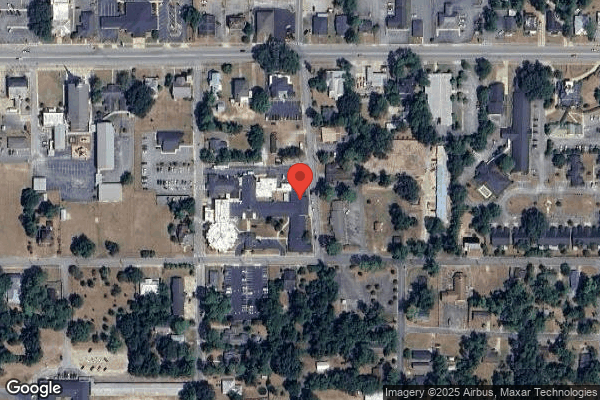
37 SOUTH ELLIS STREET, CAMILLA, GA 31730 (229) 336-8377
Government - County 156 Beds Independent Data: November 2025
Trust Grade
25/100
#243 of 353 in GA
Last Inspection: May 2025

Inspected within the last 6 months. Data reflects current conditions.

Overview

Archbold Living Camilla has received a Trust Grade of F, indicating significant concerns about the facility’s care and operations. It ranks #243 out of 353 nursing homes in Georgia, placing it in the bottom half, and is the only option in Mitchell County. The facility's situation is worsening, with reported issues increasing from 6 in 2023 to 19 in 2025. Staffing levels are a positive aspect, earning a rating of 4 out of 5 stars, with a turnover rate of 38%, which is below the state average. However, the facility has incurred fines totaling $25,246, indicating compliance issues that are higher than 79% of similar facilities. Specific incidents include a failure to properly medicate a resident for pain during wound care, resulting in actual harm, and inadequate cleaning protocols in the kitchen that could lead to foodborne illness risks. While the facility has some strengths in staffing, the overall negative ratings and serious deficiencies are concerning for families considering care for their loved ones.

Trust Score
F
25/100
In Georgia
#243/353
Bottom 32%
Safety Record
Moderate
Needs review
Inspections
Getting Worse
6 → 19 violations
Staff Stability
○ Average
38% turnover. Near Georgia's 48% average. Typical for the industry.
Penalties
✓ Good
$25,246 in fines. Lower than most Georgia facilities. Relatively clean record.
Skilled Nurses
○ Average
Each resident gets 40 minutes of Registered Nurse (RN) attention daily — about average for Georgia. RNs are the most trained staff who monitor for health changes.
Violations
⚠ Watch
35 deficiencies on record. Higher than average. Multiple issues found across inspections.
★☆☆☆☆
1.0
Overall Rating
★★★★☆
4.0
Staff Levels
★☆☆☆☆
1.0
Care Quality
★☆☆☆☆
1.0
Inspection Score
Stable
2023: 6 issues
2025: 19 issues

The Good

  • 4-Star Staffing Rating · Above-average nurse staffing levels
  • Full Sprinkler Coverage · Fire safety systems throughout facility
  • No fines on record
  • Staff turnover below average (38%)

    10 points below Georgia average of 48%

Facility shows strength in staffing levels, fire safety.

The Bad

1-Star Overall Rating

Below Georgia average (2.6)

Significant quality concerns identified by CMS

Staff Turnover: 38%

Near Georgia avg (46%)

Typical for the industry

Federal Fines: $25,246

Below median ($33,413)

Moderate penalties - review what triggered them

The Ugly 35 deficiencies on record

2 actual harm
Sept 2025 2 deficiencies
CONCERN (E) 📢 Someone Reported This

A family member, employee, or ombudsman was alarmed enough to file a formal complaint

Potential for Harm - no one hurt, but risky conditions existed

Unnecessary Medications (Tag F0759)

Could have caused harm · This affected multiple residents

**NOTE- TERMS IN BRACKETS HAVE BEEN EDITED TO PROTECT CONFIDENTIALITY** Based on observations, interviews, record review, and review of the facilities' policy titled Administering Medications, Facilit...

Read full inspector narrative →
**NOTE- TERMS IN BRACKETS HAVE BEEN EDITED TO PROTECT CONFIDENTIALITY** Based on observations, interviews, record review, and review of the facilities' policy titled Administering Medications, Facility B failed to ensure that one of three nurses (Licensed Practical Nurse (LPN) FF) observed during medication administration observation did not pre-set medications in labeled cups for one hall of four halls (100-Hall) resulting in medication error rate of 55.56%.Findings includeReview of the facilities' policy titled Administering Medication dated 10/19/2017 under the Policy Statement revealed, Medications shall be administered in a safe and timely manner, and as prescribed. Under the section titled Policy Interpretation and Implementation revealed, 7. The individual administering the medication must verify the right resident, right medication, right dosage, right time and right method (route) of administration before giving the medication.An observation on 8/8/2025 at 8:22 am, LPN FF was observed coming up the hall with her medication cart. On top of her medication were six plastic labeled cups with room numbers (108, 110, 111) and a letter (A or B) to indicate room and bed of the residents.1. Review of the physician orders for R13 in room [ROOM NUMBER]A revealed eight scheduled medications for the 8:00 am medication administration. Review of the Summary Report Meds/Tx All Shifts PPNH/(Name) revealed eight medications were administered as indicated by LPN FF initials.2. Review of the physician orders for R14 in room [ROOM NUMBER]B revealed four scheduled medications for the 8:00 am medication administration. Review of the Summary Report Meds/Tx All Shifts PPNH/(Name) revealed four medications were administered as indicated by LPN FF initials.3. Review of the physician orders for R10 in room [ROOM NUMBER]A revealed seven scheduled medications for the 8:00 am medication administration. Review of the Summary Report Meds/Tx All Shifts PPNH/(Name) revealed seven medications were administered as indicated by LPN FF initials.4. Review of the physician orders for R16 in room [ROOM NUMBER]B revealed three scheduled medications for the 8:00 am medication administration. Review of the Summary Report Meds/Tx All Shifts PPNH/(Name) revealed two medications were administered as indicated by LPN FF initials. There was no evidence of one medication (Atorvastatin) being administered as indicated as boxed out.5. Review of the physician orders for R6 in room [ROOM NUMBER]A revealed five scheduled medications for the 8:00 am medication administration. Review of the Summary Report Meds/Tx All Shifts PPNH/(Name) revealed five medications were administered as indicated by LPN FF initials.6. Review of the physician orders for R18 in room [ROOM NUMBER]B revealed eight scheduled medications for the 8:00 am medication administration. Review of the Summary Report Meds/Tx All Shifts PPNH/(Name) revealed eight medications were administered as indicated by LPN FF initials. During an interview on 9/10/2025 at 9:27 am, LPN FF confirmed that she had pre-set up her medication for each resident on her assignment. She initially gave a scenario of why her medications were labeled and sitting on the cart as she pushed the cart down the hall. She then stated that the day she decided to do something wrong, she got caught. She continued to state that she had been previously told by the Pharmacist consultant not to do this.During an interview on 9/10/2025 at 2:35 pm, the Director of Nursing (DON) revealed nurses were expected to administer medication per resident. The DON further revealed that nurses were not to label cups and pre-set up the medications for the residents on the hall in advance.During an interview on 9/10/2025 at 3:41 pm, the Administrator revealed nurses were expected to administer medications individually.
CONCERN (E) 📢 Someone Reported This

A family member, employee, or ombudsman was alarmed enough to file a formal complaint

Potential for Harm - no one hurt, but risky conditions existed

Deficiency F0761 (Tag F0761)

Could have caused harm · This affected multiple residents

**NOTE- TERMS IN BRACKETS HAVE BEEN EDITED TO PROTECT CONFIDENTIALITY** Based on observations, interviews, and review of the facilities' policy titled Storage of Medications, Facility A failed to ensu...

Read full inspector narrative →
**NOTE- TERMS IN BRACKETS HAVE BEEN EDITED TO PROTECT CONFIDENTIALITY** Based on observations, interviews, and review of the facilities' policy titled Storage of Medications, Facility A failed to ensure one of one medication storage room did not have expired over the counter (OTC) medications on the shelf and failed to ensure two of two medication carts (Long Hall and the Short Hall) did not have expired medications. In addition, Facility B failed to ensure one of two medication storage rooms (located on Bluebird hall) did not have expired medication on the shelf and failed to ensure one of four medication carts (100-Hall) did not have expired medications. Findings include:Review of the facilities' policy Storage of Medications dated 10/19/2017 under the Policy Statement revealed, The facility shall store all drugs, and biologicals in a safe, secure and orderly manner. Under the section titled Policy Interpretation and Implementation revealed, 4. The facility shall not use discontinued, outdated, or deteriorated drugs or biologicals. All such drugs shall be returned to the dispensing pharmacy or destroyed.(Facility A)1. During an observation on 9/9/2025 at 9:28 am with Registered Nurse (RN) CC in the medication storage room located behind the nursing station revealed the following expired medications:One bottle of probiotic formula with an expiration date of 4/2025.One jar of Fleet glycerin suppositories with an opened date of 2/14/2024 and manufacturer expiration date of 4/2025. There were nine suppositories in the jar. During an interview on 9/9/2025 at 10:12 am, RN CC confirmed that the medications had expired. She continued to state that the facility had a discard bin for all expired or discontinued medications for the pharmacy and the Director of Nursing (DON) destructions. 2. During an observation on 9/9/2025 at 10:42 am with Licensed Practical Nurse (LPN) AA of the Long Hall medication cart revealed, the following expired medications on the cart:One bottle of coated aspirin with an expiration of 8/2024.One bottle of aspirin 325 milligram (mg) with an expiration date of 2/2025.One bottle of thiamine B-1 vitamins with an expiration date of 5/2025.One bottle of aspirin 325 mg with an expiration date of June 2025. 3. During an observations on 9/9/2025 at 10:52 am with RN BB of the Short Hall medication cart revealed, the following expired medications on the cart:One bottle of aspirin 325 mg with an expiration date of 2/2025One bottle of ibuprofen 200 mg with an expiration date of 8/2025One bottle of ferrous sulfate with a fade illegible expiration date. During an interview on 9/9/2025 at 1:00 pm, LPN AA revealed that the nurses was responsible for checking the medication carts for expired OTC medications. During an interview on 9/9/2025 at 1:32 pm, RN BB revealed that all nurses were responsible for checking the medication cart for expired medications. During an interview on 9/9/2025 at 1:23 pm, the DON revealed that the nurse that administer medications were responsible for checking medication expiration dates. The DON further revealed that the medication storage room had a secretary who checked the dates on OTC in the medication storage room. (Facility B)4. During an observation on 9/8/2025 at 10:04 am with LPN II in the medication storage room for 100 Hall and 400 Hall located on Bluebird Hall revealed, one bottle of thiamine vitamin B-1 100 mg with an expiration date of 5/2025. 5. During an observation on 9/8/2025 at 10:16 am with LPN FF of the 100 Hall medication cart revealed [NAME]-Vite tablets with an expiration date of 7/2025, a vial of Lantus insulin with an opened date of 8/6/2025 and expiration date of 9/2/2025. Review of a chart on the medication cart revealed, for an opened vial of insulin dated 8/6/2025, that it would expire on 9/2/2025.During an interview on 9/10/2025 at 2:35 pm, the DON confirmed that the Lantus insulin found on the 100 Hall medication cart expired on 9/2/2025.
May 2025 17 deficiencies
CONCERN (D)

Potential for Harm - no one hurt, but risky conditions existed

Deficiency F0552 (Tag F0552)

Could have caused harm · This affected 1 resident

**NOTE- TERMS IN BRACKETS HAVE BEEN EDITED TO PROTECT CONFIDENTIALITY** Based on interview, record review, and review of the facility's policy, the facility failed to ensure residents were informed of...

Read full inspector narrative →
**NOTE- TERMS IN BRACKETS HAVE BEEN EDITED TO PROTECT CONFIDENTIALITY** Based on interview, record review, and review of the facility's policy, the facility failed to ensure residents were informed of the risk versus the benefits of psychotropic medication use prior to being administered psychoactive medications for two of five (Resident (R) 79, and R38) reviewed for unnecessary medications out of 31 sampled residents. This failures placed the residents at risk for receiving unnecessary medications. Findings include: Review of the facility's policy titled, Resident Rights dated 08/2019 revealed, .1. Federal .laws guarantee certain basic rights to all residents of this facility. These rights include the resident's right to: .participate in decision-making regarding his or her care . 1. Review of R79's undated Admitting and Discharge Record provided by the facility revealed admitted to the facility on [DATE] with diagnosis of major depressive disorder. Review of R79's quarterly Minimum Data Set (MDS) with an assessment reference date (ARD) of 04/08/25 and found under the Aspen MDS Viewer revealed a Brief Interview for Mental Status (BIMS) score of 14 out of 15 which indicated the resident was cognitively intact. The MDS also indicated the facility assessed the resident to have active diagnoses which included anxiety disorder, depression, and dementia and that the resident received antipsychotic medication and an antianxiety medication during the assessment period. Review of R79's [Name of contracted behavior health practice] Patient Intake Form dated 01/21/25 and provided by the facility revealed, Consent for Treatment. I consent to .psychological, psychiatric, or other behavioral health services. I understand that behavioral health treatment may result in unexpected side effects, such as intense or uncomfortable emotions, and that it is important that I discuss any reactions to my treatment with my treating clinician. Behavioral health treatment can also provide benefits, such as a significant reduction in feelings of stress and improved self-esteem. I am aware, however, that no guarantees have been made to me about the results of services . The Intake Form was signed by a resident representative and not by the resident and it was signed prior to the resident's admission to the facility. Review of R79's Physician Orders provided by the facility revealed an order dated 01/25/25 for Melatonin [a natural herbal supplement used as a hypnotic medication] 3MG [milligram] tablet oral two tablets by mouth at bedtime for insomnia .mirtazapine [an antidepressant medication 15mg tablet oral one by mouth at bedtime for appetite stimulant. Review of the Physician Orders dated 01/27/25 indicated, Geodon (an antipsychotic medication) 20mg capsule Oral one by mouth BID[twice a day] .for major depressive disorder . and physician orders dated 03/03/25 indicated trazodone (an antidepressant medication) 100mg tablet oral one at bedtime for insomnia . During an interview on 05/15/25 at 9:55 AM, R79 stated she had not been explained the risk versus benefits of any of her medications. The resident also indicated she should be the one the facility's doctor should be explaining her medications to. 2. Review of R38's undated Admitting and Discharge Record, provided by the facility revealed the resident was admitted to the facility on [DATE] with diagnosis of major depressive disorder. Review of R38's annual MDS with an ARD of 04/29/25 and found under the Aspen MDS Viewer revealed a BIMS score of two out of 15 which indicated the resident was severely cognitively impaired. The MDS also indicated active diagnoses which included dementia and depression. The MDS further indicated that the resident received antipsychotic medication and an antidepressant medication during the assessment period. Review of R38's [Name of contracted behavior health practice] Patient Intake Form dated 02/13/23 and provided by the facility revealed, Consent for Treatment. I consent to .psychological, psychiatric, or other behavioral health services. I understand that behavioral health treatment may result in unexpected side effects, such as intense or uncomfortable emotions, and that it is important that I discuss any reactions to my treatment with my treating clinician. Behavioral health treatment can also provide benefits, such as a significant reduction in feelings of stress and improved self-esteem. I am aware, however, that no guarantees have been made to me about the results of services . The Intake Form was signed by a resident representative and it was signed prior to the resident's admission to the facility. Review of R38's Physician Orders, provided by the facility revealed on 03/27/24 the resident was ordered bupropion (an antidepressant medication) ER [extended release] 150mg tablet extended release 24 hour oral one at bedtime for major depressive disorder. Continued review of the Physician orders revealed on 01/21/25, R38 was ordered Seroquel (an antipsychotic medication) 100mg tablet oral one BID. for agitation, Depakote (an anticonvulsant medication used off label to treat mood disorders) ER 500mg tablet extended release 24 hour two tabs [tablets] oral by mouth daily for mood disorder and mirtazapine (an antidepressant medication) 15mg tablet oral one by mouth at bedtime for mood. During an interview on 05/15/25 at 12:51 PM, Infection Preventionist (IPA) reviewed R38 and R79's Intake Form and confirmed that the consent section of both forms did not indicate the risk and benefits for use of any medications. During an interview on 05/16/25 at 1:41 PM, Director of Nursing (DON)A stated she thought education was being provided for psychoactive medication use. DON A stated it was her expectation the resident and/or the resident's representative would have been educated on the risks of each psychotropic medication prescribed prior to the medication being administered. During an interview on 05/16/25 at 2:03 PM, Administrator A stated it was her expectation that anytime a new medication was prescribed to a resident, the resident and/or the resident representative was educated on the medication and the resident and/or resident representative give consent for the medication prior to the use of the medication.
CONCERN (D)

Potential for Harm - no one hurt, but risky conditions existed

Deficiency F0553 (Tag F0553)

Could have caused harm · This affected 1 resident

**NOTE- TERMS IN BRACKETS HAVE BEEN EDITED TO PROTECT CONFIDENTIALITY** Based on interview, record review, and review of the facility's policy, Facility B failed to ensure residents were informed in a...

Read full inspector narrative →
**NOTE- TERMS IN BRACKETS HAVE BEEN EDITED TO PROTECT CONFIDENTIALITY** Based on interview, record review, and review of the facility's policy, Facility B failed to ensure residents were informed in advance of their right to attend and participate in their care plan conference for two of four residents reviewed for care planning (Resident (R) 28 and R79) out of 31 sampled residents. This failure placed the residents at risk for their care plans not being person centered. Findings include: Review of the facility's undated policy titled, Care Planning revealed .Our facility's Care planning/Interdisciplinary Team is responsible for the development of an individualized comprehensive care plan for each resident .3. The resident, the resident's family and/or the resident's legal representative/guardian or surrogate are encouraged to participate in the development of and revisions to the resident's care plan. 4. Every effort will be made to schedule care plan meetings at the best time of the day for the resident and family . Review of the facility's policy titled, Resident Rights, dated 08/2019 revealed .1. Federal laws guarantee certain basic rights to all residents of this facility. These rights include the resident's right to: .p. be informed of, and participate in, his or her care planning and treatment . 1. Review of R28's undated Admitting and Discharge Record provided by the facility revealed the resident was admitted to the facility on [DATE]. Review of R28's quarterly Minimum Data Set (MDS) with an assessment reference date (ARD) of 03/11/25 revealed the facility assessed the resident to have a Brief Interview for Mental Status (BIMS) score of four out of 15 which indicated the resident was severely cognitively impaired. On 05/14/25, a request to the Social Service Director (SSD) A to assess R28's mental status score. Review of R28's BIMS completed on 05/14/25 by SSDA revealed R28 was assessed to have a score of 14 out of 15 which indicated the resident was cognitively intact. During an interview on 05/14/25 at 11:4 AM, R28 stated she had not been invited or attended a care plan meeting since her admission. R28 stated this was something she wanted to be a part of. Review of R28's document titled, Care Plan Conference dated 12/31/24 and 03/11/25, and provided by the facility revealed under the Signature section, where the resident was to sign during attendance was blank, which indicated the resident was not present during either meeting. 2. Review of R79's undated Admitting and Discharge Record provided by the facility revealed the resident was admitted to the facility on [DATE]. Review of R79's quarterly MDS with an ARD of 04/08/25 and found under the Aspen MDS Viewer with a BIMS score of 14 out of 15 which indicated the resident was cognitively intact. The MDS also indicated the facility assessed the resident to have active diagnoses which included anxiety disorder. The MDS further indicated the resident received an antipsychotic medication and an antianxiety medication during the assessment period. During an interview on 05/15/25 at 9:55 AM, R79 stated she had not been invited nor attended her care plan conferences since her admission. R79 also stated she would want to attend since she had not been asked about her discharge goals. Review of R79's document titled, Care Plan Conference dated 01/28/25 and 04/08/25, and provided by the facility revealed under the Signature section, where the resident was to sign during attendance was blank, which indicated the resident was not present during either meeting. During an interview on 05/14/25 at 4:39 PM, the Activity Director (AD) stated she was the person responsible for notifying and inviting the residents to their care plan conferences. The AD reviewed the Care Plan Conference documents for both R28 and R79 and confirmed the documents did not contain the residents' signatures to indicate they attended. The AD further stated she had not passed out the invitations inviting the residents to attend. During an interview on 05/16/25 at 1:41 PM, the Director of Nursing (DON) stated it was her expectation that residents were invited to their care plan meetings as the care plan meeting was for the resident to know their expected goals. During an interview on 05/16/25 at 2:03 PM, the Administrator stated it was her expectation that all residents were invited to their care plan conferences.
CONCERN (D)

Potential for Harm - no one hurt, but risky conditions existed

Deficiency F0582 (Tag F0582)

Could have caused harm · This affected 1 resident

Based on interview, record review, and facility policy review, Facility A failed to obtain the CMS-10055 (Centers for Medicaid and Medicare Services) Skilled Nursing Facility Advance Beneficiary Notic...

Read full inspector narrative →
Based on interview, record review, and facility policy review, Facility A failed to obtain the CMS-10055 (Centers for Medicaid and Medicare Services) Skilled Nursing Facility Advance Beneficiary Notice (SNFABN) and CMS-10123 Notice of Medicare Non-Coverage (NOMNC) for one of five residents (Resident (R) 136) when Part A Medicare services ended. This failure prevented R136 or responsible party from appealing the decision of the facility and/or making an informed decision related to the cost of continued therapy services. Findings include: Review of the facility policy titled Advance Beneficiary Notifications dated 03/2013 revealed, The purpose is to provide instructions for issuing Advance Beneficiary Notice to applicable Medicare patients so that the patient may make an informed decision as to whether they will receive noncovered items or services for which they may have to accept financial responsibility. Review of R136's medical record revealed R136 was admitted to Medicare part A therapy services on (no date listed). R136's last covered day of Part A service was 05/03/25. CMS-10055 and CMS-10123 were emailed to R136's power of attorney (POA) on 04/30/25 at 3:30 PM. The POA did not respond to the email and there was no follow-up by the facility to acquire the beneficiary notification paperwork. Since R136 remained in the facility, Form CMS-10055 SNFABN and CMS Form 10123 NOMNC should have been reviewed by the POA to make an informed decision related to the cost of continuing to receive Part A therapy and how to appeal the decision made by the facility to discontinue Part A therapy services. Interview on 05/15/25 at 1:53 PM, the Administrator revealed, A follow-up to the POA should have been completed by calling to make sure that they had received the email.
CONCERN (D)

Potential for Harm - no one hurt, but risky conditions existed

MDS Data Transmission (Tag F0640)

Could have caused harm · This affected 1 resident

**NOTE- TERMS IN BRACKETS HAVE BEEN EDITED TO PROTECT CONFIDENTIALITY** Based on interviews, record reviews, and review of the Centers for Medicare and Medicaid Services (CMS) Long-Term Care Facility ...

Read full inspector narrative →
**NOTE- TERMS IN BRACKETS HAVE BEEN EDITED TO PROTECT CONFIDENTIALITY** Based on interviews, record reviews, and review of the Centers for Medicare and Medicaid Services (CMS) Long-Term Care Facility Resident Assessment Instrument (RAI) 3.0 User's Manual, Facility A failed to provide a timely quarterly Minimum Data Set (MDS) Assessment data submission for one (Resident (R)78) of one resident reviewed for MDS over 120 days old out of a total sample of 31 residents. Findings include: Review of R78's undated Face Sheet provided by the facility revealed R78 was admitted to the facility on [DATE] with a diagnosis of hemiplegia and hemiparesis following cerebral infarction. Review of R78's quarterly MDS Assessment with an Assessment Reference Date (ARD) of 02/24/25 provided by the facility revealed it was completed on 02/25/25. Review of R78's MDS 3.0 Missing OBRA Assessment Report run date 05/07/25 provided by the facility revealed . Last Record Identifiers: . Target Date 12/03/24. During an interview on 05/15/25 at 9:58 AM, the MDS Coordinator (MDSC) B indicated she completed the quarterly MDS on 02/24/25 and submitted it on 02/25/25. MDSCB also indicated she ran the validation report after she submitted the quarterly assessment, however, the validation did not show it was accepted by CMS, and she did not resubmit the MDS. The MDSCB stated she ran the missing MDS 3.0 OBRA assessment report on 05/07/25 but did not understand that report stated the last MDS accepted was the quarterly assessment on 12/03/24. The MDSCB confirmed she resubmitted the assessment on 05/14/25 and the validation report stated it was accepted after the surveyor inquired about the missing assessment. The MDSCB stated she followed the RAI User's Manual which stated MDS assessments must be transmitted within 14 days of the completion date. During an interview on 05/15/25 at 10:36 AM, the Director of Nursing (DON) stated she expected the MDSCB to transmit the MDS assessments within 14 days of the completion date and to run the validation reports after the assessments were submitted to ensure they were accepted by CMS. Review of CMS LTC RAI 3.0 User's Manual, Chapter 5.2 Timeliness Criteria indicated, . Transmitting Data: Submission files are transmitted to the Quality Improvement and Enhancement System (QIES) Assessment Submission and Processing (ASAP) system using the CMS wide area network. Providers must transmit all sections of the MDS 3.0 . Transmission requirements apply to all MDS 3.0 records used to meet both federal . requirements . Assessment Transmission: . All other MDS assessments must be submitted within 14 days of the MDS Completion Date .
CONCERN (D)

Potential for Harm - no one hurt, but risky conditions existed

Comprehensive Care Plan (Tag F0656)

Could have caused harm · This affected 1 resident

**NOTE- TERMS IN BRACKETS HAVE BEEN EDITED TO PROTECT CONFIDENTIALITY** Based on observation, interview, record review, and review of the facility's policy, Facility B failed to develop care plans rel...

Read full inspector narrative →
**NOTE- TERMS IN BRACKETS HAVE BEEN EDITED TO PROTECT CONFIDENTIALITY** Based on observation, interview, record review, and review of the facility's policy, Facility B failed to develop care plans related to bed rail use for two of four residents reviewed for care planning (Resident (R) 28 and R75) out of 31 sampled residents. This failure placed the resident at risk for unmet care needs and increased risks of accidents. Findings include: Review of the facility's undated policy titled, Care Planning revealed, Our facility's Care Planning/Interdisciplinary Team is responsible for the development of an individualized comprehensive care plan for each resident .2. The care plan is based on the resident's comprehensive assessment . Review of the facility's policy titled, Using Care Plan dated 11/2018 revealed, .The care plan shall be used in developing the resident's daily care routines and will be available to staff personnel who have responsibility for providing care or services to the resident. 1. Review of R28's undated Admitting and Discharge Record provided by the facility revealed the resident was admitted to the facility on [DATE]. During an observation on 05/14/25 at 11:12 AM, R28 was lying in bed with raised bilateral ¾ bed rails on her bed. Review of R28's Care Plan provided by the facility revealed a care plan had not been developed related to the use of bed rails. 2. Review of R75's undated Admitting and Discharge Record, provided by the facility revealed the resident was admitted to the facility on [DATE]. During an observation on 05/14/25 at 10:44 AM, R75 was lying in bed with raised ¾ bilateral bed rails on her bed. During an interview on 05/16/25 at 12:53 PM, Minimum Data Set Coordinator (MDSC) A reviewed R28's and R75's Care Plan and confirmed a care plan related to bed rail use was not developed for either resident. MDSCA stated the residents' care plans should have reflected their use of bed rails. During an interview on 05/16/25 at 1:41 PM, the Director of Nursing (DON) stated it was her expectation residents' care plans were reviewed every day to ensure there were no inconsistencies. The DON also stated if the residents have bed rails on their bed, it should be on their care plan that they use bed rails. During an interview on 05/16/25 at 2:03 PM, the Administrator stated it was her expectation that residents who had bed rails would have had a care plan developed to reflect the bed rail use.
CONCERN (D)

Potential for Harm - no one hurt, but risky conditions existed

Deficiency F0657 (Tag F0657)

Could have caused harm · This affected 1 resident

**NOTE- TERMS IN BRACKETS HAVE BEEN EDITED TO PROTECT CONFIDENTIALITY** Based on interview, record review, and review of the facility's policy, Facility B failed to review and revise residents' care p...

Read full inspector narrative →
**NOTE- TERMS IN BRACKETS HAVE BEEN EDITED TO PROTECT CONFIDENTIALITY** Based on interview, record review, and review of the facility's policy, Facility B failed to review and revise residents' care plans for one of four residents review for care planning (Resident (R) 50). R50's care plan was not revised to reflect his current status. This failure placed the resident at risk for unmet care needs. Findings include: Review of the facility's policy titled, Using Care Plan, dated 11/2018 revealed, The care plan shall be used in developing the resident's daily care routines and will be available to staff personnel who have responsibility for providing care or services to the resident .5. Changes in the resident's condition must be reported to the MDS [Minimum Data Set] Assessment Coordinator so that a review of the resident's care plan can be made . Review of R50's undated Admitting and Discharge Record provided by the facility revealed the resident was readmitted to the facility on [DATE]. Review of R50's Physician Orders provided by the facility revealed on 03/31/25 the resident was ordered Diet: NPO [nothing by mouth] Tube Feeding and on 05/08/25 Tube Feeding Osmolite 1.2 @ [at] 20 ml/hr. [milliliters an hour] advancing by 10 cc [cubic centimeters] every 4 hours to goal of 60 cc/hr . The orders did not include any treatments ordered for wounds or pressure. Ulcers. Review of R50's Care Plan provided by the facility revealed .Need/Preference-I have a skin injury to my left and right buttocks. Stage 2 [pressure] because I don't receive the proper nutrition need .Approach: Reduce pressure and friction between myself and my bed or chair .provide me with wound care per POC [plan of care] .use pressure redistribution devices .low air loss mattress (initiated on 01/03/25) .Need/Preference- I can't complete my cares on my own .Approach: I EAT: supervision or touching assistance (initiated on 05/07/25) . Review of R50's Weekly Skin Assessment dated 05/02/25 and provided by the facility revealed, No open areas and that the pressure ulcer was healed in April 2025. During an interview on 05/15/25 at 10:43 AM, the Infection Preventionist (IP) A reviewed R50's care plan and confirmed the resident did not have any wounds or pressure ulcers. IPA confirmed the resident did not have a low air loss mattress. The IP also stated R50 was NPO and received tube feedings. The IP further stated the resident's care plan should have been revised to reflect the resident's current status of no skin issues, having a pressure reducing mattress and not a low air loss mattress, and not indicating the resident consumed food by mouth. During an interview on 05/16/25 at 1:41 PM, the Director of Nursing (DON)A stated it was her expectation that the resident's care plan would have been gone over every day to ensure there were no inconsistencies and that it was correct for continuation of care. During an interview on 05/16/25 at 2:03 PM, Administrator A stated it was her expectation that R50's care plan would have been revised for any change in status to reflect the resident's current status.
CONCERN (D)

Potential for Harm - no one hurt, but risky conditions existed

ADL Care (Tag F0677)

Could have caused harm · This affected 1 resident

**NOTE- TERMS IN BRACKETS HAVE BEEN EDITED TO PROTECT CONFIDENTIALITY** Based on interview, record review, and review of the facility's policy, Facility B failed to ensure residents who were dependent...

Read full inspector narrative →
**NOTE- TERMS IN BRACKETS HAVE BEEN EDITED TO PROTECT CONFIDENTIALITY** Based on interview, record review, and review of the facility's policy, Facility B failed to ensure residents who were dependent on staff for activities of daily living (ADLs) received showers for one of two residents (Resident (R) 28) reviewed for ADLs out of 31 sampled residents. This failure placed the resident at risk for an undignified quality of life. Findings include: Review of the facility's policy titled, Bath, Shower/Tub dated 06/07/24 revealed, The purpose of this procedure are [sic] to promote cleanliness, provide comfort to the resident and to observe the condition of the resident's skin. General Guidelines .5. Baths are given per bath schedule .Documentation. 1. The date and time the shower/tub baths was performed per bath schedule .5. If the resident refused the shower/tub bath, the reasons(s) . Review of R28's undated Admitting and Discharge Record, provided by the facility revealed the resident was admitted to the facility on [DATE]. Review of R28's quarterly Minimum Data Set (MDS) with an assessment reference date (ARD) of 03/11/25 revealed the facility assessed the resident to have a Brief Interview for Mental Status (BIMS) score of four out of 15 which indicated the resident was severely cognitively impaired. On 05/14/25, a request to the Social Service Director (SSD) A to assess R28's mental status score. Review of R28's BIMS completed on 05/14/25 by SSDA revealed R28 was assessed to have a score of 14 out of 15 which indicated the resident was cognitively intact. During an interview on 05/13/25 at 11:46 AM, R28 stated she wanted to receive showers instead of bed baths; however, the aides only gave her bed baths. Review of R28's untitled shower/bathing documentation records provided by the facility revealed the resident received bed baths on 03/03/25, 03/05/25, 03/06/25, 03/07/25, 03/11/25, 03/12/25, 03/14/25, 03/17/25, 03/20/25, 03/29/25, 04/04/25, 04/07/25, 04/09/25, 04/12/25, 04/13/25, 04/18/25, 04/21/25, 04/22/25, 04/23/25, 04/27/25, 05/01/25, 05/05/25, and 05/11/25. There was no evidence during these documented dates that the resident refused a shower and requested a bed bath. The shower/bathing documentation from 03/01/25 through 05/11/25 documented the resident received one shower. It was documented on 03/10/25 shower given .Resident fussed the entire shower, wanted to use the shower bed but complained the entire time, both CNA [Certified Nursing Assistant] and Restorative Aides bathe resident but resident still complained of itching and continued to scratch her body (buttocks area) until it bled. During an interview on 05/15/25 at 3:36 PM, CNA2 reviewed the shower documentation and confirmed the resident received baths on the above dates and confirmed no documented evidence of shower refusals for the dates. CNA2 stated during showers, R28 does a lot of screaming. CNA2 stated the resident was scared she was going to fall. CNA2 stated that she gives her a bed bath unless she asks specifically for a shower.CNA2 stated if the resident was to refuse a shower, the CNAs should be documenting the refusal on the shower documentation. During an interview on 05/15/25 at 3:44 PM, CNA3 stated R28 did not like using the mechanical lift for transfers. CNA3 also stated that sometimes R28 screamed and complained during showers; however, after the shower, the resident was always satisfied. CNA3 further stated, depending on R28's mood, it was easier for both the CNAs and the resident for the resident just to receive a bed bath. During an interview on 05/16/25 at 1:41 PM, the Director of Nursing (DON)A stated R28 should have been given or offered a shower if that was her preference; however, if the resident refused the shower, the refusal should have been documented. During an interview on 05/16/25 at 2:03 PM, Administrator A stated if a shower was the resident's preference, then a shower should have been offered. If the resident refused the shower and wanted a bed bath instead, it was her expectation the CNAs would have documented the resident refuse the shower.
CONCERN (D)

Potential for Harm - no one hurt, but risky conditions existed

Pressure Ulcer Prevention (Tag F0686)

Could have caused harm · This affected 1 resident

**NOTE- TERMS IN BRACKETS HAVE BEEN EDITED TO PROTECT CONFIDENTIALITY** Based on interview, record review, and policy review, Facility A failed to ensure one of four residents (Resident (R) 73) review...

Read full inspector narrative →
**NOTE- TERMS IN BRACKETS HAVE BEEN EDITED TO PROTECT CONFIDENTIALITY** Based on interview, record review, and policy review, Facility A failed to ensure one of four residents (Resident (R) 73) reviewed for pressure ulcers out of a sample of 31 residents did not develop facility acquired pressure ulcers. This failure to not identify a pressure ulcer until it was a Stage II had the potential to escalate to a higher level causing the resident pain and discomfort. Findings include: Review of the facility's policy titled, Pressure Ulcer dated 01/17 revealed, The purpose is to standardize a system-wide protocol that identifies those patients at risk for breakdown and to provide guidelines to prevent pressure ulcer occurrence .Maintain and improve tissue tolerance to pressure in order to prevent injury. All individuals at risk should have skin inspected every shift, paying particular attention to bony prominences and areas under medical devices . Review of R73's undated admission Record located in the electronic medical record (EMR) under the Profile tab revealed R73 was admitted to the facility on [DATE] with diagnosis that included encounter for palliative care, stroke, and gastrostomy status. Review of R73's annual Minimum Data Set (MDS) with an Assessment Reference Date (ARD) of 03/27/25 located in the EMR under MDS tab revealed a Brief Interview for Mental Status (BIMS) score of zero out of 15 which indicated severe cognitive impairment. Review of weekly skin assessments provided by the facility dated 02/27/25; 03/06/25; 03/13/25; 03/20/25; 03/27/25; and 04/03/25; all stated that there were no open areas to the skin. Review of Wound care documentation provided by the facility stated the acquired date was 03/04/25 and was described as Pressure injury Stage II to Peg Site. Depth is 0.3 cm [centimeter], and the length x width is 3.5 cm x 1 cm. The area is reddened with light drainage. Pressure ulcer resolved on 04/02/25. Interview on 05/14/25 at 1:38 PM, Licensed Practical Nurse/Wound Care (LPN 1/WC) revealed, A note was left at the nurse's station for me to look at R73 for an open area by the peg tube site. When I looked under the plastic external bumper that is next to the skin and holds the tube in place, there was a Stage II pressure ulcer. This did not happen in one day and there was no gauze or foam under the bumper next to the skin. There was not an order for gauze under the plastic bumper, but there is now. I do not know how this was missed on weekly skin assessments or how it was not noticed during routine care of the peg tube site. During an interview on 05/14/25 at 3:10 PM, the Director of Nursing (DON) revealed, It does not state in the facility policy that gauze needs to be placed under the plastic bumper. It states to keep the skin clean and dry. Although, this is considered standard of care and does not require an order. This pressure ulcer would have happened earlier if a sponge or gauze were not used. I think that whoever cared for the resident last, did not use anything and developed. I cannot tell you what happened or why it was not documented by who found it. This is very upsetting. Gastrostomy care is gone over upon orientation on the skills check list. All nurses know proper care for gastrostomy tubes. Interview on 05/15/25 at 1:55 PM, the Administrator revealed, We need to do skin checks and make sure that things are done properly and according to policy and standards.
CONCERN (D)

Potential for Harm - no one hurt, but risky conditions existed

Accident Prevention (Tag F0689)

Could have caused harm · This affected 1 resident

**NOTE- TERMS IN BRACKETS HAVE BEEN EDITED TO PROTECT CONFIDENTIALITY** Based on observation, interview, and record review, Facility A failed to monitor a resident's bathroom door protector to ensure ...

Read full inspector narrative →
**NOTE- TERMS IN BRACKETS HAVE BEEN EDITED TO PROTECT CONFIDENTIALITY** Based on observation, interview, and record review, Facility A failed to monitor a resident's bathroom door protector to ensure it did not injure the resident until the door was replaced for one of seven residents reviewed for accidents out of 31 sampled residents (Resident (R) 64). This failure had the potential to cause injury to the resident. Findings include: Review of R64's undated Face Sheet, provided by the facility, revealed she was admitted to the facility on [DATE] with diagnoses that included Type 2 diabetes mellitus with hyperglycemia, and atherosclerotic heart disease of native coronary artery without angina pectoris. Review of R64's quarterly Minimum Data Set (MDS) Assessment, with an assessment reference date (ARD) of 03/14/25, provided by the facility, revealed she had a Brief Interview for Mental Status (BIMS) score of 15 which indicated she was cognitively intact. Review of the facility's Work Order, dated 04/16/25, provided by the facility, revealed The panel on the outside of the bathroom door is coming off in room [ROOM NUMBER]. Patient says she keeps getting [sic] her hand on it when she is going in and out of the bathroom. 04/17/25 [Facilities Management Supervisor] went and placed some duct tape on side of door until [he] can get [vendor] here to measure and get new door ordered. Should be here in the next few days. [Vendor] came and measured so door can be ordered. 05/17/25 [Vendor] called and the door that came in was damaged, had to reorder. Observations on 05/13/25 at 12:48 PM in Facility A on 05/14/25 at 1:45 PM with Administrator B, revealed the top edge of R64's white plastic bathroom door protector was not attached to the door and protruded an inch away from the door below the doorknob. During an interview on 05/13/25 at 12:48 PM, R64 stated she kept hitting the inside of her left hand on the edge of the bathroom door protector that was protruding below the doorknob. R64 also stated she had not been injured yet but was worried she would be, so she reported it to the Unit Secretary about a month ago and it had not been repaired yet. During an interview on 05/14/25 at 1:37 PM, the Facilities Management Supervisor stated he received a work order about R64's bathroom door protector on 04/16/25, he applied duct tape to the door protector on 04/17/25, and the new door arrived but was damaged, so it had to be reordered on 05/12/25. The Facilities Management Supervisor also stated he did not monitor the interim intervention to ensure it was still in place to prevent it from harming the resident's hand and did not know the duct tape was missing until today. During an interview on 05/14/25 at 3:46 PM, the Unit Secretary stated R64 reported that she was hitting her hand on the protruding plastic door cover when she opened the bathroom door and then she completed a maintenance work order for it. The Unit Secretary also stated that the Facilities Management Supervisor told her that he placed duct tape on the door until the new door arrived, but she did not know who or when it was removed from the door. During an interview on 05/15/25 at 5:18 PM, the Administrator stated that the interim intervention of applying the duct tape to the bathroom door protector should have been monitored until the permanent solution, the new door, had arrived to prevent the resident from injury.
CONCERN (D)

Potential for Harm - no one hurt, but risky conditions existed

Deficiency F0700 (Tag F0700)

Could have caused harm · This affected 1 resident

**NOTE- TERMS IN BRACKETS HAVE BEEN EDITED TO PROTECT CONFIDENTIALITY** Based on observation, interview, record review, and review of the facility's policy, Facility B failed to assess residents for t...

Read full inspector narrative →
**NOTE- TERMS IN BRACKETS HAVE BEEN EDITED TO PROTECT CONFIDENTIALITY** Based on observation, interview, record review, and review of the facility's policy, Facility B failed to assess residents for the use of bed rails, review the risks and benefits of bed rail use and obtain informed consent prior to the installation of bed rails for two of seven residents (Resident (R) 28 and R75) reviewed for accidents and hazards out of 31 sampled residents. These failures placed the residents at risk for injury and restraint. Findings include: Review of the facility's policy titled, Bed Safety, dated 08/2019 revealed Our facility shall strive to provide a safe sleeping environment for the resident .1. The resident's sleeping environment shall be assessed by the interdisciplinary team, considering the resident's safety, medical conditions, comfort, and freedom of movement, as well as input from the resident and the family .2. To try to prevent deaths/injuries from the beds and related equipment (including the frame, mattress, side rails .) the facility shall promote the following approaches: .e. Identify additional safety measures for residents who have been identified as having a higher than usual risk for injury including entrapment .4. The facility's education and training activities will include instruction about risk factors for resident injury due to beds, and strategies for reducing risk factors for injury, including entrapment. 5. If side rails are used, there shall be an interdisciplinary assessment of the resident, consultation with the Attending Physician, and input from the resident and/or legal representative. 6. The staff shall obtain consent for the use of side rails from the resident or the resident's legal representative prior to their use .8. Side rails may be used if assessment and consultation with the Attending Physician has determined that they are needed to help manage a medical symptom or condition, or to help the resident reposition or movie in bed and transfer, and no other reasonable alternatives can be identified. 9. Before using side rails for any reason, the staff shall inform the resident and family about the benefits and potential hazards associated with side rails. 1. Review of R28's undated Admitting and Discharge Record, provided by the facility revealed the resident was admitted to the facility on [DATE]. Review of R28's quarterly Minimum Data Set (MDS), with an assessment reference date (ARD) of 03/11/25 revealed the facility assessed the resident to have a Brief Interview for Mental Status (BIMS) score of four out of 15 which indicated the resident was severely cognitively impaired. On 05/14/25, a request to the Social Service Director (SSD) A to assess R28's mental status score. Review of R28's BIMS completed on 05/14/25 by SSDA revealed R28 was assessed to have a score of 14 out of 15 which indicated the resident was cognitively intact. During an observation on 05/14/25 at 11:12 AM, R28 was lying in bed with raised bilateral ¾ bed rails on her bed. The resident stated she could not independently lower the bed rails. During an observation and interview on 05/15/25 at 3:50 PM, Certified Nursing Assistant (CNA)3 observed the resident lying in bed and confirmed the ¾ bed rails on R28's bed were in the raised position. 2. Review of R75's undated Admitting and Discharge Record, provided by the facility revealed the resident was admitted to the facility on [DATE]. During an observation on 05/14/25 at 10:44 AM, R75 was lying in bed with raised ¾ bilateral bed rails on her bed. During an observation and interview on 05/15/25 at 3:50 PM, CNA3 observed R75 lying in bed with raised ¾ bilateral bed rails on the residents bed. CNA3 confirmed the bed rail use and stated R75 would request both bed rails to be up. During an interview on 05/15/25 at 3:50 PM, Administrator A stated the facility did not obtain consent nor assessed residents prior to bed rail use. During an interview on 05/16/25 at 12:53 PM, Minimum Data Set Coordinator (MDSC) A confirmed there was no documented evidence R28 and R75 were assessed for bed rail use. The MDSCA stated the residents should have been assessed for bed rail use by the admitting nurse. During an interview on 05/16/25 at 1:41 PM, the Director of Nursing (DON)A stated the facility was not aware that residents needed to be assessed or consents obtained before the use of bed rails. During an interview on 05/16/25 at 2:03 PM, Administrator A stated that she was not aware residents needed to be assessed for the use of bed rails or that consent needed to be obtained prior to the use of bed rails.
CONCERN (D)

Potential for Harm - no one hurt, but risky conditions existed

Unnecessary Medications (Tag F0759)

Could have caused harm · This affected 1 resident

**NOTE- TERMS IN BRACKETS HAVE BEEN EDITED TO PROTECT CONFIDENTIALITY** Based on observation, interview, record review, review of facility policy, and review of manufacturer's pharmaceutical recommend...

Read full inspector narrative →
**NOTE- TERMS IN BRACKETS HAVE BEEN EDITED TO PROTECT CONFIDENTIALITY** Based on observation, interview, record review, review of facility policy, and review of manufacturer's pharmaceutical recommendations, Facility B failed to ensure a medication error rate below five percent. During medication administration for three (Resident (R)10, R51, R108) in the medication administration observation. These failures caused three medication errors out of 25 opportunities for error, or a medication error rate of 12%. These failures had the potential to increase or decrease the effectiveness of these medications. Findings include: Observation during the medication administration observation on 05/15/25 at 11:00AM, Registered Nurse (RN)2 crushed R10's Potassium Chloride Extended Release (ER) 20 milliequivalent (mEq) one tablet, then placed in apple sauce and administered to R10. On 05/15/24 at 11:12AM, crushed R108's ferrous sulfate 300 mg one tablet, then placed in applesauce and administered to R108. On 05/15/25 at 11:31AM, crushed gabapentin, then placed in applesauce and administered to R51. Review of R10's Face Sheet located under the Profile tab in the electronic medical record (EMR) revealed R10 was originally admitted to the facility on [DATE] with the diagnosis of hypokalemia. Review of R10's Physician Orders provided by the facility revealed Potassium Chloride ER, 20MEQ tablet, (medication to treat hypokalemia), oral, one tablet by mouth daily. 2. Review of R51's Face Sheet located under the Profile tab in the EMR revealed R51, was originally admitted to the facility on [DATE] with the diagnosis of iron deficiency anemia. Review of R51's Physician Orders provided by the facility revealed ferrous sulfate 300 milligram (MG) (medication for anemia) one by mouth daily. 3. Review of R108's Face Sheet located under the Profile tab in the EMR revealed R108 was originally admitted to the facility on [DATE] with diagnosis of peripheral neuropathy. Review of R108's Physician Orders provided by the facility revealed gabapentin 100MG capsule (medication to treat peripheral neuropathy) oral, two tablets by mouth, three times daily. During the interview on 05/15/25 at 11:45AM, RN2 was asked why R10, R51 and R108's medication was crushed. RN2 replied, It's easier to get them to take them, when crushed and placed in applesauce. During an interview on 05/15/25 at 2:08PM, RN3 was asked if gabapentin, Potassium Chloride ER, and ferrous sulfate should be crushed. RN3 stated, No, none of those medications are to be crushed. During the interview on 05/15/25 at 2:17PM, Administrator A was asked if gabapentin, Potassium Chloride ER, and ferrous sulfate should be crushed. She stated, They are not to do that [referring to crushing the medications]. Review of the facility's policy titled Adverse Effects Medication dated 10/19/2017 indicated, . 3. A 'medication error' is defined as the preparation or administration of drugs or biological which is not in accordance with .manufacturer specifications or accepted professional standards and principles of the professional(s) providing services. Review of the manufacturer's pharmaceutical recommendations for Potassium Chloride ER indicated, .Potassium Chloride ER tablets should not be crushed, chewed, or sucked. Reason: Crushing or altering extended-release tablets can damage the controlled-release mechanism. Risk: This can lead to a rapid and potentially dangerous release of potassium, increasing the risk of hyperkalemia (high potassium levels in the blood), which can have serious side effects, including heart problems . Review of the manufacturer's pharmaceutical recommendations for ferrous sulfate indicated, .Most ferrous sulfate tablets are not meant to be crushed. Reasons not to crush: Enteric-coating: Some tablets may be enteric-coated to protect the stomach lining from irritation or to ensure the medication is released in the intestines. Crushing would destroy this coating . Review of the manufacturer's pharmaceutical recommendations for gabapentin indicated, .Gabapentin tablets should not be crushed, split, or chewed. Swallow whole: The tablets are designed to be swallowed whole with a full glass of water. Potential for altered release: Crushing or splitting may affect the way the medication is released and absorbed, potentially altering its effectiveness or increasing the risk of side effects .
CONCERN (D)

Potential for Harm - no one hurt, but risky conditions existed

Medical Records (Tag F0842)

Could have caused harm · This affected 1 resident

Based on record review, interview, and facility policy review, Facility A failed to document a resident's decline, death, and disposition of one of one resident (Resident (R) 141) reviewed for facilit...

Read full inspector narrative →
Based on record review, interview, and facility policy review, Facility A failed to document a resident's decline, death, and disposition of one of one resident (Resident (R) 141) reviewed for facility death out of a total sample of 31 residents. Findings include: Review of the facility's policy titled Legal Medical Record Policy revised 12/17/20 showed the purpose of the medical record is to provide a record of the patient's health status including observations, measurements, and history/prognosis, and serve as the document describing the healthcare services provided to the patient. Provide a method for clinical communication and care planning among the individual healthcare practitioners serving the patient. Provide supporting documentation for the reimbursement of services provided to the patient. Document and substantiate the patient's clinical care and serve as a key source of data for outcomes research and public health purposes. Serve as a major resource for healthcare practitioner education. Serve to document evidence of quality of care. Serve as the legal business record for a healthcare organization and be used in support of business decision-making. Review of R141's admission Record from the electronic medical record (EMR) Profile tab showed an admission date of 10/10/23 with a medical diagnosis of Alzheimer's disease. Review of R141's EMR Progress Notes from the Progress Note tab dated 04/29/25 revealed that the resident was released to the [NAME] Funeral Home and witnessed by the Hospice nurse. Phone interview on 05/15/25 at 12:40 PM, Licensed Practical Nurse (LPN)2 revealed, I was taking care of R141 who was under Hospice Care. Hospice had been notified that the resident was declining. In the afternoon I gave R141 morphine and when I went back to the room in a couple of hours, she was not breathing. I shook her arm and called her name with no response. I proceeded to get another nurse to verify her passing and then called Hospice. When I went back to the room, R141's son was there, and I informed him of his mother's passing. We waited for the Hospice Nurse to arrive and pronounce the resident's death. I was supposed to document all of the information and with everything going on, I did not document her decline and death. R141 was a Do Not Resuscitate (DNR) code status. Interview on 05/15/25 at 1:59 PM, the Administrator B revealed, I expect our nurses to document and state how a resident was found at the time of death. Documentation is needed to show everything up to the time of death.
CONCERN (E)

Potential for Harm - no one hurt, but risky conditions existed

Antibiotic Stewardship (Tag F0881)

Could have caused harm · This affected multiple residents

**NOTE- TERMS IN BRACKETS HAVE BEEN EDITED TO PROTECT CONFIDENTIALITY** Based on interview, record review, review of Center for Disease Control (CDC) guidance and policy review, the facility failed to...

Read full inspector narrative →
**NOTE- TERMS IN BRACKETS HAVE BEEN EDITED TO PROTECT CONFIDENTIALITY** Based on interview, record review, review of Center for Disease Control (CDC) guidance and policy review, the facility failed to monitor and evaluate antibiotic usage for five of seven residents (Resident (R) 117, R100, R47, R119 and R95) reviewed for antibiotic usage out of 31 sampled residents. This failure had the potential to affect residents in the facility safety related to antibiotic usage. Findings include: Review of an undated, untitled CDC document located at http://uprevent.[NAME].com/2855wp/wp-content/uploads/2018/01/nh-hac_mcgreercriteriarevcomp_2012-1.pdf; revealed, The Core Elements of Antibiotic Stewardship for Nursing Homes indicated, .Improving the use of antibiotics in healthcare to protect patients and reduce the threat of antibiotic resistance is a national priority .Antibiotic stewardship refers to a set of commitments and actions designed to 'optimize the treatment of infections while reducing the adverse events associated with antibiotic use' .CDC also recommends that all nursing homes take steps to improve antibiotic prescribing practices and reduce inappropriate use .Nursing homes monitor both antibiotic use practices and outcomes related to antibiotics in order to guide practice changes and track the impact of new interventions. Data on adherence to antibiotic prescribing policies and antibiotic use are shared with clinicians and nurses to maintain awareness about the progress being made in antibiotic stewardship. Clinician response to antibiotic use feedback (e.g., acceptance) may help determine whether feedback is effective in changing prescribing behaviors. Below are examples of antibiotic use and outcome measures .Process measures: Tracking how and why antibiotics are prescribed .Antibiotic use measures .Tracking how often and how many antibiotics are prescribed .Antibiotic outcome measures .Tracking the adverse outcomes . Review of the facility's policy titled, Antibiotic Stewardship dated 03/2019 revealed, Antibiotics will be prescribed and administered to residents under the guidance of the facility's Antibiotic Stewardship Program .The purpose of our Antibiotic Stewardship Program is to monitor the use of antibiotics in our residents .Changes to antibiotic orders based on culture and sensitivity will be reviewed by the facility infection preventionist or a pharmacist or designee .Lab results will be communicated to the prescriber as soon as available to determine if antibiotic is appropriate . 1. Review of R117's admission Record located under the Profile tab of the electronic medical record (EMR) revealed R117 was admitted to the facility on [DATE]. On 02/05/25 a urine analysis (UA) and culture and sensitivity (C&S) was completed and the physician started R117 on Amoxicillin (antibiotic medication) that did not meet McGeer Criteria, and the C&S was negative. 2. Review of R100's admission Record located under the Profile tab of the EMR revealed R100 was admitted to the facility on [DATE]. On 03/28/25, UA and C&S were ordered and came back as contaminated but was not repeated. Bactrim (antibiotic medication) was started by the physician and did not meet McGeer Criteria. 3. Review of R47's admission Record located under the Profile tab of the EMR revealed R47 was admitted to the facility on [DATE]. On 03/19/25, R47 was started on an antibiotic for respiratory issues did not meet McGeer's Criteria and no testing was completed such as chest x-ray. 4. Review of R119's admission Record located under the Profile tab of the EMR revealed R119 was admitted to the facility on [DATE]. On 04/22/25 a urine analysis (UA) and culture and sensitivity (C&S) was completed and the physician started R119 on Cefdinir (antibiotic medication) that did not meet McGeer Criteria, and the C&S was negative. 5. Review of R95's admission Record located under the Profile tab of the EMR revealed R95 was admitted to the facility on [DATE]. On 04/23/25 a urine analysis (UA) and culture and sensitivity (C&S) was completed and the physician started R95 on an antibiotic that did not meet McGeer Criteria, and the C&S was negative. Interview with the Infection Preventionist Building A (IPBA) on 05/16/25 at 12:07 PM, the IPBA revealed, I do not question the physician about antibiotics. I know that antibiotics are started before cultures are back. I need to follow McGeer's Criteria and educate staff. Interview on 05/16/25 at 1:40 PM , the Medical Director (MD) revealed, I guess we need work in the area of Antibiotic Stewardship. When the MD was asked if he understood the reason why antibiotic stewardship was started, he stated I really haven't thought about it. During an interview on 05/16/25 at 2:12 PM, the Administrator revealed We have to follow McGeer's Criteria and track antibiotic usage. We need to follow policies and procedures for antibiotic stewardship.
CONCERN (F)

Potential for Harm - no one hurt, but risky conditions existed

Food Safety (Tag F0812)

Could have caused harm · This affected most or all residents

Based on observation, staff interview, and facility policy review, Facility B failed to ensure kitchen staff thoroughly cleaned and air-dried pans prior to storage. This failure had the potential to i...

Read full inspector narrative →
Based on observation, staff interview, and facility policy review, Facility B failed to ensure kitchen staff thoroughly cleaned and air-dried pans prior to storage. This failure had the potential to increase the risk of foodborne illness and had the potential to affect residents in one of two buildings (Facility B) who received dietary services. Facility failed to ensure that soap was dispensing into the dishwasher after replacing the dish detergent. These failures had the potential to affect all residents in building B, who consumed food from the kitchen. Findings include: Review of the facility's policy titled, Metz Culinary Management Air Drying of Tableware, Utensils, and Pots and Pans dated 01/07/2025, revealed, Purpose: Items must be allowed to drain and to air-dry before being stacked or stored. Stacking wet items such as pans prevents them from drying and may allow an environment where microorganisms can begin to grow. Procedures: . i. Equipment and utensils shall be air-dried using racks or storage stands in a self-draining position to permit air to pass around the items enabling them to 'air dry'. iii. At no point can items be stored in a wet condition or 'wet nesting' . 1. During an observation on 05/13/25 at 9:40 AM, the Nutritional Services Director (NSD) confirmed 14 pans, 20 inches by 24 inches by 1 inch deep that had been cleaned and stacked for use were still wet when they were unstacked. The pans were found to have been stacked wet and not allowed to completely air dry before stacking. Interview with the NSD at this time, she stated, The pans should be completely dry before being stacked for use. They should not be wet. They need to be re-washed. 2. On 05/15/25 at 12:01 PM, the following observations in the kitchen of Facility A were identified and verified by the Dietary Manager (DM). Observation of the high-temperature dishwasher during lunch revealed that soap was not coming out of the dispenser into the dishwasher. When the DM took the dishwashing dispenser out of its case, the top of it was clogged and nothing was coming out. A new bottle was placed in the dispenser and the dish soap flowed into the dishwasher. Interview on 05/15/25 at 1:28 PM, the DM revealed The dishwasher buzzes when out of soap. It was replaced the night before at dinner. This has never happened before. The soap was not dispensing. Once replaced for a second time, it now works. Interview on 05/15/25 at 1:49 PM, the Administrator B revealed, My expectation is for the dishwasher to be in working order and the dishes cleaned properly.
CONCERN (F)

Potential for Harm - no one hurt, but risky conditions existed

Garbage Disposal (Tag F0814)

Could have caused harm · This affected most or all residents

Based on observation, interview, and policy review, Facility A failed to ensure garbage was properly disposed of and contained which would affect all the residents and staff in one of two buildings (b...

Read full inspector narrative →
Based on observation, interview, and policy review, Facility A failed to ensure garbage was properly disposed of and contained which would affect all the residents and staff in one of two buildings (building B). Findings include: Review of the undated facility's policy, Waste/Garbage Storage, Disposal, Cleaning of Containers, and Pest Prevention revealed, Purpose: prevent contamination and the transmission of disease by pests and rodents .The outside compactor is kept closed and locked at all times except when putting trash into it. The area around the compactor shall be kept clean by all who use it. Observation on 05/13/25 at 10:06 AM, with the Dietary Manager (DM) of the area behind the kitchen in building B where the trash dumpsters were located revealed two dumpsters had the lids open on top and side compartment doors open. There was also trash behind the dumpsters consisting of old chairs. Outside of the kitchen door was a trash can filled with boxes that were to be broken down and six empty 35-gallon plastic oil jugs lying on the ground that were to be disposed of in the dumpsters. Interview on 05/13/25 at 10:06 AM, the DM revealed, The lids on the dumpsters and the side compartment doors should have been closed. There should not be chairs behind the dumpsters. The oil jugs need to go in the dumpsters. Interview on 05/15/25 at 1:49 PM, the Administrator B revealed, My expectation is that the dumpster area needs to be clean, and the doors closed.
CONCERN (F)

Potential for Harm - no one hurt, but risky conditions existed

Infection Control (Tag F0880)

Could have caused harm · This affected most or all residents

Based on interviews and review of facility policy, Facility B failed to maintain a Legionella Water Management Program. This deficient practice has the potential to affect all residents in the facilit...

Read full inspector narrative →
Based on interviews and review of facility policy, Facility B failed to maintain a Legionella Water Management Program. This deficient practice has the potential to affect all residents in the facility. Findings include: Review of the facility's policy Legionella Water Management Program, dated 08/20/22, indicated, Our facility is committed to the prevention, detection and control of water-borne contaminants, including Legionella .The purpose of the water management program is to identify areas in the water system where Legionella bacteria can grow and spread, and to reduce the risk of Legionnaire's disease .The water management program includes the following elements: A detailed description and diagram of the water system in the facility, including receiving; cold water distribution; heating; hot water distribution; an waste. During an interview on 05/16/25 at 10:15 AM, Engineering (E) stated, We do not have a water diagram for the facility, and we do not have a detailed description of the water system in the facility. I knew that one had to be done, but I had not gotten around to it. Interview on 05/16/25 at 11:09 AM, the Administrator B revealed My expectation is that we follow our policy and CMS guidelines.
CONCERN (F)

Potential for Harm - no one hurt, but risky conditions existed

Deficiency F0887 (Tag F0887)

Could have caused harm · This affected most or all residents

Based on interviews, Facility B failed to maintain staff documentation of current COVID-19 vaccination status. This failure had the potential to affect all 132 residents in the facility and all staff....

Read full inspector narrative →
Based on interviews, Facility B failed to maintain staff documentation of current COVID-19 vaccination status. This failure had the potential to affect all 132 residents in the facility and all staff. Findings include: Interview with the Director of Nursing (DON) B on 05/16/25 at 12:18 PM revealed We do not have current COVID-19 documentation for our staff members either immunized or not. I did not know that we had to have that documentation. During an interview on 05/16/25 at 12:33 PM, the Administrator revealed, We do not have current vaccination status for COVID-19 for our staff. We provide education, but do not keep staff status.
May 2023 6 deficiencies 2 Harm
SERIOUS (G)

Actual Harm - a resident was hurt due to facility failures

Comprehensive Care Plan (Tag F0656)

A resident was harmed · This affected 1 resident

Based on observations, staff interviews, record review, and a review of the facility's policy titled, Care planning- IDT, Facility A failed to follow residents' baseline care plans directing staff to ...

Read full inspector narrative →
Based on observations, staff interviews, record review, and a review of the facility's policy titled, Care planning- IDT, Facility A failed to follow residents' baseline care plans directing staff to medicate residents for pain related to wound care for one of three residents (R#402) who received wound care. Actual harm was identified on 5/10/23 when the Wound Care Nurse (WCN) failed to assess and administer medication to R#402 prior to providing wound care treatment, which resulted in pain. Findings included: The facility's policy titled Care planning- IDT, dated July 2020, indicated, Our facility's Care Planning/Interdisciplinary Team is responsible for the development of an individualized comprehensive care plan for each resident. A review of R#402's Face Sheet revealed the facility admitted R#402 on 5/5/23 with a diagnosis of Alzheimer's Disease, Right Parenchymal Contusion, Panniculitis, Unspecified Dementia, unspecified severity with behavioral disturbances and Pressure ulcer of sacral region, Stage 3. A review of the baseline care plan revealed R#402 has an impairment of skin integrity with a goal to regain skin integrity. Interventions include administering pain medication before treatment as needed (PRN). During a wound care observation on 5/10/23 at 9:05 a.m. the WCN was observed to not assess R#402 for pain prior to beginning the treatment. While WCN was applying the Calcium Alginate and Honey to the sacral wound, resident yelled Ouch that hurt, that hurt, hurt. The resident was observed to have facial grimaces and frowning at this time. R#402 was also observed to attempt to move away from the WCN. WCN continued to apply the dressing and did not assess for pain. When surveyor iterated to WCN that resident was complaining of pain, WCN replied yes, she usually does that when the medicine is applied because I have to get it into the wound bed. I usually continue the treatment because it does not take that long to do. I will medicate her after the dressing is complete. After the treatment was completed, WCN did not assess resident for pain. During the interview post treatment, WCN stated that the resident probably should have been medicated prior to the treatment but confirmed that she did not do it. WCN walked away, passed the medication nurse on the hall, and did not ask for medication for R#402. During an interview on 5/10/23 at 9:43 a.m. with Licensed Practical Nurse (LPN) CC it was revealed that R#402 does have PRN pain medication and the WCN did not ask her to medicate R#402 prior to doing the treatment. During an interview on 5/11/23 at 9:32 a.m. with MDS/Care Plan Coordinator revealed that she is responsible for the baseline and comprehensive care plan. She stated that each resident's plan of care is located in the electronic record and the licensed staff has access to the care plans. She further stated that residents are discussed with the team prior to admission and after admission to the facility in their daily Huddle Meeting. She further stated that the wound nurse does not always attend the Huddle Meetings, but she receives the orders on admission. She also stated that the wound nurse is responsible for the initial skin assessment and the weekly wound documentation. Cross refer F697
SERIOUS (G)

Actual Harm - a resident was hurt due to facility failures

Deficiency F0697 (Tag F0697)

A resident was harmed · This affected 1 resident

**NOTE- TERMS IN BRACKETS HAVE BEEN EDITED TO PROTECT CONFIDENTIALITY** Based on observation, record review, interview, and review of facility policy Pain Assessment and Management, Facility A failed ...

Read full inspector narrative →
**NOTE- TERMS IN BRACKETS HAVE BEEN EDITED TO PROTECT CONFIDENTIALITY** Based on observation, record review, interview, and review of facility policy Pain Assessment and Management, Facility A failed to stop and address verbal and facial expressions of pain during wound care for one of three residents (R) (R#402) observed for wound care resulting in harm. Actual harm was identified on 5/10/23 when the Wound Care Nurse (WCN) failed to assess and administer pain medication to R#402 prior to providing wound care treatment, which resulted in pain during the treatment. Findings include: A review of the Policy titled Pain Assessment and Management ,dated July 2020, revealed the pain management program is based on a facility-wide commitment to appropriate assessment and treatment of pain based on professional standards of practice, the comprehensive care plan, and the resident's choices related to pain management. 2. Pain management is defined as the process of alleviating the resident's pain based on his or her clinical condition and established treatment goals. Recognizing Pain: 1. Observe the resident (during rest and movement) for physiologic and behavioral (non-verbal) signs of pain. 2. Possible Behavioral Signs of Pain, including: a. verbal expressions such as groaning, crying screaming, b. facial expressions such as grimacing, groaning, clenching of the jaw, etc., f. guarding, rubbing, or favoring a particular part of the body. 4. Ask the resident if he/she is experiencing pain. A review of the clinical record revealed R#402 was admitted to the facility on [DATE] with diagnoses, including but not limited to, Alzheimer's Disease, right parenchymal contusion, panniculitis, unspecified dementia, unspecified severity with behavioral disturbances, pressure ulcer of sacral region stage 3, wedge compression fracture fifth lumbar vertebra suds for fracture with routine heal, and wedge compression fracture T11-T12 vertebra suds for fracture with routine heal. A review of the baseline care plan revealed R#402 has an impairment of skin integrity with a goal to regain skin integrity. Interventions include administering pain medication before treatment as needed (PRN). A review of the physician orders for May 2023 revealed R#402 had current orders for Fentanyl 50 microgram per hour (mcg/Hr) Patch 72 Hour Transdermal one topical every three days for chronic pain, order date 5/5/23; Tramadol HCL 50 milligram (mg) one tab by mouth every six hours as needed for pain, order date 5/5/23; Acetaminophen 325 mg two tabs (650 mg) by mouth every six hours as needed for pain. During an observation on 5/10/23 at 9:05 a.m., the WCN was observed providing wound care for R#402. The WCN did not assess for pain prior to beginning the treatment. While the WCN was applying Calcium Alginate and Honey to the sacral wound, R#402 yelled Ouch that hurt, that hurt, hurt. Resident was observed to have facial grimaces and frowning at this time. R#402 was also observed to attempt to move away from the WCN. WCN continued to apply the dressing and did not assess for pain. When surveyor iterated to WCN that resident was complaining of pain, WCN replied yes, she usually does that when the medicine is applied because I have to get it into the wound bed. I usually continue the treatment because it does not take that long to do. I will medicate her after the dressing is complete. After the treatment was completed, WCN did not assess resident for pain. During the interview post treatment, WCN informed surveyor that resident probably should have been medicated prior to the treatment but she did not do it. WCN walked away, passed the medication nurse on the hall, and did not ask for pain medication for R#402. During an interview on 5/10/23 at 9:43 a.m. with Licensed Practical Nurse (LPN) CC revealed that resident does have PRN pain medication and the WCN did not ask her to medicate R#402 prior to doing the treatment. LPC CC stated she would assess resident for pain and medicate her if it is indicated. Record review revealed resident was medicated for pain and anxiety with the PRN Hydroxyzine Pamoate 25 milligram (mg) and Tramadol 50 mg on 5/10/23 at 9:48 a.m.by LPN CC due to resident complaining of pain. The pain was reassessed at 11:02 a.m. with pain symptoms reduced. The pain level after medication was: six. Actions: Continue to observe. Encourage to rest. Repositioned. 11:05 a.m. Note: Resident states pain level six, 30 minutes after medication. Repositioned with wedge. Will continue to monitor. Pain: Complaining of pain. Intensity of pain: mild. Verbal pain assessment: acceptable level of pain, Frequency of pain: Pain daily, Location of pain: sacrum, back. Quality of pain: Dull, Origin of pain: secondary to medical condition, Manner of expressing pain: Verbal, Alleviating Factors: Position changes, Exacerbating Factors: Prolonged sitting. Non-pharmacological interventions prior to giving pain mediation - repositioned. 11:41 a.m. PRN Med Given - Acetaminophen 325 mg two tabs. 11:44 a.m. Note: Resident was gotten up for therapy and stated to the therapist that she was in pain sitting in the wheelchair. Resident was put back in the bed with a wedge to relieve the pressure on her sacral wound. During an interview on 5/10/23 at 9:43 a.m. with the Director of Nursing (DON) she revealed it is her expectation when a resident complains of pain during wound care that the nurse stop treatment and assess the resident's pain. She stated the residents nurse should be consulted to determine if the resident has anything for pain and if so, the resident should be given the medication and treatment should resume after the medication has had time to be effective. During an interview on 5/10/23 at 10:23 a.m. with the Administrator, it was revealed that it is her expectation that residents are assessed for pain prior to treatment being rendered. The Administrator further stated that if the WCN knew the resident complained of pain during the treatment, the resident should have been premedicated. During a follow-up interview on 5/10/23 at 12:40 p.m. with the WCN, she revealed that she understood how to do wound care. She stated she did ask the resident about pain prior to the surveyor coming into the room. The WCN stated that she was aware that R#402 had PRN pain medications and she should have stopped treatment when she began complaining of pain and asked the nurse to medicate her before continuing the treatment.
CONCERN (D)

Potential for Harm - no one hurt, but risky conditions existed

Deficiency F0554 (Tag F0554)

Could have caused harm · This affected 1 resident

**NOTE- TERMS IN BRACKETS HAVE BEEN EDITED TO PROTECT CONFIDENTIALITY** Based on observation, record review, interviews, and review of the policy titled Self Administration of Medication, Facility A f...

Read full inspector narrative →
**NOTE- TERMS IN BRACKETS HAVE BEEN EDITED TO PROTECT CONFIDENTIALITY** Based on observation, record review, interviews, and review of the policy titled Self Administration of Medication, Facility A failed to ensure one resident (R) (R#110) of 51 sampled residents, was assessed to safely self-administer medications. Findings include: Review of the policy titled Self Administration of Medication revised February 2021, Policy Heading: Residents has the right to self-administer medications if the interdisciplinary team has determined that it is clinically appropriate and safe for the resident to do so. Policy Interpretation and Implementation: 1. As part of the evaluation comprehensive assessment, the interdisciplinary team (IDT) assesses each resident's cognitive and physical abilities to determine whether self-administering medications is Safe and clinically appropriate for the resident. deemed safe and appropriate for a resident to self-administer medications is reassessed periodically based on changes on the resident's medical and/or decision-making status. 8. Self-administered medications are stored in a safe and secure place, which is not accessible by other residents. 9. Any medications found at the bedside that are not authorized for self-administration are turned over to the nurse in charge for return to the family or responsible party. Review of the clinical record revealed R#110 was admitted to the facility on [DATE] with diagnoses including but not limited to dislocation on internal left hip prothesis, unspecified atrial fibrillation, chronic systolic (congestive) heart failure, chronic obstructive pulmonary disease, Alzheimer's disease, pulmonary hypertension, atrioventricular block, second degree. Review of the admission Minimum Data Set (MDS) dated [DATE] revealed a Brief Interview for Mental Status (BIMS) score of 13, indicating that the resident is cognitively intact. Review of the medical record for R#110 revealed there was no evidence that an assessment was completed for self-medication administration of medications. Review of April 2023 Physician Orders revealed R#110 did not have an active order for Vitamin B6 100 milligram (mg), Vitamin E 180 mg (400 IU) or Curamin Pain Relief. There was no evidence of an order for resident to have medications at bedside for self-administration. Review of the resident's current care plan revealed there was no evidence that resident had a care plan to self-administer medications. Observation on 5/9/23 at 9:50 a.m. revealed three bottles of medications on R#110's bedside table to include: Vitamin B6 100 mg, Vitamin E 180 mg (400 IU) and Curamin Pain Relief. Further observations on 5/9/23 at 1:52 p.m. and 5/10/23 at 9:42 a.m. revealed all three medications were still on resident's bedside table within reach of R#110. During an interview on 5/10/23 at 9:45 a.m. with R#110 revealed that she has always taken the vitamins. She further stated that she takes 1 of each of them daily. Resident further stated that the vitamins were delivered to her home and her family brings them to her. During an interview 5/10/23 at 9:57 a.m. with Licensed Practical Nurse (LPN) CC it was revealed that R#110 is not supposed to have medications at the bedside. LPN CC further stated all residents who are allowed to keep medications at the bedside would have an order indicating that. LPN CC stated she observed the three bottles of medications at resident's bedside, and she did not remove the medications or report it to the Director of Nursing (DON) or Administrator. She further stated that the medicine had not always been there, and a family member probably brought it into the facility. During an observation and interview on 5/10/23 at 10:12 a.m. with the DON it was revealed that there are no residents currently in the facility with an assessment or order to self-administer medications. DON checked the electronic record and verified R#110 did not have an assessment or order to self-administer medication. In addition, DON stated resident does not have orders for the medications she verified at resident's bedside. She stated her expectation is for staff to inform resident that medications can't be kept at the bedside, remove the medications, and either obtain a physicians order for the medications or have the family to pick the medications up.
CONCERN (D)

Potential for Harm - no one hurt, but risky conditions existed

Quality of Care (Tag F0684)

Could have caused harm · This affected 1 resident

**NOTE- TERMS IN BRACKETS HAVE BEEN EDITED TO PROTECT CONFIDENTIALITY** Based on observations, record review, interviews, and review of policy titled Dressing Change Policy, the facility failed to ens...

Read full inspector narrative →
**NOTE- TERMS IN BRACKETS HAVE BEEN EDITED TO PROTECT CONFIDENTIALITY** Based on observations, record review, interviews, and review of policy titled Dressing Change Policy, the facility failed to ensure quality of care and services in accordance with professional standards related to not receiving physician orders for treatment/wound care for one of one resident (R#65) with a cancer lesion on her right wrist. The sample size was 51. Findings include: Review of the policy titled Dressing Change Policy revised 3/2020, revealed The purpose of this procedure is to provide guidelines for the care of wounds to promote healing. Preparation: 1. Verify that there is a physician's order for this procedure. Documentation: Complete documentation of the dressing change procedure including photographs if taken and upload into the resident's medical record. Review of the clinical record for R#65 revealed resident was originally admitted to the facility on [DATE] with diagnoses including but not limited to Basal Cell Carcinoma of the Skin. Review of the quarterly Minimum Data Set (MDS) dated [DATE] revealed a Brief Interview for Mental Status (BIMS) was coded as 08 indicating resident is moderately cognitive impaired. Section M revealed resident had open lesions other than ulcers, rashes, cuts (e.g., cancer lesions). Review of care plan for R#65, initiated on 7/6/22, revealed resident related had a potential for impairment of skin integrity related to incontinence and disease process. Interventions included assess skin condition daily and note any changes. Review of May 2023 Physician Orders revealed there was not an order for the dressing observed on resident's right wrist/forearm dated 4/24/23. Review of Medication Administration Record (MAR) from April 1, 2023, through May 10, 2023, there was not any documentation of the dressing on residents fight forearm dated 4/25/23. Observation 5/9/23 at 9:41 a.m. and 2:10 p.m. and 5/10/23 at 8:16 a.m. revealed resident with a white bandage to her right wrist/forearm dated 4/25/23. During an interview on 5/10/23 at 10:12 a.m. with the Wound Care Nurse (WCN) revealed that she applied the dressing to resident's right arm on 4/25/23 because resident has cancer lesions on her forearm and neck. She further stated that resident complained of bumping the cancer lesions against things, so she applied the dressing. WCN stated that she did not write an order for the dressing or document that a dressing was applied to resident's right wrist/forearm. WCN stated that she forgot to obtain and write an order for the dressing. WCN further stated that it is not standard practice for a dressing to stay intact for 15 days without being changed. WCN also stated that another nurse could have also changed the dressing if they saw it there. During an interview with the Director of Nursing (DON) on 5/10/23 at 11:17 a.m. revealed that nurses are required to obtain an order and change dressing per the physician's orders. DON stated that she is aware that there is an issue with the wound care program at the facility and she is currently developing a plan for changes.
CONCERN (E)

Potential for Harm - no one hurt, but risky conditions existed

Deficiency F0761 (Tag F0761)

Could have caused harm · This affected multiple residents

**NOTE- TERMS IN BRACKETS HAVE BEEN EDITED TO PROTECT CONFIDENTIALITY** Based on observation, interviews, and review of the facility policy titled, Administering Medications, facility A failed to ensu...

Read full inspector narrative →
**NOTE- TERMS IN BRACKETS HAVE BEEN EDITED TO PROTECT CONFIDENTIALITY** Based on observation, interviews, and review of the facility policy titled, Administering Medications, facility A failed to ensure that one of three medication carts (Long Hall medication cart) and the treatment cart was locked and secured when the cart was out of view of the nurse. Specifically, the facility A failed to ensure the treatment cart and the medication cart on the Long Hall medication cart was locked and medications secured when not in use for two of three carts. Findings include: Review of the policy titled Administering Medications with a revised date of 3/2019 revealed the policy statement of: Medications shall be administered in a safe and timely manner, and as prescribed. Policy Interpretation and Implementation: 14. During administration of medications, the mediation cart will be kept closed and locked when out of sight of the medication nurse. Observation on 5/9/23 at 9:52 a.m. of wound care treatment cart containing medications located on the Long Hall located directly in front of room [ROOM NUMBER] with the compartment openings facing the hallway, revealed the cart to be unlocked and unattended. There was not a nurse observed in the hallway or in the area. During the observation one housekeeper was observed near the cart. At 9:55 a.m. Registered Nurse (RN) BB Wound Nurse approached the cart, place a tub of wipes on top of the cart and walked away. At 9:57 a.m. RN BB Wound Nurse returned to the treatment cart and locked the cart as she walked away. At 9:57 a.m. RN BB Wound Nurse approached the cart and identified she was responsible for the treatment cart and confirmed the cart was unlocked, unattended and that there were medications for wound care in the treatment cart. Observation 5/9/23 at 10:00 a.m. revealed medication cart on the Long Hall unattended and unlocked between rooms [ROOM NUMBERS] on the Long Hall. There was not a nurse observed in the hallway or in the area. At 10:05 a.m. Licensed Practical Nurse (LPN) AA walked pass the medication cart and into room [ROOM NUMBER]. At 10:07 a.m. LPN returned to the medication cart and locked the cart. LPN AA acknowledged she left the medication cart unlocked while not attended. She stated she normally would position the medication cart directly in front of her as she walks away because the cart locks automatically when she closes the drawer. LPN AA demonstrated this process to surveyor by unlocking the medication cart, opening the drawer, closing the drawer. Once drawer was closed LPN AA and surveyor waited approximately 3 minutes and the cart did not automatically lock. LPN AA stated, I am aware of your concerns because it's not locking as it should. Continued observation on 5/9/23 at 10:10 a.m. revealed the treatment cart unlocked and unattended. There was not a nurse observed in the hallway or in the area. During the observation one resident was noted standing in front of the treatment cart in her room's doorway. Certified Nursing Assistant (CNA) and Housekeeper on the hall across from the treatment cart. Registerd Nurse (RN) BB returned to the treatment cart at 10:13 a.m. and confirmed she again left the treatment cart unlocked while unattended. RN BB, acknowledged she left the treatment cart unlocked and unattended. RN BB stated I thought I pushed the lock in as I gathered the supplies and went down the hall, I forgot to push it in. RN BB stated that she was aware that the treatment cart should be locked every time she leaves the cart. During an interview on 5/9/23 at 11:22 a.m. with the Director of Nursing (DON) it was revealed that her expectations were for the medication carts to be locked and secured when out of the eyesight of a nurse and medications should not be left unsecured. DON further stated that the nurses have been educated on securing medications prior to leaving the carts. She stated the nurses have also been trained and educated by the pharmacy consultant regarding the importance of securing medications. DON further stated that yes, the medications carts does lock automatically but the nurses still are required to ensure that the cart is locked prior to walking away.
CONCERN (F)

Potential for Harm - no one hurt, but risky conditions existed

Food Safety (Tag F0812)

Could have caused harm · This affected most or all residents

**NOTE- TERMS IN BRACKETS HAVE BEEN EDITED TO PROTECT CONFIDENTIALITY** Based on observations, interviews, and review of the policy titled Sanitation and Infection Prevention/Control, facility A faile...

Read full inspector narrative →
**NOTE- TERMS IN BRACKETS HAVE BEEN EDITED TO PROTECT CONFIDENTIALITY** Based on observations, interviews, and review of the policy titled Sanitation and Infection Prevention/Control, facility A failed to discard expired food in the walk-in refrigerator and walk-in freezer; label and date opened food items in the walk-in refrigerator and dry storage area; store cooking grease in proper container; ensure serving pans and bowls were stacked and stored dry; maintain an updated cleaning log; maintain the cleanliness of the icemaker; ensure the floors and walls in the walk-in refrigerator, dry storage and kitchen area were kept clean; and repair damaged ceiling in the dry storage area. The deficient practices had the potential to adversely affect 41of 44 residents who received oral diets. Findings include: Review of the policy titled Sanitation and Infection Prevention/Control revised January 2020 revealed: Food and Supply Storage - Procedures .products contain an expiration date. The words sell-by, best buy, enjoy by or use-by should not precede the date. The sell by date is the last date the food can be sold or consumed; do not .place on patient trays/resident plates past the date on the product. Foods past the sell-by, best buy, enjoy by or use-by date should be discarded. Further review of the policy indicated, Date and rotate items; first in, first out (FIFO). Discard food past the use-by or expiration date. Observe safety practices. Store heavier items (25 pounds or more) on lower shelves between knee and shoulder height. Avoid stacking cases overly high. Stack cases with layers running perpendicularly. Dry Storage-Pressurized beverage (soda) containers, cased food in waterproof containers such as bottles or cans, and milk containers in plastic crates may be stored on a floor that is clean and not exposed to floor moisture. Use food grade plastic bags for food storage. Other - Keep grease in leak-proof, nonabsorbent, tightly closed containers. During warm weather, remove grease often and refrigerate, if possible. Refrigerated Storage - Do not cover shelves with foil, paper or material that inhibits air circulation, except a bottom open wire shelf. Sort produce daily to remove spoiled pieces. Ice Handling - Ice must be protected from splash, drip, and hand contamination during storage and service .daily cleaning of the exposed areas of the ice bin/ice; refer to manufacturer's information for recommended schedule for cleaning of ice maker and ice bin. Pots, dishes, and flatware are stored in such a way as to prevent contamination by splash, dust, pests, or other means. The procedures section revealed a procedure to air dry all food contact surfaces, including pots, dishes, flatware, and utensils before storage, or store in a self-draining position. Do not stack or store when wet. Director/Designee: Verifies completion of logs, initials form weekly. On 5/9/23 at 9:05 a.m. observation of the dry storage area revealed the following: 1. The floor in the dry storage area was sticky with brown discoloration. 2. The ceiling vent cover screws was observed to have brown discoloration. 3. The ceiling strips with black spots scattered on the strips unattached from the ceiling base. 4. The ceiling had water droplets falling on top of canned beverages and juice bottles that were stacked close to the ceiling. 5. Multiple large cans of vegetables stored on the can racks were without a storage or an expiration date. 6. Two large bags of Jell-O instant pudding and pie filling with expiration date 6/20/22. 7. One large cardboard box saturated with oil with one large grease container stored in it. On 5/9/23 at 9:18 a.m. observation of cooler and walk-in refrigerator area with Food Service Supervisor (FSS) FF revealed the following: 1. Several dirty and damaged plastic mats aligned at the bottom of the racks in the walk-in refrigerator. 2. The floor in the cooler and walk-in area was very sticky and with brown discoloration. 3. One open chocolate ice cream snack cup with no open date or expiration date. 4. One package of open cheese wrap partially uncovered with no open date or expiration date. 5. One large plastic bag of three cheese pizza dough partially uncovered with no open date or expiration date. 6. One bag of frozen cauliflower with no open date or expiration date. 7. One large bag of lettuce with no open date or expiration date. 8. One bag of tortilla bread with no open date or expiration date. 9. Three cucumbers loosely stored on refrigerator shelf. 10. One bag of parmesan cheese partially uncovered with no open date or expiration date. 11. One large roll of ground beef leaking blood on a silver serving tray sitting on a rack. 12. One pack of frozen chicken with use by date 5/1/23. During an interview with FSS FF on 5/9/23 at 9:18 a.m. she verified the floors were very sticky and with brown discoloration in the cooler, walk-in storage, and dry goods storage area. She revealed a cleaning schedule was posted for staff with their assigned areas to sweep, mop, and pressure wash. She revealed the cleaning schedule was based on the days when supplies were delivered and as needed. FSS FF further revealed that she had previously submitted a work order for the kitchen's main pressure washing machine to be serviced by the maintenance department. She mentioned the reason the refrigerator mats were dirty with spills and sticky grime was because her staff have not been able to clean them due to the machine being out of service for over a month. During and interview and observation on 5/9/23 at 9:43 a.m. with FSS FF in the ice machine area revealed the air filter with greyish [NAME] material covering the vent strips; black, shiny substance around door flap ridges; and black shiny, sticky substances on the top panel. Interview with FSS FF revealed she could not recall the date the ice machine was last cleaned. She further revealed she has been behind in monitoring staff assigned to cleaning duties and confirmed it should be cleaned twice a month according to the sign posted on ice machine. On 5/10/23 at 9:50 a.m. observation of the kitchen revealed a large metal rack located next to the range top to contain multiple serving pans and bowls to be stored wet nested. Observation of a metal rack located next to the three-compartment sink revealed multiple serving pans to be stored wet nested. On 5/10/23 at 2:47 p.m. interview with Maintenance Technician (MT) EE revealed he was responsible for receiving, completing, and signing-off on work orders from the kitchen management staff and it is flagged as a high priority with 48 hours service completion. He indicated that he had received the work orders to repair the leaking, damaged ceiling in the dry storage area and inoperable pressure washing machine. On 5/10/23 at 2:53 p.m. observation with MT DD, MT EE, and Director of Dining GG verified the ceiling vent cover missing screws and some screws were decomposed and dangling from the cover. MT EE verified there were condensation factors causing the dampness of ceiling and he had fixed the issue earlier that morning but must order additional ceiling material supplies to effectively resolve the issue. On 5/10/23 at 3:15 p.m. an interview with Director of Dining GG verified the kitchen staff had a weekly cleaning assignment log sheet that the FSS FF manages. He provided a copy of the latest log sheet on record with verification of partial staff initials dated from the week of 1/9/23 through 1/14/23.
Jul 2021 10 deficiencies
CONCERN (D)

Potential for Harm - no one hurt, but risky conditions existed

Resident Rights (Tag F0550)

Could have caused harm · This affected 1 resident

**NOTE- TERMS IN BRACKETS HAVE BEEN EDITED TO PROTECT CONFIDENTIALITY** Based on observations, record review, staff interviews, Facility A failed to maintain dignity by ensuring a dignity bag was prov...

Read full inspector narrative →
**NOTE- TERMS IN BRACKETS HAVE BEEN EDITED TO PROTECT CONFIDENTIALITY** Based on observations, record review, staff interviews, Facility A failed to maintain dignity by ensuring a dignity bag was provided for one of two residents (R) #113) who had an indwelling foley catheter. The facility sample size was 27 Residents. Findings include: Observations on 7/27/2021 at 11:49 a.m., 7/28/2021 at 9:13 a.m., 7/29/2021 at 9:20 a.m., and 7/30/2021 at 2:00 p.m. of R#113 lying in B bed with his catheter bag uncovered and visible from the doorway. Record review of R#113's medical record revealed an admission date of 6/30/2021 and an admitting diagnoses history of urinary tract infection (UTI), urinary retention for which he had an indwelling urinary catheter. Record review of his Significant Change Minimum Data Set (MDS) dated [DATE] included an assessment for an indwelling catheter. Further review documented a Brief Interview for Mental Status (BIMS) score of 8 (a BIMS score of 0 to 10 indicated moderate cognitive impairment). Record review of R#113's care plan dated 4/30/2021 and last updated 7/27/2021 documented a plan of care that initiated Infection UTI with interventions in place to evaluate ongoing care plan for UTI. Interview with Director of Nursing (DON) at the time of observation on 7/30/2021 at 1:41 p.m., the DON confirmed that the bag should be covered and regarded this as a dignity issue. She further stated that her expectation is for the bag to be covered. She reported that the certified nursing assistant (CNA) and licensed nursing staff are responsible for providing a dignity bag for any resident who has a foley catheter. Interview at the time of observation on 7/30/2021 at 1:43 p.m. with Licensed Practical Nurse (LPN) II who confirmed that the catheter bag was uncovered and should have had a dignity bag cover. She stated that it is her responsibility and the CNAs to ensure that resident has a dignity bag. Interview on 7/30/2021 at 1:44 p.m. with CNA NN who reported being unaware that the catheter bag should be covered while a resident was in bed. CNA NN denied having received any training on catheter care that included providing a dignity bag while a resident is in bed since she began working in facility A four weeks ago.
CONCERN (D)

Potential for Harm - no one hurt, but risky conditions existed

Deficiency F0655 (Tag F0655)

Could have caused harm · This affected 1 resident

**NOTE- TERMS IN BRACKETS HAVE BEEN EDITED TO PROTECT CONFIDENTIALITY** Based on observations, record reviews, and staff interview, the facility policy titled Care Plans-Baseline, facility failed to d...

Read full inspector narrative →
**NOTE- TERMS IN BRACKETS HAVE BEEN EDITED TO PROTECT CONFIDENTIALITY** Based on observations, record reviews, and staff interview, the facility policy titled Care Plans-Baseline, facility failed to develop a person-centered baseline care plan which included Transmission Based Precautions (TBP) interventions for one of four newly admitted residents (R) #182) at facility A. Findings include: Record review of facility policy titled Care Plans-Baseline (11/2018) documented A baseline plan of care to meet the resident 's immediate needs shall be developed for each resident within forty -eight (48) hour of admission. 1. To assure that their resident 's immediate care needs are met and maintained, a baseline care plan will be developed within forty-eight (48) hours of the resident admission. The Interdisciplinary Team will review the healthcare practitioner 's orders (dietary needs, medications routine treatment, etc.) and implement a baseline care plan to meet the resident 's immediate care needs including but not limited to. a. Initial goals based on admission orders b. physician orders, c. dietary orders, d. therapy orders e. social services, and PASARR recommendation, if applicable. 3. The baseline care plan will be used until the staff can conduct the comprehensive assessment and develop an interdisciplinary person-centered care plan. 4. The resident and their representative will be provided a summary of the baseline care plan that included but is not limited. a. the initial goals of the resident. b. A summary of the resident 's medication s and dietary instructions c. any services and treatment s to be administered by the facility and personnel acting on behalf of the facility d. any updated information based on the details of the comprehensive care plan as necessary. Record review revealed that R#182 was admitted on [DATE] from an acute care hospitalization. Review of Physician's Orders dated 7/15/2021 revealed contact/droplet precautions for COVID quarantine and MRSA (Methicillin-resistant staphylococcus aureus). Record review of resident Base Line Care Plan documented no infection control for TBP related to MRSA in the trach (sputum). Interview with LPN GG on 7/28/2021 at 9:44 a.m. reported that resident remains on isolation because he tries to pull the tube off and has secretions that come out. She stated that they follow the Centers for Disease Control (CDC) guidelines for MRSA in the trach (sputum). During an interview on 7/28/2021 at 1:33 p.m. with the Director of Nursing (DON) and Minimum Data Set (MDS) Coordinator they verified that R#182 's baseline care plan did not include a plan of care for infection control related to TBP related to MRSA in the trach (sputum). The MDS Coordinator reported that this was done in error. Interview on 7/28/2021 at 2:20 p.m. with the DON who stated that any of the licensed nurses could update the care plan at any time. She stated that her expectations were for the baseline care plan to include any and all care services for the residents.
CONCERN (D)

Potential for Harm - no one hurt, but risky conditions existed

Comprehensive Care Plan (Tag F0656)

Could have caused harm · This affected 1 resident

**NOTE- TERMS IN BRACKETS HAVE BEEN EDITED TO PROTECT CONFIDENTIALITY** Based on observations, interviews, record reviews, and review of the facility policy titled Care Plans, Comprehensive Person-Cen...

Read full inspector narrative →
**NOTE- TERMS IN BRACKETS HAVE BEEN EDITED TO PROTECT CONFIDENTIALITY** Based on observations, interviews, record reviews, and review of the facility policy titled Care Plans, Comprehensive Person-Centered, Facility A failed to develop a care plan for one resident (R) R#71) related to use of a knee immobilizer and skin assessments and failed to implement a care plan for one resident, R#90, related to a nutritional supplement. The sample size was 27. Findings include: 1. Review of facility policy 'Care Plans, Comprehensive Person Centered' revealed: 13. Assessments of residents are ongoing, and the care plans are revised as information about the residents and the residents' conditions change. 14. The Interdisciplinary Team must review and update the care plan: a. when there has been a significant change in the resident's condition. Resident R#71 was admitted to the facility on [DATE] with diagnoses including but not limited to Alzheimer's disease, chronic hepatitis C, and chronic congestive heart failure. Review of Quarterly Minimum Data Set (MDS) dated [DATE] reveals a Brief Interview for Mental Status score of seven out of 15, indicating severely impaired cognition. Section I diagnoses indicated under section Musculoskeletal: other fracture. Review of R#71 electronic health record reveals a physician order dated 9/3/2019 to 'monitor skin assessment 1x wk (one time per week). Tuesday AM.' There was no evidence a care plan was implemented to assess the residents skin. Review of R#71 electronic health record reveals a physician note date 7/8/2021 stated Resident began complaining of right lower leg pain, Tib/Fib X-ray on 6/23/2021 showed: impression 1. Diffuse osteopenia/osteoporosis which has slightly advanced since the previous study. 2. Stable minimally displaced fracture through the lateral tibial condyle with large fragment again noted. 3. No new fracture is identified within the limitations of this study. Orthopedic referral was made, and resident was seen 6/28/2021 by the orthopedist and placed in a knee immobilizer and to follow up as needed. Review of order dated 6/28/2021 from the orthopedist reveals an order for right knee immobilizer for six weeks. Review of order dated 7/14/2021 revealed an order to monitor right leg under immobilizer twice a day for skin breakdown. Further review of resident's orders revealed the knee immobilizer was discontinued on 7/21/2021. Review of R#71's care plans revealed there was no evidence that a care plan for the residents right knee immobilizer or to monitor the right leg under the immobilizer twice a day for skin breakdown. Interview on 7/30/2021 at 10:38 a.m. with Registered Nurse (RN) EE revealed she is responsible for implementing resident care plans for the nursing department. RN EE stated she did not implement a care plan for the right knee immobilizer because resident did not have the knee immobilizer for long. Interview on 7/30/2021 at 10:51 a.m. with Director of Nursing who revealed she expected care plans to be implemented and followed for each resident with a change of condition. The DON also stated R#71 should have had a care plan in place to address the knee immobilizer. 2. Observations during mealtime revealed R#90 was alert but confused, answered simple questions, and eating unassisted in bed on 7/27/2021 at 1:19 p.m., and on 7/28/2021 at 12:44 p.m. with no Magic cup served with her meals. R#90 was observed sitting up in a Geri chair eating, unassisted on 7/29/2021 at 8:40 a.m. and on 7/29/2021 at 12:25 p.m. with no Magic cup served with her meals. Review of the care plan revealed R#90 had a Need/Preference that included but not limited to: (1.) Unintended weight loss dated 1/7/2021 related to history of dementia, Alzheimer's disease, anorexia, ate less than 50% of meals and supplements, gradual weight loss, Body Mass Index (BMI) of 14.6. Interventions included but not limited to, weights, provide food supplements, follow diet plan, dated 1/7/2021. (2.) Medical food supplement therapy related to being underweight, have wasting of fat in orbital region. Interventions included weights, provide food supplements, follow my diet plan, dated 4/2/2021. (3.) Potential to become malnourished related to dysphagia, confusion, anxiety, depression. Interventions included weights, food supplements, follow diet plan, dated 6/25/2021. Further record review revealed physicians' orders included but not limited to, pureed consistency diet, nectar thick liquids, meal supplement-Magic Cup with breakfast, lunch, supper, and monthly weight. Review of form titled, Nutrition Recommendations dated 3/30/21 by the Family Nurse Practitioner (FNP), revealed recommendation discontinuing the Ensure pudding bid with med pass, and increasing Magic cup to tid with breakfast, lunch and supper. Review of a current list of diets and supplements for residents revealed that R#90 was listed as being on a pureed diet, nectar thick liquids, and Magic cup supplement. Interview on 7/29/2021 at 11:06 a.m. with Licensed Practical Nurse (LPN) AA who revealed R#90 was supposed to get Magic cup with her meals, and she can eat unassisted after meal set up. An interview on 7/30/2021 at 1:35 p.m. with the Director of Nursing (DON) revealed that her expectation was for physician orders to be followed. The DON stated that if Magic cup was ordered three times a day (tid) with each meal she expected it to be served with each meal.
CONCERN (D)

Potential for Harm - no one hurt, but risky conditions existed

Quality of Care (Tag F0684)

Could have caused harm · This affected 1 resident

**NOTE- TERMS IN BRACKETS HAVE BEEN EDITED TO PROTECT CONFIDENTIALITY** Based on observation, record review, and staff interview facility A failed to ensure that physician orders were followed related...

Read full inspector narrative →
**NOTE- TERMS IN BRACKETS HAVE BEEN EDITED TO PROTECT CONFIDENTIALITY** Based on observation, record review, and staff interview facility A failed to ensure that physician orders were followed related to Magic cup being served at each meal, for one of 10 residents, (R) R#90), with an order for Magic cup. Findings include: Record Review of the clinical record revealed a [AGE] year-old female with a primary diagnosis of Alzheimer's disease, other diagnoses included but not limited to, adult failure to thrive, anorexia, Gastro-esophageal reflux disease, Diverticulosis of intestine, orbital wasting of fat tissue, age-related cognitive decline, chronic pain, weakness, anxiety disorder unspecified, major depressive disorder recurrent moderate, personal history of malignant neoplasm of bladder, personal history of malignant neoplasm of skin, need for assistance, encounter for palliative care, and history of COVID-19. Further record review revealed physicians' orders including but not limited to, pureed consistency diet, nectar thick liquids, meal supplement-Magic Cup with breakfast, lunch, dinner. Review of form titled, Nutrition Recommendations dated 3/30/2021 by the FNP revealed recommendation discontinuing the Ensure pudding bid with med pass, and increasing Magic cup to tid with breakfast, lunch and supper. Review of a current list of diets and supplements for residents revealed that R#90 was listed as being on a pureed diet, nectar thick liquids, and Magic cup supplement. Observations during mealtime revealed R#90 was alert but confused, answered simple questions, and eating unassisted in bed on 7/27/21 at 1:19 p.m., and on 7/28/21 at 12:44 p.m. R#90 was observed sitting up in a Geri chair eating, unassisted on 7/29/21 at 8:40 a.m., and on 7/29/21 at 12:25 p.m. with no Magic cup served. Interview on 7/29/2021 at 11:06 p.m. with Licensed Practical Nurse (LPN) AA who revealed R#90 was supposed to get Magic cup with her meals and can eat unassisted after meal set up. Observation and interview on 7/30/2021 at 8:40 a.m. of Certified Nursing Assistant (CNA) JJ picking up breakfast trays on Resident # 90's hall was writing on the meal slip/ticket. Interview at that time revealed whoever picks up the tray is supposed to record intake amount eaten, and then it's recorded in the resident's record. CNA JJ revealed she was not sure if R#90 was supposed to get Magic cup with meals but revealed they have Magic cup in the pantry if residents wanted it. Interview on 7/30/2021 at 11:54 a.m. with the Dietary Manager revealed their process of following the meal slip/ticket to assure the correct diet is plated and served. The meal slip is printed from the electronic record. Information should be correct according to orders that have been entered in the electronic record because updates or changes are done in real time as soon as they are entered into the system. They print out the meal slip, place it on the tray, and refer to the slip when preparing individual trays. She revealed staff should look at all info on meal slip, including supplements, to ensure the tray is correct. She revealed they do their best to make sure the tray/meal is always correct but admitted sometimes they may overlook or miss something because of being in a hurry, trying to be timely. The Dietary Managers expectation was that if the meal slip listed a supplement or Magic cup to be served with meals, it should be on the meal tray, and if it was not on the tray, this was on the kitchen and was an oversight. Interview on 7/30/2021 at 1:35 p.m. with the Director of Nursing (DON) revealed that her expectation was for physician orders to be followed. The DON stated that if Magic cup was ordered three times a day (tid) with each meal she expected it to be served with each meal. The DON verified R#90's physician order for Magic cup with breakfast, lunch, and dinner and stated this would be on the kitchen because the Magic cup should be on the meal trays. Cross refer F656
CONCERN (D)

Potential for Harm - no one hurt, but risky conditions existed

Incontinence Care (Tag F0690)

Could have caused harm · This affected 1 resident

**NOTE- TERMS IN BRACKETS HAVE BEEN EDITED TO PROTECT CONFIDENTIALITY** Based on observations, record review, staff interviews, and the facility policy titled Catheter Care, Urinary the facility (Faci...

Read full inspector narrative →
**NOTE- TERMS IN BRACKETS HAVE BEEN EDITED TO PROTECT CONFIDENTIALITY** Based on observations, record review, staff interviews, and the facility policy titled Catheter Care, Urinary the facility (Facility A) failed to ensure that the urinary drainage for R#113 was positioned lower than the level of the bladder to prevent unobstructed urine flow and tension for one resident (R#113). The sample size was 27 Residents. Findings include: Record review of facility policy titled, Catheter Care, Urinary (Revised September 2014) stated The purpose of this procedure is to prevent catheter-associated urinary tract infections. Maintaining Unobstructed Flow 1. Check the resident frequently to be sure he or she is not lying on the catheter and to keep the catheter and tubing free of kinks. 3. The urinary drainage bag must be held or positioned lower than the bladder at all times to prevent the urine in the tubing and drainage bag from flowing back into the urinary bladder'. Record review of R#113's medical record revealed an admission date of 6/30/2021 and an admitting diagnoses of malignant neoplasm Cancer of Prostate, history of urinary tract infection, urogenital implants, benign prostatic hyperplasia with lower urinary tract symptoms, and urinary retention for which he had an indwelling urinary catheter. Record review of his Quarterly Minimum Data Set (MDS) dated [DATE] revealed that he had a Brief Interview for Mental Status (BIMS) score of 8 (a BIMS score of 0 to 10 indicates moderate cognitive impairment) and an indwelling catheter. Record review of R#113's labs (dated 6/14/2021 and 7/26/2021) and June/July 2021 Medication Administration Record (MAR) documented two recent diagnoses of UTI within the last two months. On 6/14/2021 a urine culture and UA (urinary analysis) was completed and followed up with a reviewed by the Nurse Practitioner (NP) on 6/15/2021. The NP diagnosed R#113 with a urinary tract infection and prescribed Cipro 500mg tablet by mouth bid (twice a day) for seven days. Then on 7/26/2021 record review documented a second lab was completed in which a urine culture was drawn and collected on 7/26/2021. The results revealed a UTI and followed up review by the NP on 7/27/2021. A physician order for Macrobid 100mg po bid for seven days. On 7/28/2021 d/c (discontinued) Macrobid and order to start cefuroxime 250 mg po bid for seven days. R#113 's MAR documented resident was given antibiotic meds listed per physician orders. Observation on 7/27/2021 at 11:49 a.m. R#113 observed lying in B bed, his catheter bag was hanging on the rail of the bed in a downward position and positioned next to his left thigh (not lower than the level of his bladder). Observation on 7/28/2021 at 9:13 a.m., R#113 observed lying in B bed, eyes closed, and the catheter bag was attached to the residents bed rails hanging below the resident 's shoulder (not lower than the resident's bladder). Interview at the time of observation on 7/30/2021 at 1:43 p.m., the Licensed Practical Nurse (LPN) II confirmed and verified that the catheter bag was positioned incorrectly. She repositioned the catheter bag below the resident bladder. LPN II then proceeded to address and educated the assigned certified nursing assistant, CNA NN about the correct technique for the positioning catheter bag. LPN II confirmed that this practice will put the resident at risk for urinary tract infections, uncomfortable for the resident, and obstructed the urine flow. LPN II stated that she had been in the room earlier and did not see the position of the catheter bag until now. She confirmed that the charge nurses are responsible for monitoring the position of the catheter tubing and drainage bag. Interview with the assigned CNA NN and LPN II on 7/30/2021 at 1:44 p.m., CNA LL confirmed that she placed the catheter bag at the head of the bed, and she was not aware that the catheter bag should be covered while resident is in bed. She was a new employee and had work in the position as a CNA for only four weeks. She had not received training that the urinary drainage bag must be positioned lower than the bladder.
CONCERN (D)

Potential for Harm - no one hurt, but risky conditions existed

Deficiency F0761 (Tag F0761)

Could have caused harm · This affected 1 resident

Based on observations, record reviews, staff interview, and the facility policy Storage of Medication, facility A failed to ensure disposal of expired medications and supplies by appropriate expiratio...

Read full inspector narrative →
Based on observations, record reviews, staff interview, and the facility policy Storage of Medication, facility A failed to ensure disposal of expired medications and supplies by appropriate expiration dates on one of the two medication carts and one of the one medication storage unit room. The facility census was 137 Residents. Findings include: Review of the facility policy titled 'Storage of Medications (Revised March 2019) revealed 'The facility shall store all drugs and biologicals in a safe, secure, and orderly manner. Drug containers that have missing, incomplete, improper, or incorrect labels shall be returned to the pharmacy for proper labeling before storing. The Facility shall not use discontinued, outdated, or deteriorated drugs or biologicals. All such drugs shall be returned to the dispensing pharmacy or destroyed.' Finding include: Observation on 7/29/2021 at 10:39 a.m. of the facility 'A's medication storage room with Licensed Practical Nurse (LPN) GG revealed the following expired medications and items: 1. Six bottles of Blood Culture Vials two with expiration date 7/31/2020, two with expiration date 8/31/2020, and two with expiration date 9/30/2020 2. Thirty - single dose packets of Metamucil with expiration date 8/20/2020 3. Seventy-four - 25-gauge 1&1/2-inch needles with expiration date 4/2020 4. Two - 22-gauge 1-inch needles with expiration date 4/2020 Interview on 7/29/20201 at 10:41 a.m. with LPN AA confirmed that medications and supplies were expired. LPN AA further stated that all the expired medications and should have been removed and discarded. LPN AA also stated that the protocol is to check for all expired medications weekly and this is the responsibility of all the charge nurses. Observation on 7/29/2021 at 11:15 a.m. of medication cart located on Hall C with LPN AA revealed the following expired medications: 1. One bottle of open calcium plus vitamin d 500 mg (milligram) with expiration date 6/21/21 2. One pack of 30 dose ondansetron 4mg with expiration date 12/8/2020 3. One pack of one dose meclizine 25 mg with expiration date 12/2019 4. One bottle of open centrum liquid with expiration date 1/2021 5. One bottle of open Renavite with expiration date 6/2021 6. One pack of 30 dose quetiapine 25 mg with expiration date 11/19/2020 7. Two open bottles of latanoprost 0.005% eye drops with no open date. Instructions stated, 'expires 42 days after opening'. During an interview on 7/29/2021 at 11:20 A.M. with LPN AA confirmed the medications were expired and the eye drops did not have an open date. LPN AA stated it was the responsibility of all nurses to check the medication carts for expired medications. Further reveals the Registered Nurse (RN) BB supervisor is supposed to check the medication carts and medication room periodically to ensure there are no expired medications or supplies. During an interview on 7/29/2021 at 11:30 a.m. all expired medications and supplies were confirmed by the Director of Nursing (DON). The DON reported that her expectation and the facility policy is for all expired medications and supplies were to be discarded immediately by the charge nurse. DON stated all nursing staff should have done audits of the medication carts and medication storage room every week.
CONCERN (D)

Potential for Harm - no one hurt, but risky conditions existed

Infection Control (Tag F0880)

Could have caused harm · This affected 1 resident

4. Wound care observation on 7/29/21 at 9:37 a.m. for R#71 with Treatment Nurse Registered Nurse (RN) BB revealed: asked resident for permission to perform wound care with surveyor watching. R#71 gave...

Read full inspector narrative →
4. Wound care observation on 7/29/21 at 9:37 a.m. for R#71 with Treatment Nurse Registered Nurse (RN) BB revealed: asked resident for permission to perform wound care with surveyor watching. R#71 gave permission. RN BB washed her hands and donned clean gloves. Wound care supplies were setup on a clean barrier on bedside table. RN BB pulled back R#71 bed covers to expose the right leg that was elevated on a pillow. RN BB removed the dressing from the right lateral knee and discarded dressing and gloves into the trash can. She then went into the bathroom, washed her hands, dried them, and donned clean gloves. RN BB then poured wound wash on to a rag and dipped the rag into a pan of water, squeezing out the excess water before washing the wound to right lateral knee and the wound to the right upper posterior calf with the same rag. RN BB then took a second rag and rinsed the soap off both wounds. She then grabbed a dry rag and patted both wounds dry. RN BB next applied skin protectant swab to right lateral knee and discarded the swab in the trash. She then opened another skin protectant swab to the right upper posterior calf and discarded the swab in the trash. A clean protective dressing was then applied to the right lateral knee. The wound to the right upper posterior calf was left open to air. RN BB then removed her gloves and washed her hands. During interview on 7/29/21 at 11:01 a.m. with Director of Nursing revealed her expectation is for the treatment nurse to clean each wound using separate rags or gauze to prevent cross contamination of the wounds. Further reveals she also expects the treatment nurse to wash hands and apply clean gloves after cleansing wounds. Based on observations, record review, and staff interviews, and review of the Department of Public Health Interim Guidance for Long-Term Care (LTC) Facilities Admitting Residents from a Hospital the facility (Facility A) failed to ensure that the door to the room, for one of one unvaccinated resident (R#182) on Transmission Based Precautions for MRSA (Methicillin Resistant Staphylococcus Aureus) and as a newly admitted resident was kept closed at all times. In addition, the facility failed sanitize one of three Hoyer lifts between resident use and failed to use separate gauze or cloths during wound care. Findings include: 1. Record review of document titled, The Department of Public Health Interim Guidance for Long-Term Care (LTC) Facilities Admitting Residents from a Hospital originated December 24, 2020 documented Recommendation for residents admitted to LTC (Long Term Care) facilities, according to COVID-19 status .admitted residents who are neither known to have COVID 19, nor suspected to have it, should be placed on Transmission Based precautions in an observation area or single room for 14 days. They should be monitored for COVID 19 signs and symptoms at least 3 (three) times a day. Recommendations for Transmission Based Precautions-residents should be placed in an (non-airborne) isolation room with door closed. 1. Record review that R#182's face sheet documented an admission date on 7/15/2021 following diagnoses but not limited to hemiplegia following dysphagia following a non-traumatic intracerebral hemorrhage, aphasia, wound trach. Further record review revealed that R#182 was placed on quarantine for Covid 19 on 7/15/2021 for 14 days and his quarantine will end on 7/29/2021. R#182 's immunization record revealed no vaccine for Covid 19. Record review of hospital record dated 6/25/2021 documented neurological deficits on 6/25/2021. The facility assessment record documented a Brief Interview Mental Status Score (BIMS) of 99. Record review of a nurse note dated 7/15/2021 documented ongoing resident remains on isolation standard precautions for the MRSA in the tract until can control the secretions. Record review of R#182's immunization record revealed no vaccine for Covid 19. Observation at the time of interview with per Licensed Practical Nurse (LPN) GG on 7/27/2021 at 12:01 p.m. revealed that resident, R#182 was on quarantine due to the resident was a new admission /suspected Covid 19. Observations on 7/27/2021 at 3:41p.m. and 5:00 p.m. room door open and R#182 lying in bed, with the doors of the other residents on the hall open. During an observation on 7/28/2021 that started at 8:36 a. m. and ended at 8.44 a.m. revealed resident R#182 's room door open R#182 lying in bed. Further observation revealed that the only barrier separating resident from the other residents on the hall was this resident's room door which was observed open. Observation on 7/28/2021 from 8:36 a.m. until 8:41 a.m. revealed R#182 room door open. Observation on 7/28/2021at 1:00 p.m. and 2:21p.m. revealed room door open, R#182 in room. Observation on 7/29/2021 at 9:00 am until 9:26 a.m. revealed room door open and R#182 lying in bed. Observations on 7/28/21 at 9:01 a. m., 10:01 a.m., 11:30 a.m.,1:00 a.m., 3:00 p.m., and 4:00 p.m. room door open. Observations on 7/29/21 at 11:00 a.m., 1:00 p.m., 2:00 p.m., and 3 :00 p.m., R#182 in room, room door open. Interview on 7/28/2021 at 2:15 p.m., LPN GG reported that resident remains on isolation because he pulls the trach off and has secretions that come out. She stated that they are following the CDC guidelines for MRSA sputum wear a mask during procedure and PPE. Interview on 7/30/2021 at 12:48 p.m. with the DON confirmed that room door should be closed if resident is on 14-day quarantine and if resident on MRSA felt the door should not had been closed. She felt there was no risk. She stated that expect her nurses to wear N95 but not the CNA. N95 for the nurse due to MRSA for sputum project from the tube. Interview on 7/30/2021 at 12:45 a.m., Register Nurse (RN) BB treatment nurse reported being aware to wear N95 for resident room during care and use all PPE for face s shield, not aware room door had to be close unless doing resident care. Interview on 7/30/2021 at 12:53 p.m., CNA CC reported being unaware that R#182's room door had to be close and staff should use N95 and face shield while in room. Interview on 7/30/3021 at 12:51 p.m., HK Aide NN reported being unaware about wearing face shield, N95 and to close door while cleaning R#182 's room. On 7/30/2021 at 12:50 p.m., CNA NN reported that she was not informed to close room door unless doing patient care. Interview on 7/30/2021 at 1:29 p.m. with Infection Control Preventionist (IP)- If a resident contact Covid, they will receive treatment at the facility unless the physician submits an order to transfer the resident out to the hospital. The facility will be considered to be compromised and staff will be required to wear a N95. Staff are measured for N95 if Covid outbreak and if the resident is on quarantine for 14 days for suspected Covid 19. Surgical mask should not be worn in the resident 's room if a resident is on quarantine. Staff are expected to follow the instructions on the sign on the door for the appropriate PPE. If a resident is on TBP because the resident is a new admission, then he/she is placed on quarantine for 14 days unless they have been vaccinated. In a situation if a resident was released from the hospital and unvaccinated, the resident would be quarantined for 14 days. In the case of R#182, due to MRSA in the trach and MRSA is not contained, the resident room door should be closed. For quarantined residents on TBP related to being a newly admitted resident and unsure of the residents COVID status the room door should be closed. 3. Observations on 7/30/2021 at 9:23 a.m. revealed resident equipment being used between two residents R# 183 and R#129. at approximately 7/30/2021 at 9:23 a.m. revealed CNA LL pushing the Hoyer to the doorway after using it on R#183 to CNA OO. CNA OO was then observed pushing the Hoyer lift down the hallway to R#129 's room. CNA OO enter into the room and began assisting R#129 with transfer using the Hoyer lift. Interview on 7/30/2021 at 9:29 p.m., CNA OO confirmed that she did not disinfect the Hoyer lift prior to use with R#129. She confirmed that the Hoyer lift was covered with debris, dirt, and dark stains on the bottom and on the seating. They are required to clean with Clorox or a Sani wipe. Interview with on 7/30/2021 at 9:55 p.m., CNA LL reported that she did disinfect and cleaned the Hoyer lift prior to using it for her resident, R#183 and directly after completing this transfer. She could not provide an explanation as to why the Hoyer lift was stained with dirt, debris and dark substances prior to giving the Hoyer lift to CNA OO. CNA LL confirmed receiving training on disinfecting the Hoyer lift. She was not sure who was responsible for deep cleaning the Hoyer lift. Interview with DON on 7/30/2021 at 9:28 a.m. at the time of observation of Hoyer, the DON confirmed that the Hoyer was dirty with debris, dark substances. She stated that she expected the Hoyer lift to be clean and disinfect between resident use. The housekeeping staff is responsible for performing deep cleaning on the wheelchairs and Hoyer lifts, Interview on 7/30/2021 at 10:05 a.m. (after reviewing the photo of Hoyer lift with the IP), the IP reported that all resident durable medical equipment should be disinfected between resident use and covered during transfer on the hallways. .
CONCERN (E)

Potential for Harm - no one hurt, but risky conditions existed

Safe Environment (Tag F0584)

Could have caused harm · This affected multiple residents

**NOTE- TERMS IN BRACKETS HAVE BEEN EDITED TO PROTECT CONFIDENTIALITY** 3. During the tour of Facility B on 7/27/2021 at 12:00 p.m. and 7/28/2021 at 11:30 a.m. the following was observed: In room [ROO...

Read full inspector narrative →
**NOTE- TERMS IN BRACKETS HAVE BEEN EDITED TO PROTECT CONFIDENTIALITY** 3. During the tour of Facility B on 7/27/2021 at 12:00 p.m. and 7/28/2021 at 11:30 a.m. the following was observed: In room [ROOM NUMBER] an oxygen tank filter had a large amount of dust build up. The dust buildup was found at the back of oxygen tank and had a brownish gray color. The resident of room [ROOM NUMBER] was currently using the oxygen tank when the dust buildup was observed. In room [ROOM NUMBER] the cream-colored blinds had brown and black spots embedded into them. In room [ROOM NUMBER] the cream-colored blinds had brown and black spots embedded into them. In room [ROOM NUMBER] the cream-colored blinds had brown and black spots embedded into them. In room [ROOM NUMBER] the cream-colored blinds had brown and black spots embedded into them. In room [ROOM NUMBER] there were two ceiling vents with black and brown spots. During the tour on 7/29/2021 at 8:34 a.m. in Facility B the Administrator and Maintenance Director confirmed that the blinds in rooms 204, 206, 208, and 210 had brown and black spots. The Administrator reported that the maintenance was responsible for cleaning the blinds in each room. The Administrator and Maintenance Director stated that they were not aware of the black and brown spots on the residents' blinds, and both stated that the maintenance department would take care of the issue. The Administrator and Maintenance Director also confirmed that the two vents in room [ROOM NUMBER] had brown and black spots. Both the Administrator and Maintenance Director stated that they would take care of the issue. The Administrator and Maintenance Director both confirmed that the resident's oxygen filter in room [ROOM NUMBER] oxygen had dust build up and stated that they would take care of cleaning the dusty filters. Interview on 7/29/2021 at 2:30 p.m. with the Administrator who revealed that the facility does not have a policy on cleaning oxygen tank filters. Based on observations, staff interviews, and resident interviews Facility B failed to ensure and maintain a clean comfortable and homelike environment, as evidenced by peeling and chipped paint noted throughout facility as well as soiled blinds in seven of 12 rooms (Rooms 204, 205, 206, 207, 208,209, and 213), dusty vents in two of 12 rooms (212 and 213) and one of 12-bathroom vents (bathroom for 201), a dirty air filter for one of three concentrators (room [ROOM NUMBER]), and broken furniture for room [ROOM NUMBER]. The deficient practice affected three of four halls in Facility B. The census at Facility B was 92 residents. Findings included: 1.Observation on 7/27/2021 at 1:35 p.m. revealed there was chipped paint on door frames on the 100 and 400 Halls. There were also door jams with stripping removed and paint to the metal casings. Interview on 7/28/2021 at 10:01 a.m. with R#4 of room [ROOM NUMBER] who revealed that his bedside table had been missing the handles for about a year and he is unable to open and close the drawer properly. Continued interview also revealed that resident had notified staff concerning the issues of the missing handles and that the response from staff is that new furniture has been ordered. Interview on 7/29/2021 at 9:25 a.m. with Unit Secretary LL revealed that all maintenance requests are documented in the electronic reporting system and sent to the Maintenance Director for review daily. When there is an issue that needs to be addressed by maintenance the Certified Nursing Assistant (CNA) or nurses usually let her know and she would complete a ticket in the system for the issue to be addressed, sometimes if it's an urgent matter such as plumbing, she would go directly to the Maintenance Director and let him know herself. Continued interview also revealed that the electronic reporting system is assessable for all staff use and anyone can create a maintenance ticket for repairs. Further interview revealed that no staff had notified her of the need to replace the bedside table in room [ROOM NUMBER], but the information could have been put in the system without her knowledge. Interview on 7/29/2021 at 9:46 a.m. with CNA MM who revealed that she has been assigned to room [ROOM NUMBER] before and did acknowledge that the handles on the bedside table were missing and needed to be replaced. CNA MM also revealed that staff had not notified anyone that the drawer needed handles replaced but did acknowledge that the condition of the table had been there for a while. Interview on 7/29/2021 at 9:52 a.m. with the Maintenance Supervisor and Administrator revealed the maintenance requests that are entered into the electronic reporting system are reviewed daily. Once the request has been completed the maintenance request ticket is closed. Continued interview with staff also revealed there had not been a request for any furniture repair for room [ROOM NUMBER]. Further interview also revealed that there is a monthly inspection that is done on all the residents' rooms on each hall, during this inspection the furniture, lighting fixture, ensuring cords are not frayed, and other cosmetic issues are included in the room inspections. The Maintenance Supervisor acknowledged that he was aware of the issues with chipped paint on the walls of all four halls including the activity area, and residents' rooms. He also confirmed that the door jams of the rooms located on 100-Hall and 400- Hall were in need of being painted. Further interview also revealed that the door jams at one point had strips on them and were removed due to resident's wheelchairs getting hung on the stripping leaving the area without paint and the medal frame exposed. During interview with Administrator, it was also disclosed that if there are any projects in the facility that were $2,00.00 or more that it had to be approved through the administration department of the governing body for the facility. There had been a request for painting and other cosmetic projects for the facility from the Parent facility that was submitted and the plan for starting these projects is to start once COVID subsides. Further interview with Administrator also revealed that the cosmetic needs of the facility had been identified but not acted upon. 2. During a tour of the 200 hall in facility B on 7/27/2021 at 12:00 p.m. and on 7/28/2021 at 9:07 a.m. the following was observed: In room [ROOM NUMBER] the bathroom air exhaust vent had dust build-up on the vent openings. In room [ROOM NUMBER] the window blind in the room was noted to have dark black/brown stains on several areas. In room [ROOM NUMBER] the window blind in the room was noted to have dark black/brown stains on several areas. In room [ROOM NUMBER] the window blind in the room was noted to have dark black/brown stains on several areas and the bathroom air exhaust vent had dust build-up on the vent openings. In room [ROOM NUMBER] there were dark black stains and dust build-up on the large outflowing air vent inside of the room and three blinds and three valances were stained with a dark black/brown substance. A tour of Hall 200 was conducted on 7/29/2021 at 9:35 a.m. with the Administrator and the Maintenance Supervisor and both confirmed the soiled blinds and dirty vents and indicated they should be routinely cleaned. Further interview with the Administrator revealed the facilities Housekeeping Supervisor is out on long term medical leave and she, the Administrator, is taking on the responsibilities as the Supervisor at this time. The Maintenance Supervisor indicated the dust on the vents should be cleaned during daily cleaning. He further indicated the dark black build up on the vents is caused from moisture build up and the vents should be kept clean when the moisture build up happens.
CONCERN (E)

Potential for Harm - no one hurt, but risky conditions existed

Food Safety (Tag F0812)

Could have caused harm · This affected multiple residents

**NOTE- TERMS IN BRACKETS HAVE BEEN EDITED TO PROTECT CONFIDENTIALITY** Based on interview, observations, and review of policy titled Foods Brought by Family/Visitors and Food and Supply Storage, faci...

Read full inspector narrative →
**NOTE- TERMS IN BRACKETS HAVE BEEN EDITED TO PROTECT CONFIDENTIALITY** Based on interview, observations, and review of policy titled Foods Brought by Family/Visitors and Food and Supply Storage, facility A failed to discard expired items, failed to label and date items in the refrigerator and freezer of the resident food pantry, and failed to monitor freezer temperatures for the freezer in the resident food pantry. This deficient practice affected one of one resident food pantry for facility A. Findings included: Review of Facility policy entitled Foods Brought by Family/Visitors revealed the policy statement that food brought to the facility by visitors and family is permitted. Facility staff will strive to balance resident choice and a homelike environment with the nutritional and safety needs of residents. Food brought by family/visitors that is left with the resident to consume later will be labeled and stored in a manner that it is clearly distinguishable from facility prepared food. A. Nonperishable foods will be stored in re-sealable containers with tight fitting lids. Intact fresh fruit may be stored without a lid. B. Perishable foods must be stored in re-sealable containers with tightly fitting lids in the refrigerator. Containers will be labeled with the resident's name, the items and the use by date. The nursing staff will discard perishable foods on or before the use by date. Review of Facility Policy entitled, Food and Supply Storage with a last revision date of 5/21 revealed foods past the use by, sell-by, best-by, or enjoy by date should be discarded. Cover, label and date unused portions and open packages. Complete all sections on an orange label, or other approved labeling system. Products are good through the close of business on the date noted on the label. Date and rotate items; first in, first out (FIFO). Discard food past the use-by or expiration date. Observations on 7/29/2021 at 12:25 p.m. in the resident food pantry (facility A) revealed: Resident refrigerator/freezer 1. In the refrigerator there was one can of Whipped Topping with no expiration date. 2. In the freezer there was one Good Humor Chocolate Chip Sandwich that was not labeled and did not have an expiration date. 3. In the freezer there was one Blue Ribbon Ice Cream Sandwich with no expiration date. 4. In the freezer there were 10 Strawberry Shortcake Ice Cream Bars that did not have expiration dates. 5. In the freezer there was a Vanilla Sundae with no name or expiration date. 6. In the freezer there was one Klondike Bar mini with no name or expiration date. 7. In the refrigerator there were multiple bottles of [NAME] Vineyard Red Blend Wine that did not have an expiration date. 8. In the refrigerator there were multiple Jell-O Sugar free snack gelatins with no name and an expiration date of [DATE]. 9. In the refrigerator there was one tub of Great Value Creamy Dairy Whipped topping with an expiration date of 9/1/2020. 10. In the freezer there was one grape ice popsicle with no name and no expiration date. 11. In the refrigerator there was one container of Hershey's Strawberry syrup with an expiration date of 2/2021. 12. In the refrigerator there was one takeout dinner plate stored in a plastic store bag that did not have a name or an expiration date. 13. Review Nourishment Refrigerator/Freezer Temperature Check form posted on the refrigerator did not have any documented freezer temperatures for May, June, and July of 2021. In the storage cabinets 14. There were multiple packets of [NAME] sugar free shortbread cookie with expiration dates of 6/11/2021, 6/12/2021, and 6/15/2021. 15. There were three Fig Newtons bars with no in date or expiration date. 16. There were four [NAME] Crispy Treats with no in date or no expiration dates. 17. There were five Cheez IT bags with no in date or expiration dates. 18. There was a one-gallon sandwich bag of condiments that did not have an expiration date. 19. There was one container of Great Value Energy Cherry Limeade Drink Enhancer with an expiration date 3/21/2019. Interview on 7/29/2021 at 12:50 p.m. with the Director of Nursing (DON) who confirmed the non-dated and expired items in the resident refrigerator/freezer and cabinets in the resident pantry area. DON also confirmed that freezer temperatures have not been recorded for the past three months. The DON reported that the person that typically monitors the resident refrigerator and cabinets is not present today. Interview on 7/31/2021 at 10:25 a.m. with Unit Secretary HH who revealed that the items in the cabinets come from the kitchen in bulk boxes should be dated with the date the items were received and an expiration date. Unit Secretary HH also confirmed expired items and non-dated items in the resident refrigerator, resident freezer, and in the storage cabinets of the resident food pantry. It was revealed the food pantry room does not have a login system for items received for distribution to residents. She further reported that she is responsible for checking the food in the resident refrigerator and freezer daily. She denied that she is responsible for logging the temperatures for the refrigerator and freezer as these are checked and documented by nursing staff.
CONCERN (E)

Potential for Harm - no one hurt, but risky conditions existed

Deficiency F0914 (Tag F0914)

Could have caused harm · This affected multiple residents

**NOTE- TERMS IN BRACKETS HAVE BEEN EDITED TO PROTECT CONFIDENTIALITY** 6. Obervations on 7/28/21 at 8:40 a.m., during the second day of the survey, a tour of the resident rooms revealed the following...

Read full inspector narrative →
**NOTE- TERMS IN BRACKETS HAVE BEEN EDITED TO PROTECT CONFIDENTIALITY** 6. Obervations on 7/28/21 at 8:40 a.m., during the second day of the survey, a tour of the resident rooms revealed the following: 1. On the H Hall, room [ROOM NUMBER] beds A and B, the front privacy curtain did not provide a full visual view of privacy. 2. On the H Hall, room [ROOM NUMBER] beds A and B, the front privacy curtain did not provide a full visual view of privacy. 3. On the H Hall, room [ROOM NUMBER] beds A and B, the front privacy curtain did not provide a full visual view of privacy. 4. On the H Hall, room [ROOM NUMBER] beds A and B, the front privacy curtain did not provide a full visual view of privacy. During an environmental tour with the Director of Nursing, Maintenance Supervisor and Environmental Services Supervisor on 07/30/21 at 9:29 a.m-9:45 a.m., the Maintenance Supervisor measured the front curtains in rooms 26, 27, 28, 29. The measurements verified there was a fourteen-inch gap between the curtain and wall in room [ROOM NUMBER], a twenty-two-inch gap between the curtain and wall in rooms [ROOM NUMBERS] and a twenty-nine-inch gap between the curtain and wall in room [ROOM NUMBER]. 5. Observations on 7/27/2021 at 11:43 a.m. and 7/28/2021 at 9:02 a.m. revealed short privacy curtains for room [ROOM NUMBER]. Observations on 7/27/2021 at 11:44 a.m. and 7/29/2021 at 9:03 a.m. revealed short privacy curtains for room [ROOM NUMBER] During an interview on 7/27/2021 at 1:06 p.m., R#47 reported that the curtain from her room was too short and failed to provide full visual privacy for her. She identified a problem with her roommate being able to visually see her from the bathroom because the roommate bed is located directly in front of the doorway of the bathroom. R#47 reported that she is unable to close the door when she goes to the restroom because the curtains get stuck in the hooks. She reported that staff is aware and has not tried to assist her with releasing the hooks. Observations on 7/28/2021 at 2::00 p.m. and 7/29/2021 at 11:00 a.m. revealed short privacy curtains for room [ROOM NUMBER]. Interview on 7/28/2021 at 10:30 a.m. with Licensed Practical Nurse (LPN) GG who reported that the privacy curtain should be pulled prior to providing care. LPN GG confirmed that the privacy curtains was not up between Bed B to wall in room [ROOM NUMBER] in H hall. which is unable to provide privacy to the residents while using the bathroom. LPN GG said the staff should have reported this issue to the housekeeping/Maintenance. Interview at the time of observations on 7/28/2021 at 12:00 p.m , the Maintenance Supervisor (MS), reported that it is his responsibility to assure that privacy curtains are the correct length. He also said that he has ordered the new curtains, but the shipment is back logged due to COVID 19. It was further reported that privacy curtains are checked whenever they need to be changed out due to stains but are not checked on a routine basis. During the environmental tour with the Director of Nursing (DON), MS and EVS interview on 7/30/2021 at 11:00 a.m., the MS confirmed and verified that the curtains width measurement for the width space /gap of 32 inches or less. Interview on 7/30/2021 at 2:00 p.m., the Director of Nursing and MS, reported that the curtains were already ordered and was delayed due to Covid 19. They reported that they would hang some of their old curtains which in storage until the new curtains arrived. 4. Observation on 7/27/21 12:21 p.m. Observations revealed Resident rooms H8 and H9 with two privacy curtains suspended in the air, however the curtains does not provide full privacy to the resident. Observation on 7/28/2021 at 1:15 p.m. revealed the same curtains still in place. The curtain track had 10 empty hooks with an empty section that does not give the resident full privacy. The Residents have not noticed a difference with the curtains positioning. Observation on 07/29/2021 at 2:45 p.m. revealed the residents room H8 and H9 still had the same privacy curtain with a missing section to ensure the residents privacy. Interview on 7/30/2021 at 9:55 a.m. with Director of Nursing, Maintenance Director and Administrator revealed the measurements from Room H8 curtain showed a 7-foot gap, in addition to room H9 showed a 6-foot gap missing. All parties confirmed the measurements. All parties stated that they did not have knowledge of the gap and there was no work order created to fix the issue. Based on observations and staff interviews, the facility (Facility A) failed to ensure that privacy curtains provided full visual privacy for a total of 11 of 21 resident shared bedrooms (rooms: 2, 3, 5,8, 9,14, 16, 26, 27, 28, and 29). Findings include: 1. Observation on 7/27/21at 12:28 p.m., 7/28/2021 at 9:15 a.m., 7/29/2021 at 8:49 a.m., and 7/30/2021 at 9:25 a.m. revealed short privacy curtains for room [ROOM NUMBER] bed A. 2.Observation on 7/27/2021 at 8:21 a.m. ,7/28/2021 at 10:00 a.m. 7/29/2021 at 8:47 a.m., and 7/30/2021at 9:29 a.m. revealed short privacy curtains for room [ROOM NUMBER] bed A and bed B. 3. Observations on 7/29/2021 at 11:01 a.m. and 7/30/2021 at 9:31 a.m. revealed short privacy curtains for room [ROOM NUMBER] bed A. The environmental tour began on 7/30/2021 at 9:29 a.m. with the Director of Nursing, Maintenance Director (MS), and the Environmental Service Manger (EVS). The Administrator did not join the tour until the last room was observed on the last hall. During the tour the MS measured the gap/space in the privacy curtains. The MS and DON verified and confirmed that the width of the gap/space range from the width being 7 feet or less. During the time of the environmental tour on 7/30/2021 at 9:31 a.m., the DON reported that she was unaware of the privacy curtains not providing full visual privacy. She could not recall the last time that she had tour the residents' rooms on the hall to monitor for privacy curtains. The DON reported that the facility had order privacy curtains within the last months. However, there were a lack of supply of new curtains to hang in the room in order to meet the width length to ensure full visual privacy for each resident bed. During the time of the environmental tour on 7/30/2021 at 9:30 a.m. the EVS stated that she was unaware of the shortage of the privacy curtains. She reported that the housekeeping staff are responsible for hanging the curtains and removing the curtains for cleaning. She had not received training on privacy curtains should meet the guidelines for measurement to encircle the resident beds to ensure full visual privacy. She stated that the facility still had old privacy curtains in storage. The plan is to put up the old curtains until the new curtains are ordered. The EVS reported that she visits the residents' rooms daily to monitor for dirty curtains and curtain repairs. She never monitors for curtain length. During a later interview with the DON and the Administrator on 7/30/2021 at 9:45 a.m. the DON reported that her expectations is for the privacy curtains to maintain full coverage for each resident bed. She further stated that expectation is for staff to report any curtains shortage. DON stated that the old curtains were in storage and could easily be pulled out to fix the problem. She will be willing to share the invoice with the surveyors. The DON reported that the Housekeeping Staff is responsible for hanging the curtains and monitoring to ensure that all privacy curtains provide full coverage per each resident bed. She further stated that her licensed nursing staff and certified nursing assistant also share the responsible in reporting any problems with the privacy curtains to ensure each resident receive full visual privacy during resident care. She reported that the housekeeping staff, CNAs and nursing staff had not submitted any report of problems with the privacy curtains. The Administrator reported that she was not aware of the privacy curtains shortage. She reported that the shortage of privacy curtains had not been addressed in a PIP or in QAPI. Interview on 7/30/2021 at 9:47 a.m. with CNA NN revealed that she had not received training on privacy curtains to ensure provide full visual privacy for the residents. She was aware that the curtains were short in some resident's room. Interview on 7/30/2021 at 9:48 a.m. HK Aide reported that she had not received training on privacy curtains to ensure provide full visual privacy for the residents. She was aware that the curtains were short in some resident rooms. Interview with the 7/30/2021 at 10:45 a.m. with the Administrator revealed that the facility does not have a policy on privacy curtains.
Understanding Severity Codes (click to expand)
Life-Threatening (Immediate Jeopardy)
J - Isolated K - Pattern L - Widespread
Actual Harm
G - Isolated H - Pattern I - Widespread
Potential for Harm
D - Isolated E - Pattern F - Widespread
No Harm (Minor)
A - Isolated B - Pattern C - Widespread

Questions to Ask on Your Visit

  • "Can I speak with families of current residents?"
  • "What's your RN coverage like on weekends and overnight?"

Our Honest Assessment

Strengths
  • • 38% turnover. Below Georgia's 48% average. Good staff retention means consistent care.
Concerns
  • • 35 deficiencies on record, including 2 serious (caused harm) violations. Ask about corrective actions taken.
  • • $25,246 in fines. Higher than 94% of Georgia facilities, suggesting repeated compliance issues.
  • • Grade F (25/100). Below average facility with significant concerns.
Bottom line: Trust Score of 25/100 indicates significant concerns. Thoroughly evaluate alternatives.

About This Facility

What is Archbold Living Camilla's CMS Rating?

CMS assigns ARCHBOLD LIVING CAMILLA an overall rating of 1 out of 5 stars, which is considered much below average nationally. Within Georgia, this rating places the facility higher than 0% of the state's 100 nursing homes. A rating at this level reflects concerns identified through health inspections, staffing assessments, or quality measures that families should carefully consider.
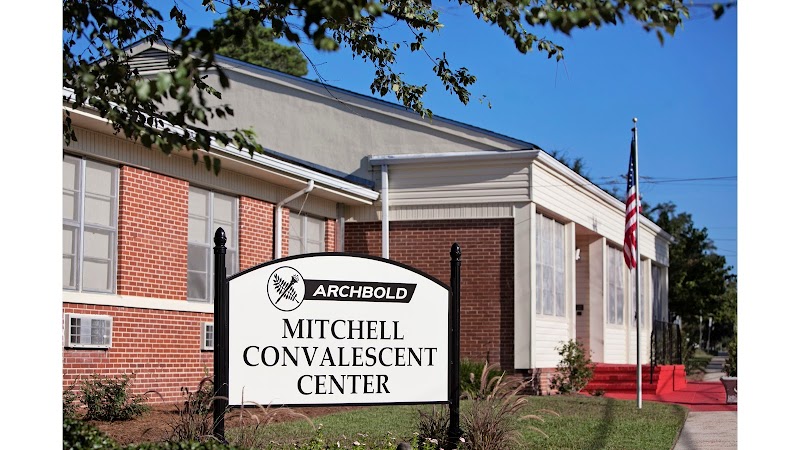
How is Archbold Living Camilla Staffed?

CMS rates ARCHBOLD LIVING CAMILLA's staffing level at 4 out of 5 stars, which is above average compared to other nursing homes. Staff turnover is 38%, compared to the Georgia average of 46%. This relatively stable workforce can support continuity of care.

What Have Inspectors Found at Archbold Living Camilla?

State health inspectors documented 35 deficiencies at ARCHBOLD LIVING CAMILLA during 2021 to 2025. These included: 2 that caused actual resident harm and 33 with potential for harm. Deficiencies causing actual harm indicate documented cases where residents experienced negative health consequences.
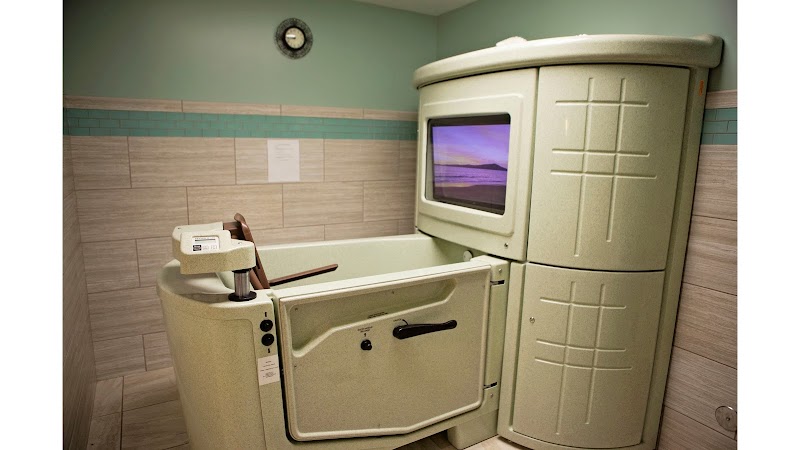
Who Owns and Operates Archbold Living Camilla?

ARCHBOLD LIVING CAMILLA is owned by a government entity. Government-operated facilities are typically run by state, county, or municipal agencies. The facility operates independently rather than as part of a larger chain. With 156 certified beds and approximately 134 residents (about 86% occupancy), it is a mid-sized facility located in CAMILLA, Georgia.

How Does Archbold Living Camilla Compare to Other Georgia Nursing Homes?

Compared to the 100 nursing homes in Georgia, ARCHBOLD LIVING CAMILLA's overall rating (1 stars) is below the state average of 2.6, staff turnover (38%) is near the state average of 46%, and health inspection rating (1 stars) is much below the national benchmark.

What Should Families Ask When Visiting Archbold Living Camilla?

Based on this facility's data, families visiting should ask: "Can I visit during a mealtime to observe dining assistance and food quality?" "How do you handle medical emergencies, and what is your hospital transfer rate?" "Can I speak with family members of current residents about their experience?"

Is Archbold Living Camilla Safe?

Based on CMS inspection data, ARCHBOLD LIVING CAMILLA has a clean safety record: no substantiated abuse findings (meaning no confirmed cases of resident harm), no Immediate Jeopardy citations (the most serious violation level indicating risk of serious injury or death), and is not on the Special Focus Facility watch list (a federal program monitoring the lowest-performing 1% of nursing homes). The facility has a 1-star overall rating and ranks #100 of 100 nursing homes in Georgia. While no facility is perfect, families should still ask about staff-to-resident ratios and recent inspection results during their visit.

Do Nurses at Archbold Living Camilla Stick Around?

ARCHBOLD LIVING CAMILLA has a staff turnover rate of 38%, which is about average for Georgia nursing homes (state average: 46%). Moderate turnover is common in nursing homes, but families should still ask about staff tenure and how the facility maintains care continuity when employees leave.

Was Archbold Living Camilla Ever Fined?

ARCHBOLD LIVING CAMILLA has been fined $25,246 across 4 penalty actions. This is below the Georgia average of $33,331. While any fine indicates a compliance issue, fines under $50,000 are relatively common and typically reflect isolated problems that were subsequently corrected. Families should ask what specific issues led to these fines and confirm they've been resolved.

Is Archbold Living Camilla on Any Federal Watch List?

ARCHBOLD LIVING CAMILLA is not on any federal watch list. The most significant is the Special Focus Facility (SFF) program, which identifies the bottom 1% of nursing homes nationally based on persistent, serious quality problems. Not being on this list means the facility has avoided the pattern of deficiencies that triggers enhanced federal oversight. This is a positive indicator, though families should still review the facility's inspection history directly.