PINE KNOLL NURSING & REHAB CTR
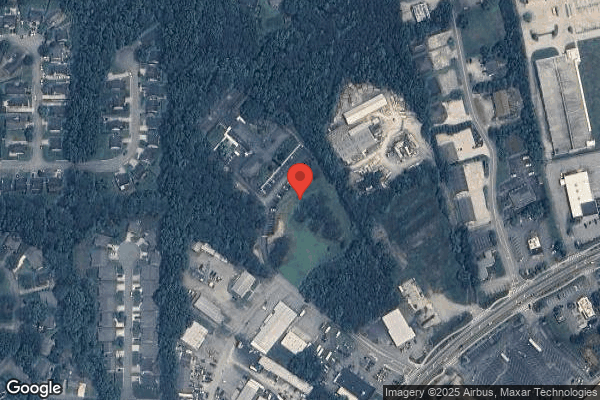
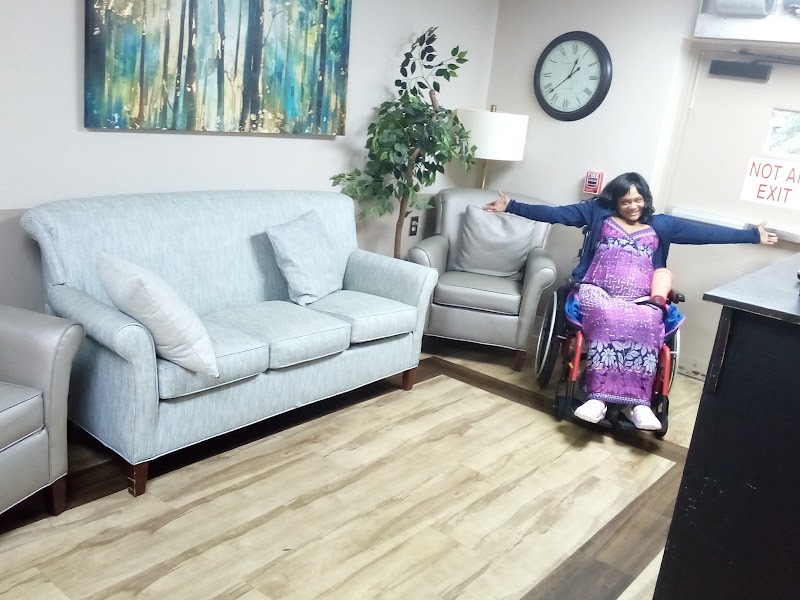
156 PINE KNOLL DRIVE, CARROLLTON, GA 30117 (770) 832-8243
For profit - Limited Liability company 122 Beds CYPRESS SKILLED NURSING Data: November 2025
Trust Grade
63/100
#146 of 353 in GA
Last Inspection: April 2025

Within standard 12-15 month inspection cycle. Federal law requires annual inspections.

Overview

Pine Knoll Nursing & Rehab Center has a Trust Grade of C+, indicating it is decent and slightly above average compared to other facilities. In Georgia, it ranks #146 out of 353, placing it in the top half, and it is the best option among the four nursing homes in Carroll County. The facility is improving, with issues decreasing from five in 2023 to one in 2025, but it still has significant concerns, including a staffing rating of just 1 out of 5 stars and a turnover rate of 60%, which is higher than the state average. Additionally, the facility has incurred fines of $20,244, higher than 80% of Georgia facilities, and offers less RN coverage than 94% of state facilities, which raises concerns about resident care and oversight. Specific incidents noted by inspectors included failure to properly label and discard expired food, inadequate medication storage practices, and lapses in COVID-19 screening protocols for staff and visitors, highlighting both strengths and weaknesses in the facility's operations.

Trust Score
C+
63/100
In Georgia
#146/353
Top 41%
Safety Record
Low Risk
No red flags
Inspections
Getting Better
5 → 1 violations
Staff Stability
⚠ Watch
60% turnover. Above average. Higher turnover means staff may not know residents' routines.
Penalties
✓ Good
$20,244 in fines. Lower than most Georgia facilities. Relatively clean record.
Skilled Nurses
⚠ Watch
Each resident gets only 13 minutes of Registered Nurse (RN) attention daily — below average for Georgia. Fewer RN minutes means fewer trained eyes watching for problems.
Violations
⚠ Watch
11 deficiencies on record. Higher than average. Multiple issues found across inspections.
★★★☆☆
3.0
Overall Rating
★☆☆☆☆
1.0
Staff Levels
★★☆☆☆
2.0
Care Quality
★★★★☆
4.0
Inspection Score
Stable
2023: 5 issues
2025: 1 issues

The Good

  • Full Sprinkler Coverage · Fire safety systems throughout facility
  • No fines on record

Facility shows strength in fire safety.

The Bad

3-Star Overall Rating

Near Georgia average (2.6)

Meets federal standards, typical of most facilities

Staff Turnover: 60%

14pts above Georgia avg (46%)

Frequent staff changes - ask about care continuity

Federal Fines: $20,244

Below median ($33,413)

Minor penalties assessed

Chain: CYPRESS SKILLED NURSING

Part of a multi-facility chain

Ask about local staffing decisions and management

Staff turnover is elevated (60%)

12 points above Georgia average of 48%

The Ugly 11 deficiencies on record

Apr 2025 1 deficiency
CONCERN (F) 📢 Someone Reported This

A family member, employee, or ombudsman was alarmed enough to file a formal complaint

Potential for Harm - no one hurt, but risky conditions existed

Food Safety (Tag F0812)

Could have caused harm · This affected most or all residents

Based on observation, staff interview, and review of the facility policies titled, Dating and Labeling and Food Storage - Refrigerators and Freezers, the facility failed to discard food in the walk-in...

Read full inspector narrative →
Based on observation, staff interview, and review of the facility policies titled, Dating and Labeling and Food Storage - Refrigerators and Freezers, the facility failed to discard food in the walk-in refrigerator by the use by date, to label opened food items in the walk-in refrigerator and dry storage area, and to follow recipes in the preparation of puree foods. This deficient practice had the potential to affect 102 residents receiving an oral diet. Findings include: Review of the facility policy titled Dating and Labeling dated 4/19/2022 and revised 4/5/2024 stated under Policy Statement: The kitchen will ensure food safety by maintaining proper dates and labels to all goods and ready to eat food products. Under Procedures, item two stated, Label products in storage with date the package was opened. Item four stated Ready to eat foods must be dated with a 72 hour use by date and discarded when expired. Item ten stated Discard all foods that expire immediately. Review of the facility policy for Food Storage - Refrigerators and Freezers dated 4/19/2022 and revised 4/5/2024 revealed under Refrigerator Food Storage item two section ii. All foods delivered by an approved vendor that are stored under refrigeration must be properly labeled and dated. Item iii. Stated Label with common name of food and Item iv. Date by which it should be consumed or discarded (use be date). Observation on 4/8/2025 at 9:15 am during a tour of the kitchen with [NAME] NN (the Certified Dietary Manager (CDM) was on vacation) revealed one-walk-in refrigerator/cooler that had breakfast and snack items including but not limited to eggs, cheeses, sour cream, lunch meats, chicken and beef bases, mayonnaise, jelly, whipped spread, apple sauce, jelly and other condiments. Randomly checked foods revealed expired pasta salad on 4/7/2025, lemon tea thickener expired 2/19/2025, an expired bag of cut lettuce expired 4/1/2025, and tomato bisque soup stored in aluminum steam table pan and not properly sealed or dated. There was a one-door reach in freezer containing bagged and undated waffles, broccoli florets, and chicken patties. The bag of chicken patties was open and not sealed or labeled/dated. During an interview on 4/9/2025 at 2:15 pm with the CDM, she indicated the items would be used within the day. She added that all staff were responsible for ensuring items were labeled and dated before placing them into cooler or freezers. During observation on 4/9/2025 at 4:50 pm the same one-door upright single freezer, the same undated waffles, broccoli florets and chicken patties were still present and not labeled or dated. Observation on 4/8/2025 at 9:25 am of pantry dry goods revealed an open bag of cornbread stuffing with no seal and no label or date. Menus posted in the hall were out of date, alternate menus were offered. Interview on 4/9/2025 at 9:20 am with the CDM revealed that she acknowledged the presence of Styrofoam food take out containers being used due to a broken dishwasher. She stated that maintenance was responsible for ordering the part and that she could provide the date ordered and the expected delivery date. The CDM stated that staff were to use the FIFO (first in, first out) method when putting away delivered food products.
Oct 2023 1 deficiency
CONCERN (D) 📢 Someone Reported This

A family member, employee, or ombudsman was alarmed enough to file a formal complaint

Potential for Harm - no one hurt, but risky conditions existed

Deficiency F0658 (Tag F0658)

Could have caused harm · This affected 1 resident

Based on resident and staff interviews, record review, and review of the facility policy titled, Administering Medications, the facility failed to ensure that Physician Orders for medication were foll...

Read full inspector narrative →
Based on resident and staff interviews, record review, and review of the facility policy titled, Administering Medications, the facility failed to ensure that Physician Orders for medication were followed for one of 25 residents (R) (R11) reviewed for professional standards. Specifically, R11 did not receive inhaler medication on 5/12/2023 or 5/13/2023. The findings include: Review of the facility policy titled, Administering Medications revealed .3. Medications must be administered in accordance with the orders, including any required time frame. Record review noted R11 was admitted with diagnoses including chronic obstructive pulmonary disease (COPD). Review of the medication administration record (MAR) for R11 identified that R11 was prescribed an inhalant, Breztri Aerosphere 160-9-4.8mcg [micrograms]. According to the Physician's Order, R #11 was to take two (2) puff inhalations orally two (2) times a day for the diagnosis of COPD. Further review of the MAR revealed the nursing staff did not administer the Breztri Aerosphere per Physician's Order on 5/12/2023 and 5/13/2023. Interview on 10/4/2023 at 10:16 am via telephone with R11, who no longer lives at the facility revealed she did not receive all of her inhaler treatments per physician order while residing at the facility. Interview on 10/4/2023 at 2:23 p.m. with the Director of Nursing (DON), the DON stated the facility failed to give a nebulizer treatment to R11 on 5/12/2023 and 5/13/2023 and was not able to identify why the medication was not given.
Feb 2023 4 deficiencies
CONCERN (D) 📢 Someone Reported This

A family member, employee, or ombudsman was alarmed enough to file a formal complaint

Potential for Harm - no one hurt, but risky conditions existed

Resident Rights (Tag F0550)

Could have caused harm · This affected 1 resident

**NOTE- TERMS IN BRACKETS HAVE BEEN EDITED TO PROTECT CONFIDENTIALITY** Based on observations, interviews, record review, and review of the facility policy titled Quality of Life - Dignity, the facili...

Read full inspector narrative →
**NOTE- TERMS IN BRACKETS HAVE BEEN EDITED TO PROTECT CONFIDENTIALITY** Based on observations, interviews, record review, and review of the facility policy titled Quality of Life - Dignity, the facility failed promote, maintain, and protect a resident's dignity for two of seven residents (R) (R#36 and R#95) with a urinary catheter. Findings included: Review of the policy titled Quality of Life - Dignity dated 2001 and revised 8/2009 revealed the policy statement of: Each resident shall be cared for in a manner that promotes and enhances quality of life, respect, and individuality. Policy and implementation item numbered 11: Demeaning practices and standards of care that compromise dignity are prohibited. Staff shall promote dignity and assist residents as needed by: a. Helping the resident keep urinary catheter bags covered. 1. On 1/31/23 at 10:20 a.m. an observation and interview with R#36 revealed was in bed in her room. A urinary catheter drainage bag containing yellow urine was observed secured to the bed frame and not in a privacy bag. The bag was visible in the room and from the hallway. R#36 revealed she was unsure how long she had the urinary catheter and was unsure if there was a privacy bag for it. On 2/1/23 at 8:35 a.m. an observation of R#36 revealed was in bed in her room. A urinary catheter bag containing yellow urine was observed secured to the bed frame and not in a privacy bag. The bag was visible in the room and from the hallway. On 2/1/23 at 11:45 a.m. R#36 was observed to be self-propelling in a wheelchair in the hallway just outside of the resident dining room. Urinary catheter bag was observed to be attached to the lower back of the wheelchair in a privacy bag. On 2/2/23 at 9:50 a.m. an observation of R#36 revealed was in bed in her room. A urinary catheter bag was observed to be secured to the bed frame and without a privacy bag. The bag was visible in the room and from the hallway. Clinical record review revealed R#36 was admitted on [DATE] with diagnosis including paraplegia (complete), retention of urine, neuromuscular dysfunction of the bladder. Review of the quarterly Minimum Data Set (MDS) dated [DATE] revealed sections: C- indicated a Brief Interview for Mental Status (BIMS) score of 14 (indicating resident was cognitively intact), D - mood severity score of 3, E - behaviors not exhibited, G - required extensive assistance of 2 persons for bed mobility, total dependence of 2 persons for transfers, total dependence of 1 person for toileting, dressing and personal hygiene, required set-up assistance for eating, H - had an indwelling catheter. Review of the physician's orders revealed (not all inclusive): 1/22/23: change indwelling catheter on 21st of each month and as needed (prn) - 20 French with a 30 milliliter (ml) balloon. 10/13/22: Foley catheter: catheter care every shift and prn. Review of the care plan revealed a focus area of had a suprapubic catheter. A goal was to show no signs of a urinary infection through the next review date. Approaches included to check the tubing for kinks every shift, monitor for signs of discomfort due to the catheter, monitor for signs of a urinary infection. Review of the medication administration record (MARS) dated 11/1/22-1/31/23 revealed catheter cares were documented as provided as ordered. On 2/1/23 at 12:35 p.m. an interview with Licensed Practical Nurse (LPN) HH revealed urinary catheter bags are kept inside a privacy bag unless the bag is being emptied or changed. She revealed certified nursing assistants (CNAs) are responsible for assuring catheter bags are in privacy bags and further revealed all nursing staff should assure catheter bags are placed in privacy bags. Observation of R#36 with LPN HH verified the catheter bag was not in a privacy bag. On 2/2/23 at 9:55 a.m. an interview with CNA II revealed CNAs provides catheter cares with ADLs cares. He revealed urinary catheter bags should be in a privacy bag when the resident is out of the room or in the wheelchair and was unsure if the privacy bag was needed when the resident was in their bed. He revealed he works prn (as needed) and completes online training through Relias online program and had not received specific instruction about urinary catheter privacy bags. 2. On 01/31/23 at 11:39 a.m. observation of R#95 revealed was in bed in his room. A urinary catheter bag was observed with yellow urine and was attached to the bedframe and not in a privacy bag, visible to anyone in the room. On 2/1/23 at 8:50 a.m. observation and interview of R#95 revealed was in bed in his room. Resident revealed he had a urinary catheter due to urinary retention and was unsure if the bag was in a privacy bag. He revealed he is on transmission-based precautions (TBP) and normally is out of bed in a wheelchair a few times a week. Observation revealed urinary catheter bag lying on the floor next to resident's bed and without a privacy bag and visible to anyone in the room. On 2/1/23 at 1:55 p.m. observation of R#95 revealed was in bed in his room and the urinary catheter bag was lying on the floor next to resident's bed and without a privacy bag and visible to anyone in the room. R#95 revealed he is unaware of the location of the catheter bag. On 2/2/23 at 9:00 a.m. observation of R#95 revealed was in bed in his room. Observation revealed a urinary catheter bag secured to the bed frame with yellow urine, without a privacy bag and visible to anyone in the room. Clinical record review revealed R#95 was admitted on [DATE] with diagnosis including acute kidney failure, retention of urine, altered mental status. Review of the admission MDS dated [DATE] revealed: sections C- BIMS score of 2 (indicating severe cognitive impairment), D - mood severity score of 9, E - behaviors not exhibited, G - required limited to extensive of 1-2 persons for all activities of daily living (ADLs), H - had indwelling catheter. Review of the physician's orders revealed (not all inclusive): 1/22/23: Foley Catheter: Foley Catheter 16 French with 10ml balloon to bedside bag. 11/1/22: Foley catheter: Catheter care every shift and prn. Review of the care plan revealed a focus of had a urinary catheter due to urinary retention. The goal was to remain free from catheter related trauma through the next review date. Interventions included to check the tubing for kinks each shift, empty the catheter every shift and prn, catheter care every shift, monitor for discomfort related to the catheter. Review of the MARS dated 1/1/23-1/31/23 revealed no documented urinary catheter cares or a section for catheter cares. On 2/1/23 at 2:00 p.m. an interview with LPN LL revealed CNAs are responsible for assuring urinary catheter bags are secured in a privacy bag and maintaining the bag off the floor. Observation with LPN LL of R#95 verified the urinary catheter bag to be lying on the floor and not in a privacy bag with urine visible. She verified there was not a privacy bag visible in R#95's room. She revealed she will educate CNAs to assure a privacy bag is in place for R#95. On 2/2/23 at 9:40 a.m. an interview with CNA KK revealed urinary catheter bags should always be in a privacy bag. She revealed she was unaware of a resident not having a urinary catheter privacy bag. She further revealed the privacy bags are kept in the supply closet and available to staff as needed. On 2/2/23 at 10:45 a.m. an interview with the DON revealed her expectation is for urinary catheter bags to be secured in a privacy bag regardless of the location of the resident. She revealed she plans to educate staff to place urinary catheter collection bags in privacy bags regardless of the resident's location and to ensure urinary catheter bag privacy bags are readily available and easily accessible to staff in the supply rooms.
CONCERN (D) 📢 Someone Reported This

A family member, employee, or ombudsman was alarmed enough to file a formal complaint

Potential for Harm - no one hurt, but risky conditions existed

Safe Environment (Tag F0584)

Could have caused harm · This affected 1 resident

**NOTE- TERMS IN BRACKETS HAVE BEEN EDITED TO PROTECT CONFIDENTIALITY** Based on observations, staff interviews, and review of facility document titled, Housekeeping In-Service Training, Bathroom Clea...

Read full inspector narrative →
**NOTE- TERMS IN BRACKETS HAVE BEEN EDITED TO PROTECT CONFIDENTIALITY** Based on observations, staff interviews, and review of facility document titled, Housekeeping In-Service Training, Bathroom Cleaning with a revised date of March 2020, the facility failed to maintain a safe, clean, sanitary environment related to a build-up of whit fuzzy material on vent covers in six of six adjoining bathrooms 211/212, 216/217, 218/219, 220/221, 222/223, 224/225, and bathroom [ROOM NUMBER] on the [NAME] Wing. The deficient practice had the potential to affect 39 residents residing in 13 rooms on the [NAME] Wing. The sample size was 22. Findings included: Review of facility document titled, Housekeeping In-Service Training, Bathroom Cleaning, revealed the purpose of: To provide all housekeeping employees with a complete outline of the equipment and supplies necessary to perform the daily routine of a bathroom cleaning. Daily cleaning will ensure optimum levels of cleanliness and sanitation, prohibit the spread of infection and bacteria, and maintain the outward appearance of the facility. The section titled Steps in the Daily Cleaning of a Resident and Public Bathroom number nine revealed: High dust any ceiling fixtures: vents, lights, corners, and edges, etc., using a high duster with extension. The facility did not provide a housekeeping policy. Observations on 1/31/23 at 10:20 a.m., 2/1/23 at 11:30 a.m., and 2/2/23 at 10:40 a.m. revealed a buildup of white fuzzy material on the ceiling vent covers in shared resident bathrooms 211/212, 216/217, 218/219, 220/221, 222/223, 224/225, and unshared bathroom [ROOM NUMBER] on the [NAME] Wing. On 2/2/23 at 11:20 a.m. a walking tour with the Director of Housekeeping and Regional Manager AA verified the presence of white fuzzy material on the ceiling vents in the listed restrooms. The Director of Housekeeping revealed one of the housekeeping staff had been out of work, there was not a replacement and housekeeping was short staffed. She verified the vents should be clean and she would have them cleaned today. On 2/3/23 at 11:33 a.m. an interview with the Administrator revealed her expectations are for routine cleaning to be performed as scheduled and for daily cleaning to include restroom vents. On 2/2/23 at 1:15 p.m. an interview with the Director of Housekeeping revealed resident rooms and restrooms are scheduled to be cleaned daily. She revealed the ceiling vents should be checked daily and cleaned as needed. A review of the bathroom cleaning schedule provided by the Director of Housekeeping revealed resident bathrooms are scheduled to be cleaned daily and the steps included to high dust any ceiling fixtures: vents, lights, corners and edges, etc. using a high duster with extension. A review of the daily cleaning check off list dated 1/1/23-1/31/23 and initialed by housekeeping staff revealed [NAME] Wing resident rooms and restrooms were documented to have been cleaned daily. The Director of Housekeeping revealed she was unsure of the date the vents were cleaned and she had no explanation for the vents to have fuzzy material on them. She further revealed she plans to provide education to housekeeping staff about cleaning all areas of the resident room and restroom to include the ceiling vents. She revealed she plans to perform daily random checks of resident rooms and restrooms to ensure rooms are being cleaned.
CONCERN (D) 📢 Someone Reported This

A family member, employee, or ombudsman was alarmed enough to file a formal complaint

Potential for Harm - no one hurt, but risky conditions existed

Deficiency F0761 (Tag F0761)

Could have caused harm · This affected 1 resident

**NOTE- TERMS IN BRACKETS HAVE BEEN EDITED TO PROTECT CONFIDENTIALITY** Based on observations, interviews, review of the policies titled Storage of Medications, Administering Medications and Controlle...

Read full inspector narrative →
**NOTE- TERMS IN BRACKETS HAVE BEEN EDITED TO PROTECT CONFIDENTIALITY** Based on observations, interviews, review of the policies titled Storage of Medications, Administering Medications and Controlled Substances, and review of the document titled Omnicare Medication Storage Guidelines, the facility failed to ensure treatment dressings were stored properly, failed to ensure that one oral inhaled medication was labeled with an open date, two ophthalmic solutions were labeled with an open date, three ophthalmic solutions were discarded after use by date on one of five medication carts (Unit 1 - Cart 1), failed to ensure that four ophthalmic solutions were labeled with an open date, six ophthalmic solutions were discarded after use by date, and five Insulin pen injectables were labeled with an open date on one of five medication carts (Unit 2- Cart3), failed to ensure medications and injection supplies were stored securely and that resident identifying information was secure and not accessible on one of five medication carts when unattended (Unit 2 - Cart 3), failed to ensure that one of five medication carts (Unit 2 - Cart 1) was locked and secured when unattended and out of the view of the nurse, and failed to ensure that controlled medications were counted and documented at the beginning and end of each shift on three of five medication carts (Unit 1- Cart 1, Unit 2 - Cart 1, Unit 2- Cart 3). The sample size was 22. Findings included: 1. A. Review of the undated policy titled Storage of Medications revealed the policy statement of: The facility shall store all drugs and biologicals in a safe, secure, and orderly manner. The policy interpretation and implementation sections numbered: 2. The nursing staff shall be responsible for maintaining medication storage and preparation areas in a clean, safe, and sanitary manner. 4.The facility shall not use discontinued, outdated, or deteriorated drugs or biologicals. B. Review of the undated policy titled Administering Medications revealed policy interpretations and implementation section numbered 7. During administration of medications, the medication cart will be kept closed and locked when out of sight of the medication nurse or aide. The cart must be clearly visible to the personnel administering medications. C. Review of the document titled Omnicare Medication Storage Guidance dated 2022 revealed: page 4: ophthalmic products should be dated when opened and discard unused portion after 28 days, page 5: latanoprost ophthalmic solution should be dated when opened and discard after 6 weeks, page 9: Trelegy Ellipta inhaler should be dated when opened and discard after 6 weeks, page 10: Basaglar pen should be discarded 28 days after opening, page11: Novolog pen should be discarded 28 days [NAME] opening. 1. Observations on 1/31/23 at 10:30 a.m. and 2/1/23 at 8:45 a.m. of R#93's room revealed five boxes (containing ten dressings per box) of Reinforced Gelling Fiber +Ag 4-inch by 4.75-inch wound dressing and one open box containing seven dressings located on the windowsill just above the heating unit. Interviews with R#93 on 1/31/23 at 10:30 a.m. and 2/1/23 at 8:45 a.m. revealed she was unaware how long the boxes of treatment dressings had been in her room and was unsure who placed them in her room. She revealed she had a place on her left thigh and the wound care nurse changed a dressing on the areas daily. Clinical record review revealed R#93 had a Brief Interview for Mental Status (BIMS) of 15, indicating is cognitively intact and required extensive assistance of two persons for transfers. Review of the physician's orders revealed an order for wound care to include applying a dressing to left thigh every two days. Review of the wound care administration (WARS) revealed documentation of daily wound care to include applying alginate calcium with sliver dressing and cover with super absorbent pad. On 2/1/23 at 11:50 a.m. an interview with LPN JJ revealed all treatment supplies including dressings were stored in the treatment cart or in the medication storage room. At 11:52 a.m. observation of R#93 room with LPN JJ verified the boxes of dressings to be located on the windowsill in R#93's room. She revealed treatment dressings are normally delivered to the facility in boxes, the shipping label may contain the resident's name and the box could be delivered to the resident's room by the activity department. She removed the dressings from the room. On 2/2/23 at 10:05 a.m. an interview with the Activity Director revealed she delivers mail and packages to residents. She further revealed she often assists residents with opening packages and if a package contains medical supplies, she notifies the nurse or the Director of Nurses (DON). She revealed she was unaware of opening any packages containing medical supplies for R#93. On 2/3/22 at 10:50 a.m. an interview with the DON revealed her expectation is for any packages that contain medical supplies to be reported to her or the unit manager. She revealed she was unaware of any medical supplies being stored in a resident room. She further revealed she plans to provide education to all nursing staff to assure resident rooms do not contain medical supplies. 2. On 1/31/23 at 5:15 p.m. observation of medication cart on Unit 2-Cart 1 revealed two open Lubricant Eye Drops Ultra 15 milliliters (ml) without an open or discard date, three Lubricant Eye Drops Ultra 15ml with open date beyond 28 days, one Artificial Tears 15ml with open date beyond 28 days, one Trelegy Ellipta inhaler without an open or discard date. On 1/31/23 at 5:35 p.m. Licensed Practical Nurse (LPN BB) verified the absence of open dates and beyond use dates for the listed medications. She revealed she normally dates all medications when she opens them and was unsure if ophthalmic solutions and oral inhaled medications should be dated when opened. On 1/31/23 at 5:45 p.m. observation of medication cart on Unit 2-Cart 3 revealed four open Artificial Tears Lubricant Eye Drops 15ml without an opened or discard date, six open Artificial Tears Lubricant Eye Drops 15ml with open date beyond 28 days, one open latanoprost 0.0005% ophthalmic solution 2.5ml with open date beyond 6 weeks, two Novolog Pen 100 units without an open date, three Basaglar Pen without an open date. On 1/31/23 at 6:00 p.m. LPN CC verified the absence of open dates and beyond use dates for the listed medications. She revealed she was unsure if ophthalmic solutions and oral inhaled medications should be dated when opened. She further revealed Insulin pens should be dated when opened. 3. On 2/2/23 at 10:13 a.m. observation of an unattended medication cart located on Unit 2 against a wall between rooms [ROOM NUMBERS] with the drawers and computer screen facing the hallway. The following items were observed to be located on top of the cart and easily accessible: the computer screen was opened with R#73's medical information visible, one glass ampule of injectable Promethazine 25milligram (mg)/ml, one Lantus Pen injector 100 units/ml with the injector needle attached, one ipratropium-albuterol inhalation solution 0.5-2.5/3ml single dose container, one 30ml medication cup that contained one oval shaped brown tablet and one round pale yellow tablet, one 3 cc syringe, one hypodermic needle in an opened packet. On 2/2/23 at 10:15 a.m. RN EE approached the cart and verified the computer screen was open with R#73's medical information visible and the listed medications and medical supplies were left unattended on the top of the medication cart. He revealed the medications in the cup were for R#73 and verified the name of each medication. He further revealed he had left the cart unattended with the medications, supplies and the open computer screen on top of the cart when he went to the nurse's station to call a provider about a medication order. He revealed he normally does not leave medications or medical supplies unattended. He further revealed he should have closed the computer screen and secured the medications and injection supplies in a locked cart. 4. On 2/2/23 at 3:49 p.m. observation of a medication cart located at Unit 2 in front of the nurse's station and with the drawers facing the hallway revealed the cart to be unlocked and unattended. There were no personnel within site of the cart. One resident was observed propelling past the unlocked cart in her wheelchair. At 3:52 p.m. LPN MM approached a medication cart located to the immediate left of the unlocked cart and walked away from the carts. At 3:55 p.m. LPN MM walked past the unlocked cart. At 4:00 p.m. two residents were observed propelling past the unlocked cart in her wheelchair. At 4:01 p.m. LPN MM approached the medication cart located next to the unlocked cart and rolled the cart down the hallway and past the unlocked cart. At 4:04 p.m. the Director of Nurses (DON) approached the cart and locked it. On 2/1/23 at 8:00 a.m. an interview with the DON revealed her expectations are for ophthalmic solutions, oral inhalers, and Insulin pens to be labeled with an open or a discard date when opened. She revealed she plans to provide education to nursing staff to ensure proper labelling of ophthalmic solutions, oral inhalers, and Insulin pens. On 2/2/23 at 8:51 a.m. a telephone interview with Pharmacist GG of Omnicare of Atlanta Pharmacy Services revealed that Omnicare of Atlanta Pharmacy Services provides their associated facilities with guidelines for discarding medications and expects the facility to follow those guidelines. On 2/2/23 at 10:30 a.m. an interview with the DON revealed her expectations are for medications, injection supplies, and resident medical information to be secured when unattended and to never be left unattended on the medication carts. She revealed she plans to provide education to the nurses about securing resident medical information, medications, and injection supplies at all times. On 2/2/23 at 4:05 p.m. an interview with the DON revealed her expectations are for medication carts to be locked and secure when left unattended and when not in clear site of the nurse. She revealed she plans to educate nursing staff about the importance of ensuring they lock the medication carts when they are left unattended. 2. Review of the undated policy titled Controlled Substances revealed the policy statement of: The facility shall comply with all laws, regulations, and other requirements related to handling, storage, disposal, and documentation of Schedule II and other controlled substances. Policy interpretation and implementation section numbered 7: Nursing staff must count controlled medications at the end of each shift. The nurse coming on duty ans the nurse going off duty must make the count together. They must document and report any discrepancies to the Director of nursing Services. On 1/31/23 at 5:30 p.m. observation of the controlled substance sign-out book on Unit 2 Cart 1 medication cart revealed the document titled Controlled Medication Count Sheet (8-hour shift) dated 1/1/23-1/31/23 revealed 57 missing signatures. The missing signatures were verified with LPN BB. At 5:35 p.m. an interview with LPN BB revealed she was aware the controlled medication count sign-out sheet should be signed by the off going and oncoming nurse at each shift change after the nurses count the controlled medications to verify the counts are correct. She revealed she signs appropriately and was unsure why there were missing signatures. The sheet revealed signatures of two nurse at the most recent shift change. On 1/31/23 at 5:55 p.m. observation of the controlled substance sign-out book on Unit 2 Cart 3 medication cart revealed the document titled Controlled Medication Count Sheet (8-hour shift) dated 1/1/23-1/31/23 revealed 97 missing signatures. The missing signatures were verified with LPN CC. At 6:00 p.m. an interview with LPN CC revealed she was aware the controlled medication sign-out sheet should be signed by each nurse at shift change after controlled medication counts and she thinks nurses just forget to sign the form. The sheet revealed signatures of two nurse at the most recent shift change. On 2/1/23 at 10:25 a.m. observation of the controlled substance sign-out book on Unit 1 Cart 1 medication cart revealed the document titled Controlled Medication Count Sheet (8-hour shift) dated 1/1/23-1/31/23 revealed 61 missing signatures. The missing signatures were verified with LPN DD. At 10:30 a.m. LPN DD revealed she was aware the controlled medication sign-out sheet should be signed by the nurses at each shift change after the count of the controlled medications to verify the medications were counted and the count was correct. She further revealed that nurses forget to sign the sheet and she had no other explanation for the missing signatures. The sheet revealed signatures of two nurse at the most recent shift change. On 2/1/23 at 11:05 a.m. observation of the controlled medication count sheets for medication carts Unit 2 Cart 1, Unit 2 Cart 3, Unit 1 Cart1 with the DON verified the missing signatures. An interview with the DON revealed her expectations are for the controlled medication count sheet to be signed at each shift count by the oncoming and off going nurse, after the medications are counted and verified to be correct. She further revealed nurses had received education to include controlled medication count sheets and she plans to reeducate the nursing staff over the controlled medication count sheets.
CONCERN (D) 📢 Someone Reported This

A family member, employee, or ombudsman was alarmed enough to file a formal complaint

Potential for Harm - no one hurt, but risky conditions existed

Infection Control (Tag F0880)

Could have caused harm · This affected 1 resident

**NOTE- TERMS IN BRACKETS HAVE BEEN EDITED TO PROTECT CONFIDENTIALITY** Based on observation, interviews, record review, and policy review, the facility failed to ensure storage of nebulizer mask in a...

Read full inspector narrative →
**NOTE- TERMS IN BRACKETS HAVE BEEN EDITED TO PROTECT CONFIDENTIALITY** Based on observation, interviews, record review, and policy review, the facility failed to ensure storage of nebulizer mask in a manner to prevent cross contamination for one of 14 residents (R) (R#93) receiving nebulizer administration. Findings included: 1. Review of the policy titled Administering Medications Through a Small Volume (Handheld) Nebulizer dated 2001 and revised October 2010 revealed a purpose of to safely and aseptically administer aerosolized particles of medication into the resident's airway. The section titled Steps in the Procedure line number 29 stated: When equipment is completely dry, store in a plastic bag with the resident's name and the date on it. On 1/31/23 at 10:30 a.m. and 2/1/23 at 8:45 a.m. observations of R#93's room revealed a nebulizer machine on the bedside table with a nebulizer mask lying on top of the table, not in a protective bag and exposed to the environment. On 1/31/23 at 10:30 a.m. and 2/1/23 at 8:45 a.m. interviews with R#93 revealed she had not used the nebulizer in a few days. She revealed she used the nebulizer for excessive cough. She further revealed she is unsure if the mask is ever placed into a protective bag. A review of the clinical record revealed that R#93 is an [AGE] year-old female admitted on [DATE] with diagnosis including (not all inclusive) acute respiratory failure with hypoxia, shortness of breath. A review of the quarterly Minimum Data Set (MDS) dated [DATE] for R#93 revealed: section C revealed a Brief Interview for Mental Status (BIMS) score of 15 (indicating is cognitively intact), section G revealed R#93 required extensive assistance of one person for bed mobility, personal hygiene, and toileting and required extensive assistance of two persons for transfers. A review of the physician's orders revealed an order dated 1/13/23: ipratropium-albuterol inhalation solution 0.5-2.5 milligrams (mg)/3 milliliters (ml), 1 inhalation inhale orally every 6 hours as needed for wheezing. A review of the care plan revealed a focus of altered respiratory status with a goal of will have no signs of poor oxygen absorption. Approaches included: administer oxygen and puffers as ordered and monitor for side effects, monitor for signs of respiratory distress and report to the physician. A review of the Medication Administration Record (MARS) dated 1/1/23-1/31/23 revealed R#93 received ipratropium-albuterol inhalation solution 0.5-2.5mg/3ml one inhalation on 1/17/23, 1/18/23, 1/22/23, 1/30/23. There was no documentation to indicate care of the nebulizer mask. A review of the nurses' notes revealed no documentation to indicate care of the nebulizer mask. On 2/2/23 at 9:45 a.m. an interview with Certified Nursing Assistant (CNA) II revealed he worked prn (as needed) and revealed the nurses are responsible for oxygen and other respiratory cares and equipment cares. He revealed he is aware to report any concerns to the nurse. He revealed he completes online training through Relias online and is unaware if he had completed any respiratory courses. Review of the Alliant information reflects training in infection control and does not indicate training in respiratory cares. On 2/1/23 at 12:30 p.m. an interview with Licensed Practical Nurse (LPN) HH revealed the nurses are responsible for providing respiratory services and nebulizer masks should be placed in a protective bag when not in use. Observation of R#93 nebulizer mask with LPN HH verified the mask to be lying on the bedside table, not in a bag and exposed to the environment. She was unable to locate a protective bag for the mask in the room. She revealed she will locate and place the mask in a protective bag. On 2/1/23 at 12:40 p.m. an interview with the Director of Nursing (DON) revealed her expectation is for nebulizer mask to be placed in a protective bag when not in use. She revealed the nursing staff is responsible for ensuring nebulizer mask are in a protective bag when not in use. She revealed she plans to educate nursing staff to place the nebulizer mask in bags when not in use.
Sept 2021 5 deficiencies
CONCERN (D)

Potential for Harm - no one hurt, but risky conditions existed

Comprehensive Care Plan (Tag F0656)

Could have caused harm · This affected 1 resident

**NOTE- TERMS IN BRACKETS HAVE BEEN EDITED TO PROTECT CONFIDENTIALITY** Based on observations, record review, staff interviews and policy review, the facility failed to follow the care plan for one re...

Read full inspector narrative →
**NOTE- TERMS IN BRACKETS HAVE BEEN EDITED TO PROTECT CONFIDENTIALITY** Based on observations, record review, staff interviews and policy review, the facility failed to follow the care plan for one resident (R) R#16 for documentation of respiratory status each shift; also failed to develop a care plan for two residents (R) R#87 and R#89 for Oxygen therapy. The sample size was 40 residents. Findings Include: Review of the facility policy titled Comprehensive Care Plans dated 12/2017 revealed the center policy is develop and implement a comprehensive person-centered care plan for each resident, consistent with resident's rights, that includes measurable objectives and time frames to meet a resident's medical, nursing, mental and psychosocial needs that are identified in the resident's comprehensive assessment. 1. Review of the clinical record for R#16 revealed an admission date of 7/13/2020, with diagnoses of but not limited to acute respiratory failure with hypoxia, dependence on supplemental Oxygen, diabetes, asthma, seizure disorder and neuropathy. The resident's most recent annual Minimum Data Set (MDS) dated [DATE], revealed a Brief Interview for Mental Status (BIMS) was not coded, which indicated severe cognitive impairment. Section G revealed resident was dependent for all care provided. Section O revealed resident required Oxygen, suctioning and tracheostomy care. Review of the care plan initiated on 8/4/2020 and revised on 6/30/2021, revealed to monitor and document respirations, depth, and quality each shift as ordered. Review of the EMR vitals log for R#16 revealed the last date that respiration rate was documented was 7/29/2021. Review of electronic medical record (EMR) nursing notes/health status notes dated 3/3/2021 to 9/30/2021 revealed no evidence that respirations were not documented each shift as ordered. Interview on 9/29/2021 at 11:14 a.m. with Licensed Practical Nurse (LPN) BB, at the East Wing Nurse's Station, revealed she has been employed at the facility for 13 years. LPN BB stated tracheostomy care is provided at the beginning of every shift. She stated that monitoring Oxygen levels and respirations is a part of the tracheostomy care process. LPN BB stated tracheostomy care is documented in the Treatment Administration Record (TAR). During further interview, LPN BB stated she was unable to locate R#16 TAR record. LPN BB stated she has gotten accustomed to doing the tracheostomy care, and she forgets to complete the documentation. Interview on 9/29/2021 at 12:07 p.m. with Director of Nursing (DON), in her office, revealed she is unable to recall the last time training was completed for respiratory/tracheostomy care. She stated she was not aware that tracheostomy care was not being documented for R#16. During further interview, she confirmed there was no documentation in R#16's EMR for the past six months. 3. A review of the clinical record for R #87 ([NAME]) revealed resident was admitted to the facility on [DATE] with diagnoses of but not limited to diabetes, chronic obstructive pulmonary disease (COPD), PVD, depression, hypertension (HTN) and bilateral below knee amputation. The resident's most recent quarterly Minimum Data Set (MDS) dated [DATE], revealed a Brief Interview for Mental Status (BIMS) coded as 13, which indicated no cognitive impairment. Section G revealed resident required extensive/total assistance of one-two persons for all care provided. Section O revealed no evidence resident required Oxygen currently, or prior to admission. Review of the care plan initiated on 3/11/2019 revealed resident has altered respiratory status related to COPD. Interventions to care include monitor for difficulty for breathing and remind resident not to push beyond endurance; monitor, document and report any signs/symptoms of infection. There is no evidence of an intervention that resident uses Oxygen therapy. Review of the September 2021 Order Summary Report revealed no evidence of an order for Oxygen administration. 2. A review of the clinical record for R #89 revealed resident was admitted to the facility on [DATE] with diagnoses of but not limited to respiratory distress, dependence on supplemental Oxygen, hypertension (HTN), chronic obstructive pulmonary disease (COPD), pulmonary embolism and dementia. The resident's most recent quarterly Minimum Data Set (MDS) dated [DATE], revealed a Brief Interview for Mental Status (BIMS) was not coded, which indicated severe cognitive impairment. Section G revealed resident required extensive/total assistance of two persons for all care provided. Section O revealed no evidence resident required Oxygen currently, or prior to admission. Review of the care plan initiated on 8/27/2021 revealed resident has altered respiratory status and difficulty breathing. Interventions to care include monitor for signs and symptoms of respiratory distress and report to Physician as needed and position resident with proper body alignment for optimal breathing pattern. There is no evidence of an intervention that resident uses Oxygen therapy. Review of the care plan initiated on 9/30/2021 revealed resident is on Oxygen therapy related to ineffective airway exchange. Interventions to care include provide extension tubing or portable tanks if resident is ambulatory, Oxygen at two liters (L) via nasal cannula (N/C) and position resident to facilitate ventilation/perfusion matching. Review of the undated Pine [NAME] Nursing and Rehab Nursing Report revealed Oxygen Needs-resident on 02 marked as no. Review of the September 2021 Order Summary Report revealed the order for Oxygen administration was not ordered until September 30, 2021. Observation on 9/28/2021 at 11:07 a.m. revealed Oxygen concentrator at R#89 bedside is running at 2 L, with N/C tubing wrapped around bed rails. Observation on 9/29/2021 at 7:58 a.m. revealed R#89 lying in bed with head of bed elevated and oxygen in use at 2 L via N/C. Interview on 9/29/2021 at 8:20 a.m. with Registered Nurse (RN) BB, confirmed R#89 had an Oxygen concentrator in his room and that he was using Oxygen, via N/C. During further interview, she confirmed there was no PO for resident to use Oxygen. Interview on 9/29/2021 at 8:30 a.m. with the DON, revealed that residents on oxygen should have an order before it is applied. She stated the order can be received from the Physician or the Nurse Practitioner. The DON confirmed that R#89 did not have an order for Oxygen but was receiving Oxygen therapy.
CONCERN (D)

Potential for Harm - no one hurt, but risky conditions existed

Respiratory Care (Tag F0695)

Could have caused harm · This affected 1 resident

Resident #16 Review of Resident #16's clinical record did not reflect physician orders for the usage of a tracheostomy compressor or tracheostomy care. Observation completed on 9/30/21, 10:14 a.m.- 10...

Read full inspector narrative →
Resident #16 Review of Resident #16's clinical record did not reflect physician orders for the usage of a tracheostomy compressor or tracheostomy care. Observation completed on 9/30/21, 10:14 a.m.- 10:47 A.M. Resident observed with 35% Automatic tube compensation in place. Trach care and tracheal suctioning performed by Staff BB with appropriate standards of practice. There were no infection control concerns as sterile technique was utilized. Staff Interviews: Staff BB, Licensed Practical Nurse (LPN), East Wing Nurse's Station, 9/30/21 at 10:50 a.m. Staff BB verified there was no order in the record for tracheostomy care or the use of the tracheostomy compressor for R #16. Staff BB checked the Medication Administration Record, Treatment Administration Record and Miscellaneous sections of the electronic medical record. According to Staff BB tracheostomy care is provided at the beginning of every shift as required by the care plan. Director of Nursing (DON), Registered Nurse (RN), DON office, 9/30/21 at 11:00 a.m. Director of Nursing (DON) reported she was not aware there was no order in the record for the tracheostomy compressor or tracheostomy care. DON reviewed the medical record and confirmed there was no order. DON stated, the nurses, Assistant Director of Nursing and DON were responsible for ensuring the orders were current and she would follow up on the missing order. DONE Record reviews Electronic and paper chart for R #87 revealed no orders for Oxygen. Record reviews Electronic and paper chart for R #24 revealed no orders for Oxygen. Observation 9/27/21 at 8:57 a. m. R# 87 in his room in bed finishing breakfast. Head of bed elevated. O2 via nasal cannula at 2 liters per minute with humidification was being administered. Tubing was labeled with date of 9/27/21. R# 87 Revealed I had problems breathing and they put me on oxygen and then it gave me pneumonia. Observation 9/29/21 at 8:30a.m. R#87 in his room revealed lying in bed, eyes closed. Receiving O2 on at 2 liters per minute via nasal cannula, no respiratory distress noted. Observation 9/28/21 8:35 a. m. of R#24 resting in bed eyes close head of bed elevated call light within reach. O2 via nasal cannula with humidification 2 liters per minute tubing dated 9/26/21 no respiratory distress noted. Observation on 9/29/21 at 4:30 p. m. revealed she is not currently receiving any type of Physical therapy and is not interested in receiving at this time. O2 via nasal cannula with humidification 2 liters per minute. tubing dated 9/26/21 no respiratory distress noted. During an interview on 9/28/21 at 11:00a.m. with R#87 revealed he has been using oxygen for a while and he was unsure if it had been weeks or months. Further interview revealed he was having issues breathing so they gave him oxygen to use. Stated that he thought using oxygen had given him pneumonia. Denied any respiratory distress at time of interview. During an interview on 9/29/21 at 4:20PM. with R#24 revealed she has used oxygen for a long time not sure when it was started does not need it all the time. Further revealed the nurses change the tubing every week. During an interview on 9/30/21 at 9:30a.m. with Licensed Practical Nurse LPN NN revealed when a resident is using O2 they have an order for it. Oxygen therapy is started when the Dr orders it, and a nurse usually brings it into the room for use. Further revealed they would not be using O2 if it wasn't ordered, and the order should be on the chart but was unable to locate the orders for R#87 and R#24. During an interview on 9/30/21 at 9:05 a. m with LPN JJ Revealed I only work part-time as far as I know the Dr. writes orders before a Resident is started on oxygen therapy. Was unable to find order on chart for R#87 and R#24. Based on observations, record reviews, staff interviews, and review of facility undated policy titled Oxygen Administration the facility failed to ensure five (5) of eight (8) residents (R) R#16, R#55, R#82, R#87, and R#89 who were receiving oxygen therapy had a written order for treatment. The facility also failed to ensure that one (1) of two (2) residents with a tracheostomy R#16 had written care instructions including oxygen therapy for tracheostomy care. Findings include: Observation of R#82 on 9/28/21 at 10:36 a.m. revealed resident was receiving oxygen per nasal cannula at 2 liters per minute (L/M). Review of resident medical records revealed no written order for oxygen therapy. Observation on 9/29/21 at 7:58 a.m. of R#89 revealed resident was in bed with oxygen per nasal cannula at 2 L/M, head of bed was elevated tube feeding infusing at 50 Milliliters per hour. Review of R#89 medical record revealed resident did not have a written order for oxygen administration. Interview with RN AA (registered nurse) confirmed on 9/29/21 at 8:20 a.m. that R#89 did have oxygen on and there was a concentrator in the resident's room. Further interview with staff also revealed that there was no written order for resident to have oxygen in resident's chart. There are standing orders that available for staff to go by that are in each residents' charts that the physician has approved. Continued review of R#89 chart also revealed that on hospital report there was no mention of resident receiving oxygen therapy. Interview with DON on 9/29/21 at 8:30 a.m. revealed that resident's that are on oxygen should have an order before it is applied. The order can be received from the physician or the Nurse practitioner. DON also confirmed that R#89 and R#82 did not have an order for oxygen but was receiving oxygen therapy. Review of facility policy titled oxygen Administration on 9/30/21 at 8:36 a.m. revealed under Preparation number 1. Verify that there is a physician's order for this procedure. Review the physician's orders or facility protocol for oxygen administration. Interview with RNCC on 9/30/21 at 9:52 a.m. revealed that resident's that are on oxygen therapy should have an order that indicates how much oxygen and for how long the oxygen is to be administered. The order is usually on the resident's medication administration record on the computer. On 9/30/2021 at 12:02 R#89 care plan dated 9/16/2021 did not reveal any indication of oxygen use. Residents did receive care within professional standards though no orders were noted.
CONCERN (D)

Potential for Harm - no one hurt, but risky conditions existed

Deficiency F0698 (Tag F0698)

Could have caused harm · This affected 1 resident

**NOTE- TERMS IN BRACKETS HAVE BEEN EDITED TO PROTECT CONFIDENTIALITY** Based on record review, staff interviews and policy review, the facility failed to ensure that pre and post dialysis assessments...

Read full inspector narrative →
**NOTE- TERMS IN BRACKETS HAVE BEEN EDITED TO PROTECT CONFIDENTIALITY** Based on record review, staff interviews and policy review, the facility failed to ensure that pre and post dialysis assessments were conducted for one resident (R) R#88, reviewed for dialysis services. In addition, the facility failed to ensure ongoing communication between the facility and the dialysis center for resident R#88. Review of the facility's Resident Census and conditions of Residents dated 9/28/2021 revealed two residents were receiving dialysis services. Findings include: Review of the facility policy titled Clinical Standards of Care-Dialysis, dated 8/2003, revealed the resident receiving dialysis treatment will be appropriately assessed for complications. The facility interdisciplinary team and members of the dialysis treatment center will communicate and collaborate to assess, develop, implement, evaluate, and revise the residents' plan of care. Guidelines: 9. Post dialysis assessment includes but is not limited to vital signs, weight post dialysis (may have been obtained at dialysis center), vascular access condition, sense of well-being, mental status, and other conditions or complications. Review of the clinical record for R#88 revealed she was admitted to the facility on [DATE] with diagnoses including but not limited to epilepsy, diabetes, neuropathy, and end stage renal disease (ESRD) with dialysis. The resident's most recent Annual Minimum Data Set (MDS) dated [DATE], revealed a Brief Interview for Mental Status (BIMS) was coded as 15, indicating no cognitive impairment. Section O revealed resident was receiving dialysis. Review of updated care plan for R#88, revised 7/28/2021, revealed resident is at risk for complications related to hemodialysis for the diagnosis chronic renal failure/end stage renal disease (ESRD). Interventions for care include Hemodialysis (HD) on Monday/Wednesday/Friday at 5:30 a.m., check for thrill and bruit every shift, administer and monitor effectiveness of medications, check shunt site for signs/symptoms of infection, pain, or bleeding daily and prn, monitor shunt by palpating for thrill and auscultating for bruit every shift and notify my physician of absence of thrill or bruit, notify physician if bleeding, pain, signs/symptoms of infection of shunt site, or dialysis catheter site. Review of the facility Dialysis Communication Form revealed missing post-dialysis nursing assessment of blood pressure, temperature, pulse rate, vascular access condition, presence of bruit and thrill, mental status and sense of well-being on approximately 90% of R#88 dialysis forms. Interview on 9/30/2021 at 9:20 a.m. with Licensed Practical Nurse (LPN) GG, revealed nurses are supposed to document on the dialysis communication form the residents' Blood Pressure, Pulse and Temperature and check the dialysis site for bruit and thrill, after they return from dialysis. During further interview, she stated the dialysis book sometimes is not returned with resident. Interview on 9/30/2021 at 9:25 a.m. with LPN JJ stated that upon residents return from dialysis, they are to check the shunt, Blood Pressure, monitor resident, and inquire if there were any problems with dialysis. Interview on 9/30/2021 at 9:30 a.m. with Director of Nursing (DON) stated her expectation is for nursing staff to complete the Dialysis Communication Form each time residents return from dialysis. The DON verified that the Dialysis Communication Form was not being completed.
CONCERN (F)

Potential for Harm - no one hurt, but risky conditions existed

Deficiency F0761 (Tag F0761)

Could have caused harm · This affected most or all residents

**NOTE- TERMS IN BRACKETS HAVE BEEN EDITED TO PROTECT CONFIDENTIALITY** Based on observations, policy review and staff interviews, the facility failed to ensure medications were dated appropriately wh...

Read full inspector narrative →
**NOTE- TERMS IN BRACKETS HAVE BEEN EDITED TO PROTECT CONFIDENTIALITY** Based on observations, policy review and staff interviews, the facility failed to ensure medications were dated appropriately when opened to determine the discard date, in one of five medication carts; failed to ensure all biological's were labeled and refrigerator was locked in one of one medication rooms; and failed to discard expired biological's and medical supplies prior to expiration date in two of two medication storage rooms. The census was 95 residents. Findings include: Review of the facility policy titled, Instructions for Preparing Non-Controlled Drugs for Return in the State of Georgia , revised August 1, 2021, indicated that Per state regulations in Georgia, when non-controlled drugs are expired, discontinued from use or the patient for whom they were ordered is no longer a patient, these drugs shall be immediately removed from the active stock and inventoried by two people. The inventory should be signed and dated by the two individuals. The original inventory should be kept by the facility and a separate copy of the inventory with the drugs until final disposition. Review of the policy titled, Storage of Medications, revised April 2007 indicated that 3. Drug containers that have missing, incomplete, improper, or incorrect labels shall be returned to the pharmacy for proper labeling before storing. 4. The facility shall not use discontinued, outdated, or deteriorated drugs or biological's. All such drugs shall be returned to the dispensing pharmacy or destroyed. 7. Compartments (including, but not limited to, drawers, cabinets, rooms, refrigerators, carts, and boxes) containing drugs and biological's shall be locked when not in use, and trays or carts used to transport such items shall not be left unattended if open or otherwise potentially available to others. 9. Medications requiring refrigeration must be stored in a refrigerator located in the drug room at the nurses' station or other secured location. Medications must be stored separately from food and must be labeled accordingly. Review of the policy titled, Labeling of Medication Containers, revised April 2007 revealed that all medications maintained in the facility shall be properly labeled in accordance with current state and federal regulations. 2. Any medication packaging or containers that are inadequately or improperly labeled shall be returned to the issuing pharmacy. Observation on 9/29/2021 at 11:05 a.m. with Registered Nurse (RN) AA, 100 Hall medication storage room revealed the following: one bottle of Cetirizine 10 mg with an expiration date of 7/2021; one 32 ounce bottle of hydrogen peroxide with an expiration date of 8/2021; two bottles of slow magnesium with calcium with an expiration date of 8/2021; one bottle of magnesium 250 mg with an expiration date of 8/2021; one 16 ounce bottle of Geri-tussin DM with an expiration date of 3/2021; three bottles of 625 mg fiber laxative with an expiration date of 7/2021; one 12 ounce bottle of Dulcolax liquid with an expiration date of 3/2021 and one unopened and one opened Influenza vaccine with an expiration date of 6/10/21. Observation on 9/29/2021 at 12:10 p.m. 100 Hall medication cart revealed the following: one opened bottle of acidophilus in medication cart and not refrigerated (as recommended per label), one opened bottle of Melatonin 3 mg with no open date; one opened bottle Senna plus with no open date; one opened bottle fish oil 500 mg with no open date; one opened bottle Aspirin 325 mg with no open date; one opened bottle stool softener 100 mg with no open date; one opened bottle of Loratadine 10 mg with no open date; one opened container Miralax with no open date; one opened bottle of calcium 600 mg with no open date; one opened bottle of guaifenesin 600 mg with no open date; one opened box of Albuterol nebulizer treatments with no open date; one open and used hydrocortisone cream with no open date; one open bottle of Flonase nasal spray, for a discharged resident with no open date; one opened bottle of gel rite hand sanitizer with an expiration date of 3/2020. Interview on 9/29/2021 at 12:45 p.m. with RN AA, confirmed the expired drugs and opened medications with no open dates for 100 Hall medication cart and 100 Hall medication storage room. Observation on 9/29/2021 at 2:30 p.m. 200 Hall medication storage room with the DON revealed the following: one bottle of liquid iron supplement with an expiration date of 12/2020; one bottle of earwax softener drops with no open date; three Huber needle infusion sets with an expiration date of 8/31/21; one packet of liquid protein with an expiration date of 8/11/2021; one package of sore throat lozenges with no open date; two boxes of Brava powder with an expiration date of 8/5/2;, Loperamide 2 mg box with no open date; one bottle of Preser Vision eye vitamin and mineral supplement with an expiration date of 7/2021; one body of Enstiller foam with an expiration date of 9/2020; one package of Tylenol suppository 650 mg with an expiration date of 7/1/21; 12 packs of Arginine Powder with an expiration date of 12/28/2020; one packet of thickener with an expiration date of 6/18/2021; one iodine stick with an expiration date of 3/19/21; one box of iodine swabs with an expiration date of 8/2021; three eight ounce cans of Glucerna 1.5 with an expiration date of 5/2021; two bottles of total B with C vitamin with an expiration date of 8/2021; two 16 ounce bottles of peroxide-one bottle with an expiration date of 1/2021 and one bottle with no open date; two bottles of 625 mg Fiber laxative with an expiration date of 5/21; one Trulicity injectable pen with an expiration date of 1/1/21; one bottle of Latanoprost eye drops with an expiration date of 3/2021. Emergency kit contents: 16 tablets of Amoxicillin 250 mg with an expiration date of 8/31/2021; three tablets of Augmentin 875/125 mg tablets with an expiration date of 8/21/2021 and one tablet with an expiration date of 9/17/2021; Azithromycin 250 mg, one tablet with an expiration date of 8/13/2021 and one tablet with an expiration date of 9/25/2021; two tablets of Fluconazole 100 mg with an expiration date of 8/20/2021 and one tablet with an expiration date of 7/11/2021; one 20 mg pill in the kit without a label. IV box contents: four bottles of sterile water with an expiration date of 4/2021; three 100 milliliter (ml) normal saline infusion bags with an expiration date of 8/2021; three 5 ml/50 u/ml heparin syringes with an expiration date of 8/31/21; two 5 ml/500 u/ml heparin syringes with an expiration date of 4/30/2; 25 female luer lock caps with an expiration date of 3/6/2021. Observation on 9/29/21 at 3:00 p.m. with the DON revealed 200 Hall medication room refrigerator is not locked, with the lock sitting on top of the counter beside refrigerator. Interview on 9/29/2021 at 3:01 p.m. with LPN GG stated that the refrigerator hasn't been locked since they (facility) did not have controlled medications stored in the refrigerator. Interview on 9/29/2021 at 3:35 p.m. with Licensed Practical Nurse (LPN) KK confirmed that all medications/supplies were expired/no open date. Observation on 9/29/2021 at 4:00 p.m. 100 Hall medication room emergency kit revealed the following: 18 tablets of Amoxicillin 250 mg with an expiration date of 8/31/2021; eight tablets of Methylprendnisolone 4 mg with an expiration date of 4/30/2021 and eight tabs with an expiration date of 3/7/2021; five tablets of [NAME] 10 mg with an expiration date of 8/29/2021; eight tablets of Cefdinir 300 mg with an expiration date of 7/10/2021; one tablet of Doxycycline 100 mg with an expiration date of 8/19/2021; three tablets of Cephalexin 250 mg with an expiration date of 9/1/2021 and two tablets with an expiration date of 8/10/2021; two tablets of Augmentin 500/125 mg with an expiration date of 4/22/2021 and one tablet with an expiration date of 9/15/2021; one tablet of Levofloxacin 250 mg with an expiration date of 7/16/2021; one sulfa tablet with an expiration date of 7/17/2021; five tablets of duloxetine 30 mg with an expiration date of 6/30/2021; one tablet of Lexapro 20 mg with an expiration date of 8/18/2021; four tablets of divalproex 125 mg with an expiration date of 6/30/2021; three tablets of Promethazine 12.5 mg with an expiration date of 7/9/2021; three tablets of carbamazepin 200 mg with an expiration date of 6/30/2021; five tablets of memantine ER 7 mg with an expiration date of 8/31/2021; one tablet of Coumadin 1 mg with an expiration date of 4/30/2021 and five tablets with an expiration date of 7/12/2021; four tablets of singulair 10 mg with an expiration date of 6/2/2021 and two tablets with an expiration date of 7/23/2021; two tablets of phenazopyridine 100 mg with an expiration date of 6/25/2021; five tablets of Digoxin 125 mcg with an expiration date of 8/20/2021. Interview on 9/29/21 at 5:00 p.m. with DON verified all above meds are expired. She further states that she doesn't know what to say. The e-kits and IV boxes come from the pharmacy, and they should have realized there were expired medications in those boxes.
CONCERN (F)

Potential for Harm - no one hurt, but risky conditions existed

Infection Control (Tag F0880)

Could have caused harm · This affected most or all residents

**NOTE- TERMS IN BRACKETS HAVE BEEN EDITED TO PROTECT CONFIDENTIALITY** Based on observations, staff interviews, review of the facility policy titled, Covid-19 Screening Procedure and review of staff ...

Read full inspector narrative →
**NOTE- TERMS IN BRACKETS HAVE BEEN EDITED TO PROTECT CONFIDENTIALITY** Based on observations, staff interviews, review of the facility policy titled, Covid-19 Screening Procedure and review of staff training records it was determined the facility failed to follow the protocol and procedures for screening staff and visitors upon entrance to the facility. In addition, the facility failed to provide effective infection control practices related to medication administration for two of 27 medication opportunities. The facility census was 95 Residents. Findings include: 1. Review of the policy titled, Covid-19 Screening Procedure dated 1/11/2021 documented: Purpose: Upon entrance to the facility, staff, visitors, and residents returning from leave of absence will be screened for signs and symptoms of COVID-19 using a contact less infrared thermometer and electronic device (iPad) to store screening questions and data. Procedure: The temperature of Employee, Contract Employee, Visitor, and Residents returning from leave of absence will be obtained by standing in front of the wall-mounted infrared thermometer. If person is unable to stand and/or the wall-mounted infrared thermometer is not functioning, the screener will use the handheld infrared thermometer. 1. The screener will enter the temperature for the selected employee, employee visitor and resident onto the iPad. 2. The screener will ask the screening questions to the employee, contract employee, and visitor and resident onto the iPad. 3. Prior to submitted the answers, the screener will review and verify the accuracy of the data entered. 4. Data will be stored / retained in the facility computer database. Review of Inservice Covid-19 Visitor Screening dated 3/6/2020 and attendance record revealed was attended by Receptionist HH, Receptionist 00 and Human Resources (HR). The attendees' received instructions on screening visitors each time they enter the facility and if symptomatic, visitors should be asked to leave the facility. Review of Inservice training regarding screening procedures revealed the topic of screening process was held on 3/19/21, 3/24/21, and 5/10/21 with signed attendance sheets attached. Content was as follows: Receptionist and assigned screeners are responsible for conducting active screening during the hours they are on duty. When there is no receptionist on duty, the nursing department is responsible for screening ALL who enter the facility. Visitors arriving for window visits must be screened per protocol. Per DPH, screening is to be an active process, meaning that the screener obtains the temperature and verbally asks the screening questions of the person being screened. For any high temps and/or yes questions, the person MUST NOT enter the facility, and the Director of Nursing (DON) must be notified. Passive screening is not ideal. We should do our very best to conduct ACTIVE screening. If passive (self-screening) must be done, the East Wing cart 2 nurse will be responsible for reviewing and co-signing the screening log at intervals during each shift. The screening process is vital to keeping Covid-19 out of the facility, The following schedule was included with the training documentation: M-F (Monday through Friday) 6:00a.m. - a.m.- screener at the front 8:00a.m. - 4:00 p. m. receptionist on duty (receptionist break from 2:00 p. m.-3:00 p. m.) 4:00 p. m. - 7:00 p. m. receptionist on duty 7:00 p. m. - 6:00a.m. East Wing cart 2 nurse Saturdays and Sundays: 9:00a.m. - 5:00 p. m.-receptionist on duty 5:00 p. m - 9 :00a.m.-East Wing cart 2 nurse The screening log are monitored for compliance daily. Review of Cypress Door Screening (Pine [NAME] Report) reconciled by Timecard Detail report of all employees working the past three days revealed that: On 9/28/2021: 17 staff were not screened On 9/29/2021: 23 staff were not screened On 9/30/2021: 13 staff were not screened Observation on 9/28/2021 at 6:30 a.m. revealed day shift staff entering the front building walking past the screening station and continuing down the hallway without being screened. Observation on 9/28/2021 at 6:45 a.m. Surveyors entered the facility, the DON greeted the surveyors and walked them to the conference room without screening any of the other surveyors. Observation on 9/28/2021 at 6:50 a.m. upon entrance to the facility, there was no Covid screening performed. Hand sanitizer, a thermometer and masks were observed upon entrance; however, the survey team was not screened. There were no visible signs or instructions to stop and self-screen upon entrance. Observation on 9/29/2021 at 8:30 a.m. Surveyor entered facility with Receptionist HH sitting at desk and failed to obtain temperature check or screen upon entrance or instructed how to perform and log screening. Observation on 9/29/2021 at 8:30 a.m. upon entrance to the building; a receptionist was seated to the right of the nurse's station. Receptionist HH did not screen the surveyor or instruct surveyor to self-screen. After asking for, and receiving the code to log into the system, the Surveyor proceeded with self-screen using IPAD and checking temp with device on wall. No hand sanitizer was located at screening area or near the entrance and no hand sanitizer was offered. Two containers of Sani-wipes, which are not recommended to be used on skin, were on the table. Continued observation revealed Emergency Medical Services (EMS) personnel enter building to pick up resident for a routine patient transport without being screened. Interview on 9/29/2021 at 8:30 a.m. with Receptionist HH, after not being asked to self-screen, Receptionist HH stated, the process for screening is to use the wall mounted I-pad located on the left side of the hallway and thermometer on the wall. No instructions or information was freely given. Receptionist HH stated, use the wipes on the counter when hand sanitizer was not visible at the screening area. When an additional inquiry was made for hand sanitizer, the receptionist pointed to the nurse's station further down the hallway and said there was hand sanitizer there. Observation on 9/30/2021 at 9:29 a.m. revealed there were no Covid screenings encouraged, and limited screenings performed the duration of the survey process for the six survey team members. Interview on 9/29/2021 at 2:10 p.m. with Receptionist HH revealed she works as a receptionist and her duties include helping with the screening process. She stated she sits at the reception desk and lets people in and out of the door. She revealed the staff know the process to screen and she does not promote or remind them. Further interview revealed she does not stop people because they should know they have to screen and should stop before they clock in and should not have to be told. Continued interview revealed when EMS comes into the building some stop for screening, and some do not. Receptionist HH stated she does not ask EMS to screen if they pass the screening area without stopping and that she does not stop people because they should know they have to screen and should stop before they clock in. Interview on 9/29/2021 at 3:20 p.m. with Licensed Practical Nurse (LPN) KK revealed staff screen themselves at the beginning of each shift but are not reminded if they forget. Further interview revealed she has forgotten to screen herself if she was in a hurry to clock in or running late to report. Interview on 9/29/2021 at 4:50 p.m. with the DON/Infection Control Preventionist (ICP) revealed the screening logs are reviewed for compliance daily by the Staffing Coordinator and the [NAME] Clerk. The DON stated that if they see that a staff person has failed to screen, they will use the failure as, a teachable moment and instruct the staff member on screening procedures and importance of screening right on the spot. The DON stated the front receptionist and all staff have been verbally in-serviced to screen everyone. Continued interview revealed she was unaware the receptionist had not been requiring screening prior to entry and was unaware so many staff had not been completing the screening process. The DON revealed her expectation is for all staff and visitors to follow the screening procedures. Interview on 9/30/2021 at 1:00 p.m. with the Staffing Coordinator and the [NAME] Clerk revealed they are responsible for comparing the schedule and screening logs daily. Further interview revealed when they get to work each morning, they check the on- duty staff to see if they have screened themselves. After completing a review of day shift, they check the previous evening and night shift employees to see if they were screened. Continued interview revealed when an employee fails to screen, they send an email to the DON and Administrator regarding reeducation on the screening process. 2. Observation on 9/29/2021 at 10:15 a.m. of Licensed Practical Nurse (LPN) FF revealed LPN FF administered Advair (an inhalation medication used to prevent asthma attacks) to R#18, she donned gloves, held the inhaler to the resident's mouth. She then took the inhaler out of the room and placed it in the medication cart. LPN FF did not wash or sanitize hands. Observation on 9/29/2021 at 10:20 a.m. revealed LPN FF administered eye drops to R#1, she donned gloves, and administered the eye drops as ordered. She then returned and placed the eye drops in the medication cart. LPN FF did not wash or sanitize her hands. Interview on 9/29/2021 at 10:25 a.m. with LPN FF revealed that she failed to wash her hands with soap and water and failed to use hand sanitizer. LPN FF stated that she just forgot to wash her hands and that she should have done so.
Understanding Severity Codes (click to expand)
Life-Threatening (Immediate Jeopardy)
J - Isolated K - Pattern L - Widespread
Actual Harm
G - Isolated H - Pattern I - Widespread
Potential for Harm
D - Isolated E - Pattern F - Widespread
No Harm (Minor)
A - Isolated B - Pattern C - Widespread

Questions to Ask on Your Visit

  • "Why is there high staff turnover? How do you retain staff?"
  • "Can I speak with families of current residents?"
  • "What's your RN coverage like on weekends and overnight?"

Our Honest Assessment

Strengths
  • • No major safety red flags. No abuse findings, life-threatening violations, or SFF status.
Concerns
  • • 11 deficiencies on record. Higher than average. Multiple issues found across inspections.
  • • $20,244 in fines. Higher than 94% of Georgia facilities, suggesting repeated compliance issues.
  • • 60% turnover. Above average. Higher turnover means staff may not know residents' routines.
Bottom line: Mixed indicators with Trust Score of 63/100. Visit in person and ask pointed questions.

About This Facility

What is Pine Knoll Nursing & Rehab Ctr's CMS Rating?

CMS assigns PINE KNOLL NURSING & REHAB CTR an overall rating of 3 out of 5 stars, which is considered average nationally. Within Georgia, this rating places the facility higher than 99% of the state's 100 nursing homes. This mid-range rating indicates the facility meets federal standards but may have areas for improvement.
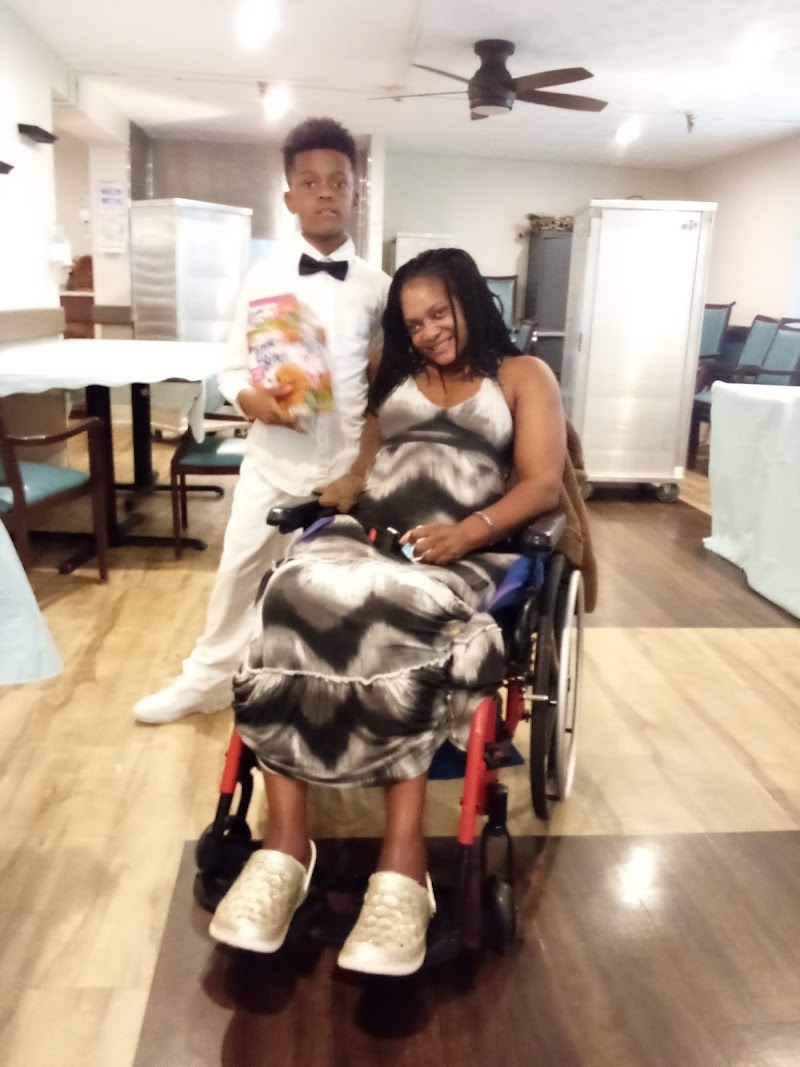
How is Pine Knoll Nursing & Rehab Ctr Staffed?

CMS rates PINE KNOLL NURSING & REHAB CTR's staffing level at 1 out of 5 stars, which is much below average compared to other nursing homes. Staff turnover is 60%, which is 14 percentage points above the Georgia average of 46%. High turnover can affect care consistency as new staff learn residents' individual needs.

What Have Inspectors Found at Pine Knoll Nursing & Rehab Ctr?

State health inspectors documented 11 deficiencies at PINE KNOLL NURSING & REHAB CTR during 2021 to 2025. These included: 11 with potential for harm.
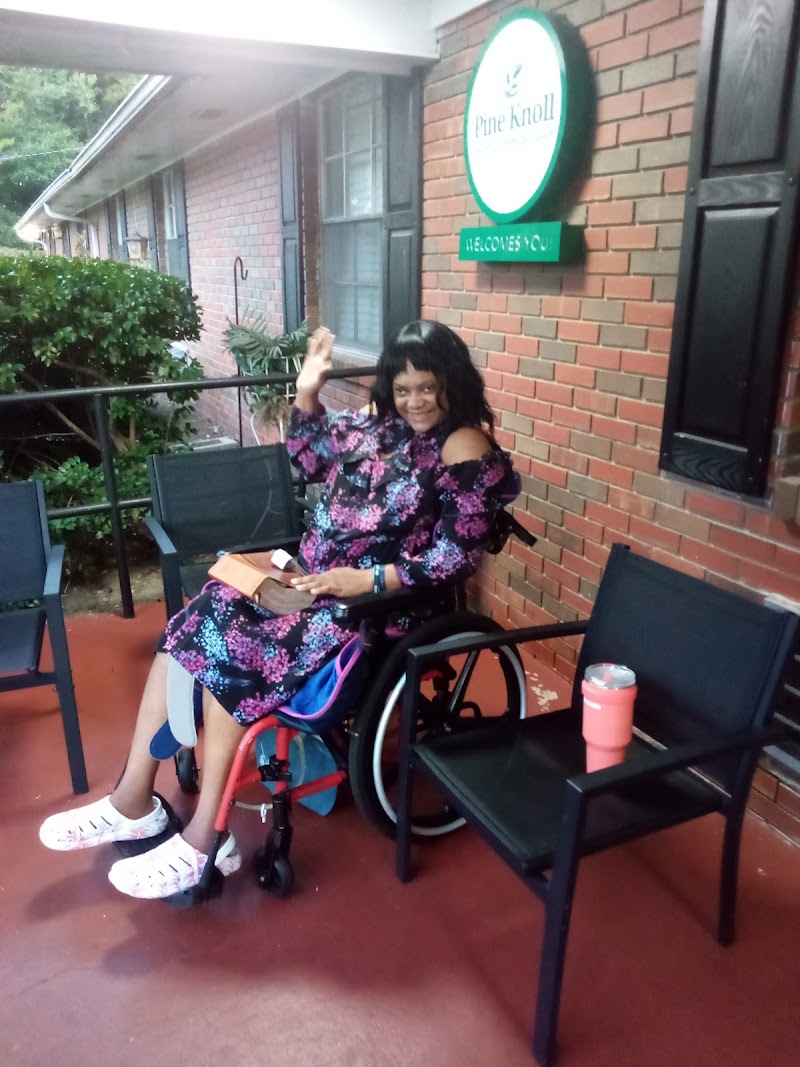
Who Owns and Operates Pine Knoll Nursing & Rehab Ctr?

PINE KNOLL NURSING & REHAB CTR is owned by a for-profit company. For-profit facilities operate as businesses with obligations to shareholders or private owners. The facility is operated by CYPRESS SKILLED NURSING, a chain that manages multiple nursing homes. With 122 certified beds and approximately 106 residents (about 87% occupancy), it is a mid-sized facility located in CARROLLTON, Georgia.
How Does Pine Knoll Nursing & Rehab Ctr Compare to Other Georgia Nursing Homes?

Compared to the 100 nursing homes in Georgia, PINE KNOLL NURSING & REHAB CTR's overall rating (3 stars) is above the state average of 2.6, staff turnover (60%) is significantly higher than the state average of 46%, and health inspection rating (4 stars) is above the national benchmark.

What Should Families Ask When Visiting Pine Knoll Nursing & Rehab Ctr?

Based on this facility's data, families visiting should ask: "How do you ensure continuity of care given staff turnover, and what is your staff retention strategy?" "Can you walk me through typical staffing levels on day, evening, and night shifts?" "Can I visit during a mealtime to observe dining assistance and food quality?" "How do you handle medical emergencies, and what is your hospital transfer rate?" These questions are particularly relevant given the facility's high staff turnover rate and the below-average staffing rating.

Is Pine Knoll Nursing & Rehab Ctr Safe?

Based on CMS inspection data, PINE KNOLL NURSING & REHAB CTR has a clean safety record: no substantiated abuse findings (meaning no confirmed cases of resident harm), no Immediate Jeopardy citations (the most serious violation level indicating risk of serious injury or death), and is not on the Special Focus Facility watch list (a federal program monitoring the lowest-performing 1% of nursing homes). The facility has a 3-star overall rating and ranks #1 of 100 nursing homes in Georgia. While no facility is perfect, families should still ask about staff-to-resident ratios and recent inspection results during their visit.

Do Nurses at Pine Knoll Nursing & Rehab Ctr Stick Around?

Staff turnover at PINE KNOLL NURSING & REHAB CTR is high. At 60%, the facility is 14 percentage points above the Georgia average of 46%. High turnover means new staff may not know residents' individual needs, medications, or preferences. It can also be disorienting for residents, especially those with dementia who rely on familiar faces. Families should ask: What is causing the turnover? What retention programs are in place? How do you ensure care continuity during staff transitions?

Was Pine Knoll Nursing & Rehab Ctr Ever Fined?

PINE KNOLL NURSING & REHAB CTR has been fined $20,244 across 2 penalty actions. This is below the Georgia average of $33,281. While any fine indicates a compliance issue, fines under $50,000 are relatively common and typically reflect isolated problems that were subsequently corrected. Families should ask what specific issues led to these fines and confirm they've been resolved.

Is Pine Knoll Nursing & Rehab Ctr on Any Federal Watch List?

PINE KNOLL NURSING & REHAB CTR is not on any federal watch list. The most significant is the Special Focus Facility (SFF) program, which identifies the bottom 1% of nursing homes nationally based on persistent, serious quality problems. Not being on this list means the facility has avoided the pattern of deficiencies that triggers enhanced federal oversight. This is a positive indicator, though families should still review the facility's inspection history directly.