CARTERSVILLE CROSSING OF JOURNEY LLC
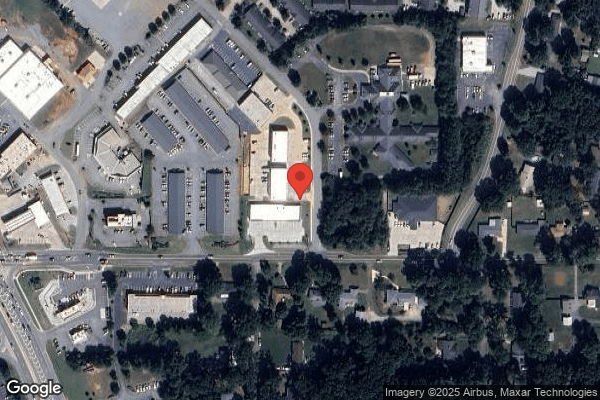

22 MAPLE RIDGE DRIVE S.E., CARTERSVILLE, GA 30120 (770) 606-8800
For profit - Partnership 74 Beds JOURNEY HEALTHCARE Data: November 2025
Trust Grade
43/100
#178 of 353 in GA
Last Inspection: September 2024

Within standard 12-15 month inspection cycle. Federal law requires annual inspections.

Overview

Cartersville Crossing of Journey LLC has a Trust Grade of D, indicating below average performance with some concerns about care quality. It ranks #178 out of 353 facilities in Georgia, placing it in the bottom half statewide, and is the lowest-rated option in Bartow County at #3 of 3. While the facility is improving, reducing issues from 9 in 2023 to 5 in 2024, staffing is a significant weakness with a low rating of 1/5 stars and a troubling turnover rate of 100%, far exceeding the state average. There have been fines totaling $6,784, which is average compared to other facilities, but the RN coverage is at an average level, which is a positive aspect. Specific incidents of concern include the failure to maintain proper food safety practices in the kitchen, such as not covering or labeling opened food items and neglecting to ensure the kitchen equipment was in working condition, potentially putting residents' health at risk.

Trust Score
D
43/100
In Georgia
#178/353
Top 50%
Safety Record
Low Risk
No red flags
Inspections
Getting Better
9 → 5 violations
Staff Stability
⚠ Watch
100% turnover. Very high, 52 points above average. Constant new faces learning your loved one's needs.
Penalties
○ Average
$6,784 in fines. Higher than 55% of Georgia facilities. Some compliance issues.
Skilled Nurses
⚠ Watch
Each resident gets only 26 minutes of Registered Nurse (RN) attention daily — below average for Georgia. Fewer RN minutes means fewer trained eyes watching for problems.
Violations
⚠ Watch
15 deficiencies on record. Higher than average. Multiple issues found across inspections.
★★☆☆☆
2.0
Overall Rating
★☆☆☆☆
1.0
Staff Levels
★★☆☆☆
2.0
Care Quality
★★★☆☆
3.0
Inspection Score
Stable
2023: 9 issues
2024: 5 issues

The Good

  • Full Sprinkler Coverage · Fire safety systems throughout facility
  • No fines on record

Facility shows strength in fire safety.

The Bad

2-Star Overall Rating

Below Georgia average (2.6)

Below average - review inspection findings carefully

Staff Turnover: 100%

53pts above Georgia avg (47%)

Frequent staff changes - ask about care continuity

Federal Fines: $6,784

Below median ($33,413)

Minor penalties assessed

Chain: JOURNEY HEALTHCARE

Part of a multi-facility chain

Ask about local staffing decisions and management

Staff turnover is very high (100%)

52 points above Georgia average of 48%

The Ugly 15 deficiencies on record

Sept 2024 5 deficiencies
CONCERN (D)

Potential for Harm - no one hurt, but risky conditions existed

Transfer Notice (Tag F0623)

Could have caused harm · This affected 1 resident

**NOTE- TERMS IN BRACKETS HAVE BEEN EDITED TO PROTECT CONFIDENTIALITY** 2. Review of R24's admission Record in the Profile tab of the EMR revealed an admission date of 07/09/24. Review of R24's five-d...

Read full inspector narrative →
**NOTE- TERMS IN BRACKETS HAVE BEEN EDITED TO PROTECT CONFIDENTIALITY** 2. Review of R24's admission Record in the Profile tab of the EMR revealed an admission date of 07/09/24. Review of R24's five-day MDS with an ARD of 08/02/24 and located in the MDS tab of the EMR, revealed a BIMS score of five out of 15 which indicated the resident was severely cognitively impaired. Review of R24's Nursing Note, dated 08/30/24 at 5:57 PM and located in the Progress Notes tab of the EMR, revealed Labs reviewed with NP [Nurse Practitioner], new orders received to send to ER [emergency room] for evaluation, spoke with responsible party and is agreeable with plan of care. Review of R24's Nursing Note, dated 08/30/24 at 6:15 PM and located in the Progress Notes tab of the EMR, revealed emergency medical services (EMS) called and here to transport resident to hospital via stretcher in stable condition. Review of R24's Nursing Note, dated 08/31/24 and located in the Progress Notes tab of the EMR, revealed In hospital . admitted to [Name] Hospital. Review of R24's EMR revealed there was no documentation that a written transfer notice was provided to the resident and/or their representative at the time of the transfer to the hospital on [DATE]. During an interview on 09/05/24 at 9:48 AM, the Social Services Director (SSD) verified that the facility notified the resident representative by phone that the resident was being sent out and for what reasons. The SSD stated no residents were provided a transfer form when transferred to the hospital for acute care. She stated she was not aware of this requirement or that it was included in the current facility policy. Based on staff interview, record review, and review of the facility policy titled, Transfer and Discharge (including AMA [against medical advice], the facility failed to issue two of two residents (Resident (R) 9 and R24) or their responsible party transfer paperwork or to notify the long-term care ombudsman of hospital transfers out of 19 sample residents. This failure could affect the resident and or representative by not receiving the information for the reason of transfer and the resident's right to return to the facility. Findings include: Review of the facility's policy titled, Transfer and Discharge (including AMA [against medical advice]) with an implementation date of 02/01/22, revealed .Emergency Transfers/ Discharges-initiated by the facility for medical reasons to an acute care setting such as a hospital, for the immediate safety and welfare of a resident (nursing responsibilities unless otherwise specified) .Provide a notice of transfer and the facility's bed hold policy to the resident or representative as indicated . 1. Review of R9's admission Record located in the Profile tab of the electronic medical record (EMR) revealed she was initially admitted on [DATE] for long-term care. Diagnoses included type two diabetes mellitus, hypertensive heart disease with heart failure, acute systolic heart failure, syncope and collapse, and a recent diagnosis of non-ST elevation myocardial infarction, a type of heart attack. Review of the annual Minimum Data Set (MDS) with an Assessment Reference Date (ARD) of 07/03/24 revealed the resident had a Brief Interview for Mental Status (BIMS) score of 11 out of 15, which indicated the resident was moderately impaired in cognition. Review of the MISC [Miscellaneous] tab of the EMR revealed there were no documents uploaded reflecting a bed hold form was provided to R9 when she was sent out on 07/17/24 for tingling in her left arm and chest pain.
CONCERN (D)

Potential for Harm - no one hurt, but risky conditions existed

Deficiency F0625 (Tag F0625)

Could have caused harm · This affected 1 resident

**NOTE- TERMS IN BRACKETS HAVE BEEN EDITED TO PROTECT CONFIDENTIALITY** 2. Review of R24's admission Record in the Profile tab of the EMR revealed an admission date of 07/09/24. Review of R24's five-d...

Read full inspector narrative →
**NOTE- TERMS IN BRACKETS HAVE BEEN EDITED TO PROTECT CONFIDENTIALITY** 2. Review of R24's admission Record in the Profile tab of the EMR revealed an admission date of 07/09/24. Review of R24's five-day MDS with an ARD of 08/02/24 and located in the MDS tab of the EMR revealed a BIMS score of five out of 15 which indicated the resident was severely cognitively impaired. Review of R24's Nursing Note, dated 08/30/24 at 5:57 PM and located in the Progress Notes tab of the EMR, revealed Labs reviewed with NP [Nurse Practitioner], new orders received to send to ER [emergency room] for evaluation, spoke with responsible party and is agreeable with plan of care. Review of R24's Nursing Note, dated 08/30/24 at 6:15 PM and located in the Progress Notes tab of the EMR, revealed emergency medical services (EMS) called and here to transport resident to hospital via stretcher in stable condition. Review of R24's Nursing Note, dated 08/31/24 and located in the Progress Notes tab of the EMR, revealed In hospital . admitted to [Name] Hospital. Review of R24's EMR revealed there was no documentation that the facility's bed hold policy was provided to the resident or their representative at the time of the transfer to the hospital on [DATE]. During an interview on 09/05/24 at 9:48 AM, the Social Services Director (SSD) verified that no bed hold notice was provided to R9 or R24 upon transfer to the hospital. The SSD stated the facility notified the resident representative by phone and the resident received the bed hold information in the admission package. The SSD stated no resident was provided a bed hold notice on transfer to the hospital. She stated she was not aware of this requirement. Based on record review, staff interview, and review of the facility policy titled, Bed Hold Notice Upon Transfer, the facility failed to issue a bed hold notice for two of two residents (Resident (R) 9 and R24) or their responsible party out of 19 sample residents reviewed for bed holds. The failure to provide a copy of the bed hold notice at the time of transfer could lead to them not knowing their rights in the facility. Findings include: Review of the facility's policy titled, Bed Hold Notice Upon Transfer with an implementation date of 02/01/22, revealed .At the time of transfer for hospitalization or therapeutic leave, the leave, the facility will provide to the resident and/or the resident representative written notice which specifies the duration of the bed-hold policy and addresses information explaining the return of the resident to the next available bed . 1. Review of R9's Face Sheet located in the Profile tab of the electronic medical record (EMR) revealed she was initially admitted on [DATE] for long-term care Diagnoses included type two diabetes mellitus, hypertensive heart disease with heart failure, acute systolic heart failure, syncope and collapse, and a recent diagnosis of non-ST elevation myocardial infarction, a type of heart attack. Review of the annual Minimum Data Set (MDS) with an Assessment Reference Date (ARD) of 07/03/24 revealed the resident had a Brief Interview for Mental Status (BIMS) score of 11 out of 15, which indicated the resident was moderately impaired in cognition. Review of the MISC [Miscellaneous] tab of the EMR revealed there were no documents uploaded reflecting a bed hold form was provided to R9 when she was sent out on 07/17/24 for tingling in her left arm and chest pain.
CONCERN (D)

Potential for Harm - no one hurt, but risky conditions existed

Deficiency F0692 (Tag F0692)

Could have caused harm · This affected 1 resident

**NOTE- TERMS IN BRACKETS HAVE BEEN EDITED TO PROTECT CONFIDENTIALITY** Based on observations, resident, family member, and staff interviews, record review, and review of the facility policy titled, W...

Read full inspector narrative →
**NOTE- TERMS IN BRACKETS HAVE BEEN EDITED TO PROTECT CONFIDENTIALITY** Based on observations, resident, family member, and staff interviews, record review, and review of the facility policy titled, Weight Monitoring Program, the facility failed to obtain an admission weight, perform re-weights for weight losses of five percent or greater and be evaluated and assessed by the facility's Consultant Registered Dietitian (CRD) and Interdisciplinary Team after experiencing an unplanned significant weight loss for one of two residents (Resident (R) 17) reviewed for nutritional status out of 19 sample residents. The facility's failure placed the resident at risk for further unplanned weight loss. Findings include: Review of the facility's undated policy titled, Weight Monitoring Program, indicated, Definitions: Significant weight change- A weight loss or gain of: +/- [plus or minus] 5 percent [%] in 30 days +/- 7.5 percent in 90 days. +/- 10 percent in 180 days .Weight Monitoring Frequency .b. New Admissions: New admissions will be weighed for a period of four weeks. Initial weight and height will be obtained within 24 hrs. [hours] of admission to the center .f. Re-Weights. Re-weights will be obtained on all weight changes of 5% or more in one month. Re-weights should be obtained within 24 hrs.2. Interdisciplinary Team Interventions: a. Assess ROOT CAUSE of significant weight change . e. Monitoring .new interventions should be considered if current interventions are not successful. Review of the admission Record located in the electronic medical record (EMR) under the Profile tab revealed R17 was admitted to the facility on [DATE] with diagnoses that included severe protein-calorie malnutrition, fracture of left femur, and anxiety disorder. Review of R17's admission Minimum Data Set (MDS) located under the MDS tab of the EMR with an Assessment Reference Date (ARD) of 07/31/24, revealed R17 had a Brief Interview for Mental Status (BIMS) score of 10 out of 15, which indicated moderate cognitive impairment, required setup or clean-up assistance with eating, and had a weight of 159 pounds. Review of R17's Comprehensive Care Plan, developed by staff on 08/01/24, located in the EMR under the Care Plan tab, indicated Nutrition: The resident is at risk for alteration in nutrition/hydration secondary to: recent surgery for fx'd [fractured] femur, confusion- dx. [diagnosis] severed protein/calorie nutrition. A care plan goal specified, The resident will have no significant weight changes through next review date. Care plan interventions included, Monitor weight as ordered and RD [Registered Dietitian] to evaluate and make diet change recommendations PRN [as needed]. Review of R17's admission Nutritional Assessment completed by the facility's CRD on 08/06/24, located in the EMR under the Assmnts [Assessments] tab, specified Weight: found documented weight of 134# [pounds]. The assessment also specified, Intervention/ Plan 1. Weekly wt [weight] x 4 to establish baseline. 2. Recs [Recommendations] sent to nursing for 2.0 [kilocalerie] kcal oral supplement po [by mouth] BID [twice a day]. RD will continue to monitor oral intake, diet status, weight trends, and skin integrity. Review of R17's Physician's orders, located in the EMR under the Orders tab, revealed the following orders: -Speech Therapy (ST) Clarification Order: Patient is to receive skilled ST intervention five x week for eight weeks for cognitive intervention. Treatment (Tx) may include compensation strategies, problem solving, safety awareness, thought organization, orientation, memory, and group intervention. This order was initiated on 08/01/24. -Regular diet with thin liquids and chopped meat. This order was initiated on 08/10/24. -2.0 Supplement two times a day 120 milliliters. This order was initiated on 08/12/24. -Remeron Oral Tablet 15 milligrams- Give one tablet by mouth at bedtime for appetite. This order was initiated on 08/15/24. Review of R17's weight record located in the resident's EMR under the Wts [weights]/Vitals tab, revealed the following weights: -No weight documented from 07/31/24 to 08/06/24 -08/07/24: 159 pounds (the first facility weight) -08/14/24: 155 pounds (a four pound and 2.51 percent weight loss since 08/07/24) -08/21/24: 144 pounds (a 15 pound and 9.43 percent significant weight loss since 08/07/24) -08/28/24: 126 pounds (a 33 pound and 20.75 percent significant weight loss since 08/07/24) -09/04/24: 122 pounds (a 37 pound and 23.27 percent significant weight loss since 08/07/24) Review of R17's EMR revealed there was no evaluation or documentation from the facility's CRD from 08/07/24 to 09/03/24 to address the resident's unplanned significant weight loss during this time period. During an observation on 09/02/24 at 11:28 AM, R17 was in her room with Family Member (FM) 1 present. R17 appeared thin and was not feeling well. During an interview on 09/02/24 at 11:28 AM, FM1 stated R17 had been a resident at the facility for about a month and was not eating well and had lost weight. FM1 stated the facility had attempted to provide supplements, but the resident had a poor appetite and would not always drink them. During an observation on 09/02/24 at 12:55 PM, R17 was in her room with her lunch meal and FM1 present. FM1 was encouraging R17 to eat her lunch meal, but the resident shook her head and would not open her mouth when FM1 brought food and beverages to her mouth and encouraged her to eat. During an observation on 09/03/24 at 12:50 PM, R17 was in her room with her lunch meal and FM1 present. FM1 was encouraging R17 to eat her lunch meal, but the resident shook her head and would not open her mouth when FM1 brought food and beverages to her mouth and encouraged her to eat. During an interview on 09/04/24 at 1:40 PM, the facility's CRD stated when she completed R17's admission nutrition assessment on 08/06/24 she could not find an admission weight, or a weight obtained by staff since R17 was admitted to the facility on [DATE]. The CRD explained since she was unable to find a facility weight, she reviewed R17's hospital information and found a hospital weight of 134 pounds and this was the weight she documented on the resident's admission nutrition assessment. The CRD stated she was not informed and was not aware that R17 had a weight documented on 08/07/24 of 159 pounds and the resident had a documented weight of 126 pounds on 08/28/24 which equated to a significant unplanned weight loss during this period. The CRD stated if she had been aware of this significant weight loss she would have evaluated the resident's nutritional status. The CRD stated staff should have obtained an admission weight for R17 and re-weighed the resident on 08/21/24 and 08/28/24 when the resident's weight indicated the resident experienced a significant weight loss of greater than five percent to ensure these weights were accurate. The CRD stated she would have expected staff to inform her of the resident's significant weight loss, so she could have evaluated the resident's nutritional status. The CRD stated she would request for R17 to be weighed and if it was found the resident had experienced a significant weight loss, she would evaluate the resident and implement new interventions to prevent further weight loss. Review of the CRD's 09/04/24 progress note, located in the resident's EMR in the Prog [Progress] Note tab, indicated the resident's weight on 09/04/24 was 122 pounds which equated to a 23.3 percent weight loss since 08/07/24. The CRD's note specified, Weight loss of likely multifactorial reasons to include fluids, weight technique, and true weight loss. The note further specified Intervention/ Plan 1. Weekly wt [weight] x 4 to continue to track weights 2. Continue 2.0 kcal [kilocalorie] oral supplement PO BID. 3. Increase feed assist and monitoring to include going to dining room and one to one meal supervision. 4. Tray house shake BID [twice a day]. RD will continue to monitor oral intake, diet status, weight trends, and skin integrity. During an interview on 09/05/24 at 9:54 AM, the Registered Nurse Supervisor (RNS) confirmed the nursing staff failed to obtain an admission weight for R17 on 07/31/24 and the resident's first documented facility weight of 159 pounds was not obtained by staff until 08/07/24. The RNS also confirmed staff failed to re-weigh R17 on 08/28/24 when the resident's weight was documented as 126 pounds which reflected a significant weight loss. During an interview on 09/05/24 at 10:32 AM, the MDS Coordinator (MDSC) reviewed R17's medical record and confirmed the staff failed to obtain an admission weight for the resident. The MDSC stated she could not determine where she obtained the weight of 159 pounds that she documented on the resident's admission MDS assessment of 07/31/24. The MDSC stated she was not aware R17 had experienced a significant weight loss since her admission to the facility on [DATE]. The MDSC stated she expected staff to notify herself and the facility's CRD when a resident experienced significant weight changes to ensure care plan interventions were implemented as planned and revisions to the resident's care plan could be made if needed by the care plan team. The MDSC stated R17's nutritional care plan was developed on 08/01/24 and no changes had been made to the care plan since 08/01/24 to address the resident's subsequent unplanned significant weight loss. During an interview on 09/05/24 at 11:21 AM, the ST stated R17 was on her case load since around the time she was admitted to the facility for safety precautions. The ST stated initially R17 was feeding herself and eating pretty well. However, during the past week she started to have a decline in her PO (by mouth) intake, started to have to be reminded to swallow and currently did not have much of a desire to eat. The ST stated R17 was currently being assisted with her meals by her daughter, and a change in the resident's oral motor process was noticed yesterday (09/04/24). During an interview on 09/05/24 at 11:47 AM, the Director of Nursing (DON) stated R17 experienced a fall on 08/01/24 and was displaying agitated behaviors, so staff were unable to safely weigh the resident on this date. The DON stated she would have expected staff to obtain an admission weight for R17 as soon as the resident was able to safely allow staff to weigh her and to reweigh R17 when staff obtained a weight that reflected the resident had experienced a significant weight loss of five percent or greater.
CONCERN (D)

Potential for Harm - no one hurt, but risky conditions existed

Deficiency F0805 (Tag F0805)

Could have caused harm · This affected 1 resident

**NOTE- TERMS IN BRACKETS HAVE BEEN EDITED TO PROTECT CONFIDENTIALITY** Based on observations, resident and staff interviews, record review, and review of the facility policy titled, Therapeutic Diet ...

Read full inspector narrative →
**NOTE- TERMS IN BRACKETS HAVE BEEN EDITED TO PROTECT CONFIDENTIALITY** Based on observations, resident and staff interviews, record review, and review of the facility policy titled, Therapeutic Diet Orders, the facility failed to provide food in a form that met the needs which included yogurt at meals as requested for one of two residents (Resident (R) 14) reviewed for food out of 19 sample residents. The facility's failure to provide food in the appropriate form to meet a resident's needs could result in decreased intake and an increased risk of choking. Findings include: Review of the facility's policy titled, Therapeutic Diet Orders, dated 02/01/22, indicated, The facility provides all residents with foods in the appropriate form and/or the appropriate nutritive content as prescribed by the physician and/or assessed by the interdisciplinary team to support the resident's treatment/plan of care, in accordance with his/her goals and preferences. Review of the admission Record located in R14's electronic medical record (EMR) under the Profile tab indicated she was admitted on [DATE] and had diagnoses which included diabetes mellitus and gastro-esophageal reflux disease. Review of R14's quarterly Minimum Data Set (MDS) located in the EMR under the MDS tab with an Assessment Reference Date (ARD) of 06/25/24, revealed R14 had a Brief Interview for Mental Status (BIMS) score of 10 out of 15, which indicated moderate cognitive impairment. Review of the Resident Dining Meeting minutes dated 01/30/24, provided by the facility, revealed R14 requested to receive double portions yogurt, cottage cheese, and soup. Review of R14's comprehensive Care Plan, located in the EMR under the Care Plan tab and dated 06/26/24, contained a Focus of Nutrition: The resident is at risk for alteration in nutrition/ hydration secondary to ^ [high] BMI [body mass index], edentulous [lacking teeth] and does not wear dentures. She is very selective of the food she will eat. The care plan's goal specified The resident will tolerate prescribed diet daily through next review date. Care plan interventions included Food preferences provided as available, and RD [Registered Dietitian] to evaluate and make diet change recommendations. During an interview on 09/02/24 at 11:40 AM, R14 stated she was unable to chew some of the food she was served at meals because she did not have any teeth. R14 stated she requested cottage cheese and fruit to be served at meals, but she could not always eat the fruit served because it was too hard for her to chew without any teeth. R14 also stated she had previously requested to be served yogurt at meals because it was easy for her to eat, but the kitchen did not always provide yogurt on her meal trays. Review of R14's current Physician's Orders, located in the EMR under the Orders tab, dated 10/25/23, revealed an order for a no added salt, regular texture, thin consistency diet. Additionally, the following order was written on 08/29/24, Speech Therapy [ST] Clarification: Patient is to be [sic] receive skilled ST 3x [times] a week until 09/27/24 for dysphagia intervention. Tx [treatment] may include: compensation strategies, safe swallow awareness, diet trials, and oral phase intervention. Review of R14's Consultant Registered Dietitian's (CRD) progress note, dated 08/27/24 and located in EMR under the Progress Note tab, specified RD and dietary manager made aware by Ms. [R14's last name] of difficulty chewing certain foods. Current diet order is regular texture. PLAN: 1. Discuss w/SLP [with Speech Language Pathologist]: recommendation for assessment to determine comfort/preferences vs. [versus] true altered texture needs. During an observation on 09/02/24 at 12:57 PM, R14 was served her lunch meal in her room, and she was edentulous. Observation of R14's meal revealed she was served a plate of cottage cheese with large pieces of cubed cantaloupe placed around the cottage cheese and she was not served yogurt with her meal. R14 stated she could not eat the cantaloupe because she could not chew it and did not receive yogurt with her meal as she had previously requested. Review of the meal tray slip served on the resident's meal tray revealed the resident was to receive a regular diet and the tray slip contained a handwritten note which specified cottage cheese with fruit. During an observation on 09/02/24 at 12:58 PM, R14 informed a Certified Nurse Aide (CNA) that she could not eat the cantaloupe that was served on her meal tray and did not receive the yogurt she requested to be served with her meal. The CNA informed R14 that she would get her an alternate fruit in place of the cantaloupe and yogurt. During an observation on 09/03/24 at 12:50 PM, R14 was served her lunch meal in her room and was not served yogurt on her meal tray as she had previously requested. During an interview on 09/04/24 at 8:50 AM, R14 stated she had eaten her breakfast meal, but again did not receive yogurt on her meal tray as she had previously requested. During an observation on 09/04/24 at 12:43 PM, CNA1 served R14 her lunch meal in her room. Observation of R14's meal tray revealed she was not served yogurt on her meal tray. R14 was observed to inform CNA1 that she did not receive yogurt with her meal as she had requested. CNA1 informed R14 that she would get her a yogurt. During an interview on 09/04/24 at 12:50 PM, the CRD confirmed R14 was edentulous and should not receive hard fruits like cantaloupe with her cottage cheese and should receive yogurt as requested with her meals. The CRD stated she would include on R14's tray card to be served soft fruits with her cottage cheese and yogurt with meals. The CRD stated she had recently referred R14 to ST to evaluate her because she was having trouble chewing certain foods. During an interview on 09/05/24 at 11:21 AM, the ST stated R14 was on her current case load, and she was seeing her three times a week. The ST stated she was evaluating R14's ability to eat certain foods because she was edentulous and wanted to remain on a regular diet. The ST stated R14 would not be safe eating hard fruits like cantaloupe and should not receive them because she was edentulous.
CONCERN (F)

Potential for Harm - no one hurt, but risky conditions existed

Food Safety (Tag F0812)

Could have caused harm · This affected most or all residents

Based on observation, staff interview, and review of the facility policies titled, Sanitation Inspection, Food Safety Requirements, and Resident Refrigerators, the facility failed to keep the kitchen'...

Read full inspector narrative →
Based on observation, staff interview, and review of the facility policies titled, Sanitation Inspection, Food Safety Requirements, and Resident Refrigerators, the facility failed to keep the kitchen's convection oven, two conventional ovens, stove top's spill pan, and large manual can opener and its base attachment clean. The facility failed to date bread products stored in the kitchen's dry storage area and cover opened food stored in the kitchen's walk-in freezer. In addition, the facility failed to date thawed nutritional supplements and discard food that was spoiled or had expired use by dates that were stored in the facility's kitchen and in the 300-hallway resident refrigerator. This failure had the potential to affect 64 residents who consumed food prepared in the facility's kitchen. Findings include: Review of the facility's policy titled, Sanitation Inspection, dated 02/01/22, indicated It is the policy of this facility, as part of the department's sanitation program, to conduct inspections to ensure food service areas are clean, sanitary, and in compliance with state and federal regulations. Review of the facility's policy titled, Food Safety Requirements, dated 02/01/22, indicated It is the policy of this facility to procure food from sources approved or considered satisfactory by federal, state, and local authorities. Food will be stored, prepared, distributed, and served in accordance with professional standards for food service safety. Review of the facility's policy titled, Resident Refrigerators, dated 02/01/22, indicated The facility does not provide a refrigerator in a resident's room. However, it is the policy of this facility to ensure safe and sanitary use of any resident-owned refrigerators .3. (Nursing/ housekeeping) staff shall clean the refrigerator weekly and discard any foods that are out of compliance. Nursing staff shall clean up spills as needed, or refer to housekeeping staff. 4. Residents and staff shall comply with safe food handling and storage principles .c. Foods with use-by dates shall be discarded accordingly. d. Any food with potential concerns (i.e. smell, packaging, appearance, frozen foods are not solid) shall be discarded. 1. Observation on 09/02/24 from 8:55 AM to 9:35 AM, during the initial kitchen inspection with Dietary Aide (DA) 1 present, revealed the following: a. The kitchen's convection oven and two conventional ovens were unclean with heavy accumulated blackened and dried food spills on their interior cooking compartment. b. The kitchen's stove top spill pan was unclean with a heavy accumulation of burnt on food spills. c. The kitchen's large manual can opener, which was attached to a food preparation table, was unclean with accumulated dried and sticky food substances on its blade and table base attachment. During an interview with DA1 during the initial kitchen inspection on 09/02/24 from 8:55 AM to 9:35 AM, DA1 confirmed the kitchen's convection oven, two conventional ovens, the stove top's spill pan, and large manual can opener and its base were unclean. DA1 stated the kitchen's food preparation and service equipment should be kept clean. DA1 explained the kitchen's ovens were on the weekly cleaning schedule but had not been cleaned for about three weeks. 2. Observation of kitchen food storage areas on 09/02/24 from 8:55 AM to 9:35 AM, during the initial kitchen inspection, with DA1 present, revealed the following: a. In the kitchen's dry storage room two packages of thawed raisin bread, three packages of thawed hamburger buns, two packages of thawed hot dog buns, and one package of thawed croissants did not have a use by or expiration date on their package. These undated packages of bread products were stored on bread racks and ready for use. The undated package of croissants was observed to contain 12 croissants that were covered in green mold. b. In the kitchen's walk-in refrigerator 50 thawed, four-ounce nutritional shakes were stored without a thaw date. c. In the kitchen's walk-in freezer one 30-pound box of cauliflower florets and one 144-ounce box of chicken cordon bleu were stored opened and unprotected from possible contamination. During an interview with DA1, during the initial kitchen inspection on 09/02/24 from 8:55 AM to 9:35 AM, DA1 confirmed the bread products stored on the bread racks in the kitchen were not dated and the undated croissants were molded. DA1 also confirmed the nutritional shakes stored in the walk-in refrigerator were not dated, and the box of cauliflower florets and the box of chicken cordon bleu were stored opened in the kitchen's walk-in freezer. DA1 stated staff were to date and completely close food prior to storage. During an interview on 09/03/24 at 10:50 AM, the Regional Registered Dietitian (RRD) stated the undated 50 thawed four-ounce nutritional shakes observed in the kitchen's walk-in refrigerator on 09/02/24 should have been dated by staff when they were removed from the freezer and placed in refrigeration to thaw and should be discarded if not utilized within 14 days. 3. Observation of food stored in the resident refrigerator on the facility's 300 hallway on 09/04/24 at 3:47 PM, with the Regional Director of Environmental Service (RDEVS) present, revealed the following: a. Observation of food stored in the refrigerator's freezer compartment revealed an opened and undated package of grapes that were discolored, and freezer burnt. Also, stored in this freezer compartment was a container of watermelon cubes which had an expiration date of 12/05/23. The watermelon cubes were covered in ice crystals and freezer burnt. b. Observation of food stored in the refrigerator section revealed one four-ounce yogurt with an expired use by date of 08/05/24 and another four-ounce yogurt with an expired use by date of 08/21/24. Also, stored in the refrigerator section were two thawed four-ounce vanilla nutritional shakes and two thawed four-ounce strawberry nutritional shakes that were not dated with a thaw date. During an interview on 09/04/24 at 3:47 PM, the RDEVS confirmed the grapes and watermelon stored in the 300-hallway refrigerator's freezer compartment were freezer burnt, and the watermelon had an expired use by date of 12/05/23. The RDEVS also confirmed the two yogurts had expired use by dates and the four nutritional shakes were not dated that were stored in the 300-hallway refrigerator. The RDEVS was observed to immediately discard all these food items. During an interview on 09/05/24 at 11:55 AM, the Director of Nursing (DON) stated it was the night shift nursing staff's responsibility to check and monitor the food stored in the 300-hallway resident refrigerator.
Jan 2023 9 deficiencies
CONCERN (D) 📢 Someone Reported This

A family member, employee, or ombudsman was alarmed enough to file a formal complaint

Potential for Harm - no one hurt, but risky conditions existed

Assessment Accuracy (Tag F0641)

Could have caused harm · This affected 1 resident

**NOTE- TERMS IN BRACKETS HAVE BEEN EDITED TO PROTECT CONFIDENTIALITY** Based on observation, record review, and staff interviews, the facility failed to ensure that Minimum Data Set (MDS) assessments...

Read full inspector narrative →
**NOTE- TERMS IN BRACKETS HAVE BEEN EDITED TO PROTECT CONFIDENTIALITY** Based on observation, record review, and staff interviews, the facility failed to ensure that Minimum Data Set (MDS) assessments were accurate for one of 26 sampled residents (R) (R#13) related to the use of oxygen. Findings included: A review of the clinical record revealed R#13 was admitted to the facility on [DATE] with diagnoses that included but not limited to non-[NAME] lymphoma, chronic obstructive pulmonary disease (COPD), bipolar disorder, anemia, dementia, and hypertension (HTN). A review of the admission MDS assessment dated [DATE], revealed a Brief Interview for Mental Status (BIMS) was coded as 10, which indicated moderate cognitive impairment. Section I-Active Diagnoses include chronic pulmonary disease. Section O- was not coded as the resident uses Oxygen therapy. A review of care plan initiated on 11/15/22, revealed that resident has potential for altered respiratory status related to COPD. Interventions to care include give medications as ordered by physician. Observe and document side effects and effectiveness, give nebulizer treatments and oxygen therapy as ordered. Monitor vital signs, skin color, pulse oximetry, airway functioning and degree of restlessness which may indicate hypoxia. A review of the January 2023 Physician Orders revealed an order for Oxygen at two liters (L) via nasal canula (N/C) to keep Oxygen saturation above 88%. An observation on 1/6/23 at 10:15 a.m. R#13 lying in bed with Oxygen in use at 2L via N/C. Nebulizer machine sitting on the bedside table. During an interview on 1/8/23 at 5:44 p.m., the MDS Coordinator stated that she reviews the entire electronic medical record for information about diagnoses, treatment, physician orders, and medications. She stated that she is the only one doing the MDS and she just missed the Oxygen. During an interview on 1/8/23 at 5:55 p.m., the Director of Nursing (DON) stated it was her expectation that all MDS assessments be completed with accurate information related to resident's care.
CONCERN (D) 📢 Someone Reported This

A family member, employee, or ombudsman was alarmed enough to file a formal complaint

Potential for Harm - no one hurt, but risky conditions existed

Respiratory Care (Tag F0695)

Could have caused harm · This affected 1 resident

**NOTE- TERMS IN BRACKETS HAVE BEEN EDITED TO PROTECT CONFIDENTIALITY** Based on observations, record review, staff interviews, and facility policy 'Oxygen Concentrator', the facility failed to admini...

Read full inspector narrative →
**NOTE- TERMS IN BRACKETS HAVE BEEN EDITED TO PROTECT CONFIDENTIALITY** Based on observations, record review, staff interviews, and facility policy 'Oxygen Concentrator', the facility failed to administer oxygen therapy as ordered for one of seven residents (R)(R#32). Findings included: A review of facility policy 'Oxygen Concentrator' implemented 2/1/22 revealed 'Policy Explanation and Compliance Guidelines: 2. Oxygen is administered under order of the attending physician, except in cases of emergency. 4. Use of the Concentrator: a. The nurse shall verify physician's orders for the rate of flow and route of administration of oxygen (mask, nasal canula etc.).' A review of the medical record revealed R#32 was admitted to the facility on [DATE] with diagnoses including COVID-19, acute kidney failure, and hypertension. Review of admission Minimum Data Set, dated [DATE] revealed a Brief Interview for Mental Status score of 13 out of 15, indicating cognitively intact. Section O-Special Treatments and Programs revealed resident received oxygen therapy while a resident. A review of the electronic medical records (EMR) revealed a Physician's order dated 11/28/22 for 'O2 (oxygen) 2L (liters) per NC (nasal canula) continuously every shift'. During an observation on 1/6/23 at 9:33 a.m., R#32 was observed lying in bed with oxygen concentrator in room, however, it was not turned on and resident was not wearing the nasal canula. During an observation on 1/7/23 at 8:37 a.m., R#32 was observed lying in bed with oxygen concentrator at bedside. The oxygen concentrator was not turned on and resident was not wearing the nasal canula. During an observation on 1/8/23 at 10:42 a.m., R#32 was observed lying in bed sleeping. Oxygen concentrator at bedside was not on and resident was not wearing the nasal canula. During an interview on 1/8/23 at 12:27 p.m. with RN AA, she confirmed that R#32 has an order for oxygen, however, she has never seen resident wearing oxygen. She stated that she keeps a check on resident's oxygen saturations, and they are within normal limits. During an interview on 1/8/23 at 12:33 p.m. with Assistant Director of Nursing (ADON) LPN BB, they confirmed R#32 had an order for oxygen, but resident had not worn the oxygen in several weeks. Stated the Physician should have been notified that resident was not wearing the oxygen. During an interview on 1/8/23 at 12:35 p.m. with Director of Nursing, she stated that her expectation is for nurses to follow the Physician's orders. Stated if resident does not need the oxygen or is refusing to wear the oxygen, the Physician should have been notified and documentation should have been done. A review of the medical record revealed no documentation that R#32 refused to wear oxygen.
CONCERN (D) 📢 Someone Reported This

A family member, employee, or ombudsman was alarmed enough to file a formal complaint

Potential for Harm - no one hurt, but risky conditions existed

Garbage Disposal (Tag F0814)

Could have caused harm · This affected 1 resident

Based on observations, staff interviews, and review of the policy titled Disposal of Garbage and Refuse, the facility failed to ensure the outdoor garbage and refuse area was maintained in a sanitary ...

Read full inspector narrative →
Based on observations, staff interviews, and review of the policy titled Disposal of Garbage and Refuse, the facility failed to ensure the outdoor garbage and refuse area was maintained in a sanitary manner, creating the potential for harboring pests and insects. Specifically, the side door was open, a blue trash bin was overflowing with bagged garbage, bagged garbage on top of the dumpster, garbage and debris was strewn on the ground and behind the dumpster. The facility census was 73. Findings included: Review of the policy titled Disposal of Garbage and Refuse dated 2/1/22, revealed the policy is the facility shall properly dispose of garbage and refuse. Policy Interpretation and Compliance Guidelines: number 7. Refuse containers and dumpsters kept outside shall be designed and constructed to have tightly fitting lids, doors, or covers. Containers and dumpsters should be kept covered when not being loaded. Surrounding area shall be kept clean so that the accumulation of debris and insect/rodent attractions are minimized. Number 8. Garbage shall not accumulate or be left outside the dumpster. Number 9. The schedule for garbage pick-up should be revised, as needed, based on the volume of refuse. Observation on 1/6/23 at 10:31 a.m. after initial tour of the kitchen area, walking through the dining room, visible through the windows, was the dumpster area, revealed the dumpster area was full of bagged garbage. There was a blue trash bin to the right of the dumpster that was overflowing with bags of garbage, bags were noted piled on top of the dumpster, as well as on the ground in front of the dumpster. Continued observation revealed the ground area around the dumpster had trash on the ground. Observation on 1/7/23 at 2:19 p.m. garbage continues to be piled at dumpster, and on the ground surrounding the dumpster. Observation on 1/8/23 at 9:17 a.m. dumpster area continues to be overflowing, bags on the ground in front of the dumpster, and debris on the ground surrounding the dumpster. Interview on 1/8/23 at 4:30 p.m. with the Dietary Manager, confirmed the trash buildup at the dumpster area. She stated the trash pick-up is scheduled four days per week, and stated she thought they would be emptied today. During further interview, she stated that the housekeeping department was responsible for keeping the area around the dumpsters clean. She stated during further interview that the Dietary staff know not to pile the dumpster so high it overflows, and never should place garbage bags on the ground. She stated there is an overflow dumpster for use when the main dumpster gets full. Interview on 1/8/23 at 4:40 p.m. with the Director of Nursing (DON) confirmed that the housekeeping staff are responsible for maintaining the dumpster area clean and free of debris. Housekeeping Supervisor was not available for interview.
CONCERN (D) 📢 Someone Reported This

A family member, employee, or ombudsman was alarmed enough to file a formal complaint

Potential for Harm - no one hurt, but risky conditions existed

Infection Control (Tag F0880)

Could have caused harm · This affected 1 resident

**NOTE- TERMS IN BRACKETS HAVE BEEN EDITED TO PROTECT CONFIDENTIALITY** Based on observations, record review, staff interviews, and policy review, the facility failed to implement an effective Infecti...

Read full inspector narrative →
**NOTE- TERMS IN BRACKETS HAVE BEEN EDITED TO PROTECT CONFIDENTIALITY** Based on observations, record review, staff interviews, and policy review, the facility failed to implement an effective Infection Control Program (ICP) to prevent the spread of infections by not ensuring Certified Nursing Assistant (CNA) CC washed/sanitized her hands before and after glove removal during the provision of catheter care, for one of three residents (R) (R#14) with indwelling urinary catheter. In addition, the facility failed to properly store resident personal care equipment. Findings included: 1. Review of the policy titled Catheter Care revised 6/13/22, revealed the policy is to ensure that residents with indwelling catheters receive appropriate catheter care and maintain their dignity and privacy when indwelling catheters are in use. Policy Explanation: 1. Catheter care will be performed every shift and as needed by nursing personnel. Compliance Guidelines: 7. Perform hand hygiene. 8. [NAME] gloves. A review of the clinical record revealed R#14 was admitted to the facility on [DATE] with diagnoses that included but not limited to history of COVID, hypo-osmolality and hyponatremia, syncope, dysphagia, retention of urine, depression, hypertension (HTN), and thrombocytopenia. A review of the Quarterly Minimum Data Set (MDS) dated [DATE], revealed R#14 had a Brief Interview for Mental Status (BIMS) score of 10, indicating moderate cognitive impairment. Section H-revealed resident has a urinary catheter. Review of care plan revised on 1/5/23, revealed that resident has a Foley Catheter for Urinary Retention. Interventions to care include catheter change according to order, change drainage bag, and leg bags weekly as per order, observe urine for change in color/consistency and notify Physician as needed, output monitoring every shift, provide Foley care every shift, Urology consult as ordered. During an observation on 1/8/2023 at 10:30 a.m. with CNA CC in R#14's room, she was observed explaining to resident that she was going to perform catheter care. R#14 consented to this observation. CNA CC pulled the privacy curtain and donned gloves without performing hand hygiene, gathered supplies consisting of four washcloths, and two garbage bags. She went to bathroom and wet the four washcloths with water and applied body wash soap to two of the washcloths and two without soap. She placed the four washcloths on an open trash bag on the residents' bed, and proceeded to open the second bag to place soiled linen in. She raised the residents' gown, spread the labia, and took one of the soapy washcloths and wiped down one side of the labia and down the tubing. She discarded the dirty washcloth in the garbage bag. She used the other soapy washcloth to wipe down the other side of the labia and down the tubing and discarded the washcloth in the garbage bag. Without changing her gloves, she picked up the remaining two washcloths and proceeded with the same technique to wipe the soap off the labia and tubing. She discarded those two washcloths in the garbage bag with the other soiled washcloths. Resident asked CNA CC to dry her private area and apply powder. Still wearing the same pair of gloves, CNA CC went back to the bathroom and obtained a dry washcloth. She dried the residents' perineal area and applied powder, per residents' request. Still wearing the same pair of gloves, she assisted resident out of bed and into her wheelchair. She gathered the dirty linens and exited residents' room, still wearing the same pair of gloves. During an interview on 1/8/23 at 10:38 a.m. with CNA CC, she revealed that she works at the facility through a staffing agency and stated she has worked five to six days per week for approximately eight months. She stated that she does not normally perform catheter for R#14, because she takes care of her own personal care. During further interview, she stated that she does catheter care for residents when they have bowel movements, and stated she changes her gloves when cleaning them. She stated that's the only catheter care she does, other than emptying their bags. She stated that she did not receive training from facility during orientation. During an interview on 1/8/23 at 12:51 p.m. with Director of Nursing, she stated agency staff are provided training skills and competencies in orientation. She stated that she is not sure if the staffing agency provides their own training. During further interview, she stated her expectation is staff are to change gloves when providing care from dirty to clean area of body. 2. During multiple observations in room [ROOM NUMBER] on 1/6/23 at 8:55 a.m., 1/7/23 at 2: 31 p.m., and 1/8/23 at 7:52 a.m., revealed two urinals hanging on the grab bar beside the toilet. The two urinals were un-labeled and un-bagged. There were two bath basins sitting on the shelf above the toilet, that were unbagged on 1/6/23 and 1/7/23. Both bath basins were bagged on 1/8/23. During an observation on 1/6/23 at 9:57 a.m. in room [ROOM NUMBER]A, a nebulizer mask was observed on the bedside table, draped over the machine, and unbagged. During an observation on 1/7/23 at 8:28 a.m. and 1/8/23 at 11:17 a.m. in room [ROOM NUMBER], two unbagged urinals were observed hanging on grab-bar of a female resident room. The resident had no evidence that she ever had a catheter. During an interview on 1/8/23 at 4:37 p.m. with Director of Nursing, she stated that her expectation is that all resident care equipment be labeled and bagged when not in use.
CONCERN (E) 📢 Someone Reported This

A family member, employee, or ombudsman was alarmed enough to file a formal complaint

Potential for Harm - no one hurt, but risky conditions existed

Safe Environment (Tag F0584)

Could have caused harm · This affected multiple residents

**NOTE- TERMS IN BRACKETS HAVE BEEN EDITED TO PROTECT CONFIDENTIALITY** Based on observation, facility policy, and interviews, it was determined the facility failed to ensure a homelike and comfortabl...

Read full inspector narrative →
**NOTE- TERMS IN BRACKETS HAVE BEEN EDITED TO PROTECT CONFIDENTIALITY** Based on observation, facility policy, and interviews, it was determined the facility failed to ensure a homelike and comfortable environment for 15 (202, 205, 206, 207, 210, 143, 214, 405, 305, 515, 403, 407, 408, 409, 410) of 44 resident's rooms and one shower room. Findings included: A review of the facility policy, Resident Environmental Quality, implemented 2/1/22, revealed the facility would be maintained to provide a safe, functional, sanitary, and comfortable environment for residents, staff, and the public. An observation of room [ROOM NUMBER] on 1/6/23 at 9:31 a.m. revealed an area next to the resident's bed had a gouged section, exposing the wall to the drywall with paint removed. An observation of room [ROOM NUMBER] on 1/6/23 at 9:35 a.m. revealed the area behind the resident bed had multiple marks that extended up to the overhead wall light. No paint covered the areas. An observation of room [ROOM NUMBER] on 1/6/23 at 9:36 a.m. revealed no hot water was accessible from the tap for five minutes. It was determined the hot water valve was not turned on. An observation of room [ROOM NUMBER] on 1/6/23 at 9:43 a.m. revealed an area near the grab bar next to the resident bed that had unpatched holes. An observation of room [ROOM NUMBER] on 1/6/23 at 9:47 a.m. revealed an area on the wall to the left of the door with multiple large areas where the drywall was exposed, and the paint was missing. An observation on 1/6/23 at 9:48 a.m. in room [ROOM NUMBER]-B, there were two medium sized patches of scuff marks and missing paint, approximately 5 long and 2 wide on the left wall, at bed level. An observation of room [ROOM NUMBER] on 1/6/23 at 9:53 a.m. revealed an area on the wall to the left of the entrance with multiple marks and missing paint. Additionally, the sprinkler head was missing pieces, leaving a ceiling hole. An observation on 1/6/23 at 10:47 a.m. in shower room, revealed entire ceiling missing with exposed wires, beams, rafters, insulation, and light fixtures hanging down. An observation on 1/6/23 at 12:09 p.m. in room [ROOM NUMBER], resident in bed B complained the water faucet on the bathroom sink was loose and needs to be replaced. Faucet was loose and wobbly. An observation on 1/6/23 at 1:12 p.m. in room [ROOM NUMBER], there was approximately 2x3 metal plate at top of ceiling above light switch, missing covering, visibly exposing some wires, a low Broda chair was being stored in bathroom, with sling in chair with food particles. Both residents state the chair does not belong to them, and residents in adjoining bathroom do not use that chair either. An observation of room [ROOM NUMBER] on 1/6/23 at 9:58 a.m. revealed an area near the window where the paint had been stripped off after something hanging on the wall had been removed or torn down. Additionally, an area lower on the wall had gouges and missing paint. An observation on 1/7/23 at 8:18 a.m. in room [ROOM NUMBER], there was approximately 15 holes on walls in bathroom where screws from towel rods and soap dispensers were removed. An observation on 1/7/23 at 8:20 a.m. in room [ROOM NUMBER], there was no hot water in the room at the hand washing sink. Water ran four minutes and never got warm. An observation on 1/7/23 at 8:22 a.m. in room [ROOM NUMBER], there was no hot water in the room at the handwashing sink. Water ran 3.5 minutes and never got warm. This resident was on COVID isolation. There was no trash bag liner in the trash can, used disposable gowns were being placed on a chair inside the room. An observation on 1/7/23 at 8:24 a.m. in room [ROOM NUMBER], there was no hot water in the room at the handwashing sink. Water ran 3.5 minutes and never got warm. This resident was on COVID isolation. An observation on 1/7/23 at 8:28 a.m. in room [ROOM NUMBER], there was no hot water in the room at the handwashing sink. Water ran 3.5 minutes and never got warm. This resident was on COVID isolation. During an interview with the resident residing in room [ROOM NUMBER] on 1/6/23 at 9:34 a.m., she stated that she did not like the marks on the wall. She indicated that nobody had ever asked her about the damage or said they would fix it. The resident stated she had been in the room for two weeks, and the room looked the same when she was admitted . During an interview with the resident residing in room [ROOM NUMBER] on 1/6/23 at 9:50 a.m., he stated the walls were damaged when he was admitted . He said nobody had ever asked him about the walls or offered to fix them. During an interview with the Maintenance Director (MD II) on 1/6/23 at 10:40 a.m., he stated he had been the Maintenance Director for two weeks. He acknowledged all the problems in rooms 202, 205, 206, 207, 210, 214, and 215. He stated he turned the hot water in the room because it leaked. He said he had not had a chance to address the leak due to other issues in the facility. He added that he knew cosmetic issues existed in the facility, but he had not had an opportunity to fix them. He said that before a resident is admitted , the rooms are usually assessed and improved before they are placed in the room. He stated the facility had other essential things that needed to be fixed, so he could not ensure the rooms were ready for new admissions or room transfers. During an interview with the Administrator on 1/8/23 at 2:46 p.m., he stated that rooms were expected to be ready for new admission or residents transferring to another room. He noted the facility had a maintenance log at the nurse's station so any staff member could notify maintenance of an issue. He stated the Maintenance Director was new, and the plan when he was hired was to get the log caught up. The Administrator said the pipes burst approximately two weeks ago, and the Maintenance Director had to concentrate on getting the facility utilities back in working order. He added that he knew some of the cosmetic issues were older than two weeks, and he acknowledged that those issues should have been fixed. He explained that he intended to repair the painting and walls as soon as possible. Still, the Administrator stated that he was focusing on restoring the pipes, life safety concerns, and kitchen areas addressed first.
CONCERN (E) 📢 Someone Reported This

A family member, employee, or ombudsman was alarmed enough to file a formal complaint

Potential for Harm - no one hurt, but risky conditions existed

Comprehensive Care Plan (Tag F0656)

Could have caused harm · This affected multiple residents

**NOTE- TERMS IN BRACKETS HAVE BEEN EDITED TO PROTECT CONFIDENTIALITY** Based on facility policy, medical record review, and staff interviews, it was determined the facility failed to develop a person...

Read full inspector narrative →
**NOTE- TERMS IN BRACKETS HAVE BEEN EDITED TO PROTECT CONFIDENTIALITY** Based on facility policy, medical record review, and staff interviews, it was determined the facility failed to develop a person-centered comprehensive care plan for six of 26 sampled residents (R) (R#54, R#1, R#40, R#16, R#32, and R#57). Findings included: A review of the facility policy, Comprehensive Care Plans, implemented 2/12/22, revealed the facility would develop and implement a comprehensive person-centered care plan for each resident. The care plan would include measurable objectives and timeframes to meet a resident's medical, nursing, mental, and psychological needs. 1. A review of the medical record revealed R#54 was admitted to the facility on [DATE] with a past medical history of Hypertension (HTN), respiratory failure with hypoxia, cerebral aneurysm/non ruptured, Heart Failure, A-fib, hypothyroidism, dysphagia, bowel and bladder incontinence, and a Deep Tissue Injury (DTI) to the right heel. A review of the Medical Doctor (MD) orders revealed R#54 was prescribed Augmentin Tablet 875-125 MG (Amoxicillin-Pot Clavulanate) on 12/2/22. The resident completed the antibiotic therapy on 12/9/22. A review of R#54's person-centered care plan revealed the resident was not care planned for antibiotic treatment. During an interview with the Wound Care Nurse (LPN GG), on 1/8/23 at 1:36 p.m., she stated R#54's wound was much better than it had been. She indicated R#54's antibiotic therapy was completed and the infection had resolved. 2. A review of the medical record revealed R#1 was admitted to the facility on [DATE] with a past medical history of UTI, weakness, DM II, gout, HTN, A-fib, dementia with behaviors, depression, cervical disc degeneration, polyarthritis, vitamin D deficiency, edema, and GERD. A review of the MD orders revealed the following: 12/28/22 Monurol Packet 3 gram (Fosfomycin Tromethamine) for Urinary Tract Infection (UTI) to be taken by mouth daily. The antibiotics were completed 12/29/22. 12/23/22 Monurol Packet 3 gram (Fosfomycin Tromethamine) for UTI and taken by mouth for four days. The antibiotics were completed 12/27/22. A review of R#1's person-centered care plan revealed R#1 was not care planned for UTI. A review of the laboratory urinalysis (U/A) results dated 12/18/22 revealed a finding of Proteus mirabilis and klebsiella pneumoniae. A review of the Nurse's Notes revealed the following: 12/13/22 at 3:06 p.m. The patient was seen, and the chart reviewed. No complaints. Notified by staff of altered mental status. U/A pending. 12/20/22 at 8:18 a.m. The resident was started antibiotic this morning. No urinary complaints. 12/29/22 at 7:54 a.m. The resident continued antibiotics for UTI. There were no urinary complaints. 12/31/22 at 8:08 a.m. The resident was status post antibiotics. There were no urinary complaints this shift. A review of the Physician's Notes dated 1/4/23 at 7:32 p.m. revealed the resident was seen for a follow up status post antibiotics for UTI and refusal of incentive spirometer. The resident denied dysuria or abdominal pain. 3. A review of the medical record revealed R#40 was admitted to the facility on [DATE] with a past medical history of falls, venous thrombosis, embolism, FX of T11 - T12, rheumatoid arthritis, HTN, MDD, DM II, uterine cancer, breast cancer with right mastectomy. A review of R#40 was care planned for Hospice on 1/7/23. A review of the MD orders revealed R#40 was admitted to Hospice on 12/15/22. 4. A review of the medical record revealed R#16 was admitted to the facility on [DATE] with diagnoses including chronic kidney disease, acute kidney failure, hydronephrosis, and bladder neck obstruction. Review of Quarterly Minimum Data Set (MDS) dated [DATE] revealed a Brief Interview for Mental Status (BIMS) score of three out of 15, indicating severe cognitive decline. Section H- Bladder and Bowel revealed R#16 has an indwelling catheter. A review of Physician's order dated 8/10/2022 revealed an order for 'Foley catheter #16FR to bsd; may use leg bag for cath as needed.' A review of R#16 care plan last revised 11/11/2022 did not reveal a care plan to address catheter use. 5. A review of the medical record revealed R#32 was admitted to the facility on [DATE] with diagnoses including COVID-19, acute kidney failure, and hypertension. Review of admission MDS dated [DATE] revealed a BIMS score of 13 out of 15, indicating cognitively intact. Section O-Special Treatments and Programs revealed resident received oxygen therapy while a resident. A review of the electronic medical records (EMR) revealed a Physician's order dated 11/28/2022 for 'O2 (oxygen) 2L (liters) per NC (nasal canula) continuously every shift'. A review of R#32's care plan initiated 11/30/2022 did not reveal a care plan for oxygen therapy. 6. A review of the medical record revealed R#57 was admitted to the facility 1/19/2022 with diagnoses including diabetes mellitus, chronic kidney disease, and acute kidney failure. Review of Quarterly MDS dated [DATE] revealed a BIMS score of 15 out of 15, indicating intact cognition. A review of Physician's order dated 8/19/2022 revealed an order for insulin lispro pen-injector 100 units/ml (milliliter) inject 18 units subcutaneously with meals for diabetes mellitus. A review of care plan last revised 11/23/2022 revealed no care plan in place to address diagnosis or need for insulin. During an interview with the Minimum Data Set (MDS) Coordinator on 1/8/23 at 10:40 a.m., she stated that she attended a clinical meeting every morning and received a report on any resident changes. She explained that once she was given the information, she initiated a care plan for care in new areas identified. The MDS Coordinator acknowledged R#54 was not care planned for antibiotics therapy, R#1 was not care planned for a urinary tract infection, and R#40 was not care planned for Hospice until 1/7/23. However, she explained the facility had been busy over the last couple of months, and she needed more time to update the care plan. During an interview on 1/8/2023 at 1:55 p.m. with MDS Coordinator revealed she has been very busy and care plans get missed. Stated if the care plan is not there it is because she did not do one. Confirmed R#16 did not have a care plan for catheter use, R#32 did not have a care plan for oxygen therapy, and R#57 did not have a care plan for diabetes mellitus or insulin use. During an interview on 1/8/2023 at 3:29 p.m. with the Director of Nursing, she stated that she was just made aware of issues with care plans. She further stated that she expects care plans to reflect residents overall mental, physical, and medical conditions and confirmed that information that triggers on the MDS should also be care planned.
CONCERN (F) 📢 Someone Reported This

A family member, employee, or ombudsman was alarmed enough to file a formal complaint

Potential for Harm - no one hurt, but risky conditions existed

Food Safety (Tag F0812)

Could have caused harm · This affected most or all residents

Based on observations, policy review, and staff interview, the facility failed to ensure facial hair was covered with beard guards; failed to ensure opened food items in the dry storage area were secu...

Read full inspector narrative →
Based on observations, policy review, and staff interview, the facility failed to ensure facial hair was covered with beard guards; failed to ensure opened food items in the dry storage area were securely covered, labeled, and dated; failed to maintain sanitary conditions of the kitchen area and equipment. In addition, the facility failed to maintain the sanitary conditions of the resident diet kitchen on the nursing unit. The census was 73. Findings included: 1. A review of policy titled Dietary Employee Personal Hygiene dated 2/1/22, revealed the policy is to utilize guidelines for employee personal hygiene to prevent contamination of food by foodservice employees. Policy Explanation and Compliance Guidelines: 4.a. Hair Restraints-All dietary staff must wear hair restraints (hairnet, hat, and/or beard restraint) to prevent hair from contacting food. Observation on 1/6/23 from 8:14 a.m. to 9:10 a.m. during initial tour of the kitchen, revealed Dietary Aide DD and Dietary Aide EE, both to have facial hair, walking around the kitchen without a beard guard covering the facial hair. 2. A review of the policy titled Date Marking for Food Safety dated 2/1/22, revealed the policy is to adhere to a date marking system to ensure the safety of ready-to-eat, time/temperature control for food safety and food (special requests), snacks, and supplements that are maintained in the pantry. Observation on 1/6/23 at 8:14 a.m. in the walk-in cooler, revealed a clear gallon sized plastic baggie sitting on bottom shelf, with uncooked strips of meat, identified by Assistant Dietary Manager (ADM) as turkey bacon. The open date was indicated as 12/30/22, but there was no use by date on the product. Observation on 1/6/23 at 8:17 a.m. with the ADM, in the dry storage room, revealed damaged sheetrock on two walls, with sheetrock dust noted on the top of canned foods, and on top of un-secured plastic storage bins. Stored in the un-secured plastic storage bins was one 10 pound (lb) opened bag of pasta egg noodles, with no open date and no use by date; one 50 lb bag of rice, which was not sealed closed, with no open date, or use by date; in a separate plastic bin was one opened bag of spaghetti noodles and one opened bag of ziti noodles, without an open or use by date; on the top shelf of a wire rack was a five lb. bag of opened chocolate cake mix, without an open date or use by date; one 128 ounce (oz) bottle of Worcestershire sauce, with open date of 9/7, but there is no year visible on the bottle, and no use by date. On a stainless-steel worktable beside the serving tray line was a clear plastic baggie with six dinner rolls, that were firm to touch. The baggie was left open. There was no date on the plastic baggie. These items were verified with the Assistant Dietary Manager. 3. A review of the policy titled Food Safety Requirements dated 2/1/22, revealed the policy is food will be stored, prepared, distributed, and served in accordance with professional standards for food safety. Policy Explanation and Compliance Guidelines: 6. All equipment used in the handling of food shall be cleaned and sanitized and handled in a manner to prevent contamination. a. Staff shall follow the facility procedures for dishwashing and cleaning fixed cooking equipment. b. clean dishes shall be kept separate from dirty dishes. A review of the policy titled Sanitation Inspection dated 2/1/22, revealed the policy of the facility is to conduct inspection to ensure food services areas are clean, sanitary, and in compliance with applicable state and federal regulations. Policy Explanation and Compliance Guidelines: number 4. Sanitation inspections will be conducted in the following manner: a. Daily: Food service staff shall inspect refrigerators/coolers, freezers, storage area temperatures, and dishwasher temperatures daily. b. The Dietary Manager shall inspect all food service areas weekly to ensure the areas are clean and comply with sanitation and food service regulations. Observation on 1/6/23 at 8:30 a.m. adjacent to the tray serving line was a stainless-steel plate stacker, where the clean plates are stored after coming from the dishwasher. The plate stacker was dirty with dust, grime, and dried food particles on the riser, that lifts the plates up. The shelving under the steam table was dirty, had grime buildup and debris on the shelf. 4. Observation on 1/6/23 at 10:37 a.m. of resident diet kitchen/pantry on the nursing unit, revealed a mini fridge with approximately four inches of ice buildup in the freezer section, one opened carton of milk, with no open date, three cups of yogurt, not labeled with residents name and/or room number, four unopened bottles of Ensure nutritional supplements, without resident name and/or room number, a 48 oz. container of opened liquid coffee creamer, with no open or use by date, and one black plastic container of food items, without a name or date on it. There were no temperature logs on the refrigerator. During an interview on 1/6/23 at 11:00 with Dietary Manager (DM), she revealed she has been back as the DM for two months, after being retired for four years. She stated that the Dietary Aides should be wearing beard guards over their facial hair and stated she didn't realize they were not wearing them. She confirmed that the dry storage area was dirty with sheetrock dust and confirmed the plastic storage bins were not latching closed, to protect the food from dust and pests. The DM verified the uncleanliness of the kitchen plate stacker and the shelving of the steam table. She stated that the staff have a cleaning schedule that they are assigned to do daily cleaning tasks, and stated it is her responsibility to make sure the tasks are being completed by the kitchen staff. She stated that maintenance of the resident diet kitchen/pantry is the responsibility of the nursing department.
CONCERN (F) 📢 Someone Reported This

A family member, employee, or ombudsman was alarmed enough to file a formal complaint

Potential for Harm - no one hurt, but risky conditions existed

Room Equipment (Tag F0908)

Could have caused harm · This affected most or all residents

Based on observations, interviews, and review of facility policies, the facility failed the ensure that essential kitchen equipment was maintained in proper working condition. Specifically, the walk-i...

Read full inspector narrative →
Based on observations, interviews, and review of facility policies, the facility failed the ensure that essential kitchen equipment was maintained in proper working condition. Specifically, the walk-in freezer was not holding temperature as evidenced by foods not being frozen upon inspection during initial tour of the kitchen; the low temperature dish machine did not reach the proper temperature during the wash cycle after three cycles. The facility census was 73. Findings included: 1. A review of the policy titled Monitoring of Cooler/Freezer Temperature, dated 2/1/22, revealed the policy of the facility is to maintain temperatures of coolers and freezers at the appropriate temperature to promote food safety. An observation on 1/6/23 at 8:14 a.m., during initial walk-through of the kitchen, the walk-in freezer temperature reading from the thermometer hanging from a rack in the freezer, had reading of 10 degrees Fahrenheit (F). However, the food items on the left side of the freezer, including one loaf of garlic bread, two bags of frozen mixed vegetables, and one four-ounce cup of ice-cream, were not frozen solid and were soft and mushy upon touch. Both fans in the freezer were blowing at the time of the walk-through. During an interview on 1/6/23 at 8:15 a.m., the Dietary Manager (DM) stated they have had problems with the freezer maintaining temperatures for the past three-four days, and she would notify the maintenance department. She stated after they worked on it, it would work for a short while, and then it wouldn't hold the proper temperature again. 2. A review of the policy titled Sanitation Inspection dated 2/1/22, revealed the policy of the facility is to conduct inspection to ensure food services areas are clean, sanitary, and in compliance with applicable state and federal regulations. Policy Explanation and Compliance Guidelines: number 4. Sanitation inspections will be conducted in the following manner: a. Daily: Food service staff shall inspect refrigerators/coolers, freezers, storage area temperatures, and dishwasher temperatures daily. An observation on 1/7/23 at 12:46 p.m. with Dietary [NAME] JJ, revealed the low temperature dish machine temperature gauge located under the dish machine, did not move during the wash cycle. [NAME] JJ tested the chemical concentration to be 100 parts per million (ppm) after the rinse cycle. During an interview on 1/7/23 at 12:50 p.m., the Dietary [NAME] JJ stated that the gauge doesn't work at times, because the dish machine competes with the laundry machines for water. During an interview on 1/7/23 at 4:15 p.m., the contracted Registered Dietician (RD) FF revealed the facility has attempted to contact the service provider for the dish machine but has been unsuccessful. She stated that the facility would use disposable dinnerware until the dish machine can be serviced. During an interview on 1/8/23 at 11:00 a.m., the DM stated that the service provider will be coming today to service the low temperature dish machine, regarding temperature gauge not working. During an interview on 1/8/23 at 3:00 p.m., RD FF stated the dish machine temperature gauge is now working.
CONCERN (F) 📢 Someone Reported This

A family member, employee, or ombudsman was alarmed enough to file a formal complaint

Potential for Harm - no one hurt, but risky conditions existed

Safe Environment (Tag F0921)

Could have caused harm · This affected most or all residents

**NOTE- TERMS IN BRACKETS HAVE BEEN EDITED TO PROTECT CONFIDENTIALITY** Based on observations and interviews, the facility failed to provide a safe, functional, sanitary, and comfortable environment t...

Read full inspector narrative →
**NOTE- TERMS IN BRACKETS HAVE BEEN EDITED TO PROTECT CONFIDENTIALITY** Based on observations and interviews, the facility failed to provide a safe, functional, sanitary, and comfortable environment throughout the facility related to delay in repairing damaged ceilings in the kitchen dish-room, the resident shower room, and on the 400 Hall. The facility census was 73. Findings included: An observation on 1/6/23 at 8:10 a.m. during initial tour of the kitchen with Dietary Manager (DM), revealed the ceiling in the dish-room was covered with plastic draping over the entire ceiling space. Some parts of the plastic drape were loose and had openings where debris and rodent/pest could enter. There were dishes drying on a rack directly under a portion of the plastic that was gaping open. During an interview on 1/6/23 at 8:10 a.m., the DM stated the water pipes burst on 12/24/22. She stated the burst water pipes also damaged the sheet rock in the dry storage room, which backs up to the dish-room. She stated that she is not sure of the timeline for repairing the ceiling was but stated the sheetrock in the dry storage is being worked on today. An observation on 1/6/23 at 10:47 a.m. in the shower room, revealed the entire ceiling was missing, exposing the pipes, wiring, beams, insulation, rafters, and light fixtures hanging down. Continued observation revealed that outside skylight was visible through the ceiling space from an exhaust vent, located on the roof. An observation on 1/6/23 at 3:03 p.m. on the 400 Hall, revealed a plastic barrier wall in place just past room [ROOM NUMBER]. The plastic barrier is secured as to not allow entrance by unauthorized individuals. During an interview on 1/6/23 at 4:45 p.m., the Director of Nursing (DON) stated that the ceiling in the shower room was damaged during the burst pipes from the 12/24/22 freeze. She stated that the shower room has not been used, and residents are being given bed baths, until the ceiling can be repaired. She stated that she was unsure of what the timeline was for the repairs of the shower room. During further interview, she stated there are not any resident rooms beyond the plastic barrier on the 400 Hall. During an interview on 1/8/23 at 2:46 p.m., the Administrator stated the water pipes burst on 12/24/2022. He stated he is working on the repairs to the structural damage caused by the burst water pipes but does not have an estimated timeframe of when the repair work will be done.
Jan 2020 1 deficiency
CONCERN (D)

Potential for Harm - no one hurt, but risky conditions existed

Deficiency F0578 (Tag F0578)

Could have caused harm · This affected 1 resident

**NOTE- TERMS IN BRACKETS HAVE BEEN EDITED TO PROTECT CONFIDENTIALITY** Based on record review, and staff interview, the facility failed to establish documentation of Do Not Resuscitate (DNR) code sta...

Read full inspector narrative →
**NOTE- TERMS IN BRACKETS HAVE BEEN EDITED TO PROTECT CONFIDENTIALITY** Based on record review, and staff interview, the facility failed to establish documentation of Do Not Resuscitate (DNR) code status in the resident's paper chart for one resident (R) #38 of 34 sampled residents. Findings include: A review of the resident's electronic record revealed a code status of Do Not Resuscitate. The resident was admitted to the facility on [DATE], with a with diagnosis including but not limited to Alzheimer's disease, dementia, aphasia, hyperlipidemia, and osteoarthritis. A review of the Quaterly Minimum Data Set (MDS) assessment dated [DATE] revealed the resident had a Brief Intervview for Mental Status (BIMS) score of 0 of 15, indicating cognitively severely impaired. A review of the Physician progress note dated [DATE], retrieved from the resident's paper chart, revealed the family prefer that the resident be a DNR code status. A review of the Physician Order dated [DATE] revealed an order for DNR, signed and dated by the Physician on [DATE]. A review of the resident's face sheet retrieved from the resident's paper chart revealed FULL CODE status. A review of the resident's paper chart revealed a document titled Physician Orders for Life-Sustaining Treatment (POLST) which revealed; attempt cardiopulmonary resuscitation (CPR), signed by the Physician and the residents responsible party (RP) dated [DATE]. An interview with Licensed Practical Nurse (LPN) AA on [DATE] at 1:15 p.m. revealed if a resident appears with cardiac arrest, she would look in the electronic record or the resident's paper chart, for code status guidance, whichever is closest to her at the time. An interview with LPN BB on [DATE] at 1:25 p.m. revealed if a resident presented without a pulse, she would look for the resident's code status in whichever chart (electronic chart or paper chart) was closest to her at the time. An interview with the Assistant Director of Nursing (ADON), and Social Service Director (SSD) on [DATE] at 2:00 p.m. revealed that the ADON remembered R#38 having a decline in health and the family deciding to make the resident's code status a DNR. The ADON stated she does not know why the resident's face sheet in the paper chart has not been updated with the correct code status of DNR, or why a new POLST has not been filled out and signed by the RP and Physician to reveal the DNR code status.
Understanding Severity Codes (click to expand)
Life-Threatening (Immediate Jeopardy)
J - Isolated K - Pattern L - Widespread
Actual Harm
G - Isolated H - Pattern I - Widespread
Potential for Harm
D - Isolated E - Pattern F - Widespread
No Harm (Minor)
A - Isolated B - Pattern C - Widespread

Questions to Ask on Your Visit

  • "Why is there high staff turnover? How do you retain staff?"
  • "Can I speak with families of current residents?"
  • "What's your RN coverage like on weekends and overnight?"

Our Honest Assessment

Strengths
  • • No major safety red flags. No abuse findings, life-threatening violations, or SFF status.
Concerns
  • • 15 deficiencies on record. Higher than average. Multiple issues found across inspections.
  • • Grade D (43/100). Below average facility with significant concerns.
  • • 100% turnover. Very high, 52 points above average. Constant new faces learning your loved one's needs.
Bottom line: Trust Score of 43/100 indicates significant concerns. Thoroughly evaluate alternatives.

About This Facility

What is Cartersville Crossing Of Journey Llc's CMS Rating?

CMS assigns CARTERSVILLE CROSSING OF JOURNEY LLC an overall rating of 2 out of 5 stars, which is considered below average nationally. Within Georgia, this rating places the facility higher than 0% of the state's 100 nursing homes. A rating at this level reflects concerns identified through health inspections, staffing assessments, or quality measures that families should carefully consider.

How is Cartersville Crossing Of Journey Llc Staffed?

CMS rates CARTERSVILLE CROSSING OF JOURNEY LLC's staffing level at 1 out of 5 stars, which is much below average compared to other nursing homes. Staff turnover is 100%, which is 53 percentage points above the Georgia average of 47%. High turnover can affect care consistency as new staff learn residents' individual needs. RN turnover specifically is 100%, which is notably high. RNs provide skilled clinical oversight, so turnover in this role can affect medical care quality.

What Have Inspectors Found at Cartersville Crossing Of Journey Llc?

State health inspectors documented 15 deficiencies at CARTERSVILLE CROSSING OF JOURNEY LLC during 2020 to 2024. These included: 15 with potential for harm.
Who Owns and Operates Cartersville Crossing Of Journey Llc?

CARTERSVILLE CROSSING OF JOURNEY LLC is owned by a for-profit company. For-profit facilities operate as businesses with obligations to shareholders or private owners. The facility is operated by JOURNEY HEALTHCARE, a chain that manages multiple nursing homes. With 74 certified beds and approximately 62 residents (about 84% occupancy), it is a smaller facility located in CARTERSVILLE, Georgia.
How Does Cartersville Crossing Of Journey Llc Compare to Other Georgia Nursing Homes?

Compared to the 100 nursing homes in Georgia, CARTERSVILLE CROSSING OF JOURNEY LLC's overall rating (2 stars) is below the state average of 2.6, staff turnover (100%) is significantly higher than the state average of 47%, and health inspection rating (3 stars) is at the national benchmark.

What Should Families Ask When Visiting Cartersville Crossing Of Journey Llc?

Based on this facility's data, families visiting should ask: "How do you ensure continuity of care given staff turnover, and what is your staff retention strategy?" "Can you walk me through typical staffing levels on day, evening, and night shifts?" "Can I visit during a mealtime to observe dining assistance and food quality?" "How do you handle medical emergencies, and what is your hospital transfer rate?" These questions are particularly relevant given the facility's high staff turnover rate and the below-average staffing rating.

Is Cartersville Crossing Of Journey Llc Safe?

Based on CMS inspection data, CARTERSVILLE CROSSING OF JOURNEY LLC has a clean safety record: no substantiated abuse findings (meaning no confirmed cases of resident harm), no Immediate Jeopardy citations (the most serious violation level indicating risk of serious injury or death), and is not on the Special Focus Facility watch list (a federal program monitoring the lowest-performing 1% of nursing homes). The facility has a 2-star overall rating and ranks #100 of 100 nursing homes in Georgia. While no facility is perfect, families should still ask about staff-to-resident ratios and recent inspection results during their visit.

Do Nurses at Cartersville Crossing Of Journey Llc Stick Around?

Staff turnover at CARTERSVILLE CROSSING OF JOURNEY LLC is high. At 100%, the facility is 53 percentage points above the Georgia average of 47%. Registered Nurse turnover is particularly concerning at 100%. RNs handle complex medical decisions and coordinate care — frequent RN changes can directly impact care quality. High turnover means new staff may not know residents' individual needs, medications, or preferences. It can also be disorienting for residents, especially those with dementia who rely on familiar faces. Families should ask: What is causing the turnover? What retention programs are in place? How do you ensure care continuity during staff transitions?

Was Cartersville Crossing Of Journey Llc Ever Fined?

CARTERSVILLE CROSSING OF JOURNEY LLC has been fined $6,784 across 1 penalty action. This is below the Georgia average of $33,147. While any fine indicates a compliance issue, fines under $50,000 are relatively common and typically reflect isolated problems that were subsequently corrected. Families should ask what specific issues led to these fines and confirm they've been resolved.

Is Cartersville Crossing Of Journey Llc on Any Federal Watch List?

CARTERSVILLE CROSSING OF JOURNEY LLC is not on any federal watch list. The most significant is the Special Focus Facility (SFF) program, which identifies the bottom 1% of nursing homes nationally based on persistent, serious quality problems. Not being on this list means the facility has avoided the pattern of deficiencies that triggers enhanced federal oversight. This is a positive indicator, though families should still review the facility's inspection history directly.