MURRAY WOODS OF JOURNEY LLC
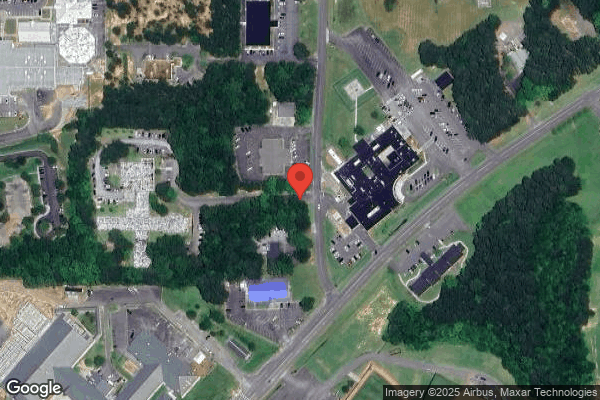

102 HOSPITAL DRIVE, CHATSWORTH, GA 30705 (706) 695-8313
For profit - Limited Liability company 120 Beds JOURNEY HEALTHCARE Data: November 2025
Trust Grade
58/100
#207 of 353 in GA
Last Inspection: May 2024

Within standard 12-15 month inspection cycle. Federal law requires annual inspections.

Overview

Murray Woods of Journey LLC has a Trust Grade of C, which means it is average and sits in the middle of the pack. It ranks #207 out of 353 nursing homes in Georgia, placing it in the bottom half, but it is the only option in Murray County. The facility's trend is worsening, as it went from 2 issues in 2022 to 6 in 2024. Staffing is a concern with a poor rating of 1 out of 5 stars, although they have a low turnover rate of 0%. The nursing home has received fines totaling $15,092, which is average, but it has less RN coverage than 97% of facilities in Georgia, meaning there may not be enough registered nurses to monitor resident care effectively. Specific issues include inadequate nursing staff, serving incorrect meals to residents, and failing to maintain a safe and clean environment in multiple rooms and common areas. These findings indicate both strengths, such as low staff turnover, and significant weaknesses regarding staffing and resident conditions.

Trust Score
C
58/100
In Georgia
#207/353
Bottom 42%
Safety Record
Low Risk
No red flags
Inspections
Getting Worse
2 → 6 violations
Staff Stability
○ Average
Turnover data not reported for this facility.
Penalties
✓ Good
$15,092 in fines. Lower than most Georgia facilities. Relatively clean record.
Skilled Nurses
⚠ Watch
Each resident gets only 10 minutes of Registered Nurse (RN) attention daily — below average for Georgia. Fewer RN minutes means fewer trained eyes watching for problems.
Violations
⚠ Watch
11 deficiencies on record. Higher than average. Multiple issues found across inspections.
★★☆☆☆
2.0
Overall Rating
★☆☆☆☆
1.0
Staff Levels
★★☆☆☆
2.0
Care Quality
★★★☆☆
3.0
Inspection Score
Stable
2022: 2 issues
2024: 6 issues

The Good

  • Full Sprinkler Coverage · Fire safety systems throughout facility
  • No fines on record

Facility shows strength in fire safety.

The Bad

2-Star Overall Rating

Below Georgia average (2.6)

Below average - review inspection findings carefully

Federal Fines: $15,092

Below median ($33,413)

Minor penalties assessed

Chain: JOURNEY HEALTHCARE

Part of a multi-facility chain

Ask about local staffing decisions and management

The Ugly 11 deficiencies on record

May 2024 6 deficiencies
CONCERN (D)

Potential for Harm - no one hurt, but risky conditions existed

Accident Prevention (Tag F0689)

Could have caused harm · This affected 1 resident

Based on observations, staff interviews, record review, and review of the facility policy titled, Resident Smoking, the facility failed to enforce its smoking policy adequately for one of 23 sampled r...

Read full inspector narrative →
Based on observations, staff interviews, record review, and review of the facility policy titled, Resident Smoking, the facility failed to enforce its smoking policy adequately for one of 23 sampled residents (R) (R68) reviewed for smoking compliance. Specifically, this failure allowed R68 to vape unsupervised in his room. The deficient practice had the potential to cause safety issues, including fire. Findings include: Review of the facility policy titled Resident Smoking dated 2/11/2022 indicated under Policy: It is the policy of this facility to provide a safe and healthy environment for all residents, visitors, and employees, including safety as related to smoking. Under Policy Explanation and Compliance Guidelines revealed under number 5. Electronic cigarettes (e-cigarettes/vape/vapor pens) could catch on fire and explode if not handled and stored safely. Safety measures for the use of electronic cigarettes by residents will include, but are not limited to: a. Use of e-cigarettes in designated smoking areas only. Review of the electronic medical record (EMR) revealed R68 was admitted to the facility with diagnoses that included, but not limited to cerebral infarction due to unspecified occlusion or stenosis of the left middle cerebral artery, hemiplegia, and hemiparesis following cerebral infarction affecting the right dominant side, other cirrhosis of the liver, other specified disorders of the brain, other cerebrovascular disorders in diseases classified elsewhere, and psychotic disorder with delusions due to a known physiological condition. Review of the Minimum Data Set (MDS) revealed a Brief Interview for Mental Status (BIMS) score of 99, indicating that R68 did not/could not participate. Review of R68's care plan for smoking and vaping habits to ensure safety. Interventions included enforce the use of smoking aprons during designated smoke times. Secure all tobacco products and vaping equipment in a locked area. Review and reinforce the smoking policy with R68 and his family. Ensure staff supervision during all designated smoking times. Initial observations on 5/28/2024 at 9:48 am of R68 in his room revealed a purple and red vaping device on the bedside table. When asked if he was supposed to have it in his room, he snatched it off the table and shrugged his shoulders. Observation on 5/28/2024 at 1:49 pm, R68 was observed vaping in his room while eating lunch. Several nursing staff members entered and exited the room without noticing the vaping device on the bedside table or the resident vaping while eating. Observation on 5/29/2024 at 1:52 pm, R68 was observed in his room eating and vaping unsupervised. Observation on 5/29/2024 at 1:56 pm, R68 was observed in his room vaping without supervision. Observation on 5/29/2024 at 3:50 pm with the Director of Nursing (DON) and the Administrator in R68's room revealed the vape device was found in plain sight on the resident's bedside table. R68 was observed vaping casually, both with and without staff present. The Administrator confiscated the vape device and reiterated the facility's smoking policy to the resident. Interview on 5/29/2024 at 3:34 pm with the DON regarding the facility's vaping policy revealed the DON confirmed that no residents were allowed to vape in their rooms; and vaping was only permitted in designated smoking areas under supervision. She acknowledged awareness of non-compliant residents and stated that staff are required to confiscate vaping devices and secure them, explaining to residents that they can only vape under supervision and during designated smoking times. She also mentioned that R68 had experienced episodes causing clinical staff supervision during smoke breaks, and occasionally his wife would take him outside to smoke.
CONCERN (D)

Potential for Harm - no one hurt, but risky conditions existed

Unnecessary Medications (Tag F0759)

Could have caused harm · This affected 1 resident

**NOTE- TERMS IN BRACKETS HAVE BEEN EDITED TO PROTECT CONFIDENTIALITY** Based on observations, staff interviews, record review, and review of the facility policies titled, Administration of Dry Powder...

Read full inspector narrative →
**NOTE- TERMS IN BRACKETS HAVE BEEN EDITED TO PROTECT CONFIDENTIALITY** Based on observations, staff interviews, record review, and review of the facility policies titled, Administration of Dry Powder Inhalers and Peripherally Inserted Central Catheter Flushing, Locking, Removal, the facility failed to ensure that residents were free of medication administration errors of more than 5 percent (%) for two of 41 sampled residents (R) (R36 and R111). Specifically, one of three nurses observed failed to have R36 rinse their mouth after administration of an inhaler, and one of three nurses observed failed to properly disinfect the lumen (inside space) of the peripherally inserted central catheter (PICC) line of R111. Findings include: Review of the facility policy dated 2/1/2022 titled Administration of Dry Powder Inhalers revealed under Policy: Medications are administered as prescribed, in accordance with current nursing principles and practices and only by persons legally authorized to do so.under Compliance Guidelines . 13. Allow residents to rinse mouth with water when required per manufacturer recommendations and spit out. Review of the facility policy dated 2/1/2022 titled Peripherally Inserted Central Catheter Flushing, Locking, Removal revealed under Policy: It is the policy of the facility to ensure that peripherally inserted central catheters (PICC) are flushed, locked, and removed consistent with current standards of practice.under Flushing Compliance Guidelines . 4. Disinfect needleless connector with an antiseptic solution using a vigorous mechanical scrub for five (5) seconds and allow it to dry completely. Review of the electronic medical record (EMR) for R36 revealed that she was admitted to the facility with diagnoses that included, but were not limited to Parkinson's disease, and chronic obstructive pulmonary disease (COPD). Review of the quarterly Minimum Data Set (MDS) for R36 dated 4/30/2024 revealed a Brief Interview for Mental Status (BIMS) score of 12, indicating moderate cognitive impairment. Review of the medications orders revealed that R36 was to receive the following medications that included, but were not limited to Artificial Tears Solution 1 % (Carboxymethylcellulose Sodium) Instill 1 drop in both eyes four times a day for dry eyes, Breo Ellipta 100-25 MCG (microgram) INH (isoniazid) 1 puff inhale orally one time a day related to Chronic Obstructive Pulmonary Disease, rinse mouth after use, and Fluticasone Propionate Suspension 50 MCG/ACT (actuation/spray) 2 sprays in both nostrils one time a day for allergies. Review of the care plan dated 8/19/2019 for R36 revealed she was at risk for episodes of shortness of breath related to diagnosis of COPD, chronic pulmonary embolism and chronic respiratory failure. One of the interventions for this problem was to give medications as ordered by physician. On 5/29/2024 at 8:26 am, Licensed Practical Nurse (LPN) AA was observed for administration of medication for R36. She entered the resident's room and administered the medications to the resident without difficulty. She administered the eyedrops using the correct technique. She was then observed administering the Breo inhaler. It was administrated using the correct technique, except for allowing the resident to rinse their mouth out with water. As the nurse left the resident's room, she approached the medication cart and was asked if she could recall missing anything during the administration of medications, and she stated, I forgot to allow the resident to rinse her mouth after receiving her inhaler. Review of the EMR for R111 revealed that he was admitted to the with diagnoses that included, but were not limited to osteomyelitis of vertebra, obstructive and reflux uropathy and cellulitis of right and left lower legs. Review of the quarterly MDS dated [DATE] for R111 revealed a BIMS score of 15, indicating little or no cognitive impairment. Review of section N-Medications revealed that he had IV (intravenous) access in the hospital and at the facility. Review of the physician's orders for R111 revealed there was no order for PICC line flushes. Review of the care plan dated 2/29/2024 for R111 revealed an ongoing bacterial/viral infection r/t (related to) cellulitis to bilateral lower extremities. An intervention for this problem included, but was not limited to administer oral, topical, or IV antibiotic medications as per MD (medical doctor) order. LPN BB was observed during medication administration on 5/29/2024 at 11:47 am. She administered a normal saline flush for R111, who had a PICC line in the left upper arm. She washed her hands, and applied gloves. She opened an alcohol wipe and then wiped the alcohol wipe across the needleless connector just once. She then connected the normal saline prefilled syringe, flushed the catheter, then wiped the needleless connector with an alcohol wipe once, and then applied the cap to the connector. Interview on 5/29/2024 at 3:00 pm with LPN BB, she was asked what amount of time should a PICC line port be cleaned off with alcohol when flushing. She stated, That she has never been asked that before, so I cannot answer that truthfully. Interview on 5/29/2024 at 5:30 pm with the Director of Nursing (DON), she stated that she expected the nurses to allow the resident to rinse their mouth with water after they receive inhalers. She also stated that she expected the nurses to disinfect the needleless port of a PICC line by cleaning for at least five seconds.
CONCERN (D)

Potential for Harm - no one hurt, but risky conditions existed

Infection Control (Tag F0880)

Could have caused harm · This affected 1 resident

**NOTE- TERMS IN BRACKETS HAVE BEEN EDITED TO PROTECT CONFIDENTIALITY** Based on observations, staff interviews, record review, and review of the facility policy titled, Peripherally Inserted Central ...

Read full inspector narrative →
**NOTE- TERMS IN BRACKETS HAVE BEEN EDITED TO PROTECT CONFIDENTIALITY** Based on observations, staff interviews, record review, and review of the facility policy titled, Peripherally Inserted Central Catheter Flushing, Locking, Removal, the facility failed to use proper infection control practice when flushing a needleless connector of a peripherally inserted central catheter (PICC) for one of three Residents (R) (R111) observed during medication administration. The deficient practice had the potential to cause infection for R111. Findings include: Review of the facility policy titled Peripherally Inserted Central Catheter Flushing, Locking, Removal, it states under Policy: It is the policy of the facility to ensure that peripherally inserted central catheters (PICC) are flushed, locked, and removed consistent with current standards of practice.under Flushing Compliance Guidelines: 4. Disinfect needleless connector with an antiseptic solution using a vigorous mechanical scrub for five (5) seconds and allow it to dry completely. Review of the electronic medical record (EMR) for R111 revealed that he was admitted to the facility with diagnoses that included, but were not limited to osteomyelitis of vertebra, obstructive and reflux uropathy, and cellulitis of right and left lower legs. Review of the Minimum Data Set (MDS) dated [DATE] revealed that R111 has a Basic Interview for Mental Status (BIMS) score of 15, indicating little or no cognitive impairment. Review of section N-Medications revealed that he had IV (intravenous) access in the hospital and at the facility. Review of the care plan dated 2/29/2024 for R111 revealed he has an ongoing bacterial/viral infection r/t [related to] cellulitis to bilateral lower extremities. An intervention for this problem included, but was not limited to administer oral, topical, or IV antibiotic medications as per MD (medical doctor) order. Review of the physician's orders for R111 revealed there was no order for the PICC line flushes. Licensed Practical Nurse (LPN) BB was observed during medication administration on 5/29/2024 at 11:47 am. She administered a normal saline flush for R111, who had a PICC line in the left upper arm. She washed her hands and applied gloves. She opened an alcohol wipe and then wiped the alcohol wipe across the needleless connector just once. She then connected the normal saline prefilled syringe, flushed the catheter, then wiped the needleless connector with an alcohol wipe once, and then applied the cap to the connector. Interview on 5/29/2024 at 3:00 pm with LPN BB, she was asked what amount of time a PICC line port should be cleaned off with alcohol when flushing. She stated, I have never been asked that before, so I cannot answer that truthfully. Interview on 5/30/2024 at 6:17 pm with the Director of Nursing, she revealed that it was her expectation that nurses follow the physician orders for medication administration. She then stated that nurses should disinfect the needleless connector of the PICC line with an alcohol wipe for at least five seconds.
CONCERN (E)

Potential for Harm - no one hurt, but risky conditions existed

Safe Environment (Tag F0584)

Could have caused harm · This affected multiple residents

**NOTE- TERMS IN BRACKETS HAVE BEEN EDITED TO PROTECT CONFIDENTIALITY** Based on observations, staff interviews, and review of the facility policy titled, Resident Environmental Quality, the facility ...

Read full inspector narrative →
**NOTE- TERMS IN BRACKETS HAVE BEEN EDITED TO PROTECT CONFIDENTIALITY** Based on observations, staff interviews, and review of the facility policy titled, Resident Environmental Quality, the facility failed to provide a safe, clean, comfortable, and homelike environment in nine of 53 resident rooms on two of four halls, and in the lobby media common area. Specifically, these rooms and halls contained pests (flies), damaged floor fall strips, dirty wall sheetrock, dirty privacy curtain with missing hanging hooks, stained, brown, and damaged floor tiles, damaged bathroom toilet commodes, damaged baseboard, dirty, broken packaged terminal air conditioner (PTAC) unit vent covers, damaged soap dispensers, and crowded furniture (beds with crank adjustment) in the lobby media common area. Review of the facility policy titled Resident Environmental Quality dated 2/1/2022 indicated under Policy: It is the policy of this facility to be designed, constructed, equipped, and maintained to provide a safe, functional, sanitary and comfortable environment for residents, staff and the public. Policy Explanation and Compliance Guidelines: 10. Maintain an effective pest control program so that the facility is free of pests and rodents. Initial screening observations on 5/28/2024 at 11:00 am in room [ROOM NUMBER] revealed flies on resident's pillow and floor, dirty wall, damaged floor fall strips, soap dispenser was unattached from the wall, sitting on the floor, dirty PTAC unit, and the bedroom sink was missing paint. Initial screening observations on 5/28/2024 at 11:15 am in room [ROOM NUMBER] revealed the floor behind the bed was dirty, flies on the bed, a big hole in the wall, sheetrock damage with a big hole next to bed B, and the bathroom toilet paper dispenser was sitting on the floor. Initial screening observations on 5/28/2024 at 11:25 am in room [ROOM NUMBER] revealed a dirty privacy curtain with brown, reddish stains, a dirty bathroom ceiling fan, damaged bathroom toilet commode with constantly running water, and flies in the room. Initial screening observations on 5/28/2024 at 11:35 am in room [ROOM NUMBER] revealed a damaged bedside cabinet dresser with missing bottom door, flies in the room, and a damaged bathroom toilet commode with constantly running water. Initial screening observations on 5/28/2024 at 11:45 am in room [ROOM NUMBER] revealed a stopped-up sink with slow drainage, flies in the room, spider webs in the windowsill, wall damage with a hole between the residents' beds, dirty wall above the soap dispenser with brownish, orange stains, and a damaged sink, detached from the countertop. Initial screening observations on 5/28/2024 at 11:55 am in room [ROOM NUMBER] revealed a broken PTAC unit vent cover, a damaged baseboard strip that was taped to the wall, and damaged wall sheetrock protruding from the wall. Initial screening observations on 5/28/2024 at 12:06 pm in room [ROOM NUMBER] revealed bugs (flies) on the mattress and dirty privacy curtains with brown stains hanging with missing hooks. Initial screening observations on 5/28/2024 at 1:06 pm in room [ROOM NUMBER] revealed damaged bathroom floor tiles with brownish, black stains. Initial screening observations on 5/28/2024 at 1:29 pm in room [ROOM NUMBER] revealed in the bathroom that the back of the toilet was removed, and missing parts were lying on the floor. Initial screening observations on 5/28/2024 at 2:15 pm in the lobby media common area revealed four residents in wheelchairs and two in geri-chairs watching television with five crank beds pushed against the wall located below the mounted television. Interviews during walking rounds on 5/31/2024 at 11:15 am with the Administrator, Assistant Maintenance Director (AMD) and Housekeeping/Laundry Director (HLD) confirmed pests (flies), damaged fall floor strips, dirty wall sheetrock, privacy curtain dirty and missing hanging hooks, damaged and stained floor tiles, damaged bathroom toilet commodes, damaged taped baseboards, dirty and broken PTAC unit vent covers, damaged soap dispensers, and crowded furniture (crank beds) in the lobby media common area. The HLD mentioned his team had completed a cleaning audit of privacy curtains on the 100-hall and were currently addressing the ones that needed attention on the 200-hall. The AMD stated the pest control service came out that week to exterminate the building, but did not know exactly what was being done for the flies. The Administrator stated due to the building being old, they have experienced a lot of flies, but never knew the pests were infesting the residents' rooms at that level. The AMD also confirmed the missing back of the commode top in room [ROOM NUMBER]. The AMD fixed the back of the toilet commode with a top cover during the walk-through. The Administrator stated the conditions of the room were unacceptable and asked the Environmental Services Director and HLD to immediately address the issues and concerns in the resident's rooms.
CONCERN (F)

Potential for Harm - no one hurt, but risky conditions existed

Deficiency F0725 (Tag F0725)

Could have caused harm · This affected most or all residents

Based on staff and family interviews, and review of facility documents titled, Facility Assessment Tool 2024 and the PBJ (payroll-based journal) Staffing Data Report Quarter 1 2024 (October 1, 2023, t...

Read full inspector narrative →
Based on staff and family interviews, and review of facility documents titled, Facility Assessment Tool 2024 and the PBJ (payroll-based journal) Staffing Data Report Quarter 1 2024 (October 1, 2023, through December 31, 2023), the facility failed to ensure that the facility had adequate nursing staff. The deficient practice had the potential to affect the care provided to the 116 residents that resided in the facility. Findings include: Review of The Facility Assessment Tool (FAT) 2024 revealed the average daily census in the facility was 112 residents. The FAT revealed the average hourly staffing needs per day were 84 hours of licensed nurses providing direct care, 233 hours for nurses' aides. Review of the PBJ Staffing Data Report Quarter 1 2024 (October 1, 2023, through December 31, 2023) revealed based on the data submitted, the facility triggered Excessively Low Weekend Staffing and for a One-Star Staffing Rating (Failure to submit PBJ data by the deadline, more than 4 days in the quarter without RN (Registered Nurse) Staffing hours, failure to respond to, submit documentation for, or failure to pass a CMS (Centers for Medicare and Medicaid Services) audit designed to discover discrepancies in PBJ data). Interview on 5/30/2024 at 7:40 pm with the Director of Nursing (DON) and the Human Resources Director/Nursing Scheduler (NS) CC revealed they were both not aware of the PBJ's one-star staffing and excessively low weekend staffing rating the facility received for the first quarter of 2024. The DON stated that they stack the weekend with extra staff to help with call offs. NS CC stated that they use agency staff that helps the staffing numbers. Interview on 5/30/2024 at 7:53 pm with the Administrator, he acknowledged he was aware of the PBJ's one-star staffing rating and excessively low weekend staffing the facility received for the first quarter of 2024. He stated that they were trying to subsidize with agency staff.
CONCERN (F)

Potential for Harm - no one hurt, but risky conditions existed

Menu Adequacy (Tag F0803)

Could have caused harm · This affected most or all residents

Based on observations, staff interviews, record review, and review of the facility policy titled, Menus, the facility failed to serve the meal listed on the cycled menu for residents who received an o...

Read full inspector narrative →
Based on observations, staff interviews, record review, and review of the facility policy titled, Menus, the facility failed to serve the meal listed on the cycled menu for residents who received an oral diet from the kitchen. Specifically, the cycled menu stated ham and California vegetable blend was to be served for dinner, but instead, a sloppy joe was served. The deficient practice affected 115 of 116 residents who received an oral diet from the kitchen. Findings include: 1. Review of facility policy titled Menus updated February 2017 revealed under Policy: All residents are to receive the meal stated on the weekly menu. Meals should be prepared and served based on the cycled menu. Review of the weekly menu cycle for the week of Sunday, 5/26/2024, revealed residents were to receive glazed baked ham, pinto beans, broccoli, and cornbread. Interview on 5/29/2024 at 11:33 am with the Regional Dietitian revealed that she was aware of the residents in the facility not liking the food. 2. Review of the quarterly Minimum Data Set (MDS) assessment from 4/30/2024 for R85 revealed a Brief Interview for Mental Status (BIMS) score of 14, indicating little or no cognitive impairment. Review of the admission MDS assessment from 3/4/2024 for R114 revealed a BIMS score of 14, indicating little or no cognitive impairment. Initial screening interview on 5/28/2024 at 12:02 pm with R85 revealed that on Sunday night, 5/26/2024, they were served a bag of potato chips and a spoon of watered-down sloppy joe chili on a slice of white bread. R85 revealed a time-dated photo on 5/26/2024 at 5:42 pm of the food received for dinner. The photo showed a piece of white bread with a meat sauce and a bag of chips. Initial screening interview on 5/28/2024 at 12:51 pm with R114 they stated, Sunday night's dinner was absolutely despicable, and the alternative sandwiches were thrown together in a plastic trash bag with ham deli meat that was sticky and tasted spoiled. During a Resident Council meeting on 5/28/2024 at 2:05 pm with seven alert and oriented residents (R) (R1, R5, R41, R54, R57, R70, and R89), they confirmed they received sloppy joe on a slice of bread instead of glazed ham for Sunday (5/26/2024) dinner. Interview on 5/30/2024 at 9:03 am with the Corporate Registered Nutritionist confirmed that a lot of residents were complaining about the food this past Sunday. She stated the new Dietary Manager was trying to come up with a menu committee that consists of several residents to help with menu food choices. Interview on 5/30/2024 at 4:31 pm, the Administrator confirmed he received several cellphone pictures and calls from residents and their family members regarding the dinner served on 5/26/2024. He stated when he did a walk through in the kitchen, they had plenty of ham in the cooler. He further stated they had plenty of hamburger buns to serve the sloppy joes in a decent manner. He stated when he spoke to the [NAME] that was responsible for serving the meal, she did not have an answer to why she served an unsuitable dinner meal. He stated, I was shocked and disappointed in her behavior because she is a seasoned kitchen cook.
Dec 2022 1 deficiency
CONCERN (E)

Potential for Harm - no one hurt, but risky conditions existed

Food Safety (Tag F0812)

Could have caused harm · This affected multiple residents

Based on observations, staff interviews, and review of the facility policies titled, Dietary Employee Personal Hygiene and Staff Attire, the facility failed to ensure food was prepared, distributed, a...

Read full inspector narrative →
Based on observations, staff interviews, and review of the facility policies titled, Dietary Employee Personal Hygiene and Staff Attire, the facility failed to ensure food was prepared, distributed, and served in accordance with professional standards for food service quality. Specifically, the facility failed to ensure four of six staff members observed (Dietary Manager (DM), Kitchen Staff (1), Kitchen Staff (2), and the Social Services Director (SSD) had their hair restrained appropriately which had the potential to affect all residents on an oral diet. Facility census was 108 with 107 residents recieiving an oral diet. Findings include: Review of the facility policy titled, Dietary Employee Personal Hygiene, dated 2/01/2022 revealed All dietary staff must wear hair restraints (e.g., hairnet, hat and/or beard restraint) to prevent hair from contacting food. A review of the facility policy titled, Staff Attire, dated October 2019 revealed The Dining Services Director ensures that all staff members have their hair off the shoulders, confined in a hair net or cap and facial hair properly restrained. An observation in the kitchen on 12/19/2022 at 9:10 a.m. revealed hair nets were available at the kitchen entrance. The DM and two other kitchen staff (Kitchen Staff #1 and Kitchen Staff #2) were observed wearing baseball caps. The baseball caps did not contain all of the hair of Kitchen Staff #1 and Kitchen Staff #2. They were not wearing hair nets. An interview on 12/19/2022 at 9:35 a.m. with Kitchen Staff #1 revealed she was aware that prior to entering the kitchen she had to have her hair covered. She stated she was allowed to wear a baseball cap but realized the cap did not cover all of her hair. An interview on 12/19/2022 at 9:38 a.m. with the DM revealed he thought it was acceptable to wear baseball caps as a hair restraint but now realized the hair was not covered with a cap. An interview on 12/19/2022 at 11:15 a.m. with Kitchen Staff #2 revealed that she thought she was allowed to wear a baseball cap as a hair restraint, but she was told by her manager earlier that day that she had to wear a hair net under the cap. An observation on 12/20/2022 at 11:20 a.m. revealed the SSD (non-kitchen staff) entered the kitchen area without a hair net or beard net. The SSD went to the coffee machine, and got coffee for himself, and exited the kitchen. An interview on 12/21/2022 4:01 p.m. with the Administrator revealed he expected the kitchen staff to always wear hair nets to make sure their hair was covered. During an interview on 12/21/2022 at 2:06 p.m., the SSD confirmed that he did not wear a hair or beard net when he went into the kitchen area on 12/20/2022. He stated he was aware that there was a sign on the door that the staff had to wear hair and beard nets when entering the kitchen. An interview on 12/20/2022 at 12:12 p.m. with the DM revealed he had asked the SSD and other non-kitchen staff not to enter the kitchen without a hairnet. He said he had also gone to the Administrator on multiple occasions regarding the issue, but staff continued to come in the kitchen without wearing proper attire. An interview on 12/21/2022 at 3:15 p.m. with the Director of Nursing (DON) revealed that she expected staff not to enter the kitchen area. She stated if they did, they must wear hair and beard nets. An interview on 12/21/2022 at 4:01 p.m. with the Administrator revealed he expected non-kitchen staff to ask for assistance and not enter the kitchen area. However, if the kitchen staff were busy, he expected the non-kitchen staff to follow the rules and wear hair nets and a beard net, if needed. He said there were signs on the doors reminding staff what was required prior to entering the kitchen area.
Dec 2022 1 deficiency
CONCERN (D) 📢 Someone Reported This

A family member, employee, or ombudsman was alarmed enough to file a formal complaint

Potential for Harm - no one hurt, but risky conditions existed

Notification of Changes (Tag F0580)

Could have caused harm · This affected 1 resident

**NOTE- TERMS IN BRACKETS HAVE BEEN EDITED TO PROTECT CONFIDENTIALITY** Based on observations, record review, family and staff interviews, and the facility policy titled, Notification of Changes, the ...

Read full inspector narrative →
**NOTE- TERMS IN BRACKETS HAVE BEEN EDITED TO PROTECT CONFIDENTIALITY** Based on observations, record review, family and staff interviews, and the facility policy titled, Notification of Changes, the facility failed to promptly notify the responsible party (RP) for a change in condition regarding a fall for one of three sampled residents (R) #2. This failure resulted in the RP for R#2 not to be notified of a fall. Findings include: Review of the facility policy titled; Notification of changes revealed circumstances requiring notification include: 1.Accidents: a. Resulting in injury b. Potential to require physician intervention/additional considerations. 2. Residents incapable of making decisions: a. The representative would make any decisions that have to be made. b. The resident should still be told what is happening to him/her. Record review revealed R#2 was admitted on [DATE] with diagnoses that included but were not limited to frontotemporal neurocognitive disorder, dementia, adult failure to thrive, muscle weakness, and major depressive disorder. Review of the quarterly Minimum Data Set (MDS) dated [DATE] revealed the Brief Interview of Mental Status (BIMS) score was 0 out of 15 indicating severe cognitive impairment. In addition, the resident required extensive assistance for all activities of daily living (ADL's), eating, and physical activity. Review of the Nurses Notes dated 1/24/2022 at 10:06 p.m. R#2 was found laying [sic] on right (RT) side of the bed on a fall mat, wrapped in the covers from the bed. An assessment was completed, no injuries were noted, and R#2 was assisted back to bed. Physical findings note: No injury was noted. R#2 denied pain. A review of the Nurses Notes dated 1/31/2022 at 10:51 a.m. documented the following: R#2 was noted to have bruising to the RT hip area, and the Nurse Practitioner (NP) was notified. A review of the Nurses Notes dated 1/31/2022 at 12:15 p.m. documented the following: The Nurse Practitioner (NP) ordered for R#2 to have an x-ray of bilateral hips related to pain/hematoma. Further review revealed the x-ray was negative for fractures. An interview on 12/5/2022 at 2:27 p.m. with the daughter/RP of R#2, she stated that she just wants to know as soon as something happens to her mom. An interview on 12/8/2022 at 12:47 p.m. with the Director of Nursing (DON) revealed a record review of the electronic medical record (EMR) for R#2 with the DON that showed documentation indicating the resident representative for R#2 was not notified of the fall which occurred on 1/24/2022. The DON revealed/verified nurse notes indicating the physician was notified, but the resident representative for R#2 was not. The DON revealed her expectations are for RPs to be notified for all falls, Incidents, Situations, Background, Assessment, Recommendation (SBAR), and changes in condition. She also stated that staff are expected to complete an incident report, notify the physician and resident representative, and complete an SBAR.
Aug 2019 3 deficiencies
CONCERN (D)

Potential for Harm - no one hurt, but risky conditions existed

Deficiency F0577 (Tag F0577)

Could have caused harm · This affected 1 resident

Based on observation and staff interview, it was revealed that the facility failed to post notice of the availability of state survey results in prominent places in the facility. The facility census w...

Read full inspector narrative →
Based on observation and staff interview, it was revealed that the facility failed to post notice of the availability of state survey results in prominent places in the facility. The facility census was 109 residents, and the sample size was 20. Findings include: Observation of the lobby area and resident accessible areas in the facility on 8/19/19 beginning at 12:20 p.m. revealed no signs of the recent state survey results or signage announcing the location or availability of those results. An observation on 8/20/19 at 10:30 a.m. of the lobby area of the facility accompanied by the Social Service Director, revealed a cherry wood cabinet attached to the wall at the right of the main entrance. Inside the cabinet, once the doors were opened, was a binder labeled: Chatsworth Healthcare Center State Survey Report. During a group interview with members of the resident council on 8/22/19 at 2:10 p.m., it was revealed that few members of the resident council knew of the whereabouts of the state survey results and how they could access them. One resident said she believed they were to be found in the lobby area but could not be sure of the exact location. 5 out of the 13 members of the council who were present agreed that they were not aware the results of the most recent state surveys were available for their viewing, nor did they know where these results were located. Review of the Brief Interview for Mental Status (BIMS) scores on the most recent Minimum Data Set (MDS) assessments completed for the members of the council attending the interview revealed that 5 of 13 had scores ranging between 10 and 15 indicating that they were considered to be cognitively intact. During an interview with the Regional Nurse Consultant (RNC) at 8/22/19 at 4:00 p.m. revealed the red binder inside a cherry wood cabinet near the front entrance, she revealed that the residents are supposed to be educated on the availability of the survey results and where to find them. She agreed that there was no indication in the area as to where the survey results were kept and that visitors/families/residents would not necessarily know the results were available in the cabinet when the door was closed. The RNC said the survey results were also once available in a book at the nurse's station and she often directed families and visitors to those results. However, she was not sure if the results were still displayed in that area. During an interview with the Social Services Director (SSD) on 8/22/19 at 2:58 p.m., she stated that she spoke to the Resident Council in July 2018 about the State survey results. The SSD said she discussed the last survey results and the location of the red binders with residents last year. She submitted a copy of the resident council meeting minutes dated 7/19/18. Observation on 8/22/19 at 3:12 p.m. of the sitting area accompanied by the SSD revealed that the survey results were not displayed anywhere in that area.
CONCERN (D)

Potential for Harm - no one hurt, but risky conditions existed

Deficiency F0688 (Tag F0688)

Could have caused harm · This affected 1 resident

**NOTE- TERMS IN BRACKETS HAVE BEEN EDITED TO PROTECT CONFIDENTIALITY** Based on observation, staff interview, and record review the facility failed to ensure the highest level of range of motion (ROM...

Read full inspector narrative →
**NOTE- TERMS IN BRACKETS HAVE BEEN EDITED TO PROTECT CONFIDENTIALITY** Based on observation, staff interview, and record review the facility failed to ensure the highest level of range of motion (ROM) and mobility related to application of splints and Passive Range of Motion (PROM) for one Resident (R) (R#68). The sample size was 33 Residents. Findings include: Review of the Minimum Data Set (MDS) Annual assessment dated [DATE] for R#68 revealed a (C) Basic Interview for Mental Status (BIMS) score of 2 indicating severe cognition. (E) Behaviors (E0200) (C) Other behavioral symptoms not directed toward others (eg., physical symptoms such as hitting or scratching self, pacing, rummaging, public sexual acts, disrobing in public, throwing or smearing food or bodily waste, or verbal/vocal symptoms like screaming, disruptive sounds.) 4 to 6 days a week but less than daily. (E0800) Rejection of Care - Presence and Frequency, behavior not exhibited. (G) Functional Status, Total dependence. (H) Bowel and Bladder, Always incontinent. (I) Active Diagnosis (including but not limited to, arthritis, dementia, anxiety, and depression. (N) Medications, antianxiety 2/7 days a week, antidepressant and diuretic 7/7 days a week. Review of the care plan for R#68 dated 10/30/14 with a goal target date of 10/24/19 revealed a Category of Activities of Daily Living (ADL) Functional / Rehabilitation Potential. Alteration in ADL Status related to impaired mobility and requiring assistance with completing ADL tasks. R#68 is dependent for bed mobility, transfers, personal hygiene, bathing and toileting. She has contractures to both hands related to arthritis. At times she refuses to wear her hand splints. Interventions include (but is not limited to), Encourage R#68 to wear her hand splints, if care is refused attempt to calm and return later in a kind, understanding manner and attempt care again. Notify Medical Doctor (MD) / Family as needed related to refusals. Review of the Restorative Nursing Care Plan dated 4/9/19 revealed, under observation, nothing is checked. Interventions include PROM and Splint or Brace Assistance. Measurable Objectives include, PROM to Bilateral Upper Extremities 3 to 7 times weekly and Restorative Nursing Plan (RNP) to apply B hand splints 3 to 6 times a week to be worn as tolerated. There is no time as to how long PROM should be done at a time or how long the splints should be worn noted on the care plan. During an observation on 8/20/19 at 11:00 a.m. of R#68 in bed. She was not observed to be wearing splints. During an observation on 8/21/19 at 12:40 p.m. of R#68 in bed. She was not observed to be wearing splints. During an interview on 8/21/19 at 10:30 a.m. with Restorative Certified Nursing Assistant (CNA) DD she stated that R#68 has not refused restorative care and stated R#68 is very cooperative for her and Restorative CNA EE. During this time Restorative CNA DD stated that the Restorative Nursing Care Plan is also the Restorative order. Review of the Restorative Book revealed June 30, 2019 through July 6, 2019 R#68 received Restorative Services of Passive Range of Motion and had the splints applied 5 times during this week, July 7th through July 13th 5 times, July 14th through July 20th 2 times, July 21st through the 27th no PROM or splints applied, July 28th through August 3rd 1 time, August 4th through August 10th 2 times, August 11th through August 17th 2 times, and as of 8/21/19 there is no documentation that R#68 has received PROM or had her splints applied. There were no documented refusals in the book and no notation that refusals were reported to the supervisor. During an interview on 8/21/19 at 11:02 a.m. with Restorative CNA DD she stated that when she receives orders from physical therapy for a resident it is her and Restorative CNA EE's responsibility to carry out the orders for Restorative care. During this time dates were reviewed with Restorative CNA DD and she agreed that R#68 was not always receiving restorative care as it was ordered. During an interview on 8/21/19 at 11:05 a.m. with the Corporate Consultant Nurse she stated that she has implemented a new policy and all staff are being in-serviced. She stated, beginning today, after Restorative receives a new order and they have worked with the resident and gotten them at their maintenance then the Restorative CNA's will turn their restorative care over to the resident's CNA on the floor after teaching them how to perform the care for the resident. During this time Corporate nurse verified the Restorative Order should read, Passive Range of Motion to Bilateral Upper Extremities 3 to 7 days a week. RNP to apply both hand splints 3 to 6 times a week to be worn as tolerated. Review of the medical record for R#68 revealed no documented refusals of application of splints or PROM care in the nursing notes. Review of the Rehabilitative Nursing Care policy revised July 2013 revealed rehabilitative nursing care is performed daily for those residents who require such service. Such program includes but is not limited to: assisting residents with their routine range of motion exercises. Review of the Range of Motion Exercises policy revised October 2010 revealed the purpose of this procedure is to exercise the resident's joints and muscles. Documentation should include the following information be recorded in the resident's medical record: 1. The date and time that the exercises were performed. 2. The name and title of the individual(s) who performed the procedure. 3. The type of ROM exercise given. 4. Whether the exercise was active or passive. 5. How long the exercise was conducted. 6. If and how the resident participated in the procedure or any changes in the resident's ability to participate in the procedure. 7. Any problems or complaints made by the resident related to the procedure. 8. If the resident refused the treatment, the reason(s) why and the intervention taken. 9. The signature and title of the person recording the data. Reporting: 1. Notify the supervisor if the resident refuses the exercises. 2. Report other information in accordance with the facility policy and professional standards of practice. The resident was not observed to have on hand splints at any time throughout survey.
CONCERN (D)

Potential for Harm - no one hurt, but risky conditions existed

Deficiency F0757 (Tag F0757)

Could have caused harm · This affected 1 resident

**NOTE- TERMS IN BRACKETS HAVE BEEN EDITED TO PROTECT CONFIDENTIALITY** Based on Record review, staff interview, and review of the policies, Medication Monitoring and Management and Behavioral Assessm...

Read full inspector narrative →
**NOTE- TERMS IN BRACKETS HAVE BEEN EDITED TO PROTECT CONFIDENTIALITY** Based on Record review, staff interview, and review of the policies, Medication Monitoring and Management and Behavioral Assessment, Intervention and Monitoring the facility failed to provide adequate monitoring of behaviors related to antipsychotic medication for one Resident (R) (R#35). The sample size was 33 residents. Findings include: Review of the Minimum Data Set (MDS) Annual assessment dated [DATE] for R#35 revealed a (C) Basic Interview for Mental Status (BIMS) score of 13 indicating intact cognition. (E) Behaviors (E0100) (B) Delusions (misconceptions or beliefs that are firmly held contrary to reality). (G) Functional Status, Supervision oversight. (H) Bowel and Bladder, Always incontinent. (I) Active Diagnosis including but not limited to dementia, depression, psychotic disorder, and schizophrenia. (N) Medication, antipsychotic and antidepressant 7/7 days a week. Review of the care plan dated 6/22/19 with a goal target date of 7/24/19 for R#35 revealed a category of Mood State. Alteration in Mood/Behavior related to signs and symptoms of depression, exhibiting behaviors and diagnosis of dementia with behaviors, delusional disorder psychosis, depression, and schizophrenia. R#35 has episodes of delusions. She exhibits signs and symptoms of depression and behaviors of resisting care, verbal abuse and socially inappropriate behaviors. Interventions include: Administer medications as ordered (see current MD orders/MAR). Observe for effectiveness/any adverse side effects and notify MD as needed for medication changes. Analyze key times, places, circumstances, triggers and what de-escalates behavior. Intervene as needed to protect the rights and safety of others; approach in a calm manner; divert attention, remove from situation and take to another location as needed. MD/Pharmacist to evaluate on a periodic basis for a gradual dose reduction or discontinuation of psychotropic medications. Monitor behavior episodes and attempt to determine underlying cause. Consider location, time of day, person involved, etc. Monitor for effectiveness of psychotropic drugs (i.e. targeted symptoms/behaviors are controlled). Obtain referral for mental health evaluation as needed. Review of the Order Recap Report for R#35 dated 4/1/19 through 8/31/19 revealed an order dated 4/30/19 by the Medical Director for Celexa 20 milligrams (mg) one by mouth daily related to Major Depressive Disorder and Seroquel 400mg give 1/4 tablet by mouth three times a day related to Schizophrenia Disorder dated 7/23/19 by the Psychiatrist. There was no order for behavior monitoring noted. Review of the medical record for R#35 revealed a note by Licensed Practical Nurse (LPN) FF dated 7/21/19 that reads: Resident became very angry when her roommate had visitors earlier in the shift at approximately 5 p.m. that woke me up being so loud, laughing, and talking about me. Resident then threatened to kill her roommate stating, If yall don't get that trash out of my room, I'll kill her tonight. Resident was moved to a private room, 407, for the night. This nurse educated resident several times that this change was temporary and for tonight only. Responsible Party (RP) of R#35 was notified of the incident with voiced understanding. Social Services Note dated 7/22/19 for R#35 reads: Psychiatrist in and asked her to see resident as needed based on her behavior this weekend. She (Psychiatrist) met with me after assessment and stated that in her opinion the resident was not a threat to her roommate. She stated her (R#35's) threats were behaviors related to her schizoaffective disorder and paranoia. Patient at Risk (PAR)/Interdisciplinary Team (IDT) note dated 7/26/19 reads: Resident made threatening remarks to roommate last weekend. Resident seen by Psychiatrist on 7/22/19,ordered Seroquel for resident and suggested lab work to rule out medical causes of behavior. MD deemed resident was not a threat 7/22/19. MD collaborated with a second MD about resident's medical condition. Resident was offered to move rooms and refused to do so. Resident has made no other threats to residents or staff at this time. During an interview on 8/21/19 at 2:30 p.m. with LPN/MDS CC she stated that behavior monitoring is done on the Medication Administration Record (MAR). During this time the August 2019 MAR for R#35 was reviewed and LPN/MDS CC confirmed there was no behavior monitoring on the MAR. April, May, June, and July 2019 MAR's were also reviewed and confirmed no behavior monitoring was done. She stated that the facility switched Electronic Medical Records and on April 17, 2019 is when they began using the new EMR electronic Medication Administration Record (eMAR). During this time LPN/MDS CC reviewed the Physician Orders in the new EMR and confirmed there was no order for behavior monitoring put into the computer. She then went into the previous EMR and searched the Physician Orders and confirmed that on 2/16/18 an order was written that reads: Target Behavior: Psychosis/Paranoia. At the end of each shift mark Frequency-how often behavior occurred and Intensity-how resident responded to redirection. Intensity Code: 0=Did Not Occur; 1=Easily Altered; 2=Difficult to Redirect. Every shift 01:00 PM - 03:00 PM, 09:00 PM - 11:00 PM, 05:00 AM - 07:00 AM. LPN/MDS CC stated that whoever transcribed the orders over into the new system failed to put the behavior monitoring order in. During an interview on 8/22/19 at 8:30 a.m. with Resident Care Coordinator (RCC) AA for the 400 and 100 halls, she stated behavior monitoring is documented on the MAR. She stated that the order date for behavior monitoring on R#53's medical record is 8/21/19. She stated when there is an admission the Admissions Coordinator puts the orders in to the Resident's medical record then the infection control nurse goes behind her to verify all the orders received are in the medical record and are correct in the computer. She stated that she would have expected any nurse giving medication to R#35 to have caught there was no behavior monitoring on the MAR beginning April 17, 2019 when the facility began using the new Electronic Medical Record (EMR). During an interview on 8/22/19 at 9:29 a.m. with LPN BB she stated she has been administering medications to R#35 for at least 10 months now. She stated she was doing behavior monitoring on R#35 at one point because of an issue that happened with her roommate. During this time the MAR's for R#35 from April 2019 to August 2019 were reviewed with the nurse and she stated there is no documented behavior monitoring beginning 4/17/19 until 8/22/19 and stated the order on the new EMR to do behavior monitoring is dated 8/21/19. LPN stated that she honestly never thought about the behavior monitoring not being on the MAR and didn't realize it until it was brought to her attention at this time. She stated she is aware that any resident on antipsychotic should be receiving behavior monitoring. During an interview on 8/22/19 at 10:12 a.m. with the Pharmacist she stated during monthly medication regimen reviews one of the things the pharmacist is ensuring is that, any resident who is on an antipsychotic, receives behavior monitoring as well. She stated she personally is not responsible for the facility R#35 is in but upon review of her (R#35) information it shows from April 17, 2019 to today, August 22, 2019 the resident has had numerous antipsychotic dosing changes and stated that when there is a dosing change it would cause the pharmacist to ensure behavior monitoring was ordered and being done. Pharmacist stated by reviewing R#35's information she cannot tell why behavior monitoring not being done wasn't caught during the Consultant Pharmacist monthly reviews. Review of the Medication Monitoring and Management policy dated May 2007 reads, in part: In order to optimize the therapeutic benefit of medication therapy and minimize or prevent potential adverse consequences, facility staff, the attending physician/prescriber, and the consultant pharmacist perform ongoing monitoring for appropriate, effective, and safe medication use. When selecting medications and non-pharmacological interventions, members of the interdisciplinary team participate in the care process to identify, assess, address, advocate for, monitor, and communicate the resident's needs and changes in condition. Review of the Behavioral Assessment, Intervention and Monitoring policy revised 2016 revealed the nursing staff will identify, document, and inform the physician about specific details regarding changes in an individual's mental status, behavior, and cognition, including: Onset, duration, intensity and frequency of behavioral symptoms; Any precipitating or relevant factors, or environmental triggers (e.g., medication changes, infection, recent transfer from hospital); and appearance and alertness of the resident and related observations.
Understanding Severity Codes (click to expand)
Life-Threatening (Immediate Jeopardy)
J - Isolated K - Pattern L - Widespread
Actual Harm
G - Isolated H - Pattern I - Widespread
Potential for Harm
D - Isolated E - Pattern F - Widespread
No Harm (Minor)
A - Isolated B - Pattern C - Widespread

Questions to Ask on Your Visit

  • "Can I speak with families of current residents?"
  • "What's your RN coverage like on weekends and overnight?"

Our Honest Assessment

Strengths
  • • No major safety red flags. No abuse findings, life-threatening violations, or SFF status.
Concerns
  • • 11 deficiencies on record. Higher than average. Multiple issues found across inspections.
  • • $15,092 in fines. Above average for Georgia. Some compliance problems on record.
  • • Grade C (58/100). Below average facility with significant concerns.
Bottom line: Mixed indicators with Trust Score of 58/100. Visit in person and ask pointed questions.

About This Facility

What is Murray Woods Of Journey Llc's CMS Rating?

CMS assigns MURRAY WOODS OF JOURNEY LLC an overall rating of 2 out of 5 stars, which is considered below average nationally. Within Georgia, this rating places the facility higher than 0% of the state's 100 nursing homes. A rating at this level reflects concerns identified through health inspections, staffing assessments, or quality measures that families should carefully consider.

How is Murray Woods Of Journey Llc Staffed?

CMS rates MURRAY WOODS OF JOURNEY LLC's staffing level at 1 out of 5 stars, which is much below average compared to other nursing homes.

What Have Inspectors Found at Murray Woods Of Journey Llc?

State health inspectors documented 11 deficiencies at MURRAY WOODS OF JOURNEY LLC during 2019 to 2024. These included: 11 with potential for harm.

Who Owns and Operates Murray Woods Of Journey Llc?

MURRAY WOODS OF JOURNEY LLC is owned by a for-profit company. For-profit facilities operate as businesses with obligations to shareholders or private owners. The facility is operated by JOURNEY HEALTHCARE, a chain that manages multiple nursing homes. With 120 certified beds and approximately 111 residents (about 92% occupancy), it is a mid-sized facility located in CHATSWORTH, Georgia.

How Does Murray Woods Of Journey Llc Compare to Other Georgia Nursing Homes?

Compared to the 100 nursing homes in Georgia, MURRAY WOODS OF JOURNEY LLC's overall rating (2 stars) is below the state average of 2.6 and health inspection rating (3 stars) is at the national benchmark.

What Should Families Ask When Visiting Murray Woods Of Journey Llc?

Based on this facility's data, families visiting should ask: "Can you walk me through typical staffing levels on day, evening, and night shifts?" "Can I visit during a mealtime to observe dining assistance and food quality?" "How do you handle medical emergencies, and what is your hospital transfer rate?" "Can I speak with family members of current residents about their experience?" These questions are particularly relevant given the below-average staffing rating.

Is Murray Woods Of Journey Llc Safe?

Based on CMS inspection data, MURRAY WOODS OF JOURNEY LLC has a clean safety record: no substantiated abuse findings (meaning no confirmed cases of resident harm), no Immediate Jeopardy citations (the most serious violation level indicating risk of serious injury or death), and is not on the Special Focus Facility watch list (a federal program monitoring the lowest-performing 1% of nursing homes). The facility has a 2-star overall rating and ranks #100 of 100 nursing homes in Georgia. While no facility is perfect, families should still ask about staff-to-resident ratios and recent inspection results during their visit.

Do Nurses at Murray Woods Of Journey Llc Stick Around?

MURRAY WOODS OF JOURNEY LLC has not reported staff turnover data to CMS. Staff turnover matters because consistent caregivers learn residents' individual needs, medications, and preferences. When staff frequently change, this institutional knowledge is lost. Families should ask the facility directly about their staff retention rates and average employee tenure.

Was Murray Woods Of Journey Llc Ever Fined?

MURRAY WOODS OF JOURNEY LLC has been fined $15,092 across 1 penalty action. This is below the Georgia average of $33,230. While any fine indicates a compliance issue, fines under $50,000 are relatively common and typically reflect isolated problems that were subsequently corrected. Families should ask what specific issues led to these fines and confirm they've been resolved.

Is Murray Woods Of Journey Llc on Any Federal Watch List?

MURRAY WOODS OF JOURNEY LLC is not on any federal watch list. The most significant is the Special Focus Facility (SFF) program, which identifies the bottom 1% of nursing homes nationally based on persistent, serious quality problems. Not being on this list means the facility has avoided the pattern of deficiencies that triggers enhanced federal oversight. This is a positive indicator, though families should still review the facility's inspection history directly.