CAMELLIA HEALTH & REHABILITATION

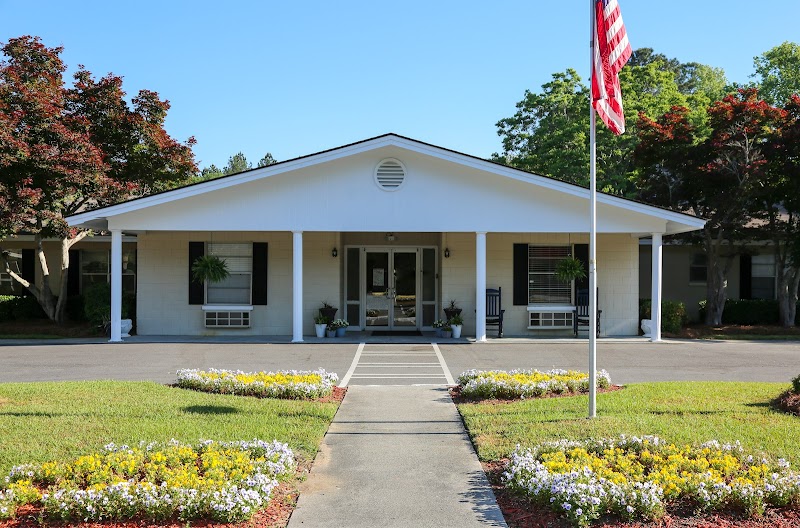
700 EAST LONG STREET, CLAXTON, GA 30417 (912) 739-2245
Non profit - Other 87 Beds CLINICAL SERVICES, INC. Data: November 2025
Trust Grade
73/100
#52 of 353 in GA
Last Inspection: April 2025

Within standard 12-15 month inspection cycle. Federal law requires annual inspections.

Overview

Camellia Health & Rehabilitation in Claxton, Georgia, has a Trust Grade of B, indicating it is a good choice for families seeking care, as it falls within the solid range of 70-79. It ranks #52 out of 353 facilities in Georgia, placing it in the top half of state options, and is the only nursing home in Evans County. However, the facility is experiencing a worsening trend, with the number of issues identified increasing from 1 in 2024 to 2 in 2025. Staffing ratings are average at 3 out of 5 stars, but the turnover rate is concerning at 59%, which is higher than the state average, suggesting challenges in retaining staff. The facility has faced $6,201 in fines, which is considered average, but it highlights some compliance issues. Strengths include a solid overall rating of 4 out of 5 stars and average RN coverage, ensuring that registered nurses are present to catch potential problems. However, there were concerning incidents such as a resident who was not properly monitored and was able to leave the facility, resulting in a fall, and another case where a change in a resident's condition was not communicated to their responsible party. Additionally, some residents had issues with their wheelchair equipment being in poor condition, which could impact their safety and comfort. Overall, while there are notable strengths, potential residents and families should consider these weaknesses carefully.

Trust Score
B
73/100
In Georgia
#52/353
Top 14%
Safety Record
Low Risk
No red flags
Inspections
Getting Worse
1 → 2 violations
Staff Stability
⚠ Watch
59% turnover. Above average. Higher turnover means staff may not know residents' routines.
Penalties
○ Average
$6,201 in fines. Higher than 66% of Georgia facilities. Some compliance issues.
Skilled Nurses
○ Average
Each resident gets 34 minutes of Registered Nurse (RN) attention daily — about average for Georgia. RNs are the most trained staff who monitor for health changes.
Violations
○ Average
7 deficiencies on record. Average for a facility this size. Mostly minor or procedural issues.
★★★★☆
4.0
Overall Rating
★★★☆☆
3.0
Staff Levels
★★★☆☆
3.0
Care Quality
★★★★☆
4.0
Inspection Score
Stable
2024: 1 issues
2025: 2 issues

The Good

  • Full Sprinkler Coverage · Fire safety systems throughout facility
  • No fines on record

Facility shows strength in fire safety.

The Bad

Staff Turnover: 59%

13pts above Georgia avg (46%)

Frequent staff changes - ask about care continuity

Federal Fines: $6,201

Below median ($33,413)

Minor penalties assessed

Chain: CLINICAL SERVICES, INC.

Part of a multi-facility chain

Ask about local staffing decisions and management

Staff turnover is elevated (59%)

11 points above Georgia average of 48%

The Ugly 7 deficiencies on record

Apr 2025 1 deficiency
CONCERN (E) 📢 Someone Reported This

A family member, employee, or ombudsman was alarmed enough to file a formal complaint

Potential for Harm - no one hurt, but risky conditions existed

Deficiency F0558 (Tag F0558)

Could have caused harm · This affected multiple residents

Based on observations, staff interviews, record review, and review of the facility's policy titled, SKILLED NURSING SERVICES Equipment Management, the facility failed to maintain good repair of reside...

Read full inspector narrative →
Based on observations, staff interviews, record review, and review of the facility's policy titled, SKILLED NURSING SERVICES Equipment Management, the facility failed to maintain good repair of residents' wheelchair armrests and wheelchair backs for three (3) of four (4) residents, (Resident (R) (R8, R39, and R47), that were observed to be either missing, torn, or tattered in appearance. The findings include: A review of the facility's policy titled, SKILLED NURSING SERVICES Equipment Management with a Review Date of 12/27/2024, revealed the following: INTENT It is the Intent of this center to implement a plan of scheduled equipment checks for specific equipment to facilitate properly functioning equipment. GUIDELINE .Documentation should be maintained related: Problems/concern identified including date concern noted immediate action actions taken for resolution . A review of the facility's Logbook Documentation revealed the following: .Task Name: Conduct Wheelchair inspections .Marked done on-time by Maintenance Assistance/Floor Technician (MF/FT) on 1/22/2025, 1/22/2025, 3/24/2025. This document review revealed the following wheelchair areas were checked OK: Upholstery-Back, Seat, Armrest, Leg rest panel; Wheels-Tires, Spokes, Bearings, Handrails, Adjustment; Casters-Tires, Stem bearings, Wheel bearings; Adjustment - NA (not applicable); Locks-Wheel, Arm; Back - Reclining -NA; Foot Rest-Right side, Left side; Misc (Miscellaneous) - Hand grips, Tripping . sleeves, Foot bumpers, Tube end caps, Lubrication, Clean. [sic] 1. Record review of R8's Face Sheet revealed an initial admission date of 2/4/2011 and a readmit date of 11/30/2023, which included the following diagnoses: difficulty in walking, hereditary and idiopathic neuropathy, and peripheral vascular disease. A review of R8's current Quarterly Minimum Data Set (MDS) assessment, dated 3/19/2025, revealed the resident's Brief Interview for Mental Status (BIMS) score was 15, which indicated the resident's cognition was intact. A review of R8's care plan revealed the following: .Care Area/Problem At risk for skin impairment . Related To: Dx (diagnosis) of PVD (peripheral vascular disease) .Vascular disease .Evidence By : He is at risk for impairment in skin integrity .Skin Breakdown: at risk for/actual .Related To : Age and fragile skin .Evidence By : He is at risk for skin tears and bruising . [sic] A review of the resident's Physical Functioning Instructions revealed the resident's special equipment was a wheelchair. 2. Record review of R39's Face Sheet revealed an admission date of 10/30/2024, which included the following diagnoses: difficulty in walking, and lack of coordination. A review of R39's current Quarterly Minimum Data Set (MDS) assessment, dated 1/29/2025, revealed the resident's Brief Interview for Mental Status (BIMS) score was 13, which indicated the resident's cognition was intact. A review of R 39's care plan revealed the following: .Care Area/Problem . Evidence By : Skin breakdown: at risk for/actual . Related To : . impaired mobility Evidence by : He is at risk for s/s (signs and symptoms) of pressure ulcers .Care Area/Problem Skin, fragile .Related To : Age and medication use .Evidence By : He is at risk for skin tears and bruising . [sic] A review of the resident's Physical Functioning Instructions revealed the resident's special equipment was a wheelchair. 3. Record review of R47's Face Sheet revealed an admission date of 2/5/2025, which included the following diagnoses: radiculopathy, lumbar region and arthritis. A review of the facility's Resident's Consolidated Order for R47, included the following diagnoses: difficulty in walking and type 2 diabetes. A review of R47's admission Minimum Data Set (MDS) assessment, dated 1/29/2025, revealed the resident's Brief Interview for Mental Status (BIMS) score was one (1), which indicated the resident's cognition was severely impaired. A review of R 47's care plan revealed the following: .Care Area/Problem Skin breakdown: at risk for/actual .Evidence By: .He is at risk for pressure ulcers . Skin, fragile .Related To: . Age and medication use .Evidence by: He is at risk skin tears and bruising . [sic] A review of the resident's Physical Functioning Instructions revealed the resident's special equipment was a wheelchair. On 4/22/2025 at 12:45 p.m., during the initial tour, the following was observed: R8's wheelchair right armrest and back cover was observed to have tattered and torn areas, the right side of the back cushion cover was not connected to the wheelchair and was missing a screw. On 4/22/2025 at 12:55 p.m., during the initial tour, the following were observed: two wheelchairs were positioned in the hallway near Room B16 and B18. There were no visible names on the wheelchairs. The chair adjacent to Room B18 was observed to have discolored tape on the metal arm and no armrest. The left armrest and back of the wheelchair were observed with tattered and torn areas. The wheelchair that was positioned between Room B18 and Room B16 was observed to have tattered and torn areas to the back cushion and to the right armrest. On 4/22/2025 at 1:00 p.m., during an interview, with the Licensed Practical Nurse (LPN) AA, the surveyor asked her to observe the wheelchairs that were positioned at Room B18 and between Room B16. After LPN AA observed both wheelchairs, the surveyor asked who used the wheelchair located adjacent to Room B18. LPN AA stated that she did not know. The surveyor asked what was on the right arm of the wheelchair. LPN AA stated it appeared to be Coban tape, rubbed the armrest, and stated the armrest was not smooth and was stained. LPN AA also stated that both sides of the back of the wheelchair cushions were tattered and torn, and that was a potential risk for skin tears. The surveyor requested LPN AA to observe the wheelchair positioned between Room B18 and Room B16. After LPN AA observed the wheelchair, she stated that the back of the wheelchair was tattered and torn, and that the right armrest needed to be replaced as that was also a potential risk for skin tears. The surveyor requested for LPN AA to observe R8's wheelchair, which was in R8's room After LPN AA observed R8's wheelchair, she stated that the back cushion on the right side was not connected to the chair, it was missing a screw, and the right armrest was tattered and torn. Also, LPN AA stated those areas on the wheelchair had potential for R8 to sustain skin tears. On 4/22/2025 at 1:15 p.m., during an interview, with the Director of Nursing (DON) and Corporate Nurse (CN) CC, the surveyor requested them to observe the wheelchairs located outside of Room B16 and B18. The surveyor asked who was responsible for checking wheelchairs for repairs and how often. The DON stated the wheelchairs were checked every time prior to residents' usage and if there were issues with the wheelchairs, the Certified Nursing Assistants (CNAs) would notify maintenance. After the DON and CN CC observed the wheelchairs, the surveyor asked about where the wheelchairs were kept when they were not being used. The DON stated the wheelchairs should be kept in the maintenance department. The DON pointed at the wheelchairs and stated that both wheelchairs were ready for use by the residents, because they were in the hallway outside of the residents' room. The DON stated the chairs were used by R39 and R47. After reviewing the wheelchairs again, the DON stated there was nothing wrong with the wheelchairs. CNA DD was observed in the hall and was asked to observe the wheelchairs. She stated the wheelchair positioned at Room B18 had tears on the back of the chair, and the wheelchair between Room B16 and B18 was torn on the back of the wheelchair and the right arm rest was torn. She further stated that both wheelchairs could cause skin tears to the residents. On 4/24/2025 at 10:00 a.m., during an interview, with the Maintenance Assist/Floor Technician (MA/FT), the surveyor provided copies of the facility's Logbook Documentation dated 1/22/2025, 2/5/2025 and 3/24/2025 to the MA/FT to review. The surveyor asked how often wheelchair inspections were done. The MA/FT stated the wheelchair inspections were done monthly and as needed, and all wheelchairs in the facility were inspected. The MA/FT stated with the inspection, the wheelchairs' backs, the seat, and the armrest pads were inspected. She also stated that basically the entire wheelchair was inspected. The surveyor informed the MA/FT of the observation regarding the wheelchairs located near Room B16 and Room B18, and that the wheelchairs had tattered and torn areas and missing parts. The MA/FT stated the documentation on all three documents for the wheelchair inspection was incorrect.
Mar 2025 1 deficiency
CONCERN (D) 📢 Someone Reported This

A family member, employee, or ombudsman was alarmed enough to file a formal complaint

Potential for Harm - no one hurt, but risky conditions existed

Notification of Changes (Tag F0580)

Could have caused harm · This affected 1 resident

**NOTE- TERMS IN BRACKETS HAVE BEEN EDITED TO PROTECT CONFIDENTIALITY** Based on resident family and staff interviews, record review, and facility policy review, the facility failed to notify the resp...

Read full inspector narrative →
**NOTE- TERMS IN BRACKETS HAVE BEEN EDITED TO PROTECT CONFIDENTIALITY** Based on resident family and staff interviews, record review, and facility policy review, the facility failed to notify the responsible party of a resident's change in condition for one (1) of 20 sampled residents (Resident #5). Findings include: Review of a policy titled SKILLED NURSING SERVICES Changes in a Patient's Condition revised 12/27/24, indicated the following under Intent: It is the intent of the center to notify the patient, his/her attending physician and responsible party/patient representative of changes in the patient's condition and or status. Under Guideline: Nursing services is responsible for notifying the patient, his/her next-of-kin, or responsible party/patient representative, as each case may apply when: There is a significant change in the patient's physical, mental or emotional status. Review of the electronic medical record (EMR) revealed R#5 was admitted to the facility with diagnoses including, but not limited to blindness of left eye, dysphasia, gastrointestinal hemorrhage, severe protein calorie malnutrition and iron deficiency anemia. Review of R#5's significant change Minimum Data Set (MDS) dated [DATE] included a Brief Interview for Mental Status (BIMS) score of 11, indicating moderate cognitive impairment. The resident was assessed to be dependent on staff for all activities of daily living (ADL). Review of the admitting Hospice note dated 1/23/25 indicated the resident's diagnosis to be Severe Protein Calorie Malnutrition. Review of the Physician Order for Life Sustaining Treatment (POLST) signed 12/16/24, (no time noted) for R#5 indicated a selection under CODE STATUS to ALLOW NATURAL DEATH-Do Not Attempt Resuscitation The documentation was signed by the resident designating her to be her own responsible party. Review of a Nursing Note dated 2/11/25 at 9:54 am indicated R#5 was lying in bed with eyes closed. Answer questions when asked but seems very weak. Noted with increased abdominal pulling. Sats at 89% at room air. Oxygen (O2) applied at two (2) liters. Sats increased to 96%. Resident has had poor appetite today with difficulty swallowing. Supervisor notified and will notify daughter. (sic) Review of a Physician Order dated 2/12/25, (no time indicated) Oxygen: Nasal Canula two (2) liter per minute nasally every eight (8) hours. DX (diagnosis): Shortness of Breath (SOB) Review of a Nursing Note dated 2/12/25 at 3:00 pm indicated R#5's daughter visited patient and requested patient be sent to the hospital due to O2 being low. Resident was sent to name of hospital. Patient is currently under the care of hospice. Hospice was called and notified of daughter's request and stated they would meet the daughter at the hospital to sign papers to revoke the hospice.(sic) Review of a Nursing Note dated 2/13/25 at 3:01 pm indicated patient's daughter called and notified us that the patient had passed away this morning at name of hospital. During an interview with R#5's daughter on 3/25/25 at 10:25 am, she stated she was very distressed over the facility not notifying her of the change in condition. In the past they have called me every time any change has occurred. During an interview on 3/25/25 at 11:39 am, Licensed Practical Nurse (LPN) B stated she had applied 2 liters per minute (LPM) of O2 to R#5 and informed the nursing supervisor who stated she would notify the physician and the family. During an interview with LPN Supervisor C on 3/25/25 at 11:56 am, she stated she had not called the family. During an interview on 3/25/25 at 12:35 pm, the Director of Nursing (DON) stated the family should have been notified.
Feb 2024 1 deficiency
CONCERN (D) 📢 Someone Reported This

A family member, employee, or ombudsman was alarmed enough to file a formal complaint

Potential for Harm - no one hurt, but risky conditions existed

Accident Prevention (Tag F0689)

Could have caused harm · This affected 1 resident

Based on observation, staff interviews, record review, and review of the facility policy titled, 'Skilled Nursing Services-Elopement', the facility failed to provide supervision and monitoring to prev...

Read full inspector narrative →
Based on observation, staff interviews, record review, and review of the facility policy titled, 'Skilled Nursing Services-Elopement', the facility failed to provide supervision and monitoring to prevent the elopement of one resident (R1) of three resident reviewed for elopement resulting in R1 walking out of the facility into the parking lot and falling onto the ground. Findings include: Review of the facility policy titled, 'Skilled Nursing Services-Elopement' last reviewed 12/29/2023 revealed 'Definition: Elopement is defined when a patient leaves the premises or a safe area without authorization (i.e., an order for discharge or leave of absence) and/or necessary supervision.' R1 was admitted to the facility with diagnoses including but not limited to nontraumatic intracerebral hemorrhage in hemisphere, subcortical, cerebral infarction due to unspecified occlusion or stenosis of right carotid arteries, and anxiety disorder. Review of hospital discharge documentation dated 1/19/2024 revealed R1 had a history of falling and wandering away from home. On 1/24/2024 at 9:45 pm R1 was found outside of the facility sitting on the ground next to a dumpster by a Certified Nursing Assistant during her lunch break. R1 had bruising and bleeding on her nose. R1 was outside unsupervised for 30 minutes. Review of facility investigation revealed R1 walked out of the facility through the employee entrance that was not properly secured. Interview on 2/5/2024 at 10:10 am with Administrator revealed all external doors in facility require a code to enter and exit. Stated R1 was able to exit facility through the employee entrance/exit because the door did not properly close for some reason unknown to staff. Further revealed an audit was conducted on all doors the day following the incident and no other doors were found to have an issue. The door was closing properly when checked by the Corporate Maintenance Director. Observation of eight exit doors on 2/5/2024 at 11:15 am surveyor observed door on 'B' hall exit was able to be opened without putting in a code. Interview on 2/5/2024 at 1:05 pm with the Corporate Environment Director revealed all the doors were checked after resident was able to walk out of the door without putting in the door code. Stated the doors were found to be working properly at that time. Stated he is unsure why the door did not close properly the night of the incident and why the door on 'B' hall was able to be opened by surveyor without putting in the door code. Follow up interview on 2/5/2024 at 1:10 pm with Administrator revealed an outside company was coming to facility to check all of the doors to ensure they are working properly. R1 was discharged from facility on 1/29/2024 to another skilled nursing facility with a secure unit.
May 2021 4 deficiencies
CONCERN (D)

Potential for Harm - no one hurt, but risky conditions existed

Comprehensive Care Plan (Tag F0656)

Could have caused harm · This affected 1 resident

**NOTE- TERMS IN BRACKETS HAVE BEEN EDITED TO PROTECT CONFIDENTIALITY** Based on observation, record review, resident and staff interviews the facility failed to develop and implement a care plan rela...

Read full inspector narrative →
**NOTE- TERMS IN BRACKETS HAVE BEEN EDITED TO PROTECT CONFIDENTIALITY** Based on observation, record review, resident and staff interviews the facility failed to develop and implement a care plan related to catheter care for one of two residents (R) (R#24) with an indwelling catheter; and for one of four resident (R#8) receiving oxygen therapy. Findings include: 1. Review of R# 24's electronic medical record revealed the resident's diagnoses included obstructive uropathy, urinary retention, benign prostatic hypertrophy. Review of the care plan, with an onset date of 1/14/21, indicated to position drainage bag below the level of the bladder, onset 5/6/2020, reviewed and continue date 1/14/21. Observation on 5/26/21 at 10:26 a.m., of R#24 sitting in wheelchair on hall A revealed the resident's catheter bag tied to left arm of wheelchair and level with seat of wheelchair. Observation on 5/27/21 at 9:58 a.m., revealed R#24 was sitting in wheelchair in the common area on hall A with catheter in a privacy bag and tied to left arm of wheelchair and level with the seat of wheelchair. Interview on 5/27/21 at 10:17 a.m., with Licensed Practical Nurse (LPN) AA, revealed R#24 had the catheter for urinary retention and incontinence. LPN AA confirmed that the catheter bag was attached to the left arm of the wheelchair and was not hanging below the level of the bladder. Cross refer F690 2. Review of the medical record revealed R#8 was an [AGE] year-old female, admitted in 2016, Do Not Resuscitate (DNR) and Allow Natural Death (AND) code status, and Brief Interview of Mental Status (BIMS) score of 14. Review of diagnoses for R#8 included but were not limited to, Alzheimer's diseases unspecified, type 2 diabetes mellitus without complications, major depressive disorder recurrent mild, anxiety disorder, chronic obstructive pulmonary disease (COPD), obesity, Review of the Physician Order revealed Oxygen (O2) 2 Liter per Minute (LPM) nasally (via n/c) continuously and check O2 Saturation every shift, Diagnosis (Dx) Chronic Obstructive Pulmonary Disease (COPD), with a start date of 3/4/2020. Review of the Care Plan revealed care area/problem included: a. Pulmonary disease related to diagnosis of COPD, evidenced by resident has shortness of breath (SOB) on exertion, SOB while lying flat, and she requires oxygen use at 2 LPM via n/c with an onset date of 6/1/2020, reviewed and continue date of 3/22/21. Interventions included use of oxygen at 2 LPM via nasal cannula as ordered, initiated on 10/2/18, reviewed and continue date of 3/22/21. b. Patient requires the use of oxygen at 2 L/M via N/C PRN r/t Dx of COPD (2 liters per minute via nasal canula related to diagnosis of COPD), with a reviewed and continue date of 3/22/21. Intervention included administrator oxygen as ordered, with an onset date of 10/2/18, reviewed and continue date of 3/22/21. During an observation on 5/24/21 at 12:59 p.m. and 2:25 p.m. R#8 was in bed with oxygen (O2) running at three liters per minute (LPM) via nasal cannula (N/C). During an observation on 5/25/21 at 2:47 p.m. R#8 was in bed with O2 running at three LPM via N/C. During an observation on 5/26/21 at 2:16 p.m. R#8 was lying in bed with O2 running at three LPM via N/C. During an observation on 5/27/21 at 9:59 a.m. R#8 was lying supine in bed with O2 running at 3.5 LPM via N/C. An observation on 5/27/21 at 10:07 a.m. with the Charge Nurse/Licensed Practical Nurse (LPN) AA, confirmed the O2 concentration was running at 3.5 liters and it should be on 2 liters. LPN AA confirmed the physician order in the computer was for O2 at 2 LPM via NC. Cross Refer F695
CONCERN (D)

Potential for Harm - no one hurt, but risky conditions existed

Deficiency F0657 (Tag F0657)

Could have caused harm · This affected 1 resident

**NOTE- TERMS IN BRACKETS HAVE BEEN EDITED TO PROTECT CONFIDENTIALITY** Based on record review and resident and staff interview, and review of the facility policy titled, Skilled Inpatient Services, P...

Read full inspector narrative →
**NOTE- TERMS IN BRACKETS HAVE BEEN EDITED TO PROTECT CONFIDENTIALITY** Based on record review and resident and staff interview, and review of the facility policy titled, Skilled Inpatient Services, Patients Plan of Care it was determined that the facility failed to invite one of 19 sampled Residents (R#1) to participate in care plan meetings. The findings include: A review of policy titled, Skilled Inpatient Services, Patients Plan of Care, documented: The center will provide the patient and/or patient's representative with advance notice of care planning conferences to enable patient/patient representative participation at a time the patient/patient representative is available to participate, in person or via phone call/video conferencing. Record review revealed R# 1 was admitted to the facility on [DATE] with diagnoses that included type 2 diabetes mellitus with hyperglycemia, peripheral vascular disease, unspecified, essential (primary) hypertension, hyperlipidemia, unspecified, anemia, unspecified and Type 2 diabetes mellitus with moderate non-proliferative diabetic retinopathy without macular edema, right eye. R#1's most recent minimum data set (MDS), a quarterly assessment with an assessment reference date (ARD) of 5/7/21, coded R#1 as being cognitively intact to make decisions of daily living. During an interview with R#1 in is room on 5/24/21 at 10:47 a.m., R#1 stated that he had not been invited to attend a care plan meeting to discuss his plan of care since his admission on [DATE]. R#1 stated that he had never had a conversation with any of the staff members regarding care plan meetings. R#1 is listed as his own responsible party (RP). A review of R#1's clinical record did not reveal any documented evidence that R#1 had been invited to any care plan meetings since his admission to the facility. On 5/26/21 at 9:20 a.m., an interview with Licensed Practical Nurse (LPN BB), the MDS coordinator. LPN BB was asked who was responsible for inviting residents to their care plan meetings in the facility. LPN BB stated that a list was provided to the Interdisciplinary Team (IDT) and then given to the Social Services Director (SSD) who sends the invitations out to the family members/responsible party listed on the resident's face sheet. When asked how the residents who were cognitively intact were invited to the care plan meetings, LPN BB stated that SSD hand delivers invitations to residents who are self-responsible. A reminder is also given to residents the day of scheduled care plan meeting with time. Interview on 5/26/21 at 9:25 a.m. LPN BB stated that R#1 was not scheduled on the care plan list and was not invited and that he got over-looked.
CONCERN (D)

Potential for Harm - no one hurt, but risky conditions existed

Incontinence Care (Tag F0690)

Could have caused harm · This affected 1 resident

Based on observation, record review and staff interview the facility failed to ensure Resident (R)#24's Foley catheter bag was always kept below the level of the bladder to promote adequate drainage o...

Read full inspector narrative →
Based on observation, record review and staff interview the facility failed to ensure Resident (R)#24's Foley catheter bag was always kept below the level of the bladder to promote adequate drainage of urine. This affected one of two sampled residents observed with Foley catheters. Findings Include: Review of the electronic medical record for R#24 revealed the resident's diagnoses included obstructive uropathy, urinary retention, benign prostatic hypertrophy. The care plan for R#24, with an onset date of 1/14/21, indicated to position drainage bag below the level of the bladder. Observation on 5/25/21 at 9:13 a.m., revealed R#24 was sitting in a wheelchair with the resident's catheter bag inside a privacy bag hanging from the side of the wheelchair, not hanging below the level of the bladder. Observation on 5/25/21 at 2:42 p.m., revealed R#24 sitting in wheelchair in hallway resident's catheter bag was inside of dignity bag at seat level. Observation on 5/26/21 at 10:26 a.m., revealed R #24 sitting in a wheelchair on hall A resident's catheter bag was tied to the left arm of the wheelchair and level with seat of wheelchair. Observation on 5/27/21 at 9:58 a.m., revealed R #24 sitting in wheelchair in the common area on hall A with the resident's catheter in a privacy bag tied to left arm of wheelchair and level with the seat of wheelchair. Interview on 5/27/21 at 10:17 a.m., with Licensed Practical Nurse (LPN) AA, revealed R#24 has the catheter for urinary retention and incontinence. LPN AA confirmed that the catheter bag was attached to the left arm of the wheelchair and is not hanging below the level of the bladder and it should be to ensure proper drainage of urine and to prevent a urinary tract infection (UTI). LPN AA said she didn't have an answer to why the catheter had been attached to the left arm of the wheelchair and not below the level of the bladder since 5/24/21. LPN AA said the Certified Nursing Assistant (CNA) must have attached the catheter bag to the left arm of the wheelchair or R#24 tied it there, but the nurse should have checked it. LPN AA confirmed that R#24 had not had any UTI's (urinary tract infections) in the last 30 days.
CONCERN (D)

Potential for Harm - no one hurt, but risky conditions existed

Respiratory Care (Tag F0695)

Could have caused harm · This affected 1 resident

**NOTE- TERMS IN BRACKETS HAVE BEEN EDITED TO PROTECT CONFIDENTIALITY** Based on observation, record review, resident and staff interview, and review of the facility policy titled, Use of Oxygen Thera...

Read full inspector narrative →
**NOTE- TERMS IN BRACKETS HAVE BEEN EDITED TO PROTECT CONFIDENTIALITY** Based on observation, record review, resident and staff interview, and review of the facility policy titled, Use of Oxygen Therapy the facility failed to follow the Physician's Order for one of four residents (R) (R#8) receiving oxygen therapy. Findings include: Review of the policy titled, Use of Oxygen Therapy copyrighted 2020, revealed the intent was to ensure patients maintain optimal oxygenation via the proper oxygen device and concentration when appropriate and medically indicated. 1. Resident #8 was an [AGE] year-old female, admitted in 2016, Do Not Resuscitate (DNR) and Allow Natural Death (AND) code status, and Brief Interview of Mental Status (BIMS) score of 14. Diagnoses included but were not limited to, Alzheimer's diseases unspecified, type 2 diabetes mellitus without complications, major depressive disorder recurrent mild, anxiety disorder, COPD, obesity, cystitis without hematuria, dysphagia oral phase, mood disorder due to known physiological condition, constipation, essential primary hypertension, allergic rhinitis, vitamin D deficiency. Record review revealed R#8 had a physician order for Oxygen (O2) 2 Liter per Minute (LPM) nasally (via n/c) continuously and check O2 Saturation every shift, Diagnosis (Dx) Chronic Obstructive Pulmonary Disease (COPD), with a start date of 3/4/2020. During an observation on 5/24/21 at 12:59 p.m. and 2:25 p.m. R#8 was in the bed with oxygen (O2) running at three liters per minute (LPM) via nasal cannula (N/C). During an observation on 5/25/21 at 2:47 p.m. R#8 was in bed with O2 running at three LPM via N/C. During an observation on 5/26/21 at 2:16 p.m. R#8 was lying in bed with O2 running at three LPM via N/C. During an observation on 5/27/21 at 9:59 a.m. R#8 was lying supine in bed with O2 running at 3.5 LPM via N/C. An interview and observation on 5/27/21 at 10:07 a.m. with the Charge Nurse/Licensed Practical Nurse (LPN) AA, inside R#8's room with the surveyor, LPN AA was asked to confirm the O2 concentration. LPN AA confirmed the O2 was running at 3.5 liters and it should be on 2 and confirmed the physician order in the computer was for O2 at 2 LPM via NC. Interview at that time, LPN AA confirmed R#8 was on oxygen therapy for a diagnosis of chronic obstructive pulmonary disease (COPD), revealed it was important to follow the physician order.
Understanding Severity Codes (click to expand)
Life-Threatening (Immediate Jeopardy)
J - Isolated K - Pattern L - Widespread
Actual Harm
G - Isolated H - Pattern I - Widespread
Potential for Harm
D - Isolated E - Pattern F - Widespread
No Harm (Minor)
A - Isolated B - Pattern C - Widespread

Questions to Ask on Your Visit

  • "Why is there high staff turnover? How do you retain staff?"
  • "Can I speak with families of current residents?"
  • "What's your RN coverage like on weekends and overnight?"

Our Honest Assessment

Strengths
  • • No major safety red flags. No abuse findings, life-threatening violations, or SFF status.
Concerns
  • • 59% turnover. Above average. Higher turnover means staff may not know residents' routines.
Bottom line: Mixed indicators with Trust Score of 73/100. Visit in person and ask pointed questions.

About This Facility

What is Camellia Health & Rehabilitation's CMS Rating?

CMS assigns CAMELLIA HEALTH & REHABILITATION an overall rating of 4 out of 5 stars, which is considered above average nationally. Within Georgia, this rating places the facility higher than 99% of the state's 100 nursing homes. This rating reflects solid performance across the metrics CMS uses to evaluate nursing home quality.
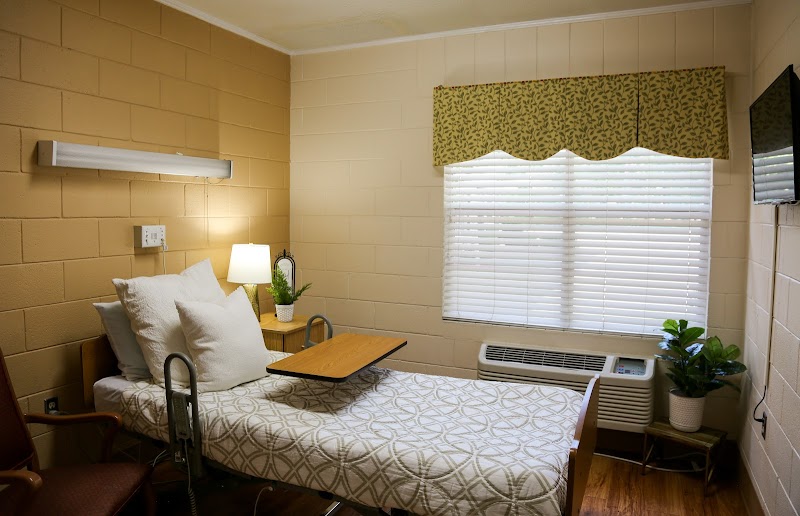
How is Camellia Health & Rehabilitation Staffed?

CMS rates CAMELLIA HEALTH & REHABILITATION's staffing level at 3 out of 5 stars, which is average compared to other nursing homes. Staff turnover is 59%, which is 13 percentage points above the Georgia average of 46%. High turnover can affect care consistency as new staff learn residents' individual needs.

What Have Inspectors Found at Camellia Health & Rehabilitation?

State health inspectors documented 7 deficiencies at CAMELLIA HEALTH & REHABILITATION during 2021 to 2025. These included: 7 with potential for harm.
Who Owns and Operates Camellia Health & Rehabilitation?

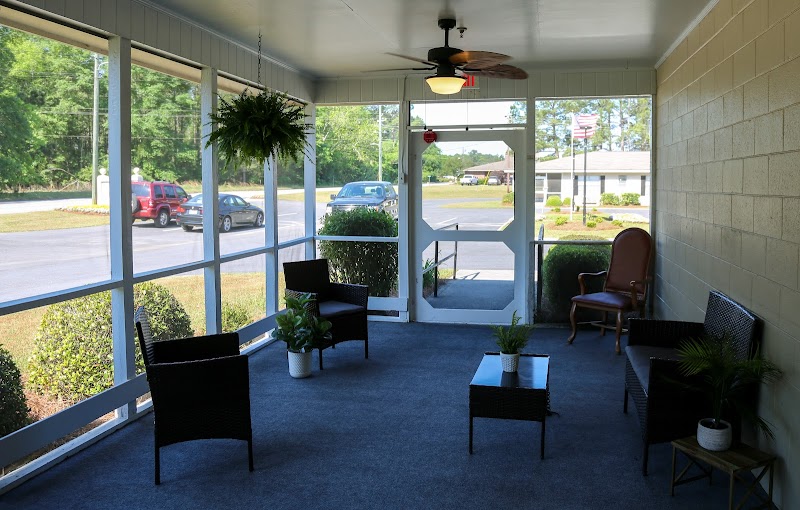
CAMELLIA HEALTH & REHABILITATION is owned by a non-profit organization. Non-profit facilities reinvest revenue into operations rather than distributing to shareholders. The facility is operated by CLINICAL SERVICES, INC., a chain that manages multiple nursing homes. With 87 certified beds and approximately 53 residents (about 61% occupancy), it is a smaller facility located in CLAXTON, Georgia.
How Does Camellia Health & Rehabilitation Compare to Other Georgia Nursing Homes?

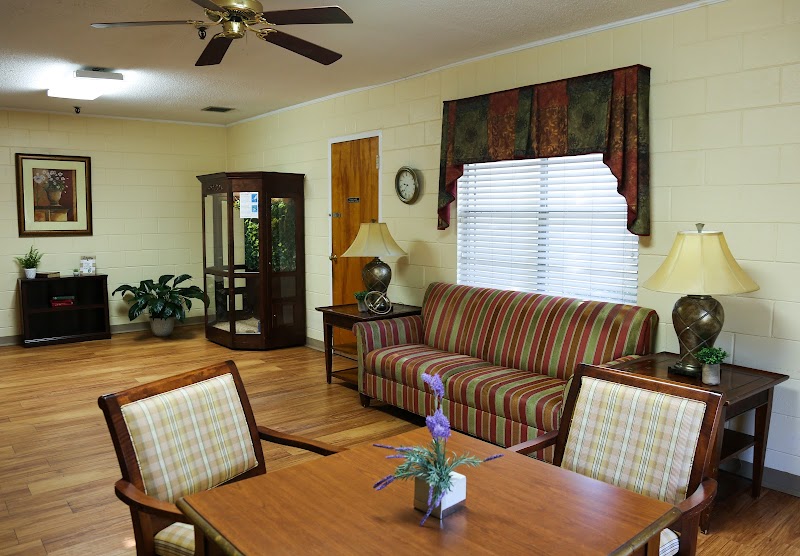
Compared to the 100 nursing homes in Georgia, CAMELLIA HEALTH & REHABILITATION's overall rating (4 stars) is above the state average of 2.6, staff turnover (59%) is significantly higher than the state average of 46%, and health inspection rating (4 stars) is above the national benchmark.

What Should Families Ask When Visiting Camellia Health & Rehabilitation?

Based on this facility's data, families visiting should ask: "How do you ensure continuity of care given staff turnover, and what is your staff retention strategy?" "Can I visit during a mealtime to observe dining assistance and food quality?" "How do you handle medical emergencies, and what is your hospital transfer rate?" "Can I speak with family members of current residents about their experience?" These questions are particularly relevant given the facility's high staff turnover rate.

Is Camellia Health & Rehabilitation Safe?

Based on CMS inspection data, CAMELLIA HEALTH & REHABILITATION has a clean safety record: no substantiated abuse findings (meaning no confirmed cases of resident harm), no Immediate Jeopardy citations (the most serious violation level indicating risk of serious injury or death), and is not on the Special Focus Facility watch list (a federal program monitoring the lowest-performing 1% of nursing homes). The facility has a 4-star overall rating and ranks #1 of 100 nursing homes in Georgia. While no facility is perfect, families should still ask about staff-to-resident ratios and recent inspection results during their visit.

Do Nurses at Camellia Health & Rehabilitation Stick Around?

Staff turnover at CAMELLIA HEALTH & REHABILITATION is high. At 59%, the facility is 13 percentage points above the Georgia average of 46%. High turnover means new staff may not know residents' individual needs, medications, or preferences. It can also be disorienting for residents, especially those with dementia who rely on familiar faces. Families should ask: What is causing the turnover? What retention programs are in place? How do you ensure care continuity during staff transitions?

Was Camellia Health & Rehabilitation Ever Fined?

CAMELLIA HEALTH & REHABILITATION has been fined $6,201 across 1 penalty action. This is below the Georgia average of $33,141. While any fine indicates a compliance issue, fines under $50,000 are relatively common and typically reflect isolated problems that were subsequently corrected. Families should ask what specific issues led to these fines and confirm they've been resolved.

Is Camellia Health & Rehabilitation on Any Federal Watch List?

CAMELLIA HEALTH & REHABILITATION is not on any federal watch list. The most significant is the Special Focus Facility (SFF) program, which identifies the bottom 1% of nursing homes nationally based on persistent, serious quality problems. Not being on this list means the facility has avoided the pattern of deficiencies that triggers enhanced federal oversight. This is a positive indicator, though families should still review the facility's inspection history directly.