BRYANT HEALTH AND REHABILITATION CENTER
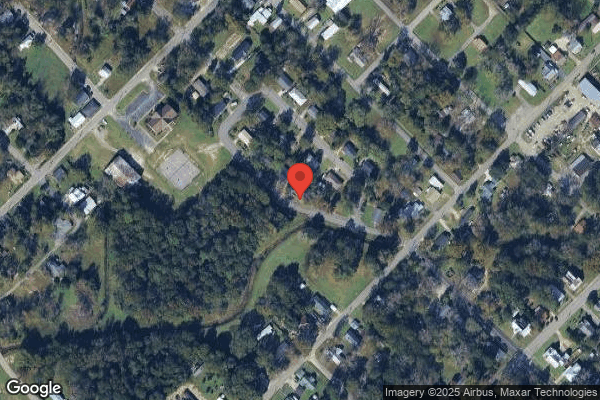
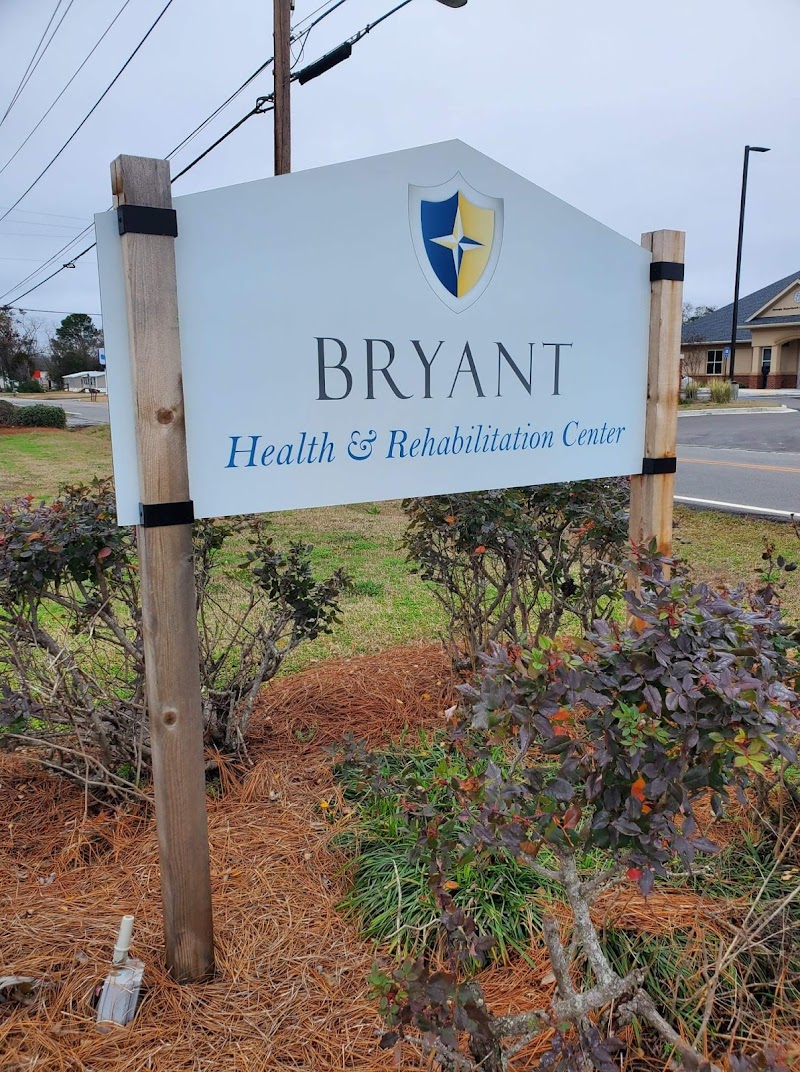
134 S 6TH STREET, COCHRAN, GA 31014 (478) 934-7682
For profit - Limited Liability company 75 Beds BEACON HEALTH MANAGEMENT Data: November 2025
Trust Grade
60/100
#175 of 353 in GA
Last Inspection: April 2025

Within standard 12-15 month inspection cycle. Federal law requires annual inspections.

Overview

Bryant Health and Rehabilitation Center in Cochran, Georgia has a Trust Grade of C+, which indicates it is slightly above average and decent overall. It ranks #175 out of 353 facilities in Georgia, placing it in the top half, and is the only option in Bleckley County. The facility's performance has been stable, with five issues noted in recent inspections but no critical or serious problems reported. Staffing is a notable weakness, with only 1 out of 5 stars and a turnover rate of 51%, which is around the state average. On the positive side, the facility has no fines on record, and while RN coverage is average, there have been concerning incidents, such as failure to maintain kitchen cleanliness, which poses food safety risks, and errors in medication administration, including not following hand hygiene protocols.

Trust Score
C+
60/100
In Georgia
#175/353
Top 49%
Safety Record
Low Risk
No red flags
Inspections
Holding Steady
1 → 1 violations
Staff Stability
⚠ Watch
51% turnover. Above average. Higher turnover means staff may not know residents' routines.
Penalties
✓ Good
No fines on record. Clean compliance history, better than most Georgia facilities.
Skilled Nurses
⚠ Watch
Each resident gets only 16 minutes of Registered Nurse (RN) attention daily — below average for Georgia. Fewer RN minutes means fewer trained eyes watching for problems.
Violations
✓ Good
Only 5 deficiencies on record. Cleaner than most facilities. Minor issues only.
★★☆☆☆
2.0
Overall Rating
★☆☆☆☆
1.0
Staff Levels
★☆☆☆☆
1.0
Care Quality
★★★★☆
4.0
Inspection Score
Stable
2024: 1 issues
2025: 1 issues

The Good

  • Full Sprinkler Coverage · Fire safety systems throughout facility
  • No fines on record

Facility shows strength in fire safety.

The Bad

2-Star Overall Rating

Below Georgia average (2.6)

Below average - review inspection findings carefully

Staff Turnover: 51%

Near Georgia avg (46%)

Higher turnover may affect care consistency

Chain: BEACON HEALTH MANAGEMENT

Part of a multi-facility chain

Ask about local staffing decisions and management

The Ugly 5 deficiencies on record

Apr 2025 1 deficiency
CONCERN (F)

Potential for Harm - no one hurt, but risky conditions existed

Food Safety (Tag F0812)

Could have caused harm · This affected most or all residents

Based on observation, staff interviews, and review of the facility's policy titled, Food Handling Procedures, the facility failed to maintain the cleanliness of the kitchen and ice maker. This deficie...

Read full inspector narrative →
Based on observation, staff interviews, and review of the facility's policy titled, Food Handling Procedures, the facility failed to maintain the cleanliness of the kitchen and ice maker. This deficient practice had the potential to place the 66 residents who received an oral diet at risk of foodborne illnesses. Findings Include: Review of the facility's undated policy titled, Procedures for Food Preparation, revealed the Policy section stated, Each facility should develop Hazard Analysis and Critical Control Point (HACCP) procedures to ensure foods produced and consumed will be safe. HACCP is a process control system that identifies critical points in the production and service of food items to prevent food safety and sanitation hazards. The Procedures section included, . 2. Identify critical control points at which procedures may result in a food safety hazard. Observation on 4/13/2025 at 9:52 am of the dishwasher revealed a fan with a black flaky substance located near the dishwasher and blowing air toward the clean dishes. Observation on 4/13/2025 at 10:20 am revealed the ice maker had a brown, flaky substance on the inside of the door. In an interview on 4/13/2025 at 10:25 am, the Dietary Manager (DM) revealed that the maintenance staff cleaned the ice maker at least two times a month. She confirmed the existence of the brown, flaky substance on the inside door of the ice machine. In a concurrent observation and interview on 4/16/2025 at 10:15 am, the DM confirmed the fan continued to have a black, flaky substance and was blowing air toward the clean dishes. In an interview on 4/16/2025 at 10:45 am, the Administrator stated that the ice maker should be cleaned monthly and as needed. The Administrator confirmed that a picture of the ice maker taken on 4/13/2025 revealed it was not clean.
Jan 2024 1 deficiency
CONCERN (D) 📢 Someone Reported This

A family member, employee, or ombudsman was alarmed enough to file a formal complaint

Potential for Harm - no one hurt, but risky conditions existed

Quality of Care (Tag F0684)

Could have caused harm · This affected 1 resident

**NOTE- TERMS IN BRACKETS HAVE BEEN EDITED TO PROTECT CONFIDENTIALITY** Based on record review, staff interview, and review of the facility policy titled Lab Procedures and Other Services, the facilit...

Read full inspector narrative →
**NOTE- TERMS IN BRACKETS HAVE BEEN EDITED TO PROTECT CONFIDENTIALITY** Based on record review, staff interview, and review of the facility policy titled Lab Procedures and Other Services, the facility failed to obtain a urine analysis (UA) with Culture and Sensitivity timely as ordered by the physician for one of ten residents(R) (R5) reviewed. Findings include: A review of the facility policy titled Lab Procedures and Other Services, dated August 2021, revealed it was the standard of the facility to provide laboratory and diagnostic studies for all residents in compliance with Federal and State requirements. All tests will be completed as ordered, results obtained, and reported to the attending physician or Medical Director, and other members of the Interdisciplinary Team, as appropriate to assist in the management of the disease process. The General Guidelines section indicates the Licensed Nurse ensures lab is drawn/conducted in a reasonable time frame (unless stat (immediate) order). A review of the Health Status Note dated 10/19/2023 at 3:22 pm, noted R5 with altered mental status and complaints of burning when urinating. The Nurse Practitioner (NP) was made aware and new orders noted for UA with Culture and Sensitivity. The Health Status Note dated 10/19/2023 at 4:00 pm, documented an attempt to obtain a urine sample from the resident by in and out catheter was unsuccessful. Encouraged the resident to drink plenty of fluids and would pass on in report. There was no further documentation that staff attempted to obtain the urine specimen until 10/23/2023. There was also no documentation that the staff notified the physician of the failed attempt to obtain the UA on 10/19/2023. The Health Status Note dated 10/23/2023 at 11:26 am, indicated the Director of Nursing (DON) obtained the UA and it was taken to the local hospital for the UA and Culture with Sensitivity. According to the 10/24/2023 at 12:32 am Health Status Note, the resident was started on Bactrim DS (an antibiotic) as ordered for a urinary tract infection (UTI). On 10/26/2023 the resident was assessed by the NP for a follow-up related to the UTI who noted the resident was on Bactrim for UTI with final culture possible colonization. The NP noted to complete Bactrim and push fluids. The 10/27/2023 at 8:35 am a Situation, Background, Assessment, Recommendation (SBAR) form noted a change in condition with altered mental status with agitation and psychosis. It further noted the primary care provider was notified and gave orders to send the resident to the emergency room for evaluation. A review of the hospital record revealed the resident was admitted to the hospital on [DATE]. The 10/27/2023 hospital document titled History and Physical noted that diagnoses included UTI, advanced Alzheimer's disease, possibly end-stage, and bradycardia. During an interview with the DON on 1/8/2024 at 12:00 pm, she stated she found out during the morning meeting on 10/23/2023 that staff were having difficulty getting the urine for the UA and Culture with Sensitivity. She stated that was when she got the urine sample from the resident. She also stated staff should have notified the physician of having difficulty getting the urine sample.
Mar 2023 1 deficiency
CONCERN (D) 📢 Someone Reported This

A family member, employee, or ombudsman was alarmed enough to file a formal complaint

Potential for Harm - no one hurt, but risky conditions existed

Safe Environment (Tag F0584)

Could have caused harm · This affected 1 resident

**NOTE- TERMS IN BRACKETS HAVE BEEN EDITED TO PROTECT CONFIDENTIALITY** 2. Record review revealed R#17 was admitted to facility on 6/4/2015 with diagnosis that include but not limited to paranoid schi...

Read full inspector narrative →
**NOTE- TERMS IN BRACKETS HAVE BEEN EDITED TO PROTECT CONFIDENTIALITY** 2. Record review revealed R#17 was admitted to facility on 6/4/2015 with diagnosis that include but not limited to paranoid schizophrenia, psychotic disorder with delusions due to known physiological condition and generalized anxiety disorder. Record review of current physician orders for R#17 revealed Hydroxyzine Pamoate Oral Capsule 25 MG (milligram) (Hydroxyzine Pamoate). Give one capsule by mouth two times a day for Itching and Bactroban Ointment 2 % (Mupirocin). Apply to Affected Areas topically everyday shift for Open Skin Areas. Record review of the most recent Minimum Data Set (MDS) quarterly assessment for R#17 dated 3/13/2023 revealed resident has a Brief Interview for Mental Status (BIMS) score of 14 indicating resident is cognitively intact. Resident requires extensive assistance x 1 physical assist with personal hygiene and has open lesions other than ulcers, rashes, cuts. Record review of the care plan for R#17 revealed a focus area that related to resident has a potential for skin breakdown. Resident frequently picks at his skin causing multiple sores. Interventions related to this problem included administering cream as ordered, avoid restrictive clothing , observe skin during care for any redness/breakdown and report to nurse/MD as indicated, redirect resident as needed when picking his skin. Observation on 3/24/2023 at 9:07 a.m. and 12:59 p.m. revealed resident lying in bed. The bed sheet had multiple blood stains. There is also a white paper towel on the bed stained with blood. R#17 stated that the sores on his legs bleed and cause blood stains. R#17 further states that he gets a cream applied but the open lesions that bleed and are not covered. Observation on 3/25/2023 at 9:04 a.m. and 12:03 p.m. revealed resident lying in bed. There is a paper towel stained with blood on the bed. There were blood stains on the bed sheets at the time of this observation. Interview on 3/25/2023 at 12:09 p.m. with Certified Nursing Assistant (CNA) DD revealed R#17 ambulates to bathroom independently. She stated that the resident does allow her to assist him with ADLs and change his linen and his bed. CNA DD stated R#17 has never refused care when she worked with him. CNA DD further revealed the resident picks at his skin every day therefore his linen should be changed at least daily or maybe every shift due to the open lesions on his skin. Interview on 3/25/2023 at 1:23 p.m. with Registered Nurse (RN) BB, revealed R#17 is noncompliant with care. RN BB stated resident fusses and yells at staff if they attempt to remove dirty stuff from the bed, including the blood-stained paper towels. She further revealed the resident refuses to allow staff to change his linen. RN BB stated that she is not aware if resident has ever been seen by a skin doctor, but the facility's doctor and Nurse Practitioner sees resident. RN BB stated that R#17 picks his skin because he thinks there are mites living in his skin. RN BB further stated that the staff had not reported a refusal of care today or on 3/24/2023. RN BB further stated that if a resident refuses care she is required to document the refusal of care in the electronic record. RN BB verified the blood stained linen and paper towel on R#17's bed and would get it changed. Interview on 3/26/2023 at 10:20 a.m. with Director of Nursing (DON) revealed that the staff is aware of resident's self-inflicted open areas on his skin. She further stated that this is being treated as behaviors and not a medical treatment. The DON stated that it is her expectation that if a resident refuses any care or services that the nurse speaks to the resident and if resident continues to refuse, the refusal is to be documented. Observation 3/25/2023 at 2:56 p.m. revealed resident lying in bed with clean sheets. Interview on 3/26/2023 at 11:14 a.m. with Administrator, she stated that typically the residents sheets are bloody from him always picking his skin but the staff should offer to change his linen. Based on observations, staff and resident interviews, and review of the facilities policy titled, Infection Control Manual, the facility failed to maintain a safe, clean, and homelike environment. Specifically, the facility failed to maintain clean furniture for Resident (R#39) and linen for R#17. The deficient practice affected two of 36 resident rooms. This failure had the potential to place residents at risk for the use of an unsanitary environment and a potential for diminished quality of life. Findings Include: Review of the Infection Control Manual policy dated 06/2016 under section titled, Housekeeping revealed minimum cleaning requirements are as follows: Cleaning of resident rooms will be performed daily. Cleaning will include beds, call bells, chairs, floors, high dusting, doors, ledges, light fixtures, tables, and vacuuming of carpets. Further review of the policy under the Laundry subsection titled Replacing Soiled Linen with Clean Linen revealed: 1. Replace resident linen with clean and dry linen regularly. 1. Observations on 3/24/2023 at 8:39 a.m. and 1:15 p.m. revealed the couch adjacent to bed had a visible brown stain on the pillow cushion of unknown origin. Interview on 3/24/2023 at 1:15 p.m. with R#39 reported the couch was given to her by a nurse who worked at the facility. She reported she sits on the couch after she walks with therapy. Observations on 3/25/2023 at 9:15 a.m. and 12:15 p.m. revealed the couch adjacent to the bed has a visible brown stain on the pillow cushion of unknown origin. Review of Healthcare Services Group, Inc. Job Description revealed the following: Section 2: Position Summary-The light housekeeper is responsible for daily cleaning and sanitizing of patient room furniture, as well as sitting room and dining room furniture. Section 2A: Essential Functions of the Job-Cleans horizontal surfaces, cleans movable and stationary furnishings and fixtures: Dusts, spot cleans or washes, disinfect, when necessary, polishes where required. Review of [NAME] Health & Rehab Daily Work Routine-Light Housekeeper 8:00 a.m.-3:30 p.m. revealed a.m. walk through to include all resident rooms (Pull all over-flowing trash, identify, and fix spills or debris and fill any low supplies). Interview on 3/25/2023 at 11:50 a.m. with Housekeeping Account Manager revealed housekeeping was responsible for cleaning furniture. She reported they have a monthly project schedule they use as a guide to focus on target areas in addition to a daily work routine task list. Observation and Interview conducted on 3/26/2023 at 8:30 a.m. with Housekeeper AA confirmed and was aware of the brown stain on pillow cushion. She stated the stain was from a wound R#39 had on her bottom. The Housekeeper AA stated she had not cleaned it because it would not do any good because it happens every time R#39 sits on the couch. She further revealed they were not able to clean the pillow cushions because the cushion cover was un-removable and too large to go in the washing machine. Environmental rounds and Interviews on 3/26/2023 at 8:49 a.m. with the Housekeeping Account Manager and the Administrator, revealed both confirming the brown stain on the pillow cushion. The Administrator stated the chair belonged to her and that she had provided the chair for R#39 to use when out of bed. The administrator further revealed although this was a repeated issue, her expectations of staff to make every effort to clean it daily as needed. Interview on 3/26/2023 at 10:25 a.m. with the Housekeeping Account Manager reported she had spoken to the Regional Manager and was informed that housekeepers were not responsible for cleaning upholstered furniture. She reported that the Regional Manager stated that the nursing staff are responsible for cleaning any upholstery. Interview on 3/26/2023 at 10:35 a.m. with the Administrator reported although a joint effort, the housekeeping department was responsible for cleaning upholstery furniture and not nursing. She reported the Housekeeping/Laundry department was contracted with the facility and she plans to discuss the job responsibilities with the Regional Manager on Monday. She reported the chair cushion had been removed and was currently being washed.
Nov 2021 2 deficiencies
CONCERN (E)

Potential for Harm - no one hurt, but risky conditions existed

Unnecessary Medications (Tag F0759)

Could have caused harm · This affected multiple residents

Based on observations, record review, review of facility policy titled Medication Administration Guidelines, and staff interviews, the facility failed to ensure the medication error rate was less than...

Read full inspector narrative →
Based on observations, record review, review of facility policy titled Medication Administration Guidelines, and staff interviews, the facility failed to ensure the medication error rate was less than 5%. A total of 34 opportunities were observed with three errors for three of six residents for an error rate of 8.82%. Findings include: 1. Observation of medication administration on 11/17/21 at 9:00 a.m. revealed Licensed Practical Nurse (LPN) BB obtained medication from the cart for R#43. LPN BB administered levetiracetam 500 milligrams (mg), lactulose 20 gm, Lasix 20 mg, and amlodipine 10 mg whole and without being crushed, as ordered by the physician. Review of resident's medical record revealed R#43 had a physician order dated 7/12/21 to crush all medications. Interview with LPN BB on 11/17/21 at 9:30 a.m. confirmed R#43 did have an active order for all medications to be crushed before administration and that the medications for R#43 should have been crushed before administering. The following two observations of medication administration started on 11/17/21 at 9:30 a.m. with LPN BB: 2. Observation of medication administration revealed LPN BB obtained medications from the cart for R#38 and administered the following medications: metformin 1,000 mg, amantadine HCL 100 mg, atenolol 50 mg, buspirone 15 mg, divalproex 125 mg, Lasix 40 mg, and pramipexole 0.5 mg. No other medications were administered at this time. Review of medication administration record (MAR) for R#38 revealed the medication losartan 50 mg was omitted during medication administration. Resident had a physician order for losartan 50 mg one tablet daily that was scheduled for 9:00 am. 3. Observation of medication administration revealed LPN BB obtained medications from the cart for R#52 and administered the following medications: amlodipine 10 mg, Vitamin C 500 mg, Aspirin 81 mg, Thiamine B-1 100 mg, Brilinta 90 mg, Multivitamin 1 tab, VIMPAT 50 mg, carbamazepine 200 mg, Vitamin D3 1000 units, Colace 100 mg, Vitamin D3 1000 unit, levetiracetam 200 mg, losartan 50 mg, and Zinc 50 mg. No other medications were administered at this time. Review of the MAR for R#52 revealed that nurse did not administer Folic Acid 1 mg that was ordered for resident daily, during observation. Interview with LPN CC (Unit Manager) on 11/17/21 at 11:09 a.m. revealed the process for replacing medications is to first look in the emergency kit to ensure medication is available. If the medication that is needed in the emergency kit is available, there is a form that is to be completed that indicates what medication was used and how many are remaining. The form is then sent to the pharmacy to let them know that the emergency kit has been opened. If the medication that is needed is not available in the emergency kit the pharmacy is called to see when the medication can be delivered or if the medication can be called into the back up pharmacy to be picked up. Further interview revealed that if the medication is not available at the back up pharmacy, then the physician is notified to see if there can be an order to hold the medication or to change it to something else until the medication becomes available. Continued interview revealed that all nurses that are hired into the facility are educated on this process during orientation. Interview with LPN BB on 11/17/21 at 11:56 a.m. confirmed that the losartan 50 mg for R#38 and Folic Acid 1 mg for R#52 was not available for administration. Continued interview also revealed that the process for retrieving medications for residents when they are not available on the cart is to go to the emergency kit located in the drug room. LPN BB confirmed that she did not utilize the emergency kit for replacement of the medications that were not available for distribution. Interview with the DON on 11/17/21 at 12:21 p.m. revealed that the process for obtaining medication when it is not available for administration is to first check the emergency kit to see if the medication is in there and the pharmacy should be notified. If the medication is not in the kit the physician is notified and an order is obtained to either hold the medication or another medication would be ordered until the missing medication is available. Further interview also revealed that the nurses are aware of this process, and they are expected to follow facility protocol. Review of facility policy titled Medication Administration Guidelines dated August 2021 under medication administration revealed: prior to administering medications, the resident must have a physician order prescribing the medication. This order remains in effect until discontinued by the physician.
CONCERN (E)

Potential for Harm - no one hurt, but risky conditions existed

Infection Control (Tag F0880)

Could have caused harm · This affected multiple residents

Based on observation, interview and review of facility policy titled Medication Administration Guidelines, the facility failed to ensure nursing staff performed hand hygiene while administering medica...

Read full inspector narrative →
Based on observation, interview and review of facility policy titled Medication Administration Guidelines, the facility failed to ensure nursing staff performed hand hygiene while administering medications to three of six sampled residents observed for medication administration (R#38, R#43, and R#52). Findings include: Observation of medication administration on 11/17/21 starting at 9:30 a.m. revealed Licensed Practical Nurse (LPN) BB did not sanitize or wash hands before, during, or after administering medications to R#38, R#43, or R#52. After medication was distributed to each resident, LPN BB returned to medication cart each time without performing hand hygiene by either washing hands or utilizing alcohol-based hand sanitizer. Interview with LPN BB on 11/17/21 at 9:45 a.m. confirmed that handwashing procedures were not adhered to during the above observations of medication administration. Interview with the Director of Nursing (DON) on 11/17/21 at 1:45 p.m. revealed that all staff are expected to follow infection control guidelines and policy and procedures during medication administration and while performing care to residents. Review of facility policy titled Medication Administration Guidelines dated August 2021 under General and Specific Guidelines on Administration of Medication by Routes revealed: A. General procedures completed before administering medication by routes: a. Staff must begin by washing their hands and assembling equipment necessary for administration; hand sanitizer may also be used following manufacturer's instructions.
Understanding Severity Codes (click to expand)
Life-Threatening (Immediate Jeopardy)
J - Isolated K - Pattern L - Widespread
Actual Harm
G - Isolated H - Pattern I - Widespread
Potential for Harm
D - Isolated E - Pattern F - Widespread
No Harm (Minor)
A - Isolated B - Pattern C - Widespread

Questions to Ask on Your Visit

  • "Can I speak with families of current residents?"
  • "What's your RN coverage like on weekends and overnight?"

Our Honest Assessment

Strengths
  • • No major safety red flags. No abuse findings, life-threatening violations, or SFF status.
  • • No fines on record. Clean compliance history, better than most Georgia facilities.
  • • Only 5 deficiencies on record. Cleaner than most facilities. Minor issues only.
Concerns
  • • No major red flags. Standard due diligence and a personal visit recommended.
Bottom line: Mixed indicators with Trust Score of 60/100. Visit in person and ask pointed questions.

About This Facility

What is Bryant Center's CMS Rating?

CMS assigns BRYANT HEALTH AND REHABILITATION CENTER an overall rating of 2 out of 5 stars, which is considered below average nationally. Within Georgia, this rating places the facility higher than 0% of the state's 100 nursing homes. A rating at this level reflects concerns identified through health inspections, staffing assessments, or quality measures that families should carefully consider.

How is Bryant Center Staffed?

CMS rates BRYANT HEALTH AND REHABILITATION CENTER's staffing level at 1 out of 5 stars, which is much below average compared to other nursing homes. Staff turnover is 51%, compared to the Georgia average of 46%.

What Have Inspectors Found at Bryant Center?

State health inspectors documented 5 deficiencies at BRYANT HEALTH AND REHABILITATION CENTER during 2021 to 2025. These included: 5 with potential for harm.

Who Owns and Operates Bryant Center?

BRYANT HEALTH AND REHABILITATION CENTER is owned by a for-profit company. For-profit facilities operate as businesses with obligations to shareholders or private owners. The facility is operated by BEACON HEALTH MANAGEMENT, a chain that manages multiple nursing homes. With 75 certified beds and approximately 67 residents (about 89% occupancy), it is a smaller facility located in COCHRAN, Georgia.

How Does Bryant Center Compare to Other Georgia Nursing Homes?

Compared to the 100 nursing homes in Georgia, BRYANT HEALTH AND REHABILITATION CENTER's overall rating (2 stars) is below the state average of 2.6, staff turnover (51%) is near the state average of 46%, and health inspection rating (4 stars) is above the national benchmark.

What Should Families Ask When Visiting Bryant Center?

Based on this facility's data, families visiting should ask: "Can you walk me through typical staffing levels on day, evening, and night shifts?" "Can I visit during a mealtime to observe dining assistance and food quality?" "How do you handle medical emergencies, and what is your hospital transfer rate?" "Can I speak with family members of current residents about their experience?" These questions are particularly relevant given the below-average staffing rating.

Is Bryant Center Safe?

Based on CMS inspection data, BRYANT HEALTH AND REHABILITATION CENTER has a clean safety record: no substantiated abuse findings (meaning no confirmed cases of resident harm), no Immediate Jeopardy citations (the most serious violation level indicating risk of serious injury or death), and is not on the Special Focus Facility watch list (a federal program monitoring the lowest-performing 1% of nursing homes). The facility has a 2-star overall rating and ranks #100 of 100 nursing homes in Georgia. While no facility is perfect, families should still ask about staff-to-resident ratios and recent inspection results during their visit.

Do Nurses at Bryant Center Stick Around?

BRYANT HEALTH AND REHABILITATION CENTER has a staff turnover rate of 51%, which is about average for Georgia nursing homes (state average: 46%). Moderate turnover is common in nursing homes, but families should still ask about staff tenure and how the facility maintains care continuity when employees leave.

Was Bryant Center Ever Fined?

BRYANT HEALTH AND REHABILITATION CENTER has no federal fines on record. CMS issues fines when nursing homes fail to meet care standards or don't correct problems found during inspections. The absence of fines suggests the facility has either maintained compliance or corrected any issues before penalties were assessed. This is a positive indicator, though families should still review recent inspection reports for the full picture.

Is Bryant Center on Any Federal Watch List?

BRYANT HEALTH AND REHABILITATION CENTER is not on any federal watch list. The most significant is the Special Focus Facility (SFF) program, which identifies the bottom 1% of nursing homes nationally based on persistent, serious quality problems. Not being on this list means the facility has avoided the pattern of deficiencies that triggers enhanced federal oversight. This is a positive indicator, though families should still review the facility's inspection history directly.