HILL HAVEN NURSING HOME
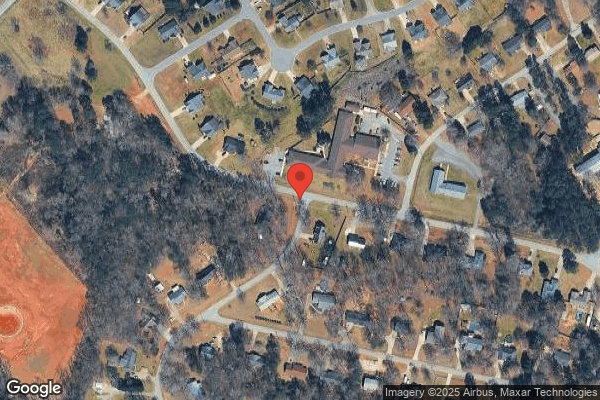

880 RIDGEWAY ROAD, COMMERCE, GA 30529 (706) 336-8000
For profit - Limited Liability company 70 Beds Independent Data: November 2025
Trust Grade
38/100
#288 of 353 in GA
Last Inspection: February 2025

Within standard 12-15 month inspection cycle. Federal law requires annual inspections.

Overview

Hill Haven Nursing Home in Commerce, Georgia has a Trust Grade of F, indicating significant concerns about its quality of care. It ranks #288 out of 353 facilities in Georgia, placing it in the bottom half, and #2 out of 2 in Jackson County, meaning there is only one other local option. The facility is worsening, with reported issues increasing from 2 in 2023 to 7 in 2025. Staffing is a significant concern, earning just 1 out of 5 stars and a high turnover rate of 68%, which is above the state average. While the nursing home does provide more RN coverage than 76% of Georgia facilities, it has faced several serious deficiencies, such as improperly stored food items which could affect residents' health and a lack of a water management program, both of which raise potential safety risks.

Trust Score
F
38/100
In Georgia
#288/353
Bottom 19%
Safety Record
Low Risk
No red flags
Inspections
Getting Worse
2 → 7 violations
Staff Stability
⚠ Watch
68% turnover. Above average. Higher turnover means staff may not know residents' routines.
Penalties
⚠ Watch
$4,194 in fines. Higher than 91% of Georgia facilities. Major compliance failures.
Skilled Nurses
⚠ Watch
Each resident gets only 25 minutes of Registered Nurse (RN) attention daily — below average for Georgia. Fewer RN minutes means fewer trained eyes watching for problems.
Violations
⚠ Watch
16 deficiencies on record. Higher than average. Multiple issues found across inspections.
★☆☆☆☆
1.0
Overall Rating
★☆☆☆☆
1.0
Staff Levels
★★★☆☆
3.0
Care Quality
★★☆☆☆
2.0
Inspection Score
Stable
2023: 2 issues
2025: 7 issues

The Good

  • Full Sprinkler Coverage · Fire safety systems throughout facility
  • No fines on record

Facility shows strength in fire safety.

The Bad

1-Star Overall Rating

Below Georgia average (2.6)

Significant quality concerns identified by CMS

Staff Turnover: 68%

22pts above Georgia avg (46%)

Frequent staff changes - ask about care continuity

Federal Fines: $4,194

Below median ($33,413)

Minor penalties assessed

Staff turnover is elevated (68%)

20 points above Georgia average of 48%

The Ugly 16 deficiencies on record

Feb 2025 7 deficiencies
CONCERN (D) 📢 Someone Reported This

A family member, employee, or ombudsman was alarmed enough to file a formal complaint

Potential for Harm - no one hurt, but risky conditions existed

Report Alleged Abuse (Tag F0609)

Could have caused harm · This affected 1 resident

**NOTE- TERMS IN BRACKETS HAVE BEEN EDITED TO PROTECT CONFIDENTIALITY** Based on staff interviews, record review, and review of the facility's policy Abuse, Neglect, and Exploitation or Misappropriati...

Read full inspector narrative →
**NOTE- TERMS IN BRACKETS HAVE BEEN EDITED TO PROTECT CONFIDENTIALITY** Based on staff interviews, record review, and review of the facility's policy Abuse, Neglect, and Exploitation or Misappropriation-Reporting and Investigating, the facility failed to ensure that an allegation of sexual abuse was reported the State Agency (SA) and other officials within the required time frame for one out of 34 sampled residents (R) (R59). Findings include: A review of the facility's policy Abuse, Neglect, and Exploitation or Misappropriation-Reporting and Investigating with revision date of September 2022 under the section titled Reporting Allegations to the Administrator and Authorities revealed, 2. The administrator or the individual making the allegation immediately reports his or her suspicion to the following persons or agencies: a. The state licensing/certification agency responsible for surveying/licensing the facility; b. The local/state ombudsman; c. The resident's representative d. Adult protective services (where state law provides jurisdiction in long-term care); e. Law Enforcement officials; f. The resident's attending physician; and g. The facility medical director. 3. Immediately is defined as: a. Within two hours of an allegation involving abuse or result in serious bodily injury A review of the clinical record revealed, R59 was admitted to the facility with diagnoses that included, but were not limited to cerebral palsy, hyperkalemia, autistic disorder, myoclonus, epilepsy, and contracture right hip/left hip. A review of R59's Quarterly Minimum Data Set (MDS) dated [DATE] for Section C (Cognitive Pattern) revealed, a Brief Interview for Mental Status (BIMS) score was coded as 0, which indicated severe cognitive impairment. Section E (Behaviors) revealed that the resident has other behavioral symptoms not directed towards others. A review of the Facility Incident Report Form dated 1/9/2025 under the section titled Details of Incident revealed, I received a note under my door from a CNA stating that she was told that another CNA was involved with a male resident in a sexual way. A review of a handwritten note from CNA II dated 1/7/2025 revealed, I was told that CNA MM was having something to do with R59 in a not so good way more of a sex way. I don't thing she would ever do this. A review of R59's nurses notes dated 1/9/2025 written by DON revealed, it was reported to the DON that a made a Certified Nursing Assistants (CNA) may have been sexually inappropriate with this resident. The administrator, ombudsman, Medical Director (MD), and Representative (RP) were all notified. Report submitted to the state, a skin assessment was completed by the DON and male CNA. No rashes or other skin issues were noted- genitalia (within normal limits) WNL. During an interview on 2/19/2025 at 11:09 am with the Human Resource Director (HRD) revealed, when searching for an investigation for a sexual abuse incident for R59, she confirmed that CNA MM was suspended for one day with pay pending investigation. HRD explained that she did not participate in investigations and that she only places reports/findings in employee files. The HRD confirmed nothing was in employee files at the moment. During an interview on 2/19/2025 at 11:22 am with the DON revealed, she sent the accused CNA MM home for the rest of that day and moved the reporting CNA II to a different hall because it was all rumors. During an interview on 2/19/2025 at 12:45 pm with the Medical Director (MD) revealed, that he was not usually a part of sexual abuse incidents and that the resident was referred to the emergency room for further evaluation. MD explained if there were concerns and he was asked; he would complete a pelvic examination on a male resident. MD confirmed he did not recall being notified and suspected another MD on call could have been informed however, he shortly confirmed he was active on the day of the incident. During an interview on 2/20/2025 at 1:58 pm, the DON revealed when reporting an investigation, she would retrieve witness statements, notify family and doctor, and send the resident to the emergency room. DON confirmed she did not complete the skin assessment as indicated in the nurse's notes and could not locate the fax log sent notifying the MD. DON mentioned she thought she called the MD but was not sure what method she used to contact the MD. DON confirmed she did not call local police officials. DON emphasized that she did not observe any injuries and thought the concerns were not true and just rumors. During an interview on 2/20/2025 at 2:44 pm with the Administrator revealed, he expects his staff to inform him right away specifically abuse to see if it is reportable. The Administrator emphasized that if it is abuse, neglect, or exploitation and something severe his reporting expectation was one hour and all others two hours. The administrator shared the previous Administrator was not having staff to contact law enforcement and has since had to do inservice with DON. Cross Reference F610
CONCERN (D) 📢 Someone Reported This

A family member, employee, or ombudsman was alarmed enough to file a formal complaint

Potential for Harm - no one hurt, but risky conditions existed

Investigate Abuse (Tag F0610)

Could have caused harm · This affected 1 resident

**NOTE- TERMS IN BRACKETS HAVE BEEN EDITED TO PROTECT CONFIDENTIALITY** Based on staff interviews, record review, and review of the facility's policy Abuse, Neglect, and Exploitation or Misappropriati...

Read full inspector narrative →
**NOTE- TERMS IN BRACKETS HAVE BEEN EDITED TO PROTECT CONFIDENTIALITY** Based on staff interviews, record review, and review of the facility's policy Abuse, Neglect, and Exploitation or Misappropriation-Reporting and Investigating, the facility failed to ensure a thorough investigation was completed for sexual abuse allegations for one out of 34 sampled residents (R) (R59). Findings include: A review of the facility's policy Abuse, Neglect, and Exploitation or Misappropriation-Reporting and Investigating with revision date of September 2022, revealed 1. All allegations are thoroughly investigated. The administrator initiates investigations. 8.d. Witness statements are obtained in writing, signed, and dated. The witness may write his/her statement, or the investigator may obtain a statement. A review of the clinical record revealed, R59 was admitted to the facility with diagnoses that included, but were not limited to cerebral palsy, hyperkalemia, autistic disorder, myoclonus, epilepsy, and contracture right hip/left hip. A review of R59's Quarterly Minimum Data Set (MDS) dated [DATE] for Section C (Cognitive Pattern) revealed, a Brief Interview for Mental Status (BIMS) score was coded as 0, which indicated severe cognitive impairment. Section E (Behaviors) revealed that the resident has other behavioral symptoms not directed towards others. A review of the Facility Incident Report Form dated 1/9/2025 under the section titled Details of Incident revealed, I received a note under my door from a Certified Nursing Assistant (CNA) stating that she was told that another CNA was involved with a male resident in a sexual way. A review of a list of Interview for Staff forms revealed, nine of the 20 interviews collected from staff did not include a name and/or date. A review of CNA MM's statement on 1/3/2025 revealed, a request to have the accusing CNA stop disseminating vicious and false rumors about her in the facility regarding unusual relationship with resident R59. A review R59's nurse's note dated 1/9/2025 written by the Director of Nursing (DON) revealed, it was reported to the DON a CNA may have been sexually inappropriate with this resident. The administrator, Ombudsman, Medical Director (MD), and Representative (RP) were all notified. Report submitted to the state, a skin assessment was completed by the DON and male CNA. No rashes or other skin issues were noted- genitalia (within normal limits) WNL. During an interview on 2/19/2025 at 11:09 am with the Human Resource Director (HRD) revealed, when searching for an investigation for a sexual abuse incident for R59, she confirmed that CNA MM was suspended for one day with pay pending investigation. HRD explained that she did not participate in investigations and that she only places reports/findings in employee files. The HRD confirmed nothing was in employee files at the moment. During an interview on 2/19/2025 at 11:22 am with the DON revealed, she sent the accused CNA MM home for the rest of that day and moved the reporting CNA II to a different hall because it was all rumors. During an interview on 2/20/2025 at 1:15 pm with CNA MM revealed, she was told by two different CNAs that another CNA was stating bad things about her regarding R59. CNA revealed, she dismissed the first CNA report, but the second CNA report was concerning due to the mere fact she did not work full-time for the facility. CNA MM mentioned she wrote a statement to DON but was later questioned by DON, the previous Administrator, and previous owners as if she was in the wrong. During an interview on 2/20/2025 at 1:58 pm, the DON revealed when reporting an investigation, she would retrieve witness statements, notify family and doctor, and send the resident to the emergency room. DON confirmed she did not complete the skin assessment as indicated in the nurse's notes and could not locate the fax log sent notifying the MD. DON mentioned she thought she called the MD but was not sure what method she used to contact the MD. DON confirmed she did not call local police officials. DON emphasized that she did not observe any injuries and thought the concerns were not true and just rumors. During an interview on 2/20/2025 at 2:44 pm with the Administrator revealed, he expects his staff to inform him right away specifically abuse to see if it is reportable. The Administrator emphasized that if it is abuse, neglect, or exploitation and something severe his reporting expectation was one hour and all others two hours. The administrator shared the previous Administrator was not having staff to contact law enforcement and has since had to do inservice with DON. Cross Reference F609
CONCERN (D) 📢 Someone Reported This

A family member, employee, or ombudsman was alarmed enough to file a formal complaint

Potential for Harm - no one hurt, but risky conditions existed

Comprehensive Care Plan (Tag F0656)

Could have caused harm · This affected 1 resident

**NOTE- TERMS IN BRACKETS HAVE BEEN EDITED TO PROTECT CONFIDENTIALITY** Based on staff interviews, record review, and review of the facility's policy titled Comprehensive Care Plans, the facility fail...

Read full inspector narrative →
**NOTE- TERMS IN BRACKETS HAVE BEEN EDITED TO PROTECT CONFIDENTIALITY** Based on staff interviews, record review, and review of the facility's policy titled Comprehensive Care Plans, the facility failed to develop a comprehensive, person-centered care plan for two of eight residents (R) R10 and R13 receiving respiratory care. Specifically, the facility failed to develop a care plan for nebulizer therapy for R10 and oxygen therapy for R13. The deficient practice had the potential to place the residents at risk for medical complications, unmet needs, and a diminished quality of life. Findings include: Review of the facility's policy titled Care Plans, Comprehensive Person-Centered with revision date of March 2022, under the Policy Statement revealed, A comprehensive, person-centered care plan that includes measurable objectives and timetables to meet the resident's physical, psychosocial and functional needs is developed and implemented for each resident. Under the Policy Interpretation and Implementation section revealed, .7. The comprehensive, person-centered care plan: .b. describes the services that are to be furnished to attain or maintain the resident's highest practicable physical, mental and psychosocial well-being including: (1) services that would be otherwise provided for the above but are not provided due to resident exercising his or her rights, including the right to refuse treatment. 1. A review of R10's Quarterly Minimum Data Set (MDS) with an Assessment Reference Date (ARD) of 12/17/2024 revealed Section I (Active Diagnoses) revealed, diagnoses that included pneumonia and respiratory failure; Section O (Special Treatments, Procedures and Programs) indicated no respiratory treatments were received. A review of the Physicians Orders for R10 dated 1/2/2025 revealed a plan of treatment which included budesonide [NAME] 0.25 mg (milligram)/2 in one vial via nebulizer as needed for shortness of breath/wheezing every twelve hours and Ipratropium/ SOL Albuterol one vial via nebulizer as needed for shortness of breath/wheezing four times daily, PRN (as needed). A review of R10's care plan updated 8/7/2024 revealed R10 has a potential for impaired gas exchange r/t (related to) CHF (Congested Heart Failure). She receives oxygen therapy as needed for SOB (shortness of breath). However, there was no care plan areas that included nebulizer therapy. 2. A review of R13's Quarterly MDS with an ARD of 11/8/2024 revealed Section I (Active Diagnoses) revealed, diagnoses that included anemia, coronary artery disease, and heart failure; Section O (Special Treatments, Procedures and Programs) indicated no respiratory treatments were received. A review of Physicians Orders for R13 dated 11/18/2024 revealed albuterol neb 0.083% one vial via nebulizer every six hours PRN. However, there were no orders for oxygen therapy. A review of R13's care plan updated on 8/19/2024 revealed, R13 is at risk for impaired gas exchange related to episodes of shortness of breath. He is prescribed oxygen therapy as needed. However, there was no care plan areas that included nebulizer therapy. During an interview on 2/19/2024 at 3:35 pm, Unit Nurse EE confirmed R10 did not have a care plan developed for nebulizer therapy. She stated, she was unaware that the care plans were not developed. In an interview on 2/20/2024 at 4:10 pm with the Director of Nursing (DON) confirmed R10's physicians orders for PRN nebulizer treatments and stated the care plan was not developed. The DON further stated all care areas, including medications, diagnosis, and treatments, should be care planned. Cross Reference F695
CONCERN (D) 📢 Someone Reported This

A family member, employee, or ombudsman was alarmed enough to file a formal complaint

Potential for Harm - no one hurt, but risky conditions existed

Accident Prevention (Tag F0689)

Could have caused harm · This affected 1 resident

**NOTE- TERMS IN BRACKETS HAVE BEEN EDITED TO PROTECT CONFIDENTIALITY** Based on observations, staff interviews, record review and review of the facility's policy titled, Water Temperatures, Safety of...

Read full inspector narrative →
**NOTE- TERMS IN BRACKETS HAVE BEEN EDITED TO PROTECT CONFIDENTIALITY** Based on observations, staff interviews, record review and review of the facility's policy titled, Water Temperatures, Safety of, the facility failed to keep the residents free of accident hazards related to water temperatures above 110 degrees Fahrenheit (F) in five out of 38 resident rooms (room [ROOM NUMBER], room [ROOM NUMBER], room [ROOM NUMBER], Room29, and room [ROOM NUMBER]). The sample size was 34 residents. Findings include: Review of the facility undated policy titled Water Temperatures, Safety of, under the Policy Interpretation and Implementation revealed, 1. Water heaters that service resident rooms, bathrooms, common areas, and tub/shower areas shall be set to temperatures of no more than 120 degrees Fahrenheit (F), or the maximum allowable temperature per state regulation. 2.Maintenance staff is responsible for checking thermostats and temperature controls in the facility and recording these checks in a maintenance log. 3. Maintenance staff shall conduct periodic tap water temperature checks and record the water temperatures in a safety log. Observations on 2/18/2025 from 11:30 am to 11:38 am of water temperature checks on two out of three halls within the facility with Maintenance Director (MD) using the facility's digital thermometer revealed, water temperature measurements in room [ROOM NUMBER] at 108 degrees F, room [ROOM NUMBER] at 132 degrees F, room [ROOM NUMBER] at 136 degrees F and room [ROOM NUMBER] at 135 degrees F, and room [ROOM NUMBER] at 137 degrees F. No other residents' rooms were affected. Interview on 2/18/2025 at 11:40 am with the MD revealed that he conducted monthly water temperatures in residents' rooms. Review of the facility's water temperature log revealed that water temperature checks were completed on 11/6/2024, 12/19/2024, and 1/16/2025 with temperatures ranges between 94 degrees F and 120 degrees F. Review of the facility's records revealed, no residents sustained burns injuries related to hot water temperatures. Follow-up observation on 2/18/2025 from 3:45 pm to 3:54 pm of water temperature checks with the MD revealed, room [ROOM NUMBER] at 106 degrees F, room [ROOM NUMBER] at 109 degrees F, room [ROOM NUMBER] at 101.9 degrees F, room [ROOM NUMBER] at 101.5 degrees F, and room [ROOM NUMBER] at 100.8 degrees F.
CONCERN (D) 📢 Someone Reported This

A family member, employee, or ombudsman was alarmed enough to file a formal complaint

Potential for Harm - no one hurt, but risky conditions existed

Respiratory Care (Tag F0695)

Could have caused harm · This affected 1 resident

**NOTE- TERMS IN BRACKETS HAVE BEEN EDITED TO PROTECT CONFIDENTIALITY** Based on observations, staff interviews, record review, and review of the facility's policy titled, Oxygen Administration, the f...

Read full inspector narrative →
**NOTE- TERMS IN BRACKETS HAVE BEEN EDITED TO PROTECT CONFIDENTIALITY** Based on observations, staff interviews, record review, and review of the facility's policy titled, Oxygen Administration, the facility failed to provide respiratory care consistent with professional standards of practice for one of eight residents (R) (R10) receiving respiratory care. Specifically, the facility failed to properly store the nebulizer mouthpiece, when not in use, for R10. The deficient practices had the potential to cause respiratory infection for R10. Findings include: A review of the facility's undated policy titled Oxygen Administration under the section titled Steps in the Procedure revealed, 16. Discard used supplies into designated containers. A review of the quarterly Minimum Data Set (MDS) assessment dated [DATE] revealed Section C (Cognitive Patterns) a Brief Interview for Mental Status Score (BIMS) of 4, which indicated severe cognitive impairment; Section I (Active Diagnoses) revealed, diagnoses that included pneumonia and respiratory failure; Section O (Special Treatments, Procedures and Programs) indicated no respiratory treatments were received. A review of the Physicians Orders for R10 dated 1/2/2025 revealed a plan of treatment which included budesonide [NAME] 0.25 mg (milligram)/2 in one vial via nebulizer as needed for shortness of breath/wheezing every twelve hours and Ipratropium/ SOL Albuterol one vial via nebulizer as needed for shortness of breath/wheezing four times daily, PRN (as needed). Observation and interview on 2/18/2025 at 3:16 pm in R10's room revealed the nebulizer jar and mouthpiece was lying on the resident's bed, unbagged and exposed to the environment. R10 revealed, it was not used routinely and that she required supervision when used. Observation on 2/19/2025 at 11:21 am of nebulizer mouthpiece sitting at bedside uncovered. Interview on 2/19/2025 at 10:18 am with Certified Nursing Assistant (CNA) DD revealed, she was aware that respiratory tubing should be stored in a clear plastic bag if the resident was not using it. She further stated storing respiratory supplies cuts down on infections and germs and all staff were responsible for ensuring the tubing and mouthpieces were stored while not in use. Interview on 2/19/2025 at 11:35 am with the Director of Nursing (DON) revealed, staff that worked on Sunday night shift were responsible for ensuring that all respiratory care equipment was properly stored and checked for clean filters, and routine maintenance. The DON revealed, there was no logging system in place for the maintenance task. Interview on 2/20/2025 at 3:45 pm with the Director of Nursing (DON) confirmed R10's nebulizer mouthpiece was unbagged and exposed to the environment. Cross Reference F656
CONCERN (F) 📢 Someone Reported This

A family member, employee, or ombudsman was alarmed enough to file a formal complaint

Potential for Harm - no one hurt, but risky conditions existed

Food Safety (Tag F0812)

Could have caused harm · This affected most or all residents

Based on observations, staff interviews, and review of the facility's policy titled Food Receiving and Storage, the facility failed to ensure food items stored in the main kitchen was labeled, dated, ...

Read full inspector narrative →
Based on observations, staff interviews, and review of the facility's policy titled Food Receiving and Storage, the facility failed to ensure food items stored in the main kitchen was labeled, dated, and properly stored. The deficient practice had the potential to affect 55 out of 59 residents receiving an oral diet. Findings include: Review of the facility's policy entitled, Food Receiving and Storage dated November 2022 under the Policy Statement revealed, Foods shall be received and stored in a manner that complies with safe food handling practices. Under the section titled Refrigerated/Frozen Storage revealed, 1. All foods stored in the refrigerator or freezer are covered, labeled and dated, (use by date) 7. Refrigerated foods are labeled, dated and monitored so they are used by their use-by date, frozen or discarded. During a tour of the kitchen on 2/18/2025 that began at 9:15 a.m., the following concerns were identified: 1) a sleeve of Waffles was located on shelf in walk in freezer undated, 2) half bag of onion rings was left open in a box unlabeled or dated. 3) a five-pound box of frozen fish sticks, that had been opened and not resealed was present in the freezer and 4) two open containers that contained sausage in one of them and frozen eggs in the other. During a second observation on 2/19/2025 at 9:30 am of the walk-in freezer and refrigerator it appeared the unlabeled and improperly stored food items were removed, and the box of fish sticks was discarded due to the unknown use by date. During an interview conducted on 2/20/2025 at 10:45 am with the Dietary Kitchen Manager (DKM) revealed that the kitchen staff were expected to label and date each food item that was received for the facility. She revealed it was her expectation for each staff member to properly store food items after opening it. The DKM stated going forward she was going to implement a system to double check behind her staff daily to ensure food safety in the facility.
CONCERN (F) 📢 Someone Reported This

A family member, employee, or ombudsman was alarmed enough to file a formal complaint

Potential for Harm - no one hurt, but risky conditions existed

Infection Control (Tag F0880)

Could have caused harm · This affected most or all residents

Based on staff interviews, record review, and review of the facility's policy titled, Infection Prevention and Control Program, the facility failed to establish a water management program as part of t...

Read full inspector narrative →
Based on staff interviews, record review, and review of the facility's policy titled, Infection Prevention and Control Program, the facility failed to establish a water management program as part of the overall infection prevention and control program. The deficient practice had the potential to affect all residents in the facility. The facility had a census of 59 residents. Findings include: Review of the facility policy's titled, Infection Prevention and Control Program revised 10/28/2022 under Policy Explanation and Compliance Guidelines revealed, 16. Water Management: A water management program has been established as part of the overall infection prevention and control program. Review of the facility's records revealed the facility did not have an established Water Management Plan. Interview with the Administrator on 2/20/2025 at 1:40 pm confirmed the facility did not have an established Water Management Plan. The Administrator revealed, when he started working at the facility two week ago, he identified this issue and added it to the agenda for the next Quality Assurance Performance Improvement (QAPI) meeting in March. He reported that daily hot water temperature checks would be a part of the Water Management Plan.
Nov 2023 2 deficiencies
CONCERN (D) 📢 Someone Reported This

A family member, employee, or ombudsman was alarmed enough to file a formal complaint

Potential for Harm - no one hurt, but risky conditions existed

Report Alleged Abuse (Tag F0609)

Could have caused harm · This affected 1 resident

**NOTE- TERMS IN BRACKETS HAVE BEEN EDITED TO PROTECT CONFIDENTIALITY** Based on staff interviews, record reviews, and review of the facility's policy titled, Resident Incident/Accident Reporting, the...

Read full inspector narrative →
**NOTE- TERMS IN BRACKETS HAVE BEEN EDITED TO PROTECT CONFIDENTIALITY** Based on staff interviews, record reviews, and review of the facility's policy titled, Resident Incident/Accident Reporting, the facility failed to ensure an injury of unknown origin was reported to the proper authorities immediately, but no later than two hours for one Residents (R) (R12). Specifically, R12 who was bedridden received a closed fracture of the right distal femur, and the facility failed to report this event. The sample size was 21. Findings include: Review of the facility policy titled, Resident Incident/Accident Reporting, dated 9/1/2022 revealed: Policy: All incidents and accidents occurring at the facility will be reported and investigated with tracking and follow-up by administration and/or designee. 1) Reporting a. Every staff member is responsible for reporting incident/accidents (event) at the time of occurrence, regardless of how minor they may seem. b. An incident/accident report must be completed as soon as practical. c. The completed incident/accident report must be submitted to the Administration at the time of completion. 2) Assisting the Victim a. Provide immediate assistance to the victim, but do not move until examination for possible injuries. 3) Charge Nurse e. Complete the incident/accident report form. 4) Follow-up incident/accident a. The designated investigator will conduct follow-up investigation as soon as practical. Record Review of the admission Record revealed R12 was admitted with the following diagnoses of but not limited to dementia, renal insufficiency, dysphagia, and hemiplegia. Record Review of R12's most recent Minimum Data Set (MDS) prior to death dated 4/28/2023 revealed a Brief Interview for Mental Status (BIMS) score was two (2), indicating the presence of cognitive impairment with no behaviors. Record Review Nurse's Notes dated 6/1/2022 at 11:00 p.m. revealed a urinalysis was obtained by the nursing staff from R12 via (by way of) a straight catheter. Record Review of Nurse's Notes dated 6/2/2022 at 9:00 a.m. revealed R12 was transferred to the Emergency Department (ED) for a follow-up to what appeared to be a dislocation of right hip/knee. Record Review of the hospital medical records revealed R12 was admitted to the hospital on [DATE] with primary diagnosis of Closed Fracture of Right Distal Femur. Further review of the hospital medical records revealed the facility staff reported to the ED staff, that while attempting to place a urine catheter to collect a urinalysis (on 6/1/2022) from R12, there was Pop sound heard from R12's right knee. Subsequently, an x-ray was ordered which was positive for a new fracture. Record Review of R12's Care Plan dated 6/3/2022 she had an alteration in musculoskeletal status r/t (related to) fracture of the right distal femur. Review of the Facility Reported Incidents (FRIs) revealed there was no indication the facility reported the incident to the State Agency (SA). During an interview on 11/21/2023 at 3:15 p.m., the Director of Nursing (DON) reported there was no FRI for R12's right femur fracture. During an interview on 11/21/2023 at 3:35 p.m., the Administrator reported the FRI was not in the logbook located in the DON's office. The Administrator reviewed the past emails, and there was no indication the injury of unknown origin was reported or investigated related to R12's right femur fracture.
CONCERN (D) 📢 Someone Reported This

A family member, employee, or ombudsman was alarmed enough to file a formal complaint

Potential for Harm - no one hurt, but risky conditions existed

Investigate Abuse (Tag F0610)

Could have caused harm · This affected 1 resident

**NOTE- TERMS IN BRACKETS HAVE BEEN EDITED TO PROTECT CONFIDENTIALITY** Based on staff interview, record reviews, and review of the facility's policy titled Abuse Prohibition Policy and Procedures, th...

Read full inspector narrative →
**NOTE- TERMS IN BRACKETS HAVE BEEN EDITED TO PROTECT CONFIDENTIALITY** Based on staff interview, record reviews, and review of the facility's policy titled Abuse Prohibition Policy and Procedures, the facility failed to investigate an allegation of Injury of unknown origin for one Resident (R) (R12). This failure not to conduct an investigation had the potential to result in other residents not being identified as potential victims of injury of unknown origin. The sample size was 21. Findings include: Review of the facility's policy titled, Abuse Prohibition Policy and Procedures with a revision date of January 2017 revealed: 6) Investigation B. Investigation of Injuries of Unknown Source 1. Interviews will be conducted when a resident has an injury from an unknown source. Signed statements will be gathered from: Staff who cared for the resident just prior to and just after the injury. 2. Once an injury of unknown source has been identified, staff will observe resident and watch behavior to see if the source of injury can be identified based on the resident's behavior. 3. The chart will be reviewed for any pertinent information that could help the investigation. Record Review of the admission Record revealed R12 was admitted with the following diagnoses of but not limited to dementia, renal insufficiency, dysphagia, and hemiplegia. Record Review of Nurse's Notes dated 6/2/2022 at 9:00 a.m. revealed R12 was transferred to the emergency department for a follow-up to what appeared to be a dislocation of right hip/knee. Record Review of the hospital medical records revealed R12 was admitted to the hospital on [DATE] with primary diagnosis of Closed Fracture of Right Distal Femur. During an interview on 11/21/2023 at 3:35 p.m. the Administrator reported the Facility Reported Incidents (FRI) was not in the logbook located in the Director of Nursing's office. The Administrator reviewed the past emails, and there was no indication the injury of unknown origin was reported or investigated related to R12's right femur fracture.
Oct 2022 6 deficiencies
CONCERN (D)

Potential for Harm - no one hurt, but risky conditions existed

Medication Errors (Tag F0758)

Could have caused harm · This affected 1 resident

**NOTE- TERMS IN BRACKETS HAVE BEEN EDITED TO PROTECT CONFIDENTIALITY** Based on record review, interview, and review of the facility policy titled, Psychotropic Medication Policy and Procedure, the f...

Read full inspector narrative →
**NOTE- TERMS IN BRACKETS HAVE BEEN EDITED TO PROTECT CONFIDENTIALITY** Based on record review, interview, and review of the facility policy titled, Psychotropic Medication Policy and Procedure, the facility failed to ensure a PRN (as needed) antipsychotic was used for an appropriate indication and that PRN psychotropic medications were not prescribed for more than 14 days at a time for one resident (R)(R#45) of five residents reviewed for unnecessary medications. Findings include: Review of the facility policy titled Psychotropic Medication Policy and Procedure, effective 5/6/14, revealed: Policy: Physicians and mid-level providers will use psychotropic medications appropriately working with the interdisciplinary team to ensure appropriate use, evaluation, and monitoring. Standards: 1. The facility will make every effort to comply with state and federal regulations related to the use of psychopharmacological medications in the long term [sic] care facility to include regular review for continued need, appropriate dosage, side effects, risk and/or benefits. 3. The facility supports the goal of determining the underlying cause of behavioral symptoms so the appropriate treatment of environmental, medical, and/or behavioral interventions, as well as psychopharmacologic medications can be utilized to meet the needs of the individual resident. 7. Psychotropic medications include: anti-anxiety/hypnotic, antipsychotic and antidepressant classes of drugs 8. Orders for PRN psychotropic medications will be time limited (i.e., times 2 weeks) and only for specific clearly documented circumstances or as indicated per physician orders. Nursing: 1. Monitors psychotropic drug use daily noting any adverse reaction such as increased somnolence or functional decline for the first 2 weeks. 2. Will monitor on a daily basis by charting by exception (i.e., charting only when the behaviors are present) . Review of R#45's electronic medical record (EMR) revealed the resident was admitted to the facility on [DATE] with medical diagnoses that included Alzheimer's disease, dementia with behavioral disturbance, major depressive disorder, generalized anxiety disorder, and restlessness/agitation. Review of R#45's physician's orders (PO) from the paper chart revealed an order dated 6/16/22 for lorazepam (an antianxiety medication, brand name Ativan) 0.5 milligrams (mg) twice daily as needed for anxiety for 90 days; and a ziprasidone (an atypical antipsychotic medication, brand name Geodon) 20 mg, dilute one vial with 1.2 milliliters (ml) and inject 0.5 ml (10mg) twice daily as needed for disorganization, with a handwritten x 90 days. Review of R#45's progress notes in the EMR and paper chart revealed no evidence of a rationale for prn psychotropic medications dated beyond 14 days. Review of R#45's August 2022 Medication Administration Record (MAR) revealed the ziprasidone was administered on08/28/22 at 9:30 a.m.; on the back of the MAR was handwritten 8/28/22 9:30 a.m. Geodon [arrow up symbol for increased] anxiety. Review of R#45's nurse's notes in the paper chart did not reveal evidence of a rationale as to why the nurse administered an injectable atypical antipsychotic medication for increased anxiety versus attempting the oral anti-anxiety medication first. Interview on 10/15/22 at 3:07 p.m., the Director of Nursing (DON) confirmed there were no nursing notes for the rationale of administering the Geodon and/or if the lorazepam was attempted prior to the use of the Geodon. Follow up interview on 10/15/22 at 3:51 p.m., with the DON and Minimum Data Set (MDS) Coordinator, the DON expressed an expectation the reason for use of the Geodon injections would be documented and that the lorazepam should have been attempted prior to the administration of the Geodon. The DON along with the MDS Coordinator both confirmed the documented increased anxiety without a description of the behaviors exhibited by the resident was not an appropriate reason for the use of the Geodon injection and that the PRN orders should have been for a maximum of 14 days.
CONCERN (D)

Potential for Harm - no one hurt, but risky conditions existed

Deficiency F0943 (Tag F0943)

Could have caused harm · This affected 1 resident

Based on interview and record review, the facility failed to ensure all direct care staff had training in dementia, abuse, and/or behavioral health prior to caring for residents for two Certified Nurs...

Read full inspector narrative →
Based on interview and record review, the facility failed to ensure all direct care staff had training in dementia, abuse, and/or behavioral health prior to caring for residents for two Certified Nursing Assistant (CNA) BB and CNA CC of five sampled personnel records. Findings include: Review of CNA BB's personnel record revealed no eveidence that she received dementia and/or behavioral health education/training prior to working with the residents at the facility. CNA BB was working at the facility through a private agency. Review of CNA CC's personnel record revealed no evidence of CNA CC receiving abuse, dementia, and/or behavioral health education/training prior to working with the residents at the facility. CNA CC was working at the facility through a private agency. During an interview on 10/14/22 at 12:15 p.m., the Administrator stated she did not possess any additional documentation regarding employee education for CNA BB and CNA CC.
CONCERN (E)

Potential for Harm - no one hurt, but risky conditions existed

Transfer Notice (Tag F0623)

Could have caused harm · This affected multiple residents

**NOTE- TERMS IN BRACKETS HAVE BEEN EDITED TO PROTECT CONFIDENTIALITY** Based on observations, record review, interviews, and review of the policy titled Notice of Immediate Transfer or Discharge Poli...

Read full inspector narrative →
**NOTE- TERMS IN BRACKETS HAVE BEEN EDITED TO PROTECT CONFIDENTIALITY** Based on observations, record review, interviews, and review of the policy titled Notice of Immediate Transfer or Discharge Policy, the facility failed to ensure four residents (R) (R#6, R#14, R#31, and R#49) of four residents reviewed for discharge, and/or their representatives were provided with a written transfer/discharge notice, and failed to notify the Ombudsman's office of these transfers in a timely manner. Findings include: Review of the policy titled Notice of Immediate Transfer or Discharge Policy, revised 1/17, revealed the policy statement is the intent of this facility to ensure orderly transfer in the event where an immediate transfer is needed, or a resident's health or safety is in jeopardy, or the safety of others is endangered and an immediate transfer to an inpatient care facility is in the best interest of the resident(s). It is the policy of the facility, upon transfer to inform the resident and, if known, a family member or legal representative of the transfer or discharge and the reasons for the move in writing and in a language and manner they understand. Procedural Guidelines: If an immediate transfer to the hospital is required by the resident's urgent medical needs, or the safety of others, the resident's representative copy of the written notice will be sent with other papers accompanying the resident to the hospital. The notice will include: i. The reason for transfer or discharge; ii. The effective date of transfer or discharge; iii. The location to which the resident is transferred or discharged ; iv. A statement of the resident's appeal rights. v. The name, address and contact information of the Office of the State Long-Term Care Ombudsman; . 2. A copy will be submitted to the local Ombudsman and a copy retained by the facility. Attached to the policy was a blank Notice of Transfer or Discharge form that had all required elements. 1. Review of R#6's electronic medical record (EMR) revealed that the facility admitted R#6 on 10/26/21 with medical diagnoses that included, but not limited to, cerebral infarction (stroke), vascular dementia, major depressive disorder, atherosclerotic heart disease, pulmonary hypertension, hemiplegia (paralysis on one side) and hemiparesis (weakness on one side), and osteoporosis. Review of R#6's paper chart revealed nurse's note 10/3/22 1315 [1:15 p.m.] Resident in bed at this time. Resident is holding head with L [left] hand. When asked what was wrong her speech is incoherent and garbled. Resident will not follow commands. Dr. [name] . notified. New order to send to . ER [emergency room]. EMS [emergency medical services] called. Report called to [name] at [hospital]. Review of R#6's Minimum Data Set (MDS) revealed a discharge return anticipated MDS with an Assessment Reference Date (ARD) of 10/3/22, and an entry MDS with an ARD of 10/6/22. Further review of R#6's paper chart did not reveal evidence that a written notice of transfer or discharge was provided to the resident or resident representative (RR). On 10/14/22 at 2:17 p.m., a voice mail message was left for R#6's RR. No return call was received. 2. Review of R#14's EMR revealed that R#14 was admitted to the facility on [DATE], with diagnoses that include, but not limited to chronic obstructive pulmonary disease (COPD), bipolar disorder, major depressive disorder, anxiety disorder, atherosclerotic heart disease, and osteoarthritis. Review of R#14's paper chart revealed nurse's note, 7/16/22 @ [at] 11:10 a.m. [AM] Writer called to resident's room at 10:30 a.m Resident was observed lying on floor on back - head against nightstand and resident under bed side table. Resident states that she hit her head & she hurts in her left shoulder, both sides of hip and back. Made attempts to call on-call MD . no response. Spoke with . admin at 10:39 a.m. and states to send resident to ER [emergency room]. Made attempt to call . RP [responsible party or RR] at 10:37 [sic] a.m., vm [voicemail] left. EMT arrived at 11:07 a.m. and left at 11:12 am with paperwork. Report called to [name] at [hospital name]. Further review of R#14's paper chart did not reveal evidence that a written notice of transfer or discharge was provided to the resident or RR. Follow-up interview on 10/14/22 at 3:25 p.m., R#14 was shown the Notice of Transfer or Discharge from the policy and clarified if the resident received that form when sent to the hospital in July. R#14 reviewed the form and stated, No, I didn't get that. On 10/14/22 at 2:06 p.m., a voicemail message was left for R#14's RR. No return call was received. 3. Review of R#31's EMR revealed that R#31 was admitted to the facility on [DATE] with diagnoses that included, but not limited to, hypertension, atrial fibrillation (irregular heartbeat), pacemaker, peripheral vascular disease (poor circulation), and occlusion/stenosis of carotid artery. Review of R#31's paper chart, a nurse's note revealed a Patient Transfer Record Inter-Agency Referral, dated 9/26/22, that documented a transfer from a hospital to [name]. Another form titled, Resident Transfer Form Inter-Agency Form dated 9/24/22, revealed a transfer to the hospital due to loss of consciousness. The facility's inter-agency transfer forms prepared by the facility were provided to the hospital where the resident was being transferred. The forms did not include appeal information. Observation on 10/13/22 at 2:00 p.m., R#31 was in her room. The bed was in a high position and made up. Interview on 10/13/22 at 3:15 p.m., the Assistant Director of Nursing (ADON) stated R#31 had been sent to the hospital that morning. Review of R#31's paper chart did not reveal evidence of written notice of transfer or discharge. On 10/14/22 at 3:14 p.m., a voicemail message was left for R#31's RR. No return call was received. 4. Review of R#49's paper chart revealed that R#49 was admitted to the facility on [DATE], with diagnoses to include but not limited to, obesity, depression, anxiety disorder, subarachnoid hemorrhage (bleeding in the brain) and left sided hemiplegia (paralysis on one side). Review of R#49's paper chart revealed a nurse's note that documented R#49 was transferred on 9/18/22 to the emergency department (ED) due to altered mental status. Further review of R#49's paper chart did not reveal evidence that a written notice of transfer was provided to the resident or RR, and/or the Ombudsman. Interview on 10/14/22 at 9:45 a.m., when asked to provide the documentation of the transfer/discharge notices, the Administrator verified that there were no written transfer/discharge notices for R#6, R#14, R#31, and R#49. Interview on 10/14/22 at 6:15 p.m., Licensed Practical Nurse (LPN) AA stated that when a resident goes to the hospital the paperwork sent would be the resident face sheet, medication list, recent labs, history and physical if available, transfer form and a code status. She also stated that those documents are not given to the resident but are given to EMS personnel. She further stated that the resident does not receive a paper document about where they are being transferred to, but staff does let them know verbally and notifies the family via telephone call. Follow up interview on 10/14/22 at 6:20 p.m., the Administrator stated that the facility has not been sending notification of transfers and discharges to the Ombudsman.
CONCERN (E)

Potential for Harm - no one hurt, but risky conditions existed

Deficiency F0625 (Tag F0625)

Could have caused harm · This affected multiple residents

**NOTE- TERMS IN BRACKETS HAVE BEEN EDITED TO PROTECT CONFIDENTIALITY** Based on record review, and interview, the facility failed to ensure four of four residents (R) (R#6, R#14, R#31, and R#49) revi...

Read full inspector narrative →
**NOTE- TERMS IN BRACKETS HAVE BEEN EDITED TO PROTECT CONFIDENTIALITY** Based on record review, and interview, the facility failed to ensure four of four residents (R) (R#6, R#14, R#31, and R#49) reviewed for transfers to the hospital or their representatives, were provided at a written notice of the bed-hold policy at the time of transfer. Findings include: Review of the facility undated admission Packet revealed a section titled: Bed Hold Policy: Residents that are physically out of the Facility on midnight [sic] for any reason (transfer, discharge, or therapeutic leave) are considered to be discharged from the Facility unless there is an agreement between the Facility and /or Resident/Resident Representative to pay for a bed hold. The Resident or Resident Representative (RR) will be notified by the Facility verbally or written at the time of the transfer or discharge. At that time, verbal and written authorization for payment will be accepted for a period of no more than three days. The Resident Representative will be sent a confirmation of the verbal (Delete) [sic] authorization to extend the paid bed hold beyond three days if so desired. The written authorization to extend the paid bed hold must be signed and returned to the Facility within 24 hours of receipt to ensure the bed hold. The Facility is entitled to admit another Resident into the room if verbal/written authorization is not granted at the time of initial contact or if the Bed Hold Authorization Form is not signed and returned . 1. Review of R#6's electronic medical record (EMR) revealed that the facility admitted R#6 on 10/26/2. R#6 was admitted with medical diagnoses that included cerebral infarction (stroke), vascular dementia, major depressive disorder, atherosclerotic heart disease, pulmonary hypertension, hemiplegia (paralysis on one side) and hemiparesis (weakness on one side), and osteoporosis. Review of a nurse's note in R#6's EMR, revealed a note dated 10/3/22 which stated, 10/3/22 1315 [1:15 p.m.] Resident in bed at this time. Resident is holding head with L [left] hand. When asked what was wrong her speech is incoherent and garbled. Resident will not follow commands. Dr. [name] . notified. New order to send to . ER [emergency room]. EMS [emergency medical services] called. Report called to [name] at [hospital]. Review of R#6's Minimum Data Set (MDS) tab revealed a discharge MDS with dated 10/3/22, and an entry MDS dated [DATE]. Further review of the paper chart for R#6 did not reveal any evidence that a written bed hold notice was provided to the resident or RR upon the 10/3/22 emergent transfer. On 10/14/22 at 2:17 p.m., a voice mail message was left for R#6's RR. A return call was not received by the end of the survey. 2. Review of R#14's EMR revealed a facility admission date of 3/27/17 with medical diagnoses that included chronic obstructive pulmonary disease (COPD), bipolar disorder, major depressive disorder, anxiety disorder, atherosclerotic heart disease, and osteoarthritis. Review of R#14's paper chart revealed a nurse's noted dated 7/16/22 that stated 7/16/22 @ [at] 11:10 a.m. [AM] Writer called to Resident's room at 10:30 a.m Resident was observed lying on floor on back - head against nightstand and resident under bed side table. Resident states that she hit her head & she hurts in her left shoulder, both sides of hip and back. Made attempts to call on-call MD . no response. Spoke with . admin at 10:39 a.m. and states to send resident to ER [emergency room]. Made attempt to call . RP [responsible party or RR] at 10:37 [sic] a.m., vm [voicemail] left. EMT arrived at 11:07 a.m. and left at 11:12 a.m. with paperwork. Report called to [name] at [hospital name]. A further review of R#14's paper chart did not reveal evidence that a bed hold policy was provided to the resident or Resident Representative (RR). Interview on 10/14/22 at 3:25 p.m. R#14 reviewed the Notice of Transfer or Discharge - Bed Hold section and stated that they did not receive that document. On 10/14/22 at 2:06 p.m., a voicemail message was left for R#14's RR. A return call was not received before the end of the survey. 3. Review of the EMR for R#31 a facility admission date of 1/4/17, with medical diagnoses that included hypertension, atrial fibrillation (irregular heartbeat), pacemaker, peripheral vascular disease (poor circulation), and occlusion/stenosis of carotid artery. Review of R#31's paper chart revealed a form titled, Patient Transfer Record Inter-Agency Referral, dated 9/26/22. The form revealed a transfer from a hospital to Hill Haven. Another Resident Transfer Form Inter-Agency Form dated 9/24/22 revealed a transfer to the hospital due to loss of consciousness. Observation on 10/13/22 at 2:00 p.m., R#31was not in her room. Her bed was in a high position and made. Interview on 10/13/22 at 3:15 p.m., the Assistant Director of Nursing (ADON) stated R#31 had been sent to the hospital that morning. At that time, R#31's paper chart was reviewed and did not reveal any evidence that a bed hold notice was provided to the resident or RR. On 10/14/22 at 3:14 p.m., a voicemail message was left for R#31's RR. A return call was not received by the end of the survey. 4. Review of paper chart for R#49 revealed that the resident was admitted to the facility on [DATE] with the diagnoses of obesity, depression, anxiety disorder, subarachnoid hemorrhage and left sided hemiplegia. Review of R#49's paper chart revealed a nurse's note that stated that R#49 was transferred on 9/8/22 to the emergency department (ED) due to altered mental status. Further review did not reveal any evidence that a written bed hold notice was provided to the resident or the RR at the time of transfer. Interview on 10/14/22 at 9:45 a.m., the Administrator stated there was no form or documentation of a bed hold policy at the time of transfer and verified the bed hold policy was in the admission packet. The Administrator confirmed there was no bed hold policy or notice provided to R#6, R#14, R#31, R#49 and/or their representatives. The Administrator also confirmed the policy and attached form (Notice of Transfer or Discharge) did have a section that addressed the bed hold policy, but the written transfer/discharge form and therefore the bed hold policy was not provided to the resident and/or the representatives. Interview on 10/14/22 at 6:15 p.m., Licensed Practical Nurse (LPN) AA stated that when a resident goes to the hospital the paperwork that is sent is the resident's face sheet, medication list, recent labs, history and physical if available, a transfer form and a code status. She also stated that those documents are not given to the resident but are given to EMS. She stated that the resident does not receive a bed hold notice when they are being transferred, but they can return if they want to.
CONCERN (F)

Potential for Harm - no one hurt, but risky conditions existed

Deficiency F0801 (Tag F0801)

Could have caused harm · This affected most or all residents

Based on record review and interview, the facility failed to have a certified Dietary Manager employed at the facility. Findings include: Review of a document from the University of Florida indicated ...

Read full inspector narrative →
Based on record review and interview, the facility failed to have a certified Dietary Manager employed at the facility. Findings include: Review of a document from the University of Florida indicated the Dietary Manager (DM) registered for a course titled, Nutrition Foodservice Professional Training, with the registration date of 10/11/22. Interview on 10/14/22 at 10:30 a.m., the DM stated she was new to the role for the facility. She revealed that she is not certified, but that she was registered for the class. She also revealed that she did complete the SERV Safe Certification. Interview on 10/14/22 at 11:05 a.m., the Administrator confirmed the DM was not a Certified Dietary Manager. The Administrator stated she had discussed with the DM that she needed to obtain the dietary manager certification.
CONCERN (F)

Potential for Harm - no one hurt, but risky conditions existed

Food Safety (Tag F0812)

Could have caused harm · This affected most or all residents

Based on observations, interviews, and record review, the facility failed to document temperatures of all foods on the steam table for all meals (breakfast, lunch, and dinner) served to residents; als...

Read full inspector narrative →
Based on observations, interviews, and record review, the facility failed to document temperatures of all foods on the steam table for all meals (breakfast, lunch, and dinner) served to residents; also failed to document dish machine temperatures. This failure increased the potential to negatively impact food quality and cleanliness of the dishes for all 60 residents. Findings include: Review of the undated document titled, Check Off Temps for Steam Table revealed columns for breakfast, lunch, and dinner, for each day. The columns included space to write the temperature for three items per meal: Meat, Misc., Puree. The form did not have columns to document all of the food items on a steam table for each meal service. 1. Observation and Interview on 10/14/22 at 10:20 a.m. while in the kitchen, the surveyor requested the food temperature logs for the steam table for the past several weeks. The Dietary Manager (DM) provided temperature logs for 9/26/22 through 10/14/22 (three weeks). Additional logs were requested but the DM was unable to locate any other temperature logs for the steam table. 2. Observation and interview on 10/14/22 at 10:23 a.m., while in the kitchen, the surveyor requested the temperature logs for the dish machine. The DM stated she was not aware that temperatures needed to be recorded for the dish machine. The DM confirmed there were no temperature logs for the dish machine. Interview on 10/14/22 at 10:30 a.m., the DM revealed that most meals include more than three hot items that warranted a temperature check. DM stated that she did not know why temperatures were not recorded for all food items, and that it was the way the temperatures had been recorded. Interview on 10/14/22 at 11:05 a.m., the Administrator stated she was unable to locate any additional temperature logs. Interview on 10/14/22 at 12:35 p.m., the Registered Dietician (RD) stated that he was the interim dietician. He explained his agreement with the facility was for him to be onsite at the facility once a month. The RD stated he had not spent any time in the kitchen and was not aware of the food and dish machine temperature documentation issues.
Feb 2020 1 deficiency
CONCERN (E)

Potential for Harm - no one hurt, but risky conditions existed

Deficiency F0919 (Tag F0919)

Could have caused harm · This affected multiple residents

**NOTE- TERMS IN BRACKETS HAVE BEEN EDITED TO PROTECT CONFIDENTIALITY** Based on observation, record review and resident and staff interviews the facility failed to ensure that all components of the n...

Read full inspector narrative →
**NOTE- TERMS IN BRACKETS HAVE BEEN EDITED TO PROTECT CONFIDENTIALITY** Based on observation, record review and resident and staff interviews the facility failed to ensure that all components of the nurse call system in eight of 63 resident shared rooms (for rooms: 8, 17, 18, 29, 30 and 32) were fully functional and the facility failed to ensure that there was an effective monitoring system in place to identify call light issues in resident rooms. Findings include: Record Review of Facility Policy Preventative Maintenance Service Policy revealed It shall be the policy of Hill Haven Nursing Home to conduct preventative and routine maintenance on areas and equipment as identified through completing preventative maintenance checklists. Maintenance Supervisor will be responsible for making necessary repairs, performing necessary routine maintenance or arranging for an alternate service provider to complete work as identified in a timely manner. An interview on 2/11/2020 at 09:30 a.m. with Resident (R) #20 revealed his call light did not work. Review of R#20's Annual Minimum Data Set (MDS) revealed a Brief Interview of Mental Status (BIMS) assessment of 14, indicating the resident was cognitively intact. Observation of all call lights in facility on 2/11/2020 at 9:40 a.m. revealed out of 35 rooms there were 8 rooms affected (room [ROOM NUMBER] B, #8 B, #18 A, #29 A & B, #30 A & B, and #32 A & B.) An interview with Maintenance Director on 2/11/2020 at 10:00 a.m. revealed he has previously contacted an electrician who came out a few weeks ago to look at the call light system but the Maintenance Director stated he has not received any follow-up information from the electrician. The Maintenance Director stated he does not have any record of the date the electrician came and he was unable to provide any documentation of the visit since the electrician did not bill the facility. Record review of last six months of call light logs revealed the facility was only able to provide call light logs for January 2020 and that staff were still trying to locate the previous months call light logs. Review of the January 2020 call light log revealed a call light check completed on 1/16/2020 revealed rooms #24, #19, #10, and #1 call lights did not indicate at the Nurse's Station but those were repaired. Additional review revealed rooms #28, #29 #32, and #26 were not working and that room [ROOM NUMBER] was out but the residents in room [ROOM NUMBER] received a bell and that the call light was repaired. Review revealed an identified QAPI Action Plan dated 1/16/2020 related to the call light system not properly functioning. The call light log dated 1/31/2020 revealed rooms #28, #32, #26 were without working call lights but there was no documentation related to the status or follow-up for those call lights. An interview on 2/11/2020 at 11:44 p.m. with the Maintenance Director revealed that the electrician has still not gotten back with him about what work needs to be done to repair the call light system. The Maintenance Director stated he has been so busy that he has not attempted to contact the electrician to follow up about the needed work to repair the call light system or to get an expected date for the repairs to be completed. An interview on 2/11/2020 at 12:10 p.m. with Resident #20 revealed that he has never been unable to get assistance from staff when he needs it. Resident #20 stated he doesn't use his call light because it doesn't work. Record Review revealed that the facility provided additional call light logs for July 2019 thru February 2020 had been located for review. Review of the call light log dated 2/7/2020 revealed room [ROOM NUMBER], #29, #32, and #36 call lights were not working. Additional review revealed it that the call light in room [ROOM NUMBER] was repaired. There were no additional notes related to other repairs made to rooms #28, #29, and #32 call lights. Additional review of call light logs revealed that logs for the months of July 2019 through December 2019 documented that only a few rooms call lights were being checked each month. An interview on 2/12/20 at 11:00 a.m. with Maintenance Director revealed that an electrician checked the call light system this morning and stated there were some parts that needed to be ordered to make the repairs. Maintenance Director stated the electrician did not provide him with a date the parts would be order/received to complete the repairs. An iInterview on 2/12/20 at 11:15 a.m. with the Administrator who reported she would provide all the residents whose call lights are currently not working with cow bells to use call for assistance until their call lights are in working order. Interview on 02/13/20 at 11:42 a.m. with Administrator and Maintenance Director revealed that the Maintenance Director completed the monthly checks of the calls light and that they are completed on random rooms. Administrator stated they were only checking some random rooms monthly until January 2020 when they observed there were issues and they began checking the call light system bi-monthly. The Administrator stated the call light issue was put into Quality Assurance Performance Improvement (QAPI) and that staff completed an in-service to be alert to the rooms that were having call light issues. Administrator stated she was in contact with the electrician who came out and checked the call light system periodically but does not remember when since she did not document any of those conversations. Administrator stated she was unsure of if or when the electrician was going to get needed parts to complete the repairs. Administrator stated that in the QAPI plan for all residents affected by the call light system issue were to be given a bell but only the resident in room [ROOM NUMBER] was provided with a bell. Administrator stated when she put that plan in QAPI she meant that only residents whose rooms didn't indicate at both the Nurse's Stations and in the hall would receive a bell. The Administrator further revealed that she did not provide the other residents in rooms #28. #29 and #32, whose call lights were not functioning completely, with any secondary means to call for assistance. The Administrator further revealed that she did not think about how staff would be aware of call lights in those rooms when staff were not seated at the nurses station but were in the halls where the call lights did not light up and the tone was not loud enough to hear down the hall ways. An interview on 2/13/20 at 12:23 p.m. with Facility Owner revealed that she had a Master Electrician come out in January 2020 and look at the call light system. Facility Owner stated that the electrician was unable to get the schematics for the system and therefore was unable to make the repairs. The Facility Owner revealed that she leases the building and they have had an issue trying to get this information. The Facility Owner stated the facility staff should have followed up on the status of the repairs and they did not and that staff should have provided the residents affected by the call light malfunction with a secondary means of alerting staff when they need assistance. Facility Owner state she will ensure going forward that either the needed repairs are made, or the entire call light system will be replaced.
Understanding Severity Codes (click to expand)
Life-Threatening (Immediate Jeopardy)
J - Isolated K - Pattern L - Widespread
Actual Harm
G - Isolated H - Pattern I - Widespread
Potential for Harm
D - Isolated E - Pattern F - Widespread
No Harm (Minor)
A - Isolated B - Pattern C - Widespread

Questions to Ask on Your Visit

  • "Why is there high staff turnover? How do you retain staff?"
  • "Can I speak with families of current residents?"
  • "What's your RN coverage like on weekends and overnight?"

Our Honest Assessment

Strengths
  • • No major safety red flags. No abuse findings, life-threatening violations, or SFF status.
  • • $4,194 in fines. Lower than most Georgia facilities. Relatively clean record.
Concerns
  • • 16 deficiencies on record. Higher than average. Multiple issues found across inspections.
  • • Grade F (38/100). Below average facility with significant concerns.
  • • 68% turnover. Above average. Higher turnover means staff may not know residents' routines.
Bottom line: Trust Score of 38/100 indicates significant concerns. Thoroughly evaluate alternatives.

About This Facility

What is Hill Haven's CMS Rating?

CMS assigns HILL HAVEN NURSING HOME an overall rating of 1 out of 5 stars, which is considered much below average nationally. Within Georgia, this rating places the facility higher than 0% of the state's 100 nursing homes. A rating at this level reflects concerns identified through health inspections, staffing assessments, or quality measures that families should carefully consider.

How is Hill Haven Staffed?

CMS rates HILL HAVEN NURSING HOME's staffing level at 1 out of 5 stars, which is much below average compared to other nursing homes. Staff turnover is 68%, which is 22 percentage points above the Georgia average of 46%. High turnover can affect care consistency as new staff learn residents' individual needs.

What Have Inspectors Found at Hill Haven?

State health inspectors documented 16 deficiencies at HILL HAVEN NURSING HOME during 2020 to 2025. These included: 16 with potential for harm.

Who Owns and Operates Hill Haven?

HILL HAVEN NURSING HOME is owned by a for-profit company. For-profit facilities operate as businesses with obligations to shareholders or private owners. The facility operates independently rather than as part of a larger chain. With 70 certified beds and approximately 59 residents (about 84% occupancy), it is a smaller facility located in COMMERCE, Georgia.

How Does Hill Haven Compare to Other Georgia Nursing Homes?

Compared to the 100 nursing homes in Georgia, HILL HAVEN NURSING HOME's overall rating (1 stars) is below the state average of 2.6, staff turnover (68%) is significantly higher than the state average of 46%, and health inspection rating (2 stars) is below the national benchmark.

What Should Families Ask When Visiting Hill Haven?

Based on this facility's data, families visiting should ask: "How do you ensure continuity of care given staff turnover, and what is your staff retention strategy?" "Can you walk me through typical staffing levels on day, evening, and night shifts?" "Can I visit during a mealtime to observe dining assistance and food quality?" "How do you handle medical emergencies, and what is your hospital transfer rate?" These questions are particularly relevant given the facility's high staff turnover rate and the below-average staffing rating.

Is Hill Haven Safe?

Based on CMS inspection data, HILL HAVEN NURSING HOME has a clean safety record: no substantiated abuse findings (meaning no confirmed cases of resident harm), no Immediate Jeopardy citations (the most serious violation level indicating risk of serious injury or death), and is not on the Special Focus Facility watch list (a federal program monitoring the lowest-performing 1% of nursing homes). The facility has a 1-star overall rating and ranks #100 of 100 nursing homes in Georgia. While no facility is perfect, families should still ask about staff-to-resident ratios and recent inspection results during their visit.

Do Nurses at Hill Haven Stick Around?

Staff turnover at HILL HAVEN NURSING HOME is high. At 68%, the facility is 22 percentage points above the Georgia average of 46%. High turnover means new staff may not know residents' individual needs, medications, or preferences. It can also be disorienting for residents, especially those with dementia who rely on familiar faces. Families should ask: What is causing the turnover? What retention programs are in place? How do you ensure care continuity during staff transitions?

Was Hill Haven Ever Fined?

HILL HAVEN NURSING HOME has been fined $4,194 across 1 penalty action. This is below the Georgia average of $33,121. While any fine indicates a compliance issue, fines under $50,000 are relatively common and typically reflect isolated problems that were subsequently corrected. Families should ask what specific issues led to these fines and confirm they've been resolved.

Is Hill Haven on Any Federal Watch List?

HILL HAVEN NURSING HOME is not on any federal watch list. The most significant is the Special Focus Facility (SFF) program, which identifies the bottom 1% of nursing homes nationally based on persistent, serious quality problems. Not being on this list means the facility has avoided the pattern of deficiencies that triggers enhanced federal oversight. This is a positive indicator, though families should still review the facility's inspection history directly.