ROCKDALE HEALTHCARE CENTER
1510 RENIASSANCE DRIVE, CONYERS, GA 30012 (770) 483-4480
For profit - Partnership 103 Beds WELLINGTON HEALTH CARE SERVICES Data: November 2025
Trust Grade
26/100
#328 of 353 in GA
Last Inspection: October 2024

Within standard 12-15 month inspection cycle. Federal law requires annual inspections.

Overview

Rockdale Healthcare Center has received a Trust Grade of F, indicating significant concerns about the quality of care provided. They rank #328 out of 353 facilities in Georgia, placing them in the bottom half, but they are the top-ranked facility in Rockdale County. The facility is currently improving, having reduced the number of issues from 10 in 2024 to 7 in 2025. Staffing is a relative strength, with a turnover rate of 27%, which is much lower than the Georgia average of 47%, though the overall staffing rating is below average at 2 out of 5 stars. However, the facility has accumulated fines of $15,971, which is concerning and higher than 78% of Georgia facilities, indicating compliance issues. Specific incidents raise red flags, including a failure to update a care plan for a resident after an unwitnessed fall, which resulted in the resident suffering a subdural hematoma. Additionally, the facility did not conduct necessary assessments or pain management for the same resident after the fall, leading to further complications. While the facility has some strengths in staffing stability, these serious deficiencies highlight significant weaknesses in resident care that families should consider carefully.

Trust Score
F
26/100
In Georgia
#328/353
Bottom 8%
Safety Record
High Risk
Review needed
Inspections
Getting Better
10 → 7 violations
Staff Stability
✓ Good
27% annual turnover. Excellent stability, 21 points below Georgia's 48% average. Staff who stay learn residents' needs.
Penalties
⚠ Watch
$15,971 in fines. Higher than 81% of Georgia facilities, suggesting repeated compliance issues.
Skilled Nurses
⚠ Watch
Each resident gets only 24 minutes of Registered Nurse (RN) attention daily — below average for Georgia. Fewer RN minutes means fewer trained eyes watching for problems.
Violations
⚠ Watch
25 deficiencies on record. Higher than average. Multiple issues found across inspections.
★☆☆☆☆
1.0
Overall Rating
★★☆☆☆
2.0
Staff Levels
★★☆☆☆
2.0
Care Quality
★☆☆☆☆
1.0
Inspection Score
Stable
2024: 10 issues
2025: 7 issues

The Good

  • Low Staff Turnover (27%) · Staff stability means consistent care
  • Full Sprinkler Coverage · Fire safety systems throughout facility
  • No fines on record
  • Staff turnover is low (27%)

    21 points below Georgia average of 48%

Facility shows strength in staff retention, fire safety.

The Bad

1-Star Overall Rating

Below Georgia average (2.6)

Significant quality concerns identified by CMS

Federal Fines: $15,971

Below median ($33,413)

Minor penalties assessed

Chain: WELLINGTON HEALTH CARE SERVICES

Part of a multi-facility chain

Ask about local staffing decisions and management

The Ugly 25 deficiencies on record

3 actual harm
Jul 2025 7 deficiencies
CONCERN (D) 📢 Someone Reported This

A family member, employee, or ombudsman was alarmed enough to file a formal complaint

Potential for Harm - no one hurt, but risky conditions existed

Deficiency F0576 (Tag F0576)

Could have caused harm · This affected 1 resident

Based on interview, record review, and review of the facility's policy, the facility failed to ensure the residents were allowed to receive mail/packages without staff opening and obtaining copies of ...

Read full inspector narrative →
Based on interview, record review, and review of the facility's policy, the facility failed to ensure the residents were allowed to receive mail/packages without staff opening and obtaining copies of the documents without the resident's/resident's representative's permission for one of 14 Residents (R) (R3) interviewed about receiving mail unopened.Findings include:Review of the facility's policy titled, Mail, dated 11/2017, revealed, . residents are allowed to communicate privately with the persons of their choice and may send and receive their personal mail unopened unless otherwise advised by the attending physician or resident and documented in the residents' medical records . Review of R3's admission Packet, signed by the resident on 2/6/2024, revealed under the section titled Mail that the resident shall be afforded reasonable privacy in communications, including the timely sending and receiving of mail and electronic communications.Review of R3's Diag (Diagnosis) tab of the EMR revealed R3 had diagnoses which included cerebral infarction and slurred speech.Review of R3's quarterly Minimum Data Set (MDS), with an assessment reference date (ARD) of 4/4/2025 and located under the MDS tab of the electronic medical record (EMR), revealed R3 had a Brief Interview for Mental Status (BIMS) score of 12 out of 15, which indicated she was moderately cognitively impaired.During an interview on 6/30/2025 at 1:02 pm, R3 and her daughter were interviewed. During the interview they stated the Sherrif had delivered copies of private documents on two occasions, and on each occasion the Social Worker (SW) took the documents and made copies of them without the resident's permission. The resident and the resident's daughter stated the SW told them they needed to keep copies in the resident's file just in case something comes up.Review of R3's power of attorney (POA) documents, located in the Misc section of the EMR, revealed the daughter who had been interviewed on 6/30/2025 at 1:02 pm along with the resident was the designated POA.During an interview on 6/30/2025 at 3:08 pm, the Administrator stated a police officer brought the papers to his office, and the social worker made copies of the papers and then walked the police officer to the resident's room and delivered the paper to the resident. The Administrator stated he did not remember the date of the incident; however, he did provide a folder with a copy of the documents. Review of the documents revealed they were dated 11/25/2024 and 1/28/2025.During an interview on 7/2/2025 at 10:50 am, the SW stated the police met with the Administrator and then she walked the officer to the resident's room, and he gave R3 the papers. She stated the resident told her she was expecting the documents. The SW confirmed she did copy the documents prior to obtaining the resident's permission.
CONCERN (D) 📢 Someone Reported This

A family member, employee, or ombudsman was alarmed enough to file a formal complaint

Potential for Harm - no one hurt, but risky conditions existed

Notification of Changes (Tag F0580)

Could have caused harm · This affected 1 resident

**NOTE- TERMS IN BRACKETS HAVE BEEN EDITED TO PROTECT CONFIDENTIALITY** Based on record review, staff interview and review of the facility's policy titled, Discharging/Transferring the Resident, the f...

Read full inspector narrative →
**NOTE- TERMS IN BRACKETS HAVE BEEN EDITED TO PROTECT CONFIDENTIALITY** Based on record review, staff interview and review of the facility's policy titled, Discharging/Transferring the Resident, the facility failed to notify the resident's responsible party on the day the resident was discharged and transported out of the facility for one of three Residents (R) (R7) reviewed for discharge out of a total sample of 20.Findings include:Review of the facility's policy titled, Discharging/Transferring the Resident, dated 6/2025, revealed it was the facility's policy to notify the responsible party of the transfer or discharge.Review of R7's admission Minimum Data Set (MDS), with an assessment reference date (ARD) of 2/19/2025 and located in the Aspen MDS Viewer, revealed R7 was admitted to the facility on [DATE] with diagnoses that included coronary artery disease, dementia, and aphasia.Review of R7's Progress Note, dated 6/10/2025 at 4:39 pm and located under the Progress Notes tab of the electronic medical record (EMR), revealed a progress note written by the previous Social Worker (SW) that recorded the SW had spoken to the family member about R7's transfer. It was recorded the family agreed to the transfer and did not voice any concern. The note was silent about why, where, or when R7 was being transferred.Review of a Nurse's Note, written by the Infection Preventionist Nurse, dated 6/11/2025 at 11:41 am, and located under the Progress Notes tab of the EMR, revealed R7 was discharged to (Name of Nursing Home) via non-emergency transport. It was recorded that the report was called into the nurse at (Name of Nursing Home), and all medications had been sent with the resident. The note did not indicate the family member was notified of the discharge/transfer.During an interview on 7/1/2025 at 10:55 am, Resident Representative (RR) 7 stated she was confused about why they discharged R7 and moved her to a sister facility. She stated she was called on 6/10/2025 by the Social Worker and was told R7 would have to be transferred to a different facility on 6/13/2025, and she was not offered the option to keep R7 at her current facility. RR7 stated that when she arrived at the facility on 6/11/2025, R7 was not in the facility and had already been moved to a different facility, and no one had called/notified her the resident was being transferred on 6/11/2025.During an interview on 7/1/2025 at 11:43 am, the Infection Preventionist Nurse stated she was shocked when a private transport arrived to pick up R7 because she was not aware R7 was being discharged /transferred to another nursing facility. She stated she stopped by the SW's office and asked her about it, and the SW told her she had contacted the resident's representative, and the representative was aware of the transfer. She stated she stopped by the SW's office a second time as R7 was being transported out, and the SW again stated the representative was notified of the discharge/transfer.During an interview on 7/3/2025 at 11:10 am, the Administrator verified RR7 had not been contacted on the day R7 was discharged and transferred to a different facility.
CONCERN (D) 📢 Someone Reported This

A family member, employee, or ombudsman was alarmed enough to file a formal complaint

Potential for Harm - no one hurt, but risky conditions existed

Free from Abuse/Neglect (Tag F0600)

Could have caused harm · This affected 1 resident

**NOTE- TERMS IN BRACKETS HAVE BEEN EDITED TO PROTECT CONFIDENTIALITY** Based on record review, interview, and review of the facility's policy titled, Prevention of Resident Abuse, Neglect, Misappropr...

Read full inspector narrative →
**NOTE- TERMS IN BRACKETS HAVE BEEN EDITED TO PROTECT CONFIDENTIALITY** Based on record review, interview, and review of the facility's policy titled, Prevention of Resident Abuse, Neglect, Misappropriation or Misappropriation of Property, the facility failed to ensure the resident's right to be free from verbal/mental abuse for one of eight Residents (R) (R) (R11) reviewed for abuse out of a total sample of 20.Findings include:Review of the facility's policy titled, Prevention of Resident Abuse, Neglect, Misappropriation or Misappropriation of Property, dated 8/22/2022, revealed it was the policy of the facility that each resident be free from verbal, sexual, physical, and mental abuse, and mistreatment of any kind. Under the Definitions section of the policy, it defined mental abuse as the use of verbal or nonverbal conduct which causes or has the potential to cause the resident to experience humiliation, intimidation, fear, shame, agitation, or degradation.Review of R11's quarterly Minimum Data Set (MDS), with an assessment reference date (ARD) of 4/7/2025 and located in the ASPEN MDS Viewer, revealed R11 was readmitted to the facility on [DATE]. It was recorded R11 had a Brief Interview for Mental Status (BIMS) score of 15 out of 15, which indicated the resident was cognitively intact.Review of R11's Diag (Diagnosis) tab of the electronic medical record (EMR) revealed R11 had diagnoses which included depression, dementia, psychotic disturbance, mood disorder, and anxiety.Review of R11's Care Plan, revised 1/7/2025 and located under the Care Plan tab of the EMR, revealed focus areas of expressing mood problems/symptoms, tearfulness, and a history of depression. It was recorded that the resident received psychoactive medications due to a mood disorder.During an interview on 6/30/2025 at 3:08 pm, the Administrator stated the facility did not have a social worker (SW) because she was terminated for a violation of resident's rights.During an interview on 7/1/2025 at 1:37 pm, R11 stated one day a lady came into her room and told her she had to move because she was a hoarder and did not keep her room clean. She stated she was very upset and worried about it. R11stated she was happy they let her stay because she liked living in the facility and did not want to move.On 7/1/2025 the Administrator provided a copy of the SW's termination documents which included the following:a. An Employee Status Change Form and a State of Georgia Department of Labor Separation Notice, each signed by the Administrator and dated 6/12/2025, recorded the SW was terminated for Questionable behavior practices, violating resident rights.b. A printed email from the Administrator to the facility's Regional Human Resources Director, dated 6/12/2025 and with a subject line of Permission to Terminate, revealed he recommended the termination of the SW. The report recorded that on 6/10/2025 they received a compliance call stating the SW had told R11 that she would be moved to another facility in the morning because she was a hoarder and kept her room dirty. The resident was crying and upset, and the resident and the family called the compliance line because of this. He wrote This is considered improper Transfer and/or Discharge.c. An undated written statement, completed by the Administrator, detailing his conversation with R11 on Wednesday 6/11/2025 at 9:55 am. He asked R11 what happened last night, and she told him a lady came in her room and told her she was being transferred/moved to another facility because her room was dirty and she was a hoarder. The resident stated she told the lady No, I don't want to go, and the lady told her she would be moving to (Name of the sister facility) in the morning. In the statement the Administrator wrote, Just an FYI . [R11] was admitted to the facility on [DATE] and has a BIMS of 15. He stated he interviewed Registered Nurse (RN) 1, Licensed Practical Nurse (LPN) 1 and Certified Nursing Assistant (CNA) 1, and all their stories of what happened were the same.d. Review of a written statement, dated 6/11/2025 and signed by RN1 (the 3:00 pm to 11:00PM Supervisor) who recorded that on 6/10/2025, she was approached by a CNA and an LPN who told her that R11 was in her room crying and upset, telling them that she had been told that she had to leave the facility in the morning. RN1 wrote she immediately went to the resident's room and upon entering the room the resident was crying and told her that the social worker told her she had to leave the facility in the morning because she was nasty. She wrote that the resident was upset because she was not given any type of notice to prepare for the leave. When asked if she wanted to go, R11 replied No and stated she was told she was being transferred to (Name of the sister facility). RN1 wrote that R11stated she was not given a choice. RN1 wrote R11 was crying unconsolably and had to be reassured that she would not be forced to go anywhere without her consent. She wrote the resident kept saying this is not right, this is not right. She wrote she had seen the social worker go into the resident's room around supper time and this was reported to her later in the evening. She wrote she reported it to the Director of Nursing who said she would follow up in the morning and instructed her to tell R11 to calm down because she did not have to go anywhere.During an interview on 7/1/2025 at 4:38 pm, RN1 confirmed what she wrote in her written statement. She stated that R11 was very upset that the SW had told her she had to leave in the morning, and she told her she did not have to go anywhere she could stay in the facility. She stated she felt it was abuse and should have been investigated.During an interview on 7/2/2025 at 10:19 am, the Administrator stated he did not report this treatment of R11 to the State Survey Agency because he did not consider it to be abuse. He confirmed R11 was told she had to leave in the morning, and she was very upset.During an interview on 7/2/2025 at 11:50 am, the DON stated that she did consider SW telling R11 she had to be discharged because she was nasty a form of verbal abuse. She stated this incident was not reported as abuse to the State Agency.
CONCERN (D) 📢 Someone Reported This

A family member, employee, or ombudsman was alarmed enough to file a formal complaint

Potential for Harm - no one hurt, but risky conditions existed

Report Alleged Abuse (Tag F0609)

Could have caused harm · This affected 1 resident

**NOTE- TERMS IN BRACKETS HAVE BEEN EDITED TO PROTECT CONFIDENTIALITY** Based on interview, record review, and facility's policy titled, Prevention of Resident Abuse, Neglect, Misappropriation or Misa...

Read full inspector narrative →
**NOTE- TERMS IN BRACKETS HAVE BEEN EDITED TO PROTECT CONFIDENTIALITY** Based on interview, record review, and facility's policy titled, Prevention of Resident Abuse, Neglect, Misappropriation or Misappropriation of Property, the facility failed to report an allegation of verbal/mental abuse to the State Survey Agency within two hours after the allegation was made for one of eight Residents (R) (R11) reviewed for abuse out of a total sample of 20.Findings include:Review of the facility's policy titled, Prevention of Resident Abuse, Neglect, Misappropriation or Misappropriation of Property, dated 8/22/2022, revealed it was the policy of the facility that each resident be free from verbal, sexual, physical, and mental abuse, and mistreatment of any kind. The policy indicated abuse is to be reported to the Administrator and the State Survey Agency within two hours of the allegation being made.Review of R11's quarterly Minimum Data Set (MDS), with an assessment reference date (ARD) of 4/7/2025 and located in the ASPEN MDS Viewer, revealed R11 was readmitted to the facility on [DATE]. It was recorded R11 had a Brief Interview for Mental Status (BIMS) score of 15 out of 15, which indicated the resident was cognitively intact.During an interview on 6/30/2025 at 3:08 pm, the Administrator stated the facility did not have a social worker (SW) because she was terminated for a violation of resident's rights.During an interview on 7/1/2025 at 1:37 pm, R11 stated one day a lady came into her room and told her she had to move because she was a hoarder and did not keep her room clean. She stated she was very upset and worried about it. R11 stated she was happy they let her stay because she liked living in the facility and did not want to move.On 7/1/2025 the Administrator provided a copy of the SW's termination documents which included the following:a. An Employee Status Change Form and a State of Georgia Department of Labor Separation Notice, each signed by the Administrator and dated 6/12/2025, recorded the SW was terminated for Questionable behavior practices, violating resident rights.b. A printed email from the Administrator to the facility's Regional Human Resources Director, dated 6/12/2025 and with a subject line of Permission to Terminate, revealed he recommended the termination of the SW. The report recorded that on 6/10/2025, they received a compliance call stating the SW had told R11 that she would be moved to another facility in the morning because she was a hoarder and kept her room dirty. The resident was crying and upset, and the resident and the family called the compliance line because of this. He wrote This is considered improper Transfer and/or Discharge.c. An undated written statement, completed by the Administrator, detailing his conversation with R11 on Wednesday 6/11/2025 at 9:55 am. He asked R11 what happened last night, and she told him a lady came in her room and told her she was being transferred/moved to another facility because her room was dirty and she was a hoarder. The resident stated she told the lady No, I don't want to go, and the lady told her she would be moving to (Name of the sister facility) in the morning. In the statement the Administrator wrote, Just an FYI . [R11] was admitted to the facility on [DATE] and has a BIMS of 15. He stated he interviewed Registered Nurse (RN) 1, Licensed Practical Nurse (LPN) 1 and Certified Nursing Assistant (CNA) 1, and all their stories of what happened were the same.d. Review of a written statement, dated 6/11/2025 and signed by RN1 (the 3:00 pm to 11:00 pm Supervisor) who recorded that on 6/10/2025, she was approached by a CNA and an LPN who told her that R11 was in her room crying and upset, telling them that she had been told that she had to leave the facility in the morning. RN1 wrote she immediately went to the resident's room and upon entering the room the resident was crying and told her that the social worker told her she had to leave the facility in the morning because she was nasty. She wrote that the resident was upset because she was not given any type of notice to prepare for the leave. When asked if she wanted to go, R11 replied No and stated she was told she was being transferred to (Name of the sister facility) RN1 wrote that R11stated she was not given a choice. RN1 wrote R11 was crying unconsolably and had to be reassured that she would not be forced to go anywhere without her consent. She wrote the resident kept saying this is not right, this is not right. She wrote she had seen the social worker go into the resident's room around supper time and this was reported to her later in the evening. She wrote she reported it to the Director of Nursing who said she would follow up in the morning and instructed her to tell R11 to calm down because she did not have to go anywhere.During an interview on 7/1/2025 at 4:38 pm, RN1 confirmed what she wrote in her written statement. She stated that the resident was very upset that the SW had told her she had to leave in the morning, and she told her she did not have to go anywhere she could stay in the facility. She stated she felt it was abuse and should have been investigated.During an interview on 7/2/2025 at 10:19 am, the Administrator stated he did not report this treatment of R11 to the State Survey Agency because he did not consider it to be abuse. He confirmed she was told she had to leave in the morning, and she was very upset.During an interview on 7/2/2025 at 11:50 am, the DON stated that she did consider SW telling R11 she had to be discharged because she was nasty was a form of verbal abuse. She stated this incident was not reported as abuse to the State Agency.
CONCERN (D) 📢 Someone Reported This

A family member, employee, or ombudsman was alarmed enough to file a formal complaint

Potential for Harm - no one hurt, but risky conditions existed

Investigate Abuse (Tag F0610)

Could have caused harm · This affected 1 resident

**NOTE- TERMS IN BRACKETS HAVE BEEN EDITED TO PROTECT CONFIDENTIALITY** Based on record review, staff interviews, review of the facility's policy titled, Prevention of Resident Abuse, Neglect, Mistrea...

Read full inspector narrative →
**NOTE- TERMS IN BRACKETS HAVE BEEN EDITED TO PROTECT CONFIDENTIALITY** Based on record review, staff interviews, review of the facility's policy titled, Prevention of Resident Abuse, Neglect, Mistreatment, or Misappropriation of Property, the facility failed to ensure allegations of abuse were thoroughly investigated for two of eight Residents (R) (R1 and R14) reviewed for a total sample of 20. Findings include: Review of the facility's policy titled, Prevention of Resident Abuse, Neglect, Mistreatment, or Misappropriation of Property, dated 8/22/2022, revealed it was the policy of the facility to ensure all suspected cases of abuse be fully investigated by the Administrator, Abuse Coordinator, or designee. Under the investigation section of the policy, it stated to . Interview all associates, residents, and family members involved . 1. Review of R1's admission tab in the electronic medical record (EMR) revealed she was admitted to the facility with diagnoses that included dementia, psychotic disturbance, mood disturbance, anxiety, mental disorder, depression, muscle weakness, difficulty in walking, and adult failure to thrive. It was recorded R1 discharged to the hospital on [DATE]. Review of R1's Progress Note, dated 11/24/2024 at 12:05 am and located in the Progress Notes tab of the EMR, revealed the resident was alert and oriented to person, place, and time, communicated verbally, had clear speech and was able to understand and to be understood. Review of R1's Physical Therapy notes, dated 11/20/2024 and provided by the Director of Nursing (DON), revealed the resident was dependent on one staff for bed mobility. Review of a Facility Incident Report Form, dated 11/22/2024 and completed by the Administrator, revealed on 11/22/2024 at 5:45 pm, R1 alleged Certified Nurse Aide (CNA) 2, who worked the day shift, was mean to her. She alleged CNA2 was rough while changing her brief. CNA2 was suspended pending the investigation. Review of a right wrist x-ray completed on 11/23/2024 revealed she had a nondisplaced oblique fracture through the fourth metacarpal with no abnormal soft tissue swelling. Review of a letter with the letter head of (Name of Facility) dated 12/02/2024 and addressed to the Georgia Department of Community Health, Long Term Care Section and signed by the Administrator, confirmed the resident had a fractured fourth metacarpal and recorded the resident's family member stated the finger had been broken previously and the rough handling could have reaggravated the old injury. The investigation summary stated the resident complained of right arm pain and had bruising on her right arm and hand upon admission. The report stated CNA2 had been employed by the facility for 11 years and there had been no past accusations or allegations of abuse. The report concluded that the allegation of abuse was unsubstantiated. The report stated the staff was reeducated on abuse, kinds of abuse and preventing abuse and dealing with residents with dementia. Review of the investigation revealed the only witness statements were from the alleged perpetrator (CNA2) dated 11/25/2024, from Registered Nurse (RN) 1, and from Licensed Practical Nurse (LPN) 5. Review of the schedule and interview with RN1 revealed both of the nurses worked the 3:00 pm to the 11:00 pm shift and were not working at the time the alleged abuse occurred. According to the statement written by LPN5 and dated 11/22/2024, R1's family member reported to her that around noon today (11/22/2024) someone taking care of R1 was rough with her. According to the family member, someone snatched a cup from her and popped her on the arm. The statement from RN1, dated 11/22/2024, revealed RN1 stated R1 reported CNA2 was rough today during incontinence care. She wrote R1 was asking CNA2 to be gentle because she was rubbing her too hard and then the CNA grabbed her right hand and held it tight and then hit her several times on the left hand. The resident told her CNA2 threw a box of tissues at her and tossed a teddy bear as well. During an interview on 7/10/2025 at 4:38 pm, RN1 stated she was the RN supervisor on the 3:00 pm to 11:00 pm shift, and she was not working at the time of the alleged incident. She stated LPN 5 was also working on the 3:00 pm to 11:00 pm shift and had not worked the day shift. RN1 stated LPN5 had informed her of the alleged abuse after R1 had reported it to LPN5. Review of the staffing schedule for the date and time of the alleged incident was reviewed and revealed there were no witness statements from any of the staff that was working on the shift of the alleged abuse, and no resident statements were included. During an interview on 7/3/2025 at 11:10 am, the Administrator was asked if he had any additional witness statements related to this alleged abuse, and he stated the did not. He stated they did not get statements from the residents CNA2 had cared for that evening, and they did not obtain any from the staff working with CNA2 on the day of the alleged incident. He stated it was his expectation that the staff on duty at the time of the alleged abuse should have given a witness statement for the day and residents should have been interviewed. 2. Review of R14's admission Record, located in the EMR under the admission tab, revealed she was admitted to the facility with diagnoses that included muscle weakness, difficulty in walking, and cognitive communication deficit. Review of R14's annual Minimum Data Set (MDS), with an assessment reference date (ARD) of 6/5/2025 and located under the MDS tab of the EMR, revealed R14 had a Brief Interview for Mental Status (BIMS) score of 15 out of 15, which indicated the resident was cognitively intact. Review of a Facility Incident Report Form, dated 4/8/2025 and completed by the Director of Nursing (DON), revealed that the Administrator was informed on 4/8/2025 that R14's assigned CNA3 had been talking negatively to her while administering care. According to the report, CNA3 was sent home immediately, and the resident's family member, the police, and the Medical Director were notified. Review of the investigation revealed the only statements in the investigation were from CNA3, the alleged perpetrator, and from the Infection Control LPN. The statement from the Infection Control LPN was not dated and stated on 4/1/2025, she was working on the 200 hall and she was in the room with R14 when she asked to get up earlier than she normally does. She wrote she told CNA3 while in the hall, and CNA3 began complaining in a loud voice about the resident asking to get up early. There was no documentation in her statement about CNA speaking negatively to R14 while providing care. During an interview on 7/3/2025 at 11:10 am, the Administrator was asked if he had any additional witness statements related to this alleged abuse, and he stated he did not. He stated they did not get statements from the residents that CNA3 had cared for, and they did not obtain any from the staff working with CNA3 on the day of the alleged incident. He stated it was his expectation that the staff on duty at the time of the alleged abuse should have given a witness statement for the day and residents should have been interviewed. Review of the staffing schedule for the date and time of the alleged incident was reviewed and revealed there were no witness statements from any of the staff that was working on the shift of the alleged abuse, and no resident statements were included. During an interview on 07/03/25 at 11:10 AM, the Administrator was asked if he had any additional witness statements related to this alleged abuse, and he stated the did not. He stated they did not get statements from the residents CNA2 had cared for that evening, and they did not obtain any from the staff working with CNA2 on the day of the alleged incident. He stated it was his expectation that the staff on duty at the time of the alleged abuse should have given a witness statement for the day and residents should have been interviewed. 2. Review of R14's admission Record, located in the EMR under the admission tab, revealed she was admitted to the facility on [DATE] with diagnoses that included muscle weakness, difficulty in walking, and cognitive communication deficit. Review of R14's annual Minimum Data Set (MDS), with an assessment reference date (ARD) of 06/05/25 and located under the MDS tab of the EMR, revealed R14 had a Brief Interview for Mental Status (BIMS) score of 15 out of 15, which indicated the resident was cognitively intact. Review of a Facility Incident Report Form, dated 04/08/25 and completed by the Director of Nursing (DON), revealed that the Administrator was informed on 04/08/25 that R14's assigned CNA3 had been talking negatively to her while administering care. According to the report, CNA3 was sent home immediately, and the resident's family member, the police, and the Medical Director were notified. Review of the investigation revealed the only statements in the investigation were from CNA3, the alleged perpetrator, and from the Infection Control LPN. The statement from the Infection Control LPN was not dated and stated on 04/01/25, she was working on the 200 hall and she was in the room with R14 when she asked to get up earlier than she normally does. She wrote she told CNA3 while in the hall, and CNA3 began complaining in a loud voice about the resident asking to get up early. There was no documentation in her statement about CNA speaking negatively to R14 while providing care. During an interview on 07/03/25 at 11:10 AM, the Administrator was asked if he had any additional witness statements related to this alleged abuse, and he stated he did not. He stated they did not get statements from the residents that CNA3 had cared for, and they did not obtain any from the staff working with CNA3 on the day of the alleged incident. He stated it was his expectation that the staff on duty at the time of the alleged abuse should have given a witness statement for the day and residents should have been interviewed.
CONCERN (D) 📢 Someone Reported This

A family member, employee, or ombudsman was alarmed enough to file a formal complaint

Potential for Harm - no one hurt, but risky conditions existed

Deficiency F0627 (Tag F0627)

Could have caused harm · This affected 1 resident

**NOTE- TERMS IN BRACKETS HAVE BEEN EDITED TO PROTECT CONFIDENTIALITY** Based on interview, record review, and review of the facility's policy and procedure titled, Documentation of Transfers/Discharg...

Read full inspector narrative →
**NOTE- TERMS IN BRACKETS HAVE BEEN EDITED TO PROTECT CONFIDENTIALITY** Based on interview, record review, and review of the facility's policy and procedure titled, Documentation of Transfers/Discharges, the facility failed to ensure residents were not inappropriately transferred or discharged against the resident's/residents' representatives wishes for two of three Residents (R) (R7 and R4) reviewed for discharge out of a total sample of 20.Findings include:Review of the facility's policy and procedure titled, Documentation of Transfers/Discharges, dated 6/2025, revealed, . when a resident is transferred or discharged , his or her medical records shall be documented as to the reasons why such action was taken . The policy indicated should the resident be transferred or discharged because the safety of individuals in the facility would be endangered the basis of the discharge . must be documented in the resident's clinical record by a physician . The policy indicated the documentation must include at minimum: the reason for the discharge, that an appropriate notice be provided to the resident/representative; the resident/representative participate in a pre-discharge orientation program; the date and time of the discharge; and the new location of the resident.Review of the facility's policy titled, Notice of Transfer/Discharge, dated 6/2025, revealed, . The facility shall provide a resident/resident's representative with a thirty (30)-day written notice of an impending transfer or discharge . with an exception being if the safety of the individuals in the center was endangered. The policy was silent as to what notice would be given if the resident was transferred or discharged as a result of the residents in the facility being endangered.1. Review of R7's admission Record, located in the admission tab of the electronic medical record (EMR), revealed R7 was admitted to the facility with diagnoses that included cerebrovascular disease, traumatic hemorrhage of right cerebrum, dementia, psychotic disturbance, mood disturbance, and anxiety. It was recorded R7 was discharged on 6/11/2025.Review of R7's significant change of condition Minimum Data Set (MDS), with an assessment reference date (ARD) of 4/9/2025 and located under the MDS tab of the EMR, revealed R7 had a Brief Interview for Mental Status (BIMS) score of three out of 15, which indicated the resident was severely cognitively impaired. It was recorded R7 was dependent on staff for all her activities of daily living.Review of R7's Progress Note, dated 6/10/2025 at 4:39 pm, written by the previous Social Worker (SW), and located under the Progress Notes tab of the EMR, revealed the SW had spoken with the resident's family member about transferring R7. It was recorded the family member had agreed to the transfer and did not voice any concern. The note did not indicate why or where R7 was being transferred.Review of R7's Nurse's Note, written by the Infection Preventionist (IP) Nurse, dated 6/11/2025 at 11:41 am, and located under the Progress Notes tab of the EMR, revealed R7 was discharged to (Name of Nursing Home) via non-emergency transport. It was recorded report was called to the nurse at (Name of Nursing Home), and all medications had been sent with non-emergent transport.During an interview on 6/30/2025 at 3:08 pm, the Administrator stated they did not have a social worker because she was terminated for a violation of a resident's rights.Review of an email from the Administrator to the Regional Human Resource Director, dated 6/12/2025 at 3:24 pm and provided by the Administrator, revealed the Administrator was asking for the termination of the SW's employment. One reason listed for her termination was that on 6/11/2025, the facility received a compliance call stating the SW told R7's family member that they would be moving R7 to (Name of Nursing Home) on Friday 6/13/2025, and the resident was moved on Wednesday 6/11/2025. The Administrator wrote that the family member had stated that she was not given an option to decline the offer of transfer. The Administrator wrote, . This is considered improper Transfer and/or Discharge .During an interview on 7/1/2025 at 10:55 am, Resident Representative (RR) 7, the family member of R7, stated she was confused about why they discharged R7 and moved her to a sister facility. She stated she was called on 6/10/2025 by the Social Worker and was told R7 would have to be transferred to a different facility on 6/13/2025. RR7 stated she was not offered the option to keep R7 at her current facility. RR7 stated when she arrived at the facility on 6/11/2025, R7 was not in the facility and had already been moved to a different facility, and no one had called/notified her about the move that had occurred earlier that day.During an interview on 7/1/2025 at 11:05 am, the facility's former SW stated she did call R7's family member (RR7) on 6/10/2025 and told her R7 had to be transferred to a sister facility on Friday 6/13/2025 because she was in a short-term bed, and they needed it to admit a short-term resident into. She stated R7 was transferred on 6/11/2025 while she was off, and the nurse should have contacted RR7. She stated she did not document the reason for the discharge in the medical record because she was too busy and did not have time.During an interview on 7/1/2025 at 11:27 am, the Administrator stated they were trying to have more short-term beds available, and the social worker did tell R7's responsible party (RR7) that R7 would be discharged on Friday 6/13/2025 and she did not offer RR7 an option for R7 to stay in the facility, and that was one reason why the SW was terminated.During an interview on 7/1/2025 at 11:43 am, the IP Nurse stated she was shocked when a private transport arrived to pick up R7 on 6/11/2025 because she was not aware R7 was being discharged /transferred to another nursing facility. She stated she stopped by the SW's office and asked her about it, and the SW stated she contacted the resident's family member, and the family member was aware of the transfer. The IP stated she and Licensed Practical Nurse (LPN) 11 stopped by the SW's office a second time as R7 was being transported out of the facility, and the SW again stated the family member was notified of the discharge/transfer. The IP stated she also asked the SW if she needed a discharge summary, and the SW told them no. The IP stated the SW was working on the day R7 was transferred out of the facility.During an interview on 7/1/2025 at 2:00 pm, LPN11 stated she did not know R7 was leaving until transport came to pick her up the morning of 6/11/2025. She stated the SW was in the facility in her office, and she asked her twice if she had contacted R7's responsible party. LPN11 stated the SW said she had contacted the responsible party on the previous day, and the responsible party knew R7 was being transferred to another nursing facility. LPN11 stated R7's hospice aide came in as the transport company was transporting R7 out of the facility, and they gathered up all of the resident's personal belongings and sent them with her in the transport van. LPN11 stated she completed the discharge instructions and medications and called the receiving facility and gave them report. Review of R7's admission agreement, located in the Misc (miscellaneous) section of the EMR and signed by RR7 on 2/20/2025 at 11:36 am, revealed on page 16 of 22 of the agreement that the facility agreed not to discharge the resident from the facility solely as a result of the resident changing his or her source of payment for services (e.g. private pay, Medicare, Medicaid or private insurance) or because of a change in resident care needs. 2. Review of R4's admission Record, located under the admission tab of the EMR, revealed R4 was admitted to the facility on [DATE] with diagnoses that included pain, muscle weakness, aftercare following joint replacement surgery, arthritis, artificial hip joint, nondisplaced fracture of medial malleolus of right tibia, orthopedic aftercare, and difficulty walking. It was recorded R4 was discharged from the facility on 3/21/2025. Review of the R4's quarterly MDS, with an ARD of 2/16/2025 and located in the MDS tab of the EMR, revealed R4 had a BIMS score of 15 out of 15, which indicated the resident was cognitively intact. It was recorded R4 required maximal assistance with toilet hygiene, dressing, and bed mobility and was dependent on staff for bathing. She required a wheelchair for mobility. Review of R4's Progress Note, dated 3/20/2025 at 8:05 pm and located in the Progress Notes tab EMR, revealed a note by the SW that recorded the resident had a disagreement with a nurse, which led to R4 contacting her family members for support. As a result of the situation, the police were called, and a report was made. The note stated the incident was documented, and the necessary steps were being taken to address the situation appropriately. The note stated the facility was committed to ensuring R4's care and the care of the other residents continued in a safe and respectful environment.Review of R4's Physician's Orders, dated 3/20/2025 at 9:07 pm and located in the Orders tab of the EMR, revealed, . discharge home with home health services for nursing for medication and disease management, home health aide., PT/OT [physical therapy/occupational therapy], DME [Durable Medical Equipment] Wheelchair, hospital bed, and 3 in 1 shower chair . Review of R4's Progress Note, dated 3/21/2025 at 3:17 pm and located under the Progress Notes tab of the EMR, revealed R4 was discharged and had been picked up by non-emergent transport. It was recorded family came and got the rest of R4's belongings. The EMR was reviewed in its entirety and there was no documentation related to why the resident was discharged , whether the resident was given other options, or any physician documentation related to the reason for the discharge. Review of a facility abuse investigation, conducted in relation to the disagreement between the nurse and the resident as documented in the 3/20/2025 8:05 pm nursing progress note, revealed a document titled Facility Incident Report Form, dated 3/20/2025, which recorded the resident came back after therapy asking for pain medications, and the nurse was pulling the medications for another resident and told R4 she would come to her room to give her medications as soon as she finished with the resident she was giving medications to. The report recorded R4 became irate and began to yell at the charge nurse. It was recorded R4 then called her family, and her family came into the building. It was recorded once the family entered the building, they were loud and threatening the nurse. Several nursing staff witnessed the family threatening to shoot up the building. The police were called. A report was filed. The two family members were asked to leave by the police, and restraining orders were filed. There were two residents who witnessed the incident. These residents currently feel safe at the facility. The medical director was notified. There was no change in any of the residents' psychosocial disposition. A follow up letter, written by the Director of Nursing to the Long Term Care Section, Complaint Unit and dated 3/27/2025, recorded it was a follow-up report to the threat to the facility reported on 3/20/2025. According to the report, the resident was discharged home on 3/21/2025. Review of R4's entire EMR revealed no documented evidence R4 or the family members were notified of the restraining order or that the family members did not abide by the restraining order. There was no documented evidence that the facility completed the appropriate assessments to determine if care plan revisions would allow the resident to remain in the facility while protecting the health and safety of others. During an interview on 7/1/2025 at 4:06 pm, the DON stated she was at the facility when the incident occurred. She stated some residents who heard this were crying and the nurse called 911 because she was afraid. She stated the resident was planning to discharge home after her rehabilitation anyway, so they called the Regional Office, and they were told they had to discharge her.During an interview on 7/2/2025 at 3:36 pm, the Administrator was asked for a copy of a discharge notice for R4, and he stated they did not have one. He stated the regional office told him they had to discharge her and no discharge notice was issued to the resident or resident's representative.During an interview on 7/2/2025 at 3:49 pm, R4's daughter was called (not the one who threatened the facility). She stated the Administration at the facility wanted them to take R4 home the night of 3/20/2025; however, they could not transport her in their car because she was wheelchair bound so they transported her via private transport on 03/21/2025. She stated they were not given an option for her to stay at the facility, and she asked them if she could stay until they found an alternative placement and they told her no.During an interview on 7/3/2025 at 11:10 am, the Administrator verified that R4/R4's responsible party was not given a choice to remain in the facility, the reason for the discharge was not documented in the resident's clinical record, and there was no documentation from a physician about the reason for the discharge.
CONCERN (D) 📢 Someone Reported This

A family member, employee, or ombudsman was alarmed enough to file a formal complaint

Potential for Harm - no one hurt, but risky conditions existed

Deficiency F0628 (Tag F0628)

Could have caused harm · This affected 1 resident

Based on interview, record review, and review of the facility's policy and procedure titled, Documentation of Transfers/Discharges, the facility failed to notify the resident and the resident's repres...

Read full inspector narrative →
Based on interview, record review, and review of the facility's policy and procedure titled, Documentation of Transfers/Discharges, the facility failed to notify the resident and the resident's representative of the reasons for a discharge/transfer, failed to notify the Office of State Long-Term Care Ombudsman of the discharge/transfer, and failed to record the reasons for the transfer/discharge in the resident's medical record for two of three Resident (R) (R7 and R4) reviewed for discharge out of a total sample of 20.Findings include:Review of the facility's policy and procedure titled, Documentation of Transfers/Discharges, dated 6/202025, revealed, . when a resident is transferred or discharged , his or her medical records shall be documented as to the reasons why such action was taken . The policy recorded should the resident be transferred or discharged because the safety of individuals in the facility would be endangered the basis of the discharge . must be documented in the resident's clinical record by a physician . The policy stated the documentation must include at minimum: the reason for the discharge, that an appropriate notice was provided to the resident/representative; the resident/representative participated in a pre-discharge orientation program; the date and time of the discharge; and the new location of the resident.Review of the facility's policy titled, Notice of Transfer/Discharge, dated 6/2025, revealed, . The facility shall provide a resident/resident's representative with a thirty (30)-day written notice of an impending transfer or discharge . The policy recorded an exception would be if the safety of the individuals in the center were endangered. The policy was silent about what notice would be given if the resident was transferred or discharged as a result of the residents in the facility being endangered.1. Review of R7's admission Record, located in the admission tab of the electronic medical record (EMR), revealed R7 was admitted to the facility with diagnoses that included cerebrovascular disease, traumatic hemorrhage of right cerebrum, dementia, psychotic disturbance, mood disturbance, and anxiety. It was recorded R7 discharged on 6/11/2025.Review of R7's significant change of condition Minimum Data Set (MDS), with an assessment reference date (ARD) of 4/9/2025 and located under the MDS tab of the EMR, revealed R7 had a Brief Interview for Mental Status (BIMS) score of three out of 15, which indicated the resident was severely cognitively impaired. It was recorded R7 was dependent on staff for all her activities of daily living.Review of R7's Progress Note, dated 6/10/2025 at 4:39 pm, written by the previous Social Worker (SW), and located under the Progress Notes tab of the EMR, revealed the SW had spoken with the resident's family member about transferring R7. It was recorded the family member had agreed to the transfer and did not voice any concern. The note did not indicate why or where R7 was being transferred.Review of R7's Nurse's Note, written by the Infection Preventionist (IP) Nurse, dated 6/11/2025 at11:41 am, and located under the Progress Notes tab of the EMR, revealed R7 was discharged to (Name of the Facility) via non-emergency transport. It was recorded report was called to the nurse at (Name of the Facility), and all medications had been sent with non-emergent transport.The EMR was reviewed in its' entirety, and this was the only documentation related to the resident's discharge/transfer. The EMR was silent for the reason the resident was being transferred/ discharged and was silent for physician documentation of the transfer/discharge.During an interview on 6/30/2025 at 3:08 pm, the Administrator stated they did not have a social worker because she was terminated for a violation of a resident's rights.Review of an email from the Administrator to the Regional Human Resource Director, dated 6/12/2025 at 3:24 pm and provided by the Administrator, revealed the Administrator was asking for the termination of the SW's employment. One reason listed for her termination was that on 6/11/2025, the facility received a compliance call stating the SW told R7's family member that they would be moving R7 to (Name of the Facility) on Friday 6/13/2025, and the resident was moved on Wednesday 6/11/2025. The Administrator wrote that the family member had stated that she was not given an option to decline the offer of transfer. The Administrator wrote, . This is considered improper Transfer and/or Discharge .During an interview on 7/1/2025 at 10:55 am, Resident Representative (RR) 7, the family member of R7, stated she was confused about why they discharged R7 and moved her to a sister facility. She stated she was called on 6/10/2025 by the Social Worker and was told R7 would have to be transferred to a different facility on 6/13/2025. RR7 stated she was not offered the option to keep R7 at her current facility. RR7 stated when she arrived at the facility on 6/11/2025, R7 was not in the facility and had already been moved to a different facility and no one had called/notified her about the move that had occurred earlier that day.During an interview on 7/1/2025 at 11:05 am, the facility's former SW stated she did call R7's family member (RR7) on 6/10/2025 and told her R7 had to be transferred to a sister facility on Friday 6/13/2025 because she was in a short-term bed, and they needed it to admit a short-term resident into. She stated R7 was transferred on 6/11/2025 while she was off, and the nurse should have contacted RR7. She stated she did not document the reason for the discharge in the medical record because she was too busy and did not have time.During an interview on 7/1/2025 at 11:27 am, the Administrator stated they were trying to have more short-term beds available, and the social worker did tell R7's responsible party (RR7) that R7 would be discharged on Friday 6/13/2025 and she did not offer R7's responsible party an option to stay in the facility. The Administrator verified that the reason for R7's discharge was not documented in her medical record.During an interview on 7/1/2025 at 11:43 am, the Infection Preventionist (IP) Nurse stated on the day R7 was transferred out of the facility, the SW was working at the facility, and she asked the SW twice if R7's responsible party had been notified of the transfer and she was told each time that the responsible party was aware. The IP stated she asked the SW if a discharge summary needed to be completed, and the SW told her no.During an interview on 7/3/2025 at 11:10 am, the Administrator confirmed the reason for the discharge was not documented in R7's medical record, that the facility did not issue a discharge notice to R7/R7's responsible party, and the facility did not notify the Ombudsman of the discharge.2. Review of R4's admission Record, located under the admission tab of the EMR, revealed R4 was admitted to the facility with diagnoses that included pain, muscle weakness, aftercare following joint replacement surgery, arthritis, artificial hip joint, nondisplaced fracture of medial malleolus of right tibia, orthopedic aftercare, and difficulty walking. It was recorded R4 was discharged from the facility on 3/21/2025. Review of the R4's quarterly MDS, with an ARD of 2/16/2025 and located in the MDS tab of the EMR, revealed R4 had a BIMS score of 15 out of 15, which indicated the resident was cognitively intact. It was recorded R4 required maximal assistance with toilet hygiene, dressing, and bed mobility and was dependent on staff for bathing. It was recorded R4 required a wheelchair for mobility. Review of R4's Progress Note, dated 3/20/2025 at 8:05 pm and located in the Progress Notes tab of the EMR, revealed a note by the SW that recorded the resident had a disagreement with a nurse, which led to R4 contacting her family members for support. As a result of the situation, the police were called, and a report was made. The note recorded that the incident was documented and the necessary steps were being taken to address the situation appropriately. The note recorded the facility was committed to ensuring R4's care and the care of the other residents continued in a safe and respectful environment.Review of R4's Physician's Orders, dated 3/20/2025 at 9:07 pm and located in the Orders tab of the EMR, revealed . discharge home with home health services for nursing for medication and disease management, home health aide., PT/OT [physical therapy/occupational therapy], DME [Durable Medical Equipment] Wheelchair, hospital bed, and 3 in 1 shower chair . Review of R4's Progress Note dated 3/21/2025 at 3:17 pm and located under the Progress Notes tab of the EMR, revealed R4 was discharged and had been picked up by non-emergent transport. It was recorded family came and got the rest of R4's belongings.The EMR was reviewed in its entirety and was silent for documentation related to why the resident was discharged , whether the resident was given other options, and any physician documentation related to the reason for the discharge. Review of a facility abuse investigation, conducted in relation to the disagreement between the nurse and the resident as documented in the 3/20/2025 8:05 pm nursing progress note, revealed a document titled Facility Incident Report Form, dated 3/20/2025, which recorded the resident came back after therapy asking for pain medications, and the nurse was pulling the medications for another resident and told R4 she would come to her room to give her medications as soon as she finished with the resident she was giving medications to. The report recorded R4 became irate and began to yell at the charge nurse. It was recorded R4 then called her family, and her family came into the building. It was recorded once the family entered the building, they were loud and threatening the nurse. Several nursing staff witnessed the family threatening to shoot up the building. The police were called. A report was filed. The two family members were asked to leave by the police and restraining orders were filed. The medical director was notified.During an interview on 7/2/2025 at 3:36 pm, the Administrator was asked for a copy of a discharge notice for R4, and he stated they did not have one. He stated the regional office told him they had to discharge her.During an interview on 7/2/2025 at 3:49 pm, R4's daughter was called (not the one who threatened the facility). She stated the Administration at the facility wanted them to take R4 home the night of 3/20/2025; however, they could not transport her in their car because she was wheelchair bound so they transported her via private transport on 3/21/2025. She stated they were not given an option for her to stay at the facility, and she asked them if she could stay until they found an alternative placement and they told her no.During an interview on 7/3/2025 at 11:10 am, the Administrator verified the reason for the discharge was not documented in R4's medical record, that no discharge notice was issued to R4/R4's responsible party, and the facility did not notify the Ombudsman of the discharge.
Oct 2024 10 deficiencies
CONCERN (D) 📢 Someone Reported This

A family member, employee, or ombudsman was alarmed enough to file a formal complaint

Potential for Harm - no one hurt, but risky conditions existed

Deficiency F0554 (Tag F0554)

Could have caused harm · This affected 1 resident

**NOTE- TERMS IN BRACKETS HAVE BEEN EDITED TO PROTECT CONFIDENTIALITY** Based on observations, resident and staff interviews, record review, and review of the facility policy titled Self-Administratio...

Read full inspector narrative →
**NOTE- TERMS IN BRACKETS HAVE BEEN EDITED TO PROTECT CONFIDENTIALITY** Based on observations, resident and staff interviews, record review, and review of the facility policy titled Self-Administration of Medication, the facility failed to adequately assess one of 50 sampled residents (R) (R24) for self-administration of medication. This failure placed R24 at risk for inappropriate and unsafe medication use. Findings Include: A review of the facility policy titled Self-Administration of Medication, dated 4/2022, revealed the Policy was, The purpose of this procedure is to establish uniform guidelines concerning the self-administration of drugs. The General Guidelines section included 1. A resident may not be permitted to administer or retain any medication in his/her room unless so ordered, in writing, by the attending physician and approved by the Interdisciplinary Care Plan Team. A review of R24's electronic medical record (EMR) revealed diagnoses including, but not limited to, cognitive-communication deficit, dementia, major depressive disorder, mild cognitive impairment, psychotic disturbance, mood disturbance, and anxiety. A review of R24's Quarterly Minimum Data Set (MDS) dated [DATE] revealed section C (Cognitive Patterns) documented a Brief Interview for Mental Status (BIMS) of 9 (indicating moderate cognitive impairment). A review of R24's care plan dated 9/21/2024 for R24 revealed a care plan area for knowledge deficit, impaired cognitive function, and some short-term memory deficits. Further review revealed there was no care plan area for self-administration of medication. A review of R24's active Physicians Orders revealed no orders were found for the medication zinc oxide ointment (a topical medication used for skin protection). Observation on 10/29/2024 at 10:59 am in R24's room revealed two boxes of zinc oxide ointment on the resident's bedside table. During an interview on 10/30/2024 at 10:22 am, Registered Nurse/Unit Manager (RN/UM) VV stated residents were not permitted to have medications at their bedside. RN/UM VV explained that, typically, if staff found medication at the bedside, it would be removed and given to the nurse. RN/UM VV further stated when self-administration of medications was considered, the resident had to be assessed for cognitive ability, complete a return demonstration, and obtain approval from the doctor. RN/UM VV stated when a physician's order was updated, the physician could specify which residents were allowed to self-administer medications, and this information would be reflected on the MAR (Medication Administration Record). RN/UM VV further stated that Certified Nursing Assistants (CNAs) were expected to routinely check for medications at the bedside daily, although they didn't typically conduct formal sweeps. She further stated if medication was found at the bedside, it should be reported to the charge nurse or unit manager. RN/UM VV also stated that leaving medication at the bedside could lead to potential risks such as contraindications with other medications, overdose, or various adverse side effects, depending on the medication. During an interview on 10/31/2024 at 10:58 am, the Director of Nursing (DON) confirmed that a physician's order must be in place before allowing medications at the bedside. Additionally, the DON stated a self-administration for medication assessment must be conducted, and the medication must be stored in a locked box. The DON further explained that one of the potential negative outcomes of allowing medications at the bedside was the risk of a roommate accessing the medication or improperly applying it, such as with topical creams. During an interview on 10/31/2024 at 11:00 am, the Administrator confirmed that a self-administration of medication assessment and a physician's order was required for a resident to keep medication at the bedside. The Administrator emphasized that, to his knowledge, no residents were currently authorized to self-administer medications. The Administrator stated that it was the expectation of the nursing staff to check for medications at the bedside daily and if any are found, they are to be removed immediately.
CONCERN (D) 📢 Someone Reported This

A family member, employee, or ombudsman was alarmed enough to file a formal complaint

Potential for Harm - no one hurt, but risky conditions existed

Safe Environment (Tag F0584)

Could have caused harm · This affected 1 resident

**NOTE- TERMS IN BRACKETS HAVE BEEN EDITED TO PROTECT CONFIDENTIALITY** Based on observations, staff interviews, record review, review of the facility policy titled Environmental Services, and review ...

Read full inspector narrative →
**NOTE- TERMS IN BRACKETS HAVE BEEN EDITED TO PROTECT CONFIDENTIALITY** Based on observations, staff interviews, record review, review of the facility policy titled Environmental Services, and review of the manufacturer recommendations titled Monthly Maintenance Front Filters, the facility failed to maintain a clean, homelike environment by not ensuring that packaged terminal air conditioner (PTAC) filters were free of debris in 2 of 42 resident rooms. This failure had the potential to compromise the hygiene and safety of the room environments, increasing the risk of infection and negatively impacting the health and well-being of the residents residing in the rooms.The census was 103 residents. Findings Include: Review of the facility policy titled Environmental Services, dated 4/2022, revealed the Policy stated, It is the primary responsibility of the Housekeeping, Laundry and Maintenance Departments to ensure a safe, sanitary, orderly and comfortable environment. The Policy Interpretation and Implementation section included . 2. Preventative maintenance will be conducted. 7. A safe, clean, comfortable, and homelike environment will be provided. Review of the facility-provided manufacturer recommendations titled Monthly Maintenance Front Filters documented, One of the most important things you can do to maintain your PTAC units is clean the air filters at least once a month, or more often in a new facility or one with new carpeting. Observation on 10/29/2024 at 10:30 am in room [ROOM NUMBER] revealed the PTAC filters to have a thick layer of white, fuzzy substance. Observation on 10/29/2024 at 1:28 pm in room [ROOM NUMBER] revealed the PTAC filters to have a thick layer of white, fuzzy substance. During an interview on 10/31/2024 at 9:36 am, Housekeeper UU revealed maintenance was responsible for cleaning the air filters, and she was unsure how often they were cleaned. During an observation on 10/31/2024 at 9:39 am, the Maintenance Director (MD) confirmed the PTAC filters in room [ROOM NUMBER] had a thick layer of white, fuzzy substance. During an interview on 10/31/2024 at 11:02 am, the Administrator stated that the PTAC filters should be checked monthly. The Administrator emphasized that the expectation was for the filters to be cleaned regularly to ensure good air quality. Furthermore, the Administrator noted that poor air quality could result in negative outcomes, such as respiratory issues for residents.
CONCERN (D) 📢 Someone Reported This

A family member, employee, or ombudsman was alarmed enough to file a formal complaint

Potential for Harm - no one hurt, but risky conditions existed

Assessment Accuracy (Tag F0641)

Could have caused harm · This affected 1 resident

**NOTE- TERMS IN BRACKETS HAVE BEEN EDITED TO PROTECT CONFIDENTIALITY** Based on observations, interviews, record review, and review of facility's policy titled Resident Assessment, the facility faile...

Read full inspector narrative →
**NOTE- TERMS IN BRACKETS HAVE BEEN EDITED TO PROTECT CONFIDENTIALITY** Based on observations, interviews, record review, and review of facility's policy titled Resident Assessment, the facility failed to ensure that all high-risk medications were coded on the admission assessment for one of 50 sampled residents (R) R309. This deficient practice had the potential to cause resident not to receive person centered care. Findings include: Review of the undated facility's policy titled Resident Assessment, under the section titled Intent revealed, It is the policy of the facility to provide, and services related to Resident Assessment/Instrument and process in accordance with State and Federal regulation. Under the section titled Procedure revealed, This policy will include: 1. admission Physician orders for Immediate care .7. Accuracy of Assessments. Review of the Electronic Medical Record (EMR) for R309 revealed, she was admitted with diagnoses that included but were not limited to acute respiratory failure, acute embolism and thrombosis of deep veins or right lower extremity, sepsis due to streptococcus pneumoniae, chronic combined systolic and diastolic heart failure. Review of physician orders revealed R309 had orders that included vancomycin intravenous solution (IV antibiotic) with start date of 10/28/2024, furosemide (diuretic) with start date of 10/18/2024, oxycodone-acetaminophen (pain medication) with start date of 10/7/2024, and apixaban (anticoagulant) with start date of 10/7/2024. Review of the 5 (five)-day admission Minimum Data Set (MDS) dated [DATE] for Section N (Medications) revealed that the resident was taking high risk medications that included diuretic, opioid, and a hypoglycemic medication as a resident. There was no indication that the resident was taking an anticoagulant. Interview on 10/31/2024 at 5:55 pm with MDS Director BBB revealed, care plans are updated and reviewed quarterly with assessments, and during Intradisciplinary Team (IDT), Patients at Risk (PAR) and clinical meetings. She also revealed, that the MDS assessment information is received from the resident's profile, clinical and PAR meeting, Patient-Drive Payment Model (PDPM) meeting, nurses' notes, medication administration record (MAR), therapy notes, hospital records, and documentation. The 5-day assessment is to be completed by day 8 from admission and transmitted by day 14. They will have until Day 20 if it includes the admission.
CONCERN (D) 📢 Someone Reported This

A family member, employee, or ombudsman was alarmed enough to file a formal complaint

Potential for Harm - no one hurt, but risky conditions existed

Comprehensive Care Plan (Tag F0656)

Could have caused harm · This affected 1 resident

**NOTE- TERMS IN BRACKETS HAVE BEEN EDITED TO PROTECT CONFIDENTIALITY** Based on observations, staff interviews, record review, and review of the facility policy titled Care Plan -Comprehensive, the f...

Read full inspector narrative →
**NOTE- TERMS IN BRACKETS HAVE BEEN EDITED TO PROTECT CONFIDENTIALITY** Based on observations, staff interviews, record review, and review of the facility policy titled Care Plan -Comprehensive, the facility failed to develop a comprehensive person-centered care plan that addressed all high-risk medications for two of 50 sampled residents (R) (R309 and R83). This failure had the potential for residents to not receive treatment and/or care according to their needs. Findings include: Review of the facility policy titled Care Plan-Comprehensive, dated January 2023, revealed the Policy stated, A comprehensive care plan that includes measuring objectives and timetables to meet the residents medical, nursing, mental and psychological needs shall be developed for each resident. The Policy Interpretation and Implementation section included 2. The Comprehensive Care Plan has been designed to do the following but was not limited to b. Incorporate risk factors associated with identified problems; d. Reflect treatment goals and objectives in measurable outcomes. 4. Care plans are revised as changes in the resident's condition dictate. Reviews are made at least quarterly. 1.Review of the Electronic Medical Record (EMR) for R309 revealed, that she was admitted to the facility with diagnoses that included but were not limited to acute respiratory failure, acute embolism and thrombosis of deep veins or right lower extremity, sepsis due to streptococcus pneumoniae, chronic combined systolic and diastolic heart failure. Review of physician orders revealed R309 had orders that included but not limited to (diuretic) with start date of 10/18/2024, oxycodone-acetaminophen (pain medication) with start date of 10/7/2024, and apixaban (anticoagulant) with start date of 10/7/2024 and O2 (oxygen) 2L (two liters) NC (nasal cannula) continuous. Review of R309's care plan dated 10/8/2024 revealed, there were no care plans with interventions that addressed the risk for diuretic and anticoagulant medications or the use of oxygen. Interview on 10/31/2024 at 5:35 pm with Infection Preventionist (IP) TT revealed, that any nurse can update the care plan. Interview on 10/31/2024 at 5:55 pm with Minimum Data Set (MDS) Director BBB revealed, care plans are updated and reviewed quarterly with assessments, and during Intradisciplinary Team (IDT), Patients at Risk (PAR) and clinical meetings. 2. Review of EMR for R83 revealed, he was admitted to the facility with diagnoses that included but not limited to hemiplegia and hemiparesis following cerebral infarction affecting right dominant side, and muscle weakness. Review of R83's MDS assessment dated [DATE] revealed Section C (Cognitive Pattern) a Brief Interview for Mental Status (BIMS) of 14, which indicated little to no cognitive impairment. Review of EMR for R83 revealed physician's orders that included but not limited to, valsartan oral tablet 80 mg (milligram), melatonin oral tablet, buspirone hcl oral tablet 15 mg, and duloxetine hcl (hydrochlorothiazide) oral capsule delayed release sprinkle 60 mg. Review of R83's care plan dated 9/14/2024 revealed there was no care plans that addressed psychotropic medication usage. During an interview on 10/31/2024 at 3:46 pm the Director of Nursing (DON) confirmed there was no comprehensive care plan for R83s psychotropic medications. The DON revealed she was not aware there was no care plan for R83s psychotropic medications and that the MDS and Social service department was responsible for ensuring the care plans were developed and updated.
CONCERN (D) 📢 Someone Reported This

A family member, employee, or ombudsman was alarmed enough to file a formal complaint

Potential for Harm - no one hurt, but risky conditions existed

Quality of Care (Tag F0684)

Could have caused harm · This affected 1 resident

**NOTE- TERMS IN BRACKETS HAVE BEEN EDITED TO PROTECT CONFIDENTIALITY** Based on observations, resident, resident family and staff interviews, record review, and review of the facility's policies titl...

Read full inspector narrative →
**NOTE- TERMS IN BRACKETS HAVE BEEN EDITED TO PROTECT CONFIDENTIALITY** Based on observations, resident, resident family and staff interviews, record review, and review of the facility's policies titled, Medication Administration and Activities of Daily Living (ADLs)/Maintain Abilities, the facility failed to give ordered medications that were readily available for one of 50 sampled residents (R) (R553) and failed to implement resident-directed care and treatment consistent with the resident's orders as directed by podiatrist and professional standards of practice for one of 50 sampled R (R50). The deficient practices had the potential to cause R553 to be at risk for medical complications, unmet needs, and a diminished quality of life and cause pain and possible open skin which can lead to infection for R50. Findings include: Review of the facility policy titled Medical Administration dated April 2022 revealed under Policy Interpretation and Implementation: 8. Unless otherwise specified by the resident's attending physician, routine drugs should be administered as scheduled. Review of the facility policy titled Activities of Daily Living (ADLs)/Maintain Abilities not dated, revealed under Intent: It is the facility's responsibility to ensure all staff understand the principles of quality of life and honor and support these principles for each resident; and that the care and services provided are person-centered. Under Procedure revealed: 3. The facility will provide care and services for the following activities of daily living, hygiene which is bathing dressing, grooming and oral care. 4. Residents who are unable to carry out activities of daily living will receive the necessary services to maintain good grooming and personal hygiene. 1. Review of the electronic medical record (EMR) for R553 revealed that she was admitted with diagnoses that included but were not limited to chronic obstruction pulmonary disease (COPD), and chronic respiratory failure with hypoxia. R553 requires 3 liters per minute (LPM) of oxygen, related to diagnoses. Review of the admission Minimum Data Set (MDS) for dated 11/1/2024 for R553 revealed a Brief Interview for Mental Status (BIMS) score of 14, indicating intact cognition. Interview on October 29, 2024, at 3:59 pm with R553, her son, and her Homecare Aide revealed that the resident had not received her medications. It was revealed that she had not received her night and the following morning medications. The son showed that he brought R553's home medications in hopes that the staff would administer her medications. The son and the Homecare Aide stated that they did inform Registered Nurse (RN) RR. Review of the physician's orders revealed that R553 medications included: albuterol sulfate, atorvastatin, Eliquis, furosemide, levothyroxine, lorazepam, losartan, and Spiriva. An interview on 10/30/2024 at 10:29 am with RN RR confirmed and verified that R553 did not receive night and morning medications. She explained that because the resident arrived late in the afternoon that the pharmacy could not dispense the medication as ordered. Also, she would need the Director of Nursing's (DON) approval for the resident to be given home medications. An interview on 10/30/2024 at 11:41 am with the DON revealed that the facility does have an emergency medication machine. Home medications, if brought to her attention, could be administered after she received an order from the provider. The DON stated that she did not know about the home medication being available or that the ordered medications were not given. 2. Review of the EMR revealed R50 was admitted to the facility with diagnoses including but not limited to malignant neoplasm of colon, hypertension, schizophrenia, and dementia without behavioral disturbance. Review of R50s quarterly MDS assessment dated [DATE] revealed a BIMS score of 00, which indicates R50 was identified to have severe cognitive impairment. Section GG (Functional Status) revealed R50 required maximum assistance for ADLs with two or more-person assistance. Section M (Skin Conditions) did not identify dry scaly skin on both feet. Review of R50s care plan dated 10/7/2024 indicated a problem of potential impairment to skin integrity related to fragile skin, incontinence of bowel and bladder, impaired mobility, history of pressure ulcers. Goals included but not limited to: resident will be free from injury through the review date. Interventions included but not limited to avoid scratching and keep hands and body parts from excessive moisture. Keep fingernails short. Educate resident/family/caregivers of causative factors and measures to prevent skin injury. Encourage good nutrition and hydration in order to promote healthier skin. Keep skin clean and dry. Use lotion on dry skin. Additional problem identified ADL Self Care Performance Deficit r/t (related to) dementia, limited mobility and limited range of motion. Goals included but not limited to improve current level of function in bed mobility, transfers, eating, dressing, toilet use and personal hygiene, ADL through the review date. Interventions included but not limited to explain all procedures/tasks before starting. Skin inspection: R50 requires skin inspection. Observe for redness, open areas, scratches, cuts, bruises, and report changes to the Nurse. Check nail length and clean on bath day and as necessary. Report any changes or necessity for trimming to the nurse. Review of the Physician's Orders for R50 included but was not limited to: Order dated 1/24/2024- podiatry to evaluate and treat mycotic nails, ingrown nails, calluses, abscesses, xerosis, cellulitis, toe contusion, granuloma and foot deformities. Order dated 10/16/2024- amlodipine oral tablet two and a half milligrams (mg) daily for high blood pressure. Order dated 10/17/2024- pepcid oral tablet 20 mg at bedtime for gastric reflux. Order dated 6/21/2023- quetiapine fumarate oral tablet 25 mg at bedtime related to schizophrenia. Order dated 12/27/2023- seroquel oral tablet 25 mg tablet in the morning for schizophrenia and behavioral outbursts. Order dated 12/17/2023- vitamin D3 one and one quarter mg oral tablet weekly. Review of Podiatry Consultation Note dated 10/18/2022 revealed routine nail care visit for thickened toenails and recommendation for moisturizer to lower limbs every week. Review of Podiatry Consultation Note dated 8/17/2023 revealed routine nail care and foot scrub once a week with warm, soapy wash cloth to remove dead skin throughout the feet and then moisturizer to lower limbs every week. Review of Podiatry Consultation Note dated 5/15/2024 revealed routine nail care and foot scrub once a week with warm, soapy wash cloth to remove dead skin throughout the feet and then moisturizer to lower limbs every week. Review of Podiatry Consultation Note dated 8/1/2024 revealed routine nail care and foot scrub once a week with warm, soapy wash cloth to remove dead skin throughout the feet and then moisturizer to lower limbs every week. Observation and interview on 10/29/2024 at 9:48 am with R50 revealed a frail gentleman lying in bed on back with the head of the bed slightly elevated. He was verbally responsive repeatedly saying my legs and pointing. R50 then reached down and pulled the covers away from his feet and lower legs revealing thin legs with shiny, reddened and dry skin, both feet very dry with large, thick, flaking skin. R50 did not add any information regarding pain as he was difficult to communicate with and unable to answer specific questions. Observation and interview conducted on 10/31/2024 at 9:35 am of R50 revealed staff member at bedside speaking with him. He responded when spoken to and was smiling. Staff member pulled the covers back and R50s feet were both nearly free of skin flaking and when R50 was asked if he felt better, he nodded his head repeatedly. Interview on 10/29/2024 at 2:33 pm with R50's family representative revealed he had asked for a podiatrist to come see R50 numerous times and had never heard back about it. He also stated R50 had not been out of bed for about one- and one-half years, he can move but his hands are crumpled, so when he visits, he tries to work with his hands to keep them moving. It was also revealed that R50 did have therapy but not in a long time. An interview on 10/30/2024 at 11:05 am with Licensed Practical Nurse (LPN) II revealed R50 had been treated by the wound treatment team for pressure ulcers before, but only had some redness and the team was not treating any other conditions. An interview on 10/30/2024 at 11:12 am with Certified Nursing Assistant (CNA) JJ revealed she does care for R50, and he received bed baths. Her process was to tell him what she would be helping with, started with washing the face and moved down, she saved his feet for last, washing them off carefully and puts on skin protection cream. CNA JJ further revealed R50's feet had been like this for a long time, and they were not getting better, and she has reported to the nurses a long time ago, unable to remember dates or exactly who she told. An interview on 10/30/2024 at 11:18 am with LPN KK revealed she was a regular nurse on tR50's unit for more than one year and she had not been notified of any orders for skin care for his feet and she was aware they were very dry and flaky. She also confirmed this should be addressed. LPN KK viewed Podiatry Notes in the EMR and confirmed these recommendations should have been put into place and would have been if she had seen them. She then revealed the podiatrist did not provide any information for the care plan when visits at facility were completed and notes were sent later, but the nurses did not get them to review. Interview on 10/30/2024 at 12:25 pm with the Social Service Director (SSD) revealed she did assist with podiatry scheduling and received progress/visit notes back from the provider's office. The SSD further stated if there were orders, these were given to the nursing staff to initiate. If no orders were present, documents were sent to be scanned into the resident chart. The SSD viewed podiatry notes in the EMR and did not see any physician orders but did acknowledge there were treatment orders the nurses should be seeing. The SSD also added if she gave them to the nurse to review, she documented a communication stating this was done. An interview on 10/30/2024 at 2:07 pm with the Director of Nursing (DON) revealed expectations for the process when residents have been seen in house by a provider was that progress/consult notes come back to the SSD and then placed in her in-box so they could be reviewed. The DON would then pass these to the Unit Managers for review and ensure information was shared with the Nurses. The DON also shared any item in the plan of care was to be considered an order without exception and should be carried out by the nursing staff.
CONCERN (D) 📢 Someone Reported This

A family member, employee, or ombudsman was alarmed enough to file a formal complaint

Potential for Harm - no one hurt, but risky conditions existed

Respiratory Care (Tag F0695)

Could have caused harm · This affected 1 resident

**NOTE- TERMS IN BRACKETS HAVE BEEN EDITED TO PROTECT CONFIDENTIALITY** Based on observations, staff interviews, record review, and review of the facility policy titled Administration of Drugs, the fa...

Read full inspector narrative →
**NOTE- TERMS IN BRACKETS HAVE BEEN EDITED TO PROTECT CONFIDENTIALITY** Based on observations, staff interviews, record review, and review of the facility policy titled Administration of Drugs, the facility failed to administer oxygen to one of five residents (R) (R28) who received oxygen and failed to secure the oxygen canister. The deficient practice had the potential to place R28 at risk of respiratory complications. Findings include: Review of the facility policy titled Administration of Drugs, dated April 2022, revealed the Policy stated, Drugs will be administered in a timely manner and as prescribed by the resident's attending physician or the Center's Medical Director. Review of R28's electronic medical record (EMR) revealed diagnoses included, but not limited to, chronic obstruction pulmonary disease (COPD) and chronic respiratory failure with hypoxia. Review of the Quarterly Minimum Data Set (MDS) dated [DATE] revealed Section GG (Functional Abilities and Goals) documented impairment on both sides of upper extremities, and Section O (Special Treatments and Programs) documented oxygen was not used. Review of R28's Physician Orders revealed an order dated 12/27/2023 for oxygen at 3 liters per minute (LPM) continuously via nasal cannula. An observation on 10/29/2024 at 3:50 pm revealed Licensed Practical Nurse (LPN) RR administering oxygen at 1 LPM to R28. LPN RR was observed to adjust the oxygen to 2 LPM. Further observation revealed the oxygen canister was sitting on the floor next to the resident's bed and not secured. During an interview on 10/29/2024 at 3:55 pm, LPN RR confirmed R28's oxygen was not being administered as ordered by the physician and confirmed the oxygen canister was sitting on the floor unsecured. During an interview on 10/30/2024 at 11:37 am, the Director of Nursing (DON) stated oxygen should be administered as ordered.
CONCERN (D) 📢 Someone Reported This

A family member, employee, or ombudsman was alarmed enough to file a formal complaint

Potential for Harm - no one hurt, but risky conditions existed

Medication Errors (Tag F0758)

Could have caused harm · This affected 1 resident

Based on observations, record review, staff interviews, and review of the facility's policy titled, Psychopharmacologic Drugs, the facility failed to add a 14-day stop for as-needed (PRN) psychotropic...

Read full inspector narrative →
Based on observations, record review, staff interviews, and review of the facility's policy titled, Psychopharmacologic Drugs, the facility failed to add a 14-day stop for as-needed (PRN) psychotropic medication for one of five residents (R) (R10) reviewed for unnecessary psychotropic medication. The deficient practice had the potential to affect the resident's highest practicable mental, physical, and psychosocial well-being. The facility census was 103 residents. Findings include: Review of the facility policy titled Psychopharmacologic Drugs dated April 2022, documented under section titled, Policy, The purpose of this procedure is to provide guidelines for the psychopharmacologic drug treatment of a resident with a specific condition as diagnosed and documented in the clinical record. Under section titled, Procedural Guidelines, it documented, 1.Psychopharmacologic drugs include antianxiety agents, antidepressants, sedatives, hypnotics, antipsychotics and other drugs that affect behaviors. 9. PRN orders for psychotropic drugs are limited to 14 days. Excluding Antipsychotic medications, if the attending physician or prescribing practitioner believes that it is appropriate for the PRN order to be extended beyond 14 days, he or she should document their rationale in the resident's medical record and indicate the duration for the PRN order. Under section titled, Unnecessary Drugs it documented, 1.Each resident's drug regimen must be free from unnecessary drugs. Unnecessary drugs are any drugs when used: a. In excessive dose (including duplicate drug therapy) b. For excessive duration. c. Without adequate monitoring. d. In the presence of adverse consequences that indicate the dose should be reduced or discontinued. 2. PRN orders for anti-psychotic drugs are limited to 14 days and cannot be renewed unless the attending physician or prescribing practitioner evaluates the resident for the appropriateness of that medication. A review of electronic health record (EHR) for R10 revealed diagnoses including but not limited to acute or chronic diastolic (congestive) heart failure, Alzheimer's Disease (unspecified), dementia in other disease classified elsewhere (unspecified severity without behavioral disturbance), psychotic disturbance, and mood disturbance. A review of the quarterly Minimum Data Set (MDS) for R10 revealed in section C (Cognitive Patterns) a Brief Interview for Mental Status (BIMS) score of 12, indicating she has moderate cognitive impairment. A review of the care plan revised on 8/22/2024 revealed R10 to be care planned for congestive heart failure, impaired cognitive function/dementia or impaired thought processes related to (r/t) Alzheimer's and dementia, and a communication problem r/t difficulty hearing, understanding/making herself understood at times r/t Alzheimer's and dementia, and a potential mood problem r/t her expressing fatigue, restlessness, feels bad about herself, and trouble concentrating r/t to dx (diagnosis) of Alzheimer's, and major depressive disorder. A review of the physician's orders for R10 revealed an order for Ativan (lorazepam) 1 milligram (mg) oral tablet, to be administered one (1) tablet by mouth every four (4) hours as needed for agitation, with a start date of 10/26/2024 and an indefinite end date, documented that it was prescribed by the facility MD (doctor of medicine). A review of the physician's orders for Resident R10 revealed an order to be admitted to hospice for end-of-life care and comfort measures regarding congestive heart failure (CHF). During an interview on 10/30/2024 at 10:16 am with Registered Nurse (RN) VV and the Unit Manager revealed that she was aware that psychotropic medications prescribed as PRN must include a stop date within 14 days. RN VV stated that she typically verified that all psychotropic medications had an appropriate stop date and noted that physicians were generally diligent about including them, though she occasionally reminded them if necessary. RN VV further revealed that a potential negative outcome of not adhering to the 14-day stop date could be excessive sedation, which increased the risk of falls. During an interview on 10/30/2024 at 12:37 pm, the facility MD stated that a 15-day stop date was typically set for PRN psychotropic medications, after which the MD or a nurse practitioner would evaluate the resident. The MD noted that the stop date was usually included in the medication orders. The MD further explained that R10 had been in the facility for some time and frequently experienced outbursts, using PRN medication as needed. The MD indicated that a potential negative outcome of not having a stop date would be paradoxical agitation, as the medication could continue to be administered without proper oversight. The MD also stated that a stop date would be added to the medication order and the facility would be informed. Upon reviewing R10's EHR, the MD clarified that R10 was on hospice care, and the hospice team prescribed the medication. During an interview on 10/30/2024 at 3:20 pm with the RN Area Director from Hospice, they confirmed that Ativan was prescribed by their physician. The RN Area Director stated that she was unaware of the requirement for a 14-day stop date for PRN psychotropic medications. During an interview on 10/31/2024 at 10:51 am with the Director of Nursing (DON) confirmed that PRN psychotropic medications should have a 14-day stop date. When asked about the incorrect doctor being listed as the prescribing physician for the medication, the DON explained that, since the Hospice doctor's name is not in their EHR system, they only have one doctor name, which is why the facility's MD name was added. The DON further stated that they would look into adding the Hospice doctor's name to their system. The DON also noted that a potential negative outcome of not having a stop date would be excessive sedation and increased sleep. During an interview on 10/31/2024 at 10:56 am, the Administrator confirmed that all psychotropic medications should have a 14-day stop date. The Administrator emphasized that it was his expectation that the facility policy was followed, including the requirement for a 14-day stop date.
CONCERN (E) 📢 Someone Reported This

A family member, employee, or ombudsman was alarmed enough to file a formal complaint

Potential for Harm - no one hurt, but risky conditions existed

ADL Care (Tag F0677)

Could have caused harm · This affected multiple residents

**NOTE- TERMS IN BRACKETS HAVE BEEN EDITED TO PROTECT CONFIDENTIALITY** Based on observations, staff and interviews, record review, and review of the facility's policies titled Activities of Daily Liv...

Read full inspector narrative →
**NOTE- TERMS IN BRACKETS HAVE BEEN EDITED TO PROTECT CONFIDENTIALITY** Based on observations, staff and interviews, record review, and review of the facility's policies titled Activities of Daily Living (ADLs)/Maintain Abilities, and Care of Fingernails, the facility failed to ensure that Activities of Daily Living (ADL) was provided for two of three residents (R) R72 and R83 reviewed for ADL. Findings include: Review of the facility's undated policy titled Activities of Daily Living (ADLs)/Maintain Abilities under the section titled Intent revealed, It is the facility's responsibility to ensure all staff understand the principles of quality of life and honor and support these principles for each resident; and that the care and services provided are person-centered. Under the section titled Procedure revealed, 3. The facility will provide care and services for the following activities of daily living, hygiene which is bathing dressing, grooming and oral care. 4. A resident who is unable to carry out activities of daily living will receive the necessary services to maintain good nutrition, grooming and personal hygiene Review of the facility's policy titled Care of Fingernails, dated April 2022 under the section titled Steps in the Procedure revealed, 7. Gently, remove the dirt from around and under each nail with an appropriate device; 8. Trim fingernails in an oval shape straight across; 9. Smooth the nails with a nail file or emery board, if necessary. Apply lotion if requested; 10. Repeat the procedure for the second hand. Review of the Electronic Medical Record (EMR) for R72 revealed he was with diagnoses that included but not limited to aphasia, cognitive social deficit following intracerebral hemorrhage, type 2 diabetes mellitus and dementia. 1. Review of R72's quarterly Minimum Data Set (MDS) assessment dated [DATE] revealed, Section C (Cognitive Pattern) a Brief Interview for Mental Status (BIMS) of three, which indicated severe cognitive impairment; Section GG (Functional Status) revealed, R72 was dependent for ADLs with one or more-person assistance. Observation on 10/29/2024 at 11:04 am revealed, R72 fingernails were dirty with dark debris underneath them. Observation on 10/30/2024 at 1:20 pm revealed R72 was feeding himself with his hands and his fingernails remained dirty with dark debris underneath them. Interview with R72's family on 10/30/2024 at 1:22 pm revealed his nails were usually dirty. R72 family revealed, that she would wash his hands when she came to visit but did not have anything to clean his nails and that she expected staff to provide nail care. Interview on 10/30/2024 at 1:50 pm with Certified Nursing Assistant (CNA) GG revealed residents were bathed three times per week which included hair care, face care and nail care that should be completed during this time. Interview on 10/30/2024 at 1:50 pm with CNA HH revealed residents are bathed three times per week which includes hair care, face care, foot care and nail care that should be completed during this time. Interview on 10/30/2024 at 2:01 pm with Licensed Practical Nurse (LPN) BB confirmed all residents should be provided with nail care during every bath time except for diabetic residents. Interview on 10/30/2024 at 2:05 pm with the Director of Nursing (DON) confirmed expectations for every resident to receive nail care with each bath as per policy. 2. Review of EMR for R83 revealed, he was admitted to the facility with diagnoses that included but not limited to hemiplegia and hemiparesis following cerebral infarction affecting right dominant side, and muscle weakness. Review of R83's MDS assessment dated [DATE] revealed Section C (Cognitive Pattern) a Brief Interview for Mental Status (BIMS) of 14, which indicated little to no cognitive impairment; Section GG (Functional Status) revealed, R83 had impairment on one side and was dependent for ADLs with one or more-person assistance. Observation and interview on 10/29/2024 at 1:04 pm revealed, R83 sitting up in bed preparing to eat lunch. R83's fingernails were long and dirty with dark debris underneath them. He revealed, staff did not offer R83 a wipe, washcloth or hand sanitizer before eating. Interview on 10/29/2024 at 1:04 pm with R83 revealed, he was not aware that staff could trim his nails and clean underneath them. R83 reported his family member provided his nail care. During an interview on 10/31/2024 at 3:52 pm the Director of Nursing (DON) revealed that the nursing staff was responsible for making sure R83s nails were clean and free of debris. DON revealed nail care was a part of ADL care and should be completed.
CONCERN (F) 📢 Someone Reported This

A family member, employee, or ombudsman was alarmed enough to file a formal complaint

Potential for Harm - no one hurt, but risky conditions existed

Deficiency F0582 (Tag F0582)

Could have caused harm · This affected most or all residents

**NOTE- TERMS IN BRACKETS HAVE BEEN EDITED TO PROTECT CONFIDENTIALITY** Based on staff interviews and record review, the facility failed to ensure notifications of discontinuation of Medicare Part A b...

Read full inspector narrative →
**NOTE- TERMS IN BRACKETS HAVE BEEN EDITED TO PROTECT CONFIDENTIALITY** Based on staff interviews and record review, the facility failed to ensure notifications of discontinuation of Medicare Part A benefits were issued in a timely manner for three of three residents (R) (R36, R81, and R605) reviewed for beneficiary notification. This failure had the potential to result in a lack of understanding of appeal rights and/or the termination of the current level of care against the resident's/representative's wishes. Findings include: 1. Review of R36's Part A Discharge Minimum Data Set (MDS) assessment dated [DATE] revealed section A (Identification Information) documented the Medicare stay had a start date of 7/1/2024 and an end date of 8/17/2024. Review of R36's Occupational Therapy Discharge Summary dated 5/11/2024 to 8/16/2024 revealed R36 had reached her maximal potential and was discharged to long-term care at this facility. The Occupational Therapist (OT) signed the note on 8/21/2024. Review of R36's medical record revealed no evidence that a (Skilled Nursing Facility Advance Beneficiary Notice of Non-Coverage) SNF-ABN form or a (Notice of Medicare Non-Coverage) NOMNC form was provided before discharge from Medicare Part A on 8/16/2024. The facility provided a NOMNC form that was signed and dated 6/13/2024. 2. Review of R81's Part A Discharge MDS assessment dated [DATE] revealed section A (Identification Information) documented the Medicare stay had a start date of 6/1/2024 and an end date of 8/6/2024. Review of R81's Occupational Therapy Discharge Summary dated 4/30/2024 to 8/6/2024 revealed R81 was discharged from therapy on 8/6/2024. The document was signed by the OT on 8/7/2024. Review of R81's medical record revealed no evidence that an SNF-ABN form or a NOMNC form was provided before discharge from Medicare Part A on 8/6/2024. The facility provided a NOMNC form that was signed and dated 5/30/2024. 3. Review of R605's Discharge MDS assessment dated [DATE] revealed Section A (Identification Information) documented discharge from the facility on 6/1/2024, return not anticipated, planned discharge, and the end of the most recent Medicare stay was 6/1/2024. Review of R605's Occupational Therapy Discharge Summary dated 5/15/2024 to 5/31/2024 revealed R605 had reached his maximum potential with skilled services. The document was signed by the OT on 5/31/2024. Review of R605's medical record revealed no evidence that a NOMNC form was provided before discharge from Medicare Part A on 5/31/2024. The facility provided a NOMNC form that documented services ended on 3/17/2024. In an interview on 10/31/2024 at 9:34 am, the Business Office Manager (BOM) confirmed R36 was discharged from Medicare Part A Services on 8/18/2024, R81 was discharged from Medicare Part A services on 8/7/2024, and they remained in the facility after discharge from Medicare Part A services. She further confirmed R605 was discharged from Medicare Part A services on 6/1/2024 and discharged to home on 6/1/2024. She stated she does not issue NOMNC or SNF-ABN forms to residents. In an interview on 10/31/2024 at 9:45 am, the Social Services Director (SSD) confirmed R605, R81, and R36 were discharged from Medicare Part A due to meeting their individual therapy goals. She stated Medicare Part A residents should receive both a NOMNC and SNF-ABN notification approximately three days prior to discharge from Medicare Part A services. She confirmed R605 should have received a NOMNC three days prior to his discharge on [DATE]. She confirmed the facility did not provide a NOMNC prior to his discharge on [DATE], and the only NOMNC he received was dated 3/15/2024. She further confirmed the NOMNC and SNF-ABN forms should have been completed and provided to R36 and R81 two to three days prior to their most recent discharge from Medicare Part A services. In an interview on 10/31/2024 at 10:20 am, the Administrator revealed the team was new, and his expectation was the SSD should be providing the NOMNC and SNF-ABN to residents prior to their discharge from Medicare Part A services. He further stated possible outcomes of not providing the notifications were that the residents could possibly be billed for services not covered during that time. He stated he expected staff should make sure everything was provided, signed, and dated appropriately.
CONCERN (F) 📢 Someone Reported This

A family member, employee, or ombudsman was alarmed enough to file a formal complaint

Potential for Harm - no one hurt, but risky conditions existed

Food Safety (Tag F0812)

Could have caused harm · This affected most or all residents

Based on observation, staff interviews, and review of the facility's policy titled, Food Service Director, the facility failed to maintain sanitary practices in the kitchen in regard to food handling ...

Read full inspector narrative →
Based on observation, staff interviews, and review of the facility's policy titled, Food Service Director, the facility failed to maintain sanitary practices in the kitchen in regard to food handling and hair coverings. The deficient practice had the potential to affect 101 of 103 residents receiving an oral diet from the kitchen. Findings include: Review of the facility's policy titled Food Service Director revealed under Procedure: 6. Food is prepared in a manner that prevents food borne illness. Staff follow proper sanitation and food handling practices. Food is served as soon as possible after it has been prepared, and at the proper safe temperature. Observation on 10/29/2024 at 9:30 am revealed [NAME] NN without a beard net in the kitchen food preparation area. Observation on 10/29/2024 at 9:35 am revealed a fan blowing debris that was accumulated on the fan blades and wire cage towards the food preparation area. Observation on 10/29/2024 at 9:40 am in the dry storage room revealed an unsealed bag of instant food thickener. The bag was left open in the box with the top of the box open as well. The Dietary Manager (DM) was observed tying the bag back up and closing the box. Observation of soy sauce left in the dry storage area with over half of the product used with a label reading, Refrigerate after opening. The DM was observed throwing the product away. Interview on 10/29/2024 at 9:50 am with the DM revealed staff should always have on hair nets at all times as long as they are in the kitchen. She mentioned that they are currently out of beard nets, and she has ordered some and are waiting for them to arrive. However, in the meantime, staff can wear a mask. She also mentioned that the fan should not be blowing towards the food prep area.
Jun 2023 7 deficiencies 3 Harm
SERIOUS (G) 📢 Someone Reported This

A family member, employee, or ombudsman was alarmed enough to file a formal complaint

Actual Harm - a resident was hurt due to facility failures

Deficiency F0657 (Tag F0657)

A resident was harmed · This affected 1 resident

**NOTE- TERMS IN BRACKETS HAVE BEEN EDITED TO PROTECT CONFIDENTIALITY** Based on record review, interviews, and review of the policy titled Care Plan Policy, the facility failed to update and revise t...

Read full inspector narrative →
**NOTE- TERMS IN BRACKETS HAVE BEEN EDITED TO PROTECT CONFIDENTIALITY** Based on record review, interviews, and review of the policy titled Care Plan Policy, the facility failed to update and revise the comprehensive person-centered care plan related to unwitnessed falls for one resident (R) (R#306). The sample size was 35 residents. Findings include: Review of the Care Plan Policy reviewed October 25, 2022, revealed each resident will have a plan of care to identify problems, needs, and strengths that will identify how the facility staff will provide services to attain or maintain the resident's highest practicable physical, mental, and psychosocial well-being. Standard of Practice: Number 1: Each resident will be assessed by the interdisciplinary team on admission, quarterly, annually, and with a significant change in status. Number 12. The plan of care is to be reviewed and updated as necessary at the completion of every assessment by the interdisciplinary team and resident representatives party if so desired. Review of the admission Minimum Data Set (MDS) dated [DATE] revealed a Brief Interview for Mental Status Score (BIMS) of nine, indicating moderate cognitive impairment. Section E revealed no behaviors exhibited. Section G revealed resident required extensive assistance of two persons with bed mobility, transfers, toilet use, walking in corridor, locomotion on the unit, locomotion off unit, dressing, eating, and personal hygiene. Care Area Assessment (CAA) triggered for Falls. Review of the care plan dated 1/13/2023 revealed resident is at risk for falls related to deconditioning, gait/balance problems, vision (blindness left eye), hearing (hard of hearing) problems. Interventions include anticipate resident's needs, call light within reach, prompt response to all requests for assistance, educate the resident/family/caregivers about safety reminders and what to do if a fall occurs, keep furniture in locked position, keep needed items, water, etc., in reach, maintain a clear pathway, free of obstacles, and provide visual prompts to ask for help. Interview on 6/24/2023 at 8:40 a.m. with Licensed Practical Nurse (LPN) II, indicated when a resident has a fall the Unit Manager (UM) is responsible for updating the residents care plans. Interview on 6/24/2023 at 8:50 a.m. with the Director of Nursing (DON) stated changes to care plans are done by the Unit Manager (UM), care plan team, or the DON. She stated information needed to update resident care plan is provided through Communication in Point Click Care (PCC) or discussed in the morning meeting. During further interview, residents fall risk care plan was reviewed with the DON and she confirmed R#306 had two unwitnessed falls, and there has been no revision or update to the fall risk care plan related to the unwitnessed falls. Interview on 6/24/2023 at 10:05 a.m. with residents Medical Doctor (MD), revealed his expectation when a resident has a fall, an update should be done to their care plan.
SERIOUS (G) 📢 Someone Reported This

A family member, employee, or ombudsman was alarmed enough to file a formal complaint

Actual Harm - a resident was hurt due to facility failures

Accident Prevention (Tag F0689)

A resident was harmed · This affected 1 resident

**NOTE- TERMS IN BRACKETS HAVE BEEN EDITED TO PROTECT CONFIDENTIALITY** Based on record review, interviews, and review of facility policies, the facility failed to ensure proper assessment and followu...

Read full inspector narrative →
**NOTE- TERMS IN BRACKETS HAVE BEEN EDITED TO PROTECT CONFIDENTIALITY** Based on record review, interviews, and review of facility policies, the facility failed to ensure proper assessment and followup for one resident (R) (R#306) post fall on 1/20/2023. Specifically, facility failed to complete a fall assessment after an unwitnessed fall, failed to complete neuro-checks on 1/20/2023, and failed to provide Radiology services in a timely manner. Actual harm was identified on 1/23/2023 when resident was transferred to the hospital with continued pain. Computerized tomography (CT) of the head indicated chronic right posterior parietal lobe subdural hematoma. The sample size was 35 residents. Findings include: 1. Review of the policy titled Fall Prevention Protocol Policy revised 10/18/2021 revealed Action number 4. After an incident of a fall: a. Complete the Post Fall Risk Assessment (electronic medical record-EMR); b. Notify Medical Doctor (MD) and Resident Representative. c. Start Neuro check if there is a suspected head injury or for an unwitnessed fall as per facility protocol. d. Complete pain assessment after the fall (EMR). e. Fall placed on the 24-hour report. (EMR). f. Refer to therapy or restorative nursing as deemed appropriate. g. Referrals, Interventions, care plan updates completed in the clinical meeting. h. Review fall incident during the clinical meeting with a root-cause analysis. 2. Review of the policy titled Neurological Assessment Procedure revised 1/17/2022 revealed it is the policy of this facility to perform a neurological vital sign assessment: Upon a physician or health care provider's order, when following an unwitnessed fall protocol, subsequent to a fall or post trauma event with a suspected head injury, when indicated by resident condition. Procedure number 4. perform neurological examination with the ordered frequency. Document on the flow record. Standard of practice sequence for Vital Signs and Neuro Checks: every 15 minutes X one hour, every 30 minutes X one hour, every one-hour X four hours, then every four hours X 24 hours. 3. Review of the policy titled Laboratory, Radiology and Other Diagnostic Services reviewed November 2022, revealed facility will provide laboratory and diagnostic services to meet the needs of the residents in a timely manner. Standard of Practice Radiology or Other Diagnostic Services revealed results from radiology or other diagnostic services will be obtained and acted upon in a timely manner by the physician, physician assistant, nurse practitioner or clinical nurse specialist or the facility staff as ordered. Review of the clinical record revealed resident was admitted to the facility on [DATE] with diagnoses including acute kidney failure, dysphagia, diabetes, hypertension (HTN), and gastroesophageal reflux disease (GERD). Review of the admission Minimum Data Set (MDS) dated [DATE] revealed a Brief Interview for Mental Status Score (BIMS) of nine, indicating moderate cognitive impairment. Section E revealed no behaviors exhibited. Section G revealed resident required extensive assistance of two persons with bed mobility, transfers, toilet use, walking in corridor, locomotion on the unit, locomotion off unit, dressing, eating, and personal hygiene. Review of the care plan dated 1/13/2023 revealed resident is at risk for falls related to deconditioning, gait/balance problems, vision (blindness left eye), hearing (hard of hearing) problems. Interventions include anticipate resident's needs, call light within reach, prompt response to all requests for assistance, educate the resident/family/caregivers about safety reminders and what to do if a fall occurs, keep furniture in locked position, keep needed items, water, etc., in reach, maintain a clear pathway, free of obstacles, and provide visual prompts to ask for help. Review of the medical record with the DON revealed the resident had unwitnessed falls on 1/19/2023 at 8:35 a.m. and on 1/20/2023 at 10:00 p.m. She confirmed the fall on 1/20/2023 occurred over 24 hours after the fall on 1/19/2023 and stated that neuro checks were initiated but were not complete and there was no fall assessment done for the unwitnessed fall on 1/19/2023. During this time, she confirmed the Physician ordered an x-ray for bilateral hips on 1/20/2023. During further interview, she stated the Unit Managers (UM) are responsible to follow-up on delays with the mobile x-ray. The DON confirmed there is no documentation in the medical record to indicate the UM called to inquire about the delay on x-ray for R#306. DON revealed the online portal for the mobile x-ray shows the request was put in the system on 1/20/2023 as first priority. The DON confirmed there was no fall assessment done for the fall on 1/19/2023 and that the 24 hours for neuro checks was up at 8:45 a.m. on 1/20/2023. She confirmed the staff should have started neuro checks again after the fall on 1/20/2023 at 10:00 p.m. but there was only one done on 1/20/2023 and two on 1/21/2023. Review of the incident report dated 1/20/2023 at 10:00 p.m. revealed R#306 was observed laying on the floor with no clothing on. Staff assisted resident into the wheelchair and performed assessment. Resident complained of pain to bilateral hips and lower back. Medical Doctor (MD) was notified and ordered to give resident 1000 milligrams (mg) of Tylenol at the time and order x-ray of bilateral hips and lower back. Resident was not taken to the hospital. No injuries observed at the time of the incident. Review of the Nurse Note dated 1/21/2023 at 12:06 a.m. revealed (in part) wife called regarding fall, Medical Doctor (MD) was informed of fall and complaints of pain after this afternoon's fall. X-Ray was called and will occur in the morning. Resident has neuro checks on-going right now. Review of the Incident Note dated 1/22/2023 at 9:52 p.m. revealed resident has had two falls this week getting out of bed without assistance. Resident has problems sleeping. Spouse, spent last night with him, and is again tonight to be sure resident does not get out of bed and fall again. Complaints of back pain, x-rays ordered, have not been completed. Show as first priority on mobile x-ray portal. Review of the Nurse Note dated 1/23/2023 at 10:49 a.m. revealed nurse and unit manager spoke with resident's wife who explained she has been waiting for x-rays for her husband, since Friday 1/20/2023 evening around 11:00 p.m. Resident's wife asked to have resident sent to the emergency room to have x-rays done. MD notified of situation. Review of the Physician Order Note dated 1/23/2023 at 10:30 a.m. revealed wife at bedside requesting for resident to be sent to emergency room (E.R.). Patient has had several falls, most recent was Friday 1/20/2023. Patient had consistent pain to bilateral hips with no relief, x-ray was ordered Friday and mobile x-ray has not come to perform test. Resident was sent to ER per resident and wife's request. Phone interview on 6/23/2023 at 12:30 a.m. with family member of R#306 revealed the resident is at home, bedridden and lays in a fetal position. She stated resident is only able to communicate at times, but for the most part is not able to do so. She stated when he does talk, he is confused. She revealed when he fell on 1/20/2023, his wife went to the nursing home to stay with him to ensure the resident did not fall again. Interview on 6/24/2023 at 8:36 a.m. with Licensed Practical Nurse (LPN) EE, revealed when a resident has an unwitnessed fall, she assesses them for injury and if there is no injury, she assists the resident to a chair or the bed. She stated if the resident can say if they hit their head, then she would start neuro checks, call the Physician, the family, or the responsible party. She stated with unwitnessed falls, neuro checks must be done. LPN EE revealed there is no specific orders from the Physician for how often neuro checks should be done, but they follow the facility protocol. She revealed the neuro checks are every 15 minutes for an hour, then every 30 minutes for an hour, then every hour for four hours, and every four hours for 24 hours. During further interview, she stated when a resident has another fall the next day, staff should start the neuro checks over from the beginning starting with every 15-minute neuro checks for the first hour. LPN EE stated a fall assessment is to be completed after each fall a resident has. Interview on 6/24/2023 at 8:40 a.m. LPN II stated when a resident has an unwitnessed fall she assesses the resident for injury, obtains their vital signs, and begins Neuro checks. She stated she calls the Physician and the family. She revealed neuro checks are every 15 minutes for the first hour, every 30 minutes for the second hour, every hour for 4 hours, then every 4 hours for 24 hours. She confirmed when there is a new unwitnessed fall the neuro checks should begin all over again and a fall assessment should be done. Interview on 6/24/2023 at 8:50 a.m. Director of Nursing (DON) revealed it is her expectation that the nurse asses the resident for injury and notify the Physician and family after each fall. She stated neuro checks should be initiated immediately if the fall is unwitnessed or if the resident stated they hit their head or there are signs they hit their head and are completed in a 24-hour period. DON revealed if a resident has two unwitnessed falls occurring within 24 hours of one another, she expects staff to continue the neuro checks from the first fall and not start them over unless the second fall occurred after 24 hours of the first fall.
SERIOUS (G) 📢 Someone Reported This

A family member, employee, or ombudsman was alarmed enough to file a formal complaint

Actual Harm - a resident was hurt due to facility failures

Deficiency F0697 (Tag F0697)

A resident was harmed · This affected 1 resident

**NOTE- TERMS IN BRACKETS HAVE BEEN EDITED TO PROTECT CONFIDENTIALITY** Based on record review, staff and family interview, and review of the policy titled Pain Management - Acute and Chronic, the fac...

Read full inspector narrative →
**NOTE- TERMS IN BRACKETS HAVE BEEN EDITED TO PROTECT CONFIDENTIALITY** Based on record review, staff and family interview, and review of the policy titled Pain Management - Acute and Chronic, the facility failed to manage pain for one resident (R) (R#306) after a fall. Actual harm occurred on 1/20/2023 when R#306 had an unwitnessed fall, hitting his head, with complaints of pain in bilateral hips and back. Resident was transferred to hospital on 1/23/2023 with continued pain. Computerized tomography (CT) of the head without contrast indicated chronic right posterior parietal lobe subdural hematoma. The sample size was 35 Residents. Findings include: Review of the facility policy Pain Management - Acute and Chronic reviewed November 2022 revealed the facility will have an effective pain recognition and management that is on-going and committed to resident's comfort, identifying, and addressing barriers to managing pain and addressing any misconceptions that the residents, family, and staff may have about managing pain. Review of the clinical record revealed resident was admitted to the facility on [DATE] with diagnoses including acute kidney failure, dysphagia, diabetes, hypertension (HTN), and gastroesophageal reflux disease (GERD). Review of the admission Minimum Data Set (MDS) dated [DATE] revealed a Brief Interview for Mental Status Score (BIMS) of nine, indicating moderate cognitive impairment. Section E revealed no behaviors exhibited. Section G revealed resident required extensive assistance of two persons with bed mobility, transfers, toilet use, walking in corridor, locomotion on the unit, locomotion off unit, dressing, eating, and personal hygiene. Section J revealed no pain medications in the past five days. Care Area Assessment (CAA) triggered for Falls. Review of the care plan dated 1/13/2023 revealed resident is at risk for pain related to cervical stenosis. Interventions to care include administer medication as ordered, ask physician to review medication if side effects persist, monitor for increased risk for falls. For respiratory depression: monitor respiratory rate, depth, and effort after administration of pain medications. Review of incident report dated 1/20/2023 at 10:00 p.m. related to a fall revealed R#306 complained of pain to bilateral hips and lower back. Medical Doctor (MD) notified and gave orders to give resident 1000 milligrams (mg) of Tylenol at the time and order x-ray of bilateral hips and lower back. R#306's spouse notified of incident and new orders. Resident was not taken to the hospital. No injuries observed at the time of the incident. Review of Physician order dated 1/20/2023 revealed to ensure fall precautions as per facility protocol, x-ray of bilateral hip and spine related to fall with pain, and Tylenol 1000mg by mouth times one dose now. Review of January 2023 Medication Administrative Record (MAR) revealed on 1/21/2023 the resident was offered Tylenol Extra Strength 500 milligrams (mg) two tablets by mouth at 4:04 a.m. and 9:32 p.m. and facility documented he refused. Further review of the January 2023 MAR indicated staff to assess and document pain. There was no pain documented apart from 1/21/2023 when resident refused the Tylenol. There were no pain medication orders for residents stay in the facility apart from a one-time order of Tylenol. However, there is documentation in the progress notes by staff and the Physician the resident was in pain, consistently, for three days after the fall on 1/20/2023. Review of the Nurse's Note dated 1/21/2023 at 12:06 a.m. revealed (in part) wife called regarding fall, MD was informed of fall and complaints of pain after this afternoon's fall. X-Ray was called and will occur in the morning. Resident has neuro checks on-going right now. Review of the Nurse's Note dated 1/21/2023 at 11:17 p.m. revealed therapy working with resident. When toileting him, resident stood and transferred him off toilet without problem, but when resident stood up with walker, his knees gave way, and resident complained of pain to back. Resident had fall yesterday on 3:00 p.m. - 11:00 p.m. shift, x-ray has been ordered of hips and lumbar spine. Spouse is present in room with resident. Review of Incident Note dated 1/22/2023 at 9:52 p.m. revealed resident has had two falls this week getting out of bed without assistance. Resident has problems sleeping. Spouse spent last night with him and is again tonight to be sure resident does not get out of bed and fall again. Complaints of back pain, x-rays ordered, have not been completed. Show as first priority on mobile x-ray portal. Review of the Skilled Evaluation dated 1/22/2023 at 10:45 p.m. revealed (in part) that R#306 verbalizes pain in back and reports that the pain is constant. Resident gets up without assist and has fallen two times since admission. Resident's wife has started spending the night with him to prevent falls from happening. Review of the Nurse's Note dated 1/23/2023 at 10:49 a.m. revealed at 9:00 a.m. nurse and unit manager spoke with resident's wife, who explained she has been waiting for x-rays for her husband, since Friday 1/20/2023 evening around 11:00 p.m. Resident's wife asked to have resident sent to the emergency room to have x-rays done at a faster pace. Medical Doctor (MD) notified of situation. Review of Physician Electronic Communication dated 1/23/2023 at 10:30 a.m. revealed wife at bedside requesting for resident to be sent to emergency room (E.R.). Patient has had several falls, most recent was Friday 1/20/2023. Patient had consistent pain to bilateral hips with no relief, x-ray was ordered Friday and X-ray has not come to perform test. Resident was sent to ER per resident and wife's request. Phone interview on 6/23/2023 at 12:30 p.m. spouse of R#306 stated resident fell on 1/20/2023, and he complained of pain for three days. She stated his pain became worse after the fall and no one came to do the x-ray that was ordered, so she asked that he be sent to the hospital to have the x-ray done and to address his pain. Interview on 6/24/2023 at 9:00 a.m. Director of Nursing (DON) and Licensed Practical Nurse (LPN) EE provided surveyor a paper titled Incident Packet. The DON revealed the document is kept in at the nurse's station and is what the nurses are to follow when there is a fall. The document revealed all charting must be completed, please do not leave blanks, failure to complete will result in returning to facility the same day to complete. It indicated new onset of pain, send to emergency room (ER) for evaluation and notify DON. Interview on 6/24/2023 at 10:05 a.m. residents' Medical Doctor (MD) stated when resident fell, there would have been someone in the facility to assess him and determine if there was a need to send him out. He stated it is not always necessary to send a resident out for pain. He stated after a fall, the facility monitors vital signs, assesses their movement, mental status, and pupil reaction. He stated pain medications have to be utilized very carefully due to the potential to cause falls and addiction. Review of the ER records dated 1/23/2023 revealed (in part) under Chief Complaint on page 5 the resident informed the ER Physician the condition started three days ago when he had a ground level fall from a height of one - two feet, landing on a hard floor. Resident revealed he had no blood loss, and the point of impact was the head and back and the pain is moderate. On page eight of the ER records indicated the ER Physician documented resident had midline tenderness to palpitation in the lumbar spine and left leg tenderness to palpitation of the left lower extremity, neurovascular intact. On page nine of the ER records, it is documented that resident received fentanyl 75 micrograms (mcg) Intravenously (IV) at 12:41 p.m. and Tylenol 1000 mg by mouth. Page 10 of the ER records revealed x-ray femur left two- views indicating: 1. No acute osseous abnormality identified. 2. Diffuse superficial soft tissue edema, and a computerized tomography (CT) head without contrast indicating: 1. Mild to moderate cortical atrophy and chronic periventricular white matter ischemic changes. 2. Chronic right posterior parietal lobe subdural hematoma, new since last CT study. On page 15 of the ER report at 3:29 p.m. it is documented that the flight crew is leaving with patient.
CONCERN (D) 📢 Someone Reported This

A family member, employee, or ombudsman was alarmed enough to file a formal complaint

Potential for Harm - no one hurt, but risky conditions existed

Resident Rights (Tag F0550)

Could have caused harm · This affected 1 resident

**NOTE- TERMS IN BRACKETS HAVE BEEN EDITED TO PROTECT CONFIDENTIALITY** Based on observations, record review, resident representative and staff interviews, and review of the policy titled Urinary Cath...

Read full inspector narrative →
**NOTE- TERMS IN BRACKETS HAVE BEEN EDITED TO PROTECT CONFIDENTIALITY** Based on observations, record review, resident representative and staff interviews, and review of the policy titled Urinary Catheter Care, Anchoring and Changing, the facility failed to maintain dignity by ensuring a dignity bag was provided for one of seven residents (R) (R#100) who had an indwelling urinary catheter. This failure had the potential to diminish the resident's quality of life in an environment that promotes the maintenance or enhancement of each resident's quality of life. Findings include: Review of the policy titled Urinary Catheter Care, Anchoring and Changing reviewed 11/15/2022 revealed the policy statement is each resident who is incontinent of bladder and has an indwelling catheter receives appropriate treatment of services to prevent urinary tract infections and to restore as much bladder function as possible. Standard of Practice: step 16. secure foley catheter drainage bag below level of bladder and above the floor. Catheter drainage bags will be covered when residents are in a public area. Review of the clinical record for R#100 revealed he was admitted to the facility on [DATE] with diagnoses including but not limited to acute kidney failure, chronic kidney disease (stage 4), and retention of urine. Review of residents' admission Minimum Data Set (MDS) dated [DATE] revealed a Brief Interview for Mental Status (BIMS) score of five, indicating severe cognitive impairment. Section H revealed R#100 had an indwelling catheter. Review of the care plan dated revealed a focus area of the resident has an indwelling catheter due to urinary retention. Interventions included to position catheter bag and tubing below the level of the bladder and away from entrance room door. Observations on 6/23/2023 at 9:07 a.m., 6/24/2023 at 9:18 a.m., 6/24/2023 at 1:40 p.m., and 6/25/2023 at 8:05 a.m. revealed R#100 in bed with a urinary drainage bag secured to the bed frame, not covered with a privacy bag, visible to staff, other residents, and visitors. Interviews on 6/23/2023 at 9:07 a.m., 6/24/2023 at 1:40 p.m., and 6/25/2023 at 8:05 a.m. with spouse of R#100 resident was out of his room some days to go to therapy. She revealed she had not observed a privacy bag for the urinary drainage bag since his admission to the facility. Interview on 6/24/2023 at 1:25 p.m. Certified Nurse's Aide (CNA) AA revealed CNAs provide catheter care and report concerns to the nurse. She revealed urinary catheter bags should have a privacy bag on them when the resident is out of their room and further revealed urinary drainage bag covers were available in the storage room at the nursing units. Interview on 6/24/2023 at 1:35 p.m. Licensed Practical Nurse (LPN) BB revealed CNAs provide catheter care but that all nursing staff was responsible for ensuring catheter care was provided. She revealed catheter care included ensuring urinary catheter drainage bags were always in a privacy bag. Interview on 6/24/2023 at 4:05 p.m. LPN CC revealed all nursing staff should ensure urinary drainage bags were always in a privacy bag. She revealed privacy bags were readily available to nursing staff in the nursing supply room. Observation on 6/25/2023 at 8:10 a.m. of R#100 with LPN BB confirmed there was not a privacy bag covering the urinary catheter drainage bag and was unable to locate one in the resident's room. Interview at this time with LPN BB revealed urinary catheter drainage bags should be in a privacy bag when the resident was out of the room, and she did not think they needed to be in a privacy bag while in the room. Interview on 6/25/2023 at 8:15 a.m. LPN Unit Manager DD revealed urinary catheter drainage bags should have a privacy cover on them. She revealed the facility used a urinary drain bag that preserves the dignity of the patient by hiding the fluid from view with a built-in cover. She further revealed when a resident was admitted with a different type of drainage bag, staff should change it to the bag with the built-in cover. She revealed she would ensure R#100 drainage bag was changed to the bag with the built-in cover and revealed she planned to provide education to all nursing and therapy staff about ensuring all resident urinary drainage bags were maintained in a privacy bag. Interview on 6/25/2023 at 8:25 a.m. with the Director of Nursing (DON) revealed her expectations were for urinary catheter drainage bags to always be covered with a privacy bag. She revealed the facility used urinary drainage bags with a built-in privacy cover bag and revealed when a resident was admitted with a different type of drainage bag, staff should replace the bag with the bag with built-in cover within one week of admission. She further revealed the Unit Managers were responsible for ensuring urinary catheter drainage bags were always covered with a privacy bag.
CONCERN (D) 📢 Someone Reported This

A family member, employee, or ombudsman was alarmed enough to file a formal complaint

Potential for Harm - no one hurt, but risky conditions existed

Deficiency F0776 (Tag F0776)

Could have caused harm · This affected 1 resident

**NOTE- TERMS IN BRACKETS HAVE BEEN EDITED TO PROTECT CONFIDENTIALITY** Based on record review, staff interview, and review of the policy titled Laboratory, Radiology and Other Diagnostic Services, th...

Read full inspector narrative →
**NOTE- TERMS IN BRACKETS HAVE BEEN EDITED TO PROTECT CONFIDENTIALITY** Based on record review, staff interview, and review of the policy titled Laboratory, Radiology and Other Diagnostic Services, the facility failed to provide radiology services in a timely manner for one resident (R) (R#306). The sample size was 35 residents. Findings include: Review of the policy titled Laboratory, Radiology and Other Diagnostic Services reviewed November 2022, revealed facility will provide laboratory and diagnostic services to meet the needs of the residents in a timely manner. Standard of Practice Radiology or Other Diagnostic Services revealed results from radiology or other diagnostic services will be obtained and acted upon in a timely manner by the physician, physician assistant, nurse practitioner or clinical nurse specialist or the facility staff as ordered. Review of the clinical record revealed resident was admitted to the facility on [DATE] with diagnoses including acute kidney failure, dysphagia, diabetes, hypertension (HTN), and gastroesophageal reflux disease (GERD). Review of the admission Minimum Data Set (MDS) dated [DATE] revealed a Brief Interview for Mental Status Score (BIMS) of nine, indicating moderate cognitive impairment. Section E revealed no behaviors exhibited. Section G revealed resident required extensive assistance of two persons with bed mobility, transfers, toilet use, walking in corridor, locomotion on the unit, locomotion off unit, dressing, eating, and personal hygiene. Review of the January 2023 Physician Recap Report revealed an order dated 1/21/2023 for X-ray of bilateral hip and spine (view) related to fall with pain. The order was placed on hold 1/24/2023, due to resident being admitted to hospital. Review of the Nurse's Note dated 1/23/2023 at 10:49 a.m., written by Licensed Practical Nurse (LPN) JJ, revealed at 9:00 a.m. nurse and unit manager spoke with resident's wife, who explained she has been waiting on x-rays for her husband since Friday 1/20/2023 evening around 11:00 p.m. Resident's wife asked to have resident sent to the emergency room to have x-rays done at a faster pace. Physician notified of situation. Interview on 6/24/2023 at 8:50 a.m. Director of Nursing (DON) confirmed the Physician ordered an x-ray for R#306 on 1/20/2023. She confirmed there is no documentation in the medical record to confirm the x-ray was completed. She stated it is the responsibility of the Unit Manager (UM) to follow-up on delays with the mobile x-ray. She revealed the online portal for mobile x-ray indicated the request was put in the system on 1/20/2023 as first priority but stated she does not know why they did not show up. During further interview, she stated she is sure LPN/UM JJ called the Mobile x-ray to find out what the holdup was but confirmed there is no documentation in the medical record. Interview on 6/24/2023 at 10:05 a.m., the Medical Doctor (MD) revealed he would not expect the facility staff to follow up with mobile x-ray, because they rely on their partners to do their job and have faith, they will do their job. LPN/UM JJ was not available for interview.
CONCERN (E) 📢 Someone Reported This

A family member, employee, or ombudsman was alarmed enough to file a formal complaint

Potential for Harm - no one hurt, but risky conditions existed

Safe Environment (Tag F0584)

Could have caused harm · This affected multiple residents

**NOTE- TERMS IN BRACKETS HAVE BEEN EDITED TO PROTECT CONFIDENTIALITY** Based on observation, family and staff interviews, and review of the facility policies titled Cleaning and Disinfection of Envir...

Read full inspector narrative →
**NOTE- TERMS IN BRACKETS HAVE BEEN EDITED TO PROTECT CONFIDENTIALITY** Based on observation, family and staff interviews, and review of the facility policies titled Cleaning and Disinfection of Environmental Surfaces and Cleaning and Disinfecting Resident's Rooms, the facility failed to maintain a clean and comfortable homelike environment in eight resident rooms (449, 454, 455, 457,458, 460, 461, and 463) on one of two halls, including black scuff marks on walls and dirty and dusty air vents in the bathrooms. Findings include: Review of the policy titled Cleaning and Disinfection of Environmental Surfaces reviewed November 20, 2020, revealed Policy Statement is environmental surfaces will be cleaned and disinfected according to current CDC recommendations for disinfection of healthcare facilities and the OSHA Bloodborne Pathogens Standard. Policy Interpretation and Implementation: number 11. Walls, blinds, and window curtains in resident areas will be cleaned when these surfaces are visibly contaminated or soiled. Review of the policy titled Cleaning and Disinfecting Resident's Rooms reviewed November 2020, revealed Policy Statement is to provide guidelines for cleaning and disinfecting resident's rooms. Policy Interpretation and Implementation: General Guidelines: number 4. Walls, blinds, and window curtains in resident areas will be cleaned when these surfaces are visibly contaminated or soiled. Observation on 6/23/2023 at 7:42 a.m. revealed in room [ROOM NUMBER] black scuff marks on the anterior wall from the room entrance to bed; bathroom vent had moderate amount of grey dust noted and bathroom door was scuffed with wood splinters noted. Observation on 6/23/2023 at 7:44 a.m. revealed in room [ROOM NUMBER], the bathroom vent was covered with grey dust like debris. Observation on 6/23/2023 at 7:50 a.m. revealed in room [ROOM NUMBER], the bathroom vent was covered in thick layer of grey dust like debris. Observation on 6/23/2023 at 7:55 a.m. revealed in room [ROOM NUMBER], black scuff marks on the wall from room entrance to bed B, and the bathroom vent had thick layer of dust noted. Observation on 6/23/2023 at 7:59 a.m. revealed in room [ROOM NUMBER], the bathroom vent was covered in thick layer of grey dust like debris hanging from the vent grate. The wall by the window had brown scattered spots on it. Observation on 6/23/2023 at 8:09 a.m. revealed in room [ROOM NUMBER], black scuff marks on the wall starting at bed A closest door, along the far wall under the T.V. and on the wall noted by bed A where wheelchair was placed. The paint noted to be peeling off the wall, at bed A closet. Observation on 6/23/2023 at 9:15 a.m. in room [ROOM NUMBER] revealed resident's bathroom emergency call light had the connection wire protruding from the bottom of the outlet cover. The floor had food debris noted under the chair by the window. Interview on 6/23/2023 at 10:47 a.m. family of resident (R) (R#307) revealed that resident was admitted to the facility on Tuesday, while taking family member to the bathroom there was noted feces on the handrails. Staff was told about the concern and today was when it was finally addressed. Observational rounds on 6/25/2023 at 8:40 a.m. with the Administrator, Housekeeping Supervisor, and Maintenance Director was conducted and all identified concerns were confirmed. Interview on 6/25/2023 at 9:00 a.m. with Maintenance Director revealed a plan to complete painting in the facility. During further interview, he stated when staff identify maintenance concerns, they should document them in the Maintenance Care System. Once the identified concern needs to be fixed there is an alert that is sent directly to his phone to notify him that there is a maintenance request. When the maintenance issue has been resolved the Administrator is notified via an email that is automatically generated from the system. During the interview it was disclosed that housekeeping is responsible for ensuring that the vents in the residents' bathrooms are dusted and maintenance will clean the big intake vents that are in the hallway. Interview on 6/25/2023 at 9:15 a.m. with Housekeeping Supervisor revealed that the house keepers follow the five step and seven step cleaning regiment when cleaning residents' rooms. They remove any trash that is in the room, and dust mop the floor to remove any trash on the floor and under the resident's bed. The room is dusted to include all furniture (nightstands, overbed tables etc.) and the windowsills. During further interview, he stated the bathroom is the last area that is cleaned and mopped. The housekeepers have two mops per room, one mop is for the room and the other for the bathroom. They should change the water and mop heads every three rooms. The Housekeeping Supervisor stated cleaning the bathroom vents was not part of the five step or seven step cleaning protocol. He stated the expectation is for the rooms to clean and odor free. Interview on 6/25/2023 at 9:30 a.m. with housekeeper (AA) revealed there are two housekeepers most days one for each side of the building. When cleaning the rooms, the trash is removed, the floor is dust mopped, and the resident's furniture is dusted to include the windowsills. Further interview revealed the vents in the resident bathrooms were not part of the cleaning regimen that is conducted by the housekeepers. Interview on 6/25/2023 at 9:45 a.m., Administrator revealed his expectation is for the maintenance issue that are a safety concern to the resident to be addressed first and then the cosmetic concerns in the residents' room to be taken care of later. Further interview revealed that Administrator acknowledged the concerns identified and stated they would be addressed.
CONCERN (F) 📢 Someone Reported This

A family member, employee, or ombudsman was alarmed enough to file a formal complaint

Potential for Harm - no one hurt, but risky conditions existed

Food Safety (Tag F0812)

Could have caused harm · This affected most or all residents

Based on observations, staff interviews, and review of the policies titled Use and Storage of Food and Beverage Brought in for Residents, Food Procurement and Dishwashing Procedures, the facility fail...

Read full inspector narrative →
Based on observations, staff interviews, and review of the policies titled Use and Storage of Food and Beverage Brought in for Residents, Food Procurement and Dishwashing Procedures, the facility failed to label and date opened food items in the walk-in cooler, the walk-in freezer, and the dry storage pantry; failed to discard food items by the discard date; and failed to maintain sanitary conditions by not stacking wet drinking cups. This deficient practice had the potential to affect all 89 residents receiving an oral diet. Findings include: 1. Review of the policy titled Use and Storage of Food and Beverage Brought in for Residents, Food Procurement reviewed 11/18/2021 indicated the policy was to provide safe and sanitary storage, handling, and consumption of all food. This includes the storage, preparations, distributions, and serving food in accordance with professional standards for food service safety. The food service workers, cooks, dietary aides, food prep aides, or any person(s) who are in the kitchen working with any type of food are responsible to adhere to the food safety requirements. Observation during initial tour on 6/23/2023 at 7:55 a.m. with Dietary Aide FF revealed on the left side of the walk-in cooler with no open date and no use by date: one 12-pound container of potato salad, two 1-gallon containers of sauerkraut, one 1-quart container of a light-yellow liquid identified by Dietary Aide FF to be lemonade, one half empty 5-pound bag of shredded yellow cheese, one quart container of Land of Lakes half and half, one 1/2-gallon container of buttermilk, and one 1-gallon of whole milk. Items located on the right side of the cooler with no open date and no use by date: one medium size clear plastic bowl with a red lid containing sliced oranges, one medium size clear plastic bowl with a red lid and a label indicating contents of pulled pork with a discard date of 6/21/2023, one medium size clear plastic bowl covered with clear plastic wrap with a label indicating contents of brown gravy with a discard date of 6/2023. In addition, the following items were observed located on a metal shelf on the right side of the cooler: one 5-pound log of ground beef on the lowest shelf unlabeled without a thaw date, two 5-pound ham portions wrapped in clear plastic wrap unlabeled without a thaw date, four packages of chopped meat unlabeled without a thaw date, one 10-pound box of tilapia portions unlabeled without a thaw date, and one 10-pound box of grilled chicken breast strips unlabeled without a thaw date. Observation on 6/23/2023 at 8:00 a.m. with Dietary Aide FF, the walk-in freezer revealed one 5-pound bag of frozen peas and carrots opened without a discard date. Observation on 6/23/2023 at 8:03 a.m. with Dietary Aide FF, the dry storage room revealed three large plastic bins on wheels with lids with labels indicating continents were sugar, flour, and cornmeal and without storage dates or discard dates. Interview on 6/23/2023 at 8:06 a.m. Dietary Aide FF verified all findings in the walk-in cooler, walk-in freezer, and dry storage room. She stated there would be no way of knowing the discard dates without a storage and discard label on the bins in the dry storage room. She stated staff who open food items were responsible for placing a label on the opened item, that included the open date and discard date. She revealed meats that were placed in the refrigerator to thaw should have a label to indicate the thaw date. Observation on 6/24/2023 at 8:28 a.m. of the dry storage room with the Dietary Manager (DM) revealed the three large plastic bin containers indicating contents of sugar, flour, cornmeal without storage or discard dates. The DM revealed there was no way of knowing the discard dates without the items being labeled and further revealed he would discard the contents of the bins and begin utilizing plastic liners in the bins and planned to label the items with storage and discard dates. 2. Review of the undated policy titled Dishwashing Procedures revealed the policy was to properly wash and sanitize dishes to avoid the improper handling of dishware that may lead to cross contamination and a food borne illness. Procedure number 4: Dishware, trays, dome covers and bottoms must be allowed to air dry before storage. When space is limited, racks may be utilized as long as air is allowed to circulate around the items. Observation on 6/24/2023 at 8:18 a.m. with the Dietary Manager (DM), revealed sixteen 4-ounce clear cups placed in four stacks of four on a metal shelf. The cups were noted to have visible wet moisture between each cup. The DM verified the cups were stacked wet and revealed the cups should have been placed in single stacks on a drying rack to air dry and should not be stacked together while wet. Interview on 6/25/2023 at 8:35 a.m. Dietary Aide GG revealed opened food items should be dated with an open date and a discard date. She revealed the discard date of opened items should be three days after opening. She revealed dietary staff who store food items should date opened items appropriately. Interview on 6/25/2023 at 8:50 a.m. DM revealed foods items were stored on a first in first out basis and further revealed opened food items should be labeled with an open date and a discard date and should be discarded on the discard date. He revealed open items should be discarded after three days. Interview on 6/25/2023 at 10:30 a.m. the Registered Dietician (RD) revealed his expectations were for foods to be labeled with an open date and a discard date and should be discarded three days after opening an item. During further interview, he stated bulk foods stored in large bins should be contained in a bag or other separate container that could be labeled with a storage or discard date and for the foods to be discarded on the discard date. He further stated kitchen items are to be air dried after washing, to avoid wet nesting. Interview on 6/25/2023 at 10:35 a.m. Administrator revealed his expectations were for dietary staff to follow Centers for Medicare and Medicaid Services (CMS) regulations. He revealed dietary staff should store foods with storage and discard dates and items should be discarded on the discard date.
Nov 2021 1 deficiency
CONCERN (D)

Potential for Harm - no one hurt, but risky conditions existed

Quality of Care (Tag F0684)

Could have caused harm · This affected 1 resident

**NOTE- TERMS IN BRACKETS HAVE BEEN EDITED TO PROTECT CONFIDENTIALITY** Based on observations, record reviews, interviews and review of the facility's policies, the facility failed to follow the Physi...

Read full inspector narrative →
**NOTE- TERMS IN BRACKETS HAVE BEEN EDITED TO PROTECT CONFIDENTIALITY** Based on observations, record reviews, interviews and review of the facility's policies, the facility failed to follow the Physicians' Orders for two of 20 residents sampled, Resident (R) #145 and R#198. The facility did not consult the Gastrointestinal (GI) physician before administering Eliquis, an anticoagulant medication to R#145. Further, the facility did not administer the correct amount of oxygen to R#198. Findings include: 1. Review of the facility's policy titled, Physician Order Review Process dated 6/5/18 documented, . admission orders will be provided by a Physician at time of admission to the facility in written form Review of the hospital Discharge Summary for R#145 dated 4/21/21, documented . Upper GI (gastrointestinal) bleed to duodenal ulcers and gastritis -Eliquis (an anticoagulant medication) discontinued -restart when cleared by GI at a reduced dose of 2-1/2 (two and a half) mg (milligram) twice daily . Discharge Instructions . apixaban (Eliquis) 2.5 mg tablet, take 1 (one) tablet by mouth 2 (two) times daily. Begin when cleared by GI Review of R#145's clinical record revealed the resident was admitted to the facility on [DATE] from a local hospital with diagnoses to include: gastrointestinal hemorrhage and atrial fibrillation. Review of R#145's admission Minimum Data Set (MDS) dated [DATE] indicated the resident received an anticoagulant medication six of the seven-day observation period. Review of R#145's April 2021 Medication Administration Record (MAR) revealed the facility administered Eliquis 2.5 mg to R#145 twice a day on 4/23/21 to 4/29/21 and once in the morning on 4/30/21. Interview with the Assistant Director of Nursing (ADON) on 11/19/21 at 11:28 a.m. she stated she could not find evidence the GI Physician was consulted before the facility placed the resident on the anticoagulant (Eliquis). 2. Review of the facility's policy titled, Oxygen Therapy Policy last reviewed November 2019 documented, Policy Statement Oxygen (O2) is administered to promote adequate oxygenation and provide relief of symptoms of respiratory distress . Oxygen therapy is to be used with a written order by a physician. A physician's order for O2 therapy is to contain liter flow per minute via mask or cannula Review of R#198's clinical record revealed he was readmitted to the facility on [DATE], with diagnoses to include: acute and chronic respiratory failure with hypoxia, asthma, pneumonia, fracture of one rib, COVID, and acute pulmonary edema. Review of R#198's Physician Orders revealed an order dated 11/10/21 for O2 at 2L (liters)/NC (nasal cannula) as needed for shortness of breath. Observation of R#198 on 11/16/21 at 11:29 a.m., revealed the resident laid in bed on his back, eyes closed, with O2 infusing at 5L/NC. Observation on 11/17/21 at 11:29 a.m., revealed R#198 laid in bed with his eyes closed, receiving O2 at 5L/NC. Interview with Licensed Practical Nurse (LPN) GG on 11/18/21 at 12:27 p.m., she confirmed the resident had a physician's order for O2 at 2L/NC. Interview with the Assistant Director of Nursing (ADON) on 11/18/21 at 12:55 p.m., she confirmed R#198's physician's order for O2 was 2L/NC.
Understanding Severity Codes (click to expand)
Life-Threatening (Immediate Jeopardy)
J - Isolated K - Pattern L - Widespread
Actual Harm
G - Isolated H - Pattern I - Widespread
Potential for Harm
D - Isolated E - Pattern F - Widespread
No Harm (Minor)
A - Isolated B - Pattern C - Widespread

Questions to Ask on Your Visit

  • "Can I speak with families of current residents?"
  • "What's your RN coverage like on weekends and overnight?"

Our Honest Assessment

Strengths
  • • 27% annual turnover. Excellent stability, 21 points below Georgia's 48% average. Staff who stay learn residents' needs.
Concerns
  • • Multiple safety concerns identified: 3 harm violation(s). Review inspection reports carefully.
  • • 25 deficiencies on record, including 3 serious (caused harm) violations. Ask about corrective actions taken.
  • • $15,971 in fines. Above average for Georgia. Some compliance problems on record.
  • • Grade F (26/100). Below average facility with significant concerns.
Bottom line: Trust Score of 26/100 indicates significant concerns. Thoroughly evaluate alternatives.

About This Facility

What is Rockdale Healthcare Center's CMS Rating?

CMS assigns ROCKDALE HEALTHCARE CENTER an overall rating of 1 out of 5 stars, which is considered much below average nationally. Within Georgia, this rating places the facility higher than 0% of the state's 100 nursing homes. A rating at this level reflects concerns identified through health inspections, staffing assessments, or quality measures that families should carefully consider.
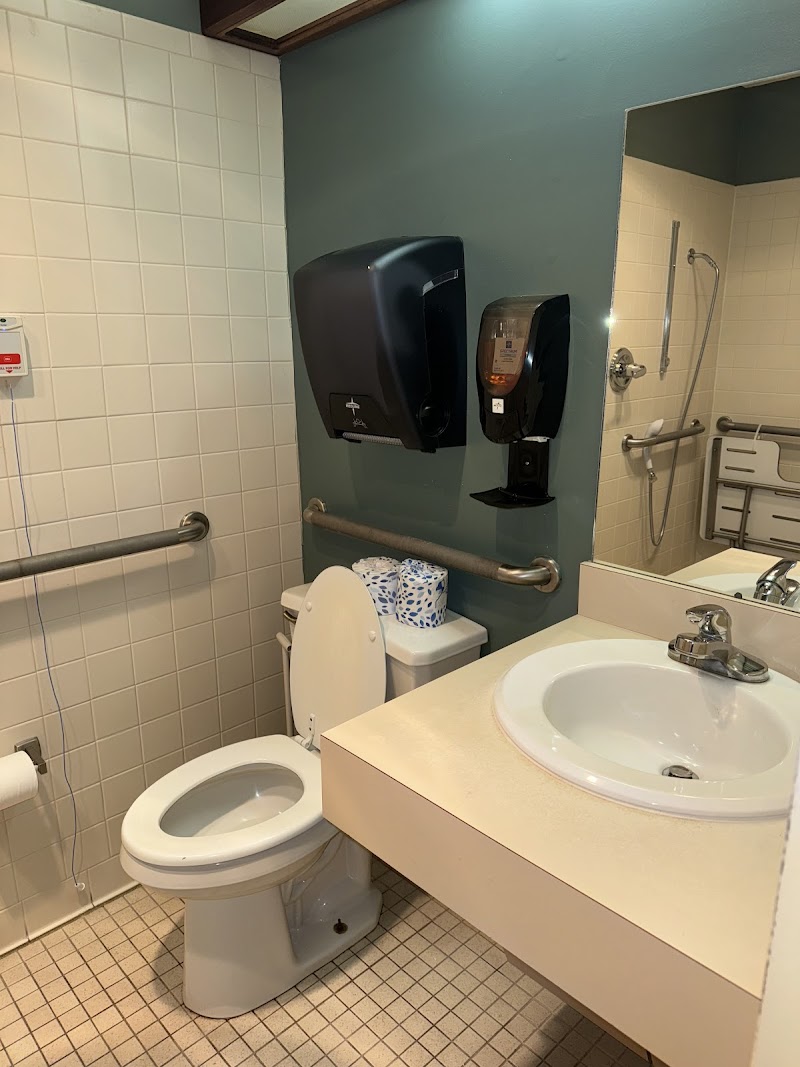
How is Rockdale Healthcare Center Staffed?

CMS rates ROCKDALE HEALTHCARE CENTER's staffing level at 2 out of 5 stars, which is below average compared to other nursing homes. Staff turnover is 27%, compared to the Georgia average of 46%. This relatively stable workforce can support continuity of care.

What Have Inspectors Found at Rockdale Healthcare Center?

State health inspectors documented 25 deficiencies at ROCKDALE HEALTHCARE CENTER during 2021 to 2025. These included: 3 that caused actual resident harm and 22 with potential for harm. Deficiencies causing actual harm indicate documented cases where residents experienced negative health consequences.
Who Owns and Operates Rockdale Healthcare Center?

ROCKDALE HEALTHCARE CENTER is owned by a for-profit company. For-profit facilities operate as businesses with obligations to shareholders or private owners. The facility is operated by WELLINGTON HEALTH CARE SERVICES, a chain that manages multiple nursing homes. With 103 certified beds and approximately 97 residents (about 94% occupancy), it is a mid-sized facility located in CONYERS, Georgia.
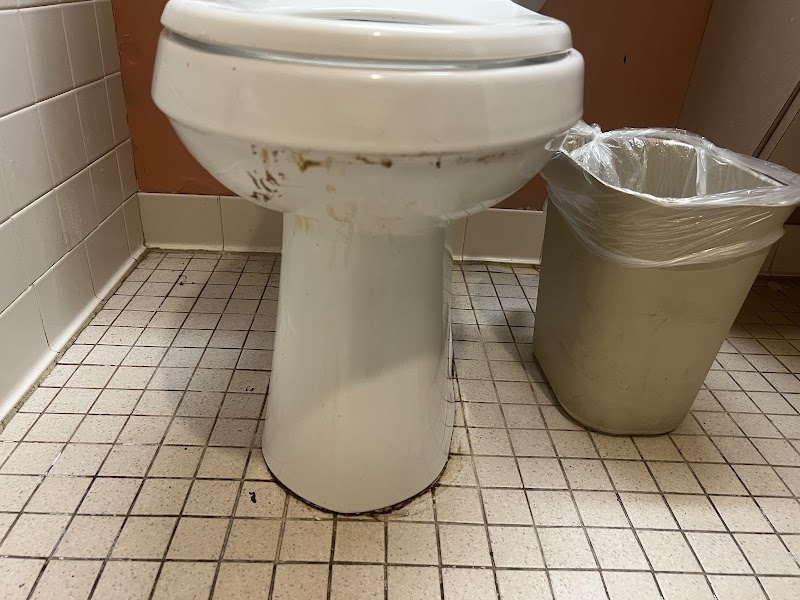
How Does Rockdale Healthcare Center Compare to Other Georgia Nursing Homes?

Compared to the 100 nursing homes in Georgia, ROCKDALE HEALTHCARE CENTER's overall rating (1 stars) is below the state average of 2.6, staff turnover (27%) is significantly lower than the state average of 46%, and health inspection rating (1 stars) is much below the national benchmark.

What Should Families Ask When Visiting Rockdale Healthcare Center?

Based on this facility's data, families visiting should ask: "Can you walk me through typical staffing levels on day, evening, and night shifts?" "Can I visit during a mealtime to observe dining assistance and food quality?" "How do you handle medical emergencies, and what is your hospital transfer rate?" "Can I speak with family members of current residents about their experience?" These questions are particularly relevant given the below-average staffing rating.

Is Rockdale Healthcare Center Safe?

Based on CMS inspection data, ROCKDALE HEALTHCARE CENTER has a clean safety record: no substantiated abuse findings (meaning no confirmed cases of resident harm), no Immediate Jeopardy citations (the most serious violation level indicating risk of serious injury or death), and is not on the Special Focus Facility watch list (a federal program monitoring the lowest-performing 1% of nursing homes). The facility has a 1-star overall rating and ranks #100 of 100 nursing homes in Georgia. While no facility is perfect, families should still ask about staff-to-resident ratios and recent inspection results during their visit.

Do Nurses at Rockdale Healthcare Center Stick Around?

Staff at ROCKDALE HEALTHCARE CENTER tend to stick around. With a turnover rate of 27%, the facility is 19 percentage points below the Georgia average of 46%. Low turnover is a positive sign. It means caregivers have time to learn each resident's needs, medications, and personal preferences. Consistent staff also notice subtle changes in a resident's condition more quickly.

Was Rockdale Healthcare Center Ever Fined?

ROCKDALE HEALTHCARE CENTER has been fined $15,971 across 3 penalty actions. This is below the Georgia average of $33,239. While any fine indicates a compliance issue, fines under $50,000 are relatively common and typically reflect isolated problems that were subsequently corrected. Families should ask what specific issues led to these fines and confirm they've been resolved.

Is Rockdale Healthcare Center on Any Federal Watch List?

ROCKDALE HEALTHCARE CENTER is not on any federal watch list. The most significant is the Special Focus Facility (SFF) program, which identifies the bottom 1% of nursing homes nationally based on persistent, serious quality problems. Not being on this list means the facility has avoided the pattern of deficiencies that triggers enhanced federal oversight. This is a positive indicator, though families should still review the facility's inspection history directly.