RIVERSIDE HEALTH CARE CENTER
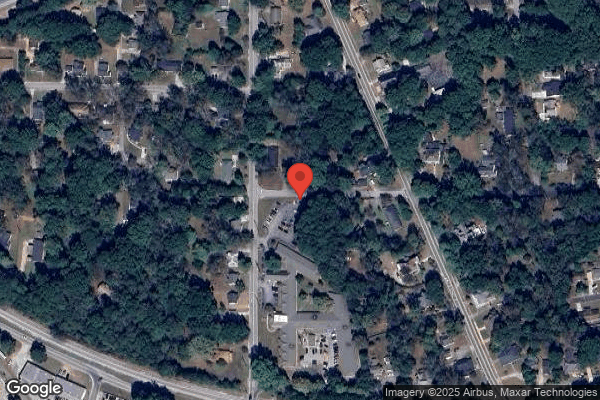

5100 WEST ST NW, COVINGTON, GA 30014 (770) 787-0211
For profit - Corporation 159 Beds WELLINGTON HEALTH CARE SERVICES Data: November 2025
Trust Grade
48/100
#228 of 353 in GA
Last Inspection: April 2025

Within standard 12-15 month inspection cycle. Federal law requires annual inspections.

Overview

Riverside Health Care Center in Covington, Georgia, has a Trust Grade of D, indicating below-average performance with some concerns about care quality. It ranks #228 out of 353 facilities in Georgia, placing it in the bottom half, and #2 out of 2 in Newton County, meaning only one other local option is available. The facility is worsening, with issues increasing from 1 in 2024 to 5 in 2025. Staffing is a mixed bag; while turnover is 45%, slightly below the state average, the facility has less RN coverage than 96% of Georgia facilities, which is concerning. Recent inspection findings revealed that medication labels were often illegible and expired medications were not disposed of properly. Additionally, the facility failed to maintain consistent RN coverage for eight consecutive hours on multiple occasions, and infection control practices were lacking, including not properly changing gloves during wound care.

Trust Score
D
48/100
In Georgia
#228/353
Bottom 36%
Safety Record
Low Risk
No red flags
Inspections
Getting Worse
1 → 5 violations
Staff Stability
○ Average
45% turnover. Near Georgia's 48% average. Typical for the industry.
Penalties
✓ Good
$13,000 in fines. Lower than most Georgia facilities. Relatively clean record.
Skilled Nurses
⚠ Watch
Each resident gets only 12 minutes of Registered Nurse (RN) attention daily — below average for Georgia. Fewer RN minutes means fewer trained eyes watching for problems.
Violations
⚠ Watch
28 deficiencies on record. Higher than average. Multiple issues found across inspections.
★★☆☆☆
2.0
Overall Rating
★★☆☆☆
2.0
Staff Levels
★★☆☆☆
2.0
Care Quality
★★☆☆☆
2.0
Inspection Score
Stable
2024: 1 issues
2025: 5 issues

The Good

  • Full Sprinkler Coverage · Fire safety systems throughout facility
  • No fines on record
  • Staff turnover below average (45%)

    3 points below Georgia average of 48%

Facility shows strength in fire safety.

The Bad

2-Star Overall Rating

Below Georgia average (2.6)

Below average - review inspection findings carefully

Staff Turnover: 45%

Near Georgia avg (46%)

Typical for the industry

Federal Fines: $13,000

Below median ($33,413)

Minor penalties assessed

Chain: WELLINGTON HEALTH CARE SERVICES

Part of a multi-facility chain

Ask about local staffing decisions and management

The Ugly 28 deficiencies on record

Apr 2025 5 deficiencies
CONCERN (D) 📢 Someone Reported This

A family member, employee, or ombudsman was alarmed enough to file a formal complaint

Potential for Harm - no one hurt, but risky conditions existed

Deficiency F0554 (Tag F0554)

Could have caused harm · This affected 1 resident

**NOTE- TERMS IN BRACKETS HAVE BEEN EDITED TO PROTECT CONFIDENTIALITY** Based on observations, record review, resident and staff interviews, and review of the facility's policy titled, Self-Administra...

Read full inspector narrative →
**NOTE- TERMS IN BRACKETS HAVE BEEN EDITED TO PROTECT CONFIDENTIALITY** Based on observations, record review, resident and staff interviews, and review of the facility's policy titled, Self-Administration of Medication, the facility failed to ensure one of 56 sampled residents (R) (R150) was assessed for self-administration of medications prior to leaving medications at her bedside. This deficient practice had the potential to place R150 at risk of medical complications and a diminished quality of life. Findings Include: A review of the facility's policy titled, Self-Administration of Medication, dated April 2022, revealed the General Guidelines section included, 1. A resident may not be permitted to administer or retain any medication in his/her room unless so ordered, in writing, by the attending physician and approved by the Interdisciplinary Care Plan Team. A review of R150's electronic health record (EHR) for R150 revealed diagnoses including, but not limited to, chronic respiratory failure with hypoxia, acute chronic diastolic congestive heart failure (CHF), acute pulmonary edema, asthma, chronic obstructive pulmonary disease (COPD) with acute exacerbation, and bronchitis. A review of R150's admission Minimum Data Set (MDS) dated [DATE] revealed Section C (Cognitive Patterns) documented a Brief Interview for Mental Status (BIMS) of nine (indicating moderate cognitive impairment). A review of R150's care plan, with a start date of 2/10/2025, revealed no care areas or interventions for self-administration of medications. A review of R150's Physicians Orders revealed an order dated 3/21/2025 for Breztri Aerosphere inhalation aerosol 160-9-4.8 microgram (MCG)/actuator (ACT), two puffs inhaled orally two times a day (a medication used to treat COPD). Further review revealed an order dated 2/10/2025 for albuterol sulfate high flow aerosol (HFA) solution 108 (90 base) MCG/ACT, two puffs orally every four hours as needed (a medication used to prevent and treat wheezing, difficulty breathing, chest tightness, and coughing). A review of R150's EMR revealed that no self-administration of medication assessments were completed. In a concurrent observation and interview on 3/31/2025 at 11:17 am, in R150's room, observation revealed one medicated oral inhaler on the bedside table and one medicated oral inhaler on her bed. In an interview, R150 stated the facility had left the medications at her bedside and stated the inhalers had been in her room for a month. R150 stated the facility staff told her she could administer the medications on her own. R150 further stated that a nurse could be down the hall, and she might need the medications immediately, and staff might not be around all the time. In an interview on 3/2/2025 at 3:13 pm, Certified Nursing Assistant (CNA) HH stated she was aware that R150 had medicated inhalers in her room and was unsure if there was an order to leave the inhalers at the bedside. CNA HH stated the facility protocol for medications at the bedside was that residents were allowed to have medications at the bedside if they were competent enough. In a concurrent observation and interview on 3/2/2025 at 3:13 pm, Licensed Practical Nurse (LPN) II stated R150 has an order for the inhalers at the bedside. LPN II stated that the facility procedure was that medications were not allowed at the bedside, but they made an exception for R150 because she has respiratory issues. LPN II stated R150 had been assessed to have medications at the bedside, but was unsure of how many inhalers. LPN II verified R150's physician's orders and confirmed that R150 did not have a physician's order for the medicated inhalers to be kept at the bedside and self-administered. In an interview on 4/2/2025 at 4:17 pm, the Director of Nursing (DON) stated that if a resident desired to self-administer a medication, the physician would provide the order, and the facility would assess the resident's ability to self-administer the medication. She stated the resident must demonstrate the ability to self-administer the medication before the medication would be left at the bedside. The DON further stated her expectations were for nurses to be aware of what residents are allowed to have medications at the bedside. She stated risks of having unauthorized medications at the resident's bedside were overuse of the medication, the wrong resident could use it, and further stated it was against the five rights of medication administration.
CONCERN (D) 📢 Someone Reported This

A family member, employee, or ombudsman was alarmed enough to file a formal complaint

Potential for Harm - no one hurt, but risky conditions existed

Comprehensive Care Plan (Tag F0656)

Could have caused harm · This affected 1 resident

**NOTE- TERMS IN BRACKETS HAVE BEEN EDITED TO PROTECT CONFIDENTIALITY** 2. Review of R147's clinical record for R147 revealed he was admitted to the facility on [DATE] with diagnoses including, but no...

Read full inspector narrative →
**NOTE- TERMS IN BRACKETS HAVE BEEN EDITED TO PROTECT CONFIDENTIALITY** 2. Review of R147's clinical record for R147 revealed he was admitted to the facility on [DATE] with diagnoses including, but not limited to, pneumonia and cough. Review of the admission MDS, dated [DATE], Section O (Special Treatments, Procedures, and Programs) documented R147 received oxygen while a resident. Review of R147's care plan revealed there was no care plan focus area or interventions addressing oxygen therapy. Observations on 3/31/2025 at 10:30 am and on 4/1/2025 at 11:07 am and 2:20 pm revealed R147 receiving oxygen via a nasal cannula at 2.5 liters per minute. During observation and interviews on 4/1/2025 at 3:20 pm, Licensed Practical Nurse (LPN) AA confirmed that R147 was receiving oxygen via nasal cannula. LPN BB verified that there was no care plan area or interventions for O2 on R147's care plan for oxygen administration. In an interview on 4/1/2025 at 3:00 pm, the DON stated oxygen administration should be included on a resident's care plan. Based on observations, staff interviews, record review, and review of the facility's policy titled Care Plan Policy, the facility failed to develop a comprehensive person-centered care plan for one of 12 residents (R) (R120) with an indwelling urinary catheter and one of 26 R (R147) receiving oxygen (O2). This deficient practice had the potential to place R120 and R147 at risk for medical complications, unmet needs, and a diminished quality of life. Findings include: Review of the facility's policy titled Care Plan Policy, revised 11/15/2022, revealed the Policy Statement included, Each resident will have a plan of care to identify problems, needs, and strengths that will identify how the facility staff will provide services to attain or maintain the resident's highest practicable physical, mental, and psychosocial well-being. The Standards of Practice section included, . 9. A comprehensive plan of care will be developed by the interdisciplinary team, resident and/or resident representative as applicable. The plan of care will address the resident's status in triggered CAA [Care Area Assessments] areas, a rationale for deciding whether to proceed with care planning and provide evidence that the facility considered the development of care planning interventions for all CAA's triggered by the Minimum Data Set 3.0. 1. Review of R120's admission Minimum Data Set (MDS) dated [DATE] revealed Section H (Bowel and Bladder) revealed R120 had an indwelling urinary catheter. Review of R120's comprehensive care plan dated 2/15/2025 revealed there was no focus area or interventions for an indwelling urinary catheter. Observations on 3/31/2025 at 11:45 am and 4/2/2025 at 2:28 pm revealed R120 had an indwelling urinary catheter. During an interview on 4/3/2025 at 2:50 pm, the Director of Nursing (DON) stated that the MDS Coordinator was responsible for updating care plans, and nurses could also update care plans as needed. During an interview on 4/3/2025 at 3:58 pm, the MDS Coordinator revealed she updated care plans based on information during morning clinical meetings, information in resident charts, and discussion with other staff members. She further stated that indwelling catheters should be included in the care plan.
CONCERN (D) 📢 Someone Reported This

A family member, employee, or ombudsman was alarmed enough to file a formal complaint

Potential for Harm - no one hurt, but risky conditions existed

Deficiency F0657 (Tag F0657)

Could have caused harm · This affected 1 resident

**NOTE- TERMS IN BRACKETS HAVE BEEN EDITED TO PROTECT CONFIDENTIALITY** 2. Record review for R254 revealed resident was admitted to the facility on [DATE] with diagnoses that include but not limited t...

Read full inspector narrative →
**NOTE- TERMS IN BRACKETS HAVE BEEN EDITED TO PROTECT CONFIDENTIALITY** 2. Record review for R254 revealed resident was admitted to the facility on [DATE] with diagnoses that include but not limited to Alzheimer's disease, sequelae of cerebral infarction, and unspecified convulsions. Review of R47 electronic medical records revealed physician order for oxygen therapy at 2 liters per minute with start date of 3/29/2024 and end date of 5/30/2024. Review of Cerebral Vascular Accident care plan dated 2/14/2025 revealed an intervention in place to give oxygen as ordered. Interview on 4/3/2025 at 4:50 pm with LPN, MDS Coordinator LL revealed that the care plan should be updated if oxygen order is discontinued. LPN LL confirmed that intervention for oxygen administration was in R47's current care plan and stated that this intervention should be resolved. LPN LL continued stating that she and MDS Director are responsible for updating care plans, and all nurses have access to care plans updates. Based on observations, staff interviews, and a review of the facility's, Care Plan policy, the facility failed to revise the comprehensive care plan to include a new sacral pressure injury with measurable goals and interventions for one of three residents (R) (R206) reviewed with pressure ulcers. The facility also failed to update the care plan for R47, whose oxygen treatment had been discontinued but was still listed on the care plan. Findings include: Review of the facility policy titled, Care plan policy updated 11/15/2022 revealed the policy statement: Each resident will have a plan of care to identify problems, needs, and strengths that will identify how facility staff will provide services to attain or maintain the resident highest practicable physical, mental and psychosocial wellbeing. Further review of the Policy revealed under Standard of Practice number 1. Each resident will be assessed by the interdisciplinary team on admission, quarterly, annually, and with a significant change in status 5 .Upon a resident's readmission to facility, the care plan will be updated as indicated 10. Areas of concern or potential concern and residents strengths will be addressed with measurable goals and specific person-centered approaches to promote attainment or maintenance of the goal(s) .12. The plan of care is to be reviewed and updated as necessary at the completion of every assessment by the interdisciplinary team and resident reprehensive party if so desired. Record review for R 206 revealed resident was admitted to the facility on [DATE] following a transfer from a local hospital, where she underwent a right hip hemiarthroplasty (hip repair surgery), for physical/occupational therapy and assistance with activities of daily living (ADLs). At the time of admission, she was alert and oriented to person, place, and time, able to express her needs, and capable of following simple commands. Initial and ongoing skin assessments through 10/31/2024 documented an intact sacrum. Continued record review revealed R206 had a hospital return on 11/1/2024, nursing staff identified a new deep tissue injury (DTI) to the sacrum and initiated treatment. However, the care plan was not updated upon her return to reflect the new skin integrity concerns. Care plan review did not reveal interventions related to the newly developed deep tissue injury (DTI) on the sacrum. Interview on 4/1/2025 at 2:25 pm with the treatment nurse, LPN EE revealed that when a resident develops a pressure ulcer, she notifies the nurse practitioner or physician, documents any new orders, informs the family, updates the care plan, and provides treatment as prescribed. The treatment nurse confirmed that she could not locate an updated care plan addressing the sacral wound for the resident; only the surgical incision was included in the care plan. A subsequent interview on 4/1/ 2025, at 3:15 pm, with the Director of Nursing (DON) indicated that care plans are expected to be revised when a resident experiences a change in condition. The DON acknowledged that the facility failed to update resident R206's care plan to reflect the presence of a sacral wound. Interview on 4/3/2025 at 3:58 pm with LPN and MDS Coordinator LL revealed that she updates care plans based on information shared during morning clinical meetings. She added that if a resident develops a new wound, it would be care planned accordingly.
CONCERN (D) 📢 Someone Reported This

A family member, employee, or ombudsman was alarmed enough to file a formal complaint

Potential for Harm - no one hurt, but risky conditions existed

Respiratory Care (Tag F0695)

Could have caused harm · This affected 1 resident

**NOTE- TERMS IN BRACKETS HAVE BEEN EDITED TO PROTECT CONFIDENTIALITY** Based on observations, staff interviews, records reviews, and review of the facility's policy titled, Oxygen Administration, the...

Read full inspector narrative →
**NOTE- TERMS IN BRACKETS HAVE BEEN EDITED TO PROTECT CONFIDENTIALITY** Based on observations, staff interviews, records reviews, and review of the facility's policy titled, Oxygen Administration, the facility failed to ensure a physicians order for oxygen administration was obtained for one residents R (R147), the facility also failed to ensure two of 26 residents (R254 and R69) oxygen was administered as ordered by the physician. Findings include: Review of undated facility policy titled Oxygen Administration revised date of October 2010 revealed under Preparation: 1. Verify that there is a physician's order for this procedure. Review the physician's orders or facility protocol for oxygen administration. 1.Review of the Electronic Medical Record (EMR) for R147 revealed resident was admitted to the facility with diagnoses of but not limited to pneumonia, anxiety, and cough. Continued review of the residents' physicians' orders did not reveal an order for oxygen therapy administration. Review of the 5-day admission Minimum Data Set (MDS) dated [DATE] documented R147 had a Brief interview for Mental Status (BIMS) score of 4 indicating resident had severe cognitive impairment. Observation on 3/31/2025 at 11:30 am revealed R147 was receiving oxygen via nasal cannula at 2.5 liters per minute (L/M). Observation on 4/1/2025 at 11:07 am revealed R147 was receiving oxygen via nasal cannula at 2.5 (L/M). Observation and Interview on 4/1/2025 at 2:20 pm revealed R147 was receiving oxygen via nasal cannula at 2.5 (L/M). Interview on 4/1/2025 at 2:20 pm with Licensed Practical Nurse (LPN) AA confirmed the oxygen concentrator was set at 2.5 L/M. LPN AA checked R147's electronic medical records and was not able to locate a physician order for oxygen administration. Interview on 4/1/2025 at 2:22 pm with Unit Manager, LPN BB she stated that she was not able to find a physician order of oxygen for R147. 2. Review of the EMR for R254 revealed resident was admitted to the facility on [DATE] with diagnoses of but not limited to chronic obstructive pulmonary disease (COPD), acute and chronic respiratory failure with hypoxia, and pneumonia. Review of the 5-day MDS dated [DATE] for R254 documented a BIMS score of 15 indicating little to no cognitive impairment. Review of the physician order dated 3/27/2025 for R254 revealed an order for oxygen at three liters (3L) per minute via nasal canula (NC). Observation on 3/31/2025 at 1:15 pm of the oxygen concentrator for R254 revealed a rate of delivery at four liters. Observation on 4/1/2025 at 11:03 am of the oxygen concentrator for R254 revealed a rate of delivery at four liters. Observation with LPN AA on 4/1/2025 at 2:20 pm of the oxygen concentrator for R254 confirmed the rate of delivery at four liters. LPN AA reviewed R254 medical records and confirmed that physician order was for 3 liters per minute. Interview with Director of Nursing (DON) on 4/1/2025 at 3:00 pm confirmed that all residents receiving oxygen therapy should have a physician order and care plan, and physician order must match oxygen concentrator setting. 3. Review of the EMR for R69 revealed resident was admitted to the facility with diagnoses of but not limited to, acute respiratory failure with hypoxia, chronic obstructive pulmonary disease, and dependence on supplemental oxygen. Review of R69's Quarterly MDS assessment dated [DATE] revealed a BIMS of 14, which indicated R69 had little to no cognitive impairment. Section O, Special Treatments, indicate oxygen therapy. Review of care plan for R69 revealed focus for R69 is on oxygen therapy related to chronic obstructive pulmonary disease (COPD), congestive heart failure (CHF), ineffective gas exchange, oxygen dependency, recent history of acute respiratory failure with hypoxia. Outcome of R69 will have no signs and symptoms of poor oxygen absorption through the review date. Interventions, include but not limited to, the resident has oxygen (O2) via nasal prongs at two to three liters continuously, give oxygen as ordered by the physician. Review of the Physician's Orders for R69 included but was not limited to: Order dated for 5/30/2024 oxygen three liters (L) per minute by way of nasal cannula for shortness of breath (sob) intermittent use or pulse oximeter <92%. Observation and interview on 3/31/2025 at 2:06 pm of R69 stated she uses oxygen continuously. Oxygen concentrator noted at bedside with flow meter below 2 liters via nasal canula. Observation on 4/1/2025 at 9:31 am on R69 revealed resident lying in bed with O2 NC in place, oxygen flow rate was just below two liters. Observation on 4/1/2025 at 2:53 pm revealed R69 Oxygen setting on two liters. An interview on 4/1/2025 at 2:57 PM with LPN WW confirmed status of oxygen concentrator in the room of R69 was set at two liters and that the order for residents' oxygen was for three liters. An interview on 4/1/2025 at 3:00 pm with DON revealed that all residents receiving oxygen therapy should have physician order and care plan, and physician order must match oxygen settings.
CONCERN (F) 📢 Someone Reported This

A family member, employee, or ombudsman was alarmed enough to file a formal complaint

Potential for Harm - no one hurt, but risky conditions existed

Deficiency F0761 (Tag F0761)

Could have caused harm · This affected most or all residents

Based on observations, staff interview, and review of the facility's policy titled, Medication Storage, the facility failed to ensure all medication labels were legible and that expired medications we...

Read full inspector narrative →
Based on observations, staff interview, and review of the facility's policy titled, Medication Storage, the facility failed to ensure all medication labels were legible and that expired medications were disposed of after expiration date on one of five medication carts and in two of three medication storage rooms on (100 Hall and 300 Hall). Findings include: A review of the facility's policy titled, Medication Storage, revision date of November 2020 revealed under policy statement, the facility stores all drugs and biologicals in a safe, secure, and orderly manner. Policy Interpretation and Implementation: 3. The nursing staff is responsible for maintaining medication storage and preparation areas in a clean, and sanitary manner. 4. Drug containers that have missing, incomplete, improper, or incorrect labels are returned to the pharmacy for proper labeling before storing. Discontinued, outdated, or deteriorated drugs or biologicals are returned to the dispensing pharmacy or destroyed. Observation on 4/2/2025 at 9:36 am Certified Medication Aide (CMA) GG was observed during medication administration. An audit of the medication cart revealed two boxes of expired glucagon injection syringes. Each box contained 1 ready to use rescue pen for low blood sugar emergencies and were dated March 2025. CMA GG confirmed that the injections of glucagon were expired. She stated that no expired medications should have been on the cart. She also confirmed that the process is to take expired medication out the cart and put them in the return bin. Observation and interview on 4/2/2025 at 1:43 pm with Licensed Practical Nurse (LPN) FF of medication storage room on hall 100 revealed two boxes of expired pneumococcal vaccines dated September 2024 and December 2024 and one box of sodium chloride inhalation solution expired in October 2021. LPN FF confirmed that pneumococcal vaccines and the sodium chloride inhalation solution was expired. Observation and interview on 4/2/2025 at 2:09 pm with LPN AA of medication storage room on hall 300 revealed expired 1 bottle of Ketamine dated February 2025. There was a medication bottle in the locked narcotic box in the refrigerator that had an unreadable label. LPN AA verified and confirmed that the Ketamine was expired and confirmed and verified that second bottle of medication label was not legible and that it was no way to determine what the medication was or who it belonged to. LPN AA stated she was a new employee and revealed she did not know the process for the expired and discontinued medications. She also stated she did not know the process to follow when a label is not legible. Interview on 4/2/2025 at 1:58 pm an with LPN II revealed that he was a unit manager, and stated he did not know who was responsible for auditing medication rooms for expired drugs and supplies. He further revealed he did not know the process for removal of expired medications. Interview on 4/3/2025 at 11:08 am with the Director of Nursing (DON) revealed that usually the night staff checks for expired medications on the medication carts and in the medication storage rooms. She also confirmed that pharmacy comes once a month to pick up the discontinued and expired items, and all medications are scanned and recorded in an electronic system. She stated over the counter medications are checked for expiration dates by the central supply clerk during her restocking process. The DON stated her expectations were for the staff to remove expired medications from the medication carts and the medication storage rooms. She also revealed that staff should not administer medications that are expired. Observation and interview on 4/2/2025 at 2:09 pm with LPN AA of medication storage room on hall 300 revealed expired 1 bottle of Ketamine dated February 2025. There was a medication bottle in the locked narcotic box in the refrigerator that had an unreadable label. LPN AA verified and confirmed that the Ketamine was expired and confirmed and verified that second bottle of medication label was not legible and that it was no way to determine what the medication was or who it belonged to. LPN AA stated she was a new employee and revealed she did not know the process for the expired and discontinued medications. She also stated she did not know the process to follow when a label is not legible. Interview on 4/2/2025 at 1:58 pm an with LPN II revealed that he was a unit manager, and stated he did not know who was responsible for auditing medication rooms for expired drugs and supplies. He further revealed he did not know the process for removal of expired medications. Interview on 4/3/2025 at 11:08 am with the Director of Nursing (DON) revealed that usually the night staff checks for expired medications on the medication carts and in the medication storage rooms. She also confirmed that pharmacy comes once a month to pick up the discontinued and expired items, and all medications are scanned and recorded in an electronic system. She stated over the counter medications are checked for expiration dates by the central supply clerk during her restocking process. The DON stated her expectations were for the staff to remove expired medications from the medication carts and the medication storage rooms. She also revealed that staff should not administer medications that are expired.
Jan 2024 1 deficiency
MINOR (C) 📢 Someone Reported This

A family member, employee, or ombudsman was alarmed enough to file a formal complaint

Minor Issue - procedural, no safety impact

Employment Screening (Tag F0606)

Minor procedural issue · This affected most or all residents

Based on staff interviews, record review, and review of facility's policy titled Abuse Prevention Policy, the facility failed to ensure that a Georgia Criminal History Check System (GCHEXS) Fingerprin...

Read full inspector narrative →
Based on staff interviews, record review, and review of facility's policy titled Abuse Prevention Policy, the facility failed to ensure that a Georgia Criminal History Check System (GCHEXS) Fingerprint check was conducted for two [Certified Nursing Assistant (CNA) BB and CNA CC] of ten employee files selected for review. The facility census was one hundred and forty-eight residents. Findings include: Review of the policy titled Abuse Prevention Policy dated 11/1/2021 under the section titled Employee Screening revealed, Background, reference, and credentials' checks should be conducted on employees prior to or at the time of employment by the facility administration, in accordance with applicable state and federal regulations. During a record review of the employee files there was no documentation that a fingerprint records check was conducted on CNA BB and CNA CC. An interview on 1/17/2024 at 10:30 am with the Administrator stated the facility follows the State and Federal requirements for conducting fingerprint checks. The Administrator confirmed CNA BB and CNA CC did not have a fingerprint check conducted. An interview on 1/24/2024 at 1:40 pm with the Human Resources Director (HRD) stated she was responsible for background checks, fingerprints check, reference check and maintaining the employee's files. She stated she was aware CNA BB did not have a fingerprint check conducted. She stated I didn't follow through with the fingerprint check for the employee. The HRD stated she had not completed an audit of the employees' files to ensure that a GCHEXS fingerprint check was conducted on the required employees. The HRD stated she was sure that CNA BB was the only one that had not been performed.
Jan 2023 17 deficiencies
CONCERN (D)

Potential for Harm - no one hurt, but risky conditions existed

Resident Rights (Tag F0550)

Could have caused harm · This affected 1 resident

**NOTE- TERMS IN BRACKETS HAVE BEEN EDITED TO PROTECT CONFIDENTIALITY** Based on observations, interviews, record review and policy review, the facility failed to ensure two residents (R) (R#60 and R#...

Read full inspector narrative →
**NOTE- TERMS IN BRACKETS HAVE BEEN EDITED TO PROTECT CONFIDENTIALITY** Based on observations, interviews, record review and policy review, the facility failed to ensure two residents (R) (R#60 and R#101) were treated with dignity. Specifically, staff failed to sit while feeding R#60, and served R#101 meals on Styrofoam plates with plastic silverware. The sample size was 33. Findings include: Review of the facility policy titled, Resident Rights, revised 10/20/22, indicated, . The resident has the right to a dignified existence . 1. Review of the clinical record for R#60 revealed he was admitted to the facility on [DATE] with diagnoses including but not limited to Alzheimer's, cerebral infarction, and unspecified severe protein calorie malnutrition. The resident's most recent Annual Minimum Data Set (MDS) dated [DATE], revealed a Brief Interview for Mental Status (BIMS) was coded as 4, which indicated severe cognitive impairment. Section G revealed resident was dependent on staff for eating. Observation on 1/16/23 at 12:46 p.m. Licensed Practical Nurse (LPN) AA was feeding R#60 while he was lying in bed. LPN AA stood on the right side of the resident's bed and reached over the end of the overbed table with each bite of food she gave the resident. A chair was observed in the resident's room, between the bathroom door and the resident's privacy curtain. Interview on 1/18/23 at 10:16 a.m. LPN AA stated there were no chairs available to sit while she assisted R#60 with his meal. The surveyor informed LPN AA that there had been a chair in the room. LPN AA stated the facility's policy was to sit while assisting a resident with their meal so the staff could interact with the resident. Interview on 1/18/23 at 2:02 p.m. the Director of Nursing (DON) stated the policy of the facility was for staff to sit while feeding a resident, to be at eye level, and engage with the resident during the meal. She stated it was a dignity issue. 2. Review of the clinical record for R#101 revealed she was admitted to the facility on [DATE], with diagnosis that include unspecified dementia, unspecified schizophrenia, and anxiety disorder. The resident's most recent Quarterly Minimum Data Set (MDS) dated [DATE], revealed a Brief Interview for Mental Status (BIMS) was no coded, therefore unable to determine cognition. Observation on 1/16/23 at 1:38 p.m. R#101 was fed lunch by MDS Coordinator (MDSC) from a three compartment Styrofoam plate with a plastic spoon. The MDSC was questioned about the Styrofoam plate. The MDSC stated that she could not explain why residents' meals are served this way, but stated it was on her care plan. Interview on 1/16/23 at 2:40 p.m., the MDSC stated R#101 meals are served on Styrofoam plates because she would throw her plate across the room. Interview on 1/18/23 at 10:35 a.m., the Psychiatric Nurse (PN) BB revealed that she has not had any issues or complaints about R#101 throwing her meal plate. She stated that there were no new behaviors or psychiatric concerns. During further interview, she stated if there are concerns the social worker, or the nurse would let her know. Interview on 1/18/23 at 11:08 a.m., the MDSC stated that she spoke with some the certified nursing assistants (CNA), and they informed her that it has been some time since R#101 had thrown a tray at someone. Interview on 1/19/23 at 11:36 a.m., the DON stated she was not sure how long R#101 has been receiving her meals on the Styrofoam plate with a plastic spoon, but replied it has been some years.
CONCERN (D) 📢 Someone Reported This

A family member, employee, or ombudsman was alarmed enough to file a formal complaint

Potential for Harm - no one hurt, but risky conditions existed

Deficiency F0602 (Tag F0602)

Could have caused harm · This affected 1 resident

**NOTE- TERMS IN BRACKETS HAVE BEEN EDITED TO PROTECT CONFIDENTIALITY** Based on observation, record review, interview, and review of the policy titled Social Service - Respect and Dignity Policy, the...

Read full inspector narrative →
**NOTE- TERMS IN BRACKETS HAVE BEEN EDITED TO PROTECT CONFIDENTIALITY** Based on observation, record review, interview, and review of the policy titled Social Service - Respect and Dignity Policy, the facility failed to ensure that one resident (R) (R#125) was free from misappropriation of resident's property of 33 sampled residents. Findings include: Review of the facility's policy titled Social Service - Respect and Dignity Policy revised November 2022 revealed respecting resident's private space and property, not moving, or inspecting resident's personal possessions without permission; Process: Residents are encouraged to have and to use personal possessions. Review of the clinical record revealed R#125 was admitted to the facility on [DATE]. Review of the admission Minimum Data Set (MDS) Assessment with an Assessment Reference Date (ARD) of 10/15/2022 documented a BIMS score of 7, indicating severe cognitive impairment and no signs of delirium present at time of assessment. Interview on 1/16/2023 at 3:50 p.m. R#125 stated that she had some items that were broken or missing since she's been at the facility, specifically a DVD player was found broken, a thermos, a fleece blanket, and a plastic tote box. R#125 stated that her daughter called several people to report it. She indicated that the items went missing over the past six months. Interview on 1/17/2023 at 9:16 a.m. R#125's family member stated that she reported the missing items to the DON, the Social Worker (SW), and a staff member in the business office and was told they would look into it, but nothing came of it. Interview on 1/18/2023 at 6:04 p.m. the SW stated that she remembered the resident's items going missing. She stated the DVD player was broken when the resident was moved from one room to another. The SW indicated that the process is that they first try to find the item, or the facility will replace it for them. The SW stated she was going to replace it the DVD player. Interview on 1/18/2023 at 6:04 p.m. the Business Office Staff stated that she went to speak to R#125 yesterday as the resident inquired about how much money was in her patient account. The resident brought up the missing items, but the Business Office Staff stated she was unaware anything was missing or broken. The process is that normally a grievance is written up, then the facility lets her know to go ahead and reimburse the family for the missing items.
CONCERN (D)

Potential for Harm - no one hurt, but risky conditions existed

Comprehensive Care Plan (Tag F0656)

Could have caused harm · This affected 1 resident

**NOTE- TERMS IN BRACKETS HAVE BEEN EDITED TO PROTECT CONFIDENTIALITY** Based on record review, interviews, and review of the policy titled Care Plan Policy, the facility failed to develop a person-ce...

Read full inspector narrative →
**NOTE- TERMS IN BRACKETS HAVE BEEN EDITED TO PROTECT CONFIDENTIALITY** Based on record review, interviews, and review of the policy titled Care Plan Policy, the facility failed to develop a person-centered comprehensive care plan related to behaviors for one resident (R) (R#58) of 33 sampled residents. Findings include: Review of the policy titled Care Plan Policy, reviewed 11/15/2022 revealed policy statement is each resident will have a plan of care to identify problems, needs, and strengths that will identify how the facility staff will provide services to attain or maintain the resident's highest practicable physical, mental, and psychosocial well-being. Review of the clinical record for R#58 revealed she was admitted to the facility on [DATE] with diagnoses of Alzheimer's disease, chronic obstructive pulmonary disease (COPD), diabetes, hypertension (HTN), depression, and schizophrenia. Resident's most recent annual Minimum Data Set (MDS) with an Assessment Reference Date (ARD) of 9/4/2022, revealed Brief Interview for Mental Status (BIMS) score of three out of 15, which indicated severe cognitive impairment. Section E revealed R#58 had physical and verbal behaviors towards others one to three days during the preceding seven days. Review of Patient at Risk Progress Note dated 11/1/2022 at 3:26 p.m. indicated resident was having increased behaviors and aggression. The note also indicated resident had an order for a urinalysis (urine test), which she refused to allow staff to collect, and that her medications were reviewed. There was no documentation of interventions attempted to reduce the resident's behaviors. Review of Nurses Note dated 11/1/2022 at 11:09 p.m. documented as a late entry, indicated the resident had scratched a certified nurse assistant (CNA) and called her derogatory names, refused to have her nails trimmed, and was combative during care but was redirected and calmed down. Review of Nurses Note dated 11/3/2022 at 3:14 p.m. indicated resident was combative, refused care, and would not let staff change her gown. The resident was given Haldol two milligram (mg). There was no documentation or evidence to show that interventions were attempted to reduce the resident's behaviors prior to the administration of Haldol. Review of Electronic Medication Administration Record (EMAR), dated 11/7/2022 at 4:03 a.m. revealed resident was combative with staff, called staff derogatory names, and was making inappropriate comments. It was documented redirection was attempted without success. Review of the Care Plan revised on 11/7/2022 indicated resident had the potential to demonstrate physical behaviors, specifically scratching another person related to dementia. The outcome was documented as R#58 would not harm herself or others through the review date. Interventions/Tasks were listed as medication review; analyze key times, places, circumstances, triggers, and what de-escalates behavior and document; cognitive assessment; and monitor each shift and document observed behavior and attempted interventions in behavior log. The care plan did not address any individualized care interventions to attempt to aid in decreasing or preventing any behaviors. Interview on 1/18/2023 at 2:22 p.m., the MDS Coordinator (MDSC), stated staff generally worked together to develop interventions for a resident's care plan. She confirmed the interventions listed on the care plan for the focus problem of behaviors were not individualized for the resident. Interview on 1/18/2023 at 7:03 p.m., Licensed Practical Nurse (LPN) GG stated staff tried distractions, giving a snack, and providing activities when R#58 was exhibiting behaviors. She stated she knew what to do when resident exhibited behaviors, because she had known her for a long time. LPN GG stated she was not involved in the care plan meetings but stated specific interventions should be listed on resident's care plan.
CONCERN (D)

Potential for Harm - no one hurt, but risky conditions existed

Incontinence Care (Tag F0690)

Could have caused harm · This affected 1 resident

**NOTE- TERMS IN BRACKETS HAVE BEEN EDITED TO PROTECT CONFIDENTIALITY** Based on record review, interviews, and policy review, the facility failed to assess one resident (R) (R#102) of 33 sampled resi...

Read full inspector narrative →
**NOTE- TERMS IN BRACKETS HAVE BEEN EDITED TO PROTECT CONFIDENTIALITY** Based on record review, interviews, and policy review, the facility failed to assess one resident (R) (R#102) of 33 sampled residents, for a bladder training program to determine appropriate services to restore or maintain bladder continence. Findings include: Review of the policy titled, Bowel and Bladder Assessment Policy, last reviewed 11/2021, indicated, . Residents will function at their highest level of functioning, promoting self-esteem and independence . resident who is incontinent of bladder receives appropriate treatment and services to . restore continence to the extent possible .Resident's .bladder assessment will be completed upon admission, quarterly, and with significant changes . Review of the clinical record revealed resident was admitted to the facility on [DATE] with diagnoses including bipolar disorder, current episode mixed, moderate and type 2 diabetes mellitus without complications. Review of the residents quarterly Minimum Data Set (MDS) with an Assessment Reference Date (ARD) of 11/17/2022, revealed the resident had a Brief Interview for Mental Status (BIMS) score of 15, which indicated the resident is cognitively intact. The MDS documented the resident needed limited assistance of one staff for toileting. It was documented a trial of a toileting program had not been attempted on admission/reentry or since urinary incontinence was noted in the facility. It was documented the resident was frequently incontinent, with seven or more episodes of urinary incontinence and at least one episode of continent voiding in the preceding seven days. Review of the Bowel and Bladder assessment dated [DATE] indicated resident was independent in cognitive status, required supervision with activities of daily living, was occasionally incontinent of bladder, and had overflow incontinence (associated with leakage of small amounts of urine when the bladder has reached its' maximum capacity and becomes distended). It was documented the resident was aware of the need to void. Review of Physician Order, dated 11/2/2021 indicated the resident was to receive trospium chloride (used to treat overactive bladder) 20 milligrams (mg) twice daily for overactive bladder, nocturia urgency of micturition (waking up in the night because you must frequently urinate). Review of the January Medication Administration Record (MAR) dated 1/1/2023 through 1/15/2023 indicated resident received trospium chloride 20 mg twice daily as ordered by the physician. Interview on 1/16/2023 at 11:14 a.m., R#102 stated she used to take a medication for bladder incontinence and see a urologist for incontinence, but she did not know whether she still did or not. She stated she was incontinent of bladder at times, wore an incontinent brief, and was not on any type of toileting program. She stated sometimes she knew when she was incontinent. She stated it bothered her when she was incontinent. Interview on 1/18/2023 at 8:48 a.m., Licensed Practical Nurse (LPN) HH stated the resident was alert, oriented, and had episodes of incontinence. She stated the resident would change her own brief if she was incontinent and call for assistance with her clothing if required. Interview on 1/18/2023 at 9:13 a.m., Certified Nurse Assistant (CNA) II stated the resident would toilet herself at times. She stated the resident would call at times and say she was wet. She stated the resident could toilet by herself but had accidents at times. CNA II stated the resident was not on a prompted or scheduled toileting plan, but she checked the resident every two hours for wetness. Interview on 1/18/2023 at 12:38 p.m., LPN HH stated there was no documentation the resident had been assessed to be appropriate for a toileting program, either with prompted or timed toileting. She stated none of the residents on her unit were on a toileting schedule. Interview on 1/18/2023 at 1:09 p.m., the Director of Nursing (DON) stated the facility did not have a toileting program. She stated R#102 had some stress incontinence. She stated she did not know if the resident had been assessed to be appropriate for a toileting program.
CONCERN (D)

Potential for Harm - no one hurt, but risky conditions existed

Deficiency F0692 (Tag F0692)

Could have caused harm · This affected 1 resident

**NOTE- TERMS IN BRACKETS HAVE BEEN EDITED TO PROTECT CONFIDENTIALITY** Based on observations, record review, interviews, and policy review, the facility failed to address significant weight gain for ...

Read full inspector narrative →
**NOTE- TERMS IN BRACKETS HAVE BEEN EDITED TO PROTECT CONFIDENTIALITY** Based on observations, record review, interviews, and policy review, the facility failed to address significant weight gain for one resident (R) (R#48) of five sampled residents reviewed for nutritional status. Findings include: Review of the policy titled Nutritional Assessment, dated 11/2016, revealed standard of practice 2. The nutritional assessment will be a systematic, multidisciplinary process that includes gathering and interpreting data and using that data to help define meaningful interventions for the resident at risk for or with impaired nutrition. 3. The nutritional assessment will be conducted by the multidisciplinary team and shall identify at least the following components: e. Current clinical conditions and recent events that may have affected a resident's nutritional status and risk factors. Review of the clinical record revealed resident was admitted to the facility on [DATE] with diagnoses including diabetes mellitus with other circulatory complications, unspecified protein-calorie malnutrition, adult failure to thrive, heart failure, and acquired absence of right and left leg above knee. Review of the quarterly Minimum Data Set (MDS) with an Assessment Reference Date (ARD) date of 10/18/2022 revealed a Brief Interview for Mental Status (BIMS) of 13, indicating he was cognitively intact. Section K revealed Gain of 5% or more in the last month or gain of 10% or more in last 6 months: No or unknown. Review of care plan initiated on 6/11/2022 revealed resident is at potential risk for altered nutrition related to receiving a mechanically altered diet. Interventions to care include monitor oral intake, monitor weights, and provide diet as ordered. Review of the January 2023 Physician Orders revealed an order for regular, mechanical soft diet with chopped meats, thin liquids with start a date of 5/31/2022 and Escitalopram Oxalate Tablet 20 mg (milligram) (a medication to treat depression), with start date of 6/2/2022. Further review revealed an order that included Anti-depressant medication use: Observe resident closely for significant side effect monitoring . 12=excess weight gain, with a start date of 6/1/2022. Review of R#48's weight summary revealed a 33.2-pound (25%) weight gain in six months: On 1/10/23 at 168.4 lbs. (pounds) On 12/13/22 at 155.4 lbs. On 11/10/22 at 142.6 lbs. On 10/18/22 at 144.4 lbs. On 09/09/22 at 136.8 lbs. On 08/08/22 at 135.2 lbs. On 06/02/22 at 130.0 lbs. Review of the RD Nutritional Assessment, dated 5/31/2022, revealed most recent weight on 6/2/2022 at 130.0 lbs. height at 41.0 inches, Skin: B-AKA (bilateral above the knee amputation). Further review indicated resident has potential risk for altered nutrition, and to monitor weights and labs as available. Review of the Dietary Notes, dated 10/17/2022 revealed no current weight triggers. fluctuations are anticipated related to HF (Heart Failure) diagnosis. Resident is at nutritional risk related to HF, oropharyngeal phase dysphagia, and AFTT (Adult Failure to Thrive). CPOC (Continue Plan of Care), monitor for significant weight changes. Review of the Medical Director Notes, dated 1/12/2023 revealed Height, Weight and vitals reviewed in facility chart and abnormal values documented .Psych (psychological): irritable mood, hostile affect. Limited insight . and Goals of care: Weight optimization. No actions, interventions or patient education was documented. Observation on 1/17/2023 at 8:26 a.m. resident was observed sitting in bed eating breakfast. He was served scrambled eggs with cheese, toast, breakfast meat, juice, and coffee. Resident was noted to be a bilateral knee amputee with his prosthesis on the floor. He was asked about his weight and his prosthesis, and he declined to discuss his care. Observation on 1/19/2023 at 8:35 a.m. resident was observed in bed eating his breakfast. He was served a sweet roll, scrambled eggs, sausage, juice, and coffee. R#48 avoided discussions with the surveyor. Interview on 1/17/2023 at 2:06 p.m., the Registered Dietitian (RD) was asked if she was concerned about R#48 gaining 25 pounds in the last two months. RD stated, this is his home, and he can snack if he wants to. During further interview, the RD stated resident had access to the snack machine and weight gain was likely due to eating extra during the holidays. Interview on 1/17/2023 at 3:28 p.m. Director of Nursing (DON) was asked about resident's weight gain of 25 pounds in the last two months not being addressed in the nutrition notes. The DON responded, it should be addressed. Telephone interview on 1/18/2023 at 9:30 a.m., the Medical Director stated he had frequent discussions with nursing staff about R#48's weight gain. He stated the resident had been educated and these discussions were documented in his notes and per the MDS notes. When asked if the RD had interventions or documentation as to why the weight gain was medically unavoidable, the Medical Director stated he couldn't speak for the dietitian as his discussions were only with nursing. Interview on 1/19/2023 at 9:28 a.m., the RD was asked about R#48's significant weight gain that started before the holidays. She stated she wasn't concerned about R#48's significant weight gain because of his diagnosis of PCM [Protein-Calorie Malnutrition] and FTT. During further interview, she stated R#48 had no desire to lose weight. The RD was asked if R#48 had been informed about deleterious effects of rapid, excessive weight gain, and she stated, I'm not concerned. She was asked if it was R#48's desire to gain weight and she didn't answer. RD was asked about interventions such as small portions since he ate snacks ad lib and she stated he doesn't want to change anything. RD was asked where this was documented, and she stated it was documented in her 1/17/2023 notes. RD asked if there was documentation before the survey started and she stated again I'm not concerned. Interview on 1/19/2023 at 9:58 a.m., DON provided the Medical Director progress notes as per the prior telephone discussion. The notes included a generalized statement Height, Weight and vitals reviewed in facility chart and abnormal values documented. No actions, interventions or patient education was documented. DON was asked what interventions were presented to R#48 and she stated she didn't know. DON was then asked about possible harmful effects of significant/rapid weight gain with someone having a diagnosis of heart disease and she agreed there could be harmful effects.
CONCERN (D)

Potential for Harm - no one hurt, but risky conditions existed

Respiratory Care (Tag F0695)

Could have caused harm · This affected 1 resident

**NOTE- TERMS IN BRACKETS HAVE BEEN EDITED TO PROTECT CONFIDENTIALITY** Based on observations, record review, interviews, and policy review, the facility failed to ensure clean oxygen concentrator fil...

Read full inspector narrative →
**NOTE- TERMS IN BRACKETS HAVE BEEN EDITED TO PROTECT CONFIDENTIALITY** Based on observations, record review, interviews, and policy review, the facility failed to ensure clean oxygen concentrator filters and oxygen tubing and a breathing treatment mask were stored in a sanitary manner for three of six residents (R) (R#68, R#28 and R#116). The sample size was 33. Findings include: Review of the policy titled Oxygen Therapy Policy, revised 11/2022, revealed policy is Oxygen (02) is administered to promote adequate oxygenation and provide relief of symptoms of respiratory distress. Standard of practice 5. check that the equipment is functioning properly; 8. change oxygen tubing weekly; 9. date tube when changed (weekly). The policy did not include oxygen concentrator cleaning or maintenance. 1. Review of clinical record for R#68 revealed she was admitted to the facility on [DATE] with a primary diagnosis of chronic respiratory failure with hypoxia. Review of the admission Minimum Data Set (MDS) with an Assessment Reference Date (ARD) of 12/14/2022 revealed a Brief Interview Mental Status (BIMS) was coded 15 out of 15, indicating resident was cognitively intact. Section O revealed resident received oxygen therapy. Review of the care plan revised 12/19/202 revealed resident had impaired gas exchange respiratory failure. Interventions to care include administer oxygen as prescribed or per standing order. Review of the January 2023 Order Summary Report revealed an order dated 12/8/2022 to change and date all respiratory supplies and tubing weekly. If oxygen concentrator is present, clean filter every nightshift every Sun (Sunday). Observation on 1/16/2023 at 11:16 a.m. and 1/17/2023 at 4:22 p.m., R#68 lying in bed, with oxygen in use via nasal cannula. The Oxygen concentrator had a plastic vent cover on the back of the machine. The filter was covered with dust particles. 2. Review of clinical record for R#116 revealed she was admitted to the facility on [DATE] with a primary diagnosis of congestive heart failure. Review of the admission MDS with an ARD date of 10/11/2022 revealed BIMS was coded a 15 out of 15, indicating resident was cognitively intact. Section O revealed resident received oxygen therapy. Review of the care plan updated 7/8/2022 revealed resident has altered respiratory status/ difficulty breathing related to sleep apnea, she is currently on oxygen therapy. Review of January 2023 Order Summary Report revealed an order dated 6/6/2022 to change and date all respiratory supplies and tubing weekly. If oxygen concentrator is present, clean filter every nightshift every Sun (Sunday). Observation on 1/16/2023 at 12:56 p.m., R#116 was sitting on the side of her bed and confirmed that she required oxygen continuously. The plastic cover on the back of the oxygen concentrator was covered with dust particles. Observation on 1/17/2023 at 5:25 p.m., R#116 was sitting up in her bed with oxygen being administered via nasal cannula. Dust particles were noted on the back side of the oxygen concentrator covering the filter. Resident stated that every Sunday the nurses change out the water reservoir, but she had not seen anyone clean the filter or open the back of the concentrator. Interview on 1/17/2023 at 5:55 p.m. Licensed Practical Nurse (LPN) EE confirmed R#68 and R#116 had orders for oxygen administration and stated that the night nurse was responsible for oxygen concentrator maintenance. LPN EE stated he had never cleaned the oxygen filters. Interview on 1/18/2023 at 2:16 p.m., LPN LL confirmed that the Sunday night nurse on duty had the responsibility to clean oxygen concentrator filters and change out masks and tubing. She stated she worked on Sunday, 1/15/2023 but didn't change or clean the filters. Interview on 1/17/2023 at 6:04 p.m., the Director of Nurses (DON) confirmed the dust on the oxygen concentrators for R#68 and R#116. The DON stated nurses should be cleaning the filters weekly or monthly when they change out the water chambers. She stated she was not aware of dust/debris build up on concentrators. 3. Review of the clinical record R#28 revealed resident was admitted to the facility on [DATE] with diagnoses of chronic obstructive pulmonary disease, chronic respiratory failure with hypoxia, dependence on supplemental oxygen, and pneumonia, unspecified organism. Review of the quarterly MDS with an ARD date of 12/11/2022 revealed BIMS was coded as 15, indicating she was cognitively intact. Section O revealed resident received oxygen therapy. Review of the care plan revised on 12/12/2019, revealed resident requires Oxygen therapy related to diagnoses of heart failure and chronic obstructive pulmonary disease (COPD). Interventions to care include Oxygen via nasal prongs/mask at 2L (liter) continuously. Review of the January physician orders revealed an order dated 10/28/2020 for Oxygen at two liters per minute (LPM) via nasal cannula continuously. Monitor oxygen saturation every shift, and Ipratropium-Albuterol Solution 0.5-2.5 (3) mg (milligram)/3ml (milliliter) every six hours, with a start date 9/28/2022. Observation on 1/18/2023 at 11:03 a.m. resident was observed in bed with oxygen in use via nasal cannula. The long tubing connected to the bedside oxygen concentrator on the left side of the bed was on the floor. The breathing treatment mask was laying directly on a package of personal items that was positioned on the floor. A large plastic bag was resting next to the mask. Resident stated, the mask is supposed to be in the plastic bag. Observation on 1/18/2023 at 6:20 p.m. resident was observed in bed with oxygen in use via nasal cannula and the long tubing connected to the bedside oxygen concentrator on the left side of the bed was still on the floor. The breathing treatment mask was still laying directly on a package of personal items that was positioned on the floor. A large plastic bag was resting next to the mask. Interview on 1/18/2023 at 6:25 p.m., Certified Nurse Aide (CNA) FF was standing in the doorway of R#28's room and was asked about the oxygen tubing and breathing treatment mask. CNA FF entered the room and confirmed the tubing and mask were lying on the floor and stated the mask should be stored in a plastic bag to prevent contamination. CNA FF went on to say the nurses take care these items. Interview on 1/18/2023 at 6:27 p.m., LPN MM was asked about the proper storage of oxygen tubing and breathing treatment mask. At this time LPN MM came into the room, picked up the mask and tubing for the breathing treatment as well as the plastic bag, stating this is the bag it should be stored in and proceeded to throw the items away in the trash can. She also picked up the long oxygen tubing off the floor. Interview on 1/19/2023 at 11:27 a.m., the DON was asked if the facility had a policy addressing oxygen tubing and breathing treatment mask storage or keeping these items from becoming contaminated. The DON stated no and confirmed masks should be in a bag while not in use. The DON stated R#28 pulls on her oxygen tubing while in bed making it land on the floor. DON confirmed after a breathing treatment, the nurse should clean and store the mask in a bag.
CONCERN (D)

Potential for Harm - no one hurt, but risky conditions existed

Pharmacy Services (Tag F0755)

Could have caused harm · This affected 1 resident

**NOTE- TERMS IN BRACKETS HAVE BEEN EDITED TO PROTECT CONFIDENTIALITY** Based on observations, record review, interviews, and policy review, the facility failed to ensure prescribed medications were a...

Read full inspector narrative →
**NOTE- TERMS IN BRACKETS HAVE BEEN EDITED TO PROTECT CONFIDENTIALITY** Based on observations, record review, interviews, and policy review, the facility failed to ensure prescribed medications were available for administration for one resident (R) (R#112) of five sampled residents. Findings include: Review of the facility's policy titled, Ordering and Receiving of Medications, reviewed 11/2022, indicated, . It is the policy of this facility to complete the required tasks with the ordering and receiving of medications within the electronic medical record system in a timely manner to ensure the consistent availability of physician prescribed medications for the residents that we serve . Review of the clinical record revealed resident was admitted to the facility on [DATE] with diagnoses of dry eye syndrome of bilateral lacrimal glands and punctate keratitis. Review of Physician's Order, revealed an order dated 12/11/22 for resident to receive Xiidra Solution 5% (a medication used for dry eyes) one drop to each eye twice daily. Observation on 1/17/2023 at 8:39 a.m., Licensed Practical Nurse (LPN) KK was observed preparing medications for R#112 and stated her Xiidra Solution 5% eye drops were not available for administration. Interview on 1/17/2023 at 10:23 a.m., LPN KK stated the resident's Xiidra eye drops were not in the medication cart or in the medication room. She stated the computer documentation showed the medication was ordered on 1/5/2023, but there was no evidence for when it was received. LPN KK stated the policy for reordering medications was to reorder when there were only a few days' supply remaining. She stated once the medications arrived at the facility, the medications were verified against the pharmacy manifest. She stated the medications were then taken to the appropriate medication cart and marked as received in the computer system. Interview on 1/18/2023 at 6:29 p.m., the Director of Nursing (DON) stated she had called the pharmacy and had been informed the resident's eye drops had last been sent sometime during the month of 12/22.
CONCERN (D)

Potential for Harm - no one hurt, but risky conditions existed

Medication Errors (Tag F0758)

Could have caused harm · This affected 1 resident

**NOTE- TERMS IN BRACKETS HAVE BEEN EDITED TO PROTECT CONFIDENTIALITY** Based on record review, interview, and policy review, the facility failed to ensure one resident (R) (R#58) of five sampled resi...

Read full inspector narrative →
**NOTE- TERMS IN BRACKETS HAVE BEEN EDITED TO PROTECT CONFIDENTIALITY** Based on record review, interview, and policy review, the facility failed to ensure one resident (R) (R#58) of five sampled residents reviewed for unnecessary medications did not receive an antipsychotic medication without clinical indication for its use. Specifically, the facility failed to identify and implement interventions to aid in the reduction or prevention of behaviors before administering Haldol (an antipsychotic medication). Findings include: Review of the policy titled, Psychotropic Drug Therapy, revised 10/25/2022, indicated non-pharmacological interventions (such as behavioral interventions) are considered and used when indicated, instead of, or in addition to drug therapy. Review of the clinical record for R#58 revealed she was admitted to the facility on [DATE] with diagnoses of Alzheimer's disease and major depressive disorder. It was documented R#58 received a diagnosis of other schizophrenia eleven months after her admission. Resident's most recent annual Minimum Data Set (MDS) with an Assessment Reference Date (ARD) of 9/4/2022, revealed Brief Interview for Mental Status (BIMS) score of three out of 15, which indicated severe cognitive impairment. Section E revealed R#58 had physical and verbal behaviors towards others one to three days during the preceding seven days. Section N revealed she received antipsychotics on a routine basis. Review of Patient at Risk Progress Note dated 11/1/2022 at 3:26 p.m. indicated resident was having increased behaviors and aggression. The note also indicated resident had an order for a urinalysis (urine test), which she refused to allow staff to collect, and that her medications were reviewed. There was no documentation of non-pharmacological interventions attempted to reduce the resident's behaviors. Review of a Physician Order Note dated 11/1/2022 at 3:33 p.m. indicated staff was to attempt to redirect the resident and the resident could have Haldol (an antipsychotic medication) five milligrams (mg) intramuscularly (IM) one time if she was a risk to herself or others. Review of the Medication Administration Record (MAR) dated 11/1/2022 indicated R#58 received Haldol five mg IM at 6:24 p.m. Review of Nurses Note dated 11/1/2022 at 11:09 p.m. documented as a late entry, indicated the resident had scratched a certified nurse assistant (CNA) and called her derogatory names, refused to have her nails trimmed, and was combative during care but was redirected and calmed down. Review of a Physician Order dated 11/2/2022 indicated the resident could receive Haldol two mg by mouth (PO) every eight hours as needed (PRN) for agitation related to schizophrenia for 14 days. Review of a Nurses Note dated 11/3/2022 at 3:14 p.m. indicated the resident was combative, refused care, and would not let staff change her gown. The note indicated R#58 was given Haldol two mg by mouth. There was no documentation to show any non-pharmacological interventions were attempted to reduce the resident's behaviors prior to the administration of Haldol. Review of the MAR dated 11/7/2022 at 4:03 a.m. indicated R#58 was combative with staff, calling staff derogatory names, and making inappropriate comments. The note indicated redirection was attempted without success. Review of the MAR dated 11/7/2022 indicated resident received Haldol two mg by mouth at 5:02 p.m. Review of the clinical record revealed no documentation of behaviors at this time. Review of the MAR dated 11/11/2022 indicated resident received Haldol two mg by mouth at 5:30 p.m. Review of the clinical record revealed no documentation of behaviors on 11/11/2022. Review of the care plan revised on 11/7/2022 indicated resident had the potential to demonstrate physical behaviors, specifically scratching another person related to dementia. The outcome was documented as R#58 would not harm herself or others through the review date. Interventions/Tasks were listed as medication review; analyze key times, places, circumstances, triggers, and what de-escalates behavior and document; cognitive assessment; and monitor each shift and document observed behavior and attempted interventions in behavior log. The care plan did not address any individualized care interventions to attempt to aid in decreasing or preventing any behaviors. Interview on 1/18/2023 at 11:53 a.m. Medical Technician (MT) stated R#58 had behaviors at times when staff tried to provide care. She stated resident would sink her nails into them. During further interview, she stated she had been instructed to give resident Haldol before to try to calm her down. She stated the behaviors only occurred when staff was trying to provide care. She stated, Otherwise, she just lays there. Interview on 1/18/2023 at 11:58 a.m. Licensed Practical Nurse (LPN) HH stated the resident could have behaviors, scratching staff, and refuses care, such as showers or incontinent care. She stated staff was supposed to redirect the resident, leave her alone, and try again later. She stated if resident continued to refuse care, they would notify the doctor. She stated R#58 did not hurt any other residents. Interview on 1/18/2023 at 1:23 p.m. Director of Nursing (DON) stated the resident was combative during care, refused to get out of bed, could wander, and had just a lot of behaviors while care was being provided. She stated R#58 could be verbally and physically abusive. She stated staff are supposed to redirect R#58, change staff, come back later, offer her other things, and reapproach. The DON stated behaviors were supposed to be documented in the electronic record. She stated on 11/1/2022, R#58 was refusing labs and care and scratched a CNA. She confirmed there was no evidence of documentation on how the staff attempted to redirect the resident. The DON confirmed that there was no documentation in the EMR to indicate why the resident received Haldol on 11/7/2022 at 5:02 p.m. and 11/10/2022 at 5:30 p.m. She stated there were no behaviors or interventions documented. Interview on 1/18/2023 at 7:03 p.m. LPN GG stated she had administered R#58 Haldol during the month of November 2022 but did not know the exact date. She stated resident had been very agitated and was hitting staff. She stated they provided distraction, and staff administered Haldol because she had an order to give it as needed. She stated they tried distraction and giving R#58 a snack, but it did not work. She stated she did not know if it was documented because they had been very busy. She stated it was the facility's policy to document the behaviors and interventions. She stated she knew what to do because she had known the resident for a long time. Interview on 1/18/2023 at 7:35 p.m. LPN HH stated she had administered R#58 Haldol during the month of November 2022. She stated she did not remember why or what interventions had been attempted prior to the administration. She stated staff would usually give snacks or an activity as an intervention. She stated the facility's policy was to document the behaviors, redirection strategies, and why a PRN medication was given. She stated she did not do that.
CONCERN (D)

Potential for Harm - no one hurt, but risky conditions existed

Unnecessary Medications (Tag F0759)

Could have caused harm · This affected 1 resident

Based on observations, record review, and interviews, the facility failed to ensure there medication error rate was less than 5%. A total number of 28 medication opportunities were observed. There wer...

Read full inspector narrative →
Based on observations, record review, and interviews, the facility failed to ensure there medication error rate was less than 5%. A total number of 28 medication opportunities were observed. There were six errors for two of five sampled residents (R) (R#32 and R#112) observed during medication pass, resulting in a medication error rate of 21.43%. Findings include: 1. Observation on 1/17/2023 at 8:39 a.m., Licensed Practical Nurse (LPN) KK was preparing medications for R#112. LPN KK placed Paxil 40 milligram (mg) one tablet in the resident's medicine cup and administered it to R#112 at 8:44 a.m. Review of the January Order Summary Report revealed resident was to receive the following medications: a. Paxil (an antidepressant) 30 milligrams (mg) one tablet by mouth every day at 9:00 a.m. for depression. b. Symbicort Aerosol (a respiratory inhaler) 160-4.5 mcg (micrograms)/ACT (actuation), two inhalations orally two times a day, at 9:00 a.m. and 9:00 p.m., for chronic obstructive pulmonary disease (COPD). c. Albuterol Sulfate (a respiratory inhaler) 180 mcg/ACT (90 base) one puff orally every four hours as needed (PRN) for wheezing related to COPD. Review of the January 2023 Medication Administration Record (MAR) revealed resident last received Paxil and Symbicort on 1/16/2023 at 9:00 a.m. and had not received the PRN Albuterol during the month. Observation on 1/17/2023 at 8:51 a.m. LPN KK stated R#112 needed her inhaler. She retrieved a box containing an inhaler labeled Albuterol 90 mcg, one puff every four hours as needed from the medication cart. At 8:53 a.m., LPN KK administered two puffs of the Albuterol inhaler to R#112. Interview on 1/17/2023 at 10:23 a.m., LPN KK stated she mistakenly administered Albuterol instead of Symbicort. She stated the resident was not requiring the Albuterol. Observation on 1/17/2023 at 10:49 a.m., LPN6 KK was asked to retrieve R#112's Paxil from the medication cart. She pulled two medication cards containing Paxil. One card was labeled as containing Paxil 30 mg tablets, and one was labeled as containing Paxil 40 mg tablets. LPN KK confirmed she administered Paxil 40 mg tablet, but the order read for her to receive 30 mg. She stated she did not know why there were two different medication cards with different dosages on the cart. 2. Observation on 1/17/2023 at 9:05 a.m., LPN NN placed one Tums tablet, containing 750 mg calcium carbonate and 300 mg elemental calcium in each tablet, in a medicine cup for R#32. LPN NN did not place ferrous sulfate or finasteride in the medicine cup. She administered the medication. LPN KK then gave the Incruse Ellipta inhaler to R#32 and instructed him to take two puffs of the inhaler. Review of January Order Summary Report revealed resident was to receive the following medications: a. Caltrate 600 tablet 1500 (600 calcium) mg (calcium carbonate) one tablet by mouth one time a day at 9:00 a.m. for hypocalcemia (low calcium). b. Ferrous Sulfate (iron) 325 mg one tablet by mouth one time a day at 9:00 a.m. related to iron deficiency. c. Finasteride (a drug used to treat urinary retention) 5 mg tablet, give 5 mg by mouth one time a day at 9:00 a.m. d. Umeclidinium Bromide (Incruse Ellipta aerosol powder, a powder taken by inhalation) 62.5 mcg/INH (inhalation) one puff inhaled orally one time a day at 9:00 a.m. related to acute and chronic respiratory failure. Review of January MAR revealed resident last received the medications on 1/16/2023 at 9:00 a.m. Interview on 1/17/2023 at 10:34 a.m., LPN NN stated the resident was to receive one puff of the Incruse Ellipta inhaler but confirmed he had received two puffs. During further interview she stated she thought she had administered the ferrous sulfate and finasteride. She retrieved the bottle of Tums from the medication cart and compared the ingredients to the physician's order. She stated the order needed to be clarified. Interview on 1/17/2023 at 5:00 p.m., LPN NN stated she had received an order clarification for R#32's calcium. She stated the resident was supposed to receive 1500 mg of calcium carbonate by mouth one time a day. Interview on 1/18/2023 at 6:39 p.m., the DON stated it was facility policy to pull a medication from the medication cart and put it in destruction box when the dosage had been changed. She stated it was facility policy to administer medications as per the physician's orders. The DON stated there was not a written policy on administering medications as ordered by the physician but it was a current standard of practice.
CONCERN (D)

Potential for Harm - no one hurt, but risky conditions existed

Deficiency F0761 (Tag F0761)

Could have caused harm · This affected 1 resident

Based on observations, interviews, and review of the policy titled Storage of Medications and Biologicals, the facility failed to dispose of loose medications found in the drawers of three of three me...

Read full inspector narrative →
Based on observations, interviews, and review of the policy titled Storage of Medications and Biologicals, the facility failed to dispose of loose medications found in the drawers of three of three medication carts (Carts A, B, and C) observed out of the six medication carts in the facility. Findings included: Review of the policy titled Storage of Medications and Biologicals revised September 2017, revealed the standard is the facility shall ensure that the medications and biologicals are stored appropriately and securely at any given time. Observations on 1/18/2023 three medication carts were observed with Registered Nurse (RN) JJ. The following was observed: At 3:00 p.m. Cart C - two half pills noted loose on the bottom of the second drawer on the right side. At 3:07 p.m. Cart A - four whole pills and two half pills noted loose on the bottom of the second drawer on the right side: and one whole pill and one-half pill loose on the bottom of the third drawer on the right side. At 3:14 p.m. Cart B - eight whole pills and one-half pill noted loose on the bottom of the second drawer on the right side. Interview on 1/18/2023 at 2:50 p.m., RN JJ stated the night shift nurse was supposed to clean the inside of the carts. Interview on 1/19/2023 at 1:16 p.m., the Director of Nursing (DON) stated the facility's policy was to clean the medication cart daily. She stated if a pill or medication was dropped into the cart, the nurse should dispose of it at that time. She stated the pharmacist recently completed an audit of the medication carts on 1/12/2023.
CONCERN (D)

Potential for Harm - no one hurt, but risky conditions existed

Deficiency F0790 (Tag F0790)

Could have caused harm · This affected 1 resident

**NOTE- TERMS IN BRACKETS HAVE BEEN EDITED TO PROTECT CONFIDENTIALITY** Based on observation, record review, and interview, the facility failed to obtain dental services for two residents (R) (R#132 a...

Read full inspector narrative →
**NOTE- TERMS IN BRACKETS HAVE BEEN EDITED TO PROTECT CONFIDENTIALITY** Based on observation, record review, and interview, the facility failed to obtain dental services for two residents (R) (R#132 and R#) reviewed for dental services. The sample is 33. Findings include: 1. Review of the clinical record revealed R#132 was admitted to the facility on [DATE] with diagnoses including diabetes mellitus, hypertension (HTN), and anemia. Review of the quarterly Minimum Data Set (MDS) dated with an Assessment Reference Date (ARD) of 11/26/2022, indicated a Brief Interview for Mental Status (BIMS) score of 14, which indicated the resident was cognitively intact. Section L revealed no dental status was checked. Review of Physician Orders revealed an order dated 7/19/2022 for Tylenol Extra Strength Tablet 500 mg (Acetaminophen, pain medication) one tablet by mouth every 12 hours as needed (PRN) for tooth pain and decay, dental referral. Review of the care plan revised 12/15/2022 did not include a care plan for oral/dental issues. Observation on 1/16/2023 at 11:52 a.m. revealed R#132 had three upper teeth, and reddened gums. Resident stated he had never had good teeth, but recently had more pain, and it was becoming more difficult to eat. He stated that he had a dental appointment for 1/13/2023, but it was canceled because he could not transfer. He stated that he had been waiting to see a dentist for some time. Observation on 1/18/2023 at 9:00 a.m., resident was eating his breakfast and stated that he could not eat due to mouth pain. Interview on 1/18/2023, at 9:03 a.m., Certified Nurse Assistant (CNA) OO stated that R#132 only had a few teeth and had been complaining about tooth pain. Interview on 1/18/2023 at 9:05 a.m., the Social Service Director (SSD) stated that the resident needed a dental appointment and the facility was working with the family so he could see the dentist that comes to the facility. She stated he had a prior appointment outside the facility, which had to be canceled because he could not transfer. During further interview, she stated the dentist that comes to the facility comes every three months and has a monthly fee that is paid by the resident or family member. Interview on 1/18/2023 at 9:11 a.m., LPN MM stated she was aware of the cancelled dental appointment R#132 had. She stated there is a dental program that comes to the facility and she thinks the resident filled out an application. Interview on 1/18/2023, the Director of Nurses (DON) stated that the residents should see a dentist as needed. She stated she was not aware R#132 was having tooth pain but knew he had missing teeth. Interview on 1/18/2023 at 3:24 p.m., the Administrator stated his expectation was that residents' will receive dental care as needed and requested, regardless of their financial status. 2. Review of the clinical record revealed R#73 was admitted to the facility on [DATE] with the diagnoses of congestive heart failure (CHF), chronic obstructive pulmonary disease (COPD), dilated cardiomyopathy (a disease of the heart muscle that makes it harder for the heart to pump blood to the rest of the body) and atrial fibrillation. The annual MDS dated with an ARD date of 3/11/2022 indicated a BIMS score of 14, which indicated no cognitive impairment. Section L was documented as unable to examine. Observation on 1/16/2023 at 12:04 p.m., R#73 was noted to have no upper teeth and several crooked and decayed teeth on the bottom of his mouth. The resident complained of having no teeth. He stated the few teeth he had were painful and made it difficult to eat the food. Review of the care plan revised 11/4/2022 did not include a care plan for oral/dental care. A care plan addressing a potential risk for altered nutrition due to receiving a therapeutic diet did not document any oral/dental interventions. Review of Social Service (SS) note dated 8/21/2019 documented that R#73 signed a consent to be evaluated and treated by the dentist. Review of Dental Note dated 8/21/2019 indicated the resident was screened by a mobile dental service and recommended that the resident needed extractions of remaining lower teeth to make a full set of dentures. Review of Dental Note dated 11/19/2019 documented that the resident was seen for treatment but because his Plavix (anticoagulant medication) wasn't held, his teeth were unable to be extracted at this time. Review of Physician Progress Note dated 9/23/2022 documented in the HEENT (head, eyes, ears, nose, and throat) section poor dentition. Review of Social Service Note dated 10/25/2022 documented a conversation with R#73's son informing him that the doctor urged the resident to have his teeth pulled so they won't cause any infection. SS informed him that she had sent a message to the dental representative asking what was needed to have R#73 enrolled into the dental insurance plan. Review of Physician Progress Note dated 10/29/2022 indicated that the resident had complaints of an aching pain located at his teeth/mouth/jaw, the pain was aggravated by eating and an urgent dental evaluation was recommended. Interview on 1/17/2023 at 2:18 p.m., the Registered Dietitian (RD) stated that R#73 has never complained to her about not being able to eat or chew. Interview on 1/18/2023 at 8:59 a.m. Certified Nursing Assistant (CNA) CC stated that R#73 always had missing teeth and that he never complained to her about the texture of the food. Interview on 1/18/2023 at 10:03 a.m. Registered Nurse (RN) JJ stated R#73's appetite was good, he usually eats all his food, just needs set him up and he feeds self. She stated that she was not aware of issues with his teeth. Interview on 1/18/2023 at 6:56 p.m. the SSD stated everybody doesn't get the dental plan because there's a monthly fee, but stated she signed R#73 up for the dental plan. She stated a report from the dental company revealed as of 2020, R#73 wasn't enrolled in the dental plan. On 3/16/2021 she reached out to [provider] dental company and was told that the son (who helps manage the resident's facility account) never made payments for the dental plan. SSD stated that nursing makes appointments for residents outside the facility if they don't get the facility offered dental service or pay out of pocket. Resident was on the list to be treated June 2021.
CONCERN (D)

Potential for Harm - no one hurt, but risky conditions existed

Antibiotic Stewardship (Tag F0881)

Could have caused harm · This affected 1 resident

**NOTE- TERMS IN BRACKETS HAVE BEEN EDITED TO PROTECT CONFIDENTIALITY** Based on record review, interview, and review of the policy titled Infection Control Prevention and Control Antibiotic Stewardsh...

Read full inspector narrative →
**NOTE- TERMS IN BRACKETS HAVE BEEN EDITED TO PROTECT CONFIDENTIALITY** Based on record review, interview, and review of the policy titled Infection Control Prevention and Control Antibiotic Stewardship, the facility failed to follow and implement an effective antibiotic stewardship program (ASP) by ensuring one of five residents (R) (R#24) reviewed for antibiotic usage, was prescribed an antibiotic for urinary tract infection (UTI) without having met the criteria for the use of an antibiotic. Findings include: Review of the facility's policy titled, Infection Control Prevention and Control Antibiotic Stewardship revised on 11/29/2022 revealed the policy is antibiotics will be prescribed and administered to residents under the guidance of the facility's Antibiotic Stewardship Program. Standard of Practice number 8. When a nurse calls a physician/prescriber to communicate a suspected infection, he or she will have the following information available: a. signs and symptoms, b. when symptoms were first observed, c. resident's hydration status, f. infection type, i. time of last antibiotic dose. Number 11. b. Lab results will be communicated to the prescriber as soon as available to determine if antibiotic therapy should be started, continued, modified, or discontinued. Review of the clinical record revealed the resident was originally admitted to the facility on [DATE] with a primary diagnosis of cerebral infarction. Review of the quarterly Minimum Data Set (MDS) revealed a Brief Interview for Mental Status (BIMS) score of seven out of 15 indicating the resident had severe cognitive impairment. Review of November 2022 Physician Orders revealed an order dated 11/4/2022 for ciprofloxacin hydrochloride tablet 500 mg (milligram) (medication to treat a variety of bacterial infections) by mouth two times a day for urinary tract infection, start date 11/5/2022 and end date 11/7/2022. Review of Progress Note dated 11/4/2202 at 1:44 p.m. revealed orders to obtain CBC (complete blood count), BMP (basic metabolic panel), UA (urinalysis) with culture related to altered mental status. Licensed Practical Nurse (LPN) MM reported patient reports the following symptoms: increased confusion, afebrile and vitals stable but wandering hall and more forgetful. Review of Progress Note dated 11/5/2022 at 8:11 a.m. revealed labs reviewed, and no action required; continue to monitor and no further action required. Provider to follow up at next visit. Review of laboratory report dated 11/6/2022 for urine culture and sensitivity collected on 11/4/2022 revealed no bacterial growth after 24 hours, and all other details were within normal parameters. Interview on 1/19/2023 at 2:30 p.m., the Assistant Director of Nursing/Infection Preventionist (ADON/IP) stated the facility did not have a policy regarding criteria for usage of antibiotics or the prescribing of antibiotic medications. During further interview, she stated the floor nurses are instructed to notify her if they suspect a resident had an infection, she then does an assessment, notifies the Medical Director, obtains a specimen if ordered, submits it to the lab, the physician then reviews the results, and then orders antibiotics accordingly. The ADON/IP confirmed that R#24 was prescribed Cipro (antibiotic) from 11/5/2022-11/7/2022, despite having a negative urine culture. She stated that this prescribing of an antibiotic was not counted as a true infection and was reviewed with the Medical Director during their monthly QAPI (Quality Assurance and Performance Improvement plan) meeting. The Medical Director told the ADON/IP that he would speak with the nurse practitioner that prescribed the antibiotic. Interview on 1/19/2023 at 4:39 p.m., LPN MM stated R#24 had been having symptoms of increased confusion and wandering behaviors prior to being prescribed the Cipro antibiotic. She stated the facility's protocol was for the nurse to send the physician's office an electronic notification for the resident's change in status, after the physician reviews the notification, they send back an order for laboratory specimen, etc. During further interview, she stated the physicians do not typically order antibiotics unless the resident has symptoms such as hematuria or dysuria and stated R#24 had neither. Interview on 1/19/2023 at 4:49 p.m., the DON stated she called the Medical Director regarding the order for cipro on 11/4/2022. The Medical Director stated the Nurse Practitioner (NP) assessed the resident and prescribed Cipro 500 mg BID (twice daily) for three days due to increased confusion. Interview on 1/19/2023 at 5:45 p.m., the DON stated she called the NP regarding the order for Cipro for R#24 on 11/4/2023. The NP stated the resident was having urinary frequency and confusion, so she ordered a urinalysis with culture and sensitivity, along with an antibiotic medication. The DON confirmed there was no evidence of documentation in the EMR regarding R#24 having urinary frequency.
CONCERN (D)

Potential for Harm - no one hurt, but risky conditions existed

Deficiency F0919 (Tag F0919)

Could have caused harm · This affected 1 resident

**NOTE- TERMS IN BRACKETS HAVE BEEN EDITED TO PROTECT CONFIDENTIALITY** Based on observations, record review, interviews, and review of the policy titled Call System/Light Policy, the facility failed ...

Read full inspector narrative →
**NOTE- TERMS IN BRACKETS HAVE BEEN EDITED TO PROTECT CONFIDENTIALITY** Based on observations, record review, interviews, and review of the policy titled Call System/Light Policy, the facility failed to ensure that the call light communication system was functioning adequately to allow one resident (R) (R#102) to call staff for assistance. The sample size was 33. Findings include: Review of the facility's policy titled, Call System/Light Policy, revised 10/20/2022, indicated to report any defective call lights to charge nurse and the maintenance department immediately. Review of clinical record revealed resident was admitted to the facility on [DATE] with diagnoses including bipolar disorder, diabetes, paranoid schizophrenia, depression, hypertension (HTN), and chronic pain syndrome. Review of the quarterly Minimum Data Set (MDS) with an Assessment Reference Date (ARD) of 11/17/2022, revealed a Brief Interview for Mental Status (BIMS) score of 15, which indicated the resident cognitively intact. Observation on 1/16/2023 at 10:50 am. in R#102's room, she was asked to test her call light and she stated, I don't have a call bell. The front plate of the resident's call light outlet was missing. Multiple exposed wires, with electrical caps on them, were noted. R#102 stated the call light outlet had been that way since she had moved to the room. She stated she yells out for the nurse when she needs assistance. She stated she did not like that she had to yell for help, because the call light was not functioning. Interview on 1/18/2023 at 8:30 a.m., Licensed Practical Nurse (LPN) HH confirmed the resident's room did not have a functioning call light. She stated the resident would usually come to the end of the hall or yell out if she needed assistance. LPN HH stated there were manual call bells to use if the call light system was malfunctioning but stated she did not know why R#102 did not have one. She stated the resident had been in that room without a functioning call light since the end of 12/2022 or the beginning of 1/2023. She stated the issue had been reported to maintenance for repair and had been logged into the electronic maintenance log, but she could not find the documentation of when that occurred. Observation on 1/18/2023 at 9:00 a.m., R#102 was observed in her room, yelling out for staff to assist her with changing her clothes. Interview on 1/18/2023 at 10:31 a.m., the Maintenance Director reviewed his electronic maintenance log and stated he had not received a request to fix R#102's call light. Observation on 1/18/2023 at 10:35 a.m., the Maintenance Director confirmed the call light outlet and exposed wires. He stated it was the facility's policy to report this type of issue immediately and to get a cow bell for the resident to use. He stated maintenance would have come, even at night, and at least cover the exposed wires, had he known about it. Interview on 1/18/2023 at 2:06 p.m., the Administrator stated it was his expectation a maintenance request would be put in the system so that the issue could be corrected. He stated he had looked at the call light outlet, and the system had been ripped out of the wall. He stated he was not aware the resident did not have a manual call bell. He stated the resident was able to use a call light or a manual call bell.
CONCERN (E)

Potential for Harm - no one hurt, but risky conditions existed

Safe Environment (Tag F0584)

Could have caused harm · This affected multiple residents

**NOTE- TERMS IN BRACKETS HAVE BEEN EDITED TO PROTECT CONFIDENTIALITY** Based on observations, record review, interviews, and document review, the facility failed to provide comfortable water temperat...

Read full inspector narrative →
**NOTE- TERMS IN BRACKETS HAVE BEEN EDITED TO PROTECT CONFIDENTIALITY** Based on observations, record review, interviews, and document review, the facility failed to provide comfortable water temperatures in the residents' bathrooms and shower rooms in 11 of 38 rooms, and one broken shower head. The census was 134. Findings include: Review of the facility's Maintenance Log History from 8/1/2022 - 1/19/2023 revealed the following rooms had reported issues with water temperatures: *On 10/4/2022 in room [ROOM NUMBER]-A, resident complained to family that her hot water is not working in her room. *On 10/7/2022 on Unit 300 H, reports of having no hot water in several rooms on the unit. *On 10/24/2022 in room [ROOM NUMBER], no hot water. *On 11/2/2022, shower room unit 2 with shower head reported to be broken, CNA [Certified Nursing Assistant] reported it is leaking everywhere like it has been dropped. *On 11/18/2022, Unit 300 H hot water is not working. *On 1/5/2023 in room [ROOM NUMBER]-A, no water in bathroom. *On 1/16/2023 in room [ROOM NUMBER], water is not working in the bathroom. Interview on 1/18/2023 at 9:03 a.m. with CNA CC, stated the water in room [ROOM NUMBER]'s bathroom doesn't get hot, and the shower room doesn't always get hot either. She stated she goes to another room for hot water. CNA CC stated the facility had a water issue in which a pipe leaked in October or November 2022. Observation on 1/18/2023 at 9:12 a.m. in room [ROOM NUMBER]/308 hot water was observed by the surveyor to feel cold to the touch after running for two minutes. Observation on 1/18/2023 at 9:14 a.m., room [ROOM NUMBER] hot water was also cold to the touch. Observation on 1/18/2023 at 9:30 a.m., CNA DD was observed with a pink basin filled with water. At this time, CNA DD stated room [ROOM NUMBER] doesn't have hot water. room [ROOM NUMBER]'s bathroom sink water was checked and was 100 degrees Fahrenheit (F). Interview on 1/18/2023 at 9:41 a.m. with CNA CC, stated she reported the cold water to the Maintenance Director and to the Director of Nursing (DON) in November 2022. Interview on 1/18/2023 at 10:49 a.m., DON stated staff did complain that the shower room was temping at 106 degrees F and that maintenance stated that the temperature was within code. The DON stated she hadn't heard any reports of residents' rooms without hot water and had not seen any CNAs taking the water in a basin from room to room. The DON stated that if she had, she would have done something about it. Observation on 1/18/2023 at 10:50 a.m. the DON felt with her hand the hot water in room [ROOM NUMBER]/308 and stated, it's cold. Interview on 1/18/2023 at 10:50 a.m. with Licensed Practical Nurse (LPN) EE, stated that the hot water is not hot, but it is warm. Interview on 1/18/2023 at 11:10 a.m. with CNA FF, stated that the facility staff know about the issue with the hot water. She stated that room [ROOM NUMBER] does not have hot water and that this morning the resident in this room stated cold, cold, no when she tried to wash her face. CNA FF stated she reported it to the Maintenance Director and told the Administrator about the water being cold. Interview on 1/18/2023 at 11:19 a.m. with CNA DD, stated the hot water problems started when the pipes froze. She indicated that room [ROOM NUMBER] has no hot water, only cold water for about a year and a half, Interview on 1/18/2023 at 12:14 p.m. with the Maintenance Director, stated that nobody had ever reported any cold water in the resident bathrooms. He stated that there's a maintenance tracker that staff can use to enter issues. Observation on 1/18/2023 at 12:21 p.m. of water temperatures with the Maintenance Director (using an infrared thermometer) in room [ROOM NUMBER]/308 shared bathroom had a water temperature of 90 degrees F. At this time, the Maintenance Director stated, if they haven't run water in the room in a while, they have to wait for it to circulate to get warm. At 12:23 p.m. the water temperature was 96 degrees F. At 12:25 p.m., the water temperature was 99-100 degrees F. Observation on 1/18/2023 at 12:26 p.m. room [ROOM NUMBER]'s bathroom had a water temperature of 98 degrees F. Observation on 1/18/2023 at 12:28 p.m. room [ROOM NUMBER]'s bathroom had a water temperature of 94 degrees F. Observation on 1/18/2023 at 12:30 p.m. room [ROOM NUMBER]'s bathroom had a water temperature of 101 degrees F. Interview on 1/19/2023 at 10:35 a.m. with the Maintenance Director, stated he goes through the maintenance log three times a day. He stated if staff put concerns in maintenance care and was completed, it would be closed out. He indicated that there are no issues with water at the facility.
CONCERN (F)

Potential for Harm - no one hurt, but risky conditions existed

Deficiency F0727 (Tag F0727)

Could have caused harm · This affected most or all residents

Based on record review, document review, and interviews, the facility failed to ensure a Registered Nurse (RN) was on duty eight consecutive hours per day seven days a week. This had the potential to ...

Read full inspector narrative →
Based on record review, document review, and interviews, the facility failed to ensure a Registered Nurse (RN) was on duty eight consecutive hours per day seven days a week. This had the potential to affect all 134 residents residing in the facility. Findings include: Review the [NAME] Payroll Based Journal (PBJ) dated July 1, 2022, through September 30, 2022 revealed during the fourth quarter reporting, the facility was identified as not having a RN working on the dates of 7/3/2022 and 8/21/2022, for 8 consecutive hours each day. Interview on 1/18/2023 at 4:14 p.m., Human Resource (HR) confirmed that eight consecutive hours of RN coverage was not provided for the dates of 7/3/2202 and 8/21/2022. Interview on 1/19/2023 at 1:35 p.m., the Staffing Coordinator (SC), revealed they have not been without RN coverage. She stated the ADON will come in and work when RN coverage is needed. The SC stated she gave the information to HR as a missed punch and stated it must have not gotten entered. Interview on 1/19/2023 at 1:47 p.m., both the Administrator and Director of Nursing (DON), state neither remember not ever having RN coverage. The DON indicated there was nothing on the schedule without an RN. She stated she remembers on 8/21/2022 a nurse getting sick and having to leave, but stated another RN was called in to assist. During further interview, she stated I'm thinking the Staffing Coordinator forgot to add to the shift and put it into the system to be pulled over. The DON indicated the facility does not have an RN staffing policy but follows state and federal regulations.
CONCERN (F)

Potential for Harm - no one hurt, but risky conditions existed

Infection Control (Tag F0880)

Could have caused harm · This affected most or all residents

**NOTE- TERMS IN BRACKETS HAVE BEEN EDITED TO PROTECT CONFIDENTIALITY** Based on observations, record review, interview, policy review and review of Centers for Disease Control (CDC) guidelines and Qu...

Read full inspector narrative →
**NOTE- TERMS IN BRACKETS HAVE BEEN EDITED TO PROTECT CONFIDENTIALITY** Based on observations, record review, interview, policy review and review of Centers for Disease Control (CDC) guidelines and Quality Safety and Oversight Group (QSO) memo, the facility failed to implement an effective Infection Control Program to prevent the spread of infections, including COVID-19 virus by not posting signage related to the current COVID-19 outbreak upon entering the facility. In addition, the facility failed to ensure staff changed gloves during wound care for one resident (R) (R#60) of 10 residents reviewed for infection control. Findings include: 1. Review of the CDC guidelines in Interim Infection Prevention and Control Recommendations for Healthcare Personnel During the Coronavirus Disease 2019 (COVID-19) Pandemic include: Post visual alerts (e.g., signs, posters) at the entrance and in strategic places (e.g., waiting areas, elevators, cafeterias). These alerts should include instructions about current IPC recommendations (e.g., when to use source control and perform hand hygiene). Dating these alerts can help ensure people know that they reflect current recommendations. Review of the QSO 20-39-NH indicated, Facilities should provide guidance (e.g., posted signs at entrances) about recommended actions for visitors who have a positive viral test for COVID-19, symptoms of COVID-19, or have had close contact with someone with COVID-19. Visitors with confirmed COVID-19 infection or compatible symptoms should defer non-urgent in-person visitation until they meet CDC criteria for healthcare settings to end isolation. For visitors who have had close contact with someone with COVID-19 infection, it is safest to defer non-urgent in-person visitation until 10 days after their close contact if they meet criteria described in CDC healthcare guidance (e.g., cannot wear source control) . Instructional signage throughout the facility and proper visitor education on COVID- 19 signs and symptoms, infection control precautions, other applicable facility practices (e.g., use of face covering or mask, specified entries, exits and routes to designated areas, hand hygiene). Observation on 1/16/2023 at 9:30 a.m. upon entering the facility, there was no signage posted informing the public of the facility's current COVID-19 outbreak status. Interview on 1/16/2023 at 10:02 a.m. during the entrance conference, the Administrator stated they currently had one resident who tested positive for COVID-19. Observation on 1/19/2023 at 4:20 p.m., the front receptionist area and glass window did not include a posting informing people who enter the building they had a COVID-19 outbreak. Interview on 1/19/2023 at 4:23 p.m. the receptionist was observed sitting at the front desk. She was asked how people who enter the facility were informed of the facility's COVID-19 outbreak status. She stated she verbally informs all people who entered the facility that they had a positive COVID-19 person in the building. During further interview, she stated there are two shifts at the front desk. She stated she works the second shift and her shift ends at 8:00 p.m. She stated after that time, they relied on the nurses to inform people who enter after hours that the facility had residents and/or staff members that tested positive for COVID in the building. The receptionist was asked if there was a posting or signage about the COVID positive status of the facility and she replied No. Interview on 1/19/2023 at 4:49 p.m., the Infection Preventionist (IP) was asked about the requirement to post signage upon entering the facility informing all persons of the COVID-19 outbreak status in the building. She stated No she wasn't aware. She stated she thought the signage was supposed to be posted on the COVID unit. 2. Review of the clinical record revealed R#60 was admitted to the facility on [DATE] with diagnoses including Alzheimer's disease, cerebral infarction due to thrombosis of right middle cerebral artery, cerebral infarction due to thrombosis of left cerebellar artery, and unspecified severe protein calorie malnutrition. Review of the annual Minimum Data Set (MDS) with an Assessment Reference Date (ARD) of 11/14/2022, revealed a Brief Interview for Mental Status (BIMS) score of four out of 15, which indicated the resident was severely cognitively impaired. Section G revealed resident was dependent on two staff for bed mobility and had functional limitation on the upper and lower extremities. Section M revealed resident had one stage IV pressure ulcer. Review of the care plan revised 11/16/2022 indicated resident has a potential for pressure ulcer development and has pressure ulcer to right heel and pressure ulcer to right lateral ankle. Interventions to care include follow facility policies/protocols for the prevention/treatment of skin breakdown. Observation on 1/18/2023 at 9:04 a.m., Licensed Practical Nurses (LPN) NN and LPN AA performed wound care for R#60's pressure ulcers. LPN AA washed her hands and donned gloves. She removed the old dressings. She cleaned the right lateral ankle pressure ulcer with cotton gauze soaked in normal saline. Without changing her gloves and sanitizing her hands, LPN AA then obtained a new cotton gauze pad soaked in normal saline and cleaned the right heel pressure ulcer. She then doffed her gloves, washed her hands, donned gloves, and completed the dressing changes. Interview on 1/18/2023 at 10:09 a.m., LPN NN and LPN AA were asked what the facility's policy was for changing gloves and sanitizing hands between cleaning different ulcers. LPN NN stated the policy was to change gloves and sanitize the hands. LPN NN confirmed that LPN AA did not change her gloves and sanitize her hands between cleaning the two pressure ulcers. Interview on 1/18/2023 at 1:16 p.m., the Director of Nursing (DON) stated she did not know if the facility had a specific policy regarding changing gloves and sanitizing hands between cleaning different pressure ulcers, but stated that it was a current standard of practice to do so. During further interview, she stated she thought it would be best practice to doff gloves and sanitize hands when going between two pressure ulcers. Interview on 1/19/2023 at 9:41 a.m., the DON stated the reason for doffing gloves and sanitizing between cleaning pressure ulcers was to prevent cross contamination and infection. She stated even with the proximity of the pressure ulcers, it could be possible to have infection in one ulcer and not in the other.
CONCERN (F)

Potential for Harm - no one hurt, but risky conditions existed

Deficiency F0925 (Tag F0925)

Could have caused harm · This affected most or all residents

Based on observations, interviews, and document review, the facility failed to ensure an effective pest control program was in place to maintain the facility free of pests. The census was 134. Finding...

Read full inspector narrative →
Based on observations, interviews, and document review, the facility failed to ensure an effective pest control program was in place to maintain the facility free of pests. The census was 134. Findings include: Review of the policy titled, Pest Control Policy, revised 11/2022 indicated this facility ensures that, as far as possible, pests (rats, mice, roaches, ants, fruit flies, silver fish, etc.) within the premises are kept to an absolute minimum with the ideal being eradication but due to the resilience and persistence of some species this ideal is impossible to achieve. Review of the contract to provide pest elimination services revealed on 10/23/2020, the facility entered a contract with [name of provider] to provide pest elimination services to the facility for the control of cockroaches, ants, rodents, silverfish, drain flies, and other structural pest infestations, by periodic treatment using appropriate products according to approved label procedures. Review of [provider] service records revealed the exterminator had been to the facility and treated 10 resident rooms on 400 hall on 8/9/2022; on 9/13/2022 set roach baits in six rooms on 100 hall; on 10/12/2022 treated four resident rooms with granules; on 11/10/2022 treated 32 resident rooms with power spray and on 12/4/2022 treated four resident rooms. Review of the Resident Grievance/Complaint Log showed a resident's family complained of roaches on 12/7/2022, and the exterminator was notified. There was no record that the exterminator treated after the grievance. Observation on 1/16/2023 at 11:30 a.m., two live roaches on the floor of R#132's room, and the resident stated that the roaches have been here since he has, and it is worse now. Observation on 1/17/2023 at 8:46 a.m., two live roaches on the wall of R#32's bathroom, and one dead roach near his bed. Certified Nursing Assistant (CNA) OO was assisting R#32 and stated roaches was an ongoing problem in several rooms in the facility. Observation on 1/18/2023 at 10:51 a.m. a live roach was observed in R#96's room and (CNA) DD killed it. R#96 stated that there were issues with roaches and the exterminator comes once a month. She stated the issue has been bad for a while. Interview on 1/18/2023, at 12:02 p.m., Licensed Practical Nurse (LPN) MM stated that roaches have been seen in the residents' rooms, for at least the last two months. Interview on 1/18/2023, at 12:34 p.m., the Maintenance Director (MD) stated that the facility has an exterminator that has been coming once a month. He stated the exterminator and his assistant also check for rodents during room rounds. During further interview, he stated residents and family members are advised to bring food in closed containers, and not have food in the room.
Feb 2020 5 deficiencies
CONCERN (D)

Potential for Harm - no one hurt, but risky conditions existed

Safe Environment (Tag F0584)

Could have caused harm · This affected 1 resident

**NOTE- TERMS IN BRACKETS HAVE BEEN EDITED TO PROTECT CONFIDENTIALITY** Based on observation and interviews the facility failed to ensure that it was maintained in a safe clean and comfortable homelik...

Read full inspector narrative →
**NOTE- TERMS IN BRACKETS HAVE BEEN EDITED TO PROTECT CONFIDENTIALITY** Based on observation and interviews the facility failed to ensure that it was maintained in a safe clean and comfortable homelike environment in seven resident rooms with dirty air filters and dirty vents on the heating and air wall units. Findings include: 1. An observation on 2/10/20 at 11:30 a.m. of the air conditioner/heat pump (ac/hp) wall unit in room [ROOM NUMBER] revealed that the ac/hp system had two air filters located in the front that are clogged with thick amount of dust and debris. The outside of the unit revealed the vents were covered with black dirty with debris. 2. An observation on 2/11/20 at 11:20 a.m. observation of the ac/hp wall unit in room [ROOM NUMBER] revealed that unit had two air filters located in the front clogged up with thick amount of grey dust and debris. The outside of the unit revealed the vents were covered with black dirty with debris. An interview on 2/11/20 at 11: 21 a.m. with R#82 revealed that he has never seen anyone from the housekeeping or maintenance department wipe the outside of the ac/hp unit or clean/replace the air filters. 3. An observation on 2/11/20 at 11:22 a.m. of the ac/hp wall unit in room [ROOM NUMBER] revealed that the two air filters located in the front clogged with thick amount of grey dust and debris. The outside of the ac/hp unit revealed the vents were covered with black dirty with debris. Interview on 2/11/2020 at 11:23 p.m. with R#116 revealed that the resident has never seen anyone from housekeeping wipe the outside of the ac/hp unit or clean/replace the air filters. 4. An observation on 2/11/2020 at 11:26 a.m. of the ac/hp wall unit in room [ROOM NUMBER] revealed that the two air filters located in the front clogged with thick amount of dust and debris. The outside of the ac/hp unit was dirty with debris. 5. An observation on 2/11/2020 at 12:00 p.m. of the ac/hp wall unit in room [ROOM NUMBER] revealed thick with dust on the two air filters. 6. An observation on 2/11/2020 at 12:25 p.m. of the ac/hp wall unit in room [ROOM NUMBER] revealed the two air filters are heavy with dust and debris, including black substance in some areas of the vent. 7. An observation on 2/11/2020 at 12:35 p.m. of the ac/hp wall unit in room [ROOM NUMBER] revealed thick dust on the two air filters. Observation and interview on 2/11/2020 at 3:40 p.m. through 4:00 p.m. with the Administrator, Maintenance Supervisor (MS), and Account Manager (AM). The MS revealed his department are responsible for removing all filters from the ac/hp then taking them outside and cleaning them. The MS revealed the air filters should be removed and cleaned at least monthly which is not currently doing. The AM revealed the housekeeping staff are responsible for wiping the outside of the ac/hp units daily. They confirm that the filters and vents are dirty and need to be cleaned and the filters replaced. An interview on 1/13/2020 at 4:01 p.m. with the Administrator revealed the facility does not have a policy on checking and cleaning the filters. Review of the manufacture owner's manual page 14: Care and Cleaning revealed: The most important thing you can do to maintain unit efficiency is to clean the filters once every two weeks as required. Clog filters reduce cooling, heating air flow. Page 15: Ice or frost forms on indoor coil if the filters are dirty.
CONCERN (D)

Potential for Harm - no one hurt, but risky conditions existed

Deficiency F0657 (Tag F0657)

Could have caused harm · This affected 1 resident

**NOTE- TERMS IN BRACKETS HAVE BEEN EDITED TO PROTECT CONFIDENTIALITY** Based on observation, interview, record review, and review of policy titled Care Plan Policy, the facility failed to invite one ...

Read full inspector narrative →
**NOTE- TERMS IN BRACKETS HAVE BEEN EDITED TO PROTECT CONFIDENTIALITY** Based on observation, interview, record review, and review of policy titled Care Plan Policy, the facility failed to invite one resident, Resident (R) #140, of 43 sampled residents, to participate in the development of her plan of care. Findings include: A review of policy titled Care Plan Policy dated 12/12/2017 revealed Policy Statement: Each resident will have a plan of care to identify problems, needs, and strengths that will identify how the facility staff will provide services to attain or maintain the resident's highest practicable physical, mental and psychosocial well-being. Standard of Practice: 3. A baseline plan of care will be developed by the interdisciplinary team (with resident input) for each resident within forty-eight (48) hours of the resident's admission to the facility. The baseline plan of care will consist of information that will provide effective and person-centered care that meets professional standards of quality care. 4. The facility must provide the resident and the representative, if applicable, with a written summary of the baseline care plan by the completion of the comprehensive care plan. The summary must be in a language and conveyed in a manner the resident and/or representative can understand. This summary must include but is not limited to a. The initial goals of the resident, b. A summary of the resident's medications and dietary instructions, c. Any services and treatments to be administered by the facility and personnel acting on behalf of the facility, d. Any updated information based on the details of the comprehensive care plan, as necessary. 11. The resident has the right to participate in the care planning process, including the right to identify individuals or roles to be included in the planning process, the right to request meetings and the right to request revisions to the person-centered plan of care. An interview and observation on 2/11/2020 at 8:39 a.m. with R#140 revealed that no one has approached her about a care plan meeting. The resident stated that she is in her right mind and wants to know about her care at the facility. A review admission Minimum Data Set (MDS) assessment dated [DATE] for R#140 revealed a Brief Interview for Mental Status (BIMS) of 15 indicating the resident is cognitively intact. Record review revealed the resident was admitted to the facility on [DATE]. Record review revealed that a baseline care plan was completed on the day of admission and a comprehensive care plan was completed between 1/28/2020 and 1/31/2020. A review of the progress notes revealed that a care plan meeting was not held with the resident or that the resident was invited to participate in the development of her care plan. An interview on 2/13/20 at 11:33 a.m. with the Minimum Data Set (MDS) Coordinator CC, MDS Coordinator DD, and Clinical Case Manager (CCM) EE revealed that the Social Worker (SW) invites each resident to their care plan meeting, and communicates to the MDS department, which residents will be attending. They indicated after admission if the resident is receiving skilled care, the initial meeting is held within a few days of admission and they try to complete a progress note on the day of the meeting and include who attended. They further indicated a copy of the care plan is not provided to the resident or family member. Additionally, MDS Coordinator CC reported a care plan meeting had not been held with R#140 because she was not receiving skilled services, and further confirmed she had not met with the resident to review her plan of care. An interview on 2/13/2020 at 12:01 p.m. with the Social Services Director (SSD) revealed that if a resident is not admitted under skilled services, then a care plan meeting will not be scheduled for three months, when the Quarterly MDS assessment is due. An interview on 2/13/2020 at 2:30 p.m. with the Administrator revealed that on admission, they speak with the family and set a delivery of services meeting, the 48-hour care plan meeting. They let the resident know, and start discussing discharge plans and goals, then follow the routine cycle of care plan meetings. She indicated her expectation was to complete this same care planning process for all residents even if not under skilled services. She indicated she expects the MDS department to document these meetings in the progress notes.
CONCERN (D)

Potential for Harm - no one hurt, but risky conditions existed

Deficiency F0688 (Tag F0688)

Could have caused harm · This affected 1 resident

**NOTE- TERMS IN BRACKETS HAVE BEEN EDITED TO PROTECT CONFIDENTIALITY** Based on observation, interviews and record review, the facility failed to provide rehabilitation equipment in a timely manner t...

Read full inspector narrative →
**NOTE- TERMS IN BRACKETS HAVE BEEN EDITED TO PROTECT CONFIDENTIALITY** Based on observation, interviews and record review, the facility failed to provide rehabilitation equipment in a timely manner to one resident, Resident (R) #96 of 43 sampled residents. Findings include: An interview and observation on 2/10/2020 at 11:19 a.m. with R#96 revealed that she has received therapy quite a few times during her time there. She further indicated her neck has started drawing to her right shoulder and has informed her Physician and therapy is aware. The resident was observed with her head drawing to the right shoulder. Additionally, she reported a neck pillow had been ordered twice, but she has not yet received it. A review of R#96's diagnoses includes, osteoarthritis; right shoulder contracture; spinal stenosis; and disc degeneration-lumbar. Additionally, R#96 underwent neck surgery in July 2019. A review of the Annual Minimum Data Set (MDS) assessment dated [DATE] revealed the following triggered care areas: Activities of Daily Living (ADL) functional/rehab potential, and pain. It further revealed R#96 scored 15 on the Brief Interview for Mental Status (BIMS). A review of the Quarterly MDS assessment dated [DATE] revealed resident requires extensive assistance with transfers, dressing, and toileting, with set up with bathing, and has functional limitation in range of motion (ROM) on one side of her upper extremity. A review of R#96's care plan revealed the following problem areas: 1. Right shoulder contracture and has a problem with her left shoulder rotator cuff. Goal is for the resident to minimize further contraction through next review date. Interventions include; support affected area, keep affected area clean, monitor skin breakdown, assist with ROM as needed, reinforce activities recommended, encourage participation in selfcare as allowed, perform actions to maintain an adequate nutritional status. 2. limited physical mobility related to (r/t) Weakness. Goal is that the resident will demonstrate the appropriate use of adaptive device(s) to increase mobility through the review date. Device: Right ASSIST BAR; Left: none. Intervention: MOBILITY: uses assistive device/enabler for bed mobility and transfers. A review of the Occupational Therapy (OT) Evaluation and Plan of Treatment note dated 8/31/19 revealed under Additional Abilities/Underlying Impairments: Tone and Posture; Posture = Head Forward. Evaluation Summary Components, Physical/Cognitive/Psychosocial Performance: impaired activity tolerance, functional strength, sitting tolerance and pain to surgical site and both shoulders. Self-care assessment score was 25 out of 48. There is no evidence in the evaluation of functional measurements for neck mobility of the resident post neck surgery. A review of OT Treatment Encounter Notes from 8/31/19 to 10/18/19 revealed instructions on cervical precautions for her neck was provided on 9/10/19 and 9/12/19; then on 9/27/19 Activities for midline neck alignment, patient demonstrates increased positioning and ROM; on 9/30/19 patient requires cues for neck positioning tends to position lateral to right, activities for midline; cervical precautions were then instructed on 10/1/19, 10/2/19, and 10/9/19. A review of the OT Discharge summary dated [DATE] revealed her self-care assessment score to be 30 out of 48. There is no evidence of functional measurements for neck mobility for the resident post therapy. An interview on 2/13/2020 at 10:05 a.m. with Certified Occupational Therapy Assistant (COTA) FF, she reported they have seen R#96 multiple times, with the most recent treatment episode following her neck surgery in July 2019. She reported the resident had sensory impairment related to the nerve damage in her neck and they worked on ROM for her neck. COTA FF reported after the resident's neck surgery, her neck began drawing to the right and requested an order for the sleep right pillow (foam cervical collar). The COTA FF validated an order was placed for a sleep right pillow on 8/13/2019 and resent on 11/4/2019. She indicated this item had not arrived for the resident to date. An interview on 2/13/2020 at 10:25 a.m. with the Director of Rehabilation (DOR) she indicated once she receives an Equipment Request, she sends it to Central Supply and they order the product. She indicated she sent this request to central supply on 10/15/19 and 11/4/19 to Certified Nursing Assistant (CNA) GG in central supply. The DOR indicated she follows up with central supply when ordered items are not received. DOR confirmed the resident had not received the foam cervical collar to date. An interview on 2/13/2020 at 10:49 a.m. with CNA GG revealed that she had placed orders for the sleep right neck pillow prior to 10/15/19. A review of the email string between CNA GG and the DOR, revealed a follow up was requested on 10/15/19. CNA GG replied she had ordered the item but would inquire about it. CNA GG revealed contacting the vendor representative on 10/22/19 who stated the collars were ordered on 9/6/19 and delivered on 9/9/19. CNA GG confirmed the foam cervical collars had not been received and inquired if the DOR wanted to re-order the items. There is no evidence of the DOR responding to this request in the medical record. A review of the email string revealed no response from the DOR. On 2/13/2020 at 11:06 a.m. CNA GG contacted their vendor representative who confirmed three foam cervical collars were ordered on 9/6/19 and shipped next day air and delivered on 9/9/19. At this time, CNA GG reordered the cervical collars via phone, and confirmed their method for following up on undelivered items includes a call to the company the item is ordered from. An interview on 2/13/2020 at 2:55 p.m. with the Administrator revealed that she was not aware of the missing collar. She indicated their process for ordering therapy items, is for therapy to notify central supply who places the order. Once the order is received, someone signs for delivery and the appropriate department is notified to pick it up. The Administrator agreed if it was delivered in September, they needed to track where it was. She further indicated the foam cervical collar is not an item that would require a Physician's Order. Additionally, she indicated that central supply is to reconcile orders and follow up on anything that was not delivered and that she should be notified but was not. In an interview on 2/13/2020 at 7:28 p.m. with the DOR revealed that she is responsible for ensuring equipment arrives for a resident including following up on items ordered by the rehab department that have not been delivered. Additionally, the DOR screened the resident on 2/13/2020 at 7:45 p.m. for potential neck contracture and determined the following; Patient head noted in resting position in lateral flexion to right side. Patient able to correct self to mid line. No contracture noted.
CONCERN (D)

Potential for Harm - no one hurt, but risky conditions existed

Deficiency F0761 (Tag F0761)

Could have caused harm · This affected 1 resident

**NOTE- TERMS IN BRACKETS HAVE BEEN EDITED TO PROTECT CONFIDENTIALITY** Based on observations, staff interviews and facility policy titled, Name of Pharmacy Insulin Drug Chart dated 2016 and Medicatio...

Read full inspector narrative →
**NOTE- TERMS IN BRACKETS HAVE BEEN EDITED TO PROTECT CONFIDENTIALITY** Based on observations, staff interviews and facility policy titled, Name of Pharmacy Insulin Drug Chart dated 2016 and Medication Storage: Storage Medications, the facility failed to ensure that insulin medications are labeled with open and/or expiration dates on two of seven medication carts. Findings include: A review of the Medication Storage: Storage of Medications, number 12 page 2, indicated that Insulin products should be stored in the refrigerator until opened. Note the date for insulin vials and pens when first used. A review of the Pharmacy Name Insulin Drug Chart dated 2016, provided by Licensed Practical Nurse (LPN) HH, indicated that the Humulin R has a shelf-life of 31 days and the Novolog has a shelf-life of 28 days when outside of refrigerator. Observation and interview on [DATE] at 11:30 a.m. of the Unit one medication cart (A ) revealed the following concern: one opened insulin lispro vial, for R#111, with no open nor expired date present. An interview, at this time, with the Licensed Practical Nurse (LPN) HH revealed that this vial should be discarded. An observation and interview of Unit one medication cart (B) on [DATE] at 11:45 a.m. revealed the following: two open insulin vials: (one Humulin R vial dated as opened on [DATE] and one Novolog vial dated as opened on [DATE]), both without an expiration dates documented for R#71. An interview, at this time, with LPN HH was conducted that there was no expiration dates listed on these vials and there should have been. A review of the January/February 2020 electronic Medication Administration Record (EMAR) for R#71 revealed no negative outcomes related to receiving the expired insulin medications. An interview on [DATE] at 12:00 p.m. with the Director of Nursing (DON) revealed that all insulins should be dated with an open and an expiration date. She stated that the expiration date should be 28 days after opening for all insulins. A review of the Pharmacy Consultant report, Med Station Review dated [DATE] conducted by the Consultant Pharmacist revealed that on this review docmented under Packaging and Labeling that the Date opened documented where required was assessed as not meet. An additional interview with the DON on [DATE] at 7:45 p.m. revealed that she had not been able to review the Pharmacy Consultant report dated [DATE] yet. She further revealed being behind on review the report.
CONCERN (E)

Potential for Harm - no one hurt, but risky conditions existed

Food Safety (Tag F0812)

Could have caused harm · This affected multiple residents

Based on observations, interviews, record review, and review of policies titled Labeling and Dating Inservice, Labeling & Dating/Expired Foods/Covering Foods and Dating, Open Foods in Ziplock Bags, En...

Read full inspector narrative →
Based on observations, interviews, record review, and review of policies titled Labeling and Dating Inservice, Labeling & Dating/Expired Foods/Covering Foods and Dating, Open Foods in Ziplock Bags, Environment, Manual Warewashing, and Warewashing, the facility failed to properly label food products; failed to maintain appropriate temperatures on the serving line for a cold food item; failed to properly air dry dome lids and maintain them in good condition; failed to maintain a clean food processor and microwave oven; failed to maintain an ice machine lid in good condition; and failed to ensure a waste receptacle next to the hand wash station had a lid. This had the potential to affect 138 residents receiving an oral diet. Findings include: During an interview and observation on 2/10/2020 at 9:48 a.m. with the Dietary Manager (DM) he verified the following observations. Ice machine lid, upper right corner is broken exposing orange colored internal insulation. Dome lids were stacked one on top of another with visible moisture between the dome lids and in poor condition with a whitish discoloration on the underside of the lids. An observation of the inside of the microwave revealed dried reddish-brown food splattering on the ceiling and sides. During an interview and observation on 2/10/2020 at 9:51 a.m. with the DM of the pantry, there was with an open package of spiral pasta and spaghetti, with unreadable open dates and no 'use by' dates. The DM reported the labels should include what the item is and have a 'use by' date on the label. During an interview and observation on 2/10/2020 at 9:55 a.m. with the DM of the walk-in refrigerator there were three unlabeled open packages of cheese dated 2/9 with no 'use by' date. An unlabeled open package of shredded cabbage dated 2/3 with no 'use by' date. An open package of ham dated 2/10/2020 with no 'use by' date. During an observation and interview on 2/12/2020 at 11:51 a.m. with [NAME] AA she reported 23 residents receive a puree diet. After pureeing the chicken and dumplings, the food processor bowl, lid and blade were hand washed and placed on the motor base for reuse. The blade and bottom of the food processor bowl had visible food debris on them. During an observation of the kitchen on 2/12/2020 at 12:10 p.m. of the hand wash sink there was an open trash bin with no lid or cover. During an observation and interview with dietary staff and the DM, on 2/12/2020 at 12:16 p.m. revealed tht the pureed marinated green bean salad temped at 69 degrees Fahrenheit (F). Staff removed this food item from the tray line and placed it back in the cooler. Staff reported five puree trays had already gone out to the floor, which the DM retrieved from the tray carts. There was no alternate puree vegetable available on the steam table, although the menu indicated pureed seasoned spinach as the alternate vegetable. During an interview on 2/12/2020 at 4:22 p.m. with the DM he agreed when the puree vegetable did not temp appropriately, and there was not an available pureed vegetable to substitute for this food item. A review of the temperature log for 2/12/2020 lunch meal revealed the puree green bean salad temped at 38 F. He reported foods are temped prior to serving the line and recorded at that time in the log book. DM reported that temperatures are not being done at mid serving of the steam table, and confirmed that had the surveyor not temped mid serving the pureed salad would have gone out at 69 F. He further indicated the puree salad may not have been at the appropriate temperature prior to placing it in the insulated bowls. During an interview on 2/12/2020 at 4:37 p.m. with [NAME] AA, she reported no alternate puree food items were prepared because no alternate puree meals were requested for lunch. [NAME] AA indicated the puree vegetable was brought back out to be served at approximately 1:15 p.m. She further agreed that if they had a puree alternate, a delay in serving a vegetable would not have occurred. A review of the Service Line Checklist for 2/12/2020 revealed the pureed green bean salad was recorded at 38 F. In an interview on 2/13/2020 at 7:49 a.m. with the DM he reported the heat from the dish machine was damaging the inside of the insulated dome lids. He further confirmed that the stacked dome lids had moisture accumulation, and the food labels for opened food items should include a 'use by' date. Additionally, he confirmed the trash can next to the hand wash station did not have a lid, and the food processing bowel and blade that was placed back on the motor base after hand washing was soiled with food debris. In an interview on 2/13/2020 at 4:11 p.m. with the Administrator, she indicated she would expect left over food items and opened items to have the open date, and expiration dates on the label. She further reported she would expect foods not to be served if they were not at the appropriate temperature. Additionally, she agreed there should be a back-up plan in place should an event occur where a food item would need to be pulled off the line. A review of the document titled Labeling & Dating/Expired Foods/Covering Foods and Dating, Open Foods in Ziplock Bags. It's the policy of HCSG to provide safe, nutritious foods and to ensure that foods are properly received, stored, and handle in a sanitary manner. 1. All foods must be labeling and dated, must have a received date, expiration date, and open date. 3. All foods items in freezer/reach in freezer, that's in ziplock bags must be closed, with date, and use by dates. 8. Cooks all left overs must have a date and use by date. A review of an in-service titled Labeling and Dating Inservice, dated 7/16/19 revealed Purpose: To educate all new hires and current employees on the importance of and guidelines for proper labeling and dating. Guidelines for Labeling and Dating; *Items that are removed from a labeled case in the freezer and placed in the refrigerator for thawing should be labeled with the date of removal from the freezer and an appropriate use by date as outlined in the Retention Guide attached (Example: A tube of ground beef). *Leftovers must be labeled and dated with the date they are prepared and the use by date. A review of policy titled Manual Warewashing dated 9/2017 revealed Policy Statement: All cookware, dishware, and serviceware that is not processed through the dish machine will be manually washed and sanitized. 3. All serviceware and cookware will be air dried prior to storage. A review of policy titled Warewashing dated 9/2017 revealed Policy: All dishware, serviceware, and utensils will be cleaned and sanitized after each use. 4. All dishware will be air dried and properly stored. A review of the Daily Cleaning Schedule dated February 10-15 revealed the microwave is to be cleaned inside and out daily and the tray removed. A review of policy titled Environment dated 9/2017 revealed Policy Statement: All food preparation areas, food service areas, and dining areas will be maintained in a clean and sanitary condition. Procedures: 6. All trash will be contained in covered, leak-proof containers that prevent cross contamination.
Understanding Severity Codes (click to expand)
Life-Threatening (Immediate Jeopardy)
J - Isolated K - Pattern L - Widespread
Actual Harm
G - Isolated H - Pattern I - Widespread
Potential for Harm
D - Isolated E - Pattern F - Widespread
No Harm (Minor)
A - Isolated B - Pattern C - Widespread

Questions to Ask on Your Visit

  • "Can I speak with families of current residents?"
  • "What's your RN coverage like on weekends and overnight?"

Our Honest Assessment

Strengths
  • • No major safety red flags. No abuse findings, life-threatening violations, or SFF status.
  • • 45% turnover. Below Georgia's 48% average. Good staff retention means consistent care.
Concerns
  • • 28 deficiencies on record. Higher than average. Multiple issues found across inspections.
  • • $13,000 in fines. Above average for Georgia. Some compliance problems on record.
  • • Grade D (48/100). Below average facility with significant concerns.
Bottom line: Trust Score of 48/100 indicates significant concerns. Thoroughly evaluate alternatives.

About This Facility

What is Riverside Health's CMS Rating?

CMS assigns RIVERSIDE HEALTH CARE CENTER an overall rating of 2 out of 5 stars, which is considered below average nationally. Within Georgia, this rating places the facility higher than 0% of the state's 100 nursing homes. A rating at this level reflects concerns identified through health inspections, staffing assessments, or quality measures that families should carefully consider.

How is Riverside Health Staffed?

CMS rates RIVERSIDE HEALTH CARE CENTER's staffing level at 2 out of 5 stars, which is below average compared to other nursing homes. Staff turnover is 45%, compared to the Georgia average of 46%. This relatively stable workforce can support continuity of care.

What Have Inspectors Found at Riverside Health?

State health inspectors documented 28 deficiencies at RIVERSIDE HEALTH CARE CENTER during 2020 to 2025. These included: 27 with potential for harm and 1 minor or isolated issues.

Who Owns and Operates Riverside Health?

RIVERSIDE HEALTH CARE CENTER is owned by a for-profit company. For-profit facilities operate as businesses with obligations to shareholders or private owners. The facility is operated by WELLINGTON HEALTH CARE SERVICES, a chain that manages multiple nursing homes. With 159 certified beds and approximately 154 residents (about 97% occupancy), it is a mid-sized facility located in COVINGTON, Georgia.

How Does Riverside Health Compare to Other Georgia Nursing Homes?

Compared to the 100 nursing homes in Georgia, RIVERSIDE HEALTH CARE CENTER's overall rating (2 stars) is below the state average of 2.6, staff turnover (45%) is near the state average of 46%, and health inspection rating (2 stars) is below the national benchmark.

What Should Families Ask When Visiting Riverside Health?

Based on this facility's data, families visiting should ask: "Can you walk me through typical staffing levels on day, evening, and night shifts?" "Can I visit during a mealtime to observe dining assistance and food quality?" "How do you handle medical emergencies, and what is your hospital transfer rate?" "Can I speak with family members of current residents about their experience?" These questions are particularly relevant given the below-average staffing rating.

Is Riverside Health Safe?

Based on CMS inspection data, RIVERSIDE HEALTH CARE CENTER has a clean safety record: no substantiated abuse findings (meaning no confirmed cases of resident harm), no Immediate Jeopardy citations (the most serious violation level indicating risk of serious injury or death), and is not on the Special Focus Facility watch list (a federal program monitoring the lowest-performing 1% of nursing homes). The facility has a 2-star overall rating and ranks #100 of 100 nursing homes in Georgia. While no facility is perfect, families should still ask about staff-to-resident ratios and recent inspection results during their visit.

Do Nurses at Riverside Health Stick Around?

RIVERSIDE HEALTH CARE CENTER has a staff turnover rate of 45%, which is about average for Georgia nursing homes (state average: 46%). Moderate turnover is common in nursing homes, but families should still ask about staff tenure and how the facility maintains care continuity when employees leave.

Was Riverside Health Ever Fined?

RIVERSIDE HEALTH CARE CENTER has been fined $13,000 across 1 penalty action. This is below the Georgia average of $33,209. While any fine indicates a compliance issue, fines under $50,000 are relatively common and typically reflect isolated problems that were subsequently corrected. Families should ask what specific issues led to these fines and confirm they've been resolved.

Is Riverside Health on Any Federal Watch List?

RIVERSIDE HEALTH CARE CENTER is not on any federal watch list. The most significant is the Special Focus Facility (SFF) program, which identifies the bottom 1% of nursing homes nationally based on persistent, serious quality problems. Not being on this list means the facility has avoided the pattern of deficiencies that triggers enhanced federal oversight. This is a positive indicator, though families should still review the facility's inspection history directly.