QUIET OAKS HEALTH CARE CENTER

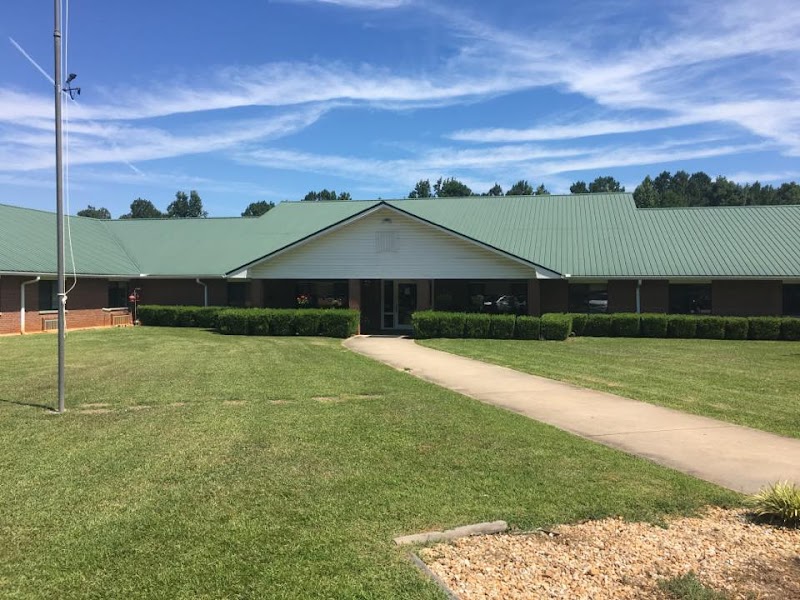
125 QUIET OAKS DRIVE, CRAWFORD, GA 30630 (706) 743-5452
For profit - Corporation 61 Beds Independent Data: November 2025
Trust Grade
60/100
#226 of 353 in GA
Last Inspection: December 2024

Within standard 12-15 month inspection cycle. Federal law requires annual inspections.

Overview

Quiet Oaks Health Care Center in Crawford, Georgia has a Trust Grade of C+, indicating it is slightly above average but not particularly strong compared to other facilities. It ranks #226 out of 353 facilities in Georgia, placing it in the bottom half, but it is the only nursing home in Oglethorpe County, meaning there are no better local options. The facility is showing improvement, with the number of issues decreasing from 6 in 2023 to 4 in 2024. Staffing is a concern, with a low rating of 1 out of 5 stars, although the turnover rate is relatively good at 31%, lower than the state average. Recent inspections revealed some troubling incidents, such as food safety violations where cold items were not served at the correct temperatures, and there were failures to follow proper COVID-19 precautions during an outbreak. However, it is worth noting that the facility has not incurred any fines, which suggests that they have not faced serious compliance issues recently.

Trust Score
C+
60/100
In Georgia
#226/353
Bottom 36%
Safety Record
Low Risk
No red flags
Inspections
Getting Better
6 → 4 violations
Staff Stability
○ Average
31% turnover. Near Georgia's 48% average. Typical for the industry.
Penalties
✓ Good
No fines on record. Clean compliance history, better than most Georgia facilities.
Skilled Nurses
⚠ Watch
Each resident gets only 13 minutes of Registered Nurse (RN) attention daily — below average for Georgia. Fewer RN minutes means fewer trained eyes watching for problems.
Violations
⚠ Watch
12 deficiencies on record. Higher than average. Multiple issues found across inspections.
★★☆☆☆
2.0
Overall Rating
★☆☆☆☆
1.0
Staff Levels
★★★★☆
4.0
Care Quality
★★★☆☆
3.0
Inspection Score
Stable
2023: 6 issues
2024: 4 issues

The Good

  • 4-Star Quality Measures · Strong clinical quality outcomes
  • Full Sprinkler Coverage · Fire safety systems throughout facility
  • No fines on record
  • Staff turnover below average (31%)

    17 points below Georgia average of 48%

Facility shows strength in quality measures, fire safety.

The Bad

2-Star Overall Rating

Below Georgia average (2.6)

Below average - review inspection findings carefully

Staff Turnover: 31%

15pts below Georgia avg (46%)

Typical for the industry

The Ugly 12 deficiencies on record

Dec 2024 4 deficiencies
CONCERN (D) 📢 Someone Reported This

A family member, employee, or ombudsman was alarmed enough to file a formal complaint

Potential for Harm - no one hurt, but risky conditions existed

Resident Rights (Tag F0550)

Could have caused harm · This affected 1 resident

Based on observations, staff interview, record review, and review of the facility's policy titled Urinary Catheters, Maintenance of Indwelling, the facility failed to promote, maintain, and protect re...

Read full inspector narrative →
Based on observations, staff interview, record review, and review of the facility's policy titled Urinary Catheters, Maintenance of Indwelling, the facility failed to promote, maintain, and protect residents' dignity for one of six residents (R) (R54) with an indwelling urinary catheter. Findings include: Review of the facility's undated policy titled Urinary Catheters, Maintenance of Indwelling in the section titled Procedure revealed under number 5.Apply dignity cover to bag after performing resident care. Review of R54's Face Sheet revealed diagnoses that included but not limited to, obesity and benign neoplasm of ascending colon. Review of R54's physician order dated 12/20/2024 revealed, 1. Catheter care Q (every) shift & PRN (as needed); 2. Check catheter securement Q shift & PRN; 3. Change 16 FR (French gauge) [Name of the indwelling urinary catheter] PRN. Observation on 12/20/2024 at 9:43 am revealed R54's catheter bag secured to the resident's bed, uncovered, and visible from the hallway. The collection bag was noted with approximately 425 mL (milliliters) of clear, yellow urine. Observation on 12/20/2024 at 1:48 pm revealed R54's catheter bag was secured to the resident's bed and uncovered and visible from the hallway. The catheter bag was observed to have approximately 275 mL of clear, yellow urine in it. Observation on 12/21/2024 at 9:58 am revealed R54's catheter bag was secured to the bed, remained uncovered, and contained approximately 575 mL of clear, yellow urine. During an observation on 12/21/2024 at 10:00 am with the Administrator, he confirmed R54's catheter bag was uncovered and visible from the hallway. During an interview on 12/21/2024 at 10:00 a.m. with the Administrator, he stated that R54 had recently been released from the hospital a couple of days ago. He speculated that the staff had forgotten to cover the catheter bag after R54 returned from the hospital. He stated that he expected staff to ensure the resident's catheter bag was covered after providing catheter care.
CONCERN (D) 📢 Someone Reported This

A family member, employee, or ombudsman was alarmed enough to file a formal complaint

Potential for Harm - no one hurt, but risky conditions existed

Tube Feeding (Tag F0693)

Could have caused harm · This affected 1 resident

**NOTE- TERMS IN BRACKETS HAVE BEEN EDITED TO PROTECT CONFIDENTIALITY** Based on observations, staff interview, record review and review of the facility's policy titled Gastronomy Feedings Policy and ...

Read full inspector narrative →
**NOTE- TERMS IN BRACKETS HAVE BEEN EDITED TO PROTECT CONFIDENTIALITY** Based on observations, staff interview, record review and review of the facility's policy titled Gastronomy Feedings Policy and Procedure, the facility failed to properly label and date the formula bottle and water bag used to provide needed nutrients for one of four residents (R) R26 who received nutrition through a Gastronomy tube (G-tube). Findings include: Review of the facility's policy titled Gastronomy Feedings Policy and Procedure dated 10/14/2022 under the section titled Purpose revealed, G-Tube feedings supply nutrition and medication to residents who are unable to take food by mouth. It is the policy of the facility to ensure optimal safe practices in care for those residents with a Gastrostomy feeding. Under the section titled Procedure revealed, 3. Each syringe will be replaced daily by the night shift. The container will have the resident's name, room number, and date that the bag was changed on the outside of the container. Review of the electronic medical record revealed, R26 was admitted to the facility with diagnoses that included but was not limited to cerebral infarction, metabolic encephalopathy, hemiplegia and hemiparesis, aphagia, dysphagia, and encounter for attention to gastrostomy. Review of the physician orders dated 9/23/2024 for R26 revealed that he was to receive Nurten 2.0 liquid 250 milliliters (ml), two cartons to equal 500 ml at night continuously at 100 ml/hour (hr) with 100 ml of water flush every hour. Review of the care plan for R26 with revision date of 7/5/2024 revealed, that the resident has dysphagia secondary to cardiovascular accident (CVA) and has a diagnosis of gastric reflex, malnutrition, and failure to thrive; He receives tube feedings per orders; Interventions included but were not limited to feedings and flushes as ordered. HOB elevated. Check residual prior to feedings. Observation on 12/20/2024 at 10:59 am in R26's room revealed, the formula bottle and the water bags were not labeled with contents, room number, resident name or the date There were no other observations made related to the resident was sent to the hospital on [DATE]. Observation and interview on 12/20/2024 at 12:55 pm with the Director of Nursing (DON) who was asked to observe the formula feeding and water bag for R26, confirmed that the formula bottle and water bag for R26 was not labeled. She stated that it should have at least been labeled with a start date, start time, room number and the residents name and the formula type.
CONCERN (E) 📢 Someone Reported This

A family member, employee, or ombudsman was alarmed enough to file a formal complaint

Potential for Harm - no one hurt, but risky conditions existed

Safe Environment (Tag F0584)

Could have caused harm · This affected multiple residents

**NOTE- TERMS IN BRACKETS HAVE BEEN EDITED TO PROTECT CONFIDENTIALITY** Based on observations, staff interviews and review of the facility's document titled Housekeeping Duties, the facility failed to...

Read full inspector narrative →
**NOTE- TERMS IN BRACKETS HAVE BEEN EDITED TO PROTECT CONFIDENTIALITY** Based on observations, staff interviews and review of the facility's document titled Housekeeping Duties, the facility failed to provide a clean environment for residents residing on one of two halls by not cleaning the Packaged Terminal Air Conditioner (PTAC) filters in the rooms and air vents in the bathrooms for 12 of 16 rooms (101, 102, 103,104,105,106,107,108,109,110,111, and 112) on A hall. Findings include: Review of the facility's undated document titled Housekeeping duties under Number one revealed, Use disinfectant spray [Name of Spray] in the bathrooms as [Name] has instructed. Let it sit for about 10 minutes while dusting everything in the room . Observation on 12/20/2024 at 9:09 am in room [ROOM NUMBER] revealed, there were two PTAC filters noted to be covered in a grey substance. The vent in the bathroom was also noted to be covered with a grey substance. Observation on 12/20/2024 at 9:17am in room [ROOM NUMBER] revealed, there were two PTAC filters noted to be covered in a grey substance. The vent in the bathroom was also noted to be covered with a grey substance. Observation on 12/20/2024 at 9:02 am in room [ROOM NUMBER] revealed, there were two PTAC filters noted to be covered in a grey substance. The vent in the bathroom was also noted to be covered with a grey substance. Observation on 12/20/2024 at 9:45 am in room [ROOM NUMBER] revealed, there were two PTAC filters noted to be covered in a grey substance. The vent in the bathroom was also noted to be covered with a grey substance. Observation on 12/20/2024 at 9:51am in room105 revealed, there were two PTAC filters noted to be covered in a grey substance. The vent in the bathroom was also noted to be covered with a grey substance. Observation on 12/20/2024 at 10:05 am in room [ROOM NUMBER] revealed, there were two PTAC filters noted to be covered in a grey substance. The vent in the bathroom was also noted to be covered with a grey substance. Observation on 12/20/2024 at 10:19 am in room [ROOM NUMBER] revealed, there were two PTAC filters noted to be covered in a grey substance. The vent in the bathroom was also noted to be covered with a grey substance. Observation on 12/202/2024 at 10:25 am in room [ROOM NUMBER] revealed, there were two PTAC filters noted to be covered in a grey substance. The vent in the bathroom was also noted to be covered with a grey substance. Observation on 12/20/2024 at 10:59 am filters in room [ROOM NUMBER] revealed, there were two PTAC filters noted to be covered in a grey substance. The vent in the bathroom was also noted to be covered with a grey substance. Observation on 12/20/2024 at 10:22 am in room [ROOM NUMBER] revealed, there were two PTAC filters noted to be covered in a grey substance. The vent in the bathroom was also noted to be covered with a grey substance. Observation on 12/20/2024 at 10:33 am in room [ROOM NUMBER] revealed, there were two PTAC filters noted to be covered in a grey substance. The vent in the bathroom was also noted to be covered with a grey substance. Observation on 12/20/2024 at 10:37 am in room [ROOM NUMBER] revealed, there were two PTAC filters noted to be covered in a grey substance. The vent in the bathroom was also noted to be covered with a grey substance. During an observation on 12/20/224 at 3:50 pm with the Administrator, Maintenance Director (MD) and the Housekeeping supervisor revealed, the PTAC filters and the bathroom vents covered with a grey substance in rooms 101-112 were confirmed by the Administrator and the Maintenance Director. Interview with the MD revealed, PTAC filters were cleaned weekly, and they were just cleaned last Friday. At this time, he was asked if he had documentation that they were completed however, he was able to provide the cleaning schedule. He stated that he did not have any documentation at all for either one of those (PTAC filter or bathroom vents). Interview on 12/20/2024 at 4:25 pm with the Administrator revealed, that there had been a discussion about who was supposed to be cleaning the bathroom vents, and it would be discussed again until a solution was obtained. He stated as far as the PTAC filter, he did talk with the MD and was told that the documentation of the PTAC filters would be completed, because it did not look as though it had been completed a week ago. He revealed that he would have it taken care of prior to the surveyor return the next morning. Observation on 12/21/2024 at 10:35 am revealed, the PTAC filters in rooms 101 through 112 were cleaned. Further observation revealed, the bathroom vents remained covered in a grey substance in the bathrooms of rooms 101 through 112. Interview on 12/22/2024 at 12:20 pm with the Housekeeping Supervisor confirmed that all the vents in bathrooms 101- 112 were covered with a grey substance. She stated that whoever was assigned to the rooms were responsible for cleaning the rooms and bathrooms. She stated that it was her expectation that they were to be cleaned and would make sure that it was taken care of. The facility was unable to provide a policy for maintaining and cleaning of PTAC filters upon request.
CONCERN (F) 📢 Someone Reported This

A family member, employee, or ombudsman was alarmed enough to file a formal complaint

Potential for Harm - no one hurt, but risky conditions existed

Food Safety (Tag F0812)

Could have caused harm · This affected most or all residents

Based on observations, staff interviews, and review of facility's policies titled Dietary Services Policy and Procedure and Food Storage, the facility failed to prevent wet nesting of pans to avoid ba...

Read full inspector narrative →
Based on observations, staff interviews, and review of facility's policies titled Dietary Services Policy and Procedure and Food Storage, the facility failed to prevent wet nesting of pans to avoid bacterial growth; failed to serve cold items at or below 41 degrees; and failed to label and date bulk food items after removal from original packing. The facility had a census of 57 out of 60 residents receiving an oral diet. Findings include: 1. Review of the facility's undated policy titled Dietary Services Policy and Procedure under the subtitle, Dietary Staff revealed, all pots and pans must be washed utilizing the 3-compartment system and must be left to be air-dried after the final sanitizing rinse. The policy also stated, Dishwashing: Dishes and utensils are stored in a protective manner to protect from disease carrying organisms. Observation on 12/20/2024 at 8:40 am of the stacked steam table pans located under the food preparation table revealed, a stack with three medium sized rectangle pans were pulled apart and the middle pan was wet and had moisture inside. During an interview on 12/20/2024 at 8:40 am, the Certified Dietary Manager (CDM) confirmed that the inside of the stacked steam table pan was wet and had moisture. Continued interview with the CDM revealed, that dietary staff should have allowed that pan to dry longer on the drying rack. 2. Review of the facility's policy titled Dietary Services Policy and Procedure under the subtitle, Dietary Staff revealed, Cold food is served from the kitchen at or below 41 degrees F. Steam table temperatures were completed on 12/21/2024 at 12:20 pm with the assistance of the CDM using the facility's calibrated thermometer. A carton of 2% milk was taken from a pre-assembled resident meal tray and the milk had a temperature of 52 degrees Fahrenheit. During an interview on 12/21/2024 at 12:20 pm with the CDM, she confirmed that the carton of 2% milk was on a resident meal tray to be served, and the temperature of the milk was 52 degrees. Continued interview with the CDM revealed that the cartons of milk were placed on the resident meal trays around 11:45 am and that the lunch meal service began at 12:15 pm. The CDM confirmed that cartons of milk sit on the resident meal trays prior to meal service. The CDM stated that cold food should be served at 41 degrees or lower. 3. Review of the facility's policy titled Food Storage dated 3/19/2021 under Procedure revealed, All foods that have been opened and partially used shall be dated and sealed before returning to a storage area. Under the section titled A. Dry Storage Practice revealed, Store all open packages in closed and labeled containers. Observation on 12/22/2024 at 9:15 am of the large clear plastic storage containers under the food preparation table near the dish room revealed, the containers had cereals of raisin bran, corn flakes, and rice cereal. Further observation revealed, there was no date to indicate when the cereals were placed in each plastic container. During an interview on 12/22/2024 at 9:15 am, the CDM confirmed that the containers with the breakfast cereals did not have any dates. The CDM stated that she did not realize that she needed to date the cereal containers since they use the cereal quickly.
Aug 2023 6 deficiencies
CONCERN (D)

Potential for Harm - no one hurt, but risky conditions existed

Comprehensive Care Plan (Tag F0656)

Could have caused harm · This affected 1 resident

**NOTE- TERMS IN BRACKETS HAVE BEEN EDITED TO PROTECT CONFIDENTIALITY** Based on observations, staff interviews, and record review the facility failed to develop a plan of care for one of 24 residents...

Read full inspector narrative →
**NOTE- TERMS IN BRACKETS HAVE BEEN EDITED TO PROTECT CONFIDENTIALITY** Based on observations, staff interviews, and record review the facility failed to develop a plan of care for one of 24 residents (R) (R#33). Specifically, the facility failed to ensure development of a plan of care that addressed R#33 contractures of the left hand with interventions to prevent further contractures from developing. Findings included: On 8/25/2023 at 10:19 a.m. R#33 was observed in her room sitting in a broda chair. She was alert with confusion to time and day and was not able to answer any screening questions. She was observed to have a left-hand contracture with no splint. Her hand was curled into a fist and the wrist was curled inward. When asked if she could open her hand, she attempted to use her right hand to open her left hand and lift her arm but began to grimace and placed her left arm back at her side. On 8/25/2023 at 2:31 p.m. R#33 was observed in her room sitting in a broda chair. She still did not have a splint on her left hand. On 8/26/2023 at 9:50 a.m., R#33 was observed sitting in a broda chair near the nursing station. She did not have a splint on her left hand. A review of the clinical record revealed that R#33 was admitted to the facility with diagnosis of but not limited to Chronic obstructive pulmonary disease (COPD), agitation, anxiety, insomnia, Gastroesophageal reflux disease (GERD), Osteoarthritis, anemia, major depressive disorder, hypercholesterolemia, chronic pain, hypertension, cerebral infraction, aphasia, hemiplegia, peripheral vascular disease, and asthma. A review of the Occupational Therapy Notes dated 10/24/2019 revealed that R#33 had a left wrist splint at that time. There was no other information in the clinical record documenting a splint being utilized or discontinuation of splinting the left hand. A review of the Annual Minimum Data Set (MDS) assessment dated [DATE] revealed that R#33 presented with a Brief Interview for Mental Status (BIMS) score of five, scores between zero and seven indicate severe cognitive impact; and presented with upper and lower limited Range of Motion (ROM). There was no care plan in the clinical record related to the R#33's left hand contracture. Interview on 8/27/2023 at 10:15 a.m. with Registered Nurse (RN DD) revealed that R#33 does have a contracture. Observation of R#33's left hand at this time revealed that the resident was not able to open her hand and when the nurse attempted to open her hand, the resident stated that it caused her pain. The residents' hand was curled in, and the wrist was fixed in a curled in position. The resident was able to use her right hand to move the left hand but was not able to move the left hand independently. Interview on 8/27/2023 at 10:20 a.m. with the MDS Coordinator she confirmed that R#33 was not on her list of residents in the building with a contracture. She stated that R#33 did not have a contracture. Observation of the resident at this time with the MDS Coordinator, the resident was not able to move her hand independently but attempted to manipulate the left hand by using her right hand. When the MDS Coordinator attempted to open the residents' hand, the resident grimaced in pain. The MDS Coordinator stated, Oh, it's gotten worse. Then she stated that the resident did not have a true contracture because she can move it somedays. She stated that a true contracture is fixed in place and cannot move at all.
CONCERN (D)

Potential for Harm - no one hurt, but risky conditions existed

Quality of Care (Tag F0684)

Could have caused harm · This affected 1 resident

**NOTE- TERMS IN BRACKETS HAVE BEEN EDITED TO PROTECT CONFIDENTIALITY** Based on observation, staff interviews, resident interview, and record review, the facility failed to have a functioning restora...

Read full inspector narrative →
**NOTE- TERMS IN BRACKETS HAVE BEEN EDITED TO PROTECT CONFIDENTIALITY** Based on observation, staff interviews, resident interview, and record review, the facility failed to have a functioning restorative program related to limited Range of motion and contracture management for two of 23 residents (R) (R#33 and R#41). The deficient practice had the potential to increase the development and worsening of contractures for R#33 and R#41. Findings included: 1. A review of the clinical record revealed that R#33 was admitted to the facility with diagnosis of but not limited to Chronic obstructive pulmonary disease (COPD), agitation, anxiety, insomnia, Gastroesophageal reflux disease (GERD), Osteoarthritis, anemia, major depressive disorder, hypercholesterolemia, chronic pain, hypertension, cerebral infraction, aphasia, hemiplegia, peripheral vascular disease, and asthma. Observation on 8/25/2023 at 10:19 a.m. revealed R#33 was observed in her room sitting in a broda chair. She was alert with confusion to time and day and was not able to answer any screening questions. She was observed to have a left-hand contracture with no splint. Her hand was curled into a fist and the wrist was curled inward. When asked if she could open her hand, she attempted to use her right hand to open her left hand and lift her arm but began to grimace and placed her left arm back at her side. Observation on 8/25/23 at 2:31 p.m. revealed R#33 was observed in her room sitting in a broda chair. She still did not have a splint on her left hand. Observation on 8/26/2023 at 9:50 a.m., revealed R#33 was observed sitting in a broda chair near the nursing station. She did not have a splint on her left hand. A review of the Occupational Therapy Notes dated 10/24/2019 revealed that R#33 had a left wrist splint at that time. There was no other information in the clinical record documenting a splint being utilized or discontinuation of splinting the left hand. A review of the Annual Minimum Data Set (MDS) assessment dated [DATE] revealed that R#33 presented with a Brief Interview for Mental Status (BIMS) score of five, scores between zero and seven indicate severe cognitive impact; and presented with upper and lower limited Range of Motion (ROM). There was no care plan in the clinical record related to the R#33's left hand contracture. Interview on 8/27/2023 at 10:15 a.m. with Registered Nurse (RN DD) revealed that R#33 does have a contracture. Observation of R#33's left hand at this time revealed that the resident was not able to open her hand and when the nurse attended to open her hand, the resident stated that it caused her pain. The residents' hand was curled in, and the wrist was fixed in a curled in position. The resident was able to use her right hand to move the left hand but was not able to move the left hand independently. Interview on 8/27/23 10:20 a.m. with the MDS Coordinator confirmed that R#33 was not on her list of residents in the building with a contracture. She stated that R#33 did not have a contracture. Observation of the resident at this time with the MDS Coordinator, the resident was not able to move her hand independently but attempted to manipulate the left hand by using her right hand. When the MDS Coordinator attempted to open the residents' hand, the resident grimaced in pain. The MDS Coordinator stated, Oh, it's gotten worse. Then she stated that the resident did not have a true contracture because she can move it somedays. She stated that a true contracture is fixed in place and cannot move at all. 2. A review of the clinical record revealed that R#41 was admitted to the facility with diagnosis of but not limited to Corticobasal Degeneration, polyneuropathy, GERD, osteoarthritis, Hypothyroidism, arthropathic, osteoporosis, bradycardia, and heart disease. Observation on 8/25/2023 at 9:51 a.m. revealed R#41 was observed in her room sitting in a wheelchair. Her left hand was contracted with no splint present. The resident was alert and oriented and able to answer all screening questions. She stated that the contracted hand caused her pain. Interview on 8/25/23 at 2:36 p.m. with Certified Nurse Aide (CNA EE) revealed that R#41 does cry out in pain if her left hand is bumped. She said that the residents' fingers were contracted on the left hand, and she thinks it is arthritis. She stated that R#41 will request pain medication when she is in pain. She stated that she does stretching with the residents when providing care like dressing, showering, and getting in bed but that the Activities Director does restorative ROM with residents that need it. Observation on 8/25/2023 at 2:46 p.m. revealed R#41 was observed in bed. There was no splint on the residents left hand. Observation on 8/26/2023 at 9:39 a.m. revealed R#41 was observed sitting in her wheelchair in her room. Her contracted left hand was not in a splint and did not have any type of device in her hand. The fingers were indented into her palm. She stated that they used to help her exercise, splint her hand, or at least put something in the hand so it wasn't so closed. She said that she used to be able to do more but now she cannot do anything all. She confirmed that she has a lot of pain in that hand often, but she would be receptive to receiving stretching, exercise, and splinting if it was not aggressive and if the staff took their time. She stated that, They act like I am contagious, and they don't want to do anything with me. Interview on 8/26/2023 at 10:22 a.m. with CNA BB confirmed that she does not put anything in R#41's hand and does not clean the contracted hand because it causes the resident pain. A review of the quarterly MDS assessment dated [DATE] revealed that R#41 presented with a BIMS score of 15. Scores between 13 and 15 indicated little to no cognitive impairment. The assessment also indicated that R#41 presented with limited ROM for upper and lower extremities. A review of R#41's care plans with revision date of 4/13/2022, revealed the resident was care planed for requiring assistance with Activities of Daily Living (ADL) care due to physical mobility, The resident has physical limited mobility (related to) neurological deficits. She has cortical basal degeneration neurological disorder. She has heart disease, atrial fibrillation, dementia with behavioral disturbances, depression, anxiety, and pacemaker. She requires extensive total assistance with ADL Care. The care plan did not indicate that the resident had a contracture and/or required contracture management services. A review of the hospital outpatient surgery center documents revealed that R#41 had left wrist flexor superficialis to profundus transfers/lengthening. A review of the orthopedic clinic documented 1/23/2023 revealed, Please have R#41 keep ortho plastic splint on her left hand both day and night. Only remove splinting for bathing. Please keep skin integrity between thumb webspace and palm to ensure no skin breakdown. There was no end date as to this recommendation and no follow up documentation from the clinic. Interview on 8/26/23 at 9:52 a.m., with the Director of Nursing (DON) revealed that the facility does have a restorative program and that it is overseen by the MDS Coordinator who is a Licensed Practical Nurse and the Activities Director who is a Certified Nursing Assistant. She stated that the Activities Director does restorative care such as dressing, nails, walking, and crafts. She confirmed that they do not have any other designated restorative aides. She stated that all the CNA's are trained to provide restorative care to residents. Interview on 8/26/2023 at 9:55 a.m., with the MDS Coordinator revealed that she has worked in the facility as the MDS Coordinator for 15 years and has been in charge of the restorative program for 12 years. She stated that they used to have two designated restorative aides but they both retired, so it is just her and the activities Director over the program now. She stated that the Activities Director handles the bulk of the program, and that all CNA staff are responsible for providing restorative care. She stated that they have a restorative list and a book that the Activities Director documents in related to restorative care. She stated that she reviews the book several times a week and she is always on the floor monitoring care. She confirmed that there is no routine monitoring or measurements taken of residents with contractures and that she does not have a list of residents with contractures, but she could make one because she knows which residents have contractures. She stated that most all residents in the building are on the restorative program. She was asked to provide a list of residents on the restorative program. She confirmed that the list had not been updated since 6/28/2023. She stated that she had been out of the building from the end of April 2023 to July 2023 and that the Activities Director gave her report of the program when she returned. She was asked if a nurse was overseeing the program in her absence, and she stated she did not know who the nurse over the program was when she was out and that a nurse had not given her report of the restorative program when she returned. She stated that the Corporate MDS Coordinator was assisting with MDS assessments while she was out. She confirmed that she had no documented in-services related to the CNA's being trained on providing restorative or contracture management care to the residents in the restorative program. She stated that any CNA can provide restorative care during transfers, toileting, and things like that. Interview on 8/26/2023 at 10:04 a.m. with RN FF revealed she assists with multiple tasks at the facility, including CNA in-services and education. She confirmed that she has not provided any education to CNA's related to providing the residents at this facility restorative care. Interview on 8/26/23 at 10:10 a.m., with the Activities Director revealed that she has worked at the facility for three years and has been responsible for the restorative program for maybe a year. She stated that she is a CNA. She confirmed that she has not had any official training at this facility related to the restorative program and no training on contracture management. She stated that she assists residents with brushing their teeth, nail grooming, walking if they can walk, and she has a grooming group. She does not train CNAs on what to do for the restorative program. She does log all activity in a logbook. She stated that all residents are on the restorative program, and she signs that they have all had the restorative services by the CNAs. When asked how she knows that the CNA staff are providing restorative services, she stated that she just knows. If I see the resident up, then they got restorative for transferring. Interview on 8/26/23 at 10:22 a.m. with CNA BB., revealed she had been a CNA 28 years, so she knows how to provide restorative care. She confirmed that she has not had any training at this facility related to the restorative program, what type of care to provide to each individual resident receiving restorative services. Interview on 8/26/2023 at 11:50 a.m., with CNA CC revealed she had not had any training related to the restorative program or how to provide restorative services or contracture management to the residents receiving restorative services at this facility.
CONCERN (D)

Potential for Harm - no one hurt, but risky conditions existed

Medication Errors (Tag F0758)

Could have caused harm · This affected 1 resident

**NOTE- TERMS IN BRACKETS HAVE BEEN EDITED TO PROTECT CONFIDENTIALITY** Based on record review, staff interview, and review of the facility policy titled, Medication Monitoring and Management, the fac...

Read full inspector narrative →
**NOTE- TERMS IN BRACKETS HAVE BEEN EDITED TO PROTECT CONFIDENTIALITY** Based on record review, staff interview, and review of the facility policy titled, Medication Monitoring and Management, the facility failed to ensure the physician provided a rationale for extending an as needed (PRN) psychotropic medication greater than 14 days for one of five residents (R) (R#18) reviewed for unnecessary medications. Findings include: Review of the facility policy titled, Medication Monitoring and Management dated [DATE], revealed under Procedures number 6) As needed (PRN) orders include an indication for use. a. If the PRN medication is used to modify behavior, the indication(s) for use is clearly defined in objective terms, e.g., what specific symptoms(s) is being addressed. Review of the medical record for R#18 revealed the resident was admitted to the facility with diagnoses that include but are not limited to dementia without behaviors, anxiety disorder, and depression. Resident #18 Annual Minimum Data Set (MDS) dated [DATE] revealed, Section C (Cognitive Patterns) revealed a Brief Interview for Mental Status (BIMS) was coded as 3, which indicates severe cognitive impairment. Section E (Behavior) revealed resident was assessed as having hallucinations and delusions during the look back period. Resident also exhibited behaviors not directed toward others daily. Section G (Functional Status) revealed resident requires extensive assistance of one person with bed mobility, dressing and she is total assist with toileting, Section N (Medications) revealed resident was assessed as receiving an antipsychotic, antianxiety, antidepressant and diuretic 7 days during look back period. Review of the physician orders for R#18 revealed an order dated [DATE] for Klonopin 0.5 milligrams (mg) three times day as needed for anxiety and a handwritten note stated re-eval by [DATE]. There is no evidence of a rationale from the physician for the extension past 14 or 90 days. Review of the medical record revealed a previous Gradual Dose Reduction (GDR) report from the consultant pharmacist dated [DATE] which stated: PRN Klonopin expired, duration required if renewed and clinical rational to continue the current medication. The physician reviewed pharmacist recommendation and signed with a response on [DATE] to continue medication for 90 days and re-evaluate. The rational to continue current medication was therapeutic goals are being met with no overt adverse effects noted and clinical benefits outweigh any potential risks for adverse effects/outcomes. There is no evidence of additional GDR reports from the consultant pharmacist to the physician regarding PRN Klonopin or rationale for continuing. Review of physician progress note dated [DATE] revealed a statement depression/anxiety syndrome - she has had some response to Klonopin, Zoloft, and Seroquel every hour of sleep (q HS). The physician progress note does not indicate a rationale or type of behaviors the resident had been experiencing/exhibiting for the continuation of the PRN Klonopin. During an interview on [DATE] at 4:40 p.m. with the Director of Nursing (DON) revealed that she was not able to find any documentation stating the rational for extending R#18 prn Klonopin for 90 days. The DON stated that she relies on the consultant pharmacist to notify the physician of a prn psychotic medication is in need for re-evaluation and rationale for continuation. The DON revealed that the physician does visit with R#18 often and sees the behaviors R#18 exhibits however the DON confirmed that the physician had not documented reason to continue prn medication. The DON stated that R#18 behavior that she exhibits most often is crying. Continued interview with the DON revealed that she reviews the consultant pharmacist documentation that is submitted after their visit and reviews residents that are receiving antipsychotic/psychotic medication, but she does not review if the pharmacist has made a note to the physician for re-evaluation or rationale for prn psychotics.
CONCERN (D)

Potential for Harm - no one hurt, but risky conditions existed

Infection Control (Tag F0880)

Could have caused harm · This affected 1 resident

**NOTE- TERMS IN BRACKETS HAVE BEEN EDITED TO PROTECT CONFIDENTIALITY** Based on observations, staff interviews, and a review of the facility policies titled, Urinal, Placement and Removal Policy & Pr...

Read full inspector narrative →
**NOTE- TERMS IN BRACKETS HAVE BEEN EDITED TO PROTECT CONFIDENTIALITY** Based on observations, staff interviews, and a review of the facility policies titled, Urinal, Placement and Removal Policy & Procedures , and Bedpan Placement and Removal Policy and Procedure, the facility failed to ensure resident urinary equipment were labeled and covered for three of 34 rooms. Findings included: Review of the facility policy titled Urinal, Placement and Removal Policy & Procedures, revised 3/21/2023, revealed under Procedure number 24. clean and dry the urinal, label it with the resident's name, and store it in a plastic bag. Review of the facility policy titled Bedpan Placement and Removal Policy and Procedure, revised 3/21/2023, revealed staff should clean and dry the bedpan, label it with the resident's name, and store it in a plastic bag. An observation on 8/25/2023 at 8:39 a.m. revealed one unlabeled urinal in the bathroom shared by R#42 and R#21 in room [ROOM NUMBER]. The urinal was on the back of the toilet and was unlabeled and unbagged. An observation on 8/25/2023 at 8:43 a.m. revealed one unlabeled urinal in the bathroom shared by R#28 R#12 in room [ROOM NUMBER]. The urinal was on the back of the toilet and was unlabeled and unbagged. An observation on 8/25/2023 at 8:55 a.m. revealed one Specimen Collector (Nurse's Hat) in the bathroom shared by R#30 and R#35 in room [ROOM NUMBER]. The Nurse's Hat was sitting on the floor underneath the sink. The hat was unlabeled and unbagged. A review of R#42's OBRA Quarterly Minimum Data Set (MDS) Report, dated 5/22/2023, revealed R#42 had a Brief Interview for Mental Status (BIMS) score of 15. Per the MDS, R#42 was frequently incontinent of bladder. A review of R#21's OBRA Quarterly Minimum Data Set (MDS) Report, dated 6/7/2023, revealed R#21 had a Brief Interview for Mental Status (BIMS) score of 99. Per the MDS, R#21 was always incontinent of bladder. A review of R#28's OBRA admission Minimum Data Set (MDS) Report, dated 8/2/2023, revealed R#28 had a Brief Interview for Mental Status (BIMS) score of 14. Per the MDS, R#12 had a Foley Catheter. A review of R#12's OBRA Annual Minimum Data Set (MDS) Report, dated 7/15/2023, revealed R#12 had a Brief Interview for Mental Status (BIMS) score of 12, per the MDS, R#12 frequently incontinent of bladder. A review of R#30's OBRA Quarterly Minimum Data Set (MDS) Report, dated 8/9/2023, revealed R#30 had a Brief Interview for Mental Status (BIMS) score of 05. Per the MDS, R#30 was frequently incontinent of bladder. A review of R#35's OBRA Quarterly Minimum Data Set (MDS) Report, dated 7/19/2023, revealed R#35 had a Brief Interview for Mental Status (BIMS) score of 05. Per the MDS, R#30 was always incontinent of bladder. Interview on 8/25/2023 at 8:59 a.m. the Licensed Practical Nurse (LPN) AA, revealed all basins, urinals, and toileting items should be labeled with the resident's name and bagged. LPNAA added that no items are supposed to be stored on the floors in the bathroom. Interview on 8/27/2023 at 2:45 p.m. with the Director of Nursing (DON) revealed that she expected staff to label and date all basins, bedpans, Nures's Hats, and urinals with the resident's name. She added staff should store basins, urinals, bedpans, and Nurse's Hats in a plastic bag. She would expect staff to discard any basins or bedpans that were not bagged or unlabeled, and they should not be stored on the floor in the bathrooms.
CONCERN (E)

Potential for Harm - no one hurt, but risky conditions existed

Deficiency F0582 (Tag F0582)

Could have caused harm · This affected multiple residents

Based on record review and staff interview, the facility failed to provide timely notice to residents and/or resident representative related to Part A services ending for two of three sampled resident...

Read full inspector narrative →
Based on record review and staff interview, the facility failed to provide timely notice to residents and/or resident representative related to Part A services ending for two of three sampled residents (R) (R#37 and R#46). Findings included: A review of the Notice of Medicare Provider Non-Coverage form revealed that R#37 was receiving Medicare Part A Skilled Services and that the last covered day of Part A services was 6/22/2023. The form was signed by the residents representative as being received on 6/22/2023. A review of the Notice of Medicare Provider Non-Coverage form revealed that R#46 was receiving Medicare Part A Skilled Services and that the last covered day of Part A services was 7/7/2023. The form was signed by the resident on 7/7/2023. During an interview on 8/27/2023 at 2:32 p.m., the Social Services Director stated that she notifies the family via phone and the residents when she receives the notice from therapy, but she does not document that she notifies them then. She stated that the family will sign the forms when they come in. She had no comment as to why R#46 had signed the form on the same day services were ending.
CONCERN (F)

Potential for Harm - no one hurt, but risky conditions existed

Food Safety (Tag F0812)

Could have caused harm · This affected most or all residents

**NOTE- TERMS IN BRACKETS HAVE BEEN EDITED TO PROTECT CONFIDENTIALITY** Based on observations, staff interviews, and review of the facility policies titled, Label Dating Policy and Procedure, Monitori...

Read full inspector narrative →
**NOTE- TERMS IN BRACKETS HAVE BEEN EDITED TO PROTECT CONFIDENTIALITY** Based on observations, staff interviews, and review of the facility policies titled, Label Dating Policy and Procedure, Monitoring Tray line and Meal Service Temperatures, and Dietary Services Policy and Procedure, the facility failed to prevent frozen foods from becoming contaminated by ice from air condenser; failed to serve cold foods to residents at or below 41 degrees; and failed to label and date opened food items. The deficient practice had the potential to affect 56 of 56 residents that received an oral diet. Findings include: 1. Observation on 8/25/2023 at 8:30 a.m. of the walk-in freezer revealed an opened eight-pound case of mini pearl onions on the top shelf under the air condenser. The left side of the lid to the case of mini pearl onions had a thin layer of ice as well and a formation of ice that was four inches in height and 2 inches in diameter. The ice covered half of the lid and ice was noted at the opening to the inside of the case. Interview on 8/25/2023 at 8:30 a.m. with the Certified Dietary Manager (CDM) revealed that maintenance and HVAC company have been working on the ice build-up in the freezer. The CDM confirmed that there was an open case of food under the air condenser (mini pearl onions) and the case had ice and ice build-up on the lid. The CDM revealed she removes the ice from cases of food when she sees the build-up. The CDM was asked since she knew about the ice build-up why not move food from under the air condenser to prevent contamination and the CDM did not have a response and stated that she could place a pan under the air condenser to catch any condensation. Observation on 8/27/2023 at 9:05 a.m. of the walk-in freezer revealed the ice build-up on the lid to the opened eight-pound case of mini pearl onions remained, no attempt had been made to remove and no pan had been placed under the air condenser to catch condensation to prevent contamination. During an interview on 8/27/23 at 9:05 a.m. the CDM confirmed that she forgot remove the ice from the open case of food and forgot to place a pan under the air condenser to catch any condensation. 2. Review of the facility policy titled Dietary Services Policy and Procedure revealed: Cold table, must be able to keep cold foods below 41 degrees Fahrenheit. Review of the facility policy titled Monitoring Tray line and Meal Service Temperatures revealed: Cold foods are to be held at 45 degrees or less and will not increase to be more than 15 degrees when they reach the point-of-service. Chilled food Tray line Standard 35-45 degrees. Lunch food temperatures were completed on 8/26/2023 at 12:35 p.m. The CDM assisted with taking temperatures using the facility's calibrated food thermometer. All hot food items were at appropriate temperatures; however, cold food item, [NAME] slaw was 60 degrees. Multiple dishes of [NAME] slaw temperatures were taken, and 60 degrees was the lowest temperature. During an interview on 8/26/2023 at 12:25 p.m. the CDM confirmed that the [NAME] slaw was 60 degrees. The CDM revealed that cold foods should be at 41 degrees or below. The CDM revealed that resident meal trays are partially assembled prior to meal service with items such as salads, desserts, and beverages. 3. Review of the facility policy titled Label Dating Policy and Procedure revealed: Any items that are opened for consumption/use and there are leftovers, the dietary staff will cover the item with saran wrap or will use reseal able bags for storage and these items will be dated for the time that they were opened. Observation on 8/27/2023 at 8:57 a.m. of the reach-in freezer revealed on the bottom right side was 20-ouncece Styrofoam cup that contained a brown frozen liquid. The cup had no lid, no label, and no date. During an interview on 8/27/2023 at 8:57 a.m. the CDM confirmed that the Styrofoam cup had no cover, no label or date. The CDM did not know why the cup was in the freezer and should not have been. The CDM stated that the frozen liquid was sweet tea. Observation on 8/27/2023 at 8:58 a.m. of the reach-in refrigerator revealed one-gallon container of BBQ sauce that had been opened with no open date. During an interview on 8/27/2023 at 8:58 a.m. the CDM confirmed that the BBQ sauce had been opened and had no open date. The CDM stated that the BBQ sauce was used for dinner the previous evening and the cook forgot to place open date. The CDM stated that staff should date open items before storage.
Feb 2022 2 deficiencies
CONCERN (E)

Potential for Harm - no one hurt, but risky conditions existed

Food Safety (Tag F0812)

Could have caused harm · This affected multiple residents

Based on observations, staff interviews and review of the Label Dating Policy and Procedure, the facility failed to ensure items opened in the dry storage pantry, walk in freezer and two door refriger...

Read full inspector narrative →
Based on observations, staff interviews and review of the Label Dating Policy and Procedure, the facility failed to ensure items opened in the dry storage pantry, walk in freezer and two door refrigerator were labeled and dated with the date opened and use by date. The census was 54 residents. Findings include: Review of the facility policy titled Label Dating Policy and Procedure undated revealed it is the policy of Quiet Oaks Healthcare that any and all food items delivered to the facility will be dated on arrival. Any items that are opened for consumption/use and there are leftovers, the dietary staff will use resealable bags for storage and the open date will be an added on the bag. Once an item has been placed in an alternate food storage container, it can only remain for three days before it must be disposed of. During initial tour on 1/25/22 at 9:15 a.m. with Certified Dietary Manager (CDM), revealed the following: In the dry storage room, opened flour, sugar, cornmeal and a bag of rice did not contain a date opened and use by date. In the two-door reach in freezer, vegetarian patties sealed in a zip lock bag for Resident (R)#35 did not contain a label, date opened and use by date. In the walk-in freezer, three bags of frozen fish sticks sealed in a zip lock bag did not contain a use by date. An interview with CDM on 1/25/22 at 9:15 a.m. confirmed that the items in the refrigerator, freezer and dry food storage were not labeled and or dated. Interview with Dietary Aide EE, on 1/26/22 at 11:00 a.m. revealed that she has had training on she had been educated on food storage and labeling; the practice of the facility is to place the item in a zip lock bag, write the date the item was opened and the use by date which is three days after the date opened. An interview with Kitchen Manager on 1/28/22 at 8:00 a.m. revealed that she is responsible for training staff on labeling and dating open food items however she cannot explain why the foods were not properly labeled and dated.
CONCERN (F)

Potential for Harm - no one hurt, but risky conditions existed

Infection Control (Tag F0880)

Could have caused harm · This affected most or all residents

**NOTE- TERMS IN BRACKETS HAVE BEEN EDITED TO PROTECT CONFIDENTIALITY** Based on observations, interviews, and review of the facility policy, COVID-19 Infection Control, Enhanced Precautions Policy an...

Read full inspector narrative →
**NOTE- TERMS IN BRACKETS HAVE BEEN EDITED TO PROTECT CONFIDENTIALITY** Based on observations, interviews, and review of the facility policy, COVID-19 Infection Control, Enhanced Precautions Policy and Procedure, the facility failed to initiate appropriate practices for a COVID-19 outbreak, related to use of appropriate Personal Protective Equipment (PPE); failed to appropriately disinfect glucometer containers; and failed to ensure that laundry was handled appropriately during a COVID-19 outbreak. The census was 54 residents. Findings include: Review of the facility's policy, COVID -19 Infection Control, Enhanced Precautions Policy and Procedure, updated on 12/26/21 noted that the facility would follow the following processes: Screening of staff and visitors entering the facility; Staff Screening at Facility Entrance which states; Staff entering facility for start of shift will enter through the front door; Quarantine Room: Residents that are indicative of signs/symptoms of an emerging respiratory issue will be moved into the isolation room and maintained in that environment until well; PPE will be donned prior to entering the resident room and removed just prior to exit from room; and Hands will be sanitized prior to leaving the area and then washed as soon as possible. During an interview with the Nursing Home Administrator on 1/25/22 at 10:16 a.m., they confirmed that the facility was currently in COVID-19 outbreak status since 12/29/21. Review of the National Healthcare Safety Network (NHSN) report revealed a resident vaccination rate of 98% with 92% vaccinated staff as of 1/16/22. Observation on 1/25/22 at 10:15 a.m. revealed signs posted throughout the facility and on the resident's doors, which were covered in plastic, of COVID-19 positive rooms. The positive COVID-19 rooms were located on Hall A and Hall B in the facility. An observation and interview with Licensed Practical Nurse (LPN) BB on 1/25/22 at 10:15 a.m. revealed that she is assigned to the A Hall and confirmed there were both COVID-19 positive and negative residents throughout the hall. She confirmed that the facility does not have a designated COVID-19 unit, nor are designated staff assigned to only positive residents. She is caring for both positive and negative residents on the A Hall. LPN BB further revealed that she cares for the COVID-19 negative residents first, then dons full Personal Protective Equipment (PPE) located outside the resident's room, enters through a makeshift plastic barrier over the door, and enters the positive room. LPN BB was not wearing a face shield. Observation and interview on 1/25/22 at 12:30 p.m. of the Activity Director/Certified Nursing Assistant (CNA) GG and the Social Services Director in their shared office without mask on. An interview at this time revealed that they usually do not wear mask while in the office. Observation on 1/25/22 at 12:47 p.m. revealed four staff members, LPN BB, CNA GG, Housekeepers PP and Housekeeper II, enter a COVID-19 positive room without face shields and the housekeeping staff had on N95 mask although the bottom strap was not over their head and was hanging down in their neck area. LPN BB was then observed to leave the room, through the plastic zipper cover, and did not sanitize her hands. Observation and interview on 1/25/22 at 1:12 p.m. revealed that LPN BB at the medication cart with only a blue surgical mask on. LPN BB revealed that she can't wear an N95 mask all the time, so she wears the blue surgical mask except when entering a COVID-19 positive resident's room. She states that upon entering a positive room she then put the N95 mask over her surgical mask. An interview with Physical Therapy Aide (PTA) on 1/25/22 at 10:35 a.m. revealed that she has provided care for both positive and negative residents. She treats negative residents first then dons full PPE to treat positive residents. She revealed that they receive training once per year. A joint interview with the Administrative Consultant and Registered Nurse (RN) Nurse Consultant on 1/25/22 12:36 p.m., revealed that the Administrative Consultant was not wearing a blue surgical mask rather than an N-95 mask. The Administrative Consultant and RN Nurse Consultant both stated that they are unsure of the staff mask policy when not working in direct patient care. An interview on 1/25/22 at 1:23 p.m. with CNA Supervisor JJ, revealed that she has worked at the facility 28 years. She stated that when she enters an isolation room, she dresses in a gown, gloves, and mask and takes the food and drinks into the room. The food is taken off the serving trays by another staff and handed to staff through zippered entrance. She states that when COVID-19 started they were wearing face shields but have not done so lately. When asked if she is changing masks when exiting isolation rooms, she stated that she has not been changing them and stated that staff know they should be changing their masks after exiting isolation rooms. In a joint interview with CNA/AD GG along with CNA JJ revealed that they are not wearing face shields. They both stated that they are aware they are in outbreak at the facility. They further stated that they receive infection control training if something comes up and they stated that they receive infection control training monthly. The training is done by the supervisors, and infection preventionist and they have had a skills check-off since current outbreak. Observation on 1/25/22 12:50 p.m. of CNA/AD GG taking lunch into an isolation room without wearing a gown, gloves, mask and face shields. Observation of Hall A and Hall B on 1/26/22 at 4:45 a.m., revealed that there are cloth resident gowns and towels left on isolation carts, uncovered out in hallways. The linen carts are uncovered. An interview on 1/26/22 at 4:37 a.m. with LPN LL, confirmed that she was not wearing a mask when this surveyor entered. She stated that she took her mask off to complete a medication administration record changeover end of the month form to see if orders have changed and stated that her glasses began to fog so she removed her mask. An interview on 1/26/22 at 5:05 a.m. with LPN LL, revealed that she did not know if the isolation residents are still Covid positive, but they are still maintaining quarantine status. She stated that she gets report from the previous shift and if someone is COVID-19 positive this information is passed on. She revealed that she was told that no residents are still positive but remain quarantined. She stated that she was not aware that the facility is in outbreak status. An interview on 1/26/22 at 7:26 a.m. with the Administrator, revealed that all staff should know that the facility is in outbreak status. He stated that he is surprised to find out that two staff on the night shift did not know that the facility was in outbreak. He further stated that staff may not know all the lingo but the staff has been educated and knows what to do for isolation precautions. Observation of an isolation room on 1/26/22 at 5:10 a.m., revealed that there were open gowns hanging on bathroom door, as well as a red trash bag in a covered metal trash can. Observation, at this time, of CNA JJ entering an isolation room and did not zip the outside plastic but closed permanent door. An interview with CNA JJ revealed that the gowns hanging on the bathroom door are probably the for the nurses. Observation on 1/26/22 at 5:17 a.m. of Housekeeping Supervisor TT walking in hallway wearing a plastic isolation gown and gloves while pushing a trash can and observed opening doors and touching door keypads while not changing gloves. Observation on 1/26/22 at 5:30 a.m., of B Hall revealed a sign that stated Attention Staff: Please keep you mask on at all times. Do not remove while inside the building. Observation on 1/26/22 at 5:38 a.m. of CNA NN carrying a dirty cloth bed protector (under pad) that was not bagged from resident's room into the hallway. An interview with CNA NN on 1/26/22 at 5:29 a.m. confirmed that she did carry the cloth protectors in hallway, unbagged and placed them in a covered linen container that stays in the hallway. Observation and interview on 1/26/22 at 5:53 a.m. with a private laboratory phlebotomist, revealed that she visits the facility Monday through Friday. She revealed that the Administrator screened her upon entry to the facility. An observation with the private laboratory phlebotomist, revealed she exited an isolation room [ROOM NUMBER] and doffed the isolation gown and wadded her gown up and placed it under her arm and proceeded to walk in hallway and placed the dirty isolation gown in the clean utility room. An interview with the private laboratory phlebotomist, at this time, revealed she did not realize that she placed the dirty gown in the clean utility room and thought it was the biohazard room. Observation of isolation room [ROOM NUMBER] on 1/26/22 at 6:10 a.m. revealed that the permanent door is open and the zippered plastic covering in place. Observation on 1/26/22 at 6:15 a.m. of staff removing mask at nurse's station to drink water. She replaced her mask and did not sanitize her hands. Observation on 1/26/22 at 6:30 a.m. of LPN MM performing a glucose check revealed that each resident has their own glucometer, inside a plastic container, that is kept in the medication cart. LPN MM placed the plastic container on top of the medication cart, after use, without cleaning the container and then placed it in the bottom drawer of the medication cart. An interview with LPN MM on 1/26/22 at 6:31 a.m., revealed that she takes each glucometer, inside a plastic container, to designated resident's rooms and performs glucose checks, cleans glucometer and places glucometer back in plastic box and returns the plastic container to the medication cart. Observation of blood glucose check 1/26/22 at 6:35 a.m. revealed that LPN MM took glucometer to resident's room inside a plastic container. She placed the plastic container on the bedside table without a barrier. LPN MM then proceeded to perform the glucose check and returned plastic box to medication cart, then place the glucometer inside the plastic box, without sanitizing the plastic container then placed it inside the bottom draw of the medication cart. LPN MM revealed that she thought it was ok to place the plastic container in the bottom draw of the medication cart after use. She revealed not being sure what the policy and procedure was for sanitizing the plastics container. Observation on 1/26/22 at 6:55 a.m. revealed that Business Office Manager XX was in the front office and not wearing a mask. Observation on 1/26/22 at 6:55 a.m. of Maintenance Staff YY entering through back entrance. An interview with Maintenance Staff YY, at this time, confirmed that he entered facility through the back entrance and screened himself. Observation and interview of Housekeeper OO and Housekeeper PP on 1/26/22 at 6:58 a.m. entering the front entrance and continue down hallway into the janitor's closet. During the interview Housekeeper OO confirmed that he came into the facility early and walked in without screening. He further states that he usually comes in early and clocks in at 7:15 a.m. and at that time he either is screened or screens himself. Housekeeper PP was observed walking throughout the facility and did not screen. An interview with the Administrator on 1/26/22 at 7:01 a.m. revealed that the clock-in area is located in the screening area which is located in the front office. Observation on 1/26/22 at 7:10 a.m. of Housekeeper QQ as he entered the facility through back entrance. An interview, at this time, with Housekeeper QQ, revealed that he enters the facility either through the front or back entrance. Observation on 1/26/22 at 11:05 a.m. of Pest Control representative inside the facility talking with office personnel, the Social Service Director (SSD) and the Activity Director, CNA GG, only wearing a cloth face mask. An interview with Pest Control representative, at this time, confirmed that he entered through the kitchen and kitchen staff asked if he was running a fever or had symptoms. He proceeded from the kitchen area and went to the SSD's office only wearing cloth face mask. He stated that the facility did not offer a N95 mask or face shield. Observation and interview on 1/27/22 at 8:35 a.m. with LPN AA, revealed that she did not wash or sanitize her hands between direct contact with R#3 and R#4, who were not in isolation. She confirmed going back and forth between both residents when she administered medication, touched the bedside tables, side rails, and resident's persons. An interview on 1/27/22 at 3:29 p.m. with Director of Nursing (DON), revealed that LPN UU/ Infection Control Preventionist, presents verbal material to staff, the Administrator presents education, however the facility does not have a dedicated education nurse. Nursing staff has yearly check off skills list. She stated she did not remember when the last one occurred and that she did not have access to online classes. Her expectation of staff is to follow policy procedures for medication administration and follow all manufacturer's specifications. An interview on 1/28/22 09:10 a.m. with LPN SS revealed that she can identify residents who are on transmission-based precautions by the shift report and charts. She also stated that the ICP UU lets the staff know who is on precautions. They are required to put on full PPE and change between the rooms. LPN SS stated that she informs EMS that the resident is positive when they arrive for transport. LPN SS states that they clean shared equipment after every use. They use sanitizer wipes and spray to clean the equipment. LPN SS also stated that new admissions are placed on quarantine and that they check the list to see who are on precautions. There is enough PPE and that they have not experienced a shortage of supplies. An interview on 1/28/22 09:23 p.m. with CNA/Activities Director GG revealed that activities are done in the resident's rooms. They have access to games and puzzles. She stated that she goes to resident's rooms and sometimes plays cards with the residents. There is an activities calendar with daily activities. She also stated that the daily activities were done in the dining room and the residents were socially distant. She stated that prior to the outbreak, staff wore masks during the activities, but the residents did not. An interview with Housekeeper PP on 1/28/22 01:35 p.m., revealed that she is new to housekeeping and that she used to work in dietary. She stated that she did not receive training on housekeeping policies and procedures. She also stated that she did not know what chemicals were used to clean. Interview and Observation of Laundry Attendant TT 1/28/22 01:21 p.m. revealed that the process for handling laundry for residents under transmission-based precautions includes placing the red covered bins from the transmission-based precaution rooms outside the facility door. The laundry is then taken to the laundry room and placed in the bin closest to the door. They are required to wear gloves, gowns, face shields and shoe covers when handling the laundry. The soiled linens are then placed in the washer marked biohazard. Once it finishes, it is placed in blue rolling bin and taken to the dryers. The dryer on the left is used for those on transmission-based precautions. The cleaned and dried linen is then placed in a rolling cart and sorted and folded on the table. The surfaces are wiped down between laundry loads. The facility uses a bleach solution, laundry detergent and dryer sheets. The washer and dryers are disinfected between uses. Laundry Attendant TT stated that she has received in-services on COVID-19 and using PPE. An interview on 1/28/22 at 2:04 p.m. with LPN/ICP UU, revealed that the staff are sent home if they display signs and symptoms of an infection and that she does a line listing for surveillance. There is a sheet that is used for the transfer of all residents who have an infection. LPN/ICP UU stated COVID-19 related training regarding PPE, vaccines, entering and exiting the rooms had been conducted but not since this outbreak began. An interview with the Administrator on 1/28/22 at 04:41 p.m. revealed that there was a power outage in the entire County on 1/3/22 and provided documentation of the power outage event. The facility has a generator that powers the kitchen and the dining room therefore the staff moved the residents into the dining room in order to feed them and keep their oxygen concentrators running. Due to the high winds, the blinds were closed in all resident's rooms, and he felt this was the safest choice for the residents and staff. He stated he had forgotten about the incident until late yesterday. The power was off from about 5:00 a.m. until 10:30 a.m. and the residents were tested after the power came back on. He stated, when the power came back on, staff returned the residents to their rooms. He stated this event likely contributed to the spread of the virus, but they had no choice but to care for the basic needs of their residents first and to protect them from the cold and wind event that occurred.
Understanding Severity Codes (click to expand)
Life-Threatening (Immediate Jeopardy)
J - Isolated K - Pattern L - Widespread
Actual Harm
G - Isolated H - Pattern I - Widespread
Potential for Harm
D - Isolated E - Pattern F - Widespread
No Harm (Minor)
A - Isolated B - Pattern C - Widespread

Questions to Ask on Your Visit

  • "Can I speak with families of current residents?"
  • "What's your RN coverage like on weekends and overnight?"

Our Honest Assessment

Strengths
  • • No major safety red flags. No abuse findings, life-threatening violations, or SFF status.
  • • No fines on record. Clean compliance history, better than most Georgia facilities.
  • • 31% turnover. Below Georgia's 48% average. Good staff retention means consistent care.
Concerns
  • • 12 deficiencies on record. Higher than average. Multiple issues found across inspections.
Bottom line: Mixed indicators with Trust Score of 60/100. Visit in person and ask pointed questions.

About This Facility

What is Quiet Oaks Health's CMS Rating?

CMS assigns QUIET OAKS HEALTH CARE CENTER an overall rating of 2 out of 5 stars, which is considered below average nationally. Within Georgia, this rating places the facility higher than 0% of the state's 100 nursing homes. A rating at this level reflects concerns identified through health inspections, staffing assessments, or quality measures that families should carefully consider.

How is Quiet Oaks Health Staffed?

CMS rates QUIET OAKS HEALTH CARE CENTER's staffing level at 1 out of 5 stars, which is much below average compared to other nursing homes. Staff turnover is 31%, compared to the Georgia average of 46%. This relatively stable workforce can support continuity of care.

What Have Inspectors Found at Quiet Oaks Health?

State health inspectors documented 12 deficiencies at QUIET OAKS HEALTH CARE CENTER during 2022 to 2024. These included: 12 with potential for harm.

Who Owns and Operates Quiet Oaks Health?

QUIET OAKS HEALTH CARE CENTER is owned by a for-profit company. For-profit facilities operate as businesses with obligations to shareholders or private owners. The facility operates independently rather than as part of a larger chain. With 61 certified beds and approximately 58 residents (about 95% occupancy), it is a smaller facility located in CRAWFORD, Georgia.

How Does Quiet Oaks Health Compare to Other Georgia Nursing Homes?

Compared to the 100 nursing homes in Georgia, QUIET OAKS HEALTH CARE CENTER's overall rating (2 stars) is below the state average of 2.6, staff turnover (31%) is significantly lower than the state average of 46%, and health inspection rating (3 stars) is at the national benchmark.

What Should Families Ask When Visiting Quiet Oaks Health?

Based on this facility's data, families visiting should ask: "Can you walk me through typical staffing levels on day, evening, and night shifts?" "Can I visit during a mealtime to observe dining assistance and food quality?" "How do you handle medical emergencies, and what is your hospital transfer rate?" "Can I speak with family members of current residents about their experience?" These questions are particularly relevant given the below-average staffing rating.

Is Quiet Oaks Health Safe?

Based on CMS inspection data, QUIET OAKS HEALTH CARE CENTER has a clean safety record: no substantiated abuse findings (meaning no confirmed cases of resident harm), no Immediate Jeopardy citations (the most serious violation level indicating risk of serious injury or death), and is not on the Special Focus Facility watch list (a federal program monitoring the lowest-performing 1% of nursing homes). The facility has a 2-star overall rating and ranks #100 of 100 nursing homes in Georgia. While no facility is perfect, families should still ask about staff-to-resident ratios and recent inspection results during their visit.

Do Nurses at Quiet Oaks Health Stick Around?

QUIET OAKS HEALTH CARE CENTER has a staff turnover rate of 31%, which is about average for Georgia nursing homes (state average: 46%). Moderate turnover is common in nursing homes, but families should still ask about staff tenure and how the facility maintains care continuity when employees leave.

Was Quiet Oaks Health Ever Fined?

QUIET OAKS HEALTH CARE CENTER has no federal fines on record. CMS issues fines when nursing homes fail to meet care standards or don't correct problems found during inspections. The absence of fines suggests the facility has either maintained compliance or corrected any issues before penalties were assessed. This is a positive indicator, though families should still review recent inspection reports for the full picture.

Is Quiet Oaks Health on Any Federal Watch List?

QUIET OAKS HEALTH CARE CENTER is not on any federal watch list. The most significant is the Special Focus Facility (SFF) program, which identifies the bottom 1% of nursing homes nationally based on persistent, serious quality problems. Not being on this list means the facility has avoided the pattern of deficiencies that triggers enhanced federal oversight. This is a positive indicator, though families should still review the facility's inspection history directly.