DAWSON HEALTH AND REHABILITATION
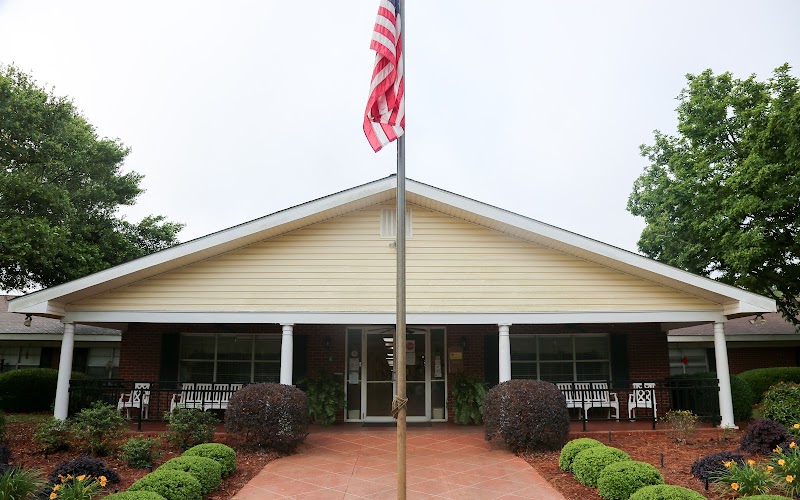
1159 GEORGIA AVE. S.E., DAWSON, GA 39842 (706) 485-8573
Non profit - Other 60 Beds CLINICAL SERVICES, INC. Data: November 2025 3 Immediate Jeopardy citations
Trust Grade
0/100
#270 of 353 in GA
Last Inspection: February 2025

Within standard 12-15 month inspection cycle. Federal law requires annual inspections.

Overview

Dawson Health and Rehabilitation currently holds a Trust Grade of F, indicating a poor rating with significant concerns about the quality of care. It ranks #270 out of 353 nursing homes in Georgia, placing it in the bottom half of facilities statewide, but it is the only option in Terrell County. The facility’s trend is worsening, with reported issues increasing from 1 in 2024 to 12 in 2025. While staffing has an average rating of 3 out of 5, the turnover rate of 41% is slightly better than the state average, suggesting that staff may remain long enough to develop relationships with residents. However, the facility has concerning fines totaling $121,401, which are higher than 98% of Georgia facilities, indicating repeated compliance issues. Specific incidents of concern include a failure to prevent physical abuse of a resident by staff, where witnesses did not intervene or report the incident promptly, putting other residents at risk. Additionally, the facility improperly equipped beds with incorrect mattress sizes and failed to obtain consent for the use of bedrails, leading to a resident’s dangerous entrapment situation. These incidents highlight serious weaknesses in safety and oversight, even as some staffing aspects show potential strengths.

Trust Score
F
0/100
In Georgia
#270/353
Bottom 24%
Safety Record
High Risk
Review needed
Inspections
Getting Worse
1 → 12 violations
Staff Stability
○ Average
41% turnover. Near Georgia's 48% average. Typical for the industry.
Penalties
✓ Good
$121,401 in fines. Lower than most Georgia facilities. Relatively clean record.
Skilled Nurses
⚠ Watch
Each resident gets only 27 minutes of Registered Nurse (RN) attention daily — below average for Georgia. Fewer RN minutes means fewer trained eyes watching for problems.
Violations
⚠ Watch
19 deficiencies on record. Higher than average. Multiple issues found across inspections.
★☆☆☆☆
1.0
Overall Rating
★★★☆☆
3.0
Staff Levels
★☆☆☆☆
1.0
Care Quality
★☆☆☆☆
1.0
Inspection Score
Stable
2024: 1 issues
2025: 12 issues

The Good

  • Full Sprinkler Coverage · Fire safety systems throughout facility
  • No fines on record
  • Staff turnover below average (41%)

    7 points below Georgia average of 48%

Facility shows strength in fire safety.

The Bad

1-Star Overall Rating

Below Georgia average (2.6)

Significant quality concerns identified by CMS

Staff Turnover: 41%

Near Georgia avg (46%)

Typical for the industry

Federal Fines: $121,401

Well above median ($33,413)

Significant penalties indicating serious issues

Chain: CLINICAL SERVICES, INC.

Part of a multi-facility chain

Ask about local staffing decisions and management

The Ugly 19 deficiencies on record

3 life-threatening
Feb 2025 12 deficiencies 3 IJ (3 facility-wide)
CRITICAL (L) 📢 Someone Reported This

A family member, employee, or ombudsman was alarmed enough to file a formal complaint

Immediate Jeopardy (IJ) - the most serious Medicare violation

Free from Abuse/Neglect (Tag F0600)

Someone could have died · This affected most or all residents

⚠️ Facility-wide issue

**NOTE- TERMS IN BRACKETS HAVE BEEN EDITED TO PROTECT CONFIDENTIALITY** Based on documentation review, record review, interviews, and policy review, the facility failed to ensure one of three resident...

Read full inspector narrative →
**NOTE- TERMS IN BRACKETS HAVE BEEN EDITED TO PROTECT CONFIDENTIALITY** Based on documentation review, record review, interviews, and policy review, the facility failed to ensure one of three residents (Resident (R) 23) reviewed for abuse out of a total sample of 19 residents was not physically abused by Certified Nursing Assistant (CNA) 1 while CNA2, CNA3, and CNA4 witnessed the abuse, did not intervene to stop the abuse, and did not report the abuse to the Administrator or Director of Nursing (DON) until 30 minutes after the abuse was witnessed. This resulted in the continued abuse of Resident (R) 23 and put 55 residents in the facility at risk of abuse while CNA1 continued to work for 30 minutes after the abuse was witnessed. The facility's Administrator, the DON, and the Regional Corporate Nurse were informed on 02/03/25 at 4:29 PM that Immediate Jeopardy (IJ) existed at F600L: Free from Abuse and Neglect related to the failure to ensure R23 was not abused and failure to ensure the witnesses stopped the abuse and reported it immediately. The Immediate Jeopardy began on 01/28/25, the date CNA1 hit R23 in the face, twisted her arm, and put a pillow over her face. The survey team validated the implementation of the removal plan through observations, staff interviews, and review of resident records. The immediacy of IJ was removed on 2/5/2025. Findings include: Review of a Dawson Police Department (PD) incident report dated 01/28/25 revealed the facility and the police department completed an investigation of an alleged staff to resident abuse. According to the report, on 01/28/25 between 11:45 AM and 12:34 PM, CNA1 was witnessed by CNA2, CNA3, and CNA4 to hit R23 in the face with both an open palm and closed fist strike. According to the report and the written statements of each witnesses, CNA1 grabbed R23's arm and began to twist it into a position that would be uncomfortable for most people but especially for someone R23's age. The witnesses stated CNA1 placed a pillow over R23's face, to the point where R23's face was red. Each of the CNA's stated R23 was bleeding from her lower lip and that CNA1 gave R23 a wipe to clean the blood off her face. After R23 wiped her face CNA1 wheeled the resident to the lobby. According to the police report, the police spoke to R23 and due to their age and cognitive ability they were not able to obtain much information of the incident from the victim's point of view. The police noted the lower lip seemed to be cut and her face looked more of a red color, compared to the rest of her complexion. CNA1 was charged with elder abuse, aggravated assault, battery against patient in personal care home on [DATE], the date the abuse occurred. Review of R23's quarterly Minimum Data Set (MDS) assessment located in the MDS tab of the electronic medical record (EMR) dated 12/04/24 revealed she had a Brief Interview for Mental Status (BIMS) score of 99 indicating her cognitive status was severely impaired. Review of her care plan with a 12/12/24 reviewed date and located under the Care Plan tab of the EMR revealed she had cognitive impairment due to Alzheimer's dementia, short and long-term memory problems, and poor decision making. Under the self-care deficit care area, it stated R23 required staff assistance with her activities of daily living. R23 had a care plan area for behaviors with a review date of 12/12/24 stating her behaviors included physical aggression, grabbing, agitation, biting, crying, delusions, and rejecting care. Interventions for behaviors included maintain a tolerant, calm manner; use a gentle friendly tone of voice, with slow, deliberate gestures and avoid sudden movements . The facility's investigation was reviewed in its entirety and was silent to any immediate actions taken by CNA2, CNA3 and CNA4 to stop CNA1 from hitting R23, twisting her arm, and putting the pillow over her face. On 02/02/25 at 4:41 PM the DON was asked if during the investigation she had asked the CNA's who witnessed the abuse what they had done to potentially stop CNA1. The DON stated she did, and the CNAs had a stunned look on their faces and were unable to say what they did to stop the abuse. On 02/03/25 at 12:10 PM the DON provided a typewritten report dated 01/28/25 and signed by the DON. In the report the DON wrote that she asked the three witnesses how soon they reported it after they witnessed it, and they all stated 30 minutes because they had not yet seen the DON. She wrote she asked them if they stopped CNA1 from abusing R23 and if not why? The all began to look at each other and did not have a clear explanation. During the interview, the DON stated she did immediately train each of the CNAs that they should have stopped the abuse and reported it immediately. She stated they also covered it during the trainings however she did not have documentation to prove she trained the CNA's that they should have intervened immediately to stop the abuse and her training/inservice records were also silent to this. On 02/02/25 at 6:15 PM CNA4 was interviewed via telephone; on 02/02/25 at 6:30 PM CNA2 was interviewed via telephone; and on 02/02/25 at 6:38 PM CNA 3 was interviewed via telephone. During the interviews each of the CNAs were asked what action they took while CNA1 was slapping, twisting R23's arm, and putting a pillow over her face. CNA4 stated they really did not do anything to intervene because they just wanted to hurry up and rush to end the situation. She stated she had never seen anything like this ever happen. CNA2 stated she told her to stop but CNA1 did not stop and after she removed the pillow from R23's face CNA1 stated sorry y'all but it had to be done. CNA2 stated other than telling CNA1 her to stop, CNA2 did not do anything else. CNA3 stated CNA2 said, O my God you have twisted her arm like a chicken wing. CNA3 stated they did not do anything else while the events were occurring. She stated CNA1 stated sorry y'all it had to be done after she removed the pillow from R23's face. CNA3 stated they were shocked, and they did not do anything else to stop it. CNA3 stated when they (CNA2, CNA3, and CNA4) went to the break room, they reported it to the DON and Administrator. On 02/03/25 from 12:10 PM to 1:04 PM, CNA2, CNA3, and CNA4 were again each individually interviewed. The were each asked how long it was before they reported it, CNA4 stated it was not quite an hour; CNA2 stated it was reported within 15 minutes; and CNA3 stated it was between 30 and 35 minutes. On 02/02/25 at 3:00 PM, the Regional Corporate Nurse provided a letter dated February 4, 2025 addressed to the State Agency and signed by the Administrator. The letter described the abuse and interventions that were put in place to prevent any future abuse. Under the Conclusion section of the letter it stated, Based on witness statements and physical symptoms noted during assessment, the facility is substantiating that abuse occurred. The Regional Corporate Nurse verified that CNA1 did abuse R23. Review of the facility policy titled Skilled Nursing Services Abuse Prohibition with a review date of 12/29/23 stated residents in our center will not be subject to abuse by anyone and any person observing any abuse must immediately report it to the Administrator, DON, SSD, or any person in charge.
CRITICAL (L) 📢 Someone Reported This

A family member, employee, or ombudsman was alarmed enough to file a formal complaint

Immediate Jeopardy (IJ) - the most serious Medicare violation

Deficiency F0700 (Tag F0700)

Someone could have died · This affected most or all residents

⚠️ Facility-wide issue

**NOTE- TERMS IN BRACKETS HAVE BEEN EDITED TO PROTECT CONFIDENTIALITY** Based on observation, interview, record review, and review of the manufacturer's manual, the facility failed to ensure residents...

Read full inspector narrative →
**NOTE- TERMS IN BRACKETS HAVE BEEN EDITED TO PROTECT CONFIDENTIALITY** Based on observation, interview, record review, and review of the manufacturer's manual, the facility failed to ensure residents' bedframes were equipped with the correct mattress dimensions per the manufacturer's manual to reduce the risk of entrapment; and failed to ensure consent for the use of bedrails was obtained prior to the resident's use of bedrails for one of one resident reviewed for bedrails (Resident (R) 155) out of a total sample of 19 residents. R155 was discovered unresponsive in his bed with his upper left extremity in between the bedrail and the mattress. Additionally, review of a facility provided list of all residents' bed frames with the incorrect mattresses and with attached bedrails revealed this failure had the likelihood to affect 47 off 55 residents increasing their risks of entrapment. An Immediate Jeopardy was identified on [DATE] and was determined to exist on [DATE] when R155 was admitted and bedrails were added to the bed without consent and with the wrong size of mattress, in §483.25 F700: Bedrails. The Administrator was notified on [DATE] at 4:29 PM of the Immediate Jeopardy. The survey team validated the implementation of the removal plan through observations, staff interviews, and review of resident records. The immediacy of IJ was removed on [DATE]. Findings include: Review of a document titled, Resident Room List, dated [DATE] and provided by the facility revealed the facility identified 47 out of 55 residents who resided at the facility had a bed frame with bedrails that was equipped with the wrong mattress dimensions. Review of R155's undated Face Sheet, provided by the facility revealed the resident was admitted to the facility on [DATE] and expired at the facility unexpectedly on [DATE]. Review of R155's Bed Rail/ Assist Bar Assessment V.20, dated [DATE] and provided by the facility revealed Current Status. Does the patient need assistance to get out of bed? [answered] Yes. The assessment did not include any further assessment information including medical necessity and/or other alternatives prior to the bed rails being applied to the bed. During an observation on [DATE] at 11:56 AM, a surveyor discovered R155 halfway off the bed and it appeared he had fallen from the bed. The surveyor immediately got assistance. During an observation on [DATE] at 11:57 AM, the surveyor and the Social Services (SS) returned to the resident's room and observed R155 unresponsive with his upper body on his bed and his lower extremities hanging from the side of the bed. The resident's left upper body was against the left mobility bed rail which prevented the resident from sliding to the floor. During an observation and interview with the Maintenance Director on [DATE] at 1:13 PM of R155's bed frame, mattress, and mobility bedrails, the surveyor moved the mobility bed rail on each side of the resident's bed. The mobility bed rails had movement from side to side. The Maintenance Director measured the right mobility bed rail to have 2 1/2 inches between the mattress and mobility bed rail at its widest position. The Maintenance Director measured the left mobility bed rail to also be 2 1/2 inches between the mattress and mobility bed rail. The Maintenance Director stated the mobility bed rails were adjustable to be able to slide out and make wider if the mattress was a bariatric mattress and that was why the mobility bed rails had as much play (movement) as they did. During an interview on [DATE] at 12:56 PM, Registered Nurse (RN) 1 stated she assisted the SS and lifted R155's lower extremities back into bed. RN1 stated R155's knees were on the floor and his upper body was against the left mobility bed rail. During an interview on [DATE] at 1:11 PM, the SS stated when she arrived to his room, R155's left arm was in between the mobility bedrail and the mattress. SS stated the bedrail prevented R155 from falling to the floor. The SS stated the resident was in a fetal like position with his legs hanging off the side of the bed. The SS stated she could not have lowered the mobility side rail by pushing the red button to lower it because R155's arm was in there (in between the mattress and bedrail) and had she been able to lower the rail, the resident would have ended up in the floor. During an observation and interview on [DATE] at 2:25 PM, the Maintenance Director measured the dimensions of a Geo-Matt Prob mattress which was the same mattress R155 utilized with the bed frame manufactured by Drive. The dimensions of the mattress were 80 inches long, 35 inches wide, and 6 inches tall. Review of a medical supplies invoice dated [DATE] and provided by the Maintenance Director revealed the Geo-Matt Pro mattresses the facility ordered for the Drive bed frames were 80 inches long, 35 inches wide, and 6 inches tall. Review of the Manufacturer's Manual for the Drive bed frame dated [DATE] revealed .Entrapment Warning .Incompatible mattress .can create hazards. Make sure the mattress is the correct size for bed frame and the assist bars [mobility bed rails] are secured to frame to decrease the risk of entrapment .Mattress Specifications Warning. Possible ENTRAPMENT Hazard may occur if you do not use the recommended specification mattress. Resident entrapment may occur leading to injury or death .It is recommended that a 36'', 39'', or 42'' wide mattress that is made to fit an 80'' .length bed frame is used .WARNING Incompatible mattress and rotating assist bars/rails can create hazards .Rotating Assist Bar/Rails add 3'' to each side of the bed .Inspections .Quarterly Inspection .Inspect bed and Rotating Assist Bars/Rails .if loose tighten and if missing replace . During an interview on [DATE] at 4:12 PM, the Maintenance Director confirmed the mattress on R155's bed frame did not meet the manufacturer's recommendation of 36 inches. The Maintenance Director stated the bed frame was approximately one year old and he did not install the mobility bed rails until given the ok by nursing staff. The Maintenance Director stated he inspected the bed frame every three months which included inspecting the mobility bed rails. He also stated he was aware the rails were loose as he installed them per the manufacturer's manual and them having play (movement) was the characteristics of the bed frame and the rails. The Maintenance Director stated he was not aware the bed frame recommendations were for a mattress measuring 36 inches as the medical supply company matched the bed frame and the mattress together. The Maintenance Director stated if the mattress had been 36 inches, there would have been less space between R155's mattress and mobility bed rail. Review of the facility's undated Tels Logbook Documentation and Work History Report revealed the bed frames were inspected [DATE] and [DATE]. During an interview on [DATE] at 4:45 PM, the Maintenance Director stated he inspected the bed frames every six months and not every three months as indicated in the manufacturer's manual. He stated corporate set the schedule of the bed frame inspection in the Tels system and that was what he went by. During an interview on [DATE] at 1:57 PM, the Regional Corporate Nurse (RCN) stated the facility did not have a policy or procedure related to bed rails use; however, it was best practice to provide education on the risks vs benefits of the mobility bed rail use and then have the responsible party sign consent for the resident to use the rails. The Regional Nurse stated the facility did not obtain consent and/or educate the R155's responsible party on the risks vs benefits. During an interview on [DATE] at 2:11 PM, the Medical Director stated it was at the discretion of the nurse and provider to implement the use of bedrails on a resident's bed until they had a chance to sit down and discuss it with the resident and/or the resident's family and he would not expect the facility to obtain consent for the use of bedrails prior to the use of them. The Medical Director also stated it was his expectation that if the facility had the bed frame manufacturer's manual, then they facility should have had the correct mattress on the bed frame; however, he is not sure if a nursing home facility would know that unless it was during the acquisition of the mattress.
CRITICAL (L) 📢 Someone Reported This

A family member, employee, or ombudsman was alarmed enough to file a formal complaint

Immediate Jeopardy (IJ) - the most serious Medicare violation

Administration (Tag F0835)

Someone could have died · This affected most or all residents

⚠️ Facility-wide issue

**NOTE- TERMS IN BRACKETS HAVE BEEN EDITED TO PROTECT CONFIDENTIALITY** Based on record review and review of the facility's Administrator's Job Description, the facility failed to be administered in a...

Read full inspector narrative →
**NOTE- TERMS IN BRACKETS HAVE BEEN EDITED TO PROTECT CONFIDENTIALITY** Based on record review and review of the facility's Administrator's Job Description, the facility failed to be administered in a manner that 1. ensured mattresses were the correct size for 47 out of 55 beds and the safe use of bed rails for resident (Resident (R) 155) and 2. ensured staff did not abuse resident (R23) and additional staff protected the resident from further abuse. Findings include: Review of the Skilled Inpatient Services Job Description, revised 02/2022 revealed Job Title: Administrator for Inpatient Services .Responsible for directing the day-to-day functions of the Nursing Center in accordance with current federal, states, and local regulations that govern long-term care centers, and as may be directed by the Regional [NAME] President, to provide appropriate care for our patients .Essential Duties and Responsibilities .Assumes responsibility for and honors patients' rights .Assumes responsibility for procedural guidelines relative to the prevention and reporting of patient abuse .Skills and Abilities .Provides for the purchase and availability of all necessary supplies .Language Skills. Ability to read and interpret document such as safety rules, operating and maintenance instructions procedure manuals . 1. The facility ordered mattresses which did not meet the bed frame's manufacturer's recommendations for the dimensions of the mattresses. The facility identified 47 out of 55 bed frames with bedrails had the incorrect mattress size. The facility's failure placed the 47 residents at risk of entrapment. On [DATE], Resident (R) 155 was found unresponsive with his upper left extremity in between the mattress and bedrail which prevented him from falling to the floor. R155 was unable to be revived. Cross Reference: F700L 2. The facility failed to protect R23 from witnessed physical abused by facility staff. Three additional staff members witnessed the abuse and failed to intervene to protect the resident. Cross Reference: F600L The facility's Administrator, the DON, and the Regional Corporate Nurse were informed on [DATE] at 4:29 PM that Immediate Jeopardy existed at F835: Administration related to F600L and F700L. The Immediate Jeopardy at F835L began on [DATE] when the survey team identified systemic failures that resulted in F600L and F700L. The survey team was able to validate the IJ was removed on [DATE] prior to the survey team exiting.
CONCERN (D) 📢 Someone Reported This

A family member, employee, or ombudsman was alarmed enough to file a formal complaint

Potential for Harm - no one hurt, but risky conditions existed

Deficiency F0554 (Tag F0554)

Could have caused harm · This affected 1 resident

Based on observation, record review, interviews, and facility policy review, the facility failed to assess for self-administration of medication for one of one resident (Resident (R) 11) reviewed for ...

Read full inspector narrative →
Based on observation, record review, interviews, and facility policy review, the facility failed to assess for self-administration of medication for one of one resident (Resident (R) 11) reviewed for self-administration of medication out of a total sample of 19 residents. This had the potential to affect resident medication safety at the facility. Findings include: Review of R11's admission Record in the Profile tab of the electronic medical record (EMR) revealed an admission date of 01/27/21. The admission Record revealed R11's diagnoses included centrilobular emphysema and malignant neoplasm of bronchus/lung. Review of R11's quarterly Minimum Data Set (MDS) with an Assessment Reference Date (ARD) of 11/19/24 and located in the MDS tab, revealed a Brief Interview for Mental Status (BIMS) score of 15 out of 15 which indicated the resident had intact cognition. Review of R11's physician order written 07/28/22 located in the Orders tab revealed, Creon [lipase/protease/amylase], 36,000 unit-114,000 unit-180,000-unit capsule delayed release take two capsules, by mouth with meals. During an observation in R11's room on 02/02/25 at 11:49 AM, two blue and clear capsules in a medicine cup were observed on R11's bedside table. R11 was next to the bedside table and sleeping in his wheelchair. R11 woke up when surveyor knocked on the door. Surveyor asked R11 if those were his pills. He answered, Yes. Surveyor asked him what medicine the pills were. R11 answered, I don't know. [Certified Medication Aide (CMA) 1] gave them to me. Then I fell asleep before taking them. I'll take them now. Surveyor picked up the medicine cup with the pills in it and stopped Licensed Practical Nurse (LPN) 1 in the hallway as she walked by R11's doorway. Surveyor asked her, Did you give medicine to this resident this morning? LPN1 responds, No and we're not supposed to leave medicine [meds] with residents. The policy is that we don't leave meds at the bedside. I did not leave those meds with him. During an interview on 02/02/25 at 6:14 PM, CMA1 stated, No, we're not supposed to leave meds at the bedside, and I wouldn't do that. I put the meds in his hand, and he kept the medicine cup. I saw him raising it up to his mouth as I was walking away. So, I thought he took his meds. Otherwise, I wouldn't have left. I never leave meds at the bedside. We don't even leave medicated creams at the bedside. During an interview on 02/02/25 at 6:20 PM, the Administrator stated, We do not have anyone at this facility that self-administers their own meds. If we do, we have to first do a self-administration of meds assessment, then go over the request with the interdisciplinary team (IDT) on whether they are capable of self-administering their own meds. It's not something our residents do in this facility though. During an interview on 02/02/25 at 6:35 PM, Registered Nurse (RN) 1 stated, We don't leave medicine at the bedside according to our policy. I would have to look at the actual policy to go over what requirements there are for allowing self-administration of meds. During an interview on 02/02/25 at 6:41 PM, the Director of Nursing (DON) stated, We don't have anyone that self-administers their own medication. It is our policy that nursing staff do not leave meds at the bedside. We have to do a self-administration of meds assessment with the resident, discuss it with the IDT and family. There must be a doctor's order for it as well. My staff know they are not allowed to leave any meds at the bedside. Review of a list compiled on 02/02/25 and provided by the DON, revealed there were two independent ambulatory residents and seven residents that were mobile by propelling themselves in a wheelchair residing on the hall with R11 that potentially could have access to R11's room while he was not in his room. Review of the facility's policy titled, Pharmacy Services: Self-Administration of Medication by Patients, undated, indicated under the section Intent: To facilitate a process for safe self-administration of medications by patients when appropriate. Indicated under the section Guideline: Each patient who desires to self-administer medication is permitted to do so if the nursing center's IDT has determined that the practice would be safe for the patient and other patients of the nursing center and that the patient is able to accurately self-administer. Ability to appropriately self-administer medications should be documented in the patient's care plan. Indicated under the section Guideline: Nurses and aides are required to report to the charge nurse on duty on duty any medications found at the beside not authorized for bedside storage and to give unauthorized medications to the charge nurse for return to the family or responsible party.
CONCERN (D) 📢 Someone Reported This

A family member, employee, or ombudsman was alarmed enough to file a formal complaint

Potential for Harm - no one hurt, but risky conditions existed

Deficiency F0578 (Tag F0578)

Could have caused harm · This affected 1 resident

**NOTE- TERMS IN BRACKETS HAVE BEEN EDITED TO PROTECT CONFIDENTIALITY** Based on record review, interviews, and policy review, the facility failed to ensure the accurate code status was documented in ...

Read full inspector narrative →
**NOTE- TERMS IN BRACKETS HAVE BEEN EDITED TO PROTECT CONFIDENTIALITY** Based on record review, interviews, and policy review, the facility failed to ensure the accurate code status was documented in the medical record to ensure the resident/family's wishes would be honored for one of 24 residents (Resident (R)23) reviewed for code status in the initial pool. This failure could result in a resident receiving cardiopulmonary resuscitation in the event they coded when their wishes were to not receive cardiopulmonary resuscitation. Findings include: Review of R23's code status revealed there was a discrepancy in the documentation between the physician's order, electronic medical record (EMR), and the Physician Orders for Life-Sustaining Treatment (POLST). Review of R23's current physician's order located under the Orders tab of the EMR revealed she had an order for a full code. The order had a start date of [DATE]. The top section of the EMR stated R23 was a full code. Review of a document located in the Document tab of the EMR titled Georgia Department of Public Health Physician Orders for Life-Sustaining Treatment (POLST) signed by R23's daughter on [DATE] and the physician on [DATE] revealed Section A Code Status had a check mark on Allow Natural Death and Do Not Attempt Resuscitation [DNR]. During an interview on [DATE] at 2:54 PM, the Director of Nursing (DON) and Social Service Director (SSD) each verified that both the top portion of the resident's record in the EMR and the physician's order stated R23's code status was documented as a Full Code. The SSD stated R23 must be a DNR since the POLST was marked DNR and was signed by the physician and a Family Member (FM)1. Review of R23's quarterly Minimum Data Set (MDS) assessment located in the MDS tab of the EMR with an Assessment Reference Date (ARD) of [DATE] revealed a Brief Interview for Mental Status (BIMS) score of 99 indicating R23's was severely cognitively impaired. Her admission date was [DATE]. Review of her diagnosis located in the Diagnosis tab of the EMR revealed her diagnoses included but was not limited to Alzheimer's disease and dementia. On [DATE] at 3:50 PM, Licensed Practical Nurse (LPN) 2 was asked if R23 were to code or be found without vital signs what she would do. LPN2 she would check the EMR for R23's code status. After checking R23's EMR, LPN2 stated R23 was a full code so she would start CPR. On [DATE] at 4:10 PM the SSD stated she spoke to FM1 on the phone on [DATE] and explained to her that the code status was a full code in the EMR and orders but that the POLST signed when R23 was admitted was for a DNR. She stated FM1 responded by saying let's just leave her code status a DNR as signed on the POLST when R23 was admitted to the facility. On [DATE] at 4:23 PM Assistant Director of Nursing (ADON) was asked about the facility's process for code status, and she stated the EMR would be checked and if it stated full code she would initiate CPR. On [DATE] at 2:10 PM FM1 stated R23 was to remain a DNR. Review of the facility policy titled Skilled Nursing Services Cardiopulmonary Resuscitation with a review date of [DATE] stated cardiopulmonary resuscitation (CPR) would be performed on residents who do not have an order to allow for natural death. The policy for Advanced Directives was requested on [DATE] at 2:54 PM. The DON provided a copy of an undated form titled Advanced Directives which was a form the resident/responsible representative completes to document the if they have an advanced directive.
CONCERN (D) 📢 Someone Reported This

A family member, employee, or ombudsman was alarmed enough to file a formal complaint

Potential for Harm - no one hurt, but risky conditions existed

Notification of Changes (Tag F0580)

Could have caused harm · This affected 1 resident

**NOTE- TERMS IN BRACKETS HAVE BEEN EDITED TO PROTECT CONFIDENTIALITY** Based on interview, record review, and review of the facility's policy, the facility failed to notify the physician for one of t...

Read full inspector narrative →
**NOTE- TERMS IN BRACKETS HAVE BEEN EDITED TO PROTECT CONFIDENTIALITY** Based on interview, record review, and review of the facility's policy, the facility failed to notify the physician for one of two residents (Resident (R) 29) reviewed for change of condition out of 19 sampled residents. R29 was ordered medication as an intervention for pain; however, the resident missed three doses of medication, and the physician was not notified. Additionally, R29 could not fully complete an x-ray due to pain and the nurse failed to notify the physician. This failure prevented the medical provider the opportunity to make changes to the plan of care. Findings include: Review of the facility's policy titled, Changes in a Patient's Condition, reviewed 12/27/24 revealed .It is the intent of this center to notify the patient, his/her attending physician, and responsible party/patient representative of changes in the patient's condition and/or status .Nursing services is responsible for notifying the patient's attending physician when: .There is a significant change in the patient's physical, mental, or emotional status; .Changes in the patient's medical condition should be promptly recorded in the patient's medical record . Review of R29's undated Face Sheet, provided by the facility revealed the resident was admitted to the facility on [DATE]. Review of R29's physician order Summary Report, provided by the facility revealed on 09/10/24 the resident was ordered tramadol [opioid pain medication] 50 mg tablet, 1 tablet by mouth 2 times per day 7 days .Dx [diagnosis]: Acute pain due to trauma . The Summary Report also revealed that R29 was ordered a thoracic spine x-ray for acute pain due to trauma (a fall on 09/08/24). Review of R29's Electronic Medication Administration Record [eMAR], dated September 2024 and located in the resident's EMR under the Medications tab revealed on 09/10/24 the resident's pain was assessed to be a 10 on a scale of 1-10, with 10 being the highest pain level possible. Continued review of the eMAR revealed R29 was administered physician ordered PRN (as needed) acetaminophen with a post pain level of 1. Review of R29's Nurses Note, dated 09/10/24 and located in the resident's EMR under the Nurses Notes tab revealed Tramadol did not come in tonight, will start when it arrives from pharmacy. During an interview on 02/06/25 at 9:43 AM, Licensed Practical Nurse (LPN) 4 verified that she did not notify the physician on 09/10/24 when R29 missed the dose of tramadol because the pharmacy had not delivered it to the facility. Review of R29's Nurses Note, dated 09/11/24 and located in the resident's EMR under the Nurses Notes tab revealed 8am medication Tramadol 50mg not administered[.] Medication not in from pharmacy. F/U [follow up] with pharmacy stated medication will be in tonight. Will pass to on-coming nurse. Review of R29's complete EMR revealed no documented evidence the physician was notified of the resident not receiving her ordered pain medication. Review of R29's Nurses Note, dated 09/11/24 and located in the resident's EMR under the Nurses Notes tab revealed Resident was scheduled for x-ray today due to pain. Writer assisted x-ray tech [technician] with the task, but was unable to complete all the test due to the resident being in too much discomfort. The note was completed by Registered Nurse (RN) 1. Review of an email provided by the facility, dated 02/06/25 and from the x-ray contractor revealed 9/11/24 exam: PAIN .Best obtainable, PT [patient] was in pain and could not hold position for long .Nurse decided to stop exam before finishing due to PT pain . During an interview on 02/06/25 at 9:27 AM, the Director of Nursing (DON) stated when R29's medication did not arrive to the facility from the pharmacy on 09/10/24, it was her expectation LPN4 would have notified the provider that the tramadol had not arrived and get an order to hold the medication, and request an alternate medication be given. The DON also stated it was her expectation when R29 did not complete the x-ray as ordered on 09/11/24 due to being in pain, RN1 would have notified the provider that the x-ray could not be fully completed due to the resident being in pain and get further instruction from the provider. During an interview on 02/06/25 at 8:40 AM, in regard to R29's Nurses Note, dated 09/11/24 completed by RN1, RN1 stated she did not notify the resident's physician or another provider that R29 was not able to complete the ordered x-ray due to being in pain. The RN stated she should have notified the resident's physician. During an interview on 02/06/25 at 11:58 AM, NP1 stated on 09/10/24 she was notified R29 was complaining of increased pain. NP1 stated she ordered tramadol and an x-ray for R29. Continued interview revealed when the x-ray was not able to be fully completed as ordered because the resident was in pain, NP1 stated it was her expectation RN1 would have notified her or the physician to get further direction on what to do for R29's pain. During an interview on 02/06/25 at 1:59 PM, the Medical Director, who was also R29's attending physician, stated when R29 could not complete all of the x-ray because of being in pain, it was his expectation that the nurse would have notified him to get an order to treat the resident's pain. The Medical Director also stated that when R29's ordered tramadol did not arrive on 09/11/24 and the resident was in pain, the nursing staff should have notified himself or another provider to get an order to use the E-Kit.
CONCERN (D) 📢 Someone Reported This

A family member, employee, or ombudsman was alarmed enough to file a formal complaint

Potential for Harm - no one hurt, but risky conditions existed

Assessment Accuracy (Tag F0641)

Could have caused harm · This affected 1 resident

**NOTE- TERMS IN BRACKETS HAVE BEEN EDITED TO PROTECT CONFIDENTIALITY** Based on record review and interview, the facility failed to ensure one of one resident (Resident) (R) 40) out of a total sample...

Read full inspector narrative →
**NOTE- TERMS IN BRACKETS HAVE BEEN EDITED TO PROTECT CONFIDENTIALITY** Based on record review and interview, the facility failed to ensure one of one resident (Resident) (R) 40) out of a total sample of 19 residents comprehensive social assessments were completed accurately to reflect diagnoses of mental illness and/or intellectual disability (ID). Failure to accurately identify diagnosis of mental illness or ID had the potential to result in the resident not receiving additional specialized services. Findings include: Review of R40's electronic medical record (EMR) revealed an admitting and current diagnosis located under the Diagnosis tab of Undifferentiated Schizophrenia and mild intellectual disabilities. Review of the Admission section of the EMR revealed R40 was admitted to the facility on [DATE]. Review of the Comprehensive Social Assessment V2.0 located in the Assessment tab of the EMR with completion dates of 02/3/25, 11/08/24, 07/31/24, 05/9/24, 02/5/24, and 11/13/23 revealed no diagnoses of Undifferentiated schizophrenia and/or Mild intellectual disability. Each of these assessments was signed by the Social Service Director (SSD). In the Mental Development section of each of these assessments the SSD wrote No history of Mental Illness. On 02/06/25 at 9:05 AM, the SSD was asked about the mental illness and mild intellectual disability diagnosis., The SSD stated she was not aware R40 had those diagnoses. On 02/06/25 at 10:15 AM, Registered Nurse Resident Assessment Instrument (RAI) Director stated the SSD was expected to review the comprehensive social assessments to ensure they were accurate. The RAI Director stated the facility did not have a policy but followed the instructions in the RAI manual.
CONCERN (D) 📢 Someone Reported This

A family member, employee, or ombudsman was alarmed enough to file a formal complaint

Potential for Harm - no one hurt, but risky conditions existed

Deficiency F0645 (Tag F0645)

Could have caused harm · This affected 1 resident

**NOTE- TERMS IN BRACKETS HAVE BEEN EDITED TO PROTECT CONFIDENTIALITY** Based on record review and staff interview, the facility failed to ensure an accurate Level I screening prior to admission for o...

Read full inspector narrative →
**NOTE- TERMS IN BRACKETS HAVE BEEN EDITED TO PROTECT CONFIDENTIALITY** Based on record review and staff interview, the facility failed to ensure an accurate Level I screening prior to admission for one of one resident (Resident (R)40) reviewed for Preadmission Screening and Resident Review (PASRR) out of a total sample of 19 residents. This failure resulted in R40 not receiving a Level II screen for specialized services for mental illness (MI) and/or intellectual disability (ID). Findings include: Review of R40's electronic medical record (EMR) revealed his admitting and current diagnosis located under the Diagnosis tab included Undifferentiated Schizophrenia and mild intellectual disabilities. Review of the Admission section of the EMR revealed he was admitted to the facility on [DATE]. Review of the Comprehensive Social Assessment V2.0 located in the Assessment tab of the EMR with completion dates of 02/3/25, 11/08/24, 07/31/24, 05/9/24, 02/5/24, and 11/13/23 revealed no diagnoses of Undifferentiated schizophrenia and/or Mild intellectual disability. Each of the assessments were signed by the Social Services Director (SSD). In the Mental Development section of each of these assessments the SSD wrote No history of Mental Illness. The resident's EMR was reviewed in its entirety and was silent for a Level I or Level II Preadmission Screening/Resident Review (PASRR). On 02/06/25 at 8:38 AM the SSD provided a Level I PASRR that the hospital completed. Review of the document titled Preadmission Screening/Resident Review (PASRR) Level I Assessment Form DMA-613,dated 10/23/23 revealed No was marked for the question Does the resident have a primary diagnosis of serious mental illness, developmental disability, or related condition? The SSD stated the hospital inaccurately completed the Level I PASRR and as a result a Level II was never completed. On 02/06/25 9:05 AM the SSD was asked about the Mild Intellectual Disability diagnosis, and she stated she was not aware R40 had that diagnosis. The SSD stated she would update the application and send in per the PASSR company's request. The SSD provided an undated document titled Best Practice for PASRR and stated the facility followed the document as they did not have a policy for PASRR. Review of the document revealed PASRR status should be reviewed for all new admissions; the SSD should maintain an active, ongoing, and a current list of PASRR patients; and the list should contain, at a minimum, the patient's name, DMI or ID/DD, if they require services or do not require services.
CONCERN (D) 📢 Someone Reported This

A family member, employee, or ombudsman was alarmed enough to file a formal complaint

Potential for Harm - no one hurt, but risky conditions existed

Deficiency F0655 (Tag F0655)

Could have caused harm · This affected 1 resident

**NOTE- TERMS IN BRACKETS HAVE BEEN EDITED TO PROTECT CONFIDENTIALITY** Based on interview, record review, and review of the facility's policy, the facility failed to ensure a baseline care plan was d...

Read full inspector narrative →
**NOTE- TERMS IN BRACKETS HAVE BEEN EDITED TO PROTECT CONFIDENTIALITY** Based on interview, record review, and review of the facility's policy, the facility failed to ensure a baseline care plan was developed within 48 hours of a resident's admission for one of one resident (Resident (R) 45) reviewed for baseline care plans out of 19 sampled residents. Findings include: Review of the facility's policy titled, Baseline Care Plan, reviewed 12/27/24 revealed .To promote person-centered continuity of care and communication with the resident and representative, if applicable, regarding the initial plan for delivery of care and services .The center will complete and implement a baseline care plan within 48 hours of a resident's admission in collaboration with the resident and the representative, if applicable . Review of R45's undated Face Sheet, provided by the facility revealed the resident was admitted to the facility on [DATE]. Review of R45's entire electronic medical record (EMR) revealed no documented evidence a baseline care plan was developed for R45. During an interview on 02/05/25 at 2:53 PM, the Resident Assessment Instrument Director (RAI) stated the facility did not develop a baseline care plan for R45. The RAI stated she was responsible for completing resident's baseline care plans. The RAI also stated during the time the baseline care plan was supposed to be developed for R45, she was on leave and someone in the facility's corporation was covering for her remotely.
CONCERN (D) 📢 Someone Reported This

A family member, employee, or ombudsman was alarmed enough to file a formal complaint

Potential for Harm - no one hurt, but risky conditions existed

Deficiency F0657 (Tag F0657)

Could have caused harm · This affected 1 resident

**NOTE- TERMS IN BRACKETS HAVE BEEN EDITED TO PROTECT CONFIDENTIALITY** Based on interview, record review, and review of the facility's policy, the facility failed to ensure the care plan was revised ...

Read full inspector narrative →
**NOTE- TERMS IN BRACKETS HAVE BEEN EDITED TO PROTECT CONFIDENTIALITY** Based on interview, record review, and review of the facility's policy, the facility failed to ensure the care plan was revised to address pain for one of 19 sampled residents (Resident (R) 29). This deficient practice placed the resident at risk for her pain not to be effectively managed. Findings include: Review of the facility's policy titled, Patient's Plan of Care, reviewed 12/27/24 revealed Intent .To promote person-centered patient care through a comprehensive care plan. Guideline. Each patient will have a person-centered comprehensive care plan developed and implemented to address the patients' medical, physical, mental, and psychosocial needs .Procedure .The comprehensive care plan should also be updated as ongoing clinical assessments identify changes . Review of the facility's policy titled, Pain Assessment, reviewed 12/27/24 revealed .Each patient identified with pain should have a care plan addressing pain management . Review of R29's undated Face Sheet, provided by the facility revealed the resident was admitted to the facility on [DATE]. Review of R29's Nurses Note, dated 09/08/24, located in the resident's EMR under the Nurses Notes, tab revealed Summoned to resident's room by CNA [Certified Nursing Assistant] @ [at] 2:00 am. CNA stated, 'She said she is hurting.' Resident observed lying in bed C/O [complain of] lower back pain. Resident stated, 'It hurts a little bit.' CNA stated, 'Upon movement resident yelled and Hollard [sic] out. Notified [Nurse Practitioner's (NP) name] @ 2:06 am. Received TO [telephone order] : Give PRN [as needed] Tylenol and Get X-Ray of Lumbar and Spine. Notified Mobile Images @ 2:10 am. Mobile Image operator stated, We will have someone come out on tomorrow. Will pass on to oncoming nurse. Review of R29's Nurses Note, dated 09/11/24 and located in the resident's EMR under the Nurses Notes tab revealed Resident was scheduled for x-ray today due to pain. Writer assisted x-ray tech [technician] with the task but was unable to complete all the test due to the resident being in too much discomfort. Review of R29's Care Plan, located in the resident's electronic medical record (EMR) under the Care Plan tab revealed the care plan did not include any problems, goal, or interventions related to pain. During an interview and record review on 02/06/25 at 8:40 AM, RN1 verified R29's care plan did not include a problem area of pain, did not include a goal related to pain, nor any interventions to address the resident's pain. During an interview and record review on 02/06/25 at 10:06 AM, the RAI [Resident Assessment Instrument] Director verified R29 did not have a care plan that addressed her pain. The RAI Director stated R29's care plan should have been revised to include a problem area of pain with a goal and interventions on 09/08/24 when she complained of pain and received and pharmacological intervention for pain. During an interview on 02/06/25 at 11:58 AM, Nurse Practitioner (NP) 1 stated it was her expectation R29's care plan would have been revised to include the problem area of pain after the resident complained of pain on 09/08/24 and then complained of increased pain on 09/10/24. During an interview on 02/06/25 at 1:59 PM, the Medical Director who was also the resident's attending physician stated it was his expectation R29's care plan would have included pain as a problem area after the resident complained of pain.
CONCERN (D) 📢 Someone Reported This

A family member, employee, or ombudsman was alarmed enough to file a formal complaint

Potential for Harm - no one hurt, but risky conditions existed

Accident Prevention (Tag F0689)

Could have caused harm · This affected 1 resident

Based on observations, record review, interviews, and policy review, the facility failed to consistently implement a low bed and fall mats for one of four residents (Resident (R) 48) reviewed for acci...

Read full inspector narrative →
Based on observations, record review, interviews, and policy review, the facility failed to consistently implement a low bed and fall mats for one of four residents (Resident (R) 48) reviewed for accidents out of a total sample of 19 residents. Failing to consistently implement measures when the resident transfers self out of bed and/or chair increased the risk of R48 sustaining an injury. Findings include: Review of R48's Care Plan located in the Care Plan tab of the electronic medical record (EMR) revealed a care plan area titled fall risk with a review date of 12/17/24. The Care Area/Problem section of the care plan stated the resident will get out of bed or chair unassisted related to always being incontinent, right below the knee amputation, fall in the past six months, highly impaired vision, unsteady gait, fall within last 2 to 6 months and fall with in past month. The interventions included frequent checks, frequent observations, low bed, mat at both sides of bed, and place the resident in open area for maximum observation opportunities as tolerated. His care plan for limited mobility with a review date of 12/17/24 stated he needed assistance with functional activities of daily living because he had a right below the knee amputation. The interventions included assistance with activities of daily living as needed; Hoyer lift sling for transfers, manual wheelchair, and two person assist with transfers. His care plan area for Behaviors with a revised date of 12/23/24 stated he had behaviors related to psychosocial factors and as evidenced by anxiety, verbal behavior issues, agitation, and crawling on the floor. The care plan problem area stated he got on floor from the bed and the chair at times. Review of Fall Event documents provided by the Administrator on 02/05/25 at 1:30 PM revealed R48 had documentation of falls/sliding out of the bed or chair on 08/31/24 at 7:00 AM, 09/26/24 at 4:50 AM, 11/12/24 at 8:00 AM, 11/16/24 at 3:00 PM, 11/25/24 at 6:50 AM, 12/03/24 at 10:23 AM, 12/04/24 at 8:06 AM, 12/11/24 at 7:35 PM, 02/02/25 at 9:36 AM and 02/02/25 at 10:50 PM. The Fall Event report dated 02/02/25 and timed 10:50 PM stated the resident got out of his chair and started crawling around on the floor and obtained a skin tear to his right stump and right elbow. On 02/02/25 at 9:00 AM, R48 was observed in his room on the floor crawling around. His bedside table was overturned on its side, water was observed on the floor, and the resident's geriatric chair with the footrest in the up position was positioned across the door to the room. No staff were in the area or observed in the corridor and the resident's room was the last room on the hall furthest from the nursing station. The staff at the nursing station were alerted to the resident being on the floor. The Social Service Director (SSD) and Certified Nursing Assistant (CNA)5 went to the resident's room and verified he was crawling on the floor. CNA1 stated he was up in his chair in his room prior to him being on the floor. The SSD and CNA5 stated he often gets out of his chair and/or bed and crawls around on the floor. They verified he was alone in his room at the time of him getting out of his reclined geriatric chair. On 02/04/25 at 3:08 PM, R48 was observed in his bed sleeping. The bed was not in the lowest position and there were no mats on the floor on the sides of the bed. On 02/04/25 at 3:15 PM the Director of Nursing (DON) was informed of the situation. She verified the resident was in the room alone and the bed was not in the lowest position and the mats were not on the floor. She stated the mats should have been on the floor and the bed should have been in a lower position before the staff left him in the room unsupervised. Review of the facility policy titled Skilled Nursing Services Fall Management with a review date of 12/27/24 revealed it was the facility policy to provide the resident with adequate supervision, assistive devices and or functional programs as appropriate to minimize risk for falls.
CONCERN (D) 📢 Someone Reported This

A family member, employee, or ombudsman was alarmed enough to file a formal complaint

Potential for Harm - no one hurt, but risky conditions existed

Pharmacy Services (Tag F0755)

Could have caused harm · This affected 1 resident

**NOTE- TERMS IN BRACKETS HAVE BEEN EDITED TO PROTECT CONFIDENTIALITY** Based on interview, record review, and review of the facility's policy, the facility failed to ensure pain medication was procur...

Read full inspector narrative →
**NOTE- TERMS IN BRACKETS HAVE BEEN EDITED TO PROTECT CONFIDENTIALITY** Based on interview, record review, and review of the facility's policy, the facility failed to ensure pain medication was procured from the pharmacy and administered as ordered by the physician for one of 19 sampled residents (Resident (R) 29). The facility's failure increased the potential for R29 to have untreated pain when three doses of the pain medication were not available from the pharmacy. Findings include: Review of the facility's undated policy titled, Pharmacy Services Medication Unavailable for Administration, revealed .DEA [drug enforcement agency] Schedule II through V controlled substance medications require a signed prescription from the physician. At times, medications may become unavailable due to no prescription on file. The administering nurse should contact the dispensing pharmacist for further instruction on the necessary steps needed to obtain the medication .At any time a medication is not available for a specified time of administration, the nurse notifies the prescriber that the medication is not available and obtains a 'hold until medication available from pharmacy . Review of the facility's undated policy titled, Pharmacy Services Emergency Medication Kits (portable), revealed Intent. To facilitate emergency needs for medication by special delivery from the pharmacy or by using the center's approved emergency medication supply. Emergency pharmacy is available on a 24-hour basis. A limited supply of medications used in emergencies and/or starter doses of antibiotics is maintained in the center by the provider pharmacy in portable, sealed containers. The Emergency Kit is the property of the pharmacy . Review of the facility's Controlled Substances Emergency Box, dated 05/01/20 and provided by the facility revealed a list of medications kept in the facility's E-Kit. Included in the inventory was Ultram [tramadol] tablets, 50mg, and the quantity of 5 tablets. Review of an email from the facility's pharmacy dated 02/06/25 and provided by the facility revealed .Below is a timeline from the pharmacy's perspective for [R29's Name] Tramadol, a CIV [controlled schedule IV] prescription drug. 9/10 358 pm-received order for Tramadol 50 [mg] bid [twice a day] x [times] 7 days; pharmacist processed that order by 445pm; he did not fax that order to MD [medical doctor] because there was another order (below) that would have included these tabs within it on the prescription from the MD. 9/10 358PM-received a second order for Tramadol 50 mg bid prn to start after the 50 mg routine is complete; pharmacist processed that order at 446pm; requested prescription for tramadol electronically from [Medical Director's Name] @ [at] 447pm. 9/11 828am-received signed prescription back from [Medical Director's Name] electronic prescribing software; pharmacist processed medication @ 1121am and sent to filling station to be filled. 9/11 1206pm-meidcation filled and checked by second pharmacist then prepared for delivery to center on regular courier. 9/11 956pm-medication accepted at center . Review of R29's undated Face Sheet, provided by the facility revealed the resident was admitted to the facility on [DATE]. Review of the electronic medical record (EMR) revealed a quarterly Minimum Data Set (MDS) with an Assessment Reference Date (ARD) of 12/31/24. Review of this MDS revealed R29 was not interviewable due to her cognitive status. Review of R29's Nurses Note, dated 09/08/24, located in the EMR under the Nurses Notes, tab revealed Summoned to resident's room by CNA [Certified Nursing Assistant] @ [at] 2:00 am. CNA stated, 'She said she is hurting.' Resident observed lying in bed C/O [complain of] lower back pain. Resident stated, 'It hurts a little bit.' CNA stated, 'Upon movement resident yelled and Hollard [sic] out. Notified [Nurse Practitioner's (NP) name] @ 2:06 am. Received TO [telephone order] : Give PRN [as needed] Tylenol and Get X-Ray of Lumbar and Spine. Notified Mobile Images @ 2:10 am. Mobile Image operator stated, We will have someone come out on tomorrow. Will pass on to oncoming nurse. Review of R29's Electronic Medication Administration Record [eMAR], dated September 2024 and located in the resident's EMR under the Medications tab revealed on 09/08/24 the resident's pain was assessed to be a 10 on a scale of 1-10, with 10 being the highest pain level possible. Continued review of the eMAR revealed R29 was administered the ordered PRN acetaminophen on 09/08/24 at 2:13 AM with a post pain level documented as one. Review of R29's physician order Summary Report, provided by the facility revealed on 09/10/24 the resident was ordered tramadol [opioid pain medication] 50 mg tablet, 1 tablet by mouth 2 times per day 7 days .Dx [diagnosis]: Acute pain due to trauma [fall on 09/07/24] . Review of R29's Nurses Note, dated 09/10/24 and located in the resident's EMR under the Nurses Notes tab revealed Tramadol did not come in tonight, will start when it arrives from pharmacy. Review of R29's Nurses Note, dated 09/11/24 and located in the resident's EMR under the Nurses Notes tab revealed 8am medication Tramadol 50mg not administered[.] Medication not in from pharmacy. F/U [follow up] with pharmacy stated medication will be in tonight. Will pass to on-coming nurse. Review of an email provided by the facility, dated 02/06/25 and from the x-ray contractor revealed 9/11/24 exam: PAIN .Best obtainable, PT [patient] was in pain and could not hold position for long .Nurse decided to stop exam before finishing due to PT pain . Review of R29's Nurses Note, dated 09/11/24 and located in the resident's EMR under the Nurses Notes tab revealed Resident was scheduled for x-ray today due to pain. Writer assisted x-ray tech [technician] with the task but was unable to complete all the test due to the resident being in too much discomfort. Review of the eMAR for September 2024 revealed no acetaminophen was administered for pain other than on 09/08/24 at 2:13 AM. Review of R29's Nurses Note, dated 09/11/24 and located in the resident's EMR under the Nurses Notes tab revealed 6pm medication Tramadol 50 mg not administered[.] F/U with pharmacy[.] Stated medication will be in tonight. Will pass to on-coming nurse. Review of R29's Electronic Medication Administration Record [eMAR], dated September 2024 and located in the resident's EMR under the Medications tab revealed the eMAR for tramadol 50 mg tablet was scheduled to be administered starting on 09/10/24 and ending on 09/17/24 at 8:00 AM and 6:00 PM. Continued review of the eMAR revealed R29 was not administered the 6:00 PM dose on 09/10/24, the 8:00 AM dose, nor the 6:00 PM dose of the tramadol medication on 09/11/24, which indicated the resident missed three doses of the physician ordered medication. During an interview and record review on 02/06/25 at 11:16 AM, Licensed Practical Nurse (LPN) 1 stated on 09/10/24 R29 was complaining about being sore and when the CNA touched R29, she did not want to be touched. LPN1 stated R29 did not indicate a pain level; however, R29 never complained of pain so when she said she was in pain, she immediately notified NP1 who ordered tramadol for pain and an x-ray. The LPN stated she put in both orders around 3:30 PM and the medication should have been delivered by the pharmacy that night. During an interview on 02/06/25 at 9:27 AM, the Director of Nursing (DON) stated when R29's medication did not arrive at the facility for it to be administered to the resident, it was her expectation that the nurse would have notified the provider that the tramadol did not arrive for it to be administered. The DON stated she had reviewed the information provided by the pharmacy and learned the pharmacy was waiting for a signed prescription from the physician. The DON stated the nurse could have called the pharmacy to see if the tramadol could have been pulled from the E-Kit and then the physician would needed to be notified for an order. During an interview on 02/06/25 at 11:58 AM NP1 stated on 09/10/24 she was notified R29 was complaining of increased pain. NP1 stated she ordered tramadol and an x-ray for R29. NP1 stated when the tramadol did not arrive at the facility for the resident's 09/11/24 dose, it was her expectation nursing would have called the pharmacy to get permission for tramadol to be used from the E-Kit (emergency medicine kit) and to get the expected arrival time of the ordered tramadol. During an interview on 02/06/25 at 1:59 PM, the Medical Director, who was also R29's attending physician, stated when R29's ordered tramadol did not arrive on 09/11/24 and the resident was in pain, the nursing staff should have notified himself or another provider to get an order to use the E-Kit which included tramadol.
Jun 2024 1 deficiency
CONCERN (D) 📢 Someone Reported This

A family member, employee, or ombudsman was alarmed enough to file a formal complaint

Potential for Harm - no one hurt, but risky conditions existed

Deficiency F0625 (Tag F0625)

Could have caused harm · This affected 1 resident

**NOTE- TERMS IN BRACKETS HAVE BEEN EDITED TO PROTECT CONFIDENTIALITY** Based on record review, staff interviews, and review of the facility policy titled, Bed Hold During Hospital Stays and Therapeut...

Read full inspector narrative →
**NOTE- TERMS IN BRACKETS HAVE BEEN EDITED TO PROTECT CONFIDENTIALITY** Based on record review, staff interviews, and review of the facility policy titled, Bed Hold During Hospital Stays and Therapeutic Leaves, the facility failed to provide a written bed hold agreement for one of 11 Residents (R1) who was sent to a behavioral facility for medication stabilization. The facility census was 59. Findings include: Review of the policy titled, Bed Hold During Hospital Stays and Therapeutic Leaves review date [DATE], Under Intent: It is the intent of this nursing center to offer all residents and/or his / her designee the choice of either paying the appropriate amount to hold the bed when the resident goes to the hospital or on therapeutic leave or releasing the bed and being readmitted to their previous room if available or to the first available bed. Closed Record Review Review of the Face Sheet revealed Resident 1 was admitted to the facility with the following diagnoses that include but not limited to Schizophrenia, type 2 diabetes mellitus, hypertension, depression, and gastro-esophageal reflux disease. Continued review of R1 face sheet also revealed that the resident was listed as the primary contact indicating he was his own responsible party. Review of the Quarterly Minimum Data set (MDS) dated [DATE] section C (Cognitive Pattern) indicated a Brief Interview for Mental Status (BIMS) score of 12 indicating moderate cognitive impairment. Review of the Notice of Transfer or Discharges dated [DATE] with reason for transfer or discharge was to a stabilization unit. During review of R1 medical record there was not a bed hold agreement that explained the room rates after the Medicaid bed hold had expired that was signed and acknowledged by R1. An interview on [DATE] at 5:49 pm, the Administrator revealed that to prevent this occurrence she will talk to all departments to make sure everyone is on the same page.
Jul 2021 6 deficiencies
CONCERN (D)

Potential for Harm - no one hurt, but risky conditions existed

Safe Environment (Tag F0584)

Could have caused harm · This affected 1 resident

**NOTE- TERMS IN BRACKETS HAVE BEEN EDITED TO PROTECT CONFIDENTIALITY** 2. Observation during initial tour on 7/19/2021 at 12:35 p.m., revealed in room [ROOM NUMBER], all the baseboards are missing al...

Read full inspector narrative →
**NOTE- TERMS IN BRACKETS HAVE BEEN EDITED TO PROTECT CONFIDENTIALITY** 2. Observation during initial tour on 7/19/2021 at 12:35 p.m., revealed in room [ROOM NUMBER], all the baseboards are missing all around the room. Observation during initial tour on 7/19/2021 at 12:26 p.m., revealed in room [ROOM NUMBER], all the baseboards are missing all around the room. Observation during initial tour on 7/19/2021 at 12:14 p.m., revealed in room [ROOM NUMBER] exhaust fan in bathroom making a loud screeching noise. Observation during initial tour on 7/19/2021 at 12:11 p.m., air conditioning unit does not have a top on it. Observation during initial tour on 7/19/2021 at 12:21 p.m. revealed the shower room sink with water and appears to be clogged. Observation on 7/20/2021 at 10:10 a.m. revealed sink in shower room remains clogged. Observation on 7/20/2021 at 12:50 p.m. revealed ceiling tile in hallway between room [ROOM NUMBER] and room [ROOM NUMBER], split with a gap noted. Observation on 7/20/2021 at 2:10 p.m. revealed in room [ROOM NUMBER], all the baseboards are missing all around the room. Observation on 7/20/2021 at 2:10 p.m. revealed ceiling tile in the hallway at the exit door with gap and off center from the support rod. Interview with Administrator on 7/22/2021 at 9:52 a.m. who reported being unaware of the condition of the gaps in the tiles and peeling tiles in the resident bedrooms. The Administrator reported that resident mattress needed to be replaced and had not been aware of the mattress being soiled and ruined. The Administrator stated that the facility participated in Zone Rounds every morning and this consisted of designated staff who have different areas to observe. He did not have a Zone Round form to show when concerns or problems were identified. He stated that this information is not logged daily, and he would not have a record of it. Based on observations and staff interviews, the facility failed to ensure that it was maintained in a clean and comfortable environment. Specifically, the facility failed to keep bathrooms free from urine odors, failed to maintain upkeep of baseboards in residents' rooms, failed to maintain clog free sinks in one shower room and residents' bathrooms, and failed to maintain ceiling tiles in residents' rooms. The facility also failed to ensure one resident's mattress was maintained in a clean sanitized condition free from soil and dark brown substances. This deficient practice affected two of three halls. Findings include: 1. Observations on 7/19/2021 at 12:59 p.m., 7/20/2021 at 9:15 a.m.,7/21/2021 at 8:39 a.m., and 7/22/2021 at 9:54 a.m. of room [ROOM NUMBER] Bed A and Bed B revealed large gaps in the ceiling tiles in addition to peeling and stained ceiling tiles above each resident bed directly over their head. Observations of room [ROOM NUMBER] Bed C on 7/19/2021 at 1:00 p.m.,7/20/2021 at 9:16 a.m. and 11:02 a.m., 7/21/21 at 8:40 a.m., and 7/22/2021 at 9:55 a.m. revealed one resident mattress thin, soiled, and covered with dark brown substances Observations of room [ROOM NUMBER] on 7/19/2021 at 1:05 p.m. revealed water leakage and water on the floor in the bathroom. Observations of room [ROOM NUMBER] on 7/19/2021 at 1:07 p.m. and 3:01 p.m., 7/20/2021 at 9:17 a.m. and 11:03 a.m., 7/21/2021 at 8:40 a.m. and 3:03 p.m., and 7/22/2021 at 9:58 a.m. revealed strong urine odor in bathroom. Observations of room [ROOM NUMBER] on 7/19/2021 at 1:08 p.m., 7/20/2021 at 9:18 a.m. and 11:04 a.m., 7/21/2021 at 8:41 a.m. and 3:06 p.m., and 7/22/2021 at 9:59 a.m. revealed strong urine odor in the bathroom with peeling ceiling tiles and large gaps in the ceiling in the resident's room. Observations of room [ROOM NUMBER] on 7/19/2021 at 1:05 p.m. revealed water leakage and water on the floor in the bathroom confirmed with the Administrator, Maintenance Supervisor (MS), and Director of Nursing (DON). The Administrator and DON confirmed being unaware of the leaking toilet. The MS reported being aware of the toilet leakage for the last three days. He stated that he was waiting on a part for the toilet. There was one resident in the three-bedroom unit who used the toilet. During a later observation on 7/19/2021 at 1:30 p.m., the Maintenance Supervisor (MS) provided a tour of the bathroom for room [ROOM NUMBER] to confirm that the leakage was fixed. An environmental tour began on 7/22/2021 at 9:46 a.m. with the Administrator, Director of Nursing (DON), Housekeeping Supervisor (HKS), and the MS of which identified environmental issues were confirmed. Interview on 7/22/2021 at 9:47 a.m. with the MS who reported that he had removed the baseboards approximately two weeks ago. The MS reported that the facility was in the process of repairing the whole building with new floors but because of the pandemic the contractors who were hired had to stop working. He reported that the stained ceiling tile in room13 above bed A was due to a leakage that had occurred. He stated that he had tried to paint over the ceiling tile, but the stain continues to come through. He stated that the ceiling gap in the hallway between room [ROOM NUMBER] and room [ROOM NUMBER] was the result of a request by Life Safety. He stated that he was in the process of repairing the tiles in all the rooms that had gaps or holes in the ceiling. MS reported that a company had cleaned the air conditioners (a/c) and the a/c worker forgot to put the covering back on after cleaning it. He stated that he was not aware that the a/c covering was missing until today. The MS was unable to provide a log of items that he had identified as needing repair. The MS stated that he had not logged any repairs for the concerns involving the base boards, privacy curtains, stained ceiling, and ceiling tiles in his logbook. He reported that he just works on problems and concerns as they are identified. He reported that he had been working on the identified concerns. Interview on 7/22/2021 at 9:48 a.m. with HKS who reported being aware of the strong urine odor in the bathrooms for room [ROOM NUMBER] and 30. She reported that the problem was a result of the tiles which should be replaced. She also stated maybe if she tried to clean the bathroom, herself the odor could be eliminated. Another observation was made after the HK supervisor cleaned the room with her products. The HK Supervisor confirmed that the odor remained and was coming from the tiles that needed to be replaced in the bathrooms for rooms [ROOM NUMBERS].
CONCERN (D)

Potential for Harm - no one hurt, but risky conditions existed

Comprehensive Care Plan (Tag F0656)

Could have caused harm · This affected 1 resident

**NOTE- TERMS IN BRACKETS HAVE BEEN EDITED TO PROTECT CONFIDENTIALITY** Based on observation, record review, policy review and staff interview, the facility failed to implement the individualized care...

Read full inspector narrative →
**NOTE- TERMS IN BRACKETS HAVE BEEN EDITED TO PROTECT CONFIDENTIALITY** Based on observation, record review, policy review and staff interview, the facility failed to implement the individualized care plan for behavior monitoring for two residents (R#10 and R#37) who were receiving psychotropic medications; the facility also failed to develop a care plan for urinary tract infection for R#30. The sample size was 31 Residents. Findings include: Review of the facility policy titled Skilled Patient Services: Patient's Plan of Care dated 2020, revealed the intent is for each resident to have a person-centered comprehensive care plan developed and implemented to meet their preferences and goals, and address the patient's medical, physical, mental and psychosocial needs. 1. Resident #10 was admitted to the facility on [DATE] with diagnosis of Bipolar disorder, diabetes, hypothyroidism, vascular dementia, paranoid schizophrenia, chronic obstructive pulmonary disease (COPD), hyperlipidemia. Review of the Annual assessment dated [DATE] revealed Brief Interview for Mental Status (BIMS) was coded as 5, which indicated severe cognitive impairment. Section N revealed that the resident received antipsychotic meds seven of seven days and antidepressant meds seven of seven days. Review of the care plan for R#10, dated 10/23/2018 and reviewed 5/13/2021 revealed R#10 uses psychotropic drugs related to paranoia, outbursts, delusions, tearfulness and dementia with psychosis. Interventions to care include document episodes of refusing care, monitor behaviors as indicated and observe for possible side effects. 2. Resident #37 was admitted to the facility on [DATE] with diagnosis of cerebral infarction, aphasia, diabetes, transient ischemic attack (TIA), hypertension (HTN), and dementia. Review of the Comprehensive admission assessment dated [DATE] revealed Brief Interview for Mental Status (BIMS) was coded as 3, which indicated severe cognitive impairment. Section N revealed that the resident received antipsychotic meds seven of seven days and antianxiety seven of seven days. Review of the Care plan for R#37, dated 6/29/2021 revealed R#37 uses psychotropic drugs related to anxiety, dementia with behaviors, wandering, agitation, resisting care and disrobing. Interventions to care include monitor behaviors as indicated, administer medications as ordered, observe for side effects of medications and conduct behavior assessments as needed. Interview on 7/22/2021 at 4:25 p.m. with the Director of Nursing (DON) who stated that it is her expectation that nurses follow the care plan for behavior monitoring. She stated that the nurses have a checklist of tasks to complete before the end of their shift, and behavior monitoring is on the checklist. During further interview, she stated that she herself, the Assistant DON or the Resident Care Coordinator (RCC) do random audits of the EMR and discovered some of the nurses are not completing the behavior monitoring. Cross refer F757 3. Record review of R#30 's medical record revealed a diagnosis of urinary tract infection with an onset of 7/9/2021. Record review of a plan of care dated 11/25/2020 (last updated 5/13/2021) to address risk for skin breakdown. However, the care plan did not address R#30's most recent UTI. During an interview on 7/22/2021 at 3:23 a.m., the Minimum Data Set (MDS) Coordinator confirmed that the skin care plan did not address the resident UTI. The MDS also confirmed that a previous plan of care labeled Potential for UTI was deleted from R#30's record a few months ago. She confirmed that this UTI care plan should have never been resolved and should had been a continuation plan of care which could have been easily updated for further UTI' s. She further stated that a care plan for a UTI should have been implemented to address the plan of treatment for R#30's current UTI. MDS Coordinator stated that any of the charge nurses can implement/revise a care plan for treatment services for any residents. She stated that in this situation she was waiting to create a plan of care on the next MDS assessment which was due on 8/9/2021. Interview on 7/22/21 at 4:24 p.m., Register Nurse Clinical Coordinator (RN/RCC) confirmed that there was no plan of care to address R#30's present UTI. She also verified that she was the one who contacted the Nurse Practitioner (NP) to request a new order for R#30's antibiotic stewardship. She acknowledged that a UTI care plan should have been in place for this R#30's treatment.
CONCERN (D)

Potential for Harm - no one hurt, but risky conditions existed

Deficiency F0757 (Tag F0757)

Could have caused harm · This affected 1 resident

**NOTE- TERMS IN BRACKETS HAVE BEEN EDITED TO PROTECT CONFIDENTIALITY** Based on record review, staff interviews, and review of policy titled Psychotropic Medications, the facility failed to monitor a...

Read full inspector narrative →
**NOTE- TERMS IN BRACKETS HAVE BEEN EDITED TO PROTECT CONFIDENTIALITY** Based on record review, staff interviews, and review of policy titled Psychotropic Medications, the facility failed to monitor and document behaviors and side effects for two of five residents (R) R#10 and R#37 reviewed that received psychotropic medications. Findings include: Review of the policy titled Psychotropic Medications dated 2019 revealed that psychotropic drugs include, but are not limited to, drugs in following categories: anti-psychotic, anti-depressant, anti-anxiety, and hypnotic. Monitoring of psychotropic medications before (when able and as appropriate) or as soon as psychotropic medication therapy is initiated, patient-specific and targeted behaviors should be identified and monitored quantitatively and quantitatively to determine the effectiveness of the medication and the presence of side effects. Behaviors should be documented per shift per day. Side effects if present, an explanation should be documented in the medical record and the prescriber notified with any required follow-up documented and carried out. 1. Resident #10 was admitted to the facility on [DATE] with diagnosis of bipolar disorder, diabetes, hypothyroidism, vascular dementia, paranoid schizophrenia, chronic obstructive pulmonary disease (COPD), hyperlipidemia. Review of the Annual assessment dated [DATE] revealed Brief Interview for Mental Status (BIMS) was coded as 5, which indicated severe cognitive impairment. Section N revealed that the resident received antipsychotic meds seven of seven days and antidepressant meds seven of seven days. Review of the Physician Orders (PO) for R#10 dated 6/1/2021 through 7/22/2021 revealed orders for Quetiapine (a medication used to treat schizophrenia and bipolar disorder) 200 milligrams (mg) daily and 400 mg at bedtime; Ziprasidone (a medication to treat schizophrenia) 140 mg daily and 60 mg at bedtime; fluoxetine (a medication used to treat depression) 10 mg at bedtime. Review of Monitoring Weekly Report for the months of May 2021, June 2021 and July 2021 revealed no evidence of behaviors and/or side effects being monitored for the following dates: May 2021: revealed for behavior (paranoia) on the day shift: 5/3, 5/4, 5/7, 5/8, 5/9, 5/11, 5/13, 5/18, 5/21, 5/22, 5/23, 5/26, 5/28, and 5/31. Continued review for behavior (verbal aggression) on the day shift: 5/3, 5/4, 5/7, 5/8, 5/9, 5/11, 5/12, 5/13, 5/14, 5/18, 5/21, 5/22, 5/23, 5/26, 5/28 and 5/31. Continued review for behavior (resists care) on the day shift: 5/3, 5/4, 5/7, 5/8, 5/9, 5/11, 5/13, 5/14, 5/18, 5/21, 5/22, 5/23, 5/26, 5/28, and 5/31. Continued review for behavior (delusions) on the day shift: 5/3, 5/4, 5/7, 5/8, 5/9, 5/11, 5/13, 5/14, 5/18, 5/21, 5/22, 5/23, 5/26, 5/28, and 5/21. June 2021: revealed for behavior (paranoia) on the day shift: 6/1, 6/4, 6/9, 6/10, 6/11, 6/12, 6/13, 6/14, 6/15, 6/18, 6/19, 6/20, 6/23/, 6/28, and 6/29. Continued review for behavior (verbal aggression) on the day shift: 6/1, 6/4, 6/9, 6/10, 6/11, 6/12, 6/13, 6/14, 6/15, 6/18, 6/19, 6/20, 6/25, 6/28, and 6/29. Continued review for behavior (resists care) on the day shift: 6/1, 6/4, 6/9, 6/10, 6/11, 6/12, 6/13, 6/14, 6/15, 6/18, 6/19, 6/20, 6/23, 6/25, 6/28, and 6/29; Night Shift: 6/11. Continued review for behavior (Delusions) on the day shift: 6/1, 6/4, 6/9, 6/10, 6/11, 6/12, 6/13, 6/14, 6/15, 6/18, 6/19, 6/20, 6/23, 6/25, 6/28, and 6/29. July 2021: revealed for behavior (paranoia) on the day shift: 7/19; night shift 7/2. Continued review for behavior (verbal aggression) on the day shift: 7/3, and 7/19; night shift 7/2. Continued review for behavior (resists care) on the day shift: 7/3 and 7/19; Night shift: 7/2. Continued review for behavior (Delusions) on the day shift: 7/19. 2. Resident #37 was admitted to the facility on [DATE] with diagnosis of cerebral infarction, aphasia, diabetes, transient ischemic attack (TIA), hypertension (HTN), and dementia. Review of the Comprehensive admission assessment dated [DATE] revealed BIMS was coded as 3, which indicated severe cognitive impairment. Section N revealed that the resident received antipsychotic meds seven of seven days and antianxiety seven of seven days. Review of the Physician Orders (PO) for R#37 dated 6/11/2021 through 7/22/2021 revealed orders for Quetiapine 25 mg (a medication used to treat schizophrenia) at bedtime; Ativan 0.5 mg three times daily (TID). Review of Monitoring Weekly Report for the months of June 2021 and July 2021 revealed no evidence of behaviors and/or side effects being monitored for the following dates: June 2021: revealed for behavior (agitation) on the day shift: 6/18, 6/19, and 6/20. Continued review for behavior (anxiety) on the day shift: 6/18, 6/19, 6/20. July 2021: revealed for behavior (agitation) on the day shift: 7/19; night shift: 7/2. Continued review for behavior (anxiety) on the day shift: 7/19; night shift: 7/2. Interview on 7/22/2021 at 11:36 a.m. with Registered Nurse (RN) AA, stated that there is no trigger on the computer that alerts them that the resident needs to have behavior monitoring. She stated that she just knows based on the medications. She further stated that she looks at the monitor drop down box to see if her residents are on there for behavior monitoring. She stated she always does her documentation, but she may forget some at times. Interview on 7/22/2021 at 4:25 p.m. with the Director of Nursing (DON) stated that it is her expectation that nurses complete the behavior monitoring. She stated that the nurses have a checklist of tasks to complete before the end of their shift, and behavior monitoring is on the checklist. During further interview, she stated that she herself, the Assistant DON or the Resident Care Coordinator (RCC) do random audits of the EMR and discovered some of the nurses are not completing the behavior monitoring.
CONCERN (D)

Potential for Harm - no one hurt, but risky conditions existed

Deficiency F0914 (Tag F0914)

Could have caused harm · This affected 1 resident

**NOTE- TERMS IN BRACKETS HAVE BEEN EDITED TO PROTECT CONFIDENTIALITY** 2. During initial tour on 7/19/2021 at 12:18 p.m., revealed privacy curtain in room [ROOM NUMBER] Bed A not providing full visua...

Read full inspector narrative →
**NOTE- TERMS IN BRACKETS HAVE BEEN EDITED TO PROTECT CONFIDENTIALITY** 2. During initial tour on 7/19/2021 at 12:18 p.m., revealed privacy curtain in room [ROOM NUMBER] Bed A not providing full visual privacy for resident. During initial tour on 7/19/2021 at 12:22 p.m., revealed privacy curtain in room [ROOM NUMBER] Bed A not providing full visual privacy for resident. During initial tour on 7/19/2021 at 12:49 p.m., revealed privacy curtain in room [ROOM NUMBER] Bed A not providing full visual privacy for resident. During initial tour on 7/19/2021 at 12:50 p.m., revealed privacy curtain in room [ROOM NUMBER] Bed B folded and clipped on hooks on track at the head of the bed. During an interview with 7/22/2021 at 11:44 a.m. with the HKS it was reported that the privacy curtains are folded because the facility does not have enough hooks to hang the privacy curtains. She stated that she was very much aware that the privacy curtains should encircle the bed to provide full visual privacy for the residents. She was aware of the gaps in the curtains. She confirmed that the facility did not have enough curtains and verified that even if the curtains were folded in one room, the two inches difference from the fold still failed to lengthen the curtain width and eliminated the curtain gap. Based on observations and staff interviews, the facility failed to ensure that privacy curtains provided full visual privacy for a total of seven of 14 resident shared bedrooms (rooms: 10, 11,13, 24, 25, 27, and 30). Finding include: 1.Observations on 7/19/2021 at 12:59 a.m., 7/20/2021 at 9:15 a.m., 7/21/2021 at 8:39 a.m., and 7/22/2021 at 9:54 a.m., revealed short privacy curtains for room [ROOM NUMBER] both Bed A and Bed B. Observations on 7/19/2021 at 1:00 p.m., 7/20/2021 at 9:16 a.m., 7/21/2021 at 8:40 a.m., and 7/22/2021 at 9:55 a.m. revealed short privacy curtains for room [ROOM NUMBER] Bed B. Observations on 7/19/2021 at 1:07 p.m., 7/20/2021 at 9:17 a.m., 7/21/2021 at 8:40 a.m., and 7/22/2021 at 9:58 a.m. revealed short privacy curtains for room [ROOM NUMBER] both Bed A and Bed B. Observations on 7/192021 at 1:08 p.m., 7/20/2021 at 9:18 a.m. and 11:04 a.m., 7/21/2021 at 8:41 a.m. and 3:06 p.m., and 7/22/2021 at 9:59 a.m. for room [ROOM NUMBER] Bed A revealed short privacy curtains. An environmental tour began on 7/22/2021 at 9:46 a.m. with the Administrator, Director of Nursing (DON), Housekeeping Supervisor (HKS), and the Maintenance Supervisor (MS). Observation revealed resident privacy curtains with a with space/gap of 40.5 inches or less which did not ensure full visual privacy coverage including rooms 10, 11, 13, 24, 25, 27, and 30. In room [ROOM NUMBER] there was a 40.5-inch space/gap from the wall for both Bed A and Bed B. During an interview at the time of the observation on 7/22/2021 at 9:47 a.m., the MS confirmed that the privacy curtains were too short due to the gap measurements. He reported that the facility had privacy curtains on back order, and they were unavailable due to the COVID 19 pandemic. MS further stated that the facility did not have any additional curtains to hang. He was unaware of the lack of coverage the curtains were providing and neither was he aware of regulations that privacy curtains should provide full visual privacy. He reported that Housekeeping Aide EE was responsible for hanging all privacy curtains in the residents' rooms. The MS reported that he is only responsible for the functioning of the curtains. However, he is willing to take sole responsibility for the curtains being too short due to the lack of curtains to hang in the residents' rooms. The MS reported that problem is something that the housekeeping staff should not be held responsible for. Interview at the time of the tour observation on 7/22/2021 at 9:48 a.m., with HKS who reported that Housekeeping Aide EE is responsible for hanging the curtains. The housekeeping staff are responsible for cleaning the curtains. Interview and observation during the environmental tour on 7/22/2021 at 9:50 a.m., with the DON who reported that her Certified Nursing Assistants (CNA) and licensed nursing staff hold accountability for ensuring privacy curtains provide full visual privacy for the residents. She reported that the nursing staff and CNAs have received training on privacy curtains and resident privacy. The DON reported that she expected her CNA and licensed nursing staff to report any issues with privacy curtains. She could not recall the last time she checked privacy curtains in the resident rooms to monitor the length and width of the curtains. During the environmental tour on 7/22/2021 at 9:52 a.m., the Administrator reported that he was aware of the shortage of privacy curtains. However, he was not aware of the large gaps in the privacy curtains which prevented the residents from having full visual privacy. The Administrator reported that he submitted purchase orders for privacy curtains a few months ago for a few curtains as a tester to determine size and width. Unfortunately, the privacy had to be returned due to the wrong color and size. Interview on 7/22/2021 at 11:43 a.m. with the Housekeeping Aide EE, who reported being unaware of the specifics about privacy curtains providing full visual privacy. He acknowledged that he always folded some of the curtains due to not having enough hooks in one of the resident rooms.
CONCERN (F)

Potential for Harm - no one hurt, but risky conditions existed

Deficiency F0563 (Tag F0563)

Could have caused harm · This affected most or all residents

**NOTE- TERMS IN BRACKETS HAVE BEEN EDITED TO PROTECT CONFIDENTIALITY** Based on observations, interviews, policy review titled, Skilled Inpatient Services: Covid-19 Visitation Guidelines, Resident Ri...

Read full inspector narrative →
**NOTE- TERMS IN BRACKETS HAVE BEEN EDITED TO PROTECT CONFIDENTIALITY** Based on observations, interviews, policy review titled, Skilled Inpatient Services: Covid-19 Visitation Guidelines, Resident Rights, and review of the Centers for Medicare and Medicaid Services (CMS) QSO-20-39-NH Nursing Home Visitation-COVID 19, the facility failed to ensure that residents were allowed to receive indoor visitation for two residents (R) (R A and R B). The census was 51 Residents. Findings include: Review of the facility policy titled, Skilled Inpatient Services: Covid-19 Visitation Guidelines revised July 2021, revealed the intent is to provide guidance on how to conduct visitation as outlined by guidance from Georgia Department of Public Health and Centers for Medicare and Medicaid Services. Guidelines 1. Center must have met local, state, and federal criteria for allowing indoor visitation. 4. Visitor movement within the facility should be limited to the designated visitation area. Review of Resident Rights dated 2020, revealed the intent is for all staff to understand the importance of treating patients with care and respect, and honoring patients' rights to make personal choices. Guidelines 9. Unrestricted visitation. Review of the CMS QSO-20-39-NH Nursing Home Visitation-COVID 19 (dated 9/17/20 and revised 4/27/21) revealed that Facilities should allow indoor visitation at all times and for all residents regardless of vaccination status except for the following: Unvaccinated residents, if the nursing home's COVID-19 county positivity rate is >10% and <70% of residents in the facility are fully vaccinated; residents with confirmed COVID-19 infection whether vaccinated or unvaccinated until they have met the criteria to discontinue Transmission-Based Precautions; and residents in quarantine, whether vaccinated or unvaccinated, until they have met criteria for release from quarantine .Compassionate care visits should be permitted at all times. Review of the Department of Public Health website (dph.georgia.gov) revealed that the indicator report for [NAME] County dated 7/19/21 showed a 3.4% COVID-19 positivity rate from 7/1/21 to 7/14/21. The 3.4% county positivity rate indicated that [NAME] County had a low level of community transmission. Review of the Center for Disease Control (CDC) Healthcare Safety Network (NHSN) Reporting site for the week ending 7/4/2021 the Resident vaccination rate was 83.3% and a 47.1% Healthcare Personnel vaccination rate. Review of document on facility letterhead dated July 19, 2021, revealed information mailed to resident family members informing them of a designated visitation room within the facility along with guidelines for use of the room. Observation on 7/20/2021 at 3:30 p.m. R 'A' sitting in his wheelchair in the dayroom, watching television. Observation on 7/21/2021 at 11:45 a.m. R 'B' visiting with her daughter on the front porch of the facility. Phone interview on 7/19/2021 at 12:57 with family of R 'A', stated he visits his father three to four days per week. He stated the visits have all been held on the front porch. He stated that when he calls the facility to schedule visitation, he has never been given the option to have an indoor visit. During further interview, he stated that he would like to visit his father inside, but also outside when the weather is not too hot. Interview on 7/19/2021 at 3:30 p.m. with Infection Control Preventionist (ICP), revealed that the facility did not have any residents who were positive for COVID-19. She stated the facility started porch visits in March 2021. During further interview, she revealed about two weeks ago family members started asking about being able to visit residents inside the facility. She stated discussions were held in the morning meeting about converting a four-room suite into a designated visitation room, but they had not yet started allowing indoor visitations yet, but they were planning to do so soon. During further interview, she stated the only indoor visitation allowed is for compassionate care but stated the facility currently does not have any residents on end-of-life care. Interview on 7/21/2021 at 2:37 p.m. with the Administrator, revealed that current visitation is via window visits and porch visits. He stated the Activity Coordinator schedules and supervises the visits. He stated they are discussing setting up one of the resident four room suites as a designated visitation area so that families could have indoor visitations. He stated the plan will be to have one family visitation at a time inside, and still maintain the porch visits as well. He stated he is not certain when that will take place. During further interview, he stated the Interdisciplinary Team (IDT) made the decision to do the designated room, but has not discussed in room visits, due to protecting the residents and the staff from the potential exposure to the COVID virus. Interview on 7/22/21 at 9:35 a.m. with Activity Coordinator confirmed she is responsible for scheduling and supervising resident/family visitation. She stated outdoor porch visitation started in March 2020. She stated that visits are limited to two families at a time for 30-45 minutes. She stated that they discuss in the daily morning meeting about the progression of allowing indoor visitation, and stated that this week, they allowed a family member to visit in a designated space set up to facilitate indoor visitation. She stated the facility mailed out a letter to the families this week to indicate the starting of supervised visitation in this designated space, inside the facility. She further stated that the residents/family members are not allowed to visit anywhere else inside the facility, other than the designated room. She stated that the visitation process is discussed in morning meeting, and they have discussed allowing visitation in resident rooms, but no plans at this time to allow that.
CONCERN (F)

Potential for Harm - no one hurt, but risky conditions existed

Deficiency F0801 (Tag F0801)

Could have caused harm · This affected most or all residents

Based on record review and staff interviews the facility failed to ensure that staff designated as the Dietary Manager was a Certified Dietary/Food Service Manager or had a similar food service manage...

Read full inspector narrative →
Based on record review and staff interviews the facility failed to ensure that staff designated as the Dietary Manager was a Certified Dietary/Food Service Manager or had a similar food service management certification or degree. There were 46 of 51 Residents receiving an oral diet. Findings include: Review of document titled JOB TITLE: FOOD SERVICE MANAGER (with a revision date of 4/12) revealed the start date of 12/3/2019 for the Dietary Manager (DM). Further review of the document revealed should become a Certified Dietary Manager through completion of both a Dietary Managers Training Course and Certification Exam within five (5) years of employment. During an interview with the Nursing Home Administrator on 7/22/2021 at 11:13 a.m., the Administrator revealed that he was aware the current DM was not in compliance with the current regulations related to the requirements for the position of DM. The Administrator revealed the current DM began working at the facility as DM in December of 2019. It was confirmed that the DM is neither Serve Safe certified nor was she a Certified Dietary Manager (CDM). The Administrator explained the employee began work on the certification classes in January 2020 but had to temporarily stop the classes due to illness. Although the certifying institution granted the current DM a six-month extension, the DM decided in June 2021, that she no longer wanted to pursue getting the DM certification. Since that time, the corporate office has been sending a CDM to this facility at least three times per month while also calling to this facility on a weekly basis. The facility has not had a CDM since the Minimum Licensure/Certification Requirements were implemented.
Understanding Severity Codes (click to expand)
Life-Threatening (Immediate Jeopardy)
J - Isolated K - Pattern L - Widespread
Actual Harm
G - Isolated H - Pattern I - Widespread
Potential for Harm
D - Isolated E - Pattern F - Widespread
No Harm (Minor)
A - Isolated B - Pattern C - Widespread

Questions to Ask on Your Visit

  • "What changes have you made since the serious inspection findings?"
  • "What safeguards are in place to prevent abuse and neglect?"
  • "Can I speak with families of current residents?"
  • "What's your RN coverage like on weekends and overnight?"

Our Honest Assessment

Strengths
  • • 41% turnover. Below Georgia's 48% average. Good staff retention means consistent care.
Concerns
  • • Multiple safety concerns identified: Federal abuse finding, 3 life-threatening violation(s), Special Focus Facility, $121,401 in fines. Review inspection reports carefully.
  • • 19 deficiencies on record, including 3 critical (life-threatening) violations. These warrant careful review before choosing this facility.
  • • $121,401 in fines. Extremely high, among the most fined facilities in Georgia. Major compliance failures.
  • • Grade F (0/100). Below average facility with significant concerns.
Bottom line: This facility has a substantiated abuse finding. Extreme caution advised. Explore alternatives.

About This Facility

What is Dawson's CMS Rating?

CMS assigns DAWSON HEALTH AND REHABILITATION an overall rating of 1 out of 5 stars, which is considered much below average nationally. Within Georgia, this rating places the facility higher than 0% of the state's 100 nursing homes. A rating at this level reflects concerns identified through health inspections, staffing assessments, or quality measures that families should carefully consider.
How is Dawson Staffed?

CMS rates DAWSON HEALTH AND REHABILITATION's staffing level at 3 out of 5 stars, which is average compared to other nursing homes. Staff turnover is 41%, compared to the Georgia average of 46%. This relatively stable workforce can support continuity of care.

What Have Inspectors Found at Dawson?

State health inspectors documented 19 deficiencies at DAWSON HEALTH AND REHABILITATION during 2021 to 2025. These included: 3 Immediate Jeopardy (the most serious level, indicating potential for serious harm or death) and 16 with potential for harm. Immediate Jeopardy findings are rare and represent the most serious regulatory concerns. They require immediate corrective action.
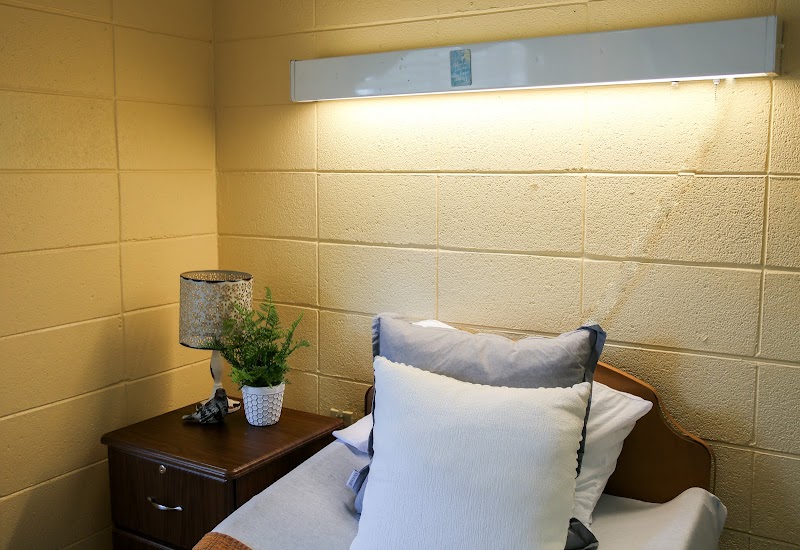
Who Owns and Operates Dawson?

DAWSON HEALTH AND REHABILITATION is owned by a non-profit organization. Non-profit facilities reinvest revenue into operations rather than distributing to shareholders. The facility is operated by CLINICAL SERVICES, INC., a chain that manages multiple nursing homes. With 60 certified beds and approximately 54 residents (about 90% occupancy), it is a smaller facility located in DAWSON, Georgia.
How Does Dawson Compare to Other Georgia Nursing Homes?

Compared to the 100 nursing homes in Georgia, DAWSON HEALTH AND REHABILITATION's overall rating (1 stars) is below the state average of 2.6, staff turnover (41%) is near the state average of 46%, and health inspection rating (1 stars) is much below the national benchmark.

What Should Families Ask When Visiting Dawson?

Based on this facility's data, families visiting should ask: "What changes have been made since the serious inspection findings, and how are you preventing similar issues?" "What safeguards and monitoring systems are in place to protect residents from abuse or neglect?" "Can I visit during a mealtime to observe dining assistance and food quality?" "How do you handle medical emergencies, and what is your hospital transfer rate?" These questions are particularly relevant given the facility's Immediate Jeopardy citations and the substantiated abuse finding on record.

Is Dawson Safe?

Based on CMS inspection data, DAWSON HEALTH AND REHABILITATION has documented safety concerns. The facility has 1 substantiated abuse finding (meaning confirmed case of resident harm by staff or other residents). Inspectors have issued 3 Immediate Jeopardy citations (the most serious violation level indicating risk of serious injury or death). The facility is currently on the Special Focus Facility watch list (a federal program monitoring the lowest-performing 1% of nursing homes nationwide). The facility has a 1-star overall rating and ranks #100 of 100 nursing homes in Georgia. Families considering this facility should ask detailed questions about what corrective actions have been taken since these incidents.

Do Nurses at Dawson Stick Around?

DAWSON HEALTH AND REHABILITATION has a staff turnover rate of 41%, which is about average for Georgia nursing homes (state average: 46%). Moderate turnover is common in nursing homes, but families should still ask about staff tenure and how the facility maintains care continuity when employees leave.

Was Dawson Ever Fined?

DAWSON HEALTH AND REHABILITATION has been fined $121,401 across 1 penalty action. This is 3.5x the Georgia average of $34,293. Fines at this level are uncommon and typically indicate a pattern of serious deficiencies, repeated violations, or failure to correct problems promptly. CMS reserves penalties of this magnitude for facilities that pose significant, documented risk to resident health or safety. Families should request specific documentation of what issues led to these fines and what systemic changes have been implemented.

Is Dawson on Any Federal Watch List?

DAWSON HEALTH AND REHABILITATION is currently an SFF Candidate, meaning CMS has identified it as potentially qualifying for the Special Focus Facility watch list. SFF Candidates have a history of serious deficiencies but haven't yet reached the threshold for full SFF designation. The facility is being monitored more closely — if problems continue, it may be added to the official watch list. Families should ask what the facility is doing to address the issues that led to this status.