CROSSINGS AT EAST LAKE OF JOURNEY LLC, THE
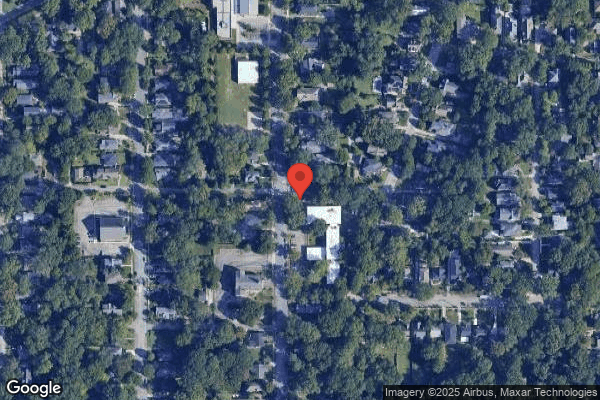
304 FIFTH AVENUE, DECATUR, GA 30030 (404) 373-6231
For profit - Limited Liability company 103 Beds JOURNEY HEALTHCARE Data: November 2025 3 Immediate Jeopardy citations
Trust Grade
0/100
#267 of 353 in GA
Last Inspection: January 2025

Within standard 12-15 month inspection cycle. Federal law requires annual inspections.

Overview

The Crossings at East Lake of Journey LLC has received a Trust Grade of F, indicating poor performance with significant concerns about care. They rank #267 out of 353 facilities in Georgia, placing them in the bottom half, and #13 out of 18 in DeKalb County, suggesting limited better options nearby. The facility is worsening, with reported issues increasing from 11 in 2023 to 13 in 2025. While staffing appears to be a strength with a 0% turnover rate, indicating staff stability, they have incurred $53,565 in fines, which is higher than 91% of Georgia facilities, signaling compliance issues. Specific incidents include failure to provide emergency tracheostomy kits for residents and inadequate training for staff on emergency care, which have the potential to cause serious harm to residents.

Trust Score
F
0/100
In Georgia
#267/353
Bottom 25%
Safety Record
High Risk
Review needed
Inspections
Getting Worse
11 → 13 violations
Staff Stability
○ Average
Turnover data not reported for this facility.
Penalties
✓ Good
$53,565 in fines. Lower than most Georgia facilities. Relatively clean record.
Skilled Nurses
⚠ Watch
Each resident gets only 23 minutes of Registered Nurse (RN) attention daily — below average for Georgia. Fewer RN minutes means fewer trained eyes watching for problems.
Violations
⚠ Watch
31 deficiencies on record. Higher than average. Multiple issues found across inspections.
★☆☆☆☆
1.0
Overall Rating
★☆☆☆☆
1.0
Staff Levels
★★★★☆
4.0
Care Quality
★☆☆☆☆
1.0
Inspection Score
Stable
2023: 11 issues
2025: 13 issues

The Good

  • 4-Star Quality Measures · Strong clinical quality outcomes
  • Full Sprinkler Coverage · Fire safety systems throughout facility
  • No fines on record

Facility shows strength in quality measures, fire safety.

The Bad

1-Star Overall Rating

Below Georgia average (2.6)

Significant quality concerns identified by CMS

Federal Fines: $53,565

Above median ($33,413)

Moderate penalties - review what triggered them

Chain: JOURNEY HEALTHCARE

Part of a multi-facility chain

Ask about local staffing decisions and management

The Ugly 31 deficiencies on record

3 life-threatening
Aug 2025 3 deficiencies
CONCERN (D) 📢 Someone Reported This

A family member, employee, or ombudsman was alarmed enough to file a formal complaint

Potential for Harm - no one hurt, but risky conditions existed

Comprehensive Care Plan (Tag F0656)

Could have caused harm · This affected 1 resident

Based on observation, staff interviews, record review, and facility policy review, the facility failed to implement the Care Plan related to a mechanical lift transfer for one of three residents (Resi...

Read full inspector narrative →
Based on observation, staff interviews, record review, and facility policy review, the facility failed to implement the Care Plan related to a mechanical lift transfer for one of three residents (Resident (R)7) reviewed for mechanical lift transfers in a total sample of 14 residents. The deficient practice placed the residents at risk of harm due to the inappropriate transfers.Findings include:Review of the facility policy titled, Comprehensive Care Plans, revealed, It is the policy of this facility to develop and implement a comprehensive person-centered care plan for each resident, consistent with resident rights, that includes measurable objectives and timeframes to meet a resident's medical, nursing, and mental and psychosocial needs that are identified in the resident's comprehensive assessment.Review of the 4/30/2025 Activities of Daily Living Care Plan located in the Care Plan tab of the EMR revealed, Use Mechanical Lift for transfers x2 staff assistance.Review of the facility investigation dated 6/17/2025 revealed, CNA [certified nurse aide] stated that during transfer from wheelchair to bed, the resident slid to the floor. R7 stated, It was because I had on these socks. R7 denied hitting his head and denied any pain. Resident stated, while laughing, I slid off the bed when she was trying to put me in bed because of the socks on me.I'm okay, I slid down on my butt.During an interview on 8/18/2025 at 3:12 pm, the Director of Nursing (DON) was asked if CNA4 transferred R7 without the mechanical lift and another staff person. The DON stated, Yes, but I think this was updated after the fall. The DON was told that the mechanical lift intervention with two staff was on the care plan at the time of admission. The DON stated, Ok.
CONCERN (D) 📢 Someone Reported This

A family member, employee, or ombudsman was alarmed enough to file a formal complaint

Potential for Harm - no one hurt, but risky conditions existed

Tube Feeding (Tag F0693)

Could have caused harm · This affected 1 resident

Based on observations, staff interviews, and record review, the facility failed to follow nutrition orders for one of three residents (Resident (R)5) reviewed who received nutrition via a feeding tube...

Read full inspector narrative →
Based on observations, staff interviews, and record review, the facility failed to follow nutrition orders for one of three residents (Resident (R)5) reviewed who received nutrition via a feeding tube. This failure placed R5 at risk for health complications and weight loss.Findings include:Review of the admission Record located in the Profile tab of the electronic medical record (EMR) revealed R5 was readmitted to the facility with a diagnosis of spastic quadriplegia cerebral palsy (a severe form of cerebral palsy that affects all four limbs and the trunk).Review of the revised 9/4/2023 Feeding Tube Care Plan located in the Care Plan tab of the EMR revealed, R5 is receiving fluids and nutrients via a tube secondary to Dysphagia Swallowing [difficulty swallowing] problem.Review of the quarterly Minimum Data Set (MDS) located in the MDS tab of the EMR with an Assessment Reference Date (ARD) of 6/17/2025 revealed that R5 had a both a gastrostomy tube (feeding tube in the stomach) and a jejunostomy tube (feeding tube in the jejunum which is part of the small intestine) for nutrition. She was assessed as being severely cognitively impaired.Review of an Order Summary dated 7/10/2025 located in the EMR under the Orders tab by the Registered Dietician (RD) revealed, Every 24 hours for nutrition Osmolyte 1.5 Continuous: Give formula at 32ml/hour (milliliters per hour) via j-tube [jejunostomy]. In addition, R5 was to have a one hour stop time for staff to check for residual [to see if there was formula that had not been digested].During an observation on 8/18/2025 at 2:15 PM, R5's tube feeding pump was turned off and the feeding tube was disconnected from the pump however, the container of Osmolyte 1.5 was still hanging on the pole. Licensed Practical Nurse (LPN)3 entered the room with a new container of Osmolyte 1.5 and began to hang the container on the pole. LPN3 was asked how long was R5 to have her feeding tube pump off during the day. LPN3 stated, It's off from 10:00 AM to 2:00 PM each day.During an interview on 8/20/2025 at 2:15 PM, the [NAME] President (VP) for Nutrition was asked if R5 was to have her tube feedings held from 10:00 AM to 2:00 PM per the nurse's statement. The VP stated, The only order I have is for her to have the tube feedings held for one hour and then check for residuals. The VP further stated, I think she (RD) mentioned at one point there was a 10-2PM hold on the tube feedings, when she returned from the hospital however, we did not have Osmolyte 1.2 and only had Osmolyte 1.5, so she converted the Osmolyte 1.5 to meet the same nutrition values as the Osmolyte 1.2. The RD wanted it to be run continuously at 32ml/hour as R5 experiences vomiting.During an interview on 8/20/2025 at 2:25 PM, LPN4 stated, I wrote the order (for the tube feedings) when she came back from the hospital. She had an order for Osmolyte 1.2, but we only had Osmolyte 1.5 so, the RD came in and wrote a new order for Osmolyte 1.5 at 32ml/hour continuously.Review of the Discontinued Orders located in the Order Summary tab of the EMR revealed, Jevity 1.5 at 55ml/hr. for 20 hours a day. On at 2PM and off at 10AM. Start date: 10/16/2024 and discontinued on 7/1/2025.During an interview on 8/20/2025 at 2:36 PM, the Director of Nursing (DON) was asked what his expectation was regarding following the RD's nutrition orders. The DON stated, My expectation is that the orders are to be followed.
CONCERN (D) 📢 Someone Reported This

A family member, employee, or ombudsman was alarmed enough to file a formal complaint

Potential for Harm - no one hurt, but risky conditions existed

Infection Control (Tag F0880)

Could have caused harm · This affected 1 resident

Based on observation, interview, and record review, the facility failed to implement Enhanced Barrier Precautions (EBP) for two of 14 sampled residents (Residents (R) 5 and R9). The facility failed to...

Read full inspector narrative →
Based on observation, interview, and record review, the facility failed to implement Enhanced Barrier Precautions (EBP) for two of 14 sampled residents (Residents (R) 5 and R9). The facility failed to utilize EBP for R5 and R9, who shared a room and had both gastric and jejunostomy feeding tubes for nutrition. This failure placed the residents at risk of increased transmission of infection.Findings include:1. Review of the admission Record located in the Profile tab of the electronic medical record (EMR) revealed R5 was admitted to the facility with a diagnosis of spastic quadriplegic cerebral palsy (a severe form of cerebral palsy).Review of the quarterly Minimum Data Set (MDS) located in the MDS tab of the EMR with an Assessment Reference Date (ARD) of 6/17/2025 revealed R5 was assessed by staff to be severely impaired in cognition and had a feeding tube for nutrition.Review of the Feeding Tube Care Plan revised 9/4/2023 located in the Care Plan tab of the EMR revealed, R5 is receiving fluids and nutrients via a tube secondary to dysphagia, swallowing problem. An 11/3/2024 Intervention included, Enhanced Barrier Precautions.During an observation and interview on 8/19/2025 at 2:38 PM, Registered Nurse (RN)1 entered R5's room and provided oral care. RN1 did not wear a gown when providing resident care. RN1 confirmed she did not utilize EBP.2. Review of the admission Record located in Profile tab of the EMR revealed R9 was admitted to the facility with a diagnosis of cerebral palsy.Review of the annual MDS located in the MDS tab of the EMR with an ARD of 6/5/2025 revealed R9 was assessed by staff to be severely impaired in cognition and was provided nutrition through a feeding tube.Review of the Feeding Tube Care Plan revised 9/26/2023, located in the Care Plan tab of the EMR revealed, R9 is receiving all fluids and/or nutrients via a tube secondary to dysphagia, DZ [disease] process. An 11/3/2024 intervention included Enhanced Barrier Precautions.During an observation and interview on 8/19/2025 at 2:43 PM, CNA7, after finishing washing R5's face, obtained a new washcloth and provided care to R9. CNA7 stated, I was not made aware of the need for EBP when caring for R5 or R9.During an interview on 8/19/2025 at 4:30 PM, the Director of Nursing (DON) stated, There should have been a sign on the door and staff should have utilized the PPE [personal protective equipment.]
Mar 2025 1 deficiency
CONCERN (E) 📢 Someone Reported This

A family member, employee, or ombudsman was alarmed enough to file a formal complaint

Potential for Harm - no one hurt, but risky conditions existed

Deficiency F0925 (Tag F0925)

Could have caused harm · This affected multiple residents

**NOTE- TERMS IN BRACKETS HAVE BEEN EDITED TO PROTECT CONFIDENTIALITY** Based on observations, staff and resident interviews, and the review of the facility policy titled, Pest Control Program, the fa...

Read full inspector narrative →
**NOTE- TERMS IN BRACKETS HAVE BEEN EDITED TO PROTECT CONFIDENTIALITY** Based on observations, staff and resident interviews, and the review of the facility policy titled, Pest Control Program, the facility failed to maintain an effective pest control program in five of eight resident rooms (Rm102,103,403,407,506). Findings include: Review of the facility policy titled, Pest Control Program revised date 2/16/2024, under Policy: It is the policy of this facility to maintain an effective pest control program that eradicates and contains common household pests and rodents. Under Policy Explanation and Compliance Guidelines: number 4. Facility will utilize a variety of methods in controlling certain seasonal pests, i.e. flies. These will involve indoor and outdoor methods that are deemed appropriate by the outside pest service and state and federal regulations. An interview on 3/7/2025 at 12:13 pm with Resident (R) R2 confirmed she sees roaches every day and she tries to kill them, but they are faster than her. R2 revealed that she must shake her clothes when she removes them from the dresser drawers. Review of the Quarterly Minimum Data Set (MDS) dated [DATE] revealed R2 had a Brief Interview for Mental Status (BIMS) score of 15 indicating the resident had little to no cognitive impairment. Review of a undated Quality Assurance and Performance Improvement (QAPI) meeting notes, revealed under the Agenda Items section Grievance: Resident Council Minutes revealed no trend identified for pest control- (Company Name). Review of the facility's Pest Sighting Logs dated from 8/2021 to 3/2025 revealed a report of 207 pest sightings of ants, gnats, roaches, and spiders. Specifically, there were five reported ants and roaches sighting from 3/1/2025-3/6/2025. Review of the Community Weekly Operational Report dated 1/10/2025 to 3/6/2025 for Physical Plant/Environment revealed for the weeks of 1/10/2025 and 1/15/2025, under Compass Care Highlights for pest control issues in rooms (101, 403, 405, 504) Expressed to (exterminating company). However, no other address for Physical Plant/Environment pest control was mentioned for the weeks following. Review of Pest Control Technician Service Inspection report# 1122099 dated 12/18/2024 and #1129073 dated 1/8/2025, revealed in tech comments: There are multiple places that could benefit from sanitation, like nurses' desk, dresser inside patient rooms, and patient restroom. There are multiple rooms that need cleaning in order to help get the roach activity under control. Review of Pest Control Technician Service Inspection report# 1136037 dated 2/5/2025, revealed in tech comments that 103,403 has major issues inside dressers and sink area. The unit also has sanitation issues. Observations on 3/7/2025 at 11:37 am revealed in room [ROOM NUMBER] several small and medium-sized roaches crawling on the floor, climbing on the wall, and the sink counter. Observation walking rounds were conducted on 3/7/2025 starting at 2:00 pm to 2:21 pm in Rm102,103,403,407, and 506 with the Housekeeper Director, Administrator, and the [NAME] President (VP) of Clinical Service for the environmental, sanitation, and pest control sightings. It was confirmed that in all five (5) of the rooms, there were sightings of live and dead small to medium-sized brownish/black roaches in resident dresser drawers, cabinets, sink counters, floors, and on the walls. An additional observation with the Administrator confirmation revealed in room [ROOM NUMBER] a spider in the resident cabinet near the sink counter. Interview on 3/7/2025 at 11:47 am Housekeeper AA revealed she was informed twice this week by a couple of residents of a sighting of roaches in their rooms. Housekeeper AA shared that when she is informed of a pest sighting, she enters the room number and concern in the pest book at the nurse station. Interview on 3/7/2025 at 4:15 pm with the Administrator (the Regional [NAME] President present for support) revealed he is aware of the infestation issue. So, to address concerns, the facility completes daily rounds that are conducted with the charge nurse, and when pest technicians come to provide treatment, he is accommodated. The administrator shared that the Community Weekly Operational report is not all-encompassing to address each room, but the report does address direct concerns. Interview on 3/7/2025 at 4:52 pm with the Pest Control Technician CC revealed the facility does have a roach issue, and it is due to the sanitation of the facility. The Technician explained that when conducting treatments, he observed food at the nurses' station and inside the resident's dresser drawer. The Technician confirmed, based on his observation, that the dresser drawer has never been cleaned; he sprayed the treatment, but the roaches came back due to the dresser drawer not being cleaned or moved. Technician CC shared that the treatment is effective for 90 days leaving a residue, however the issue will not go away until the sanitation is fully addressed.
Jan 2025 9 deficiencies
CONCERN (D) 📢 Someone Reported This

A family member, employee, or ombudsman was alarmed enough to file a formal complaint

Potential for Harm - no one hurt, but risky conditions existed

Deficiency F0558 (Tag F0558)

Could have caused harm · This affected 1 resident

**NOTE- TERMS IN BRACKETS HAVE BEEN EDITED TO PROTECT CONFIDENTIALITY** 2. Review of the EMR for R38 revealed diagnoses that included but not limited to Parkinson's disease, dysphagia, contracture of ...

Read full inspector narrative →
**NOTE- TERMS IN BRACKETS HAVE BEEN EDITED TO PROTECT CONFIDENTIALITY** 2. Review of the EMR for R38 revealed diagnoses that included but not limited to Parkinson's disease, dysphagia, contracture of muscle to the left upper arm and contracture of muscle to the right upper arm. Review of the Quarterly MDS dated [DATE] for Section C (Cognitive Patterns) revealed, a BIMS of 10 which indicated the resident was moderately impaired; Section GG (Functional Abilities and Goals) revealed, R38 required substantial /maximum assistance for toileting hygiene, bath, upper body dressing, personal hygiene and dependent on staff for lower body dressing and transfers. Observation on 1/8/2025 at 1:25 pm revealed, there were no staff members present in the hallway or the residents' rooms in the locked dementia unit. Upon entering R38's room, the resident was lying in bed with a substance, appearing to be food, coming from his mouth and onto his clothes and shoulder. The resident began to cry when approached. When asked what was wrong, the resident continued to cry. His call light was lying on the side of his bed near his head, but due to his contracted condition, he was unable to reach it. Observation and interview on 1/8/2025 at 1:30 pm revealed, R38 lying in bed with vomit on his mouth and clothing. When R38 was questioned, if he was, okay? he mumbled a response. R38 was asked if he could press his call light, and he mumbled, Yes. When prompted to demonstrate, the resident was unable to push the call light due to his contracted condition. Interview on 1/8/2025 at 1:43 pm with CNA CC and CNA DD about R38's ability to call for assistance. CC stated that although R38 is contracted, You may not believe me, but this man can use his arm. CNA CC attempted to demonstrate this by pulling the covers down, but the resident did not move his arm. When asked how R38 typically calls for help, CNA CC responded that he would usually yell for assistance. CNA CC admitted that the call light was not in the proper position for the resident to use it and expressed uncertainty as to why it had been placed in a higher position. CNA DD explained that she was usually stationed near R38's room to monitor him for help as needed. However, when asked why no staff were present in the hallway or rooms at the time of the observation, CNA DD stated that she had been assisting another resident. CNA DD confirmed that R38 does not use the call light but instead typically says hey to get the staff's attention. Further interview, with CNA CC when asked again to demonstrate how R38 could call for help, CNA CC became defensive, stating, I don't know, this isn't usually my patient, but since y'all think I'm lying, I'm just going to leave. CNA DD then reiterated that R38 does not press the call light button and instead uses his voice to alert staff. During an interview on 1/8/2025 at 4:07 pm with the Director of Nursing (DON) revealed, that that R38 was able to press his call light when it was placed on his shirt, but not very often. DON revealed that he had personally answered R38's call light a couple of times. During an interview on 1/9/2025 at 10:32 am with the Restorative Aide, EE regarding R38's call light usage, she mentioned that while he initially did not use the call light, he has adapted to using a flat call device operated with his chin. She expressed confidence that the flat call device currently in place adequately meets his needs. Restorative Aide, EE believes that while R38 has pressed the call light using his contracted hand in the past, it may have been accidental, as he typically yells for assistance when needed. A policy was requested however, the facility's personnel stated there was no policy on call lights. Based on observations, record review, and staff and resident interviews, the facility failed to ensure two of 45 sampled residents (R) (R51 and R38) call lights were accessible and placed within their reach while in bed. This deficient practice had the potential to cause delayed assistance, medical attention and worsening of the residents' medical conditions. Findings include: 1. Review of the Electronic Medical Record (EMR) for R51 revealed diagnoses that included but not limited to aphasia following cerebral infarction, hemiplegia and hemiparesis following cerebral infarction affecting the left non dominant side, muscle weakness, difficulty walking and need for assistance. Review of the Quarterly Minimum Data Set (MDS) dated [DATE] for Section C (Cognitive Patterns), a Brief Interview of Mental Status (BIMS) revealed, R51 had a memory problem; Section GG (Functional Abilities and Goals) revealed, R51 required substantial /maximum assistance for toileting hygiene, bath, upper body dressing, personal hygiene and dependent on staff for lower body dressing and transfers. Observation on 1/6/2025 at 10:54 am revealed, R51 lying in bed with the call light observed on the floor beside bed. Observation on 1/6/2025 at 12:00 pm revealed, R51 lying in bed with the call light observed on the floor beside bed. Observation on 1/6/2025 at 3:00 pm revealed, R51 lying in bed with the call light observed on the floor beside bed. Interview on 1/6/2025 at 3:13 pm with Registered Nurse (RN) JJ confirmed the call light was on the floor beside R51's bed. She revealed, the call light should not be on the floor and should be on R51's bed and accessible to him. She further stated she should have clamped the call light on R51's pillow or his bedsheets beside him so that he could have access to the call light. Interview on 1/6/2025 at 3:17 pm with Certified Nursing Assistant (CNA) KK confirmed the call light was on the floor beside R51's bed. She revealed, she attended to R51, and did not see the call light on the floor. She stated it should not be on the floor, and it should have been clamped on R51's pillow or bedsheet so that he could have access to it. Interview on 1/7/2025 at 1:31 pm with the Unit Manager (UM) MM revealed, the call lights should be in place for the residents to use. She stated her expectations were for the CNAs and the nurses to ensure the call lights were in place and accessible to the residents. She stated the CNAs do rounds every two hours and the nurses do rounds continually on the floor. She stated the call lights should be clipped on to the residents' pillows or their bedsheets as close to the residents as possible for them to access it. She further stated the outcome if the call lights were not in place could possibly cause harm to the residents if they did not have access to the call lights and needed help. Interview on 1/7/2025 at 1:39 pm with Director of Nursing (DON) revealed, his expectations were for the call lights to always be accessible to the residents. He stated anyone who goes into the residents' rooms should ensure the call lights were accessible to the residents. The DON further stated that primarily the nurses and CNAs were the ones who should ensure the call lights were always accessible to the residents. He stated the outcome if the call lights were not accessible to the residents would be a delay in care and it may also lead to grievances from the residents or family members. He stated it could also increase the level of dissatisfaction with the level of care provided by the facility.
CONCERN (D) 📢 Someone Reported This

A family member, employee, or ombudsman was alarmed enough to file a formal complaint

Potential for Harm - no one hurt, but risky conditions existed

Deficiency F0561 (Tag F0561)

Could have caused harm · This affected 1 resident

**NOTE- TERMS IN BRACKETS HAVE BEEN EDITED TO PROTECT CONFIDENTIALITY** Based on observations, resident and staff interviews, record review, and review of the facility-provided document titled Your Ri...

Read full inspector narrative →
**NOTE- TERMS IN BRACKETS HAVE BEEN EDITED TO PROTECT CONFIDENTIALITY** Based on observations, resident and staff interviews, record review, and review of the facility-provided document titled Your Rights and Protections as a Nursing Home Resident, the facility failed to honor the resident's right to make a choice for one of 45 sampled residents (R) (R8) related to returning to bed for a nap. The deficient practice had the potential to place R8 at risk for unmet care needs and a diminished quality of life. Findings include: A review of the undated facility-provided document titled Your Rights and Protections as a Nursing Home Resident revealed the What are my rights in a nursing home? section included Be Treated with Respect: . You have the right to decide when you go to bed, rise in the morning, and eat your meals. A review of R8's electronic medical record (EMR) revealed diagnoses included a cerebrovascular accident (CVA) with right-sided hemiparesis, hypertension, type 2 diabetes mellitus, depression, anxiety, dementia, insomnia, and muscle weakness. A review of R8's Quarterly Minimum Data Set (MDS) assessment dated [DATE] revealed Section C (Cognitive Patterns) documented a Brief Interview for Mental Status (BIMS) score of 14 (indicating little to no cognitive impairment). Section GG (Physical Abilities and Goals) documented the resident was dependent for transfers. A review of R8's Annual MDS assessment dated [DATE] revealed Section F (Preferences for Customary Routine and Activities) documented it was very important for the resident to make his own choices. A review of R8's Physician's Orders revealed no order or intervention for the resident to sit up in a wheelchair for eight hours a day. A review of R8's care plan dated 5/22/2019 revealed a Focus on activities of daily living (ADL) function, including The amount of care may vary from day to day. Interventions included allowing the resident to make choices and offer positive reinforcements when indicated. Observation on 1/6/2025 at 9:27 am revealed that R8 was asleep and leaning forward in a wheelchair in his room. Observation and interview on 1/6/2025 at 10:04 am revealed that R8 was sitting in his chair in his room. He stated he was ready to be put back to bed and pushed his call light for assistance. Observation on 1/6/2025 at 10:10 am revealed Certified Nursing Assistant (CNA) II entered the R8 room and closed the door. Observation on 1/6/2025 at 11:00 am revealed R8 was sitting in his wheelchair in his room. In an interview with R8 on 1/6/2025 at 11:58 a.m., he stated that the facility staff would not assist him back to bed until after lunch. He stated he desired to take a catnap before getting back up for lunch. He further stated that he did not always want to take a nap before lunch, but he would like to from time to time. In an interview on 1/7/2025 at 4:17 pm, CNA II stated she recalled R8 did ask to be put back to bed on 1/6/2025, and later that day, he asked again. She stated she preferred he wait until after he ate his lunch to be put back to bed so she didn't have to keep getting him up and putting him back. She stated she understood his rights. In an interview on 1/8/2025 at 3:13 pm, Registered Nursing (RN) GG stated that if a resident requested to lie down, it was their right to do so. RN GG further stated she did not know why CNA II would refuse to put R8 to bed as much as he would like. In an interview on 1/9/2025 at 4:22 pm, the Director of Nursing (DON) stated that if a resident wanted to lie down, they should be allowed to do so.
CONCERN (D) 📢 Someone Reported This

A family member, employee, or ombudsman was alarmed enough to file a formal complaint

Potential for Harm - no one hurt, but risky conditions existed

Assessment Accuracy (Tag F0641)

Could have caused harm · This affected 1 resident

Based on staff interview and record review, the facility failed to accurately code a fall with major injury on the Minimum Data Set (MDS) for one of three residents (R) R14 reviewed for accidents. Thi...

Read full inspector narrative →
Based on staff interview and record review, the facility failed to accurately code a fall with major injury on the Minimum Data Set (MDS) for one of three residents (R) R14 reviewed for accidents. This failure had the potential to place R14 at risk for additional falls and an adverse effect on her quality of life and quality of care. Findings include: Review of R14's admission Record revealed, diagnoses that included but were not limited to other fracture of upper end of left tibia, subsequent encounter for closed fracture with routine healing and other fracture of upper and lower end of left fibula, subsequent encounter for closed fracture with routine healing, dated 8/21/2024. Review of the Electronic Medical Record (EMR) revealed, R14 sustained a fall on 8/13/2024 when she attempted to get out of bed without calling for assistance. The x-rays revealed, a proximal fracture to the left tibia. R14 was hospitalized and treated without surgical intervention. R14 returned back to the facility on 8/16/2024. Review of the quarterly MDS assessments, dated 8/19/2024, 10/23/2024, and 11/25/2024 for Section J (Health Conditions) revealed, the omission of the fall sustained on 8/13/2024. Interview on 1/9/2025 at 3:33 pm with the MDS Coordinator confirmed the fall was not captured during those assessments and should have been. She stated, she would make the corrections immediately.
CONCERN (D) 📢 Someone Reported This

A family member, employee, or ombudsman was alarmed enough to file a formal complaint

Potential for Harm - no one hurt, but risky conditions existed

Deficiency F0657 (Tag F0657)

Could have caused harm · This affected 1 resident

Based on observations, staff interviews, record review, and review of the facility's policy titled Restorative Nursing Programs, the facility failed to revise the care plan that addressed the refusals...

Read full inspector narrative →
Based on observations, staff interviews, record review, and review of the facility's policy titled Restorative Nursing Programs, the facility failed to revise the care plan that addressed the refusals of restorative nursing services for one of 45 sampled residents (R) R8. Specifically, the facility failed to revise the care plan that included alternative interventions for splint usage and Range of Motion (ROM) exercises. Findings include: Review of the facility's policy titled Restorative Nursing Programs, dated 2/1/2024 revealed, 10. A resident's Restorative Nursing plan will include: (a.) The problem, need, or strength the restorative tasks are to address. (b.) The type of activities to be performed. (c.) Frequency of activities. (d.) Duration of activities. (e.) Measurable goal and target date. Review of R8's clinical records revealed diagnoses that included cerebrovascular accident (CVA) with right-sided weakness and contractures of the right upper and lower extremities. Review of R8's physician orders dated 9/4/2019 revealed, Resident presents with right knee contracture, and would benefit from a right knee contracture splint to increase ROM and prevent/correct contractures, and deformities of the right knee; Resident presents with right wrist/hand contracture and would benefit from a contracture splint to increase ROM and prevent/correct contractures and deformities of the right wrist/hand. Review of R8's care plan with revision date of 9/26/2023 revealed, ADL function: [Resident Name] is at risk for Alteration in ADL (Activities of Daily Living) care r/t (related to) his h/o (history of) CVA with right sided weakness and vision deficit to right eye. He has contracture to RUE (right upper extremity) and RLE (right lower extremity). He is able to participate in his care minimally. Staff will adjust and assist. Often refuses ADL care and shower even though he is encouraged. Interventions included but not limited to Range of motion as ordered by PMD (date initiated 9/26/2023) and splints as ordered to right hand/right knee (date initiated 9/26/2023 with revision date of 11/3/2024). However, the care plan did not address R8's refusals of restorative care, including splint use, nor did it document any alternative interventions or strategies to encourage participation. Observation on 1/6/2025 at 9:28 am revealed, R8 was observed in his room in a wheelchair, sleeping and not wearing a splint to his right hand/wrist or right knee. Observation on 1/7/2025 at 4:17 pm revealed, R8 was observed in the dining room not wearing a splint to his right hand/wrist or right knee. Observation on 1/8/2025 at 10:35 am, revealed, R8 was observed in the dining room not wearing a splint to his right hand/wrist or right knee. Interview with Registered Nurse (RN) GG on 1/9/2025 at 3:13 pm revealed, she had been at the facility since March 2024 and did not recall R8 having a splint or restorative services documented in his care plan prior to the survey. She later identified a note, revised on 1/9/2025, indicating refusals for splint use. Interview with Restorative Aide FF on 1/9/2025 at 3:15 pm revealed, she did not provide services for R8 unless explicitly documented in the care plan. She revealed, R8 often refused restorative care, which led to the service not being provided consistently. She confirmed that there was no prior documentation of refusals or interventions for refusal of restorative services in R8's records. During an interview on 1/9/2025 at 3:35 pm with the Minimum Data Set (MDS) Coordinator when asked about R8's care plan, regarding the use of a splints for his contractures and any documentation related to his refusals and interventions, the MDS Coordinator confirmed that splint use and resistance had been recently updated in the care plan as of 1/9/2025. The MDS Coordinator also confirmed that when R8's refuses the splint, staff were instructed to encourage him and document his refusals. The MDS Coordinator revealed, alternative interventions such as adjusting the splint or providing additional support, were not previously mentioned in the care plan however, the updated plan included specific language regarding his refusals and strategies for encouraging compliance. The MDS Coordinator emphasized that these updates were made to ensure accurate documentation and alignment with R8's current needs and behaviors. Cross Reference F688, F842
CONCERN (D) 📢 Someone Reported This

A family member, employee, or ombudsman was alarmed enough to file a formal complaint

Potential for Harm - no one hurt, but risky conditions existed

ADL Care (Tag F0677)

Could have caused harm · This affected 1 resident

**NOTE- TERMS IN BRACKETS HAVE BEEN EDITED TO PROTECT CONFIDENTIALITY** 3. Review of R16's EMR revealed diagnoses to include hemiplegia and hemiparesis following other cerebrovascular disease affectin...

Read full inspector narrative →
**NOTE- TERMS IN BRACKETS HAVE BEEN EDITED TO PROTECT CONFIDENTIALITY** 3. Review of R16's EMR revealed diagnoses to include hemiplegia and hemiparesis following other cerebrovascular disease affecting right dominant side, dementia, hypertensive retinopathy, seborrheic dermatitis, and psoriasis vulgaris. Review of R16's Quarterly MDS assessment dated [DATE] revealed Section C (Cognitive Patterns) documented a BIMS score of 11 (indicating mild cognitive impairment). Section E (Behavior) documented no behaviors. Section GG (Functional Abilities and Goals) documented R16 required partial to moderate assistance for oral hygiene and substantial to maximal assistance for toileting hygiene, shower/bathe self, lower body dressing, footwear, personal hygiene, and shower/tub transfer. Review of the care plan revealed a Focus area revised on 9/2/2021 of the resident was at risk for alteration in care related to impaired mobility and cognitive deficit. Staff will provide and adjust care as needed. The Goal was for R16 to appear clean, well-groomed, and dressed as per preferences. Interventions/Tasks included communication to all staff regarding the resident's special care needs and goals, encouraging the resident to participate to the fullest extent possible with each interaction, and establishing customary routine for ADLs that is agreeable to the resident. In an observation and interview with R16 on 1/6/2025 at 12:06 pm in his room, he was alert, oriented, and pleasant. Observation revealed the skin on his right arm was dry and scaly, his face was ashen, and debris was noted on his pillow and bedsheets. When asked if he received regular showers, he stated he did not. He stated his shower schedule was Tuesday, Thursday, and Saturday and that he did not get his shower last Saturday (1/4/2025). In an observation and interview with R16 in his room on 1/7/2025 at 11:42 am, he was alert, oriented, and pleasant. Observation revealed his skin was dry and ashen. He stated he did not have a shower today, but he could not recall if he had one yesterday. Review of the CNA Bath and Skin Audit Tool dated October 2024 to date revealed R16 received four showers in October 2024 (10/10, 10/14, 10/22, 10/24), one shower in November 2024 (11/7), seven showers in December 2024 (12/2, 12/4, 12/13, 12/18, 12/20, 12/25, 12/31), and two showers in January 2025 (1/2 and 1/6). In an interview with LPN LL on 1/7/2025 at 11:00 am, she stated the shower schedule was posted at each nurse's station and staff should report any missed or refused showers to the nurse. She stated the nurse would then visit with the resident to confirm the refusal, find out the reason, and try to determine a more suitable time for the resident to shower. She further stated the nurse should notify the charge nurse, the DON, and the Responsible Party (RP). She stated the shower should include shampoo, shave, and nail care. Finally, she stated the nurse had to sign off on all shower sheets. In an interview with CNA FF on 1/07/2025 at 11:15 am, she stated resident showers were scheduled twice a week and always included shampoo, shave, and nail care. She stated she would report missed showers or refusals to the nurse. In an interview with CNA II on 1/07/2025 at 11:30 am, she stated the CNAs offered showers twice weekly and as needed and included shampoo, shave, and nail care. She stated refusals or missed showers should be reported to the attending nurse. In an interview with LPN HH on 1/9/2025 at 1:19 pm, she stated without shower sheets, there was no way to confirm if a resident received his/her shower. She stated the number of documented shower sheets for R16 revealed he did not receive his showers as scheduled. She further stated that R16 had a history of refusing care, which should be documented on the shower sheets. In an interview with RN GG on 1/9/2025 at 1:46 pm, she stated she expected the nursing staff to perform all scheduled showers and report refusals or missed showers to the attending nurse, who will sign off on all shower sheets, speak with the resident about the reason for the refusal, and notify the Unit Manager, Physician, DON, and the RP. Based on observations, resident and staff interviews, record review, and review of the facility's policy titled Activities of Daily Living, the facility failed to provide activities of daily living (ADL) care for three of 45 sampled residents (R) (R8, R38, and R16) according to the resident's care needs. Specifically, the facility failed to ensure R8 and R38 received nail care and failed to ensure R16 received a bath or shower. This deficient practice had the potential to place R8, R38, and R16 at risk for unmet needs and a diminished quality of life. Findings Include: A review of the facility's policy titled Activities of Daily Living, dated 2/1/2022, revealed the Policy section included . Care and services will be provided for the following activities of daily living: 1. Bathing, dressing, grooming, and oral care. The Policy Explanation and Compliance Guidelines section included . 3. A resident who is unable to carry out activities of daily living will receive the necessary services to maintain good nutrition, grooming, and personal and oral hygiene. 1. A review of R8's Electronic Medical Record (EMR) revealed diagnoses included a cerebrovascular accident (CVA) with right-sided hemiparesis, type 2 diabetes mellitus with diabetic cataracts, legal blindness, and muscle weakness. A review of R8's Quarterly Minimum Data Set (MDS) assessment dated [DATE] revealed Section C (Cognitive Patterns) documented a Brief Interview for Mental Status (BIMS) score of 14 (indicating little to no cognitive impairment). Section GG (Physical Abilities and Goals) documented upper and lower extremity impairment on one side and required substantial/maximal assistance for personal hygiene. A review of the care plan revealed a Focus area initiated on 5/22/2019 and revised on 9/26/2023 of ADL function, indicating the resident was at risk for alteration in ADL care due to CVA and vision deficit. Interventions/Tasks included communication to all staff regarding resident special care needs and goals. Observation on 1/6/2025 at 10:04 am revealed that R8 was sitting in his chair with his right hand contracted and his fingernails dirty and long and digging into the skin. Observation on 1/7/2025 at 4:11 pm revealed R8 was in the dining room, and his fingernails remained long and dirty. In an interview on 1/7/2025 at 4:17 pm, Certified Nursing Assistant (CNA) II confirmed R8's fingernails were long and dirty. She stated she had not noticed his nails being long and dirty. She further stated since R8 was diabetic, she would notify the nurse. Registered Nursing (RN) GG stated she could attempt to cut R8 nails, but due to their thickness, she would need to consult the podiatrist. RN GG confirmed that it was not a good idea to leave R8's nails so thick and long. RN GG asked R8 if he would be okay with getting his nails clipped, and R8 responded, Yes, it's hurting me really bad. In an interview on 1/8/2025 at 12:38 pm, the Director of Nursing (DON) revealed he expected resident shower days to include observations of nails to ensure residents were groomed appropriately. The DON stated if the shower was refused, observation of nails and hair should be documented on the shower sheet. He further stated nails should not grow to the length that they curl unless the resident wants them to, and the outcome included overgrown nails, which can be unsightly, and a buildup of dirt, which could be a health risk. 2. A review of R38's EMR revealed diagnoses included Parkinson's disease, osteoarthritis, diabetes mellitus, muscle weakness, and contracture of muscle right and left upper arm. Review of R38's Quarterly MDS assessment dated [DATE] revealed Section C (Cognitive Patterns) documented a BIMS of 10 (indicating moderate cognitive impairment). Section GG (Functional Abilities) documented R38 was dependent for ADL care, including personal hygiene. Review of the care plan dated 12/9/2024 revealed a Focus area of the resident was dependent with ADLs and care. Interventions/Tasks included ensuring the resident is groomed daily. Observation on 1/8/2025 at 1:33 pm revealed R38's nails appeared long, unclipped, and with dirt and debris built up on the thumb, and his hand was contracted. Observation on 1/8/2025 at 4:06 pm revealed R38's nails appeared to have been cleaned but were still long and unclipped. In an interview on 1/8/2025 at 1:43 pm, CNA DD confirmed they did need to do something about his nails. In an interview on 1/8/2025 at 4:07 pm, the DON acknowledged the resident's nails needed care due to them being unkept. In an interview on 1/9/2025 at 2:49 pm, CNA DD and Licensed Practical Nurse (LPN) NN revealed they provided nail care on R38's shower days on Tuesdays, Thursdays, and Saturdays. They stated R38 refuses to have his nails clipped. They further stated that hospice was responsible for bathing the resident and providing nail care, and it was also the facility's responsibility to provide nail care. LPN NN asked R38 if he would like his nails clipped and if his nails bothered him, and R38 replied, Yes. LPN NN declined to acknowledge the length of R38's nails and stated that they monitor him to ensure his nails aren't digging into his skin. In an interview on 1/9/2025 at 3:07 pm, the DON confirmed R38's nails had dirt and debris on them and declined to confirm how long R38's nails were.
CONCERN (D) 📢 Someone Reported This

A family member, employee, or ombudsman was alarmed enough to file a formal complaint

Potential for Harm - no one hurt, but risky conditions existed

Deficiency F0688 (Tag F0688)

Could have caused harm · This affected 1 resident

**NOTE- TERMS IN BRACKETS HAVE BEEN EDITED TO PROTECT CONFIDENTIALITY** Based on observation, staff and resident interviews, record review and review of the facility's policy titled Restorative Nursin...

Read full inspector narrative →
**NOTE- TERMS IN BRACKETS HAVE BEEN EDITED TO PROTECT CONFIDENTIALITY** Based on observation, staff and resident interviews, record review and review of the facility's policy titled Restorative Nursing Programs, the facility failed to provide evidence that restorative services for splinting and range of motion (ROM) were consistently provided for one of four residents (R) (R8) reviewed for rehab and restorative nursing services. Findings include: Review of the facility's policy titled Restorative Nursing Programs, dated 2/1/2024 revealed, 6. Residents, as identified during the comprehensive assessment process, will receive services from restorative aides when they are assessed to have a need for restorative nursing services. These services may include passive or active range of motion, splint or brace assistance, bed mobility training and skill practice, and training and skill practice in transfers or walking. Review of R8's Quarterly Minimum Data Set (MDS) dated [DATE] for Section C (Cognition) revealed, a Brief Interview of Mental Status (BIMS) of 5, which indicated moderate cognitive impairment, Section GG (Functional Abilities) revealed, R8 required substantial /maximum assistance for toileting hygiene, bath, upper body dressing, personal hygiene and dependent on staff for lower body dressing and transfers; and Section O (Special Treatments and Programs) revealed, no restorative services documented. Review of R8's physician orders dated 9/4/2019 revealed, orders for a right knee contracture splint to increase ROM and prevent/correct contractures and a contracture splint to increase ROM and prevent/correct contractures and deformities of the right wrist/hand. Record review of R8's Physical Therapy (PT) discharge summary revealed, that R8 received PT from 1/10/2024 to 3/8/2024; Discharge Recommendations: Restorative Program Established/Trained= Restorative Splint and Brace Program. Passive Range of Motion (PROM) right hand wrist all joints 10x2 reps. Right-hand splint application for four to six hours daily and monitor for pressure areas. Further review of R8's medical records revealed, no documentation that R8 received restorative services. Observation on 1/6/2025 at 9:28 am revealed, R8 was observed in his room in a wheelchair, sleeping and not wearing a splint. Observation on 1/7/2025 at 4:17 pm revealed, R8 was observed in the dining room not wearing a splint. Observation on 1/8/2025 at 10:35 am, revealed, R8 was observed in the dining room not wearing a splint. Interview on 1/6/2025 at 10:40 am with R8 stated he would feel more comfortable if they could put something in his hands, and maybe it wouldn't hurt him so much. Interview on 1/9/2025 at 3:08 pm with R8 revealed, he doesn't recall ever wearing a splint, and he believe if he did, it wouldn't be so bad now. He said he never refused to get any help for his hand, and if possible, he would love to get some help now. Interview on 1/9/2025 at 3:13 pm with Registered Nurse (RN) GG revealed, she had been at the facility since March of last year, and she didn't ever recall R8 having a splint. She was not sure about restorative care if he refused or whether the care plan was being updated, but she would check the electronic medical records (EMR) in the Plan of Care (POC) section. She said that if any restoratives were needed, they would be in the EMR under POC. RN GG stated she was able to find a note that R8 refused splints, saying the word splints with s meant for his lower leg and right hand. RN GG was asked to provide the date. She stated it was revised today, 1/9/2025. Interview on 1/9/2025 at 3:15 pm with Restorative Aide (RA) FF revealed, when asked if she could locate the notes for restorative services for R8, she stated if it's not in the POC, she didn't provide services, and he must have refused. Interview on 1/8/2025 at 4:07 pm with the Director of Nursing (DON) revealed, that R8 was supposed to receive restorative nursing services. He revealed that he was unable to provide any documentation of restorative nursing care, even for the past six months, due to the system acquisition issues. A request was made upon the facility for additional documentation of the restorative nursing program for R8 but was not provided prior to the survey exit. Cross Reference F842, F657
CONCERN (D) 📢 Someone Reported This

A family member, employee, or ombudsman was alarmed enough to file a formal complaint

Potential for Harm - no one hurt, but risky conditions existed

Deficiency F0761 (Tag F0761)

Could have caused harm · This affected 1 resident

Based on observations, staff interviews, record review, and review of the facility's policies titled, Medication Storage and Storage of Medications, the facility failed to lock two of four (100-Hall a...

Read full inspector narrative →
Based on observations, staff interviews, record review, and review of the facility's policies titled, Medication Storage and Storage of Medications, the facility failed to lock two of four (100-Hall and 200-Hall) medication carts when not in use and failed to remove expired medications from two of four (100-Hall and 500-Hall) medication carts. Findings include: Review of facility's policy titled Medication storage dated 2/14/2024 revealed, Policy Explanation and Compliance Guidelines 1. General Guidelines: a. All drugs and biologicals will be stored in locked compartments (ie. Medication carts .). Review of facility's policy titled Storage of Medications dated 8/2024 revealed, 1. General Guidelines: 8. Outdated .medications . are immediately removed from inventory, disposed of according to procedure for medication disposal . 1. Observation on 1/7/2024 at 9:32 am revealed, the medication cart on the 100-Hall was left open and unattended during medication administration after Registered Nurse (RN) JJ removed medications from the medication cart and went into a resident's room without locking the medication cart. Observation on 1/7/2024 at 10:20 am revealed the medication cart on the 200-Hall was left open and unattended during medication administration after RN JJ removed medications from the medication cart and went into a resident's room without locking the medication cart. Interview on 1/7/2025 at 10:52 am with RN JJ revealed, the medication cart was not locked and was left unattended on the 100 and 200 halls. She stated she should not have left the medication cart open and unattended because someone could go in the cart. She stated, if a resident opened the cart, they would have access to the medications, and it could lead to a bad outcome for the resident. Interview on 1/8/2025 at 9:10 am with Director of Nursing (DON) revealed, his expectations was for the medication carts to be locked at all times when not in use. He stated the outcome would be the medication in the medication cart would be accessible to any unauthorized person such as visitors, unlicensed staff or residents. He stated if residents accessed the medications in the medication cart, they could experience adverse medical events. Interview on 1/8/2025 at 11:52 am with Unit Manager (UM) MM revealed, the medication cart should not be left open, and it should be locked by the nurse when not in use. She stated the outcome would be someone could possibly get in the medication cart when it was left open. She stated if a resident takes the medication from the cart because it was left open, the resident could get sick and need to be hospitalized . 2. Observation on 1/8/2025 at 10:50 am revealed, the 100 Hall cart had four bottles of expired medications. There were two bottles of iron tables which expired on 12/2024, one bottle of aspirin which expired on 12/2024 and one bottle of ferrous sulfate tables which expired on 12/2024. Observation on 1/8/2025 at 12:33 pm revealed, the 500 Hall cart had two bottles of expired medications. There was one bottle of iron tables which expired on 12/2024 and one bottle of pro-stat which expired on 9/2023. Interview on 1/8/2025 at 11:00 am with RN JJ confirmed the expired medications were in the medication cart. She stated that expired medications should not be in the medication cart. She further stated if the residents were administered the expired medications, they could possibly get sick. Interview on 1/8/2025 at 12:35 pm with Licensed Practical Nurse (LPN) LL confirmed the expired medications were in the medication cart. She stated that expired medications should not be in the medication cart. She further stated it was a medication error to administer expired medications to residents and it could cause complications if the residents were administered the expired medications. She also stated there could be adverse reactions to the residents if the residents received the expired medications. Interview on 1/8/2025 at 12:48 pm with UM HH for the 500-Hall revealed, medications should be checked by day and night shift nurses and the expired medications should be removed from the medication cart so that they would not administer them to the residents. She further stated if the residents received expired medication the outcome would be the medications would not work effectively, and the residents could get sick or have adverse effects of the expired medications. Interview on 1/8/2025 at 4:25 pm with UM MM for the 100 and 200 halls revealed, the day and night shifts nurses should check the medications daily and if the medications were expired, they should be disposed of. She further stated there would be no known outcome to the residents if they were given the expired medications. Interview on 1/9 2025 at 2:20 pm with the DON revealed, his expectations were for the expired medications to be promptly removed by the licensed nurses. He stated he was unsure of the outcome if residents received expired medications because he did not have much experience about expired medication and how it would affect the residents if they received it.
CONCERN (D) 📢 Someone Reported This

A family member, employee, or ombudsman was alarmed enough to file a formal complaint

Potential for Harm - no one hurt, but risky conditions existed

Medical Records (Tag F0842)

Could have caused harm · This affected 1 resident

**NOTE- TERMS IN BRACKETS HAVE BEEN EDITED TO PROTECT CONFIDENTIALITY** Based on staff interviews, record review, and review of the facility's policy titled Restorative Nursing Programs, the facility ...

Read full inspector narrative →
**NOTE- TERMS IN BRACKETS HAVE BEEN EDITED TO PROTECT CONFIDENTIALITY** Based on staff interviews, record review, and review of the facility's policy titled Restorative Nursing Programs, the facility failed to complete, maintain, and make readily accessible accurate documentation of medical records for one of four residents (R) (R8) reviewed for rehab and restorative nursing services. Findings include: A review of the facility's policy titled, Restorative Nursing Programs, dated 2/1/2024 revealed, 12. Restorative aides will implement the plan for a designated length of time, performing the activities, and documenting on the Restorative Aide Documentation Form. 13. The Restorative Nurse or designated licensed nurse will provide oversight of the restorative aide activities, review the documentation at least weekly, and evaluate the effectiveness of the plan monthly. Review of R8's medical records revealed diagnoses including a cerebrovascular accident (CVA) with right-sided weakness and contractures of the right upper and lower extremities. Review of R8's physician orders dated 9/4/2019 revealed, restorative services, including passive ROM for the right wrist and hand and the application of a splint for 4-6 hours daily to prevent contractures and maintain mobility. Review of R8's physical therapy Discharge summary dated [DATE] revealed, recommendations for the restorative program with right hand splint application for 4-6 hours daily and passive ROM (Range of Motions) exercises for the right wrist and hand. Review of R8's Quarterly Minimum Data Set (MDS) dated [DATE] for Section GG (Functional Abilities) revealed, R8 required substantial /maximum assistance for toileting hygiene, bath, upper body dressing, personal hygiene and dependent on staff for lower body dressing and transfers; and Section O (Special Treatments and Programs) revealed, no restorative services documented. Further review of R8's medical records revealed, there was no documentation of restorative nursing services being provided as ordered. Interview on 1/8/2025 at 4:07 pm with the Director of Nursing (DON) revealed, that R8 was supposed to receive restorative nursing services. He revealed that he was unable to provide any documentation of restorative nursing care, even for the past six months, due to the system acquisition issues. Interview on 1/9/2025 at 3:15 pm with Restorative Aide (RA) FF revealed, when asked if she could locate the notes for restorative services for R8, she stated if it's not in the POC. Interview on 1/9/2025 at 4:45 pm, the Administrator acknowledged the facility's challenges in providing complete and accurate documentation of restorative nursing services for R8. He stated that, as of today, the facility had been working diligently to address the gaps identified during the investigation. The Administrator confirmed that restorative services, including splint application and ROM exercises, should have been documented in R8's medical records per the facility's policy. The Administrator noted that the facility had faced significant challenges related to the system transition from the previous ownership. This transition had caused delays in retrieving historical medical records and other pertinent documentation. He expressed frustration with the slow progress in obtaining necessary access to the electronic medical record (EMR) system and legal documentation, stating that the facility ' s legal team was working with the previous owners to resolve the issue. Cross Reference F688, F657
CONCERN (D) 📢 Someone Reported This

A family member, employee, or ombudsman was alarmed enough to file a formal complaint

Potential for Harm - no one hurt, but risky conditions existed

Infection Control (Tag F0880)

Could have caused harm · This affected 1 resident

**NOTE- TERMS IN BRACKETS HAVE BEEN EDITED TO PROTECT CONFIDENTIALITY** Based on observations, staff interviews, record review, and review of the facility's policy titled Hand Hygiene, the facility fa...

Read full inspector narrative →
**NOTE- TERMS IN BRACKETS HAVE BEEN EDITED TO PROTECT CONFIDENTIALITY** Based on observations, staff interviews, record review, and review of the facility's policy titled Hand Hygiene, the facility failed to maintain infection control protocol by not practicing hand hygiene during wound care for one of three residents (R) R64 receiving wound care. The deficient practice had the potential to increase the risk of infection due to cross-contamination and the potential to increase the risk of spread of infection to R64 and other residents. Findings include: Review of the facility's policy titled Hand Hygiene dated 2/1/2024 revealed, Policy: All staff will perform hand hygiene procedures to prevent the spread of infection to other personnel, residents, and visitors . Policy Explanation and Compliance Guidance: 6. Additional considerations: a. The use of gloves does not replace hand hygiene. If your task requires gloves, perform hand hygiene prior to donning gloves, and immediately after removing gloves. Review of R64's Annual Minimum Data Set (MDS) dated [DATE] revealed, Section C (Cognitive Pattern), a Brief Interview of Mental Status (BIMS) of 15 which indicated R64 had intact cognition and Section M (Skin conditions) revealed, R64 had a stage 4 pressure ulcer. Review of R64's physician's orders dated 12/10/2024 revealed orders that included but not limited to, 1. Wound care: Cleanse area to sacrum with Dakin's. Apply Dakin's wet to moist dressing. Cover with protective dressing every day shift for skin integrity AND as needed for skin integrity; 2. Collagenase Ointment 250 UNIT/gram (GM), Apply to sacrum topically every day shift for wound healing; 3. Renew Wound Consult: Follow and treat until wound is healed. Observation on 1/8/2025 at 11:27 am revealed, Wound Care Nurse (WCN) HH performing wound care on R64's stage four sacral wound. During observation WCN HH removed her gloves and put on a clean pair of gloves without sanitizing her hands. Interview on 1/8/2025 at11:40 am with WCN HH confirmed she did not sanitize her hands after she removed the used gloves and before putting on a new pair of gloves. She stated she should have sanitized her hands in between glove change to prevent the spread of germs to R64. She stated the resident could get an infection if she did not sanitize her hands after removing her gloves and before putting on a new pair of gloves. Interview on 1/8/2025 at 11:50 am with Unit Manager (UM) MM revealed, that staff should wash their hands or hand sanitize before going into the residents' rooms, rendering care to the residents, after removing gloves and before putting on a new pair of gloves. She stated if hand hygiene was not performed the outcome would be the residents could get infections. Interview on 1/9/2025 at 2:16 pm with Director of Nursing (DON) revealed, his expectations were for hand hygiene to be performed during wound care. He stated the nurse should adhere to the standard precautions and precautions related to the wound. He stated it was a clean technique, and the nurse needs to adhere to it. The DON further revealed that hand hygiene should be performed before donning gloves, after removing gloves and before putting on new gloves. He stated if hand hygiene was not performed the outcome could cause delayed healing for the resident.
Oct 2023 11 deficiencies 3 IJ
CRITICAL (J)

Immediate Jeopardy (IJ) - the most serious Medicare violation

Comprehensive Care Plan (Tag F0656)

Someone could have died · This affected 1 resident

**NOTE- TERMS IN BRACKETS HAVE BEEN EDITED TO PROTECT CONFIDENTIALITY** Based on observations, record review, interviews, and policy review titled Comprehensive Care Plans, the facility failed to deve...

Read full inspector narrative →
**NOTE- TERMS IN BRACKETS HAVE BEEN EDITED TO PROTECT CONFIDENTIALITY** Based on observations, record review, interviews, and policy review titled Comprehensive Care Plans, the facility failed to develop and implement person-centered comprehensive care plans for three of 34 sampled residents (R). Specifically, facility failed to maintain emergency trach supplies in the facility and at the bedside for R69; failed to develop a care plan for the use of Continuous Positive Airway Pressure (CPAP) and failed to indicate the accurate code status for Advanced Directive (AD) for R19. On September 29, 2023, a determination was made that a situation in which the facility's noncompliance with one or more requirements of participation had caused, or had the likelihood to cause, serious injury, harm, impairment, or death to residents. The facility's Administrator, Director of Nursing (DON), Regional Nurse Consultant (RNC), and Assistant Regional Nurse Consultant (ARNC) were informed of the Immediate Jeopardy (IJ) on September 29, 2023, at 9:32 am The noncompliance related to the Immediate Jeopardy was identified to have existed on August 5, 2023, when R69 tracheostomy tube attempted to become dislodged and the nurse held the tube in place until emergency medical services arrived, due to facility not having emergency tracheostomy supplies at bedside or in the facility. An Acceptable Removal Plan was received on October 3, 2023. The removal plan included reassessing R69, placing tracheostomy supplies at the bedside in the resident's room and extra tracheostomy supplies on the crash cart, in-servicing nursing staff on location of tracheostomy supplies and tracheostomy care, care plan revision, re-education of administration staff, and review/revision of policies and procedures for tracheostomy care. Through interviews with facility staff, observation of tracheostomy supplies, observations of R69, clinical record review of revised care plan, and review of staff in-services, the survey team verified all elements of the facility's IJ Removal Plan, and the immediacy of the deficient practice was removed on October 1, 2023. The facility remained out of compliance while the facility continues management level staff oversight as well as continues to develop and implement a Plan of Correction (POC). This oversight process includes the analysis of facility staff's conformance with the facility's policies and procedures governing the provision of care for residents with tracheostomies. Findings include: Review of the policy titled Comprehensive Care Plans dated 2/1/2022, indicated the policy is to develop and implement a comprehensive person-centered care plan for each resident, consistent with resident rights with measurable objects and timeframes to meet a residents medical, nursing, and mental and psychosocial needs identified in the resident's comprehensive assessment. Policy Explanation and Compliance Guidelines: Number 3: revealed the care plan will describe: a. services to be furnished to attain or maintain the resident's highest practical physical, mental, and psychosocial wellbeing. c. specialized services. d. goals for admission, desired outcomes, and preferences for future discharge. Number 5: the comprehensive care plan will be reviewed and revised by the interdisciplinary team after each comprehensive and quarterly Minimum Data Set (MDS) assessment. Number 8: qualified staff responsible for carrying out interventions specified in the care plan will be notified of their roles and responsibilities for carrying out the interventions initially and when changes are made. 1. Review of the clinical record for R69 revealed he was admitted to the facility on [DATE] with multiple diagnoses including tracheostomy status (surgical procedure to open a direct airway through an incision in the trachea [windpipe]), acute respiratory failure, and dysphasia (language disorder which affect the ability to produce and understand spoken language). Review of the quarterly MDS dated [DATE], revealed a Brief Interview for Mental Status (BIMS) was not recorded with documentation that resident is rarely/never understood. Section O revealed the resident received oxygen therapy and had a tracheostomy. Review of the care plan revised on 6/23/2023 revealed the focus of tracheostomy related to impaired breathing with respiratory failure-requires continuous oxygen. Interventions to care include observe/document for restlessness, agitation, confusion, increased heart rate, and bradycardia, observe/document respiratory rate, depth, and quality every shift and document, provide good oral care daily and as needed, suction as necessary, use universal precautions, and assist with coughing as needed. Additional intervention Tube Out Procedure keep extra trach tube and obturator at bedside, if tube is coughed out, open stoma with hemostat, if tube cannot be reinserted, monitor/document for signs of respiratory distress. If unable to breathe spontaneously elevate the head of bed 45 degrees and stay with resident. Obtain medical help immediately. Interview on 10/3/2023 at 9:00 am Certified Nursing Assistant (CNA) CCC stated the resident care plan identifies the tasks for the staff to take care of the residents. She stated if residents have problems with respiratory status, she notifies the nurse immediately. Interview on 10/3/2023 at 9:05 am Licensed Practical Nurse (LPN) UU stated the care plan drives the nursing process. She stated the nurse should consult the care plan as it relates to the care needed for all residents. Interview on 10/3/2023 at 9:25 am LPN YY stated the care plan is important in directing the care of each resident. She stated the care plan will trigger assessments the nurse must complete on the medication administration record (MAR) and task for personal care and restorative care for the CNAs to complete. She stated it is the nurse's responsibility to become familiar with the care plan of each resident they are caring for. Interview on 10/3/2023 at 12:13 pm Director of Nursing (DON) and Regional Nurse Consultant (RNC) revealed care plans are updated by the MDS coordinator when assessments are completed. The MDS coordinator attends clinical meetings and when information is shared related to a change in condition or concerns that should be added to the care plan, the MDS coordinator will update the care plan focus, goal, or interventions as needed. The DON stated the MDS coordinator is the person who initiates and updates the comprehensive care plans. During further interview, the DON stated when the MDS Coordinator is not available to update the care plans, he can update the care plans. He stated his expectation is that the care plan be developed within seven days after the comprehensive assessment is completed and after each quarterly MDS assessment is completed. He stated he expected the care plan to be updated in real time as changes are identified and as needed to meet the residents' needs. The MDS Coordinator was not available for interview. 2. Review of the clinical record for R19 revealed she was admitted to the facility on [DATE] with multiple diagnoses including schizoaffective disorder, chronic respiratory failure, cerebral infarction, bipolar disorder, and hyperlipidemia. Review of the quarterly MDS dated [DATE], revealed BIMS was coded as 13, indicating no cognitive impairment. Section O revealed the resident used a C-PAP machine. Review of the care plan revised 8/3/2023 revealed resident is at risk for altered respiratory status related to diagnoses of pneumonia and acute/chronic respiratory failure. Interventions to care include nebulizer treatments and oxygen therapy as ordered. There was no evidence of a focus area for diagnosis of sleep apnea with the use of CPAP machine nightly. During further review of the care plan revealed Advanced Directive was indicated as a Full code. Interventions to care include complete necessary paperwork and document in medical record. Review of Order Summary Report dated 9/27/2023, revealed an order to apply C-PAP machine on night shift - resident will keep on throughout the night every night related to sleep apnea. The order date is 6/22/2023. Further review revealed an order for 'Do Not Resuscitate (DNR)' dated 3/24/2023. Review of Physician Orders for Life Sustaining Treatment (POLST) revealed the document was signed by resident and physician on 3/20/2023. The POLST indicated resident's wishes to allow natural death - Do Not Attempt Resuscitation. The POLST contained a concurring physician signature dated 3/22/2023. Interview on 9/27/2023 at 1:57 pm MDS Care Plan Coordinator confirmed that R19 care plan did not indicate the use of a C-PAP and stated it should have been updated for the use of C-PAP with her last quarterly assessment. During further interview she verified the care plan revealed residents' Advanced Directive indicated 'Full Code' with Physician Order for DNR. She did not have an explanation why the care plan for Advance Directive did not match the Physician Order. Interview on 9/29/2023 at 1:03 pm DON revealed that during the daily clinical meeting, all new orders, and residents with changes in care are discussed. The DON further stated that the MDS /Care Plan Coordinator attends the meeting each day and gathers information needed for MDS assessments and care plan updates/revisions.
CRITICAL (J)

Immediate Jeopardy (IJ) - the most serious Medicare violation

Respiratory Care (Tag F0695)

Someone could have died · This affected 1 resident

**NOTE- TERMS IN BRACKETS HAVE BEEN EDITED TO PROTECT CONFIDENTIALITY** Based on observations, record review, staff interviews, and review of the policy titled Tracheostomy Care, the facility failed t...

Read full inspector narrative →
**NOTE- TERMS IN BRACKETS HAVE BEEN EDITED TO PROTECT CONFIDENTIALITY** Based on observations, record review, staff interviews, and review of the policy titled Tracheostomy Care, the facility failed to ensure staff were trained for emergency care of tracheostomies (trachs) and provide emergency tracheostomy kits for one resident (R) R69 reviewed for tracheostomy care. The facility's failure to train staff and provide emergency tracheostomy kits in the event that the resident's airway was compromised, resulted in R69 trach tube becoming dislodged and an emergency room visit to have tube re-inserted. In addition, the facility failed to properly store resident respiratory care equipment when not in use for R19's Continuous Positive Airway Pressure (C-PAP) mask and for R70's nebulizer mask. There were 18 residents receiving respiratory services. On September 29, 2023, a determination was made that a situation in which the facility's noncompliance with one or more requirements of participation had caused, or had the likelihood to cause, serious injury, harm, impairment, or death to residents. The facility's Administrator, Director of Nursing (DON), Regional Nurse Consultant (RNC), and Assistant Regional Nurse Consultant (ARNC) were informed of the Immediate Jeopardy (IJ) on September 29, 2023, at 9:32 am The noncompliance related to the Immediate Jeopardy was identified to have existed on August 5, 2023, when R69 tracheostomy tube attempted to become dislodged and the nurse held the tube in place until emergency medical services arrived, due to facility not having emergency tracheostomy supplies at bedside or in the facility. An Acceptable Removal Plan was received on October 3, 2023. The removal plan included reassessing R69, placing tracheostomy supplies at the bedside in the resident's room and extra tracheostomy supplies on the crash cart, in-servicing nursing staff on location of tracheostomy supplies and tracheostomy care, care plan revision, re-education of administration staff, and review/revision of policies and procedures for tracheostomy care. Through interviews with facility staff, observation of tracheostomy supplies, observations of R69, clinical record review of revised care plan, and review of staff in-services, the survey team verified all elements of the facility's IJ Removal Plan, and the immediacy of the deficient practice was removed on October 1, 2023. The facility remained out of compliance while the facility continues management level staff oversight as well as continues to develop and implement a Plan of Correction (POC). This oversight process includes the analysis of facility staff's conformance with the facility's policies and procedures governing the provision of care for residents with tracheostomies. Findings include: Review of the policy titled Tracheostomy Care dated 2/22/2022 revealed Compliance Guidelines: Number 3. Tracheostomy care will be provided according to the physician orders, comprehensive assessment, and individualized care plan such as monitoring for resident specific risks for possible complications, psychosocial needs as well as suctioning as appropriate. General considerations include: b. Maintain a suction machine, a supply of suction catheters, correctly sized cannulas, and an Ambu bag easily accessible for immediate emergency care. Review of documents titled Licensed Nurse Competency, provided by the DON, revealed three licensed nurses had completed competency checklist for Basic Nursing Skills tracheostomy care. The checklist did not reveal competency training for emergency trach management. The DON stated that he could not locate any additional education related to tracheostomy care. 1. Review of the clinical record for R69 revealed he was admitted to the facility on [DATE] with multiple diagnoses including tracheostomy status (surgical procedure to open a direct airway through an incision in the trachea [windpipe]), acute respiratory failure, and dysphasia (language disorder which affect the ability to produce and understand spoken language). Review of the quarterly MDS dated [DATE], revealed a Brief Interview for Mental Status (BIMS) was not recorded with documentation that resident is rarely/never understood. Section O revealed the resident received oxygen therapy and had a tracheostomy. Review of the care plan revised on 6/23/2023 revealed a focus for tracheostomy related to impaired breathing with respiratory failure-requires continuous oxygen. Interventions to care include observe/document for restlessness, agitation, confusion, increased heart rate, and bradycardia, observe/document respiratory rate, depth, and quality every shift and document, provide good oral care daily and as needed, suction as necessary, use universal precautions, and assist with coughing as needed. Additional intervention Tube Out Procedure keep extra trach tube and obturator at bedside, if tube is coughed out, open stoma with hemostat, if tube cannot be reinserted, monitor/document for signs of respiratory distress. If unable to breathe spontaneously elevate the head of bed 45 degrees and stay with resident. Obtain medical help immediately. Review of the quarterly Minimum Data Set (MDS) dated [DATE], revealed a Brief Interview for Mental Status (BIMS) was not scored and documented resident is rarely/never understood. Section G revealed the resident was totally dependent on staff for bed mobility, locomotion on and off unit, dressing, eating, toilet use, bathing and personal hygiene and required two-person physical assistance. Section O revealed the resident required tracheostomy care. Review of R69 September 2023 Order Summary Report revealed an order dated 8/17/2023 for trach care daily and as needed, without orders for trach tube type, size, or whether the trach is to be cuffed or uncuffed, or emergency management if the trach should become dislodged. Further review revealed continuous oxygen at two liters per minute (lpm) via nasal cannula dated 3/32/2023. Review of Progress Note dated 8/5/2023 at 11:11 am revealed Licensed Practical Nurse (LPN) AA documented residents' trach attempted to become dislodged. The writer held trach in place and applied oxygen and suction . until emergency medical services (EMS) personnel arrived. Review of document titled After Visit Summary from [name] Healthcare, dated 8/5/2023, indicated reason for the visit was tracheostomy tube change with diagnosis of unspecified tracheostomy complication. Notated on the document is a handwritten note that reads: Trach size is not here, called they were unable to tell writer size. Observation on 9/26/2023 at 10:15 am R69 was observed lying in bed alert but nonverbal. He had a tracheostomy with oxygen at four liters per minute (LPM) via tracheostomy. Observation of a plastic bag hanging on a pole with contents including a Shiley #5 inner canula and a manual resuscitator bag. Sitting on the bedside table was a suction machine and canister with a suction catheter attached. There were no other trach supplies located in the room. Interview on 9/26/2023 at 4:44 pm with Registered Nurse (RN) BB revealed she works at the facility through a staffing agency since early 2022. She stated she provides basic trach care for R69, including suctioning and changing the tracheostomy ties. RN BB stated she had not received any training from the facility related to emergency care for trach decannulation. During further interview, she stated if the trach came out, she would put something over the stoma, attempt to put it back in, make sure resident was oxygenated, and call the DON for assistance. Interview on 9/26/2023 at 4:55 pm with RNC CC stated emergency items to be kept at bedside for tracheostomy residents include a manual resuscitator bag, replacement trach tubes, an obturator, and a suction machine and cannister. She verified the only supplies in R69's room were a Shiley #5 inner cannula and a manual resuscitator bag. Sitting on the bedside table was a suction machine and canister with a suction catheter attached. She searched the room for supplies and was unable to locate an obturator or extra trach tubes. She stated if decannulation should occur, she hoped the nursing staff has been trained in providing emergency care for decannulation. Interview 9/26/2023 at 5:13 pm with RNC DD verified R69's Oxygen flow rate was set at four LPM with the current Physician Orders were for oxygen at two LPM via nasal cannula. She verified there was no evidence in Physician Orders to indicate the type and size of the trach tube R69 was using, or any emergency care orders for accidental dislodgment of the trach. During further interview, she stated that in an emergency, the nurses would have to look through the progress notes to locate the size of the trach tube resident had in place. Interview 9/26/2023 at 5:27 pm the DON stated the only competency/skills checklist he could locate were for three nurses. He stated the competency/skills checklist for tracheostomy care did not indicate procedures for emergency care for dislodged trach cannulas, or information for emergency trach kits. He stated he was not sure whether the facility had a policy for emergency care for trach dislodgement or a policy for trach kits. During further interview he stated that if resident's trach came out, he would expect the nurse to put an inner cannula in the stoma, make sure resident can still breath and to try to re-insert the trach at the facility if possible. The DON confirmed R69 should have an emergency tracheostomy kit at his bedside and visible to the staff in the event of an emergency. Interview on 9/26/2023 at 5:42 pm with RN PP revealed she has worked at the facility since March 2023 and stated she has provided care for R69. She stated she had basic training for general trach care but indicated she had not been provided training related to replacing the trach or emergency decannulations. Interview on 9/27/2023 at 9:53 am with LPN KK revealed she had not received any training on the facility protocol or what to do in an emergency situation if R69's trach came out. LPN KK further stated she would look for a smaller size trach to put back in if the trach came out. but if one was not available, she would call for help. She stated she was not familiar with the facility's policy on trachs. Interview on 9/27/2023 at 1:17 pm LPN AA revealed that on 8/5/2023 she noticed R69's trach was coming out. She stated she attempted to tighten the trach ties and push the trach back in, but it would not go in. She stated she did not see another trach tube at resident's bedside, so she yelled out for someone to call 911. During further interview, she stated she held the trach in place until emergency medical services (EMS) arrived so he would not cough it completely out. She stated that she called the hospital and was informed that the trach was out and had to be replaced. Interview on 9/29/2023 at 2:47 pm with RNC DD revealed R69 now had a #6 Shiley trach at bedside with an obturator. She stated she entered the Physician Order for the Shiley #6 XLT trach after searching through the electronic record for the information for the trach size and RNC DD looked at the trach and revealed the resident had a Shiley #5 trach in place. During further interview, she stated the orders she had obtained and entered into the electronic record were not correct. Interview on 10/2/2023 at 11:12 am LPN UU revealed that she works at the facility through a staffing agency. She stated that she had not had any training from the facility on what to do in an emergency situation with the trach. During further interview, LPN UU revealed that supplies at the facility for trach residents are a hit and miss. She stated there was an issue with needed supplies in the facility to care for R69's trach. Interview on 10/2/2023 at 1:20 pm with Nurse Practitioner (NP) TT revealed that she works in the facility Monday through Friday. NP TT stated it is her expectation that the nurses are trained on how to care for tracheostomies in emergency situations and how to reinsert the trach tube at the bedside if a decannulation occurs. Telephone interview on 10/2/2023 at 6:36 pm with Medical Doctor (MD) DDD revealed the staff should have been educated/trained to care for R69 prior to resident being admitted to the facility. MD DDD further stated the staff should be skilled enough to replace the trach in the event of decannulation and the facility should always have trach supplies readily available to care for the needs of the residents with tracheostomies. 2. Review of the clinical record for R19 revealed she was admitted to the facility on [DATE] with diagnoses including chronic respiratory failure unspecified whether with hypoxia or hypercapnia, pneumonia, and sleep apnea. Review of the care plan revised 8/3/2023 indicated R19 has a potential risk for altered respiratory status related to pneumonia, chronic respiratory failure. Interventions to care include administering medications as ordered, head of bed elevated or out of bed during episodes of difficulty breathing, monitor for signs and symptoms of acute respiratory insufficiency or distress. There is no evidence that resident is care planned to use C-PAP machine at night. Review of the quarterly MDS dated [DATE], revealed BIMS was coded as 13, indicating no cognitive impairment. Section O revealed the resident used a C-PAP machine. Review of R19's September 2023 Order Summary Report revealed an order dated 6/22/2023 to apply (C-PAP) Continuous Positive Airway Pressure machine on night shift indicating resident will keep on throughout the night. Review of Electronic Medication Administration Records (E-MAR) dated April 2023 through September 2023, indicated the C-PAP machine was documented as being used nightly. Review of Progress Note dated 4/14/2023 revealed R19 resident used the C-PAP intermittently while napping during the day. Observation on 9/26/2023 at 11:27 am revealed resident lying in bed with eyes closed. The C-PAP mask was lying on the floor on the left side of the residents' bed. Observation on 9/27/2023 at 9:45 am revealed the C-PAP mask was placed on the dresser un-bagged. Interview on 9/27/2023 at 9:45 am with R19 confirmed she uses the C-PAP mask at night. Resident nodded her head no when asked if the mask is usually stored in a bag when not in use. Interview and observation on 9/27/2023 at 12:21 pm LPN KK verified the C-PAP mask was on the dresser and not properly stored. She stated that the mask should be stored in a bag when not in use. During further interview, she stated R19 removes the C-PAP herself, but stated the staff is responsible for cleaning and storing the C-PAP mask in a bag. Interview on 9/27/2023 at 12:38 pm the DON stated that all respiratory masks are supposed to be stored in a plastic bag and placed in the drawer of the dresser when not in use. 3. Review of the clinical record for R70 revealed he was admitted to the facility on [DATE] with diagnosis including chronic obstructive pulmonary disease (COPD). Review of the quarterly MDS dated [DATE] revealed a BIMS of 15, which indicated the resident was cognitively intact. Section J indicated health conditions listed as shortness of breath (SOB) with exertion, sitting, and lying flat. Section O revealed the resident used Oxygen. Review of the care plan revised 8/2/2023 indicated R70 has a potential risk for altered respiratory status related to COPD. Interventions to care include give nebulizer treatments and oxygen therapy as order, monitor/document/report to physician as needed any signs/symptoms of respiratory infection, acute respiratory insufficiency, respiratory distress, implement treatment as ordered by physician, and observe/document breathing patterns, pace/schedule activities providing adequate rest periods. Review of the September 2023 Clinical Physician's Order revealed orders for Advair, tiotropium bromide (Spiriva Respimat), albuterol sulfate inhalation aerosol powder, and oxygen two LPM via nasal cannula (NC). Observation on 9/26/2023 at 10:47 am and 5:30 pm in R70's room revealed on the nightstand on the right side of the bed, nebulizer mask lying beside the machine on the table. The nebulizer mask was not bagged or covered, and the tubing was not dated. Observation on 9/27/2023 at 9:50 am revealed the nebulizer mask continued to be lying on the nightstand beside the nebulizer machine uncovered and the tubing was not dated. Interview on 9/26/2023 at 10:47 am R70 stated when his breathing treatment is finished, he lays the mask on his bedside table. He stated the staff do not offer a bag or cover the mask when not in use. Interview on 9/27/2023 at 1045 am LPN YY confirmed R70's nebulizer mask was lying on the nightstand un-bagged. She confirmed the tubing was not dated. Interview on 9/27/2023 at 11:02 am the DON revealed his expectation was that the nebulizer mask be stored in a clear bag and the date clearly marked on the tubing as well as the bag. He stated the tubing and mask are changed weekly on Sunday nights.
CRITICAL (J)

Immediate Jeopardy (IJ) - the most serious Medicare violation

Administration (Tag F0835)

Someone could have died · This affected 1 resident

**NOTE- TERMS IN BRACKETS HAVE BEEN EDITED TO PROTECT CONFIDENTIALITY** Based on observations, record review, interviews, review of the facility assessment, and review of job descriptions for the Admi...

Read full inspector narrative →
**NOTE- TERMS IN BRACKETS HAVE BEEN EDITED TO PROTECT CONFIDENTIALITY** Based on observations, record review, interviews, review of the facility assessment, and review of job descriptions for the Administrator and the Director of Nursing (DON), the facility administration failed to provide oversight and monitoring to ensure that competent nursing staff are available and trained to care for residents admitted with special care needs (such as care for a tracheostomy- a surgical procedure to open a direct airway through an incision in the trachea/windpipe). In addition, administration failed to ensure open communication between nursing staff to facilitate ordering of supplies needed to care for a resident with a tracheostomy and ensure there were emergency tracheostomy supplies available at bedside and crash cart for one resident (R) R69 sampled for tracheostomy care. On September 29, 2023, a determination was made that a situation in which the facility's noncompliance with one or more requirements of participation caused or had the likelihood to cause serious injury, harm, impairment, or death to a resident. The facility's Administrator, Director of Nursing (DON), Regional Nurse Consultant (RNC), and Assistant Regional Nurse Consultant (ARNC) were informed of the Immediate Jeopardy (IJ) on September 29, 2023, at 9:32 a.m. The noncompliance related to the Immediate Jeopardy was identified to have existed on August 5, 2023, when R69's tracheostomy tube attempted to become dislodged and the nurse held the tube in place until emergency medical services arrived, due to facility not having emergency tracheostomy supplies at bedside or in the facility. An acceptable Removal Plan was received on October 3, 2023. The Removal Plan included purchasing and placing tracheostomy supplies at the bedside in the residents' room, extra tracheostomy supplies in the crash cart, in-servicing nursing staff on location of tracheostomy supplies and tracheostomy care, care plan revisions, and education of all licensed staff on emergency care for trach tube dislodgement. Through observations, record review, and interviews the survey team verified all elements of the facility's IJ Removal Plan, and the immediacy of the deficient practice was removed on October 1, 2023. The facility remained out of compliance while the facility continues management level staff oversight as well as continues to develop and implement a Plan of Correction (POC). This oversight process includes the analysis of facility staff's conformance with the facility's policies and procedures governing the provision of care for residents with tracheostomies. Findings include: 1. Administration failed to ensure that nursing staff are trained and competent to care for residents admitted with special needs such as emergency care for tracheostomy tube dislodgement. 2. Facility administration failed to maintain emergency tracheostomy supplies in the event of accidental dislodgement of trach tube. Cross Refer F695 3. Facility Administrator and Director of Nursing failed to perform duties of their job descriptions that facilitated medical care to the residents of the facility. 4. Facility Administration failed to implement care plan interventions that addressed emergency care and supplies at bedside for R69 admitted with a tracheostomy. Cross Refer F656 Review of the Facility Assessment Tool reviewed 5/25/2023 revealed every patient considered for admission is reviewed by the Director of Nursing or designee to assure clinical needs can be met. Regarding care areas, diagnosis or conditions not previously supported, appropriate education and competency assessment will be completed prior to admission. Needed medical supplies or resources not maintained in the facility will be acquired from contracted suppliers, local vendors, or other healthcare facilities. Review of the undated document titled Job Description and Performance Standards for the Administrator revealed the purpose of this position was to establish and maintain systems that are effective and efficient to operate the facility in a manner to safely meet the needs of residents in compliance with federal, state, and local requirements. The primary functions and responsibilities include: 2. Establish written policies regarding responsibilities and activities of individuals employed. 3. Establish systems to enforce the facility policies and procedures. 8. Supervise all department supervisors and administrative staff. 10. Assume responsibility with department supervisors to implement effective policies to ensure adequate staffing to meet facility needs. 14. Ensure that all necessary supplies are purchased and available. 26. Establish systems to ensure compliance with all federal, state, and local regulations. Review of the undated document titled Job Description and Performance Standards for the DON revealed the purpose of the position was to provide nursing management, set resident care standards for all direct care providers, and provide complete supervision and management for the nursing department. The primary functions and responsibilities include: 1. Assume responsibility for the development of nursing service objectives and performance standards of nursing practice for nursing personnel. 2. Assume Accountability for the development, organization and implementation of approved policies and procedures. 3. Supervise and evaluate all direct resident care and initiate corrective action as necessary. 4. Assess resident care needs and assist in the development of individualized plans of care. 5. Assess resident pre-admission and/or admission information and determine appropriate level of care. 17. Direct and implement nursing service educational programs including, but not limited to orientation and in-services for licensed nursing personnel. 19. Demonstrate consistent management of nursing service problems, emergency situations, and initiated life-saving measures. 20. Assume responsibility for nursing service compliance with federal, state, and local regulations. 21. Ensure availability of equipment for nursing personnel. 22. Assess equipment and supply needs. Review of the clinical record revealed R69 was admitted to the facility on [DATE] with diagnoses including acute respiratory failure with tracheostomy (a surgical procedure to open a direct airway through an incision in the trachea/windpipe), hypertension, and dysphagia following cerebrovascular disease. Review of R69 September 2023 Physician Orders revealed an order dated 8/16/2023 for pulmonology consult per family request related to decannulation, continuous oxygen at two liters per minute (lpm) via nasal cannula dated 3/21/2023, and trach care daily and as needed dated 8/17/2022. There was no indication what type or size of trach tube used, or emergency care for dislodged tube. Review of the quarterly Minimum Data Set (MDS) dated [DATE] revealed a Brief Interview for Mental Status (BIMS) was not scored and documented resident is rarely/never understood. Section G revealed the resident was totally dependent on staff for bed mobility, locomotion on and off unit, dressing, eating, toilet use, bathing and personal hygiene and required two-person physical assistance. Section O revealed the resident required tracheostomy care. Review of Nurses Note dated 8/5/2023 at 11:11 am revealed Licensed Practical Nurse (LPN) AA documented residents' trach attempted to become dislodged. The writer held trach in place and applied oxygen and suction . until Emergency Medical Services (EMS) personnel arrived. Observation on 9/26/2023 at 10:15 am of R69's room revealed resident had tracheostomy and oxygen in use at four liters per minute via tracheostomy. Observation of a plastic bag hanging on a pole with contents including a Shiley #5 inner canula and a manual resuscitator bag. Sitting on the bedside table was a suction machine and canister with a suction catheter attached. Observation on 9/26/2023 at 5:25 pm of the emergency crash cart revealed there were not any emergency trach supplies available on the cart. Observation on 9/29/2023 at 8:09 am in R69's room revealed there were no emergency trach supplies or obturator found at bedside or in chest of drawers. Interview on 9/26/2023 at 4:55 pm in R69's room with Registered Nurse (RN) CC and the Director of Nursing (DON) stated emergency items to be kept at bedside for tracheostomy residents include a manual resuscitator bag, replacement trach tubes, an obturator, and a suction machine and cannister. RN CC stated if decannulation should occur, she hoped the nursing staff had been trained in providing emergency care for decannulation. The DON verified the only supplies in R69's room in the bedside chest were three suction catheters, Ipratropium Bromide and Albuterol sulfate nebulizer meds, and an unbagged nebulizer mask. One trach mask is not in a bag. Interview on 9/26/2023 at 5:13 pm with RN CC stated the oxygen flow rate ordered for R69 is continuous oxygen at two liters (L) via nasal cannula/trach. During further interview, she stated the staff would have to look through the progress notes to determine the size for the trach tube. Interview on 9/26/2023 at 5:18 pm with RN DD confirmed there were no orders for the trach size for R69, or specific orders for emergency care for dislodgement. Interview on 9/26/2023 at 5:27 pm DON revealed there are suction catheter kits in the facility but stated there were no trach obturators in the facility. He revealed he doesn't know if R69's trach is a Shiley five or six. He stated he uses the Order Wizard to keep information on what trach supplies have been ordered. During further interview, the DON stated there are no obturators, emergency trach tubes, ties, or cleaning kits in the facility. He stated I am almost sure that R69 is the only trach resident the facility had, beside the resident in 4/2022. Interview on 9/26/2023 at 5:42 pm with RN PP revealed she had training on trach suctioning, cleaning, changing out the inner cannula. She indicated she had not had any training on what to do if decannulation happened, but stated if the tube comes out, she will give oxygen with mask over the trach. During further interview, she stated if resident had another tube, she would put it back in. Interview on 9/27/2023 at 9:53 am Licensed Practical Nurse (LPN) KK stated she had not received any formal training on the facility protocol or what to do in an emergency if the trach tube came out. The LPN stated some facilities allow nurses to replace trach tubes so she would look for a smaller size tube to put back in but if there are not any in the facility, she would call for help. During further interview, she stated she is not familiar with the facility's policy on tracheostomies. Interview on 9/27/2023 at 1:17 p.m. with LPN AA stated on 8/5/2023 she noticed R69's trach was coming out. She revealed that the trach ties were intact, so she attempted to push the trach back in, but it would not go in. LPN AA stated when this event happened, she did not see a replacement trach tube or any other emergency supplies at the bedside, so she yelled out for someone to call 911. During further interview, she stated that she held the trach in place until EMS arrived. Interview on 10/2/2023 at 11:12 am with LPN UU indicated she completed a skills checklist prior to working at the facility. She revealed she had training related to providing trach care at another facility but stated she had not had any training from the facility. During further interviews, she stated that she had not had any training in what to do in an emergency with tracheostomies if the tube became dislodged. LPN UU further stated that supplies at the facility for the trach resident are a hit and miss and that there are issues with needed supplies in the facility to care for R69. Interview on 10/22/2023 at 1:20 pm with Nurse Practitioner (NP) GG revealed it is her expectation that the nurses in the facility are trained in basic care and cleaning of the tracheostomy. Continued interview revealed NP GG stated the nurses should be trained on how to use the emergency equipment and how to reinsert the trach at the bedside in an emergency, if the trach tube comes out.
CONCERN (D)

Potential for Harm - no one hurt, but risky conditions existed

Deficiency F0554 (Tag F0554)

Could have caused harm · This affected 1 resident

**NOTE- TERMS IN BRACKETS HAVE BEEN EDITED TO PROTECT CONFIDENTIALITY** Based on observations, record review, interviews, and review of facility policy's titled Medication Storage and Resident Self-Ad...

Read full inspector narrative →
**NOTE- TERMS IN BRACKETS HAVE BEEN EDITED TO PROTECT CONFIDENTIALITY** Based on observations, record review, interviews, and review of facility policy's titled Medication Storage and Resident Self-Administration of Medication, the facility failed to assess and determine if one resident (R) R#70 of 34 sampled residents, for the ability to safely self-administer medications left at the bedside. Findings include: Review of the policy titled Medication Storage dated 2/1/2022, revealed it is the policy of the facility to ensure all medications housed on the premises to be stored in the pharmacy and/or medication rooms. Policy Explanation and Compliance Guidelines: 1.a. All drugs and biologicals will be stored in locked compartments (i.e., medications carts, cabinets, drawers, refrigerators, medication rooms). Review of the policy titled Resident Self-Administration of Medication dated 2/1/2022, revealed the policy is to support each resident's right to self-administer medication. Residents may only self-administer medications after the facilities interdisciplinary team has determined which medications may be self-administered safely. Policy Explanation and Compliance Guidelines: Number 3. When determining if self-administration is clinically appropriate for a resident, the interdisciplinary team should consider the following: a. the medications appropriate and safe to administer b. the resident's physical capacity to swallow c. the resident's cognitive status, including ability to correctly name their medications d. the resident's capability to follow directions and tell time e. the resident's comprehension of instructions for the medications they are taking f. the resident's ability to understand what refusal of medication is g. the resident's ability to ensure that medication is stored safely and securely Number 4. The results of the interdisciplinary team assessment are recorded on the Medication Self-Administration Assessment Form, which is placed in the resident's medical record. Number 7. Bedside medication storage is permitted only when it does not present a risk to confused residents who wander into other resident's rooms or to confused roommates of the resident who self-administers medications. Review of the clinical record revealed R#70 was admitted to the facility on [DATE] with diagnoses not limited to chronic obstructive pulmonary disease (COPD) and unspecified dementia. The Quarterly Minimum Data Set (MDS) dated [DATE] revealed a Brief Interview for Mental Status (BIMS) was coded as 15, which indicated no cognitive impairment. Observation on 9/26/2023 at 10:47 a.m. revealed at bedside two respiratory inhalers (Ventolin-albuterol sulfate and Spiriva) were located on the nightstand on the right side of resident's bed. Observation on 9/26/2023 at 5:30 p.m. revealed the two respiratory inhalers (Ventolin-albuterol sulfate and Spiriva) continued to be sitting atop the nightstand at resident's bedside. Observation on 9/27/2023 at 9:50 a.m. revealed the two respiratory inhalers (Ventolin-albuterol sulfate and Spiriva) remain on the nightstand at resident's bedside. Review of the medical record for R#70 revealed there was no evidence that an assessment for self-administration of medications was completed. Review of the September 2023 Physician's Orders revealed orders for Advair, tiotropium bromide (Spiriva Respimat), and albuterol sulfate inhalation. There was not an order for resident to have medications at bedside for self-administration. Review of the resident's current care plan revealed there was no evidence that resident had a care plan to self-administer medications. Interview on 9/26/2023 at 10:47 a.m. with R#70 stated the inhalers on the nightstand are for him to use when he needs them. He stated he needs his medication in the event he has trouble breathing. Interview on 9/27/2023 at 10:45 a.m. with Licensed Practical Nurse (LPN) YY stated that medications should not be left at resident's bedside. She confirmed the respiratory inhalers (Ventolin-albuterol sulfate and Spiriva) were on the nightstand at resident's bedside. She verified there was not an order for R#70 to have medications at bedside for self-administration. She stated she was not aware of an assessment to assess a resident for self-administration of medication. Interview on 9/27/2023 at 11:02 a.m. with the Director of Nursing (DON) revealed his expectation was that no medications are to be left at the resident's bedside. During continued interview, he stated medications should be administered to residents in the presence of a nurse and secured in the medication cart.
CONCERN (D)

Potential for Harm - no one hurt, but risky conditions existed

Incontinence Care (Tag F0690)

Could have caused harm · This affected 1 resident

**NOTE- TERMS IN BRACKETS HAVE BEEN EDITED TO PROTECT CONFIDENTIALITY** Based on observations, record review, and staff interviews, the facility failed to obtain a Physician's Order (PO) for an indwel...

Read full inspector narrative →
**NOTE- TERMS IN BRACKETS HAVE BEEN EDITED TO PROTECT CONFIDENTIALITY** Based on observations, record review, and staff interviews, the facility failed to obtain a Physician's Order (PO) for an indwelling catheter for one of four sampled residents (R) R349. Findings include: Review of facility policy titled Appropriate Use of Indwelling Catheters with effective date 2/2/2022 revealed that the use of an indwelling urinary catheter will be in accordance with physician orders, which will include the diagnosis or clinical condition making the use of catheter necessary, size of the catheter, and frequency of change (if applicable). A review of the clinical record for R349 revealed the resident was admitted to the facility with diagnoses which included, but not limited to, congestive heart failure (CHF), urinary tract infection (UTI), stage three chronic kidney disease (CKD), and benign prostatic hyperplasia (BPH). The resident's most recent Minimum Data Set (MDS) dated [DATE], revealed a Brief Interview for Mental Status (BIMS) was coded as six, which indicated severe cognitive impairment. Observation on 9/26/2023 at 2:35 pm revealed a Foley catheter was attached to resident's wheelchair. Observation on 9/27/2023 at 12:39 pm revealed a Foley catheter was attached to the side of resident's bed. Review of the care plan dated 9/1/2023, revealed that R349 had a Foley catheter related to BPH. Interventions to be implemented included catheter change according to physician order. Review of R349 Physician's Orders (PO) revealed there was not an order for Foley catheter. Interview on 9/27/2023 at 1:12 pm with Licensed Practical Nurse (LPN) AA, revealed that currently only one resident with a urinary catheter on this hall, is R349. LPN AA stated that catheter care must be performed by nurses during every shift. Interview on 9/28/2023 at 1:25 pm with the Director of Nursing (DON) confirmed that R349 has a urinary catheter. During further interview with the DON revealed that use of foley catheter requires a Physician order.
CONCERN (D)

Potential for Harm - no one hurt, but risky conditions existed

Medication Errors (Tag F0758)

Could have caused harm · This affected 1 resident

**NOTE- TERMS IN BRACKETS HAVE BEEN EDITED TO PROTECT CONFIDENTIALITY** Based on record review, staff interviews, and review of policy titled Medication Regimen Review and Use of Psychotropic Medicati...

Read full inspector narrative →
**NOTE- TERMS IN BRACKETS HAVE BEEN EDITED TO PROTECT CONFIDENTIALITY** Based on record review, staff interviews, and review of policy titled Medication Regimen Review and Use of Psychotropic Medication, the facility failed to document the intended duration of therapy for one resident (R) R20 that had orders for as needed (PRN) antianxiety medications beyond 14 days of five residents reviewed for unnecessary medications. Findings include: Review of the policy titled Medication Regimen Review, implemented 2/1/2022, revealed that the drug regimen of each resident is reviewed at least monthly by a licensed pharmacist and includes a review of the resident's medical chart. Under section titled Policy Explanation and Compliance Guidelines number five revealed the pharmacist communicates any irregularities to the facility and number seven (f) revealed the facility staff shall act upon all recommendations for addressing medication regimen review irregularities. Review of the policy titled Use of Psychotropic Medication implemented 2/1/2023, under the subheading Policy Explanation and Compliance Guidelines number nine revealed as needed orders for all psychotropic drugs shall be used only when the medication is necessary to treat a diagnosed specific condition that is documented in the clinical record, and for a limited duration (i.e., 14 days). Number nine (a) revealed the practitioner can extend beyond the 14 days but must document the rationale in the record and indicate a duration for the as needed order. Review of the Electronic Medical Record (EMR) revealed R20 was admitted to the facility on [DATE] with diagnoses not limited to dementia with unspecified severity and other behavioral disturbance, unspecified psychosis, and major depressive disorder. Review of the quarterly Minimum Data Set (MDS) assessment dated [DATE] revealed a Brief Interview for Mental Status (BIMS) of three indicating severe cognitive deficit. Section D revealed a total severity score of six indicating mild depression. Section N revealed during the look back period R20 received antipsychotics and antidepressants for seven days on routine basis. Review of document titled Consultant Pharmacist Recommendation to Physician dated 1/31/2023 revealed the pharmacist recommended discontinuation of Ativan for R20 or reorder for a specific number of days in accordance with State and Federal Guidelines, which was marked to continue for 14 days and signed by the Nurse Practitioner on 2/22/2023. Review of the EMR revealed Physician's Orders for R20 included Ativan one milligram (mg) every six hours as needed with a start date documented as 9/16/2022 and no stop date was indicated on the order. Interview on 9/29/2023 at 10:13 am, Licensed Practical Nurse (LPN) YY revealed that all antipsychotics ordered on as needed basis have a 14 day stop date. She stated that when the nurse is administering medications the EMR will have an alert that pops up to alert the nurse of the stop date for PRN antipsychotics. She stated the PRN medication automatically falls off the electronic medication administration record (E-MAR) on the stop date indicated on the order. Interview on 9/29/2023 at 10:34 am LPN ZZ revealed that PRN antipsychotics should have a 14 day stop date when ordered. She stated the computer notifies the nurse of stop dates and the nurse should verify the start date to determine if the medication is within the 14-day period. Interview on 9/29/2023 at 11:25 am Director of Nursing (DON) he confirmed and verified the order for R20 that was for Ativan one mg every six hours PRN created on 9/16/2022 and was last revised on 3/25/2023 did not have a stop date documented. He stated he did not have any knowledge of his staff's knowledge level related to stop dates and antipsychotics therefore, he did have an answer for his expectation of his staff as it related to stop dates on as needed antipsychotics. Interview on 9/29/2023 at 11:39 am Nurse Practitioner (NP) GG confirmed and verified the order for R20 for Ativan one mg every six hours PRN created on 9/16/2022 and was last revised on 3/25/2023 did not have a stop date or duration documented. She stated she documented the rationale for continuing the medication in her progress notes.
CONCERN (D)

Potential for Harm - no one hurt, but risky conditions existed

Deficiency F0760 (Tag F0760)

Could have caused harm · This affected 1 resident

**NOTE- TERMS IN BRACKETS HAVE BEEN EDITED TO PROTECT CONFIDENTIALITY** Based on closed record review, staff interview and review of the facility policy titled Medication Administration the facility f...

Read full inspector narrative →
**NOTE- TERMS IN BRACKETS HAVE BEEN EDITED TO PROTECT CONFIDENTIALITY** Based on closed record review, staff interview and review of the facility policy titled Medication Administration the facility failed to administer medications according to the hospital discharge Physicians Order for one resident (R) R97 of three closed record reviews. Finding include: Review of the facility policy titled Medication Administration implemented 2/1/2022, revealed policy as the facility reconciles medications frequently throughout a resident's stay to ensure that the resident is free of any significant medication errors, and that the facility's medication error rate is less than five percent (5%). Medication reconciliation refers to the process of verifying that the resident's current medication list matches the Physician's Orders for the purposes of providing the correct medications to the resident at all points throughout his or her stay. 4. admission Processes: b. Compare orders to hospital records, etc. Obtain clarification orders as needed. c. Transcribe orders in accordance with procedures for admission orders. d. Have a second nurse review transcribed orders for accuracy and cosign the orders, indicating the review. f. Verify medications received match the medication orders. Review of R97 diagnoses included but not limited to history of transient ischemic attack (TIA), cerebral infarction, diastolic congestive heart failure (CHF), and postpolio syndrome. Review of R97 entry Minimum Data Set (MDS) revealed an admission date of 7/7/2023. Review of the Medicare- five day/discharge MDS dated [DATE] revealed a Brief Interview of Mental Status (BIMS) score of 15 indicating no cognitive deficit. Section N revealed resident received anticoagulant (AC) therapy. Review of R97 care plans revealed: (partial list) Antiplatelet therapy related to the history of TIA with intervention that included to give medication as ordered. Review of R97 hospital discharge orders revealed: (partial list) Apixaban five milligrams (mg) take two tablets (10 mg) two times daily (BID) for 12 doses per g-tube. Apixaban five mg take one tablet every 12 hours for 360 doses per g-tube. Start daily dosing on 7/14/2023. Aspirin 81 mg per g-tube daily (QD). Clopidogrel 75 mg per g-tube QD. Review of the Physician Orders revealed the following (partial list) of medications: Plavix 75 MG (Clopidogrel Bisulfate) give one tablet via g-tube QD related to TIA and cerebral infarction. Aspirin 81 mg give one tablet via g-tube QD related to TIA and cerebral infarction. Apixaban 5 mg give two tablets via g-tube BID related to TIA and cerebral infarction for six days. And give one tablet via g-tube every 12 hours related to TIA, cerebral infarction and occlusion and stenosis of right carotid artery. Review of the Medication Administration Record (MAR) revealed R97 did not start the medications on admission on [DATE]. He received apixaban 5 mg one tablet at 9:00 pm on 7/10/2023 and apixaban 5 mg two tablets at 9:00 pm on 7/10/2023 for a total of 15 mg. Review of a facility Progress Note dated 7/7/2023 revealed R97 arrived via stretcher. He was alert and oriented. Review of Physician Progress Note date 7/8/2023 revealed to continue Eliquis (apixaban) as ordered. Review of a facility Progress Note dated 7/11/2023 revealed R97 began to have dark color coffee ground emesis. Review of R97 contact list revealed resident was responsible for self. Interview on 9/27/2023 at 8:49 am with MDS Coordinator Licensed Practical Nurse (LPN) EE revealed the residents discharge MDS was an end of stay as well as a discharge with return not anticipated. She indicated that when he was discharged , he went to another facility but was unaware of the facility. Interview on 9/27/2023 at 9:10 am with Social Worker (SW) FF revealed the resident had requested to be moved closer to his niece's house who also takes care of his wife in her home. She indicated he was sent to the hospital then was discharged to another facility but was unaware which facility. Interview on 9/27/2023 at 9:30 am with the Director of Nursing (DON) revealed he was not aware of where R97 went after going to the hospital. He indicated the resident was sent out to the hospital for a gastrointestinal (GI) bleed. Interview on 9/27/2023 at 12:10 pm the DON and Nurse Practitioner (NP) GG revealed the order was inputted into the computer incorrectly and the order for the apixaban five mg two times a day (BID) should have started after the completion of the apixaban five mg two tablets BID for six days. The DON indicated the receiving nurse inputs the orders into the computer and then the shift coming on duty checks the orders for correctness. The NP indicated the use of aspirin and Plavix along with an anticoagulant drug is a usual practice. The DON indicated he was not sure why the medications did not start on the day he was admitted [DATE]. He could not find any documentation indicating why he was admitted on [DATE] but the apixaban did not start until 7/10/23. According to the MAR he received apixaban 5 mg one tablet at 9:00 pm on 7/10/23 and apixaban five mg two tablets 9:00 pm on 7/10/2023 for a total of 15 mg. Interview on 9/28/2023 at 4:32 pm with Pharmacist XX revealed when an order is imputed in the system, depending on how the order is written, it would trigger a flag. His order did not trigger. He further indicated it is normal practice for a Physician to order apixaban five mg two tablets BID for a week then decrease to five mg BID for an acute clot and when beginning therapy. Interview on 10/4/2023 at 10:47 am with LPN BBB revealed when they get a new resident the nurse calls the doctor to verify the orders and put them in the computer. Then another nurse will verify the orders afterwards to ensure they are input correctly or need to be changed. Interview on 10/4/2023 at 11:22 am the DON revealed if a resident comes in after hours or on the weekend, they still do a two-nurse verification of the orders, call the Physician, or the NP and ensure the orders are imputed. He indicated on the next business day he checks the new residents or hospital return orders for correctness and completeness.
CONCERN (E)

Potential for Harm - no one hurt, but risky conditions existed

Safe Environment (Tag F0584)

Could have caused harm · This affected multiple residents

**NOTE- TERMS IN BRACKETS HAVE BEEN EDITED TO PROTECT CONFIDENTIALITY** Based on observations, staff interviews, and review of the facility policy titled, Safe and Homelike Environment the facility fa...

Read full inspector narrative →
**NOTE- TERMS IN BRACKETS HAVE BEEN EDITED TO PROTECT CONFIDENTIALITY** Based on observations, staff interviews, and review of the facility policy titled, Safe and Homelike Environment the facility failed to ensure a clean, comfortable, and homelike environment. This was evidenced by grime build up in five of six resident bathrooms on the 500 hall; grime and dust build up on air conditioner (AC) units in three of six rooms on the 500 hall; a hole in a resident's bathroom door on the 100 hall; a loose handrail on the 100 hall; grime build up on the wall in resident room on the 100 hall; loose dusty dry wall and loose cracked baseboards in the facility laundry room. The census was 96. Findings include: Review of the facility policy titled Safe and Homelike Environment date reviewed 2/1/2022, revealed in accordance with resident's rights, the facility will provide a safe, clean, comfortable, and homelike environment, allowing the resident to use his or personal belongings to the extent possible. This includes ensuring that the resident can receive care and services safely and that the physical layout of the facility maximizes resident independence and does not pose a safety risk. Environment refers to any environment in the facility that is frequented by residents, including (but not limited to) the residents' rooms, bathrooms, hallways, dining areas, lobby, outdoor patios, therapy areas and activity areas. Observation on 9/26/2023 at 10:35 am and 9/27/2023 at 9:31 am revealed: *Resident bathroom in room [ROOM NUMBER] revealed thick, dark grime buildup around base of toilet and in the room revealed two AC units that had dust and grime buildup on the lower grill slats. *Resident bathroom in room [ROOM NUMBER] revealed thick, dark grime buildup around base of toilet, and molding and threshold in bathroom, strong odor of urine noted in bathroom. *Resident bathroom in room [ROOM NUMBER] revealed thick, dark grime buildup around base of toilet. *Resident bathroom in room [ROOM NUMBER] revealed thick, dark grime buildup around base of toilet, and in the room revealed one AC unit that had grime buildup on the lower grill slats and dusty filters. *Resident bathroom in room [ROOM NUMBER] revealed the exhaust fan without a cover, making a loud noise when on. The wall behind the toilet was missing paint and had an odor of urine. Inside the room, the AC unit had a buildup of dust and grime. Observation rounds on 9/28/2023 at 2:22 pm with the Administrator and the Maintenance Director revealed: *Resident room [ROOM NUMBER] revealed AC adjustment knob was missing, and 1/2 filters were missing. *Resident room [ROOM NUMBER] revealed brown grime buildup on the wall behind bed A. *Outside of resident room [ROOM NUMBER], it was revealed that a handrail was coming loose from the wall. *Resident bathroom door in room [ROOM NUMBER] revealed a hole in it. *The facility laundry room revealed a dusty, stained, loose drywall and a base board that was cracked and falling off the wall near the door to the washing machine room. Interview on 9/28/2023 at 2:22 pm with the Administrator and the Maintenance Director revealed: The Administrator indicated he was aware of the condition of the laundry room and has the dry wall and base board to fix the problem. Rooms 502, 503, 504, 506, and 507 concerns were observed by the Administrator and the Maintenance Director and found to need improvement. Rooms 104, 107 and 108 and 100 hallway concerns were observed by the Administrator and the Maintenance Director and found to need improvement.
CONCERN (F)

Potential for Harm - no one hurt, but risky conditions existed

Abuse Prevention Policies (Tag F0607)

Could have caused harm · This affected most or all residents

Based on observations, record review, staff interviews, and review of policies titled Abuse, Neglect, and Exploitation and Background Investigations, the facility failed to obtain a criminal backgroun...

Read full inspector narrative →
Based on observations, record review, staff interviews, and review of policies titled Abuse, Neglect, and Exploitation and Background Investigations, the facility failed to obtain a criminal background check which included a State and Federal Bureau of Investigation (FBI) fingerprint check through the Georgia Criminal History Check System (GCHEXS) for the Administrator of the facility. The census was 96. Findings include: Review of the policy titled Abuse, Neglect, and Exploitation dated 2/1/2022 revealed the policy is to provide protections for the health, welfare, and rights of each resident by developing and implementing written policies and procedures that prohibit and prevent abuse, neglect, exploitation, and misappropriation of resident property. Components of facility Abuse Prohibition plan: Section 1. Screening: A. Potential employees will be screened for a history of abuse, neglect, exploitation, or misappropriation of resident property. 2. Screenings may be conducted by the facility itself, a third-party agency, or academic institutions. 3. The facility will maintain documentation of proof the screening occurred. Review of the policy titled Background Investigations dated 2/1/2022 revealed the policy is that job reference checks, drug screenings, licensure verification and criminal conviction record checks are conducted on all personnel making application for employment. Review of employee personnel file for the Administrator revealed there was no evidence the GCHEXS criminal background check was not completed upon hire on 5/1/2022. During further review, documentation dated 9/28/2023 and timed stamped for 7:59 a.m. revealed the Administrator made an appointment for GCHEXS background check to be completed on 9/28/2023 at 12:20 pm. Interview on 9/29/2023 at 2:15 p.m. with the Administrator revealed he worked in a different State prior to working in this facility. He stated he was unaware of the requirement to have a GCHEXS background check completed upon hire. Interview on 9/29/2023 at 3:49 p.m. with the Business Office Manager (BOM) revealed she was trained by the previous Administrator, who did not require a GCHEXS background check. During further interview, she stated that the previous Administrator was a Registered Nurse (RN) and did not require the GCHEXS background check.
CONCERN (F)

Potential for Harm - no one hurt, but risky conditions existed

Accident Prevention (Tag F0689)

Could have caused harm · This affected most or all residents

**NOTE- TERMS IN BRACKETS HAVE BEEN EDITED TO PROTECT CONFIDENTIALITY** Based on observations, record review, interviews, and review of the policy titled, Safe Water Temperatures, the facility failed ...

Read full inspector narrative →
**NOTE- TERMS IN BRACKETS HAVE BEEN EDITED TO PROTECT CONFIDENTIALITY** Based on observations, record review, interviews, and review of the policy titled, Safe Water Temperatures, the facility failed to ensure comfortable hot water temperatures were maintained below 120 degrees Fahrenheit (F) on five of five halls and in two of two shower rooms. The facility census was 96. Findings include: Review of the facility policy titled Safe Water Temperatures reviewed 1/27/2022 revealed the policy of this facility is to maintain water temperatures in resident care areas. Policy Explanation and Compliance Guidelines number 4. Water temperatures will be set to a temperature of no more than 120 degrees F or the state's allowable maximum water temperature. Observations during the initial tour on 9/26/2023 beginning at 10:35 am through 12:16 pm, unsafe water temperatures ranging from 116.0 degrees F to 124.0 degrees F were obtained and verified with the Maintenance Director using the facilities calibrated thermometer. room [ROOM NUMBER] - 122 degrees room [ROOM NUMBER] - 124 degrees room [ROOM NUMBER] - 120 degrees room [ROOM NUMBER] - 121 degrees room [ROOM NUMBER] - 120 degrees room [ROOM NUMBER] - 120 degrees room [ROOM NUMBER] - 120 degrees room [ROOM NUMBER] - 119 degrees room [ROOM NUMBER] - 124 degrees room [ROOM NUMBER] - 124 degrees room [ROOM NUMBER] - 124 degrees room [ROOM NUMBER] - 120 degrees room [ROOM NUMBER] - 124 degrees room [ROOM NUMBER] - 116 degrees room [ROOM NUMBER] - 120 degrees First floor shower room both the sink and the shower water temperatures were 120 degrees F. Second floor shower room both sink and shower water temperatures were 120 degrees F. Interview on 9/26/2023 at 12:16 pm with the Maintenance Director, stated he has a weekly schedule of rooms he checks for temperatures in resident rooms and the shower rooms. He reported that all the temperatures were under 110 degrees F. During further interview, he denied staff reporting any issues with the water being too hot. Interview on 9/26/2023 at 12:16 pm Administrator revealed the policy is to check the water temperatures according to the maintenance schedule. He stated his expectation is the hot water temperatures should be under 120 degrees. He stated he will turn off the hot water and adjust the hot water regulator to lower the temperatures of the water. Observation on 9/26/2023 at 5:51 pm, all above hot water temperatures were rechecked with the Maintenance Director and found to all be below 110 degrees F.
CONCERN (F)

Potential for Harm - no one hurt, but risky conditions existed

Infection Control (Tag F0880)

Could have caused harm · This affected most or all residents

**NOTE- TERMS IN BRACKETS HAVE BEEN EDITED TO PROTECT CONFIDENTIALITY** Based on observations, staff interviews, record review, and review of the facility policies titled, Tracheostomy Care, Hand Hyg...

Read full inspector narrative →
**NOTE- TERMS IN BRACKETS HAVE BEEN EDITED TO PROTECT CONFIDENTIALITY** Based on observations, staff interviews, record review, and review of the facility policies titled, Tracheostomy Care, Hand Hygiene, Infection Prevention and Control Program, and Linen Operation, the facility failed to maintain an infection prevention and control program to help prevent the development and transmission of infections per national standards and guidelines. Specifically, staff failed to wash/sanitize hands and change gloves during tracheostomy care for one of one resident (R) R69 reviewed for tracheostomy care and failed to ensure infection control policies were followed during handling, storage, and processing of linens, cleaning of lint traps, and personal items in the clean storage laundry. These deficient practices had the potential to spread infection to 96 residents residing in the facility. Findings include: 1. Review of the undated policy titled Infection Prevention and Control Program, Policy Explanation and Compliance Guidelines: 2. All staff are responsible for following all policies and procedures related to the program. 4. Standard Precautions: b. Hand hygiene shall be performed in accordance with our facility's established hand hygiene procedures. c. All staff shall use personal protective equipment (PPE) according to facility established policies governing the use of PPE. E. Environmental cleaning and disinfection shall be performed according to facility policy. All staff have responsibilities related to the cleanliness of the facility and are to report problems outside of their scope to the appropriate department. Review of the policy titled Tracheostomy Care, dated 2/1/2022, revealed: 7. Procedure with Use of Disposable Cannula. c. Perform hand hygiene and put on clean gloves. g. discard gloves and perform hand hygiene. Review of the policy titled Hand Hygiene dated 2/2/2022 revealed Policy Explanation and Compliance Guidelines: 1. Staff will perform hand hygiene when indicated, using proper technique consistent with accepted standards of practice. 6. Additional considerations: a. The use of gloves does not replace hand hygiene. If your task requires gloves, perform hand hygiene prior to donning gloves, and immediately after removing gloves. Review of the clinical record for R69 revealed he was admitted to the facility on [DATE] with multiple diagnoses including tracheostomy status (surgical procedure to open a direct airway through an incision in the trachea [windpipe]), acute respiratory failure, and dysphasia (language disorder which affect the ability to produce and understand spoken language. Review of the quarterly MDS dated [DATE], revealed a Brief Interview for Mental Status (BIMS) was not recorded with documentation that resident is rarely/never understood. Review of R69's care plan revised on 6/23/2023 revealed he had a tracheostomy related to impaired breathing mechanics with respiratory failure. Resident requires continuous oxygen. Review of R69's Order Summary Report as of 9/26/2023 revealed an order for Trach care Daily and as needed every shift with a start date of 8/17/2022. Observations on 9/26/2023 at 10:15 am revealed R69 lying in bed with head of the bed elevated. He was non-verbal. Tracheostomy was in place and secured with ties. Oxygen via trach collar at four liters (L)/minute (min). Further observation of the resident's room revealed an Ambu Bag with one Shiley #5 Tracheostomy Inner Cannula hanging on an intravenous pole at resident's bedside. There was also a suction machine with a cannister and suction catheter on the resident's bedside table. Observation on 9/28/2023 at 8:15 am tracheostomy care performed by Licensed Practical Nurse (LPN) AA with the Director of Nursing (DON) present revealed LPN AA introduced herself to R69 and explained to resident the care that she was preparing to provide. LPN AA washed her hands, donned blue (non-sterile) gloves, removed the trach collar and the gauze from the trach. She then doffed her gloves and without sanitizing or washing her hands, she begun to open the tracheostomy cleaning kit, placed the barrier on the bedside table, removed items from the tracheostomy kit (one pair sterile gloves, two cotton tip applicators, one tracheostomy dressing, two gauze pads, and one brush) and a container of sterile water was placed on the barrier with LPN AA using her bare hands. Without washing or sanitizing hands, the nurse donned gloves and began to clean the trach's stoma using the sterile water and cotton tip applicators then with the gauze sponges. LPN AA dried the trach stoma using the gauze sponge, then placed the trach drainage sponge in place. She reapplied the trach collar (oxygen) to resident's trach and gathered, bagged, and discarded used supplies. She removed her gloves and washed her hands in the bathroom. The DON did not intervene when sterile techniques were broken during the procedure. Interview on 9/28/2023 at 8:25 am with LPN AA revealed she had forgotten to wash her hands after doffing blue (nonsterile) gloves. She further stated that she was aware that she should have performed hand hygiene and applied sterile gloves prior to handling tracheostomy supplies during the procedure. Interview on 9/28/2023 at 8:25 am with DON revealed that he did not realize that LPN AA had broken the sterile field during the procedure. He further stated that LPN AA should have practiced proper hand hygiene and used sterile gloves while handling the contents of the tracheostomy kit. 2. Review of the facility's undated policy Infection Prevention and Control Program under Policy Explanation and Compliance Guidelines: 12. Linens: a. Laundry and direct care staff should handle, store, process, and transport linens to prevent the spread of infection. Review of the facility's undated policy The Linen Operation, How the laundry Works - Take note that Infection Control is paramount in this area. PPE should be worn at all times, and the prevention of spreading infection must always be taken into consideration. Cross-contamination should be a concern in any areas containing clean or soiled linen. Lint - All lint screens must be cleaned and brushed every hour and after every single load. The linen folding process - All linen should be folded by hand and must be done immediately after it comes out of the dryer. When folding laundry, it is important to make sure that there is never a backup of freshly dried linen waiting to be folded. Observation on 9/27/2023 at 9:14 am revealed an uncovered cart with clean table linens, an uncovered cart with clean mechanical lift pads and heel protectors, and an uncovered bin with mop heads and resident clothing items stored in the hallway leading to the soiled linen area. Observation on 9/27/2023 at 9:18 a.m. in the clean laundry area where personal clothing items are stored, two large overflowing bins of wet resident clothing and linen in laundry baskets waiting to be loaded into the one operating industrial dryer. There was residents clean clothing and linen in baskets uncovered waiting to be folded. The laundry aide was observed holding residents clean clothing against her personal clothing as she hung the items on hangers and placed them on the clothing racks for delivery to the clinical units. Further observation revealed clean linen folded on a shelf. The shelf had an accumulation of dust and there were office supplies stored on the shelf with clean linen. Observation of the folding table revealed personal items stored on the table along with folded clean linen. Continued observation revealed that Laundry Aide HH removed the cover of the dryer and revealed a significant amount of lint present. Verified by the Housekeeping/Laundry Supervisor II, from a sister facility, confirmed these findings. Review of the Lint Trap Cleaning log for the month of September 2023 revealed that on 9/27/2023 at 9:14 am the lint trap log was documented as cleaned at 9 am. Observation of lint trap revealed a large accumulation of lint on the lint trap. Laundry Aid HH stated that she signed the log but had not gotten around to cleaning the lint trap at the time of the observation. Laundry Aide HH revealed that she had not had the opportunity to clean the lint trap since 6:30 am. Observation 9/27/2023 at 9:22 a.m. the dirty area of the laundry revealed a large amount of dirty laundry and mop heads piled up on the floor in the laundry room. The eye wash station was dirty and had soiled linen in it. There was a large accumulation of chemical residue on the washing machine. These concerns were verified by the Housekeeping/Laundry Supervisor II, from a sister facility. Interview on 9/27/2023 at 9:24 am with Laundry Aide HH stated one of the two industrial washers was not working and was recently repaired, accounting for the large amount of soiled linen on the floor in the soiled laundry area. She also stated that only one of the industrial dryers in the clean area of the laundry is working, which has created a buildup of clean laundry in the area. Laundry aide HH acknowledged she was handling clean linen against her personal clothing and stated that she does not ever wear an apron to handle linen. Interview on 9/27/2023 at 9:27 am with Housekeeping/Laundry Supervisor II, from a sister facility, acknowledged all the issues in the laundry and stated there were infection control issues in the laundry and the practices are not up to standard. She further stated that the lint log should not be signed prior to cleaning the lint trap. Interview on 9/27/2023 at 9:44 am and walkthrough of the laundry room with the Administrator revealed that laundry services are contracted through (name) Contracting Services. The Administrator stated he was aware that one of the washers was not working and indicated it was repaired a couple of days ago. He verified that dirty linen should not be piled on the floor but placed in bins and stated the laundry staff was responsible for cleaning the chemical residue from washer. During further interview, he stated the eye wash station is contaminated with dirty linen and the folding table should be clean and all clean items should be folded and covered. Administrator stated identified items including the linen the laundry aide was handling will be washed again. Interview on 9/27/2023 at 12:26 pm with the Regional Director for Housekeeping revealed that Infection Prevention is the top priority in the laundry. He stated that linen, clean or dirty, should not be on the floor. He further stated that there should not be anything in the eye wash station and that the laundry staff is responsible for cleaning the residue off the washing machines. He stated the dryer lint traps should be cleaned every hour, and the log should not be signed until the task has been completed. The Regional Director further stated that he would have to re-educate the laundry staff.
Dec 2021 7 deficiencies
CONCERN (D)

Potential for Harm - no one hurt, but risky conditions existed

Free from Abuse/Neglect (Tag F0600)

Could have caused harm · This affected 1 resident

**NOTE- TERMS IN BRACKETS HAVE BEEN EDITED TO PROTECT CONFIDENTIALITY** Based on staff interviews, record review and review of the facility policy titled Abuse Prevention Program the facility failed t...

Read full inspector narrative →
**NOTE- TERMS IN BRACKETS HAVE BEEN EDITED TO PROTECT CONFIDENTIALITY** Based on staff interviews, record review and review of the facility policy titled Abuse Prevention Program the facility failed to ensure the one resident R#391 was free from physical abuse. The sample was 53 residents. Finding include: Review of the facility policy titled Abuse Prevention Program dated revised 12/2016, revealed: Residents have the right to be free from abuse, neglect, misappropriation of resident property and exploitation. This includes but is not limited to freedom from corporal punishment, involuntary seclusion, verbal, mental, sexual or physical abuse or chemical restraint not required to treat the resident's symptoms. Record review for R#391 revealed she was admitted to the facility on [DATE] with diagnoses including but not limited to chronic kidney disease, muscle weakness, hypertension, cognitive communication deficit, schizophrenia, and dementia with behavioral disturbances, is alert abut have periods of confusion and her BIMS of 99. Record review of R# 391 Annual Minimum Data Set (MDS) dated [DATE] revealed a Brief Interview for Mental Status (BIMS) score of 6 and total severity score of 00 with a cognitive communication deficit. A review of facility reported incidents revealed a Facility Self-Reports and Investigations Report indicated an allegation of abuse against Certified Nursing Assistant (CNA) SS revealed that on 6/20/21, at approximately 6:30 p.m., the Administrator, and Abuse Coordinator, was notified of an incident at the facility. The Supervisor called and stated, One of the CNAs was noted coming up the hallway yelling and cursing. She stated I don't have to put up with y'all residents' trying to fight and hit me. I'm going home. Staff attempted to stop her from leaving but she continued to walk out of the facility and leave the premises. Approximately 1-2 minutes later, another staff member came forward and asked him to go and look at R#391, because she states that CNA SS, who left the facility, had hit R#391. Upon arriving to assess R#391 it was noted that the resident had a large, raised area to the left frontal area of the head that included an abrasion. Resident verbalized that her (sic) aid that had just left, had hit her in the head in her room. Supervisor immediately provided first aid. No active bleeding was noted. Neuro checks were implemented and negative at the time. No deviation noted her regular baseline. Further review revealed that the Medical Director was notified and instructed (staff) to call 911 and send R#391 to the hospital for further evaluation. EMT and police arrived at the hospital. APS was also notified due to no other family on record for notification. R#391 is listed as own responsible party. At 19:00, R#391 was enroute to hospital. The police was (sic) on-site and a report was given to the local police officer. The police gave the facility a case number and charged CNA SS with Battery. The police were provided information related to the accused CNA SS. According to the police, charges will be filed and the address for the accused CNA was provided to the police. On 6/21/21, a caseworker of the Georgia Department of Human Services, Division of Aging Services, came to the facility and stated they were going to initiate an investigation and if warranted, file additional charges. In conclusion, R#391 was hit by employee, CNA SS and the CNA was a contracted employee through a staffing agency. Review revealed that CNA SS's background check was done, and she had no history of any type of aggression. She was removed from the schedule and banned from the facility. CNA SS was also terminated from the staff agency and was also reported to the Certified Nursing Assistant Registry. The following interventions were implemented: Abuse in-service with employees. Assessment of all residents in her assignment and on the floor she worked. Audit of employee files to ensure everyone had a background check completed. Dignity in-service for employees. Filed charges against former employee. An interview with Activity Assistant, II on 12/08/21 at 8:35 a.m. revealed that R#391 does not like to engage with new people especially when she is engaging in activities, she enjoys such as coloring. Activity Assistant II reported that she has developed a good relationship with R#391 and resident does not like for staff to leave her side during activities. An interview was attempted with the Activity Assistant II in attendance at this time and the resident became agitated and the interview was ended. An interview with Licensed Practical Nurse (LPN) KK on 12/08/21 at 8:58 a.m. revealed that she was working the day of the incident and was told by R#391 that a brown man with a low haircut and was wearing navy blue scrubs had pushed her into a wall, causing a head injury. LPN KK reported that the staff that was involved in the incident had a low haircut and was wearing blue scrubs and that she was a new staff from an outside agency. LPN KK stated that the charge nurse attempted to speak to the CNA, but she refused and left the building which resulted in the facility contacting the police and filing a report as well as the resident was transported to the hospital. Interview with LPN NN on 12/08/21 at 9:06 a.m. revealed that she was working the day of the incident and said that it was a very long time ago, and that she did not witness the incident. According to LPN NN the resident is a fighter and she does not do well with new staff, residents, and/or new people. LPN NN reported that she had not had any issues with the staff prior to the incident and was not aware of any previous tension between the staff and resident.
CONCERN (D)

Potential for Harm - no one hurt, but risky conditions existed

Comprehensive Care Plan (Tag F0656)

Could have caused harm · This affected 1 resident

**NOTE- TERMS IN BRACKETS HAVE BEEN EDITED TO PROTECT CONFIDENTIALITY** Review of the Facility Smoking Policy, undated, revealed their smoking assessment will assist in determining their capabilities ...

Read full inspector narrative →
**NOTE- TERMS IN BRACKETS HAVE BEEN EDITED TO PROTECT CONFIDENTIALITY** Review of the Facility Smoking Policy, undated, revealed their smoking assessment will assist in determining their capabilities and deficits in deciding whether or not residents are safe when smoking or need any other smoking assistive material. This information is placed in the resident's medical record and in their care plan. 2. Review of the Annual Minimum Data Set (MDS) dated [DATE] for R#11 revealed in section (C), Cognitive Patterns, a Brief Interview for Mental Status Score of 12, indicating moderate cognitive impairment. Section (E) Behaviors indicated no behaviors, Section (G) Functional Status R#11 is limited, one-person physical assistance for all ADL (Activities of Daily Living), Section (N) Medications revealed R#11 is on an antipsychotic and hypnotic 7 out of 7 days per week. Review of the care plan initiated 11/08/2019 for R#11 revealed current use of tobacco and is at risk for injury related to smoking and has a potential risk for altered respiratory status. Interventions include apron and smoking clamp. 3. Review of the Quarterly MDS dated [DATE] for R#77 revealed in Section (C), Cognitive Patterns, a BIMS of 7 indicating severe cognitive impairment. Section (E), Behaviors, rejection of care 4 to 6 days a week but less than daily, Section (G), Functional Status, R#77 is extensive, one-person physical assistance with all ADL's, Section (N), Medications, receives an anticoagulant 7 out of 7 days per week. Review of the care plan initiated 3/15/2021 for R#77 revealed a potential, at risk, for altered respiratory status related to smoking. Interventions include assess for safe smoking. Review of the Smoking Safety Evaluation for R#77, dated 10/4/2021, revealed he requires the use of a smoking apron. An observation on 12/5/2021 at 4:00 p.m. of R#11 and R#77, in the designated smoking area, revealed that R#11 and R#77 smoking without a apron on. There were two staff members, Maintenance Director QQ and Activities Director RR, supervising the smoke break. An interview on 12/8/2021 at 1:40 p.m. with Maintenance Director QQ he revealed he knows by heart who needs to wear a smoking apron for smoke safely and revealed three residents who he stated required a smoking apron although he only named R#77 as one of the three residents. During this time Maintenance Director QQ observed R#77 who did not have on a smoking apron and then put one on him. There were no other residents observed wearing smoking aprons. Cross to F689 Based on interviews, record reviews, and review of facility policy Comprehensive Care Plans, the facility failed to follow the care plan for four residents (R) R#49 and R#53 related to weekly skin assessments and R#11 and R#77 related to safe smoking of 53 sampled residents. Findings include: Review of policy titled Comprehensive Care Plans (not dated) revealed: 8. Qualified staff responsible for carrying out interventions specified in the care plan will be notified of their roles and responsibilities for carrying out the interventions, initially and when changes are made. 1. Record review revealed R#53 was admitted to the facility on [DATE] with diagnoses including but not limited to hemiplegia, hemiparesis following cerebral infarction affecting right dominant side, aphasia, and intestinal malabsorption. Review of the Annual Minimum Data Set (MDS) dated [DATE], revealed resident is severely cognitively impaired and is dependent on staff for activities of daily living (ADL) care. Review of R#53's care plan revealed the resident has an actual impairment of skin integrity r/t (related to) stage 4 pressure injury to right, DTI (deep tissue injury) to left foot and PI (pressure injury) to right ear. He is dependent for all care. Interventions include Conduct weekly wound rounds to observe status of the wound and document, accordingly, inform the nurse of any new area of skin breakdown during routine skin checks, notify nurse immediately of any new areas of skin breakdown: redness, blisters, bruises, or discoloration noted during bath or daily care, and observe dressing Q (every) shift to ensure it is intact and adhering. Report lose dressing to Treatment nurse. Review of Physician Orders dated 9/7/21 revealed an order for Weekly Skin Assessment: Document a positive (+) if skin impairment noted and explain in progress notes. Document a negative (-) if skin is intact every night shift, Tuesday nights. Review of the September 2021 Medication Administration Record (MAR) revealed documentation on 9/7/21, 9/14/21, 9/21/21, and 9/28/21 revealed NA (not applicable) and none. Review of Physician Orders dated 9/7/21 revealed an order for Weekly Skin Assessment: Document a (+) if skin impairment noted and explain in progress notes. Document a (-) if skin is intact every night shift, Tuesday nights. Review of the September 2021 MAR revealed documentation on 9/7/21, 9/14/21, 9/21/21, and 9/28/21 revealed NA (not applicable) and none. Review of R#53's the October 2021 MAR revealed documentation on 10/5/21, 10/12/21, 10/19/21, and 10/26/21 indicating intact skin. Review of R#53's November 2021 MAR revealed documentation on 11/2/21 indicating intact skin. Documentation on 11/9/21, 11/23/21, and 11/30/21 revealed skin impairment; however, there is no progress note explaining the skin impairment. Review of R#53's December 2021 MAR revealed documentation on 12/7/21 indicating skin impairment; however, there is no progress note explaining the skin impairment. Cross refer F686 Record review revealed that resident (R) R#49 had multiple diagnoses including sepsis, congestive heart failure, dermatitis, diabetes, pressure ulcer of sacral area, weight loss, viral hepatitis, pressure induced deep tissue injury of the heels and is on Hospice. Review of the Significant Change Minimum Data Set (MDS) dated [DATE] revealed: Section C-Cognition: Brief Interview of Mental Status (BIMS) score of four (4) indicating poor cognition; Section G-Functional Status: resident requires extensive assistance with bed mobility, transfers, locomotion and personal hygiene; limited assistance with dressing and toileting; independent with eating; physical help with bathing; Section H-Bowel and Bladder indicated resident was frequently incontinent of both; Section K-Nutrition: resident did not have a weight gain or weight loss; Section M-Skin: indicated resident was at risk for and had actual pressure ulcer, had one (1) admitted with stage two (2) pressure ulcer; 1 unstageable facility acquired pressure ulcer. Review of R#49's care plan revealed the resident has diabetes. Observe for signs and symptoms of hyperglycemia: increased thirst, appetite, frequent urination, weight loss, fatigue, dry skin, poor wound healing. The resident has potential for additional alteration in skin integrity and delayed healing related to immobility, incontinence, anti-platelet/anti-coagulation use and current skin impairments. The resident has an actual impairment of skin integrity related to a right lower leg, penis, groin, and sacrum and left hip pressure ulcers. Assess/record/monitor wound healing. Measure length, width, and depth where (sic) possible. Assess and document status of wound perimeter, wound bed and healing Date Initiated: 07/29/2021. Revision on: 12/07/2021. Continued review of the care plan revealed the resident is at risk for alteration in self-care related to stroke and weakness. He requires extensive assistance with activities of daily living (ADL's). He is dependent for transfers and locomotion. The amount of care may vary from day to day. Staff will adjust and assist. Encourage the resident to participate to the fullest extent possible with each interaction of ADL activity. Provide setup and assist with eating as needed. Review of R#49's current Physician's Orders revealed an order for: Weekly Skin Assessments: Document a (+) if skin impairment noted and explain in progress note. Document (-) if skin is intact. Document every day shift every Friday for skin assessment. Review of R#49's Weekly Skin Assessment revealed: No Weekly Skin Assessments were documented for the month of August 2021, for the week of 9/4/21, 9/18/21, 10/2/21, 10/30/21, 11/13/21, 11/20/21, 11/27/21 and 12/4/21. An interview with Licensed Practical Nurse (LPN) on 12/08/21 at 10:02 a.m. revealed that R#49 was admitted to the facility, on 7/26/21, with the sacral wound. She indicated they have a new wound care company will be starting next week and will be coming in weekly. She indicated she had asked Hospice if they wanted a catheter but due to wound on penis they are holding off at this time. LPN AA further revealed that she started as the wound care nurse officially on 12/6/21. She revealed being an agency nurse prior that time but has been hired by the facility and was due to go through orientation this week. Due to the State Survey this will be completed next week. She further revealed that the nurses are responsible for the weekly skin assessments and wound care when she is not in the facility. An interview on 12/08/21 at 12:43 p.m. with the Assistant Director of Nursing (ADON), the Director of Nursing (DON) and the Regional Nurse Consultant revealed that the Wound Care Physician does a weekly assessment, and it takes the place of the nurse's weekly skin assessment triggered by the system. Although they confirmed that the Wound Care Consultants only assesses existing wounds and do not inspect for new wounds. They confirmed that the nurses are responsible for completing Skin Assessments for the residents who are not seen by the Wound Care Consultants. Cross refer to F686
CONCERN (D)

Potential for Harm - no one hurt, but risky conditions existed

Pressure Ulcer Prevention (Tag F0686)

Could have caused harm · This affected 1 resident

**NOTE- TERMS IN BRACKETS HAVE BEEN EDITED TO PROTECT CONFIDENTIALITY** 2. Record review revealed R#53 was admitted to the facility on [DATE] with diagnoses including hemiplegia, hemiparesis following...

Read full inspector narrative →
**NOTE- TERMS IN BRACKETS HAVE BEEN EDITED TO PROTECT CONFIDENTIALITY** 2. Record review revealed R#53 was admitted to the facility on [DATE] with diagnoses including hemiplegia, hemiparesis following cerebral infarction affecting right dominant side, aphasia, and intestinal malabsorption. Annual Minimum Data Set (MDS) dated [DATE] revealed resident is severely cognitively impaired and is dependent on staff for activities of daily living (ADL) care. Further record review revealed the resident had an unstageable pressure ulcer to the right heel and a stage 4 pressure ulcer to the left heel. Review of Physician Orders, dated 9/7/21, revealed an order for Weekly Skin Assessment: Document a (+) if skin impairment noted and explain in progress notes. Document a (-) if skin is intact every night shift Tuesday nights. Review of R#53's September 2021 Medication Administration Record (MAR) revealed documentation on 9/7/21, 9/14/21, 9/21/21, and 9/28/21 revealed documentation of NA (not applicable) and none. Review of R#53's October 2021 MAR revealed documentation on 10/5/21, 10/12/21, 10/19/21, and 10/26/21 indicating intact skin. Review of R#53's November 2021 MAR revealed documentation on 11/2/21 indicating intact skin. Documentation on 11/9/21, 11/23/21, and 11/30/21 skin impairment; however, there is no progress note explaining the skin impairment. Review of R#53's December 2021 MAR revealed documentation on 12/7/21 indicating skin impairment; however, there is no progress note explaining the skin impairment. An interview on 12/8/21 at 11:09 a.m. with LPN AA revealed the nurses are responsible to complete skin assessments weekly according to the skin assessment schedule on the MAR. During an interview on 12/8/21 at 12:43 p.m. with the Assistant Director of Nursing (ADON) and the Director of Nursing (DON) and the Regional Nurse Consultant revealed the Wound Care Physician does a weekly assessment and it takes the place of the nurse's weekly skin assessment triggered by the system. On other residents, not seen by the Wound Care Consultant, the nurse is responsible for completing the weekly skin assessments. There was no evidence on the Wound Care Physician's documentation that a complete head to toe assessment was done during weekly wound observation. Documentation only showed observation and treatment of the wounds being assessed. An interview with the Wound Care Physician was not possible as they no longer worked at the facility. Based on observations, interviews, record review and review of the facility policy titled Skin Assessment the facility failed to perform weekly skin assessments on two (2) residents (R) R#49 and R#53 of 5 residents with pressure ulcers. Finding include: Review of facility policy titled 'Skin Assessments' (not dated), revealed 'Policy Explanation and Compliance Guidelines: 1. A full body, or head to toe, skin assessment will be conducted by a licensed or registered nurse upon admission/re-admission, and weekly thereafter. The assessment may also be performed after a change of condition or after any newly identified pressure injury. 2. e. Begin head to toe, thoroughly examining the resident's skin for conditions. h. Note any skin conditions such as redness, bruising, rashes, blisters, skin tears, open areas, ulcers, and lesions. 7. Documentation of skin assessment: a. Include date and time of the assessment, your name, and position title. b. Document observations (e.g. skin condition, how resident tolerated the procedure, etc.). c. Document type of wound. d. Describe wound (measurements, color, type of tissue in wound bed, drainage, odor, pain). 1. Record review of the admission Minimum Data Set (MDS), dated [DATE], revealed that R#49 was admitted to the facility from an acute care hospital, on 7/26/21, and was assessed with one Stage II pressure ulcer and one Unstageable pressure ulcer with suspected deep tissue injury. Record review for R#49 revealed the resident had multiple diagnoses including sepsis, congestive heart failure, dermatitis, diabetes, pressure ulcer of sacral area, weight loss, viral hepatitis and pressure induced deep tissue injury of the heels and was under Hospice care. Review of the Significant Change Minimum Data Set (MDS) dated [DATE] revealed: Section C-Cognition: Brief Interview of Mental Status (BIMS) score of four (4) indicating poor cognition; Section G-Functional Status: resident requires extensive assistance with bed mobility, transfers, locomotion and personal hygiene; limited assistance with dressing and toileting; independent with eating; physical help with bathing; Section H-Bowel and Bladder indicated resident was frequently incontinent of both; Section K-Nutrition: resident did not have a weight gain or weight loss; Section M-Skin: indicated resident was at risk for and had actual pressure ulcer, had one (1) admitted with stage 2 pressure ulcer; 1 unstageable facility acquired pressure ulcer. Review of R#49's Care Plan revealed the resident has diabetes. Observe for signs and symptoms of hyperglycemia: increased thirst, appetite, frequent urination, weight loss, fatigue, dry skin, poor wound healing. The resident has potential for additional alteration in skin integrity and delayed healing related to immobility, incontinence, anti-platelet/anti-coagulation use and current skin impairments. The resident has an actual impairment of skin integrity related to a right lower leg, penis, groin, and sacrum and left hip pressure ulcers. Date Initiated: 07/29/2021. Revision on: 12/07/2021. Resident is at risk for alteration in self-care related to stroke and weakness. He requires extensive assistance with activities of daily living (ADL's). He is dependent for transfers and locomotion. The amount of care may vary from day to day. Staff will adjust and assist. Encourage the resident to participate to the fullest extent possible with each interaction of ADL activity. Provide setup and assist with eating as needed. Review of R#49's current Physician's Order revealed an order for Weekly Skin Assessments, document a positive (+) if skin impairment noted and explain in progress note. Document negative (-) if skin is intact. Document every day shift every Friday for skin assessment. Review of R#49's Medication Administration Record (MAR) and Treatment Administration Record (TAR) revealed all assessments were completed as ordered for October 2021, November 2021 and December 2021 although all skin assessments were not available or documented. Review of R#49's Weekly Skin Assessment revealed: No Weekly Skin Assessments were documented for the month of August 2021, for the week of 9/4/21, 9/18/21, 10/2/21, 10/30/21, 11/13/21, 11/20/21, 11/27/21 and 12/4/21. Review of R#49's Wound Care Physician's Notes revealed resident's wounds were assessed weekly by the Wound Care Physician during weekly rounds. A wound care observation for R#49 on 12/08/21 at 9:13 a.m. with Licensed Practical Nurse (LPN) AA and Certified Nursing Assistant (CNA) CNA BB revealed a large and deep sacral wound which the resident had on admission to the facility from the hospital. The wound has a small area of necrotic tissue and slough and all other area had granulation present. No odor detected. Nurse cleaned the wound and applied correct dressing following infection control procedures. Observation, at this time, revealed the anal area had some redness, area was cleaned, and barrier cream was applied a clean brief was applied. Observation, at this time, revealed the left groin area was cleaned with soap and water and barrier past was applied. Area was red with a small open area. Continued observation, at this time, revealed the resident's penis had a small open area and was cleaned with normal saline and barrier past was applied. Continued observation, at this time, revealed the right shin area had a clean, dressing intact dated 12/6/21 which was due to be changed every three days. Further observation of the left hip dressing was intact and dated 12/8/21. Per LPN AA that the dressing was reapplied during the night when it came off. Observation of the resident heels revealed that the wounds on both heels were healed with heel protectors in place on both feet. No concerns were identified during wound care observation. An interview on 12/08/21 at 10:02 a.m. with LPN AA revealed the resident was admitted to the facility with the sacral wound. She indicated they have a new wound care company that will be starting next week and will be coming in weekly. LPN AA revealed that she started as the Wound Care Nurse on 12/6/21 and prior to that time was an agency nurse. She further revealed that her orientation was scheduled for this week but due to the State Survey it was rescheduled until next week. She confirmed that the nurses are responsible for the weekly skin assessments and wound care when she is not in the facility and should be documented on the skin assessment form.
CONCERN (D)

Potential for Harm - no one hurt, but risky conditions existed

Accident Prevention (Tag F0689)

Could have caused harm · This affected 1 resident

**NOTE- TERMS IN BRACKETS HAVE BEEN EDITED TO PROTECT CONFIDENTIALITY** Based on observations, record review, staff interview, and review of the Facility Smoking Policy, undated, the facility failed t...

Read full inspector narrative →
**NOTE- TERMS IN BRACKETS HAVE BEEN EDITED TO PROTECT CONFIDENTIALITY** Based on observations, record review, staff interview, and review of the Facility Smoking Policy, undated, the facility failed to provide smoking aprons for two residents (R), R#11 and R#77, who were assessed as needing smoke aprons for safety of 17 assessed smokers. Findings include: Review of the Facility Smoking Policy, undated, revealed that the Activities Director and/or designee is responsible for assessing each resident identified as a smoker. Their assessment will assist in determining their capabilities and deficits in deciding whether or not residents are safe when smoking or need any other smoking assistive material. This information is placed in the resident's medical record and in their care plan. The facility will supply a staff member to supervise the smoking breaks, to assist with monitoring your safety. Therefore, we are asking you to comply with our smoking policy, we are not denying any of our residents or potential residents the right to smoke. However, we are enforcing the right to keep all our resident's safe. Further review of the Smoking Policy revealed it to be in a letter form to resident's, family members, responsible parties/guests. There was nothing in the policy to indicate how information in the Smoking Safety Evaluation for smoking resident is provided to staff who do not do the assessment but are monitoring smoke breaks. 1. Review of the Annual Minimum Data Set (MDS) dated [DATE] for R#11 revealed in section (C), Cognitive Patterns, a Brief Interview for Mental Status Score of 12, indicating moderate cognitive impairment. Section (E) Behaviors indicated no behaviors, Section (G) Functional Status R#11 is limited, one-person physical assistance for all ADL (Activities of Daily Living), Section (N) Medications revealed R#11 is on an antipsychotic and hypnotic 7 out of 7 days per week. Review of the care plan initiated 11/08/2019 for R#11 revealed current use of tobacco and is at risk for injury related to smoking and has a potential risk for altered respiratory status. Interventions include, but are not limited to, apron and smoking clamp. 2. Review of the Quarterly MDS dated [DATE] for R#77 revealed in Section (C), Cognitive Patterns, a BIMS of 7 indicating severe cognitive impairment. Section (E), Behaviors, rejection of care 4 to 6 days a week but less than daily, Section (G), Functional Status, R#77 is extensive, one-person physical assistance with all ADL's, Section (N), Medications, receives an anticoagulant 7 out of 7 days per week. Review of the Care Plan initiated 3/15/2021 for R#77 revealed a potential, at risk, for altered respiratory status related to smoking. Interventions include, but are not limited to, assess for safe smoking. Review of the Smoking Safety Evaluation for R#11 and R#77 dated 10/4/2021 revealed both require the use of a smoking apron. During an observation on 12/5/2021 at 4:00 p.m. of R#11 and R#77, in the designated smoking area, both residents were smoking without an apron on. Two staff members, the Maintenance Director QQ and Activities Director RR, were observed supervising the smoke break. During an observation on 12/8/2021 at 1:30p.m. during smoke break in the designated smoking area revealed R#77 smoking without an apron on. During an interview on 12/8/2021 at 1:40 p.m. with Maintenance Director QQ he revealed he knows by heart who needs to wear a smoking apron to smoke safely and revealed three residents who he stated required a smoking apron and only named R#77 as one of the three residents. During this time Maintenance Director QQ observed R#77 did not have on a smoking apron and put one on him.
CONCERN (D)

Potential for Harm - no one hurt, but risky conditions existed

Tube Feeding (Tag F0693)

Could have caused harm · This affected 1 resident

**NOTE- TERMS IN BRACKETS HAVE BEEN EDITED TO PROTECT CONFIDENTIALITY** Based on observation, interviews, record review, and review of facility policy 'Care and Treatment of Feeding Tubes', the facili...

Read full inspector narrative →
**NOTE- TERMS IN BRACKETS HAVE BEEN EDITED TO PROTECT CONFIDENTIALITY** Based on observation, interviews, record review, and review of facility policy 'Care and Treatment of Feeding Tubes', the facility failed to follow Physician's Orders for one of two residents (R#53) who receive nutrition via gastric feeding tube. Findings include: Review of facility policy titled 'Care and Treatment of Feeding Tubes' (no date) revealed: 9. e. Ensuring that the administration of enteral nutrition is consistent with and follows the practitioner's orders. Record review revealed R#53 was admitted to the facility on [DATE] with diagnoses including but not limited to hemiplegia and hemiparesis following cerebral infarction affecting right dominant side, aphasia, dysphagia, and intestinal malabsorption. Review of the Annual Minimum Data Set (MDS) dated [DATE] revealed resident is severely cognitively impaired and is dependent on staff for activities of daily living (ADL) care. Section K revealed complaints of pain or difficulty with swallowing and feeding tube. Further review of R#53's Physician Orders revealed an order for Osmolite 1.5 at 65 milliliters (ml) per hour for 20 hours per day; on at 2:00 p.m. off at 10:00 a.m. An observation on 12/5/21 at 3:00 p.m. revealed R#53 was observed lying in bed with no tube feeding infusing. An observation on 12/8/21 at 10:45 a.m. revealed R#53 observed in bed with tube feeding infusing. An interview on 12/8/21 at 11:53 a.m. with Licensed Practical Nurse (LPN) HH revealed that she was not aware of the order for the tube feeding to be stopped. Review of the Medication Administration Record (MAR) with LPN HH, she confirmed the order was for the tube feeding to be stopped at 10:00 a.m. She also acknowledged signing off on the MAR that the tube feeding was off at 10:00 a.m. An interview on 12/8/21 at 12:15 pm with the Director of Nursing, Assistant Director of Nursing, and the Senior Nurse Consultant revealed it is their expectation that the nurses follow the Physician's Orders and confirmed that the pump should have been turned off according to the Physician Orders.
CONCERN (F)

Potential for Harm - no one hurt, but risky conditions existed

Administration (Tag F0835)

Could have caused harm · This affected most or all residents

**NOTE- TERMS IN BRACKETS HAVE BEEN EDITED TO PROTECT CONFIDENTIALITY** Based on observation, interviews, record review, policy review titled Resident Rights - Smoking, review of the Plan of Correctio...

Read full inspector narrative →
**NOTE- TERMS IN BRACKETS HAVE BEEN EDITED TO PROTECT CONFIDENTIALITY** Based on observation, interviews, record review, policy review titled Resident Rights - Smoking, review of the Plan of Correction (POC), and review of the Administrator job description, the facility administration failed to effectively oversee the resident smoking program to ensure smoking safety for one resident (R) R#77 out of nine residents assessed for safe smoking. The facility census was 91. Findings include: Review of the undated facility policy Resident Rights - Smoking revealed it is the right of the facility to safeguard the resident's right to smoke safely and to provide appropriate supervision. Review of the Job Description and Performance Standards dated 10/25/2021 for the Administrator revealed the purpose is to establish and maintain systems that are effective and efficient to operate the facility in a manner to safely meet resident's needs in compliance with federal, state, and local requirements. To establish and maintain systems that are effective and efficient to operate the facility in a financially sound manner. Review of the clinical record for R #77 revealed resident was admitted to the facility on [DATE] with diagnosis of but not limited to hypertension (HTN), syncope, gastroesophageal reflux disease (GERD), hyperlipidemia, end stage renal disease, atrial fibrillation (a-fib), and nicotine dependence. The resident's most recent Quarterly Minimum Data Set (MDS) dated [DATE], revealed a Brief Interview for Mental Status (BIMS) was coded as 7, which indicated severe cognitive impairment. Section G revealed resident requires one-person physical assistance with all activities of daily living (ADL). Section E revealed resident has rejection of care four to six days a week. Section J revealed no indication that resident was a smoker. Review of the care plan initiated on 3/15/2021, revealed that resident is at risk for altered respiratory status related to smoking. Resident has a history of smoking and currently smokes with supervision. Interventions to care include assess for safe smoking and use apron with smoking. Review of the most recent Smoking Safety Evaluation dated 12/27/2021 for R#77 revealed he should have a smoking apron applied when smoking. Observation on 2/16/2022 at 10:00 a.m. during resident smoke break revealed nine residents smoking and being supervised by the Maintenance Assistant. There were no residents observed wearing a smoke apron. Interview on 2/17/2022 at 1:15 p.m. with the Administrator revealed he observes resident smoke breaks periodically. He stated residents who were assessed for requiring a smoking apron were observed having one on. Interview on 2/17/2022 at 2:30 p.m. with the Corporate Nurse revealed she understands it is ultimately the responsibility of the Administrator to ensure systems put into place are effective. Cross Refer F689
CONCERN (F)

Potential for Harm - no one hurt, but risky conditions existed

QAPI Program (Tag F0867)

Could have caused harm · This affected most or all residents

**NOTE- TERMS IN BRACKETS HAVE BEEN EDITED TO PROTECT CONFIDENTIALITY** Based on observation, review of the Plan of Correction (POC), review of the facility's Quality Assurance-Performance Improvement...

Read full inspector narrative →
**NOTE- TERMS IN BRACKETS HAVE BEEN EDITED TO PROTECT CONFIDENTIALITY** Based on observation, review of the Plan of Correction (POC), review of the facility's Quality Assurance-Performance Improvement (QAPI) Plan and staff interviews, the facility failed to implement corrective action plans that addressed smoking safety and wearing a smoke apron for one resident (R) R#77 out of nine smokers assessed. Findings include: Review of the undated facility policy titled 2022 Quality Assurance-Performance Improvement (QAPI) Plan revealed the facility is designed to establish and maintain an organized facility-wide program that is data-driven and utilizes a proactive approach to improving quality of care and services throughout the facility. Objectives include establishing a facility-wide process to identify opportunities of improvement through continuous attention to quality of care, quality of life and resident safety; address gaps in systems or processes; ensure adequate provisions of staffing, time, equipment, and technical training resources; establish clear expectations around safety, quality, rights, choice, and respect; continually improves the quality of care and services provided to our residents. Review of the Facility policy Resident Rights - Smoking revealed it is the right of the facility to safeguard the resident's right to smoke safely and to provide appropriate supervision. Review of the clinical record for R #77 revealed resident was admitted to the facility on [DATE] with diagnosis of but not limited to hypertension (HTN), syncope, gastroesophageal reflux disease (GERD), hyperlipidemia, end stage renal disease, atrial fibrillation (a-fib), and nicotine dependence. Review of the most recent Smoking Safety Evaluation dated 12/27/2021 for R#77 revealed he should have a smoking apron applied when smoking. Observation on 2/16/2022 at 10:00 a.m. during resident smoke break revealed nine residents smoking and being supervised by the Maintenance Assistant. There were no residents observed wearing a smoke apron. Interview on 2/17/2022 at 1:15 p.m. with the Administrator revealed he observes resident smoke breaks periodically. He stated residents who were assessed for requiring a smoking apron were observed having one on during his observations. Interview on 2/17/2022 at 1:30 p.m. with the DON revealed the Maintenance Assistant was in-serviced related to supervising smoke breaks on 2/15/2022. Interview on 2/17/2022 at 2:30 p.m. with the Corporate Nurse revealed it is the responsibility of QAPI Committee to identify areas of breakdown or weaknesses in the current POC as it relates to safe smoking for residents and make the appropriate corrections. She revealed the QAPI Committee meets monthly and on an as needed basis. Review of the In-Service Education Log dated 12/31/2021 titled QAPI revealed the Dietary Manager, Rehab department, Business Office Manager, Activities Director, and three nursing staff members were in attendance. Review of the In-Service Education Log dated 1/31/2021 titled QAPI-Survey Plan of Correction revealed the DON, Maintenance department, Rehab department, Environmental Services, Social Services, Business Office Manager and one untitled personnel were in attendance. Cross Refer F689
Understanding Severity Codes (click to expand)
Life-Threatening (Immediate Jeopardy)
J - Isolated K - Pattern L - Widespread
Actual Harm
G - Isolated H - Pattern I - Widespread
Potential for Harm
D - Isolated E - Pattern F - Widespread
No Harm (Minor)
A - Isolated B - Pattern C - Widespread

Questions to Ask on Your Visit

  • "What changes have you made since the serious inspection findings?"
  • "Can I speak with families of current residents?"
  • "What's your RN coverage like on weekends and overnight?"

Our Honest Assessment

Strengths
  • • Licensed and certified facility. Meets minimum state requirements.
Concerns
  • • Multiple safety concerns identified: 3 life-threatening violation(s), $53,565 in fines. Review inspection reports carefully.
  • • 31 deficiencies on record, including 3 critical (life-threatening) violations. These warrant careful review before choosing this facility.
  • • $53,565 in fines. Extremely high, among the most fined facilities in Georgia. Major compliance failures.
  • • Grade F (0/100). Below average facility with significant concerns.
Bottom line: This facility has 3 Immediate Jeopardy findings. Serious concerns require careful evaluation.

About This Facility

What is Crossings At East Lake Of Journey Llc, The's CMS Rating?

CMS assigns CROSSINGS AT EAST LAKE OF JOURNEY LLC, THE an overall rating of 1 out of 5 stars, which is considered much below average nationally. Within Georgia, this rating places the facility higher than 0% of the state's 100 nursing homes. A rating at this level reflects concerns identified through health inspections, staffing assessments, or quality measures that families should carefully consider.

How is Crossings At East Lake Of Journey Llc, The Staffed?

CMS rates CROSSINGS AT EAST LAKE OF JOURNEY LLC, THE's staffing level at 1 out of 5 stars, which is much below average compared to other nursing homes.

What Have Inspectors Found at Crossings At East Lake Of Journey Llc, The?

State health inspectors documented 31 deficiencies at CROSSINGS AT EAST LAKE OF JOURNEY LLC, THE during 2021 to 2025. These included: 3 Immediate Jeopardy (the most serious level, indicating potential for serious harm or death) and 28 with potential for harm. Immediate Jeopardy findings are rare and represent the most serious regulatory concerns. They require immediate corrective action.

Who Owns and Operates Crossings At East Lake Of Journey Llc, The?

CROSSINGS AT EAST LAKE OF JOURNEY LLC, THE is owned by a for-profit company. For-profit facilities operate as businesses with obligations to shareholders or private owners. The facility is operated by JOURNEY HEALTHCARE, a chain that manages multiple nursing homes. With 103 certified beds and approximately 85 residents (about 83% occupancy), it is a mid-sized facility located in DECATUR, Georgia.

How Does Crossings At East Lake Of Journey Llc, The Compare to Other Georgia Nursing Homes?

Compared to the 100 nursing homes in Georgia, CROSSINGS AT EAST LAKE OF JOURNEY LLC, THE's overall rating (1 stars) is below the state average of 2.6 and health inspection rating (1 stars) is much below the national benchmark.

What Should Families Ask When Visiting Crossings At East Lake Of Journey Llc, The?

Based on this facility's data, families visiting should ask: "What changes have been made since the serious inspection findings, and how are you preventing similar issues?" "Can you walk me through typical staffing levels on day, evening, and night shifts?" "Can I visit during a mealtime to observe dining assistance and food quality?" "How do you handle medical emergencies, and what is your hospital transfer rate?" These questions are particularly relevant given the facility's Immediate Jeopardy citations and the below-average staffing rating.

Is Crossings At East Lake Of Journey Llc, The Safe?

Based on CMS inspection data, CROSSINGS AT EAST LAKE OF JOURNEY LLC, THE has documented safety concerns. Inspectors have issued 3 Immediate Jeopardy citations (the most serious violation level indicating risk of serious injury or death). The facility has a 1-star overall rating and ranks #100 of 100 nursing homes in Georgia. Families considering this facility should ask detailed questions about what corrective actions have been taken since these incidents.

Do Nurses at Crossings At East Lake Of Journey Llc, The Stick Around?

CROSSINGS AT EAST LAKE OF JOURNEY LLC, THE has not reported staff turnover data to CMS. Staff turnover matters because consistent caregivers learn residents' individual needs, medications, and preferences. When staff frequently change, this institutional knowledge is lost. Families should ask the facility directly about their staff retention rates and average employee tenure.

Was Crossings At East Lake Of Journey Llc, The Ever Fined?

CROSSINGS AT EAST LAKE OF JOURNEY LLC, THE has been fined $53,565 across 3 penalty actions. This is above the Georgia average of $33,615. Fines in this range indicate compliance issues significant enough for CMS to impose meaningful financial consequences. Common causes include delayed correction of deficiencies, repeat violations, or care failures affecting resident safety. Families should ask facility leadership what changes have been made since these penalties.

Is Crossings At East Lake Of Journey Llc, The on Any Federal Watch List?

CROSSINGS AT EAST LAKE OF JOURNEY LLC, THE is not on any federal watch list. The most significant is the Special Focus Facility (SFF) program, which identifies the bottom 1% of nursing homes nationally based on persistent, serious quality problems. Not being on this list means the facility has avoided the pattern of deficiencies that triggers enhanced federal oversight. This is a positive indicator, though families should still review the facility's inspection history directly.