DECATUR CENTER FOR NURSING AND HEALING LLC


2722 NORTH DECATUR ROAD, DECATUR, GA 30033 (404) 296-5440
For profit - Limited Liability company 140 Beds EMPIRE CARE CENTERS Data: November 2025
Trust Grade
50/100
#183 of 353 in GA
Last Inspection: April 2025

Within standard 12-15 month inspection cycle. Federal law requires annual inspections.

Overview

Decatur Center for Nursing and Healing LLC has received a Trust Grade of C, which means it is average and in the middle of the pack among nursing homes. It ranks #183 out of 353 facilities in Georgia, placing it in the bottom half, and #10 out of 18 in DeKalb County, indicating that only nine local options are better. Unfortunately, the facility is worsening, with issues increasing from 5 in 2024 to 9 in 2025. On a positive note, staffing is a strength here, receiving a 3 out of 5 stars for average staffing levels, a turnover rate of 38% that is below the state average, and more RN coverage than 94% of Georgia facilities, which is important for resident care. However, there have been several concerning incidents, such as failure to maintain cleanliness in ice machines and food storage, which can affect resident health, and improper preparation of pureed foods, risking nutritional issues for those on special diets. Overall, while there are some strengths in staffing and no fines, the increase in concerns is a significant drawback to consider.

Trust Score
C
50/100
In Georgia
#183/353
Bottom 49%
Safety Record
Low Risk
No red flags
Inspections
Getting Worse
5 → 9 violations
Staff Stability
○ Average
38% turnover. Near Georgia's 48% average. Typical for the industry.
Penalties
✓ Good
No fines on record. Clean compliance history, better than most Georgia facilities.
Skilled Nurses
✓ Good
Each resident gets 45 minutes of Registered Nurse (RN) attention daily — more than average for Georgia. RNs are trained to catch health problems early.
Violations
⚠ Watch
25 deficiencies on record. Higher than average. Multiple issues found across inspections.
★★☆☆☆
2.0
Overall Rating
★★★☆☆
3.0
Staff Levels
★★★★☆
4.0
Care Quality
★★☆☆☆
2.0
Inspection Score
Stable
2024: 5 issues
2025: 9 issues

The Good

  • 4-Star Quality Measures · Strong clinical quality outcomes
  • Full Sprinkler Coverage · Fire safety systems throughout facility
  • No fines on record
  • Staff turnover below average (38%)

    10 points below Georgia average of 48%

Facility shows strength in quality measures, fire safety.

The Bad

2-Star Overall Rating

Below Georgia average (2.6)

Below average - review inspection findings carefully

Staff Turnover: 38%

Near Georgia avg (46%)

Typical for the industry

Chain: EMPIRE CARE CENTERS

Part of a multi-facility chain

Ask about local staffing decisions and management

The Ugly 25 deficiencies on record

Apr 2025 9 deficiencies
CONCERN (D) 📢 Someone Reported This

A family member, employee, or ombudsman was alarmed enough to file a formal complaint

Potential for Harm - no one hurt, but risky conditions existed

Deficiency F0578 (Tag F0578)

Could have caused harm · This affected 1 resident

Based on staff interviews, record review, and review of the facility's policy titled, Residents' Rights Regarding Treatment and Advance Directives, the facility failed to assure that the advance direc...

Read full inspector narrative →
Based on staff interviews, record review, and review of the facility's policy titled, Residents' Rights Regarding Treatment and Advance Directives, the facility failed to assure that the advance directive status was consistently documented in the clinical record for one out of 43 sampled Residents (R) (R167). Findings include: Review of the facility policy titled Residents' Rights Regarding Treatment and Advance Directives, dated February 2024 under Definitions revealed, Advance Directive is a written instruction, such as a living will or durable power of attorney for health care, recognized under State law (whether statutory or as recognized by the courts of the State, relating to the provision of health care when the individual is incapacitated. Under the section titled Policy Explanation and Compliance Guidelines revealed, 9. Any decision making regarding the resident's choices will be documented in the resident's medical record and communicated to the interdisciplinary team and staff responsible for the resident's care. Review of R167's Physician Orders for Advance Directives Checklist dated 4/15/2025 revealed that the code status for the resident was a DNR (Do Not Resuscitate) signed by the physician and resident. Review of the admission Record with admission date of 4/15/2025 revealed that R167's code status was Do Not Attempt Resuscitation (DNR). Review of R167's physician orders dated 4/15/2025 revealed, a code status of Full Code. Review of R167's care plan with date initiated on 4/16/2025 revealed that the resident had an established advanced directive listed as Full Code. Review of R167's baseline care plan developed on 4/15/2025 revealed R167's code status as DNR which was signed by Social Service Director and Resident Representative on 4/21/2025 Review of R167's Social Service Director (SSD) Progress Note dated 4/21/2025 revealed: Care Planning/ Discharge Planning- Met with resident and family. Resident will be discharging home with daughters. The writer explain the discharge process that includes Home Health Services and DME equipment that may be needed. Everyone indicated understanding of the information given. No Concerns Noted. Advance Care Planning: Resident wishes to be a DNR. Interview on 4/24/2025 at 4:20 pm with Assistant Director of Nursing (ADON) and SSD revealed additional progress notes were added to resident's electronic medical records related to Advanced Directives status. SSD stated that she corrected her original progress note dated 4/21/2025. ADON confirmed that there were inconsistencies in R167's records. When asked how the facility staff identify correct code status, the ADON stated that facility staff always look for code status in the online profile banner and under physician orders.
CONCERN (D) 📢 Someone Reported This

A family member, employee, or ombudsman was alarmed enough to file a formal complaint

Potential for Harm - no one hurt, but risky conditions existed

Safe Environment (Tag F0584)

Could have caused harm · This affected 1 resident

**NOTE- TERMS IN BRACKETS HAVE BEEN EDITED TO PROTECT CONFIDENTIALITY** Based on observations, record review, staff interviews, and review of the facility policy titled Heating, Ventilation and Air Co...

Read full inspector narrative →
**NOTE- TERMS IN BRACKETS HAVE BEEN EDITED TO PROTECT CONFIDENTIALITY** Based on observations, record review, staff interviews, and review of the facility policy titled Heating, Ventilation and Air Conditioner (HVAC) Packaged Terminal Air Conditioner (PTAC): Clean air filters, the facility failed to maintain clean PTAC unit grills for two out of 32 Rooms (room [ROOM NUMBER] and room [ROOM NUMBER]) on the First floor. This deficient practice had the potential to compromise the health and safety of the residents by increasing the risk of infections. Findings include: A review of the facility's undated policy titled HVAC (PTAC): Clean air filters, under the section titled Steps revealed, 4. Clean grill on cover. Observations on 4/22/2025 at 11:02 am and 4/23/2025 at 2:24 pm, in room [ROOM NUMBER] revealed, the PTAC unit grills was noted with a black substance. Observations on 4/22/2025 at 11:27 am and 4/23/2025 at 2:26 pm, in room [ROOM NUMBER] revealed, the PTAC unit grills was noted with a black substance. Observations on 4/22/2025 at 11:13 am in room [ROOM NUMBER], and on 4/22/2025 at 11:17 am in room [ROOM NUMBER], was conducted with the Maintenance Director (MD) and Regional Property Manager (RPM). During this time an interview was conducted with the MD, who confirmed the PTAC unit grills in both rooms had the presence of a black substance. The MD revealed the PTAC units were cleaned every three months and as needed. He emphasized that the expectation was for the PTAC units to remain clean and acknowledged that failure to do so could lead to negative outcomes, such as triggering allergies. During an interview conducted on 4/22/2025 at 11:22 am, the RPM also confirmed the PTAC unit grills in both room [ROOM NUMBER] and room [ROOM NUMBER] had the presence of a black substance. He stated that the expectation was for the PTAC units to always be clean. RPM stated a possible negative outcome of poor maintenance could result in allergic reactions and reduced efficiency of the units. An interview conducted on 4/24/2025 at 1:59 pm with the Administrator revealed her expectations were that PTAC units should be kept clean with no black substance. She stated a possible negative outcome could be an issue with resident comfort.
CONCERN (D) 📢 Someone Reported This

A family member, employee, or ombudsman was alarmed enough to file a formal complaint

Potential for Harm - no one hurt, but risky conditions existed

Deficiency F0658 (Tag F0658)

Could have caused harm · This affected 1 resident

**NOTE- TERMS IN BRACKETS HAVE BEEN EDITED TO PROTECT CONFIDENTIALITY** Based on observations, record review, staff interviews and review of the facility's policy titled Medication Administration, the...

Read full inspector narrative →
**NOTE- TERMS IN BRACKETS HAVE BEEN EDITED TO PROTECT CONFIDENTIALITY** Based on observations, record review, staff interviews and review of the facility's policy titled Medication Administration, the facility failed to provide services that meet professional standards by not ensuring one out of eight Residents (R) (R10) received the correct medication dosage that was observed during medication administration. This deficient practice had the potential to cause adverse medication effects and medication error. Findings include: Review of the facility's policy titled Medication Administration dated January 2023 under the section titled Policy revealed, Medications are administered by licensed nurses, or other staff who are legally authorized to do so in this state, as ordered by the physician and in accordance with professional standard of practice . Review of the Electronic Medical Record (EMR) revealed that R10 was admitted to the facility with diagnoses that included but not limited to paranoid schizophrenia, dementia and behavioral disturbance. Review of R10's Quarterly Minimum Data Set (MDS) dated [DATE] for Section C (Cognition Patterns) revealed, R10 had a Brief Interview of Mental Status (BIMS) score of 3 which indicated severe cognitive impairment; Section I (Active Diagnosis) revealed diagnosis that included schizophrenia. Review of R10's care plan dated 3/14/2025 included but not limited to a Focus that revealed, The resident uses psychotropic medications related to paranoid schizophrenia; Goal: The resident will be/remain free of psychotropic drug related complications through review date. Interventions: Administer psychotropic medications as ordered by the physician. Monitor for side effects and effectiveness every shift (q-shift). Review of R10's Physicians Orders dated 4/21/2025 included orders for [Name] Injection Solution (anti-psychotic medication) 5 milligrams per milliliters (mg/ml) (Haloperidol Lactate) Inject 2.5 mg intramuscularly one time only for Agitation. Reassess in 1 hour, if agitation persist repeat dose. Observation and interview on 4/23/2025 at 8:43 am revealed during medication administration, R10 had an order to receive [Name] 2.5 (mg) intramuscular injection for agitation. The medication vial was labeled [Name] 5 (mg/ml). (The nurse should remove 0.5 ml to equal 2.5 mg as ordered). During the observation Licensed Practical Nurse (LPN) DD withdrew 2.5 ml of [Name] for injection to be administered to R10 instead of 2.5 mg (0.5mls). LPN DD then locked the medication cart, knocked on the R10's door entered her room, introduced herself and was about to position R10 on her side to administer the injection when the Surveyor stopped the nurse and asked her for a moment outside the room. While LPN DD was outside of the room, she confirmed the dose was incorrect. LPN DD showed the Assistant Director of Nursing (ADON) the vial and the syringe and the ADON also confirmed the dose was incorrect. The ADON confirmed LPN DD withdrew 2.5 ml instead of 0.5 ml (2.5 mg) of [Name] medication. LPN DD revealed that if R10 had received the incorrect dose of [Name] medication, it could have caused increased agitation. Interview on 4/23/2025 at 9:16 am with the ADON revealed that she expected the nurses to verify and calculate the correct dosage and parameters for medications and administer the accurate dosage to the residents. She stated she expected the nurse to ask the supervisor if needed to verify the accurate dosage for the residents. Interview on 4/23/2025 at 2:56 pm with the Director of Nursing (DON) revealed she stated her expectations were for the nurses to follow the doctor's orders and administer the correct medication doses to the residents. The DON further stated the negative outcome would be the desired effect of the medication would not be reached if the incorrect dose was given. She stated R10 would not get the required dose and R10 would not get the full effectiveness of the medication.
CONCERN (D) 📢 Someone Reported This

A family member, employee, or ombudsman was alarmed enough to file a formal complaint

Potential for Harm - no one hurt, but risky conditions existed

ADL Care (Tag F0677)

Could have caused harm · This affected 1 resident

**NOTE- TERMS IN BRACKETS HAVE BEEN EDITED TO PROTECT CONFIDENTIALITY** Based on observations, staff interviews, record review, and review of the facility's policy titled Activities of Daily Living (A...

Read full inspector narrative →
**NOTE- TERMS IN BRACKETS HAVE BEEN EDITED TO PROTECT CONFIDENTIALITY** Based on observations, staff interviews, record review, and review of the facility's policy titled Activities of Daily Living (ADLs), the facility failed to provide nail care for one out of three Residents (R) (R45) reviewed for Activities of Daily Living. This failure had the potential to affect the resident's comfort, body image, and increase the risk of infections. Findings include: Review of the facility's policy titled Activities of Daily Living (ADLS), dated January 2024 under the section titled Policy Explanation and Compliance Guidelines revealed, 3. A resident who is unable to carry out activities of daily living will receive the necessary services to maintain good nutrition, grooming, and personal and oral hygiene. Review of R45's Electronic Medical Record (EMR) revealed R45 was admitted to the facility with diagnoses that included but was not limited to hemiplegia and hemiparesis following cerebral infarction affecting right dominant side. Review of R45's Quarterly Minimum Data Set (MDS) assessment dated [DATE] for Section C (Cognitive Patterns) revealed, a Brief Interview for Mental Status (BIMS) of 9, which indicated R45 had moderate cognitive impairment; Section E (Behaviors) indicated no rejection of care; Section GG (Functional Abilities and Goals) revealed, R45 was dependent on showering and bathing and personal hygiene. Review of R45's care plan dated 6/10/2023 indicated a focus of ADL deficit related to physical limitations and impaired mobility. Interventions included but were not limited to grooming/ hygiene with extensive assistance of one staff. An observation on 4/22/2025 at 10:47 am revealed R45's fingernails were long with dark substances underneath them. An observation on 4/23/2025 at 2:08 pm revealed R45's fingernails were long with dark substances underneath them. In an interview on 4/23/2025 at 2:08 pm, Certified Nursing Assistant (CNA) HH revealed that R45 required total care assistance. CNA HH stated that staff look for nail care needs during bed baths and brief changes. CNA HH further stated that residents could scratch themselves when fingernails were too long. CNA HH confirmed that R45's fingernails were long and needed to be cut and that there were black substances underneath them. In an interview on 4/24/2025 at 4:03 pm, the Director of Nursing (DON) stated that she expects nail care to be provided when needed. The DON further stated that if dirt can be seen under the fingernails, it must be cleaned. The DON clarified that typically the CNAs would provide nail care, but any staff could provide it. The DON further revealed that staff should be looking for nail care needs daily when providing care. When asked if R45 refuses nail care, the DON stated that she had not been informed of R45 refusing nail care. The DON stated that if a resident refuses care, CNAs should document it and let a nurse know. In an interview on 4/24/2025 at 5:23 pm, the DON confirmed that there was no documentation of R45 refusing care related to nail care.
CONCERN (D) 📢 Someone Reported This

A family member, employee, or ombudsman was alarmed enough to file a formal complaint

Potential for Harm - no one hurt, but risky conditions existed

Respiratory Care (Tag F0695)

Could have caused harm · This affected 1 resident

**NOTE- TERMS IN BRACKETS HAVE BEEN EDITED TO PROTECT CONFIDENTIALITY** Based on observations, staff and resident interviews, record review, and review of the facility's policy titled Oxygen Administr...

Read full inspector narrative →
**NOTE- TERMS IN BRACKETS HAVE BEEN EDITED TO PROTECT CONFIDENTIALITY** Based on observations, staff and resident interviews, record review, and review of the facility's policy titled Oxygen Administration, the facility failed to follow physician orders for oxygen administration one Residents (R) (R45) and to properly store the oxygen nasal cannula when not in use for R96 out of 15 residents on oxygen. This deficient practice had the potential to cause respiratory distress and infection. Findings include: A review of the facility's policy titled Oxygen Administration, dated December 2022 under the section titled Policy Explanation and Compliance Guidelines revealed, 1. Oxygen is administered under orders of a physician, except in the case of an emergency .5. (e.) Keep delivery devices covered in plastic bag when not in use 1. Review of R45's Electronic Medical Record (EMR) revealed R45 was admitted to the facility with diagnoses that included but was not limited to chronic obstructive pulmonary disease (COPD), asthma, chronic respiratory failure with hypoxia, and dependence on supplemental oxygen. Review of R45's Quarterly Minimum Data Set (MDS) assessment dated [DATE] revealed for Section C (Cognitive Patterns), a Brief Interview for Mental Status (BIMS) of 9, which indicated R45 had moderate cognitive impairment; Section O (Special Treatments, Procedures, and Programs) revealed R45 received oxygen therapy. Review of R45's Physician's Orders included but was not limited to, an order dated 3/12/2025 for oxygen at three liters (L) via nasal cannula continuously. An observation on 4/22/2025 at 10:47 am revealed R45's oxygen was set at 2L (two liters) via nasal cannula. An observation on 4/22/2025 at 3:43 pm revealed R45's oxygen was set at 2L via nasal cannula. An observation on 4/23/2025 at 12:11 pm revealed R45's oxygen was set at 2L via nasal cannula. In an interview on 4/23/2025 at 2:27 pm, Licensed Practical Nurse (LPN) AA confirmed R45's oxygen was set at 2L. LPN AA further confirmed R45's oxygen orders was for 3L (three liters), and that the oxygen should be turned up. In an interview on 4/23/2025 at 2:30 pm, the Director of Nursing (DON) stated that her expectations were for staff to follow the physician orders. The DON further stated that a potential negative outcome for not following physician orders for oxygen was respiratory distress. 2. Review of R96's EMR revealed R96 was admitted to the facility with diagnoses that included but was not limited to cognitive communication deficit and unspecific asthma. Review of R96's 5 (five)- day Minimum Data Set (MDS) assessment dated [DATE] revealed for Section C (Cognitive Patterns), a BIMS of 10, which indicated R96 had moderate cognitive impairment; Section GG (Functional Abilities and Goals) revealed R96 was dependent on transfers from bed to chair; and Section O (Special Treatments, Procedures, and Programs) revealed, R96 was on oxygen therapy. Review of R96's Physician's Orders included but was not limited to, an order dated 3/25/2025 for oxygen at four liters (L) via nasal cannula every evening and night shift for shortness of breath. An observation on 4/22/2025 at 11:02 am revealed R96's oxygen nasal cannula was not in use, uncovered, and laying in the bed. In an interview with R96 that was conducted at this time revealed, he uses his oxygen every night and takes off the nasal cannula in the morning around breakfast. An observation on 4/22/2025 at 3:11 pm revealed R96's oxygen nasal cannula was not in use, uncovered, and laying in the bed. An observation on 4/23/2025 at 12:10 pm revealed R96's oxygen nasal cannula was not in use, uncovered, and placed on the bedside table. An interview on 4/23/2025 at 2:05 pm with Certified Nursing Assistant (CNA) HH revealed that staff helped R96 get out of bed every morning, and as soon as they assist R96 in his wheelchair, the staff make his bed. CNA HH further stated that R96 removed the nasal cannula in the morning when they assist him with getting dressed. In an interview on 4/23/2025 at 2:35 pm with the Director of Nursing (DON), she confirmed the nasal cannula was not in a bag but should be placed in a bag when not in use. The DON stated that R96 uses oxygen at night. The DON further stated that a potential negative outcome when an oxygen nasal cannula was not stored properly was that the nasal cannula could become contaminated.
CONCERN (D) 📢 Someone Reported This

A family member, employee, or ombudsman was alarmed enough to file a formal complaint

Potential for Harm - no one hurt, but risky conditions existed

Deficiency F0761 (Tag F0761)

Could have caused harm · This affected 1 resident

**NOTE- TERMS IN BRACKETS HAVE BEEN EDITED TO PROTECT CONFIDENTIALITY** Based on observations, staff interviews, record review, and review of the facility's policies titled Medication Storage, Labelin...

Read full inspector narrative →
**NOTE- TERMS IN BRACKETS HAVE BEEN EDITED TO PROTECT CONFIDENTIALITY** Based on observations, staff interviews, record review, and review of the facility's policies titled Medication Storage, Labeling of Medications and Biologicals, and Use by Dating Guidelines, the facility failed to lock two of six medication carts on the 100 and 200 halls. In addition, the facility failed to have an open date on one bottle of glucometer strips in one of six medication carts on the 200 hall and failed to remove six bottles of expired nutritional supplements from one of two medication rooms. Findings include: Review of the facility's undated policy titled Medication Storage dated June 2023 under the section titled Policy Explanation and Compliance Guidelines revealed, 1. General Guidelines: (a.) All drugs and biologicals will be stored in locked compartments (i.e., medication carts, cabinets, drawers, refrigerators, medication rooms) .(c.) During a medication pass, medications must be under the direct observation of the person administering medications or locked in the medication storage area/cart. Review of the facility's undated policy titled Labeling of Medications and Biologicals dated January 2023 under the section titled Policy revealed, All medications and biologicals used in the facility will be labeled in accordance with current state and federal regulations to facilitate consideration of precautions and safe administration of medications. Review of the facility's undated policy titled Use by Dating Guidelines revealed, Please use this guide to determine a use by date when labelling opened and unopened food that must be used within a certain timeframe Suplement-2.0 (shelf stable), room temperature, use by manufacturer's open date. 1. An observation and interview conducted on 4/22/2025 at 10:52 am revealed, a medication cart labeled Cart A was observed unlocked and unattended on the 100 hall. Licensed Practical Nurse (LPN) AA was observed on the computer at the nurse's station. LPN AA confirmed that she was assigned to the medication cart and acknowledged it was unlocked. LPN AA explained that she had left the medication cart unlocked and stepped away briefly to complete another task. She acknowledged that a potential negative outcome of leaving the cart unlocked was that residents could access the medications. An interview conducted on 4/24/2025 at 12:56 pm with the Director of Nursing (DON) revealed that all medication carts were expected to always be locked when not attended by nursing staff. The DON stated that failure to do so could result in someone gaining unauthorized access to medications, posing a serious safety risk. An interview conducted on 4/24/2025 at 2:05 pm with the Administrator revealed medication carts should not be left unlocked and unattended under any circumstance. The Administrator confirmed that an unlocked cart presents the risk of potential unauthorized access to medications. 2. Observation on 4/23/2025 at 12:36 pm revealed an unlocked medication cart on the 200 hall where residents were observed ambulating freely on the hall. Interview on 4/23/2025 at 12:38 pm with Registered Nurse (RN) BB confirmed she left the medication cart unlock on the 200 hall. She revealed she should have locked it because the residents could have taken the medications, and this could have caused them to get sick. Interview on 4/24/2025 at 10:28 am with the Unit Manager (UM) revealed whenever nurses step away from the medication carts, the medication carts should be locked. She further stated the medication carts should be locked especially if the medication cart was out of the nurses' visual. Interview on 4/24/2025 at 2:56 pm with the DON revealed her expectations were that the medication carts should be locked when they were left unattended. The DON further stated if the medication carts were not locked, the negative outcome would be the residents could go in the cart and take medications, and they could have an allergic reaction to the medication or have negative outcomes. 3. Observation on 4/23/2025 at 5:30 pm of one medication cart on the 200-hall revealed, one bottle of glucometer strips with no open date was found in the medication cart. Interview on 4/23/2025 at 5:31 pm with RN FF confirmed the bottle of glucometer strips in the medication cart did not have an open date on it. She stated there should be an open date on it in order to know how long to use the strips. She stated the strips should be used within 30 days of the open date so if there was no open date then the nurse would not know when the strips were opened, and that the blood sugar readings could be inaccurate if the strips were not any good or expired. Interview on 4/24/2025 at 10:38 am with LPN EE revealed there should be open dates on the bottle of glucometer strips. LPN EE further stated that open dates were placed to track the times it was opened, and that it should be discarded after 30 days of the open date. Interview on 4/24/2025 at 11:49 am with the DON revealed her expectation was that there should be open dates on the bottle of glucometer strips because they should be tossed out after 30 days of the open dates. The DON stated if glucometer strips with no open dates were used on the residents, the blood sugar results could be inaccurate, and the residents could get too much or too little insulin and that could be fatal. 4. Observation on 4/23/2025 at 5:40 pm of the medication room on the 200 Hall revealed, one box that contained six expired [Name] therapeutic nutritional supplements with use by date of February 1, 2025. The box was found on a shelf in front of the door entrance of the medication room. Interview with the Assistant Director of Nursing (ADON), who was present in the medication room during the observation confirmed that therapeutic nutritional supplements were expired and stated they should not be in the medication room. She further stated that the residents could get the expired supplements and get sick. Interview on 4/23/2025 at 5:44 pm with UM CC confirmed the [Name] therapeutic nutritional supplements with use by date of February 1, 2025, were expired. UM CC stated the expired supplements should not be in the medication room and that they should have been thrown out. She further stated the residents could get the expired supplements and get sick. Interview on 4/24/2025 at 11:49 am with the Director of Nursing (DON) revealed the expired [Name] therapeutic nutritional supplements with use by date of February 1, 2025, should be tossed out. The DON further revealed they should not be in the medication room because they could be given to the residents, and the residents could get sick from possible adverse reactions.
CONCERN (D) 📢 Someone Reported This

A family member, employee, or ombudsman was alarmed enough to file a formal complaint

Potential for Harm - no one hurt, but risky conditions existed

Infection Control (Tag F0880)

Could have caused harm · This affected 1 resident

Based on observations, record review, staff interviews, and review of the facility's policies titled Glucometer Disinfection and Infection Prevention and Control Program, the facility failed to disinf...

Read full inspector narrative →
Based on observations, record review, staff interviews, and review of the facility's policies titled Glucometer Disinfection and Infection Prevention and Control Program, the facility failed to disinfect the glucometer machine after it was used to check blood sugar for one out of eight Residents (R) R50 observed during medication administration. This deficient practice had the potential to increase the risk of infection transmission and compromise the overall health of residents. Findings include: Review of the facility's policy titled Glucometer Disinfection dated 9/12/2022 under the Policy Explanation and Compliance Guidelines section revealed, 5. Procedure: .(i.) Retrieve (2) disinfectant wipes from container. (j.) Using first wipe, clean first to remove heavy soil, blood and/or contamination left on the surface of the glucometer. (k.) After cleaning, use second wipe to disinfect the glucometer thoroughly, with the disinfectant wipe, following the manufacturer's instructions. Allow the glucometer to air dry. (l.) Discard disinfectant wipes in waste receptacle. (m.) Perform hand hygiene. Review of the facility's policy titled Infection Prevention and Control Program dated May 2023 under the Policy section revealed, This facility has established and maintains an infection prevention and control program designed to provide a safe, sanitary, and comfortable environment and to help prevent the development and transmission of communicable diseases and infections as per accepted national standards and guidelines. Review of Electronic Medical Record (EMR) revealed, R50 was admitted to the facility with diagnoses that included but not limited to hypoglycemia and diabetes mellitus. Review of R50's Physician's Orders dated 3/22/2025 revealed, an order for Humalog Solution 100 units per milliliter (unit/ml) (Brand Name of Insulin), Inject as per sliding scale: if 60 - 200 = 0 units Call physician if blood sugar (BS) <60; 201 - 250 = 4 units; 251 - 300 = 6 units; 301 - 350 = 8 units; 351 - 400 = 10 units; 401+ Call physician if BS >400, subcutaneously before meals and at bedtime for sliding scale insulin coverage for diabetes must take finger stick blood glucose prior to administration. During medication observation on 4/23/2025 at 12:37 pm with Registered Nurse (RN) BB revealed, she left R50's room with the glucometer machine and placed it in the drawer of the medication cart without disinfecting it. Interview on 4/23/2025 at 12:38 pm with RN BB confirmed she had left R50's room with the glucometer machine and placed it in the drawer of the medication cart without disinfecting it. RN BB acknowledged she should have disinfected the glucometer machine, and that the residents could get infections if the glucometer machine was not disinfected. Interview on 4/23/2025 at 2:56 pm with the Director of Nursing (DON) revealed her expectations were for the glucometer machine to be cleansed with the (Name) disinfectant wipes until it was wet. She further revealed that the dwell time was two minutes, which was the time it takes to kill the germs when allowing it to dry. She further stated that if the glucometer machine was not disinfected the resident could get an infection. Interview on 4/24/2025 at 10:28 am with Unit Manager (UM) CC revealed that staff should use (Name) wipes to disinfect the glucometer machine and leave it to air dry for two minutes which was the kill time for the disinfectant to kill the bacteria. She revealed that staff should saturate the glucometer with the disinfectant wipes and then place it on a clean surface to air dry until the disinfectant process was complete.
CONCERN (E) 📢 Someone Reported This

A family member, employee, or ombudsman was alarmed enough to file a formal complaint

Potential for Harm - no one hurt, but risky conditions existed

Deficiency F0804 (Tag F0804)

Could have caused harm · This affected multiple residents

Based on observations, staff interviews, record review, and review of the facility's policy titled How to Puree Foods, the facility failed to follow a recipe, use measuring devices, and use utensils w...

Read full inspector narrative →
Based on observations, staff interviews, record review, and review of the facility's policy titled How to Puree Foods, the facility failed to follow a recipe, use measuring devices, and use utensils when preparing puree food. This deficient practice had the potential to result in inconsistent texture modification, nutritional imbalance, and increase risk of aspiration for seven of seven residents receiving a puree diet. Findings include: Review of the undated facility's policy titled How to Puree Foods, under the section titled Preparation Steps revealed, 1. Depending on the resident's dietary restrictions, follow the proper recipe. 2. Portion out your prepared food according to the number of pureed meals you have. An observation on 4/24/2025 at 10:14 am in the main kitchen revealed [NAME] GG preparing puree baked chicken, green beans, and cornbread for the seven residents on a puree diet. [NAME] GG was observed pulling apart the baked chicken with gloved hands and placing the chicken into the food processor. [NAME] GG then poured an unmeasured amount of chicken broth into the food processor. [NAME] GG was observed using no recipe and no measuring cups. [NAME] GG stopped the food processor and used a gloved hand to scoop the pureed chicken from the food processor and into a container. [NAME] GG was observed not using utensils while preparing puree food. Further observation of the puree preparation of the green beans revealed [NAME] GG not following a recipe, not using any measuring devices for the green beans or added chicken broth, and not using utensils to scoop the green beans to and from the food processor. Continued observation of the puree preparation of the corn bread revealed [NAME] GG not following a recipe, not using any measuring devices for the corn bread or added chicken broth, and not using utensils to scoop the pureed corn bread from the food processor into a container. An interview on 4/24/2025 at 10:25 am with [NAME] GG confirmed she did not use measuring cups and stated she eyeballed the ingredients as that is what she is used to. When asked if she used a recipe to prepare the puree meals, she stated no. [NAME] GG further stated she used no reference for the amount of chicken stock to use. [NAME] GG further confirmed she did not use any utensils for the puree preparation. An interview on 4/24/2025 at 3:24 pm with the Kitchen Manager revealed that recipes were located in the book to follow and that she expects staff to use the recipes when preparing meals. The Kitchen Manager further stated that she expects staff to use measurement devices and utensils when preparing puree food. The Kitchen Manager further stated that if a recipe was not followed, then the meal was not done the right way, which could affect the texture of the food. The Kitchen Manager further stated that the potential negative outcomes of not following a recipe could include residents choking if the puree food was not the right texture and that the potential negative outcomes if measurements were not used could include running out of the amount of puree food. The Kitchen Manager further stated the potential negative outcomes of using hands and no utensils could include spreading germs to the residents. In an interview with the Administrator on 4/24/2025 at 6:00 pm, she stated that she expect the food policies be followed and when preparing puree meals, a recipe be followed and scoops to be used. The Administrator further stated that potential negative outcomes could affect palatability.
CONCERN (F) 📢 Someone Reported This

A family member, employee, or ombudsman was alarmed enough to file a formal complaint

Potential for Harm - no one hurt, but risky conditions existed

Food Safety (Tag F0812)

Could have caused harm · This affected most or all residents

Based on observations, staff interviews, and review of the facility's policies titled Sanitation, Refrigeration and Freezers, and Food brought by Family/Visitors, the facility failed to maintain clean...

Read full inspector narrative →
Based on observations, staff interviews, and review of the facility's policies titled Sanitation, Refrigeration and Freezers, and Food brought by Family/Visitors, the facility failed to maintain cleanliness for two of the two ice machines and failed to properly store food items in two of the two refrigerators and freezers on the units (First and Second Floor). This deficient practice had the potential to affect residents who received an oral diet. Findings include: Review of the facility's policy titled Sanitation, dated April 2024, under the section titled Guidelines: revealed, 12. Ice machines and ice storage containers will be drained, cleaned, and sanitized per manufacturer's instructions and facility policy. Review of the facility's policy titled Refrigeration and Freezers, dated April 2024, under the section titled Policy revealed, This facility will ensure safe refrigerator and freezer maintenance, temperatures, and sanitation and will observe food expiration guidelines. Under section titled Guidelines revealed, 7. All food shall be appropriately dated to ensure proper rotation by expiration dates. Use by dates will be utilized on all prepared food in refrigerators. Expiration dates on unopened food will be observed and adhered to. Use by or open dates will be labeled on food items once opened. 8. Supervisors will be responsible for ensuring food items in pantries, refrigerators, and freezers are not expired or past perish dates. Review of the facility's undated policy titled Food brought by Family/Visitors, under the section titled Policy Interpretation and Implementation revealed, 6. Perishable foods must be stored in re-sealable containers with tightly fitting lids in the refrigerator. Containers will be labeled with the resident's name, the item, and the use by date. 7. The nursing staff is responsible for discarding perishable foods on or before the use by date. 1. An observation made on 4/23/2025 at 2:43 pm of the ice machine on the First-Floor unit revealed clusters of dark substances located along the white flap on the inside of the ice machine. An observation made on 4/23/2025 at 4:43 pm of the ice machine on the Second-Floor unit revealed clusters of dark substances on the chute of the ice dispenser. In an interview with the Kitchen Manager on 4/23/2025 at 4:27 pm, she confirmed the dark substances of the ice machines on the First and Second Floor units. She revealed that the ice machines on the units were for the residents, and that the nursing staff would use these ice machines to provide iced water and ice for the residents. She further stated that the Maintenance Director was responsible for cleaning the ice machines. In an interview with the Maintenance Director on 4/24/2025 at 11:07 am, he revealed that he cleaned the ice machines monthly and his expectations was that the ice machines should be cleaned thoroughly. When showed the photos taken of the dark substances on the ice machines, he confirmed that it should not be there. In an interview with the Administrator on 4/24/2025 at 6:00 pm, she stated that she expects ice machines to be kept clean so that the ice was clean. She further stated that a potential negative outcome would be that it may affect the taste and cleanliness of the ice. 2. An observation made on 4/23/2025 at 4:33 pm of the refrigerator on the First-Floor unit revealed a container of potato salad that was opened and unlabeled in the fridge. An observation made on 4/23/2025 at 4:40 pm of the refrigerator and freezer on the Second Floor unit revealed the following improperly stored food items: one unlabeled chicken leg, one unlabeled fast food beverage with a straw, one unlabeled plastic container of soup, one unlabeled and opened 12 ounce bottle of strawberry fruit syrup, one unlabeled blue bottle of a drink with a straw, two unlabeled bottles of beverages, one unlabeled item covered with a paper towel with a handwritten room number and date of 3/9/2025, and three containers of unlabeled food with a handwritten room number with date of 4/16/2025. In an interview with the Kitchen Manager on 4/23/2025 at 4:27 pm, she revealed that she expects staff to label all items in the refrigerators and freezers. She also revealed that the refrigerators and freezers on the units were to be used for residents' items only. She stated that she checks the unit refrigerators and freezers every two days. In an interview with the Administrator on 4/24/2025 at 6:00 pm, she stated that she expects food to be stored in the unit refrigerators with a label and date and discarded when out of date, which was typically considered around five days. She further stated that a potential negative outcome would be that someone could eat old food.
Dec 2024 5 deficiencies
CONCERN (D) 📢 Someone Reported This

A family member, employee, or ombudsman was alarmed enough to file a formal complaint

Potential for Harm - no one hurt, but risky conditions existed

Assessment Accuracy (Tag F0641)

Could have caused harm · This affected 1 resident

**NOTE- TERMS IN BRACKETS HAVE BEEN EDITED TO PROTECT CONFIDENTIALITY** Based on staff interview and record review, the facility failed to ensure that Minimum Data Set (MDS) assessments were accurate ...

Read full inspector narrative →
**NOTE- TERMS IN BRACKETS HAVE BEEN EDITED TO PROTECT CONFIDENTIALITY** Based on staff interview and record review, the facility failed to ensure that Minimum Data Set (MDS) assessments were accurate for one of four sampled residents (R) (R12) reviewed for falls. Findings include: Review of the Electronic Medical Record (EMR) revealed, R12 admitted to the facility on [DATE] with multiple diagnoses that included but not limited to type II diabetes mellitus without complications, sepsis, morbid (severe) obesity with alveolar hypoventilation, edema, indwelling urethral catheter, pressure ulcer of sacral region, stage IV hypertension and chronic pain. Review of R12's admission Minimum Data Set (MDS) assessment dated [DATE] revealed, Section C (Cognitive Patterns), a Brief Interview for Mental Status (BIMS) of 15 which indicated intact cognition; Section J (Health conditions) revealed, Fall since Admit/prior Assessment, was marked no' Review of a fall incident report dated 7/26/2024 revealed that R12 was trying to get from my chair into the bed and it rolled from underneath me. Review of R12's Progress Notes dated 7/26/2024 revealed, a Left Index finger strain- Xray ordered- Acetaminophen PRN (as needed); Fall: Neuro check and v/s (vital sign) per protocol. Monitor for pain; Monitor for latent sign of injury. During an Interview on 12/11/2024 at 10:18 am, the MDS Assessment Nurse KK revealed her job duties included completing resident assessments and developing care plans. She revealed, falls were discussed, and interventions were developed in morning meetings. The MDS Assessment Nurse KK confirmed R12's had a fall that occurred on 7/26/2024. The MDS Assessment Nurse KK stated she was not sure why that wasn't captured on the MDS. MDS Assessment Nurse KK stated she went back to review the MDS and confirmed it wasn't captured. MDS Assessment Nurse KK stated it must have been an oversight.
CONCERN (D) 📢 Someone Reported This

A family member, employee, or ombudsman was alarmed enough to file a formal complaint

Potential for Harm - no one hurt, but risky conditions existed

Deficiency F0658 (Tag F0658)

Could have caused harm · This affected 1 resident

**NOTE- TERMS IN BRACKETS HAVE BEEN EDITED TO PROTECT CONFIDENTIALITY** Based on interviews, record review and review of the facility's policy titled Medication Administration, the facility failed to ...

Read full inspector narrative →
**NOTE- TERMS IN BRACKETS HAVE BEEN EDITED TO PROTECT CONFIDENTIALITY** Based on interviews, record review and review of the facility's policy titled Medication Administration, the facility failed to administer scheduled medication within 60 minutes before or after the scheduled medication time for one of sampled three residents (R) (R13) reviewed for medication administration. Findings include: Review of the facility's policy titled Medication Administration dated January 2023 under the section titled Policy Explanation and Compliance Guidelines revealed, 11. (b) Administer within 60 minutes prior or after scheduled time unless otherwise ordered by physician. Review of the Electronic Medical Record (EMR) revealed R13 admitted to the facility with multiple diagnoses that included but not limited to type II diabetes, chronic kidney disease, hearing loss, pulmonary hypertension, chronic pain and of automatic (implantable) cardiac defibrillator. Review of R13's quarterly Minimum Data Set (MDS) assessment dated [DATE] revealed, Section C (Cognitve Pattern) a Brief Interview for Mental Status (BIMS) of 15, which indicated the resident had intact cognition. Review of R13's care plan, initiated on 1/15/2024 revealed the resident is on pain medication therapy: Hydrocodone, Tizanidine, Lidocaine patch, diclofenac gel r/t (related to) pyogenic arthritis, chronic pain disorder, neuropathy, joint pain, muscle spasms. Review of R13's physician's orders revealed, gabapentin oral tablet 600 milligrams: one tablet by mouth three times a day (9:00 am, 1:00 pm and 5:00 pm) for neuropathy. Start date of 5/24/2024 to 12/10/2024. Review of R13's Medication Administration Audit Report documented the following: Schedule date - 11/9/2024; 9:00 am- administration time 11:34 am Schedule date - 11/9/2024; 5:00 pm- administration time 6:22 pm Schedule date - 11/10/2024; 9:00 am- administration time 11:16 am Schedule date - 11/10/2024; 5:00 pm- administration time 7:49 pm Schedule date - 11/11/2024; 1:00 pm- administration time 3:37 pm Schedule date - 11/11/2024; 5:00 pm- administration time 7:37 pm Schedule date - 11/13/2024; 1:00 pm- administration time 2:33 pm Schedule date - 11/14/2024; 1:00 pm- administration time 4:19 pm Schedule date - 11/15/2024; 1:00 pm- administration time 3:45 pm Schedule date - 11/15/2024; 5:00 pm- administration time 6:52 pm Schedule date - 11/17/2024; 1:00 pm- administration time 4:40 pm Schedule date - 11/18/2024; 9:00 am- administration time 11:07 am Schedule date - 11/18/2024; 5:00 pm- administration time 6:39 pm Schedule date - 11/19/2024; 5:00 pm- administration time 7:25 pm Schedule date - 11/20/2024; 1:00 pm- administration time 4:56 pm Schedule date - 11/21/2024; 9:00 am- administration time 10:49 am Schedule date - 11/22/2024; 5:00 pm- administration time 7:28 pm During an interview on 12/2/2024 at 11:24 am, the complainant revealed, that R13 had several instances where her 9:00 am medications wouldn't be administered until 11:00 am and there were times that R13 and her roommate R12 had a difficult time getting their pain medications. Interview on 12/4/2024 at 10:28 am with R13 revealed the medications was always late. R13 stated she and R12 received their gabapentin late. R13 stated their 9:00 am dose would come around 11:00 am and that would push the afternoon dose to like 5:00 pm and then the evening dose even later. During an interview on 12/9/2024 at 3:05 pm, the Director of Nursing (DON) revealed there's a two-hour window (one hour before and one hour after) for the medication to be administrated to the resident. If there's a hole on the MAR, there's a possibility that the medication was missed. The DON stated, I have not had any concerns about late medications, that I can recall. Interview on 12/10/2024 at 12:59 pm with Licensed Practical Nurse (LPN) JJ revealed, the nurses have an hour before and an hour after a scheduled medication time to administer medications. Interview on 12/11/2024 at 10:14 am with R13 stated that whenever her gabapentin was administered late, her neuropathy would act up.
CONCERN (D) 📢 Someone Reported This

A family member, employee, or ombudsman was alarmed enough to file a formal complaint

Potential for Harm - no one hurt, but risky conditions existed

ADL Care (Tag F0677)

Could have caused harm · This affected 1 resident

**NOTE- TERMS IN BRACKETS HAVE BEEN EDITED TO PROTECT CONFIDENTIALITY** Based on resident and staff interviews and record review, the facility failed to provide showers/baths for one of six sampled re...

Read full inspector narrative →
**NOTE- TERMS IN BRACKETS HAVE BEEN EDITED TO PROTECT CONFIDENTIALITY** Based on resident and staff interviews and record review, the facility failed to provide showers/baths for one of six sampled residents (R) (R12) reviewed for Activities of Daily Living (ADLs). Findings include: Review of the Electronic Medical Record (EMR) revealed, R12 admitted to the facility on [DATE] with multiple diagnoses that included but not limited to type II diabetes mellitus without complications, sepsis, morbid (severe) obesity with alveolar hypoventilation, edema, indwelling urethral catheter, pressure ulcer of sacral region, stage IV hypertension and chronic pain. Review of R12's admission Minimum Data Set (MDS) assessment dated [DATE] revealed, Section C (Cognitive Patterns), a Brief Interview for Mental Status (BIMS) of 15 which indicated intact cognition. Review of R12's Care plan, initiated on 7/23/2024 revealed, R12 required extensive assistance by one staff when bathing. Review of the Facility's shower schedule revealed, residents receive two showers per week; Mondays and Thursdays; Tuesdays and Fridays; and Wednesdays and Saturdays. Further review revealed, R12 was scheduled to receive showers on Wednesdays and Saturdays. Review of R12's ADL bathing sheet revealed that R12 received a shower on 7/27/2024 but not on 7/24/2024. Interview on 12/4/2024 at 10:28 am with R12 revealed, that the first few weeks of admission to the facility she only received a shower one time a week. When asked why, R12 stated she wasn't sure why but now the showers were twice a week. During an interview on 12/11/2024 at 10:45 am, the Director of Nursing (DON) revealed, that the shower schedule was on each floor and should have triggered R12 based on what room and bed they were placed in upon admission. The DON confirmed that R12 should have received a shower on Wednesday, 7/24/2024.
CONCERN (E) 📢 Someone Reported This

A family member, employee, or ombudsman was alarmed enough to file a formal complaint

Potential for Harm - no one hurt, but risky conditions existed

Food Safety (Tag F0812)

Could have caused harm · This affected multiple residents

Based on observation, staff interviews, and review of the facility's policy titled Food Receiving and Storage, the facility failed to ensure that opened food stored in one walk-in cooler was covered, ...

Read full inspector narrative →
Based on observation, staff interviews, and review of the facility's policy titled Food Receiving and Storage, the facility failed to ensure that opened food stored in one walk-in cooler was covered, labeled and dated. This failure had the potential to affect 121 of 123 residents who received an oral diet from the kitchen. Findings include: Review of the undated facility's policy titled, Food Receiving and Storage dated April 2024 revealed, all foods stored in the refrigerator or freezer will be covered, labeled and dated. Observation on 12/5/2024 at 9:33 am during a tour of the kitchen with the Dietary Manager (DM) revealed, one of the walk-in coolers had an open bag of cabbage with no open date on the bag. The DM stated, it was probably left open from when the salads were being made for lunch. However, the lettuce did not match the premade salads. During the observation, [NAME] EE stated, it may have been left open from the day before. Interview on 12/10/2024 at 10:09 am with [NAME] EE revealed, the bag of cabbage was used for cole slaw. [NAME] EE stated staff must have needed to prepare salad for residents that prefer salads but picked up the cabbage bag in error and didn't cover it back before returning it to the cooler. [NAME] EE confirmed that the bag of cabbage had been opened without a label or open date stating, I saw it for myself.
CONCERN (F) 📢 Someone Reported This

A family member, employee, or ombudsman was alarmed enough to file a formal complaint

Potential for Harm - no one hurt, but risky conditions existed

Garbage Disposal (Tag F0814)

Could have caused harm · This affected most or all residents

Based on observations, staff interviews, and review of the facility's policy titled, Disposal of Garbage Refuse, the facility failed to ensure one of one garbage dumpsters had a tightly fitted lid. In...

Read full inspector narrative →
Based on observations, staff interviews, and review of the facility's policy titled, Disposal of Garbage Refuse, the facility failed to ensure one of one garbage dumpsters had a tightly fitted lid. In addition, the facility failed to ensure the sliding door was kept close when not in use. The facility census was 123 residents. Findings include: Review of the undated facility's policy titled Disposal of Garbage Refuse, dated April 2024, documented that refuse containers and dumpsters kept outside the facility shall be designed and constructed to have tightly fitting lids, doors, or covers. Containers and dumpsters shall be kept covered when not being loaded litter. Observation on 12/2/2024 at 9:02 am revealed, the facility's garbage dumpsters were observed overflowing with stacks of garbage bags. Observation on 12/5/2024 at 9:33 am during a tour of the kitchen with the Dietary Manager (DM) revealed, the garbage dumpster outside was missing a lid and the sliding door was open. The DM attempted to shut the sliding door, but it was stuck and difficult to close. The DM then stated that the lid had been missing for a while and he had notified Maintenance Director about it. Interview on 12/5/2024 at 9:58 am with the Administrator revealed, she was not aware of the lid missing from the garbage. The Administrator asked the Maintenance Director who confirmed he was aware of the missing lid and stated, he had called the county about the garbage lid two weeks ago.
Mar 2023 9 deficiencies
CONCERN (D)

Potential for Harm - no one hurt, but risky conditions existed

Deficiency F0553 (Tag F0553)

Could have caused harm · This affected 1 resident

Based on staff interview, record review, and a review of the facility's policy titled, Resident Rights, and Care Planning-Interdisciplinary Team, the facility failed to ensure a care conference was he...

Read full inspector narrative →
Based on staff interview, record review, and a review of the facility's policy titled, Resident Rights, and Care Planning-Interdisciplinary Team, the facility failed to ensure a care conference was held on a regular basis with the resident or resident representative for one of three sampled residents (R) (#94) reviewed for care conferences. This failure had the potential to place residents at risk for unmet care needs. Findings include: Review of the facility's undated policy titled, Resident Rights, revealed, . Planning and implementing care. The resident has the right to be informed of, and participate in, his or her treatment. Including .The right to participate in the development and implementation of his or her person-centered plan of care, including but not limited to . The right to participate in the planning process, including the right to identify individuals or roles to be included in the planning process, the right to request meetings and the right to request revisions to the person-centered plan of care . Review of the facility's undated policy titled Care Planning-Interdisciplinary Team revealed a comprehensive care plan for each resident is developed after completion of the resident assessment .the resident, the resident's family and/or the resident's legal representative/guardian or surrogate are encouraged to participate in the development of and revisions to the resident's care plan .every effort will be made to schedule care plan meetings at the best time of the day for the resident and family .the mechanics of how the Interdisciplinary Team meets its responsibilities in the development of the interdisciplinary care plan (e.g., face-to-face, teleconference, written communication, etc.) is at the discretion of the Care Planning Committee. Review of the admission Minimum Data Set (MDS) for R#94 located in the EMR under the MDS tab, dated 09/22/2022, revealed the resident had a Brief Interview of Mental Status (BIMS) score of six out of 15, which indicated R#94 was severely cognitively impaired. Record review of a Care Conference note on 09/21/2022 located in the EMR under the Assessments tab, revealed R#94's representative met with therapy, nursing, and social services. R#94 did not attend due to cognitive issues. Record review of R#94's re-admission MDS located in the EMR under the MDS tab, with an ARD of 11/12/2022, revealed R#94 had a Brief Interview for Mental Status BIMS score of 12 out of 15, which indicated R#94's cognition was moderately impaired. Record review of the Assessments tab for R#94 in the EMR did not show a Care Conference note, after R#94's readmission to the facility, indicating that R#94 and/or his representative had met with the interdisciplinary team (IDT), therapy, nursing, and social services to discuss resident's plan of care after the hospital admission. In addition, the Assessments tab in the EMR did not show any further Care Conference notes since 09/22/2023. Interview on 03/21/2023 at 2:44 p.m., with the Social Services Director (SSD) stated, We do a 72-hour assessment, we look at the History and Physical, backgrounds, and their current levels before the incident, including goals in the care conference meeting with the resident and sometimes their family. The SSD was asked where the information was documented. She stated, In the progress notes under the social services note. Record review of the Social Services Progress Notes for R#94 located in the EMR under the Progress Notes tab revealed no documentation by the SSD regarding Care Conferences. During an attempt to interview R#94 on 03/22/2023 at 8:33 a.m., the resident declined to be interviewed. R#94 is currently cognitively intact to make its own decisions, thus the RP was not interviewed.
CONCERN (D)

Potential for Harm - no one hurt, but risky conditions existed

MDS Data Transmission (Tag F0640)

Could have caused harm · This affected 1 resident

**NOTE- TERMS IN BRACKETS HAVE BEEN EDITED TO PROTECT CONFIDENTIALITY** Based on staff interview, record review, and a review of the facility's policy titled, Resident Assessment Instrument (RAI), the...

Read full inspector narrative →
**NOTE- TERMS IN BRACKETS HAVE BEEN EDITED TO PROTECT CONFIDENTIALITY** Based on staff interview, record review, and a review of the facility's policy titled, Resident Assessment Instrument (RAI), the facility failed to electronically transmit Minimum Data Set (MDS) data to the CMS [Center for Medicare and Medicaid] system for one of 35 sampled residents (R) (#21) whose MDS data was reviewed. The facility failed to transmit an 11/08/2022 Discharge-Return Not Anticipated for R#21. Findings include: According to the Resident Assessment Instrument (RAI), referred to in this citation as the State Operations Manual, dated November 2017, §483.20(f)(2) Transmitting data within 7 days after a facility completes a resident's assessment, a facility must be capable of transmitting to the CMS System information for each resident contained in the MDS in a format that conforms to standard record layouts and data dictionaries, and that passes standardized edits defined by CMS and the State .'Complete' means that all the items required according to the record type, and in accordance with CMS' record specifications and State required edits are in effect at the time the record is completed .'Transmitted' means electronically transmitting to the Quality Improvement Evaluation System (QIES) Assessment Submission and Processing (ASAP) System, an MDS record that passes CMS' standard edits and is accepted into the system, within 14 days of the final completion date, or event date in the case of Entry and Death in Facility situation, of the record . Record review of the admission Record for R#21 located in the Profile tab of the electronic medical record (EMR) revealed, the resident was admitted to the facility on [DATE] and discharged to home on [DATE]. Record review of the MDS log page, located in the MDS tab of the EMR showed R#21 was a Discharge-Return Not Anticipated was Completed but not Accepted. Interview on 03/23/2023 at 8:20 a.m., the MDS Coordinator confirmed, That is an error, it wasn't sent. There was a glitch in the system at that time. The MDS Coordinator was asked what she uses as a reference guide when completing and submitting the resident's MDS, she stated the RAI manual.
CONCERN (D)

Potential for Harm - no one hurt, but risky conditions existed

Deficiency F0657 (Tag F0657)

Could have caused harm · This affected 1 resident

Based on staff and resident interviews, record review, and a review of the facility's policy titled, Comprehensive Care Plans review, the facility failed to ensure that one of 35 sampled residents (R)...

Read full inspector narrative →
Based on staff and resident interviews, record review, and a review of the facility's policy titled, Comprehensive Care Plans review, the facility failed to ensure that one of 35 sampled residents (R) (#43), care plan was revised to reflect R#43's current full-code status. This failure placed the resident at risk for delayed response time and potential for her life saving preferences not to be followed. Findings included: Review of the facility's policy titled Comprehensive Care Plans revised on 09/12/2022, revealed the comprehensive care plan will be reviewed and revised by the interdisciplinary team after each comprehensive and quarterly MDS [Minimum Data Set] assessment. Record review of the admission Minimum Data Set (MDS) for R#43 located in the EMR under the MDS tab, dated 12/24/2022, revealed a Brief Interview of Mental Status (BIMS) score of 14 out of 14, which indicated the resident was cognitively intact for daily decision-making. Record review of the Physicians Orders dated 04/07/2022, located in the Orders tab of the EMR showed R#43 was a Full Code. Further review of the EMR and hard chart revealed neither contained any other physician orders related to R#43's code status. Record review of the Care Plan for R#43 dated 12/17/2022, located in the Care Plan tab of the EMR revealed that, Resident has an established advanced directive: DNR [do not resuscitate]. Record review of the EMR did not show a POLST [Physician Order for Life-Sustaining Treatment-a form used to identify a resident's code status] had been signed by R#43 and the physician to indicate R#43's code status. Interview on 03/24/2023 at 2:18 p.m. with Unit Manager (UM) 1 revealed after review of R#43's EMR and hard chart that The care plan has a DNR in the Advanced Directives area, but she is really a full code. During a follow up interview on 03/24/2023 at 2:25 p.m., when UM1 returned to the area she stated, I just asked the resident. The UM1 revealed after speaking to her that R#43 is full code since she came off hospice. UM1 further stated, I'm correcting the care plan right now. Interview on 03/24/2023 at 2:35 p.m., R#43 stated, when she went off hospice, then she went back to a full code.
CONCERN (D)

Potential for Harm - no one hurt, but risky conditions existed

Incontinence Care (Tag F0690)

Could have caused harm · This affected 1 resident

**NOTE- TERMS IN BRACKETS HAVE BEEN EDITED TO PROTECT CONFIDENTIALITY** Based on observations, staff interviews, record review, and review of the facility's policy titled, Urinary Catheter Care the fa...

Read full inspector narrative →
**NOTE- TERMS IN BRACKETS HAVE BEEN EDITED TO PROTECT CONFIDENTIALITY** Based on observations, staff interviews, record review, and review of the facility's policy titled, Urinary Catheter Care the facility failed to ensure one of 35 sampled residents (R) (#117) received the appropriate care to prevent urinary tract infections. While providing incontinent care to R#117 a staff member was observed not to use proper hand hygiene and failed to provide proper catheter care. Findings include: Review of the facility document titled Urinary Catheter Care with a revision date of September 2014, instructs the staff the urinary drainage bag must be always held or positioned lower than the bladder to prevent the in the tubing and drainage bag from flowing back into the urinary bladder. It also directs the staff when emptying the drainage bag to use a separate, clean collection container and void splashing and prevent contact of the drainage spigot with the nonsterile container. When cleaning the catheter staff should use a clean washcloth with warm water and soap to cleanse and rinse the catheter from insertion site to approximately four inches outward. Record review of the admission Record for R#117 in the electronic medical record under the section Profile revealed the resident was admitted on [DATE] with diagnoses that included acute respiratory failure hypoxia, unstageable sacral ulcer and ischial ulcers, severe sepsis, bacteremia, post operative right above the knee amputation (AKA). Record review of the admission Minimum Data Set (MDS) for R#117 dated 02/28/2023 located in the section labeled MDS in the EMR, the resident was assessed to frequently be incontinent of bowel and bladder and had an unstageable sacral ulcer. Record review of the monthly Physician Orders for R#117 located in the Orders section in the EMR, revealed an order dated 03/22/2023 for the resident to have an indwelling Foley[urinary] catheter for an unstageable sacral wound. Observation on 03/23/2023 at10:45 a.m. revealed the certified nursing assistant (CNA) 2 emptying the resident's urinary drainage bag into a urinal, located in R#117's room. CNA2 was holding the drainage bag above the resident's bladder with amber colored urine with small amount of sediment in the tubing backing up into the resident's bladder. The catheter drainage spigot touched the inside of the of the urinal. After emptying the drainage bag, CNA2 removed her gloves, washed her hands, and left the room to gather supplies. Observation on 03/23/2023 at 11:20 a.m. CNA2 returned and did not perform hand hygiene before donning a pair of gloves and started to perform incontinent care. CNA2 used peri-wipes to clean the mons pubis (area over the pubic bone). CNA2 discarded the gloves and donned clean gloves and wiped in a downward motion to clean each side of the labia. CNA2 instructed the resident to turn on her side so that she could the resident's buttocks. CNA2 performed hand hygiene then donned clean gloves and cleaned rectal area. The CNA repositioned the catheter strap on the resident's leg. However, the CNA2 did not clean the foley catheter itself according to the facility's policy. Interview on 03/23/2023 at 2:50 p.m., CNA2 stated, she did not realize that she was holding the drainage bag in such a way the urine was backing up the tubing; that she failed to performed hand hygiene while providing care and that she did not properly clean the Foley catheter itself. Interview on 03/24/2023 at 9:45 a.m. with Unit Manager (UM) 2. UM2 who stated CNA2 had discussed the incident with her. UM2 stated, the CNA had improperly performed catheter care and did not take the necessary precautions in handling this resident's catheter and drainage bag.
CONCERN (D)

Potential for Harm - no one hurt, but risky conditions existed

Respiratory Care (Tag F0695)

Could have caused harm · This affected 1 resident

Based on observation, staff interviews, and a review of facility's policy titled, Nebulizer Therapy, the facility failed to provide a nebulizer treatment in accordance with professional standards for ...

Read full inspector narrative →
Based on observation, staff interviews, and a review of facility's policy titled, Nebulizer Therapy, the facility failed to provide a nebulizer treatment in accordance with professional standards for one of 35 sampled residents (R) (#117). The nurse failed to assess the resident's lung sounds pre- and post- administration of nebulizing treatment. The facility failed to assess the effectiveness of the nebulizer treatment for the resident. Findings include: Review of a facility's policy titled Nebulizer Therapy with a review date March 2023 instructs the staff to perform hand hygiene before touching the equipment. Obtain resident's vital signs and perform respiratory assessment to establish a baseline. Observation on 03/23/2023 at 9:25 a.m., during the medication pass, Licensed Practical Nurse (LPN)1 was observed administering a nebulizer treatment to R#117. LPN1 performed hand hygiene and prepared albuterol (medication used to treat difficulty breathing). LPN1 removed the treatment mask from the plastic bag and poured one albuterol ampule into the medicine chamber of the mask. LPN1 did not assess the resident's lung sounds prior to administering the breathing treatment. Once the treatment was completed, LPN1 asked the resident if she felt okay, and the resident responded yes. LPN1 did not assess the resident's lung sounds after the nebulizer treatment was completed. Interview on 03/23/2023 at 9:45 a.m. with LPN1 revealed that she did not check the resident's lung sounds before and after the treatment. Interview on 03/23/2023 at 3:30 p.m. with Director of Nursing revealed the nurse should have assessed the resident's lungs according to policy.
CONCERN (D)

Potential for Harm - no one hurt, but risky conditions existed

Deficiency F0698 (Tag F0698)

Could have caused harm · This affected 1 resident

**NOTE- TERMS IN BRACKETS HAVE BEEN EDITED TO PROTECT CONFIDENTIALITY** Based on staff interviews, record reviews, and a review of the facility's policy titled, Dialysis: Hemodialysis (HD)-Communicati...

Read full inspector narrative →
**NOTE- TERMS IN BRACKETS HAVE BEEN EDITED TO PROTECT CONFIDENTIALITY** Based on staff interviews, record reviews, and a review of the facility's policy titled, Dialysis: Hemodialysis (HD)-Communication and Documentation, the facility failed to provide dialysis care and services to meet the needs of two of two sampled residents (R) (#45 and #105) reviewed for dialysis. The facility failed to provide ongoing assessment and monitoring of the dialysis access fistula/catheters. This failure had the potential to place the residents at risk for complications before and after dialysis treatments. Findings include: Review of an undated facility policy titled, Dialysis: Hemodialysis (HD)-Communication and Documentation, revealed, .Patients who require HD services receive care consistent with professional standard of practice, the comprehensive person-centered care plan, and the patients goals, and preferences .Professional standards of practice included .Ongoing assessment and oversight of the patient before and after HD treatments, including monitoring for complications, implementing appropriate interventions, and using appropriate infection control practices .Ongoing communication and collaboration with the certified dialysis facility regarding HD care services . 1. Record review of the admission Record located in the Profile tab of the electronic medical record (EMR) revealed, R#45 was admitted to the facility on [DATE] with diagnoses that included end-stage renal disease, hemodialysis dependent, and diabetes. Record review of the 03/03/2023 Dialysis Care Plan for R#45 located in the Care Plan tab of the EMR, revealed, Dialysis: Monday, Wednesday, Friday. There was no information documented in the Dialysis Care Plan on how the facility would provide ongoing assessment, oversight, communication, and collaboration with the certified dialysis facility. Record review of February 2023 and March 2023, Medication and Treatment Administration Records (MAR/TAR) revealed no documentation of ongoing assessment and monitoring of the dialysis catheter. Interview on 03/24/2023 at 11:01 a.m., the Director of Nursing (DON) confirmed the Dialysis Care Plan did not contain the required information regarding ongoing assessment and monitoring. The DON stated there is a Dialysis Communication Book that goes with the resident to dialysis that contains a communication form between the dialysis center, and the nurses however, the information was not placed into the Dialysis Care Plan or in the EMR. A review of the communication forms located in the Dialysis Communication Book revealed there were no assessments of the dialysis catheter documented. The communication forms only documented the resident's weights and vital signs (blood pressure, pulse, respirations, and temperature). 2. Record review of the admission Record for R#105 under the section Profile located in the EMR, revealed the resident was admitted on [DATE] with diagnoses that include type II diabetes mellitus and end stage renal disease with dialysis. Record review of the admission Minimum Data Set (MDS) for R#105 dated 03/10/2023, located in section labeled MDS in the EMR, documents the resident has Brief Interview for Mental Status (BIMS) score of 15 indicating his cognition is intact. The resident is documented as receiving dialysis, and intravenous antibiotics. Record review of the Physician's Orders for R#105 located under the section labeled Orders in the EMR, revealed the resident receives dialysis on Tuesday, Thursday, and Saturday. The resident also receives Vancomycin [an antibiotic] intravenously during the dialysis. There was not an order to monitor the fistula. Record review of the Care Plan for R#105 dated 03/01/2023, located in the EMR under the section labeled Care Plan revealed the resident was on hemodialysis and to monitor the graft site for signs of infection and not to draw blood or take blood pressure in the arm with the graft. However, the care plan did not direct the staff to assess the graft site adequate blood flow, to check for a thrill or pulse and listen with a stethoscope for a bruit (swishing sound). Observation and interview on 03/21/2023 at 12:07 p.m., R#105 returned from dialysis. R#105 had a dressing on his right forearm, the resident stated it was his graft site. R#105 revealed the staff are not supposed to take blood pressure and/or draw blood in that arm. He also stated the staff sometimes will look at his dressing, but do not touch it or listen to it with a stethoscope. Interview on 03/24/2023 at 10:30 a.m. with the Unit Manager (UM) 2 revealed the nurses are supposed to check the site when the resident returns from dialysis; the graft site should be checked each shift. The UM2 further revealed the nurses should check to see if there is excessive bleeding from the site; any signs of infection; check the site for thrills and listen for bruits. The nurses should document these observations in the nurses' progress notes. The UM2 reviewed the nurses' progress notes and was unable to find any documentation of the nurses' assessing the resident's graft site.
CONCERN (D)

Potential for Harm - no one hurt, but risky conditions existed

Deficiency F0887 (Tag F0887)

Could have caused harm · This affected 1 resident

**NOTE- TERMS IN BRACKETS HAVE BEEN EDITED TO PROTECT CONFIDENTIALITY** Based on staff interview, record review, and a review of the facility's policy titled, COVID-19 Vaccination, the facility failed...

Read full inspector narrative →
**NOTE- TERMS IN BRACKETS HAVE BEEN EDITED TO PROTECT CONFIDENTIALITY** Based on staff interview, record review, and a review of the facility's policy titled, COVID-19 Vaccination, the facility failed to ensure one of five sampled residents (R) (#49) who were reviewed for immunizations, had his COVID-19 vaccination status identified upon admission. This failure had the potential to place the resident at risk of acquiring and/or transmitting a contagious disease. Findings include: Review of a facility policy titled, COVID-19 Vaccination, dated 09/12/2022, revealed, .It is the policy of this facility to minimize the risk of acquiring, transmitting or experiencing complications from COVID-I9 (SARS-CoV-2) by educating and offering our residents and staff the COVID-19 vaccine .The resident's medical record will include documentation of the following .Education to the resident or resident representative regarding the risks, benefits, and potential side effects of the COVID-I9 vaccine .If the resident did not receive the COVID- 19 vaccine due to medical contraindication or refusal . Record review of the Immunizations located in the Immunizations tab of the EMR, revealed R#49 had refused consent for the influenza and pneumonia vaccines upon admission on [DATE], however, there was no documentation to show that he was administered or refused the COVID-19 vaccine. Interview on 03/23/2023 at 12:25 p.m., the Director of Nursing (DON) provided a refusal to consent to the COVID-19 vaccine for R#49, however, the refusal to consent was dated 03/23/2022 (65 days after admission.) The DON confirmed that R#49's COVID-19 vaccinations status was not obtained at the time of admission.
CONCERN (E)

Potential for Harm - no one hurt, but risky conditions existed

Safe Environment (Tag F0584)

Could have caused harm · This affected multiple residents

Based on observations and interviews the facility failed to provide a safe homelike environment for residents on two of two floors. The tour of the facility revealed trash debris in residents' rooms a...

Read full inspector narrative →
Based on observations and interviews the facility failed to provide a safe homelike environment for residents on two of two floors. The tour of the facility revealed trash debris in residents' rooms and bedroom furniture in disrepair. This failure had the potential to place residents at risk for use of unsanitary and a unsafe environment and a potential for diminished quality of life. Findings include: During the initial tour of the facility conducted on 03/21/2023, observations of the following concerns were identified: Observation in the room of R#63 a black 1 inch by 1/2-inch pest that was crawling over the resident's bed. Observation in the room of R#22 a strong musty odor coming from residents' bathroom. Observation in the room of R#17 the wallpaper peeling off the wall. Observation in the room of R#92 the nightstand missing the middle drawer and nicks and scratches were observed on the nightstand. Observation in the room of R#49 the emergency outlet not covered, and the electrical outlet over the resident's bed with multi plugs is not completely covered the outlet. Observation in the room of R#24 the clothing unit with scratch marks. Observation in the room of R#62 the clothing closet missing the door; nightstand had peeling wood, and scratches. Observation in the room of R#105 trash debris on the floor around the resident's bed. During an additional tour on 03/24/2023 at 3:45 p.m. with the Administrator revealed the following was observed: The wall at the entrance to the nurses' station with peeling wallpaper and exposed metal frame. Observation in the room of R#59 trash debris on the floor around the resident's bed; unknown brown substance on the wall next to the resident's bed, and a missing curtain covering the resident's clothing closet. Observation in the room of R74 the nightstand cabinet drawers off track and does not close completely. Observation in the room of R#89 the top portion of nightstand cabinet coming loose. Observation in the room of R#92 the nightstand missing the middle drawer. Observation in the room of R#49 the electrical outlet covering does not completely cover the outlet, and the handicapped handrail in the resident's bathroom was loose. The Maintenance Director was unavailable to be interviewed. Interview on 03/24/2023 at 3:45 p.m. the Administrator revealed the facility recently lost an employee in the maintenance department and they were in the process of hiring another person for that department.
CONCERN (E)

Potential for Harm - no one hurt, but risky conditions existed

Deficiency F0655 (Tag F0655)

Could have caused harm · This affected multiple residents

**NOTE- TERMS IN BRACKETS HAVE BEEN EDITED TO PROTECT CONFIDENTIALITY** Based on staff and resident interviews, record reviews, and a review of facility's policy titled, Care Plans - Baseline, the fac...

Read full inspector narrative →
**NOTE- TERMS IN BRACKETS HAVE BEEN EDITED TO PROTECT CONFIDENTIALITY** Based on staff and resident interviews, record reviews, and a review of facility's policy titled, Care Plans - Baseline, the facility failed to develop base line care plans for six residents of 35 sampled residents (R) (#67, #92, #105, #117, #279, and #280). This failure had the potential to place newly admitted residents at risk of not receiving necessary care and services. Finding include: Review of the facility's document titled Care Plans - Baseline updated 12/2022 states the facility's policy interpretation and implementation includes the following: A baseline care plan will be developed within 48 hours of the resident's admission. The resident and their representative will be provided a summary of the baseline care plan . 1. Record review of the admission Record for R#67 located in the electronic medical record (EMR) under section Profile revealed the resident was admitted on [DATE] with diagnoses that included malignant poorly differentiated neuroendocrine tumors, protein calorie nutrition, and drug induced polyneuropathy. Record review of the Social Services Assessment for R#67 dated 02/28/2023, located under the section Assessments in the EMR, revealed Social Services discussed the resident's potential discharge status, code status; review of the facility policies; and plans to monitor dental, hearing, vision, and psychological needs. The assessment did not identify that a copy of this assessment or care plan was given to the resident. This was past the 48-hour assessment period. There was no evidence of a signed baseline care plan on the resident's electronic records. 2. Record review of the admission Record for R#92 in the EMR located under the section Profile revealed the resident was admitted to the facility on [DATE] with diagnoses that included respiratory hypoxia; congestive heart failure; muscle weakness; polyneuropathy; and diabetes mellitus type II. Record review of the admission MDS for R#92 dated 03/20/2023 located in the section labeled Minimum Data Set MDS in the EMR, assessed the resident with a Brief Interview for Mental Status BIMS score of 15 which indicated the resident was cognitively intact. Interview on 03/21/2023 at 9:50 a.m. with R#92 on 03/21/2023 revealed the resident was unaware of care plans that identified her problems and the facility's interventions to address the problems. R#92 stated she never received a copy of the care plans or asked to sign anything. 3. Record review of the admission Record for R#105 located in the EMR under the section Profile revealed the resident was admitted to the facility on [DATE] with diagnoses that included end state renal disease with hemodialysis, insulin dependent diabetes mellitus, staphylococcus capitis (blood infection) and osteomyelitis. Record review of the R#105 admission MDS for R#105 dated 03/07/2023 located in the section MDS in the EMR, assessed the resident with a BIMS score of 15 which indicated the resident was cognitively intact. A review of the Social Services Assessment for R#105 dated 03/23/2023, located in the section for Assessments in the EMR revealed no documentation of Social Services having assessed R#105. There was no documentation that the resident received a baseline care plan. Interview on 03/21/2023 at 12:07 p.m. with R#105 on 03/21/2023 at 12:07 p.m. the resident stated he never received or signed a care plan outlined his plan of care. 4. Record review of the admission Record for R#117 located in the Profile section in the EMR, revealed the resident was admitted to the facility on [DATE] with diagnoses that included acute respiratory failure hypoxia, unstageable sacral ulcer and ischial ulcers, bacteremia, severe sepsis, and a right above the know amputation (AKA). Record review of the Social Services Assessment for R#117 dated 2/28/2023, located in the Assessments section in the EMR, revealed it was discussed with the resident about short term rehabilitation stay. Social Services discussed the resident code status (full code), reviewed resident rights with R#117 with comprehension. Discussed interdisciplinary team review and discharge planning process. Patient verbalized understanding. The patient's goals for rehab are to be able to manage mobility and resume independence with self-care. The Social Services note documents R#117's plan of care was discussed, and copies of the care plan was given to the resident. However, the Social Services were unable to provide a copy of the resident's signed base line care plan. 5. Record review of the admission Record for R#279 under the Profile section located in the EMR, revealed the resident was admitted to the facility on [DATE] with diagnoses that include wedge compression fracture of third vertebrae, malignant neoplasm of right breast, pressure ulcer of sacral area, and urinary tract infection (UTI). Record review of the Social Services Assessment for R#279 dated 03/15/2023 located in the Assessments section failed to reveal a signed copy of the baseline care for this resident. 6. Record review of the admission Record for R#280 located in the EMR under the Profile section revealed the resident was admitted to the facility on [DATE] with diagnoses that included displaced right shoulder fracture, Parkinson's disease with dementia, and fall history. Record review of the Social Services Assessment for R#280 dated 03/22/2023 located in EMR under the Assessment section failed to reveal a signed baseline care plan for the resident. Interview on 03/24/2023 at 9:45 a.m. with the Unit Manager (UM) 2 revealed that when a resident is admitted to the facility the nurse documents the resident's diagnosis and potential problems in the electronic baseline care plan system. After that it is the responsibility of the MDS nurse to complete the baseline care plans. However, UM2 was unsure as to who was responsible for ensuring the resident and/or responsible party received a signed copy. Interview on 03/24/2023 at 11:31 a.m. with the Minimum Data Set (MDS) nurse revealed the baseline care plans are started by the floor nurse. But Social Services staff are responsible for reviewing the baseline care plan with the resident and ensuring that they sign and receive a copy of the baseline care within the 24-48-hour timeframe. Interview on 03/24/2023 at 3:20 p.m. with Social Services Director (SSD) revealed social services writes the assessment note in which they discuss the resident's care, code status, and impending discharge. However, she was unaware the resident was to sign and receive a copy of the care plan within the allotted time frame.
Oct 2021 2 deficiencies
CONCERN (D)

Potential for Harm - no one hurt, but risky conditions existed

Infection Control (Tag F0880)

Could have caused harm · This affected 1 resident

**NOTE- TERMS IN BRACKETS HAVE BEEN EDITED TO PROTECT CONFIDENTIALITY** Based on observation, interview, record review, and facility policy titled Dressing Change: Non-Sterile (Clean) and titled Infec...

Read full inspector narrative →
**NOTE- TERMS IN BRACKETS HAVE BEEN EDITED TO PROTECT CONFIDENTIALITY** Based on observation, interview, record review, and facility policy titled Dressing Change: Non-Sterile (Clean) and titled Infection Control Manual review, the facility failed to ensure one staff implemented standard precautions when providing care for two of 42 sampled residents (Residents (R)#13, (R)#47) as evidenced by staff failing to perform handwashing or hand hygiene with glove changes and failed to maintain a clean barrier while changing pressure ulcer dressings. The findings include: Record review of the facility's policy titled Dressing Change: Non-Sterile (Clean) revised 4/16 revealed the following: 3. Perform hand hygiene (each time you are entering or leaving room and when going from dirty to clean). 7. Place waste receptacle, with a leak proof bag inside, under the overbed table. 12. Perform hand hygiene and apply latex free non-sterile gloves. 13. Remove soiled dressing and discard in trash bag. 14. Remove soiled gloves, discard, and perform hand hygiene. 17. Cleanse wound per physician's orders. 18. Remove soiled gloves, discard. 19. Perform hand hygiene and apply latex free non-sterile gloves. Record Review of the facility's policy released July 2021 titled Infection Control Manual Chapter 2, Practice Guidelines, Standard Precautions, Hand Hygiene revealed the following Perform hand hygiene after touching blood, body fluids, secretions, excretions, wound dressings and contaminated items whether or not gloves are worn. Perform hand hygiene immediately before gloves are applied and after gloves are removed, between patient contacts and when otherwise indicated to avoid transfer of microorganisms to other patients or environments. Perform hand hygiene between tasks and procedures on the same patient to prevent cross-contamination of different body sites, if necessary. Perform hand hygiene after contact with patient's intact or non-intact skin, after touching items or surfaces in the immediate care environment, even if you didn't touch the patient. Change gloves between tasks and procedures on the same patient or after contact with material that may contain a high concentration of microorganisms. Review of Section three, Basic Concepts, Hand Hygiene revealed hand hygiene is the single most important measure for reducing the risk of the spread of infection. Hand hygiene is part of standard precautions. It can reduce the transmission of healthcare associated infections to patients and staff. The term hand hygiene includes either handwashing with soap and water or use of alcohol-based hand sanitizer products (gels, rinses, foams). Hand hygiene occurs before and after each direct patient contact. Handwashing occurs after contact with blood, body fluids, secretions, excretions and equipment or contaminated articles. Consistent practice of good hand hygiene procedures reduces healthcare associated infections by preventing the spread of microorganisms. The following is a list of some situations that require hand hygiene: Before and after changing a dressing. Before applying gloves. 1. Record review of R#13's revealed the resident was admitted to the facility 1/8/21 with the following diagnoses: heart failure, post-traumatic osteoarthritis of the right shoulder, sarcopenia, Anarsaca (generalized swelling of the subcutaneous tissue) and peripheral vascular disease. Record review of R#13's Physician's order dated 10/20/21 revealed an order stating cleanse sacral wound with wound cleanser, pat dry, apply skin prep to peri wound then lightly pack with silver alginate and cover with dry dressing daily and PRN (as needed) for wound care. Observation of wound care on 10/20/21 at 10:18 a.m. revealed R#13 had a stage four pressure ulcer to sacral area. LPN AA washed her hands prior to donning gloves. LPN AA brought in a bottle of hand sanitizer and placed it on the windowsill of resident's room. LPN AA proceeded to remove the old dressing from the pressure ulcer. LPN AA removed her gloves and donned a clean pair of gloves. LPN AA failed to wash her hands or perform hand hygiene before donning a clean pair of gloves. LPN AA cleaned the wound from dirty to clean with wound cleanser and gauze. She pat dried the area with a clean gauze. She removed her gloves and donned a clean pair of gloves. She failed to wash her hands or perform hand hygiene before donning the clean gloves. She wiped around the wound with a skin prep, allowed it to dry and covered it with alginate with silver and applied Optifoam dressing on top. She removed her gloves. LPN AA was observed washing hands with soap and water in resident's room. 2. Record review of R#47 revealed the resident was admitted to the facility on [DATE]. Diagnoses for R#47 included senile degeneration of brain, dementia with behavioral disturbance and cerebral infarction. Review of the resident's Physician Order dated 10/15/21 revealed an order to cleanse sacral wound with normal saline solution, pat dry, apply skin prep peri wound then apply Alginate and foam dressing. Change the dressing three times a week and PRN (as needed) every day shift every Monday, Wednesday, Friday for pressure ulcer. Observation of wound care on 10/20/21 at 10:55 a.m. revealed R#47 had an unstageable pressure ulcer on her sacral area. LPN AA brought a bottle of hand sanitizer from the previous resident's room and placed it on clean barrier. LPN AA then washed her hands prior to donning gloves. LPN AA proceeded to remove the old dressing from the pressure ulcer and placed the dirty dressing on the clean barrier. LPN AA cleaned wound from dirty to clean with normal saline and gauze. She pat dried the area with a clean gauze. She wiped around the wound with a skin prep, allowed it to dry and covered it with silver alginate and then applied Optifoam dressing on top. LPN AA did not change gloves throughout dressing change. An interview on 10/19/21 at 1:01 p.m. with Licensed Practical Nurse (LPN) AA revealed that the facility does not have a wound care nurse and each nurse is responsible for doing their own dressing changes and wound care treatments. An interview on 10/20/21 at 4:15 p.m. with the Director of Nursing (DON) revealed that the facility does not have a wound care nurse but that all nurses are responsible for performing wound care. The DON further revealed that all nursing staff have training videos, in-services and online courses are utilized. She also revealed that training is assigned as needed and is part of the new hire orientation process. She further revealed that there is a Wound Care Nurse Practitioner (NP) that is at the facility weekly, and the NP does all measurements of pressure ulcers and orders treatment for the care of pressure ulcers. The DON revealed that her expectation is that nurses are responsible for completing skin assessments and to report to the Physician if any new areas or worsened areas are noted. Record review on 10/21/21 at 8:45 a.m. revealed that LPN AA completed training titled Wound Care Dressing Change on 3/28/17. Review of education/staff development revealed that LPN AA received one to one in-service on 10/20/21 titled Non-Sterile Dressing Change.
CONCERN (E)

Potential for Harm - no one hurt, but risky conditions existed

Safe Environment (Tag F0584)

Could have caused harm · This affected multiple residents

**NOTE- TERMS IN BRACKETS HAVE BEEN EDITED TO PROTECT CONFIDENTIALITY** Based on observations and interviews, the facility failed to ensure that a safe, clean, comfortable, homelike environment was pr...

Read full inspector narrative →
**NOTE- TERMS IN BRACKETS HAVE BEEN EDITED TO PROTECT CONFIDENTIALITY** Based on observations and interviews, the facility failed to ensure that a safe, clean, comfortable, homelike environment was provided to residents. Specifically, peeling/torn wallpaper, missing light covers, wardrobes with no doors, exposing clothing and other personal items, a missing cover on an air conditioner unit, and lights that were not working in 16 of 69 rooms. Findings include: Observation on 10/19/21 at 9:00 a.m. revealed the following environmental concerns: room [ROOM NUMBER]-missing wardrobe doors which revealed clothing and packs of briefs for the three residents living in this room. room [ROOM NUMBER]-the over-the-bed light covers with exposed light bulbs for A bed, missing wardrobe door revealing clothing and packs of briefs and other personal items, peeling wallpaper on wall on right side of the room near the window and above the sink, missing light fixture above sink with exposed light bulbs. room [ROOM NUMBER]- torn/shredded bulletin board cover behind the A bed, wardrobe doors missing on all three wardrobes exposing clothing and boxes and other personal items, torn/soiled wallpaper below the vent located beside the sink and the corner of the bathroom, two large peeling sheets of wallpaper above the wardrobes, light is out on over-the-bed light for B Bed, and the light does not work above the sink. Observation and interview on 10/19/21 at 8:58 a.m. revealed in room [ROOM NUMBER], on the wall behind the A bed to have wallpaper that was tacked to the wall with thumbtacks. Observation on 10/19/21 at 9:46 a.m. revealed the wardrobe doors were missing in the following rooms, exposing the personal contents: room [ROOM NUMBER], beds A and B, room [ROOM NUMBER], beds, A and B beds, and room [ROOM NUMBER], beds A and B. The clock in 259 was not working. Additionally, the following rooms were noted as not having a cover of the fluorescent lights, over the beds: room [ROOM NUMBER], beds A and B, room [ROOM NUMBER] in the B bed, room [ROOM NUMBER], beds A and B, and room [ROOM NUMBER], beds A and B. Observation on 10/19/21 at 11:32 a.m. revealed in room [ROOM NUMBER] A, revealed that the wall behind bed to have the wallpaper ripped and peeling and had gouges noted in the sheet rock behind the head of the bed. Observation on 10/21/21 revealed the following: 8:40 a.m. missing wardrobe door was observed in room [ROOM NUMBER]- A and 251- B. 8:41 a.m. missing wardrobe door was observed in room [ROOM NUMBER]-A and 253- B. 8:42 a.m. missing wardrobe door was observed in room [ROOM NUMBER]- A and 254-B. Observation on 10/21/21 at 11:26 a.m. revealed the following: Rooms, 135-A, 135-B, 137-A, 139-A, 139-B and 141-B with no covers on the overbed fluorescent lightbulbs. Resident rooms 135, 137, 138, and 139 had missing or damaged closet doors and room [ROOM NUMBER] has torn/stained wallpaper and the air conditioning unit is missing the cover. During a walk through on 10/21/21at 11:50 a.m. with the Administrator in Training, the Director of Maintenance and the Director of Housekeeping all environmental concerns in the residents' rooms were brought to their attention and confirmed. An interview with the Director of Maintenance (the Director of Housekeeping was present for the interview) on 10/21/21 at 12:30 p.m. revealed that he was aware of all the environmental concerns discussed and further revealed that the facility uses the TELS system to input all maintenance concerns. An interview with the Unit Manager for Unit 1 on 10/21/21 at 12:35 p.m. revealed that anyone can put a work order into the TELS system including the Certified Nursing Assistants (CNA) and nurses.
Understanding Severity Codes (click to expand)
Life-Threatening (Immediate Jeopardy)
J - Isolated K - Pattern L - Widespread
Actual Harm
G - Isolated H - Pattern I - Widespread
Potential for Harm
D - Isolated E - Pattern F - Widespread
No Harm (Minor)
A - Isolated B - Pattern C - Widespread

Questions to Ask on Your Visit

  • "Can I speak with families of current residents?"
  • "What's your RN coverage like on weekends and overnight?"

Our Honest Assessment

Strengths
  • • No major safety red flags. No abuse findings, life-threatening violations, or SFF status.
  • • No fines on record. Clean compliance history, better than most Georgia facilities.
  • • 38% turnover. Below Georgia's 48% average. Good staff retention means consistent care.
Concerns
  • • 25 deficiencies on record. Higher than average. Multiple issues found across inspections.
  • • Grade C (50/100). Below average facility with significant concerns.
Bottom line: Mixed indicators with Trust Score of 50/100. Visit in person and ask pointed questions.

About This Facility

What is Decatur Center For Nursing And Healing Llc's CMS Rating?

CMS assigns DECATUR CENTER FOR NURSING AND HEALING LLC an overall rating of 2 out of 5 stars, which is considered below average nationally. Within Georgia, this rating places the facility higher than 0% of the state's 100 nursing homes. A rating at this level reflects concerns identified through health inspections, staffing assessments, or quality measures that families should carefully consider.
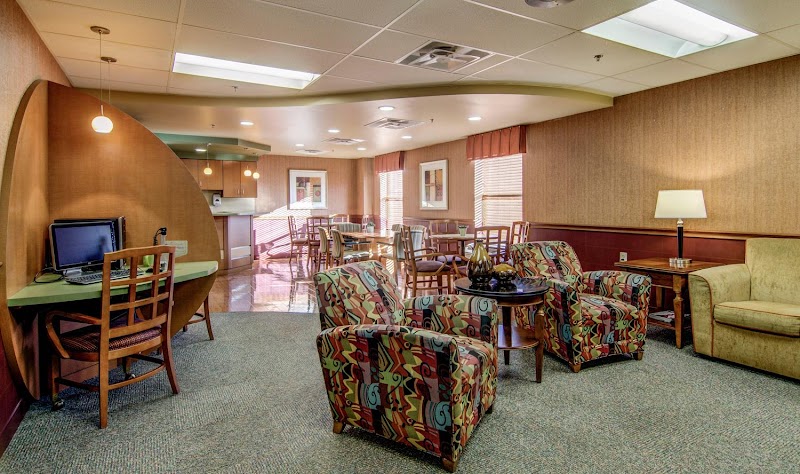
How is Decatur Center For Nursing And Healing Llc Staffed?

CMS rates DECATUR CENTER FOR NURSING AND HEALING LLC's staffing level at 3 out of 5 stars, which is average compared to other nursing homes. Staff turnover is 38%, compared to the Georgia average of 46%. This relatively stable workforce can support continuity of care.

What Have Inspectors Found at Decatur Center For Nursing And Healing Llc?

State health inspectors documented 25 deficiencies at DECATUR CENTER FOR NURSING AND HEALING LLC during 2021 to 2025. These included: 25 with potential for harm.

Who Owns and Operates Decatur Center For Nursing And Healing Llc?

DECATUR CENTER FOR NURSING AND HEALING LLC is owned by a for-profit company. For-profit facilities operate as businesses with obligations to shareholders or private owners. The facility is operated by EMPIRE CARE CENTERS, a chain that manages multiple nursing homes. With 140 certified beds and approximately 118 residents (about 84% occupancy), it is a mid-sized facility located in DECATUR, Georgia.
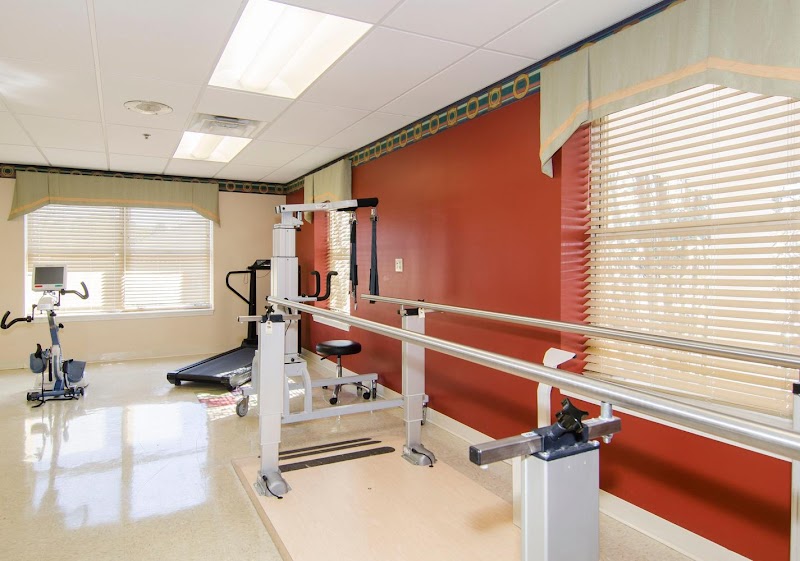
How Does Decatur Center For Nursing And Healing Llc Compare to Other Georgia Nursing Homes?

Compared to the 100 nursing homes in Georgia, DECATUR CENTER FOR NURSING AND HEALING LLC's overall rating (2 stars) is below the state average of 2.6, staff turnover (38%) is near the state average of 46%, and health inspection rating (2 stars) is below the national benchmark.

What Should Families Ask When Visiting Decatur Center For Nursing And Healing Llc?

Based on this facility's data, families visiting should ask: "Can I visit during a mealtime to observe dining assistance and food quality?" "How do you handle medical emergencies, and what is your hospital transfer rate?" "Can I speak with family members of current residents about their experience?"

Is Decatur Center For Nursing And Healing Llc Safe?

Based on CMS inspection data, DECATUR CENTER FOR NURSING AND HEALING LLC has a clean safety record: no substantiated abuse findings (meaning no confirmed cases of resident harm), no Immediate Jeopardy citations (the most serious violation level indicating risk of serious injury or death), and is not on the Special Focus Facility watch list (a federal program monitoring the lowest-performing 1% of nursing homes). The facility has a 2-star overall rating and ranks #100 of 100 nursing homes in Georgia. While no facility is perfect, families should still ask about staff-to-resident ratios and recent inspection results during their visit.

Do Nurses at Decatur Center For Nursing And Healing Llc Stick Around?

DECATUR CENTER FOR NURSING AND HEALING LLC has a staff turnover rate of 38%, which is about average for Georgia nursing homes (state average: 46%). Moderate turnover is common in nursing homes, but families should still ask about staff tenure and how the facility maintains care continuity when employees leave.

Was Decatur Center For Nursing And Healing Llc Ever Fined?

DECATUR CENTER FOR NURSING AND HEALING LLC has no federal fines on record. CMS issues fines when nursing homes fail to meet care standards or don't correct problems found during inspections. The absence of fines suggests the facility has either maintained compliance or corrected any issues before penalties were assessed. This is a positive indicator, though families should still review recent inspection reports for the full picture.

Is Decatur Center For Nursing And Healing Llc on Any Federal Watch List?

DECATUR CENTER FOR NURSING AND HEALING LLC is not on any federal watch list. The most significant is the Special Focus Facility (SFF) program, which identifies the bottom 1% of nursing homes nationally based on persistent, serious quality problems. Not being on this list means the facility has avoided the pattern of deficiencies that triggers enhanced federal oversight. This is a positive indicator, though families should still review the facility's inspection history directly.