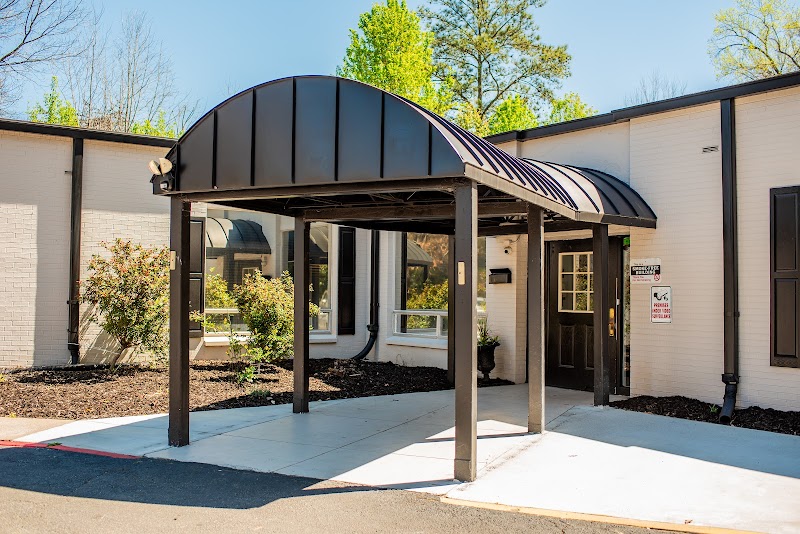



HARBORVIEW DECATUR

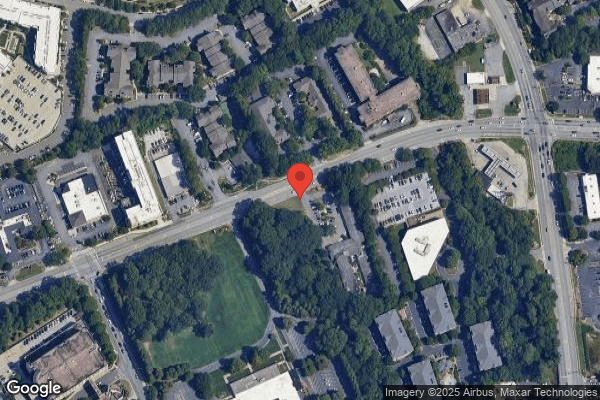
2787 NORTH DECATUR ROAD, DECATUR, GA 30033 (404) 292-0626
For profit - Limited Liability company 73 Beds HARBORVIEW HEALTH SYSTEMS Data: November 2025
Trust Grade
58/100
#129 of 353 in GA
Last Inspection: May 2025

Inspected within the last 6 months. Data reflects current conditions.

Overview

Harborview Decatur has received a Trust Grade of C, which means it is average and falls in the middle of the pack among nursing homes. It ranks #129 out of 353 facilities in Georgia, placing it in the top half, and #6 out of 18 in DeKalb County, indicating only five local options are better. The facility's trend is worsening, as the number of reported issues increased from 3 in 2023 to 10 in 2025. Staffing is a concern, with a below-average rating of 2 out of 5 stars and a high turnover rate of 67%, significantly above the state average of 47%. While the $6,292 in fines is average, it suggests some compliance issues, and the facility does have good RN coverage, exceeding 95% of Georgia facilities, which helps catch potential problems. However, there are notable weaknesses. Recent inspections found that residents' rooms were not maintained well, with issues like broken blinds and peeling paint, which could affect their comfort and safety. Additionally, there were concerns about residents not being informed about the risks of their medications and not being included in their care planning, which raises issues about resident rights and safety. Overall, while there are some strengths, families should weigh these concerns carefully when considering Harborview Decatur for their loved ones.

Trust Score
C
58/100
In Georgia
#129/353
Top 36%
Safety Record
Low Risk
No red flags
Inspections
Getting Worse
3 → 10 violations
Staff Stability
⚠ Watch
67% turnover. Above average. Higher turnover means staff may not know residents' routines.
Penalties
✓ Good
$6,292 in fines. Lower than most Georgia facilities. Relatively clean record.
Skilled Nurses
✓ Good
Each resident gets 52 minutes of Registered Nurse (RN) attention daily — more than average for Georgia. RNs are trained to catch health problems early.
Violations
⚠ Watch
14 deficiencies on record. Higher than average. Multiple issues found across inspections.
★★★☆☆
3.0
Overall Rating
★★☆☆☆
2.0
Staff Levels
★★☆☆☆
2.0
Care Quality
★★★☆☆
3.0
Inspection Score
Stable
2023: 3 issues
2025: 10 issues

The Good

  • Full Sprinkler Coverage · Fire safety systems throughout facility
  • No fines on record

Facility shows strength in fire safety.

The Bad

3-Star Overall Rating

Near Georgia average (2.6)

Meets federal standards, typical of most facilities

Staff Turnover: 67%

21pts above Georgia avg (46%)

Frequent staff changes - ask about care continuity

Federal Fines: $6,292

Below median ($33,413)

Minor penalties assessed

Chain: HARBORVIEW HEALTH SYSTEMS

Part of a multi-facility chain

Ask about local staffing decisions and management

Staff turnover is elevated (67%)

19 points above Georgia average of 48%

The Ugly 14 deficiencies on record

May 2025 10 deficiencies
CONCERN (D)

Potential for Harm - no one hurt, but risky conditions existed

Deficiency F0552 (Tag F0552)

Could have caused harm · This affected 1 resident

Based on interview and record review, and review of the facility's policy titled, Comprehensive Care Plans, the facility failed to provide information on the risks and benefits of prescribed psychotro...

Read full inspector narrative →
Based on interview and record review, and review of the facility's policy titled, Comprehensive Care Plans, the facility failed to provide information on the risks and benefits of prescribed psychotropic medications for one of five Residents (R) (R165) reviewed for unnecessary medications. This failure placed residents at risk of not knowing what their medications were and potential adverse side effects. Findings include: Review of the facility's policy titled, Comprehensive Care Plans, dated 1/1/2023, revealed, . The physician, other practitioner, or professional will inform the resident and/or resident representative of the risks and benefits of proposed care, of treatment, and treatment alternatives/options . and document such attempts in the clinical record, including discussions with the resident and/or resident representative . Review of R165's admission Record, located in the Profile tab of the electronic medical record (EMR), revealed R165 was admitted to the facility with diagnoses that included quadriplegia (paralysis of all four limbs). Review of R165's Order Summary, located in the Orders tab of the EMR, revealed the resident was to receive Buspirone [an antianxiety medication] 5 mg [milligram]. Give 2 tablet by mouth three times a day for anxiety, dated 5/1/2025 and Celexa [an antidepressant medication] 40mg. Give 1 tablet by mouth one time a day for depression, dated 5/2/2025. Review of R165's Progress Notes and Assessments tabs of the EMR revealed no documented evidence that R165 had been educated on the risks and benefits of the prescribed medication. During an interview on 5/4/2025 at 9:20 am, R165 was asked if the facility had educated her on the risks and benefits of the Celexa and Buspirone. R165 stated, No. During an interview on 5/7/2025 at 7:23 pm, the Director of Nursing (DON) was asked what her expectation was regarding ensuring residents are aware of the risks and benefits of prescribed psychotropic medications. The DON stated, I feel that informed consent is obtained prior to administration of the medication and is part of the admission process.
CONCERN (D)

Potential for Harm - no one hurt, but risky conditions existed

Deficiency F0553 (Tag F0553)

Could have caused harm · This affected 1 resident

Based on interviews, record review, and review of the facility's policy titled, Comprehensive Care Plans, the facility failed to ensure one of 35 sampled Residents (R) (R165) reviewed for care plannin...

Read full inspector narrative →
Based on interviews, record review, and review of the facility's policy titled, Comprehensive Care Plans, the facility failed to ensure one of 35 sampled Residents (R) (R165) reviewed for care planning was afforded the right to participate in their care planning process. This failure placed residents at risk of not being aware of the goals and outcomes of their care. Findings include: Review of the facility's policy titled, Comprehensive Care Plans, dated 1/1/2023, revealed, . The physician, other practitioner, or professional will inform the resident and/or resident representative of the risks and benefits of proposed care, of treatment, and treatment alternatives/options . and document such attempts in the clinical record, including discussions with the resident and/or resident representative . Review of R165's admission Record, located in the Profile tab of the electronic medical record (EMR), revealed R165 admitted was to the facility on 4/29/2025 with diagnoses that included quadriplegia (paralysis of all four limbs). During an initial interview on 5/4/2025 at 1:36 pm, R165 was asked if she had been invited and/or attended her initial care conference to go over her medications and her care plan. R165 stated, No, I wasn't. Review of R165's Assessments tab of the EMR and Social Service Progress Notes, located under the Progress Notes tab of the EMR, revealed no documented evidence that R165 had an admission care conference and was provided with a copy of her medications and current care plan. During an interview on 5/5/2025 at 3:28 pm, the Social Services Director (SSD) was asked if the interdisciplinary team (IDT) had the initial care conference with R165 to go over her medication and her care plan. The SSD stated, No, when her husband came in, he wanted her transferred to another facility, so I did not do one.
CONCERN (D)

Potential for Harm - no one hurt, but risky conditions existed

Deficiency F0628 (Tag F0628)

Could have caused harm · This affected 1 resident

**NOTE- TERMS IN BRACKETS HAVE BEEN EDITED TO PROTECT CONFIDENTIALITY** Based on record review, interview, and review of the facility policy titled, Transfer and Discharge (including AMA [Against Medi...

Read full inspector narrative →
**NOTE- TERMS IN BRACKETS HAVE BEEN EDITED TO PROTECT CONFIDENTIALITY** Based on record review, interview, and review of the facility policy titled, Transfer and Discharge (including AMA [Against Medical Advise]), the facility failed to ensure three of nine Residents (R) (R22, R25, and R40) and/or their Resident Representative (RR or Family Member (FM) received a written notice of transfer and/or a written bed hold notice that included all required information who were reviewed for hospitalization. This failure had the potential to affect the resident and their Resident Representative (RR or FM) by not having the knowledge of where and why a resident was transferred and/or how to appeal the transfer, if desired, and contribute to the possibility of denial of re-admission and loss of the resident's home following a hospitalization for residents transferred to the hospital. Findings include: Review of the facility policy titled, Transfer and Discharge (including AMA [Against Medical Advise]), reviewed/revised 7/1/2024, revealed, . The facility's transfer/discharge notice will be provided to the resident and the resident's representative in a language and manner in which they can understand. The notice will include all of the following at the time it is provided: a. The specific reason and basis for transfer or discharge. b. The effective date of transfer or discharge. c. The specific location (such as the name of the new provider or description and/or address if the location is a residence) to which the resident is to be transferred or discharged . d. An explanation of the right to appeal the transfer or discharge to the State. e. The name, address (mailing and email) and telephone number of the State entity which receives such appeal hearing requests. f. Information on how to obtain an appeal form. g. Information on obtaining assistance in completing and submitting the appeal hearing request. h. The name, address (mailing and email), and phone number of the representative of the Office of the State Long-Term Care Ombudsman. i. For nursing facility residents with intellectual and developmental disabilities (or related disabilities) or with mental illness (or related disabilities), the notice will include the name, mailing and e-mail addresses and phone number of the state agency responsible for the protection and advocacy of these populations. 5. Generally, the notice must be provided at least 30 days prior to a facility-initiated transfer or discharge of the resident. Exceptions to the 30-day requirement apply when the transfer or discharge is effected because: a. The health and/or safety of individuals in the facility would be endangered due to the clinical or behavioral status of the resident; . c. An immediate transfer or discharge is required by the resident's urgent medical needs; or d. A resident has not resided in the facility for 30 days. 6. In these exceptional cases, the notice must be provided to the resident, resident's representative if appropriate, and LTC [Long Term Care] ombudsman as soon as practicable before the transfer or discharge . Review of the facility policy titled Bed Hold Notice Upon Transfer, reviewed 3/1/2024, revealed: . 1. Before a resident is transferred to the hospital or goes on therapeutic leave, the facility will provide to the resident and/or the resident representative written information that specifies: a. The duration of the state bed-hold policy, if any, during which the resident is permitted to return and resume residence in the nursing facility; b. The reserve bed payment policy in the state plan policy, if any. c. The facility policies regarding bed-hold periods to include allowing a resident to return to the next available bed. d. Conditions upon which the resident would return to the facility: -The resident requires the services which the facility provides; -The resident is eligible for Medicare skilled nursing facility services or Medicaid nursing facility services. 2. In the event of an emergency transfers of a resident, the facility will provide within 24 hours written notice of the facility's bed-hold policies, as stipulated in the State's plan. 1. Review of R22's admission Record, located under the Profile tab of the electronic medical record (EMR), revealed R22 was admitted to the facility with diagnoses that included congestive heart failure (CHF), chronic obstructive pulmonary disease (COPD), atrial fibrillation, and chronic kidney disease. Review of R22's Quarterly Minimum Data Set (MDS), with an Assessment Reference Date (ARD) of 3/1/2025 and located under the MDS tab of the EMR for Section C (Cognitive Patterns) revealed, R22 had a Brief Interview for Mental Status (BIMS) score of 15 out of 15, which indicated the resident was cognitively intact. Review of R22's Transfer/Discharge paperwork, dated 8/7/2024 and provided by the facility, revealed R22 was transferred to an acute care facility. The transfer notice recorded, . The intent of this notice is to remind you of the facility admission agreement that a resident may be transferred/discharged when the facility determines this action is necessary to meet the resident's needs. The facility has determined that a transfer/discharge is necessary for the resident's health at this time. I understand that I have the right to appeal this, and I am able to contact the facility admin for direct contact numbers for the State Ombudsman, State Agency of long-term care agency [sic], and State Agency of residents with intellectual development and/or related disabilities or mental illness if needed . A check box for Yes, the responsibility party understands the terms was not checked. The form recorded, Was a notice of transfer and the facility's bed hold policy provided to the resident and/or representative? A check box for Yes, information was provided was not checked. Review of a Bed Hold Authorization, dated 8/7/2024 and provided by the facility, revealed a facility representative signature but neither of the lines for Resident or Representative Party signature lines were signed. During an interview on 5/7/2025 at 8:55 am, R22 reviewed the Transfer/Discharge and Bed Hold Authorization forms and stated she had not received either of these documents. 2. Review of R25's admission Record, located under the Profile tab of the EMR, revealed R25 was admitted to the facility on [DATE] with diagnoses that included metabolic encephalopathy, dementia, and blindness. Review of R25's Census tab of the EMR revealed a hospital leave on 4/3/2025. Review of R25's Transfer/Discharge notice, with an effective date 4/3/2025 but signed by the Nursing Unit Manager on 4/6/2025 and provided by the facility, revealed the check box for Yes, the responsibility party understands the terms was not checked. The form was not marked to indicate that a notice of transfer and the facility's bed hold policy was provided to the resident and/or representative. Review of a Bed Hold Authorization, dated 4/3/2025 and provided by the facility, revealed a facility representative signature, but neither of the lines for Resident or Representative Party signature lines were signed. During a telephone interview on 5/7/2025 at 5:30 pm, Family Member (FM)1 stated They didn't call me and let me know until later that she had gone to the hospital. They called me the next day. When asked about the written transfer notice, FM1 stated, No, I didn't receive anything in writing about the transfer. When queried about the written bed hold notice, FM1 responded, No, I didn't receive anything about that either. 3. Review of R40's admission Record, located under the Profile tab of the EMR, revealed R40 was admitted to the facility on [DATE] with diagnoses that included severe protein-calorie malnutrition, acute kidney failure, seizures, deep vein thrombosis (blood clots), chronic kidney disease, and cerebral infarct. Review of R40's Census tab of the EMR revealed R40 had hospital leaves on 7/29/2024 and 1/27/2025. Review of R40's significant change of status MDS, with an ARD of 2/16/2025 and located under the MDS tab of the EMR, revealed R40 had a BIMS score of 15 out of a 15, which indicated the resident was cognitively intact. Review of R40's Transfer/Discharge notices, dated 7/29/2024 and 1/27/2025, revealed the forms were marked, Yes, the responsibility party understands the terms. The forms were marked yes for Was a notice of transfer and the facility's bed hold policy provided to the resident and/or representative? Review of R40's Bed Hold Authorization forms, dated 7/29/2024 and 1/27/2025, showed a facility representative signature but neither of the lines for Resident or Representative Party signature lines were signed. During an interview on 5/6/2025 at 1:30 pm, R40 reviewed the Transfer/Discharge forms and stated, I only received the last page but not for both transfers, just the January one. R40 reviewed the bed hold notices and stated, No, I didn't get these. During an interview on 5/6/2025 at 10:17 am, the Director of Nursing was asked how residents and/or their representatives were provided with transfer and bed hold notices. The DON stated, On the back page, the nurse is supposed to read the statement and have the questions answered by whoever they are talking to. Representatives are notified by phone. The DON stated, The paperwork, including the transfer/discharge notice, MAR [Medication Administration Record], copy of the nurse's note or change in condition assessment, transfer/discharge [clarified, face sheet], code status also listed on the face sheet; it gets sent to the hospital with the patient. The DON stated, None of the written then stopped and stated, If the [representative] is present we give them a copy of the Transfer/Discharge with the questions. The DON stated it should be documented in the nursing notes when the resident and/or representative were provided with information regarding transfer and bed hold notices. When asked about the evidence of the provision of the written notices, the DON responded, I will have to work on that one. During an interview on 5/7/2025 at 7:27 pm, the DON stated that her expectation was that the written notices would be provided to the resident and representative upon emergent transfer.
CONCERN (D)

Potential for Harm - no one hurt, but risky conditions existed

Assessment Accuracy (Tag F0641)

Could have caused harm · This affected 1 resident

**NOTE- TERMS IN BRACKETS HAVE BEEN EDITED TO PROTECT CONFIDENTIALITY** Based on observation, interview, record review, and review of the RAI (Resident Assessment Instrument) Manual, the facility fail...

Read full inspector narrative →
**NOTE- TERMS IN BRACKETS HAVE BEEN EDITED TO PROTECT CONFIDENTIALITY** Based on observation, interview, record review, and review of the RAI (Resident Assessment Instrument) Manual, the facility failed to ensure Minimum Data Set (MDS) assessments were accurate for two of three sampled Residents (R) (R1 and R43) reviewed for Preadmission admission Screening and Resident Review (PASARR). This failure had the potential to affect the care planning and provision of needed services. Finding include: Review of the October 2024 RAI Manual, page A-30 regarding Section A1500 of the MDS revealed, . All individuals who are admitted to a Medicaid certified nursing facility, regardless of the individual's payment source, must have a Level I PASRR completed to screen for possible mental illness (MI), intellectual disability (ID), developmental disability (DD), or related conditions (please contact your local State Medicaid Agency for details regarding PASRR requirements and exemptions) . Individuals who have or are suspected to have MI or ID/DD or related conditions may not be admitted to a Medicaid-certified nursing facility unless approved through Level II PASRR determination. Those residents covered by Level II PASRR process may require certain care and services provided by the nursing home, and/or specialized services provided by the State . 1. Review of R1's admission Record, located under the Profile tab of the electronic medical record (EMR), revealed R1 was admitted to the facility on [DATE] with diagnoses that included schizophrenia and major depressive disorder. Review of R1's Documents tab of the EMR revealed a Level II PASARR had been completed 3/5/2021. Review of R1's comprehensive Annual MDS assessments with Assessment Reference Dates (ARD) of 8/17/2023 and 8/15/2024 for Section A (Identification Information) revealed, R1 was coded has not having a Level II PASARR screening completed. 2. Review of R43's admission Record, located under the Profile tab of the EMR, revealed R43 was admitted to the facility on [DATE] with diagnoses that included schizophrenia and major depressive disorder. Review of the R43's Leel II PASARR screening, dated 5/11/2023 and provided by the facility, revealed a Level II PASARR screening had been completed. Review of R43's admission MDS, with an ARD of 6/3/2023 (signed 6/20/2023 and transmitted 6/30/2023) and Annual MDS, with ARDs 6/8/2024 and 3/21/2025 for Section A (Identification Information) revealed R1 was coded as not having a Level II PASARR screening completed. During an interview on 5/6/2025 at 11:28 am, the MDS Coordinator (MDSC) reviewed and confirmed the PASARR level II screenings had occurred and had not been coded on the residents' assessments. During an interview on 5/7/2025 at 7:31 pm, the Director of Nursing (DON) stated an expectation that the MDS assessments should be accurate and individualized. The MDS tends to lead the process and treatment and dictates how staff address residents, plays a major part of the plan of care for the resident.
CONCERN (D)

Potential for Harm - no one hurt, but risky conditions existed

Comprehensive Care Plan (Tag F0656)

Could have caused harm · This affected 1 resident

**NOTE- TERMS IN BRACKETS HAVE BEEN EDITED TO PROTECT CONFIDENTIALITY** Based on interviews, record review, review of the facility's policy titled, Comprehensive Care Plans, and the Resident Assessmen...

Read full inspector narrative →
**NOTE- TERMS IN BRACKETS HAVE BEEN EDITED TO PROTECT CONFIDENTIALITY** Based on interviews, record review, review of the facility's policy titled, Comprehensive Care Plans, and the Resident Assessment Instrument (RAI) manual, the facility failed to develop a comprehensive care plan with a person-centered focus, measurable goal, and resident-specific interventions for one of 35 sampled Resident (R) (R 34). Specifically, the facility failed to develop a comprehensive care plan related to post-traumatic stress disorder (PTSD) for R34. This failure placed residents at risk of increased psychosocial distress and a diminished quality of life. Findings include: Review of the facility's policy titled, Comprehensive Care Plans, dated 1/1/2023, revealed, . It is the policy of this facility to develop and implement a comprehensive person-centered care plan for each resident, consistent with resident rights, that includes measurable objectives and timeframes to meet a resident's medical, nursing, and mental and psychosocial needs that are identified in the resident's comprehensive assessment . Review of the October 2024 RAI manual, page 1-2 revealed, . Clinical competence, observational, interviewing, and critical thinking skills, and assessment expertise from all disciplines are required to develop individualized care plans. The RAI helps nursing home staff gather definitive information on a resident's strengths and needs, which must be addressed in an individualized care plan . As the process of problem identification is integrated with sound critical interventions, the care plan becomes each resident's unique path toward achieving or maintaining their highest practicable well-being . Review of R34's admission Record, located in the Profile tab of the electronic medical record (EMR), revealed R34 was admitted to the facility with diagnoses that included pneumonia, chronic obstructive pulmonary disease (COPD), and diabetes. Review of the admission Minimum Data Set (MDS), located in the MDS tab of the EMR and with an Assessment Reference Date (ARD) of 2/21/2025 for Section C (Cognitive Patterns), revealed R34 had a Brief Interview of Mental Status (BIMS) score of 15 out of 15, which indicated R34 was cognitively intact; Section E (Behaviors) revealed, R34 had no behaviors and Section N (Medications) revealed, an antidepressant medication daily during the seven-day observation period. Review of the facility Matrix, provided by the facility, revealed R34 was coded as having PTSD. During an interview on 5/5/2025 at 8:52 am, R34 was asked if he had served in Vietnam. R34 stated, Yes, it was pretty bad. R34 was asked if he suffered from PTSD related to his service. R34 stated, Yes. R34 was asked what triggered his trauma. R34 stated, If I see any movie that involves war, it really [NAME] me up. Review of R34's Comprehensive Care Plan, dated 2/27/2025 and located in the Care Plan tab of the EMR, did not reveal a problem, goal, or resident-centered approaches related to his PTSD. During an interview on 5/7/2025 at 5:15 pm, the MDS Coordinator (MDSC) was asked why a care plan had not been developed for R34's PTSD. The MDSC stated, It certainly should have been.
CONCERN (D)

Potential for Harm - no one hurt, but risky conditions existed

Deficiency F0657 (Tag F0657)

Could have caused harm · This affected 1 resident

**NOTE- TERMS IN BRACKETS HAVE BEEN EDITED TO PROTECT CONFIDENTIALITY** Based on interviews, record review, and review of the facility's policy titled, Comprehensive Care Plans, the facility failed to...

Read full inspector narrative →
**NOTE- TERMS IN BRACKETS HAVE BEEN EDITED TO PROTECT CONFIDENTIALITY** Based on interviews, record review, and review of the facility's policy titled, Comprehensive Care Plans, the facility failed to ensure the comprehensive care plan was revised/updated for two of 10 Residents (R) (R24 and R34) reviewed for pressure ulcers. The facility failed to revise the Skin Integrity Care Plan when R24 and R34 developed pressure ulcers. This failure placed residents at risk of unmet care needs. Findings include: Review of the facility's policy titled, Comprehensive Care Plans, dated 1/1/2023, revealed, . The comprehensive care plan will be reviewed and revised by the interdisciplinary team after each comprehensive and quarterly MDS [Minimum Data Set] assessment . 1. Review of R24's admission Record, located in the Profile tab of the electronic medical record (EMR), revealed R24 was admitted to the facility on [DATE] with diagnoses that included a stroke with left-side paralysis. Review of the admission MDS, located in the MDS tab of the EMR and with an Assessment Reference Date (ARD) of 4/4/2025 for Section C (Cognitive Patterns) revealed, R24 had a Brief Interview of Mental Status (BIMS) score of nine out of 15, which indicated R24 was moderately impaired in cognition and had no pressure ulcers. Review of R24's Skin Integrity Care Plan, dated 4/14/2025 and located in the Care Plan tab of the EMR, revealed, . [R24] is at risk for pressure ulcer due to: Assistance required in bed mobility, incontinence . Review of R24's Wound Clinic Provider Note, dated 4/21/2025 and located in the Documents tab of the EMR, revealed that R24 had developed a stage 2 (partial thickness skin loss) pressure ulcer on his left buttock. R24's Skin Integrity Care Plan was not revised to include the pressure ulcer. During an interview on 5/7/2025 at 2:43 pm, the MDS Coordinator (MDSC) was asked why R24's Skin Integrity Care Plan was not updated/revised when R24 developed a stage 2 pressure ulcer on 4/21/2025. The MDSC confirmed that the Wound Clinic Provider note indicated the stage 2 pressure ulcer and stated, It should have been care-planned. 2. Review of R34's admission Record, located in the Profile tab of the EMR, revealed R34 was admitted to the facility on [DATE] with diagnoses that included pneumonia and diabetes. Review of R34's admission MDS, located in the MDS tab of the EMR and with an ARD of 2/21/2025 for Section C (Cognitive Patterns) revealed, R34 had a BIMS score of 15 out of 15, which indicated R34 was cognitively intact and had no pressure ulcers. Review of R34'sSkin Integrity Care Plan, dated 2/27/2025 and located in the Care Plan tab of the EMR, revealed, . [R34] is at risk for pressure ulcer due to: Assistance required in bed mobility, Diagnosis of DM [diabetes mellitus], incontinence . Review of R34's Wound Clinic Provider Note, dated 4/7/2025 and located in the Documents tab of the EMR, revealed, R34 had developed a stage 3 (a deep wound that extends through the skin and into the underlying fatty tissue layer) pressure ulcer. R34's Skin Integrity Care Plan was not revised to include the pressure ulcer. During an interview on 5/7/2025 at 5:15 pm, the MDSC confirmed that R34's Skin Integrity Care Plan should have been updated with the stage 3 pressure ulcer.
CONCERN (D) 📢 Someone Reported This

A family member, employee, or ombudsman was alarmed enough to file a formal complaint

Potential for Harm - no one hurt, but risky conditions existed

Pressure Ulcer Prevention (Tag F0686)

Could have caused harm · This affected 1 resident

**NOTE- TERMS IN BRACKETS HAVE BEEN EDITED TO PROTECT CONFIDENTIALITY** Based on observations, interviews, and review of facility's policies titled, Wound Treatment Management, and Skin Assessments, t...

Read full inspector narrative →
**NOTE- TERMS IN BRACKETS HAVE BEEN EDITED TO PROTECT CONFIDENTIALITY** Based on observations, interviews, and review of facility's policies titled, Wound Treatment Management, and Skin Assessments, the facility failed to provide care and services related to pressure ulcers for three of 10 Residents (R) (R214, R24, and R215) reviewed for pressure ulcers. Specifically, the facility failed to ensure a skin assessment was completed prior to R214's discharge to home where it was discovered he had a buttock pressure ulcer. In addition, the facility failed to ensure a low loss air mattress (a specialized medical mattress designed to prevent and treat pressure ulcers by providing constant airflow and alternating pressure) was placed on R24 and R215's bed per the wound care physician's order. These failures placed the residents at risk of unidentified and worsening wound care needs. Findings include: Review of the facility's policy titled, Wound Treatment Management, dated 3/1/2024, revealed, . To promote wound healing of various types of wounds, it is the policy of this facility to provide evidence-based treatments in accordance with current standards of practice and physician orders . Review of the facility's policy titled, Skin Assessments, dated 3/1/2024, revealed, . It is our policy to perform a full body skin assessment as part of our systemic approach to pressure injury prevention and management . 1. Review of R214's admission Record, located in the Profile tab of the electronic medical record (EMR), revealed R214 was admitted to the facility on [DATE] and discharged home on 4/11/2025. R214 had diagnoses that included dementia and gallbladder surgery. Review of the admission Minimum Data Set (MDS), located in the MDS tab of the EMR and with an Assessment Reference Date (ARD) of 3/27/2025 for Section C (Cognitive Patterns) revealed that R214 had a Brief Interview of Mental Status (BIMS) score of one out of 15, which indicated R214 was severely impaired in cognition; Section M (Skin Conditions) revealed, R214 was at risk of developing pressure ulcers but had no pressure ulcer identified during the observation period. Review of R214's weekly skin assessment, dated 4/7/2025 and located in the Assessments tab of the EMR, revealed, . redness to both the left and right buttocks . Review of R214's Daily Skilled Nursing Documentation, dated 4/10/2025 and located in the Assessments tab of the EMR, revealed, . no open skin impairments . Review of R214's Transfer/Discharge, dated 4/11/2025 and located in the Assessments tab of the EMR, revealed a section titled, Outcomes of Physical Assessment. There was no documented evidence that a skin assessment was performed prior to R214's discharge home. During an interview on 5/5/2025 at 11:29 am, Family Member (FM) 2 stated, His bed sore is the biggest thing right now. I found the pressure ulcer the day he came home. When [R214] was assessed by the home health nurse, she confirmed the pressure ulcer was a stage 2 (partial tissue loss) or stage 3 (full-thickness tissue loss), and there were no wound care orders on the discharge paperwork. During an interview on 5/6/2025 at 11:30 am, the Assistant Director of Nursing (ADON), who was the nurse who documented the Transfer/Discharge note, was asked why a skin assessment had not been performed on R214 prior to being discharged . The ADON stated, The way I interpret the Transfer/Discharge form would be to fill it out if the resident was going to the hospital and not being discharged to home, but I can see how that could be an issue. During an interview on 5/7/2025 at 7:49 pm, the Director of Nursing (DON) was asked what her expectation was regarding skin assessments prior to discharge. The DON stated, A head-to-toe assessment needs to be done prior to discharge. 2. Review of R24's admission Record, located in the Profile tab of the EMR, revealed R24 was admitted to the facility on [DATE] with diagnoses that included a stroke with left-side paralysis. Review of R24's admission MDS, located in the MDS tab of the EMR and with an ARD of 4/4/2025 for Section C (Cognitive Patterns) revealed, R24 had a BIMS score of nine out of 15, which indicated that R24 was moderately impaired in cognition, Section H (Bladder and Bowel) revealed, R24 was frequently incontinent, and Section M (Skin Conditions) revealed, no pressure ulcers. Review of R24's Wound Care Physician Visit Note, dated 4/21/2025 and located in the Documents tab of the EMR, revealed, R24 had developed a stage 2 left buttock pressure ulcer, and a recommendation for a low air loss mattress was made. During an observation and interview on 5/6/2025 at 2:47 pm, R24 was lying in bed. He was asked if the staff changed his brief when it was soiled. R24 stated, Yes, they change me pretty quickly. R24 was asked why he did not have the low air loss mattress on his bed, per the physician's order. R24 stated, I don't know why. 3. Review of R215's admission Record, located in the Profile tab of the EMR, revealed R215 was admitted to the facility on [DATE] with diagnoses that included a malignant neoplasm of the rectum. Review of R215's admission MDS, located in the MDS tab of the EMR and with an ARD of 4/25/2025 for Section C (Cognitive Patterns) revealed, R215 had a BIMS score of 14 out of 15, which indicated R215 was cognitively intact. Review of R215's Wound Care Physician Visit Note, dated 4/28/2025 and located in the Documents tab of the EMR revealed, . General recommendation: low air loss mattress . During an observation and interview on 5/4/2025 at 11:37 am, R215 stated, I have had this stage 4 [the most severe type] pressure ulcer for two years now. R215 was asked why she did not have a low air loss mattress on her bed. R215 stated, I don't know. During an interview on 5/7/2025 at 4:39 pm, the DON was asked why R24 and R215 did not have low air loss mattresses on their beds per Physician 1's orders. The DON stated, I don't know but will find out. During an interview on 5/7/2025 at 5:14 pm, the DON confirmed that R24 and R215 did not have low air loss mattresses on their beds according to Physician 1's orders.
CONCERN (D) 📢 Someone Reported This

A family member, employee, or ombudsman was alarmed enough to file a formal complaint

Potential for Harm - no one hurt, but risky conditions existed

Deficiency F0745 (Tag F0745)

Could have caused harm · This affected 1 resident

**NOTE- TERMS IN BRACKETS HAVE BEEN EDITED TO PROTECT CONFIDENTIALITY** Based on interview and record review, the facility failed to ensure medically related social services were provided to meet the ...

Read full inspector narrative →
**NOTE- TERMS IN BRACKETS HAVE BEEN EDITED TO PROTECT CONFIDENTIALITY** Based on interview and record review, the facility failed to ensure medically related social services were provided to meet the needs of two of 35 sampled Residents (R) (R116 and R54). This failure had the potential to affect the safety and well-being of the residents and their caregivers and help prevent re-admission. Findings include: Review of the facility provided Director of Social Services Job Functions: Duties and Responsibilities revealed, Develop and implement policies and procedures for the identification of medically related social and emotional needs of the resident . Participate in discharge planning, development and implementation of social care plans and resident assessments . Refer resident/families to appropriate social service agencies when the facility does not provide the services or needs of the resident. 1. Review of R116's admission Record, from the Profile tab of the electronic medical record (EMR), showed an admission date of 2/25/2025 with medical diagnoses that included type II diabetes, dementia, chronic obstructive pulmonary disease (COPD), and acute kidney failure. Review of the Census tab of the EMR revealed R116 discharged on 3/22/2025. During a telephone interview on 5/4/2025 at 11:12 am, R116's Family Member (FM) 7 stated only one day of home health was provided prior to her passing on 4/5/2025. Review of the Progress Notes, Assessments, and Documents tabs of the EMR did not show discharge information regarding the home health referral. A follow-up telephone interview on 5/4/2025 at 11:34 am with FM7 and FM8 realized the name of the home health agency that provided the one day of service. Review of the facility printed emails, dated 3/11/2025, revealed the referral made by the Social Services Director (SSD) to a home health agency. The agency R116 was referred to via email on 3/11/2025 was different from the agency that provided the one day service. During a telephone interview on 5/7/2025 at 12:42 pm, the Home Health supervisor (HH)1 stated they did receive the referral, but due to limited therapy and Certified Nurse Aide (CNA) availability, they were not able to accept R116 as a patient and had emailed the SSD regarding the issues on 3/13/2025. During a telephone interview on 5/7/2025 at 12:02 pm, HH2 (from the agency FM7 and FM8 stated provided services) advised that the first referral for R116 was received on 3/25/2025 from the SSD. During an interview on 5/7/2025 at 1:00 pm, the SSD confirmed the first contact to the agency that provided services to R116 was made on 3/25/2025, three days after R116 was discharged from the facility. The SSD stated R116 received a NOMNC (notice that her Medicare A services would end) on 3/21/2025 so she was still on services. The SSD was looking for the documents but was not able to go back that far. When asked if it was a weekend or the family just showed up to take R116 home unplanned, the SSD responded, It was a normal discharge, they [FM7 and an unnamed family member] were involved. So, yeah, it was planned. When asked if R116 was discharged without home health services, the SSD stated, Yeah, that is on my part, [it] wasn't done. I'm thinking another appeal [regarding Medicare A services] was put in and they could have denied that on Friday. The SSD confirmed R116 discharged on Saturday 3/22/2025 without home health services and the next referral was not until 3/25/2025. When asked why no referrals were made on 3/22/2025 through 3/24/2025, the SSD stated, I don't have an answer for that. During an interview on 5/7/2025 at 7:31 pm, the Director of Nursing (DON) expressed an expectation that everything they [a resident] would need for a safe discharge would be provided to empower them to not need to return. 2. Review of R54's admission Record, located in the electronic medical record (EMR) under the Profile tab, revealed R54 was admitted to the facility on [DATE] with diagnoses which included unspecified cirrhosis of liver and depression, unspecified. Review of R54's Quarterly Minimum Data Set (MDS), with an Assessment Reference Date (ARD) of 4/22/2025 and located under the MDS tab of the EMR for Section C (Cognitive Patterns) revealed, R54 had a Brief Interview for Mental Status (BIMS) score of 15 out of 15, which indicated R54 was cognitively intact; Section H (Bladder and Bowel) revealed, R54 was coded for Always incontinent of urine and bowel. Review of R54's Documents tab of the EMR revealed a letter addressed to R54 and dated 3/24/2025 notifying R54 that he would be discharged [DATE]. A review of the Documents tab revealed this letter to be the last document uploaded to R54's EMR. Review of R54's Progress Notes, dated 4/3/2025 and located in the EMR under the Progress Notes tab, revealed a Social Services Progress Note that indicated, The legal aide stopped by about the resident's 30-day discharge letter. The letter is to be reissued. Review of R54's Progress Notes and Documents tabs of the EMR revealed no documented evidence that R54 or the family had been notified the 3/24/2025 discharge letter had been rescinded. There was no documented evidence of a discharge letter being issued on or after 4/3/2025. Review of a facility letter from Name of State web portal, with a submission date of 4/3/2025 by the Business Office Manager, indicated a Medicaid application had been submitted on R54's behalf. Review of R54's Progress Notes and Documents tab revealed no documented evidence R54 or the family had been notified a Medicaid application had been submitted on R54's behalf. There was no Medicaid application in the Documents tab. During an interview on 5/6/2025 at 9:30 am, R54 stated he was scared he was going to be kicked out of the facility this Saturday, 5/10/2025. R54 stated he had not received any formal notice since receiving the letters of discharge that anything related to his discharge had changed or been rescinded. R54 stated his family member had been working on his Medicaid application because the facility would not help, but he did not know the status of his application. During an interview on 5/5/2025 at 9:15 am, R54's family member (FM6) reported she had not received any assistance from the facility to complete the Medicaid application after asking the Social Services Director (SSD), the Business Office Manager (BOM), and the Administrator for help. FM6 stated she had completed the Medicaid application and had confirmed with the Medicaid office today that R54's Medicaid application that she had submitted was currently in pending status. FM6 stated she had heard from the Ombudsman that R54's letter of discharge had been reversed but had not received a formal letter or notice from the facility directly. FM6 was concerned that if the Medicaid application was not formally pending, R54 would be discharged to his home which the complainant described as not livable due to R54's hoarding and lack of upkeep. FM6 also stated that R54 required incontinent care around the clock. During an interview on 5/6/2025 at 11:10 am, the Social Services Director (SSD) stated the facility had not issued a letter to the resident or family indicating the letter of discharge had been rescinded. The SSD stated R54 was currently Medicaid pending but could not provide details because she did not do Medicaid applications. The SSD stated the facility had issued three separate letters of discharge to R54, with the last letter indicating a discharge date of 5/10/2025. During an interview on 5/6/2025 at 12:40 pm, the Business Office Manager (BOM) stated she had completed R54's Medicaid application on 4/3/2025 after R54's legal aide had requested her assistance in completing the form for R54. The BOM could not provide information related to R54 or family being notified that she had completed the Medicaid application on 4/3/2025. The BOM acknowledged that she and R54's family had submitted Medicaid applications simultaneously. The BOM confirmed that there was no letter of notice rescinding the letter of discharge in R54's EMR. During an interview on 5/6/2025 at 12:45 pm, the SSD stated she could not provide information on who updated the family or R54 with the pending Medicaid status. During an interview on 5/7/2025 at 2:15 pm, R54 stated FM6 was notified for the first time on 5/6/2025 that the facility had completed R54's Medicaid application. During an interview on 5/7/2025 at 7:00 pm, the Administrator stated there was a complete lack of communication on the facility's part regarding R54's Medicaid and notice of discharge process. The Administrator confirmed the facility had not issued a letter rescinding the letter of discharge nor had the facility informed R54 and family that the facility had completed a Medicaid application. The Administrator indicated the facility did not have a social services policy.
CONCERN (D)

Potential for Harm - no one hurt, but risky conditions existed

Medical Records (Tag F0842)

Could have caused harm · This affected 1 resident

**NOTE- TERMS IN BRACKETS HAVE BEEN EDITED TO PROTECT CONFIDENTIALITY** Based on interviews and record review, the facility failed to maintain a complete medical record for three of 35 sampled Residen...

Read full inspector narrative →
**NOTE- TERMS IN BRACKETS HAVE BEEN EDITED TO PROTECT CONFIDENTIALITY** Based on interviews and record review, the facility failed to maintain a complete medical record for three of 35 sampled Residents (R) (R164, R165, and R215). The failure placed the residents at risk of unmet care needs. Findings include: 1. Review of R164's admission Record, located in the Profile tab of the electronic medical record (EMR), revealed R164 was admitted to the facility on [DATE] with diagnoses that included congestive heart failure. Review of R164's daily Skilled Documentation, located in the Assessments tab of the EMR, revealed no Skilled Documentation on 4/29/2025 and 5/4/2025. 2. Review of R165's admission Record, located in the Profile tab of the EMR, revealed R165 was admitted to the facility on [DATE] with diagnoses that included quadriplegia (a paralysis of all four limbs). Review of R165's daily Skilled Documentation, located in the Assessments tab of the EMR, revealed no Skilled Documentation on 5/4/2025. 3. Review of R125's admission Record, located in the Profile tab of the EMR, revealed R215 admitted to the facility on [DATE] with diagnoses that included malignant neoplasm of the rectum. Review of R125's daily Skilled Documentation, located in the Assessments tab of the EMR, revealed no Skilled Documentation on 5/3/2025 and 5/4/2025. During an interview on 5/7/2025 at 10:17 am, the Director of Nursing (DON) was asked what her expectation was regarding the daily Skilled Documentation. The DON stated, It is to be done daily.
CONCERN (D)

Potential for Harm - no one hurt, but risky conditions existed

Infection Control (Tag F0880)

Could have caused harm · This affected 1 resident

Based on observations, interviews, record review, and review of the facility's policy titled, Enhanced Barrier Precautions, the facility failed to ensure staff used proper personal protective equipmen...

Read full inspector narrative →
Based on observations, interviews, record review, and review of the facility's policy titled, Enhanced Barrier Precautions, the facility failed to ensure staff used proper personal protective equipment (PPE) with a resident who required enhanced barrier precautions (EBP) for one of three Residents (R) (R32) observed for medication administration. The deficient practice to not perform adequate infection control practices increases the risk of cross contamination and spread of infection. Findings include: Review of the facility's policy titled, Enhanced Barrier Precautions, last revised 3/1/2025, revealed, It is the policy of this facility to implement enhanced barrier precautions for the prevention of transmission of multidrug-resistant organisms . Definitions: 'Enhanced barrier precautions' (EBP) refer to an infection control intervention designed to reduce transmission of multidrug-resistant organisms that employs targeted gown and gloves use during high contact resident care activities . PPE for enhanced barrier precautions is only necessary when performing high-contact care activities and may not need to be donned prior to entering the resident's room . High-contact resident care activities include: a. Dressing . Review of R32's admission Record, located in the electronic medical record (EMR) under the Profile tab, revealed R32 was admitted with diagnoses which included chronic obstructive pulmonary disease and varicose veins of unspecified lower extremity with inflammation. Review of R32's Annual Minimum Data Set (MDS), with an Assessment Reference Date (ARD) of 3/24/2025 for Section C (Cognitive Patterns) revealed, R32 had a Brief Interview for Mental Status (BIMS) score of 15 out of 15, which indicated R32 was cognitively intact. Review of R32's Orders, found in the EMR under the Orders tab, revealed an order dated 10/24/2024 for Implement Enhanced Barrier Precautions: Wound. The Orders also included Betamethasone diproprionate (topical steroid for itching) external lotion 0.05% apply to scalp topically every morning and bedtime for dryness avoid face and groin, dated 4/1/2025, and Triamcinolone acetonide (topical steroid for itching) external cream 0.1% apply to neck, back, chest topically two times a day for rash, dated 2/1/2025. Review of R32's Care Plan, located in the EMR under the Care Plan tab, revealed a focus area for Vascular wound to his right lower leg with interventions that included EBP related to wounds, with a revision date of 3/20/2025 and a focus area for Enhanced Barrier Precautions related to risk of transmission of MDROs wound with revision date of 5/4/2025. Review of R32's Weekly Wound Evaluation dated 5/5/2025 revealed, R32 had an unhealed venous wound to left lower leg with moderate serosanguineous drainage and treated with zinc paste wrap. Observation on 5/7/2025 at 9:15 am revealed EBP signage on R32's door that indicated staff should wear gown and gloves during direct care defined as dressing, bathing, transferring, providing hygiene, or changing linens. Observation on 5/7/2025 at 9:20 am during medication administration revealed Certified Medication Aide (CMA) 2 donned gloves, helped R32 remove his right sleeve and neck opening, and applied triamcinolone 0.1 % ointment to R32's neck, back, upper chest, right arm from shoulder to elbow, back of neck, and upper back area. CMA 2 was observed holding his right arm with one hand and rubbing and spreading the ointment thoroughly around the entire upper arm and affected areas with the other hand. CMA 2 then walked to the left side of the bed and helped R32 put his right sleeve and neck opening back on, removed the left sleeve, and then applied the triamcinolone ointment to the left arm from shoulder to elbow. CMA 2 assisted R32 to put his left sleeve back on and reposition in bed and then removed her gloves and sanitized her hands. CMA2 donned a new pair of gloves, stood on R32's right side, applied betamethasone 0.05 % lotion to the midline of the scalp, and rubbed it into the scalp thoroughly. CMA 2 then applied the lotion to the right temporal area, rubbing it in, reached over R32's head, and applied more lotion on the left temporal area, rubbing it in thoroughly. CMA 2 did not don a gown throughout both medication applications or while assisting with dressing. During an interview on 5/7/2025 at 9:30 am, CMA 2 stated R32 required EBP because of wounds on his legs. CMA 2 stated the PPE supplies were stored in a pull-out bin on R32's side of the room, so during direct care staff should use gloves and gowns. During an interview on 5/7/2025 at 9:40 am, the Director of Nursing (DON) stated staff were expected to use PPE for enhanced barrier precautions when assisting R32 with direct care. The DON stated if staff were applying medication directly to the resident or assisting with dressing, they were expected to follow EBP. During an interview on 5/7/2025 at 10:15 am, R32 stated staff did not wear gowns during medication administration.
Jun 2023 3 deficiencies
CONCERN (D) 📢 Someone Reported This

A family member, employee, or ombudsman was alarmed enough to file a formal complaint

Potential for Harm - no one hurt, but risky conditions existed

Respiratory Care (Tag F0695)

Could have caused harm · This affected 1 resident

Based on observations, resident and staff interviews, record review, and the facility's policy titled, Oxygen (O2) Administration, the facility failed to provide Medical Doctor's (MD) orders for O2, t...

Read full inspector narrative →
Based on observations, resident and staff interviews, record review, and the facility's policy titled, Oxygen (O2) Administration, the facility failed to provide Medical Doctor's (MD) orders for O2, to provide humidification to the O2 concentrator, and label/date O2 tubing for one of five Residents (R) (R#59) reviewed for O2 therapy. Also, the facility failed to provide a protective plastic bag to cover the Continuous Positive Airway Pressure (CPAP) mask and tubing for one of five Residents (R) (R#216) reviewed for respiratory treatment. Findings include: Review of the facility's policy titled, Oxygen Administration dated 3/1/2022 revealed: Oxygen is administered to residents who need it, consistent with professional standards of practice, the comprehensive person-centered care plan, and the resident's goals and references. The Policy Explanation and Compliance Guidelines section revealed: 1. Oxygen is administered under orders of a physician, except in the case of an emergency. 5. b. Change oxygen tubing, supplies, and mask/cannula weekly and as needed if it becomes soiled or contaminated. 9 equipment needed for oxygen administration will depend on the type of delivery system ordered. 9. D CPAP Mask - part of a system that allows the resident to receive continuous positive airway pressure. Machines have different settings. 1. Record review revealed R#59 had diagnoses including but not limited to syncope and collapse, respiratory failure, unspecified, unspecified whether with hypoxia or hypercapnia. Review of the admission note dated 5/10/2023 at 17:13 p.m. {5:13 p.m.} revealed note text: Patient arrived via ambulance connected to O2 @ 2L {LPM} NC. Transferred onto bed. Review of the admission Minimum Data Set (MDS) assessment for R#59 dated 5/15/2023 revealed Sections C - Cognitive Patterns (CO-500) with a Brief Interview for Mental Status (BIMS) score of 15 indicating R#59 was cognitively intact, Section G - Functional Status (G0110), Extensive Assistance, one to two person assist with all Activities of Daily Living (ADL); Independent with eating, Section J - Health Conditions (J0110)- Receives scheduled and break through pain meds Section O - Special Treatment and Programs (O0100) - Received O2 prior to admission and while admitted . Review of the Physician's Orders for R#59 revealed there was no order for O2. 6/7/2023 CPAP: Mask/ Hose Wash with mild soap and warm water. Rinse thoroughly and let air dry; every night shift every Wed {Wednesday} Do not use any products containing bleach or alcohol. Review of the care plan for R#59 revealed: there was no focus goals or interventions related to the use of O2. Review of the May 2023 and June 2023 Medication Administration Records (MAR's) for R#59 revealed no order for O2. Observation 6/5/2023 at 12:37 p.m. R#59 was receiving O2 via nasal cannula (NC) at 3 liters per minute (LPM). There was no label or date on the O2 tubing. Observation 6/6/2023 at 9:58 a.m. of R#59 lying in bed connected to his CPAP machine. He stated that when he is on the CPAP the O2 is taken off. The O2 tubing was labeled and dated today and the O2 concentrator was set at 3 LPM via NC. Observation 6/07/2023 at 11:13 a.m. of R#59 lying in bed with O2 and CPAP disconnected. O2 was set for delivery at 3 LPM. Resident stated that he did have CPAP on during the night and it usually comes off in the a.m. Observation and interview 6/07/2023 at 12:47 p.m. with Licensed Practical Nurse (LPN) AA revealed that R#59's CPAP and 02 via NC were both off. LPN AA assisted R#59 to reconnect his 02 and asked him why it was off. He stated that he forgot to reconnect it after the CPAP was taken off. LPN AA checked the O2 level on the concentrator and it was set at 3 LPM. She stated that the resident should be receiving O2 at 2 LPM via NC and not 3 LPM. She further stated that the tubing was changed and dated every Wednesday night by the nurse, and it would be changed tonight. She stated that when R#59 goes to therapy his 02 remains connected, and only the nurse is allowed to connect or disconnect the O2 from R#59. Observation 6/8/2023 at 10:30 a.m. of R#59 in bed awake. O2 was connected to the O2 concentrator at 2 LPM via NC. 2. Review of medical record for R#216 revealed diagnoses but not limited to obstructive sleep apnea (OSA), obesity, and pulmonary embolism (PE). Order from 6/5/2023 included: CPAP mask/hose - wash with mild soap and warm water rinse thoroughly and let air dry every night (order start date 6/7/2023), Place CPAP every night, check functional status; on at 7:00 p.m. off at 7:00 a.m. or after resident wakes up (order start date 6/5/2023). Review of the admission MDS assessment completed on 5/18/2023 revealed Section C - Cognitive Pattern (CO-500) a BIMS score of 15, indicating R#216 was cognitively intact. The resident's mood interview revealed a total severity score of 0, indicating R#216 had none to minimal depression. Section G - Functional Status (G0110) was assessed as extensive assistance required with two or more-person assistance with ADL's except for eating, which was assessed as needing supervision. R#216 began physical therapy and occupational therapy on 5/15/2023. The Care Area Assessments (CAA's) triggered ADL functional/rehabilitation potential, urinary incontinence, falls, nutritional status, dehydration/fluid maintenance, psychotropic drug use, and pressure ulcers. Review of the care plan dated 5/15/2023 revealed Initiation of Focus at risk for alteration in respiratory status related to sleep apnea requiring a CPAP at bedtime was done on 6/8/2023. Review of Progress Notes dated 5/19/2023 at 8:05 a.m. revealed the author noted the resident took her medications and CPAP was assisted on and off. Review of Nurses Notes revealed a late entry nurse note dated 5/25/2023 for 5/13/2023 that documented the resident's admission to the facility and included use of CPAP at night. Review of R#216's June 2023 MAR revealed CPAP mask/hose scheduled to be washed and allowed to air dry starting at 7:00 p.m. on 6/7/2023. Observations on 6/5/2023 at 4:09 p.m. revealed a CPAP mask inside R#216's top drawer of nightstand, not covered or inside a protective bag. Observation on 6/6/2023 at 10:30 a.m. revealed a CPAP mask inside R#216's top drawer of the nightstand, not covered or inside a protective bag. Interview on 6/6/2023 at 10:30 a.m. with R#216 revealed she was told by staff they would begin cleaning her mask and tubing on Wednesday's starting on 6/7/2023. Observation on 6/8/2023 at 1:26 p.m. revealed R#216's CPAP machine to be clean and tubing in a plastic bag on her bedside dresser. Interview on 6/8/2023 at 2:53 p.m. with the Director of Nursing (DON) revealed she would expect a resident who uses O2 and/or a CPAP machine to have a physician order for the use of the CPAP with a diagnosis for the use of the CPAP. She indicated when a resident is admitted on oxygen and/or a CPAP the physician should be notified and an order written. She indicated the oxygen tubing and the CPAP tubing should be stored in a protective plastic bag when not in use. The oxygen tubing and the water bottle should be labeled with a date and changed weekly. The CPAP tubing should be cleaned weekly. All should be documented on the MAR as completed.
CONCERN (D) 📢 Someone Reported This

A family member, employee, or ombudsman was alarmed enough to file a formal complaint

Potential for Harm - no one hurt, but risky conditions existed

Deficiency F0761 (Tag F0761)

Could have caused harm · This affected 1 resident

**NOTE- TERMS IN BRACKETS HAVE BEEN EDITED TO PROTECT CONFIDENTIALITY** Based on observations, staff interviews, and review of the facility's policy titled, Storage of Medications, the facility failed...

Read full inspector narrative →
**NOTE- TERMS IN BRACKETS HAVE BEEN EDITED TO PROTECT CONFIDENTIALITY** Based on observations, staff interviews, and review of the facility's policy titled, Storage of Medications, the facility failed to ensure one of three medication carts was locked and secured when the cart was unattended and not within eyesight of a nurse. The deficient practice placed residents, staff, and visitors at risk of having unauthorized access to residents' medications. Findings include: Review of the facility's policy's titled, Storage of Medications, dated November 2020 revealed a policy of: The facility stores all drugs and biologicals in a safe, secure, and orderly manner. The Policy Interpretation and Implementation indicated: 1. Drugs and biologicals used in the facility are stored in locked compartments under proper temperature, light and humidity controls. Only persons authorized to prepare and administer medications have access to locked medications. 6. Compartments (including, but not limited to, drawers, cabinets, rooms, refrigerators, carts, and boxes) containing drugs and biologicals are locked when not in use. Unlocked medication carts are not left unattended. Observation on 6/5/2023 at 11:55 a.m. of one medication cart located on the Rehabilitation Unit revealed it was unattended and unlocked without a nurse or staff within eyesight. The cart was observed to be located against the wall between rooms [ROOM NUMBERS], with the drawers facing the hallway. Observation at 11:58 a.m. revealed R#367 ambulated past the cart and into room [ROOM NUMBER]. At 12:01 p.m. Registered Nurse (RN) BB approached the medication cart and verified he was responsible for the cart. He verified the cart was unlocked, unattended and not within the eyesight of a nurse. RN BB revealed he had left the cart to provide resident care and must have just forgotten to lock it. RN BB revealed he should have locked the cart when he left it unattended. Interview on 6/7/2023 at 3:15 p.m. with the Director of Nursing (DON) revealed her expectations were for medication carts to be locked and secured when left unattended and not within the eyesight of a nurse. She revealed licensed nurses had received education and were aware of the importance of locking and securing the medication carts when leaving them unattended.
CONCERN (E) 📢 Someone Reported This

A family member, employee, or ombudsman was alarmed enough to file a formal complaint

Potential for Harm - no one hurt, but risky conditions existed

Safe Environment (Tag F0921)

Could have caused harm · This affected multiple residents

**NOTE- TERMS IN BRACKETS HAVE BEEN EDITED TO PROTECT CONFIDENTIALITY** Based on observations,staff interviews, and review of the facility's policy titled, 'Maintenance Inspection, the facility failed...

Read full inspector narrative →
**NOTE- TERMS IN BRACKETS HAVE BEEN EDITED TO PROTECT CONFIDENTIALITY** Based on observations,staff interviews, and review of the facility's policy titled, 'Maintenance Inspection, the facility failed to ensure that the environment was safe, clean, and comfortable for residents, related to disrepair of residents' rooms and restrooms. Findings include: Review of the facility's policy titled, Maintenance Inspection dated 3/1/2023 revealed It is the policy of this facility to utilize a maintenance inspection checklist in order to assure safe functional, sanitary, and comfortable environment for residents, staff and the public. During a tour of the facility on 6/5/2023 at 10:30 a.m. the following observations were made: In resident rooms 1, 4, 5, 6, 8, 10, 12, 13, 14, 15, 16, 17, 18, 19, 20, 21, 22, 23, 24, 25, 26, 29, 32, and 34, the window blinds on the full-length sliding glass doors had missing slats, preventing the blinds from completely closing and providing privacy from the outside. In room [ROOM NUMBER] the paint was chipped and peeling under the window and the bathroom pullcord had no string for the resident to pull in order to call in an emergency. Also, the hot water in the bathroom did not get hot. In room [ROOM NUMBER] the bathroom door had a hole in the middle upper area, which opened to the hallway. In room [ROOM NUMBER] the towel rack on the bathroom wall was broken and there was a hole in the wall where one side was fastened to the wall. Also, the plumbing flange was not fastened to the wall behind the toilet and the sink drain was not draining. The call lights were observed on the floor for both a and b beds. In room [ROOM NUMBER] there was a hole cut in the wall at the base on the right, beside the door jamb, that opened to the hallway. There were also wall tiles missing at the floor under and over the commode seat in the bathroom. Additionally, the door had a hole that appeared to have been repaired at one time but needed repair again. Interview on 6/8/2023 at 1:06 p.m. during rounds with both the Administrator and the Maintenance Director, the Maintenance Director stated, I will have everything fixed today.
Nov 2021 1 deficiency
CONCERN (D)

Potential for Harm - no one hurt, but risky conditions existed

Deficiency F0800 (Tag F0800)

Could have caused harm · This affected 1 resident

**NOTE- TERMS IN BRACKETS HAVE BEEN EDITED TO PROTECT CONFIDENTIALITY** Based on observation, resident and staff interviews, and record review, the facility failed to ensure one of four sampled reside...

Read full inspector narrative →
**NOTE- TERMS IN BRACKETS HAVE BEEN EDITED TO PROTECT CONFIDENTIALITY** Based on observation, resident and staff interviews, and record review, the facility failed to ensure one of four sampled residents, (R)#41, was served a vegetarian diet ordered as ordered by the Physician. Findings include: Review of the policy titled Dining and Food Preferences , revised 9/2017, documented that the Dining Service Director or designee will interview the Resident or Resident's representative to complete the food preference interview within 48 hours of admission. The food preferences interview will be entered into the medical record. Food intolerance and food dislikes will be entered into the resident profile in the menu management software system. Record review revealed that R#41 was admitted to the facility on [DATE] with diagnoses included syncope and collapse, fall, bone density disorder, and unstageable left hip pressure ulcer. Record review for R#41 revealed an Annual Minimum Data Set (MDS) assessment dated [DATE], which documented a Brief Interview for Mental Status (BIMS) summary score of 13, indicating no cognitive impairment. Review of the Physician's Order dated 10/1/2021 revealed an order for a vegetarian diet. Observation and Interview with R#41 on 11/8/21 at 9:00 a.m. during the breakfast meal revealed that she had egg on her plate. She pushed the egg, stating that she does not like it and had not eaten egg and other meat products for more than 50 years. She also stated that she has been reporting it to the staff at the nursing facility. Interview with R#41 on 11/8/21 at 9:30 a.m. revealed that she is a vegetarian and had shared these details with the Dietary Manager, along with her list of preferences and dislikes, however, they still bring one or more nonvegetarian items on every tray. She further revealed not liking the smell of nonvegetarian food, so she slides it to the side and tries to eat only the vegetarian food; however, sometimes the food still gets mixed up, causing her a lot of inconveniences to have a proper diet. She had mentioned to the staff that she has been following a vegetarian diet for the past 50 years and had requested not to be served meat or eggs on her plate. An interview with the Dietary Manager (DM) on 11/8/21 at 1:00 p.m. revealed that R#41 had an order for a vegetarian diet (no meat, seafood, eggs, or yellow cheese) which was documented on her meal ticket. He confirmed R#41 received hamburger steak with brown gravy for lunch, breaded [NAME] fish fillet for dinner and boiled eggs for breakfast on 11/8/21 at 8:30 a.m. The DM stated that it was an oversight not to follow the order for the vegetarian Diet by his staff. The DM noted that they should honor the Resident's preferences and choices as per the Dining and food preferences policy revised on 9/2017. The Resident has the right to exercise their rights as a resident of the facility. An interview with the Corporate Dietary Manger (CDM) on 11/9/21 at 12:13 p.m. revealed that as per the Dining and food policy revised on 9/2017 the facility must do and follow the resident's assessment in first 48 hours after the admission for their food preferences and choices.
Understanding Severity Codes (click to expand)
Life-Threatening (Immediate Jeopardy)
J - Isolated K - Pattern L - Widespread
Actual Harm
G - Isolated H - Pattern I - Widespread
Potential for Harm
D - Isolated E - Pattern F - Widespread
No Harm (Minor)
A - Isolated B - Pattern C - Widespread

Questions to Ask on Your Visit

  • "Why is there high staff turnover? How do you retain staff?"
  • "Can I speak with families of current residents?"
  • "What's your RN coverage like on weekends and overnight?"

Our Honest Assessment

Strengths
  • • No major safety red flags. No abuse findings, life-threatening violations, or SFF status.
Concerns
  • • 14 deficiencies on record. Higher than average. Multiple issues found across inspections.
  • • Grade C (58/100). Below average facility with significant concerns.
  • • 67% turnover. Above average. Higher turnover means staff may not know residents' routines.
Bottom line: Mixed indicators with Trust Score of 58/100. Visit in person and ask pointed questions.

About This Facility

What is Harborview Decatur's CMS Rating?

CMS assigns HARBORVIEW DECATUR an overall rating of 3 out of 5 stars, which is considered average nationally. Within Georgia, this rating places the facility higher than 99% of the state's 100 nursing homes. This mid-range rating indicates the facility meets federal standards but may have areas for improvement.

How is Harborview Decatur Staffed?

CMS rates HARBORVIEW DECATUR's staffing level at 2 out of 5 stars, which is below average compared to other nursing homes. Staff turnover is 67%, which is 21 percentage points above the Georgia average of 46%. High turnover can affect care consistency as new staff learn residents' individual needs. RN turnover specifically is 67%, which is notably high. RNs provide skilled clinical oversight, so turnover in this role can affect medical care quality.

What Have Inspectors Found at Harborview Decatur?

State health inspectors documented 14 deficiencies at HARBORVIEW DECATUR during 2021 to 2025. These included: 14 with potential for harm.

Who Owns and Operates Harborview Decatur?

HARBORVIEW DECATUR is owned by a for-profit company. For-profit facilities operate as businesses with obligations to shareholders or private owners. The facility is operated by HARBORVIEW HEALTH SYSTEMS, a chain that manages multiple nursing homes. With 73 certified beds and approximately 63 residents (about 86% occupancy), it is a smaller facility located in DECATUR, Georgia.

How Does Harborview Decatur Compare to Other Georgia Nursing Homes?

Compared to the 100 nursing homes in Georgia, HARBORVIEW DECATUR's overall rating (3 stars) is above the state average of 2.6, staff turnover (67%) is significantly higher than the state average of 46%, and health inspection rating (3 stars) is at the national benchmark.

What Should Families Ask When Visiting Harborview Decatur?

Based on this facility's data, families visiting should ask: "How do you ensure continuity of care given staff turnover, and what is your staff retention strategy?" "Can you walk me through typical staffing levels on day, evening, and night shifts?" "Can I visit during a mealtime to observe dining assistance and food quality?" "How do you handle medical emergencies, and what is your hospital transfer rate?" These questions are particularly relevant given the facility's high staff turnover rate and the below-average staffing rating.

Is Harborview Decatur Safe?

Based on CMS inspection data, HARBORVIEW DECATUR has a clean safety record: no substantiated abuse findings (meaning no confirmed cases of resident harm), no Immediate Jeopardy citations (the most serious violation level indicating risk of serious injury or death), and is not on the Special Focus Facility watch list (a federal program monitoring the lowest-performing 1% of nursing homes). The facility has a 3-star overall rating and ranks #1 of 100 nursing homes in Georgia. While no facility is perfect, families should still ask about staff-to-resident ratios and recent inspection results during their visit.

Do Nurses at Harborview Decatur Stick Around?

Staff turnover at HARBORVIEW DECATUR is high. At 67%, the facility is 21 percentage points above the Georgia average of 46%. Registered Nurse turnover is particularly concerning at 67%. RNs handle complex medical decisions and coordinate care — frequent RN changes can directly impact care quality. High turnover means new staff may not know residents' individual needs, medications, or preferences. It can also be disorienting for residents, especially those with dementia who rely on familiar faces. Families should ask: What is causing the turnover? What retention programs are in place? How do you ensure care continuity during staff transitions?

Was Harborview Decatur Ever Fined?

HARBORVIEW DECATUR has been fined $6,292 across 2 penalty actions. This is below the Georgia average of $33,142. While any fine indicates a compliance issue, fines under $50,000 are relatively common and typically reflect isolated problems that were subsequently corrected. Families should ask what specific issues led to these fines and confirm they've been resolved.

Is Harborview Decatur on Any Federal Watch List?

HARBORVIEW DECATUR is not on any federal watch list. The most significant is the Special Focus Facility (SFF) program, which identifies the bottom 1% of nursing homes nationally based on persistent, serious quality problems. Not being on this list means the facility has avoided the pattern of deficiencies that triggers enhanced federal oversight. This is a positive indicator, though families should still review the facility's inspection history directly.