PRUITTHEALTH - DECATUR
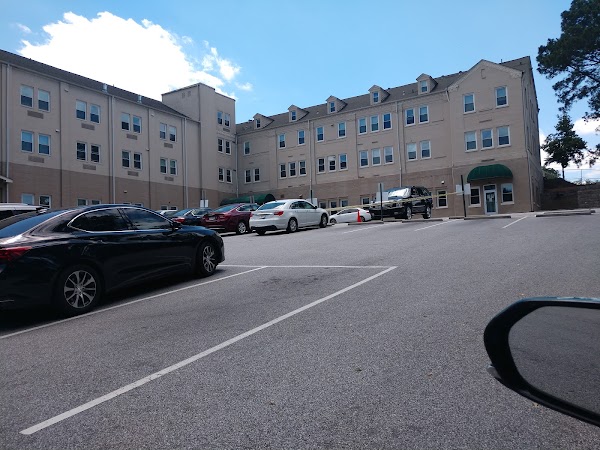
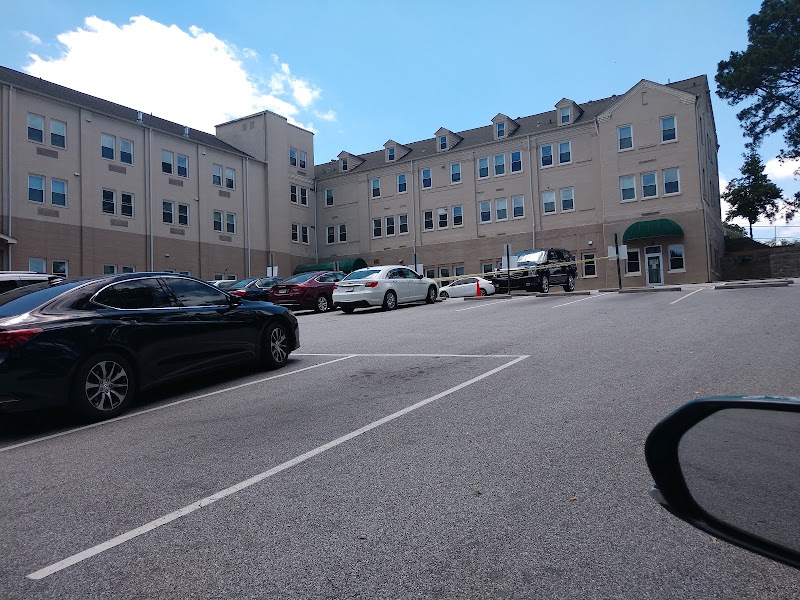
3200 PANTHERSVILLE ROAD, DECATUR, GA 30034 (404) 212-3400
For profit - Limited Liability company 146 Beds PRUITTHEALTH Data: November 2025
Trust Grade
65/100
#148 of 353 in GA
Last Inspection: January 2025

Within standard 12-15 month inspection cycle. Federal law requires annual inspections.

Overview

PruittHealth - Decatur has a Trust Grade of C+, indicating it is slightly above average but not exceptional. In Georgia, it ranks #148 out of 353 nursing homes, placing it in the top half of facilities, and #7 out of 18 in DeKalb County, meaning only six local facilities are rated higher. The facility is improving, with a reduction in issues from 12 in 2023 to 5 in 2025. Staffing is a concern, receiving a 2/5 star rating, but the turnover rate is a relatively low 33%, suggesting that staff have some stability. They also have good RN coverage, exceeding that of 87% of state facilities, which is important for catching potential health issues. However, there are notable weaknesses: the facility has faced issues with infection control measures, including failures to implement proper isolation precautions and separate clean and dirty laundry, which could potentially affect all residents. Additionally, expired food items were found in the kitchen, and hand hygiene practices were not followed while serving meals, posing risks for infection among residents. These incidents highlight the need for improved adherence to health and safety protocols despite some positive aspects of the facility.

Trust Score
C+
65/100
In Georgia
#148/353
Top 41%
Safety Record
Low Risk
No red flags
Inspections
Getting Better
12 → 5 violations
Staff Stability
○ Average
33% turnover. Near Georgia's 48% average. Typical for the industry.
Penalties
✓ Good
No fines on record. Clean compliance history, better than most Georgia facilities.
Skilled Nurses
○ Average
Each resident gets 38 minutes of Registered Nurse (RN) attention daily — about average for Georgia. RNs are the most trained staff who monitor for health changes.
Violations
⚠ Watch
18 deficiencies on record. Higher than average. Multiple issues found across inspections.
★★★☆☆
3.0
Overall Rating
★★☆☆☆
2.0
Staff Levels
★★★★☆
4.0
Care Quality
★★★☆☆
3.0
Inspection Score
Stable
2023: 12 issues
2025: 5 issues

The Good

  • 4-Star Quality Measures · Strong clinical quality outcomes
  • Full Sprinkler Coverage · Fire safety systems throughout facility
  • No fines on record
  • Staff turnover below average (33%)

    15 points below Georgia average of 48%

Facility shows strength in quality measures, fire safety.

The Bad

3-Star Overall Rating

Near Georgia average (2.6)

Meets federal standards, typical of most facilities

Staff Turnover: 33%

13pts below Georgia avg (46%)

Typical for the industry

Chain: PRUITTHEALTH

Part of a multi-facility chain

Ask about local staffing decisions and management

The Ugly 18 deficiencies on record

Jan 2025 5 deficiencies
CONCERN (D) 📢 Someone Reported This

A family member, employee, or ombudsman was alarmed enough to file a formal complaint

Potential for Harm - no one hurt, but risky conditions existed

Deficiency F0578 (Tag F0578)

Could have caused harm · This affected 1 resident

2. Review of the EMR revealed, R90 was admitted to the facility with diagnoses that included but not limited to Alzheimer's disease and dementia in other diseases classified elsewhere, unspecified sev...

Read full inspector narrative →
2. Review of the EMR revealed, R90 was admitted to the facility with diagnoses that included but not limited to Alzheimer's disease and dementia in other diseases classified elsewhere, unspecified severity, with agitation. Review of R90's POLST dated 8/9/2024 revealed, POLST: Allow Natural Death (AND)- Do Not Attempt Resuscitation. Review of R90's Physician's orders dated 1/23/2024 revealed, Code Status: Full Code. Review of R90's Face Sheet revealed, Advance directive: DNR. Interview on 1/29/2025 at 12:23 pm with SSD CC revealed, that the nurses were responsible for putting orders in on admission. SSD CC revealed, residents have general orders to be placed on full code status until it has been determined whether or not the resident was a DNR. She revealed, when R90 was re-admitted to the facility from the hospital, they may not have updated the order, but she could not be certain. She revealed, she was in the process of conducting an audit to ensure that everything in the system reflects as it should. She confirmed that the resident's code status should be a DNR because she has a POLST for a DNR. Based on record review and staff interviews, the facility failed to assure the correct order was on file and medical records reflect the resident's choice per the Physician Orders for Life Sustaining Treatment (POLST) for two of four Resident (R) (R13 and R90) reviewed. The sample size was 55 residents. Findings include: 1. Review of the Electronic Medical Records (EMR) revealed, R13 was admitted to the facility with diagnoses that included but not limited to hypertensive heart, chronic kidney disease, heart failure, type 2 diabetes mellitus and dilated cardiomyopathy. Review of R13's POLST [a medical order form that helps persons who have serious illnesses make decisions about their care] dated 8/23/2024 revealed, POLST: Full Code. Review of R13's Physician's orders dated 2/28/2024 revealed, Code Status: Do Not Resuscitate (DNR). Review of R13's Face Sheet revealed, Advance directive: Full Code, Do Not Intubate (DNI). Interview on 1/30/2025 at 12:40 pm with the Social Services Director (SSD) CC confirmed R13's face sheet had both full code and DNI, her orders stated DNR, and the POLST stated full code. SSD CC stated, the physician's order for advance directive should be the same as the POLST, and the face sheet should align with the resident's wishes. She confirmed the advance directive for R13 was not reconciled with the physician orders. Interview on 1/30/2025 at 12:40 pm with the Director of Nursing (DON) confirmed R13's face sheet had both full code and DNI, her orders stated DNR, and her POLST stated full code. She stated her expectations were for the physician's order to match with the POLST documentation and the face sheet. The DON further stated if the advance directives were not reconciled the outcome would be the facility would not be honoring the residents' wishes, that orders would not be followed, and the residents would not receive the required care.
CONCERN (D) 📢 Someone Reported This

A family member, employee, or ombudsman was alarmed enough to file a formal complaint

Potential for Harm - no one hurt, but risky conditions existed

Safe Environment (Tag F0584)

Could have caused harm · This affected 1 resident

**NOTE- TERMS IN BRACKETS HAVE BEEN EDITED TO PROTECT CONFIDENTIALITY** 2. Observation on 1/28/2025 at 11:53 am of the bathroom in room [ROOM NUMBER] revealed, a dark brown substance smeared on the in...

Read full inspector narrative →
**NOTE- TERMS IN BRACKETS HAVE BEEN EDITED TO PROTECT CONFIDENTIALITY** 2. Observation on 1/28/2025 at 11:53 am of the bathroom in room [ROOM NUMBER] revealed, a dark brown substance smeared on the inside door handle, both handrails and both door jams. Observation on 1/30/2025 at 9:15 am of the bathroom in room [ROOM NUMBER] revealed, the inside doorknob and both handrails were wiped down on the top surface, however the inner sides and door jams remained soiled. Interview on 1/30/2025 at 9:20 am with the Housekeeping Aide (HA) GG revealed, she was told the Certified Nursing Assistants (CNAs) should clean up body fluids and housekeeping should follow up and disinfect those area(s) afterward. She confirmed the presence of brown substance on the handrails, doorknob, and door jams. Interview on 1/30/2025 at 9:25 am with CNA HH revealed, the nursing staff should clean up body fluids and housekeeping should follow up to disinfect the area. Observation and interview on 1/30/2025 at 10:00 am with the Housekeeping Manager, confirmed the presence of brown substance on both inside surfaces of both handrails and doorknob as well as the door jams. He stated the nursing staff should clean up bodily fluids and his staff should follow up to disinfect the areas. He stated the housekeeping staff could wipe down the areas identified, and he considered that within their scope of duties. He stated he would attend to the areas identified. Observation and interview on 1/30/2025 at 3:57 pm with Licensed Practical Nurse (LPN) JJ, confirmed the presence of a brown substance on the right handrail in the room [ROOM NUMBER] bathroom. She also confirmed the nursing staff should clean the spillage of bodily fluids and call housekeeping to disinfect those surfaces. Interview on 1/30/2025 at 6:53 pm with the Director of Health Services (DHS) revealed, the nursing staff should clean up spills and leakage of bodily fluids as soon as possible and housekeeping should disinfect those areas when called. Based on observations, record review, staff interviews, review of the facility policy titled, Clean Air Filters, review of manufacturer recommendations titled Amana- Packaged Terminal Air Conditioner (PTAC) Manual, and the facility policy titled, Infection Control-Housekeeping Services, the facility failed to maintain two of 67 resident rooms in a clean, sanitary manner. Specifically, the facility failed to ensure that the PTAC was maintained in a clean and sanitary manner for room [ROOM NUMBER] and failed to keep the bathroom in room [ROOM NUMBER] free of bodily fluids. These failures had the potential to compromise the health and safety of the residents sharing those rooms by increasing the risk of infection and negatively impacting their quality of life. The facility census was 130 residents. Findings include: Review of the facility policy titled, Clean Air Filters, documented under section titled, Building: Main Building revealed, 1. Remove or open access cover. 2. Remove air filter and inspect for cleanliness. If filter is dirty either wash or replace depending on type of filter. If clean, reinstall filter. 3. Re-install access cover. 4. Clean Grill on cover. 5. Close and make sure it is secure. 6. At minimum, air filters are to be replaced or thoroughly cleaned depending on type of filter every three months. 7. Clean evaporators coils if lint build-up is present. 8. Inspect electrical motors nad wires. Review of the manufacturer guidelines titled, Amana- PTAC Manual, documented under section titled Routine Scheduled Maintenance, documented, To achieve continuing top performance and high efficiency, establish a once a year cleaning/inspection schedule for the unit. Take the unit out of the sleeve and thoroughly clean and rinse. Be sure to include in the yearly cleaning the evaporator coils, and condenser coils, base pan, and drain passages. Scheduled maintenance can be accomplished by either qualified local maintenance staff or by an authorized servicer. They must follow the instructions described in this manual. Review of the facility policy titled, Infection Control-Housekeeping Services, revised 10/16/2023 revealed in the Policy Statement: It is the policy of this facility to ensure housekeeping services will be performed on a routine and consistent basis to ensure an orderly, sanitary, and comfortable environment. 1. Observation on 1/28/2025 at 9:34 am in room [ROOM NUMBER] revealed, the PTAC unit had visible debris inside the unit including a dead bug. Observation and interview on 1/30/2025 at 9:32 am with the Housekeeping Director (HD) and Maintenance Assistant (MA) AA revealed, that the PTAC units and filters were to be cleaned every four weeks, with housekeeping assisting in this process. Both the HD and MA AA confirmed that there was a significant number of debris present in the unit. Interview on 1/30/2025 at 9:38 am with the Maintenance Director (MD) revealed, that PTAC units were generally cleaned once a year, while the filters were cleaned monthly. MD stated that during these monthly cleanings, the entire cover was sometimes taken downstairs to be sprayed down. However, he noted that the PTAC units had not been cleaned recently. Interview on 1/30/2025 at 4:07 pm with the Administrator revealed, that the usual expectation was to follow the manufacturer's specifications for cleaning the units. The Administrator stated that Housekeeping was expected to clean the units when they enter the rooms. The Administrator also mentioned a potential negative outcome was if the PTAC unit is off and then turned back on, in such cases, airborne illness could be a risk, as the unit may blow debris into the room.
CONCERN (D) 📢 Someone Reported This

A family member, employee, or ombudsman was alarmed enough to file a formal complaint

Potential for Harm - no one hurt, but risky conditions existed

PASARR Coordination (Tag F0644)

Could have caused harm · This affected 1 resident

**NOTE- TERMS IN BRACKETS HAVE BEEN EDITED TO PROTECT CONFIDENTIALITY** Based on record review and staff interview, the facility failed to submit for a Preadmission Screening and Resident Review (PASA...

Read full inspector narrative →
**NOTE- TERMS IN BRACKETS HAVE BEEN EDITED TO PROTECT CONFIDENTIALITY** Based on record review and staff interview, the facility failed to submit for a Preadmission Screening and Resident Review (PASARR) Level II after a new mental illness diagnosis was added for one of one resident (R) (R10) reviewed for PASARR. This deficient practice had the potential to affect the appropriate level of care and services provided for R10. Findings include: Review of R10's Electronic Medical Records (EMR) revealed, he admitted on [DATE] and received diagnoses that include but are not limited to bipolar disorder, current episode manic without psychotic features with diagnosed date of 6/30/2021; major depressive disorder, anxiety disorder, and post-traumatic stress disorder (PTSD) with diagnosed date of 4/22/2020. Review of R10's most recent Significant Change in Status Minimum Data Set (MDS) dated [DATE] revealed: Section A- Identification Information: no PASRR Level II; Section C-Cognitive Patterns: Brief Interview of Mental Status (BIMS) score of 99, indicating resident was unable to complete. Review of R10's care plans included but not limited to: Psychotropic Drug Use: Resident receives antidepressant medication (Sertraline once at bedtime) R/T (related to) dx (diagnosis) of Major Depression, Anxiety and PTSD with risk of adverse side effects with problem start date of 4/23/2020. Review of R10's medical record revealed a pending PASRR Level I dated 4/22/2020, however there was no primary diagnosis of serious mental illness, developmental disability, or related condition indicated. Interview on 1/29/2025 at 11:55 am with Social Service Director (SSD) CC confirmed R10 did not have a PASARR Level II completed. She verified R10 was admitted and received qualifying diagnoses in 2020. She stated that she was responsible for making the referrals to the appropriate state-designated authority when a resident was identified as having an evident or possible MD (mental disorder), ID (intellectual disability) or related condition. She revealed, once she is made aware that a resident was identified as having a newly evident or possible MD, ID or a related condition after admission, it was still her responsibility to refer the resident for PASARR Level II evaluation. She confirmed that the current diagnoses for R10 required a PASARR Level II to be completed.
CONCERN (E) 📢 Someone Reported This

A family member, employee, or ombudsman was alarmed enough to file a formal complaint

Potential for Harm - no one hurt, but risky conditions existed

Food Safety (Tag F0812)

Could have caused harm · This affected multiple residents

Based on observations, record review, staff interviews, and review of the facility's policies titled, Labeling, Dating, and Storage and Foodborne Illness, the facility failed to dispose of expired foo...

Read full inspector narrative →
Based on observations, record review, staff interviews, and review of the facility's policies titled, Labeling, Dating, and Storage and Foodborne Illness, the facility failed to dispose of expired food items in the kitchen. The deficient practice had the potential to affect the 124 residents (R) receiving food from the kitchen. The facility's census was 130. Findings include: Review of the facility's policy titled Labeling, Dating, and Storage revised 11/11/2022 documented under Policy Statement: It is the policy of [name of facility] for all partners who assist in handling, preparing, serving, and storing food and beverage items to follow the proper procedures for labeling, dating, and storage to ensure proper food safety. Review of the facility's policy titled Foodborne Illness reviewed 1/8/2021 documented under Procedure: 2. Foods will be used before the expiration date, use by date, best by date, and sell by date, indicated on the food item. Foods not used prior to the expiration date, use by date, best by date, or sell by date must be discarded. Observation on 1/28/2025 at 9:20 am during initial tour of the dry storage pantry in the kitchen with the Dietary Manager (DM) revealed there were expired items in the dry storage pantry. The expired items included four one-gallon bottles of [name of water] water which expired 6/30/2024, and 24 bottles of [name of water] distilled water which expired 8/10/2024. Observation on 1/28/2025 at 9:35 am during the initial tour of the kitchen with the DM, the walk-in freezer was examined and there were four packs of [name of product] eight variety pack donuts which expired 1/26/2025. Observation on 1/28/2025 at 9:45 am during the initial tour of the kitchen with the DM revealed there were expired items on a shelved area in the kitchen. The items were: One bottle ground thyme expired 1/27/2025. One bottle sesame seed expired 12/1/2024. One bottle sriracha seasoning expired 8/1/2024. One bottle poultry seasoning expired 11/24/2024. One bottle paprika seasoning expired 6/3/2024. One bottle crushed red pepper seasoning expired 3/20/2024. One bottle whole celery seed expired 11/2/2024. Interview on 1/29/2025 at 1:40 pm with the DM revealed she confirmed there were expired food items in the kitchen. She stated there should not be expired food items in the kitchen. She further stated it was not good or proper to have expired food items in the kitchen. She stated she expected all expired food items in the kitchen be removed before they expire. The DM stated expired items must not be served to the residents and the outcome if expired food items were served to the residents would be the potential for the residents to get sick. Interview on 1/30/2025 at 8:50 am with the Director of Nursing (DON) revealed she stated her expectations were for expired food items to be removed from the kitchen. She stated that audits were to be done and food items which were found in the kitchen should be removed and disposed of. She stated the outcome if expired supplies and food supplies were not disposed of and removed from the kitchen would be the residents could get sick and have a negative reaction from the expired food items.
CONCERN (E) 📢 Someone Reported This

A family member, employee, or ombudsman was alarmed enough to file a formal complaint

Potential for Harm - no one hurt, but risky conditions existed

Infection Control (Tag F0880)

Could have caused harm · This affected multiple residents

**NOTE- TERMS IN BRACKETS HAVE BEEN EDITED TO PROTECT CONFIDENTIALITY** Based on observations, record review, staff interviews, and review of the facility's policies titled, Infection Prevention-Hand ...

Read full inspector narrative →
**NOTE- TERMS IN BRACKETS HAVE BEEN EDITED TO PROTECT CONFIDENTIALITY** Based on observations, record review, staff interviews, and review of the facility's policies titled, Infection Prevention-Hand Hygiene, Handwashing and Enhanced Barrier Precautions (EBP), the facility failed to place one of 19 residents (R) (R88) with wounds on EBP and failed to perform hand hygiene while serving meals in the dining room. The deficient practices had the potential to cause infection for R88 and other facility residents. The facility census was 130. Findings include: Review of the facility's policy titled Infection Prevention-Hand Hygiene revised 10/15/2024 documented under Policy Statement: [name of facility] partners will improve hand hygiene practices and reduce Healthcare Associated Infections (HAIs) . D. Indications Requiring Hand Wash or Hand Rub 1. Before and after contact with the resident. 8. After contact with inanimate objects (i.e., including medical equipment) in the immediate vicinity of the resident. 9. Passing meal trays to residents. Review of the facility's policy titled Handwashing reviewed 10/9/2023 documented under Policy Statement: It is the policy of [name of facility] that partners will clean their hands by either using soap and water or antiseptic hand sanitizer. Cleaning your hands reduces the spread of germs and decreases the spread of infections .under Procedure: When to perform Hand Hygiene: Before and after any direct patient skin contact, after any contact with objects/medical equipment in the vicinity of the patient. Review of the facility's policy titled Enhanced Barrier Precautions (EBP) documented under Policy Statement: It is the policy of this facility to implement enhanced barrier precautions for the prevention of transmission of multidrug-resistant organisms.2. Initiation of Enhanced Barrier Precautions: . i. Wounds (e.g., chronic wounds such as pressure ulcers, diabetic foot ulcers, unhealed surgical wounds, and chronic venous stasis ulcers) .even if the resident is not known to be infected or colonized with a Multi- Drug Resistant Organisms (MDRO).4. High-contact resident care activities include: . h. Wound care: any skin opening requiring a dressing. 1. Observation on 1/29/2025 at 12:30 pm revealed Licensed Practical Nurse (LPN) JJ was not practicing hand hygiene while assisting residents with their meals in the dining room. LPN JJ did not sanitize her hands after pushing a resident's wheelchair and before opening a condiment and sweetening coffee for another resident. Review of the facility's in-service signing sheets from January 2024 to December 2024 documented in-service was provided on hand washing in July 2024. Interview on 1/29/2025 at 1:28 pm with LPN JJ confirmed she did not sanitize her hands after pushing a resident's wheelchair and before opening a condiment and sweetening coffee for another resident. She stated she should have sanitized her hands after pushing the wheelchair and before assisting another resident with their meal. LPN JJ stated when she did not sanitize her hands, the residents could get infections, and they could get sick. Interview on 1/29/2025 at 2:00 pm with the Dietary Manager (DM) revealed she stated proper hand washing is to be performed when in contact with each resident and/or the residents' belongings, before serving meals to the residents and when going from one dining table to another to assist the residents. She stated the staff in the dining room were also to sanitize their hands before serving or assisting the residents and before attending to another resident. She stated if the staff did not perform proper hand hygiene the outcome could be cross contamination, and germs could be transmitted to the residents. Interview on 1/29/2025 at 2:22 pm with Dietary Supervisor KK revealed he stated staff should sanitize their hands before attending to the residents, before going to the residents' tables, and before assisting another resident. He stated if staff did not sanitize their hands, the residents could get sick from germs. Interview 1/29/2025 at 5:32 pm with the Clinical Competency Coordinator (CCC) revealed the staff received in-service on hand hygiene. Interview on 1/30/2025 at 8:45 am with Certified Nursing Assistant (CNA) MM, she stated hand sanitization should be done between contact with residents and during mealtimes. Interview on 1/30/2025 at 8:50 am with the Director of Nursing (DON) revealed her expectations were for the staff to sanitize their hands while serving meals and or assisting the residents with their meals. She stated if staff did not sanitize their hands the outcome would be the transmission of germs from one resident to another and the residents could get sick. 2. Review of the facility's electronic medical records (EMR) documented R88 was admitted to the facility with diagnosis included but not limited to stage 2 pressure ulcer of the sacral region. Review of R88's annual Minimum Data Set (MDS) dated [DATE] documented in Section C (Cognition) a Brief Interview for Mental Status (BIMS) score of 3, which indicated R88 had severely impaired cognition, and in Section M (Skin Condition) documented a Stage 2 pressure ulcer, required pressure reducing device for bed and pressure ulcer/injury care. Review of R88's care plan dated 12/2/2024 included but not limited to Problem area: sacral wound, pressure Injuries. Goal: Area to be decreased in size by next review. Approach: Treatment per medical doctor order, turn and position at intervals, incontinent care provided as needed by staff. Review of the Physician's Orders for R88 dated 12/2/2024 included but not limited to Treatments: Clean sacral wound with n/s (normal saline) or w/c (wound cleanser), pat dry then apply skin prep around peri (genital area) wound then apply honey then cover with a foam pad q (every) Monday and Thursday Once A Day on Mon (Monday), Thu (Thursday) 5:00 am - 11:00 pm. There was no order found for EBP for R88. Review of the Weekly Wound Observation Note dated 1/24/2025 for R88 documented Continue present treatment to open area to sacral [sic]. Area is old scar tissure [sic] that has reopened. Tissue is pink and moist. Edges open and attached. No odor or drainage, Resident is on a pressure reduction mattress to help relieve pressure. Turned and repositioned at intervals. Incontinent care provided by staff as needed. No distress noted. Hospice care continues. Observation on 1/30/2025 at 4:28 pm revealed Certified Nursing Assistant (CNA) LL performing peri-care to R88. CNA LL called Wound Care Nurse (WCN) DD to come and dress R88's sacral pressure ulcer wound because it was soiled and coming loose. Observation revealed CNA LL and WCN DD were not wearing gowns while performing peri-care and wound care to R88. Interview on 1/30/2025 at 4:52 pm with CNA LL revealed she stated R88 was not on EBP, so she was not wearing a gown while in contact with R88. Interview on 1/30/2025 at 4:56 pm with WCN DD revealed she stated R88 was not on EBP. She further stated that according to the infection control nurse, residents who were placed on EBP were at the discretion of the facility. Interview on 1/30/2025 at 7:09 pm with the Clinical Competency Coordinator (CCC) revealed she confirmed R88 had a stage two pressure ulcer wound and was not on EBP. She stated residents were placed on EBP at the discretion of the facility. She stated residents with wounds were also placed on EBP at the discretion of the facility. Interview on 1/30/2025 at 7:11 pm with Assistant Director of Nursing (ADON) revealed she confirmed R88 had a stage 2 pressure ulcer wound and was not on EBP. She further stated that residents were placed on EBP at the discretion of the facility and residents with wounds were placed on EBP at the discretion of the facility. The ADON stated if residents with wounds who needed to be on EBP and were not placed on EBP, the outcome would be the residents could get infections when staff do not wear appropriate PPE (personal protective equipment) and they could transfer germs from one resident to others.
Aug 2023 11 deficiencies
CONCERN (D)

Potential for Harm - no one hurt, but risky conditions existed

Deficiency F0554 (Tag F0554)

Could have caused harm · This affected 1 resident

**NOTE- TERMS IN BRACKETS HAVE BEEN EDITED TO PROTECT CONFIDENTIALITY** Based on observation, resident interview, staff interviews, record review, and review of the facility policy titled, Medication ...

Read full inspector narrative →
**NOTE- TERMS IN BRACKETS HAVE BEEN EDITED TO PROTECT CONFIDENTIALITY** Based on observation, resident interview, staff interviews, record review, and review of the facility policy titled, Medication Administration: General Guidelines, the facility failed to ensure one of one (Resident (R)109) reviewed for self-administration of medications did not self-administer medications without first being assessed by the facility to determine if the practice was clinically appropriate. This deficient practice had the potential to allow the resident to administer the medication to not receive the correct dose of medication or receive it in an unsafe manner. Findings include: Review of the facility policy titled Medication Administration: General Guidelines, with a revision date of 4/10/2019, revealed: Policy Statement: Medications are administered as prescribed, in accordance with good nursing principles and practices and only by persons legally authorized to do so. Personnel authorized to administer medications do so only after they have familiarized themselves with the medication. Procedure: 3. Patients/residents are allowed to self-administer medications when specifically authorized by the attending physician and in accordance with procedures for self-administration of medications. 4. Medications are administered at the time they are prepared. 9. Only the licensed or legally authorized personnel that prepare a medication may administer it. Review of R109's electronic medical record (EMR) revealed an undated Face Sheet located under the Face Sheet tab which revealed the resident was admitted to the facility on [DATE] with diagnoses of cerebral infarction (stroke), benign prostatic hyperplasia without lower urinary tract symptoms, pain disorder, and hypertension. Review of R109's EMR under the Order tab revealed the following current medications ordered for morning administration; [NAME] chewable aspirin 81mg (milligram) one tablet orally once a day for blood thinner, ferrous sulfate tablet 325mg one tablet orally once a day for anemia, finasteride tablet 5mg one tablet orally once a day for enlarged prostate, furosemide tablet 20mg one tablet orally once a day for hypertension, metformin tablet 500 mg one tablet orally twice a day for diabetes, nifedipine tablet 30mg one tablet orally once a day for hypertension, potassium chloride 10 mEq (milliequivalents) one capsule orally once a day for supplement, and Tradjenta tablet 5mg one tablet orally once a day for diabetes. Further review of the EMR under the Observation tab or Resident Documents revealed there was no evidence of an assessment for self- administration of medication. During an observation and interview on 7/31/2023 at 11:57 a.m., in R109's room, a cup of pills was observed to be on the bedside table. R109 was asked if those were his medications. R109 stated, You are very observant. Yes, those are my meds from this morning, and I better take them. The resident took the medications. R109 was asked if the pills were his morning medications and he stated, Yes. They bring them in to me and I am supposed to take them when they bring them in. They are not supposed to leave them. Sometimes I have some swallowing problems and just wasn't ready to take them when they brought them in this morning. During an interview on 8/3/2023 at 8:56 a.m., the Unit Manager (UM)1 was asked about R109 self-administration of medication. UM1 stated, There is no resident assessed to give themselves medication. I have instructed the staff not to leave meds at the bedside for residents to take themselves. I don't like that. During an interview on 8/3/2023 at 9:00 a.m., the Assistant Director of Nursing (ADON) was asked about medications being left at the bed side. The ADON stated. No medication should be left at the bedside. There are no residents that have been assessed to take the medication on their own. During an interview on 8/3/2023 at 2:29 p.m., the Director of Health Services (DHS) was asked about residents taking medications. The DHS replied, We recently did an in-service on this. There should not be any meds left at the bedside for residents to self- administer. I have no residents that have been assessed to self-administer medications.
CONCERN (D)

Potential for Harm - no one hurt, but risky conditions existed

Deficiency F0582 (Tag F0582)

Could have caused harm · This affected 1 resident

Based on staff interview, record review, and document review, the facility failed to ensure the Skilled Nursing Facility Advance Beneficiary Notice (SNFABN), CMS-10055, were signed and dated for two o...

Read full inspector narrative →
Based on staff interview, record review, and document review, the facility failed to ensure the Skilled Nursing Facility Advance Beneficiary Notice (SNFABN), CMS-10055, were signed and dated for two of three residents (Resident (R)132 and 133) reviewed for SNFABN. This deficient practice could potentially lead to uninformed decisions made by the resident or representative about their care. Findings include: Review of the undated facility form instruction titled Advance Beneficiary Notice of Noncoverage revealed, Overview: The ABN is a notice given to beneficiaries in Original Medicare to convey that Medicare is not likely to provide coverage in a specific case. They must complete the ABN as described below and deliver the notice to affected beneficiaries or their representative before providing the items or services that are subject of the notice. The ABN must be verbally reviewed with the beneficiary or his/her representative and any questions raised during that review must be answered before it is signed. The ABN must be delivered far enough in advance that the beneficiary or representative has time to consider the options and make an informed choice. 1. Review of R132's Face Sheet located in the electronic medical record (EMR) under the Face Sheet tab indicated an admission date of 2/22/2023 with a diagnosis of cerebral vascular accident with hemiplegia (paralysis). Review of the SNFABN provided by the facility indicated Medicare Part A Skilled Services Episode Start date: 2/22/2023. Last covered day of Part A Services: 3/24/2023. The facility/provider initiated the discharge from Medicare Part A Services when benefit days were not exhausted. Review of the CMS-10055 for R132 furnished by the facility, revealed no signature of the resident or the representative or a date, and there was no option checked on the form. 2. Review of R133's Face Sheet located in the EMR under the Face Sheet tab indicated an admission date of 4/26/2023 with diagnosis of cancer. Review of the SNFABN provided by the facility indicated Medicare Part A Skilled Services Episode Start date: 4/26/2023. Last covered day of Part A Services: 6/7/2023. The facility/provider initiated the discharge from Medicare Part A Services when benefit days were not exhausted. Review of the CMS-10055 for R132 furnished by the facility, revealed no signature of the resident or the representative or a date, and there was no option checked on the form. During an interview on 8/2/2023 at 3:18 p.m., the Financial Counselor (FC) was asked about the forms not having a signature or date. The FC stated, The representatives were called by phone. The FC was asked why there was no option selected or a date of contact and who was contacted. The FC stated, I need to be more specific about who I talk to and yes it should be dated.
CONCERN (D)

Potential for Harm - no one hurt, but risky conditions existed

Deficiency F0637 (Tag F0637)

Could have caused harm · This affected 1 resident

**NOTE- TERMS IN BRACKETS HAVE BEEN EDITED TO PROTECT CONFIDENTIALITY** Based on staff interview, record review, review of the Resident Assessment Instrument (RAI) manual, and review of the facility p...

Read full inspector narrative →
**NOTE- TERMS IN BRACKETS HAVE BEEN EDITED TO PROTECT CONFIDENTIALITY** Based on staff interview, record review, review of the Resident Assessment Instrument (RAI) manual, and review of the facility policy titled, MDS Assessment Accuracy, the facility failed to ensure one of 16 residents (Resident (R) 59) reviewed for Minimum Data Set (MDS) assessment had a significant change of status assessment transmitted within the allotted time frame as stated in the Resident Assessment Instrument [RAI] manual. Findings include: Review of the facility policy titled MDS Assessment Accuracy, revised 12/6/2022, showed: 6. All MDS Assessments must be completed following the guidance set forth in the RAI manual as directed by the Centers for Medicare and Medicaid Services (CMS). Review of the October 2019 RAI Manual, page 2-16 (a timeline chart for assessments) showed: Significant Change in Status Assessment (SCSA) (Comprehensive). Assessment Reference Date No Later than: 14th calendar day after determination that significant change in resident's status occurred (determination date + 14 calendar days) . MDS completion date No later than: 14th calendar day after determination that significant change in resident's status occurred (determination date + 14 calendar days) . CAA's [Care Area Assessment] completion date No later than: 14th calendar day after determination that significant change in resident's status occurred (determination date + 14 calendar days) Care Plan completion date No later than: CAA(s) Completion date +7 calendar days. Transmission date No later than: Care Plan Completion Date + 14 calendar days. Review of R59's Face Sheet from the electronic medical record (EMR) Resident tab showed an admission date of 11/22/2017, and readmission on [DATE]. Review of R59's EMR MDS 3.0 Assessment tab showed the last Production Accepted MDS was a Quarterly assessment with an assessment reference date (ARD) of 3/27/2023. A Significant Change in status assessment, with an ARD 6/25/2023, showed a status of In Process. During an interview on 8/3/2023 at 9:59 a.m. regarding the incomplete and not transmitted MDS assessment, the Case Mix Director (CMD) confirmed they were behind to about 6/22/2023. At 10:12 a.m. the CMD stated, We're out of compliance already with those referenced so we are trying to keep up with the current ones and then catch up on the late ones as we can. In an interview on 8/3/2023 at 3:03 p.m. regarding the incomplete and untransmitted MDS assessments, the Health Services Director (HSD) stated, I was aware the MDS's were behind but not the extent of the behind; but in morning meetings it was stated she was catching up. My expectation is that all MDS assessments are submitted on time.
CONCERN (D)

Potential for Harm - no one hurt, but risky conditions existed

Deficiency F0645 (Tag F0645)

Could have caused harm · This affected 1 resident

Based on record review and staff interview, the facility failed to ensure a Level I Pre-admission Screening Resident Review (PASSAR) was completed correctly for two out of five residents (Resident (R)...

Read full inspector narrative →
Based on record review and staff interview, the facility failed to ensure a Level I Pre-admission Screening Resident Review (PASSAR) was completed correctly for two out of five residents (Resident (R) 6 and R8) that were diagnosed with a mental disorder. This failure had the potential for residents with mental disorders not to receive identified specialized services. Findings include: The facility did not have a Pre-admission Screening Resident Review (PASSAR) policy. They only had a PASSAR User Manual. 1. Review of R8's Face Sheet located in the electronic medical record (EMR) under the Face Sheet tab, revealed an admission date of 5/16/2013 with diagnoses including schizophrenia, and a dementia diagnosis on 7/8/2019. Review of R8's PASSAR provided by the facility revealed that the PASSAR Level I was requested on 5/16/2013. R8 was in an acute hospital setting before being admitted to the facility. The PASSAR Level I had no diagnosis on the form. 2. Review of R6's Face Sheet located in the EMR under the Face Sheet tab, revealed an admission date of 9/10/2018 with diagnoses including Bipolar, anxiety, psychosis, and major depressive disorder. Review of R6's PASSAR provided by the facility revealed that the PASSAR Level I was requested on 12/31/2015. R6 was in an acute hospital setting before being admitted to the facility. The PASSAR Level I had no diagnosis on the form. No PASSAR was completed before admission to the facility on 9/10/2018. Interview on 8/3/2023 at 10:29 a.m. with the Social Services Director (SSD) revealed R6 and R8's PASSAR Level I forms were not filled out correctly by the hospital. The hospital left off the diagnosis, so nothing was triggered for either resident.
CONCERN (D) 📢 Someone Reported This

A family member, employee, or ombudsman was alarmed enough to file a formal complaint

Potential for Harm - no one hurt, but risky conditions existed

Deficiency F0657 (Tag F0657)

Could have caused harm · This affected 1 resident

Based on record review, staff interviews, and review of the facility policies titled, Care Plans and Occurrences, the facility failed to ensure a Care Plan was updated related to the required number o...

Read full inspector narrative →
Based on record review, staff interviews, and review of the facility policies titled, Care Plans and Occurrences, the facility failed to ensure a Care Plan was updated related to the required number of staff necessary to provide care safely for one of one (Resident (R)111) reviewed for Care Plans of 30 sampled residents reviewed. Findings include: Review of the Care Plans Policy with a review date of 7/27/2023 revealed, It is the policy of the health care center for each patient/resident to have a person-centered baseline care plan followed by a comprehensive care plan developed following completion of the Minimum Data Set (MDS) and Care Area Assessment (CAA) portions of the comprehensive assessment according to the Resident Assessment Instrument (RAI) Manual and the patient/resident choice. Review of Occurrences Policy with a reviewed date of 11/29/2022 revealed, The healthcare center recognizes that due to the frailty of the patients/residents served, there is an increased risk of occurrences that may result in injury to the patient/resident and/or others. To prevent occurrences, each patient/resident will be observed and assessed for risks. Appropriate, realistic interventions will be implemented in accordance with their plan of care. Review of the Quarterly Minimum Data Set (MDS) located in the electronic medical record (EMR) under the MDS tab with an Assessment Reference Date (ARD) of 5/28/2023 revealed the Brief Interview for Mental Status (BIMS) interview could not be administered indicating R111 was severely cognitively impaired. The MDS indicated R111 required total dependence with a two-plus person assist for all Activities of Daily Living (ADLs) Review of R111's Care Plan located in the EMR under the Care Plan tab revealed R111 had an initial intervention of keeping the call light within reach for a fall intervention initiated on 10/7/2022 when R111 was admitted to the facility. The Care Plan was not updated until R111 sustained a fall on 7/22/2023 even though the MDS indicated a two-person assist was required on 5/23/2023. The interventions included a bariatric bed and the requirement of resident care being provided by two staff. Review of a Progress Note located in the EMR under the Progress Note tab dated 7/22/2023 at 9:10 p.m. revealed Registered Nurse (RN)2 heard a sound and a call for help. He entered the room to find R111 on the floor. It was noted R111 fell out of bed when Certified Nursing Assistant (CNA)4 was providing care to the resident by herself. An interview with the Family Member (FM)5 of R111 on 7/31/2023 at 11:41 a.m. revealed she believed her mother's falling out of the bed on 7/22/2023 was the result of a nurse aide changing R111 on her own. An interview on 8/2/2023 at 3:36 p.m. with Certified Nursing Assistant (CNA)4 confirmed she was changing R111 by herself on 7/22/2023 when R111's legs began to move forward and pulled her out of the bed. An interview on 8/3/2023 at 4:37 p.m. with the Director of Nursing (DON) revealed the expectation of facility staff is to follow the Care Plan and MDS for each resident when performing care tasks.
CONCERN (D) 📢 Someone Reported This

A family member, employee, or ombudsman was alarmed enough to file a formal complaint

Potential for Harm - no one hurt, but risky conditions existed

Accident Prevention (Tag F0689)

Could have caused harm · This affected 1 resident

**NOTE- TERMS IN BRACKETS HAVE BEEN EDITED TO PROTECT CONFIDENTIALITY** Based on record review, staff interview, and review of the facility policy titled, Occurrences, the facility failed to ensure on...

Read full inspector narrative →
**NOTE- TERMS IN BRACKETS HAVE BEEN EDITED TO PROTECT CONFIDENTIALITY** Based on record review, staff interview, and review of the facility policy titled, Occurrences, the facility failed to ensure one of one (Resident (R) 111) reviewed out of a sample of 30 for accidents had the appropriate number staff members assisting with care, resulting in the resident sustaining a fall. Findings include: Review of Occurrences Policy with a reviewed date of 11/29/2022 revealed, The healthcare center recognizes that due to the frailty of the patients/residents served, there is an increased risk of occurrences that may result in injury to the patient/resident and/or others. To prevent occurrences, each patient/resident will be observed and assessed for risks. Appropriate, realistic interventions will be implemented in accordance with their plan of care. Review of the Face Sheet from the electronic medical record (EMR) under the Resident tab revealed the resident was admitted to the facility on [DATE] and had diagnoses of Alzheimer's Disease, chronic kidney disease, iron deficiency anemia, and generalized muscle weakness. Review of the Quarterly Minimum Data Set (MDS) located in the electronic medical record (EMR) under the MDS tab with an Assessment Reference Date (ARD) of 5/28/2023 revealed R111's Brief Interview for Mental Status (BIMS) could not be administered indicating R111 was severely cognitively impaired. The MDS indicated R111 required total dependence with a two-plus person assist for all Activities of Daily Living (ADLs). Review of R111's Care Plan in the EMR under the Care Plan tab revealed R111 had an initial intervention of keeping the call light within reach for the concern of falling initiated on 10/7/2022 when R111 was admitted to the facility. The Care Plan was not updated until after the fall of 7/22/2023 when two interventions were added to include a bariatric bed and the requirement of resident care being provided by two personnel together. However, the MDS of 5/28/2023 indicated the resident required a two person assist with ADLs. Review of a Progress Note located in the EMR under the Progress Note tab dated 7/22/2023 at 9:10 p.m. revealed Registered Nurse (RN)2 heard a sound and a call for help. He entered the room to find R111 on the floor. It was noted R111 fell out of bed when Certified Nursing Assistant (CNA)4 was providing care to the resident by herself. R111 was assessed and sent to the hospital. She returned with no major injury. An interview with the Family Member (FM)5 of R111 on 7/31/2023 at 11:41 a.m. revealed she believed her mother's falling out of the bed on 7/22/2023 was the result of a nurse aide changing R111 on her own. An interview on 8/2/2023 at 10:45 a.m. with Registered Nurse (RN)2 revealed on the day R111 fell on 7/22/2023, he heard a thud, and someone called for help. He entered R111's room to find her lying face down beside her bed. He immediately evaluated and stabilized the resident and called the physician. He revealed CNA4 was providing care to R111 by herself when the resident accidentally fell off the bed. An interview on 8/2/2023 at 3:36 p.m. with CNA4 confirmed she was changing R111 by herself on 7/22/2023 when R111's legs began to move forward and pulled her out of the bed. An interview on 8/3/2023 at 4:37 p.m. with the Director of Health Services (DHS) revealed the expectation of facility staff was to follow the Care Plan and MDS for each resident when performing care tasks.
CONCERN (E)

Potential for Harm - no one hurt, but risky conditions existed

Transfer Notice (Tag F0623)

Could have caused harm · This affected multiple residents

**NOTE- TERMS IN BRACKETS HAVE BEEN EDITED TO PROTECT CONFIDENTIALITY** Based on record review, staff interviews, family interview, and review of the facility policy titled, Involuntary Transfer and D...

Read full inspector narrative →
**NOTE- TERMS IN BRACKETS HAVE BEEN EDITED TO PROTECT CONFIDENTIALITY** Based on record review, staff interviews, family interview, and review of the facility policy titled, Involuntary Transfer and Discharges, the facility failed to ensure four of four residents and or their representatives (Resident (R) 24, R78, R115, and R119) reviewed for facility initiated emergent hospital transfer were provided with written transfer notice that contained all required information. This failure has the potential to affect the resident and/or their Resident Representative (RR) by not having the knowledge of where and why a resident was transferred, and/or how to appeal the transfer, if desired. Findings include: Review of the Involuntary Transfers and Discharges policy with a reviewed date of 3/30/2023 revealed, It is the policy of this healthcare center to permit each patient to remain in the healthcare center and not transfer or discharge them involuntarily unless it is necessary and for appropriate reasons. This policy applies to transfers or discharges initiated by the facility, not the patient. The healthcare center must provide notice to the patient representative in writing and language that they understand. The facility must send a copy of the notice to the Office of the State Long-Term Care Ombudsman. The facility must keep a copy of the notice in the medical record. 1. Review of Quarterly Minimum Data Set (MDS) located in the electronic medical record (EMR) with an Assessment Reference Date (ARD) of 6/24/2023 revealed R24 was admitted to the facility on [DATE] and had a Brief Interview for Mental Status (BIMS) score of 11 out of 15 indicating the resident was moderately cognitively impaired. Review of the Progress Notes from the Resident tab in the EMR dated 6/2/2023 revealed R24 was sent to the hospital for observation after being found on the floor of her room. There was no documentation of the resident or the resident's representative (RR) receiving a written transfer notice. Review of the Progress Notes from the Resident tab in the EMR dated 6/9/2023 revealed R24 was sent back to the hospital due to the resident arriving back at the facility with no discharge papers or orders. The note stated the bed hold policy was sent with R24. There was no documentation of a written transfer notice being given to the resident or RR was located. Interview attempt with Family Member (FM)7 of R24 on 8/3/2023 at 8:48 a.m. was not successful and no callback was received. 2. Review of R78's Face Sheet located in the EMR under the Resident tab showed a facility admission date of 7/13/2020, and a readmission on [DATE]. Review of R78's Progress Notes from the EMR Resident tab read in pertinent part, 12/10/2022 12:13 PM Resident noted falling on the floor while standing, hit and bruise left side of forehead. Call NP [Nurse Practitioner]. NP ordered to send resident to hospital for further evaluation and treat. RP [Resident Representative] made aware. Review of R78's EMR under the Observations, Events, Resident Documents, and Progress Notes from the Resident tab found nothing regarding the provision of the written transfer notice. 3. Review of R115's Face Sheet from the EMR Resident tab showed a facility admission date of 3/30/2023, and a readmission on [DATE]. Review of R115's Progress Notes from the EMR Resident tab read in pertinent part, 5/23/2023 2:24 p.m. Resident is A/O [alert and oriented]. no s/s [signs/symptoms] of distress noted. resident [sic] didn't have any behavior issues for shift went out appointment for cardiac F/U [follow up] escorted by CNA [Certified Nurse Aide], and facility transport. On 5/23/2023 5:28 p.m. CNA called from doctor's appointment with resident stating the doctor's office referred resident to got to ER [Emergency Room] d/t [due to] blood clots. Review of R115's EMR under the Observations, Events, Resident Documents, and Progress Notes from the Resident tab found nothing regarding the provision of the written transfer notice. Review of the Bed Hold Acknowledgement Form: Georgia, dated 5/24/2023 signed by a facility representative revealed, R115's name and the RR's name was handwritten on the form, but the lines for those signatures was blank and no written transfer notice was attached. As evidence of provision a Progress Note dated 5/24/2023 12:02 p.m. that stated, Bed hold policy faxed to [hospital name and number] and also a note dated 5/23/2023 5:28 p.m. as noted above. In an interview on 8/2/2023 at 3:18 p.m., the Financial Counselor (FC) was asked about the mailing of the written bed hold notices, FC responded, Yes, I mail them out. Clarified, FC mails out the bed hold notice. When queried if FC also sends the transfer form, she stated, No, I don't send that. When clarified if FC sends anything written regarding the transfer, FC responded No, just the bed hold. 4. Review of the admission MDS with an ARD of 5/17/2023 revealed R119 was admitted to the facility on [DATE] and had a BIMS score of zero out of 15 indicating the resident was severely cognitively impaired. Review of Progress Notes from the Resident tab in the EMR dated 6/13/2023 revealed R119 was sent to the hospital for tests and treatment due to rectal bleeding and R119's refusal to have labs drawn. The note revealed the RR was informed, but no documentation of a written transfer notice being supplied to the resident or RR was located. An interview on 8/3/2023 at 10:02 a.m. with FM6 of R119 revealed she was informed of the hospital transfer and understood the reason, but she did not receive written notice for the transfer on the subsequent days. An interview on 8/3/2023 at 1:45 p.m. with Licensed Practical Nurse (LPN)9 revealed a packet is given to the emergency medical technicians (EMTs) which contains a synopsis of the resident's current condition, a copy of the bed hold policy, and a face sheet. When asked if any forms are given to the resident or mailed to the RRs and not just sent to the hospital, LPN9 stated there were none.
CONCERN (E)

Potential for Harm - no one hurt, but risky conditions existed

Comprehensive Assessments (Tag F0636)

Could have caused harm · This affected multiple residents

**NOTE- TERMS IN BRACKETS HAVE BEEN EDITED TO PROTECT CONFIDENTIALITY** Based on staff interviews, record review, review of the Resident Assessment Instrument (RAI manual, and review of the facility p...

Read full inspector narrative →
**NOTE- TERMS IN BRACKETS HAVE BEEN EDITED TO PROTECT CONFIDENTIALITY** Based on staff interviews, record review, review of the Resident Assessment Instrument (RAI manual, and review of the facility policy titled, MDS Assessment Accuracy, the facility failed to ensure five of 16 residents (Resident (R) 19, R45, R66, R78, and R120) reviewed for a Minimum Data Set (MDS) assessment had a comprehensive admission/annual assessment completed within the allotted time frame. Findings include: Review of the October 2019 RAI Manual, page 2-16 (a timeline chart for assessments) showed: Annual (Comprehensive) Assessment Reference Date No later than: ARD of previous comprehensive assessment +366 calendar days AND ARD of previous Quarterly assessment + 92 calendar days MDS completion date No later than: ARD plus 14 calendar days CAA's [Care Area Assessment] completion date No later than: ARD + 14 calendar days Care Plan completion date No later than: CAA(s) Completion date +7 calendar days Transmission date No later than: Care Plan Completion Date + 14 calendar days Review of the facility policy titled, MDS Assessment Accuracy with a revised dated of 12/6/2022 revealed, Policy Statement: It is the policy of this healthcare center that each Minimum Data Set (MDS) reflect the acuity and the medical status of each patient/resident in accordance with acceptable professional standards and practices. The assessment will be scheduled to accurately account for the acuity and complexity of the patient/resident. Procedure: The 14-day MDS window for an ARD [Assessment Reference Date] includes days 13-18. Each patient/resident must be assessed individually to determine the most appropriate ARD to capture patient/resident's care needs. 1. Review of R120's Face Sheet located in the EMR under the Face Sheet tab revealed an admission date of 6/15/2023. Review of the admission MDS assessment with an ARD of 7/3/2023 was blank. The MDS was 19 days past due. During an interview on 8/3/2023 at 2:25 p.m., the Director of Health Services (DHS) was asked about the MDS for R120 not being completed within the 14 days of admission. The DHS stated, I did not realize they were that far behind. 2. Review of R45's Face Sheet from the EMR Resident tab showed an admission date of 7/31/2019. Review of R45's EMR revealed an Annual MDS with an ARD of 6/23/2022 revealed Production Accepted, and an Annual MDS with an ARD of 6/23/2023 showed a status of In Process. 3. Review of R19's MDS 3.0 Assessment Summary located in the EMR under the MDS tab, revealed that on 6/9/2023 an Annual Review was finalized but never processed. 4. Review of R66's MDS 3.0 Assessment Summary located in the EMR under the MDS tab, revealed that on 6/9/2023 an Annual Review was in process. 5. Review of R78's Face Sheet from the EMR Resident tab showed a facility admission date of 7/13/2020, and a readmission on [DATE]. Review of R78's EMR MDS 3.0 Assessments tab showed an Annual MDS with an ARD of 6/22/2022 had a Production Accepted status and an Annual MDS with an ARD of 6/22/2023 showed a status of In Process. During an interview on 8/3/2023 at 9:59 AM regarding the incomplete and not transmitted Annual MDS assessments, the Case Mix Director (CMD) confirmed they were behind to about 6/22/2023. At 10:12 a.m. the CMD stated, We're out of compliance already [with those referenced] so we are trying to keep up with the current ones and then catch up on the late ones as we can. In an interview on 8/3/2023 at 3:03 p.m. regarding the incomplete MDS Annual assessments, the Director of Health Services (DHS) stated, I was aware the MDS's were behind but not the extent of the behind; but in morning meetings it was stated she was catching up. My expectation is that all MDS assessments are submitted on time.
CONCERN (E)

Potential for Harm - no one hurt, but risky conditions existed

MDS Data Transmission (Tag F0640)

Could have caused harm · This affected multiple residents

**NOTE- TERMS IN BRACKETS HAVE BEEN EDITED TO PROTECT CONFIDENTIALITY** Based on staff interview, record review, review of the Resident Assessment Instrument (RAI)' manual, and review of the facility ...

Read full inspector narrative →
**NOTE- TERMS IN BRACKETS HAVE BEEN EDITED TO PROTECT CONFIDENTIALITY** Based on staff interview, record review, review of the Resident Assessment Instrument (RAI)' manual, and review of the facility policy titled, MDS Assessment Accuracy, the facility failed to ensure nine of 16 residents (Resident (R) 2, R8, R35, R37, R72, R76, R77, R80, and R91) reviewed for Minimum Data Set (MDS) had assessments transmitted within the allotted time frame. Findings include: Review of the facility policy titled MDS Assessment Accuracy, revised 12/6/2022, showed: 6. All MDS Assessments must be completed following the guidance set forth in the RAI manual as directed by the Centers for Medicare and Medicaid Services (CMS). Review of the October 2019 RAI Manual, page 2-16 (a timeline chart for assessments) showed: Significant Change in Status Assessment (SCSA) (Comprehensive). Assessment Reference Date No Later than: 14th calendar day after determination that significant change in resident's status occurred (determination date + 14 calendar days). MDS completion date No later than: 14th calendar day after determination that significant change in resident's status occurred (determination date + 14 calendar days). CAA's [Care Area Assessment] completion date No later than: 14th calendar day after determination that significant change in resident's status occurred (determination date + 14 calendar days) Care Plan completion date No later than: CAA(s) Completion date +7 calendar days. Transmission date No later than: Care Plan Completion Date + 14 calendar days. 1. Review of R2's Face Sheet from the facility electronic medical record (EMR) Resident tab showed an admission date of 10/18/2011, and readmission on [DATE]. Review of R2's EMR MDS 3.0 Assessments tab showed an annual MDS with an assessment reference date (ARD) of 3/21/2023 with a status of Production Accepted, and a quarterly MDS with an ARD of 6/21/2023 that showed a status of Finalized but not yet transmitted. 2. Review of R8's Face Sheet from the EMR Resident tab showed an admission date of 5/16/2012, and readmission on [DATE]. Review of R8's EMR MDS 3.0 Assessments tab showed a Quarterly MDS with an ARD of 3/24/2023 with a Production Accepted status, and a quarterly MDS with an ARD 6/24/2023 that showed a status of Finalized but not yet transmitted. 3. Review of R35's MDS 3.0 Assessment Summary located in the EMR under the MDS tab, revealed that on 6/9/2023 a Quarterly Review was finalized but never transmitted. 4. Review of R37's MDS 3.0 Assessment Summary located in the EMR under the MDS tab, revealed that on 6/10/2023 a Quarterly Review was in process and not transmitted. 5. Review of R77's MDS 3.0 Assessment Summary located in the EMR under the MDS tab, revealed that on 6/11/2023 a Quarterly Review was in process and not transmitted. 6. Review of R80's MDS 3.0 Assessment Summary located in the EMR under the MDS tab, revealed that on 6/24/2023 a Quarterly Review was in process and not transmitted. 7. Review of R72's Face Sheet from the facility EMR Resident tab showed an admission date of 11/27/2020, and readmission on [DATE]. Review of R72's EMR MDS 3.0 Assessments tab showed a Quarterly MDS with an ARD of 3/20/2023 with a Production Accepted status; a quarterly MDS with an ARD of 6/20/2023 with a Finalized status but not yet transmitted; a discharge MDS with an ARD of 7/9/2023, and an entry MDS with an ARD of 7/18/2023 both with an In Process status and not transmitted. 8. Review of R76's Face Sheet from the facility EMR Resident tab showed an admission date of 11/6/2020, and readmission on [DATE]. Review of R76's EMR MDS 3.0 Assessments tab showed a Quarterly MDS with an ARD of 3/26/2023 with a Production Accepted status and a Quarterly MDS with an ARD of 6/6/2023 that showed a Finalized status but not transmitted. 9. Review of R91's Face Sheet from the EMR Resident tab showed an admission date of 9/13/2021. Review of R91's EMR MDS 3.0 Assessments tab showed a Quarterly MDS with an ARD of 3/8/2023 with a Production Accepted status and a quarterly MDS with an ARD of 6/8/2023 with a Finalized status that was not yet transmitted. During an interview on 8/3/2023 at 9:59 a.m. regarding not transmitted MDS assessments, the Case Mix Director (CMD) confirmed they were behind to about 6/22/2023. At 10:12 a.m. the CMD stated, We're out of compliance already [with those referenced] so we are trying to keep up with the current ones and then catch up on the late ones as we can. In an interview on 8/3/2023 at 3:03 p.m. regarding the not transmitted MDS assessments, the Director of Health Services (DHS) stated, I was aware the MDS's were behind but not the extent of the behind; but in morning meetings it was stated she was catching up. My expectation is that all MDS [assessments] were transmitted on time.
CONCERN (E)

Potential for Harm - no one hurt, but risky conditions existed

Respiratory Care (Tag F0695)

Could have caused harm · This affected multiple residents

**NOTE- TERMS IN BRACKETS HAVE BEEN EDITED TO PROTECT CONFIDENTIALITY** Based on observation, staff interview, record review, and review of the facility policies titled, Oxygen Administration and Resp...

Read full inspector narrative →
**NOTE- TERMS IN BRACKETS HAVE BEEN EDITED TO PROTECT CONFIDENTIALITY** Based on observation, staff interview, record review, and review of the facility policies titled, Oxygen Administration and Respiratory Equipment Changeouts, the facility failed to clean the filter and/or the outside casing of the oxygen (O2) concentrator and failed to provide evidence the oxygen tubing was changed weekly for five of six residents (Residents (R)8, R34, R43, R118, and R120) sampled for respiratory services. Findings include: Review of the facility policy titled, Oxygen Administration with a revision date of 11/1/2019 revealed, Policy Statement: to provide oxygen safely and accurately to appropriate patients. Infection Control Policy of O2, 7. The large external, black filter should be washed with soap and water once each week and PRN. Dry with towel and reinsert. Do not discard unless it is damaged. 10. Clean exterior of concentrators weekly and between each patient use with bactericidal surface cleaner. Review of the facility policy titled, Respiratory Equipment Changeouts with a revision date of 1/25/2022 revealed, Policy Statement: To provide guidelines to help prevent infections associated with respiratory equipment and to prevent transmission of such infections to patients/residents and staff. Procedure: Oxygen Therapy Equipment: (Can be changed out by Charge Nurse or designee). Nasal Cannula (low flow) and tubing shall be changed weekly. 1. Review of R8's Face Sheet located in the electronic medical record (EMR) under the Face Sheet tab, revealed an admission date of 5/16/2013 with diagnosis including dementia, schizophrenia, shortness of breath, and wheezing. Review of R8's Orders located in the EMR under the Orders tab, revealed an order dated 7/11/2023, to Change respiratory circuit/supplies as needed. Review of R8's Medication Administration Review (MAR) revealed no documentation of oxygen supplies being replaced. Observation on 7/31/2023 at 3:11 p.m. revealed R8 had her eyes closed and had her oxygen on. The tubing had no date as to when it was last changed. Interview on 8/3/2023 at 8:46 a.m. with the Unit Manager (UM1) revealed the facility did not label and date oxygen tubing. It was their policy. I do see in the EMR that documentation is not being completed. Some residents have orders, and some are not on the MAR. We will have to find a system that all of nursing uses to document supply changes are made. Interview with the Director of Health Services (DHS) on 8/3/2023 at 9:02 a.m. revealed Oxygen tubing needs to be documented somewhere to show that it has been changed. 2. Review of R34's Face Sheet tab in the EMR revealed an undated Face Sheet which indicated the resident was admitted to the facility on [DATE] with diagnoses of obstructive sleep apnea. Further review of the EMR under Orders tab revealed a Physician Order dated 6/14/2023, Oxygen at 2 lpm [liters per minute] via nasal cannula as needed for obstructive sleep apnea. Also, an order dated for 12/8/2022 to change respiratory circuit/ supplies as needed. Review of R34's EMR under the Reports tab revealed the MAR dated July 2023 revealed no documentation that the respiratory supplies were changed under the area for Oxygen: Change respiratory supplies as needed. During an observation on 7/31/2023 at 2:23 p.m.; on 8/1/2023 at 3:40 p.m.; and on 8/220/23 at 9:12 a.m., R34 was in her bed with the nasal cannula attached to the oxygen concentrator. Observation of the concentrator casing revealed it was dusty. The cannula had no indication as to when it was changed. During an interview on 8/2/2023 at 8:59 a.m., Assistant Director of Nursing (ADON) was asked about the care of the concentrators and the changing of the tubing. The ADON stated, The concentrators should be wiped down weekly and kept dust free. Also, the tubing should be changed weekly. The ADON was asked how you know when the tubing is changed. The ADON stated, It was the facility policy not to date the tubing. It is tracked in the Medication Administration Record (MAR). Usually, the tubing is changed by the night shift on Mondays. 3. Review of R43's Face Sheet tab in the EMR revealed an undated Face Sheet which indicated the resident was admitted to the facility on [DATE] with diagnoses of shortness of breath. Further review of the EMR under Orders tab revealed a Physician Order dated 6/14/2023, Oxygen at 2 lpm via nasal cannula for shortness of breath. Also, an order dated for 12/08/22 to change respiratory circuit/ supplies as needed. During an observation on 7/31/2023 at 2:50 p.m. and 8/2/2023 at 8:45 a.m., R43 was in bed with the nasal cannula in her nose. The concentrator and the filter was dusty. During an observation and interview on 8/2/2023 at 8:59 a.m., with the ADON, she was shown the concentrator and the filter. The ADON stated, Yes. The filter and the machine are dusty. They should not look like that. The filter and the concentrator should be clean. 4. Review of R118's Face Sheet tab in the EMR revealed an undated Face Sheet which indicated the resident was admitted to the facility on [DATE] with diagnoses of hypertensive heart disease with heart failure. Further review of the EMR under Orders tab revealed a Physician Order dated 4/26/2023, Oxygen at 2 LPM via nasal cannula as to keep O2 Sats greater than 90%. During an observation on 8/1/2023 at 9:05 a.m.; and on 8/2/2023 8:28 a.m., R118 was in her bed with the nasal cannula attached to the oxygen concentrator. Observation of the concentrator casing revealed it was dusty around the inlet where the internal filter was located. During an interview on 8/2/2023 at 8:30 a.m., Licensed Practical Nurse (LPN)3 was asked to look at R118's concentrators. LPN3 stated, The concentrator was dusty. The concentrator comes from hospice, but ultimately we are responsible, and it should be wiped down. 5. Review of R120's Face Sheet tab in the EMR revealed an undated Face Sheet which indicated the resident was admitted to the facility on [DATE] with diagnoses of acute respiratory failure with hypoxia. Further review of the EMR under Orders tab revealed a Physician Order dated 6/14/2023, Oxygen at 2 LPM via nasal cannula continuously for hypoxia. During an observation on 7/31/2023 at 3:05 p.m.; on 8/1/2023 at 9:00 a.m.; and on 8/2/2023 at 8:50 a.m., R120 was in his bed with the nasal cannula attached to the oxygen concentrator. Observation of the concentrator casing revealed it was dusty. The cannula had no indication as to when it was changed. Review of R120's EMR under the Reports tab revealed the MAR dated July 2023 revealed blanks under the area for Oxygen: Change respiratory supplies as needed. During an interview on 8/2/2023 at 8:59 a.m., ADON was asked to look at R120's concentrators. The ADON stated, I see what you mean. The machine is dirty. It should be dust free. During an interview on 8/3/2023 at 8:45 a.m., the Unit Manager (UM)1 was asked about the care of the care of the concentrators and the changing of the nasal cannulas. The UM1 stated, Not all of the cannulas were being tracked through the MAR. There is no evidence that the cannulas were changed on a weekly basis. The staff should be cleaning the concentrators and keep them dust free. During an interview on 8/3/2023 at 2:25 p.m., the Director of Health Services (DHS) was asked what the expectation was for cleaning the concentrators and the filters as well as changing the tubing. The DHS stated, Staff should be cleaning the concentrators and the filters if the filters aren't internal. The cannulas are changed by night shift weekly and should be documented in the MAR. If it is not documented, then it was not done.
CONCERN (F)

Potential for Harm - no one hurt, but risky conditions existed

Infection Control (Tag F0880)

Could have caused harm · This affected most or all residents

Based on observations, staff interviews, and review of the facility's policy titled, Transmission-Based Isolation Precautions Policy, the facility failed to ensure infection control measures were appr...

Read full inspector narrative →
Based on observations, staff interviews, and review of the facility's policy titled, Transmission-Based Isolation Precautions Policy, the facility failed to ensure infection control measures were appropriately implemented and maintained related to Transmission Based Precautions (TBP) for two out of two residents, Resident (R)44 and R84 who were reviewed for TBP. The facility also failed to ensure that the laundry facility kept clean laundry separated from dirty laundry. These failures had the potential to affect all 131 residents in the facility. Findings include: The facility's Transmission-Based Isolation Precautions Policy most recently dated 3/6/2019 read, Transmission-based precautions are used in combination with Standard Precautions for patients with documented or suspected infection or colonization with highly transmissible or epidemiologically important pathogens for which additional precautions are needed to prevent or to interrupt transmission of the suspected or confirm infectious agents. The appropriate isolation precaution signs should be placed in a readily visible location outside of the resident's room (i.e., resident's door/doorframe). Personal protective equipment (PPE) (e.g., gowns, gloves, masks) should be readily available outside the patient room either in a cart outside the patient's room door or in a designated cabinet outside the room door. Observation on 7/31/2023 at 12:43 p.m. located outside of R84's room revealed that Certified Nursing Assistant (CNA)8 went into a TBP room of a resident that had been exposed to Coronavirus disease (COVID) with no personal protective equipment (PPE) on. A sign was on the resident's door stating TBP and PPE was located outside the door. Interview on 7/31/2023 at 12:43 p.m. with CNA8 stated, I was told that R84 did not have COVID, and I thought the signage was wrong. When CNA8 entered the room, she had on a gown, gloves, face shield, but not an N95 mask. CNA8 stated I forgot my N95 in my pocket. Lunch trays arrived for R44, who was the COVID positive resident and for R84 who had been exposed to COVID. When CNA8 was asked if the meals for the two residents should be on paper and plastic, she reported she did not know. Interview on 7/31/2023 at 12:51 p.m. with the Unit Manager (UM1) stated, CNA8 should have known better and if they were not sure, then they should have asked. All PPE is to be worn for TBP rooms. Trays should be on paper and use plastic utensils, so they can just be thrown out. Interview on 8/3/2023 at 11:00 a.m. with the Director of Health Services (DHS) stated, Staff know how to use PPE when residents are on TBP. I guess because it is not happening often that they constantly have to be re-trained. 2. Observation and interview on 8/3/2023 at 12:33 p.m. with the Housekeeping Supervisor (HKS) revealed resident's dirty clothing was washed separately in a regular washing machine while all other laundry went in 65-pound washers to be cleaned. The laundry room was overflowing with dirty laundry. The resident's washing machine was broken, and resident's dirty clothing was laying all over the floor. There was clean and dirty laundry in the same small space. Clean laundry passed through the dirty laundry when being taken into the next room to be put in the dryers. The HKS stated, This room is a mess, and we need to hire a third shift. We are combining dirty laundry with clean laundry. There is just no room in here. Interview on 8/3/2023 at 12:49 p.m. with the Administrator stated, The facility laundry room needs refurbishing. It definitely needs work. Further interview on 8/3/2023 at 1:04 p.m. with the Administrator stated, My expectation for staff is that they are trained in policies and procedures, and they have to follow them. They need to be refreshed periodically.
Jun 2023 1 deficiency
MINOR (C) 📢 Someone Reported This

A family member, employee, or ombudsman was alarmed enough to file a formal complaint

Minor Issue - procedural, no safety impact

Deficiency F0573 (Tag F0573)

Minor procedural issue · This affected most or all residents

**NOTE- TERMS IN BRACKETS HAVE BEEN EDITED TO PROTECT CONFIDENTIALITY** Based on record review, staff interviews, and review of the facility policy titled, Patient/Resident Access to Protected Health ...

Read full inspector narrative →
**NOTE- TERMS IN BRACKETS HAVE BEEN EDITED TO PROTECT CONFIDENTIALITY** Based on record review, staff interviews, and review of the facility policy titled, Patient/Resident Access to Protected Health Information the facility failed to provide requested medical records with in two days, as required, to the attorney of one of three residents (R) #4. Findings include: Review of the facility policy titled Patient/Resident Access to Protected Health Information dated 10/20/2021 revealed under the policy statement: It is the policy of [NAME] Health and its affiliated entities (collectively, the Organization) to ensure that there is a means for patients and their legal representatives to access and obtain copies of their Protected Health Information. Procedure: #2 Healthcare providers should respond in accordance with any applicable regulatory requirements, but in no event later than 30 days following a request. Review of documents from the attorney for R#4 dated August 22, 2022, revealed a request for medical, administrative files, and billing records. A supplemental request was made on October 4, 2022, and December 5, 2022. Review of facility email document to the Medical Records Director dated August 31, 2022, revealed a response from the facility's Legal Medical records division that indicated the following We recommend releasing the requested records to Please do not provide copies of incident reports or documents not kept on the chart. Interview on 6/8/2023 at 1:48 p.m. with the requestion Attorney's representative revealed the attorney has still not received all the requested documents for R#4. Interview on 6/8/2023 at 2:30 p.m. with Assistant Director of Nursing (ADON) revealed all medical records requests are forwarded to the Medical Records Department. The Medical Records Department forwards the request to the home office and once the approval email is received from the home office the facility then sends the medical records to the proper entity. Interview on 6/8/2023 at 4:20 p.m., the Nurse Consultant stated that the facility had 48 hours to provide medical records to the resident and/or his representative after a written request was received. She confirmed that a written request for medical records was received initially on 8/22/2022 for R#4. She revealed the request goes to the Medical Records Department who forwards the request to the Home Office for approval and the records are sent out as requested from the facility. She also revealed that the medical records clerk who had handled this request was no longer with facility, and no one knows why the request still has not been processed appropriately.
Feb 2022 1 deficiency
CONCERN (D)

Potential for Harm - no one hurt, but risky conditions existed

ADL Care (Tag F0677)

Could have caused harm · This affected 1 resident

**NOTE- TERMS IN BRACKETS HAVE BEEN EDITED TO PROTECT CONFIDENTIALITY** Based on observation, interview and record review, the facility failed to provide personal hygiene and grooming assistance for R...

Read full inspector narrative →
**NOTE- TERMS IN BRACKETS HAVE BEEN EDITED TO PROTECT CONFIDENTIALITY** Based on observation, interview and record review, the facility failed to provide personal hygiene and grooming assistance for Resident (R) #15. The findings included: R#15 admitted to the facility on [DATE] with diagnoses including type two diabetes, intellectual disabilities, respiratory failure, general muscle weakness, unsteadiness on feet, acute kidney failure, hypertension, and urinary retention. Review of the Quarterly Minimum Data Set (MDS) dated [DATE] recorded R#15 with a Brief Interview for Mental Status (BIMS) score of 10/15, indicating moderate cognitive impairment. The MDS further recorded the resident required limited staff assistance for personal hygiene. Review of the Annual MDS dated [DATE] recorded R#15 required limited staff assistance for personal hygiene. Review of the Care Area Assessment (CAA) worksheet dated 6/29/21 documented, Resident requires assistance (supervision) with transfers, toileting, and needing limited assistance with dressing and grooming due to underlying problems such as physical limitation (muscle weakness). Resident has balance problems and uses a walker as assistive device. Resident has no ROM [Range of Motion] deficits. The Activities of Daily Living (ADL) care plan directed the interventions: Report any further deterioration in status to physician. Have consistent approach amongst caregivers. Teach resident safety measures. Provide adequate rest periods between activities. Do not rush the resident. Allow her extra time to complete ADLs. Provide [R#15] with assistance for ADLs. Instruct [R#15] in use of her walker. Instruct R#15 in proper self-care techniques with ADLs. Follow Occupational, Physical and Speech Therapy recommendations. Review of the Body Audit Form revealed no space to record shaving or the need for shaving. During an interview and observation of R#15 on 1/11/22 at 10:08 a.m., the resident was asked about shaving). the resident felt her face, and she stated she wanted her face shaved (appeared like a short beard. Observation on 1/12/22 at 2:11 p.m. revealed R#15 still had a beard, approximately 1/4 inch long. Observation on 1/13/22 at 1:34 p.m. revealed R#15 in her chair in her room. Grooming was acceptable but she still had not been shaved. During an interview on 1/13/22 at 1:46 p.m., Licensed Practical Nurse (LPN) CC stated the nurse gets the daily assignment on who gets showers on each shift, and when a resident was bathed in bed or shower, then the CNA (Certified Nursing Assistant) filled out a Body Audit Form and hands it in to the Charge Nurse. Then the Charge Nurse usually does a skin assessment at that time if it's due. After that, after the nurse signs off, it goes to the Unit Manager. LPN CC did not know what happened to it after that. LPN CC stated shaving should be done as needed, but automatically done on shower days. The CNA and the nurse should notice if someone needs shaving, male or female. She stated she knew the resident but was not responsible for R#15's care usually because she worked another hall. During interview on 1/13/22 at 2:09 p.m., can EE stated he was supposed to shave people when they needed it. He stated not everyone needed to be shaved every day, but when they received a shower or bed bath, they always got a shave. During interview on 1/13/22 at 2:12 p.m., LPN BB stated the resident was mentally disabled, but never refused care, and agreed with everything they wanted to do for her care. She likes to color and usually that's all she wanted to do. LPN BB stated she monitored the skin assessments after showers, but R#15 got her showers on the evening shift. She stated if a resident needed to be shaved it should be done with daily ADL care in the morning; the CNA should do it if needed. She stated it was the CNA's responsibility to notice and shave the residents, and she did not notice the resident needed shaving during medication pass that day, on 1/13/22. During interview on 1/13/22 at 2:37 p.m. CNA GG stated the resident was independent with her own care and grooming, was continent, and dressed herself. She stated she did not shave or bathe the resident today because the resident bathed herself. At 2:45 p.m., upon observation of the resident in her room, the CNA stated, yes, the resident did need to be shaved and it should have been done on the evening shift yesterday. She stated she did not notice the resident needed to be shaved today. CNA GG stated the resident was not able to shave herself and needed staff to do it. During interview on 1/14/22 at 10:13 a.m., the Director of Nursing (DON) stated when staff performs ADL care, they're supposed to shave the resident unless they refuse. The CNA should do it. If the resident was a diabetic, and if staff was not comfortable shaving a diabetic resident, , they should report to the charge nurse. The DON stated the expectation was, when a nurse saw that a resident needed to be shaved, she should address it, according to the resident's wishes, either do the shaving or have the CNA do it. For Body Audit Forms, when the CNA gave a shower or bed bath, the CNA filled it out and gave it to the charge nurse. The nurse signs off, checks for issues or problems and signs that it was done. If anything is noted, then the nurse follows up on it. The DON agreed there was not an intervention for shaving in the ADL care plan.
Understanding Severity Codes (click to expand)
Life-Threatening (Immediate Jeopardy)
J - Isolated K - Pattern L - Widespread
Actual Harm
G - Isolated H - Pattern I - Widespread
Potential for Harm
D - Isolated E - Pattern F - Widespread
No Harm (Minor)
A - Isolated B - Pattern C - Widespread

Questions to Ask on Your Visit

  • "Can I speak with families of current residents?"
  • "What's your RN coverage like on weekends and overnight?"

Our Honest Assessment

Strengths
  • • No major safety red flags. No abuse findings, life-threatening violations, or SFF status.
  • • No fines on record. Clean compliance history, better than most Georgia facilities.
  • • 33% turnover. Below Georgia's 48% average. Good staff retention means consistent care.
Concerns
  • • 18 deficiencies on record. Higher than average. Multiple issues found across inspections.
Bottom line: Mixed indicators with Trust Score of 65/100. Visit in person and ask pointed questions.

About This Facility

What is Pruitthealth - Decatur's CMS Rating?

CMS assigns PRUITTHEALTH - DECATUR an overall rating of 3 out of 5 stars, which is considered average nationally. Within Georgia, this rating places the facility higher than 99% of the state's 100 nursing homes. This mid-range rating indicates the facility meets federal standards but may have areas for improvement.
How is Pruitthealth - Decatur Staffed?

CMS rates PRUITTHEALTH - DECATUR's staffing level at 2 out of 5 stars, which is below average compared to other nursing homes. Staff turnover is 33%, compared to the Georgia average of 46%. This relatively stable workforce can support continuity of care.

What Have Inspectors Found at Pruitthealth - Decatur?

State health inspectors documented 18 deficiencies at PRUITTHEALTH - DECATUR during 2022 to 2025. These included: 17 with potential for harm and 1 minor or isolated issues.
Who Owns and Operates Pruitthealth - Decatur?

PRUITTHEALTH - DECATUR is owned by a for-profit company. For-profit facilities operate as businesses with obligations to shareholders or private owners. The facility is operated by PRUITTHEALTH, a chain that manages multiple nursing homes. With 146 certified beds and approximately 128 residents (about 88% occupancy), it is a mid-sized facility located in DECATUR, Georgia.
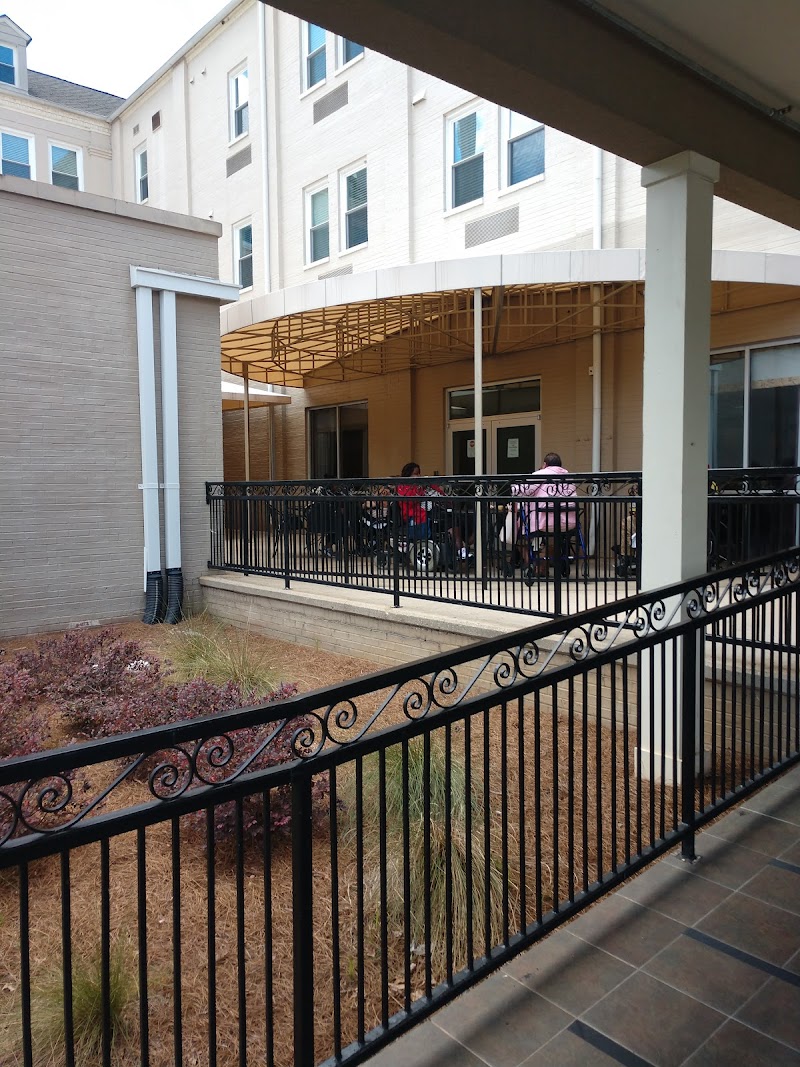
How Does Pruitthealth - Decatur Compare to Other Georgia Nursing Homes?

Compared to the 100 nursing homes in Georgia, PRUITTHEALTH - DECATUR's overall rating (3 stars) is above the state average of 2.6, staff turnover (33%) is significantly lower than the state average of 46%, and health inspection rating (3 stars) is at the national benchmark.

What Should Families Ask When Visiting Pruitthealth - Decatur?

Based on this facility's data, families visiting should ask: "Can you walk me through typical staffing levels on day, evening, and night shifts?" "Can I visit during a mealtime to observe dining assistance and food quality?" "How do you handle medical emergencies, and what is your hospital transfer rate?" "Can I speak with family members of current residents about their experience?" These questions are particularly relevant given the below-average staffing rating.

Is Pruitthealth - Decatur Safe?

Based on CMS inspection data, PRUITTHEALTH - DECATUR has a clean safety record: no substantiated abuse findings (meaning no confirmed cases of resident harm), no Immediate Jeopardy citations (the most serious violation level indicating risk of serious injury or death), and is not on the Special Focus Facility watch list (a federal program monitoring the lowest-performing 1% of nursing homes). The facility has a 3-star overall rating and ranks #1 of 100 nursing homes in Georgia. While no facility is perfect, families should still ask about staff-to-resident ratios and recent inspection results during their visit.

Do Nurses at Pruitthealth - Decatur Stick Around?

PRUITTHEALTH - DECATUR has a staff turnover rate of 33%, which is about average for Georgia nursing homes (state average: 46%). Moderate turnover is common in nursing homes, but families should still ask about staff tenure and how the facility maintains care continuity when employees leave.

Was Pruitthealth - Decatur Ever Fined?

PRUITTHEALTH - DECATUR has no federal fines on record. CMS issues fines when nursing homes fail to meet care standards or don't correct problems found during inspections. The absence of fines suggests the facility has either maintained compliance or corrected any issues before penalties were assessed. This is a positive indicator, though families should still review recent inspection reports for the full picture.

Is Pruitthealth - Decatur on Any Federal Watch List?

PRUITTHEALTH - DECATUR is not on any federal watch list. The most significant is the Special Focus Facility (SFF) program, which identifies the bottom 1% of nursing homes nationally based on persistent, serious quality problems. Not being on this list means the facility has avoided the pattern of deficiencies that triggers enhanced federal oversight. This is a positive indicator, though families should still review the facility's inspection history directly.