SEMINOLE MANOR NURSING HOME
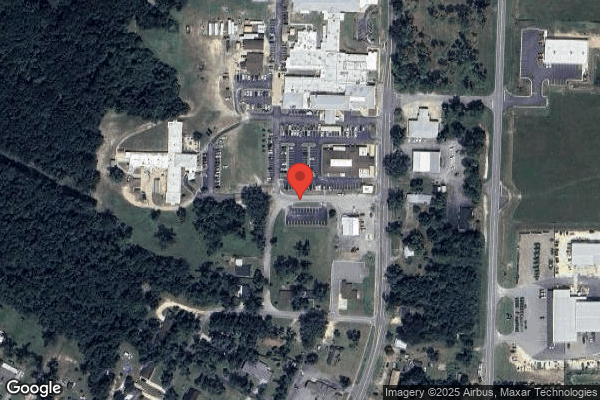
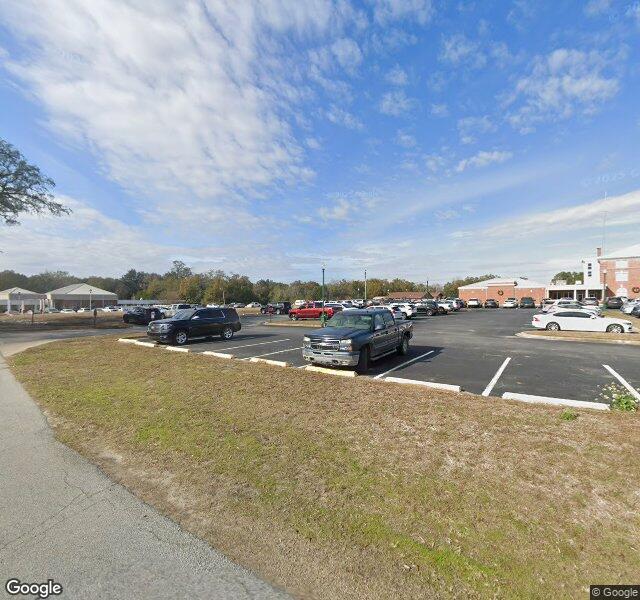
100 FLORENCE STREET, DONALSONVILLE, GA 39845 (229) 524-2733
Non profit - Other 75 Beds Independent Data: November 2025
Trust Grade
58/100
#230 of 353 in GA
Last Inspection: April 2025

Within standard 12-15 month inspection cycle. Federal law requires annual inspections.

Overview

Seminole Manor Nursing Home in Donalsonville, Georgia, has a Trust Grade of C, which means it is average and sits in the middle of the pack among nursing facilities. It ranks #230 out of 353 in Georgia, placing it in the bottom half, but it is the only option in Seminole County. Unfortunately, the facility's performance is worsening, with the number of reported issues rising sharply from 4 in 2023 to 11 in 2025. Staffing is a positive aspect, with a 4 out of 5-star rating and a low turnover rate of 28%, far below the state average, indicating that staff remain long-term and are familiar with residents. While the lack of fines is encouraging, there are concerning incidents, including potential food safety violations where food preparation practices may lead to contamination, unsecured access to confidential medical records, and the lack of a qualified Infection Preventionist, which could increase the risk of infections like COVID-19. Overall, families should weigh these strengths and weaknesses when considering this facility for their loved ones.

Trust Score
C
58/100
In Georgia
#230/353
Bottom 35%
Safety Record
Low Risk
No red flags
Inspections
Getting Worse
4 → 11 violations
Staff Stability
✓ Good
28% annual turnover. Excellent stability, 20 points below Georgia's 48% average. Staff who stay learn residents' needs.
Penalties
✓ Good
No fines on record. Clean compliance history, better than most Georgia facilities.
Skilled Nurses
○ Average
Each resident gets 30 minutes of Registered Nurse (RN) attention daily — about average for Georgia. RNs are the most trained staff who monitor for health changes.
Violations
⚠ Watch
19 deficiencies on record. Higher than average. Multiple issues found across inspections.
★★☆☆☆
2.0
Overall Rating
★★★★☆
4.0
Staff Levels
★★☆☆☆
2.0
Care Quality
★★☆☆☆
2.0
Inspection Score
Stable
2023: 4 issues
2025: 11 issues

The Good

  • 4-Star Staffing Rating · Above-average nurse staffing levels
  • Low Staff Turnover (28%) · Staff stability means consistent care
  • Full Sprinkler Coverage · Fire safety systems throughout facility
  • No fines on record
  • Staff turnover is low (28%)

    20 points below Georgia average of 48%

Facility shows strength in staffing levels, staff retention, fire safety.

The Bad

2-Star Overall Rating

Below Georgia average (2.6)

Below average - review inspection findings carefully

The Ugly 19 deficiencies on record

Apr 2025 11 deficiencies
CONCERN (D)

Potential for Harm - no one hurt, but risky conditions existed

Deficiency F0558 (Tag F0558)

Could have caused harm · This affected 1 resident

**NOTE- TERMS IN BRACKETS HAVE BEEN EDITED TO PROTECT CONFIDENTIALITY** Based on observation, staff interview, record review, and review of the facility policy titled Call System, Resident, the facili...

Read full inspector narrative →
**NOTE- TERMS IN BRACKETS HAVE BEEN EDITED TO PROTECT CONFIDENTIALITY** Based on observation, staff interview, record review, and review of the facility policy titled Call System, Resident, the facility failed to ensure one of 41 sampled residents (R) (R9) call devices was within reach. Findings include: Review of the facility policy titled Call System, Resident, last reviewed and revised on 4/22/25, revealed the following: Policy Heading: Residents are provided with a means to call staff for assistance through a communication system that directly calls a staff member or a centralized workstation. Policy Interpretation and Implementation: 1. Each resident is provided with a means to call staff directly for assistance from his/her bed by push button cord, from toileting/bathing facilities and from the floor . 3. The resident call system remains functional at all times . Cords are to be placed easily in reach of resident. 4. If a resident has a disability that prevents him/her from making use of the call system, an alternative means of communication that is usable for the resident is provided and documented in the care plan. [sic] Record review revealed R9 was re-admitted to the facility on [DATE] and was admitted to Hospice services on 9/3/2024 for congestive heart failure. Review of the MDS, with an ARD of 1/30/2025, R9 achieved a score of 14 out of 15 on the BIMS, which indicated the resident was cognitively intact. During the seven-day look-back period established by the ARD of 1/30/2025, the resident had no documented episodes of rejecting care. Under Section GG (Functional Abilities and Goals), the assessor documented that R9 required partial to moderate assistance with eating and substantial to moderate assistance with activities of daily living. Review of the resident's Comprehensive Care Plan revealed a Problem, dated 3/11/19, which noted, [Name of R9] requires limited assistance with ADLS R/T debility. The goal associated with the problem was: [Name of R9] will receive adequate assistance with hygiene on a daily basis AEB [as evidenced by] clean, neat appearance. [sic] Observation on 4/24/2025 at 7:22 am revealed R9 lying in bed wearing a hospital gown with the covers pulled up, covering his right hand. The resident's left hand was free. Observation revealed the call bell cord was wrapped around the right upper half bed rail, with the pendant dangling down below the half rail and not within the resident's reach. In an interview on 4/24/2025 at 7:29 am, Licensed practical Nurse (LPN) BB verified that R9's call device was not within his reach and placed it within his reach. During an interview beginning at 4:38 pm on 4/25/2025, the Administrator stated her expectation was that the call light should be readily accessible to the resident at all times.
CONCERN (D)

Potential for Harm - no one hurt, but risky conditions existed

Deficiency F0583 (Tag F0583)

Could have caused harm · This affected 1 resident

Based on observation and staff interview, the facility failed to ensure four of 42 sampled residents (R) diagnoses were kept private and confidential. This failure had the potential to affect all resi...

Read full inspector narrative →
Based on observation and staff interview, the facility failed to ensure four of 42 sampled residents (R) diagnoses were kept private and confidential. This failure had the potential to affect all residents with a diagnosis of diabetes living in the facility. Observation on 4/22/2025 at 9:30 am revealed that an undated handwritten list titled Diabetics was seen posted on the wall in the activity room. There was a window between the lobby and the activity room that allowed clear visibility of the list to anyone visiting the facility. The activity room was used daily by residents and staff. During an interview with the Activities Director on 4/24/2025 at 2:35 pm, she stated that the list was used to ensure residents with diabetes received snacks appropriate for them and acknowledged that she was unaware that posting that sign was a privacy and confidentiality issue.
CONCERN (D)

Potential for Harm - no one hurt, but risky conditions existed

Respiratory Care (Tag F0695)

Could have caused harm · This affected 1 resident

**NOTE- TERMS IN BRACKETS HAVE BEEN EDITED TO PROTECT CONFIDENTIALITY** Based on observation, staff interviews, record review, and review of the facility policies titled Nebulizer Equipment and Oxygen...

Read full inspector narrative →
**NOTE- TERMS IN BRACKETS HAVE BEEN EDITED TO PROTECT CONFIDENTIALITY** Based on observation, staff interviews, record review, and review of the facility policies titled Nebulizer Equipment and Oxygen Equipment, the facility failed to maintain respiratory equipment in a sanitary manner for four residents (R) (R9, R14, R28, and R37) of 41 sampled residents. Findings include: Review of the facility policy titled Nebulizer Equipment, with a review date of 11/2024, revealed the Purpose section stated, It is the policy of this facility for nebulizer treatments, once ordered, to be administered by nursing staff as directed using the proper technique and standard precautions. The Procedure section included Care of the Equipment 1. Clean after each use. 2. Wash hands before handling equipment. 3. Disassemble parts after every treatment. 4. Rinse the nebulizer cup and mouthpiece with water. 5. Shake off excess water. 6. Air-dry on an absorbent towel. 7. Once dry, store the nebulizer cup and mouthpiece in provided storage container. 8. Routinely change nebulizer tubing every 14 days, and as needed before. 9. Periodically disinfect the unit per the manufacturer's recommendations. Review of the facility policy titled Oxygen Equipment, with a review date of 11/2024, revealed the Purpose section included, Oxygen is administered to residents who need it, consistent with professional standards of practice, the comprehensive person-centered care plans, and the resident's goals and preferences. The Procedure section included Care of the Equipment 1. Care of the Concentrator: . c. Nurse responsibilities: i. Change oxygen tubing and mask/cannula every 14 days with date label, and as needed if it becomes soiled, contaminated, or damaged. 1. Review of R28's Comprehensive Care Plan revealed a Problem, dated 2/26/2025, which noted: [Name of R28] has scheduled nebulizer treatments R/T [related to] SOB [shortness of breath]. Approaches associated with this problem included: Change tubing and mask as directed by MAR [Medication Administration Record]. Clean Nebulizer mask with water, rinse after each use. Review of R28's Physician Orders revealed an order dated 1/28/2025 for administration of ipratropium-albuterol solution, one three milliliter (ml) vial for inhalation via nebulization twice daily. Review of R28's MAR dated April 2025 revealed that, between 8:00 am on 4/1/2025 and 8:00 am on 4/24/2025, R28 was to receive a total of 47 doses of the nebulizer treatment. Further review of the MAR revealed she refused 27 nebulizer treatments and accepted and received 20 nebulizer treatments during this same period. The last scheduled nebulizer treatment she received was at 8:00 pm on 4/23/2025. Further review of the MAR revealed no documentation of changing the nebulizer tubing, cup, or mask. Review of R28's Physician Orders revealed no order to change the nebulizer tubing, cup, or mask. Observation on 4/24/2025 at 7:13 am in R28's room revealed a nebulizer compressor on the floor against the wall under the head of R28's bed. The tubing, mask, and nebulizer cup were attached to the compressor. The tubing, nebulizer cup, and mask were not dated. 2. Review of R14's Comprehensive Care Plan revealed a Problem, dated 3/2/2025, which noted: [Name of R14] requires nebulizer treatments 5 [five] times a day R/T COPD [Chronic Obstructive Pulmonary Disease]. Approaches associated with this problem included: Change tubing and mask as directed by MAR. Clean Nebulizer mask with water, rinse after each use. Review of R4's Physician Orders revealed an active order, dated 4/13/2022, for ipratropium-albuterol solution, one three ml vial for inhalation via nebulization to be administered five times per day. The order also contained the following Special Instructions: Clean After Each Use. Rinse With Warm Water & Dry & Store In Container @ [at] Bedside. Review of R14's MAR dated April 2025 revealed the administration times for scheduled doses of ipratropium-albuterol were at 12:00 am, 5:00 am, 9:30 am, 3:30 pm, and 7:30 pm. Further review of the MAR revealed the resident received a dose of ipratropium-albuterol at 5:00 am on 4/24/2025, indicating the nebulizer cup was not disassembled and allowed to air-dry after it was last used. Review of the MAR revealed no documentation of changing the nebulizer tubing, cup, or mask. Review of R28's Physician Orders revealed no order to change the nebulizer tubing, cup, or mask. Observation on 4/24/2025 at 7:16 am of R14's room revealed a nebulizer device in the seat of a chair placed at the bedside. Observation of the nebulizer compressor found tubing connected to the device with the mask connected to an assembled nebulizer cup, both of which were resting on folded white paper towels. Observation of the nebulizer cup revealed droplets of moisture inside the cup, indicating the nebulizer cup had not been disassembled and allowed to air-dry. Further observation revealed no dates on the tubing, cup, or mask. 3. Review of R9's medical record revealed he was re-admitted to the facility on [DATE] and was admitted to Hospice services on 9/3/2024 for congestive heart failure. Review Of R9's Comprehensive Care Plan Revealed A Problem, Dated 8/22/2019, Which Noted: [Name Of R9] Requires O2 [Oxygen] @ two lpm [Liters Per Minute] via N/C [Nasal Cannula] As Needed R/T Effects Of COPD With Chronic Bronchitis. Approaches Associated With This Problem Include: Change O2 Tubing Twice Monthly When In Use. Humidify O2 With Sterile Or Distilled Water When In Use And PRN [As Needed] To Prevent Drying Of The Mucous Membranes Review of R9's Physician Orders revealed an order dated 10/1/2024, for O2 at two LPM PRN SOB. Further review revealed there was no order to indicate what days staff should change the oxygen tubing. Observation on 4/24/2025 at 7:16 am revealed R9 receiving O2 at two LPM via a NC, connected to an O2 concentrator. Observation reveled the tubing was undated. During an observation and interview on 4/24/2025 at 7:46 am, Licensed Practical Nurse (LPN) BB confirmed R9's O2 tubing was undated. When asked how often staff were to change the tubing, LPN BB stated, It's set up in the computer for each resident. I think it's weekly. 4. Review of R37's medical record revealed the resident was re-admitted to the facility on [DATE], and diagnoses included COPD. Review of R37's Comprehensive Care Plan revealed a Problem, Dated 7/2/2024, which noted: Resident Requires O2 @ 2 Lpm Prn Via N/C R/T Shortness Of Breath And/or Decreased O2 Sats [Oxygen Saturation Levels, Which Refers To The Percentage Of Red Blood Cells That Are Carrying Oxygen In The Blood]. Approaches Associated With This Problem Include: Administer O2 Per MD Order. Change Nasal Canula [Sic] Bubble Humidifier On The 2nd & 4th Wed [Wednesday] Of Each Month When In Use And As Needed. Humidify O2 With Steril [Sic] Or Distilled Water When In Use As Needed To Prevent Drying Of The Mucous Membranes. Review of R37's Physician Orders revealed an order dated 7/2/2024 for O2 at two LPM via NC PRN. Review of R37's MAR for April 2025 revealed the resident had used the O2 14 times in April, with the last use documented as having occurred at 11:17 pm on 4/18/2025. Observation on 4/24/2025 at 7:40 am of R37's room revealed an O2 concentrator set up beside the unoccupied bed next to R37's bed. R37 was not present at the time of the observation. The O2 concentrator was not in use, and the NC tubing, which was connected directly to the O2 concentrator, was rolled up and stuck under the elastic strap intended to secure a bubble humidifier bottle on the front of the concentrator. A section of tubing dangled from the concentrator and was in direct contact with the floor. There was no date on the tubing to indicate when it had been put into service. In an interview on 4/24/2025 at 8:03 am, LPN BB stated R37 normally used his O2 at night, and she would have the tubing changed. In an interview on 4/25/2025 at 4:38 pm, the Administrator stated that after the nebulizer treatments, the nebulizer cup should be taken apart, and the cup and mask were to be rinsed with water and stored on a paper towel inside a plastic container and allowed to air-dry. The Administrator further stated that staff should change the O2 tubing, nebulizer mask, and nebulizer cup every 14 days, and date the tubing when changed.
CONCERN (D)

Potential for Harm - no one hurt, but risky conditions existed

Medication Errors (Tag F0758)

Could have caused harm · This affected 1 resident

Based on staff interviews, record review, and review of the facility policy titled Psychotropic Medications, the facility failed to ensure that as-needed (PRN) orders for psychotropic medications were...

Read full inspector narrative →
Based on staff interviews, record review, and review of the facility policy titled Psychotropic Medications, the facility failed to ensure that as-needed (PRN) orders for psychotropic medications were limited to 14 days for one of six residents (R) (R29) reviewed for the use of unnecessary medications. Findings include: Review of the facility's policy titled Psychotropic Medications, reviewed 6/2024, directed that PRN orders for psychotropic medications should be limited to no more than 14 days. Review of R29's clinical record revealed diagnoses that included schizophrenia, anxiety disorder, and delusional disorders. Review of R29's Physician's Order revealed an order dated 3/20/2025 for lorazepam 0.5 milligrams (mg) twice daily as needed (PRN) for anxiety disorder, and the end date was listed as open-ended. Review of R29's Medication Administration Records (MARs) revealed the lorazepam was administered on 4/24/2025, 4/23/2025, 4/21/2025, 4/14/2025, 4/13/2025, 4/11/2025, 4/7/2025, 4/3/2025, 4/2/2025, 4/1/2025, 3/28/2025, 3/27/2025, 3/25/2025, 3/22/2025, and 3/20/2025. In an interview on 4/25/2025 at 4:10 pm, the Pharmacist stated that PRN orders for psychotropics should be limited to 14 days, and he would increase vigilance and step up encouraging compliance from the physicians. In an interview on 4/25/2025 at 4:37 pm, the Administrator stated that her expectation was for the nurse who entered the order for a PRN psychotropic medication to put an end date on the order of 14 days.
CONCERN (D)

Potential for Harm - no one hurt, but risky conditions existed

Unnecessary Medications (Tag F0759)

Could have caused harm · This affected 1 resident

Based on observation, staff interviews, record review, and review of the facility's policy titled Pharmacy Services For Medications, the facility failed to ensure the medication error rate was less th...

Read full inspector narrative →
Based on observation, staff interviews, record review, and review of the facility's policy titled Pharmacy Services For Medications, the facility failed to ensure the medication error rate was less than 5 percent. A total of 30 opportunities were observed with two errors for two residents (R8 and R62), resulting in an error rate of 6.67 percent. This failure had the potential to place R8 and R62 at risk of medication not being given in accordance with the physician's orders and had the potential to adversely affect the residents' clinical conditions. Findings include: A review of the facility policy titled Pharmacy Services For Medications, reviewed 4/2025, revealed the Policy Statement included, The facility shall accurately and safely provide or obtain pharmaceutical services, including the provision of routine and emergency medications and biologicals, and the services of a licensed consultant pharmacist. The Policy Interpretation and Implementation section included, . 3. Pharmacy services are available to residents 24 hours a day, seven [7] days a week. 4. Residents have a sufficient supply of their prescribed medications and receive medications (routine, emergency, or as needed) in a timely manner. 1. Observation on 4/23/2025 at 7:47 am, during medication administration, revealed Licensed Practical Nurse (LPN) DD administering R8's medications. Observation revealed that a scheduled dose of Vitamin D3 1000 units was not in the resident's medication supply or the back-up medication supply. The medication was not administered. LPN DD verified the medication was not administered and would be an omitted dose. 2. Observation on 4/23/2025 at 7:57 am, during medication administration, revealed LPN BB administering R62's medications. Review of R62's Medication Administration Record (MAR) revealed an order for Lantus (insulin glargine) 100 units per milliliter, 15 units subcutaneous once daily at 8:00 am. LPN BB removed a multidose vial of Lantus, which was in its original box. Neither the box nor the vial was labeled with an open date. Observation revealed a pink sticker on the box reading Discard after 28 Days. LPN BB confirmed there was no open date on the insulin, and there was no way to determine the opened date. There was no back-up or emergency supply of the medication, and the medication was not administered. LPN BB verified the medication was not administered and would be an omitted dose. In an interview on 4/25/2025 at 4:38 pm, the Administrator stated her expectation was for medications to be available for each resident, and medications should be re-ordered before the supply was exhausted.
CONCERN (E)

Potential for Harm - no one hurt, but risky conditions existed

Resident Rights (Tag F0550)

Could have caused harm · This affected multiple residents

**NOTE- TERMS IN BRACKETS HAVE BEEN EDITED TO PROTECT CONFIDENTIALITY** Based on observation, staff interviews, record review, and review of the facility policie titled Dignity and Routine Resident Ch...

Read full inspector narrative →
**NOTE- TERMS IN BRACKETS HAVE BEEN EDITED TO PROTECT CONFIDENTIALITY** Based on observation, staff interviews, record review, and review of the facility policie titled Dignity and Routine Resident Checks, the facility failed to provide care in a manner to promote dignity and respect for five of seven residents (R) (R3, R9, R57, R60, and R54) who were noted to have food spills on their clothing or dirty, jagged fingernails. This failure had the potential to diminish R3, R9, R57, R60, and R54's quality of life in an environment that promotes the maintenance or enhancement of each resident's quality of life. Findings include: A review of the facility policy titled Dignity, last reviewed and revised on 6/19/2024, revealed the following: Policy Statement: Each resident shall be cared for in a manner that promotes and enhances hir or her sense of well-being, level of satisfaction with life, and feelings of self-worth and self-esteem. A review of the facility policy titled Routine Resident Checks, last reviewed and revised on 4/2025, revealed the following: Staff shall make routine resident checks to maintain resident safety and well-being . Policy Interpretation and Implementation 1. To ensure the safety and well-being of our residents, nursing staff shall make a routine resident check on each unit at least once per each 8-hour shift. 2. Routine resident checks should occur more frequently for residents that are not able to call for assistance based on their individual needs. Residents that are able may call for assistance as needed for any care needs to be performed. This involves entering the resident's room and/or identifying the resident elsewhere on the unit to determine if the resident's needs are being met, identify any change in the resident's condition, identify whether the resident has any concerns, and see if the resident is sleeping, needs toileting assistance, etc. 1. Review of R57's medical record revealed he was admitted to the facility on [DATE], and diagnoses included diabetes mellitus with diabetic neuropathy, age-related nuclear cataract, and bilateral vitreous degeneration. Review of his most recent Minimum Data Set (MDS) assessment, with an Assessment Reference Date (ARD) of 2/27/2025, R57 achieved a score of 13 out of 15 on the Brief Interview for Mental Status (BIMS), which indicated the resident was cognitively intact. The assessor also documented on this MDS that R57 had impaired vision and impairments in functional range of motion in both upper and lower extremities. During the seven-day look-back period established by the ARD of 2/27/2025, the resident did not exhibit any rejection of care. Under Section GG (Functional Abilities and Goals), the assessor documented that R57 required set-up or clean-up assistance with eating. (Set-up or clean up assistance was defined as: Helper sets up or cleans up; resident completes activity. Helper assists only prior to or following the activity.). The assessor also documented that R57 was dependent with personal hygiene (defined as: The ability to maintain personal hygiene, including combing hair, shaving, applying make-up, washing/drying face and hands (excludes baths, showers, and oral hygiene. Dependent was defined as Helper does all of the effort. Resident does none of the effort to complete the activity. Or the assistance of 2 or more helpers is required for the resident to complete the activity.) Review of the resident's Comprehensive Care Plan revealed a Problem, dated 12/17/2024, which noted, [Name of R57] requires partial/dependent assistance from staff for ADLS [activities of daily living] R/T [related to] immobility. The goal associated with the problem was: [Name of R57]'s ADLs will be met per staff as needed. Review of a quarterly Registered Dietitian Progress Note recorded, dated 3/5/2025 at 2:05 pm, found: . He [R57] will not sit up to eat but is able to feed himself, using a divided plate. Observation on 4/22/2025 at 11:58 am revealed R57 in his room, wearing a hospital gown while lying in bed. Some food was observed on the front of his hospital gown, although he was not actively eating at the time of observation. No meal tray was present on his overbed table, indicating that someone had removed his meal tray from his room after he finished eating his breakfast that morning. 2. Review of R3's medical record revealed he was re-admitted to the facility on [DATE], and diagnoses included: multiple sclerosis, muscle spasms, other specified disorders of muscle, encounter for attention to gastrostomy. Review of his most recent MDS assessment, with an ARD of 2/19/2025, R3 achieved a score of 15 out of 15 on the BIMS, which indicated the resident was cognitively intact. The assessor also documented on this MDS that R3 had impairments in functional range of motion in both upper and lower extremities. During the seven-day look-back period established by the ARD of 2/19/2025, the resident did not exhibit any rejection of care. Under Section GG (Functional Abilities and Goals), the assessor documented that R3 was dependent with eating. The assessor also documented that R3 was dependent with personal hygiene. Review of the resident's Comprehensive Care Plan revealed a Problem, dated 4/2/2019, which noted, [Name of R3] is dependent on staff for ADLs R/T MS (Multiple Sclerosis). He will reject care at times. The goal associated with the problem was: [Name of R3]'s ADLs [sic] will be met per staff. A review of the resident's Physician Orders noted the following active orders: Oral Meals Only When Out Of Bed And Seated At 90 Degrees, Dated 4/9/2025. Regular, Dys Adv [Dysphagia Advanced] Special Instructions: Add Ice Cream To Tray No Liquids, Dated 4/4/2025. May Have Pleasure Snacks By Mouth If Requested, He May Have Sherbert Or Ice cream Along With Solid Snacks Three Times A Day [Sic], Dated 3/20/2025. Observation on 4/22/2025 at 10:17 am revealed R3 in his room, wearing street clothes, seated in his wheelchair beside his overbed table, operating his computer tablet. Some food was observed on the front of his shirt and on his overbed table, although he was not actively eating at the time of observation. No meal tray was present on his overbed table, indicating that someone had removed his meal tray from his room after he finished eating his breakfast that morning. 3. Record review revealed R60 was re-admitted to the facility on [DATE], and diagnoses included vascular dementia with behavioral disturbance, disorganized schizophrenia, and moderate intellectual disabilities. Review of his most recent MDS assessment, with an ARD of 4/3/2025, R60 achieved a score of zero out of 15 on the BIMS, which indicated the resident was severely cognitively impaired. During the seven-day look-back period established by the ARD of 4/3/2025, the resident rejected care one to three days during the look-back period. Under Section GG (Functional Abilities and Goals), the assessor documented that R60 required setup or clean-up assistance with both eating and personal hygiene. Review of the resident's Comprehensive Care Plan revealed a Problem, dated 1/17/2025, which noted, [Name of R60] requires assistance with ADLS R/T ID [intellectual disability] & Dementia. The goal associated with the problem was: [Name of R60] will receive adequate assistance with hygiene on a daily basis, AEB [as evidenced by] clean, neat appearance. [sic] Observation on 4/22/2025 at 11:06 am revealed R60 in the lounge area on South Hall, wearing a bright green T-shirt with orange stains down the front. Observation on 4/22/2025 at 11:58 am revealed R60 in the dining room, seated at a table, and wearing a bright green T-shirt with orange stains down the front. Observation on 4/22/2025 at 12:30 pm revealed R60 found him walking independently from the South Hall to the lobby after lunch at 12:30 pm on 4/22/2025, wearing a bright green T-shirt with orange stains down front. Observation at 7:08 am on 4/24/2025 revealed R60 independently propelling himself in a manual wheelchair down South Hall wearing a white T-shirt with orange stains down the front. During an interview at 8:10 am on 4/24/2025, the Activity Director (AD) was asked if R60 dressed himself. The AD replied, Yes and no . He does dress himself. When told he was wearing a white T-shirt with an orange stain on it, the AD stated, That's probably cocoa . He will change it if you ask him to. Observation on 4/24/2025 at 9:22 am revealed R60 standing at the nursing station. He was wearing a bright green T-shirt under a camouflage jacket. The green T-shirt had an orange stain down the front. Observation on 4/24/2025 at 1:14 pm revealed R60 found him sitting in a recliner in the lobby. He was wearing a bright green T-shirt under a camouflage jacket. The green T-shirt had an orange stain down the front. In an interview on 4/24/2025 at 1:15 pm, Certified Nursing Assistant (CNA) EE, who was also in the lobby, stated the stain on R60's shirt was probably from cocoa or a chocolate drink. 4. Record review revealed R9 was re-admitted to the facility on [DATE] and was admitted to Hospice services on 9/3/2024 for congestive heart failure. Review of the most recent MDS, with an ARD of 1/30/2025, R9 achieved a score of 14 out of 15 on the BIMS, which indicated the resident was cognitively intact. During the seven-day look-back period established by the ARD of 1/30/2025, the resident had no documented episodes of rejecting care. Under Section GG (Functional Abilities and Goals), the assessor documented that R9 was dependent with personal hygiene. Review of the resident's Comprehensive Care Plan revealed a Problem, dated 3/11/2019, which noted, [Name of R9] requires limited assistance with ADLS R/T debility. The goal associated with the problem was: [Name of R9] will receive adequate assistance with hygiene on a daily basis AEB clean, neat, appearance. [sic] Observation on 4/24/2025 at 7:22 am revealed R9 lying in bed wearing a hospital gown with the covers pulled over his right arm. An observation of his left hand found the fingernails to be dirty and jagged. 5. Record review of R54 showed an admission date of 3/27/2025 for hospice care related to a diagnosis of lung cancer. The Minimum Data Set (MDS) revealed a Brief Interview for Mental Status (BIMS) score of 13, which indicated the resident was cognitively intact. Observation on 4/22/2025 at 2:22 pm revealed R54's fingernails were dirty and untrimmed. Further observation revealed R54 had dried food on her hands, face, and clothing. She did not answer when asked about her fingernails and the dried food. During an interview beginning at 4:38 pm on 4/25/2025, the Administrator was asked about her expectations for staff rounding and providing residents with assistance with personal hygiene. The Administrator stated she would expect that staff would round every two hours. The Administrator also stated that, depending on where the resident was when found soiled, she would expect different staff to assist the resident to clean up. Regarding fingernail care, the Administrator stated each resident's assigned aide was responsible for the care of a resident's fingernails, including cleaning and clipping or shaping them.
CONCERN (E)

Potential for Harm - no one hurt, but risky conditions existed

Pharmacy Services (Tag F0755)

Could have caused harm · This affected multiple residents

Based on observations, staff interviews, record review, and review of the facility's policies titled Pharmacy Services For Medications and Multi-Dose Vials, the facility failed to ensure routine medic...

Read full inspector narrative →
Based on observations, staff interviews, record review, and review of the facility's policies titled Pharmacy Services For Medications and Multi-Dose Vials, the facility failed to ensure routine medications were available for two of four residents (R) (R8 and R62) observed during medication administration. The deficient practice had the potential to place R8 and R62 at risk for medical complications, unmet needs, and a diminished quality of life. Findings include: Review of the facility policy titled Pharmacy Services For Medications, review date 4/2025, revealed the Policy Statement included, The facility shall accurately and safely provide or obtain pharmaceutical services, including the provision of routine and emergency medications and biologicals, and the services of a licensed consultant pharmacist. The Policy Interpretation and Implementation section included . 3. Pharmacy services are available to residents 24 hours a day, seven days a week. 4. Residents have a sufficient supply of their prescribed medications and receive medications (routine, emergency, or as needed) in a timely manner. 5. Nursing staff communicate prescriber orders to the pharmacy and are responsible for contacting the pharmacy if a resident's medication is not available for administration. Borrowing medications from other residents or from the emergency medication supply because of a failure to order or reorder a medication in time for a resident to receive a scheduled medication is not acceptable practice. 7. Medications are received, labeled, stored, administered and disposed of according to applicable state and federal laws and consistent with standards of practice. Review of the facility policy titled Multi-Dose Vials, review date 8/2024, revealed the Policy section included, It is the policy of [name of facility] to date all vials as they are opened during administration. Medication in multi-dose vials can be used for administration within 28 days of when the vial was opened. 1. Observation on 4/23/2025 at 7:47 am, during medication administration, revealed Licensed Practical Nurse (LPN) DD administering R8's medications. Observation revealed that a scheduled dose of Vitamin D3 1000 units was not in the resident's medication supply. LPN DD checked the medication storage room and stated the medication was not available and she would order it from the pharmacy. 2. Observation on 4/23/2025 at 7:57 am, during medication administration, revealed LPN BB administering R62's medications. Review of R62's Medication Administration Record (MAR) revealed an order for Lantus (insulin glargine) 100 units per milliliter, 15 units subcutaneous once daily at 8:00 am. LPN BB removed a multidose vial of Lantus, which was in its original box. Neither the box nor the vial was labeled with an open date. Observation revealed a pink sticker on the box reading Discard after 28 Days. LPN BB confirmed there was no open date on the insulin, and there was no way to determine the opened date. She checked the medication storage room and confirmed there was no back-up supply of the insulin. LPN BB re-ordered the insulin from the pharmacy. In an interview on 4/25/2025 at 4:38 pm, the Administrator stated her expectation was for a back-up container of insulin to be available for each resident prescribed insulin, and for medications to be available as ordered. The Administrator further stated that medications should be reordered prior to the current supply being exhausted.
CONCERN (E)

Potential for Harm - no one hurt, but risky conditions existed

Deficiency F0761 (Tag F0761)

Could have caused harm · This affected multiple residents

Based on observations, staff interviews, and review of the facility's policy titled Medication Storage And Labeling, the facility failed to ensure one of three medication carts was locked and secured ...

Read full inspector narrative →
Based on observations, staff interviews, and review of the facility's policy titled Medication Storage And Labeling, the facility failed to ensure one of three medication carts was locked and secured when unattended and out of the sight of authorized personnel, failed to ensure expired medications and medical supplies were discarded from the storage room and treatment cart, and failed to ensure a multi-dose vial of insulin was dated when opened. These deficient practices created the potential for residents, unauthorized staff, and visitors to have access to medications and biologicals stored on the medication cart and placed residents at risk of receiving medications with altered effectiveness. The facility's census was 64 residents. Findings include: A review of the facility policy titled Medication Storage And Labeling, review date 4/22/2025, revealed the Policy included, The facility stores all medications and biologicals in locked compartments under proper temperature, humidity, and light controls. Only authorized personnel have access to keys. The Policy Interpretation and Implementation section included, Medication Storage . 3. If the facility has discontinued, outdated or deteriorated medications or biologicals, the dispensing pharmacy is contacted for instructions regarding returning or destroying these items. 4. Compartments (including, but not limited to, drawers, cabinets, rooms, refrigerators, carts, and boxes) containing medications and biologicals are locked when not in use, and trays or carts used to transport such items are not left unattended if open or otherwise potentially available to others . Medication Labeling 1. Labeling of medications and biologicals dispensed by the pharmacy is consistent with applicable federal and state requirements and currently accepted pharmaceutical practices . 5. Multi-dose vials that have been opened or accessed (e.g., needle punctured) are dated and discarded within 28 days unless the manufacturer specifies a shorter or longer date for the open vial. 1. Observation on 4/22/2025 at 12:09 pm revealed one medication cart parked in front of the nursing station under a sign delineating the room numbers for South Hall (Rooms 96 through 111). The cart's key lock was popped out, indicating the cart was unlocked, and the surveyor was successful in accessing a drawer full of medications. [NAME] Clerk (WC) CC was sitting at the nursing station and stated Licensed Practical Nurse (LPN) BB was responsible for the unlocked medication cart. Observation revealed LPN BB sitting at a desk behind the nursing station, located in an area without direct line of sight of the cart. At 12:11 pm, LPN BB verified the cart was unlocked, out of her sight, and locked the cart. In an interview on 4/22/2025 at 2:23 pm, the Director of Nursing (DON) stated the medication cart should not be unlocked when out of sight of the nurse. She stated anyone could access its contents, including residents, if left unlocked and unattended. 2. Observation on 4/22/2025 at 11:37 am with the DON of the contents of the storeroom housing central supply revealed the following: One gastrostomy feeding tube - expired 9/23/2022 One dressing change tray - expired 1/31/2025 One infusion set - expired 9/2016 20 IV [intravenous] start kits - expired 3/1/2023 One box of 50 suction catheters - expired 10/31/2024 two bottles of packing strip dressing - expired 3/20/2025 One box of 10 electrocardiogram tab electrodes - expired 9/2017 One skin staple extractor - expired 3/31/2025 Multiple boxes of absorbent, permeable adhesive film dressings - expired 2/2025 20 male external catheters - expired 3/1/2023 The DON verified the findings. Observation on 4/22/2025 at 1:20 pm with the DON of the treatment cart and supplies stored in the treatment room revealed: One eight-ounce bottle of Hibiclens Chlorhexidine Gluconate - expired 9/2024 One tube of Clotrimazole Cream 1 percent - expired 2/2025 One tube of Clotrimazole Antifungal Cream - expired 9/2024 One bottle of packing strip dressing - expired 3/20/2025 One bottle of packing strip dressing - open with expiration date rubbed off Two multiple-use drawing needles - expired 2/26/2025 Four tuberculin syringes - expired 8/2021 39 packages of skin closures - expired 11/2023 Six occlusive bandage strips - expired 11/30/2024 One 0.9% sodium chloride injection, 20 milliliters (ml) - expired 1/1/2025 One 0.9% sodium chloride injection, 20 ml - expired 11/11/2024 One 12 ml syringe with luer-lock tip - expired 11/16/2024 Six buffered sodium citrate - expired 3/31/2025 Observation of the treatment care revealed the following items were opened, compromising the cleanliness of the items: Two antibacterial foam dressings Two foam dressing One adhesive island dressing One non-adherent pad prepack One wound dressing Three occlusive gauze patch Four occlusive gauze strip One honey impregnated wound dressing Two open packages of non-sterile cotton-tipped applicators, containing a combined total of 84 applicators. The applicators were seen spilling from the open packaging into the cart and would not be considered clean for use in applying anything to an open wound. In an interview on 4/22/2025 at 2:00 pm, the DON confirmed that all items observed were kept past their expiration dates and/or were opened and should not have been available for use. 3. During medication pass observation on 4/23/2025 at 7:47 am, observation revealed LPN DD left a prepared cup of MiraLax on top of the medication cart, parked in the area of a resident's room, when she went to the medication storage room. The medication was left out of her direct line of sight. Upon her return to the medication cart at 7:56 am, LPN DD confirmed she had left the cup of MiraLax unsecured and unattended on top of her cart when she walked to the medication room. 4. During medication pass observation on 4/23/2025 at 7:57 am, observation of LPN BB preparing one resident's (R) (R62) medications revealed one opened multi-use vial of Lantus insulin (a medication used to treat high blood sugar) without an open or discard date. LPN BB confirmed that neither the multi-dose vial nor the box was dated to indicate when the vial was opened. In an interview on 4/23/2025 at 3:24 pm, the DON stated her expectations were for expired medications and medical supplies to be removed from use, and multi-dose vials were to be dated when opened and discarded 28 days after opening. In an interview on 4/25/2025 at 4:38 pm, the Administrator stated her expectations were for medication carts to be locked and secured when unattended, medications to be secured and not left on top of medication carts when unattended, and expired medications and supplies to be discarded upon expiration dates.
CONCERN (E)

Potential for Harm - no one hurt, but risky conditions existed

Deficiency F0804 (Tag F0804)

Could have caused harm · This affected multiple residents

Based on observations, resident interviews, and staff interviews, the facility failed to serve food to residents that was palatable, attractive, and appetizing. This deficient practice had the potenti...

Read full inspector narrative →
Based on observations, resident interviews, and staff interviews, the facility failed to serve food to residents that was palatable, attractive, and appetizing. This deficient practice had the potential to adversely affect 62 residents who received meals from the kitchen. Findings include: In a Resident Council meeting on 4/23/2025 at 9:30 am, residents expressed dietary concerns, including that meals were often cold and the food was bland and without flavor. On 4/25/2025 at 5:30 pm, the Administrator ordered a test tray to be brought to the Activity Room. The test tray was carried by a staff member from the Kitchen to the Activity Room and was delivered at 5:32 pm. The dinner plate was covered with a dome lid, and an insulated bowl, and all beverage cups were covered with disposable plastic lids. Two surveyors participated with the Administrator in sampling the test tray. The tray contained the following food items: - One prepackaged bag of barbeque potato chips (one and one-half ounces) - One bowl of broccoli and cheese soup - One chicken salad sandwich on white bread and one serving of green pea salad, which were served on the same plate. Observation revealed that the green pea salad was in a liquid that had spread across the plate and came into contact with the bottom slice of the sandwich's bread, causing the bread to become soggy. The sandwich was cut into four quarters and tasted by all three participants. All participants agreed that the chicken salad was bland and lacked salt and/or seasoning. The soup was found to be lumpy. The temperature of the soup was neither hot nor cold. The soup, when tasted, was bland and of the consistency of condensed soup, as if no water had been added to a concentrated pre-packaged product. The pea salad, when sampled, was neither hot nor cold and tasted like peas without any additional seasoning. The sauce also lacked any seasoning. The Administrator speculated that the sauce was mayonnaise-based and remarked that this salad should have been served cold. All three people who sampled the test tray agreed that the pea salad should have been served in a bowl or with a thicker sauce to prevent the sauce from running across the plate into the sandwich. All three people sampling the test tray agreed with the above findings, and the Administrator stated that most of the residents' complaints were about the supper [evening] meal.
CONCERN (F)

Potential for Harm - no one hurt, but risky conditions existed

Food Safety (Tag F0812)

Could have caused harm · This affected most or all residents

Based on observations, staff interviews, record review, and review of the facility's policy titled Food: Preparation, the facility failed to ensure sanitary practices were followed during food prepara...

Read full inspector narrative →
Based on observations, staff interviews, record review, and review of the facility's policy titled Food: Preparation, the facility failed to ensure sanitary practices were followed during food preparation. This deficient practice had the potential to place the 62 residents who received food from the kitchen at risk of foodborne illness. Findings included: Review of the facility's policy titled Food: Preparation, dated 9/2017, revealed the Procedures section included, .2. Dining Services staff will be responsible for food preparation procedures that avoid contamination by potentially harmful physical, biological, and chemical contamination. Observation on 4/22/2055 at 11:50 am revealed the Dietary Manager (DM) measuring food temperatures of 11 food items on the steam table. The DM used a paper napkin to wipe the residue from the probe thermometer between each food item tested without sanitizing the probe. He then used the probe thermometer to measure the temperature of a bowl of fruit and a bowl of applesauce. When asked about sanitizing the temperature probe, the DM placed the probe in a cup of sanitizing solution and said the same solution used in the sanitization buckets was used in the probe thermometer cup. In an interview on 4/23/2025 at 11:55 am, the DM stated he tried to sanitize the food thermometer probe between each food in a sanitizing solution and provided a box of food probe wipes. The box was tattered and had an illegible date ending in 2025. In an interview on 4/23/2025 at 2:15 pm, the District Manager acknowledged that using a paper napkin to wipe the food thermometer probe between food types was not acceptable, and the expectation was that staff should use a clean probe wipe to sanitize the temperature probe between each food type to prevent cross-contamination. In an interview on 4/25/2025 at 3:32 pm, the Registered Dietitian stated there were probe wipes available to sanitize the probe thermometer between food types, and the expectation was for dietary staff to sanitize the probe between each food type with a new wipe.
CONCERN (F)

Potential for Harm - no one hurt, but risky conditions existed

Medical Records (Tag F0842)

Could have caused harm · This affected most or all residents

**NOTE- TERMS IN BRACKETS HAVE BEEN EDITED TO PROTECT CONFIDENTIALITY** Based on observation, staff interview, and review of the facility's policy titled Storage of Records, the facility failed to ens...

Read full inspector narrative →
**NOTE- TERMS IN BRACKETS HAVE BEEN EDITED TO PROTECT CONFIDENTIALITY** Based on observation, staff interview, and review of the facility's policy titled Storage of Records, the facility failed to ensure confidential medical, financial, and legal records were stored in a manner to prevent unauthorized access to the records. This deficient practice had the potential to compromise the confidentiality of resident records. Findings include: Review of the facility's policy titled Storage of Records, reviewed 11/2024, revealed the Purpose section included, .Resident-purged paper records are placed in filing cabinets located in the locked [NAME] Hall storage room. Observation on 4/24/2025 at 4:25 pm, in the copy room across from the Nurse's Station, revealed a bin for storage of medical records to be destroyed that was unlocked, and the door to the copy room was unlocked. Observation on 4/24/2025 at 4:24 pm revealed a shred bin behind the Nurse's Station that was unlocked with the door slightly ajar. The Nurse's Station had an open floor plan with no doors or gates to restrict access to the items behind it. At the time of the observation, multiple staff members were both behind and in front of the nursing station. Observation on 4/24/2025 at 7:20 am revealed that the [NAME] Hall Storage Room used the same entry code as the restroom. Observation of the storage room revealed two two-drawer file cabinets and five four-drawer filing cabinets next to a scale for weighing residents. One of the two-drawer filing cabinets had a label that stated Jan - [DATE] Financial. Another drawer was labeled as COVID-19 2020 - 2022. Another drawer was labeled Social Service Files, and another was labeled Business Office Files. Three cabinets were labeled Resident Files and had unlocked hasps attached. In an interview on 4/25/2025 at 4:37 pm, the Administrator stated that medical and financial records should be stored securely to limit access based on a need-to-know. The Administrator confirmed that locks were being ordered and would be installed to secure the records in the [NAME] Hall Storage Room.
Mar 2023 4 deficiencies
CONCERN (D)

Potential for Harm - no one hurt, but risky conditions existed

Comprehensive Care Plan (Tag F0656)

Could have caused harm · This affected 1 resident

Based on observations, record reviews, staff observations, and review of policy titled, Care Plans, Comprehensive Person-Centered, the facility failed to follow the care plans related providing oxygen...

Read full inspector narrative →
Based on observations, record reviews, staff observations, and review of policy titled, Care Plans, Comprehensive Person-Centered, the facility failed to follow the care plans related providing oxygen as ordered for one resident (R) (R#29) and failed to follow care plan related to cleaning or storage of nebulizer mask after each use for one resident (R#30) for 30 sampled residents. Findings Include: Review of the facility policy titled Care Plans, Comprehensive Person-Centered revised date March 2022 revealed the following: Policy Statement: A comprehensive, person-centered care plan that includes measurable objectives and timetables to meet the resident's physical, psychosocial and functional needs is developed and implemented for each resident. 1. Review of the medical record for R#29 revealed a diagnosis not all inclusive of acute upper respiratory infection, Edema, Anemia, and Dementia. Further review of the medical record revealed a Physician Order for oxygen (O2) at 2 LPM (liters per minute) via nasal cannula every shift, day, evening, night. with a start date of 7/2/2022. Review of Care Plan revealed R#29 required O2 (oxygen) at 2/LPM (liters per minute) via nasal cannula for comfort care with an intervention (with a created date of 3/1/2023) that included to Administer O2 per Medical Director (MD) order. Observations on 2/28/2023 at 11:23 a.m. and 3/1/2023 at 8:41 a.m. revealed R#29 receiving oxygen therapy via nasal cannula at 1.5 LPM. During an interview and observation on 3/1/2023 at 1:20 p.m. with the Director of Nursing (DON), she confirmed O2 setting was infusing at 1.5 LPM via nasal cannula. DON reported that her expectations are for staff to follow the care plan. 2. Review of the medical record for R#30 revealed a diagnosis not all inclusive of acute upper and lower respiratory infection, chronic sinusitis, and Nasal congestion. Further review of the medical record revealed a Physician Order for Ipratropium-Albuterol solution for nebulization; 0.5 mg-3 mg (2.5 mg base)/3 mL; amt: 1; inhalation with special instructions: 1 vial via jet nebulizer four times a day. Chart minutes. Clean nebulizer equipment after each use; Rinse with warm water and store in container at bedside four times a day at 8:00 a.m., 12:00 p.m., 4:00 p.m. and 8:00 p.m. with a start date of 2/2/2023. Review of Care Plan dated 2/28/2023 revealed R#30 requires PRN (as needed) nebulizer treatments related to wheezing with interventions clean nebulizer mask with soap and water, rinse after each use. Observations on 2/28/2023 at 9:38 a.m. and 3/1/2023 at 8:33 a.m. revealed R#30 nebulizer mask lying on bedside table not cleaned, unbagged, or stored in a container. During an interview on 3/2/2023 at 10:05 a.m. with RN MDS Coordinator revealed she is responsible for making sure each resident has a comprehensive care plan in place. She confirmed there was a care plan in place to administer O2 (oxygen) at 2/LPM (liters per minute) via nasal cannula for R#29 and to clean nebulizer mask with soap and water, rinse after each use for R#30. Her expectations of staff to follow the care plans.
CONCERN (D)

Potential for Harm - no one hurt, but risky conditions existed

Respiratory Care (Tag F0695)

Could have caused harm · This affected 1 resident

Based on observation, record review, staff interviews, and review of the facility policy titled, Administering Medications, the facility failed to ensure a Physician's Order for oxygen therapy was fol...

Read full inspector narrative →
Based on observation, record review, staff interviews, and review of the facility policy titled, Administering Medications, the facility failed to ensure a Physician's Order for oxygen therapy was followed for one of 12 residents (R) (#29) with orders for oxygen therapy. Findings include: Review of the policy titled Administering Medications (revised April 2019) revealed: Policy heading: Medications are administered in a safe and timely manner, and as prescribed. Review of the medical record for R#29 revealed a diagnosis not all inclusive of acute upper respiratory infection, Edema, Anemia, and Dementia. Further review of the medical record revealed a Physician Order for oxygen (O2) at 2 LPM (liters per minute) via nasal cannula every shift, day, evening, night. with a start date of 7/2/2022. Observations on 2/28/2023 at 11:23 a.m. and 3/1/2023 at 8:41 a.m. revealed R#29 receiving oxygen therapy via nasal cannula at 1.5 LPM. During an interview and observation on 3/1/2023 at 1:20 p.m. with the Director of Nursing (DON) confirmed O2 setting was infusing at 1.5 LPM via nasal cannula. DON reported that her expectations were for staff to follow physician orders. During an interview on 3/1/2023 at 2:00 p.m. with LPN AA it was reported she was the nurse assigned to R#29 on 2/28/2023 and 3/1/2023. She confirmed oxygen orders were on the Medication Administration Record (MAR) and reported she had not checked R#29 oxygen settings during her shifts. She confirmed O2 setting was at 1.5 LPM and reported she had changed it to the correct setting of 2 LPM per physician orders.
CONCERN (D)

Potential for Harm - no one hurt, but risky conditions existed

Infection Control (Tag F0880)

Could have caused harm · This affected 1 resident

Based on observation, staff interviews, record review and review of the facility policy titled, Cleaning and Disinfection of Resident-Care Items and Equipment, the facility failed to prevent the sprea...

Read full inspector narrative →
Based on observation, staff interviews, record review and review of the facility policy titled, Cleaning and Disinfection of Resident-Care Items and Equipment, the facility failed to prevent the spread of infections by not cleaning and properly storing a nebulizer mask for one resident (R) (#30), of seven sampled residents receiving nebulizer treatments. Findings Include: Review of the facility policy titled Cleaning and Disinfection of Resident-Care Items and Equipment (revised date September 2022) revealed the following: Policy Statement - Resident-Care equipment, including reusable items and durable medical equipment will be cleaned and disinfected according to current CDC recommendations for disinfection and the OSHA Bloodborne Pathogens Standard. Review of the medical record for R#30 revealed diagnosis that included acute upper and lower respiratory infection, chronic sinusitis, and nasal congestion. Further review of the medical record revealed a Physician Order for Ipratropium-Albuterol solution for nebulization; 0.5 mg-3 mg (2.5 mg base)/3 mL; amt: 1; inhalation with special instructions: 1 vial via jet nebulizer four times a day. Chart minutes. Clean nebulizer equipment after each use; Rinse with warm water and store in container at bedside four times a day at 8:00 a.m., 12:00 p.m., 4:00 p.m. and 8:00 p.m. with a start date of 2/2/2023. Observations on 2/28/2023 at 9:38 a.m. and 3/1/2023 at 8:33 a.m. revealed R#30 nebulizer mask lying on bedside table not cleaned, unbagged, or stored in a container. During an interview and observation on 3/1/2023 at 1:20 p.m. with Director of Nursing (DON) confirmed nebulizer mask was not clean, unbagged, and not stored in a container. She reported the Charge nurse assigned to resident is responsible for making sure nebulizer masks are cleaned and stored in a plastic bag. Her expectations of staff would be to follow physician orders and care plans. During an interview on 3/1/2023 at 1:55 p.m. with Licensed Practical Nurse (LPN) BB, she acknowledged that she was the nurse for R#30 on 2/28/2023 and 3/1/2023. LPN BB further reported that she is and responsible for cleaning and storing the nebulizer mask after each use. She reported R#30 had received two treatments at 8 a.m. and 12 p.m. on both days during her shift. She confirmed she had not cleaned the nebulizer mask, nor had she stored it after each use as ordered.
CONCERN (F)

Potential for Harm - no one hurt, but risky conditions existed

Deficiency F0882 (Tag F0882)

Could have caused harm · This affected most or all residents

Based on interview and review of policy titled Infection Preventionist, the facility failed to employ a qualified Infection Preventionist who had completed the required specialized training in infecti...

Read full inspector narrative →
Based on interview and review of policy titled Infection Preventionist, the facility failed to employ a qualified Infection Preventionist who had completed the required specialized training in infection prevention and control. This deficient practice had the potential for creating an ineffective infection prevention program that may contribute to the spread of COVID-19 for all residents in the facility. The census was 55 residents. Findings include: Review of the facility policies titled, Infection Preventionist (revised September 2022) revealed: Specialized Training - 1. The infection preventionist has obtained specialized IPC training beyond initial professional training . 2. Evidence of training is provided through a certificate(s) of completion or equivalent documentation. During an interview on 2/28/23 at 9:37 a.m. with the Director of Nursing (DON) revealed the facility recently hired Infection Preventionist (IP) CC after the previous IP FF resigned. The DON also revealed that she is fully aware the newly hired IP CC was not currently certified but reported that IP CC was enrolled in the necessary classes to become certified. The DON acknowledged there has been no certified ICP in the facility on a full time or part time basis, since January 2023 when IP FF resigned. An interview on 2/28/23 at 2:24 p.m. with the Administrator revealed she was aware of IP CC not having an Infection Control & Preventionist (ICP) certification. However, she was under the assumption that time would be allotted for IP CC to obtain the certification. During an interview on 3/1/23 at 2:34 p.m. with IP CC it was revealed the facility did not have a certified Infection Control & Prevention Nurse. She revealed they have not had a Certified IP since the middle of January. IP CC acknowledged that she had been carrying out the responsibilities of the IP, but she does not have an Infection Control & Preventionist certification.
Dec 2022 2 deficiencies
CONCERN (D) 📢 Someone Reported This

A family member, employee, or ombudsman was alarmed enough to file a formal complaint

Potential for Harm - no one hurt, but risky conditions existed

Pressure Ulcer Prevention (Tag F0686)

Could have caused harm · This affected 1 resident

**NOTE- TERMS IN BRACKETS HAVE BEEN EDITED TO PROTECT CONFIDENTIALITY** Based on staff interview, record review, and review of the facility policy titled, Pressure Injury Prevention and Management, th...

Read full inspector narrative →
**NOTE- TERMS IN BRACKETS HAVE BEEN EDITED TO PROTECT CONFIDENTIALITY** Based on staff interview, record review, and review of the facility policy titled, Pressure Injury Prevention and Management, the facility failed to ensure a treatment order was implemented for one (1) of 11 residents (R)#1. Specifically, the facility failed to ensure R#1 treatment order was written, transcribed, and followed as ordered by the physician. Findings include: Review of the facility undated policy titled, Pressure Injury Prevention and Management revealed under Policy Explanation and Compliance Guidelines: 2. The facility shall establish and utilize a systematic approach for pressure injury prevention and management, including prompt assessment and treatment; Intervening to stabilize, reduce or remove underlying risk factors: monitoring the impact of the interventions; and modifying the interventions as appropriate. Closed Record Review Review of the medical records of R#1 revealed resident was admitted to the facility on [DATE] with the following diagnoses that include but not limited to benign neoplasm of prostate, hypertensive heart disease with heart failure, depression, and aftercare following surgery on the genitourinary system. Review of the resident progress notes dated 12/9/2021 through 12/22/2021 revealed an entry dated 12/13/2021 that the resident's bottom is very red. The area was cleaned/dried, and ointment applied to the area. An entry dated 12/17/2021 revealed that R#1 had redness and an open red superficial layer of skin is off on left buttocks due to moisture. New wound treatment to start, clean with wound cleanser apply thin Duoderm every three days and as needed. Redness was noted around suprapubic site. The physician was notified. Review of the physician orders for R#1 did not reveal evidence of a wound care treatment order to the left buttock as indicated in residents' progress notes. During an interview on 12/1/2022 at 10:16 a.m. Registered Nurse (RN) CC revealed that she got the order on 12/17/2021 from the physician and did not put the order in the matrix system. And the wound dressing would have needed to be changed and the wound reassessed on 12/21/2021. Review of the hospital emergency room entry note dated 12/21/2021 revealed decubitus to right buttock. The skin assessment noted multiple areas of breakdown to sacral region and right buttock with erythema/induration of lower buttock and post upper thigh on right.
CONCERN (D) 📢 Someone Reported This

A family member, employee, or ombudsman was alarmed enough to file a formal complaint

Potential for Harm - no one hurt, but risky conditions existed

Deficiency F0688 (Tag F0688)

Could have caused harm · This affected 1 resident

**NOTE- TERMS IN BRACKETS HAVE BEEN EDITED TO PROTECT CONFIDENTIALITY** Based on record review, staff interview, and review of the facility policy titled, Restorative Nursing Program, the facility fai...

Read full inspector narrative →
**NOTE- TERMS IN BRACKETS HAVE BEEN EDITED TO PROTECT CONFIDENTIALITY** Based on record review, staff interview, and review of the facility policy titled, Restorative Nursing Program, the facility failed to provide restorative nursing services as recommended by Occupational Therapy (OT) for two (2) of 11 residents (R#5and R#6). Specifically, the facility failed to ensure that R#5 and R# 6 were being provided range of motion (ROM) and positioning services as recommended by OT. Findings include: Review of the facility policy Restorative Nursing Program dated 6/14/2008 revealed under Purpose: It is the purpose of the facility nursing rehabilitation program to provide nursing interventions that assist or promote the resident's ability to attain his/her maximum functional potential and adapt and adjust to living as independently and safely as possible. Procedures: c. iv. If goals have been met and the resident is covered under Medicare A Rehab Low, communicate with the therapist to see if other goals need to be established. 1. Review of the Face Sheet for R#5 revealed they were admitted to the facility on [DATE] with a readmit on 11/26/2022 with the following diagnoses that include, but not limited to hypertensive heart disease, vascular dementia with behavioral disturbances, psychotic disturbance, mood disturbance and anxiety. Review of the Resident Progress Notes dated 6/1/2022 through 12/4/2022 revealed no evidence that range of motion services were provided. Review of the Point of Care activities of daily living (ADL) Category Report dated 7/1/2022 through 7/31/2022 reveal no evidence that ROM was performed. Review of the medical record for R#5 revealed that resident received skilled OT services from 5/27/2022 through 6/30/2022 for therapeutic exercise, therapeutic activities, neurocognition re-educate, ADL re-training and patient/staff education. Patient and caregiver training: Staff educated on positioning, follow up, safety performance and range of motion with good understanding noted. The Occupational Therapy Discharge Summary had recommendations that revealed continue with RNP (Restorative Nursing Program). During an interview on 12/5/2022 at 3:49 p.m. with Certified Nurse Aide CNA II revealed that he was previously employed at the facility as the restorative CNA and since returning to the facility he was no longer in that role. Further interview also revealed that R#5 is a total care and requires assistance with all ADLs and transfers. 2. Review of the Face Sheet for R#6 revealed they were admitted to the facility on [DATE] with a readmit on 11/24/2022 with the following diagnoses that include but not limited to chronic obstructive pulmonary disease, insomnia, gastro-esophageal reflux disease, hypertension, hypothyroidism, ventricular fibrillation, and diabetes mellitus. Review of the Resident Progress Notes dated 7/12/2022 through 9/1/2022 revealed no evidence that range of motion services were provided. Review of the Point of Care ADL Category Report dated 6/25/2022 through 7/31/2022 reveal no evidence that ROM was performed. Review of the medical record for R#6 revealed that resident received skilled OT services from 7/1/2022 through 7/7/2022 for therapeutic exercise, therapeutic activities, neurocognition re-educate, ADL re-training, and patient/staff education. Patient and caregiver training: Staff educated on safety, approved adaptive equipment, positioning, and Home Exercise Program (HEP) with good understanding noted. The Occupational Therapy Discharge Summary had recommendations that revealed continue with ROM/positioning through nursing. There was no evidence that the facility provided RNP services to the residents. During an interview on 12/5/2022 at 3:36 p.m. with CNA HH revealed that she does not provide any restorative nursing services and that she only does ADL for the residents. During an interview on 12/6/2022 at 9:50 a.m. with Physical Therapist (PT) JJ revealed that at one point the facility had a restorative program and due to staffing and covid issues the RNP was phased out. Normally, the residents would receive HEP, and the staff are to follow that program. If the staff notice a decline in functional status, they will get an order to re-evaluate if deemed appropriate. During an interview on 12/6/2022 at 12:11 p.m. with the Director of Nursing (DON) revealed that the facility stopped the restorative nursing program during the covid19 pandemic because of staffing. The assigned CNAs are to perform ROM for their assigned group of residents.
Jun 2021 2 deficiencies
CONCERN (D)

Potential for Harm - no one hurt, but risky conditions existed

Resident Rights (Tag F0550)

Could have caused harm · This affected 1 resident

Based on observation, staff interview, and record review, the facility failed to ensure staff referred to residents and addressed one resident (R)#48 in a dignified manner, from a total sample of 17 r...

Read full inspector narrative →
Based on observation, staff interview, and record review, the facility failed to ensure staff referred to residents and addressed one resident (R)#48 in a dignified manner, from a total sample of 17 residents. Findings include: 1. An interview on 6/14/2021 at 12:22 p.m. with Licensed Practical Nurse (LPN) AA revealed that the feeder trays are carried down the hall by staff. She further explained that feeders are residents that need assistance with eating. It is noted that LPN AA was observed standing at the nursing station during this interview which is a common area accessed by cognitive residents. 2. An observation on 6/14/2021 at 12:30 p.m. revealed R#48 lying in bed in his room awake. Certified Nursing Assistant (CNA) BB was observed standing over R#48 while assisting with feeding him. CNA BB explained that she brought R#48 his tray because he was a feeder. CNA BB went on to explain that feeders are residents that cannot assist their self. She continued and stated well, I shouldn't call them feeders. During an interview 6/17/2021 at 10:27 a.m. with the Director of Nursing (DON) she stated that, that is something we have discussed with the staff multiple times, it's a habit, across the board and it is not something that they think about when they are saying it. Everyone here has been educated not to say that. My expectation is that staff would not call residents feeders.
CONCERN (F)

Potential for Harm - no one hurt, but risky conditions existed

Food Safety (Tag F0812)

Could have caused harm · This affected most or all residents

**NOTE- TERMS IN BRACKETS HAVE BEEN EDITED TO PROTECT CONFIDENTIALITY** Based on interview, observations, and review of policy titled Date Marking for Food Safety, the facility failed to discard expir...

Read full inspector narrative →
**NOTE- TERMS IN BRACKETS HAVE BEEN EDITED TO PROTECT CONFIDENTIALITY** Based on interview, observations, and review of policy titled Date Marking for Food Safety, the facility failed to discard expired items and failed to label and date items in the dry storage area and in one of two refrigerators in the kitchen. This deficiency had the potential to affect 54 out of 56 residents receiving an oral diet. Findings include: Review of the facility policy titled Date Marking for Food Safety, effective July 15, 2015, revealed Procedure: 2. The food shall be clearly marked to indicate the date or day by which the food shall be consumed or discarded. 3. The individual opening or preparing a food shall be responsible for date marking the food at the time the food is opened or prepared. 4. The marking system shall consist of labeling, the day date of opening, and the day/date the item must be consumed or discarded. Observation on 6/14/2021 at 11:13 a.m. during a brief kitchen tour with the Dietary Manager (DM) revealed the following: 1. There was one 6-ounce (oz.) bottle of [NAME] Hot Sauce that was open but not labeled with open date or expiration date. 2. There was one 16 oz. bottle of [NAME] Chunky Blue Cheese Dressing with an expiration date of 6/12/2020. 3. There were three 50 oz. cans of Campbells Chicken Noodle Soup with an expiration date of 6/20/2020. 4. There was one 50 oz. can of Campbells Vegetable Soup with an expiration date of 4/20/2020. 5. There were two 14.5 oz. cans of Chef Boyardee Beefaroni with an expiration date of 9/23/2020. 6. There was one 16 oz. can of Sun Maid Prunes that was open with no open date. 7. There was one 15 oz. can of Healthy Choice Chicken Noodle Soup with an expiration of 1/2020. 8. There was one 15 oz. can of [NAME] Monte Pears with an expiration of 5/2020. 9. There were six 15.25 oz. cans of Piggly Wiggly Sweet Corn with an expiration of 8/2018. 10. There were six 15 oz. cans of [NAME] Monte Pineapple Slices with an expiration of 2/2021. 11. There was one jar of Piggly Wiggly Sweet Relish with an expiration of 6/2019. 12. There was one 18-quart (qt) container with Captain's Wafers with an expiration of 10/2020. 13. There was one 18 qt container with ground coffee with an expiration of 10/2018. 14. There was one 18 qt container of tea bags with an expiration of 10/2018. 15. There was one 18 qt container of Swiss Miss Cocoa with an expiration of 10/2018. 16. There was one half gallon of [NAME] Milk with an expiration of 6/2021. 17. There was one unopened 12 count bag of Flowers Hamburger Buns with an expiration date of 6/12/2021. 18. There was one unopened 12 count bag of Flowers Hamburger Buns with an expiration date of 6/5/2021. 19. There was one opened 8 count bag of Wonder Hot Dog Buns with an expiration date of 6/6/2021. 20. There was one-gallon Ziplock bag of pancakes with an opened on date of 6/5/2021 and no use by date. An interview on 6/15/2021 at 11:09 a.m. with the DM revealed that she does routine audits related to checking the refrigerator and pantry for expired items. The DM reported that the cooks are also responsible for making sure expired items are removed from the refrigerators and pantry as well as labeled properly. The DM revealed that her expectation is that items in the refrigerator and pantry are checked daily for expiration dates. The DM further revealed that this becomes a real problem when staff members are continuously absent from work, resigning, and failing to carry-out routine practices in her absence.
Understanding Severity Codes (click to expand)
Life-Threatening (Immediate Jeopardy)
J - Isolated K - Pattern L - Widespread
Actual Harm
G - Isolated H - Pattern I - Widespread
Potential for Harm
D - Isolated E - Pattern F - Widespread
No Harm (Minor)
A - Isolated B - Pattern C - Widespread

Questions to Ask on Your Visit

  • "Can I speak with families of current residents?"
  • "What's your RN coverage like on weekends and overnight?"

Our Honest Assessment

Strengths
  • • No major safety red flags. No abuse findings, life-threatening violations, or SFF status.
  • • No fines on record. Clean compliance history, better than most Georgia facilities.
  • • 28% annual turnover. Excellent stability, 20 points below Georgia's 48% average. Staff who stay learn residents' needs.
Concerns
  • • 19 deficiencies on record. Higher than average. Multiple issues found across inspections.
  • • Grade C (58/100). Below average facility with significant concerns.
Bottom line: Mixed indicators with Trust Score of 58/100. Visit in person and ask pointed questions.

About This Facility

What is Seminole Manor's CMS Rating?

CMS assigns SEMINOLE MANOR NURSING HOME an overall rating of 2 out of 5 stars, which is considered below average nationally. Within Georgia, this rating places the facility higher than 0% of the state's 100 nursing homes. A rating at this level reflects concerns identified through health inspections, staffing assessments, or quality measures that families should carefully consider.

How is Seminole Manor Staffed?

CMS rates SEMINOLE MANOR NURSING HOME's staffing level at 4 out of 5 stars, which is above average compared to other nursing homes. Staff turnover is 28%, compared to the Georgia average of 46%. This relatively stable workforce can support continuity of care.

What Have Inspectors Found at Seminole Manor?

State health inspectors documented 19 deficiencies at SEMINOLE MANOR NURSING HOME during 2021 to 2025. These included: 19 with potential for harm.

Who Owns and Operates Seminole Manor?

SEMINOLE MANOR NURSING HOME is owned by a non-profit organization. Non-profit facilities reinvest revenue into operations rather than distributing to shareholders. The facility operates independently rather than as part of a larger chain. With 75 certified beds and approximately 63 residents (about 84% occupancy), it is a smaller facility located in DONALSONVILLE, Georgia.

How Does Seminole Manor Compare to Other Georgia Nursing Homes?

Compared to the 100 nursing homes in Georgia, SEMINOLE MANOR NURSING HOME's overall rating (2 stars) is below the state average of 2.6, staff turnover (28%) is significantly lower than the state average of 46%, and health inspection rating (2 stars) is below the national benchmark.

What Should Families Ask When Visiting Seminole Manor?

Based on this facility's data, families visiting should ask: "Can I visit during a mealtime to observe dining assistance and food quality?" "How do you handle medical emergencies, and what is your hospital transfer rate?" "Can I speak with family members of current residents about their experience?"

Is Seminole Manor Safe?

Based on CMS inspection data, SEMINOLE MANOR NURSING HOME has a clean safety record: no substantiated abuse findings (meaning no confirmed cases of resident harm), no Immediate Jeopardy citations (the most serious violation level indicating risk of serious injury or death), and is not on the Special Focus Facility watch list (a federal program monitoring the lowest-performing 1% of nursing homes). The facility has a 2-star overall rating and ranks #100 of 100 nursing homes in Georgia. While no facility is perfect, families should still ask about staff-to-resident ratios and recent inspection results during their visit.

Do Nurses at Seminole Manor Stick Around?

Staff at SEMINOLE MANOR NURSING HOME tend to stick around. With a turnover rate of 28%, the facility is 18 percentage points below the Georgia average of 46%. Low turnover is a positive sign. It means caregivers have time to learn each resident's needs, medications, and personal preferences. Consistent staff also notice subtle changes in a resident's condition more quickly.

Was Seminole Manor Ever Fined?

SEMINOLE MANOR NURSING HOME has no federal fines on record. CMS issues fines when nursing homes fail to meet care standards or don't correct problems found during inspections. The absence of fines suggests the facility has either maintained compliance or corrected any issues before penalties were assessed. This is a positive indicator, though families should still review recent inspection reports for the full picture.

Is Seminole Manor on Any Federal Watch List?

SEMINOLE MANOR NURSING HOME is not on any federal watch list. The most significant is the Special Focus Facility (SFF) program, which identifies the bottom 1% of nursing homes nationally based on persistent, serious quality problems. Not being on this list means the facility has avoided the pattern of deficiencies that triggers enhanced federal oversight. This is a positive indicator, though families should still review the facility's inspection history directly.