DOUGLASVILLE NURSING AND REHABILITATION CENTER
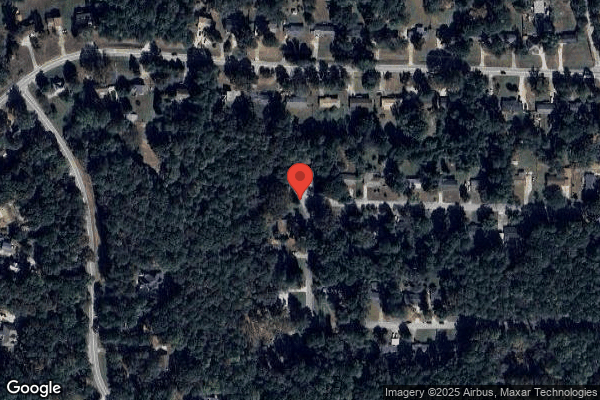
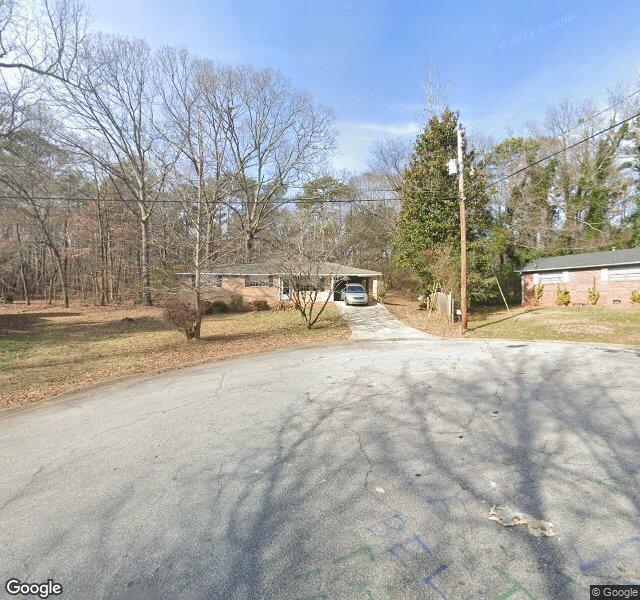
4028 HWY 5, DOUGLASVILLE, GA 30135 (770) 942-7111
For profit - Limited Liability company 246 Beds NORBERT BENNETT & DONALD DENZ Data: November 2025
Trust Grade
18/100
#271 of 353 in GA
Last Inspection: February 2024

Within standard 12-15 month inspection cycle. Federal law requires annual inspections.

Overview

Douglasville Nursing and Rehabilitation Center has received a Trust Grade of F, indicating significant concerns with the quality of care provided. Ranking #271 out of 353 facilities in Georgia places them in the bottom half, and they are the only option in Douglas County, meaning local families may have limited choices. The facility's situation is worsening, as the number of issues identified increased from 8 in 2024 to 10 in 2025. Staffing is a below-average concern with a rating of 2 out of 5 stars and a turnover rate of 56%, which is close to the state average. Recent inspections revealed serious issues, including a resident who suffered a fracture due to a failure to follow their care plan during transfers, and another resident who experienced discomfort from fecal impaction because necessary interventions were not implemented. Overall, while there are some strengths in staffing coverage, the concerning trends and serious incidents highlighted should be carefully considered by families.

Trust Score
F
18/100
In Georgia
#271/353
Bottom 24%
Safety Record
High Risk
Review needed
Inspections
Getting Worse
8 → 10 violations
Staff Stability
⚠ Watch
56% turnover. Above average. Higher turnover means staff may not know residents' routines.
Penalties
✓ Good
$13,787 in fines. Lower than most Georgia facilities. Relatively clean record.
Skilled Nurses
⚠ Watch
Each resident gets only 26 minutes of Registered Nurse (RN) attention daily — below average for Georgia. Fewer RN minutes means fewer trained eyes watching for problems.
Violations
⚠ Watch
49 deficiencies on record. Higher than average. Multiple issues found across inspections.
★☆☆☆☆
1.0
Overall Rating
★★☆☆☆
2.0
Staff Levels
★★☆☆☆
2.0
Care Quality
★☆☆☆☆
1.0
Inspection Score
Stable
2024: 8 issues
2025: 10 issues

The Good

  • Full Sprinkler Coverage · Fire safety systems throughout facility
  • No fines on record

Facility shows strength in fire safety.

The Bad

1-Star Overall Rating

Below Georgia average (2.6)

Significant quality concerns identified by CMS

Staff Turnover: 56%

Near Georgia avg (46%)

Frequent staff changes - ask about care continuity

Federal Fines: $13,787

Below median ($33,413)

Minor penalties assessed

Chain: NORBERT BENNETT & DONALD DENZ

Part of a multi-facility chain

Ask about local staffing decisions and management

Staff turnover is elevated (56%)

8 points above Georgia average of 48%

The Ugly 49 deficiencies on record

3 actual harm
Jun 2025 8 deficiencies
CONCERN (D) 📢 Someone Reported This

A family member, employee, or ombudsman was alarmed enough to file a formal complaint

Potential for Harm - no one hurt, but risky conditions existed

Deficiency F0554 (Tag F0554)

Could have caused harm · This affected 1 resident

**NOTE- TERMS IN BRACKETS HAVE BEEN EDITED TO PROTECT CONFIDENTIALITY** Based on observations, staff interviews, record review, and review of the facility's policy titled, Self-Administration Protocol...

Read full inspector narrative →
**NOTE- TERMS IN BRACKETS HAVE BEEN EDITED TO PROTECT CONFIDENTIALITY** Based on observations, staff interviews, record review, and review of the facility's policy titled, Self-Administration Protocol, the facility failed to adequately assess two of 72 sampled Residents (R) (R65, R54) for self-administration of medication. The deficient practice had the potential to allow access to medications otherwise not prescribed by a physician to other residents. Findings include: Review of the facility's policy titled Self-Administration Protocol with a revised date of 8/2016 documented under Policy: Beside medication storage is permitted for residents who are willing and able to self-administer medication upon the written order of the prescriber, when it is deemed appropriate in the judgement of the facility's interdisciplinary resident assessment team, and in accordance with start law. Under the section Procedure: 1. If the resident wishes to participate, the interdisciplinary team (IDT) will complete Medication Self-Administration Assessment. 2. A written order for the bedside storage of medication is placed in the resident's medical record. 5. The resident is instructed in the proper use of bedside medication is for, how it is to be used, how often It may be used, proper cleaning of inhaler, where appliable, proper storage if the medication, and the necessity of reporting g each dose used to the nursing staff. The completion of this instruction is documented in the resident's medical record. Periodic review of these instructions with the residents is undertaken by the nursing staff as deemed necessary. 1. R65 was admitted to the facility with a diagnoses of but not limited to hypovolemia (decreasing volume of blood plasma), other seizures, and vascular dementia. Review of R65's quarterly Minimum Data Set (MDS) assessment dated [DATE] revealed a Brief Interview for Mental Status (BIMS) score of 3, indicating severe cognitive impairment. Further review in Section O (Special Therapy and Treatment) revealed R65 had intravenous (IV) therapy. Review of the care plan revealed R65 no documentation for self-administration of medication. Review of Physician's Orders for R65 revealed no orders were found for 5 percent dextrose and 0.45 percent sodium chloride injection, united states pharmacopeia (USP) (parenteral fluid, nutrient and electrolyte replenisher). Review of Physician's Orders for R65 revealed no orders were found for heparin lock flush solution 50 usp units/5 milliliters (ml) (10 USP units/ml) sterile solution. Review of R65's electronic medical record (EMR) revealed no assessment for self-administration of medication. During an observation on 6/23/2025 at 2:34 pm revealed 5 percent dextrose and 0.45 percent sodium chloride injection, usp and heparin lock flush solution 50 usp units/5 milliliters (mL) (10 USP units/mL) sterile solution were found at R65's nightstand. During an observation and interview on 6/23/2025 at 2:56 pm with License Practical Nurse (LPN) LL stated R65 was not on IV therapy, and she was not assessed for self-administration of medication. She continued to state R65 once had an IV, but she pulled it out and did not recall the last time she had it. LPN LL further confirmed the IV bag was not supposed to be there. 2. R54 was admitted to the facility with diagnoses of but not limited to chronic pulmonary edema, acute and chronic respiratory failure with hypoxia, and unspecified osteoarthritis. Review of R54's quarterly MDS assessment dated [DATE] revealed a BIMS score of 13, indicating little to no cognitive impairment. Further review in Section O (Special Therapy and Treatment) revealed R65 received oxygen therapy. Review of the care plan revealed R54 no documentation for self-administration of medication. Review of Physician's Orders for R54 revealed albuterol sulfate HFA inhalation aerosol solution 108 (90 based) medication in micrograms (MCG)/per actuation (ACT). Review of Physician's Orders for R54 revealed fluticasone propionate nasal suspension 50 MCG/ACT. Review of Physician's Orders for R54 revealed no orders were found for diclofenac sodium topical gel, 1 percent (arthritis pain reliver). Review of R54's clinical record revealed there was no assessment for self-administration of medication. During an observation and interview on 6/23/2025 at 3:35 pm, R54 stated she recently went to the hospital and that was the medication given to her. She continued to state she self-administered the medication herself, and the nurses would assist her with it. An interview with LPN MM confirmed R54 was not assessed for self-administration of medication, and she did leave the medication on her bedside table. LPN MM continued to state she helped with the medication but R54 did the nasal spray on her own. LPN MM went on to reveal she did not know the facilities procedure for self-administration of medication. An interview on 6/25/2025 at 4:46 pm with the Director of Nursing (DON) revealed no one in the facility was assessed to administer medication and the nurses should know a resident should have an assessment done before assisting a resident with medication.
CONCERN (D) 📢 Someone Reported This

A family member, employee, or ombudsman was alarmed enough to file a formal complaint

Potential for Harm - no one hurt, but risky conditions existed

Safe Environment (Tag F0584)

Could have caused harm · This affected 1 resident

**NOTE- TERMS IN BRACKETS HAVE BEEN EDITED TO PROTECT CONFIDENTIALITY** Based on observations and staff interviews, the facility failed to maintain a clean, comfortable, homelike environment as eviden...

Read full inspector narrative →
**NOTE- TERMS IN BRACKETS HAVE BEEN EDITED TO PROTECT CONFIDENTIALITY** Based on observations and staff interviews, the facility failed to maintain a clean, comfortable, homelike environment as evidenced by broken wall molding trim in three of 31 resident rooms (room [ROOM NUMBER], 320, and 324) on Unit 30. In addition, two wall tiles were broken in room [ROOM NUMBER]. Findings include: Observation of resident rooms beginning on 6/23/2025 at 10:00 am revealed broken wooden wall molding trim in three rooms (room [ROOM NUMBER], 320, and 324) on Unit 30. Additionally, two broken ceiling tiles were observed in room [ROOM NUMBER], one of the tiles was observed with a piece of paper towel inserted in the tile hole. Interview on 6/26/2025 at 2:45 pm with the Maintenance Director (MD) revealed that currently only the MD and one assistant were working in the Maintenance Department. The MD revealed they don't do environmental rounds; they recceived orders from the TELS system (system for maintenance requests/orders). The MD revealed that all nurses have access to this system to report maintenance issues. Interview and observations of resident rooms on Unit 30 on 6/27/2025 at 11:40 am with the MD revealed that wall molding trim in rooms [ROOM NUMBER] were broken and needed repair. The MD stated that the resident in room [ROOM NUMBER] was refusing to leave the room in order for maintenance to repair wall trim behind his bed.
CONCERN (D) 📢 Someone Reported This

A family member, employee, or ombudsman was alarmed enough to file a formal complaint

Potential for Harm - no one hurt, but risky conditions existed

Employment Screening (Tag F0606)

Could have caused harm · This affected 1 resident

Based on record review, staff interviews, and review of the facility's policy titled, Abuse Prevention, the facility failed to ensure that the hiring of staff was proceeded by a completed background c...

Read full inspector narrative →
Based on record review, staff interviews, and review of the facility's policy titled, Abuse Prevention, the facility failed to ensure that the hiring of staff was proceeded by a completed background check to ensure that individuals who have been hired have not been found guilty of abuse, neglect, exploitation, misappropriation of property or mistreatment in a court of law. Specifically, the Dietary Manager (DM) was allowed to continue working at the facility after two unsatisfactory criminal background checks. Findings include: Review of the facility's policy titled Abuse Prevention with a revised date January 2025 documented under Policy: The facility is committed to protecting the residents from abuse by anyone including but not necessarily limited to: facility staff, other residents, consultants, volunteers, staff from other agencies providing services to our residents, family members, legal guardians, surrogates, sponsors, friends, visitors, or any other individuals. Under the section A, Steps to Prevent, Detect and Report: Screening . 3. The facility will pre-screen all potential new employees, volunteers, and residents for a history of abusive behavior. Review of the Georgia Background Checks (G-CHECKS) dated 11/21/2022 and 2/11/2025 documented as unsatisfactory for the Dietary Manager (DM). During an interview on 6/25/2025 at 1:25 pm with the Human Resource Director (HRD) stated the DM criminal background check was done prior to this onboarding in July of 2022 and stated the background results came back as unsatisfactory on 11/21/2022. During an interview on 6/27/2025 at 9:41 am with the HRD and Administrator revealed the first unsatisfactory background results on 11/21/2022 were brought to the attention of the previous Administrator and they were given the approval for the DM to continue to work. The HRD continued to state she was aware of the unsatisfactory status while working in the facility and once the DM was promoted, she asked him to submit an appeal from his initial unsatisfactory results. She further stated, when the appeal came back on 2/11/2025, the DM was still found unsatisfactory and informed the current Administrator and reached out to the Regional Human Recourses for further instructions and was given the approval for the DM to continue to work in the facility. Cross Reference -F835
CONCERN (D) 📢 Someone Reported This

A family member, employee, or ombudsman was alarmed enough to file a formal complaint

Potential for Harm - no one hurt, but risky conditions existed

Report Alleged Abuse (Tag F0609)

Could have caused harm · This affected 1 resident

Based on staff interviews, record review, and review of the facility policy titled, Abuse Prevention, the facility failed to report injuries of unknown origin to the State Survey Agency (SSA) within t...

Read full inspector narrative →
Based on staff interviews, record review, and review of the facility policy titled, Abuse Prevention, the facility failed to report injuries of unknown origin to the State Survey Agency (SSA) within the required timeframe for one resident (R) (R512) reviewed for abuse and neglect. The deficient practice had the potential for future unreported injuries of unknown origin, with the potential to affect residents' quality of life. Findings include: Review of the facility policy titled Abuse Prevention revised January 2025 revealed under Policy: The facility is committed to protecting the residents from abuse by anyone including, but not necessarily limited to: facility staff, other residents, consultants, volunteers, staff from other agencies providing services to our residents, family members, legal guardians, surrogates, sponsors, friends, visitors, or any other individual. Alleged violations involving abuse, neglect, exploitation or mistreatment, including injuries of unknown source and misappropriation of resident property, are reported immediately, but not later than 2 hours after the allegation is made, if the events that cause the allegation involve abuse or result in serious bodily injury, or not later than 24 hours if the events that cause the allegation do not involve abuse and do not result in serious bodily injury, to the administrator of the facility and to other officials (including State Survey Agency, APS, and local law enforcement as required). Report the results of all investigations to the administrator or designated representative and other officials in accordance with state law including State Survey Agency withing 5 working days of the incident. Review of the electronic medical record (EMR) for R512 revealed he was admitted to the facility with diagnoses including but not limited to Alzheimer's disease, dementia, cerebral ischemia, dysphagia, speech and language deficits, sequelae of cerebral infarction. Review of Facility Incident Report Form (FRI) dated 2/21/2025 documented the type of injury as injury of unknown source. The details of the incident revealed that R512 was noted to be in discomfort favoring left shoulder. Resident did not complain of pain, but the eyesight appeared slightly abnormal, MD notified, and x-ray ordered. Findings stated that the osseus structures are unremarkable. There is no fracture of periosteal reaction (new bone formation). Anterior dislocation is suspected. Review of the Five-Day follow-up dated 2/28/2025 summarized the details of the incident: Staff were interviewed, Restorative Aide reported noticing that R512 wasn't extending his left arm. She stated that she walked around R512 bed onto his left side and noticed what seemed like a knot a little below his shoulder. She stated that she asked R512 if it hurts, but she did not get a response from him. She states that she gently touched the area and it felt like a bone, she states that the area was barely visible but it became noticeable due to him favoring his left side, other staff whom were in direct care of R512 within last 72 hour did not recall noticing anything out of the ordinary with R512 pertaining to his left shoulder. R512, who has a history of falls, hasn't had any recent falls. Conclusion of the Fine-Day follow up report stated that the origin of injury is unable to be identified at this time. Resident's ortho appointment was scheduled. R512 attended an orthro appointment, Physician diagnosed R512 with dislocated left shoulder, resident was sent to local Emergency Department (ED) for reduction under sedation per physician orders. Review of Restorative Aide written statement revealed that she reported her findings to the Unit Manager on 2/18/2025, immediately after leaving R512's room. Review of nurses note from 2/18/2025 revealed late entry, dated 2/21/2025: Resident has been observed for the swelling found on his left shoulder with a sign of contusion at 12.40 pm. NP (Nurse Practitioner) notified. Received an order for X ray left shoulder. RP (responsible party) notified. Interview with Administrator on 6/26/2025 at 3:10 pm revealed that he submitted a Facility Incident Report (FRI) to the State as soon as the unknown injury was reported to him. The Administrator confirmed that staff received regular in-services related to Abuse and Abuse reporting. The Administrator stated that he would make sure that staff would receive new in-service on Abuse reporting time frames. The Administrator continued stating that during the investigation process he was not able to determine how R512's shoulder got dislocated. R512 was receiving Physical Therapy (PT) at that time, he was very thin and fragile. No incidents related to personal care for R512 were reported.
CONCERN (D) 📢 Someone Reported This

A family member, employee, or ombudsman was alarmed enough to file a formal complaint

Potential for Harm - no one hurt, but risky conditions existed

PASARR Coordination (Tag F0644)

Could have caused harm · This affected 1 resident

**NOTE- TERMS IN BRACKETS HAVE BEEN EDITED TO PROTECT CONFIDENTIALITY** Based on staff interviews, record review, and a review of the facility policy titled, PASRR (Preadmission Screening and Resident...

Read full inspector narrative →
**NOTE- TERMS IN BRACKETS HAVE BEEN EDITED TO PROTECT CONFIDENTIALITY** Based on staff interviews, record review, and a review of the facility policy titled, PASRR (Preadmission Screening and Resident Review) Screening for Mental Disorder or Intellectual Disability, the facility failed to submit a PASARR Level II for one of two residents (R) (R153) reviewed for a mental illness diagnosis. This deficient practice had the potential to affect the appropriate level of care and services provided for R153. Findings include: A review of the facility policy titled PASRR Screening for Mental Disorder or Intellectual Disability dated July 2024, revealed the Policy stated, It I the policy of the Facility for each resident to be screened for Mental Disorder (MD) as defined or Intellectual Disability (ID) prior to admission and the individuals identified with MD or ID are evaluated by the State Mental Health Authority and receive care with services appropriate to their need. Referring all Level II with new MD, ID, or related conditions a review upon a significant change in status assessment. A review of the electronic medical record (EMR) revealed that R153 was admitted to the facility with diagnoses including, but not limited to, schizophrenia, bipolar disorder, and major depressive disorder. A review of the quarterly Minimum Data Set (MDS) dated [DATE] revealed in section A (Identification Information) the resident was not currently considered by the state Level II PASRR process to have serious mental illness and/or intellectual disability or a related condition, section I (Active Diagnoses) documented schizophrenia, and section O (Special Treatments and Programs) documented R153 did not receive psychological services. Review of R153's paper medical records on 6/27/2026 at 8:40 am revealed no evidence of PASARR level II. Interview with Social Services Director (SSD) on 6/27/2025 at 8:50 am revealed that the Social Service department have behavior meetings on Wednesdays. During these weekly meetings new admissions, diagnoses, and residents' behaviors were discussed. She confirmed that R153 had qualifying diagnoses for PASARR level II, but documents were not submitted for him.
CONCERN (D) 📢 Someone Reported This

A family member, employee, or ombudsman was alarmed enough to file a formal complaint

Potential for Harm - no one hurt, but risky conditions existed

Respiratory Care (Tag F0695)

Could have caused harm · This affected 1 resident

Based on observations, staff interviews, record review, and review of the facility policy titled, Oxygen Therapy, the facility failed to deliver oxygen (O2) per physician order for one of 37 residents...

Read full inspector narrative →
Based on observations, staff interviews, record review, and review of the facility policy titled, Oxygen Therapy, the facility failed to deliver oxygen (O2) per physician order for one of 37 residents (R) (R76) receiving O2 therapy. The deficient practices had the potential to cause respiratory distress. Findings include: Review of the facility policy titled Oxygen Therapy revised 8/14 revealed under Policy: Oxygen (O2) is administered to promote adequate oxygenation and provide relief of symptoms of respiratory distress. Under Procedure: Oxygen therapy is to be provided under the direction of a written physician's order. A Physician's Order for O2 therapy is to contain liter flow per minute via mask or cannula/timeframe. Review of the electronic medical record (EMR) for R76 revealed she admitted to the facility with diagnoses including chronic obstructive pulmonary disease (COPD), cough, and pleural effusion Review of the Physician Orders for R76 dated 10/18/2024 revealed an order for continuous humidified Oxygen 2-4 L (liters) via NC (nasal canula) Observation on 6/23/2025 at 2:12 pm of R76 revealed her using O2 via NC at 5 liters per minute (LPM). Observation on 6/24/2025 at 12:45 pm revealed R76 was resting in her bed, using O2 at 5 LPM. Observation on 6/25/2025 at 10:45 am revealed R76 was using O2 via NC at 5 LPM. Interview on 6/25/2025 at 11:15 am with Licensed Practical Nurse (LPN) KK confirmed that R76's O2 concentrator was set to deliver 5 LPM via NC. Review of the physician's orders for R76 by LPN KK confirmed an order dated 10/18/2024 for 2-4 liters of oxygen via nasal cannula continuous. LPN KK stated that she will adjust O2 immediately. Interview with the Director Of Nursing (DON) on 6/25/2025 at 4:40 pm revealed her expectations for nurses to follow Doctor's orders related to O2 administration. If there were any changes, a new order was needed from a doctor, the previous order should be discontinued and family should be notified of changes.
CONCERN (D) 📢 Someone Reported This

A family member, employee, or ombudsman was alarmed enough to file a formal complaint

Potential for Harm - no one hurt, but risky conditions existed

Administration (Tag F0835)

Could have caused harm · This affected 1 resident

Based on record review, staff interviews, and review of the facility's policy titled, Abuse Prevention, the facility administration failed to provide oversight to ensure one employee was free from adv...

Read full inspector narrative →
Based on record review, staff interviews, and review of the facility's policy titled, Abuse Prevention, the facility administration failed to provide oversight to ensure one employee was free from adverse action on the criminal background check while working in the facility. Findings include: Review of the facility's policy titled Abuse Prevention with a revised date January 2025 documented under Policy: The facility is committed to protecting the residents from abuse by anyone including but not necessarily limited to: facility staff, other residents, consultants, volunteers, staff from other agencies providing services to our residents, family members, legal guardians, surrogates, sponsors, friends, visitors, or any other individuals. Under Procedure: A. Steps to Prevent, Detect and Report: Screening .3. The facility will pre-screen all potential new employees, volunteers, and residents for a history of abusive behavior. Review of the Georgia Background Checks (G-CHECKS) dated 11/21/2022 and 2/11/2025 documented as unsatisfactory for the Dietary Manager (DM). During an interview on 6/25/2025 at 1:25 pm with the Human Resource Director (HRD) stated the DM stated the background results came back as unsatisfactory on 11/21/2022. During an interview on 6/27/2025 at 9:41 am with the Administrator confirmed he was aware of the DM's unsatisfactory background check. He stated he did not see any issues with it because he was not working in direct care. The Administrator stated the DM's convicted charges of aggravated assault did not fit into the category of a domestic offense. Cross Reference -F606
CONCERN (D) 📢 Someone Reported This

A family member, employee, or ombudsman was alarmed enough to file a formal complaint

Potential for Harm - no one hurt, but risky conditions existed

Infection Control (Tag F0880)

Could have caused harm · This affected 1 resident

Based on observations, staff interviews, record review, and review of the manufacturer's instructional sheet titled, How to clean and disinfect your Blood Glucose Meter, the facility failed to ensure ...

Read full inspector narrative →
Based on observations, staff interviews, record review, and review of the manufacturer's instructional sheet titled, How to clean and disinfect your Blood Glucose Meter, the facility failed to ensure proper cleaning technique for a glucometer during routine fasting blood sugar checks on one resident (R) (R44). The deficient practice had the potential to put residents at risk for a possible bloodborne pathogen. Findings include: Review of the Manufacturers' recommendation for the Assure Platinum blood glucose monitoring system on page 47 on cleaning and disinfecting guidelines revealed: Critical item-glucometer. Healthcare professionals should wear gloves when cleaning the Assure Platinum meter. Wash hands after taking off gloves. Contact with blood presents a potential infection risk. We suggest cleaning and disinfecting the meter between patient use. Cleaning and disinfecting can be completed by using a commercially available EPA Environmental Protection Agency)-registered disinfectant, detergent or germicide wipe. Many wipes act as both cleaner and disinfectant, though if blood is visibly present on the meter, two wipes must be used: use one wipe to clean and a second wipe to disinfect. During an observation on 6/23/2025 at 8:10 am it was revealed that fasting blood sugar checks were performed on R44 on C hall. Certified Medication Aide (CMA) AA used alcohol wipes to clean the glucometer without using a disinfectant. CMA AA stated that she used alcohol to clean the glucometer and a germicidal cloth to wipe down her cart at the end of her shift. An interview on 6/24/2025 at 8:04 am with B Hall CMA BB revealed that she used alcohol wipes to clean the glucometer. There were no EPA registered disinfectant wipes in the B hall cart. Interview on 6/25/2025 at 8:13 am with Licensed Practical Nurse (LPN) CC, she revealed she had been educated on cleaning glucometers. She explained cleaning with purple top germicidal wipes in her cart and let dry. She stated normally they had two glucometers, and they cleaned one while the other one dried. Interview on 6/25/2025 at 9:51 am with the Infection Preventionist revealed that there was supposed to be two glucometers per medication cart. They should use one and wipe with germicidal wipes, let dry and use the second glucometer to go to the next patient. She stated that germicidal wipes (purple top) were the only approved wipe in the building for cleaning glucometers. Nurses were educated on glucometer cleaning and storage. Interview 6/24/2025 at 12:54 pm with the Director of Nursing DON on glucose cleaning and monitoring, she stated when they took blood sugar they came out and cleaned the glucometer with purple top disinfectant wipes. They were not allowed to clean the glucometer with just alcohol pads. She stated they have two glucometers on every cart and germicidal wipes at the bottom of the cart.
Mar 2025 2 deficiencies
CONCERN (D) 📢 Someone Reported This

A family member, employee, or ombudsman was alarmed enough to file a formal complaint

Potential for Harm - no one hurt, but risky conditions existed

Comprehensive Care Plan (Tag F0656)

Could have caused harm · This affected 1 resident

Based on record review, staff interview, and review of the facility policy titled, Care Plans, the facility failed to include seizure medication in the care plan for one of nine sampled residents (R) ...

Read full inspector narrative →
Based on record review, staff interview, and review of the facility policy titled, Care Plans, the facility failed to include seizure medication in the care plan for one of nine sampled residents (R) (R1) reviewed. The deficient practice had the potential for R1 not to receive treatment and/or care according to their needs. Findings include: Review of the facility policy titled Care Plans revealed under Policy: Each resident will have a plan of care to identify problems, needs and strengths that will identify how the team will provide care. Review of the Medication Administration Record (MAR) form dated February 2025 indicated a medication order for carbamazepine suspension 100 mg (milligrams)/5 ml (milliliters). Give 10 ml via Peg-Tube (feeding tube in abdomen) every 12 hours related to Other Seizures - start date 01/06/2025 2100-D/C (discontinuation) date- 02/07/2025. Further review indicated an order for carbamazepine oral suspension 100 mg/5ml (carbamazepine). Give 10 ml via Peg-Tube every 12 hours for prophylaxis (preventative) relating to other Seizures. Start date 02/19/2025. Review of MAR indicated carbamazepine was discontinued on 2/7/2025. R1 did not receive the carbamazepine 10 mg until 2/19/2025. Review of comprehensive care plan for R1 indicated no care plan goal initiated or implemented related to R1's seizures. Interview on 3/12/2025 at 10:13 am with the Administrator revealed that R1 was without her seizure medication for about four days. Interview on 3/12/2025 at 11:00 am with Nurse Practitioner (NP) AA, she revealed that a check of the MAR for R1 indicated carbamazepine had not been given for seven days.
CONCERN (D) 📢 Someone Reported This

A family member, employee, or ombudsman was alarmed enough to file a formal complaint

Potential for Harm - no one hurt, but risky conditions existed

Deficiency F0760 (Tag F0760)

Could have caused harm · This affected 1 resident

Based on complainant, family member and staff interviews, record review, and review of the facility policy titled, Prescriber Medication Orders, the facility failed to transfer a medication order and ...

Read full inspector narrative →
Based on complainant, family member and staff interviews, record review, and review of the facility policy titled, Prescriber Medication Orders, the facility failed to transfer a medication order and failed to give the medication as ordered for one of nine sampled residents (R) (R1). The deficient practice caused R1 not to receive ordered seizure medication. Findings include: Review of the facility policy titled Prescribed Medication Orders indicated under Procedure: . 2. A. Documentation: Each medication order is documented in the resident's medical record with the date, time, and signature of the person receiving the order. Review of the medical diagnosis for R1 indicated diagnoses but not limited to epilepsy, unspecified not intractable without status epilepticus (2/22/2025), iron deficiency anemia (2/22/2025), other seizures, unspecified, urinary tract infection, site unspecified (2/29/2025), chronic respiratory failure with hypercapnia (12/20/2024). Review of Nurses Note dated 2/14/2025 at 10:32:00 am indicated resident (R1) presents with HR of 140 BP (blood pressure) 140/68 T (temperature) 99.2 O2 Sat (oxygen saturation) 98% (percent) on trach (tracheostomy), noted with projectile vomiting x2, seizure activity, left side of face with slight dropping, skin warm to touch. NP (Nurse Practitioner) and RP (responsible party) notified new orders to send to ER (emergency room) _____ for eval (evaluation) and treatment, resident transported to ER at 9:56 am. Review of Documentation of Employee Discussion Note to File Form dated 2/14/2025 for LPN NN indicated: Describe violation of Department/Company Policy or Procedure that was discussed: Employee failed to follow through with proper medication administration prescribed by MD by removing resident medication from MAR (medication administration record). Employee explains it was a mistake, and medication was placed back onto MAR for administration moving forward. Describe the specific standards that were communicated that must be met directly from Company Policy, Employee Handbook, Collective Bargaining Agreement, etc.: Corrective counseling policy: 2.1-Failure to perform assigned duties in an appropriate manner or at assigned times. Review of the MAR dated February 2025 indicated a medication order for carbamazepine suspension 100 mg (milligrams)/5ml. Give 10 ml via Peg-Tube (percutaneous endoscopic gastrostomy-feeding tube in abdomen) every 12 hours related to Other Seizures - start date 01/06/2025 2100-D/C (discontinue) date- 02/07/2025 1212. Further review indicated an order for Carbamazepine Oral Suspension 100 mg/5ml (Carbamazepine). Give 10 ml via Peg-Tube every 12 hours for Prophylaxis (prevention) relating to other Seizures. Start date 02/19/2025. Review of MAR indicated carbamazepine was discontinued on 2/7/2025. R1 did not receive the carbamazepine 10 mg until 2/19/2025. Review of SBAR (situation, background, assessment, and recommendation) Communication Form and Progress Note for RNs (Registered Nurses)/LPNs (Licensed Practical Nurse)/LVNs Licensed Vocational Nurse) dated 2/14/2025 indicated situation: seizure activity, N/V (nausea and vomiting) projectile vomiting, face drooping. Resident/Patient Evaluation: Mental Status Evaluation- Unresponsiveness. Functional Status Evaluation: weakness. Cardiovascular Evaluation: elevated HR (heart rate). Neurological Evaluation-facial drooping. Appearance-Summarize your observation and evaluation: patient seizing, face drooping. Review of _____ lab results drawn on 2/25/2025 for carbamazepine/Tegretol (seizure medication) indicated test within range 4.3 ug/ml (microgram/milliliter)-reference range 4.0-12.0 ug/ml. Interview on 3/12/2025 at 11:00 am with the Nurse Practitioner (NP) AA revealed she was notified by the nurses that resident R1 was vomiting. She revealed that she spoke to R1's daughter and the daughter informed her that R1 usually had that type of behavior if she was having a seizure. She revealed that R1 was already being sent out to the hospital for evaluation as a result of her lab tests, which were abnormal. The daughter wanted to know if R1 had received medications for seizures. The NP AA revealed that R1 was having seizure like activities at that time also. She revealed that a check of the MAR for R1 indicated carbamazepine had not been given for seven days. Interview on 3/12/2025 at 10:13 am with the Administrator revealed that a nurse discontinued the wrong medication by accident. He revealed that R1 was without her seizure medication for about four days. He revealed that R1 was not having a seizure when she was sent out to the hospital. He revealed that R1 was sent out because of a low hemoglobin. Interview on 3/12/2025 at 10:15 am with Unit Manager BB revealed that a review of the MAR for R1 indicated that her seizure medication (carbamazepine) had not been given. Interview on 3/12/2025 at 11:15 am with the Complainant and her brother revealed that the facility called her and said that her mom was experiencing stroke like symptoms. She revealed that Unit Manager BB asked her if R1 had seizures. She revealed that she informed the Unit Manager BB that R1 took seizure medication two times a day. Unit Manager BB informed her that she would look and see. She revealed that she called NP AA and was told that her mother had not had her seizure medication for seven days. She apologized for the medication not being given. She revealed that she was in the health care system and that when R1 arrived at the hospital, there was little to none of the seizure medication in her system. She revealed that the pharmacy at the hospital gave her a copy of the medication list that came from the facility and that her seizure meds and iron medications were missing.
Oct 2024 4 deficiencies
CONCERN (D) 📢 Someone Reported This

A family member, employee, or ombudsman was alarmed enough to file a formal complaint

Potential for Harm - no one hurt, but risky conditions existed

Deficiency F0558 (Tag F0558)

Could have caused harm · This affected 1 resident

**NOTE- TERMS IN BRACKETS HAVE BEEN EDITED TO PROTECT CONFIDENTIALITY** Based on observations, record reviews, and interviews, the facility failed to provide services with reasonable accommodation of ...

Read full inspector narrative →
**NOTE- TERMS IN BRACKETS HAVE BEEN EDITED TO PROTECT CONFIDENTIALITY** Based on observations, record reviews, and interviews, the facility failed to provide services with reasonable accommodation of needs for one of 28 sampled residents (R) (R6) related to scheduled appointments. Findings included: 1. A review of R6's undated admission Record revealed R6 was admitted to the facility with diagnoses including but not limited to chronic obstructive pulmonary disease (COPD). A review of R6's quarterly Minimum Data Set (MDS) dated [DATE] revealed R6 had a Brief Interview for Mental Status (BIMS) score of 15, which indicated intact cognition. The MDS further revealed R6 was dependent on staff for toileting and chair/bed-to-chair transfers. An observation and interview on 10/7/2024 at 12:40 pm with R6 in her room revealed the resident was in bed and a large personal wheelchair was inside the room. R6 stated that she missed her appointment last week with her pulmonologist (lung doctor) because her wheelchair did not fit inside the transportation van. R6 further stated that there was a facility wheelchair that fit inside the transportation van, but the facility scheduler was unable to find it for the resident to use. An interview on 10/9/2024 at 10:41 am with Transportation Staff (TS) EE revealed she was newly assigned to her position, and that R6 told her the day before the missed appointment that R6's wheelchair would not fit in the transportation van. TS EE called the Staff Transportation Company (STC) and received confirmation that a wheelchair would fit inside the transportation van. TF EE further stated that it was her mistake to assume that R6's personal wheelchair was the same wheelchair that the STC confirmed. TS EE stated she should have communicated with the previous facility scheduler who had knowledge of the facility's wheelchair previously used by the resident, which she later discovered was stored inside the facility's bus for whoever needed to use it. An interview on 10/10/2024 at 10:15 am with the Director of Nursing Services (DNS) revealed that there was no facility policy for scheduling or arranging transportation for residents outside appointments with other providers such as pulmonologists. The DNS stated, This had nothing to do with professional standards of service. An interview on 10/10/2024 at 10:30 am with TS EE revealed that she did not have any documentation to validate her communications with R6, with the STC, or with the previous facility scheduler.
CONCERN (D) 📢 Someone Reported This

A family member, employee, or ombudsman was alarmed enough to file a formal complaint

Potential for Harm - no one hurt, but risky conditions existed

Free from Abuse/Neglect (Tag F0600)

Could have caused harm · This affected 1 resident

**NOTE- TERMS IN BRACKETS HAVE BEEN EDITED TO PROTECT CONFIDENTIALITY** Based on observations, interviews, and record reviews, the facility failed to provide toileting assistance and assessment and tr...

Read full inspector narrative →
**NOTE- TERMS IN BRACKETS HAVE BEEN EDITED TO PROTECT CONFIDENTIALITY** Based on observations, interviews, and record reviews, the facility failed to provide toileting assistance and assessment and treatment of a bleeding right leg to one of three sampled residents (R) (R7). Findings included: A review of the undated facility's policy and procedure titled, Subject: Abuse Prevention, indicated: Policy: The facility is committed to protecting the residents from abuse by anyone including, but not necessarily limited to: facility staff, other residents, consultants, volunteers, staff from other agencies providing services to our residents, family members, legal guardians, surrogates, sponsors, friends, visitors, or any other individual. Definitions: . f) Neglect: A failure of the facility, its employees, or service providers to provide goods and services necessary to avoid physical harm, mental anguish, emotional distress, or pain . IDENTIFICATION: . 2. The Executive Director and Director of Nursing Services must be promptly notified of suspected abuse or incidents of abuse. If such incidents occur or are discovered after hours, the Executive Director and Director of Nursing Services must be called at home or must be paged and informed of such incidents. PROTECTION: 1. Any allegation of abuse, neglect, misappropriation or exploitation against any employee must result in his/her immediate suspension to protect the resident . REPORTING: The facility will report any knowledge of actions by a court of law against any employee, that would indicate any unfitness for service as a nurse aide or other staff member to the state nurse's aide registry or licensing authorities. Alleged violations involving abuse, neglect, exploitation, or mistreatment ., are reported immediately but not later than 2 hours after the allegation is made . to the administrator of the facility and to other officials (including State Survey Agency, APS, and local law enforcement as required). A review of the facility's job description titled Job Title: Certified Nursing Assistant (CNA), dated 8/1/2012, revealed General Description: Performs resident care activities and related non-professional nursing services under the direction of the Supervisor to provide quality care of residents. Essential Duties: 1. Provides individualized attention and nursing care in accordance with the resident Care Plan which includes communicating, assistance with grooming, bathing, oral hygiene, turning, incontinent care, toileting, colostomy care, prosthetic appliances, transferring, ambulation, and range of motion, as appropriate. A review of R7's Electronic Medical Record (EMR) revealed that R7 was initially admitted to the facility on [DATE] and readmitted on [DATE] for diagnoses including end-stage renal disease, dependence on renal dialysis, diabetes mellitus, and infection of amputated left lower limb. A review of R7's Annual Minimum Data Set (MDS) assessment dated [DATE], revealed R7 had a Brief Interview for Mental Status (BIMS) score of 15, which indicated intact cognition. The MDS further revealed that R7 required substantial/maximal assistance from one person for toileting. During an observation and interview on 10/8/2024, at 12:25 pm, with Licensed Practical Nurse (LPN) DD revealed that R7's bedside commode was observed with dried bowel movements inside it and on the toilet seat. LPN DD confirmed that the bedside commode was not cleaned and should have been cleaned by the assigned CNA per shift. An observation and interview on 10/9/2024, at 12:29 pm, with R7 in his room, the resident was observed sitting on his bed with his left lower extremity amputated stump and his right lower leg wrapped loosely with gauze. R7 stated that he was not being assisted to the bedside commode and staff were not cleaning his bedside commode. R7 further stated he called 911 the previous night for chest discomfort because the staff was not attending to his call light. R7 showed a cell phone video he recorded from the previous week with his bleeding right leg while he was screaming for staff to help. A review of R7's recorded video revealed night shift LPN EE came inside his room and stated, What do you want, you have to wait for the wound care nurse tomorrow, I don't have the key, I don't have anything, I'll come back. R7 was observed teary-eyed and stated, This was how I'm being treated here; they would not answer my call lights, and I had to scream and beg for help. R7 further stated he was very frustrated that CNAs didn't assist him with toileting, did not clean his bedside commode, and that LPN EE never came back to assess, wrap his bleeding right leg, or notify the physician about his bleeding right leg. R7 further revealed that he told his Family Member (FM) and the Advance Registered Nurse Practitioner (APRN) about the alleged abuse. A concurrent observation on 10/9/2024, at 12:29 pm, with LPN AA, revealed R7's bedside commode appeared to be in the same location as observed the day before with dried bowel movement inside it and on the toilet seat. LPN AA stated that the bedside commode should be cleaned by the CNAs assigned to R7 after every use. An interview on 10/9/2024, at 10:30 pm, with LPN EE, revealed that she was responsible for giving PRN (as needed) medications to R7, and the CNA HH was assigned to clean the bedside commode. LPN EE was asked how R7 transferred to his bedside commode, LPN EE stated that she did not know how R7 transferred to the bedside commode and that CNA HH should be the one to provide transfers and assistance with toileting R7. LPN EE further stated all nurses including her and CNA EE were supposed to attend to R7's call light. LPN EE further revealed and denied allegations of abuse for not helping R7 with his bleeding right leg. An interview on 10/9/2024, at 10:45 pm, with CNA HH, revealed that she had been employed by the facility for 16 years. CNA HH was asked how she provided assistance with toileting to R7, CNA HH stated that R7 was alert and oriented and she would only attend and provide assistance to R7 to use the bedside commode. CNA HH further stated that she discarded the used clear plastic bag liner from R7's bedside commode and replaced it with a new clear plastic bag liner when he was finished but she did not clean the bedside commode. CNA HH stated she should be assisting with R7's toileting and cleaning the bedside commode because it was soiled after resident's use. An interview on 10/10/2024, at 9:45 am, with the APRN, revealed that R7 notified her of the cell phone video recorded when R7 had an incident with his bleeding right leg, and he was screaming for staff to help. The APRN stated that she was going to wait to tell the DON and Executive Director until after the survey was over. An interview on 10/10/2024, at 10:00 am, with the DNS, revealed that the CNAs were expected to clean the resident's bedside commode. The DNS stated that there was no facility policy for nursing standards of care. The DNS stated, CNAs should be checking R7's bedside commode every 12-hour shift. The DNS further stated that there was no documentation by CNAs that R7 was being assisted with toileting (bedside commode) per his comprehensive care plan. DNS agreed there was no way to validate the toileting assistance for R7 without documentation. An interview on 10/10/2024, at 12:42 pm, with the Executive Director, revealed that he was informed about the allegation of abuse in the morning after the Surveyor's interview with APRN was conducted. The Executive Director stated that he will be suspending LPN EE pending his investigations. An interview on 10/10/2024, at 12:43 pm, with the [NAME] President of Operations (VP Operations), revealed that he spoke to the APRN and the facility will be reporting the abuse allegation to the State.
CONCERN (D) 📢 Someone Reported This

A family member, employee, or ombudsman was alarmed enough to file a formal complaint

Potential for Harm - no one hurt, but risky conditions existed

Investigate Abuse (Tag F0610)

Could have caused harm · This affected 1 resident

**NOTE- TERMS IN BRACKETS HAVE BEEN EDITED TO PROTECT CONFIDENTIALITY** Based on observations, resident and staff interviews, record review, and review of the facility policy titled Abuse Prevention, ...

Read full inspector narrative →
**NOTE- TERMS IN BRACKETS HAVE BEEN EDITED TO PROTECT CONFIDENTIALITY** Based on observations, resident and staff interviews, record review, and review of the facility policy titled Abuse Prevention, the facility failed to ensure that an allegation of sexual abuse was thoroughly investigated to rule out abuse for two of 28 sampled residents (R) (R11 and R12). Findings included: A review of the facility policy titled Abuse Prevention dated October 2022 included definitions of different types of abuse. The policy defined, Sexual Abuse: This included, but is not limited to sexual harassment, sexual coercion or sexual assault, or non-consensual sexual contact of any type with a resident. The policy also indicated the facility would initiate an investigation at the time of any finding of potential abuse or neglect allegation to determine cause and effect and provide protection to any alleged victims to prevent harm during the investigation. A review of R11's electronic medical record (EMR) revealed they were admitted to the facility with multiple diagnoses, one of which included dementia. The most recent annual Minimum Data Set (MDS) assessment dated [DATE] showed the Brief Interview for Mental Status (BIMS) score could not be completed for R11 and a score of 99 was documented, indicating that the resident was unable to answer questions. The assessment showed R11 was dependent on staff to complete all their Activities of Daily Living (ADLs). During an observation on 10/8/2024 at 2:22 pm, R11 was observed dressed lying on the top of his/her bed asleep, and did not respond to verbal cues when greeted. During an observation on 10/9/2024 at 11:05 am, R11 was lying in bed sleeping, partially covered with blankets, and again did not respond to verbal queueing. A review of R12's EMR revealed they were admitted to the facility with multiple diagnoses including but not limited to bipolar disorder and insomnia. The most recent MDS assessment completed for R12 dated 7/30/2024 and revealed the resident was independent with ADLs and scored a 15 out of 15 on the BIMS test, which indicated they had no cognitive impairment. During an interview on 10/7/2024 at 11:00 am, R12 was greeted in their room, and when asked general questions about the facility, including care and services provided, the resident expressed satisfaction with the facility's services. On 10/7/2024 at 9:10 am, the Director of Nursing (DON) provided copies of the facility investigations for R12 and R11. However, there was no evidence of any other staff statements regarding the residents' interactions. In addition, there was no evidence other residents (who could respond) were interviewed to see if they experienced, observed, or heard of any similar incidents. A review of a letter dated 8/6/2024 documented R12 had ambulated towards R11 via their wheelchair and kissed him/her on what appeared to be the lips the DON reported witnessing. When asked what they were doing, R12 responded they were kissing that resident but only on the cheek. The letter further revealed R11 was interviewed but [he/she] was not aware of the incident happening. Further review went on to describe R11 as has severe dementia and has a BIMS of 99. The letter also indicated, that when asked, R12 admitted he/she was kissing him/her but only kissed him/her on the cheek and stated that he/she reminded them of a family member. Further reading revealed a Social Worker (SW) counseled R12 and noted: that it was illegal to kiss an individual without their permission. [R12] stated that [he/she] didn't mean any harm and that [he/she] was sorry. A review of the letter addressed to the Georgia Department of Community Health (DCH) dated 8/6/2024 revealed the facility concluded: . suspected sexual abuse allegation unable to be substantiated at this time due to unclear motivation. A review of a two-page document titled Facility Incident Report Form dated 7/30/2024, documented at 3:45 pm under Type of incident with an asterisk found next to it revealed Resident to Resident. Under Details of Incident it also read R12 was seen by staff kissing R11. The next section of the form had yes and no written next to questions that included, Was there an injury? Treatment required? Physician notified? Responsible party notified? Police notified? Other agencies involved? However, there was no indication the yes or no answers to the questions had been provided by the reporter, the Administrator. In addition, the document did not identify the location of the incident. A review of the only other information provided was a witness statement dated 7/30/2024, signed by the DON, but did not identify what the DON observed as stated in the letter and the statement read [named resident] noted what happened to be leaning over to kiss [named resident] on the cheek. During an interview on 10/8/2024 at 2:30 pm, the Social Worker (SW) denied any other incidents involving either R12 or R11 had occurred in the past. They then explained R11 had severe dementia and did not have the cognitive ability to consent to any sexual contact. The SW further stated they talked to R12, who reported he/she had kissed the other resident because he/she reminded him of a family member. During an interview on 10/9/2024 at 2:26 pm with Licensed Practical Nurse (LPN) MM, who was working near the 300-hallway, when asked if they were aware of any residents who might be aggressive with others, they stated no. During an interview on 10/9/2024 at 2:30 pm with LPN II, assigned to a medication cart on the 300-hallway revealed when asked if they were aware of any residents who were aggressive with others, LPN II stated no. Follow-up interview on 10/9/2024 at 2:35 pm with the DON, when asked where the incident occurred, he/she stated it happened in the hallway outside the administrative offices. The DON denied any other witnesses were in the area, no staff or residents. When asked if nursing staff were aware of the incident, the DON said, Yes. During an interview on 10/10/2024 at 9:45 am with the Administrator and DON, when asked if they had interviewed other residents to determine if they had observed or experienced any problems while residing in the facility, they responded No. When asked if they had spoken to any staff about the residents' interactions with others, the DON stated they did ask staff about the two resident's interactions but did not have any written statements. When asked if the Care Plans had been updated the Administrator stated, don't need to update the Care Plan and said he/she could not understand if it was intentional.
CONCERN (D) 📢 Someone Reported This

A family member, employee, or ombudsman was alarmed enough to file a formal complaint

Potential for Harm - no one hurt, but risky conditions existed

Accident Prevention (Tag F0689)

Could have caused harm · This affected 1 resident

**NOTE- TERMS IN BRACKETS HAVE BEEN EDITED TO PROTECT CONFIDENTIALITY** Based on record review, and resident and staff interviews, the facility failed to ensure that the resident environment remained ...

Read full inspector narrative →
**NOTE- TERMS IN BRACKETS HAVE BEEN EDITED TO PROTECT CONFIDENTIALITY** Based on record review, and resident and staff interviews, the facility failed to ensure that the resident environment remained free of accident hazards for one of four residents (R) (R16) related to receiving adequate supervision and assistance devices to prevent accidents. Findings included: A review of the facility's undated policy titled INVACARE TOTAL LIFT noted the Invacare Total Lift is to be used for total lifts and/or to obtain a resident's weight from bed to chair, chair to bed, or from the floor. Maintain contact with the resident in order to guide or steady the resident during lift, as necessary. A review of the Electronic Medical Record (EMR) revealed that R16 was admitted on [DATE] and re-admitted on [DATE] with diagnoses including bipolar disorder, current episode mixed, mild, unspecified psychosis not due to a substance or known physiological condition, type two (2) diabetes mellitus with hyperglycemia, other specified disorders of the skin and subcutaneous tissue, and unspecified open wound, and left lower leg subsequent encounter. A review of the Quarterly Minimum Data Set (MDS) assessment dated [DATE], revealed that R16 was cognitively intact with a Brief Interview for Mental Status Score of 15 out 15; had functional limitations in the range of motion to both upper and lower extremities; and was totally dependent on staff for most activities of daily living including transfer between surfaces. A review of R16's care plan revealed no explicit plan that addressed how the resident should be transferred between surfaces other than simply identifying that R16 required assistance with activities of daily living (ADL) care related to impaired mobility secondary to Cardiovascular Accident. An additional review of R16's Physical Therapy evaluation dated 10/8/2024 revealed that R16 required a Hoyer lift, however, the evaluation report did not address the number of staff needed to safely operate the lift. A review of R16's nursing progress note dated 12/27/2023 at 10:30 am documented that while Certified Nursing Assistant (CNA) JJ was transferring R16 from bed to [NAME] chair with nurse Licensed Practical Nurse (LPN) PP [author of the note] on standby, the sling from the mechanical lift swung forward and R16's lower extremity contacted the bar on the mechanical lift. According to the progress note, R16 was assessed, and a lemon-sized swelling was noted on the resident's left lower extremity that was painful to touch. Further review of R16's medical record revealed the facility notified R16's attending Nurse Practitioner (NP) who ordered a stat (immediate) x-ray to rule out any fracture to R16's left lower limb which came back negative for any fractures. A review of the facility incident report dated 12/27/2023 at 10:30 am identified CNA JJ as the only witness to the incident. During an interview on 10/8/2024 at 3:14 pm, R16 stated they sustained the reported injury to their left lower extremity when a CNA JJ attempted to transfer R16 from the bed to [NAME] chair using a mechanical lift and, in the process, R16's left shin hit the frame of R16's bed. R16 stated the task of transferring them with the mechanical lift was completed by two staff members, however, on the day of the incident CNA JJ was in R16's room without help and CNA JJ completed the task alone. During a telephone interview with LPN RR on 10/10/2024 at 9:29 am, LPN RR stated they were passing medication in a room adjacent to R16's room when CNA JJ went to transfer the resident. LPN RR clarified that when they documented being on standby, they meant they were available and could assist CNA JJ should CNA JJ need help with transferring R16. LPN RR stated they were not in the room with CNA JJ when CNA JJ completed the transfer and did not observe how the accident with R16 happened. LPN RR stated they did not recall their care and management of R16 after obtaining and executing the x-ray order which was negative for fracture. During an interview on 10/10/2024 at 10:40 am, CNA JJ (the CNA implicated for transferring R16 alone with the mechanical lift) stated they had informed LPN RR of their intention to transfer R16 with the mechanical lift and had gotten clear from LPN RR to be on standby should CNA JJ require additional support during the transfer. CNA JJ verified they transferred R16 alone using the mechanical lift. CNA JJ reiterated that during the cause of the transfer, the sling swung back and forth, and R16 hit their leg in the process. Per CNA JJ, they were not able to operate the lift and stabilize R16 simultaneously. CNA JJ stated they were educated after the incident to always have another staff member present when they needed to transfer any resident with a mechanical lift. During an interview on 10/10/2024 at 9:40 am, the Director of Rehab (DOR) stated the use of mechanical lifts required two staff to be hands-on with the mechanical lift during transfer. The DOR clarified that the requirement to have two staff present during the use of a mechanical lift was to ensure safety. The DOR went on to say that a mechanical lift could not be safely maneuvered with just one staff. The DOR emphasized that while one staff member operated the lift, it was important to have another staff present to stabilize the slings attached to the lift during the operation to prevent the sling from unsafe swinging which the DOR stated could result in an accident. In speaking specifically to the situation with R16, the DOR stated while they did not observe the incident firsthand, being on standby does not equate to the recommendation to have two staff hands-on during the operation of a mechanical lift. The DOR termed the practice of having staff on standby during the operation of a mechanical lift as a reactive strategy that does not necessarily prevent an accident as opposed to the preventive measure of having two staff get hands-on during a resident transfer with mechanical devices. During an interview on 10/10/2024 at 12:13 pm, the Director of Nursing stated the facility's practice with the use of mechanical lift was that one staff member was able to use the lift while another staff member was on standby. The Director of Nursing elaborated the meaning of standby to mean that a second staff member only needed to be in close proximity to where another staff member was using the mechanical lift with a resident. Per the Director of Nursing, the use of a mechanical lift does not require two staff members to be hands-on with the lift device and the resident during transfer.
Feb 2024 4 deficiencies
CONCERN (D) 📢 Someone Reported This

A family member, employee, or ombudsman was alarmed enough to file a formal complaint

Potential for Harm - no one hurt, but risky conditions existed

Resident Rights (Tag F0550)

Could have caused harm · This affected 1 resident

Based on observations, staff interviews, and record review, the facility failed to maintain dignity by ensuring a urinary catheter dignity bag was provided for two of 45 sampled residents (R) (R654 an...

Read full inspector narrative →
Based on observations, staff interviews, and record review, the facility failed to maintain dignity by ensuring a urinary catheter dignity bag was provided for two of 45 sampled residents (R) (R654 and R657). This failure had the potential to diminish the resident's quality of life in an environment that promotes the maintenance or enhancement of each resident's quality of life. Findings include: R657 was admitted to the facility with diagnoses that included but not limited to acute kidney failure. Review of R657's electronic medical record (EMR) revealed the Minimum Data Set (MDS) assessment was not yet completed due to the resident's recent admission date of 2/5/2024. Review of the physician's orders for R567 revealed an order dated 2/6/2024 for an indwelling catheter for neurogenic bladder. Observation on 2/6/2024 at 1:57 pm of R657 revealed an indwelling catheter bag on the side of the bed nearest the door without a dignity bag to cover it. Observation on 2/7/2024 at 1:15 pm of R657 revealed an indwelling catheter bag was visible from the hallway when the door was opened, and there was no dignity bag covering it. R654 was admitted with diagnoses that included but not limited to neuromuscular dysfunction of the bladder. Review of R654's EMR revealed there was not a completed MDS assessment due to the resident's recent admission date of 1/29/2024. Review of the physician's orders for R654 revealed an order dated 2/6/2024 for an indwelling catheter for neurogenic bladder. Observation on 2/6/2024 at 1:37 pm of R654 revealed R654 had an indwelling urinary catheter without a dignity covering the drainage bag. The urinary catheter drainage bag was visible to other residents and visitors. Observation on 2/7/2024 at 1:00 pm of R645 revealed a urinary catheter drainage bag without a dignity covering and it was visible to his roommate and others who entered the room. Interview on 2/8/2024 at 10:20 am with Licensed Practical Nurse (LPN) GG, she confirmed that R654 should have a dignity bag to cover his indwelling urinary catheter bag to protect the resident's privacy. Interview on 2/7/2024 at 12:35 pm with the Unit Manager, she stated respect included ensuring indwelling urinary catheter bags were properly covered with a dignity bag. She said if at any time it was not properly placed, she expected the nurse to ensure that it was properly covered.
CONCERN (D) 📢 Someone Reported This

A family member, employee, or ombudsman was alarmed enough to file a formal complaint

Potential for Harm - no one hurt, but risky conditions existed

Comprehensive Care Plan (Tag F0656)

Could have caused harm · This affected 1 resident

Based on observations, resident and staff interviews, record review, and review of the facility's policy titled, Comprehensive Person-Centered Care Plans, the facility failed to develop and implement ...

Read full inspector narrative →
Based on observations, resident and staff interviews, record review, and review of the facility's policy titled, Comprehensive Person-Centered Care Plans, the facility failed to develop and implement a care plan for two of 45 Residents (R) (R82 and R126). Specifically, R82 had no care plan for psychotropic medication and R126 had no care plan for Hospice care or for oxygen (O2). Findings include: Review of the facility's policy titled Comprehensive Person-Centered Care Plans documented under Procedure 5. For each problem, need, or strength, a resident-centered goal is developed. Goals should be measurable (i.e. walk from nurses' station to room by (date). R82 was admitted with diagnoses that included but not limited to depression and anxiety. Review of R82's care plan revealed there was no care plan in place for use of psychotropic medication. Interview on 2/8/2024 at 11:14 am with the MDS Coordinator regarding a care plan for R82 on use of psychotropic medication, she acknowledged that there was no care plan developed for use of psychotropic medication for R82. When asked what their process was upon admission, she revealed that they complete a baseline assessment followed by a care plan for all residents upon admission. Interview on 2/8/2024 at 11:20 am with the MDS Director regarding R82's care plan and the use of psychotropic medication. She acknowledged that there was no care plan for the use of psychotropic medication in place for R82. When asked what their process was on care plan development, she revealed that upon admission that they complete a baseline assessment and a care plan based on the baseline assessment. She stated that they update the care plan as needed. R126 was admitted with diagnoses that included other specified congenital malformations of brain, other intervertebral disc degeneration, thoracic region, primary osteoarthritis, right hand, acute or chronic systolic (congestive) heart failure, Alzheimer's disease with early onset, other recurrent depressive disorders, unspecified severe protein-calorie malnutrition, neurocognitive disorder with Lewy bodies. Review of the care plan revealed R126 was receiving hospice care and there was no care plan in place for hospice care. Further review of R126's medical record revealed R126's last hospitalization was as a result of labored breathing. Further review revealed R126 pulled off the O2. Review of R126's care plan revealed there was no care plan in place for O2 use. Interview on 2/8/2024 at 11:14 am with the MDS Coordinator regarding a care plan for R126 on Hospice care and O2, she acknowledged that there was no care plan developed for Hospice care or oxygen. When asked what their process was upon admission, she revealed that they complete a baseline assessment followed by a care plan for all residents upon admission. Interview on 2/8/2024 at 11:20 am with the MDS Director regarding R126's care plan on Hospice care and O2, she acknowledged that there were no care plans for Hospice and O2 use for R126. When asked what their process was on care plan development, she revealed that upon admission that they complete a baseline assessment and care plan based on the baseline assessment. She stated that they update the care plan as needed.
CONCERN (E) 📢 Someone Reported This

A family member, employee, or ombudsman was alarmed enough to file a formal complaint

Potential for Harm - no one hurt, but risky conditions existed

Safe Environment (Tag F0584)

Could have caused harm · This affected multiple residents

Based on observations, staff interviews, and record review, the facility failed to maintain a clean, comfortable, homelike environment as evidenced by dirty PTAC (packaged terminal air conditioner) fi...

Read full inspector narrative →
Based on observations, staff interviews, and record review, the facility failed to maintain a clean, comfortable, homelike environment as evidenced by dirty PTAC (packaged terminal air conditioner) filters and broken slats, loose call light panels, and oversized ceiling light fixtures which covered or partially covered the return air vents in six of 141 occupied resident rooms (TC101, TC104, W31, W33, W34, and W36). Findings include: Review of the electronic system for maintenance and repair requests and tracking, instructions for HVAC [heating, ventilation, air conditioning]: Through-Wall Units: Clean air filters, #2. Remove air filter and inspect for cleanliness. If filter is dirty, either wash or replace depending on type of filter. If clean, reinstall filter. #6. At a minimum, air filters are to be replaced or thoroughly cleaned depending on type of filter every three months. Observation of resident rooms beginning on 2/7/2024 at 3:00 pm revealed dusty PTAC filters in rooms TC101, TC104, W31(+ broken slats), and W33. In addition, room W32 contained a loose emergency call light panel, rooms W33 and W34 contained oversized ceiling light fixtures in the bathrooms which covered the return air vents, and room W36 contained dirty return air vents in the bathroom. Room W34's air vent was covered by a light fixture. Room W36 had dirty air vents. Observation of resident rooms with the Maintenance Director on 2/8/2024 at 2:45 pm, he confirmed the observations of the resident rooms on 2/7/2024. He confirmed those observations should have been reported to his team and/or observed during routine maintenance rounds and addressed. He stated the facility will increase the frequency of cleaning the PTAC filters, will replace the bathroom light fixtures, replace/repair the PTAC slats, clean the dirty return air vent, and repair the emergency call light panel. He stated he relies on the electronic system to report maintenance issues to perform routine and intermittent tasks and staff should use the electronic system to report maintenance issues which he checks several times per day. He stated the staff have been trained to use the electronic system.
CONCERN (E) 📢 Someone Reported This

A family member, employee, or ombudsman was alarmed enough to file a formal complaint

Potential for Harm - no one hurt, but risky conditions existed

Respiratory Care (Tag F0695)

Could have caused harm · This affected multiple residents

**NOTE- TERMS IN BRACKETS HAVE BEEN EDITED TO PROTECT CONFIDENTIALITY** 3. Review of R647's quarterly MDS dated [DATE] revealed section I (Active Diagnosis): chronic respiratory failure, chronic obstr...

Read full inspector narrative →
**NOTE- TERMS IN BRACKETS HAVE BEEN EDITED TO PROTECT CONFIDENTIALITY** 3. Review of R647's quarterly MDS dated [DATE] revealed section I (Active Diagnosis): chronic respiratory failure, chronic obstructive pulmonary disease (COPD), obstructive sleep apnea, shortness of breath (SOB), section O (Special Treatments, Procedures, Programs): receives oxygen therapy. Review of the care plan for R647 dated 6/9/2021 revealed a Focus of the resident uses oxygen/nebulizer for COPD. The Goal was that R647 will have the effectiveness of oxygen/nebulizers through the next review on 7/21/2023. Monitor for signs and symptoms of respiratory distress, and monitor vital signs as needed or according to the facility's policy. A review of the physician's orders for R647 revealed an order dated 11/3/2023 for O2 at 2 LPM via NC. Observation on 2/6/2024 at 12:39 pm revealed R647's O2 was set at 5 LPM. Observation on 2/7/2024 at 12:00 pm revealed R647's O2 was set at 5 LPM on the concentrator's flow meter with no humidifier. Interview on 2/8/2024 at 10:40 am with LPN HH, she verified R647's O2 flowmeter was set at 5 LPM with no humidification. LPN HH verified the physician's order written on 11/3/2023 for O2 at 2 LPM via NC continuously. Review of R654's admission 5-day MDS dated [DATE] revealed section I (Active Diagnosis): chronic respiratory failure, COPD, tracheostomy; section O (Special Treatments, Procedures, Programs): receives oxygen therapy and has a tracheostomy. Review of the physician's orders for R654 revealed an order dated 1/30/2024 for 5 liters of continuous oxygen via a mask. Observation on 2/6/2024 at 1:37 pm revealed R654 was receiving O2 at 3.5 LPM via a mask connected to the tracheostomy. Observation on 2/7/2024 at 1:00 pm revealed R654 had O2 flowing at 4 LPM via a mask to the tracheostomy. Interview on 2/8/2024 at 10:20 am with LPN GG, she verified R654 was receiving O2 at 4 LPM via mask and verified the physician's order read O2 at 5 LPM via mask. 2. Review of the EMR for R37 revealed she was admitted to the facility with diagnoses including but not limited to chronic obstructive pulmonary disease (COPD). Review of R37's most recent Minimum Data Set (MDS) dated [DATE], revealed a Brief Interview for Mental Status (BIMS) was coded as 07, which indicated severe cognitive impairment. Review of the care plan initiated on 4/19/2023 revealed that R37 requires oxygen for COPD and Nurse will provide oxygen as ordered. Review of Physician orders dated 4/24/2023 revealed Oxygen Therapy-Nasal Cannula at rate of 2 liters. Observation on 2/6/2024 at 4:25 pm revealed R37's O2 concentrator was set on 3 LPM being delivered via NC. Observation on 2/7/2024 at 12:20 pm revealed R37's O2 concentrator set on 3 LPM being delivered via NC. Observation on 2/8/2023 at 9:25 am revealed O2 concentrator flow rate set at 3 LPM via NC. Interview on 2/8/2024 at 11:45 am with LPN BB verified that the physician's order was for Oxygen 2 liters (L) via NC. LPN BB walked to the R37's room and confirmed that the O2 concentrator was set to deliver 3 LPM via NC. Review of the EMR for R9 revealed she was admitted to the facility with diagnoses including but not limited to COPD. Review of R9's most recent MDS dated [DATE] revealed a BIMS score coded as 14, which suggests the resident is cognitively intact. Review of the care plan initiated on 8/25/2014 revealed that R9 requires oxygen for chronic obstructive pulmonary disease (COPD) and Nurse will provide Oxygen as ordered. Review of the Physician order dated 10/7/2022 revealed Oxygen Therapy-Nasal Cannula at rate of 2 liters. Observation on 2/6/2024 at 2:15 pm revealed R9's O2 concentrator flow rate set at 3 LPM, being delivered via NC. Observation on 2/7/2023 at 12:25 pm revealed R9's O2 concentrator flow rate set at 3 LPM, being delivered via NC. Observation on 2/7/2023 at 3:40 pm revealed R9's O2 concentrator flow rate set at 3 LPM, being delivered via NC. Observation on 2/8/2023 at 11:55 am revealed R9's O2 concentrator flow rate set at 3 LPM, being delivered via N/C. Interview on 2/8/2024 at 11:58 am with LPN AA confirmed that R9's O2 concentrator was set to deliver 3 LPM via NC. Review of R47's MDS assessment dated [DATE] revealed section J (Health Conditions): has shortness of breath (SOB) or trouble breathing with exertion, or when lying flat; section O (Special Treatments, Procedures, Programs): receives continuous oxygen therapy. Review of the physician's orders for R47 revealed an order dated 11/30/2023 for 2 liters of oxygen via nasal cannula continuous. Observation on 2/6/2024 at 1:44 pm revealed R47 was receiving O2 via NC at 1.5 LPM by the flow meter from the concentrator. Observation on 2/7/2024 at 1:05 pm revealed R47 was receiving O2 at 2.5 LPM via NC. Interview on 2/8/2024 at 10:20 am with LPN GG revealed R47's O2 flow rate should be 2 LPM via NC and was set on 1.5 LPM on 2/6/2024 and 2.5 LPM on 2/7/2024, indicating incorrect settings for R47 on both days. Review of R179's admission-5-day MDS assessment dated [DATE] revealed section I (Active Diagnosis): chronic obstructive pulmonary disease (COPD), obstructive sleep apnea. Review of the physician's orders for R179 revealed an order dated 1/18/2024 for 2 LPM continuous oxygen using a nasal cannula. Review of the care plan for R179 dated 12/14/2023 revealed a Focus area of: he required oxygen therapy. The Goal was for R179 to have the effectiveness of oxygen through the next review on 3/30/2024. Review of the progress note for R179 dated 2/8/2024 written by the RT revealed R179 was receiving 2 LPM of O2. Observation on 2/6/2024 at 1:26 pm revealed R179 was receiving O2 at 4 LPM via NC. Observation on 2/7/2024 at 12:55 pm revealed R179 was receiving O2 at 4 LPM via NC. Interview on 2/8/2024 at 10:20 am with LPN GG revealed R179 was receiving oxygen at 4 LPM via NC. LPN GG verified that the physician's order was for O2 at 2 LPM via NC. Based on observations, staff interviews, record review, and review of the facility policy titled, Oxygen Therapy, the facility failed to deliver oxygen (O2) per physician order for seven of 36 sampled residents (R) (R108, R37, R9, R47, R179, R647, and R654), failed to use humidification while O2 was in use with flowrates over 2 liters per minute (LPM) for two of 45 sampled residents (R) (R108 and R647), and failed to maintain a clean O2 concentrator (machine used to dispense oxygen) for one of 45 sampled residents (R) (R108). The deficient practices had the potential to cause respiratory distress. Findings include: Review of the facility policy titled Oxygen Therapy dated August 2009 revealed under Policy: Oxygen (O2) is administered to promote adequate oxygenation and provide relief of symptoms of respiratory distress. Definitions: Cannula used for oxygen flow of 1-4 liters per minute (LPM). Humidification is not necessary for flow rates of 1-2 LPM or less and should only be used as clinically required, Procedure: Oxygen therapy is to be provided under the direction of a written physician's order. A Physician's Order for O2 therapy is to contain liter flow per minute via mask or cannula/timeframe. 1. Review of the electronic medical record (EMR) for R108 revealed she was readmitted to the facility with diagnoses including epilepsy, paroxysmal atrial fibrillation, and acute and chronic respiratory failure. Review of the Physician Orders for R108 dated 12/13/2023 revealed an order for O2 inhaled 3 LPM continuously via nasal cannula (NC). Observation on 2/6/2024 at 12:06 pm of R108 revealed her using O2 via NC at 4 LPM without humidity, and the O2 concentrator was covered with surface dirt. Observation on 2/7/2024 at 11:21 am of R108 revealed her using O2 via NC at 5 LPM without humidity and the O2 concentrator was covered with surface dirt. Observation on 2/8/2024 at 2:21 pm of R108 with RT CC revealed R108 using O2 via NC at 4 LPM without humidity and the O2 concentrator was covered with surface dirt, confirmed by RT CC. She stated O2 should be administered at the prescribed liter flow and O2 concentrators should be wiped down by RT or nursing as needed.
Oct 2023 14 deficiencies 3 Harm
SERIOUS (G) 📢 Someone Reported This

A family member, employee, or ombudsman was alarmed enough to file a formal complaint

Actual Harm - a resident was hurt due to facility failures

Comprehensive Care Plan (Tag F0656)

A resident was harmed · This affected 1 resident

**NOTE- TERMS IN BRACKETS HAVE BEEN EDITED TO PROTECT CONFIDENTIALITY** Based on record review, review of the facility policy titled Comprehensive Person-Centered Care Plans, and resident and staff in...

Read full inspector narrative →
**NOTE- TERMS IN BRACKETS HAVE BEEN EDITED TO PROTECT CONFIDENTIALITY** Based on record review, review of the facility policy titled Comprehensive Person-Centered Care Plans, and resident and staff interviews, the facility failed to implement the care plan for two of 56 sampled residents (R) (R19 and R36). Actual harm occurred on 3/14/2023 when R19 sustained an acute fracture of the proximal fibular diaphysis after falling from the bed when one Certified Nursing Assistant (CNA) failed to follow the plan of care for Activities of Daily Living (ADL) care interventions. Findings included: A review of the facility policy titled, Comprehensive Person-Centered Care Plans, dated Each resident will have a person-centered plan of care to identify problems, needs, strengths, preferences, and goals that will identify how the interdisciplinary team will provide care. Comprehensive Person-Centered Care Plan - contains services provided, preference, ability, goals for admission and desired outcomes, and care level guidelines. Pocket Care Guide - part of the Comprehensive Care Plan and used as the tool to make staff aware of the resident's daily care needs. The Daily Care Guide/Pocket Care Guide will serve as the initial care plan and will be completed upon admission. Upon a change is in condition, the Comprehensive Person-Centered Care Plan or Baseline Care Plan will be updated . 1. A review of the medical record revealed R19 was admitted to the facility on [DATE] with diagnoses of, but not limited to, dementia with behavioral disturbances, quadriplegia, and dysphagia. A review of the Quarterly Minimum Data Set (MDS) assessment dated [DATE] revealed R19 had short and long-term memory problems and the Brief Interview for Mental Status was not conducted due to the resident being rarely or never understood. The MDS further revealed that R19 required two-person total assistance with bed mobility and had limited range of motion bilaterally of the upper and lower extremities. A review of the care plan dated 4/18/2014 revealed R19 required total assistance with ADL care secondary to impaired functional mobility (related to) complex medical condition, severe debility. Approaches included, Provide total physical assist with all ADL activities . There was no indication on the care plan as to transferring and/or bed mobility and how many staff were required to provide ADL care. A review of the undated Daily Care Guide revealed .T&P [Turn & Position] as needed with wedge . Continued review of the Daily Care Guide revealed that there was no instruction as to transferring and/or bed mobility and how many staff were required to provide ADL care. A review of the Departmental Nursing Notes dated 3/7/2023 revealed .MDS Note for Quarterly MDS dated [DATE] .After review of the (electronic medical record) documentation in conjunction with MDS observation and interviews, it was determined that the resident was provided with the following ADL (assistance) on a daily basis: total assist one person with dressing, eating/ GT [g-tube] status, person hygiene; total (assistance) two person with bed mobility, transfers, toileting, bathing, bowel/bladder incontinent, skin integrity intact . A review of the incident report dated 3/14/2023 revealed .Fall: Resident room, non-witnessed, Resident fell out of the bed onto the floor. No injuries noted at this time . A review of the incident report follow-up dated 3/14/2023 revealed, .24 hour follow-up: (R19) lying in bed making verbal noises, it was reported by CNA that resident was moaning and grimacing during ADL care. X-ray completed and came back with possible fracture to femoral condyle [knee joint] . Resident sent to [acute care hospital] for further evaluation . A review of the Mobile Images dated 3/14/2023 for R19 revealed .Assessment is limited to a single lateral view. Left Knee findings: Faint linear radiolucency is suggested within the femoral condyle which could reflect a nondisplaced fracture. Impression: Limited assessment. Fracture in subarticular aspect of the femoral condyle is suspected . A review of the Departmental Nursing Notes dated 3/15/2023 revealed .(R19) received x-ray on 3/14/2023; findings read as followed; assessment is limited to a single lateral view left knee findings fracture in subarticular aspect of the femoral condyle is suspected. [Nurse Practitioner] called and ordered for resident to be sent to hospital . A review of the hospital records dated 3/15/2023 revealed R19 was evaluation of left knee after fall from bed .Imaging: Findings-bones are osteopenic. There is an acute fracture of the proximal fibular diaphysis. Knee is retroflexed. During a telephone interview on 9/29/2023 at 4:30 pm, CNA RRR remembered going into R19's room to change the resident. She confirmed that she was by herself. R19 bed linens and clothes had tube feeding on them because it was not attached to R19. CNA RRR stated she rolled R19 over to remove the under pad and that R19 was laying tilted and was not flat on the bed. CNA RRR stated that she then left the room to retrieve more linen and supplies. She stated that she remembered hearing a loud thud and saw R19 knees on the floor but her whole body had not hit the floor and she was trying to hold her up. CNA RRR stated that she screamed for help and other staff came to assist and they lifted the resident back in bed. CNA RRR stated she inspected R19 and did not notice any injuries. The Emergency Medical Technicians (EMT's) were called, and they conducted their own assessment. CNA RRR confirmed she was trying to change R19's linen by herself and confirmed she had not reviewed the care plan or Pocket Guide for any of the residents she provided care to. The other CNA's told her what she needed to do for the resident and had informed her that R19 required two staff for assistance. She stated, I shouldn't have changed her by myself. I couldn't find anybody, and I just wanted to get her clean. I was trying to get her changed and clean. When I saw her in that state, I took it upon myself to change her. I had changed her myself before. During a telephone interview on 9/25/2023 at 10:30 am, the Former Assistant Director of Nursing (ADON) CC stated CNA RRR left R19 unattended on the edge of the bed to get towels. R19 required assistance from two staff. A review of documentation provided by the facility revealed that the facility had 18 current residents that had falls with major injuries from 7/1/2022 and 9/26/2023. A review of the Accident and Incident log for the period of 3/1/2023 and 9/11/2023 revealed the facility had 229 falls in six months. During a telephone interview on 9/25/2023 at 10:30 am, the ADON CC confirmed the CNAs had a care guide they followed which was located at the kiosk or the nurse would give them one during a huddle. Former ADON CC confirmed the care plan should reflect the care of the residents and the bed mobility should have been on the care plan and that the MDS Coordinator was responsible for keeping up the care plan. Former ADON CC confirmed all interventions should have been on the care plan. During an interview on 9/25/2023 at 11:11 pm, the MDS Coordinator UU stated she was responsible for MDS assessments and comprehensive care plans. The Unit Managers and nurses updated the care plan for acute problems. The MDS Coordinator UU stated she usually added how many staff were required for total assistance for ADL care. MDS Coordinator UU stated if a resident required more than one staff member, she would put the number of staff required on the care plan. The MDS Coordinator UU was shown R19's care plan and the MDS Coordinator UU confirmed the bed mobility was not on the care plan with two staff members. When asked if the bed mobility should have been on R19's care plan she stated, Yes. MDS Coordinator UU revealed the CNAs did not have access to the care plans and that the Unit Managers and nurses were responsible for updating the pocket care plan, also known as the Daily Care Guide or Pocket Guide. 2. A review of the clinical record revealed that R36 was admitted to the facility on [DATE] with diagnoses to include, but not limited to, open-angle glaucoma, bilateral, insomnia, pain, dementia, and behavioral disturbances. A review of the care plan revealed that R36 was at risk for falls/injury secondary to impaired mobility and cognition, diagnosis of chronic dizziness and glaucoma; R36 is ordered psychotropic medications and is at risk for complications; mood fluctuates; and that R36 uses a walker for ambulation. Approaches included to monitor for fall related risks, provide assist with transfers and toileting as needed, remind resident to call for assist as needed, maintain environment free of clutter and safety hazards, keep call light and most frequent items most used within reach, therapies as ordered, obtain eye exam as needed, provide assistance with ADL's as needed, encourage and remind to use walker as needed, and medication review as needed. The care plan revealed that R36 had fallen on 4/27/2022, 5/12/2022, 6/5/2022, 3/19/2023, 5/10/2023, 6/21/2023, 8/31/2023, 9/4/2023. A review of the Daily Care Guide for R36 revealed that the resident required one-person assistance for bathing and dressing; required two-person assist for toileting; and that R36 was listed as a fall risk. Interventions included floor mats on both sides of the bed when resident is in the bed, non-skid socks on feet at all times, and scoop mattress. An observation of R36 on 9/25/2023 at 4:33 pm revealed R36 lying in bed. There were no fall mats on either side of the bed. Further, R36 did not have a scoop mattress or nonskid socks on during this observation. Licensed Practical Nurse (LPN) TT was interviewed at this time. She confirmed that the resident was supposed to have fall mats on both sides of the bed. She stated that the mats were taken up the week before and sent to the laundry room and they didn't have any more mats to provide to the resident. She stated that she was off over the weekend and was not sure why the mats were not put back. She didn't know why the resident was not on a scoop mattress but that she would take care of it. She stated that the resident has had multiple falls so the fall mats were supposed to be on both sides of the bed to prevent injuries because the resident continuously tries to get out of the bed.
SERIOUS (G) 📢 Someone Reported This

A family member, employee, or ombudsman was alarmed enough to file a formal complaint

Actual Harm - a resident was hurt due to facility failures

Accident Prevention (Tag F0689)

A resident was harmed · This affected 1 resident

**NOTE- TERMS IN BRACKETS HAVE BEEN EDITED TO PROTECT CONFIDENTIALITY** Based on record review, observations, and interviews, the facility failed to ensure that three of 54 sampled residents (R19, R40...

Read full inspector narrative →
**NOTE- TERMS IN BRACKETS HAVE BEEN EDITED TO PROTECT CONFIDENTIALITY** Based on record review, observations, and interviews, the facility failed to ensure that three of 54 sampled residents (R19, R40, and R36) were free of accidents related to not following the plan of care for fall risk for R19 and R36 and not completing neuro checks for R40. Also, the facility failed to store chemicals in a safe and secure manner to prevent accidents. Actual harm occurred on 3/14/2023 when R19 sustained an acute fracture of the proximal fibular diaphysis after falling from the bed when one Certified Nursing Assistant (CNA) failed to follow the plan of care for ADL care interventions. Findings included: A review of the facility document titled, ACCIDENT & INCIDENT DOCUMENTATION & INVESTIGATION RESIDENT INCIDENT, dated October 2009, January 2012, July 2018, revealed the following: Accidents and/or Incidents involving resident care will be investigated and documented on the Resident Incident Report entry form in the Long Term Care (LTC) system. An incident is defined as an occurrence which is not consistent with the routine operation of the facility or the routine care of a particular resident. Accidents and incidents will be analyzed for trends or patterns to enable the facility to enhance preventive measures to reduce the occurrence of incidents. 1. General Information: a. The Licensed Nurse assigned at the time of the resident care accident/incident is responsible for conducting an investigation of the circumstances surrounding the accident/incident, and for notifying the Supervisor, Director of Nursing, and/or the Executive Director as appropriate. b. The Licensed Nurse at the time of the incident is responsible for initiating completing the Resident Incident 2. Notification and Documentation in the Resident's Medical Record: a. The Licensed Nurse shall place the resident on the 24-Hour Report, document the incident, and notify the supervisor and Director of Nursing for follow through as needed. b. The Licensed Nurse may complete a Nurses' Notes and update the Resident Care Plan as needed. A review of the Neurological (Neuro) Evaluation Policy (no date) revealed that the policy stated, it is the policy of this facility to perform a neuro vital sign evaluation when indicated by resident condition and subsequent to a witnessed or unwitnessed fall with a suspected head injury. 1. A review of the medical record revealed R19 was admitted to the facility on [DATE] with diagnoses which included dementia with behavioral disturbances, quadriplegia, and dysphagia. A review of the Quarterly Minimum Data Set (MDS) assessment dated [DATE] revealed R19 had short and long-term memory problems; was severely impaired and rarely made decisions; required two-person total assistance with bed mobility; and presented with limited range of motion of bilaterally of the upper and lower extremities. A review of the care plan revealed a problem onset date of 4/18/2014 (there was no date as to when the care plan was last updated). The care plan noted that R19 required total assistance with ADL care secondary to impaired functional mobility related to complex medical condition, and severe debility. There was no indication on the care plan as to how many staff were required for ADL care tasks. A review of the MDS Nursing Notes dated 3/7/2023 revealed Note for Quarterly MDS 2/25/2023 .After review of (electronic medical record) documentation in conjunction with MDS observation and interviews, it was determined that the resident was provided with the following ADL assist on a daily basis: total assist one person with dressing, eating/ GT [g-tube] status, person hygiene; total assist two person with bed mobility, transfers, toileting, bathing, bowel/bladder incontinent, skin integrity intact . A review of the undated Daily Care Guide revealed 'Turn & Position' as needed with wedge. The care guide failed to inform staff of how many staff were required for ADL care tasks. A review of the Departmental Nursing dated 3/14/2023 revealed .At approx. 12:50 am the CNA came to the nurse and reported that the resident was on the floor, she stated that she was a step away from the [sic] to get something and that's when she heard the resident fall on the floor, she was rendered morning care to her, on observation note resident lysing on the floor next to her with GT still intact, on assessment did note any bleeding or swelling condition, using the lift was put back in bed without incident. Call out to DON [Director of Nursing] and Family .resident is s/p fall didn't display no signs or symptoms of pain at this time resident was x-rayed per facility protocol medication given and tolerated well x-ray results pending resident will continue with plan of care . A review of the incident report dated 3/14/2023 revealed .Fall: Resident room, non-witnessed, Resident fell out of the bed onto the floor. No injuries noted at this time . A review of the incident report follow-up dated 3/14/2023 revealed, .24 hour follow-up: Resident lying in bed making verbal noises, it was reported by CNA that resident was moaning and grimacing during ADL care. X-ray completed and came back with possible fracture to femoral condyle [ also known as the knee joint] .Resident sent to HSP [hospital] for further evaluation . A review of the post incident actions dated 3/14/2023 revealed .Resident fell out of bed onto the floor. Immediate Post-Incident Action: Stay with resident at all times, and complete the task at hand, keep bed in the lowest position. Immediate Actions Taken: total body [sic] assessment done V/S [vital signs] taken, neuro checks initiated, assist back to bed using lift . A review of the Mobile Images dated 3/14/2023 revealed .Assessment is limited to a single lateral view. Left Knee findings: Faint linear radiolucency is suggested within the femoral condyle which could reflect a nondisplaced fracture. Impression: Limited assessment. Fracture in subarticular aspect of the femoral condyle is suspected . A review of the Departmental Notes: Nursing dated 3/15/2023 revealed .resident received x-ray on 3/14/2023 findings read as followed assessment is limited to a single lateral view left knee findings fracture in subarticular aspect of the femoral condyle is suspected. NP [Nurse Practitioner] called and ordered for resident to be sent to hospital . A review of the History and Physical dated 3/15/2023 revealed R19 had a history of cerebrovascular accident (CVA) and was nonverbal. Sent for evaluation of left knee after fall from bed .Imaging: Findings-bones are osteopenic. There is an acute fracture of the proximal fibular diaphysis. Knee is retroflexed. No definite effusion . During a telephone interview on 9/14/2023 at 8:58 am, the family of R19 stated they were notified of the 3/14/2023 fall and was told R19 fell because she moved. An anonymous person told them it was not possible for R19 to cause herself to fall. The family of R19 revealed R19 could not move her body. R19 could move her head and lift her arms to a certain point. Both of R19 legs were contracted which made it impossible to sit in a wheelchair. During a telephone interview on 9/29/2023 at 4:22 pm, CNA AAA stated she worked that night on 3/14/2023 and was on the unit during the fall. CNA RRR called for help. CNA RRR was trying to change R19. CNA RRR was a new staff member. CNA AAA was on the other side and heard her call for help. During a telephone interview on 9/29/2023 at 4:30 pm, CNA RRR remembered going into R19's room to change the resident. R19 bed linens and clothes had tube feeding on them because it was not attached to R19. CNA RRR had rolled R19 over to remove the under pad. R19 was laying tilted and was not flat on the bed. R19 somehow rolled over on the side of the bed closets to the door. CNA RRR then left the room to retrieve more linen and supplies. CNA RRR stated she remembered hearing a loud thud and saw R19 knees on the floor but her whole body had not hit the floor and she was trying to hold her up. CNA RRR was screaming for help and other staff came to assist and they lifted back with the under pad. CNA RRR stated she inspected R19 and did not notice any injuries. The EMTs were called, and they conducted their own assessment. CNA RRR confirmed she was trying to change R19 linen by herself. CNA RRR confirmed she had not reviewed the care plan for any of the residents she provided care to. The other CNAs told her what she needed to do. CNA RRR confirmed she was informed R19 required two staff for assistance. When asked if CNA RRR should have changed R19s linens by herself she stated, No. I shouldn't have changed her by myself. I couldn't find anybody, and I just wanted to get her clean. I was trying to get her changed and clean. When I seen her in that state, I took it upon myself to change her. I had changed her myself before. During a telephone interview on 9/25/2023 at 10:30 am, the Former Assistant Director of Nursing (ADON) CC stated CNA RRR left R19 unattended on the edge of the bed to get towels. R19 required assistance from two staff. During an interview on 10/2/2023 at 4:54 pm with the MD who stated that his expectation was that staff should have completed an incident report and the resident should have been sent out to the emergency room (ER) and receive a Computerized Tomography (CT) scan. 2. A review of the clinical record revealed that R40 was admitted to the facility on [DATE] with diagnoses of dementia, other cervical disc degeneration, other inflammatory spondylopathies, cervical region, Ataxia, other sequelae of cerebral infarction, and cerebral ischemia. A review of the MDS dated [DATE] revealed that R40 has a Brief Interview for Mental Status (BIMS) score of three, which indicated moderate cognitive impairment. A review of the care plan for R40 also revealed that resident was care planned for anticoagulant use; impaired mobility and cognition that fluctuates and impaired vision; ADL Care assistance; and risk for falls related to impaired mobility, weakness, and impaired vision. Approaches include therapy as ordered; encourage resident to use call light for assistance; keep most used item within reach; maintain resident environment free of clutter and safety hazards; monitor resident for any change of condition that may warrant increased supervision; assist with transfers as needed; VS per facility protocol and as needed; fall precautions as needed; observe resident for adverse side effects/toxicity of medications in current drug regime. Contact physician with abnormal findings. A review of the physician's orders for R40 revealed that the resident is ordered Eliquis (anticoagulant) five mg twice daily. A review of the record for R40 revealed a progress note dated 4/7/2023 stating that the resident was found on the floor in the hallway by the CNA during rounds. It was documented that the NP was made aware, neuro checks were ordered for three days, and to hold Eliquis 5mg for two days. During an interview on 10/2/2023 at 11:08 am, Licensed Practical Nurse (LPN) TT confirmed that she was not able to locate any neuro checks in the clinical record for R40. During an interview on 10/2/2023 at 11:11 am with Medical Records (MR) Staff JJJ, who stated that neuro checks are typically filed by nursing, also confirmed that she could not find any neuro checks in the medical record of R40. During an interview with the MD on 9/27/2023 at 1:44 pm, he stated that his expectations were that the nursing staff would conduct a proper neurological assessment following his/NP orders and the forms provided by the facility. During an interview on 10/2/2023 at 4:54 pm with the MD who stated that if the fall was unwitnessed and the resident was taking an anti-coagulant, then the expectation is to have the resident to be sent out of the facility to the ER. The MD further stated that the standing order for neuro checks is for the neurological checks to be performed for 72 hours. 3. A review of the clinical record revealed that R36 was admitted to the facility on [DATE] with diagnoses of hypertension, open-angle glaucoma, bilateral, severe stage, long-term current use of aspirin, gastro-esophageal reflux disease without esophagitis, insomnia, pain, and dementia with other behavioral disturb. A review of the care plan for R36 revealed that the resident is care planned for being at risk for falls/injury secondary to impaired mobility and cognition, diagnosis of chronic dizziness and glaucoma; and uses walker for ambulation. Approaches include monitor for fall related risks, remind resident to call for assist prn, maintain environment free of clutter and safety hazards, keep call light and most frequently used items within reach, provide asst with ADL's as needed, encourage and remind resident to use walker as needed. The care plan revealed that R36 had falls on 4/27/2022, 5/12/2022, 6/5/2022, 3/19/2023, 5/10/2023, 6/21/2023, 8/31/2023, 9/4/2023. A review of the Daily Care Guide for R36 revealed Resident was listed as a fall risk. Interventions included floor mats on both sides of the bed when resident is in the bed and non-skid socks on feet at all times. An observation of R36 on 9/25/2023 at 4:33 pm revealed R36 lying in bed. There were no fall mats on either side of the bed. Further, R36 did not have a scoop mattress or nonskid socks on during this observation. LPN TT was interviewed at this time. She confirmed that the resident was supposed to have fall mats on both sides of the bed. She stated that the mats were taken up the week before and sent to the laundry room and they didn't have any more mats to provide to the resident. She stated that she was off over the weekend and was not sure why the mats were not put back. She didn't know why the resident was not on a scoop mattress but that she would take care of it. She stated that the resident has had multiple falls so the fall mats were supposed to be on both sides of the bed to prevent injuries because the resident continuously tries to get out of the bed. 4. During an observation in 325's room on 9/11/2023 at 11:23 am, revealed a cleaning product .Liquid Enzyme . placed on top of a bed side table on the A-side of the room. During an interview on 9/11/2023 at 11:30 am, the Houskeeper BBB confirmed he walked out and forgot the cleaner on the bedside table because he was called to another room.
SERIOUS (G) 📢 Someone Reported This

A family member, employee, or ombudsman was alarmed enough to file a formal complaint

Actual Harm - a resident was hurt due to facility failures

Incontinence Care (Tag F0690)

A resident was harmed · This affected 1 resident

**NOTE- TERMS IN BRACKETS HAVE BEEN EDITED TO PROTECT CONFIDENTIALITY** Based on record review, interviews, and review of the facility's policy titled Bowel Elimination Protocol the facility failed to...

Read full inspector narrative →
**NOTE- TERMS IN BRACKETS HAVE BEEN EDITED TO PROTECT CONFIDENTIALITY** Based on record review, interviews, and review of the facility's policy titled Bowel Elimination Protocol the facility failed to implement interventions to prevent discomfort for one of 54 sampled residents (R) (R8). Actual harm was identified to have occurred on 6/28/2023 when R8 was sent out to an acute care hospital for fecal impaction. Findings included: A review of an undated facility's policy titled, Bowel Elimination Protocol revealed that it is the responsibility of nursing personnel to document, monitor, and implement appropriate measures relative to the management of bowel function. The bowel regimen will be initiated by the Licensed Nurse with the approval from the attending physician as indicated. A review of the medical record revealed R8 was admitted to the facility on [DATE] with diagnoses which included gastroparesis and end stage renal disease. A review of the admission Minimum Data Set (MDS) assessment dated [DATE] revealed R8 had a Brief Interview for Mental Status (BIMS) score of 15 which indicated no cognitive; R8 required extensive assistance with two-person assistance for toileting; and R8 was continent of bladder and bowel. A review of the care plan dated 5/4/2023 revealed the problem R8 is continent of bowel and bladder and requires assistance from staff with toileting needs. Approaches included to observe for signs and symptoms of urinary tract infection. A review of the Physician Orders dated May 2023 and June 2023 revealed R8 had no orders for stool softeners or laxatives. A review of the clinical record revealed the facility did not have any standing orders for medication to address constipation for R8. A review of the Elimination Report dated 5/1/2023 to 9/1/2023 revealed R8 did not have a bowel movement from 6/18/2023 to 6/27/2023. A review of the clinical record revealed that R8 was sent out to an acute care hospital on 6/28/2023. A review of the computerized tomography (CT) scan of the abdomen without intravenous (IV) was performed on 6/28/2023 and revealed the following .Stool packed colon and fecal impacted appearance of the rectum of maximal 6 cm (centimeters) transverse diameter . A review of the emergency department provider notes dated 6/28/2023 revealed .1:35 am Disimpaction completed, Registered Nurse (RN) assisted. Moderately firm stool in rectal vault . During an interview on 9/27/2023 at 12:45 pm, Licensed Practical Nurse (LPN) UUU stated if a resident had not had a bowel movement in three days the nurses were supposed to give them something. The Certified Nursing Assistant's (CNAs) were supposed to tell the nurses if a resident had not had a bowel movement after three days. LPN UUU could not recall if the electronic health record (EHR) alerted the nurses if residents had a bowel movement or not. During an interview on 9/27/2023 at 1:49 pm, LPN YYY stated the nurses were supposed to start the bowel protocol if no bowel movement in 48 hours and that the nurse was supposed to check every day in the EHR for the resident's bowel charting. LPN YYY confirmed the EHR alerted the nurses of no bowel movement. During an interview on 9/27/2023 at 2:25 pm, R8 stated he had spoken to the nurses about feeling constipated. R8 stated he kept reminding repeatedly and the nurses did not feel he should have gone to the hospital for constipation. Continued interview revealed the facility did not give R8 any medications such as foods which stimulate bowel movements and stool softeners. The facility had accused R8 of not agreeing to taking Colace but R8 vehemently denied it. R8 stated his family had inquired about his constipation and what could be done about it. R8 was transferred to the hospital where he received laxatives. During an interview on 10/2/2023 at 11:32 am, the Director of Nursing (DON) JJJJJ stated residents without a bowel movement after three days the nurses needed to intervene if the resident had medication to address constipation. If the resident did not have a medication or treatment to address constipation the nurse needed to contact the physician. During a telephone interview on 10/2/2023 at 12:31 pm, the Nurse Practitioner (NP) QQQ stated R8 went to the hospital twice for constipation and the medical team tried to put R8 on a bowel regime. NP QQQ confirmed R8 did not have orders to address constipation in 5/2023 and 6/2023. NP QQQ stated she expected the nurses to notify her or the physician and start the bowel protocol after so many days of no bowel movement. During a telephone interview on 10/2/2023 at 1:22 pm, the Medical Director PPP stated the facility had standing orders for the nurses to administer various medications to treat constipation. The Medical Director expected the nurses to contact him if a resident had not had a bowel movement. Continued interview revealed the Medical Director PPP confirmed R8 would have benefited from having ordered anti constipation medication. During a telephone interview on 10/2/2023 at 3:40 pm, Director of Nursing (DON) CC confirmed the facility did not have standing orders to treat constipation. The nurses were supposed to look at the care guide and it alerted them if a resident had not had a bowel movement in three days and to then call the physician.
CONCERN (D) 📢 Someone Reported This

A family member, employee, or ombudsman was alarmed enough to file a formal complaint

Potential for Harm - no one hurt, but risky conditions existed

Grievances (Tag F0585)

Could have caused harm · This affected 1 resident

**NOTE- TERMS IN BRACKETS HAVE BEEN EDITED TO PROTECT CONFIDENTIALITY** Based on policy reviews, record reviews and interviews, the facility failed to provide residents with a grievance process that p...

Read full inspector narrative →
**NOTE- TERMS IN BRACKETS HAVE BEEN EDITED TO PROTECT CONFIDENTIALITY** Based on policy reviews, record reviews and interviews, the facility failed to provide residents with a grievance process that provided residents with the solutions for grievances that were filed for three of 54 sample residents (R) (R16, R17, and R18). Findings included: A review of the undated facility's policy titled, Grievance/Missing Property, revealed that the Social Service is responsible for notifying resident representative, family/next of kin and ombudsman, as appropriate, of resolution, Supervisory personnel shall be responsible for notifying resident of resolution and so indicate on grievance form, should resolution(s) not be satisfactory and/or grievance(s) reoccur, Social Services will notify the Grievance Official and Executive Director; and schedule a meeting with the involved parties. Grievances pertaining to missing items and/or property may also be presented to any staff member. If the missing item is not found on an initial search, the Missing Property Report will be completed and forwarded to the respective department head, Executive Director and Grievance Official for resolution . A review of the undated Grievance Intake/Decision Form revealed .*GIVE COPY TO THE RESIDENT/RESIDENT REPRESENTATIVE . A review of the Resident Council Meeting Minutes revealed: * On 1/16/2023, residents voiced concerns about the dietary menu and food. It was noted that the Dietary Manager started dietary meeting, but no residents showed up for the meeting. There was no other documentation found for any additional dietary meetings. * On 1/16/2023, residents voiced concerns about nursing staff, beds not being made, the facility being short-staff, and the lack of showers. It was noted that staff was educated, and assignment sheets were reviewed with Certified Nursing Assistants (CNAs). * On 3/13/2023, residents voiced their concerns about staff not providing ice/water when requested, residents beds were never made, the facility was short-staffed on weekdays and even worse on the weekends, and the lack of showers. The Department Response revealed that bed baths are being offered to residents. * On 4/14/2023, residents voiced concerns about showers still being an issue and weekend staff doesn't provide ice or water. The Department Response dated 4/15/23 noted that a deep clean schedule had been made to fix concerns about the shower room being dirty. * On 7/17/2023, all residents voiced concerns about call lights not being answered in a timely manner, staffing issues, medications not administered timely, and transportation issues. On 8/10/2023 residents voiced concerns about call lights not being answered, staffing, and medications not given out on time. * On 9/7/2023 voiced concerns that showers aren't clean and water pressure was too low. The Department Response was that interviewing was ongoing with applicants and the facility was promoting job opportunities on different sites. 1. A review of the clinical record for R16 revealed that the resident was admitted to the facility on [DATE] with diagnoses which included, but not limited to, anoxic brain damage and nontoxic multinodular goiter. A review of the Grievance Intake Forms dated 5/17/2023, 7/12/2023, and 8/4/2023 revealed the R16's family filed grievances with Social Worker (SW) ZZ and Unit Manager (UM) EEE. There was no documentation that the family received results of the grievance. During a telephone interview on 9/14/2023 at 10:32 am, the family of R16 stated on 2/28/2023 at 4:30 pm, a family member went to the facility to visit R16. The family member observed R16 was double-briefed and heavily soiled, with urine soaked through the clothes and bedsheets. The family took pictures and had filed several grievances with the facility. The family of R16 filled out the grievance and gave them to the SW. They stated that they asked for a copy of the grievance, but the SW refused to provide them with a copy, telling them that she was instructed not to do so. The facility also had not given her a resolution to her grievances and the family member was unaware of what interventions were put in place or what they did about the grievances. They stated that they contacted the former administrator by email, and she did not respond in a timely manner, and that when she did respond to the email, she did not address the concerns. During an interview on 9/14/2023 at 12:34 pm, the Director of Social Services DDD stated that when the department received a grievance from a resident or family member, she passes the concern on the grievance to the department in which the grievance is about, especially if it is something she can't handle. The grievance is supposed to be both departments who contact the resident and family. The Director of Social Services DDD had followed up with residents and families before regarding grievances, but she expected the SW to handle the grievances and the follow-up. The Director of Social Services DDD confirmed the Unit in which R16 resides was covered by SW ZZ and the UM EE. During an interview on 9/18/2023 at 10:47 am, SW ZZ stated if she was contacted by residents or families, she would write the grievance and give it to the department head. If there was a care plan meeting and a concern was voiced, she would write a grievance. She stated that she would follow up with the department head for the resolution. Occasionally the SW and the department head or Unit Manager would contact the resident and/or family to follow up the grievance, but she does not document the follow-up conversation/call. The SW confirmed the administration instructed her not to provide copies of the grievances. 2. A review of the clinical record revealed that R17 was admitted to the facility 10/27/2022 with diagnoses which included, but not limited to, Hypothyroidism and Osteoarthritis. A review of the Inventory of Personal Effects dated 10/27/2022 revealed R17 had glasses marked as her personal belongings. A review of the Discharge Minimum Data Set (MDS) assessment dated [DATE] revealed R17 had a Brief Interview for Mental Status (BIMS) score of 12, which indicated moderate cognitive impairment. During a telephone interview on 9/13/2023 at 11:43 am, the family of R17 stated when she went to pick up R17 from the facility she noticed R17 did not have on her glasses. They called the facility and told them R17 glasses were missing. The facility told the family they could not find them and there was no resolution provided. During an interview on 9/18/2023 at 11:46 am, SW ZZ stated she could not find R17's glasses. The staff was questioned, and they did not remember her having those glasses on. The family claimed they did not have a receipt for the glasses. SW ZZ escalated the concern to the Former Administrator GGG. Continued interview revealed the Former Administrator GGG told SW ZZ she had spoken to the family about the glasses. The SW ZZ confirmed she did not write a grievance. 3. During an interview on 9/29/2023 at 11:15 am, R18 stated that issues have been brought up at the Resident Council Meeting, but the residents have not been given a resolution to the issues that have been brought up. He stated that he was not aware of how to obtain a grievance form.
CONCERN (D) 📢 Someone Reported This

A family member, employee, or ombudsman was alarmed enough to file a formal complaint

Potential for Harm - no one hurt, but risky conditions existed

Investigate Abuse (Tag F0610)

Could have caused harm · This affected 1 resident

**NOTE- TERMS IN BRACKETS HAVE BEEN EDITED TO PROTECT CONFIDENTIALITY** Based on record review and interviews, the facility failed to fully investigate an allegation of abuse for one of 56 residents (...

Read full inspector narrative →
**NOTE- TERMS IN BRACKETS HAVE BEEN EDITED TO PROTECT CONFIDENTIALITY** Based on record review and interviews, the facility failed to fully investigate an allegation of abuse for one of 56 residents (R) (R32). Findings included: A review of the Abuse Prevention Policy (Review date of August 2014) under the section of definitions, sexual abuse is defined as, including, but not limited to sexual harassment, sexual coercion or sexual assault, or non-consensual sexual contact of any type with a resident. Under the section of investigation, the Abuse Prevention Policy states, the facility will initiate at the time of any finding of potential abuse or neglect an investigation to determine cause and effect and provide protection to any alleged victims to prevent harm during the continuance of the investigation. The Executive Director, or designee, shall report any allegation of abuse, neglect, or misappropriation of resident property as well as report any reasonable suspicion of crime in accordance with Section 150B of the Social Security Act to the Department of Health as required. A review of the clinical record revealed that R32 was admitted to the facility on [DATE] and was discharged from the facility on 3/15/2023 with diagnoses of, but not limited to, sequelae of cerebral infarction, hemiplegia following cerebral infarction right dominant side, dysarthria following cerebral infarction, and spinal stenosis. A review of the care plan for R32 revealed the resident required assistance with Activities of Daily Living (ADL) care related to impaired mobility secondary to cerebral vascular accident (CVA) with right Hemiplegia. A review of the Daily Care Guide (not dated) revealed R32 required 2-person assistance with bathing and toileting. A review of a Facility Incident Report Form (dated 3/13/2023) revealed that R32 made allegations of sexual abuse from Certified Nursing Assistant (CNA) MMMMM. The report revealed that CNA MMMMM was suspended immediately pending investigation, the police were called out to the facility, and resident was to be sent to the hospital. A review of the facility's investigation file for the incident (dated 3/13/2023) revealed that the facility did not examine any residents that were non-verbal or who needed extensive assistance due to mobility. During an interview on 9/12/2023 at 3:29 pm, the Administrator stated that CNA MMMMM was not originally terminated, but left on his own, and was terminated on 4/17/2023. During an interview on 9/13/2023 at 1:29 pm, Director of Nursing (DON) BB confirmed that none of the non-verbal and/or immobile residents were examined for any signs of bruising or abuse after the alleged incident was reported.
CONCERN (D) 📢 Someone Reported This

A family member, employee, or ombudsman was alarmed enough to file a formal complaint

Potential for Harm - no one hurt, but risky conditions existed

Respiratory Care (Tag F0695)

Could have caused harm · This affected 1 resident

**NOTE- TERMS IN BRACKETS HAVE BEEN EDITED TO PROTECT CONFIDENTIALITY** Based on record review, observations, interviews, and the facility's policy titled, Tracheostomy Care the facility Respiratory T...

Read full inspector narrative →
**NOTE- TERMS IN BRACKETS HAVE BEEN EDITED TO PROTECT CONFIDENTIALITY** Based on record review, observations, interviews, and the facility's policy titled, Tracheostomy Care the facility Respiratory Therapist (RTs) failed to provide a safe and sanitary environment during tracheostomy (trach)care for three four residents (R) (R15, R31, and R33) reviewed for trach care. Findings included: A review of the undated facility's policy titled, Tracheostomy Care revealed .Residents who have a tracheostomy will have trach (change drain sponge stoma site and check inner cannula for obstruction) suction if indicated, trach ties will be changed once daily or prn [as needed]. Completed trach care will be performed daily (inner cannula changed or cleaned). Disposable inner cannulas will be changed once a day or prn for mucus plugs .Equipment: 1. Tracheostomy kit with pipe cleaners, brush, 4x4 dressings, slit 4x4 dressing trach ties, sterile gloves (two pairs) and Q-tips .Procedure: 4. Apply gloves 5. Keep one hand clean and one dirty. Your dominant hand should be clean. 1. A review of the medical record revealed R15 was admitted to the facility on [DATE] with diagnoses which included Wernicke's encephalopathy, type 2 diabetes mellitus without complications, and chronic respiratory failure. A review of the 5-day MDS assessment dated [DATE] revealed R15 had a BIMS score of three which indicated severe cognitive impairment. R15 required oxygen therapy, suctioning, and tracheostomy care. A review of the undated baseline care plan revealed R15 required tracheostomy care, suctioning, and oxygen. R15 was a full code. A review of the Physician Orders dated August 2023 revealed .ST [Speech Therapy] to evaluate and treat as needed . A review of the SLP Therapy Progress Report dated 9/1/2022 revealed .Demonstrates adequate tolerance for *PMV* ([NAME] Muir Valve is a valve that allows a resident with a tracheostomy to speak) at 5-7-minute increments without s/s of respiratory distress requiring skilled verbal/visual/tactile instruction in preparation for PMV trials . During a telephone interview on 9/14/2023 at 2:39 pm, the Family of R15 stated the staff left a valve on R15's tracheostomy, and they were supposed to take it off and clean it out. During a telephone interview on 9/19/2023 at 5:43 pm, LPN DD stated when she arrived to work on 9/4/2023 during the 7:00 pm - 7:00 am shift R15 still was still capped with the speaking valve. Certified Nurse Aide (CNA) QQ alerted LPN DD between 8:00 pm and 8:30 pm R15 was wiggling around in the bed and she was not acting like herself. LPN DD went to assess R15 and the Former Unit Manager EEEE was already in the room. They assessed her and thought R15 was in pain. R15 was given Tylenol and R15 calmed down but was still moving around in bed. LPN DD called the Former (RT) YY and she walked her through on how to remove the speaking valve. When LPN DD removed the speaking valve and a [NAME] of air came out. During a telephone interview on 9/20/2023 at 10:12 am, the Speech Therapist (SPT) SSS stated he initiated the speaking valve trial. A SPT, RT, or trained nurse can insert and remove the speaking valve. The nurses were trained in what to look for if the placement was incorrect. The residents' speaking valves are placed in the bedside drawer next to their beds. SPT SSS confirmed a resident was not supposed to wear a speaking valve at night. During a telephone interview on 9/20/2023 at 1:35 pm, the Former Director of Nursing (DON) BB stated the nurses were not trained how to insert a speaking valve or remove them. During a telephone interview on 9/28/2023 at 2:36 pm, the Former Unit Manager EEEE stated she arrived at the unit around 6:00 pm. Former Unit Manager EEEE visited R15 noticed she was upbeat. Former Unit Manager EEEE stated R15 told her the Complainant had inserted the speaking valve. Later in the shift Former Unit Manager EEEE overheard CNA QQ tell LPN DD R15 was not acting like herself, she did not look right, and she was having a hard time breathing. Former Unit Manager EEEE assessed R15 and did not notice any bluish tint to her oral mucosa, lips, and nail beds. Unit Manager EEEE confirmed she did not take a set of vitals which consisted of Oxygen saturation, respiration rate, heart rate, blood pressure, temperature, and/or blood sugar. Former Unit Manager EEEE confirmed she was still wearing the speaking valve when she assessed R15 and prior to her leaving the building at 8:00 pm. Former Unit Manager EEEE confirmed she was not trained of how to insert and remove a speaking valve and she was not there when LPN DD removed the speaking valve. 2. A review of the medical record revealed R33 was admitted to the facility on [DATE] with diagnoses which included acute and chronic respiratory failure with hypoxia and tracheostomy status. A review of the Annual Minimum Data Set (MDS) assessment dated [DATE] revealed R33 had a Brief Interview for Mental Status (BIMS) score of zero which indicated severe cognitive impairment. A review of the care plan dated 7/28/2021 revealed R33 interventions for .Trach/Vent Dependent . were .Provide meds [medications], tx's [treatments], O2 [oxygen], nex [sic] tx's, suctioning, trach care as ordered/deemed appropriate . A review of the Physician Orders dated October 2023 revealed .Trach care to be done BID [twice daily] Changing of trach ties, inner cannula, gauze, and cleaning around trach .Trach care PRN due to soilage . Observation in R33's room on 9/13/2023 at 9:40 am revealed: * At 9:39 am, RT MMMMM donned PPE (personal protective equipment) gown and gloves. RT MMMM did not don a face shield. * At 9:40 am, RT MMMMM put the tracheostomy kit on the bedside table, opened the kit, set up a sterile field. * At 9:41 am, RT MMMMM poured sterile water into to the tracheostomy tray, then marked at dated the equipment. * At 9:42 am, RT MMMMM opened the sterile gloves packet and the donned the sterile gloves over the gloves he already had on. * At 9:44 am RT MMMMM stopped and doffed and went out to retrieve another tracheostomy. * At 9:45 am RT MMMMM used hand sanitizer donned PPE gown and gloves and brought another tracheostomy kit. * At 9:46 am RT MMMMM removed the sterile gloves from the new tracheostomy kit. * At 9:48 am RT MMMMM placed the sterile gloves over his hands which already had gloves on. * At 9:49 am RT MMMMM then took the gauze and dropped them in the tracheostomy kit which had sterile water and soaked them. * At 9:50 am RT MMMMM removed the old dressing with his right hand and cleaned both sides of R33's neck with one gauze. * At 9:51 am RT MMMMM picked up the tracheostomy tie and applied with both hands to R33. * At 9:52 am RT MMMMM applied the split gauze on to R33 while still holding the dirty the dirty gauze in his hand while adjusting the tracheostomy tie. * At 9:54 am RT MMMMM right his right hand removed the disposable inner cannula and put into the trash. During an interview on 9/13/2023 at 9:42 am, RT MMMMM was asked why he donned sterile gloves over the nonsterile gloves? He replied he did not want to touch other items without them on. The RT was then asked to stop the procedure and to retrieve another kit. 3. A review of the medical record revealed R31 was admitted to the facility on [DATE] with diagnoses which included encounter attention to tracheostomy. A review of the Physician Orders dated 8/5/2023 revealed .Trach care to be done BID, changing Trach ties, inner cannula, gauze, and cleaning around the trach. A review of the care plan dated 8/7/2023 revealed R31 interventions for .Trach/Vent Dependent . were .Provide meds [medications], tx's [treatments], O2 [oxygen], neb [nebulizer] tx's, suctioning, trach care as ordered/deemed appropriate . A review of the Physician Orders dated 8/14/2023 revealed .Assess and suction patient as needed for decreased SPO2 [oxygen], increase WOB, and hypersecretions . Observation in R31's room on 9/13/2023 at 1:13 pm revealed RT FF donned PPE such as a gown, protective glasses, and gloves. * At 1:16 pm, RT FF was setting up her sterile field. * AT 1:17 pm, RT FF opened the sterile water and poured it into the tray kit. Then changed gloves. * At 1:18 pm, RT FF suctioned R31. * At 1:19 pm, RT FF removed the inner cannula and inserted a new cannula and then changed gloves. During an interview on 9/13/2023 at 1:42 pm, RT MMMMM stated the facility expected the RTs to wear gown, goggles, and gloves. RT MMMMM confirmed he was not wearing googles or a face shield during tracheostomy care. RT MMMMM confirmed he was supposed to not don sterile gloves over his gloves and then insert the inner cannula in R33's tracheostomy. During an interview on 9/13/2023 at 3:50 pm, RT FF confirmed I was supposed to change gloves before changing the inner cannula. During a telephone interview on 10/3/2023 at 10:19 am, the Director of Respiratory expected the RTs to use sterile gloves when changing out an inner cannula.
CONCERN (D) 📢 Someone Reported This

A family member, employee, or ombudsman was alarmed enough to file a formal complaint

Potential for Harm - no one hurt, but risky conditions existed

Deficiency F0761 (Tag F0761)

Could have caused harm · This affected 1 resident

Based on record review, observations, and staff interviews, the facility failed to ensure that one of six treatment carts (300 Unit Treatment Carts) were secured and inaccessible to residents. Findin...

Read full inspector narrative →
Based on record review, observations, and staff interviews, the facility failed to ensure that one of six treatment carts (300 Unit Treatment Carts) were secured and inaccessible to residents. Findings included: A review of policy titled, MEDICATION STORAGE, dated April 2006; October 2009; Medication supply must be accessible only to licensed nursing personnel, or staff members lawfully authorized to administer medications. All drugs, treatments, and biologicals must be stored securely and following the manufacturer's labeled recommendations, or per facility policy. Medication rooms, carts, and medication supply rooms are kept locked at all times or must be attended by authorized personnel. An observation on 9/11/2023 at 10:05 am revealed a treatment cart parked in hallway outside of the rehabilitation therapy suite on 300 Unit, unattended and unlocked. The surveyor pulled a drawer to see if the cart was secured and found it to be unlocked and unattended. The bottom drawer contained a prescription medication of chlorhexidine, belonging to resident (R) 57 that was filled on 12/21/2022. During an interview on 9/11/2023 at 10:10 am, the Respiratory Therapist FF stated that the cart was used for respiratory therapy and confirmed that the cart was not locked because the lock was broken. Respiratory Therapist FF stated that she does not keep any medication on the cart and confirmed that the cart contained a prescription medication. She stated, I do not know who put that on my cart, it does not belong on my cart, medications go on the medication cart which is locked. Observation on 9/12/2023 at 9:20 am the 300 Unit medication cart was observed unattended and unlocked. The cart was checked and found to be unlocked with two one ounce boxes of .5% hydrocortisone cream and two tubes of antifungal cream, and two tubes of 2% miconazole cream unsecured in the cart. During an interview on 9/12/2023 at 9:25 am with Licensed Practical Nurse (LPN) JJ, the nurse stated that the cart was used as a treatment cart and was routinely stored in the closet. LPN JJ stated that all medications should be locked in a medication room or locked medication cart. During an interview on 10/2/2023 with Director of Nursing (DON) JJJJJ at 11:30 am, she stated that she had just recently began her position as Director of Nursing but that her expectations would be that all staff follow the policies and procedures set by the facility along with the training and guidance that were provided. DON JJJJJ stated that medications should be locked inside of a medication cart or in a locked medication room.
CONCERN (E) 📢 Someone Reported This

A family member, employee, or ombudsman was alarmed enough to file a formal complaint

Potential for Harm - no one hurt, but risky conditions existed

Safe Environment (Tag F0584)

Could have caused harm · This affected multiple residents

**NOTE- TERMS IN BRACKETS HAVE BEEN EDITED TO PROTECT CONFIDENTIALITY** Based on observations and interviews, the facility failed to provide residents with a comfortable and homelike atmosphere on thr...

Read full inspector narrative →
**NOTE- TERMS IN BRACKETS HAVE BEEN EDITED TO PROTECT CONFIDENTIALITY** Based on observations and interviews, the facility failed to provide residents with a comfortable and homelike atmosphere on three of five Units (Transition Pulmonary Unit, Magnolia Terrace, and 300 Unit) related to not having an adequate supply of bed and bath linens, dirty rooms, used pest traps and trash on floors, soiled privacy curtains, and urine odors. Findings included: 1. During a tour of the facility on 9/11/2023 at 9:48 am, the Transition Pulmonary Unit (TPU) linen closet was observed to have 14 top sheets, nine bottom sheets, seven pillowcases, and four blankets. There were no washcloths, towels or gowns observed. During an interview on 9/11/2023 at 9:48 am, Certified Nursing Assistant (CNA) OO stated that the linen closet was the only linen closet for the unit, and they frequently run out of linen. During an observation on 9/11/2023 at 11:41 am, the 300 Unit linen closet was observed to have five blankets, 16 top sheets, 10 washcloths, one gown, and 24 fitted sheets. There were no towels observed. During an observation on 9/30/2023 at 2:30 pm, R55 was observed lying in the bed. There was no linen on the bed and the resident was laying on the bare mattress. An interview with a family member at that time revealed that they had found R55 laying on the mattress without sheets before and was told they did not have any linen to make the bed. They stated that they have brought this concern up with various staff members, but it still occurs. During an interview on 10/2/2023 at 11:52 am, CNA MMM stated that the process for getting the linen laundered is that the CNA's must bring the dirty linen to the laundry department, if the CNAs don't bring the linen, then the linen does not get brought to laundry, and there is no clean linen to change out the dirty linen. CNA MMM stated that laundry staff does not pick up linen. Staff stated that it can be difficult for CNAs to bring the laundry to the laundry department when the CNAs are so busy. During an interview on 10/2/2023 at 11:59 am, Laundry Aide III stated that there have been times when the facility has run out of linen. Laundry Aide III reported that there was a shortage of linen in June. Staff explained that the process of laundering linens is that CNA's have to drop off the dirty linen in the laundry department. Laundry Aide III stated that the laundry staff cannot wash until the linen is brought to the department. During an interview on 10/2/2023 at 12:05 pm, Laundry Supervisor GGG stated that there was a period when the facility had a shortage of linens starting a couple months ago. Laundry Supervisor GGG stated that after this occurred, there was a large purchase of linen, but she believes that the direct care staff are getting the dirty linen containers mistaken for trash and the linen is being thrown out. 2. During an observation of the Manolia Unit on 9/11/2023 at 9:30 am, room [ROOM NUMBER] had a dirty floor; there were food particles and dirt adhered to the floor. A fly strip was observed in the room covered with pests from the top of the strip to the bottom of it. During an observation of the Manolia Unit on 9/11/2023 at 9:39 am, room [ROOM NUMBER] had a closet door missing, the privacy curtain was soiled with a brownish-colored substance, the molding was missing around the bottom of the wall near Bed A. During an observation of the Manolia Unit on 9/11/2023 at 9:40 am room [ROOM NUMBER] had a dirty floor with various items on the floor including clothes and trash, the privacy curtain was soiled with brownish-colored substance, and there was a malodorous smell of urine in the room radiating out into the hall. During an observation of the Manolia Unit on 9/11/2023 at 9:42 am, room [ROOM NUMBER] was observed with an unknown substance spilled on the floor; a plastic bottle, clothes, and trash on the floor; and small gnats were flying around the room. During an observation of the Manolia Unit on 9/11/2023 at 9:44 am, room [ROOM NUMBER] was observed with trash and dirt on the floor. 3. During an observation of the 300 Unit on 9/18/2023 from 11:00 am to 12:00 pm, the rooms and hallway revealed dirty and sticky floors with built up grime; trash on the floors; and urine odors in the halls. During an observation of the 300 Unit on 9/18/2023 at 11:00 am and on 9/19/2023 at 10:00 am, room [ROOM NUMBER] had a sticky and dirty floor with paper trash, spilled food, an empty medicine cup, and a used latex glove. Also, there was a coiled up fly strip with stuck pest on it lying on the floor. There were three one-inch holes in the wall. During an observation of the 300 Unit on 9/18/2023 at 11:42 am and on 9/19/2023 at 10:00 am, room [ROOM NUMBER] was observed to have multiple holes in the walls, dirty sticky floors and a bed headboard was detached from the bed and leaning against the wall. There was also an unknown fluid pooling on the floor on 9/18/2023, which was dried and sticky but still there on 9/19/2023. During an interview and walk through with the Director of Nursing Services (DNS) on 9/19/2023 at 10:14 am, the DNS confirmed that observations above on the 300 Unit. On 9/19/2023 at 12:29 pm, an interview with the Housekeeper BBB, he stated that he had just returned from vacation but that they are to clean, sweep, and mop the floors every day. He said that two rooms are deep cleaned every day, but he didn't know which rooms were being cleaned today. He stated that he had swept up the fly strip and removed the one's hanging from the ceiling. He confirmed that the holes in the walls were from when there were televisions hanging on the wall and they never fixed the holes.
CONCERN (E) 📢 Someone Reported This

A family member, employee, or ombudsman was alarmed enough to file a formal complaint

Potential for Harm - no one hurt, but risky conditions existed

ADL Care (Tag F0677)

Could have caused harm · This affected multiple residents

**NOTE- TERMS IN BRACKETS HAVE BEEN EDITED TO PROTECT CONFIDENTIALITY** Based on record review, observations, and interviews, the facility failed to provide Activities of Daily Living (ADL) care to se...

Read full inspector narrative →
**NOTE- TERMS IN BRACKETS HAVE BEEN EDITED TO PROTECT CONFIDENTIALITY** Based on record review, observations, and interviews, the facility failed to provide Activities of Daily Living (ADL) care to seven of 54 sampled residents (R) (R7, R21, R26, R38, R30, R39, and R15) related to scheduled showers/baths, incontinence care, and nail care. Findings included: A review of the facility policy titled, BATH/SHOWER - DEPENDENT., dated [DATE]; A bath (shower/tub) for cleanliness and comfort is scheduled at least weekly for each resident. A review of the facility policy titled, BED BATH, dated [DATE]; Bedfast residents will receive a bed bath daily. A bed bath also provides a mild form of exercise and allows observation of the resident to meet his psychosocial and physical needs. A review of the facility policy titled, Fingernails/Toenails Care dated [DATE], [DATE]; The purpose of this procedure is to clean the nail bed, to keep nails trimmed, and to prevent infections. Key Procedural: Nails can be partially cleaned during bath care. Nursing Assistants do not trim the nails of diabetic residents. Nail care includes daily cleaning and regular trimming. 1. A review of the clinical record for R7 revealed that the resident was admitted to the facility on [DATE] and was discharged on [DATE]. A review of the physician's orders showed that R7 had diagnoses of communicating hydrocephalus, chronic respiratory failure with hypoxia, encounter for attention to gastrostomy, encounter for attention to tracheostomy, unspecified adrenocortical insufficiency, sepsis, anxiety, and epilepsy. A review of the care plan for R7 revealed that the resident had a care plan for requiring assistance with ADL care related to impaired mobility and generalized weakness. Approaches included allow rest periods between tasks as needed; therapy as ordered; staff to provide/assist with ADL care as needed/requested; allow resident the opportunity and encourage to participate in ADL care as tolerated and praise efforts. A review of the Daily Care Guide revealed that R7 is totally dependent assist for baths. Interventions included daily baths except on shower days. A review of the Bathing Report dated [DATE] for R7 revealed that there was no documentation of bed baths or showers on [DATE], [DATE], [DATE], [DATE], [DATE], [DATE], [DATE], [DATE], [DATE], [DATE], and [DATE]. A review of the Bathing Report dated [DATE] for R7 revealed the resident was discharged to hospital on [DATE] and returned on [DATE]. No showers or bed baths were documented on [DATE], [DATE], [DATE], [DATE], [DATE], [DATE], [DATE], [DATE], [DATE], [DATE], and [DATE]. A review of the Bathing Report dated [DATE] for R7 revealed that no bed baths or showers were documented to have occurred on [DATE], [DATE], [DATE], [DATE], [DATE], [DATE], [DATE], [DATE], [DATE], [DATE], [DATE], [DATE], and [DATE]. 2. A review of the clinical record revealed that R21 revealed that the resident was admitted to the facility on [DATE] and was discharged on [DATE]. R21 has diagnoses of hemiplegia following cerebral infarction affect left dominant side, heart failure, pressure ulcer of sacral region Stage 3, dementia, rheumatoid arthritis, thrombocytosis, obstructive sleep apnea, depression, anemia, elevated white blood cell count, embolism and thrombosis deep veins, borderline intellectual functioning, hypertension, hyperglycemia, glaucoma, Diabetes Type 2, and symbolic dysfunctions. A review of the care plan for R21 revealed that the resident required assistance with ADL care related to impaired mobility and cognition. Approaches include allowing rest periods between tasks; therapy as ordered; allowing her to perform some tasks prior to staff as needed; and assist with ADL care as needed. A review of the Daily Care Guide for R21 revealed that the resident was totally dependent in the area of bathing. A review of the Bathing Report was requested on [DATE] and [DATE] but was never received. There was no documentation in the clinical record related to any bathing events for R21. 3. A review of the clinical record revealed that R26 was admitted to the facility on [DATE] and was discharged on [DATE]. A review of the medical records for R26 revealed that she had diagnoses of aftercare following joint replacement surgery, chronic obstructive pulmonary disease, thyrotoxicosis, presence of right artificial hip replacement, osteoarthritis, hypertension, Diabetes Type 2, rheumatoid arthritis, hypo-osmolality, and hyponatremia. A review of the care plan for R26 revealed that resident care was planned for requiring assistance with ADL care and personal hygiene care secondary to impaired mobility related to left hip fracture and contractures to bilateral hands related to Rheumatoid Arthritis (RA) diagnosis. Approaches included providing assistance with bathing, dressing, bed mobility and transfers; staff to assist with oral hygiene care; peri care after each incontinent episode as needed; and allow rest periods between tasks as needed. A review of the Minimum Data Set (MDS) assessment dated [DATE] for R26 revealed that the resident required one-person extensive assistance with bed mobility and for personal hygiene and required one-person extensive assistance for bathing. A review of the Daily Care Guide that was provided revealed that R26 required one-person assistance for baths. A review of the Bathing Report dated [DATE] revealed that there was no documented bath or shower for R26 on [DATE], [DATE], [DATE] and [DATE]. 4. A review of the clinical record revealed that R38 was admitted to the facility on [DATE] and was discharged on [DATE] with diagnoses of chronic obstructive pulmonary disease with acute exacerbation, acute and chronic respiratory failure with hypoxia, atrial fibrillation, and acute kidney failure. A review of the care plan for R38 revealed that the resident required assistance with ADL care related to impaired mobility secondary to myopathy and resp failure. Approaches included staff to provide assistance with personal hygiene prn; allow rest periods as needed/requested; allow him the opportunity to perform ADL care tasks prior to staff as needed; therapy as ordered; allow resident opportunity and encourage to participate in ADL care as tolerated. A review of the Daily Care Guide revealed that R38 was a one person assist for baths. Interventions included showers on Tuesdays, Thursdays, and on Saturdays. A review of the Bathing Report dated [DATE] revealed that R38 did not receive bed baths nor showers on the [DATE], [DATE], [DATE], [DATE], [DATE], [DATE], [DATE], [DATE], [DATE], [DATE], [DATE], and [DATE]. A review of the Bathing Report dated [DATE] revealed that R38 did not receive a bed bath nor shower on the [DATE], [DATE], [DATE], [DATE], [DATE], [DATE], [DATE], [DATE], 10/17th, [DATE], [DATE], [DATE], [DATE], [DATE], [DATE], [DATE], [DATE], [DATE], [DATE], and [DATE]. A review of the Bathing Report dated [DATE] revealed that R38 did not receive a bed bath nor show on the [DATE], [DATE], [DATE], [DATE], [DATE], [DATE],[DATE], [DATE], [DATE], [DATE], [DATE], [DATE], [DATE], [DATE], and [DATE]. 5. A review of the clinical record revealed that R30 was admitted to the facility [DATE] with diagnoses of dysphagia following cerebral infarction, other sequelae of cerebral infarction, encephalopathy, chronic respiratory failure with hypoxia. A review of the care plan for R30 revealed that R30 required total assistance with ADL care secondary to impaired mobility and cognition. Resident has a trach and currently on a ventilator. All needs must be anticipated. Approaches include staff to provide total assistance with personal hygiene, dressing, bathing, peg tube feedings, toileting, transfers, and bed mobility; staff to provide oral care q shift and prn. A review of the Daily Care Guide revealed that R30 was totally dependent for bathing. Interventions included two-person assistance with all ADL care and bed baths nightly (7:00 pm to 7:00 am) except on shower days. A review of the Bathing Report dated for [DATE] revealed that R30 did not receive a bed bath nor shower on the [DATE], [DATE], [DATE], [DATE], [DATE], [DATE], and [DATE]. A review of the Bathing Report dated for [DATE] revealed that R30 did not receive a bed bath nor shower on the [DATE], [DATE], [DATE], [DATE], [DATE], [DATE], [DATE], [DATE], [DATE], [DATE], [DATE], and [DATE]. A review of the Bathing Report dated for [DATE] revealed that R30 did not receive a bed bath nor a shower on the [DATE], [DATE], [DATE], [DATE], [DATE], [DATE], [DATE], [DATE], [DATE], [DATE], and [DATE]. A review of the Bathing Report dated [DATE] revealed that R30 did not receive a bed bath nor a shower on the [DATE], [DATE], [DATE], [DATE], [DATE], [DATE], and [DATE]. 6. A review of the clinical record revealed that R39 was admitted to the facility on [DATE] with diagnoses of encounter for orthopedic aftercare following surgical amp, other intervertebral disc, degeneration, thoracic region, osteo arthritis, osteoarthritis right shoulder, acquired absence of left leg above knee. A review of the care plan for R39 revealed that resident is care planned for requiring assist with ADLs secondary to impaired mobility, general weakness and pain. Dx of bilat-BKA, anemia, DM. ADL's status fluctuates. Approaches include sliding boards for transfers as needed. Staff to assist the resident with personal hygiene, eating, toileting, oral care, dressing as needed. Encourage and allow the resident to do as much for self as possible. Allow rest periods between tasks if needed. Therapies as ordered. A review of the care plan for R39 also revealed that resident was care planned for being occasionally incontinent of bowel/bladder related to impaired mobility. Approaches include using a protective barrier cream as needed. Assist with turning and repositioning as needed. Staff to assist the resident with toileting and incontinent care as needed. Monitor for signs ans symptoms of UTI/loose stools. Medications, labs, and treatment as ordered. A review of the Daily Care Guide for R39 revealed that the resident required one-person assistance for baths and one-person assistance for toileting. A review of the Staff Schedule for [DATE] revealed that on the 300 Unit there were two CNA's scheduled to work with one CNA picking up the morning shift, making a total of two nurses and three CNA's. The Staff Schedule for [DATE] showed two Nurses scheduled with three CNA's scheduled with an additional CNA picking up a shift, making a total of two nurses and CNA's working the 300 Unit. A review of the Staff Schedule for [DATE] revealed that on the 300 Unit there were two CNA's scheduled to work with one CNA picking up the morning shift, making a total of two nurses and three CNA's. The Staff Schedule for [DATE] showed two Nurses scheduled with three CNA's scheduled with an additional CNA picking up a shift, making a total of two nurses and four CNA's working the 300 Unit. During an interview on [DATE] at 12:49 pm R39 shared that on [DATE] he had waited for six half hours before staff was able to get him cleaned after a bowel incontinent episode. R39 stated that there was only one CNA for his unit. R39 further stated that this happened also on Labor Day ([DATE]), where he had to wait three hours in the morning before he could be changed. R39 stated that having to sit in his soiled brief made him angry. Based on observation, record review, staff and resident interviews the facility failed to provide ADL care for dependent residents related to nail care and showers. 7. A review of the clinical record revealed that R15 was admitted to the facility [DATE] with diagnoses which included Wernicke's encephalopathy and neuromuscular dysfunction of bladder. A review of the undated baseline care plan revealed R15 required incontinence care. A review of the undated Bathing Report revealed R15 had one documented bath on [DATE]. A review of the medical record R15 expired in the facility on [DATE]. During a telephone interview on [DATE] at 2:39 pm, the Family of R15 stated she noticed R15 was not clean during her stay at the facility. The family of R15 had to clean the resident herself. R15's nails and back were dirty. On one occasion R15 smelled very bad, and her nails became very long. R15's hands were contracted, and the staff were not cleaning the inside of the palms and fingers. During an interview on [DATE] at 1:22 pm, the Unit Manager EEE stated staff gave showers on day and night shifts. The RTs (Respiratory Therapist) are in the shower room with the CNAs while they give a shower to the residents. One of the reasons why a resident would not get a shower would be because the resident was not stable, and their vitals were abnormal. During a telephone interview on [DATE] at 2:57 am, CNA SS stated she was not able to administer showers on the vent unit only bed baths. CNA SS was told residents with tracheostomies could not receive showers.
CONCERN (E) 📢 Someone Reported This

A family member, employee, or ombudsman was alarmed enough to file a formal complaint

Potential for Harm - no one hurt, but risky conditions existed

Food Safety (Tag F0812)

Could have caused harm · This affected multiple residents

Based on observation, interview, and review of the facility's policy for food and nutrition, the facility failed to ensure opened food items were securely wrapped, labeled, and dated, failed to discar...

Read full inspector narrative →
Based on observation, interview, and review of the facility's policy for food and nutrition, the facility failed to ensure opened food items were securely wrapped, labeled, and dated, failed to discard food items by the expiration date, failed to store food items properly in the freezer, and failed to maintain a sanitary functional kitchen equipment in the kitchen. The facility census was 199. Findings included: A review of the kitchen manual titled Guideline & Procedure Manual 2016 Edition, revealed the following: Food shall be stored on shelves in a clean, dry area, free from contaminants. Food shall be stored at appropriate temperatures; use appropriate methods to ensure the highest level of food safety. General storage guidelines to be followed: a. Label food items held for longer than 24 hours. The label should include the name of the food, if not in original packaging, the date by which it should be sold, consumed, or discarded. c. Discard food that has passed the expiration date, and discard food that has been prepared in the facility after seven days of storing under proper refrigeration. Cleaning Instructions: Ice Machine and Equipment Guideline: Ice machine and equipment will be kept clean and sanitized, according to the manufactured s procedures. A review of job description for the Director Food and Nutrition Services, effective date 11/28/2016 revealed the following job duties: Instructs employees in use, care, and maintenance of equipment, housekeeping, and safety standards. Provides follow through on proper cleaning and maintenance programs. Supports, cooperates with, and implements specific procedures and programs for: OSHA and safety, including standard precautions and safe work practices, established fire/safety/disaster plans, risk management. and security, report and/or correct unsafe working conditions, equipment repair and maintenance needs. During an observation on 9/11/2023 at 9:25 am, the following was observed: A three-section cereal container located in the main dining room contained cereal with two sections labeled with a discard date of 8/16/2023 and one section not labeled or dated. The menu posted for the day was dated 9/7/2023. During an interview with Registered Dietician (RD) EE on 9/11/2023 at 9:30 am, they confirmed that the cereal dispenser located in the main dining area contained three different types of cereal: two with in expired discard date and one with no date. Additionally, the menu posted in the dining area was confirmed to be dated 9/7/2023. RD EE stated that all foods that had been opened from their original package should have a date including a discard date and that her expectation was that any food that had reached its discard date would be discarded. An observation on 9/12/2023 at 11:25 am of the ice machine located in the main dining area, the ice machine was dirty with a foreign substance was noted to be hanging inside of the machine. The ice machine water lines were propped up with buckets and a bucket was noted to be catching leaking water. During an observation on 9/12/2023 at 11:30 am, hot dog buns with plastic bag ripped open from top were lying on a shelf uncovered and undated. The buns were hard to touch. During an observation on 9/12/2023 at 11:33 am, the prep table was observed to be broken. During an observation on 9/12/2023 at 11:34 am, the pull-out grease trap tray for gas cooking stove was covered with aluminum foil that was black and caked with grease. The Dining Services Supervisor removed the foil, and the tray was observed to be broken, dirty with dried food substances, and rusted with holes. During an observation on 9/12/2023 at 11:36 am a package of turkey patties and a bag of okra were observed in the freezer opened with food exposed to the air and not dated. During an interview on 9/12/2023 at 11:42 am with Dining Services Supervisor MM, he stated that all food that has been opened should be closed and dated for food safety. He stated that the kitchen has broken equipment such as the prep table, cook stove, and ice machine and he has been trying to get them replaced. Dining Services Supervisor MM stated that he is not aware of when and how often the leaking water behind the ice machine is emptied and that he believed maintenance comes by and empties it. He confirmed that the ice machine was dirty with a foreign substance frozen and hanging inside the machine. Dining Services Supervisor MM stated that since they had scored so low and failed their public health inspection in August 2023, the kitchen staff have been working very hard to get issues in the kitchen corrected.
CONCERN (E) 📢 Someone Reported This

A family member, employee, or ombudsman was alarmed enough to file a formal complaint

Potential for Harm - no one hurt, but risky conditions existed

Safe Environment (Tag F0921)

Could have caused harm · This affected multiple residents

**NOTE- TERMS IN BRACKETS HAVE BEEN EDITED TO PROTECT CONFIDENTIALITY** Based on observations and interviews, the facility failed to maintain a Safe, Functional, Sanitary, and Comfortable Environment ...

Read full inspector narrative →
**NOTE- TERMS IN BRACKETS HAVE BEEN EDITED TO PROTECT CONFIDENTIALITY** Based on observations and interviews, the facility failed to maintain a Safe, Functional, Sanitary, and Comfortable Environment for three of five units (Magnolia Terrace, Central Unit, and 300 Unit). Findings included: On 9/11/2023 at 9:30 am, an observation on Magnolia Terrace of room [ROOM NUMBER] revealed a dirty floor to include food particles and dirt. Also, there was a fly strip that had numerous pests from the top of the strip to the bottom of it. On 9/11/2023 at 9:39 am, an observation on Magnolia Terrace of room [ROOM NUMBER] revealed a door missing off the closet. The privacy curtain was soiled with a brownish looking substance. The molding was missing off the bottom of the wall around the first bed. On 9/11/2023 at 9:40 am, an observation on Magnolia Terrace of room [ROOM NUMBER] revealed a dirty floor with various items on the floor to include clothes and trash. Privacy curtain was soiled with brownish color substance. There was a strong smell of urine in the room seeping out into the hall. On 9/11/2023 at 9:44 am, an observation on Magnolia Terrace of room [ROOM NUMBER] showed trash and dirt on the floor. An observation on 9/12/2023 at 9:31am on 300 Unit of room [ROOM NUMBER] revealed two oxygen tanks in the corner and one of them was on the ground. During an interview on 9/12/2023 at 9:34 am, LPN HH confirmed the oxygen tanks were not supposed to be stored in the room and the one oxygen tank on the floor should have been on a carrier. During an interview with R9's family member on 9/12/23 at 1:33 pm, the family member stated that during visits with her grandmother she has seen large roaches in the room as well as flies. The family member stated that the facility was often dirty with overflowing trash cans and trash on the floor of the room. During an interview with LPN NN on 9/18/2023 at 10:30 am, they stated that the facility is dirty and has bugs. LPN NN stated that she has seen flies and the large bugs that everyone calls roaches and that housekeep does not clean like they should. On 9/18/23 at 11:00 am, an observation on the 300 Unit of room [ROOM NUMBER] revealed the room was dirty and there were holes in the wall. On 9/19/2023 at 10:37 am, an observation and interview with Executive Director AA was conducted. He confirmed and acknowledged the areas of concern on the 300 Unit. On 9/19/2023 at 12:16 pm, an observation of the shower room on the Central Unit revealed floor tile in front of the back wall was pulled up and lying against the wall. The floor tiles were cracked and stained with a black substance/growth. The shower chairs appeared unclean and there was trash, soiled linen, and miscellaneous personal care items such and soaps and other hygiene products in the shower room. On 9/19/2023 at 12:20 pm, an observation the Central Unit soiled utility room revealed trash on the floor and filled trash bags on lying on the floor. On 9/20/2023 at 11:09 am, an observation on the Central Unit of room [ROOM NUMBER] revealed a fly strip full of dead gnats from the top to the bottom of the strip hanging in the room. During an observation an interview with family member of R55 on 9/30/2023 at 2:30 pm, the resident was observed to be lying in bed with no sheet on bed, trash was observed on the floor, uncleaned urinal on the bedside table, the bedside table was wobbly and covered with a towel. The surface of the bedside table was observed to be peeling and particle wood exposed presenting an uncleanable surface. During an interview with R55's family member, the family member stated that she had brought her concerns to the attention of various staff members regarding the uncleanliness and the dirty condition of the room, lack of linens broken bedside table but there was no response from the facility. During an observation and interview with Maintenance and Housekeeping Supervisor HHH on 10/2/2023 at 12:30 pm, he acknowledged the concerns observed on the Magnolia Terrace, Central Unit and 300 Unit. Related to the pest, he stated that the facility has had some reports of large roaches, and the facility has treated them, but they are entering the facility through the drain holes in the floors, and they have not had much success treating them. Staff member HH stated that he was aware that some residents had hung fly trap ribbons in their rooms, but residents had purchased it themselves.
CONCERN (E) 📢 Someone Reported This

A family member, employee, or ombudsman was alarmed enough to file a formal complaint

Potential for Harm - no one hurt, but risky conditions existed

Deficiency F0925 (Tag F0925)

Could have caused harm · This affected multiple residents

Based on observation, interviews, and record review, the facility failed to maintain an effective pest control program on two of five units (Magnolia Terrace and 300 Unit). Findings included: Observa...

Read full inspector narrative →
Based on observation, interviews, and record review, the facility failed to maintain an effective pest control program on two of five units (Magnolia Terrace and 300 Unit). Findings included: Observation on 9/12/2023 at 8:00 am of Magnolia Terrace revealed three rooms with gnats flying around residents faces while they were lying in bed. Observations on 300 Unit revealed two rooms that had fly tape hanging down from the ceiling on the right-side head of bed near the corner of the room. Also observed was another fly tape that had fallen and was lying coiled up on the floor. During an interview with R9's family member on 9/12/2023 at 1:33 pm, the family member stated that during visits with her grandmother she has seen large roaches in the room as well as flies. The family member stated that the facility was often dirty with overflowing trash cans and trash on the floor of the room. During an interview with LPN NN on 9/18/2023 at 10:30 am, the LPN stated that she has seen flies and the large bugs that everyone calls roaches. During an interview with Staff Member AA on 9/18/2023 at 3:00 pm, staff member stated that there have been reports of roaches but the large bugs that are seen in the facility are a large water bug and they are all over in Georgia. Staff member AA stated that gnats and flies are normal for this area, and they enter the facility due to the doors constantly being opened. During an interview with the Maintenance and Housekeeper Supervisor HHH on 10/2/2023, he stated that pest control treats the building but does not go into residents rooms. He stated that the facility has had a problem with flies and gnats, and he stated that they are coming up from the drains and that the only thing he has found that helps is pouring bleach in the drains. Maintenance and Housekeeper Supervisor HHH stated that he has received some work orders related to roaches in rooms and that he always treats them. The staff member stated that the housekeeping staff have been instructed to take down fly tape if they see it in a resident's room, but the residents buy it themselves and have someone else to hang it. A review of the Pest Control Contract dated 10/18/2011 noted that the company would provide structural pest management services for the control of cockroaches, ants, rodents . with the exception of flies, fleas, bed bugs, mosquitoes, and wood destroying organisms. A pest sighting log(s) will be provided to facilitate the communication of pest sightings. This log will be reviewed on each visit and the appropriate actions documented.
CONCERN (F) 📢 Someone Reported This

A family member, employee, or ombudsman was alarmed enough to file a formal complaint

Potential for Harm - no one hurt, but risky conditions existed

Pharmacy Services (Tag F0755)

Could have caused harm · This affected most or all residents

**NOTE- TERMS IN BRACKETS HAVE BEEN EDITED TO PROTECT CONFIDENTIALITY** Based on record review, observations, staff interviews, and the undated facility's policies titled, Controlled Medications Admin...

Read full inspector narrative →
**NOTE- TERMS IN BRACKETS HAVE BEEN EDITED TO PROTECT CONFIDENTIALITY** Based on record review, observations, staff interviews, and the undated facility's policies titled, Controlled Medications Administrations and the undated Medication Administration General Guidelines revealed two of 56 sampled residents (R) (R8 and R7) medication was not administered timely. Findings included: A review of the undated facility's policy titled, Controlled Medications Administrations revealed When administering controlled medication, the authorized personnel record the administration on the MAR (medical administration record) eMAR (electronic medical administration record) and enters all of the following information on the Controlled Drug Record: a. Date and time of administration b. Amount administered c. Signature of the person preparing the dose, and d. Quantity reconciled. A review of the undated facility's policy titled Medication Administration General Guidelines revealed Medications are administered within the identified block of time per facility defined parameters. One hour before and one hour after the scheduled time, except for orders relating to before, after, and during meal which are administered as ordered. Unless otherwise specified by the physician, routine medications are administered according to the established medication administration schedule for the facility. 1. A review of the medical record revealed R8 was admitted to the facility on [DATE] with diagnoses which included gastroparesis and end stage renal disease. A review of the admission Minimum Data Set (MDS) assessment dated [DATE] revealed R8 had a Brief Interview for Mental Status (BIMS) score of 15 which indicated no cognitive impairment. Observation and interview at R8's room on 9/26/2023 at 10:32 am and 10:33 am revealed Licensed Practical Nurse (LPN) UUU administered 11 medications to R8. R8 took them by mouth and with water. Continued observation revealed a Fentanyl patch on the left upper arm on R8. The patch was unsigned. LPN UUU stated she had 24 residents to administer medications to and it was the reason why she was late administering the medications. Observation and interview on 9/27/2023 at 4:30 pm of R8 lying in bed. R8 stated that he has been having problems with obtaining his medication as prescribed by his doctor for several months. R8 stated that he often does not get his prescribed medication on time, sometimes it is several hours past the scheduled time. He stated that the nurses do not always check the medicine out when he receives it. He stated that there was one night when he was so upset because he was in pain and had received his pain medication at 1:40 pm because he wrote the time down, but the nurse documented it at 3:00 pm. When he asked the next nurse for his pain medicine, he was not able to get it until 7:00 pm but by that time he was already sick and hurting. He stated that he called the police that day and that is when he finally received his medicine. A review of the police report dated 8/7/2023 with incident dates and times of 8/7/2023 7:00 pm revealed that the police responded to the facility at the request of staff due to a resident making threats against staff. The police report stated that R8 was upset, stating that he was sick and was hurting and could not get the facility to give him his medication. A review of the attachments of statements taken by the police at the time of the incident indicated that R8 was at the nurse's station upset at 7:13 pm related to wanting his medication. A copy of the MAR was requested from the Administrator on 9/21/2023. A copy of the MAR, without showing time of administration, was presented. A second request for a copy of the MAR with actual time of administration was requested on 9/25/2023 and on 10/3/2023 but was not provided. A review of the physician orders dated September 2023 revealed the Sucralfate, Cinacalcet, Sevelamer, Metoprolol Succinate, Lubiprostone, Hydralazine HCL, Divalproex DR, Citalopram, Calcitriol, Vitamin B Complex, Gabapentin, and Fentanyl patch were to be administered at 9:00 am. During an interview on 9/26/2023 at 10:38 am, LPN UUU stated she did not apply the Fentanyl patch to R8's arm. The night nurse administered the patch. During an interview on 9/26/2023 at 11:44 am, the Director of Nursing (DON) JJJJJ confirmed the night nurse failed to sign out the Fentanyl patch and administered it at the wrong time. The night nurse should have adjusted the time of administration for the Fentanyl patch. Continued interview DON JJJJJ stated the nurses needed to speak with the Unit Managers when running late with their medication administration and are expected to call the physician before administering late medications. 2. A review of the record for R7 revealed that resident was admitted to the facility on [DATE] and was discharged on 6/3/2023. A review of the physician's orders showed that R7 had diagnoses of communicating hydrocephalus, chronic respiratory failure with hypoxia, encounter for attention to gastrostomy, encounter for attention to tracheostomy, unspecified adrenocortical insufficiency, sepsis, anxiety, and epilepsy. A review of the physician's orders also revealed that, all non-controlled medication orders on this sheet are authorized to be dispensed by the patient's pharmacy with a sufficient quantity and PRN refills for one year from the date of physician signature, unless the physician discontinues the order before. Therapeutic leave of absence with meds. R7's medications included: Jevity 1.5 at 60 ml/hr (milliliters per hour) continuous, clopidogrel 75 mg (milligrams), multivitamin, vitamin D3, ferrous sulfate 44 mg, doxazosin mesylate two mg, sennosides 8.6 mg, clonazepam 0.5 mg; Pro-Stat, docusate SOD 20 mg, meropenem IV one gm (gram), vitamin C 500 mg, venlafaxine HCL 75 mg, midodrine HCL 10 mg, venlafaxine HCL 75 mg, esomeprazole DR 40 mg. A review of the care plan for R7 revealed that resident is care planned for being a resident that is trach/vent dependent, has a psychiatric (psych) diagnosis of depression and anxiety. Resident is on psych medications. Approaches include monitor mood/behavior; review advance directives prn; medications as ordered, monitor usage and effectiveness of psych meds; reassurance as needed. A review of the March 2023 eMAR revealed that R7 is ordered Osmolite at 70 CC/HR (cubic centimeter/hour) continuous water flushes at 200 CC every four hours. On the 3/22/2023, R7 was not administered Osmolite at 70 CC/HR during the 3:00 pm to 11:00 pm shift. On 3/23/2023, R7 was not administered Osmolite at 70 CC/HR during the 11:00 pm to 7:00 am shift nor the 3:00 pm to 11:00 pm shift. Also, on 3/24/2023, R7 was not administered Osmolite at 70 CC/HR. Further review of the March 2023 eMAR revealed that R7 is ordered ciprofloxacin HCL 500 mg tab one tablet via tube twice daily for four days, the order start date was 3/7/2023 and stop date was 3/11/2023. On the 3/2/2023, R7 was not administered ciprofloxacin HCL 500 mg at 9:00 am nor 5:00 pm. A review of the March 2023 eMAR also revealed the following: R7 was ordered to receive hydrocortisone five mg tablet, give three tabs 15mg via gastrointestinal tube (GT) daily with breakfast for respiratory disorders. On 3/7/2023, hydrocortisone was not administered. R7 was ordered to receive hydrocortisone 10 mg tablet, give three tabs 15mg via GT Daily with dinner for respiratory disorders. On 3/7/2023, hydrocortisone was not administered. R7 was ordered to receive cyclobenzaprine 10 mg tablet for muscle spasms with start and stop date being 3/7/2023. On 3/7/2023, cyclobenzaprine was not administered. R7 was ordered Farxiga 10 mg tablet, give one tab by mouth daily for hyperglycemia, on 3/7/2023 the medication was not administered. R7 was ordered to receive tamsulosin HCL 0.4 mg capsule per tube once daily with start date of 3/7/2023 and stop date of 3/8/2023. The medication was not administered. R7 was ordered to receive venlafaxine HCL 75 mg tablet one tablet via GT three times daily with meals. Residents were not administered his 9:00 am, 1:00 pm, and 5:00 pm dosages. R7 was ordered to receive esomeprazole 40 mg pkt (packet), give 40 mg via GT every morning before breakfast, mix with 15 ml water, stir, and let thicken for 30 minutes. On 3/7/2023, esomeprazole was not administered. During an interview with LPN LLLLL on 10/3/2023 at 10:18 am, revealed that there has been an issue with medications being available for residents, especially with agency staff. LPN LLLLL explained that agency staff are not aware of how to reorder medications prior to the medication being given out. LPN LLLLL stated that this happened as recently as two weeks prior to this interview. During an interview on 10/2/2023 with DON JJJJJ at 11:30 am she stated that medications should be administered to the residents following the policy and procedure for medication administration which includes timely administration as prescribed by the physician. DON JJJJJ stated that the current system for documenting medication administration will show the medication given after it has been marked as administered but would not allow for a report to be printed showing the medications that were administered late. During an interview with Physician PPP on 9/27/2023 at 1:44 pm, Physician PPP stated that the physician's orders should be carried out as prescribed and that he should be notified if there were any issues carrying out the order. He could not recollect being notified by nursing staff or the facility regarding medication not being administered within the appropriate time frames. Physician PPP stated that there could be unwanted medical complications if medication was not administered within the correct time frames.
CONCERN (F) 📢 Someone Reported This

A family member, employee, or ombudsman was alarmed enough to file a formal complaint

Potential for Harm - no one hurt, but risky conditions existed

Infection Control (Tag F0880)

Could have caused harm · This affected most or all residents

**NOTE- TERMS IN BRACKETS HAVE BEEN EDITED TO PROTECT CONFIDENTIALITY** Based on policy and record review, observations and resident and staff interview the facility failed to follow infection control...

Read full inspector narrative →
**NOTE- TERMS IN BRACKETS HAVE BEEN EDITED TO PROTECT CONFIDENTIALITY** Based on policy and record review, observations and resident and staff interview the facility failed to follow infection control processes and procedures to prevent the spread of infections and contamination on four of five units (300 Unit, Central Unit, Magnolia Terrace, and Transition Pulmonary Unit). Findings included: A review of the facility policy titled, Standard Precautions, dated August 2003, October 2009, and September 2019. Standard precautions will be utilized to provide a primary strategy for the prevention of healthcare-associated agents among patients and healthcare personnel. Linen-handle, transport and process used soiled linen in a manner to prevent contamination of clothing and avoids transfer of microorganisms to the environment and others. #10 Follow procedures for disposal of regulated infectious waste when items are saturated with blood and meet the definitions of Regulated Infectious Waste. A review of facility policy titled, Coronavirus (COVID-19) dated June 2023, it shall be the policy to utilize accepted infection control methods to prevent and control the spread of respiratory illness caused be novel Coronavirus (COVID-19). Control measures: any resident suspected of having coronavirus will be placed on Standard, Contact and Droplet Precautions as per CDC guidelines; The infected resident . can remain in his/her current room on precautions with the door closed; While o transmission precautions, residents are to be confined to their room as much as possible and should not attend communal activities; Personal Protective Equipment (PPE) including gloves, gowns, face mask or respirator are to be utilized for any healthcare worker entering the residents room for suspected or confirmed cases .Environmental Cleaning; Laundry, Standard precautions will be used for the handling of laundry from residents with Coronavirus. Standard precautions will be used to deal with soiled laundry including bed linens .Resident and Staff Isolation/Quarantine Guidance; Residents with suspected or positive COVID-19 infection will be placed in Transmission Based Precautions .Mask for residents, visitors, and staff safe not required unless the facility is in outbreak . A review of a policy titled, Droplet Precautions dated August 2003, September 2019, October 2019. Droplet Precautions are transmission-based precautions that will be utilized to reduce the risk of droplet transmission of infectious agents. The three types of precautions utilized are Contact Precautions, Droplet Precautions and Airborne Precautions .Responsibility; All Staff .Equipment; Door signs that reads Droplet Precautions . Visitors must see nurse before entering; Outside the room place a cart or unit affixed to the room door containing a covered supply of gowns, gloves, mask and plastic bags; apply protective equipment as indicated .bring plastic bag into the room when entering room; Bag linen to prevent contamination of self, environment or outside of bag. Discard into a designated barrel in soiled linen holding area . A review of policy titled, Contact Precautions, dated August 2003, July 2007, October 2009, and September 2019. Contact precautions are a transmission based precaution that will be utilized to reduce the risk of transmission of epidemiologically microorganisms by direct or indirect contact; Transmission Based Precautions are designed for residents documented or suspected to be infected or colonized with highly transmissible or epidemiologically pathogens for which additional precautions beyond standard precautions are needed; Enhanced barrier precautions expands the use of PPE beyond situations in which exposure to blood or body fluids is anticipated .refers to the use of gown and gloves during high contact resident care activities that provide opportunities for transfer of MDRO to staff hands and clothing . A review of policy titled, REGULATED INFECTIOUS WASTE, dated September 2003, October 2009, February 2019, and September 2019. All infectious waste will be handled in a manner to prevent transmission of microorganisms and communicable diseases. Procedures: Use a covered trash receptacle lined with a strong, leak resistant trash bag for infectious materials in a soiled utility room/biohazard storage area. Empty the contents every shift and transport to the area designated for infectious waste storage. Store infectious waste in a secure area that is locked or otherwise secured to eliminate access by or exposure to the public. Store in a manner that does not compromise the integrity of the container and is not conductive to rapid microbial growth. Filled Sharps containers will be disposed of in the same manner as infectious waste. A review of job description for infection preventionist with a date of 11/1/2019, works under the direction of the Director of Nursing Services, the Infection Preventionist serves as a support person within the facility, providing guidance and education; assistance in problem solving related to resident care; monitoring compliance with state and federal regulations and coordinates the Infection Prevention and Control Program as set forth in the Resident Care Policy and Procedure Manual. Oversees the Infection Prevention and Control Program including surveillance of healthcare acquired and community acquired infections. Supports, cooperates with, and implements specific procedures and programs for: OSHA and safety, including standard precautions and safe work practices, established fire/safety/disaster plans, risk management, and security, report and/or correct unsafe working conditions, equipment repair and maintenance needs. During an observation of the second floor 300 Unit conducted on 9/11/2023 at 9:00 am there were 21 rooms on the second floor that contained signs for enhanced barrier protection. room [ROOM NUMBER] had a sign, see nurse before entering and a sign stating gown, goggles or face shield, mask and gloves required. The PPE station attached to the door did not have gloves, goggles, or face shields. room [ROOM NUMBER] had a sign stating gown, goggles or face shield, mask and gloves required. There weas no sign regarding the type of isolation. The PPE holder on the door did not have any PPE. room [ROOM NUMBER] had a notice to see nurse before entering on the door with no signage regarding type of isolation. The PPE holder. attached to the door was empty. room [ROOM NUMBER] contained a stop sign on door with a sign stating, goggles or face shield, mask and gloves required. No indication of what type of isolation precautions. The PPE holder on the door did not have any mask, face shields or goggles. room [ROOM NUMBER] had a sign stating enhanced barrier precautions, the PPE holder did not have any face shields. It was later confirmed by Licensed Practical Nurse (LPN) HH that the resident in room [ROOM NUMBER] was on droplet precautions due to active COVID-19. room [ROOM NUMBER] had a stop sign with contact precautions on door and the PPE holder on door was empty. It was later confirmed by LPN HH that the resident in room [ROOM NUMBER] was no longer on any type of precautions. During an observation of the 300 Unit and Central Unit revealed on 9/11/2023 at 9:26 am revealed rooms [ROOM NUMBER] had no PPE. Continued observation revealed rooms 304, 312,313, 321, 323, 324, 326, and 327, had no signage for the type of precautions that was currently required before entering the room. During an interview on 9/11/2023 at 10:16 am with LPN HH, the nurse stated that the Infectious Disease Nurse is responsible for maintaining the signage on the doors and that since it was Monday, she has just not gotten around to fix all the signs. Nurse HH stated that the nurses and Certified Nursing Assistants (CNAs) know what PPE to utilize because they have a meeting before they start their shift and discuss who is on precautions. During an observation on 9/11/2023 at 10:17 am of CNA opening door of room [ROOM NUMBER]. Bed Linens were observed to be on the floor and the CNA leaving the room was not wearing the required PPE. During an interview on 9/11/2023 at 10:18 am with LPN HH, the nurse stated that the CNA should not leave linens on the floor due to infection control and that she should have been wearing a mask and face shield because the resident was positive for COVID-19. She stated that they had a meeting before they started their shift and discussed who was on precautions. During an interview on 9/11/2023 at 10:20 am with CNA, the CNA stated that she should not have put the linen on the floor, but she had forgotten to take a bag into the room with her and that there was not one int the PPE holder on the door and she was leaving the room now to go get a bag. The CNA was unable to answer questions about why linen should not be put on the floor. The CNA stated that she did not have a mask or face shield on because, it gets too hot. During an interview on 9/11/2023 at 10:40 am with Administrator AA and Infection Preventionist GG revealed that the facility was in COVID-19 outbreak status and that rooms with residents that are on isolation precautions should be labeled with a sign that states, Stop See Nurse and under the top sign should be a sign indicating what type of Transmission Based Precautions (TBP) are required to enter that room. All Rooms with TBP should have a sign beside the door instructing what type of PPE is required before entering the room. Infection Preventionist GG stated that all rooms identified as TBP had a PPE holder on the door filled with the necessary PPE. Staff member GG stated that the facility is testing all newly admitted residents and then then staff and residents on day one, three, and five during the outbreak status. Infection Preventionist GG stated that she places signage on appropriate room doors indicating the type of TBP that were required along with information on what type of PPE would be required before entering the room. She stated that she fills the PPE holders on the doors daily and that the charge nurses maintain them when she is not in the building. During an observation of the soiled utility room on the Central Unit on 9/11/2023 at 11:45 am revealed, the soiled utility not locked with a full sharp's container on top of a shelf. During an observation on the second floor on 9/11/2023 at 10:49 am with Infection Preventionist GG she confirmed residents in room [ROOM NUMBER] were in isolation due to COVID-19 but did not have signage indicating what type of precaution the room was on. During an observation and interview of the soiled utility room on the Central Unit on 9/11/2023 at 11:49 am with Director of Nursing BB the unlocked soiled utility room, and the full sharps container was not supposed to be in the soiled utility room but in the biohazard room. During an interview on 9/11/2023 at 11:53 am, Infection Preventionist GG stated the full sharps containers were stored in the medication room. During an interview on 9/11/2023 at 12:42 pm, the Maintenance/Housekeeping Supervisor HHH confirmed the soiled utility rooms were supposed to be locked. An observation and interview in the biohazard room, near the elevator on the First Floor, on 9/12/2023 at 9:23 am and 9:27 am revealed a biohazard bag full of unknown contents was sitting on top of the receptacle. The housekeeping staff confirmed the biohazard bag was not supposed to be on top of the receptacle. An observation and interview in the biohazard room on the Transition Pulmonary Unit on 9/12/2023 at 10:05 am with the Environmental Director revealed four barrels filled with trash. On top of the counter was a biohazard bag that had filled sharp containers. A trash bag full of trash was on the floor. The Environmental Director stated the filled sharps containers were supposed to be put in the biohazard box and not on the counter and there was not supposed to be trash on the floor. During an interview on 10/2/2023 with Director of Nursing JJJJJ at 11:30 am, she stated that her expectations would be that all staff follow the policies and procedures set by the facility along with their training and guidance that were provided. Staff member JJJJJ stated that rooms that housed residents with any type of transmissible condition should be appropriately marked with the type of isolation and the personal protective equipment required. She additionally stated that all biohazard material should be disposed of in the appropriately lined biohazard boxes and the biohazard room should always be locked, clean, and orderly. In situations where the biohazard boxes were getting full the biohazard company should be contacted for an additional pickup.
Jul 2022 6 deficiencies
CONCERN (D)

Potential for Harm - no one hurt, but risky conditions existed

Notification of Changes (Tag F0580)

Could have caused harm · This affected 1 resident

**NOTE- TERMS IN BRACKETS HAVE BEEN EDITED TO PROTECT CONFIDENTIALITY** Based on interview, record review, and facility policy review, the facility failed to notify the physician/nurse practitioner ti...

Read full inspector narrative →
**NOTE- TERMS IN BRACKETS HAVE BEEN EDITED TO PROTECT CONFIDENTIALITY** Based on interview, record review, and facility policy review, the facility failed to notify the physician/nurse practitioner timely of culture and sensitivity results for a urinary tract infection (UTI) requiring treatment for one of 35 sampled residents (R) (R22). Delay in notifying the physician/nurse practitioner timely resulted in a delay in initiating antibiotics. Findings include: Review of the facility's policy titled, Laboratory Test, revised November 2017, revealed . The Physician or physician extender will be promptly notified of abnormal results according to facility policy . Review of the facility's policy titled, Notification of a Change in Resident's Status, revised November 2017, revealed The attending physician/physician extender (Nurse Practitioner, Physician Assistant, or Clinical Nurse Specialist) and the resident representative will be notified of a change in the resident's condition . Guidelines for notification of physician . abnormal lab findings. During an observation on 07/25/22 at 1:28 PM, R22 was lying in bed. R22 was alert but non-verbal. During an interview on 07/27/22 at 2:40 PM, R22's Family Member (F) 22 stated she was frustrated with a lack of follow through lack of communication from the staff. F22 stated R22had a Urinary Tract Infection (UTI) while at the facility and there was a delay in starting treatment for the infection. F22 stated when R22 had a UTI she noticed R22's urine was cloudy and R22 was more lethargic than normal. Review of R22's Face Sheet, provided by the facility, revealed R22 was admitted to the facility on [DATE] with diagnoses including Type 2 diabetes, acute kidney failure, and tracheostomy status. Review of R22's paper medical record under the Lab tab revealed results of a UTI and culture and sensitivity report which were documented as collected on 06/29/22 at 10:30 AM, Received on 06/29/22 at 11:20 AM, Preliminary results at 06/29/22 at 4:54 AM, and Final Results at 07/01/22 at 5:13 PM. The results revealed a UTI was detected, the bacteria Citrobacter freundii was present, and the infection was susceptible to many antibiotics including Sulfamethoxazole/Trimethoprim. Review of the form titled, Physician's Telephone Order, provided by the facility, revealed an order for complete urinalysis with culture and sensitivity for new admission, order date 06/28/22. Review of R22's paper medical record under the Orders tab revealed an order, dated 07/04/22, for Bactrim DS every 12 hours for seven days for a UTI signed by Nurse Practitioner (NP). Review of R22's Departmental Notes located in the electronic medical record (EMR) Notes tab revealed the following: On 07/04/22 at 6:04 PM, [R22] started on Bactrim tw3ice [sic] daily for 7 days for uti. On 07/05/22 at 5:22 AM, Antibiotic Bactrim DS started at 9p.m. for Urinary Tract Infection. There were no earlier notes indicating the physician was aware of R22's 07/01/22 laboratory results. Review of R22's electronic medication administration record (eMAR) for July 2022, provided by the facility revealed R22 received 1 dose of Bactrim DS Tablet (Sulfamethoxazole/Trimethoprim) in the evening on 07/04/22, and two doses (one morning and one evening) on 07/05/22 through 07/10/22. During an interview on 07/28/22 at 9:32 AM, Licensed Practical Nurse (LPN) 1 stated the laboratory services faxed laboratory results over and would call the facility of critical results. LPN1 stated normal laboratory results went into a book for the medical doctor, but critical laboratory results or labs needed follow-up were called in to the doctor. LPN1 stated typically the doctor would give orders right away for a positive urine culture. During an interview on 07/28/22 at 2:35 PM, the NP stated that for a urine culture and sensitivity the lab typically sent preliminary results and then followed up with a final result. The NP recalled that she would have written the order to start R22's antibiotics when she was notified of the results by nursing staff. The NP stated depending on what time the lab results came in she would have expected to be notified at the latest by the next morning of the culture and sensitivity results. The NP stated if she was notified in the afternoon of the lab results, she would have followed up that day. During an interview on 07/29/22 at 2:50 PM, the Director of Nursing stated she was not employed at the facility at the time of R22's laboratory results. The Director of Nursing stated she would have expected the physician to be notified the same day R22's culture and sensitivity results were finalized.
CONCERN (D)

Potential for Harm - no one hurt, but risky conditions existed

Assessment Accuracy (Tag F0641)

Could have caused harm · This affected 1 resident

**NOTE- TERMS IN BRACKETS HAVE BEEN EDITED TO PROTECT CONFIDENTIALITY** Based on observation, interview, and record review, the facility failed to ensure the accuracy of Minimum Data Set (MDS) assessm...

Read full inspector narrative →
**NOTE- TERMS IN BRACKETS HAVE BEEN EDITED TO PROTECT CONFIDENTIALITY** Based on observation, interview, and record review, the facility failed to ensure the accuracy of Minimum Data Set (MDS) assessments for two of 35 sampled residents (R) (R189 and R205). The facility failed to accurately assess R205's catheter status and failed to allow R189 to complete the section for preferences and customary routine activities (section F). This failure placed the residents at risk for a decreased quality of life. Findings included: Review of the Resident Assessment Instrument (RAI) Manual 3.0, dated 10/2019 revealed, . If an MDS assessment is found to have errors that incorrectly reflect the resident's status, then that assessment must be corrected. Section F: Preferences for Customary Routine and Activities . The intent of items in this section is to obtain information regarding the resident's preferences for his or her daily routine and activities. This is best accomplished when the information is obtained directly through the resident . Nursing homes should use this as a guide to create an individualized plan based on the resident's preferences . 1. Review of R189's annual MDS with an assessment reference date (ARD) of 04/04/22 revealed R189 had a Brief Interview for Mental Status (BIMS) score of 15 out of 15, which indicated intact cognition. In response to the questions Should interview for daily activity preferences be conducted? staff documented No (resident is rarely/never understood and family/significant other not available) and completed the staff assessment instead of a resident interview. During an interview on 07/25/22 at 1:35 PM, R189 was able to express her needs and preferences. During an interview on 07/28/22 at 2:22 PM, Minimum Data Set Assessment Nurse (MDS) 1 stated the facility had multiple staff members complete sections of the MDS then herself and the other MDS staff would review them MDSs for accuracy. MDS1 stated the facility utilized a scrubber system that performed a logic check on the data. MDS1 stated that if a resident was interviewable, they should be interviewed for daily activity preferences during the MDS completion. MDS1 stated that occasionally if residents were unavailable at the time the MDS was completed staff may complete the staff interview. MDS1 confirmed the medical record should reflect why a resident interview was not completed for interviewable residents. During an interview 07/28/22 at 4:45 PM, MDS1 confirmed the activities staff should have interviewed R189 but was misinformed and completed the staff review instead. MDS1 stated the activities staff was educated and the interview was completed with R189 so her preferences could be care planned. 2. Review of R205's quarterly MDS with an ARD of 07/06/22 revealed R205 admitted to the facility on [DATE] and R205 was unable to complete the BIMS. The MDS documented R205 did not have a catheter and was always incontinent of urine. Review of R205's Orders tab in the electronic medical record revealed an order dated 07/01/22 for an indwelling foley catheter, 16 French, 10 cubic centimeters (cc) bulb change as needed for leakage, occlusion, signs and symptoms of infection, may flush with 25 cc of sterile water as needed for a diagnosis of neurogenic bladder. During an observation on 07/25/22 at 1:28 PM, R205 was observed lying in bed with a catheter bag hung on the side of her bed. R205 was not interviewable. During an interview on 07/28/22 at 4:09 PM, MDS1 confirmed R189's 07/06/22 MDS was coded incorrectly and should have reflected R189's catheter use.
CONCERN (D)

Potential for Harm - no one hurt, but risky conditions existed

Respiratory Care (Tag F0695)

Could have caused harm · This affected 1 resident

Based on observation, interview, and record review, the facility failed to ensure staff maintained appropriate infection control measures for the safe handling and monitoring of respiratory equipment ...

Read full inspector narrative →
Based on observation, interview, and record review, the facility failed to ensure staff maintained appropriate infection control measures for the safe handling and monitoring of respiratory equipment for three residents of three residents (R) (R101, R64, and R13) reviewed for respiratory care in a total sample of 69 residents. Findings include: 1. Record review of the physician order tab located in electronic medical record (EMR), revealed R101 was admitted by the facility on 10/24/20 with diagnoses to include cerebral infarction, dysphagia, cerebral ischemia, cervical disc degeneration, acute respiratory failure with hypoxia, acute diastolic congestive heart failure, mild intermittent asthma with acute exacerbation, and dependence on supplemental oxygen. Review of the Physician Order, dated 07/30/21, indicated, Resident was ordered to be placed on 2liters of oxygen via nasal cannula continuous. During the initial tour of the facility on 07/25/22 at 12:00 PM, R101 was observed to be receiving oxygen per nasal cannula at 2liters per minute, the nasal cannula tube was dated for 05/25/22. Continued observation of R101's oxygen nasal cannula tubing on 07/26/22 at 1:05 PM, and 07/27/22 at 9:10 AM revealed R101's oxygen nasal cannula tubing to be dated 05/25/22. 2. Review of the physician order tab of EMR revealed R64 was admitted by the facility on 11/12/21 with diagnoses to include encephalopathy, cerebral ischemia, dysphagia following unspecified cerebrovascular disease, Nonrheumatic mitral valve prolapse, hypertensive heart disease with heart failure and occlusion and stenosis of bilateral carotid arteries. Review of the Physician Order, dated 05/31/22, indicated Patient was ordered to be placed on 2liters of oxygen via nasal cannula continuous. During the initial tour of the facility on 07/25/22 at 2:23 PM, R64 was observed to be in the hallway self-propelling in wheelchair, receiving oxygen per nasal cannula at 2liter per minute. The oxygen nasal cannula tubing was dated 05/25/22. Continued observed of R64's oxygen nasal cannula tubing on 07/27/22 10:26 AM and 07/28/22 10:15 AM revealed R64's oxygen nasal cannula tubing was observed to be dated 05/25/22. 3. Review of the Physician Order tab of the EMR revealed R13 was admitted by the facility on 03/27/20 with diagnoses to include hypertensive heart disease with heart failure. Review of the Physician Order, dated 08/23/21, indicated, Resident was ordered to be placed on 2liters of oxygen via nasal cannula. During the initial tour of the facility on 07/25/22, at 1:57 PM, R13 was observed to be receiving oxygen per nasal cannula at 2liters per minute, the nasal cannula tubing was dated for 05/25/22. Continued observation of R13's oxygen nasal cannula tubing on 07/27/22 at 10:30 AM revealed R 13's oxygen nasal cannula tubing was dated 05/25/22. Interview with Licensed Practical Nurse (LPN) 3, who cared for R101, R64, and R13, revealed, she had not observed the date on R101, R64, and R13's nasal cannula oxygen tubing. She stated the night nurse usually follow-ups with the resident's oxygen tubing and monitoring the resident's oxygen saturation levels, and the respiratory therapist usually takes care of the respiratory equipment. Interview with the Respiratory Therapist on 07/28/22 at 4:15 PM, revealed she monitors the respiratory equipment for the facility, and it was her practice to change the oxygen nasal cannula tubing once a week. She related she did not change the oxygen nasal cannula tubing on the Magnolia Terrace hallway and had asked a co-worker who works in the supply room to change the oxygen nasal canula tubing for her the week of 07/24/22 on Magnolia Terrace hallway. The facility and respiratory therapist were unable to provide documentation of the Oxygen nasal cannula tubing changes for R101, R64, and R13 the week of 07/24/22. Interview with the Director of Nursing (DON) on 07/28/22 at 12:45 PM, who had observed and verified the date of 05/25/22 on R101, R62, and R13's oxygen nasal cannula tubing, stated it was the nursing or respiratory staff who change the oxygen nasal cannula tubing once a week. The DON continued to state it was very important to maintain and monitor the residents' respiratory equipment, oxygen nasal cannula tubing, as a means of infection control. It is just like monitoring a resident's Intravenous line (IV) line. DON stated she would speak with the nurses and respiratory therapist and follow-up regarding the care, maintenance, monitoring, and storage of the respiratory equipment and oxygen nasal cannula tubing of the residents. The facility did not provide a written policy for the care, maintenance, and storage of the Resident's oxygen nasal cannula tubing.
CONCERN (D)

Potential for Harm - no one hurt, but risky conditions existed

Food Safety (Tag F0812)

Could have caused harm · This affected 1 resident

Based on observation, interview, record review, and policy review, the facility failed to ensure the kitchen was maintained in a sanitary manner to prevent the potential spread of foodborne illness to...

Read full inspector narrative →
Based on observation, interview, record review, and policy review, the facility failed to ensure the kitchen was maintained in a sanitary manner to prevent the potential spread of foodborne illness to all residents. Clean serving pans were observed to be stacked wet. Findings include: Review of the facility policy titled, Dishwashing: Machine Operation, dated 2016, revealed, .use clean, washed hands to pull out clean racks, and allow to air dry before putting dishes away for storage. During an initial tour of the kitchen on 07/25/22 at 11:56 AM, an observation was made of clean ready-for use metal serving pans. The top pan on four of the stacks of clean pans was observed to have moisture accumulated. Interview with Dietary Aide (DA) 1 and the Dietary Manager during the initial tour, DA1 stated the pans had been washed that morning via the automatic dish machine. DA1 and the Dietary Manager confirmed that dishes should be allowed to dry before being stacked for use. The Dietary Manager stated that a new employee had been in charge of putting away clean dishes from the dish machine this morning and needed to be trained.
CONCERN (D)

Potential for Harm - no one hurt, but risky conditions existed

Safe Environment (Tag F0921)

Could have caused harm · This affected 1 resident

**NOTE- TERMS IN BRACKETS HAVE BEEN EDITED TO PROTECT CONFIDENTIALITY** Based on observation and interview, the facility failed to provide a safe, functional, sanitary, and comfortable environment for...

Read full inspector narrative →
**NOTE- TERMS IN BRACKETS HAVE BEEN EDITED TO PROTECT CONFIDENTIALITY** Based on observation and interview, the facility failed to provide a safe, functional, sanitary, and comfortable environment for one of four survey units. Specifically, the facility failed to ensure the resident's rest rooms floor tiles, ceiling tiles, and toilets were in good repair. Findings include: During the surveyor's initial tour of the Magnolia Terrace hallways on 07/25/22 at 2:05 PM the following concerns were observed in the bathroom in room [ROOM NUMBER] - the bathroom floor was observed to be very darkly discolored, two broken tiles were observed on the floor, the toilet bowl screws to the floor were not covered and exposed, the right screw was observed to be approximately 2 inches and the left screw was observed to be approximately one inch in length. Both toilet bowl screws were observed to be red in color and rusty. The ceiling tiles were observed to be discolored with holes observed around the fire sprinkler on the ceiling. Observation of the bathroom in room [ROOM NUMBER] on 07/25/22 at 12:25 PM revealed discolored tile on the bathroom floor and the toilet bowl screws to the floor were not covered and exposed. The right toilet bowl screw was observed to be approximately one inch and the left screw was observed to be approximately ½ inch in length. Observation of the bathroom in room [ROOM NUMBER] on 07/25/22 at 1:52 PM revealed a large approximately 12-inch circular area of discoloration on the ceiling tile, and the toilet bowl screws to the floor were not covered and exposed, the right screw was observed to be approximately ½ inch and the left screw was approximately ½ inch in length. Observation of the bathroom in room [ROOM NUMBER] on 07/25/22 at 1:55 PM revealed a curved, buckled ceiling tile, and the toilet bowl screws to the floor were not covered and exposed, the right screw was observed to be approximately ½ inch and the left screw was approximately ½ inch in length. Observation of the bathroom in room [ROOM NUMBER] on 07/25/22 at 2:11 PM revealed discoloration of the tile on the floor and the toilet bowl screws to the floor were not covered and exposed, the right screw was approximately ½ inch and the left screw was approximately ½ inch in length. Observation of the bathroom in room [ROOM NUMBER] on 07/25/22 at 2:20 PM revealed the toilet bowl screws to the floor were not covered and exposed, the right screw was approximately 2 inches, and the left screw was approximately 2 inches in length. Observation of the bathroom in room [ROOM NUMBER] on 07/25/22 at 2:30 PM revealed the bathroom floor tile was discolored and the toilet bowl screws to the floor were not covered and exposed, the right screw was approximately ½ inch and the left screw was approximately ½ inch in length. Observation of the bathroom in room [ROOM NUMBER] on 07/25/22 at 2:51 PM revealed the toilet bowl screws to the floor were not covered and exposed, the right screw was approximately ½ inch and the left screw was approximately ½ inch in length. Observation of the bathroom in room [ROOM NUMBER] on 07/25/22 at 2:56 PM revealed the toilet bowl screws to the floor were not covered and exposed, the right screw was approximately ½ inch and the left screw was approximately ½ inch in length. These concerns observed in the resident bathrooms were unchanged during follow-up observations conducted on 07/26/22 at 9:30 AM, 07/27/22 at 8:45 AM and 07/28 at 10:30 AM. During a walk-through observation of the resident rooms and interview on 07/28/22 at 2:32 PM with the Maintenance Assistance (MA) 1the bathroom concerns regarding discolored ceiling and floor tiles and the exposed and uncovered toilet bowl screws were verified and confirmed. The MA1 stated the facility did not have the covers for the exposed toilet bowl screws, but he would make sure the parts were ordered and the resident toilet bowls would be repaired. An interview with the Maintenance Director on 07/28/22 at 3:00 PM stated, We really rely on the staff to let us know if there is a problem with the resident rooms. Once the work order is received and the areas of repairs are identified, then we order the parts and proceed with the repairs. An interview with the Director of Nursing on 07/28/22 at 12:45 PM revealed it was her expectation, that all the resident rooms and bathrooms be maintained in a homelike environment for the residents, and she would follow-up to ensure the nursing staff report any maintenance problems with the resident rooms to the MA1 and Maintenance Director. An interview with the Administrator on 07/28/22 at 12:55 PM revealed she had just come to the facility two weeks ago and was in the process of getting to know the facility, but it was her expectation that all of the resident rooms and bathrooms be maintained in a homelike environment, and she would follow-up to ensure the facility maintained a homelike environment for all of its resident's rooms and bathrooms.
CONCERN (E)

Potential for Harm - no one hurt, but risky conditions existed

Safe Environment (Tag F0584)

Could have caused harm · This affected multiple residents

**NOTE- TERMS IN BRACKETS HAVE BEEN EDITED TO PROTECT CONFIDENTIALITY** Based on observation, interview and policy review, the facility failed to provide a clean and sanitary environment for one of fi...

Read full inspector narrative →
**NOTE- TERMS IN BRACKETS HAVE BEEN EDITED TO PROTECT CONFIDENTIALITY** Based on observation, interview and policy review, the facility failed to provide a clean and sanitary environment for one of five nursing units (Magnolia [NAME]). Food, trash, dirt and debris were found on the floors in multiple rooms for multiple days, and bedside tables were found not cleaned for multiple days with dried food substances on bedside tables, creating an unsanitary environment. Finding include: Observation on 07/25/22 at 12:12 PM revealed room [ROOM NUMBER] with brown loose substance on the floor and a plastic spoon. room [ROOM NUMBER] window bed with food on the floor (appears to be salad) and trash on the floor (plastic wraps). room [ROOM NUMBER] with dirt and debris including what appears to be cotton on the floor. room [ROOM NUMBER] with trash (napkin and disinfectant wipe under the bed). The floor is very sticky. room [ROOM NUMBER] with food and debris (white specks) on the floor under the bed. room [ROOM NUMBER] with trash on the floor (plastic wraps). Observation on 07/25/22 at 2:57 PM revealed room [ROOM NUMBER] with food on the floor under the bed with white specks of debris. room [ROOM NUMBER] still has trash on the floor. The bedside table had food from lunch that has not been cleaned. room [ROOM NUMBER] remains with dirt and debris and cotton like substance on the floor. Observation on 07/26/22 at 9:35 AM revealed room [ROOM NUMBER] with trash that remained on the floor. The salad had been picked up however there is still remnants of dried food in the same spot. Observation on 07/26/22 at 9:44 AM revealed room [ROOM NUMBER] still had same trash on the floor (napkin and disinfectant wipe under the bed). Observation on 07/27/22 at 12:23 PM revealed room [ROOM NUMBER]'s window had fall mats on the floor. Dirt and debris (plastic straw) noted on the floor between the fall mats and the window. Observation on 07/28/22 at 10:15 AM revealed room [ROOM NUMBER] window still had dirt and debris (straw on the floor) remains between the fall mats and window. The wall and privacy curtain had a pink dried splatter. Observation on 07/28/22 at 11:28 AM revealed the privacy curtain in room [ROOM NUMBER] with privacy curtain with multiple brown spots. room [ROOM NUMBER] with dried food substance on the bedside table. Observation on 07/28/22 at 2:26 PM revealed room [ROOM NUMBER] with bedside table with dried food substance remains. During an interview on 07/28/22 at 2:35 PM revealed Housekeeper 2 had been at the facility for about two months. She said they were usually assigned to the Magnolia Terrace unit Rooms 201-244 by themselves. She stated they mostly do general cleaning because they do not have time to do any deep cleaning. Housekeeper 2 stated she could have missed stuff on the floor. She acknowledged the floors in resident room need some work. She stated they did clean off the bedside tables during cleaning of the rooms, however nursing staff should be cleaning the bedside tables after meals. Housekeeper 2 stated they had never been told to inspect Privacy curtains. Observation on 07/28/22 at 3:02 PM revealed room [ROOM NUMBER]'s door revealed the resident is sitting up in a Geri chair with the bedside table nearby with dried food substance. During an interview on 07/28/22 at 3:07 PM the Unit Manager 1 stated the Certified Nursing Assistants (CNA) should be wiping down the bedside table with disinfectant wipes after each meal however the disinfectant wipes cannot be stored in resident rooms due to patient safety. During an interview on 07/28/22 at 3:13 PM the Housekeeping Supervisor stated the facility was short staffed and that has been the top priority since he had been here that last couple months. He/she agreed the resident rooms were lacking appropriate cleaning of rooms and that was a work in progress. He acknowledged they had not been deep cleaning the rooms however he/she was going to try to get that started. The Housekeeping Director [NAME] housekeepers should be inspecting privacy curtains for cleanliness and that some on them needed to be replaced. During an interview on 07/28/22 at 3:37 PM, CNA2 stated they were required to wipe off bedside tables after each meal with disinfectant wipes however staff do not have easy access to the wipes. CNA2 acknowledged the bedside table in room [ROOM NUMBER] door was soiled with dried food and had not been wiped down after lunch. During an interview on 07/28/22 at 3:41 PM CNA 3 stated she was assigned to room [ROOM NUMBER]. CNA3 acknowledged CNA's were required to wipe down bedside tables after meals and that the table in room [ROOM NUMBER] had not been cleaned after meals. CNA3 stated the bedside table in room [ROOM NUMBER] was soiled with dried food and that it was there from last evenings dinner. Review of the facility's undated policy titled, 7 Step Cleaning Process, undated revealed the following: Pull Trash .High Dust . Damp Wipe everything you are able to reach, Use Germicide for a ll surfaces except glass . be sure to include wall spotting, light switches, call buttons, telephones, wall molding, dispensers, windowsills, and furniture. Clean bathroom. Dust Mop- Dust behind all furniture and doors, move whatever is possible. Damp Mop .Mop out corners to prevent buildup . Review of the facility document title, Housekeeping Timeline, undated revealed from 9:00 AM-10:00 AM Deep clean assigned room, one hour for deep cleaning.
Jan 2019 11 deficiencies
CONCERN (D)

Potential for Harm - no one hurt, but risky conditions existed

Deficiency F0568 (Tag F0568)

Could have caused harm · This affected 1 resident

**NOTE- TERMS IN BRACKETS HAVE BEEN EDITED TO PROTECT CONFIDENTIALITY** Based on resident interviews, staff interviews, and the review of the facility policy Resident Trust Fund the facility failed to...

Read full inspector narrative →
**NOTE- TERMS IN BRACKETS HAVE BEEN EDITED TO PROTECT CONFIDENTIALITY** Based on resident interviews, staff interviews, and the review of the facility policy Resident Trust Fund the facility failed to provide resident trust fund account quarterly statements for three of three resident (R) A, R B, and R C reviewed. One hundred and eleven (111) resident trust fund accounts are managed by the facility. Findings included: Review of the policy updated 4/2014 titled, Resident Trust Fund revealed send statements to the resident or responsible parties, at a minimum on a quarterly basis. 1. Record review for R A was admitted to the facility on [DATE]. Review of a Minimum Data Set (MDS) annual assessment dated [DATE] revealed a Brief Interview for Mental Status (BIMS) summary score of 7 out of 15 which indicates the resident is severe impairment. During an interview on 12/16/18 at 12:41 p.m. with R A regarding his trust fund account that the facility manages. Resident A revealed he has a trust fund account with the facility. Resident A revealed he does not receive a quarterly statement for his trust fund account that the facility manages. 2. Record review for R B was admitted to the facility on [DATE]. Review of an MDS quarterly assessment dated [DATE] revealed a BIMS of 13 out of 15 which indicates the resident is cognitively intact. During an interview on 12/16/18 at 1:01 p.m. with R B regarding his trust fund account that the facility manages. Resident B revealed he does not receive a quarterly statement for his trust fund account that the facility manages. Resident B revealed if he asks for his balance the staff will verbally tell him how much he has in his account. An Interview was conducted on 12/7/18 at 2:50 p.m. with QQ Business office Assistant regarding resident trust funds account. QQ Business office Assistant verified that R A and R B has a trust fund accounts that the facility manages. An Interview was conducted on 12/7/18 at 3:00 p.m. with RR the Business Office Manager (BOM) regarding resident's trust funds accounts that the facility manages. The BOM could not confirm that R A or R B received their quarterly statement. An interview was conducted on 12/20/18 at 12:43 p.m. with SS Business Office Assistant who is responsible for resident trust funds, sends statements to the responsible Person/resident. Business Office Assistant SS revealed she does not have proof that the resident/family are receiving quarterly statements. An interview was conducted 12/20/18 at 2:30 p.m. on the BOM. The BOM revealed the office has no written proof that the resident received their statement. The facility failed to provide quarterly statement as required. 3. Record review revealed that Resident (R) C admitted to the facility on [DATE] with diagnosis to include cerebral vascular accident (CVA). Review of the Annual Minimum Data Set (MDS) dated [DATE] revealed a Brief Interview for Mental Status (BIMS) score of 13, which indicated he was cognitively intact. In an interview with R C on 12/17/18 at 11:08 a.m., he stated he did have a Resident Trust Fund (RTF) Account with the facility. He stated he did not receive quarterly statements on this account. He further stated he held a credit union account which was missing money. He stated the Social Services Director (SSD) had all the information. In an interview with the Business Office Manager (BOM) on 12/20/18 at 1:28 p.m. regarding the RTF account for R C, she stated she issued monthly statements to her RTF account holder-residents. She stated she did not require residents to sign for their statements and could provide no documentation to corroborate her actions. She stated R C was his own Responsible Party (RP) and no statements were sent to his family members. In an interview with Social Worker (SW) XX on 12/20/18 at 2:31 p.m. regarding the RTF account for R C, she stated she was aware of the resident's concern about his credit union account but this facility had nothing to do with that account. She confirmed R C was his own RP and there was little family involvement.
CONCERN (D)

Potential for Harm - no one hurt, but risky conditions existed

Comprehensive Care Plan (Tag F0656)

Could have caused harm · This affected 1 resident

**NOTE- TERMS IN BRACKETS HAVE BEEN EDITED TO PROTECT CONFIDENTIALITY** Based on observation, record review, staff, resident, and family interview the facility failed to follow the care plan for one r...

Read full inspector narrative →
**NOTE- TERMS IN BRACKETS HAVE BEEN EDITED TO PROTECT CONFIDENTIALITY** Based on observation, record review, staff, resident, and family interview the facility failed to follow the care plan for one resident (R) (R#224) related to providing diabetic ulcer treatment as order. The sample size was 87 residents. Findings include: Review of the Minimum Data Set (MDS) admission assessment dated [DATE] for R#224 revealed a Brief Interview for Mental Status (BIMS) score of 14 indicating R#224 to be cognitively intact. Section G Functional Status revealed R#224 requires 2-person assistance for toileting. Section H Bowel and Bladder (B&B) revealed R#224 is always incontinent of bowel and bladder. Section I Active Diagnoses revealed anemia, coronary artery disease, hypertension, peripheral vascular disease, gastroesophageal reflux disease, septicemia, diabetes, and respiratory failure. Review of the resident's care plan revealed a problem onset date of 11/21/18 related to pressure ulcer/potential for skin breakdown related to impaired mobility, incontinent of bowel and bladder, frequent diarrhea, multiple diabetic ulcers of the right foot and first and second fingers. Left below the knee amputee. Has abdominal abscess. History of reversal ostomy. Fragile skin. Resident noted to pick at skin; Diagnosis include diabetes mellitus and peripheral artery disease. Approaches: Labs/Meds/Treatments as ordered. Notify the MD/NP of abnormal findings. An interview on 12/16/18 at 1:37 p.m. with the resident revealed that he has a wound on his right foot and it is supposed to be changed every other day but the last time it was changed was last week. Observation during this time of dressing on the right foot revealed a date of 12/12 (2018) written on tape attached to the dressing. A second interview on 12/17/18 at 1:15 p.m. with the resident revealed that the dressing to his right foot has not been changed. Observation of the dressing, at this time, revealed a date of 12/12 (2018) written on tape attached to the dressing. During an interview on 12/17/18 at 1:20 p.m. with Licensed Practical Nurse (LPN) KK in the resident's room, revealed that the dressing to the resident's right foot is dated 12/12 (2018). During an interview on 12/17/18 at 1:22 p.m. with Unit Manager FF revealed that the dressing to the resident's right foot is dated 12/12 (2018). Continued interview revealed that the Physician Orders stated that the dressing changes to the right foot are to be done every other day and PRN. Unit Manager FF stated that she expects the nurses to be checking dates on dressing changes as part of the assessment. During an interview on 12/18/18 at 4:00 p.m. with LPN MM revealed that she did the wound care on the resident on 12/12/18. She stated that the dressing is to be done every other day and as needed (prn) and on December 14, 2018 and that she was going to do the dressing change when he came back from dialysis but when she got to the rehab floor there was an ambulance there to get him to take him to a doctor appointment and she wasn't able to do the dressing change. She stated that she forgot to tell the oncoming nurse that she wasn't able to do his dressing change and stated she is not here on the weekend and that is why the dressing change was missed. On 12/18/18 the resident was discharged to the hospital due to swelling in his left arm which prevented wound care observation on that date. Review of Physician Orders for the month of December 2018 revealed orders to cleanse right lateral foot and right heel with normal saline, pat dry, apply betadine, foam and kerlix every other day and prn until resolved. Review of the policy Wound Care Treatment Protocol revealed the wound is to be evaluated for signs and symptoms of infection and for signs of healing while performing treatment. Document/report findings. Provide treatment as per Physician's Order.
CONCERN (D)

Potential for Harm - no one hurt, but risky conditions existed

Deficiency F0657 (Tag F0657)

Could have caused harm · This affected 1 resident

**NOTE- TERMS IN BRACKETS HAVE BEEN EDITED TO PROTECT CONFIDENTIALITY** Based on record review and staff interview the facility failed to update the care plan to include a change from Foley catheter t...

Read full inspector narrative →
**NOTE- TERMS IN BRACKETS HAVE BEEN EDITED TO PROTECT CONFIDENTIALITY** Based on record review and staff interview the facility failed to update the care plan to include a change from Foley catheter to Suprapubic catheter for one resident (R#137) of 87 sampled residents. Findings include: Review of the medical record for R#137 revealed the resident was admitted on [DATE]. Further review revealed the resident had a diagnosis of neurogenic bladder, benign prostatic hyperplasia and urinary retention. Review of the Quarterly Minimum Data Set (MDS) dated [DATE] revealed the resident had a Brief Interview for Mental Status (BIMS) of 99 indicating severe cognitive impairment. Review of the resident's care plan, updated on 10/30/18, revealed that the resident had an indwelling catheter with supporting diagnosis. Goals and approaches include but not limited to change Foley as directed in catheter policy and monitor for signs and symptoms of Urinary Tract Infection (UTI). Review of the nephrology Consult dated 8/13/18 revealed recommendations for the resident to return for further tests. Review of the nephrology assessment and plan include but is not limited to; problem: urinary retention with chronic Foley; plan: Urology planning for Suprapubic catheter. In an interview on 12/19/18 at 10:45 a.m. with the dayshift unit manager of 300 hall, LPN AA, confirmed that the care plan has not been up-dated to show the suprapubic catheter that was inserted on 11/5/18 before this time. LPN AA further revealed that it is ultimately her responsibility to ensure that the care plan is updated with new and changing information and that the staff were made aware of the change in report that is held every shift.
CONCERN (D)

Potential for Harm - no one hurt, but risky conditions existed

Quality of Care (Tag F0684)

Could have caused harm · This affected 1 resident

**NOTE- TERMS IN BRACKETS HAVE BEEN EDITED TO PROTECT CONFIDENTIALITY** Based on observation, record review, staff, resident, and family interview the facility failed to follow the care plan for one r...

Read full inspector narrative →
**NOTE- TERMS IN BRACKETS HAVE BEEN EDITED TO PROTECT CONFIDENTIALITY** Based on observation, record review, staff, resident, and family interview the facility failed to follow the care plan for one resident (R) (R#224) related to providing diabetic ulcer treatment as order. The sample size was 87 residents. Findings include: Review of the Minimum Data Set (MDS) admission assessment dated [DATE] for R#224 revealed a Brief Interview for Mental Status (BIMS) score of 14 indicating R#224 to be cognitively intact. Section G Functional Status revealed R#224 requires 2-person assistance for toileting. Section H Bowel and Bladder (B&B) revealed R#224 is always incontinent of bowel and bladder. Section I Active Diagnoses revealed anemia, coronary artery disease, hypertension, peripheral vascular disease, gastroesophageal reflux disease, septicemia, diabetes, and respiratory failure. Review of the resident's care plan revealed a problem onset date of 11/21/18 related to pressure ulcer/potential for skin breakdown related to impaired mobility, incontinent of bowel and bladder, frequent diarrhea, multiple diabetic ulcers of the right foot and first and second fingers. Left below the knee amputee. Diagnosis include diabetes mellitus and peripheral artery disease. Approaches: Labs/Meds/Treatments as ordered. Notify the MD/NP of abnormal findings. An interview on 12/16/18 at 1:37 p.m. with the resident revealed that he has a wound on his right foot and it is supposed to be changed every other day but the last time it was changed was last week. Observation during this time of dressing on the right foot revealed a date of 12/12 (2018) written on tape attached to the dressing. A second interview on 12/17/18 at 1:15 p.m. with the resident revealed that the dressing to his right foot has not been changed. Observation of the dressing, at this time, revealed a date of 12/12 (2018) written on tape attached to the dressing. During an interview on 12/17/18 at 1:20 p.m. with Licensed Practical Nurse (LPN) KK in the resident's room, revealed that the dressing to the resident's right foot is dated 12/12 (2018). During an interview on 12/17/18 at 1:22 p.m. with Unit Manager FF revealed that the dressing to the resident's right foot is dated 12/12 (2018). Continued interview revealed that the Physician Orders stated that the dressing changes to the right foot are to be done every other day and PRN. Unit Manager FF stated that she expects the nurses to be checking dates on dressing changes as part of the assessment. During an interview on 12/18/18 at 4:00 p.m. with LPN MM revealed that she did the wound care on the resident on 12/12/18. She stated that the dressing is to be done every other day and as needed (prn) and on December 14, 2018 and that she was going to do the dressing change when he came back from dialysis but when she got to the rehab floor there was an ambulance there to get him to take him to a doctor appointment and she wasn't able to do the dressing change. She stated that she forgot to tell the oncoming nurse that she wasn't able to do his dressing change and stated she is not here on the weekend and that is why the dressing change was missed. On 12/18/18 the resident was discharged to the hospital due to swelling in his left arm which prevented wound care observation on that date. Review of Physician Orders for the month of December 2018 revealed orders to cleanse right lateral foot and right heel with normal saline, pat dry, apply betadine, foam and kerlix every other day and prn until resolved. Review of the policy Wound Care Treatment Protocol revealed the wound is to be evaluated for signs and symptoms of infection and for signs of healing while performing treatment. Document/report findings. Provide treatment as per Physician's Order.
CONCERN (D)

Potential for Harm - no one hurt, but risky conditions existed

Incontinence Care (Tag F0690)

Could have caused harm · This affected 1 resident

**NOTE- TERMS IN BRACKETS HAVE BEEN EDITED TO PROTECT CONFIDENTIALITY** Based on observation, staff and family interview, and record review, the facility failed to remove a Foley catheter when clinica...

Read full inspector narrative →
**NOTE- TERMS IN BRACKETS HAVE BEEN EDITED TO PROTECT CONFIDENTIALITY** Based on observation, staff and family interview, and record review, the facility failed to remove a Foley catheter when clinically warranted for one resident (R) (R#205). The sample size was 87 residents. Findings Include: Review of the Minimum Data Set (MDS) admission assessment dated [DATE] for R#205 revealed a Brief Interview for Mental Status (BIMS) score of 15 indicating that R#205 was cognitively intact. Section G Functional Status revealed that R#205 required extensive one person assist with toilet use and managing catheter care. Section H Bowel and Bladder revealed R#205 has an indwelling Foley catheter, is always incontinent of bowel, and no toileting program has been used. Section I revealed Active Diagnoses of anemia, coronary artery disease, hypertension, gastroesophageal reflux disease, hyperlipidemia, arthritis, other fracture, and Parkinson's Disease. An interview on 12/16/18 at 3:56 p.m. with a family member of R#205 revealed that she took the resident to the Urologist on Thursday, 12/6/18. She stated that the Urologist told her the catheter needed to come out and he would write the order for the nursing home to take it out on Monday. The family member asked that the date be changed to 12/11/18 due to other upcoming physician appointment, which the Urologist agreed. The Urologist office sent her a large envelope and a paper with the order to remove the catheter on Tuesday, 12/11/18, to give to the nursing home. The family member stated that the envelope was given to the nurse, at the medication cart, on return to the nursing home. The family member revealed that the catheter was still in and had not been removed yet. She stated that nurse FF told her that she had called the Urologist office but has not gotten a response back from them but stated that was several days ago. Observation on 12/17/18 at 6:00 p.m. and 12/18/18 at 12:00 p.m. revealed the resident in his bed with Foley Catheter in place. Review of the Urologist, History and Physical dated 12/6/18. Instructions: We will have his nursing home remove his urethral catheter on Tuesday December 11, 2018 at seven in the morning. They can insert if he is unable to void or he can follow up at the local office of the urologist. We will give him a prescription to start Tamulosin 0.4 milligrams (mg) daily. A written order from the Urologist was not found in the medical record. Review of the Medication Administration Record (MAR) for the resident revealed an order was received by the pharmacy on 12/6/18 for Tamulosin 0.4 mg daily and was started on 12/7/18. The same day as the order to remove the catheter. An interview on 12/18/18 at 1:20 p.m. with Unit Manager FF revealed that she had to call and ask the Urologist office to fax over the order to remove the resident's catheter. She stated that the resident's family member told her that the family brought in the order and paperwork from the visit with the Urologist on 12/6/18 and gave it to the nurse, but she could not find it. Unit Manager FF stated that she started this job last Thursday and the paperwork was not on the chart until yesterday and she was not aware the catheter was supposed to be removed and can't explain where the documentation was before yesterday. Record review revealed a telephone Physician Order dated 12/17/18 at 1:30 p.m. to remove the Foley catheter early morning. Patient to increase fluids. Insert Foley catheter if patient isn't able to void that afternoon.
CONCERN (D)

Potential for Harm - no one hurt, but risky conditions existed

Respiratory Care (Tag F0695)

Could have caused harm · This affected 1 resident

**NOTE- TERMS IN BRACKETS HAVE BEEN EDITED TO PROTECT CONFIDENTIALITY** Based on observations, interviews, and review of Physician's Orders and facility policies titled Oxygen Therapy and Guidelines f...

Read full inspector narrative →
**NOTE- TERMS IN BRACKETS HAVE BEEN EDITED TO PROTECT CONFIDENTIALITY** Based on observations, interviews, and review of Physician's Orders and facility policies titled Oxygen Therapy and Guidelines for Frequency Changes of Respiratory Supplies, the facility failed to change disposable oxygen equipment in a timely manner for one resident (R), R#178. The sample size was 87. Findings include: Review of the clinical record revealed R#178 was [AGE] year-old female admitted to the facility on [DATE] with diagnoses to include chronic respiratory failure with tracheostomy (trach) dependence; anoxic brain injury; aphasia; gastrostomy; and depression. Review of the quarterly Minimum Data Set (MDS) dated [DATE] revealed a comatose resident (Section B-Hearing, Speech and Vision) who required total/two-person assistance (Section G-Functional Status) for all activities of daily living (ADLs); and required oxygen (O2), suctioning, and trach care (Section O-Special Treatments and Programs). Review of the care plan, reviewed 11/23/18, documented the problem/need related to trach dependence was: risk for respiratory complications to include respiratory distress, infection, dehydration, and accidental decannulation. The goals included patent and adequate air exchange and freedom from recurrent infections, dehydration and decannulation. The interventions included: monitor for symptoms of respiratory infection-cough, increased secretions, change in color/odor, fever, abnormal laboratory values; trach management per Respiratory Therapy (RT). Review of the Physician's Orders, updated 7/31/18, revealed an order (originally dated 9/27/17) to change trach collar or t-piece every week. Review of the facility policy titled, Oxygen Therapy, revealed under Procedure, #8: change tubing weekly. Review of the policy titled, Guidelines for Frequency Changed of Respiratory Supplies, revealed the trach mask/collar, refillable humidifiers, aerosol corrugated tubing, and drainage bag should all be changed weekly. Observation of R#178 on 12/16/18 at 7:00 p.m. revealed a trach-dependent female, spontaneously breathing via a 35% (O2) aerosol t-piece (ATP), lying in her bed in no apparent respiratory distress. The date written on the drainage bag was 11/26/18. Observation of R#178 on 12/18/18 at 12:01 p.m. revealed she continued with the 35% ATP in no apparent respiratory distress. The date marked on the drainage bag was 11/26/18. Observation of R#178 on 12/19/18 at 11:15 a.m. revealed she continued the 35% ATP without apparent respiratory distress. The drainage bag was dated 11/26/18. In an interview with Respiratory Therapist (RT) YY on 12/19/18 at 11:21 a.m. regarding the frequency of disposable O2 supplies, she stated trach masks, aerosol corrugated, drainage bags, and nebulizer (sterile water) bottles are due for change out every Saturday and as needed (PRN) by RT staff per facility protocol. During an interview with the RT Manager on 12/19/18 at 11:36 a.m. regarding changing out disposable O2 supplies in R#178's room, he confirmed the date on the drainage bag was 11/26/18. He clarified the date as the day the O2 supplies were last changed. He acknowledged the facility policy and physician orders called for the disposable O2 supplies to be changed weekly. He stated his staff were directed to change disposable O2 supplies on Saturdays. The RT Manager further stated he would change the disposable O2 supplies as soon as possible (ASAP) and could offer no explanation for the delay in change-out for R#178. The RT Manager stated he would re-educate his staff on the schedule for changing disposable O2 supplies, cleaning of reusable equipment and supplies and the importance of performing and maintaining effective infection control practices. In an interview with the Infection Control Nurse (ICN) on 12/19/18 at 1:40 p.m. regarding respiratory supplies and equipment, she stated there was no infection control policy specifically related to RT equipment cleaning, air filters or disposable supplies. She stated she asked the RT Manager, about a month ago, to provide her with a log indicating the RT cleaning equipment/supplies schedule with documentation of compliance. She stated she had not received those items but would work closely with the RT Manager to obtain the data, monitor staff for compliance with facility policy and protocol, and update infection control policies related to respiratory residents as indicated.
CONCERN (D)

Potential for Harm - no one hurt, but risky conditions existed

Medication Errors (Tag F0758)

Could have caused harm · This affected 1 resident

**NOTE- TERMS IN BRACKETS HAVE BEEN EDITED TO PROTECT CONFIDENTIALITY** Based on record review, review of the behavior management policy, and staff interview, the facility failed to monitor behaviors ...

Read full inspector narrative →
**NOTE- TERMS IN BRACKETS HAVE BEEN EDITED TO PROTECT CONFIDENTIALITY** Based on record review, review of the behavior management policy, and staff interview, the facility failed to monitor behaviors for two residents (#169 and #16) receiving psychotropic medications. The sample size was 87 residents. Findings include: (1) Review of the policy Behavior Management and Psycho-pharmacological Medication Monitoring Protocol last updated 3/18 revealed that for each residents admitted on or receiving psycho-pharmacological medication, planned interventions for that resident's behaviors will be communicated to the appropriate staff members and those interventions and the responses to them are to be documented. The policy also revealed that those residents receiving psycho-pharmacological medications will be referred to the Behavior Management Committee. The committee will establish a behavior management program and review behavior monitoring documentation as part of that program as long as the resident continued to receive psycho-pharmacological medication. 1. A Review of the clinical records for Resident (R) #169 revealed he was admitted on [DATE] with diagnoses which included dementia, anxiety disorder, and major depressive disorder. A review of the current physician's order sheet revealed orders for R#169 to receive: Seroquel (an antipsychotic) 50 mg twice a day (this was increased from 25 mg bid on 12/5/18); Lorazepam (an anxiolytic) 1mg every six hours for agitation (this was increased from 0.5 mg on 11/14/18) ; Prozac (an antidepressant) 40 mg daily; and Effexor (an antidepressant) 75 mg daily (increased from 50 mg on 12/14/18). A review of the Minimum Data Set (MDS) assessment records for the resident revealed an admission MDS assessment of 6/14/18 which revealed the resident had behavioral symptoms directed at himself which occurred daily. However, these behaviors were judged to not have a significant impact on the resident, his care, or his interaction with others. He was also assessed as exhibiting rejection of care behaviors 1-3 days during the assessment period. His active diagnoses listed under Section I included: dementia; anxiety; and depression. The assessment also documented that the resident was receiving daily doses of antipsychotic and antidepressant medications. A further review of the MDS records for R#169 revealed a Quarterly MDS of 9/8/18 which documented that his behavioral symptoms (verbal and physical) were now directed at others 1-3 days during the assessment period, and that the resident was still receiving daily doses of antidepressant and antianxiety medications; A review of the pharmacy records for R#169 revealed a review on 8/21/18 which documented that, since the previous review, the resident had been sent on a 1013 document to the emergency room with combative/aggressive/threatening behaviors, but had returned with no new orders. The following review on 9/14/18 documented that Venlafaxine and Seroquel were increased during the physician's visit of 8/22/18, and the most recent pharmacy review of 12/13/18 documented that the resident's Seroquel was increased related to increasing behaviors. A review of a nurses' note for 7/29/18 revealed the resident was sent to the emergency room under a 1013 order following behaviors such as lashing out at staff, pulling of staff's hair, getting out of his wheelchair and placing himself on floor, and making threats towards a female resident. He could not be calmed or redirected by staff. He returned from the emergency room with no new findings. A review of a physician's progress note of 11/14/18 revealed that the resident was seen following a report by the nurse that the resident was exhibiting increased aggression and anxiety. A further review of the nurses' notes revealed two episodes of the resident throwing himself to the floor, being resistive to care and combative on the evening of 12/16/18. After an order for Haldol, intramuscular (IM), it was documented that resident was again sent to emergency room. A review of the Behavior/Intervention Monthly Flow Records revealed that R#169 was being monitored for depression, and changes in mood. The log required nursing staff to document any of these behaviors observed on each of two shifts. Besides documenting the number of episodes (including zero), staff were also to record what intervention(s) were used to address the behavior, and the resident's response to the intervention(s). A review of the November 2018 Behavior/Intervention Monthly Flow Record for R#169 revealed that staff had documented the absence/presence of behaviors only 5/30 times on the day shift and only 21/30 times on the evening shifts. During an interview on 12/19/18 10:49 with Registered Nurse (RN) OO it was revealed that R#169 exhibits a number of challenging behaviors. For example, staff sometimes hear him yelling down the hallway, but and when they rush to his room he might say he usually denies needing assistance with anything. At other times he removes himself from his wheelchair and lies on the floor in the dining room. Family members have reported that these are behaviors the resident exhibited in childhood and to which he seemed to be reverting. He is, therefore, monitored for various behaviors which can change from day-to-day. 2. Review of the clinical records for R#16 revealed she was readmitted on [DATE] with diagnoses which include Alzheimer's disease and schizoaffective disorder. A review of the current physician's order sheet revealed R#16 has orders for: Ativan (an anxiolytic) 0.5 mg every 4 hours, as needed, for anxiety; Risperidone (an antipsychotic) 0.5 mg twice a day; and Paxil (an antidepressant) 10 mg daily. A review of the MDS records for the resident revealed an admission MDS of 9/7/18 which documented a depression score of 4 (minor symptoms), but no behavioral symptoms. The assessment also documented active diagnoses of Alzheimer's disease and depression, and that the resident was receiving daily doses of antipsychotic and antidepressant medications along with as needed doses of an antianxiety agent. A review of the nurses' notes revealed a note on 12/11/18 which documented that R#16 continued to have mood and behavior issues related to her diagnosis of Alzheimer's dementia; Review of the Behavior/Intervention Monthly Flow Records revealed the resident should be monitored for anxiety and mood changes and receives Paxil 10 mg daily and Ativan 0.5 mg on an as needed basis. Review of the November 2018 Behavior/Intervention Monthly Flow Records for R#16 revealed staff did not consistently document the resident's targeted behaviors. During that month, staff had documented the absence/presence of anxious behaviors only 4/30 times on the day shift and 3/30 times on the evening shifts. For mood changes the staff had documented only 5/30 times on both the day and evening shifts. During an interview with Certified Nursing Assistant (CNA) PP it was revealed that the CNA has worked with R#16 since she was admitted and currently knows of no behaviors that should be a concern. The resident did sometimes cry in evenings saying she wanted to go home, the CNA said. However, she was easily soothed with a brief hug during those episodes. During an interview on 12/19/18 at 10:56 a.m. with RN OO, it was revealed that the Behavior/Intervention Monthly Flow Sheets are kept to track interventions that can be used with a resident experiencing troubling behaviors prior to ordering/administering medications. The behavior logs are to be filled out by the nurses on every shift. However, the nurses have not always been consistent with this documentation and management has had to provide education on remembering to complete the logs and reminding nurses of the importance of documenting the behaviors and interventions apart from any documentation they might make in the nurses' notes. The flow sheet is one part of the decision piece for the physician (others include talking with staff/residents) in making decisions whether residents need to receive medications for behaviors. During an interview on 12/19/18 01:50 p.m. with the Director of Nursing (DON) it was revealed that she was aware that there were issues with the nurses not documenting consistently on the behavior monitoring flow sheets and, as a result, she had provided education earlier that day to the nurses to remind them of the reason for the logs, review the appropriate policy with them, and remind them to consistently document the residents' targeted behaviors. The behavior logs are used by staff to document what targeted behaviors are occurring for each resident being monitored, what interventions are tried, and how effective those interventions are. The flow sheets are also helpful when making decisions related to what interventions would be used to manage the targeted behaviors - whether pharmacological or non-pharmacological. The behavior flow sheet is one of the considerations the MD uses in making medication determinations.
CONCERN (D)

Potential for Harm - no one hurt, but risky conditions existed

Medical Records (Tag F0842)

Could have caused harm · This affected 1 resident

**NOTE- TERMS IN BRACKETS HAVE BEEN EDITED TO PROTECT CONFIDENTIALITY** Based on record review, staff interview the facility failed to ensure that medications were recorded in the electronic Medicatio...

Read full inspector narrative →
**NOTE- TERMS IN BRACKETS HAVE BEEN EDITED TO PROTECT CONFIDENTIALITY** Based on record review, staff interview the facility failed to ensure that medications were recorded in the electronic Medication Administration Record (MAR) as well as in the Departmental Notes for one resident (R#224) of 87 sampled residents. Findings include: Review of the Minimum Data Set (MDS) admission assessment dated [DATE] for R#224 revealed a Brief Interview for Mental Status (BIMS) score of 14 indicating the resident to be cognitively intact. Section G Functional Status revealed the resident requires 2-person assistance for toileting. Section H Bowel and Bladder (B&B) revealed the resident is always incontinent of bowel and bladder. Section I Active Diagnoses revealed anemia, coronary artery disease, hypertension, peripheral vascular disease, gastroesophageal reflux disease, septicemia, diabetes, and renal failure with dialysis, and respiratory failure. The resident had a history of diarrhea with Physician Orders for December 2018 to give Lomotil 2.5 milligrams by mouth every 8 hours as needed for diarrhea with an order date of 11/21/18. Review of the Medication Administration Record (MAR) for November 2018 revealed Lomotil 2.5 mg was given one time on 11/26/18 and on 11/28/18. Review of the December 2018 MAR revealed that Lomotil 2.5 mg was given on 12/2/18. Review of the Departmental Notes for November 2018 revealed that Lomotil 2.5 mg given on 11/26/18 at 7:59 a.m., 11/25/18 at 1:18 a.m., 11/28/18 at 2:30 p.m.,, 11/29/18 at 4:33 a m., 11:29 at 2:22 p.m., 11/29/18 at 7:08 p.m. and 11/30/18 at 4:46 a.m. Review of the December 2018 Department Notes revealed that Lomotil 2.5 mg was given at 12/2/18 at 4:23 p.m., 12/3/18 at 6:46 a.m., 12/14/18 at 4:24 a.m., 12/15/18 at 7:35 a.m., 12/21/18 at 8:14 a.m. and 12/24/18 at 4:02 a.m. An interview with the Director of Nursing (DON) on 1/11/19 at 5:10 p.m. revealed that the facility has a new electronic record for medications and that they are aware of recording errors on the Electronic MAR. She did confirm that the nurses had made notes in their nursing notes (Departmental Notes) but not on the MAR when Lomotil was given and they should have recorded in both locations.
CONCERN (E)

Potential for Harm - no one hurt, but risky conditions existed

Accident Prevention (Tag F0689)

Could have caused harm · This affected multiple residents

**NOTE- TERMS IN BRACKETS HAVE BEEN EDITED TO PROTECT CONFIDENTIALITY** Observation of the water temperatures with the Maintenance Director (MD) began on 12/16/18 at 5:55 p.m. in the ventilator unit r...

Read full inspector narrative →
**NOTE- TERMS IN BRACKETS HAVE BEEN EDITED TO PROTECT CONFIDENTIALITY** Observation of the water temperatures with the Maintenance Director (MD) began on 12/16/18 at 5:55 p.m. in the ventilator unit revealed the following by room number with temperatures expressed in Fahrenheit degrees using a digital thermometer: Rooms: 101=120.5 degrees Fahrenheit (F) 102=116.5 degrees F 103=124 degrees F 104=121 degrees F 105=118.5 degrees F 106=112.4 degrees F 107=117 degrees F 108=112 degrees F 109=107 degrees F 110=108 degrees F 111=107.9 degrees F 112=109 degrees F 113=108 degrees F 114=109 degrees F 115=108 degrees F Shower room: Stall 1=98.4 9 degrees F (right); Stall 2=97.5 degrees F (left) Shower room sink=106 degrees F The boiler's mixing valve temperature was 120 degrees F on 12/16/18 at 6:00 p.m. The MD decreased the temperature of the mixing valve to 115 degrees F at 6:10 p.m. The temperatures which exceeded 110 degrees F were re-checked beginning at 6:45 p.m. and revealed the following: Rooms: 101=111 degrees F 102=113 degrees F 103=110 degrees F 104=110 degrees F 105=113 degrees F 107=114 degrees F In an interview with the Administrator on 12/17/18 at 9:05 a.m., she stated the plumber arrived at 5:30 a.m. this morning to service or replace the existing mixing valves in the facility's main building. She stated the plumber began his evaluation in the ventilator unit (separate building). She stated the dietary staff were instructed to use paper products were used for serving meals until safe hot water temperatures could be re-established. Observation on 12/16/18 of the 300 hall water temperatures with Maintenance Assistant XX revealed: room [ROOM NUMBER] at 4:10 p.m. was 133 degrees F, room [ROOM NUMBER] at 4:11 p.m. was 138.8 degrees F, room [ROOM NUMBER] at 4:12 p.m. was 140 degrees F, room [ROOM NUMBER] at 4:13 p.m. was 136 degrees F, room [ROOM NUMBER] at 4:14 p.m. was 118 degrees F, room [ROOM NUMBER] at 4:15 p.m. was 113 degrees F, room [ROOM NUMBER] at 4:17 p.m. was 134 degrees F, room [ROOM NUMBER] at 4:18 p.m. was 115 degrees F, room [ROOM NUMBER] at 4:19 p.m. was 126 degrees F, room [ROOM NUMBER] at 4:22 p.m. was 134 degrees F, room [ROOM NUMBER] at 4:25 p.m. was 123 degrees F, room [ROOM NUMBER] at 4:27 p.m. was 132 degrees F, room [ROOM NUMBER] at 4:30 p.m. was 130 degrees F, room [ROOM NUMBER] at 4:31 p.m. was 128 degrees F, room [ROOM NUMBER] at 4:33 p.m. was 132 degrees F, room [ROOM NUMBER] at 4:33 p.m. was 140 degrees F, room [ROOM NUMBER] at 4:35 p.m. was 137 degrees F, room [ROOM NUMBER] at 4:36 p.m. was 132 degrees F, room [ROOM NUMBER] at 4:40 p.m. was 102.2 degrees F, room, 313 at 4:41 p.m. was 136 degrees F, room [ROOM NUMBER] at 4:42 p.m. was 103 degrees F, room [ROOM NUMBER] at 4:43 p.m. was 139 degrees F, room [ROOM NUMBER] at 4:45 p.m. was 104 degrees F, room [ROOM NUMBER] at 4:46 p.m. was 140 degrees F, room [ROOM NUMBER] at 4:50 p.m. was 138 degrees F, room [ROOM NUMBER] at 4:51 p.m. was 116 degrees F, room [ROOM NUMBER] at 4:52 p.m. was 140 degrees F, room [ROOM NUMBER] at 4:43 p.m. was 116 degrees F, room [ROOM NUMBER] at 4:55,p.m. was 140 degrees F. A recheck of rooms on the 300 hall, with Maintenance Assistant XX, after the Maintenance Director made changes to water heater values revealed: room [ROOM NUMBER] at 7:16 p.m. was 123 degrees F, room [ROOM NUMBER] at 7:17 p.m. was 109 degrees F, room [ROOM NUMBER] at 7:18 p.m. was 116 degrees F, room [ROOM NUMBER] at 7:19 p.m. was 121 degrees F, room [ROOM NUMBER] at 7:27 p.m. was 140 degrees F, room [ROOM NUMBER] at 7:29 p.m. was 142 degrees F. An interview with the Administrator at 7:31 p.m. revealed that all hot water to building will be shut off until master plumber can come fix it. and is planned for 5:30 a.m. 12/17/18. Disposable products will be used for breakfast. The water temperatures on 12/17/18 between the hours of 5:04 p.m. through 5:59 p.m. with Maintenance Assistance XX confirmed that the water temperatures on the 200 and 300 hall were all below 110 A recheck of rooms on the 300 hall, with Maintenance Assistant XX, after the Maintenance Director made changes to water heater values revealed: room [ROOM NUMBER] at 7:16 p.m. was 123 degrees F, room [ROOM NUMBER] at 7:17 p.m. was 109 degrees F, room [ROOM NUMBER] at 7:18 p.m. was 116 degrees F, room [ROOM NUMBER] at 7:19 p.m. was 121 degrees F, room [ROOM NUMBER] at 7:27 p.m. was 140 degrees F, room [ROOM NUMBER] at 7:29 p.m. was 142 degrees F. A recheck of rooms on the 300 hall, with Maintenance Assistant XX, after the Maintenance Director made changes to water heater values revealed: room [ROOM NUMBER] at 7:16 p.m. was 123 degrees F, room [ROOM NUMBER] at 7:17 p.m. was 109 degrees F, room [ROOM NUMBER] at 7:18 p.m. was 116 degrees F, room [ROOM NUMBER] at 7:19 p.m. was 121 degrees F, room [ROOM NUMBER] at 7:27 p.m. was 140 degrees F, room [ROOM NUMBER] at 7:29 p.m. was 142 degrees F. Observation on 12/17/18 between 5:04 p.m. and 5:59 p.m. of the 100, 200, 300 halls and the vent unit with Maintenance Assistant XX revealed that all water temperatures were below 110 degrees F. Based on observation, staff interview, and record review, the facility failed to maintain safe water temperatures in resident rooms (sinks) on three of five units. The census was 220. Findings include: Observation on 12/16/18 at 2:47 p.m. revealed the hot water at the sink of room [ROOM NUMBER] on the MT unit was uncomfortably hot to the hand and could not be run over the bare skin for even a few seconds. Observation on 12/16/18 between 3:15 p.m. and 3:51 p.m. of the water temperatures taken by the maintenance assistant XX at the sink in resident rooms on the MT unit revealed the following: 208=124.3 degrees Fahrenheit (F) 205= 121.8 degrees F 204= 136.5 degrees F 209= 121.9 degrees F 206= 131.5 degrees F 203= 132.4 degrees F 211= 121.2 degrees F 202=128.1 degrees F 210= 128.4 degrees F 224=122.1 degrees F 222= 122.3 degrees F 220=124.7 degrees F 218=123 degrees F 236=139.2 degrees F 234=146 degrees F 233=138.9 degrees F 232=142.1 degrees F 231=145 degrees F 239=138.5 degrees F 240=144.5 degrees F 241 Near shower) = 80.5 degrees F 242= (near shower) 81.5 degrees F 243= 83 degrees F (near shower) 244= 84.5 degrees F (near shower) Shower room = 81.1 degrees F During an interview on 12/16/18 at 4:29 p.m. with the Administrator, it was revealed that the maintenance department checks both showers and rooms but she was not sure how often these checks were one. Residents on the [NAME] unit had complained of the water on that unit being cold a few weeks before. As a result, the administrator had called the plumbers in and they had adjusted and/or replaced the existing hot water valves during their visit. She had not been made aware of any concerns with the water being too hot on any of the units. She planned immediately inform the staff to keep the residents from using the hot water on all the units until the water temperatures could be adjusted to comfortable and safe ranges. During a follow up interview on 12/16/18 at 4:42 p.m. with the Administrator revealed that she had notified the staff that residents should not be allowed to use the hot water in the residents' rooms until further notice. She had placed signs to that effect on the units and the maintenance director was on his way in to oversee any further adjustments. During an interview on 12/16/18 at 5:02 p.m. with the Maintenance Director revealed he checks the hot water in the rooms at least once each week and the water in the showers daily. During his weekly checks, he takes the temperature of the water in one room on each side (north and south) of each hallway. He checks rooms closest to the shower rooms. His aim is for the water temperatures on the hallways to range between 95 degrees F and 110 degrees F. If the water temperatures are found to be below 95 degrees F, he goes to the mixing valve associated with that unit and adjusts the value up, and if it is more than 110, he adjusts it downward. His aim is to achieve temperatures at the mixing valve of approximately 130 degrees F because that temperature works well to attain an appropriate temperature in the rooms on that hallway. He checks the temperature at the mixing valve each day and that value was 132 degrees F on the morning of 12/16/18. He is not alarmed if only one or two rooms are above the desired temperature. However, should the hot water in rooms that he checks be higher than 118 degrees or so, then he checks more rooms and adjusts the mixing valve as necessary. His plan was to immediately adjust the temperature downwards at the valves on the affected units downward. A review of the maintenance records titled Water Temperatures revealed that water temperatures recorded in the rooms on the MT, 300, and Vent units in the week prior to 12/16/18 showed several temperatures over 120 degrees F on some days. However, no hallway showed a pattern of high temperatures on consecutive days. A review of the accident log for the previous six months revealed no accidents associated with elevated water temperatures. The Maintenance Director had adjusted the values upon arrival at the facility, therefore a recheck of the following rooms on 12/16/18 at 7:45 p.m. with Maintenance Assistant XX revealed that the water temperatures were not at a safe level at this time on the Memory Unit (MT). The highest water temperature was 145 degrees F and the lowest was 129 degrees F. During an interview on 12/20/18 at 1:29 p.m. with the Maintenance Director revealed that the water was shut off on the evening of 12/16/18 and that waster temperatures were monitored for 24 hours after the plumber visited on 12/17/18. Review of the 24-hour water temperature monitoring log of 12/17/18 to 12/18/18 revealed all rooms on the halls were monitored during that period; the highest temperature logged over 24 hours was 114 degrees F, on the Vent Unit, and the log documented the final temperature for that room was 105.5.
CONCERN (E)

Potential for Harm - no one hurt, but risky conditions existed

Food Safety (Tag F0812)

Could have caused harm · This affected multiple residents

Based on observation, staff interview, record review, and review of policy Food Storage (Dry, Refrigerated, and Frozen), the facility failed to discard expired food items, and failed to sanitize the t...

Read full inspector narrative →
Based on observation, staff interview, record review, and review of policy Food Storage (Dry, Refrigerated, and Frozen), the facility failed to discard expired food items, and failed to sanitize the thermometer probe between the taking of the temperatures of various food items on the steam table. These deficient practices had the potential to affect 210 residents receiving an oral diet, of whom six received thickened liquids. Findings include: Review of the policy titled Food Storage (Dry, Refrigerated, and Frozen) dated 2016, staff are to discard food that has passed the expiration date. Observation of the walk-in refrigerator while accompanied by the dietary manager during initial kitchen tour on 12/16/18 at 11:30 a.m. revealed three 46-ounce cartons of (brand) Nectar-like Thickened Orange juice with a use-by date of 11/29/18 and one 46-ounce (brand) Thickened Cranberry Cocktail with a use-by date of 9/18/18. Interview on 12/16/18 at 11:40 a.m. with the dietary manager (DM) revealed that all food items in the kitchen have either a best by/use by manufacturer's date or a received on date added by staff when those foods are delivered. Most foods received in the kitchen are used or discarded within a year, or discarded by the manufacturer's expiration date. However, if opened at any time during that period, the staff add a discard by date and this is usually 3 or 7 days, depending on the food item. The thickened juices that were past the use-by date should have been used or discarded by the date indicated by the manufacturer. The employee responsible for stocking/restocking the shelves should have noticed the date and discarded these products. Observation on 12/18/18 at 11:49 a.m. of the DM taking the temperatures of various food items on the steam table revealed the DM sanitize the shaft of the thermometer using an alcohol wipe before wiping the shaft with a disposable napkin. Next, she proceeded to insert the shaft of the thermometer into a succession of food items on the steam table - meat sauce, then spaghetti, then mixed vegetable, pureed spaghetti, and pureed vegetables. Between taking the temperature of each of these items, the DM did not sanitize the thermometer shaft but wiped it clean with the same soiled paper napkin. At that point, the dietary manager discarded the soiled napkin before inserting the thermometer into chicken noodle soup, then sweet and sour pork on the steam table. Observation on 12/19/18 at 8:30 a.m. of the [NAME] NN taking the temperature of various food items on the steam table revealed she sanitized the shaft of the thermometer with an alcohol wipe, took the temperature of grits and wiped the shaft with a paper napkin before inserting the shaft into scrambled eggs. Next, she sanitized the shaft of the thermometer again with an alcohol wipe before inserting into pureed meat. After taking the temperature of the pureed meat, NN wiped the thermometer shaft with a paper napkin, before inserting it into oatmeal. During an interview on 12/19/18 08:55 a.m. with [NAME] NN it was revealed that one of her responsibilities as cook is to monitor the temperature of the food items on the steam table. During this process, she should sterilize the shaft of the thermometer with an alcohol pad before drying it off with a napkin. This process should take place between and before taking the temperature of every item on the steam table if those items are different foods. During an interview on 12/19/18 at 9:00 a.m. with the DM it was revealed that she does not require staff to sanitize the thermometer between taking the temperature of different food items on the steam table. Once the shaft is sanitized at the start of taking the temperatures, staff can simply wipe the thermometer shaft with a paper towel between taking the temperature of different food items on the steam table. The DM further said that it was probably a good practice to sanitize the thermometer between different food items, but her staff had not been trained to do so. There was no policy or procedure related to this practice.
CONCERN (F)

Potential for Harm - no one hurt, but risky conditions existed

Infection Control (Tag F0880)

Could have caused harm · This affected most or all residents

Based on observation, interviews, record review, and policy reviews the facility failed to provide evidence that infection control surveillance data was collected in May of 2018. Failed to provide doc...

Read full inspector narrative →
Based on observation, interviews, record review, and policy reviews the facility failed to provide evidence that infection control surveillance data was collected in May of 2018. Failed to provide documentation that infection control data collected in April of 2018 was analyzed for trends and appropriate actions taken in response. In addition, the facility failed to do the following; conduct annual review and update their policies and infection prevention control program (IPCP); failed to don appropriate personal protective equipment (PPE) when entering a resident's room on transmission-based precautions; failed to use hand hygiene prior to donning PPE and during medication administration. The facility census was 220. Findings included: Review of an undated policy titled, Surveillance For Healthcare Associated Infections revealed; Policy Surveillance for Healthcare Associated Infections will be completed to calculate baseline rates, detect outbreaks, track progress, and to determine trends to help prevent the development or spread of infection (HAI). Procedure 3. Complete the Monthly Control Surveillance Log utilizing a new form each month. 1. Review of the Monthly Healthcare-Associated Infection (HAI) Report dated March 2018-November 2018 revealed facility did not have collected surveillance data for the month of May 2018. Review of the Monthly Healthcare-Associated Infection (HAI) Report dated April 2018 18 revealed total infection cases; 1 UTI's with a Foley, 8 UTI's without a Foley, 3 URI, 2 LRI, 2 pressure ulcers, 2 skin, 1 Conjunctivitis, 1 other. Further review of the April infection control data revealed that no infection control surveillance log was done nor summary of the infections. An interview was conducted on 12/19/18 at 11:45 a.m. with the Director of Nursing (DON) confirmed that the Monthly Infection Control Surveillance log should be used/completed per the policy. 2. Review of the IPCP no evidence that the facility was conducting an annual review of their program. An Interview was conducted on 12/17/18 at 5:15 p.m. with Infection Control Preventionist (ICP). The ICP revealed the infection control policies and manual is updated annually and as needed. The following Policy were provided to the surveyor by the DON and reviewed by the surveyor: 1. Surveillance For Healthcare Associated Infections undated policy 2. Communicable Disease Reporting dated 10/09 3. Management Of Communicable Diseases dated 10/09 4. Tuberculosis Surveillance dated 10/09 5. Standard Precautions dated 10/09 6. Contact Precautions dated 10/09 7. Droplet Precautions dated 10/09 8. Regulated Infectious Waste dated 10/09 9. Stool Specimen dated 10/09 10. Laundry Handling dated 10/09 11. Multi Drug Resistant Organisms (MDROs) dated 10/09 12. Hand Washing dated 8/17 13. Ear Culture dated 8/11 14. Eye Culture dated 8/11 15. Throat Culture dated 8/11 16. Wound Culture dated 8/11 17. Sputum Culture dated 8/11 18. Immunization/Vaccination Protocol-Resident dated 10/09 19. Influenza and Pneumococcal Vaccination-Resident dated 10/09 20. Tuberculosis Skin Testing-Employee & Resident dated 1/16 21. Exposure Control Plan dated 1/16 22. Engineering and Work Practice Controls for Bloodborne Pathogens dated 8/13 23. Training on Exposure Control Plan and Bloodborne Pathogen Education dated 8/13 The facility is not annual reviewing and updating policy to ensure effectiveness and that they are in accordance with current standards of practice for preventing and controlling infections. Observation on 12/17/18 at 9:00 a.m. revealed Certified Nursing Assistant (CNA) TT carry a breakfast tray into the room of R#151, who is on Transmission Based Precautions for Extended Spectrum Beta-Lactamase (ESBL) in her urine, without putting on Personal Protective Equipment (PPE). CNA TT sat the tray down on the bedside table and moved the table toward the resident then walked out of the room, put on gloves, reentered the room, and assist with meal set up without washing or sanitizing her hands. During an observation on 12/18/18 at 9:25 a.m. during medication pass on R#232 on Magnolia wing, with Transmission Based Precautions for ESBL in the urine, with LPN UU she sanitized her hands, put on a gown and put a pair of gloves in her hand, gathered meds for R#232, entered the residents room and placed the meds and water on the bedside table and moved the table next to the residents bed. She then turned off the feeding pump, used the control to lower the head of the bed of the resident, then walked around to the bedside table and put her gloves on. She did not wash or sanitize her hands before putting on her gloves. When she finished administering the medications, via the feeding tube, she replaced the feeding, removed her gloves and gown and threw them away in the trash can, raised the head of the bed, restarted the feeding, washed her hands and used the paper towels she dried her hands with to wipe off the bedside table and move it back to the window and exited the room. During an observation on 12/18/18 at 12:55 p.m., during lunch in the rehab unit, revealed CNA GG sanitize her hands and take a tray from the cart and go into a residents room, R#158, who is on contact isolation for Methicillin-resistant Staphylococcus aureus (MRSA) in a surgical wound without putting on PPE. During this time a staff member informed the CNA that the resident was gone to Dialysis. During an interview on 12/18/18 at 1:00 p.m. with CNA GG revealed that she should have put on a gown and gloves prior to entering the room of R#158 but stated she just forgot. During an interview on 12/19/18 at 9:00 a.m. with the DON revealed that she spoke with CNA GG and that she expects all staff to use PPE prior to entering a room of a resident on transmission-based precautions. During a medication pass on 12/19/18 at 9:10 a.m. with LPN VV on C-Hall she did not wash or sanitized her hands before administering medication to the resident. After administration and before leaving the room she washed her hands in the resident sink. During an interview on 12/19/18 at 11:15 a.m. with the DON, in her office, she stated she expects the nursing staff to follow the policy on Transmission Based Precautions. She stated when staff see the sign that says Stop and See Nurse the staff know that they lift the sign and the other side will instruct them exactly what PPE is needed for that resident and she expects them to wash or sanitize their hands, put on the appropriate PPE, enter the resident room and take care of their needs, remove the PPE and dispose of it in the room, wash their hands, and exit the room. She stated that she expects nurses who are doing med pass to wash or sanitize their hands, prepare the medication, sanitize their hands, administer the medication to the resident and wash their hands prior to leaving the room. DON stated that she expects the nurse giving medications to follow the transmission-based precaution policy as she previously stated to this surveyor.
Understanding Severity Codes (click to expand)
Life-Threatening (Immediate Jeopardy)
J - Isolated K - Pattern L - Widespread
Actual Harm
G - Isolated H - Pattern I - Widespread
Potential for Harm
D - Isolated E - Pattern F - Widespread
No Harm (Minor)
A - Isolated B - Pattern C - Widespread

Questions to Ask on Your Visit

  • "Why is there high staff turnover? How do you retain staff?"
  • "Can I speak with families of current residents?"
  • "What's your RN coverage like on weekends and overnight?"

Our Honest Assessment

Strengths
  • • Licensed and certified facility. Meets minimum state requirements.
Concerns
  • • Multiple safety concerns identified: 3 harm violation(s). Review inspection reports carefully.
  • • 49 deficiencies on record, including 3 serious (caused harm) violations. Ask about corrective actions taken.
  • • $13,787 in fines. Above average for Georgia. Some compliance problems on record.
  • • Grade F (18/100). Below average facility with significant concerns.
Bottom line: Trust Score of 18/100 indicates significant concerns. Thoroughly evaluate alternatives.

About This Facility

What is Douglasville's CMS Rating?

CMS assigns DOUGLASVILLE NURSING AND REHABILITATION CENTER an overall rating of 1 out of 5 stars, which is considered much below average nationally. Within Georgia, this rating places the facility higher than 0% of the state's 100 nursing homes. A rating at this level reflects concerns identified through health inspections, staffing assessments, or quality measures that families should carefully consider.

How is Douglasville Staffed?

CMS rates DOUGLASVILLE NURSING AND REHABILITATION CENTER's staffing level at 2 out of 5 stars, which is below average compared to other nursing homes. Staff turnover is 56%, which is 10 percentage points above the Georgia average of 46%. High turnover can affect care consistency as new staff learn residents' individual needs. RN turnover specifically is 71%, which is notably high. RNs provide skilled clinical oversight, so turnover in this role can affect medical care quality.

What Have Inspectors Found at Douglasville?

State health inspectors documented 49 deficiencies at DOUGLASVILLE NURSING AND REHABILITATION CENTER during 2019 to 2025. These included: 3 that caused actual resident harm and 46 with potential for harm. Deficiencies causing actual harm indicate documented cases where residents experienced negative health consequences.

Who Owns and Operates Douglasville?

DOUGLASVILLE NURSING AND REHABILITATION CENTER is owned by a for-profit company. For-profit facilities operate as businesses with obligations to shareholders or private owners. The facility is operated by NORBERT BENNETT & DONALD DENZ, a chain that manages multiple nursing homes. With 246 certified beds and approximately 207 residents (about 84% occupancy), it is a large facility located in DOUGLASVILLE, Georgia.

How Does Douglasville Compare to Other Georgia Nursing Homes?

Compared to the 100 nursing homes in Georgia, DOUGLASVILLE NURSING AND REHABILITATION CENTER's overall rating (1 stars) is below the state average of 2.6, staff turnover (56%) is near the state average of 46%, and health inspection rating (1 stars) is much below the national benchmark.

What Should Families Ask When Visiting Douglasville?

Based on this facility's data, families visiting should ask: "How do you ensure continuity of care given staff turnover, and what is your staff retention strategy?" "Can you walk me through typical staffing levels on day, evening, and night shifts?" "Can I visit during a mealtime to observe dining assistance and food quality?" "How do you handle medical emergencies, and what is your hospital transfer rate?" These questions are particularly relevant given the facility's high staff turnover rate and the below-average staffing rating.

Is Douglasville Safe?

Based on CMS inspection data, DOUGLASVILLE NURSING AND REHABILITATION CENTER has a clean safety record: no substantiated abuse findings (meaning no confirmed cases of resident harm), no Immediate Jeopardy citations (the most serious violation level indicating risk of serious injury or death), and is not on the Special Focus Facility watch list (a federal program monitoring the lowest-performing 1% of nursing homes). The facility has a 1-star overall rating and ranks #100 of 100 nursing homes in Georgia. While no facility is perfect, families should still ask about staff-to-resident ratios and recent inspection results during their visit.

Do Nurses at Douglasville Stick Around?

Staff turnover at DOUGLASVILLE NURSING AND REHABILITATION CENTER is high. At 56%, the facility is 10 percentage points above the Georgia average of 46%. Registered Nurse turnover is particularly concerning at 71%. RNs handle complex medical decisions and coordinate care — frequent RN changes can directly impact care quality. High turnover means new staff may not know residents' individual needs, medications, or preferences. It can also be disorienting for residents, especially those with dementia who rely on familiar faces. Families should ask: What is causing the turnover? What retention programs are in place? How do you ensure care continuity during staff transitions?

Was Douglasville Ever Fined?

DOUGLASVILLE NURSING AND REHABILITATION CENTER has been fined $13,787 across 3 penalty actions. This is below the Georgia average of $33,217. While any fine indicates a compliance issue, fines under $50,000 are relatively common and typically reflect isolated problems that were subsequently corrected. Families should ask what specific issues led to these fines and confirm they've been resolved.

Is Douglasville on Any Federal Watch List?

DOUGLASVILLE NURSING AND REHABILITATION CENTER is not on any federal watch list. The most significant is the Special Focus Facility (SFF) program, which identifies the bottom 1% of nursing homes nationally based on persistent, serious quality problems. Not being on this list means the facility has avoided the pattern of deficiencies that triggers enhanced federal oversight. This is a positive indicator, though families should still review the facility's inspection history directly.