SOUTHLAND HEALTHCARE AND REHAB CENTER
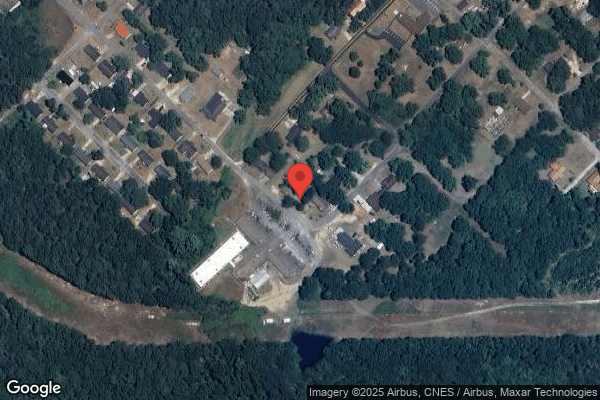

606 SIMMONS ST, DUBLIN, GA 31040 (478) 272-1666
For profit - Limited Liability company 126 Beds BEACON HEALTH MANAGEMENT Data: November 2025 3 Immediate Jeopardy citations
Trust Grade
2/100
#337 of 353 in GA
Last Inspection: April 2025

Within standard 12-15 month inspection cycle. Federal law requires annual inspections.

Overview

Southland Healthcare and Rehab Center has received a Trust Grade of F, indicating significant concerns about the care provided, which is below average. In Georgia, it ranks #337 out of 353 facilities, placing it in the bottom half statewide and #3 out of 3 in Laurens County, suggesting that families have limited better options nearby. While the facility is showing improvement in compliance issues, reducing from 10 to 7 problems over the year, the overall situation remains serious with 23 total issues identified, including three critical incidents where residents did not receive proper medical attention for severe conditions, leading to tragic outcomes. Staffing appears to be a strength with 0% turnover, significantly better than the state average, but the facility has incurred fines totaling $16,801, which is concerning and indicates compliance problems. Overall, while there are some positives, families should weigh the serious deficiencies in care against the strengths when considering this facility for their loved ones.

Trust Score
F
2/100
In Georgia
#337/353
Bottom 5%
Safety Record
High Risk
Review needed
Inspections
Getting Better
10 → 7 violations
Staff Stability
○ Average
Turnover data not reported for this facility.
Penalties
✓ Good
$16,801 in fines. Lower than most Georgia facilities. Relatively clean record.
Skilled Nurses
○ Average
RN staffing data not reported for this facility.
Violations
⚠ Watch
23 deficiencies on record. Higher than average. Multiple issues found across inspections.
★☆☆☆☆
1.0
Overall Rating
★☆☆☆☆
1.0
Staff Levels
★☆☆☆☆
1.0
Care Quality
★☆☆☆☆
1.0
Inspection Score
Stable
2024: 10 issues
2025: 7 issues

The Good

  • Full Sprinkler Coverage · Fire safety systems throughout facility
  • No fines on record

Facility shows strength in fire safety.

The Bad

1-Star Overall Rating

Below Georgia average (2.6)

Significant quality concerns identified by CMS

Federal Fines: $16,801

Below median ($33,413)

Minor penalties assessed

Chain: BEACON HEALTH MANAGEMENT

Part of a multi-facility chain

Ask about local staffing decisions and management

The Ugly 23 deficiencies on record

3 life-threatening
Apr 2025 7 deficiencies
CONCERN (D)

Potential for Harm - no one hurt, but risky conditions existed

Deficiency F0625 (Tag F0625)

Could have caused harm · This affected 1 resident

**NOTE- TERMS IN BRACKETS HAVE BEEN EDITED TO PROTECT CONFIDENTIALITY** Based on resident and staff interviews, record review, and review of the facility policy titled, Bed Hold, the facility failed t...

Read full inspector narrative →
**NOTE- TERMS IN BRACKETS HAVE BEEN EDITED TO PROTECT CONFIDENTIALITY** Based on resident and staff interviews, record review, and review of the facility policy titled, Bed Hold, the facility failed to provide the resident or representative with written information that included the duration of the bed hold policy and the reserve payment amount at the time of transfer to an acute care hospital for one of three residents (R) (R30) reviewed. This failure had the potential to place R30 at risk of denial of re-admission and loss of their room following hospitalization. Findings include: Review of the facility policy titled, Bed Hold, dated 12/1/2014, revealed the Policy section included, All residents are given the option of reserving their bed when leaving the facility with the intent to return. A Bed Hold Authorization Form should be completed and signed by the resident/responsible party each time a resident leaves the facility. The Procedure section included, . 2. Bed Hold Policy and Bed Hold Authorization Form: All residents/responsible parties are given a copy of the State Specific Bed Hold Policy and Bed Hold Authorization Form upon admission. In the case of emergency transfer the resident or responsible party is provided with written notification within 24 hours of the transfer. The requirement is met if the resident's copy of the notice is sent with other papers accompanying the resident to the hospital. Review of R30's admission Record revealed diagnoses including, but not limited to, cerebral infarction, severe protein calorie malnutrition, aphasia, hemiplegia and hemiparesis, dysphagia, aphasia, dysarthria, chronic obstructive pulmonary disease (COPD), congestive heart failure, anemia, generalized muscle weakness, and gastro-esophageal reflux disease. Review of R30's Quarterly Minimum Data Set (MDS) dated [DATE] revealed Section C (Cognitive Pattern) documented a Brief Interview for Mental Status (BIMS) score of 15 (indicating little to no cognitive impairment). Review of R30's electronic medical record (EMR) revealed no documentation that the facility provided the resident with a bed hold agreement for hospital transfers dated 7/6/2024, 7/20/2024, 9/5/2024, and 1/28/2025. In an interview on 4/4/2025 at 10:04 am, R30 revealed that he had several hospital stays since being admitted to the facility. R30 stated that he has had a lot of medical issues. He further stated he did not recall receiving or signing a bed hold agreement at the time of transfers to the hospital. In an interview on 4/5/2025 at 3:17 pm, Licensed Practical Nurse (LPN)AA revealed when residents were transferred to the hospital, after receiving the order from the physician, there was a packet that was sent with them that contained the residents face sheet, physicians' orders, code status, and the bed hold policy. She further stated the original bed hold was sent with the resident, and a copy of the bed hold was given to the Business Office Manager to be placed in the resident's file. In an interview on 4/5/2025 at 3:26 pm, the Revenue Cycle Manager (RCM) revealed that when a resident was sent to the hospital, the bed hold policy was sent with the resident, and a copy was put in the resident's financial file. During the interview, the RCM was unable to locate the bed hold policies for R30 for the hospital transfer dates of 7/6/2024, 7/20/2024, 9/5/2024, and 1/28/2025. The RCM confirmed that R30 did not receive a bed hold agreement during any of the hospital transfers that occurred. In an interview on 4/5/2025 at 3:40 pm, the Administrator revealed that when a resident was transferred to the hospital, the bed hold policy was expected to accompany the resident at the time of the transfer. Further interview revealed that there was also a copy of the bed hold policy that was placed in the residents' financial file, which was kept in the Business Office.
CONCERN (D) 📢 Someone Reported This

A family member, employee, or ombudsman was alarmed enough to file a formal complaint

Potential for Harm - no one hurt, but risky conditions existed

Quality of Care (Tag F0684)

Could have caused harm · This affected 1 resident

**NOTE- TERMS IN BRACKETS HAVE BEEN EDITED TO PROTECT CONFIDENTIALITY** Based on observations, resident and staff interviews, record review, and review of the facility policy titled, Oxygen, Administr...

Read full inspector narrative →
**NOTE- TERMS IN BRACKETS HAVE BEEN EDITED TO PROTECT CONFIDENTIALITY** Based on observations, resident and staff interviews, record review, and review of the facility policy titled, Oxygen, Administration-Nasal Canula, the facility failed to follow a physician order for oxygen (O2) therapy for one of 11 residents (R) (R1) receiving O2 therapy. The deficient practice had the potential to place R1 at risk of medical complications and unmet needs. Findings include: Review of the facility policy titled, Oxygen, Administration-Nasal Canula, dated October 2023, revealed the Procedure section included, 1. Check the resident's clinical record for the physician's order. 5. Turn the flow meter to the ordered flow rate. Review of R1's electronic medical record (EMR) revealed diagnoses including, but not limited to, acute and chronic respiratory failure, unspecified asthma, other specified chronic obstructive pulmonary disease (COPD), and pneumonia. Review of R1's admission Minimum Data Set (MDS) assessment dated [DATE] revealed Section C (Cognitive Patterns) documented a Brief Interview for Mental Status (BIMS) score of 15 (indicating little to no cognitive impairment). Section O (Special Treatments, Therapies, and Programs) documented R1 received O2. Review of R1's Physician's Orders revealed an order dated 4/1/2025 for O2 at 3 liters per minute (LPM) via nasal cannula (NC) as needed for O2 for oxygen therapy Observations on 4/4/2025 at 8:14 am, and 4/5/2025 at 9:15 am and 1:40 pm revealed R1 was receiving O2 via a NC at 4 LPM via an O2 concentrator. During an interview on 4/5/2025 at 1:49 pm, Licensed Practical Nurse (LPN) AA confirmed that R1's O2 was set at 4 LPM. She confirmed the physician's order was for R1's O2 to be set at 3 LPM. During an interview on 4/5/2025 at 3:15 pm, the Unit Manager revealed that she expected staff to follow the physician's orders for O2 and ensure the flow meters were set to deliver the ordered amount of O2.
CONCERN (D)

Potential for Harm - no one hurt, but risky conditions existed

Respiratory Care (Tag F0695)

Could have caused harm · This affected 1 resident

Based on observations, staff and resident interviews, and record reviews, the facility failed to ensure respiratory equipment was maintained in a sanitary manner for one of 11 residents (R) (R25) rece...

Read full inspector narrative →
Based on observations, staff and resident interviews, and record reviews, the facility failed to ensure respiratory equipment was maintained in a sanitary manner for one of 11 residents (R) (R25) receiving oxygen (O2) therapy. This deficient practice had the potential to place R25 at risk of respiratory complications and a diminished quality of life. Findings include: Review of R25's electronic health record (EHR) revealed diagnoses including, but not limited to, respiratory failure, unspecified with hypoxia, chronic obstructive pulmonary disease (COPD), emphysema, systolic (congestive) and diastolic (congestive) heart failure, obstructive sleep apnea, acute respiratory failure, and acute and chronic respiratory failure with hypoxia Review of R25's Annual Minimum Data Set (MDS) assessment, dated 1/9/2025, revealed Section C (Cognitive Patterns) documented a Brief Interview of Mental Status (BIMS) of 15 (indicating little to no cognitive impairment). Section GG (Functional Abilities and Goals) documented R25 was dependent on staff for mobility. Section J (Health Conditions) documented R25 had shortness of breath or trouble breathing when lying flat. Section O (Special Treatments, Procedures, and Programs) documented R25 received O2 therapy and non-invasive mechanical ventilation while a resident. Review of R25's Physician Orders revealed orders dated: 1/30/2025 for O2 at 3 liters per minute (LPM) via nasal cannula (NC) two times a day, 10/25/2024 to apply CPAP (continuous positive airway pressure) at bedtime for O2 therapy and remove CPAP in the morning one time a day for O2 therapy, and 10/21/2024 for ipratropium-albuterol solution 0.5-2.5 (3) MG (milligram)/3ML (milliliter) one vial inhale orally via nebulizer every 8 hours related to COPD and albuterol sulfate HFA [high-flow aerosol] inhalation aerosol solution 108 (90 Base) MCG (microgram)/ACT (actuator) one inhale orally every 4 hours as needed for dyspnea (trouble breathing). Observation on 4/4/2025 at 8:00 am revealed R25 receiving O2 at 3 LPM via a NC. Observation revealed the O2 concentrator was covered with debris, and the nebulizer mask and CPAP mask were lying on the nightstand, uncovered and exposed to the environment. In an interview, R25 revealed that she was unable to turn and reposition herself in bed independently or reach the nightstand. She revealed that the nurses placed and removed the respiratory masks for her. Observation on 4/4/2025 at 12:18 pm revealed R25 receiving O2 at 3LPM via NC. The oxygen concentrator was covered with debris, and the nebulizer mask and CPAP mask were lying on the nightstand, uncovered and exposed to the environment. Observation on 4/5/2025 at 8:58 am revealed R25 receiving O2 at 3LPM via NC. The oxygen concentrator remained covered with debris. In a concurrent observation and interview on 4/5/2025 at 2:10 pm, Licensed Practical Nurse (LPN) AA confirmed R25 was receiving O2 at 3LPM via NC. LPN AA confirmed the O2 concentrator was covered with debris. Observation revealed the respiratory masks were in a protective bag, however, LPN AA confirmed they were not in a protective bag and were uncovered and exposed to air on 4/4/2025. LPN AA verified that R25 was unable to reach her nightstand and that the nurses would have placed the nebulizer and CPAP masks on the nightstand uncovered. LPN AA stated she thought Environmental Services was responsible for cleaning O2 concentrators and that the night nurses were responsible for changing and bagging nebulizer and CPAP masks. During an interview on 4/15/2025 at 3:15 pm, the Unit Manager (UM) confirmed the findings of the O2 concentrator with debris and the respiratory masks being unbagged and exposed to the environment after viewing pictures of the findings. The UM revealed her expectations of staff were that they ensure the O2 concentrator was clean and that respiratory masks were placed in protective bags when not in use. A policy related to oxygen equipment maintenance and storage was requested and not provided.
CONCERN (F)

Potential for Harm - no one hurt, but risky conditions existed

Laboratory Services (Tag F0770)

Could have caused harm · This affected most or all residents

**NOTE- TERMS IN BRACKETS HAVE BEEN EDITED TO PROTECT CONFIDENTIALITY** Based on staff interview, record review, and review of the Centers for Disease Control and Prevention (CDC) website and Clinical...

Read full inspector narrative →
**NOTE- TERMS IN BRACKETS HAVE BEEN EDITED TO PROTECT CONFIDENTIALITY** Based on staff interview, record review, and review of the Centers for Disease Control and Prevention (CDC) website and Clinical Laboratory Improvement Amendments of 1988(CLIA) regulations, the facility failed to ensure a current Centers for Medicare & Medicaid Services (CMS) CLIA Certificate of Waiver. The facility census was 56. Findings include: Review of the CDC CLIA website revealed The CLIA of 1988 regulations apply to all United States (US) facilities or sites that test human specimens for health or disease assessment. Review of the CLIA of 1988 regulations revealed .Certification of Laboratories . (b) Certificate Requirement: No person may solicit or accept materials derived from the human body for laboratory for laboratory examination or other procedure unless there is effect for the laboratory a certificate issued by the Secretary under this section applicable to the category of examinations or procedures which includes such examinations or procedure. Review of the facility-provided CLIA waiver revealed an expiration date of [DATE]. Record review revealed the facility conducts blood glucose checks for 15 residents per day and urinalysis testing for residents as ordered by the physicians. In an interview on [DATE] at 10:00 am, the Building Manager confirmed that the facility's CLIA certificate was expired. The Building Manager stated there had been a request for renewal that had been denied. Further interview revealed that because the facility was in transition from one company to the next, the CLIA certificate had expired and not been renewed.
CONCERN (F) 📢 Someone Reported This

A family member, employee, or ombudsman was alarmed enough to file a formal complaint

Potential for Harm - no one hurt, but risky conditions existed

Deficiency F0801 (Tag F0801)

Could have caused harm · This affected most or all residents

Based on staff interviews and facility document review, the facility failed to employ a qualified dietitian. This deficient practice had the potential to place the 56 residents residing in the facilit...

Read full inspector narrative →
Based on staff interviews and facility document review, the facility failed to employ a qualified dietitian. This deficient practice had the potential to place the 56 residents residing in the facility at risk of unmet nutritional needs and a diminished quality of life. Findings include: A job description for the Registered Dietitian was requested and was not provided. Review of the facility-provided document titled Dietary Manager included, Job Summary: The primary purpose of the Dietary Manager position is to assist the Dietitian in planning, organizing, developing, and directing the overall operation of the Dietary Department. An interview on 4/4/2025 at 8:30 am with the Dietary Manager (DM) revealed the facility did not have a Registered Dietitian (RD). She stated that the facility has been without an RD for the past two months. She stated that she communicated with the Minimum Data Set (MDS) nurse about residents' diets. In an interview on 4/4/2025 at 8:52 am, the Administrator revealed the former RD was offering support until an RD was hired. In an interview on 4/5/2025 at 12:43 pm, the former RD stated that her last day of service to the facility was 1/26/2025, she was no longer affiliated with the facility, and was not offering support to the facility. In an interview on 4/5/2025 at 2:23 pm, the MDS Coordinator stated that the facility does not currently have an RD. She stated that she did not communicate with the DM about the residents' diets. In an interview on 4/5/2025 at 1:28 pm, the Administrator revealed she was unaware that there was no RD for the facility. She stated someone would be covering until a new RD was available, and was unable to provide confirmation of the coverage. In an interview on 4/5/2025 at 1:45 pm, the Building Manager stated the facility was in the process of a change in company ownership. He stated he was unaware that the RD's contract had ended.
CONCERN (F) 📢 Someone Reported This

A family member, employee, or ombudsman was alarmed enough to file a formal complaint

Potential for Harm - no one hurt, but risky conditions existed

Social Worker (Tag F0850)

Could have caused harm · This affected most or all residents

Based on staff interviews and record review, the facility failed to employ a qualified Social Service Worker on a full-time basis to provide services for the residents in the facility. The facility wa...

Read full inspector narrative →
Based on staff interviews and record review, the facility failed to employ a qualified Social Service Worker on a full-time basis to provide services for the residents in the facility. The facility was licensed for 126 beds. Findings include: Review of the facility's licensure revealed that the facility was licensed for 126 beds. Review of the facility personnel files revealed there was no Social Services Worker employed by the facility to provide consultation or oversight of the facility's resident population. In an interview on 4/5/2025 at 9:28 am, the Human Resources Director revealed that the last day the previous Social Services Director worked at the facility was on February 28, 2025, and there had not been any person working in the capacity of the Social Worker in the facility since that day. In an interview on 4/5/2025 at 1:28 pm, the Administrator revealed that she was aware the facility had not employed a qualified Social Service Worker since February 28, 2025. In an interview on 4/5/2025 at 1:45 pm, the Building Manager revealed that he was unaware that the facility did not have a qualified Social Services Worker working in the facility.
CONCERN (F) 📢 Someone Reported This

A family member, employee, or ombudsman was alarmed enough to file a formal complaint

Potential for Harm - no one hurt, but risky conditions existed

Deficiency F0947 (Tag F0947)

Could have caused harm · This affected most or all residents

Based on staff interviews and review of the facility-provided document titled CNA/STNA (Certified Nursing Assistant/State Tested Nursing Assistant), the facility failed to provide the required in-serv...

Read full inspector narrative →
Based on staff interviews and review of the facility-provided document titled CNA/STNA (Certified Nursing Assistant/State Tested Nursing Assistant), the facility failed to provide the required in-service training for the CNAs employed by the facility. This deficient practice had the potential to adversely affect the 56 residents residing in the facility. Findings include: Review of the facility-provided document titled, CNA/STNA, dated 11/2023, revealed the Specific Educational/Vocational Requirements section included, Must attend a minimum of 12 continuing education programs provided by the center in order to maintain certification. During an interview on 4/4/2025 at 2:30 pm, the Human Resource Director (HRD) revealed that the Director of Nursing (DON) was responsible for submitting CNA in-service hours to the State Agency to determine compliance. She further stated the DON had not submitted the 2024 in-service hours. During an interview on 4/5/2025 at 10:15 am, the HRD stated she had contacted the State Agency, and the 2024 CNA training hours had not been received by the agency. During an interview on 4/5/2025 at 4:03 pm, the Administrator stated the DON was responsible for providing education, and the HRD was responsible for submitting the CNA in-service hours to the State Agency. The Administrator confirmed that the education records for CNAs for 2024 could not be found and was unable to provide evidence of the required in-service training for the facility's CNAs.
Jul 2024 6 deficiencies 3 IJ
CRITICAL (J) 📢 Someone Reported This

A family member, employee, or ombudsman was alarmed enough to file a formal complaint

Immediate Jeopardy (IJ) - the most serious Medicare violation

Notification of Changes (Tag F0580)

Someone could have died · This affected 1 resident

**NOTE- TERMS IN BRACKETS HAVE BEEN EDITED TO PROTECT CONFIDENTIALITY** Based on staff interviews and record review, the facility failed to notify the physician of a significant change in condition fo...

Read full inspector narrative →
**NOTE- TERMS IN BRACKETS HAVE BEEN EDITED TO PROTECT CONFIDENTIALITY** Based on staff interviews and record review, the facility failed to notify the physician of a significant change in condition for one of seven sampled residents (R) (R1) related to respiratory distress and the need for further medical treatment. On [DATE], R1 exhibited shortness of breath, tripoding (leaning forward to maximize lung expansion), and a decreased oxygen saturation of 83 percent. On [DATE], a determination was made that a situation in which the facility's noncompliance with one or more requirements of participation had the likelihood to cause serious injury, harm, impairment, or death to residents. The facility's Administrator, Director of Nursing (DON), and Corporate [NAME] President of Compliance and Regulatory Services were informed of the Immediate Jeopardy (IJ) on [DATE] at 4:18 pm. The noncompliance related to the IJ was identified to have existed on [DATE]. At the time of exit on [DATE], an acceptable Immediate Jeopardy Removal Plan had not been received; therefore, the Immediate Jeopardy remained ongoing. Findings include: A review of the Electronic Medical Record (EMR) for R1 revealed a readmission date of [DATE] with diagnoses including but not limited to cerebral infarction affecting the left nondominant side, hypertension, type 2 diabetes mellitus, major depressive disorder, and insomnia. A review of the EMR for R1 revealed no evidence that the physician or the Administrator was notified of R1's significant change in condition of respiratory distress or that R1 had expired and was pronounced. Interview on [DATE] at 3:07 pm with Licensed Practical Nurse (LPN) BB revealed that she made a note (progress note dated [DATE]) that stated she had called the DON and the Administrator. However, LPN BB's documentation revealed no evidence that the Administrator was notified. Interview on [DATE] at 3:50 pm with the Registered Nurse (RN) Supervisor revealed that R1 was coughing and saying he was going to stop smoking. RN Supervisor further stated that R1 was stressing, saying he had a hard time breathing, but he was able to talk and repeatedly said he was going to stop smoking. He further revealed that LPN CC had put oxygen on R1 at two liters per minute and took vital signs. He stated he thought LPN CC had stated R1's pulse oxygenation on room air was 89 percent. The RN Supervisor confirmed that he did not call the physician to inform him of the change in condition for R1. An interview on [DATE] at 9:40 am with LPN CC revealed that she did not call the physician because R1 was stable, and a report was given to the assigned night shift nurse. LPN CC stated that if it were an emergency, she would call 911 and then call the physician to tell him what she did for the resident. Interview on [DATE] at 1:34 pm with Physician QQ revealed this was the first he had heard that R1 had expired, and there was no excuse for this. Physician QQ stated that R1 was on his monthly follow-up for next week and further stated that R1 was cognitive and could verbalize his needs and what was wrong. Interview on [DATE] at 2:12 pm with the DON revealed that she was not aware of R1's death circumstances because the RN supervisor told her that the resident had passed in his sleep and was a Do Not Resuscitate (DNR). Interview on [DATE] at 3:18 pm with the Administrator revealed that he was not aware and had not been informed of R1's death circumstances until the surveyor started interviewing the staff. The Administrator stated that when he found out, he held an Ad Hoc meeting and began education on notification and documentation of changes in condition and code status. Cross Reference F600
CRITICAL (J) 📢 Someone Reported This

A family member, employee, or ombudsman was alarmed enough to file a formal complaint

Immediate Jeopardy (IJ) - the most serious Medicare violation

Free from Abuse/Neglect (Tag F0600)

Someone could have died · This affected 1 resident

**NOTE- TERMS IN BRACKETS HAVE BEEN EDITED TO PROTECT CONFIDENTIALITY** Based on staff interviews, record review, and review of the facility policy titled Freedom of Abuse, Neglect, and Exploitation; ...

Read full inspector narrative →
**NOTE- TERMS IN BRACKETS HAVE BEEN EDITED TO PROTECT CONFIDENTIALITY** Based on staff interviews, record review, and review of the facility policy titled Freedom of Abuse, Neglect, and Exploitation; Abuse Prevention: Fast Alerts, the facility failed to protect the resident's right to be free from neglect by staff for one of seven sampled residents (R) (R1). Specifically, R1 had a significant change of condition while in respiratory distress and required further medical treatment. R1 expired less than four hours after being placed in his bed by staff. On 7/11/2024, a determination was made that a situation in which the facility's noncompliance with one or more requirements of participation had the likelihood to cause serious injury, harm, impairment, or death to residents. The facility's Administrator, Director of Nursing (DON), and Corporate [NAME] President of Compliance and Regulatory Services were informed of the Immediate Jeopardy (IJ) on 7/11/2024 at 4:18 pm. The noncompliance related to the IJ was identified to have existed on 6/17/2024. At the time of exit on 7/11/2024, an acceptable Immediate Jeopardy Removal Plan had not been received; therefore, the Immediate Jeopardy remained ongoing. Findings Include: Review of the policy titled Freedom of Abuse, Neglect and Exploitation; Abuse Prevention: Fast Alerts, dated October 2023, revealed Purpose. The purpose of this written Freedom of Abuse, Neglect, Exploitation: Abuse Prevention Standard is to outline the preventive and action steps taken to reduce the potential for abuse, mistreatment, and neglect of residents and the misappropriation of resident properly and to review practices and omissions which if allowed to go unchecked, could lead to abuse. This standard demonstrates a Zero tolerance of Abuse of any type or manner and will address accordingly. Neglect: Failure of a facility, its employees, or service providers to provide goods and services to a resident that are necessary to avoid physical harm, pain, mental anguish, or emotional distress. Overview: When a nursing home accepts a resident for admission, the facility has assumed the responsibility to 1. Adequately assess the resident's condition. 3. Provide interventions or services to meet the resident's needs from the time of admission. A review of the quarterly Minimum Data Set (MDS) dated [DATE] revealed R1 had a Brief Interview Mental Status (BIMS) score of 15, indicating intact cognition. A review of the care plan for R1, with a canceled date of 6/18/2024, revealed a focus area of Do Not Resuscitate (DNR). The interventions included notifying the medical doctor as needed, communicating resident choice, and comfort measures. A review of the progress notes for R1 dated 6/18/2024 revealed Licensed Practical Nurse (LPN) BB documented that staff was alerted to the resident room in response to R1 being unresponsive. Upon entry to the room, the resident was observed lying supine in the bed with the head of the bed elevated about 30 degrees. The resident had no pulse noted, his eyes were closed with no respirations noted. The resident has a DNR code status. The DON was notified of R1's status. A late entry dated 6/18/2024 revealed a Registered Nurse (RN) Supervisor pronounced R1 deceased at 1:05 am. The RN Supervisor noted that he had attempted to notify the family five different times. The voicemail was not available. (Named) Funeral Home was notified. A review of the Electronic Medical Record (EMR) for R1 revealed that there was no evidence of documentation of vital signs or documentation of the event leading to R1's death. The last documented vital signs were taken on 6/3/2024. Interview on 7/1/2024 at 7:49 pm with Certified Nursing Aide (CNA) DD revealed that around 8:30 pm, R1 started asking for help. CNA DD stated the agency nurse assigned to R1 had left the building to get food. She stated she and CNA FF wheeled him to the front nursing station because they could not find his nurse. CNA DD further stated that two nurses (RN Supervisor and LPN CC) were at the nurse's station and assessed R1 for pulse oxygenation and vital signs. CNA DD confirmed the RN Supervisor gave R1 oxygen and told R1 to stop talking. CNA DD described the resident as sweating, shaking, and holding his chest, begging for help. CNA DD stated that she held the resident's hand and heard the two nurses discussing who would do the paperwork and stated neither nurse (RN Supervisor nor LPN CC) wanted to do the paperwork. CNA DD further revealed that the RN Supervisor stated that R1 was a DNR anyway, and both nurses (RN Supervisor and LPN CC) rolled R1 back to his room in his wheelchair and put him in the bed. Interview on 7/2/2024 at 10:57 am, the RN Supervisor revealed that he returned to the facility to pronounced R1. The RN Supervisor stated that when he returned to the facility and before pronouncing R1, he did an assessment by checking the carotid pulse, using his stethoscope, and checked the apical pulse and did not find a heartbeat. He stated the resident was cool to the touch. The RN Supervisor explained that at about 8:30 pm on 6/17/2024, the facility was having a staffing issue at shift change. He stated they had initially told LPN BB to go home, but the nurse scheduled to work did not show up, and LPN BB ended up staying at the facility. In a follow-up interview on 7/2/2024 at 3:50 pm, the RN Supervisor revealed that R1 was coughing and talking, saying he was going to stop smoking. RN Supervisor stated that he thought it was a CNA who brought R1 to the front station, and R1 was stressing, saying he had a hard time breathing. He stated he was able to talk and repeatedly said he was going to stop smoking. He stated LPN CC put oxygen on the resident at two liters per minute. RN Supervisor further revealed that he was handling staffing issues, and LPN CC had said she had R1. RN Supervisor stated that R1 was taken back to his room by LPN CC and put to bed. RN Supervisor stated that he went to check on R1 before he left the facility, and his pulse oxygenation was 96 percent on 2 liters of oxygen. RN Supervisor revealed that he did not call the physician. However, a review of the EMR revealed no evidence that the facility staff performed vital signs or an assessment. Interview on 7/2/2024 at 3:07 pm with LPN BB revealed that on 6/17/2024, she was assigned to D Hall, and R1 was on the E Hall. LPN BB stated that when she initially got to work, R1 was at the front station and was receiving care from two nurses she identified as the RN Supervisor and LPN CC. LPN BB stated that she noticed the resident was wearing oxygen. She stated that she proceeded to her assigned area on the D Hall. She further stated that after she passed her medications on D Hall, she went to get something to eat. LPN BB revealed that she came back from lunch, and the RN Supervisor told her that R1 was complaining of being unable to breathe and had shortness of breath and that he had put R1 back in his room. The RN Supervisor had reported to her that R1 had gone out to smoke and that he put oxygen on the resident for shortness of breath and R1 seemed calmer. LPN BB further revealed that she went to pass narcotics for the Certified Medication Assistant (CMA) NN on E Hall and noticed R1 was anxious and yelling that he wanted his bed flat. LPN BB stated R1 was okay with not having the bed flat, and the resident was still talking and wanted his bed flat. LPN BB revealed that CMA NN came to her and told her that R1 was deceased . She stated when she walked into R1's room, he had one hand gripping the rail of the bed, his eyes were closed, and he had the appearance of being asleep. LPN BB stated that she checked his radial pulse and didn't feel a pulse and further revealed that when RN Supervisor and LPN CC put him in bed with oxygen, they made her think he was okay. LPN BB commented that her initial contact with R1 was only about him wanting to have the bed flat. In a follow-up interview on 7/11/2024 at 1:49 pm with LPN BB, she clarified that she arrived at work at about 6:30 pm and normally goes to dinner before it is dark outside. She continued to state that her nursing note was written about 5 to 10 minutes after R1 was without signs of life. She stated when she first went on D Hall, it was during a regular medication pass to give narcotics for CMA NN since that they could not pass narcotics or chart those medications. Interview on 7/2/2024 at 7:17 pm with CNA FF revealed that she was orienting CNA EE and was in a resident room. CNA FF stated she heard someone hollering down the hall, and it was R1 saying he couldn't breathe and wanted to lie down. CNA FF stated R1 was coming down the hall saying help me help me, and he couldn't breathe. CNA FF revealed she rolled him to the front nursing station because she didn't see a nurse on the back hall. CNA FF stated she informed the RN Supervisor and LPN CC that R1 was saying he could not breathe. She stated LPN CC took R1's vital signs, and his oxygenation saturation was 83 percent. She further stated that LPN CC applied oxygen to R1 via a nasal cannula. CNA FF stated that she then returned to her assignment. She stated at the end of her rounds, she observed that the RN Supervisor and LPN CC had put R1 in his bed with oxygen on and R1 was sitting in an upright position in bed. She further stated that at about 8:00 pm or 8:30 pm, she told LPN BB and CMA NN that R1 has a history of heart attacks. She stated that LPN BB stated that she would not send R1 out because the doctors would say why didn't they (nurses) do what could be done in the facility before sending him to the hospital. In a continued interview, CNA FF stated she and CNA EE told LPN BB that R1's oxygen was 83 percent. CNA FF stated that she and CNA EE checked on the resident and then went to get their meal from about 11:00 pm to 11:30 pm. CNA FF revealed when she returned from lunch that LPN BB told her to get R1's vital signs, and R1 had no pulse and no chest rise. Interview on 7/3/2024 at 9:40 am with LPN CC revealed that she was assigned to the A/C Hall from 7:00 am to 7:00 pm. She stated she passed her keys and gave a report to the front hall nurse. LPN CC stated she went to get a sheet to sign off, and R1 was in front of the nursing station with two CNAs. LPN CC further revealed that R1 looked short of breath and was sweaty, and she noticed the RN Supervisor was checking R1's vital signs. LPN CC stated she couldn't recall the specific values of the oxygen saturation but knew it was around 85 percent. She stated that, in general, R1 needed oxygen. LPN CC further stated she got the oxygen, put the resident on 3 liters of oxygen by nasal cannula, and told R1 that he was not alone. LPN CC stated that she was told that R1 was blind and had paralysis on the left side, and she told him to raise his right arm to help him breathe and stated the oxygen was helping. LPN CC further revealed that the RN Supervisor took R1 to the nurse assigned to the resident and she did not know the nurse. LPN CC stated that after 8:00 pm, she walked to the other side of the facility and asked a nurse where R1's room was. She stated the RN Supervisor was in the room alone with R1 and stated that he had reported to the night shift nurse. LPN CC revealed that she and the RN Supervisor assisted R1 into the bed and placed the head of the bed in the up position. When asked why she did not document, she stated that she was clocked out and didn't document because R1 was not her patient, and she thought he was okay. LPN CC stated she was helping the night shift nurse and did not call the physician. LPN CC further revealed that R1 was stable, and a report was given to the assigned night shift nurse. When asked if she discussed the transfer paperwork, LPN CC stated that she discussed the code status of the DNR, and if it were an emergency, she would call 911 and then call the physician to tell him what she did for the resident. Interview on 7/11/2024 at 1:34 pm with Physician QQ revealed that a resident with an 83 percent pulse oxygenation should have been sent out immediately and needed an advanced level of care. Physician QQ stated that R1 had no respiratory care needs, was cognitive, and could verbalize his needs and tell you what was wrong. Physician QQ further revealed that this was the first he had heard that R1 had expired and stated that R1 was on his monthly follow-up for the next week. Physician QQ stated there was no excuse for this, and a DNR does not mean withholding care. Interview on 7/11/2024 at 2:12 pm with the DON revealed that R1 should have been sent to the hospital and the physician should have been called. The DON stated that she was not aware of R1's death circumstances because the RN Supervisor had told her that R1 had passed in his sleep and was a DNR. Interview on 7/11/2024 at 3:18 pm with the Administrator revealed that he was unaware of R1's death circumstances until the surveyor started interviewing the staff. The Administrator stated that once he was made aware, he held an Ad Hoc meeting and began education on notification and documentation of changes in condition and code status.
CRITICAL (J) 📢 Someone Reported This

A family member, employee, or ombudsman was alarmed enough to file a formal complaint

Immediate Jeopardy (IJ) - the most serious Medicare violation

Administration (Tag F0835)

Someone could have died · This affected 1 resident

**NOTE- TERMS IN BRACKETS HAVE BEEN EDITED TO PROTECT CONFIDENTIALITY** Based on staff interviews, record reviews, and review of the Administrator and Director of Nursing (DON) job descriptions titled...

Read full inspector narrative →
**NOTE- TERMS IN BRACKETS HAVE BEEN EDITED TO PROTECT CONFIDENTIALITY** Based on staff interviews, record reviews, and review of the Administrator and Director of Nursing (DON) job descriptions titled Title: License Nursing Home Administrator and Title: Director of Nursing, the facility Administration failed to ensure that one of seven sampled residents (R) (R1) was free from neglect by staff when R1 was in respiratory distress asking for help. In addition, the facility Administration failed to provide oversight and monitoring of care and services to R1 for further medical treatment. This failure resulted in R1 expiring in his room alone and gripping the handrails. On [DATE], a determination was made that a situation in which the facility's noncompliance with one or more requirements of participation had the likelihood to cause serious injury, harm, impairment, or death to residents. The facility's Administrator, Director of Nursing (DON), and Corporate [NAME] President of Compliance and Regulatory Services were informed of the Immediate Jeopardy (IJ) on [DATE] at 4:18 pm. The noncompliance related to the IJ was identified to have existed on [DATE]. At the time of exit on [DATE], an acceptable Immediate Jeopardy Removal Plan had not been received; therefore, the Immediate Jeopardy remained ongoing. Findings include: Review of the job description titled Title: Licensed Nursing Home Administrator revealed Job summary: The primary purpose of the Nursing Home Administrator position is to oversee the day-to-day operation of the facility and to review organizational performance. Job Duties & Responsibilities: Resident Care & Quality of Life. Oversee that residents receive care in a manner and in an environment that maintains or enhances their quality of life without abridging the safety and rights of other residents. Working conditions: Maintains a liaison with residents, their families, support personnel, etc., to assure that the residents' needs are continually met. Review of the job description titled Title: Director of Nursing revealed Job Summary: The primary purpose of the Director of Nursing position is to plan, organize, develop and direct the overall operation of the Nursing Department to ensure that the highest degree of quality care is maintained at all times. Job Duties & Responsibilities: Administrative Functions. Review and ensure that charting documentation procedures for nursing are met according to Vanguard, state, and federal guidelines. Nursing Care Functions: Review nurses' notes to ensure that they are informative, descriptive of the nursing care, and consistent with therapy care being provided, that they reflect the resident's response to the care, and that such care is provided in accordance with the resident's wishes. Make daily rounds to observe residents and to determine if nursing needs are being met in accordance with the resident's requests. Ensure that residents who are unable to call for help are checked frequently. Facility Administration, specifically the Administrator and the DON, failed to protect residents and effectively oversee areas of the facility that were included in their job descriptions. 1. The facility failed to ensure R1 was free from neglect by facility staff while he was experiencing respiratory distress, asking for help, and needing further medical treatment. R1 expired in the facility. Cross refer F600. 2. The facility failed to notify the physician of a significant change in condition for R1 who exhibited shortness of breath, tripoding (leaning forward to maximize lung expansion), and had a decreased oxygen saturation reading of 83 percent on room air. Cross refer F580. Interview on [DATE] at 1:34 pm with Physician QQ revealed that a resident with an 83 percent pulse oxygenation should have been sent to the emergency room (ER) immediately and needed an advanced level of care. Physician QQ stated that R1 had no respiratory care needs, was cognitive, and could verbalize his needs and tell you what was wrong. Physician QQ further revealed that this was the first he had heard that R1 had expired and R1 was on his monthly follow-up for the next week. Physician QQ stated there was no excuse for this, and a Do Not Resuscitate (DNR) status does not mean withholding care. An interview on [DATE] at 2:12 pm with the DON revealed that R1 should have been sent to the hospital and the physician should have been called. The DON stated that she was not aware of R1's death circumstances. The DON further revealed that the RN Supervisor told her in the morning meeting that R1 had passed in his sleep and was a DNR. An interview on [DATE] at 3:18 pm with the Administrator revealed he was not aware of R1's death circumstances until the surveyor started interviewing the staff. The Administrator stated that once he was made aware, he held an Ad Hoc meeting and began education on notification and documentation of changes in condition and code status.
CONCERN (D) 📢 Someone Reported This

A family member, employee, or ombudsman was alarmed enough to file a formal complaint

Potential for Harm - no one hurt, but risky conditions existed

Deficiency F0568 (Tag F0568)

Could have caused harm · This affected 1 resident

**NOTE- TERMS IN BRACKETS HAVE BEEN EDITED TO PROTECT CONFIDENTIALITY** Based on staff interviews, record review, and review of the facility documents titled Resident Fund Management Service and Buria...

Read full inspector narrative →
**NOTE- TERMS IN BRACKETS HAVE BEEN EDITED TO PROTECT CONFIDENTIALITY** Based on staff interviews, record review, and review of the facility documents titled Resident Fund Management Service and Burial Account, the facility failed to ensure that one of seven sampled residents (R) (R2's) burial account funds were not used to pay the care cost balance. This deficient practice had the potential to affect all residents who had a trust funds account with the facility. Findings include: A review of the Resident Fund Management Service document, dated [DATE], revealed that the Resident Fund Account was a transferring account (automatic transfer of care cost payments due the facility) with a $70.00 monthly allowance amount. A review of the Burial Account document revealed that it was a deposit-only account for money to be used for burial expenses only and was revocable (it may be closed prior to death). A review of the Resident Statement Landscape revealed that R2 had a trust fund account for care costs and a burial account. Further review revealed on [DATE], R2's trust fund account balance was $4185.83. On [DATE], $4115.00 was transferred from the trust fund account to the burial account, leaving a balance of $70.00 in the trust fund account. A review of the Close Transaction Report, dated [DATE] (to close R2's trust account), revealed that $70.83 was due to R2 to close the trust fund account. A check numbered 003614, dated [DATE], from the Resident Fund Management Service (RFMS) Petty Cash Account revealed the check was made payable to R2 and had the facility's address. A review of the Close Transaction Report dated [DATE] (to close R2's burial account) revealed a balance of $4115.00. There were two checks for the burial disbursement dated [DATE], check numbered 003613 for $1998.52 with R2 as the payee and check numbered 003615 for $2116.48 with the facility as the payee. A review of the Trial Balance dated [DATE] revealed R2's burial account was closed on [DATE], with a zero balance. A review of the facility's Petty Cash bank account statement dated [DATE], through [DATE], revealed that check numbers 003613 and 003614 were cleared as paid on [DATE], and check 003615 was cleared as paid on [DATE] from the facility's petty cash account. There was no evidence that the Responsible Party authorized the facility to transfer money from the burial account to pay an outstanding balance of care cost. A review of medical records revealed that R2 expired on [DATE]. In an interview on [DATE] at 12:57 pm, the Business Office Manager (BOM) revealed that the only authorization she had was to transfer money from R2's trust account to his burial account and that she was not aware that the burial account funds could not be used to pay the care cost balance.
CONCERN (D) 📢 Someone Reported This

A family member, employee, or ombudsman was alarmed enough to file a formal complaint

Potential for Harm - no one hurt, but risky conditions existed

Quality of Care (Tag F0684)

Could have caused harm · This affected 1 resident

**NOTE- TERMS IN BRACKETS HAVE BEEN EDITED TO PROTECT CONFIDENTIALITY** Based on staff interviews and record review, the facility failed to ensure vital signs were obtained as ordered for two of seven...

Read full inspector narrative →
**NOTE- TERMS IN BRACKETS HAVE BEEN EDITED TO PROTECT CONFIDENTIALITY** Based on staff interviews and record review, the facility failed to ensure vital signs were obtained as ordered for two of seven sampled residents (R) (R1 and R3). This deficient practice had the potential to negatively affect R1 and R3's physical health and well-being. Findings include: 1. A review of R1's medical records revealed admission to the facility on 2/11/2016, with a readmission date of 9/5/2021. Diagnoses included but were not limited to hypertension and type 2 diabetes mellitus. A review of the Order Summary for R1 revealed an order dated 5/4/2023 with a start date of 5/8/2024 for vital signs to be obtained every Monday, every day shift. A review of the Weight and Vitals Summary revealed no vital signs were documented on any dates in May 2024. Two entries of vital signs were recorded for June 2024, dated 6/1/2024 and 6/3/2025. There was no evidence of vital signs recorded for 6/10/2024 and 6/17/2024. 2. A review of R3's medical records revealed admission to the facility on [DATE] with a readmission date of 4/11/2024. Diagnoses included but were not limited to hypertension and major depressive disorder. A review of the Order Summary for R3 revealed an order dated 1/14/2024 with a start date of 1/15/2024 to obtain vital signs every day shift every Monday for monitoring. A review of the Weights and Vitals Summary dated 1/1/2024 through 7/1/2024 revealed no evidence that vital signs were obtained on any dates in May 2024. In an interview on 7/11/2024 at 2:12 pm, the Director of Nursing (DON) revealed that staff should document vital signs during the shift and that missing documentation should be entered within 24 hours.
CONCERN (D) 📢 Someone Reported This

A family member, employee, or ombudsman was alarmed enough to file a formal complaint

Potential for Harm - no one hurt, but risky conditions existed

Medical Records (Tag F0842)

Could have caused harm · This affected 1 resident

**NOTE- TERMS IN BRACKETS HAVE BEEN EDITED TO PROTECT CONFIDENTIALITY** Based on staff interviews, record reviews, and review of the facility policy titled Clinical Documentation, the facility failed ...

Read full inspector narrative →
**NOTE- TERMS IN BRACKETS HAVE BEEN EDITED TO PROTECT CONFIDENTIALITY** Based on staff interviews, record reviews, and review of the facility policy titled Clinical Documentation, the facility failed to ensure clinical records contained complete and accurate documentation for one of seven sampled residents (R) (R1). Findings include: A review of the facility's policy titled Clinical Documentation, dated [DATE], revealed the section titled Clinical Documentation Overview stated, Facility nursing staff documents the provision of nursing care according to nursing standards and regulatory requirement. Documentation tools are designed to demonstrate the clinical care provided to the resident and to ensure the appropriate information is available to all interdisciplinary team members regarding treatment interventions and responses. Frequency of nursing documentation is based on resident clinical status, clinical need and regulatory requirements. Components of the nursing documentation proves include but are not limited to documentation in progress notes that reflect the ongoing clinical condition of the resident. A review of R1's Progress Notes dated [DATE] through [DATE] revealed an entry dated [DATE] that Licensed Practical Nurse (LPN BB) was alerted by staff to the resident's room in response to the resident being unresponsive. Upon entry to the room, the resident had no pulse noted and his eyes were closed with no respiration noted. The Director of Nursing (DON) was notified of resident status. A late entry dated [DATE] revealed Registered Nurse (RN) AA pronounced R1 deceased at 1:05 am. A review of R1's medical records revealed that there was no evidence of documentation of vital signs or documentation of the events prior to R1's death. The last documented vital signs were dated [DATE]. In an interview on [DATE] at 7:49 pm, Certified Nursing Assistant (CNA) DD revealed on [DATE] around 8:30 pm, R1 asked for assistance. She stated she assisted him to the nurse's station, and two nurses assessed him, including checking his pulse, oxygenation, vital signs, and administering oxygen. She stated R1 exhibited sweating, shaking and holding his chest. She further stated the two nurses took R1 to his room and placed him in his bed. In an interview on [DATE] at 2:12 pm, the Director of Nursing revealed that staff should document during the shift and enter missing documentation within 24 hours.
May 2024 3 deficiencies
CONCERN (D) 📢 Someone Reported This

A family member, employee, or ombudsman was alarmed enough to file a formal complaint

Potential for Harm - no one hurt, but risky conditions existed

ADL Care (Tag F0677)

Could have caused harm · This affected 1 resident

Based on observation, staff interviews, and review of the facility document titled CNA/STNA (Certified Nursing Assistant/State Tested Nursing Assistant), the facility failed to ensure that one residen...

Read full inspector narrative →
Based on observation, staff interviews, and review of the facility document titled CNA/STNA (Certified Nursing Assistant/State Tested Nursing Assistant), the facility failed to ensure that one resident (R) (R11) of 16 sampled residents was provided perineal care. This failure placed R11 at risk for unmet needs and a diminished quality of life. Findings include: A review of the facility document titled CNA/STNA, dated November 2023, revealed the Responsibilities section stated, Provide resident care in a manner conducive to safety and comfort. Resident care includes but is not limited to assist resident with or performs Activities of Daily Living (ADL). A review of the Significant Change Minimum Data Set (MDS) Assessment, dated 2/6/2024, revealed section GG (Functional Abilities and Goals) documented that R11 required partial/moderate assistance with toileting and was dependent for personal hygiene, section H (Bladder and Bowel) documented R11 was always incontinent of bladder and bowel, section I (Active Diagnoses) included Alzheimer's disease, dementia, and anxiety, section O (Special Treatments and Programs) documented R11 received Hospice care. A review of the care plan, dated 3/27/2024, revealed that R11 has episodes of incontinence of the bladder and bladder. The interventions included performing incontinent care as needed. During an observation on 4/24/2024 at 9:56 am, R11 was observed lying in bed, and her bed sheets were soaked with urine. Her incontinent brief was heavily soiled with brownish substance with a stagnant urine odor. The bed pad was heavily saturated with urine, and the back of her sweatshirt was wet from the lower back to the upper back with urine. At 10:14 am, CNA KK provided perineal care to R11. A review of an in-service on perineal care dated 4/1/2024 revealed no evidence that CNA KK attended the in-service. In an interview on 4/24/2024 at 10:14 am, CNA KK stated that this was the first time she had entered R11's room on this date. She further stated she arrived at work at 6:40 am. She continued to state that the resident had a bath scheduled for that morning by the hospice CNA. She explained that the hospice CNA would have changed R11 during the bath. In an interview on 4/24/2024 at 11:39 am, Hospice CNA LL revealed that incontinent care provided to the resident depended on the person assigned to the hospice residents and that mostly the night shift on the weekend, specifically on Monday, was the worst about not providing incontinent care. She further stated that R11 was always soaked when she arrived to provide care. In an interview on 4/24/2024 at 6:17 am, the Regional [NAME] President of Operations revealed that the CNAs are to check and make rounds every two hours to check for dryness and reposition the resident.
CONCERN (E) 📢 Someone Reported This

A family member, employee, or ombudsman was alarmed enough to file a formal complaint

Potential for Harm - no one hurt, but risky conditions existed

Deficiency F0727 (Tag F0727)

Could have caused harm · This affected multiple residents

Based on staff interviews, record review, and review of the facility policy titled Clinical Staffing Standard, the facility failed to ensure that a Registered Nurse (RN) other than the Director of Nur...

Read full inspector narrative →
Based on staff interviews, record review, and review of the facility policy titled Clinical Staffing Standard, the facility failed to ensure that a Registered Nurse (RN) other than the Director of Nursing (DON) was assigned to direct nursing care of the residents for 27 of the 28 days reviewed. The facility census was 77 residents. This failure had the potential to negatively impact all residents residing at the facility. Findings include: A review of the facility policy titled Clinical Staffing Standard, dated October 2023, revealed the Procedure section documented 4. Staffing will include a Registered Nurse 8 hours a day. A review of the Facility Two Week Staffing Grid dated 3/19/2024 through 4/1/2024 and 4/2/2024 through 4/15/2024 revealed that an RN was assigned to direct nursing care for eight or more hours each day. Twenty-four of the 28 days documented an RN for eight hours per day, three days documented an RN for eight and one-half hours per day, and one day documented an RN for 23 hours per day. However, the facility was unable to provide timesheets for an RN who provided direct nursing care for the 28 days from 3/19/2024 through 4/15/2024. The RN time documented on the two-week staffing grids was the former DON's hours. There was no evidence that an RN, who was not the DON, worked as a direct care nurse on the dates from 3/19/2024 through 4/15/2024. In an interview on 4/24/2024 at 6:17 pm, the Regional [NAME] President of Operations revealed the eight hours per day of RN hours listed on the two-week staffing grids for the dates from 3/19/2024 through 4/15/2024 were the former DON's hours. The Regional [NAME] President of Operations offered an explanation that other facilities also list the DON as the RN on the two-week staffing grids.
MINOR (C) 📢 Someone Reported This

A family member, employee, or ombudsman was alarmed enough to file a formal complaint

Minor Issue - procedural, no safety impact

Administration (Tag F0835)

Minor procedural issue · This affected most or all residents

Based on observation, staff interview, and review of the facility-provided document titled Licensed Nursing Home Administrator, the facility failed to ensure that a Licensed Administrator was present ...

Read full inspector narrative →
Based on observation, staff interview, and review of the facility-provided document titled Licensed Nursing Home Administrator, the facility failed to ensure that a Licensed Administrator was present in the facility to oversee daily operations and management on four of four days observed. The facility census was 77 residents. Findings include: A review of the facility-provided document titled Licensed Nursing Home Administrator, dated 1/14/2018, revealed the section titled Job Summary documented, The primary purpose of the Nursing Home Administrator position is to oversee the day-to-day operation of the facility and to review organizational performance. The section titled Leadership and Management documented Ensure administrative oversight of the survey process. Observations on 4/17/2024, 4/22/2024, 4/23/2024, and 4/24/2024 revealed that the facility did not have a Licensed Administrator in the facility. A review of a facility-provided document titled Worksite Employee Separation Form, dated 4/10/2024, revealed the most recent Licensed Administrator's last day worked was 4/8/2024. The facility did not provide the State notification documentation for a change in Administrators. During an interview on 4/24/2024 at 6:17 pm, the Regional [NAME] President of Operations revealed that she is not a Licensed Administrator. She stated that she was just overseeing the daily operations and that the Interim Administrator lives in South Carolina. She further stated that the Interim Administrator had not physically been in the facility before 4/19/2024 and had worked on 4/20/2024 and 4/21/2024. The Interim Administrator was unavailable for an interview.
Feb 2024 1 deficiency
CONCERN (F)

Potential for Harm - no one hurt, but risky conditions existed

Food Safety (Tag F0812)

Could have caused harm · This affected most or all residents

Based on observations, staff interviews, and review of the facility policies titled Cleaning and Sanitizing Dietary Areas and Equipment, and Deep Fryer Cleaning, the facility failed to ensure that the...

Read full inspector narrative →
Based on observations, staff interviews, and review of the facility policies titled Cleaning and Sanitizing Dietary Areas and Equipment, and Deep Fryer Cleaning, the facility failed to ensure that the kitchen equipment was kept clean and sanitary and failed to ensure pureed food was prepared in a manner to prevent foodborne illness. These deficient practices had the potential to place 11 of 11 residents who received a pureed diet, and all residents who received an oral diet at risk of contracting a foodborne illness. The census was 81 residents. Findings include: A review of the undated facility policy titled Cleaning and Sanitizing Dietary Areas and Equipment, revealed a Policy statement: All kitchen areas and equipment shall be maintained in a sanitary manner and be free of buildup food, grease, or other soil. The facility will provide sanitary food service that meets state and federal regulations. A review of the undated facility policy titled Deep Fryer Cleaning, revealed a Policy statement: Deep fryer will be cleaned on a regular basis as recommended by the manufacturer. The Procedure section lines numbered 2 stated: Wipe down the exterior at the end of the day. 3: Clean the fry baskets at the end of the day. During the initial kitchen walk-through on 2/20/2024 at 9:00 am with the Dietary Manager, observation revealed the two ovens had burned food stains, the deep fryer had debris, and the deep fryer oil was dark in color. Observation revealed the back of the oven, and the deep fryer had a build-up of a brown substance. A follow-up walk-through on 2/21/2024 at 8:30 am in the main kitchen revealed all previous observations including the food stains in the oven and debris and dark-colored oil in the deep fryer remained unchanged. All observations were confirmed with the Dietary Manager during the walk-through. During observation of puree preparation on 2/21/2024 at 10:30 am, [NAME] DD used a spatula to stir the puree on the robot coupe and then placed the spatula on the counter of the food prep metal table, she then picked the spatula up, stirred the puree and placed it on the rags she had used to wipe down the counter and other areas in the kitchen. She then used the spatula to empty the puree into a food pan. In an interview on 2/21/2024 at 10:45 am, [NAME] DD acknowledged that she placed the spatula on the counter and the dirty rags and then used it to stir the puree and when empting the puree into a food pan. She stated that she was supposed to wash the spatula before using it to stir the pureed food. In an interview on 2/21/2024 at 2:30 pm, the Dietary Manager stated her expectation was that the cook should have washed the spatula after placing it on the counter and after placing it on the dirty rag she had used to wipe down surfaces before she used it to stir the puree. She stated that she expects dietary staff to follow the guidelines and rules for cleaning and washing utensils and for dietary staff to clean them after use. She further stated that the dietary staff is responsible for cleaning the back of the oven and the deep fryer. She stated that she has a cleaning schedule that should be followed for each task.
Dec 2022 2 deficiencies
CONCERN (E) 📢 Someone Reported This

A family member, employee, or ombudsman was alarmed enough to file a formal complaint

Potential for Harm - no one hurt, but risky conditions existed

Safe Environment (Tag F0584)

Could have caused harm · This affected multiple residents

**NOTE- TERMS IN BRACKETS HAVE BEEN EDITED TO PROTECT CONFIDENTIALITY** Based on observations and a staff interview, the facility failed to provide a safe, clean, and comfortable environment that was ...

Read full inspector narrative →
**NOTE- TERMS IN BRACKETS HAVE BEEN EDITED TO PROTECT CONFIDENTIALITY** Based on observations and a staff interview, the facility failed to provide a safe, clean, and comfortable environment that was free from damaged walls, damaged floors, damaged bathroom light fixtures, missing baseboards, missing or damaged built-in closet drawers, a broken curtain rod and a stained ceiling tile. Specifically, the facility failed to ensure resident rooms were in good repair in twelve of fifty-one resident rooms (rooms 101, 203, 205, 208, 210, 403, 503, 505, 506, 508, 509, 511), one activity room and one hallway. This failure has the potential to diminish the resident's quality of life. Findings include: During environmental rounds on 12/19/2022 from 3:50 p.m. to 4:30 p.m. with the Administrator, the following concerns were identified: Observation in room [ROOM NUMBER] revealed a scuffed baseboard behind the resident's bed. Observation in room [ROOM NUMBER] revealed that the flooring at the foot of both A and B beds was worn and gouged. The finish on the footboards for both A and B beds was peeling and flaking. Further observation revealed that the exhaust fan in the bathroom was not flush against the ceiling. Observation in room [ROOM NUMBER] revealed flaking paint on the wall around the sink. Observation in room [ROOM NUMBER] revealed that the wall behind both A and B beds was scuffed, the curtain rod over the window was broken in half, and there was a missing baseboard behind the sink in the room. The feeding pump pole for bed B was rusty and had dried enteral feeding at the base of the bar. Further, observation revealed dried enteral feeding on the floor under the bed. The exhaust fan/light cover was missing in the bathroom, and the toilet tissue holder was broken. Observation in room [ROOM NUMBER] revealed that the wall behind the bed was scuffed. The corner of the wall at the sink in the room was scuffed and gouged. Further observation revealed that the built-in cabinet drawers were missing pull knobs and could not be opened. Observation in the hallway near the dining room revealed a brown stained ceiling tile. Observation in room [ROOM NUMBER] revealed scraped/smeared paint on the wall above the commode in the bathroom. Observation in room [ROOM NUMBER] revealed that the built-in closet drawers were off the track. Observation in room [ROOM NUMBER] revealed peeling and flaking paint on the baseboard near the entrance door. The built-in closet doors were broken and off the track. Observation in room [ROOM NUMBER] revealed peeling and flaking paint on the wall next to the window and the closet. Observation in room [ROOM NUMBER] revealed that the drywall repair at the foot of A bed needed to be sanded or painted. Further observation revealed that one of the six built-in drawers was missing. Observation in room [ROOM NUMBER] revealed a brown dried substance along the wall and window blinds next to bed C. Observation in room [ROOM NUMBER] revealed a stained and dirty fall mat next to bed A. Further observation revealed that the wall behind bed A was scuffed. Observation in the activity room on the 500 Hall revealed that one wall had large cracks, and a portion of the drywall was peeling away from the wall. Interview on 12/19/2022 at 4:30 p.m. with the Administrator, she revealed that during the 11/15/2022 Quality Assurance and Performance Improvement (QAPI) meeting on 11/15/2022, the staff had identified areas of the building that needed painting and baseboards needed repair or replacement but would have to be approved by corporate.
CONCERN (E) 📢 Someone Reported This

A family member, employee, or ombudsman was alarmed enough to file a formal complaint

Potential for Harm - no one hurt, but risky conditions existed

Menu Adequacy (Tag F0803)

Could have caused harm · This affected multiple residents

Based on observation, staff interview, record review, and review of facility policy titled, Menus, the facility failed to ensure the correct portion size of food was served according to the planned fa...

Read full inspector narrative →
Based on observation, staff interview, record review, and review of facility policy titled, Menus, the facility failed to ensure the correct portion size of food was served according to the planned facility menu for ten foods requiring pureed diets during the lunch meal service. The deficient practice had the potential to affect the caloric intake value of all residents receiving a puree diet. Findings include: Record review of an undated policy titled Menus revealed that menus must be followed as written with the following exceptions: when ethnic, cultural, geographic, or religious habits of the resident population require a substitution. Record review of the Fall/Winter 2022 Diet Spreadsheet for Week 4, Day twenty-six, documented that 4-5 ounces of pureed herbed pork were planned for residents on a pureed diet. Observation on 12/15/2022 at 12:35 p.m. of the lunch meal service revealed that dietary staff were serving 3 ounces of the pureed pork loin. Interview on 12/15/2022 at 3:00 p.m. with the Dietary Manager, she confirmed that the dietary staff should have served 4-5 ounces of the pureed pork loin.
Apr 2022 4 deficiencies
CONCERN (D)

Potential for Harm - no one hurt, but risky conditions existed

Grievances (Tag F0585)

Could have caused harm · This affected 1 resident

**NOTE- TERMS IN BRACKETS HAVE BEEN EDITED TO PROTECT CONFIDENTIALITY** Based on record review, interviews, and review of the facility policy, titled, Customer Satisfaction, the facility failed to ens...

Read full inspector narrative →
**NOTE- TERMS IN BRACKETS HAVE BEEN EDITED TO PROTECT CONFIDENTIALITY** Based on record review, interviews, and review of the facility policy, titled, Customer Satisfaction, the facility failed to ensure grievance documentation included the steps taken to investigate grievances and the outcome of the investigations for one (Resident [R] #59) of three residents reviewed for grievances. Findings include: A review of an undated facility policy, titled, Customer Satisfaction, indicated, The facility Administrator is responsible for the direction of the Grievance process. The follow up is conducted by the Director of Social Services/designee or Administrator. The resident/family has the right to request a written resolution to all grievances. Review of the admission Record for Resident (R) #59 revealed the resident had diagnoses which included chronic obstructive pulmonary disease and hemiplegia (paralysis on one side of the body) affecting the left non-dominant side. A review of the quarterly Minimum Data Set, dated [DATE], revealed R#59 scored 13 on a brief interview for mental status, which indicated the resident was cognitively intact. The MDS indicated the resident required supervision and set-up assistance with dressing and bathing. A review of the care plan, dated as reviewed on 02/16/2022, revealed the facility admitted R#59 following a cerebrovascular accident (stroke) with left hemiplegia affecting the left non-dominant side. The care plan indicated the resident was involved with activities of daily living (ADLs). The interventions included assisting the resident with all ADLs. A review of a Complaint Form, dated 03/16/2022 revealed a grievance was verbally submitted by R#59, who stated they would like help picking out their clothing and to go to the shower once per week. The form indicated staff were educated on the importance of resident care and assisting residents. The form did not indicate the steps the facility took to investigate the grievance and a summary of the findings or conclusions. There were areas at the bottom of the form where staff were to document whether or not the grievance was resolved; who informed the resident/complainant of the findings and the date this was done; and any response from the resident/complainant. All of these areas were blank. During an interview on 04/05/2022 at 1:21 PM, R#59 stated they verbally informed Social Worker EE of their concerns. During an interview on 04/05/2022 at 2:10 PM, Social Worker EE revealed the resident had voiced the concerns to her, and the Director of Nursing (DON) would have been responsible for following up and speaking to the resident after the grievance was filed. An interview was conducted on 04/05/2022 at 2:25 PM with the Administrator, who stated the previous DON, who was employed at the time of the resident's grievance, no longer worked for the facility. The Administrator reviewed the grievance form at this time and confirmed that it did not indicate the resident was notified of the results. During an interview on 04/07/2022 at 5:31 PM, R#59 revealed Social Worker EE had followed up and verbally informed the resident of the investigation and findings. The resident revealed they were receiving more assistance with dressing and receiving the number of showers requested. During an interview on 04/06/2022 at 4:00 PM, Social Worker (SW) EE indicated that when a grievance was filed, she gave it to the affected department to investigate, and they were responsible for getting back with the complainant and documenting the resolution. SW EE further indicated that the complainant was given a verbal resolution. SW EE indicated that she also followed up with the residents to make sure the grievance was no longer a concern.
CONCERN (D)

Potential for Harm - no one hurt, but risky conditions existed

PASARR Coordination (Tag F0644)

Could have caused harm · This affected 1 resident

**NOTE- TERMS IN BRACKETS HAVE BEEN EDITED TO PROTECT CONFIDENTIALITY** Based on record review and interviews, the facility failed to ensure a resident with a newly diagnosed, serious mental illness w...

Read full inspector narrative →
**NOTE- TERMS IN BRACKETS HAVE BEEN EDITED TO PROTECT CONFIDENTIALITY** Based on record review and interviews, the facility failed to ensure a resident with a newly diagnosed, serious mental illness was referred for a level II Preadmission Screening and Resident Review (PASRR) for one (Resident [R] #3) of two residents reviewed for PASRR. Findings include: The facility did not have a policy for their PASRR referral process. A review of the admission Record revealed the facility admitted R#3 on 02/11/2016 with no mental illness diagnoses. The admission Record indicated new diagnoses of major depressive disorder, psychotic disorder with delusions, and schizophrenia were added on 09/09/2019. A review of R#3's quarterly Minimum Data Set (MDS), dated [DATE], revealed R#3 had a Brief Interview for Mental Status (BIMS) score of 15, which indicated the resident was cognitively intact. A review of the plan of care, dated 03/28/2022, revealed R#3 was at risk for adverse reactions from daily use of medications for depression, insomnia and schizophrenia. A review of the April 2022 Medication Administration Record (MAR) revealed R#3 received medications to treat the schizophrenia diagnosis, including a Haldol (antipsychotic) 100 milligram (mg) injection monthly, Depakote tablets 875 mg twice daily, and a Seroquel 400 mg tablet twice daily. The MAR also indicated the resident received a Lexapro 10 mg tablet every night at bedtime for the major depressive disorder diagnosis. A review of R#3's PASRR documentation revealed the PASRR Level I Assessment form was dated 10/15/2010, and had depressive disorder checked as a mental illness (MI). There was no documentation to indicate the resident had a PASRR screening completed since the new diagnoses of schizophrenia and psychotic disorder were added. A review of psychiatric visit notes revealed R#3 was followed by psychiatry monthly. During an interview on 04/08/2022 at 3:23 PM, Licensed Practical Nurse (LPN) OO indicated that it was the responsibility of the nurse to make the social worker (SW) aware when a resident received a new mental illness (MI) diagnosis. LPN OO further indicated it was the responsibility of the SW to update the resident's PASRR level I assessment when the resident received a new MI diagnosis. During an interview on 04/08/2022 at 5:05 PM, the Administrator revealed that it was her expectation that nursing would notify the SW to have another PASRR screening completed with any new MI diagnosis. During an interview on 04/08/2022 at 5:37 PM, the Director of Nursing revealed that it was her expectation when a resident had a new MI diagnosis that it would go through the interdisciplinary team and go through proper protocols for the resident PASRR to be reassessed. The SW was on vacation and not available for interview during the survey.
CONCERN (D)

Potential for Harm - no one hurt, but risky conditions existed

Pressure Ulcer Prevention (Tag F0686)

Could have caused harm · This affected 1 resident

**NOTE- TERMS IN BRACKETS HAVE BEEN EDITED TO PROTECT CONFIDENTIALITY** Based on observations, record review, interviews, and review of the facility policy, titled, Skin Management Standards, the faci...

Read full inspector narrative →
**NOTE- TERMS IN BRACKETS HAVE BEEN EDITED TO PROTECT CONFIDENTIALITY** Based on observations, record review, interviews, and review of the facility policy, titled, Skin Management Standards, the facility failed ensure a pressure relieving device was used consistently for one resident (R) (R#38) and failed to ensure treatments were provided as ordered for one resident (R#45) of four residents reviewed for pressure ulcers. Findings include: A review of the policy, dated August 2021, titled, Skin Management Standards, page 15, Routine Preventative Care, indicated, 2. All residents will be assessed for risk of skin breakdown using the skin assessment tool in [electronic health record software program] at the following intervals: Admission, Readmission, Quarterly, Change of Condition. Residents with a score of 8-12 or greater will be considered at high risk for skin breakdown and preventive interventions will be implemented. The policy indicated routine preventive interventions included, but were not limited to, Turning and repositioning as clinical condition dictates. Proper body alignment shall be maintained, and positioning devices utilized. Additionally, the policy indicated, 4. All interventions and outcomes should be documented in the resident's medical record. 1. Review of the admission Record revealed R#38 had diagnoses which included peripheral vascular disease and cerebral palsy. A review of the quarterly Minimum Data Set (MDS) dated [DATE] indicated R#38 had long-term and short-term memory problems and was severely impaired in cognitive skills for daily decision-making per a staff assessment for mental status. The MDS did not indicate the resident refused care. The MDS revealed R#38 was totally dependent on one-person for bed mobility, transferring, personal hygiene and bathing. The MDS revealed the resident had two unstageable pressure ulcers which were present upon admission/entry or reentry. The MDS also indicated the resident had a pressure-reducing device for the bed, was not on a turning and repositioning program, and did not receive pressure ulcer/injury care. Review of a Skin Only Evaluation, dated 03/31/2022 at 10:50 AM, revealed the left thigh wound measured 2.0 cm in length by 1.5 cm in width by 0.1 cm in depth. The wound to the right lateral lower leg measured 1.5 cm in length by 1.5 cm in width by 0.1 cm in depth. There was no odor, no tunneling, and no undermining to either wound. During an interview on 04/05/2022 at 12:00 PM, Licensed Practical Nurse (LPN) AA revealed the resident's pressure wounds were acquired in-house. The nurse stated the resident was very rigid from having cerebral palsy (CP) and the legs were contracted and crossed, and pressure areas developed. She indicated this probably occurred because someone did not use a pillow between the resident's legs, but that the wounds were healing nicely now. During an interview on 04/06/2022 at 1:42 PM, LPN JJ revealed the resident had a diagnosis of CP and had contractures when admitted . She stated pillows were being used for positioning, and that the resident had a low-loss air mattress. On 04/06/2022 at 5:07 PM, the resident was observed to be asleep in bed. LPN JJ informed the resident she was there to change the dressings on their legs. LPN JJ asked the resident if she could change the dressings. The resident agreed, as long as it did not take long. The resident then became verbally abusive, and LPN JJ calmed the resident by singing, and the resident sang along. LPN NN then removed the soiled dressing from the left thigh, just above the knee, while LPN JJ held up the resident's right leg, which was crossed over the left thigh due to contractures. The LPNs maintained clean technique, donning and doffing gloves and performing handwashing appropriately throughout this dressing change. LPN JJ then continued by removing the soiled dressing to the right outer leg. The wound to the left anterior thigh was red in color, the wound edges were intact, there was no odor, no undermining and no tunneling. There was minimal drainage. The wound to the right lower leg appeared red in color. The wound edges were intact, there was no odor, no undermining and no tunneling. There was minimal drainage of a thin, serosanguinous fluid. The LPN performed the dressing change to this wound with no break in clean technique. The treatments were performed per the physician's orders. The LPNs then repositioned the resident and placed a pillow between the resident's legs. During an observation on 04/07/2022 at 10:10 AM, the resident was lying supine (on their back) in a low bed with a fall mat in place on the left side of the bed. The resident had a pillow lying on top of the comforter. During an observation in R#38's room on 04/07/2022 at 10:17 AM, Certified Nursing Assistant (CNA) II assisted the surveyor to observe the resident's positioning in bed. The resident was sleeping in a low bed with a fall mat on the left side of the bed on the floor. A pillow was on top of the blanket. CNA II lifted the blanket, revealing R#38 had a bunny boot on the right foot. The resident's right leg was crossed over to just above the left knee, with the weight of the right leg resting on the left leg. There was no pillow between the resident's legs. The CNA put the blanket back over the resident's legs, leaving the pillow on top of the blanket, and exited the room. When asked about the pillow, CNA II revealed she thought the pillow should be between the resident's legs, but she thought it was the resident's bath day and she was not assigned to this resident today. She stated the resident could not move on their own. She revealed she usually watched other CNA staff to find out what needed to be done. She thought maybe there was a care guide in the resident's closet, but upon checking, there was not. She stated she believed there was an activities of daily living (ADL) book at the nurses' desk. Interview with CNA KK on 04/07/2022 at 10:21 AM revealed there was not a care guide or care guide cards in the closets of residents. She stated the nurse would inform her of any new orders and how to care for the residents. An observation in R#38's room on 04/07/2022 at 10:57 AM revealed the resident had been turned slightly to the right side. The pillow for the resident's legs remained on top of the comforter. During an interview on 04/07/2022 at 11:07 AM, CNA LL revealed there was an ADL notebook at the nursing station that informed the aides of how to care for a resident. She stated R#38 was bedfast and needed to be fed, and because of the resident's leg contractures, it was hard to reposition the resident. She stated sometimes a pillow helped to keep the pressure off. On 04/07/2022 at 12:06 PM, LPN OO confirmed in an interview that there was a CNA ADL book at the nursing station, and the CNAs were to use this to see the type of care a resident required. A review of the MDS [NAME] Report, from the ADL book located at the nursing station, indicated an assessment reference date of 07/17/2021. No revision dates were included on the report. There was no reference to R#38 having pressure ulcers and no instructions for the CNAs to turn and reposition R#38 or to apply any type of pressure relief device. On 04/07/2022 at 12:07 PM, an observation in the resident's room revealed the resident lying on the right side, having slid down in the bed. The pillow was lying on top of the comforter. On 04/07/2022 at 1:44 PM, observation in the resident's room revealed the resident lying on their back, with the pillow still positioned on top of the comforter. On 04/07/2022 at 2:51 PM, the surveyor observed R#38 with CNA LL. The resident was in bed. CNA LL raised the blankets from the resident's lower legs to reveal a bunny boot on the resident's right foot and a pillow between the legs. CNA LL indicated R#38 did not move on their own. During an interview on 04/08/2022 at 8:29 AM, CNA GG revealed she was an agency nursing assistant. She stated that when she arrived on the floor, the CNAs did rounds, and that was how she knew what her residents needed. She did not think there was any type of care guide in use. During an interview on 04/08/2022 at 10:26 AM, the interim DON revealed she was not working in the facility at the time R#38's pressure ulcers were identified; however, as a nurse, she would expect interventions to be in place to prevent pressure on body parts. She further stated there was not a policy related to interventions when treating pressure ulcers. During an interview on 04/08/2022 at 10:28 AM, the Administrator revealed she would hope that proper positioning would be put into place and interventions should have been in place. Care plans should have interventions listed. On 04/08/2022 at 11:12 AM, the surveyor conducted a telephone interview with the resident's physician, who revealed the resident had been gradually declining, from walking last year to using a wheelchair, and that the resident's contractures had worsened. He indicated a pillow could have been used between the legs to prevent pressure, but the resident quite possibly could have developed a lesser wound even with a pillow in use. The pressure ulcer developed because of the pressure of the legs being in contact with each other, but the resident had multiple comorbidities that could have played a part. 2. A review of R#45's admission Record revealed the facility admitted the resident on 12/09/2021 and readmitted the resident on 02/03/2022, with diagnoses including cerebrovascular disease, type two diabetes, vitamin D deficiency, chronic obstructive pulmonary disease, atherosclerotic heart disease of coronary artery without angina pectoris, acute and chronic respiratory failure with hypoxia, anxiety disorder, hyperlipidemia, and muscle weakness. A review of the quarterly Minimum Data Set (MDS), dated [DATE], revealed the resident had a Brief Interview for Mental Status (BIMS) score of 15, which indicated the resident was cognitively intact. The MDS did not indicate the resident refused care. The MDS revealed the resident was totally dependent on two-person physical assistance with ADLs and was always incontinent of bladder and bowel. The MDS revealed the resident was independent with eating with set-up help only. The MDS revealed the resident had two stage 4 pressure ulcers present upon admission and received skin and ulcer treatments that included a pressure-reducing device for the bed, pressure ulcer/injury care, and applications of ointments/medications. Review of an admission Summary, dated 01/14/2022 at 4:50 PM, revealed the resident returned to the facility from the hospital. The summary indicated the resident was positive for COVID-19 and had wounds on the sacrum, left heel and abdomen. A review of the Braden Scale for Predicting Pressure Ulcer Risk, dated 01/14/2022 revealed the resident's pressure ulcer risk score was 10, which indicated the resident was at high risk for pressure ulcer development. Review of a physician's order, dated 01/16/2022, revealed the treatment order for the left heel wound was to clean with normal saline and apply wet to dry dressing daily on day shift; however, this order was not transcribed to the January 2022 TAR. A review of the Body Audit, dated 01/19/2022, revealed the sacral ulcer measured 13.4 cm by 1.8 cm by 5 cm and the heel wound measured 3 cm by 2.5 cm by undetermined depth. A review of the Skin Only Evaluation, dated 01/22/2022, revealed the sacral ulcer measured 13 cm by 1.5 cm by 5 cm. The wound bed had granulation tissue present and there was heavy dressing saturation with serosanguineous drainage. The left heel wound measured 3 cm by 2.5 cm and depth undetermined. The wound bed had slough tissue present and there was moderate dressing saturation with serosanguineous drainage. The peri-wound condition indicated there was maceration. A review of the January 2022 TAR revealed a treatment order for the sacral wound, with a start date of 01/16/2022 and a stop date of 02/03/2022. The directions were to clean with normal saline and apply a wet-to-dry dressing daily on day shift. The treatment due on 01/30/2022 was not initialed by a nurse as completed. A review of the Skin Only Evaluation, dated 02/04/2022, revealed the resident's sacral pressure ulcer measured 8 cm long, by 5 cm wide, by 1 cm deep. The resident's left heel wound measured 5 cm long, by 4 cm wide, by 1 cm deep. Both wounds had granulation tissue and serosanguineous drainage present. A review of the February 2022 TAR revealed the following treatment orders: A treatment order for the left heel wound, with a start date of 01/16/2022 and a stop date of 02/03/2022, indicated the directions were to clean with normal saline and apply a wet-to-dry dressing daily. The treatments scheduled for 02/01/2022 and 02/03/2022 were not initialed by a nurse as completed. A treatment order for the sacral pressure ulcer, with a start date of 01/16/2022 and stop date of 02/03/2022, indicated the directions were to clean with normal saline and apply a wet-to-dry dressing daily. The treatments scheduled for 02/01/2022 and 02/03/2022 were not initialed by a nurse as completed. A treatment order for the left heel pressure ulcer, with a start date of 02/09/2022 and stop date of 03/18/2022, indicated the directions were to cleanse the area with normal saline, pat dry, apply Dakin's 0.25% soaked gauze and cover with a dry dressing. The dressing was to be changed daily and as needed for a soiled, loosened, or dislodged dressing. The treatments scheduled for 02/21/2022, 02/24/2022, 02/26/2022, and 02/28/2022 were not initialed by a nurse as completed. A treatment order for the sacral pressure ulcer, with a start date of 02/08/2022 and no stop date, indicated the directions were to cleanse the area with normal saline, pat dry, apply Dakin's 0.25 % soaked gauze, and cover with dry dressing. The treatment was to be provided daily and as needed for a soiled, loosened, or dislodged dressing. The treatments scheduled for 02/08/2022, 02/12/2022, 02/21/2022, 02/24/2022, 02/25/2022, 02/26/2022, and 02/28/2022 were not initialed by a nurse as completed. A review of the March 2022 TAR revealed a treatment order for the left heel, with a start date of 02/09/2022. The directions were to cleanse the area with normal saline, pat dry, apply Dakin's 0.25% soaked gauze, and cover with a dry dressing. The treatment was to be provided daily and as needed for a soiled, loosened, or dislodged dressing. The treatments scheduled for 03/05/2022 and 03/12/2022 were not initialed by a nurse as completed; however, the treatment was discontinued on 03/18/2022, as the left heel pressure ulcer healed on 03/17/2022. Further review of the March 2022 TAR revealed a treatment order for the sacral pressure ulcer, with a start date of 02/08/2022 and no stop date. The directions were to cleanse the area with normal saline, pat dry, apply Dakin's 0.25 % soaked gauze, and cover with a dry dressing. The treatment was to be provided daily and as needed for a soiled, loosened, or dislodged dressing. The treatments scheduled on 03/05/2022, 03/12/2022, and 03/27/2022 were not initialed by a nurse as completed. A review of the April 2022 TAR revealed all skin treatments were initialed by nurses as completed. During an interview and observation on 04/05/2022 at 12:32 PM, R#45 revealed he/she was getting stronger and could turn and reposition independently. The resident further revealed there was a problem with pressure ulcer treatments not being done on the weekends in the past, but that had been resolved and they were now being done as ordered. The resident stated the pressure ulcer to the sacrum was getting smaller and had almost healed. R#45 was observed lying in a bariatric bed on a pressure-relieving mattress. During an interview on 04/06/2022 at 1:39 PM, LPN NN revealed she worked at the facility part-time for over a year and was now full-time. LPN NN revealed R#45's pressure ulcer to the sacrum had gotten smaller and had almost healed. During an observation of the dressing change on 04/06/2022 at 3:37 PM, LPN NN washed her hands and prepared a clean tray with all supplies, including hand sanitizer, gloves, and pre-poured treatment medications including gauze, Dakin's solution, normal saline, and a bag in which to place the soiled bandage and supplies. R#45 was informed by LPN NN of the skin treatment. The resident raised the bed with the bed control. LPN NN, after removing the soiled dressing to the sacral area, placed the soiled dressing in a trash bag. LPN NN removed her gloves, washed her hands with soap and water and re-gloved. The resident was observed with skin folds that covered the sacral pressure ulcer. The skin folds were pulled apart and LPN NN cleaned the sacral area with normal saline. The pressure ulcer was observed with no drainage or odor. LPN NN removed her gloves, washed her hands, and re-gloved. LPN NN was observed packing the wound with Dakin's solution-soaked gauze. LPN NN covered the area with a dated and initialed bandage and removed her gloves and washed her hands with soap and water after the procedure. During an interview on 04/08/2022 at 10:28 AM, the Administrator revealed the treatments were being done; however, Treatment Administration Records were not being signed off on the weekends by the agency nursing staff. She also stated it was expected that the Treatment Administration Records would be signed off when the treatment was done. During an interview on 04/08/2022 at 2:48 PM, LPN NN revealed that when she came in on Mondays after the weekend, treatments had not been done, and even on the weekdays after following other nurses, the treatments had not been done.
CONCERN (D)

Potential for Harm - no one hurt, but risky conditions existed

Deficiency F0761 (Tag F0761)

Could have caused harm · This affected 1 resident

**NOTE- TERMS IN BRACKETS HAVE BEEN EDITED TO PROTECT CONFIDENTIALITY** Based on observations, staff interviews, and review of the facility policy, titled, Medication Administration Guidelines, the fa...

Read full inspector narrative →
**NOTE- TERMS IN BRACKETS HAVE BEEN EDITED TO PROTECT CONFIDENTIALITY** Based on observations, staff interviews, and review of the facility policy, titled, Medication Administration Guidelines, the facility failed to ensure medication carts were locked when unattended for two (Hall 400 and Hall 500 carts) of four carts observed. Findings include: A review of the facility policy titled, Medication Administration Guidelines, dated August 2021, indicated, Medication carts are to be kept locked at all times when not under visual supervision. An observation on 04/05/2022 at 9:13 AM revealed the medication cart located at the 500 Hall nursing station was positioned outside the nursing station, unlocked. The nurse was not in view of the medication cart. One resident was sitting to the left of the cart, in the hall. Multiple staff, including maintenance, housekeeping, and therapy staff, were in the hallway working. Licensed Practical Nurse (LPN) AA was observed to return to the medication cart at 9:19 AM. LPN AA was interviewed at this time, and she revealed she had unlocked the medication cart earlier and then stepped away. She stated the medication cart should have been locked. An observation on 04/05/2022 at 9:37 AM revealed LPN CC was in a resident room on Hall 400, assisting with removing clothes from the closet. The medication cart was located outside the resident room, unlocked and out of LPN CC's line of sight. LPN CC returned to the medication cart and prepared medications for a resident in room [ROOM NUMBER], then left the cart unlocked again as she walked away from the cart and into a resident's room. At 9:48 AM, LPN CC was interviewed and stated she assumed the cart should have been locked. During an interview on 04/05/2022 at 12:01 PM, the Interim Director of Nursing (DON) stated the medication carts should be locked when the nurse was not standing at the cart. During an interview on 04/05/2022 at 12:06 PM, Regional Nurse Consultant (RNC) BB revealed the medication carts were to be locked when the nurses stepped away from the cart and the cart was not in view. On 04/05/2022 at 3:49 PM, the Administrator stated in an interview that her expectation was that the medication carts were to be locked when not in view of the nurse. An observation on 04/06/2022 at 11:57 AM revealed the medication cart on Hall 400 was unlocked, located in front of the nursing station. There was no nurse in view. Maintenance workers were observed working in the hallway. During an interview on 04/06/2022 at 11:59 AM, LPN DD revealed the nurse who was assigned to the cart on Hall 400 had gone to lunch. LPN DD then came to the cart and locked it. In a follow-up interview with the Administrator on 04/06/2022 at 12:03 PM, the Administrator again stated the medication carts were to be locked when the staff stepped away from the cart.
Understanding Severity Codes (click to expand)
Life-Threatening (Immediate Jeopardy)
J - Isolated K - Pattern L - Widespread
Actual Harm
G - Isolated H - Pattern I - Widespread
Potential for Harm
D - Isolated E - Pattern F - Widespread
No Harm (Minor)
A - Isolated B - Pattern C - Widespread

Questions to Ask on Your Visit

  • "What changes have you made since the serious inspection findings?"
  • "Can I speak with families of current residents?"
  • "What's your RN coverage like on weekends and overnight?"

Our Honest Assessment

Strengths
  • • Licensed and certified facility. Meets minimum state requirements.
Concerns
  • • Multiple safety concerns identified: 3 life-threatening violation(s), Payment denial on record. Review inspection reports carefully.
  • • 23 deficiencies on record, including 3 critical (life-threatening) violations. These warrant careful review before choosing this facility.
  • • $16,801 in fines. Above average for Georgia. Some compliance problems on record.
  • • Grade F (2/100). Below average facility with significant concerns.
Bottom line: This facility has 3 Immediate Jeopardy findings. Serious concerns require careful evaluation.

About This Facility

What is Southland Healthcare And Rehab Center's CMS Rating?

CMS assigns SOUTHLAND HEALTHCARE AND REHAB CENTER an overall rating of 1 out of 5 stars, which is considered much below average nationally. Within Georgia, this rating places the facility higher than 0% of the state's 100 nursing homes. A rating at this level reflects concerns identified through health inspections, staffing assessments, or quality measures that families should carefully consider.

How is Southland Healthcare And Rehab Center Staffed?

CMS rates SOUTHLAND HEALTHCARE AND REHAB CENTER's staffing level at 1 out of 5 stars, which is much below average compared to other nursing homes.

What Have Inspectors Found at Southland Healthcare And Rehab Center?

State health inspectors documented 23 deficiencies at SOUTHLAND HEALTHCARE AND REHAB CENTER during 2022 to 2025. These included: 3 Immediate Jeopardy (the most serious level, indicating potential for serious harm or death), 19 with potential for harm, and 1 minor or isolated issues. Immediate Jeopardy findings are rare and represent the most serious regulatory concerns. They require immediate corrective action.

Who Owns and Operates Southland Healthcare And Rehab Center?

SOUTHLAND HEALTHCARE AND REHAB CENTER is owned by a for-profit company. For-profit facilities operate as businesses with obligations to shareholders or private owners. The facility is operated by BEACON HEALTH MANAGEMENT, a chain that manages multiple nursing homes. With 126 certified beds and approximately 55 residents (about 44% occupancy), it is a mid-sized facility located in DUBLIN, Georgia.

How Does Southland Healthcare And Rehab Center Compare to Other Georgia Nursing Homes?

Compared to the 100 nursing homes in Georgia, SOUTHLAND HEALTHCARE AND REHAB CENTER's overall rating (1 stars) is below the state average of 2.6 and health inspection rating (1 stars) is much below the national benchmark.

What Should Families Ask When Visiting Southland Healthcare And Rehab Center?

Based on this facility's data, families visiting should ask: "What changes have been made since the serious inspection findings, and how are you preventing similar issues?" "Can you walk me through typical staffing levels on day, evening, and night shifts?" "Can I visit during a mealtime to observe dining assistance and food quality?" "How do you handle medical emergencies, and what is your hospital transfer rate?" These questions are particularly relevant given the facility's Immediate Jeopardy citations and the below-average staffing rating.

Is Southland Healthcare And Rehab Center Safe?

Based on CMS inspection data, SOUTHLAND HEALTHCARE AND REHAB CENTER has documented safety concerns. Inspectors have issued 3 Immediate Jeopardy citations (the most serious violation level indicating risk of serious injury or death). The facility has a 1-star overall rating and ranks #100 of 100 nursing homes in Georgia. Families considering this facility should ask detailed questions about what corrective actions have been taken since these incidents.

Do Nurses at Southland Healthcare And Rehab Center Stick Around?

SOUTHLAND HEALTHCARE AND REHAB CENTER has not reported staff turnover data to CMS. Staff turnover matters because consistent caregivers learn residents' individual needs, medications, and preferences. When staff frequently change, this institutional knowledge is lost. Families should ask the facility directly about their staff retention rates and average employee tenure.

Was Southland Healthcare And Rehab Center Ever Fined?

SOUTHLAND HEALTHCARE AND REHAB CENTER has been fined $16,801 across 2 penalty actions. This is below the Georgia average of $33,247. While any fine indicates a compliance issue, fines under $50,000 are relatively common and typically reflect isolated problems that were subsequently corrected. Families should ask what specific issues led to these fines and confirm they've been resolved.

Is Southland Healthcare And Rehab Center on Any Federal Watch List?

SOUTHLAND HEALTHCARE AND REHAB CENTER is not on any federal watch list. The most significant is the Special Focus Facility (SFF) program, which identifies the bottom 1% of nursing homes nationally based on persistent, serious quality problems. Not being on this list means the facility has avoided the pattern of deficiencies that triggers enhanced federal oversight. This is a positive indicator, though families should still review the facility's inspection history directly.