EASTMAN HEALTHCARE & REHAB
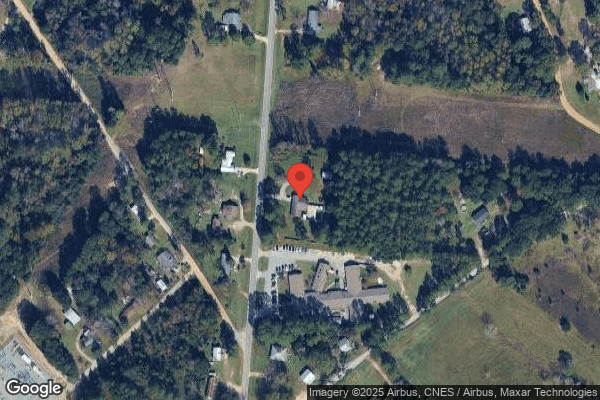
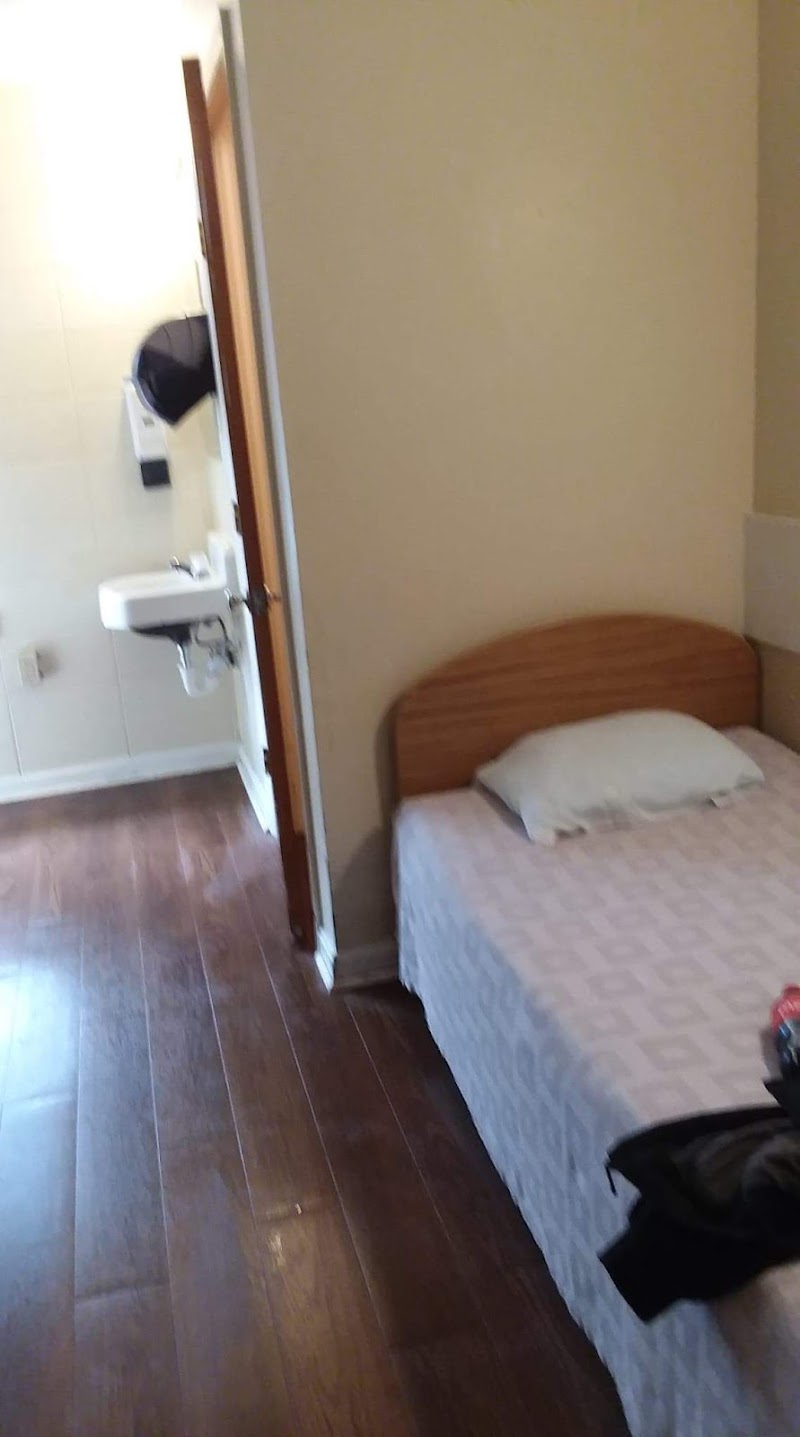
556 CHESTER HIGHWAY, EASTMAN, GA 31023 (478) 374-4733
For profit - Corporation 100 Beds GLOBAL HEALTHCARE REIT Data: November 2025
Trust Grade
53/100
#188 of 353 in GA
Last Inspection: November 2024

Within standard 12-15 month inspection cycle. Federal law requires annual inspections.

Overview

Eastman Healthcare & Rehab has a Trust Grade of C, indicating it is average and in the middle of the pack compared to other facilities. It ranks #188 out of 353 in Georgia, placing it in the bottom half, and #2 out of 2 in Dodge County, meaning there is only one other local option that is better. Unfortunately, the facility is worsening, with the number of reported issues increasing from 3 in 2023 to 7 in 2024. Staffing is a significant concern here, with a poor 1-star rating and a turnover rate of 48%, which is close to the state average. Additionally, the facility has faced fines totaling $12,596, which is average, but the RN coverage is only average, indicating that residents may not receive the high level of nursing care they need. Specific incidents include failures to ensure food safety, such as not labeling and dating food items properly, which could risk foodborne illnesses for residents. There were also instances where dietary staff did not wear hair nets correctly while preparing food, further compromising hygiene. Finally, the facility did not notify residents or their families when personal funds exceeded the allowable limit, which could have financial implications for those affected. Families should weigh these strengths and weaknesses carefully when considering Eastman Healthcare & Rehab for their loved ones.

Trust Score
C
53/100
In Georgia
#188/353
Bottom 47%
Safety Record
Low Risk
No red flags
Inspections
Getting Worse
3 → 7 violations
Staff Stability
⚠ Watch
48% turnover. Above average. Higher turnover means staff may not know residents' routines.
Penalties
○ Average
$12,596 in fines. Higher than 72% of Georgia facilities. Some compliance issues.
Skilled Nurses
⚠ Watch
Each resident gets only 19 minutes of Registered Nurse (RN) attention daily — below average for Georgia. Fewer RN minutes means fewer trained eyes watching for problems.
Violations
⚠ Watch
19 deficiencies on record. Higher than average. Multiple issues found across inspections.
★★☆☆☆
2.0
Overall Rating
★☆☆☆☆
1.0
Staff Levels
★★★☆☆
3.0
Care Quality
★★★☆☆
3.0
Inspection Score
Stable
2023: 3 issues
2024: 7 issues

The Good

  • Full Sprinkler Coverage · Fire safety systems throughout facility
  • No fines on record

Facility shows strength in fire safety.

The Bad

2-Star Overall Rating

Below Georgia average (2.6)

Below average - review inspection findings carefully

Staff Turnover: 48%

Near Georgia avg (46%)

Higher turnover may affect care consistency

Federal Fines: $12,596

Below median ($33,413)

Minor penalties assessed

Chain: GLOBAL HEALTHCARE REIT

Part of a multi-facility chain

Ask about local staffing decisions and management

The Ugly 19 deficiencies on record

Nov 2024 7 deficiencies
CONCERN (D) 📢 Someone Reported This

A family member, employee, or ombudsman was alarmed enough to file a formal complaint

Potential for Harm - no one hurt, but risky conditions existed

Deficiency F0554 (Tag F0554)

Could have caused harm · This affected 1 resident

**NOTE- TERMS IN BRACKETS HAVE BEEN EDITED TO PROTECT CONFIDENTIALITY** Based on observations, resident and staff interviews, record review, and review of the facility's policy titled Resident Self-Ad...

Read full inspector narrative →
**NOTE- TERMS IN BRACKETS HAVE BEEN EDITED TO PROTECT CONFIDENTIALITY** Based on observations, resident and staff interviews, record review, and review of the facility's policy titled Resident Self-Administration of Medication, the facility failed to ensure two of 37 sampled residents (R) (R48 and R11) did not have unauthorized and unsecured medicated treatment products at the bedside. This deficient practice had the potential to cause adverse effects for R48 and R11 and allow unsecured medicated treatment accessible to other residents and visitors. Findings include: Review of the facility's undated policy titled Resident Self-Administration of Medication revealed the section titled Policy stated, It is the policy of this facility to support each resident's right to self-administer medication. A resident may only self-administer medications after the facility's interdisciplinary team has determined which medications may be self-administered safely. The Policy Explanation and Compliance Guidelines section included 7. Bedside medication storage is permitted only when it does not present a risk to confused residents who wander into the other residents' rooms or to confused roommates of the resident who self-administers medication. The following conditions are met for bedside storage to occur: (a) The manner of storage prevents access by other residents. Lockable drawers or cabinets are required only if locked storage is effective. (b) The medications provided to the resident for bedside storage are kept in the containers dispensed by the provider pharmacy. 1. A review of R48's Electronic Health Records (EHR) revealed diagnoses included, but were not limited to, muscle weakness, type 2 diabetes mellitus without complications, and chronic pain syndrome. Review of R48's Quarterly Minimum Data Set (MDS) assessment dated [DATE] revealed Section C (Cognitive Pattern) documented a Brief Interview for Mental Status (BIMS) score of 11 (indicating moderate cognitive impairment), Section GG (Functional Abilities and Goals) documented R48 was dependent for personal hygiene, toileting, and bathing, Section M (Skin Conditions) documented no ulcers, wounds, or skin problems, and documented R48 had moisture associated skin damage (MASD) and received applications of ointments/medications other than to feet. A review of R48's Physician's Orders revealed an order dated 10/11/2024 and discontinued on 11/22/2204 for triamcinolone acetonide external cream 0.1 percent applied to bilateral buttocks topically every dayshift for MASD buttocks. There was no order for medication self-administration. Review of R48's EHR revealed a Self-Administration Assessment Form had not been completed to determine the resident's capability with medication self-administration. During a concurrent observation and interview on 11/22/2024 at 8:35 am, observation revealed two medicine cups of cream and one bottle of antiseptic spray on top of R48's bedside table. In an interview, R48 stated, The staff mixed up those creams and left it there so that they could put it on my backside. During a concurrent observation and interview on 11/22/2024 at 9:00 am, Licensed Practical Nurse (LPN) Wound Nurse DD verified the two medicine cups of creams and a bottle of antiseptic spray on top of R48's bedside table. LPN Wound Nurse DD was unable to identify what kind of creams were in the cup and confirmed that the creams and antiseptic spray should not be left at the bedside. Observation on 11/23/2024 at 8:30 am revealed two bottles of antiseptic spray on the top of R48's bedside table. Observation on 11/23/2024 at 9:50 am revealed R48 was sitting in a wheelchair within reach of her bedside table with two bottles of antiseptic spray on the top of her bedside table. 2. Review of R11's EHR revealed diagnoses included, but were not limited to, restless legs syndrome, vascular dementia, adjustment disorder with anxiety, and insomnia. Review of R11's Annual MDS assessment dated [DATE] revealed a BIMS of 01 (indicating severe cognitive impairment), and Section GG (Functional Abilities and Goals) documented R11 was dependent for personal hygiene, toileting, and bathing. Review of R11's EHR revealed a Self-Administration Assessment Form had not been completed to determine the resident's capability with medication self-administration. Observation on 11/22/2024 at 8:40 am revealed one jar of a moisture barrier cream on top of R11's bedside table. During a concurrent observation and interview on 11/22/2024 at 9:00 am, LPN Wound Nurse DD confirmed the jar of moisture barrier cream at R11's bedside. She reported that she was unsure if they still used this kind of cream anymore but had used it in the past. However, they had always kept it at the bedside. Observation on 11/23/2024 at 8:35 am revealed one bottle of perineal cleanser on top of R1's bedside table. During a concurrent observation and interview on 11/23/2024 at 10:01 am, the Director of Nursing (DON) verified two bottles of antiseptic spray on top of R48's bedside table and one bottle of perineal cleanser on top of R11's bedside table. During this time, pictures of the unidentified creams in the two medicine cups were observed. The DON revealed she was not able to say for certain what creams were in the cup. She reported her expectations of staff were to make sure to remove any medicated creams from residents' rooms after using them. The DON further revealed that R11 and R48 were not capable of self-administering medications, creams, or barrier creams and that a medication self-assessment had not been completed for R11 or R18.
CONCERN (D) 📢 Someone Reported This

A family member, employee, or ombudsman was alarmed enough to file a formal complaint

Potential for Harm - no one hurt, but risky conditions existed

Deficiency F0578 (Tag F0578)

Could have caused harm · This affected 1 resident

3. Review of R25's medical record revealed an admission date of 2/2/2017. Further review of the medical record revealed R25's Advance Directives Acknowledgement form was signed, but there was no indic...

Read full inspector narrative →
3. Review of R25's medical record revealed an admission date of 2/2/2017. Further review of the medical record revealed R25's Advance Directives Acknowledgement form was signed, but there was no indication of an Advanced Directive being executed. 4. Review of R31's medical record revealed an admission date of 4/19/2022. Further review of the medical record revealed R31's Advance Directives Acknowledgement form was signed, but there was no indication of an Advanced Directive being executed. 5. Review of R51's medical record revealed an admission date of 3/11/2022. Further review of the medical record revealed R51's Advance Directives Acknowledgement form was signed, but there was no indication of an Advanced Directive being executed. In an interview on 11/23/2024 at 9:15 am, the Social Services Director (SSD) confirmed R25, R31, and R51's Advanced Directives Acknowledgement forms did not indicate if the advanced directive had been executed and acknowledged the forms should be completed to indicate if an advance directive had been executed. In an interview on 11/23/2024 at 9:30 am, the Director of Nursing revealed the Advanced Directive Acknowledgement form was completed upon admission by the Admissions Director. Further interview revealed the nursing department did not review the form for accuracy once it was completed. Based on staff interviews, record review, and review of the facility policy titled Resident's Rights Regarding Treatment and Advanced Directives, the facility failed to ensure that an Advance Directive Acknowledgement form was completed or all components of the document were thoroughly completed for five of eight residents (R) (R22, R46, R25, R31, and R51) reviewed for Advance Directives. This deficient practice had the potential to affect R22, R46, R25, R31, and R51's ability to make informed decisions about their care. Findings include: Review of the facility's undated policy titled Resident's Rights Regarding Treatment and Advanced Directives revealed the Policy section stated, It is the policy of the facility to support and facilitate a resident's right to request, refuse and/or discontinue medical or surgical treatment and to formulate an advanced directive. 1. Review of R22's medical record revealed an admission date of 6/8/2023. Further review of the medical record revealed no completed Advance Directives Acknowledgement form. 2. Review of R46's medical record revealed an admission date of 9/21/2023. Further review of the medical record revealed an Advance Directive Acknowledgement form was signed, but there was no indication of an Advanced Directive being executed. During an interview on 11/24/2024 at 9:13 am, the Business Office Manager (BOM) confirmed she was unable to locate an Advance Directive Acknowledgement form for R22. She further confirmed R46's Advance Directive Acknowledgement was signed. However, there was no indication on the form if he did or did not execute an Advanced Directive.
CONCERN (D) 📢 Someone Reported This

A family member, employee, or ombudsman was alarmed enough to file a formal complaint

Potential for Harm - no one hurt, but risky conditions existed

Safe Environment (Tag F0584)

Could have caused harm · This affected 1 resident

**NOTE- TERMS IN BRACKETS HAVE BEEN EDITED TO PROTECT CONFIDENTIALITY** Observation on 11/22/2024 at 8:01 am revealed the cover was missing from room [ROOM NUMBER]'s door. Further observation revealed...

Read full inspector narrative →
**NOTE- TERMS IN BRACKETS HAVE BEEN EDITED TO PROTECT CONFIDENTIALITY** Observation on 11/22/2024 at 8:01 am revealed the cover was missing from room [ROOM NUMBER]'s door. Further observation revealed the shared bathroom for rooms [ROOM NUMBERS] was unkept, not clean and smelled like urine. Observation revealed the shared bathroom had two dirty gowns lying underneath the bathroom's sink, the trash can was overflowing with soiled briefs, and dirty wash clothes were noted in the sink. Observation on 11/22/2024 at 8:30 am revealed the shared bathroom for rooms [ROOM NUMBERS] remained unkept, not clean, and smelled like urine. The shared bathroom had two dirty gowns lying underneath the bathroom's sink, the trash can was overflowing with soiled briefs, and dirty wash clothes were noted in the sink. During concurrent observations and interviews on 11/23/2024 at 8:50 am, the Maintenance Director and Administrator confirmed the missing door cover for room [ROOM NUMBER]. The Maintenance Director stated he was aware and working to fix it. During the interview with the Administrator, she observed photos of the shared bathroom for rooms [ROOM NUMBERS]. She stated the condition of the bathroom was not acceptable and that staff should check residents' rooms during their rounds. She further stated the CNAs and Housekeeping staff were responsible for keeping residents' rooms clean. In an interview on 11/23/2024 at 10:01 am, the Director of Nursing revealed CNAs were responsible for ensuring residents' rooms were cleaned, and if staff observed the rooms dirty, they should clean them up. Based on observations, staff interviews, and review of the facility's policy titled Safe and Homelike Environment, the facility failed to ensure a clean and comfortable environment for six resident rooms (Rooms 105,107, 501, 503, 502, 504) with shared bathrooms and one shower room (300 Hall), failed to replace the door cover for one resident room (room [ROOM NUMBER]), and failed to ensure one shower room (500 Hall) was functional on three of five units. These deficient practices had the potential to place residents at risk of living in an unsanitary and unsafe living environment and a potential for diminished quality of life. The census was 78 residents. Findings include: Review of the facility's undated policy titled Safe and Homelike Environment revealed the Policy section stated, In accordance with residents' rights, the facility will provide a safe, clean, comfortable and homelike environment, allowing the resident to use his or her personal belongings to the extent possible. This includes ensuring that the resident can receive care and services safely and that the physical layout of the facility maximizes resident independence and does not pose a safety risk. The Policy Explanation and Compliance Guidelines section included 3. Housekeeping and maintenance services will be provided as necessary to maintain a sanitary, orderly, and comfortable environment. Observations on 11/22/2024 at 8:10 am, 11/23/2024 at 7:40 am, and 11/24/2024 at 7:50 am in the shared bathroom for rooms [ROOM NUMBERS] revealed a stained toilet bowl. Observations on 11/22/2024 at 8:15 am, 11/23/2024 at 7:40 am, 11/24/2024 at 7:55 am, and throughout the survey in the shared bathroom for rooms [ROOM NUMBERS] revealed a stained toilet bowl and a soiled, wet discolored towel on the floor in front of the toilet. Observations further revealed the water in the toilet ran continuously and was audible outside the room. Observation on 11/22/2024 at 7:58 am on the 500 Hall revealed a sign on the outside of the shower room door that read Out of order, closed for construction, Do Not Enter. Observations on 11/22/2024 at 8:58 am of the 300 Hall shower room revealed an unbagged, unlabeled basin on top of a plastic cabinet, a cardboard box, a blue bed liner, an electric wheelchair, a plastic container with several heel protectors, a cardboard box with a black plastic trash bag and heel protector on top of it, a cart with a basin on top with shampoo, shaving cream and other items inside, a blue brief on top of the cart, several items on the shelves of the cart to include gloves, a shower bed with several trash bags and clothing on top of it, a nebulizer machine, and an air mattress stored in the shower room. In an interview on 11/22/2024 at 9:00 am, Certified Nursing Assistant (CNA) BB stated the 500 Hall shower room had been out of order for at least two months. She further stated the 300 Hall shower room was used for storage to store extra items and equipment. During concurrent environmental rounds and interviews on 11/23/2024, the Administrator and the Maintenance Director revealed they were unaware of the stained toilets or the toilet running in the shared bathroom for rooms [ROOM NUMBERS]. The Administrator stated she did not know how long the 500 Hall Shower Room had not worked and was inaccessible to residents. The Maintenance Director stated the shower room had not worked for about a month. He stated that they were remodeling it, but he had no help. The Administrator and Maintenance Director verified the stained toilets in the shared bathroom for rooms [ROOM NUMBERS].
CONCERN (D) 📢 Someone Reported This

A family member, employee, or ombudsman was alarmed enough to file a formal complaint

Potential for Harm - no one hurt, but risky conditions existed

Deficiency F0692 (Tag F0692)

Could have caused harm · This affected 1 resident

**NOTE- TERMS IN BRACKETS HAVE BEEN EDITED TO PROTECT CONFIDENTIALITY** Based on observations, staff interviews, and record review, the facility failed to ensure that dietary orders were followed for ...

Read full inspector narrative →
**NOTE- TERMS IN BRACKETS HAVE BEEN EDITED TO PROTECT CONFIDENTIALITY** Based on observations, staff interviews, and record review, the facility failed to ensure that dietary orders were followed for one of 37 sampled residents (R) (R2). Specifically, the facility failed to ensure that a non-spill cup (sippy cup) was provided with meals for R2. The deficient practice had the potential to prevent the maintenance of adequate nutritional (or hydration) status to the extent possible for R2. Findings include: Review of R2's Quarterly Minimum Data Set (MDS) dated [DATE] revealed Section GG (Functional Abilities and Goals) documented R2 required set-up assistance with meals. Review of R2's medical record revealed diagnoses including, but not limited to, dysphagia - oropharyngeal phase, and severe protein-calorie malnutrition. Review of R2's Order Summary Report revealed a dietary order dated 9/11/2024 for regular large portions diet, mechanical soft texture, and regular consistency, a divided plate, and a non-spill cup. During meal observation on 11/23/2024 at 12:50 pm, Certified Medication Aide (CMA) NN was observed assisting R2 with lunch. A review of R2's meal ticket indicated Mech, Soft, CHOPPED with beverages/equipment that consisted of iced tea, water, divided plate, and weighted utensils. Preferences consisted of a sippy cup. CMA NN confirmed that there was no sippy cup on R2's lunch tray. During meal observation on 11/24/2024 at 8:14 am, Certified Nursing Aide (CNA) OO assisted R2 with breakfast by assisting with feeding. After breakfast was completed, CNA OO confirmed there was no sippy cup on the breakfast tray. During an interview on 11/24/2024 at 9:43 am, the Dietary Manager (DM) reviewed R2's breakfast meal ticket and stated the nurses and CNAs have the sippy cups and she does not send them on the meal tray unless nursing staff sends them to the kitchen to be washed and used. During an interview on 11/24/2024 at 9:57 am, Licensed Practical Nurse (LPN) MM, the Director of Nursing (DON), and the Assistant Director of Nursing (ADON) reported the dietary order for R2 was changed in September and weighted utensils were no longer needed. The DON reported that the non-spill cup comes from the dietary department. LPN MM also reported that the Dietary Communication Form is utilized to inform dietary of changes. The ADON and DON both confirmed that whatever is listed on the dietary order should be on residents' meal trays.
CONCERN (D) 📢 Someone Reported This

A family member, employee, or ombudsman was alarmed enough to file a formal complaint

Potential for Harm - no one hurt, but risky conditions existed

Deficiency F0804 (Tag F0804)

Could have caused harm · This affected 1 resident

Based on observations, staff interviews, and facility-provided documents, the facility failed to ensure that dietary staff followed recipes and measured ingredients when preparing puree food to preven...

Read full inspector narrative →
Based on observations, staff interviews, and facility-provided documents, the facility failed to ensure that dietary staff followed recipes and measured ingredients when preparing puree food to prevent compromising the nutritional value and flavor for five residents who received a puree consistency diet. This deficient practice had the potential to cause the residents who received a puree diet to have a decreased nutritional intake and the potential for weight loss. Findings include: Review of facility-provided puree recipes for green beans, chicken thighs, mixed vegetables, and hot turkey sandwiches indicated a food thickener should be used to thicken puree foods. During an observation on 11/23/2024 at 4:00 pm of puree preparation, [NAME] LL stated no recipes were used to prepare the puree meal. Observation of puree of the mixed vegetables revealed the vegetables initially could not be pureed to a smooth consistency, so an alternate vegetable was used. Observation of the puree of the turkey sandwich revealed that an unmeasured amount of chicken broth was used as the liquid for the turkey sandwich. Observation on 11/24/2024 at 11:08 am of puree preparation with [NAME] LL revealed [NAME] LL preparing pureed green beans and pureed chicken tenders. A 4-ounce (oz) spoon was used to measure the green beans and three chicken tenders were used for protein. [NAME] LL stated that three chicken tenders equaled one serving. Five 4-oz scoops of green beans were used, and butter was poured into the green beans without measuring. One cup of chicken broth was added to the 15 chicken tenders. Once the puree was complete, the green beans and chicken tenders were placed into the oven. [NAME] LL reported that the food would thicken while in the oven, so no thickener was used. She reported that recipes have not historically been used when preparing the puree items. During a telephone interview on 11/24/2024 at 11:37 am, the Registered Dietitian stated that ideally, the dietary staff should follow a recipe, but there was no strict protocol for following the recipe.
CONCERN (D) 📢 Someone Reported This

A family member, employee, or ombudsman was alarmed enough to file a formal complaint

Potential for Harm - no one hurt, but risky conditions existed

Infection Control (Tag F0880)

Could have caused harm · This affected 1 resident

Based on observation, staff interview, record review, and review of the facility policies titled Enhanced Barrier Precautions (EBP) and Clean Dressing Change, the facility failed to put on (don) Perso...

Read full inspector narrative →
Based on observation, staff interview, record review, and review of the facility policies titled Enhanced Barrier Precautions (EBP) and Clean Dressing Change, the facility failed to put on (don) Personal Protective Equipment (PPE) and failed to wash/sanitize hands and change gloves during wound treatment for one of 37 sampled residents (R) (R65). The deficient practices had the potential to increase R65's risk of infection due to cross-contamination and the potential to increase the risk of spread of infection to other residents. Findings include: Review of the facility's undated policy titled Enhanced Barrier Precautions revealed the Policy section stated, It is the policy of this facility to implement enhanced barrier precautions for the preventions of transmission of multidrug-resistant organisms. The Policy Explanation and Guidelines section included, 4. High-contact resident care activities include: h. wound care: any skin opening requiring a dressing. Review of the facility's undated policy titled Clean Dressing Change revealed the Policy section stated, It is the policy of this facility to provide wound care in a manner to decrease potential for infection and/or cross-contamination. The Policy Explanation and Guidelines section included, 9. Loosen the tape and remove the existing dressing. 10. Remove gloves, pulling inside out over the dressing. Discard into appropriate receptacle. 11. Wash hands and put on clean gloves. 12. Cleanse the wound as ordered, taking care to not contaminate other skin surfaces or other surfaces of the wound. Pat dry with a gauze. 13. Measure wound using disposable measuring guide. 14. Wash hands and put on clean gloves. 15. Apply topical ointments or creams and dress the wound as ordered. Protect surrounding skin as indicated with skin protectant. 16. Secure dressing. Review of R65's Physician Orders dated 11/22/2024 revealed to cleanse the right dorsal foot with wound cleanser, Medihoney, and wrap with kerlix daily and secure with tape daily and as needed. R65 was also receiving Keflex 500 milligrams (mg) (an antibiotic used to treat infection) two times a day for the right dorsal foot infection for 14 days. On 11/7/2024, an order was initiated for EBP related to an arterial wound. Observation of wound care for R65 on 11/23/2024 at 8:55 am revealed Registered Nurse (RN) EE entered the resident's room and started the treatment without donning PPE according to the sign on the resident's door for EBP. RN EE washed her hands, put on gloves, and removed the old dressing. RN EE cleaned the wound to the right dorsal foot with wound cleanser and gauze, applied Medihoney, and covered it with dry dressing and kerlix wrap. RN EE did not wash or sanitize hands or change gloves after cleaning the wound and before applying the medication. During an interview on 11/23/2024 at 9:49 am, RN EE confirmed that she did not put on the PPE for EBP and asked if there was a sign on the door. She stated that she had never changed her gloves after cleaning a wound and before applying the ordered medication. In an interview on 11/24/2024 at 9:40 am, the Director of Nursing (DON) revealed she expected the nurse to change gloves according to policy. She stated she should have worn the PPE indicated for EBP as indicated on the door.
CONCERN (F) 📢 Someone Reported This

A family member, employee, or ombudsman was alarmed enough to file a formal complaint

Potential for Harm - no one hurt, but risky conditions existed

Food Safety (Tag F0812)

Could have caused harm · This affected most or all residents

Based on observations, staff interviews, and review of the facility policies titled Food Receiving and Storage and Refrigerators and Freezers, the facility failed to label and date food items with a u...

Read full inspector narrative →
Based on observations, staff interviews, and review of the facility policies titled Food Receiving and Storage and Refrigerators and Freezers, the facility failed to label and date food items with a use-by date in the walk-in cooler and walk-in freezer. In addition, the facility failed to ensure a sanitary environment in the kitchen and failed to ensure dietary staff properly used the three-compartment sink for sanitation to prevent cross-contamination. The deficient practices had the potential to place residents who received an oral diet from the kitchen at risk of contracting a foodborne illness. The facility census was 78. Findings include: Review of the facility policy titled Food Receiving and Storage, revised July 2014, revealed the Policy Statement stated, Foods shall be received and stored in a manner that complies with safe food handling policies. The Policy Interpretation and Implementation section included, 1. Food Services, or other designated staff, will maintain clean food storage areas at all times. 7. All foods stored in the refrigerator or freezer will be covered, labeled and dated (use by date). Review of the facility policy titled Refrigerators and Freezers, revised December 2014, revealed the Policy Statement stated, This facility will ensure safe refrigerator and freezer maintenance, temperatures, and sanitation, and will observe food expiration guidelines. The Policy Interpretation and Implementation section included 7. All food shall be appropriately dated to ensure proper rotation by expiration dates. Received dates (dates of delivery) will be marked on cases and on individual items removed from cases for storage. Use by dates will be completed with expiration dates on all prepared food in refrigerators. Expiration dates on unopened foods will be observed, and use by dates will be indicated once the food is opened. During the initial kitchen tour on 11/22/2024 at 7:46 am with the Dietary Manager (DM), the following was identified: 1. Observation of a cart revealed bread consisting of hot dog buns, hamburger buns, loaves with no expiration dates, one box of unlabeled and undated crescent rolls, and two cell phones. 2. Observation of the walk-in freezer revealed three bags of unlabeled and undated frozen meat. 3. Observation of the walk-in cooler revealed a tray of unlabeled and undated sandwiches, three unlabeled and undated open cheese packages, an unlabeled and undated wrapped cucumber, and unlabeled and undated wrapped meat. Further observation of the walk-in cooler revealed peas in a container with a prepared date of 11/21, green beans in a container with a prepared date of 11/20, succotash with a prepared date of 11/19, and cole slaw in a container with a prepared date of 11/21. None of the food items had a use-by date. 4. Observations near the dry food storage area revealed a white door with black build-up on it and an air conditioner with black dust in the vents. Further observation revealed a brown door leading to the dry food storage area, which had dust build-up on the vents of the door. During an interview on 11/22/2024 at 7:55 am, the DM confirmed the identified items in the walk-in freezer and walk-in cooler were not labeled or dated and stated all items should be dated. The DM stated bread typically comes thawed, and they use it frequently. She reported that she was unaware that bread needed any dates on it. Observation on 11/22/2024 at 2:17 pm of the three-compartment sink and a sanitation bucket revealed the DM used Hydrion Quat Check strips to check the three-compartment sink and sanitizing bucket. The label stated the measurement should be 0 to 1000 parts per million. The DM tried multiple times to obtain a reading on the quaternary strips and had to leave the strips in the water for an extended period, to obtain a reading. Review of a poster on the wall in the kitchen for sanitation range testing indicated the use of Hydrion Papers QT-40 strips with a range of 0 to 500 parts per million. In an interview on 11/24/2024 at 11:20 am, the DM confirmed she was unable to determine if the three-compartment sink sanitizing water was the correct strength due to having the wrong test strips and stated she would order the correct ones. She further confirmed the buildup on the white door, brown door, and air conditioner.
May 2023 3 deficiencies
CONCERN (D) 📢 Someone Reported This

A family member, employee, or ombudsman was alarmed enough to file a formal complaint

Potential for Harm - no one hurt, but risky conditions existed

PASARR Coordination (Tag F0644)

Could have caused harm · This affected 1 resident

Based on staff interviews, and record review the facility failed to ensure that one of 24 residents (R) (#67) was assessed for level two Pre-admission Screening/Resident Review (PASRR) and coordinate ...

Read full inspector narrative →
Based on staff interviews, and record review the facility failed to ensure that one of 24 residents (R) (#67) was assessed for level two Pre-admission Screening/Resident Review (PASRR) and coordinate services, if warranted. Findings include: Record review of the electronic medical record (EMR) for R#67 revealed a diagnosis including but not limited to major depressive disorder, schizoaffective disorder, and bipolar. Record review of the care plan for R#67 revised date 10/25/2022 indicated resident is at risk for adverse reactions related to daily use of antidepressants for diagnosis of depression and anti-psychotic use for diagnosis of schizoaffective disorder. Record review of the Preadmission Screening/Resident Review (PASRR) Level 1 Assessment for R#67 dated 8/11/2020, revealed that level 1 documentation was negative for Mental Illness. There was no evidence that a Level 2 PASRR assessment was completed and in his medical record for reference. Record review of the admission Record Diagnosis Information for R#67 dated 5/7/2023, indicated diagnoses of schizoaffective disorder, bipolar type with an onset date of 11/09/2020, and major depressive disorder with an onset date of 08/12/2020. Review of Order Summary Report for R#67 dated 5/7/2023 revealed active orders dated 1/31/2023 for Duloxetine 60 milligram (mg) one capsule by mouth one time a day and Seroquel tablet 300 mg 0.5 mg tablet by mouth two times a day related to Schizoaffective disorder, Bipolar type. Interview on 5/7/2023 at 8:43 a.m. with Social Services Director (SSD), confirmed R#67 did not have a Level II PASRR. She reported that R#67 was diagnosed with a Serious Mental Illness (SMI) of schizoaffective disorder, bipolar type after admission. The SSD further stated that a PASRR Level 1 application should have been re-submitted. Interview on 5/07/23 at 10:52 a.m. with Registered Nurse, Minimum Data Set (RN MDS) Coordinator AA revealed that she reviews admission paperwork and puts diagnoses in the EMR. She stated that if she notices an issue with Level 1 and diagnosis, she will alert the SSD. The MDS RN Coordinator AA reported that the SSD would review the diagnosis and submit PASRR screening if needed. Interview on 5/07/2023 at 11:05 a.m. with the Director of Nursing (DON) stated the expectations of staff is to make sure there were no discrepancies with the diagnosis and Level 1 screening. The DON reported that should a resident receive a qualifying diagnosis after admission, Level 1 should be re-submitted.
CONCERN (D) 📢 Someone Reported This

A family member, employee, or ombudsman was alarmed enough to file a formal complaint

Potential for Harm - no one hurt, but risky conditions existed

Deficiency F0645 (Tag F0645)

Could have caused harm · This affected 1 resident

2. R#7 was admitted to the facility with diagnoses including but not limited to bipolar disorder, schizophrenia, and anxiety. Further review revealed additional diagnoses of post-traumatic stress diso...

Read full inspector narrative →
2. R#7 was admitted to the facility with diagnoses including but not limited to bipolar disorder, schizophrenia, and anxiety. Further review revealed additional diagnoses of post-traumatic stress disorder added 7/10/2015, schizoaffective disorder, bipolar type added 12/17/2019, obsessive-compulsive disorder added 10/21/2021, and psychotic disorder with hallucinations added 1/17/2022. Review of the PASRR form dated 10/3/2008 revealed check marks next to depressive disorder, bipolar disorder, and anxiety. There is no evidence in the electronic medical record (EMR) that a new PASRR was submitted after each new diagnosis resident received. 3. R#69 was admitted to the facility with diagnoses including but not limited to schizophrenia, bipolar disorder, and psychotic disorder. Review of the PASRR form dated 11/13/2020 revealed '4. Does the individual have a primary diagnosis of serious mental illness or mental disorder?' the box indicating 'No' has an X. 4. R#75 was admitted to the facility with diagnoses including but not limited to major depressive disorder and schizotypal disorder. Review of the PASRR form dated 3/15/2021 revealed '4. Does the individual have a primary diagnosis of serious mental illness or mental disorder?' the box indicating 'No' has an X. Interview on 5/7/2023 at 9:40 a.m. with SSD revealed R#7, R#69, and R#75 should have had a PASSR resubmitted related to diagnoses and behaviors after admission. Interview on 5/7/2023 at 11:05 a.m. with the Director of Nursing (DON) revealed her expectations of staff is that they ensure there no discrepancies with the diagnosis and PASSR Level 1 screening. The DON further stated, should a resident receive a qualifying diagnosis after admission, the PASSR Level 1 should be re-submitted. Based on record review and staff interviews, the facility failed to apply for Level II PASRR (Preadmission Screening and Resident Review) for evaluation and determination of specialized services for four of five residents (R) (#7, #8, #69, and #75) that had a positive Level I PASRR for mental illness. Findings include: 1. Review of R#8 diagnoses revealed the following diagnoses: major depressive disorder, schizophrenia, brief psychotic disorder, delusional disorders, anxiety disorder, and unspecified psychosis. Interview on 5/6/2023 at 8:43 a.m. with Social Service Director (SSD) revealed she did not do a level II on R#8. The SSD stated that R#8 was at the facility before she started working at the facility. The SSD further revealed that the process for applying for a Level II PASRR is if a resident is admitted to the facility with no behaviors and develops behaviors during their stay, they are referred for a behavioral evaluation. The SSD stated R#8 does have behavior, and refuses showers, appointments, medications, and care at times. The SSD again stated that a Level II should have been submitted, but she just did not do it. A further interview on 5/7/2023 at 9:40 a.m. with SSD revealed R#8 should have been submitted for a level II related to diagnoses and behaviors.
CONCERN (D) 📢 Someone Reported This

A family member, employee, or ombudsman was alarmed enough to file a formal complaint

Potential for Harm - no one hurt, but risky conditions existed

Comprehensive Care Plan (Tag F0656)

Could have caused harm · This affected 1 resident

Based on staff interviews, record review, and a review of the facility's policy titled Care Plans, Comprehensive Person-Centered, the facility failed to develop a comprehensive person-centered care pl...

Read full inspector narrative →
Based on staff interviews, record review, and a review of the facility's policy titled Care Plans, Comprehensive Person-Centered, the facility failed to develop a comprehensive person-centered care plan for one resident (R) (#71) related to Preadmission Screening and Record Review (PASRR) Level II out of six residents reviewed for PASRR. Findings include: Review of facility policy titled Care Plans, Comprehensive Person-Centered last revised 12/2016 revealed 8. The comprehensive, person-centered care plan will: d. Describe any specialized services to be provided as a result of the PASSR recommendations. Record review of the electronic medical record (EMR) for R#71 revealed a PASRR level II screening dated 12/8/2020 with services to end 12/31/2299. Record review of the care plan for R#71 revealed that PASRR level II was not addressed. Interview on 5/7/2023 at 8:35 a.m. Registered Nurse Minimum Data Set (RN MDS) Coordinator AA revealed that R#71's PASRR level II status should have been addressed on the care plan. The RN MDS Coordinator AA Confirmed R#71 did not have a care plan to address PASRR level II. Interview on 5/7/2023 at 11:05 a.m. with Director of Nursing (DON) revealed her expectations of staff are to ensure appropriate care plans are in place.
Jan 2022 9 deficiencies
CONCERN (D)

Potential for Harm - no one hurt, but risky conditions existed

Resident Rights (Tag F0550)

Could have caused harm · This affected 1 resident

**NOTE- TERMS IN BRACKETS HAVE BEEN EDITED TO PROTECT CONFIDENTIALITY** Based on observations, staff interviews, and record review, the facility failed to ensure a urinary catheter bag was covered to ...

Read full inspector narrative →
**NOTE- TERMS IN BRACKETS HAVE BEEN EDITED TO PROTECT CONFIDENTIALITY** Based on observations, staff interviews, and record review, the facility failed to ensure a urinary catheter bag was covered to protect the dignity of one of two residents (R) (R#29) with indwelling urinary catheters. Findings include: Review of the clinical record revealed R#29 was admitted to the facility on [DATE] with diagnoses including urinary tract infection, morbid obesity, and generalized anxiety disorder. Review of the Quarterly Minimum Data Set (MDS) dated [DATE] revealed R#29 had a Brief Interview of Mental (BIMS) score of 15, indicating cognition intact and the resident had an indwelling catheter. Observation on 1/4/22 at 12:30 p.m. revealed R#29 in the B-Bed with her catheter bag uncovered (no dignity bag), exposing dark urine in the catheter bag. A closer observation revealed the resident in the A-Bed was sitting directly across the room eating lunch facing R#29's catheter bag. During an interview and observation on 1/4/22 at 2:25 p.m. with Certified Nursing Assistant (CNA) RR, R#29 was observed lying in B-Bed (in a three-bed unit room) with her catheter bag uncovered (no dignity bag) facing directly in front of the roommate in A-Bed sitting on the side of her bed. A closer observation of R#29's catheter bag revealed dark color urine in the bag. CNA RR confirmed that the catheter bag was uncovered and reported receiving no verbal or written instructions to provide a dignity bag for any resident with a catheter. During an interview on 1/6/22 at 10:39 a.m., the Administrator was unaware that nursing staff were not using a dignity bag for urinary catheter bags. She reported that all residents should have a dignity bag covering the urinary catheter bag. During an interview on 1/6/22 at 11:43 a.m., R#29 revealed that she prefers the bag to be covered because this is her business.
CONCERN (D)

Potential for Harm - no one hurt, but risky conditions existed

Comprehensive Care Plan (Tag F0656)

Could have caused harm · This affected 1 resident

**NOTE- TERMS IN BRACKETS HAVE BEEN EDITED TO PROTECT CONFIDENTIALITY** Based on observation, record review and staff interview, the facility failed to follow the care plan for administering enteral f...

Read full inspector narrative →
**NOTE- TERMS IN BRACKETS HAVE BEEN EDITED TO PROTECT CONFIDENTIALITY** Based on observation, record review and staff interview, the facility failed to follow the care plan for administering enteral feedings as ordered for one resident (R) (#33) of 38 sampled residents. Findings include: Review of the admission Minimum Data Set (MDS) assessment dated [DATE] revealed R#33 was unable to complete a Brief Interview of Mental Status (BIMS) score and had a feeding tube. The resident has a diagnosis of dysphagia. Review of the care plan last revised on 11/5/21 revealed R#33 has a g-tube (gastrostomy tube) due to diagnosis of CVA (cerebrovascular accident) with dysphagia and is at risk for complications related to g-tube such as aspiration and infection. Interventions included feedings and flushes as ordered. Review of the Physician Orders for January 2022 revealed an order for enteral feed every shift continuous feeding via pump of Two Cal at 35 ml (milliliters) per hour (hr). During an observation on 1/5/22 at 10:16 a.m. R#33 was observed in bed with tube feeding running at 55 ml/hr. During an observation and interview on 1/6/22 at 9:50 a.m., Licensed Practical Nurses (LPN) EE confirmed the feeding pump was set at 55 ml/hr. Cross refer to F693.
CONCERN (D)

Potential for Harm - no one hurt, but risky conditions existed

Deficiency F0660 (Tag F0660)

Could have caused harm · This affected 1 resident

**NOTE- TERMS IN BRACKETS HAVE BEEN EDITED TO PROTECT CONFIDENTIALITY** Based on record review and staff interviews, the facility failed to develop a discharge plan of care for one of two residents (R...

Read full inspector narrative →
**NOTE- TERMS IN BRACKETS HAVE BEEN EDITED TO PROTECT CONFIDENTIALITY** Based on record review and staff interviews, the facility failed to develop a discharge plan of care for one of two residents (R) (#92) reviewed for discharge. Findings include: Review of the clinical record revealed R#92 was admitted to the facility on [DATE] with diagnoses that included type 2 diabetes mellitus with hyperglycemia, encounter for orthopedic aftercare following surgical amputation, orthopedic surgery (except major joint replacement or spinal surgery), and osteomyelitis. R#92 was discharged home on [DATE]. Review of admission Minimum Data Set (MDS) assessment dated [DATE], Section Q, Participation in Assessment and Goal Setting, revealed R#92 had participated in discharge planning and it was unknown, or resident was uncertain regarding discharge from the facility. Review of a Social Service Progress Note dated 10/28/21 revealed R#92 expressed desire to return home. Review of Nursing Progress Note dated 10/29/21 at 18:05 (6:05 p.m.) revealed R#92 was discharged home with all medications at this time. No distress noted or voiced. Review of the care plan last revised on 9/1/21 revealed no active discharge care plan in place. Interview on 1/6/22 at 4:29 p.m. with Minimum Data Set (MDS) Coordinator confirmed the absence of a discharge plan for R#92. She reported that she took the position 9/13/21 and the former MDS Coordinator was not developing discharge care plans.
CONCERN (D)

Potential for Harm - no one hurt, but risky conditions existed

Incontinence Care (Tag F0690)

Could have caused harm · This affected 1 resident

**NOTE- TERMS IN BRACKETS HAVE BEEN EDITED TO PROTECT CONFIDENTIALITY** Based on observation, record review and staff interview, the facility failed to secure the urinary catheter tubing to prevent te...

Read full inspector narrative →
**NOTE- TERMS IN BRACKETS HAVE BEEN EDITED TO PROTECT CONFIDENTIALITY** Based on observation, record review and staff interview, the facility failed to secure the urinary catheter tubing to prevent tension on the urethra for two residents (R) (R#38 and R#29) of two residents with an indwelling urinary catheter. Findings include: 1. Record review revealed R#38 was admitted to the facility on [DATE] with a diagnosis of neurogenic bladder and had an order for a Foley Catheter per Physician Order Form dated 1/1/22. The resident does not currently have a Urinary Tract Infection (UTI). Observation on 1/4/22 at 10:01 a.m. with the Assistant Director of Nursing (ADON) revealed that R#38 did not have a catheter leg strap. ADON reported that it is required for all residents who use a catheter to have the leg strap in place unless the resident refuses. She was not sure if the resident was care planned for refusal or had a history of refusal. Further observation revealed R#38's urine in her catheter bag to be dark color and cloudy with sediments. During an observation and interview with R#38 on 1/5/22 at 10:00 a.m., revealed R#38 did not have a catheter leg strap. R#38 reported that nursing staff had not placed the leg strap on her. R#38 further reported that since her admission, staff never placed a leg strap to hold her catheter tubing in place. 2. Record review revealed R#29 was admitted to the facility on [DATE]. The resident has a Foley catheter and recurrent history of UTIs. Multiple observations during the survey on 1/4/22 with the ADON and later with R#29 revealed the absence of a catheter leg strap. The resident does not currently have a UTI. During an observation on 1/4/22 at 2:25 p.m., Certified Nursing Assistant (CNA) RR confirmed the absence of a catheter leg strap for R#29. CNA RR reported that she was not instructed to use a catheter leg strap for the resident. She has worked with the resident for quite some time and never witnessed the strap being on the resident. Further observation of R#29's catheter bag revealed the urine color to appear dark and cloudy with sediments. During an observation and interview with R#29 on 1/5/22 at 11:13 a.m., R#29 reported that she has never had a catheter leg strap in place. She has never refused and would prefer the leg strap to keep the catheter in place due to experience of the catheter pulling and irritating her. She stated that the leg strap was not in place today. During an interview on 1/6/21 at 10:23 a.m., the Administrator confirmed that she was not aware that her nursing staff were not utilizing a leg strap to secure the catheter for R#38 and R#29. She stated her expectation is that residents should have a leg strap if the resident has not refused. The Administrator reported that the importance of this device is to keep the catheter from pulling. Phone interview with Licensed Practical Nurse (LPN) XX on 1/6/22 at 10:41 a.m. revealed that she never had to put a catheter leg strap on R#38, R#29, nor any other residents who has a catheter bag. She reported that R#38 and R#29 have a history of multiple UTIs. LPN XX confirmed being educated to use a leg strap for residents who have a catheter at her former places of employment but not at this facility. Interview on 1/6/22 at 4:45 p.m. with LPN WW revealed that she has received training in nursing school about the importance of a leg strap for Foley catheters; however, she has not put a catheter strap on any of the residents at this facility.
CONCERN (D)

Potential for Harm - no one hurt, but risky conditions existed

Tube Feeding (Tag F0693)

Could have caused harm · This affected 1 resident

**NOTE- TERMS IN BRACKETS HAVE BEEN EDITED TO PROTECT CONFIDENTIALITY** Based on observations, record review, and staff interviews, the facility failed to follow Physician Orders for enteral feed for ...

Read full inspector narrative →
**NOTE- TERMS IN BRACKETS HAVE BEEN EDITED TO PROTECT CONFIDENTIALITY** Based on observations, record review, and staff interviews, the facility failed to follow Physician Orders for enteral feed for one of one resident (R) (#33) who received nutrition through a Gastrostomy tube (a tube that is placed directly into the stomach through an abdominal wall incision for administration of food, fluids, and medications). Findings include: Record review revealed R#33 was admitted to the facility on [DATE] with diagnoses including but not limited to cerebral infarct, cerebral aneurysm, dysphasia, and aphasia. Review of the admission Minimum Data Set (MDS) assessment dated [DATE] revealed R#33 was unable to complete a Brief Interview of Mental Status (BIMS) score and had a feeding tube. Review of the Physician Orders for January 2022 revealed an order for enteral feed every shift continuous feeding via pump of Two Cal at 35 ml (milliliters) per hour (hr). During an observation on 1/5/22 at 10:16 a.m. R#33 was observed in bed with tube feeding running at 55 ml/hr. The water flush rate was set at 35 ml/hr. During an observation and interview on 1/6/22 at 9:50 a.m., LPN EE confirmed the feeding pump was set at 55 ml/hr and water flush was set at 35 ml/hr. LPN EE stated residents feeding tube order was for Two Cal at 35 ml/hr. LPN EE further confirmed the order for water flushes was not on the medication administration record or the Physician Orders. During an interview on 1/6/22 at 10:05 a.m., the Assistant Director of Nursing (ADON) confirmed the order for Two Cal at 35 ml/hr and that the orders do not address the flushing of the feeding tube. The ADON stated it was her expectation for the nurses to check the flow rate on the pump every shift and ensure the Physician Orders are followed.
CONCERN (D)

Potential for Harm - no one hurt, but risky conditions existed

Garbage Disposal (Tag F0814)

Could have caused harm · This affected 1 resident

Based on observations and staff interviews, the facility failed to ensure the outdoor garbage and refuse area was maintained in a sanitary manner for three of three dumpsters. Findings include: During...

Read full inspector narrative →
Based on observations and staff interviews, the facility failed to ensure the outdoor garbage and refuse area was maintained in a sanitary manner for three of three dumpsters. Findings include: During an observation of the dumpster area on 1/4/22 at 10:00 a.m. with the Dietary Manager (DM) revealed three large black garbage bags opened with visible gloves, briefs and other trash debris sticking out of bags. Other items noted on the ground was a bed mattress, lid from can, gloves, boxes, plastic bags, cups, stacked wash basins filled with discolored water, chair, white plastic tubing, blue plastic material, and numerous amounts of debris surrounding all three dumpsters. Interview with DM on 1/4/22 at 10:05 a.m. revealed it is housekeeping's responsibility to clean the dumpster area. She stated she thinks the trash was picked up today because the cans are empty, but she does not know exactly what day trash is picked up. Further observation of the dumpster area on 1/4/22 at 10:15 a.m. with the Maintenance Supervisor revealed trash bags and other trash debris was observed surrounding all three dumpsters. The Maintenance Supervisor confirmed the trash on the ground surrounding the three dumpsters and agreed there should be no trash on the ground. Interview with Maintenance Supervisor on 1/4/22 at 10:20 a.m. revealed dumpsters are emptied once a week, however he is not sure what day it is emptied. He stated that housekeeping is responsible for making sure the dumpster and surrounding area is clean with no trash visible on ground. Maintenance Supervisor stated that the Housekeeping Supervisor was quit last week, and he is not sure who is in that position now. Interview with Housekeeper JJ on 1/5/21 at 8:09 a.m. revealed she does not know who is responsible for cleaning the dumpster area. She stated housekeeping cleaned the dumpster area yesterday, but it is not housekeeping's responsibility. She further stated that housekeeping does not normally do it. Interview on 1/5/21 at 8:55 a.m. with the Administrator revealed housekeeping is responsible for cleaning the dumpster area. Administrator stated that the Housekeeping Supervisor walked out last week. She stated she usually goes to the dumpster area once per week. She stated the last time she saw the dumpster area was the week before Christmas. She further stated that OO started cleaning the dumpster area yesterday and he finished up this morning. She stated OO is an ancillary employee who does whatever is needed.
CONCERN (E)

Potential for Harm - no one hurt, but risky conditions existed

Deficiency F0569 (Tag F0569)

Could have caused harm · This affected multiple residents

Based on record review and staff interview, the facility failed to notify the resident and/or residents' responsible party when their personal funds were within $200 of the Social Security Income (SSI...

Read full inspector narrative →
Based on record review and staff interview, the facility failed to notify the resident and/or residents' responsible party when their personal funds were within $200 of the Social Security Income (SSI) limit and when accounts had exceeded the amount for 10 of 75 accounts reviewed (Resident #'s 69, 78, 44, 32 ,66, 47, 17, 54, 80, and 35). Findings include: Review of the Trial Balance report dated 1/6/22 revealed the following resident trust fund accounts exceeded the SSI limit of $2000: 1) Resident #69 - $2591.72 2) Resident #78 -$2057.14 3) Resident #44 - $2990.69 4) Resident #32 - $2211.91 5) Resident #66 - $2008.03. 6) Resident #47 - $2670.06 7) Resident #17 - $2152.90. 8) Resident #54 - $2861.47 9) Resident #80 - $12,514.00 10). Resident #35 - $2214.15 There was no documented evidence that the resident or responsible party were notified of the amounts exceeding the SSI limit. During an interview on 1/6/22 at 2:50 p.m., the Business Office Manager (BOM)/Financial Coordinator reviewed the residents' personal funds. The BOM/Financial Coordinator stated the SSI limit for the State of Georgia was $2000. The BOM/Financial Coordinator confirmed the facility had not notified the resident and/or the resident's responsible party of the excess in their accounts. The BOM/Financial Coordinator reported that she was informed to keep resident fund accounts under $2000 to qualify for Medicaid. She confirmed that the Patient Liability for all the residents accounts had already been pulled out for the month of January 2022 and that the remaining balance showing is the actual balance left in the resident accounts.
CONCERN (E)

Potential for Harm - no one hurt, but risky conditions existed

Safe Environment (Tag F0584)

Could have caused harm · This affected multiple residents

**NOTE- TERMS IN BRACKETS HAVE BEEN EDITED TO PROTECT CONFIDENTIALITY** Based on observations, review of facility policies titled Preventive Maintenance Program and Environmental Services Inspection, ...

Read full inspector narrative →
**NOTE- TERMS IN BRACKETS HAVE BEEN EDITED TO PROTECT CONFIDENTIALITY** Based on observations, review of facility policies titled Preventive Maintenance Program and Environmental Services Inspection, and staff interviews, the facility failed to maintain a safe and homelike environment related to dirt buildup and disrepair of resident rooms and bathrooms including ceilings, floors, walls, and vents in 9 of 48 rooms (107, 209, 214, 501, 503, 505, 506, 507, and 508), two shower rooms (300 Hall and 500 Hall), and the front entrance to the building. Findings include: 1. Observation of room [ROOM NUMBER] on 1/04/22 at 10:11 a.m. revealed there was a bulging ceiling tile covered in a black substance, there was also a black substance noted on the ceiling tile over the A bed in the corner of the room near the door. Outside of the room in the hall there was tile missing in the ceiling with exposed wood planks covered in a black and gray substance. To the right of the missing tile in the hallway was a small tile that was covered in gray and black substance. 2. Observation of room [ROOM NUMBER] on 1/04/22 at 10:15 a.m. revealed there were four floor tiles that were not adhered to the floor and freely moving around at the foot of bed B. Interview with resident (R) R#85 on 1/04/22 at 10:17 a.m. (Brief Interview of Mental Status (BIMS) score 13, indicating cognitively intact) revealed that the tile had been like that for the past two weeks and that he did report the issue to the facility staff for repair. 3. Observation of room [ROOM NUMBER] bathroom on 1/04/22 at 10:21 a.m. revealed there were three tiles missing in the doorway entering the bathroom. 4. Observation of room [ROOM NUMBER], 507, and 508 on 1/04/22 starting at 10:24 a.m. revealed that each room had vents that were covered in dust. Dust was also noted on the ceiling beside the vents. Continued observation of 500 hall revealed the vent located in the hall beside the nurse's station had a thick layer of dust covering the vent grates. 5. Observation of room [ROOM NUMBER] on 1/04/22 at 10:29 a.m. revealed there was a large brown spot on the ceiling by the window. Continued observation of room [ROOM NUMBER] revealed there was a large whole in the wall entering the room at the head of resident's bed. 6. Observation on 1/4/22 at 10:36 a.m. of the front of the building revealed cigarettes butts lying on the ground on the grass near the front entrance and in the parking lot. During an interview on 1/6/22 at 12:08 p.m. the Administrator reported that her expectation is that staff smoke in the designated smoke area and put their cigarettes in the red fireproof can. 7. Observation on 1/4/22 at 1:41 a.m. revealed a large hole in wall and on the side of the wall near A Bed in room [ROOM NUMBER]. Environmental rounds were conducted with the Administrator and Maintenance Director on 1/05/22 at 8:45 a.m. which confirmed all above observations that were observed during initial facility tour. Interview with Maintenance Director on 1/05/22 at 9:15 a.m. revealed that the staff let him know if there are issues that need to be addressed by verbally telling him and there is a maintenance book that is kept at each nurse's station to put work orders in. If there is an issue that needs to be addressed right away, the staff would notify him by phone. Further interview revealed that he became aware of the issue with the tile in room [ROOM NUMBER] on Tuesday (1/4/22) but was unable to find a replacement for it until today. Maintenance Director stated that there was a leak in the roof, and it had rained over weekend causing the tile to bulge and have the black stains on it which was debris from out of the ceiling. The Maintenance Director was not aware of the missing tiles that were observed in room [ROOM NUMBER] in the bathroom or in room [ROOM NUMBER] at the foot of the resident's bed. The Maintenance Director was not aware of the whole in wall at the head of the bed in room [ROOM NUMBER]. Continued interview revealed that housekeeping was responsible for ensuring that the vents in the resident's rooms and in the hallways were cleaned and he would paint them if indicated. Interview with the Administrator on 1/05/22 at 10:45 a.m. revealed that there was not a House Keeping Supervisor employed at the facility at this time, but it is the responsibility of the house keepers to ensure that the vents in the residents' rooms are clean and free of dust. Further interview also revealed that for any maintenance issues that the staff are to put those issues in the maintenance book that is located at each nurse's station. 8. Shower rooms (Hall 300 and Hall 500) revealed the following: Observation with the Administrator on 1/6/22 at 1:00 p.m. of the 500 Hall shower room revealed the following: one vent cover with dark grayish substance with speckles of debris, shower chairs were covered with dark substances, a fluorescent light fixture with no cover, and privacy curtains were stained with brown substances. There were boxes stacked to the ceiling on the floor in an open area. Observation with the Administrator on 1/6/22 at 1:20 p.m. of the 300 Hall shower room revealed the following: one vent covered with dark grayish speckled substances and a black substance circling the ceiling tiles, dark black speckled substances on the baseboard of the shower area, water puddles on the floor, and shower head was constantly running with water. During an interview on 1/6/22 at 1:45 p.m., the Maintenance Director reported being aware of the condition of the shower room. He was last in the shower room last week and a few weeks ago. He described the dark substances as brown dirt. Review of facility policy titled Preventative Maintenance Program revised 6/12/21 revealed under Policy Explanation and Compliance Guidelines: 1. The Maintenance Director is responsible for developing and maintaining a schedule of maintenance services to ensure that the buildings, grounds, and equipment are maintained in a safe and operable manner. Review of an undated facility Deep Cleaning instructional sheet revealed that during the deep cleaning process each housekeeper must deep clean one room and bathroom a day. Everything in the room is disinfected including cleaning vents, sprinklers, and ceiling. Review of facility policy titled Environmental Services Inspection dated 7/10/21 revealed under policy: it is the policy of this facility to regularly monitor environmental services to ensure the facility is maintained in a safe and sanitary manner and assessed on a regular basis.
CONCERN (F)

Potential for Harm - no one hurt, but risky conditions existed

Food Safety (Tag F0812)

Could have caused harm · This affected most or all residents

Based on observation, review of facility policy titled Maintaining a Sanitary Tray Line, and staff interviews, the facility failed to ensure that dietary staff prepared food in a sanitary manner as ev...

Read full inspector narrative →
Based on observation, review of facility policy titled Maintaining a Sanitary Tray Line, and staff interviews, the facility failed to ensure that dietary staff prepared food in a sanitary manner as evidence by two staff members not wearing hair nets appropriately in the food preparation area. There were 90 of 91 residents who received an oral diet. Findings include: During an initial tour of the kitchen on 1/4/22 at 9:40 a.m., Dietary Staff II was observed with blond hair braids long in length several inches below her waist. She was observed at the kitchen sink washing a large pot and was not wearing a hair net. The Dietary Manager (DM) identified Dietary Staff II as the cook. During a follow-up visit to the kitchen on 1/6/22 at 8:00 a.m., the Business Office Manager (BOM) stated she was covering for the DM because she was out. Dietary Staff MM and NN were observed with hair nets not providing full coverage. BOM stated she would tell Dietary Staff NN to cover her hair. Dietary Staff MM was observed standing at the steam table with a hair net covering the front portion of her hair. The back of hair exposed an uncovered ponytail. Further observation revealed Dietary Staff NN standing next to the steam table wearing a hair net covering the top of her hair with the sides and back of her hair sticking out from under the hair net. Interview with the DM on 1/4/22 at 2:44 p.m. revealed that her expectations are that all dietary staff wear hair nets to completely cover the hair. Review of the undated policy titled Maintaining a Sanitary Tray Line revealed: 3. During tray assembly, staff shall: g. Wear hair restraints (bonnets, caps, nets to cover hair) when preparing or handling food.
Understanding Severity Codes (click to expand)
Life-Threatening (Immediate Jeopardy)
J - Isolated K - Pattern L - Widespread
Actual Harm
G - Isolated H - Pattern I - Widespread
Potential for Harm
D - Isolated E - Pattern F - Widespread
No Harm (Minor)
A - Isolated B - Pattern C - Widespread

Questions to Ask on Your Visit

  • "Can I speak with families of current residents?"
  • "What's your RN coverage like on weekends and overnight?"

Our Honest Assessment

Strengths
  • • No major safety red flags. No abuse findings, life-threatening violations, or SFF status.
Concerns
  • • 19 deficiencies on record. Higher than average. Multiple issues found across inspections.
  • • $12,596 in fines. Above average for Georgia. Some compliance problems on record.
  • • Grade C (53/100). Below average facility with significant concerns.
Bottom line: Mixed indicators with Trust Score of 53/100. Visit in person and ask pointed questions.

About This Facility

What is Eastman Healthcare & Rehab's CMS Rating?

CMS assigns EASTMAN HEALTHCARE & REHAB an overall rating of 2 out of 5 stars, which is considered below average nationally. Within Georgia, this rating places the facility higher than 0% of the state's 100 nursing homes. A rating at this level reflects concerns identified through health inspections, staffing assessments, or quality measures that families should carefully consider.
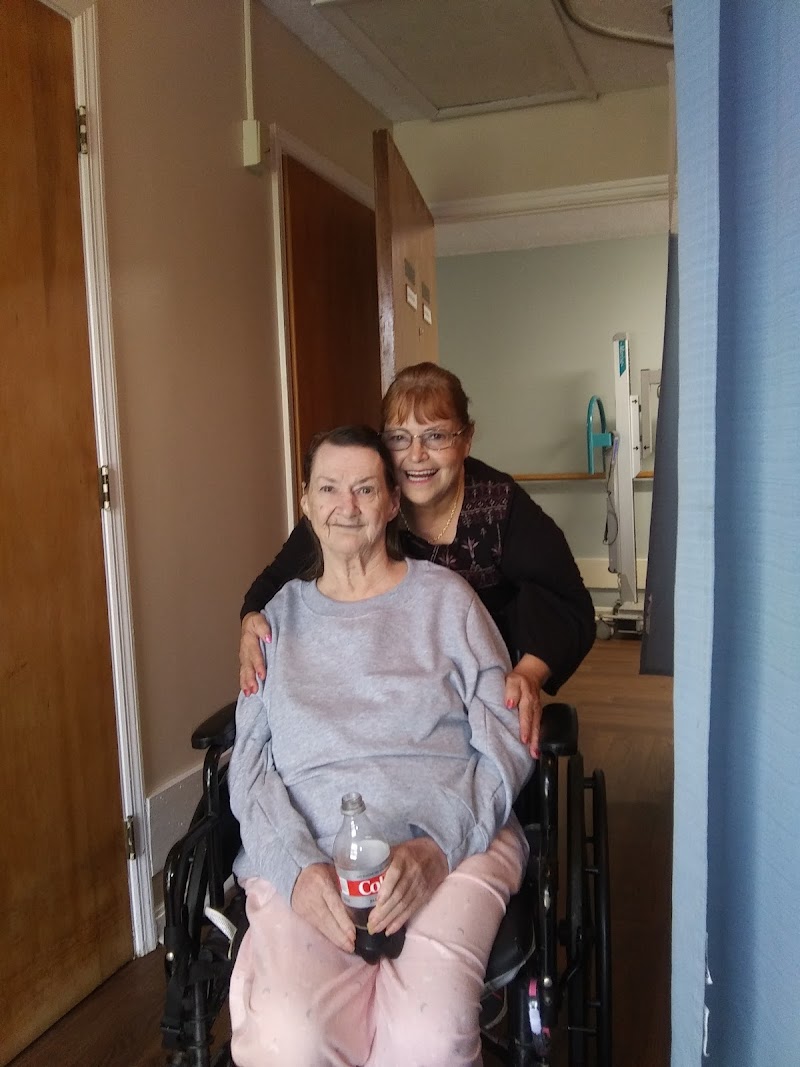
How is Eastman Healthcare & Rehab Staffed?

CMS rates EASTMAN HEALTHCARE & REHAB's staffing level at 1 out of 5 stars, which is much below average compared to other nursing homes. Staff turnover is 48%, compared to the Georgia average of 46%.

What Have Inspectors Found at Eastman Healthcare & Rehab?

State health inspectors documented 19 deficiencies at EASTMAN HEALTHCARE & REHAB during 2022 to 2024. These included: 19 with potential for harm.
Who Owns and Operates Eastman Healthcare & Rehab?

EASTMAN HEALTHCARE & REHAB is owned by a for-profit company. For-profit facilities operate as businesses with obligations to shareholders or private owners. The facility is operated by GLOBAL HEALTHCARE REIT, a chain that manages multiple nursing homes. With 100 certified beds and approximately 73 residents (about 73% occupancy), it is a mid-sized facility located in EASTMAN, Georgia.
How Does Eastman Healthcare & Rehab Compare to Other Georgia Nursing Homes?

Compared to the 100 nursing homes in Georgia, EASTMAN HEALTHCARE & REHAB's overall rating (2 stars) is below the state average of 2.6, staff turnover (48%) is near the state average of 46%, and health inspection rating (3 stars) is at the national benchmark.

What Should Families Ask When Visiting Eastman Healthcare & Rehab?

Based on this facility's data, families visiting should ask: "Can you walk me through typical staffing levels on day, evening, and night shifts?" "Can I visit during a mealtime to observe dining assistance and food quality?" "How do you handle medical emergencies, and what is your hospital transfer rate?" "Can I speak with family members of current residents about their experience?" These questions are particularly relevant given the below-average staffing rating.

Is Eastman Healthcare & Rehab Safe?

Based on CMS inspection data, EASTMAN HEALTHCARE & REHAB has a clean safety record: no substantiated abuse findings (meaning no confirmed cases of resident harm), no Immediate Jeopardy citations (the most serious violation level indicating risk of serious injury or death), and is not on the Special Focus Facility watch list (a federal program monitoring the lowest-performing 1% of nursing homes). The facility has a 2-star overall rating and ranks #100 of 100 nursing homes in Georgia. While no facility is perfect, families should still ask about staff-to-resident ratios and recent inspection results during their visit.

Do Nurses at Eastman Healthcare & Rehab Stick Around?

EASTMAN HEALTHCARE & REHAB has a staff turnover rate of 48%, which is about average for Georgia nursing homes (state average: 46%). Moderate turnover is common in nursing homes, but families should still ask about staff tenure and how the facility maintains care continuity when employees leave.

Was Eastman Healthcare & Rehab Ever Fined?

EASTMAN HEALTHCARE & REHAB has been fined $12,596 across 3 penalty actions. This is below the Georgia average of $33,205. While any fine indicates a compliance issue, fines under $50,000 are relatively common and typically reflect isolated problems that were subsequently corrected. Families should ask what specific issues led to these fines and confirm they've been resolved.

Is Eastman Healthcare & Rehab on Any Federal Watch List?

EASTMAN HEALTHCARE & REHAB is not on any federal watch list. The most significant is the Special Focus Facility (SFF) program, which identifies the bottom 1% of nursing homes nationally based on persistent, serious quality problems. Not being on this list means the facility has avoided the pattern of deficiencies that triggers enhanced federal oversight. This is a positive indicator, though families should still review the facility's inspection history directly.