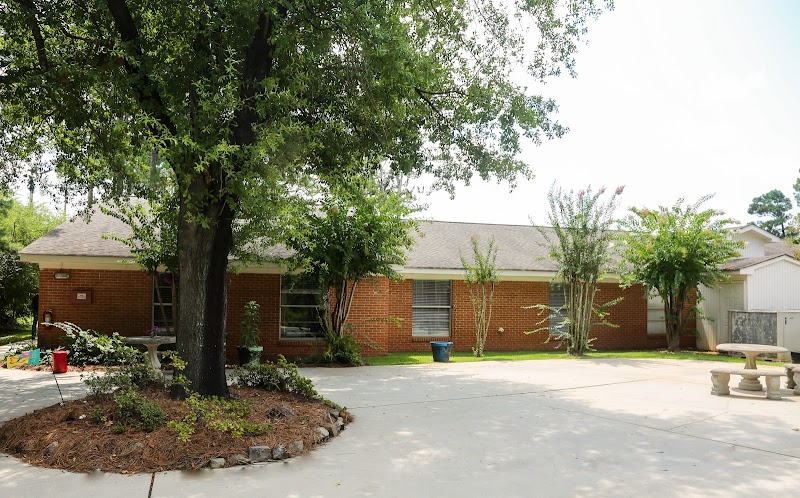
EATONTON HEALTH AND REHABILITATION
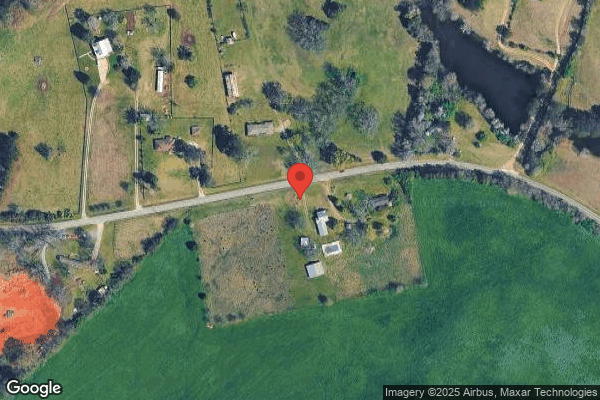
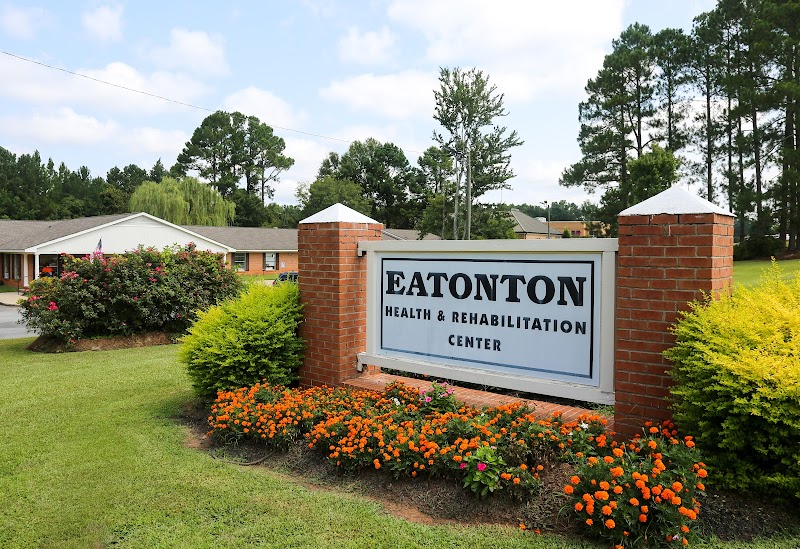
125 SPARTA HIGHWAY 16 EAST, EATONTON, GA 31024 (706) 485-8573
Non profit - Other 104 Beds CLINICAL SERVICES, INC. Data: November 2025
Trust Grade
65/100
#125 of 353 in GA
Last Inspection: June 2025

Inspected within the last 6 months. Data reflects current conditions.

Overview

Eatonton Health and Rehabilitation has a Trust Grade of C+, indicating it is slightly above average in terms of overall care and services. It ranks #125 out of 353 facilities in Georgia, placing it in the top half, and is the only nursing home in Putnam County, which means there are no local alternatives. The facility's trend is stable, with eight reported issues in both 2024 and 2025, showing consistency in their challenges. Staffing is a concern, rated at 2 out of 5 stars, though the turnover rate is relatively low at 37%, which is better than the Georgia average. While the facility has no fines on record, there were specific incidents noted, such as ice build-up in the freezer affecting food storage and failures in antibiotic stewardship and proper medication storage, which could impact resident safety. Overall, while there are strengths in its low fines and stable trend, families should be aware of staffing concerns and the specific incidents that could affect care quality.

Trust Score
C+
65/100
In Georgia
#125/353
Top 35%
Safety Record
Low Risk
No red flags
Inspections
Holding Steady
8 → 8 violations
Staff Stability
○ Average
37% turnover. Near Georgia's 48% average. Typical for the industry.
Penalties
✓ Good
No fines on record. Clean compliance history, better than most Georgia facilities.
Skilled Nurses
⚠ Watch
Each resident gets only 22 minutes of Registered Nurse (RN) attention daily — below average for Georgia. Fewer RN minutes means fewer trained eyes watching for problems.
Violations
⚠ Watch
16 deficiencies on record. Higher than average. Multiple issues found across inspections.
★★★☆☆
3.0
Overall Rating
★★☆☆☆
2.0
Staff Levels
★★☆☆☆
2.0
Care Quality
★★★☆☆
3.0
Inspection Score
Stable
2024: 8 issues
2025: 8 issues

The Good

  • Full Sprinkler Coverage · Fire safety systems throughout facility
  • No fines on record
  • Staff turnover below average (37%)

    11 points below Georgia average of 48%

Facility shows strength in fire safety.

The Bad

3-Star Overall Rating

Near Georgia average (2.6)

Meets federal standards, typical of most facilities

Staff Turnover: 37%

Near Georgia avg (46%)

Typical for the industry

Chain: CLINICAL SERVICES, INC.

Part of a multi-facility chain

Ask about local staffing decisions and management

The Ugly 16 deficiencies on record

Jun 2025 8 deficiencies
CONCERN (D)

Potential for Harm - no one hurt, but risky conditions existed

Deficiency F0554 (Tag F0554)

Could have caused harm · This affected 1 resident

**NOTE- TERMS IN BRACKETS HAVE BEEN EDITED TO PROTECT CONFIDENTIALITY** Based on observation, resident and staff interviews, record review, and review of the facility's policy titled Self-Administrati...

Read full inspector narrative →
**NOTE- TERMS IN BRACKETS HAVE BEEN EDITED TO PROTECT CONFIDENTIALITY** Based on observation, resident and staff interviews, record review, and review of the facility's policy titled Self-Administration of Drugs, the facility failed to ensure two of 17 sampled residents (R) (R29 and R48) were assessed for medication self-administration before allowing unsecured medications to be kept at the bedside. This deficient practice had the potential to place R29 and R48 at risk of unauthorized use of medication, inaccurate medication dosing, and a diminished quality of life. Findings include: Review of the facility's policy titled Self-Administration of Drugs reviewed 12/27/2024, indicated, Intent- It is the intent to promote safe medication practices for patients that choose to self-administer medication. Guideline- To permit patients to self-administer their drugs and medication unless such practice for the patient is deemed unsafe. Procedure- Should the patient wish to self-administer his or her own drugs or medications, the patient should be permitted to do so. Drugs and medication should be stored in a safe and secure place designated by the Director of Nursing Services. The care planning team should assess each patient's mental, physical, and visual ability to determine if the patient is capable of self-administration of drugs and medications. Should the care planning team determine that the patient is unable to carry out this responsibility, due to safety concerns, the patient should not be permitted to self-administer his or her drugs or medication. Appropriate documentation as to whether or not the patient made a choice about self-administration of drugs should be in the patients' medical record. Statements intent of governing self-administration of drugs are outlined in the Pharmacy Services Manual. Inquiries concerning self-administration of drugs should be referred to the Director of Nursing Services. 1. Review of R29's Face Sheet, found under the Face Sheet tab of the electronic medical record (EMR), revealed the resident was admitted to the facility on [DATE] with diagnoses including, but not limited to, Alzheimer's disease, unspecified, psychotic disorder with delusions due to known physiological condition and dysphagia following cerebral infarction. Review of R29's Care Plan, found under the Care Plan tab of the EMR, found that there was no care plan for self-administration of medication. Review of R29's EMR revealed no assessment for medication self-administration. Observation on 6/23/2025 at 9:12 am revealed R29 was asleep in her bed, and a medication cup that contained eight pills was on her overbed table. Observation on 6/23/2025 at 9:42 am revealed the medication cup with the eight medications was no longer in her room. In an interview on 6/23/2025 at 9:42 am, Certified Medication Aid (CMA)1 stated that R29 did not take her medication immediately. CMA1 confirmed the medications were on the side table and stated she had taken them away. CMA1 stated that the normal routine was for R29 to wake up and take the medication; if not, she would take it back. She further stated that sometimes, she may put the medications down and go to the next room, and if the resident did not take the medication, she would come back and take it back to the medication cart. In an interview on 6/25/2025 at 10:20 am, the Director of Nursing (DON) confirmed that R29 did not have a self-administration of medication assessment completed. 2. Review of R48's Care Plan, under the care plan tab of the EMR, revealed there was no documentation in the care plan of the resident being able to administer his own medication. Review of R29's EMR revealed no assessment for medication self-administration. During an observation and interview on 6/23/2025 at 9:22 am, in R48's room, a container of eye drops labeled azelastine 0.05 percent (a prescription medication used to treat itching of the eye) was observed on the overbed table. R48 stated the eye drops were his and that he administered them once a day by himself. R48 further stated that the nursing staff come and check on them. Further observation revealed a cup of antacid medication on the bedside table. R48 stated he took them when he needed them. In an interview on 6/23/2025 at 9:45 am, CMA1 confirmed that R48 randomly consumes the antacid tablets and stated he eats them like candy. CMA1 confirmed the eye drops should not have been left in the resident's room. In an interview on 6/25/2025 at 10:21 am, the DON stated that R48 was not appropriate to self-administer medication. The DON stated that R48 is unable to tell you what the medication was for. The DON confirmed that R48 does not have a self-administration assessment. In an interview on 6/25/2025 at 11:02 am, the Regional Nurse Consultant confirmed R48 did not have an order for the antacid tablets and stated that the family brought them to the resident.
CONCERN (D)

Potential for Harm - no one hurt, but risky conditions existed

Grievances (Tag F0585)

Could have caused harm · This affected 1 resident

**NOTE- TERMS IN BRACKETS HAVE BEEN EDITED TO PROTECT CONFIDENTIALITY** Based on resident and staff interviews, record review, and review of the facility's policy titled Grievance/Concern Guidelines f...

Read full inspector narrative →
**NOTE- TERMS IN BRACKETS HAVE BEEN EDITED TO PROTECT CONFIDENTIALITY** Based on resident and staff interviews, record review, and review of the facility's policy titled Grievance/Concern Guidelines for Patients, the facility failed to document resident grievances and failed to provide a resolution for the grievance for one of 17 sample residents (R) (R6). This deficient practice had the potential to place R6 at risk of unresolved grievances. Findings include: Review of the facility's policy titled Grievance/Concern Guidelines for Patients, dated 12/27/2024, revealed the intent of the facility was to assist, encourage, and educate the residents to file grievances or concerns and to assure the resident that after receiving a concern/grievance, the facility would actively seek a resolution and keep the resident apprised of their progress towards a resolution. The policy also stipulated that the Social Worker (SW) was responsible for entering the concern/grievance into the tracking system, with the investigation and appropriate action recorded. Review of R6's Face Sheet, found under the Face Sheet tab of the electronic medical record (EMR), revealed R6 was admitted to the facility on [DATE]. Review of R6's Annual Minimum Data Set (MDS) with an Assessment Reference Date (ARD) of 4/28/2025 indicated R6 needed minimal assistance with activities of daily living (ADL's) and had a Brief Interview for Mental Status (BIMS) score of 15 out of 15 indicating he was cognitively intact. During an interview on 6/23/2025 at 10:12 am, R6 stated that he had previously reported to multiple staff members that he was not receiving palatable food and never knew what he was going to be served each day because he was not provided with a menu of weekly meals and was not provided with a list of alternate food items. He stated that he had previously filed a grievance about the food with the kitchen lady, the SW, the Director of Nursing (DON), and the Administrator a few months ago. He stated that the four named staff members met with him in his room to discuss the food service. He further stated that he was not given a written grievance form and did not receive a written response or resolution to his reported grievance. Review of the facility-provided Grievance Log, dated from 7/1/2024 through 6/25/2025, revealed no grievances were documented as reported by R6 regarding food service. During an interview on 6/23/2025 at 11:32 am, the SW stated that she was the grievance coordinator for the facility and was aware of the grievance reported by R6 regarding the food service, and validated that the previous Dietary Manager (DM), the SW, the DON, and the Administrator, had visited R6 in his room (date unknown) to discuss his grievance regarding food service. She stated that the normal process for reporting and documenting a resident grievance was to complete a grievance form when the grievance was reported. The SW stated that within three days of the grievance report, she would document the resolution to the grievance and then provide a written grievance form to the resident who reported the grievance. She stated that she did not document R6's grievance regarding food service and did not provide R6 with a resolution of his grievance. During an interview on 6/26/2025 3:46 pm, the Administrator stated his expectation for a resident-reported grievance was that it should be documented by the SW with a documented response and/or resolution provided to the resident within three days of filing the grievance.
CONCERN (D)

Potential for Harm - no one hurt, but risky conditions existed

Deficiency F0628 (Tag F0628)

Could have caused harm · This affected 1 resident

**NOTE- TERMS IN BRACKETS HAVE BEEN EDITED TO PROTECT CONFIDENTIALITY** Based on staff interviews, record review, and review of the facility's policy titled Bed Hold During Hospital Stays and Therapeu...

Read full inspector narrative →
**NOTE- TERMS IN BRACKETS HAVE BEEN EDITED TO PROTECT CONFIDENTIALITY** Based on staff interviews, record review, and review of the facility's policy titled Bed Hold During Hospital Stays and Therapeutic Leaves, the facility failed to ensure one of four residents (R) (R8) reviewed for hospitalizations, or their Resident Representative (RR), received written notice that specified the duration of the bed hold policy. Specifically, the facility failed to include the current rate for the reserve bed payment in the event the resident did not return within seven days. This failure had the potential to place R8 at risk of denial of re-admission and loss of their room following hospitalization. Findings include: Review of the facility's policy titled Bed Hold During Hospital Stays and Therapeutic Leaves, dated 12/27/2024 indicated, .the intent of this nursing center to offer all residents and/or his/her designee the choice of either paying the appropriate amount to hold the bed when the resident goes to the hospital .the Financial Controller, or the Administrator's designee, should prepare a bed hold letter to be sent to the resident and/or his/her designee .This letter should specify the amount to be paid per day on private bed hold . Review of R8's Face Sheet, in the Electronic Medical Record (EMR) under the Resident tab, indicated she was initially admitted to the facility on [DATE] with a primary diagnosis of hereditary and idiopathic neuropathy. Review of R8's Discharge Minimum Data Set (MDS) with an Assessment Reference Date (ARD) of 8/30/2024 indicated the resident was discharged to a short-term general hospital. Review of R8's Discharge MDS with an ARD of 12/16/2024 indicated the resident had been discharged to a short-term general hospital. Review of R8's Resident/Patient Transfer Form, dated 8/28/2024, and provided by the facility indicated R8 was sent to the hospital with altered mental status (AMS). Review of R8's Resident/Patient Transfer Form, dated 12/16/2024, and provided by the facility indicated R8 was sent to the hospital with altered mental status (AMS). Review of R8's Notice of Transfer or Discharge dated 8/30/2024 and 12/16/2024, provided by the facility, indicated R8 was sent to the local hospital. The form had information regarding the Bed-hold policy - Medicaid Payor Source When a nursing home resident is admitted to a hospital, Medicaid will pay to hold the nursing home bed for seven (7) days. In the event that hospitalization is required for more than seven (7) days, you have the choice to either discharge from the nursing home or assume responsibility for payment to the nursing home to hold the bed. If you choose to hold the bed, you will be billed at the facility's approved daily state per diem rate In the next few days, you will be receiving a telephone call or a letter informing you of the daily rate needed to maintain a bed hold and the date the bed hold will begin . The form did not include the daily bed-hold rate. During an interview on 6/26/2025 at 2:16 pm, Licensed Practical Nurse Wound Care (LPNWC) stated that when a resident was sent to the hospital, the nurse completed a Transfer Form that indicated the reason for the transfer, and that no paperwork was sent by the charge nurse to the family. She stated she thought that either the Director of Nursing (DON) or Assistant DON (ADON) sent the bed hold/transfer notification to R8's Power of Attorney. During an interview on 6/26/2025 at 2:40 pm, the DON stated that the facility's policy was to mail the bed hold/transfer notification to the responsible party and was not aware if the form included the specific bed hold amount or where the Social Worker (SW) documented that the Bed Hold form was mailed to the POA. During an interview on 6/26/2025 at 2:40 pm, the SW stated that she used to document when she sent a Bed Hold notification to the POA, but she no longer did that. She stated her practice was to mail the Bed Hold to the POA, and she was not aware it should be documented. She further stated she was unaware that the document needed to include the specific charge of the reserve bed payment.
CONCERN (D)

Potential for Harm - no one hurt, but risky conditions existed

ADL Care (Tag F0677)

Could have caused harm · This affected 1 resident

**NOTE- TERMS IN BRACKETS HAVE BEEN EDITED TO PROTECT CONFIDENTIALITY** Based on resident, resident Power of Attorney (POA), and staff interviews and record review, the facility failed to ensure three...

Read full inspector narrative →
**NOTE- TERMS IN BRACKETS HAVE BEEN EDITED TO PROTECT CONFIDENTIALITY** Based on resident, resident Power of Attorney (POA), and staff interviews and record review, the facility failed to ensure three of three dependent residents (R) (R29, R8, and R64) from a sample of 17 residents received showers according to the schedule. This failure had the potential to place the residents at risk for diminished self-worth, self-esteem, feelings of embarrassment, and/or medical issues. Findings include: 1. Review of R29's Face Sheet, found under the Face Sheet tab of the electronic medical record (EMR), revealed R29 was admitted to the facility on [DATE] with a diagnosis of Alzheimer's disease. Review of R29's Annual Minimum Data Set (MDS) with an assessment reference date (ARD) of 4/28/2025 indicated R29 needed substantial/maximal assistance with bathing. Further review revealed R29 scored 10 out of 15 on the Brief Interview for Mental Status (BIMS), indicating moderately impaired cognition. Review of R29's ADL [Activities of Daily Living] Sheet, found under the ADL tab of the EMR, revealed that for the month of June 2025, R29 only received a bath/shower on 6/4/2025 and 6/23/2025. Review of R29's ADL Plan of Care, provided by the facility, for Self-Care Deficit revealed the resident had an intervention of assistance with ADLs as needed. In an interview on 6/23/2025 at 4:06 pm, R29 stated she missed her baths. She stated she was supposed to get her bath on Monday, Wednesday, and Friday, but she did not get them all of the time. In an interview on 6/25/2025 at 12:26 pm, Licensed Practical Nurse/Charge Nurse (LPN/CN) 1 referred to a sign which indicated shower schedules and confirmed R29 was scheduled for showers on Mondays, Wednesdays, and Fridays, during the second shift, because she likes to sleep late in the mornings. When asked where the care is documented, LPN/CN1 stated in the EMR. LPN/CN1 stated it is signed with that person's name, who completed the care. In an interview on 6/26/2025 at 11:17 am, the Director of Nursing (DON) stated that showers should be documented when given. The DON confirmed they did not have a policy related to showering and ADL care. 2. Review of R8's Face Sheet, located in the EMR under the Face sheet tab, indicated she was admitted to the facility on [DATE] with a primary diagnosis of hereditary and idiopathic neuropathy. Review of R8's Quarterly MDS located in the EMR with an ARD of 3/21/2025 included a BIMS score of 10 out of 15, indicating moderate cognitive impairment. R8 required partial to moderate assistance with bathing. Review of R8's Care Plan, located in the EMR under the Care Plan tab, initiated 1/19/2024 included assistance with activities of daily living (ADLs) as needed. Review of R8's Shower Documentation, provided by the facility, for January 2025 indicated that she received seven showers and refused bathing once; February 2025 indicated that she received two showers and refused bathing once; March 2025 indicated that she received one shower and refused bathing once; April 2025 indicated that she received five showers with no refusals; May 2025 indicated that she received three showers with no refusals; and June 2025 indicated that she received two showers with no refusals. During an interview on 6/23/2025 at 12:20 pm, R8 stated that she was supposed to get a shower three times a week on Mondays, Wednesdays, and Fridays, but that did not always happen. R8's POA1 was present during the interview and stated that R8 did not always receive her showers and that the facility staff would say that she refused, which was not true. R8 admitted to declining one shower in the past six months and stated that she would frequently ask for her shower on the scheduled days, but that the staff would not show up to bathe her. 3. Review of R64's Face Sheet, located in the EMR under the Face sheet tab, indicated that she was admitted to the facility on [DATE] with a primary diagnosis of chronic atrial fibrillation. Review of R64's Quarterly MDS located in the EMR with an ARD of 4/9/2025 included a BIMS score of nine out of 15, indicating moderate cognitive impairment. R64 required substantial to maximum assistance with bathing and had impairment on one side of one upper extremity. Review of R64's Care Plan, located in the EMR under the Care Plan tab, revised 4/18/2025, included assistance with ADLs as needed. Review of R64's Shower Documentation, provided by the facility, for April 2025 indicated that she received one shower and refused bathing zero times. May 2025 indicated that she received zero showers and refused bathing zero times. June 2025 indicated that she received zero showers and refused bathing zero times. During an interview on 6/25/2025 at 11:43 am, R64 stated that she didn't know her bathing schedule and did not recall having her hair washed since she was admitted to the facility. R64 stated that she had not refused any showers and loved getting bathed. Additionally, she stated that she had not been showered very often but rather would receive bed baths. During an interview on 6/25/2025 at 11:53 am, R64's POA2 stated that he was not aware of her bathing schedule and could not verify that the resident was being bathed three times a week per facility schedule. R64's hair looked oily, and POA2 stated that he was taking her to have her hair washed and trimmed on 6/26/2025. During an interview on 6/26/2025 at 3:27 pm, Certified Nurse Aide (CNA)5 stated that when the CNAs bathed/showered a resident, the policy was for them to document the activity in the computer. If a resident refused a shower, that was to be documented in the EMR. If nothing is documented in the EMR, that would mean the activity wasn't performed. CNA5 stated they were not aware of R8 or R64 having a history of refusing to bathe or shower. During an interview on 6/26/2025 at 4:00 pm, the DON confirmed that there was no documentation for R8 and R64 to confirm whether showers had been completed or not. The DON stated that she had provided education to the CNAs on the importance of offering the resident a bath or shower on their scheduled day and documenting the refusal accordingly.
CONCERN (D)

Potential for Harm - no one hurt, but risky conditions existed

Deficiency F0688 (Tag F0688)

Could have caused harm · This affected 1 resident

**NOTE- TERMS IN BRACKETS HAVE BEEN EDITED TO PROTECT CONFIDENTIALITY** Based on observations, resident, resident Power of Attorney ([NAME]), and staff interviews, record review, and review of the fac...

Read full inspector narrative →
**NOTE- TERMS IN BRACKETS HAVE BEEN EDITED TO PROTECT CONFIDENTIALITY** Based on observations, resident, resident Power of Attorney ([NAME]), and staff interviews, record review, and review of the facility policy titled Restorative, the facility failed to ensure splint application was provided for one of one resident (R) (R64) sampled for Restorative Nursing from a sample of 17. This failure had the potential to place R64 at risk for increased contractures and decreased range of motion. Findings include: Review of the facility's policy titled Restorative, provided by the facility dated 12/27/2024 stated, .This center promotes nursing interventions that assist the patient in his/her ability to adapt and adjust to living conditions .may be captured in a formalized restorative nursing care plan overseen by Nursing Supervisor(s) .The plan of care will be outlined in electronic medical record (EMR) and will be followed by staff trained in restorative care .Documentation of minutes of care provided will be documented in the EMR by staff providing restorative services. Review of R64's Face Sheet, located in the EMR under the Face sheet tab, indicated that she was admitted to the facility on [DATE] with a primary diagnosis of chronic atrial fibrillation and comorbidities including cerebral infarction due to thrombosis of the right middle cerebral artery. Review of R64's Quarterly Minimum Data Set (MDS) located in the EMR with an Assessment Reference Date (ARD) of 4/9/2025 included a Brief Interview for Mental Status (BIMS) score of nine out of 15, indicating moderate cognitive impairment. The MDS indicated R64 had impairment of one side of one upper extremity. Review of R64's Care Plan, located in the EMR under the Care Plan tab, revised 4/15/2025 included limited mobility with interventions including See Restorative Program. Review of R64's Restorative Care Plan, initiated 4/7/2025, included splint/brace application once daily for six days per week. The goal was patient will maintain current ROM [range of motion] of joint with use of splint to decrease risk of developing or worsening of contracture with no signs or symptoms of compromised skin integrity through the review period. Interventions included, gentle stretching of affected joint with .apply the following splint to affected joint for the stated time period: palmar grip splint on her L [left] hand for 2-4 [two to four] hours, assist patient with verbal and physical guidance and direction to teach how to apply, manipulate, and care with the following splint . Review of R64's Restorative Program documentation provided by the facility indicated that on 4/7/2025 and 4/29/2025 the splint was applied for 15 minutes; 5/7/2025 and 5/10/2025 the splint was applied for 45 minutes; 5/13/2025 the splint was applied for 15 minutes; 5/16/2025 and 5/20/2025 the splint was applied for 45 minutes; 5/23/2025 the splint was applied for 15 minutes; 5/29/2025 the splint was applied for five minutes; 5/31/2025 the splint was applied for 15 minutes; 6/16/2025 the splint was applied for 45 minutes; 6/20/2025, 6/24/2025 to 6/26/2025 for 15 minutes; and on 6/23/2025 the splint was applied for 45 minutes. Review of R64's Occupational Therapy Daily Note provided by the facility dated 2/17/2025 stated, .Pt [patient] demonstrated more difficulty performing digit extension today compared to previous sessions .Pt's personal hand splint was donned . for one hour .tolerated palmar grip splint for greater than two hours .Pt was educated on importance of using her palmar grip splint when supine in bed to help prevent digit contracture in flexion .staff were educated on the importance of continuing to wear her palmar grip splint later on in the day to prevent contracture and less stiffness in the morning . Review of R64's Occupational Therapy Daily Note provided by the facility dated 3/10/2025 stated, Pt demonstrated increased stiffness this morning .Pt tolerated PROM [passive range of motion] prior to donning palmar grip splint for three hours (3) .Pt is continuing to be educated on the importance of using her palmar grip splint when supine in bed to help prevent digit contracture in flexion in order to be able to don her resting hand splint. Pt and staff continue to be educated on continuing to wear her palmar grip splint later on in the day to prevent contracture . Review of R64's Occupational Therapy Daily Note provided by the facility dated 3/21/2025 stated, Pt tolerated PROM prior to donning palmar grip splint. Pt demonstrated less digit extension this morning . During an observation on 6/23/2025 at 10:33 am, R64 had a contracture noted to the left hand and was not wearing a splint. During an interview on 6/23/2025 at 10:33 am, Certified Nursing Assistant (CNA)4 confirmed that R64 was not wearing a hand splint at that time and was not aware of the need for the splint. During an observation on 6/25/2025 at 11:48 am, R64 was wearing a splint on the left wrist/hand. During an observation on 6/26/2025 at 2:14 pm, R64 was wearing her splint on the left hand/wrist. During an interview on 6/25/2025 at 11:48 am, R64 stated that before yesterday, she had not had a splint applied to her left hand and wrist on a consistent basis and was not sure when the splint was scheduled to be worn. R64 was able to confirm that she had a stroke in the past that caused paralysis to her left upper extremity. During an interview on 6/25/2025 at 11:53 am, R64's POA2 stated that R64 sustained a stroke in November 2024 that caused paralysis to the left upper extremity. He had previously brought two splints from home for her to use while at the facility to aid in opening her hand up (contracture prior to facility admission). The facility had put it on R64's left hand and wrist in the past, but it was very inconsistent. POA2 stated that he was not aware of a splint schedule and that he had never seen her with it in place, and he visited almost daily. He stated he had mentioned this concern in the past, and he had given up because he feared retaliation. During an interview on 6/26/2025 at 3:27 pm, CNA4 confirmed that R64's splint was included in her plan of care and that if the staff applied the splint, it should have been documented. She did not recall seeing the splint on R64's left hand and wrist until today. During an interview on 6/26/2025 at 4:38 pm, Registered Nurse (RN)1 stated that she had seen R64 wearing a splint off and on, but not daily. During an interview on 6/26/2025 at 5:00 pm, the Director of Rehabilitation (DOR) stated that R64 received occupational therapy from 1/9/2025 to 4/4/2025 and physical therapy from 1/14/2025 to 4/14/2025. Additionally, she stated that all nursing staff were in-serviced for application of splints and that it was the restorative nursing program's responsibility to apply the splints; however, sometimes she would do it even though it was not populated for her to document on the service. During an interview on 6/26/2025 at 5:22 pm, the Director of Nursing (DON) stated that the Certified Medication Aides (CMAs) used to apply the splints and did not recall when this task was switched over for the CNAs to perform. The DON stated that she was not aware that R64 was not receiving splint application or range of motion exercises. The DON stated the MDS nurse was responsible for running the restorative program and ensuring documentation was being completed for all residents with splints. The DON's expectation was for nursing staff to apply the splints as indicated on the Restorative Care Plan.
CONCERN (D)

Potential for Harm - no one hurt, but risky conditions existed

Pharmacy Services (Tag F0755)

Could have caused harm · This affected 1 resident

**NOTE- TERMS IN BRACKETS HAVE BEEN EDITED TO PROTECT CONFIDENTIALITY** Based on observations, staff interviews, record review, and review of the facility's policy titled Medication Destruction: Colle...

Read full inspector narrative →
**NOTE- TERMS IN BRACKETS HAVE BEEN EDITED TO PROTECT CONFIDENTIALITY** Based on observations, staff interviews, record review, and review of the facility's policy titled Medication Destruction: Collection Receptacle All Medications (Non-Controlled and Controlled), the facility failed to ensure discontinued medications were stored in a manner to maintain control and accountability for five of 17 sampled residents (R) (R2, R8, R54, R59, and R273). This failure had the potential to increase the risk for drug diversion or misappropriation of medications. Findings include: Review of the facility policy titled Medication Destruction: Collection Receptacle All Medications (Non-Controlled and Controlled), provided by the facility and dated [DATE] indicated, .When medications (non-controlled and controlled substance medications) are expired, discontinued from use, or the patient for whom they were ordered is no longer a patient, the drugs should be promptly removed from the active stock and inventoried by two licensed nurses (either Registered Nurse (RN) or Licensed Practical Nurse (LPN) .The medication is destroyed by two nurses disposing of the medication in an authorized collection receptacle and completing, signing, and dating the Certificate of Inventory and Destruction (CID). Medications should be disposed of into the Collection Receptacle within 3 business days from discontinuation of use. Review or R2's Physician Orders provided by the facility dated [DATE] included nystatin 100,000 units/gram topical ointment to be applied twice daily until [DATE] for candidiasis of skin and nails. Review of R8's Physician Orders provided by the facility dated [DATE] for Nystop 100,000 unit/gram topical powder to be applied once daily for 14 days under the bilateral breasts for candidiasis of skin and nails. Review of R54's Physician Orders provided by the facility dated [DATE] with a stop date of [DATE] for Novolin Flexpen 100 units/milliliter (ml) (three ml) subcutaneous insulin pen per sliding scale for diabetes mellitus. Review of R59's Physician Orders provided by the facility dated [DATE] for Nystop 100,000 unit/gram topical powder to be applied twice daily to an unspecified site with a stop date of [DATE] for candidiasis of skin and nails. Review of R273's Physician Orders provided by the facility dated [DATE] for Klor-Con 10 mEq (milliequivalent) tablet, extended release (ER), give one tablet by mouth once daily for chronic kidney disease and metformin 500 mg tablet dated [DATE], give one tablet by mouth twice daily for type two diabetes mellitus without complications. During an observation on [DATE] at 5:20 pm, Licensed Practical Nurse/Charge Nurse (LPN/CN)1 opened the medication storage room for the facility, which contained a drawer in the lower left side of the room, including a plastic bag with multiple residents' medications. At 6:01 pm, the Assistant Director of Nurses (ADON) entered the medication room to relieve LPN/CN 1 and confirmed the following medication storage concerns: R2 had two tubes of nystatin ointment USP 100,000 units/gram dispensed [DATE] and [DATE]. The ADON confirmed during an interview on [DATE] at 6:04 pm, the start date was [DATE], and the discontinued date of [DATE]. R8 had Nystop powder 100,000 units/gram dispensed [DATE], unknown when opened or first used. The ADON confirmed during an interview on [DATE] at 6:04 pm that the medication was started on [DATE] and discontinued on [DATE]. R54 had one Novolin R 100 unit/ml pen, unopened, unrefrigerated, dispensed on [DATE]. Interview on [DATE] at 6:04 pm, the ADON stated that the resident was still here and that the order was started on [DATE] and discontinued [DATE]. R59 had Nystop powder 100,000 units/gram bottle dispensed [DATE], unknown when opened or first used. The ADON confirmed during an interview on [DATE] at 6:04 pm that the medication start date was [DATE] and was discontinued on [DATE]. R273's Klor-Con tablets dispensed on [DATE], originally dispensed 90 tablets, 42 tablets remaining. The ADON stated during an interview on [DATE] at 6:04 pm, that the medication was filled at a local pharmacy. The resident was admitted on [DATE] and passed away on [DATE]. The medication should have been sent home with the family upon admission. R273's metformin 500 mg tablets were dispensed on [DATE], dispensed 180 tablets, 88 tablets remaining. The ADON confirmed during an interview on [DATE] at 6:04 pm that the resident was deceased and the medication started on [DATE] and was discontinued on [DATE] when the resident passed away unexpectedly. During an interview on [DATE] at 5:15 pm, LPN/CN 1 confirmed that discontinued medications were not properly discarded/disposed of for R2, R8, R54, R59, and R273. LPN/CC 1 stated that all medications that are discontinued for disuse or upon death should be recorded, and two nurses should witness and sign off on the medications being disposed of in the authorized, secured medication collection receptacle. During an interview on [DATE] at 6:05 pm, the ADON stated that all discontinued residents' medications that the resident has been discharged or passed away should be recorded on the CID medication log and properly disposed of in the authorized, secured medication collection receptacle. The ADON confirmed that the medications that were improperly stored were not listed on the medication log.
CONCERN (D)

Potential for Harm - no one hurt, but risky conditions existed

Medical Records (Tag F0842)

Could have caused harm · This affected 1 resident

**NOTE- TERMS IN BRACKETS HAVE BEEN EDITED TO PROTECT CONFIDENTIALITY** Based on staff interviews, record review, and review of the facility's policy titled Documentation in the Medical Record, the fa...

Read full inspector narrative →
**NOTE- TERMS IN BRACKETS HAVE BEEN EDITED TO PROTECT CONFIDENTIALITY** Based on staff interviews, record review, and review of the facility's policy titled Documentation in the Medical Record, the facility failed to maintain an accurate medical record for one of 17 sampled residents (R) (R29). Specifically, the facility failed to ensure the staff member delivering care was also the staff member who documented the care related to Activities of Daily Living (ADLs) and showers. Finding include Review of the facility's policy titled Documentation in the Medical Record, dated 12/27/2024, indicated, . Pertinent observations, medications, services performed, etc., should be recorded in the patient's medical record. Review of R29's Face Sheet, found under the Face Sheet tab of the electronic medical record (EMR), revealed R29 was admitted to the facility on [DATE] with a diagnosis of Alzheimer's disease, unspecified. Review of R29's Annual Minimum Data Set (MDS) with an assessment reference date (ARD) of 4/28/2025 indicated R29 had a Brief Interview for Mental Status (BIMS) score of 10 (indicating moderate cognitive impairment) and needed substantial/maximal assistance with bathing. Review of the ADL Plan of Care, provided by the facility, under Self-Care Deficit revealed the resident had an intervention of assist with ADLS as needed, female Certified Nursing Assistants [CNA] only while showering initiated on 5/14/2025. Review of the ADL Sheet, found under the ADL Tab of the EMR, revealed that for the month of June, on 6/23/2025, the resident's shower was performed by CNA2. Interview on 6/25/2025 at 12:26 pm, Licensed Practical Nurse/Charge Nurse (LPN/CN) 1 was asked where the resident's shower preferences were located. LPN/CN1 stated in the chart. When asked how staff would know if a resident preferred not to have a male CNA perform care, she stated we only have one male CNA, and he typically bathes the male residents. When asked where the care was documented, LPNCN1 stated in the EMR. LPN/CN1 stated that when it was signed with that person's name, it was that person who completed the care. During an interview on 6/25/2025 at 2:58 pm, R29 confirmed that a female CNA gave her a bath. In an interview on 6/25/2025 at 2:59 pm, CNA2 stated he just goes through the resident's record and sees the resident's preferences related to ADL care. CNA2 stated some residents do not want a male CNA to bathe them, and if that is the case, CNA3 will work with me. In an interview on 6/25/2025 at 3:03 pm, CNA3 was asked, How do you know a resident's ADL preferences, for instance, showers? CNA3 stated the information was in the EMR. CNA3 stated some women do not want men to do their bath, so I do their bath. When asked if she bathed R29 on 6/23/2025, CNA3 stated, Yes. When asked how the staff code that care was completed. CNA3 stated, I sign for it as care being given. CNA3 stated that R29 would not let a male CNA bathe her, so I bathed her. The ADL Sheet was shown to CNA3, which indicated CNA2 signed as delivering the care, and CNA3 agreed it was not CNA2 who bathed the resident. CNA2 was shown the assignments in the EMR, and R29 was not listed as their resident. CNA3 stated that since R29 was not assigned to her, she could not code that she gave her a bath. In an interview on 6/26/2025 at 11:17 am, the Assistant Director of Nursing (ADON) confirmed that if a CNA is not assigned to a resident, they cannot document care delivered. The staff member would have to notify the assigned person that the care was delivered, and they would notate it in the medical record.
CONCERN (E)

Potential for Harm - no one hurt, but risky conditions existed

Deficiency F0761 (Tag F0761)

Could have caused harm · This affected multiple residents

Based on observations, staff interviews, record review, and review of the facility's policies titled Medication Storage in the Care Center, the facility failed to ensure that medications were properly...

Read full inspector narrative →
Based on observations, staff interviews, record review, and review of the facility's policies titled Medication Storage in the Care Center, the facility failed to ensure that medications were properly stored in one of one medication storage rooms. This deficient practice had the potential to increase the risk of residents receiving medications with altered effectiveness. Findings include: Review of the facility policy titled Medication Storage in the Care Center, provided by the facility and dated 2023 stated, .Medications requiring 'refrigeration' or 'temperatures between 2°C (36°) and 8° (46°F) are kept in a refrigerator with a thermometer to allow temperature monitoring . During an observation on 6/25/2025 beginning at 5:20 pm, of the medication storage room with Licensed Practical Nurse/Charge Nurse (LPN/CN) 1 and the Assistant Director of Nurses (ADON) confirmed the following medication storage concerns: R1's NovoLog FlexPen was opened on 5/23/2025 with no expiration date. LPN/CN1 confirmed the pen was almost empty. LPN/CN1 further stated that all opened insulin should have the calculated expiration date, so the nurse knows when to stop using the pen. R1 also had a Lantus insulin pen with no first used date and no expiration date. R6 had an unopened Novolog FlexPen 100 units/ml, three-ml pen, dispensed 4/30/2025. The ADON confirmed that R6 remained in the facility and was still taking the medication. The ADON stated that she was unsure why the insulin was not in the refrigerator and that it would have to be discarded because it had not been refrigerated. The ADON confirmed that R6 started on Novolog on 5/12/2023, and stated the medication should have been kept refrigerated until opened. The pharmacy label indicated that the medication should be refrigerated until opened. R47 had one unopened Insulin Aspart 100 units/ml vial, not refrigerated, dispensed 5/3/2025. The ADON confirmed the start date of 4/22/2025, and the order remained active and should have been kept refrigerated until opened. The pharmacy label indicated that the medication should be refrigerated until opened. R54 had one unopened Novolin R 100 units/ml pen, unrefrigerated with a dispensed date of 4/23/2025. The ADON stated that the resident was still in the facility, and the medication should have been kept refrigerated until opened. The pharmacy label indicated that the medication should be refrigerated until opened. During an interview on 6/25/2025 at 5:15 pm, LPN/CN 1 stated that Humalog and Lantus should be discarded 28 days after opening. During an interview on 6/25/2025 at 6:05 pm, the ADON stated that it was the facility's expectation that, upon delivery of medications, any medications requiring refrigeration, such as insulin, should be refrigerated. The ADON confirmed that the medications were improperly stored.
Jan 2024 8 deficiencies
CONCERN (D) 📢 Someone Reported This

A family member, employee, or ombudsman was alarmed enough to file a formal complaint

Potential for Harm - no one hurt, but risky conditions existed

Deficiency F0558 (Tag F0558)

Could have caused harm · This affected 1 resident

**NOTE- TERMS IN BRACKETS HAVE BEEN EDITED TO PROTECT CONFIDENTIALITY** Based on observation, staff interviews, record review, and review of the facility document titled Call Light Guidelines, the fac...

Read full inspector narrative →
**NOTE- TERMS IN BRACKETS HAVE BEEN EDITED TO PROTECT CONFIDENTIALITY** Based on observation, staff interviews, record review, and review of the facility document titled Call Light Guidelines, the facility failed to ensure the call light was within reach for one resident (R) (R24). The facility census was 53 residents. Findings include: A review of the facility's undated document titled Call Light Guidelines, revealed that staff was to monitor and ensure that call lights were within reach of the residents every two hours and as needed. A review of the Minimum Data Set (MDS) OBRA Quarterly assessment dated [DATE], revealed that R24 had a Brief Interview for Mental Status (BIMS) score of 8, indicating moderate cognitive impairment. A further review revealed that R24 was dependent on staff for all hygiene and mobility needs. An observation of R24 on 1/26/2024 at 9:07 am revealed the resident's call light was on the wall and out of reach of the resident. An observation of R24 on 1/26/2024 at 10:00 am revealed the resident's call light was on the wall and out of reach of the resident. During an interview with R24 on 1/26/2024 at 10:05 am, the resident stated she did not know where her call light was. An observation of R24 on 1/26/2024 at 1:30 pm revealed the resident's call light was on the wall and out of reach of the resident. An observation of R24 on 1/27/2024 at 8:00 am revealed Certified Medication Tech (CMT) AA administered R24 medications. After CMT AA left the room, the resident's call light remained on the wall and out of reach of the resident. During an interview with Licensed Practical Nurse (LPN) BB, on 1/27/2024 at 8:05 am, LPN BB acknowledged that R24's call light was on the wall, and she stated she did not know why it was not with the resident. LPN BB explained the call light was supposed to be clipped near the resident, so it was within reach. During an interview with the Director of Nursing (DON) on 1/27/2024 at 8:10 am, the DON acknowledged the resident's call light was on the wall and not within reach. The DON explained that all staff should round every two hours to ensure the call lights were within the residents' reach. The DON said R24s should not have been clipped to the wall and should have been secured near the resident. During an interview with CMT AA on 1/27/2024 at 8:16 am, she acknowledged that she entered R24's room on 1/26/2024 at approximately 8:40 am and 1/27/2024 at 8:00 am to administer medications to the resident, and stated she did not check to ensure the call light was within reach of the resident. Cross-reference F656
CONCERN (D)

Potential for Harm - no one hurt, but risky conditions existed

Deficiency F0655 (Tag F0655)

Could have caused harm · This affected 1 resident

**NOTE- TERMS IN BRACKETS HAVE BEEN EDITED TO PROTECT CONFIDENTIALITY** 2. A review of the electronic medical record (EMR) revealed R55 was admitted to the facility on [DATE] and had diagnoses that in...

Read full inspector narrative →
**NOTE- TERMS IN BRACKETS HAVE BEEN EDITED TO PROTECT CONFIDENTIALITY** 2. A review of the electronic medical record (EMR) revealed R55 was admitted to the facility on [DATE] and had diagnoses that included, but not limited to, type 2 diabetes mellitus without complications, gout, depression, insomnia, benign prostatic hyperplasia without lower urinary tract symptoms, unspecified dementia, epilepsy not intractable without status epilepticus, unspecified atrial fibrillation, and essential (primary) hypertension. Further review of the EMR did not reveal a baseline care plan for R55. During an interview on 1/27/2024 at 9:36 am with the RAI Coordinator it was reported that she does not see a baseline care plan completed for R55. She reported that the comprehensive care plan was completed on 1/22/2024. She reported that she was responsible for completing the baseline care plan for this resident. It was further reported that the baseline care plan should have been completed within 72 hrs. An interview was conducted on 1/28/2024 at 2:31 pm with the Administrator who reported that he was unaware of any issues with the completion of baseline care plans being completed before this survey. It was further reported that his expectation is for baseline care plans to be completed in a timely manner. Based on staff interviews, record review, and review of facility policy titled Baseline Care Plans, the facility failed to develop a baseline care plan for two residents (R) (R20 and R55) of six newly admitted residents in the past 30 days. Specifically, the facility failed to develop a baseline care plan related to dementia care and antipsychotic medication use for R20 and failed to develop a baseline care plan for R55. Findings include: A review of facility policy titled Baseline Care Plan, review date 12/30/2022 revealed the Procedure section to state: Admitting nurses, review the care plan for each patient, after completing the admission assessment to individualize patient care needs. Baseline care plans will address, at a minimum, the patient's initial goals based on admission orders, physician orders, dietary orders, therapy services, social services, and PASARR recommendations, if applicable, and completed within 48 hours of admission. The Interdisciplinary team will collaborate with nursing to address specific patient needs. 1. Clinical record review revealed that R20 was admitted to the facility on [DATE] with diagnoses including, but not limited to, dementia with other behavioral disturbances, psychosis, depression, and anxiety disorder. A review of R20's physician orders revealed an order dated 12/23/2023 for quetiapine 100 milligrams (mg) (an antipsychotic medication used to treat mental or mood disorders) twice a day. A review of the medical record revealed a document titled Baseline Care Plan Summary, dated 12/15/2023 that documented R20 was admitted to the facility for dementia and anxiety. Continued review of the document revealed dementia and antipsychotic medication were not addressed and there were no interventions for staff to provide care related to dementia or anxiety. During an interview on 1/27/2024 at 1:30 pm the Resident Assessment Instrument (RAI) Coordinator revealed she was responsible for developing the baseline care plans for newly admitted residents. She confirmed that R20 did not have a baseline care plan for the admission diagnosis of dementia or the antipsychotic medication. The RAI Coordinator revealed the baseline care plan should have included dementia and antipsychotic medication use but it was not developed. An interview on 1/27/2024 at 1:50 pm with the Director of Nursing (DON) and the Corporate Nurse Consultant revealed they expected a baseline care plan to include dementia care and antipsychotic medication. The Corporate Nurse Consultant revealed that the RAI Coordinator is responsible for developing baseline care plans and it is encouraged to include resident-specific care such as dementia and antipsychotic medication.
CONCERN (D)

Potential for Harm - no one hurt, but risky conditions existed

Comprehensive Care Plan (Tag F0656)

Could have caused harm · This affected 1 resident

**NOTE- TERMS IN BRACKETS HAVE BEEN EDITED TO PROTECT CONFIDENTIALITY** 4. A review of R55's admission MDS assessment dated [DATE] revealed: Section N - Medications: Received an antipsychotic and an a...

Read full inspector narrative →
**NOTE- TERMS IN BRACKETS HAVE BEEN EDITED TO PROTECT CONFIDENTIALITY** 4. A review of R55's admission MDS assessment dated [DATE] revealed: Section N - Medications: Received an antipsychotic and an antidepressant medication during the last seven days. Section V - Care Area Assessment Summary: indicated a triggered area that consisted of psychotropic drug use. A review of the comprehensive care plan did not include the use of psychotropic drugs. During an observation and interview on 1/27/2024 at 9:36 am with the RAI Coordinator it was reported that the comprehensive care plan was completed for R55. The RAI Coordinator reviewed the comprehensive care plan for R55 but was unable to find a care plan specific to psychotropic medications. The RAI Coordinator reported that the care plan is partially populated on admission, but she is responsible for making sure that everything else is added to complete the comprehensive care plan. Based on observation, staff interviews, record review, and review of the facility policy titled Patient's Plan of Care, the facility failed to implement the care plan for two residents (R) related to ensuring the call light was within reach (R24) and providing a therapeutic diet (R13). Additionally, the facility failed to develop a person-centered care plan for R20 and R55 related to dementia care and antipsychotic medications. The sample size was 28. Findings include: A review of the facility policy titled Patient's Plan of Care, reviewed 12/30/2022, revealed the Guideline section stated: Each patient will have a person-centered comprehensive care plan developed and implemented to meet his or her other preferences and goals and address the patient's medical, physical, mental, and psychological needs. 1. A review of R24's comprehensive care plan revealed a care area/problem for Communication and Speech dated 12/12/2023 which included an intervention to keep the call light within reach of the resident. Observations on 1/26/2024 at 8:40 am, 9:07 am, 10:00 am, 1:30 pm, and 1/27/2024 at 8:00 am revealed that R24's call light was on the wall and not within her reach. 2. A review of R13's Quarterly MDS assessment dated [DATE] revealed: Section K - Swallowing and Nutritional Status: Received a mechanically altered and therapeutic diet while in the facility. A review of the physician orders for R13 revealed an order dated 5/18/2023 for a renal diet and an order dated 5/30/2023 for a puree diet. A review of the comprehensive care plan revealed a care area/problem for altered nutrition as evidenced by a therapeutic diet and mechanically altered diet. Interventions included providing a diet as prescribed. Observation on 1/28/2024 at 12:30 pm revealed R13 was served pureed lasagna instead of a pureed beef patty that the facility document titled Diet Spreadsheet indicated to be provided for a renal diet, in place of the lasagna. During an interview on 1/28/2024 at 12:50 pm, the Corporate Nurse Consultant revealed that she expects R13 to be served the correct food items on a renal diet. 3. A review of R20's admission Minimum Data Set (MDS) assessment dated [DATE] revealed: Section C - Cognition: Brief Interview for Mental Status (BIMS) score of 10 indicating moderate cognitive impairment. Section N - Medications: Received an antipsychotic and an antidepressant while in the facility. Section V - Care Area Assessment Summary: indicated cognitive loss/dementia care area was triggered and to be addressed in the care plan. The psychotropic drug use care area was triggered and is to be addressed in the care plan. A review of the comprehensive care plan revealed there was not a care area/problem developed to address dementia care or antipsychotic medication use. During an interview on 1/27/2024 at 1:30 pm the Resident Assessment Instrument (RAI) Coordinator revealed she was responsible for developing resident comprehensive care plans. The RAI Coordinator confirmed that there was not a care plan developed for R20 for dementia care or antipsychotic medication use. She stated that it was overlooked, and a care plan should have been developed for both areas. During an interview on 1/27/2024 at 1:50 pm the DON and the Corporate Nurse Consultant stated they expected the RAI Coordinator to develop a comprehensive care plan for a resident that included resident care areas such as dementia care and antipsychotic medication.
CONCERN (D)

Potential for Harm - no one hurt, but risky conditions existed

Deficiency F0692 (Tag F0692)

Could have caused harm · This affected 1 resident

**NOTE- TERMS IN BRACKETS HAVE BEEN EDITED TO PROTECT CONFIDENTIALITY** Based on observation, staff interviews, and record review, the facility failed to serve a proper renal diet for one resident (R)...

Read full inspector narrative →
**NOTE- TERMS IN BRACKETS HAVE BEEN EDITED TO PROTECT CONFIDENTIALITY** Based on observation, staff interviews, and record review, the facility failed to serve a proper renal diet for one resident (R) (R13) of one resident ordered to receive a renal diet. The deficient practice had the potential to adversely affect R13's nutritional intake. Findings include: Clinical record review revealed that R13 was admitted to the facility on [DATE] with a diagnosis including, but not limited to, acute pyelonephritis. A review of the Physician orders for R13 revealed an order dated 5/18/2023 for a renal diet and an order dated 5/30/2023 for a puree diet. Observation on 1/28/2024 at 12:30 pm of R13 revealed she was sitting in the main dining room eating lunch. Continued observation revealed she was served pureed lasagna, pureed lettuce salad, pureed bread, and chocolate pudding on her lunch plate. R13 had eaten several bites of the puree lasagna and continued eating the lasagna. A review of the Resident Dietary Menu for week 5 for the 1/28/2024 lunch meal revealed that lasagna with meat sauce was to be served to residents. A review of the facility document titled Diet Spreadsheet dated 1/28/2024 revealed residents receiving a renal diet were to receive a beef patty in place of the lasagna. During an interview on 1/28/2024 at 12:30 pm, the Dining and Nutrition Services Manager (DNSM) confirmed that R13's diet order was puree, renal diet. The DNSM confirmed that R13 was served and was eating pureed lasagna. The DNSM revealed that R13 should have received a plain puree beef patty instead of the lasagna. A continued interview with the DNSM revealed that she does not provide a production sheet for the Dietary [NAME] regarding what food items need to be prepared for each meal. The DNSM stated that the Dietary [NAME] is to review the menu and the diet spreadsheet to determine what food items should be prepared. The DNSM revealed that there is a whiteboard hung on the wall in the kitchen that alerts the dietary staff to how many residents receive certain therapeutic diets, such as renal, as well as the number of residents on altered consistency diets. The DNSM stated that R13 was the only resident in the facility who received a renal diet. Cross-reference F656
CONCERN (E)

Potential for Harm - no one hurt, but risky conditions existed

Infection Control (Tag F0880)

Could have caused harm · This affected multiple residents

**NOTE- TERMS IN BRACKETS HAVE BEEN EDITED TO PROTECT CONFIDENTIALITY** 2. A review of the facility policy titled Laundry Services, copyright 2020, revealed the Guideline section stated: Separating cl...

Read full inspector narrative →
**NOTE- TERMS IN BRACKETS HAVE BEEN EDITED TO PROTECT CONFIDENTIALITY** 2. A review of the facility policy titled Laundry Services, copyright 2020, revealed the Guideline section stated: Separating clean from dirty in the laundry. In the laundry, dirty linen should be moved from the dirtiest to the cleanest areas as it is being processed; dirty linen should be clearly separated from areas where clean linen is handled. Observation on 1/27/2024 at 12:45 pm in the laundry room, located in a separate building outside of the facility, revealed inside the front entrance, which was identified as the dirty side, was a linen buggy/cart that had unidentified items stored in the bottom. There was a sheet spread across the buggy, and 12 laundered blue mop heads were spread out across the sheet, to air dry, in the dirty side of the laundry room. In an interview on 1/27/2024 at 12:59 pm, Housekeeping/Laundry Aide DD stated she gets the laundry items from the nursing units every two hours. She stated she pushes the soiled linen carts into the dirty side of the laundry, where she sorts the laundry and loads it into the washing machines. She stated she placed the wet mop heads across the linen cart in the dirty side of the laundry room, as she pulled them from the washer, so they could air dry. She stated no one told her she had to place them on the clean side of the laundry to dry. In an interview on 1/27/2024 at 1:14 pm, the Housekeeping/Laundry Supervisor stated she had one laundry aide out on medical leave and stated Housekeeping/Laundry Aide DD was cross trained to work in the laundry. She stated that she would re-educate her about the dirty and clean side of the laundry room and remind her that when the mop heads are taken out of the washer, she should place them on the clean side to air dry. Based on observations, staff interviews, a review of the facility document titled Personal Items, and a review of the facility policy titled Laundry Services, the facility failed to ensure resident personal care items and 12 clean mop heads were stored in a manner to prevent cross-contamination. These failures had the potential to expose residents to infections due to cross-contamination. Findings include: 1. A review of an undated facility document titled Personal Items, revealed the following: Patient personal items should be labeled with room number. Washbasins should be discarded after patient use. If the patient uses it daily, then should be changed out weekly. Items should be stored in such a way to prevent cross-contamination. Washbasins and bedpans must be stored clean and dry. They do not have to be placed in plastic bags and covered. Observations on 1/26/2024 revealed: at 9:33 am in the shared bathroom for rooms [ROOM NUMBERS] a wash basin was unbagged, not labeled, and on the floor. There also was a toothbrush that was not covered or labeled and located on top of the paper towel holder; at 9:50 am in the shared bathroom of rooms [ROOM NUMBERS], there was one pink wash basin and one gray wash basin unlabeled and nested on the floor in the bathroom; at 10:50 am the shared bathroom for rooms [ROOM NUMBERS] revealed one pink wash basin on the floor that was not labeled or bagged. During an environmental tour, which included observations and interviews, on 1/28/2024 at 11:02 am with the Housekeeping Supervisor, Maintenance Supervisor, and the Assistant Director of Nursing (ADON) the following was confirmed: 1. In the shared bathroom for rooms [ROOM NUMBERS] at 11:05 am there was a toothbrush that remained uncovered and unlabeled on top of the paper towel holder. 2. In the shared bathroom of rooms [ROOM NUMBERS] at 11:13 am there was one pink wash basin and one gray wash basin nested on the floor in the bathroom and the wash basins were not labeled. 3. In the shared bathroom for rooms [ROOM NUMBERS] at 11:23 am there was one pink wash basin on the floor that was not labeled or bagged. The ADON reported that resident toothbrushes should be kept at the bedside but sometimes residents may want to keep the toothbrush in the bathroom, but she acknowledged that toothbrushes should be covered. The ADON also reported that wash basins could be stored on the floor, but she thought that they should be discarded after each use. During an interview with the ADON on 1/28/2024 at 11:41 am she revealed that she had spoken with her consultant and the facility does not have a policy related to storage of wash basins and toothbrushes.
CONCERN (F)

Potential for Harm - no one hurt, but risky conditions existed

Food Safety (Tag F0812)

Could have caused harm · This affected most or all residents

Based on observations and staff interviews the facility failed to remove ice build-up from cases of food items in the stand-up freezer to prevent contamination. This deficient practice had the potenti...

Read full inspector narrative →
Based on observations and staff interviews the facility failed to remove ice build-up from cases of food items in the stand-up freezer to prevent contamination. This deficient practice had the potential to affect 51 of 53 residents receiving an oral diet. Findings include: Observation on 1/27/2024 at 8:30 am of the two-door stand-up freezer located by the back exterior entrance of the kitchen revealed ice build-up on three cases of food products with extension to the top of a case of a nutritional supplement. Observation on 1/28/2024 at 9:15 am of the two-door stand-up freezer near the back exterior entrance revealed the ice on the three cases of food product remained. During an interview on 1/28/2024 at 9:15 am the Dining and Nutritional Services Manager (DNSM) confirmed that there was ice build-up on the cases of food products in the stand-up freezer. The DNSM confirmed that the ice had covered part of the top lid of the case of nutritional supplement. The DNSM revealed that she had not seen ice build-up occur in the freezer before and she expected the Dietary Staff to have notified her that there was ice forming on the cases of food. During an interview on 1/28/2024 at 9:20 am the Maintenance Director (MD) confirmed that there was ice build-up on several cases of food in the stand-up freezer. The MD revealed that this was the first time that this freezer had this type of issue.
CONCERN (F)

Potential for Harm - no one hurt, but risky conditions existed

Antibiotic Stewardship (Tag F0881)

Could have caused harm · This affected most or all residents

**NOTE- TERMS IN BRACKETS HAVE BEEN EDITED TO PROTECT CONFIDENTIALITY** Based on staff interviews, record review, and review of the facility policy titled Antibiotic Stewardship, the facility failed t...

Read full inspector narrative →
**NOTE- TERMS IN BRACKETS HAVE BEEN EDITED TO PROTECT CONFIDENTIALITY** Based on staff interviews, record review, and review of the facility policy titled Antibiotic Stewardship, the facility failed to identify trends in antibiotic use, maintain documentation for clinical indication of use for antibiotics, implement systematic protocols to monitor, decrease use, and measure the effectiveness of antibiotics, and failed to create an action plan to lower the use of antibiotics that did not meet criteria for one of 28 sampled residents (R) (R28). Findings include: A review of the policy titled Antibiotic Stewardship reviewed 12/20/2022, indicated the main components of the facility's antimicrobial stewardship program (ASP) include: Formulary restriction. Prospective audit and feedback by pharmacy and feedback to physicians. Staff and physician education. Parenteral to oral conversion protocol. Dose optimization/automatic dose adjustment. Streamlining/de-escalation of therapy. Indication clarification required in patient record. Infectious disease consults when necessary. Reporting on stewardship is an essential component of the quarterly Quality Assurance Performance Improvement (QAPI) program. The Director of Nursing (DON) or designee works to educate departments of the facility whether they are involved directly or indirectly with patient care about stewardship. Antimicrobial stewardship is a continuing process improvement program based on the CDC Core Elements of Antibiotic Stewardship. A review of an undated document provided by the facility titled Ready 365 Infection Prevention-Antibiotic Stewardship, indicated F-881, the facility must establish an Infection Prevention and Control Program that must include, at a minimum, an antibiotic stewardship program that includes antibiotic use protocols and a system to monitor antibiotic use. The program should describe how the program will be implemented and how antibiotic use will be monitored, must be incorporated into the overall infection prevention and control program, be reviewed on an annual basis, and as needed, contain a system of reports related to monitoring antibiotic usage and resistance data, incorporate monitoring and frequency of monitoring review, assess patients with standardized tools and criteria, include mode and frequency education for prescribing practitioner and nursing staff on antibiotic use and protocol. A review of the McGreer's Criteria Worksheet, titled Surveillance Definitions for Urinary Tract Infection (UTIs), copyright 2012, revealed residents with an indwelling urinary catheter, both criteria 1 and 2 must be present, signs or symptoms sub-criteria and urinary catheter specimen culture collected. A review of 12 months of surveillance data revealed the monthly infection rate ranged from 5.0 - 13.0 % (percent), including UTIs for residents with and without catheters. Further review of the surveillance data revealed that 10 of the past 12 months indicated that one to three residents per month did not meet the criteria for antibiotic use, yet they were prescribed antibiotics, per the Infection Preventionist (IP). A review of the clinical record revealed that R28 was admitted to the facility on [DATE] with diagnoses that included chronic obstructive pulmonary disease (COPD), urinary tract infection (UTI), and type 2 diabetes. A review of the January 2024 Physician Orders, revealed an order dated 11/22/2023, for nitrofurantoin macrocrystal (an antibiotic used to treat urinary tract infections) 100 milligram (mg) capsule by mouth one time per day for 190 days. There was no evidence of documented symptomology to support the use of an antibiotic or evidence that a specimen was obtained. In an interview on 1/27/2024 at 11:39 am, Regional Nurse Consultant EE stated that she was unable to locate any documentation to validate the reason R28 was ordered an antibiotic for 190 days. She stated the resident has a history of recurring UTIs. In an interview on 1/28/2024 at 12:51 pm, the IP stated residents with urinary catheters are placed on enhanced barrier precautions as a prophylactic measure. She stated that she uses the McGreer's Criteria Worksheet as guidance for an infection control assessment tool but confirms that she does not fill out the worksheet, or document in the resident medical record the symptomology for the use of the prescribed antibiotic. She stated that she questioned herself about the physician's order for R28 to be prescribed an antibiotic for 190 days, without the presence of symptoms or a specimen to confirm an active infection. During further interview, she stated she talked to the Hospice nurse about R28's antibiotic order written on 11/22/2023, and the Hospice Nurse stated that it is their policy to not obtain specimens from Hospice residents. She confirmed there was no written rationale as to why the physician had ordered the antibiotic, without symptomology or a lab result identifying a micro-organism. In an interview on 1/28/2024 at 3:02 pm, the IP stated she has not provided any education to the nursing staff or physician regarding the antibiotic stewardship program, and she hasn't provided any education training related to the increase in UTIs.
MINOR (C)

Minor Issue - procedural, no safety impact

Staffing Information (Tag F0732)

Minor procedural issue · This affected most or all residents

Based on observations and staff interviews, the facility failed to ensure that the daily nurse staffing information was posted daily and was readily accessible to residents and visitors on three of th...

Read full inspector narrative →
Based on observations and staff interviews, the facility failed to ensure that the daily nurse staffing information was posted daily and was readily accessible to residents and visitors on three of three survey dates, 1/26/2024, 1/27/2024, and 1/28/2024. The facility census was 53 residents. Findings include: Observation on 1/26/2024 at 8:34 am during the initial tour of the facility revealed that the required daily nurse staffing assignment sheet was located behind the nurse's station on the desk and not accessible to residents or visitors. Observation on 1/27/2024 at 8:55 am revealed the required daily nurse staffing assignment sheet was located behind the nurse's station on the desk and not accessible to residents or visitors. Observation on 1/28/2024 at 9:13 am revealed the required daily nurse staffing assignment sheet was located behind the nurse's station on the desk and not accessible to residents or visitors. During an interview on 1/28/2024 at 11:25 am, the Director of Nurses (DON) stated she concurred that the daily nurse staffing assignment sheet was not located in a place accessible for viewing by residents or visitors. The DON stated she would have it moved.
Understanding Severity Codes (click to expand)
Life-Threatening (Immediate Jeopardy)
J - Isolated K - Pattern L - Widespread
Actual Harm
G - Isolated H - Pattern I - Widespread
Potential for Harm
D - Isolated E - Pattern F - Widespread
No Harm (Minor)
A - Isolated B - Pattern C - Widespread

Questions to Ask on Your Visit

  • "Can I speak with families of current residents?"
  • "What's your RN coverage like on weekends and overnight?"

Our Honest Assessment

Strengths
  • • No major safety red flags. No abuse findings, life-threatening violations, or SFF status.
  • • No fines on record. Clean compliance history, better than most Georgia facilities.
  • • 37% turnover. Below Georgia's 48% average. Good staff retention means consistent care.
Concerns
  • • 16 deficiencies on record. Higher than average. Multiple issues found across inspections.
Bottom line: Mixed indicators with Trust Score of 65/100. Visit in person and ask pointed questions.

About This Facility

What is Eatonton's CMS Rating?

CMS assigns EATONTON HEALTH AND REHABILITATION an overall rating of 3 out of 5 stars, which is considered average nationally. Within Georgia, this rating places the facility higher than 99% of the state's 100 nursing homes. This mid-range rating indicates the facility meets federal standards but may have areas for improvement.
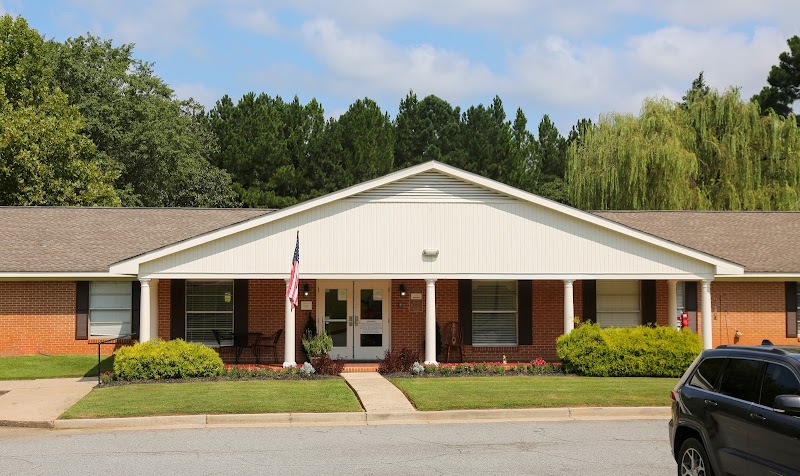
How is Eatonton Staffed?

CMS rates EATONTON HEALTH AND REHABILITATION's staffing level at 2 out of 5 stars, which is below average compared to other nursing homes. Staff turnover is 37%, compared to the Georgia average of 46%. This relatively stable workforce can support continuity of care.

What Have Inspectors Found at Eatonton?

State health inspectors documented 16 deficiencies at EATONTON HEALTH AND REHABILITATION during 2024 to 2025. These included: 15 with potential for harm and 1 minor or isolated issues.
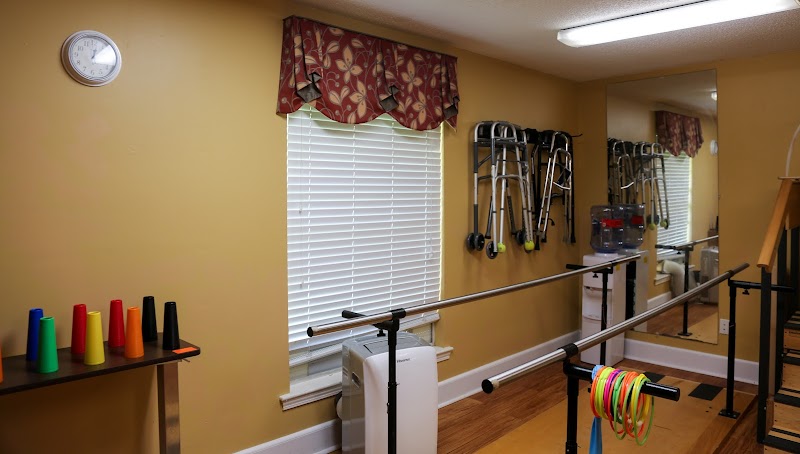
Who Owns and Operates Eatonton?

EATONTON HEALTH AND REHABILITATION is owned by a non-profit organization. Non-profit facilities reinvest revenue into operations rather than distributing to shareholders. The facility is operated by CLINICAL SERVICES, INC., a chain that manages multiple nursing homes. With 104 certified beds and approximately 68 residents (about 65% occupancy), it is a mid-sized facility located in EATONTON, Georgia.
How Does Eatonton Compare to Other Georgia Nursing Homes?

Compared to the 100 nursing homes in Georgia, EATONTON HEALTH AND REHABILITATION's overall rating (3 stars) is above the state average of 2.6, staff turnover (37%) is near the state average of 46%, and health inspection rating (3 stars) is at the national benchmark.

What Should Families Ask When Visiting Eatonton?

Based on this facility's data, families visiting should ask: "Can you walk me through typical staffing levels on day, evening, and night shifts?" "Can I visit during a mealtime to observe dining assistance and food quality?" "How do you handle medical emergencies, and what is your hospital transfer rate?" "Can I speak with family members of current residents about their experience?" These questions are particularly relevant given the below-average staffing rating.

Is Eatonton Safe?

Based on CMS inspection data, EATONTON HEALTH AND REHABILITATION has a clean safety record: no substantiated abuse findings (meaning no confirmed cases of resident harm), no Immediate Jeopardy citations (the most serious violation level indicating risk of serious injury or death), and is not on the Special Focus Facility watch list (a federal program monitoring the lowest-performing 1% of nursing homes). The facility has a 3-star overall rating and ranks #1 of 100 nursing homes in Georgia. While no facility is perfect, families should still ask about staff-to-resident ratios and recent inspection results during their visit.

Do Nurses at Eatonton Stick Around?

EATONTON HEALTH AND REHABILITATION has a staff turnover rate of 37%, which is about average for Georgia nursing homes (state average: 46%). Moderate turnover is common in nursing homes, but families should still ask about staff tenure and how the facility maintains care continuity when employees leave.

Was Eatonton Ever Fined?

EATONTON HEALTH AND REHABILITATION has no federal fines on record. CMS issues fines when nursing homes fail to meet care standards or don't correct problems found during inspections. The absence of fines suggests the facility has either maintained compliance or corrected any issues before penalties were assessed. This is a positive indicator, though families should still review recent inspection reports for the full picture.

Is Eatonton on Any Federal Watch List?

EATONTON HEALTH AND REHABILITATION is not on any federal watch list. The most significant is the Special Focus Facility (SFF) program, which identifies the bottom 1% of nursing homes nationally based on persistent, serious quality problems. Not being on this list means the facility has avoided the pattern of deficiencies that triggers enhanced federal oversight. This is a positive indicator, though families should still review the facility's inspection history directly.