PRUITTHEALTH - SPRING VALLEY

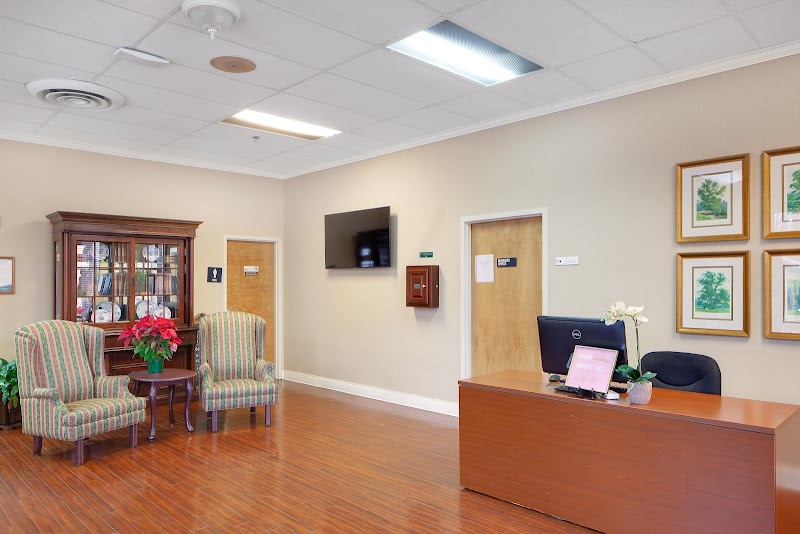
651 RHODES DRIVE, ELBERTON, GA 30635 (706) 283-3880
For profit - Corporation 60 Beds PRUITTHEALTH Data: November 2025
Trust Grade
70/100
#157 of 353 in GA
Last Inspection: January 2024

Within standard 12-15 month inspection cycle. Federal law requires annual inspections.

Overview

PruittHealth - Spring Valley in Elberton, Georgia has a Trust Grade of B, indicating it is a good option for families looking for care. It ranks #157 out of 353 facilities in Georgia, placing it in the top half, and #1 out of 2 in Elbert County, meaning only one other local facility is available. However, the facility is experiencing a concerning trend as the number of issues found during inspections has increased from 4 in 2022 to 6 in 2024. Staffing is relatively stable, with a turnover rate of 33%, which is better than the state average, and they have good RN coverage, exceeding 89% of Georgia facilities, ensuring quality oversight in care. On the downside, there have been specific concerns, such as staff not wearing proper personal protective equipment during laundry handling, which could lead to infection risks. Additionally, the facility failed to notify a resident's family about significant weight loss, which points to lapses in communication and care. Lastly, while there have been no fines, the facility has an average overall star rating of 3 out of 5, with quality measures rated poorly at 1 out of 5, indicating room for improvement.

Trust Score
B
70/100
In Georgia
#157/353
Top 44%
Safety Record
Low Risk
No red flags
Inspections
Getting Worse
4 → 6 violations
Staff Stability
○ Average
33% turnover. Near Georgia's 48% average. Typical for the industry.
Penalties
✓ Good
No fines on record. Clean compliance history, better than most Georgia facilities.
Skilled Nurses
○ Average
Each resident gets 40 minutes of Registered Nurse (RN) attention daily — about average for Georgia. RNs are the most trained staff who monitor for health changes.
Violations
⚠ Watch
12 deficiencies on record. Higher than average. Multiple issues found across inspections.
★★★☆☆
3.0
Overall Rating
★★★☆☆
3.0
Staff Levels
★☆☆☆☆
1.0
Care Quality
★★★★☆
4.0
Inspection Score
Stable
2022: 4 issues
2024: 6 issues

The Good

  • Full Sprinkler Coverage · Fire safety systems throughout facility
  • No fines on record
  • Staff turnover below average (33%)

    15 points below Georgia average of 48%

Facility shows strength in fire safety.

The Bad

3-Star Overall Rating

Near Georgia average (2.6)

Meets federal standards, typical of most facilities

Staff Turnover: 33%

13pts below Georgia avg (46%)

Typical for the industry

Chain: PRUITTHEALTH

Part of a multi-facility chain

Ask about local staffing decisions and management

The Ugly 12 deficiencies on record

Jan 2024 6 deficiencies
CONCERN (D) 📢 Someone Reported This

A family member, employee, or ombudsman was alarmed enough to file a formal complaint

Potential for Harm - no one hurt, but risky conditions existed

Notification of Changes (Tag F0580)

Could have caused harm · This affected 1 resident

Based on staff interview and record review, the facility failed to notify the family/health agent of a significant change related to weight loss for one of 21 sampled Residents (R) (R155). Findings I...

Read full inspector narrative →
Based on staff interview and record review, the facility failed to notify the family/health agent of a significant change related to weight loss for one of 21 sampled Residents (R) (R155). Findings Include: Review of R155's Vital Results revealed his weight on 4/6/2023 was 204.6 lbs. (pounds) and on 4/18/2023 was 193 lbs. which indicated he had lost 11 pounds (5.67 percent) within a two-week period. Review of the facility's Situation, Background, Assessment and Recommendation (SBAR) form indicated that the family/health agent should be notified if the resident experienced a change in condition. Review of R155's medical records revealed there was no evidence that the family/health agent had been notified or that a SBAR form had been completed related to his significant weight loss. Interview conducted on 1/6/2024 at 10:30 am with the Director of Health Services (DHS) confirmed R155 had a significant weight loss within two-weeks of admission to the facility. The DHS was unable to explain why staff did not notify the family/health agent of the resident's weight loss. She acknowledged that staff should have notified the family. A policy was requested from the facility during survey on 1/6/2024 at 12:40 pm related to change in condition but was not provided to the surveyor prior to exit. Cross Reference F641and F692
CONCERN (D)

Potential for Harm - no one hurt, but risky conditions existed

Assessment Accuracy (Tag F0641)

Could have caused harm · This affected 1 resident

**NOTE- TERMS IN BRACKETS HAVE BEEN EDITED TO PROTECT CONFIDENTIALITY** Based on staff interview, record review, and review of the facility's policy titled, MDS Assessment Accuracy, the facility faile...

Read full inspector narrative →
**NOTE- TERMS IN BRACKETS HAVE BEEN EDITED TO PROTECT CONFIDENTIALITY** Based on staff interview, record review, and review of the facility's policy titled, MDS Assessment Accuracy, the facility failed to ensure two of 21 Residents (R) (R155 and R31) were accurately assessed on the Minimum Data Set (MDS) assessments related to significant weight loss. Findings Include: A review of the facility policy, MDS Assessment Accuracy, dated 12/6/2022, Policy Statement revealed, It is the policy of this healthcare center that each Minimum Data Set (MDS) reflect the acuity and the medical status of each patient/resident in accordance with acceptable professional standards and practices. The assessments would be scheduled to accurately account for the acuity and complexity of the patient/resident . 1. Review of R155's Vital Results revealed a documented weight loss between 4/6/2023 and 4/18/2023 of 11 pounds (lbs.) (5.67 percent). Review of R155's MDS Discharge assessment dated [DATE], revealed Section K-Swallowing/Nutritional Status, indicated a height of 62inches and weight of 193 lbs., with no reported weight loss of 5% (percent) in the past three months or 10% in the last six months. 2. Review of R31's Vital Results revealed a documented weight loss between 7/4/2023 and 10/5/2023 of 15.2 lbs. (7.86%). Review of R31's MDS Quarterly assessment dated [DATE], revealed Section K-Swallowing/Nutritional Status, indicated a height of 65inches and weight of 182 lbs., with no reported weight loss of 5% in the past three months or 10% in the last six months. Interview with the MDS Coordinator on 1/6/2024 at 9:19 am confirmed that R31 had a 7.86 weight loss in three months based on the resident's weight of 193.4 lbs. on 7/4/2023 and 178.2 lbs. on 10/5/2023. The MDS Coordinator stated the MDS assessment was not coded correctly. The MDS Coordinator confirmed that R155 had a 5.67 % weight loss as evidenced by the documented weight of 204.6 lbs. on 4/6/2023 to 193 lbs. on 4/18/2023. The MDS Coordinator stated the previous MDS Coordinator did not code the MDS assessment correctly. Cross Reference F580 and F692
CONCERN (D)

Potential for Harm - no one hurt, but risky conditions existed

Comprehensive Care Plan (Tag F0656)

Could have caused harm · This affected 1 resident

**NOTE- TERMS IN BRACKETS HAVE BEEN EDITED TO PROTECT CONFIDENTIALITY** Based on observations, staff interviews, record review, and review of the facility's policy titled, Care Plans, Comprehensive Pe...

Read full inspector narrative →
**NOTE- TERMS IN BRACKETS HAVE BEEN EDITED TO PROTECT CONFIDENTIALITY** Based on observations, staff interviews, record review, and review of the facility's policy titled, Care Plans, Comprehensive Person-Centered, the facility failed to develop a care plan related to surgical wounds for one of 21 sampled Residents (R) (R155). In addition, the facility failed to implement a care plan for one of 21 sampled residents (R52) related to the use of a sit to stand lift. Findings include: Review of the facility's policy titled, Care Plans, Comprehensive Person-Centered, dated 7/27/2023, the Policy Statement revealed, It is the policy of the health care center for each patient/resident to have a person-centered baseline care plan followed by a comprehensive care plan developed following completion of the Minimum Data Set (MDS) and Care Area Assessment (CAA) . Under the section titled, admission Comprehensive Plan of Care revealed 2. A comprehensive person-centered care plan will be developed by the interdisciplinary team for each patient/resident within seven days after completion of the comprehensive assessment 4 .The care plan approach serves as instructions for the patient/resident's care and provides continuity of care by all partners 1. Review of R155's Minimum Data Set (MDS) admission Assessment, dated 4/10/2023, revealed Section M: Skin Conditions indicated that R155 had a surgical wound on admission. Review of R155's care plan revealed there was no care plan for a surgical wound related to a hip fracture or a surgical wound to the abdomen related to a bladder biopsy. Interview on 1/6/2024 at 9:24 am with the MDS Coordinator revealed that R155 was admitted with a surgical wound related to a right hip fracture and a small surgical wound to the abdomen related to a bladder biopsy. The MDS Coordinator acknowledged there was no care plan developed that addressed the wounds. The MDS Coordinator stated the care plan should have included a surgical wound care plan, but it was overlooked. Interview on 1/6/2024 at 10:30 am with the Director of Health Services (DHS) confirmed R155 should have had a care plan developed for his surgical wounds. 2. Review of R52's admission Minimum Data Set (MDS) dated [DATE] revealed, Section C: Cognitive Patterns-a Brief Interview for Mental Status (BIMS) Score of 14 which indicated he had intact cognition; Section GG: Functional Abilities and Goals-indicated the resident was dependent for chair/chair to bed transfer. Review of R52's care plan revealed a care plan for Activities of Daily Living (ADL) Functional Status/Rehabilitation Potential dated 11/21/2023 with an Approach of Transfer Status: Sit to stand. Review of In-service Education Summary Record Form dated 10/31/2023 revealed an In-service provided by the Assistant Director of Health Services (ADHS) that stated: All residents mode of transfer must match their care plans. Please notify the primary nurse or myself of any changes. For example, someone who could stand, and pivot and they no longer can. This person may benefit from a stand lift or Hoyer. Please notify primary nurses and ADHS so that we can implement the right method/mode of transfer according to the residents needs and update resident's care plan to match what resident can actually do. Observation on 1/5/2024 at 9:10 am revealed Certified Nursing Assistant (CNA) AA entered room [ROOM NUMBER] alone with a Hoyer lift. Observation on 1/5/2024 at 9:15 am revealed CNA AA exited room [ROOM NUMBER] and came down the hall to get another sling for the Hoyer lift. Observation and interview on 1/5/2024 at 9:35 am revealed upon CNA AA exit of room [ROOM NUMBER], R52 was observed up in a wheelchair at this time. An interview was conducted with CNA AA and she revealed that she had used the Hoyer lift to get R52 out of bed. Record review and Interview on 1/6/2024 at 11:05 am with CNA BB and CNA AA revealed CNA BB stated the residents care plan would tell them what type of lift a resident was assessed for and this would determine which lift to use. During this time CNA AA reviewed R52's Point of Care (POC) and it stated she required the use of a sit to stand lift. Interview on 1/6/2024 at 11:15 am with the Director of Health Services (DHS) revealed an assessment/observation was done for the sit to stand lift for R52 and was care planned. She stated unless the resident fluctuates in ability to use the sit to stand she would not need a Hoyer lift. DHS stated, she did not know why CNA AA used a Hoyer lift when R52 was care planned for a sit to stand. DHS stated if the resident was currently requiring a Hoyer lift then an assessment should have been done to determine if she was fluctuating and at times needed a Hoyer lift. She stated this information should have been care planned. DHS confirmed the resident did not have a care plan for the use of a Hoyer lift and had not been assessed for the use of a Hoyer lift. Cross Reference F689
CONCERN (D) 📢 Someone Reported This

A family member, employee, or ombudsman was alarmed enough to file a formal complaint

Potential for Harm - no one hurt, but risky conditions existed

ADL Care (Tag F0677)

Could have caused harm · This affected 1 resident

**NOTE- TERMS IN BRACKETS HAVE BEEN EDITED TO PROTECT CONFIDENTIALITY** Based on observations, resident and staff interviews, and record review the facility failed to provide Activities of Daily Livin...

Read full inspector narrative →
**NOTE- TERMS IN BRACKETS HAVE BEEN EDITED TO PROTECT CONFIDENTIALITY** Based on observations, resident and staff interviews, and record review the facility failed to provide Activities of Daily Living (ADL) related to incontinent care in a timely manner for one of 21 sampled Residents (R) (R16). This failure has the potential to affect the resident's comfort and increase the risk of infection. Findings include: Review of R16's Quarterly Minimum Data Set (MDS) assessment dated [DATE] revealed Section C: Cognitive Patterns- a Brief Interview for Mental Status (BIMS) score of 13 indicated his cognition was intact; Section GG: Functional Abilities and Goals-indicated the resident's range of motion was impaired bilaterally, and he was dependent on staff for toileting. Section H: Bladder and Bowel-indicated a urinary catheter was in place, and he was always incontinent of bowel. Review of R16's care plan dated 1/24/2024 revealed he was at risk for skin breakdown related to weakness and mobility with an Approach that included but not limited to providing incontinence care. Observation on 1/5/2024 at 9:11 am revealed the call light for room [ROOM NUMBER] was on and Licensed Practical Nurse (LPN) CC entered the room at 9:12 am. R16 stated to LPN CC he had a bowel movement and asked to be changed. LPN CC turned the light off and told R16 she would try to get him and would be back. She walked back to her medication cart and did not inform anyone of R16's request to be changed. Observation on 1/5/2024 at 9:17 am revealed LPN CC remained standing at the medication cart. Staff were observed in the hall during this time. LPN CC did not inform anyone of R16's request to be changed. Observation on 1/5/2024 at 9:19 am revealed LPN CC entered room [ROOM NUMBER] with medications in hand. At 9:21 am, LPN CC exited room [ROOM NUMBER] and went back to the medication cart and had not addressed R16's request to be changed. Observation on 1/5/2024 at 9:29 am revealed LPN CC entered room [ROOM NUMBER] with medications in hand to administer to another resident in the room with R16. At 9:31 am, LPN CC exited room [ROOM NUMBER] and did not address R16's request to be changed. LPN CC then went back to the medication cart and began preparing for another medication pass. Observation on 1/5/2024 at 9:39 am revealed LPN CC remained standing at the medication cart. During this time WCN EE was observed speaking with LPN CC. She did not inform WCN EE of R16's request to be changed. Observation on 1/5/2024 at 9:42 am revealed Certified Nursing Assistant (CNA) AA walk pass LPN CC who did not inform CNA AA that R16 in room [ROOM NUMBER] had a bowel movement and had requested to be changed. Interview on 1/5/2024 at 9:44 am with the WCN EE confirmed LPN CC did not inform her that R16 had requested to be changed. WCN EE stated R16 informed her that he had a bowel movement and needed to be changed. She stated she was going to get CNA FF to assist with getting him changed. Observation on 1/5/2024 at 9:47 am revealed CNA FF and WCN EE in room [ROOM NUMBER] to provide incontinent care on R16. At this time 36 minutes had passed since R16's initial request to be changed due to having a bowel movement. Interview on 1/6/2024 at 8:35 am with LPN CC revealed that when R16 told her he had a bowel movement and requested to be changed that she went into room [ROOM NUMBER] where CNA FF was and told her that R16 had a bowel movement and was requesting to be changed. She stated the CNAs would get to the residents as soon as they could. She acknowledged 36 minutes was too long for a resident to wait to be changed. LPN CC stated the CNAs were doing the best that they could. Interview on 1/6/2024 at 8:50 am with the Director of Health Services (DHS) revealed it was her expectations that a resident should not have to wait no longer than 5 to 10 minutes to be changed and stated she herself would not want to be left sitting in a bowel movement for a long period of time. She stated if the CNAs were busy she expects the nurse to provide incontinent care to the resident. She stated 36 minutes was too long for a resident to wait to be changed. Interview on 1/6/2024 at 3:50 pm with R16 revealed he had been left soiled for long periods of time on many occasions. He stated it was worse at night when there was only one CNA on the hall but stated what he could not understand why it happened on the day shift when there were plenty of staff during the day to assist with resident's needs. He stated it makes him feel bad and added that it was not enjoyable having to sit through meals with a bowel movement in his brief and that there have been times when this has happened.
CONCERN (D)

Potential for Harm - no one hurt, but risky conditions existed

Accident Prevention (Tag F0689)

Could have caused harm · This affected 1 resident

**NOTE- TERMS IN BRACKETS HAVE BEEN EDITED TO PROTECT CONFIDENTIALITY** Based on observations, staff and resident interviews, record review, and review of the facility's policy titled, Procedure: Tran...

Read full inspector narrative →
**NOTE- TERMS IN BRACKETS HAVE BEEN EDITED TO PROTECT CONFIDENTIALITY** Based on observations, staff and resident interviews, record review, and review of the facility's policy titled, Procedure: Transferring a Resident Using a Mechanical Lift, the facility failed to ensure that the appropriate method of transfer and the appropriate number of staff assist was utilized for one of 21 sampled Residents (R) (R52). Findings include: Review of the facility's policy titled, Procedure: Transferring a Resident Using a Mechanical Lift dated 2019 revealed under 'Considerations' the mechanical lift is a two-person device. One care giver should never use it alone. Review of the admission Minimum Data Set (MDS) dated [DATE] for R52 revealed, Section C: Cognitive Patterns-a Brief Interview for Mental Status (BIMS) score of 14 which indicated the resident had intact cognition; Section GG: Functional Abilities and Goals-indicated the resident was dependent for chair/chair to bed transfer Review of the care plan for R52 revealed a care plan for Activities of Daily Living (ADL) Functional Status/Rehabilitation Potential dated 11/21/2023 with an Approach of Transfer Status: Sit to stand. Review of the Observation Detail List Report for R52 dated 11/21/2023 revealed for Transfer Activity, a Mechanical lift used but did not specifically mention the type of lift R52 required. Observation on 1/5/2024 at 9:10 am revealed Certified Nursing Assistant (CNA) AA entered room [ROOM NUMBER] alone with a Hoyer lift. Observation on 1/5/2024 at 9:15 am revealed CNA AA exited room [ROOM NUMBER] and came down the hall to get another sling for the Hoyer lift. Upon CNA AA re-entering room [ROOM NUMBER] there was no one else observed in the room to assist CNA AA with using the Hoyer lift. Observation and interview on 1/5/2024 at 9:35 am revealed upon CNA AA exit of room [ROOM NUMBER], R52 was observed up in a wheelchair. During this time an interview was conducted with CNA AA and she revealed that she used the Hoyer for lifting R52 out of bed by herself. She stated that she knew everyone was busy and would sometime use the lift by herself. She stated that R52 was a two person assist when using a Hoyer lift and understood it was a safety risk when she used a lift with a resident by herself. Review of records and Interview on 1/6/2024 at 11:05 am with CNA BB and CNA AA revealed CNA BB stated the residents care plan would tell them what type of lift a resident was assessed for and this would determine which lift to use. During this time CNA AA reviewed R52's Point of Care (POC) which stated she required the use of a sit to stand lift. Interview on 1/6/2024 at 11:15 am with the Director of Health Services (DHS) revealed an assessment/observation was completed for R52 and that she required the use of a sit to stand lift. She stated the resident may be fluctuating in her mobility needs and may require the use of a Hoyer, but she had not been informed of that and stated R52 would need a new assessment/observation done to determine if she was fluctuating and in need of a Hoyer lift at times. Interview on 1/6/2024 at 12:20 pm with the DHS revealed she was unsure what 'Total Mechanical Lift must be used' means related to if it means a sit to stand or a Hoyer lift but stated the staff knew they were supposed to use a sit to stand lift with R52 and added that it was on the POC for R52. She stated she reviewed the facility policy on lifts, and she did not see where it stated a lift required two people but stated staff have been told to ensure two people are present when a lift was used for safety purposes. Interview on 1/6/2024 at 4:05 pm with R52 revealed she got up often with a lift with only one staff member assisting her. She stated she was not aware it should be two people getting her up. Cross Reference F656
CONCERN (D) 📢 Someone Reported This

A family member, employee, or ombudsman was alarmed enough to file a formal complaint

Potential for Harm - no one hurt, but risky conditions existed

Deficiency F0692 (Tag F0692)

Could have caused harm · This affected 1 resident

Based on record review, staff interviews, and review of the facility's policy titled, Weight Monitoring Program, the facility failed to provide nutritional care and services for one of 21 sampled Resi...

Read full inspector narrative →
Based on record review, staff interviews, and review of the facility's policy titled, Weight Monitoring Program, the facility failed to provide nutritional care and services for one of 21 sampled Residents (R) (R155) with a significant weight loss. Findings Included: Review of the facility's policy titled, Weight Monitoring Program, dated 6/2/2023 revealed under the section titled, Procedure: Patients/residents will be placed on the Weight Monitoring Program unless the weight loss is anticipated and/or planned. 2. New admissions will be weighed weekly times four weeks and/or until the weight was stable. Under section titled, Significant Weight Changes revealed, 1. A significant weight change is defined as 5% weight loss or gain in one month, 7.5% weight loss or gain in three months, and 10% weight loss or gain in six months. Review of R155's medical records revealed a significant weight loss of 5.67% (11 pounds) in 14 days from 4/6/2023 to 4/18/2023. During an interview with the Director of Health Services (DHS) on 1/6/2024 at 10:30 am, she stated that any resident with weight loss was added to the Patient at Risk (PAR) list and discussed during all PAR meetings. The DHS stated that when a weight loss occurs, the Medical Director (MD), Registered Dietician (RD), and families are notified, and the resident would be placed on a supplement immediately. The RD would then follow the patient to determine the resident's nutritional needs. The DHS stated R155 was not placed on the PAR and should have been. The DHS could not explain why the resident's weight loss was not reported or why the staff did not notify the family of the weight change. During an interview with the RD on 1/6/2024 at 11:00 am, she explained that R155 was on a NAS (sodium-restricted) diet on admission and had come from the hospital. The RD stated that the resident would often retain fluids while in the hospital, so she expected the resident would lose some weight due to fluid retention. She stated during the time R155's assessment was completed on 4/12/2023, she concluded the weight loss was within normal limits based on his clinical history, and he was well above his ideal weight. The RD added the facility would either email or call her with information related to a resident if there was a concern about weight gain or loss. She stated the facility never contacted her regarding R155's weight loss or change in his appetite. Cross Reference F641and F580
Oct 2022 4 deficiencies
CONCERN (D)

Potential for Harm - no one hurt, but risky conditions existed

Deficiency F0645 (Tag F0645)

Could have caused harm · This affected 1 resident

**NOTE- TERMS IN BRACKETS HAVE BEEN EDITED TO PROTECT CONFIDENTIALITY** Based on interview, record review and review of Pre-admission Screening and Resident Review (PASARR) website, the facility faile...

Read full inspector narrative →
**NOTE- TERMS IN BRACKETS HAVE BEEN EDITED TO PROTECT CONFIDENTIALITY** Based on interview, record review and review of Pre-admission Screening and Resident Review (PASARR) website, the facility failed to ensure one of four residents (R) (R#1) admitted with a mental health diagnosis received an accurate Level I PASARR for possible referral for a Level II screening, to determine need for potential services. The sample size is 31. Findings include: Review of the PASARR website (https://www.medicaid.gov/medicaid/long-term-services-supports/institutional-long-term-care/preadmission-screening-and-resident-review showed: .Preadmission Screening and Resident Review (PASARR) is a federal requirement to help ensure that individuals are not inappropriately placed in nursing homes for long term care. PASRR requires that Medicaid-certified nursing facilities: 1. Evaluate all applicants for serious mental illness (SMI) and/or intellectual disability (ID) 2. Offered all applicants the most appropriate setting for their needs (in the community, a nursing facility, or acute care settings) 3. Provide all applicants the services they need in those settings . The PASARR process requires that all applicants to Medicaid-certified nursing facilities be given a preliminary assessment to determine whether they might have SMI or ID. This is called a Level I screen. Those individuals who test positive at Level I are then evaluated in depth, called Level II PASARR. The results of this evaluation result in a determination of need, determination of appropriate setting, and a set of recommendations for services to inform the individual's plan of care. Review of the clinical record for R#1 revealed resident was admitted to the facility on [DATE] with diagnoses including but not limited to diabetes, tibia fracture, schizophrenia, and history of traumatic brain injury. Review of R#1's PASARR Level I completed by the discharging hospital, signed by the hospital representative, dated 3/9/21, with an approved status. On 10/19/22 at 3:22 p.m., the Social Services Director (SSD) explained the approved status meant R#1 could be admitted to the nursing home. Further review of the PASARR Level I did not show the diagnosis of schizophrenia had been included as a mental health diagnosis. Interview on 10/20/22 at 3:46 p.m. with the SSD regarding the schizophrenia diagnosis not being included on the Level I screen and if the Level I had been re-submitted with the correct diagnosis, the SSD responded, I've never resubmitted one [PASARR]. Interview on 10/20/22 at 5:05 p.m., with the Administrator, stated he knows now it is an issue and will take care of it. The Administrator stated the facility did not have a PASARR policy.
CONCERN (D)

Potential for Harm - no one hurt, but risky conditions existed

Deficiency F0700 (Tag F0700)

Could have caused harm · This affected 1 resident

**NOTE- TERMS IN BRACKETS HAVE BEEN EDITED TO PROTECT CONFIDENTIALITY** Based on observations, interviews, record review, and policy review, the facility failed to attempt other alternatives prior to ...

Read full inspector narrative →
**NOTE- TERMS IN BRACKETS HAVE BEEN EDITED TO PROTECT CONFIDENTIALITY** Based on observations, interviews, record review, and policy review, the facility failed to attempt other alternatives prior to utilizing side rails; and failed to assess the medical need for use of side rails for three of four residents (R) reviewed with side rails (R#5, R#13, and R#24). The sample size was 31. Findings include: Review of policy titled Bed Rails revised 2/1/18, revealed the policy of [name] should be free from the use of bed rails .Prior to installing or using the bedrails on a patient's bed, the patient should be assessed by the admitting nursing and/or inter-disciplinary team (IDT) to determine whether the use of bed rails would constitute an enabler or a restraint for the patient. All factors of the patient's functional ability should be taken into consideration when making this determination. Review of a document provided during the admission process titled CONSENT FOR THE USE OF BED RAILS, revealed, The risk and alternatives to using bedrails, have been clearly explained to me with the education provided . 1. Review of the clinical record revealed R#5 was admitted to the facility on [DATE] with diagnoses of right hip fracture, abnormalities of gait and mobility, difficulty walking, and muscle weakness. Review of the admission Minimum Data Set (MDS) dated [DATE] revealed a Brief Interview for Mental Status (BIMS) score of 13, which indicated resident was cognitively intact. This assessment indicated the resident required extensive assistance of two staff members for bed mobility and transfers. Observation of R#5 on 10/17/22 at 3:45 p.m. revealed R#5 was in bed with the side rails up on both sides of the bed. Review of R#5's CONSENT FOR THE USE OF BED RAILS, dated 6/29/22 revealed that the resident's representative electronically signed the document on 6/29/22. Review of a document provided by the facility titled, General Order dated 6/29/22, indicated, Order Description ¼ siderails for turning and repositioning dated 6/29/22. Review of document titled Observation Detail List Report: Restraint Adaptive Equipment Use, dated 6/30/22 at 1:05 a.m., indicated, Is restraint in use? No; Is adaptive equipment in use? No; no other assessments indicated, and nothing is marked to indicate a medical need for bed rails. Interview on 10/20/22 at 2:40 p.m., R#5's representative stated, the facility did not go over anything about bedrails. Review of R#5's care plan, dated last care conference 9/22/22 indicated R#5 has a mobility problem, but bedrails are not mentioned. Interview on 10/20/22 at 10:40 a.m., R#5 wrote on her note pad, I am not sure what those things are for while pointing to the siderails. 2. Review of the clinical record for R#13 was admitted to the facility on [DATE] with diagnoses of Parkinson's disease, pneumonia, and palliative care. Review of R#13's admission MDS dated [DATE] revealed a BIMS score of six, which indicates severe cognitive impairment. This assessment indicated the resident required extensive assistance of two staff members for bed mobility and transfers. Review of R#13's CONSENT FOR THE USE OF BED RAILS, dated 8/12/22 revealed that the resident's representative electronically signed the document on 8/12/22. Review of a document provided by the facility titled General Order dated 8/12/22, indicated, Order Description ¼ siderails for turning and repositioning dated 8/12/22. Review of document titled Observation Detail List Report: Restraint Adaptive Equipment Use, dated 8/12/22 at 6:59 p.m., indicated, Is restraint in use? No; Is adaptive equipment in use? No, all other questions marked Not Applicable, except Narcotics, marked positive, nothing was marked to indicate a medical need for bed rails. Interview on 10/20/22 at 5:30 p.m., R#13's representative stated, the facility did go over the risk of siderails, but I don't remember them suggesting any other choices or alternatives. Review of R#13's care plan, dated last care conference 8/16/22 indicated R#13 had several care areas planned but bedrails were not included on the care plan. 3. Review of the clinical record for R#24 was admitted to the facility on [DATE] with diagnoses of dementia and Alzheimer's disease. Review of R#24's admission MDS dated [DATE] revealed a BIMS score of 99, which indicates the resident was cognitively impaired. This assessment indicated the resident required extensive assistance of two staff members for bed mobility and transfers. Review of R#24's CONSENT FOR THE USE OF BED RAILS, dated 8/31/22 revealed that the resident's representative electronically signed the document on 8/31/22. Review of document provided by the facility titled General Order dated 9/5/22, indicated, Order Description ¼ siderails for turning and repositioning dated 9/5/22. Review of document titled Observation Detail List Report: Restraint Adaptive Equipment Use dated 9/1/22 at 3:20 a.m., indicated, Is restraint in use? No; Is adaptive equipment in use? No, all other questions marked Not Applicable, except Cognitive loss dementia, marked positive, nothing is marked to indicate a medical need for bed rails. Review of R#24's care plan, dated last care conference 9/7/22 indicated R#24 had several care areas planned but bedrails were not included on the care plan. Observation on 10/20/22 at 6:00 p.m. revealed R#24 was slid down in bed asleep with her head resting at the bottom of the bed rail. The side rails on both sides of the bed were in the up position. Interview on 10/20/22 at 9:40 a.m. with the Director of Nursing (DON), when asked about alternatives attempted prior to the use of bed rails, the DON replied, As far as I know we don't do any alternatives. Interview on 10/20/22 at 10:00 a.m. with the Social Service Director (SSD), when asked about the consent for bed rails signed during admission, as part of the admission packet, the SSD stated, the consent is always signed at admission, and I review it as part of the admission process. Interview on 10/20/22 at 4:00 p.m. Licensed Practical Nurse (LPN) AA, stated the Observation Detail List Report: Restraint Adaptive Equipment Use, is the assessment form used to assess the need for bed rails. She indicated that the form should be marked 'yes' on one of the questions of Is a restraint in use or Is adaptive equipment in use.
CONCERN (D)

Potential for Harm - no one hurt, but risky conditions existed

Deficiency F0943 (Tag F0943)

Could have caused harm · This affected 1 resident

Based on interview and document review, the facility failed to ensure training was provided to educate staff direct care staff in dementia management for one Certified Nursing Assistant (CNA) of five ...

Read full inspector narrative →
Based on interview and document review, the facility failed to ensure training was provided to educate staff direct care staff in dementia management for one Certified Nursing Assistant (CNA) of five sampled personnel records. Findings include: Review of the personnel record for CNA BB revealed hire date was 2/17/22. There was no documentation that CNA BB received dementia and/or behavioral health education/training prior to working with the residents at the facility. Interview on 10/20/22 at 5:50 p.m., the Administrator confirmed CNA BB had not received any dementia management training. The Administrator stated the Social Service Director (SSD) or the Administrator provides dementia training during the employee's orientation to the facility.
CONCERN (F)

Potential for Harm - no one hurt, but risky conditions existed

Infection Control (Tag F0880)

Could have caused harm · This affected most or all residents

**NOTE- TERMS IN BRACKETS HAVE BEEN EDITED TO PROTECT CONFIDENTIALITY** Based on observations, interviews, and policy review, the facility failed to maintain an effective Infection Control Program to ...

Read full inspector narrative →
**NOTE- TERMS IN BRACKETS HAVE BEEN EDITED TO PROTECT CONFIDENTIALITY** Based on observations, interviews, and policy review, the facility failed to maintain an effective Infection Control Program to prevent the spread of infections by not ensuring staff wore appropriate personal protective equipment (PPE) when sorting soiled laundry; clean lift slings and mop heads were hung to air dry in the dirty area of the laundry area; air flow was impeded from the dirty to the clean laundry areas. The census was 51. Findings include: Review of the policy titled Infection Control - Linen and Laundry, revised 4/2/20 revealed the policy of all [name] Healthcare Centers to implement and adhere to this policy to mitigate or decrease infections caused by sources of microbial contamination through collection, handling, sorting, transportation, processing, and storage of laundry. Definitions . -Personal protective equipment (PPE) are barriers, (e.g., gloves, gowns, and masks), designed to protect mucous membranes, skin, and clothing from coming in contact with potentially infectious microorganisms. -Standard Precautions are the basic level of infection prevention practices that are used to prevent transmission of diseases to health care personnel and patients that can be acquired by contact with blood, body fluids, non-intact skin (including rashes), and mucous membranes. . Personnel . 2. Soiled laundry will be handled as contaminated, and all partners will practice standard precautions when handling or exposed to soiled laundry. Standard precautions involve wearing the appropriate PPE when handling or exposed to soiled laundry. 3. Personal protective equipment (e.g., gown, gloves, and mask) will be readily available for use and must be worn, as indicated, to protect employees from exposures. 5. Laundry Process a. Soiled laundry i. The soiled laundry area is to be clearly separate from the clean laundry area. ii. The two sides are separated with no airflow to the clean side. Ventilation air should flow from the clean to the dirty area. iii. All soiled laundry is contained in leak resistant bags which are transported inside carts from the resident care area to the inside of the laundry facility. iv. Personal protective equipment is readily available and must be worn by those working with soiled laundry. b. Clean laundry i. Following the wash cycle, laundry is machine dried . ii. Do not leave damp laundry in machines overnight. iii. Laundry is sorted, ironed, folded, and placed on clean laundry exchange carts iv. Laundry dropped on the floor or soiled in any way is rewashed. v. At the end of the workday, all unprocessed, clean laundry is covered. vi. Clean laundry is covered and transported inside the facility to designated areas . Observation on 10/20/22 at 12:57 p.m. during tour of the laundry revealed a ceiling fan on high speed over the washer area and a ceiling fan over the dryer area on low speed with an open arch way between the washer area and dryer/clean sorting and folding area. Housekeeper (HK) CC and HK DD confirmed there was no barrier in the arch area to impede air flow. Observation of lift slings and mop heads hanging in the washing machine area were confirmed by HK CC as being clean and hanging to air dry. Interview on 10/20/22 12:57 p.m., HK CC and HK DD revealed dirty laundry is sorted in a small anteroom that has a door that was open into the washing machine area. When asked what staff wore when sorting dirty laundry, both HK CC and HK DD stated they wear gloves and pointed to boxes of vinyl gloves on the opposite side of the laundry room, next to the washing machines, from the sorting area. Hanging close to the washing machines, was a brown apron with a neck loop and waist tie, and a face shield. HK CC and HK DD stated they wear the apron and face shield when the building is red or when there is a lot of COVID. They were asked who did the training with them on when to wear the apron and face shield, HK DD stated, Our supervisor. Interview on 10/20/22 at 1:14 p.m., the Housekeeping Director (HKD) stated, when sorting linen, all under pads are sorted by their self, colored resident clothes are together, sort out sheets and blankets together, napkins and bibs are together, are all sorted in the small area [anteroom]. She stated staff should wear a face shield, gloves, and an apron to sort dirty laundry. The HKD confirmed there was not a barrier for air flow between the dirty washing machine area and the clean dryer folding/sorting area. Interview on 10/20/22 at 5:00 p.m., the Administrator stated he felt like the laundry room was two separate rooms, with dirty laundry in on the wash side and out on the dryer side, despite being open, and no barrier to impede the air flow. On 10/20/22 at 5:15 p.m., two surveyors measured the open archway area in the laundry room which was 57.5 inches wide x 80 inches high. During a follow-up interview on 10/20/22 at 5:40 p.m., HKD confirmed the clean 14 lift slings, and 20 mop heads were hanging to dry in the washing machine (dirty) area.
Jun 2019 2 deficiencies
CONCERN (D)

Potential for Harm - no one hurt, but risky conditions existed

Infection Control (Tag F0880)

Could have caused harm · This affected 1 resident

**NOTE- TERMS IN BRACKETS HAVE BEEN EDITED TO PROTECT CONFIDENTIALITY** Based on observation and staff interviews, the facility failed to maintain an effective infection control program related to lab...

Read full inspector narrative →
**NOTE- TERMS IN BRACKETS HAVE BEEN EDITED TO PROTECT CONFIDENTIALITY** Based on observation and staff interviews, the facility failed to maintain an effective infection control program related to labeling and storage of residents personal care equipment in two (2) resident rooms (rooms [ROOM NUMBERS]) on one (1) of two (2) halls. The facility census was 46 residents. Findings include: Review of untitled and undated document located in facility Activities of Daily Living (ADL) book, revealed a statement: Please label these items in your patient rooms and if you take a new item out of the supply closet, label it before you place it in the room. Denture Cups, tooth brushes, tooth paste, bed pans, bath pans, urinals. Remember that bed pans and wash basins are to be stored in the bottom of the night stand. Bar soap is not to be used. If a resident has their own soap, it should be kept in a travel container and labeled. Observation on 6/17/19 at 11:18 a.m. revealed in room [ROOM NUMBER] bathroom, unlabeled denture cup with dentures sitting on sink counter; unlabeled bedpan and two unlabeled bath basins in bathroom shared by four female residents. Observation on 6/17/19 at 11:52 a.m. revealed in room [ROOM NUMBER] bathroom, three bars of hand soap un-bagged and unlabeled sitting on sink ledge. Observation on 6/18/19 at 2:19 p.m. revealed in room [ROOM NUMBER], un-labeled denture cup with dentures remains sitting on counter in bathroom; unlabeled bedpan and bath basins remain in bathroom shared by four female residents. Observation on 6/18/19 at 2:20 p.m. revealed in room [ROOM NUMBER], three bars of hand soap, un-bagged and unlabeled sitting on sink ledge. Observation on 6/20/19 at 8:58 a.m. revealed in room [ROOM NUMBER], three bars of hand soap remain un-bagged and unlabeled sitting on sink ledge. Interview on 6/20/19 at 9:13 a.m. with Certified Nursing Assistant (CNA) HH stated that bedpans and bath basins should be labeled with residents name and/or room number, and stored in the bathroom in a plastic bag. She stated that if items were not labeled, then she would throw them in the trash and get a new one and put residents name and room number on it. Interview on 6/20/19 at 9:36 a.m. with Director of Nursing (DON) stated that residents personal care equipment (bedpans and bath basins) should be bagged and labeled and kept in bathroom. For residents toothbrushes, toothpaste and dentures, she stated they should be kept in residents bed side table. She further stated that she is not sure where the three bars of soap came from, because they use body wash for bathing and each sink has soap dispensers on the wall. During walking rounds, at this time, the DON verified concerns identified during the survey. Interview on 6/20/19 at 10:37 a.m. with Administrator, stated that it is her expectation that residents personal care equipment be bagged and tagged. She further stated staff should throw out and start with a new bath basin or bed pan, if they have some that are not labeled.
MINOR (B)

Minor Issue - procedural, no safety impact

Deficiency F0582 (Tag F0582)

Minor procedural issue · This affected multiple residents

Based on observation, record review, policy review and interviews, the facility failed to provide the Skilled Nursing Facility Advanced Beneficiary Notice (SNFABN) to two (2) residents (R) #16 and #24...

Read full inspector narrative →
Based on observation, record review, policy review and interviews, the facility failed to provide the Skilled Nursing Facility Advanced Beneficiary Notice (SNFABN) to two (2) residents (R) #16 and #24 out of three (3) residents who were reviewed after being discharged from Medicare Part A Services and remained in the facility. The sample size was 25. Findings include: Review of the facility policy titled Advance Beneficiary Notices (ABNs) revised 7/19/2016 revealed the purpose of an Advanced Beneficiary Notice (ABN) is to inform the patient/resident that Medicare will probably not pay for a certain item or service in a specific situation, even if Medicare might pay for the item or service under different circumstances. This allows the patient/resident to make an informed decision about whether or not to receive the item or service for which he/she may have to pay out of pocket or through other insurance. Procedure 1. If physician orders services for treatment of their patients/residents but is expected to be denied, the patient/resident must be informed in writing prior to providing the item that Medicare may possibly deny the claim and the patient/resident will be responsible for payment. The facility will discuss the options related to non-covered services with the patient/resident and will answer any inquiries from the patient/resident. The patient/resident will receive instruction and guidance of options with each Advance Beneficiary Notice issued. Review of a Beneficiary Notice-Residents discharged Within the Last Six Months form revealed that R#16 and R#24 remained in the facility after skilled services ended. 1. Review of records for R#16 indicated that services were initiated on 3/11/19 and discharged from Medicare Part A services on 5/3/19 and remained in the facility. Review of her Beneficiary Notices revealed that only the Notice of Medicare Non-Coverage form (NOMNC)(Form CMS-10123) was provided, which was signed by the resident on 5/3/19. There was no evidence that the facility had issued an SNFABN (Form CMS-10055) to R#16 providing the opportunity to continue with skilled services, at her cost, if Medicare did not reimburse. 2. Review of records for R#24 indicated that services were initiated on 1/25/19 and discharged from Medicare Part A services on 3/22/19 and remained in the facility. Review of her Beneficiary Notices revealed that only the Notice of Medicare Non-Coverage form (NOMNC)(Form CMS-10123) was provided, which was signed by the resident on 3/22/19. There was no evidence that the facility had issued an SNFABN (Form CMS-10055) to R#24 providing the opportunity to continue with skilled services, at her cost, if Medicare did not reimburse. Interview on 6/18/19 at 9:50 a.m. with Administrator, stated that she checked in the discharge notebook for the Advanced Beneficiary Notices (ABN), and the only ones she was able to find are the CMS-10123 NONMC. She was not able to find the CMS-10055 form for the two residents that remained in the facility, after discharged from Medicare Part A services. She further stated that the Social Services Director is out on medical leave and is unreachable by phone. Interview on 6/20/19 at 7:45 a.m. with Interim Social Services Director GG stated that residents who remain in the Skilled Nursing Facility (SNF) after discharging from Medicare Part A services, are to be given both the CMS 10055 and the CMS 10123. She stated that the residents have the right to appeal the discharge from services, and if they desire to continue receiving skilled services.
Understanding Severity Codes (click to expand)
Life-Threatening (Immediate Jeopardy)
J - Isolated K - Pattern L - Widespread
Actual Harm
G - Isolated H - Pattern I - Widespread
Potential for Harm
D - Isolated E - Pattern F - Widespread
No Harm (Minor)
A - Isolated B - Pattern C - Widespread

Questions to Ask on Your Visit

  • "Can I speak with families of current residents?"
  • "What's your RN coverage like on weekends and overnight?"

Our Honest Assessment

Strengths
  • • No major safety red flags. No abuse findings, life-threatening violations, or SFF status.
  • • No fines on record. Clean compliance history, better than most Georgia facilities.
  • • 33% turnover. Below Georgia's 48% average. Good staff retention means consistent care.
Concerns
  • • 12 deficiencies on record. Higher than average. Multiple issues found across inspections.
Bottom line: Mixed indicators with Trust Score of 70/100. Visit in person and ask pointed questions.

About This Facility

What is Pruitthealth - Spring Valley's CMS Rating?

CMS assigns PRUITTHEALTH - SPRING VALLEY an overall rating of 3 out of 5 stars, which is considered average nationally. Within Georgia, this rating places the facility higher than 99% of the state's 100 nursing homes. This mid-range rating indicates the facility meets federal standards but may have areas for improvement.
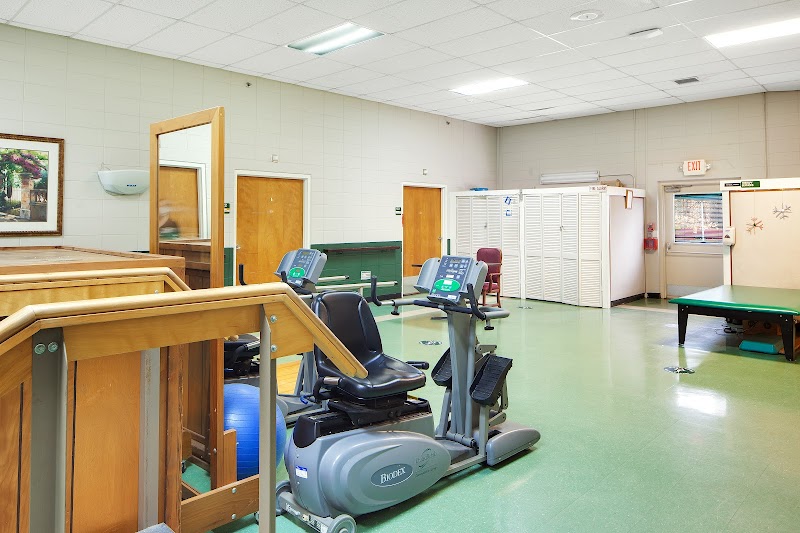
How is Pruitthealth - Spring Valley Staffed?

CMS rates PRUITTHEALTH - SPRING VALLEY's staffing level at 3 out of 5 stars, which is average compared to other nursing homes. Staff turnover is 33%, compared to the Georgia average of 46%. This relatively stable workforce can support continuity of care.

What Have Inspectors Found at Pruitthealth - Spring Valley?

State health inspectors documented 12 deficiencies at PRUITTHEALTH - SPRING VALLEY during 2019 to 2024. These included: 11 with potential for harm and 1 minor or isolated issues.
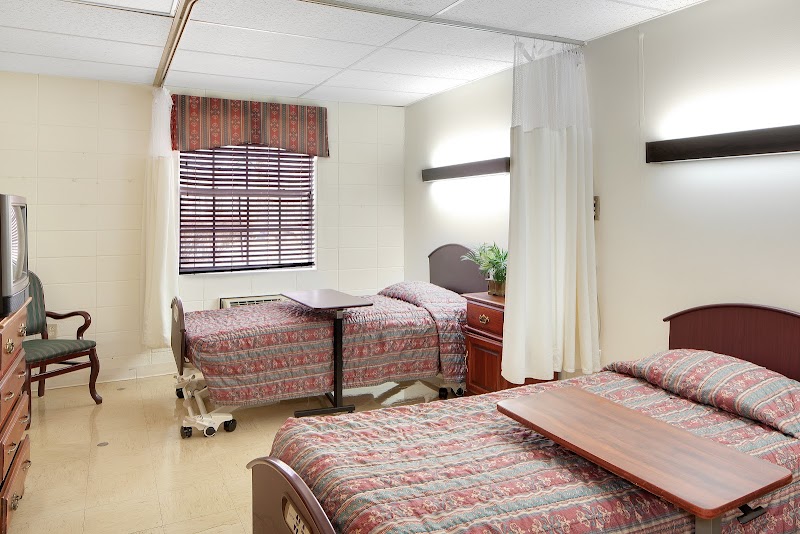
Who Owns and Operates Pruitthealth - Spring Valley?

PRUITTHEALTH - SPRING VALLEY is owned by a for-profit company. For-profit facilities operate as businesses with obligations to shareholders or private owners. The facility is operated by PRUITTHEALTH, a chain that manages multiple nursing homes. With 60 certified beds and approximately 48 residents (about 80% occupancy), it is a smaller facility located in ELBERTON, Georgia.
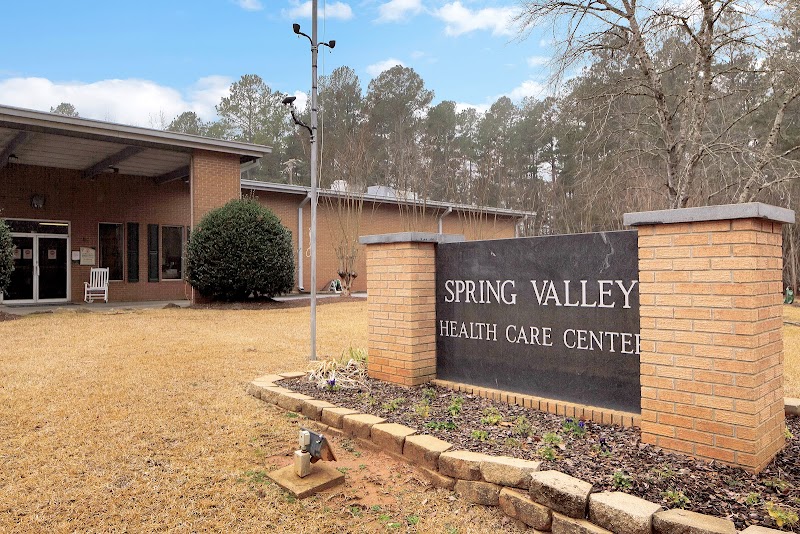
How Does Pruitthealth - Spring Valley Compare to Other Georgia Nursing Homes?

Compared to the 100 nursing homes in Georgia, PRUITTHEALTH - SPRING VALLEY's overall rating (3 stars) is above the state average of 2.6, staff turnover (33%) is significantly lower than the state average of 46%, and health inspection rating (4 stars) is above the national benchmark.

What Should Families Ask When Visiting Pruitthealth - Spring Valley?

Based on this facility's data, families visiting should ask: "Can I visit during a mealtime to observe dining assistance and food quality?" "How do you handle medical emergencies, and what is your hospital transfer rate?" "Can I speak with family members of current residents about their experience?"

Is Pruitthealth - Spring Valley Safe?

Based on CMS inspection data, PRUITTHEALTH - SPRING VALLEY has a clean safety record: no substantiated abuse findings (meaning no confirmed cases of resident harm), no Immediate Jeopardy citations (the most serious violation level indicating risk of serious injury or death), and is not on the Special Focus Facility watch list (a federal program monitoring the lowest-performing 1% of nursing homes). The facility has a 3-star overall rating and ranks #1 of 100 nursing homes in Georgia. While no facility is perfect, families should still ask about staff-to-resident ratios and recent inspection results during their visit.

Do Nurses at Pruitthealth - Spring Valley Stick Around?

PRUITTHEALTH - SPRING VALLEY has a staff turnover rate of 33%, which is about average for Georgia nursing homes (state average: 46%). Moderate turnover is common in nursing homes, but families should still ask about staff tenure and how the facility maintains care continuity when employees leave.

Was Pruitthealth - Spring Valley Ever Fined?

PRUITTHEALTH - SPRING VALLEY has no federal fines on record. CMS issues fines when nursing homes fail to meet care standards or don't correct problems found during inspections. The absence of fines suggests the facility has either maintained compliance or corrected any issues before penalties were assessed. This is a positive indicator, though families should still review recent inspection reports for the full picture.

Is Pruitthealth - Spring Valley on Any Federal Watch List?

PRUITTHEALTH - SPRING VALLEY is not on any federal watch list. The most significant is the Special Focus Facility (SFF) program, which identifies the bottom 1% of nursing homes nationally based on persistent, serious quality problems. Not being on this list means the facility has avoided the pattern of deficiencies that triggers enhanced federal oversight. This is a positive indicator, though families should still review the facility's inspection history directly.