FAYETTEVILLE CENTER FOR NURSING & HEALING LLC
110 BRANDYWINE BOULEVARD, FAYETTEVILLE, GA 30214 (770) 461-2928
For profit - Limited Liability company 162 Beds EMPIRE CARE CENTERS Data: November 2025
Trust Grade
43/100
#190 of 353 in GA
Last Inspection: June 2025

Inspected within the last 6 months. Data reflects current conditions.

Overview

Fayetteville Center for Nursing & Healing LLC has a Trust Grade of D, indicating below average performance with some notable concerns. It ranks #190 out of 353 facilities in Georgia, placing it in the bottom half of the state's nursing homes, and is #2 out of 2 in Fayette County, meaning there is only one local option that is better. The facility's trend is worsening, with issues increasing from 2 in 2024 to 5 in 2025, and staffing is a significant weakness here, rated just 1 out of 5 stars with a turnover rate of 69%, much higher than the state average. Although the facility has average fines of $11,171, it has less RN coverage than 83% of Georgia facilities, which raises concerns about the quality of care. Specific incidents include a serious failure to identify and treat a pressure wound, resulting in a resident needing hospitalization for septic shock. Additionally, the facility did not properly assess several residents for self-administration of medication, posing a risk of unsafe medication use. Lastly, there was a failure to create a comprehensive care plan for another resident, potentially leaving their needs unmet. While there are some strengths, such as an average health inspection rating, families should weigh these serious issues carefully when considering this facility for their loved ones.

Trust Score
D
43/100
In Georgia
#190/353
Bottom 47%
Safety Record
Moderate
Needs review
Inspections
Getting Worse
2 → 5 violations
Staff Stability
⚠ Watch
69% turnover. Above average. Higher turnover means staff may not know residents' routines.
Penalties
✓ Good
$11,171 in fines. Lower than most Georgia facilities. Relatively clean record.
Skilled Nurses
⚠ Watch
Each resident gets only 16 minutes of Registered Nurse (RN) attention daily — below average for Georgia. Fewer RN minutes means fewer trained eyes watching for problems.
Violations
⚠ Watch
16 deficiencies on record. Higher than average. Multiple issues found across inspections.
★★☆☆☆
2.0
Overall Rating
★☆☆☆☆
1.0
Staff Levels
★★★☆☆
3.0
Care Quality
★★★☆☆
3.0
Inspection Score
Stable
2024: 2 issues
2025: 5 issues

The Good

  • Full Sprinkler Coverage · Fire safety systems throughout facility
  • No fines on record

Facility shows strength in fire safety.

The Bad

2-Star Overall Rating

Below Georgia average (2.6)

Below average - review inspection findings carefully

Staff Turnover: 69%

23pts above Georgia avg (46%)

Frequent staff changes - ask about care continuity

Federal Fines: $11,171

Below median ($33,413)

Minor penalties assessed

Chain: EMPIRE CARE CENTERS

Part of a multi-facility chain

Ask about local staffing decisions and management

Staff turnover is elevated (69%)

21 points above Georgia average of 48%

The Ugly 16 deficiencies on record

1 actual harm
Jun 2025 5 deficiencies
CONCERN (D) 📢 Someone Reported This

A family member, employee, or ombudsman was alarmed enough to file a formal complaint

Potential for Harm - no one hurt, but risky conditions existed

Deficiency F0554 (Tag F0554)

Could have caused harm · This affected 1 resident

**NOTE- TERMS IN BRACKETS HAVE BEEN EDITED TO PROTECT CONFIDENTIALITY** Based on observations, record review, resident and staff interviews, and review of the facility policy titled Medication Adminis...

Read full inspector narrative →
**NOTE- TERMS IN BRACKETS HAVE BEEN EDITED TO PROTECT CONFIDENTIALITY** Based on observations, record review, resident and staff interviews, and review of the facility policy titled Medication Administration, the facility failed to assess three of 73 sampled residents (R) (R51, R482, and R456) for self-administration of medication. This deficient practice had the potential to place R51, R482, and R456 at risk of unsafe medication use and unauthorized medication access by other residents. Findings include: Review of facility's policy titled Medication Administration indicated under Practice Standards: . 8. Medication Administration. 8.1 Assist patient as needed. 8.2 Remain with patient until administration is complete. Do not leave medication at the patient's bedside. 1. Review of the electronic health record (EHR) for R51 revealed the resident was admitted to the facility with diagnoses including but not limited to cerebral infarction, type 2 diabetes mellitus without complications, chronic diastolic congestive heart failure, bronchiectasis (uncomplicated), generalized muscle weakness, dysphagia (oropharyngeal phase), and paraplegia. Review of R51's quarterly Minimum Data Set (MDS) dated [DATE] documented in Section C (Cognitive Patterns) a Brief Interview for Mental Status (BIMS) score of 15, indicating the resident was cognitively intact. Additional MDS findings revealed in section GG (Functional Abilities and Goals) dependency with multiple activities of daily living (ADLs), including bathing, dressing, and personal hygiene. Section H (Bladder and Bowel) documented bowel and urinary incontinence. Section M (Skin Conditions) indicated Moisture Associated Skin Damage (MASD). Review of a physician's order dated 2/27/2025 stated R51 was not capable of self-administering medications with approval and review by the Interdisciplinary Team. Review of the EHR revealed no documentation of a self-administration assessment. Observation on 6/10/2025 at 11:27 am and 12:29 pm revealed a white powdery substance on the bedside table of R51. An interview conducted at the time of the observation with R51 revealed the powder was for use down in her vaginal area. R51 stated the nurse placed the powder there in the morning so the Certified Nursing Assistants (CNAs) could apply it during care. She reported this was a common occurrence. Interview on 6/10/2025 at 12:38 am with Medication Technician (MT) LL revealed that staff were expected to remain at the bedside while residents took their medications. She explained that medications should not be left unattended. MT LL stated that if a resident refused medication, she took the medication with her and informed the nurse. She emphasized that residents were not allowed to keep medications at their bedside due to the risk of unauthorized access. Interview on 6/9/2025 at 12:41 pm with CNA/MT QQ confirmed the powder was Nystatin (an antifungal medication) and was left by the previous night shift. CNA/MT QQ stated she had not initially noticed the powder but later removed it from the bedside. She stated she had been trained to observe for unsecured medications and acknowledged that leaving medications at the bedside could result in a medication error or unauthorized access. 2. Review of the EHR for R48 revealed the resident was admitted with diagnoses including but not limited to end-stage renal disease, dependence on renal dialysis, hypertensive chronic kidney disease with stage 5 chronic kidney disease, anemia, generalized muscle weakness, and difficulty walking. Review of R48's quarterly MDS dated [DATE] documented a BIMS score of 10, indicating moderate cognitive impairment. Section GG (Functional Abilities and Goals) revealed functional limitations with ADLs, including substantial/maximal assistance required for bathing, toileting, dressing, and personal hygiene. Record review revealed no documentation of a self-administration assessment for R53. Observation on 6/10/2025 at 11:40 am revealed two pills in a clear container on the bedside table of R48. Interview at that time with R48 revealed that the medication was for her digestive system, and she did not know what the other pill was for. R48 stated the MT just set it there and left. Interview on 6/10/2025 at 12:38 am with MT LL revealed that staff were expected to remain at the bedside while residents took their medications. She explained that medications should not be left unattended. MT LL stated that if a resident refused medication, she took the medication with her and informed the nurse. She emphasized that residents were not allowed to keep medications at their bedside due to the risk of unauthorized access. Interview on 6/9/2025 at 12:41 pm with CNA/MT QQ revealed she was assigned to R48's room and recalled giving her medications. CNA/MT QQ confirmed she did not verify that R48 took the medications before she left the room. She explained she was busy, shaking, and stressed. She stated people were calling for her assistance, so she walked out. She acknowledged that it did not happen all the time but admitted this was a lapse in protocol. She confirmed that a negative outcome of leaving medication at the bedside could include a medication error or another individual accessing the medication. 3. Review of the EHR for R456 revealed the resident was admitted to the facility with diagnoses including but not limited to end-stage renal disease, osteomyelitis, type 2 diabetes mellitus without complications, peripheral vascular disease, generalized muscle weakness, and hyperkalemia. Review of a Physician Order dated 6/06/2025 stated that R456 was not capable of self-administering medications with approval and review by the Interdisciplinary Team. Review of the EHR for R456 revealed no documentation of a self-administration assessment. Observation on 6/10/2025 at 11:02 am revealed a clear medication cup containing a red liquid on the bedside table of R456. An antidiarrheal medication was also observed sitting on the resident's dresser. Interview conducted at the time of observation with R456 revealed he had refused the medication because he felt he was receiving too much, and that he had recently begun experiencing jerking movements. He stated the nurse just dropped it off and said here is your medication and left. He confirmed the antidiarrheal was his and stated his family had brought him the medication. Observation on 6/10/2025 at 11:10 am, CNA/MT QQ was observed entering R456's room and proceeded to ask R456 if he was going to take his medication. R456 told her he did not want the red liquid medication and requested that she discard it. She threw the medication away as requested. Interview on 6/10/2025 at 12:38 am, MT LL revealed that staff were expected to remain at the bedside while residents took their medications. She explained that medications should not be left unattended. Med Tech LL stated that if a resident refused medication, she took the medication with her and informed the nurse. She emphasized that residents were not allowed to keep medications at their bedside due to the risk of unauthorized access. Interview and observation on 6/9/2025 at 12:41 pm with CNA/MT QQ confirmed she had given R456 a liquid protein supplement (a wound care vitamin), and he stated he would take it right away. CNA/MT QQ stated she walked out of the room when called for assistance by another CNA and did not verify that R456 took the medication. She confirmed that when she later returned, the medication was still present and was discarded due to the resident's refusal. CNA/MT QQ acknowledged the antidiarrheal medication on R456's dresser and reported the resident's family had likely brought it in. She stated she was unaware that prescription verification was required for over-the-counter medications kept at the bedside. She added that residents sometimes tell her not to touch their belongings and expressed hesitation about removing any medications without specific instructions. Interview on 6/13/2025 at 9:50 am with the Director of Nursing (DON) revealed the facility encouraged residents not to self-administer medications unless they have a BIMS score above 12 with no signs of intermittent confusion. She stated that if a resident qualified, they were assessed for self-administration, and medications were kept in a secure, locked location at the bedside. She stated staff were expected to observe the resident taking the medication and provide hydration. She acknowledged possible negative outcomes of leaving medications at the bedside included unmonitored administration, incorrect dosage, and access by other individuals. Interview on 6/13/2025 at 9:25 am with Nurse Practitioner (NP) revealed that self-administration assessments were conducted by the clinical team to determine resident competence. She was unsure if medications were kept at the bedside or on the cart. She identified that negative outcomes from unmonitored medication access could include missed doses or unintended ingestion by residents with dementia. Interview on 6/13/2025 at 10:30 am with the Administrator revealed that residents should not have medications at the bedside. She stated the facility had experienced ongoing issues with family members bringing in medications, and staff were expected to monitor and collect such items when observed. The Administrator stated that MTs were not to leave the room before confirming that the resident had taken the medication. She further explained that all staff were expected to remain observant and report any medications found at the bedside.
CONCERN (D) 📢 Someone Reported This

A family member, employee, or ombudsman was alarmed enough to file a formal complaint

Potential for Harm - no one hurt, but risky conditions existed

Comprehensive Care Plan (Tag F0656)

Could have caused harm · This affected 1 resident

Based on record review, staff interviews, and review of the facility policy titled Comprehensive Care Plans, the facility failed to develop a comprehensive, person-centered care plan for one of 73 sam...

Read full inspector narrative →
Based on record review, staff interviews, and review of the facility policy titled Comprehensive Care Plans, the facility failed to develop a comprehensive, person-centered care plan for one of 73 sampled residents (R) (R101). The deficient practice had the potential to place R101 at risk of unmet needs, medical complications, and a diminished quality of life. Findings include: Review of the facility policy titled Comprehensive Care Plans, dated October 2022, revealed under Policy Statement: The comprehensive care plan will be developed within 7 days after the completion of the comprehensive MDS assessment. All Care Assessment Areas (CAAs) triggered by the MDS will be considered be considered in developing the care plan. Review of R101's admission record from 9/17/2024 revealed the resident had diagnoses including, but not limited to, bipolar disorder, post-traumatic stress disorder (PTSD), and hyperlipidemia. Review of R101's Minimum Data Set (MDS) assessment, dated 3/24/2025, revealed Section C (Cognitive Patterns) documented a Brief Interview for Mental Status (BIMS) score of 01 (indicating the resident had severe cognitive impairment). Section E (Behaviors) documented the resident does not have any behaviors. Review of R101's care plan dated 9/19/2024 revealed no mental health diagnoses of PTSD and bipolar disorder. In an interview on 6/13/2025 at 9:20 am, the Director of Nursing (DON) verified that R101's care plan did not include the bipolar disorder or PTSD diagnoses, and stated it should. She stated her expectations were to have these diagnoses in R101's care plan. Interview with the MDS Coordinator on 6/13/2025 at 10:33 am confirmed that the care plan should have included R101's diagnoses of bipolar disorder and PTSD. She stated that it was a collaborative effort for management and staff to update all of the residents' care plans.
CONCERN (D) 📢 Someone Reported This

A family member, employee, or ombudsman was alarmed enough to file a formal complaint

Potential for Harm - no one hurt, but risky conditions existed

Deficiency F0760 (Tag F0760)

Could have caused harm · This affected 1 resident

**NOTE- TERMS IN BRACKETS HAVE BEEN EDITED TO PROTECT CONFIDENTIALITY** Based on observation, staff interviews, record review, and review of the facility's policies titled Medication Administration an...

Read full inspector narrative →
**NOTE- TERMS IN BRACKETS HAVE BEEN EDITED TO PROTECT CONFIDENTIALITY** Based on observation, staff interviews, record review, and review of the facility's policies titled Medication Administration and Unavailable Medications, the facility failed to ensure that two of five residents (R) (R452 and R580) reviewed for medication administration received medications as ordered by the physician. Specifically, the facility failed to ensure R452 received ordered intravenous (I.V.) antibiotics, oral antibiotics, insulin injections, and oral diabetic medications after admission to the facility, and failed to ensure that R580's anti-hypertensive medications were administered as ordered by the physician. Findings include: Review of the facility's undated policy titled Medication Administration revealed under the Purpose of the Policy To provide a safe, effective medication administration process 4. Medications will be administered as soon as possible, but no more than two hours after doses are prepared. 5. Doses will be administered within one hour of the prescribed time unless otherwise indicated by the prescriber. 5.1. If medication(s) is not available, the nurse will: 5.1.1. Coordinate with pharmacy to procure the medication(s) as soon as possible and discuss possible substitution options with the pharmacist, if applicable; 5.1.2. Notify the physician/APP of the unavailability of the medication(s); 5.1.3. Discuss substitution options for ordered medication(s) or substitutions within one hour of the prescribed time; consider medication error situation. 6. If discrepancies occur, notify physician/APP and/or pharmacy as indicated. 7. Administer medication. 8. Document: .11.1. Administration of medication on Medication Administration Record (MAR); 11.2. Patient's response to medication; 11.2.1. Notification of physician/APP, if applicable. Review of the facility's policy titled Unavailable Medications, updated June 2024, revealed the Policy included 1. The facility maintains a contract with a pharmacy provider to supply the facility with routine, PRN (as needed), and emergency medications. 2. A STAT (immediate) supply of commonly used medications is maintained in-house for timely initiation of medications. 3. The facility shall follow established procedures for ensuring residents have a sufficient supply of medications. 4. Medications may be unavailable for a number of reasons. Staff shall take immediate action when it is known that the medication is unavailable: a. Determine reason for unavailability, length of time medication is unavailable, and what efforts have been attempted by the facility or pharmacy provider to obtain the medication. b. Notify physician of inability to obtain medication upon notification or awareness that medication is not available. Obtain alternative treatment orders and /or specific orders for monitoring resident while medication is on hold. 5. If a resident misses a scheduled dose of the medication, staff shall follow procedures for medication errors, including physician/family notification, completion of a medication error report, and monitoring the resident for adverse reactions to omission of the medication. 1. A review of R452's electronic health record (EHR) revealed diagnoses including, but not limited to, bladder cancer, bladder mass, hematuria, (blood in the urine), encephalopathy (group of conditions that cause brain dysfunction), chronic kidney disease, dementia, depression, and shortness of breath. Review of R452's Entry Tracking Minimum Data Set (MDS) assessment, dated 12/20/2024, revealed the resident was admitted to the facility from a short-term general hospital on [DATE]. Review of R452's Discharge MDS Assessment, dated 12/23/2024, revealed the resident was discharged on 12/23/2024 to a short-term general hospital. Review of the hospital Discharge summary, dated [DATE], revealed that, prior to admission to the facility, R452 was hospitalized with hematuria (blood in the urine), sepsis (a life-threatening illness caused by infection), bacteremia (bacteria in the bloodstream), and hydronephrosis (a buildup of urine in the kidney). Further review of the hospital discharge summary revealed that the resident was to continue medications including, but not limited to, ceftriaxone 2 grams (gm) intravenous (IV) push every 12 hours, ampicillin 2 gm IV in 100 milliliters (ml) of 0.9 percent sodium chloride to be administered every 8 hours, insulin lispro 100 units/ml, inject five units subcutaneously three times daily before meals, empagliflozin 10 mg by mouth every morning, and Lantus Solostar U-100 insulin glargine 35 units subcutaneously in the abdomen nightly. Review of R452's medication administration record (MAR) dated 12/1/2024 to 12/31/2024 revealed the following medication orders: Dapagliflozin Propanediol 5 mg tablet, give one tablet by mouth one time a day for DM [diabetes mellitus] starting 12/21/2024 at 9:00 am. There was no documentation of the medication being administered or a reason for omission on the MAR on 12/21/2024 or 12/22/2024. Novolog FlexPen100 unit/ml solution pen-injector, inject five units before meals subcutaneously starting 12/21/2024 at 8:00 am. There was no documentation of the medication being administered or a reason for omission on the MAR on 12/21/2024 or 12/22/2024. Ampicillin sodium intravenous solution reconstituted 2 gm (grams) (Ampicillin Sodium), use 2 GM intravenously three times a day for infection, starting 12/21/2024 at 9:00 am. The MAR was coded as a 9 on 12/21/2024 and 12/22/2024 for all six scheduled doses, and one dose was administered on 12/23/2024 at 9:00 am. Review of the Chart Codes on the MAR revealed 9 indicated Other/See Progress Notes. Review of the Progress Notes revealed no documentation of a reason for medication omission. Ceftriaxone sodium injection solution reconstituted 2 gm (Ceftriaxone Sodium), use 2 gm intravenously two times a day for infection starting 12/21/2025 at 9 pm. The MAR was coded as 9 on the 12/21/2024 9:00 pm, 12/22/2024 9:00 am, and 9:00 pm dates, and one dose was administered on 12/23/2024 at 9:00 am. Review of the Chart Codes on the MAR revealed 9 indicated Other/See Progress Notes. Review of the Progress Notes revealed no documentation of a reason for medication omission. Doxycycline Hyclate oral tablet 100 mg, give one tablet by mouth one time only for infection starting 12/21/2024 at 9:00 am. There was no documentation of the medication being administered or a reason for omission on the MAR on 12/21/2024. Doxycycline Monohydrate 100 MG capsule, give one capsule by mouth one time a day for UTI (urinary tract infection) starting 12/21/2024. There was no documentation of the medication being administered or a reason for omission on the MAR on 12/21/2024 or 12/22/2024. Review of R452's Blood Sugar Summary revealed the resident's blood sugar was checked on 12/21/2024 at 4:21 am, with results of 208. There were no other blood sugar checks for R452 documented. Review of the Progress Notes revealed an entry dated 12/20/2024 at 8:10 pm of At approximately 7:10 pm, resident arrived at the facility via stretcher, accompanied by EMS (emergency medical services) and his wife. Further review revealed an entry dated 12/23/2024 at 12:15 pm documenting the resident had an elevated temperature of 101.4 [degrees Fahrenheit] and acetaminophen tablet 325 mg, two tablets were administered. An entry dated 12/23/2024 at 1:12 pm documented that the resident had a change in condition, the resident's temperature was 101.6 [F], and the primary care provider recommended that the resident go to the emergency room (ER). Continued review revealed entry dated 12/23/2024 at 1:30 pm documented Patient transferred [local hospital] at 13:30 for elevated temperature R/T [related to] sepsis. Patient assessed by NP [Nurse Practitioner] and order given to sent patient to ER. Patient seems lethargic and not at baseline. No complaints of pain at this time. Review of the EHR revealed R452 did not return to the facility. In an interview on 6/12/2025 at 8:15 am, the Director of Nursing (DON) stated that when a resident was admitted after hours, daily medications were normally delivered the following day. She stated that antibiotics were available in the facility in the automated medication storage/administration system, allowing treatment to begin without delay. The DON further revealed that if there was a concern regarding a possible allergy to the ordered antibiotics, the nurse was expected to contact the provider for directions to prevent a delay in treatment. If the ordered antibiotics were not available, the nurse may request that the hospital send the next dose of IV antibiotics with the resident. If that was not an option, the nurse was expected to contact the provider for guidance on how to proceed until the medication was delivered. The DON added that ceftriaxone and ampicillin were medications usually available at the facility. The DON was unable to explain why R452 did not receive doxycycline until 12/23/2024 or why the nurse did not contact the provider to clarify the ceftriaxone order. Review of the automated medication storage/administration system's emergency medication list with the DON confirmed that the medications were available at the facility. The DON was unable to explain why the resident's blood glucose was only checked once during the three-day stay or why the diabetic medications were not administered. She stated that if a resident was diabetic, their blood sugar was expected to be checked. She further confirmed that nurses were not permitted to leave blanks in the MAR and could not explain why the antibiotics and diabetic medications were neither given nor documented. If a medication was not administered, staff were required to document the reason, whether the medication was unavailable, refused by the resident, or for any other reason. The DON further revealed that her expectation was for all staff to follow the physician's orders and administer medications as ordered. In an interview on 6/13/2025 at 11:00 am, the Assistant Director of Nursing (ADON) provided a list of medications stored in the automated medication system, and ampicillin, doxycycline, and ceftriaxone were all listed as available medications in the automated medication system. In an interview on 6/12/2024 at 10:00 am, the Administrator stated that the facility investigated R452's medication administration. Review of the investigation revealed documentation that the resident's medications had been delivered to the facility the day after his arrival. The Administrator noted that one of R452's medications was held due to a possible allergy to penicillin, and staff were in the process of clarifying this information. However, the resident was transferred out before clarification was obtained. The report also stated, All other medications were delivered and given as prescribed. When the surveyor asked the Administrator how she knew that medications were given as prescribed and whether she reviewed the MAR, she responded that she was not clinical and had asked a nurse to provide a report of what had happened. In that report, written by Registered Nurse (RN) NN on 1/3/2025, RN NN documented, Ampicillin was charted as not given r/r allergy to clin. [sic] In an interview on 6/12/2025 at 2:45 pm, Nurse Practitioner (NP) GG stated that she remembered R452 well. When asked whether it was standard nursing practice in the facility not to notify the provider if an ordered antibiotic was unavailable or if a resident was allergic to a prescribed medication, the NP responded that it was not, and that she expected staff to notify her. She added that she was not in the facility on weekends and did not see the resident until Monday. She reported that when she saw the resident for the first time on 12/23/2024, he was febrile (an elevated temperature) and lethargic. She noted that the resident's most recent hospital discharge diagnosis included sepsis and that he was supposed to be receiving IV antibiotics, and due to his condition, NP GG transferred the resident back to the ER for evaluation and treatment. 2. Review of R580's EHR revealed diagnoses including, but not limited to, acute or chronic diastolic (congestive) heart failure (CHF), paroxysmal atrial fibrillation, essential hypertension, and chronic kidney disease. Review of R580's Physician's Orders revealed the following orders: 5/29/2025: Losartan potassium oral tablet 100 mg, give one tablet by mouth in the morning for CHF. 5/28/2025: Hydralazine HCL [hydrochloride] oral tablet, give one tablet by mouth three times a day for HTN [hypertension]. 5/29/2025: Furosemide oral tablet 20 mg, give one tablet by mouth in the morning for CHF. 5/28/2025: Carvedilol oral tablet 25 mg, give one tablet by mouth twice a day for HTN; take with meals. 5/28/2025: Amiodarone HCL oral tablet 200 mg, give one tablet by mouth every morning and at bedtime for atrial fibrillation. Observations during observation of a medication pass on 6/11/2025 at 8:45 am by Licensed Practical Nurse (LPN) BB revealed LPN BB checked R580's blood pressure (BP) and heart rate (HR) prior to administering medications. The readings were BP 136/61 and HR 63. LPN BB administered the losartan potassium but did not administer the hydralazine HCL and carvedilol. She documented both medications as not given on the MAR. Review of the MAR revealed that the blood pressure medications did not include parameters to hold. When asked why she chose which medication to give and which to hold, LPN BB was not able to explain how she selected those two medications among the three and stated she was afraid the resident's blood pressure might drop and that she would recheck it later. In an interview on 6/11/2025 at 2:00 pm, NP GG revealed that she did not always include specific parameters for holding blood pressure medications, as it depended on the individual resident's condition. She explained that if a nurse encountered a borderline BP reading, they were expected to consult with her before making a decision. NP GG reported that she was in the facility five days a week, and between her and the Physician Assistant (PA), there was always a provider on-site. She emphasized that nursing staff were expected to notify the provider if they encountered abnormal vital signs, and the decision to hold or administer BP medications would be made by the provider. When asked if R580's carvedilol and hydralazine HCL should have been administered or held with a BP reading of 136/61 and HR of 63, she stated that the medications should have been administered. In an interview on 6/11/2025 at 4:00 pm, the DON stated that her expectations for nurses were to follow the provider's orders and, if in question, contact the provider for guidance.
CONCERN (D) 📢 Someone Reported This

A family member, employee, or ombudsman was alarmed enough to file a formal complaint

Potential for Harm - no one hurt, but risky conditions existed

Deficiency F0761 (Tag F0761)

Could have caused harm · This affected 1 resident

Based on observations, staff interviews, and review of the facility's policy titled Medication Storage, the facility failed to ensure medications were not available for use past their expiration date ...

Read full inspector narrative →
Based on observations, staff interviews, and review of the facility's policy titled Medication Storage, the facility failed to ensure medications were not available for use past their expiration date and were stored in the original container on two of seven medication carts (Hall 900 and Hall 800). These deficient practices created the potential for residents to receive medications with altered effectiveness. Findings include: Review of the facility's policy titled Medication Storage, revised December 2022, revealed under Policy: It is the policy of this facility to ensure all medications housed on our premises will be stored in the pharmacy and /or medication rooms according to the manufacture's recommendations and sufficient to ensure proper sanitation, temperature, light, ventilation, moisture control, segregation, and security .1. General Guidelines: a. All drugs and biologicals will be stored in locked compartments) i.e., medication carts, cabinets, drawers, refrigerators, medication rooms) under proper temperature controls .6. Refrigerated Products: a. All medications requiring refrigeration are stored in refrigerators located in the pharmacy and at each medication room. b. Temperatures are maintained within 36-46 degrees F (Fahrenheit). Charts are kept on each refrigerator, and temperature levels are recorded daily by the charge nurse or other designee. c. In the event that a refrigerator is malfunctioning, the person discovering the malfunction must promptly report such finding to the Maintenance Department for emergency repair .8. Unused Medications: The pharmacy and all medication rooms are routinely inspected by the consultant pharmacist for discontinued, outdated, defective, or deteriorated medications with worn, illegible, or missing labels. These medications are destroyed in accordance with our Destruction of Unused Drugs Policy. 1. Observation on 6/11/2025 at 8:30 am of the medication cart on 900 Hall with Licensed Practical Nurse (LPN) AA revealed one bottle of folic acid 1000 micrograms (mcg) with an expiration date of 1/2025. LPN AA removed the expired medication from the cart and stated that both day and night shift nurses were responsible for checking medications for expiration dates as part of their routine. 2. Observation on 6/11/2025 at 9:04 am of the medication cart on 800 Hall with LPN BB revealed the top drawer contained a medication cup full of pink capsules. When asked what medication it was, LPN BB stated it was Benadryl. When asked how she knew it was Benadryl, she said she recognized the capsules by appearance. When asked whether storing the medication out of the original package was acceptable nursing practice, LPN BB confirmed that it was not. In an interview with the Director of Nursing (DON) on 6/11/2025 at 4:00 pm, she stated that she expected staff to follow the facility's medication storage policy. The DON stated that when a new medication container was opened, staff were required to label the box with the date of opening using a marker. Expired medications must be discarded. She stated that it was not allowed to keep unlabeled medications in a medication cup and that medications must remain in their original containers, and nurses were not permitted to identify medications by appearance. In an interview with the ADON on 6/12/2025 at 9:00 am, she stated that medications were routinely checked for expiration dates and discarded before they expired. She also confirmed that all medications must remain in their original containers and may not be stored in open medication cups.
CONCERN (D) 📢 Someone Reported This

A family member, employee, or ombudsman was alarmed enough to file a formal complaint

Potential for Harm - no one hurt, but risky conditions existed

Infection Control (Tag F0880)

Could have caused harm · This affected 1 resident

Based on observations, staff interviews, record review, and review of the facility's policies titled Handwashing/Hand Hygiene and Cleaning and Disinfection of Resident-Care Equipment, the facility fai...

Read full inspector narrative →
Based on observations, staff interviews, record review, and review of the facility's policies titled Handwashing/Hand Hygiene and Cleaning and Disinfection of Resident-Care Equipment, the facility failed to consistently perform hand hygiene during two of four medication pass observations and failed to sanitize shared medical equipment between residents during one of four medication pass observations. This failure had the potential to increase the risk of infection transmission among staff and residents. Findings include: Review of the undated facility policy titled, Handwashing/Hand Hygiene revealed the Policy Interpretation and Implementation section included . 7. Use an alcohol-based hand rub containing at least 62% alcohol; or alternatively, soap(antimicrobial or non-antimicrobial) and water for the following situations: . b. Before and after direct contact with residents; c. Before preparing or handling medications; . l. After contact with objects (eg., medical equipment) in the immediate vicinity of the resident . Review of the undated facility policy titled Cleaning and Disinfection of Resident-Care Equipment revealed the Policy Interpretation and Implementation section included . 3. b. Each user is responsible for routine cleaning and disinfection of multi-resident items after each use, particularly before use for another resident d. Multiple-resident use equipment shall be cleaned and disinfected after each use. Observation of a medication pass on 6/11/2025 at 8:10 am with Licensed Practical Nurse (LPN) AA revealed there was no alcohol-based hand rub (ABHR) located on the medication cart. LPN AA prepared and administered medication to R592 without performing hand hygiene with ABHR or soap and water before or after administering the medications. Observation revealed ABHR was available from a dispenser in the hallway. LPN AA then obtained ABHR from the nurses' unit, placed it on the medication cart, and performed hand hygiene. When questioned by the surveyor immediately following the observation about whether hand hygiene should have been performed, the nurse acknowledged that yes, hand hygiene should have been performed before and after contact with residents, and admitted that she had not done so. Observation of a medication pass on 6/11/2025 at 9:30 am with LPN CC revealed LPN CC prepared and administered medications to R57 without performing hand hygiene before or after administering the medications. Further observation revealed LPN CC used a shared blood pressure cuff to check R57's blood pressure and did not sanitize the cuff before or after checking the resident's blood pressure. When questioned by the surveyor immediately following the observation about whether hand hygiene and cleaning of shared equipment should have been performed, the nurse acknowledged that she should have sanitized her hands but did not, and stated she was unsure about cleaning the blood pressure cuff. In an interview on 6/11/2025 at 4:00 pm, the Director of Nursing (DON) stated that she expected staff to perform hand hygiene before and after any contact with each resident and before and after administering medications. She further stated that shared medical equipment should be cleaned and sanitized between each resident.
Feb 2024 2 deficiencies
CONCERN (D) 📢 Someone Reported This

A family member, employee, or ombudsman was alarmed enough to file a formal complaint

Potential for Harm - no one hurt, but risky conditions existed

Deficiency F0554 (Tag F0554)

Could have caused harm · This affected 1 resident

**NOTE- TERMS IN BRACKETS HAVE BEEN EDITED TO PROTECT CONFIDENTIALITY** Based on observations, resident and staff interviews, record review, and review of the facility's policy titled, Medication Admi...

Read full inspector narrative →
**NOTE- TERMS IN BRACKETS HAVE BEEN EDITED TO PROTECT CONFIDENTIALITY** Based on observations, resident and staff interviews, record review, and review of the facility's policy titled, Medication Administration, the facility failed to assess for the ability to self-administer medications prior to leaving medications at the bedside for one of 42 sampled residents (R) (R118). The deficient practice had the potential to allow access to medications otherwise not prescribed by a physician to other residents. Findings include: Review of the facility's policy titled Medication Administration revised January 2023 indicated the following: Policy Explanation and Compliance Guidelines: 15. Observe resident consumption of medication if resident requests meds to be left at bedside, confirm cognition prior to. Review of the medical record for R118 revealed diagnoses including but not limited to secondary malignant neoplasm of bone cancer, spinal stenosis thoracic region, other hydronephrosis, hypercalcemia, personal history of other disease of the digestive system, long-term use of opiate analgesic, essential hypertension, hypokalemia, personal history of healed traumatic fracture. Review of R118's Physician orders revealed an order on 1/27/2024 for oxycodone extended-release tablet 20 milligrams (mg), 10/19/2023 for losartan potassium tablet 50 mg, 10/19/2024 for prednisone tablet 5 mg, 10/19/2024 for bisacodyl tablet delayed release 5 mg, 11/10/2023 for Tylenol extra strength 500 mg, 11/8/2023 for Colace capsule 100 mg, 11/15/2023 for metoprolol succinate tablet extended release 24-hour 25 mg, 11/6/2023 for tamsulosin capsule 0.4 mg, 10/25/2023 for levothyroxine sodium 88 microgram, 12/24/2023 for sennosides tablet 8.6 mg, and 1/20/2024 for Pepcid tablet 20 mg. Review of the most recent quarterly Minimum Data Set (MDS) dated [DATE] documented R118 had a Brief Interview for Mental Status (BIMS) score of 15, indicating the resident had intact cognition. Review of the clinical record revealed there was no assessment for medication self-administration. Observation/Interview on 1/30/2024 at 12:10 pm revealed a small cup of approximately eight pills, cough syrup, two boxes of holistic medications, and one box of pain pads sitting on a bedside table. R118 revealed he forgot to take his medications left at his bedside and took his oxycodone earlier because of the pain from his cancer. R118 further revealed the nurse waited for him to take his narcotics medication before they left him, but the medical assistant leaves his regular medications at bedside. Interview on 1/31/2024 at 11:00 am with Certified Medical Assistant (CMA) AA stated she had been trained properly on how to administer medications. She stated that she had received several in-services/educations on administering medications and observances of medications at resident's bedside. She stated she cannot walk away until the resident takes their medications and then she removes the medication cup from the room. She mentioned that none of the CMAs are required/allowed to administer narcotics to residents. CMA AA stated she was out for two days, and CMA BB was assigned to her hall and assisted R118 for administering all his medications but excluding oxycodone. CMA AA further revealed R118 only liked taking his pain medication of oxycodone due to the discomfort from his progressing cancer. Interview on 1/31/2024 at 11:30 am with Licensed Practical Nurse Unit Manager (LPN/UM) CC confirmed and verified the medications were in R118's room. LPN/UM CC began to remove medications from R118 bedside table and explained to R118 she needed to check with the physician to make sure the other holistic medications do not interfere with his other medications. Interview on 1/31/2024 at 11:35 am with Nurse Practitioner (NP) DD confirmed R118 had not been assessed or deemed appropriate to self-administer his medications. NP DD mentioned R118 had an upcoming meeting with the physician on Friday to discuss R118 being placed on hospice care due to his progressing cancer and cognitive health decline. NP DD stated she doubted if the physician would create an order for self-administering of the medications that were located at R118's bedside. Interview on 2/1/2024 at 3:00 pm with the Director of Nursing (DON), she stated that currently there was not a resident residing in the facility who had been assessed and deemed appropriate to self-administer medications. The DON confirmed R118 did not have a physician order for the medications that were located at the resident's bedside on his meal tray. The DON further stated that there should not be any medications left at the resident's bedside, and she expected the residents to take their medication, and if not, the nurse should educate the resident. The DON stated if a resident does not take their medications, the nurse and/or CMA should call the doctor.
CONCERN (D) 📢 Someone Reported This

A family member, employee, or ombudsman was alarmed enough to file a formal complaint

Potential for Harm - no one hurt, but risky conditions existed

Medical Records (Tag F0842)

Could have caused harm · This affected 1 resident

**NOTE- TERMS IN BRACKETS HAVE BEEN EDITED TO PROTECT CONFIDENTIALITY** Based on staff interviews, record review, and review of the facility's policy titled Medication Administration, the facility fai...

Read full inspector narrative →
**NOTE- TERMS IN BRACKETS HAVE BEEN EDITED TO PROTECT CONFIDENTIALITY** Based on staff interviews, record review, and review of the facility's policy titled Medication Administration, the facility failed to ensure the Medication Administration Record (MAR) documentation was completed for one of 42 sampled residents (R) (R31). Findings include: Review of the policy titled Medication Administration dated January 2023 revealed the policy was: Medication is administered by licensed nurses, or other staff who are legally authorized to do so in this state, as ordered by the physician and in accordance with professional standards of practice, in a manner to prevent contamination or infection. The Policy Explanation and Compliance Guidelines section revealed: 17. Sign MAR after administered. For those meds requiring vital signs, record the vital signs onto the MAR. 18. If medication is a controlled substance, sign the narcotic book. Review of diagnoses for R31 included, but not limited to, chronic pain syndrome. Review of the most recent quarterly Minimum Data Set (MDS) dated [DATE] revealed in section C-Cognition, Brief Interview for Mental Status (BIMS) score was 12, indicating moderate cognitive impairment; section GG-Functional Abilities and Goals, required partial/moderate toilet assistance, and maximum assistance to bathe/shower and set up with personal hygiene; required an assistive device for mobility; section O-Special Treatments, no special procedures, treatments, nor programs. Review of the care plan revealed a focus area for chronic pain related to a history of cerebral vascular accident [CVA (stroke)]. Review of the physician's orders for R31 revealed an order dated 1/8/2024 for Lyrica oral capsule 75 milligrams mg (a medication used to treat pain) give 1 capsule by mouth two times a day for chronic pain. Review of the January 2024 MAR revealed there were 62 opportunities for Lyrica 75 mg with 21 missed episodes of documentation. Interview on 2/1/2024 at 11:44 am with Unit Manager (UM) EE, UM EE verified the missing documentation for the administration of Lyrica on R31's January 2024 MAR. UM EE and UM CC stated they didn't think the missing documentation could be possible. Interview on 2/1/2024 at 3:00 pm with the Infection Preventionist Nurse (IP) revealed that licensed nurses only sign out narcotics, and they sign the blue control substance book when they take the medication. She stated the MAR is to be initialed when the medication is given. She stated the night shift staff are supposed to go back and check the MAR every day. She said the Electronic Medical Record (EMR) system should turn red when a medication is given and there is no initial documented on the MAR for giving that medication. Interview on 2/1/2024 at 3:10 pm with the Director of Nurses (DON) revealed that routine medications are given by the Certified Medication Tech (CMA) and the narcotics are given by the licensed nurse. She said that each CMA is assigned to a nurse and the CMA informs the nurse when it is time for the narcotic to be given. She stated the CMA does not have keys to the narcotic drawer even though it is on the same cart. She said the problem is the nurse must access the same MAR as the CMA and that causes a problem for documentation because only one can be in the cart at the same time. The DON stated that it must be done because the MAR and the narcotic book must match. She stated when the nurse pulls the medication from the narcotic drawer, it is to be signed out immediately, and the MAR should be initialed when the narcotic is given to the resident.
Nov 2023 5 deficiencies 1 Harm
SERIOUS (G) 📢 Someone Reported This

A family member, employee, or ombudsman was alarmed enough to file a formal complaint

Actual Harm - a resident was hurt due to facility failures

Pressure Ulcer Prevention (Tag F0686)

A resident was harmed · This affected 1 resident

**NOTE- TERMS IN BRACKETS HAVE BEEN EDITED TO PROTECT CONFIDENTIALITY** AMENDED 11/30/2023 Based on staff interviews, record review, and review of the facility policy titled, Pressure Injury Preventio...

Read full inspector narrative →
**NOTE- TERMS IN BRACKETS HAVE BEEN EDITED TO PROTECT CONFIDENTIALITY** AMENDED 11/30/2023 Based on staff interviews, record review, and review of the facility policy titled, Pressure Injury Prevention and Management the facility failed to identify and treat a pressure wound for one of five sampled residents (R) (R1) reviewed for pressure ulcer prevention and treatment. Harm was identified to occur on 7/29/2023 when the facility failed to identify and treat the wound resulting in the resident being sent out to the hospital for diagnosis of septic shock due to an infected sacral decubitus wound with bacteremia and requiring surgical debridement of the wound. Findings included: A review of the facility's policy titled, Pressure Injury Prevention and Management with a revision dated of February 2023, indicated, This facility is committed to the prevention of avoidable pressure injuries, unless clinically unavoidable, and to provide treatment and services to heal the pressure ulcer/injury, prevent infection and the development of additional pressure ulcers/injuries. A review of the admission Record for R1 revealed admission diagnoses that included acute chronic systolic congestive heart failure, chronic kidney disease, and protein-calorie malnutrition. A review of R1's care plan, dated 7/12/2023, revealed the resident was at risk for skin impairment due to decreased mobility and incontinence issues. There was no documentation that the resident had a pressure ulcer. A review of the quarterly Minimum Data Set (MDS) assessment, dated 7/17/2023, indicated R1 had a Brief Interview of Mental Status (BIMS) score of 11, indicating mild cognitive impairment for daily decision making; that R1 was at risk for developing pressure ulcers; and no pressure ulcers documented on admission. A review of R1's physician orders revealed no treatments for a pressure wound. A review of R1's Behavior Note, dated 7/28/2023, revealed a family member had concerns with foul smelling urine, and increased confusion. The family asked staff to continue to turn and repositioned the resident every two hours due to the resident having some skin breakdown to the sacrum. This was documented by Licensed Practical Nurse (LPN) CC. A review of R1's shower sheet, dated 7/29/2023, revealed no skin conditions documented for the resident during the residents bathing time. A review of R1's skin checks, dated 7/29/2023 at 6:54 pm, revealed R1 had blister to right front upper hip. There was no documentation of the sacral pressure wound. A review of R1's hospital Discharge summary, dated [DATE], revealed the resident presented to the emergency department (ED) on 7/29/2023 at 5:49 pm. The patient was noted to have a foul-smelling sacral wound. The physician ordered a wound culture on 7/30/2023 at 12:57 am. The resident was treated during the stay for septic shock due to an infected sacral decubitus wound with bacteremia and the wound was present on admission. R1 had surgical debridement on 8/1/2023 and a wound vac was placed on 8/2/2023. During an interview on 10/18/2023 at 12:08 pm, LPN CC stated if a wound was identified she would dress the wound and leave it for the wound care nurse to pick up. She stated she would put a notification of the wound on the 24-hour report and pass it on to the next nurse. She stated she could not really remember the resident and could not remember if they had a wound. She stated she was not aware of the process for this facility once a wound was identified. During an interview on 10/19/2023 at 9:09 am with LPN FF, she stated she remembers R1, but she did not recall them having a wound to their sacral region. The LPN stated she was not aware the resident had a sacral wound on admission to the hospital. During an interview on 10/19/2023 at 10:37 am with the Director of Nursing (DON), she stated the facility does admission overall skin assessments. The DON stated she did not see where R1 was being treated for a sacral wound. She stated she feels like her team would have found the wound if R1 had a wound while in the facility. During an interview on 10/24/2023 at 12:55 pm, Nurse Practitioner (NP) GG stated he had seen this resident one or two times. He stated R1 had abnormal labs which contributed to them going to the hospital. He stated the nursing staff sent R1 to the hospital for a change of condition. He stated if the resident had a wound, the wound should have been in the wound notes. He stated he expected the staff to follow their wound assessment schedule. During an interview on 10/25/2023 at 10:26 am, Certified Nursing Assistant (CNA) DD stated when she gives a bath/shower she does a full skin check and if there were any changes in the skin, she would report it to the nurse. She stated R1was a total assist and she gave her a bed bath. She stated R1 had not had a wound that she remembered. During an interview on 11/9/2023 at 9:13 am with NP HH, she stated she admitted R1. She stated she was on leave when R1 went out to the hospital. She stated breakdown could happen in a week if the resident was laying and urinating on themselves. She stated R1 to her knowledge did not have a wound. She stated she could not speak to R1's wound because the resident did not have it on admission. She stated a wound could not get an infection and develop within seven hours on admission to the hospital. During an interview on 11/9/2023 at 10:40 am, the Administrator stated the facility staff will identify and treat wounds on admission and any wound identified inhouse will be treated as soon as identified. She was made aware of the findings during the survey.
CONCERN (D) 📢 Someone Reported This

A family member, employee, or ombudsman was alarmed enough to file a formal complaint

Potential for Harm - no one hurt, but risky conditions existed

Investigate Abuse (Tag F0610)

Could have caused harm · This affected 1 resident

**NOTE- TERMS IN BRACKETS HAVE BEEN EDITED TO PROTECT CONFIDENTIALITY** Based on staff interviews, record review, and review of the facility policy titled, Abuse, Neglect and Exploitation, the facilit...

Read full inspector narrative →
**NOTE- TERMS IN BRACKETS HAVE BEEN EDITED TO PROTECT CONFIDENTIALITY** Based on staff interviews, record review, and review of the facility policy titled, Abuse, Neglect and Exploitation, the facility failed to complete a thorough investigation for one of three sampled residents (R) (R25) reviewed for misappropriation of personal property. Findings included: A review of the facility's policy titled, Abuse, Neglect and Exploitation, revision date 9/8/2022, revealed An immediate investigation is warranted when suspicion of abuse, neglect or exploitation or reports of abuse neglect or exploitation occur . Identifying and interviewing all involved persons, including the alleged victim, alleged perpetrator, witnesses, and others who might have knowledge of the allegation. A review of R25's admission Record revealed a diagnosis that included chronic pain syndrome. A review of R25's Order Summary Report, dated 5/11/2023, revealed an order for Fentanyl Transdermal Patch 72 hour 25 micrograms (MCG)/ hour (HR) (Fentanyl) apply one packet transdermal every 72 hours for chronic pain. A review of a facility report dated 6/22/2023 revealed R25's fentanyl patches were never delivered to the facility for the resident. A review of R25's quarterly Minimum Data Set (MDS) assessment dated [DATE] revealed R125 had a Brief Interview of Mental Status (BIMS) of 15 indicating the resident was cognitively intact for daily decision making. The MDS indicated the resident had received Opioid's four out of the seven days on the look back. A review of R25's care plan, with revision date of 9/27/2023, revealed the resident had complaints of acute and chronic pain. Interventions in place were to administer pain management as ordered. A review of the facility's investigation revealed there was one statement obtained or signed by staff on duty the night of the incident. There were multiple nurses and Certified Nursing Assistants (CNAs) on duty the night the medications were delivered. During an interview on 10/30/2023 at 9:32 am, the Director of Nursing (DON) stated the process would be to interview everyone who was there when the medication was delivered. She stated there were a couple of nurses sitting at the nurse's station on the film. She stated she questioned them. She was asked if there were statements from the nurses at the nurse's station that witnessed the incident. She stated she did not have statements from the nurses at the nurses' station. She stated she would need to ask the Administrator if there were statements. There were no statements provided. She stated the nurses were questioned and educated on the proper procedure to receive medications from the courier. During an interview on 10/30/2023 at 3:06 pm the Administrator stated she spoke with other staff members. She stated she would need to ask the DON if there were statements from those staff members. She stated they made verbal statements but may not have signed statements. She stated written statements were something that was usually obtained during an investigation.
CONCERN (D) 📢 Someone Reported This

A family member, employee, or ombudsman was alarmed enough to file a formal complaint

Potential for Harm - no one hurt, but risky conditions existed

Quality of Care (Tag F0684)

Could have caused harm · This affected 1 resident

**NOTE- TERMS IN BRACKETS HAVE BEEN EDITED TO PROTECT CONFIDENTIALITY** Based on staff interviews, record review, and review of the facility policy titled, Notification of Changes the facility failed ...

Read full inspector narrative →
**NOTE- TERMS IN BRACKETS HAVE BEEN EDITED TO PROTECT CONFIDENTIALITY** Based on staff interviews, record review, and review of the facility policy titled, Notification of Changes the facility failed to provide care and treatment according to professional standards for two of 33 sampled residents related to (1) failing to notify the physician when a resident's blood pressure was out of range for R10; and (2) failing to follow physician's orders to obtain a urinalysis for R32. Findings included: A review of the facility's policy titled, Notification of Changes, revision date of January 2023, indicated, The purpose of this policy is to ensure the facility promptly informs the resident, consults the resident' s physician; and notifies, consistent with his or her authority, the resident's representative when there is a change requiring notification. 1. A review of Resident (R) 10's admission Record revealed admission diagnoses that included chronic kidney disease and type two diabetes without complications. A review of R10's care plan, revision date 4/11/2023, revealed R1 has a history of urinary tract infections (UTI). A review of R10's Order Summary Repot, dated 7/19/2022, revealed a laboratory order for a urinary analysis (UA) with culture and sensitivity (C&S). A review of R10's quarterly Minimum Data Set (MDS) assessment dated [DATE], revealed R10 had a Brief Interview of Mental Status (BIMS) of 14 indicating the resident was cognitively intact for daily decision making. R10 required extensive assistance with toileting. R10 was always incontinent of bladder. A review of R10's nurses notes, dated 7/19/2023 through 8/3/2023, had no documentation as to why the UA was not obtained. There was no physician notification the UA was not obtained. During an interview on 10/23/2023 at 11:41 am with Licensed Practical Nurse (LPN) II she was asked for the laboratory results for the UA ordered on 7/19/2022. During a follow up interview on 10/23/2023 at 1:00 pm LPN II stated she could not find the UA results for 7/19/2022. She stated she looked in both systems because they had changed systems and could not find where the urine was tested. During an interview on 10/24/2023 at 9:14 am with the Director of Nursing (DON) she stated the physician had discontinued the order in July because the resident had just been in the hospital and had a UA in June. She was asked when it was discontinued and if there was a note to show why it was discontinued and was it prior to the resident going to the hospital on 8/3/2023 because according to documentation the order was discontinued on 8/11/2023 which was after the resident went to the hospital. She stated she would need to look to see if anyone documented they obtained a physician order to discontinue the UA. The DON did not provide any further documentation. During a follow up interview on 10/30/2023 at 9:49 am the DON stated if the physician put the UA order in today it should be collected that day. If attempts were made but not collected, try again the next day. The results should take three days at the lab. During an interview on 10/24/2023 at 1:05 pm with Physician JJ he observed the order and the discontinued date in the medical record. He stated he could not answer why the UA was not obtained. He stated if he signed the order, he expected the UA to be obtained. 2. A review of R32's admission Record revealed admission diagnoses which included chronic kidney disease and hypertensive heart disease. A review of R32's care plan, revision date 10/22/2023, revealed R32 was at risk for complications related to hypertension. A review of R32's annual MDS assessment dated [DATE], revealed R32 had a BIMS score of 00, indicating the resident had severe cognitive impairment for daily decision making. A review of R32's Order Summary Report, revealed lisinopril tablet 2.5 milligrams (mg) given by moth one time a day for kidney protection. There was no indication of when to notify the physician if blood pressure was high. A review of the Medication Administration Record, dated October 2023, revealed Lisinopril tab 2.5 mg had not been given on 10/17/2023, 10/18/2023, and 10/19/2023. There was a nine above the initial on the MAR which indicated the resident did not get the medication. A review of R32's vital signs, dated 10/19/2023, revealed the resident had a blood pressure of 192/116 millimeters of mercury (mmHG). Staff interviews and record review revealed no negative outcome to the resident. A review of R32's nurses notes, dated 10/19/2023, was reviewed and no physician notification was documented for the BP of 192/116. During an interview on 10/23/2023 at 4:01 pm with LPN LL she stated the nine above the initial on the MAR means the resident did not get the medication and the medication was not on the cart. During an interview on 10/23/2023 at 4:36 pm with DON she stated she was not aware the resident had missed their lisinopril three days in a row. She stated if the resident has more than one blood pressure (BP) medication, the physician will hold the BP medication until received from the pharmacy and require staff to monitor the resident to ensure there are no issues with the resident and their BP. The physician should be notified if the resident has a BP 130/90 or higher. During an interview on 10/23/2023 at 5:32 pm with Certified Medication Aide (CMA) MM she stated she recalled taking the BP. She stated a BP too high would be 155/90 and she should tell the nurse. She stated It was her first day for orientation by herself and she did not notify the nurse of the BP she obtained of 192/116. During an interview on 10/23/2023 at 5:09 pm with Physician JJ he stated he did recall that there were some issues with pharmacy sending the medication. He stated if the resident had more than one BP medication, he would give them an order to hold the medication until it arrives from the pharmacy, and he should be notified if the resident's BP was not controlled. He stated with a BP of 192/116 the physician should have been notified. He stated this BP should have prompted a repeat BP and a call to the physician.
CONCERN (D) 📢 Someone Reported This

A family member, employee, or ombudsman was alarmed enough to file a formal complaint

Potential for Harm - no one hurt, but risky conditions existed

Pharmacy Services (Tag F0755)

Could have caused harm · This affected 1 resident

**NOTE- TERMS IN BRACKETS HAVE BEEN EDITED TO PROTECT CONFIDENTIALITY** Based on staff interviews, record review and review of the facility pharmacy manual titled, Medication Ordering and Receiving fr...

Read full inspector narrative →
**NOTE- TERMS IN BRACKETS HAVE BEEN EDITED TO PROTECT CONFIDENTIALITY** Based on staff interviews, record review and review of the facility pharmacy manual titled, Medication Ordering and Receiving from Pharmacy the facility failed to follow the procedure for medications received from the pharmacy for one of three residents (R) (R25) reviewed for misappropriation of personal property. Findings included: A review of the facility pharmacy manual titled, Medication Ordering and Receiving from Pharmacy, revision date January 2018, revealed Upon arrival at the facility, the [courier/driver] delivers the medication directly to a licensed nurse, facility representative or to an Automated Dispensing System (ADS). The pharmacy provides a method such as a manifest, for both parties to confirm delivery and receipt of all items. The nurse receiving the delivery provides a written or electronic signature to the [courier/driver] as proof of delivery, or in the case of delivery to and ADS, an electronic receipt is generated. A review of R25's admission Record revealed a diagnosis that included chronic pain syndrome. A review of R25's Order Summary Report, dated 5/11/2023, revealed an order for Fentanyl Transdermal Patch 72 hour 25 micrograms (MCG)/ hour (HR) (Fentanyl) apply one packet transdermal every 72 hours for chronic pain. A review of R25's quarterly Minimum Data Set (MDS) assessment dated [DATE], revealed R10 had a Brief Interview of Mental Status (BIMS) of 15, indicating the resident was cognitively intact for daily decision making. The MDS indicated the resident had received Opioid's four out of the seven days on the look back. A review of R25's care plan, revision date 9/27/2023, revealed the resident has complained of acute/chronic pain. Intervention was to administer pain management as ordered. A review of the pharmacy list of medications delivered, dated 6/12/2023, revealed three Fentanyl patches were delivered. The list of medications delivered was signed by Licensed Practical Nurse (LPN) II with no date or time. LPN II stated she did not sign for those medications and the fentanyl patches were not in the delivery. A review of the electronic printed signature, dated 6/12/2023, revealed LPN II printed her name on the electronic record. LPN II verified the printed name on the electronic record was her handwriting, but stated she never received the hard copy with the listed medications from the courier the night the medications were delivered. A review of a Facility Incident Report Form, dated 6/22/2023, revealed R25's fentanyl patches were never delivered to the facility for the resident. A review of a statement, dated 6/22/2023, revealed LPN NN stated she did not sign for the medications on 6/12/2023. A review of an email sent to the pharmacy, dated 6/22/2023, revealed LPN NN admitted to signing the electronic tablet for the medications, but did not sign the pharmacy hard copy because it was not presented at the time of the delivery. During an interview on 10/25/2023 at 1:59 pm with pharmacist 00 she stated there were two methods of signatures to receive medications. She stated one was an electronic handheld and the other one was a paper delivery which itemized everything sent. She stated the paper delivery sheet was not dated the night of the delivery, but it was signed by LPN PP. She stated the electronic signature was signed by LPN PP on June 12th at 7:25 pm. She stated three patches were sent. She stated the order was dated 6/8/2023 and it was not sent to us until 6/12/2023 at 7:21 am when the fax hit our system. She stated if the facility has signed for the medication, they are supposed to be verifying what was in their delivery. If they sign the electronic or the paper copy, they own it. During an interview on 10/25/2023 at 2:27 pm LPN PP stated the pharmacy brings narcotics in a red bag. She stated the nurse opens the bag and checks off all the medication against a medication list to make sure what the pharmacy sent matched the list. She stated she did not remember signing for the narcotics that night. She stated she received the medications for that night but does not remember the Fentanyl patches being in the delivery. She stated she did not remember if the patch was listed on the medications that had come in that night. She stated that was not her signature on the hard copy with the listing of the medications. She stated the courier did not require an electronic signature at that time. She stated she was suspended for three days because she was the one who checked in the medications. A follow-up interview on 10/25/2023 at 3:57 pm with LPN II was conducted. She observed the signature to verify if she signed the sheets. She stated the print on the electronic record was her printed wiring, but the signature on the hard copy with all the medications listed was not her signature. During an observation on 10/25/2023 at 4:44 pm, was made of a drug delivery by the pharmacy. LPN II was observed receiving the delivery of the medications. She stated the red bag comes inside the blue bag and the courier brings two slips to verify the medications delivered. She stated one hard copy was for the pharmacy and one hard copy was for our records. She stated each sheet was signed as the medications are verified. She stated staff verify the medications then sign the hard copies then sign the electronic record. During an interview on 10/30/2023 at 8:46 am LPN II stated the courier would not leave the medications without someone checking the medications into a nurse. She stated if that was to happen, and she had never heard of it happening, she would immediately notify the DON and the Administrator. During an interview on 10/30/2023 at 9:32 am the Director of Nursing (DON) stated if the courier left the medications and there were no sheets to check in the medications the staff should have called the courier back to verify the medications. She stated the staff should have called the pharmacy and let them know the courier left the medications and the courier needed to return to the facility to verify the medications. She stated no one contacted the pharmacy the night the courier left the medications. During an interview on 11/1/2023 at 9:33 am the Administrator stated the facility staff had no idea a staff member had not signed for the medications that were delivered. She was made aware that the staff was not checking off the medications per protocol and not calling the pharmacy that night to verify the medications which were delivered by the pharmacy was her staff not following facility protocol. She stated she understood.
CONCERN (D) 📢 Someone Reported This

A family member, employee, or ombudsman was alarmed enough to file a formal complaint

Potential for Harm - no one hurt, but risky conditions existed

Unnecessary Medications (Tag F0759)

Could have caused harm · This affected 1 resident

**NOTE- TERMS IN BRACKETS HAVE BEEN EDITED TO PROTECT CONFIDENTIALITY** Based on observations, staff interviews, record review, and review of the facility policy titled, Medication Errors the facility...

Read full inspector narrative →
**NOTE- TERMS IN BRACKETS HAVE BEEN EDITED TO PROTECT CONFIDENTIALITY** Based on observations, staff interviews, record review, and review of the facility policy titled, Medication Errors the facility failed to maintain a medication error rate of less than five percent (%). There were three errors made in 25 opportunities, resulting in a medication error rate of 12.0 %. These errors affected three out of four residents (Resident 31, Resident 32, and Resident 33) observed during medications pass. Findings included: A review of the facility's policy titled, Medication Errors, with a revision date of February 2023, indicated, The facility must ensure that it is free of medication error rates of 5% or greater as well as significant medication error events. 1. A review of the admission Record for R31 revealed admission diagnoses that included acute respiratory failure, and chronic obstructive pulmonary disease. A review of the quarterly Minimum Data Set (MDS) assessment, dated 9/19/2023, indicated R31 had a Brief Interview of Mental Status (BIMS) score of 12, indicating mild cognitive impairment for daily decision making. A review of R31's Order Summary Report, revealed Flonase suspension 50 micrograms/actuation (MCG/ACT) (Fluticasone Propionate) one spray in both nostrils one time a day for cough. During an observation made on 10/17/2023 at 8:43 am of Licensed Practical Nurse (LPN) AA during morning medication pass, she was observed to administer R31's nose spray and administered two sprays in both nostrils. During an interview on 10/17/2023 at 8:48 am with LPN AA, she stated she gave two sprays in each nostril. She was asked to review the physician's orders for the nose spray, and she stated the medication should have only been one spray in each nostril. 2. A review of the admission Record for R32 revealed admission diagnosis that included hypertensive heart disease without heart failure. A review of the quarterly MDS assessment dated [DATE] indicated R32 had a BIMS score of 00, which indicated the resident was severely cognitively impaired for daily decision making. Active diagnosis included hypertension. A review of R32's care plan, with revision dated 10/22/2023, revealed the resident was at risk for complications related to hypertension. Interventions were to give medications as ordered. A review of R32's Order Summary Report, revealed lisinopril tablet 2.5 milligram (mg) by mouth one time a day for kidney protection. During an observation made on 10/17/2023 at 8:14 am of LPN AA during the morning medication pass, she was documenting lisinopril 2.5 mg not given in the computer. She stated when the medication had not come in from pharmacy, but was reordered, and she was required to document the medication as not given. She stated she would notify the physician the medication was not given. 3. A review of the admission Record for R33 revealed admission diagnoses that included cholecystitis and acute pancreatitis. A review of the quarterly MDS assessment, dated 10/19/2023, indicated R33 had a BIMS score of 12, indicating mild cognitive impairment for daily decision making. A review of R33's care plan, dated 10/16/2023, revealed the resident was at nutritional risk related to multiple medical problems and nutrition/hydration via percutaneous endoscopic gastrostomy (peg) tube. A review of R33's Order Summary Report, revealed Metoclopramide HCL oral solution 10 milligrams (mg)/10 milliliter (ml) (metoclopramide HCL) give 5ml via peg tube every 8 hours for nausea and vomiting. During an observation on 10/17/2023 at 9:19 am of LPN BB during the morning medication pass, she administered Metoclopramide tablet 5mg via peg tube. The order on the bubble pack read give 15 mg via peg tube every 8 hours as needed. This order was discontinued and a new order for an oral solution was in place. During an interview on 10/17/2023 at 9:29 am with LPN BB, she stated the order for the tablet was discontinued and the oral solution was supposed to be administered. She stated she had not followed the physician's orders. During an interview on 10/17/2023 at 9:29 am with the Director of Nursing (DON), she stated the staff member gave a pill order that was discontinued and should have given an oral solution via peg tube. She stated the staff member should have looked at the current orders and not followed a discontinued order. During an interview on 11/9/2023 at 10:40 am with the Administrator, she stated her expectation for the medication error rate was for the rate to be as low as possible. She was made aware of the observations and the 12% medication error rate.
Apr 2022 4 deficiencies
CONCERN (D)

Potential for Harm - no one hurt, but risky conditions existed

Notification of Changes (Tag F0580)

Could have caused harm · This affected 1 resident

**NOTE- TERMS IN BRACKETS HAVE BEEN EDITED TO PROTECT CONFIDENTIALITY** Based on interview, record review, and review of the facility policy Change in a Resident's Condition or Status, the facility fa...

Read full inspector narrative →
**NOTE- TERMS IN BRACKETS HAVE BEEN EDITED TO PROTECT CONFIDENTIALITY** Based on interview, record review, and review of the facility policy Change in a Resident's Condition or Status, the facility failed to notify the physician of an accident sustained by one resident (R) (R#78) of three residents investigated for accidents. Findings include: A review of facility policy titled, Change in a Resident's Condition or Status, revised June 2013, revealed, The Nurse Supervisor/Charge Nurse will notify the resident's Attending Physician or On-Call Physician when there has been: 1. An accident or incident involving the resident. A review of R#78's admission Record revealed the facility admitted the resident with diagnoses of rheumatoid arthritis, osteoarthritis, diabetes mellitus II, venous insufficiency, obesity, and edema. The admission Record revealed R#78 was their own responsible party (RP). A review of R#78's quarterly Minimum Data Set (MDS), dated [DATE], revealed the resident had a Brief Interview for Mental Status (BIMS) score of 15, indicating the resident was cognitively intact. The MDS revealed the resident required extensive one-person physical assistance with bed mobility, locomotion, toileting, dressing, personal hygiene, and bathing, required supervision and set-up help with eating, and was totally dependent on two-person physical assistance with transfers. The MDS revealed the resident displayed no behaviors during the assessment period. A review of R#78's Care Plan, dated 3/25/22, revealed the resident was resistive to care and refused wound care, skin assessments, and antibiotic therapy. A review of a Care Plan, dated 6/18/21, revealed the resident was resistant to care at times and non-compliant related to adjustment to nursing home. An interview with R#78 on 3/28/22 at 2:56 p.m. revealed a certified nursing assistant (CNA) had spilled hot ravioli on their chest on 3/7/22 and sustained a burn from the food. They stated the burn was being treated in house, and they received no treatment for it until last week. They stated they informed the treatment nurse of the wound around 3/14/22 and let the treatment nurse look at it. They stated the treatment nurse had been helping treat the burn since. A review of R#78's Progress Notes revealed there was no documentation of the resident sustaining a burn from 3/7/22 (date of accident) until 3/20/22. On 3/20/22, the nurse observed the resident's chest and the nurse practitioner was notified. That was 13 days after the accident occurred. An interview with the Administrator, on 3/30/22 at 5:17 p.m., revealed she spoke with R#78 about the burn incident. She stated telehealth was contacted, the treatment nurse and physician saw the resident, and treatment and medications were ordered. An interview with Licensed Practical Nurse (LPN) TT, on 3/31/22 at 12:31 p.m., revealed if something hot spilled on a resident she would do a skin assessment, assess for injuries and the well-being of the resident, and check back with the resident periodically throughout the rest of their shift to inquire about pain or discomfort. She stated the nurse, physician, and responsible party would be informed of the spill and any injuries. If the resident was their own responsible party, the nurse and physician were notified. She stated she saw the wound on 3/20/22 and the wound was crusted over. The resident told her they had not told anyone about the wound and did not know the date of the incident. A telephone interview with LPN GGG on 3/31/22 at 2:55 p.m. revealed she was working on 3/7/22 and was the nurse assigned to R#78. She stated she recalled the CNA reporting the accidental spill of hot food onto the resident's chest. She stated she assessed the resident, and the resident had a red area to their chest where the food had spilled. She stated normally she documented those kinds of accidents. She stated she did not inform anyone of the accident after it happened because she got busy and forgot. An interview with the Director of Nursing (DON) on 4/1/22 at 12:18 p.m. revealed she was made aware of the accident with R#78 on 3/20/22. She stated in the event of a hot spill staff were to address any environment concerns, clean the resident, notify the nurse, provide first aid, notify the physician, complete a head-to-toe skin assessment, notify the RP or resident, and if needed, the resident would be sent out. She stated everything should be documented in the electronic chart.
CONCERN (D)

Potential for Harm - no one hurt, but risky conditions existed

Deficiency F0655 (Tag F0655)

Could have caused harm · This affected 1 resident

Based on interview, record review, and review of facility policy Policy: Baseline Care Plan, the facility failed to ensure a baseline care plan was created within 48 hours of admission for one residen...

Read full inspector narrative →
Based on interview, record review, and review of facility policy Policy: Baseline Care Plan, the facility failed to ensure a baseline care plan was created within 48 hours of admission for one resident (R) (R#135) of three residents reviewed for a closed record review. Findings include: A review of the undated facility policy titled, Policy: Baseline Care Plan, revealed, The baseline care plan will: a. Be developed within 48 hours of a resident's admission. A review of an admission Record revealed the facility admitted R#135 on 1/4/22 with diagnoses of acute respiratory failure with hypoxia, chronic obstructive pulmonary disease, chronic kidney disease stage III, atrial fibrillation, atherosclerotic heart disease, acute bronchospasm, and cardiogenic shock. A review of R#135's electronic medical record (EMR) revealed there was no baseline care plan for the resident. During an interview on 3/30/22 at 11:38 a.m., Minimum Data Set (MDS) Licensed Practical Nurse (LPN) MM confirmed the baseline care plan was not done for R#135. MDS LPN MM stated the baseline care plan should be created within 48 hours of admission. During an interview on 4/1/22 at 9:34 a.m., the Director of Nursing (DON) indicated the baseline care plan should be completed timely. The DON thought the baseline care plan should be completed within the first 72 hours. The DON stated if the MDS nurse was not available to complete the baseline care plan, then the bedside nurse could complete it. The DON was not aware R#135's baseline care plan was not completed. During an interview on 4/1/22 at 11:57 a.m., the [NAME] President of Operations indicated the expectation was to follow the regulation and complete the baseline care plan within the appropriate time.
CONCERN (D)

Potential for Harm - no one hurt, but risky conditions existed

Quality of Care (Tag F0684)

Could have caused harm · This affected 1 resident

**NOTE- TERMS IN BRACKETS HAVE BEEN EDITED TO PROTECT CONFIDENTIALITY** Based on interviews, record review, and review of the facility Medication Orders policy, the facility failed to follow physician...

Read full inspector narrative →
**NOTE- TERMS IN BRACKETS HAVE BEEN EDITED TO PROTECT CONFIDENTIALITY** Based on interviews, record review, and review of the facility Medication Orders policy, the facility failed to follow physician's orders for over the counter (OTC) moisturizer for one resident (R) (R#29) of 44 residents reviewed for physician's orders. Findings include: A review of the Medication Orders policy, undated, revealed, The purpose of this procedure is to establish uniform guidelines in the receiving and recording of medication orders. When recording treatment orders, specify the treatment, frequency and duration of the treatment. A review of R#29's admission Record, revealed the facility admitted the resident with diagnoses of cerebrovascular disease (CVD), diabetes II, hemiplegia/paresis following cerebrovascular disease, major depressive disorder (MDD), and epilepsy. A review of R#29's quarterly Minimum Data Set (MDS), dated [DATE], revealed the resident had a Brief Interview for Mental Status (BIMS) score of 15, indicating the resident was cognitively intact. The MDS revealed the resident required limited one-person physical assistance with bed mobility, bathing, and personal hygiene, required extensive one-person physical assistance with transfers, locomotion, and dressing, was totally dependent on one-person physical assistance with toileting, and was independent with set-up help for eating. A review of R#29's revised Care Plan, dated 6/15/21, revealed the resident had an activities of daily living (ADL) self-care performance deficit due to CVD. Interventions included physical and occupational therapy evaluations and treatment per physician orders. The resident had a Care Plan, dated 5/24/21, for potential impairment to skin related to limited mobility and fragile skin. Interventions included to encourage good nutrition, keep skin clean and dry, use lotion on dry skin, and be cautious during transfers and bed mobility to prevent hitting limbs against hard or sharp surfaces. A review of R#29's Order Summary Report revealed two physician orders for OTC moisturizer. Both orders were dated 1/30/22. The orders included: - OTC moisturizer to the body BID (twice a day)/PRN (as needed), as needed. - OTC moisturizer to the body BID/PRN, two times a day for skin treatment. A review of R#29's Treatment Administration Record (TAR), dated January 2022, revealed two separate orders. Both orders indicated OTC moisturizer to body BID/PRN. The first order was for two times a day for skin treatment and included administration times of 9:00 a.m. and 8:00 p.m. The second order was as needed. The review revealed the treatment was not administered on 1/30/22 at 8:00 p.m. or on 1/31/22 at 9:00 a.m. or 8:00 p.m. This was determined by blank spaces on the TAR. No PRN treatments were administered. A review of R#29's Treatment Administration Record, dated February 2022, revealed two separate orders. Both orders indicated OTC moisturizer to body BID/PRN. The first order was for two times a day for skin treatment and included administration times of 9:00 a.m. and 8:00 p.m. The second order was as needed. The review revealed 39 of the 56 treatments of the OTC moisturizer were not administered in February 2022. This was determined by blank spaces on the TAR. No PRN treatments were administered. A review of R#29's Treatment Administration Record, dated March 2022, revealed two separate orders. Both orders indicated OTC moisturizer to body BID/PRN. The first order was for two times a day for skin treatment and included administration times of 9:00 a.m. and 8:00 p.m. The second order was as needed. The review revealed 35 of the 62 treatments of the OTC moisturizer were not administered in March 2022. This was determined by blank spaces on the TAR. No PRN treatments were administered. A review of R#29's Progress Notes from January 2022 through March 2022 revealed multiple Nurse Practitioner Encounter notes concerning the resident's skin. The notes included the following: - On 1/11/22 at 1:01 p.m., the resident reported having dry skin issues for years and lotions helped with the itching. The note indicated to continue OTC moisturizers to body BID PRN. Recommendations were relayed electronically to the medical team. - On 1/25/22 at 11:52 a.m., the resident reported the lotion was helping their dry skin. The note indicated to continue OTC moisturizers to body BID PRN. Recommendations were relayed electronically to the medical team. - On 2/8/22 at 11:20 a.m., the resident reported an itching severity of five out of 10 and reported the cream helped, but was only put on once. Dry skin was noted, but not significant. The note indicated to continue OTC moisturizers to body BID PRN. Recommendations were relayed electronically to the medical team. - On 2/22/22 at 11:14 a.m., the resident reported an itching severity of three out of 10. The resident reported the cream was helping. The note indicated to continue OTC moisturizers to body BID PRN. Recommendations were relayed electronically to the medical team. - On 3/8/22 at 11:59 a.m., the resident reported an itching severity of six out of 10. The resident reported the cream helped but reported only receiving it sometimes and reported not receiving the cream twice a day. The note indicated to continue OTC moisturizers to body BID PRN. Recommendations were relayed electronically to the medical team. - On 3/22/22 at 12:40 p.m., the resident reported an itching severity of five out of 10. The resident claimed they never got the cream to help with the itching. The note indicated to continue the cream BID. Recommendations were relayed electronically to the medical team. An interview with the Administrator on 3/30/22 at 5:17 p.m. revealed the physician orders should be followed, but she was not sure if the physicians could input their own orders into the electronic health record (EHR). An interview with Licensed Practical Nurse (LPN) BBB on 4/1/22 at 11:37 a.m. revealed nurses inputted orders from the physicians into the EHR and discussed the purpose of the added medication with the resident or the family. She stated if the order received was unclear, she would call the physician to clarify. She pulled up the treatment administration record (TAR) for R#29. She stated because there were times on the first order, the moisturizer should be administered at the ordered times. She stated the blank holes on the TAR indicated the treatment was not given. She stated the PRN order was a separate order. She stated with how the order read in the TAR, the order would require clarification from the physician. She stated R#29 had not received their OTC moisturizer that morning because the resident had a shower scheduled for that morning and she usually gave the moisturizer to the certified nursing assistant (CNA) to apply after a shower. She stated she was working on 3/28/22, and she did not administer the OTC moisturizer to the resident. The notification on the TAR was red, indicating the order was not given. She stated she did not give the moisturizer on the 4th and 5th of March either. She stated it was not given because it was on the TAR, not the medication administration record (MAR), and she did not check the TAR. She could not recall if the physician had followed up with her about why the resident was not getting the moisturizer. An interview with the Director of Nursing (DON) on 4/1/22 at 12:18 p.m. revealed physician's orders should be followed. She stated the nurses would receive an order, review it, then enter it into the EHR. She stated if the nurses had any questions, they should call the physician for clarification. She stated the order for R#29 was confusing as written and should have been clarified. She stated the blank spaces on the TAR indicated the treatment was not administered or not documented as administered. She stated bedside nurses could administer OTC moisturizer and it was not specifically a treatment nurse task. She stated the physician had not followed up with her about R#29 not receiving the OTC moisturizer. An interview with Registered Nurse (RN) DDD on 4/1/22 at 12:34 p.m. revealed if an order was unclear, nurses should call the physician to clarify. She stated the blank holes on the TAR indicated the treatment was not given. She stated she transcribed the order, and how it was written was unclear and she should have followed up with the physician and clarified the order. She stated the physician did not follow up with her about R#29 not receiving the OTC moisturizer. An interview with Treatment Licensed Practical Nurse (LPN) III on 4/1/22 at 3:56 p.m., revealed she completed all skin treatments that were on the TAR and also entered the physician orders into the TAR. She stated if the order was on the TAR, she administered it, and if the order was on the MAR, the cart nurses administered it. She indicated she was made aware of new treatment orders through the weekly skin assessments. She stated she should be doing more weekly skin assessments herself but relied on the help of the floor nurses and CNAs. She stated if any new developments to the skin were observed and documented the physician and family were notified. If the physician inputted new orders for skin treatments, the nurses were to inform her. She stated moisturizers could be done daily. Treatment LPN III stated she treated R#29, and the TAR notified her of the treatment order. She stated the order for the OTC moisturizer was BID. She stated there was no evening treatment nurse, so it could be missed because of that. She indicated the nurses would not pay much attention to the TAR because they did not do treatments unless the order was also on the MAR. She stated the floor nurses were to cover the TAR treatments when she was not present in the facility. She stated the treatment order for R#29 should not be missed so frequently, as it was a daily order.
CONCERN (D)

Potential for Harm - no one hurt, but risky conditions existed

Deficiency F0692 (Tag F0692)

Could have caused harm · This affected 1 resident

**NOTE- TERMS IN BRACKETS HAVE BEEN EDITED TO PROTECT CONFIDENTIALITY** Based on record review, interviews, and facility policy review, the facility failed to weigh a resident upon admission or weekly...

Read full inspector narrative →
**NOTE- TERMS IN BRACKETS HAVE BEEN EDITED TO PROTECT CONFIDENTIALITY** Based on record review, interviews, and facility policy review, the facility failed to weigh a resident upon admission or weekly for one resident (R) (R#140) from a total of five residents reviewed for nutrition. Findings include: A review of a facility undated, Weight Policy indicated, Patients are weighed upon admission and/or re-admission, then weekly for four weeks and monthly thereafter unless otherwise directed by physician. A review of R#140's Face Sheet revealed the facility admitted the resident on 12/24/21 with diagnoses including type II diabetes mellitus, generalized muscle weakness, difficulty in walking, abnormal posture, and oropharyngeal phase dysphagia. A review of a hospital Case Management SNF [skilled nursing facility] Initial Placement Report, reflecting a hospital admission date of 12/13/21 and a last edited date of 12/20/21, revealed R#140 weighed 193 pounds and nine ounces with a principal problem listed as acute stroke due to embolism of the left middle cerebral artery. A review of an admission Report Sheet, dated 12/24/21, revealed the resident's weight was documented as 87.8 kilograms (193.56 pounds). A review of R#140's admission Minimum Data Set (MDS), dated [DATE], revealed the resident scored 14 out of 15 on the Brief Interview for Mental Status (BIMS) assessment, indicating intact cognition. Per the MDS, the resident's weight was 193 pounds. A review of R#140's care plan, initiated on 1/1/22 and revised on 1/16/22, revealed the resident was at nutritional risk related to multiple medical problems, a recent hospitalization, and a reported history of weight loss prior to admission. The care plan directed staff to weigh the resident per facility protocol. A review of an admission Nutrition Assessment V4, dated 1/1/22, revealed R#140's admission weight was documented as 193 pounds. A review of a Weight Summary document revealed R#140's initial weight was documented as 193.16 pounds on 12/24/21 per wheelchair scale, 175 pounds on 1/14/22, and 163.9 pounds on 2/2/22. Though requested, the facility provided no other documentation that weekly weights were obtained for R#140. During an interview on 3/31/22 at 9:25 a.m., Registered Dietician (RD) JJ stated that 193 pounds was the hospital admission weight for R#140 on 12/13/21. According to RD JJ, the family reported the resident lost weight while in the hospital, so they were bringing in food to help with weight gain. RD JJ stated the resident was not eating well and was losing weight even after the hospital stay. RD JJ further stated that staff used the admission hospital weight obtained by the hospital on [DATE] and did not weigh the resident upon admission on [DATE]. RD JJ revealed the facility policy was to weigh residents when they were admitted to the facility, weekly for four weeks, and then monthly, but staff failed to weigh the resident upon admission or weekly according to facility policy. In an interview on 3/31/22 at 12:55 p.m., Nurse Practitioner (NP) QQ stated R#140's family noted the resident had lost weight at the hospital before being admitted to the facility on [DATE]. Per NP QQ, the resident was seen by RD JJ on 1/14/22 and was ordered a supplement to help the resident gain weight, noting the resident would drink some of it but did not have an appetite. NP QQ stated R#140 tested positive for COVID-19 on 1/17/22 and continued not wanting to eat or drink. NP QQ stated R#140's family was aware the resident was not eating and brought in extra food, but the resident continued to lose weight. In an interview on 3/31/22 at 3:58 p.m., admission Nurse FF stated she admitted R#140 to the facility on [DATE] and documented a weight of 193 pounds for R#140 based on a weight given to her by a nursing assistant. In an interview on 4/1/22 at 8:34 a.m., Agency Nurse OO, identified as the individual who weighed R#140 on admission, revealed R#140 was extremely sick and asked not to be weighed upon admission. Agency Nurse OO stated she used the resident's weight from the hospital (obtained by the hospital on [DATE]) instead of weighing the resident on admission. A review of R#140's clinical/electronic record revealed no evidence the resident refused weight measurements. During an interview on 4/1/22 at 8:45 a.m., the Director of Nursing (DON) revealed staff was to weigh a resident when admitted , weekly for four weeks, and then monthly unless a physician changed the order. Per the DON, staff should have documented that the resident was not weighed upon admission and then attempted to weigh R#140 on the earliest possible date. The DON stated R#140's recorded weight upon hospital admission on [DATE] was 193 pounds, noting R#140's weight upon facility admission on [DATE] was also recorded as 193 pounds despite reports from the family that the resident lost weight while at the hospital prior to the resident's facility arrival. Per the DON, the normal protocol was for the physician to write an order for the resident to be weighed on admission and weekly for four weeks, stating, I don't know how it got overlooked.
Understanding Severity Codes (click to expand)
Life-Threatening (Immediate Jeopardy)
J - Isolated K - Pattern L - Widespread
Actual Harm
G - Isolated H - Pattern I - Widespread
Potential for Harm
D - Isolated E - Pattern F - Widespread
No Harm (Minor)
A - Isolated B - Pattern C - Widespread

Questions to Ask on Your Visit

  • "Why is there high staff turnover? How do you retain staff?"
  • "Can I speak with families of current residents?"
  • "What's your RN coverage like on weekends and overnight?"

Our Honest Assessment

Strengths
  • • Licensed and certified facility. Meets minimum state requirements.
Concerns
  • • 16 deficiencies on record, including 1 serious (caused harm) violation. Ask about corrective actions taken.
  • • $11,171 in fines. Above average for Georgia. Some compliance problems on record.
  • • Grade D (43/100). Below average facility with significant concerns.
  • • 69% turnover. Above average. Higher turnover means staff may not know residents' routines.
Bottom line: Trust Score of 43/100 indicates significant concerns. Thoroughly evaluate alternatives.

About This Facility

What is Fayetteville Center For Nursing & Healing Llc's CMS Rating?

CMS assigns FAYETTEVILLE CENTER FOR NURSING & HEALING LLC an overall rating of 2 out of 5 stars, which is considered below average nationally. Within Georgia, this rating places the facility higher than 0% of the state's 100 nursing homes. A rating at this level reflects concerns identified through health inspections, staffing assessments, or quality measures that families should carefully consider.
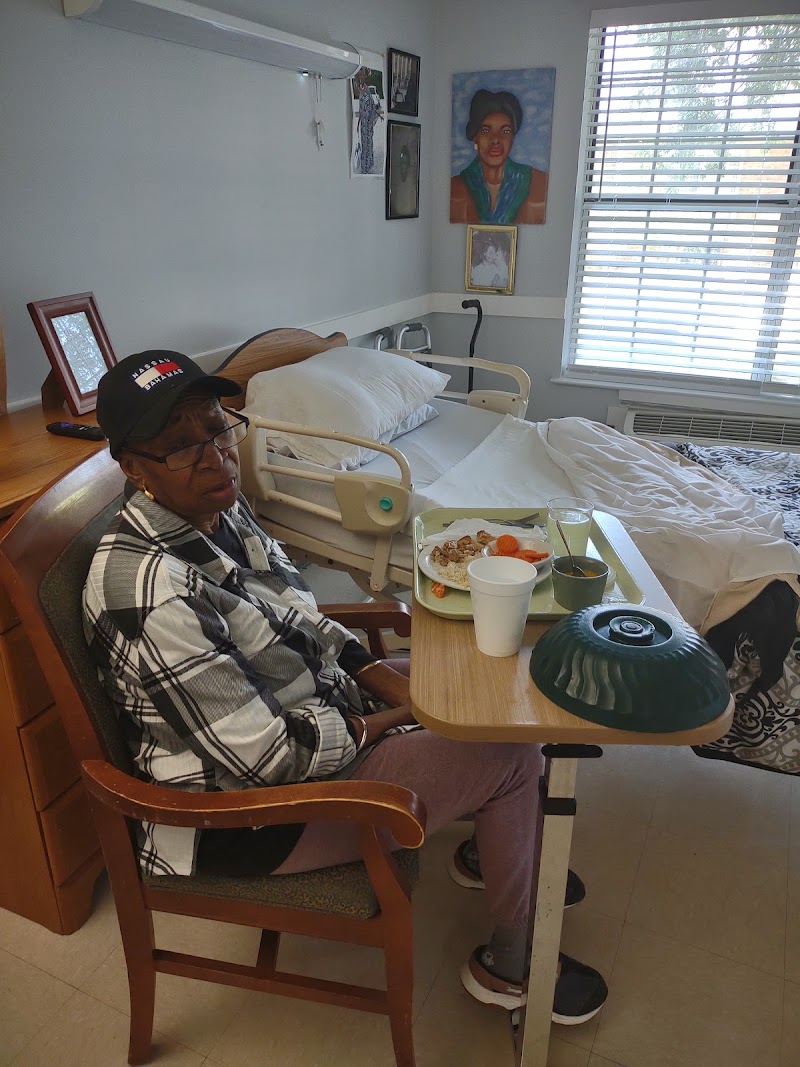
How is Fayetteville Center For Nursing & Healing Llc Staffed?

CMS rates FAYETTEVILLE CENTER FOR NURSING & HEALING LLC's staffing level at 1 out of 5 stars, which is much below average compared to other nursing homes. Staff turnover is 69%, which is 23 percentage points above the Georgia average of 46%. High turnover can affect care consistency as new staff learn residents' individual needs. RN turnover specifically is 64%, which is notably high. RNs provide skilled clinical oversight, so turnover in this role can affect medical care quality.

What Have Inspectors Found at Fayetteville Center For Nursing & Healing Llc?

State health inspectors documented 16 deficiencies at FAYETTEVILLE CENTER FOR NURSING & HEALING LLC during 2022 to 2025. These included: 1 that caused actual resident harm and 15 with potential for harm. Deficiencies causing actual harm indicate documented cases where residents experienced negative health consequences.
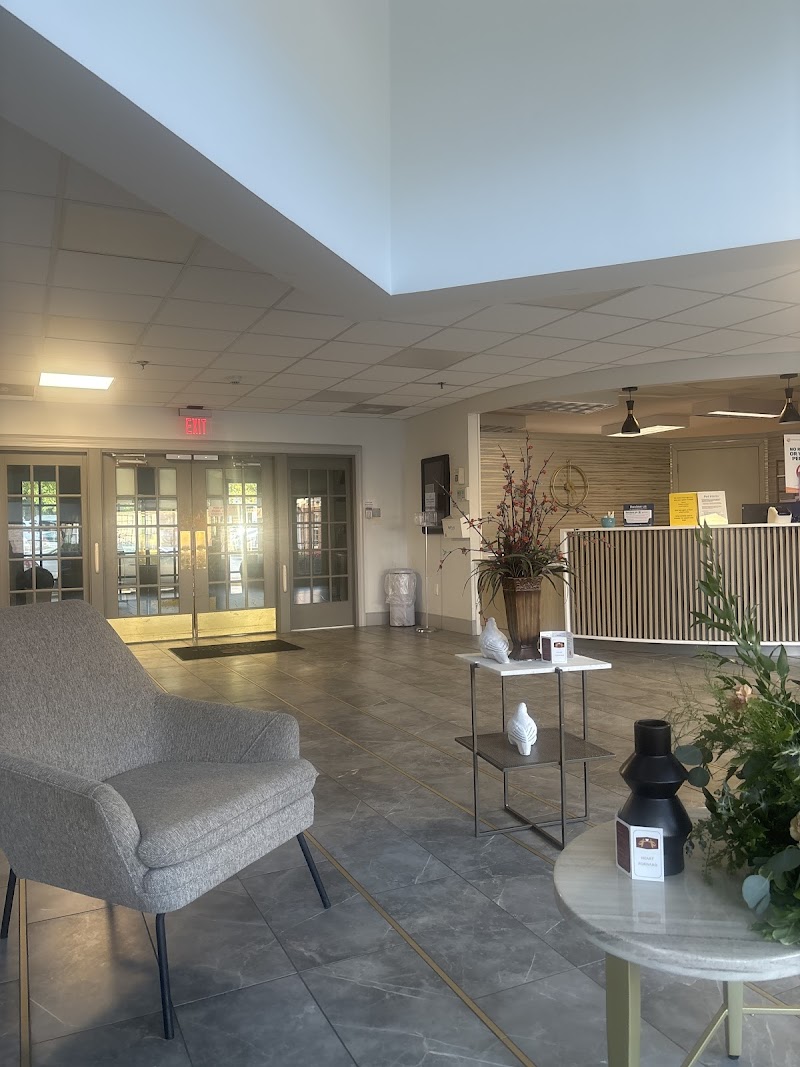
Who Owns and Operates Fayetteville Center For Nursing & Healing Llc?

FAYETTEVILLE CENTER FOR NURSING & HEALING LLC is owned by a for-profit company. For-profit facilities operate as businesses with obligations to shareholders or private owners. The facility is operated by EMPIRE CARE CENTERS, a chain that manages multiple nursing homes. With 162 certified beds and approximately 130 residents (about 80% occupancy), it is a mid-sized facility located in FAYETTEVILLE, Georgia.
How Does Fayetteville Center For Nursing & Healing Llc Compare to Other Georgia Nursing Homes?

Compared to the 100 nursing homes in Georgia, FAYETTEVILLE CENTER FOR NURSING & HEALING LLC's overall rating (2 stars) is below the state average of 2.6, staff turnover (69%) is significantly higher than the state average of 46%, and health inspection rating (3 stars) is at the national benchmark.

What Should Families Ask When Visiting Fayetteville Center For Nursing & Healing Llc?

Based on this facility's data, families visiting should ask: "How do you ensure continuity of care given staff turnover, and what is your staff retention strategy?" "Can you walk me through typical staffing levels on day, evening, and night shifts?" "Can I visit during a mealtime to observe dining assistance and food quality?" "How do you handle medical emergencies, and what is your hospital transfer rate?" These questions are particularly relevant given the facility's high staff turnover rate and the below-average staffing rating.

Is Fayetteville Center For Nursing & Healing Llc Safe?

Based on CMS inspection data, FAYETTEVILLE CENTER FOR NURSING & HEALING LLC has a clean safety record: no substantiated abuse findings (meaning no confirmed cases of resident harm), no Immediate Jeopardy citations (the most serious violation level indicating risk of serious injury or death), and is not on the Special Focus Facility watch list (a federal program monitoring the lowest-performing 1% of nursing homes). The facility has a 2-star overall rating and ranks #100 of 100 nursing homes in Georgia. While no facility is perfect, families should still ask about staff-to-resident ratios and recent inspection results during their visit.

Do Nurses at Fayetteville Center For Nursing & Healing Llc Stick Around?

Staff turnover at FAYETTEVILLE CENTER FOR NURSING & HEALING LLC is high. At 69%, the facility is 23 percentage points above the Georgia average of 46%. Registered Nurse turnover is particularly concerning at 64%. RNs handle complex medical decisions and coordinate care — frequent RN changes can directly impact care quality. High turnover means new staff may not know residents' individual needs, medications, or preferences. It can also be disorienting for residents, especially those with dementia who rely on familiar faces. Families should ask: What is causing the turnover? What retention programs are in place? How do you ensure care continuity during staff transitions?

Was Fayetteville Center For Nursing & Healing Llc Ever Fined?

FAYETTEVILLE CENTER FOR NURSING & HEALING LLC has been fined $11,171 across 2 penalty actions. This is below the Georgia average of $33,191. While any fine indicates a compliance issue, fines under $50,000 are relatively common and typically reflect isolated problems that were subsequently corrected. Families should ask what specific issues led to these fines and confirm they've been resolved.

Is Fayetteville Center For Nursing & Healing Llc on Any Federal Watch List?

FAYETTEVILLE CENTER FOR NURSING & HEALING LLC is not on any federal watch list. The most significant is the Special Focus Facility (SFF) program, which identifies the bottom 1% of nursing homes nationally based on persistent, serious quality problems. Not being on this list means the facility has avoided the pattern of deficiencies that triggers enhanced federal oversight. This is a positive indicator, though families should still review the facility's inspection history directly.