Harmony Health and Rehabilitation
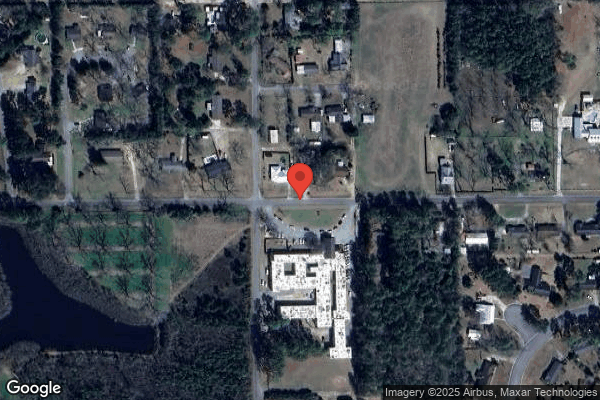

176 LINCOLN AVE, FITZGERALD, GA 31750 (229) 423-5621
For profit - Limited Liability company 167 Beds BEACON HEALTH MANAGEMENT Data: November 2025
Trust Grade
53/100
#199 of 353 in GA
Last Inspection: January 2025

Within standard 12-15 month inspection cycle. Federal law requires annual inspections.

Overview

Harmony Health and Rehabilitation has a Trust Grade of C, which means it is average and sits in the middle of the pack among nursing homes. It ranks #199 out of 353 facilities in Georgia, placing it in the bottom half, and it is the second-best option out of two in Ben Hill County. Unfortunately, the facility is worsening, with the number of issues increasing from 3 in 2024 to 8 in 2025. Staffing has a rating of 2 out of 5 stars, with a turnover rate of 49%, which is about average for the state, indicating that staff may not always be familiar with residents. There are some concerning findings, such as the failure to maintain a clean ice machine, inadequate training on infection prevention, and poor documentation for wound treatments, which could impact resident safety and care quality. Overall, while there are some strengths, such as average RN coverage, the facility has significant weaknesses that families should consider.

Trust Score
C
53/100
In Georgia
#199/353
Bottom 44%
Safety Record
Low Risk
No red flags
Inspections
Getting Worse
3 → 8 violations
Staff Stability
⚠ Watch
49% turnover. Above average. Higher turnover means staff may not know residents' routines.
Penalties
⚠ Watch
$6,180 in fines. Higher than 78% of Georgia facilities, suggesting repeated compliance issues.
Skilled Nurses
⚠ Watch
Each resident gets only 23 minutes of Registered Nurse (RN) attention daily — below average for Georgia. Fewer RN minutes means fewer trained eyes watching for problems.
Violations
⚠ Watch
18 deficiencies on record. Higher than average. Multiple issues found across inspections.
★★☆☆☆
2.0
Overall Rating
★★☆☆☆
2.0
Staff Levels
★★☆☆☆
2.0
Care Quality
★★☆☆☆
2.0
Inspection Score
Stable
2024: 3 issues
2025: 8 issues

The Good

  • Full Sprinkler Coverage · Fire safety systems throughout facility
  • No fines on record

Facility shows strength in fire safety.

The Bad

2-Star Overall Rating

Below Georgia average (2.6)

Below average - review inspection findings carefully

Staff Turnover: 49%

Near Georgia avg (46%)

Higher turnover may affect care consistency

Federal Fines: $6,180

Below median ($33,413)

Minor penalties assessed

Chain: BEACON HEALTH MANAGEMENT

Part of a multi-facility chain

Ask about local staffing decisions and management

The Ugly 18 deficiencies on record

Jul 2025 1 deficiency
CONCERN (D) 📢 Someone Reported This

A family member, employee, or ombudsman was alarmed enough to file a formal complaint

Potential for Harm - no one hurt, but risky conditions existed

Medical Records (Tag F0842)

Could have caused harm · This affected 1 resident

Based on record review, staff interview, and review of the facility's policy titled Documentation of Wound Treatments, the facility failed to ensure the medical record documentation was completed and/...

Read full inspector narrative →
Based on record review, staff interview, and review of the facility's policy titled Documentation of Wound Treatments, the facility failed to ensure the medical record documentation was completed and/or accurate for three of three residents (R) (R1, R3 and R4) reviewed for pressure ulcers from a total sample of nine residents. Findings include: Review of the facility's policy titled Documentation of Wound Treatments dated 9/1/2024 under Policy revealed, The facility completes accurate documentation of wound assessments and treatments, including response to treatment, change in condition and changes in treatment. Wound treatments are documented at the time of each treatment. If no treatment is due, an indication on the status of the dressing shall be documented each shift (i.e., clean, dry, intact). 1. Review of clinical records revealed R1 was admitted to the facility with the following diagnoses but not limited to: congestive heart failure, chronic obstructive pulmonary disease, hypertension, atherosclerosis, morbid obesity, and peripheral vascular disease. Review of R1's physician's order dated 5/11/2025 revealed, to clean the right leg with normal saline, pat dry, apply absorbent dressing and wrap with Kerlix every other day and as needed. Review of the May 2025 Treatment Administration Record (TAR) revealed there was lack of documentation to indicate if the treatment was provided on 5/11/2025, 5/13/2025, 5/19/2025, 5/21/2025, 5/23/2025, 5/25/2025 and 5/27/2025. 2. Review of clinical records revealed, R3 was admitted to the facility with the following diagnoses but not limited to: diabetes, mild protein calorie malnutrition, peripheral vascular disease, chronic venous hypertension with ulcer of the left lower extremity, and hyperlipidemia. Review of R3's physician's order dated 4/1/2025 revealed, to clean wound to coccyx with normal saline, apply calcium alginate to wound bed and cover with foam and or bordered gauze dressing every Tuesday, Thursday and Saturday. Review of the May 2025 TAR revealed there was lack of documentation to indicate if the treatment was provided 5/6/2025, 5/8/2025, 5/13/2025, 5/22/2025 and 5/27/2025. Review of the June 2025 revealed there was lack of documentation to indicate if the treatment was provided on 6/5/2025, 6/10/2025, 6/19/2025, 6/26/2025 and 6/28/2025. 3. Review of clinical records revealed, R4 was admitted to the facility with the following diagnoses but not limited to: congestive heart failure, chronic obstructive pulmonary disease, diabetes, atherosclerotic heart disease, chronic peripheral venous insufficiency, cerebral infarction, and history of diabetic foot ulcer. Review of R3's physician's order dated 5/8/2025 revealed, to cleanse wound to coccyx with normal saline, apply Mesalt to wound bed and cover with bordered gauze every Tuesday, Thursday and Saturday and as needed. Review of the June 2025 TAR revealed there was lack of documentation to indicate if the treatment was provided on 6/1/2025, 6/4/2025, 6/10/2025, 6/13/2025 and 6/19/2025. During an interview with the Director of Nursing (DON) on 7/2/2025 at 12:20 pm, she stated the previous treatment nurse resigned 5/9/2025. The DON revealed nurses were told they were responsible for doing treatments. She stated in June 2025 she was reviewing documentation and realized how bad the documentation on the TAR's was. She stated although the nurses were doing the treatments they were not documenting on the TAR. They educated the staff in June 2025 regarding completing skin assessments and treatments as ordered. The DON provided a copy of a Performance Improvement Plan Worksheet dated 6/5/2025 regarding wound care and lack of appropriate documentation. One of the measurements indicated nursing management will conduct daily checks for one week of wound care documentation, followed by five times weekly for two weeks, followed by three times weekly for one week. However, the DON could not provide documentation this had been done.
Jan 2025 7 deficiencies
CONCERN (D) 📢 Someone Reported This

A family member, employee, or ombudsman was alarmed enough to file a formal complaint

Potential for Harm - no one hurt, but risky conditions existed

Resident Rights (Tag F0550)

Could have caused harm · This affected 1 resident

**NOTE- TERMS IN BRACKETS HAVE BEEN EDITED TO PROTECT CONFIDENTIALITY** Based on observations, interviews, and review of the facility's policy titled, Resident Rights and Dignity Management, the facil...

Read full inspector narrative →
**NOTE- TERMS IN BRACKETS HAVE BEEN EDITED TO PROTECT CONFIDENTIALITY** Based on observations, interviews, and review of the facility's policy titled, Resident Rights and Dignity Management, the facility failed to ensure one of 13 residents (R) (R17) was able to exercise their right to smoke. Findings include: Review of facility's policy titled, Resident Rights and Dignity Management, dated October 2023, in section self-determination and participation standard revealed, our facility respects and promotes the right of each resident to exercise his/her autonomy regarding what the resident considers to be important facets of his/her life . 3. The resident shall be encouraged to make choices about aspects of his/her life in the facility including: roommates, smoking. Review of the clinical record revealed that R17 was admitted to the facility with the diagnoses of but not limited to, intracranial injury without loss of consciousness, schizoaffective disorder bipolar, chronic obstructive pulmonary disease, and emphysema. Further record review revealed completed smoking and safety assessments dated 11/11/2024, 10/16/2024, 8/16/2024, and 5/5/2024 which confirmed R17 uses tobacco, follows the facility's policy on location and smoking times, and no clinical suggestions. In addition, smoking and safety assessments dated 8/16/2024, 10/16/2024, and 11/11/2024 safety note revealed R17 had no issues and needed reminders of smoking times. Review of the Quarterly Minimum Data Set (MDS) assessment dated [DATE] revealed a Brief Interview for Mental Status (BIMS) score of 15 indicating little to no cognitive impairment. Section GG: Functional Abilities and Goals Status revealed no impairment. Review of the care plan for R17, completed date 12/4/2024, revealed care area Focus: Risk for potential injuries and health complications related to, has preference of smoking. Goal: Will be free from injuries related to smoking. Interventions included cigarettes and lighters to be kept at nurses' station and to be given to resident at scheduled and supervised smoke breaks. Complete smoking assessment quarterly to access safety of smoking outside. Provide resident with proper clothing protector when smoking to prevent potential injuries. Observation on 1/7/2025 at 1:30 pm of designated smoking area confirmed R17 did not attend smoke break nor have anything to smoke. Interview on 1/7/2025 at 1:39 pm with the Interim Director of Nursing (DON) revealed she was the med-cart charge nurse at the time, she revealed she made a judgement call that R17 was not allowed to smoke based on pneumonia, coughing, and lips turning blue. The Interim DON confirmed that there was no physician order, the care plan was not updated, and there was no smoking assessment completed that would indicate R17 was not eligible to smoke at the facility. Interview on 1/7/2025 at 1:52 pm with the Nurse Practitioner revealed the nurse should have documented and educated R17 that it could not be beneficial to smoke while having medical challenges, but still give R17 the right to choose. Interview on 1/8/2025 at 9:12 am with R17 confirmed he had not attended the smoke break during the designated times. During the interview R17 revealed that he had been a pack a day smoker for 50 plus years, and that the facility reduced him to smoking three to four cigarettes a per day to not smoking at all, and by not being able to smoke is causing him more harm than good.
CONCERN (D) 📢 Someone Reported This

A family member, employee, or ombudsman was alarmed enough to file a formal complaint

Potential for Harm - no one hurt, but risky conditions existed

Comprehensive Care Plan (Tag F0656)

Could have caused harm · This affected 1 resident

**NOTE- TERMS IN BRACKETS HAVE BEEN EDITED TO PROTECT CONFIDENTIALITY** 2. Review of the electronic medical record revealed that R7 was admitted to the facility with diagnoses of but not limited to ne...

Read full inspector narrative →
**NOTE- TERMS IN BRACKETS HAVE BEEN EDITED TO PROTECT CONFIDENTIALITY** 2. Review of the electronic medical record revealed that R7 was admitted to the facility with diagnoses of but not limited to neuromuscular dysfunction of bladder, colostomy malfunction, absence of kidney, and chronic viral hepatitis C. Review of the physician orders for R7 revealed that stoma sites were to be monitored, routine colostomy care, and routine urostomy care were to be provided. Review of the Annual MDS assessment dated [DATE], for R7 assessed a BIMS score of 15, indicating little to no cognitive impairment. Section H revealed that she had an indwelling catheter and an ostomy. Review of the care plan for R7 revealed a risk for urinary complications including UTI (urinary tract infection) related to having a urostomy. She (R7) places urostomy bag on floor when staff attempts to place in correct place, she declines stating it does not drain as good. She will disturb colostomy and urostomy at times causing leakage and drainage. She has history of UTI. Observation on 1/5/2025 at 4:39 pm revealed that R7 was laying in her bed talking with visitors. The catheter drainage bag was laying on the bare floor. Observation on 1/7/2025 at 1:23 pm, revealed that R7 was awake, laying in her bed. The catheter drainage bag was laying on the floor next to her bed. Observation and interview on 1/7/2025 at 1:27 pm with LPN DD confirmed that R7's catheter bag was laying on the floor. LPN DD revealed that they have tried everything to get the bag to drain, and laying on the floor is the only way. She then confirmed that any situation like that would need to be care planned but was not sure if it is or not. Interview on 1/7/2025 at 1:56 pm with the Director of Nursing (DON), when asked about the catheter drainage bag needing to be on the floor to drain, the DON confirmed it had not been care planned. She revealed she would need to add to the care plan that staff are placing the bag on the floor and that it needs to be placed on a barrier. 3. Review of the electronic medical record revealed R54 was admitted to the facility with diagnoses that included but were not limited to chronic pain, COPD, chronic respiratory failure with hypoxia, dementia with behavioral disturbance, and pneumonia. Review of the 5-day admission MDS assessment dated [DATE] for R54 assessed a Basic Interview for Mental Status (BIMS) score of 14, indicating little to no cognitive impairment, and there were no behaviors noted during the look back period. Section O-Special treatments included oxygen was coded. Review of the care plan for R54 revealed a diagnosis of COPD related to smoking. He [R54] has a diagnosis of chronic respiratory failure with hypoxia. Oxygen at 3 liters as needed. Resident refuses to keep oxygen tubing in bag at times. Resident places oxygen tubing on the floor. An intervention for this problem is to administer oxygen O2 as ordered. An observation and interview on 1/5/2025 at 3:19 pm with R54 revealed he was receiving oxygen via a nasal cannula (NC), at a rate of 4 liters per minute. R7 revealed when asked what his oxygen flow rate should be set at, R54 stated it should be on 4 liters, because I have emphysema (late stages), and I need it to breathe. An observation on 1/6/2025 at 2:40 pm, revealed R54 was laying in bed receiving oxygen via NC with the concentrator flow rate set on 4 liters per minute. An interview on 1/8/2025 at 10:30 am with LPN KK revealed that R54's oxygen was supposed to be set on 2 liters, but he (R54) would adjust the flow rate himself. LPN KK revealed that R54 had been educated that having the oxygen set higher than ordered could cause him problems related to his COPD. An interview on 1/8/2025 at 12:13 pm with the MDS Coordinator, revealed that R54 behaviors should have been care planned related to him adjusting the oxygen himself. Interview on 1/7/2024 at 1:56 pm with the Director of Nursing revealed that R54's behaviors should be care planned and interventions added. Based on observations, staff interviews, record reviews, and review of the facility's policies titled, Resident Assessment Instrument (RAI)/Care Planning Management, and Process for Completing the MDS, CAAs and Care plans, the facility failed to ensure that the care plan was followed for three of 15 residents (R) (R24, R7, and R54). Specifically, the facility failed to ensure the care plan was followed for R24 for receiving oxygen therapy, for R7 related to positioning of an indwelling catheter, and for R54 for behaviors related to oxygen use. This deficient practice had the potential for R24, R7, and R54 to not have the care provided to them according to their individual care needs. Findings included: Review of the undated facility's policy titled, Resident Assessment Instrument (RAI)/ Care Planning Management, revealed that the Comprehensive Care Plan is completed within seven (7) days after the care area assessments (CAAs) are completed and reviewed quarterly thereafter. If modifications, deletions, additions are necessary, changes should be made at the time of occurrence. Modifications are made by resolving the item in the electronic medical record and adding the new information. Care plans are to be accessible for clinical staff to facilitate care plan interventions or to update as indicated due to resident condition change. Review of the facility's policy titled, Process for Completing the MDS, CAAs and Care plans, revised in August 2021 reads .the resident assessments and documentations accurately reflect .resident's medical, physical, cognitive, emotional, and functional status . Director of Nursing .is to ensure that the documentation accurately describes the clinical condition of each resident. Review of the Respiratory System Management, revised in August 2021, under the section Oxygen Therapy Protocol, outlines the following procedures: 1) Verify the physician's order in the resident's clinical record . 1. Review of the electronic record revealed R24 was admitted to the facility with diagnoses of but not limited to chronic obstructive pulmonary disease (COPD) and pneumonia. Review of the physician orders for R24 dated 6/23/2023 revealed an order for oxygen ()2), administer O2 at 2 liters (L) (liters) via nasal cannula (NC) as needed for shortness of breath (SOB). Review of R24's most recent Quarterly Minimum Data Set (MDS) assessment dated [DATE] assessed a Brief Interview for Mental Status (BIMS) score of 15, indicating little to no cognitive impairment. Section I, Active Diagnoses, reported R24's primary medical condition as chronic obstructive pulmonary disease (COPD). Section O, Special Treatments, Procedures, and Programs did not include that R24 was on oxygen therapy. Review of the care plan for R24 revealed a focus on diagnosis of COPD. R24 required supplemental oxygen and had a history of lobar pneumonia. Goal: The resident will display optimal breathing patterns daily through the review date. Interventions included, oxygen settings as ordered, administer aerosol or bronchodilators as ordered, monitor for and document signs and symptoms of acute respiratory insufficiency, including anxiety, confusion, restlessness, shortness of breath (SOB) at rest, cyanosis, and somnolence. Observation on 1/5/2025 at 3:05 pm and 5:00 pm, and on 1/6/2025 at 10:30 am, revealed oxygen being delivered to R24 via NC, the oxygen flow rate was set on 3 liters. Observation and interview on 1/6/2025 at 10:30 am, inside R24's room, Licensed Practical Nurse (LPN) FF confirmed that the oxygen concentrator was set to deliver 3 liters per minute via nasal cannula. After review of R24's chart, LPN FF confirmed that the provider had ordered 2 liters of oxygen per minute via nasal cannula. Further interview also revealed the nurses are supposed to check the orders and care plans to ensure they are being followed. Interview on 1/8/2025 at 2:50 pm with the Unit Manager (UM) confirmed that nurses are responsible for ensuring that orders and care plans are followed as written by the physician.
CONCERN (D) 📢 Someone Reported This

A family member, employee, or ombudsman was alarmed enough to file a formal complaint

Potential for Harm - no one hurt, but risky conditions existed

Deficiency F0658 (Tag F0658)

Could have caused harm · This affected 1 resident

**NOTE- TERMS IN BRACKETS HAVE BEEN EDITED TO PROTECT CONFIDENTIALITY** Based on observations, staff interview, and record review, the facility failed to properly administer respiratory inhalant medic...

Read full inspector narrative →
**NOTE- TERMS IN BRACKETS HAVE BEEN EDITED TO PROTECT CONFIDENTIALITY** Based on observations, staff interview, and record review, the facility failed to properly administer respiratory inhalant medications for one of 15 residents (R) (R24) receiving inhaled respiratory medication. Specifically, the facility failed to ensure that the Licensed Practical Nurse (LPN) properly administered inhaled medications by having the resident rinse their mouth after receiving inhaled respiratory medication. Findings include: A facility policy for administrating inhaled medications was requested. There was no policy provided by the facility. Observation on 1/7/2025 at 9:32am to 9:40 am revealed Registered Nurse (RN) EE preparing medications for R24 that included but not limited to Trelegy inhaler. RN EE performed hand hygiene, entered room of R24, and handed the inhaler to the resident. RN EE instructed R24 to take in one puff, hold her breath for as long as she could before removing the inhaler and exhaling. LPN EE then had the resident take her pills. She performed hand hygiene before leaving the room. During an interview on 1/7/2024 at 9:47am with RN EE, she was asked if a resident's mouth should be rinsed after receiving the inhaler. She revealed that some staff do, but not her. Review of the electronic medical record revealed that R24 admitted to the facility with diagnoses of but not limited to chronic obstructive pulmonary disease (COPD) and pneumonia. Review of the Quarterly Minimum Data Set (MDS) assessment dated [DATE], Section I, revealed that R24's primary medical condition was COPD. Review of the care plan, dated 12/7/2024, revealed R24 had a focus for diagnosis of COPD. She requires supplemental oxygen. She has a history of lobar pneumonia. Intervention included administer aerosol or bronchodilators as ordered, monitor and document any side effects and effectiveness. Review of the physician orders for R24 revealed that R24 was to receive Trelegy inhaler, one puff inhaled, once daily. An interview on 1/7/2024 at 1:56 pm with the Director of Nurses (DON), revealed that it was her expectation that when a resident receives an inhaler, that the mouth would need to be rinsed after it was administered. Interview further revealed that she expects instructions for the nasal sprays to be followed, that includes blow nose prior, and then rinsing mouth after.
CONCERN (D) 📢 Someone Reported This

A family member, employee, or ombudsman was alarmed enough to file a formal complaint

Potential for Harm - no one hurt, but risky conditions existed

Respiratory Care (Tag F0695)

Could have caused harm · This affected 1 resident

**NOTE- TERMS IN BRACKETS HAVE BEEN EDITED TO PROTECT CONFIDENTIALITY** Based on observations, staff interviews, record review, and review of the facility's policy titled, Respiratory System Managemen...

Read full inspector narrative →
**NOTE- TERMS IN BRACKETS HAVE BEEN EDITED TO PROTECT CONFIDENTIALITY** Based on observations, staff interviews, record review, and review of the facility's policy titled, Respiratory System Management, the facility failed to ensure that one of 15 residents (R) (R24) receiving oxygen (O2) therapy was administered the therapy in accordance with the physician's orders. This deficient practice had the potential to put R24 at risk for medical complications. Findings include: Review of the facility's policy titled, Respiratory System Management, revised in August 2021, under the section Oxygen Therapy Protocol, outlines the following procedures: 1) Verify the physician's order in the resident's clinical record . Review of the electronic record revealed R24 admitted to the facility with diagnoses of but not limited to chronic obstructive pulmonary disease (COPD) and pneumonia. Review of the Quarterly Minimum Data Set (MDS) assessment dated [DATE] assessed a Brief Interview for Mental Status (BIMS) score of 15, indicating little to no cognitive impairment. Section I, Active Diagnoses, lists R24's primary medical condition as COPD. Review of Section O, Special Treatments, Procedures, and Programs does not include that R24 is on oxygen therapy. Review of the care plan for R24, dated 12/7/2024, revealed a focus on diagnosis of COPD. R24 required supplemental oxygen and had a history of lobar pneumonia. Goal: The resident will display optimal breathing patterns daily through the review date. Interventions included but not limited to, monitor for and document signs and symptoms of acute respiratory insufficiency, including anxiety, confusion, restlessness, shortness of breath (SOB) at rest, cyanosis, and somnolence and ensure oxygen settings are as ordered. Review of the physician orders for R24 dated 6/23/2023 revealed an order for oxygen, administer O2 at 2L (2/liters per minute) NC (through/by nasal cannula) as needed for shortness of breath (SOB). Observations on 1/5/2025 at 3:05 pm, and at 5:00 pm, on 1/6/2025 at 10:30 am, revealed R24 was receiving O2 at three liters via NC. Observation and interview on 1/6/2025 at 10:30 am, inside R24's room, Licensed Practical Nurse (LPN) FF confirmed that the oxygen concentrator was set to deliver 3 liters per minute via NC. After review of R24's chart, LPN FF confirmed that the provider had ordered 2 liters of oxygen per minute via nasal cannula. Continued interview also revealed that it is the responsibility of the nurse to ensure that the residents are receiving oxygen as ordered by the physician and in accordance with the resident's care plan. Interview on 1/8/2024 at 2:50 pm with the Unit Manager (UM) confirmed that nurses are responsible for ensuring that orders and care plans are followed.
CONCERN (D) 📢 Someone Reported This

A family member, employee, or ombudsman was alarmed enough to file a formal complaint

Potential for Harm - no one hurt, but risky conditions existed

Infection Control (Tag F0880)

Could have caused harm · This affected 1 resident

**NOTE- TERMS IN BRACKETS HAVE BEEN EDITED TO PROTECT CONFIDENTIALITY** Based on observations, staff interviews, record review, and review of the facility's policies titled Hand Hygiene, Indwelling Ca...

Read full inspector narrative →
**NOTE- TERMS IN BRACKETS HAVE BEEN EDITED TO PROTECT CONFIDENTIALITY** Based on observations, staff interviews, record review, and review of the facility's policies titled Hand Hygiene, Indwelling Catheters, Two-Tier Transmission Based Precautions, and Infection Control Manual, the facility failed to ensure infection control practices were followed for two of seven Residents (R) (R435 and R7). Specifically, the facility failed to ensure hand hygiene was performed during medication administration, failed to ensure residents with an indwelling catheter drainage bag was secured properly, and failed to ensure that the infection control policy and procedures were reviewed annually. Findings include: Review of the facility's policy titled, Hand Hygiene, with a revision date of 9/2023, revealed that the facility will follow the Center for Disease Control guidelines for hand hygiene. Hand Hygiene is the single most important procedure for preventing nosocomial infections. The facility requires personnel to wash hands thoroughly to remove dirt, organic material, and transient microorganisms. Hand Hygiene is mandated between resident contact to prevent the spread of infection. Alcohol gel may be utilized for hand hygiene. Hands must be washed after the following, including, but not limited to contact with residents, removal of gloves, contact with contaminated items or surfaces. Review of the facility's' undated policy titled, Two-Tier Transmission Based Precautions policy, revealed that Enhanced Barrier Precautions expand the use of personal protective equipment (PPE) and refer to the use of gown and gloves during high contact resident care activities that provide opportunities for transfer of multi drug resistant organisms (MDROs) to staff hands and clothing. The use of gown and gloves for high contact resident care activities is indicated when contact precautions do not otherwise apply, for nursing home residents with wounds and or indwelling devices regardless of MDRO colonization as well as for residents with MDRO infection or colonization. Review of the electronic medical record revealed R435 was admitted to the facility with diagnoses of but were not limited to acute and chronic respiratory failure with hypoxia, and neuromuscular dysfunction of bladder. 1. Medication (med) administration observation on 1/7/2024 at 8:39 am, with Licensed Practical Nurse LPN DD, observed during med administration for R435 revealed that during the observation LPN DD did not wash or sanitize her hands before preparing medications for administration. After all medications were prepared, LPN DD knocked on the door and then entered the room. There was no observation of LPN DD washing or sanitizing her hands before or after medication administration. Interview on 1/7/2024 at 9:17 am, LPN DD was asked when hand hygiene should be performed LPN DD stated before I go in and then before coming out. She stated, I am not going to deny it, I did not do it. 2. Medication administration observation on 1/7/2024 at 10:05 am, revealed LPN NN was observed pushing a capsule out of the foiled card, and picked it up with her bare hand and then placed it in the medicine cup. Interview on 1/7/2024 at 10:07 am, with LPN NN revealed she was not supposed to handle the pill bare handed. Still at the cart, she then performed hand hygiene, donned gloves, proceeded with administering the medication to R435. She then returned to the cart, and then with the same gloves on, she opened the cart, doffed the gloves, and then donned a new pair of gloves to remove a straw for the resident without performing hand hygiene after removing the gloves. Interview on 1/7/2024 at 10:14 am, LPN NN was asked when hand hygiene is to be performed. She stated that she is to perform hand hygiene when she is finished with the medication pass for each resident. She was then asked if she should have performed hand hygiene in between glove use, and she then stated that she thought she did. 3. Review of the electronic medical record for R7 revealed that she was admitted to the facility with diagnoses that included, but were not limited to neuromuscular dysfunction of bladder, colostomy malfunction, absence of kidney, and chronic viral hepatitis C. Review of the care plan for R7 revealed that she is at risk for complications of ostomy that is used for excretion of waste products related to Bowel Obstruction, and urostomy. Interventions in place for this risk include but are not limited to colostomy care as ordered, Enhanced Barrier Precautions. Review of the Annual Minimum Data Set (MDS) dated [DATE], revealed that the resident had a Basic Interview for Mental Status (BIMS) score of 15, which indicated little to no cognitive impairment. Section H revealed that R7 had an indwelling catheter and an ostomy. Observation on 1/5/2025 at 4:56 pm of R7 revealed R7's catheter bag was observed laying on the floor. Observation on 1/7/2025 at 1:23 pm revealed the catheter bag for R7 was laying on the floor. Observation on 1/7/2025 at 1:27 pm, revealed LPN DD verified that the catheter bag was laying on the floor. She stated that they have tried everything to get the bag to drain, and laying on the floor is the only way. She stated that it be a good idea if there was a barrier underneath the catheter bag. Interview on 1/7/2024 at 1:56 pm, with Director of Nurses (DON) revealed that hand hygiene should be performed before and after preparing medications. She then stated that a nurse would need to have PPE on when entering an EBP room, especially when administering a nebulizer treatment. She completed the interview by stating that a catheter bag should never by laying on the floor. She stated that if it needed not be on the floor for any reason, that it needed not be on a barrier, and that it needs not be added on the care plan. Interview on 1/6/2025, at 4:50 pm with the DON confirmed that the facility has an Infection Control Manual containing their policies and procedures, which is reviewed annually. However, upon reviewing the manual, it was noted that the last revision date was September 20, 2023, indicating that it has been a year and three months since the last update. She further stated that they will now begin working on updating the policies and procedures.
CONCERN (F) 📢 Someone Reported This

A family member, employee, or ombudsman was alarmed enough to file a formal complaint

Potential for Harm - no one hurt, but risky conditions existed

Food Safety (Tag F0812)

Could have caused harm · This affected most or all residents

Based on observations, staff interviews, and review of the facility's policy titled, Cleaning Instructions: Ice Machine and Equipment, the facility failed to ensure the ice machine was maintained in a...

Read full inspector narrative →
Based on observations, staff interviews, and review of the facility's policy titled, Cleaning Instructions: Ice Machine and Equipment, the facility failed to ensure the ice machine was maintained in a clean and sanitary condition and failed to ensure staff wore appropriate head covering in the food service area. This deficient practice had the potential to affect 82 of the 85 residents receiving an oral diet. Findings include: Review of the facility's undated policy titled, Cleaning Instructions: Ice Machine and Equipment revealed the purpose was, to ensure that ice machine and equipment (scoops and receptacles that are used to hold or transport ice) will be cleaned and sanitized on a regular basis. Procedures explained: 2. Wash the interior thoroughly using a detergent solution. Rinse and drain the interior with clean hot tap water. 6. Clean the exterior of the machine with detergent solution daily. Rinse and allow to air dry. Clean the area underneath and around the machine. Observation on 1/7/2025 at 11:45 am with the Dietary Manager upon inspection of ice machine in the main kitchen, a black substance was visible on the upper inside of the ice machine. A white napkin was used to wipe the upper level of the ice machine. Black substance was noted on the napkin. Observation on 1/7/2025 at 11:50 am in the kitchen with revealed dietary staff/Dishwasher AA and Dishwasher BB did not have on hairnets. Interview on 1/7/2025 11:55 am with [NAME] CC revealed the ice machine was to be cleaned weekly by the maintenance department. She also revealed that all kitchen staff know they are supposed to wear hair nets upon entering the kitchen. Interview on 1/7/2025 at 12:00 pm with Dishwasher AA confirmed that she knew to have a hairnet upon entering the kitchen. She stated she had just come on shift and confirmed she had not put on a hairnet at this time. Interview on 1/7/2025 at 12:05 pm with Dishwasher BB confirmed she came in and started working and forgot to put on a hairnet. She also revealed she was aware of having to place the hairnet upon entering the kitchen. Interview on 1/1/2025 at 1:00 pm with the Dietary Manager revealed that her staff inspects the ice machine daily for cleanliness, and staff have been in-serviced about always wearing hairnets while in the kitchen, and hairnets are available in a bin outside the kitchen before entering.
CONCERN (F) 📢 Someone Reported This

A family member, employee, or ombudsman was alarmed enough to file a formal complaint

Potential for Harm - no one hurt, but risky conditions existed

Deficiency F0945 (Tag F0945)

Could have caused harm · This affected most or all residents

Based on staff interviews, record review, and review of the facility's policy titled, Annual Inservice Education for Long Term Care 2024, the facility failed to establish, implement, and sustain a com...

Read full inspector narrative →
Based on staff interviews, record review, and review of the facility's policy titled, Annual Inservice Education for Long Term Care 2024, the facility failed to establish, implement, and sustain a comprehensive training program for all staff that would include education on standards, policies, and procedures for infection prevention. This deficient practice had a potential to increase the risk of healthcare-associated infections and compromise the quality of care provided to the residents of the facility. Findings include: Review of the facility's undated policy titled, Annual Inservice Education for Long Term Care 2024, revealed that the annual education calendar is to be implemented each year as scheduled, along with any additional educational needs that are identified. The calendar provides a monthly education schedule for 2024, covering a variety of topics, including infection control and prevention, among others. The facility was unable to provide the survey team with documentation of in-service training provided to staff. Interview on 1/6/ 2025, at 4:50 pm with the Director of Nursing (DON) revealed that she could not locate any in-service education provided to the staff by the previous DON. Observation and interview on 1/6/2024 at 10:30 am, during the tour of the facility, there was signage on one of the resident's doors that indicated that the resident was on Enhanced Barrier Precautions (EBP). The surveyor interviewed Licensed Practical Nurse (LPN) FF, who was taking care of the resident, about why the resident was on EBP, what it meant to the facility staff, and the difference between EBP and Transmission-Based Precautions (TBP). LPN FF revealed that if there is signage on a door for EBP, staff are always required to wear PPE. LPN FF expressed confusion about Enhanced Barrier Precautions, questioning why PPE is required when entering the room if the resident is allowed to walk in the hallways without PPE. He was unable to explain the difference between Enhanced Barrier Precautions and Transmission-Based Precautions to the surveyor. He also revealed that he did not know where this information would be documented in the chart.
Dec 2024 3 deficiencies
CONCERN (D) 📢 Someone Reported This

A family member, employee, or ombudsman was alarmed enough to file a formal complaint

Potential for Harm - no one hurt, but risky conditions existed

Notification of Changes (Tag F0580)

Could have caused harm · This affected 1 resident

**NOTE- TERMS IN BRACKETS HAVE BEEN EDITED TO PROTECT CONFIDENTIALITY** Based on staff interviews, record review, and review of the facility's Standard and Task List titled, Elopement Management, the ...

Read full inspector narrative →
**NOTE- TERMS IN BRACKETS HAVE BEEN EDITED TO PROTECT CONFIDENTIALITY** Based on staff interviews, record review, and review of the facility's Standard and Task List titled, Elopement Management, the facility failed to ensure that the physician and responsible party were notified of an elopement of one resident (R) (R1) from a total sample of 24 residents. This deficient practice had the potential to place R1 at risk of unmet needs and a diminished quality of life. Findings included: Review of the facility's Elopement Standard and Task List titled, Elopement Management, dated 2023, defined elopement, Elopement occurs when a resident leaves the facility or a safe area without authorization. If a resident is off facility property, then an elopement has occurred. If a resident is on facility property but not under supervision as need identifies; then an elopement has occurred. The standard and task list also included that post elopement, a progress note (in the clinical record) was to be completed at the time of the elopement with an accurate timeline of events, and MD/RP (Medical Doctor/Responsible Party) notification with documentation. Review of the clinical record revealed R1 was admitted to the facility with diagnoses of but not limited to schizoaffective disorder, traumatic brain injury, post-traumatic stress disorder, and unsteadiness on feet. Review of the Annual Minimum Data Set (MDS) assessment dated [DATE] revealed R1 was assessed as exhibiting wandering behavior and being independent for mobility and ambulation. Review of R1's care plan, initiated on 9/20/2023, revealed R1 was at risk for elopement with a history of elopement and wandering behavior. The care plan included that R1 resided on a secure unit. Review of R1's physician's orders revealed an order dated 9/20/2023 to admit to secure unit for diagnosis of schizophrenia. Review of R1's clinical record revealed no documented evidence that R1's responsible party or physician was notified of an elopement occurrence. Review of a Maintenance Request form dated 10/17/2024, completed by the Maintenance Director, revealed that R1 got out of the side door exit on the North Hall. Interview on 12/4/2024 at 11:50 am with Licensed Practical Nurse (LPN) EE revealed that she found R1 outside of the facility several weeks prior but could not recall the exact date. LPN EE revealed she returned R1 to the North Hall secure unit because that was the hall he resided on. Interview on 12/9/2024 at 11:29 am, with Certified Nursing Assistant (CNA) FF revealed she thought R1 got out of the facility on 10/17/2024. Interview on 12/9/2024 at 1:30 pm with LPN GG confirmed that she was working on the North Hall secure unit when LPN EE brought R1 back to the North Hall but could not recall the date. Interview further revealed that when asked if she notified R1's responsible party or the physician after R1 eloped, LPN GG responded that she was on a break and unaware of what happened.
CONCERN (D) 📢 Someone Reported This

A family member, employee, or ombudsman was alarmed enough to file a formal complaint

Potential for Harm - no one hurt, but risky conditions existed

Deficiency F0657 (Tag F0657)

Could have caused harm · This affected 1 resident

**NOTE- TERMS IN BRACKETS HAVE BEEN EDITED TO PROTECT CONFIDENTIALITY** Based on staff interviews, record review, and review of the facility's Elopement Standard and Task List titled, Elopement Manage...

Read full inspector narrative →
**NOTE- TERMS IN BRACKETS HAVE BEEN EDITED TO PROTECT CONFIDENTIALITY** Based on staff interviews, record review, and review of the facility's Elopement Standard and Task List titled, Elopement Management, the facility failed to ensure the care plan was revised for one of 24 sampled residents (R) (R1). Specifically, the facility failed to revise and update R1's care plan following an elopement on 10/17/2024. This deficient practice had the potential to place R1 at risk of not receiving treatment and/or care according to their needs. Findings included: Review of the facility's Elopement Standard and Task List titled, Elopement Management, dated 2023, defined elopement, Elopement occurs when a resident leaves the facility or a safe area without authorization. If a resident is off facility property, then an elopement has occurred. If a resident is on facility property but not under supervision as need identifies; then an elopement has occurred. The standard and task list also included that post elopement, the care plan was to be updated. Review of the clinical record revealed R1 was admitted to the facility with diagnoses including, but not limited to, schizoaffective disorder, traumatic brain injury, post-traumatic stress disorder, and unsteadiness on feet. Review of the Annual Minimum Data Set (MDS) assessment dated [DATE] revealed R1 was assessed as exhibiting wandering behavior and being independent for mobility and ambulation. Review of R1's care plan, initiated on 9/20/2023, revealed R1 was at risk for elopement with a history of elopement and wandering behavior. The care plan included that R1 resided on a secure unit. Further review revealed no evidence that the care plan had been revised to include R1's elopement on 10/17/2024. Review of a Maintenance Request form dated 10/17/2024, completed by the Maintenance Director, revealed that R1 got out of the side door exit on the North Hall (which was not the secured unit R1 resided on at the time). Interview on 12/4/2024 at 11:50 am with Licensed Practical Nurse (LPN) EE revealed that she found R1 outside of the facility several weeks prior but could not recall the exact date. Interview on 12/9/2024 at 11:29 am with Certified Nursing Assistant (CNA) FF revealed she thought R1 got out of the facility on 10/17/2024. Interview on 12/9/2024 at 1:30 pm with LPN GG confirmed that she was working on the North Hall secure unit when LPN EE brought R1 back to the North Hall but could not recall the date. Interview on 12/17/2024 at 12:30 pm with the MDS Coordinator confirmed that she was unaware R1 had eloped from the facility when it occurred in October, which was why his care plan was not updated. Cross-Reference F689
CONCERN (D) 📢 Someone Reported This

A family member, employee, or ombudsman was alarmed enough to file a formal complaint

Potential for Harm - no one hurt, but risky conditions existed

Accident Prevention (Tag F0689)

Could have caused harm · This affected 1 resident

**NOTE- TERMS IN BRACKETS HAVE BEEN EDITED TO PROTECT CONFIDENTIALITY** Based on staff interviews, record review, and review of the facility's Elopement Standard and Task List titled, Elopement Manage...

Read full inspector narrative →
**NOTE- TERMS IN BRACKETS HAVE BEEN EDITED TO PROTECT CONFIDENTIALITY** Based on staff interviews, record review, and review of the facility's Elopement Standard and Task List titled, Elopement Management, the facility failed to ensure one of 24 sampled residents (R) (R1) was adequately supervised to prevent elopement. In addition, the facility failed to ensure a door leading to the outside was secured to prevent elopement by residents. This deficient practice had the potential to place R1 at risk of avoidable injury and a diminished quality of life. Findings included: Review of the facility's Elopement Standard and Task List titled, Elopement Management, dated 2023, defined elopement, Elopement occurs when a resident leaves the facility or a safe area without authorization. If a resident is off facility property, then an elopement has occurred. If a resident is on facility property but not under supervision as need identifies; then an elopement has occurred. The standard and task list also included that post elopement, a progress note (in the clinical record) was to be completed at the time of the elopement with an accurate timeline of events. Review of the clinical record revealed R1 was admitted to the facility with diagnoses including, but not limited to, schizoaffective disorder, traumatic brain injury, post-traumatic stress disorder, and unsteadiness on feet. Review of the Annual Minimum Data Set (MDS) assessment dated [DATE] assessed R1 with a Brief Interview for Mental Status (BIMS) score of 3 out of 15, which indicated severe cognitive impairment. R1 was also assessed as exhibiting wandering behavior and being independent in mobility and ambulation. Review of R1's care plan, initiated on 9/20/2023, revealed R1 was at risk for elopement with a history of elopement and wandering behavior. The care plan included that R1 resided on a secure unit. Review of R1's physician's orders revealed an order dated 9/20/2023 to admit to secure unit for diagnosis of schizophrenia. Review of an Elopement Evaluation completed on 9/19/2024 documented that R1 wandered aimlessly. Review of census information revealed R1 resided on the [NAME] Hall secure unit from 9/20/2023 until he was transferred to the North Hall secure unit on 10/28/2024. Review of a Maintenance Request form dated 10/17/2024, completed by the Maintenance Director, revealed that R1 got out of the side door exit on the North Hall (which was not the secured unit R1 resided on at the time). The form further documented that the Maintenance Director was called in at 6:10 pm because a resident had gotten out of the North Hall side exit door. When the Maintenance Director arrived at the facility, staff had already gotten R1 back to his room, and the side door was closed and locked. Review of Logbook Documentation, completed by the Maintenance Director, revealed that prior to 10/17/2024, the North side exit door was checked on 10/16/2024 and 10/17/2024 and documented as passed. Observation on 12/5/2024 at 10:30 am revealed there was a locked door at the end of North Hall secure unit, that when unlocked (by staff), opened up into the [NAME] Hall secured unit activity area. Interview on 12/4/2024 at 11:50 am with Licensed Practical Nurse (LPN) EE indicated that she found R1 outside of the facility several weeks prior but could not recall the exact date. LPN EE said she was on-call that day, returned to the facility after 4:00 pm to do something, and R1 was sitting on the bench outside of the front door entrance. She stated she did not know how he got there. She further stated R1 walked inside the building with her, and she returned him to North Hall secured unit and let LPN GG know. LPN EE also revealed she notified the Director of Nursing (DON) BB. LPN EE revealed she returned R1 to the North Hall secured unit because that was the hall he resided on. Interview on 12/4/2024 at 1:00 pm with the Maintenance Director revealed he checked the doors and keypads daily to make sure they were working and locked. He revealed that he was called and came back to the facility (on 10/17/2024). He was informed that R1 got out of the side door on the North Hall, which exits out the front of the building. He revealed the door was closed and locked when he checked it, and he changed the keypad code on the outside and inside of the door. Interview on 12/9/2024 at 11:29 am with Certified Nursing Assistant (CNA) FF (who worked on the North Hall secured unit during the 3:00 pm to 11:00 pm shift on 10/17/2024) revealed she thought R1 got out of the facility on 10/17/2024. CNA FF recalled that R1 was at the back door lined up with other residents, waiting to go out to smoke. She stated R1 did not smoke, so he went back up the hallway, and she went out with the residents for smoke break. CNA FF stated she took the residents who smoke outside at 6:10 pm, and while she was still outside with them, the DON BB called her on the phone and informed her that R1 got out the side door. She further revealed that R1 resided on North Hall when this occurred, which conflicted with the census information that documented R1 resided on the [NAME] Hall secure unit on 10/17/2024. Interview on 12/9/2024 at 1:30 pm with LPN GG confirmed that she was working on the North Hall secure unit when LPN EE brought R1 back to the North Hall but could not recall the date. LPN GG revealed she was getting ready to go on break and she saw LPN EE bring R1 back to the North Hall unit and asked LPN GG if she was missing a resident. LPN GG revealed she could not recall the last time she had seen R1 prior to LPN EE bringing him back, but it did not seem like he was missing. LPN GG confirmed that CNA FF worked with her that shift and was out on smoke break when R1 was brought back to the unit. She confirmed that R1 resided on the North Hall when the incident occurred.
Nov 2023 5 deficiencies
CONCERN (D)

Potential for Harm - no one hurt, but risky conditions existed

Deficiency F0578 (Tag F0578)

Could have caused harm · This affected 1 resident

**NOTE- TERMS IN BRACKETS HAVE BEEN EDITED TO PROTECT CONFIDENTIALITY** Based on resident and staff interviews, record review, review of the facility's resident admission agreement in the admission pa...

Read full inspector narrative →
**NOTE- TERMS IN BRACKETS HAVE BEEN EDITED TO PROTECT CONFIDENTIALITY** Based on resident and staff interviews, record review, review of the facility's resident admission agreement in the admission packet, and review of the facility's policy titled, Advance Directives, the facility failed to ensure one of three residents (R) (R49) wishes were correctly entered into orders to reflect the residents preferred code status and failed to ensure a copy of the resident's advance directives were obtained and filed in the medical record. Findings include: Review of the facility's Resident admission Agreement included in the Residents admission Packed revealed under the Refusal of Treatment and Issuance of Advance Directive section that the resident may also issue an Advance Directive in accordance with state law that describes the residents' wishes with respect to treatments that may be administered or withheld in the event the resident becomes unable to make health care decisions for him or herself. Review of the facility's policy titled, Advance Directives with an effective date of [DATE] revealed: under Purpose - The facility must inform and provide written information to all adult residents concerning the right to accept or refuse medical or surgical treatment and formulate an advance directive. Under Process: The Social Services Director will assist the resident/ Power of Attorney (POA) in updating preferences for care and treatment at all quarterly care plan meetings, and anytime there is a re-admit. During the care plan reviews, the social worker will review with the resident, and or POA the advanced directive to ensure instructions are still resident wishes or will assist in changes as per resident, or POA request. A POLST (Physician Orders for Life Sustaining Treatment) or IPOLST (Iowa Physician Orders for Life Sustaining Treatment). Like a DNR, the form is completed with the resident's doctor and based on end-of-life decisions. Once signed, doctors and other medical professional must honor the instructions on the POLST/IPOLST. Review of R49's Profile in the Electronic Medical Record (EMR) under the Profile tab revealed R49 was initially admitted to the facility on [DATE] and readmitted on [DATE]. R49 signed a Physician Orders for Life-Sustaining Treatment (POLST) document on [DATE] that acknowledged R49 wanted an attempt resuscitation; Full treatment - use intubation, mechanical ventilation, and cardioversion as indicated; use antibiotics if life can be prolonged, long-term artificial nutrition by tube, and long-term intravenous (IV) fluids. Review of R49's quarterly MDS with an ARD of [DATE] revealed a BIMS score of 12 out of 15, indicating the resident was cognitively intact. Review of R49's current physician orders revealed an order for Full Code-Attempt Resuscitation. Review of R49's care plan initiated [DATE] revealed that resident requested CPR. The interventions listed included to communicate resident's choice and if cardiac arrests do resuscitate and offer support and reassurance. Record review revealed a care conference noted dated [DATE] that reads a Care plan meeting was held with Interdisciplinary Team (IDT) and resident. Resident's wife was in attendance via telephone. Discussed resident current care plan, diagnosis, medications, diet, behaviors, and activities. Resident wishes to become a DNR. SSD will get a new POLST to resident for signature. During an interview with R49 on [DATE] at 12:02 PM, it was revealed that the resident was lying in bed. R49 stated he remembers talking to the social worker about not wanting CPR if he is not breathing and his heart stops. R49 further stated he still does not want to be resuscitated but no one had asked him about signing a paper for that. During an interview [DATE] at 1:08 PM with Licensed Practical Nurse (LPN) DD revealed that she is provided with a list of residents code status. LPN DD further stated that the list is posted at the nurses station. LPN DD further stated each residents code status is also listed in the electronic record and she relies on this this data to be accurate in an emergency situation. During an interview [DATE] at 1:33 PM with Social Service Director (SSD) revealed she did remember the conversation with R49 and him requesting to be a DNR during the care plan conference. SSD stated she thought she had given him the form to sign. SSD reviewed R49's record and verified resident was still a Full code and there was not a new POLST form uploaded into the medical record. SSD also looked through a folder and verified that there was not a new POLST form in the folder. SSD stated that his request must have just slipped her mind. During an interview [DATE] at 1:52 PM with DON revealed R49 is able to make his own decisions regarding his care. DON stated that process of residents requesting DNR included having the resident sign the form, physician signing the form and changing the orders to DNR. DON further stated that the process should take 2-3 days but definitely not a month. DON further stated that normally there is a nurse in the care plan meetings, but the SSD is ultimately responsible for caring out Advanced Directive issues. During an interview on [DATE] at 10:34 AM with Administrator revealed that he was not aware of the issue with advance directives, but his expectations is for the SSD to have the POLST forms addressed by the resident and physician as soon as possible.
CONCERN (D)

Potential for Harm - no one hurt, but risky conditions existed

Comprehensive Care Plan (Tag F0656)

Could have caused harm · This affected 1 resident

**NOTE- TERMS IN BRACKETS HAVE BEEN EDITED TO PROTECT CONFIDENTIALITY** 2. Review of R49's demographic information, documented in the Diagnoses tab of the EMR, revealed R42 was a long-term resident wh...

Read full inspector narrative →
**NOTE- TERMS IN BRACKETS HAVE BEEN EDITED TO PROTECT CONFIDENTIALITY** 2. Review of R49's demographic information, documented in the Diagnoses tab of the EMR, revealed R42 was a long-term resident whose admitting diagnoses included cerebral infarction due to unspecified occlusions or stenosis of right middle cerebral artery, hemiplegia and hemiparesis following cerebral infarction affecting left non-dominant side, and generalized muscle weakness. Review of R49's Quarterly Minimum Data Set (MDS) assessment dated [DATE] revealed that he had bilateral functional limitation in range of motion, impairment one sides of the upper and lower extremities. Review of R49's Restorative Referral Form from Therapy dated 5/2/2023 revealed: Passive Range of Motion (PROM) and splinting for left upper extremity (LUE). Resting hand splint to left hand. Remove after 4-6 hours. Instructions: PROM to LUE prior to donning resting hand splint. Resting hand splint to be donned 4-6 hours daily after patient is discharged from therapy. Review of R49's care plan revealed a care plan for residents limitation of left upper extremity in Range of Motion (ROM) restorative program. Review of the interventions to this care plan included PROM to left upper extremity as tolerated. And resting hand splint to left hand 4-6 hours daily as tolerated. The date initiated was 5/3/2023. Interview on 11/27/2023 at 9:21 AM Restorative Nurse (RN) BB revealed that 15 minutes is required for PROM treatments prior to splint application. RN BB further stated that the facility only had 1 restorative aide who worked Monday through Friday, but they are currently working on getting someone for restorative to work the weekends. RN BB verified that that discharge from therapy and the care plan was for daily PROM and splint. RN BB stated that the RA should have performed range of motion exercises prior to applying the splint to R49's hand. Interview on 11/29/2023 at 10:23 AM with MDS Coordinator revealed that the care plan was implemented according to the residents plan of care that was implemented by the therapist. She further stated that if the restorative nurse and restorative aide was not providing the services to R49 as directed by the therapist upon discharge then the care plan was not being followed. Interview on 11/29/2023 at 12:47 PM with the DON revealed that the care plans are implemented and revised according to the care needs of the residents. She further stated that it is her expectation that the staff follow the plan of care implemented for the resident. Based on observation, staff interview, record review, and review of the facility policy titled, Care Plan Development, the facility failed to implement a care plan for one resident (R) R70 who had a diagnosis of post-traumatic stress syndrome and failed to follow the care plan for one resident R49. The sample size was 33 residents. Findings include: Review of the facility undated policy titled, Care Plan Development revealed: an individualized comprehensive care plan using the results of the RAI /MDS assessment, resident/family and interdisciplinary input will be developed for each resident in the facility within 21 days of admission or 7 days after the completion date of the comprehensive MDS assessment and describe the services that are to be furnished to attain or maintain the highest practicable physical, mental, and psychological well-being of the resident. The care plan will include measurable objectives, interventions, goals, and timetables. The care plan will be reviewed and revised on an as needed basis and at least every 92 days. 1.Review of R70's diagnoses revealed the resident had a diagnosis of post-traumatic stress syndrome. Review of R70's Quarterly Minimum Data Set (MDS) dated [DATE] revealed: Section C-Cognition: Brief Interview of Mental Status (BIMS) score of 00 indicating very poor cognition; Section G-Functional Status: no impairment; Section I-Diagnoses: included Post Traumatic Stress Disorder. Review of R70's care plans revealed the facility did not complete a care plan for the diagnosis of post-traumatic stress syndrome. Record review of the Electronic Medical Record (EMR) revealed R70 had an order for quetiapine fumarate oral tablet 25 milligrams (mg) one tablet orally one time a day for dementia with behavior, and divalproex sodium oral capsule delayed release sprinkle 125 mg two capsules orally three times a day for mood stabilizer. An interview held on 11/29/2023 at 10:00 am with MDS Coordinator Licensed Practical Nurse (LPN) BB revealed that R70 had a diagnosis of Post Traumatic Stress Syndrome (PTSD) on admission on [DATE]. LPN BB verified R70 did not have a care plan in place for the diagnosis of PTSD. She confirmed that a care plan to address R70 diagnosis of PTSD had not been developed. LPN BB further revealed that a care plan with interventions should have been developed. She further stated that she is responsible for all care plans. LPN BB revealed that she has been in the position since August of 2023, and that she is learning MDS. She stated that prior to her, the corporate nurse was in the facility for six months auditing the care plans. She stated that she was going to put a care plan in place to address the PTSD diagnosis. Further interview with LPN BB on 11/29/2023 at 11:00 am revealed the care plan to address PTSD is now listed in the electronic health record. LPN BB stated that the corporate nurse added it. LPN BB again confirmed that there was not a care plan to address PTSD until the corporate nurse added it. An interview held on 11/29/2023 at 12:39 pm with the Director of Nursing (DON), revealed DON stated that she expected all residents to have the appropriate care plan and the care plan should be initiated and implemented in a timely manner.
CONCERN (D)

Potential for Harm - no one hurt, but risky conditions existed

Deficiency F0687 (Tag F0687)

Could have caused harm · This affected 1 resident

**NOTE- TERMS IN BRACKETS HAVE BEEN EDITED TO PROTECT CONFIDENTIALITY** 2. R1 was admitted to the facility on [DATE] with multiple diagnoses including but not limited to diabetes mellitus, unspecified...

Read full inspector narrative →
**NOTE- TERMS IN BRACKETS HAVE BEEN EDITED TO PROTECT CONFIDENTIALITY** 2. R1 was admitted to the facility on [DATE] with multiple diagnoses including but not limited to diabetes mellitus, unspecified osteoarthritis, muscle weakness generalized, chronic embolism and thrombosis of unspecified deep veins of unspecified lower extremity, other chronic pain, other abnormalities of gait and mobility, need for assistance with personal care. Review of the most recent Quarterly Minimum Data Set (MDS) dated [DATE] documented R1 had a Brief Interview for Mental Status (BIMS) score of 15, indicating the resident had intact cognition. Further review revealed R1 had no behaviors, required limited assistance with set-up for eating, dressing, hygiene, and bathing. Observation and interview on 11/26/2023 at 1:34 pm revealed R1 toenails were observed to be long, untrimmed, and dirty. R1 revealed he was a diabetic and complained about not having his toenails cut since February when he left his old Personal Care Home facility. R1 mentioned that since being admitted , he had missed two Podiatrist appointments for trimming his toenails. R1 further stated he was upset about the condition of his toenails because he loves to walk; however, it had been uncomfortable. R1 revealed most of time, he wears flip flops shoes to keep from feeling the discomfort of his long-jagged toenails. Observation on 11/27/2023 at 12:40 pm revealed R1 sitting in dining room conversating and laughing with other male residents. Further observation revealed R1's wearing flip flop sandals with long, untrimmed, and dirty toenails observed. Interview on 11/27/2023 at 3:30 pm with LPN FF revealed since she returned on October 3rd, there has not been anyone managing residents' visits to the Podiatrist. LPN FF confirmed that the last time a Podiatrist was at the facility was in May 2023. LPN FF stated she decided to create a list of residents who were in dire need of an appointment as soon as possible. LPN FF provided the list and confirmed that R1 was listed. LPN FF verified that Activities of Daily Living (ADL) for resident's toenail care trimming are done strictly by the facility's contracted Podiatrist. LPN FF revealed there was only one resident who was transported to a Podiatrist about two weeks ago due to the severity of his toenails being detrimental to his health. LPN FF mentioned residents should have Podiatry care every three months. Interview on 11/27/2023 at 3:50 pm with Social Services Director (SSD) revealed the corporate office set up a contractual agreement with another insurance company for Podiatrist services in May 2023. SSD stated no residents have set up any appointments since May. SSD stated they had been trying to get the new contracted Podiatrist. SSD mentioned a Podiatrist was scheduled in August; however, the same day of the visit, he called to inform them that he was sick and could not care for the residents. SSD revealed the corporate office, Administrator, and DON were all aware of the extensive time residents were having to wait without having a Podiatrist visit. The newly executed contract was provided. A review of the new contract reflected an execution date in March 2023 and not May 2023. Observation round on 11/27/2023 at 4:20 pm with the DON confirmed R1 was on the Podiatrist list for toenails trimming. DON stated that R1 needed immediate attention. DON communicated to R1 that he will receive toenail trimming care from the Podiatrist the next day. Based on observations, staff and resident interviews, record review, and review of the facility policy titled, Care of Fingernail/Toenails, the facility failed to ensure that residents received toenail care timely for two of 33 sampled residents (R) (R65) and (R1). This failure had the potential to affect one resident's bilateral foot health. Findings include: Review of an undated policy provided by the facility titled Care of Fingernails/Toenails, revealed, Under Purpose: The Purpose of this procedure is to clean the nail bed, to keep nails trimmed, and to prevent infections. Nail care includes daily cleaning and regular trimming. Podiatry care is scheduled as needed for those residents with identified podiatry needs. Proper nail care can aid in the prevention of skin problems around the nail bed. Trimmed and smooth nails prevent the resident from accidentally scratching and injuring his/her skin (unless medically contraindicated). R65 was admitted with a diagnosis to include but not limited to Type 2 diabetes mellitus with unspecified complications, undifferentiated schizophrenia, other lack of coordination, muscle weakness (generalized), and vascular dementia, mild, with other behavioral disturbances. Record review of the physician's Order for R65 located in the Electronic Medical Record (EMR) under the Orders tab included an order dated 5/30/2022 for dental, podiatry, and ophthalmology consult, and treatment as needed for patient health and comfort. Record review of the most recent quarterly Minimum Data Set (MDS) dated [DATE] for R65 revealed section C-Cognition: Brief Interview of Mental Status (BIMS) score of 15, indicating no cognitive impairment. Record review of the care plan for R65, revised on 5/5/2023, included an intervention to assist resident as needed with completing daily ADL care needs. Record review of a Body Audit located under the Documents tab in the electronic record revealed a body audit dated 6/19/2023 which indicated the condition of residents toenails had some discoloration and needed to be trimmed. Observation and interview with R65 on 11/26/2023 at 12:29 PM revealed that the resident's second toenail on right foot and the toenail on the left great toe and second toe were long, yellow/discolored, and thick. The resident denied pain or discomfort in toes/feet. Observation on 11/27/2023 at 12:09 PM revealed resident sitting at the table in the dining room listening to Christmas music. Resident observed to have a black shoe on his right foot properly. The left shoe has his foot stuck in the shoe with his heel walking on the back of the shoe. R65 told surveyor his toenails were long as the reasoning for walking on the back of the shoe. Interview on 11/27/2032 at 10:10 AM with R65 revealed that he wants his toenails clipped, he laughed and stated, too long. Resident denied pain or discomfort. When asked the last time his toenails were trimmed, resident replied long time. Interview on 11/27/2023 at 1:03 PM with Certified Nursing Assistant (CNA) MM and CNA HH revealed that they are responsible for cleaning, trimming, and filing residents fingernails. They further stated that if they see a resident with long toenails, it is reported to the nurse. Interview on 11/27/2023 at 1:08 PM with Licensed Practical Nurse (LPN) DD revealed that the clinical staff does not trim toenails and that a podiatrist comes to the facility to do that. LPN DD stated that the Social Service Director (SSD) is responsible for scheduling the podiatry visits. LPN DD further stated but if she knows of a resident that needs podiatry care she informs the SSD. Interview on 11/27/2023 at 1:33 PM with SSD revealed that the Podiatrist comes to the facility every 3 months usually, but the facility changed podiatry providers in May 2023, and a podiatrist had not been to the facility to see residents since that time. SSD further stated the new company is [NAME] and they were on the schedule to come to the facility in August 2023 but did not show up. During a follow up interview on 11/27/2023 at 3:33 PM with SSD revealed stated that she had one resident went outside approximately 2 weeks ago. The nurses were responsible for setting up an appointment for the outside provider. She stated that all residents in the facility will be seen for podiatry care tomorrow, but no one had been to see residents since May 2023. If resident had seen the report will be scanned into the electronic record. She stated that [NAME] had not seen residents for podiatry care since the company entered into a contract with the facility. SSD further stated that she was working on getting a list of residents who received podiatry services in May 2023 by the previous provider. At the end of the survey on 11/29/2023 the list was not provided to the survey team. Interview on 11/27/2023 at 3:55 PM with the Director of Nursing (DON) revealed that she had only been in the position for a few months and recently she was made aware that the residents in the facility had not received podiatry care in a while. DON also stated the podiatrist had not visited that facility since she been there and was unsure of when the last podiatry visit was. DON further stated that only one resident in the facility was sent to an outside podiatry provider. DON stated that the staff does not do anything related to care of toenails and that is totally managed by podiatry services. DON stated that all podiatry service notes are scanned into residents records when services are provided. She further stated that if a resident refused podiatry services it would be documented in the progress notes. DON reviewed R65 record and verified that resident did not have any documented refusals or podiatry provider notes in the record. DON verified toenails on both feet were long, thick, and discolored. Interview on 11/27/2023 at 4:07 PM with Administrator revealed that he was not aware of the issue related to podiatry care in the facility until today. He stated that he was told the podiatrist was supposed to visit the facility in October 2023, but the provider cancelled. Interview on 11/28/2023 at 9:23 AM with podiatrist NN revealed that he does not work for the [NAME] company and has a private practice, but the company reached out to him approximately 2 weeks ago and ask him to come to the facility due to an urgent need for service at the facility. Podiatrist NN in with R65 during clipping of toenails. Podiatrist NN stated R65 was in [NAME] need of podiatry care and the yellow discoloration of toenails is indicative of a fungal infection. Interview on 11/28/2023 at 9:28 AM with CNA LL stated that when Podiatrist OO serviced resident for foot care, his visits were consistent. CNA LL further revealed she made rounds with Podiatrist OO and today was the first time a podiatrist had visited residents since March 2023. CNA LL told surveyor that several residents had asked her when the foot doctor was coming to see them. During a telephone interview on 11/28/2023 at 1:21 PM with Podiatrist OO revealed that he once saw residents at the facility for foot care up until May of this year. He further stated that the Administrator called him and informed him that they were ending his contract and services would be provided by another provider. Podiatrist OO further stated that he informed the Administrator that he was willing to provide services to the residents in the facility if needed, but the Administrator informed him it was out of her hands. During a telephone interview on 11/29/2023 at 12:11 PM with President of Ancillary Services of [NAME] SS revealed that the company had a contract with the facility but had been unable to find a provider to provide podiatry services in the area. President SS further stated that a podiatrist came to the facility on [DATE] and that was the best they could do.
CONCERN (D)

Potential for Harm - no one hurt, but risky conditions existed

Deficiency F0688 (Tag F0688)

Could have caused harm · This affected 1 resident

**NOTE- TERMS IN BRACKETS HAVE BEEN EDITED TO PROTECT CONFIDENTIALITY** Based on observation, staff interview, record review, and review of the facility's policy titled Restorative Programs the facili...

Read full inspector narrative →
**NOTE- TERMS IN BRACKETS HAVE BEEN EDITED TO PROTECT CONFIDENTIALITY** Based on observation, staff interview, record review, and review of the facility's policy titled Restorative Programs the facility failed to follow an Occupational Therapy (OT) restorative referral recommendation for passive range of motion (PROM) and orthotic application for one of one resident (R) (#49) reviewed for PROM and splint application to resident's left hand. The facility also failed to obtain a physician's order defining the specific restorative program and frequency. The deficient practice had the potential to reduce residents ability to improve independence and/or result in the progression of contractures. The sample size was 33 residents. Findings include: Review of the facility's policy titled, Restorative Program dated August 2021 revealed Under Introduction Restorative Programs: Restorative care is a dynamic process which aids a resident in achieving optimum physical, emotional, psychological, and social well-being. The purpose of these restorative programs is to allow the facilities to be the provider of choice by delivering quality restorative care that: 1. Meets the individual needs of each resident. 2. Assists each resident in reaching the highest practicable level of physical, mental, and psychological functioning. Program components: Residents will be assessed for the need for Restorative nursing programs on admission and periodically thereafter or as condition changes. Residents assessed to qualify for Restorative Nursing programs will have a physician's order defining the specific program and frequency. Review of R49's demographic information, documented in the Diagnoses tab of the Electronic Medical Record (EMR), revealed R42 was a long-term resident whose admitting diagnoses included cerebral infarction due to unspecified occlusions or stenosis of right middle cerebral artery, hemiplegia and hemiparesis following cerebral infarction affecting left non-dominant side, and generalized muscle weakness. Review of R49's Quarterly Minimum Data Set (MDS) assessment dated [DATE] revealed that he had bilateral functional limitation in range of motion, impairment one sides of the upper and lower extremities. Review of R49's care plan revealed a care plan for residents limitation of left upper extremity in Range of Motion (ROM) restorative program. Review of the interventions to this care plan included PROM to left upper extremity as tolerated. And resting hand splint to left hand 4-6 hours daily as tolerated. The date initiated was 5/3/2023. Review of R49's current order summary report revealed there was not an order related to restorative nursing, PROM, or splinting to include that number of days the service was to be provided and/or the duration of time for splint to remain intact. Review of R49's Restorative Referral Form from Therapy dated 5/2/2023 revealed: PROM and splinting for left upper extremity (LUE). Resting hand splint to left hand. Remove after 4-6 hours. Instructions: PROM to LUE prior to donning resting hand splint. Resting hand splint to be donned 4-6 hours daily after patient is discharged from therapy. Record review revealed a progress note dated 11/2/2023 that reads: Note Text: Resident continues Restorative Program. RNA performs Passive Range of Motion to left upper extremity as tolerated. RNA places left hand resting hand splint as tolerated. There are no signs or symptoms of skin breakdown. Resident denies any c/o pain or discomfort at this time. Record review revealed a progress note dated 10/6/2023 that reads: Note Text: Resident continues Restorative Program. RNA performs Passive Range of Motion to left upper extremity as tolerated. RNA places left hand resting hand splint as tolerated. There are no signs or symptoms of skin breakdown. Resident denies any c/o pain or discomfort at this time. Record review revealed documentation of PROM and Donning of left-hand splint for October 2023 to have the following days with no documentation of being performed and/or applied: 1, 6,7, 8, 14, 15, 21, 22, 25, 28, and 29. November 2023 documentation revealed no documentation of applied for 4, 5, 11, 12, 13, 18, 19, 22, and 25. Observation on 11/26/23 at 12:16 PM revealed lying-in bed alert and verbally responsive. Surveyor observed left upper extremity with limited range of motion. Further observation revealed a blue hand splint lying on residents bedside table. Observation on 11/27/2023 at 9:06 AM revealed R42 lying-in bed with both eyes closed and snoring. The blue hand splint is on residents dresser at the time of this observation. Restorative Aide entered and exited residents room during the observation. Upon exit, less than 1 minute. Resident is now wearing the splint to left hand. Observation on 11/28/2023 at 10:48 AM revealed resident lying bed. Left hand resting splint intact to left hand. Resident stated that the girl did not perform exercises to his hand today prior to applying the splint. Interview on 11/27/2023 at 9:06 AM with Restorative Aide (RA) AA revealed that she had just applied the splint to residents hand and left the room. RA AA denied performing range of motion exercises to left hand prior to splint application. She further stated that she usually documents 15 minutes for the exercises and splint application, but confirmed she was in residents room less than 1 minute. RA AA further stated that the ROM and splints are not done on the weekends because she works Monday through Friday. RA AA stated she had only worked in Restorative Aide for a few months and had not received any formal training for restorative program other than the training received from the therapist at the end of each residents discharge. She stated that the facility only has 1 restorative aide at this time. Interview on 11/27/2023 at 9:21 AM Restorative Nurse (RN) BB revealed that 15 minutes is required for PROM treatments prior to splint application. RN BB further stated that the facility only had 1 restorative aide who worked Monday through Friday, but they are currently working on getting someone for restorative to work the weekends. RN BB verified that that discharge from therapy and the care plan was for daily PROM and splint. RN BB stated that the RA should have performed range of motion exercises prior to applying the splint to R49's hand. RN BB informed surveyor that it was not the facility's policy to have a physician's order for the restorative plan of care. Interview on 11/27/2023 at 9:38 AM with COTA CC revealed R49 was on Occupational Therapy Services from 5/13/2023 until 7/3/2023 for functional decline. COTA CC further stated resident was discharged from skilled therapy to Restorative nursing. COTA CC further stated that splints should not be applied to a residents hand without stretching exercises. Interview on 11/27/2023 at 1:52 PM with DON stated that the Therapy department is responsible for training the staff once a resident is discharged from therapy. She stated that restorative aide should perform range of motion exercises always prior to applying a splint. She stated that the facility only offers restorative services 5 days a week. DON stated that the facility is working on getting someone to apply splints and ROM on the weekends and training the CNAs on the floor but that had not yet happened.
CONCERN (D)

Potential for Harm - no one hurt, but risky conditions existed

Pharmacy Services (Tag F0755)

Could have caused harm · This affected 1 resident

Based on resident interviews, staff interviews, record review, and review of the facility policy titled, Medication Administration Guidelines, the facility failed to ensure one of five residents (R) 2...

Read full inspector narrative →
Based on resident interviews, staff interviews, record review, and review of the facility policy titled, Medication Administration Guidelines, the facility failed to ensure one of five residents (R) 29, reviewed for unnecessary medications received medications as ordered by the physician. Specifically, the facility failed to transcribe a medication as ordered by the provider. Findings include: Review of the facility's undated policy titled, Medication Administration guidelines, revealed under Guidelines: To enforce and adhere to the Nurse Practice Act and DEA requirement of safe practice of administering medication. Definitions: Transcribing: Ensuring accurate transcription and documentation of medications from physician telephone orders, faxed orders, etc., Medication Administration: Prior to administering medications, the resident must have a physician order prescribing the medication. This order remains in effect until discontinued by the physician. Review of R29's record revealed resident had diagnoses of unspecified dementia with other behavioral disturbances, schizophrenia, unspecified psychosis, depression, and anxiety disorder. Review of R29's quarterly Minimum Data Set (MDS) assessment located in the MDS tab in the Electronic Medical Record (EMR), with an Assessment Reference Date (ARD) of 9/15/2023, revealed a resident was severely cognitive impaired. Review of R29's record revealed a Pharmacy Consultation Report with a recommendation date of 5/31/2023 revealed a comment: R29 had received an antipsychotic, Haldol 5 mg every AM and 10 mg at bedtime for schizophrenia. Recommendation: attempt a gradual dose reduction (GDR) of Haloperidol 5 twice daily for schizophrenia. The Facility Nurse Practitioner (FNP) accepted the recommendation (please implement as written) on 6/8/2023. Review of R29's EMR under the Orders tab revealed an order dated 6/29/2023 for Haloperidol Tablet 10 MG Give 1 tablet by mouth two times a day for schizophrenia. Review of the electronic medication record for June 2023 revealed that on June 28, 2023, the AM dose of Haldol (5mg) dose and bedtime dose of Haldol (10 mg) was discontinued. A new order was written for Haldol 10 mg twice daily and was documented as administered starting 6/29/2023. Further review of Medication Administration records for July 2023 through November 28,2023, revealed documentation for administration of Haldol 10 mg twice daily. Observation of the medication cart on 11/28/2023 at 9:35 AM with Licensed Practical Nurse (LPN) DD revealed a card of Haldol 10 mg tablets. LPN DD confirmed that resident received 1 tablet twice per day. During an interview on 11/28/2023 at 9:52 AM with Director of Nursing (DON) revealed that she was not the DON in June. DON verified that resident is not receiving the correct dose of medication as prescribed by the provider. DON further states that she tracks psychotropic medications in the facility now and was not aware of the issue. During a telephone interview on 11/28/2023 at 12:53 PM with pharmacy tech KK revealed the only medication changes for the Haldol for R29 was the change on 6/28/2023, changing the dose to Haldol 10 mg twice daily.
May 2023 2 deficiencies
CONCERN (D) 📢 Someone Reported This

A family member, employee, or ombudsman was alarmed enough to file a formal complaint

Potential for Harm - no one hurt, but risky conditions existed

Respiratory Care (Tag F0695)

Could have caused harm · This affected 1 resident

Based on observations, staff interviews, record review, and a review of the facility's policy titled, Oxygen Administration- Nasal Cannula and Aerosolized Medication (Neb Med), the facility failed to ...

Read full inspector narrative →
Based on observations, staff interviews, record review, and a review of the facility's policy titled, Oxygen Administration- Nasal Cannula and Aerosolized Medication (Neb Med), the facility failed to ensure respiratory supplies were properly changed and stored while not in use for one of four residents (R) (#31) receiving treatment for respiratory care. The deficient practice had the probability to increase the risk for R#31 to contract respiratory infections. Findings include: Review of policy titled Oxygen Administration- Nasal Cannula dated August 2021, revealed oxygen is a drug and as such, there must be a physician's order for its use. The facility failed to provide the policy related to Maintence/ Changing of oxygen nasal cannula. Review of the policy titled Aerosolized Medication (Neb Med) dated August 2021, revealed a compressor-driven nebulizer will be used (unless pipe-in oxygen is available) to administer aerosolized medication as ordered by the physician. Nebulized medication will be administered as ordered. Procedure, In Order: 17. Rinse the nebulizer and mouthpiece. Shake to air dry and store in a plastic bag that is labeled with the resident's name and room number. Nebulizer and mouthpiece may also be stored in the machine if storage shelf is available. Review of record revealed R#31 was admitted to the facility 4/13/23 with diagnosis that include but not limited to Chronic Obstructive Pulmonary Disease, unspecified Generalized Edema, and Generalized Anxiety Disorder. Record review of the Order Summary Report active orders as of 5/17/2023 revealed orders for oxygen for two liters via nasal cannula as needed/tolerated one time a day while in bed, sleeping and as needed for Shortness of breath/ Pulse Oxygenation less than 92 percent (%) with a start date of 5/11/2023. There is also an order for Albuterol Sulfate Nebulization Solution (2.5 MG/3ML) 0.083%, 3 milliliter inhale orally via nebulizer every 6 hours as needed for Shortness of Breath with a start date of 5/16/2023. Record review of the care plan for R#31 initiated on 5/9/2023 revealed that the resident has a diagnosis of COPD with a goal of resident will be free of signs and symptoms of respiratory infections through review date. Interventions to care include oxygen as ordered, give aerosol or bronchodilators as ordered. During observation and interview with R#31 on 5/16/2023 at 9:52 a.m. revealed resident in the bed coughing, her face was red, and resident was tearing at the time of this observation. Resident stated that she has had a terrible cough for about 2 weeks, and she is coughing up yellow phlegm. R#31 stated that she had seen the NP, who ordered a nebulizer treatment and an x-ray. R#31 further stated that she has a history of COPD. Observation revealed the resident was wearing oxygen being delivered at 2 liters via nasal cannula. Further observation revealed the nasal cannula tubing is dated 4/30/23. Surveyor also observed a nebulizer mask lying on the bedside dresser not properly stored while not in use. During an observation on 5/17/23 at 9:57 a.m. revealed R#31 being placed on a stretcher with transport services to be transported to the hospital for further evaluation of resident's respiratory status. Further observation of residents' room revealed the oxygen tubing that was currently being used was still dated 4/30/23 and the nebulizer mask is on the bedside table not properly stored while not in use. During an interview on 5/17/23 at 10:22 a.m. with Licensed Practical Nurse (LPN) AA revealed that R#31 is being sent to the Emergency Department (ED) for evaluation due to generalized weakness, respiratory, and emotional issues. LPN AA stated that originally when the Nurse Practitioner (NP) was called, he received instructions to wait on the results of the ordered lab work and return the call. LPN AA stated that the resident insisted on going to the ED. LPN AA stated that the nurses are required to change and date the respiratory tubing weekly, but he had not checked the tubing today. During an interview on 5/17/23 at 10:28 a.m. with LPN Unit Manager BB revealed that the nurses on the day shift are responsible for changing the respiratory tubing weekly on Sundays. She further stated that that the nebulizer mask should be cleaned and stored in a plastic bag while not in use. LPN BB stated that it is her responsibility to ensure that this is happening, but she has not had the opportunity to check respiratory supplies this week. She verified the nebulizer was not bagged and the 4/30/23 date on the nasal cannula which indicated the tubing was not being changed weekly. During an interview on 5/17/23 at 10:37 a.m. with the DON revealed that the expectation is that nurses change nasal cannulas weekly and bag tubing's when not in use. DON stated that she was aware of the respiratory issues resident was experiencing but was not aware that the tubing's were not being maintained properly. DON verified the nebulizer not bagged and the 4/30/23 date on the nasal cannula. During a telephone interview on 5/17/23 at 11:32 a.m. with NP revealed R#31 does have a history of COPD and requires supplemental oxygen always at night and as needed during the day. NP further stated that she ordered nebulizer treatments as needed, cough syrup and Claritin for resident.
CONCERN (D) 📢 Someone Reported This

A family member, employee, or ombudsman was alarmed enough to file a formal complaint

Potential for Harm - no one hurt, but risky conditions existed

Deficiency F0741 (Tag F0741)

Could have caused harm · This affected 1 resident

**NOTE- TERMS IN BRACKETS HAVE BEEN EDITED TO PROTECT CONFIDENTIALITY** Based on staff interviews, review of the Monitor Log, and review of the facility policy titled, Behavior Management Standard, th...

Read full inspector narrative →
**NOTE- TERMS IN BRACKETS HAVE BEEN EDITED TO PROTECT CONFIDENTIALITY** Based on staff interviews, review of the Monitor Log, and review of the facility policy titled, Behavior Management Standard, the facility failed to provide continuous one-to-one monitoring for one of two residents (R)#44 with a history of physically aggressive behavior. Specifically, the facility failed to ensure that R#44 was provided consistent one to one monitoring as ordered by the physician. Findings include: Review of the facility policy titled, Behavior Management Standard, dated September 2021 revealed the following on page 11: Violent Behavior Management: At times, resident behavior may become violent in nature. These behaviors may spill over onto other residents and staff. In these cases, the disruption must be controlled before further assessment can be done. #4: Stay at a safe distance from the resident and respect his/her need for personal space, but do not LEAVE the RESIDENT ALONE. #10: Place the resident in a One-to-One situation with a staff member until the situation is resolved either through transfer to an acute care setting or a psychiatric setting. Care planning should address the immediate interventions put into place as well as a long-term plan to address behavior management. Review of the electronic medical record (EMR) for R#44 revealed she was admitted to the facility on [DATE] with diagnoses to include history of traumatic brain injury (TBI), schizoaffective disorder-bipolar type, aphasia, depressive episodes, anxiety disorder, cognitive communication deficit. Review of the Annual Minimum Data Set (MDS) assessment for R#44, dated 2/16/2023, documented the following: Section C/Cognitive Patterns: documented short-term and long-term memory problems, inattention, and disorganized thinking. Section D/Mood: Mood score of five (5), indicating mild depression. Section E/Behavior: verbal behaviors, behaviors towards others, and rejection of care. Review of the Care Plan, last revised on 3/7/2023 documented the following, including but not limited to: R#44 is at risk for psychosocial problems related to behaviors, resident to resident event of physical, mental abuse and sexual abuse. 5/23/2022, Focus: Inappropriate sexual activity with another resident Intervention: 5/23/2022 Notify state of incident, notify family and MD. Resident to be examined by crisis nurse. Resident placed on one on one. Screened by CHE. File police report. 6/20/2022, Focus: R#44 entered another resident's room and an incident occurred of resident on resident, no injury. Intervention: 6/20/2022, Resident was placed one on one, reported to Admin and state, family was notified. R#44 was moved to another hall. 8/9/2022, Focus: became aggressive, kicked bedside table, broke table, shook fist at staff. Intervention: 9/8/2022 Give medication as ordered. Resident placed back on one on one upon admission to facility. 8/20/2022, Focus: aggressive behavior toward staff, scratched a CNA on neck. 8/22/2022, Focus: making aggressive gestures and yelling at other residents. Intervention: 8/23/2022 Attempting to find placement for stabilization of resident, family notified. 8/24/2022, Focus: sent out and admitted in house for stabilization 9/8/2022, Focus: facility issued a 30-day discharge; returned to the facility with new orders; R#44 hit another resident in the chest/no injury noted. Intervention: 9/8/2022 Give medication as ordered. Resident placed back on one on one upon admission to facility. 9/19/2022, Focus: grunting and hollering at other residents. Intervention: 9/20/2022, Resident continues one on one care. R#44 continues to have multiple outbursts. Resident shaking her fist at other residents. Resident went back to her room and slammed the door. Resident then threw chair trying to hit one on one sitter. Sitter continues redirecting resident behavior but at this time unsuccessful. CHE NP notified and order for antipsychotic injection given. Medication was effective and no more behaviors noted throughout shift. 12/8/2022, Focus: Behaviors continued: 12/8/2022 R#44 spit meds out. Yelling and pacing hallway. 12/9/2022 R#44 continues physical aggressive toward other residents, went toward another resident in hallway attempting to put her hands around her throat. Intervention: 12/9/2022 Continue resident on one on one. 4/18/2023, Focus: resident to resident with minor injury. Intervention: 4/18/2023 resident separated and continues one on one, appropriate agencies notified, CHE notified for medication review, SSD to visit PRN, Activities to take resident outside PRN Review of the Physician Orders revealed the following: 1. 5/26/2022: CHE Behavioral Services to treat and eval as indicated. 2. 5/4/2023: admit to secure unit with diagnosis schizoaffective disorder, bipolar type. 3. 5/4/2023: Behavior Interventions: 1- Redirect; 2- 1:1; 3- Ambulate; 4- Activity; 5- Return to room; 6- Toilet; 7- Give food; 8- Give fluids; 9- Change position; 10- Encourage to rest; 11- Backrub; 12- Refer to nurse's notes. Review of the One-on-One Documentation for Resident Supervision/24 Hours, dated 12/2022 through 5/15/2023 revealed the following days and shifts without one-to-one (1:1) supervision for R#44: Entire days: 4/5/2023, 4/4/2023, 3/26/2023, 3/21/2023, 3/18/2023, 3/13/2023, 1/22/2023 Partial days: 2/18/2023 7-3; 2/5/2023 3-11; 2/1/2023 3-11; 1/31/2023 5 p.m.-11 p.m.; 1/3020/23 3-11; 1/28/2023 11-7; 1/18/2023 3-11/11-7; 1/16/2023 3 p.m.-7 p.m.; 1/12/2023 3-11/11-7; 1/11/2023 3-11/11-7; 1/9/2023 7 p.m.-10 p.m.; 1/8/2023 3-7 p.m.; 1/4/2023 11-7; 1/3/2023 4 p.m.-11 p.m.; 12/29/2022 7 p.m.-11 p.m.; 12/4/2022 7 p.m.-7 a.m.; 12/1/2023 3-11 In an interview with Licensed Practical Nurse (LPN) YY on 5/17/2023 at 10:41 a.m. she stated today was her first day working in the facility. She stated R#44 received 1:1 monitoring 24 hours/day. She stated staff kept a monitoring log and documented every hour. In an interview with the DON on 5/18/2023 at 2:30 p.m., she stated she was only recently hired at the facility and confirmed the missing days and shifts from the monitoring log. She stated she had identified the concern when she came to the facility and had since put a Performance Improvement Plan in place to address the issue.
Understanding Severity Codes (click to expand)
Life-Threatening (Immediate Jeopardy)
J - Isolated K - Pattern L - Widespread
Actual Harm
G - Isolated H - Pattern I - Widespread
Potential for Harm
D - Isolated E - Pattern F - Widespread
No Harm (Minor)
A - Isolated B - Pattern C - Widespread

Questions to Ask on Your Visit

  • "Can I speak with families of current residents?"
  • "What's your RN coverage like on weekends and overnight?"

Our Honest Assessment

Strengths
  • • No major safety red flags. No abuse findings, life-threatening violations, or SFF status.
Concerns
  • • 18 deficiencies on record. Higher than average. Multiple issues found across inspections.
  • • Grade C (53/100). Below average facility with significant concerns.
Bottom line: Mixed indicators with Trust Score of 53/100. Visit in person and ask pointed questions.

About This Facility

What is Harmony Health And Rehabilitation's CMS Rating?

CMS assigns Harmony Health and Rehabilitation an overall rating of 2 out of 5 stars, which is considered below average nationally. Within Georgia, this rating places the facility higher than 0% of the state's 100 nursing homes. A rating at this level reflects concerns identified through health inspections, staffing assessments, or quality measures that families should carefully consider.

How is Harmony Health And Rehabilitation Staffed?

CMS rates Harmony Health and Rehabilitation's staffing level at 2 out of 5 stars, which is below average compared to other nursing homes. Staff turnover is 49%, compared to the Georgia average of 46%. RN turnover specifically is 67%, which is notably high. RNs provide skilled clinical oversight, so turnover in this role can affect medical care quality.

What Have Inspectors Found at Harmony Health And Rehabilitation?

State health inspectors documented 18 deficiencies at Harmony Health and Rehabilitation during 2023 to 2025. These included: 18 with potential for harm.

Who Owns and Operates Harmony Health And Rehabilitation?

Harmony Health and Rehabilitation is owned by a for-profit company. For-profit facilities operate as businesses with obligations to shareholders or private owners. The facility is operated by BEACON HEALTH MANAGEMENT, a chain that manages multiple nursing homes. With 167 certified beds and approximately 79 residents (about 47% occupancy), it is a mid-sized facility located in FITZGERALD, Georgia.

How Does Harmony Health And Rehabilitation Compare to Other Georgia Nursing Homes?

Compared to the 100 nursing homes in Georgia, Harmony Health and Rehabilitation's overall rating (2 stars) is below the state average of 2.6, staff turnover (49%) is near the state average of 46%, and health inspection rating (2 stars) is below the national benchmark.

What Should Families Ask When Visiting Harmony Health And Rehabilitation?

Based on this facility's data, families visiting should ask: "Can you walk me through typical staffing levels on day, evening, and night shifts?" "Can I visit during a mealtime to observe dining assistance and food quality?" "How do you handle medical emergencies, and what is your hospital transfer rate?" "Can I speak with family members of current residents about their experience?" These questions are particularly relevant given the below-average staffing rating.

Is Harmony Health And Rehabilitation Safe?

Based on CMS inspection data, Harmony Health and Rehabilitation has a clean safety record: no substantiated abuse findings (meaning no confirmed cases of resident harm), no Immediate Jeopardy citations (the most serious violation level indicating risk of serious injury or death), and is not on the Special Focus Facility watch list (a federal program monitoring the lowest-performing 1% of nursing homes). The facility has a 2-star overall rating and ranks #100 of 100 nursing homes in Georgia. While no facility is perfect, families should still ask about staff-to-resident ratios and recent inspection results during their visit.

Do Nurses at Harmony Health And Rehabilitation Stick Around?

Harmony Health and Rehabilitation has a staff turnover rate of 49%, which is about average for Georgia nursing homes (state average: 46%). Moderate turnover is common in nursing homes, but families should still ask about staff tenure and how the facility maintains care continuity when employees leave.

Was Harmony Health And Rehabilitation Ever Fined?

Harmony Health and Rehabilitation has been fined $6,180 across 1 penalty action. This is below the Georgia average of $33,141. While any fine indicates a compliance issue, fines under $50,000 are relatively common and typically reflect isolated problems that were subsequently corrected. Families should ask what specific issues led to these fines and confirm they've been resolved.

Is Harmony Health And Rehabilitation on Any Federal Watch List?

Harmony Health and Rehabilitation is not on any federal watch list. The most significant is the Special Focus Facility (SFF) program, which identifies the bottom 1% of nursing homes nationally based on persistent, serious quality problems. Not being on this list means the facility has avoided the pattern of deficiencies that triggers enhanced federal oversight. This is a positive indicator, though families should still review the facility's inspection history directly.