CROSSROADS OF FLOWERY BRANCH OF JOURNEY LLC, THE
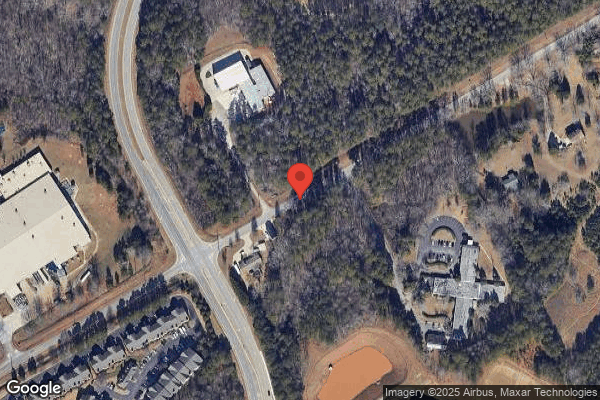
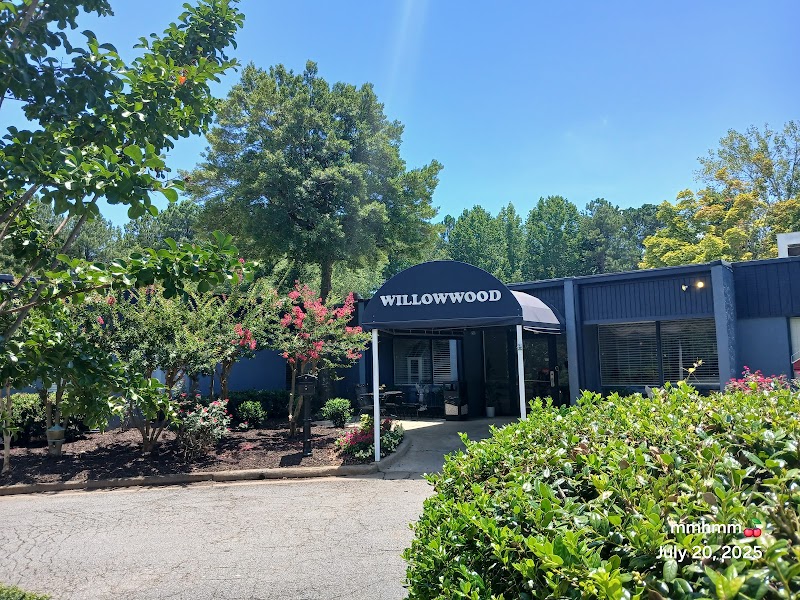
4595 CANTRELL ROAD, FLOWERY BRANCH, GA 30542 (770) 967-2070
For profit - Limited Liability company 100 Beds JOURNEY HEALTHCARE Data: November 2025
Trust Grade
40/100
#268 of 353 in GA
Last Inspection: August 2024

Within standard 12-15 month inspection cycle. Federal law requires annual inspections.

Overview

Crossroads of Flowery Branch of Journey LLC has received a Trust Grade of D, indicating below-average performance with some significant concerns. It ranks #268 out of 353 facilities in Georgia, placing it in the bottom half, and #5 out of 5 in Hall County, meaning only one other local facility is considered better. The facility's trend is stable, maintaining 5 issues in both 2024 and 2025, which suggests ongoing challenges rather than improvement. Staffing is a strength here, with a zero percent turnover rate, well below Georgia's average, but the RN coverage is concerning as it falls below that of 95% of other state facilities, which could impact resident care. While the facility has no fines on record, which is positive, there are notable issues in care practices. For example, two Certified Nursing Assistants did not complete required training hours, which may affect the quality of care. Additionally, there were hygiene concerns in the kitchen, such as staff not wearing hairnets and food items not being properly labeled and dated, which could lead to foodborne illnesses. Lastly, the outdoor garbage area was not maintained properly, with overflowing trash and debris, raising sanitation concerns. Overall, families should weigh these strengths and weaknesses carefully when considering this facility for their loved ones.

Trust Score
D
40/100
In Georgia
#268/353
Bottom 25%
Safety Record
Low Risk
No red flags
Inspections
Holding Steady
5 → 5 violations
Staff Stability
○ Average
Turnover data not reported for this facility.
Penalties
✓ Good
No fines on record. Clean compliance history, better than most Georgia facilities.
Skilled Nurses
⚠ Watch
Each resident gets only 10 minutes of Registered Nurse (RN) attention daily — below average for Georgia. Fewer RN minutes means fewer trained eyes watching for problems.
Violations
⚠ Watch
25 deficiencies on record. Higher than average. Multiple issues found across inspections.
★☆☆☆☆
1.0
Overall Rating
★☆☆☆☆
1.0
Staff Levels
★☆☆☆☆
1.0
Care Quality
★★☆☆☆
2.0
Inspection Score
Stable
2024: 5 issues
2025: 5 issues

The Good

  • Full Sprinkler Coverage · Fire safety systems throughout facility
  • No fines on record

Facility shows strength in fire safety.

The Bad

1-Star Overall Rating

Below Georgia average (2.6)

Significant quality concerns identified by CMS

Chain: JOURNEY HEALTHCARE

Part of a multi-facility chain

Ask about local staffing decisions and management

The Ugly 25 deficiencies on record

Jul 2025 5 deficiencies
CONCERN (D) 📢 Someone Reported This

A family member, employee, or ombudsman was alarmed enough to file a formal complaint

Potential for Harm - no one hurt, but risky conditions existed

Assessment Accuracy (Tag F0641)

Could have caused harm · This affected 1 resident

**NOTE- TERMS IN BRACKETS HAVE BEEN EDITED TO PROTECT CONFIDENTIALITY** Based on observation, staff interviews, record review, and facility policy review, the facility failed to ensure Minimum Data Se...

Read full inspector narrative →
**NOTE- TERMS IN BRACKETS HAVE BEEN EDITED TO PROTECT CONFIDENTIALITY** Based on observation, staff interviews, record review, and facility policy review, the facility failed to ensure Minimum Data Set (MDS) assessments were accurately coded to reflect a significant weight loss for two of 12 residents (Resident (R) 8 and R5) reviewed. The deficient practice had the potential to result in unmet care needs.Findings include: Review of the facility's policy titled, Conducting an Accurate Resident Assessment, dated 3/20/2025, revealed, . Accuracy of assessment means that the appropriate, qualified health professionals correctly document the resident's medical, functional, and psychosocial problems and identify resident strengths to maintain or improve medical status, functional abilities, and psychosocial status . The physical, mental, and psychosocial condition of the resident determines the appropriate level of involvement of physicians, nurses . dietitians, and other professionals .1. Review of R8's admission Record, located under the Profile tab of the electronic medical record (EMR), revealed R8 was re-admitted to the facility on [DATE] following a hospital stay, which started 3/6/2025. She had diagnoses that included dysphagia (difficulty swallowing).Review of R8's Weight Summary, located under the Wts/Vitals tab of the EMR, revealed R8's weight on 3/22/2025 was 126.0 lbs. R8 weighed 112 pounds (lbs) on 4/4/2025 and weighed 115 lbs on 4/20/2025, representing a significant weight loss of 8.73% (11 lbs).Review of R8's quarterly Minimum Data Set (MDS), with an Assessment Reference Date (ARD) of 4/23/2025 and located under the MDS tab of the EMR, revealed R8 scored four out of 15 on the Brief Interview for Mental Status (BIMS), which indicated R8 was severely cognitively impaired. It was recorded that R8 weighed 115 lbs but failed to record a significant weight loss.Review of R8's Care Plan, located in the Care Plan tab of the EMR, revealed a focus area, [Resident] has a potential risk for weight loss related to dysphagia and disease process revised on 10/3/2022. It did not document the significant weight loss.During an observation on 7/2/2025 at 12:38 PM, R8 was observed eating her meal independently. When asked how her meal was, R8 repeated several times that she was skinny and touched her abdomen. 2. Review of R5's admission Record, located under the Profile tab of the EMR, revealed R5 was re-admitted to the facility on [DATE] following a hospital stay which began on 4/19/2024. R5 had diagnoses that included Parkinson's disease and other disorders of the brain. R5 was discharged from the facility to the hospital on 9/22/2024 and did not return.Review of R5's Weight Summary, located under the Wts/Vitals tab of the EMR, revealed R5's weight on 4/23/2024 was 149.2 lbs and on 4/30/2024 was 153 lbs. R5's next weight was 129 lbs on 5/28/2024, representing a 13.54% weight loss (20.2 lbs) in one month.Review of R5's Progress Note, dated 6/4/2024, written by the Nurse Practitioner (NP), and located under the Progress Notes, tab revealed Remeron was ordered for appetite stimulation due to weight loss. Review of R5's Progress Note, dated 7/10/2024 and located under the Progress Notes tab of the EMR, revealed R5 was assisted with all meals, family brought snacks, and the Registered Dietician (RD) was following R5.Review of R5's quarterly MDS, with an ARD of 7/11/2024 and located under the MDS tab of the EMR, revealed R5 scored 14 out of 15 on the BIMS, which indicated R8 was cognitively intact. It was recorded that R5 weighed 122 lbs, but failed to code weight loss.Review of R5's Care Plan, located in the Care Plan tab of the EMR, revealed a focus area, The resident is at risk for altercation in nutrition/hydration secondary to: poor po [oral] intake. 4/24/2024 hospital return-weight gain trend; 8/6/2024 quarterly review- SWL [significant weight loss] with revision date of 8/6/2024. During an interview on 7/2/2025 at 4:20 PM, the RD reported she assisted with the MDS assessments. During an interview on 7/2/2025 at 5:10 PM, the RD confirmed R8's and R5's MDS assessments did not reflect that the residents had a significant weight loss. She stated there was significant weight loss which someone failed to document. During an interview on 7/2/2025 at 6:44 PM, the Director of Nursing (DON) reported she expected the MDS to reflect significant weight loss.
CONCERN (D) 📢 Someone Reported This

A family member, employee, or ombudsman was alarmed enough to file a formal complaint

Potential for Harm - no one hurt, but risky conditions existed

Deficiency F0657 (Tag F0657)

Could have caused harm · This affected 1 resident

**NOTE- TERMS IN BRACKETS HAVE BEEN EDITED TO PROTECT CONFIDENTIALITY** Based on observation, resident and staff interviews, record review, and facility policy review, the facility failed to update ca...

Read full inspector narrative →
**NOTE- TERMS IN BRACKETS HAVE BEEN EDITED TO PROTECT CONFIDENTIALITY** Based on observation, resident and staff interviews, record review, and facility policy review, the facility failed to update care plans to reflect a significant weight loss with current intervention for two of 12 residents (Resident (R) 8 and R5) reviewed. The deficient practice had the potential to result in unmet care needs regarding nutrition. Findings include: Review of the facility's policy titled, Comprehensive Care Plans, dated 3/20/2025, revealed, It is the policy of this facility to develop and implement a comprehensive person-centered care plan for each resident, consistent with resident rights, that includes measurable objectives and timeframes to meet a resident's medical, nursing, and mental and psychosocial needs and ALL services that are identified in the resident's comprehensive assessment and meet professional standards of quality . The comprehensive care plan will be reviewed and revised by the interdisciplinary team after each comprehensive and quarterly Minimum Data Set (MDS) assessment .1. Review of R8's admission Record, located under the Profile tab of the electronic medical record (EMR), revealed R8 was re-admitted to the facility on [DATE] following a hospital stay, which started 3/6/2025. She had diagnoses that included dysphagia (difficulty swallowing).Review of R8's Weight Summary, located under the Wts/Vitals tab of the EMR, revealed R8's weight on 3/22/2025 was 126.0 pounds (lbs). R8 weighed 112 lbs on 4/4/2025, representing a significant weight loss.Review of R8's quarterly Minimum Data Set (MDS), with an Assessment Reference Date (ARD) of 4/23/2025 and located under the MDS tab of the EMR, revealed R8 scored four out of 15 on the Brief Interview for Mental Status (BIMS), which indicated R8 was severely cognitively impaired. It was recorded that R8 weighed 115 lbs but failed to record a significant weight loss.Review of a 5/24/2025 Weight Change Note, completed by the Registered Dietician (RD) and located in the Progress Notes tab of the EMR, revealed significant weight loss at one and three months and revealed R8 refused the supplement due to dislike of the milky base. The RD recorded she spoke with the nurse practitioner about changing her appetite stimulant to Remeron. The RD recommended replacing the two cal supplement with Ensure Clear three times a day and adding a Magic Cup (fortified frozen dessert) with lunch and dinner.Review of the Order Recap from 3/22/2025 to 7/2/2025 revealed R8 started Remeron on 3/22/2025, and it was increased in dosage on 3/25/2025. R8 continued on the two cal supplement and had no orders for Ensure Clear or Magic Cup. There were no orders for routine weights.Review of R8's Care Plan, located in the Care Plan tab of the EMR, revealed a focus area, [Resident] has a potential risk for weight loss related to dysphagia and disease process, revised on 10/3/2022. Goals, revised on 6/14/2025, included, . nutrition and hydration needs will be met through the next review date . risk of weight loss will be minimized . Interventions included, Administer medications as ordered, revised on 12/27/2016, Invite me to activities that promote additional intake., revised 5/11/2021, Monitor/document/report [as needed] any signs/symptoms of dysphagia, revised 12/27/2016, Obtain and monitor lab/diagnostic work as ordered, revised 5/11/2021, Provide and serve diet as ordered, revised 12/27/2016, RD to evaluate and make diet change recommendations as needed, revised 12/27/1206, and Supplements as ordered, revised 6/16/2021. No new interventions were documented since 6/16/2021.During an observation on 7/2/2025 at 12:38 PM, R8 was observed eating her meal independently. There was no Magic Cup on the tray. When asked how her meal was, R8 repeated several times that she was skinny and touched her abdomen. When asked if she liked or received ice cream or a frozen dessert, she reported she liked it, but it comes and goes.During an interview on 7/2/2025 at 3:40 PM, Certified Nurse Aide (CNA)1 reported R8 fed herself and had a fair appetite but was not much of a breakfast eater. CNA1 was not aware of any weight loss interventions for R8 but stated that Magic Cups were available as other residents received them on their trays.During an interview on 7/2/2025 at 3:41 PM, CNA2 stated that R8 fed herself. When asked about weight loss interventions, CNA2 said R8's diet changed to mechanical soft when she had an issue with her jaw. The diet remained the same over the last several months.2. Review of R5's admission Record, located under the Profile tab of the EMR, revealed R5 was re-admitted to the facility on [DATE] following a hospital stay which began on 4/19/2024. R5 had diagnoses that included but limited to Parkinson's disease and other disorders of the brain. R5 was discharged from the facility to the hospital on 9/22/2024 and did not return.Review of a Nutrition/Dietary Note dated 5/21/2024, located in the Progress Notes tab of the EMR, revealed R5 had a fair appetite, was assisted with meals, and saw speech therapy for dysphagia. R5 triggered MDS for a significant weight gain with weights of 143 lbs on 3/29/2024 and 153 lbs on 4/30/2024.Review of R5's Weight Summary, located under the Wts/Vitals tab of the EMR, revealed R5's weight on 4/23/2024 was 149.2 lbs and on 4/30/2024 was 153 lbs. R5's next weight was 129 lbs on 5/28/2024, representing a 13.54% weight loss in one month.Review of the Progress Notes tab revealed Physician Notes by a nurse practitioner. On 6/4/2024 a note indicated Remeron was ordered for appetite stimulation due to weight loss. On 7/10/2024 a note revealed R5 was assisted with all meals, family brought snacks, and the RD was following R5.Review of R5's quarterly MDS, with an ARD of 7/11/2024 and located under the MDS tab of the EMR, revealed R5 scored 14 out of 15 on the BIMS, which indicated R8 was cognitively intact. It was recorded that R5 weighed 122 pounds (lbs.) but failed to code weight loss.Review of R5's RD Nutrition Assessment, dated 8/6/2024, and located in the Evaluations tab of the EMR, revealed R5 had a significant weight loss and received 2.0 kcal (kilocalorie, a unit of measurement for energy) supplement 90 mL (milliliters) three times a day. The RD recommended adding fortified foods to meals and increasing the supplement to 120 mL three times a day.Review of a Weight Change Note, dated 9/11/2024 and located in the Progress Notes tab of the EMR, revealed R5 had significant weight loss at three and six months. It recorded nutrition interventions were added/increased to include liquid protein 30 mL twice daily and 2.0 kcal supplement 120 mL twice daily. Weekly weights were added.Review of R5's Care Plan, located in the Care Plan tab of the EMR, revealed a focus area, The resident is at risk for altercation in nutrition/hydration secondary to: poor po [oral] intake. 4/24/2024 hospital return-weight gain trend; 8/6/2024 quarterly review- SWL [significant weight loss] with revision date of 8/6/2024. Interventions were all dated 4/10/2024 and included, Alert dietician if indicated, assist and encourage at meals as needed, monitor lab values, and supplements provided as ordered.During an interview on 7/2/2025 at 5:10 PM, the RD confirmed R8's Care Plan did not state she had a significant weight loss. When asked if she would expect the Care Plan to reflect a weight loss with person-centered interventions, the RD stated her understanding was that she was to review the Care Plan and make sure it was current. The interventions were not specific, but the details of them were in her notes in the EMR.During an interview on 7/2/2025 at 6:44 PM, the Director of Nursing (DON) reported she expected the Care Plan to reflect a significant weight loss. She expected that interventions were updated but not necessarily specific. The DON stated she was taught to put in general statements such as supplements as ordered.
CONCERN (D) 📢 Someone Reported This

A family member, employee, or ombudsman was alarmed enough to file a formal complaint

Potential for Harm - no one hurt, but risky conditions existed

Deficiency F0692 (Tag F0692)

Could have caused harm · This affected 1 resident

**NOTE- TERMS IN BRACKETS HAVE BEEN EDITED TO PROTECT CONFIDENTIALITY** Based on observations, resident and staff interviews, record review, and facility policy review, the facility failed to identify...

Read full inspector narrative →
**NOTE- TERMS IN BRACKETS HAVE BEEN EDITED TO PROTECT CONFIDENTIALITY** Based on observations, resident and staff interviews, record review, and facility policy review, the facility failed to identify a severe weight loss, re-assess nutritional needs, and implement interventions in a timely manner to aid in the prevention of weight loss for two of 12 residents (Resident (R) 8 and R5) reviewed. R8 had a recorded weight loss of 18.65% (percent) in less than three months. R5 had a recorded weight loss of 19.57% in five months. Findings include: Review of the undated facility policy titled, Weight Management Policy and Procedure revealed a weight report which reflected significant weight changes was generated monthly (by the 10th of the month) and reviewed by the dietary manager, Registered Dietician (RD), and Director of Nursing (DON). A significant weight change was defined as 5% in 30 days, 7.5% in 90 days, and 10% in 180 days. Weekly weights were completed for residents exhibiting significant weight changes.1. Review of R8's admission Record, located under the Profile tab of the electronic medical record (EMR), revealed R8 was re-admitted to the facility on [DATE] following a hospital stay, which started 3/6/2025. She had diagnoses that included dysphagia (difficulty swallowing).Review of a Nutrition Note, dated 3/5/2025 (prior to the resident's hospitalization) and located in the Progress Notes tab of the EMR, revealed that she was at risk for inadequate oral intake related to chewing difficulty. She was changed to a mechanical soft diet. R8's supplement (two cal) was increased to 90 milliliters (mL) four times a day.Review of R8's Weight Summary, located under the Wts/Vitals tab of the EMR, revealed R8's weight on 3/22/2025 was 126.0 pounds (lbs). R8 weighed 112 lbs on 4/4/2025, representing an 11.11% weight loss, and weighed 115 lbs on 4/20/2025, representing an 8.73% weight loss in one month. R8 continued to lose weight and weighed 102.5 lbs on 6/9/2025, which was her last recorded weight as of 7/1/2025. This represented an 18.65% (23.5 lbs) significant weight loss in three months.Review of R8's quarterly Minimum Data Set (MDS), with an Assessment Reference Date (ARD) of 4/23/2025 and located under the MDS tab of the EMR, revealed R8 scored four out of 15 on the Brief Interview for Mental Status (BIMS), which indicated R8 was severely cognitively impaired. It was recorded that R8 weighed 115 lbs but failed to record a significant weight loss.Review of the Progress Notes and Evaluations tabs of the EMR revealed no documentation of weight loss until a 5/24/2025 Weight Change Note was completed by the RD. The note documented significant weight loss at one and three months and revealed R8 was refusing the supplement due to dislike of the milky base. The RD recorded she spoke with the nurse practitioner about changing R8's appetite stimulant to Remeron. The RD recommended replacing the two cal supplement with Ensure Clear three times a day and adding a Magic Cup (fortified frozen dessert) with lunch and dinner.Review of the Order Recap from 3/22/2025 to 7/2/2025 revealed R8 started Remeron on 3/22/2025, and it was increased in dosage on 3/25/2025. R8 continued on the two cal supplement and had no orders for Ensure Clear or Magic Cup. There were no orders for routine weights.Review of R8's Care Plan, located in the Care Plan tab of the EMR, revealed a focus area, [Resident] has a potential risk for weight loss related to dysphagia and disease process revised on 10/3/2022. Goals, revised on 6/14/2025, included, nutrition and hydration needs will be met through the next review date and risk of weight loss will be minimized. Interventions were last revised in the year 2021.Observations of R8 in her room on 7/1/2025 at 12:30 PM and 12:50 PM revealed R8 seated in her wheelchair with her plate, cover in place, by her on a table. During an observation on 7/2/2025 at 12:28 PM, R8's meal tray was delivered to her room and set up in front of her as she sat in her wheelchair. Staff left to deliver more room trays. At 12:38 PM, R8 was observed eating her meal independently. There was no Magic Cup on the tray. When asked how her meal was, R8 repeated several times that she was skinny and touched her abdomen. When asked if she liked or received ice cream or a frozen dessert, she reported she liked it, but it comes and goes.During an interview on 7/2/2025 at 3:40 PM, Certified Nurse Aide (CNA)1 reported the restorative aide (RA) weighed the residents. CNA1 reported R8 fed herself and had a fair appetite but was not much of a breakfast eater. CNA1 was not aware of any weight loss interventions for R8 but stated that Magic Cups were available as other residents received them on their trays.During an interview on 7/2/2025 at 3:50 PM, the RA reported he weighed residents weekly when they had a weight loss. The RA wrote down the weights and gave them to the DON to record in the EMR. The RD and DON determined who was weighed weekly, and the RD spoke to him about residents with weight changes. He was unable to recall if R8 was weighed weekly and stated he had to check his binder. He thought she may have refused, and he did not want to upset her, so he did not continue them. He was unable to recall the RD speaking with him about any weight loss for R8.During an interview on 7/2/2025 at 4:20 PM, the RD reported she ran a monthly report for one-, three-, and six-month weight losses. The facility was able to reach out to her in between her visits with concerns, and she was in the facility at least one day a week. She reported that the policy was that residents who were high risk were put on weekly weights. The RD reported she had a month to do significant weight change assessments. She assisted with the MDSs and Care Plans. When she had recommendations, she provided them to the DON who put the orders in the EMR. During an interview on 7/2/2025 at 5:10 PM, the RD confirmed R8 had a significant weight loss from 3/22/2025 to 4/4/2025, and she did not record any assessment until 5/24/2025. She confirmed there were no orders for her recommendations regarding supplements on 5/24/2025 and that the Care Plan and the MDS did not reflect the significant weight change.During an interview on 7/2/2025 at 6:44 PM, the DON reported a resident with a significant weight loss was on weekly weights. The DON called the RD with any concerns and spoke to her when she was in the facility, which was at least weekly. The Medical Director and nurse practitioner attended the weekly at risk meetings when residents with significant weight loss were discussed. The RD emailed the DON her recommendations, and the DON put orders into the EMR for supplements provided by nursing. Items such as a Magic Cup, which dietary provided on meal trays, were not ordered. The DON expected the RD to put in a note or evaluation with any significant weight loss. The DON expected a MDS to be accurately coded to reflect a significant weight loss and expected the Care Plan to reflect a significant weight loss. 2. Review of R5's admission Record, located under the Profile tab of the EMR, revealed R5 was re-admitted to the facility on [DATE] following a hospital stay which began on 4/19/2024. R5 had diagnoses that included Parkinson's disease and other disorders of the brain. R5 was discharged from the facility to the hospital on 9/22/2024 and did not return.Review of a Nutrition/Dietary Note dated 5/21/2024, located in the Progress Notes tab of the EMR, revealed R5 had four pressure ulcers, had a fair appetite, was assisted with meals, and saw speech therapy for dysphagia. R5 triggered MDS for a significant weight gain with weights of 143 lbs on 3/29/2024 and 153 lbs on 4/30/2024.Review of R5's Weight Summary, located under the Wts/Vitals tab of the EMR, revealed R5's weight on 4/23/2024 was 149.2 lbs and on 4/30/2024 was 153 lbs. R5's next weight was 129 lbs on 5/28/2024, representing a 13.54% weight loss in one month. R5 continued to lose weight and weighed 120.4 lbs on 9/22/2024.Review of the Progress Notes tab revealed Physician Notes by a nurse practitioner. On 6/4/2024 a note indicated Remeron was ordered for appetite stimulation due to weight loss. On 7/10/2024 a note revealed R5 was assisted with all meals, family brought snacks, and the RD was following R5.Review of R5's quarterly MDS, with an ARD of 7/11/2024 and located under the MDS tab of the EMR, revealed R5 scored 14 out of 15 on the BIMS, which indicated R8 was cognitively intact. It was recorded that R5 weighed 122 pounds (lbs.) and failed to record a weight loss. Review of the Progress Notes and Evaluations tabs of the EMR revealed no documentation of weight loss by the RD until 8/6/2024 when an RD Nutrition Assessment was completed, located in the Evaluations tab. The RD documented a significant weight loss at 90 and 180 days and recorded that R5 received 2.0 kcal supplement 90 mL three times a day. The RD recommended adding fortified foods to meals and increasing the supplement to 120 mL three times a day.Review of a Weight Change Note, dated 9/11/2024 and located in the Progress Notes tab of the EMR, revealed R5 had significant weight loss at three and six months. It recorded nutrition interventions were added/increased to include liquid protein 30 mL twice daily and 2.0 kcal supplement 120 mL twice daily. Weekly weights were added.Review of the Order Summary Report, dated 9/15/2024, and the Order Recap Report from 4/22/2024 to 9/15/2024, located in the Orders tab of the EMR, revealed R5's liquid protein was already ordered at 30 mL twice daily as of 4/10/2024, and the 2.0 kcal supplement was ordered at 120 mL three times daily on 4/10/2024. No changes were made following the recommendations of08/06/2024 and 9/11/2024.Review of R5's Care Plan, located in the Care Plan tab of the EMR, revealed a focus area, The resident is at risk for altercation in nutrition/hydration secondary to: poor po [oral] intake. 4/24/2024 hospital return-weight gain trend; 8/6/2024 quarterly review- SWL [significant weight loss] with revision date of 8/6/2024. Interventions were all dated 4/10/2024.During an interview on 7/2/2025 at 4:20 PM, the RD reported she started at the facility in December and so was unfamiliar with R5. During an interview on 7/2/2025 at 6:44 PM, the DON reported she started in November and so was unfamiliar with R5. She expected timely nutritional assessments after weight loss with interventions. She expected an MDS to be accurately coded to reflect a significant weight loss and expected the Care Plan to reflect a significant weight loss with updated interventions.
CONCERN (E) 📢 Someone Reported This

A family member, employee, or ombudsman was alarmed enough to file a formal complaint

Potential for Harm - no one hurt, but risky conditions existed

Report Alleged Abuse (Tag F0609)

Could have caused harm · This affected multiple residents

Based on resident and staff interviews, record review, and review of facility policy, the facility failed to report allegations of staff-to-resident abuse to facility administration and/or within two ...

Read full inspector narrative →
Based on resident and staff interviews, record review, and review of facility policy, the facility failed to report allegations of staff-to-resident abuse to facility administration and/or within two hours to the State Survey Agency (SSA) for two of three residents (Resident (R) 1 and R2) reviewed for abuse out of a total sample of 12. The deficient practice had the potential to place residents at continued risk of abuse.Findings include:Review of the facility's policy titled, Abuse, Neglect and Exploitation, dated 3/5/2024, revealed reporting of all alleged violations . shall be immediate but no later than 2 hours after the allegation is made .1. Review of R1's admission Record, located under the Profile tab of the electronic medical record (EMR) revealed she was admitted to the with diagnoses that included but not limited to dementia, anxiety, protein-calorie malnutrition, and muscle weakness. R1 was admitted to hospice care on 07/30/24.Review of R1's Care Plan, dated 11/5/2024 and located under the Care Plan tab of the EMR, revealed a focus of . Fragile Skin: Resident has fragile skin related to the aging process and is at risk for bruising easily and skin tears . Interventions were to notify the physician and responsible party of any changes. Review of R1's quarterly Minimum Data Set (MDS) with an assessment reference date (ARD) of 4/23/2025 and located under the MDS tab of the EMR, revealed R1 had a Brief Interview for Mental Status (BIMS) score of 0 out of 15, which indicated the resident could not complete the cognition interview.During an interview on 7/1/2025 at 1:54 PM, the Social Service Worker (SSW) 1, affiliated with the hospice service, stated R1 reported to her on 11/19/2024 that she had been hurt by staff, causing bruising and wounds. SSW1 stated she reported the allegation to the Administrator and the facility Social Service Director (SSD) and filed a report with the Hospice agency. SSW1 stated R1 reported to her again on 3/5/2025 that someone hurt her. SSW1 stated she observed bruising on the resident's left ankle and reported the bruising to the Administrator and to the facility SSD. During an interview on 7/1/2025 at 4:55 PM, the Director of Nursing (DON) stated there were no facility reports or investigation for the allegation reported on 11/19/2024. The DON stated she was aware of the abuse allegation R1 that was reported on 3/5/2025 by the hospice Social Worker regarding R1. The DON stated she had determined the bruise to be related to a fall the resident had on 2/8/2025. The DON could not produce any evidence that the allegation had been reported to the SSA or investigated. During an interview on 7/1/2025 at 5:25 PM, the Administrator stated he was not the Administrator in November 2024. He confirmed that no report of the 11/19/2024 allegation could be located. The Administrator stated they felt the reports from SSW1were retaliatory and that is why they were not investigated or reported and agreed they should have been reported and investigated. During an interview on 7/2/2025 at 10:20 AM, the SSD stated she thought she remembered a conversation about the allegation from R1 on 11/19/2024 but did not report or have any documentation of the incident. The SSD stated she was aware of the allegation reported to the facility on 3/5/2025. The SSD stated she did not report or do an investigation of the allegation because they had determined the bruise looked like an old injury. The SSD could not produce any documentation of the allegation. 2. Review of R2's admission Record, located under the Profile tab of the EMR, revealed she was admitted with diagnoses that included but not limited to heart failure, kidney failure, depression, hypertension, and muscle weakness. R2 was admitted to hospice care on 8/9/2024.Review of R2's quarterly MDS with an ARD 6/5/2025 and located under the MDS tab of the EMR, revealed R2 had a BIMS score of 13 out of 15, which indicated the resident was cognitively intact.During an interview on 7/2/2025 at 12:05 PM, R2 stated that she was treated very roughly. R2 stated she had a very sore body and felt like the staff did not care if they hurt her. During an interview on 7/2/2025 at 12:12, Family Member (F) 1 stated that R2 has complained about rough treatment from staff, and he had concerns that staff was unconsciously mistreating R2.During an interview on 7/2/2025 at 3:17 PM, the SSD stated that on 2/28/2025, a Certified Nurse Aide (CNA) had reported to her that R2 had alleged a staff member had held her hand too hard and hurt her. The SSD stated she had documented the allegation in her daily planner but did not report or investigate the allegation. The SSD stated she did not remember who the reporting CNA was. The SSD confirmed she should have reported and investigated the allegation. During an interview on 7/3/2025 at 9:05 AM, the Administrator stated he was not aware that these issues were not reported or thoroughly investigated. The Administrator stated he was concerned that the allegations were not investigated appropriately and agreed that all injuries of unknown origin should be taken seriously and investigated thoroughly.
CONCERN (E) 📢 Someone Reported This

A family member, employee, or ombudsman was alarmed enough to file a formal complaint

Potential for Harm - no one hurt, but risky conditions existed

Investigate Abuse (Tag F0610)

Could have caused harm · This affected multiple residents

Based on staff interviews, record review, and review of facility policy, the facility failed to identify and/or investigate allegations of staff-to-resident abuse for two of three residents (Resident ...

Read full inspector narrative →
Based on staff interviews, record review, and review of facility policy, the facility failed to identify and/or investigate allegations of staff-to-resident abuse for two of three residents (Resident (R) 1 and R2) reviewed for abuse out of a total sample of 12. The deficient practice had the potential to allow abuse to continue. Findings include:Review of the facility policy titled, Abuse, Neglect and Exploitation, dated 3/5/2024, revealed, . An immediate investigation is warranted when suspicion of abuse, neglect or exploitation, or reports of abuse, neglect or exploitation occur . 1.Review of R1's admission Record, located under the Profile tab of the electronic medical record (EMR) revealed she was admitted with diagnoses that included but not limited to dementia, anxiety, protein-calorie malnutrition, and muscle weakness. R1 was admitted to hospice care on 7/30/2024.Review of R1's quarterly Minimum Data Set (MDS), with an assessment reference date (ARD) of 4/23/2025 and located under the MDS tab of the EMR, revealed R1 had a Brief Interview for Mental Status (BIMS) score of 0 out of 15, which indicated the resident could not complete the cognition interview.Review of R1's Care Plan, located under the Care Plan tab of the EMR and dated 11/5/2024, revealed a focus of, . Fragile Skin: Resident has fragile skin related to the aging process and is at risk for bruising easily and skin tears . Interventions were to notify physician and responsible party of any changes. Review R1's Change of Condition Evaluation, dated 2/8/2025 and located under the Assessment tab of the EMR, revealed R1 had a fall. It was recorded R1 did not sustain an injury, and there were no changes observed on the skin evaluation.Review of R1's Weekly Skin Assessment, dated 2/12/2025 and located under the Assessment tab of the EMR, revealed R1 did not have any bruises, and her skin was intact. Review of R1's Weekly Skin Assessment, dated 2/19/2025 and located under the Assessment tab of the EMR, revealed R1 did not have any bruises, and her skin was intact. During an interview on 7/1/2025 at 1:54 PM, the Social Service Worker (SSW)1, affiliated with the hospice service, stated R1 reported to her on 11/19/2024 that she had been hurt by staff, causing bruising and wounds. SSW1 stated she reported the incident to the Administrator and the facility Social Service Director (SSD) and filed a report with the Hospice agency. SSW1 stated R1 reported to her again on 3/5/2024 that someone had hurt her. SSW1 stated she observed bruising on R1's left ankle and reported the bruising to the Administrator and to the facility SSD.During an interview on 7/1/2025 at 4:55 PM, the Director of Nursing (DON) stated there were no investigations into the allegation of abuse for R1 reported on 11/19/2024. The DON could not produce any evidence that the allegation had been investigated. During an interview on 7/1/2025 at 5:25 PM, the Administrator stated no report of the allegation for R1 could be located. The Administrator confirmed the allegations should have been investigated. 2. Review of R2's admission Record, located in in the EMR under the Profile tab, revealed R2 was admitted to the facility with diagnoses that included but not limited to heart failure, kidney failure, depression, hypertension, and muscle weakness. Review of R2's quarterly MDS, with an ARD of 6/5/2025 and located under the MDS tab of the EMR, revealed a BIMS score of 13 out of 15, which indicated the resident was cognitively intact.A review of the facility incident report, dated 11/13/2024 and provided by the facility, revealed that a family friend of R2 noted bruising on R2 on 11/10/2024 but did not report it to staff until 11/13/2024. The report indicated the Administrator was notified on 11/13/2024 by staff. The report indicated the bruising was reported to the appropriate agencies and the investigation was started immediately by the Administrator. Further review of the investigation revealed that staff were interviewed about the bruising; however, there was no documented evidence that R2 was interviewed about the bruising. There was no documented evidence that other residents were interviewed. There was no documented evidence that the event was analyzed to determine how the bruising occurred and how to prevent further incidents. There was no documented evidence that staff had been trained or in-serviced on the reporting or investigating injuries of unknown origin. There was no documented evidence on how to protect the resident and any risk factors they might need to address to prevent further incidents. The follow-up report was submitted within the five-day timeframe; however, there was no documented evidence that any follow-up by social services or any measures that were taken to verify any corrective actions were implemented. During an interview on 07/03/25 at 9:05 AM, the Administrator stated he was not aware that these allegations were not thoroughly investigated. The Administrator stated he was concerned that the allegations were not investigated appropriately and agreed that all injuries of unknown origin should be taken seriously and investigated thoroughly.
Aug 2024 4 deficiencies
CONCERN (D) 📢 Someone Reported This

A family member, employee, or ombudsman was alarmed enough to file a formal complaint

Potential for Harm - no one hurt, but risky conditions existed

Safe Environment (Tag F0584)

Could have caused harm · This affected 1 resident

Based on observations, resident and staff interviews, and review of the facility's policy titled, Maintenance Inspection, the facility failed to maintain the facility in a safe, clean, comfortable, ho...

Read full inspector narrative →
Based on observations, resident and staff interviews, and review of the facility's policy titled, Maintenance Inspection, the facility failed to maintain the facility in a safe, clean, comfortable, homelike environment as evidenced by six of 56 resident rooms with furniture and/or packaged terminal air conditioners (PTACs) in disrepair. Specifically, rooms A6-2, B10-1, C18-2 had dressers with missing drawers and/or knobs and rooms C13, C15, C18, and C19 had PTACs that leaked water onto the floors. This deficiency had to potential to diminish the quality of life for the residents in rooms with dilapidated furniture and create a safety hazard for residents in rooms with leaking PTAC units. Findings include: Review of the facility's policy titled, Maintenance Inspection, dated 8/1/2022, under the section titled, Policy Explanation and Compliance Guidelines revealed, 1. The Director of Maintenance Services will perform routine inspections of the physical plant using a Maintenance Checklist. 3. All opportunities will be corrected immediately by maintenance personnel. 1. Observation and interview on 8/25/2024 at 2:43 pm with Resident (R) R8 in her room (B10-1) revealed, she was alert and oriented. Observation of the room revealed a dresser which was missing knobs from two of three drawers. She stated the knobs were always missing. Observation of resident rooms on 8/25/2024 beginning at 3:00 pm revealed the following: 2. A6-1: dresser missing the bottom drawer, both knobs from the middle drawer, and one knob from the bottom drawer. 3. C13-2: missing top dresser drawer, dirty PTAC filters. 4. C15: leaking PTAC. 5. C18-2: dresser missing two of three drawers and leaking PTAC. 6. C19: leaking PTAC. Observation and interview on 8/28/2024 beginning at 2:00 pm with the Maintenance Director revealed, he confirmed the aforementioned observations and stated the concerns were his responsibility. He stated the PTACs have been leaking off and on over the last month due to the extreme heat which caused increased condensation that leaked onto some of the floors. He stated the units still work but some of them are not forcing the fluid to the outside. He stated he clean those floors with the wet vac every two to three days. He stated there were no immediate plans to replace any PTACs. He further stated it was difficult to make routine rounds because he worked alone and usually addressed staff concerns right away.
CONCERN (D) 📢 Someone Reported This

A family member, employee, or ombudsman was alarmed enough to file a formal complaint

Potential for Harm - no one hurt, but risky conditions existed

Infection Control (Tag F0880)

Could have caused harm · This affected 1 resident

Based on observations, staff interviews, and review of the facility's policy titled, Hand Hygiene, the facility failed to ensure hand hygiene practices were maintained to prevent the potential for inf...

Read full inspector narrative →
Based on observations, staff interviews, and review of the facility's policy titled, Hand Hygiene, the facility failed to ensure hand hygiene practices were maintained to prevent the potential for infections and cross contamination. Specifically, the facility failed to perform hand hygiene after passing out each meal tray for residents on one of three halls (Hall A) that was observed during lunch. Findings Include: Review of the facility's policy titled Hand Hygiene, dated February 1, 2022, under the section titled Policy revealed, All staff will perform proper hand hygiene procedures to prevent the spread of infection to other personnel, residents, and visitors. This applies to all staff working in all locations within the facility. Under the section titled Policy Explanation and Compliance Guidelines revealed, 1. Staff will perform hand hygiene when indicated, using proper technique consistent with accepted standards of practice. 2. Hand hygiene is indicated and will be performed under conditions listed in, but not limited to, the attached hand hygiene table. 3. Alcohol based hand rub with 60% to 95% alcohol is the preferred method for cleaning hands in most clinical situations. Wash hands with soap and water whenever they are visibly dirty, before eating, and after using the restroom. Observation on 8/26/2024 at 12:50 pm revealed, Certified Nursing Assistant (CNA) CC and CNA DD was observed passing out lunch trays to residents on Hall A. CNA CC and CNA DD were observed walking out of room A5 and not using hand sanitizer. Registered Nurse (RN) EE was observed approaching CNA CC and CNA DD and reminded them to use hand sanitizer in between passing meal trays. During continuous observation CNA CC and CNA DD were observed walking out of Room A7 and A10 without using hand sanitizer. Interview with on 8/26/2024 at 12:55 pm with CNA CC revealed she was aware that hand sanitizer was supposed to be used after the passing of each lunch tray. CNA CC revealed she forgot to use hand sanitizer. CNA CC stated she had not received any handwashing hygiene training since she started working at the facility. Interview on 8/26/2024 at 12:57 pm with CNA DD revealed she was aware that hand sanitizer was supposed to be used after the passing of each lunch tray. CNA DD revealed she forgot to use hand sanitizer. CNA DD also stated she had not received any handwashing hygiene training since she had started working at the facility but did learn it during her CNA class training. Interview on 8/27/2024 at 4:49 pm with the Director of Nursing revealed it was her expectation for all CNAs to use proper hand hygiene between dropping off meal trays to residents. She further revealed a possible negative outcome of not following proper hand hygiene as issues with infection control and resident safety regarding germs.
CONCERN (E) 📢 Someone Reported This

A family member, employee, or ombudsman was alarmed enough to file a formal complaint

Potential for Harm - no one hurt, but risky conditions existed

Deficiency F0565 (Tag F0565)

Could have caused harm · This affected multiple residents

Based on resident and staff interviews, review of resident council minutes, and review of the facility's policy's titled Resident Council Meeting policy, the facility failed to assure that a follow-up...

Read full inspector narrative →
Based on resident and staff interviews, review of resident council minutes, and review of the facility's policy's titled Resident Council Meeting policy, the facility failed to assure that a follow-up was completed and communicate its decisions related to resident concerns and recommendation voiced during resident council meetings. This deficient practice had the potential to have an adverse effect on any resident who voiced a concern and/or recommendation. The facility census was 87 residents. Findings Include: Review of the facility's policy titled Resident Council Meetings, dated 2/2/2022, under the section titled Policy revealed, This facility supports the rights of residents to organize and participate in residents' groups, including a Resident Council. This policy provides guidance to promoting structure, order, and productivity in these group meetings. Under the section titled Policy and Explanation and Compliance Guidelines revealed, 5. The Activity Director shall be designated if approved by the group, to serve as a liaison between the group and facilities administration and any other staff members. (b). The designated liaison shall be responsible for providing assistance with facilitating successful group meetings and responding to written requests from group meetings. 6. The group may appoint a resident to take notes/maintain meetings or may elect that the Activity Director/ designated liaison to take notes/maintain minutes. Meeting minutes may include but are not limited to: (a). Names of residents in attendance; (b). Follow up from previous meetings; (c). Issues discussed; (d). Recommendations from the group to the facility; (e). Name of staff members, speakers, and other guests present in the meetings (as invited by the group to attend). 7. The facility shall act upon concerns and recommendations of the Council, make attempts to accommodate recommendations to the extent practicable, and communicate its decisions to the council. Record review of the facility-provided documents titled Resident Council Meeting from 10/2/2023 through 7/9/2024 revealed nine Resident Council meeting minutes handwritten or typed. A continued review of the forms revealed nine (9) incomplete Resident Council Meeting minutes due to an omission of a response to provide evidence that concerns and /or recommendations was thoroughly investigated, and a resolution was obtained to determine resident satisfaction. The form also omitted documentation to show that actual follow-up was made with the complainant to determine complainant or resident satisfaction. During a Resident Council Meeting on 8/27/2024 at 10:09 am, with the following residents in attendance (R26, R44, R25, R69, R66 and R85) all revealed, that they voiced their concerns and/or recommendations, and no one had got back to them with any resolutions or follow-ups. All six of the six residents attending the meeting stated they did not know how to file a grievance or who the grievance official was but believe it to be the Administrator. Interview by phone on 8/27/2024 at 1:26 pm with the Activity Director (AD) revealed that resident council meetings were held every first Monday of every month and if residents or herself was not available they would choose a different day. She further revealed that she hand a copy of the Resident Council Meeting Minutes during the facility monthly Quality Assurance and Performance Improvement (QAPI) meeting to be discussed among the QAPI team. The AD further revealed she verbally let the residents know about the resolutions to their concerns, and confirmed there was no documentation or history of resolutions to residents' concerns. She further stated if an issue could not be resolved then she would go to the Administrator, or she would contact the Ombudsman. She further revealed she was not aware that the resolutions were supposed to be documented. Interview on 8/27/2024 at 2:07 pm with the Director of Nursing (DON) revealed Resident Council Meetings were held once a month and minutes were taken which was managed by the AD. She stated if concerns like food was brought up at the meetings, then it was taken to Dietary Manager or if there were concerns with call lights then it would be brought to her. She further revealed that they do their best to resolve or accommodate the residents' concerns. The DON further revealed she was aware that resolutions to residents' concerns must be documented, and her expectations were that staff must document resolutions.
CONCERN (F) 📢 Someone Reported This

A family member, employee, or ombudsman was alarmed enough to file a formal complaint

Potential for Harm - no one hurt, but risky conditions existed

Deficiency F0947 (Tag F0947)

Could have caused harm · This affected most or all residents

Based on staff interviews, record review, review of the facility's policy titled Nurse Aide Training Program, and review of the Alliant Certified Nursing Assistant (CNA) Annual Report, the facility fa...

Read full inspector narrative →
Based on staff interviews, record review, review of the facility's policy titled Nurse Aide Training Program, and review of the Alliant Certified Nursing Assistant (CNA) Annual Report, the facility failed to monitor and verify two of 29 CNAs (CNA AA and CNA FF) completed the minimum required training hours during the last review period of February 1, 2023 - January 31, 2024. The facility census was 87 residents. Findings include: Review of the policy titled Nurse Aide Training Program dated February 1, 2022, under the section titled Policy Explanation and Compliance Guideline revealed, 2. Each nurse aide shall be provided at least 12 hours of in-service training annually, based on his/her employment date, not calendar year. (b). It is the responsibility of the employee to attend/complete mandatory in-service training to maintain employment with the facility. Review of the Alliant Certified Nursing Assistant (CNA) Annual Report, dated 7/5/2024 for review period 2/1/2023 - 1/31/2024 revealed, a staff development review was conducted on 7/5/2024. Under the section titled, Problems revealed, Two (2) full time CNAs without the required 12 in-service hours per the code of Federal Regulations (42CFR483.35/483.95). Under the section titled, Recommendations revealed, Please submit a plan of correction on how the facility will monitor CNA staff for required in-service hours in the future within 30 days. Under the section titled, Comments revealed, Please ensure that your yearly in-services are not limited to the following but include additional topics on Quality of care, transfers, turning and positioning, incontinent care/skin care weight loss, Alzheimer's, cognitively impaired and dining techniques (feeding, assistive devices .etc.). Under the section titled Staff Review CNA revealed, each CNA who did not meet the Federal in-service requirements with their certification date, certification number, certification expiration date, total of in-service hours completed during the review period. During the review period CNA AA who worked part time completed five hours and thirty minutes (5.50) hours out of the six (6) required minimum, and CNA FF who worked full-time completed one and fifteen hundredths (1.15) hours out of the 12 required hours. Interview on 8/27/2024 at 9:50 am with the Assistant Director of Nursing (ADON) revealed that all of management was responsible for overseeing in-services and education and there was no designated person. The ADON further revealed, she was not aware that CNA AA and CNA FF were not in compliance with their in-service hours, and it was her expectation that all staff should be up to date with their in-service education. Interview on 8/27/2024 at 9:53 am with CNA AA revealed that she was not aware she did not meet the in-service education requirement during the facilities audit period. She stated that she had received training, and thought it was all completed. She stated she would complete the rest of the education that was needed. Interview on 8/27/2024 at 12:41 pm with the Director of Nursing revealed her expectations was that all CNA's were to have their in-service hours completed because it could possibly have a negative outcome if in-service hours were not complete and that could affect the residents safety.
Jul 2024 1 deficiency
CONCERN (D) 📢 Someone Reported This

A family member, employee, or ombudsman was alarmed enough to file a formal complaint

Potential for Harm - no one hurt, but risky conditions existed

Medical Records (Tag F0842)

Could have caused harm · This affected 1 resident

**NOTE- TERMS IN BRACKETS HAVE BEEN EDITED TO PROTECT CONFIDENTIALITY** Based on staff interviews, record review, and review of the facility's policy titled Documentation in Medical Record, the facili...

Read full inspector narrative →
**NOTE- TERMS IN BRACKETS HAVE BEEN EDITED TO PROTECT CONFIDENTIALITY** Based on staff interviews, record review, and review of the facility's policy titled Documentation in Medical Record, the facility failed to ensure accurate documentation was completed regarding a change of condition for one resident (R) (R1) out of six sampled residents reviewed for notification of change. Findings Include: Review of the undated facility's policy titled, Documentation in Medical Record under Policy revealed, Each resident's medical record shall contain an accurate representation of the actual experiences of the resident and include enough information to provide a picture of the resident's progress through complete, accurate, and timely documentation. Under the section titled Policy Explanation and Compliance Guidelines revealed, 1. Licensed staff and interdisciplinary team members shall document all assessments, observations, and services provided in the resident's medical record in accordance with state law and facility policy. 2. Documentation shall be completed at the time of service, but no later than the shift in which the assessment, observation, or care service occurred. Review of R1's medical records revealed diagnoses that included, hypertensive heart and chronic kidney disease with heart failure and with stage 5 chronic kidney disease, end stage renal disease, major, unspecified dementia, anemia in chronic kidney disease, dysphagia, dependence on renal dialysis. Review of R1's Annual Minimum Data Set assessment dated [DATE] for Section C (Cognitive Patterns) revealed the Brief Interview of Mental status was not conducted related to the resident was rarely/never understood. Review of R1's Hospital ED (Emergency Department) provider Note dated 7/18/2024 at 9:04 am under Medical Decision Making revealed, R1 presented with altered mental status (AMS). Under ED Diagnosis revealed final diagnoses that included, hypernatremia, dehydration, acute respiratory failure, sepsis, pneumonia of both lungs, and fever. Under the Hospital Problems section, the Assessment & Plan that included Septic shock revealed, R1 was presented with fever 104.7, altered mental status, elevated lactic acid 2.2, and leukocytosis. Most likely source in resp (respiratory) nature based on imaging. Initially LP (lumbar punctures) was completed based on high fever as well as AMS but CSF (cerebrospinal fluid) with high glucose and only minimally elevated protein. Review of the facility's 24-hour report dated 7/18/2024 revealed there was no documentation related to R1's change of condition. Review of R1's nurses notes, and Situation, Background, Assessment, and Recommendation (SBAR) report revealed there was no documentation related to R1's change of condition. Review of R1's Progress Notes dated 7/22/2024 at 1:51 pm revealed late entries for a Nurses Note, Physician Note, and SBAR communication was completed after the surveyor had questioned staff regarding the change of condition that resulted with the resident being sent to the ED. Interview on 7/22/2024 at 10:05 am with Nurse Practitioner (NP) CC revealed that she came in on Friday morning and was told by the nurse that R1 was transitioning but did not know how long she had been in that condition. She revealed that she did an assessment that found that R1 was difficult to arouse with rapid breaths. She revealed vital signs were checked and 911 was notified. She revealed that R1 was transported out by EMS wearing an O2 (oxygen) mask. Interview on 7/22/2024 at 11:40 am with the Administrator revealed that an interview was conducted with the nurse who stated that she and NP CC assessed the resident for her change in condition, but she forgot to chart the information. She revealed that further investigation revealed no evidence of documentation of R1's change of condition in R1's medical record, nurses notes, 24-hour report, or SBAR report. She revealed that NP CC revealed that she only wrote an order to send R1 out for evaluation, but not why. She revealed that the Licensed Practical Nurse (LPN) FF and the NP CC have had documentation training and have written late entry notes for the change of condition for the resident. Interview on 7/22/2024 at 1:30 pm with LPN FF revealed that it was change of shift and she thought she had charted everything down. She confirmed she did not see the information in the chart She revealed that she sent all the transfer information with the Emergency Medical Services (EMS) but did not chart information on the SBAR form. Interview on 7/22/2024 at 2:14 pm with CNA HH revealed that he provided care to R1 throughout the night. He revealed that there was something different in the resident's behavior throughout the night. He revealed that when he provided incontinent care to the resident throughout the night, she would fight with him; however, on that night she would fight but not as hard as you usually did. He revealed that the resident was checked on every two hours. He revealed that on his last rounds the resident looked like she was declining. He revealed that he reported it to the nurse, she came and checked on the resident, vital signs were done, sent resident out to ER (emergency room). Interview on 7/22/2024 at 2:45 pm with the Assistant Director of Nursing (ADON) JJ revealed that she checked the 24-hr report book and there was no information written about the change of condition for R1. She confirmed that there was no documentation in the nurses' notes. She reported that all staff had been trained on the documentation policy.
Nov 2022 13 deficiencies
CONCERN (D) 📢 Someone Reported This

A family member, employee, or ombudsman was alarmed enough to file a formal complaint

Potential for Harm - no one hurt, but risky conditions existed

Safe Environment (Tag F0584)

Could have caused harm · This affected 1 resident

Based on observations, interviews, and review of facility policy, the facility failed to maintain a safe and homelike environment related to disrepair of resident rooms and bathrooms including floors,...

Read full inspector narrative →
Based on observations, interviews, and review of facility policy, the facility failed to maintain a safe and homelike environment related to disrepair of resident rooms and bathrooms including floors, walls, doors, and heat/air units for 6 of 92 resident rooms. Findings include: Review of the policy titled Preventative Maintenance Program dated 2/1/22 which documented the Maintenance Director shall assess all aspects of the physical plant to determine if preventative maintenance is required. Observation and interview on 11/4/22 at 10:01 a.m. with the resident in room C-8-2 revealed the heating and air unit in his room does not provide heat. The unit was set on heat and low fan with only cool air blowing. Observation of room A-17-2 on 11/4/22 at 10:07 a.m. revealed base board pulling away from a large portion of one wall in the bathroom, and a tile with a large, chipped piece near the bathroom door. Observation of A-18-2 on 11/4/22 at 10:23 a.m. revealed moulding up wall and near floor next to bathroom door pulling away from wall and base board near floor near second closet door pulling away from the wall. Observation of room A-14-1 on 11/4/22 at 10:53 a.m. revealed chipped tiles on the floor near the toilet in the bathroom. Observation of room A-6-2 on 11/4/22 at 11:05 a.m. revealed the bottom of wall by bathroom door with the base board pulling away. There was a hole in the wall by the entry door behind the trash can. Observations of room A-9-1 on 11/4/22 at 11:12 a.m. the wall in disrepair right next to bed, broken loose tile near the entrance door, and the bathroom doorknob was coming loose and not functioning properly. Observation of room C-5-1 on 11/4/22 at 11:15 a.m. revealed a square drywall patch on the wall by bed. The patch had exposing screw hole and dry wall tape/mud has not been smoothed out. Continued observation a hole in the wall by the trash can near the door, the base board is also peeling away from the wall. There were three missing tiles in the bathroom. Environmental Rounds were conducted with the Maintenance Director starting 11/6/22 at 9:45 a.m. The Maintenance Director confirmed the above findings of disrepair in the facility. He stated they use a computer system where the staff put in work orders. Staff let someone up front know if something needs repaired. The staff up front put in the work order, and he responds to fix the issue. He had not received any work orders related to the identified concerns. He was unaware if the maintenance department had any policies or procedures related to maintenance. He stated he has been checking resident rooms and did complete repairs for several rooms on the B hall.
CONCERN (D)

Potential for Harm - no one hurt, but risky conditions existed

Comprehensive Care Plan (Tag F0656)

Could have caused harm · This affected 1 resident

**NOTE- TERMS IN BRACKETS HAVE BEEN EDITED TO PROTECT CONFIDENTIALITY** Based on record review, staff interviews, and review of the policy titled Care Plans, Comprehensive Person-Centered, the facilit...

Read full inspector narrative →
**NOTE- TERMS IN BRACKETS HAVE BEEN EDITED TO PROTECT CONFIDENTIALITY** Based on record review, staff interviews, and review of the policy titled Care Plans, Comprehensive Person-Centered, the facility failed to develop a person-centered care plan for one resident (R) (R#345) for right subclavian dialysis access site. In addition, the facility failed to follow the care plan for fluid restriction for R#345. The sample size was 37 residents. Findings include: 1. Review of the policy titled Care Plans, Comprehensive Person-Centered dated 2/1/22, revealed it is the policy of the facility to develop and implement a comprehensive person-centered care plan for each resident, consistent with resident's rights, that includes measurable objectives and timeframes to meet a resident's medical, nursing, mental and psychosocial needs that are identified in the resident's comprehensive assessment. Review of the clinical record for R#345 revealed he was admitted to the facility on [DATE] with diagnoses including renal insufficiency, renal failure, and end stage renal disease (ESRD). Brief Interview for Mental Status (BIMS) was coded 99, which indicated cognitive level could not be determined. Resident was receiving dialysis on Tuesday, Thursday, and Saturday. Review of care plan for R#345, dated 9/11/22, revealed resident needs dialysis related to ESRD. Interventions to care include assess AV shunt for bruit and thrill, maintain fluid restriction as ordered and record intake, do not draw blood or take blood pressure in left arm with graft, monitor labs and report to doctor as needed, monitor/document/report signs and symptoms of infection to access site: redness, swelling, warmth or drainage There was no evidence of interventions for the right subclavian dialysis PermCath. Continued review of the clinical record revealed no evidence the facility's nursing staff monitored the right subclavian Permcath site for signs or symptoms of infection or monitored the left arm fistula for bruit and thrill as ordered. There was no evidence the facility monitored residents' fluid intake as ordered. During an interview an observation on 11/5/22 at 8:48 a.m. with R#345, he stated that today was his dialysis day. Resident pulled down the right collar of his shirt to show surveyor his dialysis catheter. Resident also noted to have a dialysis graft to his left forearm. During an interview on 11/6/22 at 12:13 p.m. with the MDS Coordinator, she stated that she developed a person-centered care plan for R#345 related to dialysis but acknowledged that R#345's dialysis care plan did not reference the right subclavian PermCath. 2. Review of November 2022 Physician Orders (PO) for R#345 revealed an order for fluid restriction of 120 milliliters (ml) of fluid on the 7-3 shift, 120 ml of fluid on the 3-11 shift and 80 ml of fluids on the 11p.m -7 a.m. shift. Observation on 11/5/22 at 8:48 a.m. in R#345 room, revealed an opened 240 ml bottle of pomegranate juice, an opened 16-ounce bottle of Italian sparkling water and an opened quart of buttermilk on his bedside table. There was a Styrofoam cup of water that he was drinking at time of observation and interview. On a stand, by the window, are two unopened 16-ounce bottles of Italian sparkling water and two unopened 12-ounce cans of ginger ale. During an observation and interview on 11/6/22 at 8:20 a.m. with R#345, revealed he had finished breakfast. The breakfast tray on the bedside table had an empty 240 ml bottle of pomegranate juice and an empty 240 ml glass on the tray. Resident confirmed that he drank those liquids with his breakfast. Sitting on the bedside table was an additional 240 ml glass of juice, a 240 ml glass of water, a quart of buttermilk and a 16-ounce bottle of Italian Sparkling water, all within residents reach. On the shelf in the room are six bottles of raspberry tea, two bottles of Italian sparkling water, and two cans of ginger ale. All are unopened. Interview on 11/6/22 at 8:28 a.m. with Certified Nursing Assistant (CNA) EE, stated she is not sure if there are any residents on the hall on fluid restrictions. She stated that if a resident was on fluid restrictions, she is aware that she is responsible to observe and document how much resident is drinking. Interview on 11/6/22 at 8:49 a.m. with Licensed Practical Nurse (LPN) HH, stated she is not aware of any residents currently on fluid restrictions. She stated if there was a resident on fluid restrictions, she would inform the CNA's so that they could monitor the intake and record the total intake for the shift in a folder kept at the nurse's desk. Interview on 11/6/22 at 9:01 a.m. with LPN BB, stated she obtained the order from dialysis and transmitted the order into the electronic record for R#345 fluid restrictions. She stated the nurses and the CNAs on the floor are responsible for ensuring the resident receives the fluids according to the restrictions. During further interview, she stated that resident's family brings him fluids, and she has informed the family of his fluid restrictions. LPN BB informed surveyor that she is not aware of a folder at the desk to monitor the fluid intake every shift. She stated the fluid intake is not being monitored. LPN BB walked to residents' room with surveyor and verified the fluids that were consumed on the breakfast tray and the additional fluids in resident's room. LPN BB verified that a refusal of care or noncompliance with fluid restrictions was not documented in the electronic medical record. LPN BB verified that there is no mention of the right subclavian PermCath for dialysis use in the resident's electronic record. Interview on 11/6/22 at 9:17 a.m. with the Dietary Manager (DM), revealed there is currently one resident on fluid restrictions. She stated R#345 is on a 1200 milliliter (ml) fluid restriction, and she uses a Fluid Restriction Chart that defines the amount of fluids resident can have between meals and nursing per shift. During further interview, she stated the dietary department provides resident with 240 ml of fluids with each meal. She stated that the nursing department is supposed to keep up with the total amount of fluids resident consumes daily. Interview on 11/6/22 at 9:24 a.m. with the Administrator, she stated that residents' family brings in stuff for him to eat and drink. She stated she spoke with the family when he was admitted about what they could bring for him if it was not contraindicated with his care. She further stated that she is not sure if anyone has had a conversation with the family since R#345 was put on fluid restrictions. During an interview on 11/6/22 at 11:32 a.m. with the Social Service Director, she stated that she was not aware that resident was currently on fluid restrictions until today.
CONCERN (D)

Potential for Harm - no one hurt, but risky conditions existed

Deficiency F0658 (Tag F0658)

Could have caused harm · This affected 1 resident

Based on observation, record review, interviews, policy review, and Rule 410-10-.02 Standards of Practice for Licensed Practical Nurses, the facility failed to ensure that Licensed Practical Nurse (LP...

Read full inspector narrative →
Based on observation, record review, interviews, policy review, and Rule 410-10-.02 Standards of Practice for Licensed Practical Nurses, the facility failed to ensure that Licensed Practical Nurse (LPN) NN followed the policy and procedure during medication administration. Specifically, LPN NN prepared medications for R#42, who was not in the facility, and did not destroy narcotics and medications appropriately. The sample size was 37. Findings include: 1. Review of Review of the Georgia Rule 410-10-.02 - Standards of Practice for Licensed Practical Nurses revealed that: (1) The practice of licensed practical nursing means the provision of care for compensation, under the supervision of a physician practicing medicine, a dentist practicing dentistry, a podiatrist practicing podiatry, or a registered nurse practicing nursing in accordance with applicable provisions of law. Such care shall relate to the promotion of health, the prevention of illness and injury, and the restoration and maintenance of physical and mental health through acts authorized by the board, which shall include, but not be limited to the following: (a) Participating in patient assessment activities and the planning, implementation, and evaluation of the delivery of health care services and other specialized tasks when appropriately educated and consistent with board rules and regulations; (b) Providing direct personal patient observation, care, and assistance in hospitals, clinics, nursing homes, or emergency treatment facilities, or other health care facilities in areas of practice including, but not limited to: coronary care, intensive care, emergency treatment, surgical care and recovery, obstetrics, pediatrics, outpatient services, dialysis, specialty labs, home health care, or other such areas of practice; (c) Performing comfort and safety measures; (d) Administering treatments and medications by various routes. 2. Review of the policy titled Medication Administration dated 2/1/22, revealed under 'Policy Explanation and Compliance Guidelines' number 3. Identify resident by photo in the MAR (medication administration record); number 10. Review MAR to identify medication to be administered; number 18. If medication is a controlled substance, sign narcotic book; number 20. Correct any discrepancies and report to nurse manager. 3. Review of the policy titled Destruction of Unused Drugs dated 2/1/22, revealed under 'Policy Explanation and Compliance Guidelines' number 4. The actual destruction of drugs conducted by our facility must be witnessed by the consultant pharmacist and one of the following individuals: An agent of the State Board of Pharmacy, The facility Administrator, or The Director of Nursing. Observation on 11/5/22 at 8:39 a.m. during medication administration with LPN NN, revealed she prepared medications for R#42 which included a narcotic Lyrica), but did not administer the medications, due to resident not being in the facility due to hospitalization. LPN NN placed the cup of medications inside the top drawer of the medication cart and stated she had to go to the medication room to get a medicine that was missing from the medication cart. Interview on 11/5/22 at 9:00 a.m. with LPN NN, revealed she had prepared the medications for the wrong resident. LPN NN stated she threw the medications in the trash can because they were for the wrong resident. LPN NN stated she wasted the narcotic Lyrica, by crushing it and dissolving it in water, and then threw it in the regular trash can. LPN NN stated that she did not waste the narcotic with another nurse. Interview on 11/5/22 at 9:20 a.m. with LPN BB Unit Manager, confirmed that R#42 was in the hospital. She revealed LPN NN did not waste the narcotic with another nurse. LPN BB revealed that she must contact her Director of Nursing (DON) and let her know about the incident. LPN BB stated that the facility currently does not have a full time DON and stated that the Regional Nurse Consultant (RNC) will be the interim DON until they find someone. Interview on 11/5/22 at 9:25 a.m. with RNC, stated she will fill in as Interim DON until the DON returns. She stated she will educate the nurse on medication administration and narcotic destruction. She stated she will verify the agency nurses received education on med administration and narcotic destruction upon hire.
CONCERN (D)

Potential for Harm - no one hurt, but risky conditions existed

Deficiency F0688 (Tag F0688)

Could have caused harm · This affected 1 resident

**NOTE- TERMS IN BRACKETS HAVE BEEN EDITED TO PROTECT CONFIDENTIALITY** 2. Review of the quarterly MDS dated [DATE] revealed R#60 with a BIMS score of 99 indicating severe cognitive deficit. The resid...

Read full inspector narrative →
**NOTE- TERMS IN BRACKETS HAVE BEEN EDITED TO PROTECT CONFIDENTIALITY** 2. Review of the quarterly MDS dated [DATE] revealed R#60 with a BIMS score of 99 indicating severe cognitive deficit. The resident was total dependent for all ADLs and had functional limitation in range of motion affecting one side of the upper extremities. Review of OT Discharge summary dated [DATE] revealed Discharge Recommendations: Wheelchair with wedge cushion and drop back. Recommend participation in Restorative Program Established/Trained = Restorative Splint and Brace Program. (Patient to be positioned in wheelchair to allow her to sit upright at midline to allow for interacting with her environment for up to 6 hours to decrease risk for falls with min assist required intermittently by restorative staff, also monitoring tool/items and wheelchair for any adaptations needed.) Splint and Brace Program Established /Trained. Patient to tolerate soft [NAME] roll in right hand to decrease risk for contracture at fingers 3-5 with restorative appropriately applying and monitoring for redness and injury and reporting to therapy for adjustments to continue a previous Restorative Nursing Program (RNP). Review of Physical Therapy (PT) Discharge summary dated [DATE] revealed Discharge Recommendations: discharged to therapy for splinting. Restorative Programs Established/Trained = Restorative Splint and Brace Program. Interview on 11/4/22 at 9:57 a.m. with R#60 son, revealed he comes to the facility daily to visit his mother. He further stated that during his visits he has not ever seen anything in her hands to reduce the contractures and he has not seen her with the leg splints on in over two months. Resident's son stated that resident has been on therapy in the past, but he does think they did anything for her hand contractures at this time. During observations on 11/4/22 at 9:57 a.m. and 3:10 p.m. and 11/5/22 at 8:57 a.m., revealed R#60 had both hands clinched in a fist. Resident's fingernails were long on both hands. During observation and interview on 11/5/22 at 11:46 a.m. with LPN BB, revealed she has not seen R#60 with leg splints on in over a week. LPN BB further stated that she has not witnessed anything in R#60's hand for contracture management. LPN BB pulled the covers back to verify resident was not wearing leg splints. She stated she is not sure who is responsible for putting soft [NAME] splint in resident hands. LPN BB attempted to move resident's fingers on her right hand. Resident presented with facial grimaces and moans as fingers were moved. LPN BB attempted to provide range of motion to resident's left-hand and resident again moaned as an indication of pain and had facial grimaces with movement of fingers. Observation revealed there are indentations from resident's fingernails on both palms. No open areas or odor observed in resident's hands. Interview on 11/5/22 at 12:02 p.m. with Regional Nurse and Administrator, they stated the facility does not have a restorative nurse, but the MDS Coordinator oversees the restorative program. The Administrator stated that the facility only has one restorative aide that works Monday through Friday. The Administrator further stated that the CNAs on the floor are responsible for the range of motion and splinting when the restorative aide is not at the facility. The Regional Nurse verified that there is missing documentation on the restorative plan of care and stated that missing documentation indicates the care was not done. The Regional Nurse stated after reviewing the November 22 restorative plan of care, revealed the plan of care does not show documentation for the current month of November 2022. Interview on 11/5/22 at 12:29 p.m. with CNA EE, revealed she works at the facility two - three days during the week. CNA EE reported to surveyor that she is not aware of which residents receive restorative services for Range of Motion (ROM) or splinting. Interview on 11/5/22 at 12:42 p.m. with CNA FF, stated that she works at the facility at least three days per week. She stated that she is aware that R#60 is supposed to receive splints to her hands and her legs. CNA FF reported to surveyor that it has been over a month since she has seen R#60 with splints in place. Based on record review, interviews and review of facility policy, the facility failed to provide restorative services as recommended by occupational and physical therapy for one resident (R)(#31) and related to splint use and contracture management for one resident, R#60, of 37 samples residents. Findings include: Review of facility policy titled Restorative Nursing Program dated 2/1/22 revealed it is the policy of this facility to provide maintenance and restorative services designed to maintain or improve a resident's abilities to the highest practicable level. Number 7. Residents may receive restorative nursing services upon admission when not a candidate for specialized rehabilitation services, when restorative needs arise during the course of a longer-term stay, in conjunction with specialized rehabilitation therapy, or upon discharge from therapy. 1. Review of the quarterly Minimum Data Set (MDS) dated [DATE] revealed R#31 with a Brief Interview of Mental Status (BIMS) score of 14 out of 15 indicating cognition intact. The resident required one-person limited assistance with bed mobility and transfer, one-person extensive assistance with toileting and personal hygiene; and had functional limitation in range of motion affecting one side of the lower extremities. During interview on 11/4/22 at 10:41 a.m. R#31 was in bed and revealed that she was taken off therapy about a week ago and staff do not provide restorative services, like range of motion or strength building exercises. Review of Physician Orders revealed R#31 was discontinued from occupational therapy on 10/26/22. Review of Occupational Therapy (OT) Discharge summary dated [DATE] revealed Discharge Recommendations: Recommend participation in ADL (Activities of Daily Living) tasks, and OOB (out of bed). Recommend restorative nursing for UB (upper body) strength to maintain current functional level. Restorative Program Established/Trained = Other Restorative Program (UB strengthening with B UE in all jts/planes using 2# hand weights or blue TheraBand x 10 reps x 3 trials 7 days/wk.) Review of Physical Therapy (PT) Discharge summary dated [DATE] revealed Discharge Recommendations: RNP (restorative nursing program). Restorative Programs Established/Trained = Restorative Ambulation Program. Resident #31 had a restorative care plan dated 5/4/22 indicating patient to ambulate with rolling walker greater than 100 feet with standby assist and patient to complete BUE and BLE exercises for strengthening. There was no current restorative care plan. Interview on 11/6/22 at 9:34 a.m., Certified Nursing Assistant (CNA) LL revealed R#31 used to have therapy and would get out of the bed three to four times per week. She can do a lot for herself and is encouraged to get out of the bed. She stated sometimes there are restorative staff, but they are pulled to the floor if needed. If the CNAs on the floor need to do restorative, the nurse will let them know what restorative services are needed. She does not provide any restorative services for R#31. Interview on 11/6/22 at 11:27 a.m. with Licensed Practical Nurses (LPN) GG revealed that they re-evaluate recommendations made by therapy and decide if the resident needs to be on restorative. She stated that R#31 had a restorative plan from therapy but is not currently on restorative. She stated they only put 15 residents at a time on restorative, so those residents received the full amount of time needed.
CONCERN (D)

Potential for Harm - no one hurt, but risky conditions existed

Respiratory Care (Tag F0695)

Could have caused harm · This affected 1 resident

**NOTE- TERMS IN BRACKETS HAVE BEEN EDITED TO PROTECT CONFIDENTIALITY** Based on observations, record review, staff interviews, and review of the policy titled, Oxygen Concentrator, the facility faile...

Read full inspector narrative →
**NOTE- TERMS IN BRACKETS HAVE BEEN EDITED TO PROTECT CONFIDENTIALITY** Based on observations, record review, staff interviews, and review of the policy titled, Oxygen Concentrator, the facility failed to ensure oxygen equipment was free from dust build up, failed to deliver oxygen at the flow rate ordered by physician, and failed to ensure oxygen nasal cannulas were properly stored when not in use for four residents (R) (R#14, R#25, R#10 and R#15) receiving respiratory care. The sample size was 37. Findings include: Review of policy titled Oxygen Concentrator effective date 2/1/22, revealed the purpose of the policy is to establish responsibility for the care and use of oxygen concentrators. Policy Explanation and Compliance Guidelines number 4. Use of Concentrator: A. the nurse shall verify physician's orders for the rate of flow and route of administration of oxygen (mask, nasal cannula, etc.). L. keep delivery devices covered in plastic bag when not in use. Number 5. Care of the Concentrator: A. Follow manufacturer recommendations for the frequency of cleaning filters and servicing the device. C. Nurse responsibilities: ii. Change humidifier bottle when empty, every seventy-two hours, or as recommended by the manufacturer. 1. Review of the clinical record for R#14 revealed she was admitted to the facility on [DATE] with diagnoses including but not limited to respiratory failure unspecified whether with hypoxia or hypercapnia and chronic obstructive pulmonary disease (COPD). The resident's quarterly Minimum Data Set (MDS) dated [DATE] revealed a Brief Interview for Mental Status Score of five, indicating severe cognitive impairment. Review of the care plan initiated on 6/2/21 and revised on 10/10/22, revealed that resident has potential risk for altered respiratory status related to diagnosis of chronic obstructive pulmonary disease (COPD), respiratory failure and history of COVID-oxygen therapy as ordered. Interventions to care include give nebulizer treatments and oxygen as ordered. Review of the November 2022 Order Summary Report revealed an order dated 10/3/22 for oxygen at two liters via nasal cannula (N/C) using concentrator as needed (PRN). Change oxygen and/or nebulizer tubing and set up weekly and date. Change oxygen filter weekly every night shift every seven days. Observations on 11/4/22 at 9:11 a.m., 3:44 p.m., and 11/5/22 at 9:17 a.m. and 1:05 p.m. revealed R#14 was wearing oxygen via N/C. The oxygen concentrator was set to deliver three liters (3L) of oxygen. The concentrator had a light grey fuzzy substance on the vent covering the filter. The humidification bottle on the concentrator was observed to be empty and dated 10/16/22. 2. Review of the clinical record for R#25 revealed she was admitted to the facility on [DATE] with diagnoses including but not limited to acute respiratory failure with hypoxia, atrial fibrillation (A-fib), shortness of breath, heart failure and chronic obstructive pulmonary disease (COPD) with acute exacerbation. The resident's quarterly MDS dated [DATE] revealed a BIMS score of 15, indicating no cognitive impairment. Review of the care plan initiated on 5/7/19 and revised on 9/30/22, revealed that resident has uses oxygen therapy as ordered related to shortness of breath related to diagnosis of chronic obstructive pulmonary disease (COPD). Interventions to care include oxygen therapy as ordered and change oxygen tubing per physician orders. Review of the November 2022 Order Summary Report revealed an order dated 10/3/22 for oxygen at two liters per nasal cannula as needed (PRN) to maintain oxygen level greater than 92 % as needed related to chronic obstructive pulmonary disease with acute exacerbation. Change oxygen humidifier every two weeks on Sunday night shift every night on Sunday. Change oxygen tubing and clean filters weekly and PRN every night shift every Sunday. Observations on 11/4/22 at 9:13 a.m., 11/5/22 at 8:52 a.m., and 1:09 p.m. revealed R#25's oxygen mask was observed lying across resident's walker not properly bagged or stored when not in use and the concentrator vent covering the filter was dirty. 3. Review of the clinical record for R#10 revealed she was admitted to the facility on [DATE] with diagnoses including but not limited to acute and chronic respiratory failure with hypoxia, unspecified systolic congestive heart failure, chronic pulmonary edema, and chronic obstructive pulmonary disease (COPD). The resident's quarterly MDS dated [DATE] revealed a BIMS score of three, indicating severe cognitive impairment. Review of the care plan initiated on 10/24/19 and revised on 4/4/22, revealed that resident is at risk for respiratory complications related to diagnosis of pulmonary edema, congestive heart failure (CHF), COPD. Resident uses oxygen continuously but will remove oxygen at times. Interventions to care include oxygen therapy as ordered and encourage to leave oxygen in place. Review of the November 2022 Order Summary Report revealed an order dated 1/5/21 for oxygen at two liters per minute via nasal cannula PRN for shortness of breath/distress. Clean oxygen concentrator filters every night shift every Sunday for facility protocol. Change oxygen tubing every night shift every Sunday for facility protocol. Observations on 11/4/22 at 9:37 a.m., 11/5/22 at 9:43 a.m., and at 1:09 p.m. revealed R#10 was not wearing oxygen and the respiratory tubing and nasal cannula were lying on the floor not properly bagged. The oxygen concentrator filter had a buildup of a light grey substance/dust on the filter. 4. Review of the clinical record for R#15 revealed she was admitted to the facility on [DATE] with diagnoses including but not limited to acute respiratory failure with hypoxia, wheezing, emphysema, and chronic obstructive pulmonary disease (COPD). The resident's quarterly MDS dated [DATE] revealed a BIMS score of three, indicating severe cognitive impairment. Review of the care plan initiated on 3/23/21 and revised on 10/10/22, revealed that resident is at risk for altered respiratory status related to diagnosis of COPD, history of COVID and chest pain. Resident uses oxygen as needed. Interventions to care include give nebulizer treatments and oxygen therapy as ordered. Review of the November 2022 Order Summary Report revealed an order dated 8/2/22 to administer oxygen via nasal cannula at two liters to keep sats above 95% as needed related to acute respiratory failure with hypoxia. Change oxygen or nebulizer tubing and set up weekly and date. Clean or change oxygen filter weekly, every night shift every seven day (s) for oxygen. Observations on 11/4/22 at 9:42 a.m., 11/5/22 at 9:23 a.m., and 1:11 p.m. revealed R#10 was not wearing oxygen, had an oxygen cylinder/e-tank by her bed with the respiratory tubing and nasal cannula lying on the floor, not properly bagged. Interview on 11/5/22 at 1:07 p.m. with Licensed Practical Nurse (LPN) DD, stated she is responsible for checking the oxygen concentrators to make sure the correct flow rate of oxygen is delivered, and the humidification bottles have water. During further interview, she stated that respiratory tubing and supplies should be bagged when not in use. LPN DD stated she was aware that R#25's N/C was not properly stored while not in use because she saw the N/C lying across her walker earlier today. Interview on 11/5/22 at 1:16 p.m. with LPN BB, stated that the nurses and CNAs are responsible for ensuring that all respiratory tubing is properly bagged and stored when not in use. LPN BB stated that the 11-7 shift nurses are responsible for washing and/or changing the filters on the oxygen concentrators, changing, and labeling humidifiers and tubing every Sunday night. During further interview, she informed surveyor that she is responsible for checking to make sure that the task was done, and she usually checks for compliance on Mondays, but did not have the opportunity to check the past Monday due to the COVID outbreak in the facility. Interview on 11/5/22 at 1:27 p.m. with Regional Nurse Consultant (RNC), who is Interim Director of Nursing (DON), confirmed that the respiratory supplies should be stored in a plastic bag when not in use. She stated that the nurses and CNAs are responsible for ensuring that these things are taken care of and properly stored. She stated some residents will remove them but if this is a continued problem, that behavior should be care planned. During further interview, the DON stated the charge nurses change and/or wash the filters of the oxygen. She stated periodic spot checks are done to ensure compliance. The RNC verified that the oxygen concentrator filter for R#10 had a buildup of dust and R#14, R#25's vent/filters on oxygen contractors were dirty, R#25, R#10 and R#15's oxygen tubing was not properly stored and bagged while not in use and R#14 was receiving oxygen at a flow rate not prescribed by the physician and the humidifier bottle was empty and dated 10/16/22.
CONCERN (D)

Potential for Harm - no one hurt, but risky conditions existed

Deficiency F0698 (Tag F0698)

Could have caused harm · This affected 1 resident

**NOTE- TERMS IN BRACKETS HAVE BEEN EDITED TO PROTECT CONFIDENTIALITY** Based on record review, staff interviews, and policy review, the facility failed to monitor the right subclavian permcath site b...

Read full inspector narrative →
**NOTE- TERMS IN BRACKETS HAVE BEEN EDITED TO PROTECT CONFIDENTIALITY** Based on record review, staff interviews, and policy review, the facility failed to monitor the right subclavian permcath site before and after dialysis and failed to adhere to the ordered fluid restriction for one resident (R) (R#345) reviewed for dialysis services. Review of the facilities Resident Census and Conditions of Residents (CMS Form 672) dated 11/4/22 revealed one resident was receiving dialysis services. Findings include: Review of the policy titled Hemodialysis dated 2/1/22, revealed the policy is to provide the necessary care and treatment, consistent with professional standards of practice, physician orders, the comprehensive person-centered care plan, and the resident's goals and preferences, to meet the special medical, nursing, mental, and psychosocial needs of residents receiving hemodialysis. Compliance Guidelines number 4. The licensed nurse will communicate to the dialysis facility via telephonic communication or written format, such as a dialysis communication form or other form, that will include, but not limit itself to: d. Nutrition/fluid management including documentation of weights, resident compliance with food/fluid restrictions or the provisions of meals before, during and/or after dialysis and monitring intake and output measurements as ordered. Number 7. The nurse will monitor and document the status of the resident's access site(s) upon return from dialysis treatment to observe for bleeding or other complications. Number 10. The facility will ensure that the physician's orders for dialysis include: a. the type of access for dialysis (e.g. graft, arteriovenous shunt, eternal dialysis catheter) and location; g. any fluid restriction if ordered by the physician. Number 13. Residents with external dialysis catheters will be assessed every shift to ensure that the catheter dressing is intact and not soiled. Change dressing to site only per the dialysis facility's direction. Review of the policy titled Fluid Restrictions dated 2/1/22, revealed the policy is to ensure that fluid restrictions will be followed in accordance with physician's orders. Compliance Guidelines number 1. The nurse will obtain and verify the physician's order for the fluid restriction and an order written to include the breakdown of the amount of fluid per 24 hours to be distributed between the food and nutrition department and the nursing department and will be recorded on the medication record or other format as per facility protocol. Number 4. Water will not be provided at the bedside unless calculated into the daily total fluid restriction. Number 6. The resident has the right to refuse the fluid restriction, and if refused, documentation should support the reason for the refusal, the education of the risks and benefits, and any supporting documentation of the resident's continued refusal, assessment for any changes in condition related to the refusal, and the notification of the physician about the resident's refusal. Review of the clinical record for R#345 revealed he was admitted to the facility on [DATE] with diagnoses including renal insufficiency, renal failure, hypertensive heart failure, and end stage renal disease (ESRD). Brief Interview for Mental Status (BIMS) was coded 99, which indicated cognitive level could not be determined. Resident was receiving dialysis on Tuesday, Thursday, and Saturday. Review of care plan for R#345, revised 10/10/22, revealed resident needs dialysis related to ESRD. Interventions to care include maintain fluid restriction as ordered and record intake, monitor/document/report signs and symptoms of infection to access site: redness, swelling, warmth or drainage There was no evidence of interventions for the right subclavian dialysis PermCath. Review of a nurses note dated 10/14/22 revealed new orders from [name] Dialysis for the following: Renal Diet, low potassium, low phos {sic} diet. 1.2-liter fluid restrictions. Notified Dietary. Review of the clinical record revealed no evidence the facility's nursing staff monitored the right subclavian Permcath site for signs or symptoms of infection or monitored the left arm fistula for bruit and thrill as ordered. Review of November 2022 Physicians Orders (PO) revealed an order to receive 120 milliliters (ml) of fluid on the 7-3 shift, 120 ml of fluid on the 3-11 shift and 80 ml of fluids on the 11p.m -7 a.m. shift. The is no evidence that the facility's staff was documenting or monitoring the actual fluid intake every shift. Observation on 11/5/22 at 8:48 a.m. resident pulled down the right collar of his shirt and stated this is for my dialysis. Resident also had a dialysis AV graft to his left forearm. Further observation revealed an opened 240 ml bottle of pomegranate juice, an opened 16-ounce bottle of Italian sparkling water and an opened quart of buttermilk on his bedside table. Resident was observed to be drinking water at this time. There were two unopened 16-ounce bottles of the Italian sparkling water and two unopened 12-ounce cans of ginger ale by the windowsill. Observation 11/6/22 at 8:20 a.m. revealed resident had finished eating his breakfast. The breakfast tray on the bedside table had an empty 240 ml bottle of pomegranate juice and an empty 240 ml drinking glass on the tray. Resident confirmed that he drank those liquids with his breakfast. Sitting on the bedside table and within reach of the resident was a full 240 ml glass of juice, a 240 ml glass of water, a quart of buttermilk, and a 16-ounce bottle of Italian Sparkling water. Noted on a shelf in the room were six bottles of raspberry tea, two bottles of Italian sparkling water, and two cans of ginger ale. Interview on 11/6/22 at 8:28 a.m. with Certified Nursing Assistant (CNA) EE, stated that she does not think there are any residents on fluid restrictions on her floor. She stated that if she had a resident on fluid restrictions, she would observe how much the resident is drinking after she learns of how much he is allowed on her shift. Interview on 11/6/22 at 8:49 a.m. with Licensed Practical Nurse (LPN) HH, stated if there was a resident on fluid restrictions, she would inform the CNAs so that they could monitor the intake and record the total intake for her shift in a folder at the nurse's desk. During further interview, she stated she was not aware of any resident on the hall currently having any type of fluid restrictions. Interview on 11/6/22 at 9:01 a.m. with LPN BB, stated she is aware that R#345 is on fluid restrictions and stated that she obtained the order from dialysis and transmitted the order into the electronic medical record (EMR). She stated that the nurses and the CNAs on the floor are responsible for ensuring resident receives the fluids according to the restrictions. LPN BB informed surveyor that there is not a folder at the desk to monitor the fluid intake each shift and that the actual fluid intake is not being monitored. LPN BB reviewed the EMR and verified that a refusal of care or noncompliance with fluid restrictions was not documented. LPN BB verified that there is no documented evidence of the right subclavian PermCath for dialysis use in the resident's medical record. Interview on 11/6/22 at 9:17 a.m. with Dietary Manager (DM), stated there is currently only one resident on fluid restrictions. She stated R#345 is on a 1200 ml fluid restriction. She stated she uses Fluid Restriction Chart which defines amount of fluid residents can have. She stated that the dietary department provides R#345 with 240 ml of fluids with each meal, which totals 720 ml of fluid daily from the dietary department. She stated that the nursing department is supposed to keep up with the total amount of fluids resident consumes daily.
CONCERN (D)

Potential for Harm - no one hurt, but risky conditions existed

Medication Errors (Tag F0758)

Could have caused harm · This affected 1 resident

**NOTE- TERMS IN BRACKETS HAVE BEEN EDITED TO PROTECT CONFIDENTIALITY** Based on record review, policy review, and staff interviews, the facility failed to ensure that psychotropic medications includi...

Read full inspector narrative →
**NOTE- TERMS IN BRACKETS HAVE BEEN EDITED TO PROTECT CONFIDENTIALITY** Based on record review, policy review, and staff interviews, the facility failed to ensure that psychotropic medications including antianxiety medications were not ordered as needed (PRN) for more than 14 days unless clinically indicated for one of five residents (R) (R#32) reviewed for unnecessary medications. Findings includes: Review of the policy titled Use of Psychotropic Medication dated 2/1/22, revealed the policy statement as residents are not given psychotropic drugs unless the medication is necessary to treat a specific condition, as diagnosed and documented in the clinical record, and the medication is beneficial to the resident, as demonstrated by monitoring and documentation of the resident's response to the medication(s). 'Policy Explanation and Compliance Guidelines' number 9. PRN orders for all psychotropic drugs shall be used only when the medication is necessary to treat a diagnosed specific condition that is documented in the clinical record, and for a limited duration (i.e., 14 days). a. If the attending physician or prescribing practitioner believes that it is appropriate for the PRN order to be extended beyond 14 days, he or she shall document their rationale in the resident's medical record and indicate the duration for the PRN order. Review of medical record for R#32 revealed resident was admitted to the facility on [DATE]. Diagnoses include but are not limited to major depressive disorder, moderate altered mental status, unspecified psychosis not due to a substance or known physiological condition and schizophrenia. The resident's most recent annual Minimum Data Set (MDS) dated [DATE], revealed a Brief Interview for Mental Status (BIMS) was coded as 7, which indicates severe cognitive impairment. Section G revealed resident requires extensive assistance of one person with dressing, toileting, and total dependence with personal hygiene. Section N revealed resident received antianxiety medications seven of seven days. Review of the physician orders (PO) for R#32 for November 2022 revealed the following medications: Lorazepam 0.5 milligrams (mg) by mouth every 12 hours for anxiety, order date 5/12/22, and Lorazepam 0.5 mg by mouth every six hours as needed with an original order date of 3/11/22. There is no evidence of a 14 day stop date or a rationale from the physician for the extension past 14 days. Interview on 11/6/2022 at 1:05 p.m. with the Regional Nurse Consultant (RNC), verified there is not a 14 day stop order for the Lorazepam, or an order to continue the Lorazepam past the 14 days. During further interview, she verified there was no documentation from the physician with a duration, extension, or reason for continuation of the order on the record. She further stated that the facility should be following the CMS regulation and facility's policy related to PRN psychotropic medications.
CONCERN (E)

Potential for Harm - no one hurt, but risky conditions existed

Deficiency F0694 (Tag F0694)

Could have caused harm · This affected multiple residents

**NOTE- TERMS IN BRACKETS HAVE BEEN EDITED TO PROTECT CONFIDENTIALITY** 2. Review of the clinical record for R#51 revealed an admission date of 6/9/22 with diagnoses including but not limited to demen...

Read full inspector narrative →
**NOTE- TERMS IN BRACKETS HAVE BEEN EDITED TO PROTECT CONFIDENTIALITY** 2. Review of the clinical record for R#51 revealed an admission date of 6/9/22 with diagnoses including but not limited to dementia, sars-cov-2, and chronic kidney disease Review of quarterly MDS dated [DATE] revealed R#51 had a BIMS score of three out of 15, indicating severe cognitive decline. Observation on 11/4/22 at 12:17 p.m., 11/5/22 at 11:35 a.m., and 11/6/22 at 11:21 a.m. revealed R#51 had a midline IV site to right upper arm. Dressing intact to site with no issues observed. Interview on 11/6/22 at 11:21 a.m. with LPN AA, revealed she was not aware resident had a midline in right upper arm. States there are no orders in place for care and treatment of the access or site. Interview on 11/6/22 at 11:29 a.m. with LPN Unit Manager BB, revealed she was not aware resident had a midline IV device. She stated the Nurse Practitioner (NP) put the orders in the electronic medical record when making rounds and usually notifies her of any changes. During further interview, she stated she does not recall the NP notifying her of the resident having a midline put in. She further revealed there should have been orders in place to observe the midline for signs and symptoms of infection, order to change the dressing, and orders to flush the site to keep it patent. Based on observations, record review, and staff interviews, the facility failed to maintain and discontinue midline intravenous (IV) sites for two residents (R) (R#1 and R#51) reviewed of six residents with a midline IV site. Findings include: 1. Review of the clinical record for R#1 revealed an admission date of 7/6/22 with diagnoses including Alzheimer's, sepsis, and acute kidney failure. Review of the quarterly Minimum Data Set (MDS) dated [DATE] revealed R#1 had a Brief Interview of Mental (BIMS) score of six out of 15, indicating severe cognitive impairment. Section O revealed the resident received IV medications while a resident in the facility. Review of the November 2022 Physician Orders (PO) revealed an order dated 10/21/22 for midline placement for IV hydration and to discontinue midline one time only for three days dated 10/26/22. There were no orders for the care or maintenance of the IV site. Observations on 11/4/22 at 10:59 a.m., 11/5/22 at 9:00 a.m., and 11/6/22 at 10:00 a.m. revealed R#1 had a midline IV site to his left upper arm. The site was clean with no issues observed with the site. Interview and observation on 11/6/22 at 10:40 a.m. with the Licensed Practical Nurse (LPN) MM, revealed she did not know the resident had a midline IV site or dressing. She stated he probably is waiting for labs to come back before it is removed. She stated she has not done anything with the IV site. She stated it should have dressing changes and flushes ordered to maintain the site. Interview on 11/6/22 at 2:17 p.m. with the Regional Nurse Consultant/Interim Director of Nursing (DON), revealed she was unsure of why the residents with IV sites continued to have the midline IV sites when they are not being used. She stated the facility did not have a policy related to midline IV sites. Review of the clinical record revealed no labs results since 9/13/22.
CONCERN (E)

Potential for Harm - no one hurt, but risky conditions existed

Deficiency F0813 (Tag F0813)

Could have caused harm · This affected multiple residents

Based on interview and policy review, the facility failed to ensure nursing staff had knowledge of proper reheat procedures for resident food items brought in from outside to prevent food borne illnes...

Read full inspector narrative →
Based on interview and policy review, the facility failed to ensure nursing staff had knowledge of proper reheat procedures for resident food items brought in from outside to prevent food borne illness. The facility census was 92. Findings include: Review of the policy titled Use and Storage of Food Brought in by Family or Visitors dated 2/1/22, revealed no procedure for reheating food items to ensure safe food consumption. Facility later provided a policy titled Food Safety Requirements which is a dietary policy. The policy does have section for reheating which states reheating food that is cooked and cooled must be reheated so that all parts of the food reach an internal temperature of 165F. Interview on 11/6/22 at 10:28 a.m. with License Practical Nurse (LPN) Unit Manager (UM) revealed that nursing staff had not been made aware of how to properly reheat resident food items brought in by family until yesterday. The Unit Manager stated she was given a sheet with temperatures for resident food but when asked what the reheat temperature for food items brought in from outside, the UM was not able to provide correct temperature. The UM presented food thermometer that was in a box with the nursing staff in-service sign sheet. The Unit Manager stated that the food thermometer will be placed in the nourishment room for nursing staff to use but no thermometer had been available until now.
CONCERN (E)

Potential for Harm - no one hurt, but risky conditions existed

Antibiotic Stewardship (Tag F0881)

Could have caused harm · This affected multiple residents

Based on record review, staff interviews, and review of policy titled Antibiotic Stewardship Program, the facility failed to ensure it implemented an Antibiotic Stewardship Program (ASP) to include an...

Read full inspector narrative →
Based on record review, staff interviews, and review of policy titled Antibiotic Stewardship Program, the facility failed to ensure it implemented an Antibiotic Stewardship Program (ASP) to include antibiotic use protocols, and a system to monitor antibiotic use protocols for three of three months reviewed. This had the potential to affect all 92 residents in the facility. Findings include: Review of policy titled Infection Preventionist dated 2/1/22 revealed under 'Policy Explanation and Compliance Guidelines' number 4. Responsibilities of the Infection Preventionist include but are not limited to: d. Oversight of the facility's antibiotic stewardship program. Review of policy titled Antibiotic Stewardship Program dated 2/1/22 revealed policy is the facility to implement an Antibiotic Stewardship Program as part of the facility's overall infection prevention and control program. The purpose of the program is to optimize the treatment of infections while reducing the adverse events associated with antibiotic use. Interview on 11/6/22 at 10:40 a.m. with Infection Preventionist (IP) revealed she is not over the Antibiotic Stewardship Program. Stated she is responsible to oversee the COVID-19 portion of infection control program. Stated the Director of Nursing was responsible for that portion of the program. Interview on 11/6/22 at 10:44 a.m. with the Interim Director of Nursing (IDON) revealed the previous Director of Nursing (DON) was responsible for overseeing the Antibiotic Stewardship Program. She stated there was no evidence that tracking, and trending or line listings of antibiotic use were documented. She stated there is no documentation for the previous six months of antibiotic usage.
CONCERN (F)

Potential for Harm - no one hurt, but risky conditions existed

Food Safety (Tag F0812)

Could have caused harm · This affected most or all residents

Based on observations, interviews, and policy review, the facility failed to ensure staff entering the kitchen wore a hairnet, failed to ensure food items were labeled, dated, and discard after Best U...

Read full inspector narrative →
Based on observations, interviews, and policy review, the facility failed to ensure staff entering the kitchen wore a hairnet, failed to ensure food items were labeled, dated, and discard after Best Use By date, and failed to ensure dietary staff properly used the three-compartment sink to prevent food borne illness. All 92 residents were receiving an oral diet. Findings include: 1. Review of facility policy titled Food Safety Requirements dated 2/1/22, revealed under 'Policy Explanation and Compliance Guidelines' number 7. Staff shall adhere to safe hygienic practices to prevent contamination of foods from hands or physical objects. Hairnets should be worn. Observation on 11/4/22 at 8:32 a.m. revealed Certified Nursing Assistant (CNA) KK entered the kitchen and was standing in the food preparation area without wearing a hairnet. Interview on 11/4/22 at 8:32 a.m. with CNA KK, confirmed that she was in the food preparation area and was not wearing a hair net. She stated that she needed dietary staff assistance and went into the food preparation area to find someone. The CNA revealed that she should have been wearing a hairnet while in the kitchen. Interview on 11/6/22 at 8:55 a.m. with the Certified Dietary Manager (CDM) revealed that nursing staff are to stand at the kitchen door and ask dietary staff for assistance with resident items or nursing staff is to wear a hairnet if they plan to walk into the kitchen food preparation area. Interview on 11/6/22 at 10:35 a.m. with License Practical Nurse (LPN) Unit Manager (UM) revealed if nursing staff need to go to the kitchen to request food for a resident, they are to either knock on the door and wait for dietary staff to assist them, or they are to wear a hairnet if they go into the kitchen and in the food preparation area. The LPN revealed that hairnets are available by the kitchen door. 2. Review of the facility policy titled Food Storage: Cold dated October 2019, revealed the Dining Services Director/Cook(s) ensures that all food items are stored properly in covered containers, labeled, and dated and arranged in a manner to prevent cross contamination. Observation on 11/4/22 at 8:47 a.m. during initial tour of the kitchen revealed in the walk-in refrigerator an open three pound bad of shredded cheddar cheese that was not securely wrapped and had no open date, a clear plastic bag containing sliced deli meat with no label or open date. Further observation revealed a plastic container labeled Sloppy with date of 10/29/22 and a container labeled Spaghetti Meat with a date of 10/26/22. Interview on 11/4/22 at 8:50 a.m. with dietary cook II verified the shredded cheddar cheese was not wrapped or dated and verified the deli meat was not labeled or dated. The dietary cook stated that items should be wrapped, labeled, and dated in the walk-in refrigerator. Continued interview with the dietary cook revealed the dates on the containers of Sloppy and Spaghetti Meat were the dates they were prepared, and staff are to discard after three days. The dietary cook confirmed that those food items should have been discarded. Observation on 11/4/22 at 8:58 a.m. of the reach-in refrigerator revealed a one-gallon container of 2% milk with a Best by Date of 11/2/22. Observation on 11/5/22 at 9:00 a.m. of the reach-in refrigerator revealed the one-gallon of 2% milk with Best Use By date of 11/2/22 remained inside. Continued observation revealed a plastic container labeled Chix Noodle prepare date 10/18/22 and use by date 10/21/22. Interview on 11/5/22 at 9:00 a.m. with the CDM, verified the 2% milk had a Best by Date of 11/2/22 and staff should have discarded. The CDM confirmed that the container labeled Chix Noodle had use by date of 10/26/22 and staff should have discarded. During further interview, the CDM revealed that part of the daily dietary staff cleaning tasks is to check all food storage areas and ensure food items are labeled and dated. The CDM had no explanation why the cleaning sheet indicated that the task had been completed yet expired food items had been found. Review of a facility document titled Dietary Weekly Cleaning Schedule revealed on 11/1/22 and 11/2/22 dietary staff initialed that the task of check dates-discard outdated items was completed. Interview on 11/6/22 at 8:50 a.m. the CDM stated that there is no policy regarding discarding food by expiration, best use by, or use by date. Observation on 11/6/22 at 9:05 a.m. of the reach-in refrigerator revealed a half gallon container of Whole Cultured Buttermilk with a Best by date of 11/4/22. Interview on 11/6/22 at 9:05 a.m. the CDM confirmed the buttermilk had a Best by date of 11/4/22 and should have been discarded. The CDM could not explain why the buttermilk had not been discarded. 3. Observation on 11/5/22 at 11:35 a.m., with dietary cook JJ wash the food processor bowl, blade, and lid in the three-compartment sink. She washed the items in soapy water, rinsed with water, and submerged in quaternary sanitizer solution for ten seconds and placed back on the food processor base to start preparing puree food item. Continued observation revealed a poster hung above the sink which states dishware items are to be submerged in solution for one minute. Interview on 11/5/22 at 11:35 a.m. with dietary cook JJ, confirmed that she only had the food processor items in the sanitizing solution for a few seconds. Dietary cook JJ stated that she knows that she should have had the items in the sanitizing solution longer. Interview on 11/5/22 at 11:35 a.m. the CDM revealed she expects staff to follow proper procedure when using the three-compartment sink and submerge dishes in the sanitizing solution for 60 seconds. Interview on 11/6/22 at 8:50 a.m. the CDM revealed that they do not have a policy that outlines the procedure for using the three-compartment sink. The CDM confirmed that the facility uses a quaternary sanitizing solution and expects staff to follow manufacturers guidelines.
CONCERN (F)

Potential for Harm - no one hurt, but risky conditions existed

Garbage Disposal (Tag F0814)

Could have caused harm · This affected most or all residents

Based on observations and staff interviews, the facility failed to ensure the outdoor garbage and refuse area was maintained in a sanitary manner, evidenced by overflowing garbage from the dumpster an...

Read full inspector narrative →
Based on observations and staff interviews, the facility failed to ensure the outdoor garbage and refuse area was maintained in a sanitary manner, evidenced by overflowing garbage from the dumpster and the area around the dumpster was clean and free of debris. The facility census was 92. Findings include: Observation on 11/5/22 at 9:15 a.m. during tour of the dumpster area, revealed the dumpster was full, and the top lid was not able to be closed, exposing multiple garbage bags. Continued observation revealed the wooded area behind the dumpster had multiple trash items on the ground. Interview on 11/5/22 at 9:15 a.m. with the Certified Dietary Manager (CDM) revealed that the dumpster is scheduled for trash pick-up today. Interview on 11/5/22 at 9:18 a.m. with the Maintenance Director (MD) revealed that he will call the dumpster company to ensure they get trash picked-up today. Observation on 11/6/22 at 9:10 a.m. of the dumpster area revealed dumpster continued to be full; however top lid was closed. Further observation revealed overflow garbage was observed to be in two large gray colored carts. Both carts were filled with garbage bags and neither cart had a lid, exposing the trash bags. One of the carts had two open trash bags exposing the contents which was kitchen trash, evidenced by Styrofoam meal trays used for resident meals. Further observation revealed the wooded area behind the dumpster area continued to have trash on the ground which included three Styrofoam clam shell to go containers, two Styrofoam drinking cups, an empty Diet Coke box, and other various trash items. Interview on 11/6/22 at 9:10 a.m. with the CDM revealed that dietary staff are responsible for picking up trash on the concrete pad the dumpster sits on. The CDM stated that maintenance was responsible for picking up the trash that is behind the dumpster in the woods. She stated she has informed the Administrator of the issue of overflow garbage on several occasions, the last time was about six months ago. Interview on 11/6/22 at 9:20 a.m. with the MD revealed that he tried to call for trash pick-up yesterday, but the company had already closed for the day. He stated that the facility had trash pick-up on Friday, but stated the dumpster filled up fast. During further interview, he stated trash gets picked up daily Monday through Friday, but no pick-up on the weekends. The MD confirmed that the large dumpster remained full and that the two gray colored carts containing trash bags were open with no lids. He stated that maintenance/housekeeping is responsible for ensuring the trash behind the dumpster in the woods is picked up. The MD stated he excepts his staff to pick up the loose trash daily. He confirmed that the trash in the woods should have been picked-up and staff know to pick it up if they see it. Interview on 11/6/22 at 10:55 a.m. with the Administrator revealed she was aware of the overflow issue with the dumpsters. She stated she has contacted the trash company and asked for an extra pick-up day, but stated the company is not able to accommodate at this time. She stated they got a larger dumpster, but the dumpster continues to get full. When asked if she asked for an additional dumpster, have two instead of one, she stated that she had not, it didn't cross her mind but will contact the company and ask for another dumpster.
CONCERN (F)

Potential for Harm - no one hurt, but risky conditions existed

Room Equipment (Tag F0908)

Could have caused harm · This affected most or all residents

Based on observations and interviews, the facility failed to ensure that essential equipment in the kitchen was in safe working order, evidenced by the walk-in freezer and the reach-in refrigerator ob...

Read full inspector narrative →
Based on observations and interviews, the facility failed to ensure that essential equipment in the kitchen was in safe working order, evidenced by the walk-in freezer and the reach-in refrigerator observed with ice build-up on the air fans. The facility census was 92 residents. Findings include: Observation on 11/4/22 at 8:52 a.m. during initial tour of the kitchen, revealed in the walk-in freezer, a three-gallon container of strawberry ice cream and a three-gallon container of chocolate ice cream placed under the air condenser. There was ice build-up of approximately two inches thick covering the entire lid of both containers of ice cream. Continued observation revealed a prepared pie in plastic packaging sitting on the top lid of the strawberry ice cream covered with ice and not able to be dislodged from the container of ice cream. On the top lid of the chocolate ice cream container was a square foiled wrapped food item that was not able to be dislodged to view label/date. Further observation revealed a shallow steam table pan under the air condenser and under the piping to the air condenser. The pipe had visible icicles dripping down into the pan. The pan was full of frozen water. Interview on 11/4/22 at 8:52 a.m. with dietary cook II, stated that maintenance has been made aware of the ice build-up and have been working on resolving the issues. During further interview, she stated that they scrape the ice from food items in the freezer that are under the air condenser once a week. She stated that the ice on top of both containers of ice cream had been scraped off the other day. Observation on 11/4/22 at 8:58 a.m. of the reach-in refrigerator revealed the air fan at the back had a layer of ice that was approximately half inch thick. Observation on 11/5/22 at 8:58 a.m. of the reach-in refrigerator revealed the ice on the air fan remained. Interview on 11/5/22 at 8:58 a.m. with the Certified Dietary Manager (CDM) revealed that the Administrator and maintenance know about the ice build-up in the reach in refrigerator. The CDM stated the facility hired someone to look at it, and they put more Freon in the air condenser, but the refrigerator continues to get ice build-up. Observation on 11/5/22 at 9:03 a.m. of the walk-in freezer revealed that the ice build-up remained. The two containers of ice cream continued to have thick ice build-up on the top lid. Interview on 11/5/22 at 9:03 a.m. with the CDM revealed that the Administrator, maintenance, and corporate all know about the ice build-up in the walk-in freezer. The CDM stated that someone came and fixed the pipe and after they left the pipe started to leak. The CDM stated that maintenance has called the repair company to come back and fix the freezer and they have not returned yet. During further interview, the CDM stated that the original repair work was completed months ago, and stated staff remove the ice from on top of the ice cream containers weekly and the steam table pan under the air condenser is discarded daily. Interview on 11/5/22 at 2:50 p.m. with the Director of Maintenance (DM) revealed that he has been made aware of the ice build-up in the walk-in freezer and the reach-in refrigerator. The DM stated approximately two or three months ago the pipe was replaced on the air condenser and after the work was completed, the pipe started to leak. The DM stated he has contacted the repair company to have them come back out to fix the leaky pipe but could not state the last time he called. The DM revealed that he was planning to get the reach-in refrigerator fixed when the repair to walk-in freezer is completed. Observation on 11/6/22 at 9:00 a.m. of the walk-in freezer revealed the thick layer of ice on top of both three-gallon ice cream containers remained. Continued observations revealed the steam table pan under the pipe was full of frozen water. Observation on 11/6/22 at 9:05 a.m. of the reach-in refrigerator revealed the ice build-up on the air fan remained. Interview on 11/6/22 at 10:50 a.m. with the Administrator revealed she was aware of the ice build-up in the walk-in freezer and the reach-in refrigerator. She stated the repair to the walk-in freezer was done in August and when the repairman left, he stated that a part needed to be found/ordered and he would send her an estimate for installation. The Administrator stated she has not heard back from the repairman and acknowledged that she has not contacted them for a status update on the part or estimate. The Administrator revealed that she was hoping to have the reach-in refrigerator looked at when the repairman came back with the part for the freezer. Review of the invoice from the refrigeration company revealed that repair services were completed on 8/17/22. The invoice revealed that service requested due to walk-in freezer is not meeting temperature. The invoice revealed that the unit was now working as designed.
Jun 2021 2 deficiencies
CONCERN (D)

Potential for Harm - no one hurt, but risky conditions existed

Notification of Changes (Tag F0580)

Could have caused harm · This affected 1 resident

**NOTE- TERMS IN BRACKETS HAVE BEEN EDITED TO PROTECT CONFIDENTIALITY** Based on record reviews, interviews and review of policies titled Change in a Resident's Condition or Status, and Assessing Fall...

Read full inspector narrative →
**NOTE- TERMS IN BRACKETS HAVE BEEN EDITED TO PROTECT CONFIDENTIALITY** Based on record reviews, interviews and review of policies titled Change in a Resident's Condition or Status, and Assessing Falls and Their Causes, and Fall Risk Assessment, the facility failed to notify the family of R#225, after a fall incident and subsequent discharge to the hospital for one of three residents reviewed for falls. Findings include: Review of facility policy titled Change in a Resident's Condition or Status revised December 2016 revealed Policy Statement: Our facility shall promptly notify the resident, his or her Attending Physician, and representative (sponsor) of changes in the resident's medical/mental condition and/or status (e.g. changes in level of care, billing/payments, resident rights, etc). Policy Interpretation and Implementation: 1. The nurse will notify the resident's Attending Physician or physician on call when there has been a(an): a. accident or incident involving the resident 2. A significant change of condition is a major decline or improvement in the resident's status; 4. Unless otherwise instructed by the resident, a nurse will notify the resident's representative when: a. The resident is involved in any accident or incident that results in an injury including injuries of an unknown source; e. it is necessary to transfer the resident to a hospital/treatment center. 5. Except in medical emergencies, notifications will be made within twenty-four (24) hours of a change occurring in the resident's medical/mental condition or status; 8. The nurse will record in the resident's medical record information relative to changes in the resident's medical/mental condition of status. Review of facility policy titled Assessing Falls and Their Causes revised October 2010 revealed the Purpose: The purpose of this procedure are to provide guidelines for assessing a resident after a fall and to assist staff in identifying causes of the fall. Preparation: 1. Review the resident's care plan to assess for any special needs of the resident. Steps in the Procedure-After a Fall: 4. Nursing staff will notify the resident's Attending Physician and family in an appropriate time frame. 7. An incident report must be completed for resident falls. The incident report form should be completed by the nursing supervisor on duty at the time and submitted to the Director of Nursing Services no later than 24 hours after the fall occurs. Reporting: 1. Notify the following individuals when a resident falls: a. The resident's family. Review of the Fall Risk Assessment Policy, revised December 2007, revealed Policy Interpretation and Implementation: 1. The nursing staff and Physician will review a resident's record for a history of falls, especially falls in the last 90 days and recurrent or periodic bouts of fall over time. The nursing staff will ask the resident and/or the family about any history of the resident falling. Record review revealed that R#225 was admitted to the facility on [DATE] and discharged to the hospital on 5/5/2021. A review of R#225s electronic medical record revealed diagnoses that included a displaced comminuted fracture of shaft of humerus, right arm, subsequent encounter for fracture with routine healing, pain in unspecified hip, history of falling, vascular dementia without behavioral disturbance and unspecified dementia without behavioral disturbance. A review of the admission Minimum Data Set (MDS) assessment dated [DATE] indicated a Brief Interview for Mental Status (BIMS) score of eight indicating impaired cognition. The assessment of her functional status revealed she requires extensive assistance with bed mobility, transfers, walking in her room and corridor, dressing, and locomotion on the unit. It further revealed she is totally dependent on staff for toileting and is always incontinent of bowel and bladder. Review of the Care Area Assessment (CAA) summary revealed the resident triggered for falls that would be addressed in the Care Plan. Review of the Fall Risk Evaluation completed upon admission revealed the resident was at risk of falls. Review of Health Status note dated 4/26/2021 at 9:00 a.m. revealed writer noted a large hematoma to the resident's left side of forehead painful to touch. Resident said she fell last night and hit her head on the wall. Resident said she was put back to bed by two people. Complete body audit was done, and no new injuries noted. Findings brought to the attention of Director of Nursing (DON) and the Nurse Practitioner (NP). Signed by Licensed Practical Nurse (LPN) EE. Review of the Physician Progress note dated 4/26/2021 at 13:15 (1:15 p.m.) revealed the resident was complaining of headache, left low leg pain, evaluation for acute, episodic and chronic medical conditions. History and Physical: Patient status post (s/p) admission for hospital with syncope, fall, anemia and hypokalemia. Patient s/p unwitnessed fall last evening (4/25/2001 (sic)-appears would be 2021). Reports falling while trying to rearrange her wheelchair. She complains of headache and left tibia tenderness. Review of Systems (ROS) revealed the resident had no eye or ear pain, no nasal congestion or vision complaints. Large bruise noted on left forehead starting from midline, top of hairline to left eyebrow. Multiple old ecchymotic areas noted o left forearm, 4 millimeter (mm) reddened area noted on left leg, and old scabbed and bruising noted to the lower extremities and right breast and right rib cage. Plan: Neuro check with vital signs every shift. Monitor and document changes in level of consciousness Signed by NP CC. Review of a Neurology Consult telemedicine note dated 4/28/2021 at 11:58 revealed Neuro Exam: Mental Status: Alert and Oriented (AO) X 3. Follows simple commands. Grossly intact Left periorbital bruising. Resident needs fall precautions. Signed by NP DD. Review of the Physician Progress note dated 4/28/2021 at 16:35 (4:35 p.m.) revealed the following past medical history: chronic hip pain, hypertension (HTN), atrial fibrillation (A Fib), congested heart failure (CHF), chronic obstructed pulmonary disease (COPD), anemia, pneumonia, Parkinson disease, resting tremors, hypothyroidism, dementia and frequent falls. Review of Systems (ROS) revealed the resident was noted with large bruising noted to left forehead starting from midline, top of hairline to left eyebrow, left raccoon eye noted, multiple old ecchymotic areas noted o left forearm, 4 millimeter (mm) reddened area noted on left leg, and old scabbed and bruising noted to the lower extremities and right breast and right rib cage. Plan: Lack of coordination, assist with activities of daily living (ADLS), provide frequent remainders (sic), continue with care plan, physical and occupational therapy (PT/OT) and fall precautions. Signed by Nurse Practitioner (NP) CC. Review of the Physician Progress note dated 5/3/2021 at 14:39 (2:39 p.m.) revealed the following past medical history: chronic hip pain, hypertension (HTN), atrial fibrillation (A Fib), congested heart failure (CHF), chronic obstructed pulmonary disease (COPD), anemia, pneumonia, Parkinson disease, resting tremors, hypothyroidism, dementia and frequent falls. Review of Systems (ROS) revealed the resident was noted with large bruising noted to left forehead starting from midline, top of hairline to left eyebrow, left raccoon eye noted, multiple old ecchymotic areas noted o left forearm, 4 millimeter (mm) reddened area noted on left leg, and old scabbed and bruising noted to the lower extremities and right breast and right rib cage. Plan: Lack of coordination, assist with activities of daily living (ADLS), provide frequent remainders (sic), continue with care plan, physical and occupational therapy (PT/OT) and fall precautions. Signed by Nurse Practitioner (NP) CC. Review of the Nurses Note dated 5/2/2021 at 23:48 (11:48 p.m.) revealed that the family was notified of a room change due to coming out of the quarantine unit for new admissions. Review of an Incident Report dated 5/5/21 at 18:30 (6:30 p.m.) revealed that the resident attempted to ambulance (sic-ambulate) in room and resident's roommate call the nurse to the room. Resident was found on the floor. Skin tear noted to right arm. Resident stated she was going to find the nurse to get a sleeping pill. The nurse assess resident and conducted ROM (range of motion) to bilateral lower extremities, resident complaining (C/O) left sided pain. A chest and left sided rib x-ray were done due to the resident's complaints post fall. Resident was returned to bed. Resident continued to attempt to get out of bed. Certified Nursing Assistant (CNA) placed resident in wheelchair at nurse station for supervision. The incident report indicates that the family and Physician were notified on 5/5/21. Review of X-ray results dated 5/5/21 revealed an x-ray of the ribs, unilateral, 2 views (V), left, conclusion: recent fracture involving distal portion of the left 10th rib with mild angulation and displacement. An interview on 6/3/2021 at 4:21 p.m. with LPN AA revealed changes of condition would include not eating meals, abnormal vital signs, fever, lethargy, slow to arouse, slow to respond, confusion, falls, etc. She indicated she will document, call the nurse practitioner and notify them of the change, assess the patient, do what she can do, follow orders given, let the family and the DON know of the change. An interview on 6/3/2021 at 4:34 p.m. with LPN BB revealed a fall requires an incident report. She indicated she would assess the resident, take vital signs, perform range of motion, then if it's safe, move the resident to a wheelchair or bed. She indicated she will then do notifications of the family, doctor and supervisor on site and then complete the incident report which includes the same information. She reported if she cannot contact the family, she will note this in the progress note. An interview on 6/4/2021 at 9:08 a.m. with the Regional Nurse Consultant and Director of Nursing (DON) revealed notification was not made to the family for the fall and discharge to the hospital because R#225 is her own responsible party (RP). They further agreed that it would be reasonable for the staff to contact family for the transfer out of the facility, and the fall given R#225s BIMS of eight. An interview on 6/4/2021 at 10:50 a.m. with the Administrator, DON, Regional Nurse Consultant and the Nurse Practitioner (NP) revealed with falls, they call the family or RP. If a resident is their own RP it is considered notification and they notify the NP/Physician. They agreed the family was not notified of the fall and discharge to the hospital on 5/5/2021. A telephone interview on 6/4/2021 at 10:55 a.m. with a family revealed her main concern is that the facility told her that the facility had contacted another family member when the resident was transferred to the hospital. She further stated when she asked which family member, the facility said a name that did not belong to either of the other family members. She indicated she did not know who the facility had contacted, but it was not family members listed on the resident's Face Sheet.
CONCERN (D)

Potential for Harm - no one hurt, but risky conditions existed

Comprehensive Care Plan (Tag F0656)

Could have caused harm · This affected 1 resident

**NOTE- TERMS IN BRACKETS HAVE BEEN EDITED TO PROTECT CONFIDENTIALITY** Based on record review, interviews and review of policy titled Care Plans - Baseline, Assessing Falls and Their Causes, and the ...

Read full inspector narrative →
**NOTE- TERMS IN BRACKETS HAVE BEEN EDITED TO PROTECT CONFIDENTIALITY** Based on record review, interviews and review of policy titled Care Plans - Baseline, Assessing Falls and Their Causes, and the facility failed to initiate a baseline or a comprehensive care plan for one resident (R#225) of three residents reviewed for falls. Findings include: Review of undated facility policy titled Care Plans - Baseline revealed, Policy Statement: A baseline plan of care to meet the resident's immediate needs shall be developed for each resident within forty-eight (48) hours of admission. 1. To assure that the resident's immediate care needs are met and maintained, a baseline care plan will be developed within forty-eight (48) hours of the resident's admission. 3. The baseline care plan will be used until the staff can conduct the comprehensive assessment and develop an interdisciplinary person-centered care plan. Review of facility policy titled Assessing Falls and Their Causes revised October 2010 revealed the Purpose: The purpose of this procedure are to provide guidelines for assessing a resident after a fall and to assist staff in identifying causes of the fall. Preparation: 1. Review the resident's care plan to assess for any special needs of the resident. Steps in the Procedure-After a Fall: 4. Nursing staff will notify the resident's Attending Physician and family in an appropriate time frame. 7. An incident report must be completed for resident falls. The incident report form should be completed by the nursing supervisor on duty at the time and submitted to the Director of Nursing Services no later than 24 hours after the fall occurs. Reporting: 1. Notify the following individuals when a resident falls: a. The resident's family. Record review revealed that R#225 was admitted to the facility on [DATE] and discharged to the hospital on 5/5/2021 following a fall with fracture. A review of R#225s electronic medical record revealed diagnoses that included a displaced comminuted fracture of shaft of humerus, right arm, subsequent encounter for fracture with routine healing, pain in unspecified hip, history of falling, vascular dementia without behavioral disturbance and unspecified dementia without behavioral disturbance. A review of the admission Minimum Data Set (MDS) assessment dated [DATE] indicated a Brief Interview for Mental Status (BIMS) score of eight indicating impaired cognition. The assessment of her functional status revealed she requires extensive assistance with bed mobility, transfers, walking in her room and corridor, dressing, and locomotion on the unit. It further revealed she is totally dependent on staff for toileting and is always incontinent of bowel and bladder. Review of the Care Area Assessment (CAA) summary revealed the resident triggered for falls that would be addressed in the Care Plan. Review of the Fall Risk Evaluation completed upon admission revealed the resident was at risk of falls. Review of an Incident Report dated 5/5/21 at 18:30 (6:30 p.m.) revealed that the resident attempted to ambulance (sic-ambulate) in room and resident's roommate call the nurse to the room. Resident was found on the floor. Skin tear noted to right arm. Resident stated she was going to find the nurse to get a sleeping pill. The nurse assess resident and conducted ROM (range of motion) to bilateral lower extremities, resident complaining (C/O) left sided pain. A chest and left sided rib x-ray were done due to the resident's complaints post fall. Resident was returned to bed. Resident continued to attempt to get out of bed. Certified Nursing Assistant (CNA) placed resident in wheelchair at nurse station for supervision. The incident report indicates that the family and Physician were notified on 5/5/21. Review of X-ray results dated 5/5/21 revealed an x-ray of the ribs, unilateral, 2 views (V), left, conclusion: recent fracture involving distal portion of the left 10th rib with mild angulation and displacement. An interview on 6/3/2021 at 4:21 p.m. with Licensed Practical Nurse (LPN) AA revealed changes of condition would include not eating meals, abnormal vital signs, fever, lethargy, slow to arouse, slow to respond, confusion, falls, etc. She indicated she will document, call the nurse practitioner and notify them of the change, assess the patient, do what she can do, follow orders given, let the family and the Director of Nursing (DON) know of the change. An interview on 6/3/2021 at 4:34 p.m. with LPN BB revealed a fall requires an incident report. She indicated she would assess the resident, take vital signs, perform range of motion, then if it is safe, move the resident to a wheelchair or bed. She indicated she will then do notifications of the family, doctor and supervisor on site and then complete the incident report which includes the same information. An interview on 6/4/2021 at 11:38 a.m. with Registered Nurse (RN)/MDS Coordinator revealed a fall risk assessment with a score of 13 indicated R#225 is a high risk for falls and she would have been care planned for being at risk for falls. She later reported she could not locate a baseline, or a comprehensive care plan related to falls. An interview on 6/4/2021 at 12:30 p.m. with the DON revealed that neither a baseline nor comprehensive care plan for falls could be located. The DON revealed that both care plans should have been completed for R#225.
Understanding Severity Codes (click to expand)
Life-Threatening (Immediate Jeopardy)
J - Isolated K - Pattern L - Widespread
Actual Harm
G - Isolated H - Pattern I - Widespread
Potential for Harm
D - Isolated E - Pattern F - Widespread
No Harm (Minor)
A - Isolated B - Pattern C - Widespread

Questions to Ask on Your Visit

  • "Can I speak with families of current residents?"
  • "What's your RN coverage like on weekends and overnight?"

Our Honest Assessment

Strengths
  • • No major safety red flags. No abuse findings, life-threatening violations, or SFF status.
  • • No fines on record. Clean compliance history, better than most Georgia facilities.
Concerns
  • • 25 deficiencies on record. Higher than average. Multiple issues found across inspections.
  • • Grade D (40/100). Below average facility with significant concerns.
Bottom line: Trust Score of 40/100 indicates significant concerns. Thoroughly evaluate alternatives.

About This Facility

What is Crossroads Of Flowery Branch Of Journey Llc, The's CMS Rating?

CMS assigns CROSSROADS OF FLOWERY BRANCH OF JOURNEY LLC, THE an overall rating of 1 out of 5 stars, which is considered much below average nationally. Within Georgia, this rating places the facility higher than 0% of the state's 100 nursing homes. A rating at this level reflects concerns identified through health inspections, staffing assessments, or quality measures that families should carefully consider.
How is Crossroads Of Flowery Branch Of Journey Llc, The Staffed?

CMS rates CROSSROADS OF FLOWERY BRANCH OF JOURNEY LLC, THE's staffing level at 1 out of 5 stars, which is much below average compared to other nursing homes.

What Have Inspectors Found at Crossroads Of Flowery Branch Of Journey Llc, The?

State health inspectors documented 25 deficiencies at CROSSROADS OF FLOWERY BRANCH OF JOURNEY LLC, THE during 2021 to 2025. These included: 25 with potential for harm.
Who Owns and Operates Crossroads Of Flowery Branch Of Journey Llc, The?

CROSSROADS OF FLOWERY BRANCH OF JOURNEY LLC, THE is owned by a for-profit company. For-profit facilities operate as businesses with obligations to shareholders or private owners. The facility is operated by JOURNEY HEALTHCARE, a chain that manages multiple nursing homes. With 100 certified beds and approximately 89 residents (about 89% occupancy), it is a mid-sized facility located in FLOWERY BRANCH, Georgia.

How Does Crossroads Of Flowery Branch Of Journey Llc, The Compare to Other Georgia Nursing Homes?

Compared to the 100 nursing homes in Georgia, CROSSROADS OF FLOWERY BRANCH OF JOURNEY LLC, THE's overall rating (1 stars) is below the state average of 2.6 and health inspection rating (2 stars) is below the national benchmark.

What Should Families Ask When Visiting Crossroads Of Flowery Branch Of Journey Llc, The?

Based on this facility's data, families visiting should ask: "Can you walk me through typical staffing levels on day, evening, and night shifts?" "Can I visit during a mealtime to observe dining assistance and food quality?" "How do you handle medical emergencies, and what is your hospital transfer rate?" "Can I speak with family members of current residents about their experience?" These questions are particularly relevant given the below-average staffing rating.

Is Crossroads Of Flowery Branch Of Journey Llc, The Safe?

Based on CMS inspection data, CROSSROADS OF FLOWERY BRANCH OF JOURNEY LLC, THE has a clean safety record: no substantiated abuse findings (meaning no confirmed cases of resident harm), no Immediate Jeopardy citations (the most serious violation level indicating risk of serious injury or death), and is not on the Special Focus Facility watch list (a federal program monitoring the lowest-performing 1% of nursing homes). The facility has a 1-star overall rating and ranks #100 of 100 nursing homes in Georgia. While no facility is perfect, families should still ask about staff-to-resident ratios and recent inspection results during their visit.

Do Nurses at Crossroads Of Flowery Branch Of Journey Llc, The Stick Around?

CROSSROADS OF FLOWERY BRANCH OF JOURNEY LLC, THE has not reported staff turnover data to CMS. Staff turnover matters because consistent caregivers learn residents' individual needs, medications, and preferences. When staff frequently change, this institutional knowledge is lost. Families should ask the facility directly about their staff retention rates and average employee tenure.

Was Crossroads Of Flowery Branch Of Journey Llc, The Ever Fined?

CROSSROADS OF FLOWERY BRANCH OF JOURNEY LLC, THE has no federal fines on record. CMS issues fines when nursing homes fail to meet care standards or don't correct problems found during inspections. The absence of fines suggests the facility has either maintained compliance or corrected any issues before penalties were assessed. This is a positive indicator, though families should still review recent inspection reports for the full picture.

Is Crossroads Of Flowery Branch Of Journey Llc, The on Any Federal Watch List?

CROSSROADS OF FLOWERY BRANCH OF JOURNEY LLC, THE is not on any federal watch list. The most significant is the Special Focus Facility (SFF) program, which identifies the bottom 1% of nursing homes nationally based on persistent, serious quality problems. Not being on this list means the facility has avoided the pattern of deficiencies that triggers enhanced federal oversight. This is a positive indicator, though families should still review the facility's inspection history directly.