PRUITTHEALTH - MONROE
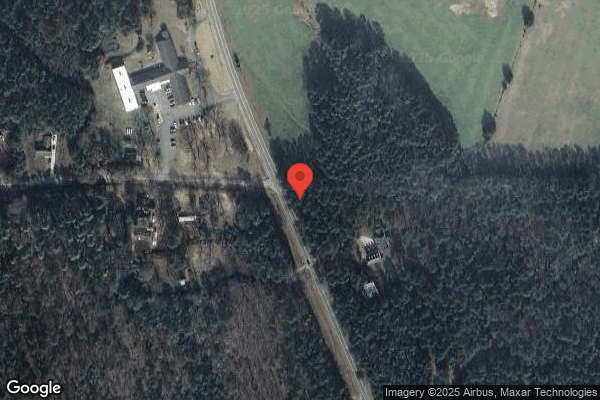
4796 HIGHWAY 42 NORTH, FORSYTH, GA 31029 (478) 994-5662
For profit - Corporation 83 Beds PRUITTHEALTH Data: November 2025
Trust Grade
75/100
#92 of 353 in GA
Last Inspection: September 2025

Inspected within the last 6 months. Data reflects current conditions.

Overview

PruittHealth - Monroe has a Trust Grade of B, indicating it is a good facility and a solid choice for care. It ranks #92 out of 353 nursing homes in Georgia, placing it in the top half, and is the best option out of three in Monroe County. The facility is improving, with issues decreasing from 7 in 2024 to 0 in 2025. Staffing is rated average with a turnover rate of 38%, which is better than the state average of 47%. Notably, there have been no fines, indicating compliance with regulations. However, there are some concerns to consider. Recent inspections found issues such as improper air drying of dishware, which could lead to contamination, and significant ice build-up in the walk-in freezer affecting food storage. Additionally, the facility failed to label opened food items properly and did not discard items past their "Best If Used By" date, raising potential health risks for residents. Overall, while there are strengths in staffing stability and compliance, families should be aware of these food safety concerns.

Trust Score
B
75/100
In Georgia
#92/353
Top 26%
Safety Record
Low Risk
No red flags
Inspections
Getting Better
7 → 0 violations
Staff Stability
○ Average
38% turnover. Near Georgia's 48% average. Typical for the industry.
Penalties
✓ Good
No fines on record. Clean compliance history, better than most Georgia facilities.
Skilled Nurses
⚠ Watch
Each resident gets only 29 minutes of Registered Nurse (RN) attention daily — below average for Georgia. Fewer RN minutes means fewer trained eyes watching for problems.
Violations
⚠ Watch
14 deficiencies on record. Higher than average. Multiple issues found across inspections.
★★★★☆
4.0
Overall Rating
★★★☆☆
3.0
Staff Levels
★★★☆☆
3.0
Care Quality
★★★★☆
4.0
Inspection Score
Stable
2024: 7 issues
2025: 0 issues

The Good

  • Full Sprinkler Coverage · Fire safety systems throughout facility
  • No fines on record
  • Staff turnover below average (38%)

    10 points below Georgia average of 48%

Facility shows strength in fire safety.

The Bad

Staff Turnover: 38%

Near Georgia avg (46%)

Typical for the industry

Chain: PRUITTHEALTH

Part of a multi-facility chain

Ask about local staffing decisions and management

The Ugly 14 deficiencies on record

May 2024 7 deficiencies
CONCERN (D)

Potential for Harm - no one hurt, but risky conditions existed

Assessment Accuracy (Tag F0641)

Could have caused harm · This affected 1 resident

**NOTE- TERMS IN BRACKETS HAVE BEEN EDITED TO PROTECT CONFIDENTIALITY** Based on record review, staff interview, and review of facility policy titled, MDS Assessment Accuracy, the facility failed to a...

Read full inspector narrative →
**NOTE- TERMS IN BRACKETS HAVE BEEN EDITED TO PROTECT CONFIDENTIALITY** Based on record review, staff interview, and review of facility policy titled, MDS Assessment Accuracy, the facility failed to accurately code an annual Minimum Data Set (MDS) assessment for Pre-admission Screening and Resident Review (PASRR) Level II for one of 26 sampled residents (R) (R2) from a sample of 26 residents. The deficient practice had the potential to affect the accurate assessment of R2's care needs. Findings include: Review of the facility policy titled MDS Assessment Accuracy revealed it is the policy of this healthcare center that each Minimum Data Set (MDS) reflect the acuity and the medical status of each patient/resident in accordance with acceptable professional standards and practices. The assessment will be scheduled to accurately account for the acuity and complexity of the patient/resident. Each Assessment Reference Date (AFD) will be chosen to capture services rendered and reflect an accurate clinical profile of each patient/resident. Review of the electronic medical record (EMR) revealed a document from the Georgia Collaborative ASO (Administrative Services Organization) dated February 26, 2018, that a PASRR Level II assessment had been completed for R2. Review of a document provided by the facility titled, PASRR Level II, listed all residents in the facility that have had a PASRR Level II assessment. R2's name was listed. Review of R2's annual MDS assessment dated [DATE] revealed in section A-Identification Information that a PASRR Level II assessment had been completed but was not marked indicating that the assessment had been completed. Interview on 5/4/2024 at 1:45pm with the Senior Nurse Consultant DD revealed the facility's current MDS Coordinator is on a leave of absence, and they have part-time staff filling in to complete MDS assessments. The Senior Nurse Consultant confirmed that R2 had a PASRR Level II assessment in the EMR and stated that it should have been captured and reflected on the annual MDS assessment. The Senior Nurse Consultant revealed that she was not sure of the process the MDS Coordinator uses to identify residents with a PASRR Level II assessment and how that is coded on the MDS assessment. Interview on 5/4/2024 at 1:52pm with the Social Service Director (SSD) revealed that she provided the MDS Coordinator with a list of residents in the facility that have a PASRR Level II assessment completed. The SSD revealed if the PASRR list was updated, she provided a new document to the MDS Coordinator. The SSD revealed that the PASRR list was used by Social Services and MDS for care planning.
CONCERN (D)

Potential for Harm - no one hurt, but risky conditions existed

Comprehensive Care Plan (Tag F0656)

Could have caused harm · This affected 1 resident

**NOTE- TERMS IN BRACKETS HAVE BEEN EDITED TO PROTECT CONFIDENTIALITY** Based on observations, resident and staff interviews, and record review, the facility failed to follow the care plan for three o...

Read full inspector narrative →
**NOTE- TERMS IN BRACKETS HAVE BEEN EDITED TO PROTECT CONFIDENTIALITY** Based on observations, resident and staff interviews, and record review, the facility failed to follow the care plan for three of 26 sampled Residents (R) (R14, R24, and R30). Specifically, the facility failed to create a care plan for nutrition services for R14; failed to follow a physician's order for oxygen (O2) that was care planned for R24; and failed to add refusal of hand splint in the care plan for R30. The deficient practice had the potential for R14, R24, and R30 not to receive needed care services. Findings include: 1.Review of the quarterly Minimum Data Set (MDS) assessment dated [DATE] for R14 documented a Brief Interview for Mental Status (BIMS) score of 11, indicating moderately impaired cognition. Review of R14's Physician Orders revealed an order for a regular, no added salt (NAS) diet. Review of R14's care plans revealed no care plan created for nutrition. Review of a Registered Dietician Note/Nutrition assessment dated [DATE] documented etiology: poor appetite intake, with intervention large protein portions, and refer to provide to eval [evaluation] for potential benefit of a trial of an appetite stimulant given weight loss and low body weight, hyper metabolic condition. Interview on 5/5/2024 at 10:31 am with the Director of Health Services (DHS) and the Regional Consultant (RCC), both staff confirmed that there was no care plan for nutrition for R14. The DHS confirmed that the MDS Coordinator was out on leave and not available for interview. The RCC confirmed that a care plan was created for R14 after it was brought to her attention during the survey that R14's care plan was missing a nutrition care plan. She reported contacting her Regional MDS Coordinator to create the nutrition care plan. 2. Review of the annual MDS assessment for R24 dated 2/4/2024 documented a BIMS score of five, indicating severely impaired cognition. Review of R24's Physician Order dated 4/27/2024 revealed an order for oxygen 2 liters (liters per minute-LPM) by nasal cannula (NC) as needed (PRN). Review of R24's care plan dated 5/3/2024 revealed a plan of care for oxygen therapy with an intervention to administer oxygen at 2 liters per minute via nasal cannula as she will allow. Interview on 5/5/2024 at 11:29 am with the Director of Health Services (DHS) confirmed that O2 was set on the wrong liter flow and nursing staff had not followed the order. She reported that the MDS Coordinator was not available for an interview. She stated that her expectation was for staff to follow the physician's order. She confirmed that staff was not following the order and the care plan. 3. Review of the quarterly MDS assessment dated [DATE] for R30 documented a BIMS score of 5, indicating severely impaired cognition. Review of R30's care plan created 4/9/2024 documented a plan of care titled Activities Daily Living (ADLs) Functional Status/Rehabilitation Potential Resident requires splint/brace assistance to Right hand with intervention right hand orthotic 7am [7:00 am] to 7pm [7:00 pm]. Continued review of the care plan revealed no plan of care for refusal to wear hand splint. Interview on 5/5/2024 at 10:02 am with the DHS, the DHS reviewed the care plan with the Surveyor and confirmed that R30 had a care plan for a hand splint and staff was not following the care plan.
CONCERN (D)

Potential for Harm - no one hurt, but risky conditions existed

Deficiency F0688 (Tag F0688)

Could have caused harm · This affected 1 resident

**NOTE- TERMS IN BRACKETS HAVE BEEN EDITED TO PROTECT CONFIDENTIALITY** Based on observations, record review, resident and staff interviews, and review of the facility's policies titled, Restorative N...

Read full inspector narrative →
**NOTE- TERMS IN BRACKETS HAVE BEEN EDITED TO PROTECT CONFIDENTIALITY** Based on observations, record review, resident and staff interviews, and review of the facility's policies titled, Restorative Nursing Program and Restorative Nursing Process, the facility failed to follow an Occupational Therapy (OT) Restorative Nursing Program (RNP) recommendation for orthotic application for two of 26 sampled residents (R) (R1 and R30) reviewed for ROM and mobility. This deficient practice had the potential of resulting in progression of contractures. Findings include: Review of the facility's policy titled Restorative Nursing Program revised 11/4/2021 revealed it is the policy of the healthcare center to provide restorative nursing which actively focuses on achieving and maintaining optimal physical, mental, and psychological functioning and wellbeing of the patient/resident. Documentation: 1. Restorative nursing care will be documented in the electronic health record (EHR) or paper form. 2. The nurse will evaluate patient's progress. Document in patient's care plan. Review of facility's undated policy titled Restorative Nursing Process revealed Restorative Team (any health personnel providing restorative nursing interventions) Documentation: Restorative team will document exact number of minutes provided for each restorative service in the electronic health record. Nursing Evaluation/Progress Notes: 1. License Nurse to complete evaluation of each service monthly in Restorative Nursing Care Plan. 1. Review of R1's EHR revealed that she was admitted to the facility with diagnoses including, but not limited to cerebrovascular disease, generalized muscle weakness, right hand contracture, stiffness of right-hand, left-hand contracture, and stiffness of left hand. Review of R1's annual Minimum Data Set (MDS) assessment dated [DATE] revealed she had functional limitation in range of motion on both sides of the upper and lower extremities and was dependent for activities of daily living (ADL). Review of R1's care plan revealed a problem related to resident having limited ability to use bilateral hands related to contractures. Review of R1's record revealed an Occupational Therapy Progress and Update Plan of Care dated 3/4/2024 which indicated prosthetic/orthotic use new goal resident will allow caregiver assistance to appropriately don (put on) and doff (remove) bilateral hand orthotics and tolerate wear of 1-2 hours in order to maintain skin/joint integrity. The patient does not consistently allow application of orthotic devices. Maximum assistance required to right hand orthotic. Review of R1's Occupational Therapy Progress and Discharge Summary for dates of service 1/16/2024 through 3/26/2024 revealed R1 and caregiver educated on proper splint wear/care/schedule. Resident from skilled therapy services where she would remain a long-term care (LTC) resident of the facility with 24/7 caregiver assistance for all needs. Recommendations for restorative program assistance to be provided following discharge to continue assisting resident in maintaining splint schedule/care/ management. Review of the EHR revealed there was not an order or any documentation in residents electronic record related to contracture management after resident was discharged from skilled therapy services on March 26, 2024. Verified by the Director of Health Services (DHS) and Regional Senior Nurse Consultant on 5/5/2024 at 10:01 a.m. Observation on 5/3/2024 at 8:54 a.m. revealed R1 lying in the bed with both eyes closed. Both of R1's hands were positioned in body alignment, fingers on both hands were clenched closed into a fist. Further observation revealed an orthotic device on R1's dresser. Observations on 5/4/2024 at 9:37 a.m. and 12:29 p.m. revealed R1 out of bed in an adjustable position wheelchair in her room. RR1's right hand was clenched closed, and the left hand was observed partially open during these observations. Observation on 5/4/2024 at 1:54 p.m. revealed resident lying in bed with right hand exposed and clenched closed. There was not anything in her hands for contracture management. The orthotic device remained on the dresser. Observation on 5/5/2024 at 8:39 a.m. revealed R1 lying in bed with both hands clenched closed. The orthotic device remained on the dresser. Interview on 8/5/2025 at 8:54 a.m. with the DHS revealed she was responsible for the Restorative Nursing Program. The DHS acknowledged R1 has had a restorative plan of care since discharge from skilled therapy sometime during the month of March. DHS also stated the Therapy Manager verbally informed her that R1 was being discharged from skilled care and started on the restorative program. She stated typically the Therapy Department was responsible for putting the restorative plan of care in the EHR. The DHS verified the restorative plan of care was not entered into the EHR. The DHS further stated she should have checked to make sure it was done, but she did not do so. The DHS stated there are two restorative aides in the facility, but for the past two months the restorative aides had been working as an assigned group rendering care to residents. She stated the Certified Nursing Assistants (CNAs) assigned to R1 were responsible for applying the splint. The DHS also stated she did not check to make sure splints were applied daily as it should be, she just trusts the CNAs to do it. She stated it should be done every day, but she was sure it was not being done every day. Additionally, the DHS stated she informed the Restorative Aides of R1 needing range of motion (ROM) and splinting. Interview on 5/5/2024 at 9:20 am with CNA/Restorative Nursing (RNA) EE revealed she had not worked directly with the restorative program for about two months. CNA/RNA EE further stated she was assigned to R1 today and on 5/3/2024 and did not apply the splint. She stated she was not aware the documentation was not in the EHR but was aware of the service, because the Therapy Manager informed her verbally. CNA/RNA EE further stated sometimes residents will resist and not allow the splint to be applied, but when she went back later, R1 allowed the splint to be applied and she usually wore it for about two to three hours. Interview on 5/5/2024 at 9:28 am with Licensed Practical Nurse (LPN) FF revealed she had seen R1 wearing the right-hand splint from time to time, but not consistently. She further stated refusals of care should be documented in the electronic record when they occur. LPN FF verified R1 had not had the hand splint on during the three-day survey. Post Survey telephone interview on 5/5/2024 at 12:22 pm with the Therapy Manager revealed that she was aware that R1 was recently discharged from skilled therapy services to the restorative program for passive range of motion (PROM) and splinting to the right hand. She further stated that it was the responsibility of the discharging therapist to write the restorative order and update the care plan at the time of discharge from skilled care. She further stated she does not always check the record to ensure the therapist had followed the process, some she does check but she did not check this one. The Therapy Manager also stated that she verbally informed the DHS and the caregiver of the restorative services needed for R1. 2. Review of R30's EMR revealed the following diagnoses but not limited to dementia and contracture right hand. The Minimum Data Set (MDS) assessed a Brief Interview Mental Status score (BIMS) of 5, indicating severe cognitive impairment. Review of R30's care plan created 4/9/2024 documented a plan of care titled, Activities Daily Living (ADLs) Functional Status/Rehabilitation Potential resident requires splint/brace assistance to right hand with intervention right hand orthotic 7:00 am to 7:00 pm. Continue review of care plan revealed no plan of care for refusal to wear hand splint. Observation and interview on 5/3/2024 at 10:11 am, R30 revealed that staff were not applying her hand splint on a routine basis. Observation revealed R30's hand splint on her bedside nightstand. Observations on 5/3/3024 at 11:30 am and 3:30 pm revealed R30 in bed with no hand splint on. The splint was on the bedside nightstand. Observation on 5/4/2024 at 9:25 pm revealed no hand splint was on R30 and the hand splint was on the bedside nightstand. Review of the CNA Point of Care (POC) charting revealed gaps in staff documenting applying R30's hand splint. Interview on 5/5/2024 at 9:25 am, CNA EE reported being unaware that R30 had a hand splint to be applied daily. She reported that she was only aware of the leg brace. She stated that what she was documenting in the POC was the leg brace. She confirmed receiving in-service on the leg brace only. Interview on 5/5/2024 at 9:37 am, CNA KK confirmed applying the hand splint only one day during the survey, 5/4/2024, and applying the leg brace daily. She reported that she was aware of the hand splint and received in-services. She confirmed that she did not always document a refusal in the POC for R30 refusing to wear her hand splint. CNA KK confirmed receiving restorative training on the leg brace and hand splint. Interview on 5/5/2024 at 9:46 am, CNA GG reported being unaware that R30 had a hand splint. This was the first time that she had seen R30 with the hand splint on. She observed R30 wearing the hand splint yesterday, 5/4/2024, and had removed the hand splint from the resident hand. She confirmed receiving restorative training on the leg brace and range of motion on R30's hand, but not to apply a hand splint. Interview on 5/5/2024 at 9:48 am, LPN AA reported being aware of the hand splint and only documenting on the leg splint. She reported only being aware of what the CNAs had told her in the past, that R30 refused the hand splint. She stated one time she attempted to try to help the resident to understand. She reported that R30 seemed like she understood but at times will refuse. She confirmed not documenting and providing this information to restorative. Interview on 5/5/2024 at 10:02 am with the DHS confirmed being unaware of the missing gaps on CNA POC documentation. She confirmed that her staff was not following the care plan for R30 to wear the hand splint and apply the hand splint daily. She also stated that because the care plan was not triggered to run on the flow sheet for the leg brace to distinguish it from the hand brace, this caused the confusion on the CNA's POC documentation. She confirmed that this confusion was most likely why the CNA was thinking only to document for the leg brace, missing documentation on POC Restorative and ADL Sheets that the CNA's used to communicate and to document for hand brace application.
CONCERN (D)

Potential for Harm - no one hurt, but risky conditions existed

Respiratory Care (Tag F0695)

Could have caused harm · This affected 1 resident

**NOTE- TERMS IN BRACKETS HAVE BEEN EDITED TO PROTECT CONFIDENTIALITY** Based on observations, staff and resident interviews, record review, and review of the facility policy titled, Oxygen Administra...

Read full inspector narrative →
**NOTE- TERMS IN BRACKETS HAVE BEEN EDITED TO PROTECT CONFIDENTIALITY** Based on observations, staff and resident interviews, record review, and review of the facility policy titled, Oxygen Administration, the facility failed to ensure oxygen (O2) was administered in accordance with the physician order for one of 20 residents (R) (R24) receiving oxygen therapy. The deficient practice had the potential for respiratory difficulty for R24. Findings include: Review of facility policy titled Policy titled Oxygen Administration revealed under category Policy Statement It is the policy of [NAME] Health Hospice and Healthcare Centers/Veteran Homes to provide oxygen safely and accurately to appropriate patients /residents. Oxygen will be administered by licensed personnel only when ordered by the physician, PA, or NP. The physician order may be written PRN [as needed] for comfort /dyspnea [shortness of breath] or may specify the number or liters, method of administration and length of time the oxygen is to be administered. Review of R24 's electronic medical record (EMR) revealed the following diagnoses of unspecified dementia, hypoxia, and anxiety disorder. The admission Minimum Data Set (MDS) dated [DATE] documented a Brief Interview Mental Status (BIMS) score of 5, indicating severe cognitive impairment. Review of R24's care plan created 5/3/2024 revealed a plan of care of oxygen therapy with an intervention Administer oxygen at 2 LPM via NC [nasal cannula] as she will allow and explain the importance of keeping oxygen at the prescribed setting. Review of the Physician Order Form dated May 2024 revealed an order for oxygen at 2 LPM (liter per minute) via nasal cannula prn start date of 3/4/2024. Observations on 5/3/2024 at 8:48 am, 10:00 am, and 12:00 pm revealed R24 lying in bed receiving O2 by NC and the O2 concentrator (oxygen machine) set on four LPM. Observations on 5/3/2024 at 1:00 pm and 4:00 pm revealed R24 lying in bed receiving O2 by NC and the O2 concentrator was set on three LPM. Observation/Interview on 5/3/2024 at 2:24 pm, Unit Manager/Licensed Practical Nurse (LPN) confirmed that R24's O2 was set on three LPM instead of two LPM. She reported that she will notify the nurse to get the order changed to three LPM. She could not provide an explanation for R24 's O2 was set on three LPM and four LPM instead of two LPM. Interview on 5/5/2024 at 11:29 am, the Director of Health Services (DHS) reported being unaware that R24 O2 was set on the wrong liter flow. She confirmed that her licensed nursing staff was not following the physician order and the resident 's care plan. She reported that her expectation was for staff to follow the physician order. The DHS reported that her plan was to provide in-services to her nurses.
CONCERN (D)

Potential for Harm - no one hurt, but risky conditions existed

Unnecessary Medications (Tag F0759)

Could have caused harm · This affected 1 resident

Based on observations, staff interviews, record review, review of the facility's policies titled, Medication Administration: Oral Medications and Medication Administration: Insulin Injections and revi...

Read full inspector narrative →
Based on observations, staff interviews, record review, review of the facility's policies titled, Medication Administration: Oral Medications and Medication Administration: Insulin Injections and review of the facility document titled, Oral Dosage Forms That Should Not Be Crushed 2016, the facility failed to ensure the medication error rate was less than 5%. There were two errors with 27 opportunities for two of five residents (R) (R38 and R56) for a medication error rate of 7.41%. These failures had the potential to result in medication not being given in accordance with the physician's orders or manufacturer's recommendations and the potential to adversely affect R38 and R56's clinical conditions. Findings include: 1. A review of the facility's policy titled Medication Administration: Oral Medications, revised 12/10/2021, revealed the Policy Statement of It is the policy of [facility name] Pharmacy that oral medications are administered in an organized and safe manner. The Special Considerations section included 1. Refer to Crush List prior to crushing any medication for assurance that it can be pulverized safely. The Procedure & Key Points: section included 9. Crush medication if indicated by Physician's order for this resident only after checking the Crush List. For tablets that appear on the Do Not Crush List check with Pharmacist regarding a suitable alternative and get new order from physician if appropriate. A review of the facility-provided document titled Oral Dosage Forms That Should Not Be Crushed 2016 revealed that metoprolol extended-release (ER) (a medication used to treat high blood pressure, heart failure, and chest pain) was on the list. A review of R38's electronic medical record (EMR) revealed diagnoses including, but not limited to, hypertensive heart, chronic kidney disease with heart failure, and paroxysmal atrial fibrillation. A review of the physician's orders included an order dated 9/18/2023 for metoprolol succinate 25 milligrams (mg) ER tablet, one tablet oral, once a day at 9:00 am. During a medication pass observation on 5/4/2024 at 9:00 am, Licensed Practical Nurse (LPN) AA was observed to crush R38's medications, including one metoprolol succinate 25 mg ER tablet, mix the medications with applesauce, and administer the medications to R38. In an interview on 5/4/2024 at 1:40 pm, LPN AA verified she had crushed the metoprolol succinate 25 mg ER tablet and administered it to R38. She stated she normally crushed the medications at R38's request, including the metoprolol succinate 25 mg ER tablet. LPN AA verified the instructions on the metoprolol succinate 25 mg ER tablet pharmacy packet included Do not crush. She stated she did not notice the instructions not to crush on the medication. Further interview revealed she was aware of the medication Do Not Crush list on the medication cart and verified she did not check to see if any of R38's medications were on the list before crushing them. She verified that administering the crushed metoprolol succinate 25 mg ER tablet could cause R38 to have adverse medical complications. In an interview on 5/4/2024 at 1:45 pm, the Director of Health Services (DHS) revealed her expectation was for the nurses to ensure medications were not on the facility's Do Not Crush list, which was located on each medication cart before crushing the medication. She stated all residents had a physician's order to allow medications to be crushed, but if the medication was on the Do Not Crush list or had instruction to not crush on the pharmacy label, the nurse should contact the pharmacy to ask for an alternative form of the medication or contact the physician to request an alternative medication and should not crush the medication. She confirmed administering a crushed medication that was on the Do Not Crush list placed residents at risk for adverse medical complications. She further stated she was unsure whether education had been provided about crushing medications, but the education would be provided immediately to the nurses. 2. A review of the facility's policy titled Medication Administration: Insulin Injections revised 10/27/2020 revealed the Policy Statement of It is the policy of [facility name] that the procedures outlined in this policy must be followed to aid oxidation and utilization of blood sugar by the tissues and to control the blood sugar levels in resident/patients with diabetes mellitus through the correct administration of insulin. The Procedures and Key Points: For Insulin Pens section included 2. Prime pen by dialing up 2 units on the pen and pressing the button on the end of the pen. Repeat priming procedure until insulin secretes from the needle. 3. Turn the knob on the end of the pen (or dial) to the number of units. A review of R56's EMR revealed diagnoses including, but not limited to, type 2 diabetes mellitus. A review of the physician's orders included an order dated 4/11/2024 for Novolog Flex Pen (a medication used to improve blood sugar control in people with diabetes mellitus) 100 unit/milliliter subcutaneous before meals and at bedtime, per sliding scale: If blood sugar is less than 70, call the Medical Doctor (MD). If blood sugar is 251 to 300, give 2 units. If blood sugar is 301 to 350, give 4 units. If blood sugar is 351 to 400, give 6 units. If blood sugar is 401 to 450, give 8 units. If blood sugar is greater than 450, call the MD. During a medication pass observation on 5/4/2024 at 11:30 am, LPN BB checked R56's blood sugar, with results of 411. The observation revealed her to prepare R56's Novolog Flex Pen insulin by dialing the pen's setting to 8 units, attaching the needle to the pen, and administering the insulin to R56. She did not dial the pen's setting to 2 units and prime the pen before dialing the dosage of 8 units. In an interview on 5/4/2024 at 11:35 am, LPN BB verified she did not prime the insulin pen with two units of insulin before dialing the ordered dosage on the pen and administering the insulin to R56. She stated she was unaware that she should prime the pen with two units of insulin before setting the dial to the ordered dose. She confirmed if the insulin pen was not primed before dialing the dosage amount, the resident could receive less than the ordered amount of insulin, which could result in adverse medical complications for the resident. In an interview on 5/4/2024 at 2:15 pm, the DHS stated her expectations were for the nurses to follow the manufacturer's guidelines and facility policy when administering insulin. She stated if the insulin pen was not primed as recommended, the resident could receive an inaccurate dose of insulin, which could cause medical complications. She further stated a pharmacy consultant provided education during monthly medication pass observations with the nurses, but she was unsure whether insulin pen or insulin administration education had been provided recently. She stated that education would be provided to the nurses immediately.
CONCERN (F)

Potential for Harm - no one hurt, but risky conditions existed

Food Safety (Tag F0812)

Could have caused harm · This affected most or all residents

Based on observations, staff interviews, and review of the facility policy titled, Pot/Pan Washing and Sanitation and review of the Sanitizing Solution Product Specification document, the facility fai...

Read full inspector narrative →
Based on observations, staff interviews, and review of the facility policy titled, Pot/Pan Washing and Sanitation and review of the Sanitizing Solution Product Specification document, the facility failed to ensure dishware was air dried before usage to prevent the potential for cross contamination and bacteria contamination. The deficient practice had the potential to affect 62 of 63 residents receiving an oral diet. Findings include: Review of the facility policy titled Pot/Pan Washing and Sanitation revealed Air dry pots and pans on the drain board. Never use a dish towel. Review of the [name of company/product] Sanitizer Product Specification Document revealed Allow equipment to drain thoroughly and air dry. Observation on 5/4/2024 at 10:45 am of Dietary [NAME] CC taking the food processor bowl, lid, and blade out of the sanitizing solution from the three-compartment sink revealed she placed them on the drying rack for 10 seconds. Dietary cook CC was observed drying the food processor lid and the food processor bowl with a white paper towel. Dietary [NAME] CC did not allow the dishware to completely air dry. Further observation of the three-compartment sink revealed that the facility was using a quaternary (potent disinfectant solution) sanitizing solution. Interview on 5/4/2024 at 10:45 am, dietary cook CC revealed that the Health Department told them that they could use paper towel to dry dishware if needed after the items have been in the sanitizing solution. Dietary [NAME] CC revealed that the Dietary Manager (DM) would like dietary staff to air dry dishware when washed in the three-compartment sink. Interview on 5/4/2024 at 10:45 am, the DM revealed that she prefers dietary staff to air dry dishware after washing in the three-compartment sink. The DM revealed that the Health Department told her that they could wipe dry wet dishware with paper towels. The DM confirmed that the facility was using a quaternary sanitizing solution for washing dishware in the three-compartment sink and the DM confirmed that the manufacturer's recommendation for using quaternary sanitizing solution was to air dry.
CONCERN (F)

Potential for Harm - no one hurt, but risky conditions existed

Room Equipment (Tag F0908)

Could have caused harm · This affected most or all residents

Based on observations and staff interview, the facility failed to properly maintain the walk-in freezer to prevent ice build-up on food storage shelves and food products. The deficient practice had th...

Read full inspector narrative →
Based on observations and staff interview, the facility failed to properly maintain the walk-in freezer to prevent ice build-up on food storage shelves and food products. The deficient practice had the potential to affect 62 of 63 residents receiving an oral diet. Findings include: Observation on 5/3/2024 at 8:30am of the walk-in freezer revealed ice build-up on the food storage shelf under the air condenser. The food storage shelf had six mounds of ice, the mounds were two inches in height and two inches in diameter. Continued observation revealed ice build-up on the top of food item inside a clear, plastic, resealable bag. The ice build-up on the plastic bag had a mound of ice on the left side that was about three inches in height and two inches in diameter. Further observation revealed ice build-up on top of a food item that was inside a box. The food item had a small ice mound on top that was about one inch in height and half inch in diameter. Observation on 5/5/2024 at 9:00 am of the walk-in freezer revealed that the previous ice build-up on the food storage shelf and on the food products remained. Continued observation revealed an open box of hushpuppies with a thin layer of ice covering the top lid and ice noted near the open area to the inside of the box. Interview on 5/5/2024 at 9:00 am, the Dietary Manager (DM) confirmed that there was ice build-up on the food storage shelf under the air condenser. The DM confirmed that there was ice build-up on the food item in the clear, plastic, resealable bag, on top of the food item inside the box of food, and ice build-up on top of the open box of hushpuppies. The DM revealed that she had not noticed the ice build-up, this was the first time she noticed the ice.
Nov 2023 2 deficiencies
CONCERN (D) 📢 Someone Reported This

A family member, employee, or ombudsman was alarmed enough to file a formal complaint

Potential for Harm - no one hurt, but risky conditions existed

Pressure Ulcer Prevention (Tag F0686)

Could have caused harm · This affected 1 resident

Based on record review, staff interviews, and review of the facility's policy Documentation of Skin and Wound Care, the facility failed to ensure wound assessments were completed weekly for one of thr...

Read full inspector narrative →
Based on record review, staff interviews, and review of the facility's policy Documentation of Skin and Wound Care, the facility failed to ensure wound assessments were completed weekly for one of three sampled residents (R2) and failed to accurately document skin assessments for one of three sampled residents (R2). Findings include: Review of facility policy Documentation of Skin and Wound Care revealed 'Policy Statement: It is the policy of the Healthcare center to complete documentation that reflects the current resident status as related to skin/wound care. Documentation will provide current and timely documentation on resident's condition related to skin/wound care, accurate information on resident's status as it pertains to skin/wound care, record care rendered and interventions in place and provide a detailed history of the wound assessments that have occurred in the healthcare center. Weekly Documentation: Weekly Documentation of Treatments will be completed on Wound Manager in the EHR (electronic health record) and Focus Observation to include Skin observation.' Record review of the Electronic Medical Record (EMR) for R2 revealed a diagnoses including but not limited to hemiplegia and hemiparesis following cerebral infarction affecting left non-dominant side, Crohn's disease, and anoxic brain damage. Record review of Quarterly Minimum Data Set (MDS) for R2 dated 8/2/2023 revealed under section G-Function Abilities revealed extensive to dependent one-to-two-person assistance with activities of daily living (ADL) care. Review of progress notes for R2 revealed a note dated 7/7/2023 at 6:06 a.m. stated 'resident was noted to have open area on left buttocks. Tx nurse was made aware.' Record review of R2's physician orders revealed an order dated 7/9/2023 as follows 'Clean left buttocks with Normal Saline. Blot dry. Apply dry dressing daily. Once A Day.' Record review of Skin Observation Reports revealed on 7/12/2023 and 7/27/2023 nurse documented R2's skin was intact, no issues noted. R2 did not have 'Wound Management Detail Report' done until 7/25/2023, at which time the wound was declining. Interview on 11/2/2023 at 10:18 a.m. with Licensed Practical Nurse (LPN) AA revealed she was notified by a Certified Nursing Assistant (CNA) about an area on R2. LPN AA stated that she inspected R2's skin and found an open area on the left buttocks. She further revealed that she notified the Skin Integrity Coordinator (SIC) nurse but did not dress the area, notify the Physician, or the family of the area. This SIC nurse is no longer employed by the facility. Interview on 11/2/23 at 10:20 a.m. with the Director of Nursing (DON) revealed she was made aware of the area to R2 on 8/4/2023 by the previously employed SIC Nurse and the wound management company that comes in once per week. The DON stated that she started at the facility on 7/17/2023 and was not aware R2 had a wound prior to 8/4/2023. The DON further revealed her expectation is for the nurses to accurately document skin assessments and wound observations. Stated education was started on 8/4/2023 and every resident in the building had a skin observation done that day with no adverse findings.
CONCERN (D) 📢 Someone Reported This

A family member, employee, or ombudsman was alarmed enough to file a formal complaint

Potential for Harm - no one hurt, but risky conditions existed

Deficiency F0692 (Tag F0692)

Could have caused harm · This affected 1 resident

Based on record review, staff interview, and review of the facility policy Weight Monitoring Program, the facility failed to ensure resident with significant weight loss was addressed in a timely mann...

Read full inspector narrative →
Based on record review, staff interview, and review of the facility policy Weight Monitoring Program, the facility failed to ensure resident with significant weight loss was addressed in a timely manner for one of three sample residents (R2) with a significant weight loss. Findings include: Review of facility policy 'Weight Monitoring Program' last revised 6/2/2023 revealed 'Weight Team: 3. Weight Team Responsibilities: The Weight Team's responsibilities include evaluating weights for significant changes; recommending appropriate interventions; reviewing patient/resident meal, supplement, and snack intakes; revision of interventions, if necessary; attending weekly meetings; completing the Weight Loss/Gain Checklist and completing weekly documentation in the patient/resident's chart.' Record review of the most recent Quarterly Minimum Data Set (MDS) for R2 dated 8/2/2023 revealed under section K-Swallowing/Nutritional Status revealed resident had a 5% weight loss in one month or a 10% weight loss in six months and was not on physician prescribed weight loss regimen. Record review of the weight record revealed on 5/3/2023 R2 weighed 183.2 lbs (pounds). On 7/14/2023 R2 weighed 158 pounds, a 13.76% loss. There was no weight recorded for June 2023. There is no documentation the weight loss was addressed until 8/15/2023. A supplement was added and the responsible party, Physician, and Registered Dietician were notified. Interview on 11/2/2023 at 10:45 a.m. with Registered Nurse (RN) BB revealed she took over the weight program in July or August 2023. RN BB stated that she became aware of R2's weight loss when she took over the program and notified the Physician. Order was received to start supplement. Stated she also notified the Registered Dietician but did not get a response until September 2023. Interview on 11/8/2023 at 12:49 a.m. with Registered Dietician (RD) revealed weights are pulled once a month to see if any residents trigger for weight loss. The RD stated she prioritizes residents based on their needs. Further revealed she does not recall R2 showing up on the weight report for July as a significant weight loss but did address the weight loss in September. Interview on 11/13/2023 at 11:10 a.m. with Director of Nursing (DON) revealed residents with weight loss are discussed in weekly meetings. Stated the Physician should be notified as well as the Registered Dietician. Confirmed R2's weight loss was not addressed by the facility until August 2023 and by the Registered Dietician September 2023. Stated the weight loss should have been addressed sooner.
Oct 2022 5 deficiencies
CONCERN (D)

Potential for Harm - no one hurt, but risky conditions existed

Deficiency F0582 (Tag F0582)

Could have caused harm · This affected 1 resident

Based on record review and staff interview, the facility failed to provide the Skilled Nursing Facility Advance Beneficiary Notice (SNFABN) (Form CMS-10055) to two residents (R) (R#18 and #43) who rem...

Read full inspector narrative →
Based on record review and staff interview, the facility failed to provide the Skilled Nursing Facility Advance Beneficiary Notice (SNFABN) (Form CMS-10055) to two residents (R) (R#18 and #43) who remained in the facility from a sample of five residents who were discharged from Medicare Part A services in the last six months. Findings include: 1. R#18 was discharged from Medicare Part A services on 8/19/22 and remained in the facility. However, the only notice that was provided to the resident was the Notice of Medicare Non-Coverage (NOMNC) (Form CMS-10123). There was no evidence that the facility had issued an SNFABN (Form CMS-10055) to R#18 or her responsible party, providing the opportunity to continue with skilled services, at her cost, if Medicare did not reimburse. 2. R#43 was discharged from Medicare Part A services on 6/3/22 and remained in the facility. However, the only notice provided to the resident was the NOMNC (Form CMS-10123). There was no evidence that the facility had issued the SNFABN (Form CMS-10055) to R#43 or his responsible party, providing the opportunity to continue with skilled services, at his cost, if Medicare did not reimburse. Interview with the Financial Controller on 10/23/22 at 10:40 a.m. revealed she did not provide the SNF-ABN form for R#18 or R#43. She thought that form was for Medicare Part B. She stated the Minimum Data Set (MDS) Coordinator provides her with the forms to get signed by the resident. MDS Coordinator entered the interview and was also unaware of the notice requirements. Further interview with the Financial Controller on 10/23/22 at 12:09 p.m. revealed she has not had any trainings on the specifics of providing the forms. She stated the MDS Coordinator has always given her the forms because she gets the information and updates the care plans. She stated she found some guidance in her emails and forwarded it to the MDS Coordinator. Review of the undated document provided by the facility titled Medicare Part A/ Medicare Replacement revealed for the following scenario, the facility will issue the NOMNC and SNF ABN notices: 1. Patient on Medicare A/ Medicare Replacement 2. Still has days available. 3. Part A/ Medicare Replacement being discontinued. 4. Remaining in the center following discharge from Part A/ Medicare Replacement.
CONCERN (D)

Potential for Harm - no one hurt, but risky conditions existed

Deficiency F0761 (Tag F0761)

Could have caused harm · This affected 1 resident

Based on observations, interviews, and review of facility policy titled ''Medication Storage in the Healthcare Centers, the facility failed to ensure all medications carts were locked when out of view...

Read full inspector narrative →
Based on observations, interviews, and review of facility policy titled ''Medication Storage in the Healthcare Centers, the facility failed to ensure all medications carts were locked when out of view of the nurse for one of two medication carts and failed to ensure medications were properly secured inside of the medication cart when out of view of the nurse. Eight of 51 residents were wanderers. Findings include: Review of facility policy Medication Storage in the Healthcare Centers last revised 9/15/17 revealed: Procedure: 2. Only licensed nurses and the pharmacy personnel are allowed access to medications. Respiratory Therapists may access medications used in the provision of respiratory services. Medication rooms, carts, and medication supplies are locked or attended by persons with authorized access. During observation of medication cart on 10/22/22 at 8:01 a.m. the medication cart was unlocked and unattended. The Administrator locked the cart and stated the nurse must have forgot to lock it. During observation of medication administration on 10/22/22 with RN AA revealed the medication cart was unlocked and unattended from 8:23 a.m. to 8:27 a.m., from 8:31 a.m. to 8:40 a.m., from 8:42 a.m. to 8:45 a.m., from 8:48 a.m. to 8:48 a.m., from 8:49 a.m. to 8:50 a.m., and from 8:53 a.m. to 8:55 a.m. During interview on 10/22/22 at 8:55 a.m. with Registered Nurse (RN) AA, revealed the cart is supposed to be locked when not in use or unattended. Confirmed medication cart has been unlocked and unattended during medication administration. During interview on 10/22/22 at 9:26 a.m. with Director of Health Services revealed the medication cart should be cleared of medications and the cart locked when nurses are away from the cart. Stated it is her expectation the nurses keep the cart locked when not in use and unattended. During interview on 10/22/22 at 9:27 a.m. with the Administrator revealed she had a conversation with the nurse after discovering the medication cart unlocked upon surveyor observation. Stated medication carts should be locked and secured when unattended.
CONCERN (D)

Potential for Harm - no one hurt, but risky conditions existed

Menu Adequacy (Tag F0803)

Could have caused harm · This affected 1 resident

Based on observation, interview, and recipe review the facility failed to properly prepare puree Salisbury steak to ensure adequate nutrient content. This deficient practice had the potential to effec...

Read full inspector narrative →
Based on observation, interview, and recipe review the facility failed to properly prepare puree Salisbury steak to ensure adequate nutrient content. This deficient practice had the potential to effect 10 residents receiving a pureed diet from 49 residents that receive an oral diet. Findings include: Review of the cycle menu for lunch meal revealed residents ordered puree diet were to receive Baked Beef Steak. Review of the recipe for Puree Salisbury Steak revealed ingredients consist of prepared Salisbury steak, broth from base, and thickener. Observation on 10/22/22 at 10:30 a.m. of dietary cook BB puree Baked Beef Steak revealed dietary cook BB placed 12 cooked beef steaks in the food processor and purred, opened the lid and added 4 more beef steak to the food processor bowl and pureed. Dietary cook BB then poured about two cups of hot water into the food processor bowl using a gallon measuring pitcher and pureed. The cook opened the lid and added about another two cups of hot water and pureed. Dietary cook BB finished puree and placed in steam table pan. During an interview on 10/22/22 at 10:55 a.m. dietary cook BB stated that she does not use recipes when preparing pureed food items. The cook stated that she knows from past work experience how to puree food items.
CONCERN (E)

Potential for Harm - no one hurt, but risky conditions existed

Deficiency F0813 (Tag F0813)

Could have caused harm · This affected multiple residents

Deficiency Text Not Available

Read full inspector narrative →
Deficiency Text Not Available
CONCERN (F)

Potential for Harm - no one hurt, but risky conditions existed

Food Safety (Tag F0812)

Could have caused harm · This affected most or all residents

Based on observations, interviews, and policy review the facility failed to ensure opened food items in the walk-in refrigerator were dated; failed to discard food items after Best If Use By date; and...

Read full inspector narrative →
Based on observations, interviews, and policy review the facility failed to ensure opened food items in the walk-in refrigerator were dated; failed to discard food items after Best If Use By date; and failed to properly thaw food items to prevent food borne illness. This deficient practice had the potential to effect 49 of 51 residents receiving an oral diet. Findings include: Review of the facility policy titled Labeling, Dating, and Storage with a reviewed date of 1/8/21 revealed: Foods will be stored in their original containers or in an approved container or wrapped tightly with film, foil, etc and clearly labeled with the name of the item and the use by date. The policy also stated those items that require refrigeration and/or require refrigeration once they have been opened will be labeled with the use by date. Review of the facility policy titled Foodborne Illnesses with a reviewed date of 1/8/21 revealed: Foods will be used before the expiration date, use by date, best by date, and sell by date indicated on the food item. Food not used prior to the expiration date, use by date, best by date, or sell by date must be discarded. Continued review of the policy revealed meats will be thawed submerged in a solid bottom pan under cold running water. 1. Observation on 10/21/22 at 8:34 a.m. of the walk-in refrigerator revealed a one gallon container of sweet pickle relish that was opened with no date. The walk-in refrigerator also had two, five pound containers of cottage cheese with a Best If Use By date of 8/15/22. During an interview on 10/21/22 at 8:36 a.m. with the facility Dietary Manager (DM) she confirmed that the sweet pickle relish was opened with no date and expects staff to date food items after opening. The DM confirmed both containers of cottage cheese had a Best If Use By date of 8/15/22 and should have been discarded since it was past date, the DM did not why know it wasn't. Observation on 10/23/22 at 9:35 a.m. of the walk-in refrigerator revealed a one gallon container of Ranch Salad Dressing that was opened with no date. During an interview on 10/23/22 at 9:35 a.m. with the sister facility DM she confirmed that the Ranch Salad Dressing was opened with no date. The DM stated that she expects staff to label and date food items after opening. 2. Observation on 10/21/22 at 8:40 a.m. of the food preparation sink revealed inside was a large metal bowl that was filled white fish filets, the fish was covered with water. Continued observation revealed no running water going into the bowl. During an interview on 10/21/22 at 8:40 a.m. the facility DM confirmed that the fish filets were being thawed in the sink and confirmed that there was no running water going into the bowl. The DM stated that they should have had running water going into the bowl to thaw the fish.
Understanding Severity Codes (click to expand)
Life-Threatening (Immediate Jeopardy)
J - Isolated K - Pattern L - Widespread
Actual Harm
G - Isolated H - Pattern I - Widespread
Potential for Harm
D - Isolated E - Pattern F - Widespread
No Harm (Minor)
A - Isolated B - Pattern C - Widespread

Questions to Ask on Your Visit

  • "Can I speak with families of current residents?"
  • "What's your RN coverage like on weekends and overnight?"

Our Honest Assessment

Strengths
  • • No major safety red flags. No abuse findings, life-threatening violations, or SFF status.
  • • No fines on record. Clean compliance history, better than most Georgia facilities.
  • • 38% turnover. Below Georgia's 48% average. Good staff retention means consistent care.
Concerns
  • • 14 deficiencies on record. Higher than average. Multiple issues found across inspections.
Bottom line: Generally positive indicators. Standard due diligence and a personal visit recommended.

About This Facility

What is Pruitthealth - Monroe's CMS Rating?

CMS assigns PRUITTHEALTH - MONROE an overall rating of 4 out of 5 stars, which is considered above average nationally. Within Georgia, this rating places the facility higher than 99% of the state's 100 nursing homes. This rating reflects solid performance across the metrics CMS uses to evaluate nursing home quality.

How is Pruitthealth - Monroe Staffed?

CMS rates PRUITTHEALTH - MONROE's staffing level at 3 out of 5 stars, which is average compared to other nursing homes. Staff turnover is 38%, compared to the Georgia average of 46%. This relatively stable workforce can support continuity of care. RN turnover specifically is 67%, which is notably high. RNs provide skilled clinical oversight, so turnover in this role can affect medical care quality.

What Have Inspectors Found at Pruitthealth - Monroe?

State health inspectors documented 14 deficiencies at PRUITTHEALTH - MONROE during 2022 to 2024. These included: 14 with potential for harm.

Who Owns and Operates Pruitthealth - Monroe?

PRUITTHEALTH - MONROE is owned by a for-profit company. For-profit facilities operate as businesses with obligations to shareholders or private owners. The facility is operated by PRUITTHEALTH, a chain that manages multiple nursing homes. With 83 certified beds and approximately 74 residents (about 89% occupancy), it is a smaller facility located in FORSYTH, Georgia.

How Does Pruitthealth - Monroe Compare to Other Georgia Nursing Homes?

Compared to the 100 nursing homes in Georgia, PRUITTHEALTH - MONROE's overall rating (4 stars) is above the state average of 2.6, staff turnover (38%) is near the state average of 46%, and health inspection rating (4 stars) is above the national benchmark.

What Should Families Ask When Visiting Pruitthealth - Monroe?

Based on this facility's data, families visiting should ask: "Can I visit during a mealtime to observe dining assistance and food quality?" "How do you handle medical emergencies, and what is your hospital transfer rate?" "Can I speak with family members of current residents about their experience?"

Is Pruitthealth - Monroe Safe?

Based on CMS inspection data, PRUITTHEALTH - MONROE has a clean safety record: no substantiated abuse findings (meaning no confirmed cases of resident harm), no Immediate Jeopardy citations (the most serious violation level indicating risk of serious injury or death), and is not on the Special Focus Facility watch list (a federal program monitoring the lowest-performing 1% of nursing homes). The facility has a 4-star overall rating and ranks #1 of 100 nursing homes in Georgia. While no facility is perfect, families should still ask about staff-to-resident ratios and recent inspection results during their visit.

Do Nurses at Pruitthealth - Monroe Stick Around?

PRUITTHEALTH - MONROE has a staff turnover rate of 38%, which is about average for Georgia nursing homes (state average: 46%). Moderate turnover is common in nursing homes, but families should still ask about staff tenure and how the facility maintains care continuity when employees leave.

Was Pruitthealth - Monroe Ever Fined?

PRUITTHEALTH - MONROE has no federal fines on record. CMS issues fines when nursing homes fail to meet care standards or don't correct problems found during inspections. The absence of fines suggests the facility has either maintained compliance or corrected any issues before penalties were assessed. This is a positive indicator, though families should still review recent inspection reports for the full picture.

Is Pruitthealth - Monroe on Any Federal Watch List?

PRUITTHEALTH - MONROE is not on any federal watch list. The most significant is the Special Focus Facility (SFF) program, which identifies the bottom 1% of nursing homes nationally based on persistent, serious quality problems. Not being on this list means the facility has avoided the pattern of deficiencies that triggers enhanced federal oversight. This is a positive indicator, though families should still review the facility's inspection history directly.