NHC HEALTHCARE FT OGLETHORPE

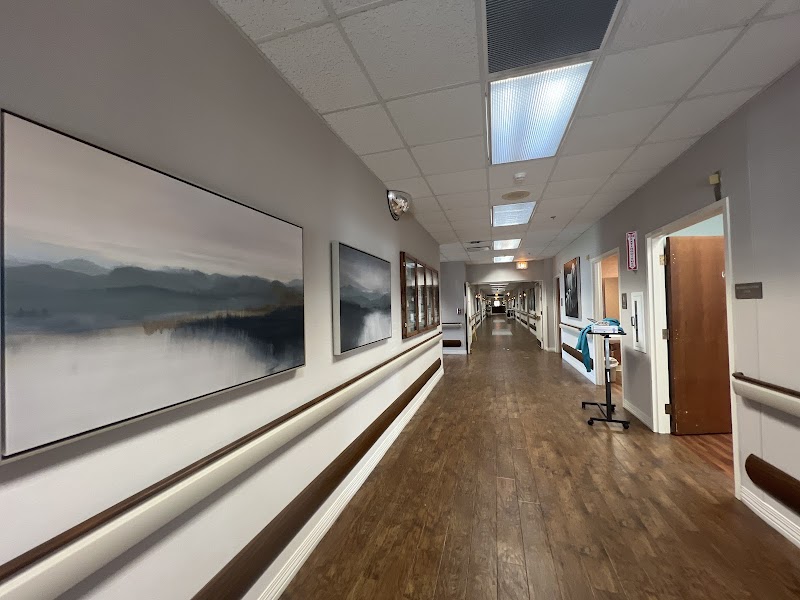
2403 BATTLEFIELD PKWY, FORT OGLETHORPE, GA 30742 (706) 866-7700
For profit - Corporation 135 Beds NATIONAL HEALTHCARE CORPORATION Data: November 2025
Trust Grade
38/100
#208 of 353 in GA
Last Inspection: April 2024

Within standard 12-15 month inspection cycle. Federal law requires annual inspections.

Overview

NHC Healthcare Fort Oglethorpe has received a Trust Grade of F, indicating significant concerns and a poor overall quality of care. They rank #208 out of 353 nursing homes in Georgia, placing them in the bottom half, and #3 out of 3 in Catoosa County, meaning there is only one other local option that is better. While the facility's trend is improving, with a reduction in issues from 10 in 2022 to 4 in 2024, serious problems remain, including incidents where a resident developed avoidable pressure ulcers due to inadequate skin checks and another resident fell and fractured bones due to insufficient supervision. Staffing is a relative strength with a 4/5 rating, although turnover is concerning at 65%, significantly higher than the state average. Additionally, the facility has faced $16,530 in fines, which is average compared to other facilities, and offers good RN coverage, being better than 83% of Georgia facilities, indicating that there are adequate registered nurses to help catch potential issues.

Trust Score
F
38/100
In Georgia
#208/353
Bottom 42%
Safety Record
Moderate
Needs review
Inspections
Getting Better
10 → 4 violations
Staff Stability
⚠ Watch
65% turnover. Above average. Higher turnover means staff may not know residents' routines.
Penalties
✓ Good
$16,530 in fines. Lower than most Georgia facilities. Relatively clean record.
Skilled Nurses
○ Average
Each resident gets 38 minutes of Registered Nurse (RN) attention daily — about average for Georgia. RNs are the most trained staff who monitor for health changes.
Violations
⚠ Watch
16 deficiencies on record. Higher than average. Multiple issues found across inspections.
★★☆☆☆
2.0
Overall Rating
★★★★☆
4.0
Staff Levels
★★★★☆
4.0
Care Quality
★★☆☆☆
2.0
Inspection Score
Stable
2022: 10 issues
2024: 4 issues

The Good

  • 4-Star Staffing Rating · Above-average nurse staffing levels
  • 4-Star Quality Measures · Strong clinical quality outcomes
  • Full Sprinkler Coverage · Fire safety systems throughout facility
  • No fines on record

Facility shows strength in staffing levels, quality measures, fire safety.

The Bad

2-Star Overall Rating

Below Georgia average (2.6)

Below average - review inspection findings carefully

Staff Turnover: 65%

19pts above Georgia avg (46%)

Frequent staff changes - ask about care continuity

Federal Fines: $16,530

Below median ($33,413)

Minor penalties assessed

Chain: NATIONAL HEALTHCARE CORPORATION

Part of a multi-facility chain

Ask about local staffing decisions and management

Staff turnover is elevated (65%)

17 points above Georgia average of 48%

The Ugly 16 deficiencies on record

2 actual harm
Apr 2024 4 deficiencies 2 Harm
SERIOUS (G) 📢 Someone Reported This

A family member, employee, or ombudsman was alarmed enough to file a formal complaint

Actual Harm - a resident was hurt due to facility failures

Pressure Ulcer Prevention (Tag F0686)

A resident was harmed · This affected 1 resident

**NOTE- TERMS IN BRACKETS HAVE BEEN EDITED TO PROTECT CONFIDENTIALITY** Based on interviews, record review, and facility policy review titled, Skin Integrity Manual, the facility failed to implement p...

Read full inspector narrative →
**NOTE- TERMS IN BRACKETS HAVE BEEN EDITED TO PROTECT CONFIDENTIALITY** Based on interviews, record review, and facility policy review titled, Skin Integrity Manual, the facility failed to implement pressure injury interventions, including the removal of a resident's walking boot to perform daily skin checks, to prevent the development of unstageable pressure ulcers for one of three Residents (R) (R172) reviewed for pressure ulcers. This failure caused harm to R172 who developed three avoidable facility acquired unstageable pressure ulcers on her right foot, right heel, and right calf. Findings included: A review of the facility's policy titled Skin Integrity Manual, with a review date of January 2024, indicated, Steps in Prevention of Pressure Injuries Identification of patient at risk . Interventions and Strategies . Prevention Strategies Monitor for pressure when splints, casts, or braces are used Approach Inspect skin around and under splints and braces daily. Inspect skin around edges of cast daily. Report odors emanating from under cast or complaints of pressure or pain to physician. Additional Guidelines Teach CNA [Certified Nurse Aide], patient, and family techniques to observe/monitor when possible. 1. A review of R172's Face Sheet, located in the Resident tab of the electronic medical record (EMR) revealed the resident was admitted to the facility on [DATE] with diagnoses which included major depressive disorder, dementia with anxiety, and fractures of her right tibia, right fibula, and the third, fourth, and fifth right metatarsals which were diagnosed on [DATE].The resident was discharged from the facility on 9/15/2023. A review of R172's quarterly Minimum Data Set (MDS) assessment, with an Assessment Reference Date (ARD) of 7/03/2023, provided by the facility, revealed a Brief Interview for Mental Status (BIMS), was not conducted for this assessment. The MDS specified R172 had short-term and long-term memory problems, severely impaired cognitive skills for daily decision making, had not rejected care, required extensive assistance with two or more persons physical assist with bed mobility, required extensive assistance with one-person physical assistance with dressing, experienced a fall with major injury since her prior MDS assessment, was at risk of developing ulcers/injuries and had one or more unhealed pressure ulcers/injuries. A review of 172's Care Plan, provided by the facility, revealed a Problem, with a start date of 5/24/2021, which specified, I am at risk for pressure ulcers and currently have a stage III pressure injury on my coccyx R/T [related to] incontinence, weakness, decreased mobility, and poor intake, declining health, incontinence. The care plan's goal specified My skin will remain intact and my current pressure ulcers will show signs of improvement. Care plan approaches, with a start date of 5/24/2021, specified Report any signs of skin breakdown (sore, tender, red, or broken areas) and Avoid shearing resident's skin during positioning, transferring, and turning. A review of R172's Braden Scale for Predicting Pressure Sore Risk, dated 7/30/2023, completed by Licensed Practical Nure (LPN)4 and provided by the facility, indicated, R172 was at High Risk for pressure sores. During an interview on 4/25/2024 at 10:33 am, R172's family member voiced concerns that R172 developed wounds on her right leg and foot in September 2023 which were acquired while she was a resident at the facility. A review of R172's Orthopedics consultation, dated 8/18/2023, provided by the facility, indicated, Order Information . Displaced [NAME] fracture of right tibia, subsequent encounter for closed fracture with routine healing *Instructions to Assisted Living Home* Note to provider: Daily wound checks. Padding over bony prominences. Patient is to wear cam walker boot for support. A review of a Progress Note, dated 8/21/2023 at 4:50 pm and written by LPN4 located in R172's EMR, specified, Patient out for follow up with ortho on 8/18/2023 for fractures of right foot. Non removable splint removed, and removable boot applied. Boot removed and foot assessed by this nurse. Wound that was present to heel has healed. Foot, ankle, and lower leg are very dry. No other wounds noted. NP [Nurse Practitioner] notified of wound healing. [R172's family member], notified of wound healing. A review of R172's physician's orders, provided by the facility, revealed an order dated 8/22/2023, which indicated, Pt (patient) to wear CAM walker boot for support as tolerated. Assess skin integrity when donning [putting on]/doffing [taking off]. A review of R172's EMR revealed no documentation of the staff's assessment of the resident's skin integrity when donning and doffing the resident's walking boot. During an interview on 4/25/2024 at 9:50 am CNA3 stated she cared for R172 when she had the walking boot applied to her right foot in September 2023. CNA3 stated R172 was dependent on staff for Activities of Daily Living (ADL) care. During further interview on 4/25/2024 at 1:00 pm, CNA3 stated staff did not remove R172's walking boot daily to perform skin checks on the resident's right leg and foot. CNA3 explained R172's walking boot was removed and the skin on her right leg and foot was checked three times per week on the resident's bath days. CNA3 stated she did not recall observing any concerns with the skin integrity of R172's right leg and right foot that needed to be reported to the nurse prior to 9/08/2023. During an interview on 4/25/2024 at 12:35 pm, LPN2 who cared for R172 stated the resident wore a walking boot, but it was not removed daily to check her skin on her right leg and foot. LPN2 explained the CNAs removed R172's walking boot three times per week on her bath days and were to observe the skin on her right foot and leg on these three days. LPN2 stated no concerns regarding the skin integrity on R172's right leg and foot were brought to her attention prior to 9/08/2023. During an interview on 4/25/2024 at 1:48 pm, the facility's current Director of Nursing (DON) stated on 8/22/2023 a physician's order was written for R172 to wear a walking boot on her right leg and the order specified for staff to perform skin integrity checks when donning and doffing the boot. The DON confirmed the physician order did not specify when staff were to remove the boot to perform skin checks and there was no documentation in the resident's EMR of skin checks to resident's right leg and foot when staff donned and doffed the boot. The DON stated the staff did not perform daily skin checks on R172. The DON explained the staff would have removed the walking boot from R172's right foot three times per week on the resident's bath/shower days and performed skin checks on these dates. The DON stated R172's skin checks were completed and documented weekly by the facility's treatment nurse. A review of R172's Weekly Skin Observation, dated 9/01/2023, provided by the facility, indicated, the resident did not have any Wounds, Open, or Red Areas on her right leg or foot. A review of R172's Weekly Skin Observation, dated 9/08/2023, provided by the facility, indicated, the resident had wound/opened/red area to right leg and right foot. The skin observation specified, Wound back of R [right] leg and R foot. A review of R172's Progress Note, dated 9/08/2023 at 2:22 pm, located in the EMR and written by the facility's former DON, indicated, This nurse, wound care nurse and MD called and spoke with [R172's family member] via phone. Informed [R172's family member] of wounds caused by Boot. MD not happy with Boot, new wounds and general current resident condition. [R172's family member's name] agrees with IDT [Interdisciplinary] team about leaving boot off per MD recommendation. MD recommending hospice, r/t poor nutritional intake and overall resident decline. [R172's family member's name] agreed with need for hospice as resident has been on hospice previously . A review of R172's Wound Management Detail Report, dated 9/08/2023, completed by LPN4 and provided by the facility, indicated the resident had an unstageable pressure ulcer on the top of right foot which measured 4.5 centimeters (cm) (length) by 4.2 cm (width), an unstageable pressure ulcer on the right calf which measured 3 cm (length) by 1.5 cm (width), and an unstageable pressure ulcer on the right heel which measured 15 cm (length) by 6.5 cm (width). The report specified, Wound assessed at this time after cam boot removal. Area appears to be from rubbing against inside of cam boot. Noted dry eschar. No bogginess noted. No soft areas noted . No c/o pain or discomfort. Foot elevated on pillows. Poor intake noted. Remains non weight bearing to RLE [right lower extremity]. During an interview on 4/25/2024 at 11:57 am, LPN4 stated she was familiar with R172 and was the facility's treatment/wound care nurse in September 2023 when R172 developed pressure sores on her right foot, heel, and calf. LPN4 explained in September 2023, R172 wore a hard-shelled walking boot on her right foot which had Velcro straps which made it removeable. LPN4 stated on 9/08/2023 R172's right foot walking boot was removed, and she observed new unstageable wounds on the resident's right calf, right heel and right foot which contained necrotic tissue and eschar. LPN4 stated she notified the resident's physician of these new wounds on 9/08/2023. LPN4 reviewed R172's EMR and confirmed on 9/08/2023the resident's right heel wound measured 15 cm by 6.5 cm, the right top of foot wound measured 4.5 cm by 4.2 cm, and the right calf wound measured 3 cm by 1.5 cm. LPN4 explained R172 did not have any wounds to her right heel, calf, and foot on her prior weekly skin assessment. LPN4 stated no concerns were brought to her attention regarding R172's skin integrity on her right calf, heel, and foot during the week prior to her performing the resident's weekly skin assessment on 9/08/2023. A review of R172's Physician Observation Detain List Report, dated 9/08/2023at 1:43 pm, provided by the facility, indicated, Acute visit to [R172]. She is a long-term resident, but I was asked to see her today in [sic] urgent basis. Present at this time with Wound Care Nurse and Director of Nursing at [sic] also present was the patient's floor nurse for the day he will also be here over the weekend. I was asked to look at her right foot. She had a recent fracture two months ago and initially was treated with casting after which she was placed in walking type boot. At the time of the removal of the cast she had a heel DTI [deep tissue injury] which had resolved completely, and the foot was nice and pink. The foot was cool but not cold. There are also new DTI's at the location between the leg and the foot and a large 1 at the heel and another 1 further up the leg medially. These were all new. It appeared that the gauze which had been used to pad the foot from the boot had migrated and caused compression and decrease in her no blood supply to the distal one third or more of the foot. A review of R172's Nurse Practitioner's (NP) Observation Detail List Report, dated 9/11/2023at 1:53 pm, provided by the facility, indicated, [AGE] year-old long term resident is seen today in follow up. She was evaluated by [MD name] on Friday for ischemia and necrosis in her right foot. I am told there was a discussion between her, the DON, and [MD's name] regarding how to proceed with potential follow-up, evaluation, treatment or remove her to hospice given her frailty, poor nutritional status . When questioned regarding pain she nods her head no. She has minimal movement of her right lower extremity, most likely due to diminished range of motion with recent fractures. She denies fever, chills, or any other constitutional symptoms at this time. Full exam as noted below. On exam right foot and toes do not appear to be tender to light palpitation. Staff report no other issues at this time. During an interview on 4/25/2024 at 1:20 pm, the NP who cared for R172 stated the resident was dependent for ADL care and she observed the wounds on the resident's right calf, heel and foot in September 2023. The NP stated when she observed the resident's wounds, they were necrotic. The NP confirmed R172's physician's order dated 8/22/2023, for donning and doffing the walking boot and performing skin checks was not specific to when staff were to perform skin checks. The NP stated she would refer to ortho regarding when staff were to remove and apply the boot and when to perform the resident's skin checks. The NP stated R172 was in and out of Hospice care, very debilitated and frail, and had very poor nutritional status which made wound healing very difficult.
SERIOUS (G) 📢 Someone Reported This

A family member, employee, or ombudsman was alarmed enough to file a formal complaint

Actual Harm - a resident was hurt due to facility failures

Accident Prevention (Tag F0689)

A resident was harmed · This affected 1 resident

**NOTE- TERMS IN BRACKETS HAVE BEEN EDITED TO PROTECT CONFIDENTIALITY** Based on interview, record review, and facility policy review titled, Falls Program, the facility failed to ensure staff provide...

Read full inspector narrative →
**NOTE- TERMS IN BRACKETS HAVE BEEN EDITED TO PROTECT CONFIDENTIALITY** Based on interview, record review, and facility policy review titled, Falls Program, the facility failed to ensure staff provided adequate supervision and assistance device to prevent falls for one of seven Residents (R) (R172) residents reviewed for falls out of a total sample of 31 residents. This failure resulted in harm to R172 who fell in the shower room, while being assisted by only one Certified Nurse Aide (CNA), and as a result she sustained fractures to her right foot, right tibia, and right fibula. Findings included: A review of the facility's policy titled, Falls Program, dated January 2024, indicated, Purpose: To identify patients at risk for falling and to implement the appropriate interventions. Objective: To reduce the patients' risk of falling and related injuries. 1. A review of R172's Face Sheet, located in the Resident tab of the electronic medical record (EMR) revealed the resident was admitted to the facility in 2018 with diagnoses which included history of falling, major depressive disorder, and dementia with anxiety. A review of R172's quarterly Minimum Data Set (MDS) assessment, with an Assessment Reference Date (ARD) of 4/06/2023, provided by the facility, revealed a Brief Interview for Mental Status (BIMS), score of two out of 15 which indicated severe cognitive impairment. The MDS also specified that R172 required extensive assistance with two or more persons physical assist with transfers, requiring total assistance with bathing, and was not steady, and only able to stabilize with staff assistance when she moved from a seated to sanding position and during surface-to-surface transfers. A review of 172's Care Plan, located under the RAI 3.0 tab of the EMR, revealed a Problem, with a start date of 9/09/2019, which specified, I am at risk for falls weakness, r/t [related to] declining health, incontinence. The care plan's goal specified I will remain free from injury from fall. Another care plan indicated Problem with a start date of 11/18/2019, specified Limited ability to perform self-care tasks. A care plan approach, with a start date of 12/19/2019, specified, Assist with transfer using: Hoyer lift. A review of a Progress Note, located in the R172's EMR, written by Licensed Practical Nurse (LPN)2 dated 6/14/2023 at 10:19 am, indicated, [Recorded as late entry on 6/14/2023 10:26 pm] Approximately 9:10 am a CNA doing showers alert this nurse for assistance in the shower room. Upon entering this nurse observed the patient in the floor by the grab bar and shower chair. CNA stated, she was sliding down, and I lowered her to the floor. No apparent injuries were noted an [sic] patient denied any pain or injuries. This nurse found the other CNA's and assessed, and they assisted patient back to the shower chair. Intervention should be a Hoyer lift, due to patient not being able to help staff with the transfers. During an interview on 4/25/2024 at 10:33 am, R172's family member voiced a concern that staff dropped R172 on 06/14/23 while providing her with a shower which resulted in the resident's right foot being broken. During an interview on 4/24/2024 at 3:10 am, LPN2 stated she cared for R172 and was on duty on 6/14/2023 when R172 fell in the shower room. LPN2 stated R172 was dependent on staff for care and required two staff to assist with transfers. The LPN explained on 6/14/2023 she heard the CNA10 yell from the shower room door that R172 had fallen. LPN2 stated when she entered the shower room, she observed R172 on the floor and CNA10 was the only staff member with the resident in the shower room. LPN2 stated R172 did not exhibit any signs or symptoms of pain and she was saying Get me off the floor. LPN2 stated she assessed R172 from head to toe for injuries and the resident had no apparent injuries. LPN2 stated she worked the following week and was informed R172 was complaining of right foot pain and an x-ray was ordered. The x-ray revealed the resident had a broken right foot. During an interview on 4/25/2024 at 9:50 am CNA3 stated she cared for R172 and worked on 6/14/2023 when R172 fell in the shower room. CNA3 stated R172 was dependent on staff for care and required total assistance for transfers with two staff and a Hoyer lift. CNA3 stated when R172 fell on 6/14/2023 she heard CNA10 yelling for help in the shower room. CNA3 explained when she entered the shower room, she observed R172 lying on the floor. CNA3 stated R172 was not exhibiting any outward signs of pain but was asking to get off the floor. CNA3 stated the next time she worked with R172 was the following week and she observed bruising on R172's right heel and reported the bruising to LPN2. During an interview on 4/25/2024 at 9:53 am, CNA4 stated she cared for R172 and worked on 6/14/2023 when R172 fell in the shower room. CNA4 stated R172 required total assistance with ADL care but could feed herself with set up. CNA4 explained R172 required two staff with a lift for transfers. CNA4 stated that R172 was at risk of falling and should not be transferred by only one staff member. CNA4 stated on 6/14/2023 she observed the emergency light in the shower room activated and when she entered the shower room, she observed R172 on the floor with one other staff present. CNA4 stated R172 was not exhibiting any signs of pain but was asking the staff present to Get me up. A review of the Progress Note, located in R172's EMR, written by LPN1 dated 6/22/2023 at 5:11 PM, indicated, Wound care nurse noted bruising to the patient's right foot and ankle during dressing change. Patient did have a previous fall on 6/14/2023 with no noted injuries at that time. This nurse reported bruising to NP [Nurse Practitioner] immediately with orders to do an X-RAY stat [immediately]. XRAY showed Tibia/Fibula FX [fracture] and three metatarsal FX's. Family notified and very upset. NP gave order to send to [Hospital] for FX's. A review of R172's 6/22/2023 Emergency Department records, located in the resident's EMR, indicated, Patient presents to the ED [Emergency Department] via EMS [Emergency Medical Services] . Patient has a history of dementia and is unable to contribute to the history. Patient was sent to the emergency room after having a mobile x-ray today that showed multiple fractures, subacute in her foot and ankle. EMS reported a fall several days ago. Patient does not know what happened. I spoke with a nurse [name] at [name is facility] and she read documentation from a fall on 6/14/2023. She states it occurred while the patient was getting a shower in the shower chair and the nurse turned around and the patient was on the floor near the grab bar. Patient is non ambulatory. X-rays reviewed. Splint placed with outpatient f/u [follow up] with center for sports medicine. A review of the facility's investigation of R172's fall on 6/14/2023, provided by the facility, specified, On 6/14/2023, patient [R172's name] was taken to shower room by CNA. At approximately 9:10 am, [LPN 2] stated that CNA asked for assistance in the shower room. LPN stated that patient was in the floor by the grab bar/shower chair. CNA stated that she lowered the patient to the floor. Patient contact [R172's family member] contacted with no answer, voice mail left. Patient noted to have bruising/swelling to right foot on 6/22/2023, X-ray ordered. Subacute fractures noted to third, fourth and fifth metatarsal necks, Subacute fractures to distal tibia/fibula, Osteopenia and soft tissue swelling. Patient sent to [Hospital] on 6/22/2023 and returned on 6/23/2023 with splints and a follow-up at the center for Sports Medicine. A review of the Post Fall Checklist completed by LPN2 specified, Slid out of shower chair and was lowered to the floor. and Educate staff on Hoyer lift for transfers. Review of the Fall Scene Investigation (FSI) specified, Aide giving shower, attempted to stand patient for transfer. The patient could not stand and began sliding and was lowered to the floor. The FSI also specified Not enough assistance or correct assistance was the root cause of the fall. During an interview on 4/25/2024 at 11:30 am, the current Director of Nursing (DON), stated she was not familiar with R172. The DON reviewed R172's EMR and confirmed the resident experienced a fall in the shower room on 6/14/2023 when being assisted by only one CNA. The DON stated the documentation in R172's EMR reflected the resident did not experience additional falls or accidents between 6/14/2023 and 6/22/2023 when the resident was found to have fractures of her right tibia, right fibula, and right foot. During an interview on 4/25/2024 at 1:20 pm, the Nurse Practitioner (NP) stated she was familiar with R172. The NP stated R172 was dependent on staff for ADL care including mobility and did not complain of having pain. The NP specified that R172 could have experienced fractures from the fall on 6/14/2023 and not complained of pain during the following week without experiencing another incident. During an interview on 4/25/2024 at 6:10 pm, the Administrator confirmed on 6/14/2023 R172 experienced a fall in the shower room while being assisted by only one CNA which resulted in fractures.
CONCERN (D) 📢 Someone Reported This

A family member, employee, or ombudsman was alarmed enough to file a formal complaint

Potential for Harm - no one hurt, but risky conditions existed

Free from Abuse/Neglect (Tag F0600)

Could have caused harm · This affected 1 resident

Deficiency Text Not Available

Read full inspector narrative →
Deficiency Text Not Available
CONCERN (D) 📢 Someone Reported This

A family member, employee, or ombudsman was alarmed enough to file a formal complaint

Potential for Harm - no one hurt, but risky conditions existed

Assessment Accuracy (Tag F0641)

Could have caused harm · This affected 1 resident

Deficiency Text Not Available

Read full inspector narrative →
Deficiency Text Not Available
Oct 2022 10 deficiencies
CONCERN (D)

Potential for Harm - no one hurt, but risky conditions existed

Resident Rights (Tag F0550)

Could have caused harm · This affected 1 resident

**NOTE- TERMS IN BRACKETS HAVE BEEN EDITED TO PROTECT CONFIDENTIALITY** Based on observation, record review, the facility failed to place a privacy bag over the indwelling Foley Catheter of one of 30 ...

Read full inspector narrative →
**NOTE- TERMS IN BRACKETS HAVE BEEN EDITED TO PROTECT CONFIDENTIALITY** Based on observation, record review, the facility failed to place a privacy bag over the indwelling Foley Catheter of one of 30 sampled residents (R) #336. Findings include: Review of the Quarterly Minimum Data Set (MDS) dated [DATE] for R#366 revealed in section (H) Bowel and Bladder - Indwelling Foley Catheter, and always incontinent of bowel. (I) Active Diagnosis (including but not limited to) - Neurogenic bladder. (N) Medications - antidepressant, diuretic, and opioid seven days a week. Review of the medical record for R#336 revealed that resident admitted from hospital on 9/12/22, with foley catheter need for neurogenic bladder. Change catheter monthly. During an observation on 10/11/22 at 1:30 p.m. of R#336 in her room revealed her catheter bag to be hanging, uncovered, on the left side of the frame of the bed and visible from the hallway. During an observation on 10/12/22 at 9:12 a.m. of R#336 in her room revealed her catheter bag to be hanging uncovered, on the left side of the bed frame visible from the hallway. During an observation on 10/13/22 at 11:10 a.m. of R#336 in her room revealed her catheter bag hanging on the left side of the bed frame, uncovered, visible from the hallway.
CONCERN (D)

Potential for Harm - no one hurt, but risky conditions existed

Deficiency F0554 (Tag F0554)

Could have caused harm · This affected 1 resident

**NOTE- TERMS IN BRACKETS HAVE BEEN EDITED TO PROTECT CONFIDENTIALITY** Based on observations, interviews, record review and policy reviews, the facility failed to assess one of 30 sampled residents (...

Read full inspector narrative →
**NOTE- TERMS IN BRACKETS HAVE BEEN EDITED TO PROTECT CONFIDENTIALITY** Based on observations, interviews, record review and policy reviews, the facility failed to assess one of 30 sampled residents (R) R#106 for the ability to self-administer medications before leaving medications at the bed side. Findings include: Review of the facility policy titled Medication Administration - General Guidelines dated 1/1/19 revealed: Medications are administered as prescribed in accordance with good nursing principles and practices and only by persons legally authorized to do so. Personnel authorized to administer medications do so only after they have been properly oriented to the facility's medication distribution system (procurement, storage, handling and administration). The facility has staff and a medication distribution system to ensure safe administration of medications without unnecessary interruptions. B. Administration: 1) Medications are administered only by licensed nursing, medical, pharmacy or other personnel authorized by state laws and regulations to administer medications. 2) Medications are administered in accordance with written orders of the prescriber. 13) Residents are allowed to self-administer medications when specifically authorized by the attending physician and in accordance with procedures for self-administration of medications. Review of the facility policy titled Medication Storage in the Facility dated 1/1/19 revealed: Medications and biologicals are stored safely, securely and properly following manufacturer recommendations or those of the supplier. The medication supply is accessible only to licensed nursing personnel, pharmacy personal or staff members lawfully authorized to administer medications. An observation and interview on 10/11/22 at 11:10 a.m. and on 10/12/22 at 9:40 a.m. of R#106 revealed one three-ounce tube of Biofreeze, one .45 ounce bottle of Orajel, 1 container of allergy relief nasal spray 50mcg/spray 120 sprays per container, one bottle of Tums 60 tablets, one bottle of Lumigan 0.01% ophthalmic drops, one bottle of Refresh Advanced ophthalmic drops on R#106 bedside table. R#106 revealed that nursing staff provided the medications for her to use and further revealed she has had the medications at her bedside for a long time. On 10/11/22 a review of the clinical record for R#106 revealed resident was admitted to the facility on [DATE] with diagnosis including but not limited to unspecified macular degeneration and generalized anxiety disorder. A review of the quarterly Minimum Data Set (MDS) dated [DATE] revealed a Brief Interview for Mental Status (BIMS) was coded as 15, indicating is cognitively intact. A review of the current care plan revealed no evidence of an assessment for self-administration of medication. A review of the record indicates no evidence of an assessment for self-administration of medication was completed. A review of physician orders revealed R#106 may keep Lumigan 0.01% ophthalmic drops and Refresh Advanced ophthalmic drops at her bedside. An interview on 10/12/22 at 9:40 a.m. with Licensed Practical Nurse (LPN) CC revealed residents are not allowed to keep medications at bedside without a completed self-administration assessment to determine if resident can safely administer medications and a physician's order and interventions addressed in the care plan. An observation of R#106 room with medications present was made with LPN CC and she verified the medications were in R#106's room without proper authorization. An interview on 10/12/22 at 1:40 p.m. with the Director of Nursing (DON) revealed her expectations are that medications are not left in resident rooms without a physician's order and a completed medication self-administration assessment and interventions in the care plan. Observation of R#106's room with the DON and she verified the medications were in R#106's room. Observation of R#106's record with the DON verified R#106 has not had an assessment for self-administration of medications.
CONCERN (D)

Potential for Harm - no one hurt, but risky conditions existed

Safe Transfer (Tag F0626)

Could have caused harm · This affected 1 resident

**NOTE- TERMS IN BRACKETS HAVE BEEN EDITED TO PROTECT CONFIDENTIALITY** Based on record review and interviews with staff, family, and hospital staff, the facility failed to ensure one of three residen...

Read full inspector narrative →
**NOTE- TERMS IN BRACKETS HAVE BEEN EDITED TO PROTECT CONFIDENTIALITY** Based on record review and interviews with staff, family, and hospital staff, the facility failed to ensure one of three residents (R) (R#109) reviewed for transfer and/or discharge residents was permitted to return to the facility after being transferred to the hospital. Findings include: An interview with R#109's daughter on 10/11/22 at 11:45 a.m., revealed that the resident was due to return from the hospital on [DATE]. Transportation was set up for 6:00 p.m. The daughter stated that when transportation had arrived, that they told the hospital that the facility did not have a bed for a COVID positive resident. The daughter told the hospital that they would take the resident home so that the resident didn't have to stay another night in the hospital. Interview with Social Service Director (SSD) on 10/14/22 at 10:43 a.m. revealed that the hospital tried to send R#109 back to the facility on the weekend, and she stated that the ADON said that they did not have a room available because the resident was COVID positive. She then revealed that on the following Monday, it was told to her that the family took the resident home. Review of the hospital report dated 10/10/22, revealed that a nurses noted that R#109 was not able to return to facility due to COVID positive status. During an interview on 10/13/22 at 2:00 p.m., the DON revealed that they are able to isolate in place and that is R#109 was ready to be discharged back to the facility, he should have been able to go back to his room.
CONCERN (D)

Potential for Harm - no one hurt, but risky conditions existed

Deficiency F0688 (Tag F0688)

Could have caused harm · This affected 1 resident

Based on observations, interviews, and record reviews, the facility failed to provide appropriate treatment and services to increase range of motion and/or to prevent further decrease in range of moti...

Read full inspector narrative →
Based on observations, interviews, and record reviews, the facility failed to provide appropriate treatment and services to increase range of motion and/or to prevent further decrease in range of motion for one of 30 sampled residents (R) (R#95). Findings include: A review of the clinical record revealed that R#64 was admitted to the facility 11/20/20 with diagnoses including but not limited to postviral fatigue syndrome, Hemiplegia, muscle wasting atrophy, ataxia, anorexia, hypertension, adult failure to thrive and Major Depressive Disorder. A review of the Quarterly Minimum Data Set (MDS) revealed R#95 has a Brief Interview for Mental Status (BIMS) of zero, indicating sever cognize impairment; requires extensive assistance with dressing, toileting, and personal hygiene. One person assistance was required with eating and bathing. A review of the Restorative Nursing Services Policy with revised date of July 2017 revealed that residents will receive restorative nursing care as needed to help promote optimal safety and independence and goals and objectives are individualized and resident-centered and are outlined in the resident's plan of care. During an observation on 10/11/22 at 9:30 a.m. R#95 presented with a right-hand contracture and there was no brace on his hand nor a handroll in the hand for comfort. During an observation on 10/13/22 at 10:05 a.m. R#95 was observed sitting up in bed with right hand contracture, asked if could open right hand, but could not open it; no brace or handroll in place. During an interview on 10/14/22 at 8:46 a.m., Restorative CNA LL stated that R#95 is not on the list for restorative or range of motion services, the CNA's on the floor should be doing any assistance for contractures with his activities of daily living care. She is not sure if resident has an order for range of motion exercises. Record review on 10/14/22 at 9:30 a.m. revealed there is not an order for restorative care or range of motion for R#95.
CONCERN (D)

Potential for Harm - no one hurt, but risky conditions existed

Tube Feeding (Tag F0693)

Could have caused harm · This affected 1 resident

**NOTE- TERMS IN BRACKETS HAVE BEEN EDITED TO PROTECT CONFIDENTIALITY** Based on observation, interviews, and record review, the facility failed to follow Physician's Order for one of two residents (R...

Read full inspector narrative →
**NOTE- TERMS IN BRACKETS HAVE BEEN EDITED TO PROTECT CONFIDENTIALITY** Based on observation, interviews, and record review, the facility failed to follow Physician's Order for one of two residents (R) (R#66) who received nutrition via gastric feeding tube. Findings include: During an observation on 10/11/22 at 10:45 a.m. a syringe and tubing were observed uncovered in a graduate container at bedside. Unable to visualize any type of labeling on either the syringe or tubing. During an observation on 10/12/22 at 10:57 a.m., tube feeding supplies were at R#66 bedside table uncovered and undated syringe. A review of physician's orders revealed Tube Feeding- Change daily and date: irrigation set, syringe, tubing once a Day 7:00 p.m. - 7:00 a.m. A review of R#66's Medication Administration Record (MAR) revealed there is an order on the MAR for documentation of when the feeding supplies are to be replaced and dated. An observation on 10/13/22 at 9:40 a.m. of Licensed Practical Nurse (LPN) AA of a bolus tube feeding revealed: LPN AA washed her hands and donned gloves, inserted [NAME] extension tube, checked for residual by aspirating, no residual, feeding was administered by gravity then tube was removed and placed in a graduate container, syringe was not rinsed or the tubing. Upon completion of the feeding, the LPN was interviewed regarding the syringe and tubing care She revealed the syringe is replaced daily but the extension tube is only replaced when the color of the tubing changes from clear to colored from the medication or feeding. LPN AA was unable to confirm the age of the tubing she used was or when it should be replaced. LPN AA revealed it is not documented anywhere when the tubing is changed. LPN AA confirmed there was no date on the feeding tubing or syringe that she had just used. An interview with the Director of Nursing on 10/13/22 at 11:45 a.m. revealed the feeding syringe and tubing should be replaced daily and it is her expectation that the tubing, and syringe be replaced as ordered by the physician.
CONCERN (E)

Potential for Harm - no one hurt, but risky conditions existed

Deficiency F0761 (Tag F0761)

Could have caused harm · This affected multiple residents

**NOTE- TERMS IN BRACKETS HAVE BEEN EDITED TO PROTECT CONFIDENTIALITY** Based on observations, interviews, and review of the facility policy titled Medication Storage in the Facility, the facility fai...

Read full inspector narrative →
**NOTE- TERMS IN BRACKETS HAVE BEEN EDITED TO PROTECT CONFIDENTIALITY** Based on observations, interviews, and review of the facility policy titled Medication Storage in the Facility, the facility failed to ensure that two of six medication carts (200 Hall Cart and 400 Hall Cart) were locked and secured when the cart was out of view of the nurse and failed to properly store medication for one of 30 Sampled residents (R) (R#66). Findings include: 1. Review of the facility policy titled Medication Storage in the Facility dated 1/1/19 revealed: Medications and biologicals are stored safely, securely and properly following manufacturer's recommendations or those of the supplier. The medication supply is accessible only to licensed nursing personnel, pharmacy personnel or staff members lawfully authorized to administer medications. B. Only licensed nurses, pharmacy personnel and those lawfully authorized to administer medications are permitted to access medications. Medication rooms, carts and medication supplies are locked when not attended by persons with authorized access. An observation on 10/11/22 at 9:50 a.m. upon entry to the facility, revealed one medication cart on 200 Hall was observed to be unlocked and unattended. Licensed Practical Nurse (LPN) FF returned to the cart in two minutes, and she verified the cart was left unlocked. She further revealed she should always lock the cart when she leaves it and she stated she forgot to lock it. Floor construction was in progress and there were four construction workers in the immediate area. An observation on 10/11/22 at 10:05 a.m. revealed the same medication cart on 200 Hall to be unlocked and unattended for three minutes. The Assistant Director of Nursing (ADON) approached the cart, moved it and locked it. She revealed she moved the cart due to floor construction in progress. She verified the cart was unlocked and revealed it is her expectations for medication carts to be locked when unattended. LPN FF approached the cart in four minutes and verified she did leave the cart unlocked and unattended again. She further revealed she is nervous due to the construction, and she just forgot again. An interview on 10/11/22 at 10:15 a.m. with the Director of Nursing (DON) revealed it is her expectation for all medication carts to be locked when left unattended and it is each nurse's responsibility to lock them before walking away from them. An observation on 10/13/22 at 3:26 p.m. revealed one medication cart located on 400 Hall to be unlocked and unattended for four minutes. LPN PP returned to the cart and verified the cart was left unlocked and unattended. She revealed she was in a resident's room giving medication and that she forgot to lock the cart. An interview on 10/13/22 at 4:10 p.m. with the DON revealed her expectations are for the medication carts to be locked when unattended and it is the nurse responsibility to assure the cart is locked when unattended. She stated she would assure education was provided about locking medication carts and medication storage. 2. Review of the facility policy titled Medication Storage in the Facility dated 1/1/19 revealed: Medications and biologicals are stored safely, securely and properly following manufacturer's recommendations or those of the supplier. The medication supply is accessible only to licensed nursing personnel, pharmacy personnel or staff members lawfully authorized to administer medications. A. The provider pharmacy dispenses medications in containers that meet regulatory requirement, including requirements of good manufacturing practices. Medications are kept in these containers. Transfer of medications from one container to another or return partially used medications to the original container is done only by the pharmacy. B. Only licensed nurses, pharmacy personnel and those lawfully authorized to administer medications are permitted to access medications. Medication rooms, carts and medication supplies are locked when not attended by persons with authorized access. C. All medications dispensed by the pharmacy are stored in the container with the pharmacy label. During an observation of gastric tube feeding for R#66 on 10/13/22 at 11:11 a.m., a medium size square plastic container with a label of Kirkland's Cashews was observed on R#66's shelf to contain an orange powder substance. The top of the lid of the container was labeled with R#66's name and the word Turmeric. On 10/13/22 at 11:12 a.m. an interview with LPN PP revealed the plastic container contained Turmeric powder for R#66 and that he receives it via his feeding tube as ordered. She further revealed she is unsure if it should be kept in the resident's room and stated it has always been kept in the room. She then produced a gallon size plastic bag from a bedside table drawer that contained a plastic bag with orange powder substance with a manufacture's label of Turmeric and she revealed the plastic container is filled from the plastic bag labeled Turmeric by the nurses. A record review of physician's orders revealed (not all inclusive): Boswellia and Turmeric powder 300mg 1 teaspoon (300mg) via gastric tube with meals. A clinical record review revealed that R#66 is a [AGE] year-old male admitted on [DATE] with diagnosis including and not limited to quadriplegia, spondylolisthesis, cervical region, dysphagia, oropharyngeal phase, dysarthria and anarthria. A review of the quarterly Minimum Data Set (MDS) dated [DATE] revealed R#66 requires extensive assist for activities of daily living (ADLS) and is dependent for feeding. A review of the care plan revealed it does not address medications to be stored in resident room. An interview on 10/13/22 at 12:03 p.m. with the DON revealed it is her expectation for all medications to be stored securely in the medication carts or in the medication storage rooms. She further revealed for medications to be stored in a resident's room there should be a physician's order and the care plan should address the medication storage. Observation of R#66's room with the DON and she verified the zip lock bag and the plastic container labeled Turmeric in R#66's room.
CONCERN (E)

Potential for Harm - no one hurt, but risky conditions existed

Deficiency F0924 (Tag F0924)

Could have caused harm · This affected multiple residents

**NOTE- TERMS IN BRACKETS HAVE BEEN EDITED TO PROTECT CONFIDENTIALITY** Based on observation and staff interview, the facility failed to ensure that two handrails were firmly and securely attached to ...

Read full inspector narrative →
**NOTE- TERMS IN BRACKETS HAVE BEEN EDITED TO PROTECT CONFIDENTIALITY** Based on observation and staff interview, the facility failed to ensure that two handrails were firmly and securely attached to the wall on two of seven halls (100 Hall and 300 Hall) and failed to ensure that handrails were not a safety hazard based on one handrail had a missing end piece with a one-inch piece of silver, firm and sharp object protruding from the end. Findings include: An observation on 10/11/22 at 2:40 p.m. revealed a handrail on the wall between rooms [ROOM NUMBERS] to have a piece of the handrail missing and to have a one-inch piece of silver, firm and sharp object protruding from the end. An observation on 10/11/22 at 2:45 p.m. revealed a loose handrail on the wall between rooms [ROOM NUMBERS]. When surveyor tugged on handrail, it came loose from the wall and fell to the floor. An observation on 10/11/22 at 2:50 p.m. revealed a loose handrail on the wall between rooms 311-313. R#63 pulled on it as he rolled his wheelchair and the handrail fell from the wall to the floor. The resident was no injured. A walking tour on 10/11/22 at 2:55 p.m. with the Administrator confirmed the loose handrails on the 100 and 300 Hall and the missing piece of handrail with a piece of metal protruding on Hall 300. An interview with the Administrator revealed new handrails had been ordered and would be installed as soon as they were delivered. He revealed he would have maintenance repair the issues today.
CONCERN (F)

Potential for Harm - no one hurt, but risky conditions existed

Deficiency F0726 (Tag F0726)

Could have caused harm · This affected most or all residents

Based on observations, record reviews, and staff interviews, the facility failed to ensure that direct care nursing staff were evaluated to provide competent nursing care for the residents, by not com...

Read full inspector narrative →
Based on observations, record reviews, and staff interviews, the facility failed to ensure that direct care nursing staff were evaluated to provide competent nursing care for the residents, by not completing competency/skills checklist for three Licensed Practical Nurses (LPN) and one Registered Nurse (RN). Findings include: Review of facility documentation titled Annual Nursing Competencies Check-Offs, revealed in-service education for nursing personnel were not signed and dated to indicate the personnel completed the trainings to ensure quality care of the residents. The facility was unable to provide annual competencies that were signed and dated for the following randomly selected staff: LPN GG, LPN CC, LPN PP and RN OO. Interview on 10/12/22 at 9:25 a.m. with Certified Nursing Assistant (CNA) NN revealed she has worked at this facility for about four weeks, she has not received any orientation training. She further revealed she shadowed another CAN for one week after being hired and was then assigned independent assignments. Interview on 10/11/22 at 4:43 p.m. with the Director of Nursing (DON) revealed there is currently not a training program or skills checkoff for agency staff when they work at the facility. Interview on 10/11/22 at 8:30 a.m. with CNA NN revealed She stated she doesn't recall receiving any training on dementia care. Interview on 10/11/22 at 8:35 a.m. with CNA II revealed she has been there for four years, and she receives all of her trainings on the online system, but it's been a while since she has done anything on dementia. Interview on 10/11/22 at 9:15 a.m. with CNA KK, revealed she has been a CNA at the facility for five years and her last recollection of dementia training was with an online system about two years ago. Interview on 10/14/22 at 1:11 p.m. with Regional Nurse Consultant (RNC) revealed she was not able to find any additional competency evaluations for the staff selected for review.
CONCERN (F)

Potential for Harm - no one hurt, but risky conditions existed

Deficiency F0727 (Tag F0727)

Could have caused harm · This affected most or all residents

Deficiency Text Not Available

Read full inspector narrative →
Deficiency Text Not Available
CONCERN (F)

Potential for Harm - no one hurt, but risky conditions existed

Deficiency F0886 (Tag F0886)

Could have caused harm · This affected most or all residents

Deficiency Text Not Available

Read full inspector narrative →
Deficiency Text Not Available
Jun 2019 2 deficiencies
CONCERN (D)

Potential for Harm - no one hurt, but risky conditions existed

Deficiency F0698 (Tag F0698)

Could have caused harm · This affected 1 resident

**NOTE- TERMS IN BRACKETS HAVE BEEN EDITED TO PROTECT CONFIDENTIALITY** Based on record review, observation, and staff interview the facility failed to ensure effective communication between the dialy...

Read full inspector narrative →
**NOTE- TERMS IN BRACKETS HAVE BEEN EDITED TO PROTECT CONFIDENTIALITY** Based on record review, observation, and staff interview the facility failed to ensure effective communication between the dialysis center and the nursing staff for one resident (R) (R#3) of two residents receiving dialysis services. The sample size was 37 residents. Findings include: A review of the resident's record reflects R#3 was admitted initially on 3/18/16 and had a re-entry on 5/1/18 and 6/11/19 with a diagnosis, including but not limited to: hypertensive heart disease, heart failure, chronic kidney disease, end stage renal disease, renal dialysis dependence, absence of the right leg- below the knee, Diabetes-Type 2 and post-surgical after care of the left heel. A record review of R#3's Minimum Data Set (MDS) Annual assessment, dated 1/2/19, reflects a Brief Interview for Mental Status (BIMS) was conducted with a score of 15, indicating the resident had no cognitive impairment. Section O: Special Treatments and Programs reflects a check mark affirming dialysis. A review of the physician's orders and treatments dated 6/11/19, documented but was not limited to: Renal, Consistent Carbohydrate Diet, risk of bleeding due to Coumadin and Plavix (blood thinners) use; dialysis- left arm fistula- assess every shift, fluid restriction of 1200 ml per day, Physical Therapy and Occupational Therapy to evaluate and treat. Dialysis- Monday, Wednesday and Friday. A review was conducted of the provided contract for dialysis services. The Dialysis: Service Agreement-Healthcare of Fort Oglethorpe was signed and dated 8/21/2001. Review of the record reflects the facility form titled Dialysis Communication Form with a revised date of 6/7/18, is to be used as a pre-dialysis report to be completed by a facility nurse prior to the resident's transfer to the dialysis center; including vital signs and a check mark assessment of the resident and the shunt site. This form is to be sent with the resident to the center. The second half of the form is a post-dialysis report to be completed by the dialysis center with the time dialysis was started and completed with a post dialysis weight and vital signs. An area is also indicated for any concerns, food consumption, new orders, complications and/or recommendations. The pre-dialysis and post-dialysis sections of the Dialysis Communication Form are to be completed as it pertains to the resident and signed by the facility staff and dialysis center staff with a contact number. Review of the record indicated four (4) Dialysis Communication Forms were found, those dated 4/1/19, 4/3/19, 4/8/19 and 4/26/19. Two of which (4/1/19 and 4/8/19) were found to be incomplete. No additional forms were found for the months prior to his most recent discharge, or since his readmission on [DATE]. Review of the electronic Vitals/Data Report Form for months of 4/19 and 5/19 provided by the DON, indicated vital signs were taken on many dates at varying times; however, the forms do not give evidence that the vital signs were taken prior to leaving for dialysis and after return from dialysis. A review of the resident's Care Plan, updated last 3/19/19, reflects: staff to assess dialysis access site in left upper extremity bruit/thrill/bleeding/complications every shift. Staff to chart for dialysis prior to and upon return from dialysis; at risk for alteration in functional status related to activities of daily living secondary to right below the knee amputation and end stage renal disease with dialysis; at risk for alteration in bladder integrity secondary to occasional incontinence. Patient goes to dialysis on Monday, Wednesday and Fridays; monitor for weight loss/gain at least monthly; nutrition interventions as indicated. Average the post-weight obtained from dialysis monthly. Approaches- contact with dialysis staff as needed regarding nutrition related concerns. Monitor patient's daily weights at dialysis prn. Assess blood pressure due to hypertension, notify MD as needed. A review was conducted of the provided policy titled Dialysis, Care of Patient Following Hemodialysis, not dated. Documentation indicated the following: Purpose: Special cares and precautions are needed for this shunt. Designated partners will perform this care as indicated. Procedure: All patients who require dialysis will be sent to an off-site renal center. Objective: to identify post dialysis problems and intervene to prevent excess loss of blood/or loss of the shunt. To identify early signs and symptoms of infection at the shunt site. Resident was observed just returning via stretcher transport from dialysis on 6/19/19 at 4:00 p.m. He returned to his shared room drowsy stating he was too sleepy to talk. The resident took a few bites of a late lunch provided, and fell asleep. His color appeared good, he appeared well-groomed, wearing his right leg prosthesis, his left leg in a soft protective boot. A wound VAC (a vacuum device, that assists with closure of a wound, known as a wound VAC) canister and tubing to the left foot was securely attached to the bed. Two ¼ rails were elevated, his call light was attached to the bed within reach. Resident #3 was observed returning from the dining room in his wheelchair on 6/20/19 at 8:30 a.m. He had a pleasant and chatty mood, stating he is worried about his left foot, stated he was keeping it in the soft boot and raised when in bed. Stating no pain today and stated he was feeling good. Resident with appeared well-groomed, his hair clean, beard clean and both hair and beard newly trimmed. He stated he was eating good. The foot wound VAC, tubing and cassette were attached securely to the wheelchair. The resident confirmed he is getting his snacks from the kitchen on dialysis days and confirmed a late lunch is offered when he returns, if he feels like it. During another observation and brief interview with R#3 on 6/20/19 at 3:07 p.m., the resident was observed in the hall self-propelling in his wheelchair, his left foot was in a soft protective boot, the wound VAC tubing and bag with the cassette securely attached to the wheelchair. When asked about his nurses or techs at the dialysis center, the resident stated he does not know them, saying they always have a different one. When asked if he has snacks over there, he stated yes, sometimes they give him snacks after dialysis, stating he usually eats when he comes back. When asked, he confirmed having no concerns with the transport team. An interview was conducted with Licensed Practical Nurse (LPN) (LPN AA) who confirmed there was no Dialysis Communication Forms located for R#3 in the record with the exception of the four forms found for the month of 4/19. The LPN stated the process is for the nurse to fill it out prior to the resident going to dialysis, but the dialysis center doesn't always return them. She pointed to their electronic system, where vital signs are recorded prior to and after dialysis treatments on Mondays, Wednesdays and Fridays. She confirmed the center does not call them unless there are problems, and confirmed the nurses do not call them for a report if the communication form does not return with the resident. A brief interview was conducted on 6/19/19 at 11:20 a.m. with the DON when she provided printed vital signs for R#3. She stated that the center will call if they need an order or if they transfer the resident to the hospital from the center. She stated that in the Medication Administration Record (MAR) and the Treatment Administration Record (TAR) is where the resident is assessed for the fistula site and other assessments that are conducted related to dialysis care by the nurses. She said she did not know how they could get the dialysis center to fill out communication forms and return them. A phone call was made to the dialysis center that R#3 attends by the surveyor on 6/20/19 at 12:31 p.m. A request was made to speak to a staff member that would know R#3. Medical Assistant AA stated no dialysis was being done this day. When asked, who would know the resident, for information about his dialysis, he stated they have had some recent changes in staff, they are using travel nurses that do not know the clients well yet. He confirmed the Nurse Practitioner is new too, but maybe someone could help if I would call another day.
CONCERN (D)

Potential for Harm - no one hurt, but risky conditions existed

Infection Control (Tag F0880)

Could have caused harm · This affected 1 resident

Based on observation, staff interview and review of facility policy titled, Blood Glucose Monitor Maintenance the facility failed to ensure one (1) of four (4) Licensed Practical Nurses (LPN) observed...

Read full inspector narrative →
Based on observation, staff interview and review of facility policy titled, Blood Glucose Monitor Maintenance the facility failed to ensure one (1) of four (4) Licensed Practical Nurses (LPN) observed, followed the manufacturer's recommendations and the facility's policy for sanitizing a glucometer (device used to obtain blood sugar measurements) after blood glucose testing was conducted on resident (R) (R#30). The sample size was 37. Findings include: Review of the facility's policy titled, Blood Glucose Monitor Maintenance dated 4/2019, documents the glucometer will be cleaned per manufacturer's recommendation. A glucometer (brand name) blood glucose monitoring system will be provided to each patient requiring finger stick blood glucose checks. Glucometers will be allowed to air dry before replacing in the patient's medication drawer. The monitor will be stored in a plastic, sealable container along with the glucose monitoring strips in the patient's medication drawer on the medication cart. The container will be closed tightly after each use to prevent contamination of the strips. Review of the cleaning product information, for the sanitation disposable wipes determined for use on point of care devices by the facility is PDI Super Sani-Cloth Germicidal Disposable Wipes, EPA# 9480-4. Directions for use: Unfold a clean wipe and thoroughly wet surface, allow treated surface to remain wet for a full two (2) minutes. Let air dry. The manufacture's recommendation documented that the current Environmental Protection Agency (EPA) guidance requires that the treated environmental surface or equipment remain wet for the contact time stated on product label. Additional wipes may be needed to comply with the EPA guidance, however the overall contact time does not change. Four blood glucose testing and glucometer cleaning observations were conducted as follows: on 6/19/19 at 11:30 a.m. with LPN CC on the 300 Hall for R#9; no breach in infection control or technique was observed. At 11:45 a.m. observation with LPN DD on the 100 Hall for R#41; no breach in infection control or technique was observed. At 11:55 a.m. observation with Registered Nurse (RN) RN EE on the 400 Hall for R#32; no breach in infection control or technique was observed. At 12:05 p.m. observation with LPN FF on the 500 Hall for R#30, the LPN was observed removing the resident's glucometer and test strips out of a designated compartment in the medication drawer, applying gloves and performing the blood glucose testing, no breach in technique was observed. Afterwards, she removed her gloves and washed her hands and returned the glucometer to the medication drawer. The glucometer was not cleaned/sanitized after use. The glucometer and strips were not stored per the facility policy. After the observations, a brief interview was conducted with LPN FF on 6/19/19 at 12:09 p.m. She was asked what she uses to clean the glucometer after use, where she stated it is the resident's own glucometer, I don't ever clean it. She stated that each resident has a section in the medication cart for that individual resident's use, if they have devices or special medications just for them. An interview was conducted on 6/19/19 at 12:42 p.m. with the DON where she confirmed there was no diagnosed HIV or active hepatitis residents in the facility. She confirmed one resident was diagnosed with Methicillin Resistant Staphylococcus Aureus (MRSA) that is colonized, and the resident is not symptomatic. The DON stated it is the facility policy that each resident getting blood sugar testing has their own glucometer, that none are shared. She confirmed the expectation is that all glucometers are to be cleaned with use, become wet with the Sani-Cloth Wipes and then air dry before storage. Confirming the process makes the glucometer wet for the required two (2) minutes.
Understanding Severity Codes (click to expand)
Life-Threatening (Immediate Jeopardy)
J - Isolated K - Pattern L - Widespread
Actual Harm
G - Isolated H - Pattern I - Widespread
Potential for Harm
D - Isolated E - Pattern F - Widespread
No Harm (Minor)
A - Isolated B - Pattern C - Widespread

Questions to Ask on Your Visit

  • "Why is there high staff turnover? How do you retain staff?"
  • "Can I speak with families of current residents?"
  • "What's your RN coverage like on weekends and overnight?"

Our Honest Assessment

Strengths
  • • Licensed and certified facility. Meets minimum state requirements.
Concerns
  • • 16 deficiencies on record, including 2 serious (caused harm) violations. Ask about corrective actions taken.
  • • $16,530 in fines. Above average for Georgia. Some compliance problems on record.
  • • Grade F (38/100). Below average facility with significant concerns.
  • • 65% turnover. Above average. Higher turnover means staff may not know residents' routines.
Bottom line: Trust Score of 38/100 indicates significant concerns. Thoroughly evaluate alternatives.

About This Facility

What is Nhc Healthcare Ft Oglethorpe's CMS Rating?

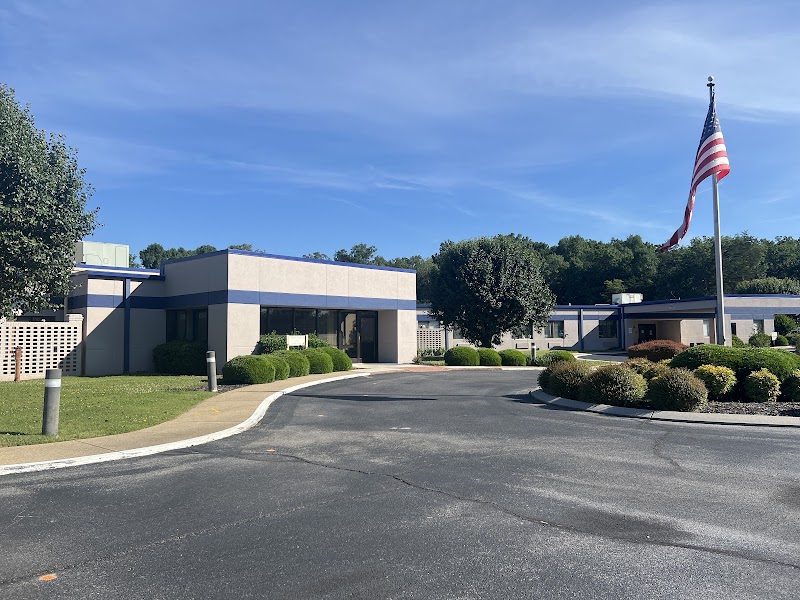
CMS assigns NHC HEALTHCARE FT OGLETHORPE an overall rating of 2 out of 5 stars, which is considered below average nationally. Within Georgia, this rating places the facility higher than 0% of the state's 100 nursing homes. A rating at this level reflects concerns identified through health inspections, staffing assessments, or quality measures that families should carefully consider.
How is Nhc Healthcare Ft Oglethorpe Staffed?

CMS rates NHC HEALTHCARE FT OGLETHORPE's staffing level at 4 out of 5 stars, which is above average compared to other nursing homes. Staff turnover is 65%, which is 19 percentage points above the Georgia average of 46%. High turnover can affect care consistency as new staff learn residents' individual needs.

What Have Inspectors Found at Nhc Healthcare Ft Oglethorpe?

State health inspectors documented 16 deficiencies at NHC HEALTHCARE FT OGLETHORPE during 2019 to 2024. These included: 2 that caused actual resident harm and 14 with potential for harm. Deficiencies causing actual harm indicate documented cases where residents experienced negative health consequences.
Who Owns and Operates Nhc Healthcare Ft Oglethorpe?

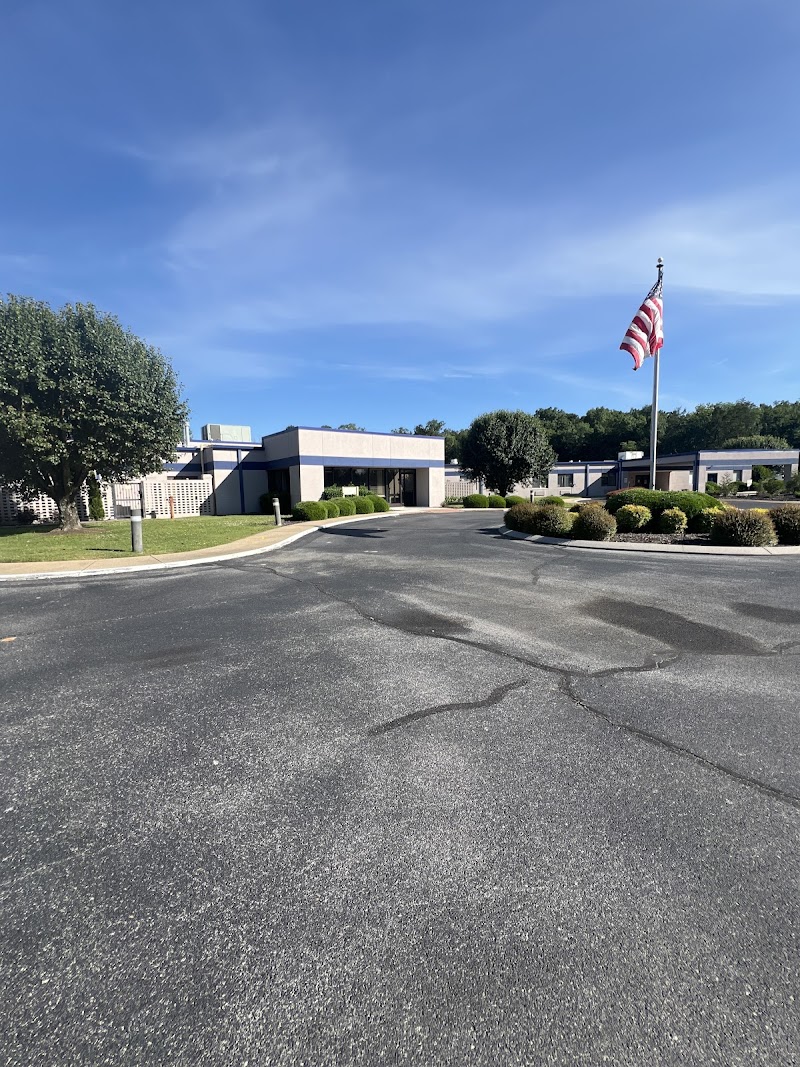
NHC HEALTHCARE FT OGLETHORPE is owned by a for-profit company. For-profit facilities operate as businesses with obligations to shareholders or private owners. The facility is operated by NATIONAL HEALTHCARE CORPORATION, a chain that manages multiple nursing homes. With 135 certified beds and approximately 118 residents (about 87% occupancy), it is a mid-sized facility located in FORT OGLETHORPE, Georgia.
How Does Nhc Healthcare Ft Oglethorpe Compare to Other Georgia Nursing Homes?

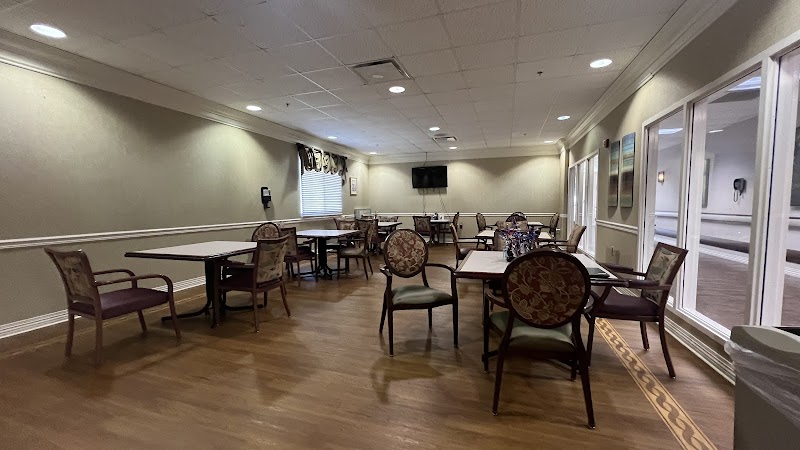
Compared to the 100 nursing homes in Georgia, NHC HEALTHCARE FT OGLETHORPE's overall rating (2 stars) is below the state average of 2.6, staff turnover (65%) is significantly higher than the state average of 46%, and health inspection rating (2 stars) is below the national benchmark.

What Should Families Ask When Visiting Nhc Healthcare Ft Oglethorpe?

Based on this facility's data, families visiting should ask: "How do you ensure continuity of care given staff turnover, and what is your staff retention strategy?" "Can I visit during a mealtime to observe dining assistance and food quality?" "How do you handle medical emergencies, and what is your hospital transfer rate?" "Can I speak with family members of current residents about their experience?" These questions are particularly relevant given the facility's high staff turnover rate.

Is Nhc Healthcare Ft Oglethorpe Safe?

Based on CMS inspection data, NHC HEALTHCARE FT OGLETHORPE has a clean safety record: no substantiated abuse findings (meaning no confirmed cases of resident harm), no Immediate Jeopardy citations (the most serious violation level indicating risk of serious injury or death), and is not on the Special Focus Facility watch list (a federal program monitoring the lowest-performing 1% of nursing homes). The facility has a 2-star overall rating and ranks #100 of 100 nursing homes in Georgia. While no facility is perfect, families should still ask about staff-to-resident ratios and recent inspection results during their visit.

Do Nurses at Nhc Healthcare Ft Oglethorpe Stick Around?

Staff turnover at NHC HEALTHCARE FT OGLETHORPE is high. At 65%, the facility is 19 percentage points above the Georgia average of 46%. High turnover means new staff may not know residents' individual needs, medications, or preferences. It can also be disorienting for residents, especially those with dementia who rely on familiar faces. Families should ask: What is causing the turnover? What retention programs are in place? How do you ensure care continuity during staff transitions?

Was Nhc Healthcare Ft Oglethorpe Ever Fined?

NHC HEALTHCARE FT OGLETHORPE has been fined $16,530 across 2 penalty actions. This is below the Georgia average of $33,244. While any fine indicates a compliance issue, fines under $50,000 are relatively common and typically reflect isolated problems that were subsequently corrected. Families should ask what specific issues led to these fines and confirm they've been resolved.

Is Nhc Healthcare Ft Oglethorpe on Any Federal Watch List?

NHC HEALTHCARE FT OGLETHORPE is not on any federal watch list. The most significant is the Special Focus Facility (SFF) program, which identifies the bottom 1% of nursing homes nationally based on persistent, serious quality problems. Not being on this list means the facility has avoided the pattern of deficiencies that triggers enhanced federal oversight. This is a positive indicator, though families should still review the facility's inspection history directly.