FORT VALLEY HEALTH AND REHAB
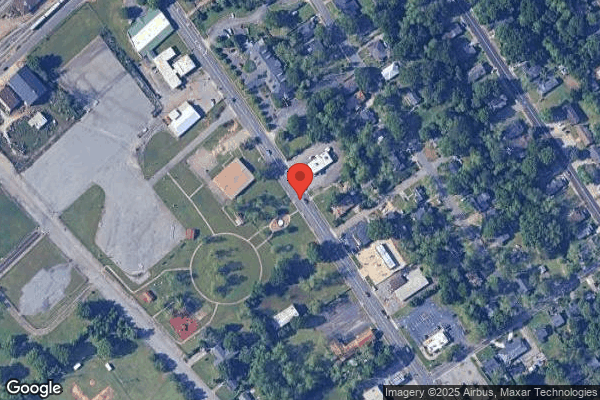

604 BLUEBIRD BOULEVARD, FORT VALLEY, GA 31030 (478) 825-2031
For profit - Corporation 75 Beds MISSION HEALTH COMMUNITIES Data: November 2025
Trust Grade
60/100
#127 of 353 in GA
Last Inspection: August 2024

Within standard 12-15 month inspection cycle. Federal law requires annual inspections.

Overview

Fort Valley Health and Rehab has a Trust Grade of C+, which means it is decent and slightly above average among nursing homes. It ranks #127 out of 353 facilities in Georgia, placing it in the top half, and is the only option in Peach County. The facility is improving, with the number of issues decreasing from 6 in 2023 to 5 in 2024. Staffing is a weakness, rated at 2 out of 5 stars, with a turnover rate of 57%, which is average but could indicate instability. However, it has good RN coverage, exceeding that of 87% of Georgia facilities, which helps ensure better care. Some specific concerns have been noted. For instance, the facility failed to follow proper recipes for residents on puree diets, risking their nutritional intake. Additionally, the facility did not have a qualified Infection Preventionist and did not document the review of antibiotic prescribing practices, potentially affecting residents' health. While there are strengths, like no fines recorded, these issues highlight areas needing improvement.

Trust Score
C+
60/100
In Georgia
#127/353
Top 35%
Safety Record
Low Risk
No red flags
Inspections
Getting Better
6 → 5 violations
Staff Stability
⚠ Watch
57% turnover. Above average. Higher turnover means staff may not know residents' routines.
Penalties
✓ Good
No fines on record. Clean compliance history, better than most Georgia facilities.
Skilled Nurses
○ Average
Each resident gets 41 minutes of Registered Nurse (RN) attention daily — about average for Georgia. RNs are the most trained staff who monitor for health changes.
Violations
⚠ Watch
14 deficiencies on record. Higher than average. Multiple issues found across inspections.
★★★☆☆
3.0
Overall Rating
★★☆☆☆
2.0
Staff Levels
★★☆☆☆
2.0
Care Quality
★★★☆☆
3.0
Inspection Score
Stable
2023: 6 issues
2024: 5 issues

The Good

  • Full Sprinkler Coverage · Fire safety systems throughout facility
  • No fines on record

Facility shows strength in fire safety.

The Bad

3-Star Overall Rating

Near Georgia average (2.6)

Meets federal standards, typical of most facilities

Staff Turnover: 57%

10pts above Georgia avg (46%)

Frequent staff changes - ask about care continuity

Chain: MISSION HEALTH COMMUNITIES

Part of a multi-facility chain

Ask about local staffing decisions and management

Staff turnover is elevated (57%)

9 points above Georgia average of 48%

The Ugly 14 deficiencies on record

Aug 2024 5 deficiencies
CONCERN (D)

Potential for Harm - no one hurt, but risky conditions existed

Deficiency F0578 (Tag F0578)

Could have caused harm · This affected 1 resident

**NOTE- TERMS IN BRACKETS HAVE BEEN EDITED TO PROTECT CONFIDENTIALITY** Based on staff interviews, record review, document review, and review of the facility policy titled Advanced Directives, the fac...

Read full inspector narrative →
**NOTE- TERMS IN BRACKETS HAVE BEEN EDITED TO PROTECT CONFIDENTIALITY** Based on staff interviews, record review, document review, and review of the facility policy titled Advanced Directives, the facility failed to obtain a concurring Physician's signature for a Physician Order for Life Sustaining Treatment (POLST) for Do Not Resuscitate (DNR) document for two of five residents (R) (R1 and R10). Specifically, the facility failed to ensure R1 was cognitively intact before signing the POLST document indicating DNR status and failed to ensure the Power of Attorney (POA) documents were obtained during the implementation of the POLST document for R10. Findings include: Review of the facility policy titled Advanced Directives, review date 11/2023, revealed under Guidance: 2. If the resident is incapacitated at the time of admission and is unable to receive information, the social worker will convey such information to the resident representative in accordance with state law. Review of the undated POLST form revealed the section titled Guidance for Completing the POLST Form stated number 5. If a patient lacks decision-making capacity, the pulsed form may be signed by an authorized person, which includes, in the following order of priority: a. the agent named on the patient's durable power of attorney for healthcare, or a healthcare agent named on the patient's advanced directive for healthcare. b. A spouse c. a court-appointed guardian d. son or daughter (age 18 or older) e. parent f. brother or sister (age 18 or older) Continued review of the POLST document revealed the section titled Additional Guidance for Health Care Professionals, stated number III. When a POLST form is signed by an authorized person (other than the patient's Health Care Agent) and attending physician: i. If section A indicates allow natural death - Do not Attempt Resuscitation, this order may be implemented when the patient is a candidate for non-resuscitation as defined in Georgia Code Section 31-39-2(4). A concurring physician signature is required per Georgia Code section 31-39-4(c). 1. Record review for R1 revealed the resident was admitted to the facility with diagnoses including, but not limited to, unspecified convulsions, Alzheimer's disease, anxiety disorder, glaucoma, depression, generalized muscle weakness, and altered mental status. Review of the admission Minimum Data Set (MDS) dated [DATE] revealed section C (cognitive patterns) documented a Brief Interview for Mental Status (BIMS) score of two (indicating severe cognitive impairment). Review of R1's care plan with a start date of [DATE] revealed under focus: I have Alzheimer's disease and am I at risk for delirium or an acute confusional episode related to my recent change in environment, sepsis diagnosis, and medication side effects from Seroquel, amitriptyline, and hydroxyzine. Goal: I will be free from signs or symptoms of delirium (changes in behavior, mood, cognitive function, communication, level of consciousness, restlessness) through the review date. Intervention: Monitor/record/report to MD new onset s/sx [signs and symptoms] of delirium: changing behavior, alterations, variation in cognitive function through the day, communication decline, disorientation, lethargy, restlessness, and agitation. Altered sleep cycle, dehydration, infection, delusions, hallucinations. Review of the POLST form for R1 dated [DATE] revealed the document was signed by R1 indicating in section A (code status) to allow natural death and not attempt resuscitation. There was only one physician's signature. 2. Record review for R10 revealed resident was admitted to the facility with diagnoses including, but not limited to, Alzheimer's disease, paranoid schizophrenia, and major depressive disorder. Review of the quarterly MDS dated [DATE] revealed section C (cognitive patterns) documented a BIMS score was not indicated. Review of R10's care plan revealed under focus: Resident is a DNR, and her family has requested that NO CPR be performed. Review of R10's POLST form dated [DATE] revealed it was signed by the resident's bother-in-law, indicating they were the Power of Attorney (POA) for the resident and one physician's signature. There was no documentation in the resident's medical record that indicated there was a POA on file. Interview on [DATE] at 10:46 am with the Social Services Director (SSD) revealed when a resident is admitted to the facility the POLST form is explained to them in detail for them to make the decision for their code status. If the resident is not cognitive the resident's family member or responsible party will be given the information for the resident. Further interview also revealed that SSD was unable to verbalize the process for when two physician signatures were required when completing the POLST documentation. During the interview, the SSD confirmed that R1 did sign his own POLST form and that the resident had a BIMS score of two, indicating severe cognitive impairment, at the time of signing for his code status to be DNR, and that the POLST should have been signed by the resident's responsible party and two physicians. The SSD also confirmed that the POA documentation for R10 was not at the facility, and she would contact the family for the needed document. An interview on [DATE] at 10:56 am with the Director of Nursing (DON) revealed that when residents are admitted to the facility, they are automatically considered a full code until further documentation is implemented, such as a DNR or POLST document that indicates their preference in the case of an emergency. The DON stated when the POLST document is completed by a resident who has no cognitive impairment or the resident has a Power of Attorney (POA) for health on file, only one physician's signature is required. The DON further stated if a family member is signing the document for them, it should have the family member's signature and the resident's physician's signature in addition to a concurring physician's signature for the document to be initiated. Further interview also revealed that she expects the POLST documents to be completed with the required signatures and implemented appropriately. She stated that she would ensure the SSD was educated on what is required when completing the POLST documents for the residents. An interview on [DATE] at 12:30 pm with the Administrator revealed that the POLST documents were completed by the social services department and should have all needed documentation that would ensure the residents' preferences were honored. During the interview, the Administrator confirmed that R1's BIMS score was a two, which indicated severe cognitive impairment, and stated R1 should not have been allowed to complete the POLST document that indicated to Allow Natural Death. The Administrator further indicated that education would be provided to staff in reference to the POLST form. An interview on [DATE] at 1:35 pm with the MDS Clinical Reimbursement Coordinator (CRC) revealed that she completed section C (Cognitive Patterns) of the MDS, and during the assessment, the resident is asked to repeat three words, the day of the week, and the year. The MDS CRC stated that she completed the annual MDS Assessment for R1, and the resident was unable to comprehend what was being asked, which indicated a BIMS score of 99. The MDS CRC stated that R1 was not cognitive enough to understand any document that would be read to him and would not be able to sign the document with full understanding.
CONCERN (D)

Potential for Harm - no one hurt, but risky conditions existed

PASARR Coordination (Tag F0644)

Could have caused harm · This affected 1 resident

**NOTE- TERMS IN BRACKETS HAVE BEEN EDITED TO PROTECT CONFIDENTIALITY** Based on staff interviews, record review, and a review of the facility policy titled Preadmission Screening and Resident Review ...

Read full inspector narrative →
**NOTE- TERMS IN BRACKETS HAVE BEEN EDITED TO PROTECT CONFIDENTIALITY** Based on staff interviews, record review, and a review of the facility policy titled Preadmission Screening and Resident Review (PASARR), the facility failed to submit for a PASARR Level II for one of five residents (R) (R29) reviewed after a new qualifying mental illness diagnosis was added. This deficient practice had the potential to affect the appropriate level of care and services provided for R29. Findings included: A review of the facility policy titled Preadmission Screening and Resident Review (PASARR), revealed the Policy Statement: This community will coordinate assessments with the preadmission screening and resident review (PASARR) program. Policy Interpretation and Implementation: 1. Upon admission, the Social Worker or designee will, within the context of the established assessment process, the recommendations of the PASARR level II and the PASARR evaluation report will be incorporated into the resident's assessment, care planning, and transitions of care. 2. Residents with Level II PASARRs will be referred to appropriate services specific to their needs. 3. Residents with newly evident or possible serious mental disorders will be referred for appropriate services based upon their assessed needs. 4. Notify the state mental health authority or state intellectual disability authority, as applicable, promptly after a significant change in the mental or physical condition of the resident who has a mental disorder or intellectual disability for resident review. 5. The Level II will be re-evaluated with change of condition related to newly evident or possible serious mental disorders. A review of the clinical record revealed that R29 was admitted to the facility on [DATE] with diagnoses including, but not limited to, anxiety disorder and depression. On 1/4/2023, a diagnosis of schizophrenia was added. A review of the quarterly Minimum Data Set (MDS) dated [DATE] revealed a Brief Interview for Mental Status (BIMS) score of 15, indicating no cognitive impairment. Section I (Active Diagnoses) revealed schizophrenia and anxiety disorder were checked. An interview with the Social Service Director (SSD) on 8/17/2024 at 8:58 am revealed she was responsible for the submission of PASARRs. She confirmed that R29 had a diagnosis of schizophrenia and stated R29 should have a Level II PASARR. The SSD stated that if a resident received a new qualifying diagnosis, she would prepare the PASSAR Level II paperwork, give the paperwork to the doctor for his signature, and upload it to the computer to make it official. An interview with the Administrator on 8/17/2024 at 9:30 am revealed his expectation from the staff was if a resident developed a qualifying diagnosis after admission, they would consult with the doctor and follow up with PASARR Level II submission. He stated that the failure to submit for a PASARR Level II for R29 appeared to be an oversight. An interview with the Director of Nursing (DON) on 8/17/2024 at 10:56 am revealed that R29 should have a PASSAR Level II based on her diagnosis of schizophrenia.
CONCERN (D)

Potential for Harm - no one hurt, but risky conditions existed

Respiratory Care (Tag F0695)

Could have caused harm · This affected 1 resident

**NOTE- TERMS IN BRACKETS HAVE BEEN EDITED TO PROTECT CONFIDENTIALITY** Based on observations, staff interviews, record review, and review of the facility's policies titled Oxygen Administration and C...

Read full inspector narrative →
**NOTE- TERMS IN BRACKETS HAVE BEEN EDITED TO PROTECT CONFIDENTIALITY** Based on observations, staff interviews, record review, and review of the facility's policies titled Oxygen Administration and Cleaning and Disinfection of Resident-Care Items and Equipment, the facility failed to obtain a physician's order for the administration of oxygen (O2) and failed to prevent the spread of infections by not cleaning the O2 concentrator for one of three residents (R) (R47) receiving O2 therapy. The deficient practice had the potential to place R47 at risk for medical complications, unmet needs, and a diminished quality of life. Findings include: Review of the facility's policy titled Oxygen Administration, dated 4/2023, revealed the section titled Purpose stated, The purpose of this procedure is to provide guidelines for safe oxygen administration. The section titled Preparation stated, 1. Verify that there is a physician's order for this procedure. Review the physician's order or facility protocol for oxygen administration. Review of the facility's policy titled Cleaning and Disinfection of Resident-Care Items and Equipment, dated 9/2023, revealed the Policy Statement stated, Resident-Care equipment, including reusable items and durable medical equipment, will be cleaned and disinfected according to current CDC recommendations for disinfection and the OSHA Bloodborne Pathogens Standard. The section titled Policy Interpretation and Implementation included, 1(b) Semi-critical items consist of items that may come in contact with mucous membranes or non-intact skin (e.g., respiratory therapy equipment). Such devices should be free from all microorganisms, although small numbers of bacterial spores are permissible. Review of R47's admission Record revealed diagnoses including, but not limited to, Covid-19, other pulmonary embolism without acute cor pulmonale, and chronic obstructive pulmonary disease (COPD). Review of R47's admission Minimum Data Set (MDS) assessment dated [DATE] revealed section O (Special Treatments and Programs) documented that R47 received oxygen while a resident at the facility. Review of R47's Orders revealed an order dated 6/26/2024 with a discontinue date of 7/23/2024 for O2 at 2 L (liters)/min (minute) via N/C (Nasal Cannula) as needed for SOB (shortness of breath). Please indicate when O2 has been applied. Further review revealed there were no active orders for O2 administration. Review of R47's Clinical Census revealed the resident was on hospital leave from 7/18/2024 to 8/8/2024, returning to the facility on 8/8/2024. Review of R47's Hospital Discharge Orders dated 8/8/2024 revealed there were no orders for oxygen administration. Review of R47's Nursing Notes during the time period of 8/8/2024 through 8/16/2024 revealed R47 received oxygen administration while at the facility. Observations on 8/16/2024 at 9:07 am and 11:59 am revealed R47 receiving oxygen therapy via nasal cannula at 1.5 L/min from a dirty O2 concentrator covered with dust. An interview on 8/17/2024 at 8:28 am with the Assistant Director of Nursing (ADON) confirmed R47 received oxygen therapy. She revealed that the resident received O2 at 2 L/min but would need to double check the resident's physician orders. During the interview, a review of R47's orders with the ADON revealed there were no active orders for oxygen to be administered. The ADON was shown a picture of R47's oxygen concentrator setting infusing at 1.5 L/min and the dirty concentrator. She verified R47's oxygen setting at 1.5 L/min and the dirty oxygen concentrator. She stated the oxygen orders were discontinued after the resident was hospitalized and should have been written upon the resident's return from the hospital. She further stated the nurses were responsible for cleaning the oxygen concentrators weekly and as needed. An interview on 8/17/2024 at 8:40 am with the Director of Nursing (DON) revealed nurses were primarily responsible for making sure physician orders were followed and for ensuring oxygen concentrators were kept clean. During the interview, R47's hospital discharge orders were reviewed, and the DON verified there were no orders for oxygen to be administered. She revealed that her expectations were for the admitting nurse to complete a medication reconciliation when a resident returned from the hospital to ensure accuracy.
CONCERN (D)

Potential for Harm - no one hurt, but risky conditions existed

Infection Control (Tag F0880)

Could have caused harm · This affected 1 resident

Based on observation, staff interviews, and a review of the facility policy titled Installation of Eye Drops, the facility failed to ensure infection control practices were followed during the adminis...

Read full inspector narrative →
Based on observation, staff interviews, and a review of the facility policy titled Installation of Eye Drops, the facility failed to ensure infection control practices were followed during the administration of ophthalmic drops for one of three residents (R) (R12) observed for medication administration. This deficient practice placed R12 at risk of infection due to cross-contamination. Findings include: A review of the facility policy titled Installation of Eye Drops, dated 11/2017, revealed the Procedure section stated . 2. Wash and dry your hands through. 3. Put on gloves. 13. Remove gloves and discard into designated container. Wash and dry your hands thoroughly. An observation on 8/17/2024 at 9:42 am, during observation of medication pass, revealed Licensed Practical Nurse (LPN) AA removed a bottle of ophthalmic drops from the medication cart and placed the bottle on R12's bedside table. LPN AA did not sanitize the table or put a barrier between the table and the bottle of ophthalmic drops. She washed her hands with soap and water in R12's bathroom and instilled one drop of the ophthalmic drops into each eye of R12. LPN AA did not don (put on) gloves before instilling the ophthalmic drops. LPN AA exited the room, placed the bottle of ophthalmic drops back in the medication cart, and proceeded with the medication pass. She did not wash or sanitize her hands after administering the ophthalmic drops. In an interview on 8/17/2024 at 9:55 am, LPN AA stated that she did not wear gloves to administer the ophthalmic drops because sometimes residents have a reaction to the gloves. In an interview on 8/17/2024 at 10:59 am, the Director of Nursing (DON) stated when administering ophthalmic drops, the process was to wash or sanitize your hands and wear gloves to prevent cross-contamination. The DON stated that she would educate the nurse on infection control.
CONCERN (F)

Potential for Harm - no one hurt, but risky conditions existed

Deficiency F0804 (Tag F0804)

Could have caused harm · This affected most or all residents

Based on observation, staff interviews, review of facility documents, and review of the facility policy titled Food Preparation and Service, the facility failed to ensure recipes for the puree diet we...

Read full inspector narrative →
Based on observation, staff interviews, review of facility documents, and review of the facility policy titled Food Preparation and Service, the facility failed to ensure recipes for the puree diet were followed to preserve its nutritional value during processing. The facility also failed to ensure residents consuming a puree diet were served the recommended amount of protein and vegetables during meal service. This deficient practice placed the ten residents who received a puree diet from the kitchen at risk for decreased nutritional intake. Findings include: Review of the facility policy titled Food Preparation and Service, review date of 10/2023, revealed under Policy: Residents are provided with meals that are prepared by methods that conserve value, flavor, and appearance. Review of the recipe for PUR Chicken Stir Fry revealed the section titled Scratch Method stated 1. Remove portions required from regular prepared recipe and place in food processor. 2. Process until fine in consistency. 3. Add commercial thickener and process until smooth. 4. Scrape down sides of the processor with a rubber spatula and process for 30 seconds. Observation on 8/17/2024 at 11:30 am of puree food preparation revealed [NAME] AA removed a large silver pan of beef and broccoli from the oven. A dietary staff member proceeded to scoop out unmeasured amounts of pieces of beef and broccoli from the steam table pan. The Dietary Manager (DM) then poured the food items, along with an unmeasured amount of beef broth, into the blender and proceeded to process the food item. During the processing of the food items, the DM added an unmeasured amount of beef and broccoli to the blender for processing, along with additional beef broth. After processing was completed, the DM placed the blended food into a medium-sized steam table pan and placed the item on the steam table. An interview on 8/17/2024 at 11:35 am with the DM revealed the facility had nine residents who received a puree diet and one who received pureed meats. During the interview, it was determined that the DM could not verbalize the correct portion size for each resident receiving a puree diet or for residents on a regular diet. Further interview revealed that the DM lacked the knowledge of which scoop was to be used during meal service to ensure adequate food portion sizes were provided to ensure the nutritional needs of the residents were being met. The DM confirmed the pureed chicken stir fry recipe was not followed. An interview on 8/17/2024 at 11:45 am revealed [NAME] AA was unaware of what any of the scoop sizes utilized in the kitchen for meal service were. Further interview revealed [NAME] AA was unaware of how much protein or vegetables each resident was to receive with each meal or of the nutritional value of each food item served to the residents. An interview on 8/17/2024 at 2:00 pm with the Administrator revealed that the expectation is for the dietary staff to know the portion sizes for the meals served to ensure that the nutritional needs of the residents are met. The Administrator stated the DM should know all aspects of the dietary department, including serving sizes and the equipment used in the kitchen.
May 2023 6 deficiencies
CONCERN (D) 📢 Someone Reported This

A family member, employee, or ombudsman was alarmed enough to file a formal complaint

Potential for Harm - no one hurt, but risky conditions existed

Deficiency F0645 (Tag F0645)

Could have caused harm · This affected 1 resident

**NOTE- TERMS IN BRACKETS HAVE BEEN EDITED TO PROTECT CONFIDENTIALITY** Based on record review and staff interviews, the facility failed to apply for a Level II PASRR (Preadmission Screening and Resid...

Read full inspector narrative →
**NOTE- TERMS IN BRACKETS HAVE BEEN EDITED TO PROTECT CONFIDENTIALITY** Based on record review and staff interviews, the facility failed to apply for a Level II PASRR (Preadmission Screening and Resident Review) for evaluation and determination of specialized services for one resident (R) #41 that had a positive Level I PASRR for mental illness and diagnoses of schizophrenia, depression, and bipolar disorder prior to and on admission to the facility. The sample size was 18. Findings include: Review of the policy titled Pre-admission Screening and Resident Review (PASARR) (effective date May 2022) revealed the following: Policy Statement- This community will coordinate assessments with the preadmission screening and resident review program. Review of the PASRR Level I Application record dated 7/11/2022 indicated the resident had a primary diagnosis of mental illness, developmental disability or related condition that included schizophrenia (undifferentiated type) and bipolar disorder. Further record review for R#41 revealed current admitting diagnoses dated 7/20/2022 that include, but not limited to, schizoaffective disorder, bipolar disorder, and depression. Review of the physician orders revealed the resident was currently receiving Zoloft 50 milligrams (mg) once daily (QD) for depression, Zyprexa 10mg once QD for schizoaffective disorder, and mirtazapine 7.5 mg at bedtime (HS) for depression. Review of the Quarterly Minimum Data Set (MDS) assessment dated [DATE] revealed a Brief Interview for Mental Status (BIMS) summary score of 12, indicating R#41 had mild cognitive impairment. Section D- Resident mood interview revealed that R#41 exhibited trouble falling or staying asleep or sleeping too much and feeling tired or having little energy. Section E-Behaviors-exhibited other behavioral systems not directed toward others. Section I- Active Diagnosis coded that the resident had depression (other than bipolar), manic depression (bipolar disease), and schizophrenia. Section N- Medications coded that R#41 received an antidepressant and antipsychotic medications all seven days of the assessment look back period. Section O-Special Treatment and Programs indicated no psychological therapy. Review of clinical records revealed R#41 did not have a Level II PASARR. Review of the list of residents with Level II PASARR provided by the facility did not indicate R#41 had a Level II PASARR. During an interview on 5/21/2023 at 8:30 a.m. with the Activities Director reported she is the Interim Social Worker and responsible for job responsibilities of the Social Worker (SW) until they find replacement. She reported the previous SW resigned two weeks ago. She reported she was still learning her new role and did not know much about PASARRs. During an interview on 5/21/2023 at 8:45 a.m. with the Marketing Director who reported she had been employed at the facility since July 2021. She reported with all new admission, she would request DMA-6, Level I screening/Level II from the receiving facility or the resident's primary doctor. She reported that if they had a qualifying diagnosis for a Level II, the SW, Business Office Manager, and the physician would look over the screening to ensure that it was completed accurately. She confirmed Resident # 41 had a qualifying diagnosis and screening should have been submitted for a Level II. During an interview on 5/21/2023 at 9:00 a.m. with the Administrator expectations of staff to ensure PASARR screenings are completed accurately, refer for evaluations and determinations as indicated.
CONCERN (D) 📢 Someone Reported This

A family member, employee, or ombudsman was alarmed enough to file a formal complaint

Potential for Harm - no one hurt, but risky conditions existed

Respiratory Care (Tag F0695)

Could have caused harm · This affected 1 resident

Based on observation, staff interviews, record review and review of the facility policy titled, Cleaning and Disinfection of Resident-Care Items and Equipment, the facility failed to prevent the sprea...

Read full inspector narrative →
Based on observation, staff interviews, record review and review of the facility policy titled, Cleaning and Disinfection of Resident-Care Items and Equipment, the facility failed to prevent the spread of infections by not cleaning and storing a nebulizer mask for one resident (R) (#29), of six sampled residents receiving nebulizer treatments. Findings include: Review of the facility policy titled Cleaning and Disinfection of Resident-Care Items and Equipment (revised date July 2020) revealed the following: Policy Statement - Resident-Care equipment, including reusable items and durable medical equipment will be cleaned and disinfected according to current CDC recommendations for disinfection and the OSHA Bloodborne Pathogens Standard. Review of the medical record for R#29 revealed diagnosis that included Chronic Obstructive Pulmonary Disease (COPD) with (acute) exacerbation, COPD, dependence on supplemental Oxygen (O2) and heart failure. Further review of the medical record revealed a Physician Order for Xopenex Inhalation Nebulization Solution; 0.63 mg (milligrams)/3 ml (milliliters); 3 ml inhale orally via nebulizer every 4 hours as needed for COPD. Observations on 5/19/2023 at 9:25 a.m. and 10:30 a.m. revealed R#29 nebulizer mask hanging from the wall not cleaned, unbagged, or stored in a container; on 5/20/23 at 8:55 a.m. revealed R#29 nebulizer mask lying on the floor between the wall and bed not cleaned, unbagged, or stored in a container. Further observation conducted on 5/20/2023 at 9:05 a.m. with the Director of Nursing (DON) revealed R#29 nebulizer mask lying on the floor between the wall and bed not cleaned, unbagged, or stored in a container. An interview was conducted during this time with the DON who confirmed the nebulizer was not stored properly. She reported the charge nurses assigned are responsible for making sure nebulizer masks are cleaned and stored in a plastic bag. Her expectations of staff to clean and store all patient care equipment after use.
CONCERN (D) 📢 Someone Reported This

A family member, employee, or ombudsman was alarmed enough to file a formal complaint

Potential for Harm - no one hurt, but risky conditions existed

Pharmacy Services (Tag F0755)

Could have caused harm · This affected 1 resident

Based on observations, interview and review of the facility policy titled Storage of Medications F 761, the facility failed to ensure proper disposal of unused narcotic medication in one of two medica...

Read full inspector narrative →
Based on observations, interview and review of the facility policy titled Storage of Medications F 761, the facility failed to ensure proper disposal of unused narcotic medication in one of two medication carts. Findings include: On 5/21/23 at 8:40 a.m. an observation of the medication pass on 200 hall medication cart with Licensed Practical Nurse (LPN) AA revealed LPN AA puncturing the narcotic blister pack Ultram 37.5-25 milligram (mg) for Resident #251 and retrieving the pill then reading the electronic medication record before placing the pill back in the punctured blistered bubble and placing in the narcotic medication drawer. Interview with LPN AA at this time revealed she put the narcotic pill back in the perforated blister pack, and her reply was that she realized the medication wasn't due to be given now and she had to wait two hours before she could give the medication. A record review of the facility's Storage of Medications F 761 policy with an effective date of May 2022 revealed the facility shall store all drugs and biologicals in a safe, secure and orderly manner. An interview on 5/21/23 at 9:20 a.m. with the Director of Nursing (DON) revealed that her expectation was that narcotics that have been pulled from a blister pack and not used, should be destroyed by a pill buster solution and witnessed by a second nurse before signing off on destruction sheet by both nurses.
CONCERN (D) 📢 Someone Reported This

A family member, employee, or ombudsman was alarmed enough to file a formal complaint

Potential for Harm - no one hurt, but risky conditions existed

Deficiency F0883 (Tag F0883)

Could have caused harm · This affected 1 resident

**NOTE- TERMS IN BRACKETS HAVE BEEN EDITED TO PROTECT CONFIDENTIALITY** Based on interviews, record review, and review of facility policy titled Influenza (Flu) Vaccine (Residents), F883 and Pneumococ...

Read full inspector narrative →
**NOTE- TERMS IN BRACKETS HAVE BEEN EDITED TO PROTECT CONFIDENTIALITY** Based on interviews, record review, and review of facility policy titled Influenza (Flu) Vaccine (Residents), F883 and Pneumococcal Vaccine F883, the facility failed to provide evidence that residents were offered the Influenza and/or Pneumococcal vaccine for two residents (R#4 and R#28) of five sampled residents reviewed for immunizations. Findings include: Review of facility's policy titled Influenza (Flu) Vaccine (Residents), F883 with date revised 5/2022: Residents will be offered the influenza vaccine annually to encourage and promote the benefits associated with vaccinations against influenza. Guidelines: 1. Between October 1st and March 31st each year, the influenza vaccine shall be offered to residents unless the vaccination is medically contraindicated, or the resident has already been immunized. 4. For those who receive the vaccine, the dated of vaccination, lot number, expiration date, person administering, and the site of vaccination will be documented in the resident's medical record. 5. A resident's refusal of the vaccine shall be documented in the resident's medical record. 6. The Infection Control coordinator will maintain surveillance data on influenza vaccine coverage and reported rates of influenza among residents. Review of facility's policy titled Pneumococcal Vaccine F883 with date revised 5/2022: Residents will be offered the pneumococcal vaccine to aid in preventing pneumococcal infections (e.g., pneumonia). 1. Prior to or upon admission, residents will be assessed for eligibility to receive the pneumococcal vaccine, and when indicated, will be offered the vaccination unless medically contraindicated or the resident has already been vaccinated. 2. Assessments of pneumococcal vaccination status will be conducted within five (5) working days of the resident's admission if not conducted prior to admission. 5. Pneumococcal vaccinations will be administered to residents (unless medically contraindicated, already given, or refused) per our facility's physician-approved pneumococcal vaccination protocol. 6. Residents/representatives have the right to refuse vaccination. If refused, appropriate entries will be documented in each resident's medical record indicating the date of the refusal of the pneumococcal vaccination. 7. For residents who receive the vaccine, the date of the vaccination, lot number, expiration date, person administering, and the site of vaccination will be documented in the resident's medical record. 1.R#4 admitted to the facility on [DATE]. Review of R#4's Quarterly MDS assessment dated [DATE] revealed a BIMS score of 07, indicating severe cognitive impairment. Section O revealed the Influenza vaccine was offered but declined. Pneumococcal vaccine was received prior to admission and was up to date. Review of R#4 electronic medical records (EMR) revealed there was no documented evidence that R#4 was offered or declined the Influenza vaccine. 2.R#28 admitted to the facility on [DATE]. Review of R#28's Quarterly MDS assessment dated [DATE] revealed a BIMS score of 14, indicating resident is cognitively intact. Section O revealed the Pneumococcal vaccine was not up to date and had not been received because it had been offered but declined. Review of R#28 electronic medical records (EMR) revealed there an informed consent for pneumococcal vaccine form which the resident signed to receive the vaccine on 12/18/2022. There was no documented evidence that the pneumococcal vaccine was administered. The documentation in residents EMR indicates the vaccine was offered but refused. During an interview on 5/20/2023 at 10:37a.m., the Interim DON and Transitioning /newly hired DON confirmed the above lack of vaccinations and revealed the previous ICP was responsible for obtaining vaccination consents and/or declinations, administering the vaccines and documenting administrations and/or refusals in resident's record. Interim DON stated that she was informed on 4/27/2023 by the Regional Nurse Consultant that she was responsible for getting the consents for vaccines for newly admitted residents. Interim DON further stated she had not had the opportunity to audit resident's records for compliance with vaccinations. She further stated that was working in the capacity as a contracted interim DON and that the newly hired DON will become the ICP when she leaves. During a follow up interview with the Transiting DON on 5/21/23 at 10:53 a.m. revealed that she searched R#4's and R#28's record, the Georgia Registry of Immunizations Transactions and Services (GRITS) system, and the office of the previous ICP Nurse and was unable to locate any additional documentation related to R#4 or R#28 being offered, received, or administered the influenza and/or pneumococcal vaccine. During an interview on 5/21/2023 at 11:21 a.m., the Administrator revealed that he had been made aware that there are residents in the facility who had not been offered vaccines. Administrator further stated that it is expectation that the facility staff offer and document that vaccines were offered, administer vaccines with consents in a timely manner and document vaccine declinations in resident's records as well.
CONCERN (D) 📢 Someone Reported This

A family member, employee, or ombudsman was alarmed enough to file a formal complaint

Potential for Harm - no one hurt, but risky conditions existed

Deficiency F0887 (Tag F0887)

Could have caused harm · This affected 1 resident

Based on staff interviews, record review, and review of facility policy titled F883 F884 F887 Vaccination of Residents, Including Influenza and COVID-19 and Reporting of, the facility failed to offer ...

Read full inspector narrative →
Based on staff interviews, record review, and review of facility policy titled F883 F884 F887 Vaccination of Residents, Including Influenza and COVID-19 and Reporting of, the facility failed to offer and/or administer the COVID-19 vaccine to one resident (R) (R#4) of five residents reviewed for the vaccines. Findings include: Review of facility's policy titled F 883 F 884 F 887 Vaccination of Residents, Including Influenza and COVID-19 and Reporting of, with a review date 5/2024: Residents will be offered flu, pneumovax and COVID-19 vaccinations per CDC and CMS guidelines, and when vaccines are made available to the community. Guidelines, General Immunization 1. Prior to receiving vaccinations, the resident or legal representative will be provided information andeducation regarding the benefits and potential side effects of the vaccinations. 2. Provision of such education shall be documented in the resident's medical record. 3. Assess new residents, upon admission for their current vaccination status. 4. The resident or resident's legal representative may refuse vaccinations for any reason. 5. Residents have the right to refuse, be free of interference, coercion, discrimination, and reprisal for the community staff for refusing to take any vaccines. 6. If vaccinations are refused, the refusal shall be documented in the resident's medical record. 7. If the resident receives a vaccination, at least the following information shall be documented in the resident's medical record. a. Site of administration; b. Date of administration; c. Lot number of the vaccination (located on the vial); d. Expiration date (located on the vial); and e. Name of person administering the vaccine. Review of the medical record for R#4 revealed the resident was admitted to the facility 3/15/2023 with diagnoses including but not limited to diabetes mellitus and cerebrovascular disease. There was no indication that COVID vaccine was offered or administered to the resident. Verified by both the Interim and Transitioning/ newly hired Director of Nursing (DON). During an interview on 5/20/2023 at 10:37ap.m., the Interim DON and Transitioning /newly hired DON confirmed the above lack of vaccinations and revealed the previous Infection Control Preventionist (ICP) was responsible for obtaining vaccination consents and/or declinations, administering the vaccines and documenting administrations and/or refusals in resident's record. Interim DON stated that she was informed on 4/27/2023 by the Regional Nurse Consultant that she was responsible for getting the consents for vaccines for newly admitted residents. Interim DON further stated she had not had the opportunity to audit resident's records for compliance with vaccinations. She further stated that was working in the capacity as a contracted interim DON and that the newly hired DON will become the ICP when she leaves. During a follow up interview with the Transiting DON on 5/21/2023 at 10:53 a.m. revealed that she searched R#4's record, the Georgia Registry of Immunizations Transactions and Services (GRITS) system, and the office of the previous ICP Nurse and was unable to locate documentation related to R#4 being offered, received, or administered the COVID-19 vaccine. During an interview on 5/21/2023 at 11:21 a.m., the Administrator revealed that he had been made aware that there are residents in the facility who had not been offered vaccines. Administrator further stated that it is expectation that the facility staff offer and document that vaccines were offered, administer vaccines with consents in a timely manner and document vaccine declinations in resident's records as well.
CONCERN (E) 📢 Someone Reported This

A family member, employee, or ombudsman was alarmed enough to file a formal complaint

Potential for Harm - no one hurt, but risky conditions existed

Antibiotic Stewardship (Tag F0881)

Could have caused harm · This affected multiple residents

Based on record review, staff interview, review of policy titled Infection Control Program - Antibiotic Stewardship F 881 and Infection Prevention and Control Program, revised 10/2022, the facility fa...

Read full inspector narrative →
Based on record review, staff interview, review of policy titled Infection Control Program - Antibiotic Stewardship F 881 and Infection Prevention and Control Program, revised 10/2022, the facility failed to provide evidence of a process for periodic review of antibiotic prescribing practices, and to document follow-up measures in response to the data for twelve of twelve months of 2022 and 2023 infection control data reviewed (May 2022 through April 2023). This had the potential to affect any resident who was prescribed an antibiotic. The facility census was 47 residents. Findings include: Review of the facility's policy titled, Infection Control Program - Antibiotic Stewardship F 881 revised 10/2022 revealed: This community has established an infection prevention and control program that includes protocols to establish a system for the use and monitoring of adverse effects of antibiotics. Antibiotic Stewardship: A set of commitments and actions designed to optimize this treatment of infections while reducing the adverse effects associated with antibiotic use. Loeb Criteria: Minimum criteria for the initiation of antibiotics. McGeer Criteria: Surveillance criteria. Guidelines: 5. The Antibiotic Stewardship Program will be reviewed annually. 6. Measure the following indicators: a. # of days of antibiotic use per 1000/days of care, and b. Outcome surveillance data, ex. Incidence of C difficile, MRSA, and CRE in residents whom received at least one antibiotic. 7. Monitoring of Antibiotic Use: a. Monitoring is initiated with any order written at any time for an antibiotic. b. Use is compared to the Loeb minimum criteria for the initiation of antibiotics. Feedback is provided to the practitioner if outside the norm. Note signs and symptoms in the EHR. Review of the facility's policy titled, Infection Prevention and Control Program revised 10/2022 revealed: The community Infection Prevention and Control Program is designed to provide a safe, sanitary, and comfortable environment and to help prevent the development and transmission od communicable diseases and infections. The program is based upon the facility assessment and includes an antibiotic stewardship program. Guidelines: 4. Components of the program will include: a. Surveillance system h. Antibiotic Stewardship. Review of the facility's 2022 and 2023 Infection Surveillance Monthly Logs revealed that the facility staff did not consistently capture information monthly that included the resident's room number; date of S/S (signs and symptoms); I/C (infection control) Cat. (category); and ABT Tx (antibiotic treatment). Further review of these monthly line listings revealed that they did not contain information such as the resident's signs and symptoms; if a culture or x-ray was done; if the organism was sensitive to the ordered antibiotic; and the infection category. Review of the facility's Antibiotic Stewardship Log revealed that the facility's policy is not being utilized as indicated below: For the 12 months reviewed from May 2022 through April 2023 there is not a category listed for the infections. All infections are listed as other and the facility's infection rate is not calculated. During the twelve months reviewed there was a mapping of the facility's infections for the months of December 2022 and January 2023 only. During an interview with the DON on 9/8/22 at 1:14 p.m., she stated that the former ICP left last year in September 2021. DON further stated that she was responsible for the Infection Control Program at the facility until LPN EE ICP was hired in April of 2022. DON also stated that she currently oversees LPN EE ICP until she completes her certification process. DON also reported that the Antibiotic stewardship program is not up and running because she had too many other things to do. DON stated that she reviewed the antibiotics and watched for trends and clusters. The DON stated that she did not copy, keep, or document the trending or tracking of the antibiotics but she did look at it. She further stated that she did not complete the mapping of the antibiotics but reviewed it monthly and presented it to the QA meeting monthly. A review of the facility's Antibiotic Stewardship program revealed that the facility did not consistently track trends of infection of the facility. The mapping of infections in the facility was incomplete. The facility failed to calculate the facility's monthly infection rate from May 2022 until April of 2023. During an interview on 5/21/23 at 9:29 a.m. with the transitioning Director of Nursing and the Interim Director of Nursing revealed that the previous ICP left the facility in the beginning of May 2023. The Interim DON stated that she was in the facility prior to the ICP leaving but she did not have the opportunity to look over the facility's infection control program. The Transitioning/newly hired DON stated that she pulled all the documents provide to surveyor from the electronic system because the Infection Control/Antibiotic Stewardship Book was empty. They both acknowledge that the Antibiotic Stewardship Program lacked sufficient evidence that infections were being monitored in the facility. The transitioning/ newly hired DON stated that it is her expectation that infections in the facility are tracked, trended and mapped to identify clusters and confer with the physician to see if the antibiotic need to be continued or discontinued. She stated infections need to be reviews monthly and the facility rate should be calculated monthly.
Jan 2022 3 deficiencies
CONCERN (D)

Potential for Harm - no one hurt, but risky conditions existed

Safe Environment (Tag F0584)

Could have caused harm · This affected 1 resident

**NOTE- TERMS IN BRACKETS HAVE BEEN EDITED TO PROTECT CONFIDENTIALITY** Based on observations and staff interviews, the facility failed to maintain a clean, sanitary, and homelike environment related ...

Read full inspector narrative →
**NOTE- TERMS IN BRACKETS HAVE BEEN EDITED TO PROTECT CONFIDENTIALITY** Based on observations and staff interviews, the facility failed to maintain a clean, sanitary, and homelike environment related to dirty walls, doorframes, peeling paint, short/ stained privacy curtains, and missing or stained tiles in resident rooms and bathrooms on two of three halls (rooms 200, 204, 303, 309, and 310). Findings include: Observations during the initial tour of the facility on 1/11/21 starting at 10:00 a.m. revealed the following concerns: 1. Short privacy curtain between bed A and bed B in room [ROOM NUMBER]. The privacy curtain did not provide full visual privacy and had a red stain on it. There was a gap in the ceiling tile above the room sink. 2. Peeling paint and rust in bathroom of room [ROOM NUMBER]. Bathroom noted with rust buildup on door frames and peeling paint on walls. 3. Stained ceiling tiles in room [ROOM NUMBER] near the bathroom door. 4. [NAME] feces splattered on the wall in bathroom behind toilet in room [ROOM NUMBER]. 5. Short privacy curtains not providing full visual privacy in room [ROOM NUMBER]. During observations on 1/13/22 starting at 1:30 p.m. during a walk-through with the Housekeeping/Laundry Supervisor, the above environmental concerns identified during the survey were confirmed. Interview on 1/13/22 at 2:30 p.m. with the Maintenance Supervisor revealed he was not aware of the concerns identified during survey. He had talked with the Housekeeping/Laundry Supervisor and verified concerns were identified. He expected all repairs to be completed timely, and all areas be clean and safe.
CONCERN (D)

Potential for Harm - no one hurt, but risky conditions existed

ADL Care (Tag F0677)

Could have caused harm · This affected 1 resident

**NOTE- TERMS IN BRACKETS HAVE BEEN EDITED TO PROTECT CONFIDENTIALITY** Based on observations, record review, review of facility policy titled, Quality of Life-Activities of Daily Living, and staff in...

Read full inspector narrative →
**NOTE- TERMS IN BRACKETS HAVE BEEN EDITED TO PROTECT CONFIDENTIALITY** Based on observations, record review, review of facility policy titled, Quality of Life-Activities of Daily Living, and staff interviews, the facility failed to ensure one of 39 sampled residents (R) (#39) received a scheduled shower/bath. Findings include: Review of the facility policy titled, Quality of Life-Activities of Daily Living, dated May 2021 revealed residents whom are unable to carry out activities of daily living receive the necessary care and services to maintain good grooming, and personal hygiene. Residents are provided with appropriate care and services including hygiene. Record review revealed R#36 was a [AGE] year-old female admitted to the facility on [DATE]. The resident had diagnoses including unspecified cord compression, other disorders of autonomic nervous system, central pain syndrome, adjustment disorder with depressed mood, adjustment insomnia, neuromuscular dysfunction of the bladder unspecified, cramps and spasms, colostomy status. Review of the admission Minimum Data Set (MDS) assessment dated [DATE] revealed R#36 with a Brief Interview of Mental Status (BIMS) score of 14 indicating cognition intact. Section G-Functional Status reported resident required extensive assistance for bed mobility, transfer, toilet use, personal hygiene, and one-person physical assistance for bathing. R#36 was observed lying in bed on 1/11/22 at 10:17 a.m. and 3:36 p.m., on 1/12/22 at 8:54 a.m., and on 1/13/22 at 1:36 p.m. On 1/12/22 at 2:32 p.m., R#36 was observed up in a wheelchair inside her room. During an interview on 1/11/22 at 10:17 a.m., R#36 revealed she had not had a shower or hair shampoo since her admission on [DATE]th. She stated staff did not regularly help her with a bath and she only had two bed baths' when she asked for it. R#36 was unaware of a bath/shower schedule or what day she was supposed to get a bath/shower. Review of the current bath/shower schedule revealed R#36 was not on the bath schedule. Review of the Task for ADL: bathing record from 12/31/21 to 1/13/22, documented either yes or no answer, that resident received some type of bath. Review revealed staff documented five times that R#36 received a bath, and two of the five were on the same day. During a follow up interview on 1/13/22 at 11:20 a.m., R#36 revealed that no one had offered or asked her if she wanted a shower or hair shampoo. R#36 revealed she told the nurse the second week she was here that she needed a bath. That nurse said she would put R#36 on the bath list, but she never heard any more about it. Observation revealed R#36 had wipes on her over-the-bed table at bedside, and R#36 revealed she wipes herself off the best she can. Interview on 1/13/22 at 10:56 a.m. with Restorative Certified Nursing Assistant (CNA) CC revealed she had worked here over 40 years and verified all residents should be on the bath schedule and get a bath or shower. Interview revealed they have a bath team. The bath CNA has a list of people and what day they get a bath. They get a bath every other day, Monday, Wednesday, and Friday or Tuesday, Thursday, and the CNA will do the bath on Saturday. They have bath sheets they fill out. CNA CC reviewed the bath schedule and confirmed R#36 was not on the bath schedule. Interview on 1/13/22 at 11:12 a.m. with CNA DD revealed she knew what to do by following a bath list/schedule, and duties are at the nurse's desk. Interview revealed the CNA would not know who was supposed to get a bath/shower unless the resident was on the bath schedule. Interview on 1/13/22 at 2:20 p.m. with Medical Records Staff II revealed the Administrator does the bath schedule. Interview on 1/13/22 at 2:33 p.m. with the Administrator verified she does the bath schedule. After reviewing the current bath schedule, the Administrator confirmed R#36 was not on the bath schedule, and stated it was because the resident was new. The Administrators expectation was that all residents get their personal hygiene regularly, and the bath schedule be updated daily whenever a resident admits, discharges, or changes room.
CONCERN (F)

Potential for Harm - no one hurt, but risky conditions existed

Deficiency F0882 (Tag F0882)

Could have caused harm · This affected most or all residents

Based on review of the facility policy titled Infection Prevention and Control Program and staff interviews, the facility failed to have a qualified Infection Preventionist who had completed the requi...

Read full inspector narrative →
Based on review of the facility policy titled Infection Prevention and Control Program and staff interviews, the facility failed to have a qualified Infection Preventionist who had completed the required specialized training in infection prevention and control and failed to ensure staff implemented written standards, policies, and procedures for the infection prevention program. The facility census was 39 residents. Findings include: During a review of the facility policy titled Infection Prevention and Control Program last approved January 2022 revealed a Policy Statement: The community Infection Prevention and Control Program is designed to provide a safe sanitary, and comfortable environment and to help prevent the development and transmission of communicable diseases and infection. Under Policy Interpretation and Implementation: 1. The Infection Control Committee shall oversee the internal community for preventing, identifying, reporting, investigating, and controlling of infections and communicable diseases for all staff, volunteers, visitors, and other individuals providing services under contractual arrangement based. 3. Components of the program will include: a. Surveillance system. 6. The infection Control Committee will review Infection Control Incidents and include a report on the following: a. How information was obtained; b. How the issue was addressed; c. Measures implement to prevent further incidents or potential incidents; d. Develop corrective actions; e. Monitoring effectiveness of these actions; f. Methods of how corrective actions were conveyed back to those involved in the failed process. An Infection Preventionist policy was not received for review. Upon entry to the facility on 1/11/22 at 9:30 a.m. an information was requested to the Administrator regarding the Infection Preventionist (IP) for the facility, information on the facility Antibiotic Stewardship Program, and any additional information on the facility's Infection Prevention and Control Program. An interview on 1/11/22 at 10:00 a.m. with the Director of Nursing (DON) and the Regional Nurse Consultant revealed the DON is the assigned Infection Preventionist (IP) for the facility. The DON indicated she is not certified and is in the process of doing so. Infection control information was requested, and they both indicated they will get it together and bring me the information. An interview on 1/11/22 at 3:00 p.m. with the Administrator revealed the DON is the Infection Preventionist. An additional request was made to the Administrator for the infection control information and the antibiotic stewardship information, and she indicated she would have it ready for review in the morning. No infection information was given to any surveyor on 1/11/22 or 1/12/22 after repeated requests to the Administrator, DON, Regional Nurse Consultant, Regional Mobile DON, and the Regional Skills Nurse. The DON went on leave and did not return to the facility for the remainder of the survey. The Regional Nurse Consultant went on leave on 1/12/22 and did not return to the facility for remainder of survey. The Administrator, Regional Mobile DON, and the Regional Skills Nurse were in the facility for the remainder of the survey. The facility had not established/implemented a surveillance plan, based on a facility assessment, for identifying, tracking, monitoring and/or reporting of infections and outbreaks. Review of the Antibiotic Surveillance binder revealed information was incomplete. Further review revealed there were several months (6/2021, 7/2021 and 8/2021) without reports to review. They did not have an Antibiotic Stewardship policy for review. The facility provided the surveyor with policy and procedure for Infection Prevention and Control. No actual surveillance information was given to any surveyor until after noon on 1/13/22 and the information received was incomplete.
Understanding Severity Codes (click to expand)
Life-Threatening (Immediate Jeopardy)
J - Isolated K - Pattern L - Widespread
Actual Harm
G - Isolated H - Pattern I - Widespread
Potential for Harm
D - Isolated E - Pattern F - Widespread
No Harm (Minor)
A - Isolated B - Pattern C - Widespread

Questions to Ask on Your Visit

  • "Why is there high staff turnover? How do you retain staff?"
  • "Can I speak with families of current residents?"
  • "What's your RN coverage like on weekends and overnight?"

Our Honest Assessment

Strengths
  • • No major safety red flags. No abuse findings, life-threatening violations, or SFF status.
  • • No fines on record. Clean compliance history, better than most Georgia facilities.
Concerns
  • • 14 deficiencies on record. Higher than average. Multiple issues found across inspections.
  • • 57% turnover. Above average. Higher turnover means staff may not know residents' routines.
Bottom line: Mixed indicators with Trust Score of 60/100. Visit in person and ask pointed questions.

About This Facility

What is Fort Valley Health And Rehab's CMS Rating?

CMS assigns FORT VALLEY HEALTH AND REHAB an overall rating of 3 out of 5 stars, which is considered average nationally. Within Georgia, this rating places the facility higher than 99% of the state's 100 nursing homes. This mid-range rating indicates the facility meets federal standards but may have areas for improvement.

How is Fort Valley Health And Rehab Staffed?

CMS rates FORT VALLEY HEALTH AND REHAB's staffing level at 2 out of 5 stars, which is below average compared to other nursing homes. Staff turnover is 57%, which is 10 percentage points above the Georgia average of 46%. High turnover can affect care consistency as new staff learn residents' individual needs.

What Have Inspectors Found at Fort Valley Health And Rehab?

State health inspectors documented 14 deficiencies at FORT VALLEY HEALTH AND REHAB during 2022 to 2024. These included: 14 with potential for harm.
Who Owns and Operates Fort Valley Health And Rehab?

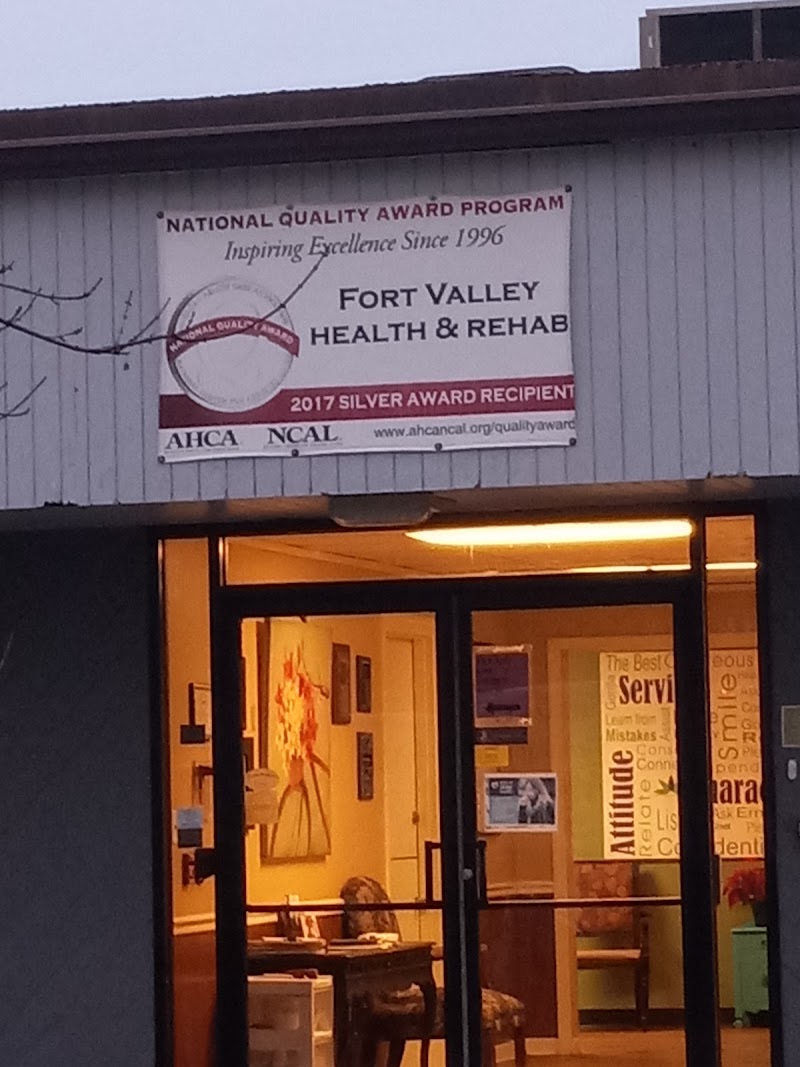
FORT VALLEY HEALTH AND REHAB is owned by a for-profit company. For-profit facilities operate as businesses with obligations to shareholders or private owners. The facility is operated by MISSION HEALTH COMMUNITIES, a chain that manages multiple nursing homes. With 75 certified beds and approximately 45 residents (about 60% occupancy), it is a smaller facility located in FORT VALLEY, Georgia.

How Does Fort Valley Health And Rehab Compare to Other Georgia Nursing Homes?

Compared to the 100 nursing homes in Georgia, FORT VALLEY HEALTH AND REHAB's overall rating (3 stars) is above the state average of 2.6, staff turnover (57%) is significantly higher than the state average of 46%, and health inspection rating (3 stars) is at the national benchmark.

What Should Families Ask When Visiting Fort Valley Health And Rehab?

Based on this facility's data, families visiting should ask: "How do you ensure continuity of care given staff turnover, and what is your staff retention strategy?" "Can you walk me through typical staffing levels on day, evening, and night shifts?" "Can I visit during a mealtime to observe dining assistance and food quality?" "How do you handle medical emergencies, and what is your hospital transfer rate?" These questions are particularly relevant given the facility's high staff turnover rate and the below-average staffing rating.

Is Fort Valley Health And Rehab Safe?

Based on CMS inspection data, FORT VALLEY HEALTH AND REHAB has a clean safety record: no substantiated abuse findings (meaning no confirmed cases of resident harm), no Immediate Jeopardy citations (the most serious violation level indicating risk of serious injury or death), and is not on the Special Focus Facility watch list (a federal program monitoring the lowest-performing 1% of nursing homes). The facility has a 3-star overall rating and ranks #1 of 100 nursing homes in Georgia. While no facility is perfect, families should still ask about staff-to-resident ratios and recent inspection results during their visit.

Do Nurses at Fort Valley Health And Rehab Stick Around?

Staff turnover at FORT VALLEY HEALTH AND REHAB is high. At 57%, the facility is 10 percentage points above the Georgia average of 46%. High turnover means new staff may not know residents' individual needs, medications, or preferences. It can also be disorienting for residents, especially those with dementia who rely on familiar faces. Families should ask: What is causing the turnover? What retention programs are in place? How do you ensure care continuity during staff transitions?

Was Fort Valley Health And Rehab Ever Fined?

FORT VALLEY HEALTH AND REHAB has no federal fines on record. CMS issues fines when nursing homes fail to meet care standards or don't correct problems found during inspections. The absence of fines suggests the facility has either maintained compliance or corrected any issues before penalties were assessed. This is a positive indicator, though families should still review recent inspection reports for the full picture.

Is Fort Valley Health And Rehab on Any Federal Watch List?

FORT VALLEY HEALTH AND REHAB is not on any federal watch list. The most significant is the Special Focus Facility (SFF) program, which identifies the bottom 1% of nursing homes nationally based on persistent, serious quality problems. Not being on this list means the facility has avoided the pattern of deficiencies that triggers enhanced federal oversight. This is a positive indicator, though families should still review the facility's inspection history directly.