PruittHealth - Limestone
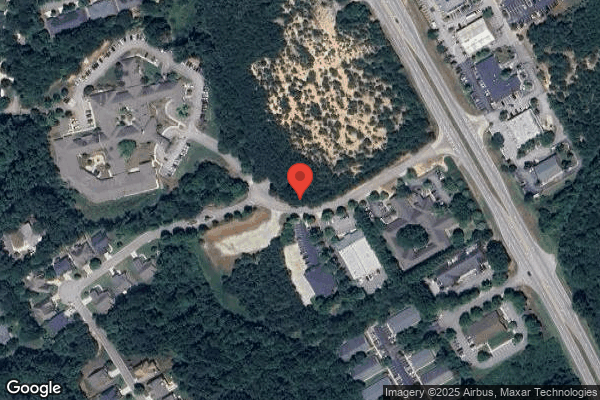
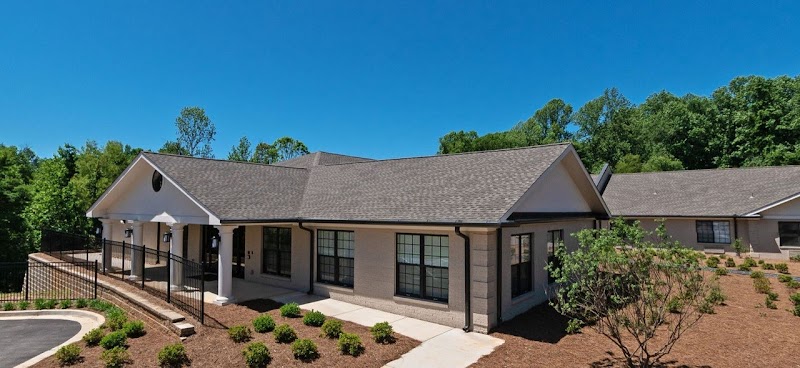
2560 FLINTRIDGE ROAD, GAINESVILLE, GA 30501 (770) 536-3391
For profit - Corporation 104 Beds PRUITTHEALTH Data: November 2025
Trust Grade
75/100
#101 of 353 in GA
Last Inspection: June 2025

Inspected within the last 6 months. Data reflects current conditions.

Overview

PruittHealth - Limestone has a Trust Grade of B, indicating it is a good facility and a solid choice for families. It ranks #101 out of 353 nursing homes in Georgia, placing it in the top half, and #2 out of 5 in Hall County, suggesting only one local option is better. The facility is showing improvement, with issues decreasing from 7 in 2023 to 5 in 2025. Staffing is average with a 3/5 rating and a turnover rate of 49%, which is close to the state average. While there have been no fines, which is a positive sign, recent inspector findings revealed concerns such as meals not being served on time for some residents and cleanliness issues in the kitchen, which could affect all residents receiving meals. Additionally, the facility failed to thoroughly investigate falls that resulted in injuries for some residents, highlighting areas for improvement in safety protocols. Overall, while there are strengths in quality measures and no fines, families should consider the concerns raised regarding meal service and safety investigations.
Trust Score
B
75/100
In Georgia
#101/353
Top 28%
Safety Record
Low Risk
No red flags
Inspections
Getting Better
7 → 5 violations
Staff Stability
⚠ Watch
49% turnover. Above average. Higher turnover means staff may not know residents' routines.
Penalties
✓ Good
No fines on record. Clean compliance history, better than most Georgia facilities.
Skilled Nurses
○ Average
Each resident gets 34 minutes of Registered Nurse (RN) attention daily — about average for Georgia. RNs are the most trained staff who monitor for health changes.
Violations
⚠ Watch
16 deficiencies on record. Higher than average. Multiple issues found across inspections.
★★★★☆
4.0
Overall Rating
★★★☆☆
3.0
Staff Levels
★★★★★
5.0
Care Quality
★★★☆☆
3.0
Inspection Score
Stable
2023: 7 issues
2025: 5 issues

The Good

  • 5-Star Quality Measures · Strong clinical quality outcomes
  • Full Sprinkler Coverage · Fire safety systems throughout facility
  • No fines on record

Facility shows strength in quality measures, fire safety.

The Bad

Staff Turnover: 49%

Near Georgia avg (46%)

Higher turnover may affect care consistency

Chain: PRUITTHEALTH

Part of a multi-facility chain

Ask about local staffing decisions and management

The Ugly 16 deficiencies on record

Jun 2025 5 deficiencies
CONCERN (D)

Potential for Harm - no one hurt, but risky conditions existed

Assessment Accuracy (Tag F0641)

Could have caused harm · This affected 1 resident

Based on resident and staff interview, record review, review of the Resident Assessment Instrument (RAI) manual, and review of the facility's policy titled MDS Assessment Accuracy, the facility failed...

Read full inspector narrative →
Based on resident and staff interview, record review, review of the Resident Assessment Instrument (RAI) manual, and review of the facility's policy titled MDS Assessment Accuracy, the facility failed to ensure the Minimum Data Set (MDS) assessment was accurate for two of 34 sampled residents (R) (R47 and R102). The failure to accurately code/assess the resident's condition had the potential to affect the care planning for the resident to receive all required services or services post-discharge. Findings include: Review of the October 2024 Resident Assessment Instrument (RAI) Manual, page N-3 revealed: Steps for Assessment 1. Review the resident's medication administration records for the 7-day look-back period (or since admission/entry or reentry if less than 7 days). 2. Determine if the resident received insulin injections during the look-back period. 3. Determine if the physician (or nurse practitioner, physician assistant, or clinical nurse specialist if allowable under state licensure laws) changed the resident's insulin orders during the look-back period. 4. Count the number of days insulin injections were received and/or insulin orders changed. Page 2-39: Discharge Assessment-Return Not Anticipated. -Must be completed when the resident is discharged from the facility and the resident is not expected to return to the facility within 30 days. -Must be completed . within 14 days after the discharge date -Consists of demographic, administrative, and clinical items. Page 2-42 Item Rationale -This item documents the location to which the resident is being discharged at the time of discharge. Knowing the setting to which the individual was discharged helps to inform discharge planning. -Demographic and outcome information. Steps for Assessment 1. Review the medical record, including the discharge plan and discharge orders, for documentation of discharge location. Review of the facility's policy titled MDS Assessment Accuracy, reviewed 1/11/2024, revealed: Policy Statement: It is the policy of this healthcare center that each Minimum Data Set (MDS) reflect the acuity and the medical status of each patient/resident in accordance with acceptable professional standards and practices. Procedure: . 6. All MDS Assessments must be completed following the guidance set forth in the RAI manual as directed by the Centers for Medicare and Medicaid Services (CMS). 1. Review of R47's admission MDS located under RAI 3.0 MDS tab of electronic medical record (EMR) with an assessment reference date (ARD) of 3/19/2025, showed in Section N Medications R47 was coded for having received insulin injections for seven of the seven days of the assessment look-back period. The admission MDS also showed R47 had a Brief Interview for Mental Status score of 13 out of a possible 15, indicative of being cognitively intact. Review of R47's EMR Resident Orders tab showed no insulin currently ordered, and review of the Medication Administration Record (MAR) for March showed no insulin administered. During an interview on 6/10/2025 at 9:07 am, R47 denied she used insulin. During an interview 6/10/2025 at 4:25 pm with the MDS Coordinators (MDSC) 1 reviewed the medications MDS section and confirmed R47 had been coded for seven days of insulin injections. MDSC1 and MDSC3 reviewed R47's EMR, and MDSC1 stated, She didn't have any, I don't see any. MDSC1 confirmed that the insulin was coded incorrectly. 2. Review of R102 closed record revealed that R102's Resident Progress Note located under the Progress Notes tab of the EMR indicated, 3/18/2025 at 11:43 am Discharge. Follow-up call placed to resident. She stated that she doing well and will be partaking in therapy PT [physical therapy] with a local company near her home. [sic] Review of R102's MDS located under the RAI MDS 3.0 tab of the EMR revealed a Discharge Return Not Anticipated with an ARD of 3/12/2025. Section A showed R102 was coded as discharged to a Short-Term General Hospital. During an interview on 6/10/2025 at 4:32 pm, MDSC1 read the progress note aloud, and MDSC3 stated, It looks like she went home. MDSC1 replied, no, it states she is receiving PT near her home. MDSC2 pulled up the discharge summary and stated, she went home alone MDSC1 reviewed the Discharge Return Not Anticipated (DCRNA) MDS and stated it was coded she went to the hospital - that's wrong too. During an interview on 6/12/2025 at 4:54 pm, the Director of Nursing (DON) stated that the expectation was that the MDS assessments are very accurate and timely.
CONCERN (D) 📢 Someone Reported This

A family member, employee, or ombudsman was alarmed enough to file a formal complaint

Potential for Harm - no one hurt, but risky conditions existed

PASARR Coordination (Tag F0644)

Could have caused harm · This affected 1 resident

Based on staff interview and record review, the facility failed to submit a Pre-admission Screening and Resident Review (PASRR) Level I Assessment after a new mental illness diagnosis and treatment wa...

Read full inspector narrative →
Based on staff interview and record review, the facility failed to submit a Pre-admission Screening and Resident Review (PASRR) Level I Assessment after a new mental illness diagnosis and treatment was prescribed for one of three residents (R) (R84) reviewed for PASRR. This had the potential for inadequate care planning, increased risk of behavioral issues, and/or missed opportunities for specialized services. Findings include: A facility policy for PASSR was requested, and the Administrator stated they do not have a PASRR policy. Review of R84's Quarterly Minimum Data Set (MDS) with an Assessment Reference Date (ARD) dated 5/5/2025, located in the Resident Assessment Instrument (RAI) tab of the Electronic Medical Record (EMR), revealed an admission date of 3/1/2024, had a Brief Interview for Mental Status (BIMS) score of 10 out of 15 indicating moderate cognition impairment, and had diagnosis of unspecified dementia, severe, with agitation, depression, and unspecified dementia, unspecified severity, without behavioral disturbance, psychotic disturbance, mood disturbance, and anxiety. Review of R84's Pre-admission Screening/Resident Review (PASRR) Level I Assessment, dated 3/1/2024, located in the EMR under the Resident Document tab, revealed 1. Does the individual have a primary (Axis I) diagnosis of dementia? No. 4. Does the individual have a Primary Diagnosis of Serious Mental illness, developmental disability, or related condition? No. b. Does the treatment history indicate the individual has experienced at least one of the following? . (2) An episode of significant disruption to the normal living situation, for which supportive services were required to maintain functioning at home, or in a residential treatment environment, or which resulted in intervention by housing or law enforcement officials. Review of R84's care plan, dated 1/11/2025, located in the EMR under the Care Plan tab, revealed R84 has socially inappropriate/disruptive behavioral symptoms as evidenced by: hitting other residents. An intervention included Assess whether the behavior endangers the resident and/or others. Intervene if necessary. Review of R84's State reported investigation, dated 2/26/2025, provided by the facility revealed [Resident's name] entered R84's room. R84 instructed her to get out of her room and then hit [Resident's name] with her shoe. No injury to either patient. Police were notified. Review of R84's February 2025 medication administration record located in the EMR under the Order tab revealed haloperidol tablet 2 mg [milligrams]; Amount to Administer: 2 mg; oral, dated 2/26/2025, with the indication of use indicating unspecified psychosis not due to a substance or known physiological condition. Review of R84's CCD [Continuity of Care Document] located in the EMR under the CCD tab revealed a diagnosis of Unspecified psychosis not due to a substance or known physiological condition, dated 2/26/2025. During an interview on 6/9/2025 at 2:05 pm, the Social Services Director (SSD) was asked who completed the PASRR Level I's. The SSD stated she did not complete the PASRRs but thought it was the admission Director (AD)1 who did the PASRRs. During an interview on 6/11/2025 at 1:27 pm, AD1, was asked about PASRRs. AD1 stated she completed the initial PASRR Level I's if a resident was not admitted with one from the hospital. AD1 was asked if she submitted another Level I if a resident had a new mental illness diagnosis that was treated with an antipsychotic medication, such as R84. AD1 stated she did not do that, and she wasn't sure who did the updates, but thought it might be MDS Coordinator (MDSC)1. During an interview on 6/12/2025 at 8:32 am, MDSC1 was asked if she had completed the PASRRs. MDSSC1 stated she doesn't do the PASRRs. During an interview on 6/12/2025 at 8:37 am, the Administrator was asked if another PASRR was submitted for R84's new diagnosis of psychosis that was added on 2/26/2025, along with the treatment with Haldol related to the new diagnosis. The Administrator stated the DON would have completed a new PASRR, but she would look to see if it's a new diagnosis and get back with the surveyor.
CONCERN (D)

Potential for Harm - no one hurt, but risky conditions existed

Infection Control (Tag F0880)

Could have caused harm · This affected 1 resident

Based on observation, staff interviews, and review of the facility policy titled Infection Prevention - Hand Hygiene, the facility failed to provide resident care in accordance with infection control ...

Read full inspector narrative →
Based on observation, staff interviews, and review of the facility policy titled Infection Prevention - Hand Hygiene, the facility failed to provide resident care in accordance with infection control standards of care for two of three sampled residents (R) (R21 and R56) observed for incontinence care of sample of 49 residents. This deficient practice had the potential to lead to the transmission of infections between residents. Findings include: Review of the facility's policy titled, Infection Prevention - Hand Hygiene dated 10/15/24 provided by the facility indicated: .D. Indications Requiring Hand Wash or Hand Rub included 6. When hands move from a contaminated body site to a clean body site during resident care. and 7. Immediately after removal of personal protective equipment (e.g., gloves, gown, facemasks). During an observation on 6/11/2025 at 10:45 am, of R21's incontinent care, Certified Nurse Aide (CNA)5 failed to wash her hands after she discarded the dirty brief and dirty gloves prior to donning clean gloves to apply the clean brief. During an observation on 6/11/2025 at 11:05 am, of R56's incontinent care, CNA8 failed to wash her hands after she discarded the dirty brief and dirty gloves prior to donning clean gloves to apply the clean brief. During an interview on 6/11/2025 at 11:20 am, CNA8 stated that she had received training on handwashing and that she was trained to wash her hands after discarding the dirty brief and dirty gloves, but missed this step. During an interview on 6/12/2025 at 11:30 am, the Infection Preventionist (IP) stated that the CNAs were expected to wash their hands after doffing dirty gloves. The IP stated that she audited hand hygiene one to two times a week by staff observation. During an interview on 6/11/2025 at 2:50 pm, the Director of Nursing (DON) stated that her expectation going forward regarding handwashing practices during care is that staff will wash their hands in between clean and dirty care processes.
CONCERN (E)

Potential for Harm - no one hurt, but risky conditions existed

Accident Prevention (Tag F0689)

Could have caused harm · This affected multiple residents

**NOTE- TERMS IN BRACKETS HAVE BEEN EDITED TO PROTECT CONFIDENTIALITY** Based on observations, resident and staff interviews, record review, and review of the facility's policy titled Occurrences, the...

Read full inspector narrative →
**NOTE- TERMS IN BRACKETS HAVE BEEN EDITED TO PROTECT CONFIDENTIALITY** Based on observations, resident and staff interviews, record review, and review of the facility's policy titled Occurrences, the facility failed to thoroughly investigate falls that resulted in injuries for four of 10 residents (R) (R306, R43, R73, and R204) reviewed for accidents. This had the potential to fail to identify risk factors, prevent future falls, understand the circumstances of the incident, and improve safety measures. Findings included: Review of a facility policy titled Occurrences, revision date 1/11/2024, revealed, The healthcare center recognizes that due to the frailty of the patients/residents served, there is an increased risk of occurrences that may result in injury to the patient/resident and/or others. To prevent occurrences, each patient/resident will be observed and assessed for risks. Appropriate, realistic interventions will be implemented in accordance with their plan of care .If occurrence is noted without direct staff observation, the incident entry must be completed in the software system on the shift the occurrence was reported .Upon arrival, the licensed nurse will be responsible for providing immediate medical attention as follows: .Notifies attending physician or designee, informing them of the occurrence and patient/resident's condition .Notifies the responsible party .The licensed nurse will be responsible for completing the following occurrence documentation requirements prior to the end of the shift when the occurrence took place. This documentation will be noted in the patient/resident's clinical record .obtain any witness statements that may be needed before end of shift .Clinical record occurrence documentation will include: .The date and time the occurrence happened .The circumstances surrounding the occurrence .Where the occurrence happened .The time the injured person's attending physician was notified, as well as the time the physician responded back .The time and name of the responsible party notified .Addition of care plan interventions in effort to decrease the risk of additional occurrences .Occurrence investigation and follow-up is a joint responsibility within the healthcare center .Director of Health Services (DHS) will be responsible to review each occurrence for thorough investigation, documenting the investigation in the patient/resident care software occurrence report and appropriate care plan interventions are put in place to decrease risk for repeated occurrences. 1. Review of R306's admission Minimum Data Set (MDS) with an Assessment Reference Date (ARD) dated 8/6/2024, located in the Resident Assessment Instrument (RAI) tab of the Electronic Medical Record (EMR), revealed an admission date of 8/2/2024, had a Brief Interview for Mental Status (BIMS) score of 99 indicating severe cognition impairment, and had diagnosis of a stroke, traumatic subarachnoid hemorrhage without loss of consciousness, subsequent encounter, and unspecified fracture of occiput, subsequent encounter for fracture with routine healing. Review of R306's fall risk evaluation, dated 8/2/2024, located in the EMR under the Observation tab, revealed R306 was high risk for fall. Review of R306's care plan, revised 8/2/2024, located in the EMR under the RAI tab revealed Problem: R306 is at risk for falls related to recent hospitalization, hx [history] of falls. Fall score = 75. 8/27/2024 unwitnessed fall, non-injury,8/28/2024 unwitnessed fall no injury, 8/29/2024 unwitnessed fall, unwitnessed Fall on 8/31/202024 & sent to [hospital] for eval [evaluation]. Approaches include Redirect R306 to resident common areas, dated 8/29/2024, R306 to wear non slip socks while out of bed to decrease chances of falling, dated 8/29/2024, Keep R306's door open for better visualization while she is in the room as she allows, outside of care, dated 8/28/2024, Keep environment safe, dated 8/02/2024, Assist for toileting and transfers PRN [as needed], dated 8/2/2024, Cue for safety awareness, dated 8/2/2024, and Place call light within reach, dated 8/2/2024. Review of R306's Safety Events located in the EMR under the Observation tab revealed a fall history that included: on 8/27/2024 an unwitnessed fall in R306's room with no injury; on 8/28/2025 an unwitnessed fall in the kitchen with no injury; on 08/29/2025 an unwitnessed fall in R306's room with no injury, and on 8/31/2025 an unwitnessed fall in R306's room with a head injury and was sent to the hospital. Review of R306's progress note, dated 8/31/2024, located in the EMR under the Progress Note revealed about 8:30 pm, when CNA [Certified Nurse Aide] checked, Resident found lying on floor with head injury. Resident LOA [leave of absence] to hospital for eval [evaluation]. family notified Dr [name] notified it un witness fall. [sic] Review of R306's hospital records, dated 8/31/2024 to 9/01/2024, provided by the facility revealed Principal Problem: Subdural hematoma . During an interview on 6/11/2025 at 4:03 pm, Licensed Practical Nurse Unit Manager (LPNUM) 2 was asked about R306's four falls. LPNUM2 stated she didn't remember R306 too much or her falls, as it was a while ago, and R306 was discharged ten months ago. LPNUM2 was asked if she would expect a new intervention to be put in place after a fall. LPNUM2 stated, Yes, absolutely. LPNUM2 was asked when R306 fell in her room, was R306 in her wheelchair or bed, as the fall incident report only reflected in room. LPNUM2 stated it's been too long since, but thought R306 had a problem sleeping at night. LPNUM2 went on to say R306 would transfer herself into her wheelchair, and that was most likely when she would fall. During a follow-up interview on 6/11/2025 at 4:23 pm, LPNUM2 stated that after reviewing the EMR, her assumption would be that R306 was transferring herself from the bed to the wheelchair or vice versa during the times she fell. LPNUM2 was asked who completed R306's Safety Event investigation reports. LPNUM2 stated, Safety Events are completed by the charge nurse. LPNUM2 confirmed the Safety Events lacked documentation of an established pattern of R306's falls and pertinent details of what led to her falls, such as Was R306 in her wheelchair or bed at the time of her fall. During an interview on 6/12/2025 at 4:55 pm, the Director of Nursing (DON) was asked about R306's falls and investigations. DON stated that the investigations are initiated by the nurse on duty, and the next day, they are completed by the Unit Manager. DON stated that the fall investigations should have shown which interventions were in place, to show whether something did or did not work. DON went on to say, We want a complete picture. The DON confirmed that the actual interviews with the staff were not being documented, and the nurses should be doing that. The DON stated that the Safety Event form is the initial, and the post form should include the root cause analysis. The DON stated the nurses should also do an SBAR [Situation, Background, Assessment, and Recommendation], a Morse fall, and a skin assessment. The DON confirmed these items were not completed for R306. DON stated R306's information included in the Safety Events report lacked pertinent details. DON acknowledged that the care plan interventions were not documented, whether they were used or not, in the Safety Events, which prevented them from being evaluated to determine if the interventions were effective or not. 2. Review of 43's quarterly MDS, dated [DATE], located in the EMR under the RAI tab, revealed that for chair/bed-to-chair transfers, R43 required Partial/moderate assistance. Further review of R43's quarterly MDS, with an ARD of 5/22/2025 located in the EMR under the RAI tab revealed an admission date of 7/02/2024, had a BIMS score of five out of 15, indicating severe cognition impairment, and diagnosis of unspecified fracture of lower end of right humerus, subsequent encounter for fracture with routine healing, hypertension, and atrial fibrillation. Review of R43's care plan, revised 7/2/2024, located in the EMR under the RAI tab, revealed R43 is at risk for falls related to: CVA [cerebral vascular accident] and a History of falls. Fall noted on 9/13/2024. Fall noted on 10-30-2024, Witnessed Fall 1/18/2025, Unwitnessed Fall 2/8/2025. Approaches include Requires 2 Person Assist with Transfers dated 5/9/2025. Staff to apply gripper socks to R43 to prevent slipping when getting out of bed, dated 2/10/2025; Add Concave Mattress to Bed, dated 2/8/2025; Staff Education Transfers, dated 1/18/2025; Keep most used items within reach. (Purse), dated 10/30/2024; Staff to frequently check on and provide reorientation to resident, dated 9/13/2024, Assist for toileting and transfers PRN, dated 7/2/2024, Cue for safety awareness, and Place call light within reach. Review of R43's fall risk evaluation, dated 9/13/2024, revealed low risk for falls, and R43's fall risk evaluations dated 10/30/2024, 1/18/2024, and 2/18/2024 revealed high risk for falls. Review of R43's Safey Events fall history, located in the EMR under the Observation tab revealed on 9/13/2024 an unwitnessed fall in R43's room with no injury, on 10/30/2024 an unwitnessed fall in R43's room with no injury, on 1/18/2025 a witnessed fall in R43's room with no injury, and on 2/8/2025 an unwitnessed fall in R43's room with an injury to the right humerus and R43 was sent to the emergency room (ER). Review of R43's progress note, dated 2/8/2025 at 7:17 am, located in the Progress Note tab revealed This nurse was called by Nurse [name] to help w/ [with] neuro [neurological] checks following a fall from bed at 5:20 am. VS [vital signs] stable and neuro checks good. At 6:10 am, resident was noted to be holding the left side of her head and c/o [complaint of] a headache and pain to her right arm. Upon inspection, a bump was noted to her head along with localized pain to her right elbow. At 6:15 am, on call physician ordered her sent to ED [emergency department] due to resident being on Eliquis [a medication used to prevent blood clots]. Paramedics transferred her along with bed hold policy. 3 attempts were made to contact her emergency contact, but calls went straight to VM [voice mail], which was full. [sic] Review of R43's progress note, dated 2/8/2025 at 10:32 am, revealed Placed call to family member to update on R43's fall. This nurse spoke with [family member], [name], and provided update that patient had fallen from bed and was sent to the ER [emergency room] at [name] for eval per MD [physician] order. [Family member] asked to be called back once an update was provided from the ER. Review of R43's progress note, dated 2/8/2025 at 11:00 am, revealed Approximately 1100 resident returned from [hospital name] via stretcher in stable condition. Alert, calm, cooperative, and incontinent. Arrived with a new diagnosis of closed nondisplaced fracture of distal end of right humerus post fall. Ace bandage in place and sling also in place to her rue [right upper extremity] . [sic] On 6/10/2025 at 10:25 pm, R43 was observed asleep in her bed with a purse on her lap, an overbed table in reach, and the television next to her. R43 had a concave mattress in use. During an interview on 6/11/2025 at 1:14 pm, the DON was asked about R43's falls on 2/8/2025 and 1/18/2025, and if there was more information in the investigation other than the fall occurring in R43's room. DON stated she would have to review the record. DON was also asked why R43 fell out of bed on 2/8/2025. The DON stated she would look into it and get back. During an interview on 6/11/2025 at 2:19 pm, LPNUM1 was asked about R43's falls. LPNUM1 stated she thought R43 had a UTI [urinary tract infection] and was getting up to go to the bathroom. LPNUM1 was asked what was in place currently to prevent future falls. LPNUM1 stated that a concave mattress was placed on R43's bed, and her UTI was treated. LPNUM1 stated, R43 was not able to take herself to the bathroom, and she gets confused. LPNUM1 was asked if that was all the interventions. LPNUM1 stated R43 was in the first room on the hall for frequent checks, and her bed was in a lower position. During an interview on 6/12/2025 at 2:51 pm, Certified Nurse Aide (CNA)5 was asked what fall interventions were in place to keep R43 from falling out of bed. CNA5 stated just to keep her bed in a low position, but she wasn't aware R43 had fallen. During an interview on 6/12/2025 at 5:02 pm, the DON was asked about R43's fall on 2/8/2025 and the investigation. DON stated that the investigations are initiated by the nurse on duty, and the next day, they were completed by the Unit Manager. The DON was asked for more information on R43's fall interventions. DON stated she would need to look at the care plan. The DON was asked if only marking the fall occurred in the Resident Room on the Safety Event reports was enough, and not including what the resident was doing or where the resident was in the room was sufficient and the DON stated, No, pertinent details needed to be added to the Safety Events report. The DON confirmed the Safety Event reports should include the full picture of events, and the post-fall was the follow-up, which should include what worked or didn't work for R43. The DON stated that the root cause analysis should be included in the Safety Event post-fall report. The DON further stated R43's Safety Events reports also lacked pertinent details. The DON acknowledged that the care plan interventions were not documented to determine if they were used in the Safety Events, which prevented them from evaluating whether the interventions were effective or not. 3. Review of R204's Face Sheet, located in the resident's EMR under the Face Sheet tab revealed the resident was admitted to the facility on [DATE] with diagnoses that included spondylosis without myelopathy or radiculopathy, cervical region, unsteadiness on feet, difficulty in walking, muscle weakness, and history of unspecified fall. The resident was discharged to the hospital on 5/17/2024. Review of R204's admission MDS with an Assessment Reference Date (ARD) of 5/2/2024, located in the resident's EMR under the MDS tab, indicated the facility assessed R204 to have a BIMS score of seven out of 15, indicating R204 had significant cognitive impairment. The MDS also indicated R204 was dependent on staff for toileting, and required substantial/maximal assistance for sit-to-stand, toilet transfer, and chair/bed-to-chair transfer. The resident had a fall in the last month prior to admission/entry or reentry. Review of R204's Care Plan, dated 4/30/2024 in the EMR under the Care Plan tab, indicated the resident was at risk of falls related to a recent hospitalization. The interventions included to assist with toileting and transfers as needed, place call light within reach, to keep environment safe and path free from obstruction, and to cue for safety awareness to verify R204 understood the need for fall prevention measures. Record review of R204's Progress Notes in the EMR under the Progress Notes tab, documented a progress note on 5/17/2024 at 5:30 am, that CNA notified resident was on the floor. The resident was bleeding from the head and arm. CNA put towel on resident head to stop bleeding .resident was alert but didn't know where he was .the nurse called EMS (emergency medical services). EMS personnel put a bandage on his head and took to hospital . [sic] Record review of R204's Transfer Form documented that the resident was discharged to the hospital on 5/17/2024 at 5:30 am due to a fall and hitting his head. The physician and resident representative were not documented as having been notified of the transfer. Record review of R204's Fall Form documented on 5/17/2024 and completed on 5/23/2024 revealed that the CNA notified resident was on the floor. The event detail noted that the resident was going to the refrigerator in his room just prior to the fall; however, the fall was documented as not witnessed. The documentation of the fall investigation failed to document staff interviews, observations of the resident at the time of the fall, including interventions in place, a resident interview, or a root cause analysis. Record review of R204's Post Fall Observation documented on 5/17/2024, revealed that the CNA reported that the resident had fallen on the floor. The fall was unwitnessed. The event detail again noted that the resident fell on the floor trying to get to the refrigerator. Again, the documentation failed to record staff interviews, a resident interview, or the potential root cause analysis. 4. During an interview on 6/9/2025 at 1:40 pm, R73 was observed seated in her wheelchair in her room with an observed large yellowing left orbital bruise and a cast over her left hand, wrist, and forearm. When asked what happened, R73 responded, I guess I fell. When asked if that fall happened at home or here in the facility, R73 did not know. Review of R73's EMR Resident Progress Notes tab showed: 5/24/2025 at 2:28 PM Resident found on floor of room after CNA [Certified Nursing Assistant] had just left room, noticed two small lacerations to left eyebrow outer edge and swelling to left wrist noted. R73 was sent to the hospital, admitted , and returned to the facility on 5/29/2025. Review of the Fall Event completed the date of the fall showed the same information as in the progress note, did not include any staff interviews or root cause analysis of why the fall happened. Review of the Post Fall Observation showed a completion date of 6/9/2025 but did not include any interviews of staff that was working with R73 the shift of the fall or a root cause analysis of why the fall happened to add an intervention that could keep the fall from recurring. During an interview on 6/11/2025 at 1:46 pm, the LPNUM2, author of the Post Fall Observation, was asked about the delay from the 5/29/2025 readmit date to the 6/9/2025 completion date, LPNUM2 stated, I try to do them as effectively as possible. During an interview on 6/12/2025 at 4:55 pm, the DON stated the nurse on duty should immediately do the event report, what was the resident doing, what happened, ask the CNAs what happened, it's the full detail of what happened, and it's used to prevent another fall. The post-fall observation is the follow-up to ensure all the information is there. The post-fall should be done by the next day. When asked about R73's post-fall observation completion date of 6/9/2025, the DON stated, It's late; root cause analysis [RCA] is not possible to be determined that many days later. The DON confirmed the RCA is supposed to be identified in the post-fall analysis, and there were no staff interviews documented in either report.
CONCERN (E)

Potential for Harm - no one hurt, but risky conditions existed

Menu Adequacy (Tag F0803)

Could have caused harm · This affected multiple residents

Based on observations, resident and staff interviews, and record review, the facility failed to follow the menus and/or provided varied menus for four (R) (R8, R4, R803, and R701) of six residents rev...

Read full inspector narrative →
Based on observations, resident and staff interviews, and record review, the facility failed to follow the menus and/or provided varied menus for four (R) (R8, R4, R803, and R701) of six residents reviewed for food. This deficient practice had the potential to place R8, R4, R803, and R701at risk of weight loss and a decreased quality of life. Findings include: A facility policy for menus was requested, and the Administrator stated there was no menu policy. 1. Review of R8's quarterly Minimum Data Set (MDS) with an Assessment Reference Date (ARD) dated 4/24/2025, located in the Resident Assessment Instrument (RAI) tab of the Electronic Medical Report (EMR), revealed an admission date of 10/28/2017, had a Brief Interview for Mental Status (BIMS) score of three out of 15, indicating severe cognition impairment, and had diagnosis of Alzheimer's disease, type 2 diabetes mellitus without complications, and dysphagia, oropharyngeal phase. Review of R8's diet order, dated 5/28/2025, located in the EMR under the Order tab, revealed CCHO [carbohydrate controlled] NAS [no added salt], Puree. Review of R8's care plan, dated 10/20/2024, located in the EMR under the RAI tab, revealed R8 is at risk for alteration in nutritional and hydration status related to HTN [hypertension] and diabetes. R8 receives a therapeutic and mechanically altered diet R/T [related to] missing teeth and comorbidities. An intervention included Diet as ordered. Observation on 6/9/2025 at 1:09 pm revealed R8 was served lunch that included regular textured mixed vegetables with carrots and broccoli, ground pork, regular textured Au gratin potatoes, pudding, and tea. Review of the week-one 2025 spreadsheet revealed that for 6/9/2025, the pureed lunch menu included puree baked pork chop, puree Au gratin potatoes, puree brussel sprouts, and a puree brownie. Observation on 6/10/2025 at 8:58 am revealed R8 was served breakfast that included a portion of firm, partially pureed oatmeal with texture, pureed bacon, yogurt, a supplement, milk, and apple juice. Review of the week-one 2025 spreadsheet revealed that for 6/10/2025, the pureed breakfast menu included pureed hot cereal, pureed scrambled eggs, and pureed bacon. Observation on 6/10/2025 at 12:55 pm revealed R8 was served lunch that included a portion of firm, partially pureed rice with texture, pureed meat, pureed mixed vegetables, pudding, beverage, and a frozen supplement. R8 tried to drink the supplement from a small carton but said, It's frozen. Certified Medication Aide (CMA)3 put a straw in the carton, but R8 was unable to drink it. R8 attempted to use a spoon to consume the supplement. Review of the week-one 2025 spreadsheet revealed that for 6/10/2025, the pureed lunch menu included puree fajita meat, puree rice, and apple sauce. Observation on 6/11/2025 at 8:31 am revealed R8 was served breakfast that included yogurt, a large portion of ground sausage with gravy, milk, juice, a supplement, and a portion of firm pureed oatmeal with texture. CNA8 set up R8's tray and confirmed R8's diet should be pureed, and the sausage appeared to be ground. Review of R8's breakfast meal ticket, dated 6/11/2025, provided by the facility revealed CCHO NAS pureed, disliked eggs. Review of the week-one 2025 spreadsheet revealed that for 6/11/2025, the pureed breakfast menu included puree oatmeal, puree cheese and egg casserole, puree sausage link, and puree bread. During an interview on 6/11/2025 at 9:05 am, the Registered Dietitian (RD) was asked about her oversight for the Dietary Manager (DM) and who was making sure menus were followed, as R8 wasn't always receiving the puree texture. The RD stated that R8 was very particular about her textures. The RD stated she just met the new DM today, 6/11/2025. During an interview on 6/12/2025 at 8:01 am, the Certified Dietary Manager (CDM) was asked why R8 received ground sausage and no bread at breakfast on 6/11/2025. The CDM stated she wasn't sure, as she was from another facility and was here assisting the DM in his new position. On 6/12/2025 at 12:11 pm, a puree test tray was sampled with the CDM that included puree turkey with gravy, Au Gratin potatoes, and mixed vegetables. The CDM confirmed that the mixed vegetables included broccoli and carrots. Review of the week-one menus for 2025 revealed that mixed vegetables, which included broccoli and carrots, were served at lunch and dinner the day before, on 6/11/2025. During an interview on 6/12/2025 at 12:14 pm, the CDM was asked about the pureed texture of foods served during the survey. The CDM stated she was aware of the problem with the puree texture, and she had retrained the dietary staff. The CDM was asked if she was aware of residents' complaining about too many of the same foods on the menu, such as too many of the same vegetables, and she stated that she would review the menus. 3. During an interview on 6/11/2025 at 5:06 pm, R4 stated she couldn't eat her lunch, as she had been served too much of the same thing. Review of the week-one 2025 spreadsheet revealed that for 6/11/2025, the lunch menu included chicken alfredo, a Bahama vegetable blend (including broccoli and carrots), and peaches. 4. During the Resident council interview on 6/11/25 at 1:52 pm, R803 and R701 expressed complaints about too much of the same foods being served, a lack of variety, especially with the vegetables. Review of the week-at-a-glance week-one, dated 6/8/2025 through 6/14/2025, provided by the facility, revealed that side dishes of a similar type of mixed vegetables that included broccoli, carrots, and other vegetables were listed on the menu five times, and potatoes were listed six times. During an interview on 6/12/2025 at 6:23 pm, the Administrator stated the facility had a Performance Improvement Plan (PIP) for food palatability and provided a binder with details such as food temperature logs, meal delivery times, dietary in-services on food temperatures, and initiation of a food committee. No information was found pertaining to resident complaints of repetitive menus. The Administrator confirmed the menus were not included in the PIP.
Oct 2023 7 deficiencies
CONCERN (D) 📢 Someone Reported This

A family member, employee, or ombudsman was alarmed enough to file a formal complaint

Potential for Harm - no one hurt, but risky conditions existed

Resident Rights (Tag F0550)

Could have caused harm · This affected 1 resident

Based on observation, record review, staff and resident interviews, and review of the facility policy titled, Colostomy Care, the facility failed to provide colostomy care to reduce odor and maintain ...

Read full inspector narrative →
Based on observation, record review, staff and resident interviews, and review of the facility policy titled, Colostomy Care, the facility failed to provide colostomy care to reduce odor and maintain dignity for one of one Resident (R)243 with a colostomy. Findings include: Review of the facility policy titled Colostomy Care, with revision date of 2019, revealed .Some people are self-conscious related to odor. Some caregivers place deodorizing drops or labels into the appliance; others place a plain aspirin tablet in the bag. Do all you can do to maintain the resident's dignity and keep the resident odor free. Review of R243's undated Face Sheet in the Electronic Medical Record (EMR) revealed R243 had diagnoses which included colon cancer and chronic obstructive pulmonary disease. Review of the admission Assessment, dated 10/6/2023, revealed that R243 was .alert and oriented x [times] four (4) [oriented to person, place, time and event or situation] . The admission Minimum Data Set (MDS) had not been completed at the time of this medical record review on 10/12/2023. Interview on 10/11/2023 at 11:30 am with R243 stated, I laid in my own waste because my bag broke last night. I told the staff, but they didn't do anything to help me. My son had to ask staff to help me with a shower, change my clothes and then change the bed. It is embarrassing to me. Observation and Interview on 10/12/2023 at 8:05 am with R243 reported that My bag felt like it was leaking so I told the girl on night shift. She came and looked at it two or three times and said the bag looked good. I know I smell the odor and everyone else does too. I will refuse to go to therapy this morning because it is embarrassing to me. R243's son was present in room with his mother, and he stated he could smell the odor too. The odor of feces was apparent at the resident's door before it was opened. Interview on 10/12/2023 at 8:20 am with Licensed Practical Nurse (LPN)2 stated, It would bother me if I could smell the odor. Observation on 10/12/2023 at 3:00 pm, revealed R243 was smiling and talking with her son. R243 stated, It is so much better now. They came and put another bag on, and I went to therapy. Interview on 10/13/2023 at 11:30 am with the Director of Nursing (DON) stated, I was not aware R243 was having this trouble. I expect my staff to treat any resident with a colostomy with dignity and respect and help them anyway possible with whatever the problem is.
CONCERN (D)

Potential for Harm - no one hurt, but risky conditions existed

Deficiency F0561 (Tag F0561)

Could have caused harm · This affected 1 resident

Based on observation, staff and resident interviews, record review, and review of the facility policy titled, Tray Card System, the facility failed to honor food preferences for one of 24 Residents (R...

Read full inspector narrative →
Based on observation, staff and resident interviews, record review, and review of the facility policy titled, Tray Card System, the facility failed to honor food preferences for one of 24 Residents (R)57. Findings include: Review of the facility's policy titled, Tray Card System, dated 1/20/2021, indicated, Tray cards must be updated when any changes occur (i.e. (that is), diet order changes, preference changes, special needs changes, room changes, etc.). Review of R57's undated Face Sheet, located under the Resident tab in the Electronic Medical Record (EMR), revealed R57 had diagnoses which included diabetes mellitus and anemia. Review of R57's quarterly Minimum Data Set (MDS) located in the EMR under the MDS 3.0 tab with an Assessment Reference Date (ARD) of 7/29/2023, revealed Section C- Cognitive Patterns: a Brief Interview Mental Status (BIMS) score of nine out of 15, which indicated R57 had moderately impaired cognition. Interview on 10/10/2023 at 1:50 pm with R57 stated, his food preferences were not honored at meals by the kitchen staff. R57 specified that he did not like green peas and on multiple occasions had informed the kitchen staff and the nursing staff of this dislike but continued to receive green peas on his meal trays. R57 also stated he preferred to drink milk at meals and this preference was noted on his meal tray slips but he was not always served milk at meals. Observation on 10/11/2023 at 1:22 pm revealed R57 was in his room and had just received his lunch meal. Observation of the resident's lunch meal revealed he was served rice and did not receive any milk on his meal tray. Review of R57's tray slip, that was provided with this meal, revealed he was to receive milk with this meal. Interview on 10/11/2023 at 1:22 pm with R57 stated, he was not served milk with his meal. R57 specified that he preferred to drink milk at meals but during the past two weeks he frequently was not served milk on his meal trays. R57 also stated on multiple occasions he had informed the nursing staff and dietary staff that he did not like rice, but he continued to be served rice at meals. Interview on 10/13/2023 at 10:25 am with the Dietary Aide (DA)1 stated, R57 had made the dietary staff aware that he did not like green peas. DA1 specified this food preference was noted on a dry erase board in the kitchen, but probably was not updated on the resident's meal tray slip because it had not been entered into the kitchen's computer system. Interview on 10/13/2023 at 10:50 am with the Administrator who reviewed R57's food preferences in the facility's computer system, confirmed R57 should receive milk at breakfast, lunch, and supper. The Administrator also stated R57's food preference information was not updated in the computer to include green peas and rice as foods that R57 disliked, so these food dislikes were not reflected on the resident's meal tray slips.
CONCERN (D)

Potential for Harm - no one hurt, but risky conditions existed

Respiratory Care (Tag F0695)

Could have caused harm · This affected 1 resident

Based on observation, staff and resident interviews, record review, and review of facility policy titled, Oxygen Administration, the facility failed to obtain a physician order for the use of oxygen f...

Read full inspector narrative →
Based on observation, staff and resident interviews, record review, and review of facility policy titled, Oxygen Administration, the facility failed to obtain a physician order for the use of oxygen for one of 15 Residents (R)289 that receive respiratory treatment. This failure had the potential to affect the necessary respiratory care and services that are in accordance with professional standards of practice. Findings include: Review of the facility's policy titled, Oxygen Administration, dated 8/2/2023, indicated Oxygen will be administered by licensed personnel only when ordered by the physician, PA (Physician's Assistant) or NP (Nurse Practitioner). Review of R289's undated Face Sheet located under the Resident tab in the Electronic, Medical Record (EMR), revealed R289 had diagnoses which included asthma, congestive heart failure, and diabetes mellitus. Review of R289's nursing notes, located under the Progress Note tab of the EMR, revealed a note dated 10/5/2023 at 5:15 pm which specified, R289 was placed on oxygen (O2) at two liters via nasal cannula as needed to maintain her O2 saturation level. Review of R289's admission Minimum Data Set (MDS) located in the EMR under the MDS 3.0 tab with an Assessment Reference Date (ARD) of 10/7/2023, revealed Section C- Cognitive Patterns: a Brief Interview Mental Status (BIMS) score of 15 out of 15, which indicated R289 was cognitively intact. Review of R289's physician's orders located under the Orders tab in the EMR revealed no orders had been written for R289 to receive O2 since her admission to the facility. Observation on 10/10/2023 at 1:15 pm revealed R289 was in bed receiving O2 from a concentrator at a rate of one and a half liters per minute (L/min) via a nasal cannula. Interview on 10/10/2023 at 1:15 pm, R289 stated she needed oxygen to be administered because there were times, she became short of breath. Observation on 10/11/2023 at 11:15 am revealed R289 was in bed receiving O2 from a concentrator at a rate of three L/min via a nasal cannula. Interview on 10/13/2023 at 2:30 pm with the Director of Nursing (DON) who reviewed the resident's EMR and confirmed R289 received oxygen, but there was no physician's order for the administration of oxygen therapy since the resident's admission to the facility. The DON explained a physician's order for oxygen should have been written by the admitting nurse when R289 was admitted to the facility.
CONCERN (D) 📢 Someone Reported This

A family member, employee, or ombudsman was alarmed enough to file a formal complaint

Potential for Harm - no one hurt, but risky conditions existed

Deficiency F0697 (Tag F0697)

Could have caused harm · This affected 1 resident

**NOTE- TERMS IN BRACKETS HAVE BEEN EDITED TO PROTECT CONFIDENTIALITY** Based on record review, staff and resident interviews, the facility failed to ensure a physician ordered medication was availabl...

Read full inspector narrative →
**NOTE- TERMS IN BRACKETS HAVE BEEN EDITED TO PROTECT CONFIDENTIALITY** Based on record review, staff and resident interviews, the facility failed to ensure a physician ordered medication was available for one of 24 residents (R)243. Specifically, the facility failed to ensure that R243 received pain medication as ordered by the physician. Findings include: Interview on 10/10/2023 at 11:30 am with R243 stated, I could not get my pain medicine the first night that I was here when I asked for it. The nurse told me that they did not have the pain medication from the pharmacy yet and I could have Tylenol instead. Review of R243's undated Face Sheet in the Electronic Medical Record (EMR) revealed R243 was admitted to the facility on [DATE] with the following diagnoses of colon cancer and chronic obstructive pulmonary disease. Review of the Nursing admission assessment dated [DATE] revealed that R243 was .alert and oriented x (times) 4 (four) (oriented to person, place, time and event or situation) . The admission Minimum Data Set (MDS) had not been completed at the time of this medial record review on 10/12/2023. Review of R243's EMR in the Medication Administration Record (MAR) on 10/6/2023 at 10:25 pm, the nursing documentation revealed, .Pain scale 8 (eight) .PRN [as needed] Reason: Pain Comment: hydrocodone has not come in from pharmacy yet . Review of the physician's Orders tab with a start date for 10/6/2023 revealed, hydrocodone-acetaminophen tablet 5-300 milligrams every 6 (six) hours as needed for moderate to severe pain . Interview on 10/13/2023 at 3:30 pm with the Director of Nursing (DON) stated, The nurses have been in-serviced by pharmacy and me on what the procedure is for obtaining medication out of the Cubex when the resident needs a medication that has not come from the pharmacy yet. I will go and look to see if this medication was available to be obtained from the Cubex until our supply from pharmacy has been delivered to us. The DON returned at 4:30 pm and stated, The pain medication was in the Cubex and should have been obtained from there and given to the resident.
CONCERN (D) 📢 Someone Reported This

A family member, employee, or ombudsman was alarmed enough to file a formal complaint

Potential for Harm - no one hurt, but risky conditions existed

Deficiency F0804 (Tag F0804)

Could have caused harm · This affected 1 resident

Based on observation, staff and resident interviews, record review, and review of facility policies titled, Food Temperatures and Meal Delivery, the facility failed to serve food that was palatable an...

Read full inspector narrative →
Based on observation, staff and resident interviews, record review, and review of facility policies titled, Food Temperatures and Meal Delivery, the facility failed to serve food that was palatable and hot to three of 87 Residents (R) (R57, R38, and R289) reviewed for food palatability. This had the potential to affect all 87 residents who consumed food prepared from the facility's kitchen. Findings include: Review of the facility's policy titled, Food Temperatures, dated 2/24/2023, indicated 1. All hot foods served from the steam table must be held at or above 135 degrees. 2. All potentially hazardous cold foods must be held at 41 degrees or less. Then at the end of the procedure .13. Food will be served at palatable temperatures. Review of the facility's policy titled, Meal Delivery, dated 8/03/2017, indicated Hall Meal Service: 1. All foods leaving the kitchen to be served to residents/patients in their rooms will be covered. 2. Hot items will be served with insulated domes/bases and lids to maintain the heat or served with another system designed to maintain temperature during transportation. 1. Review of R57's quarterly Minimum Data Set (MDS) located in the Electronic Medical Record (EMR) under the MDS 3.0 tab, with an Assessment Reference Date (ARD) of 7/29/2023, revealed Section C- Cognitive Patterns: a Brief Interview Mental Status (BIMS) score of nine out of 15, which indicated R57 had moderately impaired cognition. During an interview on 10/10/2023 at 1:50 pm, R57 stated he ate meals in his room and food at meals were cold when served, especially the eggs at breakfast. Observation on 10/12/2023 at 9:43 am, revealed R57 was served his breakfast meal in his room. During an interview on 10/12/2023 at 9:43 am, R57 tasted the eggs served on his breakfast meal tray and stated the eggs tasted cold. R57 then tasted the cream of wheat served on his breakfast meal tray and stated it tasted warm but was not hot. 2. Review of R38's quarterly MDS located in the EMR under the MDS 3.0 tab with an ARD of 8/27/2023 revealed Section C- Cognitive Patterns: a BIMS score of 14 out of 15, which indicated R38 was cognitively intact. During an interview on 10/10/2023 at 12:18 pm, R38 stated she ate meals in her room and her food was often cold when served. R38 specified at breakfast her eggs and hot cereal were usually cold when served. Observation on 10/12/2023 at 9:55 am revealed staff served R38 her breakfast meal in her room. During an interview on 10/12/2023 at 10:45 am, R38 stated staff served her breakfast meal around 10:00 am this morning. R38 stated the eggs, cream of wheat, and toast served on her breakfast tray were cold this morning. R38 also specified the toast served on her breakfast tray was very hard. 3. Review of R289's admission MDS located in the EMR under the MDS 3.0 tab with an ARD of 10/07/2023 revealed Section C- Cognitive Patterns: a BIMS score of 15 of 15, which indicated R289 was cognitively intact. During an interview on 10/10/2023 at 1:10 pm, R289 stated she ate her meals in her room and the eggs served at breakfast were cold. R289 stated, I cannot eat cold eggs. In response to resident complaints about food, a test tray was requested to be sent to the facility's North unit for the breakfast meal of 10/12/2023. Observation revealed before the North unit meal tray cart left the kitchen at 9:38 am temperature monitoring of food being served from the kitchen's tray line revealed the food was at acceptable levels, of greater than 135 degrees Fahrenheit (F). The meal trays were placed on an open cart with no heating element. Observation of the test tray and resident meal trays that were placed on the unheated delivery cart revealed the insulated dome lids on the meal trays did not completely cover the food on the plate. The insulated dome lids were elevated above the food on the plate because staff placed a bowl on the plate which did not allow the dome lid to fit directly over the plate. The meal cart with the test tray was observed to arrive at the North unit at 9:43 am. Staff were observed to complete the resident meal pass for North unit at 9:57 AM when staff served and set up R38's breakfast meal in her room. At this time, the foods and beverages on the test tray were sampled in the presence of the facility's Consultant Registered Dietitian (RD). The RD observed the test tray and confirmed the insulated dome lid on the test tray was elevated above the plate which was not conducive for the hot foods served on the plate to maintain their temperature. The RD verified the temperatures taken of the foods and beverages on the test tray but opted not to taste any of the foods on the requested test tray. Observation and tasting of the food on the test tray revealed the following: -The scrambled eggs served on the test tray tasted cold. The temperature was 87.6 degrees Fahrenheit (F). -The pureed meat served on the test tray tasted barely warm. The temperature was 100.2 degrees F. -The toast served on the test tray tasted cold and was very hard. The consultant RD verified the toast on the test tray was very hard. The cream of wheat served on the test tray had started to congeal, contained large lumps, and tasted warm. The temperature was 120.8 degrees F. The consultant RD verified the cream of wheat on the test tray had started to congeal and contained large lumps.
CONCERN (F) 📢 Someone Reported This

A family member, employee, or ombudsman was alarmed enough to file a formal complaint

Potential for Harm - no one hurt, but risky conditions existed

Deficiency F0802 (Tag F0802)

Could have caused harm · This affected most or all residents

Based on observation, staff and resident interviews, record review, and review of the facility policies titled, Scheduling: Dietary Services and Mealtimes, the facility failed to ensure there was suff...

Read full inspector narrative →
Based on observation, staff and resident interviews, record review, and review of the facility policies titled, Scheduling: Dietary Services and Mealtimes, the facility failed to ensure there was sufficient dietary staff to serve resident meals on time as scheduled for the facility for two of 24 Residents (R) 38 and R57 reviewed for timeliness of facility meals. The deficient practice had the potential to affect 87 of 87 residents that consumed an oral diet. Findings include: Review of the facility's policy titled, Scheduling: Dietary Services, dated 8/3/2017, indicated, It is the policy of [Company name] to provide a work schedule in a timely manner which is fair, consistent and ensures the accomplishment of all functions within the department. Review of the facility's policy titled, Mealtimes, dated 9/1/2023, indicated, the resident scheduled mealtimes were as follows: South/Concierge Unit Mall Area and Rooms Breakfast 7:15 am-7:30 am Lunch 12:15 pm -12:30 pm Supper 5:15 pm -5:30 pm North Unit Mall Area and Rooms Breakfast 7:30 am -7:45 am Lunch 12:30 pm -12:45 pm Supper 5:30 pm -5:45 pm Main Dining Room Breakfast 7:45 am -8:00 am Lunch 12:45 pm -1:00 pm Supper 5:45 pm -6:00 pm Observation on 10/11/2023 at 1:20 pm revealed the North unit's (500, 600 and 700 hallways) resident lunch meal cart, was delivered to the unit from the kitchen which was 35 minutes later than scheduled. Interview on 10/11/2023 at 3:00 pm, with the Dietary Manager (DM)1 confirmed the resident lunch meals on 10/11/2023 were served later than scheduled due to staffing issues. DM1 stated the dietary department was short staffed with many vacant positions which included three cooks and at least three dietary aides. DM1 stated the department had not been fully staffed since he started working at the facility in August 2023. DM1 explained that he and other dietary staff had to regularly work double shifts in the kitchen to try to cover vacant kitchen positions. The DM stated since the kitchen was not fully staffed the scheduled staff were unable to keep the kitchen clean by completing kitchen cleaning schedules, and often were unable to prepare and serve resident meals on time. DM1 stated when the kitchen was fully staffed there would be four staff scheduled to work during the morning/afternoon shift (one cook and three dietary aides) and four staff scheduled to work during the afternoon/evening shift (one cook and three dietary aides). Observation on 10/12/2023 from 6:55 am to 7:00 am revealed Dietary Aide (DA)1 and [NAME] (C)1 were in the kitchen preparing food and setting up the tray line for the breakfast meal. The dietary staff had not started serving resident breakfast meals from the tray line. During an interview on 10/12/2023 at 7:00 am, DM2 stated due to dietary staff not showing up for work this morning the resident breakfast meal would be served later than scheduled. Observation on 10/12/2023 at 8:05 am revealed DA1 and C1 started serving resident breakfast meals from the kitchen's tray line which was one hour and five minutes later than scheduled. Observations during the breakfast meal on 10/12/2023 revealed meal delivery carts to the resident units were delivered from the kitchen to the facility's South and North units later than scheduled at the following times: Observation on 10/12/2023 at 8:37 am revealed the South unit's first resident meal delivery cart was delivered to the unit from the kitchen which was one hour and seven minutes later than scheduled. Observation on 10/12/2023 at 8:50 am revealed the South unit's second resident meal delivery cart was delivered to the unit from the kitchen which was one hour and twenty minutes later than scheduled. Observation on 10/12/2023 at 9:03 am revealed the South unit's third and final resident meal delivery cart was delivered to the unit from the kitchen which was one hour and thirty-three minutes later than scheduled. Observation on 10/12/2023 at 9:13 am revealed the North unit's first resident meal delivery cart was delivered to the unit from the kitchen which was one hour and twenty-eight minutes later than scheduled. Observation on 10/12/2023 at 9:27 am revealed the North unit's second resident meal delivery cart was delivered to the unit from the kitchen which was one hour and forty-two minutes later than scheduled. Observation on 10/12/2023 at 9:38 am revealed the North unit's third and final resident meal delivery cart was delivered to the unit from the kitchen which was one hour and fifty-three minutes later than scheduled. 1. Review of R57's undated Face Sheet located under the Resident tab in the Electronic Medical Record (EMR), revealed R57 had diagnoses which included diabetes mellitus, and anemia. Review of R57's quarterly Minimum Data Set (MDS) located in the EMR under the MDS 3.0 tab, with an Assessment Reference Date (ARD) of 7/29/2023, revealed Section C- Cognitive Patterns: a Brief Interview Mental Status (BIMS) score of nine out of 15, which indicated R57 had moderately impaired cognition. During an interview on 10/10/2023 at 1:50 pm, R57 stated he ate meals in his room and meals were often served later than scheduled. R57 stated about a month ago his breakfast meal was not served until around 10:00 am. R57 stated his lunch meal was often served later than scheduled between 1:00 pm to 1:30 pm. Observation on 10/11/2023 at 1:22 pm revealed staff served R57 his lunch meal in his room on the North unit. R57 was scheduled to receive his lunch meal at 12:45 pm, his lunch meal was served 37 minutes later than scheduled. During an interview on 10/11/2023 at 1:22 pm, R57 stated he just received his lunch meal, and it was again served late today. Observation on 10/12/2023 at 9:43 am, revealed staff served R57 his breakfast meal in his room on the North unit. R57 was scheduled to receive his breakfast meal at 7:45 am, his breakfast meal was served one hour and fifty-eight minutes later than scheduled. During an interview on 10/12/2023 at 9:43 am, R57 stated his breakfast meal was again served late this morning. 2. Review of R38's undated Face Sheet located under the Resident tab in the EMR, revealed R38 had a diagnosis of end stage renal disease. Review of R38's quarterly MDS located in the EMR under the MDS 3.0 tab, with an ARD of 8/27/2023, revealed Section C- Cognitive Patterns: a BIMS score of 14 out of 15, which indicated R38 was cognitively intact. During an interview on 10/10/2023 at 12:18 pm, R38 stated she ate meals in her room and her meals were served later than scheduled and sometimes were served up to an hour later than scheduled. R38 specified lunch was scheduled to be served at around 12:30 pm but often her lunch was not served until 1:00 pm to 1:30 pm. Observation on 10/11/2023 at 1:34 pm revealed Registered Nurse (RN) 1 served R38 her lunch meal in her room on the North unit. R38 was scheduled to receive her lunch meal at 12:45 pm, her lunch meal was served 49 minutes later than scheduled. During an interview on 10/11/2023 at 1:35 pm, RN1 stated resident lunch meals on the North unit were at times served later than scheduled between 1:00 pm to 1:30 pm because the meal cart was delivered to the unit from the kitchen later than scheduled. During an interview on 10/11/2023 at 1:43 pm, R38 stated her lunch meal was again served later than scheduled at around 1:30 PM today. R38 specified her lunch was served between 1:00 pm to 1:30 pm on average of three times per week. Observation on 10/12/2023 at 9:55 am revealed staff served R38 her breakfast meal in her room on the North unit. R38 was scheduled to receive her breakfast meal at 7:45 am, her breakfast meal was served two hours and ten minutes later than scheduled. During an interview on 10/12/2023 at 10:45 am, R38 stated this morning her breakfast meal was again served later than scheduled and she received her breakfast meal at around 10:00 am. During an interview on 10/13/2023 at 11:00 am, the Human Resource Director (HRD) confirmed the facility's dietary department currently had many vacant cooks and dietary aide positions. The HRD stated since August 2023 the facility had continuously advertised for five cook positions and six dietary aide positions. During an interview on 10/13/2023 at 4:30 pm, the Administrator stated the facility's dietary department had experienced multiple vacancies for the department's cook position and dietary aide position since August 2023. The Administrator explained the facility had continuously advertised these vacant positions with limited success in hiring new kitchen staff. The Administrator stated, to provide staff coverage in the kitchen some employees at the facility with and without previous dietary work experience were asked to work in the kitchen. Additionally, dietary employees from nearby sister facilities had been scheduled to work at the facility to cover some of the staffing shortages in the kitchen.
CONCERN (F) 📢 Someone Reported This

A family member, employee, or ombudsman was alarmed enough to file a formal complaint

Potential for Harm - no one hurt, but risky conditions existed

Food Safety (Tag F0812)

Could have caused harm · This affected most or all residents

Based on observation, staff interviews, and review of the facility policy titled, Cleaning Schedule, the facility failed to keep the kitchen's convection oven, stove top spill pan, and three shelf con...

Read full inspector narrative →
Based on observation, staff interviews, and review of the facility policy titled, Cleaning Schedule, the facility failed to keep the kitchen's convection oven, stove top spill pan, and three shelf condiment cart clean. Additionally, the facility failed to date, and/or cover stored foods, and keep the North unit's microwave oven clean. This failure had the potential to affect all 87 of 87 residents receiving an oral diet. Findings include: Review of the facility's policy titled, Cleaning Schedule, dated 9/29/2023, indicated Policy Statement: It is the policy of [Company name] that the Dietary Manager prepares a list of all cleaning tasks and posts them in the Dietary Department. It is the Dietary Manager's responsibility to develop and enforce the cleaning scheduled and to monitor the completion of assigned cleaning tasks to promote a sanitary environment. 1. Observation during the initial kitchen inspection on 10/10/2023 from 9:30 am to 10:15 am, with Dietary Manager (DM)1 present, revealed the following unclean food preparation and service equipment: a. The kitchen's convection oven was unclean with heavy accumulated blackened and dried food spills on their interior cooking compartment and on the inside of the oven's doors. b. The stove top's spill pan was unclean with a heavy accumulation of burnt food spills. The spill pan was so full of accumulated dried food spills that it was difficult to remove the pan to inspect its condition. c. A three-shelf metal rolling condiment cart had numerous containers of spices and ingredients stored on each shelf was unclean with accumulated food spills on all three shelves. During an interview on 10/10/2023 at 10:15 am, DM1 confirmed the kitchen's convection oven, stove top spill pan, and three shelf metal condiment cart were not clean. DM1 stated the convection oven and condiment cart should be cleaned weekly or as needed. DM1 explained he had been employed at the facility as the DM for two months and to his knowledge the stove top's spill pan had not been cleaned since he started working at the facility in August 2023. 2. Observation during the initial kitchen inspection on 10/10/2023 from 9:30 am to 10:15 am, with the DM1 present, revealed the following concerns with food storage: a. Observation of food stored in the kitchen's walk-in refrigerator revealed an opened 1.25-pound package of Monterey [NAME] cheese slices and an opened 1.5-pound package of shredded mozzarella cheese were not dated and were not completely covered; an opened 1.5-pound package of Swiss cheese was not dated; and an opened package of sliced lunch meat was not dated or labeled. b. Observation of food stored in the kitchen's walk-in freezer revealed a 10-pound box of diced chicken, a 10-pound box of beef patties, and large bag of diced carrots were stored opened and unprotected from contamination. c. Observation of food stored in the kitchen's reach in refrigerator revealed an opened one and half -pound package of Swiss cheese slices was not dated or completely covered. During an interview on 10/10/2023 at 10:15 am, DM1 confirmed the undated, unlabeled, and uncovered foods in the kitchen's walk-in refrigerator, walk-in freezer, and reach in refrigerator. DM1 stated staff were expected to date, label, and completely cover opened foods prior to storing them. 3. Observation on 10/11/2023 at 11:45 am of the microwave oven in the facility's North unit nourishment room revealed the oven's interior cooking compartment was unclean with a heavy accumulation of dried food spills and food splatters. During an Interview on 10/11/2023 at 11:55 am, the Administrator confirmed the North unit's microwave oven was not cleaned and was utilized to heat resident foods and beverages. The Administrator stated the dietary department and housekeeping department were responsible for keeping the facility's nourishment rooms microwave ovens clean.
Apr 2022 4 deficiencies
CONCERN (D)

Potential for Harm - no one hurt, but risky conditions existed

Comprehensive Care Plan (Tag F0656)

Could have caused harm · This affected 1 resident

**NOTE- TERMS IN BRACKETS HAVE BEEN EDITED TO PROTECT CONFIDENTIALITY** Based on record reviews, interview, and review of the facility policy titled, Care Plans, the facility failed to follow the care...

Read full inspector narrative →
**NOTE- TERMS IN BRACKETS HAVE BEEN EDITED TO PROTECT CONFIDENTIALITY** Based on record reviews, interview, and review of the facility policy titled, Care Plans, the facility failed to follow the care plan for two of two residents (R) R#39 and R#69, reviewed for nutritional status regarding weekly weights. Findings include: Review of the facility policy titled, Care Plans dated 2014, revealed The care plan approach serves as instructions for the patient/resident's care and provides continuity of care by all partners. Short and concise instructions, which can be understood by all partners, should be written and have a relationship to the problem and goal(s), and should include any Preadmission Screening and Resident Review Level II intervention as needed. 1. Review of R#39's medical record revealed the resident was admitted to the facility on [DATE] with the following pertinent diagnoses: atherosclerotic heart disease of native coronary artery with unspecified angina pectoris, depression, acute respiratory failure with hypoxia, retention of urine, essential hypertension, pneumonia, chronic obstructive pulmonary disease, dysphagia, paroxysmal atrial fibrillation, and encephalopathy. Review of R#39's most recent admission Minimum Data Set (MDS) assessment dated [DATE] revealed the resident had a Brief Interview for Mental Status (BIMS) score of 8 of 15, indicating the resident had a moderate cognitive impairment. The resident was not coded for any maladaptive behaviors including physical, verbal, rejection of care or wandering. The resident was coded for total dependence for transfers and eating. Review of R#39's care plan, dated 3/3/22, revealed that the resident had a care plan for: Nutritional Status: Patient/Resident is at nutrition and/or hydration risk as evidenced by: Nothing by Mouth (NPO). Interventions included: Weigh and monitor results: On admission weekly x 4 as needed. Review of R#39's documented vital signs revealed that weekly weights were not recorded per the care plan. Further review revealed documentation for three weights since admission: [DATE] - 171 pounds (lbs.), 4/6/22 - 172 lbs. and 4/13/22 -158 lbs. There was no evidence that weights were obtained for the weeks of 3/7/22, 3/14/22, and 3/21/22 2. Review of R#69's record revealed the resident was admitted to the facility on [DATE] with the following diagnoses: cerebral infarction due to unspecified occlusion or stenosis of right posterior cerebral artery, obstructive sleep apnea, atherosclerotic heart disease of native coronary artery without angina pectoris, hypertension, and chronic kidney disease, presence of aortocoronary bypass graft. Review of R#69's most recent admission MDS assessment dated [DATE] revealed the resident had a BIMS score of 15 of 15, indicating the resident was cognitively intact. The resident was not coded for any maladaptive behaviors including physical, verbal, rejection of care or wandering. The resident was coded for extensive assistance for transfers. The resident was coded for supervision for eating. Review of R#69's care plan, dated 5/2/21, revealed the resident had a care plan for Nutritional Status: Resident is at nutrition and/or hydration risk as evidenced by: Therapeutic Noted [sic]. Interventions included: Weigh and monitor results: On admission weekly x 4. Review of R#69's documented vital signs revealed that weekly weights were not recorded per the care plan. Further review revealed documentation for two weights since admission: [DATE] - 177 lbs. and 4/13/22 -165.8 lbs. There was no evidence that weights were obtained for the weeks of 3/18/22, 3/25/22, 4/1/22 and 4/8/22. Interview on 4/15/22 at 10:14 a.m., with the Administrator, Director of Nursing (DON) and Nurse Consultant, an inquiry was made regarding weights, assessments, and documentation. They confirmed issues existed regarding documentation of weights and revealed they have Performance Improvement Plans (PIP) for weights and documentation.
CONCERN (D)

Potential for Harm - no one hurt, but risky conditions existed

Deficiency F0657 (Tag F0657)

Could have caused harm · This affected 1 resident

**NOTE- TERMS IN BRACKETS HAVE BEEN EDITED TO PROTECT CONFIDENTIALITY** Based on record review, interview and review of the facility policy titled, Care Plans, the facility failed to revise the care p...

Read full inspector narrative →
**NOTE- TERMS IN BRACKETS HAVE BEEN EDITED TO PROTECT CONFIDENTIALITY** Based on record review, interview and review of the facility policy titled, Care Plans, the facility failed to revise the care plan for one of one resident (R), R#39, reviewed for falls. Findings include: Review of the facility policy titled, Care Plans, dated 2014, under the heading Care Plan Review and Update, revealed: Care plans will be updated by nurses, Case Mix Directors (CMD), or any other interdisciplinary team member so that the care plan will reflect the patient/resident's needs at any given moment. Review of R#39's medical record revealed the resident was admitted to the facility on [DATE] with the following diagnoses: atherosclerotic heart disease of native coronary artery with unspecified angina pectoris, depression, acute respiratory failure with hypoxia, retention of urine, essential hypertension, pneumonia, chronic obstructive pulmonary disease, dysphagia, paroxysmal atrial fibrillation, and encephalopathy. Review of the clinical record revealed R #39 sustained a fall on 3/4/22. According to the progress note: This Licensed Nurse (LN) went to the room to answer the call light and found out that the patient was on the floor with call light out of the outlet, apparently the call light followed the patient to the floor from bed. However, when the patient was asked what happened, the first thing he said was I hit my head on the floor. And complain of severe pain all over. The height of the bed at this time was about 4 feet high, then this LN felt he might need more deeper observation in the emergency room (ER). when the paramedics were here and asked him what happened, he told them that he pulled himself to the floor and he is in pain. He was shipped to the ER without any signs of change of condition noted. His vital signs at the time was stable and was able to respond to verbal cue. Wife and Medical Director (MD) notified. [sic] Review of R#39's care plan, dated 3/3/22, revealed the resident had a care plan for: Falls Patient/ Resident at risk for falls related to: Decreased Mobility. Interventions included: assist for toileting and transfers as needed (PRN), cue for safety awareness, keep environment safe, and place call light within reach. Further review of the care plan revealed there were no updates or revisions addressing the fall the resident sustained on 3/4/22 or potential interventions to prevent future falls. Interview on 4/15/22 at 11:44 a.m., with the Administrator, an inquiry was made about the reporting of R#39's fall, follow up and revision of the care plan. She confirmed that the fall process was not followed. The Administrator stated that in the hustle and bustle of the incident, the care plan was not revised to include new interventions. Cross Refer to F689
CONCERN (D)

Potential for Harm - no one hurt, but risky conditions existed

Accident Prevention (Tag F0689)

Could have caused harm · This affected 1 resident

**NOTE- TERMS IN BRACKETS HAVE BEEN EDITED TO PROTECT CONFIDENTIALITY** Based on observation, record reviews, interview, and review of the facility policy titled, Occurrences, the facility failed to f...

Read full inspector narrative →
**NOTE- TERMS IN BRACKETS HAVE BEEN EDITED TO PROTECT CONFIDENTIALITY** Based on observation, record reviews, interview, and review of the facility policy titled, Occurrences, the facility failed to follow protocols for reporting, investigating, and identifying interventions to prevent falls for one of one residents (R) reviewed for falls, R#39. Findings include: Review of the facility policy titled, Occurrences, reviewed 9/9/19 revealed Reporting Occurrences 1. Occurrences are to be reported to the Charge Nurse immediately, no matter how minor they may appear. 2. Patient/resident care software incident entry must be completed on the shift the occurrence took place. 3. If occurrence is noted without direct staff observation, the incident entry must be completed in the software system on the shift the occurrence was reported. Further review revealed Occurrence Documentation 1. The licensed nurse will be responsible for completing the following occurrence documentation requirements prior to the end of the shift when the occurrence took place. Investigation and Follow-up 1. Occurrence investigation and follow-up is a joint responsibility within the healthcare center. 2. Communication between parties is essential for identifying the events and circumstances that resulted in the occurrence and for identifying interventions that limit the risk of the occurrence being repeated 5. The licensed nurse will be responsible for updating the patient/resident's care plan with appropriate occurrence prevention interventions. Review of R#39's clinical record revealed the resident was admitted to the facility on [DATE] with the following diagnoses: atherosclerotic heart disease of native coronary artery with unspecified angina pectoris, depression, acute respiratory failure with hypoxia, retention of urine, hypertension, pneumonia, chronic obstructive pulmonary disease, dysphagia, paroxysmal atrial fibrillation, and encephalopathy. Review of the clinical record revealed R #39 sustained a fall on 3/4/22. According to the progress note: This Licensed Nurse (LN) went to the room to answer the call light and found out that the patient was on the floor with call light out of the outlet, apparently the call light followed the patient to the floor from bed. However, when the patient was asked what happened, the first thing he said was I hit my head on the floor. And complain of severe pain all over. The height of the bed at this time was about 4 feet high, then this LN felt he might need more deeper observation in the emergency room (ER). When the paramedics were here and asked him what happened, he told them that he pulled himself to the floor and he is in pain. He was shipped to the ER without any signs of change of condition noted. His vital signs at the time was stable and was able to respond to verbal cue. Wife and Medical Director (MD) notified. [sic] Review of the care plan initiated on 3/3/22 revealed patient/resident at risk for falls related to decreased mobility. Interventions to care include assist for toileting and transfers as needed (PRN), cue for safety awareness, keep environment safe, and place call light within reach. There is no evidence that the care plan was updated to reflect new interventions for fall on 3/4/22. R #39 was observed throughout the survey, but was not interview able, based on level of cognition. Interview on 4/15/22 at 11:44 a.m., with the Administrator, an inquiry was made about reporting of R#39's fall, investigation, follow up and revision of the care plan. She confirmed that the fall process was not followed. She also noted that the resident was sent out for evaluation quickly after the fall and had some maladaptive behaviors. The Administrator stated that in the hustle and bustle of the incident, the fall investigation was not completed.
CONCERN (D)

Potential for Harm - no one hurt, but risky conditions existed

Deficiency F0698 (Tag F0698)

Could have caused harm · This affected 1 resident

**NOTE- TERMS IN BRACKETS HAVE BEEN EDITED TO PROTECT CONFIDENTIALITY** Based on observations, record review, interviews, and review of the facility policy titled Dialysis Care-Pre and Post Dialysis, ...

Read full inspector narrative →
**NOTE- TERMS IN BRACKETS HAVE BEEN EDITED TO PROTECT CONFIDENTIALITY** Based on observations, record review, interviews, and review of the facility policy titled Dialysis Care-Pre and Post Dialysis, the facility failed to ensure ongoing communication between the facility and the dialysis center for one resident (R) R#274. This deficient practice affected Resident (R)#274, one of one sampled resident reviewed for dialysis. Findings include: Review of the facility policy titled Dialysis Care-Pre and Post Dialysis reviewed 5/25/18 revealed Documentation Tools: Dialysis Center Communication Form - maintain Dialysis Communication Form in patient/residents' chart. Review of clinical record for R#274's revealed she was admitted to the facility on [DATE] with a diagnosis including but not limited to end stage renal disease (ESRD). The residents most recent Annual Minimum Data Set (MDS) dated [DATE] revealed a Brief Interview for Mental Status (BIMS) score of six, indicating severe cognitive impairment. Section O revealed resident was receiving Dialysis. Review of the medical record for R#274 revealed incomplete Dialysis Center Communication Forms for the period of 11/23/21 through 3/25/22. There were 11 forms that were missing information, including post treatment vital signs for 11/23/21, 12/15/21, 12/20/21, 12/29/21; post treatment vital signs and post treatment questionnaire were incomplete for 1/19/22, 1/24/22, 2/10/22, 2/21/22, 2/25/22, 3/25/22; post treatment vital signs, post treatment questionnaire and Dialysis center staff failed to complete their section of the Dialysis Center Communication Form for 2/10/22, 2/18/22. There was no evidence found in resident's chart indicating facility attempted to obtain the information from the dialysis center. Interview on 4/15/22 at 10:12 a.m. with the Director of Health Services (DHS) revealed the dialysis communication form should be completed by the nursing staff. She stated the nurse should ensure the forms were completed upon the resident's return to the facility. She stated if the forms were not being completed, the nurse not completing the forms should be educated.
Understanding Severity Codes (click to expand)
Life-Threatening (Immediate Jeopardy)
J - Isolated K - Pattern L - Widespread
Actual Harm
G - Isolated H - Pattern I - Widespread
Potential for Harm
D - Isolated E - Pattern F - Widespread
No Harm (Minor)
A - Isolated B - Pattern C - Widespread

Questions to Ask on Your Visit

  • "Can I speak with families of current residents?"
  • "What's your RN coverage like on weekends and overnight?"

Our Honest Assessment

Strengths
  • • No major safety red flags. No abuse findings, life-threatening violations, or SFF status.
  • • No fines on record. Clean compliance history, better than most Georgia facilities.
Concerns
  • • 16 deficiencies on record. Higher than average. Multiple issues found across inspections.
Bottom line: Generally positive indicators. Standard due diligence and a personal visit recommended.

About This Facility

What is Pruitthealth - Limestone's CMS Rating?

CMS assigns PruittHealth - Limestone an overall rating of 4 out of 5 stars, which is considered above average nationally. Within Georgia, this rating places the facility higher than 99% of the state's 100 nursing homes. This rating reflects solid performance across the metrics CMS uses to evaluate nursing home quality.
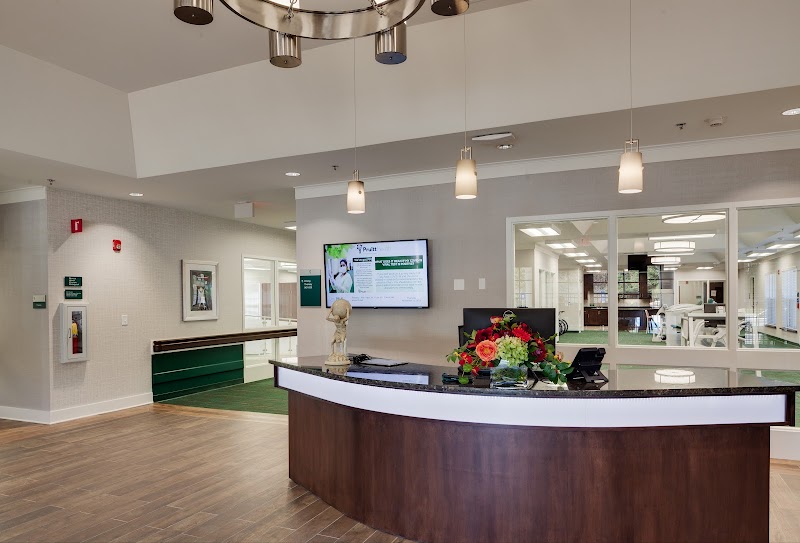
How is Pruitthealth - Limestone Staffed?

CMS rates PruittHealth - Limestone's staffing level at 3 out of 5 stars, which is average compared to other nursing homes. Staff turnover is 49%, compared to the Georgia average of 46%.

What Have Inspectors Found at Pruitthealth - Limestone?

State health inspectors documented 16 deficiencies at PruittHealth - Limestone during 2022 to 2025. These included: 16 with potential for harm.

Who Owns and Operates Pruitthealth - Limestone?

PruittHealth - Limestone is owned by a for-profit company. For-profit facilities operate as businesses with obligations to shareholders or private owners. The facility is operated by PRUITTHEALTH, a chain that manages multiple nursing homes. With 104 certified beds and approximately 97 residents (about 93% occupancy), it is a mid-sized facility located in GAINESVILLE, Georgia.

How Does Pruitthealth - Limestone Compare to Other Georgia Nursing Homes?

Compared to the 100 nursing homes in Georgia, PruittHealth - Limestone's overall rating (4 stars) is above the state average of 2.6, staff turnover (49%) is near the state average of 46%, and health inspection rating (3 stars) is at the national benchmark.

What Should Families Ask When Visiting Pruitthealth - Limestone?

Based on this facility's data, families visiting should ask: "Can I visit during a mealtime to observe dining assistance and food quality?" "How do you handle medical emergencies, and what is your hospital transfer rate?" "Can I speak with family members of current residents about their experience?"

Is Pruitthealth - Limestone Safe?

Based on CMS inspection data, PruittHealth - Limestone has a clean safety record: no substantiated abuse findings (meaning no confirmed cases of resident harm), no Immediate Jeopardy citations (the most serious violation level indicating risk of serious injury or death), and is not on the Special Focus Facility watch list (a federal program monitoring the lowest-performing 1% of nursing homes). The facility has a 4-star overall rating and ranks #1 of 100 nursing homes in Georgia. While no facility is perfect, families should still ask about staff-to-resident ratios and recent inspection results during their visit.

Do Nurses at Pruitthealth - Limestone Stick Around?

PruittHealth - Limestone has a staff turnover rate of 49%, which is about average for Georgia nursing homes (state average: 46%). Moderate turnover is common in nursing homes, but families should still ask about staff tenure and how the facility maintains care continuity when employees leave.

Was Pruitthealth - Limestone Ever Fined?

PruittHealth - Limestone has no federal fines on record. CMS issues fines when nursing homes fail to meet care standards or don't correct problems found during inspections. The absence of fines suggests the facility has either maintained compliance or corrected any issues before penalties were assessed. This is a positive indicator, though families should still review recent inspection reports for the full picture.

Is Pruitthealth - Limestone on Any Federal Watch List?

PruittHealth - Limestone is not on any federal watch list. The most significant is the Special Focus Facility (SFF) program, which identifies the bottom 1% of nursing homes nationally based on persistent, serious quality problems. Not being on this list means the facility has avoided the pattern of deficiencies that triggers enhanced federal oversight. This is a positive indicator, though families should still review the facility's inspection history directly.