Glenwood Health and Rehabilitation
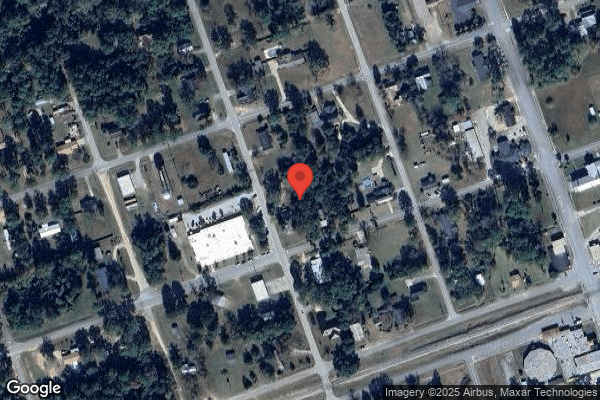

41 NORTH FIFTH STREET, GLENWOOD, GA 30428 (912) 523-5102
For profit - Limited Liability company 62 Beds BEACON HEALTH MANAGEMENT Data: November 2025
Trust Grade
28/100
#281 of 353 in GA
Last Inspection: November 2024

Within standard 12-15 month inspection cycle. Federal law requires annual inspections.

Overview

Glenwood Health and Rehabilitation has received a Trust Grade of F, indicating significant concerns about the quality of care provided. Ranking #281 out of 353 facilities in Georgia places them in the bottom half, and while they are the only option in Wheeler County, it highlights the lack of better local alternatives. The facility is showing an improving trend, decreasing from six issues in 2024 to two in 2025. However, staffing is a major concern with a low rating of 1 out of 5 stars and a high turnover rate of 66%, which is above the state average. Specific incidents include a serious failure to manage a resident's pain during wound care, resulting in harm, and multiple concerns regarding food safety practices that could potentially affect all residents. While the facility does have some strengths, such as being responsive to some issues, the overall picture suggests families should carefully consider these serious weaknesses.

Trust Score
F
28/100
In Georgia
#281/353
Bottom 21%
Safety Record
Moderate
Needs review
Inspections
Getting Better
6 → 2 violations
Staff Stability
⚠ Watch
66% turnover. Above average. Higher turnover means staff may not know residents' routines.
Penalties
⚠ Watch
$7,901 in fines. Higher than 89% of Georgia facilities, suggesting repeated compliance issues.
Skilled Nurses
⚠ Watch
Each resident gets only 13 minutes of Registered Nurse (RN) attention daily — below average for Georgia. Fewer RN minutes means fewer trained eyes watching for problems.
Violations
⚠ Watch
26 deficiencies on record. Higher than average. Multiple issues found across inspections.
★☆☆☆☆
1.0
Overall Rating
★☆☆☆☆
1.0
Staff Levels
★★☆☆☆
2.0
Care Quality
★★☆☆☆
2.0
Inspection Score
Stable
2024: 6 issues
2025: 2 issues

The Good

  • Full Sprinkler Coverage · Fire safety systems throughout facility
  • No fines on record

Facility shows strength in fire safety.

The Bad

1-Star Overall Rating

Below Georgia average (2.6)

Significant quality concerns identified by CMS

Staff Turnover: 66%

19pts above Georgia avg (46%)

Frequent staff changes - ask about care continuity

Federal Fines: $7,901

Below median ($33,413)

Minor penalties assessed

Chain: BEACON HEALTH MANAGEMENT

Part of a multi-facility chain

Ask about local staffing decisions and management

Staff turnover is elevated (66%)

18 points above Georgia average of 48%

The Ugly 26 deficiencies on record

1 actual harm
Sept 2025 2 deficiencies
CONCERN (D) 📢 Someone Reported This

A family member, employee, or ombudsman was alarmed enough to file a formal complaint

Potential for Harm - no one hurt, but risky conditions existed

Grievances (Tag F0585)

Could have caused harm · This affected 1 resident

Based on staff and resident interviews, record review, review of the facility document titled, Resident Grievance/Concern/Complaint Report, and review of facility policy titled, Resident and Family Gr...

Read full inspector narrative →
Based on staff and resident interviews, record review, review of the facility document titled, Resident Grievance/Concern/Complaint Report, and review of facility policy titled, Resident and Family Grievances, the facility failed to provide written grievance decision responses for two out of six residents (R) (R3 and R4) reviewed for grievances. Findings include:Review of the facility policy titled Resident and Family Grievances, implemented 9/1/2024, indicated, It is the policy of this facility to support each resident's and family member's right to voice grievances without discrimination, reprisal or fear or [sic] reprisal. The policy revealed, 10. Procedure included g. In accordance with the resident's right to obtain a written decision regarding his or her grievance, the Grievance Official or designee will issue a written decision on the grievance to the resident or representative at the conclusion of the investigation. The written decision will include at a minimum:i. The date the grievance was received.ii. The steps taken to investigate the grievance.iii. A summary of the pertinent findings or conclusions regarding the resident's concern(s).iv. A statement as to whether the grievance was confirmed or not confirmed.v. Any corrective action taken or to be taken by the facility as a result of the grievance.vi. The date the written decision was issued.1. Review of admission Record indicated the facility admitted R3 on 3/1/2024.Review of the quarterly Minimum Data Set (MDS), with an Assessment Reference Date (ARD) of 9/3/2025, indicated R3 had a Brief Interview for Mental Status (BIMS) score of 15, which indicated the resident had intact cognition.Review of the facility document titled, Resident Grievance/Concern/Complaint Report, dated 8/11/2025, revealed R3 voiced a grievance regarding another resident to the Social Services Director (SSD). The document indicated the grievance was resolved and indicated the Resident/Responsible Party was notified One-to-One. The Resident Grievance/Concern/Complaint Report revealed that it was signed by the SSD on 8/14/2025. The document revealed it did not indicate that a written decision regarding the conclusion of the investigation had been provided to R3.During an interview on 9/9/2025 at 11:48 am with R3 revealed, they filed grievances in the past that were resolved. R3 stated the SSD responded verbally in person about the grievances they had filed and had not offered a written response regarding the grievance decision. R3 stated they were not aware that a written response could be provided, and that they would like to have a written response regarding the investigation of their grievances.2. Review of the admission Record indicated the facility admitted R4 on 11/10/2023.Review of the quarterly Minimum Data Set (MDS), with an Assessment Reference Date (ARD) of 7/24/2025, indicated R4 had a Brief Interview for Mental Status (BIMS) score of 15, which indicated the resident had intact cognition.Review of the facility document titled, Resident Grievance/Concern/Complaint Report, dated 7/27/2025 revealed, R4 voiced a grievance related to dietary concerns. The document indicated the grievance was resolved and indicated the Resident/Responsible Party was notified One-to-One. The Resident Grievance/Concern/Complaint Report was signed by the SSD on 7/29/2025. The document revealed it did not indicate that a written decision regarding the conclusion of the investigation had been provided to R4.Review of the facility document titled, Resident Grievance/Concern/Complaint Report, dated 8/11/2025 revealed, R4 voiced a grievance to the SSD regarding another resident. The document indicated the grievance was resolved and indicated the Resident/Responsible Party was notified One-to-One. The Resident Grievance/Concern/Complaint Report was signed by the SSD on 8/12/2025. The document revealed it did not indicate that a written decision regarding the conclusion of the investigation had been provided to R4.Review of the facility document titled, Resident Grievance/Concern/Complaint Report, dated 9/1/2025 revealed, R4 voiced a grievance to the SSD related to dietary concerns. The document indicated the grievance was resolved and indicated the Resident/Responsible Party was notified One-to-One. The Resident Grievance/Concern/Complaint Report was signed by the SSD on 9/3/2025. The document revealed it did not indicate that a written decision regarding the conclusion of the investigation had been provided to R4.During an interview on 9/9/2025 at 12:30 pm, R4 revealed they had filed grievances in the past that were resolved. R4 stated the SSD responded verbally about the grievances the resident had filed but had not offered a written copy. R4 stated they were unaware a copy could be provided, and they wanted a copy of the grievance.During an interview on 9/10/2025 at 4:00 pm, the SSD stated she had been the Grievance Official designee for the facility since 7/22/2025. The SSD stated she was responsible for the investigation and follow-up for grievances and complaints. The SSD stated that at the conclusion of her investigations of grievances, she made in-person contact with the resident or responsible party to let them know how the grievance was resolved. The SSD stated she was not aware a written response was required. The SSD stated she had not provided a copy of grievance resolutions for grievances she had investigated since starting at the facility in July 2025. During an interview on 9/10/2025 at 5:00 pm, the Director of Nursing (DON) stated she was not aware the facility was required to provide a written response to grievances, and she expected the grievance official or designee to follow the facility policy.During an interview on 9/10/2025 at 5:15 pm, the Administrator (ADM), stated he was not aware the facility was required to provide a written response to grievances, and he expected the grievance official or designee to follow the facility policy.
CONCERN (F) 📢 Someone Reported This

A family member, employee, or ombudsman was alarmed enough to file a formal complaint

Potential for Harm - no one hurt, but risky conditions existed

Food Safety (Tag F0812)

Could have caused harm · This affected most or all residents

Based on observations, staff interviews, record reviews and review of the facility policy titled, Food Safety Requirements, the facility failed to prepare and store food in accordance with professiona...

Read full inspector narrative →
Based on observations, staff interviews, record reviews and review of the facility policy titled, Food Safety Requirements, the facility failed to prepare and store food in accordance with professional standards of food service safety. Specifically, the facility failed to hold hot foods' temperatures appropriately prior to a meal service, failed to monitor the temperatures of hot foods being held prior to serving, and failed to remove decayed foods from refrigeration. The deficient practices had the potential to affect all 43 residents who received food from the facility's kitchen.Findings include:Review of the facility policy titled, Food Safety Requirements, implemented 6/2/2025 revealed, Food will be properly stored, prepared and distributed in a palatable manner within the 14-hour service window in accordance with standard and federal guidelines to ensure the nutritional needs of every resident are met. The policy revealed, 3. Facility staff shall inspect all food, food products, and beverages for safe transport and quality upon delivery/receipt and ensure timely and proper storage. The policy also indicated, c. Refrigerated storage - foods that require refrigeration shall be refrigerated immediately upon receipt or placed in freezer, whichever is applicable. Practices to maintain safe refrigerated storage include, which included iv. Labeling, dating, and monitoring refrigerated food, including, but not limited to leftovers, so it is used by its use-by-date, or frozen (where applicable)/discarded. The policy revealed, 4. When preparing food, staff shall take precautions at critical control points in the food preparation process to prevent, reduce, or eliminate potential hazards, which included d. Holding - Staff shall monitor food temperatures while holding for delivery to ensure proper hot and cold holding temperatures are maintained. Staff should refer to the current FDA [Food and Drug Administration] Food Code and facility policy for food temperatures as needed.Review of the undated facility document titled, Heating, Holding, and Cooling Foods Correctly Staff In-service indicated, VI. Kitchen staff should hold hot foods correctly, which included, Serve food as quickly as possible after cooking, limiting holding time by preparing foods in small batches, if possible, and Check the internal temperature during holding, making sure hot foods are at least 135 degrees Fahrenheit (F) during the holding process.Review of the facility document titled, Seasoned [NAME] Beans, dated 9/22/2015 revealed, Instructions included Boil/steam beans until done. [NAME] to 140 degrees F; Drain, toss with margarine, season with salt & pepper; and Transfer to service pans, cover and hold at 135 degrees F.Observation with concurrent interviews on 9/9/2025 at 10:45 am revealed, a pan of creamed corn was stored on the steam table, and the temperature dial of the steam table was set to six with10 being the highest possible setting. The Dietary Manager (DM) stated the lunch meal service started at 12:00 pm. [NAME] (3) stated she removed the creamed corn from the oven between 10:15 am and 10:30 am and placed the creamed corn on the steam table because she did not want the creamed corn to continue cooking. [NAME] (3) stated that she did not check the temperature of the creamed corn before storing the creamed corn on the steam table for the meal service, and she did not know if the creamed corn reached 140 degrees F. [NAME] (3) removed the creamed corn from the steam table and placed the creamed corn in an oven set to 100 degrees F for hot holding. [NAME] (3) stated that it was her practice to place food in an oven set to 100 degrees F for hot holding. The oven was observed with a temperature setting of 100 degrees F and also contained a service pan of mechanically chopped ham with pineapple. [NAME] (3) stated the mechanically chopped ham with pineapple was placed in the oven set to 100 degrees F, about 30 to 45 minutes prior, for hot holding and would remain in the oven for hot holding until the lunch meal service at 12:00 pm. [NAME] (3) stated she did not check the temperature of the mechanically chopped ham with pineapples before or during hot holding.Observation with concurrent interview on 9/9/2025 at 10:47 am revealed, an uncovered 25-gallon stock pot containing green beans on the stove, and the stove was turned off. [NAME] (3) stated she turned the pot of green beans off between 10:15 am and 10:30 am, to allow the green beans to cool before putting the green beans in a service pan and then on the steam table for the meal service.Interview on 9/9/2025 at 10:48 am with the DM revealed, she did not notice the creamed corn was already on the steam table for hot holding. The DM stated she expected the cooks to use the oven for hot holding at a temperature of 140 degrees F instead of the steam table. The DM stated cooks should follow the guidance on the recipes regarding the temperature to hold foods hot until the meal tray line began. The DM stated the green beans should not be left on the stove with the temperature turned off but should be transferred to a service pan, covered, and held in the oven at 140 degrees F until the meal service.2. Observation with concurrent interview of the facility's walk-in refrigerator on 9/9/2025 at 11:05 am revealed, 12 tomatoes were stored in a cardboard box with a lid. The observation revealed the tomatoes had multiple areas of dark discoloration, and two tomatoes had white hair-like growth identified by the DM as mold. The observation also revealed two oranges stored in a cardboard box with a lid. The oranges were covered with black/white hair-like growth identified by the DM as mold. The DM stated she checked the refrigerated storage areas daily for properly stored items and removed any expired items she found. The DM stated that she had most recently checked the walk-in refrigerator that morning but stated, I missed these items.Interview with the Registered Dietician (RD) by telephone on 9/9/2025 at 2:44 pm revealed, the steam table should not be used for hot temperature holding, but hot foods should be placed in the oven and monitored to maintain a hot holding temperature of 140 degrees F. The RD stated that an oven set to 100 degrees F would not maintain hot foods of at least 140 degrees F. The RD stated that she expected hot foods to be placed on the steam table approximately 30 minutes before the meal service. The RD stated the staff should conduct daily checks of the cold food storage for expired items and remove any items that were stored past their use-by-date.Interviews with the Director of Nursing (DON) and the Administrator (ADM) on 9/10/2025 at 5:00 pm revealed, the DON stated that the dietary staff required some education regarding kitchen sanitation and safe cooking practices. The ADM stated that he expected the DM to check kitchen sanitation daily and oversee the cooks during meal preparation. The ADM stated he expected the cooks to follow a food safety and certification program's cooking practices and recommendations.
Nov 2024 6 deficiencies
CONCERN (D) 📢 Someone Reported This

A family member, employee, or ombudsman was alarmed enough to file a formal complaint

Potential for Harm - no one hurt, but risky conditions existed

PASARR Coordination (Tag F0644)

Could have caused harm · This affected 1 resident

**NOTE- TERMS IN BRACKETS HAVE BEEN EDITED TO PROTECT CONFIDENTIALITY** Based on staff interviews, record review, and a review of the facility's policy titled, Preadmission Screening and Resident Revi...

Read full inspector narrative →
**NOTE- TERMS IN BRACKETS HAVE BEEN EDITED TO PROTECT CONFIDENTIALITY** Based on staff interviews, record review, and a review of the facility's policy titled, Preadmission Screening and Resident Review (PASRR), the facility failed to submit for a PASRR Level II after a new mental health diagnosis was added, and the development of behaviors for one resident (R) (R37) out of 19 residents reviewed. This deficient practice had the potential to affect the appropriate level of care and services provided for R37. Findings include: Review of the facility policy titled Preadmission Screening and Resident Review (PASRR), effective date August 2022 revealed, Purpose: PASRR is a review required under the State Medicaid program that identifies the specialized services for an individual with mental illness and mental retardation (MI/MR) residing in a nursing facility and be offered the most appropriate setting for their needs. PASRR assures that psychological, psychiatric, and functional needs are considered in long term care. The facility Social Services Director is accountable for this process. Process: When the Social Worker is submitting documentation for Level II review, the medical history, current medications, and physical exam report must be included. A psychological evaluation including intelligence testing, and a functional evaluation will also be needed. Social Services resident care planning should include a review of diagnosis and/or change in status which could include the need for specialized services. Review of the admission PASRR Level 1 dated 2/19/2024, completed at the hospital prior to admission revealed R37 had no diagnosis of a serious mental illness, developmental disabilities, or related condition. Review of electronic medical records (EMR) for R37 revealed diagnoses included but not limited to unspecified psychosis not due to a substance or known physiological condition. Review of R37's Quarterly Minimum Data Set (MDS) assessment dated [DATE] revealed: Section C-Cognitive Patterns: Brief Interview for Mental Status (BIMS) score of 11 indicating moderate cognitive impairment. Review of R37's care plan dated 9/5/2024 revealed: Resident has behaviors of being physically aggressive to others, physical aggression toward another resident, behaviors of being verbally aggressive toward staff, and uses psychotropic medications r/t (related to) diagnosis of psychosis. Review of Physicians Orders included but not limited to Quetiapine Fumarate tablet 50 mg (milligrams) 1 tablet by mouth at bedtime for adjustment disorder with disturbance of conduct related to unspecified psychosis not due to a substance or known physiological condition; Quetiapine Fumarate oral tablet 25 mg 1 tablet by mouth at bedtime for adjustment disorder with disturbance of conduct related to unspecified psychosis not due to a substance or known physiological condition. Take with 50 mg to = (equal) 75 mg. R37 was receiving psych services. Interview with the Social Service Director (SSD) on 11/9/24 at 8:47 am revealed R37 did not have a PASRR Level II because it looked like the admission person did not know that he had substance abuse. The SSD revealed that she was supposed to update the PASRR, but it slipped through the cracks, and she did not update it. SSD revealed that R37 just started having behaviors and that she should have updated the PASRR once behaviors developed. Interview with the Director of Nursing (DON) on 11/9/24 at 9:18 am revealed the SSD was responsible for the PASRR's. She confirmed that R37 had behaviors and revealed that R37 would become agitated while ADL (Activities of Daily Living) care was being provided for him. She revealed that R37 yelled and screamed at staff and R37 was care planned for behaviors. She revealed that care plan meetings are held with R37's sister; that the SSD talked to R37, and he was receiving [named] behavioral health services. The DON confirmed that a level II PASRR should have been submitted for R37.
CONCERN (D) 📢 Someone Reported This

A family member, employee, or ombudsman was alarmed enough to file a formal complaint

Potential for Harm - no one hurt, but risky conditions existed

Respiratory Care (Tag F0695)

Could have caused harm · This affected 1 resident

**NOTE- TERMS IN BRACKETS HAVE BEEN EDITED TO PROTECT CONFIDENTIALITY** Based on observations, staff interviews, record review, and review of the facility's policy titled, Respiratory System Managemen...

Read full inspector narrative →
**NOTE- TERMS IN BRACKETS HAVE BEEN EDITED TO PROTECT CONFIDENTIALITY** Based on observations, staff interviews, record review, and review of the facility's policy titled, Respiratory System Management Standard, the facility failed to prevent the spread of infections by not cleaning and storing a nebulizer mask for one of two residents (R) (R43), receiving nebulizer treatments. Findings included: Review of the facility's policy titled, Respiratory System Management Standard dated August 2021 under the subtitle Aerosolized Medication (Neb Med) revealed, number 17 Rinse the nebulizer and mouthpiece. Shake to air dry and store in a plastic bag that is labeled with the resident's name and room number. Nebulizer and mouthpiece may also be stored in the machine if storage shelf is available. Review of the Electronic Health Record (EHR) for R43 revealed, the resident admitted to the facility with diagnoses of but not limited to, pleural effusion and shortness of breath (SOB). Review of R43's admission Minimum Data Set (MDS) assessment dated [DATE] for Sections C (Cognitive Patterns) revealed, a Brief Interview for Mental Status (BIMS) score of 14 that indicated little to no cognitive impairment; Section O (Special Treatments, Procedures, and Programs), revealed respiratory therapy administered five days in the last seven days. Further review of the EHR revealed physician orders dated 9/21/2024 for ipratropium-albuterol inhalation solution 0.5-2.5 (3) three MG (milligram)/3ML (milliliter), 1 (one) vial inhale orally two times a day for SOB (shortness of breath); sodium chloride inhalation nebulization solution 3 %, 1 vial inhale orally via nebulizer two times a day for SOB; albuterol sulfate inhalation nebulization solution (2.5 MG/3ML) 0.083%, 3 ml inhale orally via nebulizer every 6 (six) hours as needed for SOB. Observations on 11/8/2024 at 8:12 am and 10:25 am revealed R43's nebulizer mask on the bedside table not cleaned, unbagged, or labeled with the resident's name and room number. Further observation conducted on 11/9/2024 at 9:14 am with the Director of Nursing (DON) revealed R43's nebulizer mask stored on the bedside table not cleaned, unbagged, or labeled with the resident's name and room number. An interview was conducted during that time with the DON who confirmed the nebulizer was not stored properly. She revealed the charge nurses assigned were responsible for making sure nebulizer masks are cleaned and stored in a plastic bag. The DON revealed her expectations of staff were to clean and store all patient care equipment after use. DON stated she would replace the nebulizer mask, bag it and provide education to staff immediately. Interview on 11/9/2024 at 1:09 pm with Registered Nurse (RN) AA revealed she was the nurse assigned to R43 and verified it was the nurses' responsibility to make sure nebulizer masks were cleaned and bagged once the medication had been administered to the resident.
CONCERN (D) 📢 Someone Reported This

A family member, employee, or ombudsman was alarmed enough to file a formal complaint

Potential for Harm - no one hurt, but risky conditions existed

Deficiency F0804 (Tag F0804)

Could have caused harm · This affected 1 resident

Based on observation, staff interviews, and review of facility's policy titled, Puree Food Preparation, the facility failed to ensure that dietary staff followed recipes and measured ingredients when ...

Read full inspector narrative →
Based on observation, staff interviews, and review of facility's policy titled, Puree Food Preparation, the facility failed to ensure that dietary staff followed recipes and measured ingredients when preparing puree food to prevent compromising the nutritive value and flavor for one resident out of 42 who was ordered a puree consistency diet. Findings included: Review of the facility policy titled Pureed Food Preparation revealed, portion out the number of pureed items needed to prepare puree meals for all residents. The policy stated use liquids sparingly so that the finished product will hold form. Observation on 11/9/2024 at 11:00 am of dietary cook BB prepare puree chicken tenders for the lunch meal revealed she placed one and one half fried chicken tenders in the blender bowl and pulsed into ground texture. Dietary cook BB then added an unmeasured amount of milk to the blender bowl and pureed the chicken tenders. The consistency of the puree chicken tenders was soup like, and dietary cook BB added a small packet of food thickener in order to thicken to proper puree consistency. Interview on 11/9/2024 at 11:00 am dietary cook BB confirmed that she did not measure the amount of milk added to the chicken tenders. The cook revealed that she added too much milk and therefore needed to add the food thickener to thicken the puree chicken tenders to the proper consistency. Observation on 11/9/2024 at 11:10 am of dietary cook BB puree cooked peas for lunch meal revealed she placed one, four-ounce spoonful of peas in the blender bowl. The cook began to puree. She then opened the blender lid and poured an unmeasured amount of cooked peas from a plastic container into the blender. Dietary cook BB added an unmeasured amount of milk at this time and pureed the peas into puree consistency. Interview on 11/9/2024 at 11:10 am, dietary cook BB confirmed that she did not measure the extra cooked peas added to the blender and did not measure the milk added as well. Continued interview with dietary cook BB revealed that she sometimes measured the liquid she adds when she purees food items. Dietary cook BB revealed that she did not know if there were recipes available for puree food items to review. Interview on 11/9/2024 at 11:10 am with the Dietary Manager (DM) revealed that she expected dietary staff to measure the ingredients when preparing puree foods. The DM confirmed that dietary cook BB did not puree the chicken tenders and the cooked peas properly. The DM confirmed that the cook added too much liquid to the chicken tenders which caused the need to add food thickener. The DM also revealed that the dietary cook should have used the juices from the cooked peas instead of milk for the liquid for puree. The DM revealed that she was not able to find a recipe for puree chicken tenders or for puree peas for dietary staff to use for production.
CONCERN (E) 📢 Someone Reported This

A family member, employee, or ombudsman was alarmed enough to file a formal complaint

Potential for Harm - no one hurt, but risky conditions existed

Safe Environment (Tag F0584)

Could have caused harm · This affected multiple residents

**NOTE- TERMS IN BRACKETS HAVE BEEN EDITED TO PROTECT CONFIDENTIALITY** Based on observations, staff interviews, review of facility documents, and review of a job description titled, Plant Operations ...

Read full inspector narrative →
**NOTE- TERMS IN BRACKETS HAVE BEEN EDITED TO PROTECT CONFIDENTIALITY** Based on observations, staff interviews, review of facility documents, and review of a job description titled, Plant Operations Manager, the facility failed to ensure the resident's living area was clean and in good repair for seven of 14 rooms (Rm) on the 100 hall (Rm 108, 109, 110, 111, 112, 113 and 114), and the facility also failed to ensure that two of two shower rooms were free of clutter and in good repair. Specifically, the facility failed to ensure RM [ROOM NUMBER], 111, 112, and 113 had clear running water streaming from the bathroom sink faucet, and that RM [ROOM NUMBER], 110, and 114 were in good repair as evidenced by missing floor tiles in the bathroom and missing base boards on the wall in RM [ROOM NUMBER]. Findings included: Review of the facility documents titled, Task Due this week revealed a list of duties under Category, that included water temperatures-Test and log the hot water temperatures, and Rooms-room inspections. Review of the job description for Plant Operations Manager included under Facility Maintenance Functions: Repair/replace major and minor plumbing systems, build/install walls, doors, drywall, trim work, ceiling track systems. Replace ceiling and floor tile. Observation on 11/8/2024 at 7:50 am of room [ROOM NUMBER] revealed the bathroom had missing floor tile under the sink, the water had low stream when turned on full blast, and room had strong urine odor that illuminated out in the hallway. Observation on 11/8/2024 at 7:55 am of room [ROOM NUMBER] revealed bathroom sink slow draining with brown rust colored water coming from the faucet. Observation on 11/8/2024 at 8:00 am of room [ROOM NUMBER] revealed two bath basins stored on top of sink unbagged and resting one inside another, base board missing on the right side of the room under the television. Observation on 11/8/2024 at 8:05 am of room [ROOM NUMBER] revealed bathroom sink slow room draining, brown rust colored water coming from faucet. Observation on 11/8/2024 at 8:10 am of room [ROOM NUMBER] revealed bathroom sink had brown rust colored water coming from the faucet. Observation on 11/8/2024 at 8:15 am of room [ROOM NUMBER] revealed bathroom sink was slow draining, brown rust colored water coming from faucet. Observation on 11/8/2024 at 8:20 am of room [ROOM NUMBER] revealed tile missing behind the commode wall discolored with the sheet rock bubbled up in the corner of the bathroom to the right of the commode, large coffee colored stain in the middle of the bathroom floor facing the door, puddle of rust colored fluid on the floor under the sink. Interview on 11/8/2024 at 8:30 am with the Maintenance Director revealed that he was unaware of the concern with the water being brown in the rooms on the 100 hall and stated that it may be an issue with the copper pipes that are in the building. Further interview revealed that he was not aware of the repairs that needed to be completed in room [ROOM NUMBER] and room [ROOM NUMBER] however, he was working on getting the rooms in the facility repaired. During interview, all observations of the brown colored water coming from the bathroom sinks, and the needed repairs for rooms [ROOM NUMBERS], were confirmed by Maintenance Director during walking rounds. Observation on 11/8/2024 at 9:00 am of shower room on the 200 hall revealed there were wheelchairs, mattresses from residents bed, one being an air flow mattress with the pump, IV (Intravenous) poles, laundry baskets, empty large clear storage container, broken bedside table, three boxes of residents briefs, residents clothes hanging from IV pole, two clean linen carts, and two soiled linen carts stored in the shower room area leaving one stall available for resident use. Observation on 11/8/2024 at 9:15 am of shower room on the 100-hall revealed the bathroom had three shower stalls with only one available stall for resident use. Stall one had wheelchair parts on a large white wire rack that included wheelchair footrests, bedside commode, prosthetics leg, fall mat, a pair of shoes, Geri-chair with bed pads, and shower bed. The second shower stall had a wet dirty mop, wheelchairs, bed mattresses, walkers, and fall mats stored. Interview on 11/8/2024 at 9:20 am with the facility Maintenance Director revealed that the items had been stored in the shower rooms ever since he had started working at the facility three months ago and he would try to find another place to store the items that were in both shower rooms. Interview on11/8/2024 at 9:25 am with Corporate Maintenance Director revealed he worked with the corporate office and worked at several of the company's facilities. He stated that he visited the facility periodically and had been at the facility three times in the past to work on different tasks, such as painting the walls. He revealed that it had not been reported to him nor had they had any issues with water or sewage problems. He revealed it could be a city problem because the water system was being managed the city. Interview on 11/8/2024 at 9:30 am with Maintenance Director and [NAME] President (VP) of Environmental Services verified that the city was managing the facility water system. VP reported he and the Maintenance Director would be working to address any environmental concerns, and that the facility completed water testing annually for Legionella and they had not had any concerns or issue with it. Interview on 11/9/2024 at 10:00 am with the Administrator revealed that she expected for the facility to be clean and in good repair. Further interview also revealed that the shower rooms should not have any supplies stored in them and that it should be stored outside of the facility in the storage shed.
CONCERN (E) 📢 Someone Reported This

A family member, employee, or ombudsman was alarmed enough to file a formal complaint

Potential for Harm - no one hurt, but risky conditions existed

Deficiency F0761 (Tag F0761)

Could have caused harm · This affected multiple residents

Based on observations, staff interview, and review of the facility's policy titled, Medication Administration Guidelines, the facility failed to ensure one of one medication storage rooms were free of...

Read full inspector narrative →
Based on observations, staff interview, and review of the facility's policy titled, Medication Administration Guidelines, the facility failed to ensure one of one medication storage rooms were free of expired medications and that the Medication storage room was secure and only accessible to licensed staff. Findings included: Review of the facility policy titled, Medication Administration Guidelines dated December 2023 revealed under Safe Medication Administration, Purpose: The purpose of these guidelines is to promote the health and safety of the residents we serve by ensuring the safe assistance and administration of medications and treatments. Medication rooms are to be kept locked at all times. All expired medications or medications to be destroyed are to be taken off the medication cart and properly destroyed per the environmental protection agency. Observation on 11/8/2024 at 10:30 am and 2:30 pm, nurses at the nursing station were noted entering the medication storage room located in the nursing station without using a key. Med room observation on 11/09/2024 at 1:40 pm revealed the nurse entered the drug storage room without a key and the following medications were expired that were stored in the floor stock medication cabinet: two boxes of Bisacodyl suppositories expiration date of 7/2024, four bottles of zinc 50 milligrams (mg) expiration date 10/2024, and four bottles of Vitamin B6 50 mg expiration date 6/2024. All observations were confirmed at time of discovery by Registered Nurse (RN) AA. Observation and interview on 11/9/2024 at 2:30 pm revealed the drug storage room door was opened by this surveyor without the use of a key while the DON was present. Interview revealed that the door should always be locked and only assessable for licensed staff. DON confirmed that door was not locked during observation.
CONCERN (F) 📢 Someone Reported This

A family member, employee, or ombudsman was alarmed enough to file a formal complaint

Potential for Harm - no one hurt, but risky conditions existed

Food Safety (Tag F0812)

Could have caused harm · This affected most or all residents

Based on observations, staff interviews, and review of the facility's policies titled, Food Storage and Sanitation/Infection Control, the facility failed to remove food items by the discard date; fail...

Read full inspector narrative →
Based on observations, staff interviews, and review of the facility's policies titled, Food Storage and Sanitation/Infection Control, the facility failed to remove food items by the discard date; failed to label and date food items for storage; failed to remove dented food cans; failed to store food items off the floor; and failed to maintain food temperatures above 135 degrees on the steam table to prevent food borne illness. The deficient practice had the potential to affect 42 residents who received an oral diet and were served food from the kitchen. Findings included: Review of the facility's policy titled Food Storage revealed leftover food is stored in covered containers or wrapped carefully and securely. Each item is clearly labeled and dated before being refrigerated. Review of the facility's policy titled Sanitation/Infection Control revealed all potentially hazardous foods are kept at an internal temperature of 45 degrees F (Fahrenheit) or lower-, or 140-degrees F or higher while being held and served. 1. Observation on 11/8/2024 at 8:25 am of the walk-in refrigerator revealed a clear plastic bag labeled Sandwich Meat 10/20/2024 and 11/5/2024. Interview on 11/8/2024 at 8:25 am with Dietary [NAME] BB revealed that 10/20/2024 was the date the sandwich meat was placed in the bag, and 11/5/2024 was the discard date. Dietary cook BB revealed that the sandwich meat should have been removed and discarded by 11/5/2024. Dietary cook BB also revealed that the Dietary Manager (DM) would usually go through the walk-in refrigerator and let dietary staff know if food items needed to be discarded. 2. Observation on 11/8/2024 at 8:25 am of the walk-in refrigerator revealed an opened one-gallon container of BBQ sauce with no open date. Continued observation revealed two small plastic bags both containing cut onions with no label or date. Continued observation on 11/8/2024 at 8:30 am of the dry storage area revealed an opened package of Brown Gravy Mix stored with no open date. Interview on 11/8/2024 at 8:25 am to 8:35 am with dietary cook BB revealed that dietary staff were supposed to label and date any leftover food items, and that staff should date opened food items before storage. Dietary cook BB confirmed that the Brown Gravy Mix had been opened and stored with no open date and confirmed that the BBQ sauce had been opened and stored with no open date. The DM confirmed that the two plastic bags with onions had no label or date. Continued interview with the DM revealed that she expected dietary staff to label and date opened or used food items before storing. 3. Observation on 11/8/2024 at 8:30 am of the dry storage area revealed a large metal rack containing canned food items. Continued observation revealed a large can of fruit cocktail with a large dent on the side towards the top. Interview on 11/8/2024 at 8:30 am, dietary cook BB confirmed that the can of fruit cocktail had a large dent and was in the rack with all the other canned food items. Dietary cook BB revealed that all dietary staff assisted with putting away grocery items after delivery and staff were supposed to place dented cans in the designated area away from other cans. Interview on 11/8/2024 at 9:00 am, the DM confirmed that the can of fruit cocktail had a large dent to the side and was not placed in the dented can area for staff not to use. The DM revealed that a newly employed dietary aide had put away the canned food items and did not know that cans with dents were placed in the dented can area. 4. Observation on 11/8/2024 at 8:30 am of the dry storage area revealed 20 cases of bottled water on the floor. Interview on 11/8/2024 at 8:30 am with dietary cook BB confirmed that the cases of bottled water were on the bare floor in the dry storage area. Dietary cook BB revealed that with the recent hurricane members of the community had donated cases of water to the facility. Interview on 11/8/2024 at 9:00 am the DM confirmed that the cases of water were on the bare floor. The DM confirmed that food items should not be on the bare floor and should be elevated. The DM stated that she was trying to find storage space for the cases of water and was having difficulties. Observation on 11/9/2024 at 8:15 am of the emergency food supplies revealed they were stored in a closet in the kitchen area. Continued observation revealed 20 cases of bottled water were stored on the floor in the closet. Interview on 11/9/2024 at 8:15 am, the DM confirmed that the cases of water were being stored on the floor. The DM reveled that the cases of bottled water were from the dry storage area, and she was still in the process of finding elevated storage space for them. The DM confirmed that no food items should be stored on the floor. 5. Steam table temperatures were completed on 11/9/2024 at 12:20 pm with the DM assisting using the facility's calibrated food thermometer. The following food items were not held at the appropriate temperatures while being served in the steam table: Chicken tenders had a temperature of 121 degrees, chopped chicken tenders had a temperature of 116 degrees, ground chicken tenders had a temperature of 94 degrees, and puree peas had a temperature of 103 degrees. Interview on 11/9/2024 at 12:20 pm, the DM confirmed all the tested food temperatures. The DM revealed that food items held in the steam table should be 135 degrees or higher. The DM revealed that they have not had any issues maintaining temperatures of foods on the steam table and not sure why the temperatures were not appropriate today.
Jul 2023 5 deficiencies 1 Harm
SERIOUS (G) 📢 Someone Reported This

A family member, employee, or ombudsman was alarmed enough to file a formal complaint

Actual Harm - a resident was hurt due to facility failures

Deficiency F0697 (Tag F0697)

A resident was harmed · This affected 1 resident

**NOTE- TERMS IN BRACKETS HAVE BEEN EDITED TO PROTECT CONFIDENTIALITY** Based on observation, record review, staff and resident interview, and review of facility policy titled Pain Management, the fac...

Read full inspector narrative →
**NOTE- TERMS IN BRACKETS HAVE BEEN EDITED TO PROTECT CONFIDENTIALITY** Based on observation, record review, staff and resident interview, and review of facility policy titled Pain Management, the facility failed to stop and address one resident's expression of pain during wound treatment, resulting in harm for one resident (R#39) of 15 sampled residents. Actual harm was identified on 7/22/23 when Licensed Practical Nurse (LPN) AA failed to administer pain medication to R#39 prior to providing wound care and upon R#39's nonverbal expressions of and verbalizing of pain, which resulted in severe pain during the treatment for R#39. Findings include: A review of the facility policy titled, Pain Management, dated 8/21, revealed: Purpose: To provide compassionate, appropriate assessments and interventions to control resident's pain using appropriate pain management techniques. A medical record review revealed that R#39 was admitted on [DATE] with diagnoses including but not limited to acquired absence of right leg below knee, infection following a procedure, and other surgical site, sequela. Review of the Minimum Data Set (MDS) Quarterly assessment dated [DATE], Section - C -Cognition, revealed a Brief Interview for Mental Status (BIMS) score of 12, indicating moderately impaired cognition. Section M-Skin Conditions revealed R#39 has a pressure ulcer/injury, a scar over bony prominence, or a non-removable dressing/device. Section J-Health Conditions revealed R#39 was not on a scheduled pain regimen. A review of R#39's comprehensive person-centered care plan entitled, Pain, revealed Administer medications as ordered. Monitor/record/report to Nurse resident complaints of pain or requests for pain treatment. Monitor/record/report to Nurse any sign/symptoms of non-verbal pain: Changes in breathing (noisy, deep/shallow, labored, fast/slow); Vocalizations (grunting, moans, yelling out, silence); Mood/behavior (changes, more irritable, restless, aggressive, squirmy, constant motion); Eyes (wide open/narrow slits/shut, glazed, tearing, no focus); Face (sad, crying, worried, scared, clenched teeth, grimacing) Body (tense, rigid, rocking, curled up, thrashing). Record review revealed resident had current orders for Tramadol Hydrochloride (HCL) Oral Tablet 50 milligram (MG) give one tab by mouth every six hours as needed for moderate to severe pain with a start date of 7/5/23 and Acetaminophen Oral Tablet 500 MG give one tab every six hours as needed for pain related to infection following a procedure with a start date of 7/5/23. During observation on 7/22/23 at 1:45 p.m. of wound care provided by Licensed Practical Nurse (LPN) AA for R#39. LPN AA began to remove the tape from the wound in the area above the right knee. R#39 screamed out aah aah. LPN AA asked if she was hurting him, and R#39 stated that it hurts. LPN AA questioned R#39 about what hurt and R#39 informed LPN AA that the way that LPN AA was pulling the tape off hurt him. LPN AA stopped pulling at the tape and stuck her head out of R#39's room door and asked a staff member if they could check with the nurse to see if R#39 could have something for pain. LPN AA then continued the wound treatment. LPN AA proceeded to pat the area around the tape with the gauze. R#39 made facial grimaces and closed his eyes. LPN AA continued with removing the dressing. Staff knocked at door and informed LPN AA that they did not know where the nurse was. LPN AA removed the dressings and continued with wound care. LPN AA removed gloves, sanitized her hands, and patted areas on the right thigh with a normal saline soaked gauze. R#39 yelled out and started hitting self in the head with both fists clenched. LPN AA continued with wound care. LPN AA asked R#39 what was hurting. R#39 stated, I guess where the toes were. LPN AA continued with wound care applying three xeroform dressings covering the wounds on R#39's thigh. LPN AA then covered two areas with a bordered dressing. LPN BB entered the room around 2:07 p.m. and LPN AA informed LPN BB that R#39 needed something for pain. LPN BB exited the room and returned to the room at 2:10 p.m. and administered R#39 pain medication at this time. LPN BB stated that she gave R#39 a tramadol. Observation of wound care revealed throughout the treatment R#39 would close eyes, hit self in head with both fists clenched, make facial grimaces, and yell out, aah, aah, aah . LPN AA stated that she was not going to put the last piece of tape over the xeroform dressing. LPN AA wrapped the area with a cling dressing. LPN AA informed R#39 that she was going to let the pain medication kick in, and that she would be back in 30 minutes to put the tape on the remaining area. Interview with LPN BB on 7/22/23 at 2:13 p.m. revealed R#39 has an order for Tylenol 500 mg every six hours as needed for pain, and he has an order for Tramadol every six hours as needed for moderate to severe pain. LPN BB stated that she did not know that LPN AA was going to do R#39 treatment at that time. LPN BB stated that before she does wound care, she makes sure that she gives residents something for pain. LPN BB also stated that R#39 received 500 mg of Tylenol at 6:45 a.m. but he had not received any tramadol, on this shift, prior to his wound treatment. Interview with LPN AA on 7/22/23 at 2:17 p.m. revealed she should have stopped the treatment immediately. LPN AA stated that she has been back at the facility for one week. She stated that she worked at the facility two years ago. LPN AA stated that she did not receive in-service or education on pain management upon her return. LPN AA stated that she was a seasoned nurse and that she has been doing wound care for years. She stated that she knew better and that she should have stopped and got R#39 something for pain. Interview with the Director of Nursing/Regional Nurse Consultant (DON/RNC) on 7/22/23 at 2:53 p.m. revealed her expectations is for the nurses to ask residents about pain prior to providing wound care, and to medicate if needed. She stated that nurses should also check for effectiveness before continuing wound care. Interview with Certified Nursing Assistant (CNA) CC on 7/23/23 at 8:15 a.m. revealed she is familiar with R#39 and his care. CNA CC stated that she usually works night shift. She stated that R#39 is very pleasant. CNA CC stated that when R#39 is in pain he will put his call light on. She stated that she would notify the nurse and the nurse would bring him something for the pain. CNA CC stated that sometimes when R#39 is in pain he will say that he can't take it anymore. She stated that he would ask her to pray with him and pray that he makes it through the ordeal. CNA CC stated that R#39 sometimes complains of pain related to his amputation and pain to his stomach. Review of Nursing Progress Notes dated 7/22/23 at 2:17 p.m. revealed give one tablet every six hours as needed for moderate to severe pain. Resident given PRN pain medication after treatment complete. When asked what his pain was on a scale of 1-10 resident stated it was a 2/10. Will monitor effectiveness. A review of the Nursing Progress Notes /Skin/Wound Notes dated 7/22/23 at 4:54 p.m. revealed during dressing change today at around 1:30 p.m. writer caused a quarter size skin tear to the top of resident's right thigh just above the knee. Wound NP notified. New order to discontinue all current treatment orders to right leg. Cleanse wounds to right below the knee amputation (BKA) with wound cleanser, blot dry, apply xeroform, cover with non-stick dry dressing, wrap with gauze. Avoid applying tape to the skin on the right BKA. Resident is aware of new orders and voices no concerns at this time.
CONCERN (D) 📢 Someone Reported This

A family member, employee, or ombudsman was alarmed enough to file a formal complaint

Potential for Harm - no one hurt, but risky conditions existed

Comprehensive Care Plan (Tag F0656)

Could have caused harm · This affected 1 resident

**NOTE- TERMS IN BRACKETS HAVE BEEN EDITED TO PROTECT CONFIDENTIALITY** Based on observation, record review and interviews, the facility failed to implement the care plan for one of 15 sampled residen...

Read full inspector narrative →
**NOTE- TERMS IN BRACKETS HAVE BEEN EDITED TO PROTECT CONFIDENTIALITY** Based on observation, record review and interviews, the facility failed to implement the care plan for one of 15 sampled residents (R) (R#7). Findings included: Review of R#7's medical record revealed diagnoses of but not limited to Alzheimer's disease, allergy, depression, and anxiety. Review of R#7's quarterly Minimum Data Set (MDS) dated [DATE] revealed Section C-Cognition: Brief Interview of Mental Status (BIMS) score of 15 indicating no cognitive impairment; Section O-Special Treatments: no oxygen indicated. Review of R#7's care plans revealed the following: Resident has altered respiratory status/difficulty breathing related to history of shortness of breath and anxiety. She has a diagnosis of allergies and dry eyes. Interventions included to adjust oxygen as ordered and staff assist keeping tubing off the floor when observed. Observation on 7/21/23 at 1:21 p.m. revealed R#7's O2 tubing was noted touching the ground. O2 tubing noted wrapped around the side rail, no available bag for resident to put tubing in. Observation on 7/22/23 at 9:00 a.m. revealed O2 tubing wrapped around the bed rail and no available bag to store tubing when not in use. Interview on 7/22/23 at 3:51 p.m. with the Director of Nursing (DON) revealed the oxygen tubing's should be stored off the floor. She indicated the tubing is changed and labeled weekly and should be stored in a bag. She also would expect the tubing be put in a bag when not in use or have a bag available for the resident to put it in when not in use so she would not have to wrap it around the side rail. Interview on 7/23/23 at 8:34 a.m. with Licensed Practical Nurse (LPN) LPN AA revealed the resident doesn't use the oxygen during the day. She indicated the oxygen tubing should be put in a bag and not stored on the floor. She indicated the night shift changes the tubing weekly. Interview on 7/23/23 at 8:47 a.m. with the MDS Coordinator revealed if a resident doesn't use her O2 in the seven days look back period she would not code O2 use on the MDS. She reported that the care plan indicated to keep the tubing off the floor and stored in a bag. She further reported the staff should be following the care plan.
CONCERN (D) 📢 Someone Reported This

A family member, employee, or ombudsman was alarmed enough to file a formal complaint

Potential for Harm - no one hurt, but risky conditions existed

Deficiency F0692 (Tag F0692)

Could have caused harm · This affected 1 resident

**NOTE- TERMS IN BRACKETS HAVE BEEN EDITED TO PROTECT CONFIDENTIALITY** Based on observation, record review and interviews, the facility failed to follow-up on recommendations from the Registered Diet...

Read full inspector narrative →
**NOTE- TERMS IN BRACKETS HAVE BEEN EDITED TO PROTECT CONFIDENTIALITY** Based on observation, record review and interviews, the facility failed to follow-up on recommendations from the Registered Dietician (RD) related to nutritional assessments for one of 15 sampled residents (R) (R#28). Findings included: A review of the clinical record revealed that R#28 was admitted to the facility on [DATE] with diagnosis to include Major Depressive Disorder, Gastro-Esophageal Reflux Disease (GERD), Cognitive Communication Deficit, Adult Failure to Thrive and Vascular Dementia. A review of the quarterly Minimum Data Set (MDS) assessment dated [DATE], revealed that R#28 presented with a Brief Interview for Mental Status (BIMS) score of 13, meaning that the resident has moderately impaired cognition, that he requires supervision and set up only for eating, has no swallowing disorders, was at the height of 65 inches and weighed 150 lbs. (pounds). If further noted that the resident had loss 5% (percent) or more in the last month or loss of 10% or more in last six months. A review of the care plan dated 3/28/23 revealed that R#28 is at risk of altered nutritional status and on 4/7/23, R#28 triggered for 7.5 and 10% weight loss. Interventions included diet as ordered, refer resident to RD, and supplements as ordered. A review of the clinical record revealed the following weights for R#28: On 7/5/23, R#28 weighed 146.0 lbs. On 6/26/23, R#28 weighed 147.2.0 lbs. On 5/16/23, R#28 weighed 143.0 lbs. On 4/28/23, R#28 weighed 144.0 lbs. On 1/30/23, R#28 weighed 166.0 lbs. On 12/1/22, R#28 weighed 166.0 lbs. A review of the Dietary Progress Notes/Assessments dated 5/10/23 revealed that R#28 had a significant weight loss of greater than 10% in the last 180 days. The RD noted that the resident did not enjoy the Mighty Shakes and would refuse them. It was recommended to offer ice-cream with lunch and dinner to support weight maintenance. A review of the Dietary Progress Notes/Assessments dated 7/21/23 revealed that R#28 had a significant weight loss of greater than 10% in the last 180 days. It was documented that the RD recommended to discontinue the Mighty Shakes supplement and offer ice-cream with lunch and dinner to support weight maintenance. A review of the dietary tray card dated 7/23/23 revealed that the resident had no supplements printed on the tray card. On 7/22/23 12:55 p.m. R#28 was observed sitting in his wheelchair outside of his room. His meal tray was in the room on the bedside table. He ate zero percent of the meal and stated that he was not hungry. No supplements were observed on his tray. During an interview with Licensed Practical Nurse (LPN) GG on 7/23/23 at 11:07 a.m. she stated that the resident had an order for a Mighty Shake supplement three times a day at 7:30 a.m., 11:30 a.m., and 5:30 p.m. She stated that the resident would drink the supplement sometimes, but she is an agency nurse, so she doesn't know if he consumes the supplement when given by other facility staff. During an interview with the Unit Manager (UM) on 7/23/23 at 11:15 a.m., she stated that when the Registered Dietician (RD) make recommendations, the RD gives her a form and she follows up with physician, the MDS (Minimum Data Set) Coordinator to care plan the recommendation with dietary manager. She stated that she had not received any recommendations for R#28 in May 2023 or in July 2023. During an interview with the Director of Nursing (DON) on 7/23/23 at 11:25 a.m. she stated that the RD will send her an email with all recommendations, and she follows up with the recommendation by the end of the next day. She stated that she notifies the Nurse Practitioner for approval and puts the order in the doctor's box to be signed. She then updates the order in the Electronic Medical Record, and documents in the clinical record that the responsible party is notified. She stated that she also follows up with dietary department. She stated that she did not receive anything related to dietary supplement recommendations for R#28. After reviewing the medical record and the RD notes, she confirmed that the RD made recommendation in May 2023 and July 2023 and the recommendations should have been followed up on. On 7/23/23 11:38 a.m. an interview was conducted with the Certified Dietary Manager (CDM) FF. She stated that she had been the acting CDM since April 2023 and has been training CDM EE since May 2023. She stated that when the RD comes in and makes recommendations, she will email the recommendations to her. The CDM then emails the recommendation to the DON and the UM. Once she receives the order from nursing, she make sure the recommendation is input into the system, so it prints on the tray card. She confirmed that she had received recommendations for R#28 on 5/11/23 to add ice cream at lunch and dinner via email and forwarded it over to the UM but never received the approved order. On 7/23/23 11:49 a.m. CMD EE confirmed that she had not received the approved order from nursing for the May 2023 or the July 2023 recommendations by the RD. During an interview on 7/23/23 at 12:17 p.m. with the RD, she confirmed that she made recommendations for R#28 in May 2023 and July 2023 to provide R#28 ice cream with meals.
CONCERN (D) 📢 Someone Reported This

A family member, employee, or ombudsman was alarmed enough to file a formal complaint

Potential for Harm - no one hurt, but risky conditions existed

Respiratory Care (Tag F0695)

Could have caused harm · This affected 1 resident

**NOTE- TERMS IN BRACKETS HAVE BEEN EDITED TO PROTECT CONFIDENTIALITY** Based on observations, resident and staff interviews, record review and review of the facility policy titled Respiratory System ...

Read full inspector narrative →
**NOTE- TERMS IN BRACKETS HAVE BEEN EDITED TO PROTECT CONFIDENTIALITY** Based on observations, resident and staff interviews, record review and review of the facility policy titled Respiratory System Management Standard the facility failed to ensure one (1) resident (R) R#7 of five (5) residents with an order for oxygen (O2) therapy had an oxygen machine that was clean and sanitized and oxygen tubing was stored in a manner that prevented cross contamination. Finding include: Review of the facility policy titled Respiratory System Management Standard (dated August 2022) revealed: Oxygen Therapy Protocol-Procedures to follow in order: 15. Attach a clean, dated plastic bag to the oxygen source to be used to store the equipment when not in use. Plastic bags are replaced weekly and as needed. Review of R#7's diagnoses revealed but not limited to Alzheimer's disease, allergy, depression, and anxiety. Review of R#7's quarterly Minimum Data Set (MDS) dated [DATE] revealed Section C-Cognition: Brief Interview of Mental Status (BIMS) score of 15 indicating no cognitive impairment. Observation on 7/21/23 at 1:21 p.m. revealed R#7's O2 tubing noted wrapped around the side rail, no available bag for resident to put tubing in. Resident indicated she uses the O2 at night only and she said she wraps it around the railing. Tubing was noted touching the ground. Oxygen machine noted to have dust and dried grime build up on it. The machine was off. Observation on 7/22/23 at 9:00 a.m. revealed O2 tubing wrapped around the bed rail. Nasal part not on the floor at this time. Machine still noted to be dusty with grime build up. Machine was off and no available bag to put tubing in. During an interview and observation on 7/22/23 at 3:51 p.m. with the Regional Nurse Consultant (RNC) who is the acting Director of Nursing (DON) it was revealed the oxygen machine should be cleaned and the oxygen tubing should be stored off the floor. She indicated the tubing is changed and labeled weekly and should be stored in a bag. It was also reported that the oxygen machines are cleaned weekly at the same time. Observation of R#7's machine with the RNC/DON revealed dark colored drip marks down the front and back of the oxygen machine with dust buildup on the flat surfaces. She indicated this was unacceptable and she would get it cleaned right away. RNC/DON reported that she would expect the tubing to be placed in a bag when not in use or have a bag available for the resident to put it in when not in use so she would not have to wrap it around the side rail. Interview on 7/23/23 at 8:34 a.m. with Licensed Practical Nurse (LPN) LPN AA revealed the resident does not use the oxygen during the day. She indicated the oxygen tubing should be put in a bag and not stored on the floor. She indicated the night shift changes the tubing weekly.
CONCERN (D) 📢 Someone Reported This

A family member, employee, or ombudsman was alarmed enough to file a formal complaint

Potential for Harm - no one hurt, but risky conditions existed

Deficiency F0727 (Tag F0727)

Could have caused harm · This affected 1 resident

Based on interviews and record review, the facility failed to have evidence to support that there was Registered Nurse (RN) Coverage for eight consecutive hours for eight days (1/7/23, 2/3/23, 2/6/23,...

Read full inspector narrative →
Based on interviews and record review, the facility failed to have evidence to support that there was Registered Nurse (RN) Coverage for eight consecutive hours for eight days (1/7/23, 2/3/23, 2/6/23, 2/7/23, 2/8/23, 2/9/23, 2/10/23, and 2/16/23) of the last quarter. Findings included: A review of the Payroll Based Journal (PBJ) data revealed that the facility failed to have eight hours of registered nursing staffing on 1/7/23 (Saturday); 2/1/23 (Wednesday); 2/3/23 (Friday); 2/6/23 (Monday); 2/7/23 (Tuesday); 2/8/23 (Wednesday); 2/9/23 (Thursday); 2/10/23 (Friday); and 2/16/23 (Thursday). During an interview with the Regional Operations Manager on 7/23/23 at 10:14 a.m. she confirmed that she has been with the corporation since 2014. She stated the Human Resources (HR) Director for the facility does the final schedule. She reviewed it last week; she has only been here two weeks, and this is something that she will be responsible for going forward but she does not report the PBJ data. During an interview on 7/23/23 at 10:18 a.m. with the Unit Manager (UM), she stated that she works with the HR Director to make sure all hours are covered when the schedule is created. She has been working at the facility for two years and she has been in the role of UM since May 2023. She confirmed that she does not report the PBJ data. During an interview with the HR Director on 7/23/23 at 10:20 a.m. she stated that she has been at the facility for one year and seven months. She confirmed that she does not report the PBJ data. During an interview with the Administrator on 7/23/23 at 10:26 a.m. he stated that he does not report PBJ data. He stated that the electronic system coordinates with the time clock and that no one has ever had to report PBJ at the facility. He stated that he believes it coordinates to the time clock but is not sure. He stated that he was not working at the facility when the January 2023 and February 2023 data was reported. He stated that the reporting requirement to PBJ was not a conversation that had when he was hired. He believes he has access to the system, but he does not yet know how to do that. On 7/23/23 at 11:21 a.m. the Administrator stated that the Payroll Manager for the corporation informed him the RNs are salaried employees, so they do not clock in, but they have written time sheets. They are working with the payroll managers to get electronic copies of evidence to confirm RN coverage for the dates in question. The facility presented additional documentation that RNs were employed but they were not able to present documentation that there was an RN in the building on all the dates in question reported to the PBJ. The facility provided a Missing Punch Correction document dated 2/1/23 indicating RN coverage from 12:30 p.m. to 9 p.m. This document had two signatures acknowledging the time.
Dec 2021 13 deficiencies
CONCERN (D)

Potential for Harm - no one hurt, but risky conditions existed

Resident Rights (Tag F0550)

Could have caused harm · This affected 1 resident

**NOTE- TERMS IN BRACKETS HAVE BEEN EDITED TO PROTECT CONFIDENTIALITY** 3. On 12/1/2021 at 12:44 p.m. G-tube observation for R#4 revealed Licensed Practical Nurse (LPN) AA explained to R#4 the procedu...

Read full inspector narrative →
**NOTE- TERMS IN BRACKETS HAVE BEEN EDITED TO PROTECT CONFIDENTIALITY** 3. On 12/1/2021 at 12:44 p.m. G-tube observation for R#4 revealed Licensed Practical Nurse (LPN) AA explained to R#4 the procedure of checking placement of his G-tube. Nurse proceeded to check resident tube placement without providing resident with privacy. The privacy curtain and the door remained open while procedure was being performed and resident's roommate was present in the room. On 12/1/2021 at 12:50 p.m. an observation of medication administration to R#4 via g-tube revealed LPNAA did not provide privacy while administering medications through resident's g-tube. The resident's privacy curtain was left open on the right and the left side of the resident's bed. Interview with LPN AA on 12/01/21 at 1:15 p.m. revealed LPN AA confirmed that she did not provide privacy for R#4 during administration of medication. Interview with DON on12/02/21 at 3:09 p.m. revealed she expects all nurses to follow the policy and procedure for medication administration. Based on observations and staff interviews, the facility failed to ensure staff provided full visual privacy while weighing two of 24 residents (R#13 and R#17). In addition, the facility failed to provide privacy while administering medication for one of 24 residents (R#4). Findings include: 1. Record review revealed R#13 was admitted to the facility with the following diagnoses epilepsy, cerebrovascular disease, dysphagia, generalized muscle weakness, other lack of coordination. Record review of Annual MDS dated [DATE] assessed R#13 for a Brief Interview Mental Status Score (BIMS) score of 5 which indicated cognitive impairment (impaired decision-making skills). Further review of the MDS revealed that R#13 required total care with bed mobility and transfer with one person assist. During an observation on 11/30/21 at 11:30 a.m., of R#13, who resides in a two-bed unit room, CNA GG was observed weighing R#13 using a Mechanical lift. During the process CNA GG entered the room without pulling the privacy curtain to ensure R#13, who was in Bed B, received privacy from anyone who entered the room. R#13 was observed wearing only a brief and a t-shirt. Phone Interview on 12/2/21 at 7:38 p.m., with CNA HH confirmed failing to provide privacy to R#13 while weighing the resident. She confirmed that privacy curtains were not pulled to ensure privacy for anyone entering the resident's room. 2. Record review revealed R#17 was admitted to the facility on [DATE] with diagnoses that included Alzheimer, dementia elsewhere with behavioral disturbances, hypertension, generalized muscle weakness, abnormalities of gait and mobility, and osteoarthritis left knee onset. Record review of an Annual MDS) dated [DATE] assessed R#17 for a BIMS of 4 which indicated cognitive impairment (impaired decision-making skills). Further review of the MDS revealed that R#17 total dependent for bed mobility one person assist and total dependent for transfer with two persons assist. During an observation on 11/30/21 at 11:34 a.m., Certified Nursing Assistants (CNA) GG and CNA HH were observed using a Mechanical lift to weigh R#17. During the process, both CNAs failed to pull the privacy curtains which resulted in R#17, who resides in a two-bed unit room, was wearing only a brief and a gown (gown was positioned above her waist exposing her brief and mid-section) being visible to anyone entering the room. An interview on 12/2/21 at 2:03 p.m. with the Director of Nursing (DON), the DON reported that her expectation is for staff to pull the privacy curtains in order to provide full privacy to residents. An interview on 12/2/21 at 2:04 p.m. with the Administrator revealed that her expectation is for staff to provide privacy for residents during resident care. Phone interview on 12/2/21 at 7:38 p.m., CNA HH confirmed failing to pull the privacy curtain in her attempts to weigh R#17 and failed to provide covering to prevent R#17 from being visually exposed to others. Phone interview on 12/2/21 at 7:30 p.m. CNA GG confirmed that she failed to pull the privacy curtain for R#17. CNA GG agreed that this was a dignity concern. CNA GG stated that due to her actions R#17 was potentially exposed to anyone who entered her room. Policy was requested but was not received.
CONCERN (D)

Potential for Harm - no one hurt, but risky conditions existed

Deficiency F0604 (Tag F0604)

Could have caused harm · This affected 1 resident

**NOTE- TERMS IN BRACKETS HAVE BEEN EDITED TO PROTECT CONFIDENTIALITY** Based on observations, record review, and staff interviews, the facility failed to assess the use of a Geri chair, in a reclinin...

Read full inspector narrative →
**NOTE- TERMS IN BRACKETS HAVE BEEN EDITED TO PROTECT CONFIDENTIALITY** Based on observations, record review, and staff interviews, the facility failed to assess the use of a Geri chair, in a reclining position, and a lap tray as restraint devices for one of 24 residents (R#3) reviewed. Findings include: Review of the facility's policy titled, Restraint Management Standard, dated 8/2021, defined a physical restraint as, any manual method, physical or mechanical device, material, or equipment attached or adjacent to the resident's body that the individual cannot remove easily, which restricts freedom of movement or normal access to one's body. Review of R#3's clinical record revealed that she had diagnoses that included Huntington's Disease, and ataxic gait. Review of R#3's Annual Minimum Data Set (MDS) dated [DATE] revealed that she had a Brief Interview for Mental Status (BIMS) score of 7 (a BIMS score between 0 and 7 indicates severe cognitive impairment), she exhibited restless behaviors, flailing arms from side to side while twisting body. Further review revealed the resident was not assessed for the use of a restraint. Observation on 11/30/21 at 9:37 a.m., revealed R#3 was observed in her room sitting in a Geri chair. The Geri chair was observed to be in the reclined position and a lap tray was fastened across the resident's lap. Interview on 11/30/21 at 11:00 a.m. with Certified Nursing Assistant (CNA) EE revealed she works the 7 a.m. to 7 p.m. shift. She stated R#3 was up when she got to work this morning at 7 a.m. She stated R#3 is up all day. She stated when she leaves at 7 p.m. R#3 is still up in her Geri-chair. She stated that R#3 still thought that she could walk, and she tries to get up. She further stated that R#3 was in a regular wheelchair when she was first admitted to the facility but was trying to get up out of it all the time. CNA EE stated the only time R#3 is out of the Geri chair is when she takes her to be changed. She stated she changes her every two hours. CNA EE stated that R#3 received a new Geri chair last week and the Geri chair came with a lap tray. She stated R#3 goes to the dining room for meals, but she cannot feed herself. Observation on 11/30/21 at 12:30 p.m. revealed R#3 sitting in a Geri chair with a lap tray fastened across her lap in the dining room eating lunch. Observation on 11/30/21 at 1:45 p.m. revealed R#3 was observed in the Geri chair and was rolled to the hall outside of her room door. The Geri chair was observed to be in a reclined position. Interview on 11/30/21 at 2:03 p.m., with Minimum Data Set (MDS) Coordinator. MDS Coordinator revealed the lap tray is used mainly to maximize R#3 to self-feed. MDS coordinator stated R#3 received the Geri chair with the lap tray last week. She stated maintenance put the chair together. MDS coordinator also stated the lap tray is an easier way for R#3 to eat her snacks. MDS coordinator stated R#3 cannot feed herself. MDS Coordinator stated R#3 can get up when the chair is not in a reclined position, but she has not observed R#3 remove the lap tray. MDS Coordinator stated the IDT team suggested the Geri chair with the lap tray. Interview on 11/30/21 at 02:13 p.m. with the Director of Nursing (DON) revealed there is no order for the lap tray. DON stated she do not know when resident first started using the tray. DON stated she's been at the facility for three months and she is not sure if the resident had the tray, then but it could have come with the new Geri-chair. She stated the maintenance man put the new chair together. Interview on 11/30/21 at 2:22 p.m., with the Therapy Program Manager (TPM) revealed R#3 had not been assessed by the Therapy department for the use of a Geri chair or the use of a lap tray with the Geri chair. She stated that R#3 was in a regular wheelchair when first admitted to the facility. She stated nursing made the determination to put the resident in a Geri chair. Observation on 12/1/21 at 8:14 a.m. revealed R#3 was sitting in a Geri chair in the dining room eating breakfast. The Geri chair was observed to be in the reclined position. Interview on 12/2/21 at 8:22 a.m. with Certified Nursing Assistant (CNA) II, revealed they put the lap tray on R#3's Geri chair when they feed her. She stated she only have the lap tray on when she is eating. She further stated R#3 use to feed herself but now she has to be fed. She further stated R#3 is not able to remove the lap tray from the Geri chair. Interview on 12/02/21 at 10:49 a.m., with the Director of Nursing (DON) stated she does not know when R#3 received the lap tray. She stated she did not notice that the resident had the lap tray before Tuesday. The DON stated CNA EE put the lap tray on the Geri chair. The DON stated she would consider the lap tray a restraint if the resident couldn't remove it, but she does not know if the resident could remove it or not. She stated she does not think resident could benefit from the lap tray. Interview on 12/02/21 at 11:08 a.m. with the Maintenance Director revealed the chair for R#3 came in last Tuesday, and the chair came in a box, and it came with a lap tray. The Maintenance Director stated he gave the tray to one of the nurses. Interview on 12/02/21 at 11:14 a.m. with Certified Nursing Assistant (CNA) GG, revealed she walked R#3 at least three times weekly, and takes the resident to the bathroom. CNA GG stated R#3 had a lap tray Sunday. She stated the tray came with Geri chair and was only used when she ate. She stated the tray was on R#3's Geri chair when she came to work on Sunday. CNA GG stated R#3 could not release the tray if it was locked. She stated R#3 did not have a lap tray with her old Geri chair. She stated she did not receive any in-service or education on the lap tray. She further stated when residents get new equipment if it's a splint, she receives education but if it's a wheelchair or a Geri chair she does not get any education. Interview with the DON on 12/2/21 at 4:00 p.m. revealed, DON stated R#3 did not have a therapy assessment for the Geri chair nor did she have a therapy assessment for the lap tray. DON stated R#3 fell two to three times and they tried to get a high back wheelchair that reclined. DON stated R#3 was not appropriate. She stated R#3 did not like the wheelchair, and she stated R#3 was anxious all day in the chair. DON stated there is no order for the Geri chair because the doctor does not give orders for Geri chairs. The DON stated there is no reason for R#3's Geri chair to be in the reclined position. She stated the IDT felt like the Geri chair was safer than the wheelchair because of positioning. She confirmed there was no assessment or care plan for the Geri chair. Interview on 12/2/21 at 4:39 p.m. with SSD/Admission/Marketing stated she saw the lap tray on R#3's Geri chair last week when maintenance put the chair together. She also stated when R#3 was first admitted to the facility she had a Geri chair then went to a high back wheelchair with anti-tippers then back to the Geri chair, she stated she does not know why she went back to the Geri chair. She stated she took the lap tray off the Geri chair because it was a restraint. She stated she did not let nursing know that she took the lap tray off, she stated she put the lap tray in the hall outside of R#3 's room, she stated she does not know what happened to the lap tray after she put it in the hall. Interview on 12/2/21 at 4:52 p.m. with Licensed Practical Nurse (LPN) DD revealed that R#3 can turn herself around while in her Geri chair in the reclined position and get out of the chair. She stated R#3 will signal with her hands and tell her what she wants. LPN DD stated she has never seen R#3 fall from the Geri chair. She also stated she does not particularly like the Geri chair. She stated she thinks the therapy department makes the choice or recommends what chair to use for residents. She further stated she thinks the lap tray came with the new Geri chair. LPN DD stated she had not observed R#3 remove the lap tray. Interview on 12/2/21 at 5:09 p.m. with Certified Nursing Assistant (CNA) II, revealed she had never seen R#3 get up by herself. She stated some mornings when she gets to work R#3 is already in her Geri chair and some mornings she has to put her in the chair. Interview on 12/2/21 at 5:19 p.m., with the facility's Medical Director (MD). The MD stated he was not aware that R#3 had a lap tray on her Geri-chair. The MD stated since R#3 had not been assessed for the use of the lap tray and the resident was not able to unlatch the tray independently, the use of the lap tray would be considered a physical restraint. The MD stated the Geri chair is used for safety, he stated in the past R#3 had a lot of falls and climbing out of a regular chair. He stated R#3 has a lot of spastic movements from Huntington's Disease. MD stated he has seen R#3 take the Geri chair from a reclining position and move about. MD stated he is not sure if it is because of R#3 spastic movements. MD also stated R#3 spastic movements can be quite intense. MD stated it would be reasonable to have the Geri chair care planned. MD further stated he feel as though the facility have done assessments in the past but had a lot of changes with staff, MDS, Administrator, and Director of Nursing.
CONCERN (D)

Potential for Harm - no one hurt, but risky conditions existed

Deficiency F0655 (Tag F0655)

Could have caused harm · This affected 1 resident

Based on staff interview, record review, and the facility policy titled, Interim Baseline Care Plan the facility failed to follow a baseline care plan for one of 24 Residents reviewed for care plans (...

Read full inspector narrative →
Based on staff interview, record review, and the facility policy titled, Interim Baseline Care Plan the facility failed to follow a baseline care plan for one of 24 Residents reviewed for care plans (R#38). Findings include: Record review of a facility policy titled, Interim Baseline Care Plan (undated) documented, The interim baseline care plan is developed within 48 hours of admission to the facility and is based on resident needs identified in the admission nursing assessments initial goals based on admission orders, Physician orders, Dietary orders, etc . Section Procedures C. Based on the nursing admission assessment, the attending physician orders and other information's, immediate resident needs are identified, effective interventions are implemented, and measurable goals are established. Clinical staff is updated as to interim care plan information and resident safety alerts/risks. Record review revealed R#38 was admitted the facility on 9/23/21 and was discharged home on 9/28/21. Record review of R#38's face sheet documented the following diagnoses: unspecified fracture of sacrum, subsequent encounter for fracture with routine healing, fracture of coccyx, presence of right artificial hip joint, urinary tract infection site not specified Methicillin susceptible staphylococcus aureus infections the cause of disease classified elsewhere, and gastro-esophagus reflux disease without esophagitis. Record review of the Discharge Minimum Data Set (MDS) for R#38 dated 9/28/21 revealed a Brief Interview Mental Status Score (BIMS) of unable to track which indicates severely cognitively impaired (poor decision-making skills). Further record review revealed that R#38 required supervision with both bath and personal hygiene. Record review of the Baseline Care Plan for R#38 dated 9/23/21 documented that R#38 required assistance of one person assist with bathing and grooming/hygiene care services. Record review revealed that during R#38's admission to the facility that his Responsible Party/Family member filed a grievance via phone with the Social Service Director. Record review of the Grievance form dated 9/25/21 listed detailed complaints of R#38 appearance being dirty and not receiving a bath from facility staff. The complaints were direct observations by the Responsible Party/family members during their window visitation with the residents at the facility. Record review of facility form titled, Showers (category showers or bed bath or refusal) documented no evidence that R#38 received a bath on 9/23/21, 9/24/21, 9/25/21, or 9/26/21. Further record review revealed that R#38 did not receive a bath until 9/27/21 (per documentation on the facility's Shower form. During an interview with Director of Nursing (DON) on 12/1/21 at 11:14 a.m., the DON confirmed and verified that per her investigation of the complaint that there was no supporting evidence to verify that R#38 was provided with and/or assisted with a bath until 9/27/21. Cross Refer 677 .
CONCERN (D)

Potential for Harm - no one hurt, but risky conditions existed

Comprehensive Care Plan (Tag F0656)

Could have caused harm · This affected 1 resident

**NOTE- TERMS IN BRACKETS HAVE BEEN EDITED TO PROTECT CONFIDENTIALITY** 3. Review of R#3's clinical record revealed that she had diagnoses that included Huntington's Disease, and ataxic gait. Review o...

Read full inspector narrative →
**NOTE- TERMS IN BRACKETS HAVE BEEN EDITED TO PROTECT CONFIDENTIALITY** 3. Review of R#3's clinical record revealed that she had diagnoses that included Huntington's Disease, and ataxic gait. Review of R#3's Annual Minimum Data Set (MDS) dated [DATE] revealed that she had a Brief Interview for Mental Status (BIMS) score of 7 (a BIMS score between 0 and 7 indicates severe cognitive impairment), she exhibited restless behaviors, flailing arms from side to side while twisting body. Further review revealed the resident was not assessed for the use of a restraint. Review of R#3's care plans revealed that one had not been developed for the residents Geri chair or for the use of a lap tray. Further review of R#3's clinical record revealed that no assessment was found to evaluate for the Geri chair or the lap tray use. Observation on 11/30/21 at 9:37 a.m., revealed R#3 was observed in her room sitting in a Geri chair. The Geri chair was observed to be in the reclined position and a lap tray was fastened across the resident's lap. Observation on 11/30/21 at 12:30 p.m. revealed R#3 sitting in a Geri chair with a lap tray fastened across her lap in the dining room eating lunch. Observation on 11/30/21 at 1:45 p.m. revealed R#3 was observed in the Geri chair and was rolled to the hall outside of her room door. The Geri chair was observed to be in a reclined position. Interview on 11/30/21 at 2:03 p.m., with the Minimum Data Set (MDS) Coordinator. MDS Coordinator stated there was no care plan for the use of the Geri chair or the use of the lap tray. Observation on 12/1/21 at 8:14 a.m. revealed R#3 was sitting in a Geri chair in the dining room eating breakfast. The Geri chair was observed to be in the reclined position. Interview with the DON on 12/2/21 at 4:00 p.m. revealed, DON confirmed there was no care plan for the Geri chair, and DON confirmed there was no care plan for the lap tray. Interview on 12/2/21 at 5:19 p.m., with the facility's Medical Director (MD). The MD stated he was not aware that R#3 had a lap tray on her Geri-chair. The MD stated since R#3 had not been assessed for the use of the lap tray and the resident was not able to unlatch the tray independently, the use of the lap tray would be considered a physical restraint. MD stated it would be reasonable to have the Geri chair care planned. Based on observations, interviews, and record review, the facility failed to follow the care plan for one of 24 residents (R#36) who required a divided plate. In addition, the facility failed to develop and/or implement a person centered care plans for two of 24 residents (R#339, R#3), Specifically, the facility failed to implement a care plan R#339 who was receiving an anticoagulant med and required monitoring for signs and symptoms of infection related to a Midline catheter and failed to develop a care plan for R#3 for the use of a Geri chair and the use of a lap tray both being possible restraints. Findings include: 1. Record review revealed R#36 was admitted to facility on 3/9/16 with diagnoses that included psychotic disorder not due to a substance or known physiological condition, unspecified convulsions, and impulse disorder. Record review of the Quarterly Minimum Data Set (MDS) dated [DATE] revealed a Brief Interview Mental Score (BIMS) score 1 which indicated the resident was cognitively impaired for decision making skills, requires supervision with eating with setup help only, Observation on 11/30/21 at 12:33 p.m. (lunch) and 12/1/21 at 8:33 a.m. (breakfast) revealed R#36 eating in dining room and being served meal on a regular plate. Further observation revealed R#36 having difficulty keeping food on her spoon and food was observed to be spilled all over the table. R#36 consumed only 40% of her lunch meal and only 60% of her breakfast meal. Record review of R#36's Physician Order form dated 11/1/21 documented an active diet order (start date 5/28/20) that read Regular diet, Mechanical Soft texture, Thin consistency Use divided plate, chopped meats. Record review of R#36's care plan documented Nutritional Status-(R#36) is on a regular mechanical altered diet and requires divided plates during meals to prevent excess spillage. Record review of Registered Dietician note for R#36 dated 6/22/2021 at 10:36 a.m. documented Dietary Progress Note Text: Resident diet Regular Mechanical soft texture chopped meats thin consistency. Divided plate. Interview with 12/2/21 at 10:17 a.m. MDS Coordinator confirmed and verified that R#36 was care planned to use a divided plate. Interview with Register Dietician on 12/2/21 at 1:19 p.m. via phone confirmed and verified order for divided plate to assist R#36 with food intake during mealtime and to aide R#36 in containing the food on his utensils. Interview on 12/2/21 at 1:32 p.m. with the Dietary Manager confirmed and verified that R#36 was not served on divided plate per his diet card and the RD recommendations. Interview on 12/2/21 at 2:14 p.m. DON revealed that her expectations are that her staff follow the physician orders for divided plates for R#36. Interview on 12/2/21 at 2:23 p.m., the Administrator reported being unaware of R#36 not receiving her lunch and breakfast meal on a divided plate. She stated that her expectations are that staff follow the physician order. Interview with Dietary Aide on 12/2/21 at 3:06. Revealed the Dietary Aide verified that she failed to ensure that R#36 meal was served on the divided plate during lunch on 11/30/21 and breakfast meal on 12/2/21. Cross refer to F676 2. Record review revealed that R#339 was re-admitted to the facility on [DATE] after a hospital stay. R#339 had diagnoses that included cerebral infarction due to unspecified occlusions or stenosis of left posterior of cerebral artery, chronic kidney disease stage 4 (severe), benign neoplasm of colon, unspecified dementia without behavioral disturbances, and urinary tract infection. sepsis due to Escherichia coli (E. Coli), dehydration, neuromuscular dysfunction of the bladder, and hypertension. Further record review revealed an order for Plavix 75 milligrams (mg) dated 11/22/21 with a start date 11/23/21 documented give one tablet by mouth one times a day related to NON-ST elevation (NSTEMI) Myocardial Infarction. Record review revealed an order Monitor Midline site (R) Upper Arm for s/sx (signs/symptoms) every shift for monitoring (order 11/24/21). Record review of R#339's Medication Administration Record for November 2021 and December 2021 revealed the resident was receiving anticoagulant medication and was receiving medications via PICC/Midline per physician order. Record review of R#339's comprehensive care plan revealed no specifics instructions for monitoring for bleeding and other s/sx for use of anticoagulant Plavix and no specifics instructions for monitoring for resident PICC Midline in regard to s/sx of infection or infiltration. Interview with the MDS Coordinator on 12/2/21 at 10:03 a.m. revealed the MDS Coordinator was aware of R#36 having a divided plate due to past history of weight loss and comprehensive care plans are based on resident needs. Interview on 12/2/21 at 2:23 p.m., Administrator reported on that the base line care plan and comprehensive care plan is based on guidelines and standards. She reported that her expectation is for care plans to be reviewed by staff. Comprehensive care plan should follow the regulations for all care areas. Interview with the DON on 12/2/21 at 2:24 p.m. revealed that her expectations are for staff to address all residents care areas in baseline and comprehensive care plans. Cross Refer F684
CONCERN (D)

Potential for Harm - no one hurt, but risky conditions existed

Deficiency F0661 (Tag F0661)

Could have caused harm · This affected 1 resident

**NOTE- TERMS IN BRACKETS HAVE BEEN EDITED TO PROTECT CONFIDENTIALITY** Based on record review and staff interview, the facility failed to develop a discharge summary and a recapitulation of the resid...

Read full inspector narrative →
**NOTE- TERMS IN BRACKETS HAVE BEEN EDITED TO PROTECT CONFIDENTIALITY** Based on record review and staff interview, the facility failed to develop a discharge summary and a recapitulation of the resident's stay for one of 11 residents (R#38) that discharged from the facility. Findings include: A review of medical record revealed R#38 was admitted to the facility on [DATE] and discharged to another nursing home facility on 9/28/21. R#38 was transported by family from the facility to his new nursing home placement in another city. Record review of R#38's Base Line Care Plan (dated 9/23/21) documented initial goal was to discharge home and Discharge Plan of care to return home. A further review of the record revealed a progress note from Social Service Director (SSD) on 9/28/21 at 12:11 p.m. documented 9/28/2021 12:11 Spoke with (staff) at (nursing home) states that they accepted patient and family will be here to pick him up at 2:30 p.m. to transport. Will update as needed. Record review of nurse event note dated 9/28/21 at 14:53 (2:53 p.m.) documented Event Note Text: Resident (R#38) discharged with family members via private vehicle to another facility at this time. Resident alert/oriented upon departure. Personal belongings and medications taken with resident at the time of his leaving. A further review of the discharge record for R#38 revealed Discharge Summary that should be completed by SSD and signed by the physician was not completed. A further review of the discharge record for R#38 revealed a Discharge Instruction that was not completed. This information covered status, diet, and discharged medications. However, nursing, nutritional services, activity, and therapy services were not completed. During a brief interview with the Medical Record Staff and SSD on 12/1/21 at 10:01 a.m., both the Medical Record Staff and SSD confirmed that the Recapitulation and other Discharge Summary information would only have been in the hard copy record and there were no electronic files due to R#38's short stay. The Medical Record Staff stated that she checked her office and all the resident files and there was no other existing record information to pull. During an interview on 12/1/21 at 11:31 p.m. with the SSD, it was revealed that the Discharge Summary which includes a recapitulation of the resident's stay is supposed completed in its entirety upon the discharge of a resident. Social Services and the other disciplines such as nursing completes other parts. The SSD said she was not sure why the entire summary was not completed in this instance because the resident's discharge went according to plan. No policy provided upon request related to discharge of residents.
CONCERN (D)

Potential for Harm - no one hurt, but risky conditions existed

Deficiency F0676 (Tag F0676)

Could have caused harm · This affected 1 resident

Based on observations, record review, staff interviews the facility failed to provide a divided plate for one resident (R#36) in order to promote and maintain the residents ability to feed self. The s...

Read full inspector narrative →
Based on observations, record review, staff interviews the facility failed to provide a divided plate for one resident (R#36) in order to promote and maintain the residents ability to feed self. The sample size was 24 Residents. Findings include: 2. R#36 was admitted the facility on 3/9/16 and has the current of diagnosis unspecified convulsions and impulse disorder. Record review R#36's physician order revealed a diet order that read Regular diet, Mechanical Soft texture, thin consistency, use divided plate chopped meats. Observations on 11/30/21 at 12:43 p.m. and 12/1/21 at 8:20 a.m. revealed R#36 eating in the facility dining room and being served on a regular plate instead of a divided plate per physician order. Observed food items all over the table and R#36 demonstrating difficulty with picking up food items. Observation of diet meal card which was on the table revealed order for a divided plate. Record review of nurse noted dated 4/8/2021 at 10:39 a.m. documented Health Status Note Note Text: when pt is served her breakfast, lunch, dinner pt has a hard time holding utensils and drops food on floor and lap. pt has hard time controlling hand movement. Record review of Registered Dietician note dated 6/22/2021 at 10:36 a.m. documented Dietary Progress Note Text: Resident diet Regular Mechanical soft texture chopped meats thin consistency. Divided plate. Resident eats snacks in between meals. Resident propels self around in the facility in wheelchair. All food preferences are honored and stated on the diet card. Substitutes are offered with all meals. During an interview on 12/2/21 at 1:19 a.m., the Registered Dietician (RD) verified and confirmed that the divided plate order was put in place to help R#36 have a better intake of food. The divided plate was recommended because it is hard for R#36 to contain the food content on her utensils. For an example, when R#36 pick up the food item on the utensil by pushing the utensil against the side of the plate, this method helps to keep the food on the fork or spoon. The RD further stated that if R#36 uses a regular plate the food is all over the table and hard to contain on the utensil. RD reported that her expectation is for facility staff to follow the order because R#36 would be at risk for weight loss. RD reported that the procedure is once there is an order for the divided plate it, is put on the dietary card, and staff should follow. Interview DON on 12/2/21 at 2:14 p.m., the DON revealed that her expectations are that her staff follows the physician orders. The DON reported that dietary staff are responsible to ensure residents receive the correct divided plate. She further stated that certified nursing staff and nursing staff are to monitor each resident diet card to ensure diets are being served per physician orders. Interview with Dietary Manager (DM) on 12/2/21 at 3:06 p.m. documented that the dietary cooks are responsible for ensuring that residents who require specialized utensils and plates received these items at mealtimes. The [NAME] is responsible for looking at each resident dietary meal card. The DM reported that he was aware of R#36's order for a divided plate use but was not aware that R#36's meal was not served on the divided plate. Dietary staff are responsible for recording the resident meal intake consumption. This has not been recorded at this time and there is no record of the resident food intake to review. He further stated that he was new and had not received training completely on how to access the system to obtain residents food intake percentage. Interview with Dietary Aide on 12/2/21 at 3:06 p.m. revealed the Dietary Aide verified that she failed to ensure that R#36 meal was served on the divided plate during lunch on 11/30/21 and breakfast meal on 12/2/21.
CONCERN (D)

Potential for Harm - no one hurt, but risky conditions existed

ADL Care (Tag F0677)

Could have caused harm · This affected 1 resident

**NOTE- TERMS IN BRACKETS HAVE BEEN EDITED TO PROTECT CONFIDENTIALITY** Based on staff interview and record review, the facility failed to provide showers/baths for one resident (R#38) dependent on st...

Read full inspector narrative →
**NOTE- TERMS IN BRACKETS HAVE BEEN EDITED TO PROTECT CONFIDENTIALITY** Based on staff interview and record review, the facility failed to provide showers/baths for one resident (R#38) dependent on staff for activities of daily living (ADLs). The sample size was 24 Residents. Findings include: Record review revealed that R#38 had the following diagnoses but not limited to unspecified fracture of sacrum, subsequent encounter for fracture with routine healing, and fracture of coccyx, presence of right artificial hip joint. R#38's admission Minimum Data Set (MDS) assessment dated [DATE] assessed his Brief Interview Mental Status Score (BIMS) as three which indicated severe cognitive impairment. Further review revealed that R#38 required total dependence with one-person physical assistance for personal hygiene and bathing. Record review of form titled Grievance dated 9/25/21 documented . Dad (R#38) never had a bath. Concern of Dad not being changed. Record review of form titled Baseline Care Plan dated 9/23/21 documented Assist of 1 (one) in the following categories Grooming/hygiene and Bathing. Interview with SSD on 12/1/21 at 11:10 a.m. who confirmed and verified that a Grievance was completed by her with R#38's family member via phone. The family member complained of R#38 being observed dirty, appearing not having bathed, and not clean during a family window visit observations. During interview and review of R#38's bath/shower sheet on 12/1/21 at 11:14 a.m., with the Director of Nursing (DON), the DON confirmed and verified R#38's family had voiced a complaint about R#38 's appearance of not having a bath and being dirty. The DON reported during her investigation of the alleged complaint and review of R#38's bath/shower sheet and interview with her certified nursing assistant staff, she determined that the investigation was substantiated based on her findings. The DON further stated that there was no supporting evidence that R#38 received any form of bath (bed bath or shower) since his time of admission to the facility (date of admission 9/23/21) until 9/27/21. The DON reported that the bath sheet was blank on 9/23/21, 9/24/21, and 9/25/21 with no staff entry or initial. The DON reported that she substantiated the investigation that baths did not occur, and certified nursing assistant (CNA) was instructed to provide a bath to R#38 on 9/27/21. Staff was given education about giving residents a bath. The DON further stated that there was no evidence that R#38 had refused a bath during her investigation. The DON reported that she was unable to locate the education in-service training that was given to the staff on that day. Interview on 12/2/21 at 2:23 p.m. with the Administrator who reported that care plans are based on guidelines and standards. She reported that her expectation is for all care plans (baseline or comprehensive care plans) to be reviewed by staff and followed. No policy provided upon request regarding ADL care services for residents.
CONCERN (D)

Potential for Harm - no one hurt, but risky conditions existed

Quality of Care (Tag F0684)

Could have caused harm · This affected 1 resident

**NOTE- TERMS IN BRACKETS HAVE BEEN EDITED TO PROTECT CONFIDENTIALITY** Based on record review and staff interviews, the facility failed to follow the Physician Orders related to administration of Ati...

Read full inspector narrative →
**NOTE- TERMS IN BRACKETS HAVE BEEN EDITED TO PROTECT CONFIDENTIALITY** Based on record review and staff interviews, the facility failed to follow the Physician Orders related to administration of Ativan 1 milligrams (mg) po three times a day for one resident (R#3). Findings include: 1. Review of R#3's Annual Minimum Data Set (MDS) dated [DATE] revealed that she had a Brief Interview for Mental Status (BIMS) score of 7 (a BIMS score between 0 and 7 indicated severe cognitive impairment), she exhibited restless behaviors, flailing arms from side to side while twisting body. Record review revealed R#3 had a Physician order with a start date of 4/14/2021 for Ativan 1 mg to be administered three times a day. Review of the Medication Administration Record (MAR) for November 2021 documented the following: Ativan 1 mg was not administered on 11/13/2021, 11/14/2021, and 11/15/2021 at 8:00 a.m. and Ativan 1mg was not administered on 11/13/2021 and 11/14/2021 at 2:00 p.m., Further review revealed R#3 was not administered Ativan 1 mg on 11/14/2021 at 8:00 p.m. During an interview with the Director of Nursing (DON) on 12/2/21 at 4:00 p.m. the DON confirmed R#3 was out of her scheduled prescribed medication for anxiety. DON stated R#3 only missed four doses. DON stated R#3 had an order for Ativan 1mg po three times a day for anxiety. She stated she was not aware that R#3 was out of her medication, and she was not notified until 11/15/21. She stated after she was notified, she had the nurse to call the pharmacy and request the medication. She stated pharmacy would not allow the nurse to pull the medication from the Emergency kit (E-kit) because of the dosage. She stated R#3's order was for Ativan 1mg, and in the emergency kit was Ativan 0.5mg. She stated the doctor called her and told her that he called the pharmacy. She stated the pharmacist gave permission to pull from the E-kit. She stated the Pharmacist had to get permission from the doctor because it needed another script because order was for 1mg in and in the E-kit was 0.5mg. On 12/2/21 at 4:52 p.m. an interview was conducted with Licensed Practical Nurse (LPN) DD. She stated if a resident is out of any medication the process is to call the pharmacy to get into the E-kit. On 12/2/21 at 5:19 p.m., an interview was conducted with the facility's Medical Director (MD). MD stated he has a lot of nursing facilities. He stated he vaguely remembers an incident when R#3 was out of her Ativan. He stated although the medication may be in the E-kit, a new prescription is needed if there is a change in the dosage.
CONCERN (D)

Potential for Harm - no one hurt, but risky conditions existed

Deficiency F0868 (Tag F0868)

Could have caused harm · This affected 1 resident

Based on record review and staff interviews, the Medical Director failed to meet at least quarterly with the required Quality Assurance Peformance Improvement (QAPI) Committee members. The facility ce...

Read full inspector narrative →
Based on record review and staff interviews, the Medical Director failed to meet at least quarterly with the required Quality Assurance Peformance Improvement (QAPI) Committee members. The facility census was 37 Residents. Findings include: Review of the attendance sheets titled, QAPI Meeting Attendance Sheet from January 2020 through November 2021 revealed there was no evidence the Medical Director was present at least quarterly for QAA committee meetings from January 2021 through May 2021. There is no evidence that the Medical Director was present for meetings held on 2/26/2021 and 6/25/2021. During an entrance conference with the Administrator on 11/30/21 at 8:45 a.m., the Administrator stated they have not been having quarterly QAPI meetings as they should. Interview conducted with the Medical Director on 12/2/21 at 5:19 p.m. revealed there have been a lot of changes with administration such as the Administrator and the Director of Nursing, but he would like to do QAPI monthly. He also stated because of the turnover with administration staff there have not been monthly meetings. The Medical Director stated the next QAPI meeting is scheduled for next week.
CONCERN (E)

Potential for Harm - no one hurt, but risky conditions existed

Safe Environment (Tag F0584)

Could have caused harm · This affected multiple residents

**NOTE- TERMS IN BRACKETS HAVE BEEN EDITED TO PROTECT CONFIDENTIALITY** Based on observations and staff interviews the facility failed to ensure that the facility was clean and in good repair. Specifi...

Read full inspector narrative →
**NOTE- TERMS IN BRACKETS HAVE BEEN EDITED TO PROTECT CONFIDENTIALITY** Based on observations and staff interviews the facility failed to ensure that the facility was clean and in good repair. Specifically, the facility failed to ensure that ceiling tiles throughout the facility were in good repair and free of stains, failed to ensure that the wallpaper in the bathroom for room [ROOM NUMBER] was affixed properly to the wall, failed to ensure that the vent in the dining room was free from dust, failed to ensure that two of two ceiling fans in the resident activity area were free of dust, and failed to repair a hole in the wall in the dining area. Findings include: Review of facility documentation titled Room Inspection 12/02/21 at 7:26 p.m. revealed under steps: Check overhead light to assure bulbs are working, check over bed light to assure bulbs are working, check interior walls for damage Repair scuff mark, damage sheet rock, patch, sand, and paint holes that may be found, check interior doors for damage. Observation of the bathroom for room [ROOM NUMBER] on 11/30/21 at 11:41 a.m. revealed there was tile hanging down out of the ceiling there was also brown stains in the ceiling tile in resident's bedroom walking through the door. Observation on 11/30/21 at 12:55 p.m. revealed missing tiles in the doorway and in the entry way of the bathroom in room [ROOM NUMBER]. Observation on 11/30/21 at 1:15 p.m. revealed there were two ceiling tiles in room [ROOM NUMBER] that were discolored with brown stains. Observation 11/30/21 at 1:21p.m. of the dining room on revealed eleven ceiling tiles had brown stains, there was a hole at the base of the wall leading out of the dining room to the 100 Hall. Continued observation also revealed that the air vent over the door coming into the dining room from the 200 Hall entrance was covered with a thick layer of dust, there was also a thick layer of dust observed on two of two ceiling fans blades located in the activity room off from the dining room. Observation on 12/01/202 at 8:30 a.m. of the bathroom in room [ROOM NUMBER] revealed the wallpaper was peeling off of the wall above the light fixture over the sink with the wood surface of the wall exposed. Observation on 12/01/21 at 1:58 p.m. of ceiling tile on the 100 Hall between room [ROOM NUMBER] and 107 revealed large brown spots noted as well on the 100 Hall by the centrally located nursing station. Environmental rounds on 12/02/21 at 11:02 a.m. were conducted with the Administrator, Account Manager for Environmental Services, and Maintenance Director which confirmed all stated environmental concerns. Interview on12/02/21 at 1:12 p.m. with Maintenance Director (MD) revealed that he was aware of the stained ceiling tiles, and it has been put in a PIP since January of this year. Further interview also revealed that there had been efforts to try and order tiles from DSSI (Direct Supply) but there were no tiles available. There was no documentation of any tiles that were ordered by facility staff for observation. Further interview revealed that the MD was not aware of the hole in wall in the dining room but was aware of the vent that was covered in dust leading out of the dining room to the 200 Hall. MD also revealed that there have been attempts to clean the vent, but he was unable to remove the vent from the ceiling for cleaning. Interview on 12/02/21 at 1:25 p.m. with the Administrator revealed that the maintenance logbook is located at the nurse's station and staff are to put all maintenance issues in the book. The maintenance book should be checked daily for any repairs that are needed. Interview on 12/2/2021 at 7:30 p.m. with the Maintenance Director revealed that he had not ordered any tiles from DSSI for replacement in the facility. But he did go to the local hardware store earlier today to find the tiles that were needed.
CONCERN (E)

Potential for Harm - no one hurt, but risky conditions existed

Infection Control (Tag F0880)

Could have caused harm · This affected multiple residents

**NOTE- TERMS IN BRACKETS HAVE BEEN EDITED TO PROTECT CONFIDENTIALITY** Based on observations, staff interviews, and record review, the facility failed to provide an effective infection control progra...

Read full inspector narrative →
**NOTE- TERMS IN BRACKETS HAVE BEEN EDITED TO PROTECT CONFIDENTIALITY** Based on observations, staff interviews, and record review, the facility failed to provide an effective infection control program by ensuring facility staff sanitized resident equipment between resident use for three residents (R#13, R#17, and R#339). In addition, the facility staff also failed to properly wear face masks. Findings include: Record review revealed R#13, admitted to the facility with the following diagnoses but not limited to epilepsy and cerebrovascular disease. Record review of the Annual Minimum Data Set (MDS) assessment dated [DATE] indicated a Brief Interview Mental Status Score (BIMS) of 5 which indicated severe cognitive impairment. Further review of MDS revealed that R#13 required total care with bed mobility and transfer with one person assist. Record review revealed R#17 admitted to the facility on [DATE] with the following diagnoses but not limited to Alzheimer, and dementia elsewhere with behavioral disturbances. Record review of Annual MDS assessment dated [DATE] assessed R#17 for a BIMS of 4 which indicated severe cognitive impairment. Further review of MDS revealed that R#17 was total dependence for bed mobility with one person assist and total dependence for transfer with two persons assist. Record review revealed R#339 re-admitted to the facility on [DATE] after he encountered a short hospital stay. R#339 had the diagnosis of acute dependence on supplemental oxygen, essential (primary) hypertension, acute respiratory failure with hypoxia, and unsteadiness on feet. Review of the Quarterly MDS assessment dated [DATE] revealed a BIMS of 9 indicating moderate cognitive impairment. It further revealed R#339 was not steady and only able to stabilize with human assistance when moving from seated to standing position or transfer between bed and chair. During the initial tour of the facility on 11/30/21at 10:00 a.m. an observation of a Certified Nursing Assistant (CNA) HH weighing the following residents in their rooms, R#339, R#17, and R#3. The observations revealed CNA HH using a shared mechanical lift and a shared mechanical lift pad to weigh the residents. An observation on 11/30/21 at 10:13 a.m. revealed CNA HH using the mechanical lift and mechanical lift pad to weigh R#3. After completing the weight for R#3, CNA HH was observed placing the mechanical lift pad across the bar of the mechanical lift and pushing the mechanical lift down the hall to R#17's room. CNA HH was not observed disinfecting or cleaning the mechanical lift or the mechanical lift pad before entering R#17 's room. An observation was conducted on 11/30/21 at 10:20 a.m. and revealed CNA HH entering R#17 's room with the assistance of CNA GG. Both CNA HH and CNA GG were observed placing the mechanical lift pad underneath R#17 and using the mechanical lift to weigh the resident. After completing this task, both CNA HH and CNA GG were observed placing the mechanical lift pad across the mechanical lift bar and rolling the mechanical lift to R#339's room. An observation on 11/30/21 at 10:38 a.m. and revealed CNA HH and CNA GG donning PPE to enter R#339 's room (who was on quarantine isolation for ESBL). CNA GG and CNA HH were observed placing the mechanical lift pad underneath R#339 to weigh the resident. R#339 refused to be weighed and the two CNAs exited the room, leaving the mechanical lift and the mechanical lift pad in R#339 's room. Neither CNA GG or CNA HH disinfected or cleaned the mechanical lift or the mechanical lift pad prior to entering R#339's room. During an interview on 12/2/21 at 2:06 p.m. the Director of Nursing (DON) confirmed and verified that all shared resident equipment should be cleaned and disinfected between resident use. The DON reported that staff has been in-serviced to use disinfectant wipes. The facility currently is using Micro -Kill One germicidal alcohol wipes and the dwell time is one minute kill time. She reported being unaware that CNAs were not following infection control procedures. The DON further stated that the mechanical lift and the mechanical lift pad should be disinfected with wipes between resident use. 2. During the survey time period from 11/30/21 to 12/1/21, several facility staff were observed wearing surgical face masks underneath their nose or below their chin. Observations on 11/30/21 at 12:53 p.m. revealed CNA OO feeding resident R#3 in the dining room. A closer observation revealed CNA OO sitting directly in front of resident wearing her mask positioned below her nostril (the mask remained in this position the entire time while she was feeding the resident). Also sitting at the table was another resident who was observed eating lunch. Observation on 11/30/21 at 1:40 p.m. revealed CNA NN wearing a surgical mask below below her nose while talking to residents. Observation on 12/1/21 at 1:58 p.m. revealed CNA MM observed wearing a surgical mask pulled down below her chin. CNA MM was observed inside of room making bed B and there were no residents in the room at the time of observations. CNA MM was seen exiting the room and observed taking linen off a cart and approaching other staff to conversant with them. Observation on 12/1/21 at 2:00 p.m. with the Administrator and DON who observed the Activity Director in the dining room preparing residents for activities wearing surgical mask below the chin and later below her nose. There was a total of nine residents observed in the dining room and none of the residents were wearing a mask. Out of the nine residents observed, two of the nine residents in the dining room were not vaccinated. The two residents identified were R#1 and R#26. The residents were not assisted with wearing a mask until the DON and the Administrator began passing out masks and assisting the residents. Observation with the Administrator on 12/1/21 at 2:04 p.m. revealed CNA LL not wearing a face mask. Observation with the Administrator on 12/1/21 at 2:05 p.m. revealed [NAME] BB not wearing a face mask while inside the kitchen assisting with meals. Interview with the Administrator on 12/1/21 at 2:05 p.m. revealed that her expectation is for staff to wear mask and residents to wear masks when they are outside of their room.
CONCERN (F)

Potential for Harm - no one hurt, but risky conditions existed

Food Safety (Tag F0812)

Could have caused harm · This affected most or all residents

Based on observations, staff interviews, and review of the facility policies titled, Cleaning & Maintenance and Safe Food Handling & Handling the facility failed to ensure that the kitchen was maintai...

Read full inspector narrative →
Based on observations, staff interviews, and review of the facility policies titled, Cleaning & Maintenance and Safe Food Handling & Handling the facility failed to ensure that the kitchen was maintained in a clean and sanitary condition. Specifically, the facility failed to ensure that the oven was clean and free from debris. The facility also failed to remove expired food from the walk-in cooler as well as ensure that all foods were labeled and dated. This had the potential to affect 36 of 37 residents receiving an oral diet. Findings include: Review of facility policy titled, Cleaning and Maintenance dated 4/10/08 located under item equipment header number ten: Ranges, grills and ovens are cleaned after each use. Heavy cleaning is scheduled to ensure buildup of soil is cleaned. Review of the facility policy titled, Safe Food Handling & Labeling 4/10/08 revealed under item Label, Date, and Cover: Always label, date, and cover each item with a use by date. All expired food items must be discarded, and the food label followed. Initial kitchen tour observation on 11/30/2021 from 9:00 a.m. until 10:00 a.m. revealed upon entry to the kitchen that the stove had a dark build up at the base of the stove. There were drippings on the stove top and the drippings were running down the side of the stove. Inside of the stove had noticeable large food build up. This observation was confirmed with the Dietary Manager (DM), at this time. Continued observation revealed a plastic bag of open brown gravy mix, in the dry food pantry, that was not labeled or dated with an open by date. This observation was confirmed with the DM. Observation of the walk-in-cooler revealed a covered aluminum pan of ham laying on the shelf unlabeled and undated. A medium size tin pan of cut up fruit unlabeled with no open date. The following were observed with no open dates or labels listed: one gallon of Ranch dressing, five pounds of Greek yogurt, one bottle of Salsa, one gallon of mayonnaise, one gallon of sweet relish, and one container of Tortilla shells. Further observation revealed a Tupperware bowl of Cream of Chicken Soup in a Tupperware bowl that had an expiration date of 11/26/21. This observation was confirmed with the DM, at the time of this observation. Interview with the Dietary Manager (DM) on 11/30/2021 at 9:00 a.m. revealed that there was a cleaning schedule that was posted in the kitchen for staff to follow. The stove was to be cleaned daily by the dietary aide and the Dietary Aide should sign off on the cleaning scheduled after completion. Review of the cleaning schedule that was posted on the wall revealed the last time the stove was cleaned was on 11/28/2021. Interview with the DM on 12/01/21 at 3:00 p.m. revealed that he was not aware of the policies for food storage and kitchen cleanliness. The DM stated that he realized that he would need to have better procedures in place for cleaning and food labeling and storage. Interview with Dietary Aide FF on 12/2/21 at 10:00 a.m. revealed the stove was cleaned on 11/28/21 but access to cleaning materials was not available to clean the stove. A soft cloth with Dawn dish liquid was used instead to clean the stove. Dietary Aide FF confirmed that the stove was not properly cleaned. Interview with the Administrator on 12/02/2021 at 10:15 a.m. revealed the expectation is that the Dietary Manager should ensure that the stove is cleaned per the schedule and that food labeling storage is followed properly.
CONCERN (F)

Potential for Harm - no one hurt, but risky conditions existed

Deficiency F0882 (Tag F0882)

Could have caused harm · This affected most or all residents

Based on interviews, record review, and review of facility policy titled, Infection Control Preventionist the facility failed to ensure a qualified Infection Preventionist was on staff to implement wr...

Read full inspector narrative →
Based on interviews, record review, and review of facility policy titled, Infection Control Preventionist the facility failed to ensure a qualified Infection Preventionist was on staff to implement written standards, policies, and procedures for the program creating the potential for an ineffective infection prevention program. The facility census was 37 Residents. Findings include: Record review of facility policy titled, Infection Control Preventionist (dated 2020) stated Duties-Makes recommendation regarding the prevention and control of infection on a 24-hour basis, Provide education and training for all staff members and independent practitioners regarding the prevention of HAIs. Methods-Developing reports and statistical data for the IC plan and QAPI Committee, Monitoring Antibiotic utilization within the center, Antibiotic program each month for the center. Documentation and Reporting-The ICP will document /report monthly. Update log of HAIs/line listing; Facility blueprint listing; calculation of IC rate. Review all laboratory results for all multi-drug-resistant organism (MDRO). Data entry regarding all antibiotic utilization/infections' Committee IC report. Identification of trends with analysis of root causes and recommendations/actions plan. During an interview on 11/30/21 at 9:50 a.m., the facility's Administrator identified the Director of Nursing (DON) as the person responsible for coordinating the implementation and updating the facility's infection control practices. She verified that the present DON was not certified and had not completed the Infection Preventionist (IP) Infection Control certification training program. The Administrator further stated that the former DON (who was a certified Infection Control Preventionist {ICP}) last served as the facility's Infection Preventionis in July 2021. Interview on 11/30/21 at 10:21 a.m. with the DON confirmed and verified that she was the Infection Control Preventionist. She reported that she was the only staff serving in that position at the facility. The DON confirmed that she had completed only three modules of the CDC (Center of Disease Control) Infection Control Preventionist Program certification training which is a 19.3-hour training course. While reviewing the Infection Control Book during an interview with the DON on 11/2/21 at 11:30 p.m., there was no evidence that the facility was tracking the infection rates in the facility monthly report with the line listing. During the interview the DON verified and confirmed that the facility was not calculating the monthly infection. She further stated that she didn't know what the surveyor were asking (regard to monthly facility infection control rate) and had no knowledge of the specifics of reporting a facility infection rate. The DON provided the surveyor with a report from the pharmacy of the percentage of antibiotics used monthly. There was an Annual form in the Infection Control book to list the facility 's monthly infection rates each month. A closer observation of the form revealed that this form was blank. When the surveyor inquired with the DON about the form, the DON confirmed and verified that she had no knowledge about the form. In addition, the DON was asked to provide, the Annual Antibiotic Stewardship Form which would include the signatures of the following required disciplinaries (DON, Infection Control Preventionist, Administrator, Medical Director, and the Pharmacist). The form was never provided during the survey. The DON reported that she had not met with the following disciplinarians above regarding an Antibiotic Stewardship Program. The DON further stated that she only received a monthly report from the pharmacist which list antibiotics. Record review of the facility Regional Nurse Coordinator (RNC) certification Infection Control Preventionist certification training revealed that the RNC had completed an infection control training course titled NPP Nursing Home Infection Program Nipping Infection in the [NAME] 16-Hour Intensive Training Program. Record review of the facility infection Control Logbook revealed no formal documentations from the RNC to provide evidence of input and involvement in providing surveillance and monitoring the facility infection control program. There was also no evidence of any in-service training provided by RNC to the facility staff. During an interview on 12/2/21 at 6:40 p.m. with the DON she verified that RNC is in the facility for only 1.5 days a month. One day is a full day and the second day is a half of day. She further stated that there is no other ICP with the company who provides infection control training to herself or the facility staff. The DON reported that the RNC had not provided any in-service training to the staff. She is solely responsible since her hire date (August 2021) with providing training to the facility staff. The DON stated when the RNC visits they (the DON and RNC) do an infection control tour and also review other facility service tasks required for the DON job duties. This entails reviewing the infection control logbook and also reviewing the mapping and surveillance. This does not include calculating the infection rate and reviewing the Antibiotic Stewardship Program. She further reported that if she had received training on completing the monthly infection control rate this would have been included in the book. She further stated that the RNC had not provided detail training on the Antibiotic Stewardship Program and that she was informed the pharmacist report for the Antibiotic Stewardship Program was the required reporting documents. During an interview on 11/05/21 at 12:38 p.m. with the Administrator confirmed that the RNC visited the facility at least twice a month. During the visit, the RNC is providing in-service training to the DON related to responsibilities and job duties of the DON. The RNC is only in the facility 1.5 days per month.
Understanding Severity Codes (click to expand)
Life-Threatening (Immediate Jeopardy)
J - Isolated K - Pattern L - Widespread
Actual Harm
G - Isolated H - Pattern I - Widespread
Potential for Harm
D - Isolated E - Pattern F - Widespread
No Harm (Minor)
A - Isolated B - Pattern C - Widespread

Questions to Ask on Your Visit

  • "Why is there high staff turnover? How do you retain staff?"
  • "Can I speak with families of current residents?"
  • "What's your RN coverage like on weekends and overnight?"

Our Honest Assessment

Strengths
  • • Licensed and certified facility. Meets minimum state requirements.
Concerns
  • • 26 deficiencies on record, including 1 serious (caused harm) violation. Ask about corrective actions taken.
  • • Grade F (28/100). Below average facility with significant concerns.
  • • 66% turnover. Above average. Higher turnover means staff may not know residents' routines.
Bottom line: Trust Score of 28/100 indicates significant concerns. Thoroughly evaluate alternatives.

About This Facility

What is Glenwood Health And Rehabilitation's CMS Rating?

CMS assigns Glenwood Health and Rehabilitation an overall rating of 1 out of 5 stars, which is considered much below average nationally. Within Georgia, this rating places the facility higher than 0% of the state's 100 nursing homes. A rating at this level reflects concerns identified through health inspections, staffing assessments, or quality measures that families should carefully consider.

How is Glenwood Health And Rehabilitation Staffed?

CMS rates Glenwood Health and Rehabilitation's staffing level at 1 out of 5 stars, which is much below average compared to other nursing homes. Staff turnover is 66%, which is 19 percentage points above the Georgia average of 46%. High turnover can affect care consistency as new staff learn residents' individual needs.

What Have Inspectors Found at Glenwood Health And Rehabilitation?

State health inspectors documented 26 deficiencies at Glenwood Health and Rehabilitation during 2021 to 2025. These included: 1 that caused actual resident harm and 25 with potential for harm. Deficiencies causing actual harm indicate documented cases where residents experienced negative health consequences.

Who Owns and Operates Glenwood Health And Rehabilitation?

Glenwood Health and Rehabilitation is owned by a for-profit company. For-profit facilities operate as businesses with obligations to shareholders or private owners. The facility is operated by BEACON HEALTH MANAGEMENT, a chain that manages multiple nursing homes. With 62 certified beds and approximately 41 residents (about 66% occupancy), it is a smaller facility located in GLENWOOD, Georgia.

How Does Glenwood Health And Rehabilitation Compare to Other Georgia Nursing Homes?

Compared to the 100 nursing homes in Georgia, Glenwood Health and Rehabilitation's overall rating (1 stars) is below the state average of 2.6, staff turnover (66%) is significantly higher than the state average of 46%, and health inspection rating (2 stars) is below the national benchmark.

What Should Families Ask When Visiting Glenwood Health And Rehabilitation?

Based on this facility's data, families visiting should ask: "How do you ensure continuity of care given staff turnover, and what is your staff retention strategy?" "Can you walk me through typical staffing levels on day, evening, and night shifts?" "Can I visit during a mealtime to observe dining assistance and food quality?" "How do you handle medical emergencies, and what is your hospital transfer rate?" These questions are particularly relevant given the facility's high staff turnover rate and the below-average staffing rating.

Is Glenwood Health And Rehabilitation Safe?

Based on CMS inspection data, Glenwood Health and Rehabilitation has a clean safety record: no substantiated abuse findings (meaning no confirmed cases of resident harm), no Immediate Jeopardy citations (the most serious violation level indicating risk of serious injury or death), and is not on the Special Focus Facility watch list (a federal program monitoring the lowest-performing 1% of nursing homes). The facility has a 1-star overall rating and ranks #100 of 100 nursing homes in Georgia. While no facility is perfect, families should still ask about staff-to-resident ratios and recent inspection results during their visit.

Do Nurses at Glenwood Health And Rehabilitation Stick Around?

Staff turnover at Glenwood Health and Rehabilitation is high. At 66%, the facility is 19 percentage points above the Georgia average of 46%. High turnover means new staff may not know residents' individual needs, medications, or preferences. It can also be disorienting for residents, especially those with dementia who rely on familiar faces. Families should ask: What is causing the turnover? What retention programs are in place? How do you ensure care continuity during staff transitions?

Was Glenwood Health And Rehabilitation Ever Fined?

Glenwood Health and Rehabilitation has been fined $7,901 across 1 penalty action. This is below the Georgia average of $33,158. While any fine indicates a compliance issue, fines under $50,000 are relatively common and typically reflect isolated problems that were subsequently corrected. Families should ask what specific issues led to these fines and confirm they've been resolved.

Is Glenwood Health And Rehabilitation on Any Federal Watch List?

Glenwood Health and Rehabilitation is not on any federal watch list. The most significant is the Special Focus Facility (SFF) program, which identifies the bottom 1% of nursing homes nationally based on persistent, serious quality problems. Not being on this list means the facility has avoided the pattern of deficiencies that triggers enhanced federal oversight. This is a positive indicator, though families should still review the facility's inspection history directly.