AUTUMN LANE HEALTH AND REHABILITATION
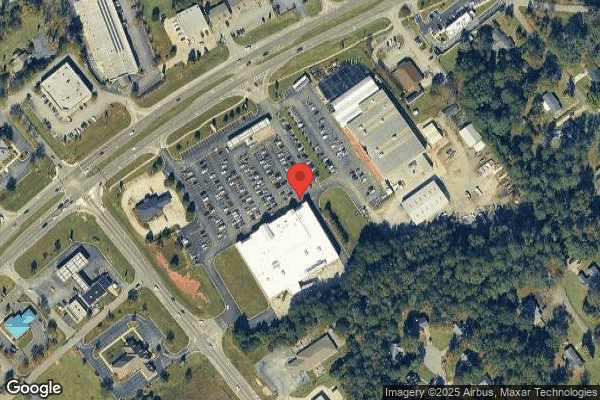
302 GEORGIA 18 EAST, GRAY, GA 31032 (478) 986-3151
Non profit - Other 85 Beds CLINICAL SERVICES, INC. Data: November 2025
Trust Grade
80/100
#47 of 353 in GA
Last Inspection: May 2025

Inspected within the last 6 months. Data reflects current conditions.

Overview

Autumn Lane Health and Rehabilitation in Gray, Georgia, has received a Trust Grade of B+, which means it is recommended and above average compared to other facilities. It ranks #47 out of 353 in Georgia, placing it in the top half, and is the best option in Jones County. The facility is improving, having reduced its issues from 5 in 2023 to 3 in 2025. Staffing is average with a turnover rate of 44%, slightly better than the state average, and there have been no fines recorded, which is a positive sign. However, there have been some concerning incidents, such as failure to label opened food items properly, inadequate staff assistance for daily living activities for one resident, and medication errors exceeding the acceptable rate. While there are strengths in overall care and a good safety record, these weaknesses indicate areas that need attention.

Trust Score
B+
80/100
In Georgia
#47/353
Top 13%
Safety Record
Low Risk
No red flags
Inspections
Getting Better
5 → 3 violations
Staff Stability
○ Average
44% turnover. Near Georgia's 48% average. Typical for the industry.
Penalties
✓ Good
No fines on record. Clean compliance history, better than most Georgia facilities.
Skilled Nurses
⚠ Watch
Each resident gets only 22 minutes of Registered Nurse (RN) attention daily — below average for Georgia. Fewer RN minutes means fewer trained eyes watching for problems.
Violations
⚠ Watch
12 deficiencies on record. Higher than average. Multiple issues found across inspections.
★★★★☆
4.0
Overall Rating
★★★☆☆
3.0
Staff Levels
★★★☆☆
3.0
Care Quality
★★★★☆
4.0
Inspection Score
Stable
2023: 5 issues
2025: 3 issues

The Good

  • Full Sprinkler Coverage · Fire safety systems throughout facility
  • No fines on record
  • Staff turnover below average (44%)

    4 points below Georgia average of 48%

Facility shows strength in fire safety.

The Bad

Staff Turnover: 44%

Near Georgia avg (46%)

Typical for the industry

Chain: CLINICAL SERVICES, INC.

Part of a multi-facility chain

Ask about local staffing decisions and management

The Ugly 12 deficiencies on record

May 2025 3 deficiencies
CONCERN (D)

Potential for Harm - no one hurt, but risky conditions existed

ADL Care (Tag F0677)

Could have caused harm · This affected 1 resident

**NOTE- TERMS IN BRACKETS HAVE BEEN EDITED TO PROTECT CONFIDENTIALITY** Based on observations, resident and staff interviews, and record review, the facility failed to provide staff assistance with ac...

Read full inspector narrative →
**NOTE- TERMS IN BRACKETS HAVE BEEN EDITED TO PROTECT CONFIDENTIALITY** Based on observations, resident and staff interviews, and record review, the facility failed to provide staff assistance with activities of daily living (ADLs), bathing, and oral hygiene, for one (Resident (R) 78) of two residents reviewed for ADLs out of a sample of 18 residents. This failure had the potential to negatively impact the quality of life for the affected resident. Findings include: Review of R78's Face Sheet located in the Admissions tab of the electronic medical record (EMR) revealed R78 was admitted on [DATE] with diagnoses including intracerebral hemorrhage, hemiplegia, muscle weakness, and dysphagia. Review of R78's quarterly Minimum Data Set (MDS) located in the EMR under the MDS tab with an Assessment Reference Date (ARD) of 4/21/2025 revealed a staff assessment of cognitive skills for daily decision making that indicated R78 was moderately cognitively impaired. The MDS also indicated R78 was dependent on staff for bathing and oral hygiene. Review of R78's Care Plan, dated 10/24/2024, located in the EMR under the Care Plan tab revealed R78 had a self-care deficit with interventions that staff were to assist with ADLs as needed. Observation on 5/13/2025 at 12:10 pm, R78 was in bed, hair unkept, and mouth caked with food. R78 was unable to adequately answer questions other than shaking her head yes or no. During an interview on 05/13/2025 at 12:10 pm, R63 (R78's roommate) stated [R78's] last bath was last night, but has gone for two weeks or more without a bath. She should have a bath three times per week. Review of R63's annual MDS located in the EMR under the MDS tab with an ARD date of 2/12/2025 revealed R63 had a Brief Interview for Mental Status (BIMS) score of 15 out of 15, which indicated the resident was cognitively intact. Observation on 5/16/2025 at 3:26 pm, R78 was in bed; mouth caked with food. The resident shook her head no when asked if her teeth had been brushed. Review of the R78's shower sheets provided by the facility showed documentation that R78 received a bath/shower on 4/9/2025, 4/14/2025, and then not again until 5/12/2025 and 5/15/2025. Review of the Certified Nurses' Assistant (CNAs) Task documentation titled Functional Abilities located under the ADL tab of the EMR did not show any documentation that R78 received a bath during this time period from 4/15/2025 to 5/11/2025. During an interview on 5/16/2025 at 3:26 PM, R78 was asked if she had a bath this week, and she nodded her head yes. When asked if she received a bath last week, she shook her head no. When asked if she received a bath during the week prior to that, she shook her head no During an interview on 5/16/2025 at 1:59 pm, CNA1 stated, Residents are bathed on Mondays, Wednesdays, Fridays, or Tuesdays, Thursdays, Saturdays, depending on the schedule. They are scheduled on day or night shift depending on the resident's preference. The bath schedule indicates when the resident is scheduled to be bathed. Documentation is completed in the EMR or on a shower sheet. If residents refuse, we keep reapproaching, talking to the nurse, and documenting the refusal. CNA1 stated that [R78] is scheduled for Mondays, Wednesdays, and Fridays on the night shift. [R78's family member] came in this week and requested [R78] be bathed. So, it was done during the day. [R78's family member] also requested a possible switch to the day shift. I have not heard anything regarding [R78] refusing baths. During an interview on 5/16/2025 at 3:03 pm, the Director of Nursing (DON) stated, Residents are on a bathing schedule of either Mondays, Wednesdays, Fridays, or Tuesdays, Thursdays, Saturdays. CNAs document in EMR or on shower sheets. I would expect to see documentation of bathing three times per week or that the nurse was notified if the resident refused. The DON confirmed that R78 did not have documentation of a bath from 4/15/2025 to 5/11/2025. The DON confirmed, there is no proof that [R78] received a bath during this time. The DON stated there was no policy regarding ADL care and bathing.
CONCERN (D)

Potential for Harm - no one hurt, but risky conditions existed

Unnecessary Medications (Tag F0759)

Could have caused harm · This affected 1 resident

**NOTE- TERMS IN BRACKETS HAVE BEEN EDITED TO PROTECT CONFIDENTIALITY** Based on observation, staff interview, record review, and review of the facility policy titled Medication Administration-General...

Read full inspector narrative →
**NOTE- TERMS IN BRACKETS HAVE BEEN EDITED TO PROTECT CONFIDENTIALITY** Based on observation, staff interview, record review, and review of the facility policy titled Medication Administration-General, the facility failed to ensure a medication error rate below five percent. During medication administration for two residents (R) (R45 and R77), the correct dosage of medication was not administered to the residents. These failures caused two medication errors out of 25 opportunities for error, or a medication error rate of eight percent. These failures had the potential to increase or decrease the effectiveness of these medications. Findings include: Review of the facility's undated policy titled Medication Administration-General, revealed Medications are administered in accordance with a valid prescriber order. Prior to medication administration, the Nurse or Certified Medication Aide (CMA): Reads the administration directions on the IVAR and verifies correct medication, dose, and directions for use. 1. Review of R45's Face Sheet, located in the Admissions tab of the electronic medical record (EMR) revealed he was admitted to the facility on [DATE], with diagnoses of cardiac arrhythmias, congestive heart failure, and hypertension. Review of R45's May 2025 electronic medication administration record (eMAR) revealed an order for vitamin D 1000 international units (IU), 25 micrograms (mcg), two tablets one time daily, which originated on 12/27/2024. Observation during medication administration at the 400 Hall medication cart with Certified Medication Assistant (CMA) 2 on 5/15/2025 at 9:31 am, CMA2 pulled one tablet from the vitamin D 1000IU (25mcg) container. CMA2 administered one 1000IU (25mcg) tablet of vitamin D to R45, then returned to the cart and signed the order as completed. Interview on 5/15/2025 at 10:59 am, CMA2 confirmed she administered one 1000IU (25mcg) tablet of vitamin D to R45 and that the order on the eMAR was for 1000IU (25mcg) two tablets. CMA2 confirmed she should have administered two tablets of vitamin D 1000IU (25mcg) to R45 instead of one tablet. 2. Review of R77's Face Sheet located in the Admissions tab of the EMR revealed she was admitted to the facility on [DATE] with a diagnosis of hyperlipidemia. Review of R77's admission MDS with an ARD of 2/27/2025 revealed she did not have constipation. However, the MDS assessment did reveal she received scheduled and as-needed opioid pain medication. Review of R77's May 2025 eMAR revealed an order for Senna plus 8.6 milligrams (mg)-50mg tablet, two tablets one time daily, which originated on 4/08/2025. Observation during medication administration at the 300 Hall medication cart on 5/15/2025 at 9:40 am, CMA2 removed one tablet from the Senna 8.6mg containers. CMA2 administered one 8.6 mg- 50 mg tablet of Senna to R77, then returned to the cart and signed the order as completed. Interview on 5/15/2025 at 10:59 am, CMA2 confirmed she administered one 8.6 mg- 50 mg tablet of Senna to R77 and confirmed the order on the eMAR was for 8.6 mg- 50 mg two tablets. CMA2 confirmed she should have administered two tablets of Senna 8.6 mg- 50 mg to R77 instead of one tablet. Interview on 5/16/2025 at 9:43 am, CMA2 stated the rights of medication administration included name, room number, medication, date/time, route, dose, and documentation. Interview on 5/16/2025 at 2:49 pm, the Director of Nursing (DON) stated the expectation was for CMAs to administer medications according to the order and verify with the package and order before administering medications. CMAs were to follow the rights of medication administration, including patient, medication, route, dosage, form, and time.
CONCERN (D)

Potential for Harm - no one hurt, but risky conditions existed

Infection Control (Tag F0880)

Could have caused harm · This affected 1 resident

**NOTE- TERMS IN BRACKETS HAVE BEEN EDITED TO PROTECT CONFIDENTIALITY** Based on observations, interviews, record review, and review of the facility policies titled Wound Care and Hand Hygiene, the fa...

Read full inspector narrative →
**NOTE- TERMS IN BRACKETS HAVE BEEN EDITED TO PROTECT CONFIDENTIALITY** Based on observations, interviews, record review, and review of the facility policies titled Wound Care and Hand Hygiene, the facility failed to adhere to infection control practices and policies during wound care related to staff failing to perform hand hygiene during glove changes and placing supplies on resident's dirty bedside table for two of two residents (Resident (R) 81 and R29) observed for wound care in the sample of 22 residents. The deficient practice increased the risk of cross-contamination and infections. Findings include: Review of the facility's undated policy titled Wound Care, provided by the facility indicated, Remove gloves and perform hand hygiene. Put on second clean gloves. Prepare the supplies on a clean surface covered with an impervious barrier. Review of the facility's undated policy titled Hand Hygiene, provided by the facility indicated, Change gloves and perform hand hygiene during patient care, if Gloves become damaged. Gloves become visibly soiled with blood or body fluids following a task. Moving from work on a soiled body site to a clean body site on the same patient or if another clinical indication for hand hygiene occurs. 1. During an observation of R81's wound care on 5/16/2025 at 10:30 am, Wound Care Nurse (WCN) performed hand hygiene, donned clean gloves, sanitized the top of the cart, removed gloves, and waited three minutes for the surface to dry. WCN sanitized hands, donned gown/gloves, placed tray inside plastic bag, prepped supplies on top of plastic bag, removed gloves, and sanitized hands. WCN entered R81's room and placed the supplies on the resident's bedside table, and did not clean the table prior to setting the tray with supplies on it. WCN washed her hands, donned clean gloves. WCN removed the old dressing from R81's left foot. WCN removed soiled gloves and donned clean gloves without performing hand hygiene. WCN cleansed the wound with saline. WCN removed soiled gloves and donned clean gloves without performing hand hygiene. WCN applied Medihoney with a cotton swab, applied gauze pads, and wrapped the ankle with rolled gauze. WCN removed gloves, washed hands, removed gown, and sanitized her hands. Review of R81's Face Sheet located under the Admissions tab of EMR revealed R81 was admitted to the facility on [DATE] with a diagnosis including cerebral infarction. Review of the quarterly Minimum Data Set (MDS) with an Assessment Reference Date (ARD) of 4/7/2025, with a Brief Interview for Mental Status (BIMS) score of eight out of 15, which indicated the resident was moderately cognitively impaired. The MDS indicated an unstageable pressure ulcer. Review of the Care Plan dated 1/3/2025 in the EMR under the Care Plan tab indicated the resident had skin breakdown and was on Enhanced Barrier Precautions. The posting on R81's door indicated Enhanced Barrier Precautions. 2. During an observation of wound care on 5/16/2025 10:57 am, WCN sanitized her hands, donned clean gloves, sanitized the top of the cart and tray, removed gloves, and waited three minutes for the surface to dry. WCN sanitized her hands, verified orders, donned clean gloves, placed the tray inside a plastic bag, prepped supplies on top of the plastic bag, removed gloves, and sanitized her hands. WCN donned a gown, entered R29's room, placed the supplies on the resident's bedside table, and did not clean the table prior to setting the tray with supplies on it. WCN washed her hands and donned clean gloves. WCN adjusted the bed, pulled blankets back, removed the pillow tucked under the resident's left side, and removed the resident's Depends and soiled dressing. R29 had a bowel movement, so WCN cleaned the resident. WCN removed soiled gloves, washed hands, and donned clean gloves. WCN cleansed the wound with saline, packed the wound with gauze using a cotton swab, and removed the gauze. WCN removed soiled gloves and donned clean gloves without performing hand hygiene. WCN applied skin prep to the peri wound. WCN removed soiled gloves and donned clean gloves without performing hand hygiene. WCN covered the wound with calcium alginate. WCN repositioned R29 in bed. WCN removed gloves, washed her hands, removed gown, and performed hand hygiene. Review of R29's Face Sheet located under the Admissions tab of EMR revealed R29 was admitted to the facility on [DATE] with diagnoses including fracture of left femur, dementia. Review of the quarterly MDS with an ARD of 3/3/2025 documented R29 had a BIMS score of 13 out of 15, which indicated the resident was cognitively intact and had a stage 3 pressure ulcer. Review of the Care Plan dated 8/14/2022, indicated the resident had skin breakdown and was on Enhanced Barrier Precautions. The posting on R29's door indicated Enhanced Barrier Precautions. During an interview on 5/16/2025 at 11:23 am, WCN stated, Since there is a barrier, I didn't need to sanitize the table, but could sanitize it. I'm not sure if I need to sanitize the table. Hand hygiene should be done with every glove change. I did not hand sanitize with gloves after changing. I don't know why I didn't. I'm just nervous. During an interview on 5/16/2025 2:56 pm, the Director of Nursing (DON) stated the expectation for the wound care nurse during wound care was to make sure everything is clean, wear proper PPE [personal protective equipment], perform hand hygiene, change gloves after removal of soiled dressings, perform hand hygiene any time gloves are changed, and don clean gloves. The wound care nurse is to verify the order, use a clean tray, place the tray in a bag, place supplies on the tray inside the bag, and clean the resident's bedside table prior to setting the tray of supplies with a plastic barrier on the table.
Sept 2023 5 deficiencies
CONCERN (D)

Potential for Harm - no one hurt, but risky conditions existed

Assessment Accuracy (Tag F0641)

Could have caused harm · This affected 1 resident

**NOTE- TERMS IN BRACKETS HAVE BEEN EDITED TO PROTECT CONFIDENTIALITY** Based on record review, staff interviews, and a review of facility policy titled MDS compliance, the facility failed to ensure t...

Read full inspector narrative →
**NOTE- TERMS IN BRACKETS HAVE BEEN EDITED TO PROTECT CONFIDENTIALITY** Based on record review, staff interviews, and a review of facility policy titled MDS compliance, the facility failed to ensure three of 25 sampled residents (R) (36, 48, and 62). Minimum Data Set assessments were accurate. Findings include: Review of facility policy titled MDS Compliance last reviewed 12/30/2022 revealed 'Each resident's assessment will be coordinated by and certified as complete by a registered nurse, and all individuals who complete a portion of the assessment will sign and certify to the accuracy of the portion of the assessment he or she completed.' 1. Record review of the Physician orders for R36 revealed an order for Indwelling urinary catheter to bedside drainage dated 11/11/2022. Record review of quarterly MDS dated [DATE] revealed section H-Bladder and Bowel, was not marked for indwelling catheter use. 2. Record review of the Physician orders for R48 revealed an order for dialysis three times per week dated 3/29/2023. Record Review quarterly MDS dated [DATE] revealed section O-Special Treatments and Programs was not marked for Dialysis. 3. Record Review of the Physician orders for R62 revealed no orders for gastrostomy tube (g-tube). Record review of quarterly MDS dated [DATE] revealed section K-Swallowing/Nutritional Status was marked for feeding tube. Interview on 9/23/2023 at 9:53 am with MDS coordinator revealed R62 no longer has feeding tube and only gets food and fluids by mouth. Stated tube was removed on 5/4/2023. Further revealed the Dietary Manager (DM) is responsible to fill out section K of the MDS. Acknowledged that Feeding Tube is assessed on 6/20/2023 assessment. States the look back period for the section K is seven days. Continued interview revealed she was responsible for filling out section O of R48's MDS. Confirmed R48 has been receiving dialysis since admission and is not sure why she failed to code it on the MDS assessment. Also revealed she was responsible for filling out section H on R36's MDS assessment and again was not certain why she failed to mark the assessment to show R36 had a urinary catheter. Interview on 9/23/2023 at 1:55 pm with the Director of Nursing (DON) confirmed R36, R48, and R62's MDS assessments were not coded correctly. Stated her expectation is for the MDS assessments to be coded to accurately reflect resident's status.
CONCERN (D)

Potential for Harm - no one hurt, but risky conditions existed

Deficiency F0657 (Tag F0657)

Could have caused harm · This affected 1 resident

Based on record review, staff interviews, and a review of facility policy titled, Patient's Plan of Care the facility failed to ensure one of 25 resident (R) (62) care plans were updated following com...

Read full inspector narrative →
Based on record review, staff interviews, and a review of facility policy titled, Patient's Plan of Care the facility failed to ensure one of 25 resident (R) (62) care plans were updated following completion of the Minimum Data Set assessment. Findings include: Review of facility policy 'Patient's Plan of Care' last reviewed 12/20/2022 revealed 'The patient's care plan should be reviewed after each MDS assessment and revised based on changing goals, preferences and needs of the patient and in response to current interventions. The comprehensive care plan should also be updated as ongoing clinical assessments identify changes.' Record review of a progress note dated 5/14/2023 revealed the gastrostomy tube was removed. Record review of care plan last reviewed 7/9/2023 revealed an intervention to 'Assess feeding tube placement, patency, and residual every shift and before and after administration of any fluids or medications.' Interview on 9/23/2023 at 9:53 am with MDS coordinator confirmed R62 no longer has a feeding tube. Stated the care plan should have been updated to reflect the resident does not have a feeding tube. Interview on 9/23/2023 at 1:32 pm with Director of Nursing (DON) revealed it is the responsibility of the Interdisciplinary Team to ensure resident care plans are reviewed and revised. Stated R62 no longer has a feeding tube and the care plan should have been updated when it was removed.
CONCERN (D)

Potential for Harm - no one hurt, but risky conditions existed

Deficiency F0692 (Tag F0692)

Could have caused harm · This affected 1 resident

Based on record review, staff interview, and review of the facility policy titled Weight and Nutrition Management, the facility failed to ensure a significant weight loss was reported for one of four ...

Read full inspector narrative →
Based on record review, staff interview, and review of the facility policy titled Weight and Nutrition Management, the facility failed to ensure a significant weight loss was reported for one of four residents (R) (R50) reviewed nutrition. Findings include: A review of the facility policy, Weight and Nutrition Management, reviewed 12/30/2022, revealed the facility should identify significant weight changes, discuss nutritional needs and issues through a collaborative interdisciplinary team (IDT) environment, consider possible interventions and monitor the effectiveness of the interventions, and notify the registered dietician for any guidance, follow-up, and assessment needs, or as needed. Record review of R50's weights revealed a 5.97% weight loss in 30 days, 7.35% in 90 days, and 10.0% in 180 days. R50 had a 6.35% weight loss between 8/1/2023 and 9/7/2023. A review of the Nutritional Assessment completed by the Dietary Manager (DM) on 9/20/2023 revealed R50 had a 5.97% weight loss in 30 days, a 7.35% weight loss in 90 days, and a 10.0% weight loss in 180 days. The assessment revealed the DM would continue with the dietary plan of care to honor diet and preferences and consult the Registered Dietician (RD) and Medical Director (MD) to follow up as needed. Interview on 9/23/2023 at 1:12 pm, with DM, she stated that if she noted a weight loss for a resident during a Nutritional Assessment, she would let the DON and the RD know to determine if a resident required a supplement or other dietary interventions. The DM stated she would also place the resident on weekly weights for four weeks. The DM acknowledged that R50 had a significant weight loss from 8/1/2023, when she weighed 134 pounds, and 9/7/2023, when she weighed 126 pounds. The DM could not explain why she did not notify the DM or DON about the resident's weight loss. She added that she would have the resident weighed to ascertain if the resident had any further weight loss. Interview on 9/23/2023 at 1:16 pm with Assistant Dietary Manager (ADM) stated that she was responsible for weighing the residents. She said if a resident had a weight loss or gain, she notified the DON by telephone or physically walked over to the DON's office and let her know. She added she would also discuss it with the DM to see if staff needed to weigh the resident weekly. The ADM explained that she did not record notifying the DON and DM of the weight change in the resident's record, and she could not recall whether she informed the DON and DM about R50's weight loss. Interview on 9/23/2023 at 2:05 pm with DON explained that the ADM was responsible for weighing the residents and notifying her of any changes. The DON added that if the DM noted a resident had a nutritional or weight change during a Nutritional Assessment, she would expect the DM to let her and the RD know immediately. The DON stated she conducted a facility-wide resident weight audit on 9/21/2023, and as a result, it was determined R50 had a significant weight loss. The DON stated staff had not reported on R50's weight loss prior to the audit.
CONCERN (D)

Potential for Harm - no one hurt, but risky conditions existed

Infection Control (Tag F0880)

Could have caused harm · This affected 1 resident

Based on observations, record review, staff interviews, and review of facility policy titled, Foley Catheter Care, the facility failed to implement an effective Infection Control Program to prevent th...

Read full inspector narrative →
Based on observations, record review, staff interviews, and review of facility policy titled, Foley Catheter Care, the facility failed to implement an effective Infection Control Program to prevent the spread of infection by not ensuring Certified Nursing Assistant (CNA) AA washed/sanitized her hands during the provision of catheter care for one of three residents (R) (36) with indwelling urinary catheter. Findings Include: Review of facility policy titled Foley Catheter Care last reviewed 12/30/2022 revealed 'Provide routine hygiene for meatal care To avoid contaminating the urinary tract, always clean by wiping away from-never toward-the urinary meatus. Use washcloth and soap and water or plain disposable wipe to clean the periurethral area.' Observation on 9/23/2023 at 10:15 am with CNA AA in R36's room, she was observed explaining to resident that she was going to provide catheter care prior to getting her dressed and out of bed. CNA AA donned gloves and placed one rag in the sink to wet it. CNA AA then proceeded to wash R36's face and placed the rag back in the sink under running water. CNA AA then added soap to the rag and wiped resident arm pits and beneath breast. Rinsed rag in sink and wiped resident arm pits and beneath breast to remove soap. CNA then wiped R36's catheter tube with rag from labia down. Perineal care was not performed. Interview on 9/23/2023 at 10:28 am CNA AA stated she has not had catheter training since last year some time. Stated she does not usually work with R36 and was not sure how to perform catheter care. Interview on 9/23/2023 at 10:32 am with Director of Nursing (DON) revealed CNA AA had catheter care education in January, February, and May of 2023. Stated CNA should have known proper procedure for providing catheter.
CONCERN (F)

Potential for Harm - no one hurt, but risky conditions existed

Food Safety (Tag F0812)

Could have caused harm · This affected most or all residents

**NOTE- TERMS IN BRACKETS HAVE BEEN EDITED TO PROTECT CONFIDENTIALITY** Based on observations, staff interviews, and a review of the facility policy titled Skilled Nursing Services, the facility faile...

Read full inspector narrative →
**NOTE- TERMS IN BRACKETS HAVE BEEN EDITED TO PROTECT CONFIDENTIALITY** Based on observations, staff interviews, and a review of the facility policy titled Skilled Nursing Services, the facility failed to ensure that opened food items were labeled and dated. The facility census was 81, with 79 residents receiving an oral diet. Findings included: A review of the facility policy, Skilled Nursing Services, reviewed 12/30/2022, revealed all items should be covered, sealed, labeled, and dated appropriately. An observation on 9/22/2023 at 8:10 a.m. of the walk-in cooler revealed the following: A baggie containing four eggs was open to air, unlabeled and undated. A baggie containing three eggs was open to the air, unlabeled and undated. A baggie containing two eggs, opened, unlabeled and undated. One five-pound bag of Great Lakes grated cheddar cheese, which was open to the air and unlabeled and undated. One two-pound bag of [NAME] Gusto grated Parmesan cheese, which was open to the air, unlabeled, and undated. An observation of the walk-in-freezer on 9/22/2023 at 8:15 am, revealed a 15-pound box of Swai fish filets. Inside the box, the fish was observed in a clear plastic bag opened to air, unlabeled, and undated. Interview on 9/22/2023 at 8:10 am with Dietary Manager (DM) acknowledged the items in the walk-in cooler and walk-in freezer were opened, unlabeled, and undated. She stated she had trained her staff to label, date, and seal opened food items, and the staff should have handled the items per their training.
May 2022 4 deficiencies
CONCERN (D)

Potential for Harm - no one hurt, but risky conditions existed

Comprehensive Care Plan (Tag F0656)

Could have caused harm · This affected 1 resident

**NOTE- TERMS IN BRACKETS HAVE BEEN EDITED TO PROTECT CONFIDENTIALITY** Based on observations, interviews, and review of the facility policy titled, Patient's Plan of Care the facility failed to follo...

Read full inspector narrative →
**NOTE- TERMS IN BRACKETS HAVE BEEN EDITED TO PROTECT CONFIDENTIALITY** Based on observations, interviews, and review of the facility policy titled, Patient's Plan of Care the facility failed to follow the care plan for one of 31 sampled residents (R) (#45). Findings include: Review of Policy titled Patient's Plan of Care (review date 12/4/21): Each patient will have a person-centered comprehensive care plan developed and implemented to meet his other preferences and goals, and address the patient's medical, physical, mental and psychosocial needs. Record review revealed R#45 was admitted to the facility on [DATE] and had the following diagnoses: Cerebral infarction, unspecified, hemiplegia and hemiparesis following cerebral infarction affecting right dominant side, Type 2 diabetes mellitus without complications, hypertension, and peripheral vascular disease. Review of Resident's Consolidated Order revealed a No added Salt (NAS) order since 5/18/2020. There was also an order for Mighty Shake one carton by mouth with meals with a start date of 5/12/22. Review of the care plan for R#45 revealed: Risk for altered nutrition status - NAS, RCS with interventions that included provide diet as prescribed. Weight loss - therapeutic diet with interventions that included provide high calorie supplement as ordered. During observation of the resident's lunch tray on 5/21/22 at 12:46 p.m. there was no Mighty Shake and there was a salt packet on the meal tray. Review of the meal ticket for lunch dated 5/21/22 revealed NAS but did not mention the Mighty Shake. Further review of the meal tray revealed the salt packet had been opened. During an observation of supper tray for R#45 on 5/21/22 5:53 p.m. revealed there was no Mighty Shake on the tray. During an interview on 5/22/22 at 1:39 p.m. with the Director of Nursing (DON) it was reported that Certified Nursing Assistants (CNA) utilize the Activities of Daily Living (ADL) plan of care to know what care should be provided to each resident. Upon review of ADL plan of care for R#45 it did not provide guidance on dietary orders. The DON further revealed that the charge nurse is responsible for checking to assure that CNAs know what supplements each resident has. It is a part of the regular duty that the charge nurse will check for supplement to assure the resident is receiving. Leadership will notify charge nurses, of changes and updates to care plan related to supplements and it will be on 24-hour report and passed from shift to shift so that everyone is aware of the updates.
CONCERN (D)

Potential for Harm - no one hurt, but risky conditions existed

Incontinence Care (Tag F0690)

Could have caused harm · This affected 1 resident

**NOTE- TERMS IN BRACKETS HAVE BEEN EDITED TO PROTECT CONFIDENTIALITY** Based on observation, record review, interviews, and review of the facility policy titled, Foley Catheter Care, the facility fai...

Read full inspector narrative →
**NOTE- TERMS IN BRACKETS HAVE BEEN EDITED TO PROTECT CONFIDENTIALITY** Based on observation, record review, interviews, and review of the facility policy titled, Foley Catheter Care, the facility failed to ensure catheter care was provided in a manner to prevent urinary tract infections for one of five residents (R) (R#61) with indwelling urinary catheters. Findings include: Review of the facility policy titled, Foley Catheter Care with a review date of 12/4/2021 revealed: Intent - to promote hygiene, comfort and decrease risk of infection for patients with an indwelling catheter and is performed daily and PRN (as needed) for soiling. Please see Lippincott Nursing Procedure [NAME] for additional information on how to complete the procedure. [NAME] (2019) documented to avoid contaminating the urinary tract, always clean by wiping away from and never toward the urinary meatus. The policy does not include information about cross contamination and/or using a clean washcloth/wipe for each stroke. Review of the admission Minimum Data Set (MDS) with an assessment reference date of 4/13/2022 revealed R#61 was admitted to the facility on [DATE] and had a Brief Interview of Mental Status (BIMS) score of 15 indicating intact cognition. The resident had an indwelling catheter. Interview with R#61 on 5/20/2022 at 9:05 a.m. revealed that staff keep his indwelling catheter clean every day. Observation on 5/22/2022 at 8:45 a.m. revealed Certified Nursing Assistance (CNA) HH with the assistance of CNA DD (who dried the area) performed catheter care on R#61. One basin of warm water was collected and one washcloth. CNA HH placed the washcloth in the basin and wet the washcloth. She then squirted some soap onto the washcloth and placed washcloth back into the basin and soaped up the washcloth. She cleaned down each side of the residents groin area first. She then pulled the skin back on the resident's penis and cleaned and on the head of the penis and then down the tubing of the indwelling catheter. She did not use a clean surface area of the washcloth and randomly placed the washcloth back into the basin to wet and soap up. She then cleaned the around the head of the penis and down the catheter tubing again with the same washcloth. The catheter tubing was cleaned away from the urethral open but was not cleaned with a clean washcloth or wipe. Interview immediately after the catheter care with CNA HH and CNA DD revealed that staff do receive in-services on the computer for catheter care. She stated this was the first time she has completed catheter care on a male resident, but with a female resident, she goes down one side, flips washcloth, then down the other side, flips washcloth, and then down the middle. Both CNAs were unaware of how to clean the catheter tubing of the male resident without cross contaminating and possibly contributing to a urinary tract infection (UTI). During an interview on 5/22/2022 at 11:41 a.m., the Director of Nursing (DON) revealed that staff are in-serviced on catheter care with return demonstrations. She stated the CNA must have been nervous because she has been here a while and knows what to do. Review of the Nurse Aide Trainee Competency checklist - Catheter Care revealed CNA HH received the in-service on 2/24/2022 and CNA DD received the in-service on 2/23/2022. The in-service indicated to expose the catheter while providing as much dignity as possible, washes the catheter with soap and water cloth, away from the resident. The in-service training did not include information on using a clean surface area to clean the urethral opening and tubing.
CONCERN (D)

Potential for Harm - no one hurt, but risky conditions existed

Deficiency F0692 (Tag F0692)

Could have caused harm · This affected 1 resident

**NOTE- TERMS IN BRACKETS HAVE BEEN EDITED TO PROTECT CONFIDENTIALITY** Based on observation, record review and staff interview, the facility failed to serve one of 31 sampled resident (R) (#45) a Mig...

Read full inspector narrative →
**NOTE- TERMS IN BRACKETS HAVE BEEN EDITED TO PROTECT CONFIDENTIALITY** Based on observation, record review and staff interview, the facility failed to serve one of 31 sampled resident (R) (#45) a Mighty Shake and a no added salt diet as ordered by the Physician. Findings include: Review of document titled Food Nutrition Services (not dated) revealed: Diet: No Added Salt This diet does not receive any salt packets and avoids added salt at the table. Record review revealed R#45 was admitted to the facility on [DATE] and had the following diagnoses: Cerebral infarction, unspecified, hemiplegia and hemiparesis following cerebral infarction affecting right dominant side, type 2 diabetes mellitus without complications, hypertension, and peripheral vascular disease. Review of Resident's Consolidated Order revealed a No added Salt (NAS) order since 5/18/2020. There was also an order for Mighty Shake one carton by mouth with meals with a start date of 5/12/22. There was also a supplement order for House Supplement 150 milliliter by mouth 3 times per day with a start date of 5/12/22. Review of resident's weight record indicated weight loss from 144 pounds to 127 pounds in a six-month period. During an observation of the lunch tray for R#45 on 5/21/22 at 12:46 p.m. there was no Mighty Shake and there was a salt packet on the meal tray. Review of the meal ticket for lunch dated 5/21/22 revealed NAS but did not mention the Mighty Shake. Further review of the meal tray revealed the salt packet had been opened. During an observation of the supper tray on 5/21/22 5:53 p.m. revealed there was no Mighty Shake on the tray. Review of the Medication Administration Record (MAR) revealed Mighty Shake was given to the resident at 5 p.m. During an interview on 5/21/22 at 1:11 p.m. with Agency Certified Nursing Assistant (CNA) AA, confirmed that she assisted R#45 with lunch, and she put salt, pepper, butter, and sour cream on the baked potato. The opened salt packet remained on the tray and salt particles were visible on the knife. During an interview and observation on 5/21/22 at 6:00 p.m. with the Director of Nursing (DON) confiremed that there was no Mighty Shake on R#45's meal tray. DON went on to reveal that even if the Mighty Shake does not come from the kitchen on the meal tray the CNAs know that they can get a Mighty Shake from the resident's refrigerator on the hall. Agency CNA AA confirmed again that she had not served a Mighty Shake to R#45 during lunch. During an interview on 5/22/2022 at 8:01 a.m. with Licensed Practical Nurse (LPN) BB revealed that she has been providing resident with a Boost when she takes her medication. It was further reported that R#45does not like the Mighty Shake and prefers the Boost and the Mighty Shake is a fairly new order. LPN acknowledged that she should not be signing off on Mighty Shakes if R#45 is not receiving it. LPN BB reported that she has not spoken with the Physician about R#45's dislike of Mighty Shakes. During an interview on 5/22/22 at 8:15 a.m. with CNA DD revealed that R#45 should receive Mighty Shake on the tray with all of her meals. CNA DD further revealed that R#45 drinks the Mighty Shakes well and preferred the shakes and juices over food most of the time. During an interview on 5/22/22 at 11:09 a.m. with the Food Service Manager (FSM) revealed that dietary is responsible for putting the Mighty Shakes on the meal tray, but Mighty Shakes will not be listed on the meal ticket. She explained that there is a list of all residents that receive Mighty Shakes (total of 6), and this is what is used when plating. FSM acknowledged that the Mighty Shake was left off in error on 5/21/2022. The FSM confirmed that no salt packets should be provided for residents who have NAS diets. During an interview on 5/22/22 at 11:31 a.m. with the DON revealed that Mighty Shakes are kept in the refrigerator in the resident pantry on the hall. The DON revealed that the LPN provided the supplement but typically they would follow up with the Dietitian or Physician to see if they could change what was ordered. DON revealed that CNAs should double check to assure that the meal ticket matches what the resident has on the meal tray.
CONCERN (D)

Potential for Harm - no one hurt, but risky conditions existed

Infection Control (Tag F0880)

Could have caused harm · This affected 1 resident

**NOTE- TERMS IN BRACKETS HAVE BEEN EDITED TO PROTECT CONFIDENTIALITY** Based on observations and staff interviews and review of directions for use of the germicidal bleach wipes the facility failed t...

Read full inspector narrative →
**NOTE- TERMS IN BRACKETS HAVE BEEN EDITED TO PROTECT CONFIDENTIALITY** Based on observations and staff interviews and review of directions for use of the germicidal bleach wipes the facility failed to maintain sanitary and clean conditions on three of four halls(100, 200, and 300). Specifically, the facility failed to follow kill times when cleaning sinks, toilets, and railings in hallways. Findings include: Review of directions for use of the germicidal bleach wipes revealed to clean and disinfect and deodorize hard, nonporous surfaces - wipe wet surface to be disinfected. Use enough wipes for treated surface to remain visibly wet for the contact time listed on label. To kill Mycobacterium bovis, let stand for 3 minutes. Let air dry. If streaking is observed, wipe with a clean, damp cloth or paper towel after appropriate contact time has expired. 1.Observation of environmental cleaning on the 300 hall in room [ROOM NUMBER] on [DATE] began at 9:06 a.m. and concluded at 9:37 a.m. with Laundry Aide/Housekeeper KK revealed the following: 1.At 9:10 a.m. Central began cleaning the bathroom by wiping down the shower wall and shower bench with germicidal bleach wipes. This was immediately followed up with using the showerhead to rinse the bench and the wall. 2.At 9:16 a.m. germicidal bleach wipes were used to wipe down the toilet, paper towel holder, chair, and sink in the bathroom. At 9:18 a.m. a towel was used to dry the toilet, paper towel holder, chair, and sink. 2.Observation of environmental cleaning on 200 hall began on [DATE] at 9:41 a.m. with Housekeeper (KSK) LL and concluded at 10:07 a.m. revealed the following: 1.At 9:45 a.m. HSK LL began cleaning the handrails on the 200 hall with germicidal bleach wipes and began at the end of the hall on the right side. At 9:46 a.m. a cloth towel was used to dry the rails that were wiped with the germicidal wipes. 2.At 9:48 a.m. germicidal bleach wipes were used to clean rails from room [ROOM NUMBER] up to the rails near room [ROOM NUMBER]. The cloth towel was used to dry the rails at 9:50 a.m. 3.At 10:05 a.m. at the top of 200 hall to room [ROOM NUMBER] germicidal bleach wipes were used to wipe the rails. At 10:07 a.m. the cloth towel was used to dry the rails. During an interview on 5/212022 at 10:10 a.m. with HSK LL confirmed that the germicidal bleach wipes had a kill time of three minutes. She further confirmed that when she began cleaning the rails on the hallway, she probably did not allow the rails to remain wet for the full three minutes. She explained that she used the cloth towel because the residents would be coming out of their rooms, and she did not want them to touch the wet rails. 3. Observation of environmental cleaning on the 100 hall on [DATE] began at 8:30 a.m. and concluded at 8:41 a.m. with HSK MM revealed the following: 1.At 8:33 a.m. bleach germicidal cleaner was sprayed on the sink in the room and then germicidal bleach wipes were used to wipe the sink. The water in the sink was then turned on and the sink bowl was briefly rinsed. At 8:34 a.m. a cloth towel was used to dry the sink. 2.At 8:39 a.m. the toilet and sink were sprayed down with the germicidal bleach spray. The germicidal wipes were then used to clean the sink. At 8:40 a.m. the sink was dried with a cloth towel. 3.At 8:40 a.m. the toilet was wiped down with the germicidal bleach wipes. At 8:41 a.m. a cloth towel was used to dry the toilet. During an interview on [DATE] at 8:41 a.m. with HSK MM revealed that she would allow the full three minutes or longer if a bathroom was really dirty. She explained that a cloth towel is used for drying to keep the residents from getting the cleaning products on them. An interview on [DATE] at 10:24 a.m. with the Environmental Services Supervisor (ESS) revealed that when cleaning the resident's rooms all touch areas should be cleaned. She further revealed that the germicidal bleach wipes have a kill time of three minutes and should be allowed to air dry and that the rails in the hallways should be cleaned at least twice a day with the germicidal wipes. ESS explained that spot checks are done to check behind staff but there is no documentation of this. Review of [DATE] Inservice (undated) revealed to follow kill time written on bleach wipes and bleach spray, chemicals are to air dry, and do note wipe off chemical.
Understanding Severity Codes (click to expand)
Life-Threatening (Immediate Jeopardy)
J - Isolated K - Pattern L - Widespread
Actual Harm
G - Isolated H - Pattern I - Widespread
Potential for Harm
D - Isolated E - Pattern F - Widespread
No Harm (Minor)
A - Isolated B - Pattern C - Widespread

Questions to Ask on Your Visit

  • "Can I speak with families of current residents?"
  • "What's your RN coverage like on weekends and overnight?"

Our Honest Assessment

Strengths
  • • Grade B+ (80/100). Above average facility, better than most options in Georgia.
  • • No major safety red flags. No abuse findings, life-threatening violations, or SFF status.
  • • No fines on record. Clean compliance history, better than most Georgia facilities.
  • • 44% turnover. Below Georgia's 48% average. Good staff retention means consistent care.
Concerns
  • • 12 deficiencies on record. Higher than average. Multiple issues found across inspections.
Bottom line: Generally positive indicators. Standard due diligence and a personal visit recommended.

About This Facility

What is Autumn Lane's CMS Rating?

CMS assigns AUTUMN LANE HEALTH AND REHABILITATION an overall rating of 4 out of 5 stars, which is considered above average nationally. Within Georgia, this rating places the facility higher than 99% of the state's 100 nursing homes. This rating reflects solid performance across the metrics CMS uses to evaluate nursing home quality.

How is Autumn Lane Staffed?

CMS rates AUTUMN LANE HEALTH AND REHABILITATION's staffing level at 3 out of 5 stars, which is average compared to other nursing homes. Staff turnover is 44%, compared to the Georgia average of 46%. This relatively stable workforce can support continuity of care.

What Have Inspectors Found at Autumn Lane?

State health inspectors documented 12 deficiencies at AUTUMN LANE HEALTH AND REHABILITATION during 2022 to 2025. These included: 12 with potential for harm.

Who Owns and Operates Autumn Lane?

AUTUMN LANE HEALTH AND REHABILITATION is owned by a non-profit organization. Non-profit facilities reinvest revenue into operations rather than distributing to shareholders. The facility is operated by CLINICAL SERVICES, INC., a chain that manages multiple nursing homes. With 85 certified beds and approximately 81 residents (about 95% occupancy), it is a smaller facility located in GRAY, Georgia.

How Does Autumn Lane Compare to Other Georgia Nursing Homes?

Compared to the 100 nursing homes in Georgia, AUTUMN LANE HEALTH AND REHABILITATION's overall rating (4 stars) is above the state average of 2.6, staff turnover (44%) is near the state average of 46%, and health inspection rating (4 stars) is above the national benchmark.

What Should Families Ask When Visiting Autumn Lane?

Based on this facility's data, families visiting should ask: "Can I visit during a mealtime to observe dining assistance and food quality?" "How do you handle medical emergencies, and what is your hospital transfer rate?" "Can I speak with family members of current residents about their experience?"

Is Autumn Lane Safe?

Based on CMS inspection data, AUTUMN LANE HEALTH AND REHABILITATION has a clean safety record: no substantiated abuse findings (meaning no confirmed cases of resident harm), no Immediate Jeopardy citations (the most serious violation level indicating risk of serious injury or death), and is not on the Special Focus Facility watch list (a federal program monitoring the lowest-performing 1% of nursing homes). The facility has a 4-star overall rating and ranks #1 of 100 nursing homes in Georgia. While no facility is perfect, families should still ask about staff-to-resident ratios and recent inspection results during their visit.

Do Nurses at Autumn Lane Stick Around?

AUTUMN LANE HEALTH AND REHABILITATION has a staff turnover rate of 44%, which is about average for Georgia nursing homes (state average: 46%). Moderate turnover is common in nursing homes, but families should still ask about staff tenure and how the facility maintains care continuity when employees leave.

Was Autumn Lane Ever Fined?

AUTUMN LANE HEALTH AND REHABILITATION has no federal fines on record. CMS issues fines when nursing homes fail to meet care standards or don't correct problems found during inspections. The absence of fines suggests the facility has either maintained compliance or corrected any issues before penalties were assessed. This is a positive indicator, though families should still review recent inspection reports for the full picture.

Is Autumn Lane on Any Federal Watch List?

AUTUMN LANE HEALTH AND REHABILITATION is not on any federal watch list. The most significant is the Special Focus Facility (SFF) program, which identifies the bottom 1% of nursing homes nationally based on persistent, serious quality problems. Not being on this list means the facility has avoided the pattern of deficiencies that triggers enhanced federal oversight. This is a positive indicator, though families should still review the facility's inspection history directly.